Blog Feed

Posted in Publisher Proof

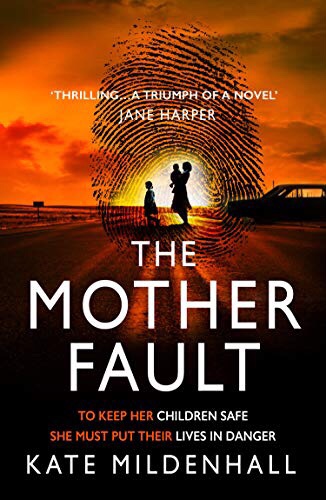
The Mother Fault by Kate Mildenhall.

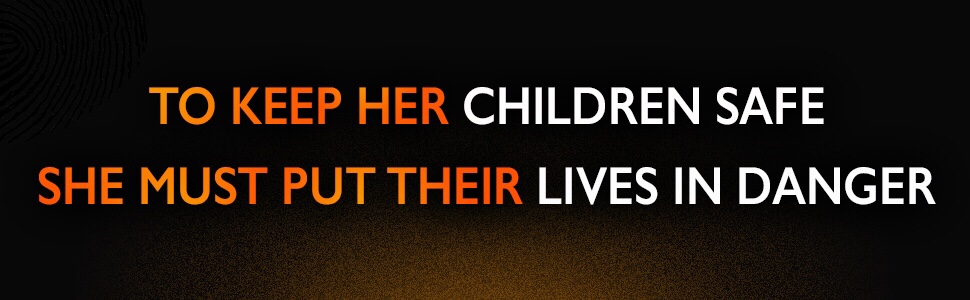
To keep her children safe, she must put their lives at risk …
In suburban Australia, Mim and her two children live as quietly as they can. Around them, a near-future world is descending into chaos: government officials have taken absolute control, but not everybody wants to obey the rules.
When Mim’s husband Ben mysteriously disappears, Mim realises that she and her children are in great danger. Together, they must set off on the journey of a lifetime to find Ben. The government are trying to track them down, but Mim will do anything to keep her family safe – even if it means risking all their lives.
Can the world ever return to normality, and their family to what it was?

Every time I read a new dystopian novel I end up feeling a little disturbed about how close it is to the world we’re in now. Especially with the extreme weather events, potential for WW3 and the lingering pandemic all competing for our attention. Yet for some reason I’m drawn to them and when they’re done well they blow me away. There have been a few dystopian novels sitting high on my ‘Books of the Year’ list for the past two years running.

This was another novel set in the near future, where severe climate change events and continued terrorist attacks have made the government take drastic action. They now have a totalitarian government, run under the sinister title of the “Department”. Humans have been installed with the type of microchips anti-vaxxers are terrified by, allowing the government to keep tabs of every single citizen. All civil liberties and freedoms have been swept aside for the false promise of round the clock security provided by their privacy being invaded. Any dissent is dealt with quickly and without mercy, and there are purpose built compounds ready to house anyone who speaks out. Many go in, but nobody comes out again, a though that fills me with dread considering I’m writing this as Russia is dismantling any left-wing TV or radio station and announcing new laws to curb anyone even labelling their invasion of the Ukraine as a war instead of a ‘special military operation.’

So when officials from the Department tell Mim is tell Mim that her husband Ben is missing, she has to think quickly and tactically about the best plan of action for her and their children Essie and Sam. When officials arrive at her home to department to “help and advise’ she knows that she’s being trapped. Their advice warns her to stay home and they offer her some official looking forms to sign, but without giving her a chance to read them. Finally, they’re asked to surrender their Passports. This might be run of the mill stuff in a dictatorial regime, but Mim isn’t so easily controlled or fobbed off. Ben had been working in Indonesia, at a gold mine, so Mim is used to him being away from home, but he’s never been unexpectedly delayed or kept at his place of work without some notice. However, his return ‘in the next few days’ allows Mim time to think and delay telling anyone they know. The only other person who. knows the truth is Raquel – a foreign, independent journalist who had happened to ring because she had heard Ben had disappeared on the grapevine. Mim decides to run, knowing that officials will take them as security to lure Ben to them if they don’t already have him.

The story of this family on the run makes a great thriller, the pace is mostly superb and I was rooting for this family. The Department are relentless though, and Mim finds her way blocked, not just by the confiscated passports, but by frozen bank accounts and phone calls where her children are threatened if she doesn’t return home. I felt torn about Mum’s decision making. I applauded her for sticking to her principles and the belief that her children are in more danger living within this totalitarian regime than by running any. The other half of me was thinking she was crazy to risk their lives this way. An old friend of Mim’s takes the family on a treacherous sea voyage to find Ben, but I kept wondering whether she could trust her friend or if there are ulterior motives. I found some of Mim’s choices here difficult to understand and the story seemed to slow as they tried to reach Borneo. However, once there and towards the end the pace changed suddenly and my only criticism of the book would be that this huge change in pace made the final section feel like it passed too quick, giving me a bit of an anti-climactic feel. I thought the Big Brother elements of the novel were well established and the government felt truly terrifying in their scope and methods of punishment. I enjoyed the fact that it made me think, not just about the politics, but about being a mother in this oppressive situation and the decisions I would have made for my children. Was it worth putting their lives in immediate danger to avoid the potential future consequences of staying put? I found it involving, intelligent and eerily prescient, with the ability to start a few dystopian nightmares of my own.

Published in paperback by Harper Collins on 3rd March 2022.
Meet the Author

Kate Mildenhall is a writer and education project officer, who currently works at the State Library of Victoria. As a teacher, she has worked in schools, at RMIT University and has volunteered with Teachers Across Borders in Cambodia.

Skylarking was her debut novel. She discovered the story while on a camping trip and she wishes for more such fruitful adventures. She lives with her husband and two young daughters in Hurstbridge, Victoria.
Posted in Publisher Proof

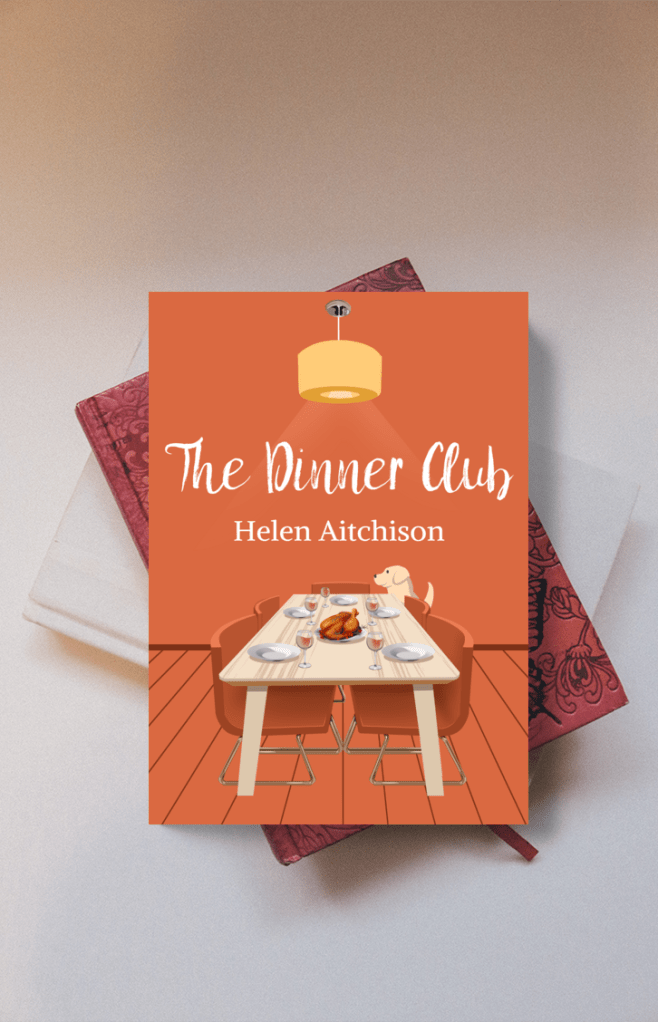
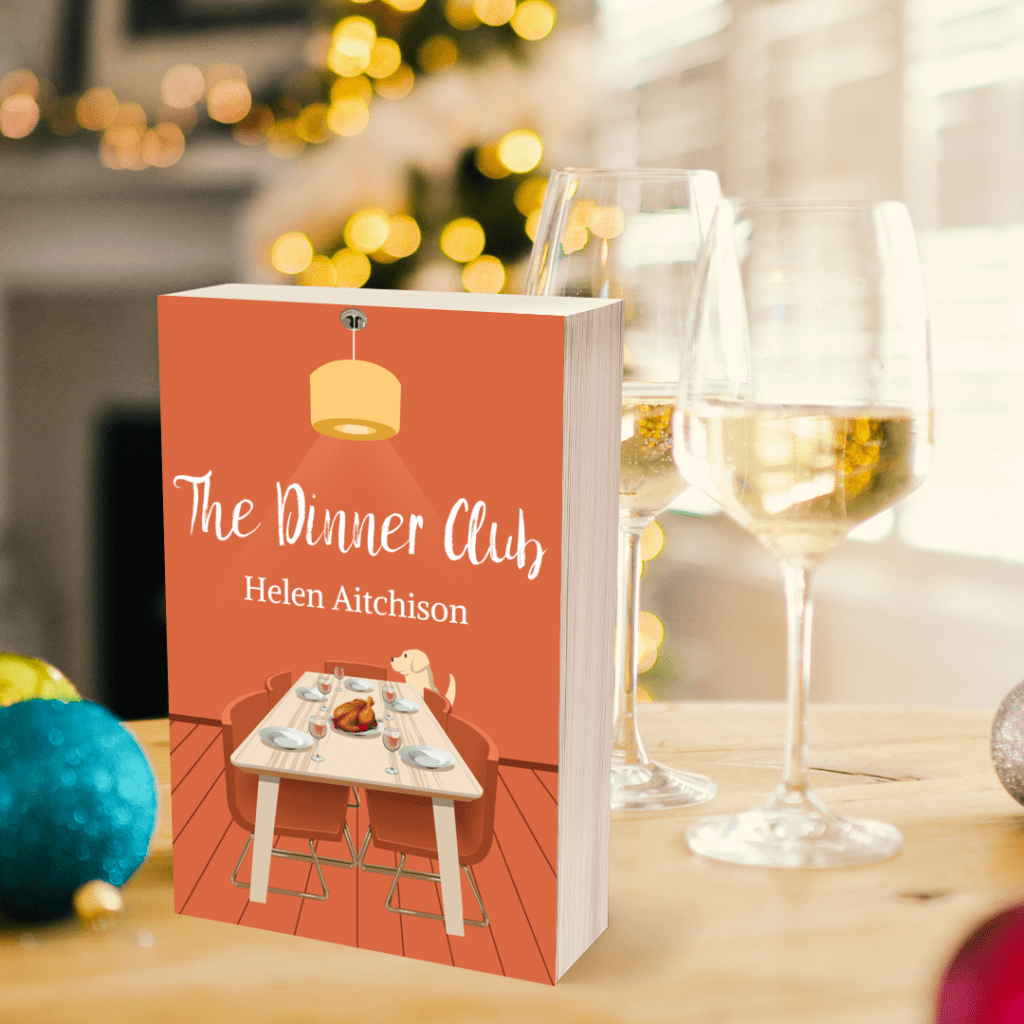
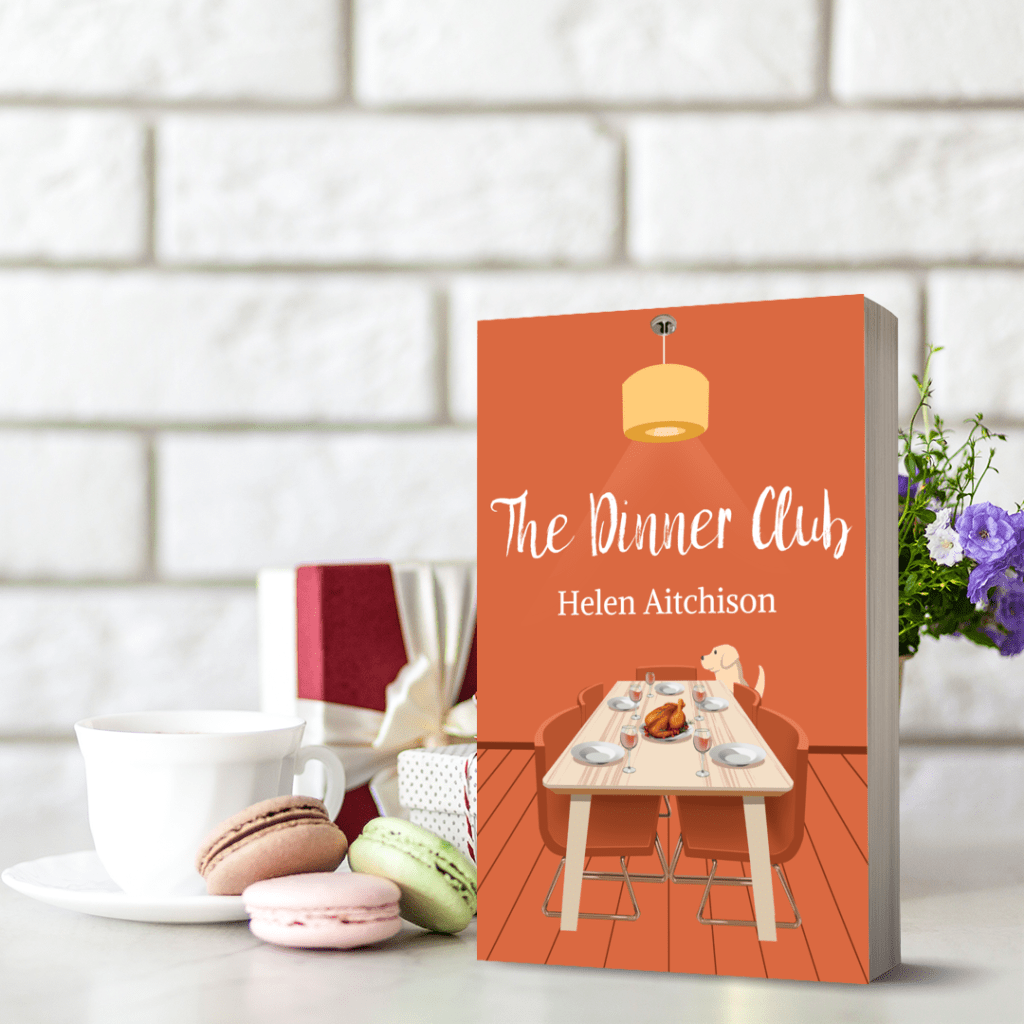
The Dinner Club by Helen Aitchison

I love my food and food based books are some of my favourite reads, in fact my book club have been dealing with my book based bakes for some time now. I would either find a recipe in the book and replicate it or, even if all I had was a list of the main ingredients, I would create something very unexpected. That’s how I ended up with my recipe for Honesty Cake, an Alice Hoffman book invention with sour cherry and star anise as the only named ingredients. Here it wasn’t so much the food that would have brought me to the table, but the five characters brought together by a card on the notice board of a local supermarket. Each of these characters has a secret and in a way it’s these secrets that bring them together as much as the food. They need a stranger to hear them, to accept their secret without judgement and give support. It’s Derek who is inspired to start the club after his wife of forty years leaves him suddenly. After constant control and criticism, her absence is almost a relief, buts it’s also a loss and Derek is floundering a little with household tasks like cooking and food shopping. After a lifelong struggle with his weight Derek decides to try some different foods and teach himself how to cook. However, there’s something else Derek has been keeping under wraps and would like to experiment with more, maybe with new friends he can do that?

Alongside Derek are four other people, each carrying their own secret. Grieving widower Eddie, is becoming so focused on what’s missing from his life he’s forgotten to concentrate on what he does have, as his relationship with his young daughter starts to be swallowed up by the black hole inside him. Florence is an octogenarian looking for one last adventure and helped by her carer Jessie. Violet needs somewhere to go that isn’t ruled by her abusive husband, in the hope she can make friends and build her confidence enough to leave one day. Cara is in a very lonely place after ageing out of the care system, so she wants to meet people she can make friends with. A disparate group of people, all longing for the same things, but worried that their secrets might hinder that search for connection.

I fell a little bit in love with Derek, being on the plump side myself I could really identify with how he felt. Having had a partner who would use my weight to knock my confidence, I could feel how confused he was when his wife would cook Friday night ‘feasts’ for them both, then moan about how fat he was getting. She was setting him up to fail and I really couldn’t stand her. I could connect with his sense of food as a celebration so strongly and when he started to plan meals and cook from scratch I felt so proud of him, even though we’d only just met. I could see his life opening up as we followed him joyfully wandering the supermarket and, even though he’s nervous, getting ready to reveal his secret to an old friend.

The point of view changes every few chapters so we are party to the richness of these character’s inner worlds: their dreams and hopes for the future; their fears; then their growing self-love as the group progresses. It’s uplifting to hear and see each one becoming more confident and even moving towards self – acceptance. The issues covered are difficult and as the dinner club becomes a support group we see the character’s facing grief, domestic violence, and loneliness. Yet it never feels too much. It’s moving and poignant, but balanced with the joy and positivity that can only come from living as your authentic self. These people are warm, generous and kind to each other, all wrapped up with some very good food. What more could a reader ask for? This is one that I’ll keep in mind, for the when someone on BookTwitter asks for a fun, uplifting read, because this book is definitely joyous.

The Dinner Club by Helen Aitchison
Release date: 11th March 2022

<a href="http://www.books2read.com/tdc”>http://www.books2read.com/tdc<https://nam12.safelinks.protection.outlook.com/?url=http%3A%2F%2Fwww.books2read.com%2Ftdc&data=04%7C01%7C%7C3a5863c97d674e7874e308da01165b7c%7C84df9e7fe9f640afb435aaaaaaaaaaaa%7C1%7C0%7C637823493405886070%7CUnknown%7CTWFpbGZsb3d8eyJWIjoiMC4wLjAwMDAiLCJQIjoiV2luMzIiLCJBTiI6Ik1haWwiLCJXVCI6Mn0%3D%7C3000&sdata=uF877L3nujRJR039HgRlBoqKpRZK11wu6SuDawtQptA%3D&reserved=0&gt;

Posted in Netgalley

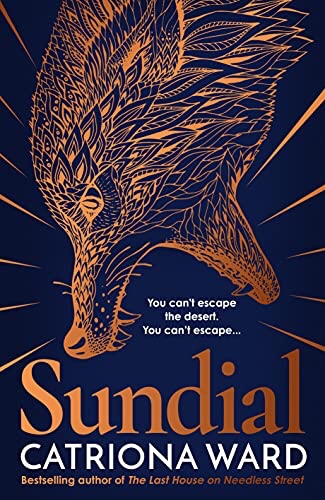
Sundial by Catriona Ward

I was left slightly shell-shocked by Catriona Ward’s new novel Sundial, a state of mind that is rapidly becoming her trademark as a writer after her mind – meltingly strange and clever previous novel The Last House on Needless Street. When people ask me what it’s like to read her novels I liken it to the early films of M. Night Shymalan. Remember when you first watched The Sixth Sense? I remember sitting in the cinema as the final credits rolled thinking ‘what have I just watched?’ Then wondering if I could simply stay for the next showing and watch it again, knowing what was actually happening. They’re novels that won’t immediately show up as film or TV adaptations, because directors will be scratching their heads, wondering how best to tell the story visually, while keeping the revelations under wraps till the end. I’m waiting to see how someone manages the narrating cat, but if anyone can do it it’s Andy Serkis, who is currently developing last year’s smash hit.

I haven’t read her earliest work, but didn’t know what to expect in this new novel and whether she would be able to deliver those WTF?? moments that characterised The Last House on Needless Street. Well it turns out she can and she has. At first I was reading what seemed like a normal family drama and I wondered if we were going to have a change in style. Then there was a moment, everyone who has read it knows where I mean, where the everyday and mundane became strange and distorted. I felt the hairs stand up on the back of my neck. Rob is mother to two daughters, Annie and Callie, and wife to Irving. They are a normal nuclear family, or so they seem. Rob finds out that Callie has the potential and the urge to hurt her little sister. She also finds that Callie is collecting the bones of small creatures, including a puppy from a dumpster. She also whispers to imaginary friends. Rob senses that there might be a darkness in Callie that reminds her of Sundial, the home in the desert where she grew up. Rob resolves to take Callie with her to the Mojave, and back to Sundial which has lain empty since she and Irving became a couple. She thinks this trip into the past will give her answers, but once there she is overwhelmed by memories of the past. Might she have to make a choice between her two children?

The author lets Rob start the story in the family home, establishing the dynamic of their family and the way we view them as readers. As we change to Callie’s narration, things seem very different. We realise that Callie is actually scared of her mother and this ‘mother/daughter’ trip they’re taking. She thinks Rob is looking at her differently and is worried about being alone with her. Consequently, we’re on edge with both narrators. I was never sure which one was telling me the truth of events or whether there is even is one established truth. The author is so brilliant at creating a ‘hall of mirrors’ effect where each reality becomes distorted, but in such a different way that I was struggling to get a grasp on who was dangerous and whether anyone would be leaving the desert in one piece.

With such complex books that are dependent on the scary location and unexpected revelations it’s very hard to know what to tell. I feel that Rob thinks she will shock Callie into a different path by telling her the story of her upbringing, even though I’m not entirely sure she has the ‘true’ version of events. We find out that she lived with her adoptive parents at the ranch, where dogs were kept for scientific experiments into behaviour. I’m not a huge believer of trigger warnings, but if you are genuinely upset or angered by this type of experimentation on animals then maybe this isn’t the book for you. I found this element disturbing and it definitely added to the dark atmosphere of their home. When we drop back into her childhood we know Rob believes that her father and stepmother, became a couple after the death of her mother who she only has fleeting memories of because she was so young. She doesn’t mind her stepmother, but feels an obligation to dislike her out of loyalty. However, slowly we slip through versions of this story rather like a set of never ending Russian dolls until I didn’t know who to trust. This is a perfect psychological horror where the supernatural elements may be real, or may be a delusion or hallucination formed by an unstable mind. There’s a truly sad moment where I can see Rob’s world could have become wider and full of life experiences we want for our children like friends, education and travel. Can she break with Sundial or will she be pulled inexorably back into her past?

It’s fair to say that no one is what they seem in this story. I was very interested in whether the family would be reunited again, but this seemed to become further and further away. There are believable elements; as a lot of people with horrific childhoods do, it seemed as if Rob may have replaced the ranch with another house of domestic horrors. Or had she been so tied to her past she had recreated it? There was manipulation and abuse evident alongside the hauntings. It would maybe be a stretch to say I enjoyed this book, because if it were possible I’d have been reading with my hands over my eyes! I didn’t always want to see or know more. Yet I can see that it’s a brilliant piece of writing that stirred up so many emotions from fear to hope, back to being completely terrified again.

Published by Viper 10th March 2022

Meet The Author

CATRIONA WARD was born in Washington, DC and grew up in the United States, Kenya, Madagascar, Yemen, and Morocco. She read English at St Edmund Hall, Oxford and is a graduate of the Creative Writing MA at the University of East Anglia.

The Last House on Needless Street’ (Viper Books, Tor Nightfire) was a Times Book of the Month, Observer Book of the Month, March Editor’s Pick on Open Book, a Between the Covers BBC2 book club selection, a Times bestseller, and is being developed for film by Andy Serkis’s production company, The Imaginarium.

Little Eve‘ (Weidenfeld & Nicolson, 2018) won the 2019 Shirley Jackson Award and the August Derleth Prize for Best Horror Novel at the 2019 British Fantasy Awards, making her the only woman to have won the prize twice, and was a Guardian best book of 2018. Her debut Rawblood (W&N, 2015) won Best Horror Novel at the 2016 British Fantasy Awards, was shortlisted for the Author’s Club Best First Novel Award and a WHSmith Fresh Talent title. Her short stories have appeared in numerous anthologies. She lives in London and Devon.

Posted in World Book Day

World Book Day! The Books That Shaped Me.

Oh how I wish dressing up for World Book Day had been a ‘thing’ when I was still at primary school. I would have wanted to be a Moomin or Little My with her triangular dress, furious eyebrows and little topknot. The best book related thing that’s happened to me so far this year was last weekend when my stepdaughters arrived for a few days and both of them had one of the books we’d bought them for their birthdays and spent part of their weekend reading. It made me tear up a little to see them popping their books on top of my tbr pile in the living room. There are things about the books we read as children that stay with us and I read furiously. I went to the library every Saturday and I’d always read everything by the next week. I’ve written before about how I was reading Classics by the age of ten when I’d read everything in the reading scheme. Jane Eyre was my first and I believe it gave me a love of all things Gothic and now a love of writers like Stacey Halls, Laura Purcell and Sarah Waters. However I started thinking about those first books we read as children, even as far back as when our parents read them to us. These are also our formative books and I started to think about how they’ve shaped my reading choices, and whether they’d shaped my character or life. So here are some well and lesser known books that I think shaped me a little.

The Tiger Who Came To Tea by Judith Kerr

This beautiful book was bought for me when I was very small, because I can’t remember a time when it wasn’t there. I know I’d started going for tea myself with my mum and dad. I must have been younger than four years old because my brother wasn’t born yet. On Sundays my parents would take me on an outing to the museum, Normanby Country Park to see the peacocks and the pet cemetery (which I weirdly loved) or we would go to the cinema followed by tea at a Greek restaurant next door. I remember feeling grown up and very posh indeed. Somehow that book has a similar feeling associated with it and I have always loved going for afternoon tea ever since. I loved the Mad Hatter’s Tea Party but this was even more exciting. A very posh seeming tiger wants some tea, so much so that he guzzled it straight from the teapot. Sophie and her mum are very polite but he is a naughty tiger and eats everything they have. I do have a lifelong love of things that are naughty and mischievous and I think this lovely book helped that blossom, as well as my next choice.

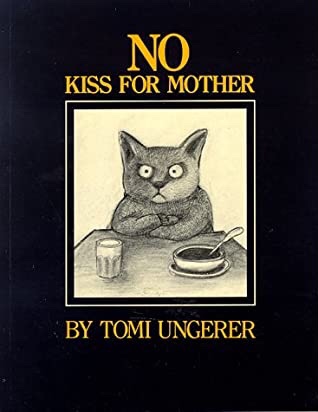
No Kiss For Mother by Tomi Ungerer.

When I mention this brilliant book to people there are a surprising amount who’ve never heard of it. It’s a shame because it really is an odd little gem and I think it fuelled my dark sense of humour, but also my fondness for grumpy, abrupt people. There is nothing that teenage cat Piper Paw hates more than having to kiss his long suffering mother. In fact this is a teenager’s manual – he hates being seen with or fussed by his parents, hates getting up in the morning, loathes fish and wants to be out with his naughty cat friends. The problem is that Piper has probably the most long suffering and doting mother in literature. The author has his cat’s teenage antics spot on and the family dynamics are brilliant. I loved the very dark illustrations, such as Piper’s alarm clock with all it’s insides hanging out after he attacked it with a tin opener. There are also inexplicable ones, such as Mrs Paw taking the scales off a fish with a comb! Me and my brother would laugh so hard at this naughty cat’s antics and we longed to name a cat Piper Paw. I remember when this was out of print, my mum went to great lengths to find a copy for her grandchildren and now the great grandchildren, ensuring mischief for the next few generations.

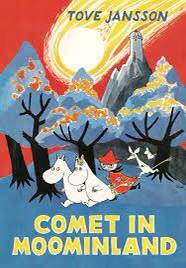
The Moomins Series by Tove Janssen

For a grown woman it’s quite ridiculous how much I love Moomins. This obsession is evident in my house where there is Moomin art, mugs, shadow frames, T-shirts, jewellery and soft toys. Rather like some people believe the Winnie the Pooh characters represent certain personality archetypes, I believe that most people can be summed up by likening them to a Moomin character. The most obvious one in my family is my brother, who is loving and loyal, but needs a lot of his own space and needs nothing more than a leisurely smoke in the open air with one or two fishing rods in the river. He is, quite obviously, a Snufkin (who I carry on my key ring as a reminder). I am soft, romantic, slightly round and worry a little about my weight like the Snork Maiden, but wish I was more feisty, bitey and intelligent like Little My. My late husband was rather studious and enjoyed calm and quiet like a Hemulen ( although I am at pains to point out he didn’t wear a dress). As a child my imagination was fired by all these wonderful creative creatures and this amazing house that looked like Rapunzel’s tower but painted blue. I loved that Moomintroll had these wonderfully loving parents who never ran out of food and would take in a stranger at a moment’s notice. There’s never any judgement so whether you wear a dress, like your own space or bite a little bit, you were welcome. Like all the best children’s books there has to be a little darkness in the background and there are disasters along the way – I’ve never forgotten the creepy hobgoblin, or the weird little hattifatteners who look like glow sticks and sting like nettles. I love the humour of these little hippo-like creatures and since I’m a Northener, one of my favourites is our toothbrush mug which depicts Moominpappa rowing a boat and saying ‘it’s a little warmer, do you think we’re nearing the South’ and Moominmamma replying ‘I’m afraid so dear.’

The Bagthorpe Saga by Helen Cresswell.

I wanted to live in the home of this rather rambunctious and eccentric middle-class family, possibly because they were quite different from us. The Bagthorpes are rather arty, with both parents being writers – although dad, Henry Bagthorpe, would disagree with that classification. His wife is an Agony Aunt in a national newspaper, whereas he is a ‘real’ writer. It seems that real writing is torturous and involves long hours locked in his office, but can anyone remember the last time one of his scripts was commissioned. His wife suspects it’s a way of avoiding the family and writing complaint letters to commissioning editors. The four children are encouraged to try new projects and hobbies (‘strings to their bows’). All apart from Jack, who doesn’t have one except for spending time with his dog Zero. William has drums and is a radio ham – involving long conversations about conspiracy theories with Anonymous from Grimsby. Tess plays music and is currently translating her own edition of Voltaire’s works. Even the baby of the family Rosie has some musical ability. The agents of most of the chaos are the Unholy Alliance formed by Grandma – who lives with them along with a malevolent ginger cat – and toddler Daisy, the Bagthorpe’s cousin. Aunt Celia is either naturally has her head in the clouds or is on prescribed medication and thinks Daisy is a creative who should be allowed free rein. Uncle Parker is a little more savvy about his daughter’s exploits, but doesn’t believe in punishing his daughter. He drives a red sports car and likes to needle his brother-in-law, on one memorable occasion writing a script in his ‘spare time’. Every book ends with a complete disaster of the flood and fire variety, and various rooms are in different stages of repair throughout the series. They are comical books and wry satirical look at a liberal, middle class family.

The What Katy Did Series by Susan Coolidge

Both this choice and my other American girl’s book, Pollyanna are really 19th Century moral plays, designed to instruct young girls on good behaviour, but also to guide them into making the transition into (an acceptable version of) womanhood. As a grown-up I looked at them again in light of my own disability and saw an even more sinister agenda lurking between the pages. On the face of it, What Katy Did was an enjoyable story of a young girl in a big family coping after the death of their mother. Katy Carr is the eldest sibling and is at heart a bit of a tomboy, still climbing up on the roof and running round the yard like her younger siblings. Their father is a doctor and he decides it would be better for his children to have a woman in the house, especially as he works long hours. So he brings his sister Aunt Izzie to live with them and restore order. Izzie is quite severe, very religious and disgusted at the way the children behave especially the oldest girls, Katy and her sister Clover. Yet Aunt Izzie’s methods don’t always get the desired effect. The person most likely to calm and restore order is Cousin Helen, who is a wheelchair user and uses her disability for good. When Aunt Izzie bans Katy from the swing in the yard without explanation, Katy defies her, but the swing breaks and Katy is seriously injured with some sort of spinal injury. Katy returns home from hospital in a wheelchair and now has to learn how to be a respectable young woman – quiet, gentle and obedient. It’s a harsh lesson and one that resonated in my own life when I had a spinal injury aged 11. I did buy some of life lessons in the this book, probably because we were church goers too, but I can see how damaging the premise is and it isn’t just used in this book.

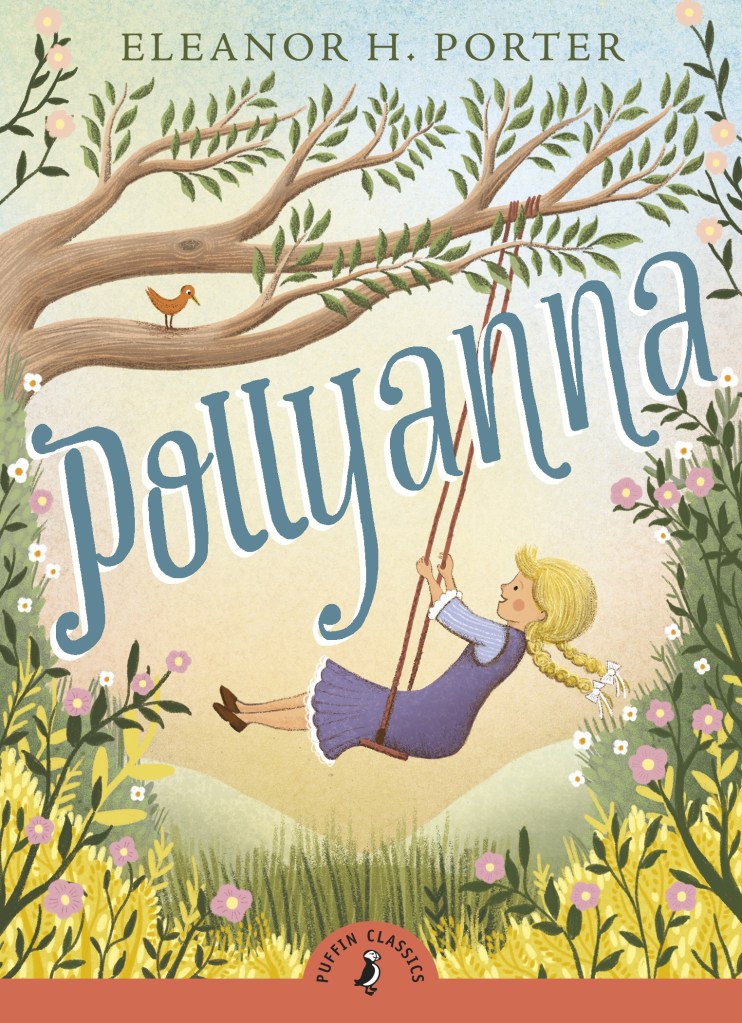
Pollyanna by Eleanor H. Porter

There are a lot of similarities between Pollyanna and the Katie novels and not just the covers. Pollyanna is also being looked after by an aunt, after her missionary parents die leaving her an orphan. Aunt Polly is rather austere and certainly expects her new charge to be seen and not heard, but thankfully one of the staff called Nancy takes the orphan under her wing. Pollyanna is a character designed to teach children Christian values. She has a game she tries to teach everyone in their small town – no matter what happens, you have to find something to be glad about. When explaining to Nancy she talks about getting her Christmas presents from missionary barrels and how one year there was nothing inside, but a pair of crutches. Nancy can’t imagine what she found to be glad about, but Pollyanna got there in the end – she was glad she didn’t need them. However, this feels like a bad omen when Pollyanna has her own accident, like Katy she has a fall and injures her back. The local doctor organises for her to have an operation in the city, but can’t guarantee she’ll walk again. But before they leave, Pollyanna is visited by everyone in the city that she’s touched in some way, mainly by being her chatty, sunny, self. Both of these books are charming on the surface, but have a much darker and disturbing message beneath. It teaches young women that they should start to grow up, become young ladies and become quieter, ladylike, less free. I imagine the popularity of them has waned since I was an adolescent, at least I hope so, because I felt like quite a failure when I wasn’t as good or tame as these young ladies after my accident.

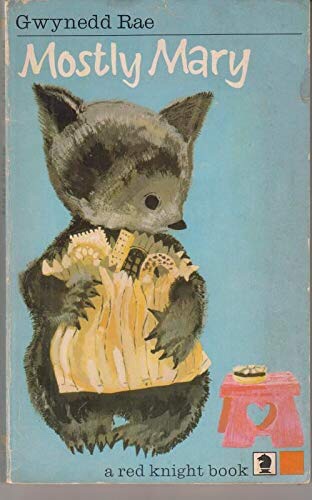
The Mary Plain Series by Gwynedd Rae

It was a Blue Peter ‘Bring and Buy’ sale that brought this book series into my life and I fell in love at once with this gorgeous little bear. So much so that I had to have my own cuddly toy bear who I named Mary Plain (and still have somewhere with my Snoopy and my ET). Written in the 1930’s in the U.K, the series features Mary, a very real juvenile bear, who lives with her family at the zoo in Bern, Switzerland. We meet her family, including a beautifully named Aunt Friske, but the book mainly concerns Mary’s adventures with her human ‘godfather’. Called The Owl Man by Mary, because he wears glasses, he seems able to converse with her, and takes her out on a special ‘svisit’ – the result of teaching Mary that if you’re talking about more than one visit you add an ‘s’. Mary doesn’t wear clothes, but occasionally likes a hat, and in the illustrations has an endearing little pot belly. She’s not always confident of how she looks and although she enjoys rubbing her belly, she does wonder if it’s a little big. Mary is well behaved, for a bear, and never intends to get into scrapes, but they do tend to happen anyway. I used to love reading about her picnics, going for tea, meeting important people and mostly just enjoying sitting in The Owl Man’s car with the top down and the wind in her ears. I still think these books are delightful and they must have been great reading for children back in the 1930’s.

Posted in Publisher Proof

The Lying Club by Annie Ward

If you love a juicy gossip about your fellow villagers or friends, or watching rich people’s lives implode, then this is definitely the book for you. Based around an elite Colorado private school, a tangled web connects three women. Brooke, the archetypal private school mum, fiercely protective and an filthy rich heiress with a creative approach to her wedding vows. Asha is a realtor, staging and selling houses while juggling children, hormones and an increasingly distant husband who she fears is having an affair. Then there’s Natalie, a lowly office assistant, watching the parents and children at the school taking for granted a life she could only dream about. Brooke has probably passed Natalie hundreds of times since she started working at the school, but probably doesn’t even know her name. Asha has noticed her, but only because Natalie has turned up at lots of her open house events. This is strange because there’s no way she could afford the types of properties Asha is selling. These women are bound by their relationships with the handsome, charming assistant athletic director Nicholas. Brooke wants him, in the way she wants any handsome man to notice her, but also because he has the contacts to get her daughter Sloane into one of the best colleges based on her talent at football. Asha uneeds him to get daughter Mia ready for the competitive world of college applications, because the best school won’t take two girls from the same school and Brooke seems several steps ahead. Natalie’s motives are the purist, she’s falling in llove with him and he’s making all the right noises, but is it just lip service? When two bodies are carried out of the school early one morning, it looks like the jealousy between mothers and daughters, or rival lovers, or the haves and have-nots has boiled over. The truth will shatter the surface of this isolated, affluent town, but whose version of the truth counts in a town where people will stop at nothing to get what they want?

I’ll be honest, it was hard to like anyone in this novel. Even the kids were awful; they were spoiled, entitled and self-centred. Asha’s daughter Mia, being the best of the bunch, is unsure what it will take to get into a good college until Brooke brings it to the family’s attention when she buys a state of the art camera to film Sloan’s soccer matches and create a reel for her application. Once Asha realises and approaches Coach Nick for help, Brooke becomes furious, worried that Mia’s Indian heritage will ensure her a place thanks to the positive discrimination built into the application process. Meanwhile, it’s clear there’s something brewing in the girl’s social circle of students who are particularly gifted at sport. I was shocked by just how sophisticated their sports programme was with gym work, massages, physiotherapy, and even anti-inflammatory injections happening on school premises. Are these kids simply rebelling over the level of control the coaches seem to have in their lives? I wondered whether they were plotting revenge against Coach Nick. Sloan’s boyfriend Reade, is fed up with Nick’s control over his athletes, hinting that he may want to get rid of Nick or at least have him reprimanded and he wants to recruit Mia to their plan.

Natalie is meant to be the most sympathetic character I think and on the morning she drives to the school to find it swarming with police she is in genuine shock. Then we go straight back to her reasons for being in Colorado; her brother had an accident and broke his leg so badly he couldn’t get around. So Natalie has been caring for him and took the job at the school when he started doing more for himself. She’s a painter by trade, with a shop on Etsy selling quirky pet portraits. She starts seeing Nick, almost accidentally, after a bit of flirtation at her desk when he’s been in to se the Headteacher. He invites her to his home and Natalie is blown away by how beautiful it is. Yet I was seeing red flags everywhere about their relationship going long term: Nick is a lot older and possibly wants different things; he’s previously been a womaniser; they never go anywhere but his place; he asks Natalie to keep their relationship secret. Yet Natalie seems to be falling in love and I had to admit he talked a good game. Is Nick just super careful because of his teaching role and what are these private sessions he seems to be conducting with elite kids?

The best thing about not really warming to anyone in the novel meant I could genuinely enjoy the tension and these people getting their comeuppance! The structure worked really well with an excerpt from a police interview, then going back to the events in question. The move back in time a few months illuminated the case going forward and the interview drew together many of the things I’d been concerned about. The drip feed of new information definitely kept me reading and gave me sudden changes of opinion on some characters. I was so invested in what the kids were up to and why Mia seemed to be under pressure from the others to join in. I kept wondering if they really had the measure of their opponent or was someone going to get hurt? I was also wondering if the mystery of the memorial Natalie had seen on her walk would be explained? Who was the crying woman and would new revelations shed light on this old story? With it’s luscious settings, opulent homes and beautiful people the best way to describe the book is to say this was like a particularly indulgent dessert. Strangely, even though the subject matter is dark, it’s delicious, decadent and rather thrilling.

Published by Quercus 3rd March 2022.

Posted in Throwback Thursday

Throwback Thursday! Breath, Eyes, Memory from Edwidge Danticat


At the age of twelve, Sophie Caco is sent from her impoverished Haitian village to New York to be reunited with a mother she barely remembers. There she discovers secrets that no child shouldever know, and a legacy of shame that can be healed only when she returns to Haiti – to the women who first reared her. What ensues is a passionate journey through a landscape charged with the supernatural and scarred by political violence.

In her stunning literary debut, Danticat evokes the wonder, terror, and heartache of her native Haiti – and the enduring strength of Haiti’s women – with vibrant imagery and narrative grace that bear witness to her people’s suffering and courage.

Reading this incredible debut novel at university sparked a lifelong interest in the history of Haiti and its people. The republic shares the island of Hispaniola with the Dominican Republic and despite only occupying three eighths of the island, it has a staggering population of 11.4 million making it the most populated island in the Caribbean Sea. However, there is a huge Haitian diaspora with many residents relocating to the USA, probably due to the fact that Haiti has the lowest Human Development Index in the world. The indigenous Taino people seem to have been the original residents of the island, but the first European settlers landed in the 1400’s claiming the island for Spain and it remained part of the Spanish Empire until the 17th Century. The French then laid claim to the most westerly point of the island and they brought the first slaves to Haiti for labour on their new sugar plantations. It has the incredible honour of being the first island in the Americas to abolish slavery after a successful slave revolt led by Toussaint Louverture and eventually declared sovereignty on Jan 1st 1894 under his successor Dessalines. As the country slowly united there were attempts to declare the whole island as Haiti, but eventually they recognised the Dominican Republic as a separate state. Haiti has been notoriously unstable due to crippling debt owed to France, the dearth of resources left by the French and Spanish, as well as political volatility. The USA took control of the island in the early twentieth century, until Haitian leader Francois ‘Papa Doc’ Duvalier took power in 1956 and it is this period that is explored in the novel. Papa Doc’s reign and the following rule of his son known as ‘Baby Doc’, was characterized by state-sanctioned violence, against any political opposition and it’s own civilians, corruption, and economic stagnation. It was only after 1986 that Haiti began attempting to establish a more democratic political system.

Danticat’s story is about the women of Haiti, particularly the three generations of Sophie’s family, and how this period of history impacted upon the women of Haiti. Sophie has been brought up by her Tante Atie and this is a beautifully warm relationship that really grounds Sophie in her Haitian identity. They are also incredibly close to her Grandma Ifé who tells Sophie stories passed down orally about people who could carry the sky on their heads. Atie is beautifully conveyed as a loving but slightly abrupt woman, conflicted between the needs created by her own motherlessness and her love for this child who has been left behind. Both Sophie and Atie have a void that each other can fill, but Atie is honour bound not to replace Sophie’s mother and to be sure that her mother’s wishes are carried out. This comes to a head one Mother’s Day when Sophie takes a Mother’s Day card home from school clearly wanting to give it to her aunt, not the woman living thousands of miles away who she’s never met. Danticat is very adept at evoking her homeland with recipes and descriptions of mouth watering food. It’s not been a wealthy upbringing, but it is rich in stories, colour, warmth and nourishment. So when Sophie is sent to live with her mother in New York City the contrast is stark and confusing. Whereas Tante Atie seems comfortable in her skin, Sophie’s mother is shown to diet and use skin lightening creams, showing an obvious discomfort about her body and possibly even her identity as a black Haitian woman.

Men are largely absent in this novel, but their impact is enormous. Maxine lives in an apartment with her boyfriend and Sophie hears her mother’s nightmares through the wall. Left alone for long periods, Sophie forms a friendship with a male neighbour in the apartment block. This seems to trigger Maxine and the truth of Sophie’s family starts to come to light, as her mother becomes obsessed with protecting her. She begins the horrific practice of ‘testing’ her daughters virginity – something apparently passed down from her own mother – causing shame, confusion and trauma. Sophie learns she is a child of rape and we travel back to the Haiti of Maxine’s teenage years where she is spotted by one of the ‘Tonton Macoutes’ – Papa Doc’s foot soldiers and the bogeymen of every Haitian child’s nightmares. He drags Maxine into the sugar cane field and assaults her. It will take a return to Haiti, for both Sophie and her Mother, to bring about healing. Danticat beautifully portrays inter generational trauma and the oppression of women that’s caused by the patriarchal system, but enacted by mothers on their daughters. Daughters who were virgins kept their value in the marriage market, just as in other cultures the men want wives who have undergone FGM. It takes rebellion and refusal from the women to create change. Sophie must also face the the ghosts of slavery, represented by the sugar cane her ancestors were brought from Africa to cut. Danticat paints a vivid, colourful but painful picture of a country created by trauma that is still felt many centuries later. She explores how each new generation must find some way to live with that past, whether by leaving the country of their birth for something different or by staying to face the past and break the chain of hurt each generation has passed on to the next. This is an emotional, evocative and difficult read in parts, but is a beautiful debut from an author whose love of her homeland shines through.

This edition published by Abacus 7th March 1996

Meet the Author

Edwidge Danticat picture from Fresh Air Archive

Edwidge Danticat was born in Haiti in 1969 and came to the United States when she was twelve years old. She graduated from Barnard College and received an M.F.A. from Brown University. She made an auspicious debut with her first novel, Breath, Eyes, Memory, and followed it with the story collection Krik? Krak!, whose National Book Award nomination made Danticat the youngest nominee ever. She lives in New York.

Posted in Random Things Tours

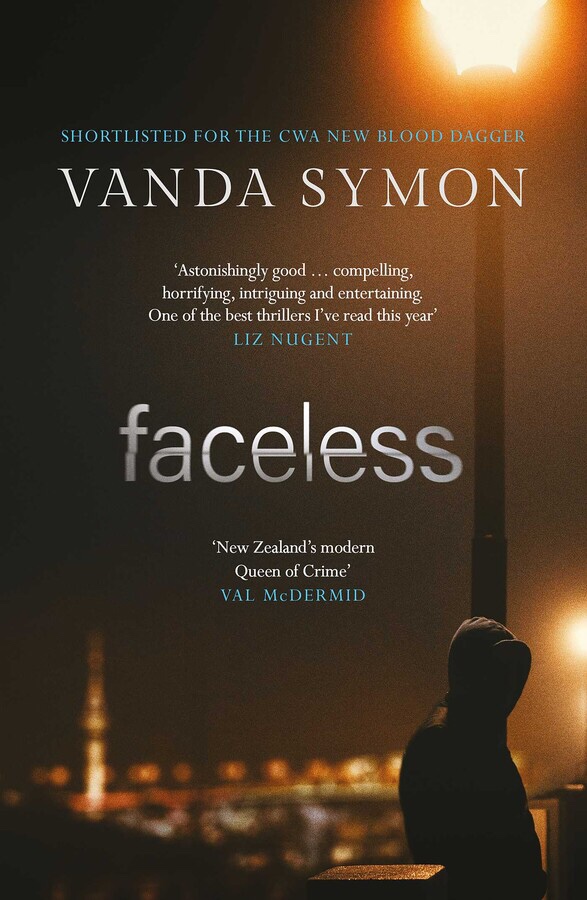
Faceless by Vanda Symon.

I devoured this fast paced novel set on the streets of Auckland and focused on a young street girl called Billy and a hardened homeless veteran called Max. Ever since Billy stumbled into the same doorway one cold night, she and Max have had a connection. He showed her how to use cardboard boxes to keep warm and where to find the best thrown out food. They have a pact to take care of each other and wherever they go in the day, they always make their way back to the same adjoining doorways at night. So, when Billy doesn’t appear one night, Max knows something is wrong. He needs to find her, but where to start in a city of this size and will anyone take him seriously?

Meanwhile, Billy has stumbled into the path of someone having a very bad day. Bradley is exhausted. Over-mortgaged, overworked and under appreciated, he is reaching the end of his tether. Having neglected his family all weekend to work, Bradley has been in the doghouse with his wife Angie. Yet it’s not enough for his boss who doesn’t seem to appreciate that five people used to do the same job Bradley is now doing alone. Bradley sees the prostitutes on their usual patch as he drives home, wondering idly what sort of man actually has the nerve to drive up and do it, to actually pay a woman to do what he wants. He wouldn’t have the nerve. Then he sees a young, tomboyish girl standing a little way from the others. She’s not a regular and he is less intimidated by her. So he picks her up and she directs him to an industrial area where no one will disturb them. He doesn’t know what impulse drives him to hit her, possibly the amusement in her eyes when he isn’t ready for her, but the feeling it gives him is better than anything he’s felt in a long time. There’s a rush of power and it’s intoxicating. So he takes her to an empty industrial unit he owns and using cable ties he makes sure she doesn’t escape. He might come back tomorrow.

Told from both Max, Billy and Bradley’s points of view in short chapters that prove rather addictive, the story unfolds of how both these people ended up on the streets and how an ordinary family man becomes a monster. I was constantly thinking ‘just one more chapter’ until I was half way through the story in my first sitting. I finished the book the next morning. The story is gritty. It doesn’t pull its punches when it comes to describing life living on the streets, or the realities of being kidnapped and left with nothing for your comfort. I could actually feel the cold, smell the mustiness of not showering for several weeks, and understand the shame of being left with no toilet facilities. It is vivid and because it’s a first person experience it’s very confronting in parts. I was so caught up in Max’s search for his friend, linked somehow to an old trauma and another young girl, and how desperate he becomes to have someone listen to him. So desperate that he has to overcome embarrassment and maybe even face whatever terrible experience has kept him running all this time. Billy is running too, but being alone and captive gives her ample time to explore what’s happened to her. Although it will take the police investigation to find out the full truth of Billy’s need to run. Through these two people we see just a couple of the reasons that people end up on the streets, but no matter why it’s a tough life that no one would choose unless they were desperate.

As for Bradley, he raises a lot of questions about the making of violent offenders, particularly those who commit crimes against women. Would anyone in Bradley’s position make the same choices he does? Or was there something latent in him, triggered by stress and what he saw as a girl from the streets looking down on him? He doesn’t fully understand the changes himself, all he knows is that the more he takes out his stresses and strains on Billy, the better he feels. He also seems to have regained his libido too, as he and Angie cavort like teenagers. He has just the right sort of happily married suburban man vibe to get away with what he’s done. I found myself rooting for Billy and whatever strength she could summon to survive just long enough for Max to find her. The visions of her grandmother are touching, providing context for Billy and an insight into her culture. Auckland is a strong presence in the novel too, from the rough, deserted areas where Billy creates her spray paint portraits of mythical women to the over-mortgaged suburbs where Bradley is lucky enough to live. We see the multi-cultural mix of kids hanging out in the park and the life of a suburban wife with their book club, exercise class lifestyle. It’s very clear that for most people in this life how you look and what you have defines you. Thankfully thats not the case for everyone and I loved Meredith, a snappy and intelligent detective who would rather wear heels than the regulation shoes. She looks beyond the surface and her investigative skills are the best, but she doesn’t have much to go on. Through her we get Max’s back story and her respect and trust in him doesn’t depend on his status – although she does insist on a shower. This book will keep you up at night to find out what happens to these characters. There isn’t a word wasted here and the pace is perfect. If you like your crime gritty, with great characterisation and empathy then this is for you. I loved it.

Meet The Author

Vanda Symon is a crime writer, TV presenter and radio host from Dunedin, New Zealand, and the chair of the Otago Southland branch of the New Zealand Society of Authors. The Sam Shephard series, which includes Overkill, The Ringmaster, Containment and Bound, hit number one on the New Zealand bestseller list, and has also been shortlisted for the Ngaio Marsh Award. Overkill was shortlisted for the CWA John Creasey (New Blood) Dagger.
Twitter @vandasymon, Instagram @vanda-symon, Facebook, @vandasymonauthor, http://www.vandasymon.com.

Posted in Netgalley

Insomnia by Sarah Pinborough

I was absolutely gripped by this incredible thriller! Emma is nearing her fortieth birthday and she can’t sleep. Her insomnia is triggering anxiety about her Mum and the reappearance of her sister Phoebe isn’t helping. Both girls were taken into foster care on the night of their Mum’s fortieth birthday, when she’d had a breakdown – could the same thing be happening to Emma? Her Mum always said she had inherited the bad blood in the family. As the days pass and irritability, paranoia, fear and the hallucinations start to kick in Emma starts to wonder. Is she going mad or is someone out to ruin her life? Just because you’re paranoid, it doesn’t mean someone isn’t out to get you.

This was a great read and I’ll be shouting about it until publication day. The way Emma disintegrates over the course of a few days is shocking, but believable as every relationship in her life is touched by this ‘madness’, until there’s really nothing left. Emma has always prided herself on being a competent solicitor, very organised and together. I was desperate to find out what happened in their childhood and why her sister Phoebe has popped up in her life right now. I felt there was an element of Emma not processing her childhood trauma. She’s locked it away in the back of her mind, but Phoebe’s appearance, and advice that she should visit their mother, seems like the trigger that unlocks these memories. It’s very common for people to set great store by the ages of their parents when trauma occurs – such as thinking you’ll have a heart attack before your 60th birthday because your Dad did. The worry and stress this causes can lead to a self-fulfilling prophecy.

What the author does, very cleverly, is muddy the waters; just when I was starting to think she was having a breakdown, other things start happening. Her young son keeps creating a strange macabre drawing of a terrible memory that haunts Emma. How could he know? Who has told him this happened? It can’t be anyone in the home, because they don’t know. Her dictated letters have turned into a mumbled series of numbers when her secretary plays back the dictaphone. Added to these strange and inexplicable events the author also throws in a number of stressors that would make anyone struggle with their mental health. At work she is trying to avoid the advances of a very unpleasant client, not only that but his ex-wife confronts Emma over losing custody of their boys. Emma’s tyres are slashed among other nuisance acts that start to pile up over the week, particularly affecting Emma’s job. It becomes hard for the reader to see which events can be explained away, which events are incredibly strange and what are normal daily obstacles made worse by Emma’s severe sleep deprivation. I was never fully sure what to attribute to who, what is real and what is imagined, and who is to blame?

This novel kept me on my toes right up till the end. I felt stressed and paranoid alongside Emma, and could really feel her sense of panic and powerlessness as her carefully constructed life unravels. There are some jump scares here and there that really did give me a jolt! The way the author drew me in was brilliant and I was firmly on Emma’s side, while constantly worrying that she might be an unreliable narrator after all. The ending was unexpected with final scenes that had me on the edge of my seat, glued to the action until the early hours. This really will be an addictive and thrilling film or TV series. Insomnia is a psychologically complex novel, intelligent and exciting till the last page. Pre-order your copy, because this is a cracking read.

Published byHarper Collins 31stMarch 2022.

Meet The Author.

Sarah Pinborough is a New York Times bestselling and Sunday Times Number one and Internationally bestselling author who is published in over 30 territories worldwide. Having published more than 25 novels across various genres, her recent books include Behind Her Eyes, now a smash hit Netflix limited series, Dead To Her, now in development with Amazon Studios, and 13 Minutes and The Death House in development with Compelling Pictures.

Sarah was the 2009 winner of the British Fantasy Award for Best Short Story and also the 2010 and 2014 winner of the British Fantasy Award for Best Novella, and she has four times been short-listed for Best Novel and was shortlisted for the British Book Award for best Thriller.

Sarah lives in the historic town of Stony Stratford, the home of the Cock and Bull story, with her dog Ted.

You can follow her on Twitter @sarahpinborough

Posted in Monthly Wrap Up

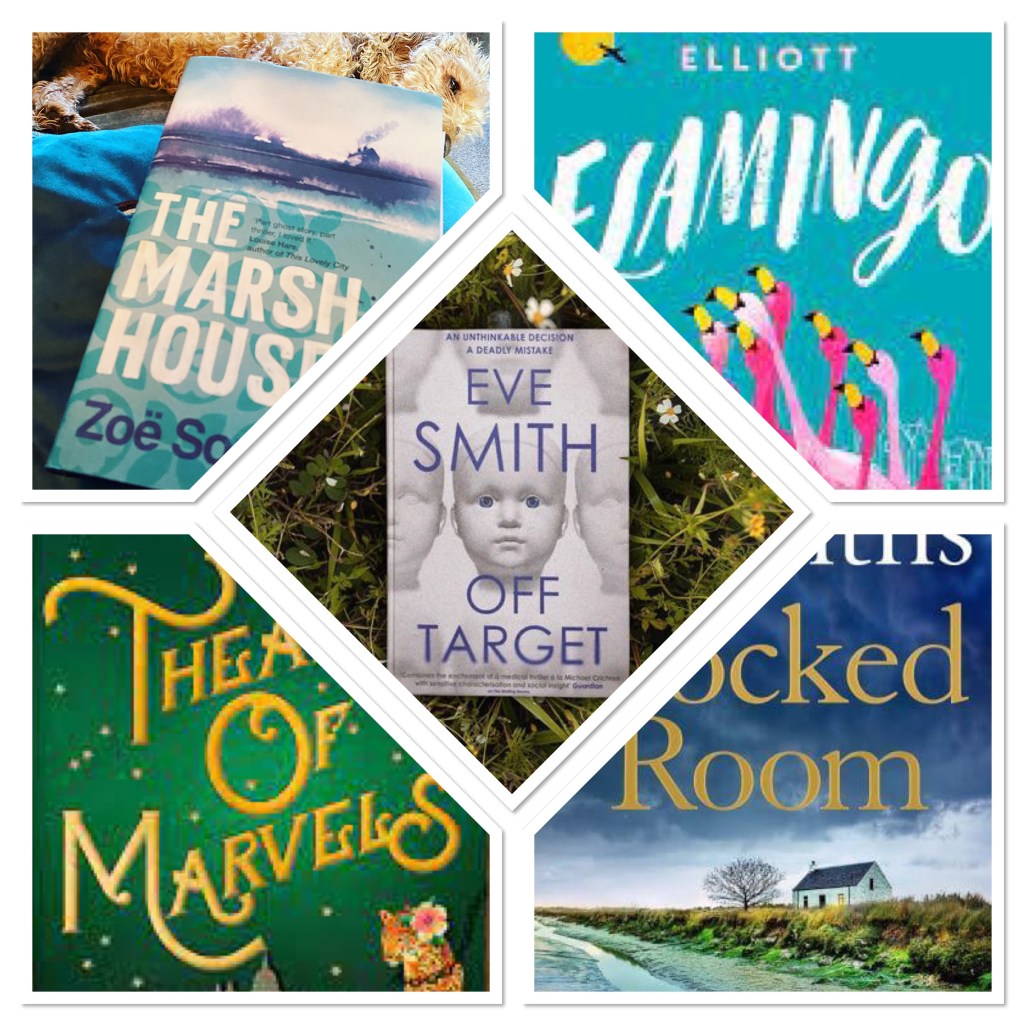
Books of the Month! February 2022

It’s been another excellent reading month at the Lotus Readers blog. My plan of taking one or two less blog tours has given me plenty of room to read some personal choices from the backlog on my shelves. So, these choices are a mix of blog tour books, NetGalley backlog and the latest in one of my favourite crime series. Hope you’ve all had a great reading month and now I must rush headlong into a rather overcommitted March! See you next time.

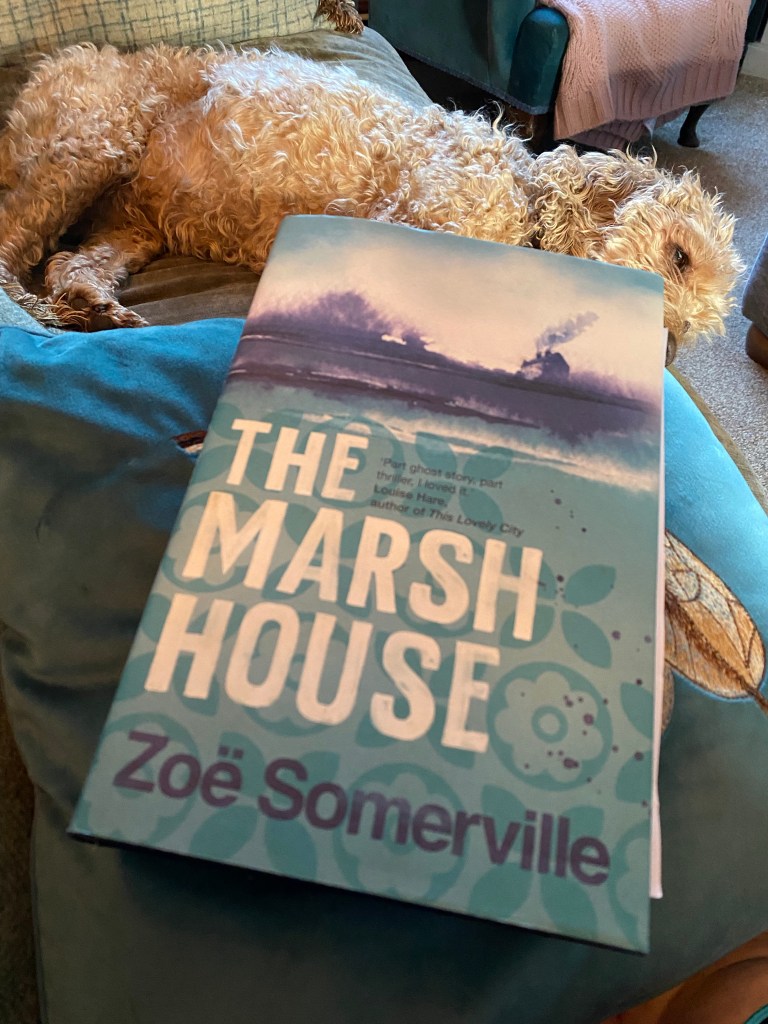
The Marsh House by Zoë Somerville

This excellent book is part of my NetGalley backlog, but I’ve just been asked to join the blog tour next month so I will whet your appetite for my full review in March. I simply loved this book. In fact, a finished copy arrived through the post and I started browsing the first page then couldn’t stop reading. So I read it straight through, only finishing at 2am. It’s a split timeline story, beginning with Malorie and her daughter deciding to spend Christmas in a cottage on the Norfolk coast after an argument with her boyfriend. Malorie feels like a bad mother and wants to get one thing right – an idyllic holiday cottage Christmas for her daughter. This is no ordinary cottage though, set right on the Marsh and shrouded with sea fog there is a definite atmosphere of foreboding. The house holds so much of the past in it’s art, the attic of belongings and the journals filled with the story of a 1930’s girl. Soon Malorie is feeling haunted by this place and it’s past. I loved the author’s look into the complicated, emotional experience of becoming a mother. There is a special skill in weaving real historical events with fiction and this author is so talented and creative. She brings Norfolk to life and makes the reader want to visit and search it out for themselves. The atmosphere was so evocative I spent two days with a ‘book hangover’ – unable to start another book because my emotions and senses were so embedded in Malorie’s story. I loved this so much I could have happily gone back to the first page and read it over again.

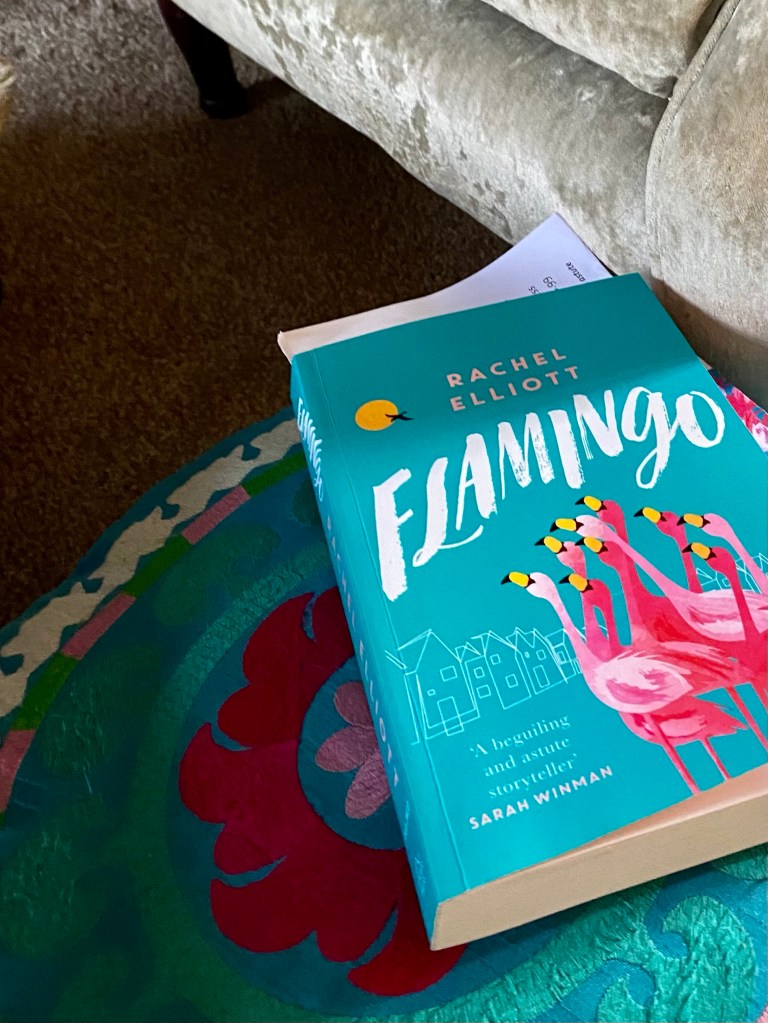
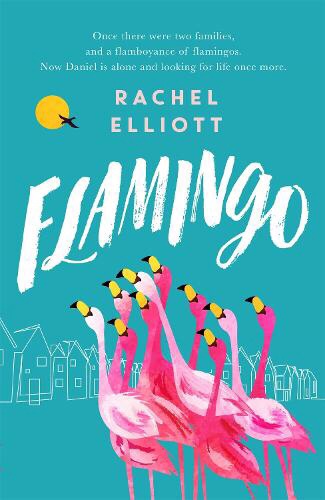
Flamingo by Rachel Elliot

In split time frames and across the characters of Eve and Daniel we hear the story of two families who live next door to each other. Eve and Daniel move in next door to Leslie and Sherry who have two daughters Rae and Pauline, and some ornamental flamingoes on their front lawn. Eve isn’t used to making friends as she and her son Daniel move around a lot, but there’s something about Sherry. So Eve goes to a specialist off-licence to find just the right bottle of Sherry to take to her new neighbour. Sherry is delighted and immediately welcomes the wandering pair into her home. That summer is the happiest summer mother and son have ever had, as they are enveloped by this wild, eccentric and loud family – Eve uses the word rambunctious. Then Eve and Daniel leave. All the colours seem to bleach out of the world. We then meet Daniel as an adult, wandering and broken. Deeply affected by some kind words and affection from a woman in the library, he decides to return to where he was happiest. He turns up at Sherry’s door and it feels like coming home, but where is Eve and what is the story underneath the one Daniel knows. It’s so hard to express how much I loved this book. This is a slow burn novel, told in fragments like half forgotten memories and with such beauty it could be a poem. The writer conveys beautifully how certain people can heal wounds and hold space for each other. In light of recent times it’s important to remember that to live fully we must connect with each other. It shows humans in their best light and at their most powerful, when showing love and accepting others for who they are. Just like the flamingo is pink through his diet, we too are shaped by what is put into us. Through Daniel, and Rae to an extent, there’s an acknowledgment of how painful life can be, but that healing and change is possible. I was enchanted by this story and it will keep a special place in my heart.

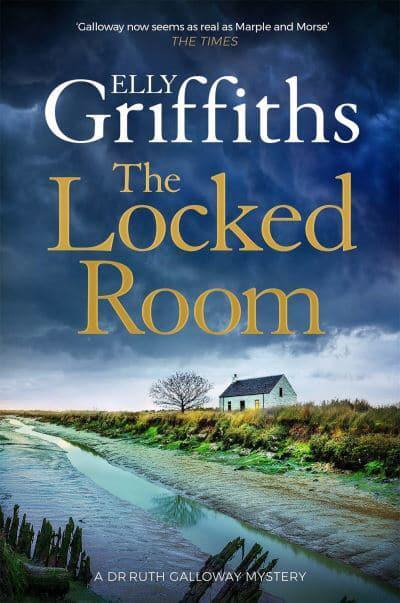
The Locked Room by Elly Griffiths

There are several mysteries in this latest book in Elly Griffith’s Ruth Galloway series, both professional and personal. Ruth is called in to excavate human remains discovered by a roadworks crew, in the evocatively named Tombland area of Norwich. This alerts her to Augustine Seward’s House, close to the cathedral and rumoured home of the Grey Lady – a young girl locked into the house during the plague with her sick parents in order to stop them spreading the virus. Another grim discovery is the death of an older woman, found by her cleaner after taking an overdose in her bedroom. A prior case had caught DI Nelson’s eye because he couldn’t understand why someone suicidal, would put their ready meal in the microwave first. This latest death adds to Nelson’s suspicions, because the cleaner is convinced she had to unlock the room, from the outside. There is also a personal mystery for Ruth, who is clearing out her mother’s things. She finds a box of photographs and is shocked to find a picture of her own cottage – a place her mother never really warmed to. Written on the back is Dawn, 1963, a full four years before Ruth was born. Why would her mother have kept this and why did she never share that she’d been there? Griffiths weaves the pandemic into this novel so beautifully, with each character responding in their own unique way. The spiritual and ghostly space of Tombland is truly spooky, thanks to the Grey Lady who wanders the house with a lit candle, but also walks through walls – where there used to be doors. It’s no surprise that Cathbad has also seen her in this area and the legend adds to the confusion of the final moments as the crime is solved. The crime is an interesting one due to the elements of coercive control and our team have to ask questions about how and if they can prosecute. However, my mind was also occupied with those characters catching COVID and their loved ones and I was on tenterhooks with that aspect of the book. I’d set aside two days to read this novel on publication and I only needed one because I had to know all my characters are safe and the cliffhanger ending has me already waiting for the next one.

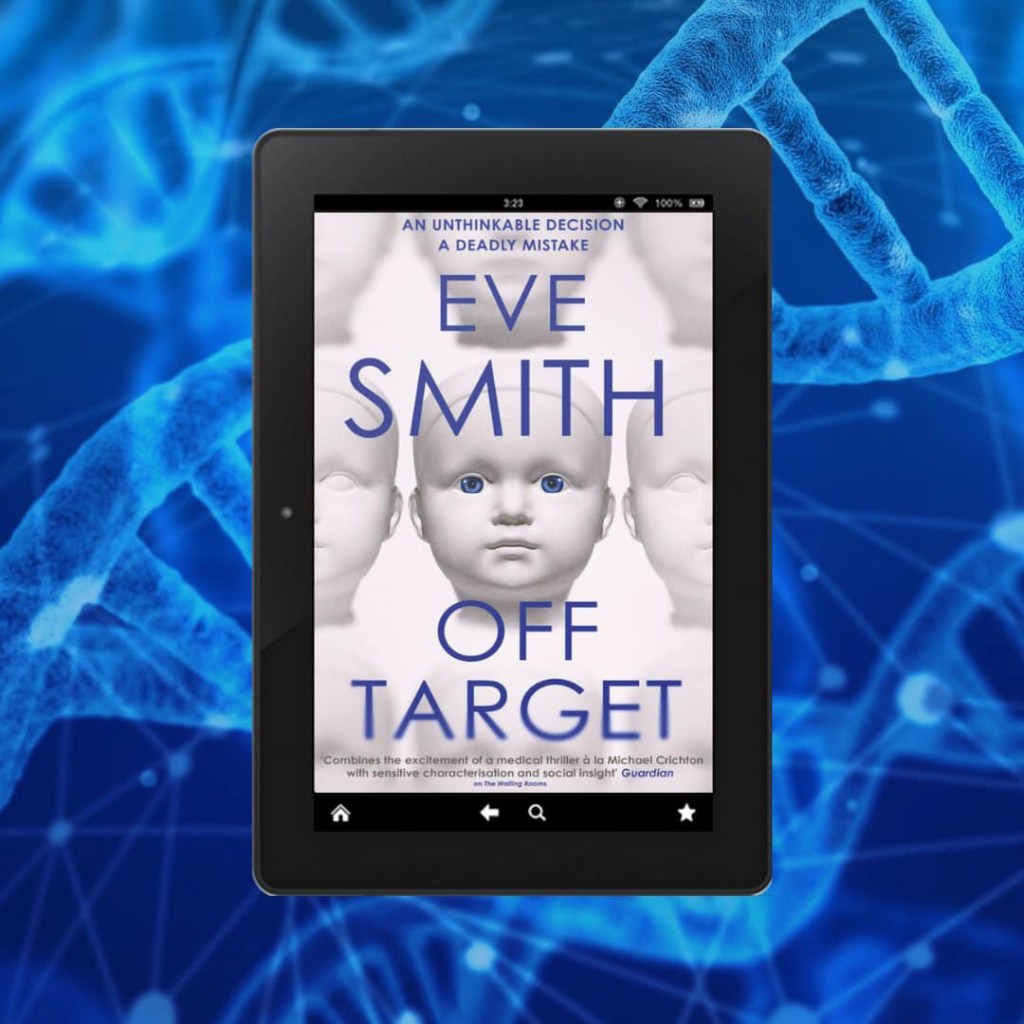
Off Target by Eve Smith

I loved Eve Smith’s last dystopian novel The Waiting Rooms, read during the first days of lockdown number one which exacerbated it’s strange feeling of being our world, but not quite. The author manages this feat again in Off Target, a dystopian thriller set in the not too distant future. Everything about this world is perfectly recognisable as ours, except for that one area that the author focuses on. Ever since Frankenstein there has been a tradition of horror writing around pregnancy and motherhood, showing just how far these fears are embedded in the human psyche. Monstrous births are part of the gothic and grotesque tradition and I think the author plays into that here, with her tale of meddling with babies in utero. Susan fears she will never become pregnant and this is killing her relationship with her husband. A drunken one night stand with a colleague is a world away from the sex she’s been having, which sometimes feels like a means to an end rather than something to enjoy and express love. Once she finds out she’s pregnant, there’s no question of her not keeping the baby. She can’t imagine terminating the pregnancy she’s waited so long for, but her husband looks very different to her colleague. He has very tanned skin and dark eyes, so what if her baby looks the same? She won’t be able to hide her indiscretion then. Susan confides in her best friend who suggests genetic engineering. Already approved in the UK for ruling out possible illnesses and disabilities, but what her friend is suggesting means swapping out the biological father’s DNA for the preferred father’s. Offered in clinics in Eastern Europe, these more extreme modifications are not approved in the UK but just one weekend in Kiev could see Susan’s infidelity covered up for good. Susan’s only concerns are the reported ‘off target’ effects of this extensive genetic engineering. There are underground reports of children suffering depression, becoming aggressive, or even committing suicide, but the urge to keep her infidelity quiet, might overcome her concerns about what could go wrong. The fall out is spectacular. A brilliant look at motherhood, genetics and a future we might already be engineering.

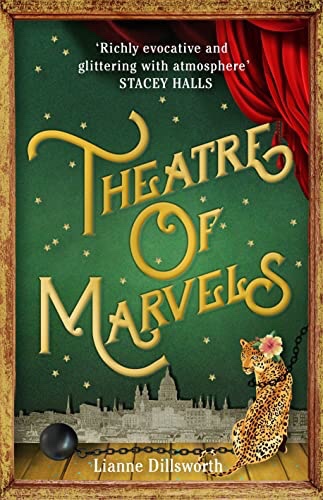
Theatre of Marvels by Lianne Dillsworth.

Our setting for this novel is a Victorian variety show produced under the watchful eye of Mr Crillick. His current headline act is Amazonia – a true African tribeswoman, dressed in furs and armed with a shield and spear, her native dancing brings down the house in show’s finale. The audience watch, transfixed with fear and fascination, never realising that she is a ‘fagged’ act. Zillah has never set foot in Africa and is in fact of mixed race heritage, born in East London. She’s used to slipping between worlds on stage and in her private life, renting a room in the rough St Giles area of the city, but regularly making her way to a more salubrious area and the bed of a Viscount by night. Everything changes as Zillah’s consciousness is raised in several ways. First, she realises that Vincent will never admit to their relationship in public. Secondly, she meets a young black man called Lucien, who places a question in her mind that she can’t shake off. How does it feel to earn money misrepresenting her ancestors? Finally, she sees Crillick parade a terrified women he’s called the ‘Leopard Lady’ at a party. With strange white patches all over her dark skin, the men are fascinated, drawing near and touching her and even roughly scratching to see if it comes off. Zillah notices medical implements laid out on a tray, the horror of what might happen to this woman overwhelms her. She must rescue the Leopard Lady from Crillick’s clutches. Exciting and fascinating, with elements of the thriller and a central character who is resilient and brave in her quest, this is a must read. I found the settings brought vividly to life and the author has clearly used solid research into freak shows, Victorian society and women’s live. She beautifully presents the realities of being bi-racial with the struggles of identity and belonging. I also enjoyed the theme of ‘otherness’ and how outsiders survive in society; the complexities of display and exploitation are weighed against poverty and deprivation. Can freak shows be acceptable if individuals can make a choice to exhibit themselves? Or is any exhibition of ‘different’ bodies unacceptable; a question that still needs debate today. I really enjoyed Zillah‘s quest and her own personal journey too. I read this so quickly and will be putting a copy on my bookshelves, because I know it’s one I’ll want to read again.

What a fantastic month of books! Next month is a crazy one, but here are just some of the novels I hope to read next month. thankfully I’ve read some early. See you soon.

Posted in Publisher Proof

Flamingo by Rachel Elliot.

We bloggers like lists. Every year we list our favourites, then we list the books we most anticipate for the following year and to an extent that can dictate what we read. When we leave ourselves some gaps in the TBR to have a breathing space, browse and pick up what we fancy we can find unexpected gems. That’s what happened with Flamingo, the latest novel from Rachel Elliot and it really is a gem. I don’t know if I can find the right words to express how much I loved this book and why. I knew, just a few pages in, that it was going to be a joy to read. In split time frames, narrated mainly by Eve and Daniel we hear the story of two families who once lived next door to each other. Eve, and her six year old son Daniel, move in next door to Leslie and Sherry who have two daughters Rae and Pauline, and some ornamental flamingoes on their front lawn. Eve isn’t used to making friends because she and Daniel move around a lot, but for some reason Eve feels compelled to make an effort. She goes to a specialist off-licence to find just the right bottle of sherry as a witty present to take to her new neighbour. Sherry is delighted and immediately welcomes the wandering pair into her home. That summer is the happiest Eve and Daniel have ever had, as they are enveloped by this wild, eccentric and loud family – Eve uses the word rambunctious to describe them. Then Eve and Daniel leave and all the colours seem to bleach out of the world. We then meet Daniel as an adult, wandering and broken. Deeply affected by some kind words and affection from a woman in a public library, he decides to return to where he was happiest. He stands at Sherry’s door and it feels like coming home, but where is Eve and what is the real story underneath the fragments Daniel knows.

It’s disconcerting to read a character’s narration, and feel as though the author has opened up your head and borrowed your thoughts. That’s how I felt when reading Eve’s sections of the novel. I have a jumble of thoughts and ideas all at once, and I’ve learned that I need periods of quiet to counteract the amount of stimulation I have. If I go to London for the day and see a show, its exhausting and it can take a couple of days to quiet the jumble of sights, sounds, and inspiration. In fact it was using journal writing to process these thoughts that inspired me to use writing therapy in my practice as a counsellor. For years I thought everyone had my ‘busy brain’. When Eve visits the off—licence and meets the owner, Franklin, they have a shot of rum togther and she’s intoxicated by his shop, the coloured glass, the smells, the guitar playing and the wall of paintings in a back room. Eve notices all these things in seconds and Franklin asks if she likes the place.

“She tells him she likes it. It’s sort of hypnotic, like being in a chemists and a bar and a gallery all at once, and also sort of like being in church somehow, not that she ever goes to church, not that she’s religious, not that she ever goes to church, but a tiny old church in France maybe, not that she’s ever been to France”.

I loved the way the author expresses the speed of Eve’s thoughts and speech, where they come out too quickly for punctuation and you know she would have to take a deep breath at the end. I recognised it straight away, because it was me when I get enthusiastic and excited about something. In fact I sounded similar when telling my partner how much I loved the book. I know when I’m doing it, because it usually makes people smile. We learn so much about who Eve is from that one quote. I loved her enthusiasm, her eye for colour and her ability to make things. Sherry marvels when she mends Rae’s cords, by sewing a patch of Wonder Woman underneath the tear. Rae’s reaction is pure joy and Sherry is astounded that Eve has thought of such a thing, but to Eve it’s normal. She simply knew the cords needed mending and she had remembered that Rae loved Wonder Woman. It’s these little bursts of creativity and thoughtfulness that make her so endearing as a character. It probably stood out to me because I have just embroidered denim jackets for my stepdaughter’s birthdays – one of Frida Kahlo and one of Alice in Wonderland. What’s so special to Rae is that Eve has seen her, listened, and created something she would love.

These parts of the novel, where the characters connect, are its strength and it was no surprise to find out the author is also a psychotherapist. Rae is an introvert and Eve has seen and understood. She knows from Rae’s shining face that she loves the cords but understands the that Rae doesn’t want to be effusive about it, because it just isn’t her.

‘It’s her way to play things down; she is naturally reserved, understated or so it seems. Her mother, who expresses every emotion with intense theatricality, who takes up all the space, calls her eldest daughter the quiet one, as if this quietness is a kind of fragility – not a powerful act of disobedience and unruliness’.

Sometimes, in a house of very loud voices, whispering is the only way to be heard. Rae’s head is crammed with thoughts and it takes an awful lot of effort to keep them in sometimes and Eve has seen a kindred spirit in her.

Daniel is also a fascinating and the dynamic between him and his mum, suggests there’s more to their back story than meets the eye. He has an anxiety around people that concerns Eve and she is protective. Before they go to Sherry’s house for the first time, she prepares him for the social interaction. She wants to prepare him, but she also wants to be careful and avoid her own anxiety rubbing off on him. She explains that this is a thing people do, take a gift to their new neighbours and introduce themselves properly. At Sherry’s door she stands back with a reassuring hand on Daniel’s shoulder and talks about the ornamental flamingoes on the lawn. She tells him their collective noun is a flamboyance of flamingoes, a little game they play together. Eve is so surprised when Sherry opens the door and her boy walks straight in – ‘shy little Daniel stepping towards a stranger.’ Eve doesn’t seem to realise that Daniel is struggling with the impermanence of their lives; they have moved every year since Daniel was born. This was another thing I could identify with since we moved six times before I was in secondary school. I know how difficult it was to walk into a new classroom and see thirty pairs of eyes looking at you. Eve has a map on the kitchen wall and from time to time would simply close her eyes and pop a pin in it to choose their next destination. When she gives Daniel the chance to choose, it’s too much and his imagination runs haywire: what if there are monsters where he chooses? What if its horrible? What happens to their home? Will strangers take their things?

‘Trouble was she hadn’t left it up to chance. She had left it up to a six year old boy, who already hated that map on the wall. In some homes a map would evoke an atmosphere of learning, open-mindedness; lets be aware of the world, there are more places than home. But for Daniel it triggered fear and a sense of transience; always on the go, never know when’.

There are so many touching moments in the book I can’t possibly list them all, but the budding relationship between the boy Daniel and Sherry’s husband Leslie is just so moving. The confidence he gets from time spent with Leslie (who is not a girl) playing cards and learning to swim is obvious. When Leslie leaves the broken fence down so Daniel can appear from his garden and scare them at the window it feels different from other places they’ve been. Daniel blooms with this unconventional extended family and describes it to his Aunty as like having two homes. I was dreading the map coming out again. We meet adult Daniel at a crossroads in life physically and emotionally. As their tenancy ends on their flat, Daniel’s girlfriend Erica decides this is a good time to reassess their relationship and leaves. Instead of picking himself up, Daniel seems unable to cope with this double loss and ends up walking the streets with a rucksack and only a ceramic sheep for company. When he turns up at Sherry’s door she is blown away by the man he’s become, like a ‘matryoshka’ where she can see the boy inside the man and the woman inside the boy. I loved this description because it beautifully describes the ever changing selves inside us, but also the effect of previous generations and incarnations of who we are. Daniel is carrying so much more than his rucksack, but also the baggage of being left behind by the women in his life, the loss of this family where he felt at home and the original secret, the one that always compelled Eve to move them on, from place to place. Can this family, once again, give Daniel the space to heal and process a lifetime of hurt?

This is a slow burn novel, told in fragments like half forgotten memories and with such beauty it could be a poem. The writer conveys perfectly how certain people can hold space for and heal wounds in each other. Even if they’re only with us for a short time. In light of recent events it’s important to remember that to live fully we must connect with each other. The book shows humans in their best light and at their most powerful, when showing love and accepting others for who they are. When Daniel is a child he is taught that flamingoes are not actually born pink, but attain their colour through their diet. Their beauty comes from what’s put into them and humans are the same – we are the sum of what we are fed from parents and caregivers right through to a kind woman in a library acknowledging Daniel’s suffering. Through Daniel, and Rae to an extent, there’s an acknowledgment of how painful this life can be, but that healing and change is possible. I was enchanted by this story and it will keep a special place in my heart.

In the garden, there were three flamingos. Not real flamingos, but real emblems, real gateways to a time when life was impossibly good. They were mascots, symbols of hope. Something for a boy to confide in.

Meet The Author


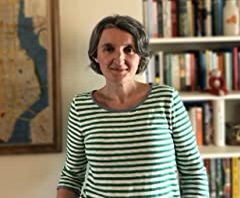
Rachel Elliott is the author of WHISPERS THROUGH A MEGAPHONE (2015, Pushkin Press, longlisted for the Women’s Prize for Fiction 2016) and DO NOT FEED THE BEAR (2019, Tinder Press). Her third novel, FLAMINGO, was published on 3 Feb 2022 by Tinder Press and is out now in hardback, ebook & audiobook. She is also a psychotherapist.

Out now from Tinder Press