I have always felt that skiing was for a very different breed of people to me – people with money, balance and the ability to look stylish while dressed like the Michelin man. This book has confirmed my suspicions as well as leaving me addicted to the twists and turns of a dark thriller set in motion when two brothers go on a ski break in the 1990s. Adam and brother Will visit La Madiere in France with their girlfriends Nell and Louisa. Louisa and Will met at university, and she’s delighted to be asked to go on holiday but skiing isn’t something she’s done before. Will and Andy’s parents are middle class and the boys were on skis as soon as they could walk. They also have the sort of money that allows for quick ski breaks while at university whereas Louisa doesn’t. When Will says he will pay for it as her Christmas gift she starts to look forward to lazy mornings in fur covered beds, hot chocolate, plenty of sex and beautiful, romantic snowy views. What she gets is a more like a wooden dormitory with stodgy food and the boys bouncing out of bed at 7am in order to ski. Yet something terrible will happen on this holiday, that reverberates through the next twenty years.
The narrative zips back and forth between the 90s and the present day when a different group are on holiday in La Madiere. We meet Hugo, the slightly awkward owner of a travel company who has brought his wife Ria and friends to try out a luxury ski lodge, before adding them to his portfolio. In this narrative I was suspicious of everyone. Hugo’s wife Ria is more attractive than he is and knows it. She’s targeted him and accepted his marriage proposal on the basis that it’s better than living in poverty. She can think of worse men to be with and the lifestyle is exactly what she wants. We know that they’ve agreed to have children, but does she really want a family and what was she running from when they met? Their friends Simon and his wife have a small baby, but this first time Mum seems to be struggling and even disappears one morning. Hanging around are the staff from Powder Puff: Cameron the boss; Matt the lusty ski instructor and Millie the chalet girl with great cooking skills who caters to their every whim. There are simmering tensions between each couple, and possible diversions from both the skiing and their partners. I found myself unable to resist these chapters when I went back to them because I kept waiting for things to implode.
Finally, there is the interspersed narrative of a lonely little girl. She has been left alone by her Mum and is getting her own breakfast and holding tightly to her teddy for comfort. It’s clear that her mother isn’t coping, but this little girl’s distress is hard to read. I found myself wondering about what might have brought her mother so low. Even more addictive was trying to work out which character this little girl might be in the future. I jumped from one character to another and only fixed on one towards the end when a particularly big clue was dropped. I can honestly say I didn’t see every twist coming and I didn’t make every link from past to present. The author really did keep me guessing. The catalyst that brings past and future together is a huge storm, which closes the ski lifts and keeps everyone in their lodge, ratcheting up the tension. When the weather clears, a body is found. Disturbed by a fall of snow from a ledge, the body appears to be a man and has been buried under the snow for many years. This could possibly be the body of one of two brothers, missing since they were lost in a storm back in the 1990s. Past now meets up with the present as his brother is jetted in to identify the body. Who is going to recognise who? Finally, what of the ski guides employed to look after these brothers when they decided to ski off piste? Were they fired and if not, where are they now?
Cooper really does keep the tension throughout this complex narrative; handling several time frames and various narrative voices with ease. The luxury setting is lush, full of delicious descriptions of food, and lashings of alcohol that loosens tongues and possibly morals. The men are largely rich, arrogant and stupid. The woman more quietly manipulative, such as using a seemingly subservient position to assert power. There’s a lot of passive aggression here. I felt most for Louisa in the past narrative, she’s unsure, feels inferior in terms of money, status and looks. I also felt for Hugo who is a quiet man, ruled by his personal assistant Olivia and terribly awkward with customers. He has no idea that his wife engineered their meeting, or that she’s still taking her pill while he thinks they’re trying for a baby. He’s thoroughly decent and this book is about what happens when decent people come up against the unscrupulous and immoral, but in a thoroughly glamorous setting. Great, escapist reading.
Meet The Author
I am a freelance journalist living in the South of France with my husband and two teenage children. We moved from London in 2009 so that the children could grow up bilingual and we could all ski more, and to enjoy a more relaxed pace of life. I learned to ski on a school trip when I was 14 and have loved it ever since. I’m an avid thriller reader and have been since I discovered Agatha Christie as a child.
The Chalet is my first published full-length novel, though I have also written several (unpublished) thrillers for teens and a (what used to be called) chick lit novel set in TV production. Other than skiing and reading I love travel, rollercoaster, and I spend far too much time on social media. Some of my other favourite things include Alan Partridge, sparkly flip flops and salt and vinegar crisps.
You can follow me on Twitter @catherinecooper, Instagram @catherinecooperjournalist or Facebook @catherinecooperauthor
I’ve been reading this book for two days straight. Firstly because I had a fall a few nights ago so I’ve been recuperating from being very sore and bruised. Secondly, once the story started to unfold I found it hard to move away from. The concept of forgiveness is one that has always fascinated me and confused me in equal measure. As a child brought up in a religious household it was a requirement of Christianity, rather than a choice I could think about and there was no discussion about the understandable negative feelings surrounding it – anger, bitterness, hurt – because those were wrong too. As an adult I’ve had to talk myself out of this blanket approach to forgiveness and give myself permission not to forgive. I’ve also had to think about when holding onto that anger and bitterness might be more harmful to me than the other person – ‘holding onto anger is like holding a fiery coal’. I also had to learn that just because I forgive an action, doesn’t mean I have to keep that person in my life. Forgiveness does not always mean everything neatly slots back to the way it did before. This is something the characters in this book come to learn and it is Marcy who ends up with the most to forgive.
After her abusive husband is arrested and held on remand for dodgy business dealings, Rebecca decides to take her daughter, and her mother Marcy, and relocate somewhere totally new, leaving no trace. She goes as far as to change her name to Claudia and her daughter’s to Jasmine, dropping their Huxley-Browne surname. Marcus Huxley-Browne was a controlling bully, who had slowly sucked all of the confidence and joy out of Claudia over several years. He met her when she was a vulnerable widow and his kindness led her to trust him. Then once they were married all that sensitivity and care seemed to melt away. Then slowly he took a chisel to every part of her personality and chipped away until she started to doubt who she was. With a lot of help from Marcy, they take the opportunity of Marcus being remanded in prison to flee to the coast. There, in a flat by the sea, the three of them feel able to breathe again. Away from the constant criticism, Claudia finds she can make friends easily and even starts working again as an interior designer. She sees an incredible coach house for sale that would make a wonderful forever home for the family and she sets to work. The world seems to finally be opening up for Claudia and her family. However, will Marcus ever truly let go of them?
A terrible event does occur in the book that no one could have foreseen. It’s here where the theme of forgiveness, as a possible part of the restorative justice process, comes into the story and I found this part really interesting. Restorative justice is about victims and offenders communicating within a safe and mediated environment to talk about the harm that has been caused and finding a way to repair that harm. It gives the victim the chance to talk about the impact the crime has had on them directly to the offender. It gives the offender the chance to relate the crime they committed to an actual person and see how the victim has been affected. It also holds them accountable for their actions in a way that doesn’t always happen in the normal court process. Government research demonstrates that restorative justice provides an 85% victim satisfaction rate, and a 14% reduction in the frequency of reoffending. Here the author gives us both sides of the process by showing us in stark detail the effect of the crime on the victim, but also the background of the offender. Here and there through the narrative we read letters from the offender – how the restorative process begins- that detail his home life, the brutal hold of a family member on him and his mother, and a life of crime forced upon him from a young age. We know that this person is really the bottom of a long chain, a criminal subcontractor hired by someone powerful to do his dirty work. Essentially he is expendable, simply there to carry the can. Although in this case, the crime is much worse than was planned or expected.
This was a really engaging read. I quickly became invested in the family’s story and found myself very worried that their past would catch up with them, especially since a couple of their new friends started to work out who they really were. When there is a confrontation I found myself holding my breath, wondering what retribution would follow. I loved Marcy’s new romance with Henry and the fearless way she throws herself into the relationship. She was by far my favourite character and her story the most moving. I was imagining this funky, ballsy grandmother as Helen Mirren. It was a bit of a shock to hear one character to describe her as like Emma Thompson – I can’t imagine a world where Emma Thompson is old enough to have a 17 year old granddaughter! However, in terms of Marcy’s intelligence, beauty and grace it really made sense. Next to her, Claudia seems a lot quieter, cautious and sometimes invisible – something that’s not surprising given the experience she’s gone through with Marcus. It’s wonderful to see her come to life which tends to happen when she’s working on a project, especially The Coach House which is an incredible labour of love. I always feel on safe ground with Lewis. I know I’ll get a good read and I love that a lot of her heroines are women in middle life, dealing with their own problems, while supporting teenagers and parents who often need help. Far from being uninteresting and invisible, it’s women in mid-life who are often holding everything together while trying to hold down a job as well. But we’re also resilient, brave and ran out of damns to give a long time ago. I like that Lewis writes this mid-life characters and gives them strong, complex storylines like this one to get our teeth into.
Meet The Author
Susan Lewis has over thirty books to her name. She grew up in a council house on the edge of Bristol and was sent to boarding school after her mother died when she was 9. She has lived all over the world and started writing when she was advised by a boss at Thames Television to ‘go away and write something’. After time in the South of France and Hollywood she now lives in a barn in the Cotswolds with her husband and two dogs Coco and Lulabelle. Her website can be found at:
‘Over these things I could not see; These were the things that bounded me; And I could touch them with my hand, Almost, I thought, from where I stand’.
Renascence by Edna St Vincent Millay
Fiona Graph’s novel is an interesting and well- researched piece of historical fiction, set in a period of history that I’m particularly interested in. Graph’s story writes back, both to a different time but also to a different element of society, one that hasn’t been well represented in fiction of the time. In the same way that Sarah Waters has written lesbian experience back into the Victorian period, here we visit a brother and sister post WWI who both describe themselves as ‘queer’. Freddie fought in the war, but now runs a women’s fashion boutique in London with his sister Ellen. Freddie is a designer, whereas Ellen tends to work with the passing customers selling off the peg clothes and accessories. Ellen is a woman who was somewhat emancipated through the war, due to working in jobs previously the preserve of men and from her activism in the suffragette movement. Brother and sister live together above the shop and are at a point where they’re both single. Freddie was in love with a fellow soldier who was lost in the war, and his most recent relationship with a young solicitor called Alec broke down. Ellen is seeing a woman called Myra, one of a string of married women that have allowed her to keep real love at a distance. Fate is now going to bring people into their lives that may challenge the lives they’ve built, that’s if all concerned can shrug off the ties that bind them to the past.
I fell in love with Freddie. He’s a lovely brother and incredibly talented, very keen to create clothes that are beautiful but that real women can wear. He needs to live quietly since his experiences in the war and has bravely been ‘out’ for years. It’s amazing that in such recent history he finds that people spit at his feet in the street. While he’s made a brave choice to live openly, his relationships are not easy. We learn that he pushed Alec away by behaving badly, in much the same way that Ellen has pushed real relationships away with secret liaisons with women who will never be free. It’s the reappearance of Ellen’s friend Kate that is the catalyst bringing these four people together. At a suffragette funeral, Ellen spies Kate who has been living in Paris. They had an easy going friendship before she left, even though their activism took different paths. Ellen supported peaceful protest, leafleting and was even known to throw the odd brick through a shop window. However, Kate had favoured more direct action such as Emily Davison’s jump in front of the King’s horse at the Grand National. Kate has been in self-imposed exile, after burning down a church. To her horror, in the aftermath a body was found in the wreckage. Kate had scrupulously checked all of the pews and the vestry, but it appeared in a newspaper that police had found the body of a man, possibly a rough sleeper. In fear, Kate fled the country and has lived the last few years in Paris. Will the women be able to pick up the friendship that was in its infancy back then? Even more importantly, will Kate ever be able to forgive herself for what happened. Ellen has always thought this newspaper account of Kate’s direct action, was a little bit fishy. There’s never been any other account that mentions this man, so Ellen suggests they investigate, enlisting the help of Freddie’s ex-boyfriend Alec. The investigation, and what they discover, could change the course of all their lives and break the ties that bind them to the past.
I remember reading Sarah Waters’ book The Paying Guests, set at a similar point in history to this novel and also depicting women trying to break free of social constraints and live their authentic lives. I remember being astonished by the bravery of characters trying to live as openly gay women in the early 20th Century. I felt the same when reading this, but what it confirms is how far certain lifestyles have been erased from history. As a disabled woman, I feel the same way about experiences of disability and I get so excited when a character has a disability. It shows me how much we need books that write these histories, it gives us context, broadens our understanding and represents the true diversity of a society and time. This novel did that for me, but also showed the struggle of people trying to live in the aftermath of such a turbulent time. Post WWI everything changed and the ordered Edwardian society of the turn of the century had been turned on its head. Instead of being largely in the home, women had experienced the freedoms that men had been enjoying for decades. More women had to take up jobs to make up the labour shortfall, bringing them out of the home for the first time. Many didn’t want to go back to the domestic sphere. The aristocracy were crumbling, many had lost the heads of their family, and their heirs too. With estates crippled by multiple death duties many sold up, or sent their sons to America to find a rich heiress to change their fortunes. Different loyalties had been formed across class boundaries, between men who had fought side by side. After the horror of war, the collective grief and upheaval, I can understand people wanting to live their truth and stop hiding. That’s what our characters are doing here, simply trying to live as who they are – something a lot of people take for granted. That was why I found both love stories very moving. I was rooting for both relationships. All they wanted was the ordinary things heterosexual couples would take for granted – to walk down the street together, to hold hands or hug in public, to eat dinner together and come home to each other.
I’ve read a lot about the suffragettes, and some of the treatment they were subjected to. I still found myself shocked by how Ellen responded to sexual assault. When she walks home at night from Kate’s flat, two men accost her and one gropes her breasts. Thanks to her activism she is trained in martial arts, so is able to overcome both of them and run back to Piccadilly where there are lights and people. When she relates the story back to her brother she doesn’t mention the sexual aspect of the assault at all. However, when we flash back to her suffragette days we remember that this was a daily occurrence, an actual police tactic. We see the police hatred of the movement when the group track down the police officer who found the body in the church after Kate’s arson. He’s now older, more frail, but his hatred of suffragettes and women in general is strong. I found this whole scene horrifying, but hilarious too. The fact that this man who considers himself so strong and dominant over women, is in fact defied and controlled by his own wife, really did make me laugh. However, it’s also a pivotal scene because here Kate may find the truth of what happened years ago and Ellen is hoping that this truth will set them both free and allow them to move forward. I think this shows us that often the ties that bind us, and hold us in place are of our own making. We are as free as we perceive ourselves to be. Here I’d like to return to the poem that inspires the title of the novel – Edna St Vincent Millay’s Renascence.
The world stands out on either side No wider than the heart is wide; Above the world is stretched the sky,— No higher than the soul is high. The heart can push the sea and land Farther away on either hand; The soul can split the sky in two, And let the face of God shine through. But East and West will pinch the heart That can not keep them pushed apart; And he whose soul is flat—the sky Will cave in on him by and by.
I love the final stanza of this poem, because it says exactly what I have taken away from the book. The world can be as wide as our heart is willing to accept. The sky is as endless as our soul allows it to be, in fact we can see beyond the physicality of our world to imagine a God and have a strong faith in some thing we can’t even see. All of this is achievable through the power of the mind. Yet if our heart is not open to experience our world becomes narrow and pinched, and if our soul cannot dream or believe then our opportunities and achievements come to nothing. We have the strength to break those ties that bind us, no matter how strong they may be, we can break beyond them and move into a better future.
Meet The Author
Fiona Graph was born in Sydney. Once she had obtained a degree in Psychology and Ancient History, she travelled before settling in north London. She worked variously as a psychologist, for an LGBT organisation and as a librarian, before ending up at the Foreign Office. Her youthful interest in writing came back strongly about five years ago. ‘Things That Bounded’ is her first novel to be published. A second novel will come out in 2021. You can find Fiona on Twitter at: @fiona_graph
I fell in love with Natasha Pulley’s imagination as soon as I picked up her first novel The Watchmaker of Filigree Street – anybody who can create a character that’s a clockwork octopus is definitely on my team. So it’s with great anticipation that I await her next novel, The Kingdoms. I have been lucky enough to be granted an ARC copy through NetGalley, but with a lot of reading to get through it might not be read until Christmas. Maybe I should make it my Christmas present to myself.
The book’s main character is Joe Tournier. He’s one of numerous British slaves dotted throughout the French Empire. He has a wife and daughter and has lived his entire life in London. So how come he has memories of a different place to this, a place where English is spoken in England instead of French. He has flashes of a different life to this.
There is a postcard waiting in a sorting office for Joe Tournier. It has been waiting for 91 years and shows a lighthouse named Eilean Mor set on an island in the Hebrides. The postcard was written about a hundred years ago, but Eilean Mor has only been built for six months. It was written by a complete stranger, but a stranger who seems to know Joe very well.
Joe’s quest to find out more about the postcard and it’s writer takes him from French -occupied London to the islands of Scotland. Here Joe will slip through time to fight for his own life, but also for a different future.
Come home again, if you remember.
Meet the Author
Natasha Pulley was born in Cambridge. She read English Literature at Oxford before doing an MA in Creative Writing at the University of East Anglia. In 2013 she went to Japan on a scholarship from the Daiwa Anglo Japanese Foundation. She lived in Tokyo for a year and a half, learning Japanese and researching her first book, ‘The Watchmaker of Filigree Street’. More recently she spent several months in Peru courtesy of a travel grant from the Society of Authors, chasing llamas and researching ‘The Bedlam Stacks’. She lives in Bath
I was lucky enough to be sent an ARC copy of this a little while ago, but have found it difficult to get enough time to read it. Within a few pages it was clear I’ve been missing a treat. I absolutely loved this novel about family secrets, growing up and dress-making. We follow our narrator Flo, as she conducts a funeral for her grandmother. Her mother has been a life long traveller with wanderlust in her bones, so her grandmother’s home in Wandsworth is the only real home she has known. Flo is struggling under the weight of a grief she shares with her husband Seamus, so much so that their marriage has fallen apart at the seams. She is sinking into a depression when she decides to look for her grandmother’s old sewing machine. Instead she finds a box of 1960s dressmaking patterns and as she searches through she finds each packet has a photo or a postcard, often depicting the same woman beautifully dressed in the dress from the pattern. One photo shows this woman at the train station with Flo’s grandmother and close knit set of friends. Flo is intrigued by Nancy, this beautiful woman, who clearly knew her grandmother so well, but is never spoken of in the family. What is this big secret and why was this woman travelling through Europe? Inspired by one of the dresses Flo finds some fabric and spends all night putting together the full skirted day dress. For the first time in months Flo can feel a cloud lifting. What if she were to follow Nancy’s journey -wearing her wardrobe- to find out more about her and why she never came home?
This book lured me in immediately with its honesty and charm. I truly enjoyed the two narratives and different destinations on Flo and Nancy’s journeys, taken 50 years apart. Flo finds that Nancy was travelling as companion to a young lady, the daughter of a wealthy couple called Pamela. Pam is too old for a governess but too young to be left to her own devices. She is resentful of Nancy’s presence at first and doesn’t see why she needs babysitting. However, they start to bond. Nancy watches the criticism Pam receives from her stepmother. It covers everything from her attitude, to her weight and how she carries herself. Nancy can see that really she just needs a friend, someone who’s on her side and gives her some positivity and praise. This relationship becomes vital later in the novel, when Nancy discovers the truth of the dynamic in this family. Everything is going to change for Pam, and perhaps Nancy can be the constant in her life. Realising at the end of the book how this character fits into the present was so very satisfying.
The settings and fashion are beautifully described that I could picture every place and every outfit in my mind’s eye. I do a little bit of sewing, nothing as advanced as Nancy or Flo, so I had a great deal of respect for their work. I love fashion so this was an absolute gift for me, seeing how fashion transforms someone makes me smile. I love that it helps people express their individuality and to be more confident. The fact that for Flo it’s vintage fashion is even better. We dressed up more in the 1950s/60s and I felt the author truly expressed that era in Nancy’s clothes. I enjoy nothing more than vintage shopping with my stepdaughters and often wear 1950s styles myself so I understood how Flo felt putting on clothing she had made. It’s almost as if the clothing change, as well as the different surroundings made Flo question her life and explore who she was a little more. We are all different on holiday and when working with women who have low confidence, I often ask what they enjoy on holiday and tell them to take a little of that holiday spirit into everyday life. For Flo. while she’s travelling she gets to think about what’s gone wrong in her relationship. We are privy to her innermost thoughts and feelings and can slowly piece together what has happened between her and her partner Seamus. The break gives her space, and a bit of perspective in the shape of a friend she was told to look up when she gets to Paris. Will this, slightly more sophisticated, man make Nancy rethink her relationship and move on or will it help her realise that Seamus is still the one for her?
This is a great second lockdown read because it made me feel like I’d been on holiday myself! It also let me spend a little bit of time in Venice, which was a bonus considering I’d had to cancel my honeymoon there in the spring. It deals with the issue of losing a child and how heart wrenching that is. The author deals well with this difficult topic, showing the stigma of being an unmarried mother in the 1950s while still being able to keep the story light, which is an extremely difficult tightrope to walk. Different ways of grieving are also explored, and how hard it can be if a couple grieve in different ways or at different rates. The key to everything in this book is good honest communication and not keeping secrets within families. I think the difference between the 1950s and our more open, confessional society is well handled. I enjoyed this one so much I bought a finished copy for my bookshelves and I’m sure it’s one I’ll dip back into from time to time. This is a lovely story, full of likeable characters, stunning locations and beautiful fashion. I heartily recommend it.
Several years ago I was in London for the Alexander McQueen Savage Beauty exhibit at the Victoria and Albert Museum. We were staying in Kensington and spent a day browsing the second hand shops for clothes but also for books. In a second hand bookshop I came across a proof copy of Debbie Howell’s first book. I read it that evening in the hotel, and finished it on the train home the next day. My friend was equally gripped. So, I was delighted to be granted the ARC copy of her latest novel The Vow on NetGalley.
This was a very quick read, mainly due to fact I struggled to put it down! Amy, a herbalist who lives near Brighton, is looking forward to her dream wedding. She never imagined she’d be lucky enough to get a second chance at love, but here she is living with the man she’s about to marry. Her daughter Jess has just gone to university so it’s just the two of them. Upstairs hangs the pink wedding dress she chose alongside a soft grey gown for her daughter. One morning, as she delivers an order to a patient, Amy is stopped by an old lady in the street who tells her to be careful because her fiancé isn’t what he seems. Slightly shaken Jess takes a call from her fiancé Matt, he seems distracted and tells her he’ll be late home because he’s out with a client. He says ‘take care, babe’ – something he never says. Jess is unsettled, but tries to carry on as normal. When Matt doesn’t return that night she goes to bed fully expecting him to be next to her as she wakes. However, his side of the bed is still empty. This is just the start of a nightmare scenario for Amy and her daughter Jess – where is Matt, who is he and do the secrets of the past always come back to haunt us?
This is an engaging thriller from Debbie Howells. I love the way she builds the kind, gentle character of Amy, to the point where we believe in her fairy tale wedding and relationship. When the narrator changes to a second character it allows us to re-evaluate everything we know. Is Amy telling us the truth or is she deluded and dangerous? I really wasn’t sure till the very end. I think her job as a herbalist also helps to make her trustworthy, because when someone is a healer we imagine them as empathic, kind and gentle – certainly not capable of murder. The other narrator also has a credible role. She works as a solicitor so the police might lean towards believing her version of events. I loved the opposing chapters, especially when we start to encounter a third, unnamed narrator. We have no idea which woman is speaking about the events of 1996, or whether it’s a third party. Howells drops enough red herrings to distract us – the WPC’s strangely selective answering machine, Amy’s friend who claims to have been propositioned by Matt at a party, or even one of the other women that have become Matt’s victims over the years.
The subject of coercive control has been utilised a lot in fiction of late and here it is only part of the story, but explained well nevertheless, The discussion of gaslighting was accurate and explains why we have a fairytale narrative about Matt from Amy whereas her daughter and her friends have seen a slightly different picture. The scene where he has convinced the normally vegan Amy to eat meat was particularly chilling. The ending, when it came, was slightly too sudden. I find this often happens when reading kindle books because if I don’t keep the word count displayed I don’t have any idea where I am in the book. On the whole this was a very enjoyable and rather addictive thriller that can easily be devoured greedily in a weekend.
Meet The Author
After self-publishing three women’s commercial fiction novels, Debbie wrote The Bones of You, her first psychological thriller. It was a Sunday Times bestseller and picked for the Richard and Judy book club. Three more have followed, The Beauty of The End, The Death of Her and Her Sister’s Lie, all published by Pan Macmillan
Publisher: Orenda 10th June 2021. ISBN: 978-1913193614
Mum-to-be Rachel did everything right, but it all went wrong. Her son, Luke, was stillborn and she finds herself on maternity leave without a baby, trying to make sense of her loss. When a misguided well-wisher tells her that ‘everything happens for a reason’, she becomes obsessed with finding that reason, driven by grief and convinced that she is somehow to blame. She remembers that on the day she discovered her pregnancy, she’d stopped a man from jumping in front of a train, and she’s now certain that saving his life cost her the life of her son.
Desperate to find him, she enlists an unlikely ally in Lola, an Underground worker, and Lola’s seven-year-old daughter, Josephine, and eventually tracks him down, with completely unexpected results. Both a heart-wrenchingly poignant portrait of grief and a gloriously uplifting and disarmingly funny story of a young woman’s determination, Everything Happens for a Reason is a bittersweet, life- affirming read and, quite simply, unforgettable.
I can’t wait to read this because I’ve experienced pregnancy loss and I know how hard it is to make sense of the overwhelming grief. People throw platitudes at you when they don’t know what to say, so I can understand how Rachel latches on to this one and can’t let go. Any reason, even the improbable, is often better than the bottomless pit of unknowing. How could this much loss and grief have no real reason? People queued up to tell me that I was young and would have lots more chances to have a child – as if the one I’d lost was merely a doll replaceable by a new purchase. I also blamed myself, because I’d been working as a counsellor at an MS charity, and had volunteered to help them price up and place stock in their new charity shop. I’d been moving boxes and bending up and down. I was convinced for months that I’d caused the loss of my baby. I always bond with a character when there’s a common experience at the heart of things. I just know I’ll be reading this with the tissues handy.
When pushed to come up with one definitive favourite of the year, it would have to be Hamnet. This is a literary masterpiece from Maggie O’Farrell and is deservedly winning accolades from critics and award judges alike. This is the story of Shakespeare and his wife, Agnes (as recorded in historical records) based around the tragic death of their only son Hamnet. In an incredible piece of storytelling O’Farrell weaves the tale of their courtship, marriage and their family unit with a world affected by plague and even the voyage of the offending plague fleas via some Murano glass beads shipped to Stratford from Venice. Agnes is an extraordinary woman, with her birds of prey, apothecary garden and healing business. This terrible death has driven them apart in their grief, will they be able to find to find a way back to each other?
2. A Girl Made of Air by NydiaHetherington
Nydia Hetherington is a sorceress. She has conjured up this box of terrors and delights from the depths of her imagination and it is incredible. We follow Mouse as she crawls, peeps, stumbles and walks around the incredible show that is a circus. Billed as a tale about the Greatest Funambulist Who Ever Lived I was expecting glitz and glamour, the front of house show. However, the author cleverly goes deeper than that, far behind the curtain. Incredible descriptive passages draw us in to Mouse’s world from the smell near the big cats enclosure, the feel of a llama’s fur against your skin, the cramped but colourful quarters of the circus folk and the volatile relationship between her mother Marina and father Manu – so focused on each other they seem barely aware of her existence. Her freedom gives us access to every part of this wondrous world, but freedom has its dark side and for Mouse this is really a tale of parental neglect. She is brought up by the circus, mainly by Serendipity Wilson, the flame haired high wire artiste who takes Mouse under her wing. Under her tuition Mouse becomes an incredible tightrope walker, able to take her place under the spotlight like her parents. Bookending these tales of circus life is an interview undertaken with a grown-up Mouse, haunted by her part in the story of another child lost from the circus and saddened by the truth of why her mother never loved her. This is part wondrous circus tale, but mostly a meditation on what it is to be human. Truly wonderful.
3. The Museum of Broken Promises by ElizabethBuchan
The Museum of Broken Promises is situated in Paris and run by Laure, all of its exhibits are donated by the owner and each one represents a different promise broken. The most innocuous object could represent a life utterly changed. Each contributor is interviewed by Laure and she makes the decision to exhibit or not. Laure secretly displays items from her past, including a Czechoslovakian train ticket. She is tight lipped about her past, and her stylish clothes and tiny apartment are unobtrusive and indistinctive. However, two things seem to be encroaching on her anonymity. The first is a tiny feral cat she finds on the street and second is a persistent freelance journalist called May who wants to write a piece on the museum. Laure soon finds that May is ruthless, despite assurances to the contrary, as she starts to ask questions about Laure’s past. A past that Laure would rather remained buried. This involves a summer job in the Czech Republic, as nanny to a family whose father is a member of the Commmunist Party. When she meets Tomasz, lead singer in a subversive band and open critic of the regime, Laure’s two worlds will collide in ways that change her life forever. The author creates a haunting sense of Prague with its ghosts, but also an incredible museum in Paris. Powerful human emotions are contained within the objects and their curator is struggling to come to terms with her own incredible story of promises broken.
4. The Miseducation of Evie Epworth by Matson Taylor
It’s true to say I fell instantly in love with Evie Epworth, an intelligent and spirited girl enjoying the summer between her O and A’ Levels. Evie had planned to pass the summer reading, enjoying her crush on Adam Faith, baking with her neighbour and delivering the milk produced on her Dad’s farm. However, she didn’t bank on Dad’s new girlfriend Chrissie. Evie and her Dad have lived alone at the farm since the death of Evie’s mother and have been muddling along just fine, but then he met Chrissie – much younger barmaid from the local pub. She has gradually moved into the farm and is now proposing changes, like ripping out the dirty old Aga and replacing it with a new electric cooker. In fact, in Chrissie words, it’s time the whole kitchen was replaced for something melamine and easy to clean, a real 1960s update. She also aims to change Evie’s plans, pushing her towards getting a job and standing on her own two feet. Will Chrissie get her feet permanently under the table, or will Evie come up with a plan to expose exactly what Chrissie is truly like with the help of her new friend and mentor Caroline? This is a true slice of Yorkshire, forthright and funny with real human emotions underneath. It was reminiscent of Sue Townsend at her best and who could forget that comical cow car crash scene? The funniest book of the year by a long way.
5. WhenI Come Home Again by Caroline Scott
Where to start with this emotional piece of historical fiction? This is a stunning exploration of post WW1 Britain, through the story of ‘Adam’ – – a soldier found sitting in Durham Cathedral with no idea who he is or how he got there. He is placed in the care of Dr James Haworth, who takes him to Fellside for psychological rehabilitation. James is also a casualty of war, but feels he can help Adam through talking therapy and other psychological techniques, but nothing works. In desperation, he decides that someone must recognise him and places a photograph of Adam in a national newspaper. What he didn’t bank on was three different women coming forward, each claiming they recognise Adam and he is theirs. Through these women we see the impact of the war on those left behind and as a reader you are torn between them, hoping he belongs to different women at different places in the narrative. I loved how the book questions the very nature of selfhood – do we have a fixed single self or is it fluid, and ever changing? The author cleverly and with great emotional depth, shines a light on a turbulent period of history where everyone is trying to adjust and move on from the horror of war.
6. The Once and Future Witches by Alix E. Harrow
The central characters in this novel are the Eastwood sisters – Agnes Amaranth (the mill girl), Beatrice Belladonna (the librarian and researcher) and finally James Jupiter, the youngest sister with a wild streak and fierce loyalty to her sisters. This is New Salem, 1893, and since the burnings there haven’t been witches in this part of the world. However, snippets of the words and ways of witchcraft remain, hiding in plain sight. In the lullaby a mother uses to soothe her child, in the rhyme from a children’s game and even in recipe books. These are women’s spaces, and this old wisdom is accessible to anyone, once you realise it is there. The power lies dormant at a time when women are fighting more than ever to have a share in power at the ballot box. When the three sisters join the suffragettes of New Salem, they start to realise some of the power that Bella has been researching and wield it against those shadowy figures who would rather not see a witch live, let alone vote. The villain is an aspiring politician who hates witches and possibly women too. He wants to use the ballot box for legitimacy, but his actions are those of a dictator. It is Jupiter who sees what he truly is in a horrifying scene in the ‘Deeps’ – a basement prison that fills with water. Like the sisters he appears to have a ‘glamour’, a way of appearing to other people that masks the true face. Harrow doesn’t hold back on the horror of how witches have been treated historically and their nemesis here is particularly cruel. Their final confrontation isn’t just heart rending, it’s heart stopping and this Harrow’s incredible skill, she creates a world of magic, but then connects the reader to her characters so strongly that they feel their pain and their triumphs. I loved spending time in this incredible world.
7. If I Could Say Goodbye by Emma Cooper
What an incredibly emotional read this was for me. I found myself having a good old cry at 4am over Jen and her family’s story. It begins when Jennifer is adopted by a childless couple and four years later gets an unexpected little sister. Kerry is a determined, mischievous and curious little girl and the pair are incredibly close. In adulthood, the two are still inseparable. Jen now has husband Ed and two children while Kerry has a long term partner in Nessa, who she is hoping to propose to. When a terrible accident happens while the sisters are on a shopping trip, Kerry is killed. Now Jen needs to find a way to carry on living, but the survivor’s guilt and grief are very strong. As Jen starts to lose herself in her memories of her sister, it becomes clear that Jen can’t let Kerry go. Yet, by keeping hold of her sister, will she end up losing her own family? Ed has noticed that Jen doesn’t seem as organised as usual and is often staring off into space. Then at other times she is almost over-excited, even reckless. He doesn’t know what we know. Jen can still see Kerry and talk to her. For Jen, Kerry is as real as Ed and the children, what will he do when this starts to affect them? Jen has a heartbreaking dilemma. Does she follow medical advice and take pills that might make Kerry disappear forever? She feels like she’s killing her sister again. The psychiatrist who sees Jen and diagnoses complicated grief understands what she’s feeling. This is survivor’s guilt. Jen wonders why she survived and Kerry didn’t. Kerry saved her life by pushing her away from the oncoming vehicle. In Jen’s mind she’s already killed her once, but is she willing to give up her family to keep her. This was heartbreaking and mending in equal measure.
8. Magic Lessons by Alice Hoffman
Taking us through the dangerous years of the 17th Century, where Puritanical communities like Salem in Massachusetts were whipped to hysteria, and would not suffer a witch to live. Hoffman’s prequel to Practical Magic shows the beginnings of the Owens family and the complicated relationship between their powers and their very human need to be loved. Maria is abandoned and has the mark of a blood witch, as well as a familiar in the form of a crow. She is taken in by Hannah Owens, who teaches her the old ways, cultivating a herb garden and making potions for women from town. When Hannah is burned, Maria flees and sets in motion a chain of events that all Owens women face. Can the reconcile their mystical powers with their human need to be loved. Maria travels to the tropical island of Curaçao, to Massachusetts and then Brooklyn. I felt emotional as She saw her ‘mother figure’ Hannah murdered by men who feared her, as she realised the man she loved didn’t really exist, and as she lost Cadin her loyal companion. Whilst all the time the man who truly loves her is there showing loyalty and nobility, but will she ever trust his offer of lifelong companionship? This novel saw the series coming full circle, to the formation of that belief that love can’t be trusted. It shapes Jet’s journey and sees Gillian constantly pick the wrong man in the later books. This was the perfect addition to one of my favourite literary series.
9. The Missing Pieces of Nancy Moon by Sarah Steele
I thoroughly enjoyed this dual time frame travelogue through Europe, triggered when Flo’s grandmother dies and she finds a box full of sewing patterns in the back of her wardrobe. Each pattern has a postcard or photograph slipped inside, and the first shows a stylish woman at a train station being waved off by Flo’s gran and her close knit group of friends. Yet, Flo has never met the women and never heard her grandmother talk about Nancy. Inspired to make the first dress, Flo decides to make the whole holiday wardrobe and trace Nancy’s steps through Europe to find out who this woman was and what she meant to her family. We follow Nancy on the original journey as she’s hired by a family to be companion to their teenage daughter on the trip. However, as always there are secrets within this family and Nancy starts to uncover them. Flo hopes the trip will give her the space to think about her separation from her husband Seamus and the grief that tore them apart. The places are beautifully brought to life, the clothes are gorgeous 1950s/60s fashion and when the mystery of Nancy is uncovered it is such a satisfying conclusion for both her and Flo. This was a sunny, escapist, gem of a book.
10. Miss Benson’s Beetle by Rachel Joyce.
I love Rachel Joyce’s work, and this is her best novel to date. I felt completely immersed in New Caledonia and the women’s expedition. Joyce brought to life the heat, the lush greenery, the sheer volume of different species and the changeable weather. Margery is on a quest to find a mysterious golden beetle that her father taught her about. So she sets off to the only island in the world where they exist, with a very questionable assistant called Edith. Margery is single minded in her quest, whereas Edith is resourceful but distracted by attractive men. I was so desperate for these very different women to be successful and find this magical beetle. I won’t reveal the ending, but it was a perfect moment that brought a tear to my eye. Tension builds, as a strange man stalks them and Edith’s methods for finding equipment cross the line into criminal behaviour. There is also the matter of Edith’s increasingly obvious pregnancy and the much publicised hunt for a British woman who killed her partner. The friendship these women build is incredible and I wanted them to plot their escape together, even if it had to be a Thelma and Louise style ending. The book teaches us that it’s okay to be different and that once you live authentically, you will find your people. If we choose to live within societies constraints we might always feel like a misfit; not fitting in can feel painful, but it always feels like freedom. Margery learns that the joy comes not in realising your dreams, but in continuing to pursue them. This is a strongly feminist piece of work that spoke to me deeply about fulfilling my purpose and the importance of my female Friends
11. The Big Chill by Doug Johnstone
How have I come this far in my reading life without reading Doug Johnstone? The Skelfs are the family I didn’t even know I was missing. This is the second novel in this series and set within the city of Edinburgh. This a family of undertakers and private investigators. Just to set up the kind of family they are, the author places their residence and place of work at No 0 – somewhere that doesn’t exist. Grandmother Dorothy is a Californian lured to Edinburgh after falling in love with Jimmy Skelf, now passed away. Dorothy works in the funeral business with employee Archie, but also takes on PI duties and in her spare time teaches spunky young girls to play the drums. Mum Jenny is at a loose end so comes into the family business after her father dies. She jumps into the PI business with both feet, which is how she seems to do most things. Granddaughter Hannah is studying physics at Edinburgh University and lives with her girlfriend Indy. The women are following two lines of enquiry. Dorothy is trying to find out about a young man who died when his van crashed into an open grave leaving her with his dog. Hannah is drawn into a mystery surrounding her physics professor who dies while they are organising a memorial for Hannah’s friend. This is a family at full stretch, struggling to come to terms with having a murderer in the family and investigating on three different fronts. These women are ballsy and formidable, but ultimately the most loving and accepting family. This is about them all finding ways to live, whilst in the midst of healing from trauma and dealing in death. I’m waiting impact for the next instalmen
12. The Waiting Rooms by Eve Smith
Wow! This was a tough read in lockdown. Eve Smith creates a world like this. It’s ours, but not quite. There’s a sense of the uncanny. It’s familiar, yet changed completely. This is a world ‘post-Crisis’ and three different women tell the story. Lily is an older woman, living in a nursing home after the ‘Crisis’ act was passed, to reduce access to antibiotics for the over 70s. Life has now changed completely. Kate is a nurse, working within this changed healthcare system. She works with people who are terminally ill and if someone is over 70 and has a terminal diagnosis they have a choice; they can take their chances in an imperfect system with no interventions possible or they can come to waiting room with their family and end their life. Mary takes us back to pre-crisis times and her post-graduate days in South Africa trying to find a new species of plant for medical applications. This is a very credible dystopia, one that’s closer to the truth than a lot of people would like to think. We follow three interesting and intelligent women, trying their best in an imperfect system. It scared me, made me think about my old age and the way we treat those older and sicker than us. I think it is a staggering work of genius, delicate and detailed, but inside a huge vision. I found it incredible.
Published:
13. The Secrets of Strangers by Charity Norman
Set around one day in London, the author takes a handful of strangers and places them together in an intense situation. Abi is a solicitor, who decides to pop to a Balham cafe called Tuckbox because the station cafe is crowded and she only has four minutes till her train. Mutesi has come from a night shift and is meeting her daughter -in -law in Tuckbox to collect her grandson, Emmanuel. Neil is homeless, and has been given some money so he opts to visit Tuckbox and sit by the radiator for a while. Inside is a waitress and cafe owner, Robert. Into this everyday scene walks Sam and each of their lives is about to change beyond recognition. After a brief argument with Robert, Sam returns to his nearby Land Rover and comes back with a shotgun. Novels like this work because they teach us something about what it means to be human. These characters take a terrifying situation and choose to grown and connect. It was moving, compassionate and a story for these times.
14. When The Music Stops by Joe Heap
The joy of doing blog tours is that sometimes you stumble across a book you wouldn’t normally have read. I’d never read Joe Heap’s work before, but what started out adagio builds to an absolute crescendo of emotion and I shed tears over Ella’s story. In the present, we meet Ella as an old lady shipwrecked on a yacht called Mnemosyne with a small baby. She’s struggling physically and seems forgetful, whether through injury or age we don’t know at first. Then we are taken back to different points in her life, significant moments with specific people. Whether with her for a short or long time, these are people she has lost and their presence had a massive impact on her life. When she’s left a guitar by her childhood friend who dies for an asthma attack. Ella picks up a book of seven guitar exercises featuring songs that encompass stages of life, from the child to the crone. Called The Songs of the Dead, the music shop owner is unsure whether it’s suitable for a child, but Ella is sure. It is each of these exercises that separates the sections of the book. The structure is incredibly effective, it feels natural and organic rather than a forced device. Each section comprises the song, the memory and then Ella’s present situation with an unusual element – each person she has lost returns from the past with her. For anyone who has lost someone this story is especially poignant, but somehow it manages to stop short of sentimentality. Instead it feels profound, honest and raw and left me with such a beautiful bittersweet afterglow.
15. Magpie Lane by Lucy Atkins
I loved the main character in this novel. Dee drew me to her straight away. There is a sense that she doesn’t really belong anywhere but she is curiously at ease with who she is. Some thing of an outsider in Oxford, she doesn’t belong to any of the colleges but is one of those invisible people who provides services to those who do belong. Dee is a nanny and makes a very disturbing observation about the academics who use her services – when desperate, people will let a near stranger look after their child. The new master and his wife, Nick and Mariah, hire her after a chance meeting on a bridge early one morning. They do not ask for references or do a police check. If they had, they would have found that Dee has a criminal record. Cracks soon become evident in this family as Dee moves in and starts to look after Felicity. Her stepmother, Mariah, tells Dee that Felicity is selectively mute, that she met Nick after his wife died and that they both did everything to help her talking again. This is very economical with the truth. Felicity isn’t just mute; she is a very distressed child, seemingly obedient, but full of simmering anger and confusion. She roams the house while still asleep, makes patterns on the floor with bones and artefacts, and wanders into the ‘priest’s hole’ at night. The tension is ratcheted up when Felicity goes missing and the narrative passes back and forth between the present day and each character’s past. As the police wonder and question, the reader does the same. Is Felicity as disturbed as Dee believes? Or is Nick right and it’s Dee’s presence causing the problems? This was an intelligent and taut psychological thriller that will leave you conflicted to the end.
16. Mix Tape by Jane Sanderson
Alison and Dan live in Sheffield in the late 1970s when the city was still a thriving steel manufacturer. Dan is from the more family friendly Nether Edge, while Alison is from the rougher Attercliffe area, in the shadow of a steel factory. They meet while still at school and Dan is transfixed with her dark hair, her edge and her love of music. Their relationship is based on music and Dan makes mix tapes for her to listen to when they’re not together such as ‘The Last Best Two’ – the last two tracks from a series of albums. What he doesn’t know is how much Alison needs that music. To be able to put it on as a wall of sound between her and her family. Dan never sees where she lives and doesn’t push her, he only knows she prefers his home whether she’s doing her homework at the kitchen table, getting her nails painted by his sister or sitting with his Dad in the pigeon loft. Dan never understood what happened and why they split up. In the present day Dan is married and lives between his his home in Manchester and a narrow boat in London. Alison is a successful writer, married to an Australian. Dan happens upon her Twitter account, which is largely dormant , and decides to send her a song. He chooses Elvis Costello’s Pump it Up the song that was playing at a house party when he fell in love with her. What will this contact lead to? I loved the way that Sheffield is portrayed with such warmth and the contrast of the two character’s home lives that tells us so much about the people they’ve become. Does first love last a lifetime and would they both unpick the lives they’ve created to be together? This was romantic but realistic and the pair share some great music along the way the pair share some great music along the way.
17. When We Fall by Carolyn Kirby
At the heart of this moving novel is the tragedy of the Katyn Massacre in which over 22,000 Polish military officers were murdered with the Russians claiming the German forces were responsible. The only female victim of the massacre – Polish pilot Janina Lewandowska is the basis of one of the characters in Carolyn Kirby’s novel. Stefan is a Polish pilot of German ancestry. Born in Poznan, a Polish city with a history of German settlers, Stefan speaks both languages. In WW2 Polish inhabitants were executed, arrested, expelled, or used as forced labour; as more Germans were settled into the city. The German population increased from around 5,000 in 1939, to around 95,000 by 1944. The Jewish population of about 2,000 had been moved into concentration camps. Stefan’s girlfriend Ewa is helping with her father’s guest house but also working for the Polish resistance. She has not heard from boyfriend Stefan for some time, and is worried he has been killed or taken as a prisoner of war. Across Europe, Vee is in the ATA- a woman pilot, ferrying RAF planes to and from different bases. Vee fights a lack of confidence to get her wings, but loves being up there in the sky, never knowing from day to day which plane she’ll be flying or where in England she might be going. Vee meets a Polish pilot on the base who introduces himself as Stefan. The next day he sends her roses and an invitation to join him on a night out to a club frequented by the RAF. From here, the three characters collide as Stefan starts a dangerous mission to prove that the Russians committed the massacre at Katyn, not the Germans. When we find out his reasons, they are devastating. I read this novel in two sittings, because I was so emotionally involved with the story. The author created such detailed characters, I believed in them immediately. I had to know who lived to be an old lady, or whether any of the characters made it through the war. The ending is bittersweet, because although I was happy for the characters who survived, I was aware they would live with the events of Katyn and Poznan for the rest of their lives.
18. A Song of Isolation by Michael Malone
Dave seems to have it all: a job within his father’s business, a beautiful home and a long-term relationship with the actress Amelie Hart. His whole world falls apart when he is arrested, accused of molesting the little girl who lives next door. Damaris seems like a lonely little girl, often desperate for someone to play with when Dave is working in the garden. They’ve played football and frisbee together several times, but on this occasion, the police allege that Damaris has gone home on her bike claiming Dave has touched her inappropriately. A medical examination reveals bruising consistent with sexual assault. Dave is living in a nightmare, continually asserting his innocence while every sign seems to point to his guilt. Within days he is charged and remanded into a sexual offender’s unit. Amelie is devastated, although she was having doubts about their relationship she believes Dave is incapable of such a crime. Dave’s parents also believe he’s innocent, but as his mother points out ‘people will say there’s no smoke without fire’. This brings them all unwanted press intrusion and has the potential to ruin them. They all wait for trial, to hear Damaris’s account and praying that it will clear Dave’s name. Michael Malone takes such a difficult subject and creates a compelling story. For me, it was the profound sense of loss that hangs over this story that was most heartbreaking. Damaris loses the one person who has noticed her loneliness and vulnerability. When cross examining Damaris’s mum, the defence barrister asks when she last played football or frisbee with her daughter and she can’t remember. Damaris calls Dave her friend and this could be the confusion of a groomed child, but it feels genuine. I was desperate to believe Dave’s innocence, but if they are making false allegations, Damaris’s parents will be charged and she will end up in care. Even if Dave is found innocent he has lost so much: whatever the outcome, nobody wins here. Despite that there is a sense that too will pass, maybe there will be healing and a chance to connect again. To take that song of isolation and turn it to one of hope for the future.
19. Spirited by Julie Cohen
Viola Worth has grown up cared for by her clergyman Father, as well as his ward, a little boy called Jonah. Viola and Jonah are the best of friends, spending their childhoods largely inseparable. As we meet them in adulthood, they are getting married, but in mourning. A lot has happened during the period of their engagement. Jonah had been out to India, staying at his family’s haveli and checking on his financial interests. For Viola, it’s been a tough time nursing, then losing, her father. He encouraged her in his own profession as a photographer and she has become accomplished in her own right. Viola’s father wanted them to marry, but time apart has changed them and neither knows the full extent of the other’s transformation. Henriette, has worked her way in life from being a servant to a respected spirit medium. She is a woman who started with no advantage and as a young servant models herself on the French governess in the house. Through Henriette, Viola is asked to take a photograph of a child who has just died. No one is more stunned than Viola when she develops the image and sees a blurred figure standing next to the bed, the likeness to their child shocks and comforts the parents; they feel reassured that their child lives on in spirit. This experience, and her first proper female friendship, is like a floodgate opening for Viola. She starts to question the limits of her faith, whether there is more in life she would like to try and whether the burgeoning feelings she has for Henriette are friendship or something else. This is an original, emotional and beautifully written novel that weaves a powerful story from a combination of painstaking historical research and imagination. Cohen acknowledges that this is a novel about faith: religious faith; faith in the paranormal; faith that the ties to those we love don’t end in death; faith in romantic love and the promises we make to each other. It also shows that the ‘in-between’ spaces of life give us more freedom live authentically.
20. This Lovely City by Louise Hare
Set in post-Windrush London, this novel had such a great sense of place, that I felt I was there. The mother land had put out a call to the colonies to fill a labour shortage, and people had answered in great numbers. They relocated from the West Indies to a freezing, grey London and found the welcome was not as warm as they’d expected. We follow two main characters: Lawrie and Evie. They are courting in the old fashioned sense. Lawrie sees in Evie a nice girl, a girl who has been well brought up even though she has never known her father. He wants to do things properly, do right by her. So he calls and they go to the cinema or for a walk. Lawrie has come from Jamaica and works part time as a musician in a local band and full time as a postman, with a sideline in the odd special black market delivery too. Evie has lived in London her whole life with her mother Agnes. They have been Lawrie’s neighbours ever since a rented room opened up at the house next door. The story splits into two time frames approximately one year apart. In one, Lawrie is cutting across Clapham Common at the end of his postal route when he hears a woman shouting. She has found a baby in the pond. Lawrie rushes to help, but they are both too late. The baby becomes the book’s central mystery and because she has black skin, suspicion falls upon the already beleaguered Jamaican community. Rathbone, is the police officer assigned to the case and he relishes causing problems for the community. His suspicions fall on Lawrie, as the first man on the scene, but Rathbone doesn’t just investigate, he sets out to ruin Lawrie’s life. However, there is a secret to this baby’s background that is closer to home than Lawrie imagines. You will root for Lawrie and Evie throughout this mystery, which sheds a light on the racism and suspicion faced by the men and women of the Windrush communities.
Anna Wharton’s debut, The Imposter, is a gripping story of obsession, loneliness and the lies we tell ourselves in order to live with ourselves . . .
I wanted to put out a preview of this debut novel by Anna Wharton because I enjoyed it so much. The novel follows a young woman by the name of Chloe whose background in care has lead to an isolated and lonely existence in the world.
Chloe lives a quiet life. Working as a newspaper archivist in the day and taking care of her Nan in the evening, she’s happy simply to read about the lives of others as she files away the news clippings from the safety of her desk.
But there’s one story that she can’t stop thinking about. The case of Angie Kyle – a girl, Chloe’s age, who went missing as a child. A girl whose parents never gave up hope.
When Chloe’s Nan gets moved into a nursing home, leaving Chloe on the brink of homelessness, she takes a desperate step: answering an ad to be a lodger in the missing girl’s family home. It could be the perfect opportunity to get closer to the story she’s read so much about. But it’s not long until she realizes this couple aren’t all they seem from the outside . . .
But with everyone in the house hiding something, the question is – whose secrets are the most dangerous?
I loved this book because of its portrayal of someone potentially living with borderline personality disorder. Chloe is rootless and with her Nan taken away, she is also purposeless. Losing her job at her beloved archive is disastrous, because it is as if her last mooring rope is cut. When she becomes obsessed with finding out what happened to Angela Kyle. Borderline personalities tend to have a disorganised background, and exhibit impulsive behaviour. They also have very intense but short relationships, a description that fits Chloe perfectly. She moves into the Kyle’s home and forms an intense bond with Maureen; they are a mother who has lost a daughter and a daughter who has never known maternal love. As the tension builds I couldn’t stop reading and went on late into the night. It also has a double reveal at the end – one of which had me wanting to start reading again!
My review will be out near publication day, but I want to thank Anna Wharton and NetGalley for my proof copy in exchange for an honest review.
Remembrance Sunday is going to be very different this year as we’re in lockdown, so I’ve decided to remember in the way we book bloggers do; by writing about books on war and its aftermath. My relationship with remembrance has changed enormously as I’ve grown older. I’ve gone from sixth form pacifist, through research on representations of disability at university to a greater understanding of the aftermath of the Great War. Through marriage into a Polish family I understood from first hand accounts how war shatters, dislocates and transforms families. Then through the deaths of my husband and his family, beyond my own personal grief, I felt a sense of an important story being lost. I realised what happens when we lose those that bore witness both to the Holocaust and both world wars. Now after spending a few years with my fiancé, a veteran of 22 years in the RAF, I began to understand more about service and the effects that war can have on the minds of those who undertake a career in the military. I’ve learned that I can be a pacifist, but understand other people’s experiences and empathise with them. Remembrance for me isn’t about glory, it’s simply about remembering servicemen’s sacrifices as well as their families. For me these weekends are remembering the effects war has had on all people, the men at war and the women they left behind. So over these two days I want to share with you a list of books about both world wars, from many different perspectives. It’s not an exhaustive list, nor does it cover the classic war novels or non-fiction. It’s simply a very personal journey through books I’ve read that stayed with me, books you might not think of as ‘war’ novels and what they taught me about wartime experience.
WWI and it’s Aftermath
Lady Chatterley’s Lover by D.H. Lawrence – I think most people would be surprised to see D.H. Lawrence’s novel on a list of war novels, but this was one of the books I read about disability post – WWI. The war left 9.5 million people dead, but for an estimated 20 million service men the effects of war lasted long after the guns fell silent. In Britain alone 2 million men came home with a disability from facial disfigurement, blindness, lung damage, amputations or shell-shock. Lady Chatterley is caught between two men affected by their service in the Great War. Her husband Clifford Chatterley has been left a ‘cripple’, a wheelchair user who is struggling both physically and mentally. He feels the pressure of being responsible for his family estate and its future. He can no longer perform sexually, but must have an heir, so informs his wife she may have an affair with someone with the caveat that they are of the same social class. Connie feels coldness from her husband, he spends a lot of time with his nurse, and is preoccupied with the engineering of his wheelchair and the machinery of the mine. His world now revolves around the mind. Oliver Mellors, the gamekeeper, is his opposite. Connie first encounters him making pens for the pheasant chicks and he lets her hold one. This is no coincidence, Lawrence is aligning him with fertility, nature and the physicality of living, and loving. He desires Connie, something she has not felt for a long time. Their love making is outdoors, they run naked in the rain, and thread flowers through their hair. However, Mellors isn’t unaffected by war. His scars are more mental, he needs the peace of the outdoors, his simple life and to be accepted wholly as he is. He doesn’t see Connie as an aristocratic lady of the manor, he sees her as a woman. Their love story is actually quite beautiful and borne from all of their experiences of war.
Photographer of the Lost and When I Come Home Again by Caroline Scott – These are the most recent books I’ve read based on the Great War and they are truly incredible. I have just taken part in the blog tour for the second novel and I was so moved by the story of a man who doesn’t know who he is. With the backdrop of the burial of the unknown warrior we see a man, named ‘Adam’ by the police, who remembers nothing but wears the uniform of a soldier. He is taken into the care of another man coming to terms with his own war. Hawthorn thinks that with talking therapy, and a range of other techniques, he will gradually remember. Eventually, he has the idea of putting his picture in a national newspaper because surely someone will recognise him? Yet three women come forward claiming he is theirs; their Mark, their Robert, their Ellis. In this way the author cleverly shows us the cost of war to the women left behind. This novel is haunting and complex, a society laid bare emotionally through the tale of a warrior, unknown by name and rank.
In Photographer of the Lost we meet Edie. It’s 1921 and as people are putting their lives back together, coming to terms with loss or welcoming men back home, Edie’s husband Francis is still missing in action. So why did she receive a postcard from him? Unable to move on she starts to search for him, but she is not alone. Francis’s brother Harry is at the Western Front photographing grave sites for grieving families, but he also wants to find his brother. Their paths converge and together they start to piece together the truth. I love that this book covers a period of the war often forgotten. We often imagine that wars end and life carries on neatly, but the truth is some people are left never knowing what happened to their loved ones. Scott writes about the in-between people, the lost, broken and the left behind. I loved both novels.
Spare Brides by Adele Parks – This is a great book, set in the early 1920s – a decade promising glamour and progress, focuses solely on women’s post-war experience in the story of four friends. This is a generation touched by trauma and loss, especially for Sarah whose husband died in the war. Lydia’s husband was safe behind a desk in London, but she can’t help feeling he’s a coward compared to the men who fought. Ava feels suddenly restricted by the men’s return, after the newfound freedom she felt in the war. In fact so few have returned that those without husbands will have to be beautiful or maybe wealthy enough to shore up an aristocratic estate crippled by the loss of heirs and death duties. Poor lonely Beatrice has neither and looks likely to become a Spare Bride. Beatrice is the reason i fell in love with this book, because she was the answer to a question I’d always asked myself when working in a nursing home back in the 1990’s. I looked after three pairs of sisters and out of the six women, only one had been married. I should have realised but didn’t at 19, that the reason was the Great War. I felt for Beatrice who would have excelled at university and in an academic career, but is like a square peg being forced through the round hole of the old ways. When one of these women encounters a handsome soldier, still haunted by his past, it sets off an explosive chain of events. Adele Parks attention to detail for her settings, the women’s clothing and that feel of luxury in this set of friends is brilliant. It also gives us insight into how the initial trauma ripples out into family and friends, then down the generations.
Mrs Dalloway by Virginia Woolf – like many people I first read this novel at university and without the incredible background to modernism we received at the same time I think I might have dismissed this as a very slight book. It is stream of consciousness in style and on the face of it is about a middle class woman going out to buy flowers. However, as always with Woolf there is so much more going on. It’s not long before other lives and voices join in and it becomes a very shattered and multi-layered narrative. This was done deliberately to have several different effects: it showed that what is a normal day for one person can be extraordinary for someone else; that what we see can be very different from what’s going on inside; to break away from the traditional linear narrative common to Victorian literature and represent the feeling of post-war Britain, broken up and with parts missing. The more obvious reference to war is the character of Septimus Smith, a veteran who is suffering from shell-shock. A car backfiring in the street is nothing to most people, but for Septimus it is a trigger taking him straight back to the battlefield. His wife is desperately trying to understand but struggling to know what to do. He has a mental health problem in a time that doesn’t have the knowledge or resources to help him. Mrs Dalloway herself shows signs of neuroses, an inability to deal with life or to reconcile the society she’s in with her inner self. In that way both of these characters are the same, their inner lives leave them struggling with the roles society expects of them; the hostess and the hero.
A Very Long Engagementby Sebastien Japrisot – This is a beautiful novel translated from French and it caught my attention for two different reasons. It was a story of war from the French perspective and our heroine Mathilde has a disability. I came across it during my dissertation research at university and saw the film starring Audrey Tatou. The novel is a mix of love story, war account and mystery. It starts in January 1917, when five wounded french soldiers are bound and forced into no-man’s land at Picardy, left to be caught in the crossfire between French and German troops. Two years later Mathilde Donnay, who has been a wheelchair user since childhood, sets out to find what happened to her fiancé who went missing in action. The lack of a definite answer to whether he’s alive or not sends her on a mission to determine his fate. She has been given a hint, in a letter from a dying soldier, that the official version might not be all it seems. Mathilde is a determined, shrewd and sarcastic soul and I love her resilience and ingenuity. Through sheer determination she uncovers a web of deception and coincidence, but she also learns a lot about what her fiancé’s war experience might have been like. She starts to uncover the horrors, courage and incredible kindnesses of war so gains an understanding of the men’s experience, beyond that of most other women. The men were cold, starving, dirty and infested by lice in trenches overrun with rats and relentless mud. One of the things I enjoy most is that her disability is actually an aid to finding information. Most officials see her as harmless and she willingly uses their assumptions about what she can and can’t do, if it will get her further on the road to the truth. This book shows the effects of the war on those left behind and a wonderful warmth from surviving soldiers for their fallen comrades. We don’t find out what happened to Mathilde’s fiancé till the very end, but it engaged me completely until that moment.
The Winter Soldier by Daniel Mason – When WWI spreads across Europe in 1914, Lucien is in Vienna training to be a doctor. Inspired by the thought of performing surgery on heroic soldiers in a battlefield hospital, he enlists and is sent to the remote Carpathian Mountains. Rather than the well organised hospital he expected he finds a commandeered church that is freezing cold and riddled with typhus. There are no doctors, just one lone and mysterious nurse who is expecting a surgeon, but Lucius is only 22 and has never even used a scalpel. He was expecting to be trained by battle hardened surgeons. The lessons he has to learn are fairly brutal ones, the surgery he has to perform is rudimentary and a long way from a clinical operating theatre in Vienna. Even more unsettling, he finds himself falling in love with Sister Margarete. Then one day a soldier appears with strange drawings in his uniform, he is named Horvath and seems beyond saving. Lucius makes a decision that changes the course of the war for all of them. I enjoyed that this book didn’t stint on its battlefield detail, there are times you might even wince a bit, but it’s clear that the author has put in the research on what was possible at the time for different injuries. As always, it is the nervous disorders that are the most difficult to treat. However, the beauty of the writing, the stories of the men and the love story balance out this gruesome detail. The story emphasises the separation of people, the precariousness of life and the triumph of love in even the most dire circumstances.
And more …
Birdsong by Sebastian Faulks
The Girl You Left Behind by Jojo Moyes
Testament of Youth by Vera Brittain
The Paying Guests by Sarah Waters
Wake by Anna Hope
Tomorrow I will share some thoughts on novels about WWII.
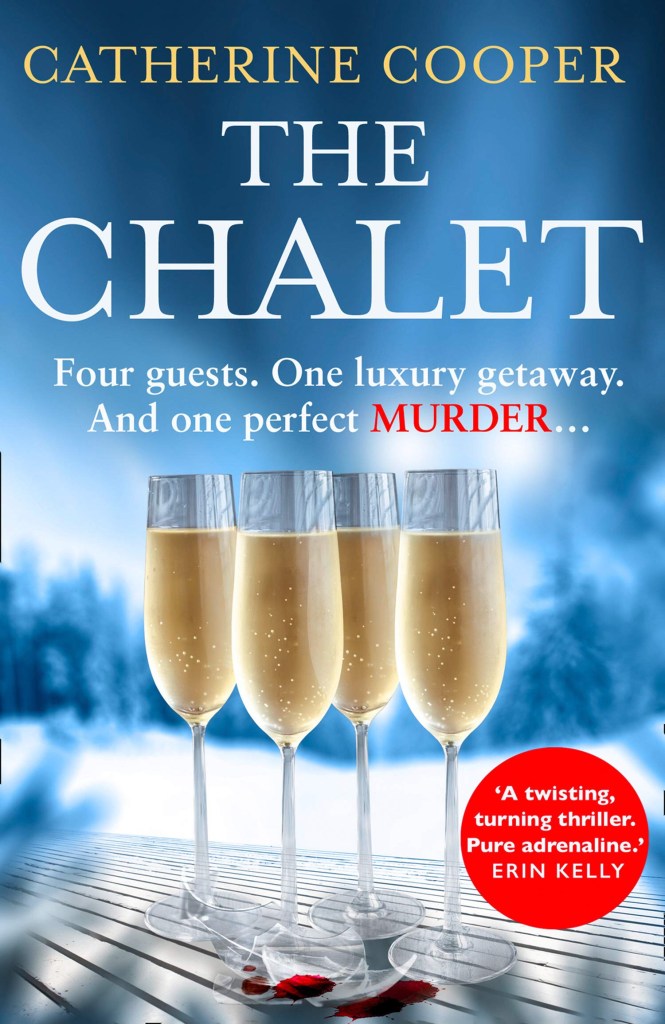

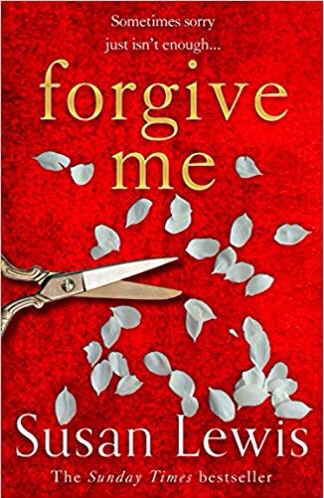
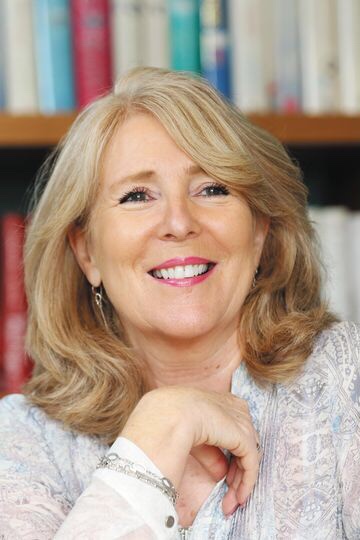
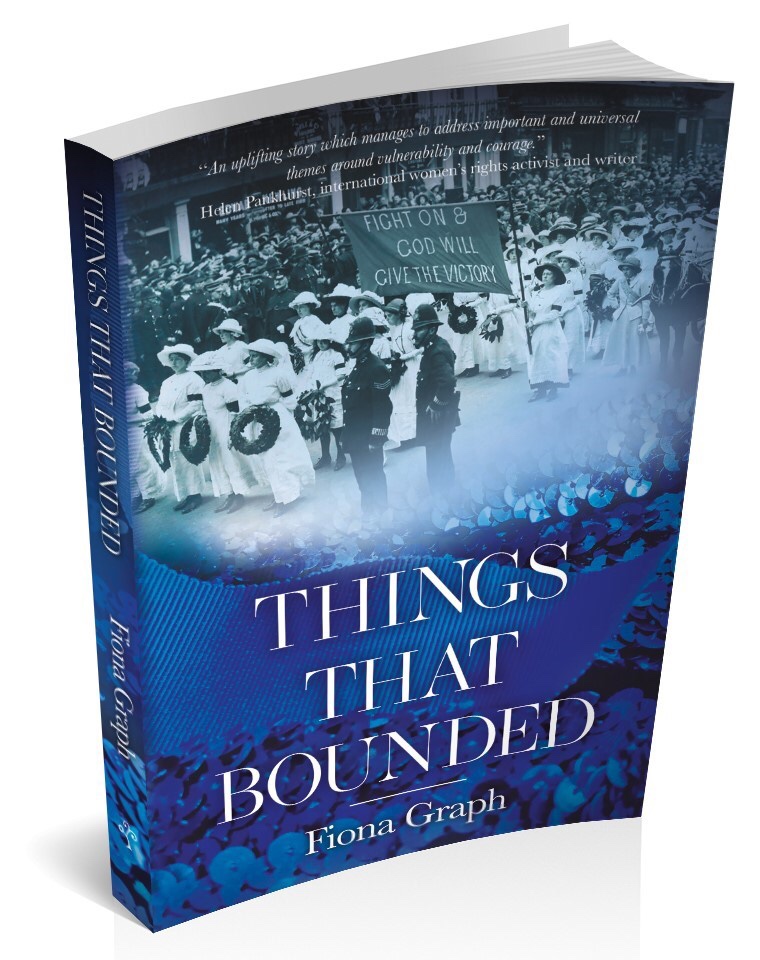
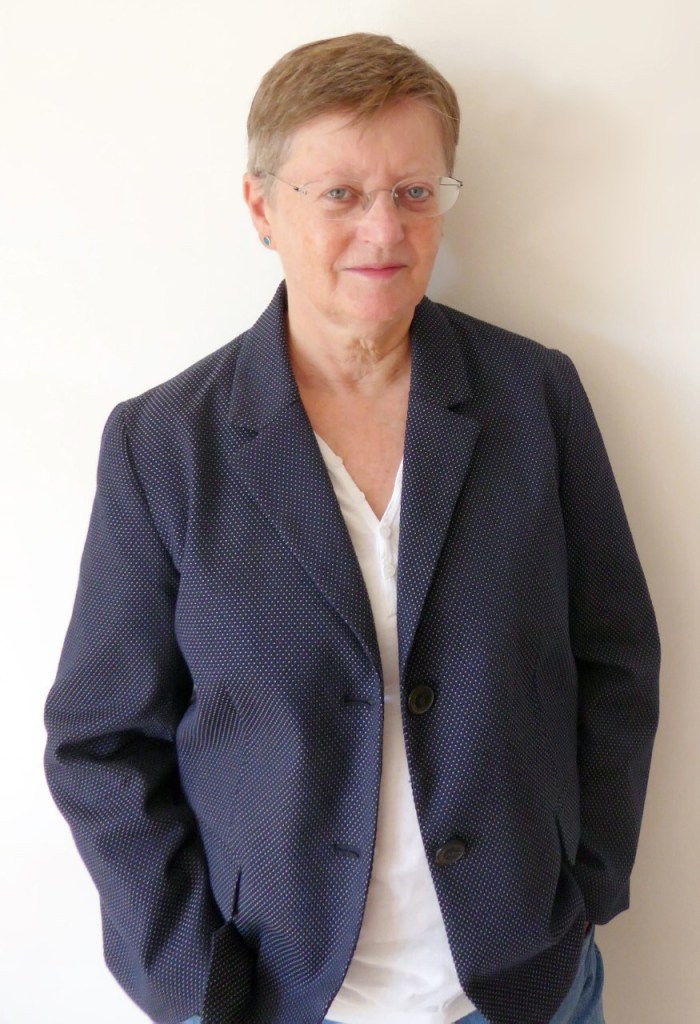
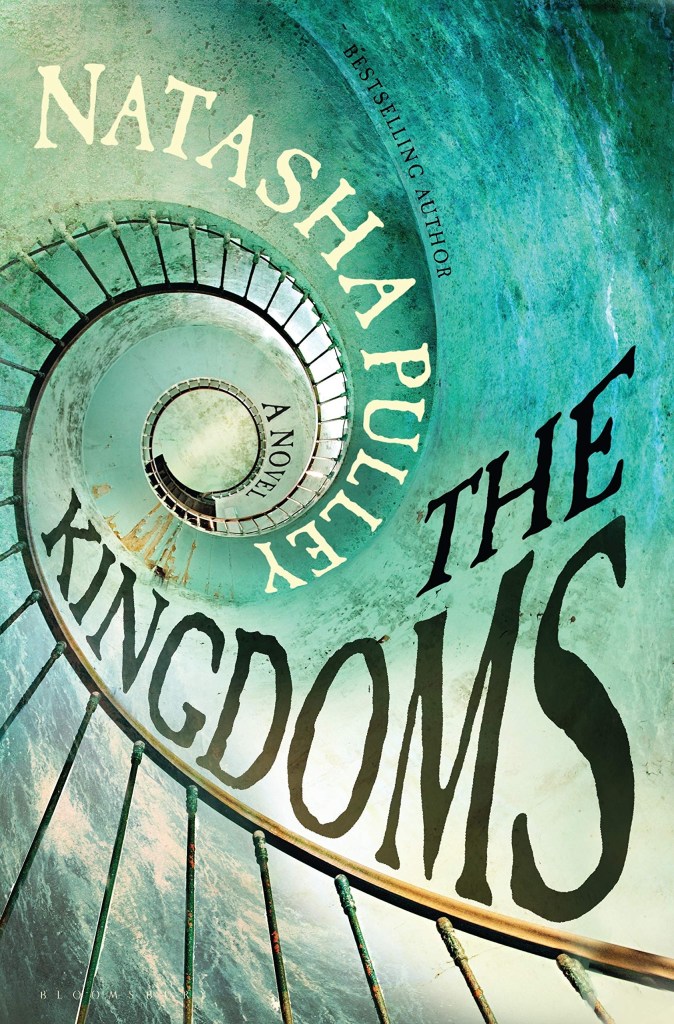
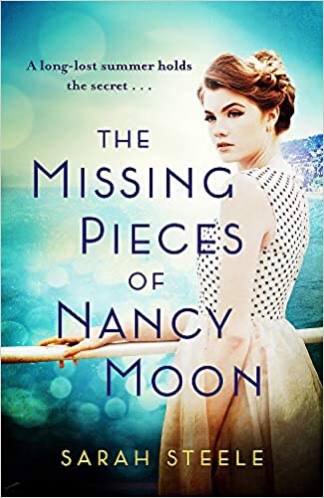
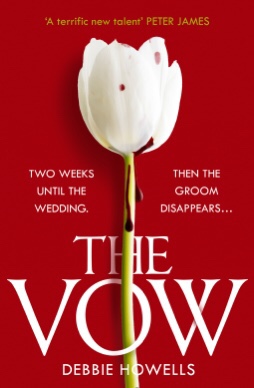



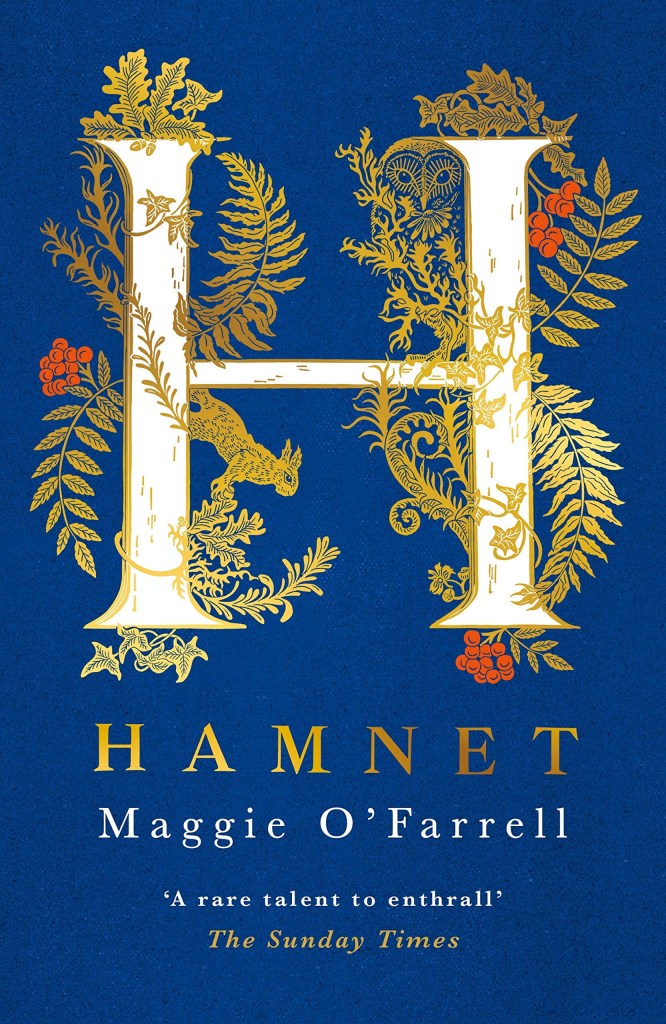
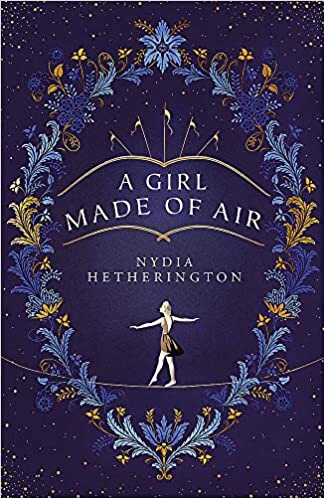

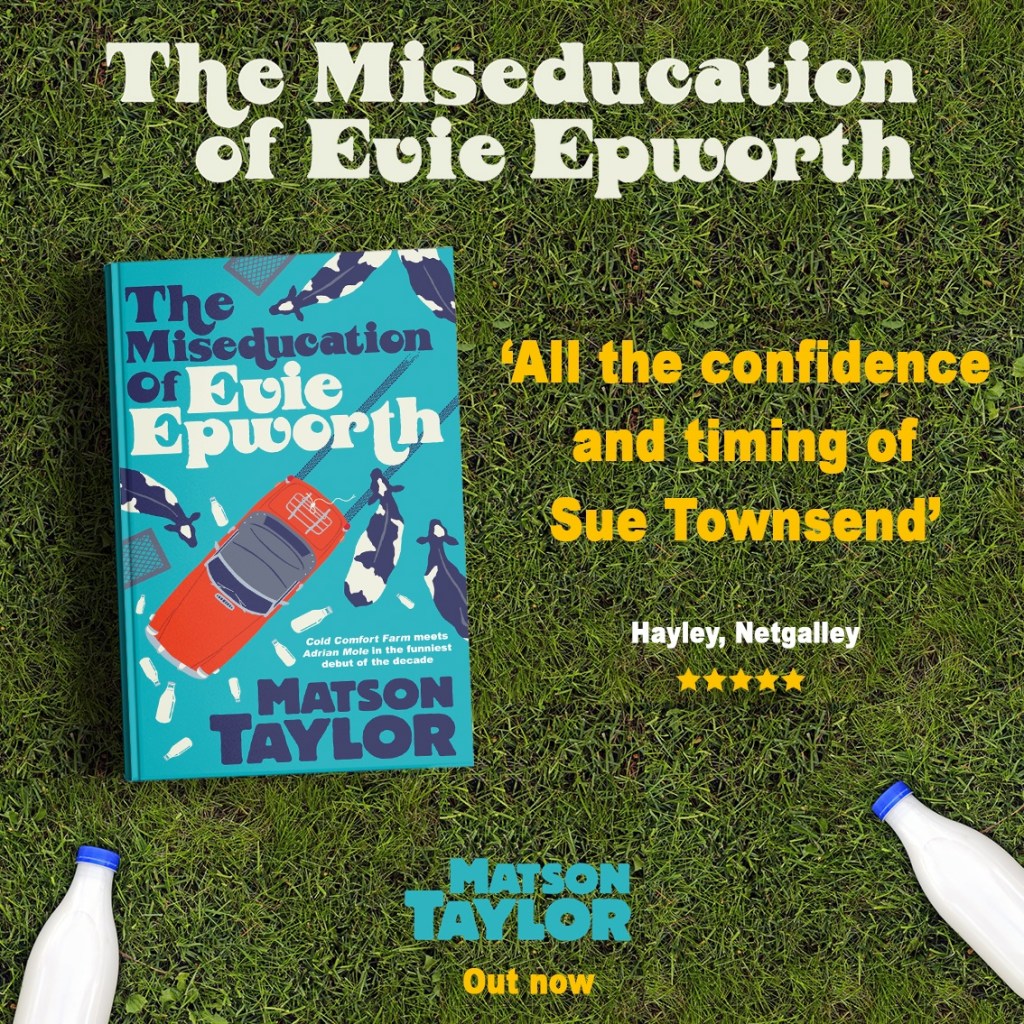


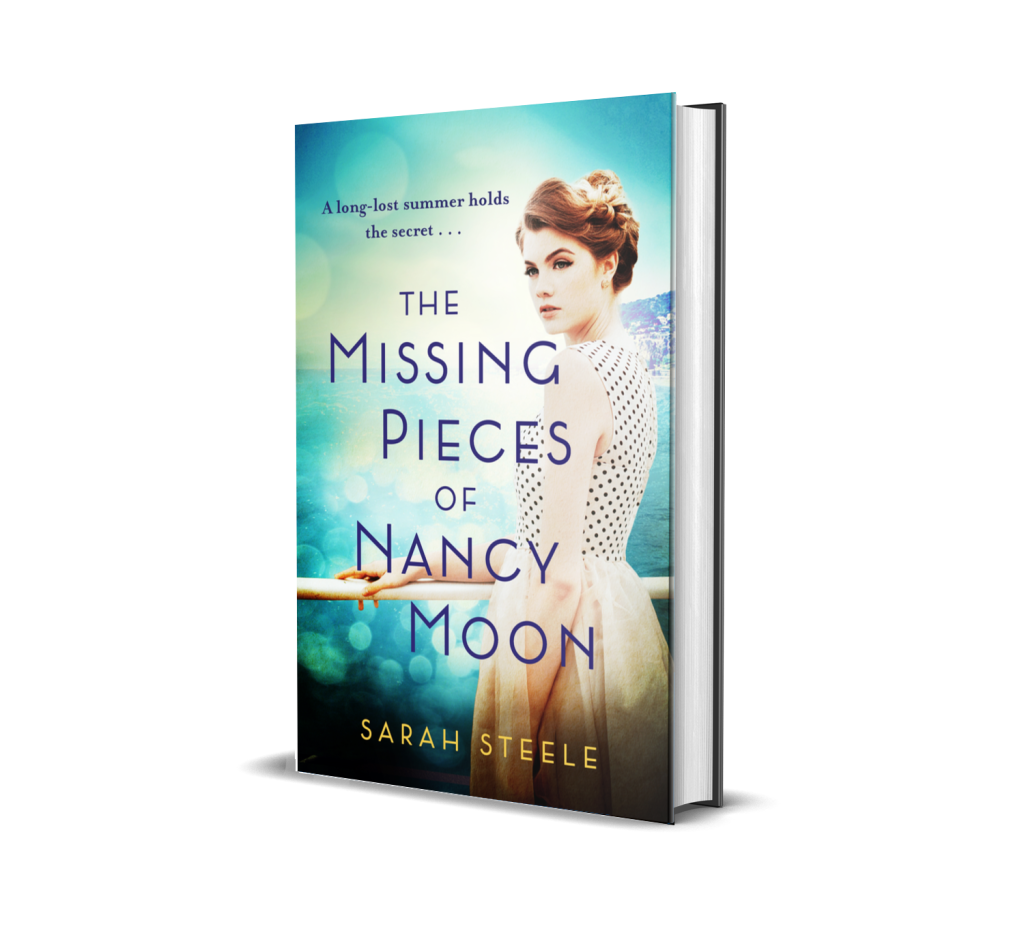
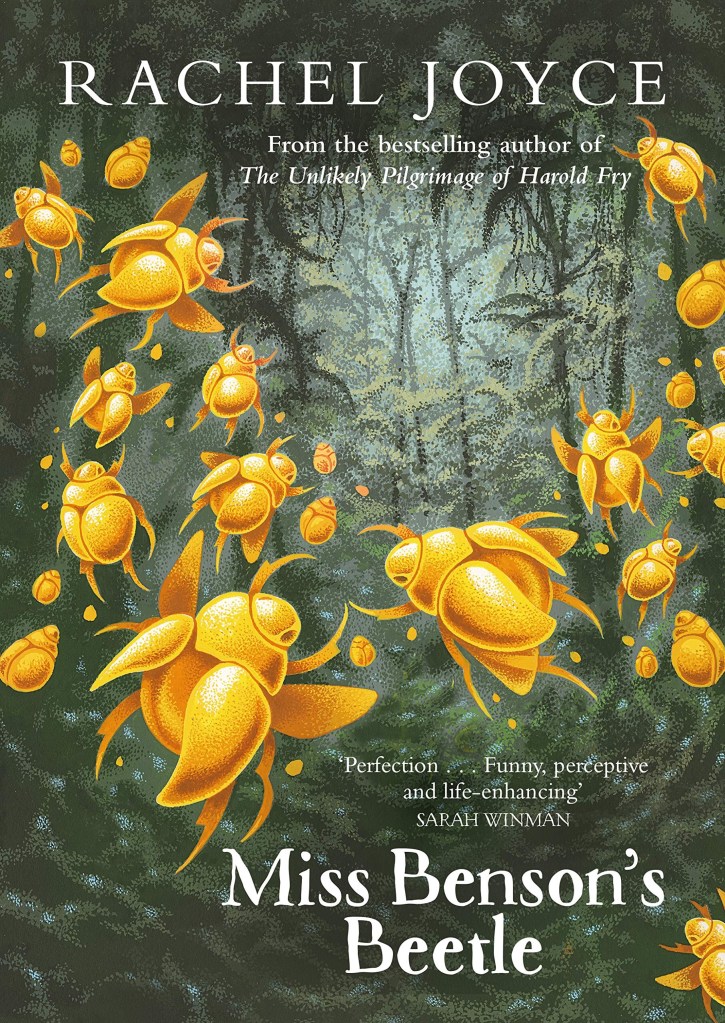
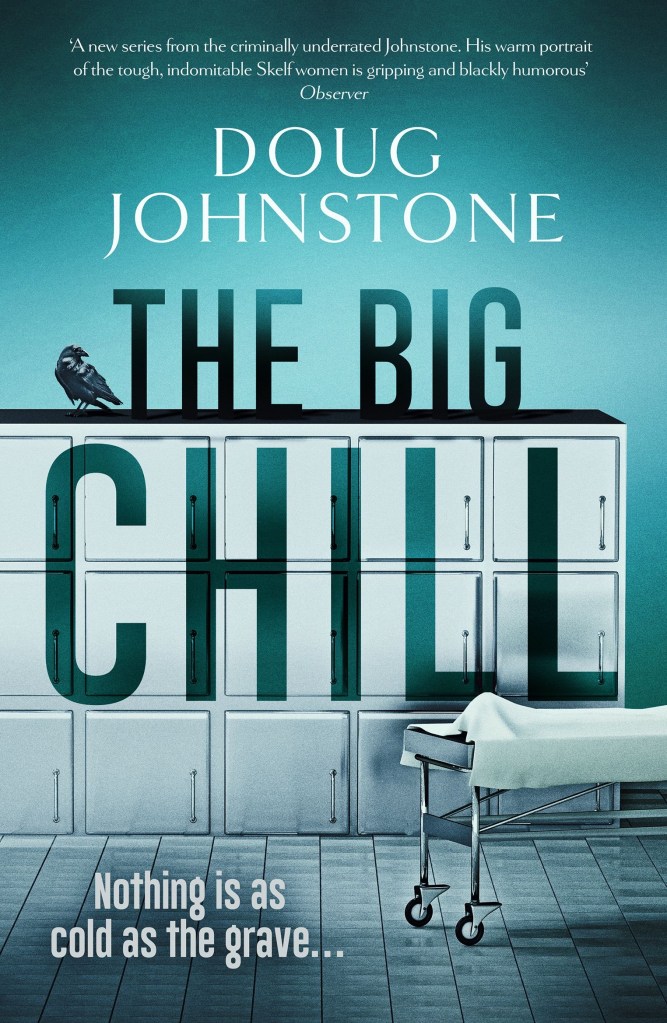

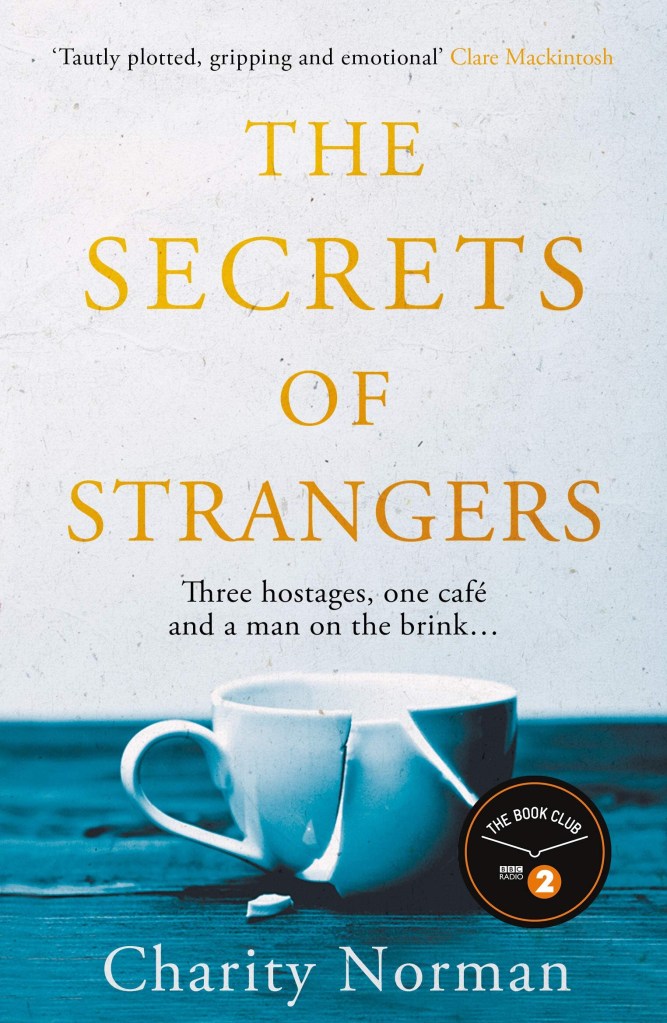





 The Lotus Readers