Posted in Banned Books

Banned Books Week – Lady Chatterley’s Lover

Defending free expression has become a challenge. Words seem to matter more than ever and their impact. Just having an X account in the past week has been painful if you have empathy. It’s a battle for control where the desperate need to counter someone’s post, fights with common sense. By replying, even if it’s scathing, we have entered the arena and boosted that person’s profile. On the other side there are more people taking offence, on their own behalf and on the behalf of others. In this endless spiral of offence and discrimination it can be easy to become apathetic. It’s a political strategy the Kremlin has been using for years, bombard the people with so much opinion and disinformation that they become completely overwhelmed and withdraw. In this war of words, art is a form of activism, said the publisher Crystal Mahey-Morgan in an interview published online this week and as more books seemingly disappear from schools and libraries in America, we have to think carefully about the books we fight for. If we’re asserting that all books matter, then that applies equally to the books we like and those we don’t. If we’re saying books that offend others can’t be banned, we’re fighting equally for books we find distasteful or are offended by. There are books I rather not have read – there were definitely parts of American Psycho I could have done without, but I would never say they shouldn’t exist. Yet we seem to be stuck in a world where various groups in society want to ban or cancel books that don’t align with their views or misrepresent them. Even the writer’s behaviour, political views and private life can contribute to the moral panic around their work and our permission to read them. J.K. Rowling is a case in point and the controversy extends to her Robert Galbraith books which I still read. I grew up a long time before the internet and the cancel culture and I know that my ability to separate art from the artist is frowned upon. I want to talk to you about one of my favourite banned books and it’s the one people remember most – Lady Chatterley’s Lover by D.H.Lawrence. 

An adaptation of Lady Chatterley’s Lover has come to Netflix, where streamed shows are probably the 21st Century’s most popular creator of water cooler moments. The fact that this banned story is there for everyone to watch in their own homes would have shocked the 1960’s general public. The story is a simple one, about a young married woman (Connie Chatterly) and her husband’s gamekeeper (Oliver Mellors), and the forbidden love between them. First published privately in 1928, it took until 1959 for a ban on the book to be lifted in the U.S., and then 1960 when an uncensored version was published in the United Kingdom. Lawrence’s novel was also banned for obscenity in Canada, Australia, India, and Japan. People were genuinely shocked by the explicit descriptions of sex, use of four-letter words, and depiction of a relationship between an upper-class woman and a working-class man. To my mind, the most outrageous part of the book was the author’s portrayal of female sexual pleasure. In fact, Sean Bean’s ‘we came off together that time m’lady’ still lives rent free in my head. Maybe that’s because I spent most of the 1990’s dreaming, like the Vicar of Dibley, that Sean would come striding in and say ‘come on lass’ beckoning me with a single nod towards the door. I believed in him and Joely Richardson as those characters in the Ken Loach adaptation, more so than many others I’ve seen. Although I do have memory of going to see a more explicit French version of the book, wedged between a group of elderly ladies who gasped every time they saw a penis and a man who had a large bag of sweets that he would rummage in, very forcefully, at certain parts of the film. I moved seats in the interval. 

Once I’d read the book, in my teens, I hated the way people talked about it. In my dad’s family, any mention was met with raised eyebrows and Monty Python’s ‘a nudge is as good as a wink’ type of humour. My mum loved D.H.Lawrence and I could see it bothered her to have him relegated to the role of pornographer. My dad’s brothers didn’t have a single bookshelf back in the 1970s and still don’t. They would come to our house with its massive bookshelves and ask ‘have you read them all? It was a question I never really understood. Did they think we were bluffing? Mum let me plunder her bookshelves all the time and this is why I know it isn’t just a ‘dirty book’. If I wanted to read something dirty I’d go for her Jackie Collins, Judith Krantz or Lace by Shirley Conran. I never reached for this as a prurient read, because it isn’t about sex. It’s about love. 

“Sexual intercourse began

In nineteen sixty-three

(Which was rather late for me) –

Between the end of the Chatterley ban

And the Beatles’ first LP.” 

Wrote Larkin and perhaps that’s why my Uncles and Aunties raised their eyebrows, being teenagers pre-1960 and very unlikely to pick up a book by D.H. Lawrence. In fact once they’d seen the naked wrestling of the film adaptation Women in Love, they were convinced Lawrence was a pornographer. My mum happily shared these films with me as a teenager with no comment or explanation, she just let me make sense of it for myself and I knew there was something more complex at play here. 

There is so much more to Lady Chatterley than the sex, although the sex is glorious and we’ll finish with that. Firstly it was fitting that when Penguin did publish in 1959 and challenged the previous year’s Obscene Publications Act, it was sold deliberately at a price that meant the working class and women could afford to buy it. Objections mainly came from the middle and upper classes, who weren’t necessarily concerned that Connie Chatterley committed adultery, but were objecting to her choice of lover. In fact it was this discrepancy between the classes that finally forced the court case, echoing the attitude of Clifford Chatterley. He was quite matter of fact about his wife taking a lover. He realised that his war injury would force Connie into a lifetime of celibacy and no chance of becoming a mother. He also wouldn’t have an heir. In one conversation he is quite open about the fact he doesn’t expect Connie’s fidelity, in fact he thought a lover might be the best thing for her. At least then they could have a child who would take on the title and estate. However, she was to choose someone from their class and he’d like to meet him. This turned Connie’s stomach for two reasons, she didn’t want to be passed from one Lord to another like a chattel and secondly she was shocked that Clifford didn’t seem to care.  She’d expected there would still be some intimacy between them, even if it was confined to the care he needed. Yet, he chooses to employ a woman from the village who’s nursed during the war and there is something intimate in her care of him, something he gains some pleasure or comfort from. This leaves Connie free, but to do what. All their needs are taken care of by servants, she doesn’t need to work and while she does check in on tenants, they are isolated and she has few friends. She’s married and not married. She wants to find someone she has desire and feelings for, not just to jump in bed with someone of the right class and hope it scratches an itch. She wants true intimacy and she has that with Mellors. What we’re seeing in this affair is the breakdown of the aristocracy after WW1 and in this love story is the mixing of different social strata and the changing roles of women. 

There’s also a massive shift for the working classes between the two World Wars. We see Clifford visit the colliery he owns and the workers are restless. They’ve been through terrible experiences on the battlefield and to come back and slot into their old social status, working under a man they’ve fought with in the trenches doesn’t sit right. They want better wages, better living standards and for the respect to work both ways. We can also see mechanisation creeping in. Clifford is ready to try anything new, whether it’s his new motorised bath chair or mechanising the pit. There’s an uncomfortable scene where Clifford uses his chair to walk with Connie in the grounds, but it becomes stuck in the mud. He angrily calls for Mellors to push the chair and he gamely tries to climb on the back and weigh it down enough for the wheels to grip. It’s a metaphor for the death of the aristocracy, all while Connie looks on awkwardly and Clifford becomes more and more frustrated. 

Then there’s Connie and Mellors (Oliver) who are an interesting mix and their sexual tension is palpable but endearingly awkward at first. Mellors clearly desires her but doesn’t know how to treat a woman of her class. That’s not to say Mellors is stupid, because he isn’t. He’s self-taught and he reads too. Their conversations are on the same level as they get to know each other, but their dialect shows the huge difference socially and geographically. Connie has an openness that comes from being the daughter of an artist and it has always afforded her a huge amount of freedom. She and sister Hilda were expected to have lovers, to drive themselves around to parties and different stately homes. They have the opportunity to be upper class, particularly now that Connie is mistress of the Chatterley house, but are also eccentric and bohemian. They can use this to push the boundaries a little and Connie is encouraged to by her sister and her father when they visit near the beginning of the book, noticing she is pale, listless and a little depressed. They see the chasm that has opened up between husband and wife leaving them with the appearance of a marriage, but missing all the elements that make a marriage work – a shared humour, joint outlook, deep conversation and intimacy. 

It’s no wonder that as Connie and Mellors think about a longer term relationship they know they’ll have to emigrate to somewhere new like the USA or Canada. These are the places where a relationship like theirs would be accepted. We see the incongruity of it in their early sex scenes where they move from intimacy to Mellors calling her m’lady because at the same time as being under him she will always be over him. There is tenderness between them, something more than sex. There’s real care and Mellors’s link to nature is important too, such as the first time they meet when he is placing pheasant chicks in their new enclosure. She sees a gentleness and a nurturing side that Clifford does not have. He would care if she was to be with another man and he wants to her to enjoy their encounters, not just him. When she does orgasm with him he comments on it and how special it is when that happens between a couple. He makes her feel safe. They have a joint childlike joy with nature, running around naked in the rain and threading wildflowers in each other’s pubic hair. He wants to be with her after the orgasm, which she hasn’t experienced before. I’m touched by this book and I’m infuriated that it was treated as pornography when it’s a comment on WW1, disability, masculinity, nature and so much more. It’s also a touching love story and you’ll root for this couple. They have an immediate connection, that goes beyond the boundaries of their class. They see each other as two equal human beings (an equality that Clifford disputes even exists) and recognise the loneliness in each other. Even if you do find the sex scenes awkward and you’ve never read this book due to its reputation, go give it a chance. 

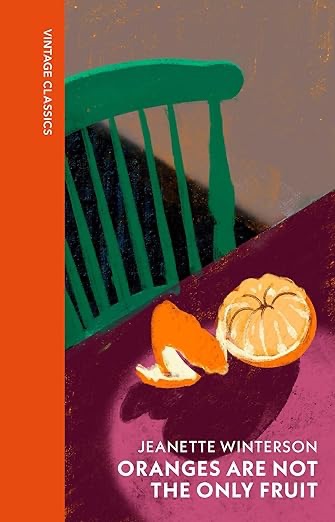
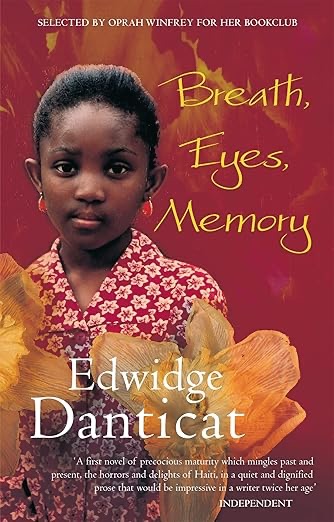
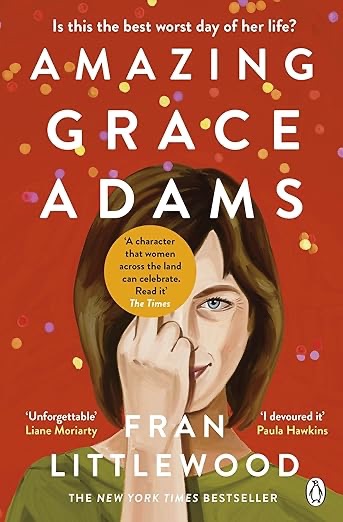
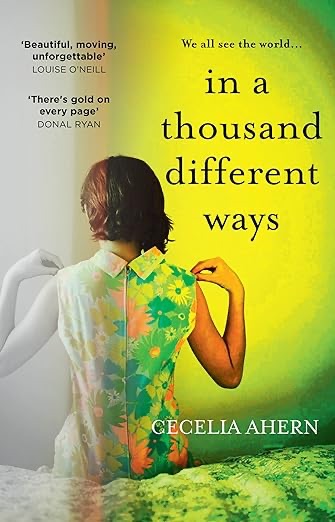
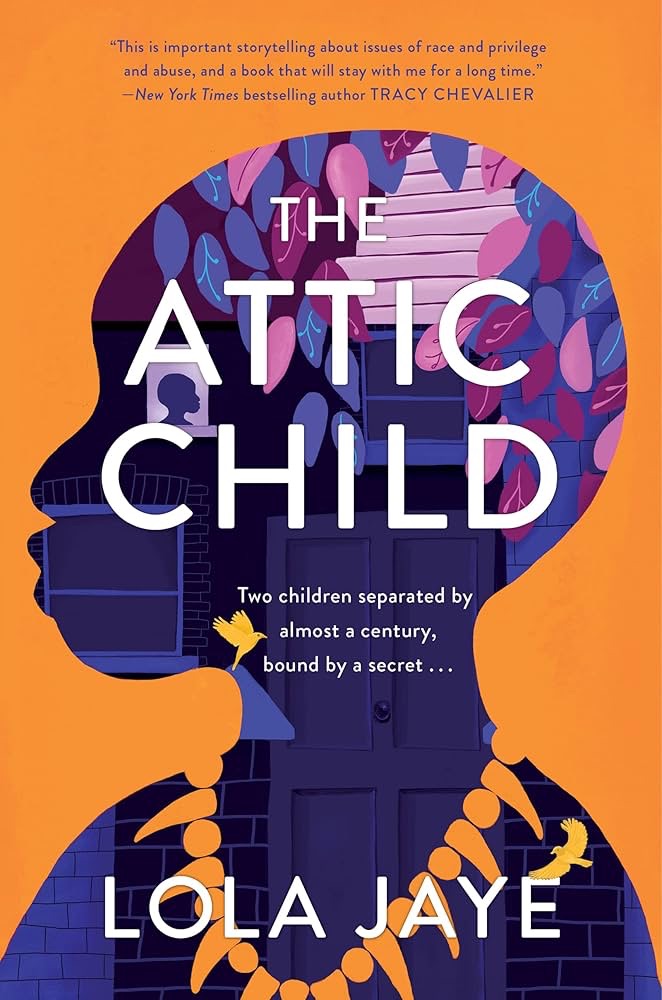
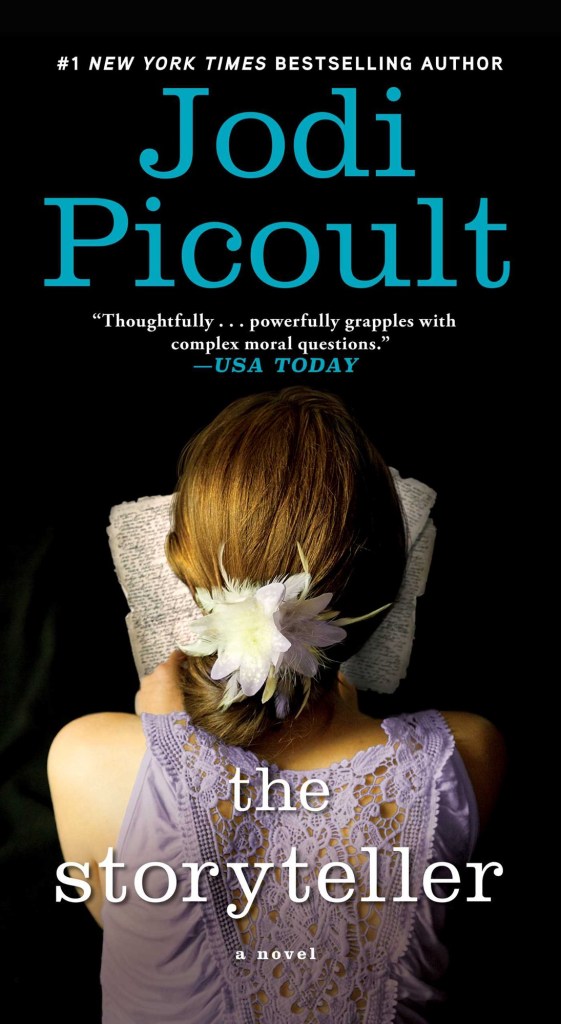
The political and religious climate in the USA has seen 16,000 book bans in public schools nationwide since 2021, a number not seen since the Red Scare McCarthy era of the 1950s. This censorship is being pushed by conservative groups of people, such as evangelical Christian and has spread to nearly every state. It targets books about race and racism or individuals of color and also books on LGBTQ+ topics as well those for older readers that have sexual references or discuss sexual violence. One of the most banned authors across America is Jodi Picoult with her novels Nineteen Minutes (school shootings), Small Great Things (Racism) and A Spark of Light (abortion).  In the 2023-2024 school year, PEN America found more than 10,000 book bans affecting more than 4,000 unique titles. Here are a few of them: 

The Bluest Eye by Toni Morrison and The Colour Purple by Alice Walker 

Both these books are banned for themes of racism, sexual abuse and assault. Both break the silence around domestic violence and depict how tough life is for black women in the early 20th Century. 

The Handmaid’s Tale by Margaret Atwood – the book that some people believe is coming to life before their eyes has themes of enslavement, sexual assault, misuse of religion and power. In a future where the elite class are unable to have children ‘handmaids’ are kept in the family home to provide the couple with children. 

Call Me By Your Name by Andre Aciman – is a first love story that springs up between a teenager and an older man, cited for depictions of homosexuality 

The Kite Runner by Khalid Hosseini – was put forward by a group of mums concerned about their children reading an account of ‘homosexual rape’ but Hosseini fought the ban with a letter that talked about the book’s insight into Afghan lives and inspired children to ‘desire to volunteer, learn more, be more tolerant of others, mend broken ties, muster the courage to do the right and just thing, no matter how difficult.’

Small Great Things by Jodi Picoult – begins with a black midwife assigned to a woman in early labour who is then refused by the father, a white supremacist. When the baby is ill and there is only one midwife available does she touch the baby or wait for someone else? This really does have impact and made me think about my own privilege. 

For more info on Banned Books Week visit ⬇️⬇️

https://bannedbooksweek.org/

Posted in Random Things Tours

The Howling by Michael Malone 

There was such an atmospheric opening to this last novel in the Annie Jackson series, setting up the link between the incredible scenery and Scottish folklore. Then we see Annie in her safe place, the little cottage she calls home nestled in the middle of nowhere. The only place where she gets some respite from the ‘murmurs’, the terrible portents of death she suffers when she meets someone who is going to die. They are a curse, not just because of the painfully loud noise in her head but because if she tells someone they rarely listen and if she doesn’t she’s left racked with guilt. She is taking in some fresh air outside, when she falls into the stream that runs at the front of the cottage. It’s freezing cold and reminds us that whenever Annie starts to feel safe, something comes along to challenge that sense of peace. This time it’s her brother Lewis and his girlfriend Clare with some brilliant news, they’re having a baby. Annie is so excited for them, but there is a downside. Even though it’s very early days, Annie is worried that this child will inherit the family curse of the murmurs. Maybe there’s a chance she can put the curse to bed? The woman who tried to kill her wants Annie to visit her in prison. Sylvia Lowry-Law was pulled into the dark arts by a professor at her university and believed that sacrificing Annie would raise an ancient demon to do her bidding. Now she needs Annie’s help in tracing the son she had adopted 17 years ago. Could this boy be the key to a future where she’s not waiting for the next murmurs to hit? That would be life-changing for Annie, not to mention Claire and Lewis’s baby. 

This is a complicated story that Michael Malone tells with multiple narrators and different time frames, slowly bringing them all together to solve the mystery. Linking with the opening section, there’s a boy called Drew who feels bonded with a wolf cub more than the family around him. 

“I was a wolf. And I was a boy. It was a long time ago. They wore funny clothes […] I would run away from my mother and be a wolf. And we were killed. They said we were witches”. 

It’s been quite a year for witches and books that hark back to King James VI of Scotland and all of them have been incredible reads. Here Malone alludes to the dangerous atmosphere in that time, where even the remotest villages were aware the King had given licence for witchfinders to root out anyone seen as different or troublesome. They would be tested against the king’s book Daemonologie then strangled and burned at the stake. Drew clearly has a similar ancestry to Annie and perhaps a long line of ancestors fighting against lycanthropy. His family are emigrating and as usual the author takes us deep inside the character. Drew’s childhood narrative is so emotive because I understood his feeling overwhelmed in an airport full of people and having to feel all the layers of their anxiety. All he wants to do is curl up quietly with his fellow wolf cubs and when he’s pushed, his shout sounds more like a wolf howl – a definite cold feeling down the spine moment. Then there’s Annie and Lewis who are a great investigative pairing, Annie has bags of empathy and insight even without the murmurs and Lewis is well versed in the technology side of investigation, but one thing they both have is a stubbornness that means once they’ve started looking they can’t stop until it’s done, even when the costs for Lewis become very high. They both go to Ashmoor Hospital, the psychological facility where Sylvia is being treated, but she wants to see Annie alone. What she asks for is help finding her son and puts them on to her lawyer Bernard Peters, a timid soul who has worked for her several years as his grandfather did before him. They were helping trace her family and a rather familiar and colourful tale emerges: 

“Witches and curses and twin sisters who fought over a man, leading to one of them being burned at the stake”. 

There is a sense here of history repeating itself through generations. It blends with Scottish folklore and it being a ‘thin place’, the term for places where the veil between this and the spirit world is almost transparent – those that believe and can tune into it of course. Bernard is astounded by the prominent people who are caught up in this strange ancient order that Sylvia belongs to. She tells him she owned his grandfather and that there are secret records that must be protected. Bernard’s grandfather dying suddenly, leaves some of this dark and dangerous business undone. Even as they try to help him they can’t wait to get into the secret room he’s been searching in. There are secrets in here that could bring down very powerful people, but why would the order keep them? Again it brings to mind current news, the Epstein Files and the buzz around having them released, bringing into the spotlight people we could never have imagined to be involved. I felt for Bernard because everyone else has some understanding of the background to this, but he’s blindsided. Also everyone else is here by choice, whereas he is thrust into the middle of it by birth and the death of someone he loved and looked up to. Now he’s implicated in a widespread network of influence and blackmail. The author balances all these narrative viewpoints so well and each section brings a little more information, with sudden little discoveries that fill in gaps and definitely drip feed tension to the story. 

This series has always been an unusual mix of thriller, family saga, horror, magic, folklore and crime. It defies being placed in a genre and I often find that’s where the best and most surprising reads are. It was lovely to have Sister Theresa make a cameo, with her sketchy grasp of data protection she’s a real asset in finding out about the past and nuns are often very quirky and unusual individuals I’ve always found. I left this novel less worried about Annie, I had always wondered if the isolation and loneliness of life with her gift would overwhelm her. Here I felt like Annie’s murmurs took a bit of a back seat, but she gets stronger with each book; a more resilient heroine who still has an otherworldly and mysterious air about her. I always imagine her rather like Kate Bush, which is always a compliment. The more she finds out about her family, the more settled she seems to be and is still working in the local café despite previous incidents with customers whose deaths she could see. However, as we raced towards the ending with tension in bucketloads I couldn’t be sure she’d be safe. The order is a many tentacled monster and I wondered if they would really be able to sever and destroy all its parts. As Sylvia says, they have ‘fingers in a lot of very interesting pies’. There is no depth they won’t stoop to and they operate very quickly indeed as Lewis finds out. I can’t ever imagine that Lewis and Annie will give up investigating and trying to help others, it doesn’t seem in their nature to kick back and enjoy the quiet life. Not for long anyway. 

Meet the Author

Michael Malone is a prize-winning poet and author who was born and brought up in the heart of Burns’ country. He has published over 200 poems in literary magazines throughout the UK, including New Writing Scotland, Poetry Scotland and Markings. Blood Tears, his bestselling debut novel won the Pitlochry Prize from the Scottish Association of Writers. His dark psychological thriller, A Suitable Lie, was a number-one bestseller, and is currently in production for the screen, and five powerful standalone thrillers followed suit. The Murmurs and The Torments, first in the Annie Jackson Mysteries series, were published to critical acclaim in 2023. A former Regional Sales Manager (Faber) he has also worked as an IFA and a bookseller. Michael lives in Ayr, where he also works as a hypnotherapist.

Posted in Personal Purchase

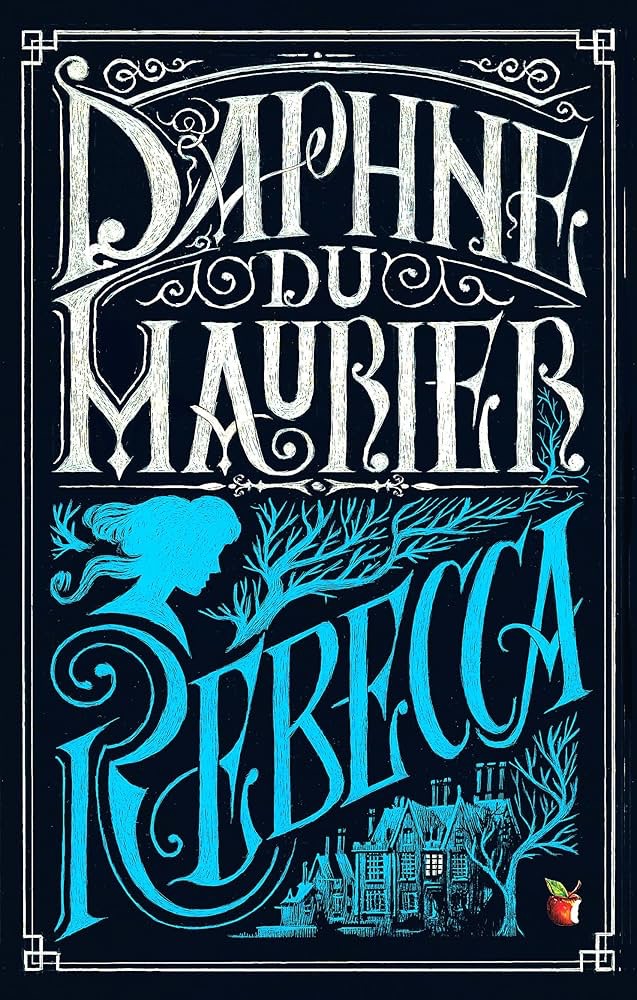
The Bride Stone by Sally Gardner 

According to our narrator, a ‘bride stone’ is a precious stone given to the groom’s family as a dowry. Sometimes though, a beautifully made fake stone was used, one they could only have valued when it was too late. It’s an apt title for a book where women are traded in many different ways and in the human sense the most unprepossessing stones may turn out to be priceless. It is set just after the French Revolution where Marie Antoinette, who would have had no choice in marrying Louis VII, was condemned to the guillotine as his Queen. Many aristocrats left France for British shores at this time and were often welcomed in high society. Edmée has somehow made her way to Britain, despite seemingly being an ordinary citizen and she is being offered at a ‘wife sale’, something I had no idea existed until I read Thomas Hardy’s Mayor of Casterbridge where Michael Trenchard sells both his wife and daughter as chattels he can no longer afford. When I first read it at 14, I felt how degrading it must be and was automatically revolted but now, I’m even more aware of the implications of being sold to the highest bidder. The thought of being owned by a man, a complete stranger, to be treated as he wishes is horrifying. Yet for Edmée this chapter surely can’t be worse than the last? For Duval Harlington it’s something he would never usually countenance, but his circumstances are uniquely desperate. Having been captured by the French while fighting and treating wounded soldiers, he is met by one of the family servants who bears bad news. Duval Harlington so now Lord Harlington because his father has recently died. Although he now has the title, his right to the ancestral home of Muchmore and his father’s wealth is rather more complex. Duval had a tough relationship with his father who didn’t see the point of him training as a doctor. Once he departed for France, Duval’s father installed a distant relative, Mr Carson and his wife, to manage the day to day running of the estate. So his will has an interesting stipulation, in order to claim his inheritance Duval must be married and now he has only two days to achieve this aim. Otherwise the estate becomes Mr Carson’s. When his servant points out the wife sale it seems like a means to an end. Duval notices a young woman being led around the room by a scarf round her neck. Her hair has been shorn away like a boy’s and she has a veil covering her face, but the buyers call out for it to be removed and he’s shocked to see that one side of her face is swollen and covered in bruises. Someone has recently beaten her very badly. On impulse he puts up his hand and bids for her, his intention being to marry her quickly and claim his inheritance. Then he could seek an annulment. However he does find Edmée fascinating and with Mr and Mrs Carson ready for a fight this marriage might not be as easy to shrug off as he thinks. 
This is a fascinating period of history and I didn’t know as much about it as I thought. I knew bits about Versailles, the French Revolution, Marie Antoinette and the guillotine but my understanding was very vague. I hadn’t realised how many aristocrats fled here to escape the Reign of Terror and their fate at the guillotine. Edmée is interesting because she is French but claims not to be an aristocrat, so how else did she end up here? Could she be a Jacobin or a spy? The fear that something similar to the overthrow of the ancién regime could spread here was a real one, because it would remove the power held by the Royal Family and other aristocrats, instead creating a republic where all people would share natural rights of liberty, property, security, and resistance to oppression. Yet a book is always the product of its time and I could definitely see parallels with today’s politics. A dinner guest, Sir Wilfred Fairley MP talks about the influx of French emigrés saying he was asked if he thought ‘we’d been too lenient with the number of emigrés we have allowed into the country and my answer is yes’. However, a Marquis replies very strongly that no one wants to be in that position: 

“To be forced to leave their lands, their houses, to start again in a country that doesn’t possess their humour or their language and is frightened of their religion […] to cross La Manche in a small unseaworthy boat to discover they have paid a fortune to be at the mercy of sailors threatening to throw them overboard if they do not pay double.” 

It felt like it could have been two people arguing on social media today. 

It’s evident Edmée has gone through a terrible ordeal at the hands of her previous husband, the Reverend Hughes. At first she must fear a similar fate from this stranger and Duval doesn’t help by abandoning her as soon as they reach Muchmore to go and sleep with a long term mistress. I was fascinated with Edmée because she’s such an unusual character and like me she keeps a journal and writes daily. The author lets us into that diary and we get to know how unsure she feels and that she has secrets. Duval’s aunt notices Edmée’s vulnerability and really takes a shine to her as they dine together and she takes her to buy gowns from the local dressmaker, a fellow French woman called Madame DuPont. Now that she’s Lady Harlington, she must look like a lady. It’s hard to know who she really is because she could just be fitting into each person’s expectations. Maybe this is something she’s used to doing in order to survive. When she falls ill and Duval returns to Muchmore, using his knowledge as a doctor to treat her, he shows great care and tenderness. As he waits for her to recover he reads her journal and learns so much about this woman he’s married to. With Duval she seems to blossom a little. Something unlocks in her and it’s like watching a mistreated animal learning to trust a human. Until now she’s been a blank space for others to write on, but it seems like Duval might be the person who brings out the real her. It is hard not to like this woman, who is described by her previous husband’s natural son as courageous: 

“There was hardly anything of her but she had a will of steel. I don’t say that lightly. Some soldiers profess bravery and talk about courage, but that’s a woman who says nothing and has survived a Revolution and a violent bastard of a husband […] she would be a hard candle to blow out.” 

This isn’t just a love story though, it’s a thriller. Just as Duval starts to settle in to being home, the unthinkable happens. The couple are talked into holding a ball to introduce the new Lady Harlington to society. Their guests come from the local area, but also from London and some are French emigrés. Mr and Mrs Carson are even invited and unbelievably accept. Edmée is a great success as the host in her new role as mistress of Muchmore, but the next morning she has vanished. Did she leave of her own accord – perhaps spooked by someone she saw the previous night. Or has something more sinister happened? It could be the work of someone closer to home – a disgruntled lover of Duval’s or someone determined that their marriage won’t succeed. I was drawn so deeply into the story of these unlikely partners. Duval and Edmée have both had difficult starts in life. The relationship between Duval and his father is typified by the ridiculous terms of his inheritance. The only thing he has to guide his search is her journal and the book that came with her, seemingly an ordinary history book but beautifully bound.

The theme of domestic violence and sexual assault is distressing and hard to read, but what shocked me most was other people’s ability to ignore what was happening even when they witnessed it with their own eyes. It brought home to me how dependent women were, in fact the only women in control of their own destiny are those who have a skill or their own business such as Madame DuPont the dressmaker or the brothel madam where Duval was a loyal customer in his youth. This is absolutely in line with social history of the 18th and 19th Century, but so much literature adapted for television focuses on the upper and middle classes where marriage is the only means of improving a woman’s status. I love when writers go back and write people back into a history they’ve been erased from due to race, disability or sexuality or when characters are more complicated figures in society. Duval isn’t your average privileged heir and Edmée would never normally be his wife. During dinner discussion on the revolution, Sir Wifred points out that its biggest folly was that all people should be equal, meaning men and women. Duval surprises him by stating that in his view “it was one of the most exciting things to have come out of the revolution.” I love that he is starting to see women as equals. Edmée is surviving the only way she knows how and by the skin of her teeth, so why would she choose to move on again? Duval has no choice but to retrace his steps, go back to where he bought his wife and find the clues. I was hoping for Edmée to have a happy ending, but it was clear this might not be the case making for a tense read in those final chapters. The book has a mix of hardship, adventure and mystery interlaced with the romantic possibility of an unlikely match being perfect. If only Duval can find her again. The author has created a fascinating mystery and an extraordinarily modern hero and heroine that I desperately wanted to find each other again.

Meet the Author

Sally Gardner gained a first class degree at a leading London art college and became a successful theatre costume designer before illustrating and writing books. Her debut novel, I, Coriander won the Nestle Gold Award and she is also a Costa and Carnegie prize-winner. Her books have been translated all over the world and have sold over two million copies. Find Sally online at sallygardner.co.uk, or on Twitter @TheSallyGardner.

Posted in Personal Purchase

Don’t Let Him In by Lisa Jewell

There was a pivotal moment in this book that made me go cold. It sent me back twelve years when I was trying to understand how someone could treat others so badly, in what seemed like a deliberately cruel way. I remembered something my counsellor said at the time; I was spending all my time trying to work out someone’s motivation and what had happened in life to make them behave that way, instead of considering the impact on me and how unacceptable the behaviour was. Some people just don’t think like others. Nick is a tall silver fox with a lot of charm and a knack with the ladies. He seems to know exactly what will please someone. Exactly the right gift to soften someone. To get under their defences. It’s almost as if he has empathy,  but don’t be fooled. He’s just wearing a human suit. 

Nina and her daughter Ash live in the bougie seaside town of Whitstable in Kent. They are grieving for husband and father Paddy, who was killed when a man having a mental health crisis pushed him into an oncoming train. Ash has been living at home since her own mental health deteriorated. She was living in a house in London with two other girls but she developed a crush on her boss, that turned into an obsession. She claimed to have letters from him, but it turned out she’d written them herself and she was eventually diagnosed with borderline personality disorder. She’d just come home to recover when Paddy was killed. When her mum receives a parcel in the post Ash is intrigued. It’s beautifully wrapped, with a note inside from a man who has heard about Paddy’s death. He used to work with him in the 1990s when Paddy was just starting out. The gift wrapped box contains a Zippo lighter he borrowed but never returned. Since then Paddy has built a restaurant empire, with his flagship restaurant in Whitstable and two others down the coast. He benefitted greatly from the area’s development into the weekend getaway spot for Londoners. Nick’s note explains he is now a troubleshooter, brought into eateries and hotels to assess what’s not working and put it right. There is of course a number, should Nina wish to thank him for his thoughtfulness. Over the next few months Nick and Nina start to WhatsApp each other and then go out for a drink. Ash is glad to see her mum with a glow, but there’s something about Nick that’s just ‘off’. She can’t be sure and maybe she’s viewing this situation through her own grief or her personality disorder, but something isn’t right. She needs to find out more about him before he becomes a permanent fixture. 

It’s so hard to review Lisa’s books without letting things slip, but I’ll try my best. Most authors might have written a thriller based purely on the scenario above – is it the mentally ill daughter or the mum’s new boyfriend that’s the problem? Slowly drawing out the tension of whether she’s right or so unwell that she’s dreadfully mistaken. Lisa Jewell isn’t most authors so she takes that premise and builds an absolutely labyrinthine mystery that’s absolutely spellbinding. In multiple narratives and timelines we meet various women who are struggling in their relationships, all of which are linked by strange or abusive behaviour. There are different behaviours: gaslighting, manipulation, financial embezzlement and even disappearances. In some cases these women are married and have children, in others they’re older and widowed. There were so many conundrums, not least how these men are affording the lifestyle they’re living. Meanwhile, Ash has decided to take help from ‘Mad’ Jane Trevally, her dad’s old girlfriend from the 1990s. Surely if Nick was around for a while, Jane would remember him. Jane did have some obsessive qualities of her own back in the day, so maybe she’s not the best person for Ash to be hanging out with. She knows her mum would be furious. However, when they do meet, Jane tells Ash that Paddy categorically did not have a lighter. He was always taking the matches from the kitchen or cadging a light from other people, so much so that it was an ‘in’ joke with friends and customers. So whose lighter was in that parcel and why did he send it? 

I galloped through this book as we went backwards and forwards in time, every time learning a little more and inching towards the truth. I loved the fragile Ash who is at that stage of recovery where she doesn’t fully trust her own mind. Is she making too much of this? Is she just paranoid? Worst of all, if she finds something questionable, will her Mum even believe her? She’s so lonely at this point, she doesn’t have many friends to talk to and feels bad she’s had to bounce back home at her age. Her mum deserves to be happy and she might ruin it all. Just when you think you have all the answers, the author takes it to the next level! There were twists here that I wasn’t expecting and I felt very relieved that I got away from my own situation relatively easily, if not unscathed. This book is like a twisted knot in a necklace. It takes a long time to loosen it, but suddenly the whole thing unravels before your eyes. This is masterful thriller that absolutely begs to be devoured in a couple of sittings, from an author who gets better and better. 

Meet the Author

LISA JEWELL was born in London in 1968.

Her first novel, Ralph’s Party, was the best- selling debut novel of 1999. Since then she has written another twenty novels, most recently a number of dark psychological thrillers, including The Girls, Then She Was Gone, The Family Upstairs, The Family Remains and The Night She Disappeared, all of which were Richard & Judy Book Club picks.

Lisa is a New York Times and Sunday Times number one bestselling author who has been published worldwide in over thirty languages. She lives in north London with her husband and two daughters.

Posted in Random Things Tours

The Transcendent Tide by Doug Johnstone 

The Enceladons are back! We left them on the up, having destroyed the American facility that captured and tortured them with a tsunami wave. Lennox, Heather as well as Ava and her daughter Chloe were recovering from the torture they suffered and had to make a big decision, to leave for the Arctic as part of the Enceladon community or stay on land. Heather chose to leave with them. Now the remaining friends have established new lives. Lennox and his girlfriend Vonnie are studying together at university. Ava and Chloe are settled with Ava’s sister, but they all miss the group especially Heather, Sandy and Xander. It’s hard not to miss the extraordinary experiences they had, such as Lennox becoming part of Xander and flying off into space. It is Ava who brings everyone back together after Chloe appears to suffer a stroke, only to return back to normal, just as the friends did after first meeting Sandy. A follow-up MRI shows a brain tumour and Ava has a difficult decision to make: does she stay put and follow the medical route or does she try to find the Enceladons? She wonders whether the torture Chloe endured or her communications with the creatures could have caused this illness? She also remembers how Sandy cured Heather’s cancer and decides to take her daughter to Greenland. At the same time, Lennox and Vonnie are approached by an Norwegian tech billionaire who wants to meet the enceladons. Even the logo of his new company is a moon being held in giant tentacles. The couple are very unsure and inside I was screaming at them not to work with him, but when Ava contacts them about Chloe they both agree to work with him under certain conditions. Will those conditions be met and is this man as trustworthy as he seems? 

Niviaaq is our first new character, an Inuit woman who has lived in her small community on Greenland her whole life. The community still live like their ancestors with the principals of working with nature, not against it and they are feeling the effects of climate change. Glaciers are melting and species like polar bears are unable to hunt for food. Out on her boat, Niviaaq encounters another vessel, upturned and badly damaged. She also finds a man floating upside down in the water, hypothermic and barely alive. His coat has a symbol of a moon and octopus with the word ‘Sedna’, the name of an Inuit sea monster. She drags the man into her boat and takes him for medical help. The Inuit people have several legends of strange monsters  but lately the Northern Lights have been very active and people have seen strange glowing objects on the ice. Are these signals that something is going to happen? I loved this character throughout the book, mainly because she is so wholly and unselfconsciously her self. She is a strong woman, mentally and physically. She can take care of herself, taught from a young age how to use a rifle, to sail boats and fish on the ice floes. She doesn’t show off about this strength, it is simply part of her that can be used whenever it’s needed. She is used to long spells of time alone so she comes across as self-contained and very grounded. She is calm and gentle, not chatty but only speaking when necessary. I loved that she and Ava had an instant affinity and I could see how cozy and safe Ava would feel when with her, something she needs after her experiences with her violent husband. 

As always with Doug there are politics behind the actual story and setting it in Greenland, when it has been a constant topic in the media since Donald Trump came back into power had to be deliberate. It brought back to me how brash and ignorant the US Vice-President JD Vance appeared when he visited earlier this year. His first comment, that nobody had warned him how cold it was, just made me groan with embarrasment. It was no surprise that he was only welcome at the US Airforce Base. Their blatant and greedy desire for Greenland and parts of the Ukraine is all about mineral mining, taking what they need and further damaging the fragile ecosystem for its human and animal inhabitants. There are only two reasons a multi-billion dollar organisation would build a base there, either to exploit Greenland or the Enceladons. Probably both. Even though the business owner Karl Jensen initially impresses Lennox with his reaction to meeting the enceladons, while I was still very wary. He calls Sandy and Xander ‘they’ without prompting, because they don’t see themselves as individuals but as a collective. I loved this because it shows how easy it is to shift your perception and take care with other people’s feelings – it reminded me of the series of Taskmaster where I pointed out to my husband that Greg Davies had been using ‘they’ as Mae Martin’s pronoun for the whole series and he hadn’t even noticed. 

He seems to have a deep and profound experience on their first dive and when Sandy connects with him telepathically he suddenly understands everything that is wrong with the world. It’s the capitalism, the greed and simply exploiting every resource the earth has to give, without once considering whether it is ours to take. We don’t treat our fellow creatures as equals but as something we have dominion over and the right to kill for resources or for pleasure. We kill for yet more, when we already have so much. It’s an absolute tour de force of a speech and for a moment life is hopeful. However, as is pointed out by Vonnie, no one becomes a billionaire through philanthropy. Human nature intervenes suddenly and with finality, because it’s just so much easier to carry on as we are instead of making those personal and political changes. This is where Niviaaq is a brilliant contrast to mankind in general. When she and Ava have to take shelter in the hunting hut – one of several up and down the glacier, always ready for anyone to use – it made me realise how much the Inuit people have in common with the Enceladons. As she’s offered whale blubber to eat, Ava refuses it with a shudder. Niviaaq explains that the whale is suited to the environment they both live in and if they do hunt a whale, every single part of it is used. Eating two tiny chunks of it will give them the calories they need to survive the cold and the exertions of the journey ahead. To kill it, then refuse to use it for the purpose of staying alive is an insult. It made me realise that if people had stayed in their tribes and clans and used their original principles in this way – just like the Aboriginal and Māori people, and the Native Americans – we would have always lived in harmony with the earth. It’s possible certain animals wouldn’t be extinct and we might not have faced climate change. Their creation myths are so different too, not giving us dominion over the animals but being a harmonious whole. Or is human nature always determined to chase money and progress until we wipe ourselves out? 

I won’t divulge any more of the plot because that would ruin it for you. I get so excited about reading Doug’s books because reading them is a little like connecting with one of Sandy’s tentacles for a second. Ideas and light bulb moments appear in my brain and I have to write down all these weird notes and things to look up before I can review. Then I rabbit on about them to anyone who will listen for months to come! You can read these books on a surface level and they are still brilliant. The characters are full of heart and love for each other and their Enceladon friends. It’s also full of heart racing action sequences that would be amazing on screen – especially when all of the animals come along. You become so absorbed that you forget it’s all a bit weird, then you read a sentence like ‘Chloe was playing ball inside Sandy’ and it blows your mind. However, if you do delve under the surface it’s a profound comment on our times, our politics and capitalist lifestyles. Read the whole series and you’ll see how the author balances profundity, action, romance, sci-fi and humour like a magician. You’ll finish them, as I did, with a tear in your eye for these extraordinary creatures and a world with so much more variety and beauty than we’ll ever deserve. The Enceladons wake people up – yes I’m using that word ‘woke’ often thrown about as an insult these days, but why wouldn’t you want to shake an alien octopus’s tentacle and become enlightened, compassionate, open and perhaps your very best self? 

Out Now from Orenda Books

Meet the Author

Doug Johnstone is the author of 18 previous novels, most recently Living Is a Problem (2024) and The Collapsing Wave (2024). The Big Chill (2020) was longlisted for Theakston Crime Novel of the Year, and Black Hearts was shortlisted for the same award. Three of his books, A Dark Matter (2020), Breakers (2019) and The Jump (2015), have been shortlisted for the McIlvanney Prize for Scottish Crime Novel of the Year.

He’s taught creative writing and been writer in residence at various institutions over the last decade, and has been an arts journalist for over twenty years. Doug is a songwriter and musician with six albums and three EPs released, and he plays drums for the Fun Lovin’ Crime Writers. He’s also co-founder of the Scotland Writers Football Club, and has a PhD in nuclear physics. He lives in Edinburgh.

Posted in Publisher Proof

The Forest Hideaway by Sharon Gosling

Hidden away in Cumbria’s Gair Forest is the most romantic setting, a ruined castle. It’s a haven for local history lovers and a once in a lifetime project for architect Saskia Tilbury Martin. She’s finding it difficult to get a builder to take the project on so Owen is her last hope and she’s already running late to meet him. She knows that she’s overdressed for the great outdoors and she’s had to borrow her friend’s BMW sports car because her trusty Land Rover is in the garage. In a way this is Owen’s last chance too. Previously in the forces, he has been a builder for a number of years but the business is struggling and he knows he’s not pulling his weight with wife Tasha and their gorgeous little girl. They have debts and if he doesn’t take this job he’s looking at failure, but when Saskia turns up with her sports car, three inch heels and double-barrelled name he’s isn’t impressed. Especially since she’s an hour late. He dismisses her as a rich girl throwing her money around. However, when she gets the plans out he can’t help but be intrigued. Saskia assures him that she wants to preserve what’s here, to leave the ruin looking as it does now but create a number of platforms inside to house her living spaces. She even intends to leave the slightly dilapidated oak tree growing in the centre of the castle, with a glass roof that can open in good weather. She doesn’t tell him that she’s the architect because other builders have been unsure about working with an unproven architect before. Owen takes the night to think about it, but when she offers him ten grand up front to get started he knows he can’t turn her down. Saskia reflects that they don’t have to like each other, they just have to be a good professional team for the project and save this beautiful building that holds so many memories for her. 

Owen soon finds he has assumed a lot about Saskia. When he sees the cabin she tows onto the site with her Land Rover back on the road, he thinks it’s an affectation to need a whole kitted out living space for when she’s here in the day. The builders have to make do with bare sectional buildings with no comforts. When he’s there early one morning, he’s surprised to see her appear from the cabin in her old denim shirt and her hair tied back, all set to walk her dog. She’s living in the cabin when he’s assumed she had a boutique hotel booked for the duration of the build. I wouldn’t have blamed her, having half my house out of bounds for building work at the moment I’d give anything for a couple of nights in a nice hotel! The truth is Saskia doesn’t have many people or places she could say feel like home. Her inheritance is from a grandparent and she has no relationship with her mother, instead she has best friend Vivian. Owen isn’t doing any better on the family front, Tasha has put up with a lot and has decided that their relationship just isn’t working anymore and he’s bunking down with friend and fellow builder Stuart. I found Saskia interesting and loved that she had a dream she was seeing through. She seems very sure of her ability and has confidence in her design which I found inspirational because I’m not confident and I’m rubbish at finishing projects. I admired that perseverance because she isn’t just hanging around waiting for life to happen. Owen’s life path felt more passive, despite seeing different parts of the world his life hasn’t been his own, it belonged to the army. He’s also drifted in his relationship. It clearly hasn’t been right for some time and Tasha tells him that his long absences on detachment meant they never really built a life together. As soon as he left the army and was home full time, they could both see their differences. Neither of them have tried to address the decline and now it’s too late. Maybe he needs to spend some time with Saskia because her self-reliance and determination could inspire him. 

The setting is absolutely stunning. I love the Lakes, a love that was awakened again on a recent visit. I loved the idea of taking such a romantic ruin and making it into a home without taking away any of the decay that makes it so picturesque, the beauty being tied up with its imperfection. The isolation is fascinating too. I used to live in a large house in the middle of nowhere and friends would be aghast that I didn’t shut my curtains or check that all five doors were properly locked every night. Saskia isn’t afraid of the isolation either and I liked that about her. The history of the site is important too, both Saskia’s link to it but also the local history buff’s attachment to the building. So far they haven’t even given Saskia a chance, stating they want Gair preserved as it is without realising that’s exactly what she’s trying to do. I loved the idea that there are:

‘Two types of history here […] the castle ruins, the ancient oak tree. They both have worlds within them”.

This is so true because they hold the history of many people over centuries, enduring every new generation and what they bring. When we think about it like that it’s clear that making it a home again is exactly the right thing to do, reintroducing humans to the building and the nature surrounding it. I thought the added intrigue of Roman ruins under castle was fascinating and I was again impressed that Saskia had thought of this and ordered drone scans of the castle and underneath to see what the layers of soil revealed. I was hoping the local history lovers would give her a chance if she tried to her plans to them. 

There is a ‘will they, won’t they’ to this couple’s relationship and while a touch of romance is always nice it isn’t the main focus here. Owen slowly comes round to Saskia once he’s realised how much of his assessment of her was based on assumptions. She isn’t a rich girl playing at property development. Owen doesn’t know himself as well as Saskia does and part of that is because of his years in the army. It takes time after coming out, to get to know the person inside and decide what you want the rest of your life to look like. I imagined that if Tasha hadn’t been brave enough to say something that morning, Owen would have drifted along for years in an unfulfilling marriage never knowing any different. His growing inner world was very well written as he learns to read other people better and how to be a responsible co-parent with Tasha for the future. Whereas Saskia has worked on herself and needs Gair to be her home, somewhere to feel grounded. When she needs support she checks in with Vivian and I loved this idea of ‘found family’, the people you choose to support and sustain you in life when the family you’re born with can’t. They aren’t an obvious match and this is not one of those books that ends with a big fairytale wedding. We just have the sense that they’re gradually moving towards each other as the build progresses and they learn how to be a team. The oak tree felt like a metaphor for both these people, but also for life in general. It’s not the most beautiful tree, in fact part of it has been hit by lightning and someone had an abandoned attempt at pruning it once, very badly. Despite these setbacks the oak has kept growing, not in the most beautiful shape but still reaching for the sky. This is the perfect, cozy, autumnal read.

Out now from Simon & Schuster Uk

Meet the Author

I’ve been writing since I was a teenager, which is now a distressingly long time ago! I started out as an entertainment journalist – actually, my earliest published work was as a reviewer of science fiction and fantasy books. I went on to become a staff writer and then an editor for print magazines, before beginning to write non-fiction making-of books tied in to film and television, such as The Art and Making of Penny Dreadful and Wonder Woman: The Art and Making of the Film. 

I now write both children’s and adult fiction – my first novel was called The Diamond Thief, a Victorian-set steampunk adventure book for the middle grade age group. That won the Redbridge Children’s prize in 2014, and I went on to write two more books in the series before moving on to other adventure books including The Golden Butterfly, which was nominated for the Carnegie Award in 2017, The House of Hidden Wonders, and a YA horror called FIR, which was shortlisted for the Lancashire Book of the Year Award in 2018. My last children’s book (to date) is called The Extraordinary Voyage of Katy Willacott, and was published by Little Tiger in 2023. 

My debut adult novel, The House Beneath the Cliffs, was published by Simon & Schuster in August 2021. Since then I’ve written three more: The Lighthouse Bookshop, The Forgotten Garden, and The Secret Orchard, which is out in September 2024. My adult fiction tends to centre on small communities – feel-good tales about how we find where we belong in life and what it means when we do. Although I have also published full-on adult horror stories, which are less about community and more about terror and mayhem…

I was born in Kent but now live in a very small house in an equally small village in northern Cumbria with my husband, who owns a bookshop in the nearby market town of Penrith.

From Sharon’s Amazon Author Page 28th August 2023

Posted in Monthly Wrap Up

Best Reads August 2025

It’s been a month of crime/thriller reads and historical fiction, plus a couple of crime and historical combinations which I really enjoy. It’s also been a month where I found it difficult to concentrate because finally, after five years of brown tiles, lime green walls and cupboards with no handles we have been able to afford to renovate the kitchen. So for two weeks we have had no ceiling, no floor and no hob. As of Monday, we will be cooking in the garden until everything is back together again. I am not good with chaos so if you can imagine me wedged into a corner on the sofa with the contents of every kitchen cupboard taking up the study and other end of the living room. Hopefully only two weeks left to go. It can’t come soon enough. The other half is building the seating area under the pergola at the bottom of the garden. It feels like a symphony of drills and hammers at times but it will be lovely to be able to go and sit outside and read with roses growing around me. So much to look forward to in September with some fantastic reads on the list too. ❤️ 📚

Unbelievably this is the third novel from Kate Foster and firmly puts her on my ‘must-buy’ authors list. They’ve all been worthy of a place on my best reads list but I think this is her best yet. Maggie is a young girl from Fisherrow whose father is a fisherman and her mother ons of the fishwives who help bring in the catch, clean it for market and then repair nets ready for the next day’s fishing. She, her parents and sister Joan live in a one bedroom cottage but Maggie dreams of a life so different to this, where there isn’t back breaking work and she’s not at the mercy of her father’s drunken temper. So when ambitious trader Patrick turns up at the door, looking for somewhere to keep goods for making perfume she senses a chance. She knows Joan is prettier but she would make a far better wife to help him in his business. Luckily he sees this in her and after a short courtship they become married and set up home in a cottage in the village. They are happy until suddenly Maggie gets the news that a press gang has been to the hotel and Patrick was one of the men taken for the navy. Somehow Maggie finds herself travelling to London, to build her new life. At a stopover in Kelso she takes a couple of weeks to stay and earn some money. She knows now she is pregnant and conceals it, to keep on working. So how does she come to be in Edinburgh a few months later, being sent to the gallows on charges of concealing a pregnancy and killing her baby. Yet miraculously she survives the hanging, how and what she chooses to do with her second chance at life are the main contents of this brilliant novel. I loved the history, the growing up that Maggie does on her journey and how brilliant an advocate Kate Foster is for these women she finds in historical documents, often in dire situations at that time for ‘crimes’ it’s hard to comprehend today. Most of all I loved the bold, feminist take on Maggie’s life and the links that could be made with modern day politics. Brilliant.

My second historical fiction read of the month was this mesmerising and clever thriller from Laura Shepherd-Robinson that’s jumped straight onto my books of the year list. The Art of A Lie begins in a confectioner’s shop called the Punchbowl and Pineapple, run by the newly widowed Hannah Cole. This is the late 18th Century and Hannah grew up in the shop that was started by her grandfather. Her husband Jonas had been her father’s apprentice and now she must keep their shop running for it to be handed to his cousin. Jonas was found down river, washed up by the Thames with head injuries and missing anything of value including a watch given to him by Hannah that used to belong to her grandfather. Novelist and magistrate Joseph Fielding visits Hannah to say he is investigating Jonah’s murder, for he doesn’t think it’s as cut and dried a case as it might seem. Thank goodness for the lovely William Devereux, a friend of Jonas’s who introduces himself ar the funeral. He calls on Hannah at the shop, hearing of Joseph Fielding’s interference in the case and hoping to be of help. He gives her his grandmother’s recipe for iced cream, thinking it may be a hit with her customers and could tied her over until the case is closed and Jonas’s estate is released. Laura tells this tale so cleverly, drifting between narrators and shocking us with an aspect of their characters or the case. Both are fascinating and not necessarily what they appear to be at first. With each revelation I became more and more intrigued with this cat and mouse game and the psychological make up of those involved. Hannah is an astute businesswoman, good at reading people quickly and usually accurately. It’s hard to tell at times who is scamming who and I was so utterly entranced I was still thinking about it a week later. Simply brilliant in its setting, historical background and the constant simmering tension.

A modern thriller this time from one of the Queens of the genre and this really was an up to the minute tale of secrets, lies and murder. Gwen is an older widow, living in a complex of smart apartments in a nice area. She has decent neighbours, some of whom she might call friends. When her nearest neighbour Alex is looking for a new lodger she meets one of the candidates, Pixie. They start chatting and she is pleased to hear when the Britpop one hit wonder decides to offer her the room. Pixie gets a job at the bakery and cafe that Gwen frequents and they get on very well, so Gwen is disturbed to hear what sound like arguments from across the hall. She also catches a phrase that sounds like ‘you knew the deal when you moved in. When she catches up with Pixie she’s disturbed to hear that the deal involves sex in lieu of rent. She confronts Alex and takes Pixie in, writing a complaint to the building’s governing board. Her neighbour Dee tells her that she talked to her daughter Stella about it and she’s been making a documentary news item about the growing ‘sex for rent’ scandal. Would Pixie like to be interviewed? Soon the story is out of control, Alex is angry and denying everything and Gwen is public enemy number one. I loved how ‘of the moment’ this was with Gwen at a loss when it comes to freelance investigative journalism, sex for rent, trad wives and influencers. As she starts to feel out of her depth, those around her continue to manoeuvre and manipulate until life will never be the same again. This was so tense and the eventual murders most unexpected indeed.

I had the luck to read two Mark Edwards novels in August. a throwback to last year and this, his brand new thriller. The Wasp Trap was the jokey name given to a side project. While trying to form an algorithm for one of the first ever online dating apps, a group of university students have another idea. Each one specifically chosen by their professor, Sebastian, they are the best in their fields and are spending their summer at his mansion in the country. Will tells our flashback story, the creative who is meant to be coming up with a name for their site he is also hopelessly un love with Sophie but too scared to make a move. Together they come up with ‘butterfly.net’ but it’s Lily who comes up with a side project – an algorithm that could identify psychopaths. Statistically one of them could be and since they’re serving as guinea pigs for the dating apps why not for this? Now decades later they are gathered again, this time at Theo and Georgina’s mansion – the couple got together that summer and are married with two daughters. Strangely, they announce that one of their daughters is missing so it seems an odd time to have a dinner party. They also have caterers which is unusual for them, so Will isn’t shocked when it turns out to be a cover. The fake chef is Callum and he gives them an ultimatum- he’s giving them an hour to think and when he returns he wants to know the secret from that summer. If the secret isn’t divulged then someone will die. The tension rises as the hour ticks down, who has a secret? How do they know which is the right one? As Callum comes back into the room they’re left in no doubt that he means business. The rising and falling of tension is pitch perfect and in between the action we get flashbacks to that summer where more than one person is holding a secret and we start to wonder who exactly was the psychopath that Lily was searching for.
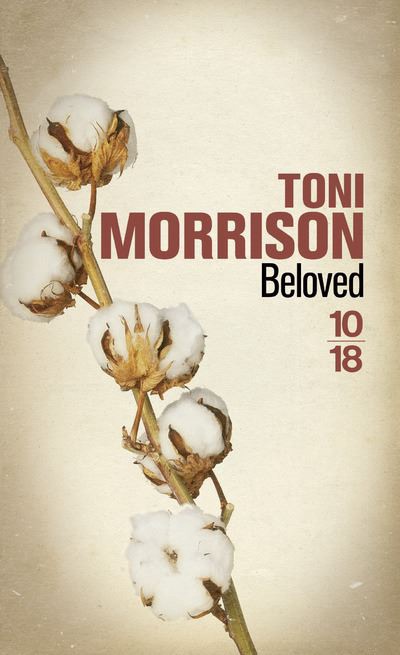
My final recommendation for last month is this last novel in the historical fiction quartet about the agony aunt of the Women’s Friend, a magazine running during WW2. It was lovely to be back with the gang and particularly Emmy Lake as they enter the final and arguably most difficult stretch of WW2. After five years of war both the team and their readers are tired. As a way of boosting morale at the magazine Emmy suggests they all decamp to Bunty and Harold’s in the countryside. As Hitler’s V1 and V2 bombs start to hit, it will certainly be safer. Emmy strongly feels they all need a boost in order to keep supporting and inspiring the women who read their magazine. If they’re tired and the magazine suffers, how will their readership keep the fight going? Emmy throws herself into rural life and is soon organising games nights, competitive knitting and planning the very important wedding of their officer administrator Hester and her fiance Clarence. She also has a phone call from the ministry to travel abroad and report from the French field hospitals and even manages to mastermind a break into husband Charles’s barracks before they’re both deployed. Emmy has no idea how much she’s going to need those around her in the coming months as her hardest test is yet to come. On their return to London she receives a telegram to say that Charles is missing, presumed captured in enemy territory and she has the agonising wait for the confirmation letter. Then Hester receives a blow when Clarence calls to say he’s being deployed in three days, two days before their planned wedding. Hester is inconsolable and after catching Emmy in a moment of frustration, she disappears. However, Emmy isn’t one to dwell on her misfortunes for long and I wondered what schemes and plans she would hatch next. 
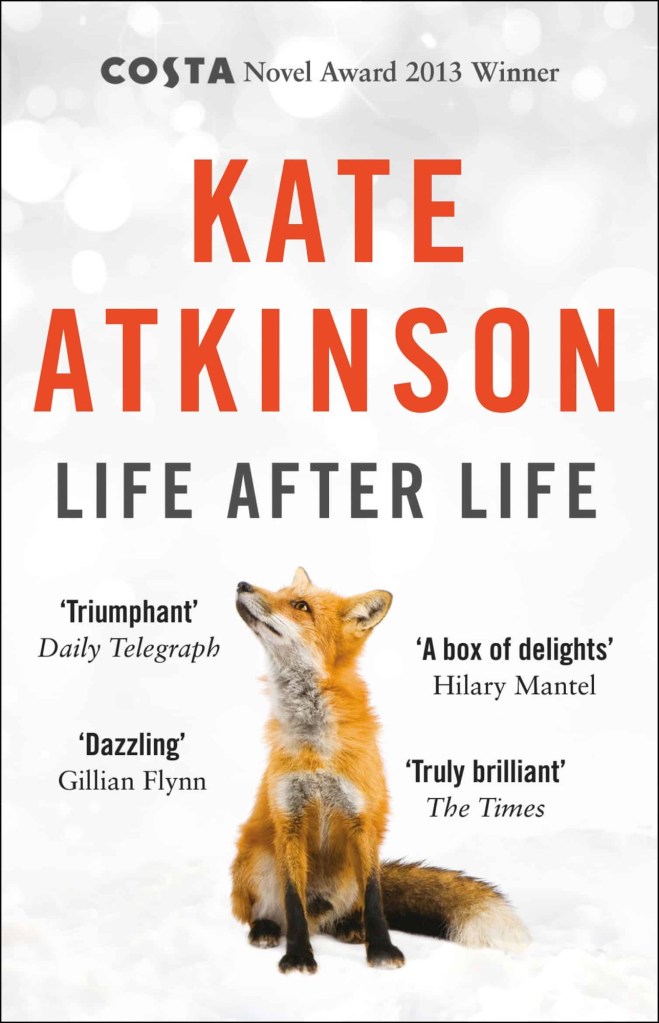
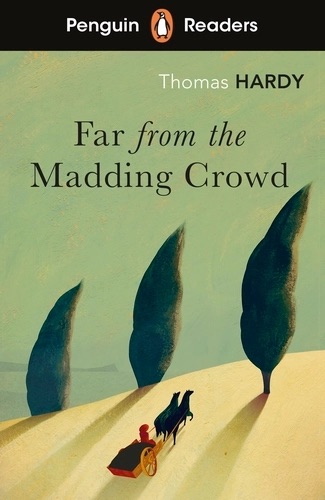
The author doesn’t let us forget the sacrifice and loss in people’s lives, but still manages to bring in humour and a defiantly upbeat, make do and mend attitude. This is the closest I’ve seen Emmy come to breaking point and it’s hard to when you’re the one whose role it is to buoy everybody else up. As she finds out though, those who she’s helped and supported are so happy to be able to return the favour and support her. This is a set of books I always recommend, to women of all ages, because it’s so easy to relate to one of the characters and absolutely root for them. The main impression I take away from them is that sense of female solidarity. The instinct we have to come together, share the load and make each other’s lives a little easier from taking on someone’s children all the way down to being there with a meal or a shoulder to cry on. Emmy uses her writing to do the same and triumphs in being exactly what the magazine promises – the Woman’s Friend. 

Here’s a hint of what I’ll be reading in September:

Posted in Squad Pod Collective

Watching You by Helen Fields

A few of Helen Field’s characters come together in this gripping novel that starts with someone being stalked in Jupiter Artland, the park where Laura Ford’s ‘Weeping Girls’ statues are situated. They become the only witnesses to an unspeakable act. It’s a great setting for a murder with five sculptures, each one of a little girl weeping in different poses. I’m a lover of public art but these are genuinely creepy and have an uncanny quality to them. I can’t think of a more fitting place to be hit with a shovel and buried alive – one of my worst ever fears. It’s a bold beginning and we get three more murders like this, each with a narrator who sounds almost bored and melancholy. It’s as if they’re present, able to recount every detail, but detached at the same time. They’re the literary equivalent of the archetypal TV pathologist weighing a pair of lungs one moment and eating a sandwich the next. It’s clear that Lively, Salter and the MIT have a serial killer on their hands but with each murder so different, how will they build a case? Superintendent Overbeck engages Dr Connie Woolwine to profile the killer and run the investigation, but it does seem to the team that the crimes and potential suspect don’t fully fit. 

The story has several threads, each focusing on different characters. We go back a few years to a young artist named Molly who is being stalked and harassed with even parcels of rotting fruit and maggots turning up on her doorstep. She feels watched when outside and inside she is harassed by parcels and online rumours, or even worse deep fake videos. There’s the usual porn, but stranger and more sinister scenarios like her hurting an animal. It’s taken a toll on her mental health and her career. With the police unable to help she sinks further. We also have a character called Karl Smith, a carer for his father who had a stroke not long after his wife had a cardiac arrest. While surgeon Beth Waterfall tries everything to save her she dies on the operating table. So when his complaint against the hospital isn’t upheld Karl starts to see his mother. It’s mainly at home and she’s very unsettling. She’s clearly never been a nice woman to her son. She is a grotesque figure who Karl finds repellent. Not only is she unkempt and smelly, she likes to unsettle Karl by sitting very close and wafting her rotten breath into his face. She is cruel and determined that he keep up his campaign against Beth Waterfall. DI Sam Lively watches Beth try to save one of the victims, a homeless man with multiple stab wounds, and they strike up a friendship and a fledgling relationship. So when Sam receives a wound to his neck and it’s Beth that treats him, she takes him home afterwards to recover. It’s a gentle romance that works really well and he finds out Beth had a daughter, who took her own life after a campaign of stalking and harassment. The puzzle pieces are coming together, but I knew there would still be some surprises in store and I was gripped, waiting to find out if my suspicions were right. Desperately hoping they weren’t. 

Dr Connie Woolwine is an acquired taste, but is always fascinating. Here I could see how she could really get under the skin of both suspects and colleagues. Brodie accuses her of snobbery, but it’s not that simple. Connie seems to relish having her suspicions about someone, then having them confirmed. She often tells people what she thinks without considering their reaction and it’s this compulsion to see what makes someone tick that might come across as thinking she knows better. It’s not a class snobbery, it’s an intellectual snobbery. I just love working people out, because the complexities of our brains are simply amazing. I’ve recently been reading up on Functional Neurological Disorder where neurological symptoms are present in the patient, without any disease activity. It’s as if the brain simply forgets how to send and receive messages from certain parts of body but without any of the disease activity common to neurological diseases like MS or Parkinson’s Disease. Symptoms range from functional weakness in a limb, to dramatic paralysis and seizures. It’s amazing how powerful the brain is and how it can be doing something so disabling in the background without knowing why, although it’s thought that the brain processes might mental stress or trauma as physical pain. However, this is nothing compared to Connie’s findings about the brain producing a brilliant twist at the end. I’m always pulled in two directions with Connie, she’s utterly brilliant but more than a little odd (talking to corpses) and manipulative, particularly where Brodie is concerned. She knows the power she has over him, but isn’t honest about it. She seems to fully relax and be herself when she visits Midnight, who is living a bucolic existence in Devon with her sister Dawn who has CP. With Dawn, ‘Wooly’ can drop her ‘therapist’s demeanour’ and just be in the moment. Dawn has no guile and has never learned to hide her emotions.

There’s some heart-stopping action here, especially in the finale which is brilliant. Salter and Connie are quite the team, with Salter able to jump in and secure a suspect while Connie has them otherwise engaged. I love that Helen’s female characters are mothers, carers and wives, whilst also competent at work, even formidable. Overbeck is brilliant, always holding MIT to a high standard, ready with a stern talking to and wears three inch heels all day! She tells Connie she’ll give her the name of the her nail technician because her nails are disgusting and it did make me smile. It’s a novelty to see Connie on the back foot for a change. The murder scenes are genuinely scary or moving. I was especially affected by the murder of Mrs Singh who is a lonely older lady, the victim of her own success. She made the huge move from India to Scotland in the hope of her children having a better life and he does, but that means they’re usually far away from you. She describes a boy who grew up with a Scottish accent, as if he was already moving away from her. The many pictures of her grandchildren attest to the distant between them. Her death is brutal and desperately sad. I loved how Helen brought all the puzzle parts together, despite such disparate victims who had nothing in common, not even their deaths. I could see Karl Smith had a rage in him but it mainly seemed to be for his own parents, could he be murdering complete strangers? I became more addicted as the novel went on until last night when I couldn’t leave the last few chapters and stayed up till 2am. Now I keep falling asleep. This is such a psychologically fascinating thriller that’s given me lots of side reading to keep up with Connie’s final verdicts. I can’t wait to see where she and Brodie end up next. 

Out now from Avon Books

Meet the Author

A Sunday Times and million copy best-selling author, Helen is a former criminal and family law barrister. Every book in the Callanach series has claimed an Amazon #1 bestseller flag. ‘Perfect Kill’ was longlisted for the Crime Writers Association Ian Fleming Steel Dagger in 2020, and others have been longlisted for the McIlvanney Prize, Scottish crime novel of the year. Helen also writes as HS Chandler, and has released legal thriller ‘Degrees of Guilt’. In 2020 Perfect Remains was shortlisted for the Bronze Bat, Dutch debut crime novel of the year. In 2022, Helen was nominated for Best Crime Novel and Best Author in the Netherlands. Now translated into more than 20 languages, and also selling in the USA, Canada & Australasia, Helen’s books have won global recognition. She has written standalone novels, The Institution, The Last Girl To Die, These Lost & Broken Things and The Shadow Man. She regularly commutes between West Sussex, USA and Scotland. Helen can be found on X @Helen_Fields

Posted in Netgalley

The Art of a Lie by Laura Shepherd-Robinson

I loved this book. It drew me in immediately and two days after I finished it I can’t let go of it. I can’t start another book. It’s left me bereft. Our setting is 18th Century London and George II is on the throne. On St James’s Street is a confectioner’s shop called the Punchbowl and Pineapple and running it is the newly widowed Hannah Cole. This was her grandfather’s shop and has been handed down the family. Her father realised he needed an apprentice to pass on his skills and to work with Hannah, so he employed a young lad called Jonas Cole. Jonas and Hannah grew close and fell in love, with Hannah losing her father only a few days after they were married. So until a couple of days ago Hannah and Jonas ran the shop, with Hannah becoming quite an accomplished businesswoman. Jonas could be hard and ruthless in his business dealings and of recent years they had grown apart, with Jonas often spending evenings away from home. Then two nights ago he did not return and was found further down the Thames minus his money, his watch and several teeth. Hannah has had to borrow, especially to re-open after his death, something that caused a minor scandal so soon. She can’t afford to be closed and is waiting on their savings being released from the bank so she may pay her suppliers. Then Henry Fielding pays a call. In his role as magistrate rather than novelist, he explains that all money will remain frozen while he investigates Jonas’s death. He isn’t sure this is a simple robbery and wonders whether he should be looking into his business or personal dealings. He informs Hannah that Jonas had money in the bank, more than the £200 she knew about. Fielding explains he wants to be sure that the money was obtained legally and above board. Luckily, at Jonas’s funeral Hannah meets William Devereux. An acquaintance of Jonas, he has never met Hannah before but is very sympathetic to her plight. He promises to visit her shop and discuss how he may help her with Fielding and Jonas’s life outside the home – was he gambling, womanising or getting into shady business dealings? He also mentions a delicacy his Italian grandmother used to make called iced cream. It has all the ingredients of a custard, but flavoured with fruit or chocolate and is then frozen and eaten as a desert. Hannah resolves to let William help her and to master the art of ice cream, but are either of them being fully honest with each other about who they are and what their purpose is? 

As with all Laura’s books we become fully immersed in the setting straight away and it’s the little details that stand out and make us believe in this world. I loved the descriptions of Hannah’s various confections and the way she can tell what people will choose, not to mention what it says about them. 

“He paused to take a bite of his Piccadilly Puff, washing it down with a generous gulp of green walnut wine. It is a favourite choice of the sybarite: the silken sweetness of the custard, the crunching layers of puff paste, the dusky depths of the spices mingling with the sourness of lemon. I might have guessed that Mr Fielding was a man who struggled to keep his appetites in check.”

I believed in Hannah as a businesswoman and confectioner very quickly thanks to these details and as she narrates she tells us her hopes and dreams, including a joint dream of her and Jonas, to buy the empty premises next door and extend the shop so they could have more tables and chairs, especially when her iced cream starts to become popular. I think we always imagine that people from the 18th and 19th Century are very genteel and well behaved, this comes of too many Austen adaptations and strange hybrid historical settings like Bridgerton. While lovely to watch they give us little idea of what these centuries were like for those of the lower classes in society and women who worked. Real life 18th Century London was rather more colourful than Pride and Prejudice, as depicted in some of Fielding’s novels like Tom Jones and Daniel Defoe’s Moll Flanders. The author gives us the dirt and the bawdy side of London life when Hannah takes a trip to the theatre. 

“The playhouse crowd gave a wide berth to the nest of alleys around the back of the Theatre Royal, home to brothels and bath houses, gin shops and squalid taverns. The residents started drinking over breakfast and then kept going. Groups of ragged men stood about on corners. One lot were fighting, skidding in vomit. Half-naked women leaned from the upper windows shouting encouragement.” 

The King openly has a mistress and there are brothels and gaming rooms everywhere, operating just on the edge of the law. This is a book with every vice on display, even when if it is just cake. As Hannah points out when she’s evaluating Fielding, every man has his personal struggle. She is incredibly astute when it comes to assessing character and has Fielding’s own psychological make-up worked out through reading his novels. William Devereux appears to be equally astute, visiting Fielding’s rooms he notes the perfectly bound volumes of his own books and the wine glasses etched with the crest of Eton College, it’s students described beautifully as the “school of the most selfsatisfied fucksters in the kingdom.” I thought there were some brilliant choices in terms of the book’s structure and the way the story passed from Hannah to William was brilliant. Often when reading from NetGalley there are little mistakes or quirks to the format that can ruin the reading of the book, but here reading from NetGalley was a benefit because with no gaps or idea how far I was into the book, when the shocks came they were huge. The author has cleverly used aspects of modern thriller writing and applied them to her story, so there are twists and turns aplenty. She uses sudden unexpected confessions or statements that mean we know something no one else does. Other times a character suddenly changed their demeanour or had a different inner compared to their outer voice that made me go back a few pages in confusion. Then just as I become comfortable with my narrator, they switched back again.

This is definitely a cat and mouse game between three characters, a battle of wits where you’re never quite sure who is on the right side. Fielding appears to be pursuing this case to make his point to parliament that a national police force is needed to deal with crimes like murder. He also has a good point, Jonas’s watch had belonged to Hannah’s father and had a Russian Imperial Eagle on the case. If that had been stolen, every pawn shop and jewellers in London would have remembered someone trying to sell it. So where is it? Has the thief taken it to be sold elsewhere or is it still with a murderer rather closer to home? Devereaux seems like a gentleman, he introduces Hannah to friends who seem wealthy and of good status and they all vouch for his honesty and charity. He even seems to be thinking of making a young boy belonging to a distant relative his ward, in order to give him a better life. Hannah had a hard life at Jonas’s hands, especially when she found she was unable to have children something they both wanted. I loved the author’s detail of them both saving some urine to pour on a seedling and if the seedling grew they were believed to be fertile. Hannah’s didn’t grow and she felt her husband hardened his heart to her at that point and perhaps looked elsewhere. She has her head turned by the handsome gentleman who wants to find out where Jonas was going at night and intervening with Fielding on her behalf. He wants to help her keep her shop too and his iced cream idea is proving a huge hit, with even an impromptu visit from the King’s mistress who reassures Hannah that a hint of scandal is not necessarily a bad thing: “virtue matters rather less once you are rich.” Devereaux has some ideas in that area, that maybe rather than leave her money in the bank she might like to meet some of the people who’ve invested in a company of his called Arcadia, based in a place called Bentoo. Is he genuine or not? Does he have feelings for her, because Hannah’s starting to have stirring feelings she hasn’t had for years. Surely though Devereaux’s  interest wouldn’t lie in the direction of an older widow? 

I was utterly entranced in this novel from the first page to the last, especially as the tensions mounted in the final third when Fielding makes his move. However, just when you think you’ve worked everything out another twist will come along and surprise you. I was rooting for Hannah to come out on top, but was very scared for her in parts. For both her heart and her liberty! I wanted her to live out her days as the grand proprietress of the Punchbowl and Pineapple. I very much feared that Fielding had the desire to see her face the hangman’s noose. While I didn’t trust Devereaux at first I did wonder if he had feelings for Hannah or whether he was some sort of confidence trickster. There is certainly sexual chemistry by the bucketload. I was working out in my head who might play Hannah in a film or TV adaptation because it would be a brilliant period thriller with lots of raunchy scenes perfect for Netflix. I was honestly hypnotised by this story and Laura’s talent. Bravo on such a fantastic story that I’m still thinking about four days after finishing it. Go beg, steal or borrow a copy of this one, it’s a cracker. 

Out now from Mantle Books

Meet the Author

Laura Shepherd-Robinson is the award-winning, Sunday Times and USA Today bestselling author of three historical novels. Her books have been featured on BBC 2’s Between the Covers and Radio 4’s Front Row and Open Book. Her fourth novel, The Art of a Lie, will be published in Summer 2025. She lives in London with her husband, Adrian.

Posted in Monthly Wrap Up

Best Books July 2025.

I’ve had a lovely reading month because even the books I had for blog tours, turned out to be fantastic reads. Any of these could easily make my end of the year list and some are by authors I’ve never read before. Others were from series I’d lost touch with and one has an incredible back story of the struggle the author had to get it published. I feel very privileged, looking back and realising what an incredible month of reading I’ve had. I’m already looking forward to next month’s choices.

This was one of those unexpected joys, a book I’d heard very little about and chose to read with my Squad Pod just on a short synopsis. I had no idea whether I’d enjoy it or not, but it turned out to be fascinating and very apt, because I’d been reading about Functional Neurological Disorder. Havoc is a brilliant combination of school drama, mystery and dark comedy featuring a wonderful character called Ida who lives on a remote Scottish island with her mother and sister, after fleeing from her mother’s boyfriend Peter. What started as a lonely but safe place to live, became impossible when her mother did something unforgivable and the island’s inhabitants turned against them. Deciding she wants to leave, Ida looks for private boarding schools who provide scholarship places and discovers one, as far away from Scotland as she can find. St Anne’s sits on the south coast of England, so remote and underwhelming that the school are terribly surprised when their scholarship student actually turns up. No one ever has before, so they don’t have anywhere suitable to put her. The school is ramshackle and in danger of falling off the cliffs and the food is questionable and often tastes of fish, even when it isn’t. Ida is placed in a double room with school miscreant Louise and starts to settle in. However, things take a very strange turn when Head Girl Diane becomes unwell, starting with strange jerks of the arms and soon descending into full blown seizures. Soon after, Diane’s friend April is sick and then starts the familiar pattern of jerks. By the time a third girl has the same symptoms outside agencies such as environmental health, doctors and the police start to descend on the school. Is this illness a virus or is it environmental? Could it be something more sinister like poison? This was a fascinating and often amusing read, with an illness that shares the symptoms of FND – a syndrome where neurological symptoms are present and real, but are often somatic. Although it’s also possible some malign force is at work, especially when rat poison appears in an unexpected place. Louise and Ida are a dastardly duo and I also loved the friendship between the school’s geography teacher and her strident and rather cynical flatmate. Little surprises are everywhere and I would love to meet the characters again,

This book was the total opposite of the last in that I’ve heard nothing but praise for A.J.West’s newest novel. I’d loved The Spirit Engineer so much and I knew the struggle he’d had to get this published, but he believed in it and I’m so glad he was picked up by my favourite indie publisher Orenda Books. A match made in heaven. Having been supervised for my university dissertation by a lecturer who specialises in 18th Century Literature and secret sexualities, this was the perfect marriage of subject and style for me. I love when post-modern authors write back to a time in history to place people into their historical context. These are people who were erased from history due to their disability, sexuality or the colour of their skin. This has been done so well by authors like Sarah Waters who features 19th Century lesbians, Lila Cain whose main character were freed slaves in The Blackbirds of St Giles and Suzanne Collins, whose novel The Crimson Petal and the White is narrated by Sugar, a young prostitute with a disability.

Thomas True wears its vast amount of research lightly and definitely follows the style of the picaresque novel, where a young naive person makes their way into the big wide world with some humorous and rather risqué adventures. This young innocent travels to seek his fortune in London and is robbed on the highway, falling into the ‘wrong’ company – here this is the Molly House run by Mother Clap. A giant but gentlemanly man called Gabriel has brought him here and he is intrigued by the merriment, the wearing of women’s clothes and the safety of a place without scrutiny. This is above all a love story.  Thomas can’t possibly know how important this moment will be in his life, but it’s pivotal to his journey, his future and his heart. Far from the genteel worlds of Bridgerton and Jane Austen, the author creates a richly imaginative setting that brought all my senses to life – but not always in a good way. London is grim, overcrowded and disgusting. One scene where a body needs to be extracted from a ditch full of sewage is revolting. Even Mother Clap’s has a grotesque feel. These are not the preened and powdered men you might expect. Gabriel is huge, hairy and spends all day doing a heavy building job. He and Thomas have a complicated journey, one naive and optimistic and the other haunted by his past. You’ll be transfixed, hoping for their outcome to be a happy one but knowing this is a city that punishes ‘mollies’ by hanging and when the mysterious ‘rat’ betrays the men from Mother Clap’s the danger becomes very real. You can tell I loved it by the amount I write about it! It’s a definite must read.

I knew from the first page that this novel was going to be special and it is utterly brilliant and an unbelievably good debut from Florence Knapp. It’s 1987 and Cora is going to register the birth of her baby boy. His name has been settled on because Cora’s husband has chosen his own name for his son – Gordon. But it wouldn’t be Cora’s choice. Cora’s choice would be something that doesn’t tie him so obviously to his father. She thinks Julian would suit him. Little sister Maia looks in the pram at her brother and decides he looks like he should be called Bear. All of these options swirl around in Cora’s head. In this moment, Cora has the power to make a choice and it’s done. It can’t be changed. What would happen if she went with Julian or even Bear? In the short term Gordon would be furious. How bad would it be this time? Long term, would it change her baby’s character or path in life? This is exactly what Florence Knapp does with her story. The book splits into three narratives and we discover what happens to this whole family, depending on Cora’s choice for her baby boy’s name. 

We then move on seven years and meet Bear, a name that proves to be a catalyst for change. We also meet Cora’s choice, Julian – the choice she hoped would break him free from domineering generations of Gordons. Although, what if he is called Gordon? Brought up by a cruel father to continue in the same mould perhaps? Or he might just break free from the shackles of his name? Each life is sparked by this one decision but it isn’t just Cora’s son’s story. This is the life of the whole family with all its ups and downs. It’s about how trauma shapes lives and whether love brings healing and hope to every version of who we are. Even her minor characters absolutely shine. Grandmother Silbhe and her friend Cian are so wonderful, modelling healthy male/female relationships for Julian and Maia. Cian is also Julian’s mentor at work, bringing out a creative side that needs nurturing. Julian needs to work with his hands and meeting fellow creatives helps him find his tribe. Lily is lovely character and we get to know her best during Bear’s narrative. I loved how she has to find a balance between giving Bear the freedom he needs without breaking her own boundaries in the relationship. It’s an utterly compelling debut and zooms straight into the list of best books I’ve read so far this year. The author brings incredible psychological insight to a story about how our names shape our identity, our relationships and our life choices. Something we didn’t even choose. Can it influence us to a huge extent, or do we become the same person no matter what the choice? 

Rachel Joyce is a must-buy author for me and she gets better and better. This brilliant novel focuses on a bohemian family; Vic the father who is an artist and his four children – Netta, Susan, Iris and Goose (short for Gustav and the only boy). They’ve been parented by Vic and a series of au pairs after the sudden death not long after Iris was born. Their father’s art came first always and the conditions he needed in order to create were paramount so the oldest girls often played the mother role for Iris and Goose, especially when Vic inevitably slept with the au pairs. Vic was not an artist celebrated by the establishment. The description of his paintings brought Jack Vettriano to mind, criticised heavily by the art world, but very popular with the public. Now grown up, his children are stunned when Vic starts losing weight and drinking green, sludgy health drinks. His diet is being looked after by his new girlfriend, 27 year old Bella-Mae. None of his children have met her and she doesn’t seem keen to try. Within weeks Vic announces they’re engaged and Netta suggests that they all stand back and give this the space it needs to fizzle out. A couple of weeks later, Vic announces their marriage with a single photograph from the family home in Orta on Isola Son Guilio with Bella-Mae in such a heavy veil they can’t make out her face. They are staying at the house, situated on an island in the middle of a lake, but only two days later Netta is stunned by a phone call from a stranger called Laszlo, claiming to be Bella’s cousin. Vic has been dragged from the lake, drowned after a morning swim went wrong as the mist descended. Why would Vic go swimming in the mist? His children come together to travel to Orta, to finally meet their new stepmother and to find out whether she has killed their father. 

Bella isn’t what the siblings expect and nor is the villa, which has been changed in decor and atmosphere. She seems insubstantial and too fragile to have caused such an uproar. Especially when they’ve pictured her with an iron will, imposing her diet on their father and gaining their inheritance. She will prove to be a mirror through which each of them evaluate their lives. I love family sagas and this one is brilliant. It’s psychologically fascinating and I’m not going to ruin that for you by delving too deeply. I was absolutely transfixed! I couldn’t work out whether there was deliberate manipulation at play or if this was just a case of an outsider causing people to view everything through a different lens. Is Bella a destructive force or a helpful one? Whatever she is, the siblings will have to look at themselves, their choices and their relationship to their father. Some revelations will be explosive and take place in the open air- one particular meal is cataclysmic. Other revelations are quieter, insidious or internal but no less devastating. An utterly brilliant read for someone who loves complicated and tangled relationships. I LOVED it.

This book opened with a heart-stopping scene that set the pace for the rest of the story. Helen is relaxing after meeting her lover in a luxury hotel. While he has a shower, she is in her nightgown and robe enjoying the night time view over downtown Southampton. Movement suddenly catches her eye and she’s drawn to a woman who’s running down a darkened street towards a precinct of shops, pursued by two men. As they catch up, one of them pulls out a bicycle chain and starts to beat the woman. Helen doesn’t wait or think, tearing out of the hotel room and down several flights of stairs as she’s too impatient to wait for the lift. She tears down the dark street hoping that someone has called the police. Helen flies at one of the attackers, who is taken completely by surprise and she soon disables the second attacker before turning to the woman who has been badly beaten. She looks like she’s from the Middle East perhaps, with two very distinctive tattoos placed on her forehead and chin. Unfortunately, Helen has committed the cardinal sin of combat and has turned her back on her attackers. The next thing she feels is a huge bang to her head and then everything goes dark. This opening scene tells me this will be a gritty, modern thriller with a kick-ass heroine. 

This is the thirteenth novel in the DI Helen Grace series and I’m seriously out of touch with the character, having only read the first couple of novels after picking them up in a book swap. Helen is working on her own initiative after handing in her notice at the end of the last novel, with her protege Charlie being promoted in her place. Helen doesn’t know what the next step is, but she’s been enjoying the break. The only thing she misses is the camaraderie of a team and although she has enough money to really think about what’s next, she is anxious about it. Although life will bring it’s own answer soon enough and it might be the last thing she’s expecting. She starts to investigate alone, feeding into Charlie who is trying to target traffickers and their victims coming through the port in lorries and containers. The story is told mainly through Helen’s eyes, but also through the narratives of two other women. Viyan is another trafficked Kurdish Syrian woman and Emilia is a journalist whose father is dying in prison. At first we’re not sure how all of these narratives fit together but slowly they form a cohesive picture. Helen is formidable! You will hold your breath for the final showdown and all the women involved. Each short punchy chapter is action packed and will keep you reading ‘just the next chapter’ until it’s 2am. I now need to set aside time and read the ten novels between this and the last one I read. I’ll probably load up the kindle with them before I go on holiday so I can carry on without interruption. This was a belting, action-packed, female led, crime thriller and I recommend it highly. 

August TBR