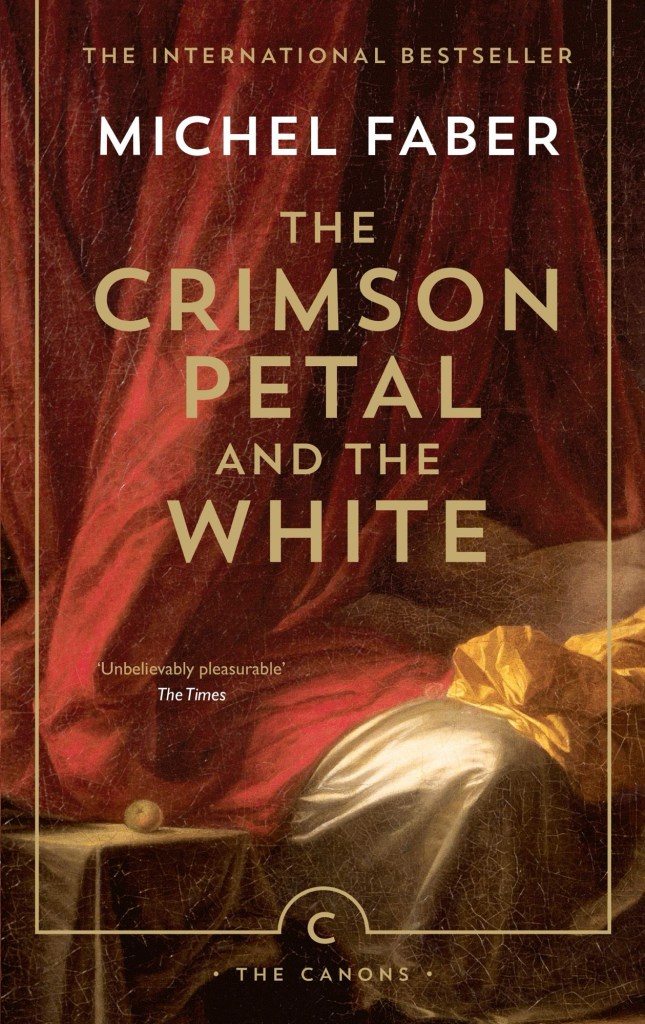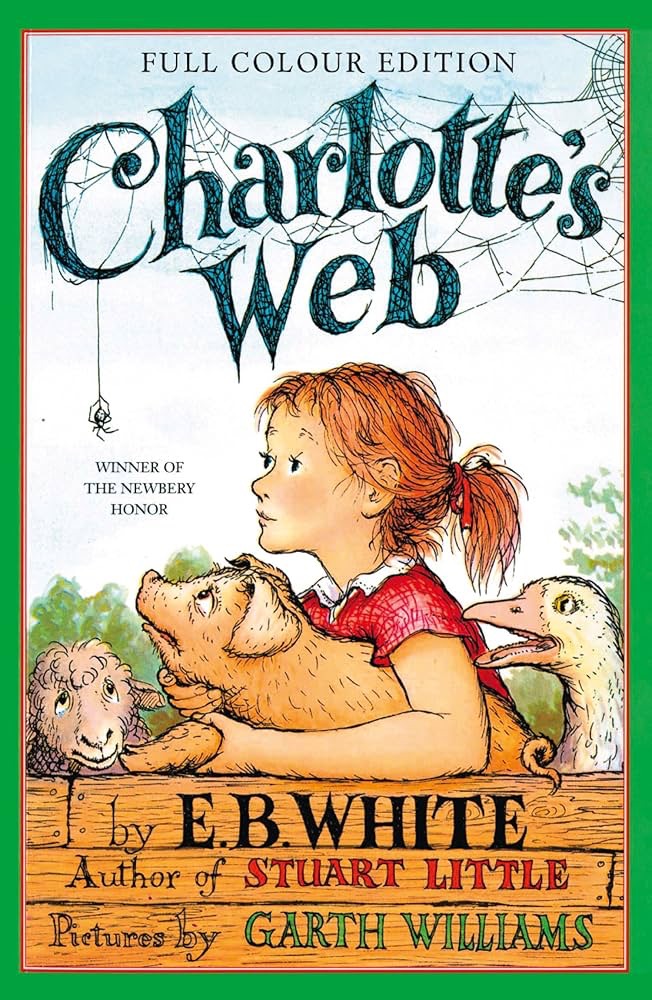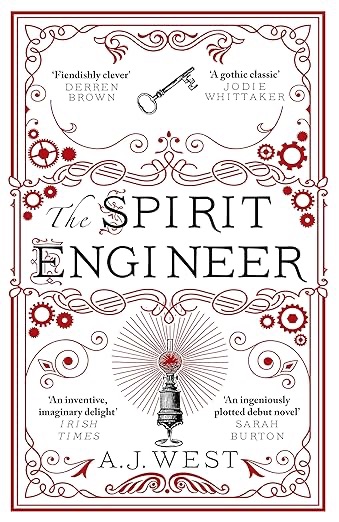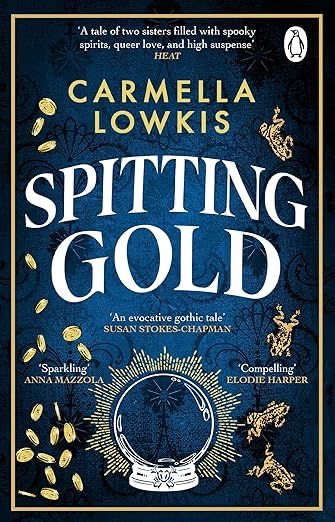
Posted in Ten on Tuesday

Ten on Tuesday – Ten Books I Bought For The Cover Alone 

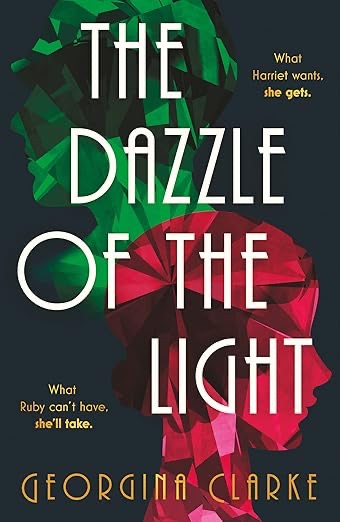
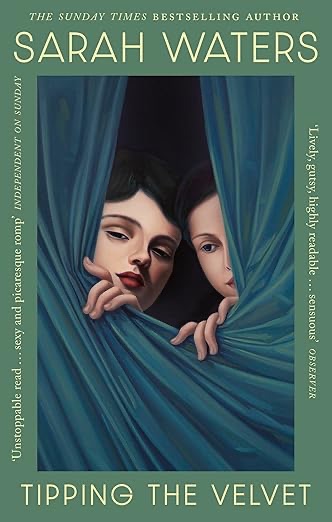
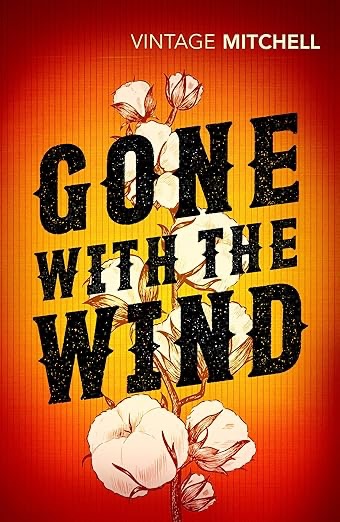
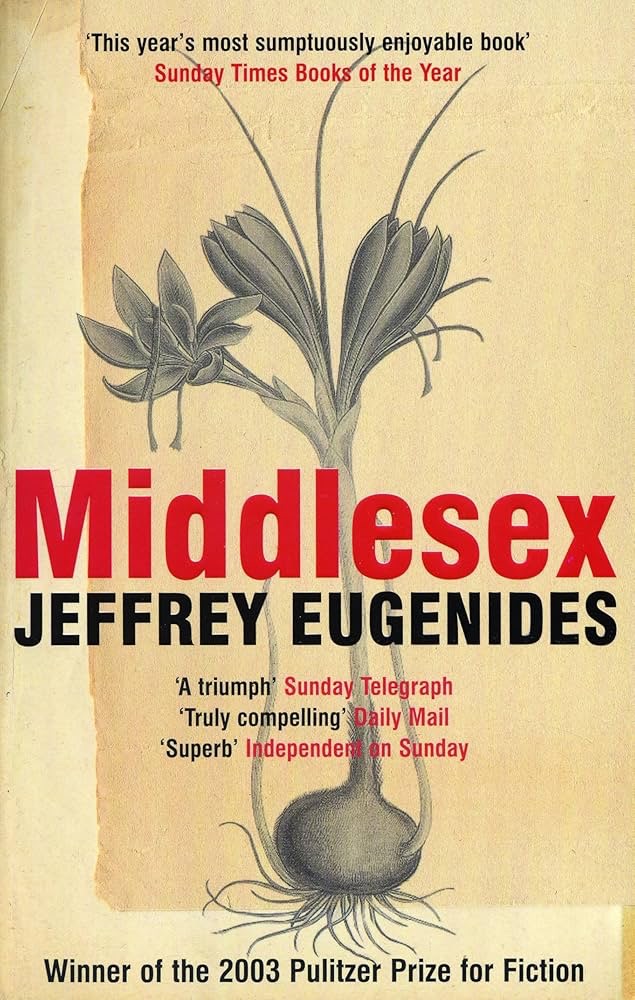
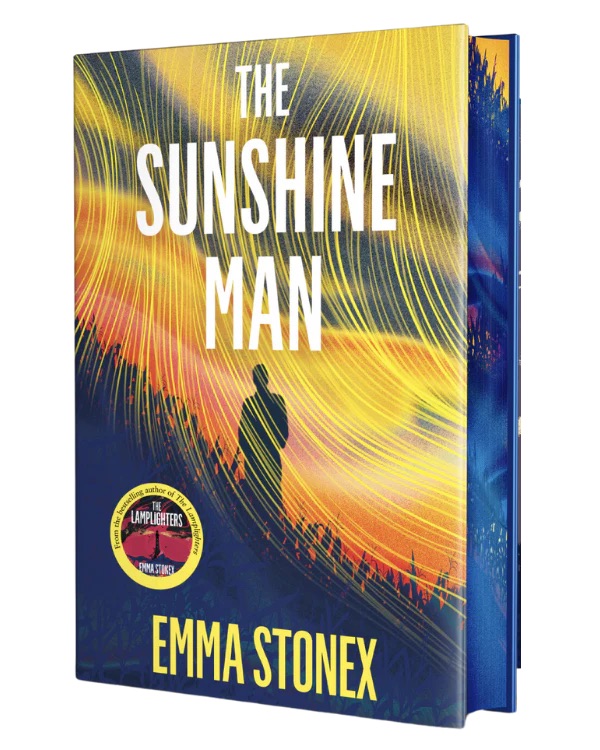
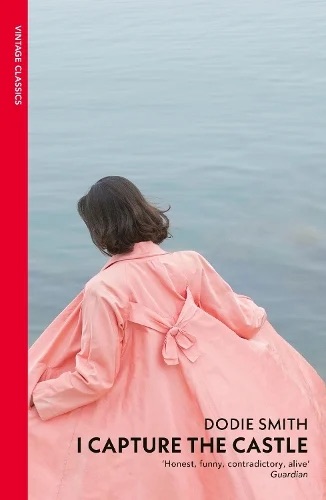
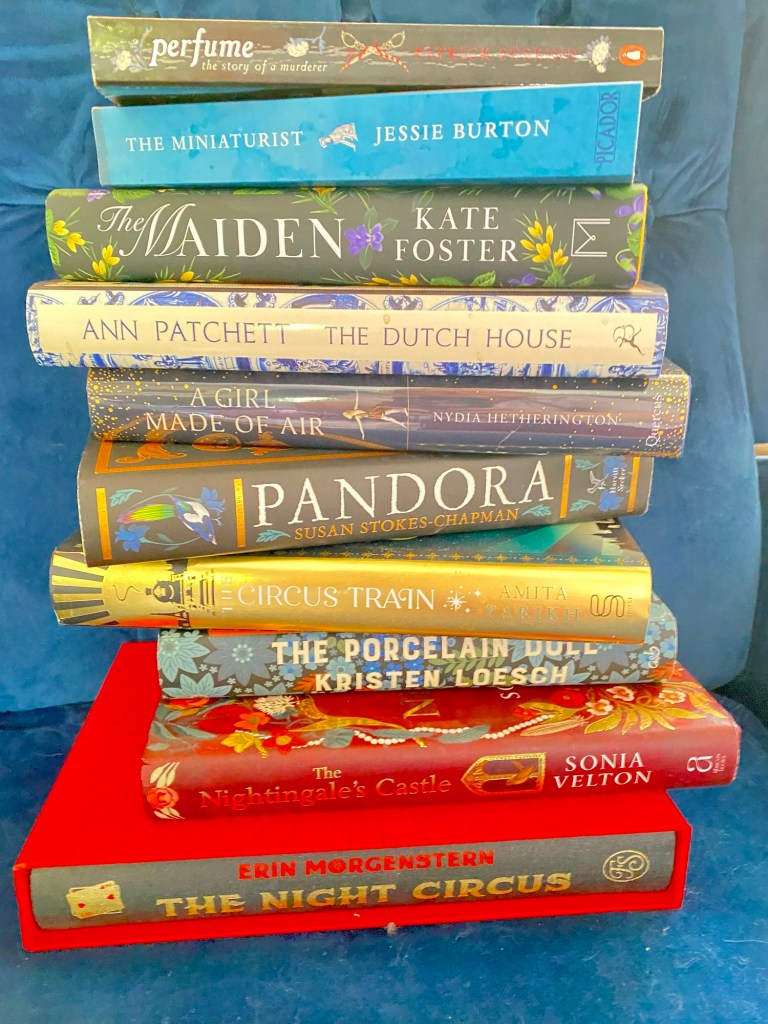
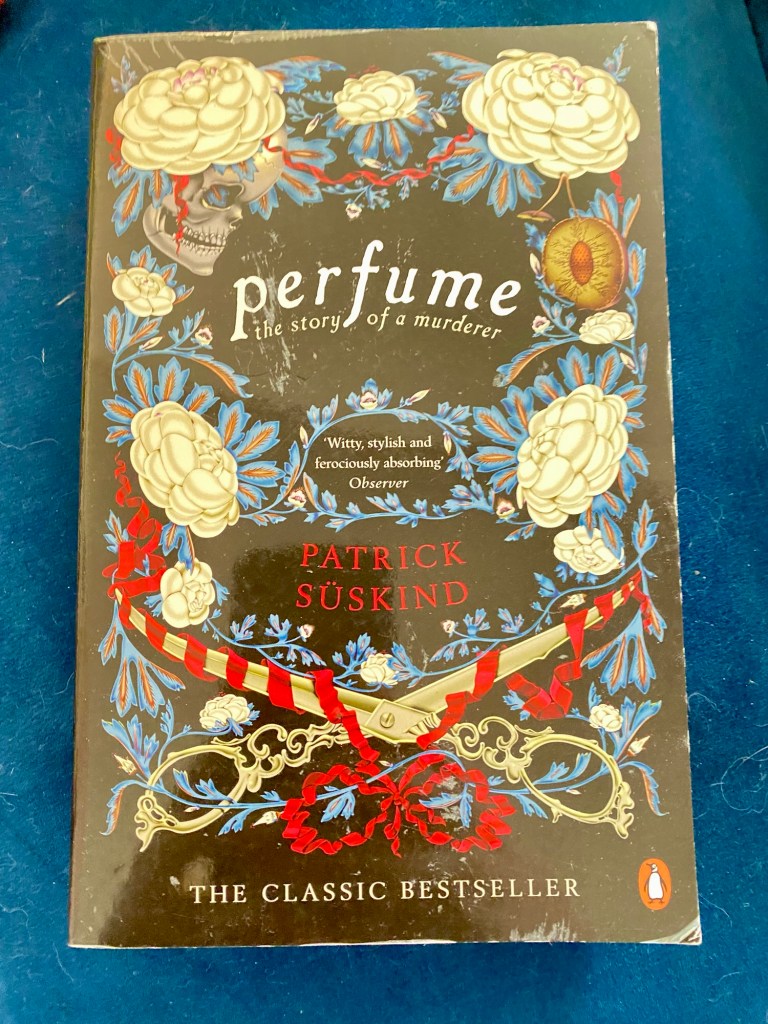
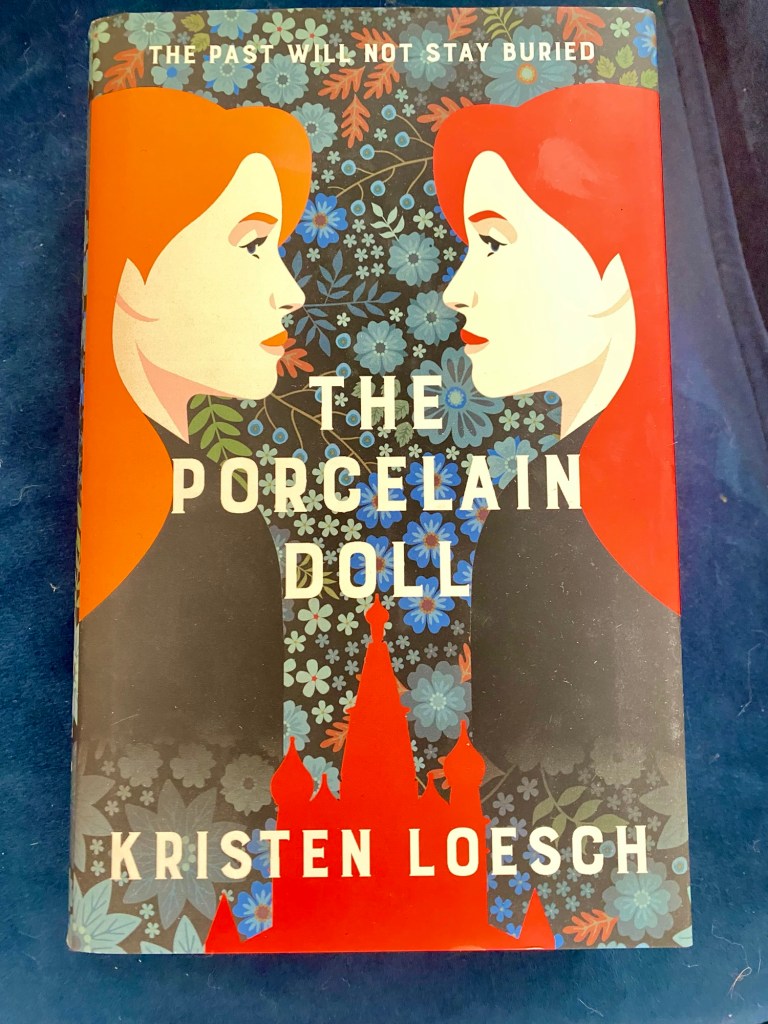
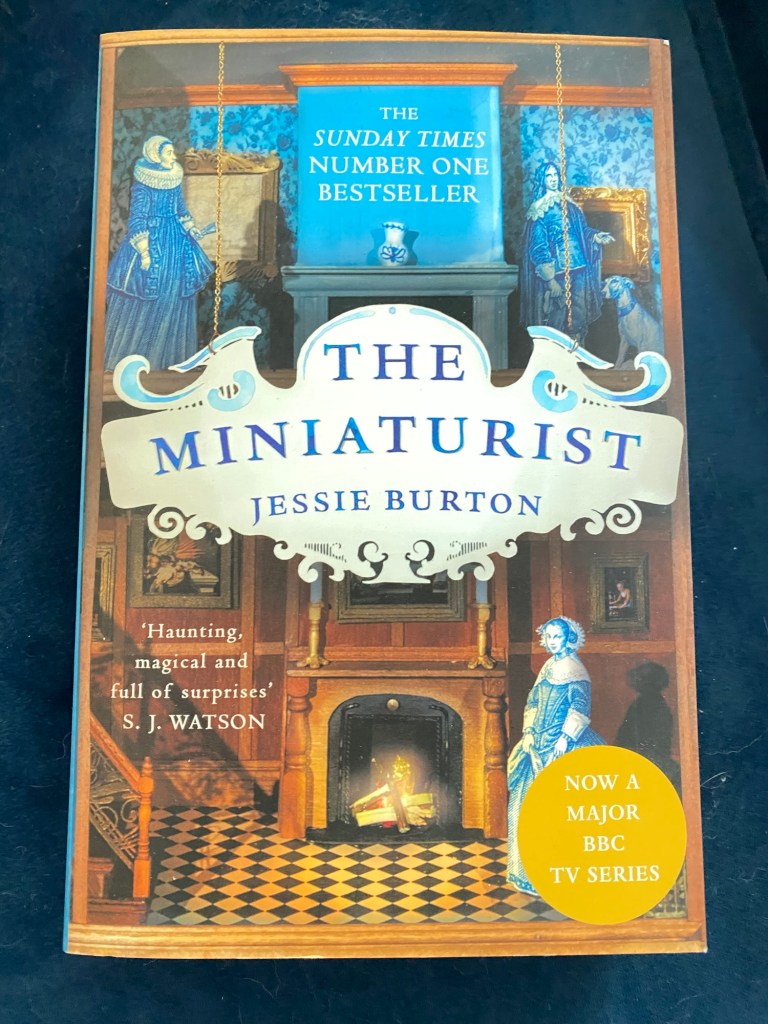
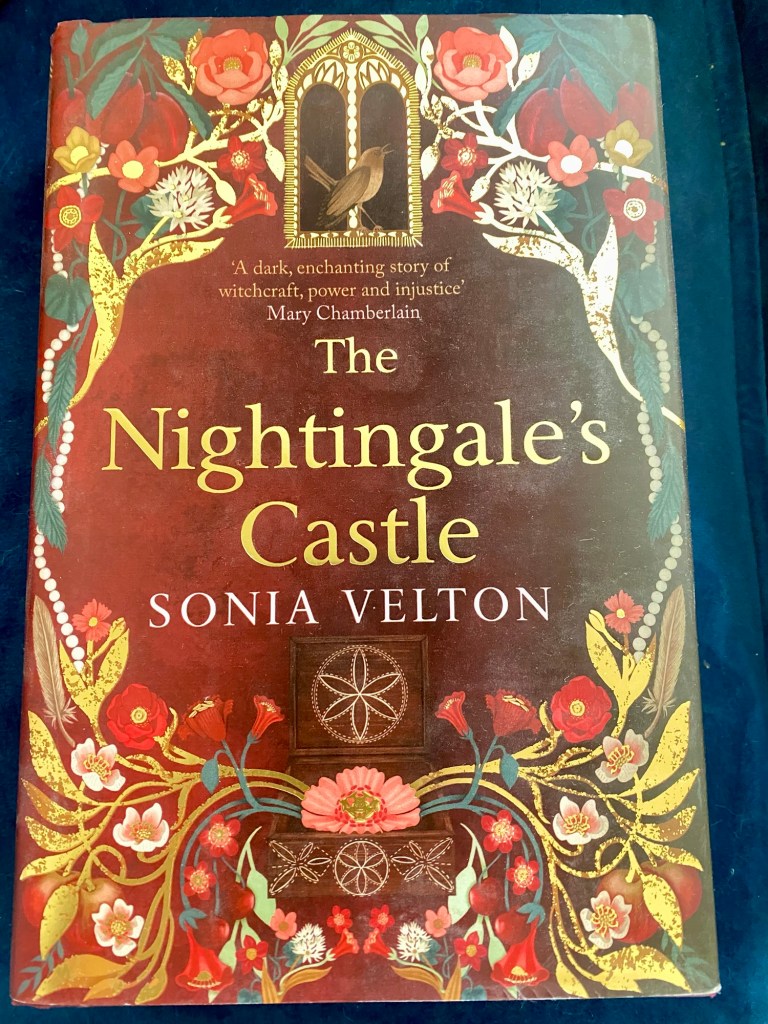
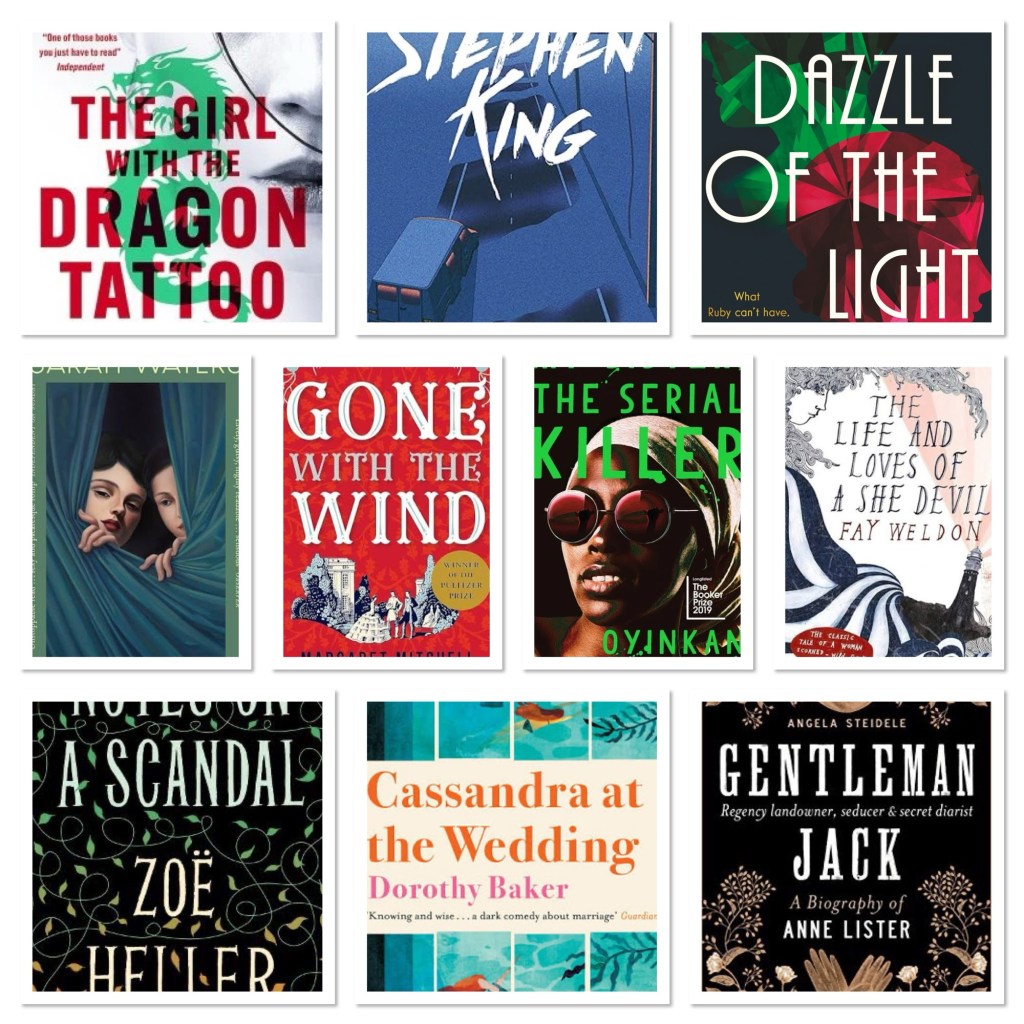
Well, as usual with me, this has turned from a quick and simple share of beautiful book covers into a wealth of research on symbols in art. I noticed a few common symbols as I was photographing these beautiful books and realised exactly why I’d ended up buying them. Book covers are an absolute art form and I do have certain ones as posters or cushions at home, particularly early 20th Century examples with an art nouveau or art deco feel to them. The symbolist art movement emerged towards the end of the 19th Century and moved away from realistic depictions to using symbols that would express certain emotions or communicate hidden meanings. This is exactly what a book cover is supposed to do, somehow in art form it must communicate to the buyer in a single image what that book is about. Realistic book covers that depict characters or a scene from the story don’t seem to do it for me and often I’m totally put off by depictions of people. I’d noticed a long time ago, when I first dipped my toe in bookstagram and didn’t know a flat lay from a spredge,that I couldn’t complete bookstack challenges that focused on cover because my books don’t often have pink, blue or bright covers, they’re more likely to be dark, bold and full of gold lettering. They also have certain symbols in common. That’s not to say I’ve looked and consciously thought about it, they’re symbols that have subliminally communicated something about the book that has forced me into picking it up. Here are ten examples. 

I love this stunning cover. I bought this second hand and didn’t mind the creases because the front was so beautiful. Perfume focuses on a character who is born with no smell. Everyone has their own distinctive smell, it’s why other people’s houses smell different to our own. This is a combination of personal scent, but also our animals, the detergents we choose, the scented candles and our cooking smells. However, no one can smell Jean Baptiste Grenouille and it makes people uncomfortable around him. His wet nurse says that her children smell like normal human children but she can’t smell Jean-Baptiste at all. He must be a child of the devil. When he’s older, he realises his own sense of smell goes beyond the normal. He can’t just smell the general disgusting stench of a city in the 18th Century, he can separate it into hundreds of strands each one subtly different from the next. Then he meets a young woman with a scent that is so intoxicating, he deems it the scent of true beauty. How can he replicate that scent? What follows is the quest of a man possessed by perfume and the lengths he will go to in order to obtain the essence of this young woman. I was drawn to the cover because of the beautiful floral pattern of either roses or peonies and the memento more of a human skull. The red ribbons that weave in and out of the flowers symbolise passion, love and intense emotion. Ribbons are worn by young girls and the red can also be seen as a symbol of wealth. The ribbon is caught at the bottom of the cover in pair of ornate silver scissors, which symbolises the cutting of ties but in a way that’s final. These symbols of beauty and death perfectly encapsulates Suskind’s story and obviously appealed to my love of rather decadent and horrific stories. 

When I saw this displayed on a table in a small bookshop I was drawn to pick it up immediately. The beautiful blue floral background is striking and the bold red/orange silhouette of St. Basil’s Cathedral told me it must be set in Russia. The two women on the cover are almost identical, except one has slightly lighter hair and they both have porcelain white skin. This depiction screams ‘uncanny’ at me straight away. Are they dolls or living women? This brings with it all those connotations of twinning, doppelgängers and the horror of old porcelain dolls. It also evokes childhood nostalgia and when I read a prologue that started like a fairy tale I knew I’d picked up the right book for me. Our main character Rosie faced a terrible trauma in her childhood when her father and sister were killed, bringing an ended to a childhood dominated by her mother’s storytelling. In fact, all Rosie has of her family is her mother’s notebook where her handwritten tales seem to hide a deeper meaning. While a student at Oxford she decides to travel back to Moscow and research her ancestors, finding a devastating family history spanning the revolution, the siege at Leningrad and Stalin. She also finds a young woman called Tonya, described as being pretty as a porcelain doll whose actions span across the century. 

This was a book I picked up in my local bookshop while browsing and was Jessie Burton’s debut novel. This continues the theme of dolls, with a cover depicting a miniature household with what look like cut out people in blue and white, against the colours of the interiors. This is more historical fiction, with our main character Petronella Oortman being a real Dutch woman whose husband gifted her a miniature replica of their own house. Called cabinet houses at the time, this one is displayed at the Riijksmuseum in Amsterdam and seeing it in person is on my bucket list. The cover gave me a feeling of a stage set, a house where everyone has their set roles and expectations. However, they are only paper cut outs suggesting these traditional roles are flimsy and perhaps not what they seem. I researched the symbolism of doll’s houses and they suggest a doll-like existence, the facade of a traditional and happy family. Its size conveys claustrophobia and secrecy. So this cover definitely fits with our story, which follows Petronella into the first months of her marriage to wealthy merchant Johannes Brandt in the 18th Century. Petronella receives small parcels, meant to contain miniatures for her house, but they also contain miniature people – replicas of the residents and their servants. As Petronella starts to uncover the secrets within her new family she feels as if the miniaturist knows the truth and holds their future in her hands. This is a great mystery and commentary on the societal expectations of 18th Century Amsterdam and its wealthier residents. 

This beautiful burgundy, pink and gold cover called to me across a crowded bookshop, it’s ornate but with a darkness running underneath. The nightingale is a motif that is carried on inside the book and while I knew birds signify freedom and flight I was sure the nightingale had a specific meaning. For me they bring up a memory of leaving church after midnight mass, in the crisp, dark early hours. In the garden of the manse were a lot of trees and as clear as anything in the stillness came this beautiful birdsong. It was a magical moment that Christmas morning because I’d never heard one before. Nightingales symbolise artistic expression which is a freedom of sorts and they apparently symbolise love, particularly of an unrequited or melancholy kind. There’s a sense of yearning in its symbolism that could be interpreted as lost love. This cover was simply made for me. The story is set in the 16th Century in Roumania’s Carpathian Mountains, where a countess gives birth to an illegitmate daughter. The girl is given to a peasant family and brought up in one of the villages surrounding her mother’s castle. Boróka has been protected, but around her fifteenth birthday word is sent that castle representatives are looking for a new intake of serving girls. Unable to refuse, her father watches Boróka taken from the only home she has known to serving at Cachtice Castle, the home of her mother. It’s a cruel life and she is terrified of the countess who is said to murder young girls. When plague comes to the castle, these two women are thrown together and become closer. Sadly though, Countess Bathory is a marked woman, whose wealth threatens the king. As she’s accused of killing hundreds of girls and named the Blood Countess can she trust the women who are close to her? This reads as a dark fairy tale but unbelievably has a basis in fact with the Countess known as the most prolific female serial killer of all time. 

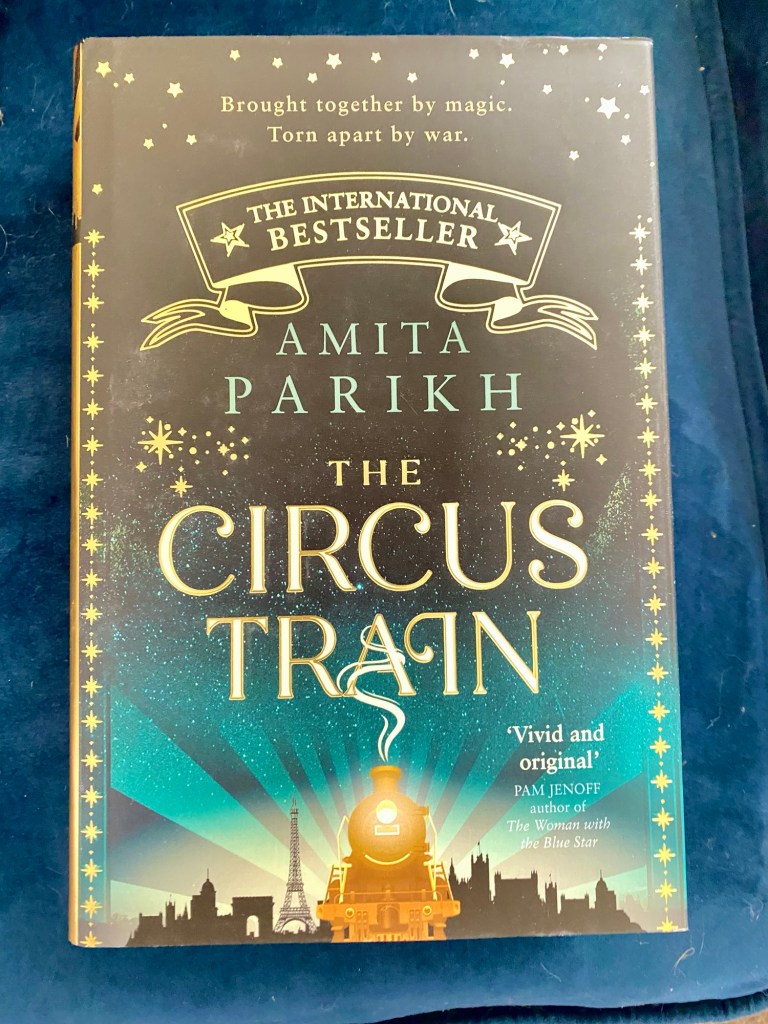
I’m a sucker for stars, city skylines and vintage train travel and this has all of them combined. I picked this up knowing nothing about the author or her writing, but it couldn’t have been more apt. As many of you know I am interested in disability and how it’s written about in fiction, so I was really excited to read the blurb when I got home and find that the heroine has a disability. This isn’t a surprise considering that both circuses and fairgrounds signify the ‘other’ in fiction. If you consider its overlap with travellers, showmen and women, freak shows it attracts people who want or have to live outside the norms of society. This makes them such thrilling characters. This cover with its steam train suggests a specific time and history, but also journeys whether physical or emotional. The circus element brings showbiz, glitz and glamour, but also magic and adventure. Visually the city skylines, particularly Paris, are always shorthand for romance but they mean much more in this novel. It’s 1938 and Lena has not really found her place in the World of Wonders circus that travels Europe by steam train. Even with a famous illusionist for a mother, Lena yearns for a different sort of magic – the world of science and medicine. She’s the total opposite of running away with the circus, but she feels the limitations of her wheelchair. Then Alexandre arrives bringing some wonder and magic to Lena’s life for the first time. Outside the circus world though, Europe is darkening and war will shatter everything. I definitely judged this debut novel by its cover and I wasn’t disappointed. 

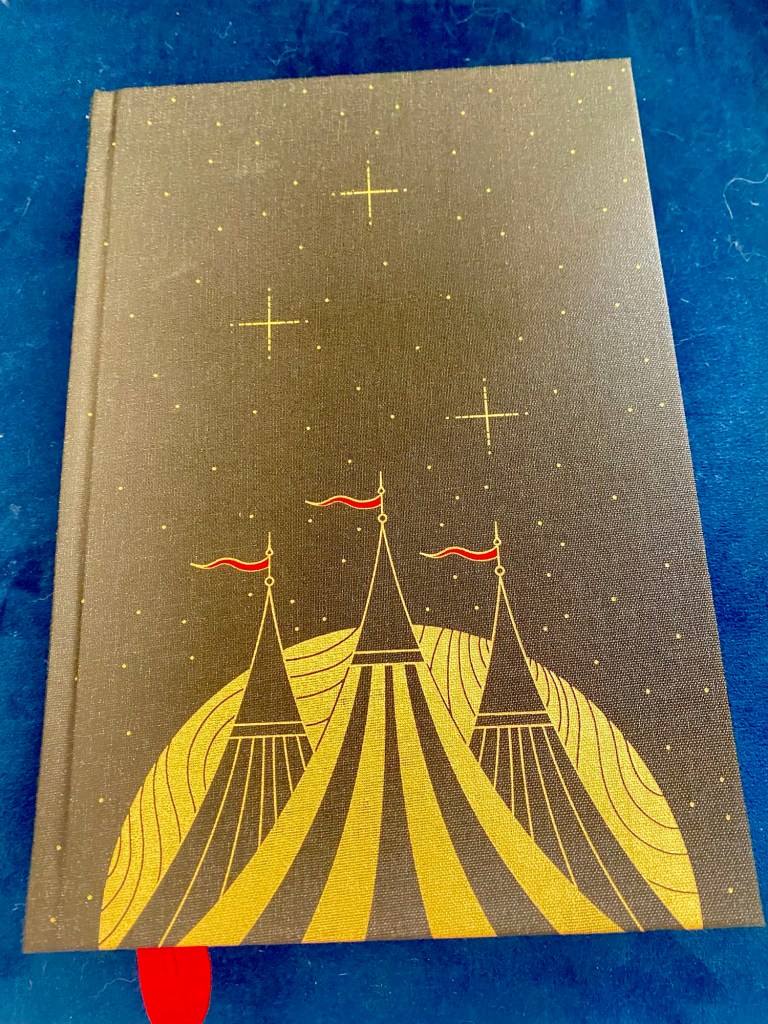
This is one of my favourite books of all time and here I’m showing my precious folio society copy of the novel. I did originally buy the book in my local Waterstones. I walked in and saw the cover across a crowded room. There’s a reason that Etsy and other sites have so much art and gifts inspired by the artwork of this book. The monochrome cover with its stylised Victorian style pair of illusionists is stunning, but this copy is another level! The red sleeve has a simple ticket on the cover indicating the Cirques de Reves and the colours chosen – deep red, black, white and gold – are so stylish. The circus theme suggests wonder, spectacle and a temporary escape from a dreary everyday world. It’s a place where social norms are challenged, where male and female performers have equal status and even the laws of physics are challenged. Our narrator at the beginning notes that a circus has appeared where there was nothing and this copy definitely indicates something magical and secretive. The suggestion of secrets sets the reader slightly on edge, wondering if there is something more to this place than meets the eye. Are the magical illusions a trick or real magic? What power do these illusionists hold? This delicious edition is the perfect package for such a wondrous and dark story. 

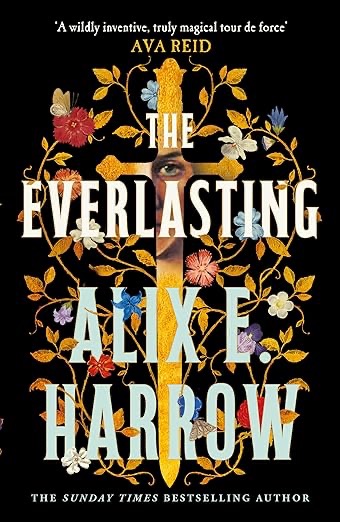
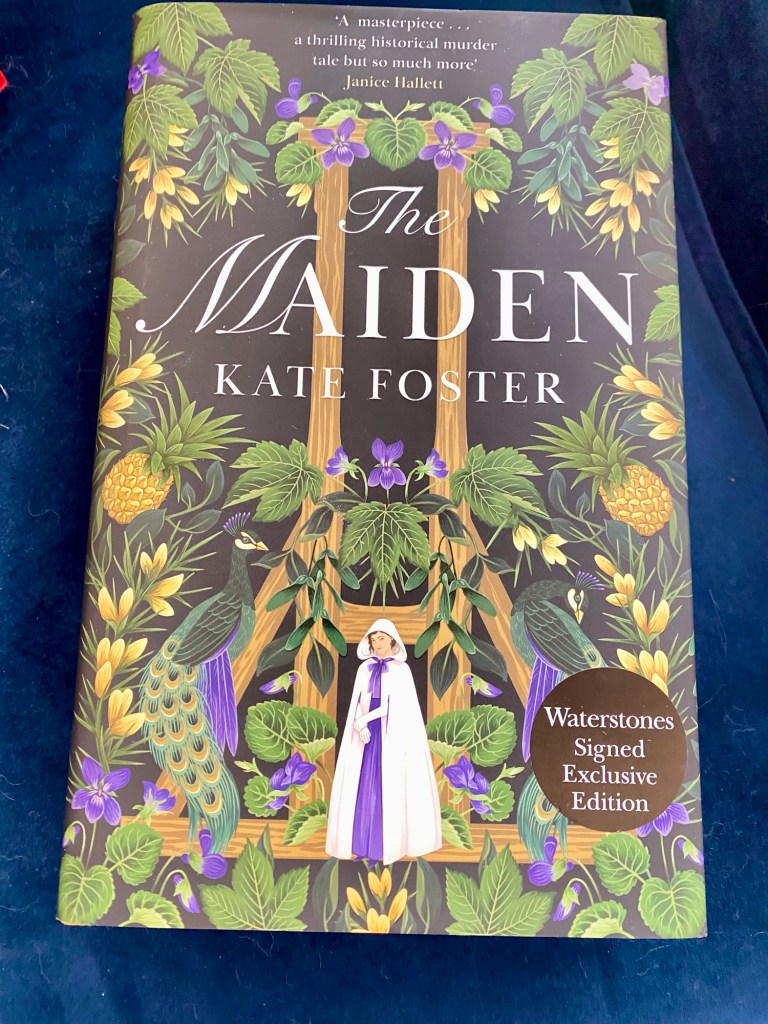
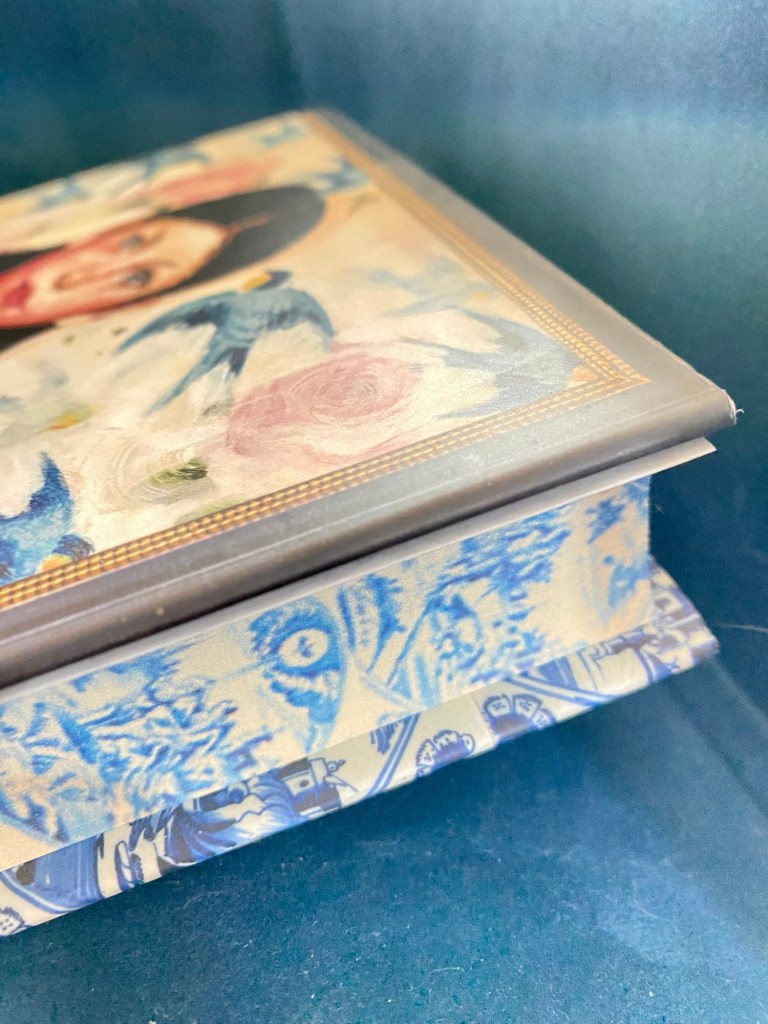
This is one of the most beautiful books I own and I was drawn to pre-order this debut for its spredges alone! There are so many symbols on this cover and I’m always drawn in by flowers, which have a language of their own. Here there are stunning purply blue violets that signify modesty, faithfulness and spiritual wisdom – qualities you might find in the ideal wife. Pineapples are prominent too representing hospitality and welcome, but they’re also a social signifier. If your host is serving pineapple they are definitely wealthy. Peacocks are one of my favourite symbols and have meanings ranging from beauty and immortality to vanity. However, the eye of the peacock’s tail feather was thought to represent the ‘all-seeing’ eye of God. The white cloak on our maiden is the bridal colour associated with innocence and sexual purity. All these symbols combine to tell us so much about this book, where Lady Christian has been arrested for the murder of her lover James Forrester. Newspaper headlines are screaming out Adulteress! Whore! Murderess! Of course now that Kate Foster is releasing her fourth book we know that appearances are rarely what they seem, but when I ordered this I had no idea what to expect. The cover gives up the story of a woman married to someone determined to show their wealth and status, with items including Christian herself. Christian’s own vanity and her history of growing up in a family of women financially dependent on James Forrester, creates a backdrop more complicated than those headlines suggest. Through the peacock symbolism we can imagine the tension between her character and the power of the church, its teachings written by men and used by men to control women. This is a beautiful cover that’s so well thought out and represents the novel perfectly. 

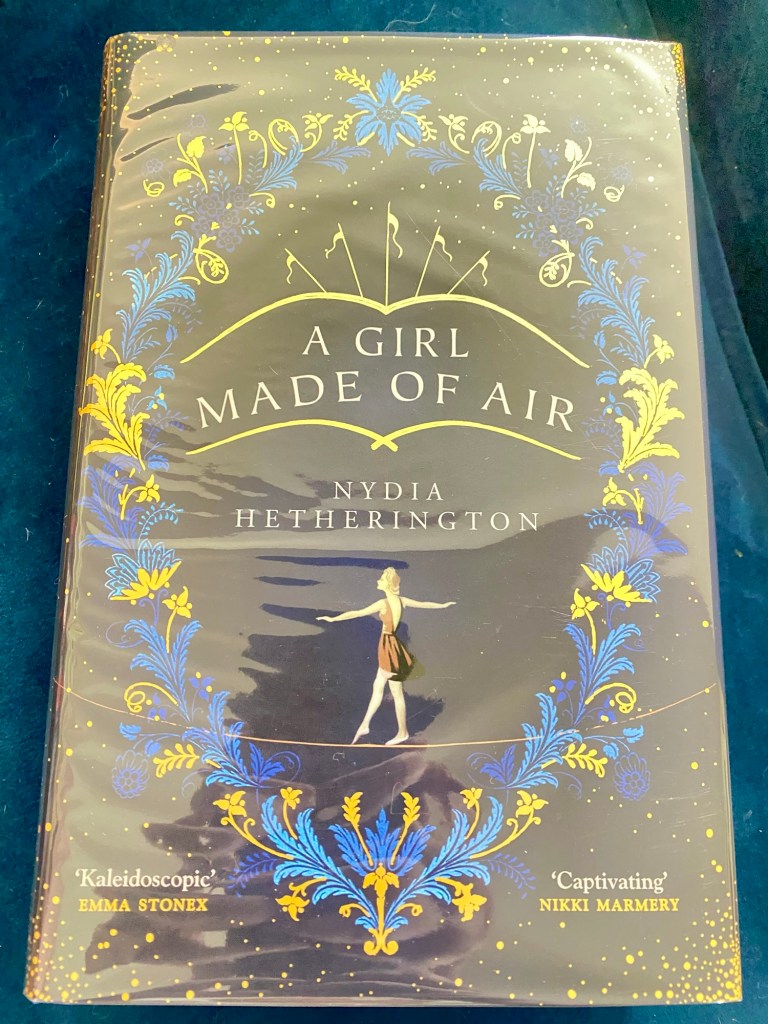
Drawn again to circuses, I bought this copy of Nydia Hetherington’s first book from Goldsboro Books and is a signed edition. Again the circus imagery caught my eye, but focusing completely on the high wire brings other elements into play. Once on the tightrope, the funambulist is there alone dependent on their own skill and judgement. A young girl out on that wire alone put across a feeling of loneliness, but also self determinism. Her ability is what pays the bills and keeps her under the circus’s protection, but she seems alone and vulnerable. The highwire itself is a metaphor for life, how risky it is and how much courage it takes to keep going. It’s also associated with artistic expression and this midnight blue cover with gold botanical surround certainly suggests opulence and wonder. I wasn’t surprised that our heroine was abandoned at the circus, so her life is as precarious as her art. Our opening is written from a child’s point of view watching her mother perform in the big top and becoming spellbound by the colour of her costume, the fear and excitement of the audience. Our heroine is haunted by an incident where a child was snatched from the circus and she tells her story through folklore, circus legends and reality. This is a beautiful book and a great debut from this author who has released her second novel, Sycorax, earlier this year. 

This author wasn’t totally new to me, I’d read one of her books before, but this beautiful cover sold this book before I’d read a word of the blurb. The stunning blue and white spredges are reminiscent of Dutch porcelain and the girl depicted on the front is a beautiful painting. On the blue and white background is a painting of a young girl by Noah Saterstrom and she seems young with her hair in bunches. She wears a red dress with belled sleeves and the depiction is different to what we’re used to in photographs and selfies, there’s no pout and no smile. She gazes out at the painter, very direct and with a serious expression. Her hands rest in her lap, together but empty. The novel references this portrait heavily and the girl is Maeve, one of our own main characters, when she’s ten years old. There’s a wallpaper background and there is a base of flowers next to her, suggesting a wealthier house, perhaps the Dutch House of the title. I have to say at this point that my attraction to this book could be personal. I looked around a Dutch house around twenty years ago, when I was moving back up north after four years in Milton Keynes. It was a cottage, dating from the 15th Century with the characteristic overhanging gables and curved lines. I didn’t buy it, it was too small, but I found out years later that we had some Dutch ancestry most likely from the workers who came to Lincolnshire under the engineer Vermuyden to dig the waterways that drained the land. Even weirder my dad has spent most of his life as a land drainage engineer in the county and we’ve lived at pumping stations that bring in water for farmers who need to irrigate crops and let out water when the land is under the threat of flooding. This may explain my draw to this cover but I’d also noticed the swallows on the wallpaper. Swallows are such a popular motif, particularly in tattoo art and now on clothing. They symbolise love, loyalty and homecoming because they’re a migrating bird. This is perfect for a story heavily based within one house and the lives of Dan and his older sister Maeve who grew up there. 

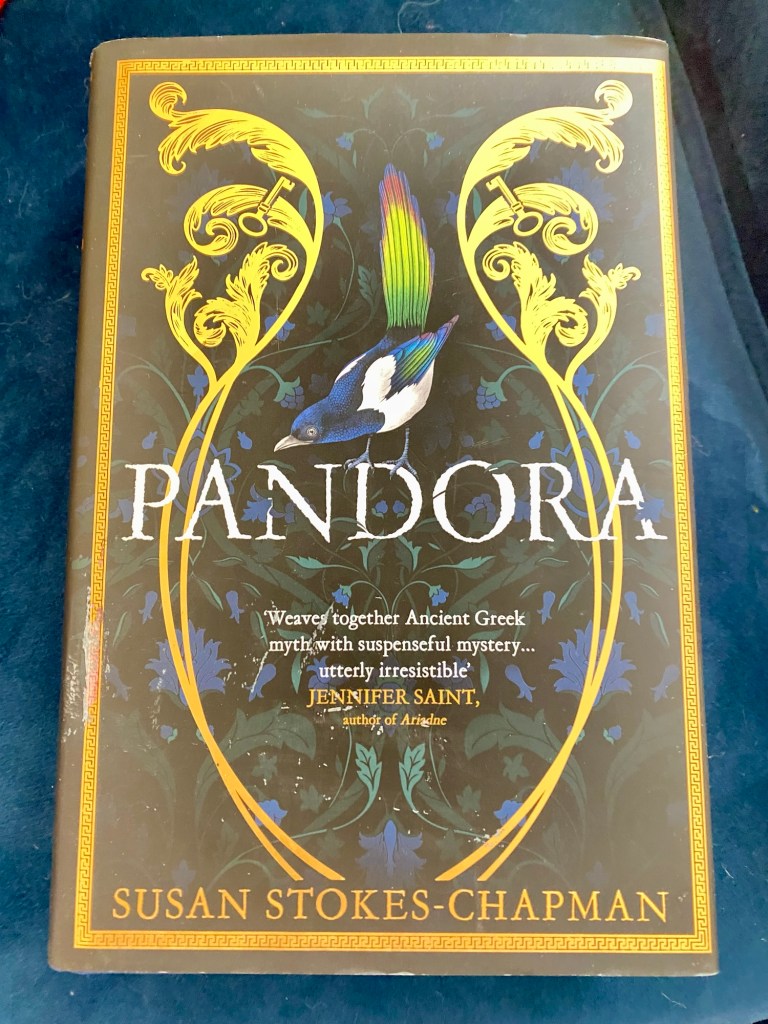
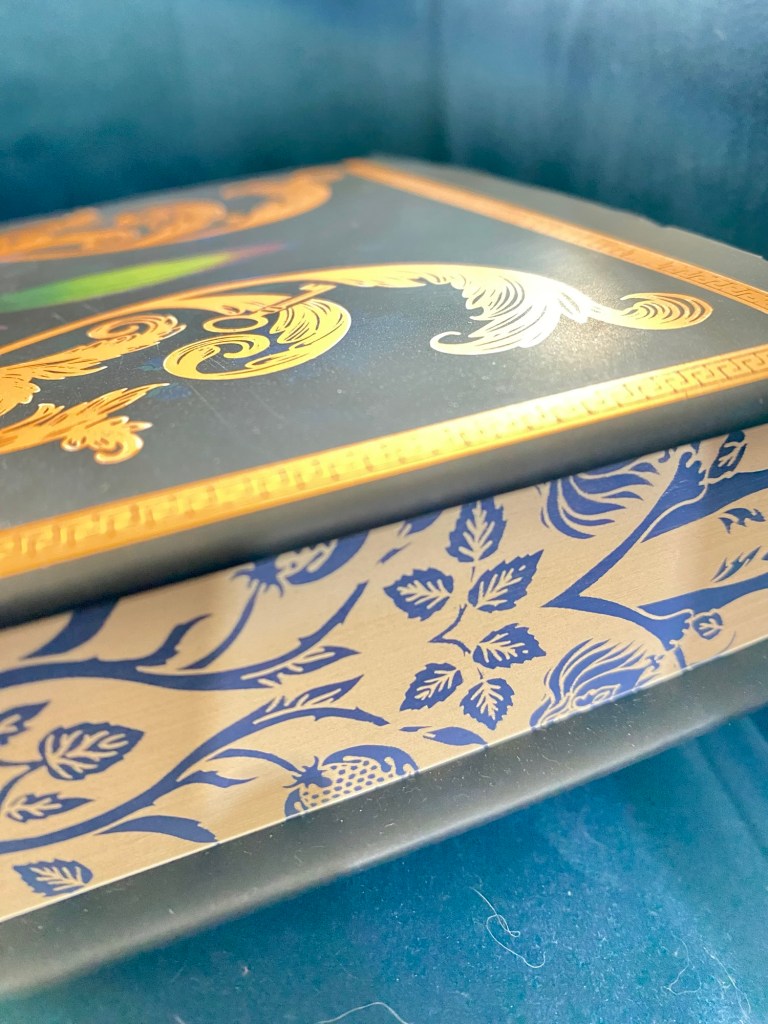
I picked this novel up at Barter Books in Alnwick. It’s a special edition copy and is signed, but it was the cover that grabbed me. Again it has the colour scheme I love, black and gold with hints of jewel-like green and blue. The scrollwork to the front cover is in the shape of a Greek vase with keys, letting us know that this is a book with secrets. The spredges are blue Greek vasesThe huge magpie is all this cover needs and there are so many parallels between the bird and the story of Pandora. Magpies are always seen as omens or messengers and in England there’s a balance in how their skills are viewed – the rhyme that goes one for sorrow, two for joy explains this. Similarly Pandora is described as ‘beautiful evil’ suggesting the same duality of purpose. Magpies bring change for good or bad, but across the world they represent curiosity and mischief. We see them as drawn to shiny things and even as thieves, keeping hoards of treasure in their nests. Scandinavian folklore also links them with witches and playing tricks, something I’ve noticed myself when I’ve had a ginger cat. Both my cats Chester and Baggins were plagued by magpies who shouted at them and would even pair up to peck their tails. Of course the consequences of curiosity are high and Dora Blake has a feeling about a vase that turns up in the antiquities shop that once belonged to her parents. It’s 1797 and Dora now lives there with her uncle, developing her skills in the hope of becoming a jewellery artist. Dora thinks there’s something suspicious about her uncle and she calls in an antiquarian scholar called Edward Lawrence to check out the vase. She sees it as a way of escaping her uncle and Edward sees the vase as the key to his academic career. What he discovers upends everything Dora has believed about her life and her family, leaving her asking whether some secrets are better left buried. 

Posted in Ten on Tuesday

Ten on Tuesday: Ten Feel Good Books for Stress Awareness Month. 

When it feels as if the world has gone to hell in a handcart we need books that absorb us into another world, that distract us, or teach us how to cope. We want something gentle maybe? A feel good novel or something that makes us laugh out loud. So I’ve compiled a list of books that have helped me over the years from those that have given me inspiration or suggestions on how to cope – the best one? Get a small dog. Often we need something nostalgic or an old favourite to sustain us, or perhaps something with a hint of magic. I think we all need just a tiny sprinkling of hope. 

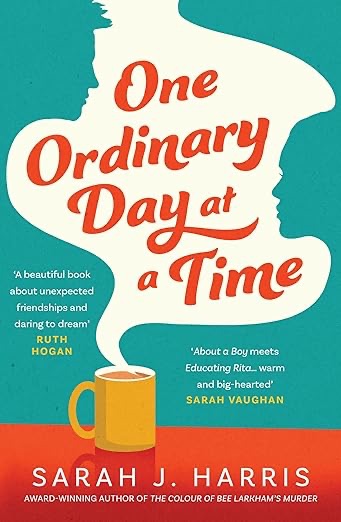
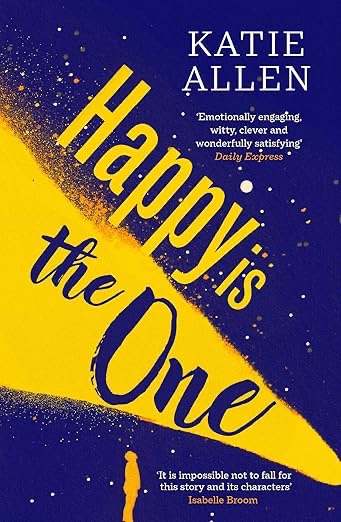
This is a lovely, heartwarming read. It’s about being broken and trying to put ourselves back together. Sometimes we need another person to help us, a spark of friendship and a chance to learn from each other. Here’s the blurb…

Two people. 

Simon Sparks hides in plain sight – his astonishing gifts locked deep inside himself, as he dreams of lost potential and extraordinary tomorrows.

Jodie Brook hides behind what you think of her – a single mum who can barely make ends meet. But her dreams are filled with the education she always wanted and discovering a better life for her and her son.

One life.

When Simon and Jodie’s lonely worlds collide, it upends everything. But as it becomes clear they have so much to learn from each other – Jodie can show Simon how to rejoin the world, and Simon can help Jodie prepare for her greatest challenge yet – they begin to realise that life could be so much more.

One ordinary day at a time…

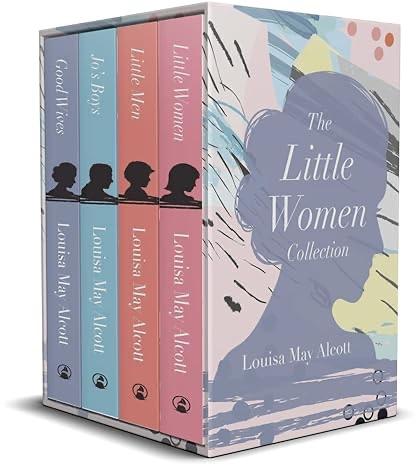
Sometimes the old ones really are the best and I’m always instantly soothed by one of these books, mainly for me the first two that focus on the March sisters as they grow up and choose their way forward in life. Yes, I know exactly how they’re going to turn out but that means there are no nasty surprises and I can just luxuriate in the sisters, their hobbies and passions, the warmth of their home and their generosity as a family. The March family are not without their trials, with their father away at war, sickness and loss and heartache but these are character building and the girls always look forward with hope. I can’t believe there’s a reader out there who hasn’t seen one of the films or read these books when they were younger so I won’t do the blurb. All you need to know is these books are funny, hopeful, romantic and everyone has a favourite sister. Beware of doing those quizzes that tell you which March sister you are. I wanted Jo but got Amy and that put a real dampener on my day! 😂😂

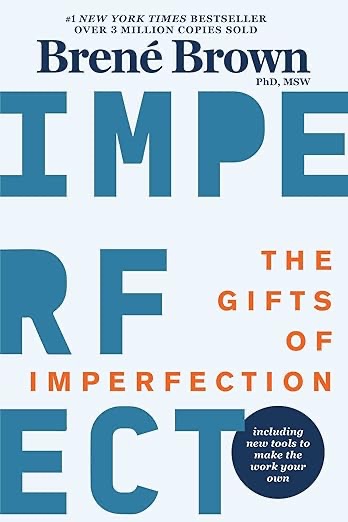
I’ve been following Dr Brené Brown’s work for around 12 years now and often used it in my counselling practice. I could have taken any of the books because they’re all helpful, but this is the one I started with. One of the biggest barriers to success and connection in my life has always been perfectionism. I’ve failed at things before I’ve even started because I wanted my work to be perfect. I even went to university with the aim of getting a first, because anything less would have felt like a failure. A chronic illness and disability has taught me that I can’t work in the way I want to. I have to work in short bursts and sometimes it I have to accept it’s a day to rest and work, chores and everything have to take a back seat. It’s a hard lesson. Reading this book helped me to accept my imperfections and realise admitting them to friends and family would bring us closer. Brené Brown tells us about her own struggles with perfectionism and it’s like reading the words of a close friend. Under this chatty style is a serious academic, with many years of research behind her. I never felt lectured but I did learn. I came away feeling like we’d had an honest, in-depth conversation where she showed her own vulnerability. I would advise reading it through, then go back to it with a notebook and pen, working through the tasks and applying them to your life. This really did create change in my life and allowed me to relax about being a messy, imperfect human.

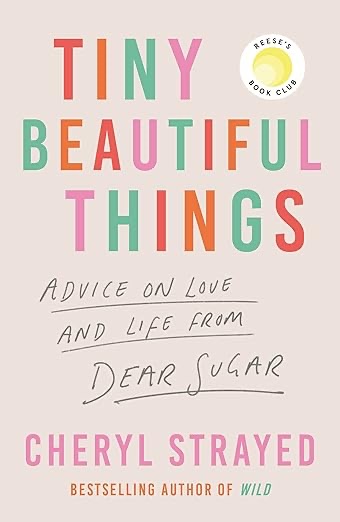
Many of you have probably read Cheryl Strayed’s book Wild or watched the Reece Witherspoon film of the same name. It chronicled her decision to walk eleven hundred miles up the West Coast of America from the Mojave Desert, through California and into Washington State. This wasn’t something she normally did, but life’s circumstances had brought her to breaking point. Her mother died suddenly, her family seemed to fall apart and her own relationship totally broke down. She knew she needed to do something drastic, otherwise addiction could completely take over her life. This one of those survival stories where just getting up every day and walking and the nature around her began the healing process. This is a later book, compiled from the online anonymous agony aunt Cheryl became afterwards. Using the name Sugar, she tackled so many different problems with empathy but also a deep understanding of how it feels to be at rock bottom. Having down to earth advice from someone who’s been on the same journey is so powerful. Somehow it comes across as down to earth, genuine and caring, while also avoiding bullshit. This is a great book to dip in and out of when you’re feeling a bit low. In fact I recommend creating a pile of books by the bed for this very reason, books where you can read one section, a poem or a letter for those mornings when you need that boost.

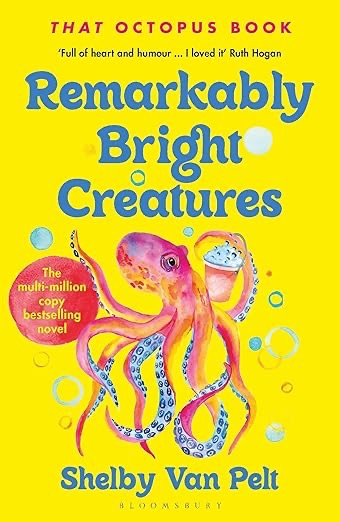
This book is an absolute beauty and was a total surprise too! I picked it up in a second hand bookshop because it had an octopus on the cover and I read these lines:

Who am I, you ask? My name is Marcellus, but most humans do not call me that. Typically, they call me that guy. For example: Look at that guy—there he is—you can just see his tentacles behind the rock. I am a giant Pacific octopus. I know this from the plaque on the wall beside my enclosure.

It went from a maybe to a must buy in a couple of sentences. Our main character is Tova Sullivan whose husband died and ever since she’s worked as the night cleaner at the Sowell Bay Aquarium. Ever since her eighteen-year-old son, Erik, mysteriously vanished on a boat over thirty years ago keeping busy has helped her cope. One night she meets Marcellus, a giant Pacific octopus living at the aquarium who sees everything, but wouldn’t dream of lifting one of his eight arms for his human captors – until he forms a remarkable friendship with Tova.

Ever the detective, Marcellus deduces what happened the night Tova’s son disappeared. And now Marcellus must use every trick his old body can muster to unearth the truth for her before it’s too late… This book is heartwarming, original and so clever. Being inside the mind of Marcellus just made me smile and still does whenever I have a re-read. This book stays by my bed because I know it will always bring me joy.

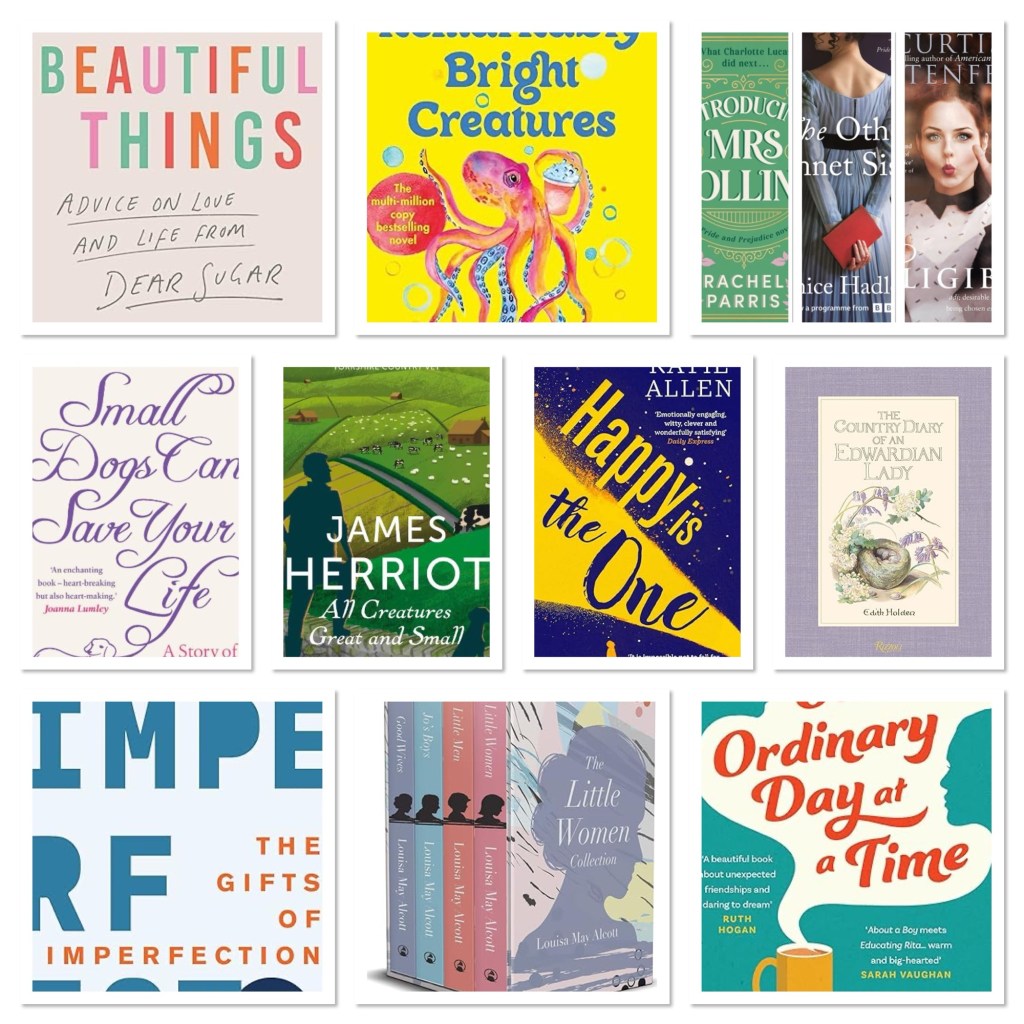
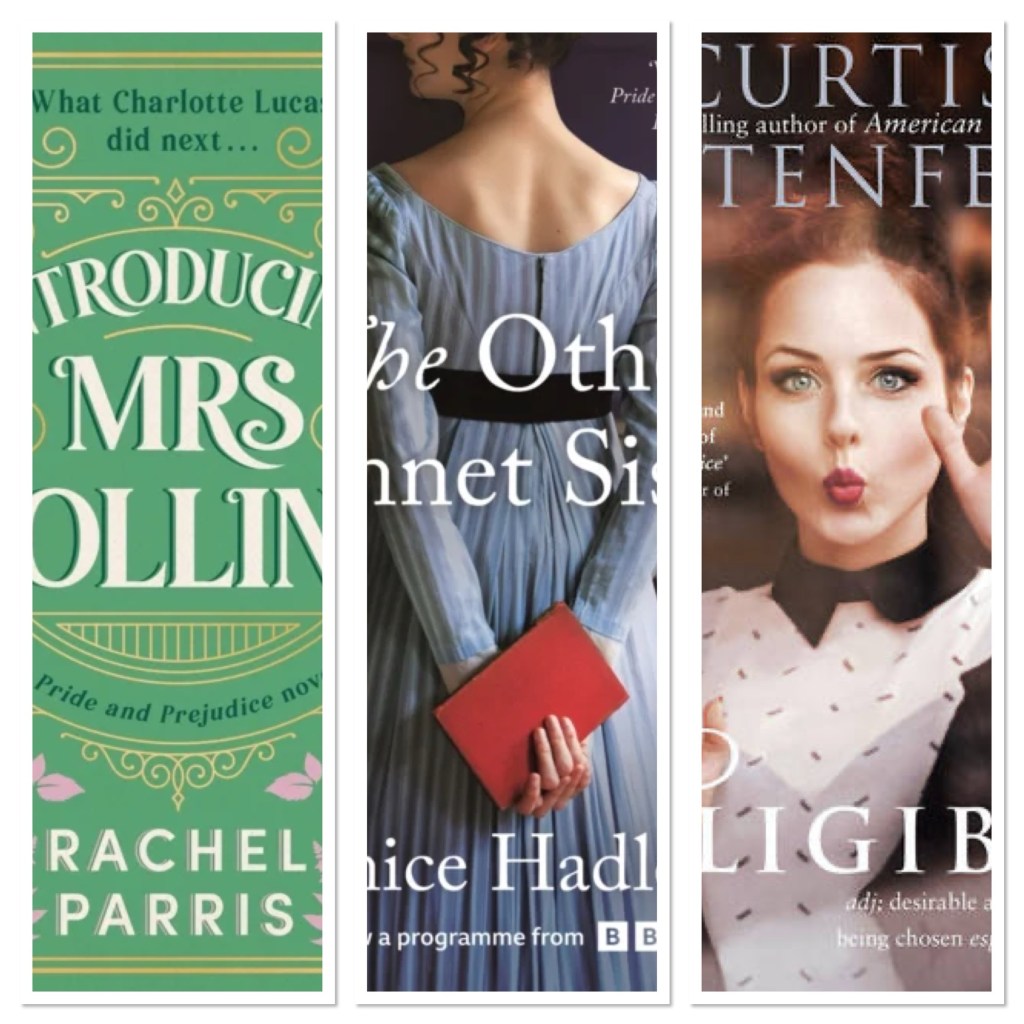
I may be cheating here because this is more of a genre than an individual book, but I simply had to add it to this collection. There’s a reason streaming channels fill their schedules with Jane Austen adaptations, with a new Pride and Prejudice and Sense and Sensibility on their way soon, and it’s because they’re a joy to watch. Especially if they put one on opposite the endless football. These are gentle, witty and romantic stories with the hope of a happy ending. Of course you’ve probably already read Austen, so what next? Reach for an Austen inspired book. My three choices are inspired by Pride and Prejudice and involve all of the characters we are so familiar with. Eligible relocates P&P to a wealthy New York neighbourhood and the present day. The Other Bennett Sister tells a familiar story from the perspective of the middle Bennett sister Mary, something of a joke in the original, here Mary starts to enjoy life and it’s glorious. Finally there’s last year’s take from Rachel Parris, which keeps all the wit and romance of the original but our heroine is Lizzy’s best friend Charlotte Lucas, last seen accepting the proposal of the seemingly dreadful and ridiculous Mr Collins. What’s great about these books are the new plots, different perspectives on characters you know well, witty interesting women and yes, a touch of romance too. There’s the comforting feeling of knowing this world but also the unexpected joy of seeing it anew.

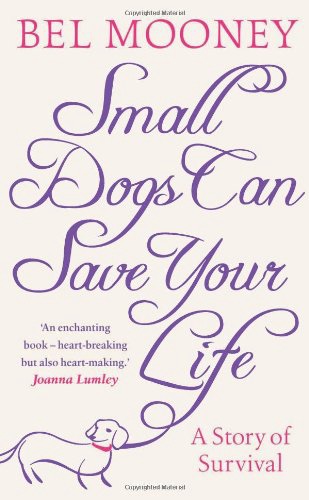
This book was a gift from my mum, after my husband died. Having been his carer for the final year of his life I hadn’t just lost the person I loved but I’d lost my purpose, the thing that occupied almost all of my time. Before he died I was ‘on’ day and night, except for the two nights we received nurses paid for by the NHS. Occasionally Marie Curie had a cancellation and I was offered care for the night and I jumped at it. He couldn’t move, eat or swallow so had a feeding tube in his stomach. He had primary progressive MS and it even affected his breathing, so he needed someone awake at all times.

This is a really honest and powerful memoir from Bel Mooney, mixing personal stories with literature, history, and inspiration. This book tells the story of her rescue dog, Bonnie, and how she rescued Bel when her world fell apart. She writes about the very public break-up of her 35-year marriage to Jonathon Dimbleby who fell in love with an opera singer. Not long afterwards the other woman was diagnosed with terminal cancer, leaving Bel’s ex- husband devastated and needing support. Bel covers six turbulent years from when she first acquired Bonnie from a rescue home, through this personal heartbreak and disappointment. It also shows the joy and companionship a dog can bring at a very difficult time. It inspired me to get my dog Rafferty who lived through some very difficult times with me and only died around four years ago. I can honestly say if I hadn’t picked him up on New Years Eve 2007 I might not even be here. Bel has now found happiness in a new life, with her Maltese at her side all the way. She writes about transformation, about healing then picking yourself up and attacking life. It’s also about celebrating the good parts of life, much as a dog always celebrate your return, even from the shortest trip. This is such an engaging story and I suppose my dog and this small book saved my life.

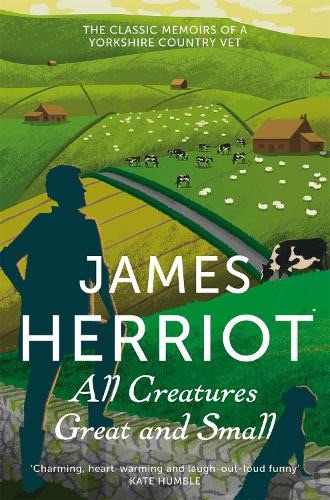
In my teenage years, our holidays were always spent in North Wales at a holiday let owned by an elderly gentleman called Ted. It was a large secluded farmhouse not far from the coast and we’d originally found it in a brochure. But Ted liked us and knew my parents had no money, she he’d let us stay for a whole week for £50. We’d stay in the front of the house and Ted would live in the small living space at the back that had probably been a piggery at one point. There was an adjoining door and at breakfast he would appear like a magic trick from the pantry. He was ever the gentleman, full of stories from the RAF and looked like the BFG, just smaller. Every year I would aim for the bookshelves and grab a compilation of James Herriot stories. I would read them laid on the lawn or by the river while my brother fished. I still find them some of the funniest and most uplifting stories I’ve ever read. I defy you not to laugh out loud when reading the ghostly monk who wanted a particular lonely road, perfect for terrifying a vet who’d had a call out at 3am. Or the angry cat Tristan and James are conned into collecting from an elderly lady, only for it to escape from its box on the return trip. As James tries to concentrate on the road while this black streak whirls around the car, causing Tristan to shout:

“The bloody thing’s shitting Jim. It’s shitting everywhere”.

Or the disastrous night he first takes Helen out to a dance, and tries to drive through a flood. They return to her farm with James soaked from the knees down and with ruined shoes. He then has to attend a dance with crinkled trousers and her father’s old dancing slippers that have bows on! The animals are amazing and I love reading about the bond between animals and their owners, even some of the farmers are more attached to their livestock than we might think. This is another one that’s great for keeping next to the bed when some cozy humour is needed.

This lovely novel from indie publisher Orenda Books has all those feel good words attached to it – heartfelt, life-affirming, hopeful. I can honestly say it is all of those things. Our hero, Robin Edmund Blake is halfway through his life.
Born in 1986, when Halley’s Comet crossed the sky, he is destined to go out with it, when it returns in 2061. Until that day, he can’t die. He has proof.

With his future mapped out in minute detail, a lucrative but increasingly dull job in the City of London, and Gemma to share his life with, Robin has a plan to be remembered forever. But when Robin’s sick father has one accident too many, the plan starts to unravel. Robin must return home to the tiny seaside town of Eastgate, learn to care for the man who never really cared for him, and face the childhood ghosts he fled decades ago. Desperate to get his life back on schedule, he connects with fellow outsider Astrid. Brutally direct, sharp-witted and a professor at a nearby university, she’s unlike anyone he’s ever met. But Astrid is hiding something and someone from Robin.
And he’s hiding even more from her. I loved this book because I could relate to Robin, hit by one of those life circumstances that come out of the blue. He and his dad are awkward and don’t really know how to talk to one another. Robin is equally awkward with the characters, avoiding them if he can manage it. He’s dealing with a huge life change and seeing the person who brought you up becoming helpless is a difficult thing. An old friend gets Robin out of the house and out on a bike, taking in the scenery he remembers from being a child. Then there’s Astrid who is like no one he has ever met. When I finished this book I had a huge smile on my face and I’d read it again tomorrow.

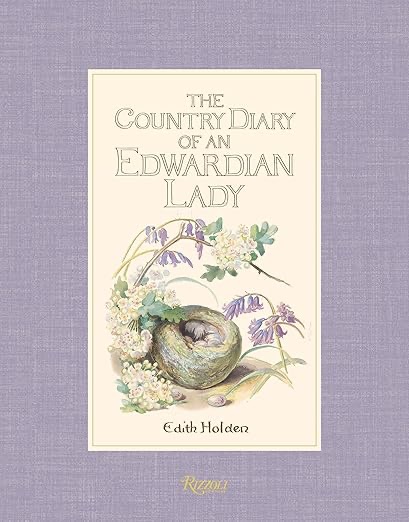
My final choice is not a novel or a self-help book, in fact it’s more pictures than words. My mum’s copy of this book was kept on a recipe stand in the living room and was turned to each month as if it was a calendar. There was no point keeping a book this beautiful on a shelf, it needed to be seen. I fell in love with it and tried to convince myself I was an Edwardian lady in a floaty frock, flitting around the forest drawing ferns and butterflies. I copied her illustrations and did my own, even taking the book into school to do a project on it when I was around ten. Edith Holden’s original diary is filled with a masterful paintings and observations chronicling the English countryside throughout 1906. It’s one of the few true records of the time in print, the handwritten thoughts and paintings contained in The Country Diary of an Edwardian Lady transport readers to a more refined, romantic, and simpler time. Her poetry and illustrations bring the reader back to a time in which propriety, civility, and an appreciation for the natural world reigned. It feels like a souvenir of a bygone era but it’s also a calming touchstone. I grew up surrounded by land, in a very agricultural county and I loved recording the plants and insects or birds I had seen, although my illustrations of butterflies and flowers were probably the most successful. It’s a charming book and even now a copy sits on the sideboard in my hall, open to the right month. It’s the perfect book to flick through, or read the quotations she has placed next to her sketches and lines of poetry. I feel completely in a different world when I look through this book, because it’s a powerful reminder of a gentler time, my own childhood and nature combined.

Posted in Ten on Tuesday

Ten On Tuesday: Ten Second Hand Books On My TBR

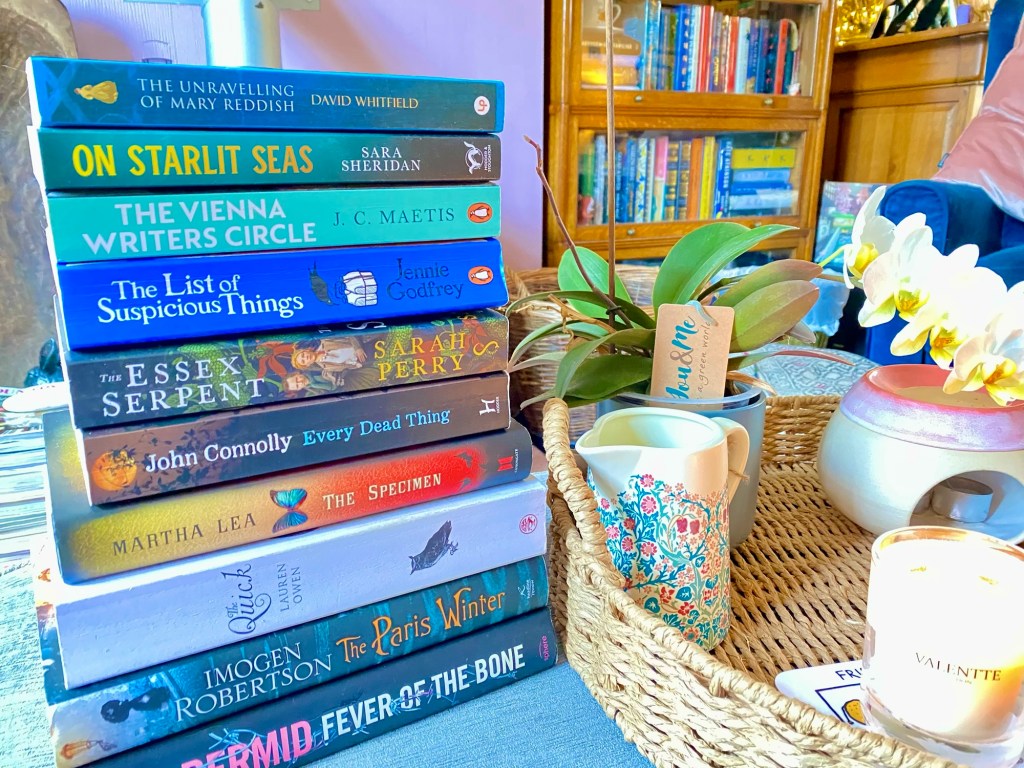
So here’s a book blogger admission for you. I recently did an interview with another blogger on my reading habits and I admitted to having seven bookcases in the house, all organised according to genre: books for work, thrillers and crime, romance, my bought tbr, my biggest bookcase has historical fiction, horror and gothic, classics and contemporary literature and there are two glass display cases of special editions. I have a trolley with my main tbr from publicists and authors, but I also have a little pink trolley with my secondhand tbr (yes there are a few stacks on the floor here and there). So now you know my darkest book secrets I thought I’d share some of those second hand books.

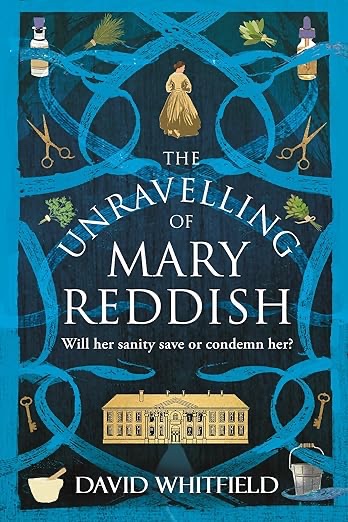
Nottingham, 1827. Mary Reddish, a young housemaid unjustly committed after defying her employer’s advances, must navigate the brutal treatments of the county asylum while trying to prove her sanity. Meanwhile, Ann and Thomas Morris, the asylum’s matron and director, struggle to uphold humane practices against outdated medical methods that haunt the institution.

As Mary forms an unlikely alliance with a fellow patient, she finds herself at the centre of a battle between compassion and cruelty that will determine the course of her life – and the future of the asylum itself.

Inspired by real events that took place at England’s first publicly funded asylum in Nottingham, The Unravelling of Mary Reddish shines a light on the brutal reality of mental health care in Georgian Britain.

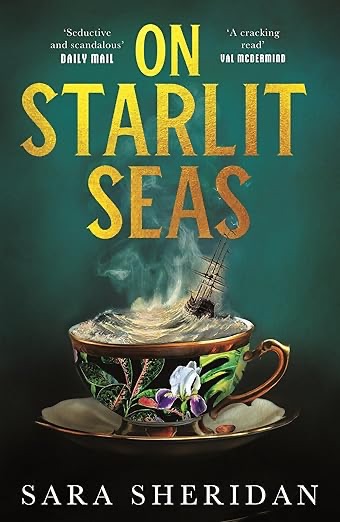
Celebrated writer and historian Maria Graham must make the treacherous voyage from Brazil to London to deliver her latest book to her publisher. Having come to terms with the loss of her beloved husband, Maria is now determined to live her life as she pleases, free from the smothering constraints of Georgian society.

For a woman travelling alone it’s a journey fraught with danger, and as civil war rages around her, the only ship prepared to take Maria belongs to roguish smuggler Captain James Henderson. Onboard, all is well until Maria makes two shocking discoveries – the first a deadly secret, the second an irresistible attraction to the enigmatic captain.

With Henderson on a journey of his own and determined to finally put his life of crime behind him, he and Maria grow ever closer. But can Henderson escape his illicit past or will the scandalous secret he’s hiding ruin them both?

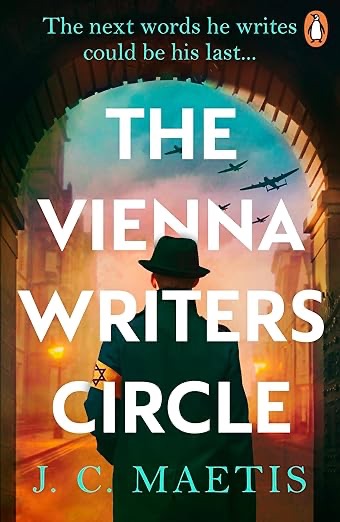
THE NEXT WORDS HE WRITES COULD BE HIS LAST . . . 

Austria, 1938: The Vienna Writers Circle meets at Café Mozart to share hopeful stories during a hopeless time.

But when the Nazis take over, everything changes. With their Jewish families’ now under threat, the writers hide using false identities, their stories becoming their only salvation.

Then a local policeman begins a dangerous mission to help them. But he faces conflicts of his own: having declared his love for a beautiful Romani-gypsy girl, Deya Reynes, he fears that she too will be sent to her death.

When all they have left is courage, will they survive?

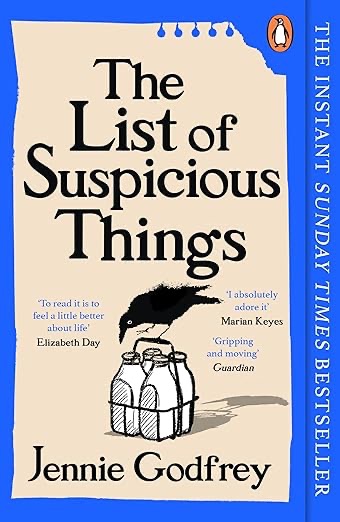
Yorkshire, 1979

Maggie Thatcher is prime minister, drainpipe jeans are in, and Miv is convinced that her dad wants to move their family Down South.

Because of the murders.

Leaving Yorkshire and her best friend Sharon simply isn’t an option, no matter the dangers lurking round their way; or the strangeness at home that started the day Miv’s mum stopped talking.
Perhaps if she could solve the case of the disappearing women, they could stay after all?

So, Miv and Sharon decide to make a list: a list of all the suspicious people and things down their street. People they know. People they don’t.

But their search for the truth reveals more secrets in their neighbourhood, within their families – and between each other – than they ever thought possible.

What if the real mystery Miv needs to solve is the one that lies much closer to home?

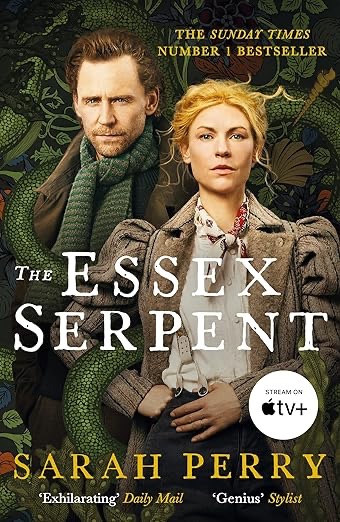
London, 1893. When Cora Seaborne’s controlling husband dies, she steps into her new life as a widow with as much relief as sadness. Along with her son Francis – a curious, obsessive boy – she leaves town for Essex, in the hope that fresh air and open space will provide refuge. 

On arrival, rumours reach them that the mythical Essex Serpent, once said to roam the marshes claiming lives, has returned to the coastal parish of Aldwinter. Cora, a keen amateur naturalist with no patience for superstition, is enthralled, convinced that what the local people think is a magical beast may be a yet-undiscovered species.

As she sets out on its trail, she is introduced to William Ransome, Aldwinter’s vicar, who is also deeply suspicious of the rumours, but thinks they are a distraction from true faith. 

As he tries to calm his parishioners, Will and Cora strike up an intense relationship, and although they agree on absolutely nothing, they find themselves at once drawn together and torn apart, affecting each other in ways that surprise them both. The Essex Serpent is a thrilling and unforgettable novel of intrigue, love, and the many forms it can take.

Cloaked in absence, the Travelling Man comes calling . . . 

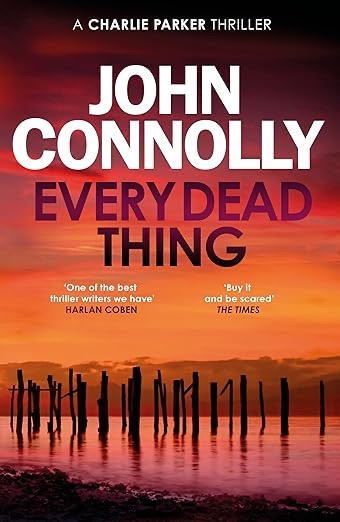
NYPD cop Charlie Parker returns home one evening to a brutal scene – his wife and daughter violently murdered, their faces removed and their bodies displayed in macabre poses: the work of the Travelling Man.

Numb from guilt and desperate for distraction, Parker becomes embroiled in the case of a missing woman. As the investigation spirals, Parker learns that this disappearance is merely the latest development in a tale of injustice and cruelty.

All the while, the Travelling Man haunts him . . .

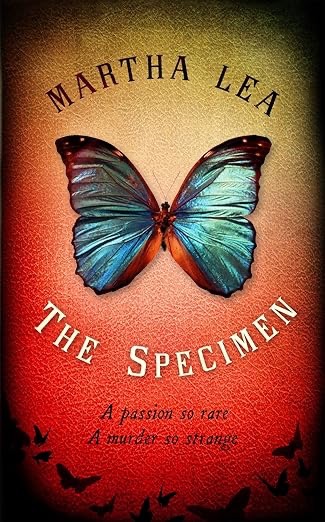
1859. Edward Scales is a businessman, a butterfly collector, a respectable man. He is the man Gwen Carrick fell in love with. Seven years later he is dead and Gwen is on trial for his murder. Set in a world caught between the forces of Spiritualism and Darwinism, The Specimen explores the price one independent young woman might pay for wanting an unorthodox life.

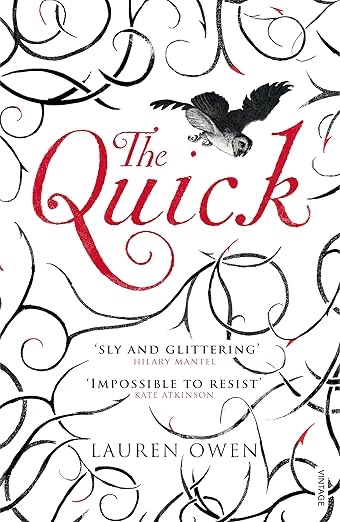
You are about to discover the secrets of The Quick –

But first, reader, you must travel to Victorian England, and there, in the wilds of Yorkshire, meet a brother and sister alone in the world, a pair bound by tragedy. You will, in time, enter the rooms of London’s mysterious Aegolius Club – a society of the richest, most powerful men in England. And at some point – we cannot say when – these worlds will collide. 

It is then, and only then, that a new world emerges, a world of romance, adventure and the most delicious of horrors – and the secrets of The Quick are revealed.

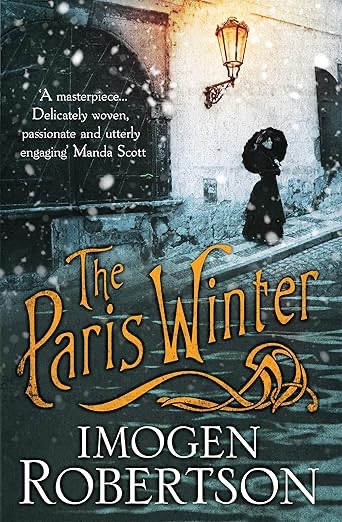
Maud Heighton came to Lafond’s famous Academy to paint, and to flee the constraints of her small English town. It took all her courage to escape, but Paris eats money. While her fellow students enjoy the dazzling joys of the Belle Époque, Maud slips into poverty. Quietly starving, and dreading another cold Paris winter, Maud takes a job as companion to young, beautiful Sylvie Morel. But Sylvie has a secret: an addiction to opium. As Maud is drawn into the Morels’ world of elegant luxury, their secrets become hers. Before the New Year arrives, a greater deception will plunge her into the darkness that waits beneath this glittering city of light.

‘You should have been a detective. If there’s one thing the last year has proved, it’s how good you are at finding things out. Things that are buried so deep nobody even thinks twice about them. The sort of things that turn people’s lives inside out once they’re exposed.’

Meet Tony Hill’s most twisted adversary – a killer with a shopping list of victims, a killer unmoved by youth and innocence, a killer driven by the most perverted of desires. 

The murder and mutilation of teenager Jennifer Maidment is horrific enough on its own. But it’s not long before Tony realises it’s just the start of a brutal and ruthless campaign that’s targeting an apparently unconnected group of young people. 

Struggling with the newly awakened ghosts of his own past and desperate for distraction in his work, Tony battles to find the answers that will give him personal and professional satisfaction in his most testing investigation yet . . .

Posted in Ten on Tuesday

Ten On Tuesday: Ten Literary Quotes for Hope in Spring

I know I’m not the only person struggling with what’s happening in the wider world at the moment and locally to be honest, as strategic parts of our city are being covered in flags in order to intimidate. There’s some sort of march most weeks and I’m constantly waiting to be annihilated by whichever geriatric white man loses his mind first! So sometimes the only thing to do is concentrate on your own little bubble, do the things you love that bring you peace, switch off the TV and shut it out for a while. I was thinking about this post and the things that make me happy, inspire me and keep me going. Of course first and foremost that’s literature, but I also love taking photographs of my surroundings. So, bearing in mind we had the spring equinox at the weekend, I thought I’d share with you some of my favourite hopeful literary quotes and photographs that make me happy. Hope you find them inspiring too.

“Water does not resist. Water flows. When you plunge your hand into it, all you feel is a caress. Water is not a solid wall, it will not stop you. But water always goes where it wants to go, and nothing in the end can stand against it. Water is patient. Dripping water wears away a stone. Remember that, my child. Remember you are half water. If you can’t go through an obstacle, go around it. Water does.”

From The Penelopiad by Margaret Atwood

Rays from the sunrise drew forth the buds and stretched them into long stalks, lifted up sap in noiseless streams, opened petals, and sucked out scents in invisible jets and breathings.

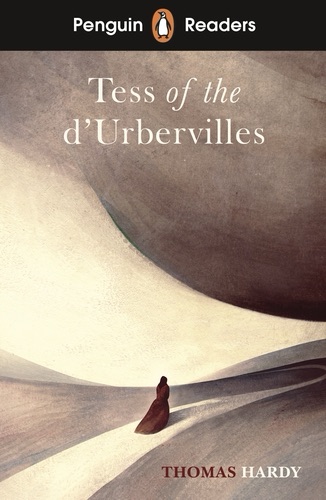
From Tess of the D’Urbervilles by Thomas Hardy

Hope is the thing with feathers

That perches in the soul

That sings the tune without the words

And never stops at all

From The Complete Poems of Emily Dickinson

‘I am no bird and no net ensnares me: I’m a free human being with an independent will.”

Jane Eyre by Charlotte Brontë

“Those who contemplate the beauty of the earth find reserves of strength that will endure as long as life lasts. There is something infinitely healing in the repeated refrains of nature—the assurance that dawn comes after night, and spring after winter.”

From Silent Spring by Rachel Carson

No man knows till he has suffered from the night how sweet and dear to his heart and eye the morning can be.”

From Dracula by Bram Stoker

“I’m choosing happiness over suffering, I know I am. I’m making space for the unknown future to fill up my life with yet-to-come surprises.”

From Eat Pray Love by Elizabeth Gilbert

“Most maidens are perfectly capable of rescuing themselves in my experience, at least the ones worth something, in any case.”

From The Night Circus by Erin Morgenstern

“Your sorrow will become smaller, like a star in the daylight that you can’t even see. It’s there, shining, but there is also a vast expanse of blue sky.”

From Survival Lessons by Alice Hoffman

“What a happy woman I am living in a garden, with books, babies, birds, and flowers, and plenty of leisure to enjoy them! Yet my town acquaintances look upon it as imprisonment, and I don’t know what besides, and would rend the air with their shrieks if condemned to such a life. Sometimes I feel as if I were blest above all my fellows in being able to find my happiness so easily. I believe I should always be good if the sun always shone, and could enjoy myself very well in Siberia on a fine day. And what can life in town offer in the way of pleasure to equal the delight of any one of the calm evenings I have had this month sitting alone at the foot of the verandah steps, with the perfume of young larches all about, and the May moon hanging low over the beeches, and the beautiful silence made only more profound in its peace by the croaking of distant frogs and hooting of owls?”

From Elizabeth and her German Garden by Elizabeth Von Armin

See you next week ❤️📚

Posted in Ten on Tuesday

Ten Of My ‘Must Buy’ Authors 

To qualify that title I’d like to admit that I have far more must buy authors than ten, so this will come in two parts. I thought I’d share with you those authors I’ve been buying without even reading the blurb for years and how my interest started. These are authors I give shelf space to because only a real, solid book will do.

Unlike most people my first Alice Hoffman novel wasn’t Practical Magic and I’d never seen the film either. I was at university in the early 2000s as a mature student and I was reading a literary supplement one Sunday when I saw a review for her book Blackbird House, a collection of stories based around a farmhouse in Cape Cod. Each story builds a continuous narrative through the sense of this place and it’s residents from a lonely fisherman, to an orphan living with a disabled blacksmith and Violet who is a bookish farm girl raising a family through to the 1950s when her grandson brings his Jewish wife to the farm, having survived the Holocaust. From these stories we can see many of the themes that run through Hoffman’s work: magic realism, small towns, the Holocaust and women’s power. I followed this with Blue Diary, a very different tale of love and what we know about those closest to us. Now I pre-order as soon as I see a new book because I’ve never been completely disappointed by any of her work. I love her ability to weave magic into her tales, the lyrical and atmospheric way she creates a sense of place and the way she uses historical events. Here are my three favourites: 

Blue Diary – a wife is stunned as her picture perfect life falls apart, when her husband is arrested for the murder of a young girl.

The Museum of Extraordinary Things Coralie Sardie wants to escape the Coney Island freak show where she grew up and performed as a mermaid for her tyrannical father.

The Marriage of OppositesWe’re whisked off to St. Thomas where a young woman embarks on a forbidden relationship and becomes mother to the impressionist painter Camille Pissaro.

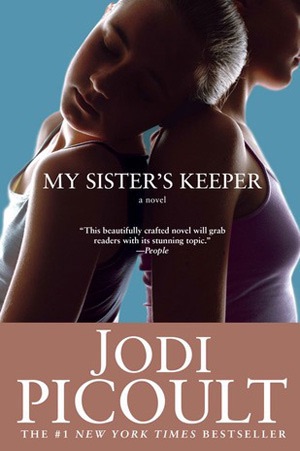
My first Jodi Picoult was My Sister’s Keeper like a lot of other people. I read the book way before seeing the film and I was bowled over by how emotional I was about this little girl who didn’t want to be used as a donor for her elder sister anymore. Anna applies to the court for medical emancipation when she is told by her mother she will be donating a kidney to her sister Kate who has a form of leukaemia. I hated this mother who essentially neglects the emotional needs of her eldest and youngest children, because all of her attention is on keeping Kate alive. Anna was deliberately conceived as a donor, with her umbilical cord being used to harvest stem cells and for a while this works. Sadly Kate has relapses and while I was sad for her parents, I couldn’t believe the pressure being placed on this little girl as if her only use is as spare parts. The ending absolutely devastated me and I was so angry. While the novel has its faults I found myself unable to put it down and slowly I worked my way through everything else Jodi had written. Since her novel Nineteen Minutes I’ve been buying them as soon as they’re released. I’ve met Jodi on a couple of occasions and found her so friendly and willing to share her process and talk through the issues raised by her books, she now has the most banned novels in US school libraries because of those subjects. My favourites are: 

Plain Truth – an Amish community is shocked when a baby is found dead in one of their barns bringing the outside into their closed community and accusations to one of their young women.

Small Great Things – what happens when a couple who are white supremacists come into a maternity ward but refuse to have black nurse Ruth deliver their baby?

By Any Other Name – an incredible book that poses the question of whether Shakespeare’s plays could have been written by a woman, but submitted by a man. In the present day a female playwright enters a competition with an ambiguous name that disguises her gender.

I borrowed Patrick Gale’s book Notes on an Exhibition from the library and became engrossed in this story about a Newlyn artist and her family, not to mention a secret they’ve been carrying for many years. I love reading about artists, which was why I picked the book up but I also loved the dynamic in the family and how their mother’s mental health affected the everyone. I then looked out for his novels when browsing bookshops and read The Cat Sanctuary, a novel about an a photographer and her novelist lover Judith who live on a remote part of Bodmin Moor. When carrying out an assignment in Africa, Joanna meets Judith’s sister Deborah who is newly bereaved. She brings Deborah back to Bodmin and unleashes an emotional nightmare. I love how he constructs these deeply unhappy or flawed characters, showing us their layers and the reasons why they act as they do. I also enjoy the tension between his characters who live an alternative lifestyle and a society that isn’t very accepting. Having met criticism about his writing of women early in his career, I believe he has deliberately written from a female perspective and I enjoy the way he writes women. My favourites are: 

Notes on an Exhibition – Artist Rachel Kelly struggles with bi-polar disorder, having deeply creative manic episodes followed by deep lows. It’s a pattern that affects the whole family and when she dies she leaves a legacy of art and family secrets.

A Perfectly Good Man – 20 year old Lenny Barnes is paralysed in a rugby accident and makes the decision to end his life, in the presence of priest Barnaby Johnson. His death sets in motion a chain of events that lead us to explore what makes a ‘good’ man.

A Place Called Winter – Harry Cane is a husband, father and pillar of the community so when a love affair threatens that existence and potentially brings the police to his door he makes a decision. Abandoning his wife and child he signs up for the pioneer life in Canada.

My mum leant me Charity Norman’s 2012 novel After the Fall which I think might have been an Oprah book club pick that follows the aftermath of an accident in a family home. The Macnamara family live in a remote area of New Zealand on a farm and disaster unfolds one night when the five year old son Finn has a fall. He has fallen from the first floor verandah and has life threatening injuries, having to be airlifted to hospital. His mother Martha, explains to paramedics that he had a fall while sleepwalking, but when she arrives at the hospital she’s hit with a lot of questions she wasn’t expecting. Questions she isn’t prepared to answer. As the novel takes us back in time, we see that when they moved to this remote east coast of the North Island, it came to mean different things for each family member. For 16 year old Sacha it was the beginning of a nightmare that would drag in her whole family. I loved the psychology of the family members, their dynamics and how by trying to keep everyone safe and together, terrible things can happen. I talked about it with my sister-in-law who lives in that part of New Zealand and I’ve read every one of her novels since. A little like Jodi Picoult, Charity Norman writes about families and a societal issue they’re facing. Over the years she’s explored grandparents having to deal with the man who killed their daughter wanting to see his children, a family man who believes he’s transgender and how family members can be radicalise by a cult or the internet. She likes to mix people from very different backgrounds and put them in tough situations or show how a family deal with long held secrets. Her writing evokes so many emotions and my favourites are: 

The Son-in-Law – Hannah and Frederick are grandparents bringing up their three grandchildren. They witnessed their father Joseph kill their mother and he is about to be released from prison. Joseph lost everything that day, all he has left are his children who he’s not allowed to see. How will the family cope when their ordered lives are disturbed by the legal implications of their father’s release?

Remember Me – Emily returns to New Zealand to care for her father who has been diagnosed with dementia. As she tries to support him, so many memories of this place come back to her, including the disappearance of neighbour Leah Patrick who never came home from a hike.

Home Truths – Livia and Scott have a great life, good jobs and a nice home in Yorkshire with their two children. When Scott’s brother dies he desperately looks for someone to blame, falling down a rabbit hole of internet chat rooms, alternative medicine and conspiracy theories.


As regular readers will know I love a spooky gothic novel and Laura Purcell is an absolute master of the genre. I picked up her book The Silent Companions when it first came out, simply from reading the blurb in a bookshop. I love historical fiction and I also have a love of ghost stories. I do love horror, as you will see below I became a teenage fan of Stephen King, but I prefer it to be psychological and a slow creeping sensation rather than jump scares and blood. For example I love the short ghost stories of Susan Hill because they are atmospheric, ambiguous and unsettling. I fell in love as soon as I read this first Purcell novel which opens with Elsie Bainbridge in custody and awaiting her execution after burning down her house and being the only survivor. She is now mute, but a doctor at the prison suggests she write her story and we follow that narrative. We realise she was widowed and pregnant when she inherited the estate from her husband and was then in charge of the remaining servants and a diary from the 1600s written by an ancestor called Anne. Each narrative is fascinating and incredibly creepy. I had never come across the concept of silent companions before, but since I’m scared of masks, waxworks and ventriloquists dummies they were definitely perfect nightmare fodder. I have pre-ordered every book since and she doesn’t disappoint. 

The Silent Companions

Bone China – Louisa Pinecroft’s family has been wiped out by TB, but her father believes he can benefit the symptoms with sea air and conducts an experiment. At his Cornish home Morvoren, he houses prisoners with the conditions on the cliffs believing it will cure them. Years later, nurse Hester Why is engaged to work at Morvoren House to look after the now mute and paralysed Miss Pinecroft but she struggles to settle in this strange house with it’s strange servants and odd rituals.

The Shape of Darkness – Agnes is a silhouette artist struggling to make ends meet in Victorian Bath. When one of her clients is killed after leaving her house, then another, she engages a child who is a medium to root out their killers.


I LOVE this incredible author and she is quite a recent addition to my must buy list, but her books are just so strong. She writes stories about women, often facing huge changes in life who are touched by something supernatural. My first encounter was her second novel, The Lighthouse Witches, and I chose it after the reading the blurb on NetGalley. I was absolutely hooked. In a remote coastal area of Scotland stands a lighthouse where Liv moves with her two daughters. They’re warned by locals that this place was used for burning accused witches and might be cursed. However, Liv doesn’t believe in curses or witches for that matter. There is a strange, neglected child who turns up from time to time at the cottage and the lighthouse does have a strange energy, but Liv throws herself into her painting and pays it no mind. Yet only months later, her daughter Luna is the only one left. Twenty years later, Luna sister turns up out of the blue like nothing happened all those years ago. In fact she hasn’t aged or changed in any way. This is an extraordinary story, full of atmosphere and touching on the history of witches as well as other, strange and far-fetched tales. I went back and read her debut The Nesting and knew this author was for me. Each book is its own story and my favourite three are: 

The Haunting in the Arctic – In 1901 a woman wakes aboard ship, stolen away by crew looking for entertainment on their journey. Decades later the Ormen is a wreck and the only body aboard is mutilated and his cabin locked from the inside. In the present, urban explorer Dominique is travelling to the tip of Iceland to the resting place of the Ormen. However she won’t be exploring alone. Something is with her and it wants revenge.

The Lighthouse Witches

The Last Witch – Innsbruck in 1485 and wealthy wife Helena is keeping house and looking after the children, but when the family’s footman dies she finds herself accused of murder and being a witch. Imprisoned with six women, they use a witch’s totem to ask for help and unleash a spirit that may be more dangerous than their original fate.


I was loaned two historical fiction books by a friend back in the late 1990s, one being Katherine by Anya Seton which is a well known novel about a woman who lived in our area of Lincolnshire and became Queen, the second was a Phillipa Gregory book called The Wise Woman. There were some similarities in that our main character Alys was in love with a feudal Lord, far above her in status very like Katherine and John of Gaunt. Alys is left with nothing but her cunning and magical abilities when the nunnery she’s been sheltering in is destroyed by Thomas Cromwell’s soldiers and its funds diverted to Henry VIII’s treasury. When she falls in love she has to tread a very fine line, her powers will always be in demand but if her magic doesn’t bring the answers those in power want, she’s immediately in danger. Then her only choice will be between the fire and the rope. I found this gripping and being fascinated by the Tudors all my life I soon became drawn in to her Tudor series. Then her ‘cousins war’ series began and I started to learn even more about incredible women who have ended up in our Royal ancestry. Weirdly, after years of reading so much on these two adjoining periods, my mother started to research our ancestry and found we were related to Jacquetta of Luxembourg. Jacquetta is known as matriarch of the Woodville family and was the mother of Elizabeth Woodville who married Edward IV and grandmother to Elizabeth of York who was the mother of Henry VIII. it made me wonder if we’re drawn to certain things for a reason or whether, like Jacquetta, there is a little touch of witchery in us. It’s so hard to pick only three books but here are my favourites.

The Virgin’s Lover focuses on the relationship between Queen Elizabeth I and Robert Dudley, often misrepresented in films about Elizabeth. They were friends when she was a princess in exile, but now she is on the throne of England. Her advisors say she must marry. Robert Dudley is a powerful man and has quickly become the Queen’s favourite, but he isn’t welcomed by everyone and her closest advisor Robert Cecil views him as a problem. No courtier wants to be usurped by another, so maybe a foreign prince would be better? Elizabeth must put her kingdom first.

The White Queen is the story of Elizabeth Woodville who catches the eye of the future Edward IV while welcoming his army back from battle. They marry in secret, as Elizabeth’s lowly status and widowhood mean she wouldn’t be his advisor’s choice. Her beauty is captivating and we follow her rollercoaster of a life after Edward’s death as different factions war over the throne and her two sons are imprisoned and disappear from the Tower of London – a mystery unsolved to this day.

The White Princess follows Edward IV’s eldest daughter Elizabeth who has a difficult childhood often spent in sanctuary under Westminster. She is invited to court by her uncle Richard III and goes on to marry his conqueror Henry Tudor as a way of bringing the houses of Lancaster and York together. It’s an uneasy reign, but her second son is crowned Henry VIII.  


I’ve been reading Stephen King ever since I was a teenager. For a few summers my friend Cindy and me would spend some of our summer holiday in the Yorkshire Dales having time with her dad, his wife and her five year old half brother. I remember being so excited when I was 18 and drove us there in my own car for the first time. We’re both from the country so would spend our time wandering around the countryside with her dad’s dogs, visiting the pig farms where he worked and watching films or reading in the garden. It’s the only house where I ever had a genuine supernatural experience and it scared us out of our wits! I swear Cindy levitated off the floor onto the couch. Her step mum loved horror and while I don’t like gore, I do love a good ghost story. She would lend me Dean Koontz and James Herbert, but I fell in love with Stephen King. His writing was mesmerising and when I returned home I visited a second hand bookshop at our local antique centre to build my collection. I couldn’t believe how prolific he was and years later he’s still writing at an incredible rate. My first of his novels was Salem’s Lot and I thought it was a great modern vampire story – it made sense that a vampire would work with antiques. What’s so exciting about King is that he’s so prolific I haven’t yet read everything he’s written, so I have a few sitting on the bookshelves I can delve into when I have the time. My favourites are: 

The Shining – Jack Torrance is a recovering alcoholic struggling to write and takes a job as the winter caretaker of The Overlook Hotel. Once Mr Halloran has shown them the ropes it will be Jack, his wife and son Danny who has ‘the shine’ a psychic ability that’s very powerful. They’re alone in this isolated place so who are the twin girls standing in the corridor, or the people in masks going up and down in the lift and the woman in 217 – utterly terrifying. As Jack is drawn further in by the hotel and drink, can Danny use his shine to save them all?

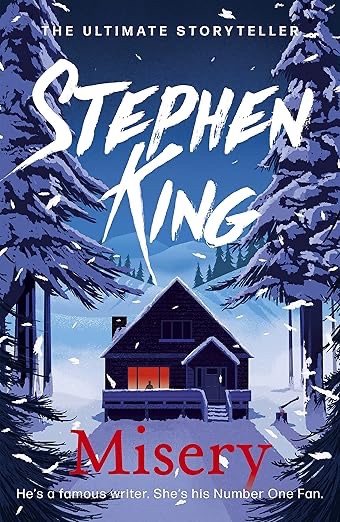
Miseryone of the oddest things about this book is the accident King had not long after it was published, a car wreck in the snow that left him in the same position as Paul Sheldon. Paul had killed off his long term character Misery Chastain and he’s ecstatic, but Annie Wilkes isn’t. When Paul wakes up unable to move in Annie’s home, she’s very angry with him. She suggests that Paul write another Misery book and if he’s good, she’ll nurse him and keep him alive.

IT is a problematic novel but I have to admit I found it utterly terrifying when I first read it. Pennywise the clown has stayed with me forever and I don’t like circuses, clown masks or dummies. In Derry, Maine a group of children will have to battle a terrible evil. Bill’s brother is dragged into the sewer by a clown who has a red balloon as a calling card. Years later the whole gang must return and battle IT one last time.


Like most people I came to Joanne’s work when Chocolat came out and I borrowed it from the library after reading the blurb. I love the mix of food, magic and Vianne who is one of my favourite characters in fiction. That first book felt like a beautiful gift and I didn’t want to leave her world. Vianne is a strong and determined woman who uses her skills to add a little bit of spice to life and of course that magic is sprinkled into her confections. Her shop is like a warm hug, where there is always someone to talk to and a sweet treat to have alongside your coffee or hot chocolate. Vianne’s gift means she knows everyone’s favourites and she becomes the village’s therapist soon knowing all their secrets and troubles. The only person she can’t draw in with her beautiful window displays is the village priest, a born ascetic who hates watching Vianne bewitch his congregation by giving them what they crave. With Easter not far away, the battle lines are drawn. It’s no surprise that my favourites are all from this series, although I do have all her other titles too. I reread these books regularly and I think that’s the sort of book that should have shelf space.

Chocolat

Vianne – Sylvianne Rochas has just lost her mum and the wind blows her to the seaside town of Marseille where she finds a job in a local bistrot, with a room above. She convinces the owner to let her cook, using his late wife’s recipe book. When a new friend teaches her to make chocolates, she adds a whisper of chocolate spices to the recipes. However, she knows this isn’t forever, she has a few months till her child is born then she’ll be on her way again…

The Strawberry Thief- Vianne has settled in her chocolate shop but the winds of change blow frequently here. When the owner of the florist shop across from Vianne’s dies suddenly, he leaves a parcel of land to her youngest daughter Rosette and a confession to Reynaud, the priest. A new shop will open up in place of the florist, a mirror to Vianne’s and perhaps a challenge of sorts?


I had to mention a crime series here because they’re often the series we end up collecting and I promise you I do have many other crime authors I follow avidly. Back in 2012 I bought my first house and lived alone for the first time in my life. It was following a bad break up and I was looking forward to having my own peaceful little haven. I bought a little barn conversion in a village that was a dead end, cut off by the river. I soon realised this was a fascinating village of friendly and eccentric people who really made me feel welcome. Not long after I arrived, an elderly lady and her daughter moved in across the road and because both me and the mum had health problems we were at home a lot. Jane called me over not long after they moved in to go through their books. They’d had shelves built in the new conservatory and both of them had a huge collection, so they were letting go of any extra copies. She guided me towards Elly Griffiths and I became a huge fan almost instantly. I fell utterly in love with archaeologist Ruth Galloway – who I imagine as a red haired Ruth Jones – because she’s most definitely the sort of woman I’d love to be friends with. She’s intelligent and well read and has that slightly dishevelled feel of a woman who knows her brain and her soul are the most important parts of her. She’s a little overweight and her hair never does what she wants it to. I can definitely relate. Her work and all of the history behind it is fascinating and has lead her to friends like Cathbad, the local druid and medicine man. Each case has its own twists and tension, often taking in local Norfolk history. Then there’s Ruth’s personal life running alongside and her incredible chemistry with DI Nelson who I imagine as Phillip Glenister. I love Ruth’s isolated home on the salt flats, always looking out to sea and giving her the peace and quiet she craves. The series has now ended and I will miss Ruth because she has slowly become part of my life for the past 14 years. 

The Crossing Places – the first in the series has Ruth called in when a child’s bones are found on the Norfolk coast. Could they be the bones of a child who went missing ten years ago or are they much older. DCI Nelson has received cryptic anonymous letters ever since that ten year old case, could this find bring closure? When another child goes missing Ruth may have to face the fact she’s in danger.

The Night Hawks – Night Hawks are a group of detectorists who comb Norfolk beaches for treasure, but this time they’ve found a body. Ruth is interested in the treasure – a hoard of Bronze Age weapons – but Nelson wants her opinion on the body. It turns out to be a local man just released from prison. He’s also working a double suicide/ murder at Black Dog farm, where according to local legend there’s a spectral hound that appears before you die. As Ruth supervises a dig for bones, she finds the skeleton of a huge dog.

The Last Remains – the final book in the series finds Ruth preoccupied with her personal life and the potential closure of her department at the university. She’s called in when a cafe renovation reveals a walled up skeleton in King’s Lynn. The body is of a young student who went missing in the 1990s from a course run by Ruth’s old tutor and where her friend Cathbad was also a student. Cathbad, weak from his brush with Covid, goes missing and it’s a race against time to find him and the killer.

Posted in Ten on Tuesday

Ten on Tuesday: Ten Favourite Scenes From Classic Literature

Cathy’s Ghost At The Window – Wuthering Heights by Emily Brontë

Those Brontë girls did like a haunting. I can’t join the debate on the latest Wuthering Heights adaptation as I’ve not bothered to see the film yet, but I’m not keen on the lurid colours or on Margot Robbie as Catherine. Catherine is a little wild thing, she tramps about on the moors in all weathers and is muddy, dark and moody. Barbie she is not. I don’t know how far this adaptation goes into the supernatural aspects of the novel, but I love it when that plays a part. The 1970’s adaptation with Timothy Dalton as Heathcliff shows both of them with wild, knotted hair and covered with dirt. Heathcliff tries to dig Cathy up after her burial and her ghost lures him back to Wuthering Heights where he’s shot by Hindley so they can haunt the moors together. It completely throws away half of the book but the casting and their portrayal of these characters is as close to my impression of them both as I’ve ever seen. The only truly supernatural scene in the novel is thrillingly creepy and occurs as Mr Lockwood, who has come to visit his new neighbours, is stuck at Wuthering Heights overnight due to a storm. He’s placed in a bedroom where Catherine Earnshaw’s name is carved into the bed and the wind is buffeting the trees outside. When he first wakes he thinks a branch is tapping at the window, so he opens the latch:

“ I must stop it, nevertheless!’ I muttered, knocking my knuckles through the glass, and stretching an arm out to seize the importunate branch, instead of which, my fingers closed on the fingers of a little, ice-cold hand! The intense horror of nightmare came over me; I tried to draw back my arm, but the hand clung to it, and a most melancholy voice sobbed, ‘Let me in – let me in!’

‘Who are you?’ I asked, struggling, meanwhile, to disengage myself.

‘Catherine Linton,’ it replied, shiveringly (why did I think of Linton? I had read Earnshaw. twenty times for Linton), – ‘I’m come home, I’d lost my way on the moor!’

As it spoke, I discerned, obscurely, a child’s face looking through the window. Terror made me cruel, and, finding it useless to attempt shaking the creature o, I pulled its wrist on to the broken pane, and rubbed it to and fro till the blood ran down and soaked the bedclothes; still it wailed.

‘Let me in!’ and maintained its tenacious grip, almost maddening me with fear.

Thrillingly creepy!

Lucy Has Tea With Mr Tumnus – The Lion, The Witch and the Wardrobe.

Mr Tumnus is a delightful fellow and as a child I desperately wanted to find my way into Narnia so we could be friends. In fact I had an hilarious conversation with a friend where she heartily agreed that she’d like to meet Mr. Tumnus – but the James McAvoy version. She didn’t have tea in mind either! I was horrified. I just wanted to have crumpets in front of the fire with him. I did have a wonderful elderly friend for several years who had a big antique filled Victorian house and a ‘gentleman’s club’ decor. He wore brocade smoking jackets, brooches and had curly blonde hair like a cherub. He would have me round for tea and I loved his comfy wingback armchairs and the various clocks ticking away. I felt so cozy there. I still have his chairs in my study and still get that feel when I sit in them to read.

“And really it was a wonderful tea.  There was a nice brown egg, lightly boiled, for each of them, and then sardines on toast, and then buttered toast, and then toast with honey, and then a sugar-topped cake.  And when Lucy was tired of eating the Faun began to talk.  He had wonderful tales to tell of life in the forest.  He told about the midnight dances and how the Nymphs who lived in the wells and the Dryads who lived in the trees came out to dance with the Fauns; about long hunting parties after the milk-white Stag who could give you wishes if you caught him; about feasting and treasure-seeking with the wild Red Dwarfs in deep mines and caverns far beneath the forest floor; and then about summer when the woods were green and old Silenus on his fat donkey would come to visit them, and sometimes Bacchus himself, and then the streams would run with wine instead of water and the whole forest would give itself up to jollification for weeks on end.  “Not that it isn’t always winter now,” he added gloomily.  Then to cheer himself up he took out from its case on the dresser a strange little flute that looked as if it were made of straw and began to play.  And the tune he played made Lucy want to cry and laugh and dance and go to sleep all at the same time.”

Dracula’s Brides Seduce Jonathon Harker – Dracula by Bram Stoker

When I was at university, presentations were the bane of my life. I absolutely hate public speaking. I decided to look at sexuality in Dracula and spoke for twenty minutes with video clips and a portfolio to discuss four scenes in the novel: Lucy’s 3 suitors all give her blood; Van Helsing and the suitors visit the crypt to kill Lucy and stop her undead wanderings; Dracula tries to seduce Mina; my favourite scene though is when Dracula’s brides try their best to corrupt Jonathon Harker on his visit to Transylvania. I love the drama of this scene and how interesting it is that the fantasy of one man and several women was alive and well at the end of the 19th Century. It is Dracula who stops the women, making it quite clear that Jonathon is his – bringing some interesting sexual ambiguity. Does he wish to seduce Jonathon or kill him? The three brides are a parallel to Lucy Westenra’s three suitors, there to show her insatiable sexuality in contrast to the angelic Victorian ideal, Mina. I remember back to the 1990s and the Keanu Reeves version of Jonathon Harker with one of the brides played by the stunning Monica Bellucci. I used this for my presentation and managed to impress a couple of goth students who thought I was pretty boring up till then.

“I was afraid to raise my eyelids, but looked out and saw perfectly under the lashes. The fair girl went on her knees, and bent over me, fairly gloating. There was a deliberate voluptuousness which was both thrilling and repulsive, and as she arched her neck she actually licked her lips like an animal, till I could see in the moonlight the moisture shining on the scarlet lips and on the red tongue as it lapped the white sharp teeth. Lower and lower went her head as the lips went below the range of my mouth and chin and seemed to fasten on my throat. I could feel the soft, shivering touch of the lips on the supersensitive skin of my throat, and the hard dents of two sharp teeth, just touching and pausing there. I closed my eyes in a languorous ecstasy and waited – waited with beating heart.”

The Costume Ball at Manderley – Rebecca by Daphne du Maurier.

My favourite scene in one of my favourite books of all time is when the terrifying housekeeper Mrs Danvers really shows her hatred for the second Mrs de Winter. Having planted the idea of a costume ball in her head, Mrs Danvers also makes the suggestion that she should look at the paintings on the long gallery for inspiration. There is a beautiful portrait of one of her husband Maxim’s ancestors, Lady Caroline de Winter, in what looks like an 18th Century dress. Mrs de Winter is so excited, she sends for a copy and even tells Maxim she has a surprise. Yet when she appears at the top of the stairs, with Maxim waiting below, everyone who looks up gives a gasp of disbelief. His sister Beatrice even says the name ‘Rebecca’. At the last costume ball held at Manderley, Rebecca had worn the very same thing. There can now be no doubt in her mind that Mrs Danvers meant this to divide them. Their confrontation takes place in the wing of the house that she’s forbidden to enter, Rebecca’s rooms filled with the sound of the sea.

“You’ve done what you wanted, haven’t you?” the heroine says. “You meant this to happen? Didn’t you?” The replies are both defensive and obsessive, accusing her of trying to take Rebecca’s place when no one can and reminiscing about her former employer in a way that borders on love. She says Maxim will always love Rebecca because “she had all the courage and spirit of a boy.” She talks about their evening routine, how she would brush her hair and shows how sheer her lingerie and nightwear were. She was so perfect every man loved her – Maxim, Frank Crawley the estate manager and even her own cousin Jack Favell. She drove them mad with jealousy but ‘it was all a game to her.” She came to ‘Danny’ and laughed at them all. There are definitely sapphic overtones here, but as Mrs de Winter looks out of the open window her voice changes and becomes soft and suggestive. “Why don’t you go? … He doesn’t want you, he never did. He can’t forget her… It’s you who ought to be dead, not Mrs. de Winter.” As they look down to the terrace, way below; Mrs. Danvers urges her to jump, to end it all on the stones below. “There’s not much for you to live for,” she insists, “Why don’t you jump now and have done with it?” Her voice is hypnotic and the heroine looks down and considers jumping. Suddenly, a bang signals a ship that’s run aground in the cove and she’s shaken out of her trance. This is such a creepy and emotionally manipulative scene, adapted perfectly in the 1940s Hitchcock version of Rebecca with the perfect Mrs Danvers.

The Letter Scene – Persuasion by Jane Austen

Oh I do love this one of Jane Austen’s novels and the letter scene is one of the most romantic in all literature. After having his proposal refused by Anne Elliot, on some terribly bad advice from a friend, her suitor joins the Navy. He returns several years later and they are once again thrown into each other’s company. Anne is a little like Jane Eyre, in that her family think her plain and insignificant. She does not expect to get married now. When she and Captain Wentworth meet again they talk but there’s a reserve between them and although Anne knows her feelings haven’t changed she assumes his interest is in the younger ladies of their party. In a small gathering of people in Bath, Wentworth sits down at a desk in the corner and begins to write a letter. When he leaves Anne is surprised to find it’s for her and she could not have guessed the contents. *swoon*

“I can listen no longer in silence. I must speak to you by such means as are within my reach. You pierce my soul. I am half agony, half hope. Tell me not that I am too late, that such precious feelings are gone for ever. I offer myself to you again with a heart even more your own than when you almost broke it, eight years and a half ago. Dare not say that man forgets sooner than woman, that his love has an earlier death. I have loved none but you. Unjust I may have been, weak and resentful I have been, but never inconstant. You alone have brought me to Bath. For you alone, I think and plan. Have you not seen this? Can you fail to have understood my wishes? I had not waited even these ten days, could I have read your feelings, as I think you must have penetrated mine. I can hardly write. I am every instant hearing something which overpowers me. You sink your voice, but I can distinguish the tones of that voice when they would be lost on others. Too good, too excellent creature! You do us justice, indeed. You do believe that there is true attachment and constancy among men. Believe it to be most fervent, most undeviating, in 

F. W. 

I must go, uncertain of my fate; but I shall return hither, or follow your party, as soon as possible. A word, a look, will be enough to decide whether I enter your father’s house this evening or never.  

The Kiss – A Room With A View by E.M.Forster

This beautiful scene in A Room With A View is one of the most romantic moments in all literature for me and it all starts with a mixed group going to see a view. Our heroine Lucy Honeychurch is with her chaperone Charlotte, a rather strait laced character who is surely one of the most annoying women in fiction. Joining them are the novelist Eleanor Lavish, Mr Beebe who is a vicar and another clergyman who lives in Florence and is giving directions. Much to the disgust of Charlotte, Mr Beebe has also invited George Emerson and his father who they meet at dinner in their pensione. They committed a huge sin in Charlotte’s eyes of offering to swap rooms with the ladies, after overhearing Lucy complain they don’t have a view. The Emersons are of unknown origin and George has a job with the railways, definitely not the sort of people the Honeychurches would usually associate with. There is an argument because one of their drivers has brought along his girlfriend. They are flirting together and he has placed his arm round her, keeping her close. The Florentine vicar insists they stop and the girlfriend must walk behind because their behaviour is unseemly. Mr Beebe objects, surely they are doing no harm. This exchange is there to signal where the line is for different classes of people, the young couple are acting completely normally, but stiff Edwardian etiquette deems it unsuitable in the presence of a young woman like Lucy. When Eleanor and Charlotte are sitting in a field, gossiping, Charlotte becomes aware that Lucy is listening and suggests she look for Mr Beebe. With her rudimentary Italian Lucy asks the driver whether he knows where the gentlemen are and he directs her towards a field full of flowers:

“She wandered as though in a dream, through the wavering sea of barley, touched with crimson stains of poppies. All unobserved, he came to her…There came from his lips no wordy protestations such as formal lovers use. No eloquence was his, nor did he suffer for lack of it. He simply enfolded her in his manly arms…”

This scene in the Merchant Ivory adaptation, with Helena Bonham Carter as Lucy and the late Julian Sands as George is depicted in a field of poppies and the chemistry is off the charts.

Pip Meets Miss Havisham – Great Expectations by Charles Dickens

There’s no shortage of unusual and tragic women in Dickens but Miss Havisham is an absolutely glorious creation. That first meeting, when Pip is only a child is one of the best entrances in literature and I don’t need to add anything.

“In an arm-chair, with an elbow resting on the table and her head leaning on that hand, sat the strangest lady I have ever seen, or shall ever see. She was dressed in rich materials—satins, and lace, and silks—all of white. Her shoes were white. And she had a long white veil dependent from her hair, and she had bridal flowers in her hair, but her hair was white. Some bright jewels sparkled on her neck and on her hands, and some other jewels lay sparkling on the table. Dresses, less splendid than the dress she wore, and half-packed trunks, were scattered about. She had not quite finished dressing, for she had but one shoe on—the other was on the table near her hand—her veil was half arranged, her watch and chain were not put on, and some lace for her bosom lay with those trinkets, and with her handkerchief, and gloves, and some flowers, and a prayer-book, all confusedly heaped about the looking-glass.

“But, I saw that everything within my view which ought to be white, had been white long ago, and had lost its lustre, and was faded and yellow. I saw that the bride within the bridal dress had withered like the dress, and like the flowers, and had no brightness left but the brightness of her sunken eyes. I saw that the dress had been put upon the round figure of a young woman, and that the figure upon which it now hung loose, had shrunk to skin and bone.”

“Once, I had been taken to see some ghastly waxwork at the Fair, representing I know not what impossible personage lying in state. Once, I had been taken to one of our old marsh churches to see a skeleton in the ashes of a rich dress, that had been dug out of a vault under the church pavement. Now, waxwork and skeleton seemed to have dark eyes that moved and looked at me. I should have cried out, if I could.”

The Wedding Eve Dream – Jane Eyre by Charlotte Brontë

Mr Rochester’s courting of his employee, the governess Jane Eyre, is certainly unorthodox and in a modern context throws up so many concerns – the deceit, manipulation, blowing hot and cold, not to mention disguising himself as a gypsy to tell her fortune. Very odd indeed. But all that is nothing when we learn of his treatment of Bertha Mason, his imprisoned and allegedly insane wife. On the eve of their wedding, Jane is ignorant of all this and is going to sleep with her dress and veil hung on the wardrobe, ready for the morning. When she wakes it is still night but candle is lit and someone is in the room.

“It seemed, sir, a woman, tall and large, with thick and dark hair hanging long down her back. I know not what dress she had on: it was white and straight; but whether gown, sheet, or shroud, I cannot tell… Fearful and ghastly to me—oh, sir, I never saw a face like it! It was a discoloured face—it was a savage face. I wish I could forget the roll of the red eyes and the fearful blackened inflation of the lineaments… This, sir, was purple: the lips were swelled and dark; the brow fur­ rowed; the black eyebrows widely raised over the bloodshot eyes.”

There’s so much to take apart in this incident from Bertha being without the normal garments a proper woman would wear. She is unkempt and the words used, such as ‘blackened’, ’discoloured’ and ‘savage’, can be debated by post-colonial students for hours. There’s also an interesting doubling going on, is Bertha a version of what the young, passionate Jane could become if she doesn’t keep her feelings in check? She mistakes her for the Vampyre, recently written about by Polidori, but this is the culmination of several haunted or violent incidents at Thornfield Hall. Strangely, Mr Rochester thanks God that Jane did not come to any harm. However, the visitor did take her veil and tore it completely in two. This was no dream.

Angel and Tess at Stonehenge – Tess of the D’urbervilles by Thomas Hardy

Tess is such an awfully tragic tale and it drives me crazy that she isn’t better supported by her family, when they are the ones who put her in the path of creepy Alec D’urberville in the first place. Even worse, by terrible quirk of fate, when she gets a second chance with Angel Clare and decides to tell him about her past it doesn’t go to plan. She writes everything in a letter and slips it under his door the night before the wedding. She assumes he’s seen it and they marry, but we know the letter has been hidden under a mat at the door. When he hears the truth he leaves, so Tess feels she has no choice but to go back to Alec for protection. I would love to give Angel Clare a slap or two. The final scene, where Tess and Angel are reunited but fleeing from the law, they rest at Stonehenge. Setting aside everything that happens afterwards, I find this scene devastating. Tess is a woman abused and brought low by men. Her life has been so tragically hard and sad she feels that all she deserves are those few hours of happiness she has spent with Angel.

“He heard something behind him, the brush of feet. Turning, he saw over the prostrate columns another figure; then before he was aware, another was at hand on the right, under a trilithon, and another on the left. The dawn shone full on the front of the man westward, and Clare could discern from this that he was tall, and walked as if trained. They all closed in with evident purpose. Her story then was true! Springing to his feet, he looked around for a weapon, loose stone, means of escape, anything. By this time the nearest man was upon him. 

“It is no use, sir,” he said. “There are sixteen of us on the Plain, and the whole country is reared.” 

“Let her finish her sleep!” he implored in a whisper of the men as they gathered round. 

When they saw where she lay, which they had not done till then, they showed no objection, and stood watching her, as still as the pillars around. He went to the stone and bent over her, holding one poor little hand; her breathing now was quick and small, like that of a lesser creature than a woman. All waited in the growing light, their faces and hands as if they were silvered, the remainder of their figures dark, the stones glistening green-gray, the Plain still a mass of shade. Soon the light was strong, and a ray shone upon her unconscious form, peering under her eyelids and waking her. 

“What is it, Angel?” she said, starting up. “Have they come for me?” 

“Yes, dearest,” he said. “They have come.” 

“It is as it should be,” she murmured. “Angel, I am almost glad—yes, glad! This happiness could not have lasted. It was too much. I have had enough; and now I shall not live for you to despise me!” 

She stood up, shook herself, and went forward, neither of the men having moved. 

“I am ready,” she said quietly.”

The Mad Hatter’s Tea Party – Alice in Wonderland by Lewis Carroll

I blame Lewis Carroll for so many things – my fascination with weird looking birds, taxidermy, anthropomorphic animals and my collection of hares. I have dodos, Alice tea sets, several hares including a bespoke Mad March Hare complete with Victorian dress, top and pocket watch, and a five foot white rabbit who stands in the hall. The tea scene is definitely my favourite and it doesn’t require explanation. Just to say, the pictures underneath are from an Alice themed afternoon tea at The Sanderson hotel in London. Utterly brilliant afternoon and less grumpy than this one:

“There was a table set out under a tree in front of the house, and the March Hare and the Hatter were having tea at it: a Dormouse was sitting between them, fast asleep, and the other two were using it as a cushion, resting their elbows on it, and talking over its head. “Very uncomfortable for the Dormouse,” thought Alice; “only, as it’s asleep, I suppose it doesn’t mind.”

The table was a large one, but the three were all crowded together at one corner of it: “No room! No room!” they cried out when they saw Alice coming. “There’s plenty of room!” said Alice indignantly, and she sat down in a large arm-chair at one end of the table.

“Have some wine,” the March Hare said in an encouraging tone.

Alice looked all round the table, but there was nothing on it but tea. “I don’t see any wine,” she remarked.

“There isn’t any,” said the March Hare.

“Then it wasn’t very civil of you to offer it,” said Alice angrily.

“It wasn’t very civil of you to sit down without being invited,” said the March Hare”.

Posted in Ten on Tuesday

Ten on Tuesday: Ten Books With Incredible Twists 

There are so many books billed as having killer twists these days that this should be an easy list to produce. What I wanted to do was focus on books that genuinely made me do a double take, where I went back a couple of pages to make sure I’d read it correctly. These are twists I absolutely didn’t see coming and made my jaw drop or conjured up huge emotions. They’re the sort of twists that have you recommending the book to everyone and it’s no surprise that quite a few have been adapted for film or television streaming services. As the ‘twist’ is usually reserved for crime fiction and thrillers I’ve added some that are historical fiction, love stories and sci-fi to mix things up a little. There are no spoilers here, just a synopsis and why you should read it if you haven’t already. Enjoy.

On the hottest day of the summer of 1934, thirteen-year-old Briony Tallis sees her sister Cecilia strip off her clothes and plunge into the fountain in the garden of their country house. Watching her is Robbie Turner, her childhood friend who, like Cecilia, has recently come down from Cambridge. By the end of that day, the lives of all three will have been changed for ever. Robbie and Cecilia will have crossed a boundary they had not even imagined at its start, and will have become victims of the younger girl’s imagination. Briony will have witnessed mysteries, and committed a crime for which she will spend the rest of her life trying to atone. I remember going to see this at the cinema and people standing up and clapping at the end. It’s a rare thing to see in the cinema but it was so spontaneous. Similarly, if you’ve read the book I don’t think you can be anything but devastated by the twist. I first read this at university as part of my post-modern literature course and I loved the characters as well as Briony’s innocent but life-altering mistake. It’s amazing how differently we interpret things as children, especially the complexities of human relationships. Robbie and Celia will have their lives turned upside down as Briony tells us about that day that altered the course of all their histories. We follow their lives and how the consequences continue to affect all of them. This twist is not of the usual kind, it is emotional and devastating.


Sue has grown up among petty thieves in the dark underbelly of Victorian London, with her adopted mother, Mrs Sucksby, who is a “baby farmer”. One day they are visited by a confidence trickster known simply as “Gentleman” who has a devious plan for their consideration: he is trying to romance Maud Lily, a young naive lady who is heir to a fortune on the condition that she marries. She lives in a large house in the country and works as a secretary of sorts for her uncle. He is protective and keeps her close, so to be successful they must infiltrate the house. He proposes that Sue becomes Maud’s personal maid and once she is settled, gain the young woman’s trust. She must then convince Maud to take up an offer of marriage from a suitor named Richard Rivers, the ‘Gentleman.’ Once they have eloped he will declare Maud as mentally incompetent and commit her to an asylum taking charge of her inheritance. For her part in this plot, Gentleman promises Sue a reward.

At first their plans work well, but it isn’t long before Sue begins to have doubts. She is growing fond of Maud and realises she is not in love with Rivers at all. Actually Maud is terrified of him. Sue begins to fall in love with Maud herself, charmed by her innocence and lack of guile. It seems her feelings are returned, but as the girls consummate their relationship on the eve of Maud’s secret wedding, Sue doesn’t known how to stop the plan. The author splits the story between the two girls and there’s absolutely no warning of the huge twist that’s about to come. This is a brilliant novel from Sarah Waters with an audacious twist that’s one of the best in literary fiction.


Alicia Berenson seems to lead a charmed life. She’s a famous painter and her husband is an in-demand fashion photographer. The couple live in a smart house overlooking the park in a desirable area of London. Yet, one evening, when her husband Gabriel returns home late from a fashion campaign, Alicia shoots him five times in the face. Since that day she has never spoken another word.

Alicia’s refusal or inability to talk turns this domestic tragedy into public property and casts Alicia into notoriety. Her art prices go through the roof, and she is known as the silent patient, hidden away from the tabloids at the Grove, a secure forensic unit. Theo Faber is a criminal psychotherapist and he has waited a long time for an opportunity to work with Alicia. He is determined to get her talking again and unravel the mystery of why she murdered her husband becomes an all consuming search for the truth…. I still love this book years on and I’m very excited to see the film when it comes out. This twist was so good I actually swore out loud! I know that a book has me in its grip when I respond out loud. The author plays on the readers’ expectations of the characters in a clever way. If you haven’t read this yet where have you been?


From the outside, Emma has the dream life – a loving husband, a beautiful house, two gorgeous children.

But something is keeping Emma awake.

Scratching at her sanity at 1am.

She’s tried so hard to bury the past, to protect her family. But witching hour loves a secret – and Emma’s is the stuff of nightmares …

This is such a great read and I remember shouting about it a lot. I wasn’t surprised when it was adapted for television. The way Emma disintegrates over the course of a few days is shocking, but believable. Until now Emma has prided herself on being a competent solicitor, very organised and together. I was desperate to find out what happened in their childhood and why her sister Phoebe popped up at this moment. I did feel there was an element of her not processing her childhood trauma. She’s locked it away in the back of her mind, but Phoebe’s appearance and advice that she should visit their mother seems like the trigger that unlocks these memories. What the author does, very cleverly, is muddy the waters; just as I was starting to think Emma was having a breakdown, other things start happening. Her young son keeps creating a strange macabre drawing of a terrible memory that haunts Emma. How could he know? Who has told him this happened? Her dictated letters have turned into a mumbled series of numbers when her secretary plays back the dictaphone. Added to these seemingly inexplicable events the author throws in a number of outside stresses At work she is trying to avoid the advances of a client, his ex-wife confronts Emma over losing custody of their boys. It becomes hard for the reader to see which events can be explained away, which are normal daily obstacles made worse by Emma’s severe sleep deprivation and which are incredibly strange. I was never fully sure what was real and what was imagined or who was to blame. This twist is so clever because the author uses our psychological knowledge and our expectations of thrillers to keep us looking elsewhere. Very clever indeed.

Memories define us.

So what if you lost yours every time you went to sleep? Your name, your identity, your past, even the people you love – all forgotten overnight. And the one person you trust may only be telling you half the story.

Welcome to Christine’s life.

I can’t believe this book is 12 years old this year! It was also S.J. Watson’s debut novel. Christine wakes up every morning with no memory of her life, helped by the notes her husband leaves for her to find she tries to navigate life where every day is finite and nothing is retained. One day a strange doctor visits with what he says is a private journal she has been writing while they work together. It is the first sign we have that not everything is at it seems and for Christine, the terrifying thought that she cannot trust the person she’s supposed to feel safe with. This is a very creepy and unsettling novel and the tension is stretched to breaking point because we know that as night draw in Christine will soon go back to sleep and lose everything she has learned. I felt like this was more of a slow release twist, but the horror definitely builds towards the end and I was completely engrossed. Again it was no surprise that this was picked up by a film company and the film is pretty good too.


Our narrator Fern Dostoy is a writer, one of the ‘big four’ novelists of the not too distant future. This is a future where the Anti-Fiction Movement’s campaign to have all fiction banned has been successful. It was Fern’s third novel, Technological Amazingness, that was cited as a dangerous fiction likely to mislead and possibly incite dissent in it’s readers. She had created a dystopian future where two major policies were being adopted as standard practice. To avoid poor surgical outcomes, only patients who are dead can have an operation. Secondly, every so often, families would be called upon to nominate one family member for euthanasia – leading to the deaths of thousands of elderly and disabled people. All fiction authors, including Fern, are banned from writing and the only books on sale are non-fiction. The message is that fiction is bad for you. It lies to the reader giving them misleading ideas about the world and how it’s run. Facts are safe, but of course that view is limited to those supplying the facts. AllBooks dominated the market for books until it became the only bookshop left, state sanctioned of course and only selling non-fiction. From time to time they hold a book amnesty where people can take their old, hidden novels to be pulped. Fern now cleans at a hospital and receives unannounced home visits from compliance officers who question her and search her house to ensure she’s not writing. Added to this dystopian nightmare are a door to door tea salesman, an underground bedtime story organisation, a mysterious appearing and disappearing blue and white trainer, re-education camps for non-compliant writers and a boy called Hunter. All the time I was reading about this terrible new world, I was taking in the details. and trying to imagine living in it. I also had an underlying sense that something wasn’t quite right with this story. When this twist comes it is astonishing, gut wrenching and reduced me to tears. An incredibly well written book about facts that is all about feelings.

Cole is the perfect husband: a romantic, supportive of his wife, Mel’s career, keen to be a hands-on dad, not a big drinker. A good guy.

So when Mel leaves him, he’s floored. She was lucky to be with a man like him.Craving solitude, he accepts a job on the coast and quickly settles into his new life where he meets reclusive artist Lennie.

Lennie has made the same move for similar reasons. She is living in a crumbling cottage on the edge of a nearby cliff. It’s an undeniably scary location, but sometimes you have to face your fears to get past them.

As their relationship develops, two young women go missing while on a walk protesting gendered violence, right by where Cole and Lennie live. Finding themselves at the heart of a police investigation and media frenzy, it soon becomes clear that they don’t know each other very well at all.

Wow! This blows your eyes wide open. I warn you not to start reading at night, unless like me you have a total disregard for the next morning. If I wasn’t reading this, I was thinking about it. I loved the way the author put her story together, using fragments from lots of different stories and different narrators. Just when we get used to one and start to see their point of view, the perspective shifts. I thought this added to the immediacy of the novel, but also reflected the constant bombardment of information and misinformation we sift through every day, with transcripts of radio shows and podcasts, Twitter threads and TV interviews. All give a perspective or commentary on the casual misogyny and violence against women that almost seems like the norm these days. It felt like a merry-go-ground of opinion, counter argument and trolling. Sometimes you’re left so twisted around you’re not sure what you think any more. I would believe one narrator, but then later revelations would blow what I thought right out of the water. It made me ask questions: about the nature of art and its ethics; about whether all men truly hate women; to what lengths do we go to protest; when is enough, enough? This controversial story was one of my reads of 2024 and I still think about it.  

I didn’t expect a twist in a love story, but this is part love story and part mystery. Imagine you meet a man, spend seven glorious days together, and fall in love. And it’s mutual: you’ve never been so certain of anything. But after this whirlwind romance, he doesn’t call. You’ve been ghosted.

Your friends tell you to forget him, but you know they’re wrong – something must have happened, there must be a reason for his silence. What do you do when you finally discover you’re right?

Sarah met Eddie by chance on a country road while she was visiting her parents. She still thinks Eddie just might be the one. Could the Eddie she met really be a heartless playboy who never intended to call? Did Sarah do something wrong? Or has something terrible happened to him? Instead of listening to friends and writing this off as a one night stand, Sarah begins to obsess and is determined to find the answer. Every clue she has comes to a dead end and she is in danger of completely losing her dignity. As her time back home in the UK starts to run out, Sarah looks for clues to track Eddie down. What she hears is confusing her further. His friend doesn’t give the simple answer, that Eddie has moved on, but gives her a warning; if she knows what’s best for her, she needs to stop looking for Eddie. I never expected the twist in this story and all the time I was convinced of Sarah’s sense of ‘rightness’ to their meeting. As the months pass though, will she have to move on with her life? This novel is fully of emotion and the different ways life’s troubles affect us. It has everything you would expect from a romantic novel but with a healthy dose of realism and a smidgen of hope.


Marissa and Mathew Bishop seem like the golden couple – until Marissa cheats. She wants to repair things, both because she loves her husband and for the sake of their eight-year-old son. After a friend forwards an article about Avery, Marissa takes a chance on this maverick therapist who lost her licence due to her controversial methods.

If Avery Chambers can’t fix you in ten sessions, she won’t take you on as a client. She helps people overcome everything, from anxiety to domineering parents. Her successes almost help her absorb the emptiness she feels since her husband’s death.

When the Bishops glide through Avery’s door, all three are immediately set on a collision course. Because the biggest secrets in the room are still hidden, and it’s no longer simply a marriage that’s in danger.

The authors use alternate perspectives to drip feed details of this couple’s relationship and the events leading up to Marissa’s infidelity. It is compelling and really captures the intricacies of counselling a couple and the need to read body language and expression, not only of the person who’s speaking but their partner. I loved how therapy progressed the issues within the marriage, which are always somewhat different to the presenting issue. This was a clever thriller that showed just how complex we are psychologically.


If you feel like delving into a classic this could be for you. The Woman in White famously opens with Walter Hartright’s eerie encounter on a moonlit London road. He’s been engaged as a drawing master for the beautiful Laura Fairlie, Sir Percival Glyde’s new wife and they’re often accompanied by her sister Marian. Walter slowly becomes drawn into the sinister intrigues of Sir Percival and his ‘charming’ and rather eccentric friend Count Fosco, who keeps white mice in his waistcoat pocket and enjoys both vanilla bonbons and poison. The novel pursues questions of identity and insanity along the paths and corridors of English country houses and the madhouse, The Woman in White is the first and most influential of the Victorian genre that combined Gothic horror with psychological realism, known as sensation fiction. This book is the Victorian equivalent of our psychological thrillers, but could just as easily be described as crime or mystery fiction and even has a feminist slant. Be sure to take note of every small occurrence because the novel is plotted so precisely that everything has a meaning. Again we’re dealing with men’s attitudes and behaviour towards women, but Marian is more than a match for any man and is one of fiction’s first female detectives. I love a gothic novel and this has everything from ghostly encounters, to stately homes and damsels in distress. I believe this book is the inspiration for so many detective novels and its category of ‘sensation fiction’ is very apt because it employs a twist I’ve read variations on ever since.

A few more unusual twists:

Shutter Island by Dennis Lehane

Life of Pi by Yan Martel

Fight Club by Chuck Palhaniuk

Never Let Me Go by Kazuo Ishiguro

Elizabeth is Missing by Emma Healey

.

Posted in Ten on Tuesday

Ten on Tuesday: Ten From My Personal TBR

Every bookblogger works differently and most are probably a lot more organised than I am. I have books I’m looking forward to for a given year, from series or authors I follow religiously or books I’ve seen as debuts from publishers. Inevitably though there will always be others that creep in along the way, such as the blog tour you agree to as a favour, or a group read along or something that a publisher or PR offers you and sounds intriguing. Aside from all of these there are those books that just turn up, sent by publishers and authors in the hope I can fit them in. Any book that comes in goes on my TBR list in my reading journal and I tick them off as I go. The same goes for NetGalley reads, which often have to take a back seat for a while and then I have a quick blitz to get my reading percentage up a bit. Then there are the books I buy and sadly they often take last place. These books occupy a book shelf in the corner of the sitting room, totally separate from books I’ve been sent to review. This pile just doesn’t get priority, especially when there’s a really busy month. They languish on the shelf – and three piles on the floor if I’m being honest – and get read while I’m on holiday or taking a break from the blog. I often still review them, but usually they’re so behind they end up featuring on my Throwback Thursdays. Today I thought I’d share a flavour of what’s on my ‘bought books’ TBR. They come from many sources, independent bookshops, second hand bookshops, Bookshop.org and Amazon or even Vinted these days. I hope you enjoy a delve into my bookshelf.

Getting Away by Kate Sawyer

Margaret Smith is at the beach.

It is a summer day unlike any other Margaret has ever known.

The Smith family have left the town where they live and work and go to school and come to a place where the sky is blue, the sand is white, and the sound of the sea surrounds them. An ordinary family discovering the joy of getting away for the first time.

Over the course of the coming decades, they will be transformed through their holiday experiences, each new destination a backdrop as the family grows and changes, love stories begin and end — and secrets are revealed. The author takes us through eight years of holidays from British beaches, to Spanish getaways and a trip to New York, but this more than a postcard. It charts the highs and lows of a family and there’s nothing like complex family dynamics for me. I love Kate’s writing so I must make time for this one.

Broken Country by Clare Leslie Hall

This novel gets such a great write up online and the synopsis is incredible.

Everyone in the village said nothing good would come of Gabriel’s return. And as Beth looks at the man she loves on trial for murder, she can’t help thinking they were right. 

Beth was seventeen when she first met Gabriel. Over that heady, intense summer, he made her think and feel and see differently. She thought it was the start of her great love story. When Gabriel left to become the person his mother expected him to be, she was broken. 

It was Frank who picked up the pieces and together they built a home very different from the one she’d imagined with Gabriel. Watching her husband and son, she remembered feeling so sure that, after everything, this was the life she was supposed to be leading. 

But when Gabriel comes back, all Beth’s certainty about who she is and what she wants crumbles. Even after ten years, their connection is instant. She knows it’s wrong and she knows people could get hurt. But how can she resist a second chance at first love? 

A love story with the pulse of a thriller, Broken Country is a heart-pounding novel of impossible choices and devastating consequences.

Wow! That’s quite a summary. I am told by other bloggers I will be ‘broken’ or ‘ruined‘ by the end of this and yet I still want to read it.

The Everlasting by Alix E. Harrow

A lady-knight whose legend built a nation meets a retiring historian in awe of her fame. He’s sent back through time to make sure she plays her part . . . even if it breaks his heart.

Sir Una Everlasting was Dominion’s greatest hero: the orphaned girl who became a knight, who died for queen and country. Her legend lives on in songs and stories, in children’s books and recruiting posters – but her life as it truly happened has been forgotten.

Centuries later, Owen Mallory – failed soldier, struggling scholar – falls in love with the tale of Una Everlasting. Her story takes him to war, to the archives, and then into the past itself. Una and Owen are tangled together in time, bound to retell the same story over and over again, no matter what it costs. But that story always ends the same way.

If they want to rewrite Una’s legend, and finally tell a different story, they’ll have to rewrite history itself – and change their lives in the process . . . So, this sounds a bit of an odd one for me. I’m always saying I don’t read a lot of fantasy and I don’t, but I love Alix Harrow’s writing, ever since her first novel Ten Thousand Doors of January. This would take me into the realms of romantasy for the first time (thanks Zoe for explaining it to me) but I’m here for it.

The Bewitching by Silvia Moreno-Garcia

Back then, when I was a young woman, there were still witches’: that was how Nana Alba always began the stories she told her great-granddaughter Minerva – stories that have stayed with Minerva all her life. Perhaps that’s why Minerva has become a graduate student focused on the history of horror literature and is researching the life of Beatrice Tremblay, an obscure author of macabre tales.

In the course of assembling her thesis, Minerva uncovers information that reveals that Tremblay’s most famous novel, The Vanishing, was inspired by a true story: decades earlier, during the Great Depression, Tremblay attended the same university where Minerva is now studying and became obsessed with her beautiful and otherworldly roommate, who then disappeared under mysterious circumstances.

As Minerva descends ever deeper into Tremblay’s manuscript, she begins to sense that the malign force that stalked Tremblay and the missing girl might still walk the halls of the campus. These disturbing events also echo the stories Nana Alba told about her girlhood in 1900s Mexico, where she had a terrifying encounter with a witch.

Minerva suspects that the same shadow that darkened the lives of her great-grandmother and Beatrice Tremblay is now threatening her own in 1990s Massachusetts. An academic career can be a punishing pursuit, but it might turn outright deadly when witchcraft is involved.

I LOVE a witch story. I blame Practical Magic. So I’m dying to read the author’s take on witching, especially if it has the same horror vibes as her other novels.

All the Way to the River by Elizabeth Gilbert

In 2000, Elizabeth Gilbert met Rayya. They became friends, then best friends, then inseparable. When tragedy entered their lives, the truth was finally laid bare: the two were in love. They were also a pair of addicts, on a collision course toward catastrophe.

What if your most beautiful love story turned into your biggest nightmare? What if the dear friend who taught you so much about your self-destructive tendencies became the unstable partner with whom you disastrously reenacted every one of them? And what if your most devastating heartbreak opened a pathway to your greatest awakening?

All the Way to the River is a landmark memoir that will resonate with anyone who has ever been captive to love – or to any other passion, substance or craving – and who yearns, at long last, for liberation.

I hear a lot of criticism of Elizabeth Gilbert but most of it tends to revolve around concerns that she’s mining her life for her writing. That’s what memoir is. I love complicated people and I don’t need to like a writer to enjoy their memoirs, especially if they have a lot of insight and clarity about their own struggles. I’m looking forward to seeing where Liz is now, after Eat, Pray, Love’s rather hopeful ending I know a lot has changed.

Our Beautiful Mess by Adele Parks

Connie can’t wait to have her daughters back home for the holidays. Fran is bringing a new boyfriend to stay, and the empty nest will once again be full of friends, family and young love.

Yet from the moment she sees Zac, Connie knows trouble is coming. Zac reminds her of the worst mistake she has ever made: a man whose charm and good looks nearly destroyed her marriage. She doesn’t want him in Fran’s world, but then Fran announces she’s pregnant.

Connie is terrified that her past is going to threaten her family’s future, but there’s a greater menace looming. She’s not the only one who has something to hide. Someone in the house has another devastating secret. A deception which will put everyone Connie loves in shocking danger, and one of them will pay the ultimate price.

I place Adele Parks in the same category as Louise Candlish and Lisa Jewell, in that I absolutely devour their books. Usually I can read them so quickly that they’re easy to fit between my other reads so I don’t know how this ended up in the unread pile. Now hopefully I’ll have time to read it.

Small Pleasures by Clare Chambers

1957, the suburbs of south east London. Jean Swinney is a journalist on a local paper, trapped in a life of duty and disappointment from which there is no likelihood of escape. When a young woman, Gretchen Tilbury, contacts the paper to claim that her daughter is the result of a virgin birth, it is down to Jean to discover whether she is a miracle or a fraud. As the investigation turns her quiet life inside out, Jean is suddenly given an unexpected chance at friendship, love and – possibly – happiness.

I was first recommended this book about three years ago and I see it constantly on bloggers favourite lists so I’m determined to get it read this year. It sounds so unusual and hopeful and at the moment that’s just what I’m looking for.

The Woman in Suite 11 by Ruth Ware

The stunning mountain views. The beautiful shore of Lake Geneva. The terrified woman held in the suite belonging to the hotel’s millionaire owner.

Lo Blacklock’s all-expenses paid trip to a luxury Swiss chateau should have been the ideal return to work. But as her past catches up with her, the millionaire’s mistress demanding that Lo help her escape, and a body turning up in the room next door, forces Lo to ask how far would she go to help someone she’s not even sure she can trust… 

Having read Ruth Ware’s Woman in Cabin 10 I picked this up in a second hand bookshop in Scotland. I love the strange anonymity of hotels and the muffled quiet you get in luxury hotels. They can also be a little creepy. Again, I should be able to devour this so why haven’t I picked it up yet? Sometimes I frustrate myself!

Everything about Adeline Copplefield is a lie . . .

To the world Mrs Copplefield is the epitome of Victorian propriety: an exemplary society lady who writes a weekly column advising young ladies on how to be better wives.

Only Adeline has never been a good wife or mother; she has no claim to the Copplefield name, nor is she an English lady . . .

Now a black woman, born in Africa, who dared to pretend to be something she was not, is on trial in the English courts with all of London society baying for her blood. And she is ready to tell her story . . .

I loved Lola’s book The Attic Child so this was a ‘must-buy’ for me, I love books that write people back into their history. This has that intrigue of a secret writer who is very different to the character they’re portraying. I love the idea of subverting The Angel in the House stereotype so this one is definitely going next to the bed.

The Unrecovered by Richard Strachan

This book came out exactly one year ago this week and it has languished in the pile ever since. The money I could save!

At a Scottish manor house requisitioned as a temporary hospital during the First World War, Esther works as a volunteer nurse while dreaming of becoming a poet. With her husband and beloved father both dead, she knows that if the war ever ends she must build a very different life for herself. 
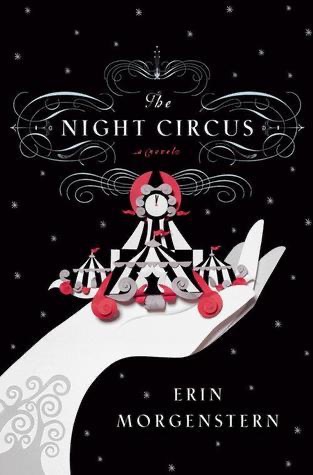
Meanwhile, on the coast beyond her new home lies Gallondean Castle, a gloomy near-ruin that has been unhappily inherited by Jacob. Jacob is already haunted by his own demons but as he uncovers details of the castle’s past, the shadows only seem to be growing darker around him. 

However it is Daniel, one of the soldiers who appears to have received only a minor, yet mysterious, injury, whose life will come to connect with both Esther and Jacob in horrifying and unexpected ways…

This was nominated for a Bloody Scotland prize and I do tend towards Scottish settings for both crime and gothic fiction. I have a feeling I’m going to love it.

So that’s ten from my personal TBR and I need to incorporate them into my reading list so they’re not languishing for another year! I’ll let you know how I get on.

Posted in Ten on Tuesday

Ten Books Inspired by Jane Eyre 

Like many English Literature students, Jane Eyre remains one of my favourite books and it has inspired writers ever since its publication in 1847. I first read it at ten years old and for me it was a romantic ghost story, read alongside the 1980s BBC series. As one of my first reads at university I could see how the novel contained aspects of everything I needed to learn on my 19th Century module: class, colonialism, morality, gender, work, women and much more. It also defies genre, with the potential to be classified as a mystery, romance, gothic fiction, Bildungsroman and historical fiction. I think this is what helps the novel endure. Its flexibility allows it to appeal to different generations for very different reasons. Each of this authors were inspired to use those multiple themes to shape a novel around Charlotte Brontẽ’s work.

My reading of the novel has definitely changed over the years. University opened up the novel for me as much more than the ghost story I’d enjoyed as a child. It brought colonialism into my mind for the first time, feminism and autonomy. It made me think more about the role of governess as a liminal figure in the household – she is an employee but doesn’t sleep or eat where the domestic staff do, she is unmarried and independent, earning her own money and making her own choices about it. I think it’s easy for a reader to identify with Jane, whether it’s the bullied and child trying to read behind the curtain or terrified by the Red Room. The girl scapegoated at school as ‘too passionate’ and a little bit defiant too. The young woman falling in love with an older man who isn’t what he seems, making decisions about whether to be in the role of mistress. All of these aspects are ripe for fictional updates and retellings. Bringing the book bang up to date there are aspects of manipulation and coercive control in Rochester’s use of Blanche Ingram and dressing up as a fortune teller to influence Jane’s thoughts. We can look at femininity through Bertha Mason, the madwoman in the attic and the comparison of Jane as everything she supposedly isn’t – modest, compliant, emotionally stable and moral. This is especially important in light of public figures like the Tate brothers who want to control how women behave and denigrate those who don’t fit their ideal. The nanny or governess has become a staple of modern thrillers because of their intimacy with the family they work for, often living in close quarters and becoming close emotionally. That is the book’s enduring appeal, that we can always look at it through the lens of today and find something new. One of my specific interests in the novel is mental health and who is in control of what constitutes instability. I’m also interested in the disability aspect of the novel and what it is about Rochester’s disabilities towards the end of the novel that brings some equality between him and Jane. Here I’ve gathered just a few of the novels that are inspired by the novel in very different ways.

Born into the oppressive, colonialist society of 1930s Jamaica, white Creole heiress Antoinette Cosway meets a young Englishman who is drawn to her innocent beauty and sensuality. After their marriage, however, disturbing rumours begin to circulate which poison her husband against her. Caught between his demands and her own precarious sense of belonging, Antoinette is inexorably driven towards madness, and her husband into the arms of another novel’s heroine. Rhys shows us why Antoinette isn’t just the antithesis of the quiet and composed Jane Eyre. Her work evokes thoughts around female sexuality and whether sexual enjoyment or the woman’s initiation of sexual activity is what Rochester rejects in his wife. Is it really the history of madness in her family or is it the ‘Creole’ aspect of Antoinette’s heritage? Is she insane or furious about his rejection, withdrawal from and later imprisonment of her that aroused violent tendencies? This is a classic study of betrayal, a seminal work of postcolonial literature and is Jean Rhys’s brief, but beautiful masterpiece.

Jean Rhys (1894-1979) was born in Dominica. Coming to England aged 16, she drifted into various jobs before moving to Paris, where she began writing and was ‘discovered’ by Ford Madox Ford. Her novels, often portraying women as underdogs out to exploit their sexualities, were ahead of their time and only modestly successful. From 1939 (when Good Morning, Midnight was written) onwards she lived reclusively, and was largely forgotten when she made a sensational comeback with her account of Jane Eyre’s Bertha Rochester, Wide Sargasso Sea, in 1966.

He did not belong to me at all, he belonged to Rebecca. . .

Everyone knows that Maxim de Winter was obsessed with his glamorous wife – and devastated by her tragic death. So when he proposes to a shy, anxious young woman after a whirlwind meeting in the South of France, no one is more surprised than the new bride herself. But when they reach Manderley, his beautiful, isolated Cornish mansion, the second Mrs de Winter begins to realise that every inch of her new home – and everyone in it – still belongs to Rebecca.
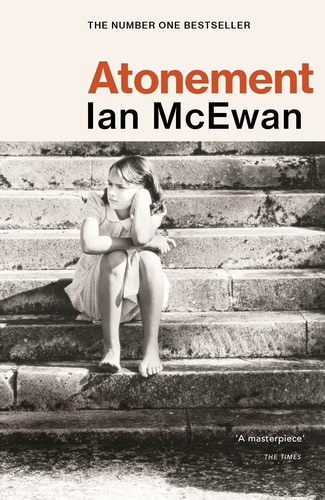
Daphne du Maurier’s thriller has Jane Eyre in it’s DNA, especially when it comes to it’s heroines: the dark and delicious vamp Rebecca who we never see and the quiet, awkward and compliant second wife who is never named. Here though, instead of a housekeeper, we get the gothic masterpiece that is Mrs Danvers, once Rebecca’s maid and now the housekeeper of Maxim de Winter’s stately home on the Cornish coast, Manderley. Maxim has chosen this new, much younger and adoring wife without any thought as to whether she has the knowledge or the qualities to run a great house. She doesn’t even have the confidence to ‘leave it all to Danny‘ as he tells her. He has the detachment of the upper classes who are so privileged they don’t care if they’re rude, ignorant or leave the staff to pick up after them. His new wife however can’t give orders and ends up trying to fit into the routine of her predecessor only to be reminded of her at every turn. Here, the madwoman is in the attic of the mind, ever present and even more intimidating in the imagination. There is also the creepy Mrs Danvers, slowly pressuring the new bride, showing her deficiencies as a mistress to Manderley and hinting at the sexual chemistry between Rebecca and Maxim. This is an incredible update of the classic, bringing in psychological aspects from the age of Freud and an addictive suspense that culminates in that bright glow of fire in the Cornish dawn.

It is 1957. As Daphne du Maurier wanders alone through her remote mansion on the Cornish coast, she is haunted by thoughts of her failing marriage and the legendary heroine of her most famous novel, Rebecca, who now seems close at hand.Seeking distraction, she becomes fascinated by Branwell, the reprobate brother of the Brontë sisters, and begins a correspondence with the enigmatic scholar Alex Symington in which truth and fiction combine.

Meanwhile, in present day London, a lonely young woman struggles with her thesis on du Maurier and the Brontës and finds herself retreating from her distant husband into a fifty-year-old literary mystery. This is a subtle update of the themes of Jane Eyre in a time when a second wife isn’t an unusual and dealing with issues like blended families and the presence of ex-wives is an everyday occurrence. However, we have the clear Jane Eyre figure still in our PhD student, quiet and unassuming but psychologically dependent on her husband who still holds a fascination for the more colourful and bohemian poetess who was his first wife. It also delves beautifully into the psychology of Daphne Du Maurier, who sealed her journals for fifty years after her death. We now know she suffered mental abuse from her father, an actor whose fascination with younger actresses derailed his marriage and perhaps provides the blueprint for the older romantic figure of Max de Winter, an updated version of Edward Rochester. There is an incredible amount of research in this book that even goes back to the Brontë’s and the psychological genesis of their writing. The more you know about them and Daphne du Maurier, the more you will enjoy this one.

1852. When Margaret Lennox, a young widow, is offered a position as governess at Hartwood Hall, she quickly accepts, hoping this isolated country house will allow her to leave the past behind. But she soon feels there’s something odd about Hartwood: strange figures in the dark, tensions between servants and a wing of the house no one uses.

Why do the locals eye her employer, widowed Mrs Evesham, with suspicion? What is hidden in the abandoned East Wing? Who are the strangers coming and going under darkness? Hartwood Hall conceals mysteries, perhaps even danger. Margaret is certain that everyone here has something to hide, and as her own past threatens to catch up with her, she must learn to trust her instincts before it’s too late?

This is a brilliant example of the ‘gothic governess’ novel as I like to call them and brings an elements of modern preoccupations like gender and sexuality to the 19th Century novel. It begins with a du Maurier style opening of a winding drive and a forbidding house that local people like to avoid. When her charge is ill, Margaret is disturbed that locals won’t come near the hall and is more puzzled by the sudden presence of Miss Davis, a nurse who turns up at the house after hearing a child was unwell at the hall. After experiencing lights in a forbidden part of the house and seeing the unease Mrs Evesham has about people knowing their business, Margaret knows there’s a mystery here but is unsure exactly what it is. Because it’s a mystery I can’t say more, but I loved how this story unfolds and what it means for the women involved.

1867. On a dark and chilling night Eliza Caine arrives in Norfolk to take up her position as governess at Gaudlin Hall. As she makes her way across the station platform, a pair of invisible hands push her from behind into the path of an approaching train. She is only saved by the vigilance of a passing doctor.

It is the start of a journey into a world of abandoned children, unexplained occurrences and terrifying experiences which Eliza will have to overcome if she is to survive the secrets that lie within Gaudlin’s walls. This is such a gothic novel that it could almost be a parody but what saves it is Eliza herself, arguably a rather more modern governess than we would expect in 1867. curiosity, her determination and her rational analysis of her situation. Eliza is no hysterical heroine of a sensitive disposition, and her self-awareness is not just important to her handling of the mystery that surrounds Gaudlin, but also entertaining. Her independence, dry wit and forward-thinking views on certain social issues, if not necessarily likely for a woman living in the 1860s, elevate her above the average Victorian Gothic female protagonist, and her innate kindness is also an endearing counterpoint to her impressive courage. The children are also much more than the standard creepy kids of many a horror story, and the different ways in which they each deal with the challenges of their situation are fascinating and credible.


In a modern and twisty retelling of Jane Eyre, a young woman must question everything she thinks she knows about love, loyalty, and murder.

Jane has lost everything: job, mother, relationship, even her home. A friend calls to offer an unusual deal―a cottage above the crashing surf of Big Sur on the estate of his employer, Evan Rochester. In return, Jane will tutor his teenage daughter. She accepts.

But nothing is quite as it seems at the Rochester estate. Though he’s been accused of murdering his glamorous and troubled wife, Evan Rochester insists she drowned herself. Jane is skeptical, but she still finds herself falling for the brilliant and secretive entrepreneur and growing close to his daughter.
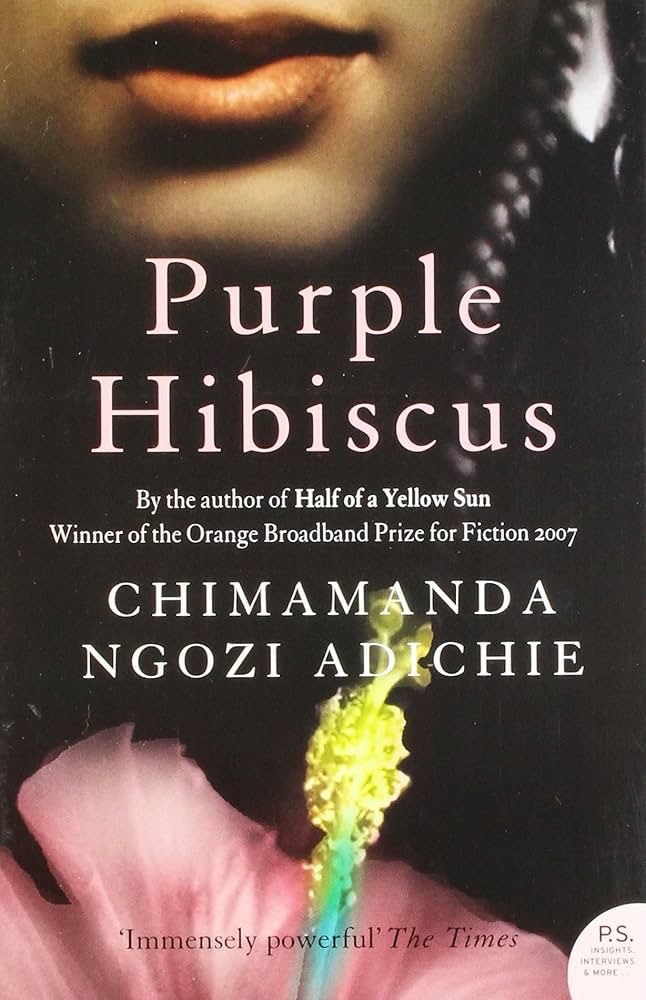
And yet her deepening feelings for Evan can’t disguise dark suspicions aroused when a ghostly presence repeatedly appears in the night’s mist and fog. Jane embarks on an intense search for answers and uncovers evidence that soon puts Evan’s innocence into question. She’s determined to discover what really happened that fateful night, but what will the truth cost her?


Meet Thursday Next, literary detective without equal, fear or boyfriend.

There is another 1985, where London’s criminal gangs have moved into the lucrative literary market, and Thursday Next is on the trail of the new crime wave’s MR Big. Acheron Hades has been kidnapping certain characters from works of fiction and holding them to ransom. Jane Eyre is gone. Missing.

Thursday sets out to find a way into the book to repair the damage. But solving crimes against literature isn’t easy when you also have to find time to halt the Crimean War, persuade the man you love to marry you, and figure out who really wrote Shakespeare’s plays. Perhaps today just isn’t going to be Thursday’s day. Join her on a truly breathtaking adventure, and find out for yourself. Fiction will never be the same again. This is such an inventive novel, part sci-fi and part detective novel with all the post-modern intertextuality you could want. Thursday is such an appealing heroine, with a detective’s flair and a keen nose for the bad guy – possibly due to her criminal father. We slip into various different worlds before finding ourselves back on that flaming roof at Thornfield Hall. Whimsical and utterly brilliant.
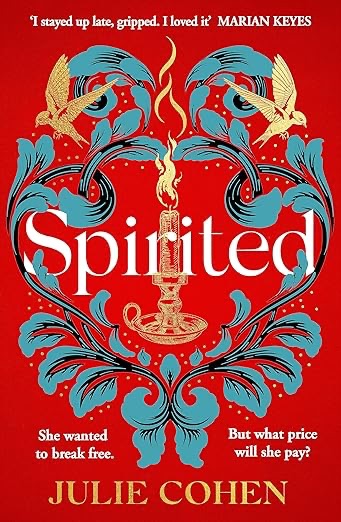
Uncover the secrets of Edward Fairfax Rochester, the beloved, enigmatic hero of Jane Eyre, as he tells his story for the first time in Mr Rochester, Sarah Shoemaker’s gorgeous retelling of one of the most romantic stories in literature.

On his eighth birthday, Edward is banished from his beloved Thornfield Hall to learn his place in life. His journey eventually takes him to Jamaica where, as a young man, he becomes entangled with an enticing heiress and makes a choice that will haunt him. It is only when he finally returns home and encounters one stubborn, plain, young governess, that Edward can see any chance of redemption – and love. Rich and vibrant, Edward’s evolution from tender-hearted child to Charlotte Bronte’s passionately tormented hero will completely, deliciously, and forever change how we read and remember Jane Eyre. Sarah Shoemaker takes us back to a world before Jane Eyre, using a 19th Century style in keeping with its source material. Most of the book is Edward Rochester’s early life, giving us a background that makes sense of the moody and changeable man we see in the original novel. His background is dogged by loss, including the death of his mother at an early age. We see with each loss how isolated he feels so that when he is betrayed by family into a marriage with the unknown Bertha Mason she becomes all he has, but everything he didn’t want. When Jane finally appears the stage is set for events at Thornfield but through his eyes. The tragedy is that the angel he sees before him is out of reach. Given access to his inner voice we can see how much he agonises over his feelings and whether to act, making sense of his odd hot and cold behaviour towards her. This book shines a new light on this story and is a definite must read for lovers of Jane Eyre.

What the heart desires, the house destroys…

Andromeda is a debtera – an exorcist hired to cleanse households of the Evil Eye. She would be hired, that is, if her mentor hadn’t thrown her out before she could earn her license. Now her only hope is to find a Patron – a rich, well-connected individual who will vouch for her abilities.

When a handsome heir named Magnus reaches out to hire her, she takes the job without question. Never mind that he’s rude and eccentric, that the contract comes with outlandish rules, and that the many previous debteras had quit before her. If Andromeda wants to earn a living, she has no choice. But this is a job like no other, and Magnus is hiding far more than she has been trained for. Death is the likely outcome if she stays, the reason every debtera before her quit. But leaving Magnus to live out his curse isn’t an option because, heaven help her, she’s fallen for him.

This is an unexpectedly romantic debut from Lauren Blackwood that has been both an Oprah Winfrey and Reese Witherspoon book club choice. It has beautiful imagery and its Ethiopian setting gave me background on a country mainly known for famine (especially for this child of the 1980s). The mythology is fascinating and brings an even spookier aspect to the story. This is a very loose retelling of Jane Eyre, with the emphasis on the gothic elements and reminding us what a Beauty and the Beast story this is. The romance develops a little too quickly for me, but there’s a great banter between the central characters that feels true to the original pair. It also sticks quite firmly to the premise that he is the one being rescued. An interesting addition for the Jane Eyre fan, but not a faithful retelling.

A collection of short stories celebrating Charlotte Brontë, published in the year of her bicentenary and stemming from the now immortal words from her great work Jane Eyre.

The twenty-one stories in Reader, I Married Him – one of the most celebrated lines in fiction – are inspired by Jane Eyre and shaped by its perennially fascinating themes of love, compromise and self-determination. A bohemian wedding party takes an unexpected turn for the bride and her daughter; a family trip to a Texan waterpark prompts a life-changing decision; Grace Poole defends Bertha Mason and calls the general opinion of Jane Eyre into question. Mr Rochester reveals a long-kept secret in “Reader, She Married Me”, and “The Mirror” boldly imagines Jane’s married life after the novel ends. A new mother encounters an old lover after her daily swim and inexplicably lies to him, and a fitness instructor teaches teenage boys how to handle a pit bull terrier by telling them Jane Eyre’s story.

Edited by the fantastic Tracy Chevalier, this collection brings together some of the finest and most creative voices in fiction today, to celebrate and salute the strength and lasting relevance of Charlotte Brontë’s game-changing novel and its beloved narrator.

Posted in Ten on Tuesday

Ten on Tuesday: Books About Fathers 


Just Ignore Him by Alan Davies

The story of a life built on sand. In the rain.

In this compelling memoir, comedian and actor Alan Davies recalls his boyhood with vivid insight and devastating humour. Shifting between his 1970s upbringing and his life today, Davies moves poignantly from innocence to experience to the clarity of hindsight, always with a keen sense of the absurd.

From sibling dynamics, to his voiceless, misunderstood progression through school, sexuality and humiliating ‘accidents’, Davies inhabits his younger mind with spectacular accuracy, sharply evoking an era when Green Shield Stamps, Bob-a-Job week and Whizzer & Chips loomed large, a bus fare was 2p – and children had little power in the face of adult motivation. Here, there are often exquisitely tender recollections of the mother he lost at six years old, of a bereaved family struggling to find its way, and the kicks and confusion of adolescence. It also bravely relates the years after his mother’s death where he was subjected to sexual abuse by his father.

Through even the joyous and innocent memories, the pain of Davies’s lifelong grief and profound betrayal is unfiltered, searing and beautifully articulated. Just Ignore Him is not only an autobiography, it is a testament to a survivor’s resilience and courage. I’ve always loved Alan and loved his anecdotes on QI and his As Yet Untitled series. He brings the same humorous and loveable narrative voice to this fantastic memoir.


Remember Me by Charity Norman

They never found Leah Parata. Not a boot, not a backpack, not a turquoise beanie. After she left me that day, she vanished off the face of the earth.

A close-knit community is ripped apart by disturbing revelations that cast new light on a young woman’s disappearance twenty-five years ago.

After years of living overseas, Emily returns to New Zealand to care for her father who has dementia. As his memory fades and his guard slips, she begins to understand him for the first time – and to glimpse shattering truths about his past. I loved this wonderful story from Charity Norman, who mines the secrets and complicated emotions of family life perfectly. As Emily’s father deteriorates she learns more about his past and begins to see him as more than her father but as a man in his own right. A man who has secrets.

Are some secrets best left buried?

H Is For Hawk by Helen MacDonald 

The hawk was everything I wanted to be: solitary, self-possessed, free from grief, and numb to the hurts of human life. 

An instant international bestseller and prize-winning sensation, Helen Macdonald’s story of adopting and raising a goshawk has soared into the hearts of millions of readers. This book has just been made into a film with Clare Foy doing the honours as Helen, so it’s a great time to catch this if you haven’t already read it. Fierce and feral, her goshawk Mabel’s temperament mirrors Helen’s own state of grief after her father’s death, and together raptor and human discover the pain and beauty of being alive.

H Is for Hawk is a genre-defying masterpiece on grief, memory, taming and untaming, and how it might be possible to reconcile death with life and love.


Us by David Nicholls

Douglas and Connie – scientist and artist, husband and wife – live a quiet and quietly unremarkable life in the suburbs of London. Until, suddenly, after more than twenty years of marriage, Connie decides she wants a divorce.

Heartbroken but determined, Douglas comes up with the perfect plan: he is going to win back the love of his wife and the respect of Albie, their teenage son, by organising the holiday of a lifetime.

The hotels are booked, the tickets bought, the itinerary planned and printed.

What could possibly go wrong?

This is one of those quietly devastating books that Nicholls excels at and we can slowly see all the reasons Connie and Douglas aren’t suited to one another. They have the type of differences we overlook in the early stages of love and through the years of having a child. Now as their son is in his last summer before university it will be just the two of them. Doug imagines them growing together across their holiday and has his itinerary neatly planned, but will Connie and Albie fit in with his plans? As always while Doug is trying to control life it is busy changing and happening all around him. I loved this story and felt deeply for Doug, whilst also understanding Albie’s anger and Connie’s need to leave.


Big Fish by George Wallace

Do you ever really know your father? 

Like many sons, William Bloom never really knew his father. Edward told him stories too incredible to believe about his exploits as a younger man, but any attempt to find out serious truths have been met with laughter and brush-offs. And that never mattered. But now Edward is dying, suddenly it matters a great deal. 

So William sets out to tell his father’s story, as he imagines it. He tames a giant, is dragged by an enormous fish through a lake and escapes a purgatory of lost dreams. Through legends and myths, William makes Edward into a true Big Fish. I thoroughly enjoyed this as it appealed to my love of complex relationships while also dipping into my interest in monstrous creatures, circus folk and magic realism. It felt like that way we gather round a loved one who is dying and share funny stories about their life, but in fantastical proportions! Having gone through the loss of someone close to me I can understand why we make them larger than life and how important these stories become as the years pass.

The Storied Life of AJ Fickry by Gabrielle Zevin

A.J. Fikry, the grumpy owner of Island Books, is going through a hard time: his bookshop is failing, he has lost his beloved wife, and his prized possession – a rare first edition book has been stolen. Over time, he has given up on people, and even the books in his store, instead of offering solace, are yet another reminder of a world that is changing too rapidly.

But one day A.J. finds two-year-old Maya sitting on the bookshop floor, with a note attached to her asking the owner to look after her. His life – and Maya’s – is changed forever. A.J is that curmudgeonly middle aged man who can be rude and condescending to everyone he meets, but you always suspect there’s a softer side. Maya is the catalyst for that mellowing of his character. Now he has to consider someone other than himself and he dotes on her, with a focus on making sure his little bookworm is kept busy. Maya is just so loveable and as we follow her through life it’s hard to imagine her as anything but a Fikry. I thoroughly enjoyed their father and daughter relationship but also the whole community around Island Books. We get the running of a bookshop with odd customers, book events that fail miserably and the visiting authors. It’s a simply but enchanting story that any book lover will enjoy.

The Twelve Lives of Samuel Hawley

After years spent living on the run, Samuel Hawley moves with his teenage daughter Loo to Olympus, Massachusetts. There, in his late wife’s hometown, Hawley finds work as a fisherman, while Loo struggles to fit in at school and grows curious about her mother’s mysterious death. Haunting them both are the twelve scars Hawley carries on his body, from twelve bullets in his criminal past – a past that eventually spills over into his daughter’s present, until together they must face a reckoning yet to come. Both a coming of age novel and a literary thriller, this explores what it means to be a hero, and the price we pay to protect the people we love most. There’s something really profound about this novel even though it is a simple story. It starts with Samuel teaching his daughter Loo how to shoot with his collection of firearms. They are poor and spend all their time moving from place to place until their return to Olympus where Loo’s maternal grandmother is from. Every time they they’ve moved Samuel sets up a little shrine to Loo’s mother Lily and she hopes to find out more about her. We see the two of them coping with a decision to stay in one place and how Loo starts to form her first relationships. In between we see flashbacks to Lily and Sam’s criminal past. I loved how rich in detail it is and the complex psychology of the characters too.

A Short History of Tractors in Ukrainian by Marina Lewicka 

Two years after my mother died, my father fell in love with a glamorous blonde Ukrainian divorcée. He was eighty-four and she was thirty-six. She exploded into our lives like a fluffy pink grenade, churning up the murky water, bringing to the surface a sludge of sloughed-off memories, giving the family ghosts a kick up the backside. Sisters Vera and Nadezhda must aside a lifetime of feuding to save their émigré engineer father from voluptuous gold-digger Valentina. With her proclivity for green satin underwear and boil-in-the-bag cuisine, she will stop at nothing in her pursuit of Western wealth.

The sisters’ campaign to oust Valentina unearths family secrets, uncovers fifty years of Europe’s darkest history and sends them back to roots they’d much rather forget. Part of my reason for loving this book is how much Vera and Nadezhda’s father reminds me of my late father-in-law Aleksander who had an incredible past. He also had an engineer’s practical mindset and a hilariously tactless turn of phrase that never failed to send me into fits of the giggles – one of my favourites was offering a lady his dining chair at Easter Sunday lunch because she was on a kitchen stool and had ‘a much bigger bottom’ than him. This book is touching, covering all the frustrations of dealing with an elderly relative who will not be helped. It is also laugh out loud funny, with some of the best dialogue I’ve read.


A Heart that Works by Rob Delaney

I came to know Rob Delaney through the brilliant Catastrophe and I was devastated for him when he lost his son Henry. I also deeply admired the way he talked about the loss, so openly and honestly. In his memoir of loss, he grapples with the fragile miracle of life, the mysteries of death, and the question of purpose for those left behind.

Rob’s beautiful, bright, gloriously alive son Henry died. He was one when he was diagnosed with a brain tumour. An experience beyond comprehension, but an experience Rob must share. Despite Henry’s death, Rob still loves people. For that reason, he wants them to understand and I found his approach inspiring. He never reached for cliches or minimised the enormity of his family’s grief, however uncomfortable that truth might be for other people. If he felt like shit about it he said so, but he also acknowledged that with other children at home life had to go on day to day. The world does not stop. His book is just as intimate, unflinching and fiercely funny – exploring his family’s experience from the harrowing illness to the vivid, bodily impact of grief and the blind, furious rage that follows, through to the forceful, unstoppable love that remains. Utterly brilliant and strangely hopeful.


The Good Father by Noah Hawley

Dr Paul Allen is a well-respected man. He lives a happy, comfortable life with his second wife and their family. Until the night when a knock at the door blows his world apart: a hugely popular presidential candidate has been shot, and they say the young man who pulled the trigger is Paul’s son. Daniel, is the only child from his first, failed marriage. He was always a good kid and Paul is convinced this quiet boy is not capable of murder. Overwhelmed by a vortex of feelings, Paul embarks on a mission to understand what happened and why. Following the trail of his son’s journey across America, he is forced to re-examine his life as a husband and a parent, and every decision he ever made.

What follows is a powerfully emotional and suspense-filled quest that keeps you guessing to the very end. This was a great read for my book club several years ago and brought out some very interesting viewpoints and widely different perspectives on parenting. Many of us were scathing of a father who chooses to take promotion on the other side of the US from his young son, who had to be placed on a plane alone to travel from west to east coast to visit his father. Others felt it was important for a parent to prioritise their career. It was interesting to read a book with this storyline from the perspective of a father rather than a mother and all of us enjoyed it immensely.