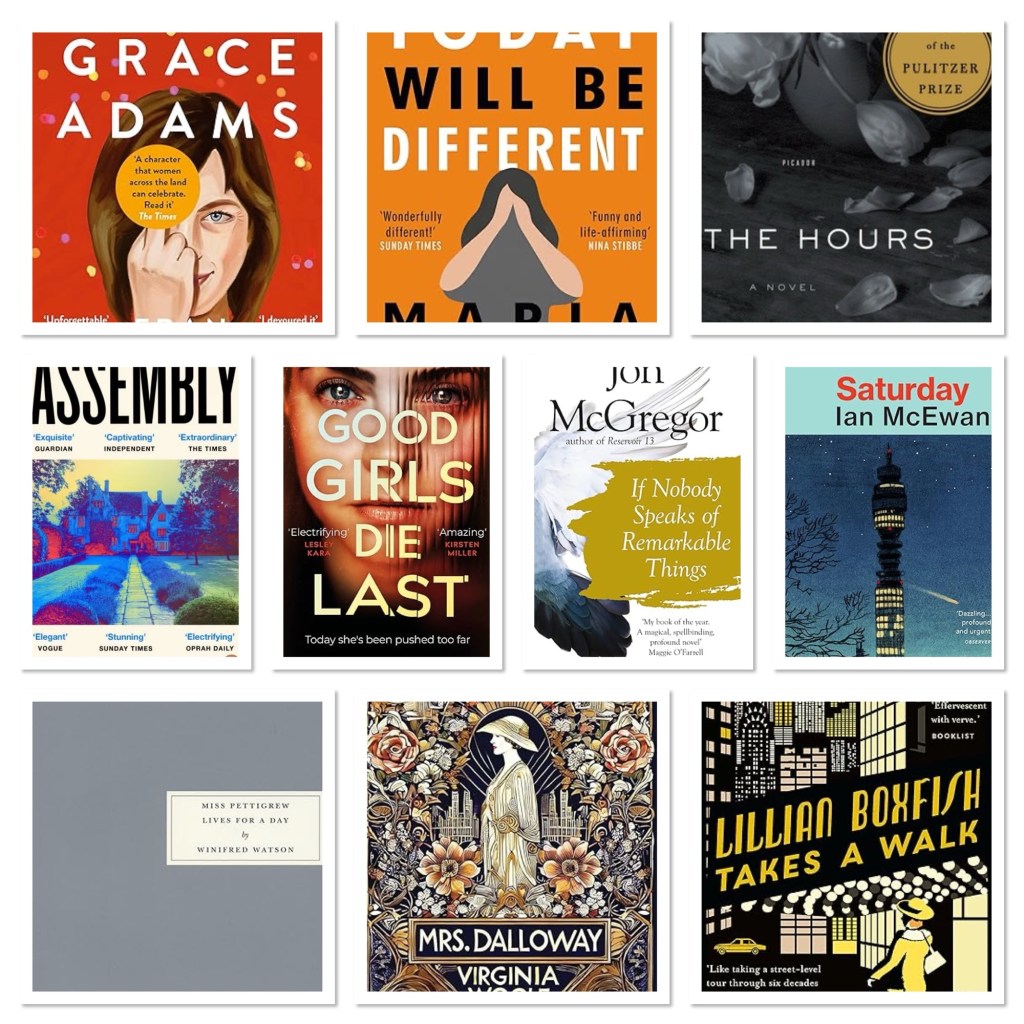
It’s amazing what can happen in a single day and these books can certainly attest to that. The beauty of every one of them is how much they can tell us about the world of their narrators in only 24 hours. Whether it’s a mother close to emotional collapse or a young woman who finds out it only takes one thing to go wrong and the whole city is against her. From startling events that happen once in a lifetime to the everyday and humdrum, lives can be changed in an instant.
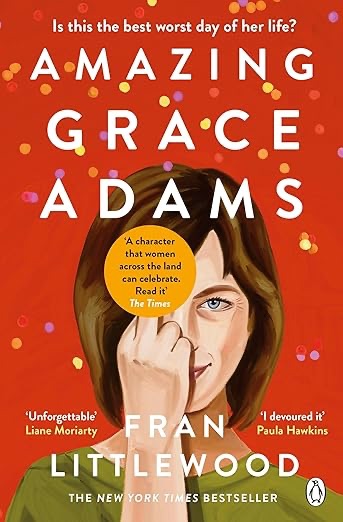
Is this the best worst day of her life?
Once, Grace Adams was poised for great things. Now, she barely attracts a second glance as she strides down the street carrying her daughter’s sixteenth birthday cake. But behind the scenes, Grace’s life is in freefall. Her husband is divorcing her. Her daughter has banned her from her birthday party. And Grace has just abandoned her car in bumper-to-bumper traffic. Because Grace Adams has finally had enough. She’s sick of being overlooked and underappreciated, and she’s particularly tired of being polite. She’s about to set off on a journey to rediscover who she is, and confront the secret that has torn her family apart.What is that secret? You’re about to find out. ..
As Grace closes in on Lotte’s party, sweaty, dirty and brandishing her tiny squashed cake, it doesn’t seem enough to overturn everything that’s happened, but of course it isn’t about the cake. This is about everything Grace has done to be here, including the illegal bits. In a day that’s highlighted to Grace how much she has changed, physically and emotionally, her determination to get to Lotte has shown those who love her best that she is still the same kick-ass woman who threw caution to the wind and waded into the sea to save a man she didn’t know from drowning. That tiny glimpse of how amazing Grace Adams is, might just save everything.
Another book about a meltdown here – can you tell I’m peri-menopausal from my bookshelves?
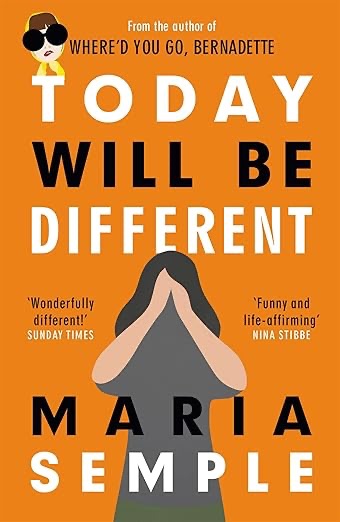
Eleanor Flood knows she’s a mess. But today will be different. Today she will shower and put on real clothes. She will attend her yoga class after dropping her son, Timby, off at school. She’ll see an old friend for lunch. She won’t swear. She will initiate sex with her husband, Joe. But before she can put her modest plan into action – life happens. For today is the day Timby has decided to pretend to be ill to weasel his way into his mother’s company. It’s also the day surgeon Joe has chosen to tell his receptionist – but not Eleanor – that he’s on vacation. And just when it seems that things can’t go more awry, a former colleague produces a relic from the past – a graphic memoir with pages telling of family secrets long buried and a sister to whom Eleanor never speaks. This novel has bags full of empathy, humour and is just so smart too! It manages to tread the line of being entertaining, but also has something profound to say about life.
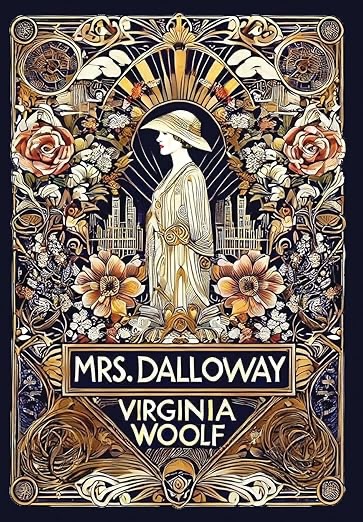
A landmark work of literary modernism, the novel is set in London and unfolds over the course of a single day as Clarissa Dalloway prepares to host an evening gathering. Through Woolf’s distinctive use of stream-of-consciousness narration, the story moves between the inner lives of multiple characters, including Clarissa and the troubled war veteran Septimus Warren Smith. Their experiences reveal themes of memory, identity, time, and the lingering effects of the First World War on British society. With its innovative narrative structure and psychological depth, Mrs. Dalloway remains a central work in twentieth-century literature. The novel continues to be widely studied for its exploration of consciousness, social life, and the rhythms of modern urban experience. I first read this book at university and I’m always astonished by how slight it seems, but it’s always stayed with me. In one day Woolf captures all the changes wrought by WW1, not just through Septimus but in the mix of people on the omnibus and the neurotic inner life of our main character.
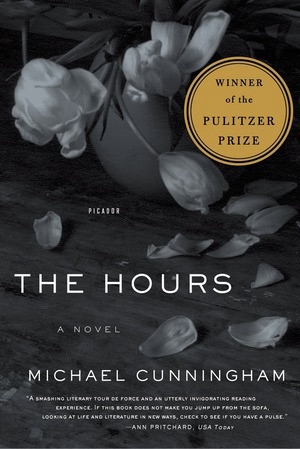
The existence of this book confirms the genius of Mrs Dalloway. Inspired by the novel and told in three sections to reveal each woman’s day, this book won a Pulitzer and was made into an Oscar-winning film. The Hours. In 1920s London, Virginia Woolf is fighting against her rebellious spirit as she attempts to make a start on her new novel. A young wife and mother, broiling in a suburb of 1940s Los Angeles, yearns to escape and read her precious copy of `Mrs Dalloway’. And Clarissa Vaughan steps out of her smart Greenwich village apartment in 1990s New York to buy flowers for a party she is hosting for a dying friend. Moving effortlessly across the decades and between England and America, this exquisite novel intertwines the stories of three unforgettable women. It has such atmosphere, deeply melancholic but also creating moments of beauty that can make life worth living.
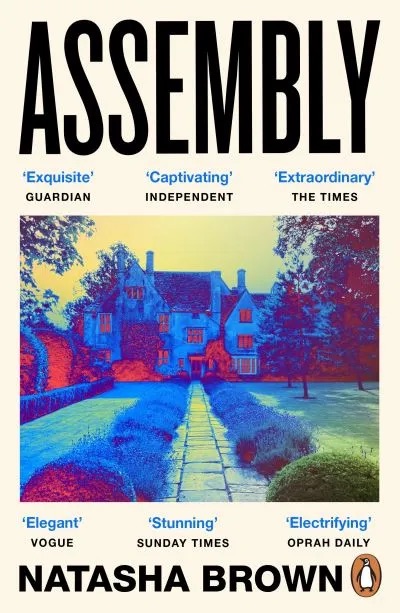
Come of age in the credit crunch. Be civil in a hostile environment. Step out into a world of Go Home vans. Go to Oxbridge, get an education, start a career. Do all the right things. Buy a flat. Buy art. Buy a sort of happiness. But above all, keep your head down. Keep quiet. And keep going. The narrator of Assembly is a Black British woman. She is preparing to attend a lavish garden party at her boyfriend’s family estate, set deep in the English countryside. At the same time, she is considering the carefully assembled pieces of herself. As the minutes tick down and the future beckons, she can’t escape the question: is it time to take it all apart? This novel is a brilliant debut and could be seen as an interesting companion piece to the last two novels, just in a post-modern world. The author shows us the micro-aggressions young, black women encounter every day and how averse to feminism our white male culture is years before Louis Theroux and the manosphere.
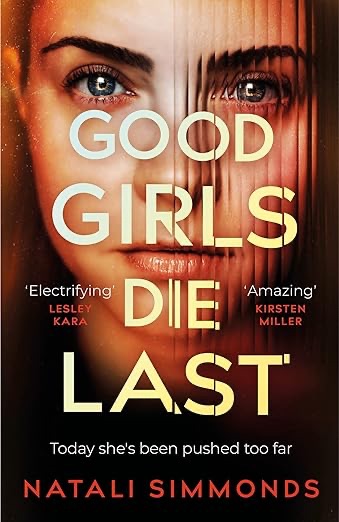
Wow! This is a searingly raw story, simmering with righteous anger and injustice, and I’ve never forgotten it. Set on a boiling hot summer’s day, you can almost smell the tarmac and diesel fumes. You can hear the traffic noise and feel the agitation and impatience of people trying to get to work without exchanging a word with anyone else. It’s too hot to breathe let alone exchange a friendly word. I had the unnerving experience of reading our heroine’s thoughts and hearing my own words. During the day from hell that Em was experiencing, it felt like some of my own thoughts and frustrations were running round her head. They just need awakening. My age is more in line with the Amazing Grace Adams – who had her own walk of rage, fuelled by love. However, Em’s voice is a millennial war cry that becomes a national phenomenon in the space of a day. As she leaves her landlord’s bed that morning she expects to look smart for work, especially since she has a HR meeting and expects to be offered a permanent role after completing three months maternity cover with great results. Finally she’s catching an evening flight back home to Spain for her little sister wedding. Her actual day is a complete clusterfuck!
I loved how the author wrote about the othering of women’s bodies and its natural bodily functions. There’s a disgust conveyed by men that women buy into and internalise. The shame of being caught out by a period in a public place must be a lot of women’s worst nightmare. When I read it I physically cringed on Em’s behalf. It was interesting that this was the point she meets Rose, who simply accepts this woman she’s just seen cleaning herself up and having to pee outdoors without judgement. Em is also trying to avoid – sweat, sore armpits and foot blisters – they’re all unladylike and shouldn’t be seen. It feels like society is keen to erase so much of us, it’s a wonder we don’t disappear. Rose is the furious feminist voice in the novel and she’s like a mentor to Em, listening and giving frank advice where needed plus the odd political rant here and there. She is her own woman and lives life on her terms. Could Em ever be like that? Brutally honest and horribly tense this is an incredible feminist thriller not to be missed.
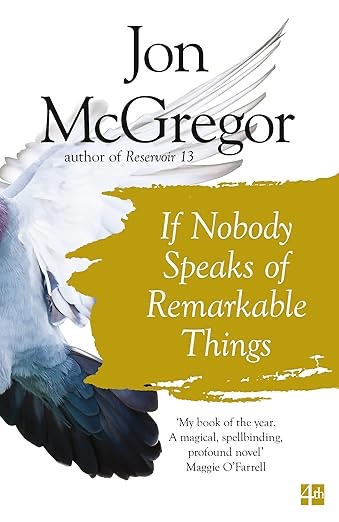
I read this when it was first released in the early 2000s and I couldn’t stop going back to the opening page because it’s a beautifully lyrical opening to a novel about the humdrum of everyday life on one street in the North of England. Ordinary people are going through the motions of their everyday existence – street cricket, barbecues, painting windows… A young man is in love with a neighbour who does not even know his name. An old couple make their way up to the nearby bus stop. But then a terrible event shatters the quiet of the early summer evening. That this remarkable and horrific event is only poignant to those who saw it, not even meriting a mention on the local news, means that those who witness it will be altered for ever. This is an incredible first novel that evokes the histories and lives of the people in the street to build up an unforgettable human panorama. It has such resonance and does something I absolutely love, recognising that the extraordinary is in the ordinary.
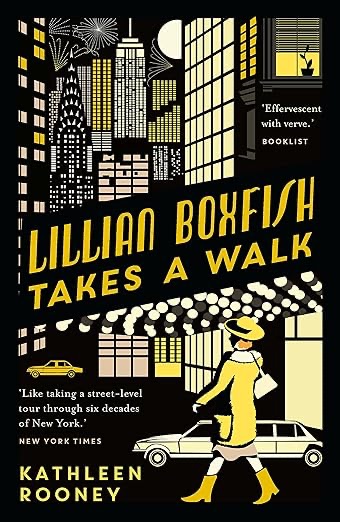
I love this character’s name so much it went in my little book of names. I give them to pets or the textile sculptures I collect, most of them are hares. So far there’s Irving Finkelstein – a very dapper owl, Razzle-Dazzle Rita who’s a hare, trapeze artist and burlesque performer alongside Sweet Suzie the squirrel. There’s Amish Jeffrey (strange beard), Hips McGee, Fern Fitzsimmons, Maud Buckle and more. My Lillian Boxfish hasn’t arrived yet.
Lillian Boxfish is no ordinary 85-year-old. On her arrival to New York in the 1930s she took the city by storm, working her way up from writing copy for Macy’s department store to become the world’s highest paid advertising woman. Now, alone on New Year’s Eve, her usual holiday ritual in ruins, Lillian decides to take a walk. After all, it might be her last chance. Armed with only her mink coat and quick-witted charm, Lillian walks, and begins to reveal the story of her remarkable life. On a walk that takes her over 10 miles around the city, Lillian meets bartenders, shopkeepers, children, and criminals, while recalling a life of excitement and adversity, passion and heartbreak. Based on a true story, Lillian Boxfish Takes a Walk paints a portrait of an extraordinary woman walking through the Jazz Age, the Great Depression, the Mad Men era, the AIDS epidemic and even further. It reinforces how much one life contains and the value of other people’s stories.
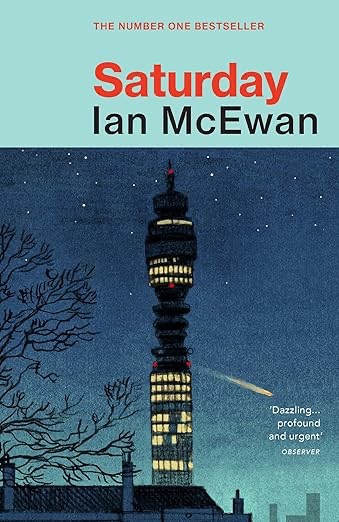
Saturday, February 15, 2003.
Henry Perowne, a successful neurosurgeon, stands at his bedroom window before dawn and watches a plane – ablaze with fire like a meteor – arcing across the London sky. Over the course of the following day, unease gathers about Perowne, as he moves amongst hundreds of thousands of anti-war protestors in the post-9/11 streets. A minor car accident brings him into confrontation with Baxter, a fidgety, aggressive man, who to Perowne’s professional eye appears to be profoundly unwell. But it is not until Baxter makes a sudden appearance at the Perowne family home that Henry’s earlier fears seem about to be realised…
This book held me in suspense till the very last page. Through each character’s narrative we come to know them and their place in this story as precisely as if they were cogs in a machine. Its portrayal of how we collide with each other in our daily lives shows what a small part of the world we are and conversely how important to each other.
This is an utterly charming book from Persephone Press, dedicated to finding forgotten works by women writers and publishing with end papers of the era. In this whimsical story Miss Pettigrew a governess sent by an employment agency to the wrong address, where she encounters a glamorous night-club singer, Miss LaFosse who is the sort of woman Miss Pettigrew has only seen in Hollywood films. Over the course of 24 hours she is surprised to find that, when given the freedom to find her own opinion, she is as strait laced as her religious father would have hoped. This revelation will change her life.
‘The sheer fun, the light-heartedness’ in this wonderful 1938 book ‘feels closer to a Fred Astaire film than anything else’ comments the Preface-writer Henrietta Twycross-Martin, who found Miss Pettigrew for Persephone Books. The Guardian asked: ‘Why has it taken more than half a century for this wonderful flight of humour to be rediscovered?’ while the Daily Mail liked the book’s message – ‘that everyone, no matter how poor or prim or neglected, has a second chance to blossom in the world.’ Maureen Lipman wrote in ‘Books of the Year’ in the Guardian: ‘Perhaps the most pleasure has come from Persephone’s enchanting reprints, particularly Miss Pettigrew, a fairy story set in 1930s London’; and she herself entertained R4 listeners with her five-part reading. India Knight called Miss Pettigrew ‘the sweetest grown-up book in the world’. This is a delightful escape read of a woman blossoming through a chance encounter.


