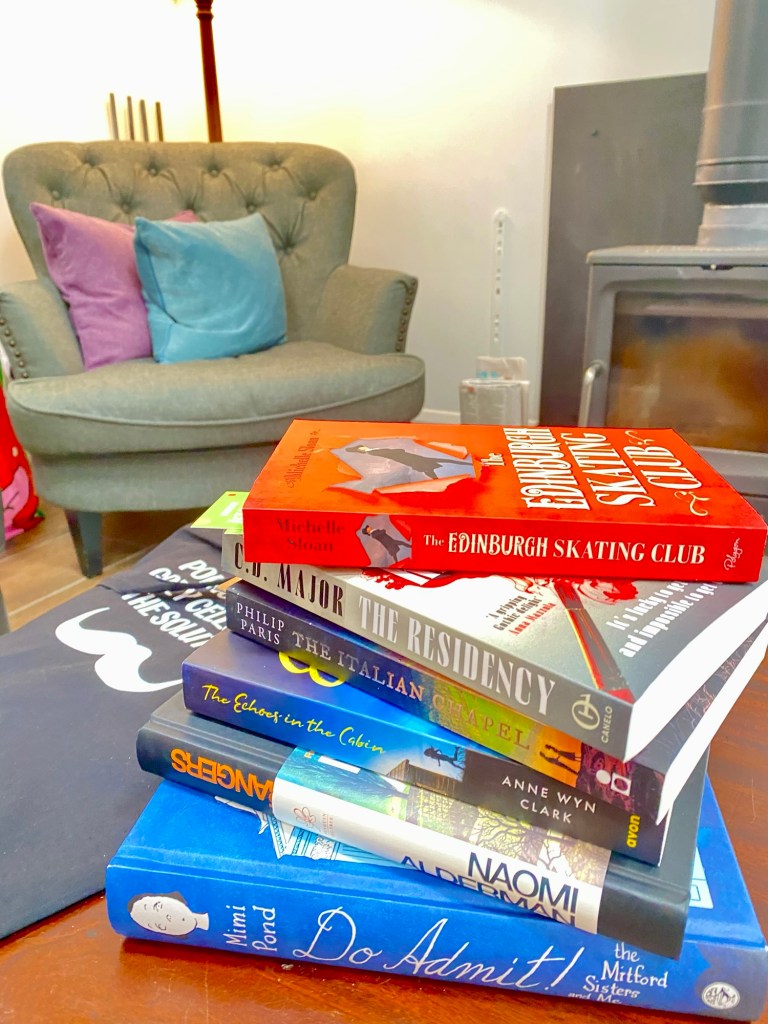
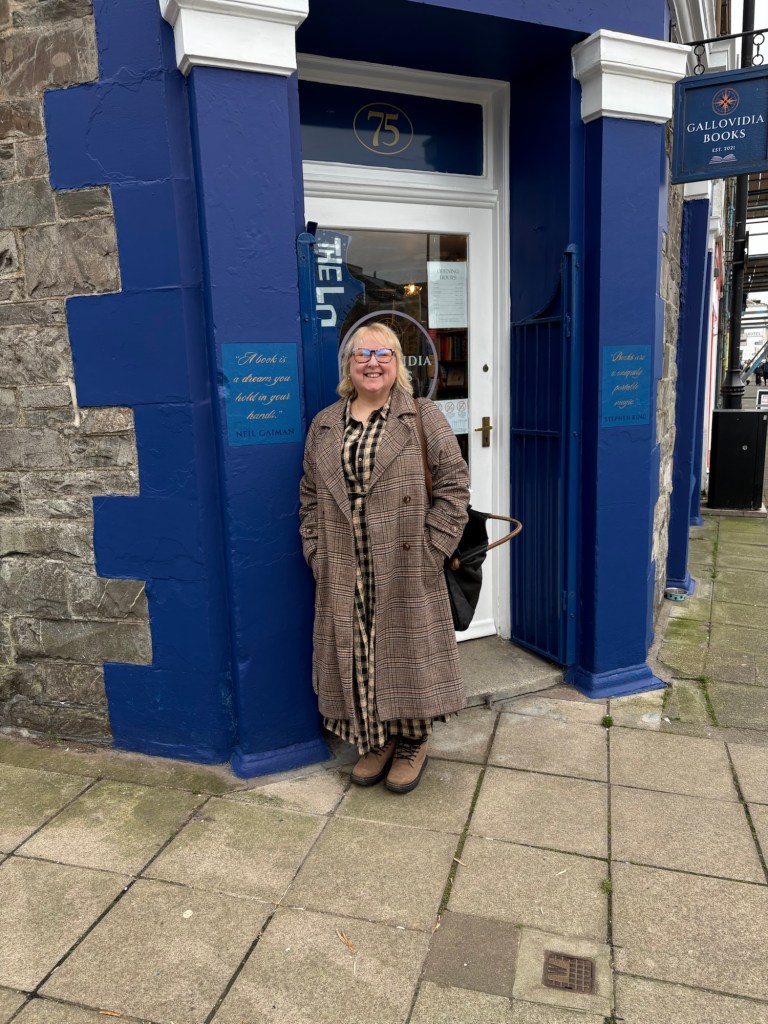
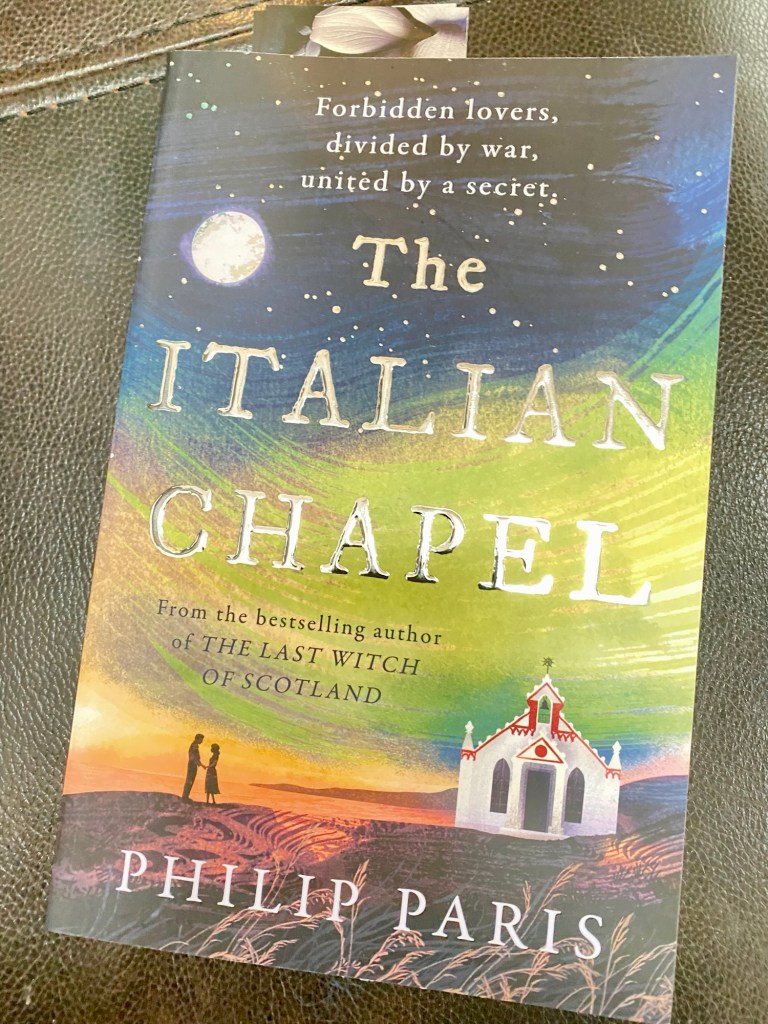
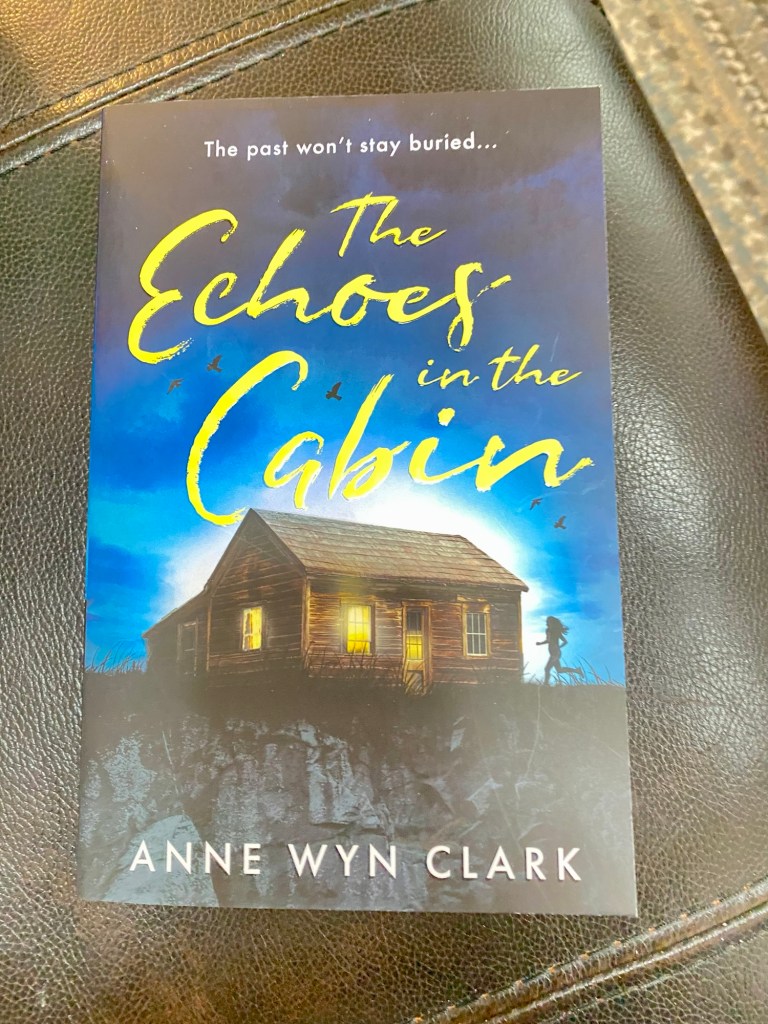
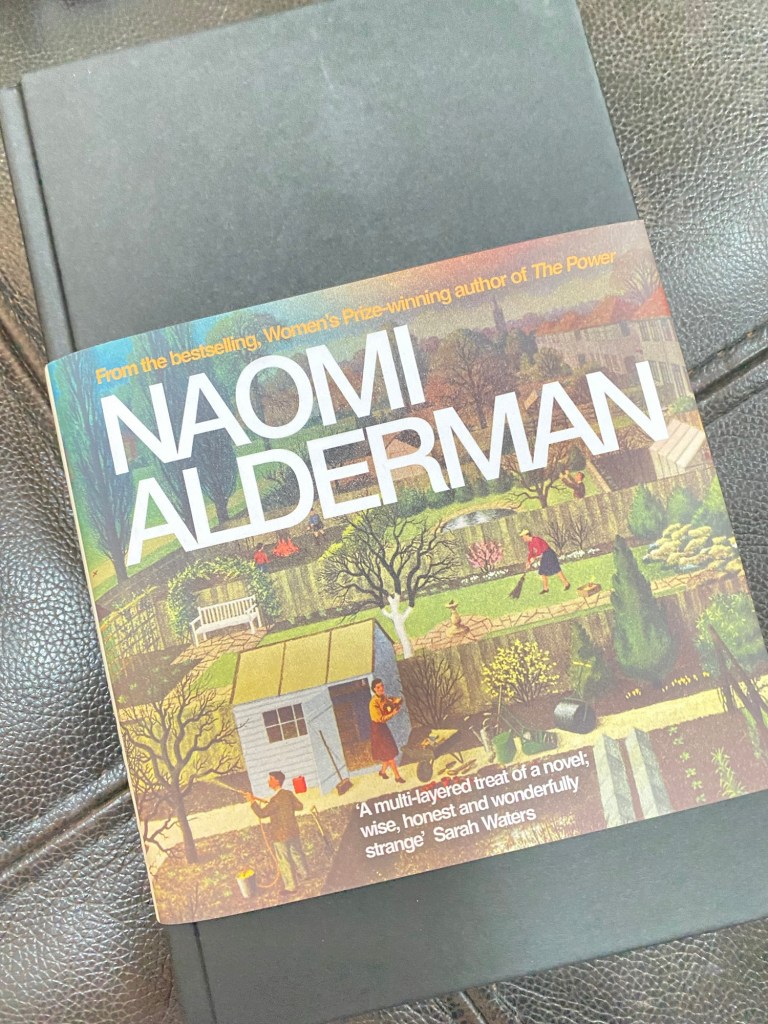
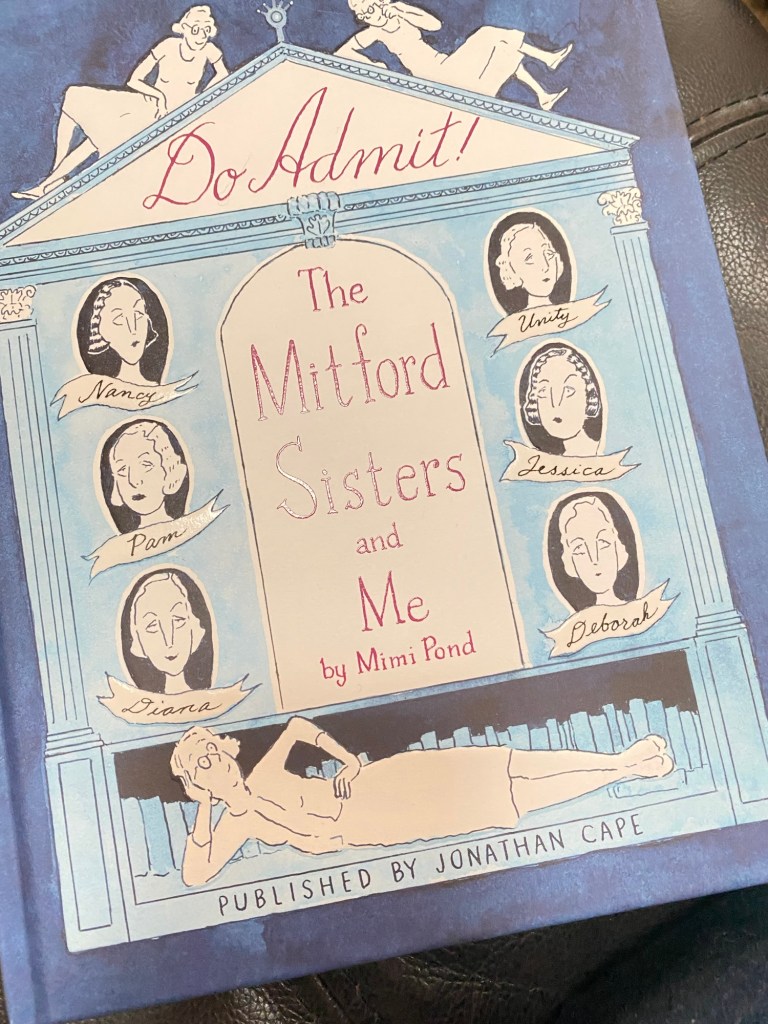
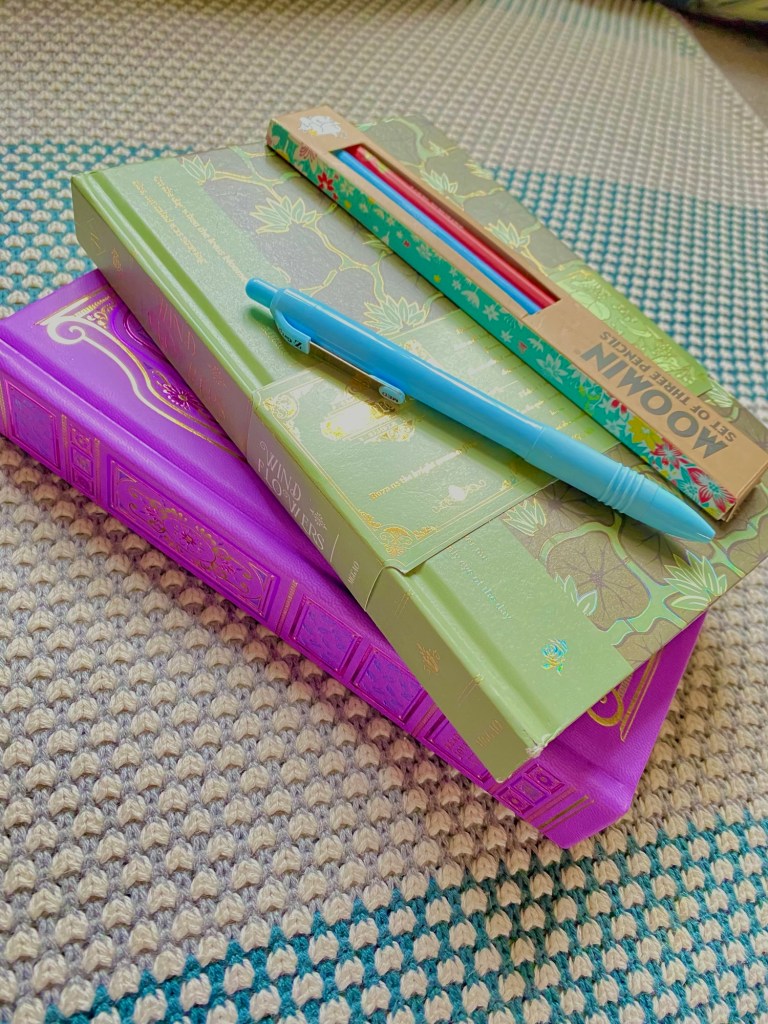
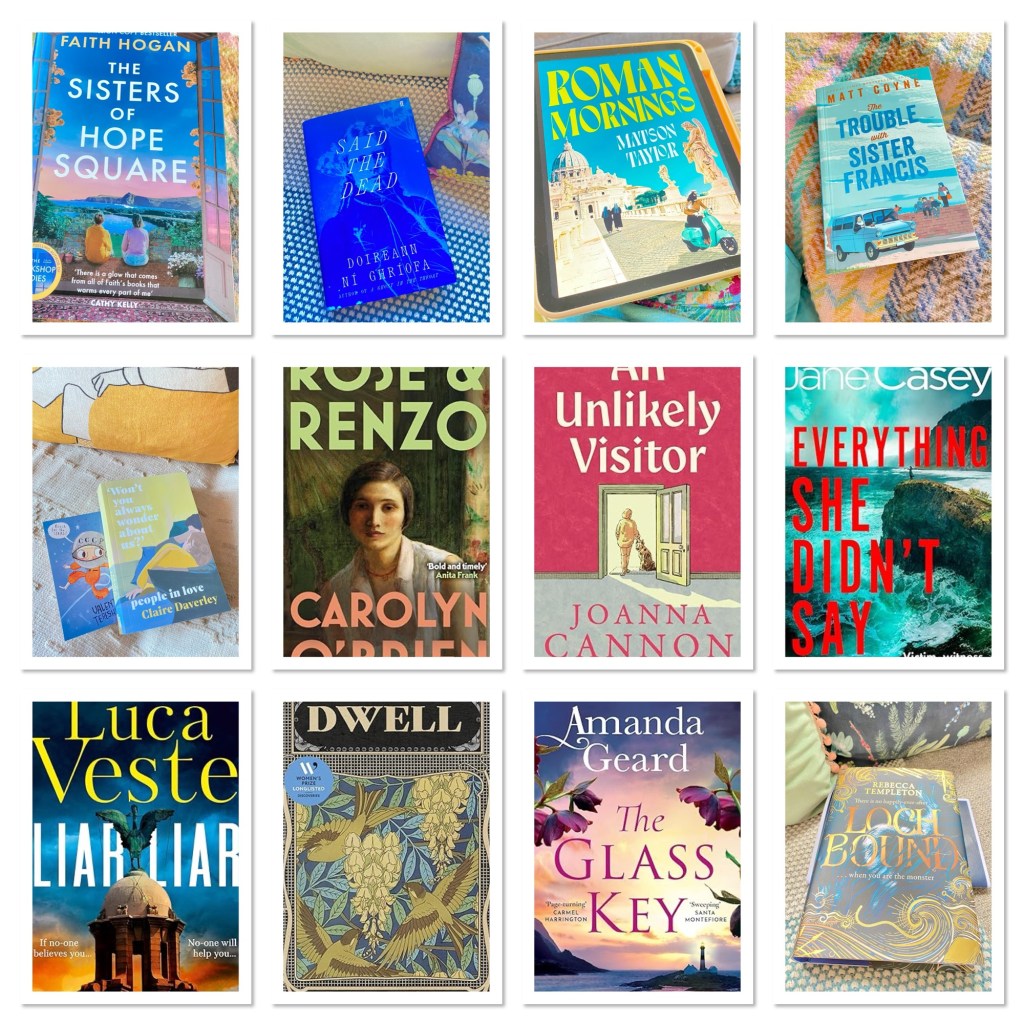
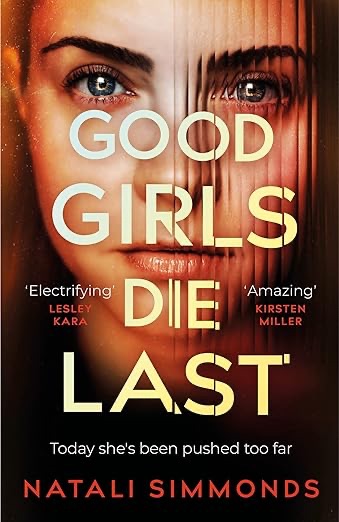
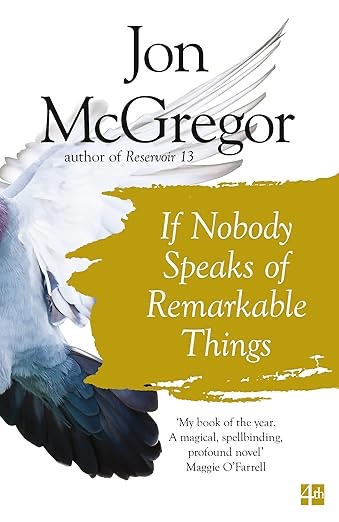
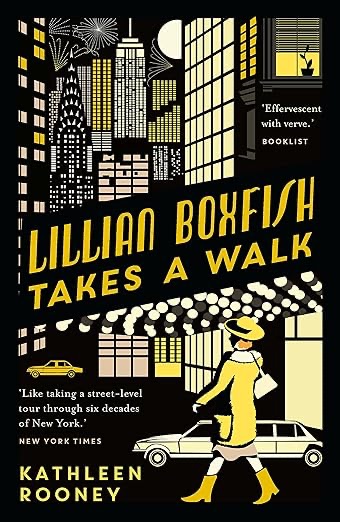
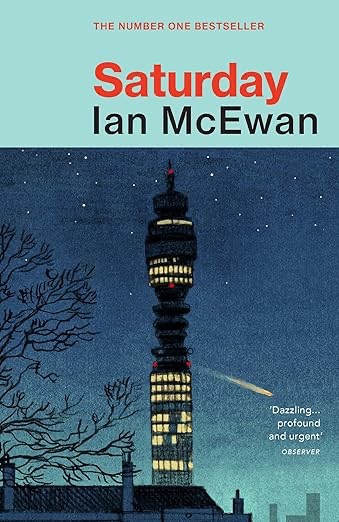
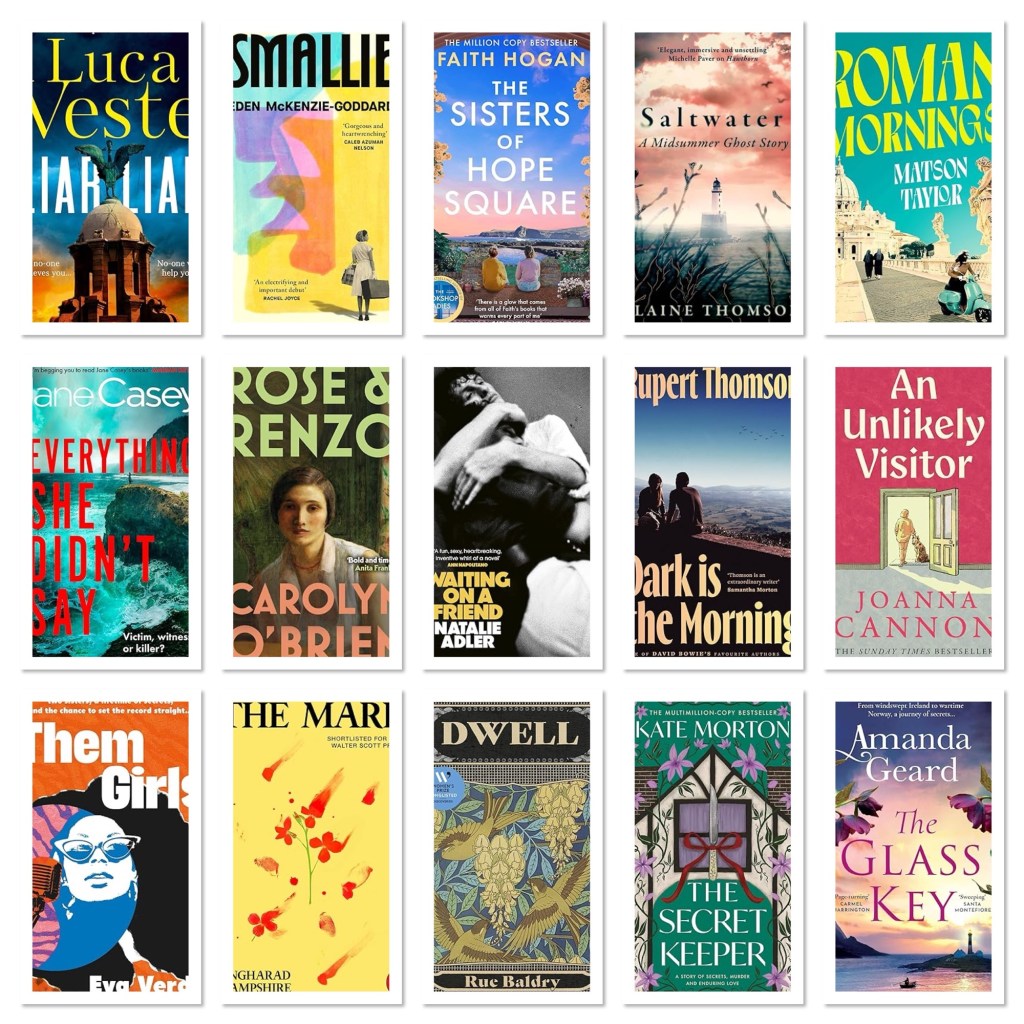
It was lovely to be back at Gallovidia Books in the Artist’s Town of Kircudbright. It’s one of my favourite places to visit because it’s easy to get around and it has a pop-up artists and makers shop which is brilliant for Christmas shopping – sorry, I have started – as well as an art gallery with great exhibits and a cafe where we always stop off for breakfast on our way home. Gallovidia Books is painted the beautiful blue of the bottom book of the stack and is absolutely crammed with books and bookish gifts. It’s a small shop but the selections are so well judged and the recommendations are great. The owners are so friendly, even remembering me from one visit last year, and their book knowledge is second to none. My choices have a very Scottish flavour this time, apart from the last two. All are books I picked on the spot from recommendation or simply from browsing. I can’t recommend this shop highly enough if you’re in Dumfries and Galloway, full of atmosphere and quirky decor.
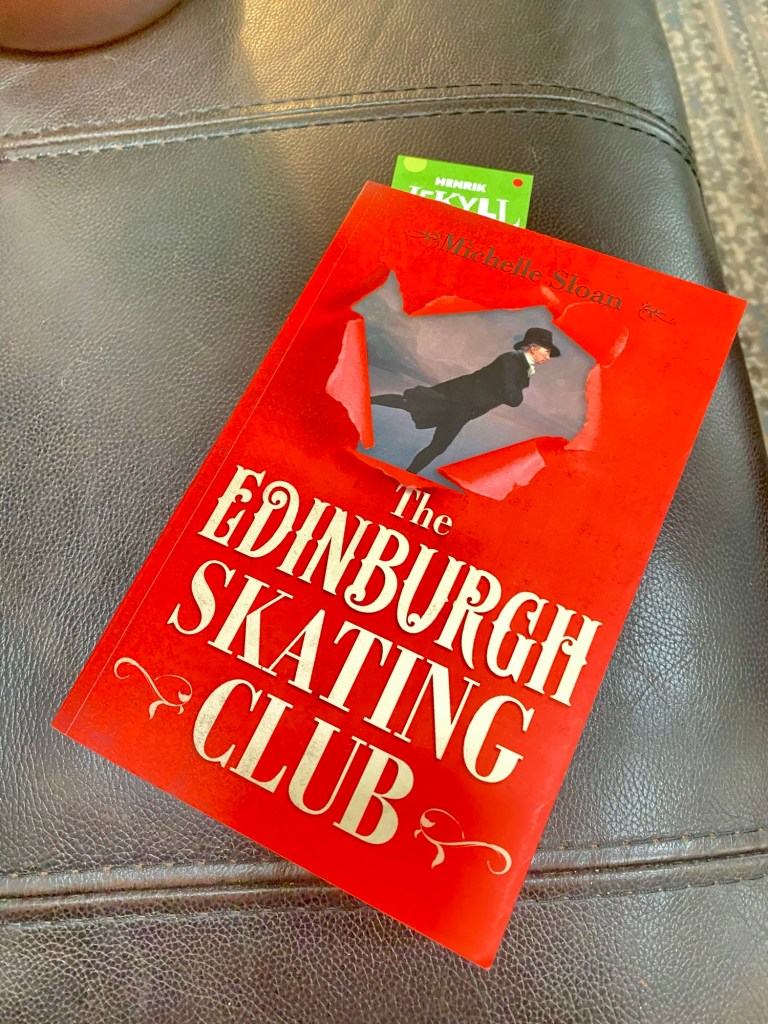
The Edinburgh Skating Club by Michelle Sloan
I picked this from the historical fiction section and it’s a story based on the painting The Skating Minister. An art historian called Claire Sharp is tasked to find the true provenance of the painting. While in the 18th Century a poet called Alison Cockburn accepts a challenge from her friend Katherine Hume, to infiltrate the all-male Edinburgh Skating Club. Alison will have to live as a man and neither of them could predict how it will affect their future. I love books that celebrate people overlooked by history and this sounds like it’s right up my street.
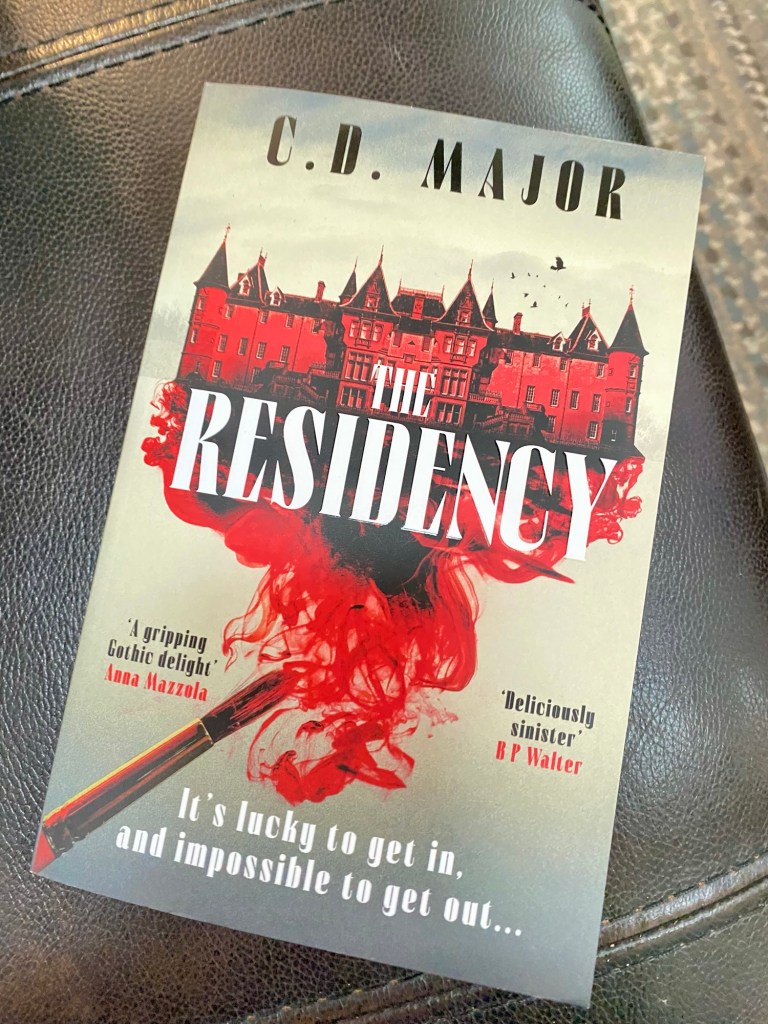
When on holiday we all have those dreams of upping sticks and moving to our favourite spot. Yesterday I was looking at property in Scotland!! So this was an obvious pick, being about someone also feeling like she needs a change. Ginny is a single mum living in London and has been trying to make it as an artist, despite a promising start she is now barely scraping by. On a whim she applies for an artists residency in Scotland with all expenses paid. She’s shocked to be accepted and is soon on a boat to a remote Scottish island with her daughter. She worries slightly that she’s been hasty in accepting and locals seem to be avoiding her questions about her benefactor. Is this just that they don’t like publicity or are they scared into silence? The place is eerie and she has questions about her contract which states she mustn’t go into the gallery part of the old property. She thinks she hears whispers and is sure that the people in the paintings change overnight. However, as soon as she realises that she’s made a grave mistake will it be too late to escape? I’m looking forward to this spooky read that’s perfect for autumn.
A few years ago I read Caroline Lea’s wonderful novel The Metal Heart which was about the Italian prisoner’s of war on Orkney and the tin chapel they built to worship. So I had to pick up this love story that’s set on the Orkney island of Lamb Holm and the prisoner’s camp 60. Among them is Domenico who is an artist and inspires his friends to create a symbol of peace, building an Italian chapel from scrap. The chapel soon lives up to its symbolism when POW Guiseppe falls in love with a local woman called Fiona. Inside the chapel he hides a token of love that is unveiled for the first time in this book. Based on an incredible true story I’m looking forward to learning more about this special place.
This book is set in another of my favourite haunts, North Wales. Elin returns home to Anglesey after a tragic accident, to the same bay where her mother was drowned ten years ago. I picked this up having just read Doug Johnstone’s latest instalment in his Skelf series that covered a similar subject of ‘grief bots’, an AI generated version of the person who died constructed by scraping all their data from social media and other digital sources. Here Elin agrees to try a grief hologram, but when the avatar says something that shocks Elin she realises that her current loss and the loss of her mother could be related. What if they weren’t an accident? Because if that’s the case she might be in danger…
My final choices are a little bit different and this one was highly recommended. It claims to be like nothing I’ve read before which is an excellent way to grab someone who reads a lot. Written while grieving her mother, it’s more like auto-fiction than a novel and follows what happens when she puts up a wildlife camera in the garden. It captures an image of a strange new animal, low to the ground like a badger but with a flat face and a long trunk like nose. Soon the animals, called mimmoths, are everywhere and no longer he knows where they’ve come from. As sightings spread across the world it seems they are common, harmless but following their own purpose. They won’t take human food and can’t be captured. They are intelligent. The author feels connected to them and becomes caught up in conspiracy theories and global power dynamics. Has grief made the world surreal or is reality changing? I’m intrigued..
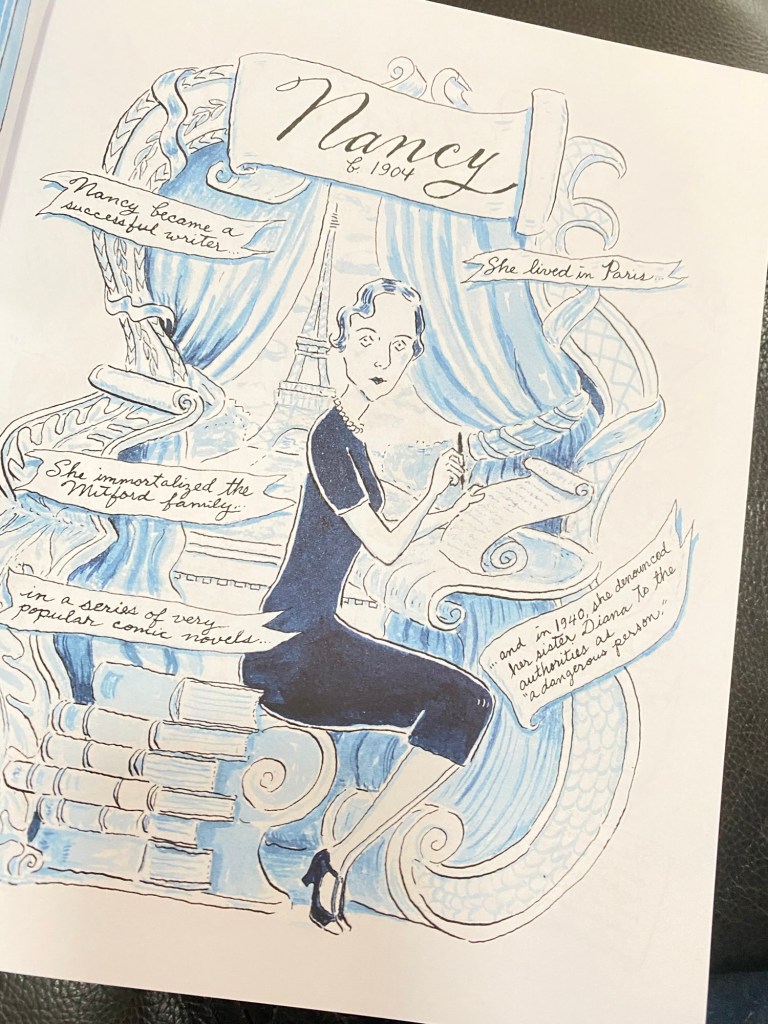
My final choice was unexpected but as soon as I saw it I knew it was for me. I have a lot of books by and about the Mitford sisters, even meeting Deborah, the dowager Duchess of Devonshire at one of her book events at Chatsworth. I find the Mitford sisters intriguing and this is a beautiful and unusual book about their complicated and varied lives.
It details each sisters particular history and is so well illustrated by Mimi Pond. As a young girl living in sun-bleached 1960s suburban California, Mimi Pond fell in love with the Mitford sisters. Nancy, Pamela, Diana, Unity, Jessica and Deborah Mitford brought society glitz, pageantry, scandal, and real (rainy) weather to her own prosaic life.
High society debutantes known for rubbing shoulders with some of history’s most infamous fascists and communists, the sisters were also, in turn, gifted writers, inveterate nicknamers, chicken-raising homebodies, scathing wits, and passionate adventurers in the maelstrom of the 20th century. Drawn with inimitable artistic flair and a mischievous affinity for the decadent and grandly declining aristocracy, Mimi Pond brings the Mitfords to life in this glittering and lovingly researched family biography. This is my first graphic book in years and will sit happily on my shelf next to my other Mitford acquisitions.
If you could rewrite any book’s ending, which one would you choose?
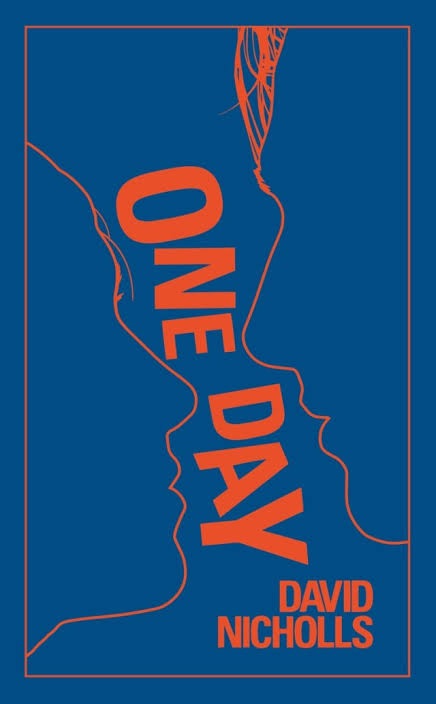
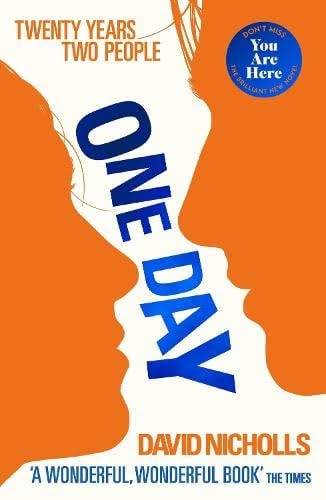
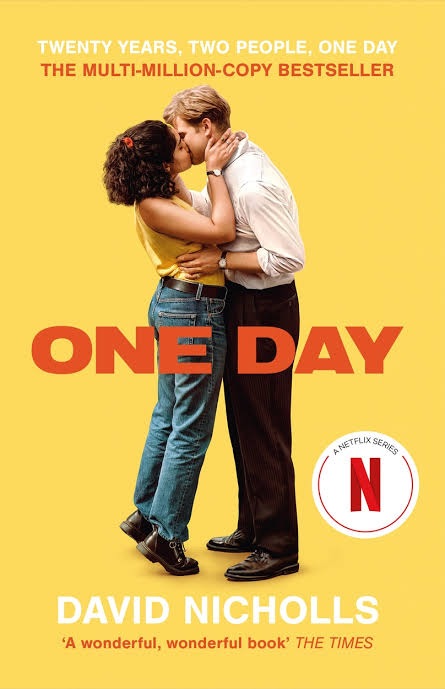
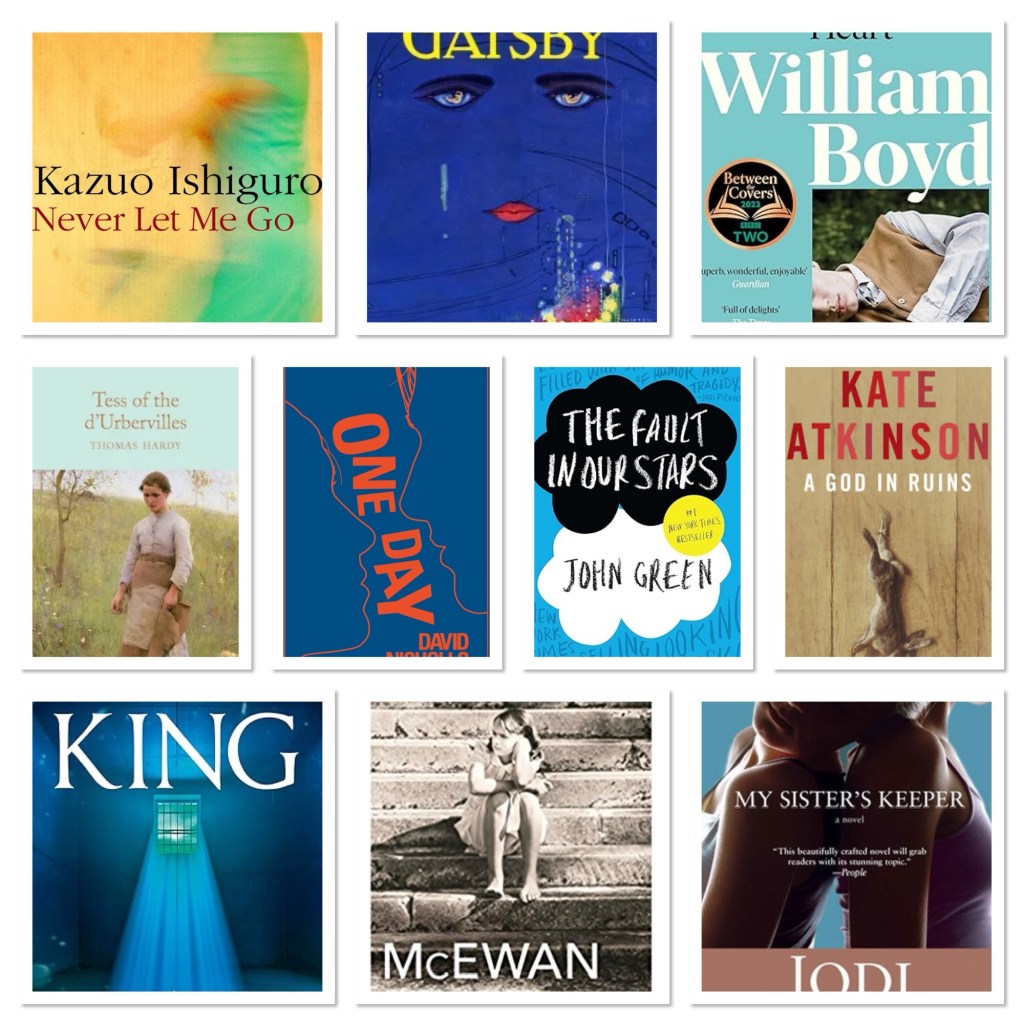
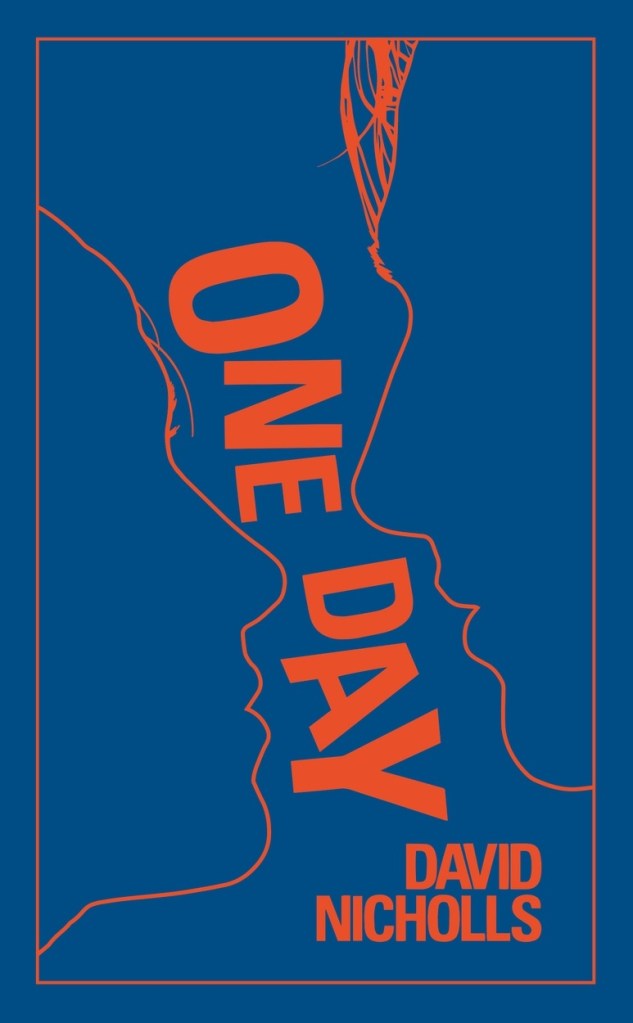
If I could rewrite a book’s ending it would be for purely sentimental reasons. The first time I read One Day by David Nicholls I burst into tears. Genuine gulping sobs. Spoiler alert here, this line broke me.
“Then Emma Mayhew dies, and everything that she thought or felt vanishes and is gone forever.”
It’s such a simple line, but beautifully written. The change from past to present tense so we’re right there in the moment of the accident, it’s the finality too. Not just a body but that peculiar magic of thoughts, ideas, and beliefs that make up a person. That make us fall in love with a person. David Nicholls spends three quarters of the book manipulating us into falling in love with Emma and in a moment she’s snuffed out.
You’d be forgiven for thinking that this response was down to my personal experience. Probably so. Partly I probably was grieving for my husband Jerzy, he’d only died two years before. Isn’t it strange the way our memories become confused but I would have sworn the book came out before he died. I imagined I’d read it while I was at university in 2001 but since the book was published in 2009 my grief would have been raw.
It’s the futility of all the time they danced around each other, for twenty years until Dexter gets his act together and recognises how much he loves this incredible woman. He certainly takes his time. Only for their time as lovers to be cut short in a second.
For me Emma is at her happiest in Paris. She’s cut her hair. She has a lovely apartment. She writes books for children. Everything she’s hoped and worked for is hers and then Dex turns up, newly divorced and suddenly she’s on his radar. Finally he sees what’s in front of him. So I would leave Emma in Paris, meeting men who see her value and writing her books, exploring the city that’s kickstarted her dreams and done with being Dexter’s consolation prize. She will always care but knows that’s the right decision for her and her happiness. We leave her with her thoughts and feelings intact, buying flowers and meeting a man for a gallery and dinner.
Why are you writing? No one wants to read this. You have nothing interesting to say. I do, my experiences are unique. No one cares what you have to say. They do, some people have really enjoyed my writing. They’re just telling you that to spare your feelings. No, this is from strangers. They message or comment they like it. They’re probably embarrassed for you, what if someone you know reads it. They might but if they’re friends they’re not going to be horrible about it. What about those who aren’t friends? The social media trolls. They are awful but it wouldn’t be the first time and I can ignore them. Can you though? What if they say something really hurtful? Well then I’ll be hurt but surely being slightly hurt is better than not writing? Even if you’re writing the most cliched rubbish, first writing class sort of rubbish. Well I can try again. You know you hate being criticised. I’m getting better at taking it. Sometimes it’s a positive thing. It scares you though doesn’t it? Yes, but if I don’t write I’ll never know. Know what? If I can write a book, something I’ve always wanted to do and now I’m 52 and I can’t keep putting it off because I’m listening to you. I’m saying what you really think. You can talk yourself into being confident but you and I know you’re not. I am. I’m getting better. Other writers must have thoughts like these and they still write. Even Virginia Woolf had self-doubt. Listen to you. Virginia Woolf? You’re not in the same league. I know that, but what if self-doubt is normal. What if I’ve not had the nerve to write for all this time when every writer feels this way? It hasn’t stopped me writing. I keep writing. I can’t not write, even if it’s about someone else’s work or my journal. It’s just a part of me, like you are, except this is a part I want to keep. Silence. The only failure is if I stop. Quiet. The sound of a keyboard…..
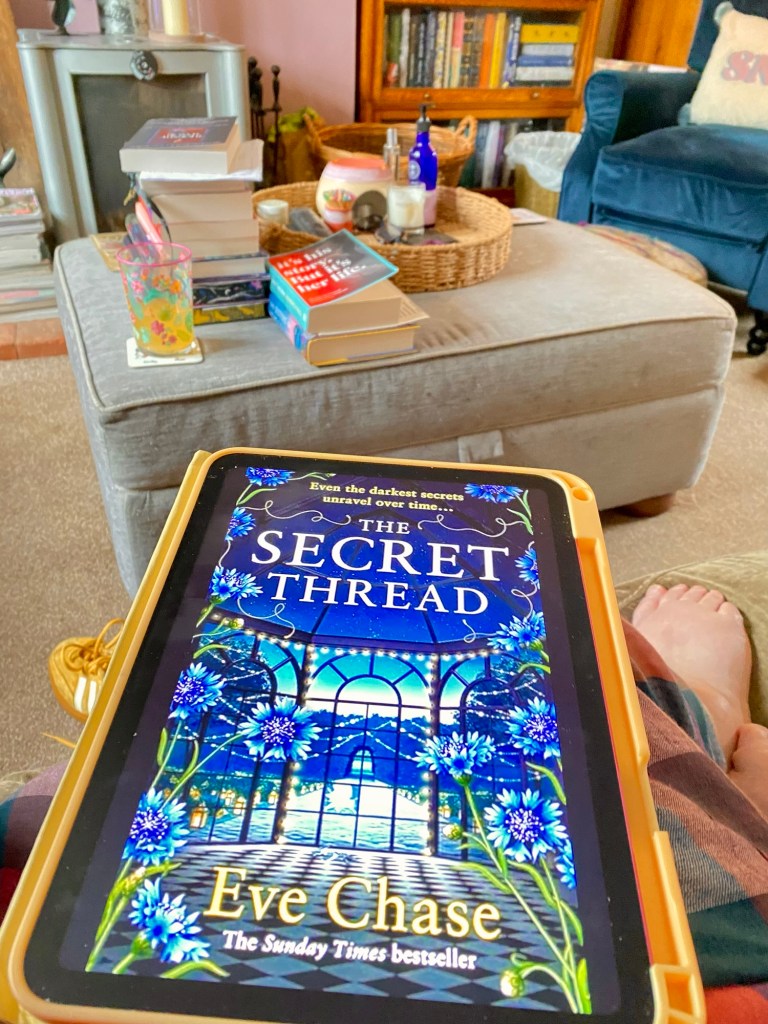
We know what we’re getting with Eve Chase, usually an ancestral home or a family with big secrets and here we get both. We’re introduced to Mimi Mott, interior designer and fashion icon who is in London preparing for an exhibition and auction of some of her oldest belongings. Jo is a journalist, desperate for a break and responds to an advert for an assistant to help Mimi with her exhibition artefacts. Once Mimi has chosen an object, Jo will talk to her about it and then write some copy for the exhibit. She and Jo click immediately and she’s set to work straight away. However, Jo had her reasons for wanting this job and if Mimi finds out what they are and who Jo is she could be in a lot of trouble. She would also be in trouble with her grandmother who has no idea what her new job entails or who it’s with. As she treads this tightrope we’re taken back into the 1960s and Mimi Mott’s past.
When Mimi picks an object for the auction, and she and Jo talk about it, it’s easy to see how much it affects Mimi and conjures up memories of the past. She has always known how much power there is in objects from the moment she picks up a piece of crystal from a chandelier at Rushwood and the interior designer, Whipple, encourages her to hold it up to the light and take it in. It holds all the colours of Rushwood within it. Each of Mimi’s fabric or wallpaper patterns has its genesis there, from the plants tended by her family to the objects inside Rushwood and even her trip to the seaside with Lawrence Caswell, heir to the estate. Mimi knows why we keep objects and I understood this so deeply because my house has the chesterfield leather chairs I used to sit in at my friend Nigel’s house, the first antique ginger jar my late husband and I bought to start a collection, a snow globe of New York from my 40th birthday trip and a little stone bird by my bed, part of a matching pair I shared with my friend Kathryn before she died. Mimi gets this human connection with the items we use to decorate our homes. Her auction will show the thread linking each piece to its place in her memory, though everyone thinks Mimi has forgotten her family, she didn’t forget what happened that summer, she has immortalised it through her life’s work. This is a great summer read, full of secrets, family rifts and a bit of romance too.
a mountain village in the Abruzzo region of Italy, Gino, a troubled young man, realises that his childhood sweetheart Franca can give his life the happiness and stability he needs. They seem made for each other, and move to a remote house in the countryside – but there is something in Franca’s past that haunts Gino. Descending into pathological jealousy and resentment towards a married man who had been Franca’s lover, Gino is unable to stop himself imagining the worst, and embarks on a violent path that has catastrophic consequences. This was compelling due to the complexity of Gino’s character. It couldn’t have been a better read for a counsellor and if I had a trainee who wanted to understand the Cognitive Behavioural Therapy concept of negative automatic thoughts I’d get them to read this book. Everything Gino experiences is filtered through a faulty lens. Whether this is innate or a result of constantly feeling like a disappointment is hard to tell. At the moment he has it all, but in his mind it’s already unravelling. The house needs a lot of work, but could be a secluded haven for a family. Gino hears that something strange happened to Franca’s aunt during the war and starts to wonder about it, could an event like that leave something in the house like a mood or a feeling? Is the house unlucky in some way? To be transparent about her past Franca tells him about an affair she had with one of her father’s friends. Although outwardly he seems to accept this confession, inwardly it becomes a nagging concern he can’t shake off. Everything about Gino screams of a paranoid personality disorder, his mistrust of others and ability to twist innocent encounters into personal slights and grudges are classic symptoms. It could stem from his experience growing up with a much loved local hero for a father, but he has stopped listening to others and his behaviours become more extreme, including hallucinating that his baby son is talking to him. This book has emotional depth and complexity, tension and action alongside some incredibly surreal moments too. I would definitely read this author again.
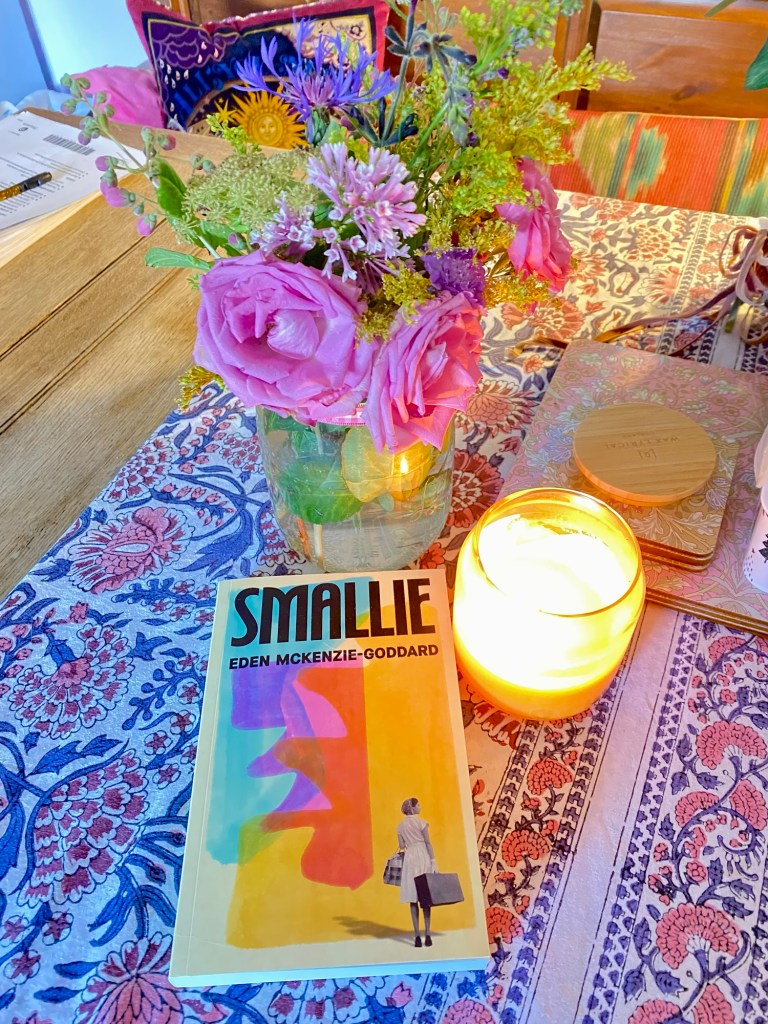
Smallie adj. |smal·lie| Definition: Caribbean (informal). Describing or relating a person from a small island; a small islander.
In 1961, nineteen-year-old Lucinda Brown travels to England in search of her son’s father, Clarence Braithwaite, who left Barbados to join the British army. But aboard the ship to Southampton she meets a man named Raldo who offers her a glimpse of a new life, a freer life. Bound by the memory of her son waiting at home, she chooses Clarence – realizing too late that war has made a stranger out of him.
Nearly fifty years later, Lucinda receives a letter from the Home Office that threatens to tear her world apart. Her children rally together to prove her legal arrival, and to do so they must track down an elusive man from her past, a man she wanted to love but instead lost, a man who now holds the key to her family’s future. Raldo . . . An exhilarating and expansive tale of a family thrown into collision with the Windrush scandal, Smallie shows just how easily the past can spill into our lives, even when – especially when – we think we’ve closed the door on it.
I’m not going to write too much about this because I haven’t written my full review yet, but I loved it. I couldn’t stop reading and I found the writing incredibly inspiring and unique. The dual timelines worked well and I loved the generation gap shown in Lucinda’s timeline and her children’s fifty years later, they haven’t known racism the way Lucinda has and the Home Office letter is their first sense of real powerlessness against the state. This is a must- buy novel.
“You give a girl a taste of fresh air and then you take it away—she’ll grow fierce and wild to get it back.”
Oxford, Mississippi, 1933.
Eleven-year-old Meg Lefleur has learned the hard way to rely on no one. Ever since her beloved mother failed to come home last Christmas Eve, she’s been one of the ‘unadoptable’ girls at the town’s orphanage, where she fights each day to keep her wits sharp and her spirit unbowed.
When she meets Birdie, a young woman who has come to Oxford determined to remind her socialite sister of the impoverished family she left behind, for the first time in a long while it seems someone else might care about Meg’s future. But as the Depression tightens its grip, Birdie begins to suspect her sister’s charmed life may be founded on a tapestry of lies. Then, Birdie encounters Charlie, a woman haunted by loss who has been pushed to the brink with nothing left to lose. Drawn together by circumstance, they find unexpected kinship among a disreputable, determined band of women.
But in a town steeped in hypocrisy, even the smallest act of defiance can have dangerous consequences …
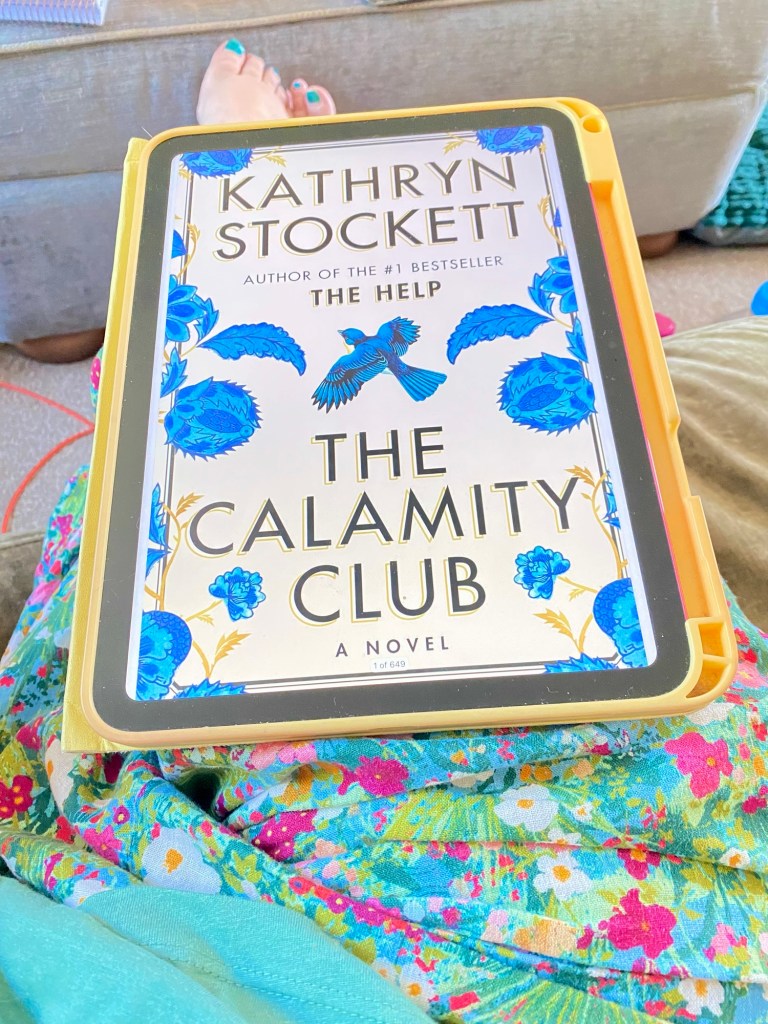
Again, I haven’t written my full review for this book, mainly because there’s so much I want to say! Kathryn Stockett has done it again. I can see this on the big screen and it will be brilliant. I fell in love with Meg and Birdie, but also the women who form a team to get Birdie’s in-laws out of the mess they’re in. This book has so much to say about female strength, friendship and adaptability in terrible circumstances. Every character is so well drawn I could see them. I know a lot about eugenics and its history in the US and this is an important book right now, going against where Christian Nationalist policy is taking the country. It shows the damage that can be done when someone lives the rigid rules of religion rather than the actual message of love given in the Bible. Often those who want the appearance of goodness, will do anything to keep it. Birdie finds that friendship and loyalty can be found in the most unusual circumstances and with people you never expected. There’s tragedy and brutality but also lightness, humour and so much love. Brilliant.
So those are my favourites this month and here are some hopefuls for June’s reading list. Happy Reading ❤️📚
“When Mark died I thought I’d start seeing him around more..”
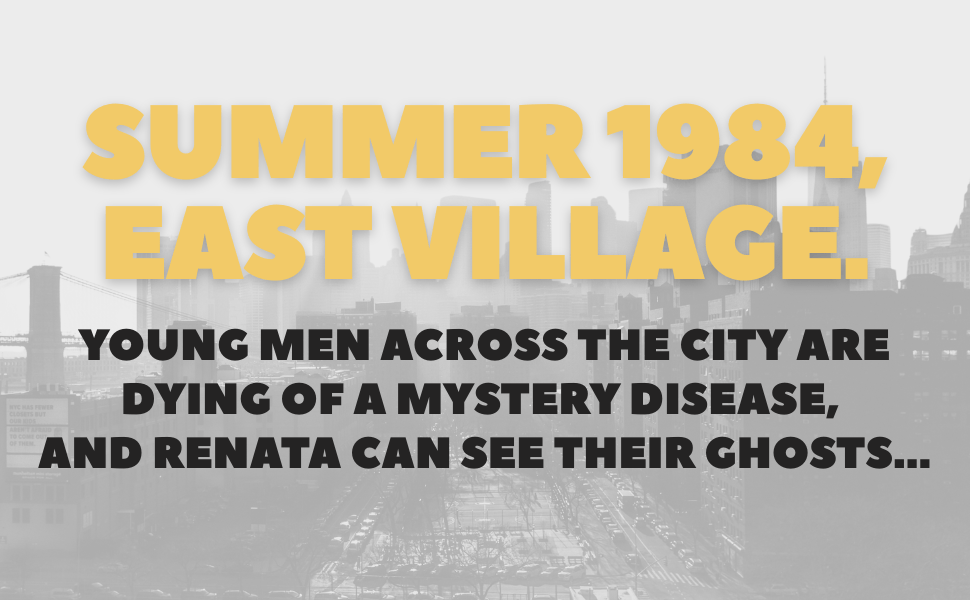
From that fascinating opener this book becomes so many things: a meditation on grief; a witness to the AIDS crisis in 1984 New York City; a community’s anger at the gentrification of the East Village; a ghost hunt led by a company called Manhattan Remediation. Renata is a young dyke-about-town who has the ability to see ghosts, which has been happening more and more frequently as her friends have started dying of what has recently been named AIDS. So, when her best friend Mark dies, she assumes she’ll see him again. There’s no way Mark wouldn’t give her a chance to say goodbye, would he? But to her disappointment – and increasingly, her concern – Mark doesn’t appear. Renata has other problems, too. A mysterious, police-like force has begun ridding their East Village neighbourhood of anything abnormal or inexplicable. At first, she’s sure they’re scam artists, but it becomes clear they’re actually trapping ghosts. With her band of lovably eccentric pals and lovers, Renata is determined to fight back against the erasure of her friends’ memories and the sanitizing of her beloved New York.
Renata is our narrator throughout and I felt a kindred spirit in seconds. Her expectation of seeing her friend Mark seems odd at first reading, but when I realised he had died without her and she hadn’t known for a few days I was so sad for her. Mark is clearly the most important person in her life, they shared a living space when either one of them wasn’t sleeping at a lover’s place and it seems unthinkable that she wouldn’t have known. That she wouldn’t have felt it. That the sky didn’t cave in. When people say life goes on this is exactly what they mean – everything carries on as normal while you feel like a shrieking banshee. However, for Renata there’s an added element to this disbelief. She can see dead people. In fact she’s being plagued by the ghost of their friend Francois, who she definitely doesn’t want in her flat. So why hasn’t Mark appeared? It’s hard to accept that the powerful and deep emotions you share with someone have suddenly become one sided. I remember thinking when my husband died, we were so close, how can that line of communication be cut? Years later, a chance encounter with a medium left me questioning again, she definitely had Jerzy’s turn of phrase, his humour and tendency to flirt with the furniture, but why was he talking to her and not me? Renata and Mark had a complicated relationship, they each had lovers, but they did have times when they slept together. There was no possessiveness in life, but in death I could understand Renata’s desire to have him to herself.
I was reminded of Jill in the TV series It’s A Sin and the deep connections the residents of the pink palace had with each other. When her best friend Ritchie starts to deteriorate badly, his family take him back home and cut him off from the people who have lived with him. It’s devastating when Jill travels to his childhood home, only to be told by his mother that Ritchie is already dead. The author picks up on this in the novel, the families unable to live with their child’s sexuality rushing in near the end to claim them. This could be out of love, but is also a way of cutting them off from their community, not wanting the stigma of AIDS to touch their family. Some families quickly and quietly arranged funerals for their children without the people who loved them for who they truly were, often citing the cause of death as cancer so the neighbours didn’t know. I was a teenager at the start of the AIDS epidemic here in the UK and I remember feeling genuine fear. The government leaflet had a gravestone on the front with ‘don’t die of ignorance’ carved on it. I even remember a bizarre telethon type event called First AIDS, presented by comedians and DJs telling us which sexual acts were most risky, how to prevent contracting the virus and how to put a condom on. I was thirteen and I honestly believe that it informed by sexual behaviour from the offset – I was known by my friends in later years for two methods of contraception at all times and I’m sure that was down to how frightening it felt back then. There was enormous stigma and prejudice, but because I lived in a quiet village in a rural county it felt somewhat removed from me. Even though I had an Uncle who was obviously gay in hindsight, we never really talked about it. Reading this and knowing that, a few years earlier than First AIDS, death was a daily reality in the gay community of the East Village really made me realise how far behind and out of touch we were.
The author skilfully switches tones from crushing reality, to horror and even humour at times which I really enjoyed. She doesn’t spare the realities of a death from full blown AIDS, in particular she tells us the story of Francois who is haunting her apartment. He is an angry ghost, throwing and pushing things, always making a noise and creating a horrible atmosphere, even before he appears. When he does he is known to vomit, pee on the rug and often lets out a terrible scream. Francois was a teacher, but when he started losing weight and sores were appearing on his face he was asked to leave because ‘his face was scaring the children.’ She details the secondary illnesses that would kill someone with the HIV, the lymphoma or other types of cancer or infection like pneumonia. Then there’s the encephalopathy and dementia. It’s no surprise, when we hear François’s story, that his ghost is angry. She talks about the guilt she feels for wanting him to die quicker, to stop his suffering. Renata’s mother, who never let on that she had the same gift as her daughter, said that spreading salt in the corners of problematic rooms helped soak up the negative energy, so she’s been trying baths with mineral salts but it hasn’t helped. There is some comedy in Francois as well as fear and it’s Renata’s irritation with him that made me smile. She knows she can’t live with him, but what to do? Another theme within the book is the gentrification of the neighbourhood, with talk of landlords trying to remove tenants in rent controlled apartments so they can renovate and earn more from a new one. A company called Manhattan Remediation are mentioned, claiming to be able to remove ghosts or entities from apartments. It’s discussed as a possible link to gentrification, a way to ‘clean up’ the neighbourhood. This is a proud community that wants to keep its history and its ghosts. When Francois finally pushes Renata to the edge she calls them and like the fourth emergency service Dr Silverman arrives with a faraday cage. Could this be the answer?
I was really interested in the community Renata lives in and her job at the vintage shop. She also has other friends who help her sit Shiva for Mark – a Jewish week of mourning where the bereaved stop their daily activities and focus on grieving. Renata’s friends cover the mirrors and prepare food and they talk about their memories. This is a stark contrast to her visit with Mark’s lover Patrick where there is tension and anger on both sides and I was glad she had a loving community around her. The author has captured the resistance and pride of the gay community when they’re coping with stigma and suspicion. The warmth and empathy they show each other is moving. This is such a powerful subject and really succeeds as a piece of queer history in New York City, especially since most US deaths from AIDS occurred in NYC and San Francisco. It really embodies the fear and paranoia of that time perfectly, but also depicts a community of people for whom sex may be fluid but love is plentiful and loyalty is strong. For individuals already stigmatised by their sexuality and estranged from families, this community is their found family and those ties are unbreakable. As Renata observes, if the strength of her grief alone could compel Mark to appear then he would. The addition of Renata’s psychic abilities is a genre-bending idea that mostly works really well and accentuates how lost and confused she feels. I felt her need to keep living too, even though the pull of the dead is so strong. The way she relates her personal grief to the reader, in a time of unprecedented loss, is the strongest part of the book.
This week’s ten are the fictional deaths that really affected me emotionally and why, so if you haven’t read the above books be aware that I will be revealing who dies and the twists that led there if there are any. I’ve been reading about death a lot this month and it’s probably not been the easiest month for that sort of read. 19 years ago on the 25th May I became a widow at the age 34. My husband and I married just six weeks after meeting and I uprooted my whole life to be with him. He had progressive multiple sclerosis and unfortunately died from aspiration pneumonia only seven years later. I’m so grateful for the years I had with him though. They were not easy, two people in a house with a disability is tough and made tougher by a stupid system that deemed me too sick to work but well enough to provide two thirds of the 24 hour care he needed in the last couple of years. Having exhausted myself, I was relieved that he wasn’t suffering and that I had time to look after myself. I was glad to lose the illness (although I still have it) but it took a few months for the loss of the person to hit me, so hard that I felt hollow. So, deaths in fiction do tend to hit me hard and I’m going to start with a YA novel with a character who was so like my husband Jerzy it made me smile as it ripped my heart out.
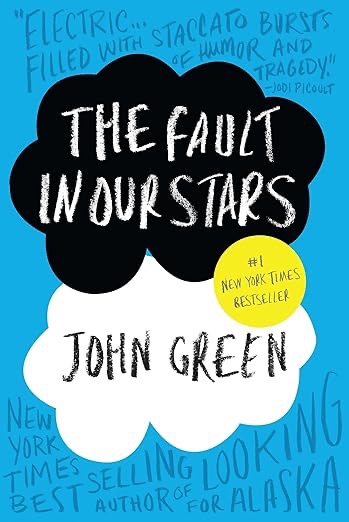
This story of two terminally ill teenagers is such a quick read, but it lasts a long time in your heart. Augustus Waters was so like Jerzy, just younger. He’s charismatic, positive and almost glows with that special something that makes others look up to him and listen to what he says. When he meets Hazel at a support group she finds him handsome, intelligent and brimming with positivity about his own outlook, having had a brush with osteosarcoma that led to the amputation of his leg. Their love is almost instant and the poignancy is that their first love could be their last. Augustus wants to do something heroic and it’s a quality Jerzy had in spades. Even from his wheelchair he went tall ship sailing, scuba diving and before the MS had played rugby for his county and London Irish. He had that sparkle I could feel in Gus and that undefinable something that made others want to be near him. Gus is a romantic, both in this beautiful love he has for Hazel and in his attitude to his illness. His outlook attracts other patients and keeps them going, so his death, when it comes, feels impossible and like a betrayal. How can someone as bright and beautiful as this do something as ordinary as die. It heightens the relentless nature of the disease and the human condition – no matter how great, how loved or how heroic we are, we all die in the end.
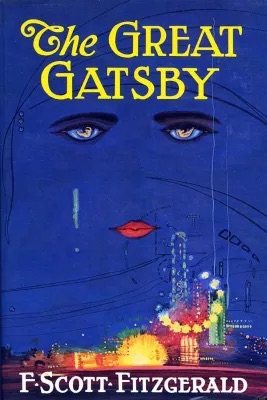
We all experience a book in different ways because we read it through the filter of our own experiences and emotions. I haven’t met anyone who finds Jay Gatsby’s death as sad as I do. Gatsby is another romantic and he truly believes that to win Daisy all he needs is wealth and status, he never doubts her love. He’s been clinging to his feelings for Daisy, thinking she has been doing the same. Finding out she’s married to Tom Buchanan and lives out on Long Island, he moves in across the water and waits. His next door neighbour Nick, who is also Daisy’s cousin, gets her to visit his house for tea and finally they are in the same room. Gatsby shows her his home and his wealth, thinking that now she must see there are no obstacles in their way. However, the Buchanans are ‘old money’ and despite Tom’s drinking, aggression and cheating with Myrtle from the gas station, he’s still the ‘right sort’, whereas Gatsby’s wealth is from dubious sources and even though hundreds of people attend his grand parties he’s probably one of the loneliest characters in fiction. The terrible accident that occurs as the group race back from the Plaza Hotel has been building slowly in the background. When Gatsby takes the blame for hitting Myrtle with his car, even though Daisy was driving, it’s the beginning of the end. Myrtle’s husband, who has been driven mad with jealousy over her affair, will seek revenge. It comes as Gatsby waits for Daisy’s call, hoping she’ll leave Tom and be with him. She never calls, but the waiting Gatsby doesn’t know this as he’s floating face down in the pool, dead from gunshot wounds. What’s devastating is the yearning, the hope and our knowledge that Daisy and Tom have already left, having got away with murder and seemingly untouched by the deaths of their lovers.
David Nicholls writes relationships and emotions like no one else and when I first read this back in the early 2000s I spontaneously burst into tears. For me this line is up there with the most devastating in fiction:
“Then Emma Mayhew dies, and everything that she thought or felt vanishes and is gone forever.”
It’s so utterly final. All the things we’ve read about her on previous St Swithin’s Days that made both us and Dexter fall in love with her are gone. It makes us realise that it’s not just her presence that’s gone, but her love for Dex and all their little relationship jokes and rituals. No one else will understand Dex like Emma did. The author builds up our expectations for this couple for so long and they spend long periods apart, mainly for Dex to get his shit together and realise that what they have is love. So their time together was so brief and we grieve that, the loss of all they were going to do, such as start a family as they were discussing at breakfast. Before she gets on her bike and rides off into the path of a lorry. I’ve seen so many people on forums complaining about her death and how it doesn’t serve the plot or purpose of the novel. Her death is the purpose of the novel, it’s sudden and brutal, leaving everything unresolved and that’s how people die sometimes. Nicholls is showing us what happens what happens when we don’t take risks and waste time, life is fragile and can be snuffed out at any moment. It brings a gut punch of reality to the romance and it’s a line I’ll never forget.
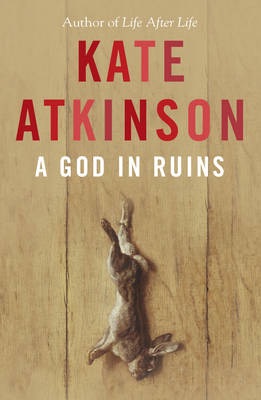
Sometimes, death occurs out of sight or when the author has distracted us with other things. Kate Atkinson’s book Life After Life is a masterpiece and probably one of my favourite books of all time, but this sequel following her younger brother Teddy absolutely floored me. As with Ursula in Life After Life, we see the events of the 20th Century through the eyes of Teddy and his family. Too young for WW1, we know Teddy survives the ‘Spanish Flu’ and goes on to meet his wife Nancy, then has life interrupted by WW2 where he serves in the RAF as a crew member on Halifax Bombers. He then goes on to have a steady life, the suburbs and a steady marriage that’s more everyday companionship than a grand passion. They have one daughter, Viola, who struggles when Nancy does of a brain tumour. Ted gives her his time and keeps a steady job as a schoolteacher, but their relationship is never easy. It is only the close relationship with his granddaughter that proves to be an easier and more loving relationship. As he grows older Viola chooses a nursing home for Teddy, where he spends his time reminiscing. However, in a meta fictional twist, Teddy remembers his final bombing mission in 1944 where his plane was shot down and he hands the final parachute to his fellow crew member, sacrificing his own life. Teddy died and all that we’ve seen of his life since then, is fiction. This ending brings home the waste of war and the endless possibilities in life that he missed out on are utterly heartbreaking.
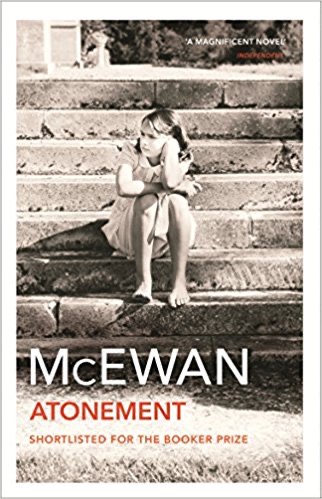
Atonement is one of those novels that shows a death doesn’t need to be witnessed to be devastating. We have no doubt that our young narrator Briony Tallis will be a writer, in fact we have the evidence of her play that she’s written, made costumes for, cast the children of visiting friends and become a formidable director. It’s a warning to the reader that Briony is very much in charge of this story as we go back to the Tallis country house where her older sister Cecilia has returned from university. So has Robbie their young gardener. We realise as adult readers what transpires that weekend when Robbie sees Cecilia soaking wet after diving into the fountain for a piece of broken vase. Viewing through Briony’s eyes, casts a different light on it because she’s too young to understand desire and love. Confused by the pair’s secret meeting in the library that evening she comes to the conclusion that Robbie is hurting her sister, so when a terrible crime is committed she suggests it might have been Robbie. He is subsequently taken to prison then sent on to fight in France at the outbreak of WW2. We then see the fractured moments the unexpected couple snatch together over the years and their estrangement from Briony who tore them apart with a lie. Then at the very end, the rug is pulled from underneath us. An elderly Briony is interviewed about her career as a writer and she shares why she wrote a book featuring her sister and Robbie, to give them the happy ending she took away from them in real life. In truth Robbie died alone in a bombed out house at Dunkirk and Cecilia was killed when a V2 hit Balham underground station. I remember being shell shocked and heartbroken for some time.
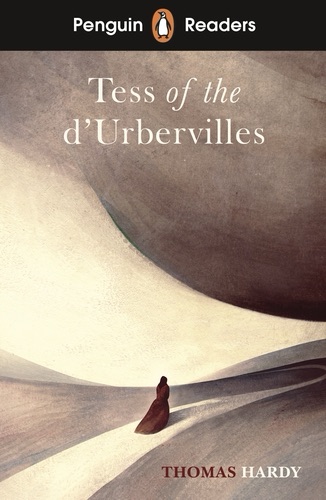
In typical Hardy fashion, Tessa’s whole life is dependent on fate from the time her drunken father suggests they might be related to a wealthy family: the d’Urbervilles of the title being a more upmarket version of their own Durbyfield. Assured of their wealth, Tess is dressed up and sent out on an errand, to claim kinship with these distant relations and hopefully secure some money to replace their recently deceased horse. He has gifted his daughter on a plate and her life feels cursed from that point on. Her cousin Alec d’Urberville is charming, he doesn’t claim her as kin but he does promise her a living on his estate. Once there the other workers, jealous of Tess’s beauty, don’t warn her about Alec. Subsequently, Tess is raped, setting motion a terrible chain of events that follows her to the inevitable end. Tess is hung as a murderess, but as if that isn’t bad enough her husband Angel Clare – who is an absolute let down – watches from a hill above the town in the early hours with her sister. They are watching for the black flag to be raised above the prison to show her sentence has been carried out, They then walk away hand in hand, as if he has simply replaced one sister with another. Not only did I finish this book angry about the injustices of Tess’s life, but I was devastated by Angel’s faithlessness. Not only does he abandon her on their honeymoon for something that was never her fault, but the minute she is dead replaces her with a younger and more biddable model. I was left equally sad and furious,
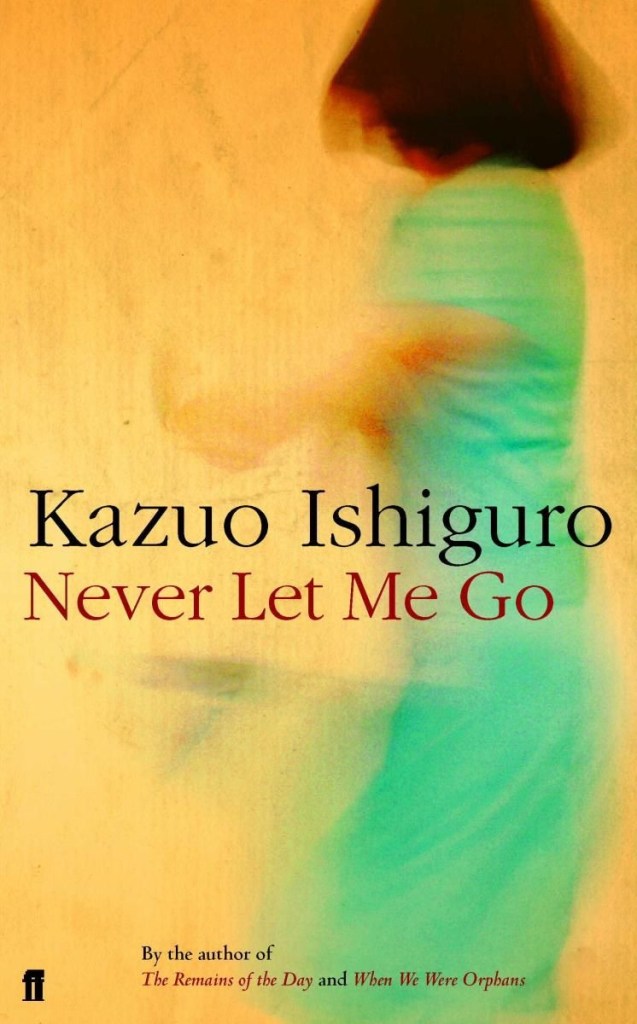
We are in a British dystopia in Never Let Me Go. Kathy is in her early thirties and her growing up years in the school of Hailsham are an idyllic memory. The pupils were secluded and brought up to believe they were of great importance for the country’s future. However, when fellow pupils Tommy and Ruth come back into her life, other memories start to resurface. Hints of discord come to the surface as she wonders whether there was more to Hailsham than met the eye, a mysterious or even dark purpose behind their isolation. As her feelings for Tommy begin to deepen into love she imagines their future. When the truth emerges in a clinical brutality they desperately try to find a way out of their fate. I found this book devastating. The silences that characterise the friend’s lives, the horror of the thing that’s unsaid but known. We want there to be a heroic arc, a triumph over the system of sanitised violence, but the acceptance of who they are and the value placed by that system on their autonomy and their lives has been drilled into them. There’s an absence where rage and injustice should be burning. I felt that rage and injustice for these characters and as Kathy moves towards her assigned fate I felt utter despair.
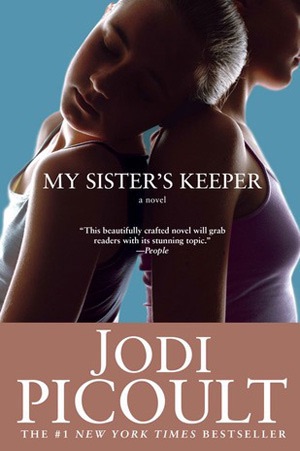
There’s a moment in the film Silver Linings Playbook where Bradley Cooper’s character is so disgusted by A Farewell to Arms that he wakes up his parents for a rant and then throws it out of the window. That’s how I felt about My Sister’s Keeper. I’d read and loved Plain Truth, so much so that when I finally met Jodi Picout on her book tour for Sing Me Home, I got her to sign it as well. Then came the book that seemed to go stratospheric and became a (terrible) film of the same name. Anna was born thanks to genetic pre-diagnosis implantation and although she isn’t ill, she has undergone endless medical procedures and operations her whole life. The whole purpose of Anna being born was for her to be a living donor for her sister Kate who has had a lifelong struggle with leukaemia. She was created as a bone marrow donor and up until now has never questioned it, but teenagers tend to rebel in some way and Anna is intelligent and has done her research. She no longer wants to donate but at the moment her medical choices are controlled by her parents. However, if she can get a court to emancipate her from that parental control, she can make her own medical choices. This is a typical Jodi Picoult ethical and legal dilemma and it’s such a compelling story. I was furious particularly with Anna and Kate’s mother who seems not to understand Anna’s need to make independent choices and sees it as selfish, so wrapped up in losing her eldest daughter she hasn’t noticed she’s already lost Anna. The death that happens at the end of this book was devastating, unexpected and totally unfair and not only made me sob but left me deeply angry with the author’s choices. Then I figured that if an author could make me feel that deeply about a character she was probably very talented.
In this incredible novel, Boyd takes introduces us to Logan Mountstuart and we follow the rollercoaster of his life as he traverses the 20th Century. Usually inserted into key moments of history in a rather Forrest Gump way, but more successful. Born in 1906 and written as a disjointed autobiography, it traces his interesting heritage and his education at a Norfolk private school followed by Oxford. Logan plans to be a writer, but life events intervene sending him off course and takes in the Bloomsbury set, the 1930s in Paris, World War II, the New York art scene and the Baader Meinhoff gang. All the time Logan drifts through postings, jobs, relationships and even some very murky goings on with the Duke and Duchess of Windsor. Logan is far from perfect, he makes mistakes and questionable choices but he’s also witty, intelligent and human. He’s something of a womaniser until he meets Freya, the love of his life and finally he feels something more than lust and the thrill of illicit sex. When he looks back over his long life, a lonely man in his eighties, in a grotty flat and eating the cheapest food he can find, it is but a fleeting moment of true happiness. Her loss is something he can’t recover from. Similarly the death of his aging dog is quietly devastating, leaving him utterly alone. As the book closes I felt grateful to have spend a lifetime with this rather unusual, imperfect and lonely man and to think of his death alone in that flat was only bearable if we hope that Freya is waiting there to meet him.
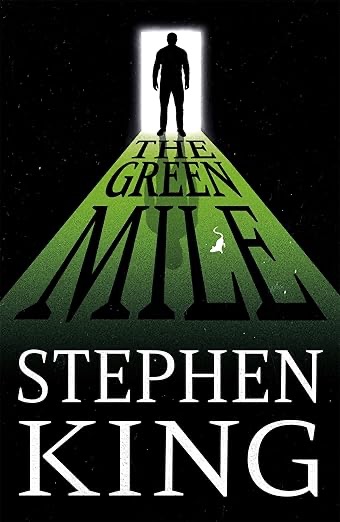
I’m a lifelong Stephen King fan and this has to be up there as one of his best books, released in one large volume in 1996. I read it the same year and was deeply affected by the years our narrator Paul Edgecombe spent working at Cold Mountain Petitionary on Death Row. He tells his story from his present day residence in a local care home as an old man. The story is about a series of strange, unexplained events surrounding a black prisoner called John Coffey – a giant, mountain of a man jailed for the rape and murder of two young white girls. In a row of serial killers, John is a gentle giant of a man who proclaims his innocence telling Paul he was only found near the girls because he was trying to help them. This claim gains more credibility when Paul suffers a terrible urinary tract infection and John touches him with a healing hand, removing the pain and taking it into himself. It’s a feat he repeats spectacularly when the twisted and sadistic guard Percy stamps on a pet mouse John has lured into his cell and called Mr Jingles. Paul witnesses John breathe life back into Mr Jingles, although the feat exhausts him. Paul and the other guards become convinced of John’s innocence, even busting him out of jail for the night to heal the prison warden’s wife who’s dying from cancer. As the execution date comes closer, the guards weigh the responsibility of killing an innocent man. I love the mix of reality, horror, the evil inside human beings and those moments of magic realism and wonder. By the time it was John’s turn to become the dead man walking I was in tears.
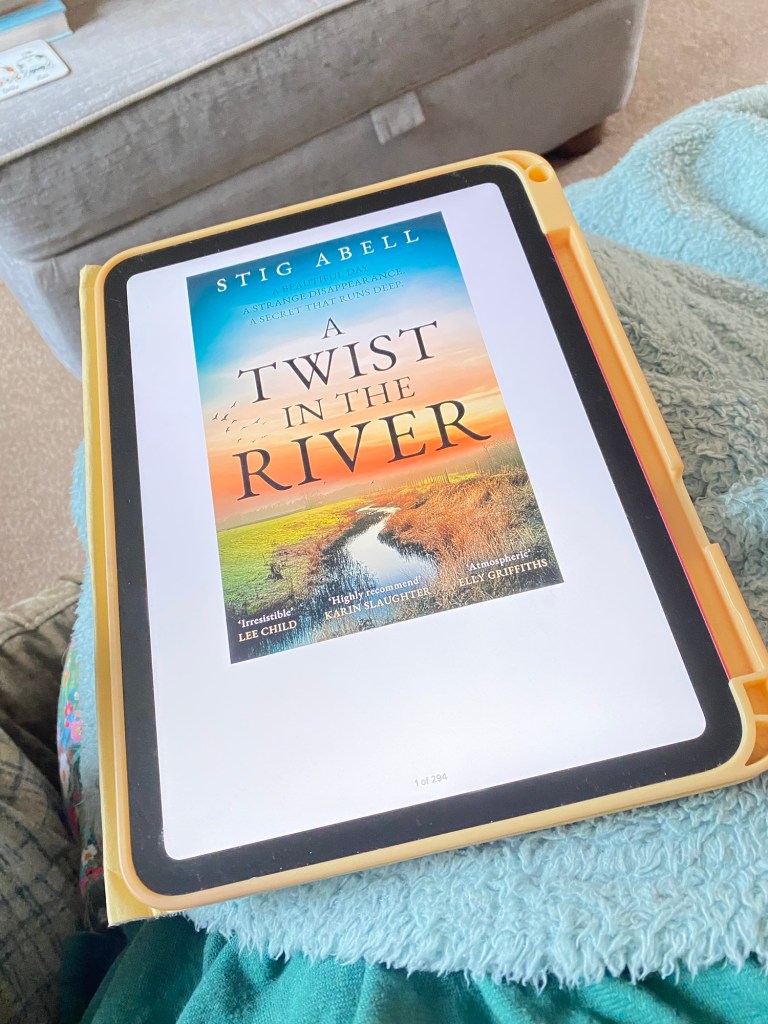
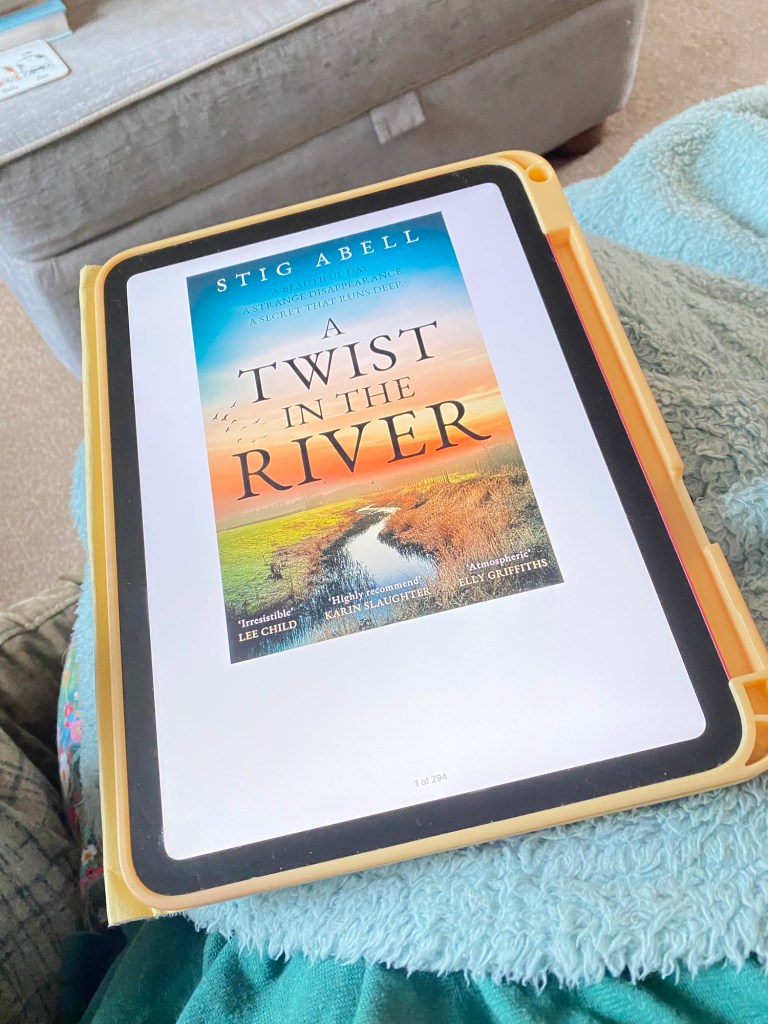
When young nurse Claire Davidson goes missing on the riverbank, the only clues left behind are her phone and shoes.
A mystery that sweeps the nation
People disappear all the time, but this case sparks an online frenzy. Amateur investigators descend on the rural idyll. Is Claire Davidson just the story of a swim that went wrong, or could there be truth to the conspiracies?
A killer growing bolder
Then another woman is discovered dead in the river. Jake Jackson, a former detective who came to the countryside searching for peace, must investigate before more lives are lost.
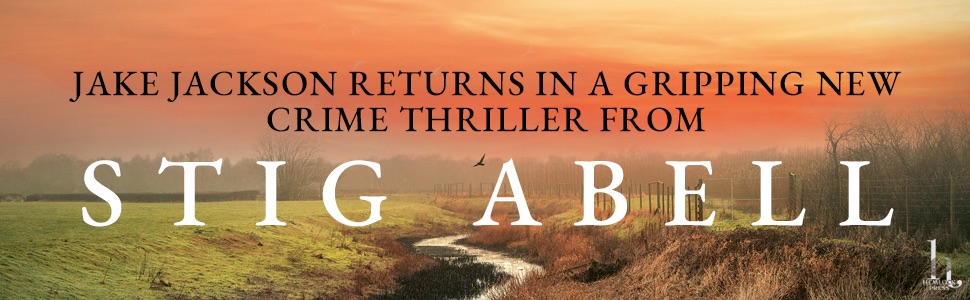
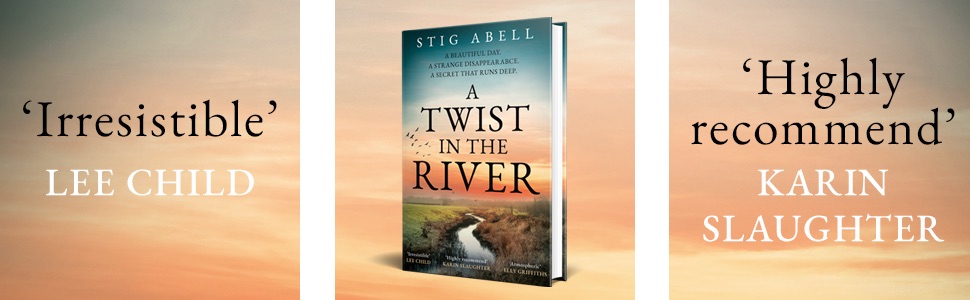
It’s lovely to be back at Jake’s home Little Sky, even if it does have a worrying proximity to serial killers. Jake is drawn into the search for a woman who was last seen going for a run by the river. When a body is eventually found it turns out to be a different woman. Jake is asked to consult with DI McAllister because even though it could still be a case of nature becoming dangerous, anxiety is raised in the community who have been working in groups to find the first missing woman. The possibility of a killer brings out the true crime influencers who start to stalk the river and the village’s inhabitants, including Jake who has gained a reputation as an investigator. The author brings in aspects of the manosphere and militant feminism to the case, highlighting new residents and groups we’ve not met before. Alongside his usual team of Martha, Aletheia and partner Livia, Jake is very keen to find the answers to this case before the birth of his first child. Little Sky is a quirky place to live, with no road and total peace from the outside world, a world that did encroach on Jake and Livia a little bit this time. I felt like he was at Little Sky less than before and this distance from his peaceful haven had an effect emotionally. Has the role he’s been pulled into opened him up to more danger than before when he was a police officer? Is what he does making Livia a target?
At heart Jake is a book fiend, something all readers relish in a character and we find him perusing the shelves of his nearest second hand bookshop for additions to the crime fiction library at Little Sky. I felt like there was a build up in the tension of this novel. Jake has hardly had a break since his last case and since he originally came to this corner of the world as a sanctuary I feel like he needs some down time. He’s also becoming more well known which is problematic and does cause some tension between him and Livia. The online world encroaches more and more into our worlds and this crime is no exception. The village becomes besieged by true crime enthusiasts, filming content and in one case trying to find their way into Jake’s investigation. The fact that this is a woman doesn’t help, because Dani is clearly flirting to get the information she wants and even uses the couple’s secret signal to get Jake to meet her. This is an intrusion too far and Livia is furious. As always, the ethical questions of using someone’s violent death as entertainment come to mind, not missing the irony that the book hinges on the very same prurient interest. However, there’s also danger for these online sleuths. They don’t have the police back up that Jake does, or the experience of his years as a detective and they’re working entirely alone. Another theme is the manosphere and misogyny, embodied by a group of men who come and join the search in its first twenty four hours. These are men who spend many hours together in the gym, with all the banter and macho competition common in men who exercise together. I didn’t like the vibe of this group, particularly when they invite Jake to join them at the gym. Jake is no stranger to exercise and is very strong, but it’s always solo and involves long walks and runs, swimming in the lake and working in the garden. I felt he was being manipulated and coerced into competition, but the conversation is eye opening and worth every pull up. They bemoan the fact that women don’t act like they used to:
“I think women should be pretty like they used to be. Delicate you know. They should look the right way to please a man.”
They’re angry at being seen as toxic males and their views collide strongly with a couple who run a pottery studio by the river. Livia would like to take one of their classes so she and Jake go to meet the women and take the opportunity to ask if they’ve seen anything. Both women are feminists but it’s Emma who is clearly very angry at the way men treat women and at this killer who she believes has an issue with modern women. One of the stranger aspects of this killer’s modus operandi is the time they take to paint the victim’s nails. Jake wonders if Emma is angry enough to kill to make her point. In the background Aletheia and Martha do their usual sterling work, with Aletheia liaising with her police contacts and Martha managing to gain access to a worrying amount of information online from official sources that should be unhackable. Martha is by far my favourite and I loved that the author included Jake’s preparations to have her stay at Little Sky. As a wheelchair user I get irate when books and TV series have people with disabilities seemingly able to live in houses with stairs or work independently in a way that would be impossible. Martha is brilliant because the author includes the physical barriers that leave her at a disadvantage, such as Jake’s ramps all over Little Sky showing how much he wants to include her in this space. It’s great that she’s included and the author lets us know what it takes to include her. Someone knows their social model of disability. Martha is forthright, driven and has creative ways of treating her chronic pain. Despite some limitations she’s super intelligent and often ahead of the rest of the team.
This series is always a slow burn, but the action packed final chapters are nail-bitingly tense and violent. This killer knows exactly where to hurt Jake. As usual Jake finds a way to catch them off guard – a wet hairy naked man leaping out of the darkness is always terrifying and this definitely raised a smile. I felt there was more tension between him and Livia, probably down to hormones and the very real prospect that they are bringing a child into this rather uncertain existence. Livia is usually so relaxed and brings calm to the chaos but here she seemed unsettled and insecure. However, Jake is aware and his decision about their lives moving forward will go a long way towards reassuring her and Diana. On Livia’s behalf I’d like to ask the author if this couple can have the holiday they desperately need before more adventures and a new baby comes their way.
Meet the Author
Stig Abell believes that discovering a crime fiction series to enjoy is one of the great pleasures in life. His first novel, Death Under A Little Sky, introduced Jake Jackson and his attempt to get away from his former life in the beautiful area around Little Sky, followed by Death in a Lonely Place and The Burial Place. Stig is absolutely delighted that there are more on the way. Away from books, he presents the breakfast show on Times Radio, a station he helped to launch in 2020. Before that he was a regular presenter on Radio 4’s Front Row and was the editor and publisher of the Times Literary Supplement. He lives in London with his wife, three children and two independent-minded cats called Boo and Ninja (his children named them, obviously).
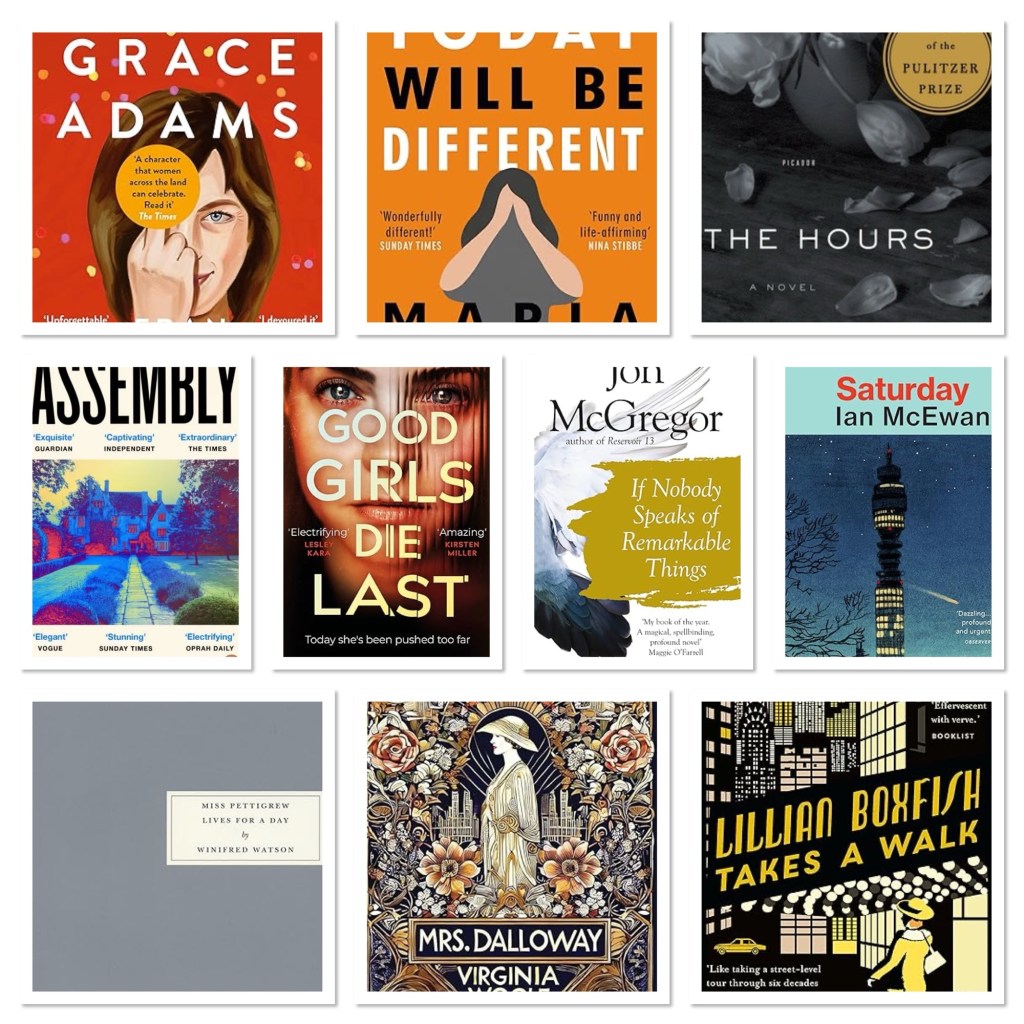
It’s amazing what can happen in a single day and these books can certainly attest to that. The beauty of every one of them is how much they can tell us about the world of their narrators in only 24 hours. Whether it’s a mother close to emotional collapse or a young woman who finds out it only takes one thing to go wrong and the whole city is against her. From startling events that happen once in a lifetime to the everyday and humdrum, lives can be changed in an instant.
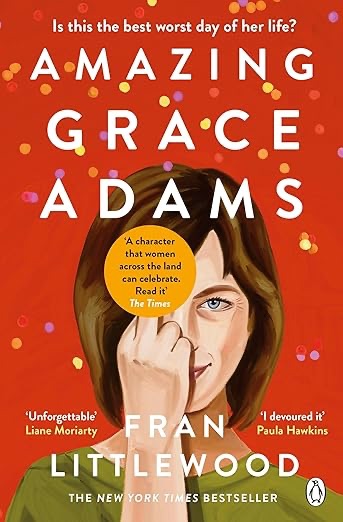
Is this the best worst day of her life? Once, Grace Adams was poised for great things. Now, she barely attracts a second glance as she strides down the street carrying her daughter’s sixteenth birthday cake. But behind the scenes, Grace’s life is in freefall. Her husband is divorcing her. Her daughter has banned her from her birthday party. And Grace has just abandoned her car in bumper-to-bumper traffic. Because Grace Adams has finally had enough. She’s sick of being overlooked and underappreciated, and she’s particularly tired of being polite. She’s about to set off on a journey to rediscover who she is, and confront the secret that has torn her family apart.What is that secret? You’re about to find out. ..
As Grace closes in on Lotte’s party, sweaty, dirty and brandishing her tiny squashed cake, it doesn’t seem enough to overturn everything that’s happened, but of course it isn’t about the cake. This is about everything Grace has done to be here, including the illegal bits. In a day that’s highlighted to Grace how much she has changed, physically and emotionally, her determination to get to Lotte has shown those who love her best that she is still the same kick-ass woman who threw caution to the wind and waded into the sea to save a man she didn’t know from drowning. That tiny glimpse of how amazing Grace Adams is, might just save everything.
Another book about a meltdown here – can you tell I’m peri-menopausal from my bookshelves?
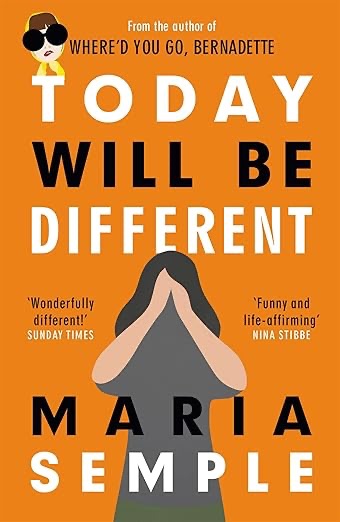
Eleanor Flood knows she’s a mess. But today will be different. Today she will shower and put on real clothes. She will attend her yoga class after dropping her son, Timby, off at school. She’ll see an old friend for lunch. She won’t swear. She will initiate sex with her husband, Joe. But before she can put her modest plan into action – life happens. For today is the day Timby has decided to pretend to be ill to weasel his way into his mother’s company. It’s also the day surgeon Joe has chosen to tell his receptionist – but not Eleanor – that he’s on vacation. And just when it seems that things can’t go more awry, a former colleague produces a relic from the past – a graphic memoir with pages telling of family secrets long buried and a sister to whom Eleanor never speaks. This novel has bags full of empathy, humour and is just so smart too! It manages to tread the line of being entertaining, but also has something profound to say about life.
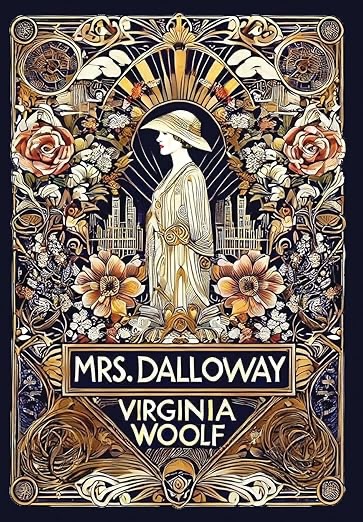
A landmark work of literary modernism, the novel is set in London and unfolds over the course of a single day as Clarissa Dalloway prepares to host an evening gathering. Through Woolf’s distinctive use of stream-of-consciousness narration, the story moves between the inner lives of multiple characters, including Clarissa and the troubled war veteran Septimus Warren Smith. Their experiences reveal themes of memory, identity, time, and the lingering effects of the First World War on British society. With its innovative narrative structure and psychological depth, Mrs. Dalloway remains a central work in twentieth-century literature. The novel continues to be widely studied for its exploration of consciousness, social life, and the rhythms of modern urban experience. I first read this book at university and I’m always astonished by how slight it seems, but it’s always stayed with me. In one day Woolf captures all the changes wrought by WW1, not just through Septimus but in the mix of people on the omnibus and the neurotic inner life of our main character.
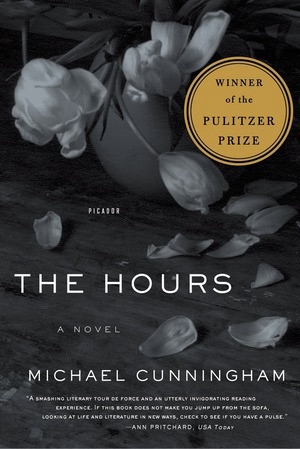
The existence of this book confirms the genius of Mrs Dalloway. Inspired by the novel and told in three sections to reveal each woman’s day, this book won a Pulitzer and was made into an Oscar-winning film. The Hours. In 1920s London, Virginia Woolf is fighting against her rebellious spirit as she attempts to make a start on her new novel. A young wife and mother, broiling in a suburb of 1940s Los Angeles, yearns to escape and read her precious copy of `Mrs Dalloway’. And Clarissa Vaughan steps out of her smart Greenwich village apartment in 1990s New York to buy flowers for a party she is hosting for a dying friend. Moving effortlessly across the decades and between England and America, this exquisite novel intertwines the stories of three unforgettable women. It has such atmosphere, deeply melancholic but also creating moments of beauty that can make life worth living.
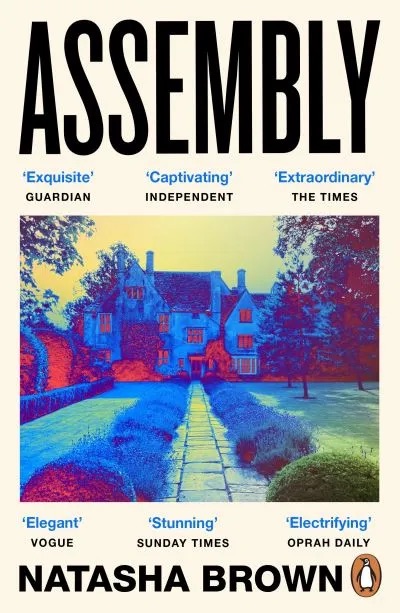
Come of age in the credit crunch. Be civil in a hostile environment. Step out into a world of Go Home vans. Go to Oxbridge, get an education, start a career. Do all the right things. Buy a flat. Buy art. Buy a sort of happiness. But above all, keep your head down. Keep quiet. And keep going. The narrator of Assembly is a Black British woman. She is preparing to attend a lavish garden party at her boyfriend’s family estate, set deep in the English countryside. At the same time, she is considering the carefully assembled pieces of herself. As the minutes tick down and the future beckons, she can’t escape the question: is it time to take it all apart? This novel is a brilliant debut and could be seen as an interesting companion piece to the last two novels, just in a post-modern world. The author shows us the micro-aggressions young, black women encounter every day and how averse to feminism our white male culture is years before Louis Theroux and the manosphere.
Wow! This is a searingly raw story, simmering with righteous anger and injustice, and I’ve never forgotten it. Set on a boiling hot summer’s day, you can almost smell the tarmac and diesel fumes. You can hear the traffic noise and feel the agitation and impatience of people trying to get to work without exchanging a word with anyone else. It’s too hot to breathe let alone exchange a friendly word. I had the unnerving experience of reading our heroine’s thoughts and hearing my own words. During the day from hell that Em was experiencing, it felt like some of my own thoughts and frustrations were running round her head. They just need awakening. My age is more in line with the Amazing Grace Adams – who had her own walk of rage, fuelled by love. However, Em’s voice is a millennial war cry that becomes a national phenomenon in the space of a day. As she leaves her landlord’s bed that morning she expects to look smart for work, especially since she has a HR meeting and expects to be offered a permanent role after completing three months maternity cover with great results. Finally she’s catching an evening flight back home to Spain for her little sister wedding. Her actual day is a complete clusterfuck!
I loved how the author wrote about the othering of women’s bodies and its natural bodily functions. There’s a disgust conveyed by men that women buy into and internalise. The shame of being caught out by a period in a public place must be a lot of women’s worst nightmare. When I read it I physically cringed on Em’s behalf. It was interesting that this was the point she meets Rose, who simply accepts this woman she’s just seen cleaning herself up and having to pee outdoors without judgement. Em is also trying to avoid – sweat, sore armpits and foot blisters – they’re all unladylike and shouldn’t be seen. It feels like society is keen to erase so much of us, it’s a wonder we don’t disappear. Rose is the furious feminist voice in the novel and she’s like a mentor to Em, listening and giving frank advice where needed plus the odd political rant here and there. She is her own woman and lives life on her terms. Could Em ever be like that? Brutally honest and horribly tense this is an incredible feminist thriller not to be missed.
I read this when it was first released in the early 2000s and I couldn’t stop going back to the opening page because it’s a beautifully lyrical opening to a novel about the humdrum of everyday life on one street in the North of England. Ordinary people are going through the motions of their everyday existence – street cricket, barbecues, painting windows… A young man is in love with a neighbour who does not even know his name. An old couple make their way up to the nearby bus stop. But then a terrible event shatters the quiet of the early summer evening. That this remarkable and horrific event is only poignant to those who saw it, not even meriting a mention on the local news, means that those who witness it will be altered for ever. This is an incredible first novel that evokes the histories and lives of the people in the street to build up an unforgettable human panorama. It has such resonance and does something I absolutely love, recognising that the extraordinary is in the ordinary.
I love this character’s name so much it went in my little book of names. I give them to pets or the textile sculptures I collect, most of them are hares. So far there’s Irving Finkelstein – a very dapper owl, Razzle-Dazzle Rita who’s a hare, trapeze artist and burlesque performer alongside Sweet Suzie the squirrel. There’s Amish Jeffrey (strange beard), Hips McGee, Fern Fitzsimmons, Maud Buckle and more. My Lillian Boxfish hasn’t arrived yet.
Lillian Boxfish is no ordinary 85-year-old. On her arrival to New York in the 1930s she took the city by storm, working her way up from writing copy for Macy’s department store to become the world’s highest paid advertising woman. Now, alone on New Year’s Eve, her usual holiday ritual in ruins, Lillian decides to take a walk. After all, it might be her last chance. Armed with only her mink coat and quick-witted charm, Lillian walks, and begins to reveal the story of her remarkable life. On a walk that takes her over 10 miles around the city, Lillian meets bartenders, shopkeepers, children, and criminals, while recalling a life of excitement and adversity, passion and heartbreak. Based on a true story, Lillian Boxfish Takes a Walk paints a portrait of an extraordinary woman walking through the Jazz Age, the Great Depression, the Mad Men era, the AIDS epidemic and even further. It reinforces how much one life contains and the value of other people’s stories.
Saturday, February 15, 2003.
Henry Perowne, a successful neurosurgeon, stands at his bedroom window before dawn and watches a plane – ablaze with fire like a meteor – arcing across the London sky. Over the course of the following day, unease gathers about Perowne, as he moves amongst hundreds of thousands of anti-war protestors in the post-9/11 streets. A minor car accident brings him into confrontation with Baxter, a fidgety, aggressive man, who to Perowne’s professional eye appears to be profoundly unwell. But it is not until Baxter makes a sudden appearance at the Perowne family home that Henry’s earlier fears seem about to be realised…
This book held me in suspense till the very last page. Through each character’s narrative we come to know them and their place in this story as precisely as if they were cogs in a machine. Its portrayal of how we collide with each other in our daily lives shows what a small part of the world we are and conversely how important to each other.
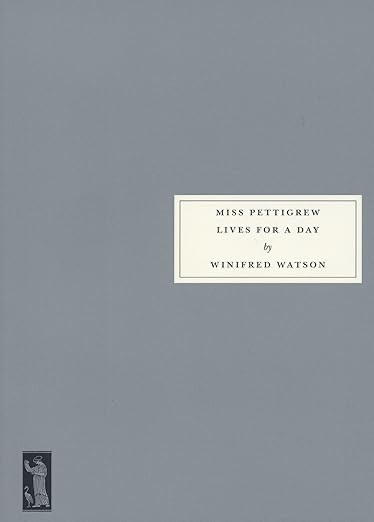
This is an utterly charming book from Persephone Press, dedicated to finding forgotten works by women writers and publishing with end papers of the era. In this whimsical story Miss Pettigrew a governess sent by an employment agency to the wrong address, where she encounters a glamorous night-club singer, Miss LaFosse who is the sort of woman Miss Pettigrew has only seen in Hollywood films. Over the course of 24 hours she is surprised to find that, when given the freedom to find her own opinion, she is as strait laced as her religious father would have hoped. This revelation will change her life.
‘The sheer fun, the light-heartedness’ in this wonderful 1938 book ‘feels closer to a Fred Astaire film than anything else’ comments the Preface-writer Henrietta Twycross-Martin, who found Miss Pettigrew for Persephone Books. The Guardian asked: ‘Why has it taken more than half a century for this wonderful flight of humour to be rediscovered?’ while the Daily Mail liked the book’s message – ‘that everyone, no matter how poor or prim or neglected, has a second chance to blossom in the world.’ Maureen Lipman wrote in ‘Books of the Year’ in the Guardian: ‘Perhaps the most pleasure has come from Persephone’s enchanting reprints, particularly Miss Pettigrew, a fairy story set in 1930s London’; and she herself entertained R4 listeners with her five-part reading. India Knight called Miss Pettigrew ‘the sweetest grown-up book in the world’. This is a delightful escape read of a woman blossoming through a chance encounter.
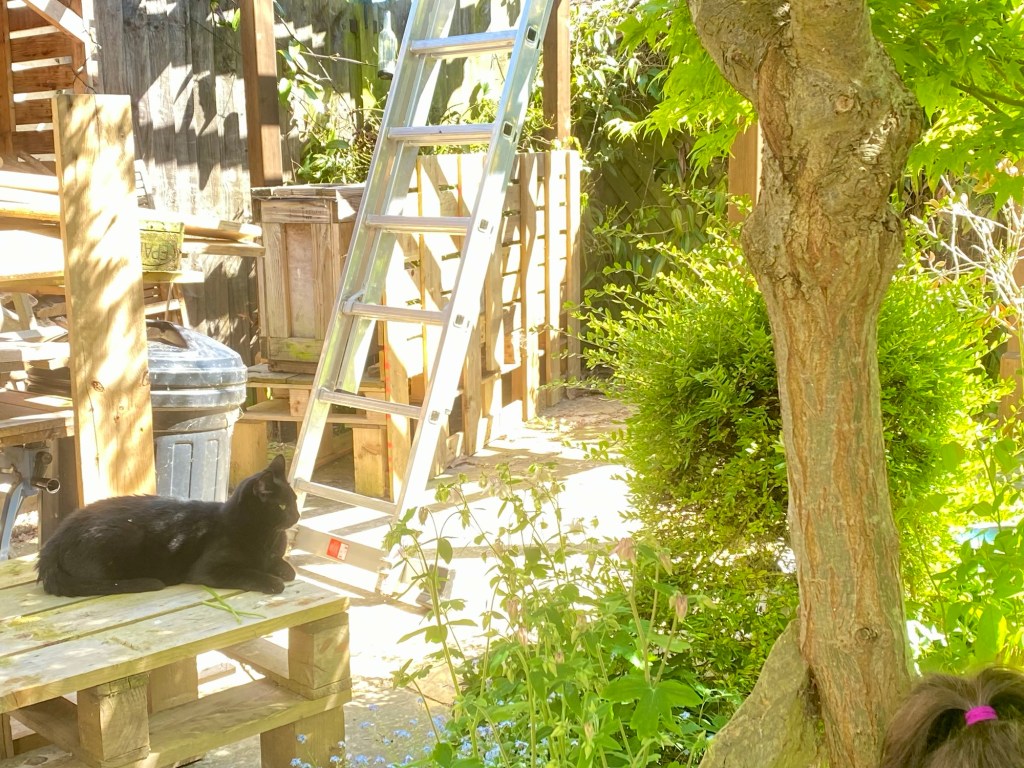
Hello all. This has been a bumper reading month but I’m horribly behind with reviews. I’ve been unwell with a relapse of my autoimmune disorder and a sinus infection so I’ve been exhausted, had neuralgia, all my arthritis flared and I’ve been wearing wrist supports so I’ve struggled to type. I’ve got so many reviews languishing in my book journal so this month you’re going to be inundated! This means some of my favourites this month don’t have full reviews out yet. I’ve had to be on the sofa resting so I’m burning through my TBR quickly. Hopefully I’ll get caught up this month. One other beautiful little addition to my recovery was the BBC series The Other Bennett Sister, which was based on the novel by Janice Hadlow. Mary Bennett, who is the insufferable and rather studious middle sister in Pride and Prejudice becomes the centre of attention in her own right. If you haven’t caught this series, or the book, both come highly recommended and really cheered up my fortnight of feeling grotty. In other news my lovely other half has been taking advantage of the better weather to build a pergola and seating in the garden out of reclaimed wood so I can read outside this summer in comfort. I’m really excited about this and below is our new rescue cat Minka inspecting the works. See you next month. ❤️📚
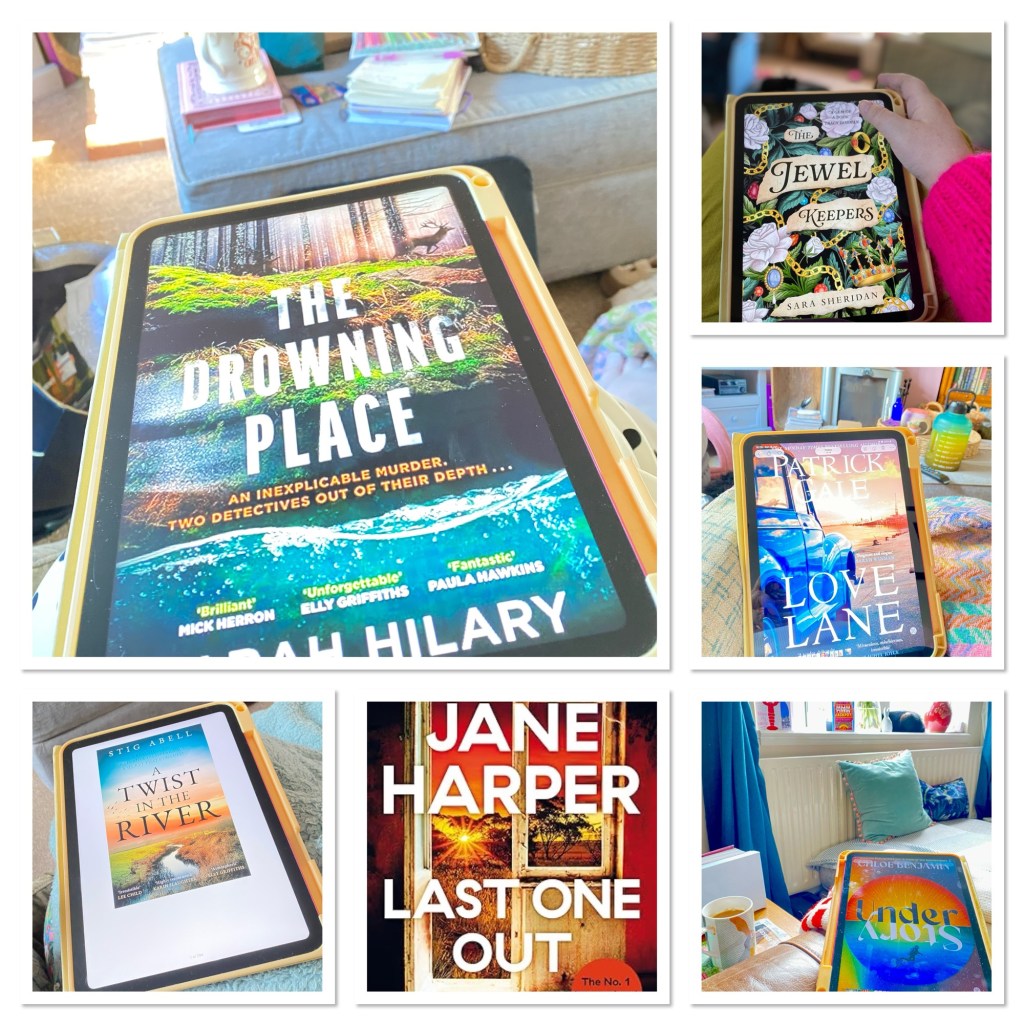
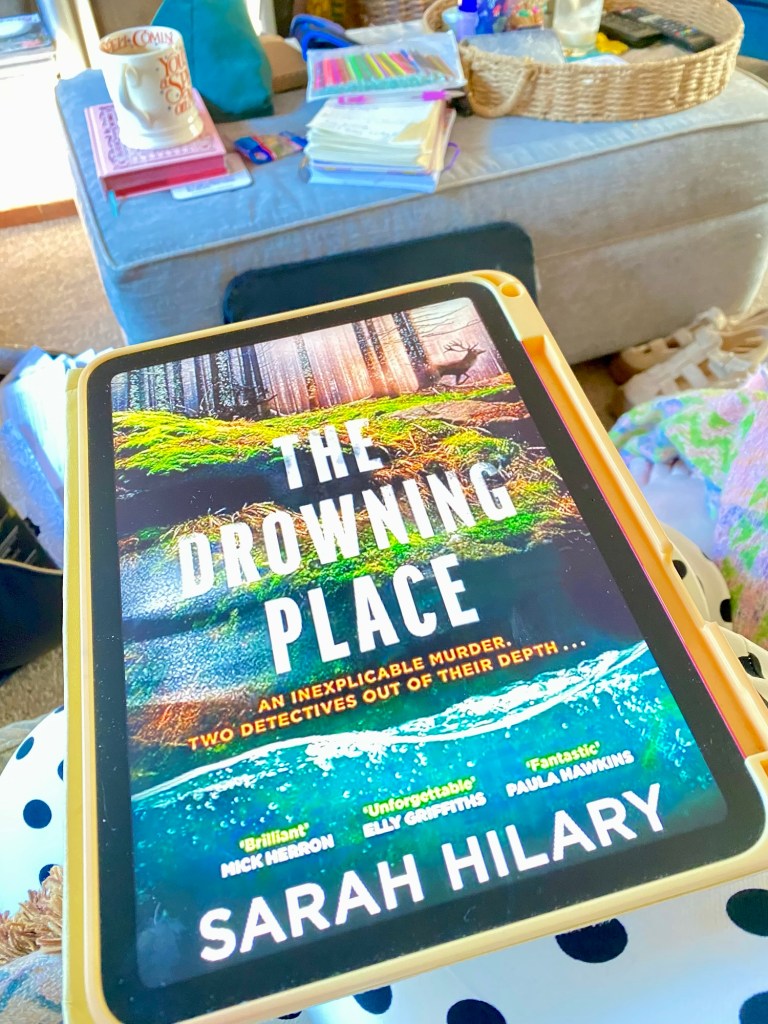
This first book in a new crime series from Sarah Hilary is an absolutely brilliant mix of murder case, collective trauma and moments of unsettling horror. Laurie has taken a job as DI in the Peak District area of Edenscar, living in her husband’s childhood home to support his dad who’s been diagnosed with dementia. Her sergeant is Joe Ashe, known throughout the area as the only survivor from his primary school class after a trip ended with their bus at the bottom of Ladybower Reservoir. Joe carries scars from that tragedy, the frequent dislocation of his shoulder joint and an ability to see every child lost that awful day. His constant companion is still his best friend Sammi, who gives Joe his reputation for spooky foresight. When Joe hears a shotgun discharge late on the Friday night he thinks nothing of it, but makes a note of a car lights making their way from the woods to the road towards Manchester. It’s not till Monday morning when they discover the bodies of a young couple shot in the kitchen of their partially renovated house, and their baby drowned in the bath upstairs. They will need all of their skills and experience to solve this while a close knit community is both highly charged and devastated at the same time. With dodgy businessmen, a tearaway for a witness, second home owners and developers with bully boy tactics this is a real labyrinth of a case. Full of dark atmosphere, emotional trauma and some real bone chilling moments, I’m looking forward to more.
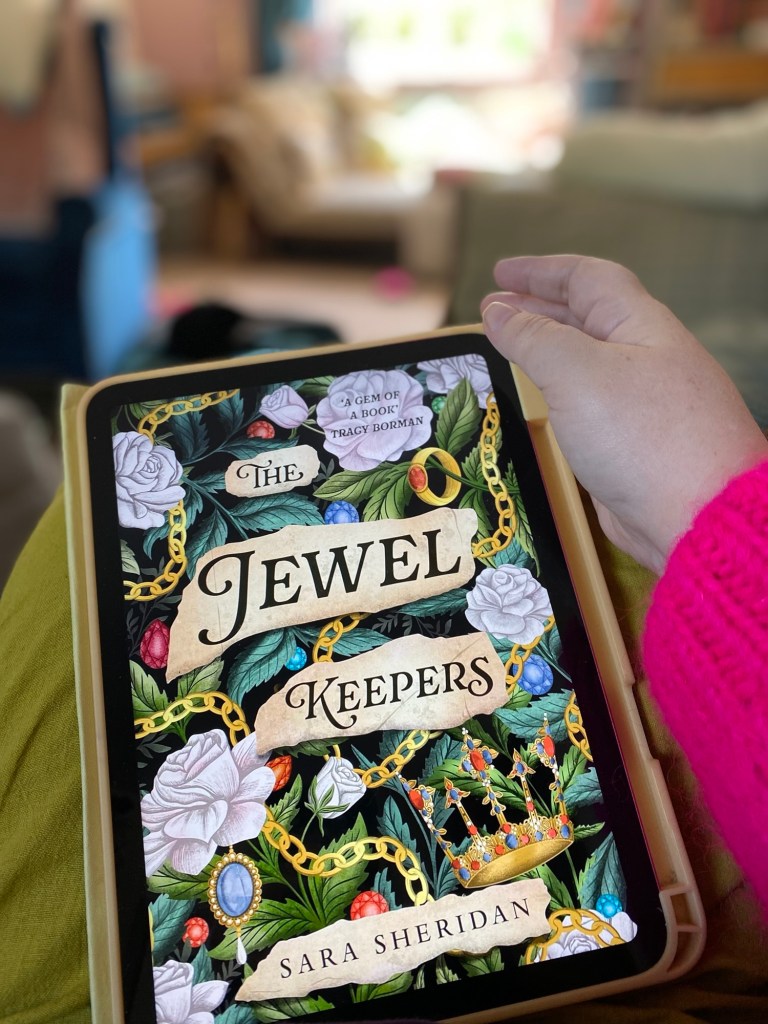
This fabulous historical novel from Sara Sheridan has a foundation in Scottish history, a kick- ass nun and a heroine who finds her place in a family she didn’t know she had. When newly married Araminta Moore is contacted about the death of her aunt in Scotland and a bequest, she doesn’t expect a beautiful Georgian house in Edinburgh or her place in an ancestral treasure hunt that goes all the way back to Mary Queen of Scots. I loved that Araminta really grows during the novel, during the quest for the Queen’s crown she starts to trust her own judgement and is incredibly resourceful, it’s noticed that when she escapes from her unlawful custody she uses a method no prisoner has thought of before. When she’s not dangling from rooftops or being pursued by a shadowy organisation called the Hermits, her powers of deduction are really put to the test. She also has to choose who she trusts, particularly the servants on whom she relies. Luckily for her, aunt Saiorse is definitely up to the task, despite being a nun and now called Sister Winifred. Sheridan brings in attitudes and themes that are still causing headlines today, such as the terrible misogyny that all women face. This is a tense, page turning historical mystery, with great characters and a few surprises towards the end. A great read.
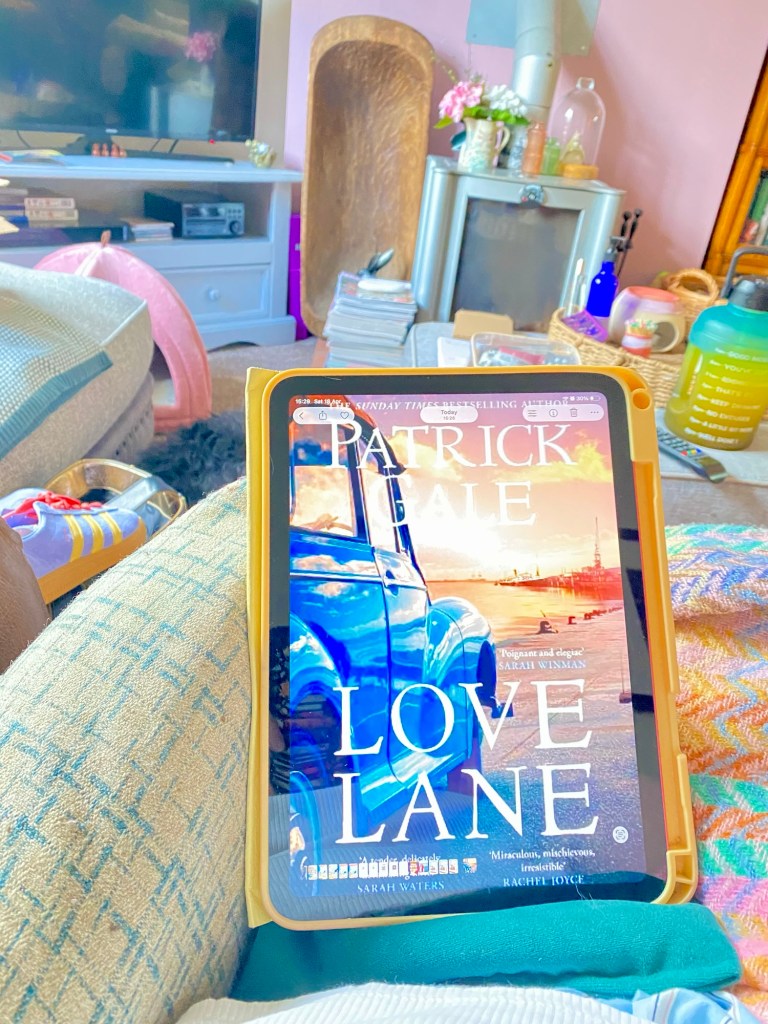
I was thrilled when I found out that Patrick Gale had written a sequel to his brilliant novel A Place Called Winter, a novel that’s up there with my favourites of all time. After many years pioneering in Canada, Harry Cane is left in a tough position, when a young woman and her son come looking for a work. He suggests that homestead of his friend and lover Paul, whose sister he once married. Soon the new pair are really at home in Paul’s cabin and it doesn’t take long for Paul to announce their engagement and even worse, Paul stops coming to Harry at night. Only a few years later, after Paul’s sudden death, Harry finds himself blackmailed by Paul’s stepson into selling the farm after he finds a letter Paul wrote to Harry where he’s candid about their feelings. Harry also receives a letter from the daughter he has never seen she was a toddler. She lets him know that she’s married, living in Liverpool with her prison governor husband Terry and they have two daughters, Pip and Whistle by nickname. Would he like to come and meet them? On this visit, for the first time, we will see other people’s reactions to Harry and through each family members narration we see what effect this long-lost member of the family has on each of them. In his usual perceptive way, Harry sees things others don’t and proves a great source of comfort for hyper-anxious granddaughter Whistle, especially when there’s the build up to an execution at the prison. As usual with Gale this is an intelligent, heartfelt and incredibly humane novel and a fitting companion to its prequel.
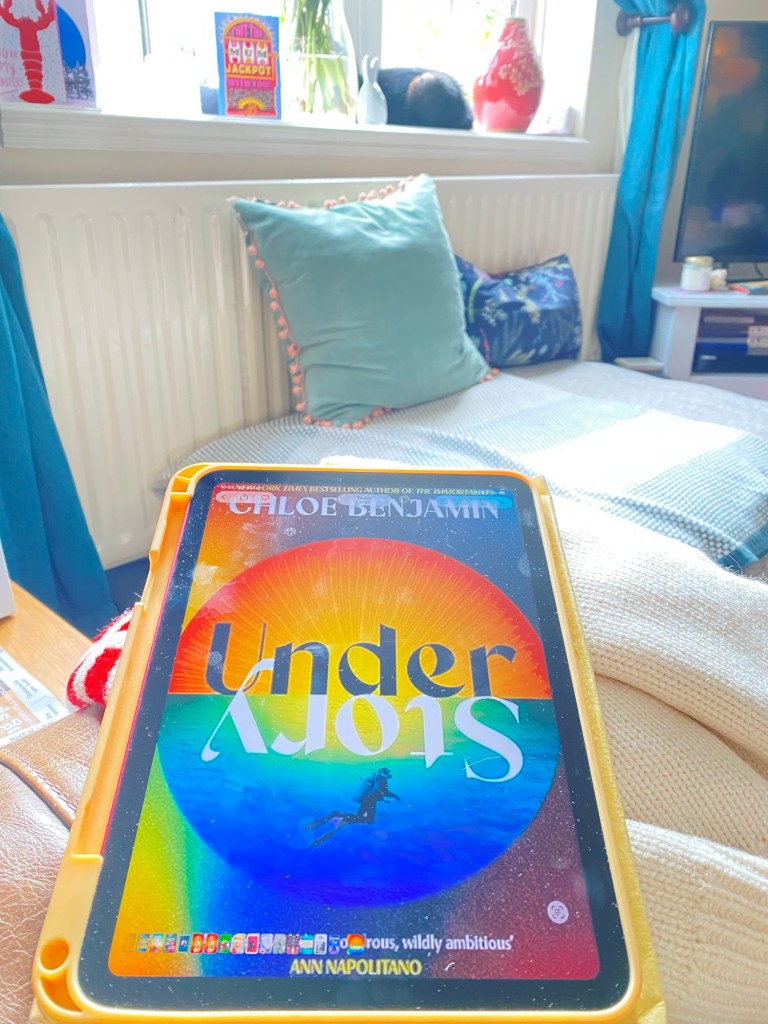
As this is publishing later in the year I don’t want to say too much this early. However, it is an astonishing, compassionate and empathic novel. This could be Chloe Benjamin’s masterpiece!
At an isolated research station in Antarctica, biologist Laurel Salter washes dishes for a living ten hours a day, six days a week. She tells no one why she left her career, or why her marriage ended. But even in this remote outpost, Laurel can’t outrun her past. When a strange light appears across the ice and draws a group of physicists to McMurdo, her former husband, Eli, won’t be far behind.
Laurel is captivated by the Arc: its surreal glow; the way it seems almost alive. And though Eli is reluctant to test her wildest theory, Laurel is convinced that the Arc leads down a rabbit hole, and into a world they can barely imagine. Can she persuade him to risk everything to fix the burden that hangs between them – to turn back the clock and live their story a second time?
And this time, live it differently.
It’s always great to be back in the company of Jake at his remote home Little Sky. However, it’s not long before murdered pays yet another visit to the area. This time a woman has gone missing after setting off for a jog by the river. Search parties are set up to look for her, but when a body is found in the river it turns out to be a different woman. When the jogger is also found in the river a few days later it starts a panic and what the police must determine is whether both deaths were freak accidents or whether there’s a killer in the area? It’s not longer before they’re calling on Jake’s team and he brings in Alethiea and Martha to try to determine cause of death. The author weaves in the online phenomenons of the manosphere and true crime podcasts into the story, along with a militant feminist potter. There’s so much tension here, possibly more so with his partner Livia being pregnant and very sensitive to issues of safety and a certain true crime influencer’s interest in Jake. Martha is my favourite and she’s her usual blunt speaking and weed smoking self. My only caveat for this one is there’s less of Little Sky which I love, although Jake does install an outdoor bath tub that I’m desperate to be trying out, probably alongside one of the novels from his library.
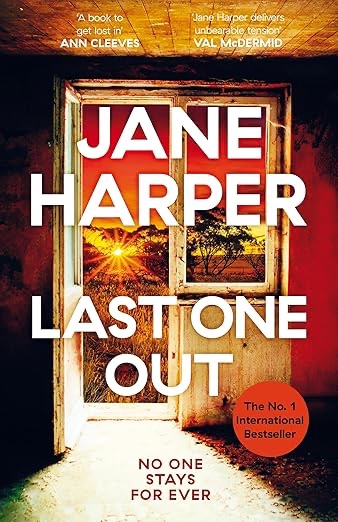
Finally this month, comes our Squad Pod read of Jane Harper’s Last One Out, a brilliant thriller set in the remote Aussie town of Carrolan Ridge. Carrolan is a dying town. Ever since the Lentzer mining company decided to expand here everything has changed. Some people fought to keep the community together but as offers went out for homes and land surrounding the area of the new quarries it was only a matter of time. At first they offered silly money and the people who took it were seen as traitors, then as the money dwindled more people took the hint. Now it’s a ghost town, only a few people left and a constant vibrating hum of mining activity. Ro left a while ago now but she’s back for a few days, staying with her estranged husband Griff who lives in the house they used to own while he is Lentzer’s fire officer. It’s the annual memorial for their son Sam, who disappeared five years ago at the three houses who held out as long as possible. The bungalow once belonged to his Uncle Warren, but Ro and Griff have no more idea why he was here than they did five years ago. Sam was researching the effect of the industry on the town he was born in, interviewing people who still lived here. He left his hire car half way up the drive and disappeared into thin air. It had been a tough time, Ro’s father was killed by a car and ten day’s later Warren committed suicide in the quarry. Ro only left when the medical centre closed. She was the GP for these people, now she’s an infrequent visitor, no longer able to stay in the place where they were a happy family. Griff can’t leave till he finds his son. When daughter Della arrives they’ll follow the same yearly ritual, but as ever Ro and Griff find their feet take them to where their son disappeared. Still looking for clues as to what went wrong.
This is a slow burn novel but it needs to be so the author can properly explore the complexities of the town’s relationships, the different perspectives between generations and who, if anyone, wanted to harm Sam. As the pressure built I was desperate for Sam’s family to find him, and for Ro and Griff to reach an understanding too. Clues start to appear and I couldn’t put the book down till I knew. The story didn’t end how I expected but it was so good to finally have a flashback and follow Sam on that day and discover what happened. It was a really satisfying ending and made absolute sense, even though I hadn’t expected it at all. This is an excellent slow burn thriller in an incredibly atmospheric setting, exactly what I’d expected from this brilliant author.
So that’s all for April. I hope you have a great reading May, here’s my reading list.
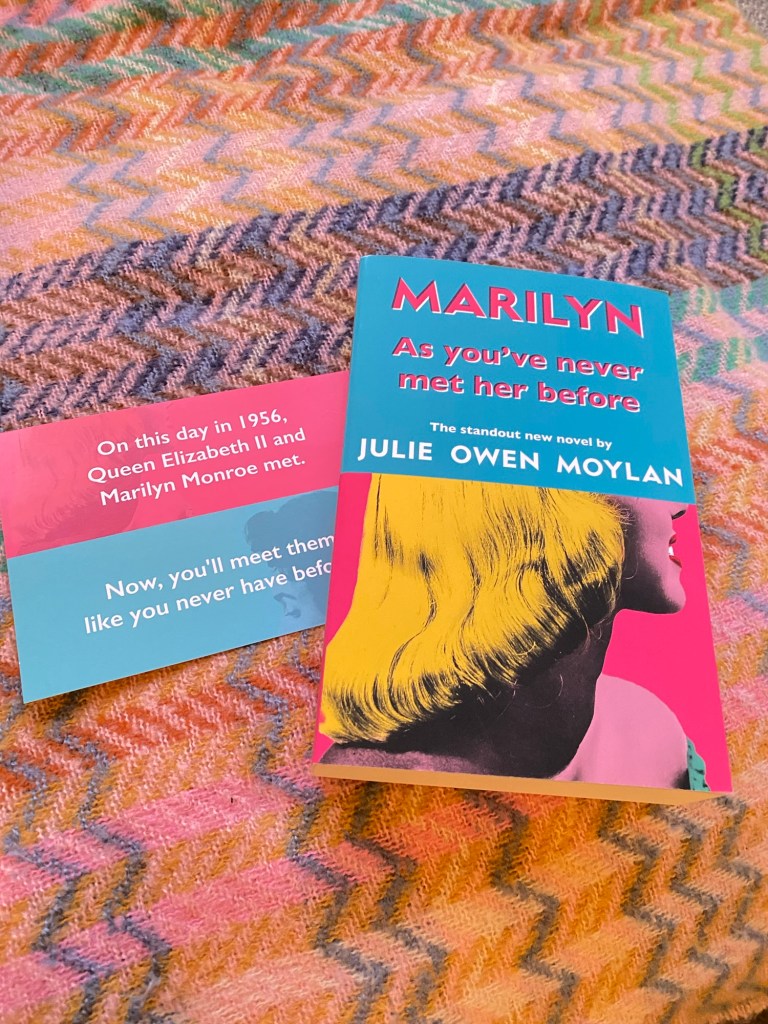
London, October, 1956. A glittering Royal Film Premiere. The whole world is watching . . .
Tonight, Elizabeth II will formally greet an array of stars. Though she was not born to be Queen, this young mother and wife has embraced her patriotic duty and its unforgiving demands.
A limousine pulls up. Out steps a vision in dazzling gold: Marilyn Monroe. A money-making machine for Hollywood, with curves that drive men wild and a smile that lets women know she’s in on the joke.
As the two most famous women in the world come face to face, they look to be worlds apart. Yet beneath the glamorous costumes, both are fighting to keep the men they love, while trying to do their work in a man’s world. And they have spent the summer of 1956 battling secret demons the public could never imagine.
Now, Marilyn steps forward. These photographs will be on the front page of every newspaper in the morning.
But this isn’t their first meeting. And the story behind the headlines is even more sensational . . .
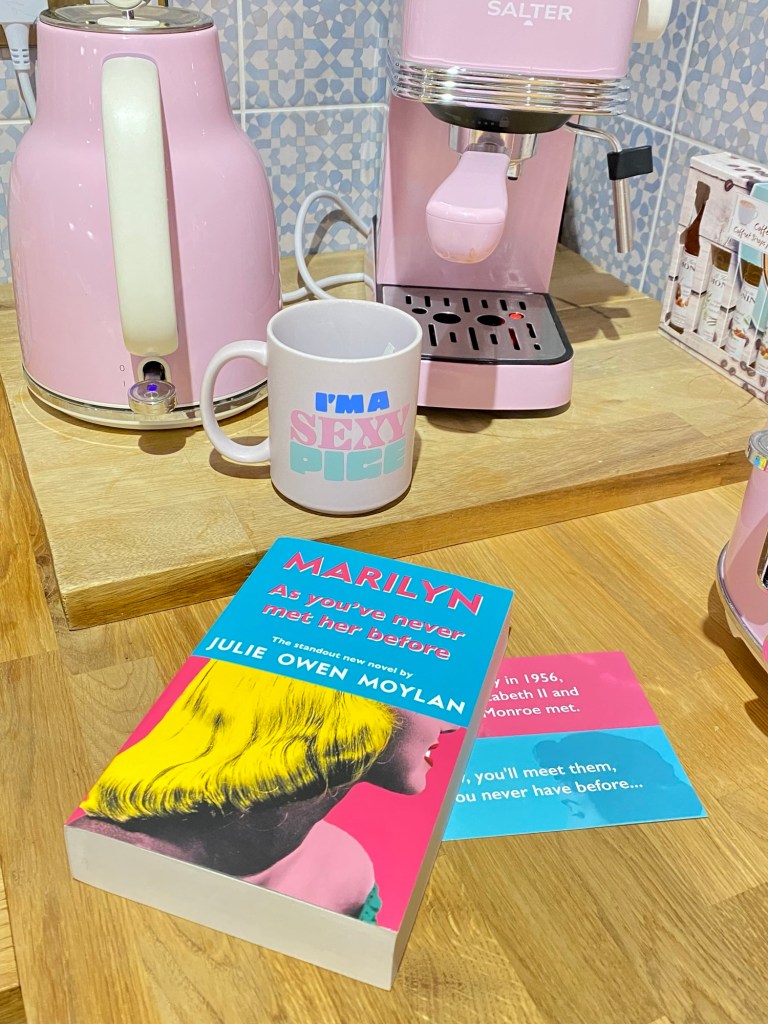
As soon as I knew that Julie’s next novel was going to feature these two women I was intrigued, because until now the comparison between Hollywood stars and our royal family has been Marilyn and Diana, Princess of Wales. Both were globally famous, incredibly beautiful, hounded by the press and died far too young. This comparison was compounded when Elton John rewrote Candle in the Wind, formerly about Marilyn Monroe, for the late Princess of Wales and played it at her funeral. I was around eight years old when Diana came into public view and I was obsessed for a couple of years with her beautiful dresses and how glamorous it all was, but of course as I grew older her story became more complex and tragic. I think my initial intrigue was due to my age, because to me Queen Elizabeth had always seemed old. This was partly to do with her style I think, but she was in her early fifties (as I am now) when I was taken to the bridge that crosses the River Trent in Keadby, North Lincolnshire to see her car pass by in the silver jubilee year of 1977. I was three and being around for 50 years seemed a million miles away. However, this book focuses on 1956 when the Queen was still a young woman in her twenties and experiencing a very turbulent year. She hadn’t had time to fully settle into her role, she’d had to advise her own sister that she couldn’t marry the man she loved if she wished to remain a princess and her relationship with Prince Phillip had it’s problems. Marilyn was in London to film The Prince and the Showgirl opposite one of our most acclaimed actors, Laurence Olivier. She too was coming into a turbulent phase of her life, after spending some time living in Manhattan and studying the acting ‘method’ theorised by Stanislavski and taught by Strasberg. The idea was to act in a natural way, experiencing what the character is going through, to bring personal emotion and past trauma into the scene, or even stay in character between scenes to keep the intensity in your performance. This was going to prove entirely at odds with Olivier’s way of working. She was also recently married to playwright Arthur Miller, making headlines around the world as the ‘egghead and the hourglass’. The couple came to London in lieu of a honeymoon and were living in a house situated next to the Windsor Castle estate so for a while, the two women were neighbours. The author has taken this background and created a fascinating story about stratospheric levels of fame, how women are treated in the media, and the difficulty of negotiating the line between public and private.
Each woman has their own narrative and we’re taken inside their deepest fears and emotions. This is incredibly difficult to do with such famous subjects because both women are so iconic and we all have an idea in our heads of what they were like and who they were. I found I couldn’t come to them as new characters straight away, but I did find each woman’s inner voice convincing and engaging. This approach means we get to experience each woman in three different ways: the public face; the private face; and their innermost thoughts. Each has an insecurity about their relationship. Marilyn feels that Arthur does see the real her underneath the persona but fears that he will find the press, the attention from other men and her role as Marilyn Monroe too taxing. Where they would have liked a cute little cottage away from it all to spend their honeymoon alone, they have a huge house with staff and constant requests for photo opportunities. Will Arthur always accept that his wife frequently has to switch Marilyn on? The Queen has had two children with Prince Phillip and now has a very busy public role, while his own is largely undefined. This has left him racketing around town with his Private Secretary Michael, attended a gentleman’s club which has a whiff of scandal about it. The Prince seems very aware of the duality of his wife, but being the Queen means playing that role even within her own family at times. There’s the recent unhappiness with Princess Margaret where Elizabeth the sister wanted to grant her wish to marry Group Captain Pete Townsend, but Elizabeth the Queen couldn’t. Prince Phillip refers to her “Queen Face” and she employs it as a shield so nobody knows what she’s thinking or for when she has to deliver news that family members might dislike. When scandal rears it’s head, the Queen has to think every carefully about how she handles her husband but first and foremost she must protect the crown. Will her relationship suffer because of this?
Marilyn’s excitement about her new film is tempered by the tone as soon as she arrives to meet Laurence Olivier and his wife, Vivien Leigh. It seems Leigh has played this role on stage and perhaps hoped to be in the film? It’s hard to read how eager Marilyn is to be with these revered British actors who she sees as the real deal. There’s an incident with Dame Sybil Thorndike at the read through that really does reinforce Marilyn’s ability to switch her star power on and off. It’s a defence mechanism to cover her natural shyness, but also a response to her childhood experiences. It’s clear when she’s bullied on set, her response comes from trauma – the muteness, the stammering and getting her lines wrong. Her past experiences are devastating and we can see them playing out in her work and her relationship with Miller, who she calls ‘Pa’ in private. The author poses the dilemma of each woman being much more famous than their husband and worrying about how to negotiate that imbalance. Marilyn is constantly placed in the middle by the press and her commitments to the film, meaning she’s forced to switch Marilyn on even in private events like a party. Can Miller accept this duality and the constant demands on her time while still seeing the real her? If the Queen makes the decision to act in the way her courtiers advise will Phillip forgive her? If only these women could have known what the other was going through – how impossible it is to be a wife, or a sister and also be a global icon. It made me think of the Queen in a new light and I wondered whether she ever thought of her younger experiences when Diana was globally famous. This is a really interesting read, shedding light on a fascinating time and showing how impossible it is to please everyone, something most women find particularly hard. I was moved by something attributed to the Queen:
“I want to be something constant to people – beaming out a little ray of light that provides a sort of normality. A kind of ‘if she’s still there doing her duty, then all will be well”
I think she achieved this because her death felt seismic and I think as a country we’ve been all at sea since she died. While politics were in turmoil the Queen was a constant for every generation since my mum who was born in 1953 and also has pictures of Marilyn in her bedroom. Both women have a legacy but only one got to live out her life in full, both publicly and privately. This is a beautifully judged piece of modern historical fiction, getting underneath the skin of women we feel like we knew well but perhaps didn’t know at all. The book goes beyond the facts and lets us wonder how these women could have had insights into each other’s lives. With all the research and sensitivity I’ve come to expect from this author, she has once again captured the mid-20th Century perfectly while also showing us that our modern preoccupations with image and celebrity are perhaps not as new as we thought.
Out Now from Penguin
Meet the Author
Julie Owen Moylan is the author of three novels: That Green Eyed Girl, 73 Dove Street and Circus of Mirrors.
Her debut novel That Green Eyed Girl was a Waterstones’ Welsh Book of the Month and the official runner up for the prestigious Paul Torday Memorial Prize. It was also shortlisted for Best Debut at the Fingerprint Awards and featured at the Hay Festival as one of its TEN AT TEN debuts.
73 Dove Street was recently named as a Waterstones’ Book of the Year and Daily Mail Historical Fiction Book of the Year with the paperback a Waterstones Welsh Book of the month in 2024.
Her writing and short stories have appeared in a variety of publications including Sunday Express, The Independent, New Welsh Review and Good Housekeeping.
Elizabeth and Marilyn will be released in April 2026.