Posted in Blogger Life

The Last Ten Books I Bought

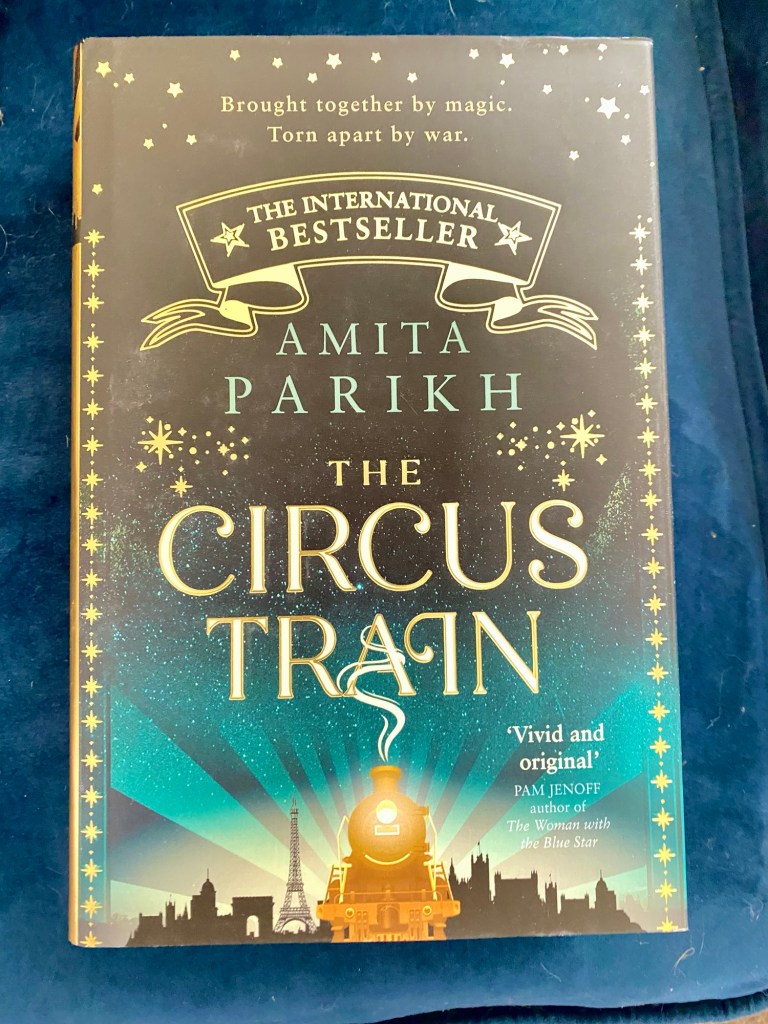
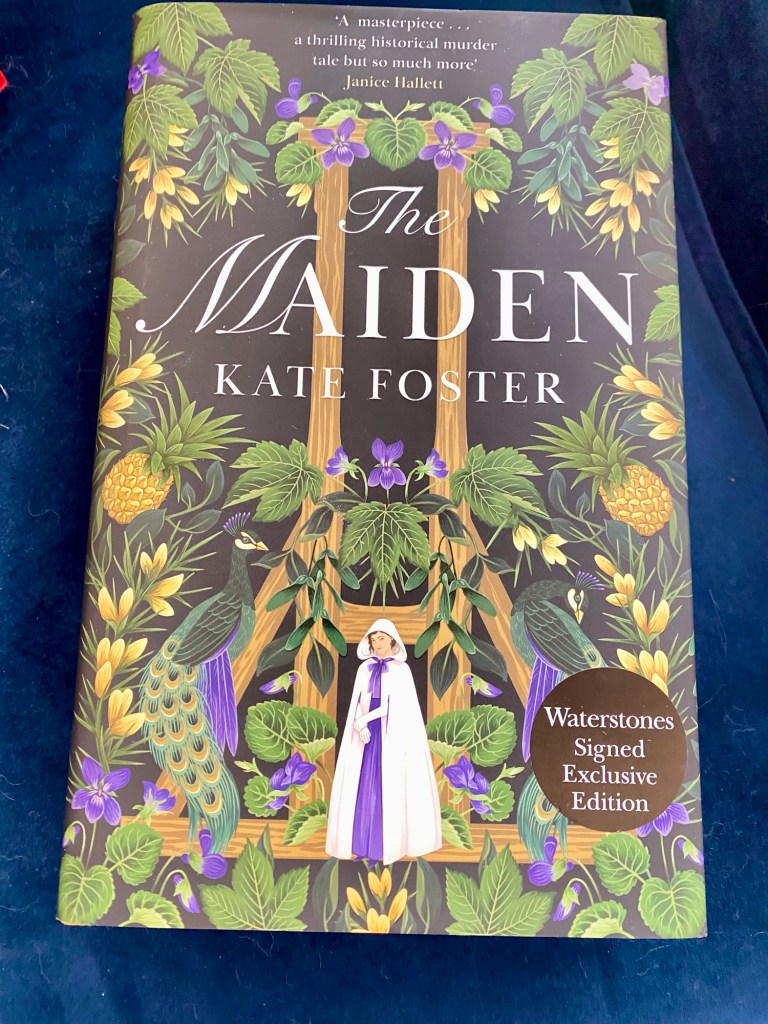
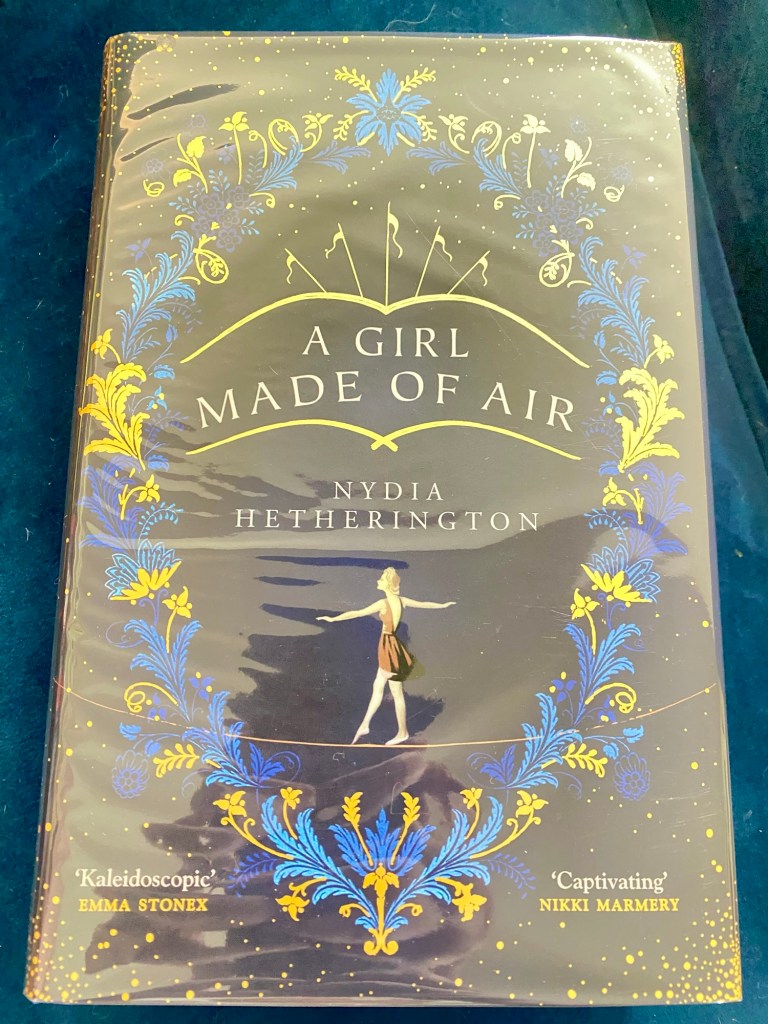
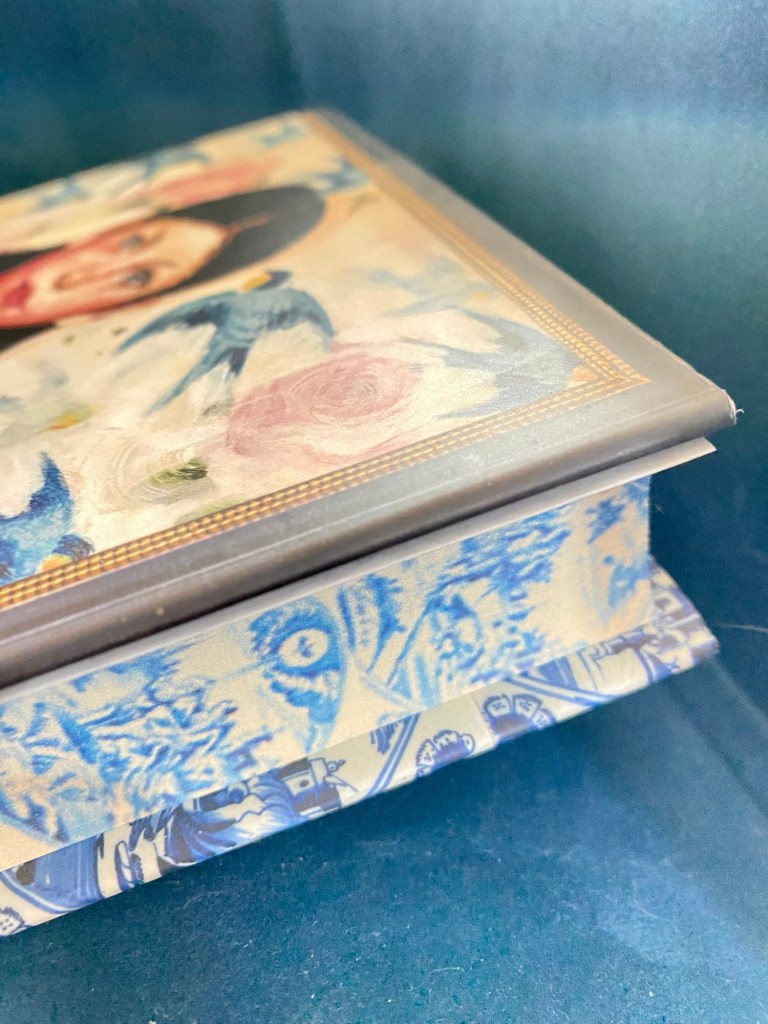
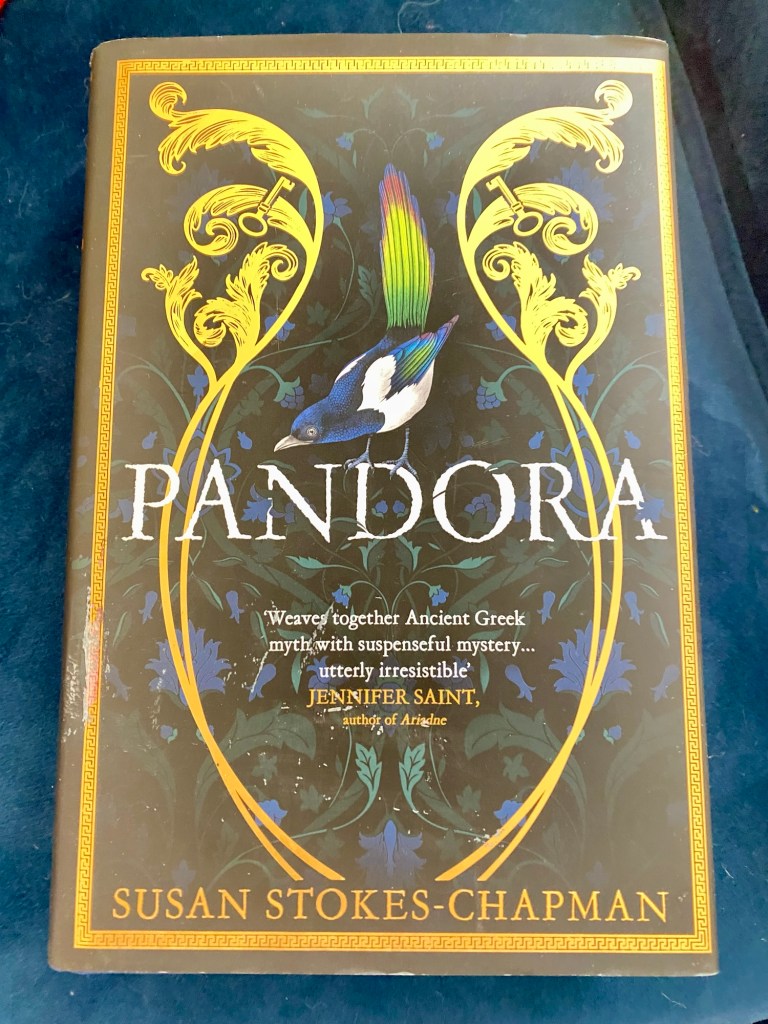
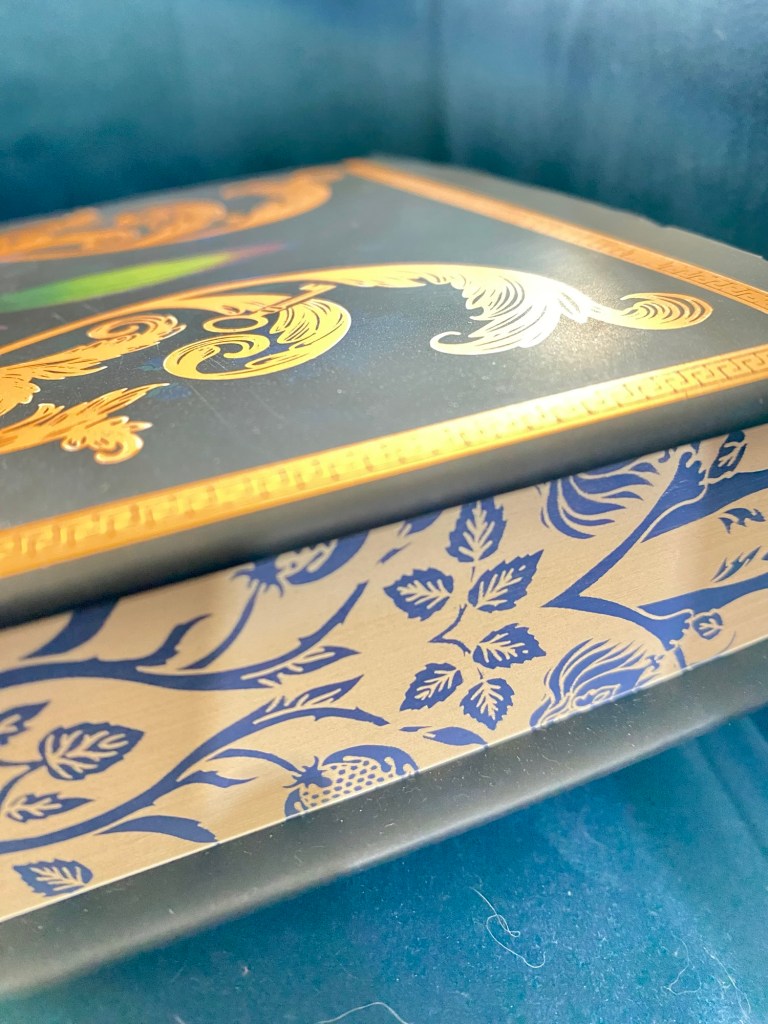
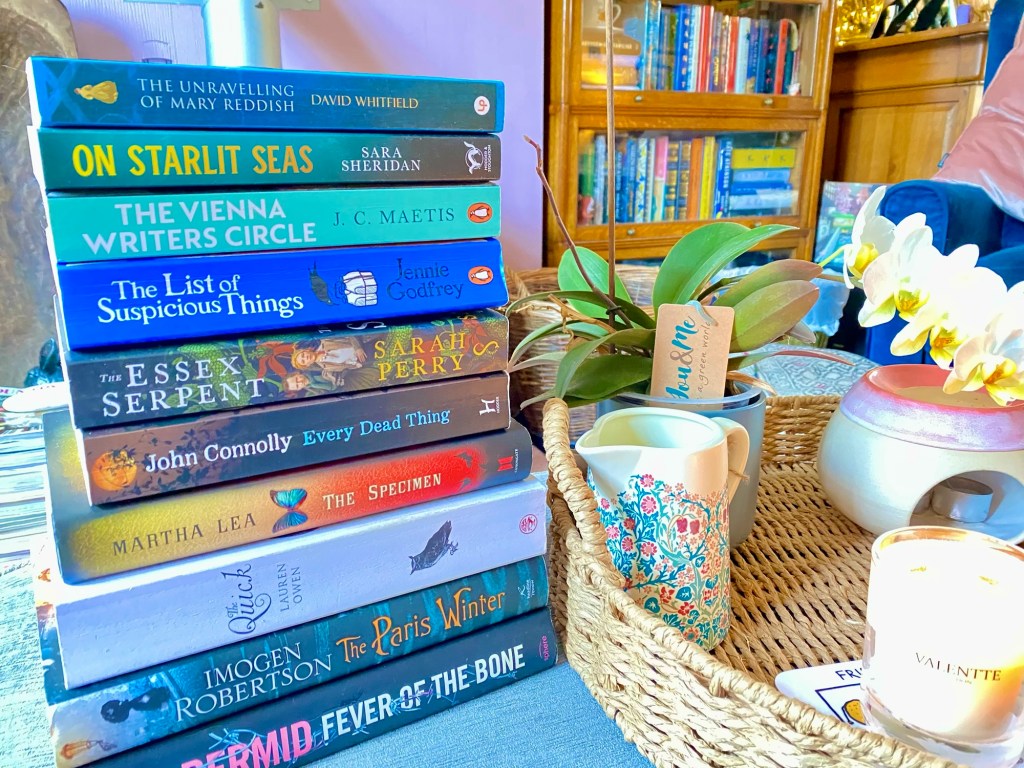
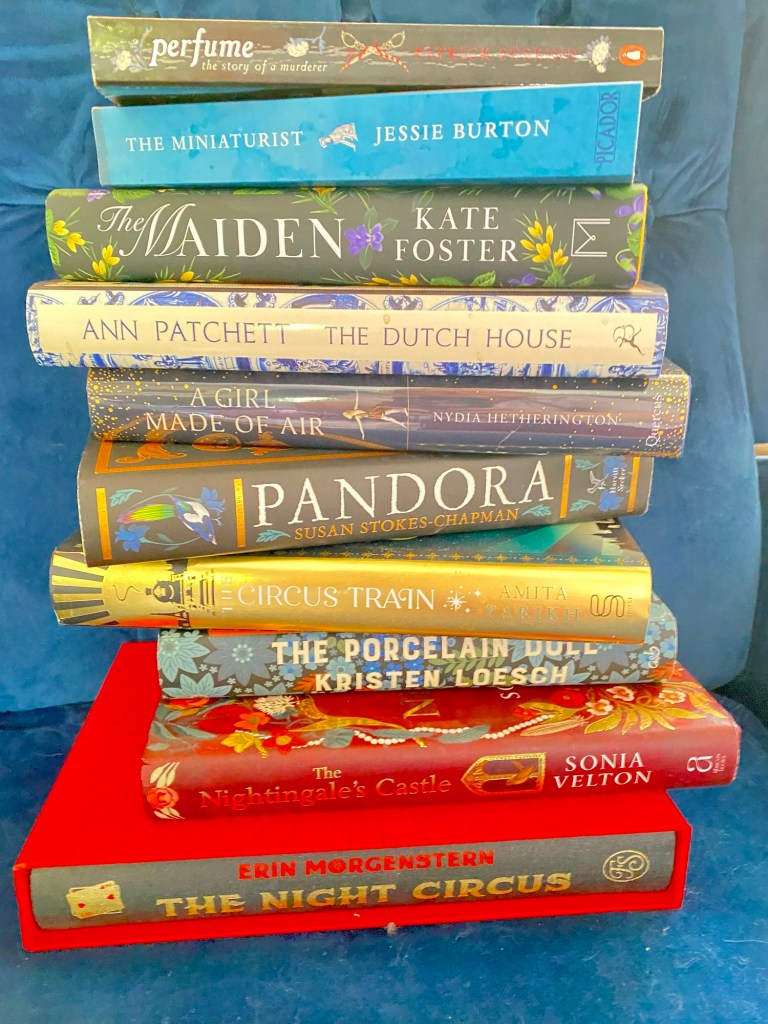
I thought that today I’d share with you the last ten books I’ve bought. Sometimes people think that because I review books on my blog, I get given every book I review but that’s far from the case. I still buy an enormous amount of books every month. It’s my main indulgence, aside from Doc Marten boots and a weird fascination with animals in clothes (probably best left unexplored but I’m sure it has to do with Mr Tumnus). I’d do get proof copies but they are becoming more scarce these days so mainly they come from the reviewing I do through the Squad Pod Collective – a group of blogger friends who have come together to share the book love – or through blog tours. More often it’s digital copies that are available, either offered by the publisher or through NetGalley. There are many reasons I might buy a book, as discussed last week there are come authors who are must-buy and are usually pre-ordered for a discount. Another reason might be that I’ve loved a book on Netgalley or digital proof and I’d like a finished copy. Then there’s the bookshop purchases where I have a terrible love of spredges and beautiful book cover art as well as the story itself. Finally comes those I buy second-hand in charity shops, second hand bookshops like Barter Books in Alnwick or Vinted, which is a great hunting ground for special editions. I also collect various copies of old classics or my favourites – I have about six different copies of The Night Circus for example. Currently on my radar is the Folio Society copy of The Colour Purple which is stunning but will take up a whole month’s book budget! Here are my latest buys:

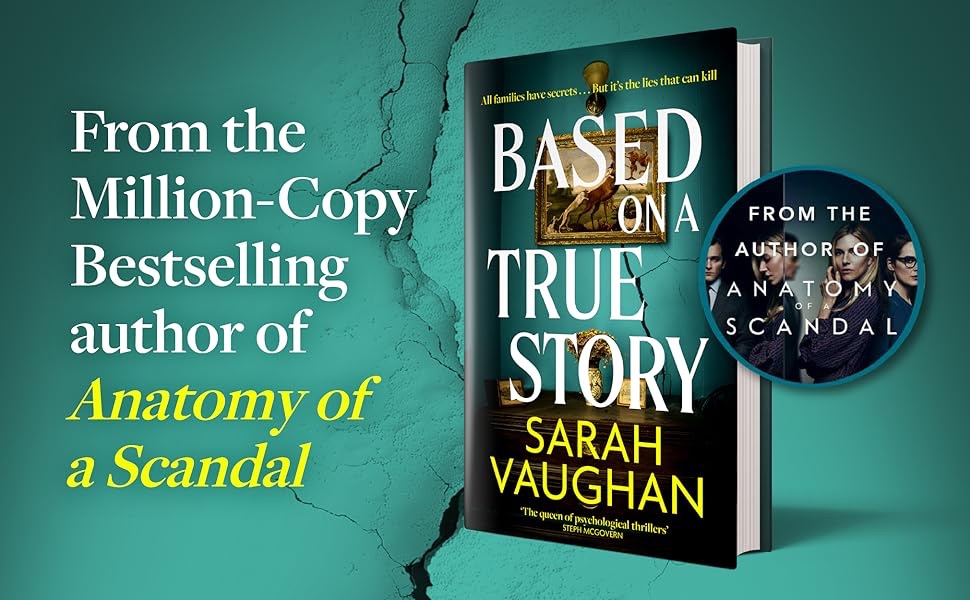
I love Will Dean’s Tuva Moodysson series and pre-order those always, but his stand-alone novels I tend to buy on Kindle. This has all the hallmarks of a heart-stopping thriller.

Three of them adrift on the narrowboat.
Mother, son, and wickedness.

Peggy Jenkins and her teenage son, Samson, live on a remote stretch of canal in the Midlands. She is a writer and he is a schoolboy. Together, they battle against the hardness and manipulation of the man they live with. To the outside world he is a husband and father. To them, he is a captor.

Their lives are tightly controlled; if any perceived threat appears, their mooring is moved further down the canal, further away from civilisation. Until the day when the power suddenly shifts, and nothing can be the same again.

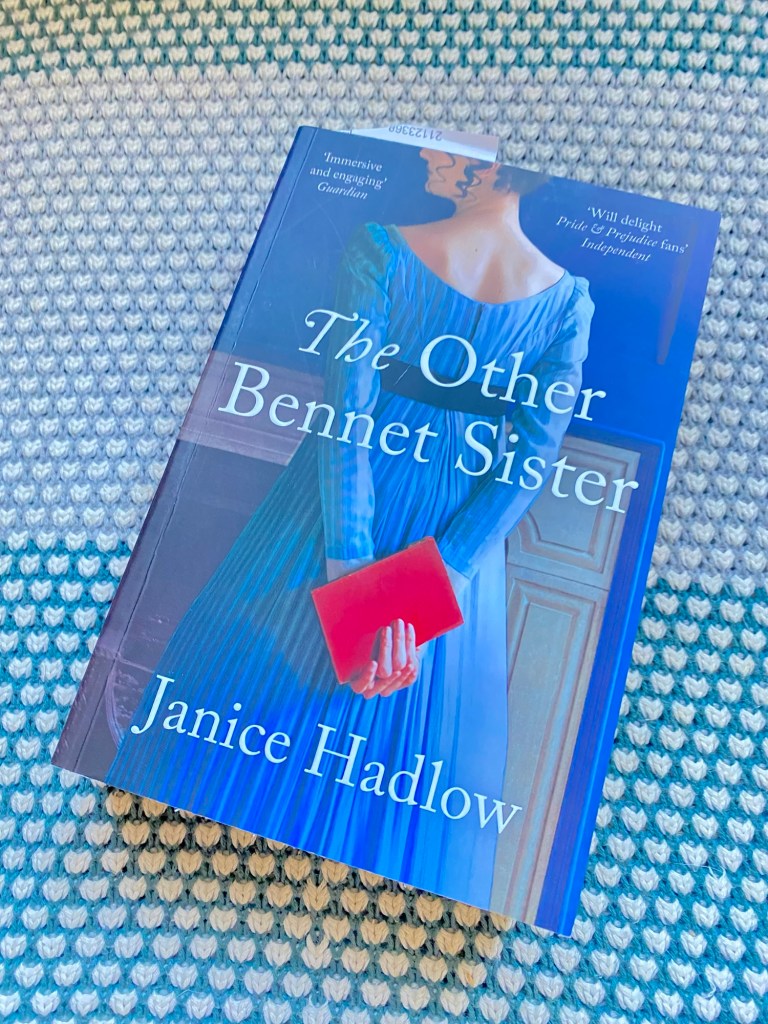
I left the parking ticket bookmark in this one, because I bought this from my local bookshop on Saturday and then my other half went to Screwfix so I read five chapters in the car out of boredom. I wanted to read this before I watched the BBC series and as usual I’ve left it to the last minute. I recently thoroughly enjoyed Rachel Pariss’s novel about Charlotte Lucas and I’d forgotten how lovely it is to be in Austen’s worlds so I thought this would be light relief, both from other reading and the news.

In Jane Austen’s Pride and Prejudice, we know the fates of the five Bennet girls. But while her sisters are celebrated for their beauty or their wit, Mary is the “plain” middle sister, the introvert in a family of extroverts, and a constant disappointment to her mother.

Lonely and lacking connection, Mary turns to the only place she feels safe: her books. Determined to be “right” since she can never be “beautiful,” she prepares for a life of solitude at Longbourn.

One by one, the other sisters move on: Jane and Lizzy for love, and Lydia for respectability. Mary is destined to remain single, at least until her father dies and the house is bequeathed to the reviled Mr Collins.

But when that fateful day finally arrives, the life Mary expected is turned upside down. In the face of uncertainty, she slowly discovers that there is hope for the “plain” sister after all. . .

Experience the witty, life-affirming tale of a young woman finally finding her place in the world.

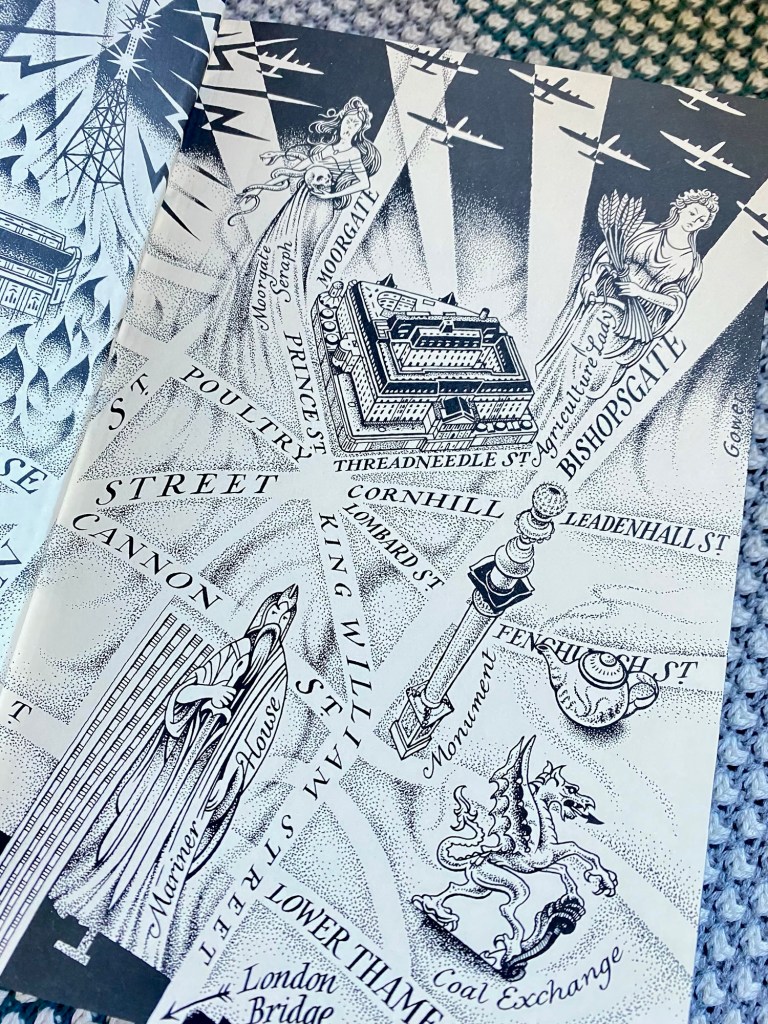
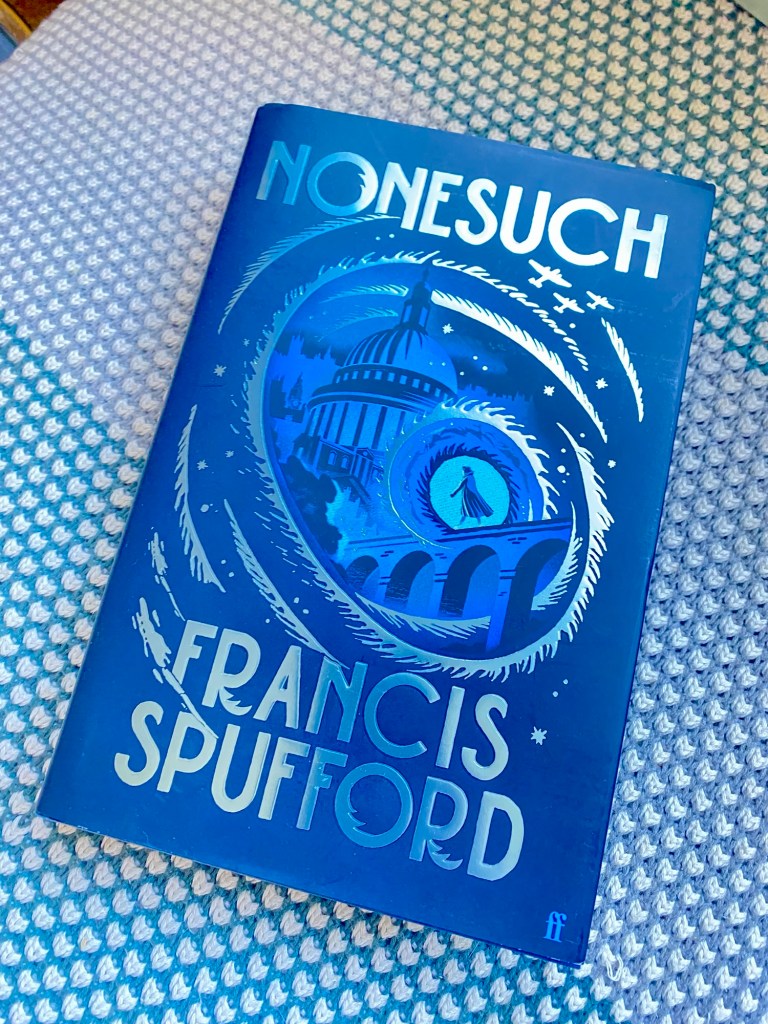
This book falls into the special edition category as it’s one I might normally have bought on Kindle, but couldn’t resist this beautiful signed edition complete with stunning spredges and endpapers.

It’s the summer of 1939. London is on the brink of catastrophic war. Iris Hawkins, an ambitious young woman in the stuffy world of City finance, has a chance encounter with Geoff, a technical whizz at the BBC’s nascent television unit.

What was supposed to be one night of abandon draws her instead into an adventure of otherworldly pursuit – into a reality where time bends, spirits can be summoned, and history hangs by a thread. Soon there are Nazi planes overhead. But Iris has more to contend with than the terrors of the Blitz. Over the rooftops of burning London, in the twisted passages between past and present, a fascist fanatic is travelling with a gun in her hand.

And only Iris can stop her from altering the course of history forever.

Just look at those beautiful spredges. I’m itching to dive into this but need to get my blog tour reading done first.

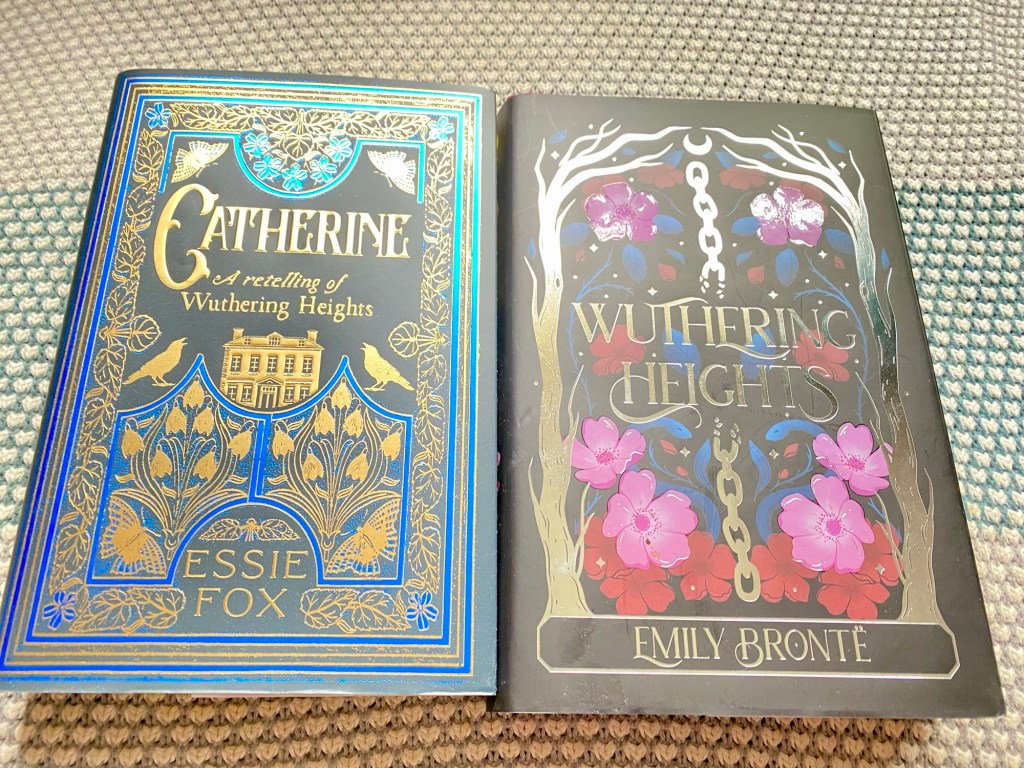
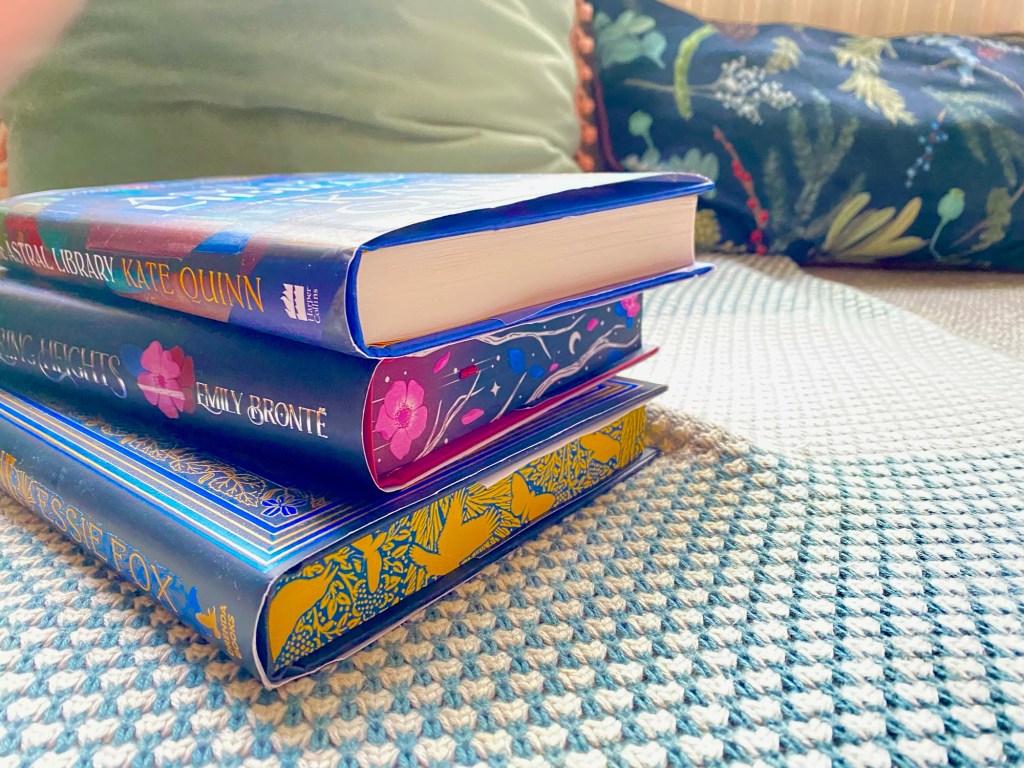
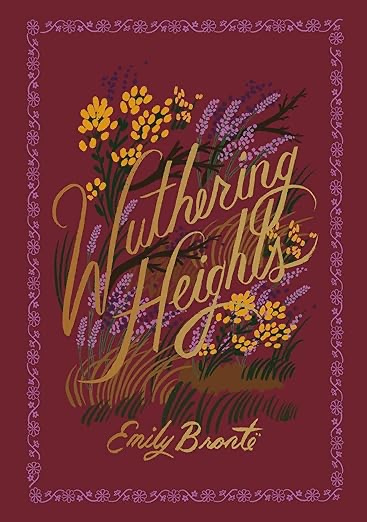
As you can see another ‘nostalgic’ purchase. Wuthering Heights is one of my favourite books of all time, despite the problematic middle bit where too many people die at once, so when I bought Essie Fox’s beautiful retelling through Catherine Earnshaw’s eyes I couldn’t resist this new edition of Wuthering Heights. The spredges are to die for!

With a nature as wild as the moors she loves to roam, Catherine Earnshaw grows up alongside Heathcliff, a foundling her father rescued from the streets of Liverpool. Their fierce, untamed bond deepens as they grow – until Mr Earnshaw’s death leaves Hindley, Catherine’s brutal brother, in control and Heathcliff reduced to servitude.

Desperate to protect him, Catherine turns to Edgar Linton, the handsome heir to Thrushcross Grange. She believes his wealth might free Heathcliff from cruelty – but her choice is fatally misunderstood, and their lives spiral into a storm of passion, jealousy and revenge.

Now, eighteen years later, Catherine rises from her grave to tell her story – and seek redemption.

Essie Fox’s Catherine reimagines Wuthering Heights with beauty and intensity – a haunting, atmospheric retelling that brings new life to a timeless classic and lays bare the dark heart of an immortal love.

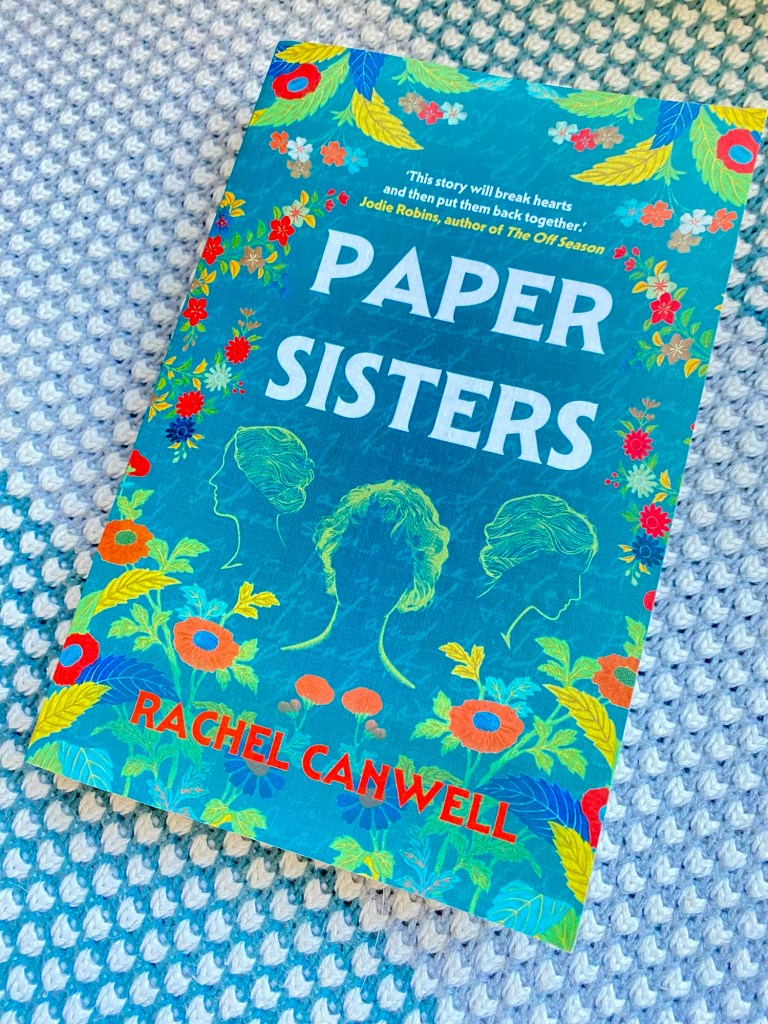
As you will know I’ve been raving about this one after reading it last month and yes I do have a proof copy but I do like to support independent publishers, authors and bookshops so I went to Lindum Books for her signing a few weeks ago. Sadly, by the time I arrived they’d run out of copies so they were waiting for new stock and Rachel kindly supplied a signed bookplate for it.

Lincolnshire, 1914. As the First World War approaches, three women are living, trapped between the unforgiving marsh, the wide, relentless river, and the isolation of the fen.

Their lives are held fast by profound grief, haunted by the spectres of the past. Trapped by the looming presence and eerie stillness of a hospital that has never admitted a single patient.  

Eleanor longs to escape. To make a life with the man she loves, leaving her sister, and all her ghosts behind. Clara’s marriage is crumbling and violent and she yearns for peace and security for both herself and her innocent children. Meanwhile, Lily, a formidable force of will, stands resolute against the relentless tide of change. She will stop at nothing, no matter the devastating cost, to ensure that life, and her family, remain frozen in an unyielding embrace of the past.

The author, Rachel Canwell, grew up with the story of this forgotten hospital. Isolated, stocked weekly and cleaned daily but never admitting a single patient. The hospital was real, tended by her family for over sixty years and set against the ethereal beauty and loneliness of the Fens, is the inspiration for her novel.

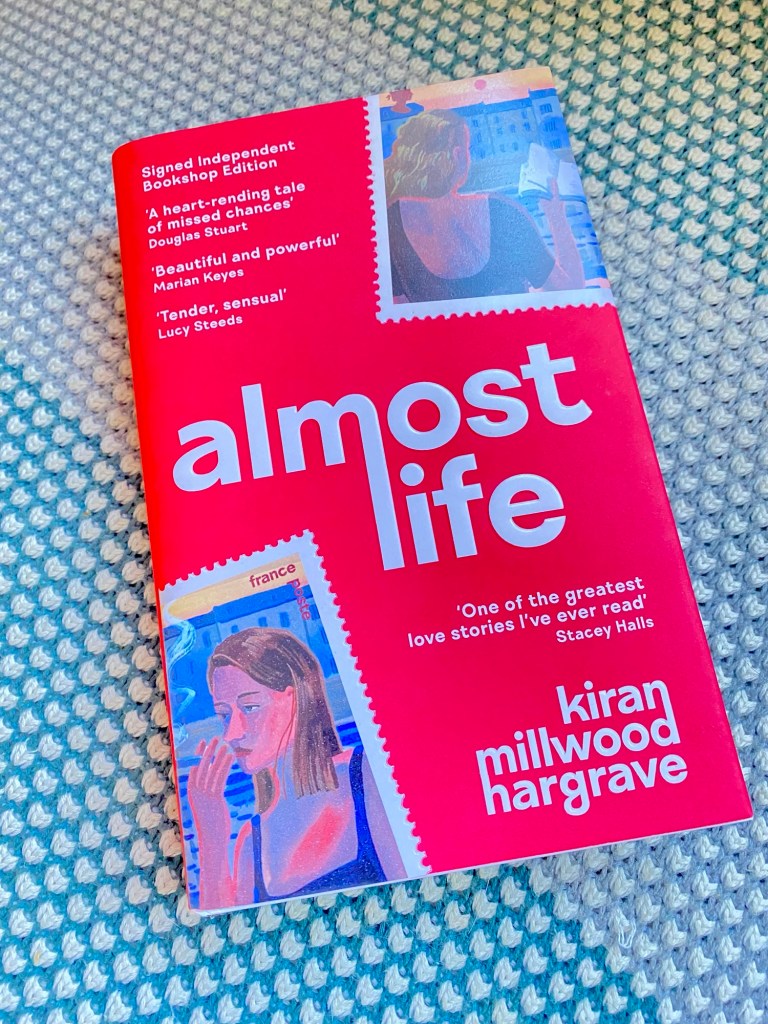
This beauty is the independent bookshop copy of Almost Life that came from Lindum Books. I always love the artwork from Kiran’s books and this is a stunner.

One chance encounter can define a lifetime

Erica and Laure meet on the steps of the Sacré-Cœur in Paris, 1978. Erica is a student, relishing her first summer abroad before beginning university at home in England. Laure is studying for her Ph.D. at the Sorbonne, drinking and smoking far too much, and sleeping with a married woman.

The moment the two women meet the spark is undeniable. But their encounter turns into far more than a summer of love. It is the beginning of a relationship that will define their lives and every decision they have yet to make. Spanning cities, decades and heartbreaks, fate brings them within touching distance again and again.

But will they be brave enough to seize the life they truly want?

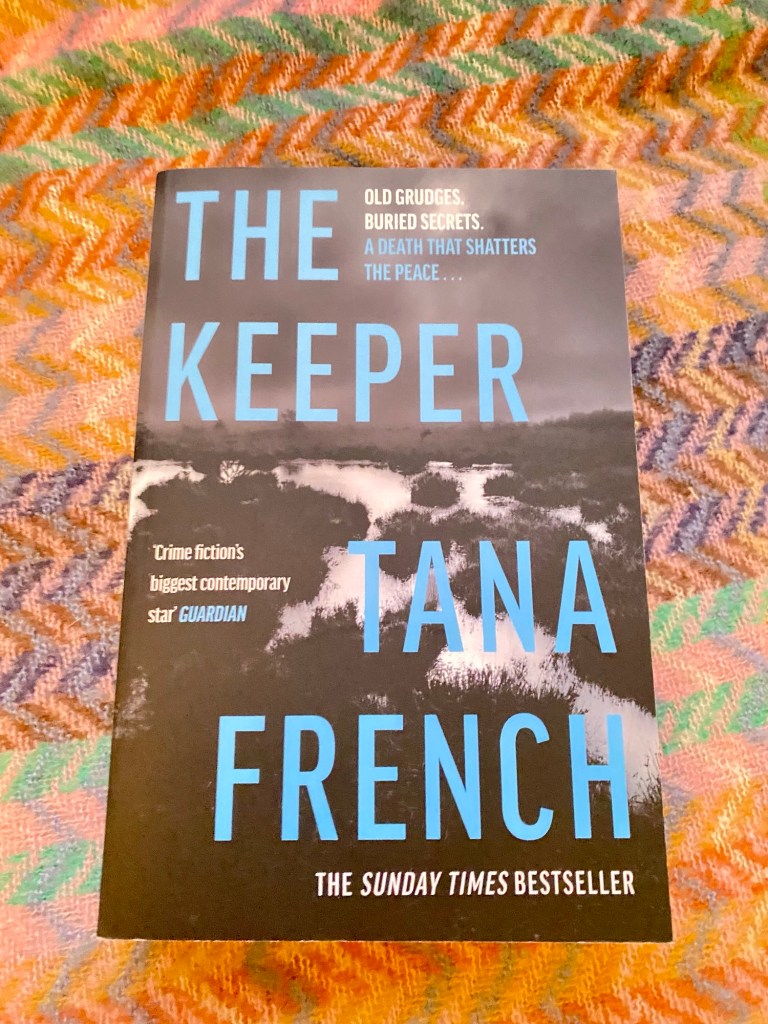
My next purchases are two for the Kindle and after recently reading and reviewing her third Cal Hooper novel The Keeper, I decided I need to catch up on the first two in the series. I’d previously read her Dublin Murders series so I know I enjoy her writing and I read The Keeper through Netgalley so these are a treat for when I have a gap ?!

The Searcher covers Cal Hooper’s move to Ireland and the fixer-upper he’s bought in a remote Irish village, thinking it would be the perfect escape. After twenty-five years in the Chicago police force, and a bruising divorce, he just wants to build a new life in a pretty spot with a good pub where nothing much happens.

But then a local kid comes looking for his help. His brother has gone missing, and no one, least of all the police, seems to care. Cal wants nothing to do with any kind of investigation, but somehow he can’t make himself walk away.

Soon Cal will discover that even in the most idyllic small town, secrets lie hidden, people aren’t always what they seem, and trouble can come calling at his door.

The Hunter takes us back to Ardnakelty and blazing summer, when two men arrive in the village they’re coming for gold. What they bring is trouble.

Two years have passed since retired Police Detective Cal Hooper moved from Chicago to the West of Ireland looking for peace. He’s found it, more or less – in his relationship with local woman Lena, and the bond he’s formed with half-wild teenager Trey. So when two men turn up with a money-making scheme to find gold in the townland, Cal gets ready to do whatever it takes to protect Trey. Because one of the men is no stranger: he’s Trey’s father.

But Trey doesn’t want protecting. What she wants is revenge.

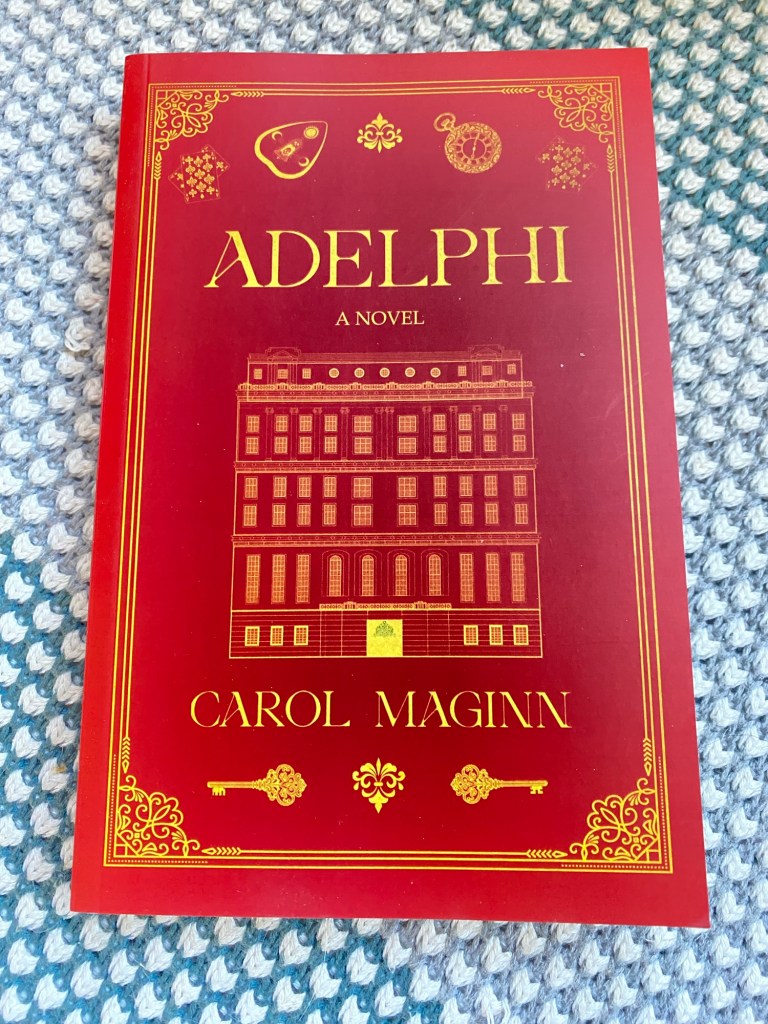
My final book came from the indie Northodox Press and features a place I know very well indeed. The Adelphi Hotel in Liverpool is a famous landmark I’ve known all my life, with my mum being a Liverpool girl. A former grand hotel, designed to look like the interior of an ocean liner it still has spectacular bones although its more recent furnishing choices in the original tea room have made it look more like a nursing home. Every time I go past it we say someone could make a lot of money doing that place up, it could be gorgeous. I live in hope, but currently she’s a strange mishmash of styles from art deco to faux leather BarcaLoungers. It’s a great cheap place to stay in Liverpool and my dad particularly enjoyed the prostitute’s card that was slipped under his door in the middle of the night!

Where better to work than the famous Adelphi Hotel?

Alistair Monroe is keen to make his way in Nineteenth Century Liverpool. The Adelphi is a landmark known for its grandeur, drawing many visitors, including Clemency Martin, an American psychic.

She too needs to make her way. But Alistair discovers that power and darkness lie at the heart of the hotel, and he must finally take risks to bring the truth to light. Step into the atmospheric world of the Adelphi…

So that’s all my recent purchases and buying secrets, but I’m sure there’ll be more next month, if I can resist The Folio Society that is.

Posted in Netgalley

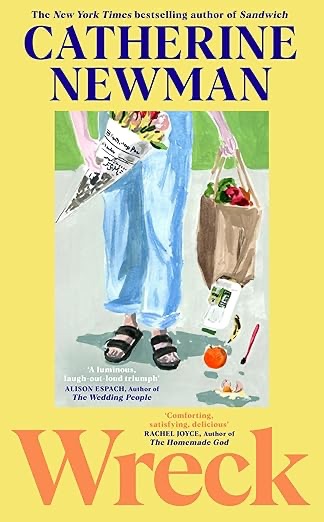
 Wreck by Catherine Newman 

Rachel (Rocky) is seemingly living her best life as the irreverent, funny beating heart of her family. Her ageing father is his unique, adorable self; daughter Willa is prone to bouts of existential angst whilst berating the fact that her mother has zero filter; husband Nick is steady, logical, sometimes infuriating.

They are messy, they are flawed, they are completely, ridiculously normal.

And like most normal people, Rocky worries about what might happen next. So when a former classmate of her son Jamie dies in a seemingly random accident, Rocky becomes obsessed.

For if accidents can happen – and they do – is it truly safe to love anyone?

Fresh, honest, laugh out loud funny and genuinely relatable, WRECK follows Rocky and her family through one rollercoaster year as they negotiate the unpredictable and beautiful messiness of life.

I don’t know how Catherine Newman does it, but I feel so at home with Rocky as if she’s a really close friend who you can tell anything to. After Sandwich, we meet the family at home, getting over Grandma’s death and getting back into the swing of life. Rocky’s dad has been living in their outside shed since his wife died and daughter Willa is also at home. Newman lets us live alongside these characters as part of the family and I adore their humour and their warm, chaotic household – not to mention their food always sounds incredible. Rocky is a freelance writer and doesn’t have regular work coming in, so when a young man is killed in his car on the nearby railway crossing she becomes fixated on what happened. If anything Rocky is over empathetic, she can’t stop thinking about how devastated his family must be and trying to work out how it happened. Meanwhile, a strange rash appears on her shoulder and while she’s having a check on sun damage her dermatologist suggests they look into it. This turns out to be a good call as it begins to appear elsewhere on her body. A biopsy of the skin and some bloods should solve the mystery but it becomes a deep rabbit hole with many frightening possibilities. 

I am not overstating when I say this book could save my life! As Rocky’s symptoms started to mount I kept reading bits out to my husband and looking up the terms, wondering if somehow the author had magical access to my medical records. I identified so strongly with this story of living while unwell because this has been the last eighteen months of my life. I had two breaks in my spine as a child causing issues with pain and the use of my right arm and shoulder. I was also diagnosed with multiple sclerosis at 21. However I have always had a collection of symptoms that didn’t fit with that diagnosis. With increasing arthritis in my lumbar and sacral spine my pain management consultant asked for a full body MRI. I couldn’t have prepared myself for the list of problems that unfolded. Not only did I have arthritis and impingement of peripheral nerves, I also had a narrowed spinal canal in places, potentially causing issues with my spinal cord. However, I also had a lesion in my spine, one in my spleen and several growths on my thyroid. All of these things are being dealt with by separate specialists, but Rocky’s story popped a little light bulb over my head. Surely I had to ask the question – what if all these issues are connected? I’ve already been told it’s likely I have Hashimoto’s disease and it’s being treated, but I’m having biopsies and I’ve asked to see an endocrinologist to flush out whether it’s one of diagnoses that Rocky is facing. I recognised the sudden feeling that your body is falling apart and is even working against you. I’ve felt that terrible fear that there’s a ticking time bomb somewhere in your body and almost becoming divorced from it. I could see that Rocky felt better when she did something physical such as going to a dance group or plunging into an icy lake, because her body works for her and becomes part of her again. 

This author knows how it feels to be going through all the volatile changes of menopause, while simultaneously supporting young adult or teenage children and elderly parents. It’s a hell of a balancing act while getting used to a body that puts on weight where it never has before, thins all the things you want to be lustrous and thick and thickens all the bits that used to be slender. She captures what it’s like to feel invisible to most of the world, but the absolute beating heart of the home. The generation gap is also brilliantly portrayed when Rocky and Willa try to take grandad to a juice bar, his grumpiness giving the perfect edge this warm and nurturing family. While Rocky’s husband is like a little moon, constantly orbiting his wife and tending to those little things like cheesy nachos in bed. It’s interesting when this very liberal family have to cope with family members whose views are not like their own. Jamie and his wife Maya visit from New York for Thanksgiving and it’s clear their values are different, especially when Rocky makes a discovery about her son. He works for a company that consults for businesses, finding ways to make them more profitable and openly says to his mum that he just loves money. Even though she doesn’t agree, Rocky is never happier than when all her children are under her roof. 

‘“Yayy, I say. All the kids back under my roof! When I send out my ESP stealth probe in the night to check on everybody, they’ll be in their proper beds”. 

Mostly I love the emotion and atmosphere of this author’s novels. I live for a messy pile of books by the couch, usually with a pint mug of tea within reach and the dog and cats all quietly snoozing in their own places. That’s exactly what this family has, an untidy but welcoming house with cats everywhere and always gorgeous food on the go. It feels very conscious of the seasons too as summer turns to autumn and winter, with festivals like Halloween playing their part – I loved the moment when Rocky tries to do the trick or treat routine on the porch not realising the young woman is Willa’s date. Every festival is marked with excellent food, followed by a long tramp through the nearby woods and foraging for things. I always want to be part of their world and feel like I’ve lived with them for a while once the story ends. As my story continues I’m going to take a bit of Rocky’s dermatologist’s wisdom with me. When he gives his diagnosis Rocky is taken aback and he acknowledges her feelings but tempers it with some advice: 

“Yikes, I said, and he said, ‘a little bit of yikes. You can visit with the fear but don’t hire a van and move there.” 

Out Now from Doubleday

Meet the Author

Catherine Newman is the New York Times bestselling author of Sandwich and We All Want Impossible Things, which was also chosen for the Richard & Judy Book Club. She is also the author of the memoirs Catastrophic Happiness and Waiting for Birdy, and the bestselling children’s book How to be a Person. She is a regular contributor to the New York Times, O, The Oprah Magazine, Cup of Jo, and many other publications. She writes the Substack newsletter Crone Sandwich and lives in Amherst, Massachusetts, with her family.

Posted in Ten on Tuesday

Ten on Tuesday: Ten Favourite Scenes From Classic Literature

Cathy’s Ghost At The Window – Wuthering Heights by Emily Brontë

Those Brontë girls did like a haunting. I can’t join the debate on the latest Wuthering Heights adaptation as I’ve not bothered to see the film yet, but I’m not keen on the lurid colours or on Margot Robbie as Catherine. Catherine is a little wild thing, she tramps about on the moors in all weathers and is muddy, dark and moody. Barbie she is not. I don’t know how far this adaptation goes into the supernatural aspects of the novel, but I love it when that plays a part. The 1970’s adaptation with Timothy Dalton as Heathcliff shows both of them with wild, knotted hair and covered with dirt. Heathcliff tries to dig Cathy up after her burial and her ghost lures him back to Wuthering Heights where he’s shot by Hindley so they can haunt the moors together. It completely throws away half of the book but the casting and their portrayal of these characters is as close to my impression of them both as I’ve ever seen. The only truly supernatural scene in the novel is thrillingly creepy and occurs as Mr Lockwood, who has come to visit his new neighbours, is stuck at Wuthering Heights overnight due to a storm. He’s placed in a bedroom where Catherine Earnshaw’s name is carved into the bed and the wind is buffeting the trees outside. When he first wakes he thinks a branch is tapping at the window, so he opens the latch:

“ I must stop it, nevertheless!’ I muttered, knocking my knuckles through the glass, and stretching an arm out to seize the importunate branch, instead of which, my fingers closed on the fingers of a little, ice-cold hand! The intense horror of nightmare came over me; I tried to draw back my arm, but the hand clung to it, and a most melancholy voice sobbed, ‘Let me in – let me in!’

‘Who are you?’ I asked, struggling, meanwhile, to disengage myself.

‘Catherine Linton,’ it replied, shiveringly (why did I think of Linton? I had read Earnshaw. twenty times for Linton), – ‘I’m come home, I’d lost my way on the moor!’

As it spoke, I discerned, obscurely, a child’s face looking through the window. Terror made me cruel, and, finding it useless to attempt shaking the creature o, I pulled its wrist on to the broken pane, and rubbed it to and fro till the blood ran down and soaked the bedclothes; still it wailed.

‘Let me in!’ and maintained its tenacious grip, almost maddening me with fear.

Thrillingly creepy!

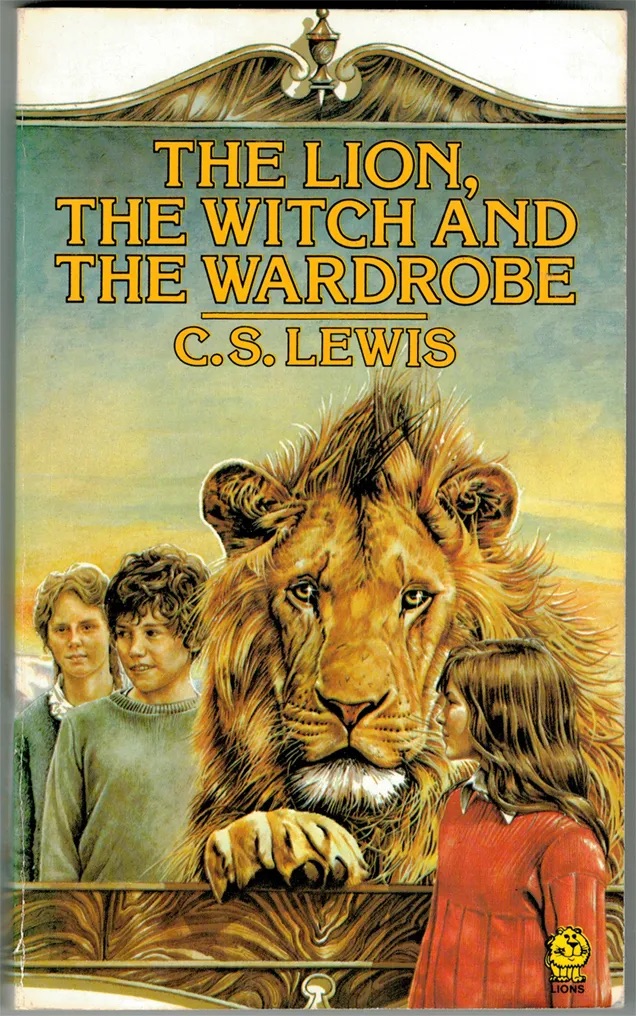
Lucy Has Tea With Mr Tumnus – The Lion, The Witch and the Wardrobe.

Mr Tumnus is a delightful fellow and as a child I desperately wanted to find my way into Narnia so we could be friends. In fact I had an hilarious conversation with a friend where she heartily agreed that she’d like to meet Mr. Tumnus – but the James McAvoy version. She didn’t have tea in mind either! I was horrified. I just wanted to have crumpets in front of the fire with him. I did have a wonderful elderly friend for several years who had a big antique filled Victorian house and a ‘gentleman’s club’ decor. He wore brocade smoking jackets, brooches and had curly blonde hair like a cherub. He would have me round for tea and I loved his comfy wingback armchairs and the various clocks ticking away. I felt so cozy there. I still have his chairs in my study and still get that feel when I sit in them to read.

“And really it was a wonderful tea.  There was a nice brown egg, lightly boiled, for each of them, and then sardines on toast, and then buttered toast, and then toast with honey, and then a sugar-topped cake.  And when Lucy was tired of eating the Faun began to talk.  He had wonderful tales to tell of life in the forest.  He told about the midnight dances and how the Nymphs who lived in the wells and the Dryads who lived in the trees came out to dance with the Fauns; about long hunting parties after the milk-white Stag who could give you wishes if you caught him; about feasting and treasure-seeking with the wild Red Dwarfs in deep mines and caverns far beneath the forest floor; and then about summer when the woods were green and old Silenus on his fat donkey would come to visit them, and sometimes Bacchus himself, and then the streams would run with wine instead of water and the whole forest would give itself up to jollification for weeks on end.  “Not that it isn’t always winter now,” he added gloomily.  Then to cheer himself up he took out from its case on the dresser a strange little flute that looked as if it were made of straw and began to play.  And the tune he played made Lucy want to cry and laugh and dance and go to sleep all at the same time.”

Dracula’s Brides Seduce Jonathon Harker – Dracula by Bram Stoker

When I was at university, presentations were the bane of my life. I absolutely hate public speaking. I decided to look at sexuality in Dracula and spoke for twenty minutes with video clips and a portfolio to discuss four scenes in the novel: Lucy’s 3 suitors all give her blood; Van Helsing and the suitors visit the crypt to kill Lucy and stop her undead wanderings; Dracula tries to seduce Mina; my favourite scene though is when Dracula’s brides try their best to corrupt Jonathon Harker on his visit to Transylvania. I love the drama of this scene and how interesting it is that the fantasy of one man and several women was alive and well at the end of the 19th Century. It is Dracula who stops the women, making it quite clear that Jonathon is his – bringing some interesting sexual ambiguity. Does he wish to seduce Jonathon or kill him? The three brides are a parallel to Lucy Westenra’s three suitors, there to show her insatiable sexuality in contrast to the angelic Victorian ideal, Mina. I remember back to the 1990s and the Keanu Reeves version of Jonathon Harker with one of the brides played by the stunning Monica Bellucci. I used this for my presentation and managed to impress a couple of goth students who thought I was pretty boring up till then.

“I was afraid to raise my eyelids, but looked out and saw perfectly under the lashes. The fair girl went on her knees, and bent over me, fairly gloating. There was a deliberate voluptuousness which was both thrilling and repulsive, and as she arched her neck she actually licked her lips like an animal, till I could see in the moonlight the moisture shining on the scarlet lips and on the red tongue as it lapped the white sharp teeth. Lower and lower went her head as the lips went below the range of my mouth and chin and seemed to fasten on my throat. I could feel the soft, shivering touch of the lips on the supersensitive skin of my throat, and the hard dents of two sharp teeth, just touching and pausing there. I closed my eyes in a languorous ecstasy and waited – waited with beating heart.”

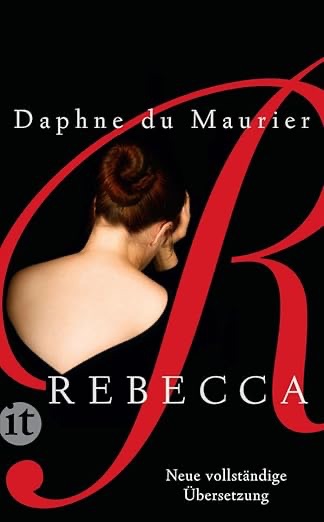
The Costume Ball at Manderley – Rebecca by Daphne du Maurier.

My favourite scene in one of my favourite books of all time is when the terrifying housekeeper Mrs Danvers really shows her hatred for the second Mrs de Winter. Having planted the idea of a costume ball in her head, Mrs Danvers also makes the suggestion that she should look at the paintings on the long gallery for inspiration. There is a beautiful portrait of one of her husband Maxim’s ancestors, Lady Caroline de Winter, in what looks like an 18th Century dress. Mrs de Winter is so excited, she sends for a copy and even tells Maxim she has a surprise. Yet when she appears at the top of the stairs, with Maxim waiting below, everyone who looks up gives a gasp of disbelief. His sister Beatrice even says the name ‘Rebecca’. At the last costume ball held at Manderley, Rebecca had worn the very same thing. There can now be no doubt in her mind that Mrs Danvers meant this to divide them. Their confrontation takes place in the wing of the house that she’s forbidden to enter, Rebecca’s rooms filled with the sound of the sea.

“You’ve done what you wanted, haven’t you?” the heroine says. “You meant this to happen? Didn’t you?” The replies are both defensive and obsessive, accusing her of trying to take Rebecca’s place when no one can and reminiscing about her former employer in a way that borders on love. She says Maxim will always love Rebecca because “she had all the courage and spirit of a boy.” She talks about their evening routine, how she would brush her hair and shows how sheer her lingerie and nightwear were. She was so perfect every man loved her – Maxim, Frank Crawley the estate manager and even her own cousin Jack Favell. She drove them mad with jealousy but ‘it was all a game to her.” She came to ‘Danny’ and laughed at them all. There are definitely sapphic overtones here, but as Mrs de Winter looks out of the open window her voice changes and becomes soft and suggestive. “Why don’t you go? … He doesn’t want you, he never did. He can’t forget her… It’s you who ought to be dead, not Mrs. de Winter.” As they look down to the terrace, way below; Mrs. Danvers urges her to jump, to end it all on the stones below. “There’s not much for you to live for,” she insists, “Why don’t you jump now and have done with it?” Her voice is hypnotic and the heroine looks down and considers jumping. Suddenly, a bang signals a ship that’s run aground in the cove and she’s shaken out of her trance. This is such a creepy and emotionally manipulative scene, adapted perfectly in the 1940s Hitchcock version of Rebecca with the perfect Mrs Danvers.

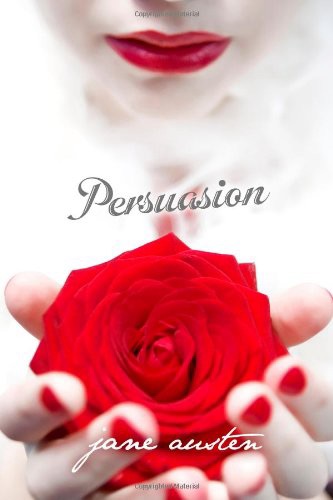
The Letter Scene – Persuasion by Jane Austen

Oh I do love this one of Jane Austen’s novels and the letter scene is one of the most romantic in all literature. After having his proposal refused by Anne Elliot, on some terribly bad advice from a friend, her suitor joins the Navy. He returns several years later and they are once again thrown into each other’s company. Anne is a little like Jane Eyre, in that her family think her plain and insignificant. She does not expect to get married now. When she and Captain Wentworth meet again they talk but there’s a reserve between them and although Anne knows her feelings haven’t changed she assumes his interest is in the younger ladies of their party. In a small gathering of people in Bath, Wentworth sits down at a desk in the corner and begins to write a letter. When he leaves Anne is surprised to find it’s for her and she could not have guessed the contents. *swoon*

“I can listen no longer in silence. I must speak to you by such means as are within my reach. You pierce my soul. I am half agony, half hope. Tell me not that I am too late, that such precious feelings are gone for ever. I offer myself to you again with a heart even more your own than when you almost broke it, eight years and a half ago. Dare not say that man forgets sooner than woman, that his love has an earlier death. I have loved none but you. Unjust I may have been, weak and resentful I have been, but never inconstant. You alone have brought me to Bath. For you alone, I think and plan. Have you not seen this? Can you fail to have understood my wishes? I had not waited even these ten days, could I have read your feelings, as I think you must have penetrated mine. I can hardly write. I am every instant hearing something which overpowers me. You sink your voice, but I can distinguish the tones of that voice when they would be lost on others. Too good, too excellent creature! You do us justice, indeed. You do believe that there is true attachment and constancy among men. Believe it to be most fervent, most undeviating, in 
F. W. 

I must go, uncertain of my fate; but I shall return hither, or follow your party, as soon as possible. A word, a look, will be enough to decide whether I enter your father’s house this evening or never.  

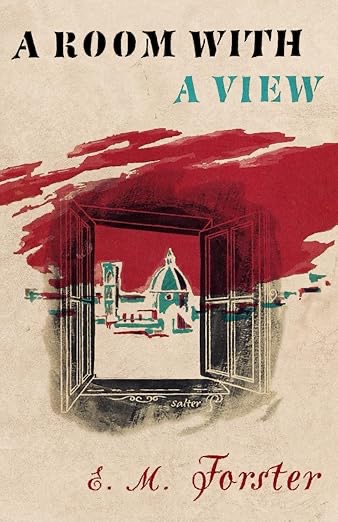
The Kiss – A Room With A View by E.M.Forster

This beautiful scene in A Room With A View is one of the most romantic moments in all literature for me and it all starts with a mixed group going to see a view. Our heroine Lucy Honeychurch is with her chaperone Charlotte, a rather strait laced character who is surely one of the most annoying women in fiction. Joining them are the novelist Eleanor Lavish, Mr Beebe who is a vicar and another clergyman who lives in Florence and is giving directions. Much to the disgust of Charlotte, Mr Beebe has also invited George Emerson and his father who they meet at dinner in their pensione. They committed a huge sin in Charlotte’s eyes of offering to swap rooms with the ladies, after overhearing Lucy complain they don’t have a view. The Emersons are of unknown origin and George has a job with the railways, definitely not the sort of people the Honeychurches would usually associate with. There is an argument because one of their drivers has brought along his girlfriend. They are flirting together and he has placed his arm round her, keeping her close. The Florentine vicar insists they stop and the girlfriend must walk behind because their behaviour is unseemly. Mr Beebe objects, surely they are doing no harm. This exchange is there to signal where the line is for different classes of people, the young couple are acting completely normally, but stiff Edwardian etiquette deems it unsuitable in the presence of a young woman like Lucy. When Eleanor and Charlotte are sitting in a field, gossiping, Charlotte becomes aware that Lucy is listening and suggests she look for Mr Beebe. With her rudimentary Italian Lucy asks the driver whether he knows where the gentlemen are and he directs her towards a field full of flowers:
“She wandered as though in a dream, through the wavering sea of barley, touched with crimson stains of poppies. All unobserved, he came to her…There came from his lips no wordy protestations such as formal lovers use. No eloquence was his, nor did he suffer for lack of it. He simply enfolded her in his manly arms…”

This scene in the Merchant Ivory adaptation, with Helena Bonham Carter as Lucy and the late Julian Sands as George is depicted in a field of poppies and the chemistry is off the charts.

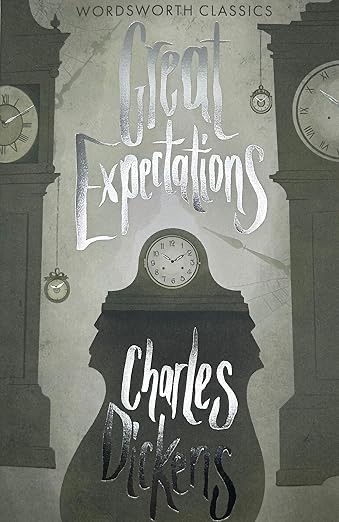
Pip Meets Miss Havisham – Great Expectations by Charles Dickens

There’s no shortage of unusual and tragic women in Dickens but Miss Havisham is an absolutely glorious creation. That first meeting, when Pip is only a child is one of the best entrances in literature and I don’t need to add anything.

“In an arm-chair, with an elbow resting on the table and her head leaning on that hand, sat the strangest lady I have ever seen, or shall ever see. She was dressed in rich materials—satins, and lace, and silks—all of white. Her shoes were white. And she had a long white veil dependent from her hair, and she had bridal flowers in her hair, but her hair was white. Some bright jewels sparkled on her neck and on her hands, and some other jewels lay sparkling on the table. Dresses, less splendid than the dress she wore, and half-packed trunks, were scattered about. She had not quite finished dressing, for she had but one shoe on—the other was on the table near her hand—her veil was half arranged, her watch and chain were not put on, and some lace for her bosom lay with those trinkets, and with her handkerchief, and gloves, and some flowers, and a prayer-book, all confusedly heaped about the looking-glass.

“But, I saw that everything within my view which ought to be white, had been white long ago, and had lost its lustre, and was faded and yellow. I saw that the bride within the bridal dress had withered like the dress, and like the flowers, and had no brightness left but the brightness of her sunken eyes. I saw that the dress had been put upon the round figure of a young woman, and that the figure upon which it now hung loose, had shrunk to skin and bone.”

“Once, I had been taken to see some ghastly waxwork at the Fair, representing I know not what impossible personage lying in state. Once, I had been taken to one of our old marsh churches to see a skeleton in the ashes of a rich dress, that had been dug out of a vault under the church pavement. Now, waxwork and skeleton seemed to have dark eyes that moved and looked at me. I should have cried out, if I could.”

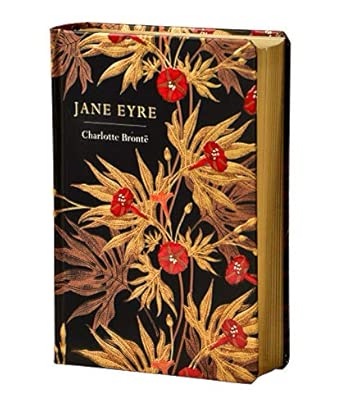
The Wedding Eve Dream – Jane Eyre by Charlotte Brontë

Mr Rochester’s courting of his employee, the governess Jane Eyre, is certainly unorthodox and in a modern context throws up so many concerns – the deceit, manipulation, blowing hot and cold, not to mention disguising himself as a gypsy to tell her fortune. Very odd indeed. But all that is nothing when we learn of his treatment of Bertha Mason, his imprisoned and allegedly insane wife. On the eve of their wedding, Jane is ignorant of all this and is going to sleep with her dress and veil hung on the wardrobe, ready for the morning. When she wakes it is still night but candle is lit and someone is in the room.

“It seemed, sir, a woman, tall and large, with thick and dark hair hanging long down her back. I know not what dress she had on: it was white and straight; but whether gown, sheet, or shroud, I cannot tell… Fearful and ghastly to me—oh, sir, I never saw a face like it! It was a discoloured face—it was a savage face. I wish I could forget the roll of the red eyes and the fearful blackened inflation of the lineaments… This, sir, was purple: the lips were swelled and dark; the brow fur­ rowed; the black eyebrows widely raised over the bloodshot eyes.”

There’s so much to take apart in this incident from Bertha being without the normal garments a proper woman would wear. She is unkempt and the words used, such as ‘blackened’, ’discoloured’ and ‘savage’, can be debated by post-colonial students for hours. There’s also an interesting doubling going on, is Bertha a version of what the young, passionate Jane could become if she doesn’t keep her feelings in check? She mistakes her for the Vampyre, recently written about by Polidori, but this is the culmination of several haunted or violent incidents at Thornfield Hall. Strangely, Mr Rochester thanks God that Jane did not come to any harm. However, the visitor did take her veil and tore it completely in two. This was no dream.

Angel and Tess at Stonehenge – Tess of the D’urbervilles by Thomas Hardy

Tess is such an awfully tragic tale and it drives me crazy that she isn’t better supported by her family, when they are the ones who put her in the path of creepy Alec D’urberville in the first place. Even worse, by terrible quirk of fate, when she gets a second chance with Angel Clare and decides to tell him about her past it doesn’t go to plan. She writes everything in a letter and slips it under his door the night before the wedding. She assumes he’s seen it and they marry, but we know the letter has been hidden under a mat at the door. When he hears the truth he leaves, so Tess feels she has no choice but to go back to Alec for protection. I would love to give Angel Clare a slap or two. The final scene, where Tess and Angel are reunited but fleeing from the law, they rest at Stonehenge. Setting aside everything that happens afterwards, I find this scene devastating. Tess is a woman abused and brought low by men. Her life has been so tragically hard and sad she feels that all she deserves are those few hours of happiness she has spent with Angel.

“He heard something behind him, the brush of feet. Turning, he saw over the prostrate columns another figure; then before he was aware, another was at hand on the right, under a trilithon, and another on the left. The dawn shone full on the front of the man westward, and Clare could discern from this that he was tall, and walked as if trained. They all closed in with evident purpose. Her story then was true! Springing to his feet, he looked around for a weapon, loose stone, means of escape, anything. By this time the nearest man was upon him. 

“It is no use, sir,” he said. “There are sixteen of us on the Plain, and the whole country is reared.” 

“Let her finish her sleep!” he implored in a whisper of the men as they gathered round. 

When they saw where she lay, which they had not done till then, they showed no objection, and stood watching her, as still as the pillars around. He went to the stone and bent over her, holding one poor little hand; her breathing now was quick and small, like that of a lesser creature than a woman. All waited in the growing light, their faces and hands as if they were silvered, the remainder of their figures dark, the stones glistening green-gray, the Plain still a mass of shade. Soon the light was strong, and a ray shone upon her unconscious form, peering under her eyelids and waking her. 

“What is it, Angel?” she said, starting up. “Have they come for me?” 

“Yes, dearest,” he said. “They have come.” 

“It is as it should be,” she murmured. “Angel, I am almost glad—yes, glad! This happiness could not have lasted. It was too much. I have had enough; and now I shall not live for you to despise me!” 

She stood up, shook herself, and went forward, neither of the men having moved. 

“I am ready,” she said quietly.”

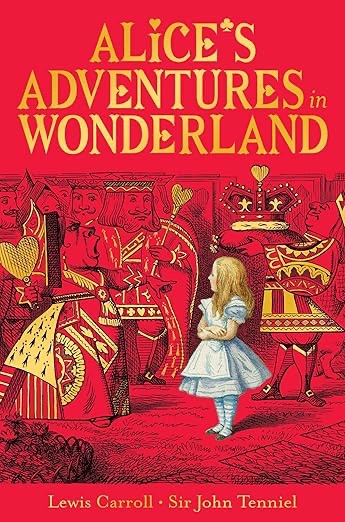
The Mad Hatter’s Tea Party – Alice in Wonderland by Lewis Carroll

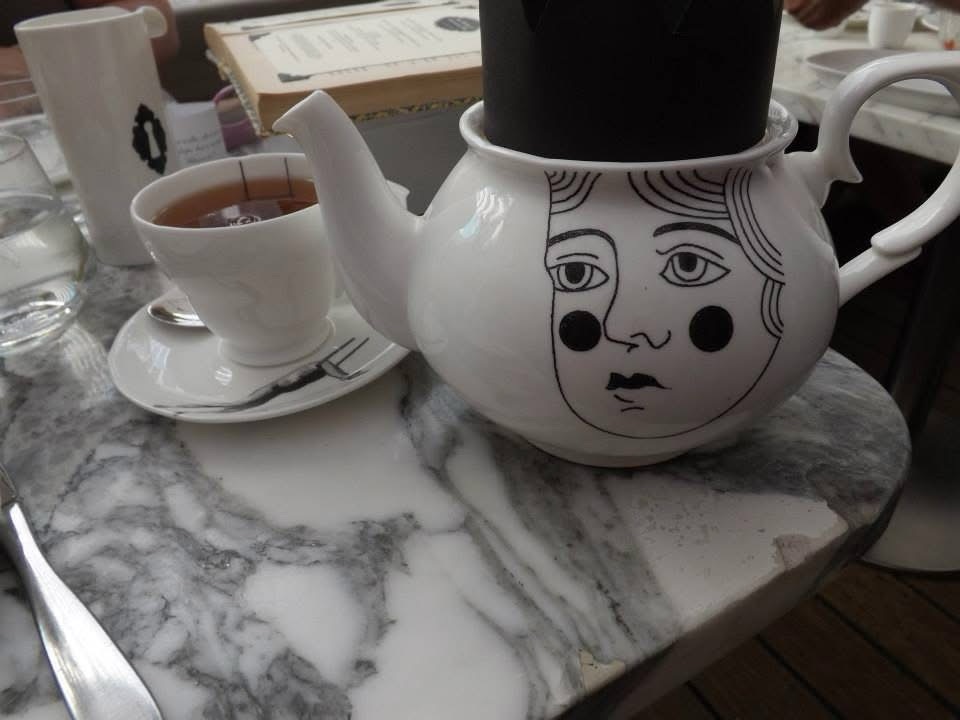
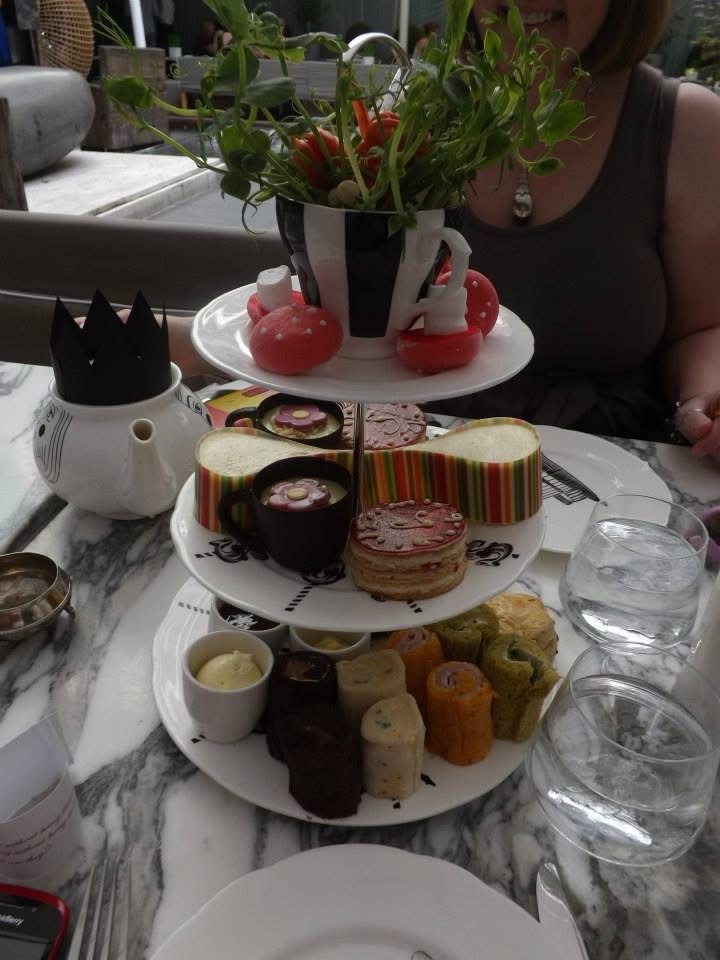
I blame Lewis Carroll for so many things – my fascination with weird looking birds, taxidermy, anthropomorphic animals and my collection of hares. I have dodos, Alice tea sets, several hares including a bespoke Mad March Hare complete with Victorian dress, top and pocket watch, and a five foot white rabbit who stands in the hall. The tea scene is definitely my favourite and it doesn’t require explanation. Just to say, the pictures underneath are from an Alice themed afternoon tea at The Sanderson hotel in London. Utterly brilliant afternoon and less grumpy than this one:

“There was a table set out under a tree in front of the house, and the March Hare and the Hatter were having tea at it: a Dormouse was sitting between them, fast asleep, and the other two were using it as a cushion, resting their elbows on it, and talking over its head. “Very uncomfortable for the Dormouse,” thought Alice; “only, as it’s asleep, I suppose it doesn’t mind.”

The table was a large one, but the three were all crowded together at one corner of it: “No room! No room!” they cried out when they saw Alice coming. “There’s plenty of room!” said Alice indignantly, and she sat down in a large arm-chair at one end of the table.

“Have some wine,” the March Hare said in an encouraging tone.

Alice looked all round the table, but there was nothing on it but tea. “I don’t see any wine,” she remarked.

“There isn’t any,” said the March Hare.

“Then it wasn’t very civil of you to offer it,” said Alice angrily.

“It wasn’t very civil of you to sit down without being invited,” said the March Hare”.

Posted in Monthly Wrap Up

Best Reads February 2026

Hello all. Welcome to my February favourite reads. It’s been a busy reading month and thankfully I’ve been feeling less foggy and able to read a lot more. I’ve also found more balance in my reading so I’ve been able to read by choice a lot more too. These are the best ones I’ve read this month, a couple still have full reviews outstanding but I’ll tell you a little bit about why I enjoyed them so much.

This beautiful Pride and Prejudice inspired book is an absolute dream to read and felt like being back with old friends. I had always felt that Elizabeth Bennett underestimated her friend Charlotte Lucas and clearly she was a character whose possibilities played on author and comedian Rachel Parris’s mind too. Taken from the point Lizzie rejects Mr Collins’s proposal, the book takes in events from the rest of Austen’s romance and carries on beyond giving us glimpses into events we don’t get to see, such as the Darcy wedding at Pemberley. It’s told from Charlotte’s perspective but with letters from other characters and glimpses into Mr Collins’s past. These give us an insight into his manner and behaviour, while the letters give us a new slant on other characters too. I felt that Charlotte was pragmatic in her choice of husband and found ways to grow within it – sometimes in spite of Mr Collins and other times because of him, rather surprisingly. She has purpose, status and time to educate herself. Even Mr Collins has to admit she has blossomed, but when a spark is lit with a visitor to Rosings will Charlotte pursue the one thing she doesn’t have – romantic love and passion? I loved this and I’m sure many of you will too. It is pitch perfect, funny, sad and incredibly entertaining.

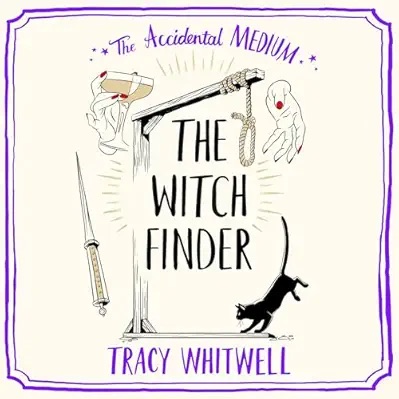
I have raved about Tracy Whitwell’s series following the adventures of Tanzy, actor and reluctant medium. This is the fifth and final instalment so I wanted to savour it. After her eventful trip to Iceland Tanz is back on home soil and soon makes her way back to her childhood home of Newcastle. Both she and her ‘little mam’ have been experiencing dreams about hangings, in Tanz’s case very alarming ones where she has a bag over her head and a noose round her neck. Her visions are powerful and are accompanied by sudden and torrential storms. Knowing she needs some help here, she asks Sheila to come and join her. They’re soon at the very spot where a travelling witch finder condemned several women to death by hanging. Even more alarming than usual, he seems to be able to see Tanz too, coming at her with his ‘pricker’ – the implement he uses to prod his prisoners to see if they bleed. This is toxic masculinity 17th Century style and Tanz is going to know her new Icelandic guides and all her power to defeat it. There’s the usual eccentric characters, including an Amazon woman dressed ‘like a Valkyrie’ who is also researching local history of witches and a ghostly lady called Mags who is full of mischief when it comes to putting men in their place. This is genuinely scary in parts and is based on historical research of the area. It was great to see Tanz back home again and with a case to solve, a love story to wrap up and a surprise that might determine her future, it’s a great finale to this funny and fierce series.

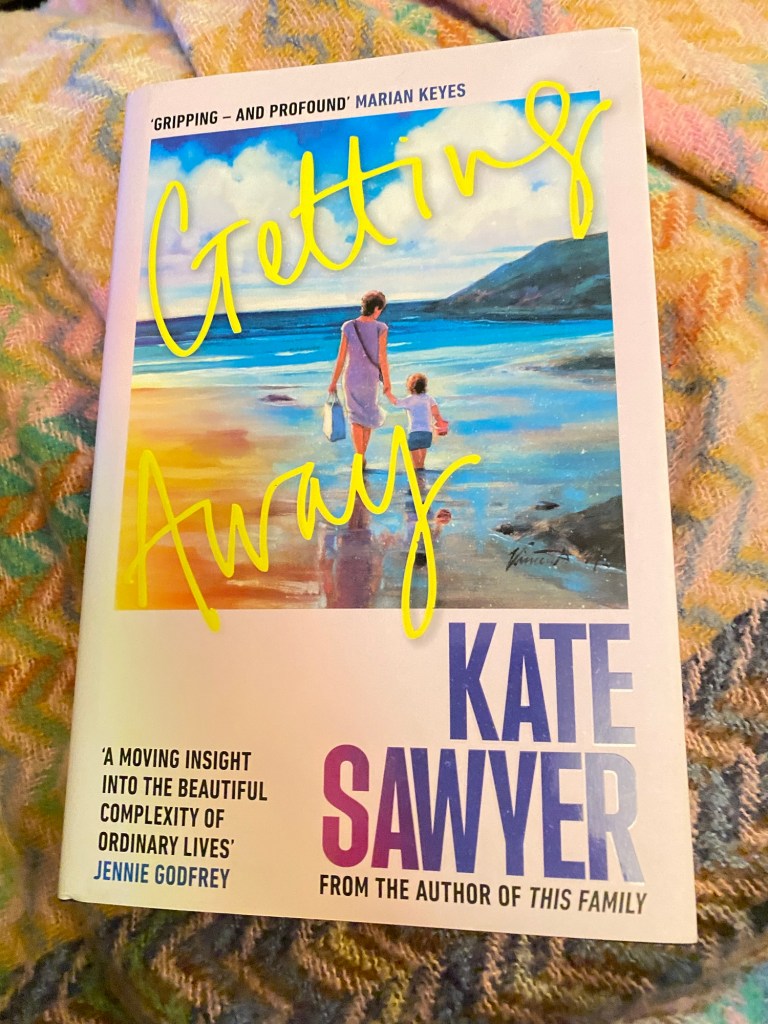
I’ve been able to catch up on some reading this month and I’ve been dying to get to the latest Kate Sawyer. She is now one of my ‘must buy’ authors and this novel just confirms her status on my shelves. Using the structure of family holidays, this book follows four generations of one family and the secrets they carry. Starting post-war with Betty who is at the seaside with her little girl Margaret and husband Jim, but Margaret doesn’t know the secret romance her mother had with the son of a local factory owner. Jim was a pragmatic choice and he’s a good husband despite the facial injuries and terrible memories he carries. Jim is doing well in his job and a few years later they visit the beach with his American colleagues and a teenage Margaret. There something happens that changes the course of this family. The author takes us through the 20th Century, showing how the changing world shapes the experiences of this family. From a beach on the east coast of England, we see holidays in Cornwall, then abroad as Maggie embraces the opportunities of a her husband’s job as a travelling buyer, and when her brother Tommy invests in and up and coming area of Europe. We see how changes in law and culture make some relationships and break others. The women in this novel are exceptionally well-written and the issues they face from infidelity, domestic violence, infertility and the consequences of a more permissive society opening the door for a more open generation than the one before. Throughout, this is a family that tries its hardest to stay together, even when some members are on the other side of the world. I love complex relationship dynamics so this was an absolute joy to read.

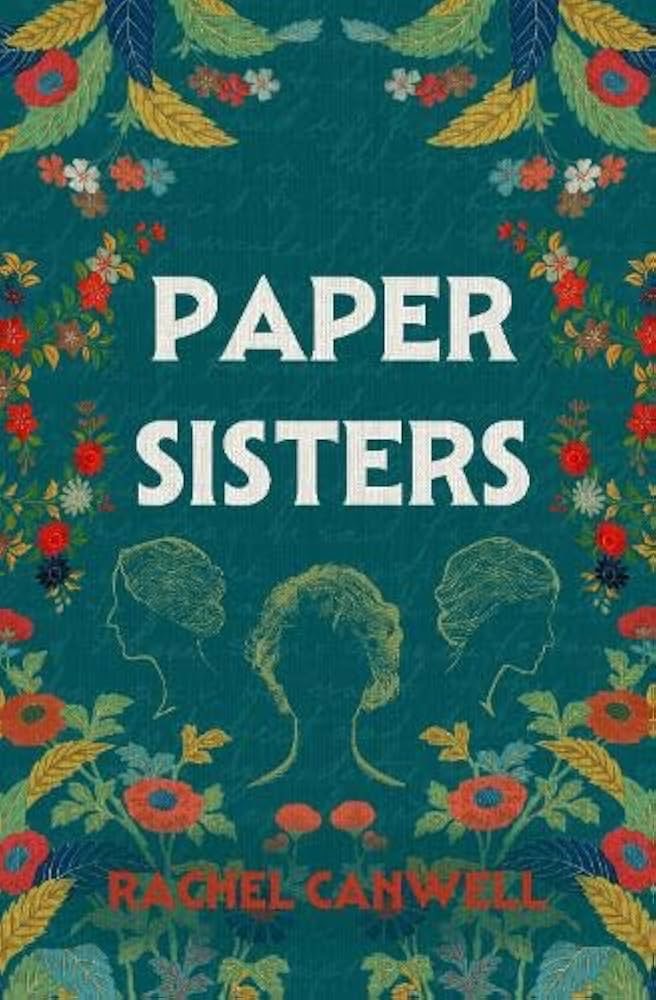
This incredible debut by Rachel Canwell deserves all the praise it’s receiving online. In fact she had a books signing at my local bookshop in Lincoln and had sold out within an hour! Her book is set in the south of Lincolnshire, in the fens and a family who live on the banks of the River Nene at Sutton Bridge. The new swing bridge allows them to visit the village and on the opposite bank a port is being built. Next to their home is a small hospital, readied by their father to serve port workers when everything is finished. One dark and disorienting night the family are woken by a rumbling sound and the splash of things hitting the water, but it’s only in the morning that the full devastation can be seen. The bank has collapsed underneath the new port, the family has lost their occupation and one of its sons, who drowned trying to rescue workers. We meet the three women who tell our story in the 1910s, Eleanor and her sister Lily are the last family members living in the house adjacent to the hospital – still empty and unused. Eleanor has fallen in love with John, the local blacksmith but can’t make plans because of her sister Lily. Lily will not leave the family house, in fact she rarely leaves her bedroom. The loss of her twin brother in the port disaster still affects her daily and she will not allow Eleanor to leave her alone in the house. Eleanor’s best friend Clara is married to their older brother Frank and they live in the village with their children. Clara is married to a bully and she sees one in Lily, who passive aggressively controls her sister. War is looming and as a prisoner of war camp is suggested for the old port site tensions within the community rise. With grief joining domestic violence, manipulation and alcohol issues this family is set for an explosive reckoning. I became so attached to these women and their family’s tragic history that I read it so quickly. I will go back and read it again though. Every element – character, setting, plot – is beautifully done and the historical background took me back to a time when my own grandparents would have been working the land and living next to the River Trent further North in the county. This is an excellent debut that had me absorbed completely. 

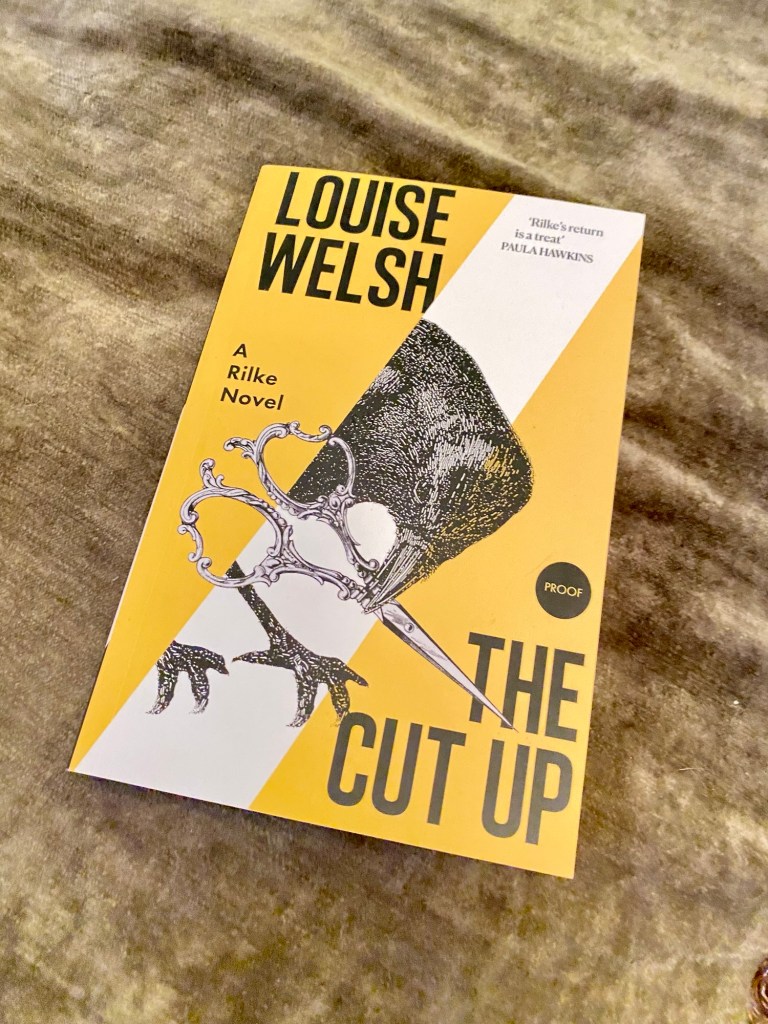
This was an unexpectedly great crime novel set around an auction rooms in Glasgow, a venue where criminal elements mix with rich collectors and eccentric dealers. Rilke is pulled into a difficult situation after his friend Les finishes his prison sentence. When one of the Bowery Auctions regulars, the creepy and questionable Manderson, is killed on the premises it’s only 24 hours till their next auction. In fact Manderson has been stabbed in the eye with one of the antique hat pins they had out for the viewing afternoon. An Edwardian amethyst pin would have had to make its way through a huge hat and into a woman’s long, piled up hair, to keep it secure. Now it’s made its way through Manderson’s eye into his brain and it’s going to take a lot of strength to remove it. Knowing the police will be involved and that Bowery’s will be implicated, perhaps it would be better if it wasn’t obvious that he’s been killed with one of their auction lots. Things get worse when a gangster turns up at Bowery Auctions with Rilke’s mate Les in tow. Ray has a way with a razor and he focuses Rilke with a swipe to Les’s face. Rilke must now investigate who killed Manderson in just ten days or Les will pay the consequences. His investigations will take him to an old school where many ex-pupils have reported sexual abuse, to a brothel named after a questionable film and a girl called Chloe who may or may not be controlled by her boyfriend, Dickie Bird. Will he find the answers that will save Les? More to the point, are the answers to be found outside Glasgow or a lot closer to home? Glasgow is a city that doesn’t hide its darker quarters or episodes in its history and we see them here from pubs to brothels and a particularly creepy old school. The author brings in modern concerns around women using Only Fans and other internet sex work to make ends meet. Can it ever be a feminist thing? There are also issues around coercive control and manipulation, but as Rilke learns it’s easy to get the wrong end of the stick. There’s a familiar jaded feeling around these issues and a knowledge that no matter what’s brought to light, some people will always get away with it. This is a gritty thriller with a streak of humour and some fantastic characters. I’m looking forward to the rest of the series.

Finally this month I’m recommending this brilliant thriller from Tana French, the third in a series featuring ex- Chicago cop Cal and his new life in the small Irish village of Ardnakelty. This is such an atmospheric read that manages to feel isolated, but suffocating at the same time. Cal and his fiancée Lena, who was born here, try to keep out of any local gossip or feuding. However, when young teenager Rachel goes missing one night in a storm both Cal and his woodworking protoge Trey go looking for her. She’s found in the river, after setting out to meet her boyfriend Eugene Moynihan at the bridge. She appears to have drowned but Eugene claims not to have made the arrangement to meet in such terrible weather and when the autopsy comes back it reports that Rachel had swallowed anti-freeze. Is this an accident or suicide. Cal and Lena suspect foul play and with Lena being the last person to see Rachel, staying out of this might not be possible. When Cal appears to side with his neighbour Mart against the Moynihan family tensions rise and Tommy Moynihan, family patriarch, starts to show just how much of Ardnakelty he holds in his power. This is a complex mystery, with risky allegiances and terrible consequences. The Irish dialogue is so beautifully written and there are moments of laugh out loud humour to dispel the tension. This was an incredibly good thriller with plenty of twists and a fascinating central character too.

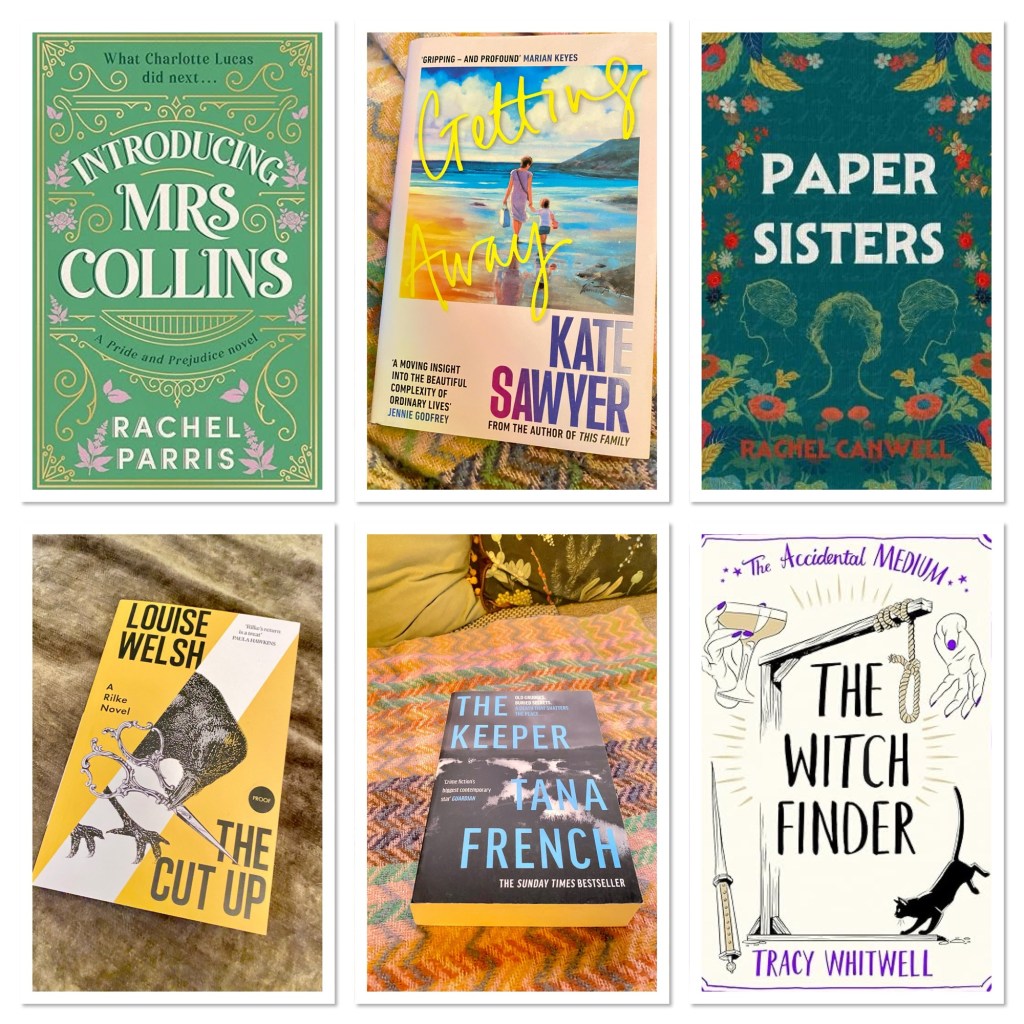
Here’s a selection from my March tbr:

Posted in Netgalley

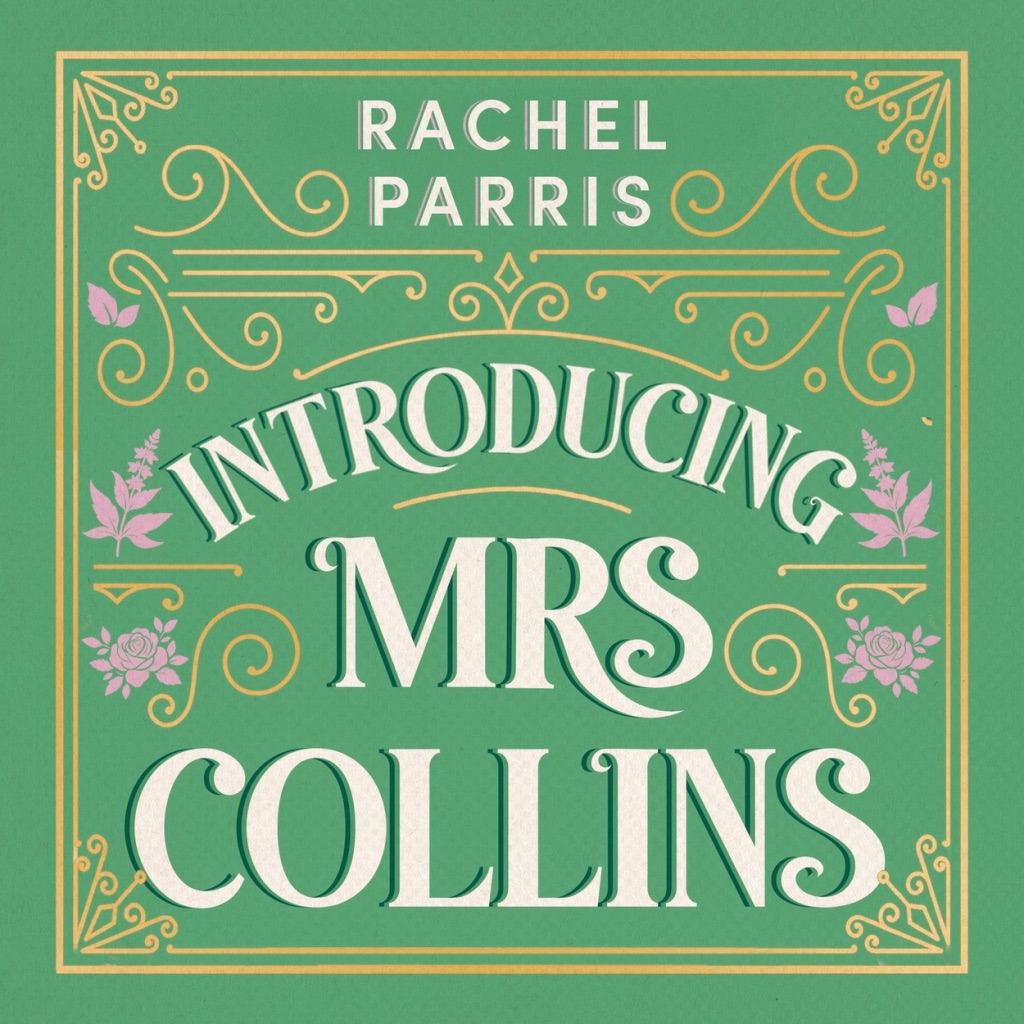
Introducing Mrs Collins by Rachel Parris

Charlotte Lucas has never been a romantic. Practical to a fault, she accepted Mr Collins’s proposal with clear eyes and a steady heart, trading passion for security. Life at Hunsford Parsonage may be quiet and predictable, but it is hers to manage – and she’s determined to make the best of it, whatever Elizabeth Bennet may think. 

That is, until an unexpected guest at Rosings Park turns Charlotte’s careful world on its head. He sees her, challenges her – and a spark is lit. But true contentment is not only about who you choose to love, but who you choose to be. For the first time, she wonders: has playing by the rules kept her on the sidelines of her own life?

It is a truth, universally acknowledged that a sick woman in bad humour will be revived in the company of a witty novel…

This is the Pride and Prejudice inspired novel I’ve been waiting for and it came at the perfect time, when I’ve been feeling very unwell and was stuck in bed. I read for two days between sleeping and I swear it kept me sane. I always felt that Lizzie Bennett underestimated her friend Charlotte and I wondered what happened to her and Mr Collins in the future. It’s a great reminder that we only see a novel’s events through the gaze of our narrator and central character. The same events, viewed from a different perspective, bring a more balanced and multi-faceted view of what happened in the novel and its characters. The events of Parris’s novel take place during and after Pride and Prejudice, from the point that Lizzie rejects Mr Collins proposal. A decision that pleases her father but sends her mother into conniptions! Lizzie’s choice means that once Mr Bennett dies, Mrs Bennett and all of her daughters are at the mercy of Mr Collins, the male heir. Whoever he chooses to marry will become mistress of the Bennett’s home Longbourne. Charlotte Lucas is our focus, Lizzie’s best friend and now the recipient of Mr Collins’s attentions. The author has added inserts from the past, adding depth and insight to both Charlotte and Mr Collins’s characters as adults. We see events that we have only imagined, like the Darcy’s wedding at Pemberley and its ensuing drama. However we also see Charlotte settle into the everyday of married life, with all its strangeness and frustrations. I left Pride and Prejudice a little worried about Charlotte, even though the way she does talk about life at the parsonage with humour and optimism when Lizzie visits. So this story of her growing relationships, her new home and her dissatisfactions with her new life is so welcome. What she misses most is passion, but if it arose would she be able to resist it? 

Charlotte is viewed with pity by the Bennetts, apart from Mrs Bennett who is wailing that she will be the mistress of their beloved home. I felt like Charlotte knows her prospects are few. She’s witty and fun, but she knows she doesn’t have the charm and looks of Lizzie. She is someone who people get to know slowly and hasn’t reached her full potential yet. Mr Collins was always a pragmatic choice, but here I could also see it as a mature and confident choice. The Bennetts may see Mr Collins as ridiculous and in some ways he is, but Charlotte doesn’t see her worth as solely defined by the man she chooses to marry. He may be thought of as silly, but that doesn’t mean she is. Also, as Mrs Collins she has a beautiful home and garden, a steady income and a benefactor in Lady Catherine de Bourgh. As a married woman she has status and purpose, going out to visit sick parishioners and keeping the home running smoothly. While Mr Collins is busy Charlotte spends her hours in her library continuing to educate herself, she tends her garden and she practises her piano at Rosings. Charlotte is able to be happy and content in her own company, separate from Mr Collins’s anxieties and emotions. In this light we also see Lizzie differently, perhaps even as a little spoiled. As we see in this book, Mr and Mrs Bennett are the architects of their daughter’s misfortunes and their attitudes are clear in two crucial letters they send to the parsonage. Darcy’s assessment of the family, unwisely passed on to Lizzie during his first proposal, is absolutely correct. Mr and Mrs Bennett’s leniency with their younger daughter’s behaviour allows a window for Mr Wickham to connect with the foolish Lydia. It’s their behaviour that prompts both Darcy and Caroline Bingley to warn Mr Bingley away from his attachment to Jane. In letters to both Charlotte and Mrs Collins, the Bennett parents show they are both fierce in the defence of their daughters but spiteful towards the recipients. Mr Bennett calls Lydia unwise, but at least not judgmental – a criticism that Mr Collins perhaps deserves. However, in a letter to Charlotte Mrs Bennett shows awful spite in an unnecessary postscript: 

“I saw your Maria this week at church and she is become such a beauty! What a pleasant girl – always with a smile and a manner that puts one at ease. You would not think you were sisters.” 

However, I did come away with some forgiveness for Mrs Bennett’s view that Lizzie might have thought of her mother and sisters when she refused Mr Collins, because now they would surely lose their home. It’s clear that Mr Bennett has little respect for his wife and for good reason on some occasions. However, he does favour Lizzie and perhaps his treatment of her has led to Lizzie thinking she has better prospects than she does. Luckily fate brings her Darcy but I did understand Charlotte for thinking that luck just seems to fall into her friend’s lap. 

I felt like Charlotte blossomed in her new environment and that sometimes it is because of Mr Collins not despite him. If nothing else he shows kindness and understanding. The vignettes of his childhood show a sad history that goes some way to understanding his character better. However, it is a connection that she never expected that seems to bring out a new side to Charlotte. An unexpected visitor to Rosings Park brings her friendship and an affinity she never expected, not to mention a passionate spark. I loved the point in the novel when Mr Collins has both a revelation about his wife and is genuinely awe inspired by her. As she plays a piece on the piano for a gathering at Rosings, Mr Collins sees his wife anew: 

“This poised assertive woman was a vision, undaunted by entertaining a room of high-born people in a house such as this with the talent he had no idea she possessed […] she was splendid and her splendour shook the foundation of his peace of mind. Whereas another man might have felt only pride in his wife, for Collins, this feeling was mixed with something much more disquieting. She is beyond me: what he felt was I will not be able to keep her.” 

This is a worry born of never being enough for his father, who tried to change him by whatever means necessary. I felt the author didn’t excuse all of his failings, but explained what was behind them. The narrative voice is so incredibly good that this didn’t feel like a stranger telling me about these characters I knew very well. It felt like a continuation; a meeting with old friends. Of course the author does bring some of our modern thinking to the story, otherwise we wouldn’t be hearing about Mr Collins’s childhood – a psychological aspect to character we wouldn’t perhaps expect in a book pre-Freud. I won’t touch on Charlotte’s eventual fate but I will say that Mr Collins definitely has a part in it. Maybe not in the most romantic sense, but sometimes there’s a kind of love in duty and honour. I love Rachel Parris’s humour and there’s plenty of that here, with the tone and the wit feeling positively Austen-esque. I could tell by how well each character was drawn that the author loved her books and wanted to do them justice. I think she has.

Meet the Author

Rachel Parris is a BAFTA-nominated comedian, musician, actor and improvisor, best known for her viral segments on The Mash Report and Late Night Mash, which have garnered over 100 million views. Her TV appearances include Live at the ApolloWould I Lie to You?QI and Mock the Week, and she is a regular guest on Radio 4’s The Now Show and I’m Sorry I Haven’t a Clue. She co-hosts the popular podcast How Was It for You? with her husband Marcus Brigstocke. Rachel also wrote and presented a Jane Austen comedy programme, Austensibly Feminist, about how to view Jane Austen as modern feminists. Rachel is a founding member of the critically acclaimed improv comedy group Austentatious, in which the all-star cast invent a play based on a title suggestion from the audience. As a touring comedian she has performed her award-winning musical comedy to sell-out audiences across the UK.

Posted in Squad Pod

My Husband’s Wife by Alice Feeney 

Eden Fox, an artist on the brink of her big break, sets off for a run before her first exhibition. When she returns to the home she recently moved into – Spyglass, an enchanting old house in the pretty seaside village of Hope Falls – nothing is as it should be. Her key doesn’t fit. A woman, eerily similar to her, answers the door. And her husband insists that this stranger is his wife.

One house. One husband. Two women. Someone is lying.

Six months earlier, a reclusive Londoner named Birdy, reeling from a life-changing diagnosis, inherits Spyglass. This unexpected gift from a long-lost grandmother brings her to Hope Falls. But then Birdy stumbles upon a shadowy London clinic that claims to be able to predict a person’s date of death, including her own. Secrets start to unravel and, as the line between truth and lies blurs, Birdy feels compelled to right some old wrongs.

My Husband’s Wife weaves a tangled web of deception, obsession and mystery that will keep you guessing until the last page. Prepare yourself for the ultimate mind-bending marriage thriller and step inside Spyglass – if you dare – to experience a story where nothing is as it seems.

My goodness this thriller messed with my head! From the very first time Eden Fox returns from her run, puts her key in the door and finds it doesn’t fit, I was utterly hooked. I couldn’t imagine how this had happened and what the hell was going on. Even her own art exhibition has been hijacked by a woman who looks exactly like her and as the village’s police officer Sergeant Carter is brought into the mystery,  he’s also at a loss. He goes to meet Harrison Wolf at his home, a beautiful house called Spyglass set on the cliffs with a panoramic view of the sea. Harrison is Eden Fox’s husband and he insists that the woman at home with him is his wife. So who is the woman left at the police station? We’re then taken six months earlier and introduced to Birdy, a young woman living in an apartment above a bookshop in London. She receives a strange letter addressed to her recently deceased grandmother, it’s so strange Birdy is fascinated and wants to investigate further. It’s from a company called Thanatos who claim to be able to predict your death day. Birdy decides to become a client of the company, run by Harrison Wolf. Birdy is interested to see if they are as accurate as they suggest. She wants to know what the company told her grandmother, before she died. Her grandmother lived in a house looking out to sea, in a small village in Cornwall and Birdy has inherited it. How are all these people connected? I had so many questions I didn’t know where to begin, but the short chapters and their drip feed of information kept me reading. I just had to find out what was going on! 

I loved Birdy as a character and was surprised by the part she played in the investigation around Eden Fox. Her dynamic with Sergeant Carter is comical and brings light relief to the complications of the plot. She is so very sure of who she is and has a specific look from her plaited hair to her brogues. She also loves reading with always endears a character to me and enjoyed her dog companion too. She’s very ballsy and soon has the measure of Carter who really doesn’t stand a chance against this intelligent and forthright older woman. Carter is our representative of this sleepy village in Cornwall and through his family we see the difficulties facing villagers as more and more housing is being turned into holiday accommodation. They have lost their home and livelihood at the Smuggler’s Inn. Young people have very little chance of settling where they’ve grown up which affects the passing down of traditions and social history. Our book is set around the time of All Soul’s Day and the village tradition is like a Day of the Dead parade with everyone dressed up as skeletons, or dead pirates and mermaids. This touch of folklore lets us know we’re somewhere unique, with a long history and old loyalties. Could this be an explanation for what’s going on here? Something magical or something more sinister and human? 

I’m in awe of people who can write like this and keep track of all the threads. I imagine a room with one of those see through boards covered with pictures, lists and cross-referencing. Spyglass is a brilliant backdrop for all these odd goings on and reminded me a little of the home in the first Knives Out film that one detective refers to as a life size game of Cluedo. There’s something mesmeric about its view that inspires both Eden Fox and her stepdaughter Gabrielle who still paints nothing but the house and it’s surrounding despite living elsewhere, in a home for dependent young adults. Ever since an accident when she was a child Gabrielle hasn’t spoken and only communicates through her art, which sounds very eerie. Spyglass’s library sounds incredible and it’s no surprise to know that Birdy’s grandmother had a love of classic crime fiction. Like me, I’m sure other thriller readers will devour this addictive thriller that delivers great characters, a seemingly unsolvable mystery and twist after twist. 

Out now from Pan MacMillan

Meet the Author

Alice Feeney is the New York Times and Sunday Times multi-million-copy bestselling author of novels including HIS & HERS, SOMETIMES I LIE, ROCK PAPER SCISSORS, DAISY DARKER, BEAUTIFUL UGLY and MY HUSBAND’S WIFE. Her books have been translated into forty languages, and have been optioned for major screen adaptations. HIS & HERS was an instant Global #1 Netflix show in 2026, starring Tessa Thompson and Jon Bernthal.

Alice was a BBC journalist for fifteen years before becoming an author. MY HUSBAND’S WIFE is her eighth novel.

You can follow Alice on Instagram or Facebook. To be the first to know about her tours, TV shows, and books, visit her website: alicefeeney dot com.

Posted in Ten on Tuesday

Ten on Tuesday: Ten From My Personal TBR

Every bookblogger works differently and most are probably a lot more organised than I am. I have books I’m looking forward to for a given year, from series or authors I follow religiously or books I’ve seen as debuts from publishers. Inevitably though there will always be others that creep in along the way, such as the blog tour you agree to as a favour, or a group read along or something that a publisher or PR offers you and sounds intriguing. Aside from all of these there are those books that just turn up, sent by publishers and authors in the hope I can fit them in. Any book that comes in goes on my TBR list in my reading journal and I tick them off as I go. The same goes for NetGalley reads, which often have to take a back seat for a while and then I have a quick blitz to get my reading percentage up a bit. Then there are the books I buy and sadly they often take last place. These books occupy a book shelf in the corner of the sitting room, totally separate from books I’ve been sent to review. This pile just doesn’t get priority, especially when there’s a really busy month. They languish on the shelf – and three piles on the floor if I’m being honest – and get read while I’m on holiday or taking a break from the blog. I often still review them, but usually they’re so behind they end up featuring on my Throwback Thursdays. Today I thought I’d share a flavour of what’s on my ‘bought books’ TBR. They come from many sources, independent bookshops, second hand bookshops, Bookshop.org and Amazon or even Vinted these days. I hope you enjoy a delve into my bookshelf.

Getting Away by Kate Sawyer

Margaret Smith is at the beach.

It is a summer day unlike any other Margaret has ever known.

The Smith family have left the town where they live and work and go to school and come to a place where the sky is blue, the sand is white, and the sound of the sea surrounds them. An ordinary family discovering the joy of getting away for the first time.

Over the course of the coming decades, they will be transformed through their holiday experiences, each new destination a backdrop as the family grows and changes, love stories begin and end — and secrets are revealed. The author takes us through eight years of holidays from British beaches, to Spanish getaways and a trip to New York, but this more than a postcard. It charts the highs and lows of a family and there’s nothing like complex family dynamics for me. I love Kate’s writing so I must make time for this one.

Broken Country by Clare Leslie Hall

This novel gets such a great write up online and the synopsis is incredible.

Everyone in the village said nothing good would come of Gabriel’s return. And as Beth looks at the man she loves on trial for murder, she can’t help thinking they were right. 

Beth was seventeen when she first met Gabriel. Over that heady, intense summer, he made her think and feel and see differently. She thought it was the start of her great love story. When Gabriel left to become the person his mother expected him to be, she was broken. 

It was Frank who picked up the pieces and together they built a home very different from the one she’d imagined with Gabriel. Watching her husband and son, she remembered feeling so sure that, after everything, this was the life she was supposed to be leading. 

But when Gabriel comes back, all Beth’s certainty about who she is and what she wants crumbles. Even after ten years, their connection is instant. She knows it’s wrong and she knows people could get hurt. But how can she resist a second chance at first love? 

A love story with the pulse of a thriller, Broken Country is a heart-pounding novel of impossible choices and devastating consequences.

Wow! That’s quite a summary. I am told by other bloggers I will be ‘broken’ or ‘ruined‘ by the end of this and yet I still want to read it.

The Everlasting by Alix E. Harrow

A lady-knight whose legend built a nation meets a retiring historian in awe of her fame. He’s sent back through time to make sure she plays her part . . . even if it breaks his heart.

Sir Una Everlasting was Dominion’s greatest hero: the orphaned girl who became a knight, who died for queen and country. Her legend lives on in songs and stories, in children’s books and recruiting posters – but her life as it truly happened has been forgotten.

Centuries later, Owen Mallory – failed soldier, struggling scholar – falls in love with the tale of Una Everlasting. Her story takes him to war, to the archives, and then into the past itself. Una and Owen are tangled together in time, bound to retell the same story over and over again, no matter what it costs. But that story always ends the same way.

If they want to rewrite Una’s legend, and finally tell a different story, they’ll have to rewrite history itself – and change their lives in the process . . . So, this sounds a bit of an odd one for me. I’m always saying I don’t read a lot of fantasy and I don’t, but I love Alix Harrow’s writing, ever since her first novel Ten Thousand Doors of January. This would take me into the realms of romantasy for the first time (thanks Zoe for explaining it to me) but I’m here for it.

The Bewitching by Silvia Moreno-Garcia

Back then, when I was a young woman, there were still witches’: that was how Nana Alba always began the stories she told her great-granddaughter Minerva – stories that have stayed with Minerva all her life. Perhaps that’s why Minerva has become a graduate student focused on the history of horror literature and is researching the life of Beatrice Tremblay, an obscure author of macabre tales.

In the course of assembling her thesis, Minerva uncovers information that reveals that Tremblay’s most famous novel, The Vanishing, was inspired by a true story: decades earlier, during the Great Depression, Tremblay attended the same university where Minerva is now studying and became obsessed with her beautiful and otherworldly roommate, who then disappeared under mysterious circumstances.

As Minerva descends ever deeper into Tremblay’s manuscript, she begins to sense that the malign force that stalked Tremblay and the missing girl might still walk the halls of the campus. These disturbing events also echo the stories Nana Alba told about her girlhood in 1900s Mexico, where she had a terrifying encounter with a witch.

Minerva suspects that the same shadow that darkened the lives of her great-grandmother and Beatrice Tremblay is now threatening her own in 1990s Massachusetts. An academic career can be a punishing pursuit, but it might turn outright deadly when witchcraft is involved.

I LOVE a witch story. I blame Practical Magic. So I’m dying to read the author’s take on witching, especially if it has the same horror vibes as her other novels.

All the Way to the River by Elizabeth Gilbert

In 2000, Elizabeth Gilbert met Rayya. They became friends, then best friends, then inseparable. When tragedy entered their lives, the truth was finally laid bare: the two were in love. They were also a pair of addicts, on a collision course toward catastrophe.

What if your most beautiful love story turned into your biggest nightmare? What if the dear friend who taught you so much about your self-destructive tendencies became the unstable partner with whom you disastrously reenacted every one of them? And what if your most devastating heartbreak opened a pathway to your greatest awakening?

All the Way to the River is a landmark memoir that will resonate with anyone who has ever been captive to love – or to any other passion, substance or craving – and who yearns, at long last, for liberation.

I hear a lot of criticism of Elizabeth Gilbert but most of it tends to revolve around concerns that she’s mining her life for her writing. That’s what memoir is. I love complicated people and I don’t need to like a writer to enjoy their memoirs, especially if they have a lot of insight and clarity about their own struggles. I’m looking forward to seeing where Liz is now, after Eat, Pray, Love’s rather hopeful ending I know a lot has changed.

Our Beautiful Mess by Adele Parks

Connie can’t wait to have her daughters back home for the holidays. Fran is bringing a new boyfriend to stay, and the empty nest will once again be full of friends, family and young love.

Yet from the moment she sees Zac, Connie knows trouble is coming. Zac reminds her of the worst mistake she has ever made: a man whose charm and good looks nearly destroyed her marriage. She doesn’t want him in Fran’s world, but then Fran announces she’s pregnant.

Connie is terrified that her past is going to threaten her family’s future, but there’s a greater menace looming. She’s not the only one who has something to hide. Someone in the house has another devastating secret. A deception which will put everyone Connie loves in shocking danger, and one of them will pay the ultimate price.

I place Adele Parks in the same category as Louise Candlish and Lisa Jewell, in that I absolutely devour their books. Usually I can read them so quickly that they’re easy to fit between my other reads so I don’t know how this ended up in the unread pile. Now hopefully I’ll have time to read it.

Small Pleasures by Clare Chambers

1957, the suburbs of south east London. Jean Swinney is a journalist on a local paper, trapped in a life of duty and disappointment from which there is no likelihood of escape. When a young woman, Gretchen Tilbury, contacts the paper to claim that her daughter is the result of a virgin birth, it is down to Jean to discover whether she is a miracle or a fraud. As the investigation turns her quiet life inside out, Jean is suddenly given an unexpected chance at friendship, love and – possibly – happiness.

I was first recommended this book about three years ago and I see it constantly on bloggers favourite lists so I’m determined to get it read this year. It sounds so unusual and hopeful and at the moment that’s just what I’m looking for.

The Woman in Suite 11 by Ruth Ware

The stunning mountain views. The beautiful shore of Lake Geneva. The terrified woman held in the suite belonging to the hotel’s millionaire owner.

Lo Blacklock’s all-expenses paid trip to a luxury Swiss chateau should have been the ideal return to work. But as her past catches up with her, the millionaire’s mistress demanding that Lo help her escape, and a body turning up in the room next door, forces Lo to ask how far would she go to help someone she’s not even sure she can trust… 

Having read Ruth Ware’s Woman in Cabin 10 I picked this up in a second hand bookshop in Scotland. I love the strange anonymity of hotels and the muffled quiet you get in luxury hotels. They can also be a little creepy. Again, I should be able to devour this so why haven’t I picked it up yet? Sometimes I frustrate myself!

Everything about Adeline Copplefield is a lie . . .

To the world Mrs Copplefield is the epitome of Victorian propriety: an exemplary society lady who writes a weekly column advising young ladies on how to be better wives.

Only Adeline has never been a good wife or mother; she has no claim to the Copplefield name, nor is she an English lady . . .

Now a black woman, born in Africa, who dared to pretend to be something she was not, is on trial in the English courts with all of London society baying for her blood. And she is ready to tell her story . . .

I loved Lola’s book The Attic Child so this was a ‘must-buy’ for me, I love books that write people back into their history. This has that intrigue of a secret writer who is very different to the character they’re portraying. I love the idea of subverting The Angel in the House stereotype so this one is definitely going next to the bed.

The Unrecovered by Richard Strachan

This book came out exactly one year ago this week and it has languished in the pile ever since. The money I could save!

At a Scottish manor house requisitioned as a temporary hospital during the First World War, Esther works as a volunteer nurse while dreaming of becoming a poet. With her husband and beloved father both dead, she knows that if the war ever ends she must build a very different life for herself. 

Meanwhile, on the coast beyond her new home lies Gallondean Castle, a gloomy near-ruin that has been unhappily inherited by Jacob. Jacob is already haunted by his own demons but as he uncovers details of the castle’s past, the shadows only seem to be growing darker around him. 

However it is Daniel, one of the soldiers who appears to have received only a minor, yet mysterious, injury, whose life will come to connect with both Esther and Jacob in horrifying and unexpected ways…

This was nominated for a Bloody Scotland prize and I do tend towards Scottish settings for both crime and gothic fiction. I have a feeling I’m going to love it.

So that’s ten from my personal TBR and I need to incorporate them into my reading list so they’re not languishing for another year! I’ll let you know how I get on.

Posted in Ten on Tuesday

Ten on Tuesday: Mother & Daughter Relationships  


Loved and Missed by Susie Boyt

I love the tagline to this novel because it is just so peculiarly British. The phrase ‘shall I be mother’ meaning ‘shall I pour the tea’ must seem so odd to people whose first language isn’t English. It fits perfectly to this book because it’s about all those tiny tasks of motherhood, not to mention the ‘mental load’. It acknowledges a role, but is it a role that can be avoided as easily as it can be adopted? Underlying all those tiny things a mother does are huge acts of care and love, duty, loyalty and service.  I read this book back when I was at university but have never been a mother, until I entered a relationship with a man who had two daughters around eight years ago. So it’s later in life when I’ve started to complain about all the tiny things I do that go unnoticed, usually after Christmas when I have the annual moan of ‘without women there would be no Christmas.” Loved and Missed is about Ruth a schoolteacher and single mother whose daughter Eleanor rebels against her fiercely, before leaving her to bring up her granddaughter Lily when Eleanor can’t. It’s not a plot driven novel, but more of an observance on life as a mum. The title refers to a gravestone that Lily notices with the epitaph ‘Loved and Missed’, which sounds as if love was intended but never quite reached or the target moved at the last moment. This slightly comedic, bittersweet observation sets the tone for a novel that’s about the mundanities of everyday life but also the emotions hidden amongst the endless washing and cleaning. It suggests that motherhood can take many forms and doesn’t always run in linear ways – a truth that rings home for me as the mother to many more people than my two stepdaughters. However, once taken, these bonds can’t be removed. This is a novel about what jt’s like to be in a mother -daughter relationship that may be a rollercoaster at times and at other times just ordinary everyday life. 


Postcards From The Edge

‘I don’t think you can even call this a drug. This is just a response to the conditions we live in.’

 I really do miss Carrie Fisher, whether it’s the 19year old of Star Wars, the cynical friend of Sally Albright or the grumpy and hilarious mother in Catastrophe. A fictionalised look at her own relationship with her mother Debbie Reynolds, made all the more poignant by the fact that we now know that when Carrie died suddenly and unexpectedly, her mother died the day after. She just wanted to be with Carrie, said Reynolds’s son and it tells us how strong that bond is, even when it’s been stretched and almost broken. Susannah Vale is a former acclaimed actress, but is now in rehab, feeling like ‘something on the bottom of someone’s shoe, and not even someone interesting’.  She becomes Immersed in the harrowing, but often hilarious, goings-on of the drug hospital and wondering how she’ll cope – and find work – back on the outside. Then she meets the Heathcliff of addiction, new patient Alex. He’s ambitious, Byronically good looking and is in the depths of addiction. He makes Suzanne realize that, although her life might seem eccentric, there’s always someone who’s even closer to the edge of reason. This is clearly in some ways autobiographical, dealing with that second generation Hollywood problem of following in a parent’s footsteps. There are times when Suzanne would like her mum to be there, but Mum is filming so has to send the maid over instead. It’s quite different from the film, but both are witty and a great read. I often wondered if Debbie Fisher’s role as Grace’s mother in the series Will and Grace had some basis in her relationship with her daughter and it’s possible. 


One Italian Summer by Rebecca Serle

When Katy’s mother dies, she is left reeling. Carol wasn’t just Katy’s mum, but her best friend and first phone call. She had all the answers and now, when Katy needs her the most, she is gone. To make matters worse, the mother-daughter trip of a lifetime looms: two weeks in Positano, the magical town where Carol spent the summer before she met Katy’s father. Katy has been waiting years for Carol to take her, and now she is faced with embarking on the adventure alone. But as soon as she steps foot on the Amalfi Coast, Katy begins to feel her mother’s spirit. Buoyed by the stunning waters, beautiful cliffsides, delightful residents, and – of course – delectable food, Katy feels herself coming back to life. And then Carol appears, healthy and sun-tanned… and thirty years old. Meeting her Mum at this age is going to throw up things Katy didn’t know about. Carol doesn’t recognise her, so her actions are completely unguarded, whereas Katy does know who Carol is and I wondered how long she would be able to keep it to herself. It was interesting to see Katy starting to question whether all aspects of their relationship were positive. Carol has always been so opinionated about how things should be done so Katy and Eric have always gone to her for advice when making decisions. Katy realises she’s never made her own decisions because Carol has always weighed in on everything from what clothes to buy and whether she should have children yet. She always seemed so sure of what to do and Katy has felt inadequate to an extent, unable to weigh up the options and make her own mistakes. There is a bit of anger and resentment here; Why does this Carol seem so go with the flow when her mum always planned everything with military precision? This was another beautiful book from Rebecca Searle, concentrating on the relationships between mothers and daughters and the effect our parents have on our development as people. All set in the magical Italian sun, with a lot of personal reflection and even a little bit of romance thrown in. I loved how the space and the experience gives Katy a chance to re-evaluate her life and the way she’s been living it.

I’m Glad My Mom Died by Jeanette McCurdy

Jennette McCurdy was only six years old when she had her first acting audition. Her mother’s dream was for her only daughter to become a star, whatever it took, and Jennette would do anything to make her mother happy. So she went accepted what her mother called “calorie restriction”, plus weighing herself five times a day and eventually shrinking down to 89 pounds. She endured endless at-home makeovers using knockoff whitening strips, hot curlers, eyelash tint, and gobs of bleach to enhance her “natural beauty.” She was showered by her mother until she was sixteen while sharing her diaries, an email account, and all her earnings. The dream finally comes true when Jennette is cast in a new Nickelodeon series called iCarly and is thrust into fame. But for Jennette, the dream is a nightmare. Overnight, her fake smile and cheesy airbrushed hair-do is plastered on billboards across the country. Of course her mom is ecstatic, ordering her to smile for the paparazzi (with whom she’s on a first-name basis) and sign endless autographs for fans who only know her by her character’s name, Jennette is riddled with anxiety, shame and self-loathing, which manifest into eating disorders, addiction and a series of unhealthy relationships.These issues only get worse when Jennette’s mother dies of cancer. Finally, after discovering therapy and coldly examining the relationship with her mother, Jennette embarks on recovery and decides for the first time in her life what she really wants. Told with raw honesty and equal parts gravity and humor, I’m Glad My Mom Died is a shocking, devastating, and ultimately inspiring story of resilience.


After the Eclipse by Sarah Perry

When Sarah Perry was twelve, there was a partial eclipse – supposedly a good omen for her and her mother, Crystal who were living in rural Maine. But that moment of darkness was a foreshadowing moment: two days later, Crystal is murdered in their home. It then took twelve years to find the killer. In that time, Sarah had to learn how to rebuild her life despite the obvious abandonment issues and the toll of the police interrogation and effects of trauma. She looked forward to the eventual trial, hoping that afterwards she would feel a sense of closure, but it didn’t come. Finally, she realised that she understanding her mother’s death wasn’t what she needed. She needed to understand her mother’s life. So, drawn back to Maine and the secrets of a small American town she begins to investigate. I was stunned by what Perry does with such a dark subject matter. This could have been a tragedy but Perry manages to create warmth and humanity from her story. I was honestly surprised by how hopeful it felt, despite the grief and a search for understanding. Perry shows how the working poor overcome challenges and how strong mothers make choices we can’t imagine in terrible circumstances. With clarity and kindness Perry explains the motivations of people in poverty and is even understanding towards the men in her mother’s life, while managing to make the link between misogyny and violence against women. Something that’s both a cause of violence and a factor in investigating crimes against women. She presents her hometown with so much warmth and the landscape of Maine provides a stunning backdrop to her childhood. This was a beautiful and authentic read. 

Little Fires Everywhere by Celeste Ng

Everyone in Shaker Heights was talking about it that summer: how Isabelle, the last of the Richardson children, had finally gone around the bend and burned the house down. 

In Shaker Heights, a placid, progressive suburb of Cleveland, everything is meticulously planned – from the layout of the winding roads, to the colours of the houses, to the successful lives its residents will go on to lead. And no one embodies this spirit more than Elena Richardson, whose guiding principle is playing by the rules. Mia Warren is an enigmatic artist and single mother, who arrives in this idyllic suburb with her teenage daughter Pearl. She rents a house from the Richardsons and soon Mia and Pearl become more than just tenants. Soon and in different ways all four Richardson children are drawn to this mother-daughter pairing. But Mia carries a mysterious past and a disregard for the unspoken rules that threatens to upend this carefully ordered community. The catalyst for conflict comes when an old family friend of the Richardsons attempts to adopt a Chinese-American baby and a custody battle erupts that dramatically divides the town. A divide that puts Mia and Elena on opposing sides. Suspicious of Mia and her motives, Elena is determined to uncover the secrets in Mia’s past. But her obsession will come at an unexpected and devastating cost. This is an unputdownable thriller that shows us two very different ways of mothering. One is very ordered and focused on achievements, having goals and knowing the right people. The other is more intuitive and emotionally authentic, but also carries baggage from previous lives. It also shows how individual children can’t be approached or parented in the same way. Finally with the adoption storyline she brings in the economic impact of becoming a mother, meaning it’s a hard or impossible choice for some women. Utterly gripping. 


Oranges Are Not The Only Fruit by Jeanette Winterson

This is the story of Jeanette, born to be one of God’s elect: adopted by a fanatical Pentecostal family and ablaze with her own zeal for the scriptures, she seems perfectly suited for the life of a missionary. But then she converts Melanie, and realises she loves this woman almost as much as she loves the Lord. How on Earth could her Church called that passion Unnatural? While this is categorised as a queer coming of age story, it is not Jeanette’s relationship with Melanie that I remember but the relationship between her and her mother. Perhaps because I grew up in an evangelical church environment after being a Roman Catholic until I was ten years old, those scenes at the church and just how intransigent her mother was, stayed with me. This was a book and a tv series I shared with my mother and possibly played a part in her realisations about the church she was in. There’s a horrifying zeal to her mother’s actions. Her religion dominates the life of her household and has effectively placed a barrier between her and her husband. Jeanette’s childhood is a litany of brainwashing that starts the moment she gets up and only stops when she goes to sleep. There is no room to manoeuvre within her rules and expectations, but when Jeanette becomes friends with Melanie it emboldens her to ask the question. If her love for Melanie feels so authentic and natural, how can it be wrong? This thought and the kindness of others in her community is her lifeline. This book showed me what I already suspected was wrong with the teachings of my own mother’s choice of church and how much it had taken over my parent’s lives – thankfully not for too long. I didn’t know at first that this was auto-fiction but I admired Jeanette Winterson so much for writing it, not just because it was a queer love story, but because it questioned evangelical religion and showed how it can devastate the relationship between mothers and daughters. 


Breath, Eyes, Memory by Edwidge Danticat

I always recommend this debut novel of Edwidge Danticat’s. I first read it at university as part of my post-colonial and American literature modules and set off a lifelong interest in Haiti. Sophie has always lived with her aunt in Haiti, but at the age of twelve, she is sent to New York to be reunited with her mother, who she barely remembers. Feeling completely out of place in New York’s Haitian diaspora she longs for the sights and tastes of home, with a mother who only wants to forget. She doesn’t understand why her mother bleaches her skin and doesn’t eat very much, only that she misses her home. There are also her mother’s boyfriends who seem to make the gulf between her and her mum even wider, leaving them no time to get to know each other. After a while she makes friends with a boy in their apartment block and starts to feel heard, but this friendship is a catalyst for terrible actions, family secrets and a legacy of shame that comes from trauma. Sophie knows this can be healed only when she returns to Haiti – to the women who first reared her. What ensues is a passionate journey through a landscape charged with the supernatural and scarred by political violence. 

Danticat evokes the wonder, terror, and heartache of her native Haiti through the women of this family. She depicts the enduring strength of Haiti’s women – with vibrant imagery and a narrative that bears witness to their suffering.


Amazing Grace Adam’s by Fran Littlewood

Is this the best worst day of her life?

Grace is stuck in traffic, it’s a boiling hot day and she’s melting. All she wants to do is get to the bakery and pick up the cake for her daughter’s birthday. Lotte moved out and is living with her father. This is one hell of a birthday cake, not only is it a Love Island cake; it has to say that Grace cares, that she’s sorry, that will show Lotte she loves her and hasn’t given up on their relationship. It’s shaping up to be the day from hell and as Grace sits in a tin can on boiling hot tarmac, something snaps. She decides to get out of the car and walk, leaving her vehicle stranded and pissing off everyone now blocked by a car parked in the middle of a busy road. She’s peri-menopausal, wearing trainers her daughter thinks she shouldn’t be wearing at her age and she’s had enough. So, despite the fact her trainers aren’t broken in, she sets off walking towards the bakery and a reunion with Lotte. There are just a few obstacles in the way, but Grace can see the cake and Lotte’s face when she opens the box. As she walks she recounts everything that has happened to bring her to where she is now, including the secret of how they all got here.

The truth when it comes is devastating, but feels weirdly like something you’ve known all along. Those interspersed chapters from happier times are a countdown to this moment, a before and after that runs like a fault line through everything that’s happened since. As Grace closes in on Lotte’s party, sweaty, dirty and brandishing her tiny squashed cake, it doesn’t seem enough to overturn everything that’s happened, but of course it isn’t about the cake. This is about everything Grace has done to be here, including the illegal bits. In a day that’s highlighted to Grace how much she has changed, physically and emotionally, her determination to get to Lotte has shown those who love her best that she is still the same kick-ass woman who threw caution to the wind and waded into the sea to save a man she didn’t know from drowning. That tiny glimpse of how amazing Grace Adams is, might just save everything.

In A Thousand Different Ways by Cecilia Aherne

She knows your secrets. Now discover hers…

You’ve never met anyone like Alice. She sees the best in people. And the worst. She always seems to know exactly what everyone around her is feeling: a thousand different emotions. Every. Single. Day. In amongst all that noise, she’s lost herself.

But there’s one person she can’t read. And that’s the person who could change her life.

Is she ready to let him in? While this is Alice’s story it all hinges on the relationship she and her two brothers had with their mother. Alice has a form of synasthaesia – an ability to see people’s character and emotions in colour. These auras help to inform her of the mood her mum is in, so she knows when to keep her head down or get out of the way. Alice and her older brother are desperately trying to keep their family together despite their mother’s mental health and the alcohol she abuses to self-medicate. Alice can tell the highs, when her mother might go into a frenzy of baking or creating, imagining she could run her own business. Then there are days she can’t even make it out of bed. The children don’t want to be found out and split up, perhaps even taken into care. Until one day Alice comes home and sees a dark blue colour hovering over her mum and knows she must take action. Alice’s childhood affects her ability to trust, to form relationships and even value herself but one thing she does know is what kind of mother she will be. Years later, Alice’s mother re-enters her life with a terminal illness. She wants to meet her grandchildren and make amends. Can Alice trust her and will she finally be able to process the trauma of her childhood? This was a great read from a writer I don’t usually read. It captures the fear of going home for a child whose parent struggles with their mental health an addiction. It also explores the complexities of time away from that parent, how it can be healing but also difficult to draw those boundaries. It also brings up forgiveness and how it can be just as healing. 

Posted in Random Things Tours

Into the Dark by Orjan Karlssen (Arctic Mysteries 2) 

In Norway’s far north, something unspeakable is surfacing…

When a mutilated body rises from the icy waters off the jetty in Kjerringøy, it shocks the quiet coastal village – and stirs something darker beneath. Not long after, a young woman is found dead in a drab Bodø apartment. Suicide, perhaps. Or something far more sinister. Detective Jakob Weber and former national investigator Noora Yun Sande are drawn into both cases. Then a hiker reports a terrifying encounter in the nearby wilderness: a solitary cabin … and a man without a face.

As the investigation deepens, the clues grow more disturbing – and the wild, wintry landscape closes in. Jakob is certain of one thing: if they don’t find the killer soon, he’ll strike again.

This was a genuinely terrifying thriller from Orjan Karlssen, the second in his Arctic Mysteries series featuring investigators Jakob Weber and Noora Yun Sande. I read one section out loud to my other half who said ‘no wonder you have weird dreams”. This referred to a recurring figure seen by people in the novel and variously described as having completely dark eyes, a face like liquid, and a face it’s impossible to truly describe as it seemed indistinct. The team find themselves with two cases that could potentially be linked, with Noora newly back at work after injury. This case is very dark and I love that Scandi Noir is never scared of taking its readers to the darkest places, in a way a lot of other crime novels shy away from. This maybe crime, but it’s certainly not cozy! The author uses the surroundings of Kerringjay to create a dark and dangerous atmosphere. Here it isn’t just weather, it can and does kill. There is something mystical about this place, isolated and surrounded by mountains inland and the coast. There’s a sense of being alone and also enclosed, when they encounter an artist as part of the case, his girlfriend Britt describes his obsession with one particular mountain that he seemed to be painting over and over. It’s beautiful but bleak here. Noora only has to look out of the window to see:

“a display of the northern lights played out  across the sky in shades of purple and turquoise. The atmospheric  glow made the water below sparkle like tiny pieces of silver. It was  a phosphorescence that arose and vanished in the blink of an eye.”

But the days are short and dark, the sea is bitingly cold and the wind will rip a scream away from your mouth before it can be heard. It all adds to the tension and also the sense of danger. It’s horrifying for Tuva, who is undertaking her naked swim with best friends Britt and Katja. She’s needed some time with her friends after her lover Emilio simply disappeared from her life, leaving no trace. Firstly the women spot an unusual figure, standing and watching them from the sidelines. He’s hard to describe but the women are unnerved and make sure he moves away. Then they’re hit by an unbelievable smell coming from the water, leaving them thinking a sewage pipe may have discharged. As a yellow anorak floats to the surface Tuva is transfixed. She knows this coat and its usual smell very well. It’s Emilio’s clothing. As the figure turns over in the water the women realise he’s been in the water for some time and his eyes are missing. 

“She didn’t want to gaze into that abyss but was unable to look away. The once full lips had been eaten away by fish […] leaving only grimacing teeth.” 

I enjoyed Noora and Jakob as characters and it’s definitely a good idea to read the first Arctic Mysteries book to get a sense of where their journeys started. Jakob comes across as very measured, he thinks of the different angles before acting. I loved the way he dealt with being called into his brother’s school as his guardian. While he remained respectful he was also well aware of certain teachers and their attitude, so made sure he got his brother alone to get to the bottom of what’s happened. Even the teacher who remembers Jakob is unable to get under his skin. He treats his work in a similar way, his only deviation from his customary caution is journalist Sigrid who he has a fledgling relationship with, but even then he’s constantly defining the boundaries of what he can and won’t share with her. Noora is more instinctive and that’s a voluble tool to have, however she’s vulnerable at the moment, just back at work after injury. The author’s description of the referred nerve pain Noora feels was painfully accurate and reminded me of days when I push myself too far. Jakob checks in all the time and at one point makes it clear that if she’s not being straight with him about her limitations they could both end up in trouble. I have complex pain so I understood her reticence about being open, she doesn’t want to be relegated to a desk or lose her job when she’s good at it. She does start to push it a little, taking a few more painkillers than she should here and there. She asks Jakob to trust her, but I was scared for both of them. 

It’s Noora who feels most angry about some aspects of the case because she’s a woman and from that perspective Kjerschow’s techniques are hard to accept. Their investigation after Emilio was found took them to the nearby Miele Foundation, run by financier and Gestalt Therapist called Kjerschow. Jakob finds him evasive when they question him about his centre and the clients who stay there. He feels like the man is deflecting questions back as if he is a mirror, which makes sense if you understand his training. Gestalt Therapy is a humanistic approach which asks the client to use the here and now to resolve long term problems, using techniques like the Empty Chair where they can talk to someone as if they’re present to resolve conflict. There’s an element of acting out or role play in these techniques and Kjerschow shows them the basement at the foundation, usually known as the Expurgation Room. It has a dirt floor and a strange, tree like structure with branches that show traces of blood. Is Kjerschow so arrogant that he believes the police won’t notice or that he can manipulate them to dig no further. He describes his usual clients as wealthy bankers and the like, who use activity based techniques in the room to expurgate their tendencies. I love that Jakob is one step ahead of him and won’t let money stand in the way of getting their man. 

As the killer takes out another victim, close to home, it becomes genuinely terrifying. The man without a face appears again and there’s something hypnotic about him, almost as if you couldn’t look away even if you wanted to. It doesn’t take long to find another body on the shoreline, with their eyes gouged and beautifully cut circle of skin taken from around the naval. Jakob starts to suggest potential suspects stay in a hotel together, where they can have an eye kept on them. At this point you’ll want to read on to the end and it’s totally worth it. The tension is incredible as Noora and Jakob get ever closer. Noora witnesses something despicable at the Miele Foundation while Jakob follows a lead up onto those mountains Emilio was so fond of painting. I was torn between whether something mystical was going on, or whether someone with great influence was orchestrating it all. My heart was hammering as Noora and Jakob put themselves on the line to prevent another murder. Will Jakob’s promised trust in Noora hold out? Who is the strange man in the parka and is he responsible for the murders? As the truth of Kjerschow’s therapy comes to light and the police surround a cabin in the woods, with ravens in cages as warning signals, they know this is no ordinary killer. I heartily recommend this series to fans of Scandi Noir because it really is a fantastic addition to the genre. Although I’ll have to read something a bit less nightmare inducing for a couple of days. 

Meet the Author

Ørjan Karlsson (b. 1970) grew up in Bodø, in the far north of Norway. A sociologist by education, he received officer training in the army and has taken part in many missions overseas. He has worked at the Ministry of Defence and is now head of department in the Norwegian Directorate for Civil Protection. He has written a wide range of thrillers, sci-fi novels and crime fiction, and been shortlisted for or won numerous awards, with a number of his books currently in production for the screen. He lives in Nordland, where the Jakob Weber crime series is set.

Posted in Ten on Tuesday

Ten on Tuesday: Ten Books to Know Me 

I thought it was probably time to introduce myself to my new subscribers and what better way to do it than by sharing some of my all time favourite novels. First of all I’d like to say welcome to you all and thank you for subscribing. This year there will still be book reviews and blog tour posts, but I’m also going to be sharing my favourite novel and authors with my Sunday Spotlight and my new Tens on Tuesday posts, starting with this one. I think this post lets you know a bit about me and my interests: historical novels, crime and mystery, the Gothic, trauma and psychology, disability and finally a little sprinkle of magic. I hope you enjoy hearing about what I’m currently reading but also older books, authors and themes I love too. Wishing you all a Happy New Year and a great year reading what you love.

I think this novel is the one that explains a lot about my reading tastes ever since I first read it when I was ten years old and the BBC series with Timothy Dalton as Mr Rochester was on Sunday afternoons. I loved how this little girl tried to stand up for herself with her horrible aunt and cousin, being labelled wilful and passionate and in need of correction. Being locked in the Red Room and then sent to boarding school at Lowood were meant to soften her, to make her grateful for the roof over her head. All it does is strengthen her sense of justice and although she learns to keep her opinions in check, those emotions are still simmering underneath. When she takes a position as governess to a French girl called Adele at Thornfield Hall, the book becomes more than a Bildungsroman and develops into a Gothic mystery, a genre I love to this day. The scenes where Jane hears noises in the passageway at night, she hears a maniacal laugh and finds a half burned candle left behind, then when a dark, demonic woman enters Jane’s bedroom and tears her wedding veil in two, are truly frightening. Added to this is the dark and mysterious Mr Rochester who appears out of the mist on a black horse and finds solace in the quiet Jane who can keep up with his intellect and doesn’t bow to his demands. Now if a book has a stately home, a mystery to solve, the paranormal and a feminist heroine it’s in my basket straight away. 

I bought this novel for the cover alone when I saw it in Lindum Books. I now have six copies in different styles and I love them all. I’ve seen the novel described as phantasmagorical and I could apply this word to a whole raft of books I’ve read since. Outside London, in an undefined historical setting, a wandering and magical circus appears where many of the attractions defy explanation. As well as disappearing and reappearing at will, the circus is the focus of a competition played by two powerful magicians through their protégés Marcus and Celia. The great magician Prospero and his rival Mr A.H. have chosen their players and proceed to create magical challenges for the younger pair, but this is a secret competition and neither one knows they are rivals. Celia is Prospero’s daughter and he has trained her as an illusionist, using cruel and manipulative methods. Marcus is trained to create fantastical scenes for the circus that he must pluck out of his mind. As soon as they’re both of age they are linked to the circus, not knowing their competitor but becoming increasingly suspicious that they’re present at the Circus of Dreams. Meanwhile, other performers start to question the circus and its magical powers – they are forever young and unable to leave. The beauty of the circus seems to mask sinister intent and as Celia resolves to end this game, she and Marco fall in love. Is this love doomed or can they escape without causing further harm. This book inspires artists and creatives all over the world and it captures my imagination every time I pick it up for a re-read. 


As someone with a disability, a heroine with a ‘hare’ or cleft lip was a real find in a book that had really passed me by until around twenty years ago. The author Mary Webb was writing in the early 20th Century but her heroine Pru Sarn lives in rural Shropshire at the beginning of the 19th Century. Local suspicion is that Pru’s mother was scared by a hare during pregnancy, causing the disfigurement she calls her ‘precious bane’. Bad luck starts to dog the family when Pru’s father dies and there is no ‘sin eater’ at the funeral. Superstition states that someone must take on the deceased’s sins so that they’re ensured a place in heaven. Despite all his family’s please not to, Pru’s brother steps forward to take on those sins and from that point on their luck changes. Gideon goes from an affable young man, in love with the prettiest local girl Janis Beguildy and set to take on the family farm, to a bitter and avaricious individual who drives his own family into exhaustion in the pursuit of money. Meanwhile, Pru falls in love with Kester Woodseaves, the weaver at Jancis’s bridal celebration but there’s nothing that would make him look at her twice with her lip and the ill luck that goes with it. This is a story rich with local folklore and old skills that are slowly dying out in rural communities. It’s also about how those superstitions can drive people to look for blame and how women like Pru can become scapegoats for a bad wheat crop. Billed as a writer of romance there’s a lot more to Mary Webb’s work and her challenge to the stereotype of facial disfigurement representing evil is definitely ahead of his time. 

I loved this book from Alice Hoffman so much, because it has all the Hoffman magic but is set within the Coney Island freak shows at the turn of the 20th Century, something I researched while writing my dissertation on disability and literature. I’d watched the film Freaks and was fascinated with the complexities of displaying your extraordinary body for money. It’s exploitative yet on the other hand it pays well and is perhaps the performer’s only way of being independent, these contradictions are shown in this novel following Coralie Sardie the daughter of the Barnum- like impresario of the museum. Coralie is an incredible swimmer and performs as the museum’s mermaid, enduring punishing all year round training in the East River every morning. It’s after one of these sessions goes wrong that Coralie is washed far upstream into the outskirts of NYC where development suddenly gives way to wild forests. There she meets Eddie Cohen who is taking pictures of the trees and hiding out from his own community, where his father’s expectation is for him to train as a tailor in the family business. Alice Hoffman weaves Eddie and Coralie’s story with real historic events like the Triangle Shirtwaist Factory fire, the other wonders who populate Coney Island and her particular blend of magic. 

This must appear on so many ‘best of’ lists and there’s a good reason why. I was introduced to Daphne Du Maurier very early in life through my mum who showed me the Hitchcock adaptation of the novel starring Laurence Olivier as Maxim de Wjinter and Joan Fontaine as the second Mrs de Winter. This was an incredible film and no adaptation since has come close to emulating it, although I still hold out hope for a Carey Mulligan Mrs de Winter someday. This has one of the best openings of any book with its dream of the winding drive at the Cornish home of the de Winters, Manderley setting the atmosphere perfectly. This is where ghosts and secrets lurk beneath the outwardly perfect life led by Max and his beautiful first wife Rebecca. Our  unnamed narrator is in Monte Carlo as a paid companion to an obnoxious rich woman who sees the infamous widower and an opportunity to hear some first hand gossip to take with them to their next destination. Her companion is young, quiet and under confident. She has no family and is vulnerable in a way that I’d didn’t see when I first read the book and the disparity between them is more obvious the older I get. One thing that really angers me is that Maxim doesn’t bother to remove traces of his ex-wife whose extravagant signature is emblazoned on the stationery in the morning room and her pillowcases in the untouched bedroom she occupied overlooking the sea. Also he doesn’t even consider that her upbringing is from such a different class, she has no concept of how to run a stately home and falls victim to the ghoulish Mrs Danvers, Rebecca’s old maid and now the housekeeper of Manderley. This is most definitely not a love story, it’s a mystery with a hero who is controlling and manipulative to his new wife. This is a book to re-read over and over. 

A spiteful spirit rules the roost at the home runaway slave Sethe shares with her elderly mother-in-low and daughter Denver, a ghost that haunts with a ‘baby’s venom’. It’s a million miles away from her years in slavery at Sweet Home, but she carries the damage of those years in the whip marks on her back that look like a gnarled tree. The atmosphere of this little house is set to change though as two visitors come calling; one is Paul D who was also at Sweet Home and shares so many experiences with Sethe she will have to talk about them. The second is a naked young woman who seems almost non-verbal, like a toddler in the body of a young woman. Sethe is entranced by their guest, who demands more and more of her attention pushing out Denver and trying to create a wedge between her and Paul D who has to sleep in the outhouse. Sethe believes that this girl is the embodiment of that restless spirit in the house, who has gone remarkably quiet. While Sethe becomes drained and exhausted trying to care for her new charge. What is her purpose with Sethe and why does she take the treatment meted out to her? The answers lie in a grave marked with one word – Beloved – and the unthinkable price of freedom. 

This book was the first of two featuring the Todd family and their lives across the 20th Century. Here we see the world through the eyes of the Todd’s youngest daughter Ursula, born on a snowy night in 1910. As her mother Sylvia gives birth, the cord becomes wrapped around Ursula’s neck and she dies before the doctor can even reach their home. We then loop back and Ursula survives her birth but dies from a fall as she leans from a window to retrieve her doll, or she dies by drowning as a little girl. In 1918 their maid joins the Victory Day celebrations post WWI and brings Spanish Flu to the Todd house killing Ursula at eight years old. Each loop of Ursula’s life is longer and we see more of the family’s rather upper middle class life in Chalfont St. Peter in Buckinghamshire. We notice that Ursula becomes more knowing, taking experiences from her extinguished lives to avoid that fate the next time round – at one point she remembers her death at the hands of a rapist and next time is aggressively rude to avoid his company so she lives a little longer. Later lives take Ursula into womanhood and WW2, working for the war office in London and experiencing the terrors of the Blitz, sometimes rescuing others and other times perishing underneath the rubble. Eventually she works her way close to Hitler through Eva Braun and determines to end the war by killing him. What we never know is how these lives turn out for others, as each narrative ends definitively with Ursula’s death. I loved Kate Atkinson’s bravery and playfulness in using such a complex structure and inventing a character like Ursula who is able to carry the novel on her shoulders. I’ve enjoyed other novels from the author, especially A God in Ruins where we follow the life of her brother Teddy, but there’s no question that this book is her masterpiece. 

I’ve read a few of Thomas Hardy’s novels, but something about Far From The Madding Crowd stays with me. At heart it’s a love story, with all the obstacles and diversions you’d expect from the moment shepherd Gabriel Oak turns up at Bathsheba Everdene’s door with a lamb for her to hand rear and a proposal. A proposal she refuses on the basis that she has a lot of other things she wants to do. After this a terrible misfortune befalls Gabriel as he loses his whole flock to a young sheepdog who drives them off the cliffs. However this does force him to cross paths with Bathsheba a second time when he goes for a job where the new farm owner is a woman. Bathsheba makes so many rash decisions, especially where men are concerned, but Gabriel becomes her trusted and loyal friend. As always with Hardy it’s the misfortunes that tug hard on the heartstrings: a pregnant servant girl who goes to marry her soldier lover at the wrong church, the tragic and lonely Mr. Boldwood who takes a poorly timed Valentine joke to heart and Gabriel’s faithfulness to his friend, always putting her first even when she doesn’t appreciate it. Hardy captures the headstrong and impulsive young girl beautifully and as always the rural setting is so wonderfully drawn and strangely restful to read. Having grown up on farms my whole life I understand the character’s connection to the land and the animals they care for, plus I always long for a happier ending than Hardy’s other women. 

It’s hard to pick one favourite from Jodi Picoult’s back catalogue and I have about four that I love and read again, including her most recent novel about the works of Shakespeare By Any Other Name, Small Great Things and Plain Truth. This one stayed with me, perhaps because of my late in-laws WW2 experiences and the realisation that the generation who went through the invasion of Poland first hand will one day be gone. Recording their stories is vital and although this is fiction it still has a purpose, in educating readers about the Holocaust. Ironically, it has been banned in several school districts in the US despite its message on fascism and antisemitism. It makes it all the more important to read it as well as Picoult’s other banned novels. Sage Singer is something of a recluse, working nights in her local bakery to avoid people. She wears her hair to cover a large scar across her cheek, caused by a car accident that killed her mother. Sage sees her scar as a reminder she was responsible for her mother’s death and struggles terribly with survivor’s guilt and the resulting lack of self worth. When she attends a grief therapy group she meets an elderly local man called Josef Weber, a resident of Westerbrook for forty years with his wife who has recently died. He’s known for kind acts around town, but as he and Page become friends he tells her a terrible secret. In WW2 he was a guard at Auschwitz and is responsible for the deaths of many people. He asks Sage to help him commit suicide, leaving her with a dilemma. Sage describes her self as an atheist despite coming from a religious Jewish family. Can she be friend with this man? Should she report her discovery? Should Josef be able to cheat the death God has planned for him when so many others had no choice? Picoult structures this narrative like a set of Russian dolls and the very centre is the story of Minka, Sage’s grandmother who managed to survive a concentration camp. This is the heart of the story, a survivor’s account that describes how an SS Guard allowed her rewards of food and warmth because of her incredible talent as a storyteller. This is a hard but vital read with huge dilemmas around forgiveness, the degree of bad deeds and whether all sin is the same. Are some people simply unforgivable despite their attempts to change? Is accepting earthly punishment part of forgiveness? Is killing ever justified? It is absolutely spellbinding. 

I adore the playful opening of this historical novel as our heroine addresses us and draws us in to her world, a version of London rarely examined at the time. Published in 2002, Michael Faber introduces us to Sugar who has worked in a brothel since she was thirteen. She’s creative and intelligent, scribbling down her story in the time she has between working. She’s also streetwise and determined to create a new life for herself. She meets the rather clumsy and awkward William Rackham as a client. He’s married but his wife Agnes is delicate, a fragile Victorian ideal of a wife who’s disturbed by her own bodily functions. She’s sent further into decline after the birth of their daughter, Sophie and now has no idea she is a mother. She is kept drugged in her room, with visits from the creepy Dr. Curlew whose treatment is sexual assault. The two women couldn’t be more of a contrast. Sugar believes that William might be her ticket to a new life, not that she’s in love with him of course. William is a selfish man, inadequate and under pressure to continue the success of the family soap factory, a business built by his overbearing father. He’s obsessed with Sugar and thinks he could have the object of his affections closer to home. What if he engaged Sugar as Sophie’s governess? This is an incredibly well written novel, full of detail on a grubby and exploitative part of London that Sugar navigates with practised skill, utterly reliant on her own wits. She’s a beguiling character who knows that the gentlemanly ideal is a facade and that all men are disappointing or dangerous. Watching her encroach onto William’s carefully constructed home life is fascinating and you’ll be desperately hoping that all of his women will find a way of escaping their fates.