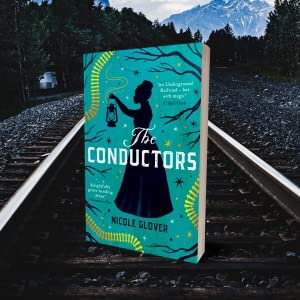
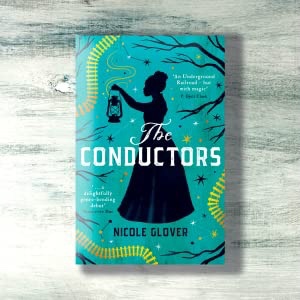
The Conductors is set in post Civil War, Philadelphia and is firmly within a genre of historical fiction that has a whisper of magic. Benjy and Hetty are a married couple, united in their purpose. They are renowned, ten years on from the end of the civil war, as conductors – guides who helped slaves escape the south through the Underground Railroad. Interestingly I had only recently come across the railroad when reading another book about magic set in an historical context – Alix E Harwood’s The Once and Future Witches. Hetty and Benjy used celestial magic to aid their rescues and for this they use sigils, which are usually a pictorial symbol of a god or spirit, but here are a symbol of their desired outcome. Ten years on, they use their magic to solve murders and missing person’s cases, particularly those with black victims where discriminatory authorities may not have investigated properly, even in the more forward thinking Northern US states. Their skills are frequently called upon in their district of Philadelphia but this time is different, this time the murder victim is an old friend and they will have to investigate within their own community.
Trying to investigate and unearth who can’t be trusted amongst their own friends and neighbours is really tough, especially when their suspicions start to take them very close to home. They have to use all their magical powers and experience, because stirring up secrets buried for this long turns out to be very dangerous for the pair. How much do they really know about their friends and neighbours? Trying to bring together historical facts and fiction can be hard enough for a writer, but to stir in fantasy and magic too takes great skill. The author must get us to feel like we’re in the past, but a past that’s brought alive by magic. The balance has to be perfect, or the end result can feel messy and chaotic. Instead this feels fresh and leaps off the page vividly. I was drawn in quite early on, by the characters and the incredible world the author has built – especially the fantasy side. It moves slowly at first, which draws the reader in, but also allows us to settle into these characters and their world before letting the rest unfold. Then when it does, the story is believable, rich and vivid. I believed in this couple’s relationship and I was invested in them as characters. So, when the tension did start to build, I was hooked – hoping they would solve the case and emerge unscathed. I thought the magical explanation for systemic racism was interesting and I would be fascinated to see how that resolves in future novels. This is definitely a writer to watch.
Meet The Author
NICOLE GLOVER works as a UX researcher in Virginia. She believes libraries are magical places and problems seem smaller with a cup of tea in hand. Her life outside of books include bicycles, video games, and baking the perfect banana bread. The Conductors is her debut novel. She can be found at nicole-glover.com
The film rights to this novel have been bought by Queen Latifah.
I think this beautiful novel was sent to me at the right time. Two things have happened lately. I’ve had a relapse of my long term illness Multiple Sclerosis, and it has affected my sight, balance and vertigo. Secondly, I’ve been reading several books where the central theme is that even small lives can be extraordinary or have a huge effect in the world. I think the two things are linked, because I’m a big believer in finding the right book at the right time. When I don’t have a groaning TBR bookcase, I tend to choose my reading very emotionally. What do I feel like reading? I can’t understand readers who are able to read books in chronological order, whatever the subject or however they’re feeling. I really have to be in the mood. It took me several years to read Middlesex by Jeffrey Eugenides, but when I did I absolutely loved it. I think this is the reason many bookworms have buckling shelves – we know we’ll want to read that new book, just not right now. Well, this book was the right one for right now – a look at how the ordinary life of one woman, becomes extraordinary because of the way it is told. A reminder for me that though I may live a quiet and often restricted existence, I can still have an impact on the world.
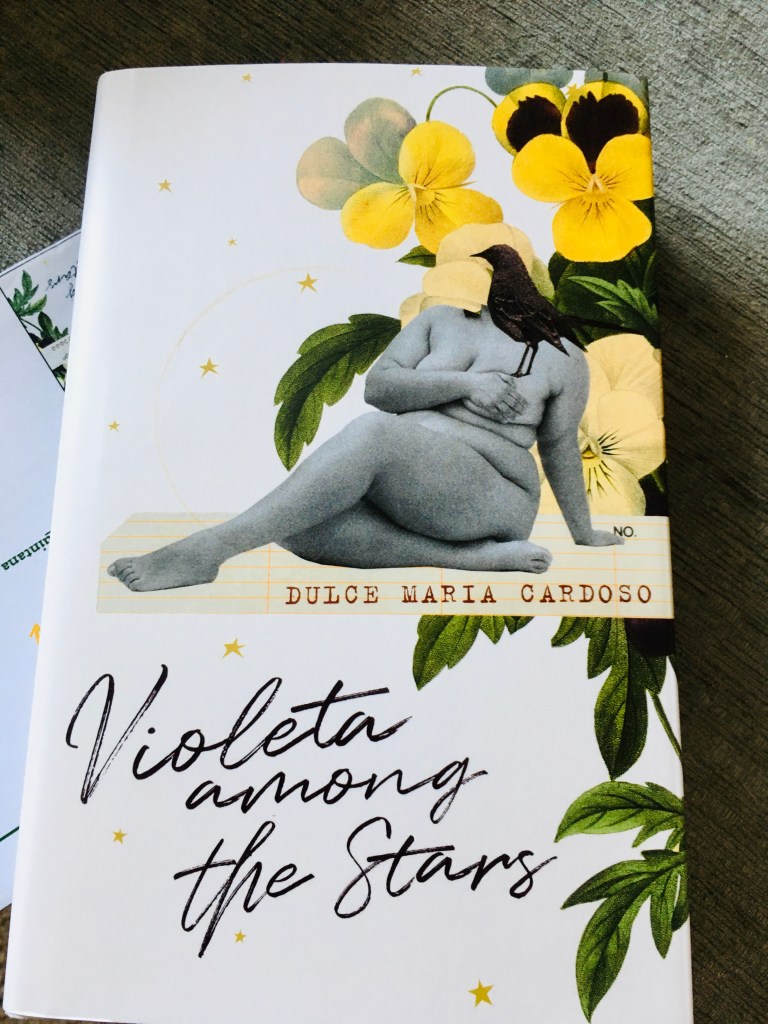
This particular novel is unique, because it carries a whole lifetime suspended in a single moment. Violeta is drunk and in utter despair when she crashes her car. As she’s thrown around in the car, her seat belt locks and she’s left suspended both physically and metaphorically. As she hangs between life and death, memories of her life flash before her all at once and in no particular order. Memories of her distant mother collide with her everyday life on the road selling waxing products. She remembers moments fumbling on toilet floors with truck drivers she barely knows at motorway service stations. A thousand seemingly ordinary encounters pass through her mind and make up a life. Her past comes up for scrutiny, culminating in how she sacrificed the dreams she had for adolescent relationships that simply let her down. Through this poetic meditation, an ordinary life becomes epic.
This whole book is written as a stream of consciousness so don’t expect tidy chronological memories or carefully constructed sentences. This is one, long paragraph without punctuation, cleverly keeping the reader hanging in the same position as the author. This is a raw examination of the ‘self’, how it is constructed and whether it is ever a constant, unchanging thing. Or is it more like Frankenstein’s creature? Hastily stitched from parts of our parents, our experiences, and those things we like and dislike. An ever changing collage rather than a single, fixed identity. Memories weave in and out of each other, past and present collide and sentences drift away unfinished. We are listening in on Violeta’s inner thoughts so they are never censored or tidy. This is a troubled woman. She’s at war with her family, her own body and her own anonymous sexual conquests. Yet, even though there’s no real structure or plot, we start to understand her. She has an incredible sense of humour and there is a feminist element too, particularly the way we wage war on body hair – Violeta sells waxing products. There’s also the open expression of sexuality, when young she would experiment with local boys and age now visits truck stops for anonymous sexual with strangers. What is transgressive about these encounters, is that the narrator’s active sex life should not be available to a fat woman. I’m a bigger woman, we’re not meant to be attractive in our imperfect bodies. Yet, just like Violeta, I’ve never had a problem finding someone to have sex with. Men are not meant to want sex with fat women, but the truth is, they do.
However, it’s not just other people and our identity under scrutiny. The physical world and concept of time also shifts around us; the reader’s perception of this world expands alongside Violeta. She stands beside us. She experiences the world around her as layers of time, shown in time-slip moments such as when she recalls the previous day’s meal at a restaurant, but simultaneously remembers visiting the shop when it was a hair salon, alongside her mother. Places and people exist simultaneously in the past and future, something I can definitely understand as I get older. Violeta awoke a fire in me. I had a few moments full of emotion and kinship for those bigger women who accept being the butt of a joke, feel inadequate or even hate their bodies so much they accept the abuse meted out by others. There are elements of the book that are painful, especially when we read about her childhood. This goes some way to explaining the detachment we see in the interactions with her own daughter, highlighting the concept of inter-generational pain. I’ve never read a book like this one, especially the structure and the leaps from poetry to philosophy. It reminds me of another book I recently read, where the author attempts to grasp what it is to be a human being. A wonderful, occasionally dark, but unusual look at life from the perspective of someone whose life is, quite literally, hanging in the balance.
suddenly I should have stayed at home, I should have stayed at home, I should have stayed at home, for some time, seconds, hours, I can do nothing, suddenly I stop
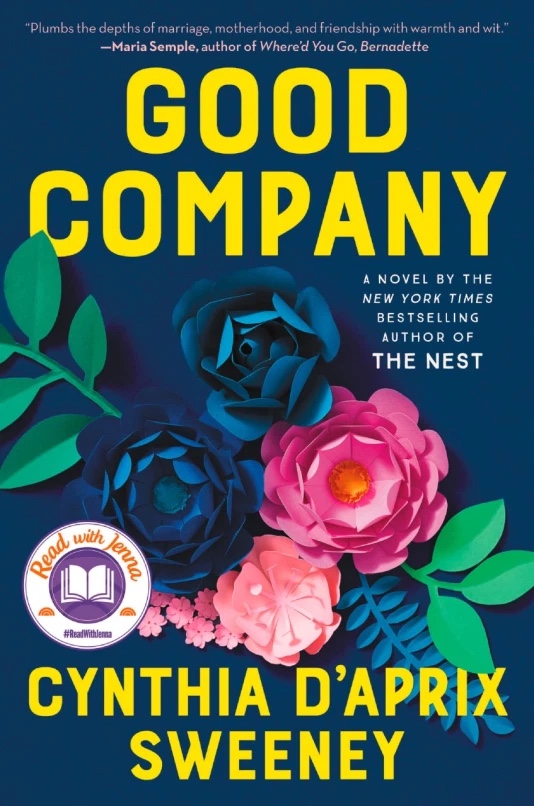
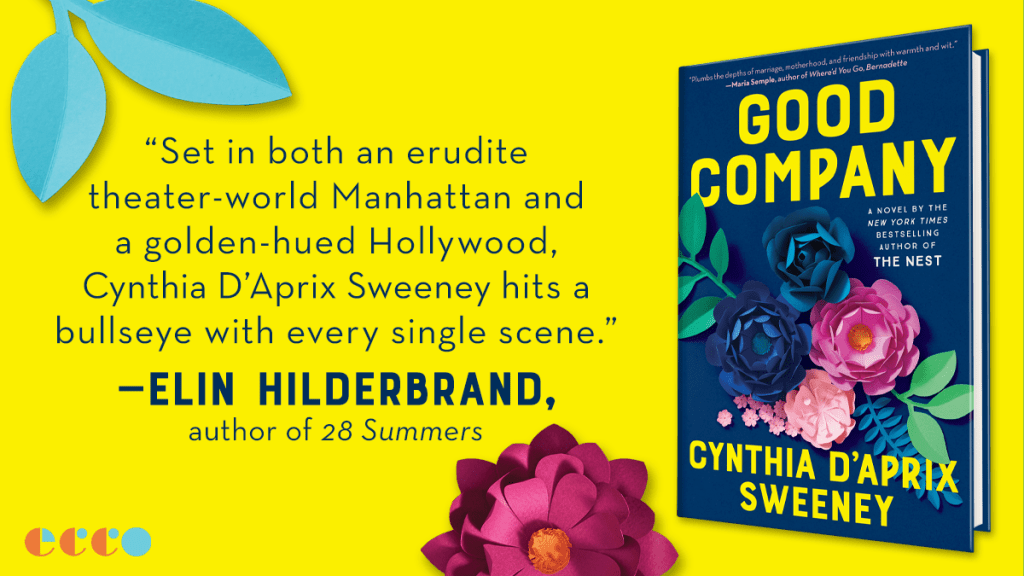
Flora and Julian struggled for years, scraping together just enough acting work to raise their daughter in Manhattan and keep Julian’s small theatre company—Good Company—afloat. A move to Los Angeles brought their first real career successes, a chance to breathe easier, and a reunion with Margot, now a bona fide television star. But has their new life been built on lies? What happened that summer all those years ago? And most importantly, what happens now?
GOOD COMPANY follows two couples entering the midpoint of their lives, against the backdrop of the New York theatre scene and Hollywood. It tells a story of what it means to, as the author says, “truly love but never truly know another person”.
By chance this week I’ve read two books that focus on that mid-point in life, either that or the universe is trying to tell me something. It seems to be a time of shake-ups and regrets. The time when we look at life and either wonder where our younger selves and their vitality disappeared to, or take stock and realise if we don’t make our dreams a reality soon, we never will. It’s the archetypal mid-life crisis on one hand and we shake things up – buy a motorbike, a sports car or trade in our partner for a different type of ‘racy little number’. Other people throw out the ordinary life and go travelling, create a micro-brewery or start a bucket list. For me it means getting some writing experience and gaining confidence with an MA, while finally sitting down and starting to write my book (wish me luck).
Flora meanwhile, is feeling the need to catalogue the years of mementos and evidence of what she and husband Justin have achieved in life. Whether it’s through the theatre group Good Company that they work on together, or through the family they’ve created. The author sets the scene with something familiar that we’ve all done, clearing out old cupboards and storage spaces we’ve been neglecting for years. Flora is looking for a photograph, but is also enjoying reminiscing over the years they’ve spent together professionally and personally. The photo she’s looking for is from when their daughter Ruby is about five years old and they’re staying in Julian’s family mansion in upstate New York for the summer. At the bottom of the filing cabinet she finds it, an envelope of photographs marked ‘KEEP’ from that very summer. Under it is another envelope with an object in, so Flora opens it to find Julian’s wedding ring. This is nothing new. He’s had at least three since they’ve been together. However, on closer inspection this is their first ring, she had engraved especially for him. We all know that feeling. When you discover something that makes the bottom fall out of your world. Julian claimed to have lost this ring on their summer vacation, somewhere outdoors. So how did it get here, carefully sealed and buried under years of family detritus?
We also get to take a look at Flora’s friend Margot, who alongside Ben and Julian used to tread the boards with Good Company. She was one of those friends so interwoven in their lives she’s like family. In fact a five year old Ruby was so taken with Margot that she was always on her knee and being cuddled. Another photo from that summer shows them all, each intertwined in some way with the other. When people are that close, boundaries can be forgotten and it’s hard to see where your ‘self’ ends and the other begins. When one boundary is crossed, others can be breached too. We see that Margot could be overbearing, even interfering, especially back when Flora is planning to marry Julian. Now a famous actress, with a lead role in a hospital soap, we start to see her personality emerging during an interview with a very well informed journalist. It’s clear that she’s well versed in avoiding the difficult question and very willing to manipulate to get what she wants.
I found the setting fascinating, whether it was a beautifully realised New York or sunny LA I felt like I’d escaped into a different world world while reading. I love the idea of Broadway, it was the only thing I wanted to do when I turned 40 – go to Manhattan and see a Broadway show. To be able to read behind the scenes made me feel like I was reading an episode of Smash, a series that I used to watch with a stupid grin on my face. I love to see people perform so it was an absolute joy to have that feeling after being barred from live theatre for so long now. As we sit back and observe the ins and outs of these characters, we can really observe and analyse their behaviour. We see the individual behaviour but also how it feeds into the group dynamic. I could see the established roles, the shorthand they have developed when communicating, and some undercurrents that even the group aren’t aware of. Margot’s controlling ways have followed her through life, Julian is more passive and even powerless in some situations, and Flora is awakening to the fact that sometimes the individual is more important than the group. Many people in middle age are ‘stuck’ in friendship dynamics that are unhealthy and need to change. It can be impossible to change within the group and only by walking away can the individual put themselves first or initiate change in their own life. Our friends can be used to us being one way and may even actively try to manipulate or force us to stay in our little box. I could see all of this here and for a therapist it’s a delicious psychological puzzle to unravel.
I can see why the author’s debut novel was such a success. This was a great character driven read, with a great sense of place to get lost in. I became fully immersed in Flora’s life and all the complexities of these interwoven friendships and marriages. A wonderful ‘holiday read’ to get lost in from a novelist well-versed in the dynamics of people and their friendship circles. It might even make you think about your own friendships. I must just mention that stunning cover art too.
Thanks to Anne Cater at Random Things Tours and Ecco Harper Collins for having me on the tour.
Meet The Author
Cynthia D’Aprix Sweeney’s debut novel, The Nest, was a smash success, receiving widespread critical acclaim and named a Best Book of 2016 by many, including The Washington Post. Much of what made The Nestbeloved is back in play with GOOD COMPANY, including Sweeney’s distinctive wit and her incisive examination of the way people, and their relationships—with others and themselves—evolve over decades.
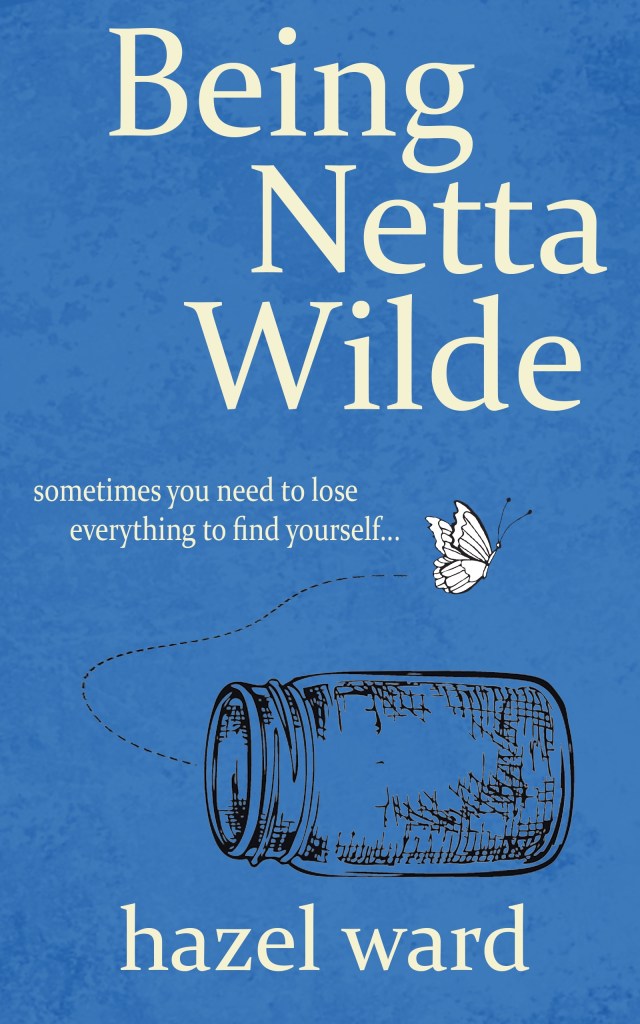
An uplifting story of love, loss and second chances that celebrates friendship and human connections.
Netta Wilde was all the things Annette Grey isn’t. Netta Wilde was raw, unchecked and just a little bit rebellious. She loved The Clash and she loved being Netta Wilde.
Annette Grey is an empty, broken woman who hardly knows her own children. Of course, it’s her own fault. She’s a bad mother. An unnatural mother. At least, that’s what her ex-husband tells her.
The one thing she is good at …
the one thing that stops her from falling …
is her job.
When the unthinkable happens, Annette makes a decision that sets her on a journey of self-discovery and reinvention. Along the way, her life is filled with friends, family, dogs, and jam. Lots of jam.
Suddenly anything seems possible. Even being Netta Wilde again.
But, is she brave enough to take that final step when the secrets she keeps locked inside are never too far away?
I chose to read this novel, purely because I am a middle-aged woman who looks back to the nineties from time to time and wonders what would that girl think of who I am now? I still wear floral dresses, Doc Marten boots and big slouchy cardigans. I still listen to the same music sometimes, go to gigs and read, constantly. Of course there are times I think I’ve lost myself – that underneath the avalanche of life experience I’ve taken on a different shape. There are times life has been so difficult I haven’t been able to find the girl I was. I’m at my happiest when I’m close to her. When I feel we’re still connected. The times when I can’t find her and I feel completely lost, she’s still there. She never really goes away.
Annette Gray doesn’t know that. She thinks she’s lost her self. She’s become drab, miserable and as Gray as her name suggests. I thought it was clever to create a structure where the actual story feels dull and slow, just as Annette does. It just didn’t come alive at first. Then I realised what the author was doing. As we see flashbacks to her university days they do come alive like the bit in Wizard of Oz where Dorothy wakes from her black and white world to glorious technicolour. It isn’t surprising that she feels so drained. Under the pressure of a terrible marriage where all of her confidence was eroded, it was no surprise to me that she had lost herself. Colin, thankfully now her ex-husband, is unfortunately still playing a huge role in her life. Not only is he a spiteful bully, he has conditioned his children to treat their mother the same way. While working she has footed the bill for their life, while never getting chance to see her children or even put across what life was life was like for her. Even now they’re grown up, their Dad still influences how they feel about her.
When Netta is made redundant I worried that this was another setback for her and when Colin starts complaining about his hand-outs I worried she would crumble. However, this is where the book really does take on some colour and Annette Gray starts to find her inner Netta Wilde again. I loved the joy she found at the foodbank and the new friends she makes there. She also has time for a new hobby that brings her happiness and self-fulfilment – jam making. As a jam maker, I know the satisfaction that comes from a completed batch on the pantry shelf. Like Sophie’s mum in Peep Show, I like to give my batches quirky names that remind me of when I made them – Blair Resignation Plum and Downton Abbey Zingy Damson being two from my shelves! This new lease of life and financial upheaval really opens Netta’s eyes. She can no longer afford to subsidise Colin or her children the way she has, and when she realises she’s been taken for a ride, even more revelations come to light that made me furious. I was dying for the children to realise what a thoroughly unpleasant man Colin is. I also wanted them to see the real person Netta was, someone willing to give up her home to live more simply so she could look after others. Her fellow volunteers at the foodbank really do rally round and become the family she’s been missing for so long.
I think many women lose each themselves, because of the expectation that we’re the caregivers in life. Not just for children, but for elderly parents, disabled siblings and sick spouses. Instead of rebelling, we internalise this and blame ourselves for our rebellious and ‘unnatural’ feelings if we don’t want to do it. Often we don’t even stop and ask ourselves if the men in our family and of our age have the same expectations placed upon them. I think the book captures an experience familiar to many middle aged women. It is peopled with great characters and has a real sense of someone awakening to who they want to be for the next chapters of their life. Someone who’s still a little bit Netta Wilde of yesteryear, but brought bang up to date. The Netta Wilde for now.
Meet The Author
Hazel Ward was born in a back-to-back house in inner city Birmingham. By the time the council knocked the house flat and packed her family off to the suburbs, she was already something of a feral child who loved adventures. Swapping derelict houses and bomb pecks for green fields and gardens was a bit of a culture shock but she rose to the occasion admirably and grew up loving outdoor spaces and animals. Especially dogs, cats and horses.
Strangely, for someone who couldn’t sit still, she also developed a ferocious reading habit and a love of words. She wrote her first novel at fifteen, along with a lot of angsty poems, and was absolutely sure she wanted to be a writer. Sadly, it all came crashing down when her seventeen-year-old self walked out of school after a spot of bother and was either too stubborn or too embarrassed to go back. It’s too long ago to remember which. What followed was a series of mind-numbingly dull jobs that paid the bills but did little to quell the restlessness inside.
Always a bit of a smart-arse, she eventually managed to talk herself into a successful corporate career that lasted over twenty years until, with the bills paid and the children grown up, she was able to wave it all goodbye and do the thing she’dalways wanted to do. While taking a fiction writing course she wrote a short story about a lonely woman who was being made redundant. The story eventually became her debut novel Being Netta Wilde.
Hazel still lives in Birmingham and that’s where she does most of her writing. When she’s not there, she and her partner can be found in their holiday home in Shropshire or gadding about the country in an old motorhome. Not quite feral anymore but still up for adventures.
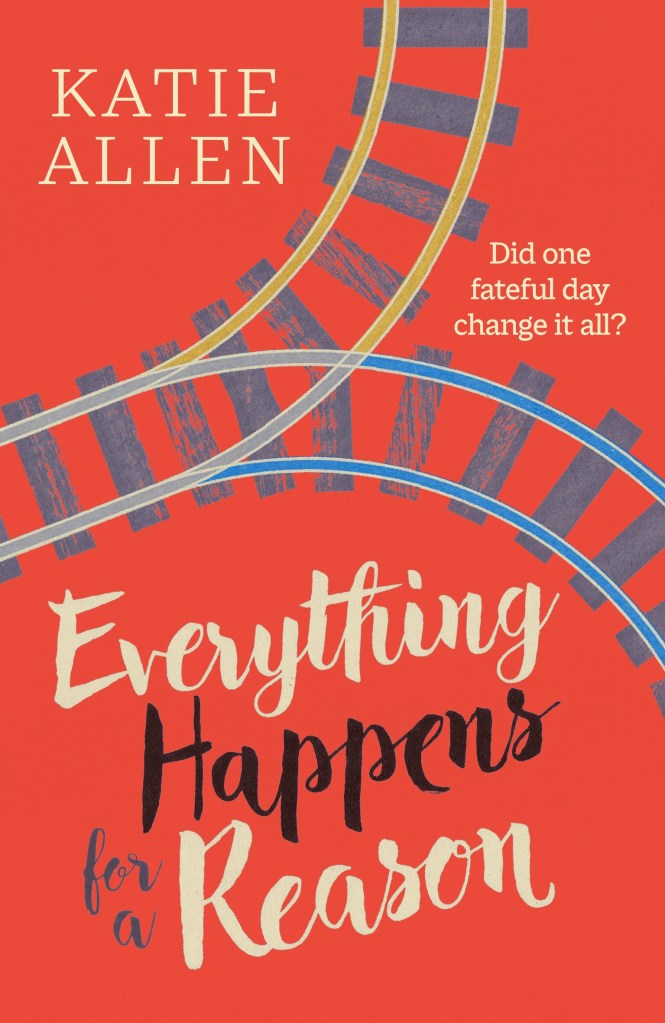
Mum-to-be Rachel did everything right, but it all went wrong. Her son, Luke, was stillborn and she finds herself on maternity leave without a baby, trying to make sense of her loss.
When a misguided well-wisher tells her that “everything happens for a reason”, she becomes obsessed with finding that reason, driven by grief and convinced that she is somehow to blame. She remembers that on the day she discovered her pregnancy, she’d stopped a man from jumping in front of a train, and she’s now certain that saving his life cost her the life of her son.
Desperate to find him, she enlists an unlikely ally in Lola, an Underground worker, and Lola’s seven-year-old daughter, Josephine, and eventually tracks him down, with completely unexpected results…
Both a heart-wrenchingly poignant portrait of grief and a gloriously uplifting and disarmingly funny story of a young woman’s determination, Everything Happens for a Reason is a bittersweet, life- affirming read and, quite simply, unforgettable.
When I first talked to Karen Sullivan at Orenda about this incredible book – part of the Jubilant June publishing event – she told me I would cry but I would love it. She was right. I did cry. I cried buckets. I did love it too. This novel reminded me so much about my own loss. I cried for Rachel, I cried for the author, and I cried for anyone who has suffered this terrible loss. Mostly, and selfishly, I cried for myself. I do know the profound sense of loss Rachel goes through, because I lost three pregnancies, one with twins, when I was in my twenties. Of course these were miscarriages, not full term pregnancies, and as someone once tactfully told me ‘better to lose them earlier, than to actually have to give birth, or to have your baby die after a few days’ as if we were playing some sort of ‘Grief Top Trumps’. I was told many things in the months after each miscarriage: there was probably something wrong with the baby; we don’t always understand God’s plans; maybe it wasn’t meant to be. People don’t say these things because they’re malicious. They say these things because they don’t know what to say and silence seems unacceptable. The most useful thing anyone said was from the nurse who discharged me the first time. I was so traumatised by the past 24 hours I was staring ahead, not really seeing and not really listening. She touched my hand and said ‘it isn’t your fault, remember that’.
However, as it happened again and again, I did feel guilty and wracked my brain looking for things I might have done wrong. Rationally I knew it was not my fault, but I wasn’t always rational. Was this to do with my MS? Did I take a tablet I shouldn’t? Should I have helped in the charity shop sorting and labelling clothes, moving boxes? I wasn’t trying for a baby so was it the lack of vitamins? No folic acid? My body felt like such an inhospitable place. It was already attacking itself, now it was attacking my babies. Is it because I shouldn’t be a mum? Did I have a right to bring a baby into my already imperfect world, with my imperfect body? My brain switched off. My heart broke. I was told I had incomplete miscarriages, the baby dies but doesn’t ‘come away’. I then had to read and sign a clinical form that referred to my baby as the ‘products of conception’ and was headed ‘Consent for Termination’. My guilt clicked in again. What if they were wrong and I was killing my baby? To really complete the trauma I contracted an infection after my third miscarriage, and the doctor who had to examine and admit me to hospital actually slapped me on my bare leg because I wasn’t moving fast enough. I felt like my body wasn’t mine anymore. It broke my relationship. It took me on a long, painful journey of finding out that becoming a Mum was going to be more difficult for me because I had Hughes Syndrome, a clotting abnormality. It would be so difficult that I had to choose my own mental health over becoming a mother. I couldn’t make sense of what I’d done wrong to deserve this, on top of my other disabilities.
This is all our central character, Rachel, is trying to do. She wants to make sense of why her baby, Luke, died. She latches onto a platitude and weaves a story around it. If everything does happen for a reason, what could that reason be? Then she thinks of that fateful day when she stopped a stranger from jumping in front of a train, the same day she found out she was pregnant. What if he’d been meant to die? Then, because he was saved, someone else had to die in his place. It’s not clear if she truly believes this, or whether she has to think a greater purpose is at play, because if Luke’s death is without a reason she will fall into the abyss. So, we follow her search for the man she saved. Maybe if she sees him making the most of his second chance at life, she can accept her loss. There is, of course, sadness and grief on the journey, but there’s also humour and the hope that Rachel will work through the worst of her loss and find some peace and acceptance in this awful situation.
The writer is incredibly courageous to take her experiences and lend them to Rachel for the purposes of the novel. As we follow her ‘non-maternity leave’ she tells her story with such a frank, raw, and brutal honesty. This could be a difficult read for someone only just going through the same experience, but for me, I felt like someone had finally seen the pain I was carrying. I would no longer have to stand in the Post Office queue, watching people going about their business, with a terrible inner urge to scream ‘my baby died’. Rachel’s story is told through a series of emails addressed to the son she’s lost. In this private correspondence she can express her worst fears and nothing is left unsaid. There is also a sense for her, that she can send them somewhere; that somehow, Luke can see them. The authenticity of this stream of consciousness can only be achieved by letting us delve deeply into Rachel’s feelings and state of mind. It seems so authentic, because it is. Katie has delved into her very soul for this novel and welcomed us in. I can’t thank her enough. I admire her enormously. It inspires me to keep going, to keep writing my own story.
The fact that this is Rachel’s world means that everyone we meet, we can only see through her eyes. I really enjoyed some of these characters and they do bring balance to a tough story by creating some of the lighter, more humorous moments. Josephine, the daughter of a woman who helps Rachel in her search, has an offbeat humour that I really enjoyed. She really doesn’t have the ability to filter her thoughts before they come out of her mouth, and while that’s always funny, it can also be very insightful in a quirky way. The author has a unique ability to affect the reader’s emotions in one way and then switch them round again very quickly. Rachel’s family mean well when they help and hope she can ‘move on’ from her grief. Some don’t fully understand her quest and want the very best for her. I found myself understanding their confusion and agreeing with their wish that she heals emotionally. The next second I’d be furious, because something has been said that’s so glaringly insensitive. I’d want to turn the air blue with a few ‘F’ words.
I know I have rambled about my own experiences here and maybe I haven’t said enough about why you should read the book. However, I can honestly say this is the book about the loss of a baby, and the chance to be a mother, that is the most authentic I have ever read. I felt represented by this story and by this talented debut author. It’s unique structure, it’s rawness and ability to plumb the depths of despair, while still making you laugh and dare to hope, is simply extraordinary. It is beautifully written and captures our human need to make sense of something that is senseless. No one should be told how to grieve. Each person, and each individual loss is different. We humans find it difficult to accept that some life-experiences have no explanations or answers. When we can’t find meaning, we create it. So, we tell each other stories.
I’d like to say a big thank you to Karen at Orenda for putting this book in front of me months ago, then waiting patiently for my response. I’d also like to thank Anne Cater for letting me ramble like this on the blog tour.
Meet The Author
Everything Happens for a Reason is Katie’s first novel. She used to be a journalist and columnist at the Guardian and Observer, and started her career as a Reuters correspondent in Berlin and London. The events in Everything Happens for a Reason are fiction, but the premise is loosely autobiographical. Katie’s son, Finn, was stillborn in 2010, and her character’s experience of grief and being on maternity leave without a baby is based on her own. And yes, someone did say to her ‘Everything happens for a reason’. Katie grew up in Warwickshire and now lives in South London with her husband, children, dog, cat and stick insects. When she’s not writing or walking children and dogs, Katie loves baking, playing the piano, reading news and wishing she had written other people’s brilliant novels.
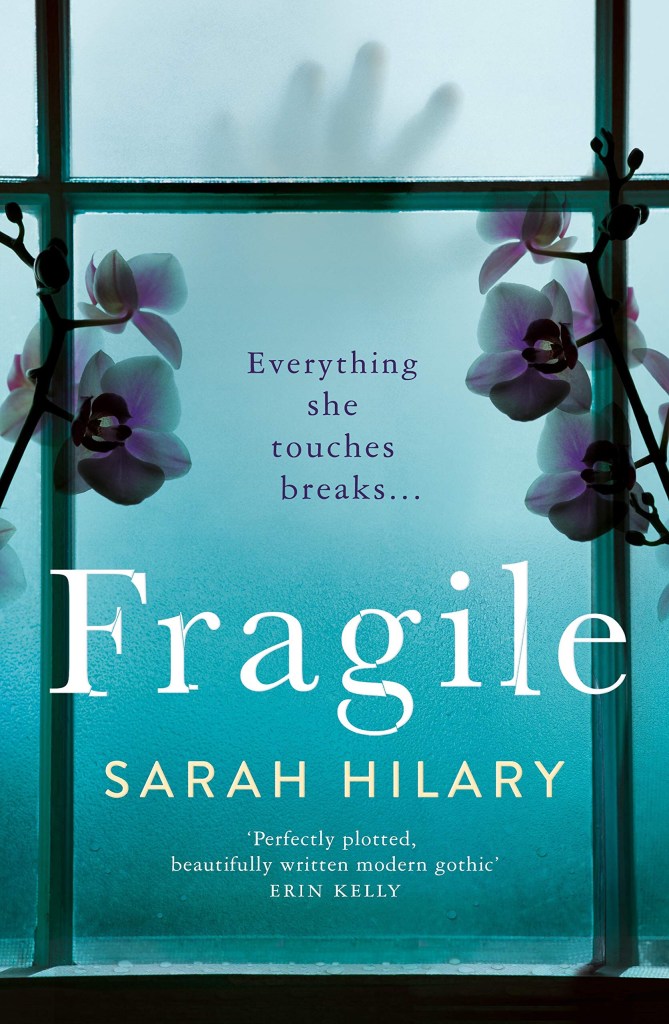
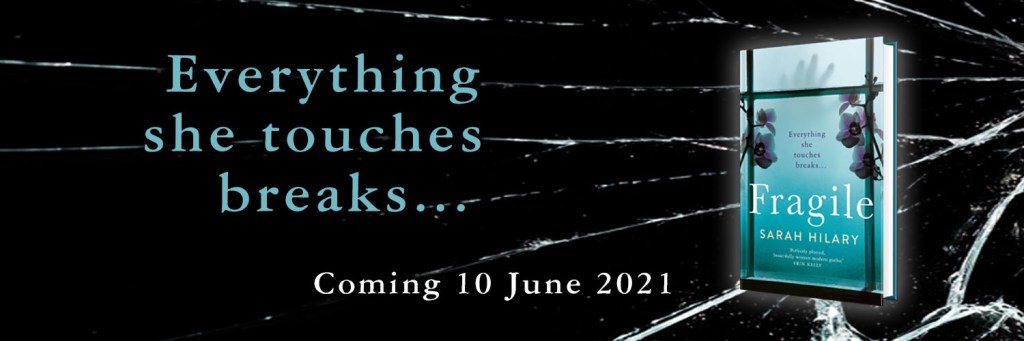
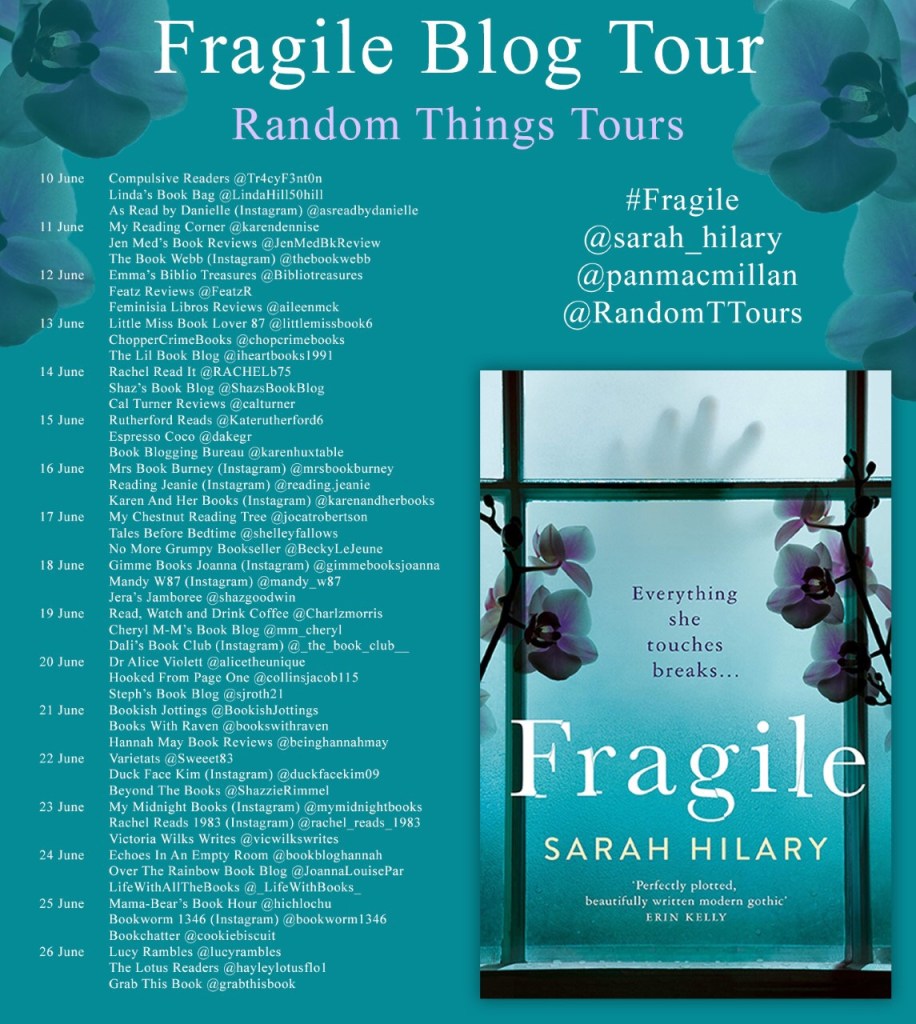
There’s a lot packed into this complex thriller about human relationships, traumatic childhoods, damaged adults, social justice, and the differences between those who are deemed to be respectable and those society deems outcasts. It’s an addicting and sometimes uncomfortable read, but it’s themes pour scorn on those who dismiss genre fiction as having nothing important to say. Across two timelines, one current and one a year in the past, we follow our main character Nell. Currently she’s homeless and her lover, Joe, has disappeared into the night with a well- groomed older woman. Nell tracks them to a tiny house, almost impossibly narrow, and invisible from certain points in the street. It’s a three storey, possibly Victorian town house and must be worth a fortune. Waiting impatiently for Joe to emerge she spends her last handful of change on a cup of tea in order to sit in the warmth of a cafe. The only person who comes out is a young girl with a blonde plait hanging over her shoulder. As she comes in for a drink Nell makes a choice to go over and talk to her and finds out she’s been interviewed for a position as assistant to the house owner – a man. In her desperation to find Joe, Nell decides she needs to get inside that house and comes up with a plan.
In her past, Nell has been in the care system, ending up in a group home in Wales with a foster carer called Megan Flack. She is a career rather than a vocational carer, collecting the money but rarely doing the job. She is neglectful at best, but there’s much more going on under the surface. Nell has learned to look after a home because she was always picking up the slack with housework, cooking and mothering the younger children, particularly the cute 6year old Rosie who clings to Nell. When Joe first arrives at the home Nell is knocked sideways by how beautiful he is. Two teenagers under one roof, with plenty of time to themselves creates the perfect opportunity and they are soon joined at the hip. In the heat of the summer they go bathing at a nearby pool, but Joe doesn’t always want the younger kids there and Nell is having to make hard choices. What has happened to cause the pair to flee their foster home? They end up in London, sleeping on the streets, until one night Joe disappears into Starling Villas.
The book’s structure is clever and works really well to pace the action and build tension. We learn a little bit more about the present, then go back into the past; a past that constantly updates and informs the present again. There was a growing sense of unease, as I got further into the book. I was never sure who was truly playing who. Caroline was unnerving and hard to like, because she never seemed to show any vulnerability. Megan was worse though; cold,manipulative and completely without empathy. The thought that there are people like this looking after children who are already traumatised and suffering from attachment issues. There was a social conscience here. The fact that a magistrate, a man who decides the fate of children like this, can be licentious and exploitative behind closed doors shouldn’t be a surprise, but somehow it was. There was something about Robin that I trusted, despite all the evidence to the contrary. We all know that status is conveyed according to how people appear and what they own. We might automatically assume that the well-read man living at Starling Villas is a fine, upstanding citizen. We also might assume that those brought up in the care system, the homeless and the hopeless, are capable of just about anything. What did drive Nell and Joe to pack and leave Wales, so suddenly? Why is Megan still seeking them out?
Nell is a wonderful character, all tough exterior but marshmallow inside. Her vulnerability is evident in her interactions with Robin, her new employer. She’s a hard worker, trained by a foster mother who seems to have hated some of her charges as much as doing anything that made her break a sweat. Nell’s been a mother figure at an age when she still needed one herself. She’s used to making a home too, making the best of the meagre things she can find to enhance her surroundings and lift her spirits. She’s tough enough to survive most things, even a winter on the streets in the capital, but the things that have happened to her still haunt her mentally. She’s been let down so many times it shouldn’t hurt anymore, but it does, especially when she’s let her guard down and softened slightly. Even though some of her behaviour is morally questionable, she’s so young and has had so few chances in life, I found myself rooting for her. The author’s knowledge about a childhood spent in care and what it can do to the rest of your life shows research, listening to personal accounts and experience. Not everybody survives, some will be institutionalised for the rest of their lives, while those who do survive the system don’t always leave unscathed. I think this was represented so well through the characters in this novel. Thankfully, not all foster parents are like Megan Flack.
This was a great read, compelling and difficult to put down once you’re hooked by the story. Every character has nuance and flaws, meaning in both the past and current narrative, you’re never quite sure who to trust or what to believe. I was haunted by little Rosie, just like Nell is. The author has created an addictive thriller, but given it heart and poignancy too. I was completely drawn in until the very last page and the ending was beautifully written.
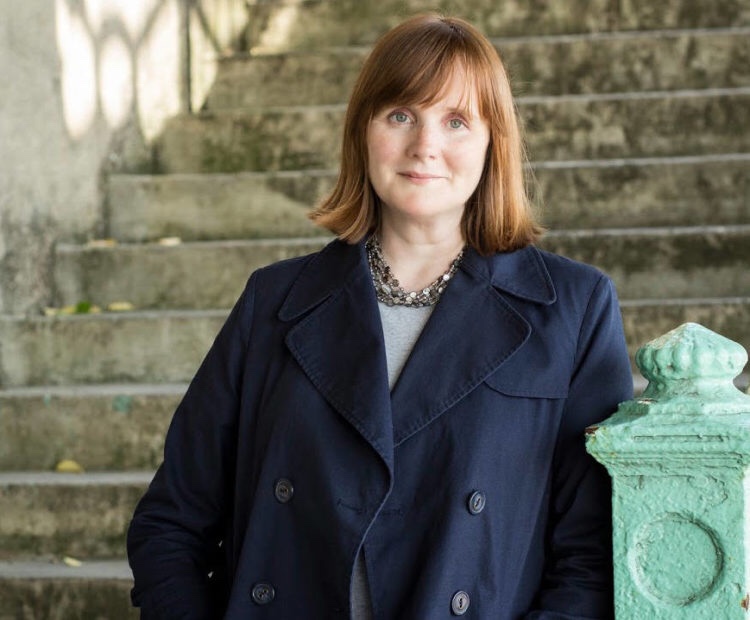
Meet The Author
Sarah Hilary’s debut novel, Someone Else’s Skin, won the 2015 Theakston Old Peculier Crime Novel of the Year and was a World Book Night selection. The Observer’s Book of the Month (‘superbly disturbing’) and a Richard and Judy Book Club bestseller, it has been published worldwide. No Other Darkness, the second in the series, was shortlisted for a Barry Award in the U.S. Her D.I. Marnie Rome series continues with Tastes Like Fear, Quieter Than Killing, Come and Find Me, and Never Be Broken. Fragile is her first standalone novel. –This text refers to an out of print or unavailable edition of this title.
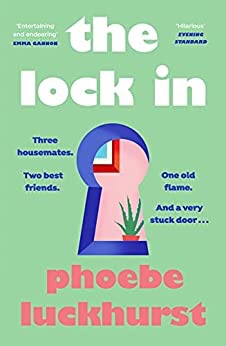
Ellen and Alexa have survived hangovers, dodgy landlords and most of their twenties together.
But can they survive this?
After waking up with a terrible hangover, Ellen’s day is about to get much worse. It’s Saturday morning and a flooded kitchen leads best friends Ellen and Alexa into their attic looking for a stopcock. Their scream, after finding a mouse, leads their friend and housemate Jack up there too. But when Ben – Alexa’s date from the night before – walks in, the handle breaks, and all are trapped.
While Ellen nurses her hangover, she watches her best friend fall for this gorgeous stranger. Only to come to the horrifying realisation that she knows him from somewhere. Frantically searching her memories, Ellen wonders: is Ben really who she thinks he is?
And more importantly, what on earth is she going to do about it . . . ?
This is a fun rom-com and one of those deceptively light novels, that’s actually very difficult to write. It feels light-hearted and restricts the characters to one space – an attic within their shared home. I need a wee every five minutes, so I’d have ransacked every box in the attic for something to force the door open! I can’t possibly wee in a room with strangers! On a more serious note, the attic is a great dramatic device because it heightens tensions and seeing how that affects characters, is so interesting.
To create a good sense of the shifting perspectives in the room, the author gave each character their own narrative in the novel. It worked brilliantly because we could get a sense of how the existing relationships in the house worked, and how Ben’s presence changed that dynamic. It gave us different perspectives on what was happening too – who is panicking, who is a natural leader in a group, who comes up with creative solutions to the situation they’re in? It also showed how Alex’s presence with a man, a man she seems to be falling for, affects the others. When friends fall in love we’re happy for them, it’s a good thing, but will it change our relationship with them? Is the beginning of their relationship, necessarily the end of an era as single twenty-somethings sharing a home? I felt for Jack, who feels like an outsider in the house. Everything about him told me he was a warm-hearted and kind. Yet he seemed shy and a little bit awkward to. My heart went out to him.
There were some times I felt so old and I’m also completely out of touch with urban Iiving. I’m 47 years old and I’ve lived in a rural county my whole life. There were many references lost on me. Their teenage years may well have been spent on MSN messenger, mine was spent drinking on a riverbank and dancing in a psychedelic hoody to the Happy Mondays. My teenage years are pre-internet, which makes me feel prehistoric. I enjoyed the stories of internet dating, but my dates had to run the gauntlet of my Dad and suffer stifled, anxious, phone calls taking place in our living room with my whole family listening. I’ve heard stories of terrible landlords from friends who have lived in London, but here no one can afford to rent anything till they’re in their thirties. So I had to enjoy this as an amused older generation, learning about the world as it is now or might be for my stepdaughters (although that’s slightly worrying).
This is a great summer read, if you’re looking for something light-hearted with characters you’ll enjoy stuck in a very awkward situation. It’s a very modern room-com, bringing the genre bang up to date with some good laughs along the way.
Meet The Author
Phoebe Luckhurst is a journalist and author, who has written for publications including the Evening Standard, ES Magazine, ELLE, Grazia, Sunday Times Style, Guardian, Telegraph and Grazia. The Lock In is her first novel, and she is currently writing her second.
Reading this book was a little like trying to get a knot out of a necklace chain, it seems impossible to unravel, until suddenly one move loosens it and the whole thing unknots very quickly. Our central character, Nadja Kulka, was convicted for a terrible crime in her native Poland, many years ago. Now she’s out of prison she’s looking for the simple everyday things that others have: a job, a nice flat to live in and eventually a few friends. She just wants a ‘normal’ life. She does make one friend. Laura Von Hoven is her boss’s wife and a beautiful woman, who’s very free spirited. When she asks for Nadja’s help, of course she wants to give her friend a hand. However, Laura has killed someone and wants Nadja’s help to conceal the body. Nadja doesn’t feel like she can refuse, showing how her earlier trauma, from the original crime and punishment, has affected her emotionally. She’s full of anxiety, awkward with people and easily talked into bad ideas. Nadja isn’t a likeable character at first, there’s a stand-offish, prickly sort of manner she has that keeps people at a distance. Yet, underneath these defences, she’s vulnerable and naive. When they find the perfect place to hide the crime, an abandoned cabin in the woods, the rest seems easy. However, their seemingly simple plan falls apart and Nadja finds herself in a game of cat and mouse. It’s a deadly game and one that’s stacked against Nadja, because she’s the perfect murderer as well as a perfect victim.
I was very disorientated at first by the disparate strands of this complex thriller. We have three separate narratives, two different narrators plus a set of letters that don’t sound like they belong. I thought there were three different people here, because the author of the letters feels different to the others. Unlike her novel Dear Child, these separate threads feel a long way apart and it’s impossible to make them diverge into one clear narrative. I found the chopping and changing too ‘bitty’. I would pick it up after a break and found I couldn’t pick up the thread without going and re-reading previous pages. It was only when I read a good third of the book that I really started to make sense of the story and these narrative voices clicked into place. However, after sitting back and thinking, I wondered if this confusion wasn’t deliberate? Haussmann doesn’t strike me as a writer who makes mistakes, I think her plotting and structure are very deliberate, so what is she trying to telling the reader with this complicated beginning?
In retrospect, I feel that the author likes to manipulate and control her readers. She was giving us the same experience as her characters, like we’re in the centre of a complicated web waiting for a spider to strike. I was exasperated with certain characters here and there, but I found myself willing Nadja to come out of this okay, despite her past and her faults. My advice is to keep reading; things become clearer and after that prepare to set aside a whole evening to finish the story in one go. The pace quickens, increasing the tension and rushing us towards a conclusion. By this point I was intensely invested in the characters and how this would play out. I wasn’t disappointed and Hausmann kept a few final twists in reserve, that I didn’t expect. This isn’t an easy read at first, but it’s clever and psychologically astute. I loved trying to work out who had the upper hand in the web of lies. So in the end, this book firmly places Hausmann as a must read author for me.
Meet The Author
Romy Hausmann was born in the former GDR in 1981. At the age of twenty-four she became chief editor at a film production company in Munich. Since the birth of her son, Romy has been working as a freelancer in TV. Dear Child is her thriller debut. She lives with her family in a remote house in the woods near Stuttgart.
I’m wary of books written by people in the public eye. There are those who have clearly used a ghost writer. Others have no writing skill, just a big enough name to sell the book anyway. I worry for myself and all those other aspiring writers who won’t be able to get a book deal because the lists are full with celebrity memoirs and books set in Cornwall! However, there are some celebrity authors who get it right, often those who started out as reporters before becoming famous. Jeremy Vine’s debut novel was a pleasant surprise, and my stepdaughters loved David Walliams stories. I knew Dawn French could write well only a few pages into her memoir. I can now add Kirsty Wark to this list, since stumbling on her book second hand in Barter Books, Alnwick. I started to read it while still on holiday and loved it.
The author lets her characters tell the story. Firstly we are told Elizabeth’s story from her journal and we meet her at the beginning of the First World War, a time of big changes for her family. She is moving with her mum from the isolated family farm to the small fishing village of Lamlash on the Isle of Arran. The house they will live in is Holmlea, which has a beautiful sea view out to Holy Isle and the monastery. We are then immersed in Elizabeth’s life: their family friendship with the Duchess of Montrose; an incredible passion for gardening; all the relationships in her life. These relationships ebb and flow, but into her old age she has two men in her life. There is Niall the rather passionate gardener who works as an architect and Saul, a Buddhist monk from Holy Isle. When working in her front garden she notices a young woman, walking past with her baby in a pram. The young woman is Anna, and she is very taken with Holmlea and asks Elizabeth to contact her if she ever decides to sell it.
Our other narrator is Martha, the daughter of Anna Morrison, who is surprised to find her mother has been offered the legacy of a house on the Isle of Arran by a woman she’s never heard of before. Anna is now struggling with dementia, so much so that Martha is now her full time carer and deals with her finances. It is Martha who organises help for her mother and takes a trip up to Arran to see the house. So it is also up to Hannah to uncover Elizabeth’s reasons for leaving the house, but also discover more about her life and secrets. There was once a fiancé in Elizabeth’s life who moved out to Australia to start a sheep farm. Elizabeth was reluctant to go, feeling she needed to be there for her mother. She passes her time walking in the hills and during the war, helped in looking for lost and crashed airmen. Eventually, it is too late to follow her fiancé and at the end, Elizabeth has lived on Arran for 90 years. More recently she’s had friendships with a young man whose sister runs the local hotel and he has worked with her to create her beautiful garden. It is her friend Saul who encourages her to write her story down. He is a struggling Buddhist monk who is staying at Holy Island and meets Elizabeth when she volunteers in the gardens.
The books major strength is in description, creating a strong sense of place. This is a bleak but beautiful place, and she situates Arran and Holy Island as sustaining to the people who live there or come for solace. These islands feel like a cornerstone or anchor for the people who are born there and almost like medicine to those lonely or desperate people who seek them out. Gardens are featured heavily as a source of sustenance for the body and the soul and I truly understand that need to be in nature and feel your senses drink it in. I thought it was a wonderfully calm and quiet novel, but quiet doesn’t mean it’s without impact. I really loved Elizabeth’s story, it shows how quiet and seemingly unassuming people can have hidden depths. We often overlook the elderly, thinking they have lived their lives. I’ve worked in nursing homes and advocacy, and it’s surprising how many elderly people are cared for by people who don’t really know them and never try to. They talk to other carers as if the person they’re helping is deaf or not really there. I created a memory project where I found old photographs of residents and wrote down stories they told me about their lives. I then put up a display outside each bedroom, so that carers could see their residents as individuals with experience and stories to share. This book reminded me of that project and what a difference it made to the resident’s everyday lives.
Meet The Author
Kirsty Wark is a journalist, broadcaster and writer who has presented a wide range of BBC programmes for more than twenty five years, from the ground-breaking LATE SHOW to the weekly arts and cultural review show THE REVIEW SHOW and the nightly current affairs show NEWSNIGHT.
Kirsty has won several major awards for her work, including BAFTA Awards for Outstanding Contribution to Broadcasting, Journalist of the Year and Best Television Presenter. Her debut novel, THE LEGACY OF ELIZABETH PRINGLE, was published in March 2014 by Two Roads and was shortlisted for the Saltire First Book of the Year Award, as well as nominated for the International DUBLIN Literary Award. Her second novel, THE HOUSE BY THE LOCH, was inspired by her childhood memories and family, particularly her father. She is currently working on her third novel, set in Glasgow.
Born in Dumfries and educated in Ayr, Scotland, Kirsty now lives in Glasgow.
There’s probably a word in another language that properly describes the weird combination of trepidation and excitement a bookworm feels when they see a second book coming. You see they loved the first one. It was different. With an incredible twist that no one saw coming! It was like seeing The Sixth Sense for the first time, being blown away, then wondering what M. Night Shymalan could possibly do to follow it? If this is what it likes for the reader, imagine the writer’s fear in following such a smash hit as Alex Michaelides’s The Silent Patient. It must have been incredible. So I approached The Maidens as if it was a piñata filled with bees!
The premise sounded interesting. Psychologist Mariana Andros is summoned to Cambridge University by her niece Zoe. It’s a place filled with memories for Mariana, because it’s where she met her late husband Sebastian. For Zoe it is now the place where her best friend Tara has been murdered. Zoe is very special to her aunt, because they are each other’s only family. They have been closer since the death of Sebastian, who drowned on a romantic holiday in the Greek Islands only a year ago. Mariana knows how desperate Zoe must feel, so cancels her group therapy clients and sets off to meet her in Cambridge, where she stays in university lodgings. Here she meets the charismatic and Byronic Professor Fosca who teaches Classical Philology. Mariana is disturbed by him and his habit of gathering together ‘special scholars’ who receive group tuition from him. They are called The Maidens – although whether this is Fosca’s invention or the girls we are never sure and, of course, each one of them is incredibly beautiful, including their missing member, Tara.
Zoe is convinced Fosca is behind the murder, but with no evidence except a strange feeling and dislike of his odd circle of academic groupies, nothing can be done. I had the feeling that this tutor was perhaps a genius in his field, but was socially awkward and unaware of societal norms. Did he think his maidens gave him an air of eccentricity perhaps? However, he was too obvious to be the real villain of the piece. Yet, no matter how hard I tried, I couldn’t guess the answer. Thankfully the book had a great pace and once it had it me hooked, I just couldn’t leave it alone. I read it in my car on the way to our holiday cottage, in the bath, and in the park. However, I still couldn’t possibly have guessed at the incredibly tense showdown at the end.
For me there were some negatives. I had difficulty connecting to the characters emotionally, especially Mariana who never fully came to life for me. The Greek tragedy element was clever, as quotes on postcards sent to the victims felt like clues to the killer’s identity. However, I was taught classics at school so these references were familiar to me and I wondered how this whole theme would be received for someone without any knowledge of Greek myths. I also felt that how Mariana inserted herself into the investigation was highly unlikely. However, I did enjoy the academic setting and I felt the author captured that sense of importance academics can have about their subject area. I thought the he represented academia well, like being in a bubble, living and breathing your passion. The murders punctured their way through this protective layer, bringing the real world into a rarefied way of life. The passing connection to The Silent Patient wasn’t needed, but did add an interesting aspect to the ending; I now have my own epilogue running in my head, following certain characters into that other fictional world.
I was disturbed by the visitation of a swan, described as having black eyes that bored right through Mariana. I wondered what this represented and thought of the famous Greek myth of Leda and the swan – where Zeus disguises himself as a swan in order to rape/seduce Leda who has no knowledge of the swan’s true identity. For me this conjured up ideas around love or infatuation being blind, loving and trusting someone who isn’t what they seem. What I loved most of all though, was perhaps linked to the swan. The author has created a therapist with all the skills of perception and understanding in her toolbox, but an inability to apply them in her own life. She loves those closest to her blindly, never seeing their true nature just as Leda only sees a swan. Swans are also our analogy for someone very serene on the surface, but masking anxiety or the great effort it takes to be present. Swans look beautifully calm and composed above the water and this reminded me of Mariana; the calm and stability is only skin deep. I thought the novel was part psychological suspense, part crime fiction, and part gothic novel, but it was definitely all thriller.
Meet The Author.
Alex Michaelides was born and raised in Cyprus. He has a MA in English Literature from Trinity College, Cambridge University, and a MA in Screenwriting from the American Film Institute in Los Angeles. The Silent Patient was his first novel. It spent over a year on the New York Times bestseller list and sold in a record-breaking 49 countries. He lives in London.







 The Lotus Readers