Posted in Netgalley

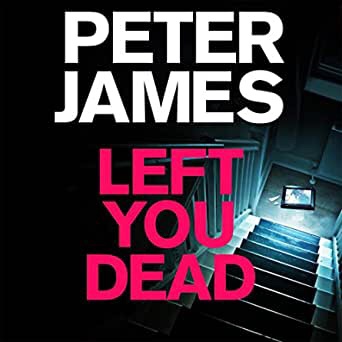
Left You Dead by Peter James.

I have long been a fan of Peter James’s Roy Grace series so I felt very lucky to get a sneak peek at his latest. I discovered the books when in hospital around six years ago and I spent a great ten days whipping through the novels one after another. Then came that horrible moment of regret that every bookworm experiences after a binge on one author – reaching the latest in the series then having to wait for them to come out! Luckily, we’re now getting the TV adaptation with the wonderful John Simm as Grace so I can dive into those now I’m up to date again.

We meet Grace at a settled point in life. He and Cleo living out in the country together with their son Noah and Grace’s son Bruno, dog Humphrey and even some chickens. That’s not to say there isn’t the usual everyday dramas, at work and at home. The novel opens as Grace has passed on evidence of police corruption to his friend and colleague from the MET, Alison Vosper. The evidence, if it checks out, should be enough to have his hated boss arrested, never to return. If it doesn’t check out, he will have trusted the word of a criminal to topple a man who isn’t shy about showing his animosity towards Grace. This could end his career in the Sussex force. On the home front Noah is entering the ‘terrible twos’ and both Grace and Cleo are juggling home life with two very demanding jobs. Grace’s most pressing worry though is his older son, who doesn’t seem to be settling and is morbidly curious about such things as Egyptian death rituals. Bruno is his son from his first marriage to Sandy, who disappeared without a trace several years ago leaving Grace facing a possible murder charge. She was hiding out in Munich, after living in several cults and having concealed the fact she’d had a son after leaving him. It’s no surprise that Bruno is mixed-up, but what is the best way to support him?

Our case is equally puzzling. Niall Paternoster reports his wife missing, claiming not to have seen her since the day before when he dropped her at Tesco to buy cat litter. On their way back from visiting a stately home, Eden had reminded him he’d forgotten the previous day. They bickered their way back to Brighton, but finding the car part overrun she suggested he stay in the car and she would pop in. However, she never returned and as the store closed a search failed to find her. Knowing that his wife had stayed with friends after an argument in the past, he hadn’t been worried until 24 hours later. Yet, the usual police enquiries fail to find Eden, she’s not captured on CCTV and in fact there’s no proof she was alive after the Thursday before their stately home day trip. Has Roy Grace found himself landed with the trickiest type of crime to investigate and prosecute – a so called ‘no-body murder’?

One of Peter James’s greatest strengths in this whole series is being able to write about the personal as well as the professional, whether it’s the minutiae of daily living or the deepest tragedies we can face. It’s quite shock when it happens in this novel and the author handles it beautifully, capturing that bewildering mix of emotions from shock, to the rawness of grief as well as the regrets and fears. As always Grace faces this with a copper’s brain – his first response is to think, rather than feel. He questions everything about the circumstances, how it could have happened, then the inevitable why and could he have changed anything? He also deals with it by throwing himself into his work. His grief is so enormous he can’t sit in it for too long, he needs a distraction and luckily Cleo understands this behaviour and lets him cope the way he knows best.

The case becomes more and more intriguing, as surveillance picks up a possible extra-marital relationship on the part of the husband. As well they discover a shallow grave with blood stained clothing and the neighbours describing a terrible argument between the couple. However, something just doesn’t smell right for Grace as they identify the woman having an affair with Eden’s husband is her boss. There’s also the matter of an easily discovered knife, seemingly left in haste. Is this one of those infamous small mistakes that catch a killer or is someone trying to set Niall up? The characters in this triangle are hard to like. Niall is mercenary, abusive and seemingly finds women with money who can support him. Eden’s boss is cold and unfeeling at best, but appears increasingly manipulative and suspicious. We don’t know Eden well, until a staggering twist part way through gives us more background on her character. Luckily we don’t need them to be likeable to be fascinated and compelled by Eden’s disappearance. It felt like being caught in a spider’s web, but not knowing who is the spider.

As always, it’s Grace who is the beating heart of this novel and it’s conscience. If the difficulties he’s facing just coping with his grief aren’t enough, there’s the constant tension surrounding his relationship with the Chief Constable. There are the petty everyday differences they have over the investigation (the CC would have scaled it back) and resources (taking away his surveillance team at a critical point in the investigation). Then, underlying it all, what if Grace has taken the word of a criminal to unmask the CC’s corruption, to find he’s been lied to? Every day that goes by with no news, Grace can see his career disappearing. Once he uncovers some vital paperwork that throws a new light on the Paternoster case, Grace is all business. The build up of tension towards the end of the novel is almost unbearable. The author puts his hero in terrible danger, as on a stormy night in a remote place the whole mystery is uncovered and the real mastermind is revealed. By this point I noticed I was holding my breath! It takes a great writer to make the reader feel real emotions alongside a character. Whether it’s the professional or the personal, I find myself willing him on and hoping that, not only does he solve the case, but that he gets home to Noah and Cleo safe and sound. I felt this, so deeply in this novel, especially as Grace himself ponders how he would cope if he lost anyone else important to him. I raced to the end of the novel, not just to see the case solved, but to see him safely home. Roy Grace is one of those rare characters who has burrowed his way into my heart. I look forward to whatever comes next for him.

Published 13th May 2021.

Meet The Author

Known for his fast-paced and gripping stories that thrust regular people into extraordinary situations, Peter James has proven himself to be one of the world’s most successful writers, delivering number one bestsellers time and time again. His Superintendent Roy Grace books have been translated into 37 languages with worldwide sales of over 21 million copies and 17 number one Sunday Times Bestsellers. His latest Roy Grace novel, Find Them Dead spent seven weeks at number one in 2020. The first two novels in the Roy Grace series, Dead Simple and Looking Good Dead, have been adapted for television by Endeavour’s Russell Lewis and the first episode aired on 14th March 2021.
Posted in Netgalley

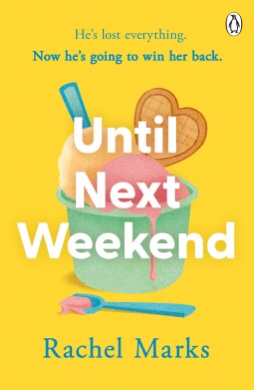
Until Next Weekend by Rachel Marks.

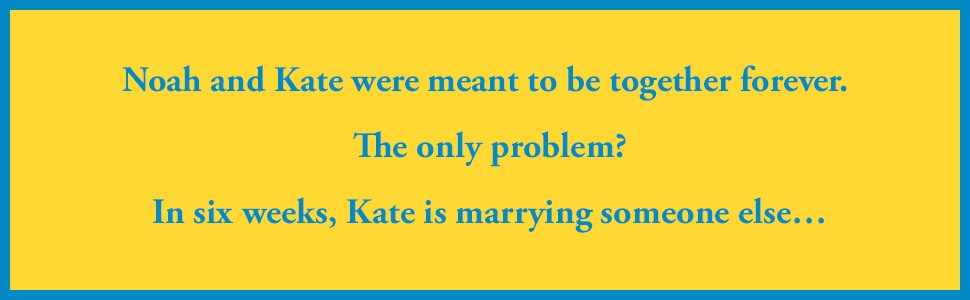
I love that when I pick up a Rachel Marks book, I’m straight into someone’s life and character. It’s an immediate feeling of kinship with our main character, we trust them and the story they’re telling us. In this case, our storyteller is Noah, a primary school teacher in this thirties, divorced with two small boys he sees every other weekend. Noah loves his job, loves his boys and is still in love with ex-wife Kate. Kate now lives with Jerry and Noah can’t believe that she’s in love with this ordinary, boring bloke. Kate and Noah were together forever, from friends to a very young husband and wife, then parents. So what went wrong? Kate probably knows Noah better than anyone and still loves and cares for him, but felt she had to save herself and leave the relationship. The truth is there are times when Noah checks out, he would need to take a break or sometimes disappear with no indication of when he was coming back. Just as Noah is concerned with giving children a good start in life, as a father and a teacher, he knows that his own start in life plays a large part in who he is and how he behaves. Can he continue to be a good teacher, father and partner without confronting that past and coming to terms with it?

As in her last novel, Rachel Marks has a good grasp of how our minds work and how we often self-medicate the pain of trauma. For Noah, this is often alcohol just as it was for his mother all those years ago. He is often propping up the bar of his local, chatting up women and indulging in a few one night stands, watched with some frustration by barmaid Mimi. His journey is mirrored in the experiences of one of his pupils, Harvey. Harvey’s having problems with his behaviour at school, often lashing out or unable to stop himself interrupting with excitement. He says his Mum sleeps a lot, but the reasons for that are unclear at first. It takes something drastic for Noah to see the extent of what is going on in Harvey’s world, but it also awakens a trauma from long ago. Noah is a character who knows all the reasons for the way he is, but doesn’t know the next step – to free himself from the past. He is full of confusion and does some really stupid things, but he is always loveable and I found myself rooting for him. Mimi was also a great character, sassy and whip smart, she can see through Noah’s bullshit but also genuinely cares about him. She tries to teach him that we all have our ‘stuff’ to come to terms with, we just have to find our way of doing it.

I loved his relationship with Kate too. She knows him inside out and I could sense the great regret and frustration within her that she had to break up their family. She knows Jerry isn’t going to be full of excitement and surprises, but that’s exactly why they’re together. She wants that stability for herself and for her boys. She’s still full of sadness and thinks she wasn’t enough for Noah, but the truth is that no one would have been able to cope with his behaviour and a young family. She wanted her love to heal the scars of the past, but only Noah can do that. The wonderful way she respects him as the father of her children, holds parties for him and still has family outings is the very model of what we hope our blended families could be like. Sadly, I think it’s very rare for ex-husbands and wives to be able to work together as well as this. Noah doesn’t really see the love that Kate has for Jerry, but it’s definitely there. There’s the sense of exhaustion I get from her life with Noah, and the way that Jerry conducts himself with grace and dignity and it’s clear what a strong and equal relationship they have.

This is a gorgeous, uplifting book, that has its hard moments but is ultimately full of love. I loved the children in the book, their personalities so perfectly evoked and full of humour. There are difficult memories and moments, but Noah is surrounded by love to call on once he can admit what’s wrong. I loved how Marks shows that there may often be reasons behind a character’s behaviour – Noah struggles to get along with his sister-in-law Claudia, but Mimi immediately sees that there’s a lack of confidence underneath the polished exterior and perfectionism. It made me come away thinking about how to appreciate those around me more, even if we do clash or have different ways of living. The book had the message to love and be kind all the way through it, like a stick of well-being rock.

Out 29th April 2021 from Penguin Books

Meet The Author

Rachel lives in Gloucestershire with her husband and two young sons. When she’s not writing, she loves travelling, snowboarding and photography.
If you would like updates on upcoming books, offers etc you can follow me on Twitter @Rache1Marks and Instagram rachelmarksauthor.

Posted in Throwback Thursday

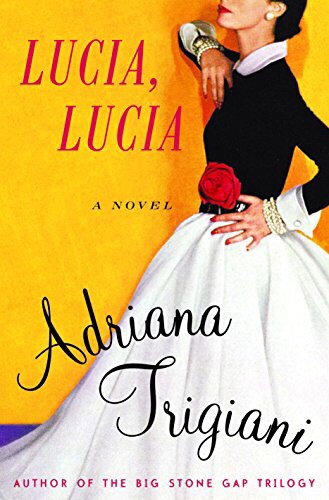
Throwback Thursday! Lucia Lucia by Adriana Trigiani.

Lucia Sartori is the beautiful twenty-five-year-old daughter of a fine Italian immigrant family in Greenwich Village, New York, in 1950. Fuelled by the post-war boom, in which talented girls with ambition are encouraged to follow their dreams, Lucia becomes an apprentice for a made-to-wear clothing designer at a chic department store on Fifth Avenue. Though she is sought after as a potential wife by the best Italian families, Lucia stays her course and works hard, determined to have a career. She juggles the roles of dutiful daughter and ambitious working girl perfectly. When a handsome stranger comes to the story and catches her eye, it is love at first sight for both of them. In order to win Lucia’s hand, he must first win over her traditional family and make the proper offer of marriage. Their love affair takes an unexpected turn as secrets are revealed, Lucia’s family honour is tested, and her own reputation becomes the centre of a sizzling scandal. Set in a time of possibility and change for women in America, in a city that celebrates its energy with style and elegance, LUCIA, LUCIA is the story of a girl who risks everything for the belief that a woman could – and should – be able to have it all.

When I want something to read that isn’t challenging, but is heartwarming, funny and emotional I turn for an Adriana Trigiani novel. Her stories, often based within Italian American culture, have feisty heroines, epic love stories, and wondrous descriptions of either food, clothes and shoe making, decorating or the music business. Lucia, Lucia begins as we meet Kit Zanetti, a playwright waiting to be discovered, who meets her upstairs neighbour. Lucia Sartori offers Kit some tea, and this evolves into a museum or gallery visit as Lucia shows Kit just some of the treasures she has accumulated over her life. Astounded by some of Lucia’s possessions, Kit asks for her story. So Lucia begins to tell a story that starts in 1950s New York when she was the most beautiful girl in The Village. She and her four brothers are brought up in NYC within a close knit Italian community and she is engaged to a lovely Italian boy, Dante. She also has a career she loves as a seamstress in a big department store. Worried that her marriage would mean giving up the job she loves, she decides to end her relationship. She is fighting against the very role her society expects of her – to become a wife and mother, with all of her energy focused on the home.

Then, John Talbot arrives on the scene. John is a businessman who appears wealthy and could take Lucia away from the ‘little life’ she was promised by Dante. She imagines a more upscale lifestyle where she can continue her work designing and creating on Fifth Avenue, plus have all the trimmings of an affluent home life. I kept thinking that this was a pipe dream and everything was going to go wrong. I understood Lucia. It wasn’t just about having money, but having choices. She wants the cushioning afforded by John’s money to pursue her own dreams without it being such a struggle. Yet, John has drawbacks too. He isn’t Italian for a start, but also he’s secretive and quite tight lipped about where his money is from. I worried that Lucia was being conned and that choosing John would be a harder path than she expects.

In-between this love story, Lucia has a wonderfully described trip to Italy with her family. Here Lucia discovers art and culture, swaps incredible recipes with her sister-in-law and even has a job offer from her co-employer. This is where Lucia could make choices that give her true independence, but is she now too entwined with John? Will she find herself choosing between marriage and a career after all? She may have to face more serious revelations about this man than she ever expected. It’s clear to me that John is a bad choice very early on, but I’m older and have made poor choices in relationships when I was young. Lucia doesn’t have that hindsight or experience. It’s easy to think she could have stayed with Dante and still worked as a seamstress, but we forget that before the contraceptive pill, marriage automatically meant children. Once children came along it would have been very hard to pursue a career as a designer, she may have been able to take in sewing, but not pursue a career.

There’s so much to like about this book. I loved the portrayal of the Italian American community and Lucia’s relationships with her family. The author gives us just enough information up front, but we don’t find out how Lucia’s life moved on until the final section when she finishes relaying her story to Kit. It keeps the reader engaged, because we’re dying to know how things worked out for her. This is a bittersweet novel that reminds us we can’t have everything in life. Many choices, no matter how hopeful and happy they seem, can come with a sacrifice in the long term. The sort of romance we see in the movies, all hearts, flowers and candlelit baths, is rare in real long term relationships. Living together, especially within a family, can be anything but romantic. However, if we prefer the hearts and flowers, we can miss out on the closeness and support in those tougher times. Lucia gives us the benefit of her hindsight as she evaluates her life, perhaps hoping to pass on this wisdom.

Meet The Author

Beloved by millions of readers around the world for her “dazzling” novels (USA Today), Adriana Trigiani is “a master of palpable and visual detail” (Washington Post) and “a comedy writer with a heart of gold” (New York Times). She is the New York Times bestselling author of eighteen books in fiction and nonfiction, published in 38 languages around the world, making her one of the most sought after speakers in the world of books today. 

Adriana is also an award-winning film director and screenwriter, playwright, and television writer and producer. She wrote and directed the award-winning major motion picture Big Stone Gap, based on her debut novel, filmed entirely on location in her Virginia hometown. Big Stone Gap spent 11 weeks in theatres in the fall of 2015 and was the #2 top-grossing romantic comedy of the year. She wrote and directed the documentary film Queens of the Big Time, winner of the Audience Award at the Hamptons and Palm Springs International Film Festivals. Her screen adaptation of her bestselling novel Very Valentine premiered on Lifetime television in June 2019, launching their National Book Club. She directed the feature film Then Came You, starring Craig Ferguson and Kathie Lee Gifford, filmed on location in Scotland. Adriana co-founded The Origin Project, an in-school writing program which serves over 1,700 students in the Appalachian Mountains of Virginia. Adriana is at work on her next novel for Dutton at Penguin Random House for release in 2021, and a children’s picture book for Viking at Penguin Random House for release in 2021. She lives in New York City with her family. 

Follow Adriana on Facebook and Instagram @AdrianaTrigiani or visit her website: AdrianaTrigiani.com.
Join Adriana on Facebook for Adriana Ink every Tuesday at 6 PM EST!

Posted in Netgalley

The Metal Heart by Caroline Lea.

The sky is clear, star-stamped and silvered by the waxing gibbous moon.

No planes have flown over the islands tonight; no bombs have fallen for over a year.

___________

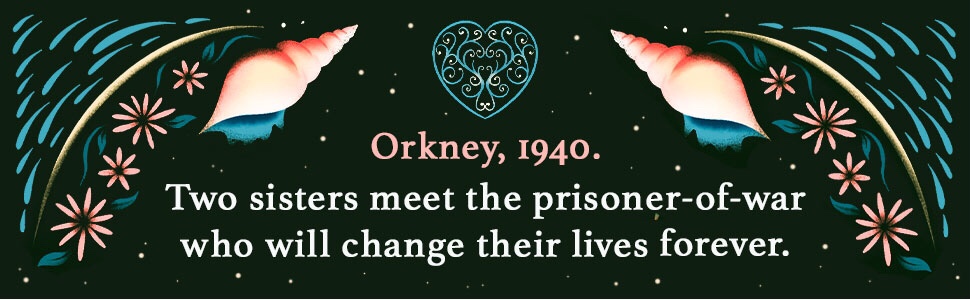
Orkney, 1940.

Five hundred Italian prisoners-of-war arrive to fortify these remote and windswept islands. Resentful islanders are fearful of the enemy in their midst, but not orphaned twin sisters Dorothy and Constance. Already outcasts, they volunteer to nurse all prisoners who are injured or fall sick. Soon Dorothy befriends Cesare, an artist swept up by the machine of war and almost broken by the horrors he has witnessed. She is entranced by his plan to build an Italian chapel from war scrap and sea debris, and something beautiful begins to blossom. But Con, scarred from a betrayal in her past, is afraid for her sister; she knows that people are not always what they seem.

Soon, trust frays between the islanders and outsiders, and between the sisters – their hearts torn by rival claims of duty and desire.

A storm is coming . . .

In the tradition of Captain Corelli’s Mandolin, The Metal Heart is a hauntingly rich Second World War love story about courage, freedom and the essence of what makes us human during the darkest of times.

This book is stunningly beautiful, so much so that I had to sit and think in the quiet when I’d finished it. It’s so rich in folklore, historical detail, the trauma of war and bereavement that I know I could pick it up to read again and still find something new. I immediately ordered a signed copy for my forever shelf, because it is so special. What did I love about it? The Scottish folklore, the incredible landscape, the community, the dignity of people facing the hardest times of their lives. Then amidst the chaos, violence and confinement, beauty emerges in the shape of a deep, immediate, connection and growing love between two people who can’t even speak the same language. The counterpart to this human story is the Italian Chapel, built out of the scraps of metal huts and concrete the prisoners are allowed. Yet from these humble materials a building of true beauty emerges, that still stands today. It made me emotional to think about the lovers, but also the patience and faith of these incredible men who needed a place to worship, a piece of home.

Dorothy and Constance live on Selkie Holm, a small island close to Orkney. They are isolated outcasts, strange simply because of their doubling, but also because they’re thought to have bad luck. There are myths about the island and the selkie women that might lure a man into the water. People go missing there and the old fishermen who gather in the tavern love to swap old stories about the strange shapes seen in the water. It’s said that if you live there you might go mad. Besides, the girls have had bad luck enough with the drowning of their parents as they tried to row to Kirkwall hospital in a storm. People mutter that it isn’t right for two young girls to live there alone. Surely they must need other people? Yet, that’s exactly what Con doesn’t need. They live in the bothy because of a traumatic event that happened in Kirkwall and now she’s frightened of people, particularly men. So when it’s announced at a town meeting that Italian prisoners will be housed on Selkie Holm, Con is terrified. Their protests fall on deaf ears, since the sinking of the Royal Elm, Churchill has decided barriers must be built to prevent invasion. The prisoners will build the barricades and soon there are huts and barbed wire and men with boots all in Con’s place of safety. Worst of all, Angus McLeod has been given a job as a guard on the island and the girls want to avoid him most of all.

This is a story about freedom for all three main characters. Of course Cesare is the one literally behind a wire fence, but Dot and Con’s bothy is a prison of their own making. Watching each of them try to inch towards freedom in their own ways is moving and upholds my belief as a therapist that everyone is capable of change and even in the most straitened circumstances we still have choices. Cesare finds freedom in the infirmary where he is cared for, in the Major’s office helping with correspondence, in the building of the beautiful chapel and the first time he sets eyes on Dorothy or Dorotea in Italian. His utter joy at finding something so precious amongst the dirt, the heavy labour, the biting wind and the regular beatings, is hopeful and bittersweet. Just like the unexpectedly beautiful chapel, treasures are often found in the dirt.

‘Up on the hill, the chapel gleams in the sun. I imagine the light pouring in through the window. The pictures on the walls will gleam with life. And, on the ceiling above the altar, a white dove soars through a bright blue sky. How does something so beautiful come from such darkness? The tears are flowing freely now, as I turn back to the people watching me and I force myself to say, ‘Thank you.’

‘‘Up on the hill, the chapel gleams in the sun. I imagine the light pouring in through the window. The pictures on the walls will gleam with life. And, on the ceiling above the altar, a white dove soars through a bright blue sky. How does something so beautiful come from such darkness? The tears are flowing freely now, as I turn back to the people watching me and I force myself to say, ‘Thank you.’Up on the hill, the chapel gleams in the sun. I imagine the light pouring in through the window. The pictures on the walls will gleam with life. And, on the ceiling above the altar, a white dove soars through a bright blue sky. How does something so beautiful come from such darkness? The tears are flowing freely now, as I turn back to the people watching me and I force myself to say, ‘Thank you.’

Dot finds her instant love for Cesare overwhelming, but she never questions or doubts her feelings or his. Con often reminds her what men are capable of, that she can’t trust someone she doesn’t know. Yet, for the first time, Dot places a boundary between herself and her sister, simply saying ‘I am not you’. This isn’t a criticism of her twin, but just an assertion that she is different, separate, and so is her life. She also makes a point of going to work in the infirmary, leaving Dot at the bothy. This is the first time where Con can see Dot moving into a life beyond her, their psychic or spiritual link can never be broken, but to wake up and live without her physical presence must be terrifying.

For Dot freedom means the ability to live a life separate from her sister’s, but also beyond the shadow of Angus McLeod. Dot’s trauma affected both girls and when she couldn’t go out, neither girl did. They have spent every day and night together since. This wasn’t Dot’s trauma, but she stopped living just the same. Now she dreams of sitting in the warmth of Italy, with Cesare and his family eating wonderful food. The image is a mile away from the dark, cold and stormy reality. Con sees the changes in Dot, and recognises she’s drifting away from her. Fiercely protective of her twin, it takes her a while to realise that in Cesare, Dot has found a man who is gentle and won’t hurt her. She knows she can’t hold her back, but it’s a huge wrench, like giving away part of herself when so much has been taken from her already. Watching Con’s realisations about her trauma and the potential for healing was one of the most moving parts of the novel.

The historical detail in the novel is incredible. Caroline Lea writes in her acknowledgments:

‘I wanted the love affair between my characters to be constrained by time and intensified by the precipitous and perilous nature of war, so I took many liberties with timings and action. This was a very conscious decision: I’m painfully aware of the difficulties in fictionalizing real historical events and people and selling them as ‘fact’, especially when this involves taking on the voices of ‘real’ people: I was very certain that I didn’t want to do that.’

This explains her decision to change certain things: some of the history and geography is changed; the construction of the barriers was started by Irish workers; the sinking of a ship by German u-boat features the Royal Elm, not the Royal Oak. Yet the chapel, situated on Lamb Holm, is still standing and can be visited. Even the metal heart truly exists, created by metal worker Giuseppe Palumbi for an Orcadian woman he fell in love with. He had to return home to his wife and family in Italy and left the heart behind. By doing this she has made sure that no one’s real life experiences are encroached upon. This is definitely a work of fiction, although the amount of research and love for her subject is clear to see. The descriptions of the islands are simply stunning and the relentless sea is mercurial; one moment soothing and the next a punishing, vengeful god. The inhabitants of the islands intrigued me too, in the way they slowly integrated with these prisoners of war. Even the two girls, shrouded in grief and superstition, are gently supported by this generous community. Now the chapel is part of this community’s history, with the metal heart at its centre. It shows us that light can shine into the darkest corners and choosing to love, despite the pain and grief, can be the bravest stand we can take.

‘All across Europe, bodies are falling from the sky or into the sea, or are being blown high into the air. Every explosion is a name. Every lost life is carved on someone else’s heart. Every death takes more than a single life. It takes memories and longing and hope. But not the love. The love remains’.

Published by Penguin, 29th April 2021.

Meet The Author

Caroline Lea grew up in Jersey and gained a First in English Literature and Creative Writing from the University of Warwick, where she now teaches on the Creative Writing degree. Her fiction and poetry have been shortlisted for the Bridport Prize, the Fish Short Story Competition and various flash fiction prizes. She currently lives in Warwick with her two young children and is writing her next novel. Her work often explores the pressure of small communities and fractured relationships, as well as the way our history shapes our beliefs and behaviour.

Posted in Red Dog Press

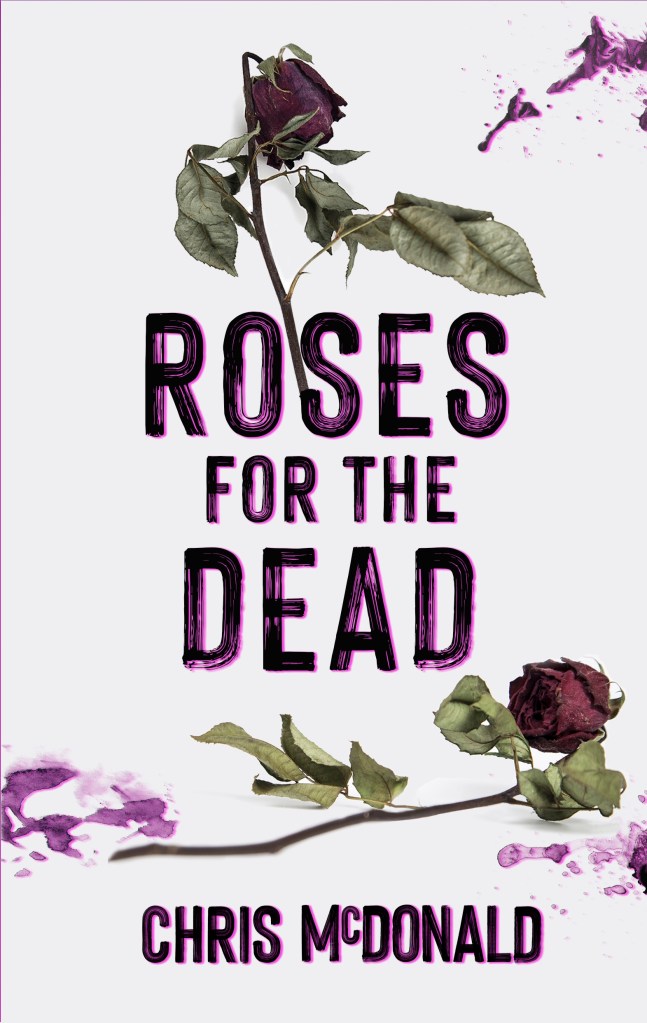
Roses for the Dead by Chris MacDonald

What will I do without Erika Piper? This is the last of three novels featuring the detective and each one had me hooked at page one!

MURDER CAN BE MAYHEM.

2013

Rockstar Johnny Mayhem sits on his bed, holding a bloody baseball bat. On the floor, clutching a lavender rose in her fist, is his wife, Amanda, who he has just beaten to death. Erika Piper knows this because she is one of the first on the scene. Mayhem is arrested and led away, screaming that they’ve got the wrong man. But the evidence is irrefutable and when Mayhem is sentenced to life in prison, no one is surprised.

Now

Thanks to new evidence, Johnny Mayhem is a now free man. During a television interview, he issues a thinly veiled threat to those involved in the original case before seemingly disappearing off the face of the Earth. When the body of Mayhem’s dealer is found, Erika Piper is pulled from the safety of her desk job and thrown into the hunt for the Rockstar. Can she find Mayhem before he can enact his revenge on everyone involved, including Erika? Or, has he been telling the truth all along? Did the police really get the wrong man?

Our novel begins just as Erika is returning to work after maternity leave. She’s taken a back seat for her return role, providing admin support and for the first time doing a 9-5 desk job. This was a decision made by Erika and her partner, because now they have a baby it seemed safer to leave the stressful, late hours behind. Erika already has one thing getting her up in the night, so agonising about cases too, might be too much. I sensed that she was resigned to the decision rather than enthusiastic. I was surprised at how well Erika had taken to being a Mum, but she was always going to be a Mum with a difference. Within hours of starting her desk job, Erika is summoned upstairs by her new boss, who wants to know why someone with her skills isn’t doing the job she was trained for. She dangles a carrot in front of Erika by saying it can be for just this one this case if she wants, to see how it works for her, especially since she was there at the beginning. Erika is surprised to hear herself accepting the role, not because she doesn’t want it, but because she has jumped in with both feet before talking to Tom even. The logistics of childcare and breaking the news to Tom, came second and third behind how hungry she was to be back out there.

Our case is an old one for Erika. Rock star Johnny Mayhem was arrested by Erika for the murder of his wife, Amanda. It was an open and shut case, with Johnny clutching the bloody baseball bat. He has always protested his innocence and now, 7 years later, he is out, thanks to the testimony of a witness. A documentary maker who visited him in prison caught him making a clear and precise threat to the witness, for waiting 7 years to bring forward this information that could have freed him sooner. So, when the witness is found dead, clutching a lavender rose, Erika is on the case. This was a great mystery because it seemed such a cut and dried case, I couldn’t imagine it being anyone else but Johnny. Then the author starts throwing some red herrings into the case and even Erika keeps questioning; if Johnny did want to get his revenge, would he do it in such a public way and recreate the lavender rose calling card? Surely it would have made more sense to wait a while after returning from prison, to mix up the murder weapon and not draw attention with calling cards. Slowly, even though she was his original arresting officer, Erika starts to wonder whether Johnny is behind this at all.

I really enjoyed being in Erika’s company again and at this interesting crossroads of becoming a working Mum. I was so relieved when she threw aside the desk job and plunged straight into the investigation. The mystery is full of twists and turns, and I love the way the author has taken, what looks like an open and shut case, and turned it into anything but. The killer is very unexpected and I wasn’t sure the case would be solved at all. Finally, I am sorry that this is the final novel in the Erika Piper series. She’s a great, feisty and intelligent woman and makes a brilliant detective. I love that she’s so competent at work, and while not perfect, she’s more than coping at home too. Most importantly, she’s a woman I could imagine having as a friend and I would happily enjoy her company for a night out. I think she has more adventures left in her so I’m very sorry to see her go.

Meet The Author

Chris McDonald grew up in Northern Ireland before settling in Manchester via Lancaster and London. 

He is the author A Wash of Black, the first in the DI Erika Piper series, as well as the forthcoming second – Whispers In The Dark. He has also recently dabbled in writing cosy crimes, as a remedy for the darkness. The first in the Stonebridge Mysteries will be released in early 2021. 

He is a full time teacher, husband, father to two beautiful girls and a regular voice on The Blood Brothers Podcast. He is a fan of 5-a-side football, heavy metal and dogs.

Posted in Publisher Proof

Let In The Light by Gerard Nugent.

I truly enjoyed this story based around the music scene in Glasgow, most specifically Hope Street where Richie Carlisle works in a music shop. We first meet him after he’s had his big musical break and is now back in his home town. Despite working all day alongside musical instruments he doesn’t play much these days, so it’s only when Ally comes into the shop with an idea for a community music group using the local pub as a venue that he thinks of picking up the guitar again. Richie has settled into his life, where he lives alone,but has his son Finn on weekends and has Sunday dinner round at his mums. He knows everyone on Hope Street by name and it feels as if Richie has a little community around him.

It’s a far cry from a few years before when one night playing in the local pub’s Friday Night Jukey! changes the course of his life. A handful of musicians would come ready to play and the audience would shout out requests – always starting with the Proclaimers o”f course. On this night Richie notices a beautiful woman and when she asks for Crowded House he decides to go for a more obscure track, w.hich gets them talking afterwards. There’s something special about her. On the same night he is approached by a manager in the music industry looking for a vocalist for Karl King’s band. He thinks Richie might fit the bill, despite having a complicated past with Karl. Here are two chances in one night: to start a relationship with Penny and see where it goes, or to head down to London and the possibility of music stardom. He tries a compromise and promises to give it five months, and if the band hasn’t taken off he will come back to Glasgow. Penny agrees to a long distance relationship and when his song Let in the Light is recorded both of them think this is it, they are bound for the charts. However, that isn’t what fate has in store for them.

Richie is such a likeable character, in the present day it’s clear he cares about his family and his much older boss at the music shop. He still cares about Penny, even though they’ve broken up and their son Finn ( the Finn brothers from Crowded House) is his absolute world. He’s a little melancholic and stuck in a routine, so the music group could be good to take him out of that head space. It may also shake off his fear of performing, performing in front of others causes huge anxiety ever since he seize up on stage years before at a festival. It’s like he can feeling his throat closing and he can’t even gasp for breath, never mind get out a tune. Ally’s group seems to bring him out of himself and as he closes his eyes to sing he feels at one with performing again. He’s noticed Ally, giving out a bit of encouragement here and listening to another person’s problems there. Whenever she pops into the shops she’s a little ray of sunshine and I started to get the feeling she might be very good for Richie. Yet, he still can’t get Penny out of his mind. When she suddenly announces that she might return down under to her home country of New Zealand Richie can’t believe that she would take Finn away with her.

Everything is changing. The pub may be closing. His old music manager is back in the picture with news about Karl King. Penny puts the house up for rent. He’s at his most vulnerable when he’s asked to perform one final gig at the pub in Hope Street. Can he do it? This might seem a light story, and the writing certainly is. It’s funny in parts too. Yet it has a central message about being true to who you are, and where you’re from. It’s very positive about mental health and how it’s possible to find ways to manage these emotions when they get out of proportion. It suggests looking to our communities for help and support too, many other people have the same struggles and can have the best tips. I really wanted Richie and Finn to succeed. However, I did find myself a bit irked with Penny. So much so I was hoping he’d end up with Ally. When Penny decides to move back home, it’s like she hasn’t even thought of how devastating this will be, not just for Richie, but for the wider family. Finn belongs to all of them and needs them all in his life. The story of Karl King, tells us that we need roots and ways of belonging to get by in life. None of us can stand alone. This is a great novel, with moving, realistic characters and an enjoyable musical plot. Now I need to go and create a Spotify playlist of the songs featured and inspired by reading this book.

Meet The Author

Gerard was born and raised in Edinburgh, Scotland. He moved to England in his 20s and worked in various northern towns before settling in beautiful Yorkshire with his family and two guinea pigs. He has written three albums (two of which will never be released!) In 2019, he attended a writing class to help him generate ideas for further songwriting, but, instead, started writing a novel.

And this is where it’s ended up. Stay tuned.

Posted in Throwback Thursday, Uncategorized

Throwback Thursday! Engleby by Sebastian Faulks.

‘My name is Mike Engleby and I’m in my second year at an ancient university’.

In this book Faulks creates one of the best unreliable narrators in fiction. His voice is mesmerising, intelligent and strangely compelling. I found myself strangely drawn in by him. In fact he’s very funny, in a darkly humorous way. We’re restricted to his first person narrative and his tale of a working class upbringing, affected by poverty and physically abusive treatment from his stepfather. Despite his disadvantages, he wins a place at a Cambridge college. Although he’s intellectually capable of fitting in, socially he’s a misfit, struggling on the edges of college society. Then he sees a girl in the tearoom of the University Library and an obsession starts. He observes Jennifer to a degree that’s detailed and creepy.

‘She was smoking a cigarette and trying not to laugh, but her eyes looked concerned and vulnerable as Robin’s low voice went urgently on. She is alive, Godammit she is alive. She looks so poised, with that womanly concern, beginning to override the girlish humour. I will always remember that balanced woman/girl expression on her face.’

This is the detail of someone who is watching constantly. He seems to have very little empathy for others, apart from Jennifer. So when she disappears, we are left in conflict. Where should our sympathies lie? Has Engleby lost someone he truly cared for or is something more sinister going on? Now I can’t claim that Faulks created the unreliable narrator, but this is the first time I truly had the rug swept from under me by a book. It’s not so much a twist, as a seismic shift that makes me question absolutely everything I’d read up to this point. The next books that surprised me this much was Atonement and We Need To Talk About Kevin so the book is in great company.

The build up is very slow, but the tension soon becomes unbearable. We’re waiting for something to snap! I felt myself weirdly torn between compassion and contempt for this boy who has been subjected to cruelty and possibly developed this faux intellectual and pretentious personality to survive. Or, has simply been lying to us all along? Faulks is questioning the way writers construct identity on the page and the reader’s tendency to believe the person presented to them, often without question. Is identity as fluid as he presents, or are some of our characteristics set in a permanent ‘self’ as most of us would like to believe. It’s an uncomfortable read, not just because we might feel confused with our own fixed and fluid selves, but because we feel complicit with a narrator we’ve enjoyed. Even more uncomfortable, could it be because there might be a little bit of Engleby in all of us.

Meet the Author


Sebastian Faulks was born in April 1953. Before becoming a full-time writer in 1991, he worked as a journalist. Sebastian Faulks’s books include A Possible Life, Human Traces, On Green Dolphin Street, Engleby, Birdsong, A Week in December and Where My Heart Used to Beat.

Posted in Netgalley

Madame Burova by Ruth Hogan.

I absolutely love Ruth Hogan’s novels, because they have interesting, quirky characters that I always want to know more about and stories that are ultimately uplifting. I was immediately fascinated by Imelda Burova, with her Russian-Romany background and her gorgeous borzoi Dasha. Imelda has inherited her mother’s fortune telling booth on the seafront in Brighton. Not that Shunty-Mae has gone anywhere. She comes to help when the booth is busy in the summer season and has a disconcerting habit of sitting behind the curtain at the back then interjecting the odd comment when least expected! Imelda is invited to read for people as part of the entertainment staff at the holiday park and this introduces her to a whole new group of people. There’s the three mermaid sisters, a contortionist, Jeanie who has the voice of an angel and the dark, handsome wall of death rider Cillian. Imelda feels an immediate spark with Cillian, but Jeannie’s femme fatale friend Vivien makes it clear that Cillian is off limits. Book ending this tale of 1970s Brighton is our other heroine Billie, who is in a vulnerable place having lost her university job, her marriage and her mum. She receives some life changing news from her Dad, that sends her on a trip to Brighton to meet a mysterious woman who holds two brown envelopes. These will give Billie some clues to a mystery that has spanned forty years, and a love story that has lasted through time.

I really felt for Billie, who has reached a point in life where everything is changing, but she’s willing to take on the challenges she faces. She finds her seventy year old benefactress inspiring and starts to be drawn into the world of Brighton. She meets a family named after precious stones who run the cafe next door to the fortune tellers booth. She has help getting a new project off the ground with a lovely man called Treasure. Then there’s a man she meets on the train who travels all the way to St Pancras once a week just to play the piano. Plus a man who seems to be just a passing eccentric, using his elastic bands to send colour messages to the CIA or MI5, but who witnesses a crucial event that answers so many questions. In the time she spends in Brighton, Billy starts to feel at home. What could fate have in store for her here and is she brave enough to follow the path?

The earlier sections, told by Madame Burova with a heavy dose of hindsight, are so evocative of the 1970s. There’s an incredible bohemian feel to the interiors, such as the decor of the booth, the stunning gypsy caravan that sits in the garden for occasional sleepovers, not to mention Madame Burova’s wardrobe. Lush fabrics and vintage clothes float my boat so I was in heaven here. The central love story is brief, but all encompassing. Cillian is the perfect hero – I was thinking Peaky Blinders as I was reading him so it was hilarious to find ‘Cillian Murphy’ left on a page in the NetGalley copy! It shows that Ruth Hogan and I are on the same page when it comes to passionate love interests. He and Imelda are clearly made for each other, so watching Vivien try to come between them is infuriating. Not that Cillian helps, his taciturn nature and avoidance of fuss can lead to misunderstandings. Imelda isn’t sure whether he’s playing the field, but his eyes are firmly trained on her all the time. I was transfixed by the love story and hoping against hope that Imelda wouldn’t have her heart broken.

This is such a charming and whimsical novel, with a a huge side helping of nostalgia for the time of the seaside holiday heyday. A time when people did take their families to a holiday park and take part in all the entertainments on offer. I love the way Brighton fits Billy perfectly, with her vintage style, bowler hat and the opportunity she gets to potentially bring that retro vibe to the seafront seems perfect. Will she take the chance? More importantly, will the quest that brought her to Brighton and to meet Madame Burova, come to a happy end? I was satisfied with the end, despite the heartache along the way and came away with a real feeling of joy. Along with the apple blossom coming in and birds nesting in the garden, this book has been like a little breath of spring.

Meet The Author

A car accident led to Ruth Hogan taking her wish to be a writer more seriously and the result was THE KEEPER OF LOST THINGS – a Richard and Judy Book Club pick. Since then she has had two further novels published, THE WISDOM OF SALLY RED SHOES and QUEENIE MALONE’S PARADISE HOTEL and for her fourth, MADAME BUROVA, she learned to read Tarot cards and developed a hankering for a traditional vardo and pony.

‘I live in a chaotic Victorian house with an assortment of rescue dogs and my long-suffering husband. I am a magpie; always collecting treasures (or ‘junk’ depending on your point of view), a huge John Betjeman fan and I would very much like a full-size galloping horses carousel in my back garden. As a full-time author I am living the dream, and I’m so grateful to all my readers for making that possible. I love hearing from you, so please feel free to drop me a line on Twitter, Instagram or Facebook.’ From Ruth’s author page on Amazon.com

Posted in Netgalley, Random Things Tours

The Lost Hours by Susan Lewis.

The latest Susan Lewis is a little different, in that it has all the usual family drama, but with the added element of a police procedural. The Crayce family live down in the south west of the country, on the moors in Devon and come across as a very privileged family. The land they own encompasses three houses, two lots of stables, a farm, a ménage and a shooting school. The family businesses allow eldest brother David and his wife Annabelle to send their children to private school, holiday abroad every year and be the envy of the locals. David and his brother Henry grew up in the main house, and were the basis of a local social group ‘The Moorauders’. Good looking and well off, this pair were the catch of the county. It raised eyebrows, and tempers, when David married an outsider, Annabelle- known as Annie. However, she is now part of the furniture and an irreplaceable part of the family’s business empire looking after the admin for the shooting school, farm and Julia’s horse and donkey sanctuary. Julia is Henry’s second wife and is probably Annie’s best friend, often popping across for coffee or to ‘cocktail me up’ at the end of a hard day. From a distance this family has it all, but is everything as perfect as it seems? When David and Annie’s daughter Sienna is picked up by the police for shoplifting a teddy bear, an ugly truth at the centre of the Crayce family comes to the fore.

Twenty years before, when David was engaged to Annie, the two brothers and their father went on an alcohol fuelled bender that ended in a party at the farmhouse. A few weeks later, local teenager Karen Lomax is found dead in an old railway carriage. A precocious teenager, who displayed a wild streak, died of a blow to the head and her murderer has never been found. Now that police have Sienna’s DNA sample, they are shocked to find a link to this old, unsolved case. One of the Crayce men left a trace of themselves behind, a sample of semen from Karen’s clothing shows a familial match to the Crayce’s. This puts David, Henry, and their father Dickie in the spotlight as suspects. Until their DNA is compared to the sample, the family will have to wait and in those two weeks, secrets and lies are revealed.

I found the novel a little slow at first, and having little patience with the champagne and pearls set, I found it hard to warm to the characters or their situation. So it really is down to the skill of this writer that I started to warm to Annie. I felt like she had gone through an awful lot with David, especially in the early years before the children. There were hints of psychological issues linked to David’s military service, which would have been around the time of the Balkan War. Annie describes sudden mood changes, a tendency to drink too much, nightmares and rages. While he had never physically hit her, she did worry about being in the wrong place when he had a nightmare. These episodes were the lost hours of the novel’s title. She had also struggled with his behaviour when drunk and there were even hints of his infidelity on these occasions. At the time of the farmhouse party they were very close to getting married, and there was a consensus in both families that if he messed up again she would call off the wedding. I felt like Annie was very used to listening to others, and making sure their needs were met, from the children and family to friends. Even her relationship with sister-in-law Julia is based very much on her arriving to have a drink and have her problems with Henry listened to. I kept waiting for her to have an epiphany and recognise her own needs in this nightmare, especially when the police’s focus starts to narrow.

My main concern was the voice that felt absent from the tale and I felt that was a deliberate choice on the part of the author. Murder victims don’t get to have a voice anymore and that’s what Lewis was trying to portray. The one person who had all the answers, couldn’t give them and had to rely on doctors and forensic experts to let us know what happened and at whose hands. However, we would never have her account or thought process and I really felt that absence, especially when old wine bar customers are saying she dressed provocatively or had fantasies that weren’t appropriate. Yet, there isn’t the same disapproval of the much older men who recognised and took advantage of her open nature and strong sex drive. There’s a deeply sad moment when her father says that they still loved her anyway, despite her wild side. I wanted to take him aside and say ‘of course you did and you shouldn’t have to apologise for that’. There was an obvious comparison between Annie and David’s daughter who was a similar age to Karen when she made her shoplifting mistake. The local police allowed Sienna to apologise to the shopkeeper and make financial recompense. Her family connections seemed to let her off lightly. Would Karen have been offered the same way out, if she had made a similar mistake? Karen paid for her teenage mistakes with her life. I think Lewis was pointing out the gender differences and the class differences in these areas. David and Henry, and to some extent their father, were living a teenage life full of parties, alcohol and risky sex, but they weren’t censured by those around them. Their women tended to forgive them and they didn’t lose their social or financial standing locally. It isn’t just a question of gender, but highlights the difference between land and property owners, and those who live in the suburbs or the council estates.

Our other ‘outsider’ is DS Natalie Rundle, new to the area and having to hit the ground running with this unexpected cold case, suddenly becoming red hot. She isn’t local so she doesn’t have the same preconceptions or the same loyalties. Without her, this case might never be solved, because she asks the difficult questions and never rules anyone out. In fact I didn’t expect the outcome, so the author was able to surprise me. Though when I thought about the themes I’d pulled out of the narrative, such as class, difference and wanting to belong, it did seem to fit. I found this novel successful because it was the usual ‘Aga saga’ we expect from Lewis, but with some edge. It questions whether these perfect lifestyles can ever be that perfect behind the scenes. It shows that where there is an ‘in’ crowd, there are those longing to join or feeling they just don’t make the cut. She also identifies an exploitation of young women from outside the posh clique. I think this is why the chapters beyond the murderer being unmasked are so important. They’re about different elements in this community coming together, creating equality and for a teenager like Sienna to remember and honour a young girl who went before her. Yes, these conversations are uncomfortable, but there’s an element of owning past behaviour and trying to make amends. Forcing themselves to be uncomfortable is the only way change will happen. This element of justice having to be served in the community as well as court, was an interesting one and really gave this novel the edge for me.

Meet The Author

Susan Lewis is the internationally bestselling author of over forty books across the genres of family drama, thriller, suspense and crime. She is also the author of Just One More Day and One Day at a Time, the moving memoirs of her childhood in Bristol during the 1960s. Following periods of living in Los Angeles and the South of France, she currently lives in Gloucestershire with her husband, James and mischievous dogs, Coco and Lulu.
To find out more about Susan Lewis:
http://www.susanlewis.com
http://www.facebook.com/SusanLewisBooks
@susanlewisbooks

Posted in Netgalley

The Imposter by Anna Wharton.

Publisher: Mantle

Published: 1st April 2021

ISBN: 978-1529037395

Chloe hasn’t had an easy life. As a child growing up in care she has had her fair share of being pulled from one place to another, never really knowing where home was. At least now she lives with her Nan, but she is struggling with the constant demands of Nan’s dementia. Sometimes she is torn between being at home for Nan and going to work. We meet her as they take a visit to the graveyard to leave flowers for Chloe’s mother. Chloe has to leave Nan by the grave to clean out the container for flowers. She is only gone a few moments, but when she gets back Nan is nowhere to be seen. Chloe frantically searches the cemetery, the copse behind the graves but she knows in the pit of her stomach this is it. If she calls the police because she has lost Nan they will alert social services. Nan’s social worker is pleased that Chloe wants to look after her Nan, but feels that the job is proving too much for someone working full time. She has been pushing for Nan to move into a home and Nan’s disappearance has made the argument for this even more compelling. While working she finds the story of a young girl who went missing from a playground and becomes fascinated with the case. Angela Kyle was at the park and disappeared while her father was distracted. Now she would be the same age as Chloe. As Nan is found and social services intervene, Chloe finds that the home they have recently shared will be sold for care fees. She then loses her job for taking the Kyle archive off the premises. Feeling totally adrift, Chloe wonders if she could be of help to the Kyle family. Maybe with her research she could help them find Angie.

Chloe work in the archives seems to take place at a similar time to when I was working for my local newspaper. A time when old-fashioned jobs like those who worked the printing press were being made redundant. I remember the warm, print smell in the afternoons and the smell of our archive, complete with a severe looking librarian who spent all day painstakingly cutting out and filing stories, and lending them out begrudgingly, as if she was lending her children! I remember our printing press being shut down. I remember the archive becoming digital. I used to sell advertising space then sit and design the advert on A4 requests with invoice slips attached. A man would collect them once a day and physically drive them to our art department who would magically turn them into adverts that appeared in features. Then it all became digital. I guess this gave me a way into the story, and a sense of what Chloe did and how it feels when your job is defunct. However, for Chloe it’s her whole purpose gone at once since she’s no longer her Nan’s carer. She visits the home, but Nan is only there sometimes and often protests she doesn’t have a granddaughter. I could feel Chloe’s sense of being adrift, without anything to anchor her.

She visits the fenland village where Maureen and Patrick Kyle now live. It is in the middle of nowhere, and their house is even outside the tiny hamlet set down a long drive. I live in Lincolnshire and can appreciate the endless flat fields and open sky, being able to see for miles and at night a huge expense of stars. By coincidence she sees an ad in the village shop for a lodger in the Kyle’s home. What better way to get to know the Kyles and try to solve the mystery? She can also solve the problem of losing her home. So she moves in with Maureen and Patrick and starts to get to know them, being honest about her past in care and her Nan, but not letting on that she knows about their daughter. She pretends to work in insurance and takes the bus every day into town, sometimes visiting Nan and other times visiting the playground where Angie went missing. However, lies are often found out and Chloe hasn’t fully thought through the implications of finding out the truth.

It was very hard to get to know Chloe and find out who she truly was, despite being party to her thoughts and feelings. I wondered if she was suffering borderline personality disorder, often categorised as a lack of cohesive self. She certainly fits the pattern and came from the type of disordered background that can lead to this type of mental illness. She was certainly exhibiting impulsive behaviour that she hadn’t fully thought through and formed intense but unstable relationships with others. Her friend Hollie, who had also gone through the care system, seemed like the only constant in her life. Although at times even she struggled to understand Chloe’s motivations and behaviour. I felt that the author treated Chloe’s behaviour sensitively and honestly. As Maureen started to behave in a motherly way towards Chloe, she responded like a daughter, possibly because this was the type of maternal affection that had always been missing from her life. This meant that she humoured the use of a special ‘Bunnikins’ plate and small cutlery for her at teatimes, where maybe someone else might have asked for something different. The pair bond very quickly, but she doesn’t cultivate the same bond with Patrick who seems to ask a lot of questions or Maureen’s friend Josie who seems suspicious of her presence. Chloe listens out for clues and finds Patrick slightly overbearing with his wife. They do have rows which she tries to listen to, but they also have a padlocked room that has no explanation.

The tension ratchets up slowly, starting as Patrick asks questions about where she works and Chloe getting a glimpse of what is hidden in the locked room. As she edges closer to the truth, she is in danger of being expelled from her new home or if someone in the house is responsible for Angie’s disappearance, could she be in serious danger? The need to know what had happened all those years before became addictive and I read the last chapters quickly and greedily! I was also fascinated by the dynamic building between Chloe and Maureen, who starts to suspect that Chloe might be her daughter. All the love and longing this mother has had for her missing girl starts to be lavished on Chloe and what’s so sad is that this is exactly what she has needed her whole life. There’s a point where the scales start tipping and I wondered if Chloe was starting to believe there could be some truth in it. She doesn’t remember her earliest years, so could she be Angie? Patrick goes along with this fiction, he doesn’t want to see his wife grieving another ‘daughter’ but he is uncomfortable and I started to wonder if he knew more than he was letting on. The ending when it comes is not sensational, but is sad, human and utterly tragic. However, there is another revelation coming that blew my mind a little. It was a bit like seeing The Sixth Sense then wanting to watch it again immediately with your new found knowledge. I thought the title was very apt, because Chloe is an imposter. She has no idea who she is, so becomes what other people need her to be. I truly hoped for a happier future for the character and her sense of isolation touched me. This was a great read, both as a mystery, but also has an exploration of what happens when we have no roots or anchor in life.

Meet The Author

Anna Wharton has been a print and broadcast journalist for more than twenty years, writing for newspapers including The Times, Guardian, Sunday Times Magazine, Grazia and Red. She was formally an executive editor at The Daily Mail. Anna has ghostwritten four memoirs including the Sunday Times Bestseller Somebody I Used To Know and Orwell Prize longlisted CUT: One Woman’s Fight Against FGM in Britain Today. The Imposter is her first novel.