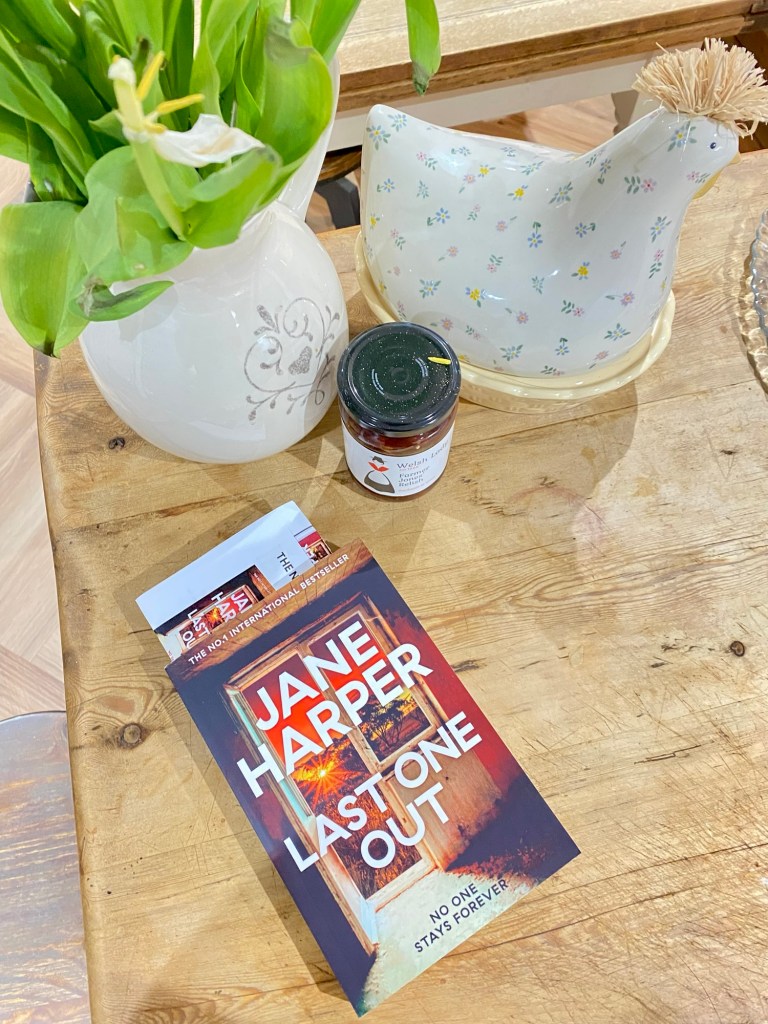
Carrolan Ridge is a dying town. Ever since the Lentzer mining company decided to expand into the area everything has changed. Some people fought to keep the community together but as offers went out for homes and land surrounding the area of the new quarries, it was only a matter of time. At first they offered silly money and the people who took it were seen as traitors, then as the money dwindled more people took the hint. Now it’s a ghost town, only a few people left and a constant vibrating hum of mining activity. Ro left a while ago but she’s back for a few days, staying with her estranged husband Griff. He lives in the house they used to own while he works as Lentzer’s fire officer. It’s the annual memorial for their son Sam, who disappeared five years ago at the three houses where people held out as long as possible. The bungalow once belonged to his Uncle Warren, but Ro and Griff have no more idea why Sam was here than they did five years ago. Sam was researching the effect of industry on the town he was born in, interviewing the people who still lived there. He left his hire car half way up the drive and disappeared into thin air. It had been a tough time, Ro’s father was killed by a car and ten days later Griff’s brother Warren committed suicide in the quarry. The family were engulfed in grief and the worry over Sam, who wasn’t found. Ro only left when the medical centre closed. She was the GP for these people, now she’s an infrequent visitor, no longer able to stay in the place where they were a happy family. Griff can’t leave till he finds his son. When daughter Della arrives they’ll follow the same yearly ritual, but as ever Ro and Griff find their feet take them to where their son disappeared. Still looking for clues as to what went wrong.
The author creates such a heavy atmosphere around this small town, driven home by the constant vibrations and the sound of trucks thundering up and down the road. When Ro visits the three houses at the quarry’s edge, a woman is there maintaining the biggest house unable to watch it become derelict. Ro observes it would have been better to demolish them all. There’s constant dust, in the houses, on their cars and in the air. It feels as if the quarry is pressing down on residents and it’s emotionally draining. There’s the claustrophobia that comes from being oppressed and the empty parts of town feel ghostly with Ro hearing a weird clanging noise when she ventures in. The longer people have stayed the worse their lifestyle has become: there’s nothing for children to do; people have to travel for medical help and essentials; the pub only opens once in a while. The author has created an atmosphere where people no longer trust each other. Those who tried to save the town are resentful of those who left early and made good money. Now their houses are worthless and there’s nothing to look forward to, as soon as they can teenagers leave for better prospects. One shrine stands to the old town and that belongs to Bernie, the father of Griff’s friend Noah. It’s a shack that he built with his son and it is full of keepsakes people have brought from places closed down. Even this is rundown and full of dust. It feels like the last gasp of a town on its knees and the repository for all its sadness.
Ro is intelligent, resilient and a survivor. She knew she had to leave in order to live, not to forget Sam but to have a life without reminders at every turn. We can see this happen as she catches up with friends and they gather at the pub. While having a drink Ro slips into nostalgia, remembering their wedding day and dancing in this very bar. I could see why she left as the days passed, the frostiness between leavers and stayers is so evident and everyone wants to remember Sam, which is lovely but Ro almost wants to have him to herself. Everyone grieves in their own way and I could feel the tension building at the memorial which has become a public event and Ro doesn’t enjoy that part of it. Her walk with Griff, along the path where it’s believed Sam must have got into trouble, is much more private. Each of them thinking their own private thoughts and respecting each other’s need for silence. She’s a natural investigator, which possibly comes from her medical training. She looks around with suspicion, knowing that someone must know something. She reads his notebook again, looking for clues in the last interviews he did and noting anything of interest. Sam is a very real character in the book, although he isn’t present. The sunflower seeds Ro finds in the house that he carefully saved for her garden, the respectful way he treated everyone he interviewed and his emotional intelligence shine out. Sam, Darcy and Jacob were always a three, but after Sam has been away at university he realises that he’s changed and they’ve become closer to each other. He’s invested in what happened at Carrolan Ridge but he knows it’s not his future. However, I could see from his research that he’s asking dangerous questions. He may be a gentle interviewer but he’s still asking people to face their choices and question the decisions they’ve made. Some of his subjects might have found that very difficult to do.
I felt like Ro still loved her husband. In fact they have a lot of respect for each other and make quite a formidable team. There is a section about her garden at the house, where she’d grown vegetables in containers and loved pottering at weekends. She can barely go and look at what it’s become and it’s almost become entwined in her mind with the town, something that’s broken and dying; ‘what she wanted didn’t exist anymore, she knew, and the sad, pale husk of it’s memory would only make things worse.” She’s surprised to find it flourishing and full of flowers when she goes to plant her sunflower seeds. It made me quite emotional to think of Griff doing that, almost as if he’s tending the garden since he can’t work on his marriage. Ro needs to have the realisation that just because Griff stayed doesn’t mean he loved Sam more or loved her less, it was just the only choice he could make in his grief. This is a slow burn novel but it needs to be so the author can properly explore the complexities of the town’s relationships, the different perspectives between generations and who, if anyone, wanted to harm Sam. As the pressure built towards the end I was desperate for Sam’s family to find him, and for Ro and Griff to reach an understanding too. Clues start to appear and I couldn’t put the book down till I knew. The story didn’t end how I expected but it was so good to finally have a flashback, to follow Sam on that day and discover what happened. It was a satisfying ending and made absolute sense, even though I hadn’t expected it at all. This is an excellent slow burn thriller in an incredibly atmospheric setting, exactly what I’d expected from this brilliant author.
Out 23rd April 2026 from MacMillan
Meet the Author
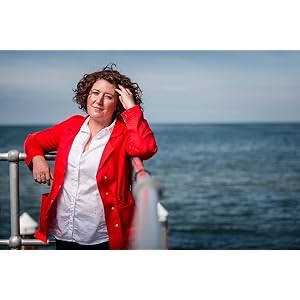
Jane Harper is the author of The Dry, winner of various awards including the 2015 Victorian Premier’s Literary Award for an Unpublished Manuscript, the 2017 Indie Award Book of the Year, the 2017 Australian Book Industry Awards Book of the Year Award and the CWA Gold Dagger Award for the best crime novel of 2017. Rights have been sold in 27 territories worldwide, and film rights optioned to Reese Witherspoon and Bruna Papandrea. Jane worked as a print journalist for thirteen years both in Australia and the UK and lives in Melbourne.


