If you had to change your name, what would your new name be?
Little Me 1973
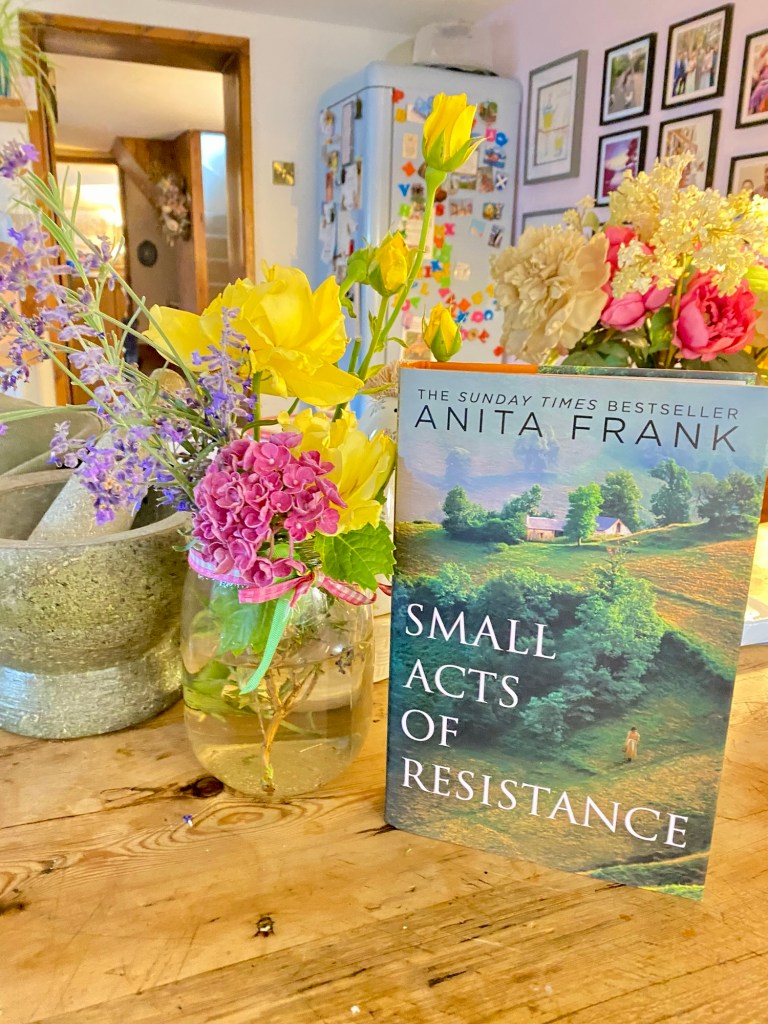
I had to think about this recently when reading Florence Knapp’s novel The Names, where a little boy’s life changes depending on what he’s named on the day. It reminded me that my mum did want to call me something else. Something that’s been a great comic story in our family. I was my mum’s first baby, so although she’d told staff she thought I was close to being born they didn’t agree and sent my dad home. It was the 1970s and things were very different. When my mum was proven right only an hour later they couldn’t get him back. My mum and dad lived in a caravan in the yard at the farm where he worked. So there wasn’t even a landline to call. So I was born just after midnight and it was just me and mum. First thing in the morning my Uncle went to the maternity home and was told that only the father could visit at the moment and he told them he was so they let him in. A while later my grandad turned up and did the same thing. By the time my dad managed to get a bus to the hospital my mum must have been the talk of the maternity ward.
My mum’s a huge Joni Mitchell fan and loved the song Little Green. She really wanted to call me that and as a teenager I was fairly scornful of this idea. I could imagine being called all sorts of awful nicknames. My mum was definitely a hippy but my dad was a very practical man, having been the army and farming so he wasn’t sold on this idea. They agreed on Hayley which means ‘from a nearby meadow’ and I never really thought about it again until reading the book. I decided to listen to the song on Spotify and it was just so beautiful. Written for a child she had when she was very young. She felt she was too young to be a mum and gave her up for adoption. The song is so full of the hopes a mother would have for their daughter:
“Just a little Green
Like thе color when the spring is born
There’ll be crocuses to bring to school tomorrow
Just a little Green
Like the nights when the Northern lights perform
There’ll be icicles and birthday clothes
And sometimes there’ll be sorrow.”
The book made me wonder whether I’d be a different person now had I been Little Green. Would I have been more confident? Perhaps I’d have been more comfortable in my creativity. Might I have written my book by now? How could I have failed with a name imbued with such hope?
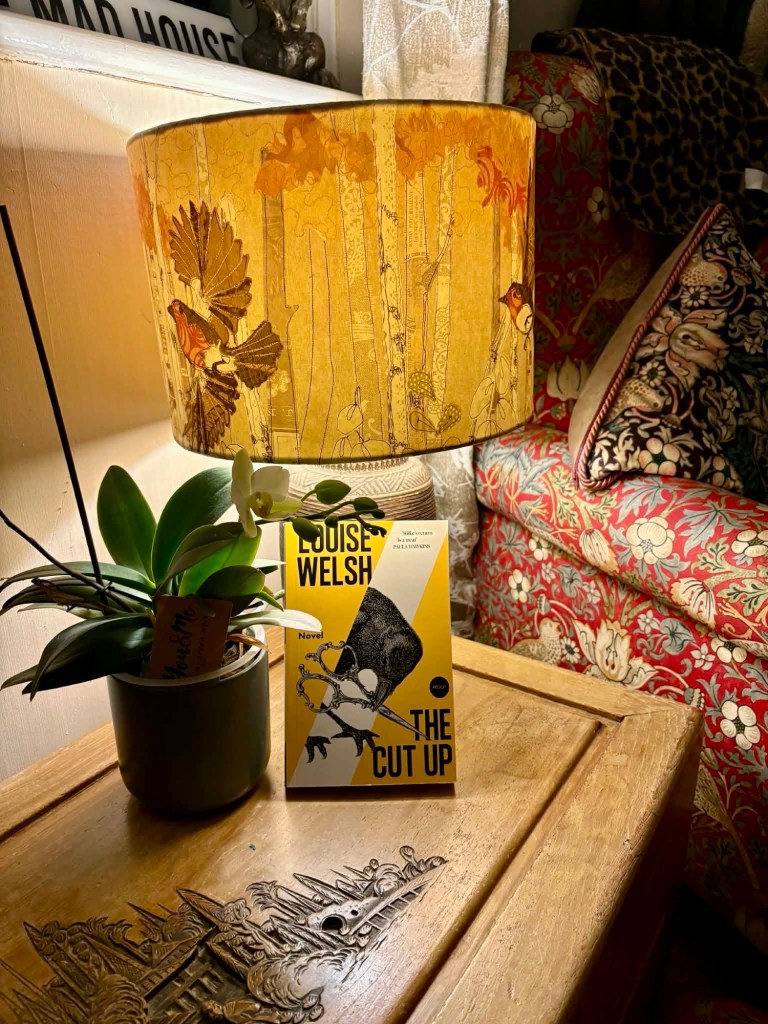
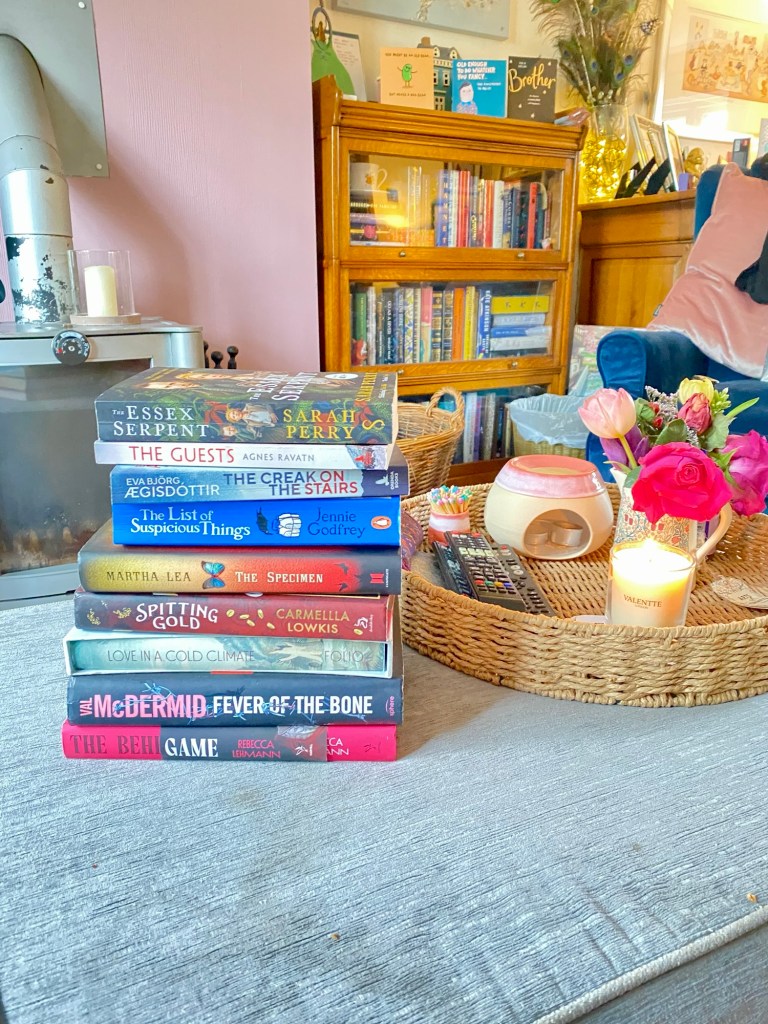
Do you remember your favorite book from childhood?
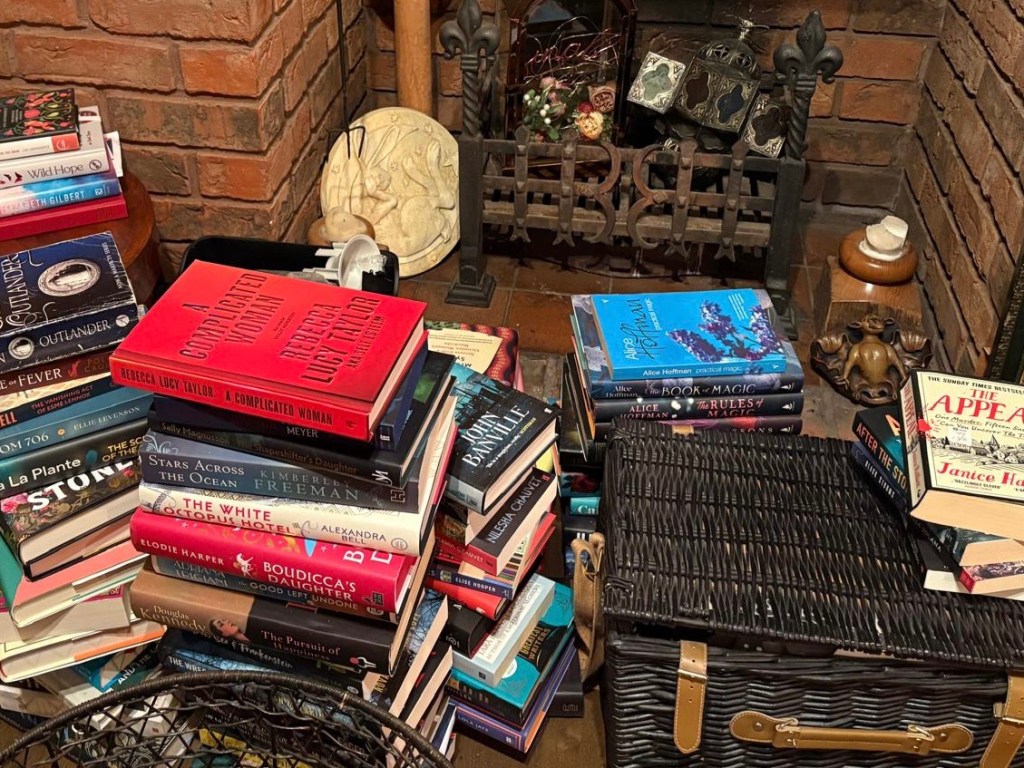
This was a serendipitous prompt because I have been putting a post together for my Ten on Tuesday series about this subject. I’ve gone with books from primary school age first and this gives you a preview of what I’ll be writing about for the next few days. Many of my favourites were series and I think that’s because they came from a library. On Saturdays my dad played football and I would be dropped off in Scunthorpe with mum to shop and visit the library, a strange modern building with a glass pyramid lobby, not a great choice for a square overrun with pigeons. Mum always left me to make my own choices while she went upstairs to choose hers – on one occasion it was a Barbara Woodhouse training manual for dogs that our spaniel proceeded to rip into pieces, very pleased with himself. I’d have loved to hear that conversation with the librarian. I would choose my books, get them stamped (oh how I wanted a stamp) and then sit on a bean bag and start to read. We would travel across town to my grandma’s house on the bus and once I’d talked everyone to death I went through to the telly room and sat with grandad, who would be boiling himself next to the gas fire and watching either football or old black and white films. I would lie on the couch and read my books quietly until he wanted to check the pools. We used to watch the football results come in, my grandad swearing under his breath and me copying all the unusual club names like Leyton Orient or Heart of Midlothian. I used to take out five books every other Saturday and I would often finish a series, then start all over again with book one.
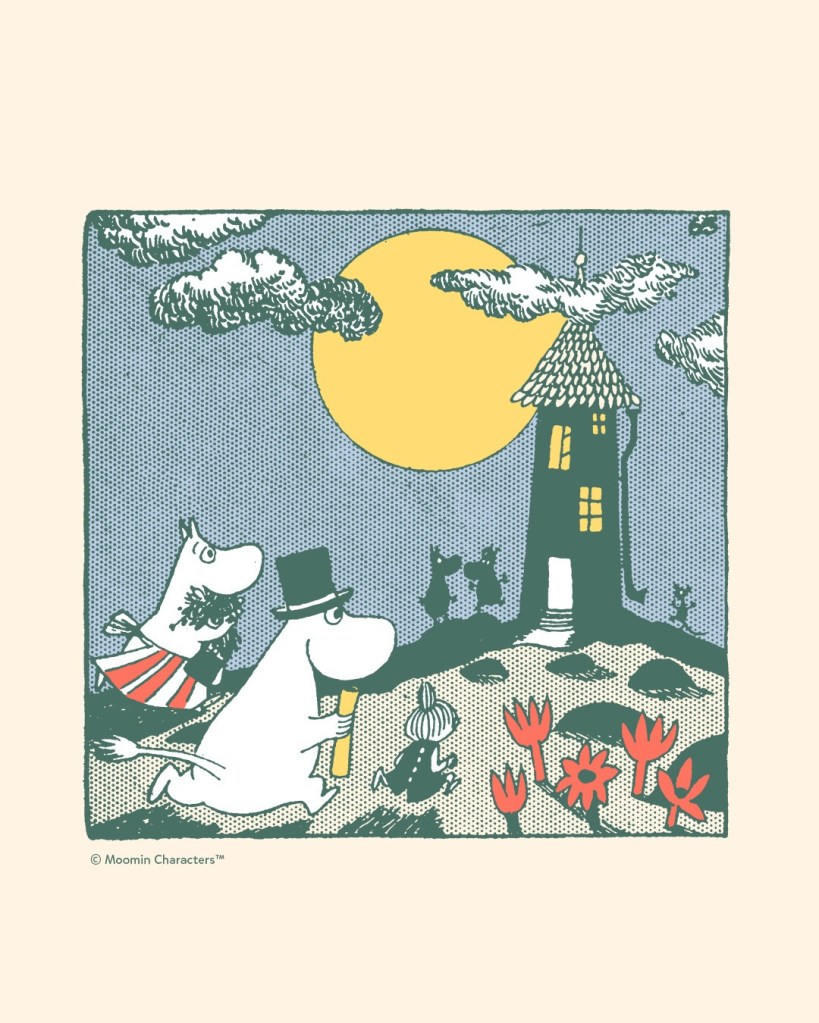
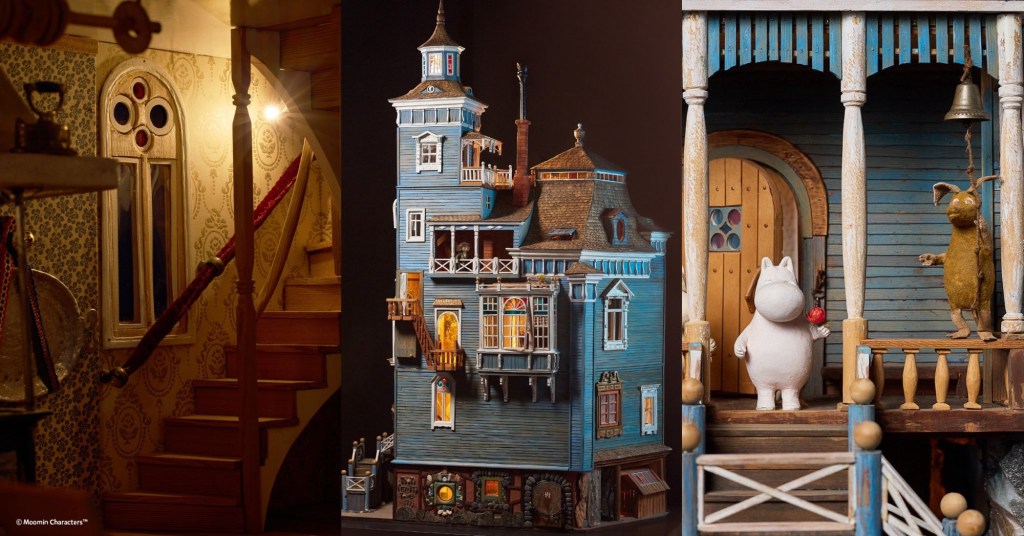
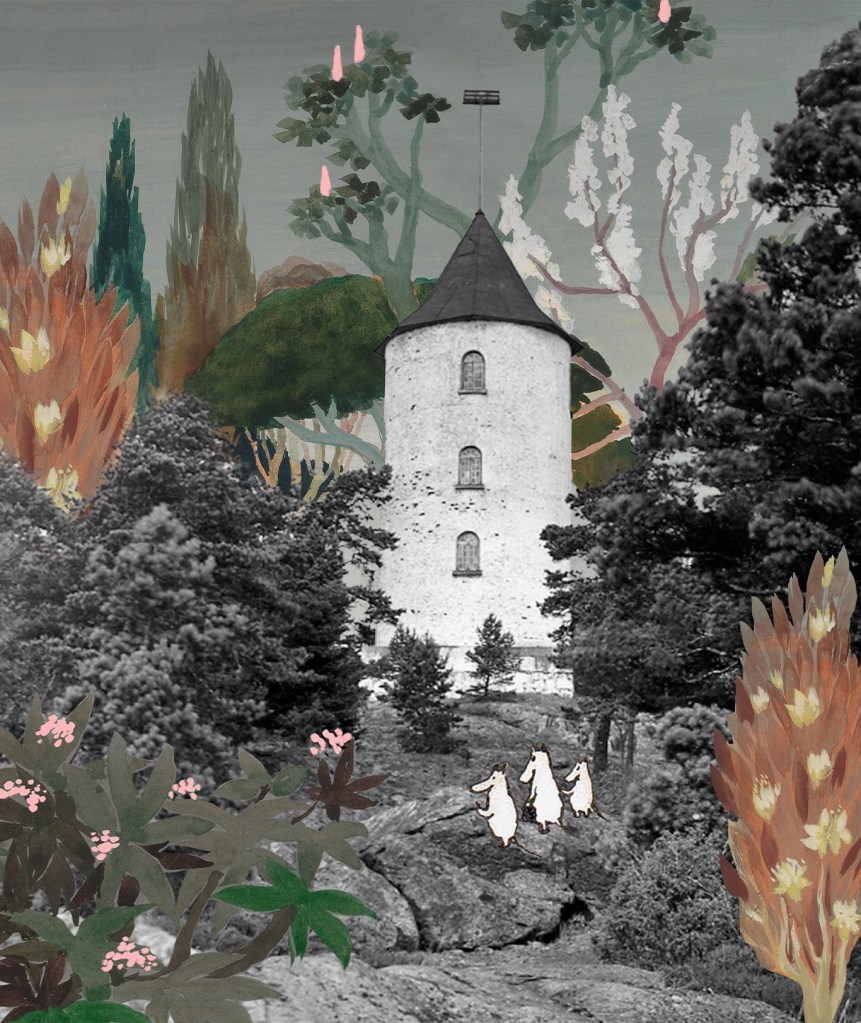
I think my favourite has to be Tove Jansson’s Moomin series and it is still something of an obsession. I collect Moomin crockery, particularly mugs and cake plates, but I also have Moomin jewellery, clothing and art around the house. I loved Moomin house and its magical Finnish surroundings. Moomintroll would always bring waifs and strays home, his parents always having enough to go round whether it was food, company or shelter that was needed. They also had buckets full of compassion and understanding for people. Little My was terribly bossy and bitey but there was room for her and her mother Mymble. Then there’s the Hemulen, a very learned gentleman who has a love of botany and can often be found shuffling around the gardens and beyond with his magnifying glass and notebook. For some reason he was always wearing a dress but nobody commented. The Snork Maiden is also a Moomin, but isn’t family. She comes and goes, mainly to see Moomintroll who she’s in love with, but she’s always worrying that she is too plump to be loved in return. Finally there’s Snufkin, Moonintroll’s best friend, who is a bit of a loner and loves to wander off and travel in the summer months. He shares a love of fishing with Moomintroll and although he doesn’t always understand Snufkin’s need to be alone he does respect it. All of these unusual people live under one roof and there’s always room. Moominmama and papa are wonderfully kind and never judgemental about their guests, they keep everyone fed and include them in their stories about various adventures. People talk about the personality types seen in Winnie the Pooh but the Moomins are it for me, I can easily fit anyone I know into one of these characters – my brother is a most definite Snufkin. They remain relevant today, particularly the Snork Maiden’s self-image and the Hemulen’s cross dressing. I only realised when I was older that I was lucky enough to have parents very like Moomintroll’s. I had a friend with a Mohican and very baggy Joe Blogg’s jeans who would stroll to my house with flowers he’d stolen from someone’s yard, or the graveyard, and announce to my mum that he’d come for tea and she always fed him. My brother and I constantly brought strays home, animals and people, and my parents were always there with food, a listening ear or some advice. I was living with Moominmamma and Pappa all along.
Reading the books over and over, certainly informed my own ways of dealing with people and might have a lot to do with my choice of career. In mental health, reserving judgment and accepting people as they are is vital in therapy. Now when I look at the books or buy something for my collection I get that feeling of nostalgia for my childhood and my family, whose way of being in the world meant we did live in Moomin House, it was just a bungalow in Lincolnshire rather than a blue tower next to a lake.
Look out for my childhood book blog in the next fortnight, or you can sign up and have every post sent to your inbox.
List three books that have had an impact on you. Why?
Wow it’s so hard to come up with only three but I’ll give it a try. The biggest impact books can have is an emotional one and since I love books that are complex psychologically with deep, realistic characters that’s why I’m struggling to restrict myself. So I’ll do three of the most recent ones.
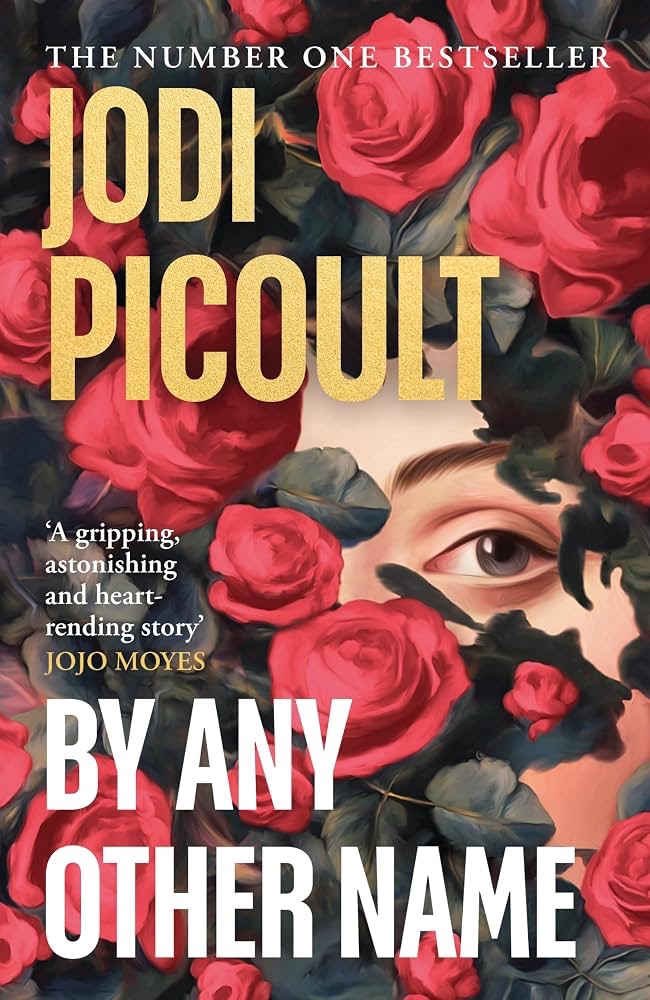
Ciara has recognised she needs to leave her husband due to his coercive control. Here in Ireland, she has no real support. Her family is Irish but live in London and despite her yearning to see her mum and sister the law states that she can’t take the children out of Ireland without the written permission of their father. Her only option is the housing office, present as homeless and hopefully get some emergency accommodation. As she meets other women in the same situation, she founds out that emergency and temporary have a very different meaning to the housing department. They offer her a temporary hotel room, but some women on the floor have lived there for a year so it’s going to be a long slog. This small double room with one bed and no view is the first place they’ve felt even remotely safe, even if they do have to go down a separate staircase so they don’t bump into tourists. Will Ciara have the strength to stay away and build a new life for herself?
This book blew me away last year. I was so engrossed in Ciara’s story that when I was at 50% of the way through I decided to sit for an afternoon and finish. No distractions like music or telly, just total silence and when I finished I sat in that silence and I could feel, bodily, every step of her emotional journey. My chest was tight, my breaths were shallow and I was holding myself so tightly I was sore. When I put it down I had to sit in silence for a while and just digest it all. It’s the story of a woman trying to leave a relationship that is tying her down and eating her alive. Everything she was before – bright, intelligent and full of life – has been worn away. Enduring her husband’s treatment, as well as having two children in four years, mean Ciara has had enough. She can see his behaviour as a pattern and despite being absolutely terrified she needs to find the strength to go.
I was in a relationship like Ciara’s for four years, vulnerable from the death of my husband, I reached for what felt like safety, but was really control. I weathered the silences, withdrawals, rages, punishments and rare moments of calm that I didn’t realise was a cycle of abuse. The gradual withdrawal of friends and family, the breakages of things most precious to me, the arguments with his family I couldn’t understand, all started to wear me down. He told me I was overweight, undesirable when I was ill, nagging, controlling, not a team player. If I tried to be more desirable he rejected me because I was making a show of myself. I tried to get involved with his business, but had to be careful not to outshine him. He liked me to organise parties and BBQs but then raged that I’d taken the limelight. He even used my disability against me, saying he wasn’t attracted to me when my MS relapsed and questioning my symptoms, my need to use a blue badge. I’d never experienced a relationship so unsettling, swooping from happiness to despair in the space of a few hours. He kept telling me this is what a long term relationship was like, luckily I knew different. Then he did something that, if I accepted it, would have separated me from my family and left me utterly alone and exactly where he wanted me. Thankfully I had enough strength and family support to leave. I’m telling you this so you can understand how this book had such an emotional effect on me. When you’ve gone through an experience of abuse and coercive control it’s so hard to explain because like my disability it can’t be seen. The unexplained injuries and bruises of physical abuse are their own testament, but how do you describe being terrified of someone who doesn’t physically leave any sign of their abuse? When someone articulates your experience in this way, you feel seen and accepted. Ciara’s experience did that for me and I can’t thank Roisin O’Donnell enough for that.
In 1987 Cora is going to register the birth of her baby boy. His name has been settled on for some time. Cora’s husband has chosen his own name for his son, Gordon. But it wouldn’t be Cora’s choice. Cora’s choice would be something that doesn’t tie him so obviously to his father. She thinks Julian would suit him. Little sister Maia looks in the pram at her brother and decides he looks like a he should be called Bear. All of these options swirl around in Cora’s head. In this moment, Cora has the power to make a choice and it’s done. It can’t be changed. What would happen if she went with Julian or even Bear? In the short term Gordon would be furious. How bad would it be this time? Long term, would it change her baby’s character or path in life? That’s exactly what Florence Knapp does. The book splits into three narratives and we discover what happens to this whole family, depending on Cora’s baby boy’s name. We then move on seven years and meet Bear, a name that proves to be a catalyst for change. Or we meet Cora’s choice, Julian – the choice she hoped would break him free from domineering generations of Gordons. Although, what if he is called Gordon? Brought up by a cruel father to continue in the same mould perhaps? Or he might just break free from the shackles of his name. Each life is sparked by this one decision and it isn’t just Cora’s son’s story. This is the life of the whole family with all its ups and downs. It’s about how trauma shapes lives and whether love brings healing and hope to every version of who we are.
One of our family narratives is that mum wanted to call me Little Green after the Joni Mitchell song. Mum is definitely a hippy and Dad is definitely not. My whole life I’ve said ‘thank goodness for Dad’, as I ended up with Hayley Marsha Ann which felt unusual enough. However, when I read the lyrics of the Joni Mitchell song, it was just so beautiful. Written for a child she had when she was very young. She felt she was too young to be a mum and gave her up for adoption. The song is so full of the hopes a mother would have for their daughter:
“Just a little Green
Like thе color when the spring is born
There’ll be crocuses to bring to school tomorrow
Just a little Green
Like the nights when the Northern lights perform
There’ll be icicles and birthday clothes
And sometimes there’ll be sorrow.”
The book made me wonder whether I’d be a different person now had I been Little Green. Would I have been more confident? Perhaps I’d have been more comfortable in my creativity. Might I have written my book by now? How could I have failed with a name imbued with such hope? Each of the book’s three arcs has its share of joy and heartache as Cora’s potential children cope with the aftermath of that day in 1987. For Gordon the legacy of his father is perhaps the most damaging as Cora feared. Growing up in his father’s presence means he could pass on the misogyny passed down through all the Gordons in his ancestry. It damages his relationship with his mother as he can be used as a tool for his father to oppress Cora further or to spy on her behaviour. It will also affect his own relationships with women, both his sister and potential partners – his teenage crush on Lily becomes something that’s very hard to read, but it’s right to include it. The author depicts inter-generational trauma and how it can damage the next generation in different ways. Abusers can’t always break patterns and sometimes I was compelled to read on in sheer hope. Each narrative has its moments of emotion where you have to look up from the book and breathe for a moment. Just to take it in. However, one narrative broke me. I was reading quietly in the same room as my husband and I actually responded out loud. He had to give me a cuddle because I did have tears coming and I’m astonished by the writer’s ability to absorb to that degree. To make words into a flesh and blood person I can shed tears over and another who has the potential to become a monster.
At an isolated research station in Antarctica, biologist Laurel Salter washes dishes for a living ten hours a day, six days a week. She tells no one why she left her career, or why her marriage ended.
But even in this remote outpost, Laurel can’t outrun her past. When a strange light appears across the ice and draws a group of physicists to McMurdo, her former husband, Eli, won’t be far behind.
Laurel is captivated by the Arc: its surreal glow; the way it seems almost alive. And though Eli is reluctant to test her wildest theory, Laurel is convinced that the Arc leads down a rabbit hole, and into a world they can barely imagine. Can she persuade him to risk everything to fix the burden that hangs between them – to turn back the clock and live their story a second time?
And this time, live it differently.
Once read, never forgotten, Under Story is a genre-defying exploration of the promise of this life, what might lie beyond it, and how far we would go for more time with the people we love.
I can’t reveal too much about this one as it’s not published yet but I am constantly praising it because it’s the most extraordinary book I’ve read in years. I was quite simply blown away by this complex and beautiful story of science, loss and second chances. Our heroine Laurel is a scientist, studying fungus and how it grows but for some reason that isn’t clear at first, she’s on a research station in the Antarctic, away from her former husband Eli and without any fungus in sight. When she develops a fascination in the Arc that appears she thinks about its significance. When she becomes aware there is a matching basin underneath the water, her imagination is fired. Could this possibly be a portal? A gateway to a different world? She knows Eli won’t be far behind because she remembers his theory of the ‘duoverse’, the idea that at the moment of the big bang time and space was formed in two directions: our universe, the planets and the development of the world we know and in the other direction it’s complete opposite. I am not a scientist, in fact I barely have GCSE Biology, so I wasn’t aware of any background to this idea so could drift with it and enjoy two incredible minds exploring ideas.
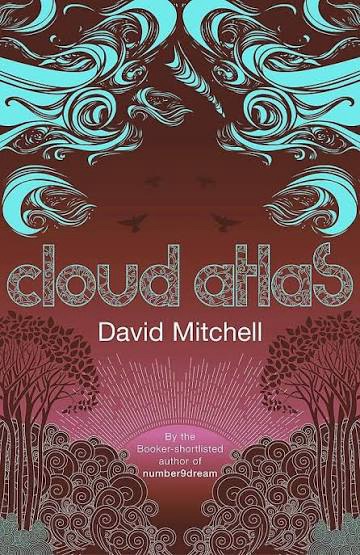
Our characters are fascinating, Eli and Laurel are a couple who were made for each other but their relationship is real and particularly devastating events crash into their lives but I never doubted their love for each other. It’s fascinating to watch their characters face the concept of the duoverse, not just whether it is a portal, but if it is what will their relationship look like there and will going backwards fix whatever tore them apart. I felt both were analytical and might even appear cold at times, but in the moments of heightened emotion we really see who these characters are and the deep wells of love they hold. Every world the author presents to us feels absolutely real even though it’s impossible. I was on tenterhooks wondering about the duoverse under the ice and if Lauren is right whether they’ll ever be able to return? I found myself wondering how this world would look as time scrolled backwards. I was genuinely scared for them but also full of admiration for their bravery. The mirroring is so cleverly done, showing how life always comes full circle and we’re often helpless at the end and the beginning, if we’re lucky enough to lead a full life. It might seem like science has sent them on this potential journey, but it isn’t. The totally unscientific emotion of love is what pushes them on, but also guilt, hope and desperation. Loss is a huge theme in the novel, something that always hits me in the heart due to my own losses: losing my late husband and three pregnancies I was deeply moved by how the author dealt with loss across the novel and how the scientific concept of a duoverse changes this experience. This novel was moving, profound, invigorating, deeply intelligent and so full of life. I kept thinking about the symbols of the cover, the circle and the tree, the same under the ground as they are over it. As Laurel observes:
“A line implies before and after; a circle says And then, and then…”
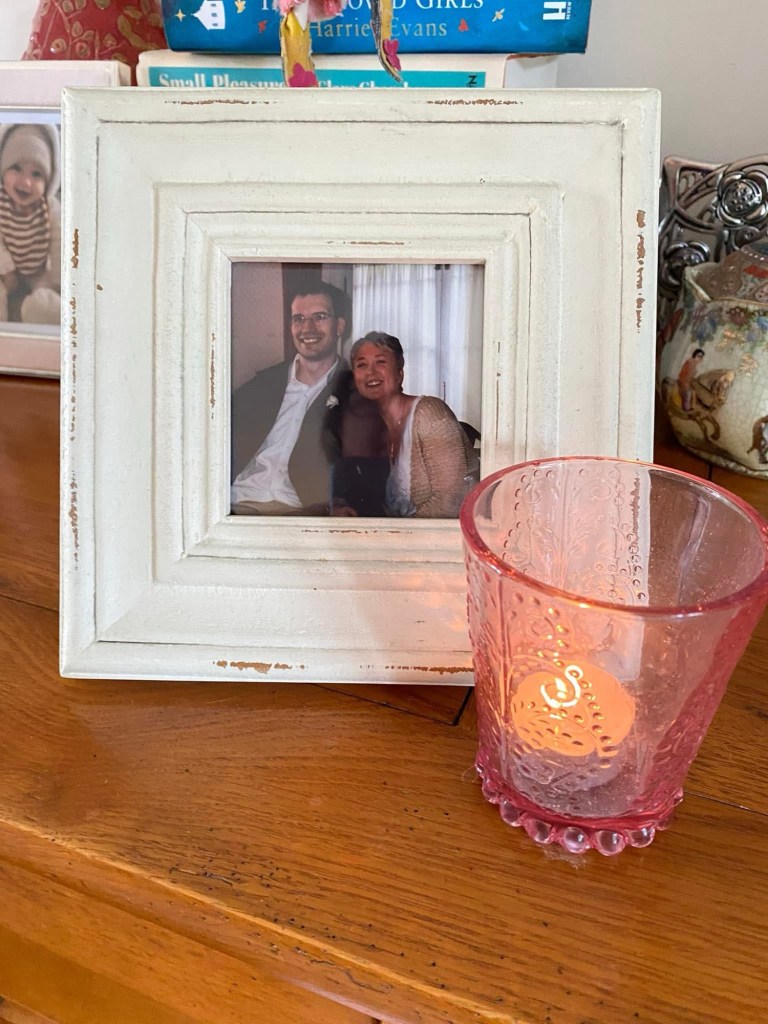
I didn’t realise I had this fear until around twenty years ago. I was 36 and my husband had died from complications with his multiple sclerosis. It had become so severe he couldn’t swallow or breathe properly. I had this realisation that I’d never been alone. From being around 16, I’d always had a boyfriend or partner. It was a fleeting thought I wrote in my journal and then forgot about. We’d had a busy house, what with carers and nurses and family popping in all the time. I struggled with the time that stretched out in front of me, used to a demanding caring role that included clearing lungs, tube feeding and constant turning to avoid pressure sores, there were now no demands taking up my day. I was at a friend’s house and she asked me if I’d stay for tea and I automatically said no, forgetting that I had nothing to come home for. No matter who I was with or where I went, the crushing silence when I reached home was unbearable. It was as if the air in the room was heavy and empty at the same time. His wheelchair, parked in the corner of the garage was unbearable to go past. I was relieved to be able to sleep all night but then started having nightmares. Waking suddenly, covered with sweat thinking I’d forgotten to get up and suction his lungs. Thinking he’d stopped breathing, then remembering that he had. I had dreams where I couldn’t find him and I was wandering in this dystopian nightmare of bombed out houses and twisted metal. I was turning over wreckage thinking I’d find him underneath but he simply wasn’t there. I could still hear him trying to clear his throat. I kept falling asleep in the day, then waking up unable to move but hearing noises that made me think someone was in the house. My brain bringing up intruders just so I felt less alone. A year later I met someone. It was someone I’d known a long time and trusted. I was magical thinking. That the universe had given me this person so I had something to be happy about. I was owed a happy ending, right? I thought it was the least the universe could do. So I made it perfect. I fashioned my own happy ending. Only to be left four years later feeling like I’d been in love with a ghost. The man I imagined myself in love with didn’t exist. Instead this controlling, insecure and abusive monster was living in my house and I couldn’t work out what had happened. Why had he changed? Like all abusers he started off charming, but if I was honest with myself I should have walked away at the six month mark, when the first red flag appeared, but I didn’t because I wanted us to be happy. Now I would have to learn how to be alone again. This time though I leaned into it. I relaxed into the sadness and anger, allowed myself to feel it. Now I know I can survive anything.
Describe one simple thing you do that brings joy to your life.
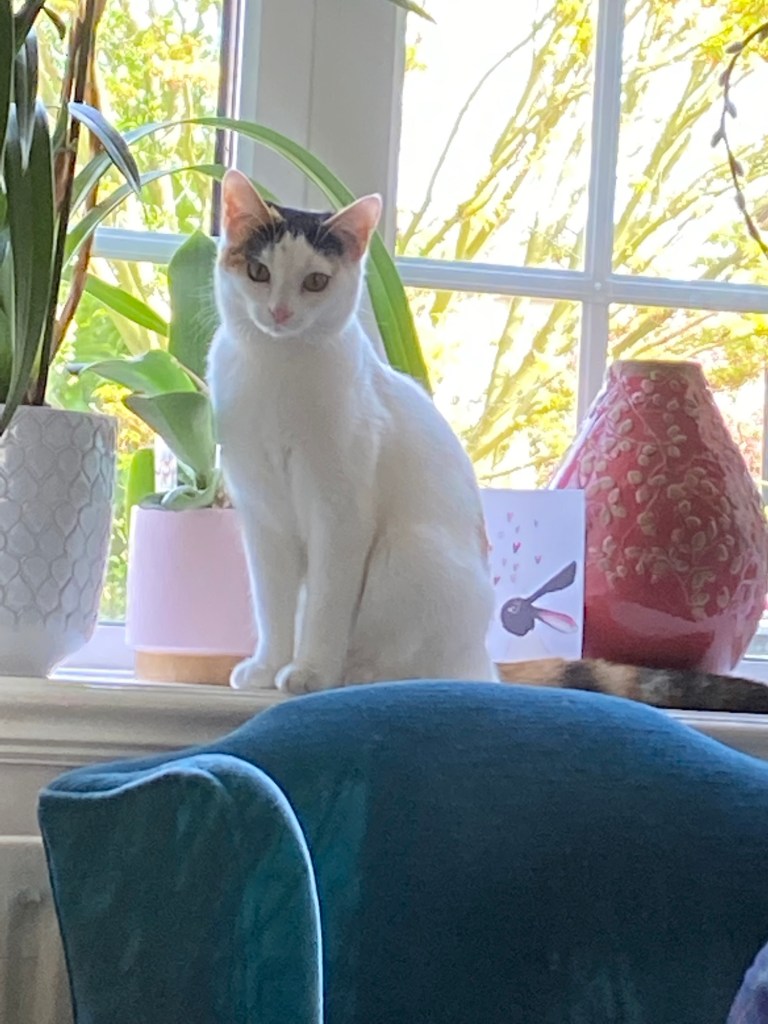
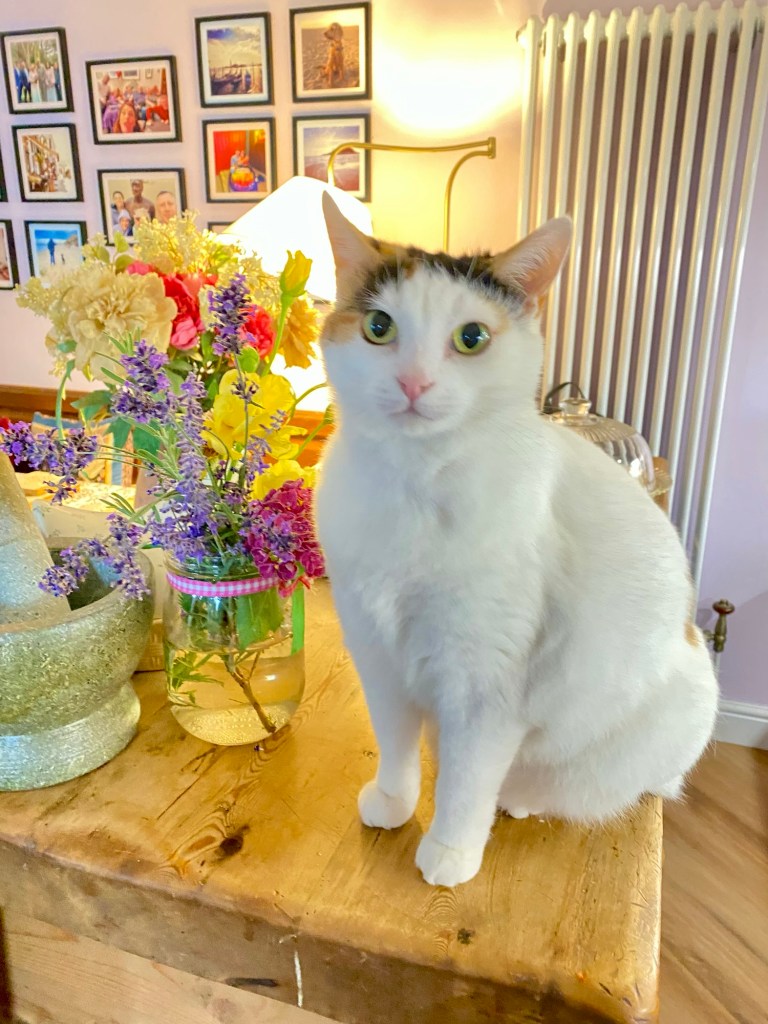
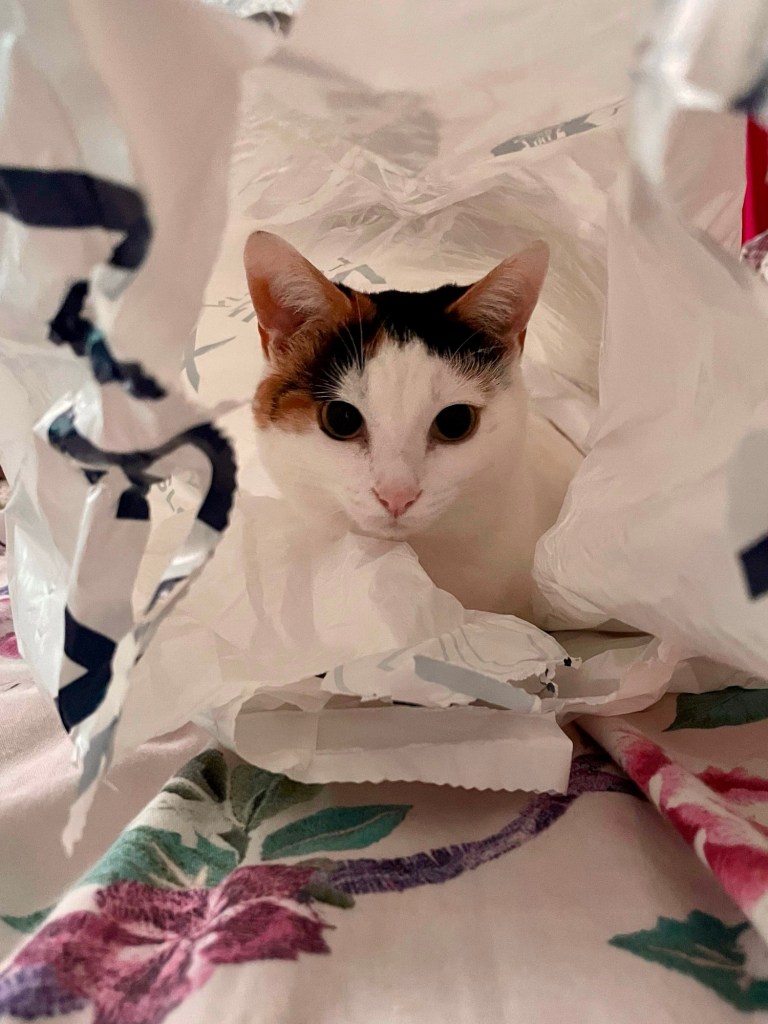
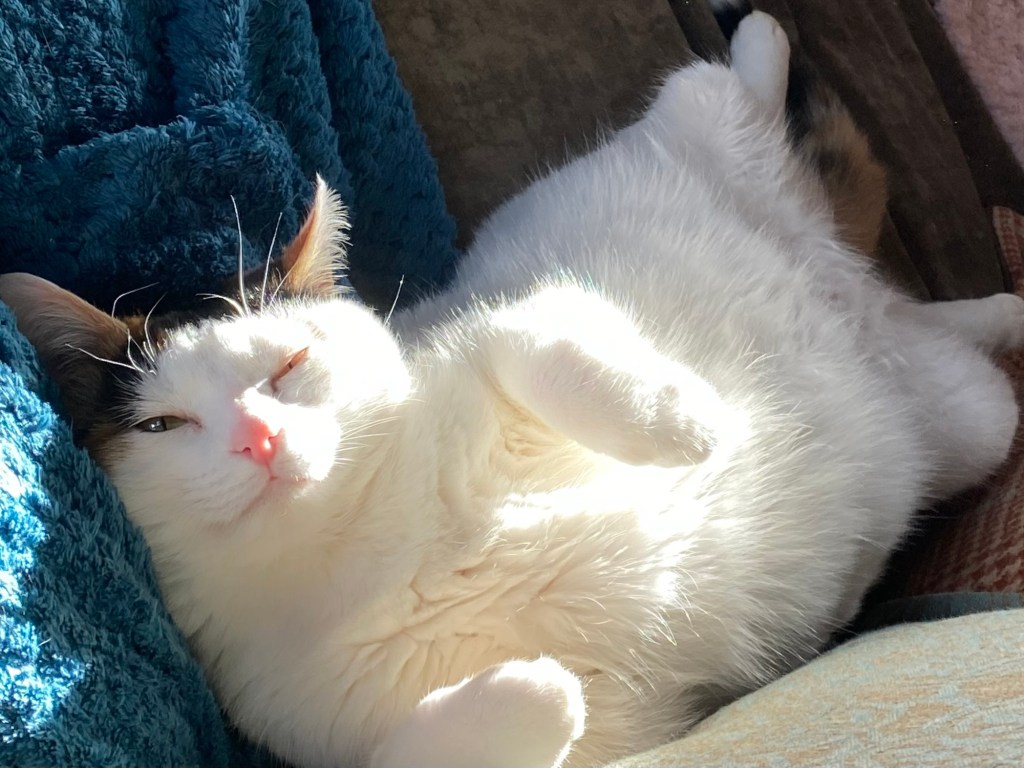
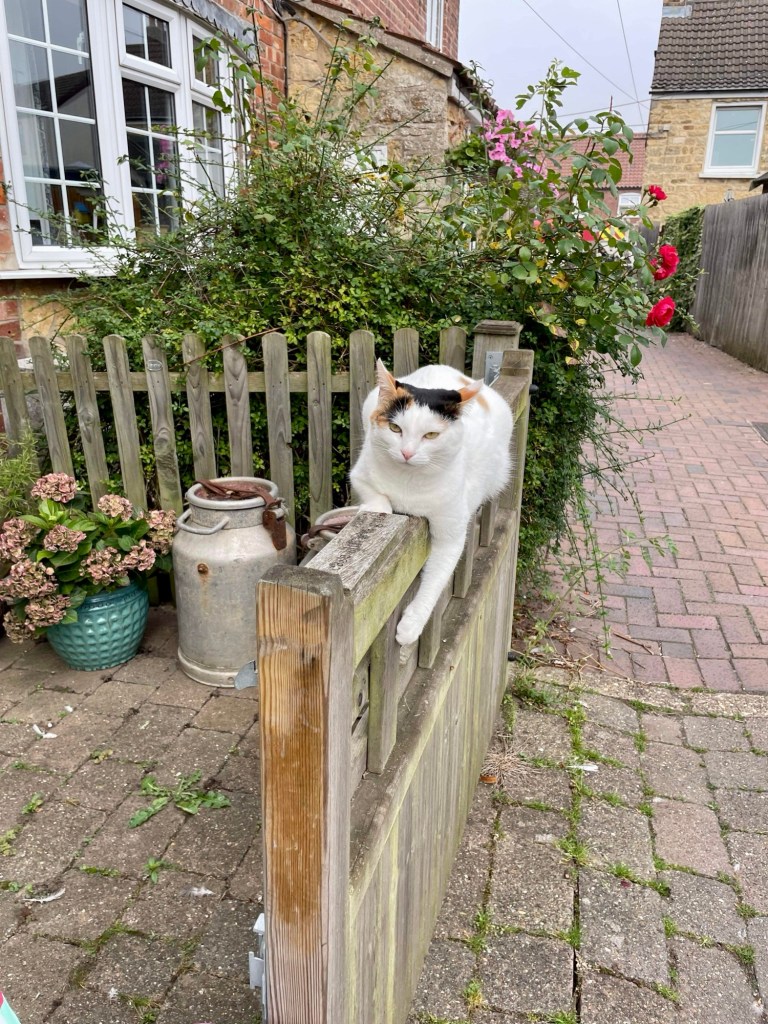
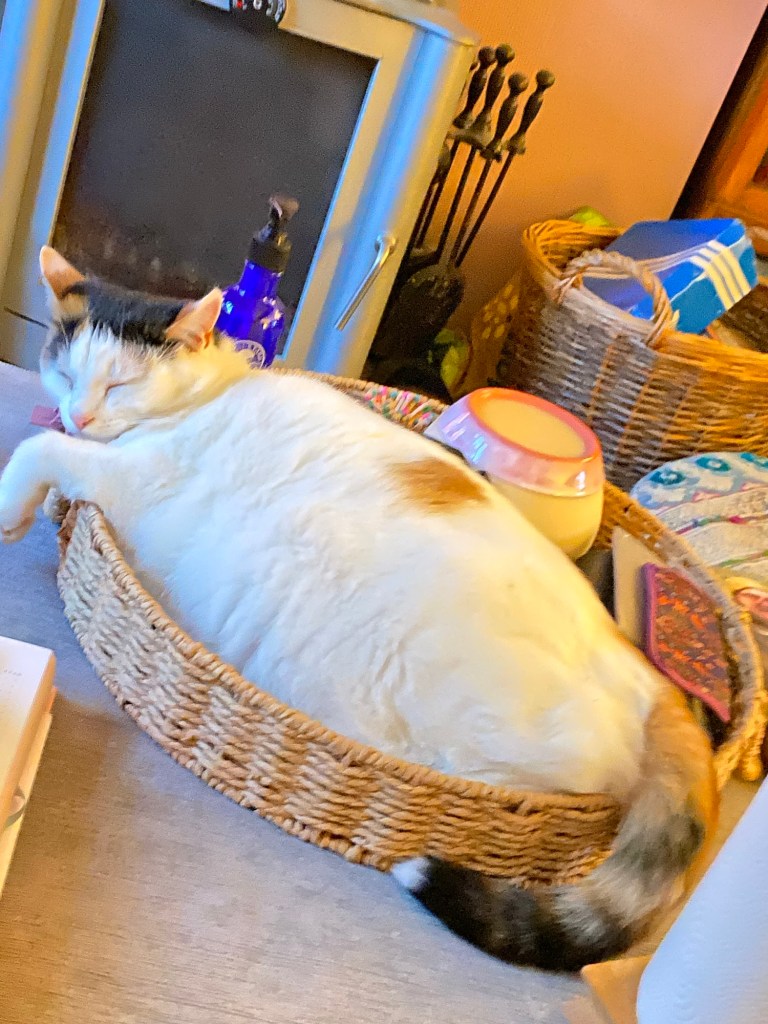
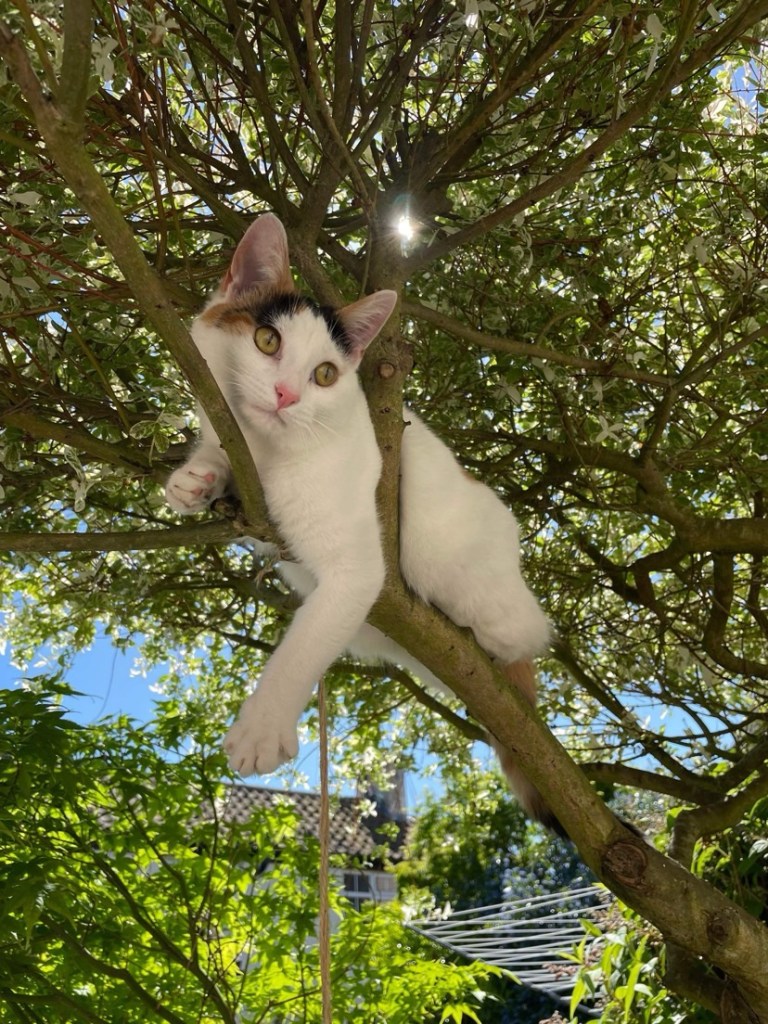
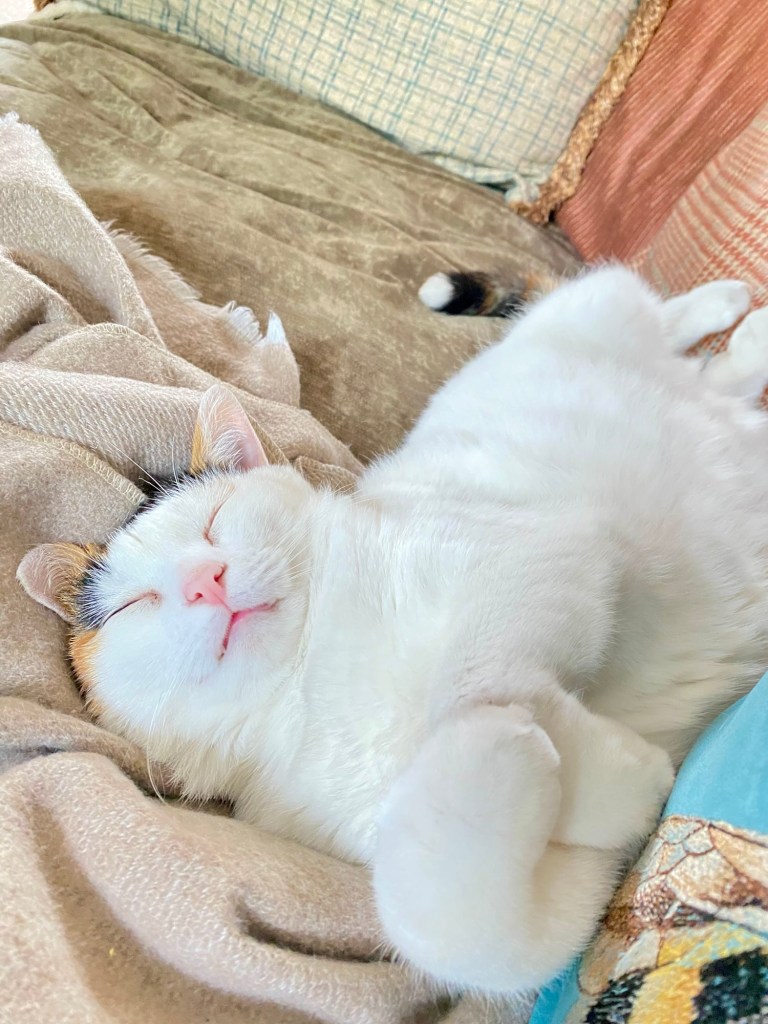
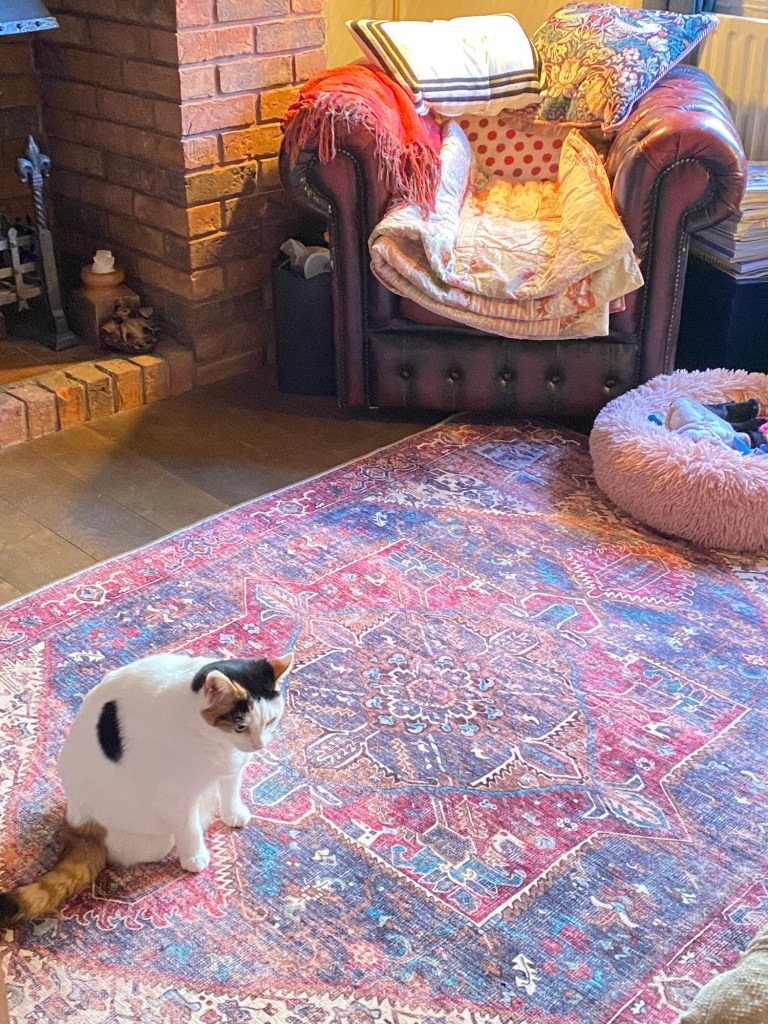
I have a moment every morning, especially on these sunny days when I’m sleeping with the windows open, where I hear our cat Dolly greeting the neighbours. In the rescue centre when they let her out to meet us she walked up and down the corridor, peeping in at all the other cats and saying hello. Now she does it with the neighbours. We live in an 18th Century ‘yard’ a short pedestrian lane with just four houses – the old bakers, the cobblers, the workers cottage and the farmhouse. She stalks up and down, with her tail like a question mark, trilling her hellos to everyone she sees. Usually getting a tummy tickle here and there. I know it’s time to get up and those first moments of walking into the kitchen to my cats is the best start to the day. First Maximus, the stoic tuxedo and only boy, who sits proudly on the kitchen table looking as if he’s above such things, but always drops his head to have a forehead bump. Then Minka, our newest and smallest addition who’s barely a year old but had three kittens twice her size. She winds her tail round my legs and all the furniture waiting for kisses and if they don’t come soon enough, she throws herself at your feet with her tummy in the air. Then finally Dolly barrels through the cat flap, not even slowing down, and fills the house with her chatter. She likes to touch noses but also wants to let you know she’s starving and hasn’t been fed for at least a month. We call her the Moomin. Sitting with my tea on a warm morning, they all follow me out eventually after stuffing their faces and lounge in the sun.