Posted in Random Things Tours

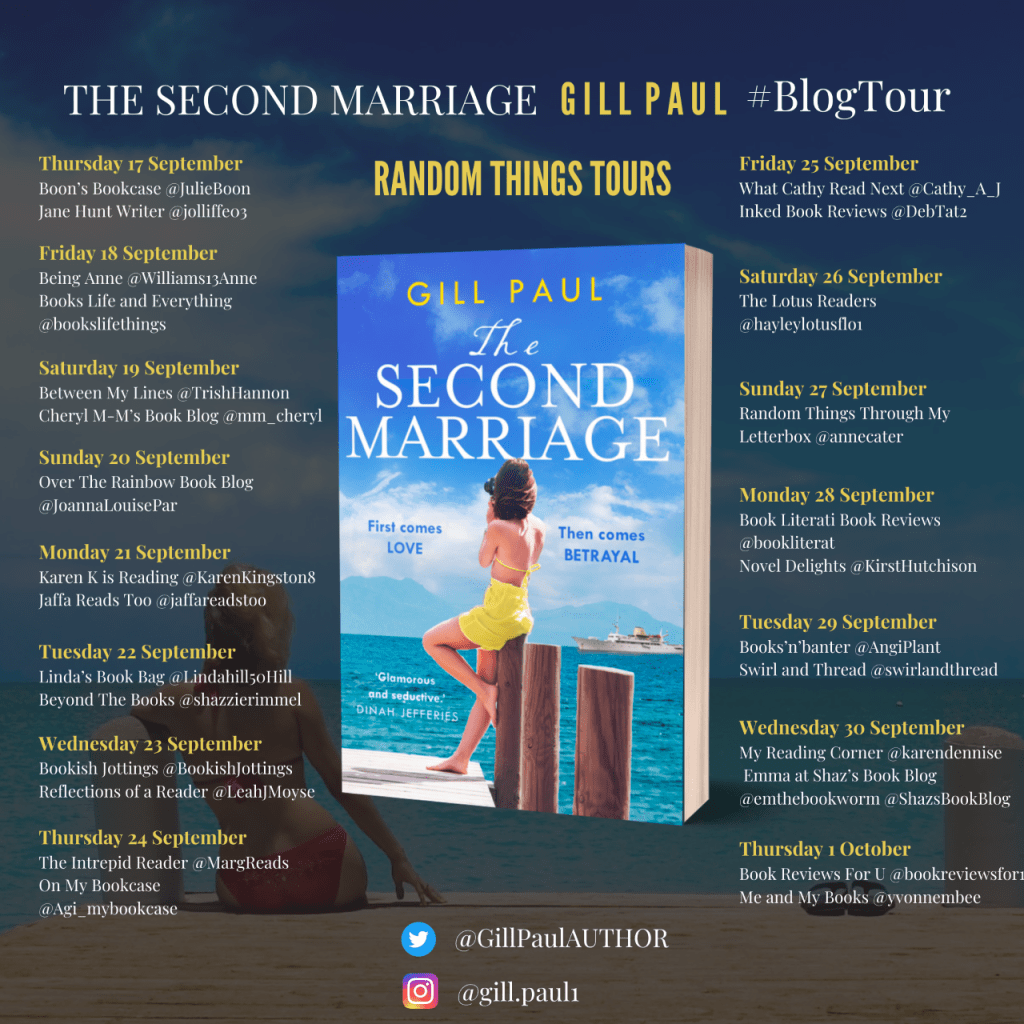
The Second Marriage by Gill Paul.

#RandomThingsTours #TheSecondMarriage #BlogTour @gillpaulAUTHOR

Published in UK: 24th August 2020

Publisher: Avon Books

ASIN: B084WS53XZ

Synopsis: From the internationally bestselling author of The Secret Wife comes a tale of love, sacrifice and betrayal, available now.

Published in the US as Jackie and Maria.

JACKIE | When her first marriage ends in tragedy, Jackie Kennedy fears she’ll never love again. But all that changes when she encounters…

ARI | Successful and charming, Ari Onassis is a man who promises her the world. Yet soon after they marry, Jackie learns that his heart also belongs to another…

MARIA | A beautiful, famed singer, Maria Callas is in love with Jackie’s new husband – and she isn’t going to give up.

Little by little, Jackie and Maria’s lives begin to tangle in a dangerous web of secrets, scandal and lies. But with both women determined to make Ari theirs alone, the stakes are high. How far will they go for true love?

My Thoughts | I was drawn to this book because I’ve always had an interest in the Kennedys and have read a lot of fiction and biography around Jackie and JFK. However, I didn’t know a lot about her marriage to Aristotle Onassis or how their relationship started considering he was in a long term relationship with opera star Maria Callas. I was interested to read a story I knew, but from the perspective of the two women involved rather than the men. I was quickly drawn into the narrative told in alternate chapters from both women and starting when they were still in their first marriages. Jackie is trying to cope with marriage into the politically obsessed Kennedy clan as well as grieving over a lost child and Jack’s indiscretions. Maria is married to Battista Menighini who manages her career, but feels unfulfilled without a child and misrepresented as a diva by the press. Both women have met Onassis and been invited to his yacht, since he likes to entertain the most famous people in the world. I wondered if either woman ever imagined in only a few years they would be rivals.

Both women’s characters were well drawn and I felt I really did get to know the real them, although I felt more of an affinity with Maria – possibly because she was led more by her emotions than Jackie. Although not the diva she was often portrayed as in real life, Maria acts on her emotions and seems more in touch with what she needs. As soon as she falls in love with Ari (Onassis) she acts on it, breaks the news to her husband and risks her reputation to be true to her heart. I also felt a kinship in her grief over struggling to be a mother, something she does have in common with Jackie who has had a miscarriage and loses a daughter at the beginning of the novel. In fact the women have more in common in their backgrounds than I realised, mainly in their relationships with their mothers.

Litsa Callas was a cold and distant mother, in fact such was her disappointment that Maria wasn’t a girl she didn’t even look at her baby daughter for four days. Throughout the novel we see her engage in manipulation, abuse and betrayal of her daughter including selling details of her relationship with Onassis to the world’s press and eventually writing a ‘tell-all’ book about her daughter. In a radio interview Callas recalls the lack of confidence she had in her looks, especially her weight, compared to her mother who was very slim. Callas felt ‘ugly and unwanted’ as a girl, added to this her mother pressed her into relationships with occupying Italian and German soldiers in order to gain money and food during the Axis occupation. Some sources claim that Maria came to no harm, but she sees it as a form of prostitution and the author writes about Maria telling Onassis that she was manhandled by soldiers and on one occasion was almost raped. In a moving account Maria claims her mother had no warmth or sympathy for her daughter on her return from this assault, just continued to put them at risk to earn money.

I was saddened by the scene where Jackie’s daughter is stillborn, adding to her pain Jack is on a flight and she only has her mother for support. Janet Auchincloss was authoritarian and austere, believing in money, beautiful homes and status rather than love and insisting on this for her daughters, regardless of the man. Jackie adored her father ‘Blackjack’ Bouvier who showered her with affection and presents. After her parents divorce, her mother was left short of cash until her remarriage and this left a big impression on Jackie. It was impressed upon her that security was more important than love, but there was still a touch of idealism in Jackie who thought she’d found both love and security in Jack. The author does a great job of showing the reader the differences that open up between Jackie and her in-laws. Jackie is a big reader, intelligent and interested in culture whereas the Kennedys live and breathe politics. She’s more of an introvert, who wouldn’t normally court the limelight and often wishes that Jack’s ambition could be curbed. She worries about the type of First Lady she will be, feeling under constant scrutiny from the Kennedys who think Jack’s wife should appeal more to the average American woman. Jackie’s interest in fashion is shown as a way she expresses herself and I felt this was maybe her only means of expression. Her mother stifles any emotion and she’s encouraged to ignore Jack’s indiscretions too. She isn’t allowed to be honest with anyone about how heartbroken she truly feels. I felt for her so much in the scene where she takes a call from Marilyn Monroe who makes it quite clear she is involved with Jack. Jackie recognises that Marilyn is very fragile and could damage his career irreparably, even in her heartbreak she is thinking of him. Even worse is the part where Jackie overhears a conversation that brings his indiscretions closer to home than she ever imagined in a double betrayal.

This is an immersive piece of historical fiction that completely transported me to the 1960s and the rich elite of the period. Using fashion, interiors and an in-depth knowledge of her characters Gill Paul drew me into a world of privilege I could never have imagined. She drew parallels between these two extraordinary women, but also between families who were as cursed as they were wealthy and powerful. I felt that both women’s upbringings drew them to men who were rich and powerful, but also controlling and possessive. There was no question of Maria or Jackie enjoying the sort of affairs that Kennedy and Onassis conducted. The intense control of their mothers almost groomed them for the lives they chose as women. Although it might have appeared more respectable, it’s not hard to draw parallels between Janet pushing the Bouvier sister towards rich husbands and Litsa pushing her daughters towards occupying soldiers. There was also a connection between their dislike of the limelight, and the ability to have their voices heard – ironic in the case of Callas with her incredible sound. I found myself feeling sad for both of them throughout. This is a great read, with interesting supporting characters and a series of beautiful settings such as Venice, the Greek Islands and the Kennedy Bouvier estates. I felt like one of the jet set while reading and the author added to my knowledge of these women with newly discovered evidence, such as the revelation that Onassis and Callas may have had a son, Omero, who died at birth. Using a depth of background research, the author has created an accessible, enjoyable and enlightening novel about two of the most famous women in the 20th Century.

The Author

Gill Paul’s historical novels have reached the top of the USA Today, Toronto Globe & Mail and kindle charts, and been translated into twenty languages. They include THE SECOND MARRIAGE (titled JACKIE AND MARIA in the US), two bestselling novels about the Romanovs – THE SECRET WIFE and THE LOST DAUGHTER – as well as WOMEN AND CHILDREN FIRST, which was shortlisted for the 2013 RNA Epic Novel of the Year award, NO PLACE FOR A LADY, shortlisted for a Love Stories award, and ANOTHER WOMAN’S HUSBAND, about links you might not have suspected between Wallis Simpson and Princess Diana.

Gill is also an author of historical non-fiction, including A HISTORY OF MEDICINE IN 50 OBJECTS. As well as writing, she speaks at libraries and literary festivals on subjects ranging from the Titanic to the Romanovs. Gill lives in London, where she is working on her tenth novel, and she swims daily in an outdoor pond.

 Follow the Author: 

www.gillpaul.com

Twitter @GillPaulAUTHOR

Instagram @gill.paul1

Do have a look at the other stops on the blog tour.
Posted in Personal Purchase, Uncategorized

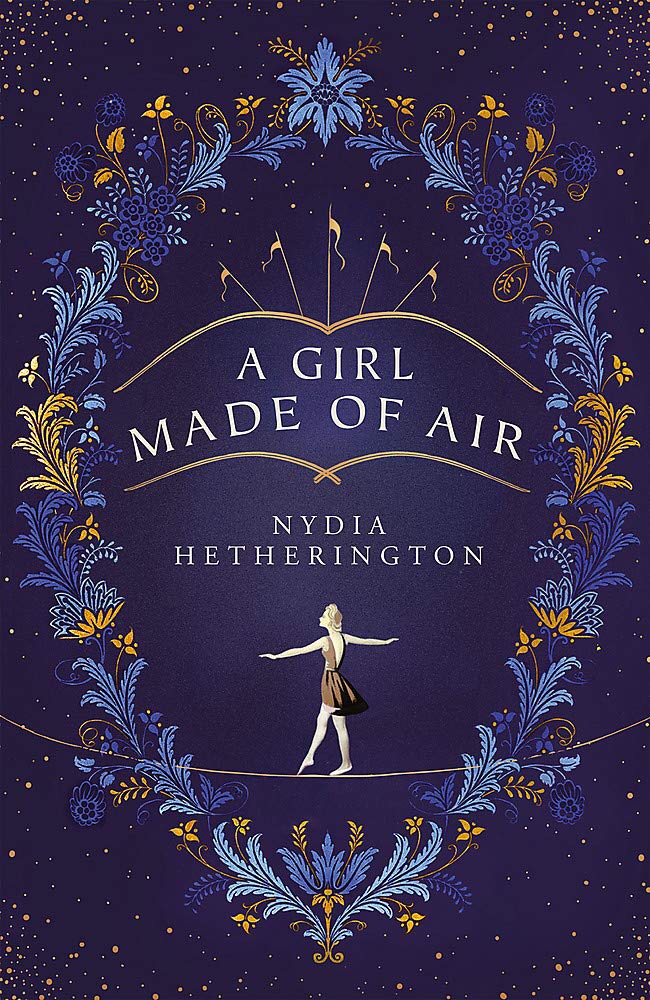
A Girl Made of Air by Nydia Hetherington

#GirlMadeOfAir #NydiaMadeOfAir #bookreview #Bookbloggers

Sometimes all you can say when you finish a book is ‘Wow’. When that happens I close the book and have a moment of reverence. I need a few moments, in silence, to take in what I’ve read. I often need overnight before I can start a new book. I suppose you could describe it as being haunted – the thought of a scene or a letter in a book that invades your thoughts when you least expect it. It stays there, sometimes forever, to become a part of you. In the same way a particular aria or love song might forever float through your head. Some books lie on the surface, they pass the time, they amuse, and I do enjoy them but they don’t stay. Others get into your brain, like a complex puzzle you have to keep fiddling with, this way and that, until you find a solution. Some books enter your soul, they make you feel real physical emotions, they make you wonder in the same way you did as a child when a book took you away on a marvellous adventure. They touch you soul deep. This is one of those books.

Nydia Hetherington is a sorceress. She has conjured up this box of terrors and delights from the depths of her imagination and it is incredible. We follow Mouse as she crawls, peeps, stumbles and walks around the incredible show that is a circus. Billed as a tale about the Greatest Funambulist Who Ever Lived I was expecting glitz and glamour, the front of house show. However, the author cleverly goes deeper than that, far behind the curtain. Incredible descriptive passages draw us in to Mouse’s world from the smell near the big cats enclosure, the feel of a llama’s fur against your skin, the cramped but colourful quarters of the circus folk and the volatile relationship between her mother Marina and father Manu. So focussed on each other, her parents seem barely aware of her existence as she watches the drab and grubby circus folk become stars of the ring with their make-up, sequins and feathers. Her freedom gives us access to every part of this wondrous world, but freedom has its dark side and for Mouse this is really a tale of parental neglect. She is brought up by the circus, by the mother of the company Big Gen and her husband Fausto and eventually by Serendipity Wilson, the flame haired high wire artists who takes Mouse under her wing. Under her tuition Mouse becomes an incredible tightrope walker, able to take her place under the spotlight like her parents.

Serendipity with her flaming hair that glows like amber is from the Isle of Man and brings with her all the mythology of the islands. She weaves incredible stories for Mouse, who now sleeps in her wigwam, in much the same way as mystical fog weaves around her according to her mood. She thinks that Manu and Marina barely notice she’s gone, but Manu enlists her help to get Marina performing again. They coax her into the tank to perform as a mermaid for the crowd. Even so, there is no discernible warmth between Mouse and her mother, Marina’s focus is always inward to her own problems. It is after her mother’s death that Mouse is handed a letter from her mother, in which she admits to never feeling love for her child and explains why. For me this was the most powerful part of the book, and brought me to tears. The author has cleverly placed this moment of stark reality within the magic and it gives the letter huge emotional impact. It hits home the idea that all freedom has a price. Mouse has never had a mother, except the warmth and care she’s had from Serendipity and never questions whether that will change.

Bookending these stories is an elderly Mouse, recounting her life to a journalist. Living in New York, she recalls her arrival in the city and her expectations of Coney Island. She is older and recounts her past from a distance, but what comes across is terrible regret and sorrow around the disappearance of a child from the circus family. She is haunted by a flame haired Serendipity Wilson who, like all mothers, lives on as a voice in Mouse’s head; her inner critic commenting on all she does, only silent when Mouse truly lives in the moment. It’s in these sections that we see what the book is truly about. I expected a book about the spectacle of the circus, the showmanship and all that glitters. Instead this is a meditation on what it is to be human. The journalist asks the questions that go beneath Mouse’s surface and see the gritty truth; we are all flawed and we all make mistakes. This is a beguiling mix of myth, magic and human frailty. Truly brilliant.

You may also enjoy:

The Museum of Extraordinary Things by Alice Hoffman

The Night Circus by Erin Morgenstern.

Posted in Rachels Random Resources

A Stargazy Night Sky by Laura Briggs.

#RachelsRandomResources #AStargazyNightSky #ALittleHotelInCornwall #BlogBlitz

At the sleepy Cornish hotel Penmarrow, there is a rare celestial event bringing new guests. The staff are tasked with hosting an astronomer’s conference to coincide with the appearance of a rare comet. Romance abounds amongst the staff as timid maid Molly is flustered by the return of charming astronomer George and seems to need a little advice on how to rekindle the spark they shared last autumn. Hotel porters Gomez and Riley are vying for the attentions of a mysterious female guest, and the eccentric ‘Megs’ Buntly pays another visit. For our main character Maisie, romance is blossoming between her and Sidney Daniels. All is well, that is aside from the small matter of some secrecy about his past. That isn’t Maisie’s only uncertainty though. She’s happy to be working at the hotel, but it’s future ownership is still up in the air and even more anticipation surrounds her manuscript which will be soon be in the hands of acquisitions editors in London. There is so much excitement about the future in the air but trepidation too. When a dramatic revelation comes to light about someone on staff, it leaves Maisie and everyone else reeling from the unexpected news. Is this the moment for the revelation Maisie has been waiting for since her Cornish journey began?

This was my first time in the Penmarrow’s universe so I had to go back and read some of the other parts – this is the 7th in the series. The best way I can describe these stories is the reading equivalent of a good Sunday night TV series, with beautiful surroundings, loveable characters and gentle storylines. There’s nothing here to frighten the horses. I felt soothed by the descriptions of the cosy hotel and the surrounding countryside. Everything about this place is restful, apart from Sidney’s mischievous terrier digging up bulbs of course. Maisie is a lovely central character to root for and as an aspiring writer I could understand her anxieties about her potential future career. What will happen if her book isn’t accepted? How much will her life change if it is?

The format was interesting too. I’ve become more aware of these short reads in my past year as a blogger. I have MS and can suffer cognitive symptoms that make reading difficult such as an inability to concentrate – I can find myself reading the same paragraph over and over till it sinks in. Or I can have physical symptoms such as optic neuritis which makes my eyes ache, sting and become blurred. As you can imagine this is very frustrating for an avid reader and in my therapy work I’ve met many other disabled people who also struggle to read. I always recommend audio books, but have found that short books like this one are also a great way for people like me to carry on enjoying stories even while feeling unwell. They can continue to enjoy the escape and when the escape is as feel-good as this it can lift the mood considerably. It really is a little gem of good-natured humour, heart-warming romance and packs a little surprise at the end for good measure. Just enough of a cliffhanger to have readers looking forward to the last instalment of Maisie’s story.

Purchase Linkhttps://smarturl.it/stargazynight

Author Bio – Laura Briggs is the author of several feel-good romance reads, including the Top 100 Amazon UK seller ‘A Wedding in Cornwall’. She has a fondness for vintage style dresses (especially ones with polka dots), and reads everything from Jane Austen to modern day mysteries. When she’s not writing, she enjoys spending time with family and friends, caring for her pets, gardening, and seeing the occasional movie or play.

Posted in Random Things Tours

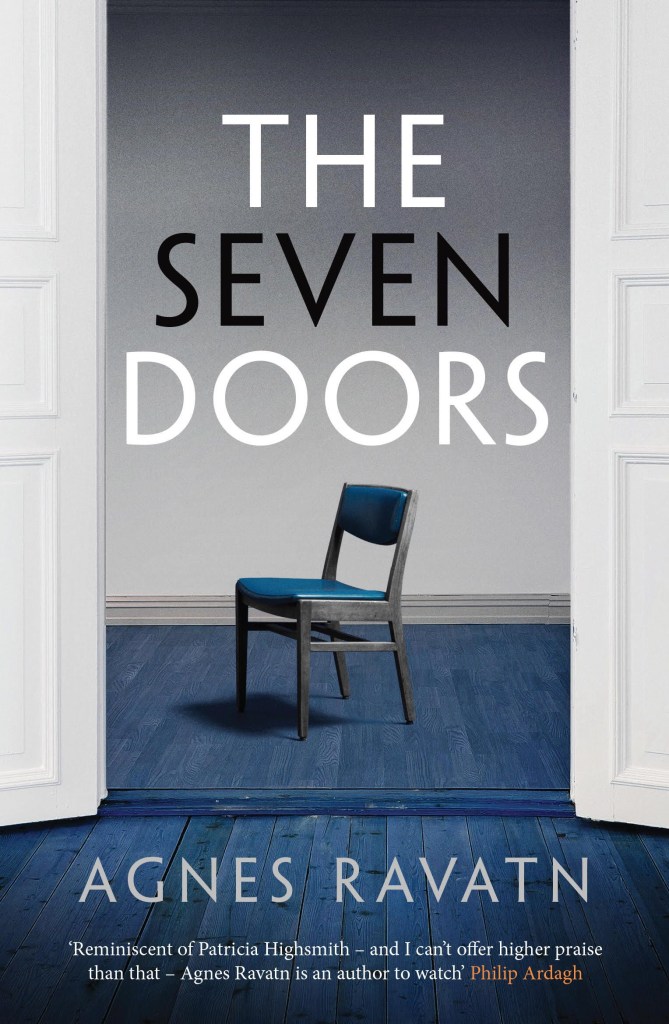
Seven Doors by Agnes Ravatn.

#OrendaBooks. #RandomThingsTours #blogtour #SevenDoors

While reading this book I had one of those odd reading experiences that only happens on Kindle or other e-reader. When I’m reading a proper physical copy of a book, I’m constantly aware of how much book is left. I’m literally holding it in my hand. I read this in one sitting, only realising how quickly time had passed when I stopped to mark a page and saw 93% in the bottom corner! Time really flew because I was so absorbed into Ravatn’s world.

Set in Bergen, Oslo, this is a thriller with so many possible outcomes. Our main character Nina follows a labyrinthine trail to find the killer of a musical prodigy. Nina is a professor of literature and gives a speech at a symposium about the futility of studying literature. Lit students are following their own, selfish lines of academic enquiry she argues, but their study doesn’t help anyone or bring anything important to the world. It doesn’t make a difference, except to the student. She proposes that in order to be useful, literature students make them self available as investigators to the police force. They are trained to analyse documents, to read between the lines, to apply psychoanalytic theory to texts and understand character’s motivations. All skills that might be useful when investigating a crime. Little does she know, she will soon be using those very skills in the real world.

Nina and her husband Mads have an absolutely insufferable daughter Ingeborg. When she announces that her home has silverfish, and she is three months pregnant, she asks Nina to intercede with Mads for an advance on her inheritance. Nina idly observes they have a house in town that belonged to an aunt, but she needs to talk to Mads. They are in their own difficult living situation, as their home is being compulsory purchased to make room for a railway. This is affecting Nina much more than Mads because of the emotional attachment; it was her family home, she grew up there. They are negotiating a settlement with the council, but Nina can’t see any property she would want to purchase. She needs to live in something with soul, not a slick waterfront retirement pad. Ingeborg convinces her mum that they should go and look at the house, but Nina warns that there is a tenant that they shouldn’t disturb. Despite the tenant telling her it’s a bad time, Ingeborg goes bustling in, badgering the tenant about the end of her lease and offering her money to leave as quickly as possible. The tenant, a single mother with a little boy, is blindsided by this forceful woman. Nina feels terrible and makes her apologies, sure that the tenant looks familiar to her.

Later, she realises where she has seen the woman. Their tenant is concert violinist Mari Bull, world renowned and now dropped out of sight. Strangely, she then does the same thing again, exiting the property within a couple of days and leaving no forwarding address. Surely this can’t be solely to do with their visit? Not long after, her disappearance is reported by local then national newspapers. She went to her parents place out on one of the islands, where Nina has a holiday cabin, but left her son and went for a walk, never to return. Nina finds herself intrigued by the case and follows clues, from the opera her ex-husband plays as her requiem to a small notebook with musical terms she finds in a box at the house. Fairytales also play a role in the book and like most literature students I am familiar with the work of Bettelheim quoted by Nina. Using this and Freud’s work on transference Nina starts to construct a theory and follows each clue like the breadcrumb trail of Hansel and Gretel. I liked the play on our usual ideas about fairy tales, which tend to be very Disney-fied, and everything comes to a completed happy ending. The original tales Nina starts to tell her granddaughter Milja are far more dark and bloodthirsty. In fact, the darker they are the sooner Milja will quiet down and go to sleep. They include anxious, suicidal hares and a murderous husband who gaslights his wives then kills them when they find out the truth.

From a psychological perspective there are interesting theories around transference and counter-transference, not just in the therapeutic relationship but in any relationship with a power balance that’s heavily in one person’s favour. I was also interested in the theorising around the Oedipus and Electra complexes. Nina is discussing the theory with her students and they don’t see the point of learning about a concept that started in Ancient Greek theatre and seems to bear no relevance to the present day. Yet, there’s a definite unease in Nina’s own relationship with her daughter – Ingeborg has been more likely to confide in or ask favours from her father. For Mari too there is a complicated mother – daughter relationship in that her parents sacrificed their own relationship to make sure their daughter had opportunities with the best teachers and orchestras. Mari and her father were often away together, touring Europe, leaving her mother at home. There is resentment over this and a definite coolness between mother and daughter.

Ravatn’s writing is spare, it gets to the point quickly and without poetry. She can establish a feeling or setting in just a few words, such as how the light changes when it snows or how it must feel to give ourselves up to the water, like Virginia Woolf with the stones in her pockets. Her characters are well defined and psychologically complex, such as Ingeborg’s narcissism and inability to gauge other’s feelings. I have real worries for her daughter Milja, a future psychopath if ever I met one. As I felt the book build in pace and tension towards the end, I knew Nina was getting close to the answers, but is the answer getting closer to her? The end, when it comes, is satisfyingly unexpected and shocking. I love Nordic Noir and this was a great addition to my collection. This was a clever and psychologically literate thriller. I would love to read more of Nina in the future.

Posted in Damp Pebbles Tour

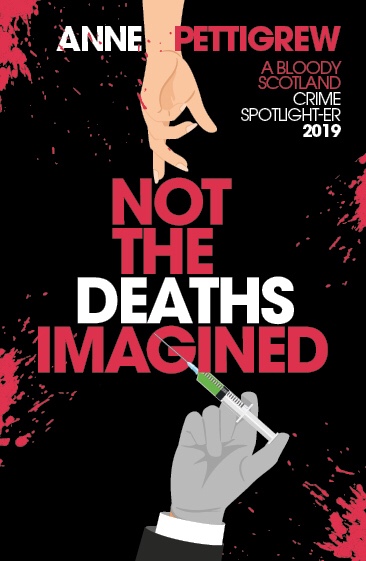
Not The Deaths Imagined by Anne Pettigrew.

#DampPebblesTours #NTDI #NotTheDeathsImagined #BlogTour

What I love most about book blogging is that I often come across books that I wouldn’t have found any other way. This novel is one of these. I’ve never read Anne Pettigrew before, but when the synopsis found its way to me for this tour I thought I would enjoy it. This is her second novel, categorised as ‘medical noir’ and although I haven’t read the previous one, it didn’t stop me enjoying this. Dr Beth Semple is a GP in a small practice in Edinburgh, as well as a wife and mother to two teenage girls. Her husband Ralph is a Professor of General Practice and they have one of the busiest households I have ever encountered in a novel! One afternoon Beth is telephoned by an associated practice and asked to visit the surgery to carry out the second section of a cremation form. Unusually, there has been a sudden death in the surgery that morning, recorded as an MI (myocardial infarction or heart attack). However, when she arrives at the other practice, she is uneasy about signing the form. She notices that the secretary and Dr Goodman’s accounts differ slightly, but also it doesn’t sound like a heart attack. On visiting the funeral director’s to view the body Beth notices what looks like injection sites and when Monty the funeral director tells her it isn’t Dr Goodman’s first sudden death during a routine appointment her mind is made up. She won’t sign the form and sets in motion the process for a post-mortem. The repercussions at work are huge because Dr Goodman pulls out of their pooled weekend rota and Beth’s senior partner is furious. Even more disturbing, over the coming weeks, are the series of dropped phone calls, poison pen letters and an attempt to poison their dog. Soon, Beth and her family, are caught up in a possible case of medical malpractice and even murder, and the consequences could be deadly.

The author created a great sense of place and time with her backdrop of 1990s Edinburgh. The little snippets of Scottish dialect brought a sense of warmth and grounded these characters within their world. Thanks to her 31 years of experience as a doctor, the author has first hand knowledge of the type of medical jargon used in Beth’s workplace, at home with husband Ralph, and with their large group of friends. There’s a great sense of camaraderie between this group and this comes from being at university together – covered in the first book. They’re likeable people, intelligent, friendly and all struggling to juggle their lives which was very relatable. Although, I would be exhausted if I adopted their work and social calendars. I kept wondering why the characters were so full of energy – every weekend was a weekend away, or with friends and family staying. They even take in a dog and cat! Their daughters are also busy, with exams, music practice and Katy’s boyfriend Neil. The surgery felt familiar with its regular patients, from the worried well, to those acutely ill. Although, Beth does observe that they’ve never had a death in the surgery so Dr Goodman’s record does seem strange. When two elderly ladies are found dead, one a friend of Beth’s, she begins her book of unusual events detailing the evidence she has so far. When her car tyres are slashed she does report her concerns to the police, only to find her own professional standards being brought into question.

Interspersed with Beth’s chapters are those written by the killer. It soon becomes clear he is a very disturbed man. In his younger years this man finds that the colour of his skin is a barrier. His father is mixed race and it’s evident that for the doctor this makes him feel impure in some way. He has read up on the latest theories in eugenics and has some abhorrent views on mixed race relationships, as well as an odd relationship with religion. He’s determined to ‘pass’ as white to the extent of bleaching his skin and straightening his hair. Slowly seeing this man’s mind deteriorate is quite chilling, more so as time goes on and we start to see him in his day job, full of charm and old-fashioned bedside manner. The contrast is startling, but there are times when I also found him comical. His crimes become more open and risky. The tension the author creates grows as Beth gets closer to his identity and the reader wonders what lengths he will go to in order to silence her. Where will he go once he has committed his final crimes? Even more concerning to me was how he was going to extricate himself from his family and if they’d ever recover from his psychological abuse and murderous intentions. The help Beth receives in the shape of a warning comes from the last place she expects.

This novel was well written and an interesting read, combining the interesting medical world with malpractice, negligence, and even murder. It’s possibly one of people’s worst fears, that the people who are meant to help and care for us are actually trying to harm instead. I liked that it didn’t talk down to the reader, but expected us to understand complex psychology and subjects like the history of eugenics. It made for an interesting mix when set alongside Beth’s family and busy social life. In fact the light relief of Beth’s normal family routine and their time with friends makes the killer’s narrative even more stark and abnormal. I felt so bad for his family, who are not allowed the freedoms enjoyed by other characters; his teenage son particularly had my sympathy. This is an intelligent thriller, full of interesting characters and with a truly unsettling villain. I enjoyed it immensely and I will be going back to read the first novel in the series.

Posted in Netgalley

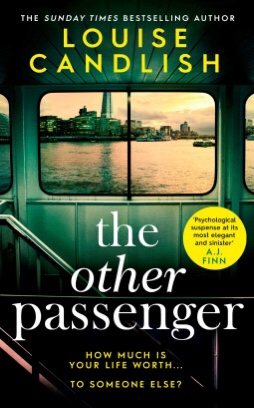
The Other Passenger by Louise Candlish

#TheOtherPassenger #NetGalley #SimonandSchuster

I’ve started to think of Louise Candlish as one of my ‘go to’ authors for classy thrillers with unexpected twists. As always she drew me in with the characters, but at first I wasn’t quite feeling it. I was curious, but I found myself waiting for something to happen. Then there was a moment – if you’ve read it you’ll know where I mean – where everything changed and I realised everything I thought I knew about a character was wrong! After that I had to keep reading, and I kept reading till I finished at 3.20am precisely.

Our narrator is Jamie Buckby, who lives with his partner Clare in a beautiful home near the River Thames. Clare is a partner in an estate agency and Jamie.. well, Jamie is between jobs at the moment. After an incident on the tube made him infamous, he is working as a barista in a small, independent coffee house. Since the tube incident, Jamie has been commuting to work on the riverboat. Open air, a beautiful view of the city and a great way to relax on your way to work. Also, passengers aren’t crammed in like sardines, sweating in the heat, stuck in a tunnel, panicking and pulling the emergency cord. Anyway, the book begins in that weird week begin Christmas and New Year when two detectives meet Jamie off the boat before work. They’re concerned about the whereabouts of one of Jamie’s fellow passengers, Kit. However, Kit isn’t simply a fellow passenger. Clare and Jamie have been together a while and felt in need of some excitement, so invited one of Clare’s new employees and her partner over for drinks. Melia and Kit are young, attractive and have that hint of danger. They drink, but also dabble in a bit of coke. Melia is stunningly beautiful and on one evening in Clare and Jamie’s kitchen, she corners Jamie and says she finds him attractive. Jamie is twice her age at 50 years old and very flattered, but has a lot to loose. Not only his long standing relationship with Clare, but everything that comes with it – her family, her financial support, and the large Georgian house with communal garden that they share, but Clare owns. Will he be tempted to risk everything?

The book’s structure brings us back and forth, to the Christmas week and Kit’s disappearance, then back into the past few months and what’s really been going on in plain sight and in secret. Then, just when I was starting to get a handle on what’s really happened, Candlish pulled the rug right out from under me! Then I had to reevaluate everything I’d read before.

I love books that surprise me. Especially when I’ve become very invested in the story and have started running up my own theories on what’s going on. I became very interested in Jamie’s partner Clare. To some degree she has led a very privileged lifestyle both in London and back in her family’s home in Edinburgh. However, she has been a great partner for James and has supported him through the tube incident, his period not earning and even further into the novel as the questioning about Kit’s disappearance becomes more focused on James. Her strength and dignity shows when she still firmly supports him, despite their relationship being on shaky ground at times. Meanwhile, Melia is a master manipulator and actress – I will never trust anyone who’s performed Cat on a Hot Tin Roof. This is not just a book about being deceived though. This book is about self-deception. About thinking you can party like twenty year olds when you’re middle-aged. About ignoring the reality of your situation, your finances, the roof over your head. About ignoring the reality of how attractive and how desirable you are. It was great to read a book where the women have all the power, whether it’s because they’re young, smart and beautiful, or whether they’re classy, wealthy and dignified. Even the seemingly quiet, unassuming, riverboat passenger Gretchen, has some tasty secrets of her own. This is a very taut, well-written thriller, that is difficult to put down and even harder to second guess.

Posted in Personal Purchase

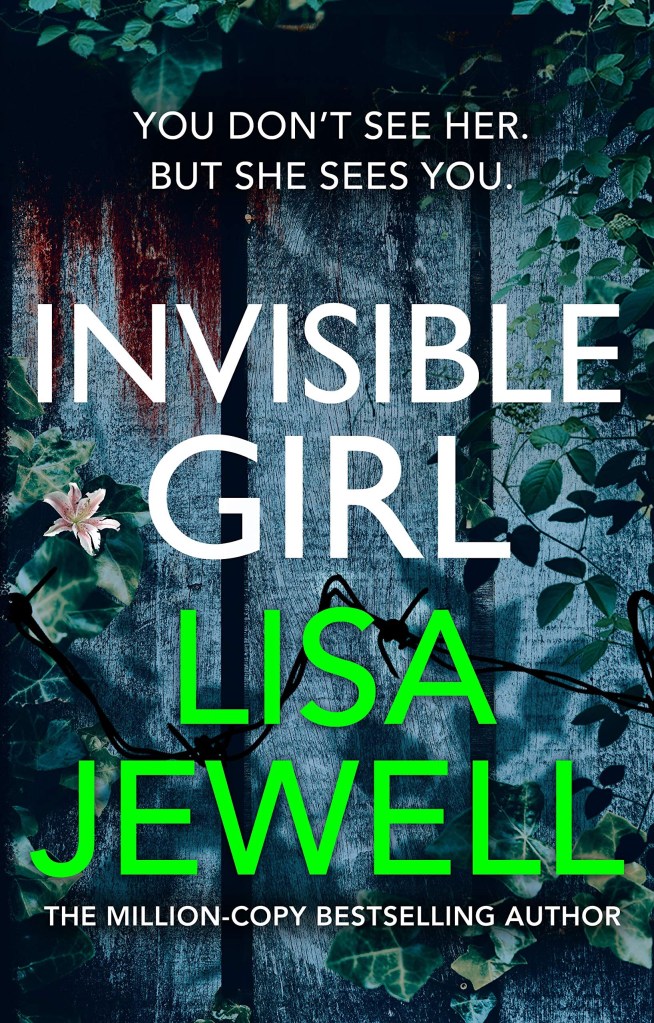
Invisible Girl by Lisa Jewell.

#InvisibleGirl #LisaJewell #bookbloggers

Lisa Jewell is another favourite thriller writer of mine. I know with her books I’m going to get that addictive, dark and ‘unputdownable’ novel I’ve been craving for solid weekend of reading. In actuality I finished this in five hours straight. I don’t know if it’s because I am a counsellor, but I love it when psychological professionals are depicted in novels – I instantly know I’m getting one of two things; a great counsellor with a messy personal life or a creepy manipulator who isn’t what they seem. In this case I got both, plus plenty of other complex characters to get my teeth into it.

The central relationship of this novel is that between child psychologist Roan Fore and his previous patient Saffyre Maddox. Saffyre has lost both parents and lives in a London tower block with her uncle Aaron. They spend three years as doctor and patient until she’s made so much progress it’s time for Roan to discharge her. Yet Saffyre doesn’t feel fixed. She has simply learned to wear masks. She’s studied the girls at school and now knows how to be an ordinary girl, she has a bunch of friends and at home seems the content family member. Once her grandfather dies, it soon becomes clear that no one knows or sees the true Saffyre. She’s become invisible.

Another narrator is physiotherapist and mother Cate. Cate probably appears to have everything. A long marriage to a fellow professional, two teenage children and an apartment in a huge mansion house until the renovations are completed on the family home in Kilburn. For now she’s getting used to her new flat, and life in Hampstead village. However, it’s not long before the novelty of life in this new neighbourhood wears off, when one of her daughter’s friends is sexually assaulted on her way home. This is not the first incident either. Could it be that the attacker is hiding on the building plot next door, which has seen very little activity apart from one JCB placed on site. The foxes are more active and can be heard screaming at night. Cate wants to keep her children safe, asking her teenage daughter Georgia to be careful coming home, especially at dusk onwards. Her son, Josh, is younger but is becoming increasingly difficult to pin down. She doesn’t always know where he’s been and who with, but can’t bring herself to imagine her kind, tender boy doing any harm. Cate’s husband is running, at all different hours and sometimes for whole afternoons. Should she be worried about where he is? That is aside from the affair she’d convinced herself was happening this time last year.

Our last narrator is Owen, a young, single man lodging with his aunt Tess down the road. Cate hates to generalise but he is the archetypal sexual predator. In his thirties, but with no relationship and seems like a bit of a loner. In fact the truth is even more worrying as we learn that Owen works at the local college and has been suspended for sexual harassment. Having turned down a course on creating a safer workplace, Owen decides to quit but now he has even more time on his hands. He finds himself drawn into the murky world of ‘incel’ websites – a group of men who are termed involuntary celibates because women won’t sleep with them. He makes contact with one charismatic leader within the movement and they meet for a drink, but Owen finds his extreme ideas frightening. He believes in enforced impregnation, to get past this conspiracy barring men like them from having a sex life or their own families. Worryingly, and without being asked, he gives Owen a bottle of rohypnol. Mortified, Owen takes them but hides them in his drawers at home. Put off by the incel extremists, Owen decides instead to join Tinder and ends up on a date with a woman on Valentine’s Day. Little does he know that the events of that evening will become very important and may impact the rest of his life.

I liked the way Lisa Jewell takes us inside these characters while also letting us know how others see them. Cate sees Owen as an odd character who seems to stare and appears awkward around women. Saffyre sees Cate as the blonde skinny wife, with a life that revolves around her husband and children. Owen notices Saffyre hanging around the building plot and watching Cate’s family. All these disparate threads come together when Saffyre is reported missing. The author makes points about our biases in the case of Owen. When questioned by the police Cate mentions him as someone who’s odd, who watches people and suggests they question him. It made me think of the case of the 2010 case of Joanna Yeates who went missing in her home town of Bristol. The police took her landlord, Christopher Jeffries, in for questioning and his face was plastered all over the nation’s press. Even when released from questioning there were those that still found Jeffries suspicious. His only crime it seemed was to look a bit odd and unkempt and be described as a loner. Jeffries won substantial libel damages. On the other hand, is someone has the air of respectability through their profession or financial position they can get away with murder under our noses.

Saffyre is an interesting character and although I didn’t fully understand the reasons for her choice to live outdoors – I like my comforts – I can see how the flat becomes claustrophobic for her. Eight storeys up and the heat from all the surrounding flats becomes stifling. I wondered if it was a type of grounding she was seeking? I understand that. I have a need to feel the earth with my bare feet, particularly one specific piece of earth have almost always lived next to since I born. I was born on a farm across the road from the River Trent, and although I’m moving further south on that river as the years go by, I still take off my shoes and stand bare foot on the river bank. It’s like a communion with the river and it’s boundaries – a way of letting it and me know I am home. For Saffyre it’s the stars, the being able to wrap up warm while feeling cold nip your face, the quiet communion with a visiting fox, the feeling that perhaps, like the fox, she is wild. Inside there are many things she has to face, like the loss that surrounds her, the self harm, and the terrible thing a boy at school did when she was much younger. Outside she’s free from these things and it is no coincidence that outside is where she first trusts someone enough to share those painful experiences. She’s incredibly perceptive for her age and is the only one to realise that Cate’s life is largely dependent on one man, and Saffyre is perfectly placed to see the potential for future pain in that choice.

Lisa Jewell is great at throwing red herrings into the plot and I didn’t recognise all of them, happy to go where the story took me rather than furiously trying to work it all out. I knew which way I wanted the plot to go and I was largely rewarded, with just one surprise for good measure. I always want to ask authors whether they know how their novels will resolve, which way each character will go and who will take the blame. I’m sure I’d get a variety of different answers. I do give my heart away to characters and I was desperately hoping Joshua wasn’t involved the sex attacks in the area, because I wanted him to be the sweet, kind boy I had built him up to be. What a story like this one tells us is that we are all a couple of decisions away from a completely different life. Georgia could walk out one night and meet the attacker. Owen could take his date rape drugs on his Valentine’s date. Cate could have left Roan years before when he cheated on her and promised to never do the same again. It made me think of the parallel lives we could have, if we just changed our minds. From a therapist’s standpoint it made me think a lot about fitness to practice and how we make the choice to see or not see a client. How we decide when to end therapy. Mainly, I wondered how we can be expected to help other people find their broken pieces if our own life is falling apart, and what impact that knowledge has on a young client like Saffyre. The novel felt timely, thoughtful and a great weekend read.

Posted in Netgalley, Publisher Proof

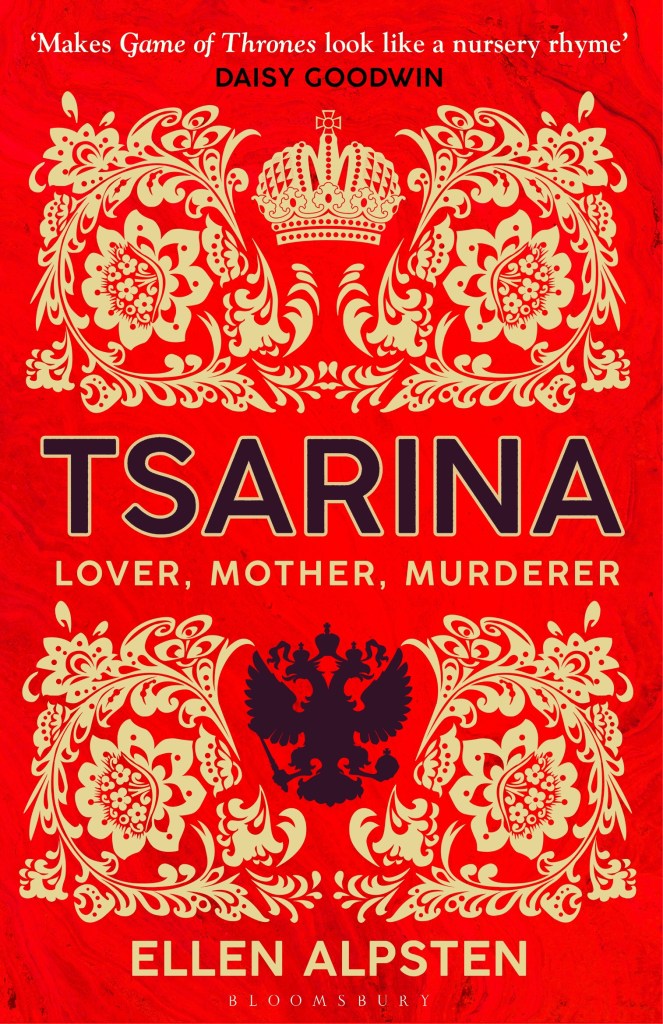
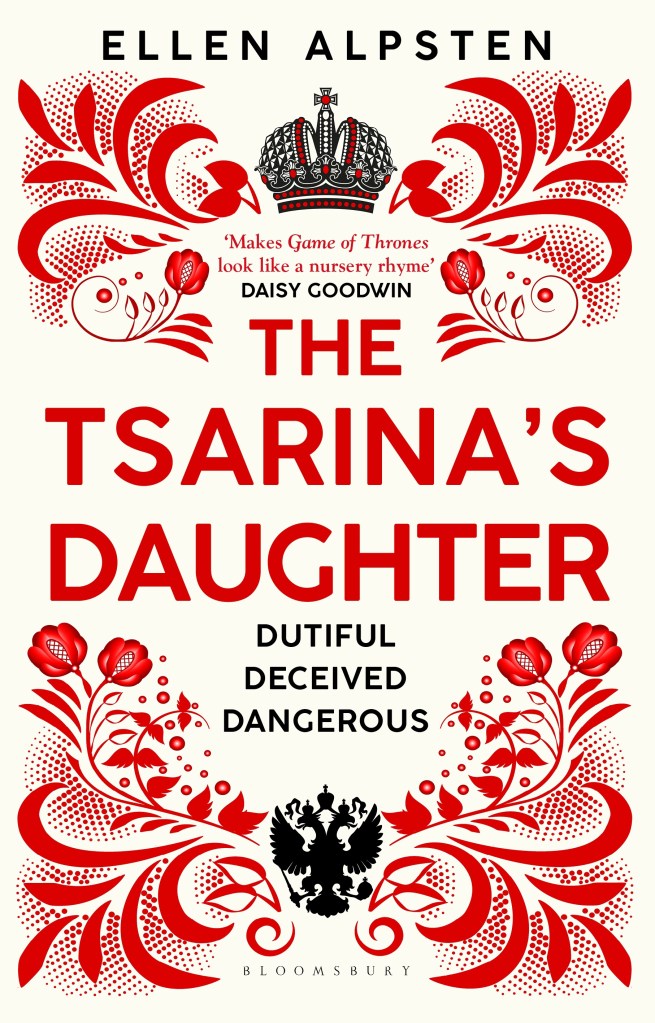
Tsarina by Ellen Epstein.

Catherine Alexeyevna rose from peasant beginnings to become one of the most powerful women in Russia as the second wife of Peter the Great. Known as Marta to her family she was born in 1684 in the village of Livonia. Her meteoric rise from illiterate servitude to the Russian throne is one of chance, but also, as the author puts it ‘intellect, wit and sensuality’. Her parents sold her into the service of a man called Vasilly from the town of Walk. The author pulls us into the world of this nine year old girl as she experiences the town for the first time. She is overwhelmed by the number of people and all the chimneys she can see, each one representing a family. In her wonder, she loses the count and becomes mesmerised by the foods being sold by street vendors. This experience inspires her and she begins to work in the kitchen, soon able to prepare delicious meals of her own.

It’s very hard not to admire the way this incredible woman rose through the ranks of Russian high society, almost always by catching the attention of men. This was a dangerous and volatile period of history and it must have taken a great deal of resourcefulness and cunning to succeed. She was observant, able to read people and their interactions, successful at manipulation and doesn’t let herself be used by men – unless she wants to be of course. There are moments when she is struggling but the right advice or opportunity seems to come along. She takes to heart a lesson taught by Menshikov, the Tsar’s best friend:

Use life’s surprises to your advantage. See your power over men like a hand of cards; play them, to trump your life’.

I really enjoyed it when the focus was on Catherine (Marta) and her rise. When she reaches her position as Peter the Great’s wife and Empress of Russia, the story starts to open up and include others within the court. When we’re not concentrating on Catherine, I wasn’t as engaged with the book, but maybe that was just me. Her life becomes swallowed up by the demands of being a monarch’s wife – the demands on her to produce an heir resulted in twelve pregnancies! The cruelty of Peter starts to come to the fore as well as his contrary nature. He upholds religious and cultural custom to a stubborn degree and then when it suits him, simply discards custom for his own advantage. He’s a textbook narcissist. Even though Catherine is surrounded by riches, lavish banquets and incredible jewels I didn’t envy her position. She knows the dangers of being his wife, because his first wife ended up in a prison cell and her lover was impaled alive, on a spike in Red Square.

Despite this being more fiction than biography, I think the author researched her subject well and worked hard to bring Catherine to life. There are some really dark moments of rape and torture, but this is probably an accurate portrayal of very bloodthirsty time in history. Its also a very sensual book, not just the lusty moments, which I really enjoyed, but also the author’s focus on the senses. The taste of the incredible dishes she creates, the smell of the incense and incredible interiors of the Russian Orthodox Church, all the way down to the sweat and fear of the torture chambers. When Catherine’s trying to keep Peter’s death a secret in order to keep the crown, I was drawn back into the action. As he lies there, dying in the Winter Palace, Peter has to face the fact he is leaving his country without an heir. His only son Alexei, was killed under interrogation for conspiring against him. This is when Catherine undertakes her greatest political manoeuvre and becomes Queen, despite Alexei’s son being the heir apparent. I enjoyed reading from Catherine’s perspective, especially considering the way her male enemies spread misogynistic stories about her suppose voracious sexual appetite. The book did it’s work in making me want to know more about this time and place in history. I’ll be going to All4 and watching their series starring Helen Mirren to learn more about this fascinating character.

Next month I will be reviewing the author’s next novel

Meet The Author

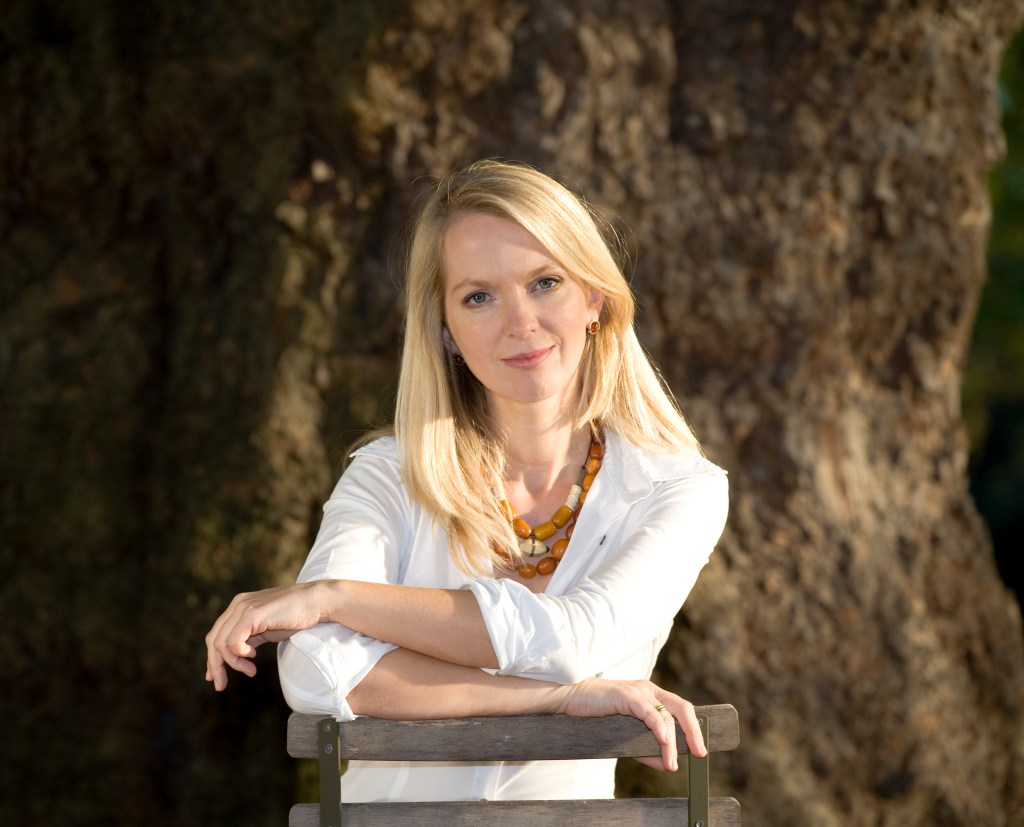
Ellen Alpsten was born and raised in the Kenyan highlands, where she dressed up her many pets and forced them to listen to her stories. Upon graduating from the ‘Institut d’Etudes Politiques de Paris’, she worked as a news-anchor for Bloomberg TV London. While working gruesome night shifts on breakfast TV, she started to write in earnest, every day, after work, a nap and a run. So much for burning midnight oil!

Today, Ellen works as an author and as a journalist for international publications such as Vogue, Standpoint, and CN Traveller. She lives in London with her husband, three sons, and a moody fox red Labrador.

‘Tsarina’ is her debut novel. For more information about her literary life follow her on social media.

Coming Soon…

Posted in Netgalley

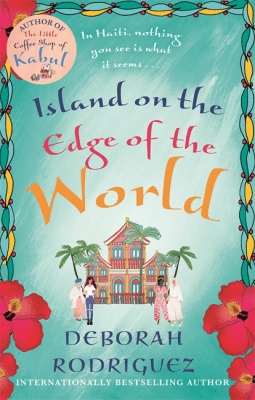
The Island at the Edge of the World by Deborah Rodriguez.

#TheIslandAtTheEdgeOfTheWorld #Netgalley #LittleBrownBookGroup

I have loved reading this novel while in lockdown, because it’s taken me away from my everyday life and thrown all my senses into the vibrant country of Haiti. I’ve been introduced to Haitian literature at university many years ago and love the author Edwidge Danticat. I’ve also read a lot about the history of the island and particularly the aftermath of the terrible earthquake, This novel follows four protagonists in that same time period. Charlie works as a hairdresser and has a great relationship with her grandmother but is estranged from her mother. Charlie has a traumatic past. These issues are both common to women in Haiti – trauma and the estrangement of families. Her grandmother Bea, thinks that Charlie needs a relationship with her mother to make sense of her past and find peace.Lizbeth has travelled to the island from Texas and is hoping to find her grandchild. She’s a widow, who has taken the courage to travel alone and find this part of her family that’s missing from her life. Senzy lives in Haiti and has a pivotal role in teaching these women true strength and resilience of spirit.

The descriptions of the island are immersive, I was assailed by sights, smells and colour until I’d built up such a vivid sense of place it was weird to look up and see my own living room! I enjoyed being educated about Voodoo. I knew how it came about as a combination of African animistic religions from the days of slavery and the French occupiers who practised Catholicism. It was interesting to see what the practice means to everyday Haitians and where spirituality fits into their lives. I also enjoyed the contradiction in both the island and the women of the novel. Haitian women are described as walking with ‘surety’, a pride and certainty in themselves. Rodriguez writes that you were left in no doubt they were not to be messed with. The island is equally bold and strong, but underneath there is some weakness – a sense that life here can be very fragile, despite its vibrant, powerful appearance.

Rodriguez will open some people9s eyes with her exploration of Haitian politics and society. There is, it seems, almost a resigned acceptance that corruption permeates all official organisations. As I know from my own reading, this extends to the NGOs too. The people have seen decades of this and it is now part of life. I find that so sad and struggle to imagine how trapped those at the bottom of society feel – nothing they do can make a difference. Through one of the narratives the author shows how corrupt the orphanages are in the country. Even those trying to help, might have ulterior motives.

Each woman felt real to me and I knew them well by the end of the novel. The author weaves their past into the narrative so we understand how they came to be here. They are well rounded with as many flaws as good points, but that only serves to make them more relatable. More than anything though I loved being immersed in this incredible place and the author completes the experience by giving us information on how to help and recipes to try. This is brilliant for me as I like to cook something to complement the book on my book club evenings. It is rare to come across a novel that balances both escapism and a social conscience but this book has both elements.

Meet The Author

Deborah Rodriguez spent five years teaching at and later directing the Kabul Beauty School, the first modern beauty academy and training salon in Afghanistan. Rodriguez also owned the Cabul Coffee House. She is now a hairdresser, a motivational speaker, and the author of the bestselling novel The Little Coffee Shop of Kabul. Deborah currently lives in Mexico where she owns the Tippy Toes Salon. To learn more about her visit http://www.debbierodriguez.com