Posted in Random Things Tours

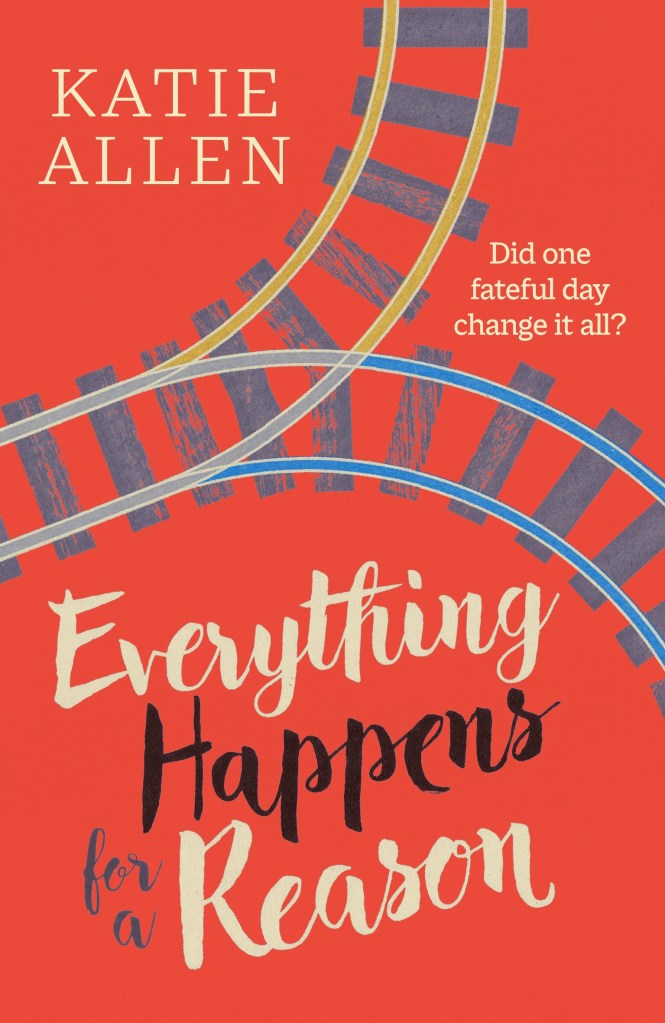
Everything Happens For a Reason by Katie Allen.

Mum-to-be Rachel did everything right, but it all went wrong. Her son, Luke, was stillborn and she finds herself on maternity leave without a baby, trying to make sense of her loss.

When a misguided well-wisher tells her that “everything happens for a reason”, she becomes obsessed with finding that reason, driven by grief and convinced that she is somehow to blame. She remembers that on the day she discovered her pregnancy, she’d stopped a man from jumping in front of a train, and she’s now certain that saving his life cost her the life of her son.

Desperate to find him, she enlists an unlikely ally in Lola, an Underground worker, and Lola’s seven-year-old daughter, Josephine, and eventually tracks him down, with completely unexpected results…

Both a heart-wrenchingly poignant portrait of grief and a gloriously uplifting and disarmingly funny story of a young woman’s determination, Everything Happens for a Reason is a bittersweet, life- affirming read and, quite simply, unforgettable.

When I first talked to Karen Sullivan at Orenda about this incredible book – part of the Jubilant June publishing event – she told me I would cry but I would love it. She was right. I did cry. I cried buckets. I did love it too. This novel reminded me so much about my own loss. I cried for Rachel, I cried for the author, and I cried for anyone who has suffered this terrible loss. Mostly, and selfishly, I cried for myself. I do know the profound sense of loss Rachel goes through, because I lost three pregnancies, one with twins, when I was in my twenties. Of course these were miscarriages, not full term pregnancies, and as someone once tactfully told me ‘better to lose them earlier, than to actually have to give birth, or to have your baby die after a few days’ as if we were playing some sort of ‘Grief Top Trumps’. I was told many things in the months after each miscarriage: there was probably something wrong with the baby; we don’t always understand God’s plans; maybe it wasn’t meant to be. People don’t say these things because they’re malicious. They say these things because they don’t know what to say and silence seems unacceptable. The most useful thing anyone said was from the nurse who discharged me the first time. I was so traumatised by the past 24 hours I was staring ahead, not really seeing and not really listening. She touched my hand and said ‘it isn’t your fault, remember that’.

However, as it happened again and again, I did feel guilty and wracked my brain looking for things I might have done wrong. Rationally I knew it was not my fault, but I wasn’t always rational. Was this to do with my MS? Did I take a tablet I shouldn’t? Should I have helped in the charity shop sorting and labelling clothes, moving boxes? I wasn’t trying for a baby so was it the lack of vitamins? No folic acid? My body felt like such an inhospitable place. It was already attacking itself, now it was attacking my babies. Is it because I shouldn’t be a mum? Did I have a right to bring a baby into my already imperfect world, with my imperfect body? My brain switched off. My heart broke. I was told I had incomplete miscarriages, the baby dies but doesn’t ‘come away’. I then had to read and sign a clinical form that referred to my baby as the ‘products of conception’ and was headed ‘Consent for Termination’. My guilt clicked in again. What if they were wrong and I was killing my baby? To really complete the trauma I contracted an infection after my third miscarriage, and the doctor who had to examine and admit me to hospital actually slapped me on my bare leg because I wasn’t moving fast enough. I felt like my body wasn’t mine anymore. It broke my relationship. It took me on a long, painful journey of finding out that becoming a Mum was going to be more difficult for me because I had Hughes Syndrome, a clotting abnormality. It would be so difficult that I had to choose my own mental health over becoming a mother. I couldn’t make sense of what I’d done wrong to deserve this, on top of my other disabilities.

This is all our central character, Rachel, is trying to do. She wants to make sense of why her baby, Luke, died. She latches onto a platitude and weaves a story around it. If everything does happen for a reason, what could that reason be? Then she thinks of that fateful day when she stopped a stranger from jumping in front of a train, the same day she found out she was pregnant. What if he’d been meant to die? Then, because he was saved, someone else had to die in his place. It’s not clear if she truly believes this, or whether she has to think a greater purpose is at play, because if Luke’s death is without a reason she will fall into the abyss. So, we follow her search for the man she saved. Maybe if she sees him making the most of his second chance at life, she can accept her loss. There is, of course, sadness and grief on the journey, but there’s also humour and the hope that Rachel will work through the worst of her loss and find some peace and acceptance in this awful situation.

The writer is incredibly courageous to take her experiences and lend them to Rachel for the purposes of the novel. As we follow her ‘non-maternity leave’ she tells her story with such a frank, raw, and brutal honesty. This could be a difficult read for someone only just going through the same experience, but for me, I felt like someone had finally seen the pain I was carrying. I would no longer have to stand in the Post Office queue, watching people going about their business, with a terrible inner urge to scream ‘my baby died’. Rachel’s story is told through a series of emails addressed to the son she’s lost. In this private correspondence she can express her worst fears and nothing is left unsaid. There is also a sense for her, that she can send them somewhere; that somehow, Luke can see them. The authenticity of this stream of consciousness can only be achieved by letting us delve deeply into Rachel’s feelings and state of mind. It seems so authentic, because it is. Katie has delved into her very soul for this novel and welcomed us in. I can’t thank her enough. I admire her enormously. It inspires me to keep going, to keep writing my own story.

The fact that this is Rachel’s world means that everyone we meet, we can only see through her eyes. I really enjoyed some of these characters and they do bring balance to a tough story by creating some of the lighter, more humorous moments. Josephine, the daughter of a woman who helps Rachel in her search, has an offbeat humour that I really enjoyed. She really doesn’t have the ability to filter her thoughts before they come out of her mouth, and while that’s always funny, it can also be very insightful in a quirky way. The author has a unique ability to affect the reader’s emotions in one way and then switch them round again very quickly. Rachel’s family mean well when they help and hope she can ‘move on’ from her grief. Some don’t fully understand her quest and want the very best for her. I found myself understanding their confusion and agreeing with their wish that she heals emotionally. The next second I’d be furious, because something has been said that’s so glaringly insensitive. I’d want to turn the air blue with a few ‘F’ words.

I know I have rambled about my own experiences here and maybe I haven’t said enough about why you should read the book. However, I can honestly say this is the book about the loss of a baby, and the chance to be a mother, that is the most authentic I have ever read. I felt represented by this story and by this talented debut author. It’s unique structure, it’s rawness and ability to plumb the depths of despair, while still making you laugh and dare to hope, is simply extraordinary. It is beautifully written and captures our human need to make sense of something that is senseless. No one should be told how to grieve. Each person, and each individual loss is different. We humans find it difficult to accept that some life-experiences have no explanations or answers. When we can’t find meaning, we create it. So, we tell each other stories.

I’d like to say a big thank you to Karen at Orenda for putting this book in front of me months ago, then waiting patiently for my response. I’d also like to thank Anne Cater for letting me ramble like this on the blog tour.

Meet The Author
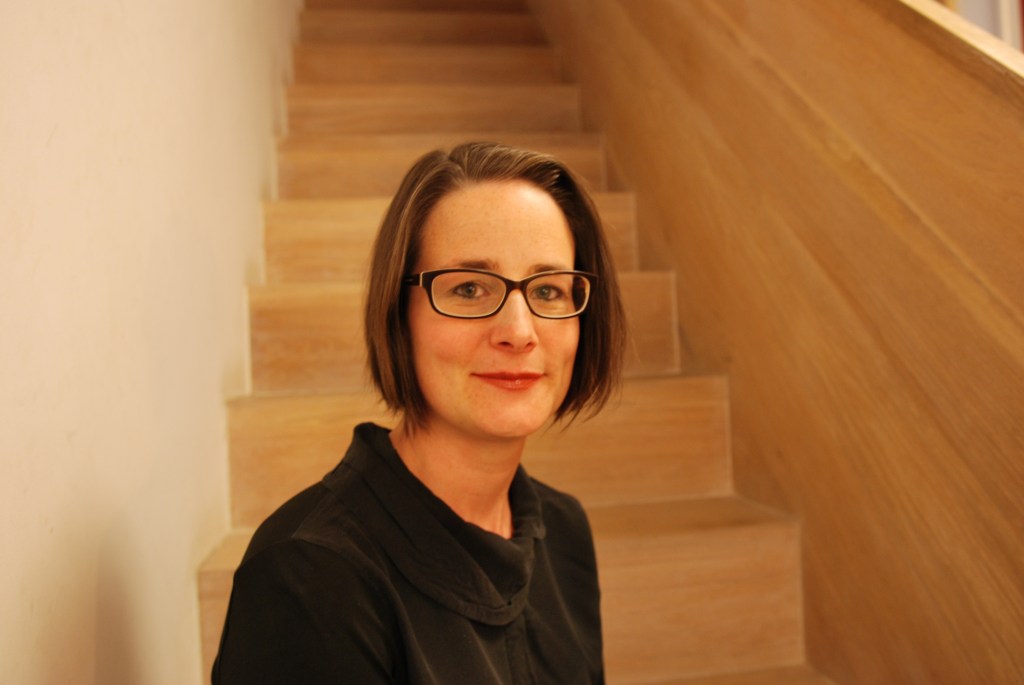
Everything Happens for a Reason is Katie’s first novel. She used to be a journalist and columnist at the Guardian and Observer, and started her career as a Reuters correspondent in Berlin and London. The events in Everything Happens for a Reason are fiction, but the premise is loosely autobiographical. Katie’s son, Finn, was stillborn in 2010, and her character’s experience of grief and being on maternity leave without a baby is based on her own. And yes, someone did say to her ‘Everything happens for a reason’.
Katie grew up in Warwickshire and now lives in South London with her husband, children, dog, cat and stick insects. When she’s not writing or walking children and dogs, Katie loves baking, playing the piano, reading news and wishing she had written other people’s brilliant novels.
Posted in Random Things Tours

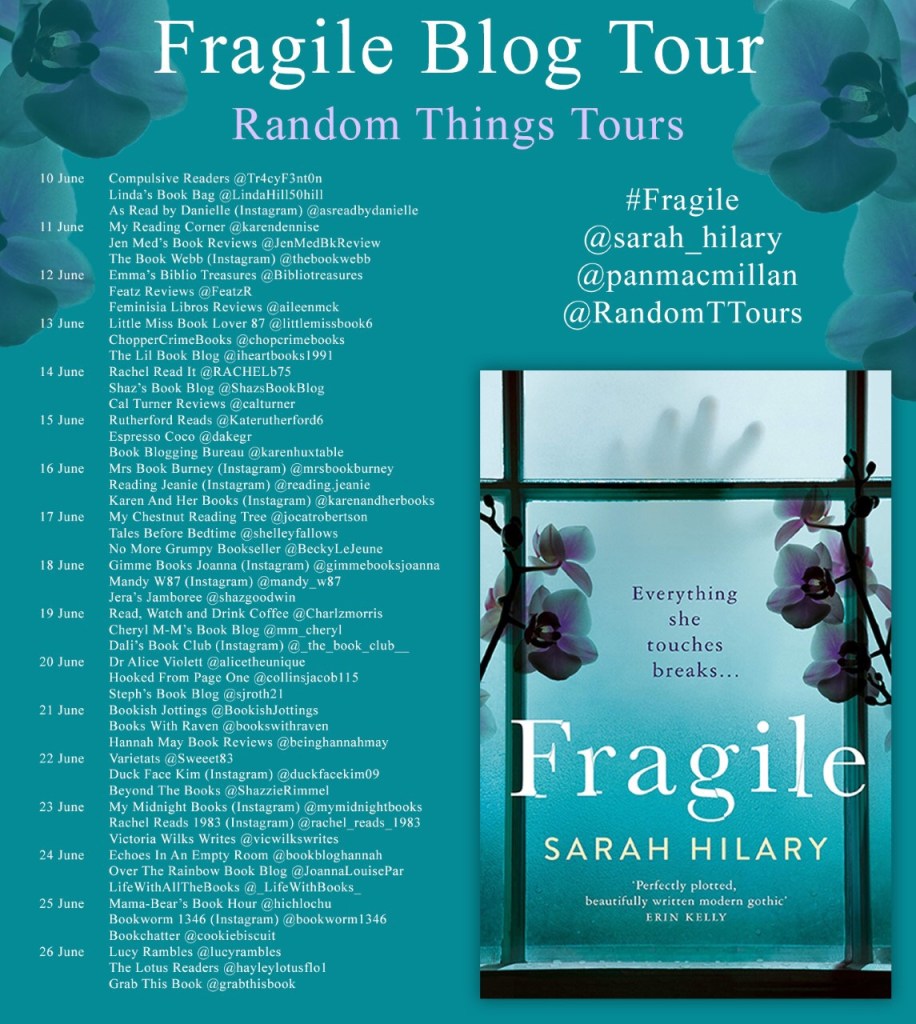
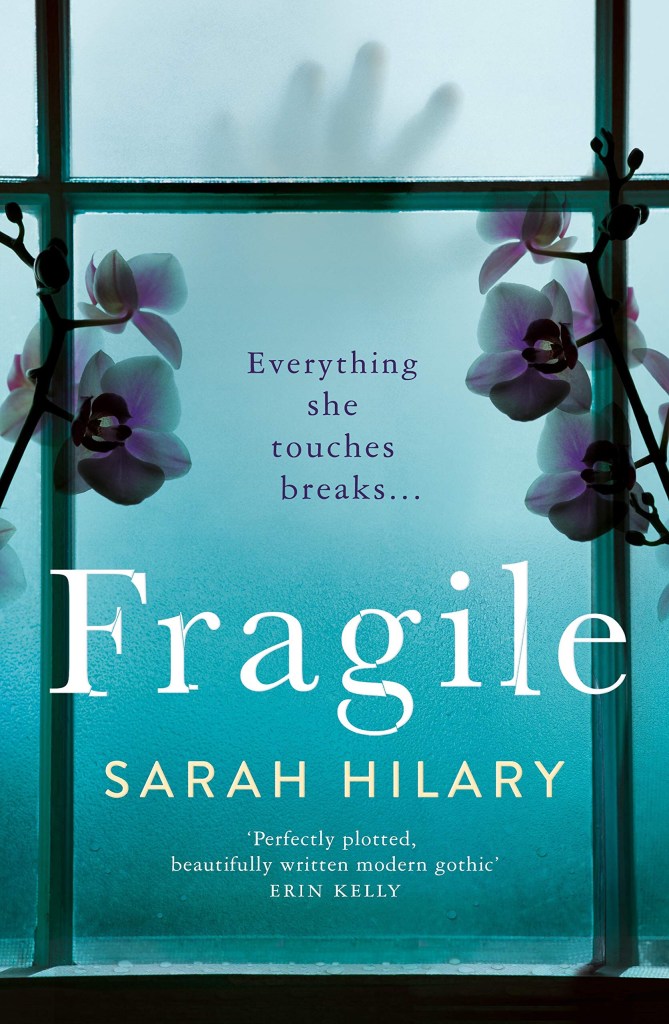
Fragile by Sarah Hilary.

There’s a lot packed into this complex thriller about human relationships, traumatic childhoods, damaged adults, social justice, and the differences between those who are deemed to be respectable and those society deems outcasts. It’s an addicting and sometimes uncomfortable read, but it’s themes pour scorn on those who dismiss genre fiction as having nothing important to say. Across two timelines, one current and one a year in the past, we follow our main character Nell. Currently she’s homeless and her lover, Joe, has disappeared into the night with a well- groomed older woman. Nell tracks them to a tiny house, almost impossibly narrow, and invisible from certain points in the street. It’s a three storey, possibly Victorian town house and must be worth a fortune. Waiting impatiently for Joe to emerge she spends her last handful of change on a cup of tea in order to sit in the warmth of a cafe. The only person who comes out is a young girl with a blonde plait hanging over her shoulder. As she comes in for a drink Nell makes a choice to go over and talk to her and finds out she’s been interviewed for a position as assistant to the house owner – a man. In her desperation to find Joe, Nell decides she needs to get inside that house and comes up with a plan.

In her past, Nell has been in the care system, ending up in a group home in Wales with a foster carer called Megan Flack. She is a career rather than a vocational carer, collecting the money but rarely doing the job. She is neglectful at best, but there’s much more going on under the surface. Nell has learned to look after a home because she was always picking up the slack with housework, cooking and mothering the younger children, particularly the cute 6year old Rosie who clings to Nell. When Joe first arrives at the home Nell is knocked sideways by how beautiful he is. Two teenagers under one roof, with plenty of time to themselves creates the perfect opportunity and they are soon joined at the hip. In the heat of the summer they go bathing at a nearby pool, but Joe doesn’t always want the younger kids there and Nell is having to make hard choices. What has happened to cause the pair to flee their foster home? They end up in London, sleeping on the streets, until one night Joe disappears into Starling Villas.

The book’s structure is clever and works really well to pace the action and build tension. We learn a little bit more about the present, then go back into the past; a past that constantly updates and informs the present again. There was a growing sense of unease, as I got further into the book. I was never sure who was truly playing who. Caroline was unnerving and hard to like, because she never seemed to show any vulnerability. Megan was worse though; cold,manipulative and completely without empathy. The thought that there are people like this looking after children who are already traumatised and suffering from attachment issues. There was a social conscience here. The fact that a magistrate, a man who decides the fate of children like this, can be licentious and exploitative behind closed doors shouldn’t be a surprise, but somehow it was. There was something about Robin that I trusted, despite all the evidence to the contrary. We all know that status is conveyed according to how people appear and what they own. We might automatically assume that the well-read man living at Starling Villas is a fine, upstanding citizen. We also might assume that those brought up in the care system, the homeless and the hopeless, are capable of just about anything. What did drive Nell and Joe to pack and leave Wales, so suddenly? Why is Megan still seeking them out?

Nell is a wonderful character, all tough exterior but marshmallow inside. Her vulnerability is evident in her interactions with Robin, her new employer. She’s a hard worker, trained by a foster mother who seems to have hated some of her charges as much as doing anything that made her break a sweat. Nell’s been a mother figure at an age when she still needed one herself. She’s used to making a home too, making the best of the meagre things she can find to enhance her surroundings and lift her spirits. She’s tough enough to survive most things, even a winter on the streets in the capital, but the things that have happened to her still haunt her mentally. She’s been let down so many times it shouldn’t hurt anymore, but it does, especially when she’s let her guard down and softened slightly. Even though some of her behaviour is morally questionable, she’s so young and has had so few chances in life, I found myself rooting for her. The author’s knowledge about a childhood spent in care and what it can do to the rest of your life shows research, listening to personal accounts and experience. Not everybody survives, some will be institutionalised for the rest of their lives, while those who do survive the system don’t always leave unscathed. I think this was represented so well through the characters in this novel. Thankfully, not all foster parents are like Megan Flack.

This was a great read, compelling and difficult to put down once you’re hooked by the story. Every character has nuance and flaws, meaning in both the past and current narrative, you’re never quite sure who to trust or what to believe. I was haunted by little Rosie, just like Nell is. The author has created an addictive thriller, but given it heart and poignancy too. I was completely drawn in until the very last page and the ending was beautifully written.

Meet The Author

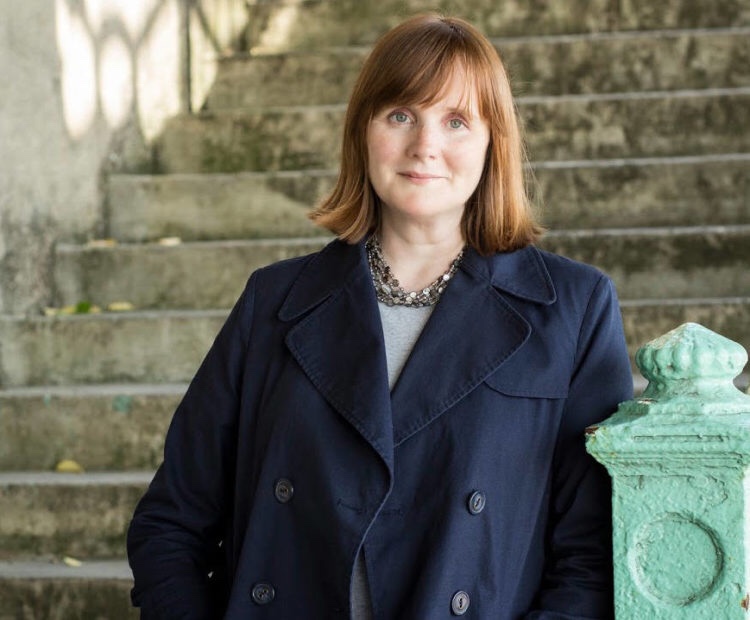
Sarah Hilary’s debut novel, Someone Else’s Skin, won the 2015 Theakston Old Peculier Crime Novel of the Year and was a World Book Night selection. The Observer’s Book of the Month (‘superbly disturbing’) and a Richard and Judy Book Club bestseller, it has been published worldwide. No Other Darkness, the second in the series, was shortlisted for a Barry Award in the U.S. Her D.I. Marnie Rome series continues with Tastes Like Fear, Quieter Than Killing, Come and Find Me, and Never Be Broken. Fragile is her first standalone novel. –This text refers to an out of print or unavailable edition of this title.

Posted in Random Things Tours

One Last Time by Helga Flatland.

Translated by Rosie Hedger.

I was utterly bowled over by this beautiful examination of life, death and how ordinary lives can be the most extraordinary of all. Our narrator, Anne, unexpectedly finds herself contemplating the end of her life, and so much sooner than expected, when she faces a diagnosis of colon cancer. Her husband Gustav has been hovering between two states for a number of years after several strokes slowly incapacitated him. His permanent disabilities started with paralysis of one of his arms and ending with all limbs affected and personality changes that are the hardest to cope with. With a heavy heart Anne has allowed their GP and hospital team to make the decision that Gustav should be placed in a nursing home. There’s a sense in which Anne had felt immune from further tragedy, as if Gustav had paid the price for them all. Meanwhile, we also meet Anne’s two grown-up children, Magnus and Sigrid. Sigrid is our second narrator and through her story we can see Anne in a different light, as a mother. However, we also see Sigrid as a mother and it’s on these relationships the book focuses; those complex emotions and connections between mothers and daughters.

Anne’s life has been a difficult and hard-working one. There’s been the farm she kept with Gustav in an isolated region of Norway, her job as teacher, the role of carer for Gustav, and her role as mother. From the outside looking in she’s an amazingly strong woman for whom fate has dealt a very rough hand. From the inside she sees herself as almost subsumed by the needs of other people, particularly Gustav, but has done the best job she could in very difficult circumstances. However, from Sigrid’s perspective, she allowed herself to be subsumed by Gustav’s needs at the expense of her children. Sigrid feels that her father listened to her, they would play records together from his vinyl collection and he took time to understand her. She feels her mother is distant at best and at worst, neglectful and selfish. We also see Sigrid’s own mothering skills, dealing with her teenage daughter Mia and the sudden return of Mia’s biological father Jens. The author takes us back to Sigrid’s rebellious teenage years, her pregnancy at 19 and Jens’s abandonment of her just before the Mia’s birth.

The author cleverly shows us how mother and daughter can see the same incident very differently. In a conversation about teaching in Norwegian in schools, Sigrid suddenly bursts out with:

‘I was so cold, freezing all through primary school, do you know what it was like, sitting through a whole day in class with wet socks, ice cold, not daring to take them off for fear someone might see?’

Anne is a bit stunned, but relates back to everything that was on her plate at the time. She was looking after Gustav, constantly making sacrifices:

‘You’re hardly the true victim in all this, I told her in as measured a tone as I could muster. She said nothing, waited a few seconds before getting up and leaving. I woke that night and remembered at least one occasion when Sigrid had been at high school and I had urged her to wear her boots, she had flown into a rage with me, stormed out the door and into the icy rain in her trainers and denim jacket’.

This is how mother and daughter speak to each other, in cross words with even more crossed wires, and bogged down with specifics. The overarching truth neither wishes to acknowledge is that Sigrid’s memories of her father are in a nostalgic past before she was seven years old. He will never grow old. He took up so much of her mother’s time that both Magnus and Sigrid fended for themselves on occasion. I felt so sad for Sigrid that her family forgot her birthday once or twice. However I also felt sad for Anne, who was dealt a rough hand in life and now has another in death. The time she’s had for herself is minimal, and the retirement she expected with her loving husband has been stripped away. There’s a deep sense of loss in Anne, from the family life she expected, her marriage, loss of a lover and of a warm, loving relationship with her daughter. She thinks back to those times she had supported Sigrid which don’t get mentioned. After Jens left, Anne collected a 19 year old Sigrid and took her back home for some much needed TLC and to have help after the birth. Sigrid isn’t angry with her Dad, she can’t be because he’s sick, so her anger is saved for Anne who for several years chose Gustav’s needs above those of her children.

Then, in turn, Sigrid is at crossed purposes with her own daughter. Jens has returned after sixteen years and is now the object of Mia’s affections. Sigrid feels for her partner Aslak, who has been there for both of them, since Mia was a small baby. She thinks she’s been a great Mum to Mia, never shirking responsibility or neglecting them. However, there are times Mia has felt stifled and there’s a way in which Sigrid’s need to control everything feels like anxiety to others. The author manages to convey how these parenting choices feel to the daughter. There are times when intention and result just miss each other by a hair’s breadth and I found this incredibly moving. It made me think about how I view my own mother and where I’ve been harsh in my assessment of her, but others might view things with more empathy. I found it interesting in light of her accusations about Anne’s parenting, that Sigrid feels it is Mia at fault in their misunderstandings. Mia’s reply is a real piece of wisdom and could have come from a therapist:

‘Isn’t it interesting how everyone else is always letting you down Mum?’

Helga Flatland writes so beautifully, that I was in the events of the book immediately and then carried into the very heart of this one ordinary family. She is a master at creating tension between people, finding those spaces between a conversation’s intent and how it’s received by the other person. I was desperately hoping for some sort of understanding between mother and daughter, before it was too late. I felt Sigrid needed that reconciliation even more than Anne. I loved the atmospheric feel of the country with its crispness underfoot, constant dusting of snow and all the hearty foods Anne mentions from elk to mutton, slow cooked and filling the house with delicious meaty casserole smells. I also loved the way she conveyed the closeness of a couple who live together, the way you know how their skin smells or what they’re going to say before they say it. I was so moved by Anne’s predicament of a much loved partner leaving you by slow degrees and how she would simply lie on the mattress next to Gustav hoping to regain some of that comfort she would get from his body. Most of all, her depiction of illness and deterioration is the best I’ve ever read and I’ve read a lot. Small losses, like medication changing the way the way someone smells, are actually huge because it takes them from the familiar to a complete stranger. She explores how illness suddenly demotes you from being in control of the smallest things in your life, like what you will eat for dinner or whether people will stay in your house. Who decides whether you need to be looked after and how? The way your body doesn’t belong to you anymore, or even feel and look like yours. People who once saw us as sexual beings, might cease to see us that way. Our bodies become a no-man’s land that people will fight and negotiate over, but rarely ask what we think, feel or need. This made the book incredibly moving, honest and real. This small family story is exquisite and truly special. You simply must read it.

Meet The Author

Helga Flatland is already one of Norway’s most awarded and widely read authors. Born in Telemark, Norway, in 1984, she made her literary debut in 2010 with the novel Stay If You Can, Leave If You Must, for which she was awarded the Tarjei Vesaas’ First Book Prize. She has written four novels and a children’s book and has won several other literary awards.


Her fifth novel, A Modern Family (her first English translation), was published to wide acclaim in Norway in August 2017, and was a number-one bestseller. The rights have subsequently been sold across Europe and the novel has sold more than 100,000 copies. One Last Time was published in Norway in 2020, where it topped the bestseller lists, and was shortlisted for the Norwegian Booksellers Award.

Posted in Random Things Tours

Then A Wind Blew by Kay Powell

I was interested in reading this book, because I have a real gap in my knowledge when it comes to the final days of Rhodesia. I’ve read missionary’s accounts of leaving the country, but as these were largely from church sources, told through solely white, Christian, missionaries I feel my knowledge is very limited. We talk about literature as a way of understanding human experience and it’s important to me that my reading covers diverse human experiences, not just my own reflected back at me. In this novel set in the final days of Rhodesia, before it became Zimbabwe, there is a nun in a church mission called Beth, who has adopted this country as her home and is now watching it tear itself in two. Susan Haig is a white settler, who has lost one son to war with her second declared unfit for duty. Nyanye Maseka is in a guerilla camp in Mozambique, with her sister in tow, after their village was destroyed. Heartbreakingly, her mother is missing and they have had to take flight without her. This gives the reader three different perspectives on what is happening. The women’s fates become entwined as the lives they were used to, become a casualty of war.

In a similar way to Chimamanda Ngozie Adichie’s novel Half of a Yellow Sun, this author concentrates on the female experience of civil war. Adichie wrote about the Biafran conflict in Nigeria through two sisters. Here the three women’s story of everyday lives in war, tell us wider stories about society and politics in Rhodesia. It’s not an easy book to read, but it shouldn’t be. It should make us uncomfortable. It should be harrowing. This is what it takes to put across the horrors of war. War is harrowing, and knowing these experiences come from factual accounts and from an author who has lived there, gives the story authenticity and makes it hit home even more strongly.

Kay Powell

Susan. Well it’s hard to write about Susan’s views because they made me so angry. Sadly though, they did echo a lot of the views I’ve heard from white settlers who left Rhodesia during the Wars of Liberation. They were views I had shared with me very recently on Facebook, from a friend who was born out there in the late 1960’s. The killing of George Floyd and subsequent Black Lives Matter protests seemed to bring these views out into the open. As if they were ok. My friend’s list is a little bit lighter these days. Views like ‘there hadn’t been any African history until the European arrived’ are staggering in their arrogance and ignorance. As if it’s unthinkable there is any other way of doing things than the British way. I’ve heard ‘they need someone to organise them’ or ‘if we weren’t there they’d just kill each other’. The use of ‘they’ tends to push all Black South Africans and Zimbabweans into an homogenised mass, with no individuality or humanity. I couldn’t believe I was still hearing the Victorian attitude that natives were little more than savages. Yet she was needed in the narrative. The reader needed her to show the entitled attitude that comes from empire and from one nation thinking it’s a show of greatness to own another. Without Susan there would be nothing to fight against, however difficult she is to read. I imagine there was an element of catharsis in writing her character, the ability to put all the hateful words and attitudes you’ve encountered in one place, and leave them there. A way of doing something good with such evil.

Through all of these characters we see the strength and the fight women must have to survive a war. War often leaves women with the greatest burdens to carry and that was an important thread woven throughout, with all the women. I loved Nyanye’s fight and her need to let others know she wasn’t beaten or conquered. The love the author has for the country shines out of the pages, with vivid descriptions of nature and the weather she really set the scene for me. In one scene, at night, she describes the sound of wind in the grass, calls of distant animals and crickets calling all under a sky filled with stars. It felt poetic, and created such an atmosphere for the reader, adding to the sadness that such a beautiful country is being torn apart. The way her writing is so lyrical one moment, then so raw and brutal, really brings home the horrors of conflict. Yet, there is such beauty and hope. These women show such strength and faith. It could be faith in their role as a mother, as part of a sisterhood serving God. There’s also a sense that these women are learning they’re part of a greater sisterhood of women, no matter their race, religion or colour. They have also learned to have faith in themselves, to realise their strength and will to survive. The book ends with this hope – for justice and equality. It acknowledges a need for peace and for people, like these women, to work together to achieve it. I was left with an aching sadness for the people who lived through this war and the turbulent years since. This is a book that has made me think and will stay with me.

Posted in Random Things Tours

Mary Jane by Jessica Anya Blau.

What a great coming of age novel this is as we follow Mary Jane Dillard’s summer of 1978, caught between her straight-laced and devout home, that’s all rigorous routine and tidiness, and the home where she ‘nannies’, which is untidy, chaotic, has no rules and is harbouring a famous rock star and his girlfriend as he dries out from drink and drugs! Fourteen year old Mary Jane has a complete culture shock when she takes a summer job working for the Cone family down the road. Her role is to look after the daughter, Izzy, but as she finds out roles and rules are not very clearly defined in the Cone household. Mary Jane has grown up with rules, and her favourite things up till this point are cooking with her mother and singing in the church choir. Her mother is the great organiser of their household: tea is always on the table at the same time; they go to the same weekly church activities; she shops for groceries every Friday and always knows where her daughter is. Dr Cone’s professional status is enough for Mary Jane’s mother, who imagines a serious, professional man with a wife who keeps the household running like clockwork. Nothing could be further from the truth and even Mary Jane’s dad points out they might be different – they’re Jewish he tells his family, their name would have been Cohen but they’ve changed it. Besides which, Dr Cone is a doctor of psychiatry and has his own unusual treatment methods.

If the state of your house is truly reflective of who you are (overstuffed, slightly shabby, but full of charm in my case) then the Cones are chaotic, anarchic, full of ideas and very well read. Just like all children, Mary Jane has imagined all homes are like hers and looks at this one with horror and wonder too. There are things everywhere and in Izzy’s room she can’t even see the floor. The family are not just incontinent with their belongings, but their affections too. Mary Jane’s parents don’t show their emotions and seldom show physical affection, but here Izzy’s parents are full of kisses and hugs – something that takes quite a bit of getting used to on Mary Jane’s part. I grew up in a similarly religious and strict family during my adolescence and although my parents were always very loving, I was very shocked when friend’s mums talked to them openly about sex and relationships, or allowed them to read or watch anything, go out till late and wear what they liked. I really felt Mary Jane’s bewilderment at this complete lack of rules or schedules. As it neared late afternoon she would be surprised that no one had thought about what to have for dinner, or that no one had ironed Mr Cone’s shirts. Mr Cone’s office was in the garden, but his methods are rather unorthodox and within the week the house has two new guests; the rock star called Jimmy and his movie star wife Sheba. Jimmy is drying out, which seems to involve eating a lot of very sugary sweets! Mary Jane has been asked to tell no one the couple are there and this is the first thing she has ever kept from her parents. The second thing is her cut off shorts that Sheba has cut so high they only just cover her bum cheeks – I loved the bit where Mary Jane’s mum bumps into her and Izzy in the supermarket, and she hastily throws on an apron to cover her modesty. She knows that if her mother knew even the half of what is happening over at the Cone’s residence, her summer job would be over, and now she’s grown to love both Izzy and their happy go lucky lifestyle.

Of course these two families are not simply good and bad, they’re just different and that difference is appealing when we realise that Mary Jane is getting from the Cone family, exactly what she is missing at home. Her own mother, although rigid and a little remote, is not a bad woman. Yes she has elitist, and often, judgemental views – the first thing she asks about the Cones is which country club they belong to? She also lives a very ‘Stepford Wife’ existence, with a rota of family chores to follow and the ingrained view that a woman looks after the house, children and her husband. In teaching Mary Jane how to cook and clean, she is preparing her for a similar role in life because that is her norm. They belong to a church that reinforces those same views. However, Mary Jane is well cared for and has a very stable home life, with a mother who wants to keep her safe. By contrast, Bonnie Cone is openly affectionate, praises her cooking and cleaning skills as if they’re a magic art, and encourages her to express herself both emotionally and creatively, but she does have shortcomings. She doesn’t work outside the home, but Izzy is often unfed, unwashed and without Mary Jane’s input could be neglected. As a couple, the Cones choose to bring a known addict into their home who is a total stranger, leave food to rot in the fridge and are effectively allowing a fourteen year old to run their home, cook all their meals and be a full-time nanny to their daughter.

Whilst there is so much charm in their lifestyle and love in their hearts, it doesn’t always translate to action and could be seen as dysfunctional. I can imagine many people finding their nudity troublesome – Mrs Cone is often without a bra and Mr Cone wanders naked from bedroom to bathroom, knowing Mary Jane is in the house. As I was reading I found myself drawn to the Cone’s way of life, but also a little troubled by it. While I dislike rigid, religious upbringings I had to feel a drop of sympathy for Mrs Dillard who thinks she is doing the best thing for her family and often is, in a practical sense. While Izzy seems a happy and well- adjusted little girl now, would that continue into her teenage years or might she crave some structure and safety? There’s a scene, early after Sheba and Jimmy’s arrival where the whole household sit and watch Russian and American astronauts meet in space for the first time. Mary Jane observes that as they all sit together, on or in front of the sofa, everyone has an arm round or hand on someone else. It’s a big affectionate sprawl she describes as being like a litter of puppies. This description stayed with me, and I think it is because they all seemed to be on a equal footing. There are no adults and children here – they are all children. This can also be seen in later descriptions of evenings where everyone sings together, dances to the Jimmy’s records and the adults smoke joints. She is even included in group therapy sessions where everyone is encouraged to be honest and has equal status. I couldn’t tell whether it was the whiff of 1970s nostalgia that made this communal living sound idyllic. There were times when I wondered if any five year old brought up in a similar atmosphere now, might even be flagged up at school or to social services.

However, the author’s skill is in creating that nostalgia for the past, the music, the peace, the love and the permissive family. The atmosphere is warm and welcoming and the reader is charmed into wanting to be a member of this loving and accepting household. I felt seduced by it, but then I was Izzy’s age in 1978 and it does feel like a golden time. These are the rose coloured spectacles of a child. Yet, if I asked my parents what was really going on in our lives then, I might get a completely different story. This is how I felt about Mary Jane, that naïvety she has lead to her being charmed by the Cones. She hasn’t stopped to think what would be happening to Izzy if she wasn’t hired for the summer? On one of the last weeks of summer, they all decamp to the coast, sharing a beach house for the week. I was simply waiting for these couples to clash, or something else to go wrong. One thing is definitely true, seeing an extremely different lifestyle opens Mary Jane’s eyes and gives her a more definite picture of who she wants to be and what to do with her life. This is an interesting, nostalgic and funny coming of age novel with a sympathetic heroine who I really enjoyed.

Meet The Author

Jessica Anya Blau is the author of US bestselling novel The Summer of Naked Swim Parties and three other critically acclaimed novels, most recently The Trouble With Lexie. Her novels have been recommended and featured on CNN, NPR, The Today Show and in Vanity Fair, Cosmo, O Magazine, and many other US magazines and newspapers.

Posted in Random Things Tours

This Is How We Are Human by Louise Beech.

I absolutely loved this incredible book about love, disability, sex and the secrets we keep from each other. Veronica and her son Sebastian live together in Hull. Veronica wants the best for her son and just like all parents, she wants him to grow up and have a full life. However, Veronica isn’t like other parents, because despite Sebastian being twenty years, six months and two days old, he’s struggling with the love and relationships part of his life. Seb is autistic and he is lonely. Seb loves swimming, his fish, fried eggs and Billy Ocean, he’d also love to have sex but no one will have sex with him. He’s already been in trouble after the girl next door convinced him to write an explicit letter to her underage sister. When their lives collide with Violetta, Veronica thinks she can see a way forward. She’s thought of paying someone before, but has stopped herself. Here though, is someone they’ve met before and who was natural with Seb. Veronica couldn’t have known she was leading a double life as a high class escort, in order to earn enough money to keep her seriously ill father at home. These three lives come together and change each other in unexpected ways.

There were scenes in this that made me laugh and some that made me cry. His need for sexual release is having a huge impact on his carefully ordered life. His swimming sessions have continued at the same time and day of the week, all the way from childhood, but his inability to see why his nakedness is different to the children’s has meant they must stop. When Veronica takes Seb to the sexual health clinic, because she’s desperate for advice, their lack of help and understanding infuriated me. The nurse seemed more concerned about whether Seb might hurt someone, or how Veronica’s thoughts about paying for it would be harming him. She even threatens to report her to social services. There’s no compassion or admission that they really don’t know what to do. It’s an issue I’ve thought about for a long time, having supported people with learning difficulties or autistic spectrum disorders in an advocacy role. Sadly, the figures for sexual violence against women with learning disabilities are terrifyingly high. While young people are often infantilised by parents who don’t want to accept their child is an adult. I read many years ago about an initiative in Holland very like our Direct Payments/Personal Budget system for care if you have a disability. However, social workers could add a component that would pay for the disabled person (physical disabilities) to hire a sex worker if they needed that for an sexual outlet. As Seb himself says:

‘People seem to get dead upset about it. But it’s just like paying for swimming lessons. You want to learn to do it and someone who knows how to will show you for an agreed fee’.

He sees it as a simple business transaction. Offsetting the worry, sadness and anger I felt in their behalf it’s Seb’s frankness that brings the humour. His mother greets him in the morning with a cheery ‘what do you want to do today?’ and his reply is ‘I want to have sex’. He goes on to explain that he might pay for sex:

‘If I was rich. But I’m not. I’ll just have to find someone who appreciates me before I die. I hope it’s this week. I’m feeling very sexual today.’

Seb is such a loveable and interesting character. He’s also handsome, so does draw attention from women when out and about, but Veronica knows that as soon as he speaks they will start to lose interest. She meets with Violetta and proposes her plan. However, there are real ethical concerns here and everyone is keeping secrets. Veronica isn’t planning on telling Seb the truth about his ‘sessions’ with Violetta, but she isn’t planning on telling Seb she’s been hired or why she needs the money. Seb has his own secrets and there is an ending to this that neither woman envisaged, showing a prejudice they didn’t know they had. They’ve discussed concerns that Seb may become attached to his tutor, but they didn’t imagine that she might become compromised in some way or that Seb might transfer his affections to someone new.

This is brave new ground in fiction. I have a physical disability, and I can count on one hand books that have a disabled character who openly discusses or explores their sexuality. This is almost society’s last taboo – the sexual disabled body is not to be looked at or mentioned. This is partly about the infantilisation of people with disabilities, they need care and are therefore vulnerable and untouchable. It’s partly to do with an innate reflex to reject what is different – often the fear of urine bags, colostomy bags, and other paraphernalia is so great, that the person becomes neutral to other people and they close their minds to the fact that this person is a sexual being. We saw this prejudice in action with the controversy around Marc Quinn’s statue of Alison Lapper. Not only was this a disabled woman who was naked, she was also pregnant. People rejected her body strongly, calling it ugly and disgusting. However, I think a large part of the furore was down to people being uncomfortable that Lapper’s pregnancy was a visual clue of a healthy sex life. Most of the same people would probably be uncomfortable with this book, but I was so excited to see the issue out in the open. We need to talk about it more. People with disabilities are having sex, often more adventurous and inventive sex, because they have to communicate more and find a way round their disability. It’s only by talking about it that we start to break down these prejudices and accept that a healthy sex life is a normal part of life for all adults able to consent. This was a difficult subject, handled with frankness, but also the greatest care and sensitivity. I’m so grateful that this talented writer turned her hand to this subject, writing characters that felt utterly real and incredibly relatable. It was funny, moving, and full of love, of every kind.

Meet The Author

Louise Beech is an exceptional literary talent, whose debut novel How To Be Brave was a Guardian Readers’ Choice for 2015. The follow-up, The Mountain in My Shoe was shortlisted for Not the Booker Prize. Both of her previous books Maria in the Moon and The Lion Tamer Who Lost were widely reviewed, critically acclaimed and number-one bestsellers on Kindle. The Lion Tamer Who Lost was shortlisted for the RNA Most Popular Romantic Novel Award in 2019. Her 2019 novel Call Me Star Girl won Best magazine Book of the Year, and was followed by I Am Dust.

Posted in Random Things Tours

Heatstroke by Hazel Barkworth.

Do I really see what’s in her mind, Each time i think I’m close to knowing She keeps on growing, Slipping through my fingers all the time. ABBA

Years ago, when Mamma Mia first came out at the cinema, I went to see it with my Mum. When it came to the wedding day and Meryl Streep helping her daughter get ready for the ceremony, I saw so much emotion flow through my Mum’s face. I didn’t want to make a fuss, because I knew that if I touched her or asked if she was ok it would make things worse. It threw me a little bit because I couldn’t remember my mum ever being sentimental about me. I’d always been someone, she thought, could took care of herself. On our drive home I asked her what about the scene made her emotional, and she said it wasn’t the scene it was the song ‘Slipping Through My Fingers’. It talks about a mother who never seems able to fully capture a moment with her daughter, because she moves just out of reach all the time. Away to school, on to grammar school, to new friends, boyfriends, university and into a fully grown woman. I’m not sure I fully understood what she felt, I don’t have children, but more recently I became a stepmum to two teenage girls. I can see now, with my eldest, how girls grow so quick and out of your influence. How friends become the people who understand them, how they’re constantly making plans to get away, to visit other places, to move on, to study in another city. It’s as if the woman they’re becoming wipes away the trace of that little girl you once did everything for. This book is about that point between mother and daughter; Rachel sees her daughter Mia slipping through her fingers.

The backdrop to this mother -daughter story is a heatwave and a scandal. The nightmare begins when Mia’s school friend Lily disappears one night when she’s supposed to be at a sleep over with her friends. Mia socialises in a group of five girls, and in parallel Rachel keeps a What’s App group of their mothers aimed at keeping in touch with their daughter’s plans and keeping them safe. Lily disappears in the midst of the heatwave and the author very cleverly uses it to ratchet up the tension. At home and at Mia’s school, where Rachel works as a teacher, the heat is relentless. Rachel notices the girls in class lifting their long curtains of hair, and twisting it into a top knot just to feel some air on the back of their neck. Everyone is somehow more aware of each other’s bodies: the smells, the damp as you stand up from a sitting position, or on your back as you stop driving and get out of the car. Rachel’s also aware of so much young flesh on show. The girls and their golden legs, without a trace of hair. They’re perfection and by comparison Rachel is aware of her own flesh as less taut, just a millimetre too saggy at the jawline.

At night it’s impossible to sleep. In between the oppressive heat and worry about Lilly, there are short chapters detailing an illicit relationship. It feels obsessive and dangerous. There are no names used. Could it be Lily or is someone else keeping a secret? Then police find that Lily took something with her. A piece of lingerie belonging to her mother. That means she chose to go and for a moment everyone breathes, until they realise that means she didn’t go alone, but with a person is possibly older and might still mean her harm. Rachel asks Lily’s parents if she can look over her bedroom, just in case there is something the police have overlooked. Something that might only have meaning to those who know the girls well. She finds, on Lily’s notice board, some song lyrics and straight away she knows, she knows who Lily is with. The shock reverberates through her. She should tell the police straight away, but she can’t, she needs to process it first. To think it through before the police do find out, because that could bring even worse trouble. Yet, if it’s ever found out that she knew and kept it to herself, she could be in trouble with the police or even lose her job.

I enjoyed the author’s depiction of how Rachel copes with growing older, made especially difficult by her past and Mia’s growing beauty, Rachel has placed a photo outside the downstairs loo. It shows her at her peak of youth and beauty as the singer in a band. In skimpy clothes and torn tights I imagined her look like Courtney Love, the lead singer in Hole back in the 1990s. Rachel seems to be embarrassed when people recognise her, but it seems likely that people will see it, because of where it’s placed. It’s as if she wants to show she was once cool and beautiful. It’s an ego boost for her. There’s a disturbing scene later, when she takes Mia’s prom dress and tries it on. She’s pleased to be able to fit into it, but what seemed harmless turns into something else when Mia comes home. In another scene she has thoughts about Lily, and her first time sharing a living space with a man. Rachel imagines her worrying about how to do all the things that make her beautiful: the shaving, plucking and preening are no longer private and mysterious I l if these concerns were really for Lily or whether they were about her own beauty rituals. Would she ever be able to accept her ageing process and know she can be attractive at any age?

The mysterious man at the centre of Lily’s disappearance exerts a strange hold over the women involved with him. The author doesn’t ever give us his thoughts or feelings. We just get snippets of musical taste, but it’s clear he is either beguiling or emotionally/psychologically abusive. One disturbing scene shows him and his unnamed lover enter a freezing cold river in their underwear. He goes in first as if to give her the motivation and even though he says very little, it’s clear the female feels compelled to move in deeper and deeper until she feels the current trying to carry her away. I sensed that he wants her to feel powerless without him. I wasn’t surprised to learn who the anonymous lovers are in these sections, but the ending did surprise me. As everything comes to a head towards the Prom, Rachel gets a chance to see her daughter anew. Rachel learns so much about herself and how wrong she has been about any things. As she rushes to support her daughter it’s as if that stifling heat has been affecting her ability to think straight. As the rain starts to come down outside, leaving it’s own unique smell rising from the boiling pavements, Rachel’s eyes clear to see that within the beautiful woman in front of her, there is still a glimmer of the little girl inside again.

Meet The Author

HAZEL BARKWORTH grew up in Stirlingshire and North Yorkshire before studying English at Oxford. She then moved to London where she spent her days working as a cultural consultant, and her nights dancing in a pop band at glam rock clubs. Hazel is a graduate of both the Oxford University MSt in Creative Writing and the Curtis Brown Creative Novel-Writing course. She now works in Oxford, where she lives with her partner. HEATSTROKE is her first novel.

Why not check out these other book bloggers on the tour?

Posted in Random Things Tours

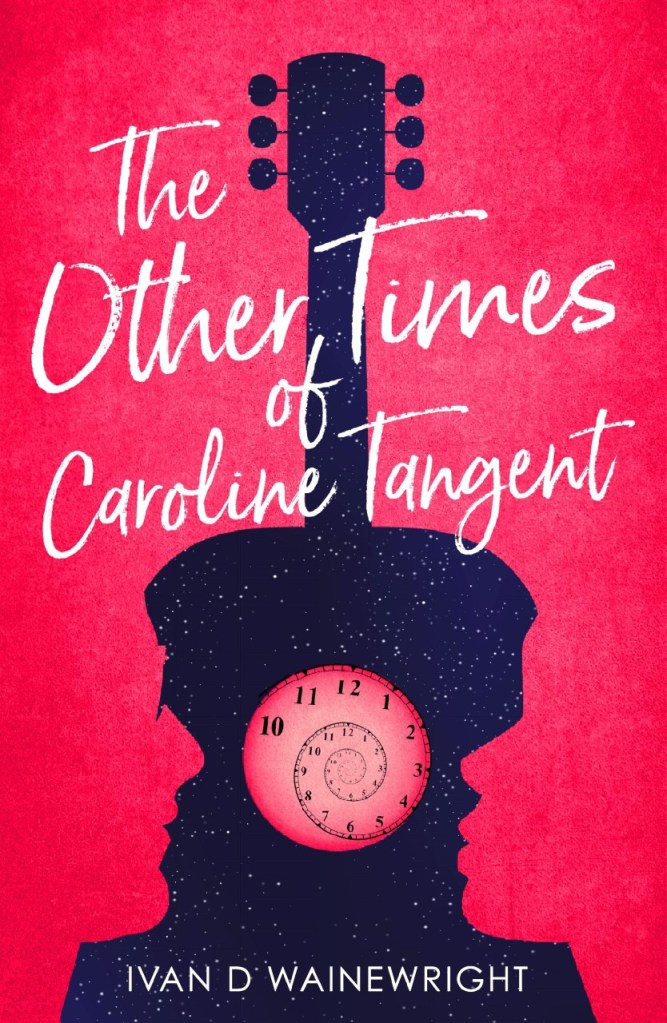
The Other Times of Caroline Tangent by Ivan D. Wainewright.

This book had a premise that was so attractive for someone like me who loves going to gigs and has missed it so much over the last eighteen months. My gig-going best friend and me often talk about which were our favourites, those breakthrough gigs that made your favourite band or those gigs that just captured the zeitgeist. The gig I went to that was a real cultural moment was at Alexandra Palace in 1994; Blur with Pulp as supporting artists. It was a real Britpop landmark and during Song 2, being pummelled and pushed about in the pit at the front I fainted and had to be carried out of the crowd. I’ve been lucky enough to see most of my favourites – Muse, Manic Street Preachers, The Killers, Depeche Mode, U2, Florence and the Machine- but if I did invent a time machine and could go back in time to any gig, it would be The Stone Roses 1989/90. They’re my band that got away. Everyone has one and sometimes we only see their importance in hindsight and simply wish we could have been there.

This is what happens to Caroline Tangent. Her music loving husband Jon, builds a time machine in his basement workshop. One surprising day he whisks her away to a controversial music performance – Kanye West at Glastonbury, 2015. She has on her gardening clothes, so luckily she’s pretty much dressed for a muddy field in Somerset. He didn’t choose the gig because they were huge fans of Kanye, but because it’s an important moment in music history, when there was an outcry over the direction Glastonbury was taking, considering it had always been dominated by more rock or indie groups than anything else. Their second trip is more complicated. Greenwich Village NYC, 1966. The preparation almost heightens their anticipation for the gig. Jon keeps the artist a secret, but they have to scour eBay for vintage clothing and work out how to get round the need for 1960s currency. Although, as Jon jokes, the exchange rate is pretty good. As they settle in a café, Caroline doesn’t recognise the musician playing, but they soon finish their set and on walks a young man with a guitar. It takes a moment because his name is different, but as soon as she realises who it is her excitement bubbles over. That’s Jimi Hendrix!

I found the way the writer created Jon and Caroline’s world really different for such a sci-fi concept. He didn’t treat it like sci-fi, but more like an exploration of long term relationships, friendship and all human life. We get to know their long term friends who they meet for dinner once a month. These people are relatable, and not perfect by any means. He creates tension between Jon and Andrew, who were producing copies of old concert tickets and posters to sell online as the real thing. They’re three dimensional and we see all their good and bad points. Caroline and Jon have managed to keep their time travel a secret so far. She wanted to tell their friends and share his incredible invention, but Jon is adamant it has to be just the two of them. He explains that the secret is just too big, look at how much trouble Caroline is having keeping it to herself? He knows their friends and one of them would be bound to tell someone outside their circle. However adamant he is, there are moments when they’re all together that he sails close to the wind.

I felt unsure about Jon early on, the fact that he’s in this seemingly fractious relationship with Andrew and has produced false memorabilia before made me question his character. I thought their reasons for continuing to visit the past might be different and I didn’t always like the way he treated Caroline. At first I just thought he was very controlled – I know my other half and if he’d developed the capability to build a time machine in his workshop he wouldn’t have been able to keep it to himself. Jon seemed to like having the secret, being superior and even where there were clashes he’d caused, holding himself above the argument. As time went on I noted he was gaslighting Caroline too, letting things go wrong and insinuating she was to blame, or that something she knew had happened, hadn’t happened at all. I was so glad she had such a strong friendship with Bree for support. I felt sad for her, because although she is an emotionally intelligent woman, her love for her husband has made her blind to who he really is.

Of course we all know that the cardinal rule of time travel is not to change anything. Jon goes into great detail about the about chaos theory – the idea that events are interlinked so intricately that it might only take a butterfly flapping its wings on one side of the world to cause a tsunami somewhere else. No matter how small the change in the past, it could have a seismic effect on their future. As much as they want it to be fun and all about the music, past traumas do start to haunt them. Their world could be about to turn upside down because one of them makes a terrible decision. I don’t want to reveal any more, just that this is a time travel novel that is more about the emotional journey of the people involved, than it is about the destinations. I did love the destinations though, and how the author made me feel I was there in 1960s NYC, or 1930s Paris. I think it would be great to create a Spotify playlist alongside the book so readers can fully immerse themselves in the music. The best way I can describe the novel is to say it’s sci-fi with a very big heart. Sometimes the most important and life changing places we travel are within ourselves.

Meet The Author

Ivan D Wainewright lives in Kent (England) with his partner, Sarah and their slightly neurotic rescue Staffie, Remi. Before moving to Kent, he lived in North London, Leeds and Singapore. When not writing, he can be found watching (and occasionally) playing football, running, listening to music from Chumbawamba to Led Zeppelin, arguing over politics and trying to cook. He has been an independent IT consultant for many years, working solely with charities and not-for-profit organisations.

For more on this novel check out these other bloggers on the tour.

Posted in Random Things Tours

Ariadne by Jennifer Saint.

“What I did not know was that I had hit upon a truth of womanhood: however blameless a life we led, the passions and the greed of men could bring us to ruin, and there was nothing we could do.”

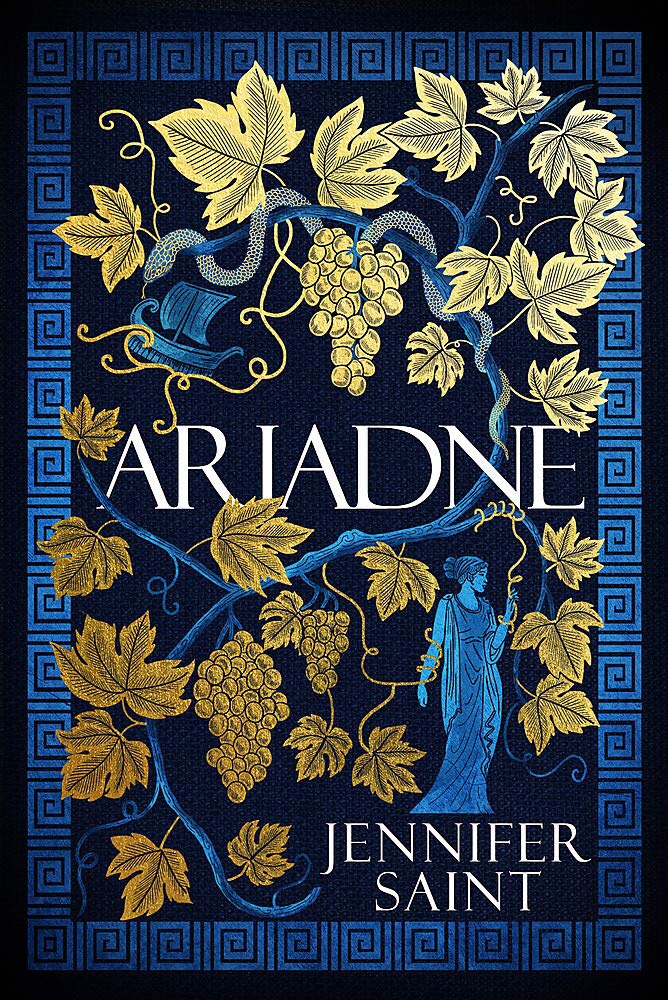
I know we shouldn’t choose books based on their cover, but I wanted to mention straight away how stunning the finished hardback of this book really is. A gorgeous design of vines in midnight blue and gold, this would jump out at you in any book store. We all know the story of Theseus and the Minotaur. Everything is black and white when we’re small children, so we take in myths like this, accepting everything we’re told. It’s just a story isn’t it? King Minos has a monster called The Minotaur that’s half man and half bull. Every year the city of Athens must send seven of its best sons and daughters to be sacrificed to the Minotaur. Then one year, Theseus arrives in place of one of the chosen boys, with a plan to kill the Minotaur and stop this blood shed. Minos’s eldest daughter, Ariadne, falls in love at first sight and vows to help Theseus, expecting that she will travel back to Athens with him.

However, the plan doesn’t unfold as she expected and we follow her story as she wakes up on a neighbouring Greek Island alone. Having done a small amount of Latin and Greek at school, I’ve read many of the Greek myths and my abiding impression was how cruel the gods were. In modern Christian faith believers tend to trust in God being a comfort and help in troubled times, but these classical gods are usually causing the troubled times. They are either disguising themselves as animals, committing rapes against human women, having relationships with humans, but then retreating to be unfathomable, mysterious, beings when it suits them. I would have found the Greek’s concept of gods to be frightening – they are capricious, childlike and move humans round like chess pieces. So, knowing that the gods interfered in the lives of King Minos and his Queen did not surprise me.

In this feminist retelling, Jennifer Saint deliberately places the women in the centre of this myth, where they should be. It subtly changes it’s meaning and makes us think again about the version we have always known. King Minos’s daughters, Ariadne and Phaedre, have a living example of how women’s lives are played with by male gods in their own mother Pasiphae, who was tricked into falling in love with a bull. Minos tried to steal Poseidon’s incredible creation of the Cretan bull. In his anger Poseidon filled Pasiphae with lust for the bull and from their rather undignified union came the girl’s brother Asterion, half boy half calf. Possibly thinking of her own troubles, their mother tells them the full story of Medusa, including the part prior to her entanglement with Perseus. In a late version of her story, written by Ovid, Medusa was a beautiful girl with lustrous long hair, and was a priestess of Athena. Poseidon was beaten by Athena into becoming patron of the capital city of Greece, Athens. To punish Athena he ‘seduced’ or raped Medusa in Athena’s temple. However, instead of punishing Poseidon, Athena punished Medusa by turning her hair into snakes. The only version I was ever told, when studying classics at school, was Medusa’s part in the story of Perseus – women are of course, only bit players in the story of these incredible male heroes. These part stories, accepted and understood by me as a young teenager, now make me angry. I was only ever given the male version of these tales and I can understand what pushed the author to write this.

‘I only knew Medusa as a monster. I had not thought she had ever been anything else. The stories of Perseus did not allow for a Medusa with a story of her own.’

As usual though, because I have a disability, the book make me think about how disability and difference is portrayed in the myths. There were some similarities between Asterion and Caliban in Shakespeare’s The Tempest. As I was reading about the Minotaur’s origins I started to have feelings for this creature who never asked to exist. The narrator tells us about her mother after his birth, when she’s blank and exhausted but:

‘she cradled a mass of blankets to her breast and she pressed her nose softly to her baby’s head. He snuffled, hiccuped and opened a dark eye to stare into mine as I moved slowly forward. I noticed that it was fringed with long, dark eyelashes. A chubby hand fluttered against my mother’s breast; one tiny, perfect pink nail at the end of each finger. I could not yet see beneath the blanket where the soft pink infant legs gave way at the ankles to dark fur and hard, stony hooves. The infant was a monster and the mother a hollowed-out shell, but I was a child and drawn to the frail spark of tenderness in the room.’

She describes this special time, before he was monstrous and how she felt, even about the more unusual aspects of him.

‘I reached that final inch and bridged the gulf between us. My fingers stroked the slick fur of his brow, beneath the bulging edifice of rocky horns that emerged at his temples. I let my hand sweep gently across the soft spot just between his eyes. With a barely perceptible movement, his jaw loosened and a little huff of breath blew warm against my face.’

She realises he is not a monster, he is her brother. Inexplicably he moves from milk to craving raw meat and eating passing rats. However, Ariadne does not fear him and instead of thinking ahead, she focuses on the here and now and describes trying to teach him table manners and how to be gentle. Even she has realised that Asterion is a victim, and feels a ‘raw pity’ for him that brings tears to her eyes. In the same way that it isn’t Medusa’s fault she is raped in Athena’s temple, it’s not Asterion’s fault that he is created the way he is. Ariadne describes him as Poseidon’s cruel joke and humiliation for a man who has never even deigned to lay his eyes on him. That is until Minos sees he can use Asterion for his own ends. Minos was only proud of his potential monstrousness and the fear he might instil in his enemies. It is Minos who instructs Daedalus to construct the labyrinth that secures Asterion as a slave and even though there is pride in his new weapon, he doesn’t even allow him to keep his own name.

‘And so Asterion became the Minotaur. My mother’s private constellation of shame intermingled with love and despair no longer; instead, he became my father’s display of dominance to the world. I saw why he proclaimed him the Minotaur, stamping this divine monstrosity with his own name and aligning its legendary status with his own from its very birth.’

I was fascinated with the author’s storytelling, it is spellbinding. She shows us that for powerful men and gods like Minos and Poseidon, whether you are a woman or different like Asterion your only worth in this life, is wrapped up in your value to men. If Asterion had remained gentle and docile, Minos would still have banished him in some way. Pasiphae’s psychological break after his birth shows what happens to women who give birth to daughters and monsters. This is a book that truly makes you think, not just about the historical myths we’re told, but who tells them and why? It also made me think about the stories we are told today, by our world leaders (still largely men). How do they shape the way we view the world? Which heroes do they hold up as examples? Which monsters do they wield to control us? Like Ariadne we must learn to question. She learns to her cost, that even the man who appears to be her saviour, is more interested in his own glory. There is so much to enjoy here and on so many different levels. This is a stunning debut and shouldn’t be missed.

‘No longer was my world one of brave heroes; I was learning all too swiftly the women’s pain that throbbed unspoken through the tales of their feats.’

Meet The Author


Jennifer Saint grew up reading Greek mythology and was always drawn to the untold stories hidden within the myths. After thirteen years as a high school English teacher, she wrote ARIADNE which tells the legend of Theseus and the Minotaur from the perspective of Ariadne – the woman who made it happen. Jennifer Saint is now a full-time author, living in Yorkshire, England, with her husband and two children.

Posted in Random Things Tours

The End of Men by Christina Sweeney-Baird.

“Glasgow, 2025.  Dr Amanda Maclean is called to treat a young man with a mild fever. Within three hours he dies. The mysterious illness sweeps through the hospital with deadly speed. This is how it begins.

The victims are all men.

Last year at this time I was reading Eve Smith’s The Waiting Rooms and observing how strange it felt to be reading about a pandemic in a pandemic. I imagined that all would be normal by Christmas. Here I am a whole year later writing about another story of a dystopian pandemic, when apart from moving house I’ve barely moved beyond my own front gate. Last year it felt strangely unreal, while this year it’s all too familiar and the weekend’s footage of people at the first music festival since COVID seemed like an anomaly. Due to my multiple risk factors I’m inside till my second jab, but I think getting out and about again won’t come naturally. This experience definitely affected my response to The End of Men because now it doesn’t feel like reading science fiction, it feels like a possibility, a potential future.

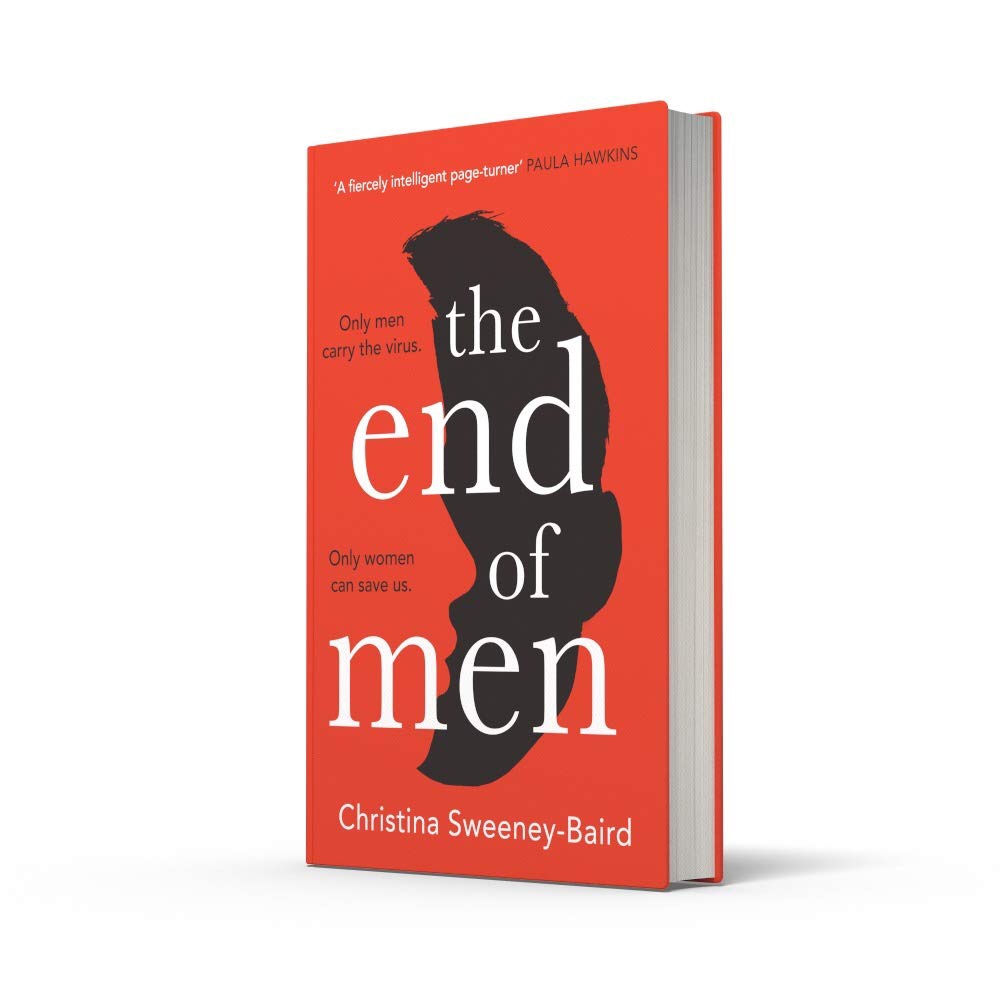
The End of Men features a virus that exclusively affects men. It’s 2025 and Dr Amanda McLean raises the alarm. Ironically she’s dismissed as hysterical. When she is finally taken seriously it’s too late. The, largely male, global leadership are slow to accept the reality and slow to act, as the death toll climbs further every day they do nothing. Women can be carriers, but don’t catch the disease. The spread is so diverse that eventually 90% of men are affected. The author tells the story using several different first – person narratives, each one a woman, left behind to deal with what is now a woman’s world. As well as Dr McLean there’s a social historian named Catherine who is trying to document human stories of the plague. As the government tries to organise a new society, they employ the services of Dawn who is an intelligence analyst. Then there’s Elizabeth, desperately trying to develop a vaccine. Through these and other viewpoints we start to see how society will change. The many voices could have been confusing, and there were occasions when I was unsure who I was reading. I soon overcame that and realised that the diversity of characters helped the reader realise the scope of this disaster and how it might affect people differently across gender, race, and class lines. This had me thinking about those voices missed – there are no LGBTQ characters in the book, which seemed odd when the virus is so gender specific. It would have brought a unique perspective to the book.

When I first read the premise of the book I hadn’t fully realised what an effect it would have to lose men. I thought of society turning upside down, no patriarchy, a world ruled by women. Through this book I realised what it would mean day to day – for a start all the professions that men usually dominate like tradesmen – electricians, builders, joiners, and plumbers. Then there’s the armed forces and how lack of defences would weaken countries. A lack of police officers, dustbin men, road sweepers, and funeral directors. There’s the fact that the other half of society will be trying to keep their respective countries together when they’re grieving huge losses of potentially every man in their family. They’re faced with terrible choices and I found myself awake at night wondering what I would do: if I had sons and the government wanted to corral them in a medical facility to keep them safe; or if my husband was sick, would I leave to keep my sons safe; if there were three generations of men in my household who would I ask to leave? Which classes and races would be most affected by the virus due to different living conditions and the financial implications of splitting a household. I thought into the future and wondered whether, once a vaccine was found, would governments start controlling fertility to repopulate the earth with men? Would I want more men and might we end up with gender wars? I kept thinking about parallels with post WWI where villages lost a whole generation of men, and where returning men found women doing their jobs and not wanting to give them up. Some men became violent and committed crimes in their frustration at having no employment to come home to. These would be massive societal shifts and it was hard to comprehend them, especially at a time when we are readjusting to coming out of lockdown. Our heads are already full of which behaviours we might keep – mask wearing, reduced social mingling, working from home – and those we’ll be happy to discard.

It does seem, the more you read, that this book is chillingly prescient. It’s no surprise that people around the author might joke about her Sybil- like tendencies in predicting the end of a world as we understand it. I don’t want to give anything more away because you need to read this and have your own reactions to it, but you should read it. This is beautifully written and compelling to read. Somehow it managed to be both hard to put down and difficult to pick up! I felt like I’d been through the emotional wringer afterwards and couldn’t stop thinking about it. However, it wasn’t just the tough decisions I remembered. It was the incredible resilience of these women and how the human capacity for hope is remarkable. This is an unbelievable debut novel. It will be an excellent book club choice over the coming months and people will want to put themselves in these character’s shoes and wonder – what would they do? Your answers might surprise you.

Meet The Author.

Christina Sweeney-Baird wrote The End of Men in 2018 and 2019 before Corona virus and could never have expected the parallels between the real world and my fiction that would ensue. She was told by some early readers though, that The End of Men has made them feel better about the world we live in today. The book has a lot of hope and is, ultimately, about human resilience and our ability to cope with the extraordinary.

My debut novel, will be released on 29 April 2021 and is to be published in 15 languages. The End of Men explores the question: what would the world look like without men? It follows characters as they try and keep their families safe, recover and rebuild the world after a deadly virus to which women are immune kills 90% of the male population. You follow characters like Dr Amanda Maclean, a Glaswegian A and E consultant, who treats Patient Zero and is desperate to keep her two sons safe; Elizabeth Cooper, a young American scientist who helps to create a vaccine in London; and Catherine Lawrence, an anthropologist who wants to record and commemorate what’s happening in the world.

She lives in London where she works full-time as a corporate litigation lawyer. She writes 1,000 words a day in the evenings and on weekends, fuelled by 7up Free, green tea and snacks.