I was terrified by A.M. Shine’s first horror novel The Watchers last year and I have been looking forward to his new novel The Creeper. It has such an interesting premise. Academic Dr. Alec Sparling lives a very regimented existence in a remote Manor House in Ireland. His house is set back, covered and disguised with vegetation. There are shutters for the windows and and bolts for the doors. What is he hiding from? He has advertised for two academics to undertake field research and chooses Ben and Chloe. She is an archaeologist and he is an historical researcher with a wealth of experience in interviewing people. They must hike out to a remote Irish village and interview the residents about their life and their minimal contact with the outside world. This is a forgotten place, wary of strangers and as they stumble through a forest, tripwires attached to church bells ring out their presence, giving the villagers plenty of warning. As Chloe and Ben finally meet the people they are shocked by their physical appearance. Poverty and hardship has marked their faces, but it’s the lack of new residents that explains the deformities they observe, years of in-breeding has clearly had it’s effect. These people are not pleased to see them and like Dr Sparling, they are nervous about dusk creeping up on them. Chloe observes the shutters at their windows, less high tech than the wealthy doctor’s, but for exactly the same purpose. Are they to stop people looking out after dark, or are they to stop someone looking in?
As the pair start to interview villagers, they get the sense they’re being fed stock answers. There is something very wrong here, but no one is willing to talk about it, except for one little girl who repeats a piece of folklore:
Three times you see him. Each night he comes closer…
As darkness starts to fall and the villagers start itching to close themselves away for the night, Ben and Chloe realise they will not be able to get back to the car before nightfall. So they set up camp in the driest grass field they can find. As they organise themselves and darkness falls, Ben gets the sense they are not alone. Towards the back of the field, there’s a shape in the darkness. Could it be a person or something worse? This is The Creeper, kept alive by the villager’s superstitions and stories, he is the nameless fear in the night and tomorrow night, he’ll be even closer.
A.M. Shine is a horror genius. His clash of old Irish folklore and modern life is irresistible. I had only read Ben and Chloe’s first day at the village when I had a nightmare! I’m very suggestible. He’s brilliant at creating a sense of foreboding in the reader and here it’s heightened by never fully describing The Creeper till part way through the book. The author knows that our own imaginations are adequate enough to scare us and there’s nothing worse than not knowing or fully seeing the thing you fear. On the first night it’s so far away, covered in raggedy clothing, that we never see it’s face. The villager’s deformed appearances also feed the imagination, leaving the suggestion that the Creeper may be even more disfigured. The doctor’s preparations are also ominous, suggesting that the Creeper isn’t just restricted to the village, but can appear anywhere. We can explain away a superstition held by an isolated settlement, who still live like it’s the Dark Ages! However, if a respected academic who lives in the ‘normal’ world is scared, then we should be too. The author also drops little clues that are easy to dismiss at first, such as the unearthly cry Ben hears as they approach the village. Is it just a child crying out or something much much worse?
The whole atmosphere of this novel is dark, damp and dreary. The waterlogged fields that surround the village create mist. So it feels like everything is obscured and shrouded in mystery. The weather is constantly damp and miserable, so Ben and Chloe’s quest feels grounded and based in reality. Their discomfort as they set up camp for the night is something I remember well from my camping days, that awful feeling that you’ll never be dry again. The contrast between what is familiar and what is very, very wrong, adds to the horror of the situation. The author leaves us suspicious about everyone; I doubted the doctor’s motives in giving the academics this mission and I doubted the villagers too. I found them furtive and secretive, I wondered what they were withholding and whether they were really as downtrodden as they seemed to be. There was the hint that previous academics had come this way and if they had, where were they and where was their research? By the time something terrifying happened my nerves were as taught as bow strings. The final confrontations and the horrifying conclusion were both expected and at the same time shocking. I kept thinking about the author and asking myself ‘he’s not really going to do this is he?’ He really did. I won’t be divulging any of the final chapters, but it really was heart-stopping. This book cemented the feeling I had after reading his first novel The Watchers, Shine has become one of the best horror writers around.
Published by Head of Zeus 15th September 2022
Meet The Author
A. M. Shine is an author of Literary Horror from the west of Ireland. It was there that at a young age he discovered a passion for classic horror stories, and where he received his Masters in history, before ultimately sharpening his quill to pursue a life devoted to all things literary and macabre. His writing is inspired by the trinity of horror, history, and superstition, and he has tormented, toyed with, and tortured more characters than he will ever confess to.
Owing to a fascination with the works of Edgar Allan Poe and his ilk, A. M. Shine’s earlier writings were Gothic in their style and imagination. When his focus turned to novels he refined his craft as an author of Irish horror – stories influenced by his country’s culture, landscape, and language, but which draw their dark atmosphere and eloquence from the Gothic canon of his past.
I was so charmed by this wonderful book about writer Ben and his unusual experiences during the COVID lockdowns. Something I could truly understand as the lockdowns bonded me with my partner and his two girls at a speed and depth that couldn’t have happened at any other time. Ben is looking for a new place to live, when through a charity scheme he sees an apartment in a great part of town. There’s one catch. He will have a housemate. The charity places younger people in homes belonging to the elderly. The aim is to help the homeowner stay independent and in their own homes far longer than normally possible and in houses with way more room than they need. Winnie is 85 years old and a formidable woman with very set opinions about how things are done. Winnie doesn’t suffer fools and isn’t very gentle with her criticism. There’s a gulf between the pair in so many areas: their politics, their class and their ages. How can two people with so many differences live together harmoniously?
This is a book that can be read so quickly. It’s in a diary form so there’s always that temptation to read just one more entry. Ben’s previous work has been travel writing and he brings all of those skills to this book. Physically he’s in the same place, but he’s taking a voyage into this person, seeing her like no one else has and experiencing her in very different types of weather. Winnie is grieving her husband of 65 years. Henry died suddenly, in their marital bed upstairs, less than a year ago so she’s in a very emotionally vulnerable state. Of course Winnie doesn’t seem terribly vulnerable, unless you count ‘busyness’ as a response to grief. I think Winnie has always been a busy person, possibly through anxiety or perhaps a work ethic instilled by her upbringing, but this has been exacerbated by living alone. Her son Stewart and his family tried to move in for a few months over summer, but that didn’t work out and fairly quickly Ben can see why. Imagining that he would largely live upstairs and help when called upon, he’s surprised that as soon as they’re alone Winnie asks him what he’s cooking for tea? The apartment has a small kitchen, but it seems Winnie expects him to cook and eat with her downstairs. Not that these meals are appreciated, with Winnie dishing out critique that would seem harsh on Masterchef.
As soon as the dishes are cleared she lays the table for breakfast and lays it for two – something she says she still does without thinking. Ben gets into the habit of lighting the fire and then having breakfast, although there are rules to be observed here. Winnie makes her own marmalade, but only once a year when the Seville oranges are available, so she puts only the thinnest scraping of marmalade on the toast to make it last. Heaven forbid they run out and have to buy some. That wouldn’t be on at all. Eggs have a language all their own, with certain specimens warranting their own message written on the shell in pen and left in the fridge. One rather philosophically asks whether it is cooked or not? Another has been giving her nightmares because he’s ‘been harbouring it for yonks.’ It was her wry little comments on the newspaper that made me giggle. When she sees a picture of comedian Matt Lucas in the paper, she observes ‘well he won’t survive the pandemic’. She’s also remarkably cunning, willing to pull out the poor little old lady card when its to her advantage and let people think she didn’t hear or understand them. When she asks Ben to let the coal man through the side gate one day, there’s a misunderstanding about the delivery. Ben indicates they need it tipping into the bunker (an extra £10) but Winnie has only paid for it to be dropped at the edge of the property. Ben wonders if she’s forgotten or misunderstood, but the coal man says no, she does this every time. Once the coal is safely in the bunker and an extra invoice issued Winnie miraculously appears and denies all knowledge of the problem.
There’s some beautiful observation around the family, because Ben is in the perfect position to analyse their relationships as an outsider on the inside. Out of her three children, it is Arthur who seems to have her heart and most of her time. Arthur lives in a group home within walking distance for Winnie and even in a pandemic she’s not going to stop taking him the paper, the fruit from the garden or a daily yoghurt. Once a week she spends a good hour cleaning out his electric shaver, which always looks like he’s pruned the garden with it. Arthur had cerebral palsy and had a traumatic birth where Winnie’s pelvis was cut to get him out before he was deprived of any more oxygen. Maybe it’s his vulnerability due to his disability, or that shared traumatic experience right at the start of his life, but Winnie doesn’t seem complete until Arthur is there to look after. The other two children seem to have accepted this arrangement, but there is some underlying resentment, especially when it comes to Winnie forgetting theirs and their children’s birthdays. For Stewart and his family, their far more relaxed way of being clashed with Winnie’s distrust of anyone in bed past 9am, people who have their marmalade more than wafer thin and people who lounge for more than ten minutes without a schedule for their next task.
I guess Winnie is selfish in a lot of ways, she’s not self-aware and really finds it hard to prioritise other people’s way of doing things. Some of her habits would have driven me to distraction, particularly her ability to pick up new tasks just as it’s time to leave the house. Even after making a plan she could leave her housemate waiting for hours because the roses needed deadheading. My other half has a similar ability to be doing one thing, cooking tea for example, then pick up a second job that didn’t need prioritising, such as reprogramming the TV channels or syncing the car with his new phone, often leaving tea to burn to a cinder. So I felt Ben’s pain, but also understood the deep connection he started to form with this formidable woman. I feared what would happen when the arrangement came to an end and I found the ending so poignant. Ben’s feeling that he knows this person better than anyone, that her idiosyncrasies are just that and not a sign of something more sinister is beautiful considering where they started. A deep friendship and respect has formed, despite their difference in age and outlook. The pandemic and it’s lockdowns have bonded them in a way that couldn’t have happened at any other time. We fall in love with the Winnie he sees, without rose-tinted spectacles or sentimentality, and I think that’s the greatest compliment he could have given her.
Published by Icon Books 10th March 2022
Meet The Author
Ben Aitken was born under Thatcher, grew to 6ft then stopped, and is an Aquarius. He followed Bill Bryson around the UK for Dear Bill Bryson: Footnotes from a Small Island (2015) then moved to Poland to understand why everyone was leaving. A Chip Shop in Poznan: My Unlikely Year in Poland (2019) is the fruit of that unusual migration. For The Gran Tour: Travels with my Elders (2020), the author went on six package coach holidays – Scarborough, Llandudno, Lake Como et al – with people twice or thrice his age in order to see what they had to say for themselves and to narrow the generation gap a notch. The Marmalade Diaries (2022) is the story of an unlikely friendship during an unlikely time, and stems from the author’s decision to move in with an 85 year old widow ten days before a national lockdown.
‘In movies the monsters are always zombies, vampires, or some weird kind of mutant, but in this moment his eleven year old brain tells him he was wrong all this time. What he’s looking at now are monsters. Real monsters.’
I loved the central premise of this novel from Paul Cleave, the idea that there are pain tourists – people who gain satisfaction from soaking up the pain and misery of others. I’ve always used the term ‘emotional vampires’ to describe something similar and it has levels, from those who revel in reading lurid tabloid coverage of a celebrity break-up to something much more disturbing. We all know those people who have a tendency to insert themselves into other people’s life dramas and grief or who get a kick out of watching true crime or the accounts of serial killers, such as the page after page of obscene detail that filled the pages of tabloids following the discoveries at Cromwell Street, the home of Fred and Rose West. It seems lately as if everyone is watching serial killer documentaries and actors from Dominic West to David Tennant are queueing up to play them. I think here, by imagining the more disturbing lengths someone might go to in order to feel part of that crime or tragedy, the author really made me think about this trend.
The novel opens as a tense and violent crime is being committed. An eleven year old named James is watching his parents being threatened at gunpoint by three masked men who have broken into the family home in the night. As the intruders try to obtain the whereabouts of a safe from his parents, using whatever means to make them talk, James is trying to set up an escape plan for his sister Hazel. As both James and his mother’s lives were threatened, my heart was racing wondering why his parents don’t tell the gunmen! James’s quick thinking saves his sister, in a heart-stopping escape she gets to a neighbouring house, but it earns him a bullet to the head after watching both his parents killed. The terrible tragedy is compounded by the fact James’s family did not have a safe. However, one had been recently fitted a few doors away where a diamond dealer had just moved in with his family.
Cleverly, Cleave then splits the narrative in two directions, in an almost ‘sliding doors’ type story. James’s life continues into the future with his family intact or James comes out of a nine year coma, convinced he’s been living a life way beyond the four walls of his hospital room. For the cops who worked the case, a lot has happened in the last nine years since they failed to solve the murder of Hazel and James’s parents. Theo Tate left the force and is now a private investigator after a terrible tragedy touched his own family. Rebecca Kent is still a police officer, but is marked by tragedy in a more physical way, every reaction from strangers reminds her she now has a scar running down her face. The pair come together to revisit the case, when Kent is informed that James has woken up. Now, despite her relentless hunt for a serial killer nicknamed Copy Joe, Kent is tasked with reopening the cold case. Feeling hopeful that James may remember some new detail to add to existing evidence she also wonders if he could become a target for the killers, who are still at large? James can’t speak, but can communicate with pen and paper. The investigators are shocked by the detail packed into James’s story as he starts to write more. His ‘ComaWorld’ diary seems to flow out of him with very little thought or res. Nine notebooks, one per year, document a life unlived by anyone but James. Familiar names and events start to become apparent to his sister, such as his accuracy on each day’s weather or the book she was reading to him slipping into the narrative. What nobody expected him to reveal is that Kent has more than one serial killer on her hands.
This was such an original and complex thriller. As you might expect, considering I’m a writing therapist, the ‘Coma World’ stories were fascinating to me. The aspects of real life that Hazel notices are brilliant plot devices, but also play with the idea that the unconscious mind is still very much alive and picking up on what’s going on around it. From a therapy angle, James’s narrative could be seen as the mind’s way of healing itself while his body is asleep. One therapy technique I’ve seen involves the client writing a different narrative ending to something that’s happened. It helps the client discuss how a different ending might feel – would they feel more closure about the event for example? By exploring this, we can then discover and discuss why the real ending caused so many problems. The way James writes, in longhand and over a period of days fascinated me too. Is he scared if he doesn’t write it down it will be lost to the truth? The complex level of detail is incredible, as if he’s still seeing it running like a movie in his mind’s eye. I wondered how he kept it so rigidly to one year per book, suggesting there was a lot of detail he chose not to record. What we choose to edit out of a narrative is sometimes as important as what we leave in. When it becomes clear he’s been aware of other patients in the room, we can see how his mind is weaving their names and other facts into his narrative – he’s heard all their conversations too.
Tate and Kent were great characters to guide us through these complex interwoven cases. Kent is driven, but slightly less idealistic than Tate. She’s made peace with the fact that some cases don’t get solved in a way he hasn’t. It’s clear why she’s stayed inside the police force and he’s preferred to forge his own path. He’s an incredible investigator but perhaps not so good at office politics and coping with an imperfect system. Kent is desperately trying to solve the case of Copy Joe, a serial killer who copies the methods of previous serial killers, like the Christchurch Carver. Whoever he copies, he likes to leave the crime scene exactly the same way, almost like an homage to the murderers, showing his admiration. Are they looking for a fan of the ‘True Crime’ genre? Someone who perhaps started with the odd book, the podcasts, and the documentaries until he’s had to experience the same thrill. It’s an uncomfortable concept and made me question our enjoyment of such narratives, especially when true crime documentaries are constantly in the daily top ten on Netflix or other streaming service. When it comes to curiosity, how far is too far? When does an interest become an urge, an action. Tate’s private life was so devastatingly sad and I was moved by his visit with his wife. He loves her still and they sit and talk like any other married couple, the difference being, that as soon as Tate walks out of the room she will forget everything all over again. He chooses to bear a terrible loss alone. This showed another, devastating, side of brain injury -a patient who is physically capable, but with a brain that erases every interaction leaving a blank slate. She is happy in the moment, but that present moment is all she has.
From the explosive opening, which really gets the adrenaline flowing the tension ebbs and flows depending on the narrative or case we’re following that chapter. Towards the end, as all these cases come together in one terrible night, the heart really started pounding again. I did get a bit confused between locations and who was where towards the end. So I had to keep going back, desperately trying not to miss a moment as the twists and turns came thick and fast. I found it was Tate and Kent I was rooting for, not just that they would solve their cases, but that they would survive! I found the way James was constantly moved around in these final chapters a bit concerning. My experience in occupational health and care needs had me asking all sorts of questions. If James couldn’t walk how was he managing in these different spaces, using various different surfaces to sleep on from beds to couches? I kept wondering how he was getting to the loo – I’m laughing at myself as I write this, because honestly the way my brain works! This says so much about my inner life. I just kept thinking ‘how has he been discharged from hospital without an occupational therapy assessment and a multi-disciplinary meeting?’ Of course these facts are like the days James edits out of his narrative, not very interesting or helpful to the plot. The details of a character’s loo habits tend to dissipate the tension and excitement. This was an incredibly fast read, giving you some idea of the pace and that addictive pull you want in a thriller. Each character is cleverly written to draw you in, but you’re always left on edge and unsure. The multiple endings are brilliant, I just thought it was solved and I could breathe, then the author pulled the rug out from under me. Yet I loved that we get to have multiple endings, as James’s doctor suggests they write a book together, framing the narrative in yet another way.
Meet The Author
Paul is an award-winning author who often divides his time between his home city of Christchurch, New Zealand, where his novels are set, and Europe, where none of his novels are set. His books have been translated into over twenty languages. He’s won the won the Ngaio Marsh Award three times, the Saint-Maur Crime Novel of the Year Award, and Foreword Reviews Thriller of the Year, and has bee shortlisted for the Ned Kelly, Edgar and Barry Awards. He’s thrown his Frisbee in over forty countries, plays tennis badly, golf even worse, and has two cats – which is often two too many. The Pain Tourist is his (lucky) thirteenth novel
I truly enjoyed this beautiful piece of historical fiction, focused on one of the most iconic women of the 20th Century. I’ve read biographies on Jackie and watched many documentaries about the Kennedy family with my mum who is fascinated with the theories about the assassination of JFK. I’ve always had a picture in my head of a woman who didn’t fulfil her potential and had so much more to give than being a First Lady, supporting her husband. I’d most recently read a book focused on her life with Aristotle Onassis and his mistress Maria Callas. I always wondered why she married Onassis but felt it could have been a response to the assassination and a desire to be protected and live out of the spotlight. This book focuses on a single year in the life of Jacqueline Bouvier as she travels to Paris for the junior year of her degree course. She has a fascination with France and was interested in researching her family tree. Ann Mah shows us a girl torn between the life she wants and the life her family wants or needs her to have. Her mother has planned for Jacqui to marry someone in the political classes, preferably with family money behind them. This feels like her last year of freedom, in a Paris still recovering from the occupation of WW2 and with politics that are very different from the US. I thoroughly enjoyed reading about a new side to this fascinating woman.
Where I End by Sophie White
This was an extraordinarily powerful book, that I’m still thinking about several weeks later. On a remote island somewhere in the Irish Sea, an arts centre is being built to attract tourists, because the island is barren and without attractions. The first resident artist is Rachel, who arrives with her baby Seamus and while swimming on the beach meets local girl Aoileann. Aoileann is a strange girl, not used to strangers and fascinated with the way Rachel mothers her baby. Aoileen’s odd manner is due to her home life, where in a house with the front door and windows blocked up, she shares a caring role with her grandmother. The ‘bed thing’ needs round the clock care, with a Heath Robinson system of ropes and pulleys they haul her out of bed and into the bathroom. She does not move for herself, except the wearing away of her fingers, now bloody stumps. The line that sent a nasty shiver down my spine and changed the whole book for me, revealed the one finger where the bone protrudes from the skin. It’s this bone that the bed thing uses to scratch out messages on the floor. This is a disturbingly horrific book that shows the drudgery of caring, the effect of remote and superstitious communities, and the terrible power of secrets in a family. The author explores motherhood in such a clever way, contrasting Rachel’s love for Seamus with the neglect Aoileann has thought was the norm. This book isn’t for the faint-hearted, but it is utterly devastating in it’s effect.
The Ink Black Heart by Robert Galbraith.
This instalment of the Cormoran Strike series is an absolute monster of a book. I had to give up reading the physical copy because it was like holding a brick! So I purchased the kindle copy so I could finish without breaking my thumbs. I’m a huge fan of Cormoran Strike, so although this wasn’t my favourite book of the series, it’s still up there as one of my favourites. This time Strike and Robin are drawn into the worlds of community arts and gaming. Two talented young artists from a community art centre create a cartoon called The Ink Black Heart, set in Highgate Cemetery and featuring unusual characters, one a wisp of a ghost and another that’s a human heart. An anonymous group of fans created an online game, where participants meet in Highgate Cemetery and complete challenges. Yet where there is success there are always people ready to tear it down and a person with the code name Anomie seems keen to do that. When the two creators are lured to the cemetery and attacked, things become serious. We’re privy to personal chats within the game and with Robin infiltrating the chat secrets will out. There are more complications in Cormoran’s love life as he dates a friend from ex-girlfriend Charlotte’s circle – can he shake off his feelings for good? Then there are those growing feelings between him and Robin, are they brave enough to follow those emotions or not?
The Pain Tourist by Paul Cleave.
I can’t stay too much about this thriller, because I’ve got a full review coming in a couple of days. This is such a fast paced thriller and it has such a tense opening! A family is woken in the night by masked men who are asking for the whereabouts of the safe. James is desperately trying to find a way to get his sleeping sister to safety. As she runs into the night, James watches the men shoot his mum and dad before he takes a bullet to the head. There is no safe. Nine years later, James wakes from a coma and his sister Hazel is soon by his side. The strange thing is James has been living all these years, in a different reality to this one and he is determined to capture it in writing. So he asks for nine notebooks, one for each year and begins to write his Coma World journal. Detective Rebecca Kent is assigned to his case and she has the help of Tate, the original detective who is now a private investigator. She is already chasing a meticulous serial killer called Copy Joe who likes to reproduce other killer’s crime scenes. What she doesn’t know is that James is recording events that happened in the real world in his journals, such as the books Hazel was reading to him or details of the weather. What else might he know? Rebecca is about to realise there’s more than one serial killer in town.
The Ghost Woods by C.J. Cooke
This is an intensely creepy novel from the beginning as we follow two young girls dealing with the consequences of becoming pregnant out of wedlock in the mid- Twentieth Century. Both choose to have their baby at Lichen Hall where the Whitlock family have been looking after young girls in trouble for several years. Mabel is the first, scared by her situation she doesn’t remember doing anything that might have led to pregnancy and concludes she must be having a ghost baby. The hall is strange, with Mr Whitlock who collects parasitic fungus and is often confused and in a state of undress. Wulfric, the Whitlock’s son, has unusual behaviour and becomes easily overwhelmed and angry. Mrs Whitlock is erratic, one moment she seems kind, but can also be snappish and dismissive. Only a few years later Pearl arrives, but the house is declining with the entire east wing seemingly overtaken by mould and fungus. Pearl has so many questions about this strange place, being a nurse she has more confidence and knowledge about having a baby. It seems strange that the Whitlock’s don’t have outside help for the girls giving birth. She wonders who the babies go to eventually and whether it’s legal. Who is the small boy she’s seen? Within a few chapter I was screaming at them to get out. They’re not restrained so it can only be the shame around their condition that holds them there. Each girl is infested by this destructive emotion and in one girl’s case, shame has made her put a lot of her experiences into a little box in her mind, under lock and key. Shame causes the denial of truths so scary, they could overwhelm us. It’s so sad that these girl’s shame creates an opening for others to exploit and exert power over them, but will they succumb? Or will they find strength from somewhere to resist and discover the truth about this mouldy house and family who live there.
Mad Honey by Jodi Picoult and Jennifer Finney Boylan
This is a return to the legal case format of earlier novels by Picoult and the addition of Jennifer Finney Boylan to make a writing team has led to this interesting look at transgender rights in America. Olivia fled her marriage with her young son Asher after her abusive husband directed his violence towards their son instead of her. Now Asher is getting ready to go away to college and has his first girlfriend Lily. Lily is a lovely girl and Olivia took her out to meet her honey bees. Olivia is impressed by the way Lily works with the hives and knows that the bees are a good judge of character. Asher is so in love with Lily, so Olivia is shocked when she takes a call to say Asher has been arrested and Lily is dead. Picoult introduces a familiar character from her earlier novels as Olivia calls her brother Josh to defend her son. It really does keep you on tenterhooks as you try to work out what went wrong at Lily’s house. There are twists and turns, right to the very end. You may have seen trigger warnings about this novel, but I didn’t agree with some of them. Yes, there is a transgender character and Picoult does explore some of the negative aspects of being trans. However, this is only done to highlight how hard it can be to transition and the prejudice faced by people who are transgender. While there were prejudice characters, there were also well-meaning but ignorant characters. I never doubted that these writers were trying to portray a true representation of the experience, especially the sections written by Jennifer Finney Boylan who is one of the most famous transgender writers in the USA. This is a great book club choice, because there’s so much to talk about.
Good Taste by Caroline Scott
Caroline Scott enjoys writing about the period just after WW1 where Britain is in flux and people are going through huge changes within class, gender and the expected ‘family’ unit. England is struggling through a depression and our heroine Stella has had something of a life change. It’s 1932 and she is facing the first Christmas without her mother. With memories of her mother’s frailty last Christmas and the fear of that obvious empty chair, Stella has moved back from London to a small cottage in the West Riding of Yorkshire in order to be near her father. Money is tight, since her first book The Marvellous Mrs Raffald hasn’t done as well as she’d hoped. Celandine Cottage is rather shabby and Stella is surviving on the money she’s paid by a women’s magazine for writing a weekly article with five new recipes. When she’s summoned to London by her publisher, she’s half expecting her novel to be pulped and although she wants to write a biography of 18th Century cookery writer Hannah Glasse, she’s rather gloomy about her prospects. She’s shocked when he tasks her with a new idea – a history of English food. He wants a book that will inspire English housewives and remind English men of a nostalgic past. Although as Stella starts to think about her research, she realises that a lot of food people consider to be quintessentially English, is actually from elsewhere. Caroline has a wonderful way of balancing period detail, charming characters, and a touch of humour, while also showing us the grittier underbelly of life in a depression. There are also moments of grief for her mother, which are so beautifully rendered. Caroline makes this look incredibly easy when in reality it’s such a complex juggling act, one that she pulls off beautifully.
So, that wraps up October and since all my blog tours are read for November, i now have until the end of the year to catch up on NetGalley ARCs and publisher proofs I haven’t got to yet. Most exciting to me is that I get to choose which ones I read, so it feels like free reading all the way to January. I’m really excited for this! I might need that long to do my Books of the Year list.
I was granted access to this novel on NetGalley and couldn’t wait to read it, bumping it to the top of my TBR when I had a free weekend. This is Jodi Picoult in her element. Her last book was an interesting take on the pandemic and a couple of her recent novels have been more experimental, moving away from the legal case structure of her earlier work. When I met Jodi Picoult several years ago I asked about her writing. Did she start with character, or was it the controversial issues she explores that start the writing process? Having covered racism, school shootings, teen suicide and abortion it seems that these complex issues drive her imagination. She admitted that these issues do spark her creativity and if an issue stays in her mind for a couple of weeks she knows it has potential. Then she starts to research and during that process, characters form and make themselves known to her. I loved the flow of Picoult’s writing and the tension she builds around the featured legal case, but thought she’d maybe moved away from this way of working. When Jennifer Finney Boylan approached her with the idea to write a book together with a trans character at it’s heart, Jodi Picoult had been thinking about setting a novel around trans rights for a number of years. The structure of Mad Honey feels like vintage Picoult and even where Jennifer Finney Boylan takes over the narration I didn’t notice a huge difference in tone or style. I’ve never read Jennifer Finney Boylan, but she is the first openly transgender American to write a bestselling book, a book that is now thought of as an important part of the transgender canon. She is the perfect writer to join Picoult in this venture that’s bound to be controversial considering the trigger warnings I’ve seen used. Picoult and Boylan haven’t shied away from controversy in choosing to write about one of today’s hottest and most complicated topics; the complexities of being transgender. Yet the combination of authors takes away the debate over ‘own voice’ narratives and brings a sensitivity and knowledge to the project it wouldn’t have had if Picoult had written alone.
We meet Olivia and her son Asher, who live near a small town in New Hampshire. When Asher was a toddler she fled her abusive marriage to return to the place she grew up. Her timing was perfect, as her father was starting to struggle physically and needed to teach Olivia all the wisdom he’d accrued in a lifetime of keeping bees. Now Olivia is the bee expert, tending daily to her hives where each queen bee is named after a musical diva: Celina, Gaga, Beyoncé. The toddler who was just steady enough on his feet to intervene when his father attacked his mother, is now a six foot ice hockey player in his final year before leaving for college. Asher is a popular teenager with lots of friends and now he has girlfriend Lilly too. Lilly understands starting over, so Olivia feels they have something in common. She likes Lily when she’s been over to the house and she’s successfully helped them with the bees, who are a good judge of character. Lilly feels happy for the first time in her life and Asher is a huge part of that, although there is still a part of her that wonders if she can truly trust him, be open and be vulnerable. Then out of the blue Olivia takes the call every parent dreads. It’s the police. Lily is dead and Asher has been arrested for her murder. She calls her brother Jordan to come to New Hampshire and be Asher’s lawyer. In her mind there’s no way that the gentle boy she knows could have done this. However, as the case starts to unfold she realises that Asher has hidden more than he’s shared. Could he be exhibiting the same tendencies as his father? As Olivia knows more than anyone, we rarely know the people we love as well as we think we do.
I think it’s incredibly hard to take on writing about someone else’s experience, especially someone from a minority group. When it comes to books about disability, my own minority, I do prefer ‘own voice’ narratives. After all, who better to write a character with a disability than a writer with a disability? Failing that I want to know that an author has done their very best to represent that minority, through research and spending time with people who have a disability. I want to know they’ve asked the hard and sometimes uncomfortable questions that take them to the heart of how living in that body might feel. Armed with that they can hopefully create a character who feels real rather than clichéd and avoids stereotypes. I have to be honest and say I don’t know enough about being transgender to judge whether the authors have everything right, but I can see they’ve tried and truly wanted to write about transgender rights in a mainstream novel that’s very likely to be a bestseller. I guess time will tell how the book is received as it moves out into the world. In her acknowledgments, Jennifer Finney Boylan quotes a terrible statistic; in the year that she and Picoult wrote the book, ‘more than 350 transgender people were killed around the world, more than a fifth of them inside their own homes’. This awful number stayed with me and I was glad these authors are starting a conversation, with a mainstream audience who might not seek out information about being transgender ordinarily. It helped me have a conversation with my 75 year old dad who becomes confused between gender and sexuality and is totally baffled by labels like transgender, transsexual, non-binary. I think these are conversations everyone should have and maybe the book is an entry point, inspiring people to read more ‘own voice’ narratives.
Picoult speaks for me when she says it never occurred to her to think of a transgender woman as anything other than a woman, but it was good to have my view challenged, because it showed me how vehemently some corners of society disagree with me. We are given a lot of background information that clearly comes from both author’s research, but is presented in the guise of Olivia educating herself. She talks about how common it is for animals to change gender, from clown fish to bearded dragons and female hyena’s who can have retractable penises. She’s pressing home the argument against those who claim transgender people are unnatural and that if you were not born with the sexual organs of a woman then you’re not a woman. There does seem to be a huge emphasis on the ability to procreate, but where does that leave women like me who can’t have children? Or those who’ve had a hysterectomy? Are we not real women too? I was very interested in something called ‘passing’, a concept that applies to race, disability, sexuality: an African-American man may be treated very differently if he has a lighter skin tone; a gay man may ‘pass’ as straight in order to be avoid prejudice at work; someone with an invisible disability like mine can be seen as able-bodied with all the benefits of both ways of being. If a transgender woman has a naturally feminine look she can pass as a woman more easily than someone who is is taller or broader. This ability to pass means no one, not even someone the transgender woman is in a sexual relationship with, need ever know that their assigned sex at birth was different. Of course this then begs the question of whether there is an obligation to disclose this information and when? All of this debate comes into the novel’s courtroom sections, in the guise of expert testimony so it doesn’t feel like endless exposition. There are times when opinions may be offensive to some readers, but I think they reflected the reality of being transgender and the discrimination faced.
The story flows beautifully and really grabbed hold of me quickly. I found myself unable to do anything until I’d finished reading, so I let uni work and household chores pile up, completely engrossed in the terrible situation both Asher and Lily’s mums find themselves in. I did feel this was Olivia and Ava’s story, despite our narrators being Lily and Olivia. For me the transition between the two writers is seamless. I really couldn’t tell whether I was reading Jodi or Jennifer’s writing and I know they worked hard at this, swapping sections for re-writes at times. I did feel for Olivia who has fled a terrible situation to protect her boy from her violent husband. I understood how she and Asher had become a tight unit, now challenged by Asher’s age and this new person coming into their small world. I thought the aftermath of being a victim of violence was tackled really well, as Olivia’s job keeps her hidden from the world. She doesn’t make friends and relationships haven’t been on her radar at all. I felt the weight of this massive change looming over them, Asher going away to college and leaving his mum alone for the first time. Her protection of them both has been necessary, but she must be lonely at times. It was interesting to see her reaction to a possible romance, could she take down those walls and start to build a life for herself? By contrast, Lily’s chapters are lighter than Olivia’s, capturing that moment of being on the cusp of adulthood. Lily is brim full of potential and possibility. She’s like a newly transformed butterfly taking it’s first flight. Then all of a sudden she’s gone and it feels like a light has been snuffed out. How much harder must it be for Ava, who has nurtured and protected her daughter in much the same way as Olivia has protected her son? Ava stayed with me after the book had ended because her loss is unimaginable and her only solace is to retreat into the natural world where she feels at home. I found myself hoping she experienced the healing power of nature and didn’t feel too lonely out there on the Appalachian Trail.
I enjoyed the bee analogy that ran through the book, the reference to Mad Honey referring to bees who’ve collected pollen from rhododendrons and laurels. Unfortunately the honey produced is poisonous, causing dizziness, convulsions and cardiac symptoms. The ancient Greeks used it in germ warfare, it’s success dependent on the eater’s expectations of sweetness not deadly poison. The analogy between this and Olivia’s husband is clear as she describes the love bombing in their early relationship and her utter shock when he first lashes out in anger. Her biggest fear is that Asher could be cut from the same cloth as his father, when she sees nothing but her sweet boy. However, she knows that her own mother-in-law would have struggled to accept that her boy was a monster behind closed doors. The tension is brilliantly handled, rising slowly as we get to the final days of the court when I found myself biting my nails! I wasn’t sure how I felt about Asher and the potential verdict, I wasn’t sure I believed his version of events and if Asher was found innocent, would we ever find out what happened to Lily? The twists and turns here were brilliant, with the killer blow delivered just as everything is starting to calm down.
I’m hoping that this novel can be a gateway novel, an introduction to the issues that inspires readers to really think about the experience of transgender people, hopefully inspiring readers to search out writing by transgender authors going forward. There is one scene where Olivia seeks out the woman who runs the town’s record store, because she’s known to be transgender. Here she gets to ask the her the questions that are running through her mind and although she’s a reluctant authority on the subject, she doesn’t get offended by Olivia’s insensitivity or ignorance. What she does reinforce for her is that no one can speak for all trans women, because ‘when you’ve met one trans woman, you’ve met one trans woman’. What it reinforces for me is that gender and sexuality are a spectrum, there are as many ways of being as there are people. Our need to categorise, label and compare creates a pyramid of bigotry and ultimately divides us. All we can hope is that future generations find ways of relating to each other that bridge these man made divides. It’s only then that all people can live ‘with power, and fierceness, and with love’ and, as one of our characters says, without the obligation ‘to explain and defend the things I have known in my heart since the day I was born.’
Mad Honey is published on 15th November by Hodder and Stoughton
Meet the Authors.
Jennifer Finney Boylan is a bestselling author, transgender activist and professor at Barnard College. She is also a contributing opinion writer for the New York Times. She has written thirteen books, including novels, collections of short stories, and her memoir. Her 2003 memoir She’s Not There: A Life in Two Genders was the first book published by an openly transgender American to become a bestseller and has become as ‘a seminal piece of the trans literary canon”.
Jodi Picoult is the #1 New York Times bestselling author of twenty-eight novels, including Wish You Were Here, The Book of Two Ways, A Spark of Light, Small Great Things, Leaving Time, and My Sister’s Keeper, and, with daughter Samantha van Leer, two young adult novels, Between the Lines and Off the Page. Picoult lives in New Hampshire. Her next novel, Mad Honey, co-written with Jennifer Finney Boylan, is available on November 15th.
Jacqueline Bouvier Kennedy Onassis is one of those iconic women that we can’t help but be curious about. From watching the film JFK and numerous documentaries about the death of President Kennedy with my mother, I started to be curious about the woman in the blood-stained pink suit. I think people are drawn to women who remain silent. As far as I’m aware she has never spoken directly about the horrific, life changing events of that day. She has almost seemed stoic. The perfect widow, in her lace mantilla at the funeral, still seeming numb and shell-shocked. When she surprised everyone by marrying Aristotle Onassis, the millionaire shipping magnate, I think it was driven by a need to hide. She needed a place to be without cameras following her every move and on his yacht she was definitely away from prying eyes. Perhaps his protection allowed her to grieve and come to terms with her trauma. I wanted to read this book, because I was fascinated to meet this version of Jackie – the Jacqueline before she was Jackie in. I always had the impression that she could have been a woman in her own right, more than the political wife she became.
Ann Mah has set her book in one particular year. In 1949 Jacqueline Bouvier travelled abroad for her junior year at college. It was to be her last year of freedom. She was aware that despite being poised and ready for society, her family were on the edge financially and she felt pressure from her mother to make a good match on her return. She met Jack Kennedy in 1952. Jacqueline lives in an apartment with a widowed French countess and her daughters. She finds a world of champagne, avant-garde theatre and jazz clubs and socialises with people she would never have met in her home town or the social circles at Vassar. There’s even romance with a man who loves literature like she does, but who would be totally unsuitable back home. Yet Paris isn’t all fun and glamour, because this is the aftermath of WW2 and its clear that the city’s people have suffered. The countess and her daughters have suffered too, as part of the resistance. The whole city is haunted by events during the Occupation and it will take many years for them to recover from the lies, betrayals and suspicion that lurk round every corner.
I love that Mah has written this novel in the first person, so we have Jacqui’s unguarded thoughts and emotions from the start. Even though it is a fictionalised self we’re getting to know, it still feels like a rare window into the innermost thoughts of a very private woman. It may sound strange to regard her as private when she was later married to the most powerful leader in America and arguably the world. Jacqui is private though. From this part of her life when she has the most freedom she’s ever known she’s testing people out for herself, but there’s still a natural reserve. She gets to decide who to spend time with and who to trust. On her return to the US and her subsequent relationship with John Kennedy, she is private by design. It’s part of the mystique of being a powerful politician’s wife who should show loyalty, discretion and control of her emotions. Once she’s in those circles, who can she trust to be a true friend? Where many might have seen her as the archetypal political spouse, this was the ambition of her mother rather than Jacqui’s own desire. Here we see her when she was naive and idealistic. Her love of art and for the city of Paris is evident. She’s also keen to make friends and experience real French life, but that reserve can make it hard for others to feel they know the real her.
She finds that one of the biggest differences between the US and Europe is a political one. During the war, Parisian people did what they had to in order to survive and there are still grudges against those forced to collaborate. She learns which subjects to avoid. Madame de Renty is a lively and colourfully dressed woman during the day, but she was imprisoned at Ravensbrück concentration camp during the war and Jacqui hears her crying in the night. Some truths can never be spoken. Aside from the post-war adjustments and the effects of trauma that will last for generations, Jacqui is most shocked by the Parisian’s politics. There is a lean towards communism here, something that’s unthinkable in the US where it’s considered in the same breath as Nazism. Her mind is broadened by friends who explain it’s underlying principles – an equal, fair society. This has huge resonance for us, because we understand she will be First Lady during the Cuban missile crisis, and the 1950’s saw a wave of suspicion about communism that fuelled the McCarthy era.
Despite these darker undercurrents there’s also the joy of seeing Paris through her eyes, for the very first time. The beautiful language, the smells of incredible food and early morning croissants. There’s also Jacqui’s love of learning and through this I could see glimmers or the different life she could have had, if her family had valued her as more than a marriage commodity. This is a well-researched account that held some of the answers I’d pondered about her life: that pull between the security of marriage and the more precarious life of her own; the love of Europe that would see her return there after Kennedy’s death; the education from a really great college versus the education of how to be a wife provided by her mother. I thought the author found a great balance between fleshing out a story and what we know of Jacqui’s year abroad through historical research. I understood this Jacqui and felt I’d met her before in my own reading. Now I have to give this straight to my mum so we can talk about it.
Meet the Author
Ann Mah is an American food and travel writer. She is the author of the USA Today and Wall Street Journal bestseller The Lost Vintage, as well as three other books. She contributes regularly to the New York Times Travel section, and her articles have appeared in the Washington Post, Condé Nast Traveler, The Best American Travel Writing, The New York Times Footsteps, Washingtonian magazine, Vogue.com, BonAppetit.com, Food52.com, TheKitchn. com, and other publications
I’m usually well ahead of time when it comes to my blog tour reviews, sometimes by a month, but this one ……. AAaaarrrghhh! I can’t put into words why I can’t put into words what I thought about this novel. If you’ve read the book you’ll understand. I don’t think there’s a literary convention Will Carver hasn’t wanted to subvert. It’s been difficult to write reviews for Will Carver’s books in the past, but I’ve never been down to the wire like this before. I’ve been trying to scribble down my thoughts only hours before the review is due. So, I’m sorry if this doesn’t always make sense, or if it doesn’t do justice to Carver’s inventiveness and originality, but it’s the best I can do. This writer is simply too clever for me!
Eli Hagin can’t finish anything.
He hates his job, but can’t seem to quit. He doesn’t want to be with his girlfriend, but doesn’t know how end things with her, either. Eli wants to write a novel, but he’s never taken a story beyond the first chapter.
Eli also has trouble separating reality from fiction.
When his best friend kills himself, Eli is motivated, for the first time in his life, to finally end something himself, just as Mike did…
Except sessions with his therapist suggest that Eli’s most recent ‘first chapters’ are not as fictitious as he had intended … and a series of text messages that Mike received before his death point to something much, much darker…
Mike can do something Eli can’t. Eli can’t commit to a narrative, leaving behind him reams of first chapters. He can’t commit to Jackie either, even though they’ve been together for the length of time it would take most people to live together or get engaged. Mike wanted to kill himself and he’s followed it through. Eli finds him sitting there, on his newly polished living room floor, with his hands embedded in the lacerations on his thighs. Even in his numbed and shocked state, there is jealousy that Mike has finished what he started.
Eli, Mike and Jackie are a trio. Eli and Mike are friends. Jackie and Eli are in a relationship that Eli doesn’t want, or does he? There are times when he could end it, but doesn’t. It is their anniversary two days after Mike dies. Two days after Jackie slept with Mike. Eli knows, but seems ambivalent. I found myself laughing at their ludicrous anniversary dinner, where Eli’s scrabbling on the floor for some dropped cutlery and Jackie semi- manipulates this into a proposal. Eli has turned indecision into an art. He has a job, but doesn’t enjoy it. He wants to leave, but just can’t make the first step. Eli feels a lot of the same emotions as his friend Mike. The ennui, the despair and the sense of being lost. Yet Mike had the guts to do something about it.
I was fascinated with the chapters headed ‘Fake Therapist’. In fact Eli has a session on Suicide Thursday and as he points out, just because it’s such an important day for Mike, it doesn’t mean he can miss therapy. Immediately, I wondered how he would know it’s the day that Mike is going to commit suicide. It seems to me that there’s a problem with the fake therapist? The problem being ….. there’s no therapist.
Eli then has to speak first (of course he does, no one else is there). He still regurgitates the same information he always does, almost as if each session is with someone new. There is no accumulation of knowledge or shorthand that comes from working with a therapist for a while. In fact each session is like one of his first chapters – the same stuff just expressed differently. I was interested in his knowledge of therapy, such as the comment on eye contact and his inhibitions. Has he had therapy in the past? Is that where he was confronted by things he didn’t want to talk about? The comment about any corporeal therapist directing the session, wanting to talk about Mum when he isn’t ready, is a bit of a giveaway. It seems therapy is great, as long as he can control it.
‘I pull the chair from beneath my desk in the first-chapter library and move it to a position where it can face the couch – my £2000 black, leather, archetypal therapist’s couch. It’s on a slight angle, a classic psychoanalyst’s trick to avoid eye contact, allowing me to overcome any inhibitions I may have. I place the Dictaphone on the seat, lie back and wait for the first question.’
I can’t tell you anymore of the story, not only would it ruin the reading experience, but I don’t really know where to begin. I can’t place it in a genre. I can’t really explain my reaction to it. The story unfolds in such an unorthodox way I’m scared of revealing something that I’ve dismissed as unimportant, but that opens up the whole story for someone else. I think it’s one of those books, where the meaning is dependent upon the reader. There were revelations that really made me rethink Eli, such as those text messages he sent to Mike before his suicide. It then changes everything you’ve read before. I would call this an ‘active’ reading experience. My brain, my emotions and often my ability to sleep were constantly engaged. As for trigger warnings, I can’t imagine that anyone who’s affected by suicide would pick up a book with this title. I didn’t find the subject matter triggering, despite personal experiences, but I was slightly disturbed that I wasn’t more triggered by Mike’s despair and eventual suicide. It think it’s because I was so engaged thinking ‘WTF?’ I was so busy thinking, I didn’t respond emotionally. If you like your books to be original, creative, mind-bending and tricksy, then this is the one for you. I didn’t respond to it at first. In fact it took a bit of work, but I can promise I’ll still be thinking about it weeks from now.
Published by Orenda Books 24th November 2022
Meet The Author
Will Carver is the international bestselling author of the January David series and the critically acclaimed, mind-blowingly original Detective Pace series that includes Good Samaritans (2018), Nothing Important Happened Today (2019) and Hinton Hollow Death Trip (2020), all of which were ebook bestsellers and selected as books of the year in the mainstream international press. Nothing Important Happened Today was longlisted for the Goldsboro Glass Bell Award 2020 and Theakston’s Old Peculier Crime Novel of the Year. Hinton Hollow Death Trip was longlisted for Guardian Not the Booker Prize, and was followed by three standalone literary thrillers, The Beresford, Psychopaths Anonymous (both optioned for TV) and The Daves Next Door. He lives in Reading with his family.
When thinking about reads for Halloween I started thinking about books that genuinely scared me. The ones I couldn’t stop thinking about and made me look over my shoulder as I popped to the loo in the middle of the night. I blame the Brontë’s for my love of the gothic, from the terrible creature who visits Jane Eyre’s room in the night and tears her wedding veil, to the icy cold hand of a child that reaches into Mr Lockwood’s bedroom window in Wuthering Heights. I even studied gothic literature at university, that’s how much I love the genre. What scares us doesn’t always mean the traditional ghosts, vampires and witches we’re used to. It can be a really tense thriller, a mystery or even novels that defy genre. Here are a few books that genuinely gave me the creeps!
A.M.Shine was a completely new writer to me when I picked up this novel, so I had no expectations. Since reading this I’ve been so creeped out by his second novel, The Creeper, I had to stop reading it! The Watchers was an incredible read and such an unnatural situation for the characters to be in. Lost in a deep forest in rural Ireland, Mina feels unnerved, when she hears a scream that isn’t human, but isn’t like any animal she’s ever heard either. As the shadows gather she is beginning to panic, when suddenly she sees a woman beckoning her and urging her to hurry. Mina decides it’s better than staying out here to be found by whatever made that terrible noise. As the door slams shut behind them, the screams grow in intensity and volume, almost as if they were right on her heels. They’re in a concrete bunker and as Mina’s eyes adjust to the light, she finds herself in a room with a bright overhead light. One wall is made entirely of glass, but Mina can’t see beyond it and into the forest because it is now pitch dark. Yet she has the creeping sensation of being watched through the glass. A younger man and woman are huddled together, so there are now four people in this room, captive and watched by many eyes. Their keepers are the Watchers, dreadful creatures that live in burrows by day, but come out at night to hunt and to watch these captive humans. If caught out after dark, the door will be locked, and you will be the Watcher’s unlucky prey. Who are these creatures and why do they keep watching? I have to say that just when I thought my nerves were calm, this author found a way to leave me with a creeping sense of dread.
The Beresford is my favourite Will Carver novel, because it really does get under your skin without a single ghost in sight!
Abe Schwartz lives in a one-bed furnished flat. An apartment building called The Beresford. The bell rings and he’s the one opening the front door to a stranger. Before that, he’s dragging a dead body into his room, mopping up blood and asking himself, What the hell just happened?
The Beresford is an apartment building with a difference. It has a certain atmosphere and it’s not long before you dread the door bell ringing. Mrs May is the landlady, an incredibly sweet old lady who has a daily routine from her eggs and cold coffee first thing, to her rose pruning every afternoon. As anyone who has watched The Ladykillers knows, little old ladies should not be underestimated. Does she know more about what’s going on in her building than we think? Even worse, this is only one side of the building, and what’s going on next door is even more unsettling. I’ve been waiting for Carver to elaborate on the other side of the Beresford and I’m told I will only have to wait till next summer. I know one thing for sure – I’m definitely going to be reading it in the daylight.
This is the copy of William Blatty’s book that I would sneak off the bookshelves when my parents went out. I would read as much as possible, then as soon as I heard the gravel crunching on the drive, I’d pop it back and wonder how I was going to sleep that night. When I was about 13, this book had the combination of being both terrifying and taboo – a teenage bibliophile’s holy grail. My parents had joined an evangelical church and became very restrictive in my teens, so the fact this book was even on our shelves felt transgressive. The book works because of atmosphere and tension the author creates. This is a child, so that innocence contrasts sharply with the creature Regan becomes. At first her mother Chris thinks Regan is ill. While Chris has been shooting a movie in Georgetown, there has been poltergeist activity in their rented house, but as time goes on Regan has been refusing to eat, unable to sleep and aggressive in her behaviour. Could it be psychological? The deterioration in Regan is horrific and the sense of horror that starts to come over Chris as she prepares to enter her daughter’s room can be felt. The icy cold, the smell and the violent expletives really hit home and when even a priest is struggling to contain the evil inside the girl, it’s power is still terrifying over fifty years later.
When people ask me if I believe in ghosts I always say no, not in the traditional sense of apparitions, but I do believe in energy and how a building’s past can be felt within it’s walls. Events leave an imprint behind, the emotional equivalent of muscle memory, and perhaps sensitive people can tap into those emotions. That’s the feel of this novel from Diane Setterfield and for me it conjures up dark winter afternoons and the warm fireside but outside of that cozy circle there may be something lurking and waiting to surprise you with it’s presence. Angelfield House stands abandoned and forgotten, but is full of atmosphere. It was once home to the March family: fascinating, manipulative Isabelle; brutal, dangerous Charlie; and the wild, untamed twins, Emmeline and Adeline. But the house hides a chilling secret which strikes at the very heart of each of them, tearing their lives apart…
Now Margaret Lea is investigating Angelfield’s past, and its mysterious connection to the enigmatic writer Vida Winter. Vida’s history is mesmering – a tale of ghosts, governesses, and gothic strangeness. But as Margaret succumbs to the power of her storytelling, two parallel stories begin to unfold…What has Angelfield been hiding? What is the secret that strikes at the heart of Margaret’s own, troubled life? And can both women ever confront the ghosts that haunt them…? Prepare to read this with a sense of unease, but a need to unravel the story.
Laura Purcell’s debut was so good it made her my ‘go to’ author immediately! It taps directly into those Brontë themes of atmospheric houses with creepy nighttime visitations. It builds beautifully, from a young woman who is bereaved and pregnant to the huge ancestral home, this is one of those tales that slowly and imperceptibly creates unease in the reader. When newly married Elsie Bainbridge finds herself a widow. and pregnant she is dependent on the kindness of his family. Once she reaches her husband’s family estate, she is disappointed, because far from being awed by the house, the villagers fear it and believe the Bainbridge family are cursed. Elsie pays no mind to servants talk, but maid Sarah seems intent on scouring the creepy house. in order to learn more of her family history. Then strange sounds disturb their sleep, leading Elsie and Sarah to discover a life size wooden figure. It’s like the prop for a play, but yet it has an uncanny similarity to Elsie. They decide to move it to the Great Hall, rather than leaving it hidden in the attic. They’ve also found two notebooks which turn out to be the diaries of Anne Bainbridge beginning in 1635.
Anne has written about her hope to charm King Charles I and his Queen on a forthcoming visit and support her husband, Josiah who wants to make connections. The royal couple’s daughter Henrietta Maria was supposedly conceived using white magic. Anne writes about a shop of curiosities and the Dutch heritage of the ‘silent companions’ she purchased ahead of their visit, subsequently discovered in the attic by Sarah. The figures slowly started to resemble their real life counterparts. Elsie starts to fear she is losing her mind as more figures appear and the mystifying question of what’s going starts to consumer her. This is such an original idea and much like Jessie Burton’s The Miniaturist, anything that starts to magically resemble it’s owner is downright creepy! I love Purcell’s ability to create an eerie atmosphere and a very uneasy reader.
Melmoth the Witness is a figure from mythology, or is she? Known as one of the woman who witnessed the tomb on the morning that Christ resurrected, she is now an eternal traveller. Wandering the centuries she lures people into following her, whereupon they too become damned to an eternity of itinerant, solitary wandering. Set in the beautifully, atmospheric city of Prague we meet a woman called Helen and her friend Karel on the street. Agitated and enthralled, he tells her he has come into possession of a mysterious old manuscript, filled with personal testimonies taken from 17th-century England to wartime Czechoslovakia, the tropical streets of Manila, and 1920s Turkey. All of them tell of being followed by a tall, silent woman in black, bearing an unforgettable message. Helen reads its contents with intrigue and some scepticism, but everything in her life is about to change. We follow Helen’s story, but within it are all the other stories and lives, creating a Russian doll style tale, but where each incarnation has the same sense of menace and impending doom.
I think what scared me would have scared any ‘listener’. It’s the toll witnessing takes on a person. This book takes in the breadth of the horrors experienced in Prague throughout the 20th Century. It made me imagine being present to witness the trenches of WW1, the Holocaust, and so many other atrocities and personal tragedies. I’ve worked in mental health for twenty years and I’m taking a break at the moment to study. I know the emotional toll that listening to people’s stories can take on the listener or observer. For Melmoth, this would be so much worse because she has to sit back and witness all of humanity’s horrors. Even worse, she has no power to change anything, but is doomed merely to witness. No wonder she wants other souls to witness with her, she must feel the weight of the horrors yet to come. By the end of this novel so did I.
The Ghost Woods is the third book I’ve read by C.J. Cooke and I’m convinced she’s getting better with each novel. This brilliant mix of historical fiction, women’s history, Scottish folklore and the supernatural had me transfixed. We follow two young girls struggling with the realities of becoming pregnant out of wedlock in mid-Twentieth Century Scotland. In 1965, Pearl Gorham is sent to Lichen Hall, a large 16th Century private house set in the middle of woodland and home to a wealthy couple and their grandson. Pearl is 22 and heavily pregnant, until now she’s been working as a nurse, but she’s being driven to Lichen Hall. The family here look after young women ‘in trouble’ and find adoptive parents for their babies. Five years earlier in Dundee, Mabel Haggith is at the doctors with her mother and has just found out that she’s pregnant. Her mother is furious, but Mabel is confused, how can she be pregnant when she hasn’t done anything wrong? To make sense of her predicament, Mabel assumes it must be the ghosts that live inside her that have made her pregnant, she can feel one in her knee right now. Her mum and stepfather decide Mabel must go to a mother and baby home, but Mabel has heard what can go on in those places. She decides to go to Lichen Hall instead, where she’ll have her baby and hopefully adoptive parents will be found. As long as they don’t mind having a ghost baby of course.
What they find at Lichen Hall is an eccentric and isolated family called the Whitlocks. Mrs Whitlock is most definitely in charge, but is dealing with her husband and son’s issues as well. Mr Whitlock was a professor of biology, focused on the more unusual types of fungi and the symbiotic relationship between them and humans. However, more recently dementia has made his behaviour rather erratic. He has taken to wandering and wearing eccentric combinations of clothing, some of which are more revealing than others. Son, Wolfie, is a complex boy with erratic moods and explosive behaviour when frustrated. Mrs Whitlock herself is a strange mix of pleasant and welcoming, then suddenly cold, distant and even mean. Into this bizarre setting come girls who need help, empathy and care. Of course there are also other residents: Morwen who appears to be the only servant when Mabel arrives, as well as the other girls there to have their babies. Who will tend to these girls when they go into labour in this remote place? With folkloric stories of witches and evil fairies around, plus a deliciously Gothic house, full of atmosphere and and an infestation of fungi, that doesn’t seem to be as straightforward as they might have thought.
I loved this strange gothic mix of the horrors of nature and the supernatural. In the room where he keeps his favourite specimens, Mr Whitlock has a wasp that’s been taken over by a fungus. The life cycle starts when people simply breath in the spores, but then they grow inside the insect until it bursts out of their body. Monstrous births have a rich seam in gothic fiction and it feels like there may be parallels here, especially for Mabel and her ghost baby. By the time Pearl arrives, this mini example of a parasitic fungus is overshadowed by the fungal takeover in the west wing. Despite being closed off, she finds spores growing and multiplying on the stairs. Will it eventually take over the whole of Lichen Hall? There is a sense in which the girl’s pregnancies do seem monstrous. There are descriptions of their babies’ movements such as seeing a tiny foot stretching out the skin on their abdomens, which is amazing but strange all at the same time. Mabel’s boy is beautiful, but its not long before she notices the strange lights appearing from under his skin. What do they signify? Is this the legacy of the ghosts? The atmosphere feels isolated and wild, but weirdly suffocating and claustrophobic at the same time. When walking outside it’s best not to go into the woods where a shadowy figure awaits. It’s terrifying when one of the girls falls trying to escape this creature and it grabs her leg, seemingly able to make clear it’s intention to get ‘inside’ her skin.
The book works really well because the girl’s vulnerable position creates empathy and interest in the reader. We don’t want to see them harmed so there’s tension from the outside as well as that sense of foreboding we get from the atmosphere. I found the parts where the girls are struggling with giving up their babies, terribly moving, especially when some are given no warning or chance to say goodbye. The Whitlocks can only act like this due to the shame attached in society to an unmarried mother. We can see a change in attitudes between Mabel and Pearl’s time at the hall even though its only 6 years. Mabel is very ignorant of sex and motherhood, whereas Pearl is older and a nurse so she has more agency in her decisions. She also slept with a man at a party, after falling out with her true love Sebastian. When he turns up after all this time to the hall, they share a romantic picnic and he declares his love for her. It’s a ray of hope in an otherwise gloomy prospect for the residents of the hall. Pearl chooses to make love with Sebastian, showing a young woman making choices about her sex life, choices that don’t seem as bound up with shame and stigma. For Mabel, her early days at the hall are softened by servant Morwen, who seems to do everything for the family – besides looking after Wulfric. She helps the girls give birth too, a skill that’s severely tested if two girls are in labour at once. The new girls are also expected to help with Wulfric when they can. Mrs Whitlock’s present of some hens and wood to build a coop, felt doomed to failure to me. His erratic behaviour up to this point leaving me constantly in fear for the chicken’s lives. One question kept recurring to me, time and time again. Why are the Whitlocks taking these girls in? Could it be for free labour or is there another, more sinister reason, because the Whitlocks do not seem to be particularly charitable souls.
This is an intensely creepy book from the beginning, but as we start to find new clues it becomes more disturbing still. The strange notes that read ‘Help me’ can only be from one of the hall’s residents but who? Has Mr Whitlock had a more lucid moment? Is it a despairing mother to be who wishes to keep her baby? To be honest, by the time both Mabel and Pearl have been with the Whitlocks a few days, I was screaming at them to get out. It seems strange to me that no one enforces the girl’s stay, so there’s only one reason for their obedience and I think that is shame. Each girl is infested by this destructive emotion: they’ve been made to feel shame because of their behaviour, their condition and their lack of a man to stand by them. In one girl’s case, shame has affected her so strongly that she’s pushed a lot of her experiences into a little box in her mind and keeps them under lock and key. Denial is a very powerful tool that shuns truths that are so scary they would overwhelm us. It’s so terribly sad that the girl’s shame creates an opening for others to exploit and exert power over them, but will they succumb? Or will they find strength from somewhere to resist and discover the truth about this mouldy house and family who live there. This book is a brilliant mix of women’s history, gothic fiction and both psychological and physical deterioration. I’d been a little wary of mushrooms since Silvia Moreno Garcia’s Mexican Gothic, now I’m definitely keeping a lookout for fairy rings when I walk the dogs in the woods.
Published 13th Oct 2022 by Harper Fiction
Meet The Author
C J Cooke (Carolyn Jess-Cooke) lives in Glasgow with her husband and four children. C J Cooke’s works have been published in 23 languages and have won many awards. She holds a PhD in Literature from the Queen’s University of Belfast and is currently Senior Lecturer in Creative Writing at the University of Glasgow, where she researches creative writing interventions for mental health. Two of her books are currently optioned for film. Visit http://www.cjcookeauthor.com.
Who doesn’t love a witchy novel at this time of year? In fact, the only thing better than a witch novel is a whole series of them. Here I’m recommending series and one-offs that really fit the bill on these cold autumn afternoons. They’re exactly what I want on a Sunday afternoon, snuggled on the chaise langue with the log burner lit and preferably a pack of M&S Belgian Chocolate Toffee Popcorn. Bliss. There are golden oldies and a few new books to bring a sprinkle of magic into your Halloween.
Joanne Harris’s Chocolat Series
Whenever I pick up Chocolat I immediately feel enclosed by this sumptuous and magical world that Joanne Harris has created. It is the book equivalent of sitting in a candlelit room, Christmas tree sparkling magically in the corner, a warm fire and some real hot chocolate. It’s as if Vianne Rocher is enchanting me from between the pages. From the moment the changing wind blows her into the village of Lansquenet she begins to work her magic on the villagers, much to the disgust of parish priest Father Reynaud. She establishes a chocolate shop directly opposite the church and so begins a struggle for power. Her magic is subtle, but she is an amazing chocolatier and she has the ability to discern which one of her chocolates will be someone’s favourite. With her chocolate pot always simmering and ready with a listening ear, her shop soon becomes the regular haunt of some of the villagers. However, the priest is preaching against Vianne Rocher. He doubts her morals, dislikes the sense of indulgence she’s creating, and is suspicious that she may be a witch. Maybe he’s seen Pantoufle, the imaginary friend of Vianne’s little girl Anouk. This push and pull between church and chocolate is left behind in her second novel The Lollipop Shoes where we follow Vianne to Paris where they live above her chocolate shop. Then Zozie De L’Alba sweeps into their lives, the woman with the lollipop shoes, but she isn’t all she seems. Seductive and charming on the surface, she can also be ruthless and devious. Again, Vianne finds herself with a powerful enemy. Should she do what she’s always done before and run?
Peaches for Monsieur Le Curé takes us back to Lansquenet and feels like a lighter novel, more suited as a sequel to Chocolat. It’s a letter from an old friend that brings her back to the village, but this is an unusual letter, because Vianne’s friend is dead. She finds the village changed since her last visit, with a new community blown in with the wind. Where once the river gypsies were the village has grown, there’s now a hint of spices, veiled faces and a minaret as North African migrants have settled. So Reynaud could have a new enemy. However, Vianne finds that he’s in trouble, could this possibly be the reason she’s been drawn back to the village? I loved the feel of this novel, with old characters popping up and old adversaries seeking change. It really felt like the story had come full circle so I was surprised when I heard there was another part to the series. The Strawberry Thief is every bit as atmospheric as Chocolat and all seems settled in Lansquenet. Vianne and her youngest daughter Rosette have settled in the chocolate shop. Even her relationship with Reynaud has settled into a friendship. It’s when the florist Narcisse dies that the wind changes. His will is cause for gossip and then someone opens a shop in the square, opposite Vianne, The strange pull it exerts seems familiar, but what could this mean for Vianne. This series is so warm and the settings are absolutely enchanting. The magic is sprinkled throughout, but Vianne is not just an enchantress. She’s a catalyst. A force for change. She inspires people to cast off rules and do what makes them happy. She gives women who are unhappy and even abused, the strength to leave. She frees people and that is an incredibly powerful gift to have.
A Witch in Time and The Ladies of the Secret Circus by Constance Sayers.
I’m relatively new to the work of Constance Sayers, but I’ve certainly made up for the oversight since. A Witch in Time is high on my TBR for the end of this year, but it sounds just up my street. We go to four different time zones, into the lives of four different women, but between them there’s just one star-crossed love. In 1895, sixteen-year-old girl called Juliet begins a passionate, doomed romance with a married artist. Next we’re in 1932, with aspiring actress Nora as she escapes New York for the bright lights of Hollywood and a new chance at love. Then it’s 1970 and we meet Sandra who lives in California, it’s perfect for her music career but she’s threatening to tear her band apart with a secret love affair. Finally, we reach the 21st Century and a confused Helen who has strange memories of lives that she hasn’t lived. These are tragic lives, cursed with doomed love, because Helen was bound to her lover in 1895, and trapped by his side ever since. She’s lived multiple lifetimes, under different names, never escaping her tragic endings. Only this time, she might finally have the power to break the cycle.
I was determined to have an early copy of The Ladies of the Secret Circus as soon as I saw a trailer for it on Twitter.
The surest way to get a ticket to Le Cirque Secret is to wish for it . . .
As a huge fan of The Night Circus I knew this was for me and thankfully I managed to get a copy on NetGalley. This time Sayer’s takes us back to Paris in 1925 where to enter the Secret Circus is to enter a world of wonder. See women weave illusions, let carousels take you back in time, and see trapeze artists float across the sky. Bound to her family’s circus, it’s the only world Cecile Cabot knows until she meets a charismatic young painter and embarks on a passionate affair that could cost her everything. In the 21st Century, Lara Barnes is getting married and feels on top of the world, but when her fiancé disappears on their wedding day every plan she has for the future comes crashing down. Desperate, Lara’s search for answers unexpectedly lead to her great-grandmother’s journals and is swept into a story of a dark circus and ill-fated love. There are secrets about the women in Lara’s family history, which need to come to light. They reveal a curse that has been claiming payment from the women in her family for generations. A curse that might be tied to her fiancé’s mysterious fate. Both of these tales are full of spells, magic and ancient curses, but they’re also colourful, romantic and full of wonder.
The Practical Magic Series by Alice Hoffman.
I write about these four books every Halloween and I should perhaps look for some new material, but I can’t stop because I love this author and these four books are a brilliant witch series. Although Practical Magic was the first book in the series, followed a very successful film with Nicole Kidman and Sandra Bullock, it’s actually the third instalment of this story following the Owens family try to juggle life with their witchy heritage. Hoffman went on to write two prequels and a sequel to Practical Magic where we meet a different generation of the Owens family, both as teenagers and then as elderly ladies, hoping to change change the curse that’s been controlling their lives ever since the witch trials. We start in Magic Lessons when baby Maria is left abandoned in a snowy field near the home of Hannah Owens. Hannah is a healer who lives in isolation, but the women of the town manage to make their way to her door for the remedies they sorely need usually due to the pains and consequences of love. When men feel threatened they do terrible things and when Hannah is set upon by the men of the village, Maria escapes and makes her way down to the Caribbean as a servant. However, when the man she loves betrays her, Maria follows him back to Massachusetts and begins a war against the Puritan settlers. Will her quest for revenge blind her to real love and curse her family for a generation? Then we jump to the 20th Century and the Owens sisters Franny and Jet, with their brother Vincent. Their mother knew they were special because they each have their own talent: Franny with the blood red hair can talk to birds, Jet is so beautiful and incredibly shy but in the quiet she can read what people are thinking. As the teenagers start to interact more with the outside world, it seems that Vincent’s charisma may get him into trouble. Yet it’s Jet’s world that may be turned upside down by the curse of the Owen family.
Practical Magic is actually the third in the series and we’re one generation on, in the same house in Massachusetts. Gillian and Sally live with their aunts Franny and Jet, they keep themselves to themselves mostly, but the girls know that if the porch light is left on at night, women who wouldn’t give them a glance by day seem to find their way at night. Gillian is the wilder one of the sisters, roaming from state to state and attracting all the wrong men. When she returns to Massachusetts, homebody Sally knows that she’s brought trouble home with her. Even their magic might not cover her tracks as a handsome investigator arrives in town asking questions. Since her husband died Sally has lived quietly, avoiding her magical skills and men. Now her sister’s return might jeopardise the stability she’s created for her girls. They may need help from the aunties for this. Hoffman’s fourth in the series, published last year, is The Book of Magic. The three generations of Owens women who all live in the same small town in Massachusetts, have found a way to accommodate their family curse and their magic skills. Until Sally’s youngest daughter Kylie falls in love with her best friend. As the curse does it’s worst the family must find a book of magic, the only one with the knowledge that might break the family curse and allow the younger generation to love without limits or fear of tragedy, Sally will have to embrace the skills she’s avoided for so long and as the family fight to save their youngest member, one of the oldest gets wind of a change coming. A fitting end to a brilliant series,
The Waverley Sisters Series by Sarah Addison Allen.
This is a lovely and light two part series set in Bascom, North Carolina. They’re warm books that focus on family first and spells second, plus it’s full of food and charm so it wins me over straight away. It seems everyone in Bascom has a story to tell about the Waverley women. They live in a house that’s been in the family for generations, have a walled garden that mysteriously blooms year round, and then those rumours of dangerous love and tragic passion that surround them. Every Waverley woman is somehow touched by magic, but Claire has always clung to the Waverleys’ roots. She stays grounded by tending the enchanted soil in the family garden and makes her sought-after delicacies – famed and feared in town for their curious effects. She has everything she thinks she needs – until one day she wakes to find a stranger has moved in next door and a vine of ivy has crept into her garden . . . Is Claire’s carefully tended life is about to run gloriously out of control.
In the second book we see more of Claire’s sister Sydney and her daughter Bay. It’s October in Bascom, North Carolina, and autumn will not go quietly. As temperatures drop and leaves begin to turn, the Waverley women are also made restless by the whims of their mischievous apple tree…and the magic that swirls around it. But this year, first frost has much more in store. Claire Waverley has started a successful new venture, Waverley’s Candies. She makes handcrafted confections with specific intentions, like rose to recall lost love, lavender to promote happiness and lemon verbena to soothe throats and minds. Her remedies are effective, but the business of selling them is costing her the everyday joys of her family, and maybe even her belief in her own precious gifts.
Sydney Waverley, too, seems to be losing her balance. With each passing day she longs more for a baby — a namesake for her wonderful Henry. Yet the longer she tries, the more her desire becomes an unquenchable thirst, stealing the pleasure out of the life she already has. Sydney’s daughter, Bay, has lost her heart to the boy she knows it belongs to…if only he could see it, too. But how can he, when he is so far outside her grasp that he appears to her as little more than a puff of smoke?
When a mysterious stranger shows up and challenges the very heart of their family, each of them must make choices they have never confronted before. And through it all, the Waverley sisters must search for a way to hold their family together through their troublesome season of change, waiting for that extraordinary event that is First Frost. This is a real happy ever after story, filled with magic and warmth.
Next Up!
I must admit there are witchy books that are still on my TBR. I’m so surprised, but I’ve never read A Discovery of Witches and would love to read them after seeing a couple of episodes of the TV series. I love the mix of historical fiction and the gothic, and the addition of other magical beings such as demons and vampires. It also has incredible settings from Cambridge UK, to Venice and Elizabethan England. I must make time for them. Also on my pile is Witches Steeped in Gold by Ciannon Smart, a YA fantasy that’s based in a Jamaican tradition. I love reading about witches and magic from such different parts of the world and this is nearly at the top of my stack. I love that this is marketed as a more thrilling, fiery and powerful tale. Iraya Adair and Jazmyne Cariot are sworn enemies, but come together to carry out their revenge on a woman who threatens them both. This is an uneasy alliance and nothing is certain, except the lengths these women will go to for vengeance.
The Ex-Hex is a brand new rom-com that has apparently been a huge hit on TikTok. Vivienne was broken-hearted when she and Rhys broke up nine years ago. She tried bubble baths, then vodka and in the end she cursed him. Now Rhys is back to adjust the town’s ley lines, but everything he touches goes wrong and the village of Graves Glen seems out of balance. What if Vivienne’s hex wasn’t as harmless as she’d thought? Finally there’s The Secret Society of Irregular Witches by Mangu Sandanna, a book recommended to me buy one of my fellow bloggers in the Squad Pod. As one of the few witches in Britain, Mika Moon has lived her life by three rules: hide your magic, keep your head down, and stay away from other witches. An orphan raised by strangers from a young age, Mika is good at being alone, and she doesn’t mind it . . . mostly. But then an unexpected message arrives, begging her to travel to the remote and mysterious Nowhere House to teach three young witches, and Mika jumps at the chance for a different life. However, as this new life might be threatened, Mika must decide whether to risk everything to protect her found family. You’ll be the first to hear how I get on.
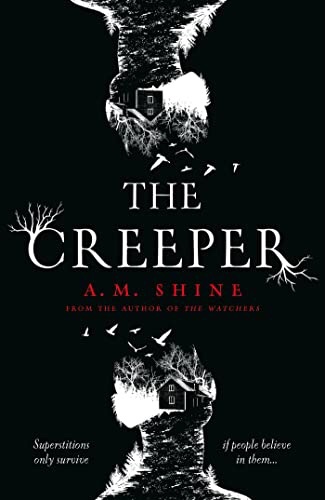

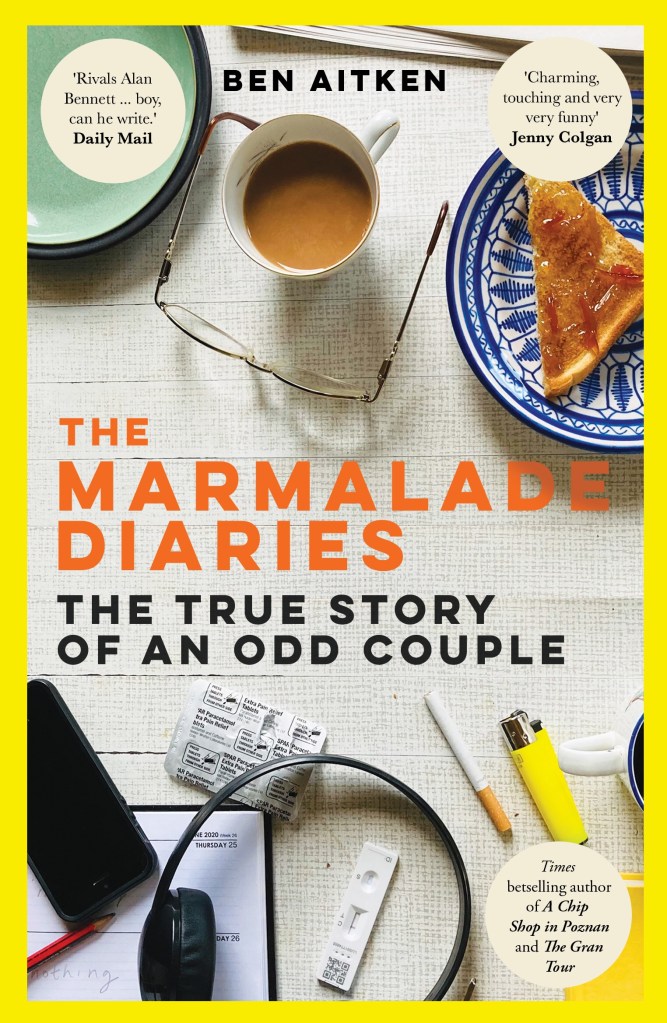
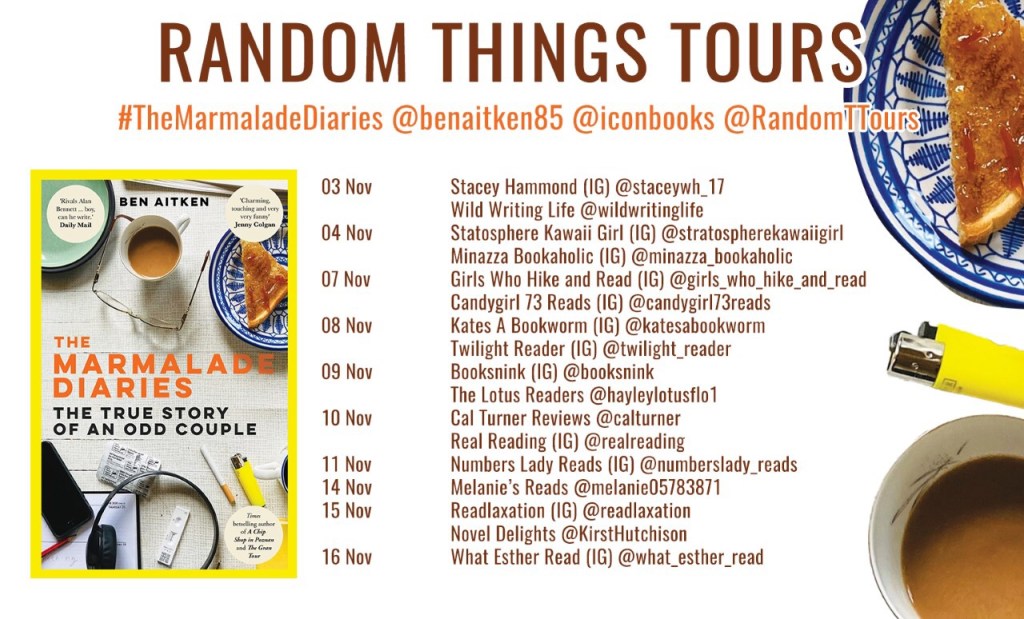
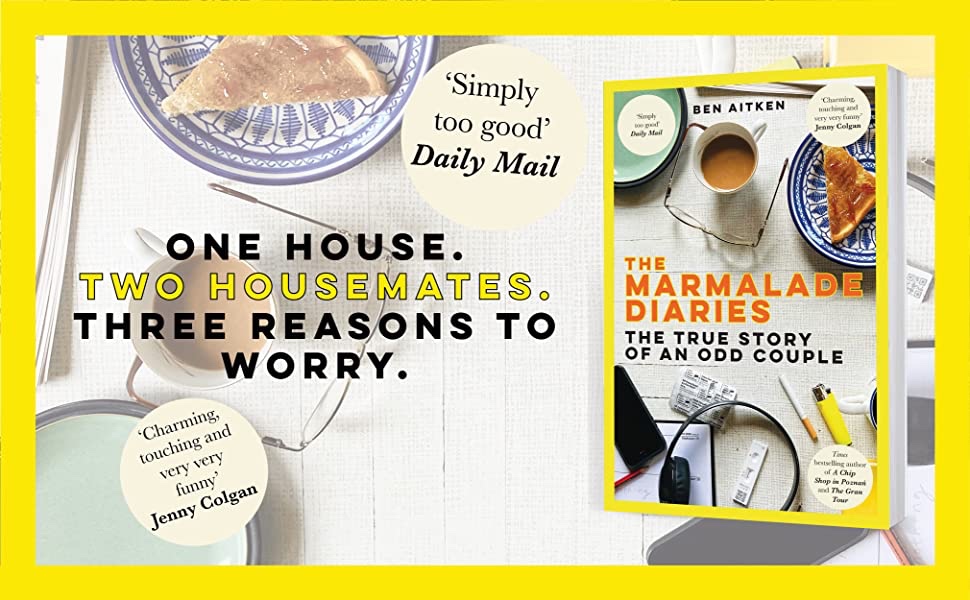
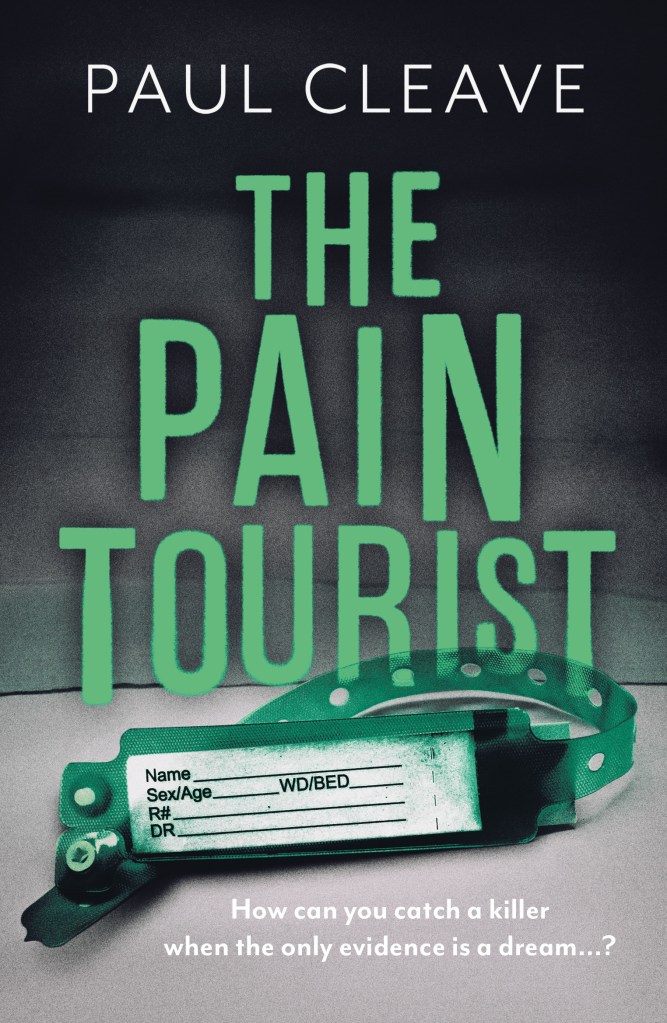


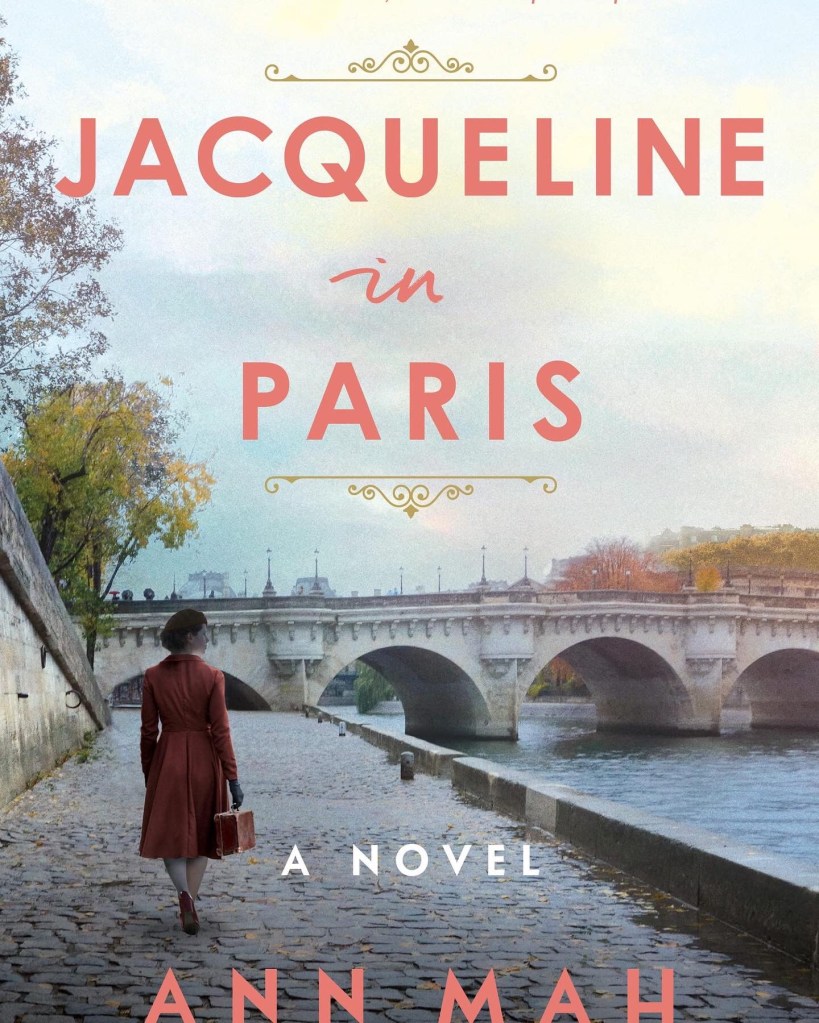

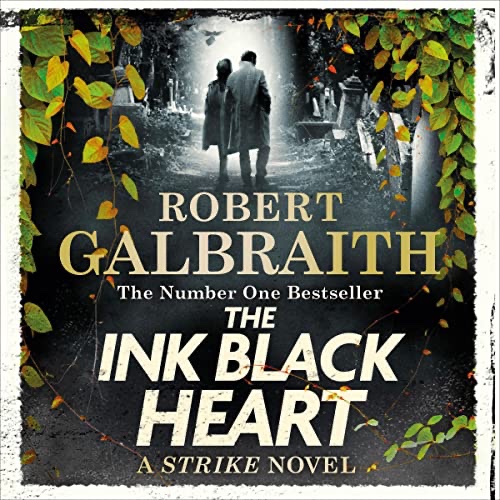

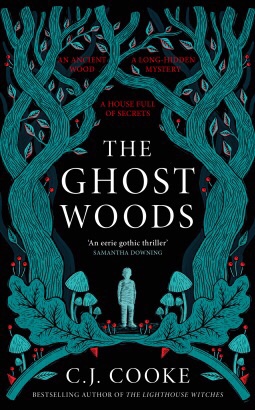


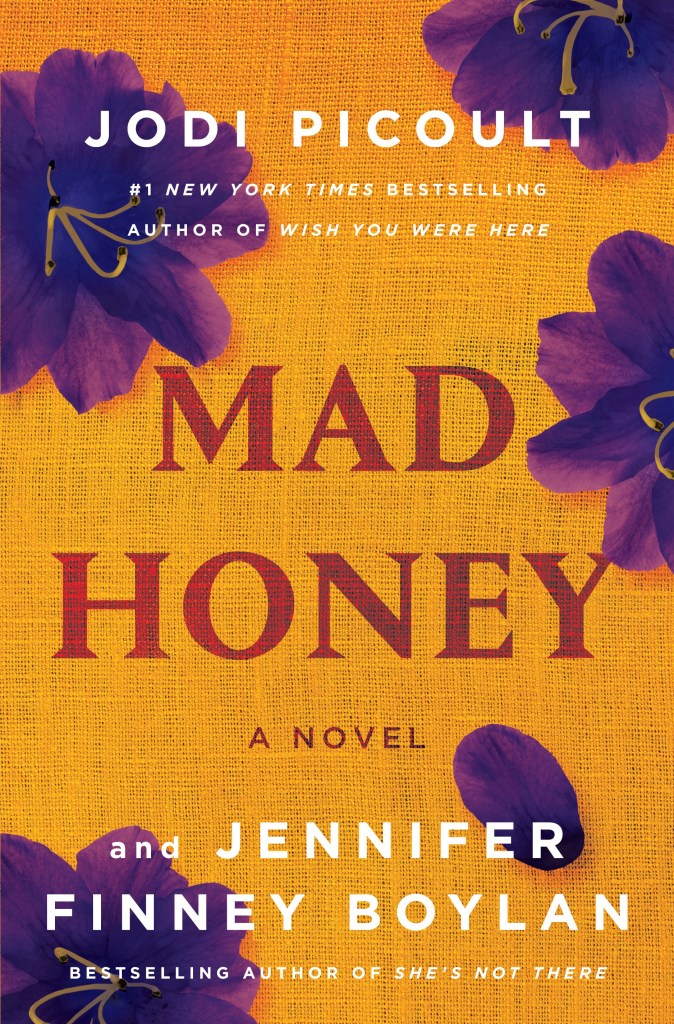




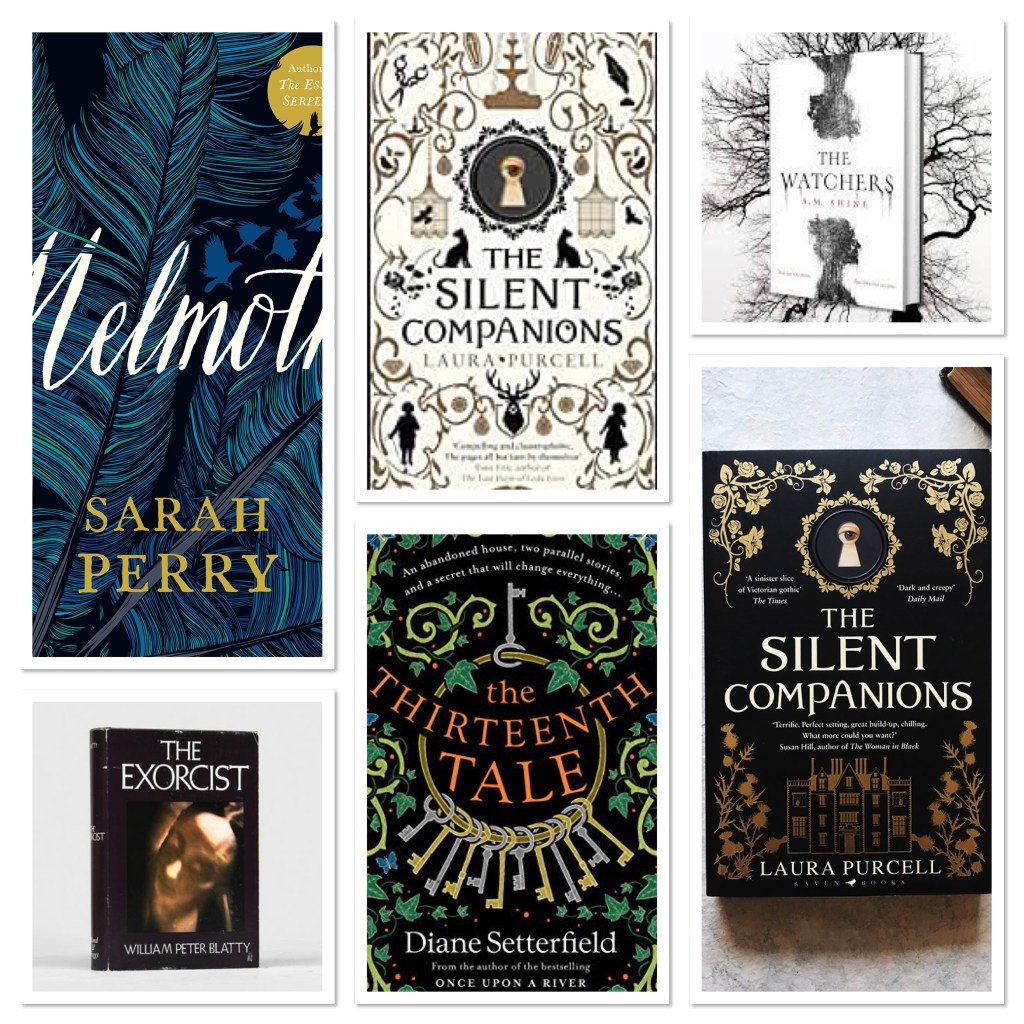
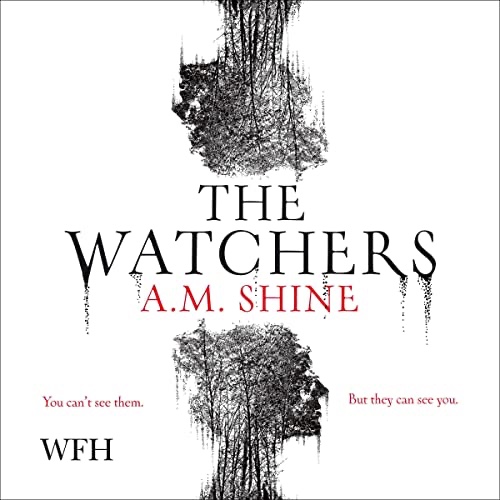
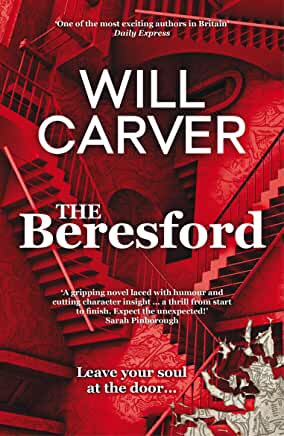
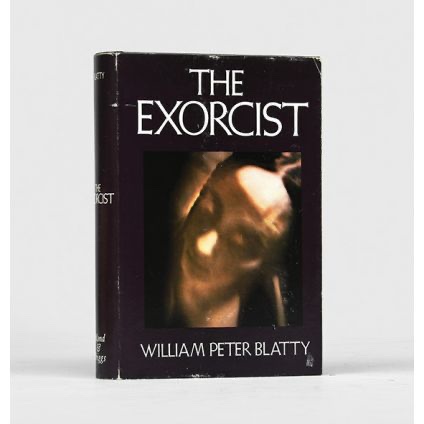
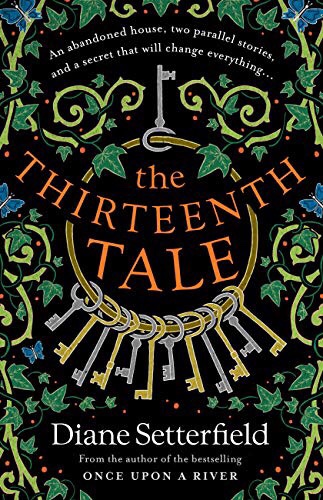
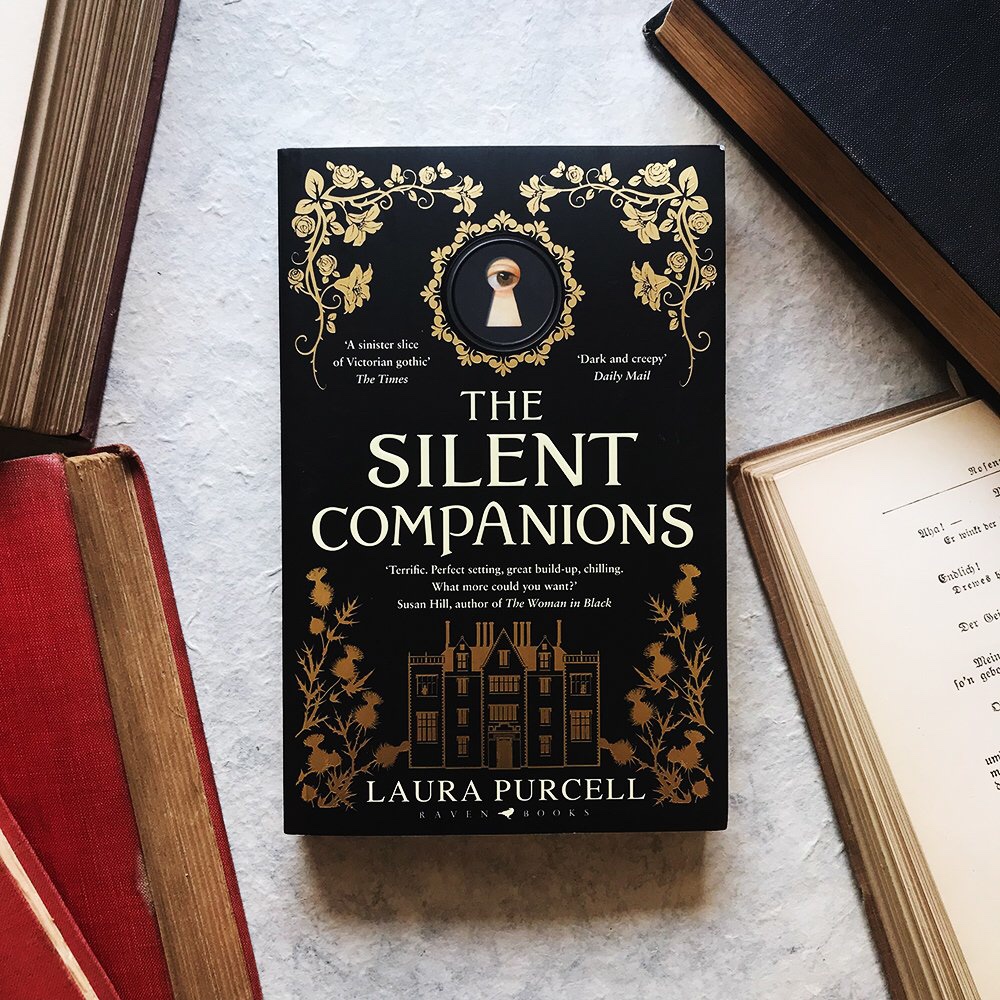
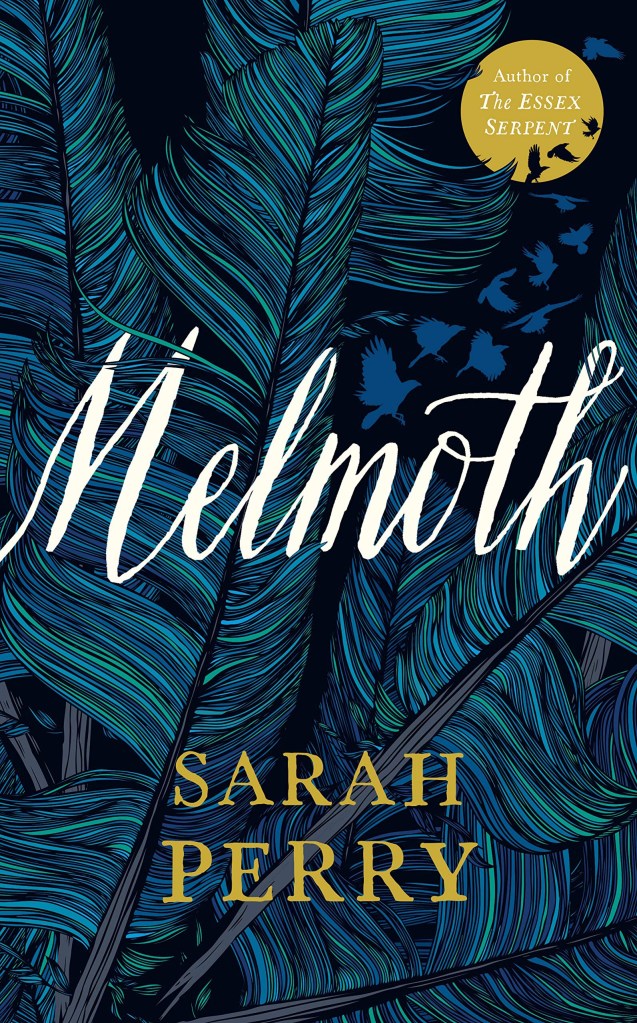
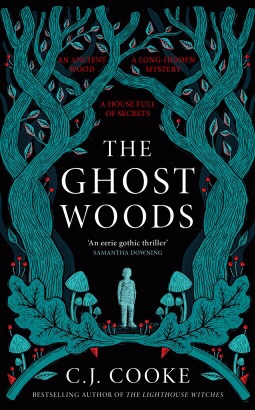
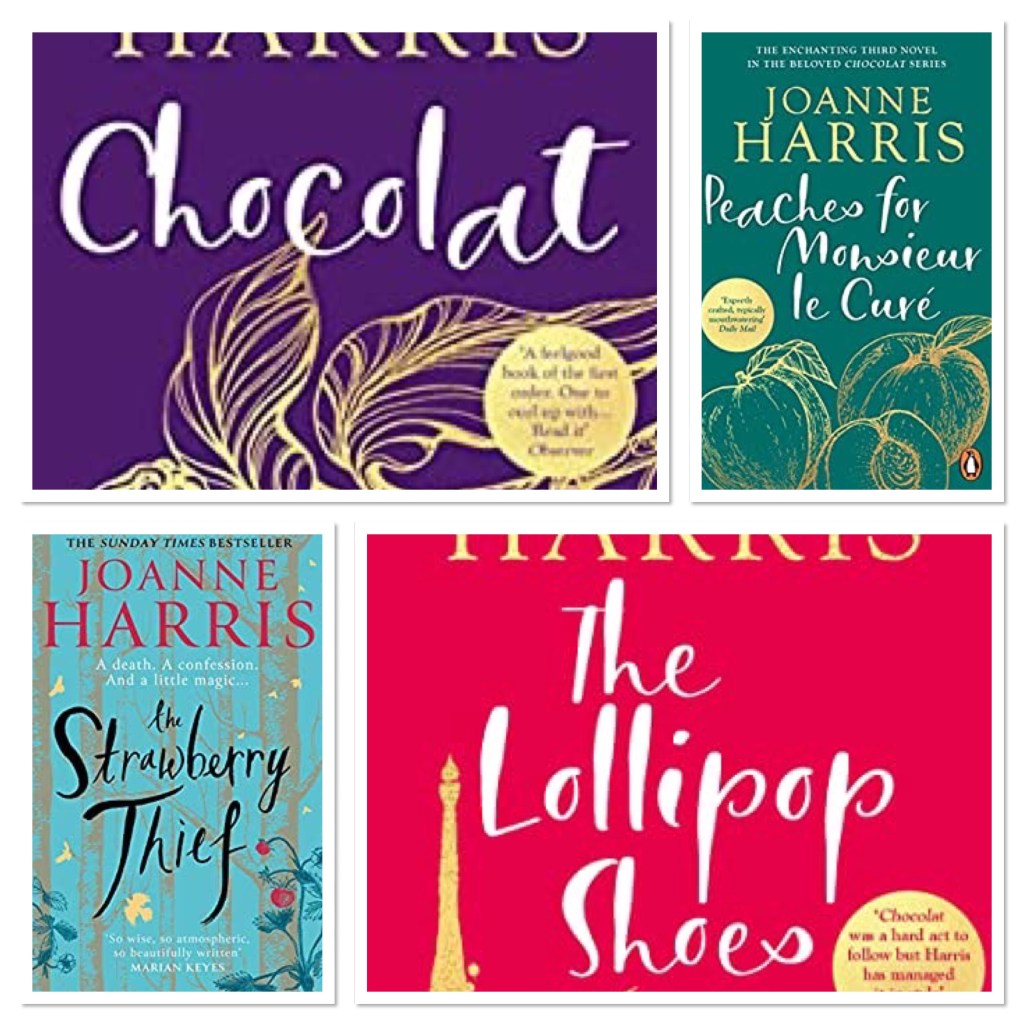
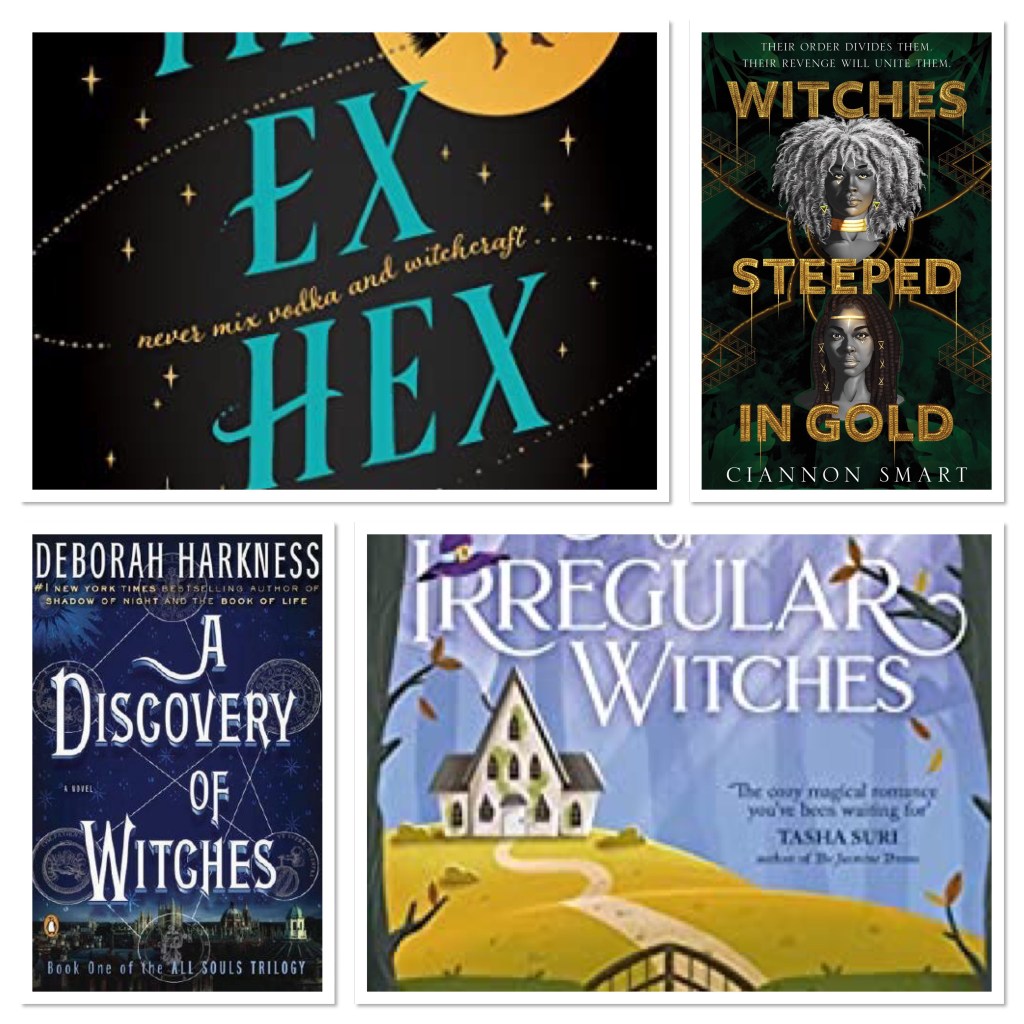
 The Lotus Readers