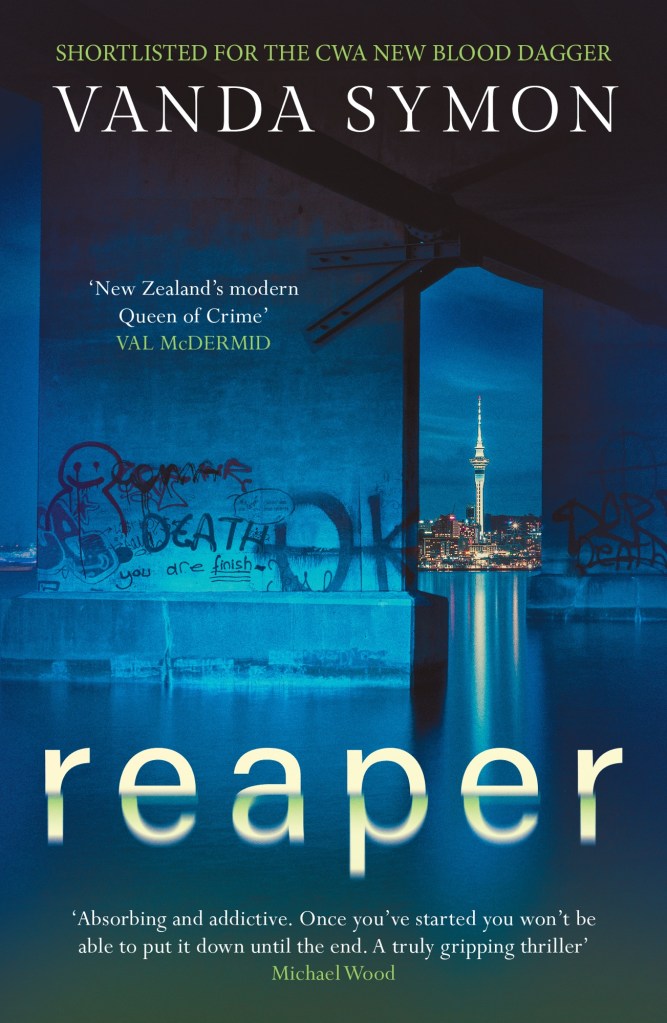
A killer is hunting Auckland’s homeless. No one cares. No one but Max. These are his people.
Max Grimes is homeless, living on the streets of Auckland – among the forgotten, the invisible. But now someone is hunting the homeless, killing them one by one. No one cares. Except Max.
Trying to put his shattered life back together, Max is pulled into a deadly game when a face from his past reappears, reopening wounds he thought were long buried.
As whispers of a Grim Reaper spread terror through the city, Max must race against time – not only to find the killer, but to outrun the ghosts chasing him.
Because if he fails, he’ll be next.
I thoroughly enjoyed spending time with Max Grimes again, back on the streets of Auckland where he was once a detective and is now homeless, although has at least found shelter in a building under renovation. I was also utterly absorbed by this story, that goes to unexpected places as Max tries to find a killer, before the killer finds him. The plot is so well constructed, with a blend of the personal and professional aspects of Max’s life becoming dangerously interlinked as a killer stalks street sleepers in the city centre district. It immediately made me angry that someone would prey on such vulnerable people, but not a surprise in the current climate where the vulnerable seem to be easy prey for everyone to comment on and abuse. I’ve seen the rise of ableism over the last year or two, which has become toxic to any person with a disability, asylum seekers or anyone perceived to be problematic for society on social media. Working my whole life in mental health, I know the complexities that combine to leave someone where Max Grimes is. In his case a daughter addicted to crystal meth and a boyfriend who cut her throat while high on the same poison. Lives break down for a multitude of reasons, but usually loss and abuse of some sort has contributed to the mental health crises that I would deal with. Particularly long term users of the mental health team services and high up on my priorities is to keep someone in their home by helping maintain finances and hold on to their tenancy. Sadly, with all the will in the world, this does not work and people would become vulnerable, homeless and prey to anyone looking for people to manipulate and harm. So I found myself asking: is this killer simply preying on those who are vulnerable because they’re seen as easy targets or is this killer trying to make a point?
Despite having left his job behind a long time ago, Max is still a police officer at heart. He gets up early and walks a set ‘beat’ through the streets, checking on those he knows or believes to be struggling. It’s no surprise that he’s one step ahead of the police when it comes to adding these deaths up and asking questions, approaching fellow detective Meredith when he thinks something is ‘off’. Detectives don’t necessarily have a specific patch, they work cases not streets, so the deaths of a couple of homeless people in a cold snap wouldn’t even cross their desk. By the second death Max is sure something is wrong. What he finds most troubling is that it’s someone who mentions the killer as the Reaper who is next to die. As he walks his usual path the next day he makes a note of who talks about a serial killer and plans to keep an eye on them. Meredith gets her boss to agree to treat the third death as a crime scene and if there’s anything to suggest murder, then the previous two bodies will be examined. The questions are mounting up for both Meredith and Max. People who live on the streets are suspicious and vigilant, so how is the killer getting close to their victims? How is he circumventing that natural mistrust of others that he knows the victims would have had? In between his investigations, Max’s past creeps up on him quite literally in the library where he spends the morning in the warmth reading the news and using the internet. Shane McFarlane is the last person he wants to talk to, since his son killed Max’s daughter he’s avoided him at all costs. It makes Max feel vulnerable that he finds him so easily, maybe a wake up call that his own vigilance needs to be stepped up. He asks Max if he’ll work as a private investigator for him and find the man who supplied the meth to his son. Max certainly could do this and he feels empathy for McFarlane’s anger towards the dealer, but can he work alongside this man in exacting revenge?
I love how Vanda Symon writes her characters, because whether it’s Meredith or Max we’re straight into their inner lives and how they see the world they live in. She doesn’t do superfluous description of character or appearance, she simply lets them live their lives and think their thoughts and leaves everything else up to the reader. Even when it comes to the short chapters narrated by the Reaper she sticks to this inner world, so when the clues start to add up for Meredith and she realises something about him we’re as surprised as she is. It also adds another layer of grey to this world when we realise the reasons behind the Reaper’s eventual plan. The author also weaves in the politics of the city and this time by alluding to gentrification, historic abuse and the Mayor’s plans for removing the homeless from the centre of Auckland. At a press conference he talks about homeless people as if they are vermin, suggesting that the case gives them an opportunity to remove this group of people from harm, while also stopping them from harming the city. I loved Meredith’s urge to shut his mouth for him and how her experience of his wandering hands at a party ties into worldwide events such as the Epstein files, not mentioned by name but certainly in Meredith’s experiences and thoughts. She laments that women in public life are held to different standards to men and get the lion’s share of abuse with appalling misogyny the norm on social media. She refers to ‘Teflon’ men ‘and they had all been men. Narcissists and psychopaths who believed they were untouchable, above the law.’ She also laments the keyboard warriors in local papers making comments about putting the killer on the city payroll and congratulating him for moving these bums off the streets, dehumanising the victims completely. Her relationship with Max shows she doesn’t think like this, she respects him and his investigative skills. When he’s badly beaten she’s desperately concerned and when suspicion starts to fall in his direction she has some very hard choices to make. I wondered whether this might be the end of their friendship?
Vanda has written another brilliant thriller here, full of clever clues and reveals. However, her incredible empathy and compassion for a vulnerable section of society means the victims are not just sensationalism or a means of moving the plot forward. Max makes sure that we know about these victims and that their deaths are investigated with the same vigour as any other member of society. I felt like this case really is make or break for the trust between Max and Meredith and I hoped that even when the only choice was to bring Max in for questioning, they would find a way of working together to uncover the truth. By this point in the book I couldn’t put it down because I was so desperate for the evidence to be wrong and the tension was unbearable. This is not a black or white, right or wrong type of story either. The author brings out all the shades of grey in her characters, making sure we remember that human beings are complicated and when lives go off the rails there’s always a story behind it, whether it is a personal grief or loss, abuse or mental heath crisis. After all, whether a police officer, killer, or victim we all have a back story.
Out March 18th from Orenda Books
Meet the Author
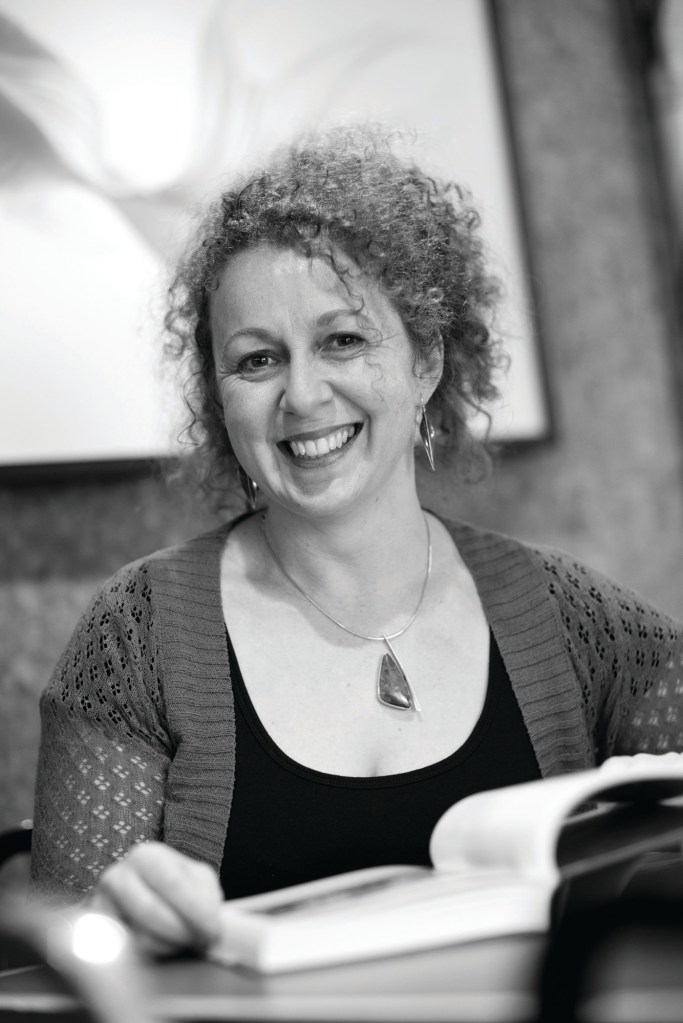
Vanda Symon lives in Dunedin, New Zealand. As well as being a crime writer, she has a PhD in science communication and is a researcher at the Centre for Pacific Health at the University of Otago. Overkill was shortlisted for the 2019 CWA John Creasey Debut Dagger Award and she is a three-time finalist for the Ngaio Marsh Award for Best Crime Novel for her critically acclaimed Sam Shephard series. Vanda produces and hosts ‘Write On’, a monthly radio show focusing on the world of books at Otago Access Radio. When she isn’t working or writing, Vanda can be found in the garden, or on the business end of a fencing foil.


 The Lotus Readers