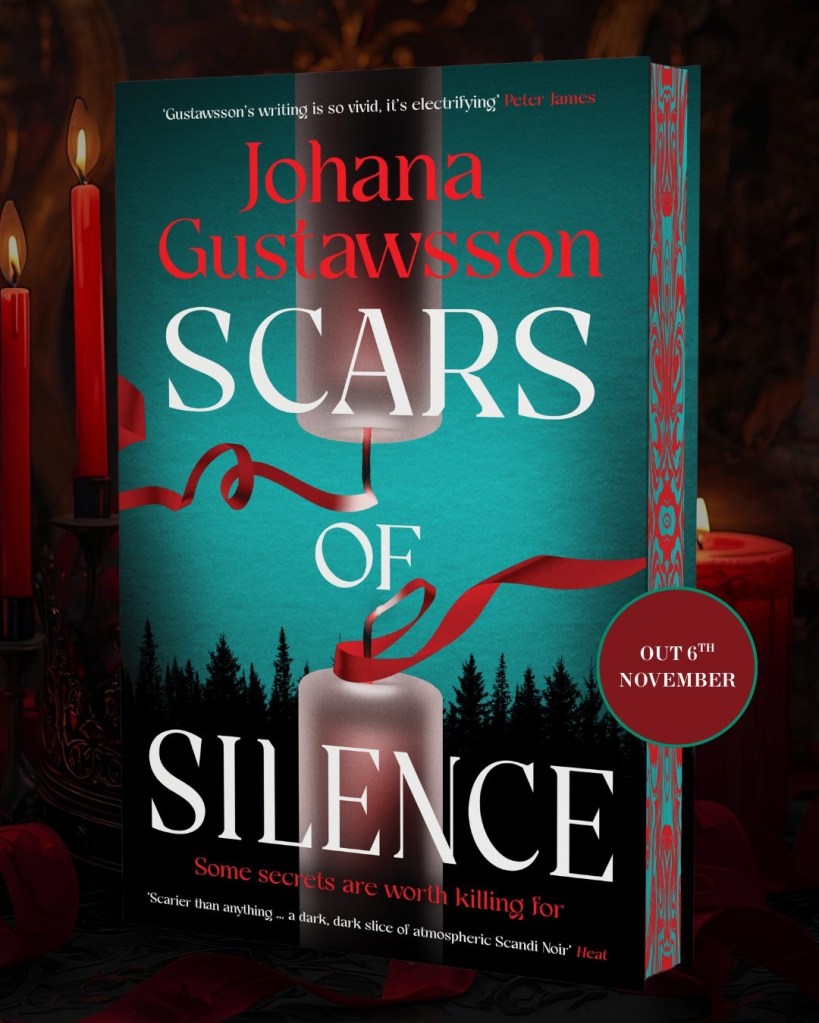
As autumn deepens into darkness in Lidingö, on the Stockholm archipelago, the island is plunged into chaos: in the space of a week, two teenagers, the son of the island’s mayor and that of a powerful businessman, are brutally murdered. Their bodies are left deep in the forest, dressed in white tunics with crowns of candles atop their heads, like offerings to Saint Lucia. Maïa Rehn has fled Paris for Lidingö, where her husband grew up, trying to come to terms with the death of their only child in a car accident. But when the murders shake the island community, the former police commissioner is drawn into the heart of the investigation, joining Commissioner Aleksander Storm to unravel a mystery as chilling as the Nordic winter. As they dig deeper, it becomes clear that a wind of vengeance is blowing through the archipelago, unearthing secrets that are as scandalous as they are inhuman. But what if the victims weren’t who they seemed? What if those long silenced had finally found a way to strike back? How far would they go to make their tormentors pay? And you – how far would you go?
I loved the timing of this novel from Johanna Gustawsson, her second set on the island of Lidingö in the cold, dark run up to Christmas. Here she bases her murder mystery around the feast of St Lucia and it begins when a body is found in the traditional dress of the festival. The victim is wearing a white tunic that’s been slit up the back, with a red sash and a crown of candles representing the festival of light. It reminded me of the locally held Christingle services, where small children in white hold a symbolic orange with a lighted candle in it and a red ribbon meant to symbolise Christ’s blood and his role as the Light of the World. It was something I’d never encountered before, being Catholic it wasn’t part of our tradition, but it fits into the many festivals that bring light to the winter months such as Hanukkah and Diwali. The festival and the victim’s clothing make the scene of the crime even more dramatic and hard to forget. It also throws up immediate questions about whether the date or the costume is a message from the killer. Visiting French detective Maia Rehn offers her help to local commissioner Aleksander Storm and they begin to investigate together. It soon becomes clear that the killer isn’t finished with the island community and the pair must work very fast, prizing secrets from people who are reluctant to talk and digging up long buried events that will devastate and destroy lives.
One of the things I love most about this series is the atmosphere that the author builds. This is not the average crime novel, it definitely has a more Gothic feel that I would normally associate with folk horror.
“It was hardly an ocean this mere strip of sea. A moat more like – cutting Lidingo off from the life of the Stockholm mainland. A ghost infested moat, surrounding a poisoned island”.
This killing takes the community back several years to the murder and rape of a young woman dressed in her St Lucia costume. The victim is Jennifer, a well known and liked teenager in the community whose white dress and crown gives the impression of a angel in the snow. Jennifer was the daughter of Sophie Ackerman who bonds with Maia at a party, when they realise that both of them have lost a child. The pain and confusion of these unexpected and sudden losses have no descriptive word in the Swedish language, only the Sanskrit word ‘vilomah’ comes close, meaning ‘against the natural order.’ Motherhood and who we become when we lose a child is a theme of the novel and drives home that violent deaths affect a whole community. In fact, following the death of Jennifer Ackerman suspicions fell on her friend Gustav who found her body. The way the community treated Gustav, as well as the grief, caused him to commit suicide. It’s such an important theme that the novel’s opening takes us to a classroom on the island where Gustav’s mother holds everyone at gunpoint, blaming them for the death of her grief stricken son. These events and the darkening winter days hang heavy over the tiny island. Maia describes the loss of her son with such beautiful and haunting words that let us know he is still so present in her thoughts she almost expects him to materialise:
‘He’s everywhere around me, so I’m always waiting for […] a word, a sound, the slightest caress from him. I find myself sniffing the air for the scent of him’.
Sophie talks about her daughter Jennifer in the words of Cyrano de Bergerac, showing that she is still ever present for her too. It’s such a beautiful way of describing grief that comes in waves, some days it seems far away and other days it feels as if the loss was yesterday. I identified with this so much, knowing that even ten or twenty years on there are days when the grief feels painfully fresh. How much worse it must be with violent deaths where there are feelings of anger, guilt, resentment and so many questions left unanswered.
‘Her name is in my heart like a bell. Every time I think of her it’s like I can hear that bell ringing and ringing and the memories and feelings resurface every time’.
As the investigation unfolds it is clear that Maĩan and Aleks work quite differently, but complement each other. He is more of a facts person, whereas she picks up on emotion and her own feelings, heightened by tragedy, seem to have honed this skill. As an outsider she also seems more effective at getting people to talk, something that can be a struggle when a detective lives in the community they’re investigating. Their discoveries are both haunting and horrifying – especially a ‘trophy’ find that absolutely turned my stomach. Some of the themes were very timely, aside from the normal teenage themes of peer pressure, relationship angst and experimentation, there are also more up to date themes of incels, grooming and consent. I found it fascinating that Swedish law reform in 2018 placed the emphasis on positive consent so that rape was no longer defined by saying no, but the absence of actively saying yes. It recognises that when backed into a corner, freezing and becoming unresponsive are normal survival instincts and not consent, so threat and physical force don’t have to be present for an incident to be defined as rape. When we are finally taken to the night Jennifer Ackerman died it is hard to read, but that’s how it should be. This first incident is like a veil of darkness triumphing over light. It’s as if the island loses its innocence. I loved that the answers don’t come easily and the tendrils of the aftermath are everywhere. This is a vivid, symbolic and haunting crime story and the truth is devastating – a gradually revealed horror that has echoed down the generations of this isolated community.
Out now from Orenda Books
Meet the Author
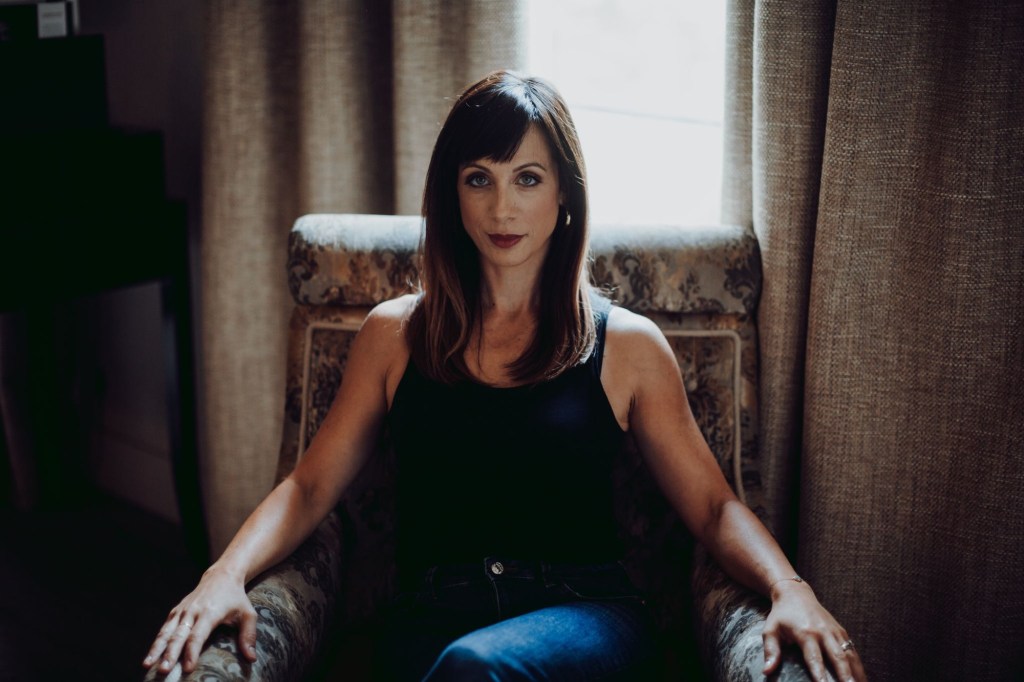
Born in Marseille, France, and with a degree in Political Science, Johana Gustawssonhas worked as a journalist for the French and Spanish press and Her critically acclaimed Roy & Castells series, including Block 46, Keeper and Blood Song, has won the Plume d’Argent, Balai de la découverte, Balai d’Or and Prix Marseillais du Polar awards, and is now published in nineteen countries. A TV adaptation is currently under way in a French, Swedish and UK co-production. The Bleeding was a number-one bestseller in France and is the first in a new series. Johana lives in Sweden with her Swedish husband and their three sons.

 The Lotus Readers