
Eugenics is described by National Human Genome Research Institute as
“an immoral and pseudoscientific theory that claims it is possible to perfect people and groups through genetics and the scientific laws of inheritance”.
It’s a word that’s been floating around social media for some time, mainly in connection to those behind the new US administration. There are concerns that people with physical disabilities, those of different ethnic origins and those with mental ill health or learning disabilities, might be considered less desirable in society. There are people with disabilities fighting against the introduction of assisted dying, because it could be interpreted to mean disabled lives have less value. We’ve all probably asked at one time or another, how could ordinary German citizens sleep walk into the Final Solution? The answer is slowly. There is evidence that children with disabilities were being removed and institutionalised as early as 1933. We like to think the Holocaust couldn’t happen again, but there is evidence of eugenic policies affecting the lives of ordinary Americans until the 1970s. Of course the Nazis are the ultimate and extreme example of eugenic policies being enacted, but both European countries and the US were using eugenicist policies on their own citizens across the 20th Century. This is what happens when we demonise the disabled, the poor and the destitute. The rise of the far right across the world is driven by eugenicist thinking, that some people are inherently better than others. This is why eugenicist policies affected those with learning difficulties, Native Americans, African Americans and people with long term disabilities. I try not to be political on the blog, but here I’m not advocating particular political parties. All I want to do is share novels that show how eugenics affected real communities and individuals.
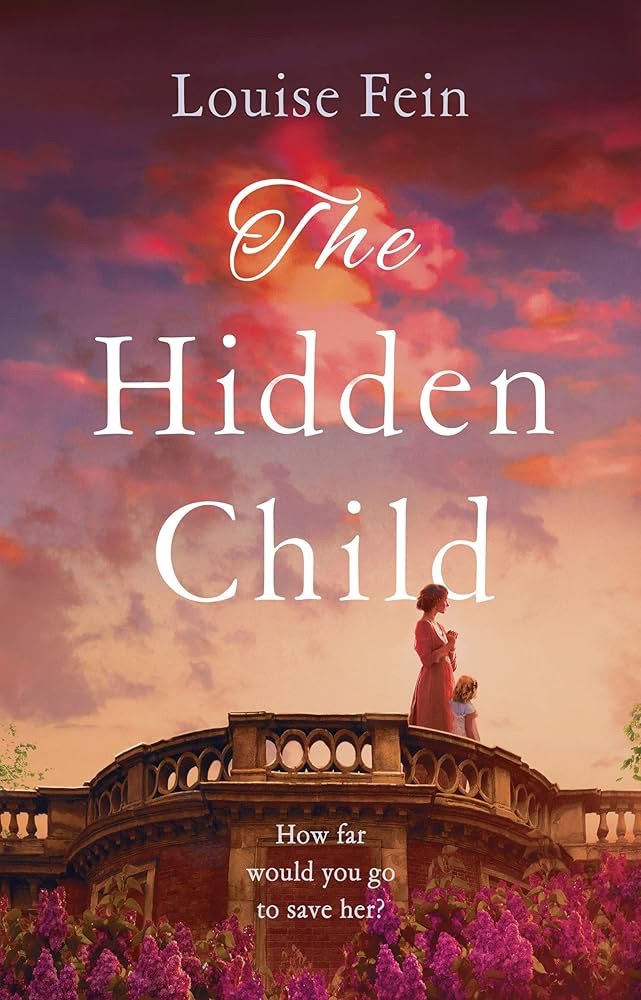
From the outside, Eleanor and Edward Hamilton have the perfect life, but they’re harbouring a secret that threatens to fracture their entire world.
London, 1929.
Eleanor Hamilton is a dutiful mother, a caring sister and an adoring wife to a celebrated war hero. Her husband, Edward, is a pioneer in the eugenics movement. The Hamiltons are on the social rise, and it looks as though their future is bright. When Mabel, their young daughter, begins to develop debilitating seizures, they have to face an uncomfortable truth: Mabel has epilepsy – one of the ‘undesirable’ conditions that Edward campaigns against. Forced to hide their daughter away so as to not jeopardise Edward’s life’s work, the couple must confront the truth of their past – and the secrets that have been buried. Will Eleanor and Edward be able to fight for their family? Or will the truth destroy them?
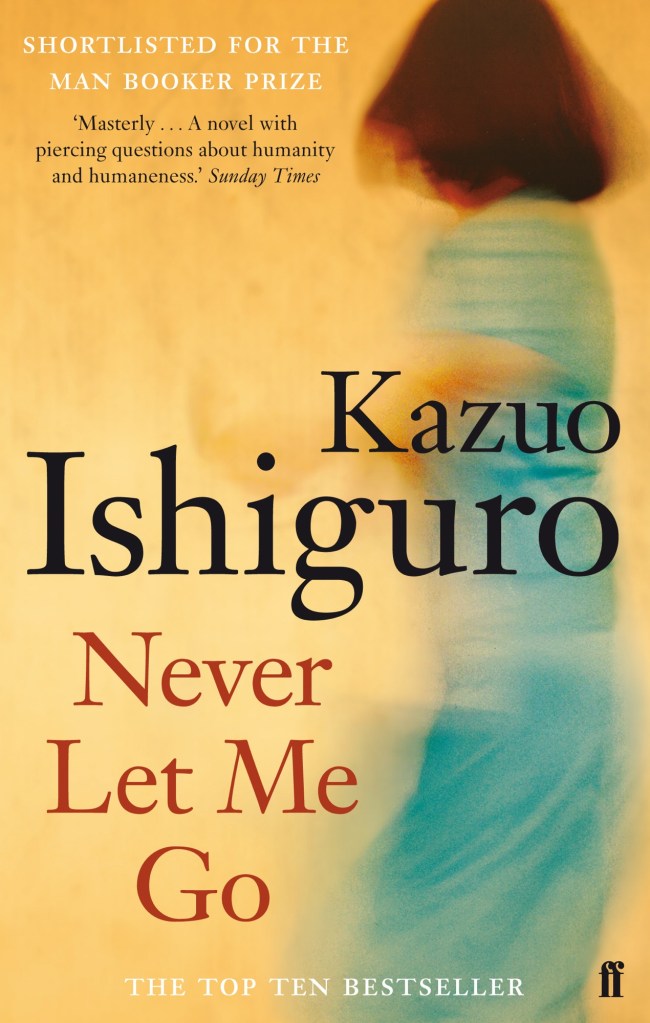
Many will have read this heart-rending novel or seen the film, beautifully performed by Andrew Garfield, Carey Mulligan and Keira Knightly. This perfectly encapsulates that head in the sand mindset humans are so good at. We can ignore terrible injustices when they’re not happening to us, or people like us. We can always think it doesn’t apply to us. Until it does. Kazuo Ishiguro imagines the lives of a group of students growing up in a darkly skewed version of contemporary England. Narrated by Kathy, now thirty-one, Never Let Me Go dramatises her attempts to come to terms with her childhood at the seemingly idyllic Hailsham School and with the fate that has always awaited her and her closest friends in the wider world. A story of love, friendship and memory, Never Let Me Go is charged throughout with a sense of the fragility of life and is utterly terrifying.
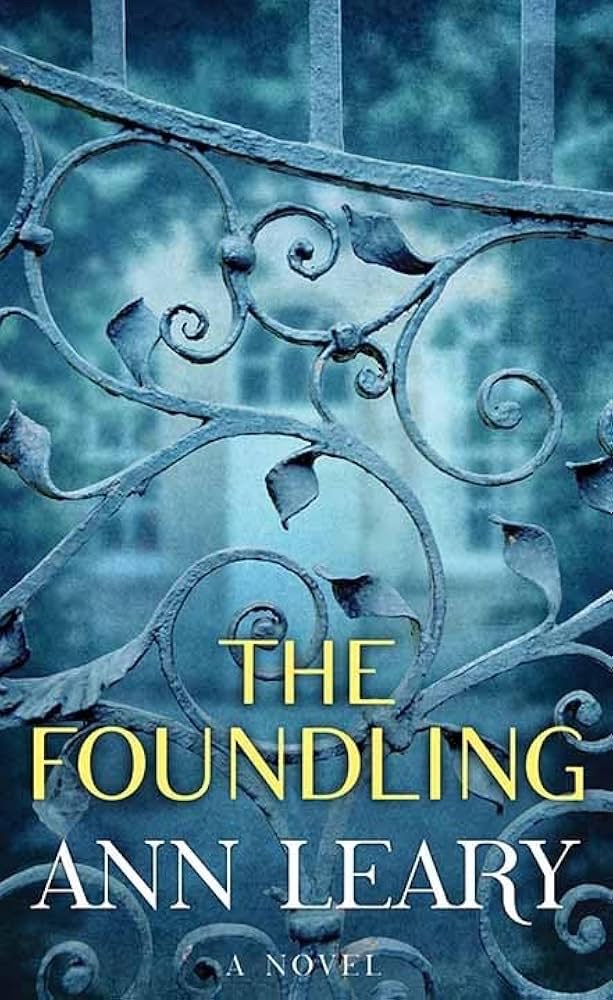
From the New York Times bestselling author of The Good House, the story of two friends, raised in the same orphanage, whose loyalty is put to the ultimate test when they meet years later at a controversial institution—one as an employee; the other, an inmate.
It’s 1927 and eighteen-year-old Mary Engle is hired to work as a secretary at a remote but scenic institution for mentally disabled women called the Nettleton State Village for Feebleminded Women of Childbearing Age. She’s immediately in awe of her employer—brilliant, genteel Dr. Agnes Vogel. Dr. Vogel had been the only woman in her class in medical school. As a young psychiatrist she was an outspoken crusader for women’s suffrage. Now, at age forty, Dr. Vogel runs one of the largest and most self-sufficient public asylums for women in the country. Mary deeply admires how dedicated the doctor is to the poor and vulnerable women under her care.
Soon after she’s hired, Mary learns that a girl from her childhood orphanage is one of the inmates. Mary remembers Lillian as a beautiful free spirit with a sometimes-tempestuous side. Could she be mentally disabled? When Lillian begs Mary to help her escape, alleging the asylum is not what it seems, Mary is faced with a terrible choice. Should she trust her troubled friend with whom she shares a dark childhood secret? Mary’s decision triggers a hair-raising sequence of events with life-altering consequences for all. Inspired by a true story about the author’s grandmother, The Foundling offers a rare look at a shocking chapter of American history. This gripping page-turner will have readers on the edge of their seats right up to the stunning last page…asking themselves, “Did this really happen here?”
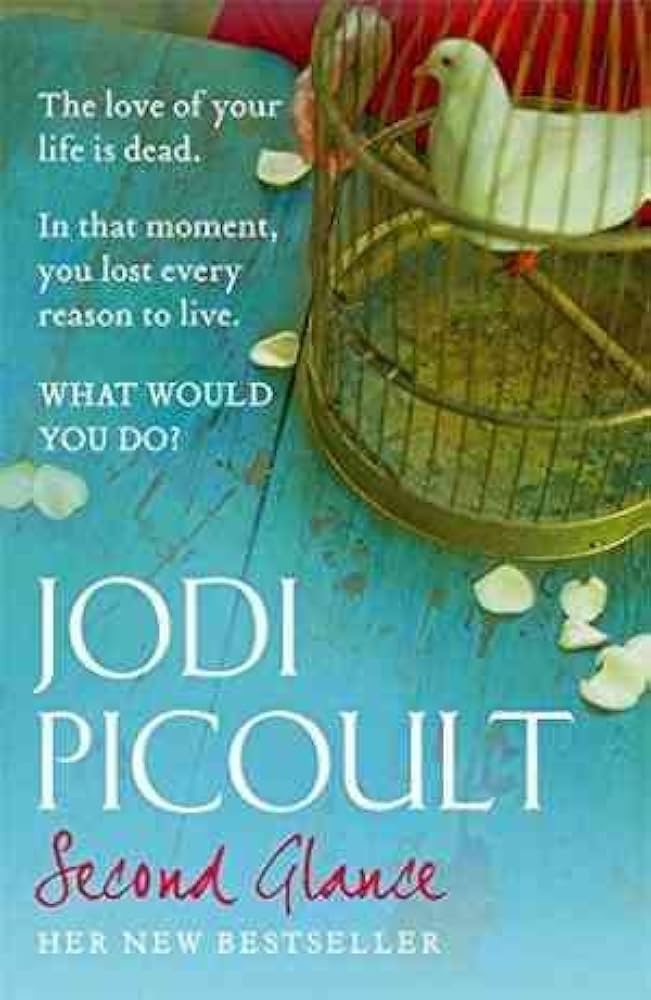
Since the death of his fiancée Aimee, Ross Wakeman has been unable to fill the hole she has left in his life. Seeking to end his pain, he becomes a ghost hunter, despite never having seen a ghost.
However, when his job leads him to the town of Comtosook, it becomes apparent that Ross isn’t the only one haunted by the past. When he meets the mysterious Lia, who brings him to life for the first time in years, redemption seems around the corner. But the discoveries that await him are beyond anything he could dream of – in this world or the next. Second Glance takes a look at how American eugenicist policies affected the lives of Native Americans with a programme of sterilisation. It’s not her usual court based drama, but still has her themes of injustice, identity and a lesser known part of American history.
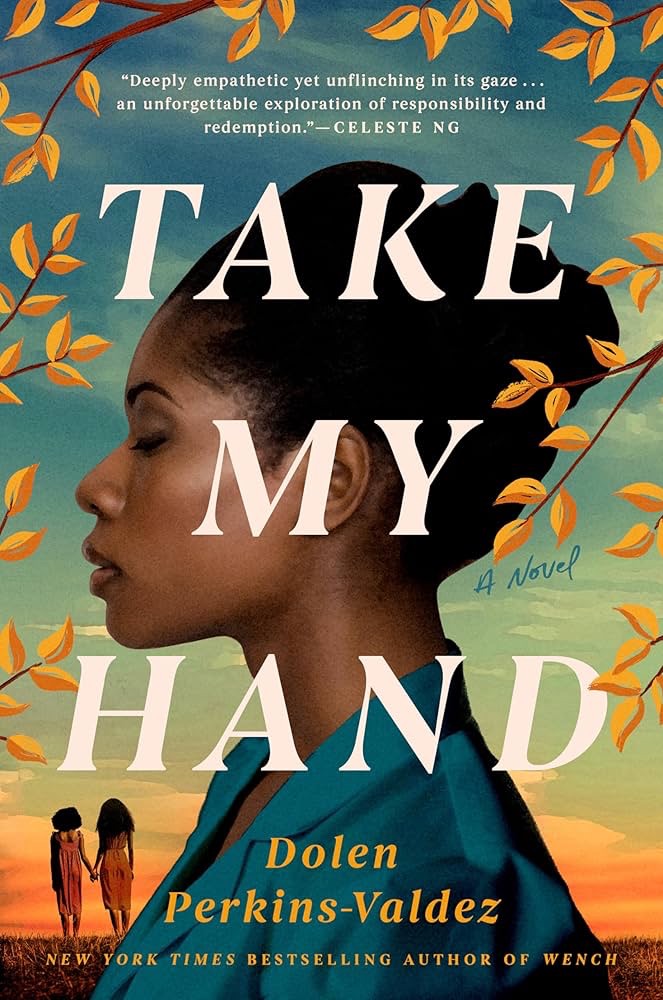
Montgomery, Alabama. 1973. Fresh out of nursing school, Civil Townsend has big plans to make a difference in her community. She wants to help women make their own choices for their lives and bodies.
But when her first week on the job takes her down a dusty country road to a tumbledown cabin and into the heart of the Williams family, Civil learns there is more to her new role than she bargained for. Neither of the two young sisters has even kissed a boy, but they are poor and Black, and for those handling their welfare benefits, that’s reason enough to have them on birth control. When Civil discovers a terrible injustice, she must choose between carrying out instructions or following her heart and decides to risk everything to stand up for what is right.
Inspired by true events and a shocking chapter of recent history, Take My Hand is a novel that will open your eyes and break your heart. An unforgettable story about love and courage, it is also a timely and uplifting reminder that one person can change the world.
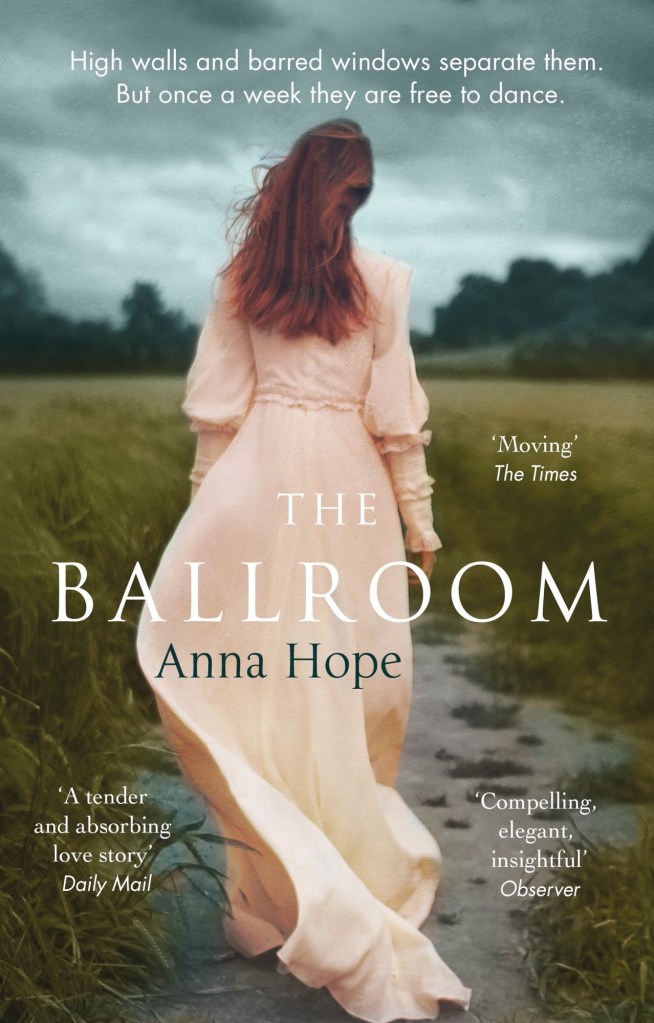
1911: Inside an asylum at the edge of the Yorkshire moors, where men and women are kept apart by high walls and barred windows, there is a ballroom vast and beautiful. For one bright evening every week they come together and dance. When John and Ella meet it is a dance that will change two lives forever.
Set over the heatwave summer of 1911, the end of the Edwardian era, THE BALLROOM tells a rivetting tale of dangerous obsession, of madness and sanity, and of who gets to decide which is which. It is a love story like no other, showing how eugenics affected those deemed mentally ill.
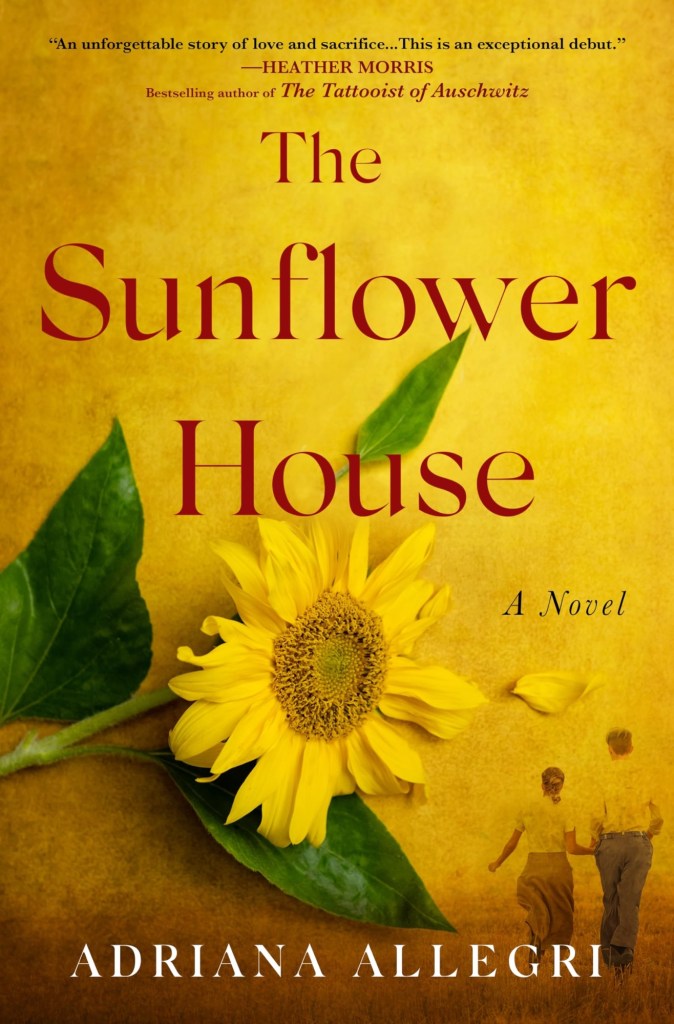
In a sleepy German village, Allina Strauss’s life seems idyllic: she works at her uncle’s bookshop, makes strudel with her aunt, and spends weekends with her friends and fiancé. But it’s 1939, Adolf Hitler is Chancellor, and Allina’s family hides a terrifying secret—her birth mother was Jewish, making her a Mischling.
One fateful night after losing everyone she loves, Allina is forced into service as a nurse at a state-run baby factory called Hochland Home. There, she becomes both witness and participant to the horrors of Heinrich Himmler’s ruthless eugenics program.
The Sunflower House is a meticulously-researched debut historical novel from Adriana Allegri that uncovers the notorious Lebensborn Program of Nazi Germany. Women of “pure” blood stayed in Lebensborn homes for the sole purpose of perpetuating the Aryan population, giving birth to thousands of babies who were adopted out to “good” Nazi families. Allina must keep her Jewish identity a secret in order to survive, but when she discovers the neglect occurring within the home, she’s determined not only to save herself, but also the children in her care.
A tale of one woman’s determination to resist and survive, The Sunflower House is also a love story. When Allina meets Karl, a high-ranking SS officer with secrets of his own, the two must decide how much they are willing to share with each other—and how much they can stand to risk as they join forces to save as many children as they can. The threads of this poignant and heartrending novel weave a tale of loss and love, friendship and betrayal, and the secrets we bury in order to save ourselves.
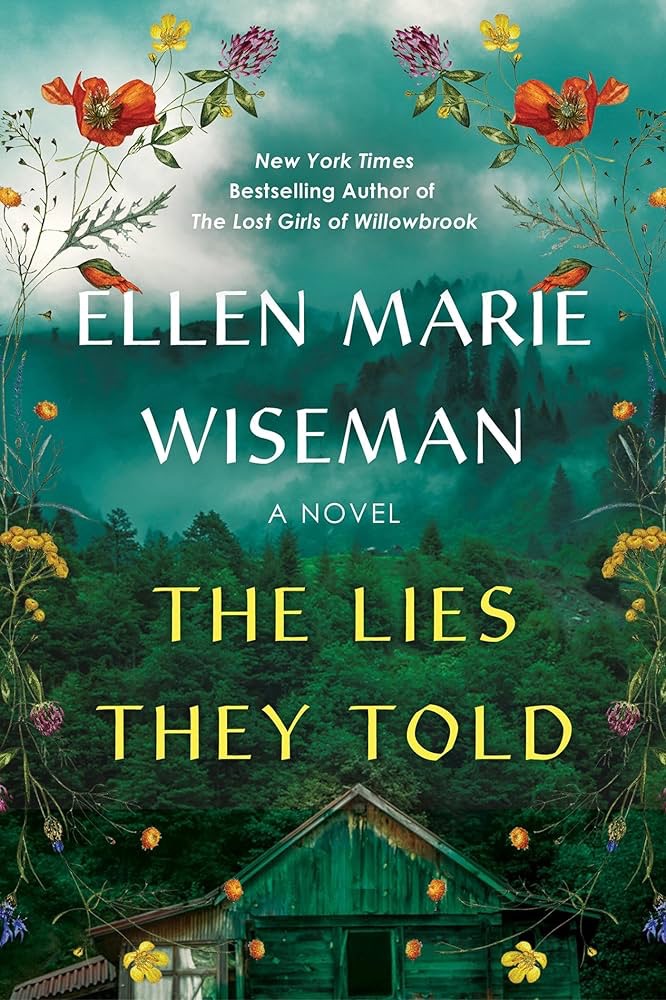
In rural 1930s Virginia, a young immigrant mother fights for her dignity and those she loves against America’s rising eugenics movement – when widespread support for policies of prejudice drove imprisonment and forced sterilizations based on class, race, disability, education, and country of origin – in this tragic and uplifting novel of social injustice, survival, and hope.
When Lena Conti—a young, unwed mother—sees immigrant families being forcibly separated on Ellis Island, she vows not to let the officers take her two-year old daughter. But the inspection process is more rigorous than she imagined, and she is separated from her mother and teenage brother, who are labeled burdens to society, denied entry, and deported back to Germany. Now, alone but determined to give her daughter a better life after years of living in poverty and near starvation, she finds herself facing a future unlike anything she had envisioned.
Silas Wolfe, a widowed family relative, reluctantly brings Lena and her daughter to his weathered cabin in Virginia’s Blue Ridge Mountains to care for his home and children. Though the hills around Wolfe Hollow remind Lena of her homeland, she struggles to adjust. Worse, she is stunned to learn the children in her care have been taught to hide when the sheriff comes around. As Lena meets their neighbors, she realizes the community is vibrant and tight knit, but also senses growing unease. The State of Virginia is scheming to paint them as ignorant, immoral, and backwards so they can evict them from their land, seize children from parents, and deal with those possessing “inferior genes.”
After a social worker from the Eugenics Office accuses Lena of promiscuity and feeblemindedness, her own worst fears come true. Sent to the Virginia State Colony for the Feebleminded and Epileptics, Lena face impossible choices in hopes of reuniting with her daughter—and protecting the people, and the land, she has grown to love.
If you want to read more background on eugenics here are a few links:
https://www.genome.gov/about-genomics/educational-resources/timelines/eugenics
https://www.english-heritage.org.uk/visit/blue-plaques/blue-plaque-stories/eugenics/
https://www.nytimes.com/2022/06/08/magazine/eugenics-movement-america.html

 The Lotus Readers
The Louise Fein book was a very powerful read.
LikeLiked by 1 person
It really was wasn’t it? I love her books. Xx
LikeLiked by 1 person