Posted in Monthly Wrap Up

Best Reads May 2025

It’s been a lovely summery month and lots of great new books to read, including one of my most anticipated books of 2025. I’m still waiting for all sorts of test results so not moving far and thank goodness for books! I’d be struggling by now with so little activity. Now that the weather has improved I’ll be spending more time outdoors, reading and keeping on top of the garden while my dog Bramble and the cats chase each other around the lawns. The rest of the summer I’m having our kitchen ripped out and replaced so the garden will be the best place to be. My eldest stepdaughter is coming home for a few weeks and using us as a base for some travelling and I’m so looking forward to seeing her. I’ve already started June reading but I’ll pop a possible tbr at the end. Enjoy June everyone. ❤️📚
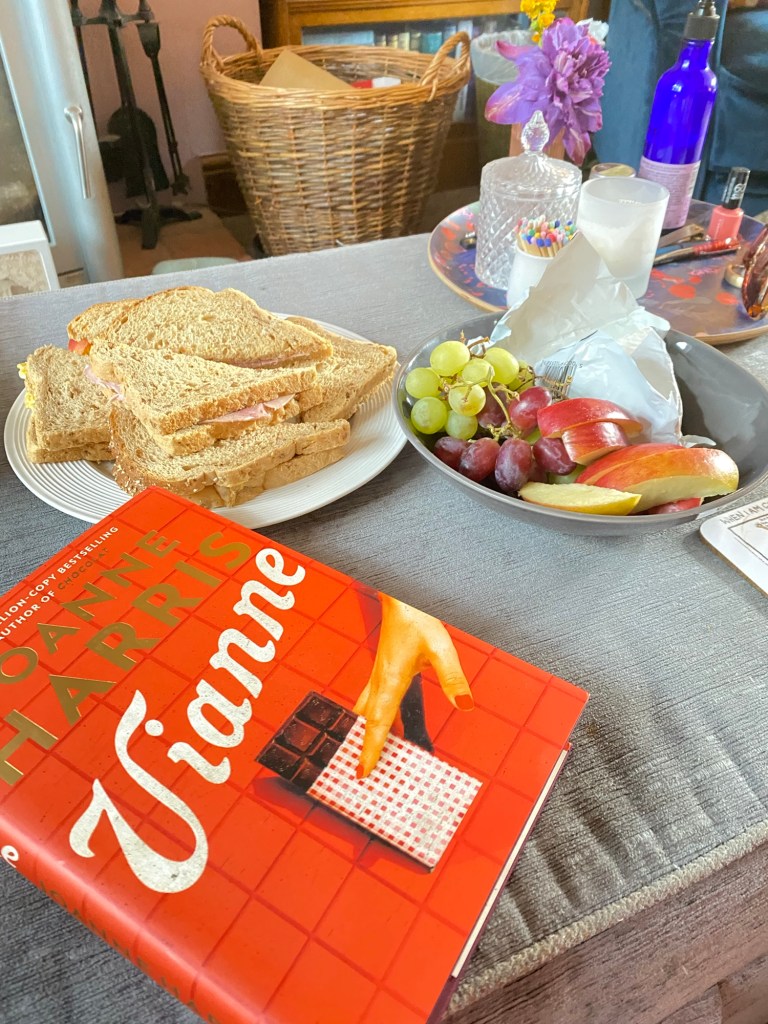
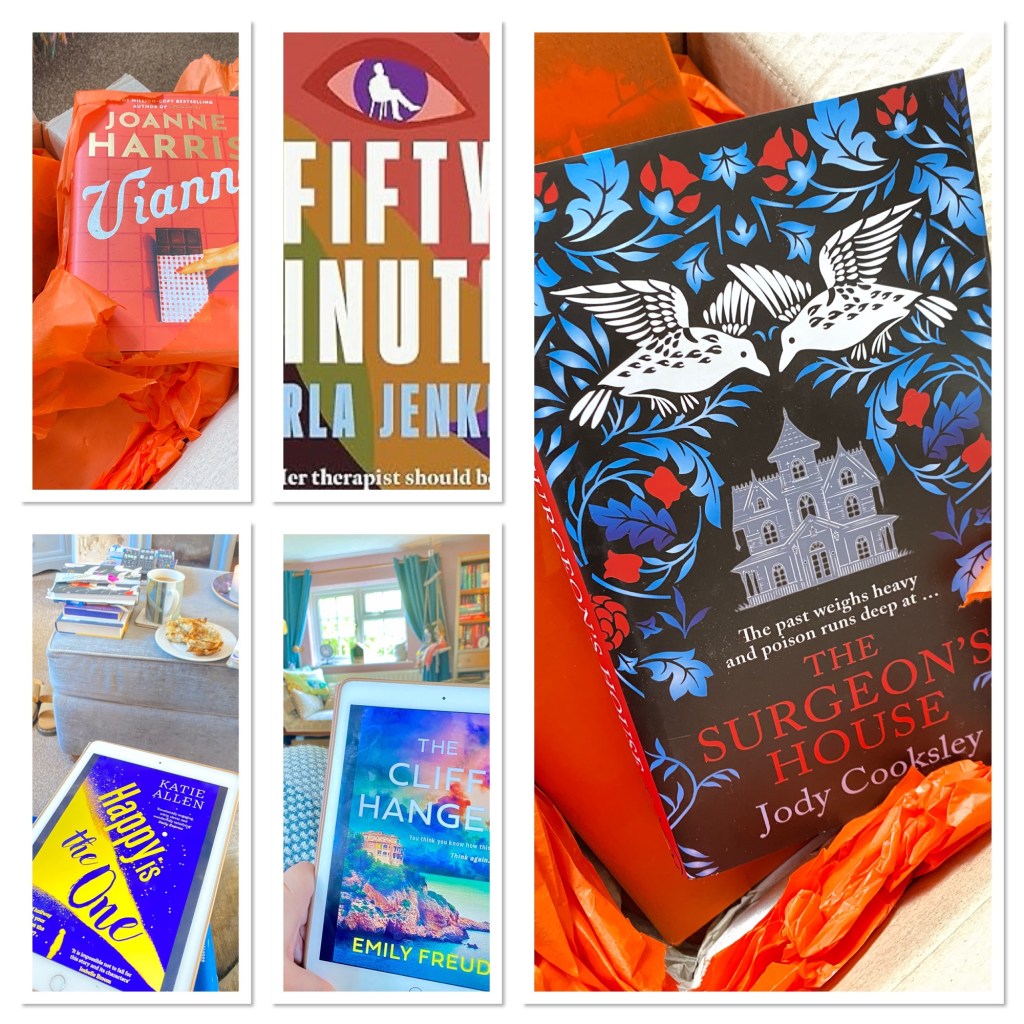
As Vianne scatters her mother’s ashes in New York, she knows the wind has changed and it’s time to move on. She will return to France, solo except for her ‘little stranger’ who is no bigger than a cocoa bean but very present in her thoughts. Drawn to the sea she blows into Marseille and to a tiny bistrot where owner Louis is stuck, struggling with grief for decades after losing his wife Margot. She charms herself into a waitressing job for bed and board, but with his blessing she starts to cook for his regulars using the recipe book Margot left behind. Louis has one stipulation, she mustn’t change the recipe at all. She revives the herb garden and starts to make friends, including Guy who is working towards opening a chocolate shop. This is going to be the place to have her baby, but then she must move on. She can see her child at about six years old, paddling by some riverboats tethered nearby, but she can also see the man her mother feared. The man in black. Vianne has inherited a peculiar kind of magic that urges her to fix the lives of those around her and give them what their heart truly desires. This is fine when it’s discerning their favourite chocolate, but can cause problems when it becomes meddling. Her mother warned her that she shouldn’t settle too long in one place and Vianne knows she has the strength to leave whenever she feels it’s right, but is thinking about those around her? 

The details and images they conjure up are always the best part of this series for me, because they take me on a visual journey. The author weaves her magic in the detailed recipes of Margot’s book, the incredible chocolates that she and Guy create and the decorative details of their display window with it’s origami animals and chocolate babies. The most beautiful part is how Vianne brings people together. Vianne is a glowing lantern or a warm fire, she draws people to her light and to bask in her warmth. This is also why readers who love the Chocolat series return again and again. We simply want to be with Vianne and that’s definitely a form of literary magic. 
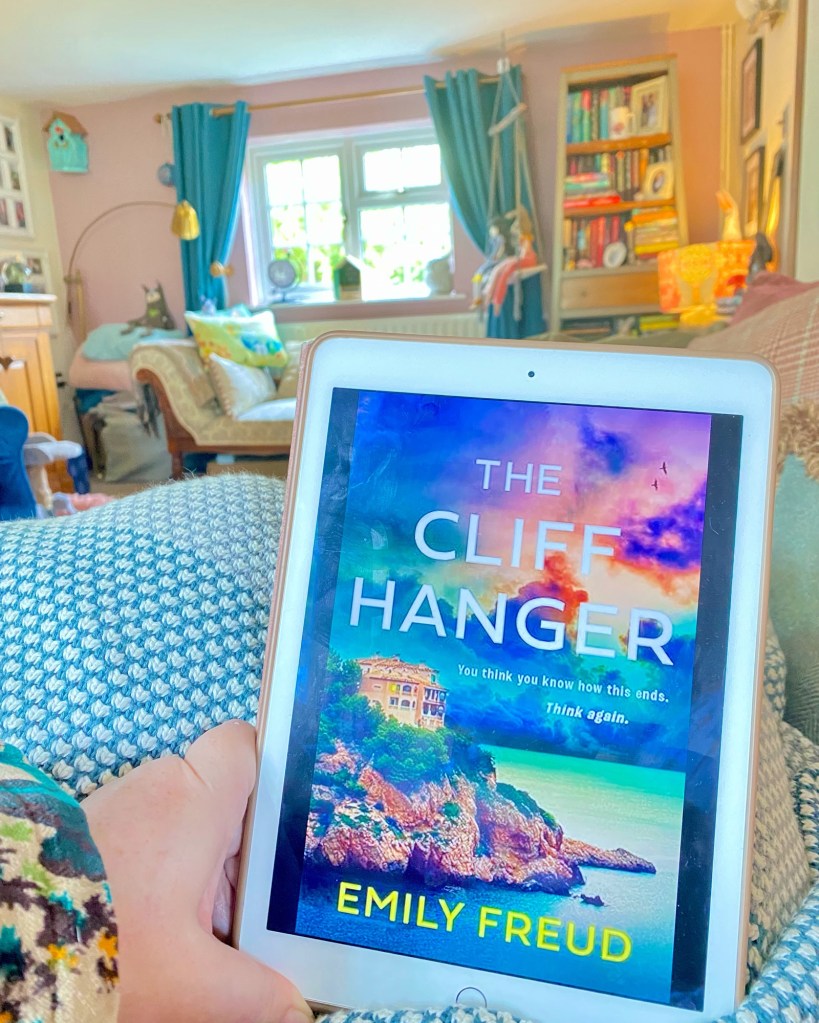
Goodness this was a wild ride, full of unexpected twists, characters that are pathological and a book being written within a book. Married couple Felix and Emma seem to have it all. They are the husband and wife team behind the hugely successful Morgan Savage thrillers. However, their latest novel isn’t coming as easily as their others. Felix is drinking to the point of blacking out and had an affair with a girl called Robin who worked for their publishing house. Emma is angry and popping anxiety pills any chance she gets. Their publisher Max, exiles them to the South of France in the hope that new surroundings for the summer will unlock their creativity. The house is beautiful, on a cliff overlooking the sea, when visiting housekeeper Juliette tells them a story about a painting that hangs in the house an uneasiness hangs in the air. The girl was prone to sleepwalking and one night got out into the garden and walked directly off the cliff edge. Sometimes, her cries can be heard at night. Under the sweltering sun, will the couple heal their differences or will they become trapped in a deadly game that beats the plot of any Morgan Savage bestseller. 

This was a great story to get my teeth into and honestly, if they’d come to me as therapist, I might have asked them if they’d considered living apart. It’s a toxic atmosphere from the moment they arrive, but just when you think you’ve worked out why and what’s really going on it will surprise you again. As we go back in time, using flashbacks to important events, we can see how their romantic and professional lives began but these glimpses started to make me question what I thought I knew. I wanted to race back through the chapters to search for the clues that brought us to the unexpected conclusion. This was a thrilling and atmospheric read, with a brilliant portrayal of how a relationship has become toxic. If you love relationship dynamics partnered with a whole amusement park of twists and turns this will be your next completely unputdownable read. 
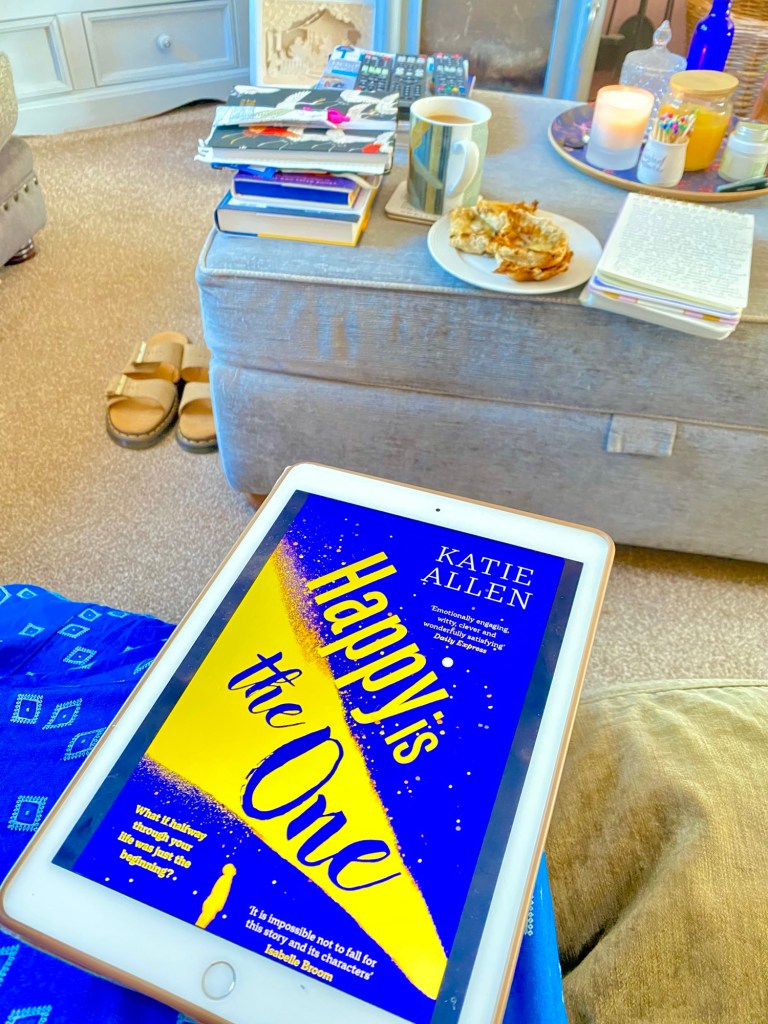
Robin is exactly half way through his life. Like Mark Twain before him, Robin came into the world with Halley’s Comet in 1986 and fully expects to go out again when it returns in 2061. Recently he’s had a huge life change. He’s moved back to his home town of Eastgate to care for his sick father, who due to his disability has had one accident too many. Robin had a well-regimented life in London with girlfriend Gemma. He also had a boring well-paid job as an accountant. Now everything has been thrown up in the air and he’s living in a tiny bedroom surrounded by boxes he hasn’t unpacked. He’s trying to forge a relationship with a father who can’t communicate and who he never connected with as a child. There are childhood ghosts to face and a new connection with Astrid, fellow outsider and professor at a nearby university. She’s brutally straightforward and Robin has never met anyone like her. She’s also hiding something, but he’s hiding even more from her. Can Robin make friends, help his father and accept this is the next chapter of his life, rather than a blip?

Robin is eking out an existence that goes way off into the distant future, Living is now! It’s not when we have money, or have lost weight, or when we have better health. It’s now, when we’re skint, fat and feeling ill. Whatever life is right now, we absolutely must live. Living like this should only be a temporary state between chapters, not a lifestyle. When we find out why Robin is so adamant about his comet theory – while being forced to evaluate his choices by a strident Astrid – it all becomes clear. A heart-breaking tale emerges, just as Robin is faced with yet another loss. He’s forced to admit why he jumped off the cliff into the water when he was a child. He thinks he can’t die because it can only happen at the right time, because he can’t make sense of what once happened to him. He’s trying to make sense of what happened and his immortality is the only explanation. He’s subscribed meaning to something that has none. It’s just messy, terrifying, random and heart-breaking life. This book might sound very deep but it’s so beautifully infused with joy, humour and hope because life is beautiful and joyous too, if you let it be. 
Dani has been hitting rock bottom. Her eating disorder is out of control and her mental health has meant suspending her place at university where she was studying English Literature. She’s now living in a flat with her sister Jo and her boyfriend Stevie, having to share with his daughter Ellie when she’s there for weekends. She’s working as a pot-washer to pay the bills, but longs to go back to university. Despite having very little money, she decides to see a therapist and has a session with Richard. She feels at home in Richard’s room, in the quiet with the smell of books and furniture polish. She feels like he listens and seems perceptive, noticing her low self-esteem and anxiety. So she takes the decision to have therapy with him, although he’s expensive. She starts to feel more positive, greatly reducing her bingeing and purging cycle. Her attraction to him wasn’t surprising. For her to have a man listen and understand her might be a first. He also embodies all the things she wants for her own life; qualifications, respect from others, a better standard of living. She has attachment issues so I was sure Richard would have expected some element of transference to creep into the relationship. I didn’t expect what followed.

Of course as counselling boundaries start to be overturned Dani starts to spiral. It’s a really tough part to read, because I was feeling parental towards her. She puts herself in some incredibly dangerous situations, trying to find experiences that fulfil her needs. I was hoping that she’d realise she’d pressed the self-destruct button before it was too late. She has the resources to succeed, but can she utilise them when she feels so unstable? Honestly, my heart ached for this girl and that tells you a lot about my issues with clients! I wished she’d gone to a female counsellor. She needed that female nurturing, a mother’s care and love. Sometimes we have to choose our family. There are further behaviours and revelations I won’t go into for fear of ruining the suspense and eventual outcome, but I was genuinely scared that Dani couldn’t pull back from the mess she was in. When someone has listened to your innermost thoughts they are a formidable agent for change and even more powerful opponent. I had everything crossed that I’d underestimated Dani and that she could find those reserves to get through to the other side. This was a fantastic debut novel, full of suspense and stirring the emotions of the reader with finesse. 
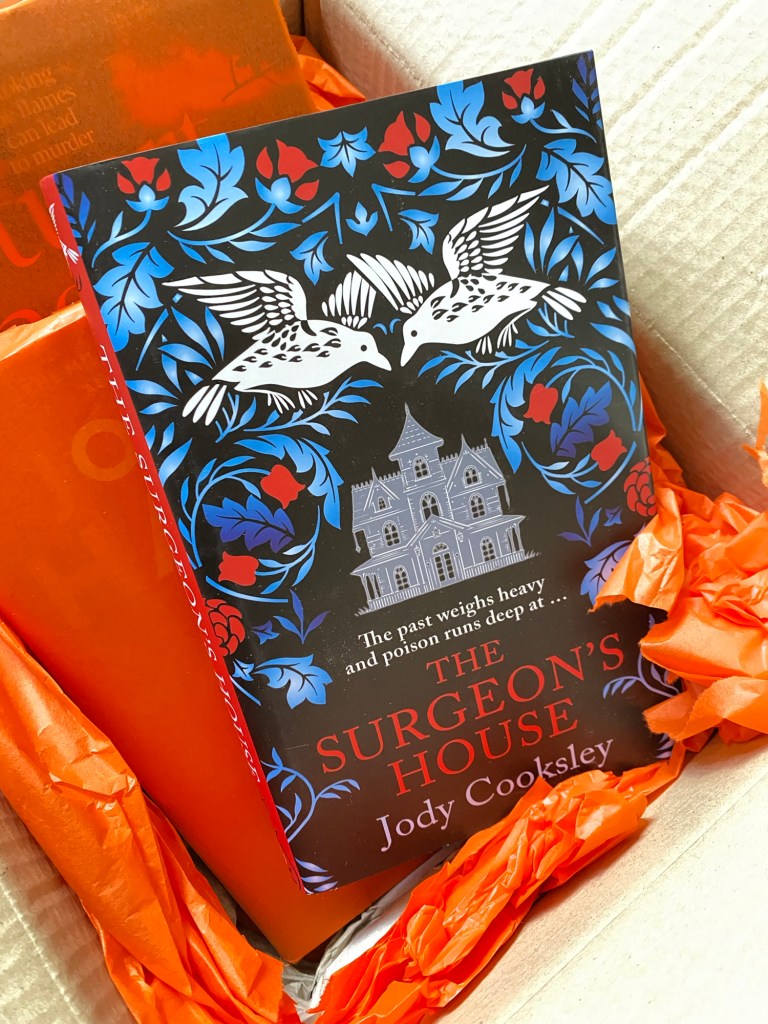
London 1883

Rebecca and husband George run Evergreen House as a home for young girls and their illegitimate children, often called a house for ‘fallen women’. This has been a positive change. Previously, Rebecca’s sister Maddie was the woman of the house as the wife of Dr Everley. Maddie is recovering well after being on trial for the murder of her baby and the revelation that the Everley family had a tradition of hideous experimentation on the bodies of babies to create strange chimeras. Rebecca knows their tenure here is precarious. The Everley family still own the house, but with Dr Everley dead and his sister Grace in a prison asylum no one currently needs it. The small household are very close so all are devastated when the cook and centre of their household, Rose, is murdered. She fears the past is coming back to haunt them, because the murderous and twisted legacy of the Everley family is hard to ignore. With the charity board also tightening their grip on the house, Rebecca must draw out the murderer and discover their purpose. This was a great companion novel to The Small Museum which told the story of Maddie’s marriage to Dr Everley. Rebecca was once one of Grace Everley’s fallen girls, but this was just a way of acquiring babies for her brother. There’s such a positive atmosphere and the residents are able to live alongside their babies, unlike the terrible Magdalen Laundries where babies were taken for adoption and their mothers were forced into heavy labour to repent their sin, repay their debt and make a profit for the church. The truth is that most of these girls have been manipulated, coerced or abused. Rebecca works on the premise that they shouldn’t be punished twice. especially ironic when men are complicit, if not to blame for their supposed fall. Yet there are admirable women calmly showing compassion, understanding and professionalism, while stuck in this patriarchal system. Grace Everley gives me the shivers, but she is a victim too. I was held in suspense over who was the murderer and whether Rebecca’s home could remain the loving and caring space women need. There were heart-stopping moments, especially towards the end. The scene in the garden had me holding my breath. This is the perfect gothic mystery, especially for fans of historical fiction who like a touch of feminism on the side. This is a must-buy, for the engrossing story and for the gorgeous cover too. 

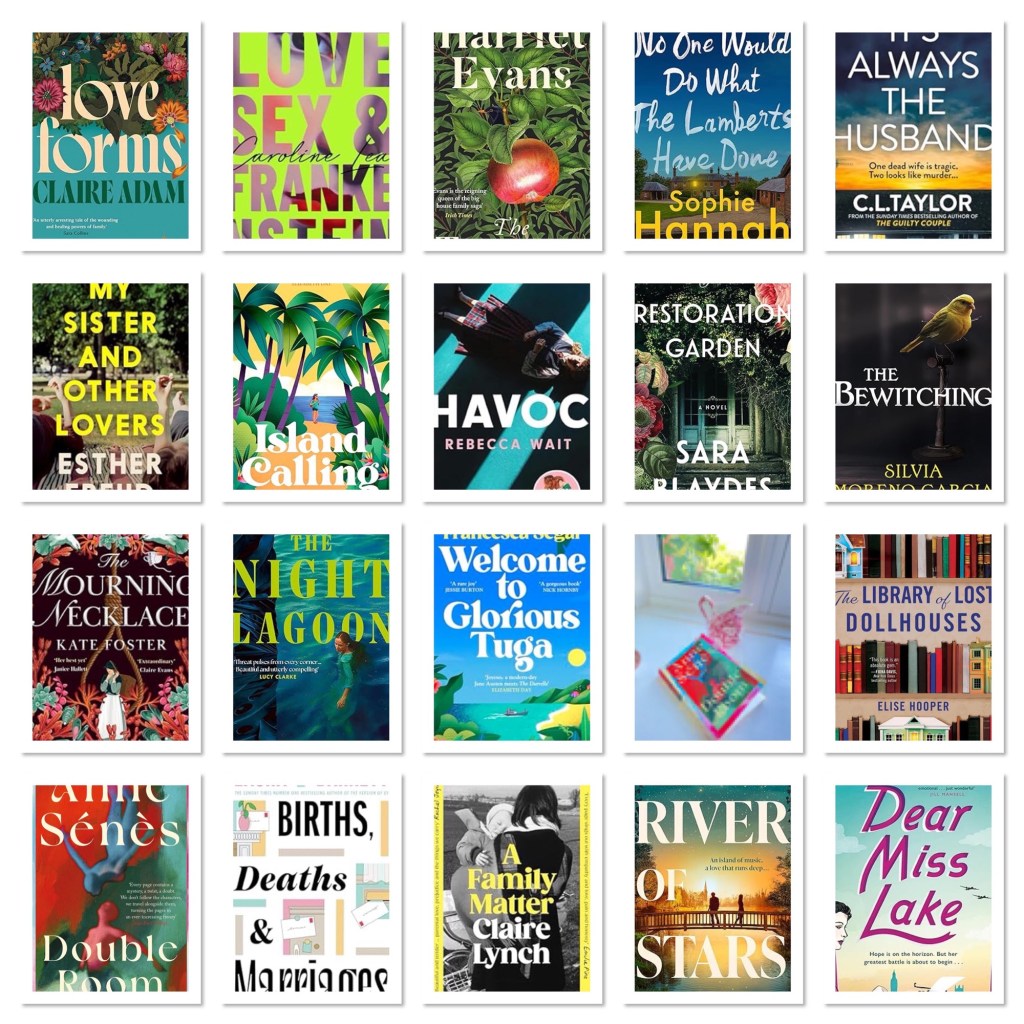
Here’s my provisional tbr for June. ❤️📚
Posted in Sunday Spotlight

Sunday Spotlight: Going Down Under

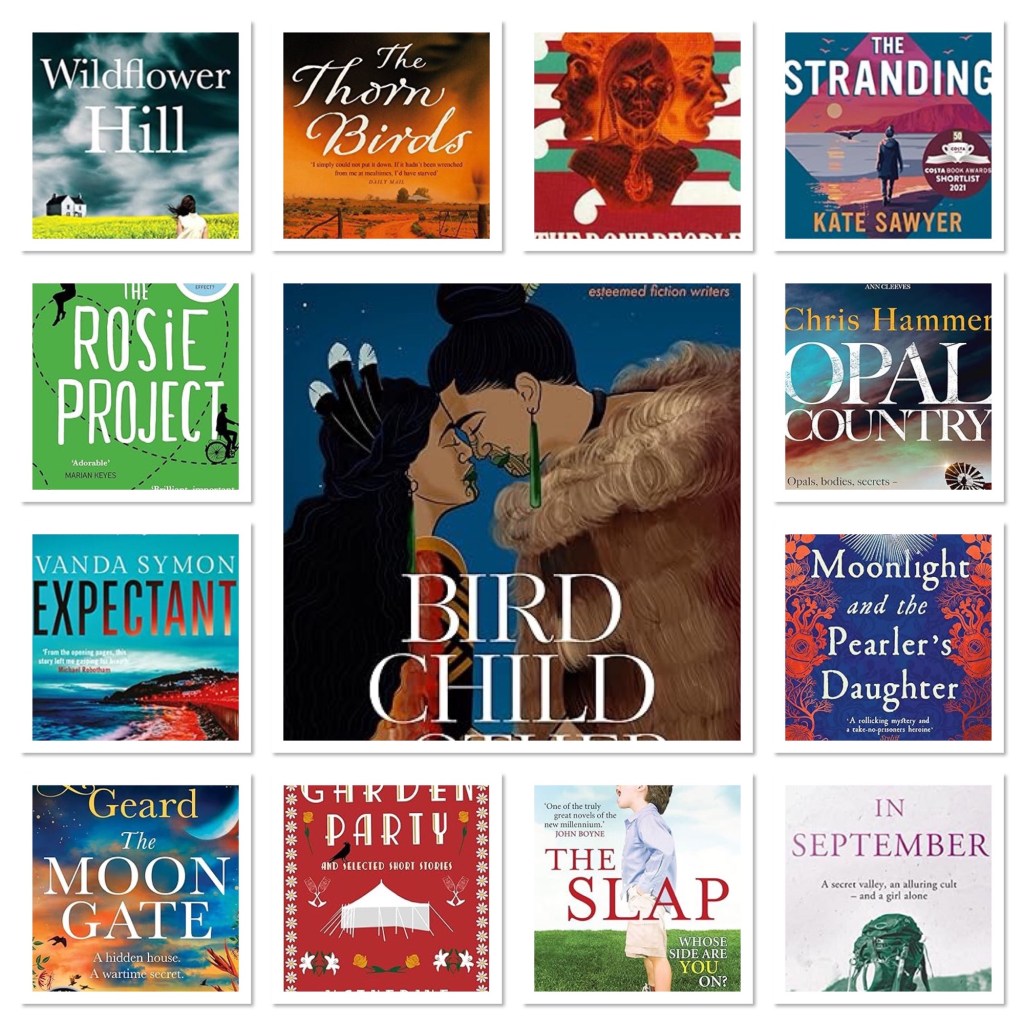
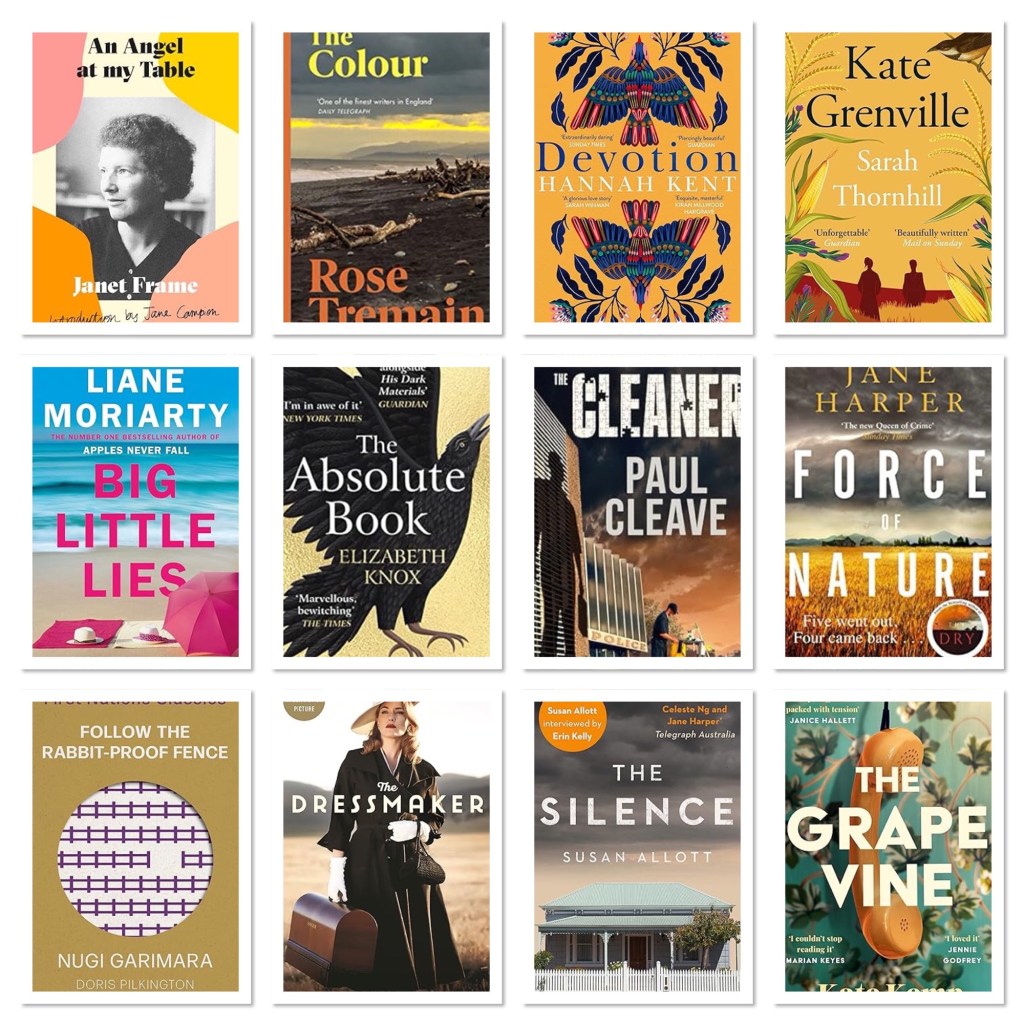
I’ve always been unconsciously drawn to books set in Australia and New Zealand, perhaps because I have family in both countries and want to familiarise myself with their lives. My mum lived there as a ten pound Pom in the 1960’s, leaving Liverpool behind and living in hostels meat Sydney. My grandad loved it out there and would tell us about nature, mostly horrific stories of people having spider’s nest in their ears or brains. My brother-in-law went out to New Zealand to work as a tree surgeon on a huge farm. He met the love of his life out there, Jenny, and although Jan died a few years after my husband I’m still in touch with Jenny and my two nephews. I was also hugely influenced by mum who was an enormous fan of The Thorn Birds – although hated Rachel award as Meggie in the TV mini-series. I’ve always thought that people down under are resilient, rather sweary and very straightforward. They say what they think – something I admire even where I don’t agree. I love the diversity of the cities and fascinated by Aboriginal and Māori. Some of my choices were read on my post-colonial literature course at university, a module that I found so inspiring and forced me to read writers I’d never have picked up as a casual reader. Here are just a few of the books and authors that can take you on a trip round both countries.

Classics

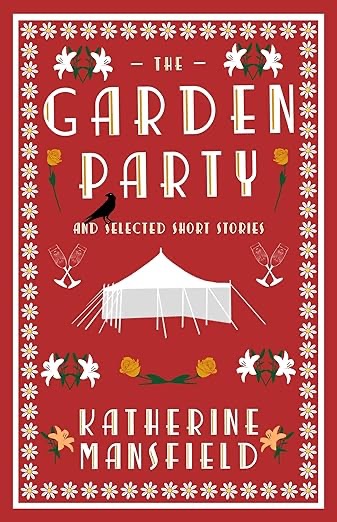
When her wealthy family prepares to host a lavish summer party, the young, hitherto sheltered Laura Sheridan suddenly feels a kinship with the staff and the helpers hired to set up the venue for the festivities. As she learns of the death of one of their working-class neighbours, this burgeoning sense of class consciousness is heightened by a realization of her own mortality. Published in 1922, at the height of literary modernism, ‘The Garden Party’ is now considered one of the key texts of that movement. This volume, which also includes all of Katherine Mansfield’s other published short stories, is an invaluable resource for anyone wishing to discover one of the early twentieth century’s finest writers. I first read this collection at university and I still have it today because it stands up against any short story collection from that period.

Integrating both Maori myth and New Zealand reality, The Bone People became the most successful novel in New Zealand publishing history when it appeared in 1984. Set on the South Island beaches of New Zealand, a harsh environment, the novel chronicles the complicated relationships between three emotional outcasts of mixed European and Maori heritage. Kerewin Holmes is a painter and a loner, convinced that “to care for anything is to invite disaster.” Her isolation is disrupted one day when a six-year-old mute boy, Simon, breaks into her house. The sole survivor of a mysterious shipwreck, Simon has been adopted by a widower Maori factory worker, Joe Gillayley, who is both tender and horribly brutal toward the boy. Through shifting points of view, the novel reveals each character’s thoughts and feelings as they struggle with the desire to connect and the fear of attachment.

Compared to the works of James Joyce in its use of indigenous language and portrayal of consciousness, The Bone People captures the soul of New Zealand. After twenty years, it continues to astonish and enrich readers around the world.

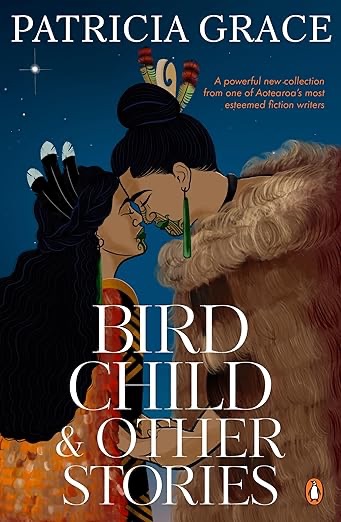
Mythology and contemporary Māori life are woven together seamlessly in this spectacular collection by Aotearoa’s foremost short story writer.

The titular story ‘Bird Child’ plunges you deep into Te Kore, an ancient time before time. In another, the formidable goddess Mahuika, Keeper of Fire, becomes a doting mother and friend. Later, Grace’s own childhood vividly shapes the world of the young character Mereana; and a widower’s hilariously human struggle to parent his seven daughters is told with trademark wit and crackling dialogue.

Moving artfully across decades, landscapes, time and space, with tenderness and charm, Bird Child and Other Stories shows an author as adept and stimulating as ever. This isn’t an easy read but fascinating and the comparison between Māori and other creation myths from around the world was fascinating.

Contemporary Fiction

Cassy smiled, blew them a kiss.

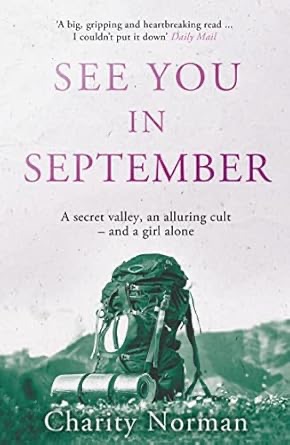
‘See you in September,’ she said.

It was a throwaway line. Just words uttered casually by a young woman in a hurry. And then she’d gone. 


It was supposed to be a short trip – a break in New Zealand before her best friend’s wedding. But when Cassy waved goodbye to her parents, they never dreamed that it would be years before they’d see her again. 
Having broken up with her boyfriend, Cassy accepts an invitation to stay in an idyllic farming collective. Overcome by the peace and beauty of the valley and swept up in the charisma of Justin, the community’s leader, Cassy becomes convinced that she has to stay.

As Cassy becomes more and more entrenched in the group’s rituals and beliefs, her frantic parents fight to bring her home – before Justin’s prophesied Last Day can come to pass. I love Charity Norman’s writing because she gets to the heart of family relationships and shows how families can fracture when placed under stress. I’d recommend any of her books but this one is set in New Zealand. I highly recommend Remember Me and Home Truths.

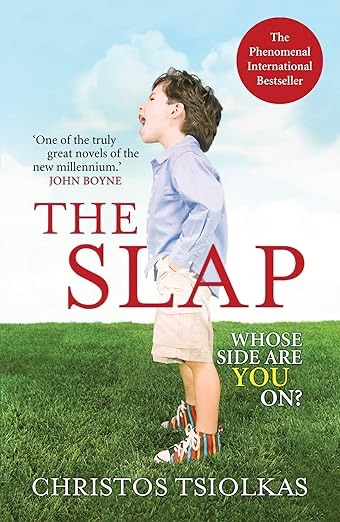
At a suburban barbecue one afternoon, a man slaps an unruly boy

The boy is not his son. 

It is a single act of violence, but the slap reverberates through the lives of everyone who witnesses it happen.

Christos Tsiolkas presents the impact of this apparently minor domestic incident through the eyes of eight of those who witness it. It’s honestly hard to find someone to like here, but it is a fascinating look at contemporary Aussie relationships. It’s an unflinching interrogation of the life of the modern family, a deeply thought-provoking novel about boundaries and their limits…

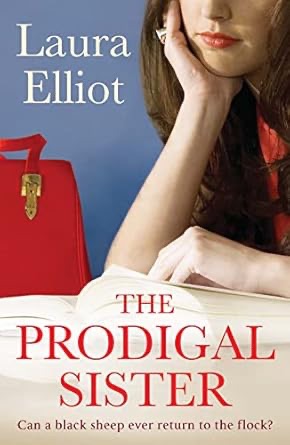
The Lambert sisters have secrets…

When 15-year-old Cathy Lambert runs away from her Dublin home, she is scared and pregnant. Settled in New Zealand with her new son Conor she believes the secret she carries will never be revealed…

Rebecca Lambert was eighteen when her parents died and she took responsibility for her younger sisters. Years later, she is haunted by fears she hoped she’d conquered.

Freed from family duties, mother of three Julie Chambers is determined to recapture the dreams of her youth.

Married to a possessive older man, Lauren Moran embarks on a frantic love affair that threatens to destabilise her fragile world.

Anxious to make peace with her three sisters, Cathy invites them to her wedding.

But as the women journey together through New Zealand towards their reunion, they are forced to confront the past as the secret shared histories of the Lambert sisters are revealed. I couldn’t put this book down as it’s a great mix of emotions, adventure, secrets and a lot of humour.

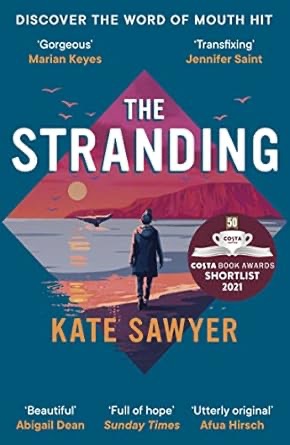
EVERY ENDING IS A NEW BEGINNING…

Ruth is ignoring the news. Like most people, she has relationship problems, job stress, friends and family who need her. Ruth has a life.

But the news is about to catch up with Ruth, and her problems are going to be swept away…along with the rest of the world. While on a plane to New Zealand, something starts to happen to the world. Arriving, Ruth makes her way to her coastal destination but never expected to be sharing the inside of a dead whale with a stranger as a world ending event happens. It takes this to change Ruth’s outlook completely. Only when the comforts and complications of her old existence are gone, does she finally realise how she might be able to live to the fullest. This was a mesmerising debut from Kate and I still recommend it constantly. It made me think about something drastic like this happening in my lifetime, but also question why we fall in love with the people we do and how commitments to others are nurtured and lad

Romantic Fiction

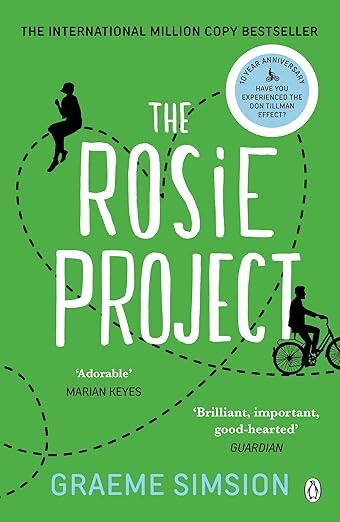
Love isn’t an exact science – but no one told Don Tillman.

A thirty-nine-year-old geneticist, Don’s never had a second date. So he devises the Wife Project, a scientific test to find the perfect partner. Don has a regimented life of work

Enter Rosie – ‘the world’s most incompatible woman’ – throwing Don’s safe, ordered life into chaos.

But what is this unsettling, alien emotion he’s feeling? . . .

This is a deeply funny, but emotional and fascinating in terms of Don’s neuro-divergence. He eats the same meal on the same night every week as part of his rotation of menus. His life felt like a never-ending to-do lust and I knew that he would drive me up the wall. Rosie is a woman of great patience! However, I also knew that my lack of systems and routine would have an equally detrimental effect on his mental health. Watching how these two people try, fail and try again to communicate their needs and feelings within the relationship is a lesson for every couple. It’s also brilliantly funny. There is a trilogy now so treat yourself to all of them.

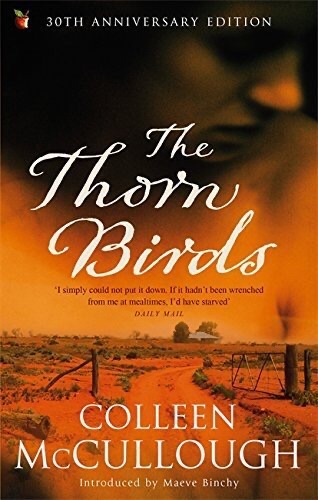
In the rugged Australian Outback, three generations of Clearys live through joy and sadness, bitter defeat and magnificent triumph, driven by their dreams, sustained by remarkable strength of character… and torn by dark passions, violence and a scandalous family legacy of forbidden love.

The Thorn Birds is a poignant love story, a powerful epic of struggle and sacrifice, a celebration of individuality and spirit. Most of all, it is the story of the Clearys’ only daughter, Meggie, who can never possess Ralph de Bricassart, the man she so desperately adores. Ralph will rise from parish priest to the inner circles of the Vatican… but his passion for Meggie will follow him all the days of his life.

What a saga this is and I have to say the book is ten times better than the series, mainly because we get more of the family dynamic and get to know Meggie as a little girl. Her story of slowly growing up with such a harsh mother really builds and we understand more her bond to the young priest who befriends her, noticing that in a family of many sons she is largely ignored. He is her knight in shining armour and the only one, after her eldest brother is gone, who will hug and comfort this lonely girl. Catholic readers will recognise how powerful the religion is for Irish families and the schooling that nuns provide. The book is an epic and covers Father Ralph’s lifetime, but it has an incredible sense of place and time and really is worth a read for that alone.

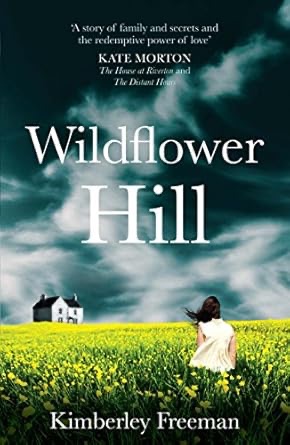
n 1929, Beattie Blaxland had dreams. Big dreams. She dreamed of a life of fashion and fabrics. One thing she never dreamed was that she would find herself pregnant to her married lover, just before her nineteenth birthday. 

In 2009, Emma Blaxland-Hunter was living her dream. A prima ballerina with the London Ballet, she had everything… Until the moment she lost it all. 

Separated by decades, both women must find the strength to rebuild their lives. A legacy from one to the other will lead to Wildflower Hill, a place where a woman can learn to stand alone long enough to realise what she really wants.

I’d never read this author before so it came as a complete surprise when I enjoyed it so much. It is historical fiction too, but I loved that this was a ballsy woman who was determined to succeed at Wildflower Hill and her love story with an aboriginal worker would have been so transgressive at the time. It’s an unashamedly romantic story and if you enjoy love with a side order of feminism, family secrets and a dual-timeline this is for you.

Historical Fiction

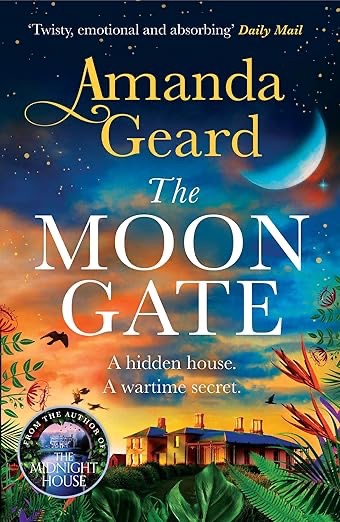
A faded photograph. An abandoned house. A wartime mystery. . .

1939: On the eve of war, young English heiress Grace Grey travels from London to the wilderness of Tasmania. Coaxed out of her shell by the attentions of her Irish neighbour, Daniel – Grace finally learns to live. But when Australian forces are called to the frontline, and Daniel with them, he leaves behind a devastating secret which will forever bind them together.

1975: Artist Willow Hawkins, and her new husband, Ben, can’t believe their luck when an anonymous benefactor leaves them a house on the remote Tasmanian coast. Confused and delighted, they set out to unmask Towerhurst’s previous owner – unwittingly altering the course of their lives.

2004: Libby Andrews has always been sheltered from the truth behind her father Ben’s death. When she travels to London and discovers a faded photograph, a long-buried memory is unlocked, and she begins to follow an investigation that Ben could never complete. But will she realise that some secrets are best left buried . . .?

This gorgeous story that spans the twentieth century was one of my books of the year last year. The mystery of how all these timelines added up, the beautiful setting of Tasmania and the historical context around WW2 drew me in. The love story is simply gorgeous and potentially heart-breaking. I know this is a story I’ll want to read again.

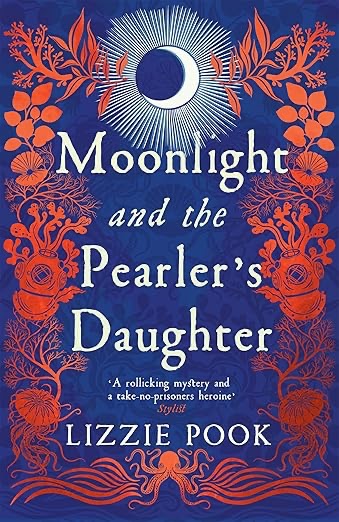
1896, Bannin Bay, Australia. When British pearl-boat captain Charles Brightwell goes missing out at sea, rumours of mutiny and murder swell within the bay’s dens and back alleys. Only his headstrong daughter, Eliza, refuses to believe her father is dead, and sets out on a dangerous journey to uncover the truth.

But in a town teeming with corruption, prejudice, and blackmail, Eliza soon learns that the answers she seeks might cost more than pearls. How much is she willing to sacrifice to find them?

This incredible debut is richly atmospheric from the get go, throwing us straight into the strangeness of 19th Century Western Australia as if it is an alien landscape. In fact that’s exactly what it is for the Brightwell family, particularly Eliza whose childhood eyes we see it through for the the first time. The adult Eliza has to negotiate her way through the community’s corruption, violence, blackmail and the criminal elements of the pearling business. All the while reading her father’s diary for clues and guiding us to some fascinating characters, some of which are based on historical figures. You’ll love Eliza’s early feminist stance and sense of adventure. The twists and turns her journey takes are gripping and pull you deep into the story. It’s a fantastic debut, full of life and death, just like it’s setting.

Crime Fiction

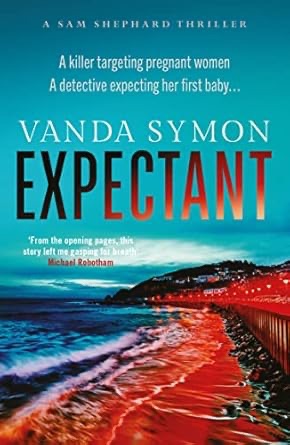
A killer targeting pregnant women.

A detective expecting her first baby…

The shocking murder of a heavily pregnant woman throws the New Zealand city of Dunedin into a tailspin, and the devastating crime feels uncomfortably close to home for Detective Sam Shephard as she counts down the days to her own maternity leave.

Confined to a desk job in the department, Sam must find the missing link between this brutal crime and a string of cases involving mothers and children in the past. As the pieces start to come together and the realisation dawns that the killer’s actions are escalating, drastic measures must be taken to prevent more tragedy.

For Sam, the case becomes personal, when it becomes increasingly clear that no one is safe, and the clock is ticking…

There’s something about Aussie and NZ crime fiction. It’s gritty and immediate. This is the fifth in Vanda’s Sam Shepherd series and I can honestly say they’re all brilliant but this one …. I was on the edge of my seat! It feels like Sam has just let her guard down and accepted what’s next in her life, when everything could be ripped away from her. Even though she’s the one who most understood the killer’s motivations, will she still be shocked by their identity? Sam’s vulnerability is terrifying and I was praying that she would be okay, as if she’s a living and breathing human being. That’s the power of Vanda Symon’s writing and how much of that magic she’s poured into this brilliant character.

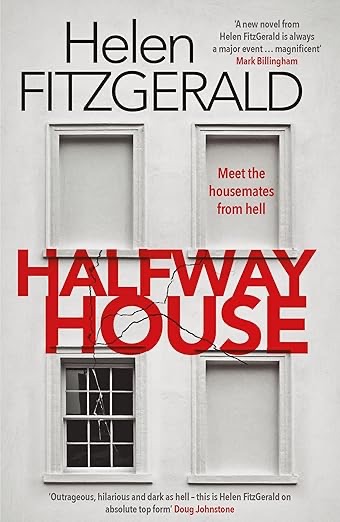
Lou O’Dowd travels across the world from Australia to Edinburgh for a job with the organisation SASOL. Her new life will be living with her cousin and working shifts at a halfway house for high risk offenders including two killers, a celebrity paedophile, and a paranoid coke dealer. After orientation, Lou will be on shift alone dealing with these offenders with little more than her own instinct to guide her. What could possibly go wrong?

Lou is a controversial character, living off a sugar daddy for a while she’s had no need to work, but when the relationship ends disastrously she has no choice but to leave. On her first day in Edinburgh she meets a man at a play who has a similar attitude to risk, enjoying mainly outdoor sex. He comes from a rich family, so maybe he could be more than a fling? I loved how the mundane domesticity of the job was mixed with genuine fear and horror of what could happen if residents flare up. There’s an evening ritual of cocoa for each resident, but it has to be to perfectly timed in order to interrupt one resident’s suicide ritual. These are the extremes a job like this entails, but it’s only the beginning….

A few more suggestions:

Posted in Sunday Spotlight

Sunday Spotlight: A City Break in Venice

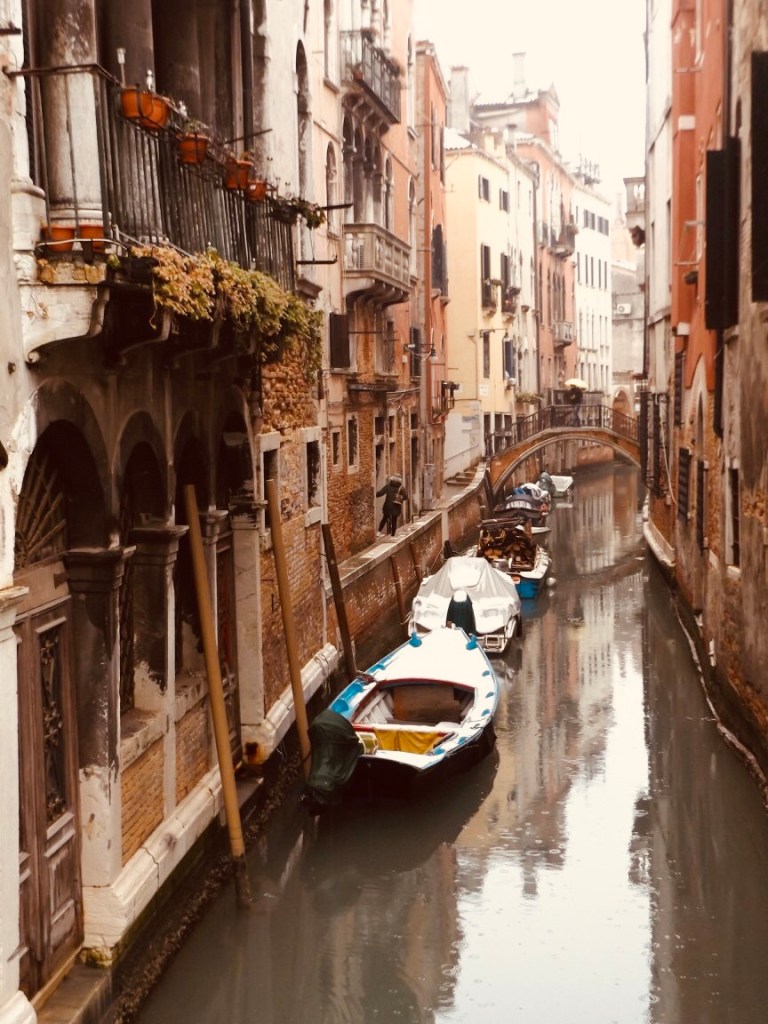
Beautiful and mysterious Venice has been the backdrop for many stories. It’s beauty, endless winding streets and romantic canals inspire the creativity in film-makers, musicians, artists and writers. Vivaldi, Byron, John Ruskin all fell in love with it’s charms.

The first book that placed Venice on my travel list was What Katy Did Next by Susan Coolidge. I’d read the earlier books in the series, but read this when I was in hospital. I broke my back when I was eleven and I was laid flat for a long time and devoured all sorts of books. I felt an affinity with Katy who had her own accident at the end of the first book, falling from a broken swing. As an adult she’s employed as a companion and nanny for a woman travelling with her young daughter. Their last stop is Venice and the carnival. I remembered Katy sitting on their hotel balcony watching a procession and having sweets and trinkets thrown up to her by the passing revellers. Of course the darker side of carnival and the eeriness of the city didn’t occur to me until I was much older, but that’s the city’s magic I think, the beauty and the decay. Here are a few of my favourite books that feature Venice:

Venice Classics

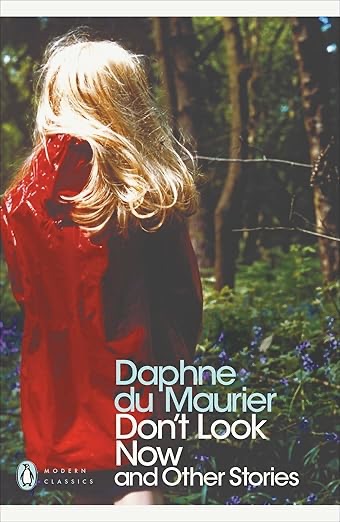
This edition contains five stories of suspense, mystery and slow, creeping horror, Daphne Du Maurier’s Don’t Look Now and Other Stories includes an introduction by Susan Hill, author of The Woman in Black and her own novella set in Venice The Man in the Picture.

John and Laura have come to Venice to try and escape the pain of their young daughter’s death. But when they encounter two old women who claim to have second sight, they find that instead of laying their ghosts to rest they become caught up in a train of increasingly strange and violent events. It makes the reader the third person in the couple’s marriage, let into their innermost thoughts and intimate moments. The atmosphere she creates leaves the reader uneasy and unsure. Then that totally unexpected ending hits you right in the gut.

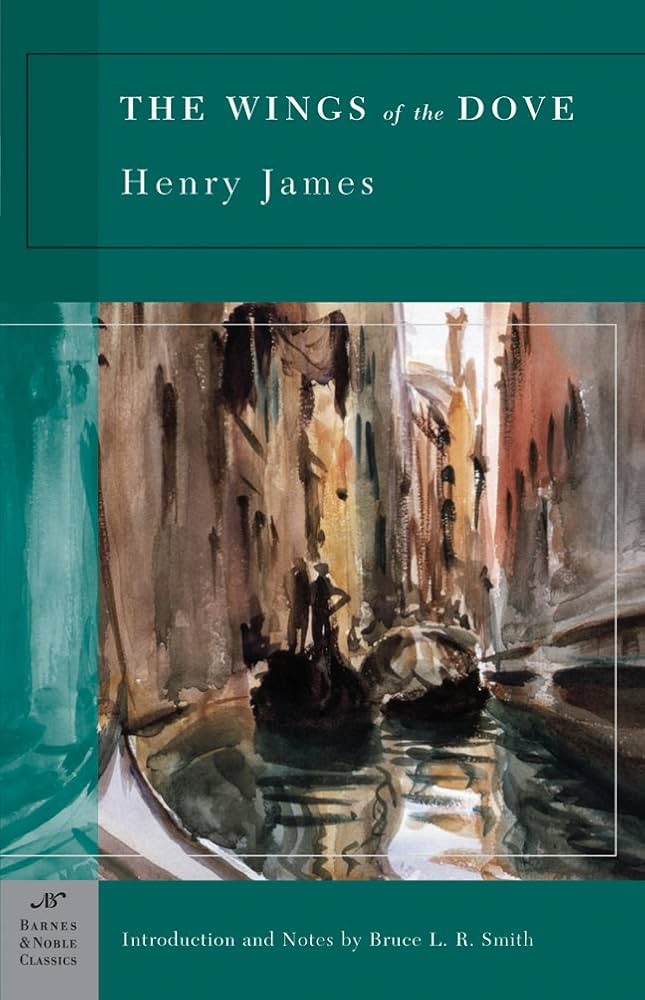
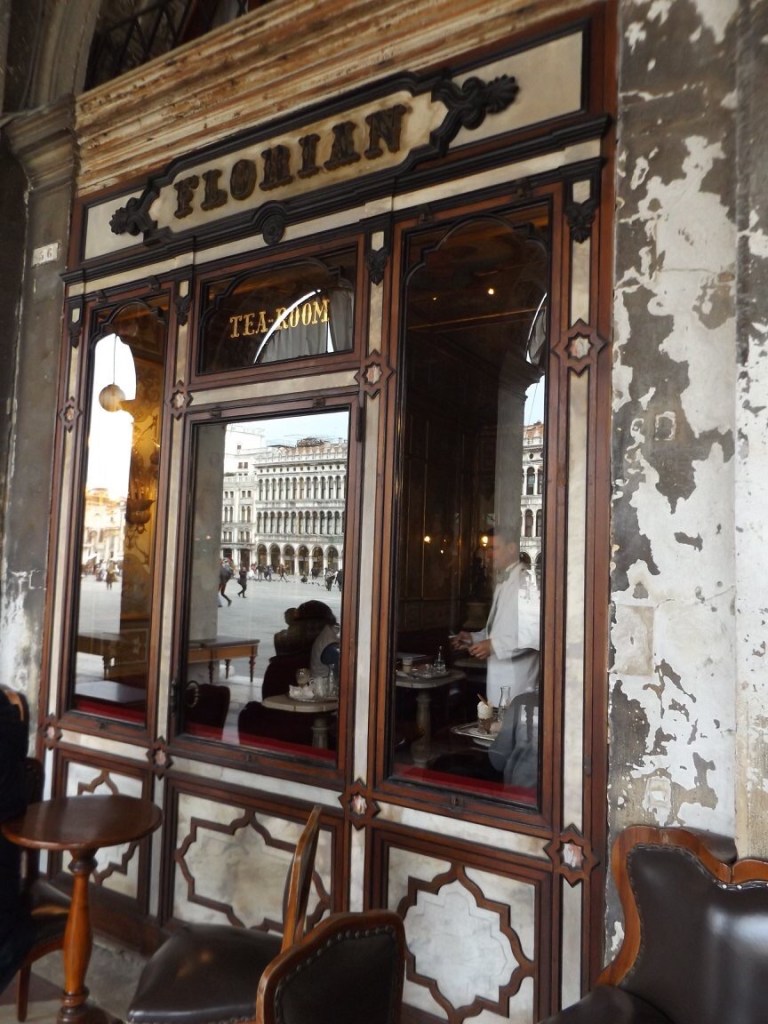
I thought of this cover when I took the main picture. Milly Theale, an American heiress in London, is young, hungry for life, and terminally ill. There she meets the dazzling beauty Kate Croy. Unbeknownst to Milly, Kate is madly in love with an old acquaintance of hers, Merton Densher, a young journalist who has everything a woman could want—except money.
 
Intensely aware of her new friend’s fate and coveting her fortune, Kate secretly spurs Merton to seduce and marry Milly. But their scheme to inherit her wealth does not go according to plan, and Kate and Merton learn that deceit alters love, and love, deceit. This is a novel that needs perseverance, but is rewarding for people who enjoy character driven fiction that takes it’s time. There are no action sequences here, just manipulation and a lot of passive aggression as Milly slowly tortures Kate and Merton with her forgiveness.

Historical Fiction

Venice, 1486

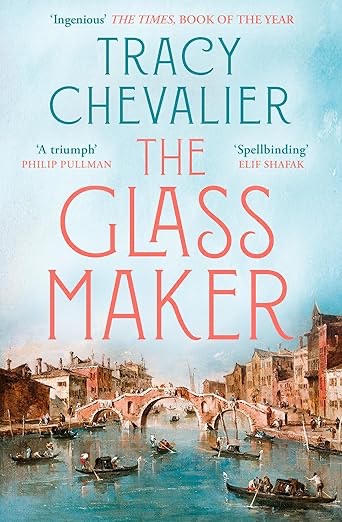
Here I have to share two of my favourite novels of last year. The first is Tracy Chevalier’s The Glassmaker. Across the lagoon lies Murano. Time flows differently here – like the glass the island’s maestros spend their lives perfecting.

In secret, Orsola Rosso learns to craft glass. As a woman, she must flout convention to save her family from ruin. We follow her through hundreds of years of war and plague, tragedy and triumph, love and loss. Skipping like a stone across the centuries, The Glassmaker is a virtuoso portrait of a woman, a family and a city that are as everlasting as glass. I absolutely loved this novel that takes us from the 15th Century to the present, which also happens to be Orsola’s life span. I loved the strength and adaptability of this incredible young woman, who makes herself a vital part of her family’s glassmaking business.

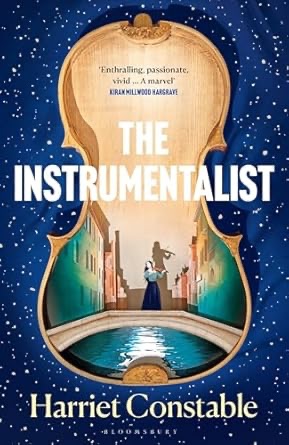
I was bowled over by this gorgeous debut from Harriet Constable about Anna Maria Della Pieta. A young woman who was left with the nuns at a Venice orphanage when she was just a baby. Anna Maria may have no name, no fortune, no family. But she has her ambition, and her talent. 

Anna is a sparkling ball of energy and ambition. Her best hope lies in her teacher, Antonio Vivaldi. Soon she is his star pupil. But as Anna Maria’s star rises, not everyone is happy. Because Anna Maria’s shining light threatens to eclipse that of her mentor…

She will leave her mark, whatever it takes. Her story will be heard. This is an incredible novel, woven around a real person that brings 17th Century Venice to vivid life.

Crime Fiction

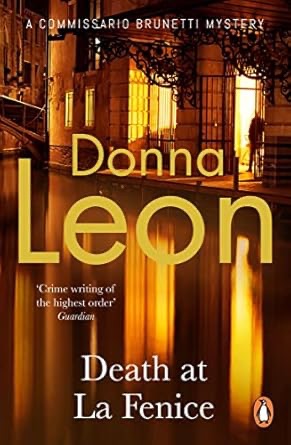
I started reading the Commissario Brunetti series after I’d been to Venice for the first time and it was great to read about a character who lives in modern Venice. I’d felt that contradiction: the gratitude for being able to visit the city, whilst also acknowledging the damage the sheer amount of visitors are doing to the city. There are less Venetian born residents of the city every year. Something that saddens me, but doesn’t quell that urge to visit again. Here I could read about someone living everyday life in that city. My other reason for reading this was that my hotel was in a piazza behind La Fenice and we decided to cut behind the opera house to find a quicker route. When it is dark, there is nothing creepier than those tiny little streets behind La Fenice!

The twisted maze of Venice’s canals has always been shrouded in mystery. Even the celebrated opera house, La Fenice, has seen its share of death … but none so horrific and violent as that of world-famous conductor, Maestro Helmut Wellauer, who was poisoned during a performance of La Traviata. Even Commissario of Police, Guido Brunetti, used to the labyrinthine corruptions of the city, is shocked at the number of enemies Wellauer has made on his way to the top – but just how many have motive enough for murder? The beauty of Venice is crumbling. But evil is one thing that will never erode with age.

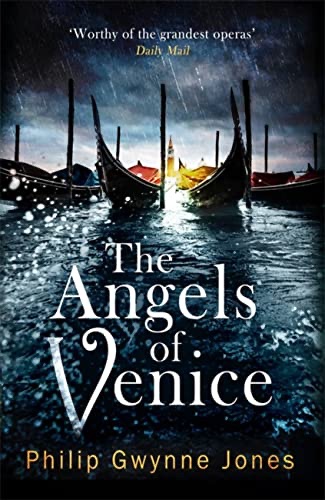
Phillip Gwynne Jones’s Nathan Hunt series is set in Venice, where Hunt is Great Britain’s Honorary Consul and finds himself drawn into the world of crime. This time he’s asked by the British Ambassador to look into the death of a British Art Historian called Dr Jennifer Whiteread. On the night of 12 November 2019, the worst flooding in 50 years hits the city of Venice. 85% of La Serenissima is underwater. Gale force winds roar across the lagoon and along the narrow streets. The body of Dr Jennifer Whiteread is found floating in a flooded antique bookshop on the Street of the Assassins. The local police are trying hard to restore order to a city on its knees, Nathan Sutherland – under pressure from the British Ambassador and distraught relatives – sets out into the dark and rain-swept streets in an attempt to discover the truth behind Whiteread’s death.

The trail leads to the “Markham Foundation”, a recent and welcome addition to the list of charities working to preserve the ancient city. Charming, handsome and very, very rich, Giles Markham is a well-known and popular figure in the highest Venetian social circles, and has the ear of both the Mayor and the Patriarch. But a man with powerful friends may also have powerful enemies. And Nathan is about to learn that, in Venice at least, angels come in many forms – merciful, fallen and vengeful. This thriller is part of a series, but can be read as a stand alone thriller with a fantastic and mysterious backdrop.

Non-Fiction

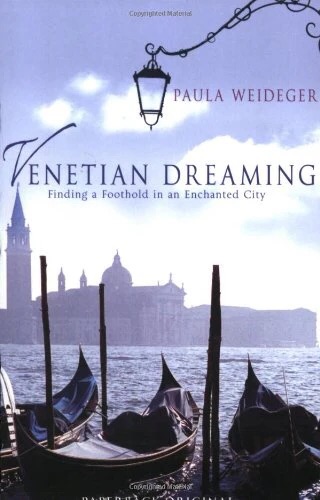
Who hasn’t dreamed, after a particularly mind-numbing meeting, or in the midst of another punishing five-thirty commute, of chucking it all and packing off to the enchanting canals and mysterious alleyways of Venice? Globetrotting writer Paula Weideger not only dreamed the dream; she and her partner actually took the leap. VENETIAN DREAMING charts the course of Weideger’s passionate love affair with one of the world’s most beautiful cities. Weideger opens her book with the wry, mishap-strewn account of the search to find a place to live which eventually takes her to the world famous Palazzo Dona delle Rose, the only palace in Venice continuously occupied by the family that built it. She weaves the past lives of the family Dona with her own present adventures, creating a tapestry that captures at once the grand heritage and imperilled labyrinth as she gives a lively, riveting and eye opening tour of the city. She explores the centuries old streets, meets locals from noblemen to shopkeepers and artists, makes peace with the ghost of Peggy Guggenheim and explains how Ishmael Merchant and James Ivory almost dislodged her from her home, and more.

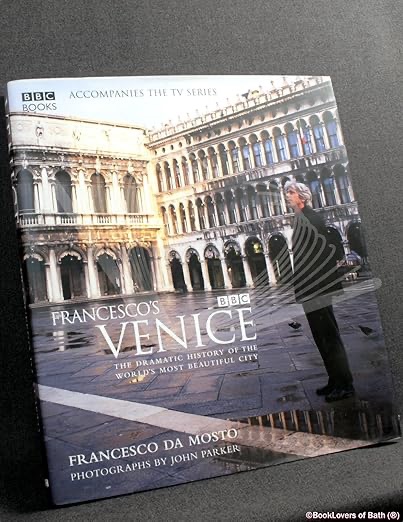
“Francesco’s Venice”, now available in paperback, is the extraordinary story of the life of this intriguing city, told by a descendant of an old and distinguished Venetian family. Francesco explores Venice’s remarkable history, from the fifth century when the first settlers retreated to the safety of the lagoon and began to create their homes on its tiny islands, through its glorious years as a successful maritime nation, adept at trade, exploration, diplomacy and protecting its independence, to the fragile city of the twenty-first century. He vividly brings to life the places, events and people, including a colourful array of his own ancestors, that have sculpted this living theatre through the ages. Beautifully illustrated with stunning images by John Parker, “Francesco’s Venice” celebrates the mesmerizing beauty and surpising strength of this unique city.

Romantic Fiction

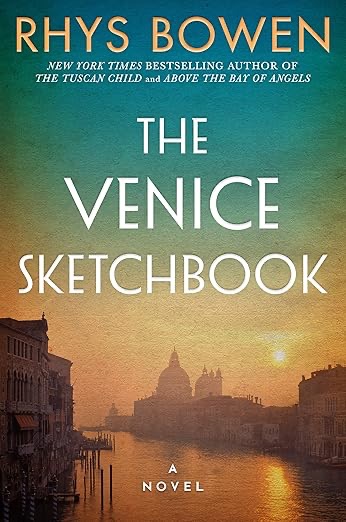
Caroline Grant is struggling to accept the end of her marriage when she receives an unexpected bequest. Her beloved great-aunt Lettie leaves her a sketchbook, three keys, and a final whisper…Venice. Caroline’s quest: to scatter Juliet “Lettie” Browning’s ashes in the city she loved and to unlock the mysteries stored away for more than sixty years.

It’s 1938 when art teacher Juliet Browning arrives in romantic Venice. For her students, it’s a wealth of history, art, and beauty. For Juliet, it’s poignant memories and a chance to reconnect with Leonardo Da Rossi, the man she loves whose future is already determined by his noble family. However star-crossed, nothing can come between them. Until the threat of war closes in on Venice and they’re forced to fight, survive, and protect a secret that will bind them forever.

Key by key, Lettie’s life of impossible love, loss, and courage unfolds. It’s one that Caroline can now make right again as her own journey of self-discovery begins.

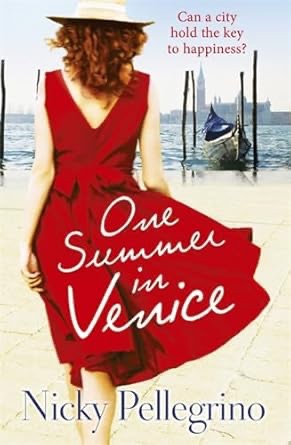
Can a city hold the key to happiness?

”This isn”t a mid-life crisis OK? For a start I”m not old enough yet to have one of those. I”m calling it a happiness project. I”ve stolen an entire summer from my life and by the time it”s over I plan to leave this place with a list in my hand. The ten things that make me happy, that”s all I want to know. How difficult can it be? They may be small things – a perfect cup of coffee, a day without rain – or bigger ones. It”s still the beginning so how can I know?” 

Addolorata Martinelli knows she should be happy. She has everything she thought she wanted – her own business, a husband, a child. So why does she feel as if something is missing? Then when her restaurant, Little Italy, is slated by a reviewer, she realises that she”s lost the one thing she thought she could always count on, her love of food.

So Addolorata heads to Venice for a summer alone, aiming to find the ten things that make her happy. Once she”s found them, she”ll construct a new life around her ten things, but will they include her life in London?

Posted in Netgalley

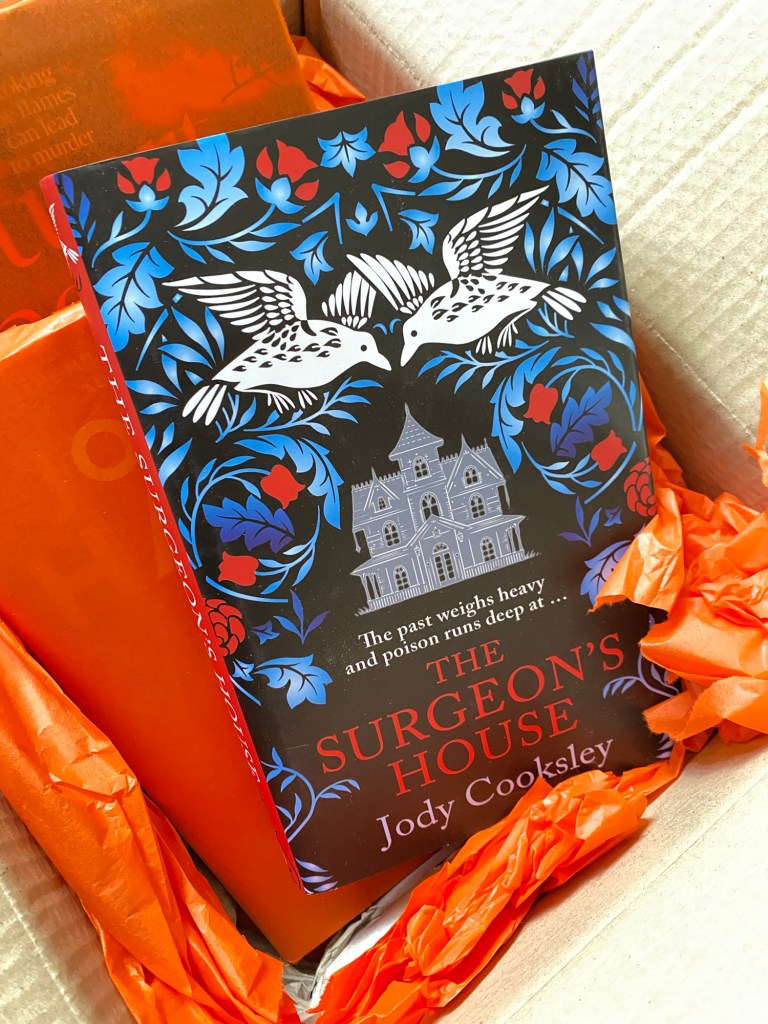
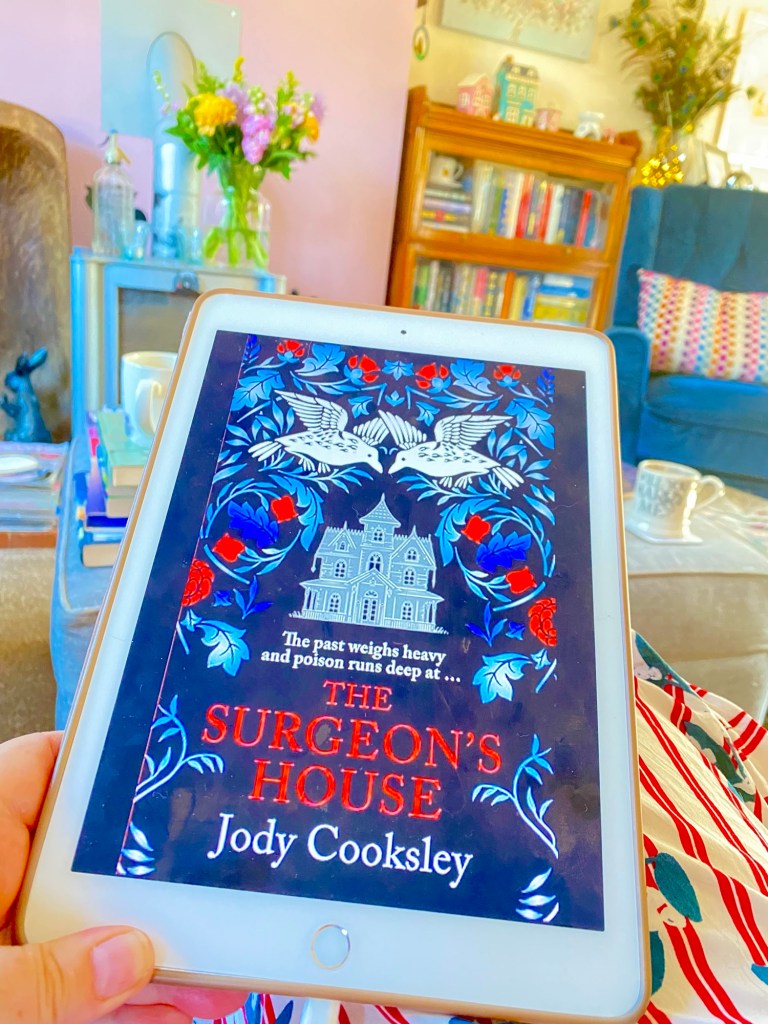
The Surgeon’s House by Jody Cooksley

London 1883

Rebecca and husband George run Evergreen House as a home for young girls and their illegitimate children, often called a house for ‘fallen women’. This has been a positive change. Previously, Rebecca’s sister Maddie was the woman of the house as the wife of Dr Everley. Maddie is recovering well after being on trial for the murder of her baby and the revelation that the Everley family had a tradition of hideous experimentation on the bodies of babies to create strange chimeras. Rebecca knows their tenure here is precarious. The Everley family still own the house, but with Dr Everley dead and his sister Grace in a prison asylum no one currently needs it. The small household are very close so all are devastated when the cook and centre of their household, Rose, is murdered. Rebecca is shocked by the death of her friend in what seems to be a random act. Rose’s death isn’t the end of the mysterious events at Evergreen. Rebecca fears the past is coming back to haunt them, the murderous and twisted legacy of the Everley family is hard to ignore. What was a sanctuary is becoming dangerous as the evil presence continues it’s work. With the charity board also tightening their grip on the house, Rebecca must draw out the murderer and discover their purpose.

This was a great companion novel to The Small Museum which told the story of Maddie’s marriage to Dr Everley. Rebecca was once one of Grace Everley’s fallen girls, but this was just a way of acquiring babies for her brother. It was great to see Maddie again especially so happy with her partner Tizzy. They are both regular visitors to Evergreen. There’s such a positive atmosphere and the residents are able to live alongside their babies, unlike the terrible Magdalen Laundries where babies were taken for adoption and their mothers were forced into heavy labour to repent their sin, repay their debt and make a profit for the church. The truth is that most of these girls have been manipulated, coerced or abused. Rebecca works on the premise that they shouldn’t be punished twice. There’s a lovely parallel with Maddie’s paintings of mythical women that she’s submitting to the Royal Academy Summer Exhibition. Helen of Troy is seen as the cause of the Trojan War, but she had no agency in the story. She’s desired by a man who abducts her by force. Medusa is raped in the temple of Athena, but the goddess chooses to punish her for desecrating the temple, giving her snakes for hair and a gaze that turns men to stone. Neither woman asked for what happened to them. Maddie has painted them on huge powerful canvasses, a monument to women mistreated by men.

The house is becoming a hive of activity in the lead up to Easter. The children are excited, painting eggs and helping their mums to weave colourful baskets. So it is a shock to them when Rose is gone. She was always helping the children to bake and had a listening ear for anyone in the household who needed it. It’s as if the heart has been taken from their home. Downstairs at Evergreen has always been a different matter. Psychologist, Dr Threlfall practises in the basement at the behest of Grace Everley. He ensured Maddie wasn’t wrongly convicted of the murder of her baby and Rebecca is grateful, but is slightly suspicious of what he’s researching. He has an interest in eugenics, measuring the girl’s heads, the placement of their features and notes any patterns. He’s trying to create a taxonomy of fallen women as if their sin might be predicted by physical characteristics. Rebecca worries he’s been inspired by old Dr Everley’s research into pain – especially when she hears one of the girl’s scream from his room. Then there’s the room next door where one of the servants is practising her taxidermy, in an unhygienic way! It’s as if the interests and hobbies of the Everley’s are ingrained in the fabric of the house.

In between Rebecca’s narrative, we have Grace Everley’s. She’s incarcerated and seems to be teetering on the brink of insanity. Used to manipulating people with her beauty, her finery is a thing of the past and her beautiful hair has been completely shaved off. She’s still incensed that Dr Threlfall testified for Maddie, sending her brother to the gallows. What she cares about most and the focus for her vengeful thoughts, is that her father’s work isn’t being continued. She takes us back to her teenage years and participating in her father’s pain research – now she is utterly stoic and she can completely separate mind from body, blocking out her pain receptors. I did feel a tiny bit of sympathy for her because she didn’t stand a chance growing up in that environment. Having been used by her father she could have been a submissive mouse, but instead she became powerful and used her feminine charms to control the men around her. Could she still have that influence?

The men in the novel are mainly concerned with controlling their environment and all the women in it. Dr Threlfall is the last link between the Everley family and Evergreen House. He may be an effective doctor but his interest in eugenics is concerning. It always leads to controlling people’s behaviour and persecuting those who don’t fit the rigid ideal. It lead to some of the biggest atrocities of the 20th Century. Looking to categorise a type of woman who ends up in trouble, lets men off the hook for what happens to them. Mr Lavell is equally discriminatory. He thinks that women who have children out of wedlock must be punished for their actions and only the Bible and physical work will remind them of the terrible choices they’ve made. He finds Rebecca’s methods too lenient and would like the children sent to the orphanage. Then he’d bring laundry in for the women, to keep them penitent and make a profit for the charity board. Only George is absolutely steadfast to his wife. When a woman turns up at the door asking for kitchen work, Rebecca goes her a chance even though her references will need chasing after the fact. Things start to deteriorate quickly once Angela is in charge in the kitchen and it’s definitely not the heart of the home any more. She could have a bedroom but chooses to bed down in the cupboard where Dr Everley kept his specimens. She doesn’t try to make connections and won’t have children baking in the kitchen. Rebecca is concerned and then incensed when she suspects her of selling one of the women’s stories to a Penny Dreadful. When one of the youngest children falls ill, Rebecca knows for sure that something evil lurks in the house. She feels assailed from all sides, evil from within and outside forces trying to force their own agenda. She has to solve the mystery before the charity board get wind of their problems and use it to close them down.

This was a tense and atmospheric read. I could feel the warmth and happiness slowly being sucked from Evergreen House. It did feel evil, like a creeping black mould slowly covering everything. This really showed the inequality in society and how the fates of these women are decided by men; especially ironic when men are complicit, if not to blame for their supposed fall. One man seeks a genetic reason for their loose morals. Another feels they haven’t atoned for their sin. While a third would take away their children and punish them with hard labour. Not a single one questions their own behaviour or even doubts their right to pass judgement. Yet there are admirable women calmly showing compassion, understanding and professionalism, while stuck in this patriarchal system. Grace Everley gives me the shivers, but she is a victim too. I was held in suspense over who was the murderer and whether Rebecca’s home could remain the loving and caring space women need. There were heart-stopping moments, especially towards the end. The scene in the garden had me holding my breath. This is the perfect gothic mystery, especially for fans of historical fiction who like a touch of feminism on the side. This is a must-buy, for the engrossing story and for the gorgeous cover too.

Out Now from Allison and Busby

Meet the Author

Jody Cooksley is an author represented by literary agent Charlotte Seymour at Johnson & Alcock.

In 2023 she won the Caledonia Novel Award with The Small Museum, a chilling Victorian thriller that was published in hardback, ebook and audio with Allison&Busby in May 2024. Paperback publication was February 2025 and the sequel, The Surgeon’s House will be published in hardback, e-book and audio in May 2025.

Previous novels include award-nominated The Glass House, a fictional account of Victorian pioneer photographer, Julia Margaret Cameron (Cinnamon Press, 2020), and How to Keep Well in Wartime (Cinnamon Press, 2022)

She is currently writing more Victorian gothic novels. She has previously published essays, short stories and flash fiction.

Jody works in communications and lives in Surrey with her husband, two sons, two forest cats and a dangerous mountain of books.

Posted in Travel Fiction

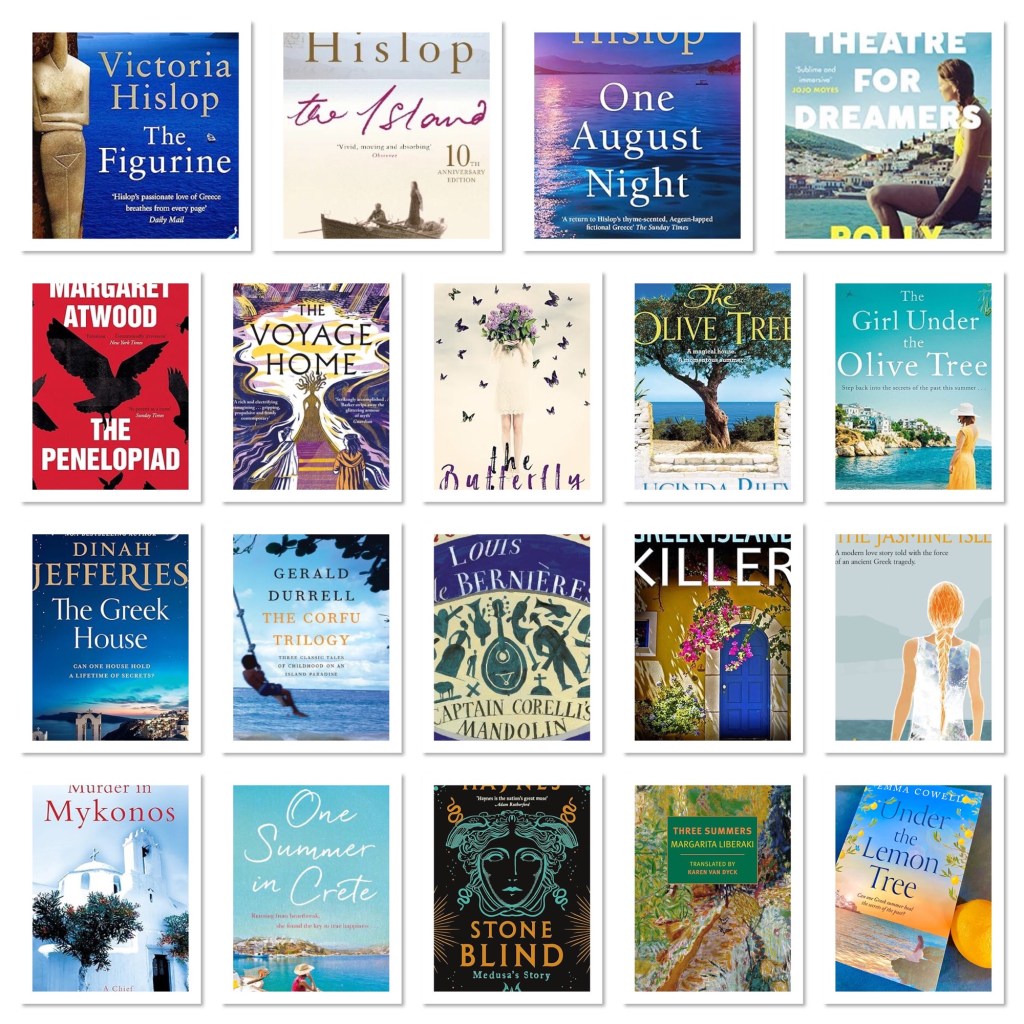
Summer Holiday Reads: The Greek Islands

Classics

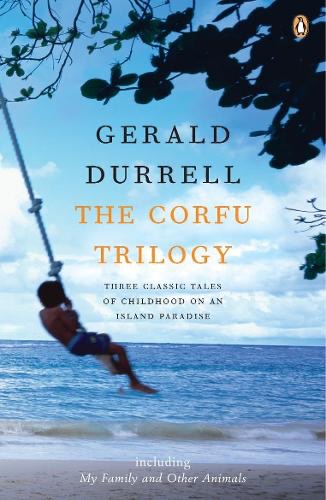
Three classic tales of childhood on an island paradise – My Family and Other Animals, Birds, Beasts and Relatives and The Garden of the Gods by Gerald Durrell – make up The Corfu Trilogy.

Just before the Second World War the Durrell family decamped to the glorious, sun-soaked island of Corfu where the youngest of the four children, ten-year-old Gerald, discovered his passion for animals: toads and tortoises, bats and butterflies, scorpions and octopuses. Through glorious silver-green olive groves and across brilliant-white beaches Gerry pursued his obsession . . . causing hilarity and mayhem in his ever-tolerant family. This book is joyous and has the reputation of being the only book my brother loved. The Durrells are gloriously eccentric and this trilogy transports you to Corfu so well it’s like taking a holiday.

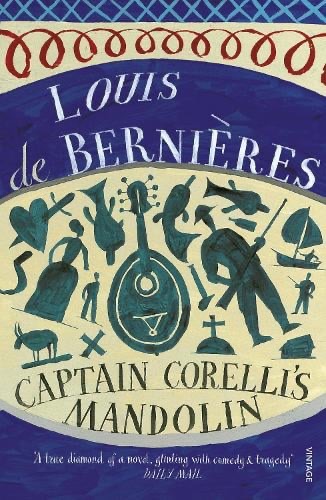
It is 1941 and Captain Antonio Corelli, a young Italian officer, is posted to the Greek island of Cephallonia as part of the occupying forces. At first he is ostracised by the locals but over time he proves himself to be civilised, humorous – and a consummate musician.

When Pelagia, the local doctor’s daughter, finds her letters to her fiancé go unanswered, Antonio and Pelagia draw close and the working of the eternal triangle seems inevitable. But can this fragile love survive as a war of bestial savagery gets closer and the lines are drawn between invader and defender? Forget the awful film, in which barely anyone was Greek, and pick this up if you haven’t already. Not only is it a great chronicle of WW2 in Greece, but it is a touchingly beautiful love story you’ll want to read again.

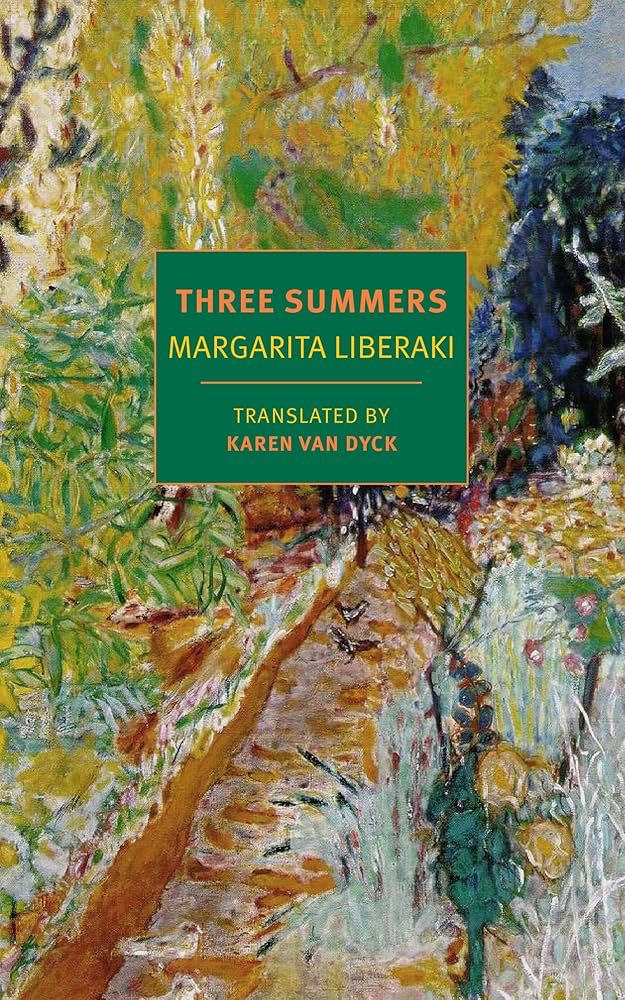
That summer we bought big straw hats. Maria’s had cherries around the rim, Infanta’s had forget-me-nots, and mine had poppies as red as fire. . .’

I read a recent review where Three Summers was touted as a Greek I Capture The Castle and that draws me in straight away. This is a warm and tender tale of three sisters growing up in the countryside near Athens before the Second World War. Living in a ramshackle old house with their divorced mother are flirtatious, hot-headed Maria, beautiful but distant Infanta, and dreamy and rebellious Katerina, through whose eyes the story is mostly observed. Over three summers, the girls share and keep secrets, fall in and out of love, try to understand the strange ways of adults and decide what kind of adults they hope to become. A beautiful story of growing up, sisterhood and first love.

Retold Myths

Now that all the others have run out of air, it’s my turn to do a little story-making . . . So I’ll spin my own thread.

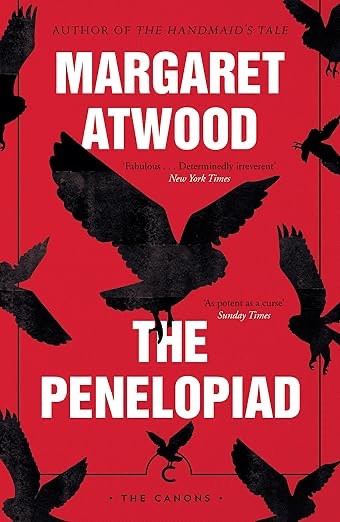
Penelope. Immortalised in legend and Greek myth as the devoted wife of the glorious Odysseus, silently weaving and unpicking and weaving again as she waits for her husband’s return from the Trojan war. 

Now Penelope wanders the underworld, spinning a different kind of thread: her own side of the story – a tale of lust, greed and murder. This is one of the first novels to write back to Greek Myth, to tell the story of a sidelined character in the tale of Odysseus. Atwood tells a tale of the Trojan War from a feminist perspective, looking through the eyes of Penelope who has no action or agency in the original myth, only appearing as the dutiful wife.

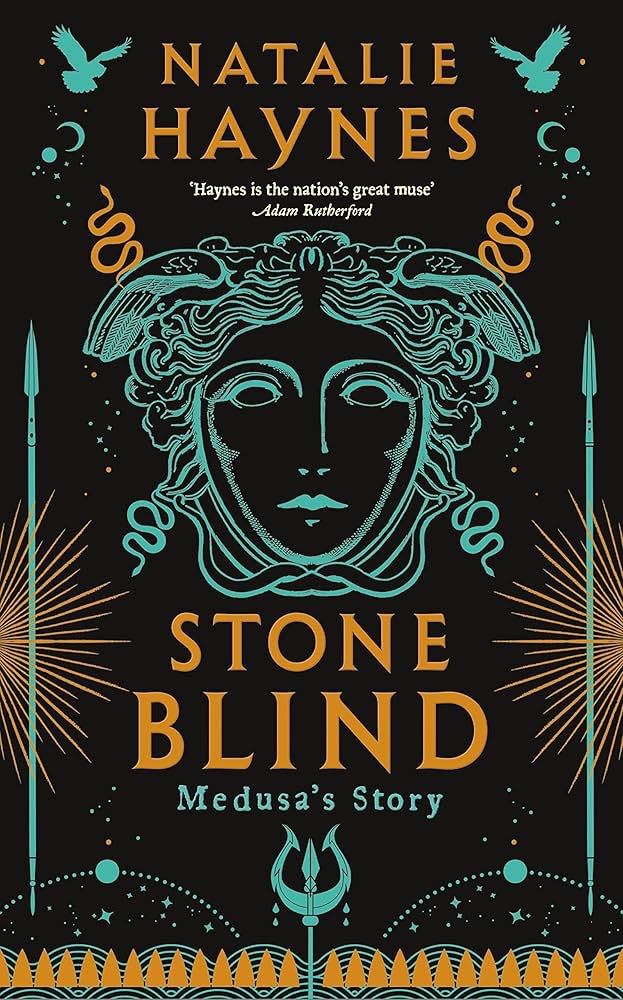
‘So to mortal men, we are monsters. Because of our flight, our strength. They fear us, so they call us monsters’

Medusa is so hard done to who acts like a cautionary tale about the meddling Greek gods. Medusa is the sole mortal in a family of gods. Growing up with her Gorgon sisters, she begins to realize that she is the only one who experiences change, the only one who can be hurt.

When Poseidon commits an unforgiveable act against Medusa in the temple of Athene, the goddess takes her revenge where she can: on his victim. Medusa is changed forever – writhing snakes for hair and her gaze now turns any living creature to stone. She can look at nothing without destroying it.

Desperate to protect her beloved sisters, Medusa condemns herself to a life of shadows. Until Perseus embarks upon a quest to fetch the head of a Gorgon . . .

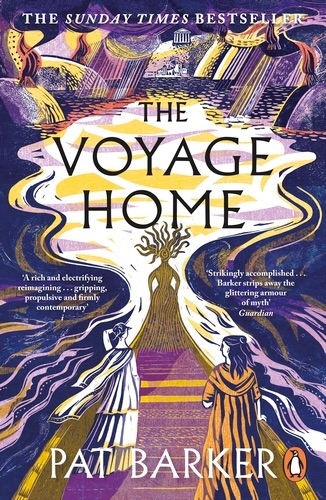
After ten blood-filled years, the war is over. Troy lies in smoking ruins as the victorious Greeks fill their ships with the spoils of battle.

Alongside the treasures looted are the many Trojan women captured by the Greeks – among them the legendary prophetess Cassandra, and her watchful maid, Ritsa. Enslaved as concubine – war-wife – to King Agamemnon, Cassandra is plagued by visions of his death – and her own – while Ritsa is forced to bear witness to both Cassandra’s frenzies and the horrors to come.

Meanwhile, awaiting the fleet’s return is Queen Clytemnestra, vengeful wife of Agamemnon. Heart-shattered by her husband’s choice to sacrifice their eldest daughter to the gods in exchange for a fair wind to Troy, she has spent this long decade plotting retribution, in a palace haunted by child-ghosts.

As one wife journeys toward the other, united by the vision of Agamemnon’s death, one thing is certain: this long-awaited homecoming will change everyone’s fates forever. This is a brilliant retelling of a myth we know so well and the reality of war from a female perspective.

Crime Fiction

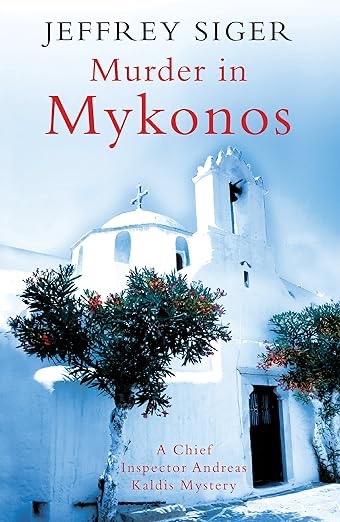
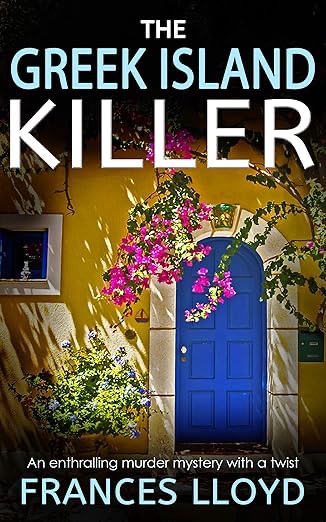
Mykonos had always had a romantic reputation, until the body of a female tourist was found on a pile of bones under the floor of amountain church. The island’s new police chief starts finding bodies, bones and suspects almost everywhere he looks. This thriller has a great atmosphere, is perfect for readers who love a good mystery and also Greek legends, which the author weaves throughout her story. The reader is firmly on the side of the heroine, trying desperately to escape her fate. You will also be rooting for Inspector Kaldis, who was recently demoted from Athens to the isle of Mykonos. He’s trying to avoid the political pitfalls on the island as he pursues the Killer, whose identity is not revealed until the end of the story. This is a fun one for the reader to speculate on as the action builds to a nail-biting climax. Highly enjoyable and addictive.

SOMEONE’S POISONING PARADISE

Detective Inspector Jack Dawes is travelling to a tiny Greek island with wife Corinne, ready for a bit of sun, sea and sand.

However, one of their fellow travellers is a ruthless killer.
When a storm destroys the island’s primitive communications, cutting it off from civilisation, people begin to panic. One victim is poisoned, followed swiftly by another. Then a woman is found in a grotto to St Sophia, the island’s patron saint. She is badly beaten. It feels as if the island’s visitors are being picked off one by one. Can Jack uncover the truth before the killer ups the ante?

Who will return home — and who will be sacrificed to the island?

Historical Fiction

It’s May 1941, when the island of Crete is invaded by paratroopers from the air. After a lengthy fight, thousands of British and Commonwealth soldiers are forced to take to the hills or become escaping PoWs, sheltered by the Cretan villagers.

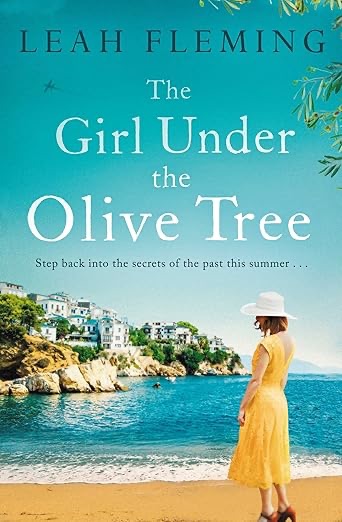
Sixty years later, Lois West and her young son, Alex, invite feisty Great Aunt Pen to a special eighty-fifth birthday celebration on Crete, knowing she has not been back there since the war. Penelope George – formerly Giorgidiou – is reluctant, but is persuaded by the fact it is the 60th anniversary of the Battle. It is time for her to return and make the journey she never thought she’d dare to. On the outward voyage from Athens, she relives her experiences in the city from her early years as a trainee nurse to those last dark days stranded on the island, the last female foreigner.

When word spreads of her visit, and old Cretan friends and family come to greet her, Lois and Alex are caught up in her epic pilgrimage and the journey which leads her to a reunion with the friend she thought she had lost forever – and the truth behind a secret buried deep in the past…

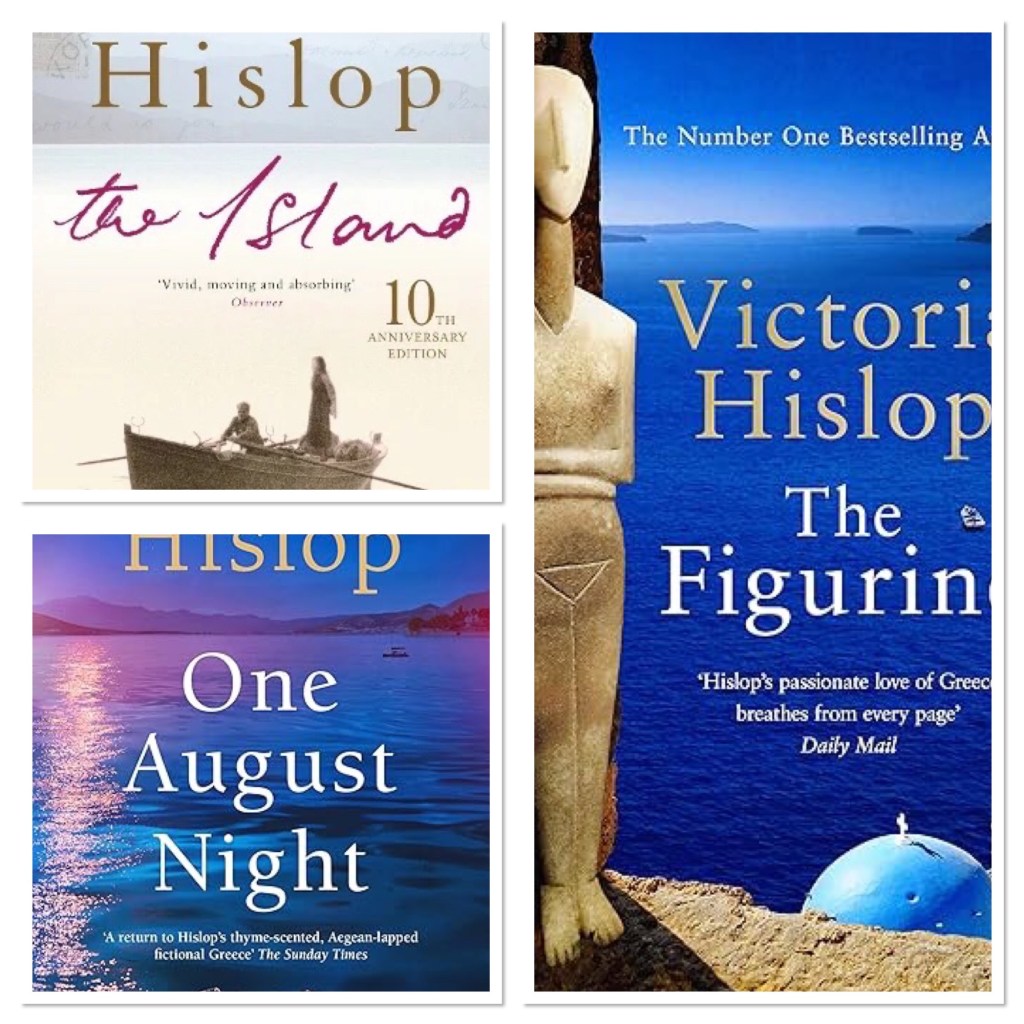
Victoria Hislop is the Queen of fiction set on the Greek Islands, ever since her book The Island

25th August 1957. The island of Spinalonga closes its leper colony. And a moment of violence has devastating consequences.

When time stops dead for Maria Petrakis and her sister, Anna, two families splinter apart and, for the people of Plaka, the closure of Spinalonga is forever coloured with tragedy.

In the aftermath, the question of how to resume life looms large. Stigma and scandal need to be confronted and somehow, for those impacted, a future built from the ruins of the past.

Victoria Hislop returns to the world and characters she created in The Island – the award-winning novel where we first met Anna, Maria, Manolis and Andreas in the weeks leading up to the evacuation of the island… and beyond. Alexis Fielding longs to find out about her mother’s past. But Sofia has never spoken of it. All she admits to is growing up in a small Cretan village before moving to London. When Alexis decides to visit Crete, however, Sofia gives her daughter a letter to take to an old friend, and promises that through her she will learn more. 

Arriving in Plaka, Alexis is astonished to see that it lies a stone’s throw from the tiny, deserted island of Spinalonga – Greece’s former leper colony. Then she finds Fotini, and at last hears the story that Sofia has buried all her life: the tale of her great-grandmother Eleni and her daughters and a family rent by tragedy, war and passion. She discovers how intimately she is connected with the island, and how secrecy holds them all in its powerful grip…

In The Figurine we are taken beneath the dust sheets in the Athens apartment that Helena McCloud has inherited from her grandparents, There she discovers a hidden hoard of rare antiquities, amassed during a dark period in Greek history when the city and its people were gripped by a brutal military dictatorship.

Helena’s fascination for archaeology, ignited by a summer spent on a dig on an Aegean island, tells her that she must return these precious artefacts to their rightful place. Only then will she be able to allay the darkness of the past and find the true meaning of home – for cultural treasures and for herself.

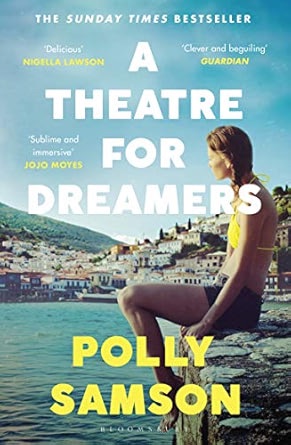
It seems crazy to think of the 1960s as a historical era, but it is now 60 years ago! In this dreamy and bohemian novel, Erica is eighteen and ready for freedom. It’s the summer of 1960 when she lands on the sun-baked Greek island of Hydra and is swept up in a circle of bohemian poets, painters, musicians, writers and artists, living tangled lives. Life on their island paradise is heady, dream-like, a string of seemingly endless summer days. But nothing can last forever.

Romance and Self-Love

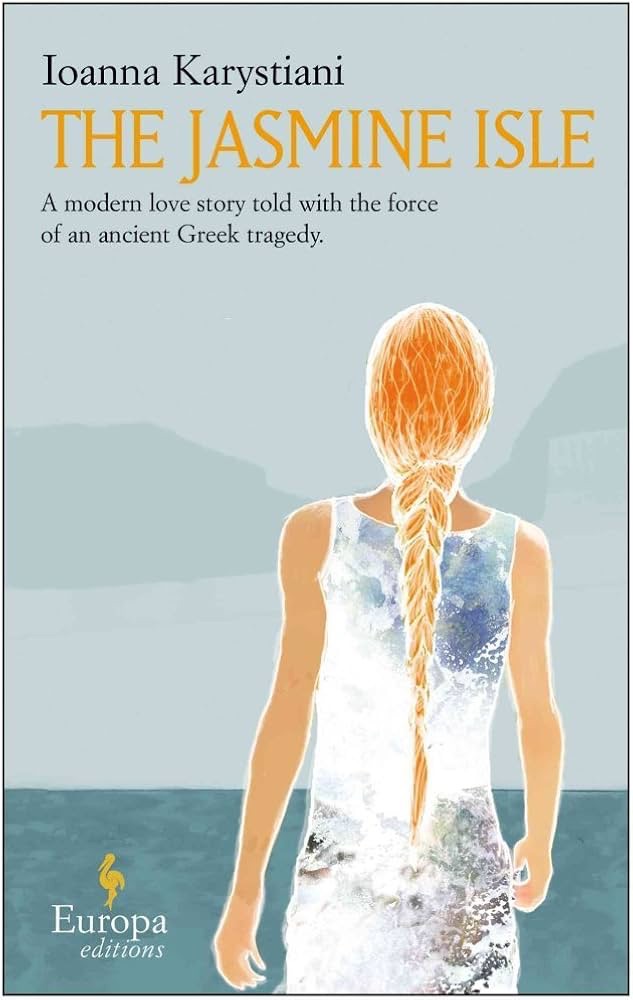
Set on the breathtaking island of Andros, The Jasmine Isle is one of the finest literary achievements in contemporary Greek literature. Mina Saltaferou is the despotic wife of a ship’s captain, Savvas Saltaferos. Her tyrannical influence over her two daughters is unquestionable and unrelenting, like nature itself. Tragedy becomes inevitable when Mina’s beautiful, eldest daughter, Orsa, is sentenced by her mother to marry a man she doesn’t love and watch as the man she does love weds another.

I love a family saga and this one spans half a century in the history of modern Greece, this novel explores the solace and joy women find in each other’s company during the insufferably long absences of their husbands, sons, and lovers. The story alternates between descriptions of domestic life and evocations of the world’s seas and ports, as it follows both the men who embark on voyages lasting months and the lives of the women who remain behind

Calli’s world has fallen apart – her relationship is suddenly over and her chances of starting a family are gone. So when she’s sent to write a magazine article about the Greek island of Ikaria, it seems the perfect escape.

Travelling to Crete, where her family is from, Calli soon realizes there is more to discover than paradise beaches and friendly locals. When her aunt Froso begins to share the story of her own teenage heartache, will the love, betrayal and revenge she reveals change Calli’s life forever?

As a young woman, Helena spent a magical holiday at Pandora, a beautiful house in Cyprus – and fell in love for the first time. Now, twenty-four years later and following the loss of her godfather, she has inherited Pandora. And, though it is a crumbling shadow of its former self, Helena returns with her family to spend the summer there.

When, by chance, Helena meets her childhood sweetheart, her past threatens to collide with her present. She knows that the idyllic beauty of Pandora masks a web of secrets that she has kept from her husband and thirteen-year-old son. And that, once its secrets have been revealed, their lives will never be the same . . .

Sophie Keech has it all. A new life in Greece with a handsome man enables Sophie to leave her mundane job and her estranged mum. But four years on, a domineering mother-in-law to be and the reality of living in Greece not being what Sophie imagined, strains her relationship with Alekos. 

When her mum is involved in an accident, Sophie jumps at the chance to escape. Time to reassess her life and make amends is sorely needed. Yet an attraction to a good looking and newly divorced man, and a shock discovery, complicates things.

Can Sophie and Alekos’ love survive the distance?

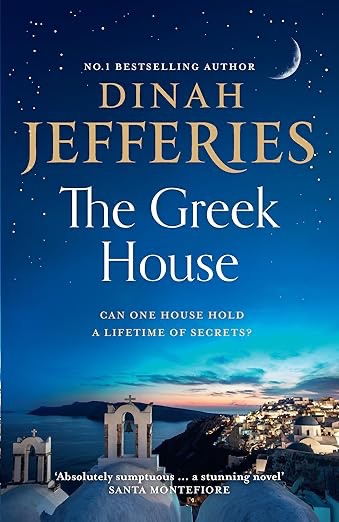
Can one house hold a lifetime of secrets?

Corfu, 1930, the moment Thirza Caruthers sets foot on Corfu, memories flood back: the scent of jasmine, the green shutters of her family’s home ― and her brother Billy’s tragic disappearance years before. Returning to the Greek house, high above clear blue waters, Thirza tries to escape by immersing herself in painting ― and a passionate affair. But as webs of love, envy, and betrayal tighten around the family, buried secrets surface, is it finally time to uncover the truth about Billy’s vanishing?

New To Look Forward To.

Could discovering a family secret encourage Kat to follow her heart?

Shattered by the sudden loss of her twin, Nik, Kat is lost in grief. The comfort of family feels both soothing and suffocating, but everything changes when she inherits a house on the breathtaking Greek island of Agistri from a mysterious uncle she’s never met.

Arriving on Agistri, Kat is mesmerized by its crystalline waters, lush pine forests, and the citrus-scented air. Among the white-washed houses and warm, welcoming locals, she begins to feel her heart heal. The island offers more than solace, sparking courage in Kat to face her loss — and maybe even embrace the spark of unexpected love…

But as she unearths her family’s buried past, Kat must also confront her own fears of belonging, forgiveness — and the possibility of rediscovering happiness in the shadow of heartbreak…

Posted in Throwback Thursday

The Thin Place by C.D.Major 

I have a fascination for the idea of ‘thin places’ – where there’s only a thin veil between our world and the spirit world, or possibly passages to another time or dimension. I am swayed towards the idea that it’s where something traumatic happened and left an imprint on a place, so that however much time passes, the events of that day can break through and be replayed almost like an echo of the original event through time. Ava Brent is a journalist who is investigating one such place. The Overtoun Estate is a strange and looming presence over town and no one seems to know it’s specific history, but it’s rumoured to be a thin place, steeped in myth. The legend is about a bridge where it’s claimed many dogs have thrown themselves to their deaths. The locals steer clear and when Ava begins to ask questions the warm welcome she received at first becomes a cold shoulder. When she discovers that a sick young girl lived there, the sadness that surrounds the building starts to make sense. Ava is expecting her first child so is maybe susceptible to this tale, but a message scratched into a windowsill  fills her with horror. What happened here and is she really prepared for what she may discover? What might her fascination with this place cost? As her life begins to unravel, she knows she should cut her losses and walk away. Then threats start to arise, but Ava can’t deny that despite the fear she is compelled to return. 

This was an excellent slow burn gothic novel from an author that was completely new to me. I am interested in tales of motherhood and the paranormal, brought to my attention at university where I was influenced by Frankenstein and Rosemary’s Baby on my Gothic, Grotesque and Monstrous course. There’s something about the extraordinary changes in the body and the idea of another person growing inside you that’s open to the world of monsters; rather like a human set of Russian nesting dolls. I think it’s also horrifying when a horror exploits that moment when both mother and baby are at their most vulnerable. Ava is drawn to the specific bridge on the property, despite the strange and eerie feelings that congregate there. Ava is taken in by it’s ’otherworldliness’ and slowly it takes over her life. The author lets us into Ava’s inner world by devoting some of the narrative to her journal entries where page after page is devoted to her ramblings about the place. Her home life starts to become disrupted, self-care goes out of the window and even her pregnancy can’t compete with her drive to discover the truth. 

In between Ava’s story we’re taken back to the historic occupants of the house. In the 1920s it’s Marion who lives there, a newly wed who feels lonely as her husband is away a lot for work. Then twenty years later it’s Constance, the sick little girl who is almost a prisoner, kept inside by her over anxious mother. Is she really the sick one in her family? Or is there some other motivation keeping her life so limited? We never know during these narratives whether what we’re being told is the truth. Are the women seeing events truthfully or skewed through the filter of their own experience? We all the view the world through our own learning, experience and emotional state so we have to question whether Ava’s state of mind is colouring her judgement? Is Marion’s loneliness affecting how she views the house? Could Constance’s illness and solitary existence have left her vulnerable to suggestion? All three could be unreliable narrators and the atmosphere can’t help, a sense of unease that settles over them and us. The darkness and mood seem to follow Ava like a miasma, created by every bad thing that’s happened there. It’s this that envelops her and draws her back again. Some historic events are appalling and I was affected by the scenes of animal abuse, as well as pregnancy trauma that’s also depicted. The scenes detailing pregnancy complications left me needing a few deep breaths and a cup of tea. That just underlines how well written the book is. I swear that as the book went on my blood pressure was climbing along with Ava’s. I was also left with a disoriented feeling sometimes and I think it’s a clever writer who can echo the character’s experiences with the feelings she evokes in the reader. 

The supernatural elements were very subtly and gently done, with the mere suggestion of the paranormal being enough. The way I felt while reading proved that this was the type of gothic horror I really enjoy. It felt like a classic horror that creeps up on you woven in with the sort of historical background that really grounds the characters in their time. The author uses the supernatural elements and the terrible story of the dogs, to tell us something about mothers and daughters – daughters being an echo of every woman who has come before them in the family line. It’s also about how the women fit into their world and I loved how the author explored the expectations on women and pressure placed on them by others and society in general. The author’s notes at the end are so interesting too, especially the elements of the book based on a true story. Overall this was a great combination of gothic storytelling and a compelling historical thriller. 

Out Now from Thomas and Mercer

Meet the Author

C. D. Major writes suspenseful books inspired by strange true stories. Alongside her thrillers she writes big love stories as Cesca Major, rom coms under the pseudonym Rosie Blake and emotional women’s fiction as Ruby Hummingbird. All information about her books, Book Club Questions and more are over on her website http://www.cescamajor.com. Cesca lives in Berkshire with her husband, son and twin daughters. She can be found on Twitter, Facebook and Instagram and enjoys connecting with readers.

Posted in Monthly Wrap Up

Best Reads April 2025

It’s been a busy month at home so there’s been a little bit less reading, but what I have read I’ve really enjoyed. As is often the case it’s a straight split between historical fiction and crime. Weirdly it’s also a straight split between debuts and books that are the third in a series. There are some definite contenders for my favourite books of the year too. I hope to be reading a bit more in May, getting back into my stride with a couple of blog tours and a read with my squad ladies too. One things for sure, I’ve enjoyed mood reading so much that I’m not going to overload myself with tours going forward. I’d forgotten the joy of picking up whatever suits, rather than having a rigid schedule, My bank holiday is going to be quiet with plenty of reading and journaling. We’re planning to spend some of it outdoors, accompanying my other half fishing. Just us, the dog, my comfy camp bed and outdoor cooking. Usually I end up sharing my bed with the dog because it’s so comfy. I’ll also be taking a book of course. ❤️📚
I really do enjoy my time spent in Molly the Maid’s world. It’s one of those books where I find myself smiling as I read. It only takes a couple of sentences for me to feel like I never left her world. In some ways her life could be seen as unchanged. She’s still Molly, as wholly herself as ever, living in her late grandmother’s flat with her fiancé Juan, chef at the Regency Grand. In other ways things have changed, Molly manages the maids and has become ‘Events Manager’ so she’s definitely gone up in the world at work. Two events loom in the near future – Molly and Juan’s wedding at City Hall is on the horizon – but today the two darlings of the antique world are filming an episode of their TV show in the tearoom of the hotel. Beagle and Braun, known jointly as the Bees, are the married presenters of ‘Hidden Treasures‘. A show runs like our own Antique Roadshow where people queue to have their valuables appraised. Before they leave the flat that morning, Juan suggests Molly takes her grandmother’s box of treasures, including a highly decorated egg. When the Bees see this particular treasure their eyes light up. They seem to know immediately that this is very special and they must have it on camera. As the cameras roll they tell Molly that this looks like a lost Russian imperial egg, the prototype for all the ones that follow. It’s one of a kind, decorated with rubies and emeralds by Faberge himself. Now worth several million dollars. Molly doesn’t seem to take the news in and wants to carry on as normal, but as the clip is shared online that becomes impossible and Mr Preston has to take them home. Will life ever be the same again? Things go from bad to worse when during an auction at the hotel the egg disappears, despite being on a plinth and glass case in the middle of the stage. Now Molly must work with Detective Stark to find it, but this is a search that will take us back into the past. Molly really does prove in this novel that she’s a ‘good egg’, pardon the pun. No temptation lures her from the things she values – her job, Juan, Mr Preston and her flat. It was interesting to get some back story on her grandmother too and understand why she brought Molly up the way she did. This is a charming and heartwarming novel and a brilliant trilogy to delve into if you haven’t already.

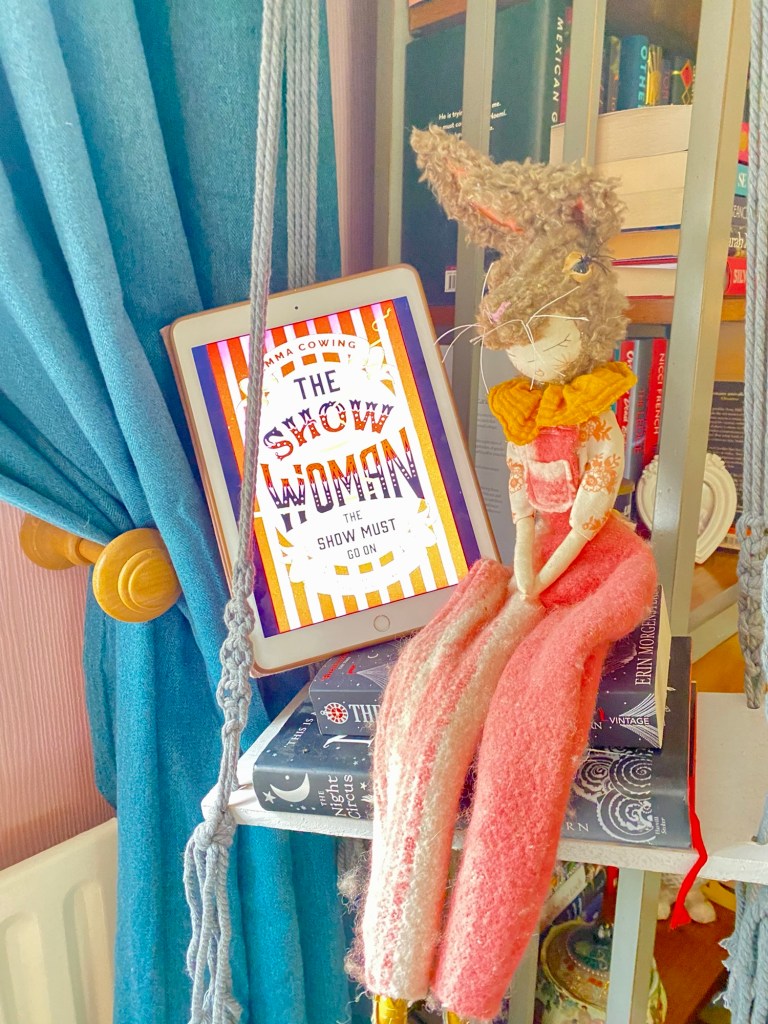
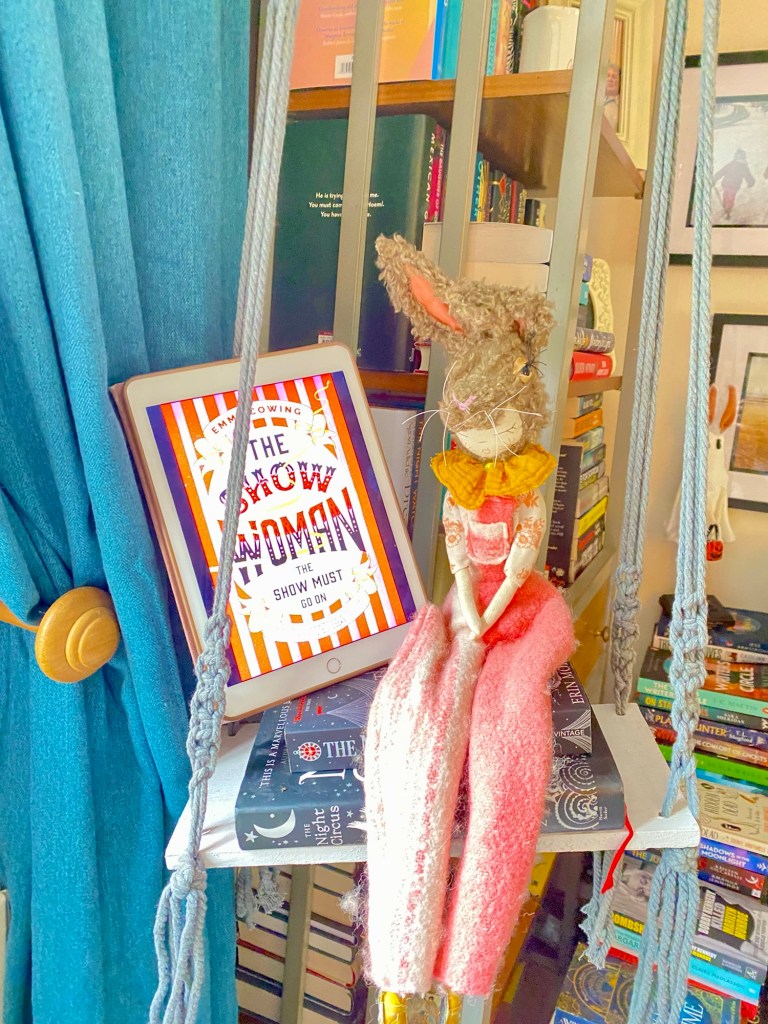
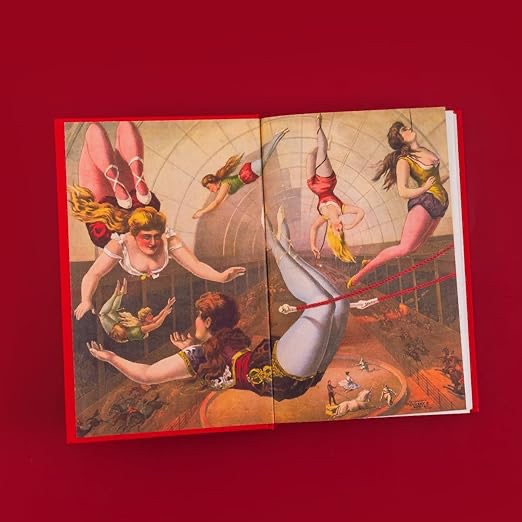
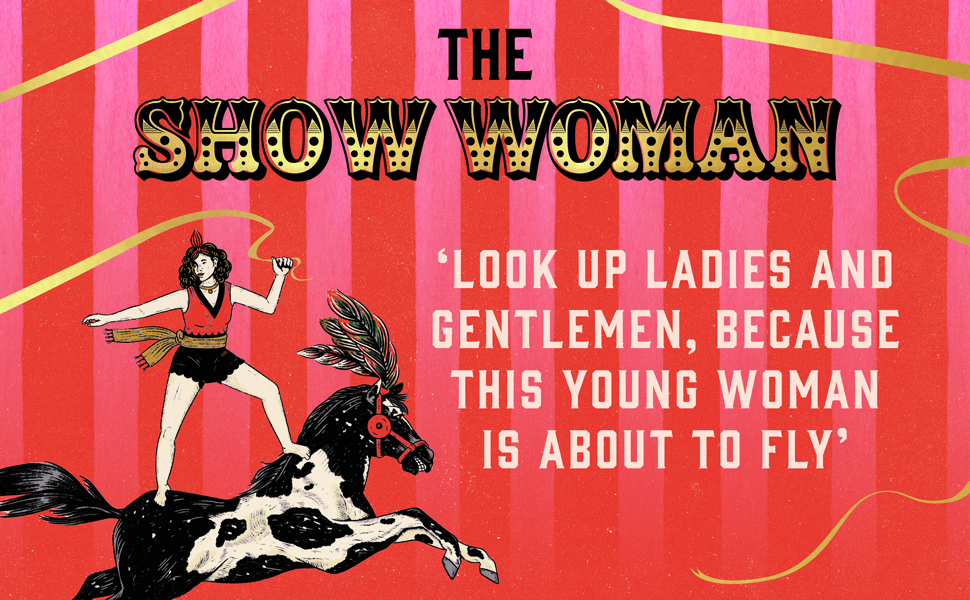
The Show Woman has been on my TBR since January and I was delighted to be accepted for a NetGalley ARC. I love all things circus, fairgrounds, mediums and freak shows so I was drawn straight away but this was so much more than I expected and has a lot in common with The Eights. Set in 1901 we meet Lena who has lost her father and after his death was left with his carousel and their caravan. She sells the carousel and has the idea of creating the first all-female show with herself as a ringmaster. The only female show woman is Serena Lind and she’s a hard, bitter and vengeful woman who rules her circus with a rod of iron. So when Violet meets with Lena about leaving Lind’s and becoming a trapeze artist for the new show, it sets a scene for what follows. With Rosie and her pony Tommy they have a bareback rider and Carmen the dancer and acrobat makes their four. With an old tent they start to practice and be ready for the next season and with a bit of help from Violet’s brother Harry, they start to become known. This is a story of revenge, friendship, love and women making their own way in the world. I loved how the women bond, living together in the caravan and travelling from show ground to show ground. Lena has the makings of a brilliant show woman but first she needs to find out who is trying to sabotage their circus. Lena becomes the head of this a community that fully supports each other, who listen and understand the circumstances and pain that has brought them here. I was rooting for all of these women and not just the show, but their new found independence and friendships. It was those evenings where they were talking in the caravan after a show, too full of adrenaline to sleep. Or the warm and sunny days when they got chance to swim in a local lake or river, to wash their hair. Then there were the joint efforts to save Rosie’s pony. It’s these moments that are just as magical for these women as the seconds before Violet lets go and flies through the air. 

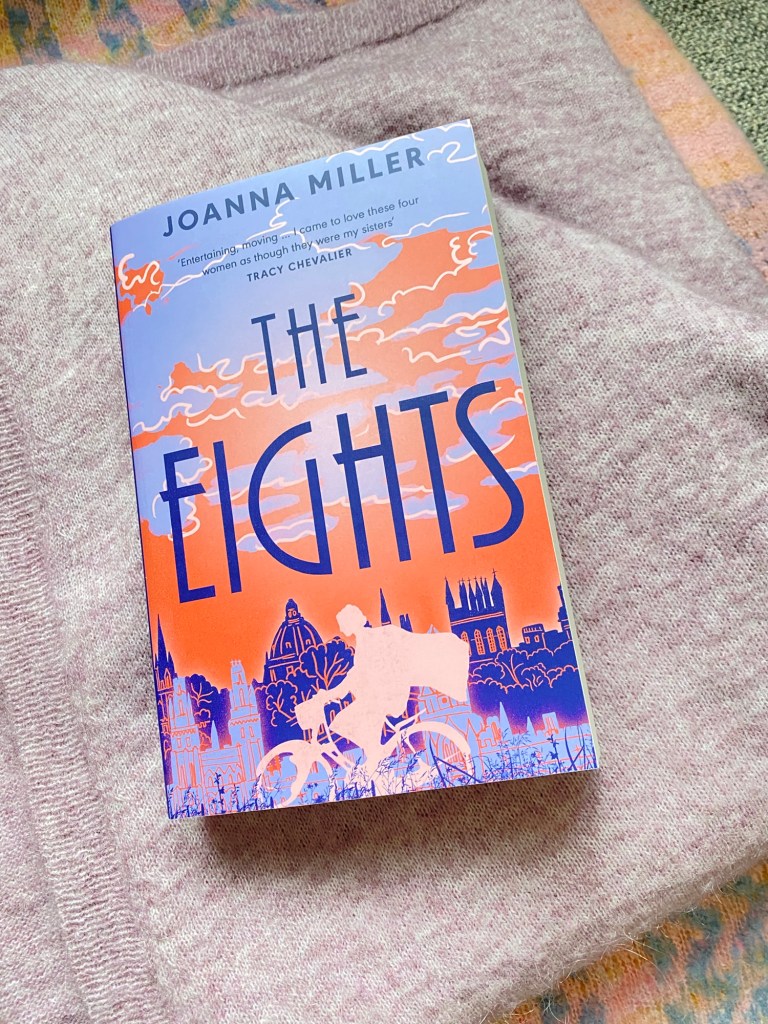
This was another novel set in the early part of the 20th Century, this time just after WWI. It also features four young women but these meet in the hallowed halls of Oxford University where they will be the first female cohort to be awarded a degree for their studies. Nicknamed the ‘Eights’ because of the room numbers on their corridor, Beatrice, Ottoline, Marianne and Dora are very different, but soon become firm friends as they navigate their first year. Beatrice is political, has a feminist and suffragette mother and is used to being noticed, as she’s usually the tallest woman in a room. Marianne is a scholarship student, but she seems to have secrets, including why she returns home every other weekend. Ottoline (Otto) comes from a wealthy family, but is haunted by her war experiences in a nursing role. She’s had symptoms of PTSD ever since, but also feelings of shame that she couldn’t do her duty. Dora also struggles with the consequences of war, having received the dreaded letter from her fiancé Charles’s regiment to inform her he’d been killed. Just two weeks later her brother George also lost his life. Being so close to Charles’s university only serves to keep him at the forefront of her mind. This seemingly random allocation starts strong friendships as the girls help each other negotiate their university work, their memories of the war and being taken seriously by their male counterparts. I loved every one of these characters and it was wonderful to watch them grow and help each other navigate the choppy waters of academic problems, financial worries, matters of the heart and the terrible experience of loss. I was so sorry to turn the final page and leave their world.

I’ve been re-reading Stig Abell’s Jake Jackson series after winning the latest instalment, The Burial Place, in a Twitter giveaway by the author. This is book number three and while Jake and his ‘team’ tangled with an international criminal gang in the last book, The Burial Place is more of a home grown mystery. There has been an archaeological dig close to Little Sky and a hoard of treasure found nearby. The ownership of this treasure is in dispute because it’s unclear who owns the land where it was found. Meanwhile, work carries on for the archaeologists, academics and local enthusiasts who have been working on the site but when a body is found it must shut down. It’s hard for new DCI McAllister to understand the motive and being new to the area he enlists Jake’s help, both for his investigative skills and his local knowledge. The community are aware that several nuisance letters have been sent to the dig office and various people who’ve worked on the site. They’re a strange mix of threats, Bible verses and ancient prophecies signed off by Wulfnoth – an ancient Briton from the area. They promise a terrible end for the dig and whoever benefits from the treasure found. Can Jake find the killer before anyone else is hurt? Looking at themes of belonging and sacred land, this is a quieter novel but no less deadly. A definite team have formed around Jake, a family of sorts who both work and relax together. There’s also the continuation of the romance between Jake and local vet, Livia and an appearance from his ex-wife Faye that brings about much soul searching and healing. Thankfully he has Little Sky as his sanctuary when things get too noisy and stressful. The home left to him by his Uncle Arthur, shows he clearly knew his nephew very well.

Here’s some of the fiction on my TBR trolley.

Posted in Netgalley

The Show Woman by Emma Cowing 

I loved this book about four women brought together creating an all female mini circus. Lena is the show woman of the title and as well as managing all their finances and planning, she is the ring mistress. Violet escapes another circus to become their trapeze artist. Rosie is their bareback rider, while Carmen can be a musician, acrobat and dancer whose costume is a swirling rainbow of ribbons. Set in 1910, we meet the Grand Dame of the show circuit in Scotland – Serena Linden. Serena is the show woman behind Linden’s Circus renowned throughout Scotland and the only circus to perform at Balmoral for Queen Victoria and the royal family. Serena is the old guard who has inherited her circus from her father. She is old, arthritic, bitter and quite capable of settling scores with trickery and violence. She particularly likes to thwart those who flee her employ and move to other shows or even worse,start their own. 

Lena has always been at the background of the circus and fair ground scene she has lived in all her life. Her mother disappeared a long time ago and she doesn’t remember her. Now her father has died and has left just their caravan and his carousel. She is told she’d better it sell it if she wants to have a life, because her only other options are to find a husband or a factory job. That’s until Violet arrives with a proposition. Violet is known for her flame red hair and her talent on the trapeze, she is known by fairground people as the greatest trapeze artist that’s ever lived, but also for being outspoken and a bit of a loner. What if they started their own show? They’re both outcasts and have nothing to lose. When they start to look for performers they find two more women on the run. Rosie has practiced her bareback riding with her pony Tommy for years. In fact she never imagined escaping her abusive father, but couldn’t stand it any longer. Finally there’s Carmen, a beautiful Spanish girl with luscious black hair and a lot of secrets. She dances and performs acrobatics in her rainbow ribbons. With Lena as ringmaster and an old but serviceable tent can they last the season? 

I loved spending time with these wonderful women. I wanted to mother Rosie who desperately needs to let the truth out about her father and the after dark fumbling in the laundry cupboard. Her relationship with Tommy the pony is so beautiful because of the trust they have in each other, so when he fell ill I was so worried. Her burgeoning feelings for Violet are so pure and totally separate from the shame she’s holding onto. Violet is brilliantly herself and never tries to be anything else. She has a preference for women and has years of experience in this world, knowing how careful she must be. She knows that leaving Linden’s was risky so when their show is sabotaged she wonders if it might be Serena’s goons. Especially when they wreak the ultimate revenge on her specifically. Violet doesn’t know how she’ll cope if she ever can’t fly. Carmen keeps her cards close to her chest but somehow finds a home with the other women. She holds a lot of shame, for the years she spent on the streets, destitute and selling the only thing she has left. It’s this past that threatens her place in the show, when a misunderstanding comes between her and Lena. 

I really enjoyed Lena, who’s strong and old, perfectly capable of organising three women and travelling from place to place iin season. It’s Lena who gets up early, has a dip in the river or stream then sets up the camp fire and cooks breakfast for the others. I could imagine her in her usual ‘ringmaster’ outfit, with the combination of the masculine clothes her long hair and red lipstick bringing a sass and sexiness to her role. Love is her undoing. It’s an instant attraction between her and Violet’s brother Harry, who no longer works on the shows but has become a music hall singer. He offers advice on the show and protection when a couple of men lurk around the caravan, seeing four women as sitting ducks. When the women’s luck changes and Violet is angry and frustrated she lets slip a secret that breaks Lena’s heart. The women come apart. Can Lena find out about the sabotage and her family history by visiting Serena Linden? 

Lena is determined to understand her past , uncovering a kinship between her and one of the others that has been hidden for years. She is also determined to find out who committed the act of sabotage against Violet. Was it about the show or was it more personal? She becomes the head of this family, determined to bring them all back together. A community that fully supports each other, who listen and understand the circumstances and pain that has brought them here. I was rooting for all of these women and not just the show, but their new found independence and friendships. It was those evenings where they were talking in the caravan after a show, too full of adrenaline to sleep. Or the warm and sunny days when they got chance to swim in a local lake or river, to wash their hair. Then there were the joint efforts to save Rosie’s pony. It’s these moments that are just as magical for these women as the seconds before Violet lets go and flies through the air. 

Out May 1st 2025

Meet the Author

Emma Cowing is a journalist and author. She was shortlisted for the 2023 Cheshire Novel Prize, and longlisted for the 2023 Bath Novel Award and Blue Pencil First Novel Award. She lives in Glasgow with her husband Jonathan and their cat, Moses. The Show Woman is her first novel.

Posted in Netgalley

The Eights by Joanna Miller 

I pre-ordered this book as soon as I read the blurb. I could see myself falling in love with this story of four pioneering women who attend Oxford University as part of the first cohort to gain an actual degree. The four women arrive at Oxford in a time of great upheaval. The First World War has ended and women have just been awarded the vote. Women have experienced more freedom during war time, by working to replace enlisted men, volunteering for the war effort. Beatrice comes from a progressive family, with a suffragette mother who attended Oxford herself. Beatrice is very political, obviously a feminist and is used to being noticed, as she’s usually the tallest woman in a room. Marianne is a scholarship student, but she seems to have secrets. She returns home every other weekend and struggles financially but she is determined to get what education she can. Ottoline (Otto) comes from a wealthy family, but is haunted by volunteering for a nursing role during the war. She found it so distressing, she was redeployed as a driver giving patients transportation rather than working on the front line. She’s had symptoms of PTSD ever since, but also feelings of shame that she couldn’t do her duty. Dora also struggles with the consequences of war. She received a letter from her fiancé Charles’s regiment to inform her he’d been killed, then only two weeks later her brother George also lost his life. She still sees Charles wherever she goes and being so close to his university only serves to keep him at the forefront of her mind. These four girls are assigned to a corridor where the rooms start with the number eight, giving them their affectionate nickname. This seemingly random allocation starts strong friendships as the girls help each other negotiate their university work, their memories of the war and being taken seriously by their male counterparts. 

Oxford University is the oldest English- speaking university in the world, having and I was amazed to read it was founded in the 11th Century. The first colleges for men were fully established 200 years later and the Bodleian Library opened in 1602. Women were only starting show interest in an Oxford education in the late 1800s and four women’s colleges were established, however even after years of negotiation to do the same courses as men, women had to be chaperoned to lectures. I was also amazed that despite doing exactly the same exams, women could not be awarded degrees and dons would still refuse to teach them. I couldn’t imagine doing all that work, then having nothing tangible to show for it. It must have been soul-destroying. The author’s story begins after women got the vote and it took until 1920 for women to become fully enrolled at the university as men had been, a ritual called matriculation. The author lays out this facts at the beginning of the novel, which is brilliant for setting the scene generally but also allows us into what is an exclusive world with it’s own language and culture. She separates her book into the named terms – such as Michaelmas or Hilary – and lays out the dress code and rules, different for men and women. She also lets us into what the exams are called and has a glossary at the back in case you get lost. Finally she splits her first chapter between the four girls so we get a really good sense of who they are and where they’re from.

This is a real character led novel from Joanna Miller, creating a similar feel to those novels I loved as a girl such as the Little Women series or What Katy Did At School. With both of those novels I felt like I knew the characters and they would be great fun to be friends with. I loved the secret societies, the scrapes they got into and the character building lessons learned. This has all that, but with great emotional heft and real, gritty issues from that time period. I loved how the characters developed over time and how each of the friends supported but also changed each other with their different backgrounds and perspectives on the world. I felt Marianne’s predicament strongly, in that she’s landed with three friends who are reasonably comfortable financially. I felt it when they all swapped presents for Christmas, but Marianne couldn’t afford to buy for each of them, so instead created a framed favourite poem each. Her offerings are always from the heart and she’s definitely the most thoughtful and most serious of the girls. She also has the hurdle of illness to climb over, as well as whatever takes her home on weekends. The others notice that she’s never managed her reading so what is she doing? She has the constant fear of not passing the year and losing her scholarship, so she’s mentally preparing herself for the eventuality of only spending one year studying. Ottoline is probably her opposite, in fact if it wasn’t for her love of maths she might be tearing about London with her sister and the rest of the Bright Young Things. There’s the rather imperious side to Otto, such as the way she’s always scuttling into tearooms and the nickname ‘Baroness’ that she earned in the war. However, there’s a softer side too and that terrible sense of failure she still feels. Yet she definitely comes through for Marianne when she contracts flu. Otto proves capable of dealing with bodily fluids, cooling Marianne in the bath and even washing her down with a damp cloth. She is even the first to uncover Marianne’s secret and guards it ferociously. 

Beatrice is living with the weight of her mother’s success, both as a student of Oxford and a suffragette. She is a woman of ‘considerable reknown’ and this has given Beatrice an interesting childhood. She now has several hobbies – writing letters to politicians and watching debates in the commons, propagating orchids and being able to read Ancient Greek. She seems the perfect fit for Oxford but has never really lived in close proximity to other young women or lived anywhere but the family home in Bloomsbury. Two key events in the book seem to shape her future. She meets a young woman called Ursula who is outspoken, political and wears men’s clothing, which is much more comfortable than women’s. Beatrice is bowled over by her new acquaintance and is determined to wear men’s shirts and ties from then on. There is also the ceremony for her mother who will finally be awarded an Oxford degree. There’s a constant push and pull between who Beatrice is and where she has come from; does she accept and enjoy the legacy of her mother, or does she move away from it? Through her we learn about some of the most harrowing aspects of the suffragette’s fight, particularly the way the women were treated as protestors and prisoners. Dora is a delightful girl from the country, who comes to university seeming rather old-fashioned. Her longer skirts and waist length hair seem incongruous when hemlines are rising and hair is being shingled shorter than ever. Yet she’s weighed down with the early throes of bereavement and has come to Oxford in the hope of feeling closer to the memory of her fiancé who should have come to Queen’s College. She wants more from life than to pour tea, play whist and prop up her mother whose grief is inconsolable. Dora will perhaps change the most and with a terrible shock to come, she may have to make a decision between the new life she has created or her old one. 

I loved every moment I spent with these young women. They are all equally interesting and important so I couldn’t pick one I gelled with most. I loved Beatrice’s awakening, her straight forward manner and her bravery. Otto made me laugh and became so much more nuanced than the spoiled rich girl she could have been. Dora’s gentle strength is admirable, especially when it is tested. Marianne is the dark horse of the group, but she’s surprising and has a strong sense of what is right for her. This is a favourite time period for me so I loved the clothing, the outings, the rising tide of women wanting more from life than a ring and motherhood. These women are the birth of who we are now and I think the author was really successful in portraying issues that are still relevant. As we see women’s rights being eroded and the misogyny on social media, the novel is also about how men treat women. It can even be seen in small ways, such as the pranks played on the women by male students. However, it’s also the control wielded by a father figure or professor, the deception and double-standards men use to manipulate women, the sexual predator or abuser who finds a chance moment or a position of power to commit violence. I believe that just the chance to pursue their education with the freedom men take for granted, is a huge step for the women in terms of status but also self-confidence. However, it is the friendship of these four women, first and foremost, that helps them grow. Their unflinching support and understanding of each other is beautifully drawn and brings to mind something I’ve always said to women on my ‘authentic self’ workshops; men may come and go, but it’s the women in your life who will hold you up’. 

Out now from Fig Tree

Meet the Author

Joanna has always loved stories – even from an early age, when the Headteacher complained to her parents that she had read all the books in the school library. Joanna went on to study English at Exeter College, Oxford and later returned to the University to train as a teacher.

After ten years in education, she set up an award-winning poetry gift business. During this time, she wrote thousands of poems to order and her rhyming verse was filmed twice by the BBC.

Unable to resist the lure of the classroom, Joanna recently returned to Oxford University to study for a diploma in creative writing. THE EIGHTS is her debut novel and is inspired by her love of local history and historical fiction.

When Joanna is not writing, she is either walking her dog or working in the local bookshop. She lives with her husband and three children near the Grand Union Canal in Hertfordshire, UK.

Posted in Throwback Thursday

The Giver of Stars by Jojo Moyes.

When I first read The Giver of Stars I felt it was a totally different type of Jojo Moyes novel. Using the historical setting of the Great Depression, she takes us to a town in rural Kentucky., where most people work in the Van Cleeve family’s mines and levels of rural poverty are high. In Kentucky, African-Americans are still subject to segregation and middle class women are expected to stay home and know their place. Women in poorer families are working hard while trying their best to feed and look after ever-growing families. Into this setting comes Alice, the English bride of the heir to the mining fortune, Bennet Van Cleeve. Bennet is handsome and considerate, and their marriage seems to start well but once they reach the family home things change. Bennet has lived with his father, following the death of his mother and the house is still being run to her exacting standards. Alice finds she has little to do, with a house is full of her late mother-in-laws ornaments and china dolls, especially since Mr Van Cleeve doesn’t like anything to be out of it’s normal place. More worrying is the change in Bennet now they are home. Despite showing some desire at the beginning, the proximity to his father is affecting their sex life. Several months down the line their marriage is still unconsummated and Mr Van Cleeve keeps hinting about grandchildren, adding to the pressure.

When a town meeting is called to discuss President Roosevelt’s initiative to get the rural poor reading, Alice senses an outlet for her energy. Margery O’Hare will head up the initiative, a wonderfully outspoken and self-sufficient women who doesn’t listen to the opinion of anyone else, particularly men. She opens a door for Alice, out of the claustrophobic Van Cleeve household and into the wild forests of Kentucky. Alice learns to ride a mule, and along with Margery and two other local women she sets out as a librarian for the Packhorse Library. At first, rural locals are suspicious of an Englishwoman coming to the door offering them books, but soon Alice finds a way in and starts to be trusted. She also finds she likes the open air, the smells of the forest and singing of the birds. There is also the freedom to be in more casual dress and the camaraderie she is building up with her fellow librarians. She is close to Margery and when she confides about her marriage, Margery loans her a book she has been sneaking out with the novels and recipes. It is an instruction book on married love and Margery has been loaning it to poor women on her rounds who are inundated with children and need educating about sex. Alice takes the book home and a series of events are set in motion that will change not only the Van Cleeve household, but the whole town.

Mr Van Cleeve is determined to deal with Margery O’Hare once and for all, as he vows to destroy the Packhorse Library altogether. Margery is sure that a devastating flood had more behind it than high rainfall and suspects the mines. She has left herself vulnerable though, with what Van Cleeve sees as transgressive behaviour: she is exposed as having a relationship out of wedlock, she has hired an African-American woman who used to run the coloured library and she is encouraging townswomen to take control of their own lives. She seems impervious to other people’s disapproval so what lengths will he have to go to in order to stop her?

This was a beautifully written book and was on holiday when reading. I encouraged my other half to go fishing so I could stay in the holiday cottage to read it. It is so well researched, with real and authentic characters I fell in love with. Moyes manages to capture the tensions and societal changes of the Depression, depicting rural poverty, domestic abuse, and the rise of feminine power. We can see new attitudes towards race and feminism particularly where marriage and sex are concerned. Progressive attitudes come up against old money and old values in a tragic way. It was interesting to re-read it with the backdrop of Trump’s America where such traditional values are being forced on women in many states. I found myself desperate for the progressive characters and attitudes to prevail and it was this that built the tension and kept me reading till 2am! This was real, romantic and simply great storytelling. It’s an absolute must read and one of her best novels to date.