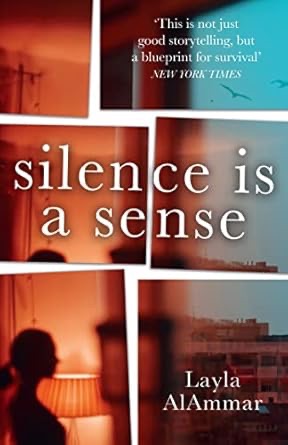
Even though I’m so late reading this book, in a way I’m glad. For the past two years we have been embroiled in the aftermath of the previous government’s decision to house asylum seekers at the the now closed RAF base close by. While many of the community were worried about the issue, our reasons for concern were very different. When a local meeting descended into a heated exchange, it became clear that despite our concerns for the asylum seekers, we couldn’t voice them because of the sheer weight of people strongly opposing the plan for other reasons. Local concerns became lost in the wider debate on refugees. The campaign was targeted by far right organisations that didn’t really care about reasonable concerns, they just wanted to use the opportunity for their own political gain. Known fascists became interested and the gate to the base became a makeshift camp festooned with flags, stop the boats banners and others claiming asylum seekers were paedophiles. It became really hard to drive past and see all this racism and misinformation on the gates of such an iconic base, ironically known for it’s fighting against a fascist regime taking over Europe. We became part of an organisation set up to support the asylum seekers as they arrived into this hostile environment. When the new government changed course with the policy, we were relieved to know that there no longer fascist organisations camping out up the road. This book gave me more insight into a refugee’s journey.
The writer cleverly chooses a fragmented structure to tell her heroine’s story. Named ‘The Voiceless’ she writes about her experience as a way of processing her story and communicating it to other people as far as she can. Her memory comes in snippets, so her narrative moves back and forth in time and might seem a bit sketchy. Imagine everything you have is taken away from you. Your home is rubble, everything you owned that said something about who you are is gone with it. You have no documents to prove your identity or your education. Everyone you have known is either dead or scattered to the wind. She has escaped Aleppo with nothing. If you think about how your belongings, choices of clothing and your photographs say something about who you are, now imagine it gone. How do you keep a sense of self? Especially when you’re seeing or subjected to atrocities like killing, abuse and rape. Your psyche becomes shattered. Our narrator is trying to record those fragments, to bear witness and also to put the bits of herself back together. It might feel strange, even jarring at first but it’s supposed to be. It’s meant to confront and make you think.
The author shows us how she tries to embark on a future and make connections. She’s starting a journey of self-discovery, rebuilding herself in this new environment. She writes from home and watches her neighbours, keeping her eye on them. It’s called hyper-vigilance and it’s hard for her to drop these habits even though she’s now safe. Her muteness isolates her from others, in fact many people assume she’s deaf as well. She takes small steps outside, using the shop and going to the mosque and starts to meet people. Her observations of her neighbours are quite humorous as she gives them names that reflect their behaviour – the Juicer and No Light Man. Her insight into us is brilliant. She has that outsider’s gaze and because she doesn’t want to reveal too much about herself at first, she can use these observations. She writes about the people she sees, the strange way of life she can observe with so much scrutiny because it’s alien to her.
Slowly she starts to process and share her own story. She once had a somewhat privileged upbringing, she was well-educated too but war has left her with nothing. Then there’s the war, loss and the terror of trying to get to a place of refuge; a refuge that isn’t always the safe place it seems. She slowly makes space for new people in her life. I felt like her writing and sharing was helping her heal, remembering the trauma and processing it fully helps make room for growth. As someone who advocates writing therapy I found this so moving. The author has captured this process so beautifully as the writing becomes less fragmented and less about the past. This is such an important story and I’ll be buying the book for a few friends who I know will want to read it and maybe a few who wouldn’t. The sections of her time in Syria and travelling to the UK is so evocative, I defy people not to be moved by the raw truth of her experience.
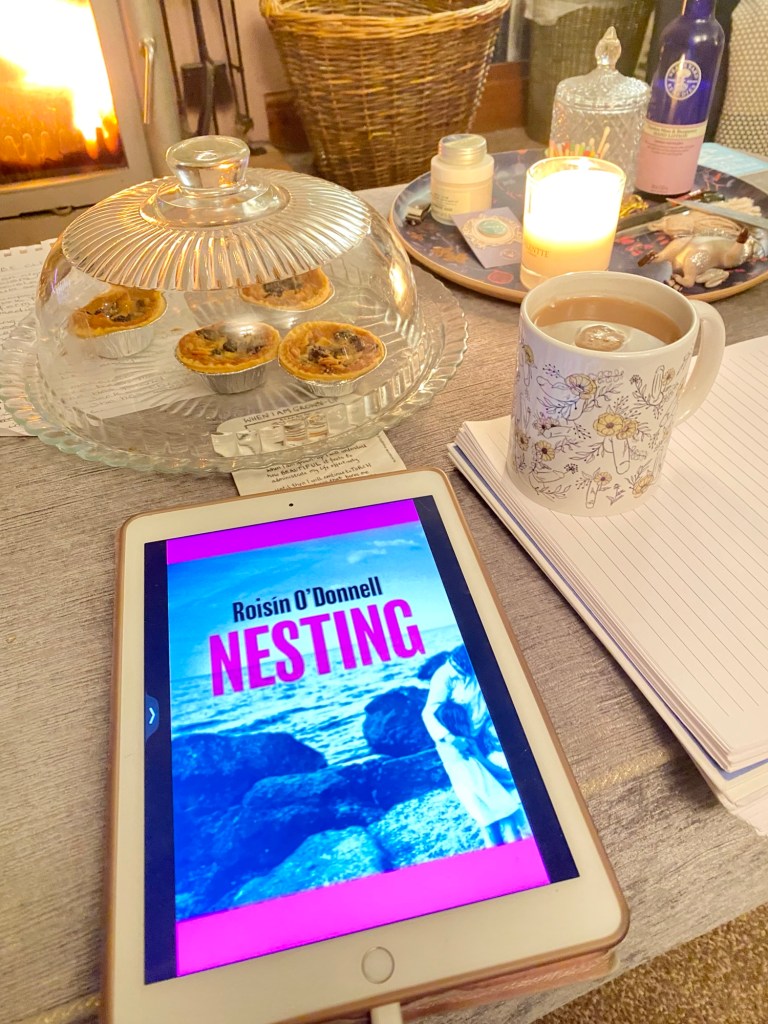
This book was so beautifully written and so deeply painful that I was out of breath towards the end. When I put it down I had to sit in silence for a while and just digest it all. It’s the story of a woman trying to leave a relationship that is tying her down and eating her alive. Everything she was before – bright, intelligent and full of life – has been worn away. Enduring her husband’s treatment, as well as having two children in four years, mean Ciara has had enough. She can see his behaviour as a pattern and despite being absolutely terrified she needs to find the strength to go. Ciara has no real support, her family is Irish but live in London and despite her yearning to see her mum sister the law states that she can’t take the children out of Ireland without the written permission of their father. Her only option is the housing office, present as homeless and hopefully get some emergency accommodation. As she meets other women in the same situation, she founds out that emergency and temporary have a very different meaning to the housing department. They offer her a temporary hotel room, but some women on the floor have lived there for a year so it’s going to be a long slog. This small double room with one bed and no view is the first place they’ve felt even remotely safe, even if they do have to go down a separate staircase so they don’t bump into tourists. Will Ciara have the strength to stay away and build a new life for herself?
Money is something else she needs to work on because she knows nothing will come from him, even when she knows she is pregnant for a third time. They can’t live on what the government provides. It’s only going to cover day to day subsistence and she needs to be able to put money aside, to rent somewhere that’s a new home for them all. She needs to find a place where they can put themselves back together. I loved the solidarity between the women living in the hotel. They work together, being there for each other’s kids when they need to interview or view houses. They make each child’s birthday special, as well as decorating the whole corridor for Halloween and Christmas. Some of the hotel staff help too, particularly the porter Diego. Ciara lands a job doing what she did before the girls, teaching English as a foreign language and having to learn Irish on the side. It’s a hard way to live, having to get about on foot and working on her Irish after she’s put the girls to bed. I was saying in my head ‘please don’t go back’ over and over.
Ciara’s husband terrified me. He follows a pattern, having love-bombed Ciara in a whirlwind romance he changes straight after she moves to Ireland and they’re married. His restrictions and rages, plus the birth of both girls have left Ciara stuck at home, friendless and a constant target. I recognised the fear she was feeling on a daily basis, quietly tip-toeing around him, desperate to avoid igniting his unpredictable rage. Trying to keep her girls shielded from the worst. I have to make an admission here so that you can understand the strength of my reaction to this novel. For four years, after I lost my husband, I was in an abusive relationship. I was incredibly vulnerable and although he didn’t touch me physically I was terrified of him. I was subjected to manipulation, rage and withdrawal of affection all because I was terrified of being left alone. I was so scared he would leave if I didn’t keep him happy and then I’d be left alone with my grief. I’d needed a happy ending so badly, I sleepwalked into a nightmare. I allowed myself to be totally disrespected and abused. I know it wasn’t my fault. He is responsible for his own actions, but I still felt so much guilt about when the relationship was failing. So for me this book was really personal and it was so well-written that I felt Ciara’s story bodily. When I finished my chest was tight and my throat was sore. I felt absolutely wrung out.
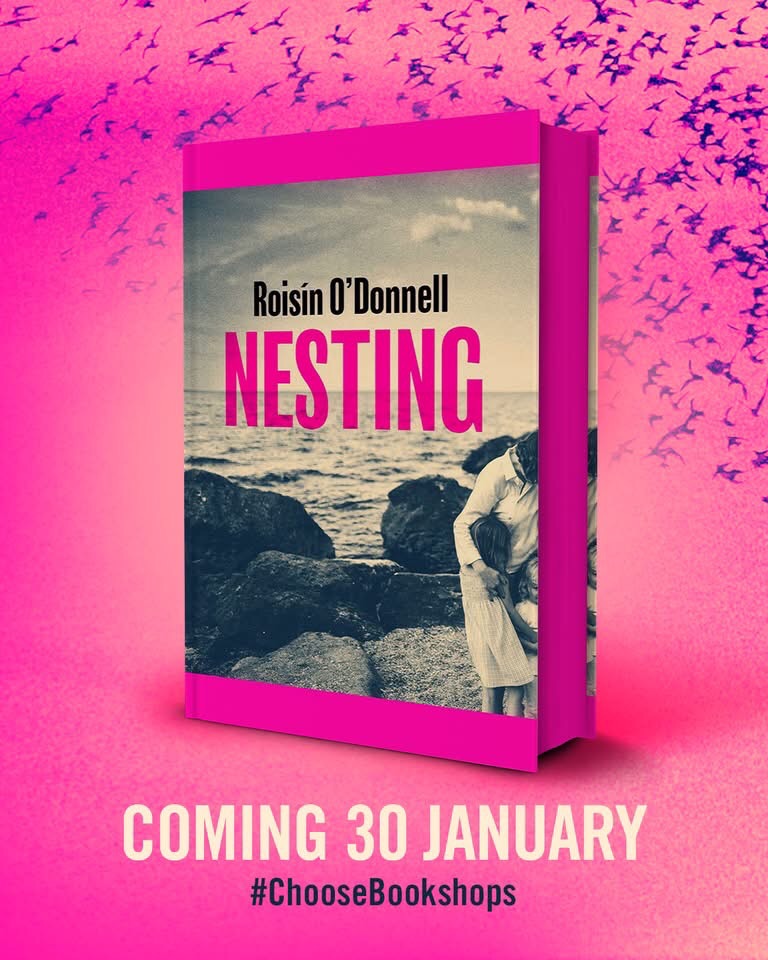
Ciara wondered what would happen when he was awarded visitation by the courts? She knows he won’t hurt the girls but he might use them against her. What if he doesn’t bring them back? This particular fear heightens after she goes into labour early. How can she hand over a completely defenceless baby? It’s clear to see his misogyny when he reacts to finally having a son and I feared that he might keep him. I felt really uncomfortable about the nestling crows he brings home to Ciara when they’re still together. They’re in their nest, barely a few days old and he wants to hand rear them. They are so bald and vulnerable and I was scared he would hurt them, but he seems to enjoy the control he has over these helpless creatures. After Ciara flees he is left with one crow, now feathered and able to leave the nest he keeps it in the house, shitting and shedding feathers everywhere. He tethers it with a long lead outside, showing it the freedom it could have but keeping it for himself. It feels unbearably cruel. It’s such a clever and chilling metaphor. This is not a comfortable read, especially if you’ve been through an ordeal like Ciara’s. What helps is when an author is brave enough to use their own experience or research to get it right for readers who’ve survived abuse. He author has written this so carefully and made Ciara’s life so real that I felt seen. I find that the more I read about other experiences of coercive control and psychological abuse the stronger I feel. Yes, I was left with tension, but I was also left with triumph. It is possible to leave men like this. It’s possible to live a full and happy life. I read on hoping with all my heart that Ciara would make it through and build a new life for her and her children. Underneath my fear I was storing up hope for her. I hoped she knew how much strength she had. She could leave. After all, I did.
Out on 30th Jan from Simon & Schuster
Meet the Author
Roisín O’Donnell is an award-winning Irish author. She won the prize for Short Story of the Year at the An Post Irish Book Awards in 2018, and was shortlisted for the same prize in 2022. She is the author of the story collection Wild Quiet, which was longlisted for the Edge Hill Short Story Prize and shortlisted for the Kate O’Brien Award. Her short fiction has featured in The Stinging Fly, The Tangerine, the Irish Times and many other places. Other stories have been selected for major anthologies such as The Long Gaze Back, and have featured on RTÉ Radio. Nesting is her first novel. She lives near Dublin with her two children.
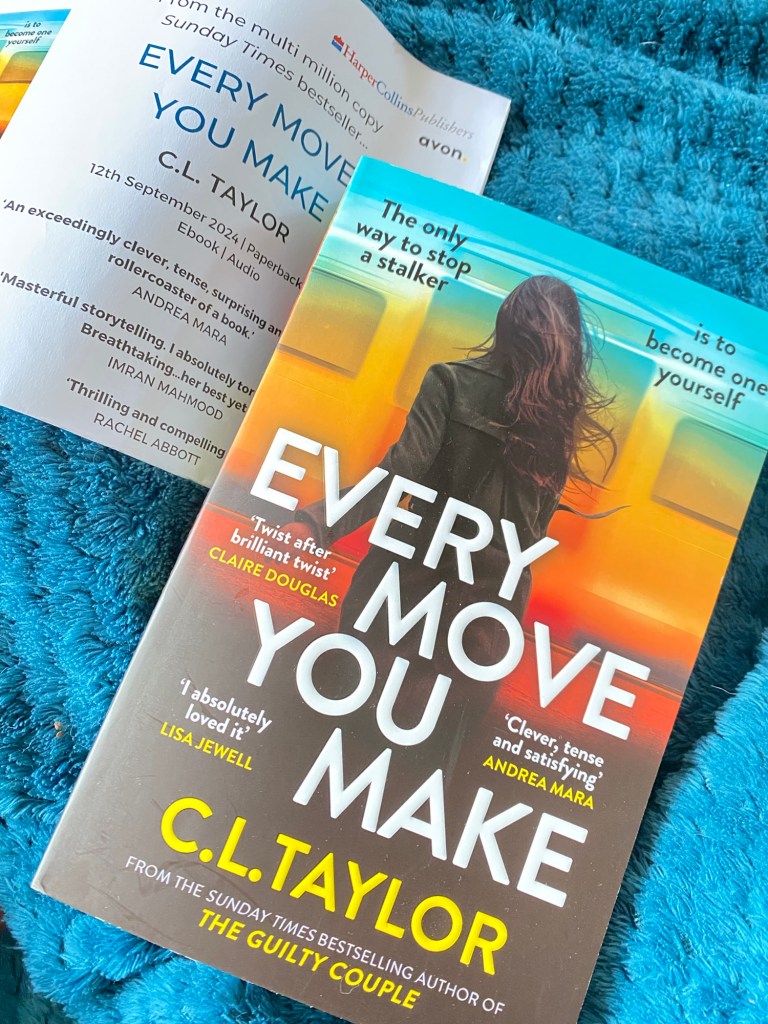
Alexandra, Lucy, Bridget, River and Natalie. Five friends who wish they’d never met. Because the one thing they have in common is the worst thing in their lives: they are all being stalked.
When one of their group is murdered, days after their stalker is released from prison, time stands still for them all. They know their lives could end just as brutally at any moment – all it takes is for the people they fear the most to catch up with them.
When the group receive a threat that one of them will die in ten days’ time, the terror that stalks their daily lives becomes all-consuming. But they know they don’t want to be victims anymore – it’s time to turn the tables and finally get their revenge.
Because the only way to stop a stalker is to become one yourself…
After starting the novel with a tense and terrifying narrative of a woman being stalked, the author jumps forward and shows us how the loss of Natalie has affected those around her so deeply. For a handful of mourners, her loss is a terrible reminder of how they met and increases the fear of their own fate. Natalie’s friends tell their stories through the WhatsApp group they share. Alex, Lucy, Bridget and River are all victims of stalking. They formed their group to support each other and as a way of looking out for each other, using it to check in when outside their homes and when they return. However, when a very clear threat is made against them, they have to protect themselves. What lengths will they go to? The structure takes us between characters giving us a little bit of their story each time. Each of their stories slowly weaves together to create a whole; the phrase ‘one more chapter’ is very apt for this book. Sometimes you get caught up in a particular story, reach a cliffhanger and realise you have to read through three more chapters to find out what happened. It’s a interesting mix of characters, choosing women of different ages and a man shows us that it’s not only young women who are victims of stalking. I could sense that there were secrets to unearth with all of them and I found myself unable to fully trust anyone. They were complex and I thought the author explored their character and the group dynamics really well. I found myself switching between who I mistrusted and why. This suspicion did ramp up the tension not to mention the thrilling action scenes.
The other aspect of this novel that is brilliantly executed is the description of the psychological impact that the stalking has on each character. We can see each character dealing with their situation differently, based on their personality, past experiences and who is stalking them. Some know exactly who their stalker is, while others are stalked by a complete stranger. The author manages to put across the constant vigilance, that feeling of always looking over your shoulder and the fear of what the stalker might do next. She shows how some stalkers escalate, keeping their victim behind closed doors, terrified to venture into the outside world alone. There’s also an element of victims taking their power back and carrying out acts of retaliation. The remaining four of the group do this by tagging their stalkers so they can monitor their whereabouts at all times. To do this without the stalker realising is incredibly dangerous. As each chapter counts down to the potential murder of one of the victims, the sense of fear really does set in and keeps those pages turning.
Reading this in the same week that Louise, Hannah and Julie Hunt’s killer was found guilty of their murder really hit home. Misogyny and violence against women seems to be on the rise at the moment. Often violence follows months or even years of abuse, coercive control and stalking. It also seems that women are losing trust in the system that’s designed to protect them, especially since Sarah Everard was killed by a serving police officer. Here the characters are avoiding telling the police and I was left wondering it was disillusionment with the police force or whether some characters had something to hide. For the person who once professed to love you, to exhibit such abusive behaviour, must be terrifying. In fact it is often walking away from the relationship and cutting off communication that leads to escalation, just when the victim is settled and starting to feel safe again. The author’s writing brings the truth of this issue to light, because it shows how important it is to have all the parts of a story. The problem is, stalking is often a case of one person’s word against the other. The book’s structure shows how one person’s account either illuminates or throw suspicion on someone else. Whether they’re guilty or not can depend upon their eloquence and ability to charm others. This is such a timely novel and it was interesting to read how the author’s research and personal experience informed her story. For me it was this personal insight that made her story feel so authentic.
Available now. Published by Avon Books
Meet the Author
C.L. Taylor is an award winning Sunday Times bestselling author of ten gripping psychological thrillers including EVERY MOVE YOU MAKE, a Richard and Judy Book Club pick for autumn 2024, THE GUILTY COUPLE, (Richard and Judy Book Club 2023) and SLEEP (Richard and Judy Book Club 2019).
C.L. Taylor’s books have sold over two million copies in the UK alone, hit number one on Amazon Kindle, Audible, Kobo, iBooks and Google Play, and have been translated into over 30 languages and optioned for TV.
Her books are not a series and can be read in any order:
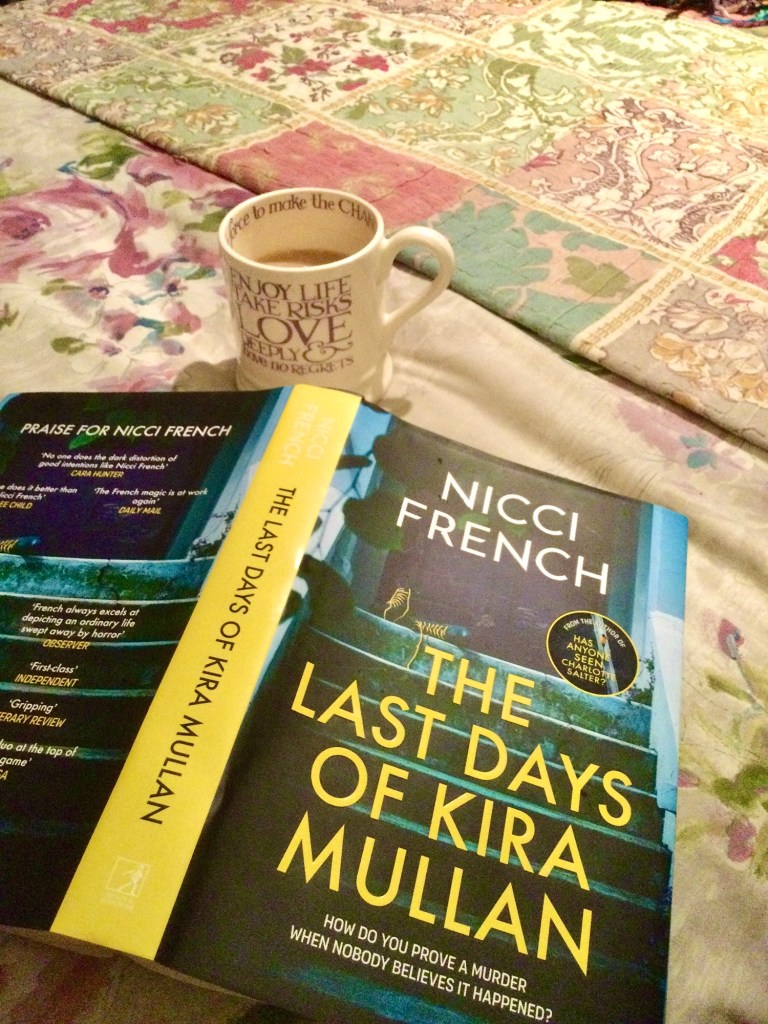
I always jump at the chance to read a new Nicci French book. Also they’re so prolific that it’s easy to find earlier novels in charity shops. This novel is set in a Victorian house split into flats and it’s newest residents are Nancy and her boyfriend Felix. Nancy is recovering after a psychiatric episode and a stay in hospital. Thankfully her voices have subsided but she’s fragile and moving to a new part of London has been destabilising. After venturing out for a walk she starts to experience voices again and in her confusion she rushes back to the flat. At the front door she bumps into a young woman wearing very striking green boots with yellow laces. The woman speaks to Nancy but it doesn’t make sense and it doesn’t help that she’s trying to distinguish between which voices are real. All she knows is that the woman was distressed and possibly needed help. Only 24 hours later the young woman is found hanging in the basement flat. Her name was Kira Mullan. Everyone seems sad that Kira committed suicide but for Nancy, something feels off. She isn’t sure that Kira did kill herself. How can she convince the others that she’s telling the truth when nobody trusts her?
This novel was absolutely gripping with brilliantly written main characters and a haunting central victim in Kira. I loved the idea of following the story through Nancy who has been struggling with her mental health and a clever, perceptive detective in Maud. The authors have cleverly placed Nancy on shifting sands – not only has she had a period of psychosis but she’s moved house and into an entirely strange area of London. She’s also lost her livelihood as a chef and could be living in a building with a murderer. She’s also without a touchstone in her life. I know exactly who to go to and ask whether I’m the asshole? I have friends who will tell the truth about whether I’m over-reacting or if something is genuinely wrong. This was invaluable when I found myself in an emotionally abusive relationship. I’d hoped that Nancy’s boyfriend Felix would be that person but I’d noticed a few red flags. He’s very attentive and seems to want her wrapped up in cotton wool, but Nancy is doing all the right things. On the day after she’s heard voices she asks to see the psychiatrist who changes the dosage of her medication and goes for counselling. She’s resting and doing her breathing exercises. In fact there’s very little else she can do. The authors leave us constantly wondering about her; is she paranoid or are the other residents out to get her?
Felix claims he only wants people to look out for her but Nancy feels like her space and autonomy are being encroached on. Felix tells the other residents everything about her history, including the psychosis, even the doctor who lives across the hall. He even gives next door neighbour Michelle their door key so she can let herself in, much to Nancy’s shock. His actions have actually left Nancy more vulnerable, leaving her open to abuse from others that they can deny. Who’s going to believe the mad girl? Nancy doesn’t think she’s paranoid but can see that her actions might seems excessive: she goes through Kira’s bin; steals a used condom from the flat and goes to look at the apartment with an estate agent; she also tells the police and Kira’s mother that she doesn’t think it was suicide. Just as she thinks she’s getting close to answers she is sectioned again after Michelle informs Felix that she threatened her. The authors show us how vulnerable mentally unwell women are in the care system and NHS, even though they’re designed to protect them. Not only is her liberty taken away and she’s prey to unscrupulous carers and nurses. In this upside down world, the more she protests her sanity the worse things become. She loses whole days to medication and is told by one male nurse that her life would be easier if she was ‘nice’ to him. So Nancy bites him. She has only one choice here. Be obedient, ignore the barbs and smile sweetly through visits she doesn’t want. It’s the only way she’ll be free.
I loved the relationship between the detective Maud and Nancy. Maud is so perceptive and their experiences do mirror each other in a way. Maud knows that as a woman in the MET she is in the minority and she’s fully aware of the type of man that can be hiding behind a uniform or a title. In their respective institutions Nancy and Maud are trapped within a system they can’t change. Maud knows that if she becomes emotional or passionate about a particular case she will be seen as an irrational or hormonal woman. If she’s assertive and asks for what’s rightfully hers she’ll be called a bitch. In order to get the cases she wants and stand up for women like Kira and Nancy she has to play the game. It seemed to me that Maud saw the red flags with certain people whether in the flats or the house next door. She never holds Nancy’s illness against her and accepts that although she’s been struggling, she still might have something useful for solving the case. She also has a network of women within the system who will do her favours, such as looking over autopsy results and giving a second opinion. I loved the way she handles herself and her confidence in very dangerous circumstances. This was a gripping and psychologically brilliant read. I’d didn’t work out all of what had happened in Kira’s final days but the end was satisfying and I reached it very quickly because this is quite the page turner.
Out in hardback from Simon & Schuster on Jan 16th 2025
Meet the Author
Nicci French is the pseudonym of English husband-and-wife team Nicci Gerrard and Sean French, who write psychological thrillers together.
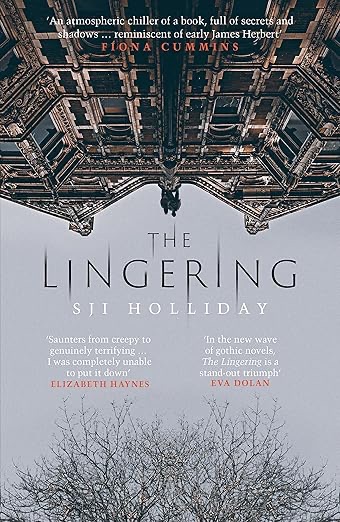
In the free reading time I have towards the end of the year I’ve chosen to read the back catalogue of a few authors and S.J.Holliday happened to be someone I was really interested in. I love most of Orenda Books’s authors and I first came into contact with them through S.J. Holiday’s book Violet, which was one of my first ever blog tours. I loved the psychological aspects of the book and the way the author saw women as they really are – the heroes of their own stories, making autonomous decisions with the potential to be just as violent and chaotic as a male character. I’ve had The Lingering on the shelf for a while, but something made me take it down last week to read while soaking in the bath. Ali and her husband have made a huge decision. They’ve sold up almost everything they own and joined a commune of people living in what was an old psychiatric unit. At first they’re unsure of the group and their surroundings, but as her husband starts to settle in, his wife Ali seems less able to. Is it the strange house, with it’s abandoned wing full of old psychiatric equipment? Is it the sceptical locals? Or do Ali and husband Jack have dark secrets of their own?
The setting of this story is so gothic and atmospheric, with a dark history that slowly reveals itself both through local’s stories and the things left behind – physical and paranormal. Angela, the other narrator in our story, is the keeper of these stories and an amateur investigator of the paranormal. She has the house wired with sound equipment and cameras, particularly those areas where her sixth sense starts tingling. One of those areas is the bathroom adjoining Ali and Jack’s new bedroom, but also in the attic room above. I was slightly alarmed by the way she was watching the new couple, in a detached way almost like they were animals in an experiment. She seems like a new age, tree hugging, ethereal type of woman who has really bought into the ethos of the community. Ali notices her reverence in the rituals they share as a group and in the meditation sessions. Her name outlines her role within the group, she is the angelic and slightly naïve little sister to the others. Yet there is another side to her, the side that enjoys the stories told by locals like Mary in the shop about the house’s witches and the later rumours surrounding the asylum. She seems to enjoy the intrigue and proves to be quite the detective when it comes to Ali and Jack, showing a sneakier and unpleasant part to her character. The house itself is a labyrinth, with secret rooms and endless corridors. That strange juxtaposition of the natural and the man made felt wrong. All the hospital equipment and furniture just sitting there as if still being used, whilst the outside elements and nature are starting to encroach inside left me feeling uneasy. I felt as if any moment Ali or Angela might look in the mirror and see a busy ward behind them, like a glimpse through time.
In my closest city of Lincoln there is an old Victorian asylum on the outskirts, now slowly being developed into residential spaces. For years it remained deserted and derelict, with a strange aura around it. I wouldn’t have been surprised to see a 19th Century nurse at one of the broken windows, because it was untouched all that energy still seemed present. Local explorers did search around inside and take pictures of the iron bedsteads and old medical equipment just lying around as if someone had only just left the room. The mould, piles of rotted leaves, cobwebs and dirt added to the sense of abandonment. You certainly wouldn’t have found me in the there at night! This was exactly what was running through my mind as I was reading and it set me on edge. This house felt as if some parts were inhabited by the living and others by the dead. I won’t spoil the scary moments for other readers, but Ali’s first experience as she climbs into the bath after their long journey would have sent me running back up the drive. It has double impact because not only is it inexplicable, it’s an echo back to events that really happened in the house’s past, events that are haunting even without their ghostly context.
I didn’t trust anyone after a few chapters, despite at first happily reading Ali’s experience and trusting her account. As a reader I’m used to fictional communities like this being sinister under their surface mantras of love and light. Yet Angela makes discoveries that put the couple’s story in doubt and I began to wonder about Jack. What had forced these people to leave behind two respected professions and could it have something to do with a box of hidden news cuttings? One of the most tense sections of the book had nothing to do with the paranormal and involved some of the villagers. Late night Ali notices a 4X4 vehicle coming up the drive with a large lantern on the roof and several men inside, most of them holding a gun. As she goes outside to confront them they explain that they’re merely ‘lamping’ nearby and have an agreement to flash their late at the community leader’s bedroom window so he knows they’re nearby. Much as it seems ridiculous to flash a light in someone’s window so you don’t disturb them, their excuse is a plausible one and it’s something I often see in the fields surrounding us. Yet there is an undercurrent in their conversation with Ali and when explaining what happened she does reference Straw Dogs, a violent 1970’s film where an academic and his wife move to the country and are terrorised by the villagers. However, her reaction is excessive and made me wonder what had happened in the past to trigger her that way. The author flips us between Angela and Ali, building the tension towards some sort of confrontation. Will Ali find out that Angela has been watching them and explode or will Angela’s snooping reveal something dreadful about the new recruits? I loved the hauntings, especially the emotive little child’s wet footprints that dot around the place. Do these apparitions have a malign purpose or are they simply trapped in a place where traumatic events play over and over like a continuous cinema reel? This is a brilliantly tense and spooky read that seems perfect for autumnal evenings, but might put you off baths for a little while.
Out now from Orenda Books
Meet the Author
Susi (S.J.I.) Holliday is the bestselling Scottish author of 11 novels, a novella and many short stories. By day she works in pharmaceuticals. She lives in London (except when she’s in Edinburgh) and she loves to travel the world.
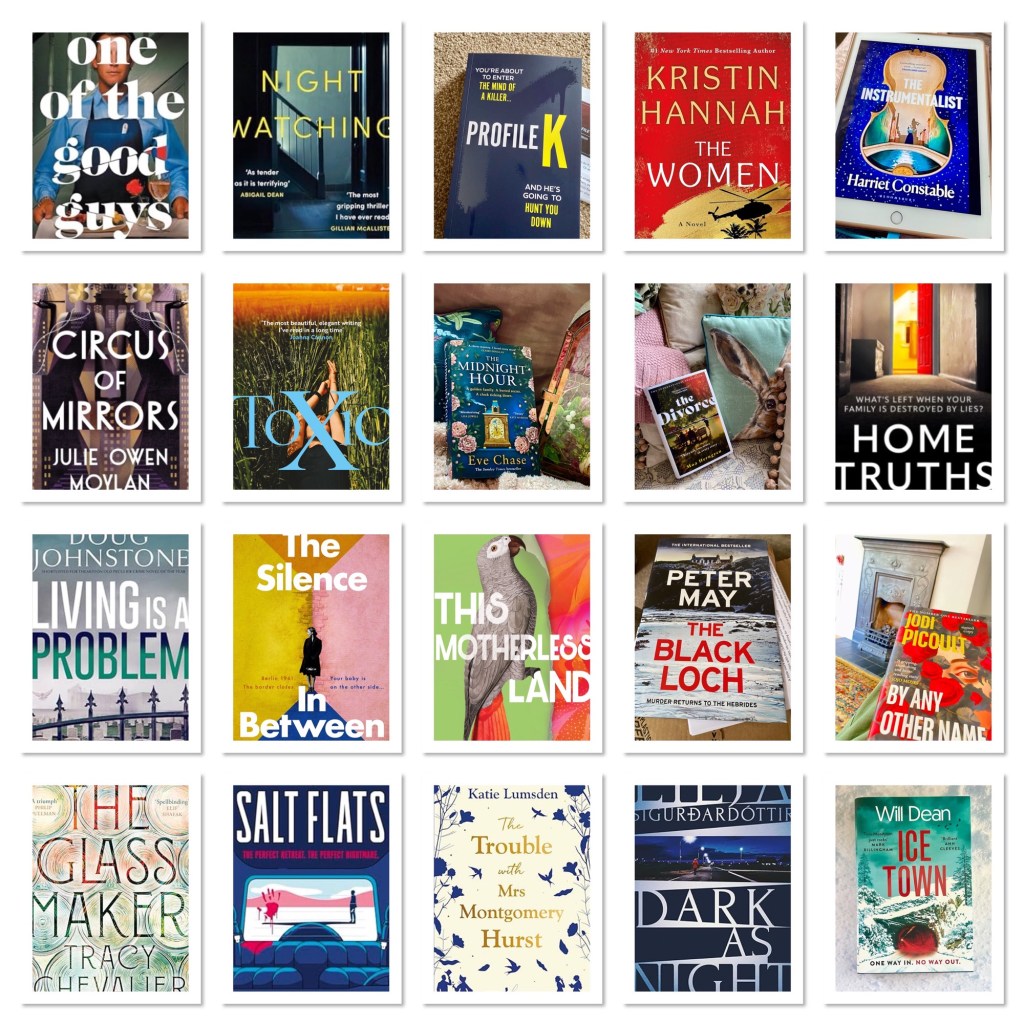
For the last four years I’ve been choosing my favourite books of the according to the year – Top 23 of 2023. I realised that would have to stop, otherwise I’d be doing my top 30 in a few years and that would be ridiculous. So I’ve limited myself to 20 and it’s been so hard. I’ve had to be ruthless. I enjoyed every one of these books, despite their different genres, because of the psychological elements: anxiety about the state of the world; relationship dynamics; becoming radicalised; events from the past marring the future; what makes someone kill; growing up with loss. Also, as you’d perhaps expect considering everything we have to worry about in today’s world, there are allusions to climate change, anti -vaxxers, pandemics, war, misogyny and violence against women, the wellbeing industry and psychological problems. There’s so much to wrap your reading brain around here so I’m going to whet your appetite…
This Squad Pod read from early 2024 kept me on the edge of my seat throughout. It was like a breath of fresh air. Cole is a great husband to wife Melanie, in fact he would definitely say he’s one of the good guys. So when his marriage ends he can’t understand what he’s done wrong. In the aftermath he moves to an isolated coastal area and meets artist Lennie who lives in the cottage on the cliff. Soon they’re tentatively embarking on a relationship, but when two activists go missing during their coastal walk to publicise violence against women it disrupts everything and the police are starting to ask questions. The twists in this book are brilliantly executed and totally unexpected. It’s daringly different and left me so much to think about.
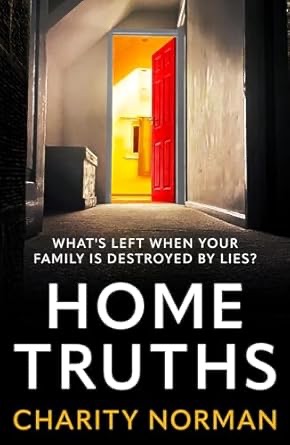
Charity Norman always leaves us with a lot to think about, but this latest novel was particularly thought provoking. Scott and Livia have two children and are always on call to help Scott’s brother, who has Down’s Syndrome. It’s Scott’s inability to help his brother one Saturday morning followed by his sudden death that starts a downward spiral. One careless comment about his brother’s care sets Scott on a search for answers, branching into medical conspiracy theories and the dark web. So when son Noah falls ill, Scott has an online community ready to feed into his distrust and his grip on reality starts to slide, dragging his family with him. As their marriage begins to fall apart, Livia can’t support or even understand her husband’s perspective. In fact he’s become a danger to his children and she must protect them, whatever it takes. This is a brilliantly drawn study of how social media can lead to obsession and allow sinister, unscrupulous people to take advantage of those who are vulnerable. It’s also a painfully accurate depiction of marriage breakdown and a perfect book club choice.
This was another book where marriage breakdown is depicted in painstaking detail. It reads like a thriller where different perspectives and revelations constantly change our perceptions of a situation. It’s like a whodunnit, except the death we’re mourning is the death of a relationship. Bea and Niklas have been together for thirty years and live a comfortable life in Stockholm with their children. Yet one night, after what feels like a trivial argument Niklas walks out and doesn’t come home. Weeks pass where Niklas takes a break and Bea is constantly pushing for answers, but when he returns to their flat he stuns Bea by asking for a divorce. For Bea this has come completely out of the, but is it as unexpected as she claims? Bea narrates the first half of this novel and halfway through the narrative returns to the beginning and Niklas tells us his version of events, which is very illuminating and may change the readers mind about their marriage. This is a simple device that works to devastating effect. I felt genuinely sad for this couple, because neither of them are bad people. It explores boundaries and the unhealthy reasons people can end up together. It’s also a response to grief, beautifully played out over decades. Utterly brilliant.
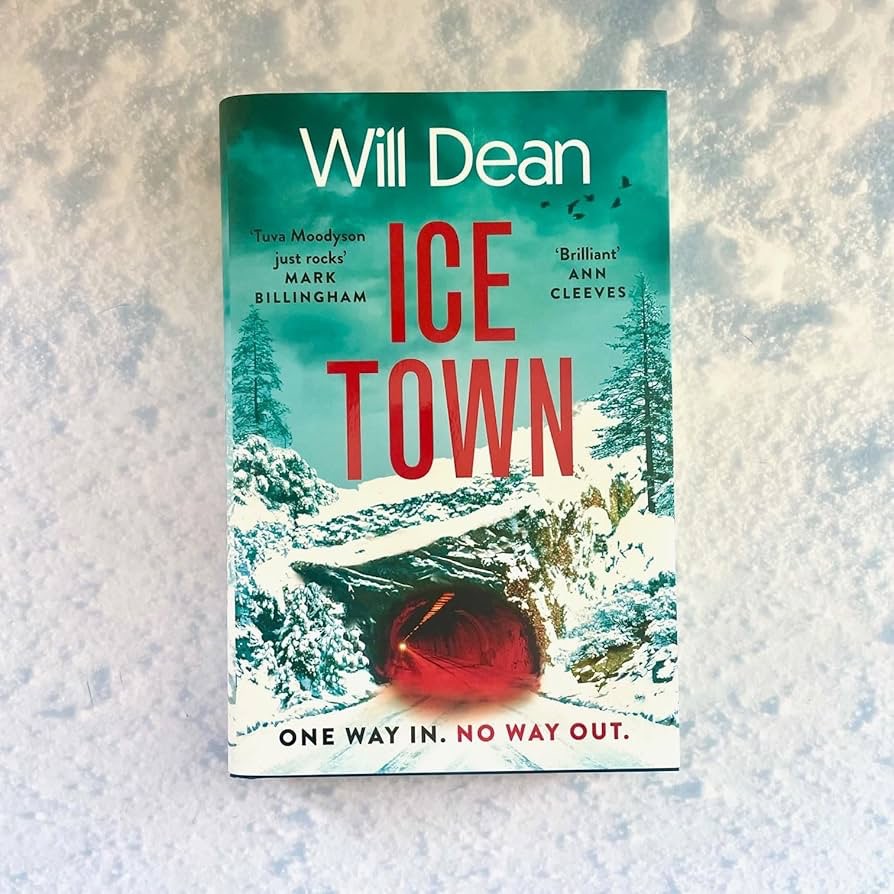
This is the fifth instalment of Will Dean’s Tuva Moodysson series and it was an absolute cracker. Tuva is investigating further north from Gavrik to an even more isolated town on the edge of the arctic circle. Essleburg is a town where everyone knows everyone else and there’s only one way in or out. A huge tunnel under a mountain provides access to the town, but closes down at night. Once you’re in, you’re in for the night and so is everyone else. From her hotel room at the sun-bed store Tuva sets out to look for a missing teenage boy, drawn by the fact that he is also deaf. But when bodies are found Tuva must face facts, the boy could be one of the victim and if not, could he be the killer? With it’s usual quirky characters and alien landscape, Tuva’s world is as isolating as it is disorienting. As usual Will Dean knows when to ratchet up the tension and when Tuva is in danger it’s absolutely heart-racing stuff.
As all of you know I’m a massive Skelf fan and this addition to the series was brilliant. Every Skelf novel begins with a funeral and they rarely go off without a hitch. This one is no exception, with a drone buzzing the ceremony and it’s guests. Could it be to do with the deceased or has someone got it in for the Skelf women? Jenny’s case follows on from the last book and the cops they investigated for sexually abusing young girls in the travelling community. Both are inexplicably out on bail and Jenny likes to know where they are at all times. Daughter Hannah’s case concerns Brodie the new recruit to the undertaking business. Brodie finds strange scrabbled marks around his baby son’s grave and Hannah sets up a camera, but when told that Brodie hears voices she wonders if he might have gone to the grave and acted subconsciously. Dorothy’s case comes from her involvement with a community choir that includes some Ukrainian war widows. One of the women, Yanna, has gone missing. Her husband Fedir was killed over a year ago and now she’s left her two small children with her mother-in-law. Could she have returned to Ukraine to fight, or has something happened to her? Each of the Skelf women feel vulnerable this time and I felt like the author was playing on my emotions a little. I could sense we were on the verge of a huge change and it left me on tenterhooks throughout.
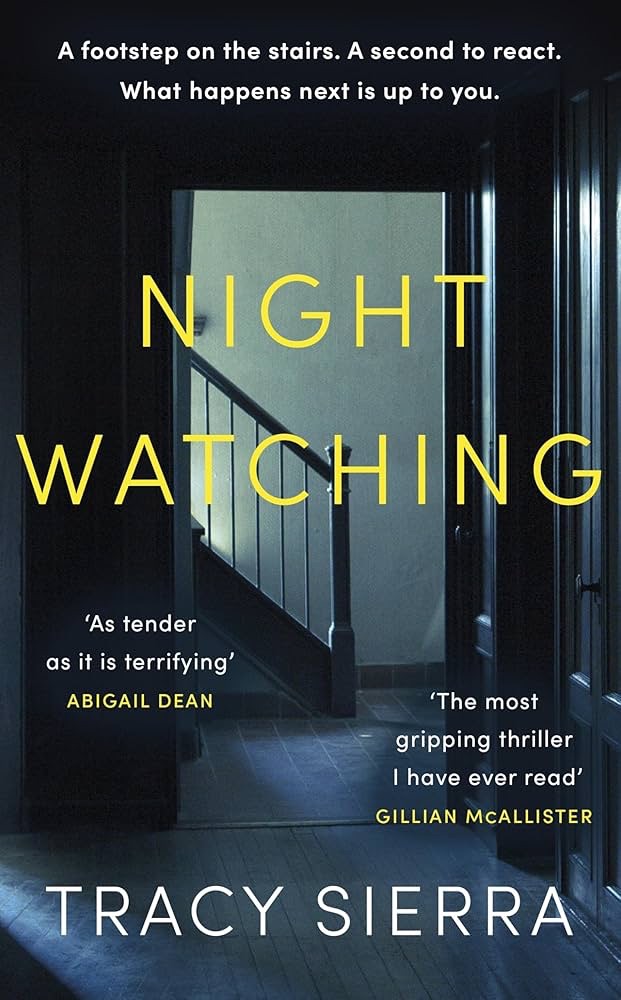
I absolutely loved this book. From the very first line – ‘there is someone in the house’ – this book grabs you and never lets go. Our narrator is at her secluded home with her two small children in a blizzard. The sound she hears is a familiar one, a tread on the stairs to her room, but it’s unusually heavy and slow. She has a split second to make the decision – does she hide, try to run or stay and fight. Will all three of them get out alive and if they do will anyone believe her? The first thing that hit me about this book was the unique the narrator’s unique voice. We see everything through her eyes and experience everything her body goes through – the heart-stopping tension of that first night with it’s immediate threat renders everything else unimportant. I should trust what she is experiencing. It’s just so incredibly odd. This tall intruder seems to have two voices: one is harsh and angry the other is soft, wheedling – a voice you might use for children as he asks them to ‘come out little pigs, little pigs are more delicious’. Her little girl identifies him as ‘Corner Man’ from her nightmares. Often sitting in the corner of her bedroom at night whispering to her. My heart was in my throat at this point! Was he real or something supernatural? Could he possibly be real if this is true? Yet I wondered if this overwrought mother is imagining this person, but that opens up a more frightening prospect – is she hallucinating and terrorising her own children with her delusions. The author plays with the reader beautifully from start to finish.
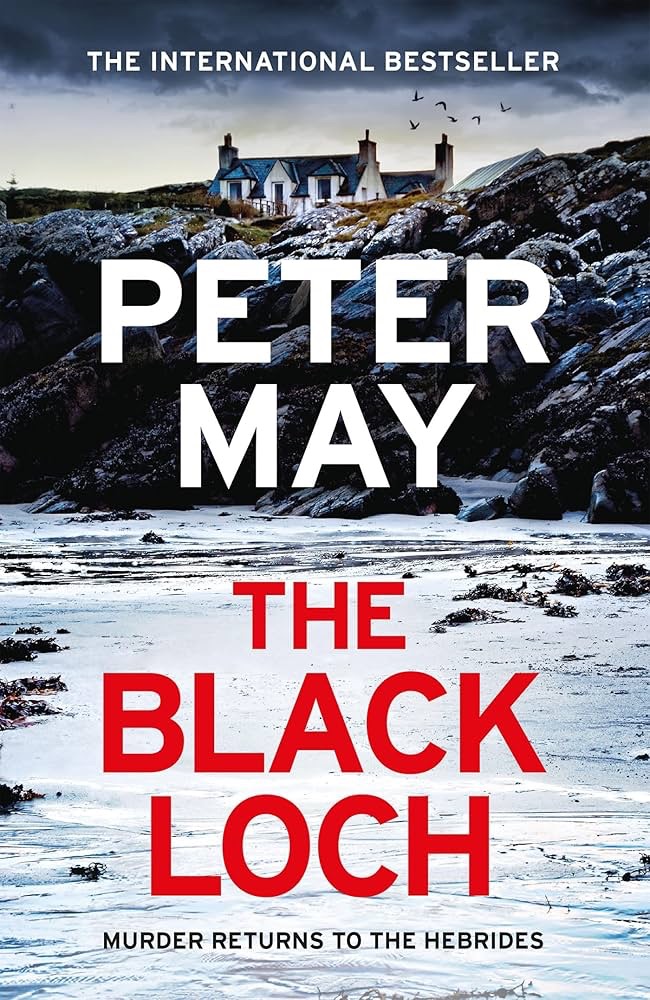
Surprisingly this was my first Peter May novel and is a sequel to his crime novels set in the Hebrides. Once a detective and now retired, Fin is drawn back to Lewis by family, when Caitlin Black’s body is discovered on a remote beach. Only eighteen years old, Caitlin was a student at the Nicholson Institute. When it emerges that she was having an illicit affair with Fionnlagh McLeod, her teacher and a married man twenty years her senior he becomes the prime suspect and is arrested on suspicion of her rape and murder. He is also Finn’s son. He must return to Lewis to support his daughter-in-law and granddaughter. He must also, despite the evidence against him, that he must try to clear his son’s name. As Fin travels around the island, he is drawn into past memories and soon realises this crime has echoes back into his own teenage past on the island. A terrible accident at a salmon farm caused two deaths, just as they started to expand on the island and become a multi-million pound industry. This is Finn’s journey, of family ties, secret relationships and the bleak and unforgiving landscape, where violence, revenge and old loyalties converge.
Frances McGrath is your typical All American teenage girl, living with her family on Coronado Beach, California. She has memories of growing up on that beach, swimming and surfing with her brother Finley. She is from a good family and expectations are that she will have the ‘right’ marriage and become a mother. However, things change when Finley makes a huge decision; he decides to enlist for Vietnam. It’s no surprise that he might go into military service at some point. Frankie’s dad has a wall in his office called the ‘Hero’s Wall’ where every family member’s military service is celebrated with cuttings, photos and medals. All the men, anyway. Yet not many of their friends and family members have sons who’ve voluntarily enlisted for Vietnam. There are ways of avoiding the draft, depending on who you know. Yet Finley enlists of his own accord, possibly believing the American government’s assertions that they must fight communism in Vietnam, lest it become even more widespread. Within weeks there’s a knock at the door; Finley has been killed in action. In a whirlwind of grief Frankie starts looking into her options. She wants to honour her brother and become a hero worthy of her father’s wall. Both the Air Force and Navy need a nurse to complete a long period of training before they’re posted to work in the field. However, if she enlists in the US Army, they’ll post her out to Vietnam after basic nursing training. Much to her parent’s shock Frankie is soon on her way to Vietnam. This is an incredible story about the horrors of war, falling in love and giving voice to the women forgotten in military history.
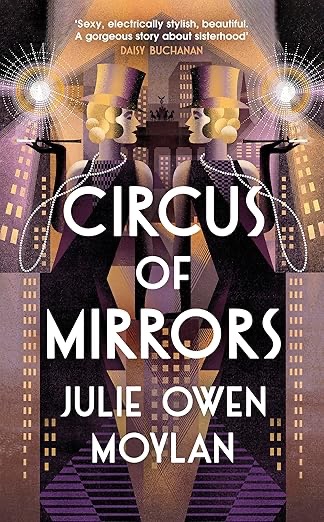
There have been some incredible historical novels this year, but I really was blown away by this story set just after WW1 and progressing to the mid-twentieth century. Two German sisters, Leni and Annette, live in Berlin and when we first meet them they’re in dire straits, living in a makeshift shelter in an abandoned garden. Thanks to war and the influenza epidemic they’ve lost their family. Leni gets a chance to earn some money at a notorious and rather seedy cabaret club called Babylon Circus. The naive and rather shy Leni becomes a cigarette girl in a second hand and pinned costume that just covers her modesty, but she is at first shocked by what she sees. With shades of the musical Cabaret the author creates a club that is a mirage of clever lighting, fairground mirrors and risqué musical numbers. It’s enchanting by dark and unwelcoming by day, but it doesn’t matter because this is the type of fun that can only be had at night. Everything is overseen by owner Dieter, a man with his own disguise having left half his face on a battlefield. When pianist Paul arrives, he and Leni start to gravitate towards each other. But Paul has a plan to leave Berlin and he would like to take Leni with him. We then move forward to the Cold War and a divided Berlin, where Annette has travelled from America to visit her sister and niece. The tensions and secrets of the Babylon Circus years still hang over the sisters, can they come to terms with the choices they made back then? Can Leni find a second chance of happiness? The author depicts her characters and the time period perfectly, with so much atmosphere. It’s an absolute must read.
Another amazing story set in Berlin is Josie Ferguson’s The Silence In Between. Imagine waking up and a wall has divided your city in two. Imagine that on the other side is your child…
Lisette is in hospital with her baby boy. The doctors tell her to go home and get some rest, that he’ll be fine. When she awakes, everything has changed. Because overnight, on 13 August 1961, the border between East and West Berlin has closed, slicing the city – and her world – in two. Lisette is trapped in the east, while her newborn baby is unreachable in the west. With the streets in chaos and armed guards ordered to shoot anyone who tries to cross, her situation is desperate. Lisette’s teenage daughter, Elly, has always struggled to understand the distance between herself and her mother, but perhaps she can do something to bridge the gap between them. What begins as the flicker of an idea turns into a daring plan to escape East Berlin, find her baby brother, and bring him home. The author takes us effortlessly back and forth in time to understand this family and my heart kept breaking for them over and over for. While I struggled to read it at first, I’m so happy that I went back to it because it was breathtaking. It was as if someone had bottled both moments in time and simply poured them onto the page, raw and confronting. This is an absolute must read for historical fiction fans and a book I will definitely go back to in the future.
Thanks for reading part one. Part 2 is coming tomorrow.
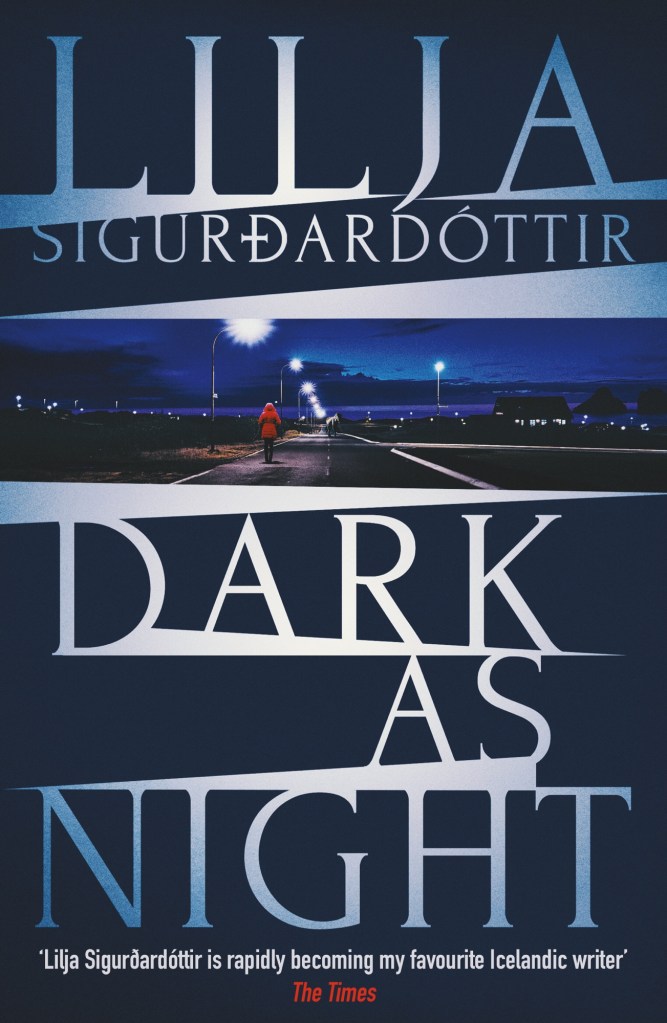
I always look forward to a new book in the incredible Àrora series and this one really delivers! It takes two long-standing mysteries in the novels and sheds new light on everything we thought we knew. The disappearance of Àrora’s sister was the only reason she came to Iceland from the UK. She works as a financial investigator, usually in the area of tax. She’s built a life here, including a relationship with detective Daniel. Now she’s contacted by a woman who says her young daughter has memories of being Arora’s sister Isafold and they’d like to meet with her. Àrora is a straightforward and rational woman, but I remembered those lonely months where she trawled old lava flows with a drone, based on nothing but a feeling. She knows that Isafold is dead but finding her has been a compulsion for so long. How can she ignore what this little girl has to say? Lady Gugulu has been living in Daniel’s garage conversion for a long time. Once a science student and potential academic, he leads a quiet life and makes his money performing as a drag artiste. He and Daniel have become close so he’s shocked to find that his tenant has suddenly vacated the garage without a forwarding address. When three men turn up, Daniel has a sense that they’re investigators or secret service. Whoever they are, they’re leaving no stone unturned. A black eye and split lip later, he enlists Àrora to look into his friend’s finances in the hope of finding his whereabouts.
In turn Daniel convinces his superiors to take another look at the missing person case opened on Isafold and her violent boyfriend, nicknamed the ‘Ice Bear’. He also wants to look into the parents and background of the little girl who knows things only those closest to Àrora and her sister would know. How does she know these details and could she possibly be genuine? I loved how the author played with doubt and belief when it came to this little girl. Àrora is very shocked that she knows Bjorn’s nickname and that their father called Àrora his troll girl and Isafold his elf girl. Their father was a weight trainer and Àrora definitely took after him. She still trains and is currently trying to increase her lifting weight. She’s been having steroid injections but knows they’re having an affect on her libido and emotions. She’s been irritable and takes her moods out on Daniel at times. Now she’s transfixed by the little girl and genuinely feels like she’s back with her sister when they meet. Every time they talk I felt she left Àrora on a cliffhanger. Just when Àrora is trying to stay rational, she reveals something that only Isafold could know, even confirming that Àrora is right and her sister is lying in black lava. Daniel is sceptical and suspects the parents of coaching their daughter. He brings in a child psychologist and I was absolutely glued to their session, dying to see what would come next with so many unexpected twists!
I’d always been intrigued by Daniel’s lodger but I’d never imagined this background and I was so worried for him. Having been treated to a second visit from the men in black, Daniel knows he’s dealing with either foreign agents or interpol. The best thing is to put Àrora on the trail and as she sets off to the Canary Islands to talk to Lady Gugulu’s mother. She’s suspects he’s used several identities over the years, but what exactly is he running from? As the men in black turn over the whole garage, Daniel gets the feeling they’re not just looking for his friend, they’re looking for something. It’s great to see Daniel and Àrora going the extra mile for each other in their investigations. There’s an incredible trust built up between them, because these people are so precious to them and the outcome of the investigations could be life-changing. They’re also confronting a reality that stretches their credulity: Daniel has to suspend his disbelief around all things mystical. He sets out expecting to find a rational explanation for the little girl’s apparently supernatural knowledge, treating the family as suspects rather than witnesses. I was glued to this part of the story, truly expecting evidence that they were scamming Àrora in some way. Similarly the revelation that Lady Gugulu has been on the run from the authorities is utterly unexpected. Daniel’s always known that his friend was intelligent but as Àrora starts to uncover an academic background at Oxbridge and a very unexpected career path Daniel has to accept the possibility that his friend is not what he seemed. As he says, it’s as if he has James Bond on his trail. It was lovely to spend some time with a character who always been in the background up till now. I enjoyed learning about his academic and romantic past, moving beyond his sexuality and drag persona. He proves himself incredible resourceful and resilient on this journey and my admiration for him grew enormously.
This was an enthralling addition to the Forbidden Iceland series. I loved that the author isn’t easy on her heroine, allowing the reader to see her flaws and her vulnerabilities and how they drive her actions. She’s a proper three dimensional character and hard to like in parts, particularly in the way she treats Daniel. Although, their teamwork is incredible and their ability to lean on and trust each other speaks volumes. We all know thrillers that are addictive at the time, but instantly forgettable. Here the writing was tense and addictive, but the deep and intelligent characters stay with you. The unifying story across all these novels has been Àrora’s loss of her sister so to see her search potentially moving forward was quite emotional. While someone is missing there’s always an element of hope and this is the first breakthrough in a long search. This could tip Àrora and her mother from hope, into the depths of grief. It also opens up the question of Àrora’s prolonged stay in Iceland which might come to an end if Isafold is found. The little girl who holds all this potential knowledge is a fascinating character, beautifully written with a feeling of the uncanny and otherworldly about her. Could she genuinely hold the key to Isafold’s disappearance? A strange separate narrative that’s unattributed took me all the way back to the first book and a potential clue about what might have happened to Àrora’s sister. I didn’t want to put this book down at any point. It is simply the best so far in a series that gets better and better.
Published by Orenda Books 10th October 2024
Meet the Author
Icelandic crime-writer Lilja Sigurdardottir was born in the town of Akranes in 1972 and raised in Mexico, Sweden, Spain and Iceland. An award-winning playwright and screenwriter, Lilja has written eleven crime novels, many of which have been translated into multiple languages and hitting bestseller lists worldwide. Lilja has won The Icelandic Performing Arts Award for ‘Best Play of the Year’, The Icelandic Crime Fiction Awards twice, been longlisted for the CWA International Dagger, been shortlisted for the prestigious Glass Key Award twice and had a Guardian Book of the Year. The film rights for the Reykjavik Noir trilogy (Snare, Trap and Cage) have been bought by Palomar Pictures in California. She lives in Reykjavík, Iceland, with her partner but also spends considerable time in Scotland.
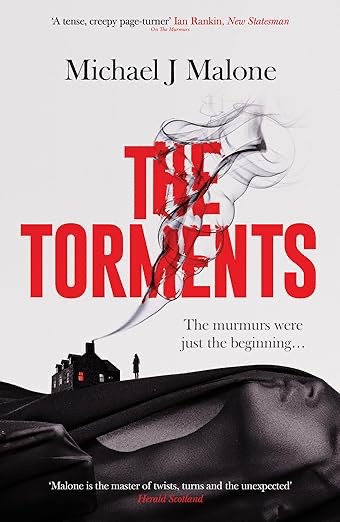
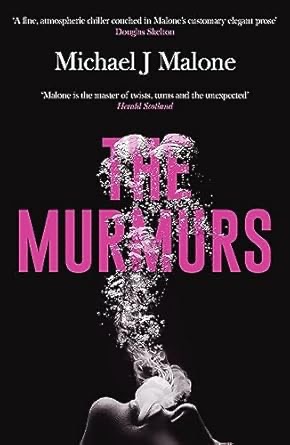
I was bowled over by the first novel in the Annie Jackson series – The Murmurs. I already knew that Michael was an incredible writer, able to bring great compassion and intelligence to his characters while delivering a page turning thriller. The added elements of the paranormal and Scottish folklore really grabbed my attention and fulfilled my craving for all things weird and gothic. Here we find Annie living in her little cottage with a view of the loch, the only place that gives her peace from ‘the murmurs’ that can strike at any time beyond the walls of her home. The murmurs are sibilant whispers letting her know that someone close by is near to death. A vision of a skull appears over the person’s face, followed by a horrible premonition of how they meet their fate. One day, while working a shift in the local coffee shop, Annie can hear the whispers and feel the rising nausea. This vision is for a young local man called Lachlan. Annie sees a terrible car accident and Lachlan’s vehicle wrapped around a tree. Torn between warning him and drawing attention to herself, or walking out and ignoring the vision, Annie chooses a middle ground. She tells him his tyres are bald and he really should change them. Even this course of action backfires as only hours later she is berated by a man who comes to tell her Lachlan is dead and she could have prevented it, but didn’t. The rumours about her powers go into overdrive as people realise Annie is the woman who found the bodies of several murdered women.
Annie can’t win. She’s either dismissed as sinister or even mad or she stays quiet and is blamed for whatever ensues. Desperately wanting to hide from the world, she hopes her little cottage will continue to protect her from the murmurs, but hadn’t banked on how angry locals would be. They break her windows and target her house with red paint. Thankfully, her twin brother Lewis arrives to stay and help just as their adoptive aunt visits, hoping that Annie’s gift might help someone in need. She wants them to look into a missing person case; a young man called Damian has disappeared and she suspects something sinister has happened to him. Damian has had a very complicated past, including ending up in prison on one occasion, but in recent months he had calmed down due to the birth of his son Bodhi. While Annie is keen to explain that she isn’t a medium and can’t find people on command, Lewis thinks they might be able to help. Why not research and interview people like a private investigator? Then during their investigation if anything comes up for Annie they can act on her ideas. What awaits them is a surprising and complex puzzle, that seems to include the dark arts and a woman with the ability to ‘glamour’ others. This time Annie could be in serious danger.
Michael moves us through different timelines and perspectives, from Annie and Lewis’s investigations to new characters called Ben and Sylvia who are pupils at a private school several years earlier. I found their tutor very disturbing, almost grooming both of them into his fascination with the occult. He’s chosen exactly the right students to draw into his web, students who are distanced or estranged from family and potentially vulnerable. His name is Phineas Dance – an awesome name for the villain of the piece! He gives them a reading list including Alastair Crowley and other proponents of the dark arts and they take to his teaching very well, particularly Sylvia who we watch become more obsessive as she matures. Their training involves ritualistic sacrifice, as well as the attainment of wealth and success – using their new powers to ensnare other followers of celebrity and influence. This leaves them both free rein to operate where they live, having local dignitaries in their pocket. Every few years they have a chance of ensnaring the Baobhan Sith, a mythical female deity who can unleash havoc. All they need is a sacrifice and who better than Annie? The author excels at creating a nail-biting game between Sylvia and Annie’s powers, with Sylvia drawing Annie towards her beautiful home and Annie’s murmurs being suppressed then surging again. Annie is confused by this strange sensation, that feels as if her brain is dialling in and out of a radio station! I was mentally begging her to resist Sylvia’s strange abilities and stay with her brother who is in a battle of his own. He’s using detective work to find out about their missing man Damien and unearthing a possible link to a terrible fatal accident that happened when he was only a teenager. Could this incident be behind Damien’s reckless and addictive behaviours? I loved his interactions with the detective working the missing person’s case, Clare is deeply suspicious of the brother and sister team at first. However, when she has an inkling that corruption might be at play she works in tandem with Lewis and they make a formidable team. I even detected a a bit of chemistry between them. This is a fast moving case, especially when Annie is targeted, meaning you won’t be able to put the book down until you know if she can be found before the ritual sacrifice begins.
When you finish this book you’ll feel like you’ve been on a fairground ride! The author has a brilliant way of engaging the reader’s emotions, drawing us into the character’s inner lives in a depth that can be rare in thrillers. It’s his ability to make us root for this brother and sister pairing that drives this novel. I feel so much for Annie, who hasn’t asked for this strange ability she has but has to live with the consequences and it’s a lonely life. She’s misunderstood and shunned by people who really don’t understand how powerless and frightened she feels. It was great to see her with the back up of her brother, who accepts her abilities without question and doesn’t judge. Their bond felt very real and setting aside the paranormal elements of their quest, they did remind of the close bond I have with my own brother. When you add these characters to a great case, full of drama and danger, it makes for a very satisfying reading experience. I absolutely raced to the conclusion, never expecting the outcome and enjoying the twists along the way. It left me hoping for more from Annie and Lewis, with a hope that Annie gets a little bit of respite from the murmurs first.
Published by Orenda Books 12th September 2024
For more reviews check out these bloggers on Septembers blog tour.
Meet the Author
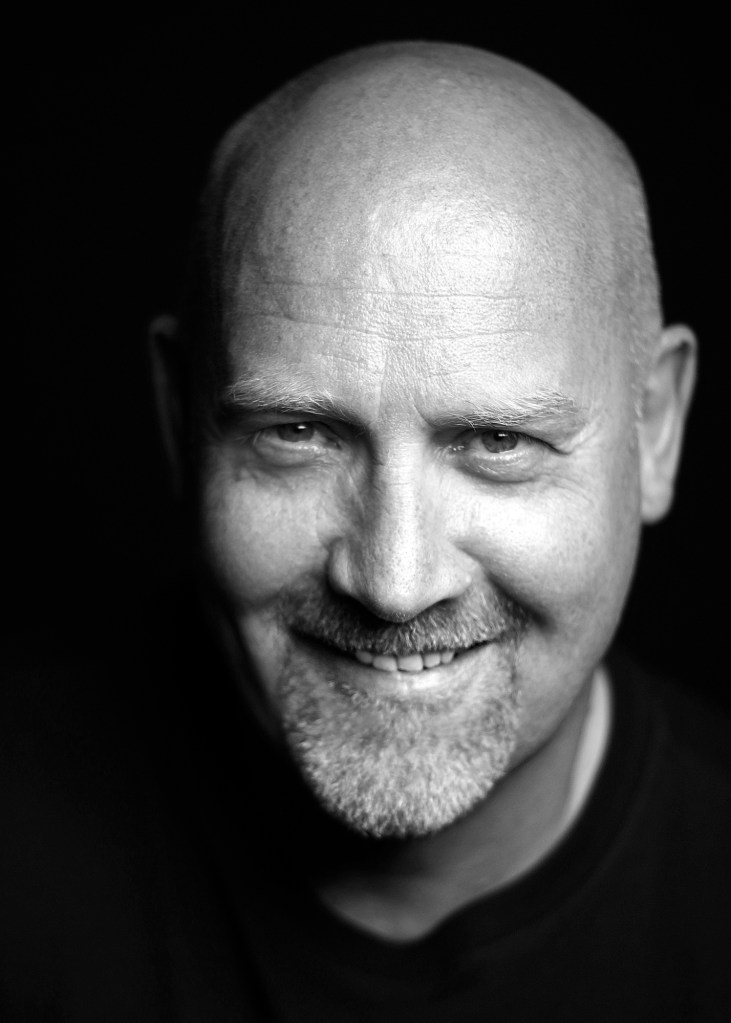
Michael Malone is a prize-winning poet and author who was born and brought up in the heart of Burns’ country. He has published over 200 poems in literary magazines throughout the UK, including New Writing Scotland, Poetry Scotland and Markings. Blood Tears, his bestselling debut novel won the Pitlochry Prize from the Scottish Association of Writers. His psychological thriller, A Suitable Lie, was a number-one bestseller, and the critically acclaimed House of Spines, After He Died, In the Absence of Miracles and A Song of Isolation soon followed suit. A former Regional Sales Manager at Faber & Faber, he has also worked as an IFA and a bookseller. Michael lives in Ayr.
I quickly became fascinated with this mix of historical fiction, psychological suspense and the paranormal. We meet Annie Jackson as she tentatively starts her new job in a nursing home in the West End of Glasgow, hoping to get her life back on track. Annie suffers with terrible nightmares where she’s stuck in a car underwater. She also has the sensation that someone is holding her head under water until her lungs feel ready to burst. She also has debilitating headaches and she can feel one threatening as her new manager introduces her to resident Steve. Then something very odd happens, as a blinding pain in Annie’s head is followed by Steve’s face starting to shake, then reform. A whispering sound begins in her head and she sees Steve as a skull, followed by a vision of him falling in his room and suffering a debilitating stroke. She desperately wants to tell him but how can she without seeming like a lunatic? He becomes agitated and upset, as Annie starts to describe the layout of Steve’s bathroom and he asks her to stop. As she’s sent home from another job she starts to think back to her childhood and the first manifestations of her debilitating problem. Annie survived the terrible car accident that wiped her childhood memories and killed her mother. This strange supernatural phenomenon is why Annie is alone and struggles to make friends. These are ‘the murmurs’.
I felt so much compassion for Annie, as the story splits into two different timelines: we are part of Annie’s inner world as a child, but also in the present as fragments of memory slowly start to emerge. We also go back even further to the childhood of Annie’s mother Eleanor and her two sisters Bridget and Sheila. We experience their lives through other people’s stories and written correspondence, especially that of a nun who also works in a residential home. I enjoyed how this gave me lots of different perspectives and how the drip feed of information slowly made sense of what was happening in the present day. Different revelations have a huge effect on the adult Annie and because her memories have been buried for so long she experiences the shock and surprise at exactly the same time as we do. This brings an immediacy to the narrative and I felt like I was really there alongside her, in the moment. With my counselling brain I could see a psyche shattered by trauma, desperately looking for answers, she is piecing herself back together as she goes.
Teenage Annie had a similar vision about a girl called Jenny Burn, who went missing never to return. The murmurs awakened when her mum’s sister Aunt Sheila came to visit them. She tried to openly discuss an Aunt Bridget who also had a ‘gift’ but has ended up in a home. Eleanor, Annie’s mother, asks Sheila to leave, but it’s too late because Annie has already seen that her aunt is dying of cancer. Annie evades her mum and makes her way to the hotel, the only place Sheila can be staying. Unfortunately, Jenny is working on reception. Annie can see her climbing into a red car and she desperately wants to warn her, but she knows she’ll come across as a crazy person. Eleanor is desperately looking for a way to deal with her daughter, she’s a person of importance in the church and she can’t be seen to have a daughter who has visions. Pastor Mosley has Eleanor exactly where he wants her. There’s a control and fanaticism in him that scared me much more than Annie’s murmurs. When Eleanor takes Annie to the pastor, he demonstrates his control by holding her head firmly under his head as he prays for her. When she almost faints, he’s convinced there’s a demon in her. Annie is scared of him, she gets a terrible feeling about him but doesn’t know why. Religion is portrayed as sinister and controlling, with fervent followers who never question, but live in the way they’ve been instructed is Christian? story takes an interesting turn when Annie’s brother Lewis, a financial advisor, becomes involved with the church once more and it’s new pastor Christopher Jenkins, the son of their childhood neighbour. He’s revolutionised the church and through the internet he’s turning it into a global concern. He’s not just interested in saving souls though, he’s also amassing money from his internet appeals. He also seems very interested in meeting Annie.
As the book draws to a close the revelations come thick and fast as both past and future collide. The search for Aunts Bridget and Sheila seems to unearth more questions than answers. Annie finds out that Jenny wasn’t the only woman who went missing in Mossgaw all those years ago. As she starts to have suspicions about her childhood home, Chris seems very keen to draw her back there. Might he be planning a huge surprise? I was a bit confused at first with all these disparate elements, but as all the pieces started to slot together I was stunned by the truths that are unearthed. Then as Annie’s childhood memories were finally triggered I felt strangely terrified but also relieved for her all at once. I hoped that once she’d regained that past part of herself she would feel more confident and free, despite the strange gift she seemed to have inherited. Maybe by facing the past and leaning in to her relationship with her brother, she might feel more grounded and strong enough to cope with her ‘gift’. I thought the author brought that compassion he’s shown in previous novels but combined it with a spooky edge and some intriguing secrets. I really loved the way he showed mistakes of the past still bleeding into the present, as well as the elements of spiritual abuse that were most disturbing. This book lures you in and never lets go, so be prepared to be hooked.
Meet the Author
Michael J. Malone was born and brought up in the heart of Burns’ country, just a stone’s throw from the great man’s cottage in Ayr. Well, a stone thrown by a catapult, maybe.
He has published over 200 poems in literary magazines throughout the UK, including New Writing Scotland, Poetry Scotland and Markings.
BLOOD TEARS, his debut novel won the Pitlochry Prize (judge:Alex Gray) from the Scottish Association of Writers and when it was published he added a “J” to his name to differentiate it from the work of his talented U.S. namesake.
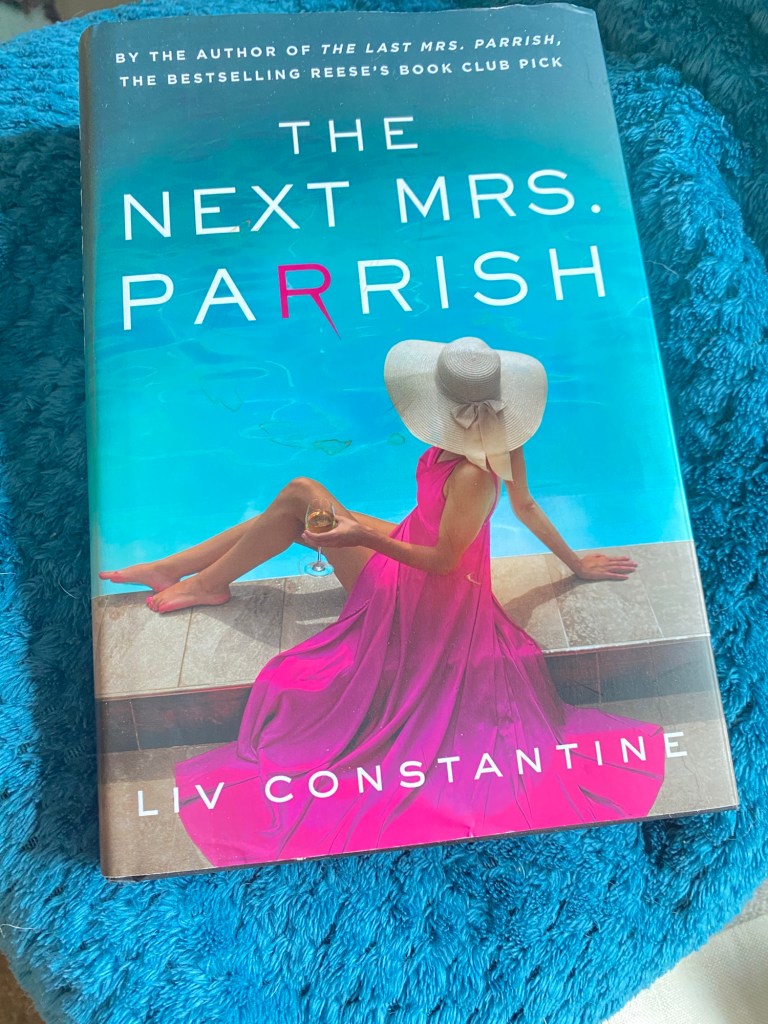
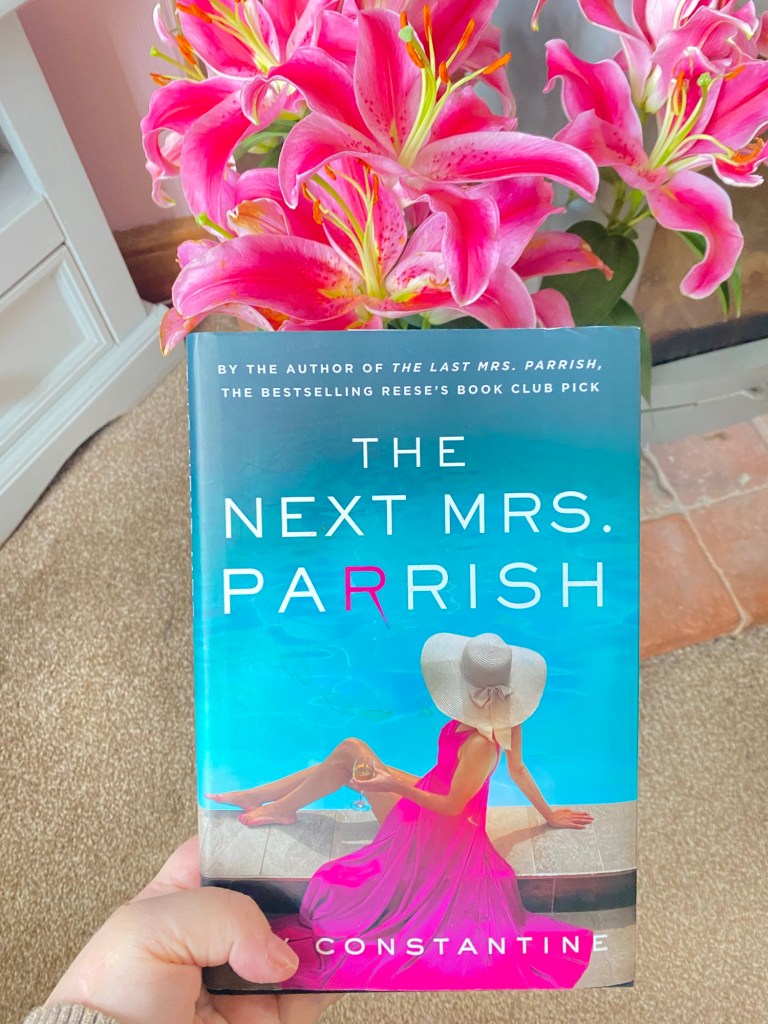
Amber Parrish has worked her way up from being invisible nobody Lana Crump, to prominent socialite over a number of years. There have been many bumps along the way but now she’s made it. Even her husband Jackson’s current status hasn’t stopped her reigning supreme over the Bishop’s Harbour community on the Long Island Sound. Jackson is coming to the end of a prison sentence for tax evasion, but with a month or so left to serve Amber is fast running out of money. Daphne, the first Mrs Parrish, left Bishop’s Harbour after her divorce from Jackson and swore she would never return. She believed that he would never change. His abuse was psychological, physical and emotional, but she has tried to keep the truth of her marriage secret from her girls until they’re older. When she sees daughter Tallulah struggling and desperate to see her father, Daphne relents and agrees to spend the summer in Bishop’s Harbour. For as long as Jackson agrees to her boundaries and rules. Jackson proclaims he is a changed man and agrees to family therapy, but Daphne is on her guard, unsure whether a man like him can ever change. Daisy Anne lives in Texas with husband Mason and their children and enjoys a very close relationship with her in-laws, especially her mother-in-law Birdie. Even so, Daisy Anne feels the loss of her father very deeply, especially since she suspects foul play. After her mother’s death he jumped into an ill-advised relationship with a younger woman and was killed while they were elk hunting. The death was ruled an accident, because his wife claimed she’d mistaken movement up ahead for an elk, but Daisy Anne knows it was murder. When this woman walks into an exhibition for Daisy Anne’s White Orchid jewellery company in New York, she is furious and has her thrown out. The incident hardens her resolve to bring this woman to justice. Amber, Daphne and Daisy Anne’s lives become interlinked, in a dangerous game with complicated motives of revenge, justice and greed.
This is one of those books where it’s hard to like any of the characters, instead it’s driven by it’s complicated and thrilling plot of deceit and betrayal. I found myself mentally berating some characters and hating others with a passion, but still I felt compelled to keep reading. I’ll admit this was mainly because I wanted to see some people get their comeuppance. I did a lot of internal screaming if I thought one of the women was doing something stupid. My husband will tell you it wasn’t all silent screaming, because I honestly wanted to give others a swift slap. I had sympathy for Daphne, especially when learning the extent of the abuse she suffered while married. I desperately wanted to intervene and tell her not to return to Bishop’s Harbour ever. I could understand her concern about her daughters, but when the abuse was so extensive and he showed signs of starting to control their children it has to be non-negotiable. I would have had to draw a line. Instead of allowing him access to the family, she needed to have a very hard, but honest conversation with her eldest daughter. Once they knew the truth, she needed to work on blocking his access and maybe relocating. Daphne came across as wary one moment then far too trusting the next. When she made the decision to stay close to Jackson for the summer and he stepped over her first boundary, I was screaming at her to get back on a plane. I probably had a huge reaction to this storyline because I have been through psychological abuse and I had to set hard boundaries after leaving. It was great to see the author use this subject in one of her novels and portraying it so accurately, because she shows how pervasive and relentless coercive control is. She covers all the red flags too, showing the initial love bombing – something that’s really off the scale with a man as wealthy as Jackson Parrish. Then she shows him slowly ramping up the control, starting with what Daphne wears and weighs. It isn’t clear if he continues this pattern with current wife Amber, but she’s quite the operator herself having used every trick in the book to end up in such a wealthy position as the second Mrs Parrish.
As Jackson comes out of prison, their relationship deteriorates over Amber’s solution to their short term cash flow problems. Seemingly having no jealousy or feelings for her husband, Amber agrees to help with his plan to get Daphne and the girls back. Only if she gets the right terms of divorce of course – the guarantee of this standard of living for life. She aims to get her own back on someone from the past, someone who got in the way of her social climbing and humiliated her. She’s determined to buy into their business, setting up a dummy company to buy the controlling share and ruin it from the inside. She is utterly ruthless and there’s a definite pleasure in knowing that she got one over on Jackson but it’s hard to empathise with her, especially when she knows Jackson plans for Daphne. Meanwhile, Daisy Anne continues to be suspicious of the woman who married her father. His sudden death left Daisy Anne without either parent and although she’s since had a family of her own, she’s missed out on that grounding and support we get from our parents. She starts looking into his death in more detail, searching out CCTV and witnesses to the shooting ‘accident’. She also puts out feelers to find out where his widow came from, someone with her father’s interests of fly fishing and shooting would probably have lived on a large estate or been known in their social circle. She can feel in her bones there was a scam involved and she’s not going to let it go. You’re not quite sure how these women overlap at first, as the author ekes out the revelations and takes us on a rollercoaster of twists and turns. Often books have twists just for the sake of it but this was a belter and totally unexpected. I devoured the last few chapters, desperate to get the ending I wanted; finally I could find out how these women link together and watch certain characters get their just desserts. This is the perfect summer read with a great combination of serious issues, the beautiful Long Island beach backdrop and those delicious glimpses into the lives (and wardrobes) of the wealthy women who live there. Definitely one for your suitcase if you’re popping off for some late summer sun.
Meet the Author
Liv Constantine is the pen name of sisters Lynne Constantine and Valerie Constantine. Lynne and Valerie are New York Times and international bestselling authors with over two million copies sold worldwide. Their books have been translated into 29 languages, are available in 34 countries, and are in development for both television and film. Their novels have been praised by The Washington Post, USA Today, The Sunday Times, People Magazine, and Good Morning America, among many others. Their debut novel, THE LAST MRS. PARRISH, is a Reese Witherspoon Book Club selection.














 The Lotus Readers