Kate and Vic have been married for a few years after meeting when she was studying in Rome. After a normal morning rush at home she travels into London, on the pretext of doing an interview. However, she has a different destination in mind. This is an appointment she’s been keeping for several years like clockwork. Now she’s caught in the wrong place at the wrong time. She should be travelling home later this afternoon – picking up the kids from school and collecting the rabbit from the vets. Instead she’s trapped in room 706, in a luxury hotel that’s under siege by a terrorist group. How can she explain why she’s here? Even if her body is discovered in the aftermath, everyone will wonder what she is doing here? She has always been very careful, leaving no trace. Now she wonders whether her husband Vic will understand why? As she tries to summon the words that convey just how much Vic and her children mean to her, Kate reflects on all the choices that brought her here.
I’d read so many great reports of this book and I couldn’t wait to read it, as soon as it arrived last year. It’s such a great premise and has a woman who doesn’t enjoy the constraints of marriage and motherhood. I can honestly say that even I’ve fantasied about holidaying alone for a fortnight, never mind an afternoon in a hotel. Although I couldn’t be bothered by a lover either. This is one of those books that makes the reader go back and forth on what they think of the characters and I can imagine book clubs having long conversations about Kate particularly. After all, society judges women far more harshly than men, especially those who express dislike or even ambivalence about motherhood. I didn’t just focus on Kate, because I felt if I was to understand I needed to look at the whole of her life and the people who’d had the most influence on her. The author takes us beyond those Instagram selfies with the new baby and the false idea it can give of other people’s perfect lives. Here we look at the reality of family life for Kate and how the way we parent is often based on the example of our parents or grandparents. Our ability to parent is also dependent on our work situation as well as the personality or parenting style of the other parent. The author cleverly tells Kate’s story in her own words and then shows through memories, alerts and messages on her phone, as well as mental conversation with people she’s lost, who Kate is and what happened to bring her here.
We know she loves her husband Vic. While studying in Rome she lived in his Nonna’s apartment, while Nonna had her own place with her grandson Vic who has suffered a nervous breakdown. Despite being ten years older than Kate, Vic is treated as the vulnerable one who needs protection. His brother Tom pleads with her not to hurt his brother and I felt the weight of that placed upon her. Yet Kate has just lost her mother, will she ever get to be the vulnerable one? They are happy and Kate relives so many beautiful memories that show us how much she loves him and their children. Yet there isn’t anyone apart from Vic’s brother to be their support network. Kate and her mum were a duo, no dad around and no siblings either. I loved one moment where Kate asked her mother what it’s like being a single mum. Her mum replies honestly that it’s hard work, but she can choose how they live and the values they have. There’s no one else to negotiate with, no clashing parenting styles or being let down by someone not doing their bit. If you contrast this with the evidence of Kate’s own phone it’s telling. She has an app that divides her ‘to do’ list into things that need to be done now, in the next couple of months, or sometime in the future. She sets reminders to coordinate her life, so ‘to do’ reminders join the reminder to check her breasts, to do her kegel exercises, to do the weekly food order. Meanwhile she places family photos into folders, makes lists of bank passwords, Christmas gift lists and house maintenance jobs. If she dies here, Vic will need to know this stuff. By contrast her male lover simply sleeps. Because he can.
Kate reminisces about a family holiday they took to Italy and reassesses the hours spent on research, price comparing, insurance, bite and sunburn cream, swimwear for the kids and so on. Vic would have simply bought a couple of T-shirts and booked the second or third package deal they saw and it would still have been a good holiday. Vic’s laidback parenting style and his vulnerability mean she’s he person who carries that mental load. Of course some of this is on Kate, as she’s clearly risk averse and overthinks decisions but she also has no significant female support. Since she lost her mum and then best friend Eve, all her relationships outside the home are superficial. Do these things excuse adultery? It will still hurt the ones they love, never mind the psychological reasons for the decision. However, all of that juggling made me understand a little. She has a need for something – rather like an old-fashioned pressure cooker needs to blow off steam. In this time, in an anonymous hotel room what she needs is no strings, no judgement and no backstory. It’s just completely selfish pleasure. Her sex life at home is tender and loving, they consider each other and everything they’ve built together as a couple is part of their sex life. From that unexpected first time with her lover it’s been about taking her pleasure and asking for exactly what she wants. This afternoon, that happens once every few weeks, enables her to be the wife and mum the family need her to be. She’s trying to recapture that carefree young woman who went off to study in Italy, who has clearly been totally changed by everything that’s happened since. It seems ironic that someone who plans everything so carefully, finds herself in a situation that’s absolutely out of her control.
This is an incredible debut! It’s absolutely pitch perfect. The author carefully lets the tension mount so slowly that while reminiscing we can almost forget where Kate is in the here and now. A prisoner in this room, she has to be silent so they can’t put the television on and they can’t flush a toilet. When the lights and electricity go they’re almost totally cut off from the outside world. It’s an eerie muffled silence, but a quiet that is sometimes broken by heavy footsteps or other hotel guests meeting their fate. You will hold your breath at times. The forced intimacy means she asks questions of her lover that she’s never asked before. She knows nothing about his life, only that he’s married and has been sleeping with her in this way for several years. We know the terrorists are stalking the corridors, one floor at a time, but we don’t know whether they have a master key or a bomb. I realised that despite her family unit, Kate is lonely. What she wants is for someone to see and appreciate her as Kate the woman, not the mum, wife or journalist. You will be compelled to read this as I did, long into the night. It has the pitch perfect pacing and tension of a thriller, but so many psychological layers. Women will identify with Kate, at least some part of her. She very simply wants to be seen, desired and receive pleasure. Surely though, at some point, Room 706 will be next. Kate has had an opportunity to assess and understand her life, to possibly make changes and live more. You’ll have to read to the end to find out whether she gets that chance.
Out on Jan 15th 2026 from Headline
Meet the Author
Hi, I’m Ellie Levenson. I’m the author of the novel Room 706 which comes out in January 2026. It’s my debut novel, though you may see other books by me online as I was previously a freelance journalist and during this time wrote some non fiction books including one on feminism and one on how to get ideas for features. I have also written various books for children using the name Eleanor Levenson.
Room 706 tells the story of Kate, a happily married mother who meets her lover, James, in hotels every few months as a form of me-time. It might as well be a facial or a shoe-buying habit, she tells herself. Except this time, while cleaning up and getting dressed, she turns on the television and looks at her phone and realises the hotel has been seized by terrorists. How do you tell your spouse that you won’t be home to pick up the kids because you’re at the centre of the incident on the news?
It comes out in January 2026. In the meantime do give this page a follow if you’d like to be kept up to date with my work, and any special offers. And if you do feel able to pre-order, that is super helpful.
In Norway’s far north, something unspeakable is surfacing…
When a mutilated body rises from the icy waters off the jetty in Kjerringøy, it shocks the quiet coastal village – and stirs something darker beneath. Not long after, a young woman is found dead in a drab Bodø apartment. Suicide, perhaps. Or something far more sinister. Detective Jakob Weber and former national investigator Noora Yun Sande are drawn into both cases. Then a hiker reports a terrifying encounter in the nearby wilderness: a solitary cabin … and a man without a face.
As the investigation deepens, the clues grow more disturbing – and the wild, wintry landscape closes in. Jakob is certain of one thing: if they don’t find the killer soon, he’ll strike again.
This was a genuinely terrifying thriller from Orjan Karlssen, the second in his Arctic Mysteries series featuring investigators Jakob Weber and Noora Yun Sande. I read one section out loud to my other half who said ‘no wonder you have weird dreams”. This referred to a recurring figure seen by people in the novel and variously described as having completely dark eyes, a face like liquid, and a face it’s impossible to truly describe as it seemed indistinct. The team find themselves with two cases that could potentially be linked, with Noora newly back at work after injury. This case is very dark and I love that Scandi Noir is never scared of taking its readers to the darkest places, in a way a lot of other crime novels shy away from. This maybe crime, but it’s certainly not cozy! The author uses the surroundings of Kerringjay to create a dark and dangerous atmosphere. Here it isn’t just weather, it can and does kill. There is something mystical about this place, isolated and surrounded by mountains inland and the coast. There’s a sense of being alone and also enclosed, when they encounter an artist as part of the case, his girlfriend Britt describes his obsession with one particular mountain that he seemed to be painting over and over. It’s beautiful but bleak here. Noora only has to look out of the window to see:
“a display of the northern lights played out across the sky in shades of purple and turquoise. The atmospheric glow made the water below sparkle like tiny pieces of silver. It was a phosphorescence that arose and vanished in the blink of an eye.”
But the days are short and dark, the sea is bitingly cold and the wind will rip a scream away from your mouth before it can be heard. It all adds to the tension and also the sense of danger. It’s horrifying for Tuva, who is undertaking her naked swim with best friends Britt and Katja. She’s needed some time with her friends after her lover Emilio simply disappeared from her life, leaving no trace. Firstly the women spot an unusual figure, standing and watching them from the sidelines. He’s hard to describe but the women are unnerved and make sure he moves away. Then they’re hit by an unbelievable smell coming from the water, leaving them thinking a sewage pipe may have discharged. As a yellow anorak floats to the surface Tuva is transfixed. She knows this coat and its usual smell very well. It’s Emilio’s clothing. As the figure turns over in the water the women realise he’s been in the water for some time and his eyes are missing.
“She didn’t want to gaze into that abyss but was unable to look away. The once full lips had been eaten away by fish […] leaving only grimacing teeth.”
I enjoyed Noora and Jakob as characters and it’s definitely a good idea to read the first Arctic Mysteries book to get a sense of where their journeys started. Jakob comes across as very measured, he thinks of the different angles before acting. I loved the way he dealt with being called into his brother’s school as his guardian. While he remained respectful he was also well aware of certain teachers and their attitude, so made sure he got his brother alone to get to the bottom of what’s happened. Even the teacher who remembers Jakob is unable to get under his skin. He treats his work in a similar way, his only deviation from his customary caution is journalist Sigrid who he has a fledgling relationship with, but even then he’s constantly defining the boundaries of what he can and won’t share with her. Noora is more instinctive and that’s a voluble tool to have, however she’s vulnerable at the moment, just back at work after injury. The author’s description of the referred nerve pain Noora feels was painfully accurate and reminded me of days when I push myself too far. Jakob checks in all the time and at one point makes it clear that if she’s not being straight with him about her limitations they could both end up in trouble. I have complex pain so I understood her reticence about being open, she doesn’t want to be relegated to a desk or lose her job when she’s good at it. She does start to push it a little, taking a few more painkillers than she should here and there. She asks Jakob to trust her, but I was scared for both of them.
It’s Noora who feels most angry about some aspects of the case because she’s a woman and from that perspective Kjerschow’s techniques are hard to accept. Their investigation after Emilio was found took them to the nearby Miele Foundation, run by financier and Gestalt Therapist called Kjerschow. Jakob finds him evasive when they question him about his centre and the clients who stay there. He feels like the man is deflecting questions back as if he is a mirror, which makes sense if you understand his training. Gestalt Therapy is a humanistic approach which asks the client to use the here and now to resolve long term problems, using techniques like the Empty Chair where they can talk to someone as if they’re present to resolve conflict. There’s an element of acting out or role play in these techniques and Kjerschow shows them the basement at the foundation, usually known as the Expurgation Room. It has a dirt floor and a strange, tree like structure with branches that show traces of blood. Is Kjerschow so arrogant that he believes the police won’t notice or that he can manipulate them to dig no further. He describes his usual clients as wealthy bankers and the like, who use activity based techniques in the room to expurgate their tendencies. I love that Jakob is one step ahead of him and won’t let money stand in the way of getting their man.
As the killer takes out another victim, close to home, it becomes genuinely terrifying. The man without a face appears again and there’s something hypnotic about him, almost as if you couldn’t look away even if you wanted to. It doesn’t take long to find another body on the shoreline, with their eyes gouged and beautifully cut circle of skin taken from around the naval. Jakob starts to suggest potential suspects stay in a hotel together, where they can have an eye kept on them. At this point you’ll want to read on to the end and it’s totally worth it. The tension is incredible as Noora and Jakob get ever closer. Noora witnesses something despicable at the Miele Foundation while Jakob follows a lead up onto those mountains Emilio was so fond of painting. I was torn between whether something mystical was going on, or whether someone with great influence was orchestrating it all. My heart was hammering as Noora and Jakob put themselves on the line to prevent another murder. Will Jakob’s promised trust in Noora hold out? Who is the strange man in the parka and is he responsible for the murders? As the truth of Kjerschow’s therapy comes to light and the police surround a cabin in the woods, with ravens in cages as warning signals, they know this is no ordinary killer. I heartily recommend this series to fans of Scandi Noir because it really is a fantastic addition to the genre. Although I’ll have to read something a bit less nightmare inducing for a couple of days.
Meet the Author
Ørjan Karlsson (b. 1970) grew up in Bodø, in the far north of Norway. A sociologist by education, he received officer training in the army and has taken part in many missions overseas. He has worked at the Ministry of Defence and is now head of department in the Norwegian Directorate for Civil Protection. He has written a wide range of thrillers, sci-fi novels and crime fiction, and been shortlisted for or won numerous awards, with a number of his books currently in production for the screen. He lives in Nordland, where the Jakob Weber crime series is set.
I thought it was probably time to introduce myself to my new subscribers and what better way to do it than by sharing some of my all time favourite novels. First of all I’d like to say welcome to you all and thank you for subscribing. This year there will still be book reviews and blog tour posts, but I’m also going to be sharing my favourite novel and authors with my Sunday Spotlight and my new Tens on Tuesday posts, starting with this one. I think this post lets you know a bit about me and my interests: historical novels, crime and mystery, the Gothic, trauma and psychology, disability and finally a little sprinkle of magic. I hope you enjoy hearing about what I’m currently reading but also older books, authors and themes I love too. Wishing you all a Happy New Year and a great year reading what you love.
I think this novel is the one that explains a lot about my reading tastes ever since I first read it when I was ten years old and the BBC series with Timothy Dalton as Mr Rochester was on Sunday afternoons. I loved how this little girl tried to stand up for herself with her horrible aunt and cousin, being labelled wilful and passionate and in need of correction. Being locked in the Red Room and then sent to boarding school at Lowood were meant to soften her, to make her grateful for the roof over her head. All it does is strengthen her sense of justice and although she learns to keep her opinions in check, those emotions are still simmering underneath. When she takes a position as governess to a French girl called Adele at Thornfield Hall, the book becomes more than a Bildungsroman and develops into a Gothic mystery, a genre I love to this day. The scenes where Jane hears noises in the passageway at night, she hears a maniacal laugh and finds a half burned candle left behind, then when a dark, demonic woman enters Jane’s bedroom and tears her wedding veil in two, are truly frightening. Added to this is the dark and mysterious Mr Rochester who appears out of the mist on a black horse and finds solace in the quiet Jane who can keep up with his intellect and doesn’t bow to his demands. Now if a book has a stately home, a mystery to solve, the paranormal and a feminist heroine it’s in my basket straight away.
I bought this novel for the cover alone when I saw it in Lindum Books. I now have six copies in different styles and I love them all. I’ve seen the novel described as phantasmagorical and I could apply this word to a whole raft of books I’ve read since. Outside London, in an undefined historical setting, a wandering and magical circus appears where many of the attractions defy explanation. As well as disappearing and reappearing at will, the circus is the focus of a competition played by two powerful magicians through their protégés Marcus and Celia. The great magician Prospero and his rival Mr A.H. have chosen their players and proceed to create magical challenges for the younger pair, but this is a secret competition and neither one knows they are rivals. Celia is Prospero’s daughter and he has trained her as an illusionist, using cruel and manipulative methods. Marcus is trained to create fantastical scenes for the circus that he must pluck out of his mind. As soon as they’re both of age they are linked to the circus, not knowing their competitor but becoming increasingly suspicious that they’re present at the Circus of Dreams. Meanwhile, other performers start to question the circus and its magical powers – they are forever young and unable to leave. The beauty of the circus seems to mask sinister intent and as Celia resolves to end this game, she and Marco fall in love. Is this love doomed or can they escape without causing further harm. This book inspires artists and creatives all over the world and it captures my imagination every time I pick it up for a re-read.
As someone with a disability, a heroine with a ‘hare’ or cleft lip was a real find in a book that had really passed me by until around twenty years ago. The author Mary Webb was writing in the early 20th Century but her heroine Pru Sarn lives in rural Shropshire at the beginning of the 19th Century. Local suspicion is that Pru’s mother was scared by a hare during pregnancy, causing the disfigurement she calls her ‘precious bane’. Bad luck starts to dog the family when Pru’s father dies and there is no ‘sin eater’ at the funeral. Superstition states that someone must take on the deceased’s sins so that they’re ensured a place in heaven. Despite all his family’s please not to, Pru’s brother steps forward to take on those sins and from that point on their luck changes. Gideon goes from an affable young man, in love with the prettiest local girl Janis Beguildy and set to take on the family farm, to a bitter and avaricious individual who drives his own family into exhaustion in the pursuit of money. Meanwhile, Pru falls in love with Kester Woodseaves, the weaver at Jancis’s bridal celebration but there’s nothing that would make him look at her twice with her lip and the ill luck that goes with it. This is a story rich with local folklore and old skills that are slowly dying out in rural communities. It’s also about how those superstitions can drive people to look for blame and how women like Pru can become scapegoats for a bad wheat crop. Billed as a writer of romance there’s a lot more to Mary Webb’s work and her challenge to the stereotype of facial disfigurement representing evil is definitely ahead of his time.
I loved this book from Alice Hoffman so much, because it has all the Hoffman magic but is set within the Coney Island freak shows at the turn of the 20th Century, something I researched while writing my dissertation on disability and literature. I’d watched the film Freaks and was fascinated with the complexities of displaying your extraordinary body for money. It’s exploitative yet on the other hand it pays well and is perhaps the performer’s only way of being independent, these contradictions are shown in this novel following Coralie Sardie the daughter of the Barnum- like impresario of the museum. Coralie is an incredible swimmer and performs as the museum’s mermaid, enduring punishing all year round training in the East River every morning. It’s after one of these sessions goes wrong that Coralie is washed far upstream into the outskirts of NYC where development suddenly gives way to wild forests. There she meets Eddie Cohen who is taking pictures of the trees and hiding out from his own community, where his father’s expectation is for him to train as a tailor in the family business. Alice Hoffman weaves Eddie and Coralie’s story with real historic events like the Triangle Shirtwaist Factory fire, the other wonders who populate Coney Island and her particular blend of magic.
This must appear on so many ‘best of’ lists and there’s a good reason why. I was introduced to Daphne Du Maurier very early in life through my mum who showed me the Hitchcock adaptation of the novel starring Laurence Olivier as Maxim de Wjinter and Joan Fontaine as the second Mrs de Winter. This was an incredible film and no adaptation since has come close to emulating it, although I still hold out hope for a Carey Mulligan Mrs de Winter someday. This has one of the best openings of any book with its dream of the winding drive at the Cornish home of the de Winters, Manderley setting the atmosphere perfectly. This is where ghosts and secrets lurk beneath the outwardly perfect life led by Max and his beautiful first wife Rebecca. Our unnamed narrator is in Monte Carlo as a paid companion to an obnoxious rich woman who sees the infamous widower and an opportunity to hear some first hand gossip to take with them to their next destination. Her companion is young, quiet and under confident. She has no family and is vulnerable in a way that I’d didn’t see when I first read the book and the disparity between them is more obvious the older I get. One thing that really angers me is that Maxim doesn’t bother to remove traces of his ex-wife whose extravagant signature is emblazoned on the stationery in the morning room and her pillowcases in the untouched bedroom she occupied overlooking the sea. Also he doesn’t even consider that her upbringing is from such a different class, she has no concept of how to run a stately home and falls victim to the ghoulish Mrs Danvers, Rebecca’s old maid and now the housekeeper of Manderley. This is most definitely not a love story, it’s a mystery with a hero who is controlling and manipulative to his new wife. This is a book to re-read over and over.
A spiteful spirit rules the roost at the home runaway slave Sethe shares with her elderly mother-in-low and daughter Denver, a ghost that haunts with a ‘baby’s venom’. It’s a million miles away from her years in slavery at Sweet Home, but she carries the damage of those years in the whip marks on her back that look like a gnarled tree. The atmosphere of this little house is set to change though as two visitors come calling; one is Paul D who was also at Sweet Home and shares so many experiences with Sethe she will have to talk about them. The second is a naked young woman who seems almost non-verbal, like a toddler in the body of a young woman. Sethe is entranced by their guest, who demands more and more of her attention pushing out Denver and trying to create a wedge between her and Paul D who has to sleep in the outhouse. Sethe believes that this girl is the embodiment of that restless spirit in the house, who has gone remarkably quiet. While Sethe becomes drained and exhausted trying to care for her new charge. What is her purpose with Sethe and why does she take the treatment meted out to her? The answers lie in a grave marked with one word – Beloved – and the unthinkable price of freedom.
This book was the first of two featuring the Todd family and their lives across the 20th Century. Here we see the world through the eyes of the Todd’s youngest daughter Ursula, born on a snowy night in 1910. As her mother Sylvia gives birth, the cord becomes wrapped around Ursula’s neck and she dies before the doctor can even reach their home. We then loop back and Ursula survives her birth but dies from a fall as she leans from a window to retrieve her doll, or she dies by drowning as a little girl. In 1918 their maid joins the Victory Day celebrations post WWI and brings Spanish Flu to the Todd house killing Ursula at eight years old. Each loop of Ursula’s life is longer and we see more of the family’s rather upper middle class life in Chalfont St. Peter in Buckinghamshire. We notice that Ursula becomes more knowing, taking experiences from her extinguished lives to avoid that fate the next time round – at one point she remembers her death at the hands of a rapist and next time is aggressively rude to avoid his company so she lives a little longer. Later lives take Ursula into womanhood and WW2, working for the war office in London and experiencing the terrors of the Blitz, sometimes rescuing others and other times perishing underneath the rubble. Eventually she works her way close to Hitler through Eva Braun and determines to end the war by killing him. What we never know is how these lives turn out for others, as each narrative ends definitively with Ursula’s death. I loved Kate Atkinson’s bravery and playfulness in using such a complex structure and inventing a character like Ursula who is able to carry the novel on her shoulders. I’ve enjoyed other novels from the author, especially A God in Ruins where we follow the life of her brother Teddy, but there’s no question that this book is her masterpiece.
I’ve read a few of Thomas Hardy’s novels, but something about Far From The Madding Crowd stays with me. At heart it’s a love story, with all the obstacles and diversions you’d expect from the moment shepherd Gabriel Oak turns up at Bathsheba Everdene’s door with a lamb for her to hand rear and a proposal. A proposal she refuses on the basis that she has a lot of other things she wants to do. After this a terrible misfortune befalls Gabriel as he loses his whole flock to a young sheepdog who drives them off the cliffs. However this does force him to cross paths with Bathsheba a second time when he goes for a job where the new farm owner is a woman. Bathsheba makes so many rash decisions, especially where men are concerned, but Gabriel becomes her trusted and loyal friend. As always with Hardy it’s the misfortunes that tug hard on the heartstrings: a pregnant servant girl who goes to marry her soldier lover at the wrong church, the tragic and lonely Mr. Boldwood who takes a poorly timed Valentine joke to heart and Gabriel’s faithfulness to his friend, always putting her first even when she doesn’t appreciate it. Hardy captures the headstrong and impulsive young girl beautifully and as always the rural setting is so wonderfully drawn and strangely restful to read. Having grown up on farms my whole life I understand the character’s connection to the land and the animals they care for, plus I always long for a happier ending than Hardy’s other women.
It’s hard to pick one favourite from Jodi Picoult’s back catalogue and I have about four that I love and read again, including her most recent novel about the works of Shakespeare By Any Other Name, Small Great Things and Plain Truth. This one stayed with me, perhaps because of my late in-laws WW2 experiences and the realisation that the generation who went through the invasion of Poland first hand will one day be gone. Recording their stories is vital and although this is fiction it still has a purpose, in educating readers about the Holocaust. Ironically, it has been banned in several school districts in the US despite its message on fascism and antisemitism. It makes it all the more important to read it as well as Picoult’s other banned novels. Sage Singer is something of a recluse, working nights in her local bakery to avoid people. She wears her hair to cover a large scar across her cheek, caused by a car accident that killed her mother. Sage sees her scar as a reminder she was responsible for her mother’s death and struggles terribly with survivor’s guilt and the resulting lack of self worth. When she attends a grief therapy group she meets an elderly local man called Josef Weber, a resident of Westerbrook for forty years with his wife who has recently died. He’s known for kind acts around town, but as he and Page become friends he tells her a terrible secret. In WW2 he was a guard at Auschwitz and is responsible for the deaths of many people. He asks Sage to help him commit suicide, leaving her with a dilemma. Sage describes her self as an atheist despite coming from a religious Jewish family. Can she be friend with this man? Should she report her discovery? Should Josef be able to cheat the death God has planned for him when so many others had no choice? Picoult structures this narrative like a set of Russian dolls and the very centre is the story of Minka, Sage’s grandmother who managed to survive a concentration camp. This is the heart of the story, a survivor’s account that describes how an SS Guard allowed her rewards of food and warmth because of her incredible talent as a storyteller. This is a hard but vital read with huge dilemmas around forgiveness, the degree of bad deeds and whether all sin is the same. Are some people simply unforgivable despite their attempts to change? Is accepting earthly punishment part of forgiveness? Is killing ever justified? It is absolutely spellbinding.
I adore the playful opening of this historical novel as our heroine addresses us and draws us in to her world, a version of London rarely examined at the time. Published in 2002, Michael Faber introduces us to Sugar who has worked in a brothel since she was thirteen. She’s creative and intelligent, scribbling down her story in the time she has between working. She’s also streetwise and determined to create a new life for herself. She meets the rather clumsy and awkward William Rackham as a client. He’s married but his wife Agnes is delicate, a fragile Victorian ideal of a wife who’s disturbed by her own bodily functions. She’s sent further into decline after the birth of their daughter, Sophie and now has no idea she is a mother. She is kept drugged in her room, with visits from the creepy Dr. Curlew whose treatment is sexual assault. The two women couldn’t be more of a contrast. Sugar believes that William might be her ticket to a new life, not that she’s in love with him of course. William is a selfish man, inadequate and under pressure to continue the success of the family soap factory, a business built by his overbearing father. He’s obsessed with Sugar and thinks he could have the object of his affections closer to home. What if he engaged Sugar as Sophie’s governess? This is an incredibly well written novel, full of detail on a grubby and exploitative part of London that Sugar navigates with practised skill, utterly reliant on her own wits. She’s a beguiling character who knows that the gentlemanly ideal is a facade and that all men are disappointing or dangerous. Watching her encroach onto William’s carefully constructed home life is fascinating and you’ll be desperately hoping that all of his women will find a way of escaping their fates.
ONE TRIAL. FIVE TRUTHS. BUT ARE THEY READY FOR HERS?
When a waitress is charged with murdering four men at an exclusive private club, her personal life and upbringing are thrust into the spotlight. During the trial, people closest to Katie start to question what they know about her.
Her father remembers the sweet schoolgirl.
Her childhood friend misses her kindness and protection.
Her lover regrets ever falling for her.
Her lawyer believes she is hiding something.
A journalist is convinced she is a cold-blooded killer.
To each of them she’s someone different. But is she guilty?
This thriller grabbed me straight away and never let go! The pace was fast, with short punchy chapters containing the narratives of five men each linked in some way to a woman called Katie. Each man has his own name for this woman and their narratives tell us her story as they see it. John is her father, Gabe is her childhood friend, Conrad is her lover, Tarun is a lawyer and Max is a journalist. Each one thinks they know her, each one presents a different face. But who is she and which is her real identity? Is she a combination of all five or nothing like this at all. It’s a timely, compelling and addictive story that you’ll want to finish in one go.
The murder that has taken place at March House has killed four very important men at once. Lucian is a businessman and owner of March House, a private members club for the richest and most influential men in the UK and their guests. His guests that night were Harris Lowe, Lucian’s new right hand man, Dominic Ainsworth MP and Russian millionaire Aleksander Popov. They appear to have been poisoned with an incredibly expensive bottle of brandy laced with poison. Only one person has been serving the party all evening and that is waitress Katie. She is soon under arrest, but what possible motive could she have had to kill these men? Yet when police apprehend her not long after she’s left work for the evening she is reported as saying ‘they got what they deserved’. Is this an admission of guilt or an acknowledgment that whoever killed them, did the world a favour?
It’s hard to get to know Katie because she is simultaneously a wildcat, a conspiracy theorist, a squatter, a farmhand, a waitress or the accused. These are just some of the descriptive words used to label her by the men in her life, but we have to remember that they are viewing her through their own lens. How much can we trust their impressions of her and do we accept that they’re telling the truth? She’s clearly beautiful, even without the ‘right’ clothes she has something that men desire. Conrad feels this when she’s helping out with the pigs on her uncle’s farm but then is shocked when she turns up at his club and his boss Lucien clearly desires her too. Both of them see a sex object rather than the young, troubled woman in front of them. John still sees his little girl, unable to equate the terrible crime she’s accused of with his daughter. However, we learn that she’s always been sympathetic and perhaps a little soft where his daughter is concerned whereas her mother sees her as a naughty child who grew up still getting into trouble. If anyone sees a more rounded Katie it’s her childhood friend Gabe, even if he is in love with her. She pulls him into her internet wormhole of conspiracy theories and he follows her down to London, ready for direct action to change everything that’s wrong with society. Yet when he gets there, Katie is living in a squat and has moved on in her belief system. Gabe has fallen under the spell of the elusive Mr E who appears in the comments under YouTube videos, disparaging the rich and the corruption within the system. He’s saddened to find her working at March House, the centre of online rumours about secret cabals and the ‘real’ people who run the world. He sees the Katie who had these beliefs as the real Katie and now she doesn’t believe or belong to him anymore. Similarly, Conrad sees her as this beautiful, innocent farmhand:
“You’d taken on a hazy, pure quality, a perfume ad of a person. In the cafe you looked ordinary.”
Every so often a book comes along that captures a moment and this definitely does. It isn’t the first book I’ve read where online radicalisation is part of the story and how dangerous it can be to become drawn in by conspiracy theorists. We tend to use the word grooming when it refers to children, but young adults and people with learning disabilities are also vulnerable and political or conspiracy theories seem to be changing the way people view the world without them even leaving the house and experiencing it for themselves. The echo chambers created when we look at certain subjects means people can be left thinking they have the majority viewpoint, no matter how crazy or extreme the ideas. Conspiracy theories are popular because it gives explanations for events that are incredibly complex and totally outside of our control. The realisation that a small group of individuals could hijack a few planes and attack the most powerful cities in the USA is almost too scary. People didn’t want to feel that their country was that vulnerable and open to attack, so they created stories that their own government must have been involved. Mr E directs his followers to March House as the real seat of power and their list of members could easily feed into that narrative. There is no doubt that some dodgy deals and introductions go on there, but the difficulties facing the country are international and much more complex than a few smoking men in a private room, but for some, life being random chaos is a scary prospect.
At the centre of all this is Katie, a lost young woman unsure of who she is and what she wants from life. With no plan or purpose, she lurches from one crisis to the next never feeling safe or grounded. The novel made me angry, especially with Conrad and Max who want to use and exploit Katie. Conrad has the audacity to suggest his connection to her was flimsy at best:
“I could barely even remember your real name. You had come onto me so hard, when I looked back, that in a way it was embarrassing. I was embarrassed for you”.
I was furious and desperately wanted him pulled apart in court by her barrister Tarun. It reminded me of how women who are seen as controversial, such as Caroline Flack or the Duchess of Sussex, are presented and packaged by the media. There’s misogyny at the root of this and it’s the same with the male characters in the book who package Katie into roles and personalities that absolves them for the harm they cause and assuages their guilt. This is brilliantly done by the author who doesn’t put a foot wrong in her characterisation and the pace of this novel. It’s fast moving and she doesn’t waste a single word, keeping you gripped by what might happen next. We’re never sure on what has happened or who is responsible and the courtroom scenes are brilliant meaning it was impossible to put down – there was one late night where I completely wrote off the following day for anything useful. This is powerful and will make you angry, but you won’t be able to stop those pages turning.
Meet the Author
Nicci Cloke is an author and editor based in Cambridgeshire. Her novels have been published in twelve languages, and she has previously worked as a nanny, a cocktail waitress and a Christmas Elf. Before being published, she was a permissions manager, looking after literary estates including those of Sylvia Plath, Ted Hughes and T. S. Eliot, and was also communications manager at the Faber Academy.
Ten years ago, the Harper family disappeared. Their deserted cottage was left with the water running, the television playing cartoons, the oven ready for baking. The doors were locked from the inside. Overnight, the sleepy village of Nighbrook became notorious as the scene of the unsolved mystery of the decade, an epicentre for ghoulish media speculation.
For crime journalist Naomi, solving the case has turned into an obsession. So now, with Ivy Cottage finally listed for sale, it’s her chance to mount an investigation like no other. And her husband and stepdaughter don’t really need to know what happened in their new home… do they? But Nighbrook isn’t quite the village she expected. No one wants to talk to her. No one will answer her questions. And as she becomes increasingly uneasy, it’s clear that the villagers are hiding something—that there is something very dark at the heart of this rural idyll. And the deeper she digs, the more it seems her investigation could be more dangerous than she ever imagined… In raking up the secrets of the past, has she made her own family the next target?
I came to this novel on the recommendation of another blogger and it’s certainly a page turner. Ivy Cottage isn’t the average house. It’s isolated from the village, tucked away in a forest clearing and inside it’s the archetypal haunted house – dated and untouched, full of cobwebs and creaking sounds. It feels like a house whose history is imprinted on the atmosphere. We also don’t know who can be trusted in this village. At first people are all smiles and welcome, so much so that Naomi takes cakes to the local cafe and the family gets to know local police officer Lloyd, who calls in to introduce himself. The tension is created by intervening chapters that delve into the past and cast doubt on characters that have seemed friendly in the present. They open up questions: why is a girl called Grace slipping out of the cottage in the dead of night and playing in the woods? Why is Lloyd watching? Is he trying to keep her safe or does he have more sinister motives for watching his ‘moonlight girl’. The author also creates disquiet in the reader with odd incidents that have no explanation. We don’t know who is responsible for locking Naomi in the attic one morning. Is her new stepdaughter Morgan resentful or actively dangerous? Who is the teenager talking to online? I found myself full of questions.
I did have a lot of sympathy for Morgan who doesn’t seem to be such a bad kid, considering her circumstances. I found myself cross with her father Ed and Naomi for destabilising her, especially when she’s already estranged from her mother. Naomi and Ed have married in a whirlwind, then have taken Morgan from everything she knows into the middle of nowhere. They’re barely in Ivy Cottage when Ed announces he’s travelling to Scotland to track down Morgan’s mother who we’re told is an addict and has a life full of drama. It’s not hard to work out that Morgan must feel abandoned by both parents and is now stuck in this creepy house with a woman she barely knows. I felt quite angry with Naomi already, but when we realise she’s dragged her new family into her scheme to investigate the previous owners it seems positively reckless. Not even Ed knows the house’s past so Naomi has started a marriage by lying to everyone. To put a vulnerable teenager into this dangerous environment is at best selfish and at worst callous. Morgan is sullen and angry, which is understandable. When Naomi’s sister turns up she encounters Morgan wandering in the night and decides to give her a few ‘home truths’ which I found particularly spiteful. It’s no surprise that Morgan has started talking to strangers on the internet and wanders outside at night to meet new friends like Dawn, not knowing that she’s putting herself in danger. Can she trust anyone in this village?
More tension is created by intervening chapters that delve into the past and the unusual life of a young teenage girl called Grace, part of the family who disappeared from this house. She has a very restricted life, plagued by unusual symptoms and even allergic to light. This level of control has led to her sneaking out at night and wandering through the forest, but out there she isn’t alone. Someone watches Grace and we’re not sure whether they’re benign or a danger. I’d worked out what was going on within the Harper family early on, but that’s only a small part of the mystery around Ivy Cottage and their disappearance. When Dawn asks Morgan to sneak out at night they play with an ouija board in the old church and Grace seems to speak to them. It unnerves Morgan but she’s not sure whether it’s a spectral Grace or Dawn she should be wary of. What we do realise is that there are still people lurking in the woods so Morgan and Naomi feel like sitting ducks. There are several twists and turns from here, with a double showdown coming – one for Naomi and Morgan and one in the past – it was nail-bitingly tense. I was also curious about the future of this whirlwind family if they came out of this alive. Would Ed forgive Naomi for lying to him and putting his daughter in unnecessary danger? Could they carry on living at Ivy Cottage? As the night of the Harper disappearance also unfolds I was on tenterhooks. The house was left with half-eaten food on the table as if they were spirited away with no warning. If Grace and her family came out of their ordeal alive, where are they and why did they leave the village? If they’re dead, then who is to blame? With mind games being played and a scene that may just have put me off cake, I’d have been packing my bags very quickly. I did feel there was a twist or two I didn’t need, but the author paints a brilliantly spooky atmosphere around the cottage and it’s hidden past. I didn’t know who to trust out of the villagers and my judgement was completely wrong! This was gripping and is one of those thrillers you’ll devour in a weekend.
Thomas and Mercer Jan 2022
Meet the Author
New York Times, USA Today, Washington Post and International #1 Bestselling Author. Shortlisted by the International Thriller Awards for best ebook 2017, the Killer Nashville Best Police Procedural 2018 and the Audie awards 2022. Over 1.8 million books sold.
Caroline originates from Ireland and now lives in a woodland village outside the city of Lincoln. A former police detective, she has worked in CID and specialised in roles dealing with vulnerable victims, high-risk victims of domestic abuse, and serious sexual offences. She now writes full time.
Caroline writes psychological and crime thrillers. Her stand alone thriller Silent Victim reached No.1 in the Amazon charts in the UK, USA and Australia and was the winner of the Reader’s Favourite Awards in the psychological thriller category. It has been described as ‘brilliantly gripping and deliciously creepy’.
The first in her Amy Winter series, Truth And Lies, is a New York Times bestseller and has been optioned for TV.
While I was in the water swimming ‘gainst tides we′re taught to
Take it in our stride, laugh it off, take it on the chin just right
Don’t be too loud or too quiet, but I got all this fight
And now I see it clear with every passing of each year
I deserve to be here
And every time I fall, I crawl back like an animal
My focus is powerful.”
I knew I was going to love Self Esteem when I first caught her set at Glastonbury a few years ago, referencing 1990 Madonna with her black suit and corset. What made me stop and watch was that instead of the iconic John Paul Gaultier conical bra each breast was covered with the dome of Meadowhall Shopping Centre in Sheffield. At that point I didn’t know that Rebecca Lucy Taylor was born there but I could see she had a sense of humour, a sense of where she was from and had something very powerful to say as the above lyrics from her song Focus to Power show. In the intervening years Self Esteem has become a creative force with three solo albums, including A Complicated Woman this year. She had a Mercury Prize nomination for her album Prioritise Pleasure in 2022 and was the BBC Music Introducing act in 2021. She is not just a singer, she’s a multi-instrumentalist and has composed for theatre and became a West End lead in 2023/24 playing Sally Bowles in Cabaret. She’s been awarded an honorary doctorate in music from the University of Sheffield and a portrait of her hangs in the National Gallery. Now she has written a memoir, bringing together notes and lyrics, journal entries and observations on life as a woman in the 21st Century, referencing relationships, abuse, self-worth, creativity and living under the weight of the impossible expectations we impose on young women. The blurb refers to it as a ‘subversive anti-Bible’ and a ‘cathartic scream of a book’ and it is raw, emotional and so incredibly exposing. I will be buying it for my stepdaughters.
The narrative is jagged and feels unfinished, a structure that underlines the theme of being the ‘finished’ article something that applies to both the professional and personal self. Creative work never feels fully done. I always imagined that when writing a book I would know when it was complete and I would feel satisfied that it was finished. A piece of writing is always open to change, but we have to let it go at some point and finishing is a collaborative process with mentors, agents, editors and might end up looking different to what you expected. Similarly as people we are never finished, the self is not one fixed thing and can be influenced by mood, something we watched, whether we slept well or not and interactions with others. I think we imagine as children that there’s a point where we become an adult and our self is a fixed thing, but the self is fluid and open to change until the last day we’re alive. The author writes that she wakes up knowing it’s going to be a day when her brain is against her. So out of all the options open she decides on the middle ground:
‘Ultimately doing nothing garnished by a little of what I as a child imagined being an adult would be. A coffee in a cafe, walk to the cinema, watch an art house film alone, walk home.’
It’s almost a fake it till you make it idea. The self is just a raw block of clay but we still go out there, pretending to do what we think adults should.
Self Esteem at Glastonbury 2022
Toxic relationships are also a huge part of the book and it’s clear there was one in particular that was coercive and damaging. Tiny little snippets of information are dropped about him and I identified strongly with how she feels at these times. She addresses him remembering that: ‘ he made sure to take at least two pieces of jigsaw and hide them so it could finish it himself.’ It made me shiver with recognition. My heart broke for her in this paragraph:
“I’ll never forget the first time it cracked and he became someone else. I spent that night trying to sleep on the floor and reaching back up to him in his single bed, sleeping soundly. Offering my hand over and over through the night. – And forever he held back. Each tendon in his fingers finally gracing me with tension. And in that moment the sickness in my stomach was gone and the addiction to his acceptance began.”
She clearly spent years trying to please this person, to be enough but not too much. Enough in the right way that was acceptable to him. A rollercoaster of arguments followed by apologies to make things nice again, a blissful few weeks when he’s happy because she made herself smaller, then a withdrawal of affection, hurtful comments and arguments. It’s a place I’ve been and it only ended when I accepted I was enough, just as I was. I still feel sick to my stomach when something takes me back there and this really hit home. As she says, ‘tell me anyone who left when they should have.’ She also addresses the inevitable question of children, something women are always asked and I have noticed that I make a lot more sense to some friends now I have stepdaughters. The author wishes she could just have one, now, not because she wants one just because it would be done and people would stop asking. They ask as if you’ve forgotten to do it. There’s a point in the book though where change begins and it’s in a letter, because unsent letters have such power. It’s a letting go leaving the path clear to be whatever.
We get the sense of a person who has a huge and imaginative inner world, but is hampered by her own mind throwing out options, constantly questioning whether this or that is the right thing to do. There’s a very busy internal critic here and while the author may be an over-thinker and struggle with anxiety, I think this second-guessing herself is a habit many women have. It starts with parental pressures of what a girl should be, educational expectations influenced by gender, societal expectations of what an adult woman should want and how successful she should be. It’s as if feminism succeeded in giving women more choice, but also more expectations rather than equality. Yes of course we can have a career, but then you must go home and more than a fair share of housework, cooking, laundry and having the mental load of who eats what, which week a friend is coming to stay and an encyclopaedic knowledge of where every object belonging each family member might be found. On top of that are grooming standards, the endless opinions on whether women should age naturally or have surgery, when they should stop wearing short skirts and how to keep their sex lives spicy. No one asks a man when he’s going to fit in having a child or whether he should sacrifice his career for his family. This pressure is described beautifully here as it runs throughout the narrative alongside the extra pressures of being creative and a famous woman. Everyone talks about America Ferrarra’s speech in the Barbie film about what a woman is but I find the author’s words much more affecting as she writes a poem about herself as the woman she feels society wants her to be. A woman who eats the right things, who makes money but stays generous and humble, who is modern and desirable, but above all things maternal. It reads like a modern fairy tale.
‘I had one thousand friends and each and every one was happy with me, and felt I had given them enough time and attention’.
It feels like slicing yourself into a thousand different pieces to be everything and keep everyone happy and they all think you’re amazing, but you’re still slicing yourself. It takes therapy, age and self-acceptance to throw off these expectations and doubts. In amongst this torrent of emotions there is a down to earth feel and a sense of humour that comes out a lot in lists – ‘things I should have said no to’ being one. There are also blunt truths that she clearly can’t say to the person but records in her diary – ‘I want to be fucked like that but not have to hear about your Edinburgh show.” I loved this directness, tempered with humour. It also shows how hard it can be for some women to say what they want and don’t want without judgement.
She gives us an insight into how those judgements are magnified in the music industry, where you’re trying to get your creative work out there but are being told you’d sell better if you wrote a certain way or were a bit more attractive. If she’d compromised she’d have a record deal by now, she’s told, why is she so difficult? This is a tale we’ve heard again and again in the music industry but it has to keep being said till something changes. We’ve heard it from the incredible Raye who wrote for other people for years because her own stuff didn’t fit in a specific box, or Cat Burns who writes about how difficult it is to know how to be the human everyone expects. Paloma Faith is an incredible inspiration and I watched a clip of her speaking to students at the university graduation. She has delved into music, fashion, writing, broadcasting and art and she passed on an incredible bit of advice – she has always been brimming with ideas and would worry that she couldn’t fix on one way to get these thoughts and ideas out there. She remembered a conversation with one of the tutors who said she didn’t have to fit all of her ideas into one mould. One idea might be a brilliant book, rather than trying to condense it into a song but another might be better suited to fashion or art. She didn’t have to fit into one mould. I think Rebecca is the embodiment of that idea, brim full of ideas and happy to range across music gigs, theatre shows, dance, tv appearances and memoir writing. The point is the creativity, not the medium.
I can think of so many women who can take something from this book and it will sit happily up on my shelf with writing from Caitlin Moran and Paloma Faith, hugely creative and intelligent women with a lot to say. It renewed something I’ve been wrestling with in my own head now I’m hitting menopause and middle age – it’s ok not to ‘grow up’ but take joy in every new incarnation of yourself and the changes it brings. It’s subversive in a world where we’re told we should be striving to stay young and relevant. to be unhappy getting older. I found so much inspiration in this memoir, both personal and creative, as well as a wonderful feeling of being seen.
This felt like the perfect autumn read – a sinister mystery filled with atmosphere and a slowly building sense of menace. Evelyn Dolman embarks on his honeymoon with his new wife Laura and it proves to be anything but the honeymoon he expected. The couple are greeted by servants at their lodgings, but soon the landlord of Palazzo Dioscuri is there to introduce himself and tell tales of his grand and adventurous ancestors, many of whom Evelyn suspects as figments of the Count’s imagination. Simply a tale to entertain guests. Evelyn fought hard for Laura’s hand, knowing she was far above him in terms of class and finances as he is merely a struggling writer. He’s been looking forward to getting away and as they settle into their rooms he’s sure they’ll have a successful trip. Despite his awareness of the rot and instability underneath some of the grand palazzos they saw from the vaporetto Evelyn is still dazzled by the faded beauty, the light and the history of this group of islands that make up the city. So, with Laura settling in early for the night he decides to go for a walk and perhaps a drink somewhere close by and she suggests Florian, a cafe that first opened in 1720 and still serves Venetian visitors today. A chance meeting is followed by a night of drinking and one unforgivable act. So when he wakes in the morning, sluggish and nauseous and finds his wife isn’t next to him in bed, he imagines she has taken herself to another room. However, as the morning progresses it becomes clear that Laura has simply disappeared.
I picked this book up on a solid recommendation from the bookshop owner, he said his wife was reading it and was torn between devouring it or savouring every chapter. After reading the first couple of chapters I knew exactly how she felt. I love the city of Venice and I love fiction that is set there, particularly stories that conjure up the feel of the city. I’ve been lucky enough to visit the city twice, both times for a full week of exploring. It was the perfect holiday for me – the gothic feel of the place, the incredible architecture, the artisans creating in their workshops and the history of the islands. This is a city with a potential story round every corner. John Banville has captured this perfectly and the strange atmosphere that goes with it. Venice likes to fool you. Not just at carnival time with its costumes and masks, although there is something thrilling and terrifying about that time, this is a sleight of hand that’s in the everyday: the theatre that is actually a supermarket, a nondescript red brick church adorned with clouds and painted cherubs above the altar, it’s turning off a bustling street full of tourists into an empty piazza, devoid of sound. I think every visitor has the experience of turning into a quiet corner and knowing it’s been like this for centuries and you could have stepped into a completely different time. This idea of the city as a trickster is used cleverly by the author to wrong foot both the reader and our narrator.
Our first strange event happens in Florian, the gilded and opulent cafe recommended by his wife. As Evelyn begins to settle in with his coffee and brandy a man approaches his table with a shout of surprise. A red haired man introduces himself as Freddie Fitzherbert and can’t believe Evelyn doesn’t recognise him, since they went to the same school. Evelyn has the conviction that he’s never seen this man before, but he seems to know Evelyn and out of politeness he allows himself to be ushered to sit with Freddie and his sister Francesca Ransome, whose charms don’t go unnoticed:
“This enchanting creature of the heart-shaped face, lustrous eyes and invitingly intimate smile […] how deeply, warmly hued her gleaming ringlets”.
As Evelyn is coerced into joining them at a late drinking establishment he senses he may be making a terrible mistake.
We see everything through Evelyn’s eyes and he is bluntly honest about his feelings and behaviour. He desires Cesca and once felt a similar craving for his wife, but just like this city appearances can be deceptive. Their marriage looks like a love match, but could it be sitting on gradually rotting foundations. On the night he proposed, Laura accompanied him to his rooms and there “the deed of tender initiation was at last enacted” but far from being the unknowing virgin he expected, his fiance knew the deed and proved more experienced in it than him. She was also eager to participate:
“To say it plainly her deft embraces and practised kisses were such as to leave me gasping less in ecstasy than astonishment, even dismay.”
Despite his own initiations that were paid for in a certain type of establishment, he resents hers. Despite the passion, he doesn’t feel he fully possessed Laura. She felt absent to him but the night was never discussed or repeated. Even since the marriage Laura had shown no indication of being receptive to his advances and he is beginning to think that the carnal side of their relationship is over. As he returns to the palazzo, so drunk he is accompanied by Cesca, he is so full of alcohol and lust that he is on course to act in a way that is unforgivable. When he wakes, foggy and nauseous the next morning, it takes a few moments to remember the night before. Once reality hits he searches their rooms and the rest of the palazzo for his wife but he can find no trace of her. Did she leave? Has she gone to a hotel to cool off for a while? Or did more transpire last night than he remembers?
Caffe Florian 2013
This is a mystery as labyrinthine as the city itself and despite having only one narrator we are left with so many questions. There’s a vagueness about every detail that could be an adherence to social etiquette but could also be deliberate. Evelyn seems easily pulled into harms way and claims to feel utterly detached from his wrongdoing. It’s as if he’s too weak to be autonomous or stick to his principles, or he could be trying to fool us. Despite claiming not to recognise Freddie he was easily swayed to go late night drinking with them and even secures them rooms at the Palazzo Dioscuri when their lodgings on Guidecca need to be vacated. He claims to be bewitched by his wife’s dark haired beauty but very quickly switches interest to Cesca. Could he really be this callous? It seems our narrator is not to be trusted and he’s not alone. Count Barbarigo drifts in and out at will, with long fantastical stories of his ancestors that must be false. Cesca is very enigmatic, seductive one moment and pulling back the next. Where is her husband? What does she expect from Evelyn? We get the feeling that everyone is behaving oddly as if there’s something else going on just out of Evelyn’s sight. As Freddie and Cesca join the palazzo the Count provides a lunch for his guests, a gathering Evelyn refers to as a Mad Hatter’s party and it’s an apt description of this strange assortment of strangers. He notices the servants are sitting with the guests. He gets the sense of watching a play unfold in front of him, with everyone playing their part but something feels ‘off’. To me it felt like the house of misrule where the usual social order is being turned on its head. Not to mention Laura is still nowhere to be found.
Doubling is also a theme, with Laura seeming to be the quiet, ideal wife but she has this unexpected sexual past. Cesca is pointed out as Laura’s double by the count, with the only difference being her hair colour. Evelyn even wishes his wife was more like Cesca. She does admit to her dual nature and even likens it to the city.
“You will get used to the pantomime that Venice makes of life.”
The reference to pantomime again brought up that twelfth night sense of misrule, where women are principal boys and men are the pantomime dames. Cesca claims that the venality of Venice makes her feel like the essence of respectability. Evelyn flirts around this statement, wondering about her respectability elsewhere in the world also wishing to be a wilder version of himself. He bemoans his character, wishing that Cesca could see this other self that’s the perfect fit for Venice in all its elusiveness and deceit.
“Wherever I end up I will still be Evelyn Dolman, a northerner born and bred, utterly un- Venetian.”
He wishes for the ability to be a wild rover like Freddie, tied down by no one and no principle or creed either. This part of him longs for Casanova levels of debauchery, but as leans his head against the damp wall of the palazzo he longs for his tidy house in Chiswick and the smell of furniture polish. Will this suburban, safe Evelyn win the day or will he allow his darker, shadow self to control his actions?
There are clues to what is transpiring here but they are subtle. The writer has incredible sleight of hand and they seem inconsequential or at list explicable. Some completely passed me by. As I opened the book again for writing this review it made me think of The Sixth Sense and how no one saw the clues on their first watch of the film but when they watched for a second time they couldn’t believe they’d missed them. Each character is slippery and elusive with an unpredictable quality that felt dangerous. I lived this uncanny feeling the author created which grows organically from the city. This is a sparking jewel of a city that’s risen from the mud and brackish waters of the lagoon. Evelyn mentions the fin de siécle, that time of decadence towards the end of the 19th Century and that timing certainly informs some of the events in the book, particularly the fluid social order and sexual licentiousness. We’re told constantly that Venice is decaying and sinking. One day it may be completely under water, but the decay isn’t what you see when you first visit. Venice bewitches you with its golden domes, Morrison arches, coloured glass and the way sparkling light from the surface of the water bathes everything in a soft light. Then suddenly, only a street away you notice a tree growing out of someone’s house and at night most residences seem in darkness now that families can no longer live in the water logged lower floors. Banville captures this ‘double’ city utterly, describing the timeless romance of a gondolier serenading his passengers but also the jarring sound of the vaporetto. We see the sparkling water but also smell the mud as the passing boats churn it up. He links this duality with human nature, our surface selves and the real us, even the parts we avoid and keep locked away. Everything about this novel is a conjuring trick and I fell head over heels in love with it.
Meet the Author
John Banville was born in Wexford, Ireland, in 1945. He is the author of thirteen previous novels including The Book of Evidence, which was shortlisted for the 1989 Booker Prize. He has received a literary award from the Lannan Foundation. He lives in Dublin.
The haunting final chapter to an award-winning series…
And a final reckoning…
With the fate of her missing sister, Ísafold, finally uncovered, Áróra feels a fragile relief as the search that consumed her life draws to a close. But when Ísafold’s boyfriend – the prime suspect in her disappearance – is found dead at the same site where Ísafold’s body was discovered, Áróra’s grip on reality starts to unravel … and the mystery remains far from solved. To distract herself, she dives headfirst into a money-laundering case that her friend Daníel is investigating. But she soon finds that there is more than meets the eye and, once again, all leads point towards Engihjalli, the street where Ísafold lived and died, and a series of shocking secrets that could both explain and endanger everything…
I’ve been hooked on the story of Áróra and the case of her missing sister Ísafold for a few years now and the tension has slowly gripped me ever tighter as each novel has brought its revelations. With her disappearance being the reason Àrora is in Iceland, it’s always been the over-arching narrative, with other cases running alongside. The combination of Áróra’s skills as a financial investigator plus the skills and powers of Daniel and Helena who are detectives, means complex cases are profiled and attacked from different directions, making them a formidable team. We’re back with everyone after the discovery of Ísafold’s body in a suitcase deep within a fissure in a lava field. They were directed to it by an unusual little girl who claimed to be the reincarnation of Ísafold, something that was difficult for Daniel to accept. As Áróra’s boyfriend, his hackles were raised particularly with her parents who he suspected of feeding ideas and information to their daughter with the aim of deceiving them. But what possible motive could they have? As we meet our characters again, Áróra occasionally has the urge to go back and visit the family, but there’s been nothing new from her reincarnated sister for some time as if the thread that bound them has broken or the little girl’s age means the channel that was open between this life and the next has now closed. With Bjorn found in the same fissure as Ísafold many new questions are thrown up. Not least the one aspect of Ísafold’s death has remained a secret up till now. Daniel doesn’t know how to tell Áróra that her sister’s body was found without a heart.
There’s so much to understand here and we get the narrative through different viewpoints, not just from Áróra, Daniel and his colleague Helena. One narrator named Felix has fallen into working for a local dealer and we see his fear as the bag he was sent to collect disappears from the car while he’s getting some food. This theft draws his ties to this man ever closer, with no real chance of escape. There are also flashbacks to the last few months Ìsafold was alive and we finally hear the story in her own voice, which I loved. There’s a lot of crossover between these two narratives in terms of control and manipulation. The means used to tie Felix to the drugs gang are diabolical, making sure he ‘owes’ the boss and keeping him firmly onside. On one hand the boss demands total loyalty from its operatives but on the other he uses treachery to keep everyone in their place. Bjorn’s treatment of Ísafold feels even worse, because this is someone is supposed to love her. We have always known that Ísafold’s partner was violent, in fact Áróra’s guilt about her sister is based around their last phone call when for the first time Áróra decided not to run to her sister’s aid. The downstairs neighbour Grimur had also testified to the violence his neighbour suffered, but hearing it from the victim adds another layer to the narrative. We can feel how vulnerable Ísafold is and the tenderness Bjorn treats her with from time to time, that glimmer of a meaningful connection he drip feeds to her guarantees her forgiveness again and again. Almost more than the violence I hated that he took away her only bit of independence by making her leave the job she loved, to work with elderly people. At first it’s a suggestion, then he flatters her by saying how good she would be in a caring role, but the truth is he wants to coerce her into stealing their drugs. There’s a realisation that Bjorn is a low level dealer, just doing enough to get by but slowly coming to the attention of the bigger players who feel their territory has been encroached upon. Could this be the beginning of the end for the couple?
The tense and twisty parts narrative also follows Daniel’s investigation into a local coffee chain, where every barista seems to tell customers that their other sites are busier. What he finds is a company with a large turnover but no real evidence of where that money is coming from. None of their shops are in tourist areas and they seem to take a large amount in cash, an unusual thing these days. He also finds a couple of complaints from the director’s home of criminal damage, that they later chose not to pursue. This seems like a case where Áróra’s financial skills could be utilised and she throws herself into it, with dangerous consequences. This is where the couple work so well together, although there’s a recklessness to Áróra that Daniel finds difficult. He would never get in her way, she’s tough and quite capable of looking after herself physically but it’s in his nature to worry about those he cares for. He knows that her weight training and work are her ways of sublimating her frustration that she still doesn’t have all the answers about her sister. With Helena currently working the case he has a choice to make, if answers come does he let Helena break the truth to her, or does he choose to do that himself? Although he could have the chance to comfort and support her as he’s wanted, will she let him? Or will he always be the man who told her the harshest and most painful truth she will ever hear?
We’ve always had suspicions but have never known who killed Ísafold. The novel is gripping and of course we want this mystery resolved, but I didn’t feel any of that racing tension or triumph that I often get from thrillers when the killer’s revealed. This was just so desperately sad. I found myself taking a moment for this under confident woman who was so far out of her depth. A woman whose emotions dictated her life decisions. I was horrified and had that strange empty feeling of loss. A loss I knew Áróra would feel. The question is, if she does get all the answers she needs, what will Áróra do next? Unlike her sister Áróra has a clear sense of what she wants and needs in order to be happy and fulfilled. She makes decisions based on self-knowledge and it remains to be seen whether Daniel is a part of that eventual happiness. This has been an incredible series from the author, combining a good mystery with real intelligence and depth of emotion played out on a bleak and forbidding landscape.
Out now from Orenda Books
Meet the Author
Icelandic crime writer Lilja Sigurðardóttir was born in the town of Akranes in 1972 and raised in Mexico, Sweden, Spain and Iceland. An award-winning playwright, Lilja has written eleven crime novels, including Snare, Trap and Cage, making up the Reykjavík Noir trilogy, and her standalone thriller Betrayal, all of which have hit bestseller lists worldwide. Snare was longlisted for the CWA International Dagger, Cage won Best Icelandic Crime Novel of the Year and was a Guardian Book of the Year, and Betrayal was shortlisted for the prestigious Glass Key Award and won Icelandic Crime Novel of the Year. The film rights for the Reykjavík Noir trilogy have been bought by Glassriver. Cold as Hell, the first book in the An Áróra Investigation series, was published in the UK in 2021 and was followed by Red as Blood, White as Snow and Dark as Night. TV rights to theseries have been bought by Studio Zentral in Germany. Lilja lives in Reykjavík with her partner and a brood of chickens.
Winifred Notty arrives at Ensor House prepared to play the perfect Victorian governess. She’ll dutifully tutor her charges, Drusilla and Andrew, tell them bedtime stories, and only joke about eating children. But the longer Winifred spends within the estate’s dreary confines and the more she learns of the perversions and pathetic preoccupations of the Pounds family, the more trouble she has sticking to her plan.
Whether creeping across the moonlit lawns in her undergarments or gently tormenting the house staff, Winifred struggles at every turn to stifle the horrid compulsions of her past until her chillingly dark imagination breaches the feeble boundary of reality on Christmas morning.
Having seen this billed as a Victorian horror comedy and having a taste for the macabre I thought this would be my perfect read and it definitely was. If you ever wondered whether the governess was the psychopath in The Turn of the Screw, then this is the book for you. Here our young governess Winifred arrives at Ensor House to take charge of Drusilla and Andrew Pound, however she isn’t just teaching them French, instilling a Christian faith and charitable nature, along with their etiquette. Winifred has instead set herself a very different and unexpected agenda.
“It is early fall, the cold is beginning to descend, and in three months everyone in this house will be dead.”
So, alongside her everyday duties to the children she slinks around the house unnoticed by the rest of the family – cutting the eyes out of the ancestral portraits, stealing the children and bloodthirstily stalking the servants. Miss Natty is the perfect killer because of her position. I love reading about governesses in fiction because of their liminal position in a household, not as elevated as the family of the house and certainly not in the ranks of the servants. Too educated to fit in downstairs but as someone who earns a living, she’s definitely below the family. In one sense this could make her lonely at Ensor, but it also gives her an incredible amount of freedom. Governesses have bedrooms near the children, but the nanny will be on night duty. She’s free to roam with impunity, carrying out her horrible deeds. By day she’s teaching good manners and Christian values but by night she’s free to follow her darkest obsessions.
“It fascinates me, the fact that humans have the capacity to mortally wound one another at will, but for the most part, choose not to.”
Disturbingly I found this character rather amusing, there’s a certain quirkiness about her that’s appealing and in places I found myself laughing. She is our narrator so we have her inner monologue as well as the havoc she creates. Miss Natty notices everything in the house with the skill of a psychotherapist: observing the servants, the family and their visitors closely to decide who will be murdered next. She’s weighing up their behaviour and those who are unkind and treat others badly will be in the firing line first. As she becomes increasingly murderous, with plenty of gore flying around, she is most definitely enjoying herself and so are we. What has turned this young woman into a potential psychopath? The author has written this book with the staid politeness of a Victorian novel, contrasting sharply with the mayhem being described. It added to the humour and my enjoyment. Of course there’s a feminist slant to this, the men in the house know it all, explaining away any anger and displeasure from their wives as hysteria. Meanwhile their particular shortcomings go unacknowledged. I think we’re still told a lot about how to behave as women and books like these with a female protagonist who commits terrible acts with total abandon and enjoyment is like a release valve. Her tongue can be as sharp as her scalpel, bringing them rapidly down to size. She is breaking every convention, particularly that of the Victorian ‘angel in the house.’ I felt like the author had taken the two Mrs Rochesters from Thornfield Hall and put them in one woman; the quiet and unassuming governess and the murderous madwoman in the attic. She is so incredibly clever and likes her revenge to come, not cold, but sharply, precisely and decorated with liberal amounts of blood.
Out now from Fourth Estate Books
Meet the Author
A native of Spain, Virginia Feito was raised in Madrid and Paris, and studied English and drama at Queen Mary University of London. She lives in Madrid, where she writes her fiction in English. Victorian Psycho is being adapted for a feature film.
There was a pivotal moment in this book that made me go cold. It sent me back twelve years when I was trying to understand how someone could treat others so badly, in what seemed like a deliberately cruel way. I remembered something my counsellor said at the time; I was spending all my time trying to work out someone’s motivation and what had happened in life to make them behave that way, instead of considering the impact on me and how unacceptable the behaviour was. Some people just don’t think like others. Nick is a tall silver fox with a lot of charm and a knack with the ladies. He seems to know exactly what will please someone. Exactly the right gift to soften someone. To get under their defences. It’s almost as if he has empathy, but don’t be fooled. He’s just wearing a human suit.
Nina and her daughter Ash live in the bougie seaside town of Whitstable in Kent. They are grieving for husband and father Paddy, who was killed when a man having a mental health crisis pushed him into an oncoming train. Ash has been living at home since her own mental health deteriorated. She was living in a house in London with two other girls but she developed a crush on her boss, that turned into an obsession. She claimed to have letters from him, but it turned out she’d written them herself and she was eventually diagnosed with borderline personality disorder. She’d just come home to recover when Paddy was killed. When her mum receives a parcel in the post Ash is intrigued. It’s beautifully wrapped, with a note inside from a man who has heard about Paddy’s death. He used to work with him in the 1990s when Paddy was just starting out. The gift wrapped box contains a Zippo lighter he borrowed but never returned. Since then Paddy has built a restaurant empire, with his flagship restaurant in Whitstable and two others down the coast. He benefitted greatly from the area’s development into the weekend getaway spot for Londoners. Nick’s note explains he is now a troubleshooter, brought into eateries and hotels to assess what’s not working and put it right. There is of course a number, should Nina wish to thank him for his thoughtfulness. Over the next few months Nick and Nina start to WhatsApp each other and then go out for a drink. Ash is glad to see her mum with a glow, but there’s something about Nick that’s just ‘off’. She can’t be sure and maybe she’s viewing this situation through her own grief or her personality disorder, but something isn’t right. She needs to find out more about him before he becomes a permanent fixture.
It’s so hard to review Lisa’s books without letting things slip, but I’ll try my best. Most authors might have written a thriller based purely on the scenario above – is it the mentally ill daughter or the mum’s new boyfriend that’s the problem? Slowly drawing out the tension of whether she’s right or so unwell that she’s dreadfully mistaken. Lisa Jewell isn’t most authors so she takes that premise and builds an absolutely labyrinthine mystery that’s absolutely spellbinding. In multiple narratives and timelines we meet various women who are struggling in their relationships, all of which are linked by strange or abusive behaviour. There are different behaviours: gaslighting, manipulation, financial embezzlement and even disappearances. In some cases these women are married and have children, in others they’re older and widowed. There were so many conundrums, not least how these men are affording the lifestyle they’re living. Meanwhile, Ash has decided to take help from ‘Mad’ Jane Trevally, her dad’s old girlfriend from the 1990s. Surely if Nick was around for a while, Jane would remember him. Jane did have some obsessive qualities of her own back in the day, so maybe she’s not the best person for Ash to be hanging out with. She knows her mum would be furious. However, when they do meet, Jane tells Ash that Paddy categorically did not have a lighter. He was always taking the matches from the kitchen or cadging a light from other people, so much so that it was an ‘in’ joke with friends and customers. So whose lighter was in that parcel and why did he send it?
I galloped through this book as we went backwards and forwards in time, every time learning a little more and inching towards the truth. I loved the fragile Ash who is at that stage of recovery where she doesn’t fully trust her own mind. Is she making too much of this? Is she just paranoid? Worst of all, if she finds something questionable, will her Mum even believe her? She’s so lonely at this point, she doesn’t have many friends to talk to and feels bad she’s had to bounce back home at her age. Her mum deserves to be happy and she might ruin it all. Just when you think you have all the answers, the author takes it to the next level! There were twists here that I wasn’t expecting and I felt very relieved that I got away from my own situation relatively easily, if not unscathed. This book is like a twisted knot in a necklace. It takes a long time to loosen it, but suddenly the whole thing unravels before your eyes. This is masterful thriller that absolutely begs to be devoured in a couple of sittings, from an author who gets better and better.
Meet the Author
LISA JEWELL was born in London in 1968.
Her first novel, Ralph’s Party, was the best- selling debut novel of 1999. Since then she has written another twenty novels, most recently a number of dark psychological thrillers, including The Girls, Then She Was Gone, The Family Upstairs, The Family Remains and The Night She Disappeared, all of which were Richard & Judy Book Club picks.
Lisa is a New York Times and Sunday Times number one bestselling author who has been published worldwide in over thirty languages. She lives in north London with her husband and two daughters.
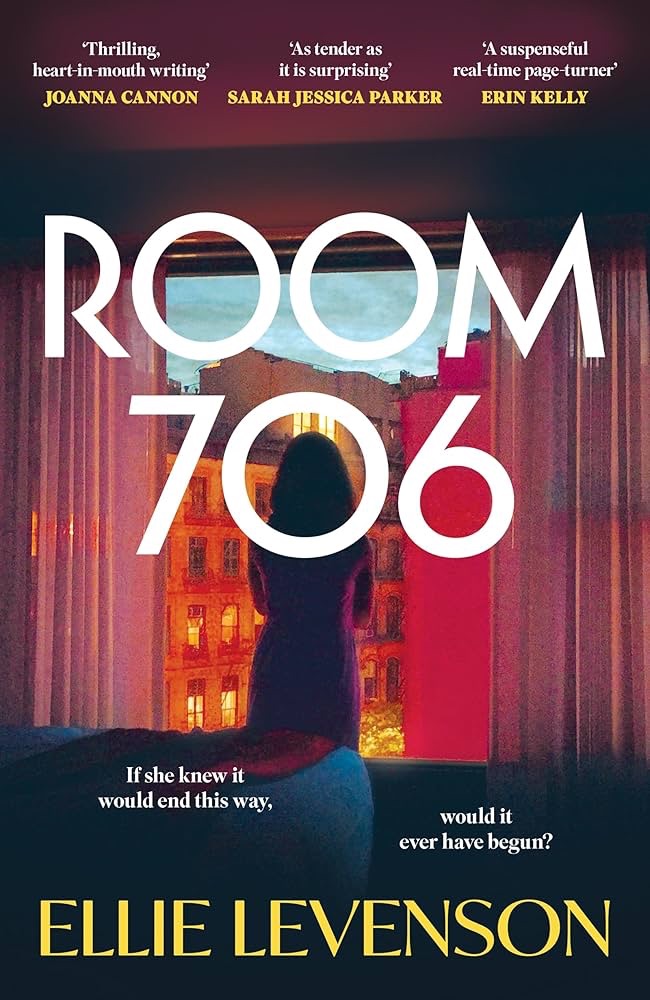

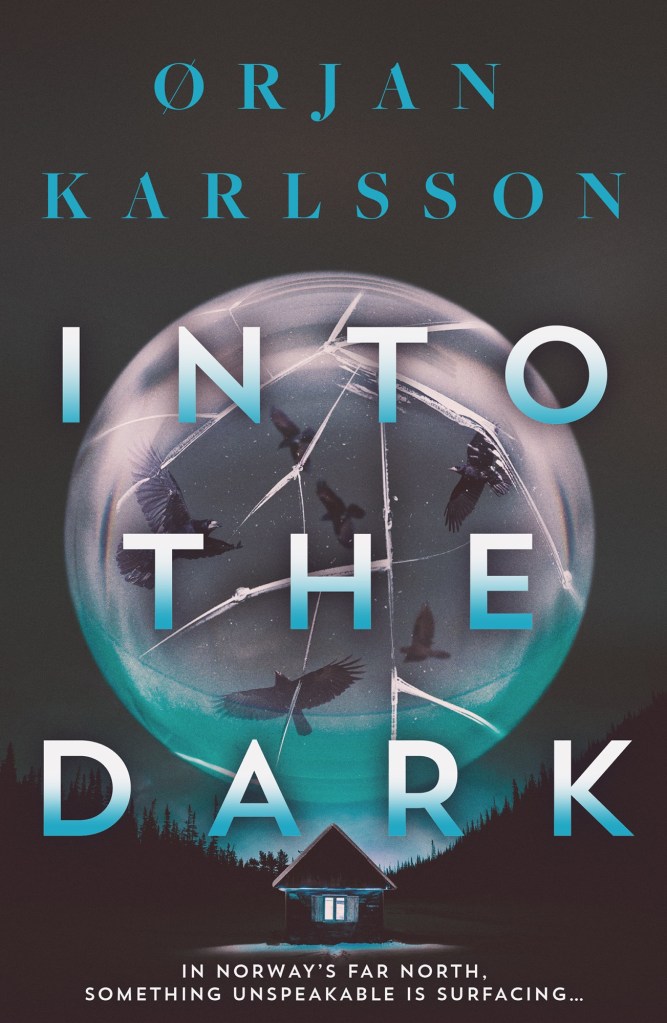


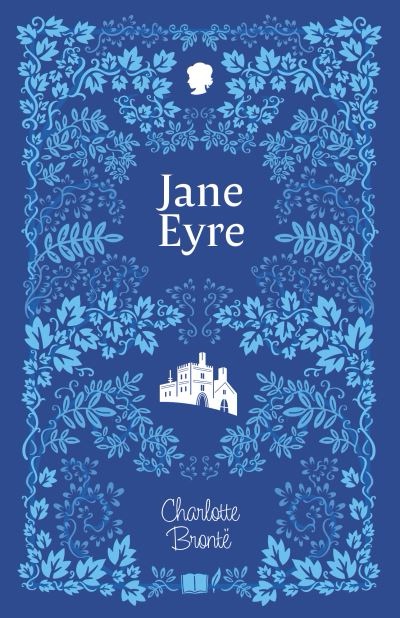
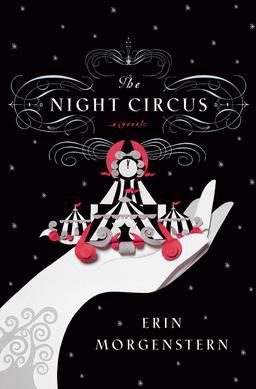

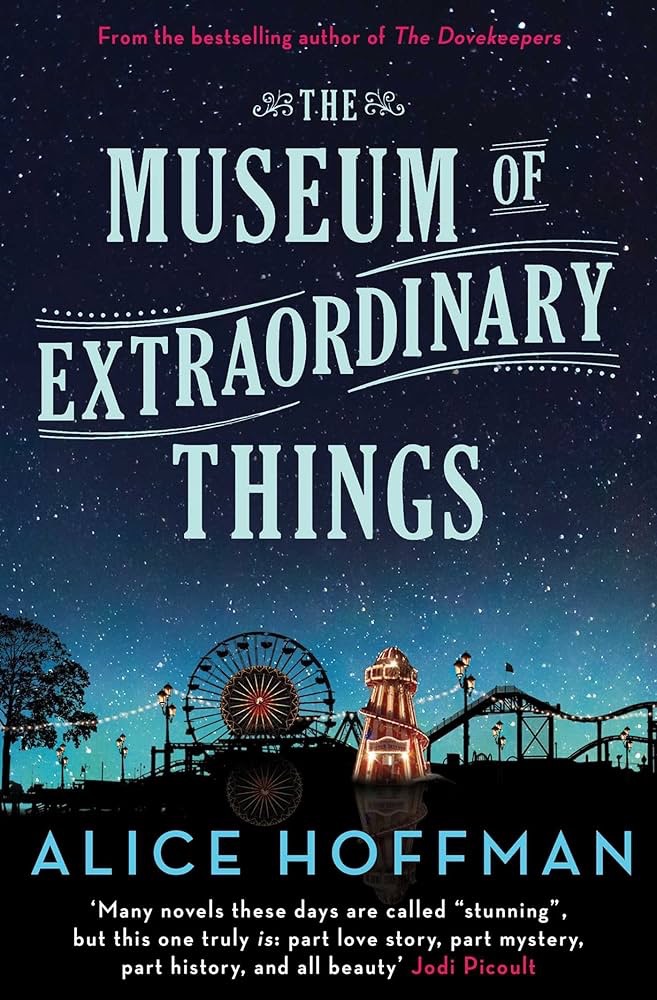
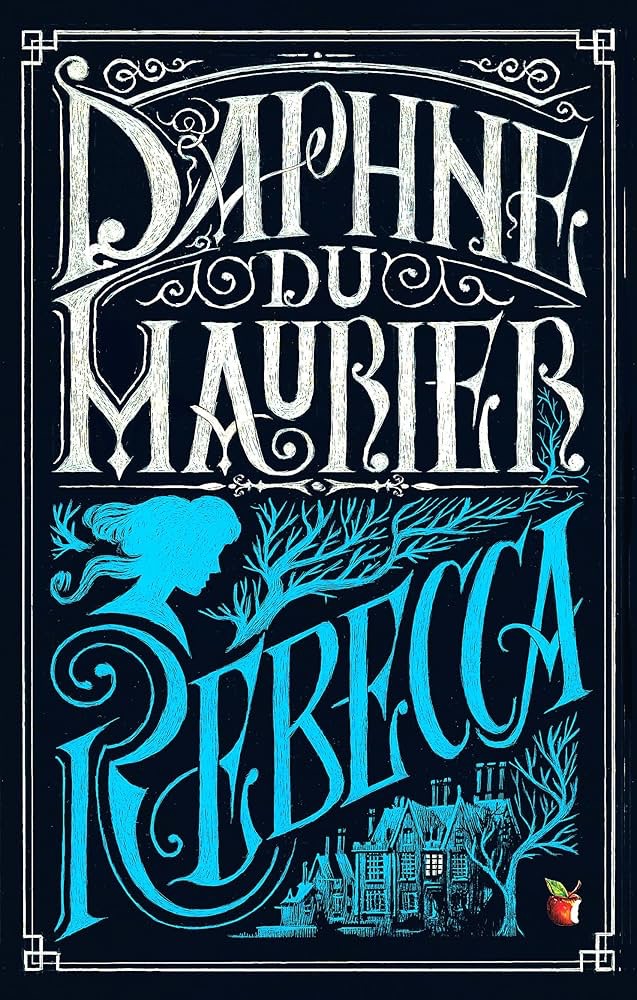


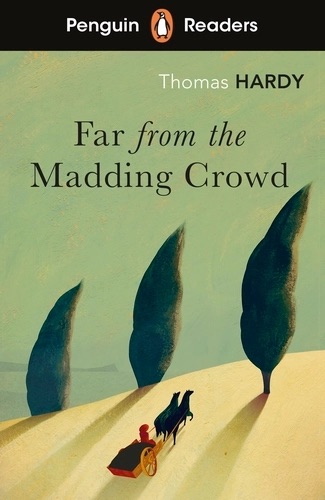
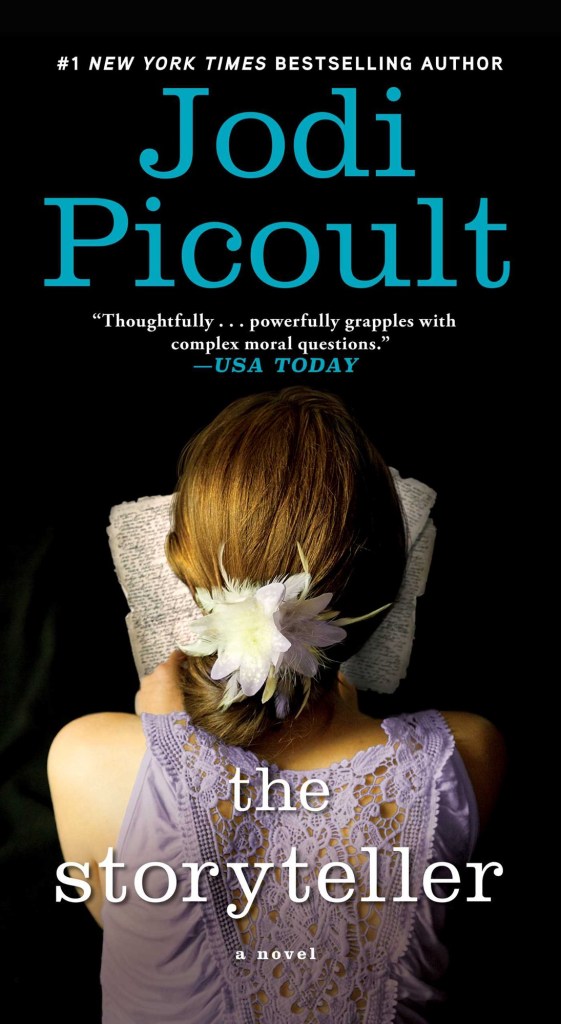

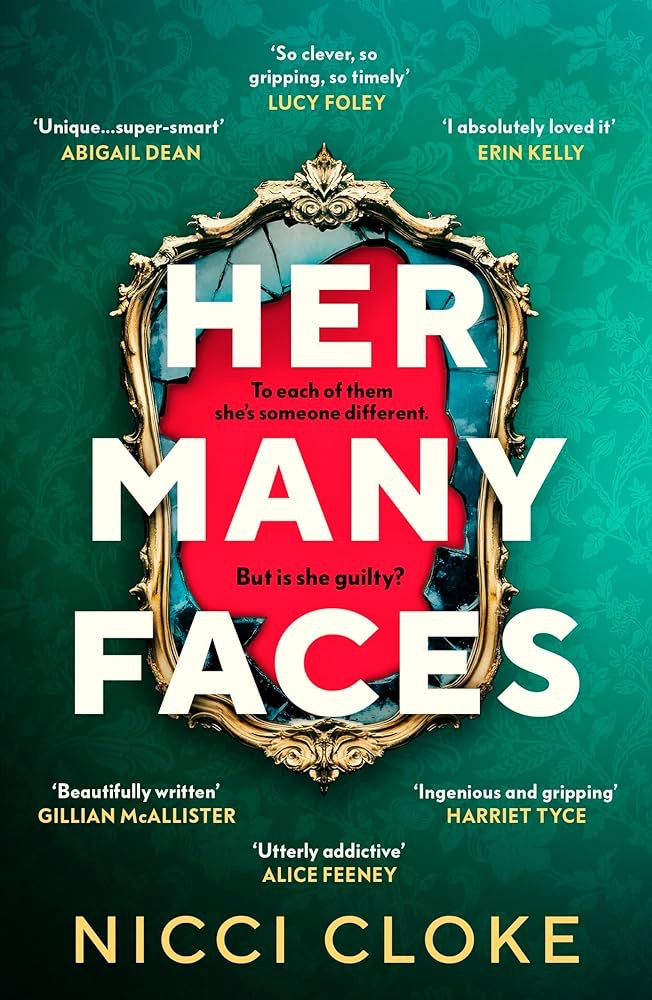


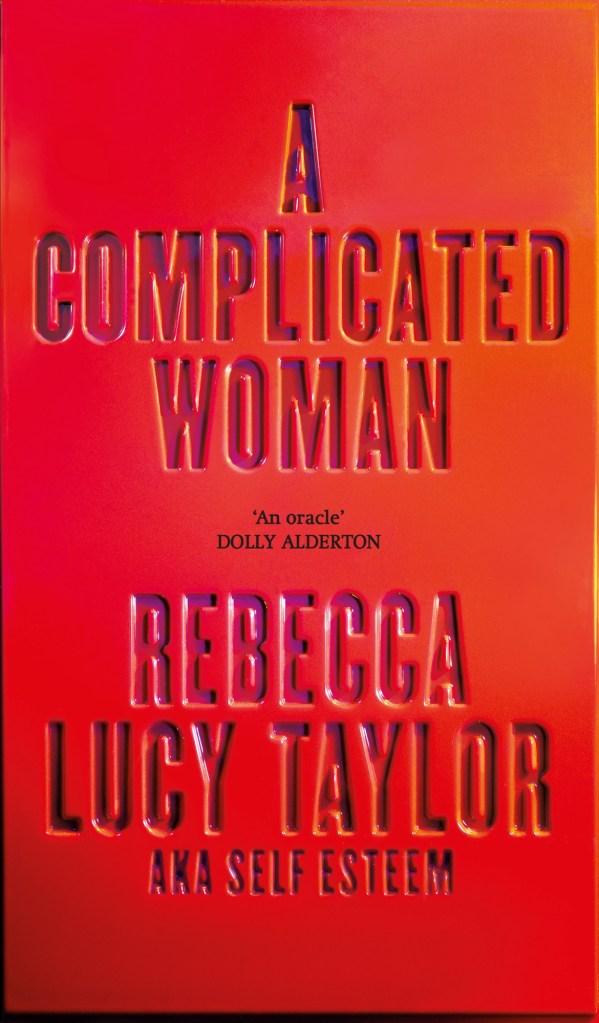

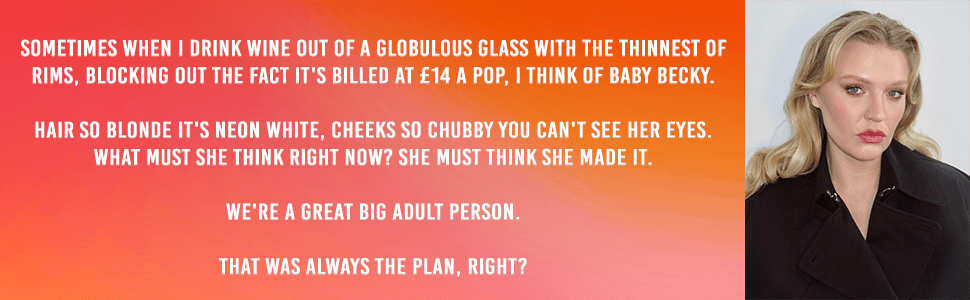

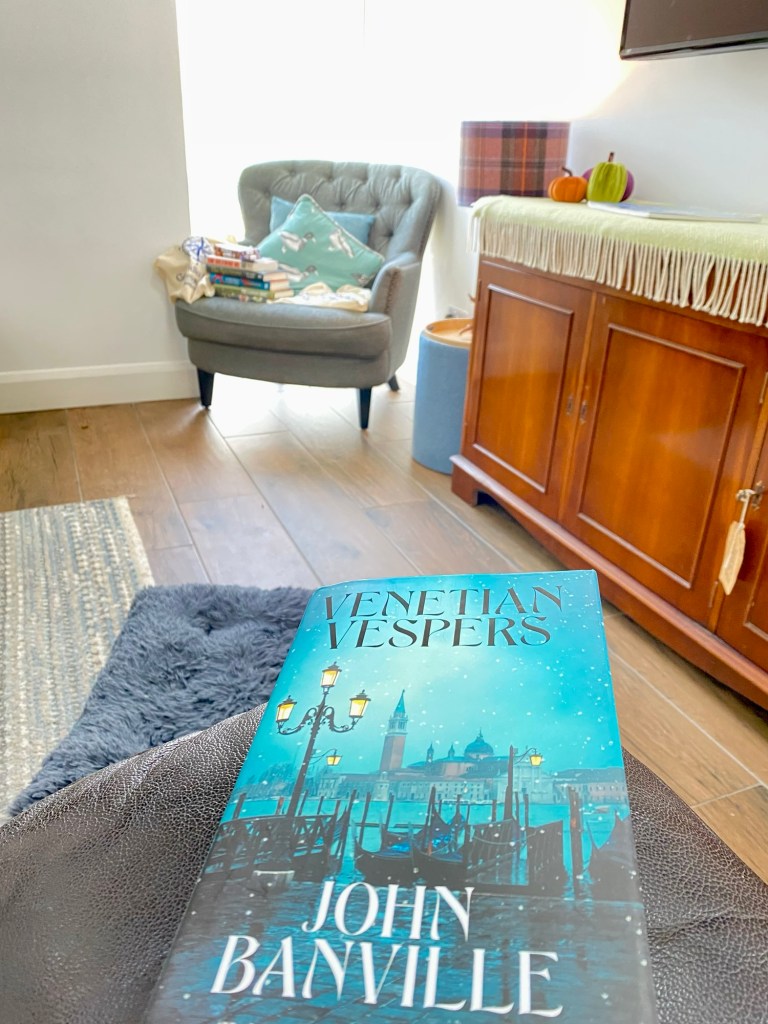
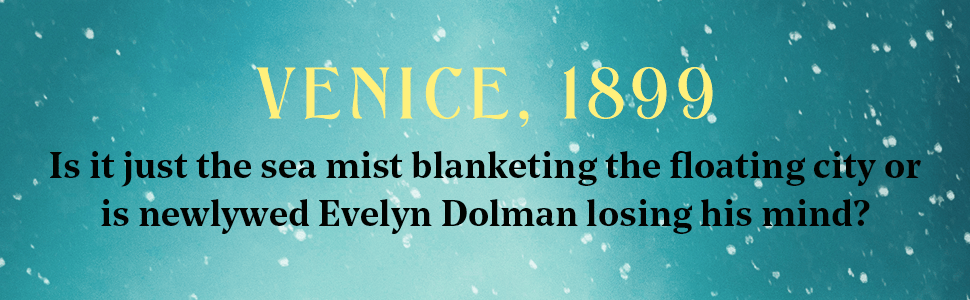


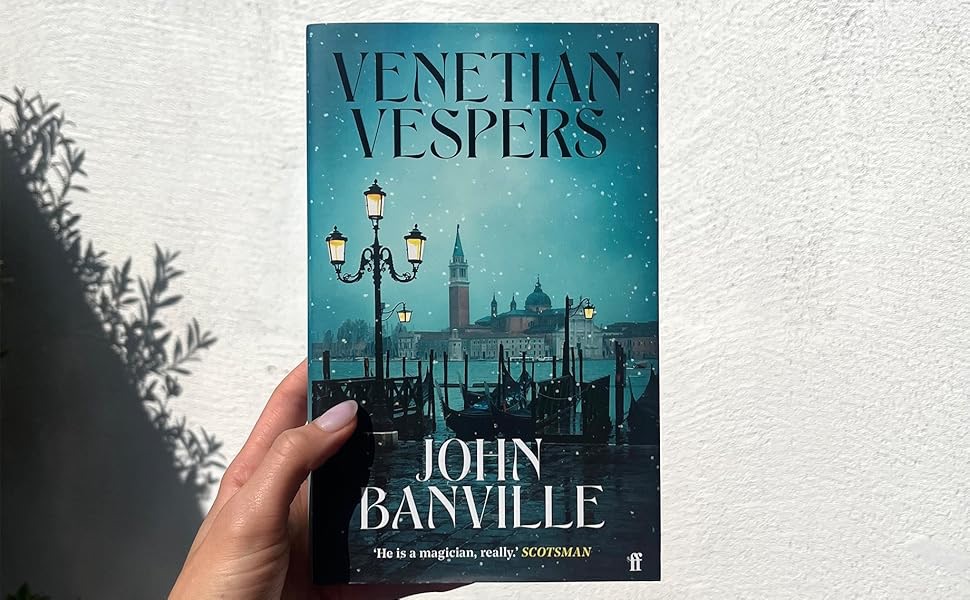




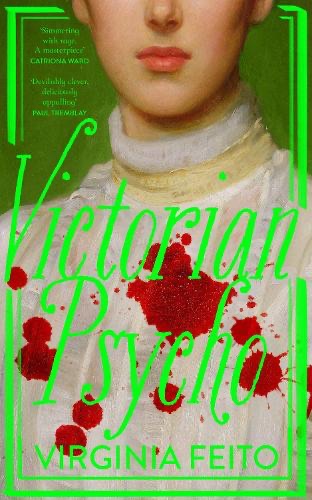

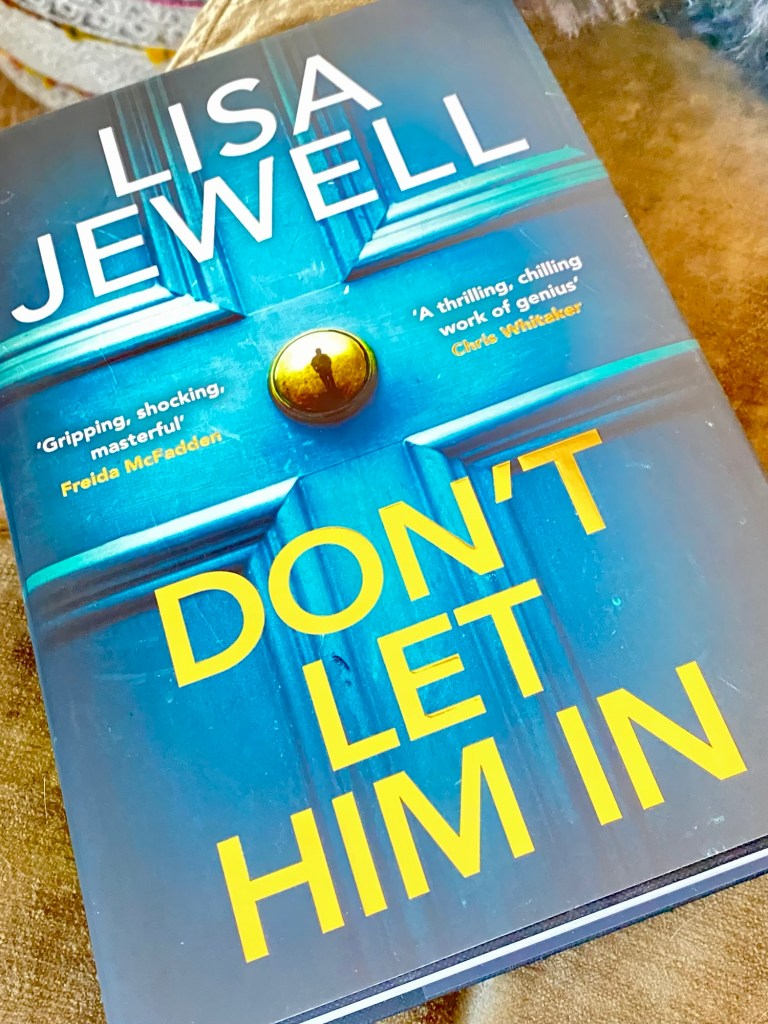



 The Lotus Readers