When she hears a man has been killed by a Great White shark, Gwen races to the beach only to find that all that remains of her husband is his swimming cap and a piece of torn, blood-stained wetsuit. Her grief is soon interrupted by Tish, screaming for information about the accident. When Gwen reassures her that it’s her husband, Jason Riley, who’s perished, Tish’s response is earth-shattering for them both: Jason was her husband too.
The women’s mutual animosity is not assuaged when they learn that Jason recently sent all his – make that their – money to a mysterious ‘business partner’ in Egypt called Skye. But when they fly to Cairo to confront her, they find another grieving widow whose life-savings have gone missing…
As this double-crossed threesome cross continents in their search for truth and retribution, they start to realise they’re embarking on a journey of self-discovery, renewal and friendship too.
I’ve read Kathy Lette before so I was expecting ballsy women, lots of wit, perhaps some raunchy behaviour and definitely laughter. I wasn’t disappointed. I’ve seen this described as a revenge caper and that is the perfect description. Gwen has a happy life with her children and second husband Jason, who’s a real hottie. He is a big blonde surfer type with a sprinkling of grey, but a body honed to perfection by Iron Man training. She sometimes wonders how they got together. She sees herself as a rather ordinary widow nearing her sixties, while he’s a lot younger and so fit. However, tragedy comes along when Jason is training. Gwen hears on the radio that there’s been a shark attack in the bay and she makes her way there immediately. When she arrives, she knows by the scrap of wetsuit on the sand that the lost man is Jason. She hardly has time to breathe before a leather clad ball of fury catapults herself into the situation. Tish is there because she thinks her husband is missing too, she’s married to a tall, blonde hunk called Jason. Surely they can’t both be married to the same man?
Gwen wants to quietly go home and cope with the double shock of Jason’s death and the news that he’s a bigamist. Tish has the grip of a small terrier and has about a million questions that Gwen is incapable of answering. She’s totally gobsmacked by Tish’s biker girl style, they couldn’t be more different so why was he attracted to both of them? It seems that when Gwen thought he was working or training, he was with Tish and vice versa. They’ve been together a similar amount of time. They make a very uncomfortable trip to Jason’s lawyer, Tish is adamant there should be a will and she wants to see it. She invested a large amount of money in a business start-up he was working on. Gwen is keeping her cards close to her chest but she too has invested some of her widow’s inheritance in his endeavours. Where has it gone? They soon find out. His lawyer tells them that Jason signed a document that transfers their joint investment to a woman in Cairo. Tish wants to be on the next plane and wants Gwen to go with her. Can they find this woman, solve the mystery of her connection to Jason and retrieve their money?
I found the novel intriguing and funny at first. Tish is an absolute ball of energy and her power as a character did overpower everyone else slightly. I wonder if Kathy based Tish on her most extrovert side. I felt a little bit like the momentum of the story was lost in long verbal exchanges between the two women that seemed more about the jokes than developing characters or their relationships. Some are admittedly very funny, but when they come thick and fast the humour sometimes misses the mark. It’s also difficult to change the tone and I think the novel could have done with some light and shade. However, it’s a madcap caper that takes on an escapist feel as we travel all over the world with the women and try to work out if Jason faked his own death and whether they’ll be able to retrieve their money. Cairo brings even bigger surprises, leading to Tanzania, the Maldives and throughout Europe. It’s an absurd plot, but it is fun and a great escape read. I read this in one afternoon and had some laugh out loud moments. There’s also some lovely female camaraderie as these women start to come together, overcoming their differences to bond and keep chasing their love rat husband. I really enjoyed the suggestion that there’s a re-evaluation of life as women reach middle-age. A realisation that if we are going to do the things we’ve always wanted we need to start planning now. It’s the chance to throw off things that no longer suit us – not just in our wardrobes! In amongst the action and the laughs is the very profound idea that just when you learn to make the most of your life, it is almost over.
For more information on Kathy Lette and her books visit
Calvin owns Therapy, the bakery of his dreams in an idyllic village in the Lake District, but business is a little quiet. He’s reluctant when wife Vicky suggests social media but it’s not long before assistant Tara has filmed and posted a reel of him making brownies. Suddenly he’s a local celebrity. It seems everyone wants a piece of Chef Calvin and creepy little DMs start to arrive, including some from a stranger claiming to be his biggest fan. At the same time a local recluse has been found dead on a nearby beach, buried up to the neck in sand and left for the tide to come in. Detective Imogen Edwards is under pressure to solve the case, but who would plan such a long, drawn out murder and did they stay to watch the man’s fate? Calvin’s admirer turns up at Therapy, just as Tara is injured and unable to work. Much to his wife Vicky’s horror, new girl Mel ends up standing in and Calvin offers her a job. At least until Tara returns. Then events seem to start spiralling out of control and Calvin doesn’t know who to trust or what to do. Perhaps these wheels were put in motion a long time before, putting those Calvin loves in terrible danger.
This is such a page turning thriller that I swept through it in an afternoon and evening. Seemingly unrelated events start to make potentially intriguing patterns. Mark Edwards has a way of sending your mind down a dozen different paths before getting to the truth. He also has the skill of leaving horrifying images in your head. This time it was the sight of Leo James’s head sticking out of the sand as the tide went out. I have a fascination with Anthony Gormley’s Another Place also known as the Iron Men of Crosby Beach in Liverpool. There is something slightly macabre and even profound about watching the tide come in, slowly submerging some figures underwater completely. This was a terrible human version and I couldn’t help musing on how it must have felt to be left waiting for the tide and what sort of man could watch it unfold. I enjoyed the internet element of the story and how reluctant Calvin is to put himself and his bakery out there – something which makes more sense later in the novel. I could understand his reticence. While Book Twitter was once a benign space, there are now arguments and attempts to police what other people are reading. It seems it’s no longer acceptable to separate art and the artist and I definitely spend less time there. When Tara creates her video, the baker starts to gain customers very quickly and this is definitely welcome. However, it comes with a side order of relative fame and that means teenagers want to take a look as well as a certain amount of women. Mel is one of these and the timing of her arrival in the bakery seems very suspect. Both Tara and Vicky are suspicious and my radar for emotionally damaged women was definitely going off. She seems to establish herself as someone who needs to be rescued, something that is Calvin’s kryptonite. She drops hints about a group of teenagers making a nuisance of themselves on the beach near her cottage and trying to intimidate or frighten her.
It soon becomes clear that Calvin is a rescuer. He has lived in the Lakes all his life and has an experience when he was a teenager that makes him susceptible to women needing him to be the hero. His teenage sister died in a car accident and in flashbacks we go back to that summer and the lead up to this awful event, it’s clear that Calvin carries a lot of guilt around her death but this is only half the story. Our other narrative is that of the murder and the police investigation. Imogen’s first port of call is the dead man’s home which isn’t easy to find, tucked away in the woods and completely off grid. Inside they find the most hideous paintings, possibly created by Leo himself. They show visions of torment and retribution in hell and seem to be inspired by Heironymus Bosch. The house is spartan and gloomy, suggesting that Leo leads a lonely and possibly depressed lifestyle. The paintings point towards his state of mind, but does he believe someone else should receive this punishments or himself? If himself, it seems like at least one other person agreed with him. When Imogen finds a young local girl called Billie lurking nearby she’s determined to find her link to this unusual man. In fact Imogen and Calvin’s wife Vicky seem the most level-headed of the characters. Imogen is a good police officer, methodical and not easily swayed by one thread of the investigation. She lets it reveal itself, but is still only minutes behind the culprit at times. Everything is linked and she just has to find that one person who holds the key. She does come under pressure from above but stays focused.
Vicky is perceptive and there were times I was mentally screaming at Calvin to listen to his wife. She senses someone has been in their house early on and is adamant she didn’t close their bedroom door and shut their cat Jarvis inside. She also wants rid of Mel, not specifically because she has feelings for Calvin, but because she simply doesn’t trust her. Where has she sprung from and why does she seem so keen to please? She thinks the story about teenagers is a deliberate ploy. The tension in each of the narratives is heightened and when Vicky disappears, Imogen has to work out whether this a choice to take time for herself after a row, or something more serious. Although when she speaks to Calvin and finds out that Vicky owns an animal rescue centre, it does seem unlikely for her to leave without warning leaving everything to her assistant Louise. As Imogen starts to join the dots I was praying she wouldn’t be too late for Vicky. How would Calvin cope if he lost Vicky after losing his sister, especially if Mel is involved? As Mel lures him into accompanying her home I was on tenterhooks over whether she would proposition him or whether something more disturbing was going on? The author takes us through some serious twists and turns, just when I thought my suspicions about a character were mistaken they were back on the hook again. I didn’t get to the truth before Imogen though and I managed to do that really annoying thing of rushing through to the end, then wishing I’d taken it slower. This is a first class thriller and has whetted my appetite beautifully for his latest book, The Wasp Trap.
Meet the Author
I write books in which scary things happen to ordinary people, the best known of which are Follow You Home, The Magpies, and Here To Stay. My novels have sold over 5 million copies and topped the bestseller lists numerous times. I pride myself on writing fast-paced page-turners with lots of twists and turns, relatable characters and dark humour. My next novel is The Wasp Trap, which will be published in July in the UK/Australia and September in the US/Canada.
I live in the West Midlands, England, with my wife, our three children, two cats and a golden retriever.
As part of the Squad Pod, I’ve been re-reading this novel in its new edition and I’ve really enjoyed my reintroduction to these interesting characters and the incredible atmosphere the author creates around the Blackhurst Estate in Cornwall. Our story begins in 1913, when a little girl sits forlorn on the harbour side, using her white suitcase as a seat. The authoress told her she was going on an adventure and she’d stayed hidden for such a long time, but now she doesn’t know when the authoress is coming. The harbour master notices her and resolves that if she’s still there when he finishes work, he will have to take her home to his wife. Surely someone will come for her in a day or two? The mystery of the authoress and the little girl took me from 1900 to 2005, in the company of three women who have a link to that little girl in 1913. Eliza lives in London digs with her mother and twin brother at the turn of the Twentieth Century but finds life changes suddenly after her brother is killed in an accident with a coach and horses. She is taken to the Blackhurst Estate in Cornwall to be the companion of Rose, the daughter of the family, who is an invalid and rarely leaves her bedroom. Then in 2005 there is Cassandra, living in Australia and also facing upheaval after the death of her beloved grandmother Nell. Cassandra has lived with her gran since her mother left her there when she was a little girl. She promised to return and never did, leaving her mother Nell to raise her daughter. Together they run an antiques business and after Nell’s death, Cassandra is stunned to find a series of sketches by American artist Nathaniel Walker in her grandmother’s belongings. There’s also a small white case and inside there is a book of strange fairy tales also illustrated by the artist, but the writer is unfamiliar. Eliza Makepeace doesn’t seem to be well known but Cassandra is happy to do some digging and understand what link exists between this famous painter, an obscure writer and her grandmother. After the funeral, Cassandra’s great aunties explain that Nell was the baby in the family, arriving some time after them since their father found her on the Maryborough harbour alone. He decided that Nell needed to know about her true origins before he died, but her sisters wonder if that was the right thing to do. It left her a little distanced from them, as if she didn’t know where she belonged anymore.
Interspersed between Cassandra and Eliza’s narratives is that of Nell, who did her own detective work on who she was decades before. In fact she had plans to make a big change before her daughter turned up with Cassandra and asked her if she would look after her for a short while. Nell knew that once her daughter was gone, neither of them would ever see her again. This put her own plans to one side but Nell never regretted bringing up Cassandra. Cassandra takes her book of fairy tales to a book dealer who explains that Eliza Makepeace was linked to the Blackhurst Estate in Cornwall. In fact Nathanial Walker was married to Rose, the daughter of the family. When Nell’s lawyer confirms that Cassandra has been left a small cottage on the Cornish coast she is intrigued and before long is on a flight to the UK. From there we are catapulted into the past where Eliza is adjusting and trying to make friends with Rose who has been ill for most of her childhood. Her regime is overseen by her rather formidable mother while her father seems largely absent, secretly longing for the return of sister Georgina who ran away to London with a menial worker from the estate. All of these separate story lines are linked beautifully by the author over the course of the novel, telling the story of a family beset by tragedy, but also shaped by rigid control, manipulation and jealousy. All of this is set within the beautiful backdrop of Cornwall and its history of fishing and smuggling as well as its stunning scenery. Cassandra’s cottage sits above the cliffs looking down to the sea, but has a stone wall around it. She wonders why someone would block off that incredible view, but also whether they were blocking people from seeing out or in? It must have been a gloomy existence. When Cassandra hires a local gardener to remove the tree that’s partially growing inside the cottage they discover a crawl space under the back wall and inside an overgrown but entirely enclosed garden. The walls that cradle the garden create a deep sense of belonging, as if the birds sing just for her. It’s a peaceful space, almost frozen in time.
Cassandra is also interested to know how Nell ended up buying the property and why she never came back. Speaking to the village’s estate agent Robin gives her a lot of insight and the date Nell bought the cottage starts to make sense to her. Through Robin’s father, a retired fisherman, she hears some of the cottage’s history from a smuggling lookout to the home of the Authoress, a beautiful red- headed lady who used to live at Blackhurst. The actual manor has slowly become a hotel and Cassandra learns more by talking to the owner, who has refurbished the house and made some fascinating finds. She shares some scrapbooks with Cassandra, made by Rose who later became the wife of Nathaniel Walker. Rose was an invalid and her scrapbooks show a young girl’s imaginings from fairies to beautiful dresses and what she imagined her wedding to be like. Not that anyone expected she would meet anyone to marry. Her cousin Eliza tells her strangely dark fairytales and encourages her to aim for some of her dreams, to travel and perhaps get married someday. When she is married, her longings become focused on having a child, but will that be possible for her and if not, how can she find another way to become a mother? Kate Morton gives us little revelations as we go along, taking us back into the past to show us exactly what transpired and another jigsaw piece of this mystery slots into place.
I loved how vividly Morton describes the squalor of turn of the century London and the harsh way of life for those just trying to keep a roof over their head. Blackhurst is the perfect name for the estate in Cornwall, named after an outcrop of black rock that juts out into the sea and provides an incredible lookout for the brave who enjoy the crashing waves and the seaspray. The estate feels like a mausoleum in contrast to Cornwall’s natural beauty. It is somewhere where people are shut away and miserable, with Rose in bed and her father shut away in his study and harbouring his secret obsessions. The cottage is accessed through the maze and it feels like a walkway to another world as it opens out in Eliza’s garden. What could possibly have caused two cousins to be entirely separate, with the maze as the barrier between their properties? I loved the theme of motherhood throughout, especially the loss of mothers for Eliza, Nell and Cassandra. One of the saddest parts for me was when Nell finds out that she isn’t a blood member of her Australian family and it changes her outlook, leading to her own trip to Cornwall. There’s even a touch of romance for one character who’s suffered a terrible loss. Reading this again has made me realise how rich Morton’s writing is and how reading her books probably led me to me enjoying this genre so much and current writers like Amanda Geard and Kate Lumsden. This is a sweeping epic of a mystery, with great characters and dark gothic undertones which I’ve thoroughly enjoyed rediscovering.
Meet the Author
KATE MORTON is an award-winning, Sunday Times and New York Times bestselling author. Her novels – The House at Riverton, The Forgotten Garden, The Distant Hours, The Secret Keeper, The Lake House, The Clockmaker’s Daughter and Homecoming – are published in over 45 countries, in 38 languages, and have all been number one bestsellers around the world.
Kate Morton grew up in the mountains of southeast Queensland and now lives with her family in London and Australia. She has degrees in dramatic art and English literature, and harboured dreams of joining the Royal Shakespeare Company until she realised that it was words she loved more than performing. Kate still feels a pang of longing each time she goes to the theatre and the house lights dim.
“I fell deeply in love with books as a child and believe that reading is freedom; that to read is to live a thousand lives in one; that fiction is a magical conversation between two people – you and me – in which our minds meet across time and space. I love books that conjure a world around me, bringing their characters and settings to life, so that the real world disappears and all that matters, from beginning to end, is turning one more page.”
Rebecca is probably the reason I first visited Cornwall, but it’s also one of those books that I’ve changed my mind about when I reread it. I read the book as a teenager from mum’s bookshelf and I also watched the Hitchcock film at a similar age and both book and film are still favourites. I think I read it as a romance at first, rooting for the rather young and mousy heroine as she falls in love with brooding stranger Maxim de Winter as they meet in Monte Carlo. Now I read it as an altogether different story, probably emphasised by the above new Virago edition that’s billed as one of her ‘dark romance’ books. Maxim is dazzlingly and tragically romantic to our young heroine, mourning the wife who was known as a great beauty and unable to be in their Cornish stately home Manderlay. Perched on the cliffs near Fowey and based on de Maurier’s home Menabilly, this is one of the most beautiful and gothic settings. It’s impossible to see from the road, only from the sea and its private beach only accessible by boat or on treacherous steps from the grounds of the house. The heroine does seem to win it all – the man, the house, the money and love – but does she really? Immediately invisible next to the dark and sexy Rebecca of the title, the new Mrs de Winter doesn’t even warrant her own name. She’s scared of running the house having never done it, she’s not even the same class. She’s also scared of the servants, especially the creepy maid of his first wife, Mrs Danvers. At one point she breaks a statue in the morning room and hides the evidence. Maxim is no help. Instead of appointing a servant to help with decisions in the house, or at least to bring her up to speed, he just goes out first thing and leaves her to the brooding and obsessive Mrs Danvers, now the housekeeper. Max has no idea how privileged he is and can’t comprehend her hesitancy and fear of getting it wrong and when she does he flies into a temper or scolds her like a child. He gaslights, lies and yells at her. She may as well have been poured into a pit of vipers. This has never been a love story, it’s more a gothic retelling of Jane Eyre and origin of the domestic noir genre. This is an absolute Cornish classic from one of their most famous writers.
The Poldark novels had a resurgence and series of new editions thanks to the new BBC series which dominated Sunday nights and starred Aiden Turner as Ross Poldark and Eleanor Tomlinson as his wife Demelza. They begin in the late eighteenth century as Poldark returns from the American Revolutionary War to his home county of Cornwall and the Poldark house and land. Things have changed since he left. His father is dead and the copper mine is failing. His sweetheart Elizabeth has become engaged to Ross’s cousin George and they will be living at Trenwith with Ross’s grandmother. There are differences between the books and the TV series. Demelza is actually a child when Ross first meets her and he takes her to be one of the staff at the smaller farm estate of Nampara. There are ten years in age between them and it’s only when she’s an older teenager that their relationship changes – in the series he brings her as an adult and marries her very quickly, much to the disgust of his parish. I think the books are grittier than the tv series, with the main characters having more complexity and actually doing things we might not like. Ross particularly has more ambiguity, a good man when it comes to his workers and his politics but not such a great husband. The abuse and rape suffered by Morwenna in the marriage forced by Warleggan hits harder. The series really deviates after book three with no exploration of the children as they grow up and the terrible grief they go through as parents. I think the series wanted to paint Ross and Demelza as a love story with a happy ending after a tough period following infidelity, but in the books life goes and Ross’s rivalry with George Warleggan still continues, even when they’re older men. I think the books give more of that historical background, particularly with the backdrop of war and later the Industrial Revolution. It’s almost as if the series is the tourist’s view and the books place the characters more firmly in their time period.
For those of you missing Aiden Turner as Ross.
Mysteries and Thrillers
When I read a more recent Ruth Ware thriller I went back to some of her earlier books and I inhaled this in two sittings. We follow Harriet Westaway as she receives an unexpected letter telling her she’s inherited a substantial bequest from her Cornish grandmother. Could this be the answer to her prayers?
There’s just one problem – Hal’s real grandparents died more than twenty years ago. Hal considers her options, she desperately needs the cash and makes a choice that will change her life for ever. She knows that her skills as a seaside fortune teller could help her con her way to getting the money and once Hal embarks on her deception, there is no going back. This keeps you on tenterhooks from the minute Hal arrives at Trespassen House in Cornwall and there is that hint of Daphne du Maurier in the family estate and the mystery that plays out. Hal is also placing herself in a wholly different family and social class. Her upbringing may have been short on money, but it was never short on love. The tragic death of her mother Maggie was only three years ago and it catapulted Hal into adulthood but the Westaway family don’t hold the same values. They do have secrets though, ready to drop out of every closet. She is the outsider here, totally out of her depth and the wild coastline, storm porch and St Piran’s Church place this firmly in Cornwall. This family may have money and privilege but they don’t have the love or care for each other that Hal is used to, she will have to use her skills of perception and discernment honed by years of tarot reading. The remoteness of Trespassen and lack of internet signal add to the Gothic feel of this novel and there is even a Mrs Danvers mentioned. This is a great thriller with plenty of clues but a lot of red herrings, so you must be prepared for surprises.
Tamsyn is as local as it getsin their Cornish village. Her grandfather worked the tin mines, her father was a lifeboat volunteer alongside his work, but her brother is struggling to find work that’s not seasonal. Tamsyn’s attachment to The Cliff House to a beautiful coastal property just outside her village comes to a head in the summer of 1986. To her, the house represents an escape, a lifestyle that’s completely out of range for her and represents the perfect life. It’s also her last link to her father, who brought her here to swim in the pool when he knew the owners were away. Her father felt rules were made to be broken and they both considered it madness to own such a slice of perfection overlooking the sea yet rarely visit except for a few weeks in the summer. Now he’s gone, Tamsyn watches the Cliff House alone and views it’s owners, the Davenports, as the height of sophistication. Their life is a world away from her cramped cottage, her Granfer’s coughing into red spattered handkerchiefs and their constant struggle for money.
Tamsyn’s family are firmly have nots. Her hero father died rescuing a drowning child and now she has to watch her mother’s burgeoning friendship with the man who owns the chip shop. Her brother is unable to find steady work, but finds odd jobs and shifts where he can, to put his contribution under the kettle in the kitchen. Mum works at the chip shop, but is also the Davenport’s cleaner. She keeps their key in the kitchen drawer, but every so often Tamsyn steals it and let’s herself in to admire Eleanor Davenport’s clothing and face creams and Max’s study with a view of the sea. Yet, the family’s real lives are only a figment of her imagination until she meets Edie. When Tamsyn finally becomes involved with the Davenports she gets to see the reality of a family bathed in privilege. As we try and work out Tamsyn’s motivations, she seems blind to the problems and ticking time bomb at the centre of the family. Or is she more perceptive than we think? This is a great thriller with disturbing family dynamics and an interesting tension between second homers and those who live in Cornwall all year round and struggle to own a home. The rugged cliffs and raging sea are a beautiful, dangerous and fitting backdrop to this tension.
Another book highlighting the dangerous beauty of the Cornish coast is Jane Jesmond’s first thriller On The Edge. I was thoroughly gripped by this tense thriller set in Cornwall concerning Jenifry Shaw – an experienced free climber who is in rehabilitation at the start of the novel. She hasn’t finished her voluntary fortnight stay but is itching for an excuse to get away when her brother Kit calls and asks her to go home. Sure that she has the addiction under control, she drives her Aston down to her home village and since she isn’t expected, chooses to stay at the hotel rather than go straight to the family home. Feeling restless, she decides to try one of her distraction activities and goes for a bracing walk along the cliffs. Much later she wakes to darkness. She’s being lashed by wind and rain, seemingly hanging from somewhere on the cliff by a very fragile rope. Every gust of wind buffets her against the surface causing cuts and grazes. She gets her bearings and realises she’s hanging from the viewing platform of the lighthouse. Normally she could climb herself out of this, most natural surfaces have small imperfections and places to grab onto, but this man made structure is completely smooth. Her only chance is to use the rapidly fraying rope to climb back to the platform and pull herself over. She’s only got one go at this though, one jerk and her weight will probably snap the rope – the only thing keeping her from a certain death dashed on the rocks below. She has no choice. She has to try.
My heart was racing during the opening of this novel and I was so hooked I read it in one sitting. The sense of place was incredible. The author conjured up Cornwall immediately with her descriptions of the tin mine, the crashing sea on the cliffs and fog on the moors. I recognised the sea mist that seems to coat your car and your windows. The weather was hugely important, with storms amping up the tension in the opening chapters and the fog of the final chapters adding to the mystery. Will we find out who is behind the strange and dangerous events Jen has uncovered or will it remain obscured? Cornwall is the perfect place to hide criminal activity, hence the history of smuggling and piracy, so why would it be any different today? Has the cargo changed? I loved that the author wove modern events and concerns into the story, because it helped the story feel current and real. The concerns around development and tourism are all too real for a county, dependent on the money tourism brings, but trying to find a balance where it doesn’t erode the Cornish culture. Local young people are priced out of the property market completely. This is a great combination of setting and edge of your seat thriller, with a character as wild as the coastline.
Family Sagas
This book makes me nostalgic for the times I’ve spent in Cornwall. It also makes me want to go on RightMove and look for a little shop I can turn into a bookshop and writing therapy centre. Enough of my daydreams. I think this is one of those books that modern readers avoid because the covers have been too feminine and floral, marking it out as a romance when really it’s a family drama ( i want to use the word sweeping when I think about). Penelope is elderly and while she is recovering from a heart attack she thinks about the years she spent in Cornwall. What follows is the story of a family—mothers and daughters, husbands and lovers—and the many loves and heartbreaks that have held them together for three generations. It’s a magical novel, giving the kind of reading experience you can get swept away in for hours. Penelope prized possession is The Shell Seekers, painted by her father. It seems to symbolise her unconventional life, from her bohemian childhood to WWII romance. When her grown children learn their grandfather’s work is now worth a fortune, each has an idea as to what Penelope should do. But as she recalls the passions, tragedies, and secrets of her life, she knows there is only one answer…and it lies in her heart.
One of my favourite places in the world is Watergate Bay and I feel energised just by standing on that beach and feeling the sea spray hit my face. This book gave me the same feeling because you can feel Pilcher’s love for Cornwall throughout. It also made me grateful for a family who don’t care about money, just about love. This is a fabulous holiday read so don’t be put off by the cover.
In Kate Morton’s second novel she takes us through a family’s history with Gothic undertones, contrasting the beautiful setting of Cornwall with 19th Century London. It covers three timelines over three generations of women, all caught up in one compelling mystery.
Once, a little girl was found abandoned after a gruelling sea voyage from England to Australia. She carried nothing with her but a small suitcase of clothes, an exquisite volume of fairy tales and the memory of a mysterious woman called the Authoress, who promised to look after her but then vanished. Years later, Nell returns to England to uncover the truth about her identity. Her quest leads her to the strange and beautiful Blackhurst Manor on the Cornish coast, but its long-forgotten gardens hide secrets of their own. Now, upon Nell’s death, her granddaughter, Cassandra, comes into a surprise inheritance: an old book of dark fairy tales and a ramshackle cottage in Cornwall. It is here that she must finally solve the puzzle that has haunted her family for a century, embarking on a journey that blends past and present, myth and mystery, fact and fable. I am lucky enough to have a new edition of this book to read with my Squad POD next month so look out for my review.
Historical Fiction
My mum was a huge fan of D.H.Lawrence’s books so this book jumped out at me in a second hand bookshop. It’s Helen Dunmore’s first novel published in 1993. Set in the coastal village of Zennor, this covers the time that D.H.Lawrence and his German wife, Freida, laid low during the First World War. In the spring of 1917, at a time when ships were being sunk be U-boats, coastal villages were full of superstition. The Lawrence’s were hoping to escape the war fever in London and chose Cornwall. There, they befriend Clare Coyne, a young artist struggling to console her beloved cousin, John William, who is on leave from the trenches and suffering from shell-shock.
Yet the dark tide of gossip and innuendo is also present in Cornwall, meaning Zennor neither a place of recovery nor of escape. Freida and Lawrence are minor characters, with the main story focused on Clare and suspicions about her relationship with her cousin. Helen is adept at bringing people from history back to life, filling them with emotions and preoccupations that are familiar to us. The Cornish coast is vividly described with its fishing industry, craggy inlets and secret beaches providing a wonderful backdrop to the atmosphere of suspicion especially with the their smuggling history. She captures the claustrophobic feel of a small village where everyone knows each other and incomers are kept at a distance. She also captures how lonely it can be to move into such a close knit community and how lives can be ruined by assumptions.
Caroline Scott’s book is set in the aftermath of WWI in the summer of 1923. Esme Nicholls is drawn into spending the summer in Cornwall, close to Penzance which was the birthplace of her husband. Alec died fighting in the war and she’s hoping to spend some time learning more about the man she fell in love with and lost too soon. She’s been invited to stay in the home of her friend Gilbert, as a potential retreat for the lady she works for, Mrs Pickering. He inherited the rambling seaside house and has turned it into a recovery centre of sorts. All residents are former soldiers, expressing themselves through art or writing. She is nervous to be the only woman, but soon gets to know the men and their stories. They give her insight into what Alec may have experienced and that’s exactly what she needs.
However, this summer retreat is about to change as a new arrival brings with him the ability to turn Esme’s world upside down. She will soon be questioning everything about her life and the people in it. Cornwall is an idyllic backdrop to the story and a huge factor in the recovery and the creative work of these men. Esme’s growing friendships are beautifully drawn and as always I was emotionally invested in her characters. I loved how her relationship with Mrs Pickering softened from being a professional companion to friendship. I also enjoyed her growing closeness to Rory and Hal. They all help with her grief and the shock of this new guest. But as always, holidays come to an end, leaving Esme with huge choices to make.
My Favourite
I first read this wonderful novel when I was a teenager, captured by the romance at the centre of the novel. Then the backdrop really started to sing out to me, especially when I started to regularly visit Cornwall around twenty years ago. Lastly it was the history aspects to the latter parts of the story with our characters caught up in English Civil War and Cornwall’s unique role, both geographically and as staunch Royalists. It’s fair to say that the book wasn’t well received at first, especially after the instant success of Rebecca and My Cousin Rachel. This takes a similar romantic narrative but weaves in the history of a Cornish house that would eventually become her home, Menabilly on the Gribben peninsula near Fowey. At the time of starting her new book it had been owned by the Rashleigh family for over 400 years. Daphne would visit and talk to them about using the house and they told her a story about building work they were having done when builders found a bricked up room housing the skeleton of a Cavalier. She decided to write this real life mystery into the novel wanted to write, when she finally and inevitably overcame their objections.
Her decision to record historical facts truthfully could have been the book’s undoing. The history of the Royalist cause in Cornwall is convoluted and confusing and there’s a large background cast of related Cornish families. I think she wanted to remain faithful to the Cornish cause and be seen to include real Cornish people, but the reader could be forgiven for struggling with them, many names are similar and the intricacies of intermarriage sometimes make the plot hard to follow. Cornwall did declare for the King and our hero Richard Grenvile is the grandson of Sir Richard Grenville who fought the Spaniards in the Azores. He is depicted as flamboyant, with an incredibly fiery temper, but he can be very charming and as time and experience show, he is incredibly loyal. Our heroine Honor Harris is the character I fell in love with possibly because of the fact she’s always reading and is a bit wild. She is absolutely swept off her feet by the man she meets in the family orchard, while sitting in her reading place up in an apple tree. Luckily her hiding place is just big enough for two. Richard is older, a seasoned soldier with wars on the Continent and Ireland under his belt. He is known as ruthless with a terrible reputation. However, he and Honor fall in love. Only a day before their wedding, Honor goes hunting with Richard and his sister. He calls back to warn her about a ravine but his call is lost on the wind and she falls down the precipice. She is then paralysed from the waist down. I think this is possibly why I fell in love with the book, having had my own accident when I was eleven. I had two fractures and a crushed disc, but luckily my spinal cord wasn’t affected. I didn’t finish primary school but returned to start secondary school in the autumn. It has given me problems ever since. It was wonderful to read a character who had a disability but whose fiancé still loved and wanted to marry her, at a time when I was starting to look at boys a little differently.
Despite Richard’s promises, Honor knows she can’t fulfil the role of an army officer’s wife. She decides to let Richard go and gives him her blessing to find someone else. She still follows Richard’s exploits as he moves through Cornwall trying to turn the Royalist sympathisers into an effective fighting force. The Cornish aristocracy have the hereditary right to become fellow commanders, although he finds them incompetent and at times cowardly. Honor has a wheelchair made by her brother, which allows her some movement and at times she manages to support and actually assist Richard. Their love for each other never seems to fade and I enjoyed the romantic aspects of the novel. Their relationship is the spark that lights up this novel, even more so now that I am a wheelchair user at times. I was impressed by how intrepid and determined Honor is and that Daphne wrote a disabled heroine in the 1940s. A couple of years ago, on my honeymoon, I went to Fowey and the Daphne du Maurier bookshop and bought a first edition of the novel for my collection. My old copy was falling apart from re-reading, but I also wanted to own such an important copy of my favourite Cornish novel.
Emily and Freddie have been through the mill of late. After a terrible accident when they were on holiday, Freddie has surprised her with the home of their dreams. Emily fell from a cliff on a group holiday and not only did she break her leg in several places, she then developed sepsis and almost lost her life. Now she’s in recovery, still walking on a stick and has been thrust into a whole new life. Larkin Lodge sits just outside a village on the edge of the moors and could be their dream home, but Emily can’t believe Freddie made this huge decision without her. The house is gothic and in the mists and murk of winter it looks a little isolated and spooky. However, she can see that in spring the views will be incredible. As Freddie continues to work in London, Emily spends a lot of time alone and starts to feel uneasy. Sudden drafts and disgusting smells, then heavy footsteps moving across the second floor are unnerving. Freddie is convinced she’s struggling with post concussion syndrome and calls her ITU consultant for advice – much to Emily’s disgust for doing this behind her back. As she starts to look into the history of the house and questions some of the locals, all the different parts of her life start to fall apart. Secrets start to come to light and Emily wonders if the house is having an influence on her.
Freddie made me angry and I couldn’t understand what had kept them together so long. We hear both his and Emily’s viewpoint in alternate chapters. We don’t know how he felt about the ‘pre-accident’ Emily, but here he seems irritable and edgy. He makes Emily doubt her own sanity and even when he has experience of the same things he keeps it to himself. He talks behind her back to the vicar and her consultant – but we can’t help but wonder if it could it all be in Emily’s head? Yet even when she tries to forgive him for his actions he seems strangely disappointed and even angry. He says he hates her superior tone and victim mentality. Is he determined to think the worst of her or is he just a concerned husband looking for answers? They meet a married couple who once lived at the lodge and now live elsewhere in the village. They seem unscathed by their years at the house. He is an artist and loves to paint young models, with his incredibly chilled wife seemingly happy with any potential dalliance. Emily can’t imagine being that accepting of the same with her own marriage. How do they fit in to this strange puzzle?
Emily is a sympathetic narrator although she’s not entirely reliable. It must be so disorientating to wake from a coma and know that your body has been present but your mind has been somewhere else. Added to that is the risk of ICU psychosis – a common condition causing auditory hallucinations, nightmares, sleep disturbances and paranoia. One in three ICU patients are affected after spending five days in the unit so one of her experiences could be explained away. However it’s important that those who love her, listen to her and believe her experience, otherwise it feels like a betrayal. She is desperately looking for answers, researching the archives and talking to locals. Being disturbed in her sleep means she’s up and about in the night and after they throw a party at the lodge she stumbles across another secret and doesn’t know who trust. Would she ever have had thoughts like this before the house? The author cleverly creates tension between what we know about Freddie and Emily and what they know about each other. They’re both keeping secrets and Freddie projects all their problems on to her. Even when she’s quite measured and reasonable or accepts his apologies he becomes angrier. Just occasionally he pauses and wonders where these thoughts are coming from? Is it the shock of Emily’s fall still working on him or is something more insidious at work?
Of course it wouldn’t be a Sarah Pinborough novel without a supernatural element and this one is genuinely scary. It begins with the window on the landing, seemingly opening of it’s own accord. Then sounds on the stairs to the top floor where Emily can’t reach at the moment without severe pain. When she starts talking to older locals about the house there’s a moment that genuinely made the hair stand up on the back of my neck! The chapters from the raven’s perspective are very touching as well as creepy. He has lost his mate at the house and can’t seem to leave her, even with the promise of a new life with a beautiful young raven called Bright Wing. She can’t tempt him from the corpse of his mate, even though she’s no more than papery bones. His grief is so real and I was deeply sad for him. I was very keen to find out what link they both have to Larkin Lodge. Was this an edge of the seat thriller or a ghost story? We’re never quite sure, but i felt compelled to keep reading and find out. Sarah Pinborough is the Queen of this type of gothic thriller and this was another brilliant read, keeping you guessing till the very end.
Meet the Author
Sarah Pinborough is a New York Times bestselling and Sunday Times Number one and Internationally bestselling author who is published in over 25 territories worldwide. Having published more than 25 novels across various genres, her recent books include Behind Her Eyes which will air on Netflix in January 2021, Cross Her Heart, in development for UK television, and 13 Minutes in development with Netflix.
Sarah was the 2009 winner of the British Fantasy Award for Best Short Story and also the 2010 and 2014 winner of the British Fantasy Award for Best Novella, and she has four times been short-listed for Best Novel. She is also a screenwriter who has written for the BBC and is currently working on three TV projects and the film adaptation of her novel The Death House.
Her latest novel, DEAD TO HER and is a dark and twisty, sexy tale of hidden secrets and revenge in high society Savannah and has been sold for TV in the US.
Sarah lives in the historic town of Stony Stratford, the home of the Cock and Bull story, with her dog Ted.
This is one of those thrillers where you’re immediately sucked into this narrator’s life and her new circle of school mums or frenemies. When Jude first arrives in Lowbridge with daughter Betsy it’s a new start and she’s keen to get to know the other mums. However, she soon works out that Victoria is the queen of the school mum scene and everyone wants to be in her clique. Victoria appears to have her shit together – a lovely home with all those aspirational touches like a fire pit table, matching lawn chairs and fluffy blankets for when it gets cool in the evening. She has two kids, heads up the PTA and runs her own business as a personal trainer. Although Jude finds the mums a bit cliquey she does hit it off with one of the dads. Will has a little girl of Betsy’s age and is a widower, there is something very attractive about him and Jude receives the red flag a little too late. When finally invited to a garden get together at Victoria’s she’s warned that not only did Will’s first wife die, but his second wife Robyn went missing and lightning doesn’t strike in the same place twice. It seems that the mums don’t believe in coincidences. When Sorrel, another one of the mums, is targeted by a blackmailer pretending to be Robyn she is stunned that Robyn might still be alive. With a husband struggling with depression, three children and a pottery to run Sorrel has her hands full. Her husband Finnley did go out a few nights ago, he rang her to say he’d hit an animal and the bonnet has a large dent in it. So why is this woman so sure he wasn’t where he claimed to be and that he’s responsible for a hit and run miles away. Victoria’s husband Andy is a detective and they’ve split fairly recently. He was struggling because he couldn’t solve the missing person case and he still doesn’t know where Robyn went. As Sorrel, Victoria and Jude come together to solve this case they know it isn’t going to be easy and that it comes with great risk. There is a killer in Lowbridge and they’re determined to find who it is.
This perfectly paced thriller is narrated by all three women, with short excerpts from a diary Jude finds under Will’s bed that they assume is Robyn’s. It shows a side to her that’s completely different to the sweetness and light image she projected while with Will. Her dedication to him and the little girl who’s already lost one mum gives her an almost saintly reputation, but someone knows better. If she’s behind the blackmail plot there’s something Machiavellian about her ability to act and manipulate those she wants to fool. These are ballsy women across the board though, with none of them running to men to get this sorted. Victoria pursues one mum called Theresa down to Devon after she leaves unexpectedly and with no goodbye. Stalking her her husband’s open Facebook page Victoria notices an open, but unpacked box. In it she sees an expensive bird ornament that disappeared from her own house, plus some things belonging to other mums. Maybe Theresa is involved somehow? She’s clearly perfectly willing to steal from them. When she finally tracks Theresa down to the local pub for a confrontation, the answers she gets are definitely not the ones she was expecting. Similarly Jude goes her own way, getting hold of the diary and reading through it for clues. She knows it might jeopardise her relationship with Will but she needs to know, the fact that he keeps Robyn’s favourite cheesecake in the fridge just in case she comes back, strikes her as odd. Especially if he killed her. Sorrel surprised me the most as she seemed so calm and a definite ‘earth mother’ type. Jude notices her unstyled hair, the way she dresses and her lack of make-up, compared to the others. She cares so much about her husband Finnley, worried every time she returns home that she might find him dead. His depression has lead to weeks off work so far, so she’s surprised to find him heading out to for an emergency appointment. He’s a dentist with anaesthetic training and they need him to sedate a patient. Why is this patient so special? When she receives the blackmail message she goes to her secret bank account, finding it completely empty. How long has Finnley been blackmailed for? I almost expected her to crack but she doesn’t. Often just going through the motions at work and home, she’s just as determined as Jude and Victoria to nail this person. When the three of them find another dead body, the tension ramps up a gear.
Once you’ve started to read, this is very hard to put down. I love Lisa Jewell and Louise Candlish and I found this very similar in the way it gripped me. It’s addictive and there are a few red herrings thrown in to keep you off the scent. It certainly didn’t go the way I expected. It’s telling that the author references The Handmaid’s Tale, as the women definitely pull towards each other as a team rather than the men in their lives. These women, although involved with men and wanting a partnership, are good at stepping back and looking for those red flags. In some cases they are instrumental in checking out their stories and even bringing anyone who needs it to justice, no matter how they feel about them. From a psychological point of view Will’s daughter Milly worried me. She’s clearly spent a long time with Robyn and has understandable issues with grief, but her reaction to seeing Jude in the room that was ‘Daddy and Robyn’s’ and the daily uneaten cheesecake were definite indications of trauma. It also seemed strange she didn’t have the same fixation on her actual mother. She may have been young when she died, but I wondered if Robyn hadn’t manipulated Milly into being her little ally. There’s nothing more attractive than a girlfriend your kids fall in love with. I did find myself having to go back after reading the unexpected final pages to see all the clues I missed. This is a great thriller, full of action, danger and unexpected twists. It’s also deliciously catty and full of gossip. A brilliant read for anyone who loves domestic thrillers.
Meet the Author
C.L. Taylor is an award winning Sunday Times bestselling author of ten gripping psychological thrillers including EVERY MOVE YOU MAKE, a Richard and Judy Book Club pick for autumn 2024, THE GUILTY COUPLE, (Richard and Judy Book Club 2023) and SLEEP (Richard and Judy Book Club 2019).
C.L. Taylor’s books have sold over two million copies in the UK alone, hit number one on Amazon Kindle, Audible, Kobo, iBooks and Google Play, and have been translated into over 30 languages and optioned for TV.
London 1990s – An up and coming French composer called Stan is invited to arrange music for a stage production of Dorian Gray. Although the play is never staged, he does meet Liv and she becomes the love of his life. They live together, joined by a daughter called Lisa. Their happiness fuels his senses with vibrant colours and melodious music.
Paris, Present Day – Stan lives in France at the Rabbit Hole, a house left to him by his aunt. He now shares his life with Babette, a lifeguard and mother of a teenage boy of Lisa’s age. They also share their home with Laïvely, a machine built by Stan and given Liv’s voice. As Stan becomes more engrossed in his past Laïvely starts to take on a life of her own. His life is about to implode.
This is, at heart, a love story. Told in flashbacks Stan reminisces over a golden period of his life when he and Liv fall in love. It’s no accident that they meet through a production of Dorian Gray because the author does bring it’s style and it’s moral into her novel. The first thing I noticed was the fact that Stan has synaesthesia, a fascinating neurological condition where colours or images evoke tastes or smells. The opening of Dorian Gray is so heady with scent it could conjure a symphony:
“The studio was filled with the rich odour of roses, and when the light summer wind stirred amidst the trees of the garden, there came through the open door the heavy scent of the lilac, or the more delicate perfume of the pink-flowering thorn.”
Some of Stan’s descriptions, as colour turns to scent and then turn to melodies, bring the senses alive in a similar way. For Stan, music is simply an extension of his sensory abilities, like a form of ESP. There is also the doubling aspects of both novels, captured in the book’s title. Dorian Gray’s portrait is the sum of his dissolute lifestyle, freeing him to experience more and more without it showing on his face. Stan presents his life in two narratives, the present in France and the past where he was at his most creative, happy and in love. His relationship with Liv is almost idyllic. They seem to be naturally suited, in total harmony and without a cloud in the sky. Anything he relates of his present can only suffer in comparison. We learn that he and Babette are compatible, but there is none of the life and vivid colour that comes from his reminiscence. We are all nostalgic about the past, but no relationship can be perfect especially when cramped into the average London apartment with a small baby. While it is touching and romantic, the cynic in me wondered was this a true picture? As for Liv, she is in technicolour in Stan’s flashbacks with her vivid red hair. However, all that life is now reduced to a communication device and no matter how Stan cuddles Laïvely to him, she is inanimate, merely a machine. In what way is this a fitting representation of the love of his life? It seems like, in the present, neither Stan or Liv is truly alive. When Stan trips one morning the giggle that comes from the device is strange, a laugh he’s not a encountered before. Could it be there is a hint of malice?
The other book mentioned heavily is of course Alice in Wonderland, inspiration for the name of Stan’s home in France. Another book where there are versions of the self and a blurring between what is real and unreal, something the author has carried into this novel successfully. Stan’s past has all the colour that his present is missing, but there’s something equally unreal about his present. It’s not that there isn’t a fulfilling life to be had. It’s just that Stan isn’t fully engaged. I felt as if the rest of his family had a life, but Stan has started to detach from it. The author’s layers of description evoke the 1990s in a nostalgic way, something I’m apt to do from time to time because it was my era. Laïvely is meant to bring Liv into the here and now, but it feels more like a conduit to the past dragging Stan further and further away from reality. He rarely mentions his or Babette’s child, until he and Téo have a row. He tells us Babette organises everything: celebrations, days out and holidays. Is this a natural division of their lives or is it simply that if Babette didn’t do it their life would run aground? Their relationship seems more about companionship and choice rather than love. It’s as if he has found a calm, steady presence who won’t overpower his senses.
The author cleverly fragments things, very slowly. When I turned a page and realised Stan had been injured by a cupboard door, I had to go back and work out how this had happened. The story continues in past and present chapters but the past starts to feel more coherent and real. Loss is a strange thing, even when you’ve moved on in life because the previous one is still there, haunting you. It becomes a parallel existence where you think about what life would be like now if you hadn’t lost that person. Stan can tell us long detailed passages about what Liv was wearing, the colour of her hair barrettes. He can relate details of their friend Henry’s visits, the eccentric musician has a good relationship with Stan’s daughter Lisa and is there to the end of their relationship. At Rabbit Hole Stan is becoming as inanimate as Laīvely. He’s eating and playing music, often in the same room as his family without hearing a word they say. At times he seems almost catatonic, unable to answer Babette when she knocks at his door. Then she tells him she has booked a holiday without him, choosing to take her son. Stan says nothing, the tension rising. I felt we were building towards something with our past timeline catching us up to why he and Liv are no longer together. I could understand him coming apart a little as he relives his story but this is complete disassociation. I was ready to be heartbroken for him and his daughter, but things are not always as they seem.
The author brings the truth to light brilliantly and I feared Stan’s mind was splitting. He has always remembered his and Liv’s relationship as an ideal. Often when we lose someone the tendency is to rewrite history and paint them as a good person who everyone loved, even glossing over addictions, criminality and all manner of bad behaviour. I’ve occasionally been to a funeral and wondered if the speaker and me knew different people. I can’t see the point of remembering something that isn’t real. Stan seems to imagine that he and Liv would have lived in this harmonious way forever, then as the truth emerges Stan’s perception of himself starts to shatter. Babette finds him catatonic and soaking wet, having to place him in a hot bath and slowly bringing him back to himself. It’s the most nurturing, selfless and loving part of the book and it’s all the more sad that he hasn’t before recognised or rewarded her love and loyalty.
“My partner has behaved like a mother, a loving and devoted wife. She had cared for me, comforted me, given me all the tenderness she could muster”.
He also realises that there were times he was too distant and distracted with Liv, that he stopped paying her attention. It was as if he had imagined them always walking towards a common goal but truthfully, he knows they were out of pace with one another. As the ‘tick, tock’ of the clock at the Rabbit Hole reminds us that the end is approaching we fully comprehend this heartbreaking story. This is no ordinary loss and it’s clear that Stan has never faced the truth of their final days until now. This is an emotional end that has one final twist to impart and it is devastating. It seems that Stan has always held on to Liv’s portrait, but is was a ‘painting turned against the wall’, keeping it’s secrets until that final terrible reveal.
Out Now From Orenda Books.
Meet the Author
Anne Sénès is a writer, translator and former journalist. She was born in Paris and studied at the Sorbonne, where she obtained a PhD in English studies. Her passion for Anglo-Saxon literature and culture has taken her all over the world, from London to Miami, via the south of France. She is currently based on the French Mediterranean coast. Chambre Double (Double Room) is her first literary novel.
Maisie spent her early childhood in a ramshackle shed of a house belonging to her foster parents. It isn’t a home though, when the adults in charge are happy to collect the money but not provide the care. The children are cold, hungry and dressed in rags. Luckily she has best friend Tommy to dream about a better future with. One day they find a fairground flyer with a beautiful illustration of a carousel. Maisie keeps it with her and many years later, across the Atlantic Ocean, she meets the carousel again. Her wealthy guardian Sir Malcolm ships it over to America and sits it in the grounds of his mansion. When Maisie decides to hold a party for local children she is so happy to see the carousel being used. It’s finally full of happy smiling faces, but when the ride stops there is one less child on the ride. The little boy on the caramel horse is nowhere to be seen. Maisie finds this particular horse hypnotic, it’s different to the others with the blue diamond decoration on it’s forehead and surrounded by the letters OEHT. She has no idea what it means. Maisie is taken in for questioning, but she’s surprised when a French detective arrives. Someone has already disappeared from this very carousel and a man went to the guillotine, found guilty of murder. Could there be a US accomplice? Or is there something magical about this particular carousel after all?
The novel is set in the early 20th Century and takes us from Paris to Chicago. Maisie certainly has a varied life after such humble beginnings, plucked from the shack by her Aunt Mabel who introduces her to Sir Malcolm and his daughter Catherine. Maisie only just starts to trust her new life when it is ripped away by Spanish influenza. As Maisie slowly recovers, she’s told that both her aunt and new friend Catherine didn’t survive. Maisie is sure she’ll be sent back to her foster home, so she’s surprised when Sir Malcolm asks if she’d like to accompany him to the USA. He’s bought a large house and land near Chicago. Once they’re settled in, Maisie feels like she has a home for the first time and like she has a father figure. I found Maisie smart and resourceful, very capable of helping out with business especially when time has passed since the terrible disappearance of the little boy and they start to discuss a business opportunity. They decide to build a theme park, with the carousel at the centre and call it Silver Kingdom. Maisie throws herself into work and while there’s still the residual trauma of losing her parents and then her aunt, she does start to find her feet. She jumps into the next choice far too quickly at times, but it’s an instinct born of trauma. The anxiety of feeling unsafe is too much so she is vulnerable to people who prey on that and makes bad choices.
She also struggles with fitting in. She is often asked about her heritage because of her dark complexion, but having no memory of her parents she can’t answer. The milk lady, Mrs Papadopolous, says she’s Greek. The fairground runners think she might be one of them, or possibly Italian. She feels rootless, as if a wind might whisk her away at any moment. Continuation and motherhood are themes that run throughout and the women made an impression on me. Mrs Papadopolous is warm and loving towards Maisie, giving her a sense of belonging by saying that home isn’t a place, it’s knowing who you are. There’s also a fortune teller who is always keen to tell Maisie her future, but notices that she’s the only person on the fairground who’s never asked. She makes is clear that Maisie does need to be on her guard, especially where the fairground is concerned. Whereas Sir Malcolm’s sister-in-lane seems to pit herself against Maisie from the start. Perhaps always expecting to inherit his money, she is put out by this orphan who seems to have usurped them. Nancy struggles to conceive and doesn’t cope, descending into alcoholism and bitterness. When Maisie is pregnant the rivalry worsens although she does try to be gentle, knowing that she has everything Nancy wants.
A love story weaves through the mystery very well, with all the traditional obstacles and absences you would expect. There were times I was screaming at Maisie to open her post! Especially when there were misunderstandings and having the whole picture was dependent on the next letter. Her love for Laurent is all encompassing, that once in a lifetime love that lasts forever. They do miscommunicate a lot, mainly due to not expressing their true feelings or not being free. The ‘will they – won’t they’ does last years and I so wanted them to find a way back to each other. There were some parts where I was so engrossed in the romance that I totally forgot there was a mystery to solve. There was also her husband’s bootlegging, the search for Maisie’s birth parents, the drama surrounding a character’s will and each of these strands did take my mind away from the central case a little. After the carousel claims another victim, Maisie decides to encase the caramel horse in glass, so no one else can ride it. I was so looking forward to a magical explanation or for the mystery never to be solved. I wanted to see Maisie’s original vision realised. When she first rode the horse she had a vision or hallucination with stars and what she thinks might be a glimpse of another time or dimension. It was this magical element that kept me reading, rather than an urge to solve the case. That said, the author found a way to do both leaving me with a sense of satisfaction but also a little touch of intrigue.
Out now from Penguin Michael Joseph
Meet the Author
Fiza Saeed McLynn is a British novelist born in Karachi to an English mother and a Pakistani father. She moved to London as a child. After reading Modern History at Oxford University, she had a brief career in finance and then spent the next twelve years helping the bereaved as part of her work as a complementary therapist. Fiza now writes full time from her home in London, which she shares with her American husband, and two children.
Rebecca and husband George run Evergreen House as a home for young girls and their illegitimate children, often called a house for ‘fallen women’. This has been a positive change. Previously, Rebecca’s sister Maddie was the woman of the house as the wife of Dr Everley. Maddie is recovering well after being on trial for the murder of her baby and the revelation that the Everley family had a tradition of hideous experimentation on the bodies of babies to create strange chimeras. Rebecca knows their tenure here is precarious. The Everley family still own the house, but with Dr Everley dead and his sister Grace in a prison asylum no one currently needs it. The small household are very close so all are devastated when the cook and centre of their household, Rose, is murdered. Rebecca is shocked by the death of her friend in what seems to be a random act. Rose’s death isn’t the end of the mysterious events at Evergreen. Rebecca fears the past is coming back to haunt them, the murderous and twisted legacy of the Everley family is hard to ignore. What was a sanctuary is becoming dangerous as the evil presence continues it’s work. With the charity board also tightening their grip on the house, Rebecca must draw out the murderer and discover their purpose.
This was a great companion novel to The Small Museum which told the story of Maddie’s marriage to Dr Everley. Rebecca was once one of Grace Everley’s fallen girls, but this was just a way of acquiring babies for her brother. It was great to see Maddie again especially so happy with her partner Tizzy. They are both regular visitors to Evergreen. There’s such a positive atmosphere and the residents are able to live alongside their babies, unlike the terrible Magdalen Laundries where babies were taken for adoption and their mothers were forced into heavy labour to repent their sin, repay their debt and make a profit for the church. The truth is that most of these girls have been manipulated, coerced or abused. Rebecca works on the premise that they shouldn’t be punished twice. There’s a lovely parallel with Maddie’s paintings of mythical women that she’s submitting to the Royal Academy Summer Exhibition. Helen of Troy is seen as the cause of the Trojan War, but she had no agency in the story. She’s desired by a man who abducts her by force. Medusa is raped in the temple of Athena, but the goddess chooses to punish her for desecrating the temple, giving her snakes for hair and a gaze that turns men to stone. Neither woman asked for what happened to them. Maddie has painted them on huge powerful canvasses, a monument to women mistreated by men.
The house is becoming a hive of activity in the lead up to Easter. The children are excited, painting eggs and helping their mums to weave colourful baskets. So it is a shock to them when Rose is gone. She was always helping the children to bake and had a listening ear for anyone in the household who needed it. It’s as if the heart has been taken from their home. Downstairs at Evergreen has always been a different matter. Psychologist, Dr Threlfall practises in the basement at the behest of Grace Everley. He ensured Maddie wasn’t wrongly convicted of the murder of her baby and Rebecca is grateful, but is slightly suspicious of what he’s researching. He has an interest in eugenics, measuring the girl’s heads, the placement of their features and notes any patterns. He’s trying to create a taxonomy of fallen women as if their sin might be predicted by physical characteristics. Rebecca worries he’s been inspired by old Dr Everley’s research into pain – especially when she hears one of the girl’s scream from his room. Then there’s the room next door where one of the servants is practising her taxidermy, in an unhygienic way! It’s as if the interests and hobbies of the Everley’s are ingrained in the fabric of the house.
In between Rebecca’s narrative, we have Grace Everley’s. She’s incarcerated and seems to be teetering on the brink of insanity. Used to manipulating people with her beauty, her finery is a thing of the past and her beautiful hair has been completely shaved off. She’s still incensed that Dr Threlfall testified for Maddie, sending her brother to the gallows. What she cares about most and the focus for her vengeful thoughts, is that her father’s work isn’t being continued. She takes us back to her teenage years and participating in her father’s pain research – now she is utterly stoic and she can completely separate mind from body, blocking out her pain receptors. I did feel a tiny bit of sympathy for her because she didn’t stand a chance growing up in that environment. Having been used by her father she could have been a submissive mouse, but instead she became powerful and used her feminine charms to control the men around her. Could she still have that influence?
The men in the novel are mainly concerned with controlling their environment and all the women in it. Dr Threlfall is the last link between the Everley family and Evergreen House. He may be an effective doctor but his interest in eugenics is concerning. It always leads to controlling people’s behaviour and persecuting those who don’t fit the rigid ideal. It lead to some of the biggest atrocities of the 20th Century. Looking to categorise a type of woman who ends up in trouble, lets men off the hook for what happens to them. Mr Lavell is equally discriminatory. He thinks that women who have children out of wedlock must be punished for their actions and only the Bible and physical work will remind them of the terrible choices they’ve made. He finds Rebecca’s methods too lenient and would like the children sent to the orphanage. Then he’d bring laundry in for the women, to keep them penitent and make a profit for the charity board. Only George is absolutely steadfast to his wife. When a woman turns up at the door asking for kitchen work, Rebecca goes her a chance even though her references will need chasing after the fact. Things start to deteriorate quickly once Angela is in charge in the kitchen and it’s definitely not the heart of the home any more. She could have a bedroom but chooses to bed down in the cupboard where Dr Everley kept his specimens. She doesn’t try to make connections and won’t have children baking in the kitchen. Rebecca is concerned and then incensed when she suspects her of selling one of the women’s stories to a Penny Dreadful. When one of the youngest children falls ill, Rebecca knows for sure that something evil lurks in the house. She feels assailed from all sides, evil from within and outside forces trying to force their own agenda. She has to solve the mystery before the charity board get wind of their problems and use it to close them down.
This was a tense and atmospheric read. I could feel the warmth and happiness slowly being sucked from Evergreen House. It did feel evil, like a creeping black mould slowly covering everything. This really showed the inequality in society and how the fates of these women are decided by men; especially ironic when men are complicit, if not to blame for their supposed fall. One man seeks a genetic reason for their loose morals. Another feels they haven’t atoned for their sin. While a third would take away their children and punish them with hard labour. Not a single one questions their own behaviour or even doubts their right to pass judgement. Yet there are admirable women calmly showing compassion, understanding and professionalism, while stuck in this patriarchal system. Grace Everley gives me the shivers, but she is a victim too. I was held in suspense over who was the murderer and whether Rebecca’s home could remain the loving and caring space women need. There were heart-stopping moments, especially towards the end. The scene in the garden had me holding my breath. This is the perfect gothic mystery, especially for fans of historical fiction who like a touch of feminism on the side. This is a must-buy, for the engrossing story and for the gorgeous cover too.
Out Now from Allison and Busby
Meet the Author
Jody Cooksley is an author represented by literary agent Charlotte Seymour at Johnson & Alcock.
In 2023 she won the Caledonia Novel Award with The Small Museum, a chilling Victorian thriller that was published in hardback, ebook and audio with Allison&Busby in May 2024. Paperback publication was February 2025 and the sequel, The Surgeon’s House will be published in hardback, e-book and audio in May 2025.
Previous novels include award-nominated The Glass House, a fictional account of Victorian pioneer photographer, Julia Margaret Cameron (Cinnamon Press, 2020), and How to Keep Well in Wartime (Cinnamon Press, 2022)
She is currently writing more Victorian gothic novels. She has previously published essays, short stories and flash fiction.
Jody works in communications and lives in Surrey with her husband, two sons, two forest cats and a dangerous mountain of books.
I was instantly fascinated with the subject matter of this book – the 1947 Roswell Incident in New Mexico. As any good X-Files fan knows this was the most famous potential UFO sighting in history. An unidentified craft lands in a field and local workers find objects they can’t identify. There are witnesses too who can’t explain what they’ve seen, even though the government claims it’s merely a stray weather balloon. This felt very pertinent at a time when unexplained phenomena, particularly in the USA, are once again giving rise to conspiracy theories such as the Blue Beam Project. Here we meet Betty Campbell whose father Roger is based at Roswell and brings home an object from the landing site. Roger and his friend Harvey Day have been on the recovery team and are shocked by what they found. Both men served in WW2 so they’ve seen action, but this has Roger so confused he goes against orders and takes a fragment home to his family. However, when his daughter Betty handles it, she develops stigmata. Lured by a possible miracle the Catholic Church sends Sister Mary Agnes to stay at a local convent and investigate this apparent miracle.
This book was different to anything I’ve read before, but was a combination of many genres I love to read – science fiction, historical fiction and family drama. Sister Agnes is part of a local cloistered order, but here she will act as their PR in a way, liaising with local people and being the supportive face of the order. She is certainly the only person supporting the Campbell family, as Roger’s superiors start to shut down speculation. Betty is being ostracised in town and desperately needs a friend. She’s scared, confused and lonely. There are complex emotional matters here, such as how we cope when something we’ve seen surpasses our own understanding or clashes with our faith. There’s a loss of belonging – whether it be to the army, the church or a social group. I thought the interactions between Betty and Mary Anne were full of a yearning to understand and cope with a faith that might waver in the face of unexpected evidence. The clash between the Catholic Church and this encounter with the unknown is an almighty one, but it’s also a clash between the patriarchy and a young girl deemed ‘not holy enough’ to be visited by a miracle according to the bishops who come to witness the stigmata. If it isn’t a miracle what exactly is it? When the church maintains their stance that what’s above our world is heaven and the earth and all it inhabitants were all made over seven days, it seems reasonable to ask who made the other planets? Not to mention the galaxies beyond. Is Betty being punished or rewarded with this miracle? Especially when she discloses that her chosen course of study at college was going to be astrophysics. The church’s attitude is about trying to keep the status quo. Readers who have a faith or who are unable to stretch their mind beyond the established narrative on UFO sightings, might find the novel’s tone disrespectful but I quite enjoyed the anti-establishment feeling.
I would categorise the book as historical fiction more than sci-fi because it’s exploration of attitudes as they were at the time is the central theme of the book. It doesn’t take the UFO story forward or leap into alien worlds. The church’s role and attitudes were specific to the time period too, a plan of shutting downthe claims and gossip to keep the church’s current role and influence in the community. Now poor Betty’s plight would be all over Facebook in seconds. I thought the characters, particularly Betty and Mary Anne were well written and felt very real. Their interactions were authentic and rooted within a desire to help. It’s a slow but utterly unique story that I felt fully explored such an unprecedented experience and the way people were affected by it. The author’s note at the back is an absolute mine of information about Roswell and the historical documentation on the event. We’re also told about the author’s own experiences, which show how she’s managed to write these characters and experience with such authenticity. This was different to sci-fi because it focused on the earth and human interaction with a UFO experience, as well as the response of powerful institutions whose first instinct is to reinforce the existing belief systems and behaviours. I felt that Mary Anne and Betty’s relationship almost existed outside that and became a therapeutic relationship for both concerned. This was unusual, interesting and made me think about my beliefs and how I’d come to hold them.
Meet the Author
Olivia Hawker is the pen name of American author Libbie Grant. Olivia writes historical “book club” fiction, for which she has appeared on the Washington Post bestseller list and has been a finalist for the Washington State Book Award and the Willa Literary Award. Her novel One for the Blackbird, One for the Crow, a favorite of readers around the world, was among Amazon’s Top 100 Bestselling Books of 2020. Under her real name, she writes literary fiction, and—via her podcast, Future Saint of a New Era—experiments with modern storytelling techniques that transcend the limitations of the printed word. A permanent resident of Canada, she divides her time between Victoria, BC and the San Juan Islands of Washington State. For more information, please visit hawkerbooks.com.
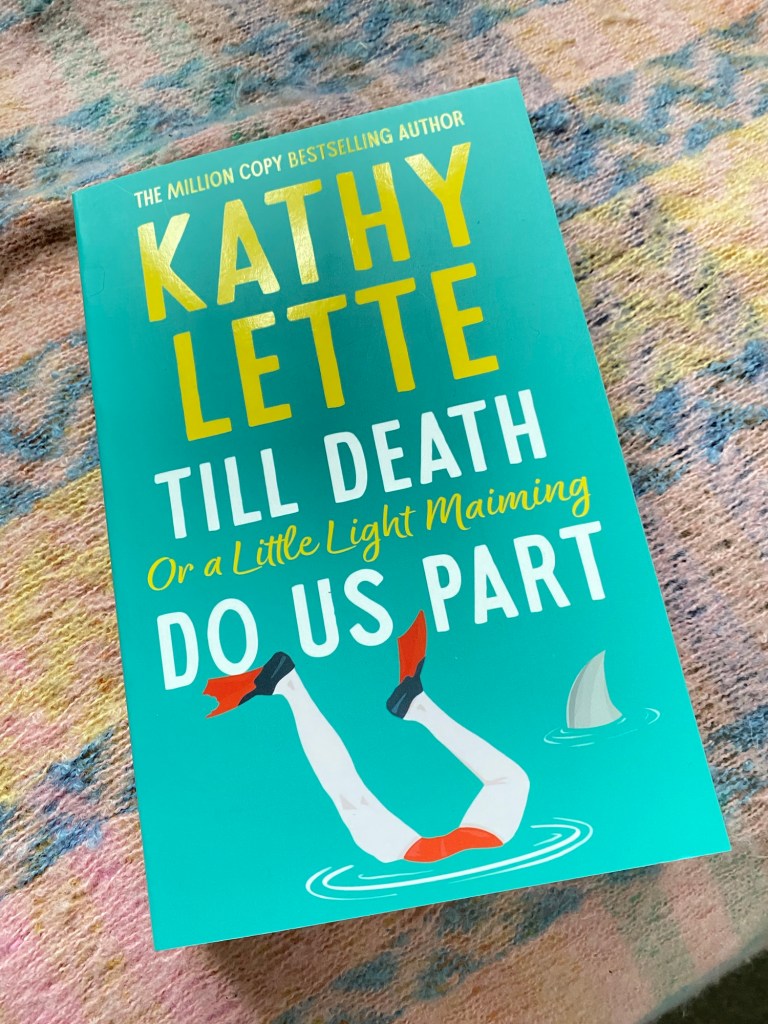
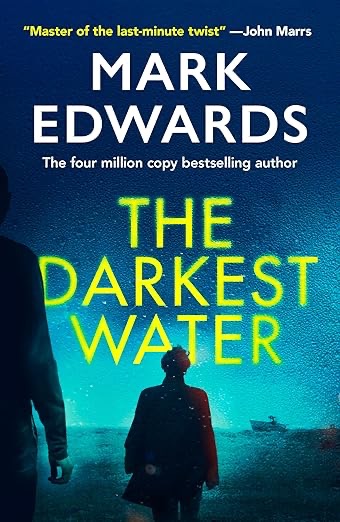

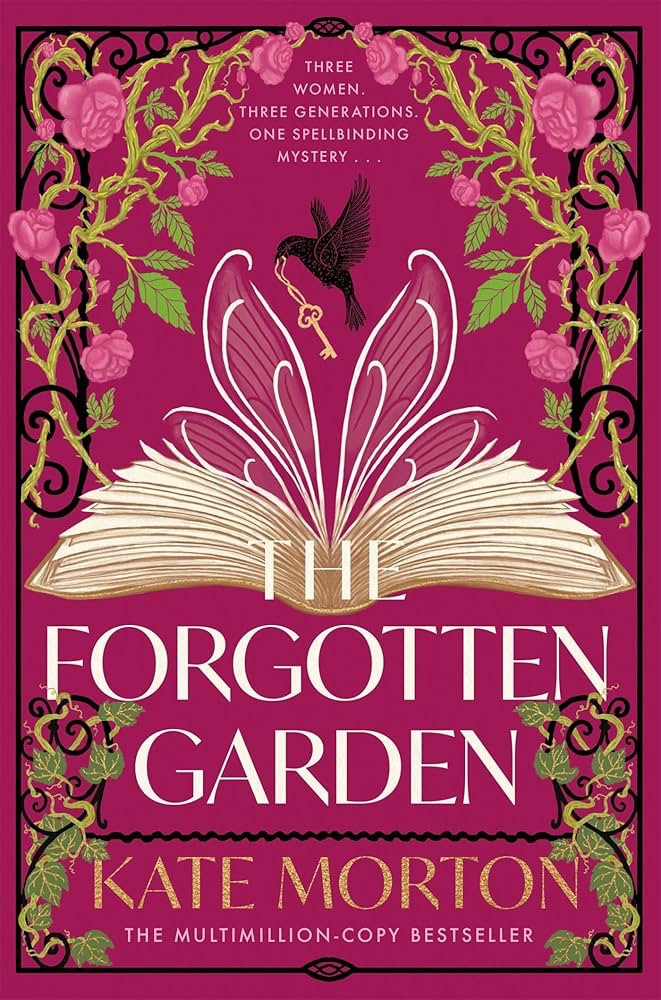


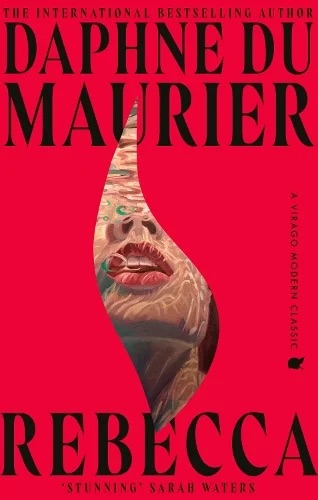
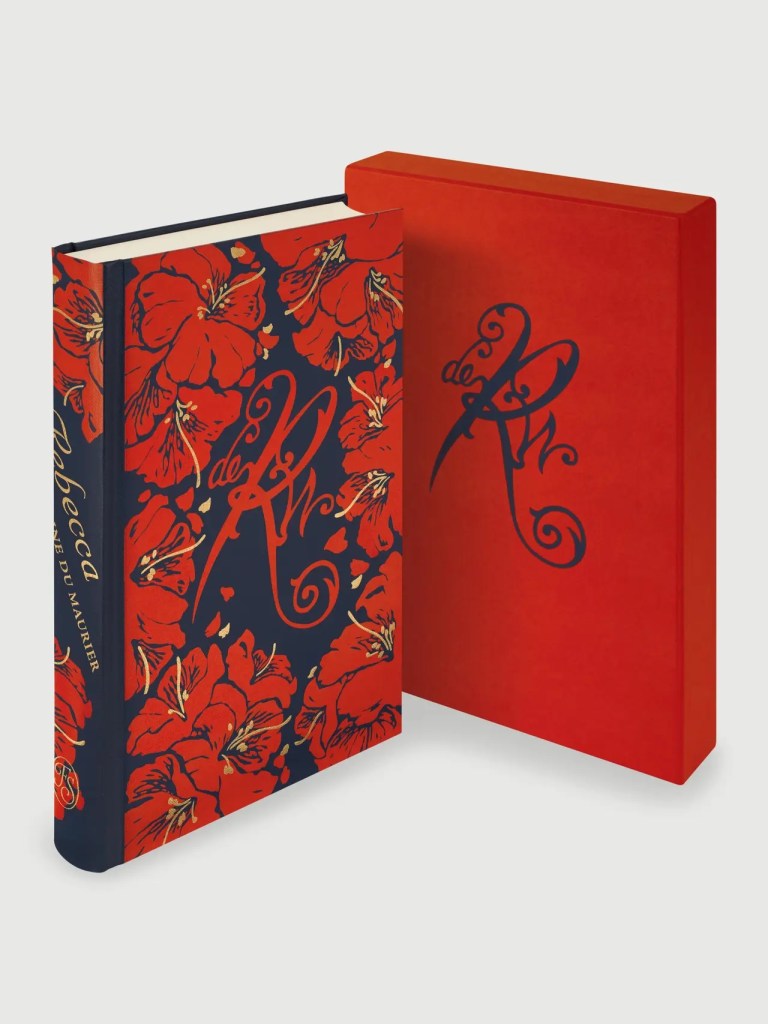
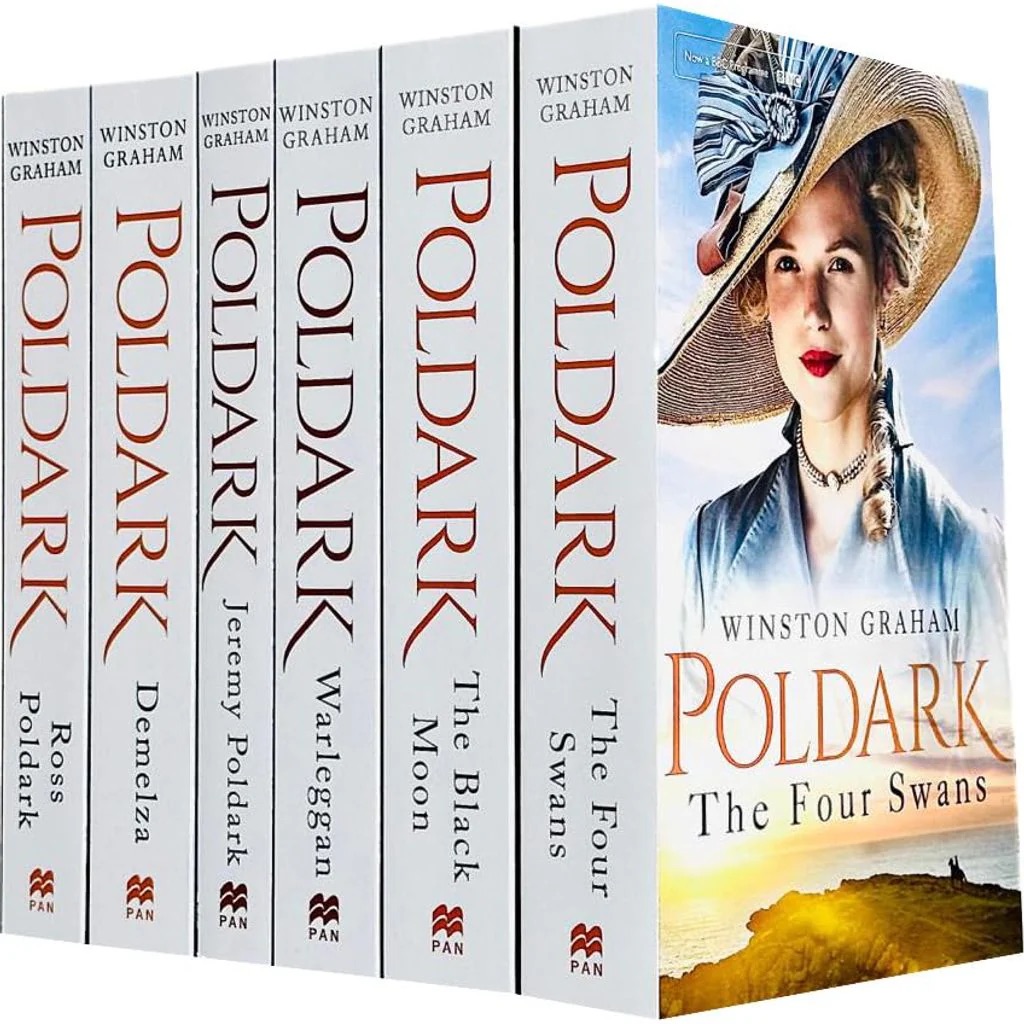
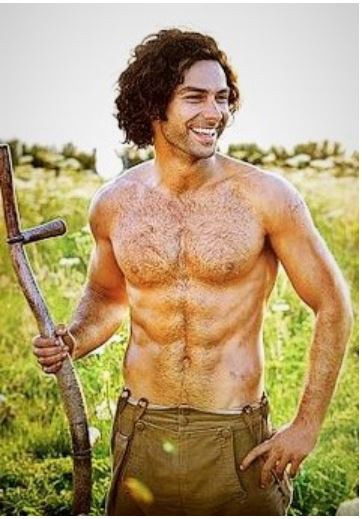
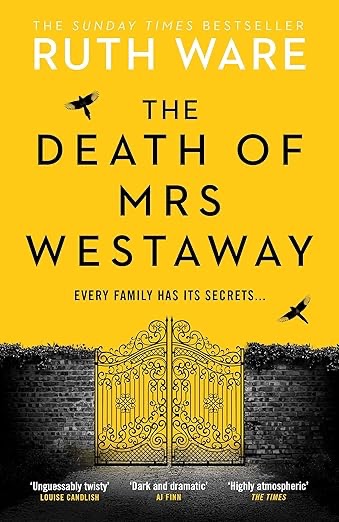
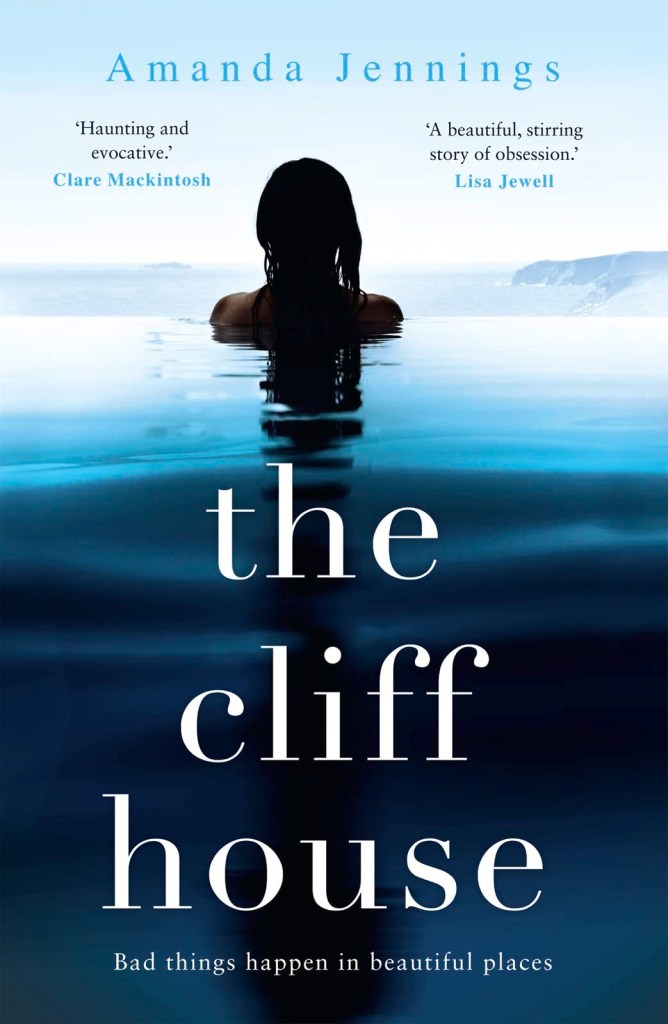
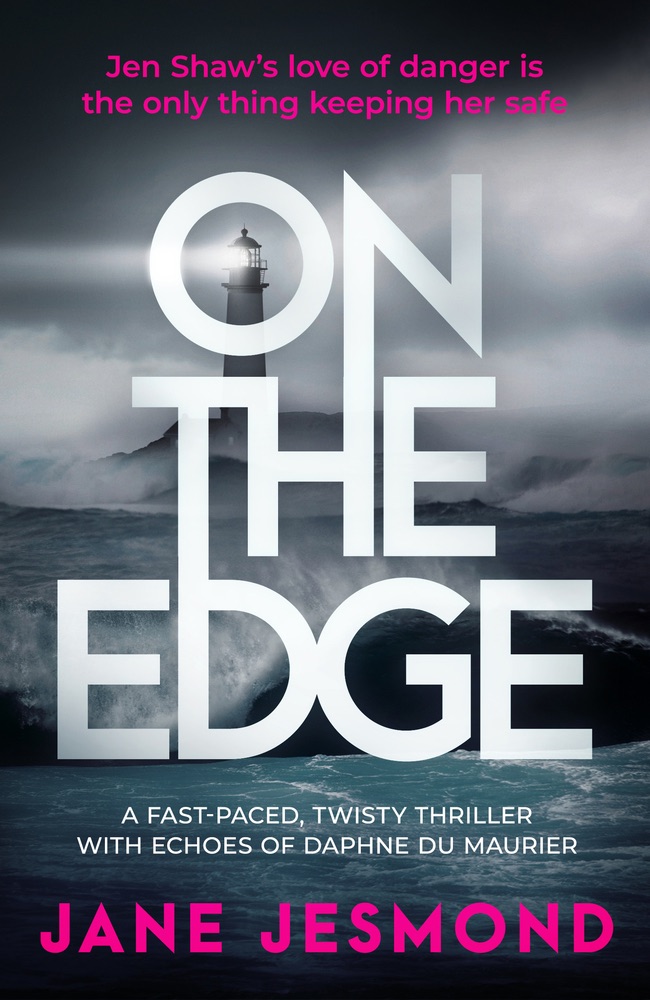
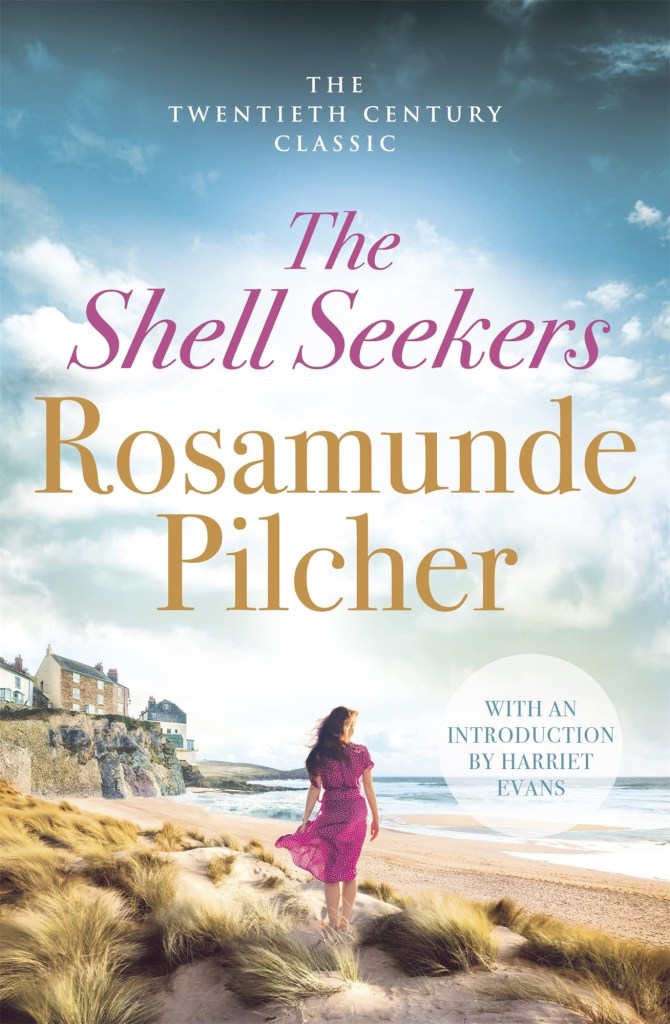
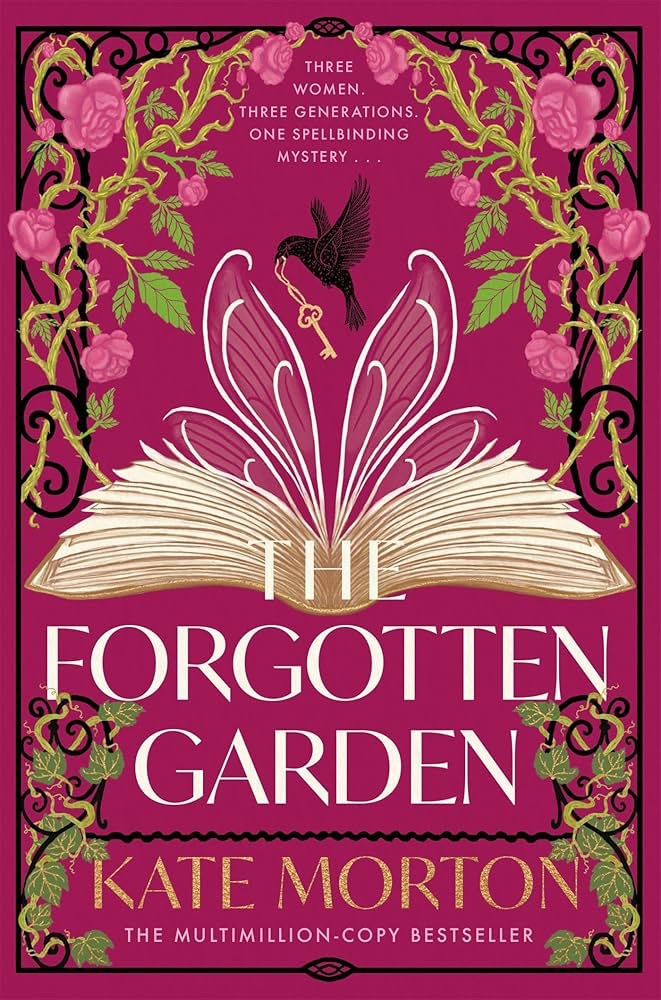
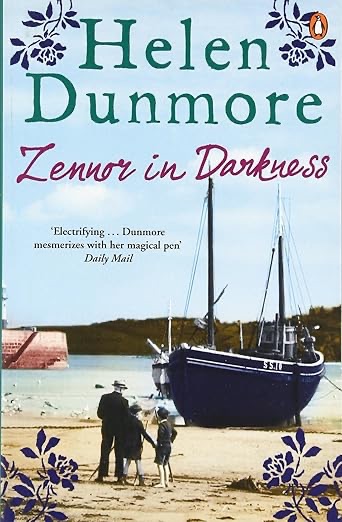
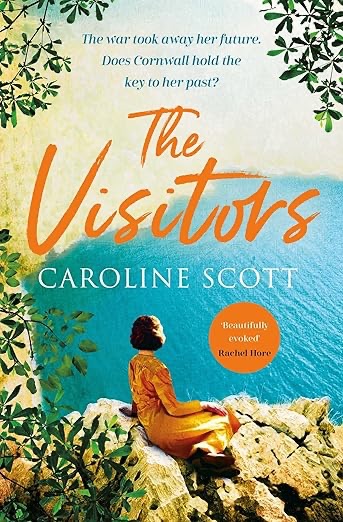
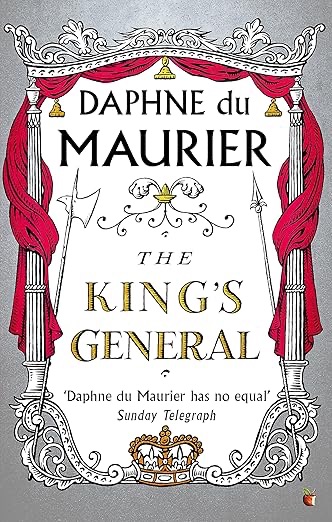
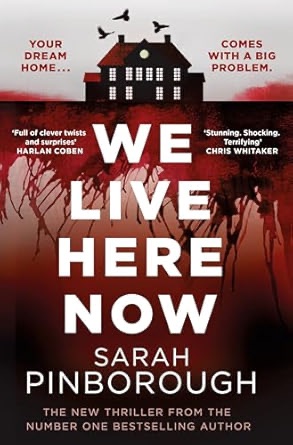


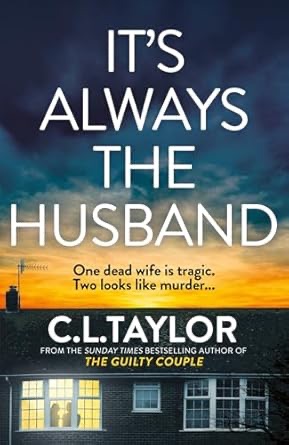



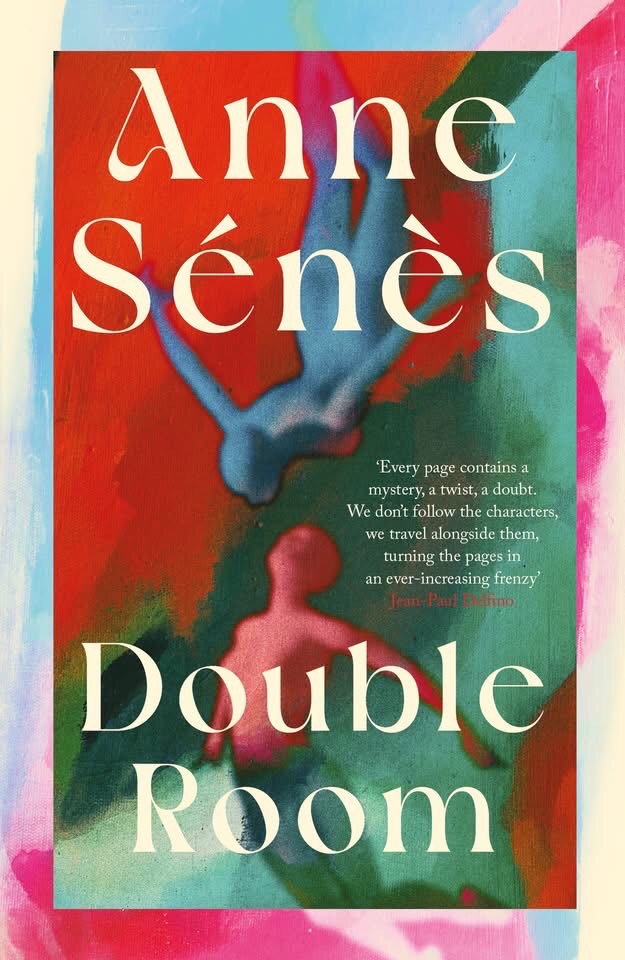

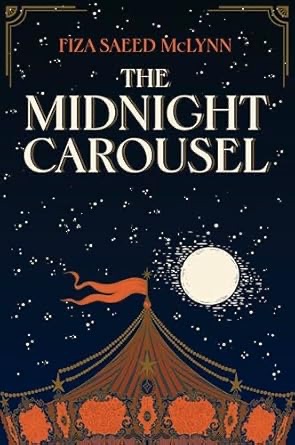
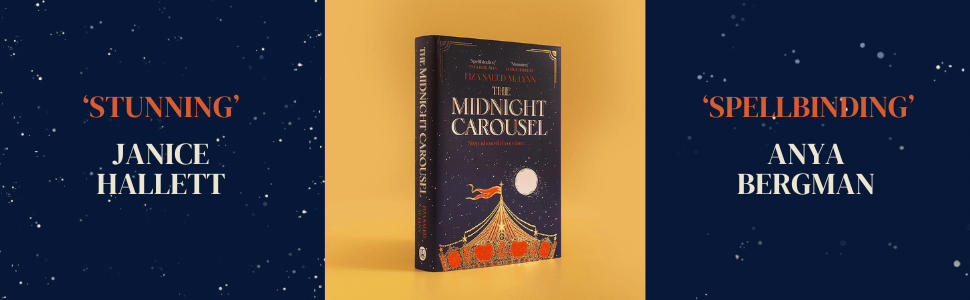

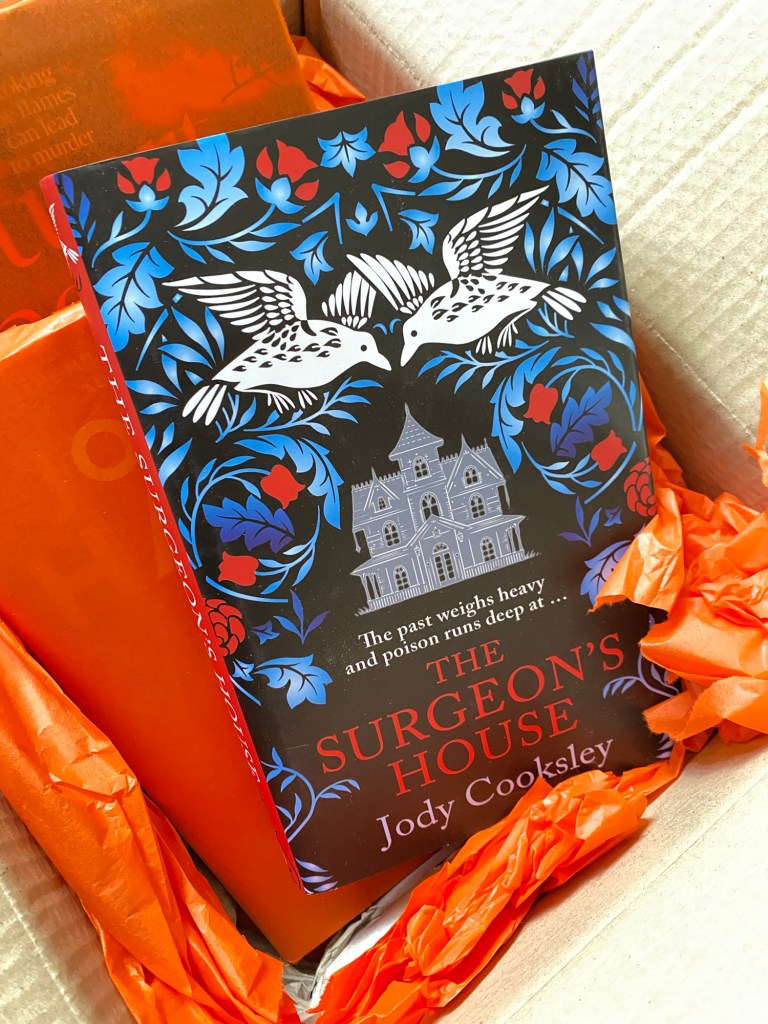
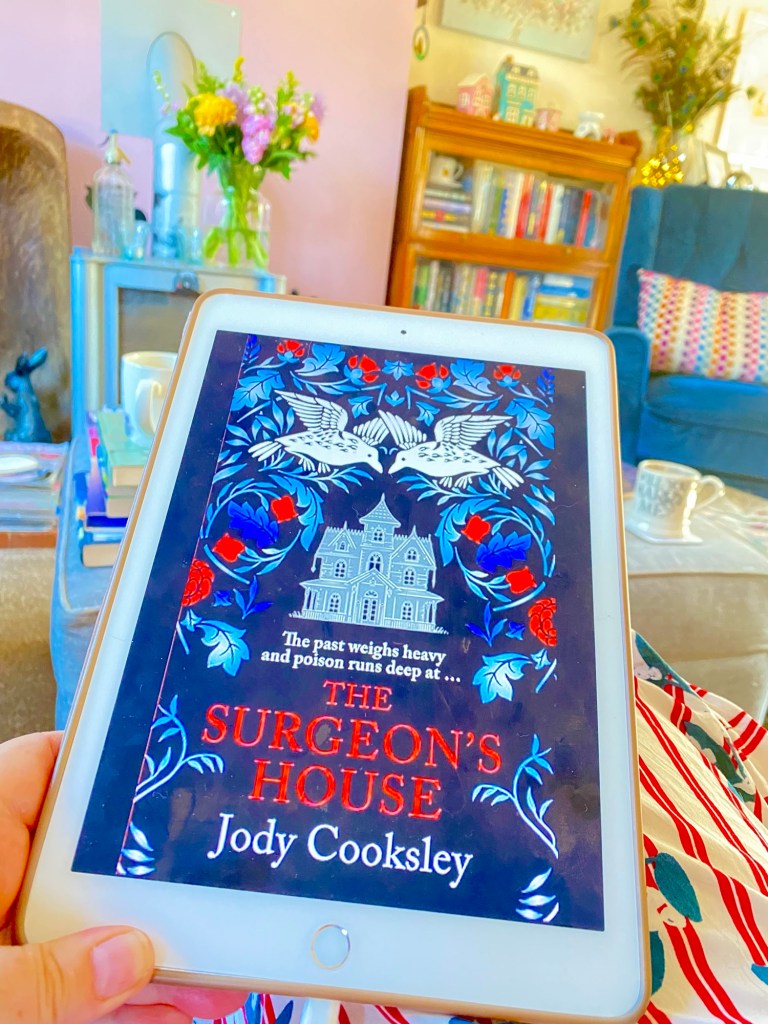

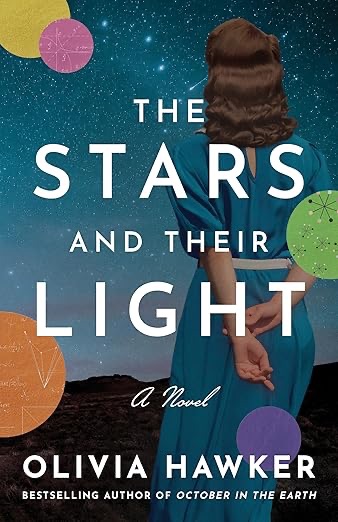


 The Lotus Readers