Ten years ago, Hope left Somerset with a fatal secret and a broken heart. She has spent a decade in the shadows, living a quiet life of penance to protect the man she once loved – the world-famous author Ambrose Glencourt.
YOUR LIFE IS NOT YOUR OWN.
Then, she opens his latest bestseller. To the world, it’s a brilliant work of fiction. To Hope, it’s a betrayal. Every private moment, every dark truth, and every ‘fatal disaster’ from that summer is laid bare on the page.
YOUR TRUTH IS A LIE.
But Ambrose has changed the ending. In his version of the story, Hope isn’t the victim. She’s the villain.
Now, Hope must step out of the shadows to reclaim her narrative. But in a world of glamorous elites and whispered secrets, who will believe the word of an unreliable woman against the word of a literary icon?
Two narrators. One truth. And a secret worth killing for.
I was blown away by Araminta Hall’s last novel, because of how bold and timely it was. I wondered whether she could write something that would capture the world as it is now, crazier and more disturbing by the week. Well it turns out she can. Hope Jenkins takes a job with author Ambrose Glencourt as his personal assistant at his home, Shadowlands. Rosie, as he likes to be called, described the shadowlands as a place of imagination. However, its other meaning gave me a sense of foreboding – a thin place, the hinterland between life and the next, place filled with ghosts and spirits. It made me wonder, was this a place where the line between the real and the imaginary is blurred? The setting is the archetypal bohemian mansion, showing a lot of wear and tear, but still beautiful with idyllic grounds. The sort of place where books and art are piled everywhere, but the dishwasher is held closed with cord and a wooden spoon. Hope is stunned by her surroundings, it’s nothing like her mum’s flat and Rosie’s wife Delia is a fragile beauty who was a model for the artist Siegel when she was younger. Again though, little things stayed in the mind. The way that they call their staff by their Christian names in front of visitors, but Mrs A and B in private seemed odd. Delia seemed very keen to downplay her own artistic ambitions, always saying it’s just a hobby when she has her own studio and Hope can see she’s very talented. Then there’s a painting – in Rosie’s study, amongst the bookshelves he has a nude painting of a very young Delia with her legs wide open. It makes Hope uncomfortable and and she wondered whether that was why he kept it so public, or whether he liked to make other men desire his wife?
I felt like Hope was dazzled by the Glencourts and the relationship seemed unequal. Whereas staff seemed to stay in the garden and kitchen, Hope and another guest at the house eat and socialise with the couple. Tom is introduced as someone who Delia has worked with when teaching pottery at an outreach for addicts. He and Hope have afternoons to spend together when Rosie has finished working for the day and it’s clear there’s chemistry. Yet I wondered why had Rosie and Delia taken Tom in and what exactly is the nature of their relationship? Is he as taken in as Hope is by this bohemian utopia? Perhaps not, as he discloses more secrets about the couple and explains:
‘I’m not sure Rosie means everything he says, I think it’s more that he entertains himself by making people feel uncomfortable.”
Little unexpected touches and comments made me uneasy about Rosie and there’s a very uncomfortable dinner scene that made me feel sick and awkward. Rosie’s dinner guests became horribly familiar, men who think their sex and status gives them licence to manipulate and bully others. We can feel the pressure of that summer building as the heat rises and I was utterly absorbed by it.
Then we’re taken ten years later and Hope wants to make a statement to the police. We meet our narrator Nat, a young detective trying to get through her day and get home to her wife and kids on time. Nat is our narrator, coming into this ten year old world in our stead and trying to work out whether Hope is just a crank or a mad fan. However, there’s something about this Hope, a strange, sad lady and her journal, from a summer ten years before that catches her attention. This is an utterly different Hope, in fact she’s a woman transformed from that dreamy girl who fell in love with a lifestyle so far from her own. Now she’s working in a school office and doesn’t appear to be looking after herself. She returned home that summer in a state of delirium and shock and it looks like her life hasn’t recovered, although underneath the exterior there’s still a nurturing instinct and an ability to identify victims of abuse. She’s alerted by news of Ambrose Glencourt’s long awaited sequel to The Ruined Girl, his most famous and celebrated novel. Hope buys the first novel and as she reads she becomes more and more angry. This is Rosie’s version of that summer’s events written down for all the world to read and the character based on Hope is definitely the villain of the piece. He has taken the truth and twisted it. The only thing Hope has is her journal and as Nat reads Hope’s journal she does start to wonder whether there’s some truth in this? She’s experienced manipulation and abuse and something about this presses that trigger. She decides to visit Shadowlands for herself and meet the Glencourts, because even if Hope is mistaken about what ended her work with Rosie, something at Shadowlands feels wrong.
The structure is so complex, playing with stories and asking questions about how they’re told and who gets to tell them. Rosie made my flesh crawl a little, with the arrogant assumption that he can feast on anything to fuel his imagination and continue the important business of making literary art – there’s no downgrading his talent, unlike Delia’s. I really felt how much easier it is to work as a writer when you have money to support you and a mansion to live in. He discards all distractions, even those he’s created himself. I didn’t like his friends either and their little games, enjoying their ability to make someone much younger uncomfortable. Hope wants to be like him, to be able to “make language work that way as if it belonged to me”. What she didn’t realise back then was that there’s no one way to write, because each unique voice is just as valid. It just that certain voices are more likely to be heard because they follow the established narrative. Hopefully, we don’t have to sound like rich, middle aged white men any more. Hope has seen through the shiny exterior of Shadowlands and knows they’ll look down on Nat with her cheap suit and London accent. But could Rosie’s assumption of superiority be his downfall? This book sits perfectly alongside the #MeToo movement and the Epstein Files in that it’s a world operating on the assumption of silence. Hope isn’t silent any longer. Incredibly tense, twisty and timely, I was utterly under its spell from the first few pages. Ambrose Glencourt claimsthat in fiction “it’s much easier to blow a body apart than put it back together again.” For Hope’s sake I read this voraciously, full of rage and with everything crossed that Araminta Hall could do what Ambrose Glencourt couldn’t.
Out March 5th from MacMillan
Meet the Author
Araminta Hall has worked as a writer, journalist and teacher. Her first novel, Everything & Nothing, was published in 2011 and became a Richard & Judy read that year. Her second, Dot, was published in 2013.
She teaches creative writing at New Writing South in Brighton, where she lives with her husband and three children.
Araminta Hall’s novel Imperfect Women has been adapted for television by AppleTV starring Elizabeth Moss and Kerry Washington
I thought that today I’d share with you the last ten books I’ve bought. Sometimes people think that because I review books on my blog, I get given every book I review but that’s far from the case. I still buy an enormous amount of books every month. It’s my main indulgence, aside from Doc Marten boots and a weird fascination with animals in clothes (probably best left unexplored but I’m sure it has to do with Mr Tumnus). I’d do get proof copies but they are becoming more scarce these days so mainly they come from the reviewing I do through the Squad Pod Collective – a group of blogger friends who have come together to share the book love – or through blog tours. More often it’s digital copies that are available, either offered by the publisher or through NetGalley. There are many reasons I might buy a book, as discussed last week there are come authors who are must-buy and are usually pre-ordered for a discount. Another reason might be that I’ve loved a book on Netgalley or digital proof and I’d like a finished copy. Then there’s the bookshop purchases where I have a terrible love of spredges and beautiful book cover art as well as the story itself. Finally comes those I buy second-hand in charity shops, second hand bookshops like Barter Books in Alnwick or Vinted, which is a great hunting ground for special editions. I also collect various copies of old classics or my favourites – I have about six different copies of The Night Circus for example. Currently on my radar is the Folio Society copy of The Colour Purple which is stunning but will take up a whole month’s book budget! Here are my latest buys:
I love Will Dean’s Tuva Moodysson series and pre-order those always, but his stand-alone novels I tend to buy on Kindle. This has all the hallmarks of a heart-stopping thriller.
Three of them adrift on the narrowboat. Mother, son, and wickedness.
Peggy Jenkins and her teenage son, Samson, live on a remote stretch of canal in the Midlands. She is a writer and he is a schoolboy. Together, they battle against the hardness and manipulation of the man they live with. To the outside world he is a husband and father. To them, he is a captor.
Their lives are tightly controlled; if any perceived threat appears, their mooring is moved further down the canal, further away from civilisation. Until the day when the power suddenly shifts, and nothing can be the same again.
I left the parking ticket bookmark in this one, because I bought this from my local bookshop on Saturday and then my other half went to Screwfix so I read five chapters in the car out of boredom. I wanted to read this before I watched the BBC series and as usual I’ve left it to the last minute. I recently thoroughly enjoyed Rachel Pariss’s novel about Charlotte Lucas and I’d forgotten how lovely it is to be in Austen’s worlds so I thought this would be light relief, both from other reading and the news.
In Jane Austen’s Pride and Prejudice, we know the fates of the five Bennet girls. But while her sisters are celebrated for their beauty or their wit, Mary is the “plain” middle sister, the introvert in a family of extroverts, and a constant disappointment to her mother.
Lonely and lacking connection, Mary turns to the only place she feels safe: her books. Determined to be “right” since she can never be “beautiful,” she prepares for a life of solitude at Longbourn.
One by one, the other sisters move on: Jane and Lizzy for love, and Lydia for respectability. Mary is destined to remain single, at least until her father dies and the house is bequeathed to the reviled Mr Collins.
But when that fateful day finally arrives, the life Mary expected is turned upside down. In the face of uncertainty, she slowly discovers that there is hope for the “plain” sister after all. . .
Experience the witty, life-affirming tale of a young woman finally finding her place in the world.
This book falls into the special edition category as it’s one I might normally have bought on Kindle, but couldn’t resist this beautiful signed edition complete with stunning spredges and endpapers.
It’s the summer of 1939. London is on the brink of catastrophic war. Iris Hawkins, an ambitious young woman in the stuffy world of City finance, has a chance encounter with Geoff, a technical whizz at the BBC’s nascent television unit.
What was supposed to be one night of abandon draws her instead into an adventure of otherworldly pursuit – into a reality where time bends, spirits can be summoned, and history hangs by a thread. Soon there are Nazi planes overhead. But Iris has more to contend with than the terrors of the Blitz. Over the rooftops of burning London, in the twisted passages between past and present, a fascist fanatic is travelling with a gun in her hand.
And only Iris can stop her from altering the course of history forever.
Just look at those beautiful spredges. I’m itching to dive into this but need to get my blog tour reading done first.
As you can see another ‘nostalgic’ purchase. Wuthering Heights is one of my favourite books of all time, despite the problematic middle bit where too many people die at once, so when I bought Essie Fox’s beautiful retelling through Catherine Earnshaw’s eyes I couldn’t resist this new edition of Wuthering Heights. The spredges are to die for!
With a nature as wild as the moors she loves to roam, Catherine Earnshaw grows up alongside Heathcliff, a foundling her father rescued from the streets of Liverpool. Their fierce, untamed bond deepens as they grow – until Mr Earnshaw’s death leaves Hindley, Catherine’s brutal brother, in control and Heathcliff reduced to servitude.
Desperate to protect him, Catherine turns to Edgar Linton, the handsome heir to Thrushcross Grange. She believes his wealth might free Heathcliff from cruelty – but her choice is fatally misunderstood, and their lives spiral into a storm of passion, jealousy and revenge.
Now, eighteen years later, Catherine rises from her grave to tell her story – and seek redemption.
Essie Fox’s Catherine reimagines Wuthering Heights with beauty and intensity – a haunting, atmospheric retelling that brings new life to a timeless classic and lays bare the dark heart of an immortal love.
As you will know I’ve been raving about this one after reading it last month and yes I do have a proof copy but I do like to support independent publishers, authors and bookshops so I went to Lindum Books for her signing a few weeks ago. Sadly, by the time I arrived they’d run out of copies so they were waiting for new stock and Rachel kindly supplied a signed bookplate for it.
Lincolnshire, 1914. As the First World War approaches, three women are living, trapped between the unforgiving marsh, the wide, relentless river, and the isolation of the fen.
Their lives are held fast by profound grief, haunted by the spectres of the past. Trapped by the looming presence and eerie stillness of a hospital that has never admitted a single patient.
Eleanor longs to escape. To make a life with the man she loves, leaving her sister, and all her ghosts behind. Clara’s marriage is crumbling and violent and she yearns for peace and security for both herself and her innocent children. Meanwhile, Lily, a formidable force of will, stands resolute against the relentless tide of change. She will stop at nothing, no matter the devastating cost, to ensure that life, and her family, remain frozen in an unyielding embrace of the past.
The author, Rachel Canwell, grew up with the story of this forgotten hospital. Isolated, stocked weekly and cleaned daily but never admitting a single patient. The hospital was real, tended by her family for over sixty years and set against the ethereal beauty and loneliness of the Fens, is the inspiration for her novel.
This beauty is the independent bookshop copy of Almost Life that came from Lindum Books. I always love the artwork from Kiran’s books and this is a stunner.
One chance encounter can define a lifetime
Erica and Laure meet on the steps of the Sacré-Cœur in Paris, 1978. Erica is a student, relishing her first summer abroad before beginning university at home in England. Laure is studying for her Ph.D. at the Sorbonne, drinking and smoking far too much, and sleeping with a married woman.
The moment the two women meet the spark is undeniable. But their encounter turns into far more than a summer of love. It is the beginning of a relationship that will define their lives and every decision they have yet to make. Spanning cities, decades and heartbreaks, fate brings them within touching distance again and again.
But will they be brave enough to seize the life they truly want?
My next purchases are two for the Kindle and after recently reading and reviewing her third Cal Hooper novel The Keeper, I decided I need to catch up on the first two in the series. I’d previously read her Dublin Murders series so I know I enjoy her writing and I read The Keeper through Netgalley so these are a treat for when I have a gap ?!
The Searcher covers Cal Hooper’s move to Ireland and the fixer-upper he’s bought in a remote Irish village, thinking it would be the perfect escape. After twenty-five years in the Chicago police force, and a bruising divorce, he just wants to build a new life in a pretty spot with a good pub where nothing much happens.
But then a local kid comes looking for his help. His brother has gone missing, and no one, least of all the police, seems to care. Cal wants nothing to do with any kind of investigation, but somehow he can’t make himself walk away.
Soon Cal will discover that even in the most idyllic small town, secrets lie hidden, people aren’t always what they seem, and trouble can come calling at his door.
The Hunter takes us back to Ardnakelty and blazing summer, when two men arrive in the village they’re coming for gold. What they bring is trouble.
Two years have passed since retired Police Detective Cal Hooper moved from Chicago to the West of Ireland looking for peace. He’s found it, more or less – in his relationship with local woman Lena, and the bond he’s formed with half-wild teenager Trey. So when two men turn up with a money-making scheme to find gold in the townland, Cal gets ready to do whatever it takes to protect Trey. Because one of the men is no stranger: he’s Trey’s father.
But Trey doesn’t want protecting. What she wants is revenge.
My final book came from the indie Northodox Press and features a place I know very well indeed. The Adelphi Hotel in Liverpool is a famous landmark I’ve known all my life, with my mum being a Liverpool girl. A former grand hotel, designed to look like the interior of an ocean liner it still has spectacular bones although its more recent furnishing choices in the original tea room have made it look more like a nursing home. Every time I go past it we say someone could make a lot of money doing that place up, it could be gorgeous. I live in hope, but currently she’s a strange mishmash of styles from art deco to faux leather BarcaLoungers. It’s a great cheap place to stay in Liverpool and my dad particularly enjoyed the prostitute’s card that was slipped under his door in the middle of the night!
Where better to work than the famous Adelphi Hotel?
Alistair Monroe is keen to make his way in Nineteenth Century Liverpool. The Adelphi is a landmark known for its grandeur, drawing many visitors, including Clemency Martin, an American psychic.
She too needs to make her way. But Alistair discovers that power and darkness lie at the heart of the hotel, and he must finally take risks to bring the truth to light. Step into the atmospheric world of the Adelphi…
So that’s all my recent purchases and buying secrets, but I’m sure there’ll be more next month, if I can resist The Folio Society that is.
It is a summer day unlike any other Margaret has ever known.
The Smith family have left the town where they live and work and go to school and come to a place where the sky is blue, the sand is white, and the sound of the sea surrounds them. An ordinary family discovering the joy of getting away for the first time.
Over the course of the coming decades, they will be transformed through their holiday experiences, each new destination a backdrop as the family grows and changes, love stories begin and end — and secrets are revealed.
Getting Away takes us into the lives and the secrets of four generations of the Smith family, through their holidays. From an east coast beach in the UK just after the war to the early 21st Century, Maggie is central to this, moving from childhood to old age. Through each character in the novel, the author creates snapshots of the century from Maggie’s father Jim and his war injuries to an renewed openness about individual sexuality and her brother Tommy having to police the first Pride in London. He’s worried about the lads at work and their response, he’s not keen either but change is the only constant. We can also see the huge changes in social mobility across the generations. We start with Jim and Betty and their daughter Maggie just affording a day at the beach with a picnic brought from home. Later, Maggie’s brother Tommy and his wife Debbie buy an apartment in Spain and then her granddaughter Melissa is the first in the family to go ‘travelling’ as a young woman as opposed to having a holiday. The shifts are seismic when seen together like this and it made me realise that my own grandchildren will look at me and my husband and realise we were born in the last century. Just like I did with my grandma who was born in 1913, they’ll probably imagine all the changes we’ve seen in that time. That’s what reading this felt like, as morals, finances and our ability to connect with others changes beyond recognition. When Robert takes a holiday with his friend Fitz while Susan is pregnant, they have to send a telegram to one of his destinations to get him to come home urgently. By the next generation, Melissa is island hopping around Asia and keeps them all updated via Instagram and her blog. What is amazing about Kate Sawyer is this doesn’t feel contrived and all these things in the background are just that, because the real drama is happening within this family and the secrets each generation keeps from the next.
Maggie is at the centre though and hers is the most carefully guarded secret. I loved how she and her mother Betty slowly grew to understand each other, but also how one secret breeds another. Her husband Alec knows Maggie is vulnerable when he meets her on a break with her friends, but he’s looking for a wife who won’t make demands and will be happy to travel around the world for his job buying fabric. He is a protector and he remains that way throughout her life, although things do change within their marriage. Maggie has panic attacks near the sea, although her friends don’t know why. We know something happened on a day by the sea when the Americans from Jim’s work travelled with them, but she keeps the secret for decades. However, she isn’t the only one with a huge secret. Maggie’s brothers couldn’t be more different. Tommy comes across as very brash and often drunk, very proud of how well he’s doing at work and happy to splash the cash around. Robert is the baby of the three and a lot more sensitive than his brother. I rooted for him and his girlfriend Susan who he’s desperately in love with. As secrets start to come out their relationship suffers, but I was sure they’d never stopped loving each other. Their children are the final generation we get to know, but it felt like Robert was impacted most by decisions made about his life, even though it was a common choice in that situation. I love how this author writes about her character’s inner lives, she even makes me root for people when their behaviour isn’t great. Once I’m a few chapters in these are real people and I’m feeling every one of their emotions.
Having once had a spectacularly bad holiday with my lovely family I was amazed that they all persevered over years. There are all those little details about each character and how they irritate each other. When they undertake a trip to Florence with Maggie, Betty is exhausted and the others are bored. Maggie likes to stride about the city while her husband Alec is working, sight-seeing and learning about art, architecture and the local food. With all good intentions she wants to make sure those she loves get the most out of being here, but everyone else wants some shade and a cold drink. Tommy is more of a drink by the pool and English food sort of person, it’s clear he has a drinking problem and it doesn’t help his temper. Bringing us into the 21st Century, I loved how Joe and his husband Piotr’s daughter Maja has travelled all over the world when she’s only a toddler. This family have gone from greenhouse tomatoes by the North Sea to being more like the Americans who visited Jim and Betty and scoffed at how backward the British seemed. They also go through every complicated situation a family can, with secrets, affairs, divorce, violence and the addition of those who become ‘found family” like Robert’s lifelong friend Fitz and his daughter. I loved that their friendship survived huge upheaval and betrayal, and that it happened on a holiday pilgrimage. I particularly enjoyed Maggie’s solo holiday after her divorce and her sexual adventure, beautifully written and much needed in order to heal from the past and claim her future as a desirable woman. Maggie’s favourite book is A Room With a View so she felt like a kindred spirit and the passion in that book obviously appealed to this woman who had to reach middle-age before desire was a priority. I loved that this family kept its in-laws close, even after divorce and we can see that as everyone comes together for Joe’s wedding. I became utterly absorbed by this family, so much so I felt like I’d seen one of them as a client. It emphasises the secret complexity of everyday lives and made we think about the fascinating narratives in both sides of my own families. The ending felt like the best one we can ever hope for, which is a family taking time and trying to heal together.
Out now from Zaffre Books
Meet the Author
Kate was born in Bury St Edmunds, Suffolk, UK where she grew up in the countryside as the eldest of four siblings, after briefly living with her parents in Qatar and the Netherlands.
Kate Sawyer worked as an actor and producer before turning her hand to fiction. She has previously written for theatre and short-film.
Having lived in South London for the best part of two decades with brief stints in the Australia and the USA she recently returned to East Anglia to have her first child as a solo mother by choice.
On a cold night in a remote Irish village, a girl goes missing.
Sweet, loving Rachel Holohan was about to be engaged to the son of the local big shot. Instead, she’s dead in the river.
In a place like this, her death isn’t simple. It comes wrapped in generations-old grudges and power struggles, and it splits the townland in two. Retired Chicago detective Cal Hooper has friends here now and he owes them loyalty, but his fiancée Lena wants nothing to do with Ardnakelty’s tangles. As the feud becomes more vicious, their settled peace starts to crack apart. And when they uncover a scheme that casts a new light on Rachel’s death and threatens the whole village, they find themselves in the firing line.
This was a new series to me, but having read some of Tana French’s earlier novels such as In The Woods I knew it would be something I’d enjoy. I love her writing and here it is such a beautiful balancing act. This is a slow burn novel that’s beautifully atmospheric and manages to convey both moments of high humour and menacing evil. The small village of Ardnakelty is a quagmire. It’s described as gloomy, misty and wet most of the time. There’s something about the weather that’s oppressive and any walk outdoors is liable to leave you muddy and wet. It seems like a harmless place, but it’s full of pitfalls and weeds that can drag you under. The emotional quagmire is impossible to avoid if we look at it through Lena’s eyes. It is so remote, but anyone like Cal thinking they’ve come here for quiet and to avoid other people is in for a shock. He already has Trey, a teenage girl from a difficult family who is like an adopted daughter to him. How much more tied to this place might he become? Villages like this have one shop and one pub and everyone frequents them so eventually there’s a passing acquaintance with everyone. This is a place where neighbours are more like family. They’ve known each other forever, and their mothers knew your mother too. This could be seen as a bonus, but the author depicts it as spider’s web that once you’re stuck it’s impossible to escape. The only question is, who is the spider?
“The cloud is high tonight, letting through a haze of moonlight here and there so that streaks of fields rise ghostly out of the darkness and the air has an icy bite that burrows to the bone.”
The plot reveals itself slowly and once Cal and Trey find the body of local teenager Rachel in the river, the tension starts to build in this small community, until it’s pushed to breaking point. It made me feel angry and utterly powerless in parts. Rachel had been going out with Eugene Moynihan for years and it was apparently Eugene she had been out to meet on that night. Was this a tragic accident or is something more insidious going on? Rachel’s family are devastated and Lena is shocked to find out she was the last person to see her that night. The village gossip is in overdrive with different theories, but the narrative that seems to be emerging is that Rachel might have committed suicide. Cal doesn’t think so, but most people daren’t think anything different. The Moynihans are a big deal in Ardnakelty, living in a huge house with all mod cons and Eugene’s dad Tommy has a finger in every lucrative pie. Cal is told no one is going up against the Moynihans, because Tommy has all the right friends in very high up places. There was part of me that could see this story as an allegory for what’s happening in the world – a money-hungry bully, who is always looking for the next chance and has such a hold over people he could get away with almost anything.
Underneath this main mystery is the narrative of Cal and Lena’s relationship, in fact very early on we get a conversation about their wedding. Despite being engaged, Cal and Lena are still in two separate houses and have made no wedding plans. This suits them, but Lena’s sister Noreen who runs the shop is forever warning them. If they don’t book something round here they’ll lose the only venue. There’s Cal’s worries about Trey who is hoping to gain an apprenticeship as a joiner, has exams to get through and trouble at home where the landlord seems to want them out of their house. All of these things weave in and out of each other, seemingly unconnected but as with everything here patterns and connection exist under the surface. Tommy and Eugene pay Cal a visit, as an outsider maybe he’s the best person to investigate this? Cal refuses but is left with the feeling that will count against him. If he’s to ask any questions he’d rather do it alone, with no one controlling the narrative. What he doesn’t know is that Lena is already asking questions and because she’s from this place she knows who to ask. It’s clear sides are forming, even in the way people arrange themselves at the wake. Cal is with Trey but also his neighbour Mart, the only locals he feels any allegiance to. While Lena is drawn to a women’s table, containing everyone she went to school with and usually avoids. She doesn’t want to join sides, but with Cal increasingly pulled into Mart’s group she knows there’ll be pressure from the Moynihans. Maybe there’s a positive to being part of Ardnakelty, but she can’t see it as yet.
I loved the build up of tension in this small village and the wonderful way the author balances that with humour. There’s a scene with Mart and a squirrel that’s comedy gold and made me laugh out loud then read it to my husband. Mostly it’s the juxtaposition of things; a gang of masked men is menacing, but has a more comical touch when some are Wolverine and other varied superheroes. As the situation escalated I felt angry and powerless to stop what was happening. It wasn’t so much the brawls, it was the quiet threats and controlling nature of what was happening, particularly to the women involved. Tommy Moynihan made my skin crawl but so did Noreen’s mother-in-law Mrs Duggan, the perfect example of someone who appears powerless but actually controls the household and watches the to and fro of the village from her armchair. This fight could knit Cal, Lena and Trey into this place’s history. They could commit to being lifelong Ardnakelty people but if they are, they must find out what’s behind Rachel’s death and end Tommy’s dominance over the place. I became so drawn into this world that I was genuinely upset by the loss and how far apart Lena and Cal become. I loved that he didn’t crowd her and gave her the space to be her own person. I also loved the way he parented Trey and responded to her new relationship. This is an intricate and carefully balanced thriller that’s perfectly grounded in its rural Irish setting. Cal learns that the villager’s allegiance to their land runs deep and they are willing to put absolutely everything on the line for it, even their lives;
“Their tie to their land is different, not in its intensity but in its nature: rooted thousands of years deep, through strata of dispossession, famine, bloody rebellion. This land has been reclaimed and that changes things.”
Out 2nd April from Penguin
Tana French is the author of In the Woods, The Likeness, Faithful Place, Broken Harbor, The Secret Place, and The Trespasser. Her books have won awards including the Edgar, Anthony, Macavity, and Barry awards, the Los Angeles Times Award for Best Mystery/Thriller, and the Irish Book Award for Crime Fiction. She lives in Dublin with her family.
I couldn’t stop talking about Tracy Sierra’s debut novel Night Watching. I inhaled it and I have been lending and buying it for everyone around me since. So I approached her second novel with trepidation, would it be as good as the first? Well I can set your mind at rest. This novel is incredible. The ‘stayed in bed almost all day to keep reading it’ type of incredible. The plot is simple enough. A young boy named Zach is taken by his father on a ‘boy’s trip’ to the wilderness with people he hopes will invest in his business. This is a part of the country he visited often with his mother who taught him everything he knows about skiing these mountains and survival. As they settle into their cabin and make it ready for guests it’s clear that Zach is an innocent boy, easily ordered around by his dad who’s angry that his secretary Ginny hasn’t been up to prepare the cabin as she promised. As they settle in for their first night, Zach is convinced something is lurking around especially when he has the visit the outside toilet alone and in the dark. The noises and shadows are like nothing he’s heard before. Could a monster be up here with them in the mountains? Possibly. But sometimes, monsters aren’t always what we expect.
This author is fast becoming a master of complex and painful family dynamics with an edge of horror. This monster in the snow brought back memories of the first time I read The Shining and there are parallels in the isolated mountain setting, the pressure cooker of people forced together and the young, innocent boy at the centre of the tale. This wilderness is somewhere Zach knows very well, having come up here regularly with his mum and sister and this was one of my first questions. Where are the women in this story? We know Zach came up here with groups of women and their kids, but his mum, sister and even the expected Ginny are nowhere. In a small vignette at the beginning we see a previous trip and Zach’s mum explaining how to check the snow for the likelihood of an avalanche. She impresses upon him the importance of turning back, even if the risk is small it’s not worth taking. It’s clear very early on that Bram, his father, doesn’t have the same attitude to risk. He’s the sort of guy who thinks men take risks and would rather show bravado to his guests than follow the advice of his wife through Zach or the guide that comes with the cabin.
Zach is a beautiful narrator and he’s written with such care, everything he thinks or tells us maintains that innocent, slightly anxious voice. I desperately wanted to protect him and get him out of this situation. As adults we wear masks – the one we wear for our job for example or the ‘telephone voice’ many of us use without really intending to. Children don’t and that creates a tension, especially in an environment where the whole purpose is to impress and sell yourself. Bram makes it clear that these men expect a winner and he has to act like one. Heartbreakingly, Zach has a soft toy he’s smuggled up there but knows it must remain hidden or risk it disappearing. Bram can’t have a weak son. This idea of wearing different masks is beautifully depicted as Zach takes us back to an evening at home where his mother has returned home late and a little drunk. He listens in silence to their argument and curses his mother because she knows the rules. Why does she set out to make him angry? Zach describes his father’s other side as his ‘underself.’
“For Christmas two years ago, someone had given his sister a stuffed octopus that could be flicked inside out. Flip one way, pink, fuzzy and smiling. Flip the other way, green, slick and glowering […] switching outerself to underself.”
He also has this horrible realisation, that we all have at some point in our childhood, that other people might dislike your parent or think they’re an idiot. As they set out and he watches his interactions with the other men he notes that they can see through Bram. The guide sees he knows nothing and Bram’s need to own the best of everything means his mountain gear is flashy, it looks too new. The only other kid on the trip is Russ and he makes it clear that he knows exactly what type of Bram is because his dad is exactly the same:
“My dad, yours? They’re selfish. They nearly got us killed. And for what? Steve said you and me shouldn’t have skied it and they ignored him, because god forbid they don’t get to do exactly what they want.”
How scary must it be as a child to learn that your parent is willing to take huge risks with your life for money? Even worse, Zach finds something that makes him wonder; if his dad has an underself, does everyone else? Coming at this from a psychological viewpoint I loved the way Zach describes his concerns about the men he’s with and his father in particular. The environment brings its own dangers with further snowfall and too many risks taken. Survival becomes a question between which is safest – taking the chance with the environment or staying indoors which is undoubtedly warmer and locks out whatever it is that Zach saw the night he ventured to the outside toilet. There’s always a tipping point and the pressure the author builds is almost unbearable. My heart was in my throat during those final chapters because I felt so protective of this incredible little boy. Tracy Sierra is able to evoke that heart thumping fear we feel as children, sometimes when we’re doing nothing more dangerous than lying in bed in the dark. With Zach she explores the difference between a manageable fear that’s no more than a calculated risk with the right understanding and techniques, the fear that simply comes from encountering something we’ve never seen before and the fear we don’t want to acknowledge because it makes us face a terrible truth.
Out Now From Viking Books
Meet the Author
Tracy Sierra was born and raised in the Colorado mountains. She currently lives in New England in an antique colonial-era home complete with its own secret room. When not writing, she works as an attorney and spends time with her husband, two children, and flock of chickens
Nova Scotia 1796. Cora, an orphan newly arrived from Jamaica, has never felt cold like this. In the depths of winter, everyone in her community huddles together in their homes to keep warm. So when she sees a shadow slipping through the trees, Cora thinks her eyes are deceiving her. Until she creeps out into the moonlight and finds the tracks in the snow.
Agnes is in hiding. On the run from her former life, she has learned what it takes to survive alone in the wilderness. But she can afford mistakes. When she first spies the young woman in the woods, she is afraid. Yet Cora is fearless, and their paths are destined to cross.
Deep among the cedars, Cora and Agnes find a fragile place of safety. But when Agnes’s past closes in, they are confronted with the dangerous price of freedom – and of love…
Eleanor Shearer tells stories about fictional people in situations I didn’t even know existed and then makes me root for them so hard that I cry real tears. Cora is our central character and we see everything through her eyes, so it’s no surprise I felt close to her. Cora is so vulnerable and thoughtful. She cares for her unusual ‘family’ – Leah who has brought her up and been a substitute mother and Silas and young Ben who’s still a young boy. It’s makeshift but it’s the only family she has known, ever since Leah found her as a baby. They are ‘maroons’, escaped slaves from Jamaica who settled in Nova Scotia, Canada. Many maroons negotiated peace treaties with the British, but part of that treaty forced them to aid the British in capturing any new runaways. However, Agnes’s freedom is more precarious. She’s out in the forest alone, except for her dog Patience, and it’s a harsh existence with the added fear of discovery. I’m not sure Cora fully understands that her presence and connection to the Maroons settlement adds to that anxiety and doubles her chance of discovery. Cora isn’t hardened to winter in the forest and hasn’t had to hone her survival instincts in the way Agnes has. Something she shows by getting into scrapes in the snow, saved by the ever present Patience. There are different types of freedom in terms of gender and sexuality too. Cora knows that Silas has an expectation that they will be together one day and so far she has avoided this. However, it is there in every confrontation they have; the fear of his resentment and the threat of sexual violence is ever present. Cora doesn’t question her sexuality, she just knows she loves Agnes. Will they have the freedom to be together?
The environment is an incredibly strong part of this story and here the author excels in creating a Nova Scotia that’s harsh but exceptionally beautiful. I found the time Cora spends in the forest incredibly peaceful to read, the animals, the ice and the frosted trees have a romance, a poetry about them. Yet she doesn’t hide the raw reality of living in it. The girls must trap animals, although Cora frees a white hare unable to kill such a beautiful and mystical creature however hungry they may be. One of my favourite scenes is when Agnes takes Cora out on a boat to visit the whales who appear for them as if by magic. As they sit among these huge creatures one of them lifts their head and looks directly at Agnes and she feels seen for the first time in her life. Not as a woman, or a slave, or a Maroon. Just as Cora, another living being. There are also moments where Mother Nature shows its bite and when Cora falls through the ice I was holding my breath. The suspense of those moments are brilliantly pitched and show us that Agnes’s lifestyle may have magical moments, but it can be lethal.
I love that Eleanor writes people back into history, we can read the historical facts about settled slaves in Canada but she brings their experiences to life in a way that hits the emotions and helps us to understand. We’re also reminded by Cora that women have choices, sometimes marriage is just another form of slavery. It’s something she’s keen to avoid, even if the offer came from a more loving and kind man like her friend Thursday. She knows herself enough to know it is not for her and she’s not willing to sacrifice herself. Luckily, Thursday is a loyal friend and will help Cora without imposing conditions. When Cora finds out the truth about where she comes from, secrets that have been held for years come flooding out and threaten everything that Cora has known about herself. When Agnes faces a similar reckoning it threatens everything in their future. I was emotional about the little details the author puts into her book such as the braiding of Cora’s hair being the only moment where they’re both present and the ‘love can flow between them unimpeded’. Cora’s loss of her sister also hangs over her and I loved the nature metaphors she uses to express those emotions:
“Cora cannot stop thinking of her life like a tree, with the branches that split and split again until you reach the highest […] that there’s somewhere, the branches not taken – the world where she stayed with Elsy and Elsy would still be living.”
However, in everything that happens, one loss hit me the hardest and actually brought me to tears. I loved the still moments created, where Cora learned to be in nature. Where they are both present and entirely in the moment. The fireflies are a symbol for Agnes and Cora, in that they are glowing in the darkest and coldest circumstances. Cora and Agnes have a bond that flourishes where many things don’t survive, they are extraordinary like fireflies in winter.
Out from Headline Review on 10th February
Meet the Author
Eleanor Shearer is a mixed race writer from the UK. She splits her time between London and Ramsgate on the coast of Kent, so that she never has to go too long without seeing the sea.
As the granddaughter of Caribbean immigrants who came to the UK as part of the Windrush Generation, Eleanor has always been drawn to Caribbean history. Her first novel, RIVER SING ME HOME (Headline, UK & Berkley, USA) is inspired by the true stories of the brave woman who went looking for their stolen children after the abolition of slavery in 1834. The novel draws on her time spent in the Caribbean, visiting family in St Lucia and Barbados. It was also informed by her Master’s degree in Politics, where she focused on how slavery is remembered on the islands today.
Her second novel, FIREFLIES IN WINTER, is a love story set in the snow-covered wilderness of Nova Scotia in the 1790s. When Cora, an orphan newly arrived from Jamaica, glimpses a strange figure in the forest, she is increasingly drawn into the frozen woods. She meets Agnes, who is on the run from her former life. As the two women grow closer, they learn more about love, survival and the price of freedom.
There are so many books billed as having killer twists these days that this should be an easy list to produce. What I wanted to do was focus on books that genuinely made me do a double take, where I went back a couple of pages to make sure I’d read it correctly. These are twists I absolutely didn’t see coming and made my jaw drop or conjured up huge emotions. They’re the sort of twists that have you recommending the book to everyone and it’s no surprise that quite a few have been adapted for film or television streaming services. As the ‘twist’ is usually reserved for crime fiction and thrillers I’ve added some that are historical fiction, love stories and sci-fi to mix things up a little. There are no spoilers here, just a synopsis and why you should read it if you haven’t already. Enjoy.
On the hottest day of the summer of 1934, thirteen-year-old Briony Tallis sees her sister Cecilia strip off her clothes and plunge into the fountain in the garden of their country house. Watching her is Robbie Turner, her childhood friend who, like Cecilia, has recently come down from Cambridge. By the end of that day, the lives of all three will have been changed for ever. Robbie and Cecilia will have crossed a boundary they had not even imagined at its start, and will have become victims of the younger girl’s imagination. Briony will have witnessed mysteries, and committed a crime for which she will spend the rest of her life trying to atone. I remember going to see this at the cinema and people standing up and clapping at the end. It’s a rare thing to see in the cinema but it was so spontaneous. Similarly, if you’ve read the book I don’t think you can be anything but devastated by the twist. I first read this at university as part of my post-modern literature course and I loved the characters as well as Briony’s innocent but life-altering mistake. It’s amazing how differently we interpret things as children, especially the complexities of human relationships. Robbie and Celia will have their lives turned upside down as Briony tells us about that day that altered the course of all their histories. We follow their lives and how the consequences continue to affect all of them. This twist is not of the usual kind, it is emotional and devastating.
Sue has grown up among petty thieves in the dark underbelly of Victorian London, with her adopted mother, Mrs Sucksby, who is a “baby farmer”. One day they are visited by a confidence trickster known simply as “Gentleman” who has a devious plan for their consideration: he is trying to romance Maud Lily, a young naive lady who is heir to a fortune on the condition that she marries. She lives in a large house in the country and works as a secretary of sorts for her uncle. He is protective and keeps her close, so to be successful they must infiltrate the house. He proposes that Sue becomes Maud’s personal maid and once she is settled, gain the young woman’s trust. She must then convince Maud to take up an offer of marriage from a suitor named Richard Rivers, the ‘Gentleman.’ Once they have eloped he will declare Maud as mentally incompetent and commit her to an asylum taking charge of her inheritance. For her part in this plot, Gentleman promises Sue a reward.
At first their plans work well, but it isn’t long before Sue begins to have doubts. She is growing fond of Maud and realises she is not in love with Rivers at all. Actually Maud is terrified of him. Sue begins to fall in love with Maud herself, charmed by her innocence and lack of guile. It seems her feelings are returned, but as the girls consummate their relationship on the eve of Maud’s secret wedding, Sue doesn’t known how to stop the plan. The author splits the story between the two girls and there’s absolutely no warning of the huge twist that’s about to come. This is a brilliant novel from Sarah Waters with an audacious twist that’s one of the best in literary fiction.
Alicia Berenson seems to lead a charmed life. She’s a famous painter and her husband is an in-demand fashion photographer. The couple live in a smart house overlooking the park in a desirable area of London. Yet, one evening, when her husband Gabriel returns home late from a fashion campaign, Alicia shoots him five times in the face. Since that day she has never spoken another word.
Alicia’s refusal or inability to talk turns this domestic tragedy into public property and casts Alicia into notoriety. Her art prices go through the roof, and she is known as the silent patient, hidden away from the tabloids at the Grove, a secure forensic unit. Theo Faber is a criminal psychotherapist and he has waited a long time for an opportunity to work with Alicia. He is determined to get her talking again and unravel the mystery of why she murdered her husband becomes an all consuming search for the truth…. I still love this book years on and I’m very excited to see the film when it comes out. This twist was so good I actually swore out loud! I know that a book has me in its grip when I respond out loud. The author plays on the readers’ expectations of the characters in a clever way. If you haven’t read this yet where have you been?
From the outside, Emma has the dream life – a loving husband, a beautiful house, two gorgeous children.
But something is keeping Emma awake.
Scratching at her sanity at 1am.
She’s tried so hard to bury the past, to protect her family. But witching hour loves a secret – and Emma’s is the stuff of nightmares …
This is such a great read and I remember shouting about it a lot. I wasn’t surprised when it was adapted for television. The way Emma disintegrates over the course of a few days is shocking, but believable. Until now Emma has prided herself on being a competent solicitor, very organised and together. I was desperate to find out what happened in their childhood and why her sister Phoebe popped up at this moment. I did feel there was an element of her not processing her childhood trauma. She’s locked it away in the back of her mind, but Phoebe’s appearance and advice that she should visit their mother seems like the trigger that unlocks these memories. What the author does, very cleverly, is muddy the waters; just as I was starting to think Emma was having a breakdown, other things start happening. Her young son keeps creating a strange macabre drawing of a terrible memory that haunts Emma. How could he know? Who has told him this happened? Her dictated letters have turned into a mumbled series of numbers when her secretary plays back the dictaphone. Added to these seemingly inexplicable events the author throws in a number of outside stresses At work she is trying to avoid the advances of a client, his ex-wife confronts Emma over losing custody of their boys. It becomes hard for the reader to see which events can be explained away, which are normal daily obstacles made worse by Emma’s severe sleep deprivation and which are incredibly strange. I was never fully sure what was real and what was imagined or who was to blame. This twist is so clever because the author uses our psychological knowledge and our expectations of thrillers to keep us looking elsewhere. Very clever indeed.
Memories define us.
So what if you lost yours every time you went to sleep? Your name, your identity, your past, even the people you love – all forgotten overnight. And the one person you trust may only be telling you half the story.
Welcome to Christine’s life.
I can’t believe this book is 12 years old this year! It was also S.J. Watson’s debut novel. Christine wakes up every morning with no memory of her life, helped by the notes her husband leaves for her to find she tries to navigate life where every day is finite and nothing is retained. One day a strange doctor visits with what he says is a private journal she has been writing while they work together. It is the first sign we have that not everything is at it seems and for Christine, the terrifying thought that she cannot trust the person she’s supposed to feel safe with. This is a very creepy and unsettling novel and the tension is stretched to breaking point because we know that as night draw in Christine will soon go back to sleep and lose everything she has learned. I felt like this was more of a slow release twist, but the horror definitely builds towards the end and I was completely engrossed. Again it was no surprise that this was picked up by a film company and the film is pretty good too.
Our narrator Fern Dostoy is a writer, one of the ‘big four’ novelists of the not too distant future. This is a future where the Anti-Fiction Movement’s campaign to have all fiction banned has been successful. It was Fern’s third novel, Technological Amazingness, that was cited as a dangerous fiction likely to mislead and possibly incite dissent in it’s readers. She had created a dystopian future where two major policies were being adopted as standard practice. To avoid poor surgical outcomes, only patients who are dead can have an operation. Secondly, every so often, families would be called upon to nominate one family member for euthanasia – leading to the deaths of thousands of elderly and disabled people. All fiction authors, including Fern, are banned from writing and the only books on sale are non-fiction. The message is that fiction is bad for you. It lies to the reader giving them misleading ideas about the world and how it’s run. Facts are safe, but of course that view is limited to those supplying the facts. AllBooks dominated the market for books until it became the only bookshop left, state sanctioned of course and only selling non-fiction. From time to time they hold a book amnesty where people can take their old, hidden novels to be pulped. Fern now cleans at a hospital and receives unannounced home visits from compliance officers who question her and search her house to ensure she’s not writing. Added to this dystopian nightmare are a door to door tea salesman, an underground bedtime story organisation, a mysterious appearing and disappearing blue and white trainer, re-education camps for non-compliant writers and a boy called Hunter. All the time I was reading about this terrible new world, I was taking in the details. and trying to imagine living in it. I also had an underlying sense that something wasn’t quite right with this story. When this twist comes it is astonishing, gut wrenching and reduced me to tears. An incredibly well written book about facts that is all about feelings.
Cole is the perfect husband: a romantic, supportive of his wife, Mel’s career, keen to be a hands-on dad, not a big drinker. A good guy.
So when Mel leaves him, he’s floored. She was lucky to be with a man like him.Craving solitude, he accepts a job on the coast and quickly settles into his new life where he meets reclusive artist Lennie.
Lennie has made the same move for similar reasons. She is living in a crumbling cottage on the edge of a nearby cliff. It’s an undeniably scary location, but sometimes you have to face your fears to get past them.
As their relationship develops, two young women go missing while on a walk protesting gendered violence, right by where Cole and Lennie live. Finding themselves at the heart of a police investigation and media frenzy, it soon becomes clear that they don’t know each other very well at all.
Wow! This blows your eyes wide open. I warn you not to start reading at night, unless like me you have a total disregard for the next morning. If I wasn’t reading this, I was thinking about it. I loved the way the author put her story together, using fragments from lots of different stories and different narrators. Just when we get used to one and start to see their point of view, the perspective shifts. I thought this added to the immediacy of the novel, but also reflected the constant bombardment of information and misinformation we sift through every day, with transcripts of radio shows and podcasts, Twitter threads and TV interviews. All give a perspective or commentary on the casual misogyny and violence against women that almost seems like the norm these days. It felt like a merry-go-ground of opinion, counter argument and trolling. Sometimes you’re left so twisted around you’re not sure what you think any more. I would believe one narrator, but then later revelations would blow what I thought right out of the water. It made me ask questions: about the nature of art and its ethics; about whether all men truly hate women; to what lengths do we go to protest; when is enough, enough? This controversial story was one of my reads of 2024 and I still think about it.
I didn’t expect a twist in a love story, but this is part love story and part mystery. Imagine you meet a man, spend seven glorious days together, and fall in love. And it’s mutual: you’ve never been so certain of anything. But after this whirlwind romance, he doesn’t call. You’ve been ghosted.
Your friends tell you to forget him, but you know they’re wrong – something must have happened, there must be a reason for his silence. What do you do when you finally discover you’re right?
Sarah met Eddie by chance on a country road while she was visiting her parents. She still thinks Eddie just might be the one. Could the Eddie she met really be a heartless playboy who never intended to call? Did Sarah do something wrong? Or has something terrible happened to him? Instead of listening to friends and writing this off as a one night stand, Sarah begins to obsess and is determined to find the answer. Every clue she has comes to a dead end and she is in danger of completely losing her dignity. As her time back home in the UK starts to run out, Sarah looks for clues to track Eddie down. What she hears is confusing her further. His friend doesn’t give the simple answer, that Eddie has moved on, but gives her a warning; if she knows what’s best for her, she needs to stop looking for Eddie. I never expected the twist in this story and all the time I was convinced of Sarah’s sense of ‘rightness’ to their meeting. As the months pass though, will she have to move on with her life? This novel is fully of emotion and the different ways life’s troubles affect us. It has everything you would expect from a romantic novel but with a healthy dose of realism and a smidgen of hope.
Marissa and Mathew Bishop seem like the golden couple – until Marissa cheats. She wants to repair things, both because she loves her husband and for the sake of their eight-year-old son. After a friend forwards an article about Avery, Marissa takes a chance on this maverick therapist who lost her licence due to her controversial methods.
If Avery Chambers can’t fix you in ten sessions, she won’t take you on as a client. She helps people overcome everything, from anxiety to domineering parents. Her successes almost help her absorb the emptiness she feels since her husband’s death.
When the Bishops glide through Avery’s door, all three are immediately set on a collision course. Because the biggest secrets in the room are still hidden, and it’s no longer simply a marriage that’s in danger.
The authors use alternate perspectives to drip feed details of this couple’s relationship and the events leading up to Marissa’s infidelity. It is compelling and really captures the intricacies of counselling a couple and the need to read body language and expression, not only of the person who’s speaking but their partner. I loved how therapy progressed the issues within the marriage, which are always somewhat different to the presenting issue. This was a clever thriller that showed just how complex we are psychologically.
If you feel like delving into a classic this could be for you. The Woman in White famously opens with Walter Hartright’s eerie encounter on a moonlit London road. He’s been engaged as a drawing master for the beautiful Laura Fairlie, Sir Percival Glyde’s new wife and they’re often accompanied by her sister Marian. Walter slowly becomes drawn into the sinister intrigues of Sir Percival and his ‘charming’ and rather eccentric friend Count Fosco, who keeps white mice in his waistcoat pocket and enjoys both vanilla bonbons and poison. The novel pursues questions of identity and insanity along the paths and corridors of English country houses and the madhouse, The Woman in White is the first and most influential of the Victorian genre that combined Gothic horror with psychological realism, known as sensation fiction. This book is the Victorian equivalent of our psychological thrillers, but could just as easily be described as crime or mystery fiction and even has a feminist slant. Be sure to take note of every small occurrence because the novel is plotted so precisely that everything has a meaning. Again we’re dealing with men’s attitudes and behaviour towards women, but Marian is more than a match for any man and is one of fiction’s first female detectives. I love a gothic novel and this has everything from ghostly encounters, to stately homes and damsels in distress. I believe this book is the inspiration for so many detective novels and its category of ‘sensation fiction’ is very apt because it employs a twist I’ve read variations on ever since.
Like many English Literature students, Jane Eyre remains one of my favourite books and it has inspired writers ever since its publication in 1847. I first read it at ten years old and for me it was a romantic ghost story, read alongside the 1980s BBC series. As one of my first reads at university I could see how the novel contained aspects of everything I needed to learn on my 19th Century module: class, colonialism, morality, gender, work, women and much more. It also defies genre, with the potential to be classified as a mystery, romance, gothic fiction, Bildungsroman and historical fiction. I think this is what helps the novel endure. Its flexibility allows it to appeal to different generations for very different reasons. Each of this authors were inspired to use those multiple themes to shape a novel around Charlotte Brontẽ’s work.
My reading of the novel has definitely changed over the years. University opened up the novel for me as much more than the ghost story I’d enjoyed as a child. It brought colonialism into my mind for the first time, feminism and autonomy. It made me think more about the role of governess as a liminal figure in the household – she is an employee but doesn’t sleep or eat where the domestic staff do, she is unmarried and independent, earning her own money and making her own choices about it. I think it’s easy for a reader to identify with Jane, whether it’s the bullied and child trying to read behind the curtain or terrified by the Red Room. The girl scapegoated at school as ‘too passionate’ and a little bit defiant too. The young woman falling in love with an older man who isn’t what he seems, making decisions about whether to be in the role of mistress. All of these aspects are ripe for fictional updates and retellings. Bringing the book bang up to date there are aspects of manipulation and coercive control in Rochester’s use of Blanche Ingram and dressing up as a fortune teller to influence Jane’s thoughts. We can look at femininity through Bertha Mason, the madwoman in the attic and the comparison of Jane as everything she supposedly isn’t – modest, compliant, emotionally stable and moral. This is especially important in light of public figures like the Tate brothers who want to control how women behave and denigrate those who don’t fit their ideal. The nanny or governess has become a staple of modern thrillers because of their intimacy with the family they work for, often living in close quarters and becoming close emotionally. That is the book’s enduring appeal, that we can always look at it through the lens of today and find something new. One of my specific interests in the novel is mental health and who is in control of what constitutes instability. I’m also interested in the disability aspect of the novel and what it is about Rochester’s disabilities towards the end of the novel that brings some equality between him and Jane. Here I’ve gathered just a few of the novels that are inspired by the novel in very different ways.
Born into the oppressive, colonialist society of 1930s Jamaica, white Creole heiress Antoinette Cosway meets a young Englishman who is drawn to her innocent beauty and sensuality. After their marriage, however, disturbing rumours begin to circulate which poison her husband against her. Caught between his demands and her own precarious sense of belonging, Antoinette is inexorably driven towards madness, and her husband into the arms of another novel’s heroine. Rhys shows us why Antoinette isn’t just the antithesis of the quiet and composed Jane Eyre. Her work evokes thoughts around female sexuality and whether sexual enjoyment or the woman’s initiation of sexual activity is what Rochester rejects in his wife. Is it really the history of madness in her family or is it the ‘Creole’ aspect of Antoinette’s heritage? Is she insane or furious about his rejection, withdrawal from and later imprisonment of her that aroused violent tendencies? This is a classic study of betrayal, a seminal work of postcolonial literature and is Jean Rhys’s brief, but beautiful masterpiece.
Jean Rhys (1894-1979) was born in Dominica. Coming to England aged 16, she drifted into various jobs before moving to Paris, where she began writing and was ‘discovered’ by Ford Madox Ford. Her novels, often portraying women as underdogs out to exploit their sexualities, were ahead of their time and only modestly successful. From 1939 (when Good Morning, Midnight was written) onwards she lived reclusively, and was largely forgotten when she made a sensational comeback with her account of Jane Eyre’s Bertha Rochester, Wide Sargasso Sea, in 1966.
He did not belong to me at all, he belonged to Rebecca. . .
Everyone knows that Maxim de Winter was obsessed with his glamorous wife – and devastated by her tragic death. So when he proposes to a shy, anxious young woman after a whirlwind meeting in the South of France, no one is more surprised than the new bride herself. But when they reach Manderley, his beautiful, isolated Cornish mansion, the second Mrs de Winter begins to realise that every inch of her new home – and everyone in it – still belongs to Rebecca.
Daphne du Maurier’s thriller has Jane Eyre in it’s DNA, especially when it comes to it’s heroines: the dark and delicious vamp Rebecca who we never see and the quiet, awkward and compliant second wife who is never named. Here though, instead of a housekeeper, we get the gothic masterpiece that is Mrs Danvers, once Rebecca’s maid and now the housekeeper of Maxim de Winter’s stately home on the Cornish coast, Manderley. Maxim has chosen this new, much younger and adoring wife without any thought as to whether she has the knowledge or the qualities to run a great house. She doesn’t even have the confidence to ‘leave it all to Danny‘ as he tells her. He has the detachment of the upper classes who are so privileged they don’t care if they’re rude, ignorant or leave the staff to pick up after them. His new wife however can’t give orders and ends up trying to fit into the routine of her predecessor only to be reminded of her at every turn. Here, the madwoman is in the attic of the mind, ever present and even more intimidating in the imagination. There is also the creepy Mrs Danvers, slowly pressuring the new bride, showing her deficiencies as a mistress to Manderley and hinting at the sexual chemistry between Rebecca and Maxim. This is an incredible update of the classic, bringing in psychological aspects from the age of Freud and an addictive suspense that culminates in that bright glow of fire in the Cornish dawn.
It is 1957. As Daphne du Maurier wanders alone through her remote mansion on the Cornish coast, she is haunted by thoughts of her failing marriage and the legendary heroine of her most famous novel, Rebecca, who now seems close at hand.Seeking distraction, she becomes fascinated by Branwell, the reprobate brother of the Brontë sisters, and begins a correspondence with the enigmatic scholar Alex Symington in which truth and fiction combine.
Meanwhile, in present day London, a lonely young woman struggles with her thesis on du Maurier and the Brontës and finds herself retreating from her distant husband into a fifty-year-old literary mystery. This is a subtle update of the themes of Jane Eyre in a time when a second wife isn’t an unusual and dealing with issues like blended families and the presence of ex-wives is an everyday occurrence. However, we have the clear Jane Eyre figure still in our PhD student, quiet and unassuming but psychologically dependent on her husband who still holds a fascination for the more colourful and bohemian poetess who was his first wife. It also delves beautifully into the psychology of Daphne Du Maurier, who sealed her journals for fifty years after her death. We now know she suffered mental abuse from her father, an actor whose fascination with younger actresses derailed his marriage and perhaps provides the blueprint for the older romantic figure of Max de Winter, an updated version of Edward Rochester. There is an incredible amount of research in this book that even goes back to the Brontë’s and the psychological genesis of their writing. The more you know about them and Daphne du Maurier, the more you will enjoy this one.
1852. When Margaret Lennox, a young widow, is offered a position as governess at Hartwood Hall, she quickly accepts, hoping this isolated country house will allow her to leave the past behind. But she soon feels there’s something odd about Hartwood: strange figures in the dark, tensions between servants and a wing of the house no one uses.
Why do the locals eye her employer, widowed Mrs Evesham, with suspicion? What is hidden in the abandoned East Wing? Who are the strangers coming and going under darkness? Hartwood Hall conceals mysteries, perhaps even danger. Margaret is certain that everyone here has something to hide, and as her own past threatens to catch up with her, she must learn to trust her instincts before it’s too late?
This is a brilliant example of the ‘gothic governess’ novel as I like to call them and brings an elements of modern preoccupations like gender and sexuality to the 19th Century novel. It begins with a du Maurier style opening of a winding drive and a forbidding house that local people like to avoid. When her charge is ill, Margaret is disturbed that locals won’t come near the hall and is more puzzled by the sudden presence of Miss Davis, a nurse who turns up at the house after hearing a child was unwell at the hall. After experiencing lights in a forbidden part of the house and seeing the unease Mrs Evesham has about people knowing their business, Margaret knows there’s a mystery here but is unsure exactly what it is. Because it’s a mystery I can’t say more, but I loved how this story unfolds and what it means for the women involved.
1867. On a dark and chilling night Eliza Caine arrives in Norfolk to take up her position as governess at Gaudlin Hall. As she makes her way across the station platform, a pair of invisible hands push her from behind into the path of an approaching train. She is only saved by the vigilance of a passing doctor.
It is the start of a journey into a world of abandoned children, unexplained occurrences and terrifying experiences which Eliza will have to overcome if she is to survive the secrets that lie within Gaudlin’s walls. This is such a gothic novel that it could almost be a parody but what saves it is Eliza herself, arguably a rather more modern governess than we would expect in 1867. curiosity, her determination and her rational analysis of her situation. Eliza is no hysterical heroine of a sensitive disposition, and her self-awareness is not just important to her handling of the mystery that surrounds Gaudlin, but also entertaining. Her independence, dry wit and forward-thinking views on certain social issues, if not necessarily likely for a woman living in the 1860s, elevate her above the average Victorian Gothic female protagonist, and her innate kindness is also an endearing counterpoint to her impressive courage. The children are also much more than the standard creepy kids of many a horror story, and the different ways in which they each deal with the challenges of their situation are fascinating and credible.
In a modern and twisty retelling of Jane Eyre, a young woman must question everything she thinks she knows about love, loyalty, and murder.
Jane has lost everything: job, mother, relationship, even her home. A friend calls to offer an unusual deal―a cottage above the crashing surf of Big Sur on the estate of his employer, Evan Rochester. In return, Jane will tutor his teenage daughter. She accepts.
But nothing is quite as it seems at the Rochester estate. Though he’s been accused of murdering his glamorous and troubled wife, Evan Rochester insists she drowned herself. Jane is skeptical, but she still finds herself falling for the brilliant and secretive entrepreneur and growing close to his daughter.
And yet her deepening feelings for Evan can’t disguise dark suspicions aroused when a ghostly presence repeatedly appears in the night’s mist and fog. Jane embarks on an intense search for answers and uncovers evidence that soon puts Evan’s innocence into question. She’s determined to discover what really happened that fateful night, but what will the truth cost her?
Meet Thursday Next, literary detective without equal, fear or boyfriend.
There is another 1985, where London’s criminal gangs have moved into the lucrative literary market, and Thursday Next is on the trail of the new crime wave’s MR Big. Acheron Hades has been kidnapping certain characters from works of fiction and holding them to ransom. Jane Eyre is gone. Missing.
Thursday sets out to find a way into the book to repair the damage. But solving crimes against literature isn’t easy when you also have to find time to halt the Crimean War, persuade the man you love to marry you, and figure out who really wrote Shakespeare’s plays. Perhaps today just isn’t going to be Thursday’s day. Join her on a truly breathtaking adventure, and find out for yourself. Fiction will never be the same again. This is such an inventive novel, part sci-fi and part detective novel with all the post-modern intertextuality you could want. Thursday is such an appealing heroine, with a detective’s flair and a keen nose for the bad guy – possibly due to her criminal father. We slip into various different worlds before finding ourselves back on that flaming roof at Thornfield Hall. Whimsical and utterly brilliant.
Uncover the secrets of Edward Fairfax Rochester, the beloved, enigmatic hero of Jane Eyre, as he tells his story for the first time in Mr Rochester, Sarah Shoemaker’s gorgeous retelling of one of the most romantic stories in literature.
On his eighth birthday, Edward is banished from his beloved Thornfield Hall to learn his place in life. His journey eventually takes him to Jamaica where, as a young man, he becomes entangled with an enticing heiress and makes a choice that will haunt him. It is only when he finally returns home and encounters one stubborn, plain, young governess, that Edward can see any chance of redemption – and love. Rich and vibrant, Edward’s evolution from tender-hearted child to Charlotte Bronte’s passionately tormented hero will completely, deliciously, and forever change how we read and remember Jane Eyre. Sarah Shoemaker takes us back to a world before Jane Eyre, using a 19th Century style in keeping with its source material. Most of the book is Edward Rochester’s early life, giving us a background that makes sense of the moody and changeable man we see in the original novel. His background is dogged by loss, including the death of his mother at an early age. We see with each loss how isolated he feels so that when he is betrayed by family into a marriage with the unknown Bertha Mason she becomes all he has, but everything he didn’t want. When Jane finally appears the stage is set for events at Thornfield but through his eyes. The tragedy is that the angel he sees before him is out of reach. Given access to his inner voice we can see how much he agonises over his feelings and whether to act, making sense of his odd hot and cold behaviour towards her. This book shines a new light on this story and is a definite must read for lovers of Jane Eyre.
What the heart desires, the house destroys…
Andromeda is a debtera – an exorcist hired to cleanse households of the Evil Eye. She would be hired, that is, if her mentor hadn’t thrown her out before she could earn her license. Now her only hope is to find a Patron – a rich, well-connected individual who will vouch for her abilities.
When a handsome heir named Magnus reaches out to hire her, she takes the job without question. Never mind that he’s rude and eccentric, that the contract comes with outlandish rules, and that the many previous debteras had quit before her. If Andromeda wants to earn a living, she has no choice. But this is a job like no other, and Magnus is hiding far more than she has been trained for. Death is the likely outcome if she stays, the reason every debtera before her quit. But leaving Magnus to live out his curse isn’t an option because, heaven help her, she’s fallen for him.
This is an unexpectedly romantic debut from Lauren Blackwood that has been both an Oprah Winfrey and Reese Witherspoon book club choice. It has beautiful imagery and its Ethiopian setting gave me background on a country mainly known for famine (especially for this child of the 1980s). The mythology is fascinating and brings an even spookier aspect to the story. This is a very loose retelling of Jane Eyre, with the emphasis on the gothic elements and reminding us what a Beauty and the Beast story this is. The romance develops a little too quickly for me, but there’s a great banter between the central characters that feels true to the original pair. It also sticks quite firmly to the premise that he is the one being rescued. An interesting addition for the Jane Eyre fan, but not a faithful retelling.
A collection of short stories celebrating Charlotte Brontë, published in the year of her bicentenary and stemming from the now immortal words from her great work Jane Eyre.
The twenty-one stories in Reader, I Married Him – one of the most celebrated lines in fiction – are inspired by Jane Eyre and shaped by its perennially fascinating themes of love, compromise and self-determination. A bohemian wedding party takes an unexpected turn for the bride and her daughter; a family trip to a Texan waterpark prompts a life-changing decision; Grace Poole defends Bertha Mason and calls the general opinion of Jane Eyre into question. Mr Rochester reveals a long-kept secret in “Reader, She Married Me”, and “The Mirror” boldly imagines Jane’s married life after the novel ends. A new mother encounters an old lover after her daily swim and inexplicably lies to him, and a fitness instructor teaches teenage boys how to handle a pit bull terrier by telling them Jane Eyre’s story.
Edited by the fantastic Tracy Chevalier, this collection brings together some of the finest and most creative voices in fiction today, to celebrate and salute the strength and lasting relevance of Charlotte Brontë’s game-changing novel and its beloved narrator.
A fantastic new novel from a writer who is now on my list of ‘must buy’ authors. She sets her novel in 18th Century Covent Garden, where bawdy houses are far from uncommon and while Mrs Macauley’s house isn’t a high class establishment, her girls are clean and she looks after them well. Our main character Sukey Maynard is a young black woman who has run from Mrs Macauley and finds a young man almost beaten to death in the street. He is also black and she fears he’s a runaway slave. So she finds a local doctor who is known to treat people in poverty and leaves him there, with Dr. Sharp promising to let her know how he gets on. Sadly, her altruistic act means Mrs Macauley’s security man Jakes catches up with her; in saving Jonathon’s life she has forfeited her own. As she’s dragged back to the house and a punishment in ‘the coffin’, it sets up a claustrophobic and scary atmosphere where the rules have to be obeyed. However, life at Mrs Macauley’s is more complicated than that. Sukey is anxious, having just had her first bleed. This means she is ready for work and has years of ‘debt’ owed for her keep so far. She and her equally young friend, Emmy are like family, having grown up together after the death of Sukey’s mother who was Mrs Macauley’s friend. They were prostitutes together in their younger years, along with a third woman Madame Vernier who is recently back on the London scene after years in France. After visiting Mrs Macauley, Madame Vernier learns that Sukey may be ready to work and that an auction will be held for her virginity. She promises to help, hopefully finding someone for the auction who has the means to ‘keep’ Sukey if he’s pleased with her. But why does Madame Vernier want to help? Is it in remembrance of her friend or does she have a different scheme in mind?
The plot is fascinating with disappearing prostitutes, competing houses and Sukey desperately trying to work out who has fled of their own accord and who might have been taken by the feared ‘Piper’. When Madame Vernier secures Sukey a regular client she feels her worries are solved, but as Mrs Macauley starts to apply pressure for more than a week to week retainer will he come through for her? She dreads being thrown downstairs into the parlour for the nightly competition with the other girls for whichever drunk falls through the door. When the most vocal and experienced resident Camille goes missing from one of Madame Vernier’s parties, Sukey is determined to find out what happened to her. Weirdly she’s also sure she saw another girl missing from their neighbourhood, but working the party under a different name. There’s a mystery here and Sukey is unsure who to trust. This mystery brings an element of suspense to the story and means Sukey must grow up fast if she’s to solve it. She’s a naive girl, only just a young teenager really. She’s been protected until now by Mrs Macauley and considers Emmy her sister, so it’s a huge jolt to suddenly be deemed a woman and expected to entertain men with no experience whatsoever. Even worse must be seeing the ledger with every moment of her childhood laid out in pounds and shillings – an amount she now has to pay back. It’s no surprise that Sukey’s hopes for a ‘keeper’ are paramount and when she thinks she’s safe it leaves the other girls thinking she feels superior.
I thoroughly enjoyed getting to know this house of working women and regular readers know my love for writing marginalised people back into history. Here it was great to read about women who are not the middle or upper class characters we often encountered in historical fiction. This is the turning upside down of 19th Century fiction norms, where we might expect the book’s focus to be one of rescuing our heroine. Yes, these women are in a tough situation and it may not be the way they’ve chosen to earn a living, but there are benefits compared to service or marriage. They are cooked for, sleep till late in the morning and they don’t have the drudgery of housework. They are also free from spending their lives obeying the man of the house. They earn more for less hours of work than a domestic servant. Their hours of leisure are their own, within reason and we see Sukey become more emancipated as she meets others who are black and live in her neighbourhood. I particularly loved the bookshop owner and his son who write the famous guide to London’s prostitutes and a profitable line in erotic literature. This is a great novel where no one is quite what you think they are and our intrepid heroine has a lot to learn, very fast. I learned a huge amount about the ethnicity of London in the 18th Century and I have to say I loved how the mystery unravelled. Sukey’s choices towards the end show a huge amount of growth and a deep longing for independence. I must also mention the title, bringing to mind a very different type of house and a sisterhood of nuns. This is another fantastic novel from Louise Hare with a complex and fascinating heroine.
Out on 12th February from HQ
Meet the Author
Louise Hare is a London-based writer and has an MA in Creative Writing from Birkbeck, University of London. Originally from Warrington, the capital is the inspiration for much of her work, including This Lovely City, which began life after a trip into the deep level shelter below Clapham Common. This Lovely City was featured on the inaugural BBC TWO TV book club show, Between the Covers, and has received multiple accolades, securing Louise’s place as an author to watch. This is her fourth novel.
Introducing an outstanding new voice in literary fiction: a sensual, sharp, and utterly compelling campus novel about grief, reinvention, and the ripple effects of telling lies
If I ever woke up with an ungodly dread ― that I could change it all now, turn around, and confess ― I ignored it. I had never been good, and there was no point in trying now.
On a small liberal arts campus in upstate New York, Charlotte begins her final year with a lie. Her father died over the summer, she says. Heart attack. Very sudden.
Charlotte had never been close with her classmates but as she repeats her tale, their expressions soften into kindness. And so she learns there are things worth lying for: attention, affection, and, as she embarks on a relationship with fellow student Katarina, even love. All she needs to do is keep control of the threads that hold her lie – and her life – together.
But six thousand miles away, alone in the grey two-up-two-down Staffordshire terrace she grew up in, her father is very much alive, watching television and drinking beer. Charlotte has always kept difficult truths at arm’s length, but his resolve to visit his distant daughter might just be the one thing she can’t control?
I found myself unsure who to like in this novel about a student on a liberal arts campus, but I became drawn in by the tangle of lies and complicated emotions around Charlotte and her relationship with Katarina. When Charlotte first sees Katarina on campus she’s not impressed and describes some aspects of her as ugly, but I thought she became fascinated by Katarina’s confidence. This stands out in the work she’s producing and her very clear sense of who she is, she also seems to make friends easily, whereas Charlotte is something of a loner. When they first meet Katarina has a lot of opinions, likening the TV show ‘Married at First Sight’ to our ancestors enjoyment of public executions. She sees no distinction between high and low forms of art. Katarina is an artist who has no trouble in taking her work seriously, whereas Charlotte is full of doubts and struggles to meet the workload. Charlotte doesn’t really know who she is: in the car she checks whether Katarina likes a song before confirming that she likes it too; she starts to dress like Katarina and notices her wardrobe has become ‘theirs’. It’s also clear that she feels different and dislocated from a sense of family, as she notices Katarina’s lock screen on her phone where she and her mother are hugging and smiling for the camera she thinks they look like ‘catalogue people, entirely unreal’. When Katarina and her friends ask about her own family she tells them family life was turbulent, she was uprooted from schools and moved around a lot. She also tells them her father died over the summer. Of course this brings sympathy and less questions, but Tamsyn mentions her misgivings to Katarina:
“If my dad were gone […] I’d feel insane. Totally scooped out. I wouldn’t be able to chill or smile, or fuck or anything.”
Charlotte tells Katarina that Tamsyn can’t cope with someone’s grief response being different to her own. Even though Charlotte seems attached to Katarina, she says things that suggest she’s just playing out the role of girlfriend rather than actually being present. There are things she doesn’t like about Katarina, in fact she finds some behaviours disgusting, but pushes the thoughts to the back of her mind. As she analyses how she feels she does mention that she loves her – “in a way. The only way I could”. What she has learned is that her story of her father’s sudden heart attack makes people soften towards her and treat her nicely. Although that comes with its own problems, when the following summer Katarina finds them a working stay in Italy. As they’re fed by Guilia and do the work on her smallholding she finds a sense of peace and even contentment, but she doesn’t know how to process or enjoy these positive emotions.
“There was something bottomless about being content. I knew other emotions well, sought them out. I knew how to be in them, occupy them and how to cover them up, so they looked like something else, all wrapped and packaged.”
Her need to be so tightly controlled is being tested and there may be something else she can’t control. The father she has buried and mourned in her head has been concerned about the growing distance between him and his daughter. He could simply book an AirBnB and fly out to see her, meet her friends and have a catch up. I felt Charlotte’s tension as she tries to control her every response and remember the lies she has told before and be consistent. I was waiting for everything to collapse and found myself concerned about what that might do to her mental health. I also felt for her father, who comes across as a loving and kind man. I found myself wondering whether her lie was rooted in repressed feelings around her dad. What was she angry about and what had happened in her childhood to leave her with no sense of who she is or what she is worth? During the last third of the book we find the answers to these questions, bringing that hopefulness to the book that began to creep in during their time in Italy. Not only does Charlotte have to deal with the consequences of her lies, she must face the reasons she started to tell them in the first place. This was where I started to feel some emotion for her and I think other readers will too. When I used to work with clients, I would use the brick wall analogy. If the wall is unstable, the builder must take it back brick by brick to where the problem begins and fix it before rebuilding. That’s what Charlotte must now do and I had hopes that she would reconcile with her father, find some inspiration for her final art piece and most of all find her sense of self.
I was impressed by the author’s depiction of Charlotte’s fragile mental state and sense of self. The novel asks all sorts of questions about what makes us who we are – is it the things we like, the people who love us, our achievements or is there a solid, innate character that determines all these things? Is our sense of who we are fixed and unchanging or is it more fluid? The background of university and Charlotte’s choice of a creative subject is interesting because we create and generate ideas that show aspects of our self and the times we live in. One of the tutors explains this by showing his students a female face that can be seen reproduced in many different ways through centuries and art movements, but it is eventually revealed to be variations on the Madonna. He tells his students that every image is the ghost of all the words and pictures that come before it and that is also true of us. The self we are today is the result of every thing, person or experience we’ve ever known, good or bad. It is only by stripping back and rebuilding, accepting all the parts of our self – even the parts or experiences we don’t like and have caused us pain – that we can be content. In that journey, Charlotte might finally be able to create something she can own and be proud of.
Meet the Author
Grace Murray was born in 2003 and grew up in Norwich. She has recently graduated from Edinburgh University, where she read English Literature and found time to write between her studies and two part-time jobs. Her short fiction has been published in The London Magazine.
In writing Blank Canvas, Grace set out to explore themes of Catholic guilt and queer identity, clashing moral codes and lies, and the opportunity for reinvention presented by moving between countries and settings. Blank Canvas was written over the course of a year as part of WriteNow, Penguin Random House’s flagship mentorship scheme for emerging talent. Grace Murray won one of nine places on the scheme on the exceptional strength of her writing, selected from a pool of over 1,300 applicants.
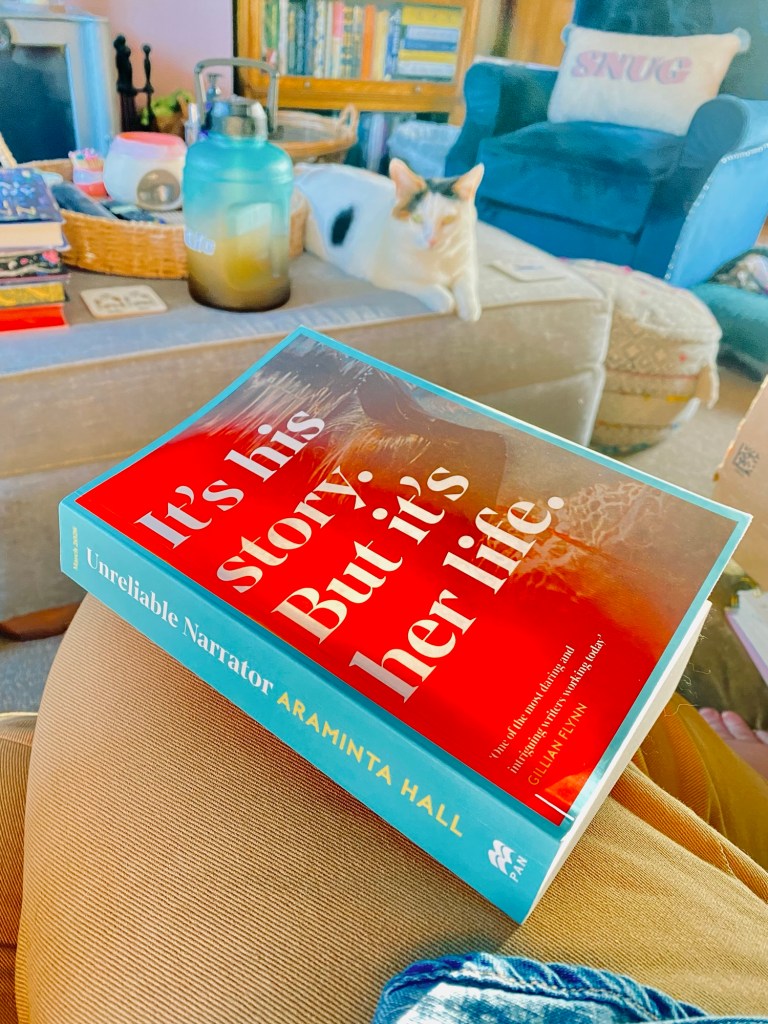


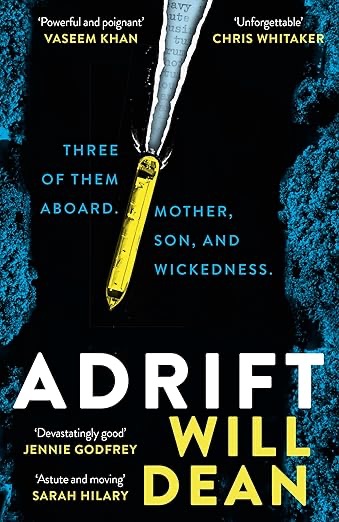
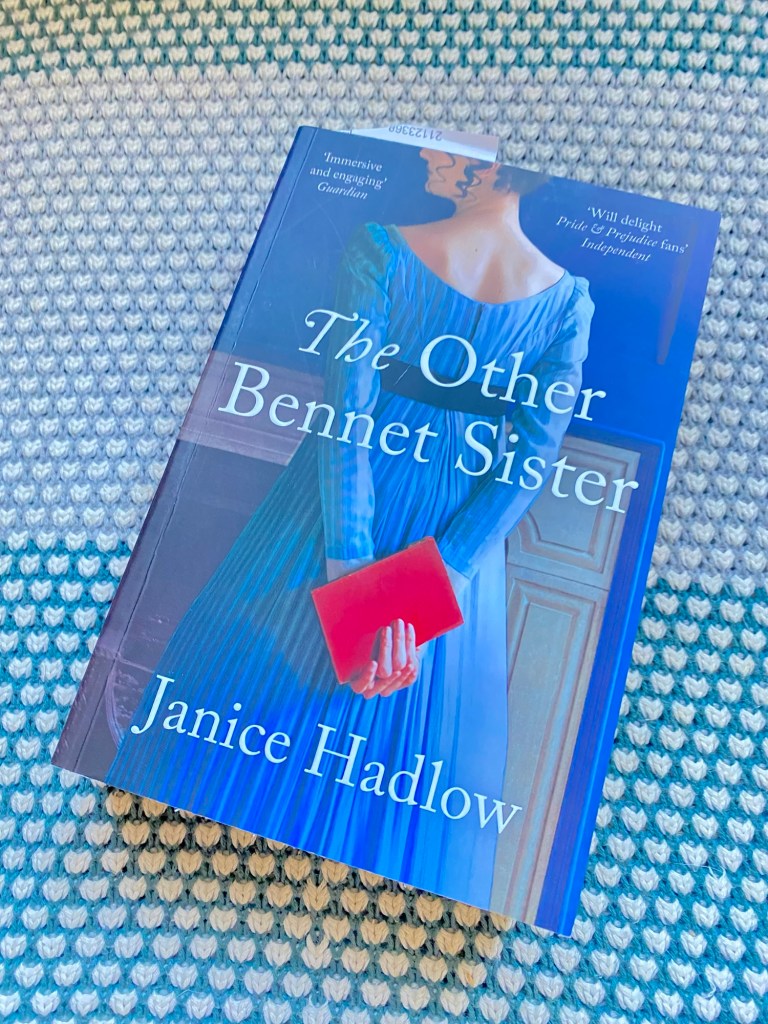
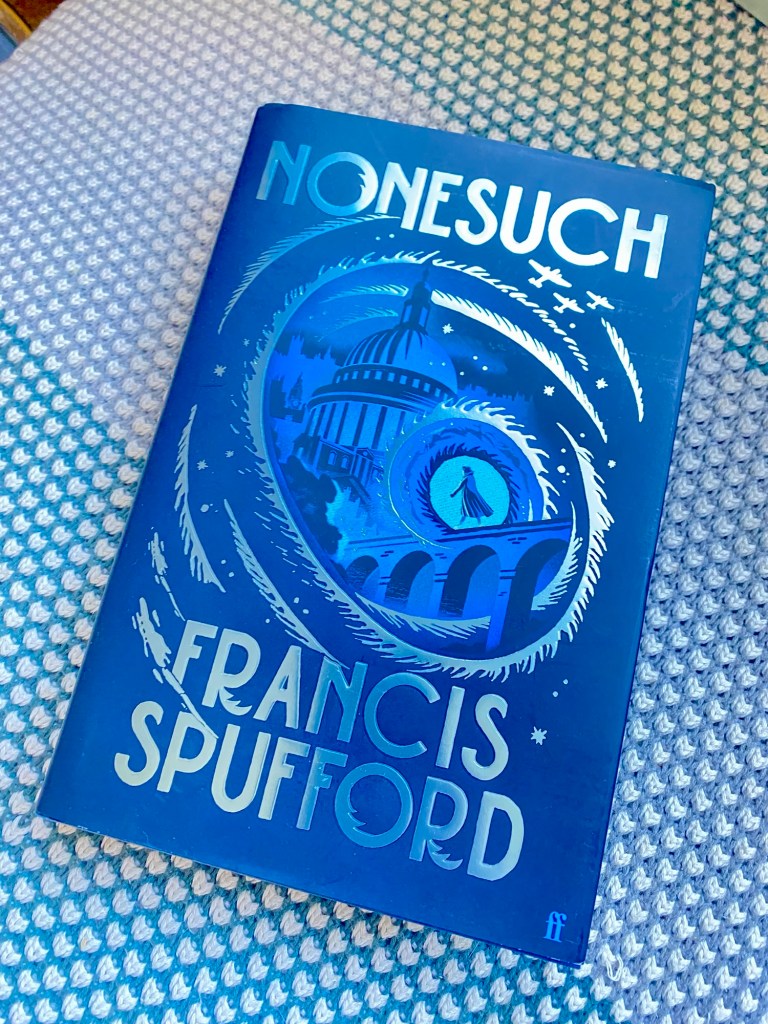
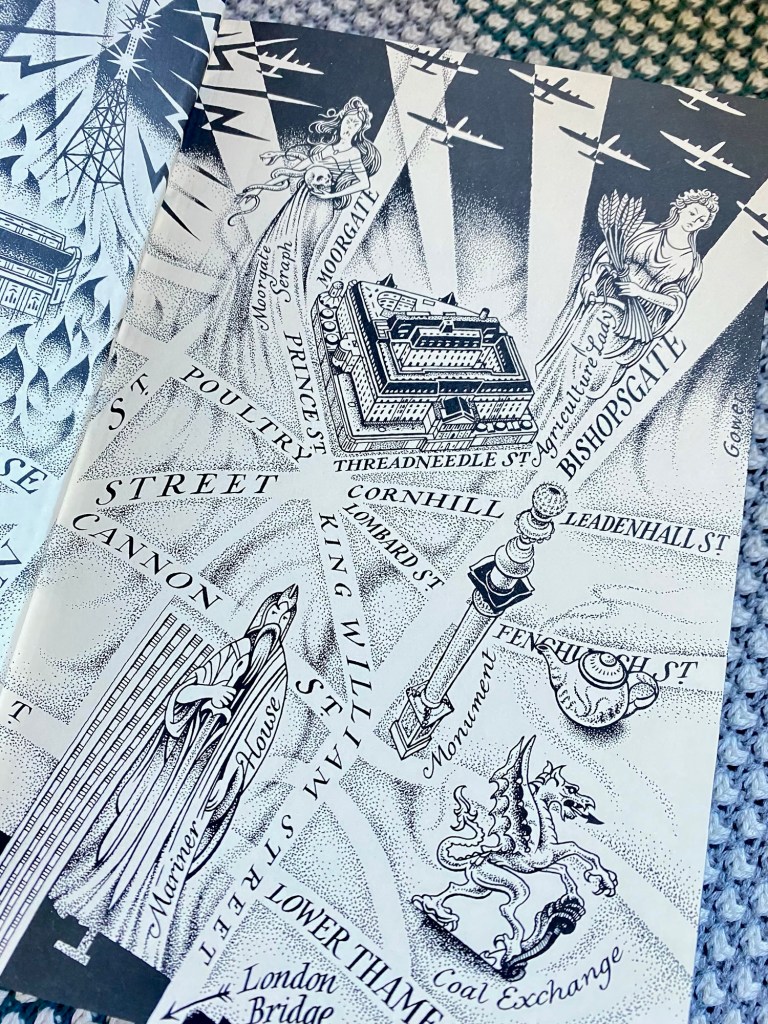
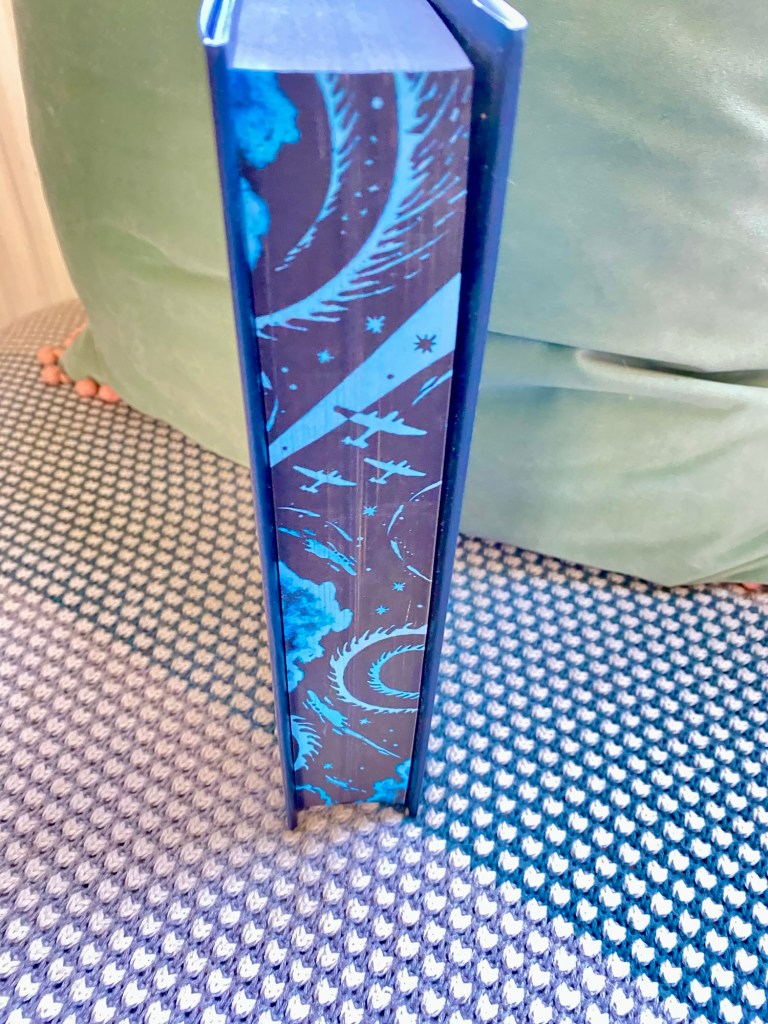
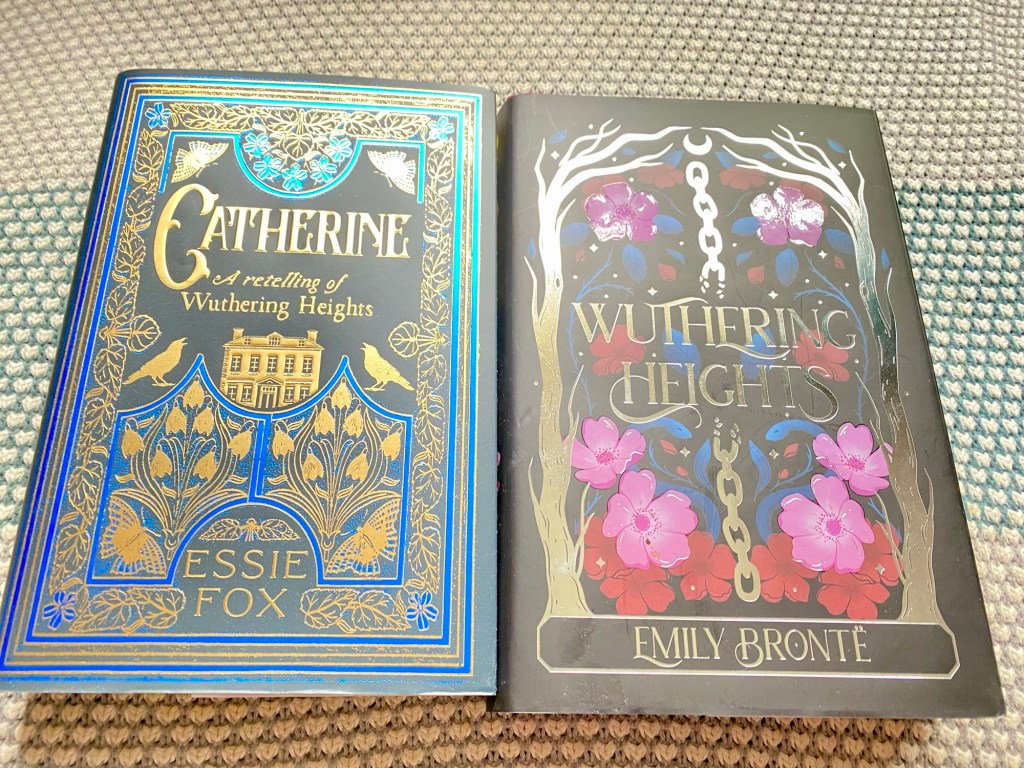
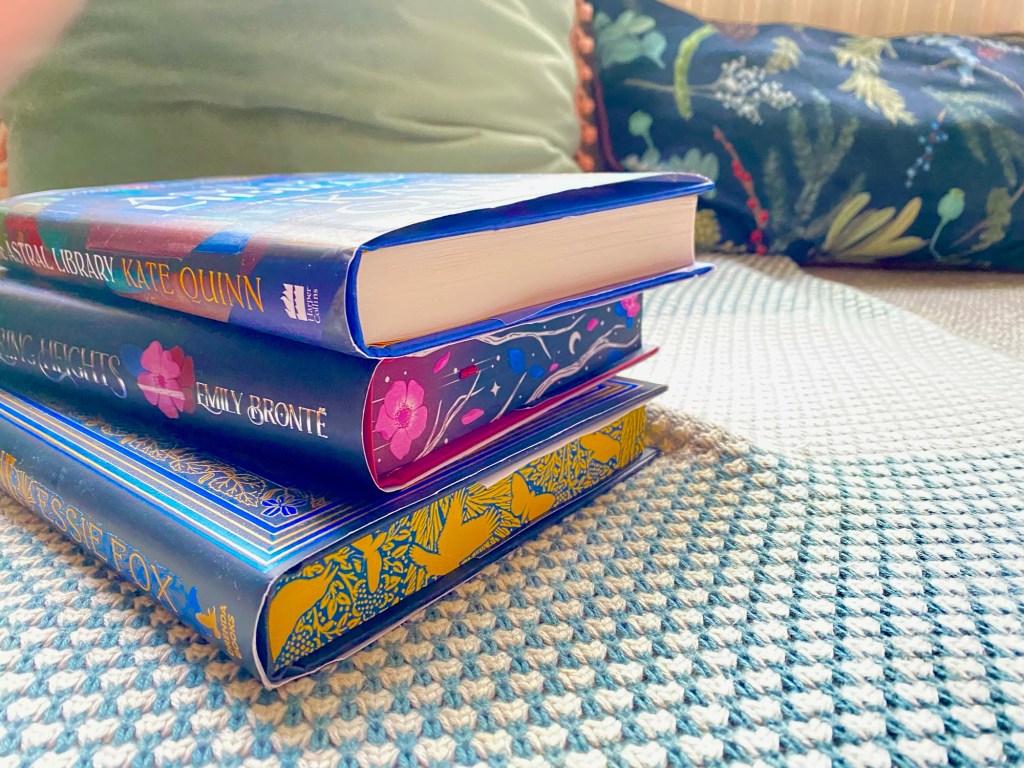
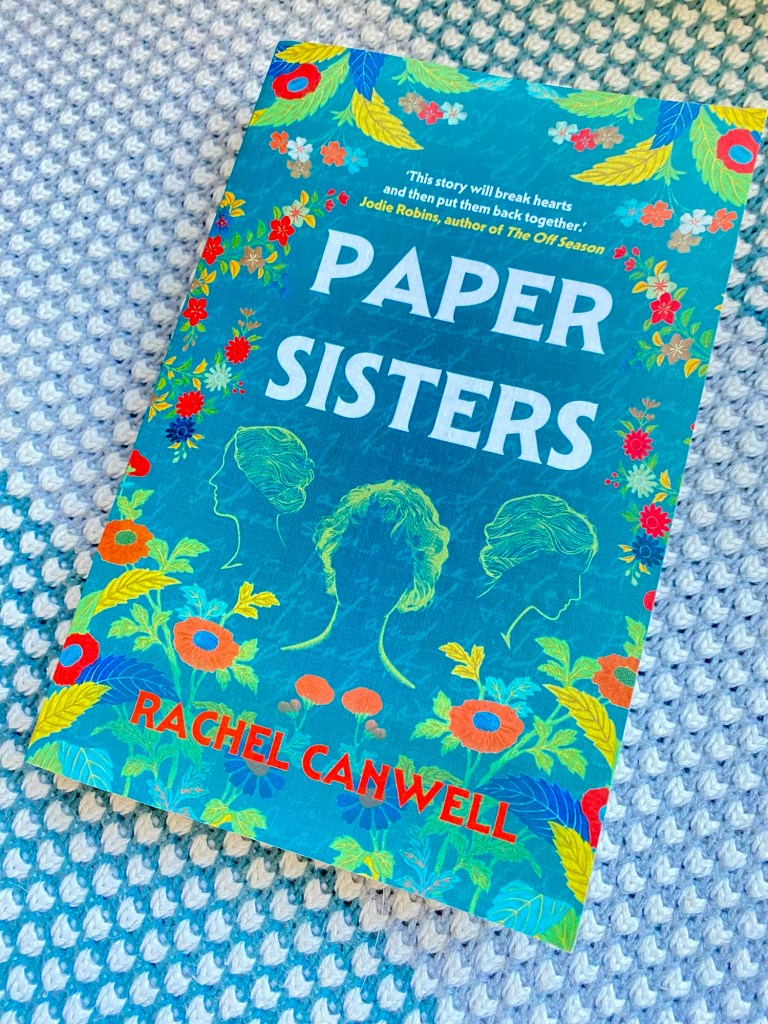
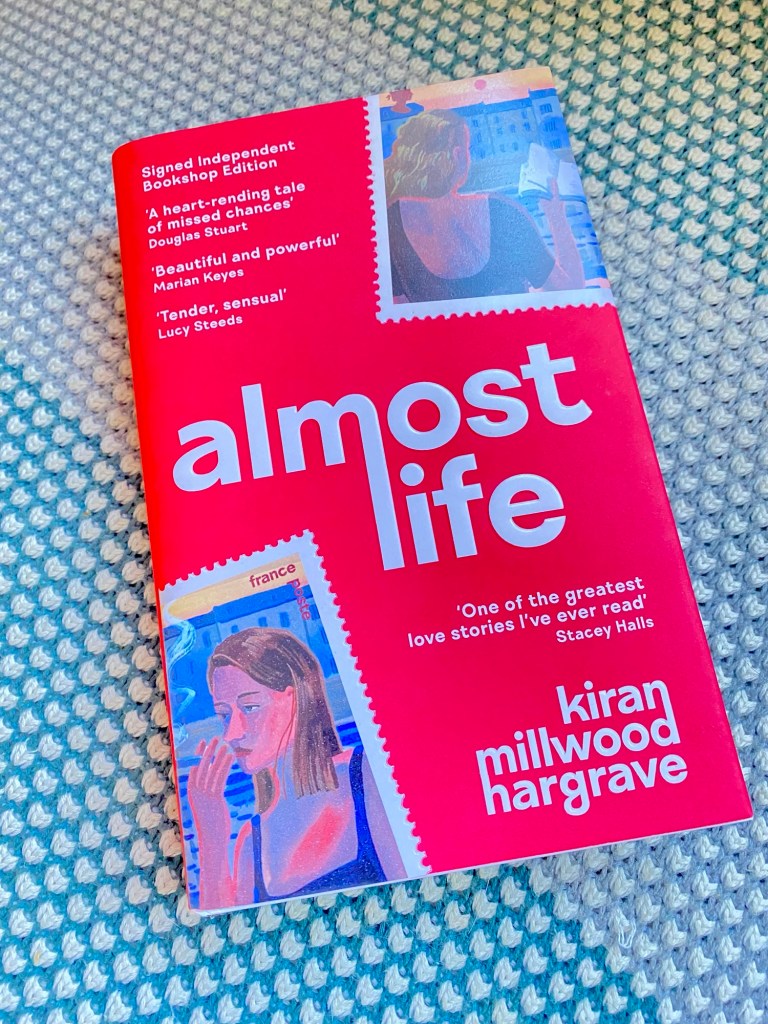



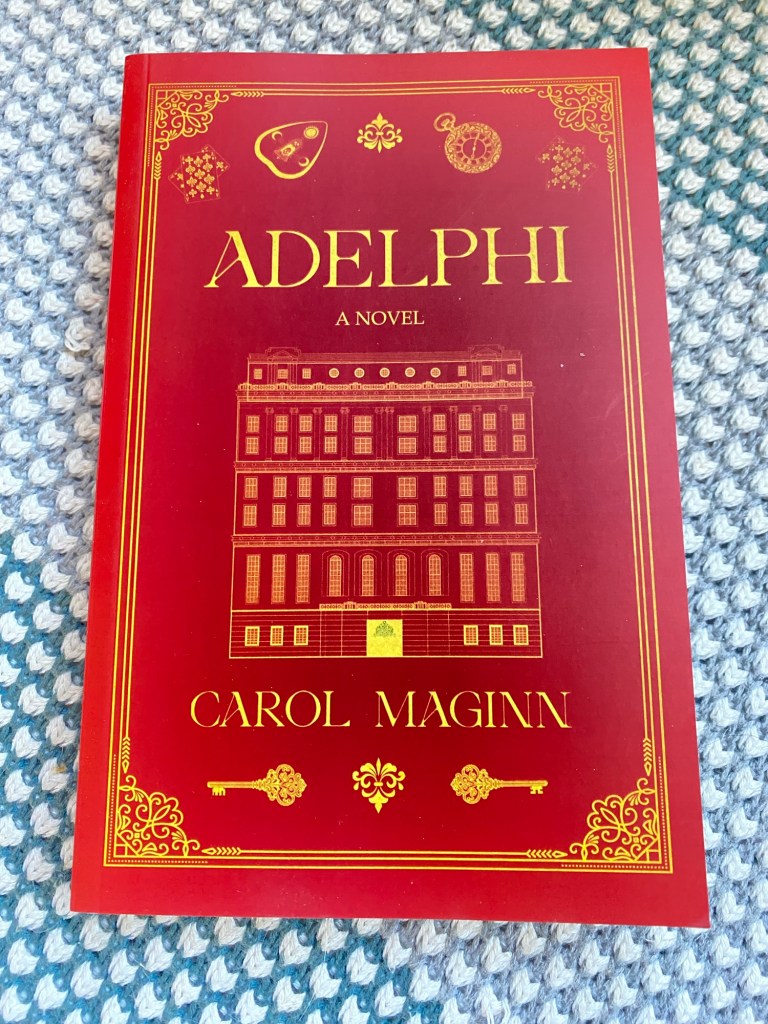
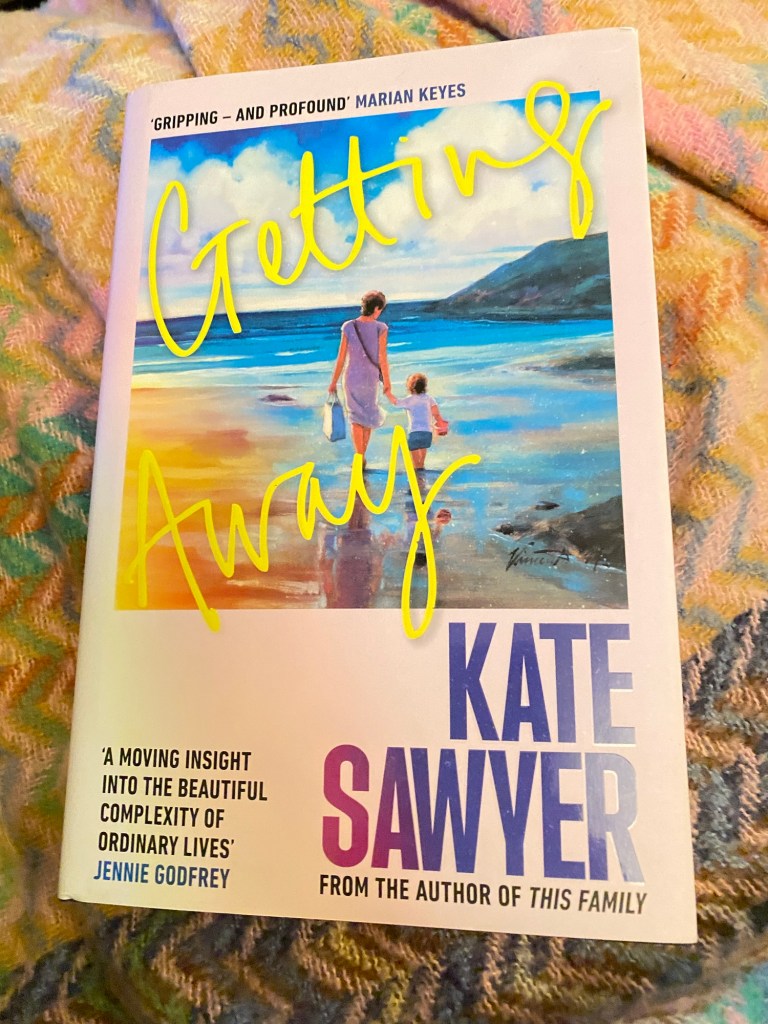




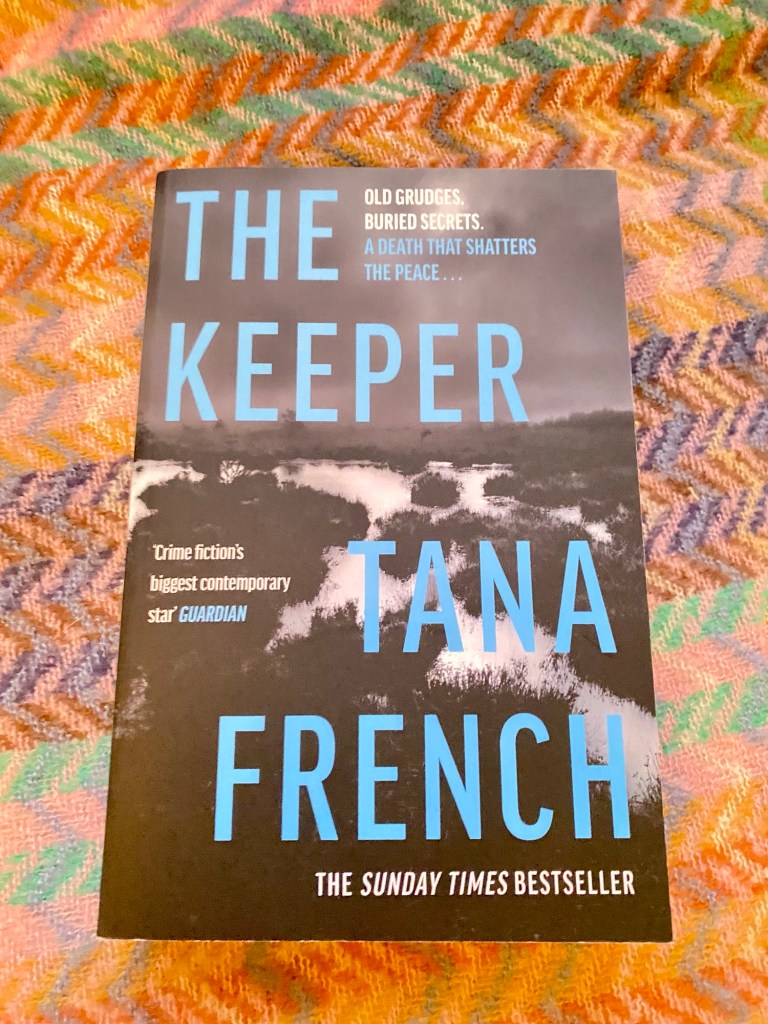
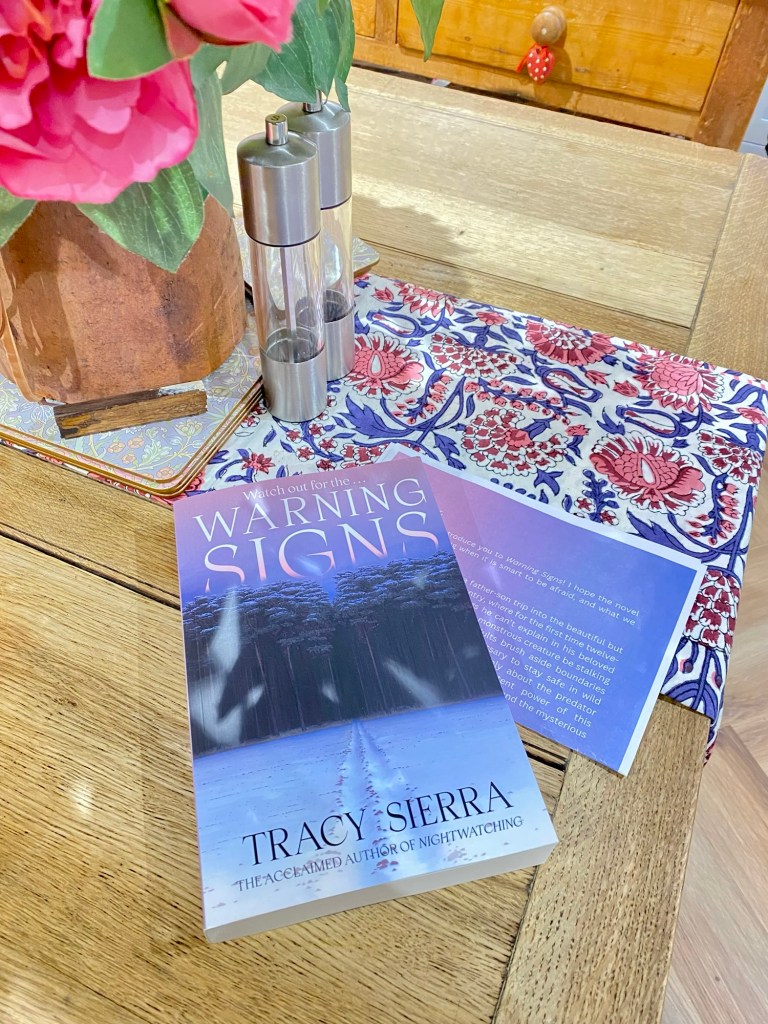



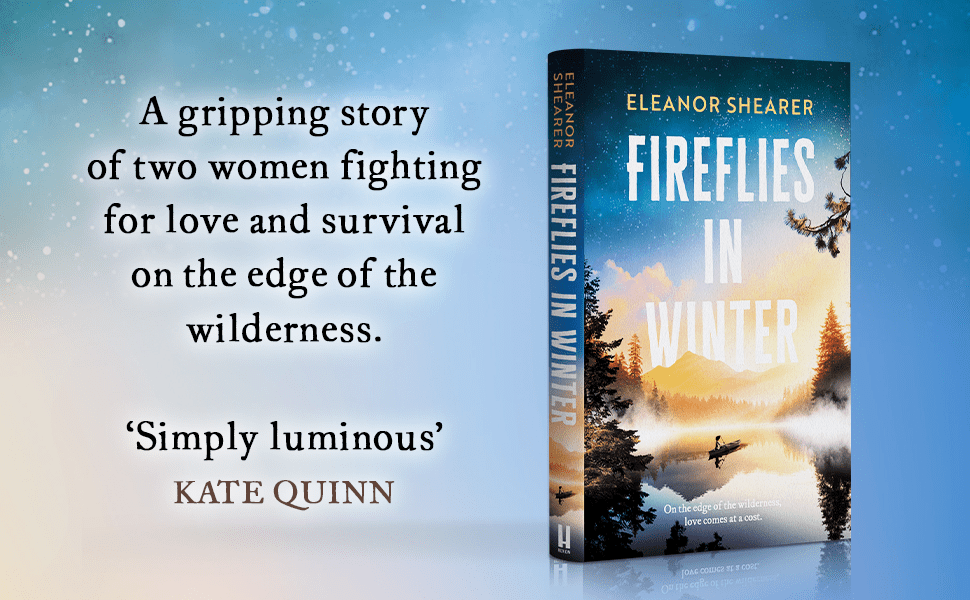



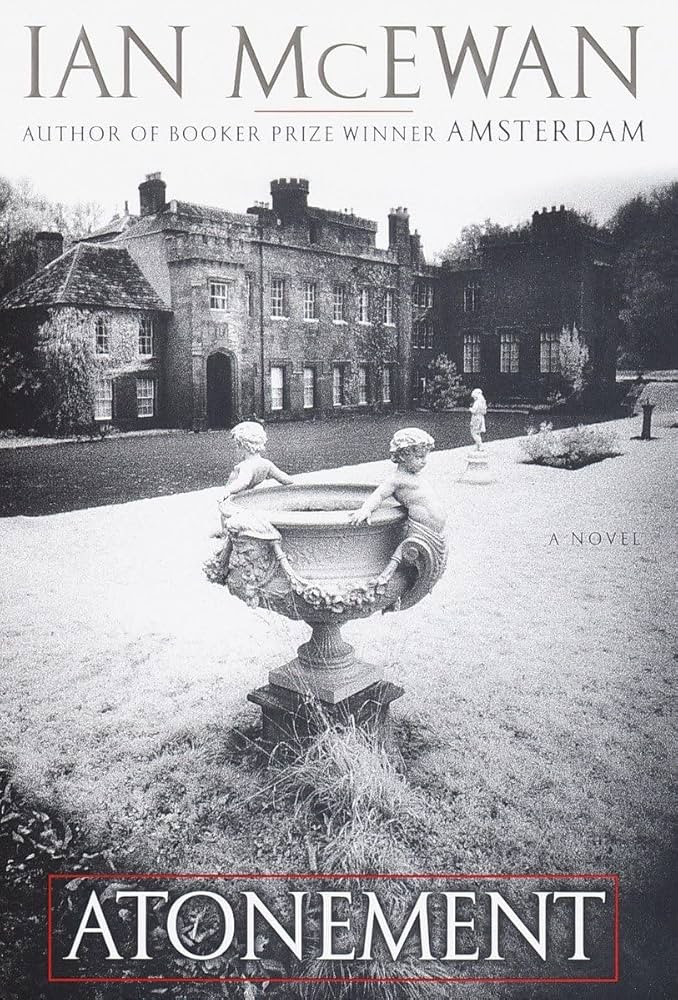
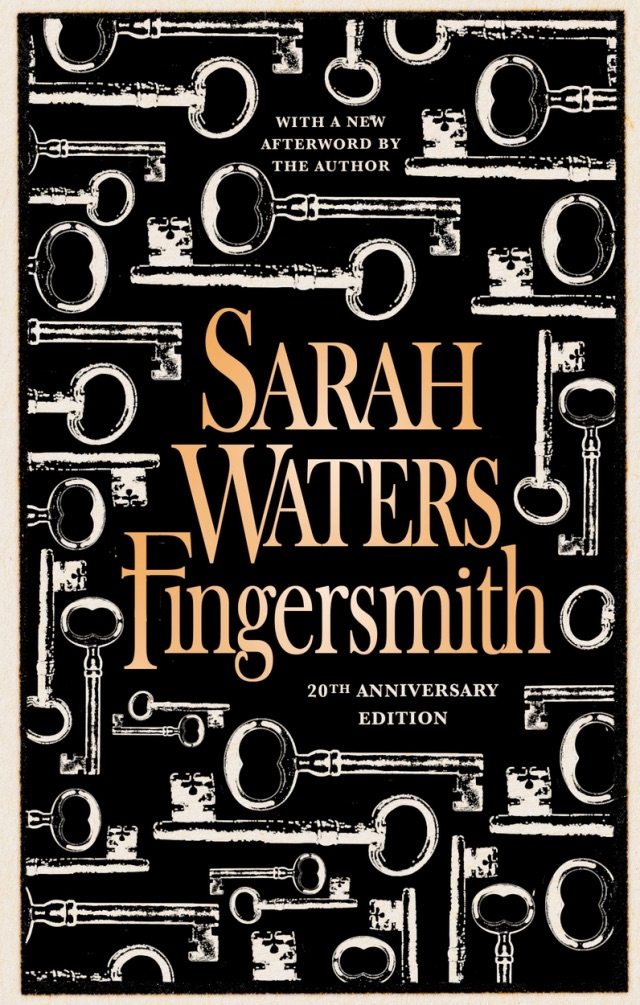
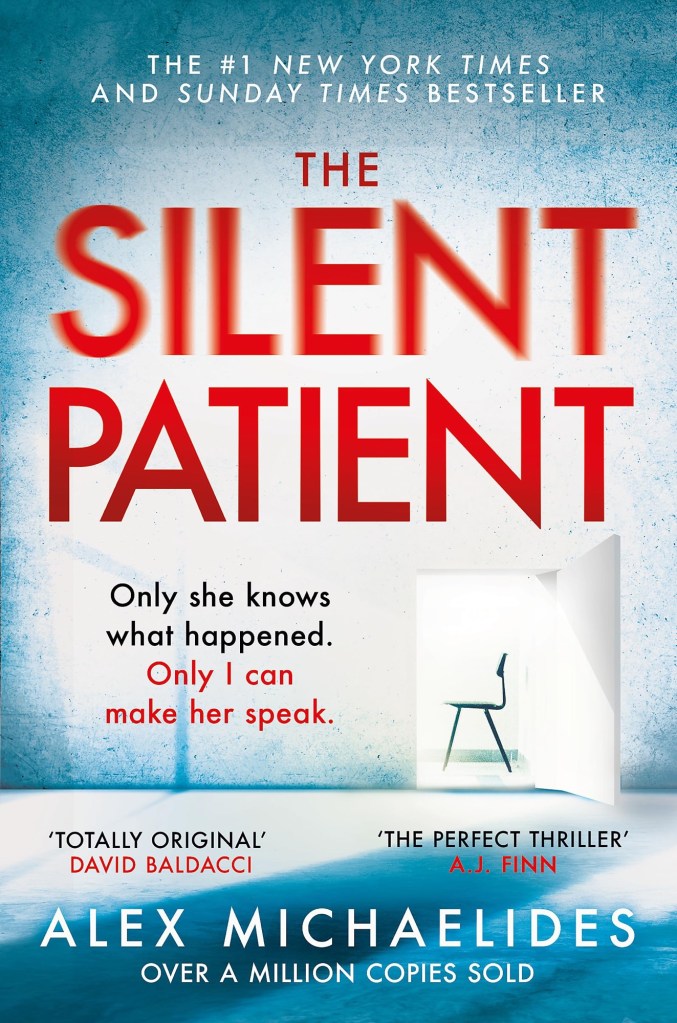
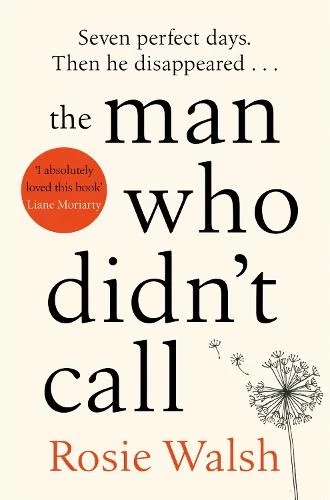
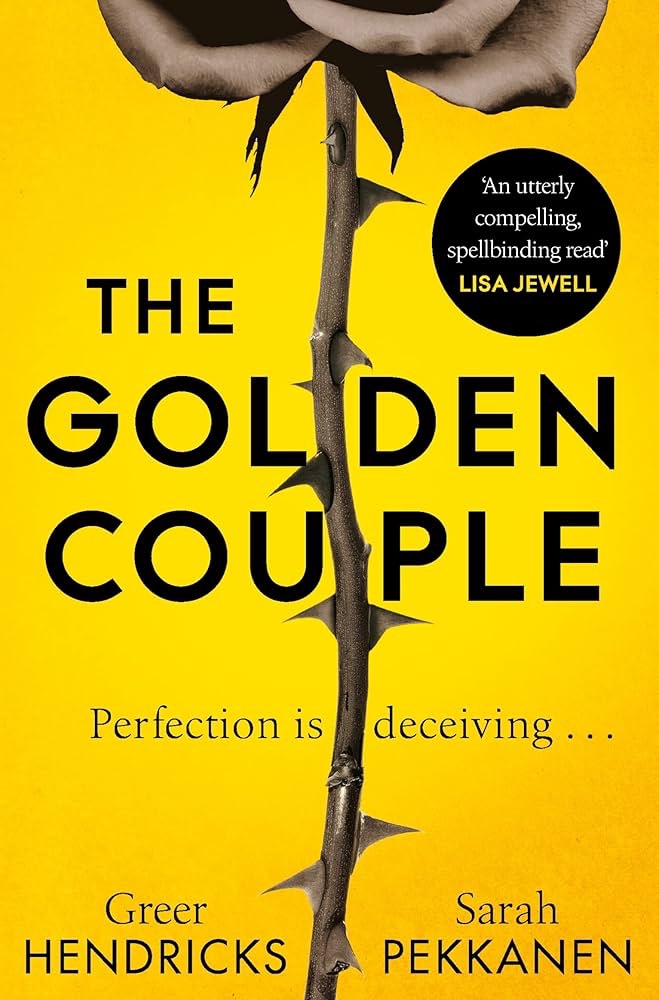
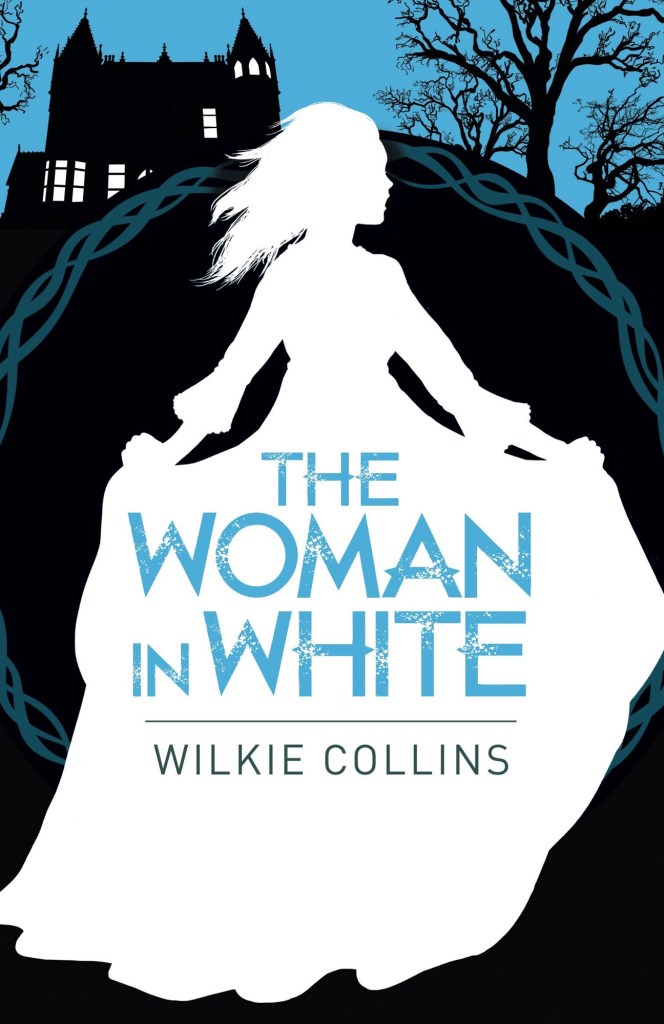
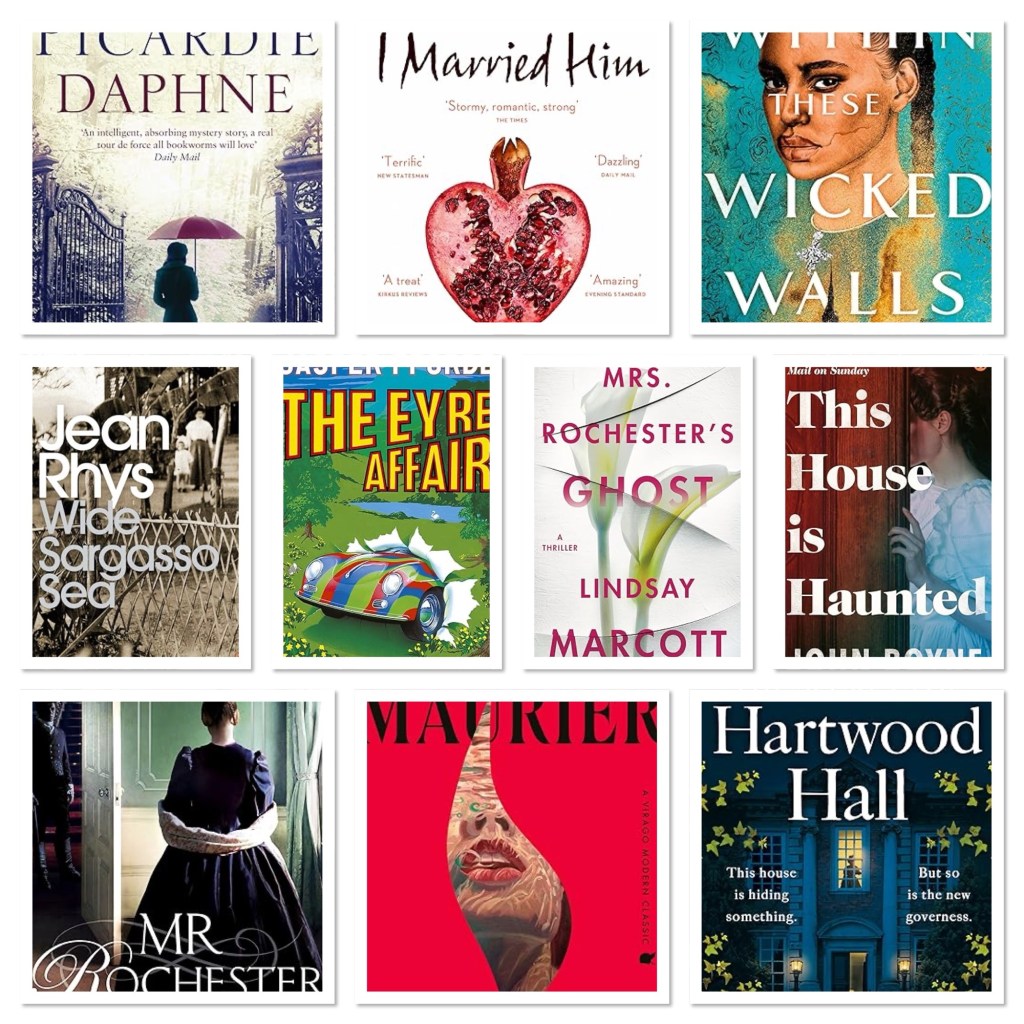
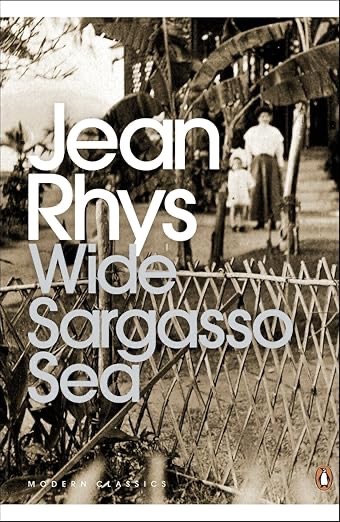
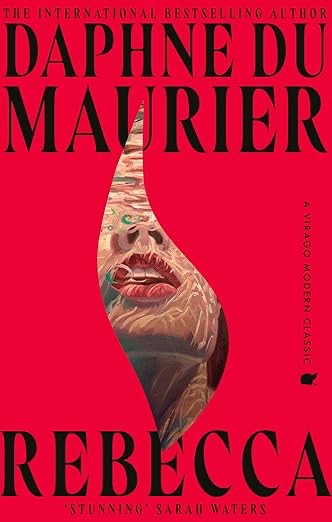
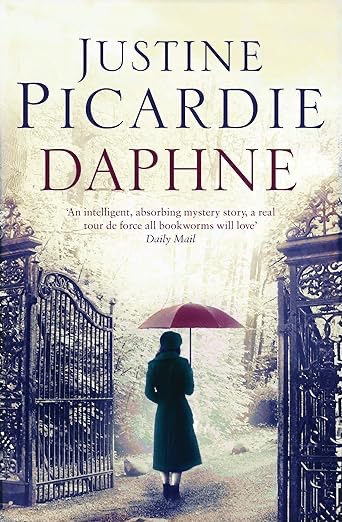
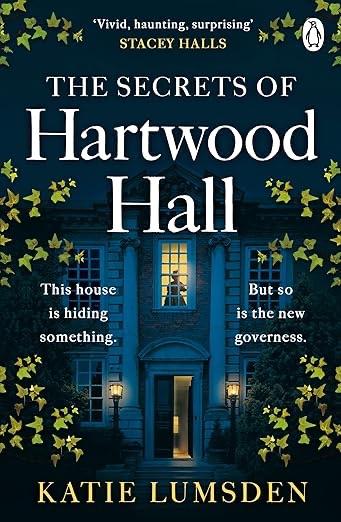
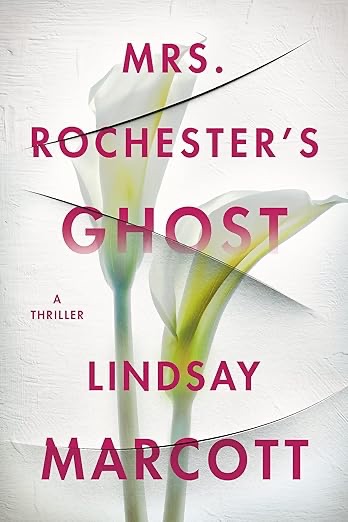
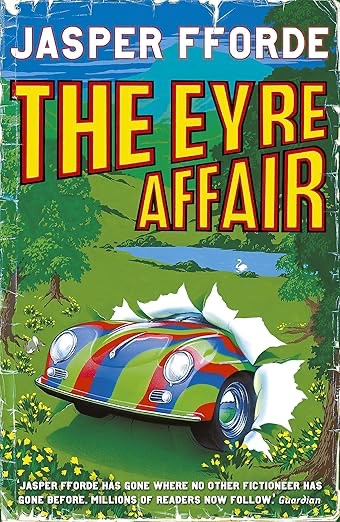
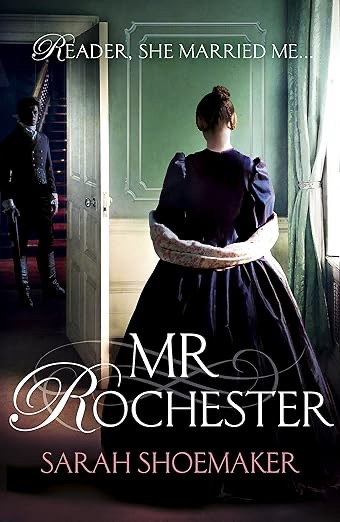
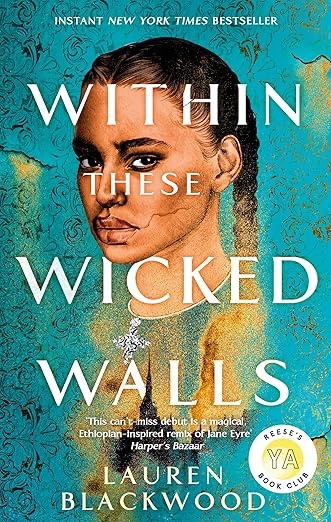
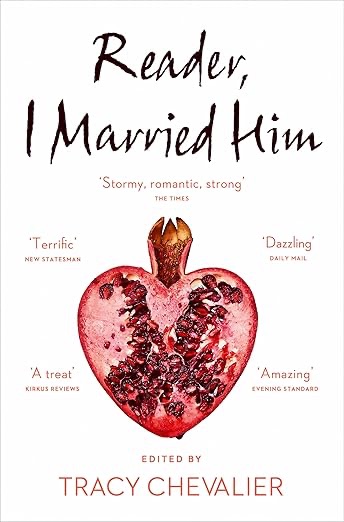
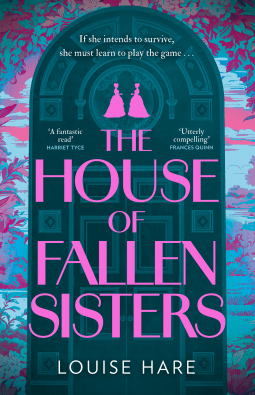



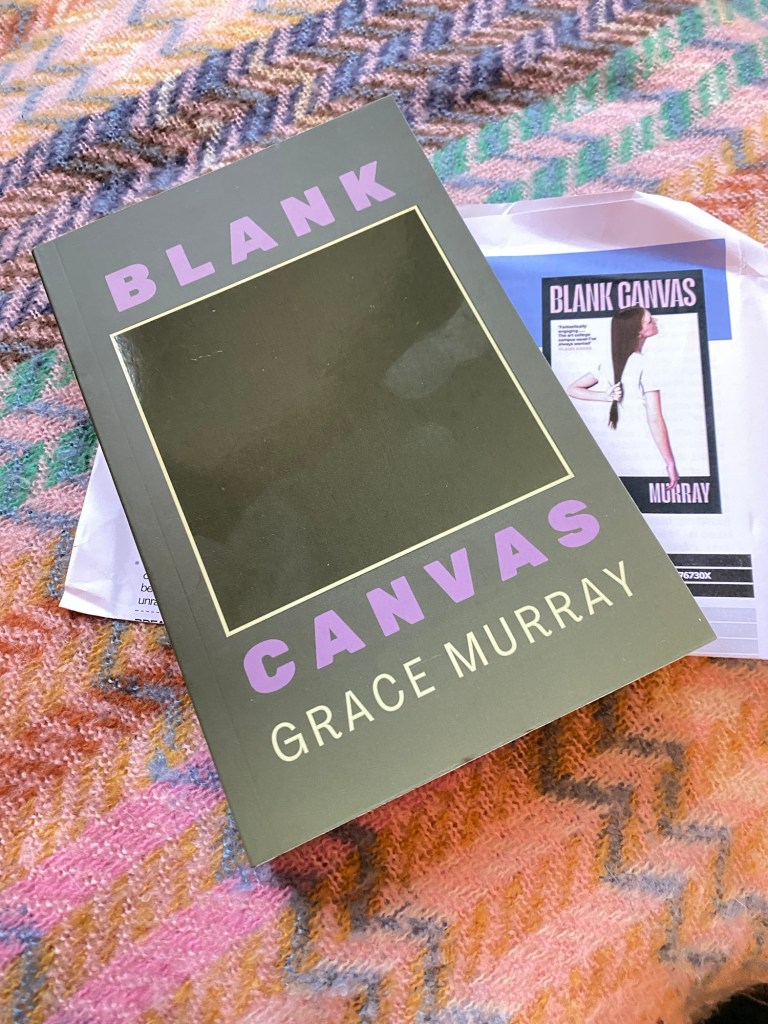
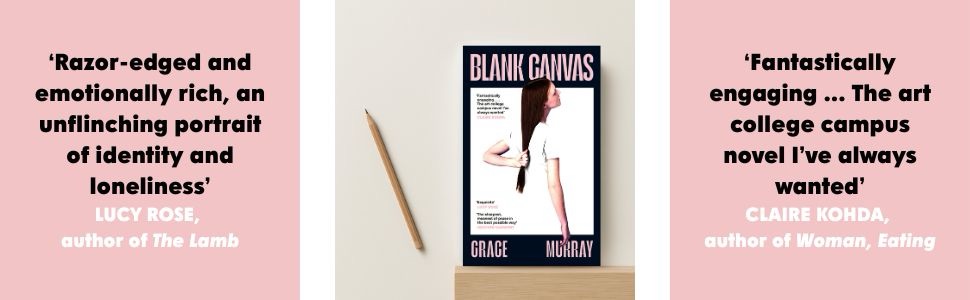
 The Lotus Readers