As autumn deepens into darkness in Lidingö, on the Stockholm archipelago, the island is plunged into chaos: in the space of a week, two teenagers, the son of the island’s mayor and that of a powerful businessman, are brutally murdered. Their bodies are left deep in the forest, dressed in white tunics with crowns of candles atop their heads, like offerings to Saint Lucia. Maïa Rehn has fled Paris for Lidingö, where her husband grew up, trying to come to terms with the death of their only child in a car accident. But when the murders shake the island community, the former police commissioner is drawn into the heart of the investigation, joining Commissioner Aleksander Storm to unravel a mystery as chilling as the Nordic winter. As they dig deeper, it becomes clear that a wind of vengeance is blowing through the archipelago, unearthing secrets that are as scandalous as they are inhuman. But what if the victims weren’t who they seemed? What if those long silenced had finally found a way to strike back? How far would they go to make their tormentors pay? And you – how far would you go?
I loved the timing of this novel from Johanna Gustawsson, her second set on the island of Lidingö in the cold, dark run up to Christmas. Here she bases her murder mystery around the feast of St Lucia and it begins when a body is found in the traditional dress of the festival. The victim is wearing a white tunic that’s been slit up the back, with a red sash and a crown of candles representing the festival of light. It reminded me of the locally held Christingle services, where small children in white hold a symbolic orange with a lighted candle in it and a red ribbon meant to symbolise Christ’s blood and his role as the Light of the World. It was something I’d never encountered before, being Catholic it wasn’t part of our tradition, but it fits into the many festivals that bring light to the winter months such as Hanukkah and Diwali. The festival and the victim’s clothing make the scene of the crime even more dramatic and hard to forget. It also throws up immediate questions about whether the date or the costume is a message from the killer. Visiting French detective Maia Rehn offers her help to local commissioner Aleksander Storm and they begin to investigate together. It soon becomes clear that the killer isn’t finished with the island community and the pair must work very fast, prizing secrets from people who are reluctant to talk and digging up long buried events that will devastate and destroy lives.
One of the things I love most about this series is the atmosphere that the author builds. This is not the average crime novel, it definitely has a more Gothic feel that I would normally associate with folk horror.
“It was hardly an ocean this mere strip of sea. A moat more like – cutting Lidingo off from the life of the Stockholm mainland. A ghost infested moat, surrounding a poisoned island”.
This killing takes the community back several years to the murder and rape of a young woman dressed in her St Lucia costume. The victim is Jennifer, a well known and liked teenager in the community whose white dress and crown gives the impression of a angel in the snow. Jennifer was the daughter of Sophie Ackerman who bonds with Maia at a party, when they realise that both of them have lost a child. The pain and confusion of these unexpected and sudden losses have no descriptive word in the Swedish language, only the Sanskrit word ‘vilomah’ comes close, meaning ‘against the natural order.’ Motherhood and who we become when we lose a child is a theme of the novel and drives home that violent deaths affect a whole community. In fact, following the death of Jennifer Ackerman suspicions fell on her friend Gustav who found her body. The way the community treated Gustav, as well as the grief, caused him to commit suicide. It’s such an important theme that the novel’s opening takes us to a classroom on the island where Gustav’s mother holds everyone at gunpoint, blaming them for the death of her grief stricken son. These events and the darkening winter days hang heavy over the tiny island. Maia describes the loss of her son with such beautiful and haunting words that let us know he is still so present in her thoughts she almost expects him to materialise:
‘He’s everywhere around me, so I’m always waiting for […] a word, a sound, the slightest caress from him. I find myself sniffing the air for the scent of him’.
Sophie talks about her daughter Jennifer in the words of Cyrano de Bergerac, showing that she is still ever present for her too. It’s such a beautiful way of describing grief that comes in waves, some days it seems far away and other days it feels as if the loss was yesterday. I identified with this so much, knowing that even ten or twenty years on there are days when the grief feels painfully fresh. How much worse it must be with violent deaths where there are feelings of anger, guilt, resentment and so many questions left unanswered.
‘Her name is in my heart like a bell. Every time I think of her it’s like I can hear that bell ringing and ringing and the memories and feelings resurface every time’.
As the investigation unfolds it is clear that Maĩan and Aleks work quite differently, but complement each other. He is more of a facts person, whereas she picks up on emotion and her own feelings, heightened by tragedy, seem to have honed this skill. As an outsider she also seems more effective at getting people to talk, something that can be a struggle when a detective lives in the community they’re investigating. Their discoveries are both haunting and horrifying – especially a ‘trophy’ find that absolutely turned my stomach. Some of the themes were very timely, aside from the normal teenage themes of peer pressure, relationship angst and experimentation, there are also more up to date themes of incels, grooming and consent. I found it fascinating that Swedish law reform in 2018 placed the emphasis on positive consent so that rape was no longer defined by saying no, but the absence of actively saying yes. It recognises that when backed into a corner, freezing and becoming unresponsive are normal survival instincts and not consent, so threat and physical force don’t have to be present for an incident to be defined as rape. When we are finally taken to the night Jennifer Ackerman died it is hard to read, but that’s how it should be. This first incident is like a veil of darkness triumphing over light. It’s as if the island loses its innocence. I loved that the answers don’t come easily and the tendrils of the aftermath are everywhere. This is a vivid, symbolic and haunting crime story and the truth is devastating – a gradually revealed horror that has echoed down the generations of this isolated community.
Out now from Orenda Books
Meet the Author
Born in Marseille, France, and with a degree in Political Science, Johana Gustawssonhas worked as a journalist for the French and Spanish press and Her critically acclaimed Roy & Castells series, including Block 46, Keeper and Blood Song, has won the Plume d’Argent, Balai de la découverte, Balai d’Or and Prix Marseillais du Polar awards, and is now published in nineteen countries. A TV adaptation is currently under way in a French, Swedish and UK co-production. The Bleeding was a number-one bestseller in France and is the first in a new series. Johana lives in Sweden with her Swedish husband and their three sons.
This felt like the perfect autumn read – a sinister mystery filled with atmosphere and a slowly building sense of menace. Evelyn Dolman embarks on his honeymoon with his new wife Laura and it proves to be anything but the honeymoon he expected. The couple are greeted by servants at their lodgings, but soon the landlord of Palazzo Dioscuri is there to introduce himself and tell tales of his grand and adventurous ancestors, many of whom Evelyn suspects as figments of the Count’s imagination. Simply a tale to entertain guests. Evelyn fought hard for Laura’s hand, knowing she was far above him in terms of class and finances as he is merely a struggling writer. He’s been looking forward to getting away and as they settle into their rooms he’s sure they’ll have a successful trip. Despite his awareness of the rot and instability underneath some of the grand palazzos they saw from the vaporetto Evelyn is still dazzled by the faded beauty, the light and the history of this group of islands that make up the city. So, with Laura settling in early for the night he decides to go for a walk and perhaps a drink somewhere close by and she suggests Florian, a cafe that first opened in 1720 and still serves Venetian visitors today. A chance meeting is followed by a night of drinking and one unforgivable act. So when he wakes in the morning, sluggish and nauseous and finds his wife isn’t next to him in bed, he imagines she has taken herself to another room. However, as the morning progresses it becomes clear that Laura has simply disappeared.
I picked this book up on a solid recommendation from the bookshop owner, he said his wife was reading it and was torn between devouring it or savouring every chapter. After reading the first couple of chapters I knew exactly how she felt. I love the city of Venice and I love fiction that is set there, particularly stories that conjure up the feel of the city. I’ve been lucky enough to visit the city twice, both times for a full week of exploring. It was the perfect holiday for me – the gothic feel of the place, the incredible architecture, the artisans creating in their workshops and the history of the islands. This is a city with a potential story round every corner. John Banville has captured this perfectly and the strange atmosphere that goes with it. Venice likes to fool you. Not just at carnival time with its costumes and masks, although there is something thrilling and terrifying about that time, this is a sleight of hand that’s in the everyday: the theatre that is actually a supermarket, a nondescript red brick church adorned with clouds and painted cherubs above the altar, it’s turning off a bustling street full of tourists into an empty piazza, devoid of sound. I think every visitor has the experience of turning into a quiet corner and knowing it’s been like this for centuries and you could have stepped into a completely different time. This idea of the city as a trickster is used cleverly by the author to wrong foot both the reader and our narrator.
Our first strange event happens in Florian, the gilded and opulent cafe recommended by his wife. As Evelyn begins to settle in with his coffee and brandy a man approaches his table with a shout of surprise. A red haired man introduces himself as Freddie Fitzherbert and can’t believe Evelyn doesn’t recognise him, since they went to the same school. Evelyn has the conviction that he’s never seen this man before, but he seems to know Evelyn and out of politeness he allows himself to be ushered to sit with Freddie and his sister Francesca Ransome, whose charms don’t go unnoticed:
“This enchanting creature of the heart-shaped face, lustrous eyes and invitingly intimate smile […] how deeply, warmly hued her gleaming ringlets”.
As Evelyn is coerced into joining them at a late drinking establishment he senses he may be making a terrible mistake.
We see everything through Evelyn’s eyes and he is bluntly honest about his feelings and behaviour. He desires Cesca and once felt a similar craving for his wife, but just like this city appearances can be deceptive. Their marriage looks like a love match, but could it be sitting on gradually rotting foundations. On the night he proposed, Laura accompanied him to his rooms and there “the deed of tender initiation was at last enacted” but far from being the unknowing virgin he expected, his fiance knew the deed and proved more experienced in it than him. She was also eager to participate:
“To say it plainly her deft embraces and practised kisses were such as to leave me gasping less in ecstasy than astonishment, even dismay.”
Despite his own initiations that were paid for in a certain type of establishment, he resents hers. Despite the passion, he doesn’t feel he fully possessed Laura. She felt absent to him but the night was never discussed or repeated. Even since the marriage Laura had shown no indication of being receptive to his advances and he is beginning to think that the carnal side of their relationship is over. As he returns to the palazzo, so drunk he is accompanied by Cesca, he is so full of alcohol and lust that he is on course to act in a way that is unforgivable. When he wakes, foggy and nauseous the next morning, it takes a few moments to remember the night before. Once reality hits he searches their rooms and the rest of the palazzo for his wife but he can find no trace of her. Did she leave? Has she gone to a hotel to cool off for a while? Or did more transpire last night than he remembers?
Caffe Florian 2013
This is a mystery as labyrinthine as the city itself and despite having only one narrator we are left with so many questions. There’s a vagueness about every detail that could be an adherence to social etiquette but could also be deliberate. Evelyn seems easily pulled into harms way and claims to feel utterly detached from his wrongdoing. It’s as if he’s too weak to be autonomous or stick to his principles, or he could be trying to fool us. Despite claiming not to recognise Freddie he was easily swayed to go late night drinking with them and even secures them rooms at the Palazzo Dioscuri when their lodgings on Guidecca need to be vacated. He claims to be bewitched by his wife’s dark haired beauty but very quickly switches interest to Cesca. Could he really be this callous? It seems our narrator is not to be trusted and he’s not alone. Count Barbarigo drifts in and out at will, with long fantastical stories of his ancestors that must be false. Cesca is very enigmatic, seductive one moment and pulling back the next. Where is her husband? What does she expect from Evelyn? We get the feeling that everyone is behaving oddly as if there’s something else going on just out of Evelyn’s sight. As Freddie and Cesca join the palazzo the Count provides a lunch for his guests, a gathering Evelyn refers to as a Mad Hatter’s party and it’s an apt description of this strange assortment of strangers. He notices the servants are sitting with the guests. He gets the sense of watching a play unfold in front of him, with everyone playing their part but something feels ‘off’. To me it felt like the house of misrule where the usual social order is being turned on its head. Not to mention Laura is still nowhere to be found.
Doubling is also a theme, with Laura seeming to be the quiet, ideal wife but she has this unexpected sexual past. Cesca is pointed out as Laura’s double by the count, with the only difference being her hair colour. Evelyn even wishes his wife was more like Cesca. She does admit to her dual nature and even likens it to the city.
“You will get used to the pantomime that Venice makes of life.”
The reference to pantomime again brought up that twelfth night sense of misrule, where women are principal boys and men are the pantomime dames. Cesca claims that the venality of Venice makes her feel like the essence of respectability. Evelyn flirts around this statement, wondering about her respectability elsewhere in the world also wishing to be a wilder version of himself. He bemoans his character, wishing that Cesca could see this other self that’s the perfect fit for Venice in all its elusiveness and deceit.
“Wherever I end up I will still be Evelyn Dolman, a northerner born and bred, utterly un- Venetian.”
He wishes for the ability to be a wild rover like Freddie, tied down by no one and no principle or creed either. This part of him longs for Casanova levels of debauchery, but as leans his head against the damp wall of the palazzo he longs for his tidy house in Chiswick and the smell of furniture polish. Will this suburban, safe Evelyn win the day or will he allow his darker, shadow self to control his actions?
There are clues to what is transpiring here but they are subtle. The writer has incredible sleight of hand and they seem inconsequential or at list explicable. Some completely passed me by. As I opened the book again for writing this review it made me think of The Sixth Sense and how no one saw the clues on their first watch of the film but when they watched for a second time they couldn’t believe they’d missed them. Each character is slippery and elusive with an unpredictable quality that felt dangerous. I lived this uncanny feeling the author created which grows organically from the city. This is a sparking jewel of a city that’s risen from the mud and brackish waters of the lagoon. Evelyn mentions the fin de siécle, that time of decadence towards the end of the 19th Century and that timing certainly informs some of the events in the book, particularly the fluid social order and sexual licentiousness. We’re told constantly that Venice is decaying and sinking. One day it may be completely under water, but the decay isn’t what you see when you first visit. Venice bewitches you with its golden domes, Morrison arches, coloured glass and the way sparkling light from the surface of the water bathes everything in a soft light. Then suddenly, only a street away you notice a tree growing out of someone’s house and at night most residences seem in darkness now that families can no longer live in the water logged lower floors. Banville captures this ‘double’ city utterly, describing the timeless romance of a gondolier serenading his passengers but also the jarring sound of the vaporetto. We see the sparkling water but also smell the mud as the passing boats churn it up. He links this duality with human nature, our surface selves and the real us, even the parts we avoid and keep locked away. Everything about this novel is a conjuring trick and I fell head over heels in love with it.
Meet the Author
John Banville was born in Wexford, Ireland, in 1945. He is the author of thirteen previous novels including The Book of Evidence, which was shortlisted for the 1989 Booker Prize. He has received a literary award from the Lannan Foundation. He lives in Dublin.
I’ve always been unconsciously drawn to books set in Australia and New Zealand, perhaps because I have family in both countries and want to familiarise myself with their lives. My mum lived there as a ten pound Pom in the 1960’s, leaving Liverpool behind and living in hostels meat Sydney. My grandad loved it out there and would tell us about nature, mostly horrific stories of people having spider’s nest in their ears or brains. My brother-in-law went out to New Zealand to work as a tree surgeon on a huge farm. He met the love of his life out there, Jenny, and although Jan died a few years after my husband I’m still in touch with Jenny and my two nephews. I was also hugely influenced by mum who was an enormous fan of The Thorn Birds – although hated Rachel award as Meggie in the TV mini-series. I’ve always thought that people down under are resilient, rather sweary and very straightforward. They say what they think – something I admire even where I don’t agree. I love the diversity of the cities and fascinated by Aboriginal and Māori. Some of my choices were read on my post-colonial literature course at university, a module that I found so inspiring and forced me to read writers I’d never have picked up as a casual reader. Here are just a few of the books and authors that can take you on a trip round both countries.
Classics
When her wealthy family prepares to host a lavish summer party, the young, hitherto sheltered Laura Sheridan suddenly feels a kinship with the staff and the helpers hired to set up the venue for the festivities. As she learns of the death of one of their working-class neighbours, this burgeoning sense of class consciousness is heightened by a realization of her own mortality. Published in 1922, at the height of literary modernism, ‘The Garden Party’ is now considered one of the key texts of that movement. This volume, which also includes all of Katherine Mansfield’s other published short stories, is an invaluable resource for anyone wishing to discover one of the early twentieth century’s finest writers. I first read this collection at university and I still have it today because it stands up against any short story collection from that period.
Integrating both Maori myth and New Zealand reality, The Bone People became the most successful novel in New Zealand publishing history when it appeared in 1984. Set on the South Island beaches of New Zealand, a harsh environment, the novel chronicles the complicated relationships between three emotional outcasts of mixed European and Maori heritage. Kerewin Holmes is a painter and a loner, convinced that “to care for anything is to invite disaster.” Her isolation is disrupted one day when a six-year-old mute boy, Simon, breaks into her house. The sole survivor of a mysterious shipwreck, Simon has been adopted by a widower Maori factory worker, Joe Gillayley, who is both tender and horribly brutal toward the boy. Through shifting points of view, the novel reveals each character’s thoughts and feelings as they struggle with the desire to connect and the fear of attachment.
Compared to the works of James Joyce in its use of indigenous language and portrayal of consciousness, The Bone People captures the soul of New Zealand. After twenty years, it continues to astonish and enrich readers around the world.
Mythology and contemporary Māori life are woven together seamlessly in this spectacular collection by Aotearoa’s foremost short story writer.
The titular story ‘Bird Child’ plunges you deep into Te Kore, an ancient time before time. In another, the formidable goddess Mahuika, Keeper of Fire, becomes a doting mother and friend. Later, Grace’s own childhood vividly shapes the world of the young character Mereana; and a widower’s hilariously human struggle to parent his seven daughters is told with trademark wit and crackling dialogue.
Moving artfully across decades, landscapes, time and space, with tenderness and charm, Bird Child and Other Stories shows an author as adept and stimulating as ever. This isn’t an easy read but fascinating and the comparison between Māori and other creation myths from around the world was fascinating.
Contemporary Fiction
Cassy smiled, blew them a kiss.
‘See you in September,’ she said.
It was a throwaway line. Just words uttered casually by a young woman in a hurry. And then she’d gone.
It was supposed to be a short trip – a break in New Zealand before her best friend’s wedding. But when Cassy waved goodbye to her parents, they never dreamed that it would be years before they’d see her again. Having broken up with her boyfriend, Cassy accepts an invitation to stay in an idyllic farming collective. Overcome by the peace and beauty of the valley and swept up in the charisma of Justin, the community’s leader, Cassy becomes convinced that she has to stay.
As Cassy becomes more and more entrenched in the group’s rituals and beliefs, her frantic parents fight to bring her home – before Justin’s prophesied Last Day can come to pass. I love Charity Norman’s writing because she gets to the heart of family relationships and shows how families can fracture when placed under stress. I’d recommend any of her books but this one is set in New Zealand. I highly recommend Remember Me and Home Truths.
At a suburban barbecue one afternoon, a man slaps an unruly boy.
The boy is not his son.
It is a single act of violence, but the slap reverberates through the lives of everyone who witnesses it happen.
Christos Tsiolkas presents the impact of this apparently minor domestic incident through the eyes of eight of those who witness it. It’s honestly hard to find someone to like here, but it is a fascinating look at contemporary Aussie relationships. It’s an unflinching interrogation of the life of the modern family, a deeply thought-provoking novel about boundaries and their limits…
The Lambert sisters have secrets…
When 15-year-old Cathy Lambert runs away from her Dublin home, she is scared and pregnant. Settled in New Zealand with her new son Conor she believes the secret she carries will never be revealed…
Rebecca Lambert was eighteen when her parents died and she took responsibility for her younger sisters. Years later, she is haunted by fears she hoped she’d conquered.
Freed from family duties, mother of three Julie Chambers is determined to recapture the dreams of her youth.
Married to a possessive older man, Lauren Moran embarks on a frantic love affair that threatens to destabilise her fragile world.
Anxious to make peace with her three sisters, Cathy invites them to her wedding.
But as the women journey together through New Zealand towards their reunion, they are forced to confront the past as the secret shared histories of the Lambert sisters are revealed. I couldn’t put this book down as it’s a great mix of emotions, adventure, secrets and a lot of humour.
EVERY ENDING IS A NEW BEGINNING…
Ruth is ignoring the news. Like most people, she has relationship problems, job stress, friends and family who need her. Ruth has a life.
But the news is about to catch up with Ruth, and her problems are going to be swept away…along with the rest of the world. While on a plane to New Zealand, something starts to happen to the world. Arriving, Ruth makes her way to her coastal destination but never expected to be sharing the inside of a dead whale with a stranger as a world ending event happens. It takes this to change Ruth’s outlook completely. Only when the comforts and complications of her old existence are gone, does she finally realise how she might be able to live to the fullest. This was a mesmerising debut from Kate and I still recommend it constantly. It made me think about something drastic like this happening in my lifetime, but also question why we fall in love with the people we do and how commitments to others are nurtured and lad
Romantic Fiction
Love isn’t an exact science – but no one told Don Tillman.
A thirty-nine-year-old geneticist, Don’s never had a second date. So he devises the Wife Project, a scientific test to find the perfect partner. Don has a regimented life of work
Enter Rosie – ‘the world’s most incompatible woman’ – throwing Don’s safe, ordered life into chaos.
But what is this unsettling, alien emotion he’s feeling? . . .
This is a deeply funny, but emotional and fascinating in terms of Don’s neuro-divergence. He eats the same meal on the same night every week as part of his rotation of menus. His life felt like a never-ending to-do lust and I knew that he would drive me up the wall. Rosie is a woman of great patience! However, I also knew that my lack of systems and routine would have an equally detrimental effect on his mental health. Watching how these two people try, fail and try again to communicate their needs and feelings within the relationship is a lesson for every couple. It’s also brilliantly funny. There is a trilogy now so treat yourself to all of them.
In the rugged Australian Outback, three generations of Clearys live through joy and sadness, bitter defeat and magnificent triumph, driven by their dreams, sustained by remarkable strength of character… and torn by dark passions, violence and a scandalous family legacy of forbidden love.
The Thorn Birds is a poignant love story, a powerful epic of struggle and sacrifice, a celebration of individuality and spirit. Most of all, it is the story of the Clearys’ only daughter, Meggie, who can never possess Ralph de Bricassart, the man she so desperately adores. Ralph will rise from parish priest to the inner circles of the Vatican… but his passion for Meggie will follow him all the days of his life.
What a saga this is and I have to say the book is ten times better than the series, mainly because we get more of the family dynamic and get to know Meggie as a little girl. Her story of slowly growing up with such a harsh mother really builds and we understand more her bond to the young priest who befriends her, noticing that in a family of many sons she is largely ignored. He is her knight in shining armour and the only one, after her eldest brother is gone, who will hug and comfort this lonely girl. Catholic readers will recognise how powerful the religion is for Irish families and the schooling that nuns provide. The book is an epic and covers Father Ralph’s lifetime, but it has an incredible sense of place and time and really is worth a read for that alone.
n 1929, Beattie Blaxland had dreams. Big dreams. She dreamed of a life of fashion and fabrics. One thing she never dreamed was that she would find herself pregnant to her married lover, just before her nineteenth birthday.
In 2009, Emma Blaxland-Hunter was living her dream. A prima ballerina with the London Ballet, she had everything… Until the moment she lost it all.
Separated by decades, both women must find the strength to rebuild their lives. A legacy from one to the other will lead to Wildflower Hill, a place where a woman can learn to stand alone long enough to realise what she really wants.
I’d never read this author before so it came as a complete surprise when I enjoyed it so much. It is historical fiction too, but I loved that this was a ballsy woman who was determined to succeed at Wildflower Hill and her love story with an aboriginal worker would have been so transgressive at the time. It’s an unashamedly romantic story and if you enjoy love with a side order of feminism, family secrets and a dual-timeline this is for you.
Historical Fiction
A faded photograph. An abandoned house. A wartime mystery. . .
1939: On the eve of war, young English heiress Grace Grey travels from London to the wilderness of Tasmania. Coaxed out of her shell by the attentions of her Irish neighbour, Daniel – Grace finally learns to live. But when Australian forces are called to the frontline, and Daniel with them, he leaves behind a devastating secret which will forever bind them together.
1975: Artist Willow Hawkins, and her new husband, Ben, can’t believe their luck when an anonymous benefactor leaves them a house on the remote Tasmanian coast. Confused and delighted, they set out to unmask Towerhurst’s previous owner – unwittingly altering the course of their lives.
2004: Libby Andrews has always been sheltered from the truth behind her father Ben’s death. When she travels to London and discovers a faded photograph, a long-buried memory is unlocked, and she begins to follow an investigation that Ben could never complete. But will she realise that some secrets are best left buried . . .?
This gorgeous story that spans the twentieth century was one of my books of the year last year. The mystery of how all these timelines added up, the beautiful setting of Tasmania and the historical context around WW2 drew me in. The love story is simply gorgeous and potentially heart-breaking. I know this is a story I’ll want to read again.
1896, Bannin Bay, Australia. When British pearl-boat captain Charles Brightwell goes missing out at sea, rumours of mutiny and murder swell within the bay’s dens and back alleys. Only his headstrong daughter, Eliza, refuses to believe her father is dead, and sets out on a dangerous journey to uncover the truth.
But in a town teeming with corruption, prejudice, and blackmail, Eliza soon learns that the answers she seeks might cost more than pearls. How much is she willing to sacrifice to find them?
This incredible debut is richly atmospheric from the get go, throwing us straight into the strangeness of 19th Century Western Australia as if it is an alien landscape. In fact that’s exactly what it is for the Brightwell family, particularly Eliza whose childhood eyes we see it through for the the first time. The adult Eliza has to negotiate her way through the community’s corruption, violence, blackmail and the criminal elements of the pearling business. All the while reading her father’s diary for clues and guiding us to some fascinating characters, some of which are based on historical figures. You’ll love Eliza’s early feminist stance and sense of adventure. The twists and turns her journey takes are gripping and pull you deep into the story. It’s a fantastic debut, full of life and death, just like it’s setting.
Crime Fiction
A killer targeting pregnant women.
A detective expecting her first baby…
The shocking murder of a heavily pregnant woman throws the New Zealand city of Dunedin into a tailspin, and the devastating crime feels uncomfortably close to home for Detective Sam Shephard as she counts down the days to her own maternity leave.
Confined to a desk job in the department, Sam must find the missing link between this brutal crime and a string of cases involving mothers and children in the past. As the pieces start to come together and the realisation dawns that the killer’s actions are escalating, drastic measures must be taken to prevent more tragedy.
For Sam, the case becomes personal, when it becomes increasingly clear that no one is safe, and the clock is ticking…
There’s something about Aussie and NZ crime fiction. It’s gritty and immediate. This is the fifth in Vanda’s Sam Shepherd series and I can honestly say they’re all brilliant but this one …. I was on the edge of my seat! It feels like Sam has just let her guard down and accepted what’s next in her life, when everything could be ripped away from her. Even though she’s the one who most understood the killer’s motivations, will she still be shocked by their identity? Sam’s vulnerability is terrifying and I was praying that she would be okay, as if she’s a living and breathing human being. That’s the power of Vanda Symon’s writing and how much of that magic she’s poured into this brilliant character.
Lou O’Dowd travels across the world from Australia to Edinburgh for a job with the organisation SASOL. Her new life will be living with her cousin and working shifts at a halfway house for high risk offenders including two killers, a celebrity paedophile, and a paranoid coke dealer. After orientation, Lou will be on shift alone dealing with these offenders with little more than her own instinct to guide her. What could possibly go wrong?
Lou is a controversial character, living off a sugar daddy for a while she’s had no need to work, but when the relationship ends disastrously she has no choice but to leave. On her first day in Edinburgh she meets a man at a play who has a similar attitude to risk, enjoying mainly outdoor sex. He comes from a rich family, so maybe he could be more than a fling? I loved how the mundane domesticity of the job was mixed with genuine fear and horror of what could happen if residents flare up. There’s an evening ritual of cocoa for each resident, but it has to be to perfectly timed in order to interrupt one resident’s suicide ritual. These are the extremes a job like this entails, but it’s only the beginning….
I have a fascination for the idea of ‘thin places’ – where there’s only a thin veil between our world and the spirit world, or possibly passages to another time or dimension. I am swayed towards the idea that it’s where something traumatic happened and left an imprint on a place, so that however much time passes, the events of that day can break through and be replayed almost like an echo of the original event through time. Ava Brent is a journalist who is investigating one such place. The Overtoun Estate is a strange and looming presence over town and no one seems to know it’s specific history, but it’s rumoured to be a thin place, steeped in myth. The legend is about a bridge where it’s claimed many dogs have thrown themselves to their deaths. The locals steer clear and when Ava begins to ask questions the warm welcome she received at first becomes a cold shoulder. When she discovers that a sick young girl lived there, the sadness that surrounds the building starts to make sense. Ava is expecting her first child so is maybe susceptible to this tale, but a message scratched into a windowsill fills her with horror. What happened here and is she really prepared for what she may discover? What might her fascination with this place cost? As her life begins to unravel, she knows she should cut her losses and walk away. Then threats start to arise, but Ava can’t deny that despite the fear she is compelled to return.
This was an excellent slow burn gothic novel from an author that was completely new to me. I am interested in tales of motherhood and the paranormal, brought to my attention at university where I was influenced by Frankenstein and Rosemary’s Baby on my Gothic, Grotesque and Monstrous course. There’s something about the extraordinary changes in the body and the idea of another person growing inside you that’s open to the world of monsters; rather like a human set of Russian nesting dolls. I think it’s also horrifying when a horror exploits that moment when both mother and baby are at their most vulnerable. Ava is drawn to the specific bridge on the property, despite the strange and eerie feelings that congregate there. Ava is taken in by it’s ’otherworldliness’ and slowly it takes over her life. The author lets us into Ava’s inner world by devoting some of the narrative to her journal entries where page after page is devoted to her ramblings about the place. Her home life starts to become disrupted, self-care goes out of the window and even her pregnancy can’t compete with her drive to discover the truth.
In between Ava’s story we’re taken back to the historic occupants of the house. In the 1920s it’s Marion who lives there, a newly wed who feels lonely as her husband is away a lot for work. Then twenty years later it’s Constance, the sick little girl who is almost a prisoner, kept inside by her over anxious mother. Is she really the sick one in her family? Or is there some other motivation keeping her life so limited? We never know during these narratives whether what we’re being told is the truth. Are the women seeing events truthfully or skewed through the filter of their own experience? We all the view the world through our own learning, experience and emotional state so we have to question whether Ava’s state of mind is colouring her judgement? Is Marion’s loneliness affecting how she views the house? Could Constance’s illness and solitary existence have left her vulnerable to suggestion? All three could be unreliable narrators and the atmosphere can’t help, a sense of unease that settles over them and us. The darkness and mood seem to follow Ava like a miasma, created by every bad thing that’s happened there. It’s this that envelops her and draws her back again. Some historic events are appalling and I was affected by the scenes of animal abuse, as well as pregnancy trauma that’s also depicted. The scenes detailing pregnancy complications left me needing a few deep breaths and a cup of tea. That just underlines how well written the book is. I swear that as the book went on my blood pressure was climbing along with Ava’s. I was also left with a disoriented feeling sometimes and I think it’s a clever writer who can echo the character’s experiences with the feelings she evokes in the reader.
The supernatural elements were very subtly and gently done, with the mere suggestion of the paranormal being enough. The way I felt while reading proved that this was the type of gothic horror I really enjoy. It felt like a classic horror that creeps up on you woven in with the sort of historical background that really grounds the characters in their time. The author uses the supernatural elements and the terrible story of the dogs, to tell us something about mothers and daughters – daughters being an echo of every woman who has come before them in the family line. It’s also about how the women fit into their world and I loved how the author explored the expectations on women and pressure placed on them by others and society in general. The author’s notes at the end are so interesting too, especially the elements of the book based on a true story. Overall this was a great combination of gothic storytelling and a compelling historical thriller.
Out Now from Thomas and Mercer
Meet the Author
C. D. Major writes suspenseful books inspired by strange true stories. Alongside her thrillers she writes big love stories as Cesca Major, rom coms under the pseudonym Rosie Blake and emotional women’s fiction as Ruby Hummingbird. All information about her books, Book Club Questions and more are over on her website http://www.cescamajor.com. Cesca lives in Berkshire with her husband, son and twin daughters. She can be found on Twitter, Facebook and Instagram and enjoys connecting with readers.
I couldn’t wait to read this, after reading the third book in this series earlier in the year. So I snagged it on NetGalley and read it immediately full of anticipation. I wasn’t disappointed. I love Tanzy and her adventures, usually she’s confined to the UK but this time she’s a little further afield. When she meets charming Icelandic giant Einar in a bar I did wonder whether vampires were about to debut in the series. His ability to ‘glamour’ Tanz seemed almost supernatural. Soon they’re sharing champagne and a bit of naked dancing too. When he invites her to his holiday cabin in Iceland to get some writing done, she decides to be impetuous and throw caution to the wind. This impulsive decision takes her to an isolated cabin with log burners, cosy decor and of course the odd spectre or two, After their first night together Tanz wakes up alone, without even a note and no plans for Einar’s return. She’s annoyed but not heartbroken. At the least she has a few days holiday in a country cabin for free and time to process her last case. Maybe she could start working on ideas for her own play? However, Iceland has its ghosts just as much as London. Did Tanz really think they would leave her alone?
In a nightmare, Tanz sees a man staring over the edge of a cliff. Is he going to jump? Before she can act a second person appears, a strange man whose eyes seem bottomless and hold universes. She can hear a woman crying outside her cabin and eventually a vision comes of this woman and her empty relationship with a man who doesn’t appear to love her. She follows him to work and finds him in bed with another woman, she screams and Tanz can hear his roaring anger as she wakes. It’s clear there’s a mystery here and she’s going to have to find the crying woman to work out why she needs her help. She doesn’t know if it’s going to be dangerous, especially without her friend Sheila in tow. Yet there are signs of protection: the rowan tree at the front porch; the feeling in the bedroom as if there’s a protection spell around her; the strange man from her dream who seems to be magical. Tanz knows she must help the woman, who becomes increasingly desperate and starts to bang on all the lodge’s windows to make herself heard. Tanz just doesn’t know how to help. When her distant neighbour pays a call there’s an instant connection and Tanzy puts it down to the fact they’re both a bit witchy. Birta has the most amazing cabin a short hike away with a seventies style interior that’s retro and cozy. With their combined knowledge and skills surely they can find what their distressed ghost is looking for?
I loved the character of Thor who is Einar’s friend but also a cab driver. He helps Tanz escape the cabin for a while. He has such a wholesome feel about him and is the complete gentleman. He listens to Tanzy’s story and doesn’t seem fazed by her experiences, although the knocking at the cabin is a bit unsettling. Tanzy feels very comfortable and safe around him, as he takes her under his wing. He really does take care of her, cooking for her and showing her some of the sights too. He has been friends with Einar for many years and knows how he operates. He wants Tanzy to feel like her time in Iceland hasn’t been wasted and his care of her really makes her examine why she is drawn towards unavailable men rather than those that show her how much they care. She tends to put nice men in the friend zone before anything has had a chance to develop. There’s part of her that’s addicted to the adrenaline that comes with a ‘bad boy’ and she hasn’t realised before that love doesn’t have to come with a side order of drama. Thor also accepts every bit of Tanz, her charisma and attitude but also the spooky and paranormal side of her life too. He doesn’t ridicule or belittle her psychic abilities, showing real interest and a willingness to help as far as he can. He really does take on her quest as his own, but also knows when to step back – when and where it’s her time to shine. He’s not overwhelmed by her and for someone who might be described as too much, there’s safety and security in that. But can safety and security be sexy?
I’d guessed some of the mystery brought by the distressed woman but thoroughly enjoyed the journey as Tanzy looked for a way of fulfilling her wishes. This takes help from Thor, new friend Birta and the ‘hildunfolk’. All our usual characters are here, including Sheila and Tanzy’s delightful ‘little mam’ whose always there at the end of the phone. She is often more aware of her daughter’s exploits than you’d expect from all the way over in Newcastle. I thought the author delved beautifully into Tanzy’s character and her romantic choices particularly. She has to examine her choices; to follow an unsuitable and unavailable man all the way to Iceland, but to banish a kind, available and warm man to the couch. Why won’t she let good men love her? It works well with the unfolding of the mystery around the cabin and how the choices we make because of desire are often destructive and life-changing. It seems we can be left with so many regrets that they follow us into the afterlife. I enjoyed some of the final revelations, particularly around the character of Birta. This is another solid addition to the Accidental Medium series and I felt like I’d spent a few hours with an old friend. I have a list of literary characters I’d love to have for dinner and Tanzy is definitely there at the table, possibly next to Mr Tumnus. Although she’d have to promise not to flirt with him.
Out on 13th February Pan MacMillan
Meet the Author
Tracy Whitwell was born, brought up and educated in the north-east of England. She wrote plays and short stories
from an early age, then moved to London where she became a busy actress on stage and screen. After having her son, she wound down the acting to concentrate on writing full time. Many projects followed until she finally found the courage to write the first in her Accidental Medium series, a work of fiction based on a whole heap of crazy truth. Apart from the series, Tracy has written novels in several other genres and also writes mini self-help books as the Sweary Witch.
Tracy is nothing like her lead character Tanz in The Accidental Medium. (This is a lie.)
There are three rules about ghosts. Rule #1: They can’t speak. | Rule #2: They can’t move. | Rule #3: They can’t hurt you.
Ezra Friedman grew up in the family funeral home which is complicated for someone who can see ghosts. Worst of all was his grandfather’s ghost and his disapproving looks at every choice Ezra made, from his taste in boys to his HRT-induced second puberty. It’s no wonder that since moving out, he’s stayed as far away from the family business as possible.
However, when his dream job doesn’t work out, his mother invites him to Passover Seder and announces she’s running away with the rabbi’s wife! Now Ezra finds himself back at the funeral home to help out and is soon in the thick of it. He has to deal with his loved ones and his crush on Jonathon, one of their volunteers. Jonathon is their neighbour so Ezra is trying to keep the crush under wraps while also dealing with Jonathon’s relative, a spectre who’s keen on breaking all the rules. Ezra must keep his family together and avoid heartbreak, but is starting to realise there’s more than one way to be haunted.
This book came totally out of left field and I didn’t know what to expect at all, but I fell in love with it. I do connect to books about grief and loss as it’s something I’ve gone through but I also loved it’s emphasis on family, culture and tradition. Yes the book is about grief, but it’s also about love. Ezra is a Jewish trans man so it’s also firmly based in the queer community and I enjoyed that too. The romance is quiet and more of a slow burn than the heat of passion, tempered by Jonathon’s recent loss of his father. It depicts the chaos and disruption of death beautifully, especially in how it affects family members differently and can come between them. Ezra and the funeral staff treat deceased persons with respect; they’re both gentle and caring in their work with them and their grieving families. The author takes us deeply into the customs and rituals surrounding a death in a Jewish family and I find this so interesting because we can all learn from each other’s ceremonies and traditions. I felt that their attention to detail and the respect they had for the people brought to their funeral home was ultimately life affirming. Their deference shows how precious life is and that our relationships with family are the most important thing of all.
I also loved the author’s focus on something that I think is the secret to a happy and contented life – being your authentic self. We can see how Ezra’s connection to his communities – family, religion and the queer community – grounds him and reminds him of who he is. When we’re not true to who we are we start to feel dislocated and uncomfortable. Through Ezra’s story we explore how to find yourself again and hopefully be your authentic self. The book felt so much more than a romance, because it’s really a family story too. With a delicate touch the author also brings a light humour to the story, softening the grief and loss without being disrespectful which is a difficult balance to find. It surprised me that this was a debut novel because she’s managed that balance perfectly. My only criticism is that I was hoping for more ghosts. They were more of a background feature than relevant to the plot and from the blurb and title I expected more. Having said that it’s still a great story and I’d love to read more from this writer.
Published Aug 2024 from Trapeze.
Meet the Author
Shelly Jay Shore (she/they) is a writer, digital strategist, and nonprofit fundraiser. She writes for anxious queer millennials, sufferers of Eldest Daughter Syndrome, recovering summer camp counselors, and anyone struggling with the enormity of being a person trying to make the world kinder, softer, and more tender. Her work on queer Jewish identity has been published by Autostraddle, Hey Alma, and the Bisexual Resource Center.
In the free reading time I have towards the end of the year I’ve chosen to read the back catalogue of a few authors and S.J.Holliday happened to be someone I was really interested in. I love most of Orenda Books’s authors and I first came into contact with them through S.J. Holiday’s book Violet, which was one of my first ever blog tours. I loved the psychological aspects of the book and the way the author saw women as they really are – the heroes of their own stories, making autonomous decisions with the potential to be just as violent and chaotic as a male character. I’ve had The Lingering on the shelf for a while, but something made me take it down last week to read while soaking in the bath. Ali and her husband have made a huge decision. They’ve sold up almost everything they own and joined a commune of people living in what was an old psychiatric unit. At first they’re unsure of the group and their surroundings, but as her husband starts to settle in, his wife Ali seems less able to. Is it the strange house, with it’s abandoned wing full of old psychiatric equipment? Is it the sceptical locals? Or do Ali and husband Jack have dark secrets of their own?
The setting of this story is so gothic and atmospheric, with a dark history that slowly reveals itself both through local’s stories and the things left behind – physical and paranormal. Angela, the other narrator in our story, is the keeper of these stories and an amateur investigator of the paranormal. She has the house wired with sound equipment and cameras, particularly those areas where her sixth sense starts tingling. One of those areas is the bathroom adjoining Ali and Jack’s new bedroom, but also in the attic room above. I was slightly alarmed by the way she was watching the new couple, in a detached way almost like they were animals in an experiment. She seems like a new age, tree hugging, ethereal type of woman who has really bought into the ethos of the community. Ali notices her reverence in the rituals they share as a group and in the meditation sessions. Her name outlines her role within the group, she is the angelic and slightly naïve little sister to the others. Yet there is another side to her, the side that enjoys the stories told by locals like Mary in the shop about the house’s witches and the later rumours surrounding the asylum. She seems to enjoy the intrigue and proves to be quite the detective when it comes to Ali and Jack, showing a sneakier and unpleasant part to her character. The house itself is a labyrinth, with secret rooms and endless corridors. That strange juxtaposition of the natural and the man made felt wrong. All the hospital equipment and furniture just sitting there as if still being used, whilst the outside elements and nature are starting to encroach inside left me feeling uneasy. I felt as if any moment Ali or Angela might look in the mirror and see a busy ward behind them, like a glimpse through time.
In my closest city of Lincoln there is an old Victorian asylum on the outskirts, now slowly being developed into residential spaces. For years it remained deserted and derelict, with a strange aura around it. I wouldn’t have been surprised to see a 19th Century nurse at one of the broken windows, because it was untouched all that energy still seemed present. Local explorers did search around inside and take pictures of the iron bedsteads and old medical equipment just lying around as if someone had only just left the room. The mould, piles of rotted leaves, cobwebs and dirt added to the sense of abandonment. You certainly wouldn’t have found me in the there at night! This was exactly what was running through my mind as I was reading and it set me on edge. This house felt as if some parts were inhabited by the living and others by the dead. I won’t spoil the scary moments for other readers, but Ali’s first experience as she climbs into the bath after their long journey would have sent me running back up the drive. It has double impact because not only is it inexplicable, it’s an echo back to events that really happened in the house’s past, events that are haunting even without their ghostly context.
I didn’t trust anyone after a few chapters, despite at first happily reading Ali’s experience and trusting her account. As a reader I’m used to fictional communities like this being sinister under their surface mantras of love and light. Yet Angela makes discoveries that put the couple’s story in doubt and I began to wonder about Jack. What had forced these people to leave behind two respected professions and could it have something to do with a box of hidden news cuttings? One of the most tense sections of the book had nothing to do with the paranormal and involved some of the villagers. Late night Ali notices a 4X4 vehicle coming up the drive with a large lantern on the roof and several men inside, most of them holding a gun. As she goes outside to confront them they explain that they’re merely ‘lamping’ nearby and have an agreement to flash their late at the community leader’s bedroom window so he knows they’re nearby. Much as it seems ridiculous to flash a light in someone’s window so you don’t disturb them, their excuse is a plausible one and it’s something I often see in the fields surrounding us. Yet there is an undercurrent in their conversation with Ali and when explaining what happened she does reference Straw Dogs, a violent 1970’s film where an academic and his wife move to the country and are terrorised by the villagers. However, her reaction is excessive and made me wonder what had happened in the past to trigger her that way. The author flips us between Angela and Ali, building the tension towards some sort of confrontation. Will Ali find out that Angela has been watching them and explode or will Angela’s snooping reveal something dreadful about the new recruits? I loved the hauntings, especially the emotive little child’s wet footprints that dot around the place. Do these apparitions have a malign purpose or are they simply trapped in a place where traumatic events play over and over like a continuous cinema reel? This is a brilliantly tense and spooky read that seems perfect for autumnal evenings, but might put you off baths for a little while.
Out now from Orenda Books
Meet the Author
Susi (S.J.I.) Holliday is the bestselling Scottish author of 11 novels, a novella and many short stories. By day she works in pharmaceuticals. She lives in London (except when she’s in Edinburgh) and she loves to travel the world.
I was bowled over by the first novel in the Annie Jackson series – The Murmurs. I already knew that Michael was an incredible writer, able to bring great compassion and intelligence to his characters while delivering a page turning thriller. The added elements of the paranormal and Scottish folklore really grabbed my attention and fulfilled my craving for all things weird and gothic. Here we find Annie living in her little cottage with a view of the loch, the only place that gives her peace from ‘the murmurs’ that can strike at any time beyond the walls of her home. The murmurs are sibilant whispers letting her know that someone close by is near to death. A vision of a skull appears over the person’s face, followed by a horrible premonition of how they meet their fate. One day, while working a shift in the local coffee shop, Annie can hear the whispers and feel the rising nausea. This vision is for a young local man called Lachlan. Annie sees a terrible car accident and Lachlan’s vehicle wrapped around a tree. Torn between warning him and drawing attention to herself, or walking out and ignoring the vision, Annie chooses a middle ground. She tells him his tyres are bald and he really should change them. Even this course of action backfires as only hours later she is berated by a man who comes to tell her Lachlan is dead and she could have prevented it, but didn’t. The rumours about her powers go into overdrive as people realise Annie is the woman who found the bodies of several murdered women.
Annie can’t win. She’s either dismissed as sinister or even mad or she stays quiet and is blamed for whatever ensues. Desperately wanting to hide from the world, she hopes her little cottage will continue to protect her from the murmurs, but hadn’t banked on how angry locals would be. They break her windows and target her house with red paint. Thankfully, her twin brother Lewis arrives to stay and help just as their adoptive aunt visits, hoping that Annie’s gift might help someone in need. She wants them to look into a missing person case; a young man called Damian has disappeared and she suspects something sinister has happened to him. Damian has had a very complicated past, including ending up in prison on one occasion, but in recent months he had calmed down due to the birth of his son Bodhi. While Annie is keen to explain that she isn’t a medium and can’t find people on command, Lewis thinks they might be able to help. Why not research and interview people like a private investigator? Then during their investigation if anything comes up for Annie they can act on her ideas. What awaits them is a surprising and complex puzzle, that seems to include the dark arts and a woman with the ability to ‘glamour’ others. This time Annie could be in serious danger.
Michael moves us through different timelines and perspectives, from Annie and Lewis’s investigations to new characters called Ben and Sylvia who are pupils at a private school several years earlier. I found their tutor very disturbing, almost grooming both of them into his fascination with the occult. He’s chosen exactly the right students to draw into his web, students who are distanced or estranged from family and potentially vulnerable. His name is Phineas Dance – an awesome name for the villain of the piece! He gives them a reading list including Alastair Crowley and other proponents of the dark arts and they take to his teaching very well, particularly Sylvia who we watch become more obsessive as she matures. Their training involves ritualistic sacrifice, as well as the attainment of wealth and success – using their new powers to ensnare other followers of celebrity and influence. This leaves them both free rein to operate where they live, having local dignitaries in their pocket. Every few years they have a chance of ensnaring the Baobhan Sith, a mythical female deity who can unleash havoc. All they need is a sacrifice and who better than Annie? The author excels at creating a nail-biting game between Sylvia and Annie’s powers, with Sylvia drawing Annie towards her beautiful home and Annie’s murmurs being suppressed then surging again. Annie is confused by this strange sensation, that feels as if her brain is dialling in and out of a radio station! I was mentally begging her to resist Sylvia’s strange abilities and stay with her brother who is in a battle of his own. He’s using detective work to find out about their missing man Damien and unearthing a possible link to a terrible fatal accident that happened when he was only a teenager. Could this incident be behind Damien’s reckless and addictive behaviours? I loved his interactions with the detective working the missing person’s case, Clare is deeply suspicious of the brother and sister team at first. However, when she has an inkling that corruption might be at play she works in tandem with Lewis and they make a formidable team. I even detected a a bit of chemistry between them. This is a fast moving case, especially when Annie is targeted, meaning you won’t be able to put the book down until you know if she can be found before the ritual sacrifice begins.
When you finish this book you’ll feel like you’ve been on a fairground ride! The author has a brilliant way of engaging the reader’s emotions, drawing us into the character’s inner lives in a depth that can be rare in thrillers. It’s his ability to make us root for this brother and sister pairing that drives this novel. I feel so much for Annie, who hasn’t asked for this strange ability she has but has to live with the consequences and it’s a lonely life. She’s misunderstood and shunned by people who really don’t understand how powerless and frightened she feels. It was great to see her with the back up of her brother, who accepts her abilities without question and doesn’t judge. Their bond felt very real and setting aside the paranormal elements of their quest, they did remind of the close bond I have with my own brother. When you add these characters to a great case, full of drama and danger, it makes for a very satisfying reading experience. I absolutely raced to the conclusion, never expecting the outcome and enjoying the twists along the way. It left me hoping for more from Annie and Lewis, with a hope that Annie gets a little bit of respite from the murmurs first.
Published by Orenda Books 12th September 2024
For more reviews check out these bloggers on Septembers blog tour.
Meet the Author
Michael Malone is a prize-winning poet and author who was born and brought up in the heart of Burns’ country. He has published over 200 poems in literary magazines throughout the UK, including New Writing Scotland, Poetry Scotland and Markings. Blood Tears, his bestselling debut novel won the Pitlochry Prize from the Scottish Association of Writers. His psychological thriller, A Suitable Lie, was a number-one bestseller, and the critically acclaimed House of Spines, After He Died, In the Absence of Miracles and A Song of Isolation soon followed suit. A former Regional Sales Manager at Faber & Faber, he has also worked as an IFA and a bookseller. Michael lives in Ayr.
It by Stephen King. There are a lot of problems with this book, mostly the fact that his villain, Pennywise the Clown, is way more terrifying than the ‘It’ eventually encountered by the gang underground. I don’t think reading It started my clown phobia, but reading it as an impressionable teen certainly didn’t help. Now I’m terrified of anything that doesn’t show it’s real face, so masks, hoods, and make up always send a shiver up my spine. The scariest scene has to be when little Georgie Denborough, in his yellow Macintosh and hat, goes outside in the rain to play with his paper boat. The boat slips into the gutter and is washed into the storm drain. As Georgie approaches the drain he can see red tufted hair and floating balloons. They float, says Pennywise the clown. This clown has teeth and as Georgie reaches into the drain for a balloon he loses his arm. They all float down here.
The Turn of the Screw by Henry James. This is a distinctly odd book, with no real answers or clarity about what is happening at Bly. Are there real ghosts at the house with malicious intent? Is it the children, Flora and Miles, who are possessed by demons or just evil and manipulative towards their governess? Is the governess mad, hallucinating the ghosts of Bly’s former employees and terrifying the children? I definitely err on the side of the children being the problem, they are far too knowing and precocious for their years. It may be that the children have been affected by their time with previous employees Peter Quint and the last governess. Whichever it is the two children make me shiver and the final scene where Peter Quint appears at the window to the governess is doubly scary because we don’t know if they can both see him, or just the governess. As Miles falls down dead I wondered whether their aim to send the governess mad has worked and backfired spectacularly. Henry James plays with the Victorian ideal of childhood innocence and that’s what makes it so creepy, the thought that we might be in danger from those we consider vulnerable and incapable of evil is incredibly subversive.
Wuthering Heights by Emily Brontë. Wuthering Heights is a story narrated by the family servant Nelly Dean, as told to a visitor to the farm, one of Heathcliff’s new tenants called Mr Lockwood. The weather worsens dramatically during his visit and as night falls it is clear that it’s unsafe to travel on horseback and he must stay. Heathcliff begrudgingly gives Lockwood a bed for the night, an old oak bed set under a window that overlooks the Moors. He wakes in the night, disoriented and disturbed by a tapping at the window. It is merely a branch and he concludes that he has been dreaming, influenced by Nelly’s tragic story of Catherine Earnshaw. He cannot unfasten the window, then resorts to breaking the glass to grasp the branch. The moment he reaches out to grab the branch but instead grabs an ‘ice-cold hand’ never fails to lift the hairs on the back of your neck. As he sees her white little face through the window he tries to pull his hand away but she won’t let go, begging him to let her in as she has lost her way on the moor. His solution is to grind the child’s wrist across the broken glass of the window until blood runs onto the bedclothes. This scene ensured that for my whole childhood I closed the curtains of any room I was in as soon as it was dark.
The Watchers by A.M. Shine. There’s so much to love in A.M.Shine’s debut novel, but one scene stands out for me, leaving me unsettled and unable to sleep. Set in rural Ireland, our heroine Mina is stranded in the middle of nowhere after her car breaks down as she does a strange favour for a friend. As sets off on a walk towards civilisation, she takes a wrong turn and ends up in the woods. The trees seem never ending and as afternoon starts to move towards dusk she has a strange sense of being watched. An unusual screeching noise unnerves her as she reaches a clearing and sees a woman shouting, urging Mina to run to a concrete bunker. As the door slams behind her, the building is besieged by screams. Mina finds herself in a room with a wall of glass, and an electric light that activates at nightfall, when the Watchers come above ground. These creatures emerge to observe their captive humans and terrible things will happen to anyone who doesn’t reach the bunker in time. This opening scene is so tense that when she reaches safety there’s a moment of relief, but only a moment. As the light comes on we realise that the glass window is full of creatures, staring in at their prey. I think the fact we never fully see a watcher makes it scarier as our imagination fills in the blanks. There is a twist to the ending that I can’t reveal, but I assure you it’s just as terrifying.
Mexican Gothic by Silvia Moreno-Garcia. I loved this brilliant horror novel that explores colonialism, feminism and eugenics as well as being downright scary. Noemi is a guest at High Place, wanting to spend time with her friend Catalina who has married into the wealthy Doyle family. Yet all is not well in the Doyle household. Noemi finds her time with her friend is very tightly controlled because Catalina has succumbed to a mystery illness. The family patriarch spouts his vile views on race and eugenics at the dinner table and what is going on with the mushroom wallpaper? It was Noemi’s strange dreams that I found most terrifying: she wanders the house covered with spores, has deeply sexual encounters with her friend’s husband and is haunted by a woman with a golden glow for a face who tries to communicate despite not having a mouth. However, nothing is more terrifying than coming face to face with the reality of the patriarch’s existence. Just as Noemi dreamed of the house becoming a mass of sores, his body is rotting to the touch. We are faced with blood, pus, bile and many other grotesque images, but even worse for Noemi there’s a threat of sexual violence culminating in the sort of kiss she really didn’t want. This made me physically retch! Oh, and you’ll be put off mushrooms for a little while.
Rebecca by Daphne Du Maurier. I would argue that Daphne Du Maurier’s classic thriller is a ghost story, in fact in some ways both the women married to Maxim De Winter are haunting his home Manderley. Rebecca is dead, killed in a sailing accident, but her presence is still very much alive in the mansion: the west wing upstairs is off limits, still set up as her bedroom complete with her nightclothes laid out on the bed; her correspondence and address book is still out on her desk in the morning room with a huge ‘R’ on the cover; she even inhabits the cottage on the beach that her dog Jasper escapes whenever he can. The new Mrs De Winter is lost in this grand stately home and simply wanders to whichever room the servants direct her, servants who are still following the Rebecca’s routine. She doesn’t even have a name. However, the scariest part of Manderley is Rebecca’s servant Mrs Danvers installed as housekeeper after the to move to Maxim’s Cornish home. Described as wearing a long black dress, with gaunt features and deep set eyes that made her look like a skull she seems to slip between room silently, always seeing precisely the moments that the young Mrs De Winter would rather she didn’t. She encourages her new mistress to hold a costume ball like the old days and as an extra favour she suggests that she copies a costume from an ancestral painting on the stairs, not mentioning that Rebecca wore the same costume at the last ball. When Maxim first glimpses his wife on the stairs he thinks for a dreadful moment it is his dead wife and he is unnecessarily harsh. As she flees to the banned West Wing, Mrs Danvers torments her with Rebecca’s flimsy nightwear and the details of their routine. Her voice is hypnotic as she urges her new mistress to open the window to lean out for some air. The suspense as she tells her to jump, that she’s no use, she’s not loved and Maxim will always love Rebecca. A well timed shout and flare from a ship in distress are the only things that save her. This is the moment we know what this terrifyingly obsessed woman is capable of. Is Rebecca working through her, was she in love with her mistress, or was she simple unable to accept her death? Either way she is deadly dangerous and very creepy indeed.
Shining by Stephen King. We’re back to King now, the ultimate horror writer and one of my favourite novels in his back catalogue. Everything about this book is creepy, from the wasp’s nest to the twins in the corridor, but there’s one scene that puts the fear into me and that’s the woman in room 217. Jack Torrance has been slowly sinking into his alcoholism ever since his family arrived at The Overlook Hotel and his son Danny has been exploring the place, often unchecked since they’re so isolated they know there’s no one else around. The problem is that Danny has the ability to see things his parents can’t and while they’re sure no people are around, they can’t say the same about dead people. In a scene that’s written so well I can feel Danny’s terror, he makes his way into room 217 and notices the curtain drawn around the bathtub. As he pulls the curtain back, hoping his parents have left a surprise for him, he is horrified to see the grey, lifeless flesh of a woman. Except she’s not so lifeless. As Danny desperately tries to exit the room he hears the sound of her body slipping and sucking over the side of the bath. Her squelching footsteps as she chases him. Obviously King writes so much better than me, so when I first read this scene my heart was hammering in my chest so hard! I felt sick. Ever since, if I enter a bathroom and the shower curtain is pulled across my mind immediately goes back to this scene and I do feel a little unnerved.
Frankenstein by Mary Shelley ‘It was already one in the morning; the rain pattered dismally against the panes, and my candle was nearly burnt out, when, by the glimmer of the half-extinguished light, I saw the dull yellow eye of the creature open; it breathed hard, and a convulsive motion agitated its limbs.’ The various film adaptations of Frankenstein rarely do justice to the true horror of Mary Shelley’s words. I must admit that the 1990’s Kenneth Branagh version made me vomit, quite literally, into my popcorn bucket! Not a great look for a date, but there we are. That was about the way the creature slipped out of the bath of fluid he’d been kept it. It’s hard to describe but I have a horrible revulsion towards snotty egg whites and this was like a bath full of them and a naked Robert de Niro was sliding about in them like Bambi on a frozen pond. The sound was enough to induce retching and I’ve never been able to watch it without that reaction. The original words though strike fear into me, the sheer horror of what he’s created and the realisation that he’s concentrated all his efforts into achieving life, without once thinking what would happen next. The dull yellow eye feels reptilian to me and that fear of what exactly this creature is swirls around the mind.
Changeling by Matt Wesolowski. This book really did get under my skin, possibly not helped by reading it in an unfamiliar and remote house where we were on holiday, not a million miles away from the forest in question. This starts as a missing child case, when Sorrel Marsden stops his car in a lay-by on the Wentshire Forest Pass on the Welsh Borders. As he investigates under the bonnet, hoping to find the cause of a strange knocking noise he has heard in the engine, he leaves son Alfie in his car seat. Minutes later, when he closes the bonnet, he glances up to see Alfie and finds him gone. He is never found. Scott King fronts a true crime podcast, a new one explored in each book of Wesolowski’s Six Stories series. Usually, the cases that Scott explores have a supernatural element and that’s definitely he case here, with the forest seemingly a hot spot for unusual unexplained noises, glitches in machinery and possible fairy sightings. However, room is also left for a more human explanation and it was the human aspects that really chilled here. A trainee teacher and her journals and reports form part of his investigation and her research into Child A takes on a sinister significance. She records a time when she was supervising the child alone and his lack of communication is a little unnerving. Then she starts to hear noises, strange knockings that she assumes are Child A banging under the desk. However, he isn’t moving. Then she hears muttering, as if he is talking under his breath to someone or taking instructions. Yet he is utterly still, eyes completely blank as if he has tuned out or is tuned in to something else. This scene did make me shiver. I didn’t know what scared me more: a child possessed or used as a conduit for something supernatural or a child that’s rather too knowing, deliberately setting out to unnerve their teacher.
The Ghost Woods by C.J. Cooke. We’re back in the gothic territory of monstrous births in this novel from C.J. Cooke and I loved the strange mix of the horrors of nature with the supernatural. In a room where he keeps his favourite specimens, Mr Whitlock has a wasp that’s been taken over by a fungus. The life cycle starts when the creature breathes in the spores, but then they slowly grow inside the insect until it bursts out of their body. It feels like there may be parallels here, especially for resident Mabel who is expecting a ghost baby. When our heroine Pearl arrives, this mini example of a parasitic fungus is overshadowed by the incredible fungal takeover in the west wing. Despite being closed off, she finds spores growing and multiplying on the outer stairs. Will it eventually take over the whole of Lichen Hall? There is a creeping sense of dread about the girl’s pregnancies because they do seem monstrous in their movements as seeing a tiny feet stretch out the skin of their abdomens. Mabel’s boy is beautiful, but its not long before she notices the strange lights appearing from under his skin. What do they signify? Is this the legacy of the ghosts? The atmosphere feels isolated and wild, but weirdly suffocating and claustrophobic at the same time. Everything builds slowly, keeping you on edge, but for sheer heart stopping terror it’s when walking outside in the woods that a shadowy figure awaits. I realised I was holding my breath when one of the girls fell trying to escape this creature and it grabbed her leg. In the seconds before she kicked it away she felt it’s purpose very clearly, a terrible intention to get ‘inside’ her skin.
NewSpooky Recommendations
New releases to check out are Alix E. Harrow’s new novel Starling House from Tor Books out on November 1st and The Haunting in the Arctic by C.J.Cooke which is out now from Harper Collins.
The Stargazers does something I’ve been trying to put across in my own WIP. It shows us that our own story, as we have experienced it and tell it to others, is only one strand of an infinite tapestry. Sarah Fox and her husband Daniel are moving in to their new house on The Row. It’s a ‘proper house’, meaning that as you walk through it you can imagine your child taking their first steps in the hallway or using the tree swing in the garden. It reminded me of when we were looking at houses and we viewed an incredible place that felt to me like a grown up house. It had all the children’s heights written on the wall next to the kitchen door and also a little family of llamas, painstakingly cut out and coloured in, then clear varnished onto a beam in the living room. It was a proper family home and I think this is a little bit of what Sarah feels as they cross the threshold of No 7. Does this make them grown-ups? Perhaps amplified by the fact that Sarah has never known a real family home until now. Sarah and her sister Victoria (Vic) spend their early childhood in the family home of Fane Hall, one of the most splendid stately homes in the south of England. When their grandfather, the heir, dies. They are awaiting the return of Great Uncle Clive. He will become the Earl because Sarah’s mother, Iris, cannot inherit the house being a woman. Iris has doubts, but hopes that since the death of both her father and her husband, Uncle Clive will be benevolent and allow them to remain living in the west wing of Fane. Yet the man who returns from war with a new wife, Aunt Dotty, does not see things the same way. Fane is his, and instead he grants them a small flat in Kensington.
Years later, after Iris has repeated endlessly to her daughters that Fane is her house regardless of inheritance law, they fall on hard times. So she tells the girls to pack and brazenly moves into Fane, occupying a different wing to Clive. Time has been hard on Fane and it seems like her Uncle has allowed it to fall down around him. Every room feels ransacked and amazing collections like the taxidermy animals have been thrown on the floor, their glass cases broken and the smell emerging into the house. There’s also a far worse smell. Many of the toilets are blocked, the bathrooms unusable and their smell permeating throughout. This is the legacy of WW2 and Fane being used by the British forces, not very carefully it would seem. Uncle Clive is dirty, shambling and penniless. A game seems to resume between her Uncle and her mother Iris, with the girls caught in-between, often forgotten and at times completely neglected. Then Iris sends the girls to boarding school and settles in at Fane waiting for him to die. This means that for long periods Sarah has to leave her only friend in the world. The only one who understands her home situation and gets to know her one to one. They are the stargazers. Sarah climbs out of her window in the middle of the night to meet him at a large tree, big enough to sit in and watch the night sky. There they don’t have to talk about their home lives, it’s simply understood. This young boy lives with the lady who runs the post office, but she’s a foster mum. He tells her they need to look forward to their futures not their pasts, to their dreams of being a musician and a film maker.
As we work our way through these different layers of family history, it works like a set of Chinese boxes, one story tucked inside another and we learn a little more from each. Sometimes, an event in Sarah’s childhood helps us understand the present. Then we read a snippet from Iris’s past that informs us about why she treats her own children badly. The adult Sarah we meet in her house in London is very different, as her life shrinks a little. She has two small children and spends all day taking care of them. She doesn’t have time for daily music practice and her hands become stiff so she can’t stretch to pluck the cello strings. Where once she played cello professionally, it now sits in the corner of a room upstairs untouched. Husband Daniel is a bit clueless about how Sarah feels. He’s a fellow artiste, but he’s an actor and television producer and he still gets to leave the house each day. He also starts a long Sunday lunch tradition for the neighbours which seems to a euphemism for come into the house, drink all day and neglect to clear up after themselves. Sarah struggles a bit in this chaos, especially when something outside of their daily routine happens – like her sister turning up to stay when Sarah had completely forgotten them. Instead of embracing the chaos and simply saying ‘I’ve forgotten completely, come on into the madhouse’ she tries to cover the fact that she’s not remembered, putting untold pressure on herself.
There’s a saying in counselling that no two children have the same parent, that applies strongly to Vic and Sarah. They are very different people, possibly due to the way they responded to emotional abuse as children: one was compliant and the other, despite being scared, was defiant. Not only was Iris psychologically damaging, she was neglectful. She is constantly forgetting to feed them, doesn’t buy them the right clothes for school and ensures they are seen as different both by the children of the village and even their school friends. At school Vic becomes a huge hit with the popular group and seems worshipped by the younger girls. When asked to show her loyalty to the group she doesn’t hesitate, even when that loyalty means shunning her little sister. There is bullying that’s uncomfortable to read and gave me the shivers. In choosing the popular girls, Vic has ensured her safety but has also signed up for a lifetime of putting on a front. Sarah may be shunned but at least she can be herself. I felt sorry for Vic, after all she is also the product of abuse, but in turning into an abuser herself she started to lose my sympathy. Especially when it comes to their treatment of Sarah’s music teacher and an act that has lifelong repercussions.
I thought this book was fascinating from a psychoanalytic perspective showing how we find ways of surviving abuse childhood that become part of our personality. In a twist I didn’t expect, a Sunday dinner at Sarah and Daniel’s goes south fast when their little girl disappears. The reasons why surprised me, because I was never quite sure where the stories were going to join up or who might be lurking from the past. Sarah’s eventual return to Fane in adulthood doesn’t work out in the way she might have hoped, but it helps her finally face up to what happened there. The final paragraphs show us the irony of Iris clinging to Fane and to life. She is still muttering to herself that Fane is hers and what would have happened had she been a boy? Did she get what she wanted in the end? Is the estate viable or have terrible compromises been made? As we find the answers to these questions we also see Iris’s decline as compared with the little girl she must have been when she first visited the house. This final flashback is brilliantly thought out and placed. That first visit can’t fully vindicate Iris, there is never an excuse for her actions towards her own children, but it could shed some light on what happened to set these wheels in motion. It might even explain her unshakable belief that Fane is hers. This is a great book about family, intergenerational trauma and the adults we grow up to be, because of the children we once were.
Published by Headline Review 14th September 2023
Harriet is the author of thirteen novels, two of them are Richard and Judy book club selections, several have been Top Ten Bestsellers, one won the Good Housekeeping Book of the year prize, but the accolade she’s most proud of is the lady on Twitter who wrote last month that she thought my books were real ‘knicker grippers’. As Harriet says on her Amazon author page ‘I suppose that’s all you can hope for isn’t it?’
Her first novel, Going Home, came out in 2005 and her last was The Beloved Girls, published in paperback in April 2022. She wishes she’d tried another job sometime but she can’t imagine not writing. She has written since she was a child, first on books I stapled together with paper then notebooks, then a laptop that crashed and lost all of the novel she was writing in secret back in 2002. (So now she backs her work up properly) Her first novels were more about relationships and people in London and had more chicklit themes and the later ones are darker and more about families and secrets and houses and the past. Those themes have always been in her books, but as she’s grown older she’s enjoyed exploring them more. She has so many stories in her head all the time and adores knowing that her job means that she can carry on telling them.
If asked how she’d describe her books she’d say she wants them to be gripping, involving, heartwarming stories about families and mysteries in the past with a Gothic tinge. This one definitely fits that description.
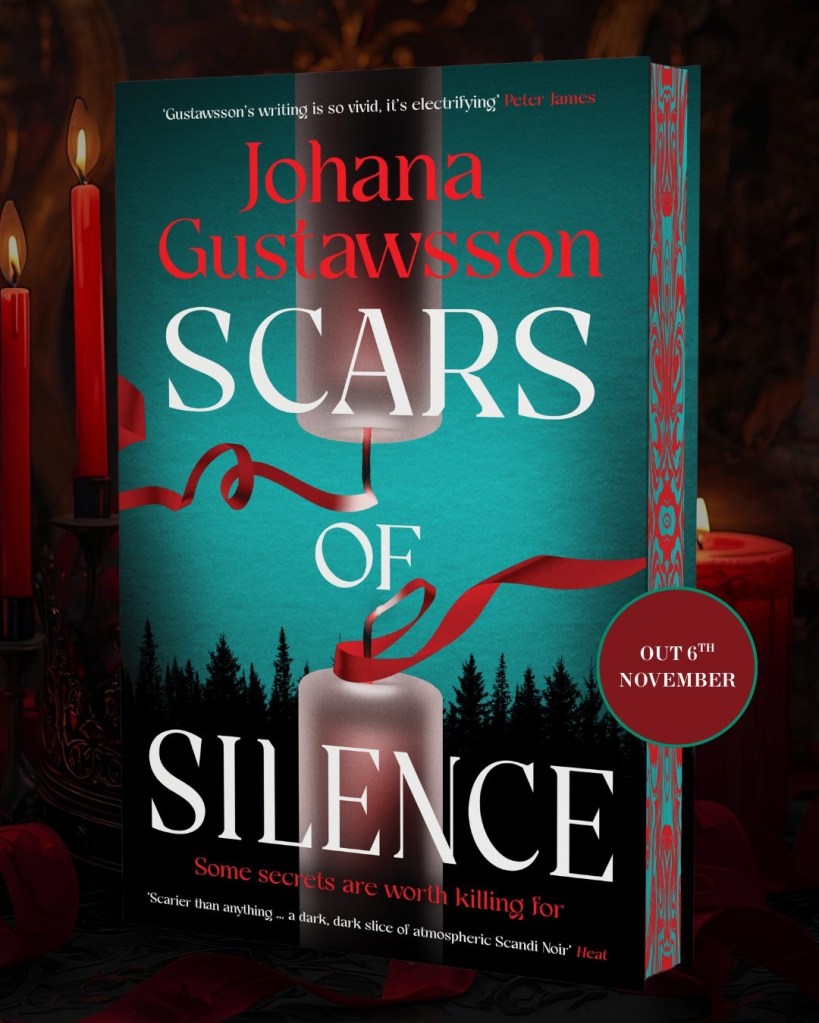
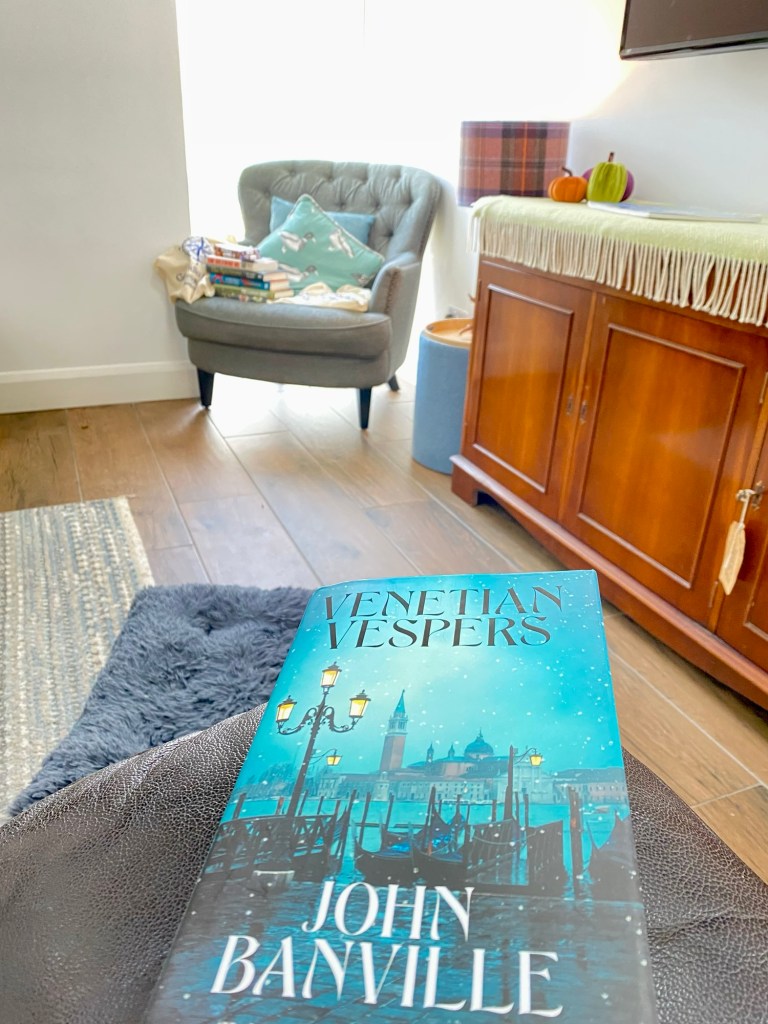
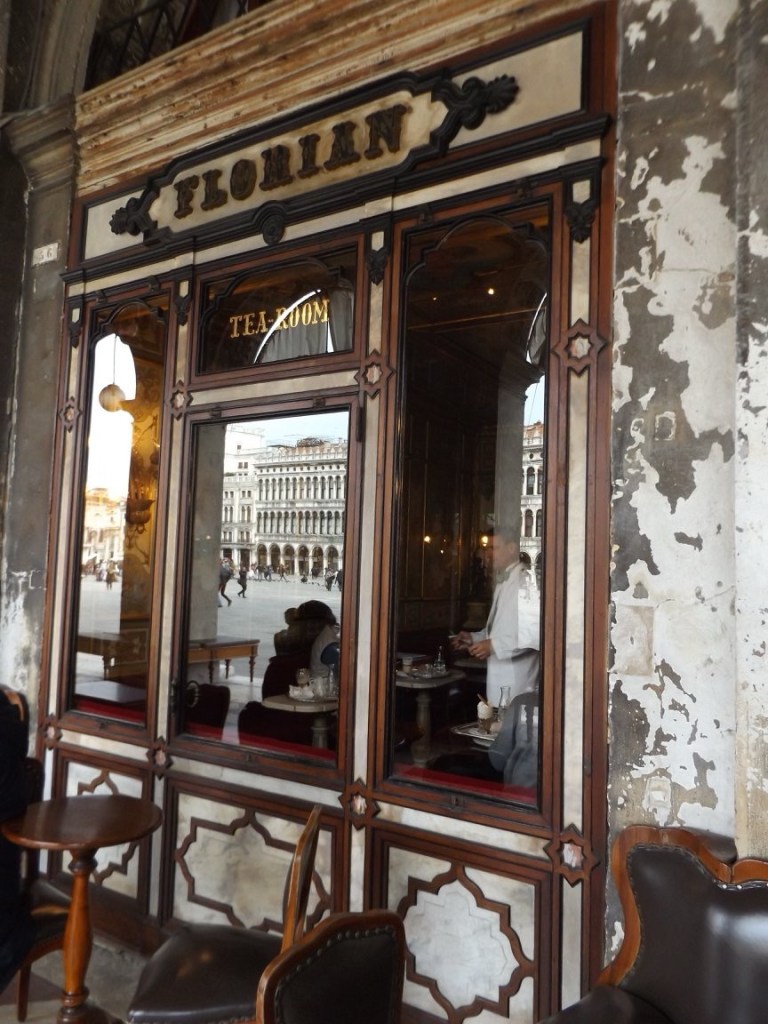
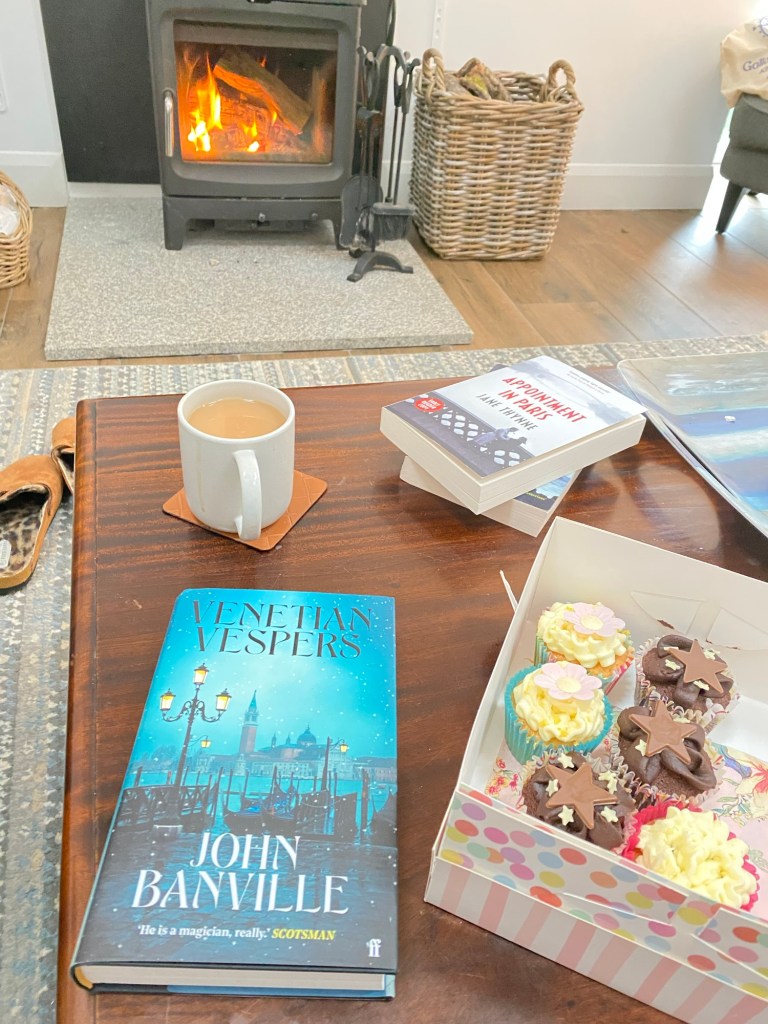

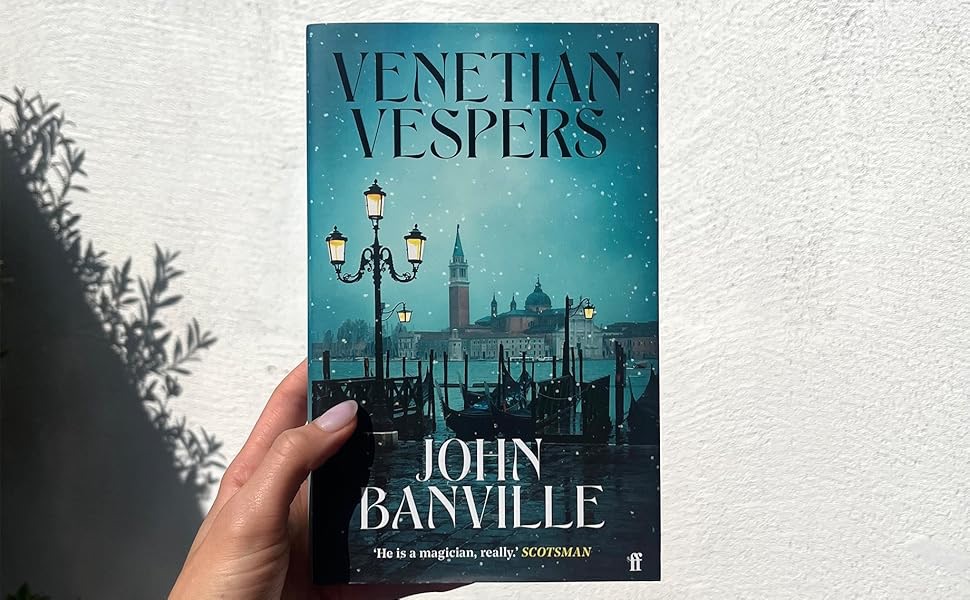
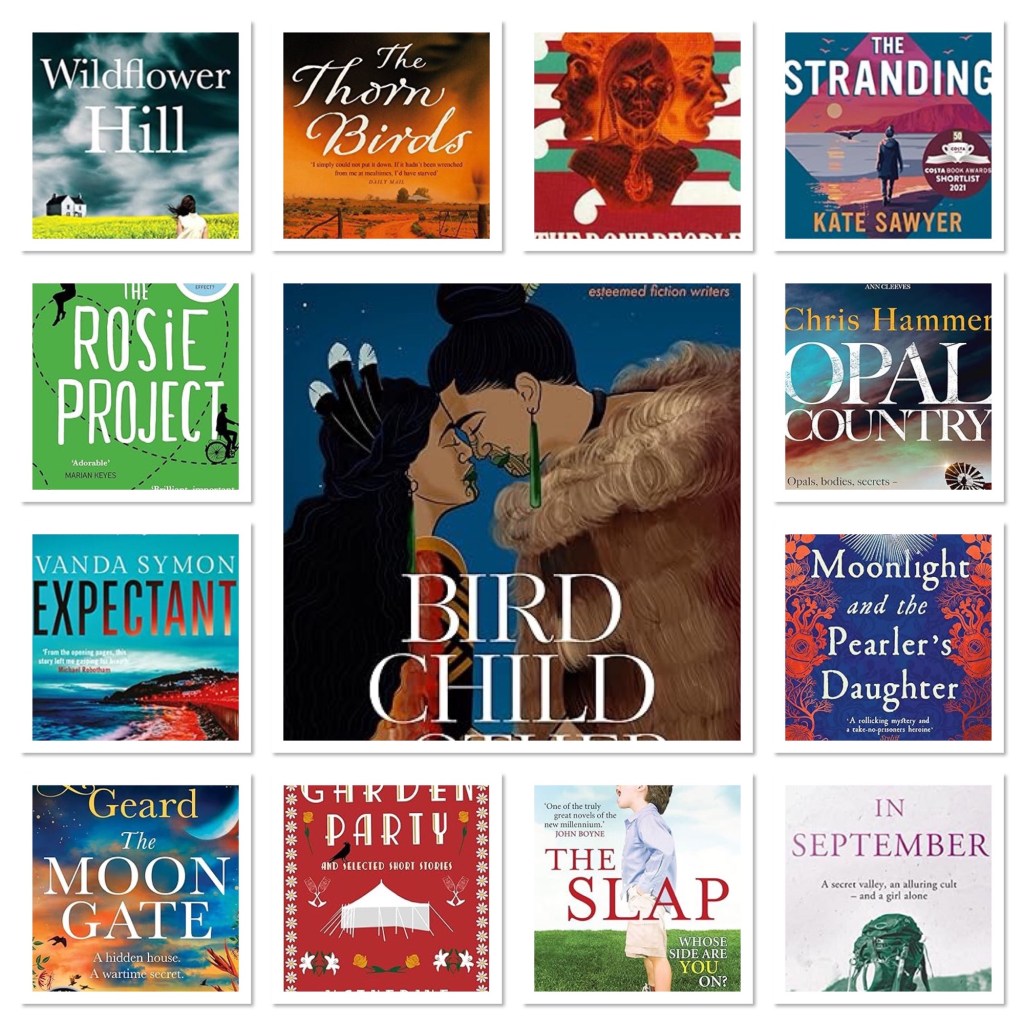
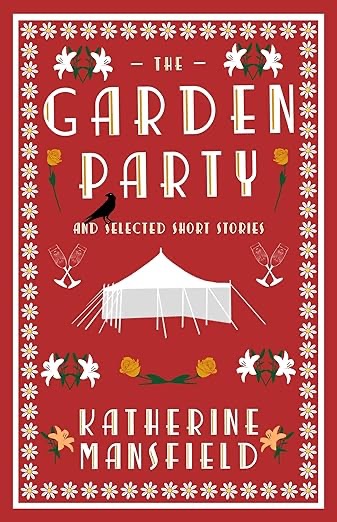

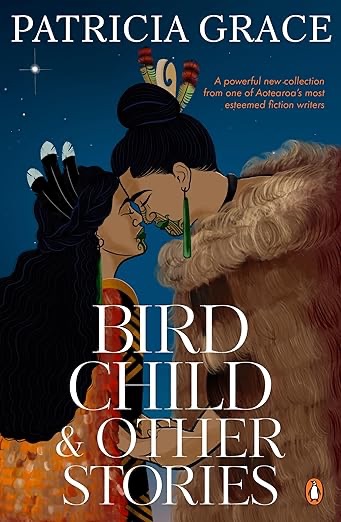
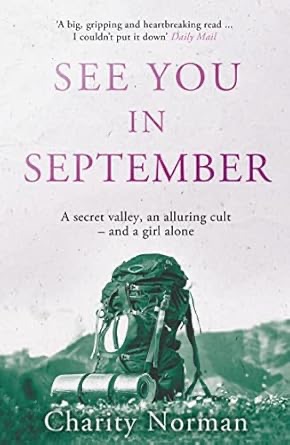
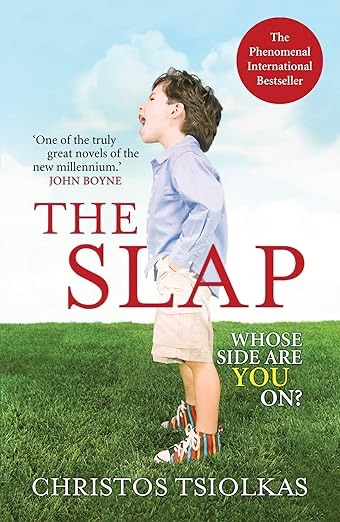
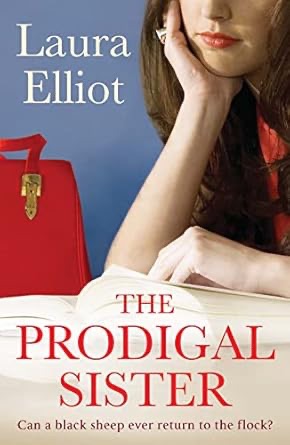
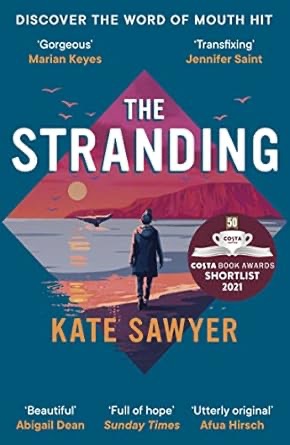
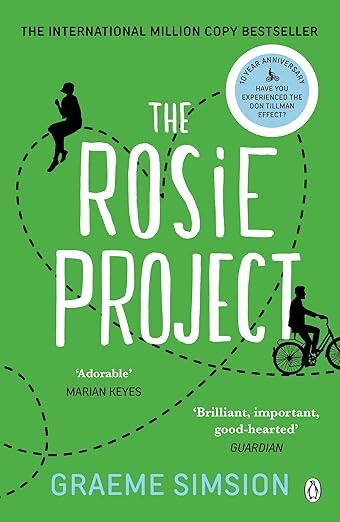
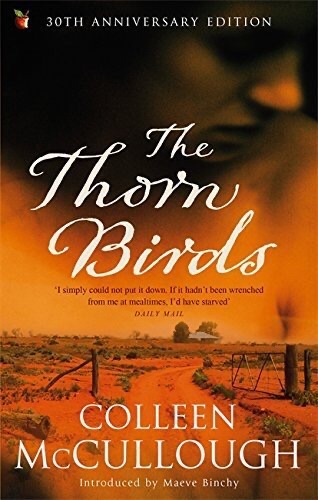
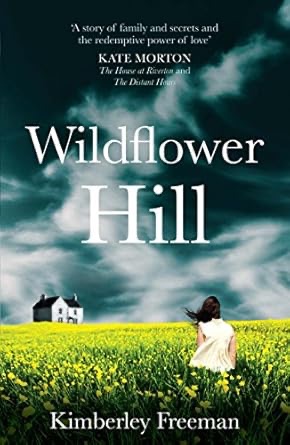
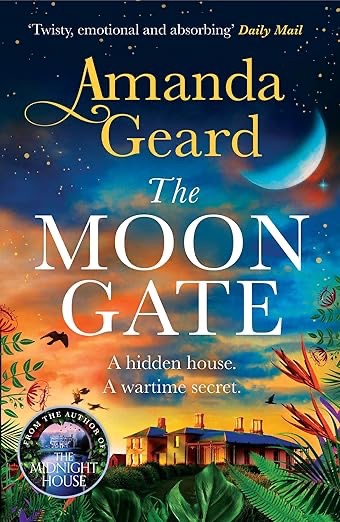
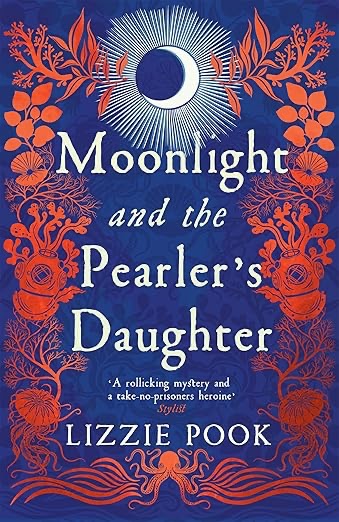
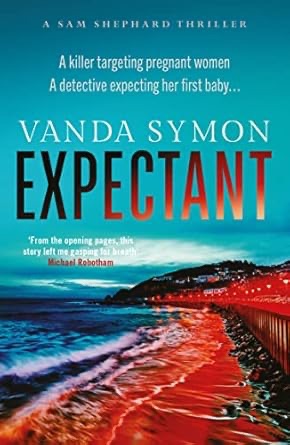
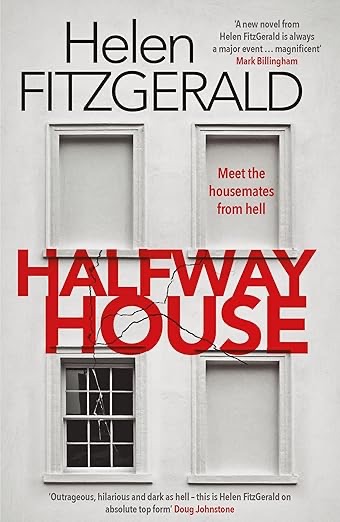


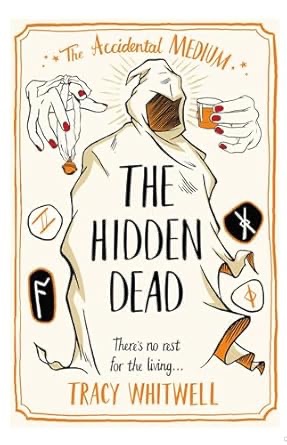


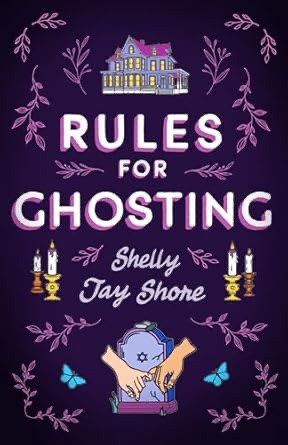


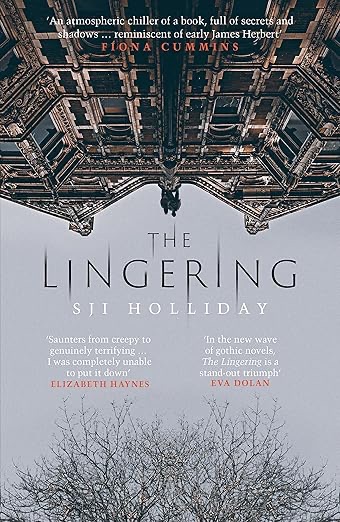

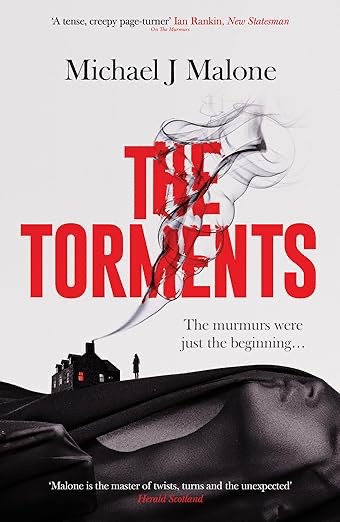


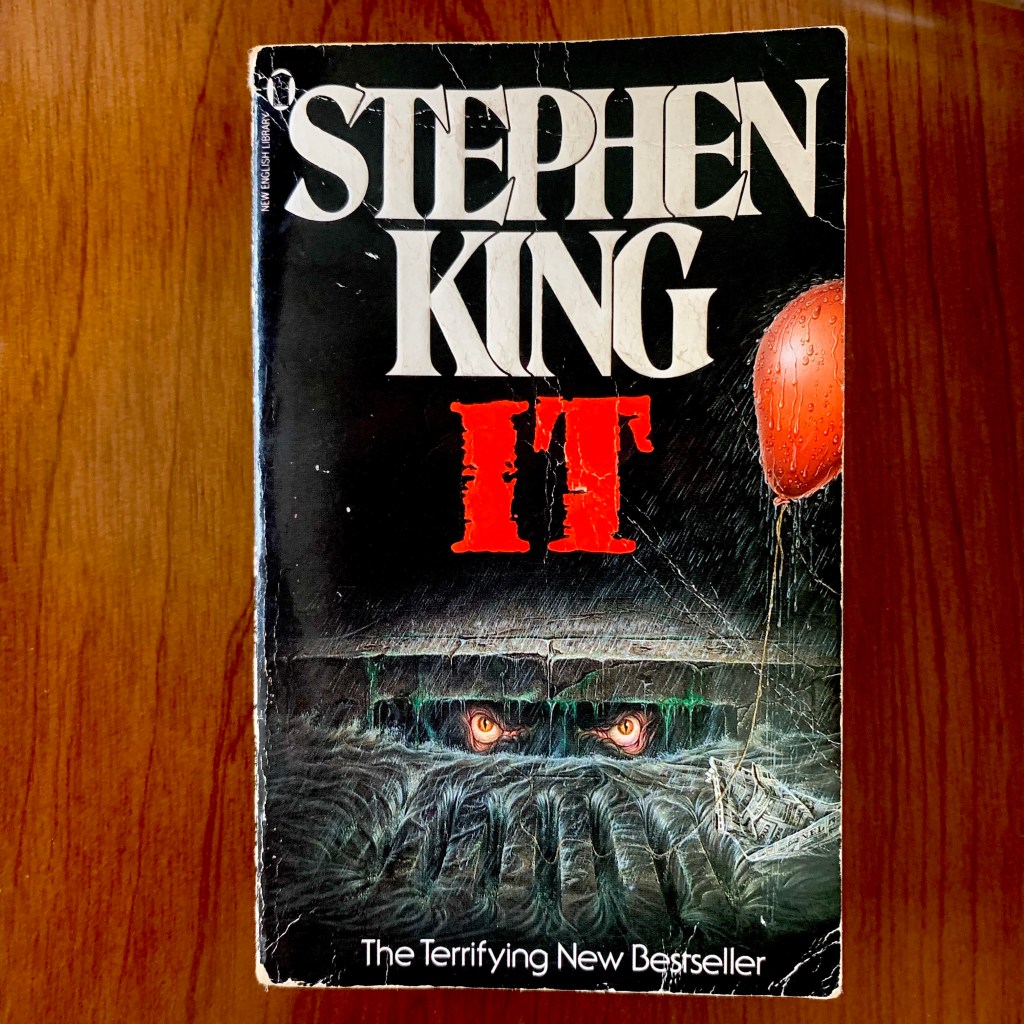
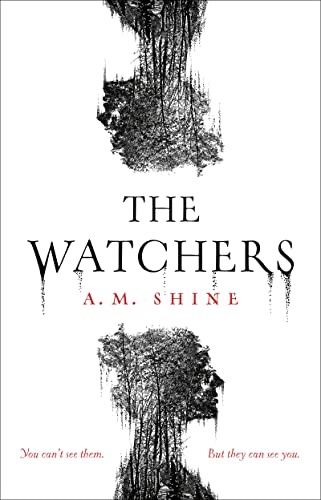
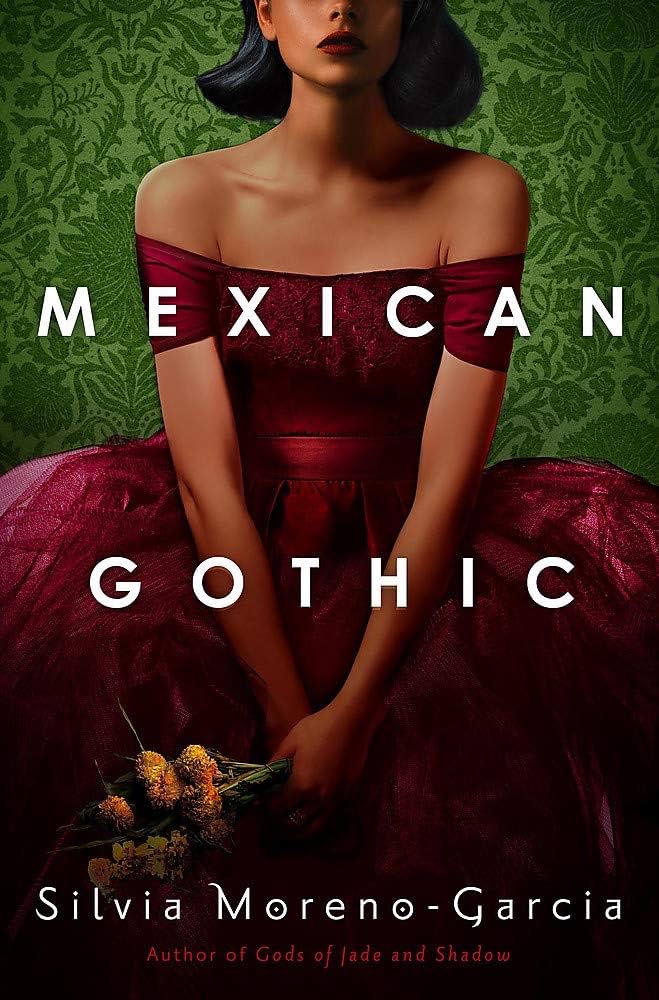
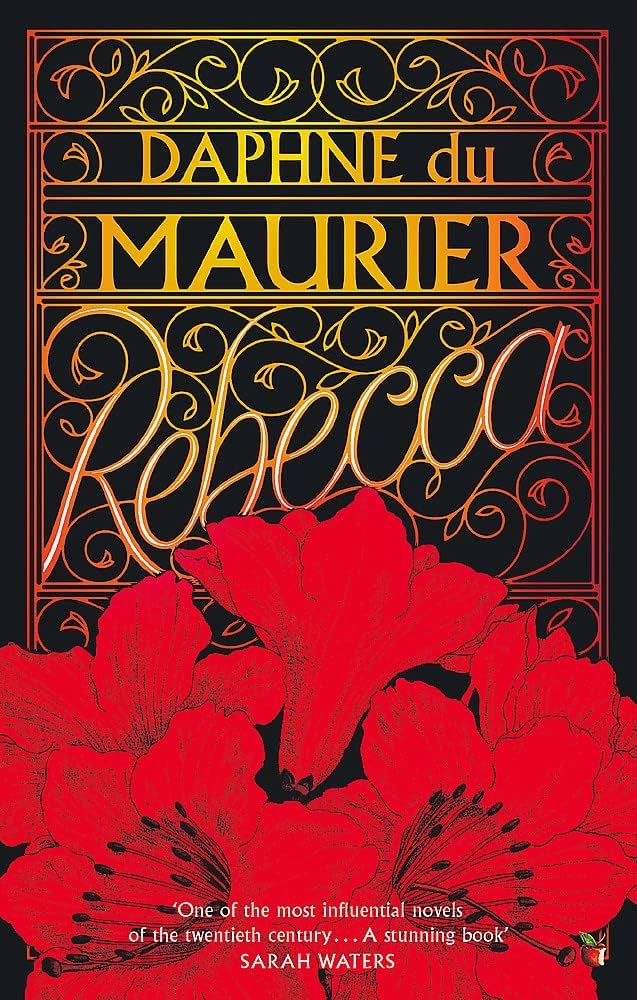
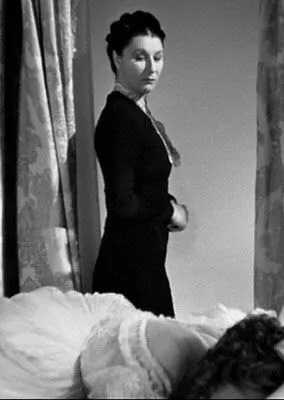
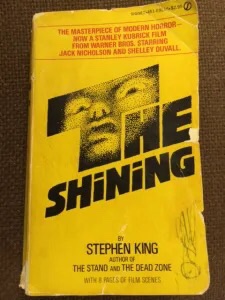

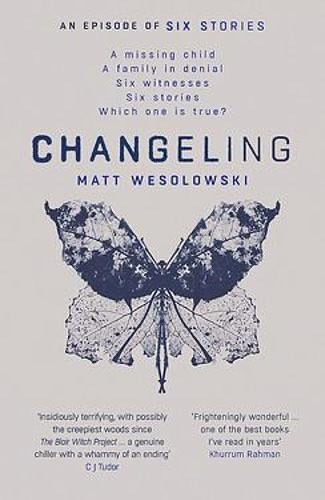




 The Lotus Readers