Posted in Random Things Tours

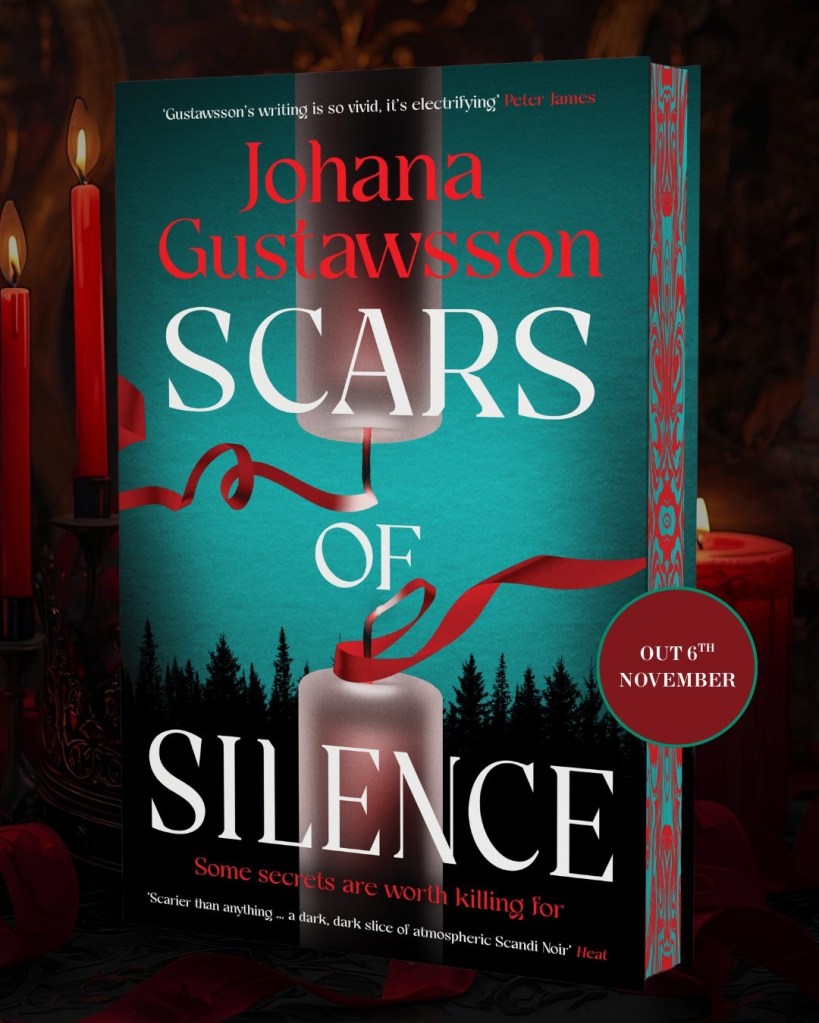
Scars of Silence by Johanna Gustawsson 

As autumn deepens into darkness in Lidingö, on the Stockholm archipelago, the island is plunged into chaos: in the space of a week, two teenagers, the son of the island’s mayor and that of a powerful businessman, are brutally murdered. Their bodies are left deep in the forest, dressed in white tunics with crowns of candles atop their heads, like offerings to Saint Lucia. Maïa Rehn has fled Paris for Lidingö, where her husband grew up, trying to come to terms with the death of their only child in a car accident. But when the murders shake the island community, the former police commissioner is drawn into the heart of the investigation, joining Commissioner Aleksander Storm to unravel a mystery as chilling as the Nordic winter. As they dig deeper, it becomes clear that a wind of vengeance is blowing through the archipelago, unearthing secrets that are as scandalous as they are inhuman. But what if the victims weren’t who they seemed? What if those long silenced had finally found a way to strike back? How far would they go to make their tormentors pay? And you – how far would you go?

I loved the timing of this novel from Johanna Gustawsson, her second set on the island of Lidingö in the cold, dark run up to Christmas. Here she bases her murder mystery around the feast of St Lucia and it begins when a body is found in the traditional dress of the festival. The victim is wearing a white tunic that’s been slit up the back, with a red sash and a crown of candles representing the festival of light. It reminded me of the locally held Christingle services, where small children in white hold a symbolic orange with a lighted candle in it and a red ribbon meant to symbolise Christ’s blood and his role as the Light of the World. It was something I’d never encountered before, being Catholic it wasn’t part of our tradition, but it fits into the many festivals that bring light to the winter months such as Hanukkah and Diwali. The festival and the victim’s clothing make the scene of the crime even more dramatic and hard to forget. It also throws up immediate questions about whether the date or the costume is a message from the killer. Visiting French detective Maia Rehn offers her help to local commissioner Aleksander Storm and they begin to investigate together. It soon becomes clear that the killer isn’t finished with the island community and the pair must work very fast, prizing secrets from people who are reluctant to talk and digging up long buried events that will devastate and destroy lives. 

One of the things I love most about this series is the atmosphere that the author builds. This is not the average crime novel, it definitely has a more Gothic feel that I would normally associate with folk horror. 

“It was hardly an ocean this mere strip of sea. A moat more like – cutting Lidingo off from the life of the Stockholm mainland. A ghost infested moat, surrounding a poisoned island”. 

This killing takes the community back several years to the murder and rape of a young woman dressed in her St Lucia costume. The victim is Jennifer, a well known and liked teenager in the community whose white dress and crown gives the impression of a angel in the snow. Jennifer was the daughter of Sophie Ackerman who bonds with Maia at a party, when they realise that both of them have lost a child. The pain and confusion of these unexpected and sudden losses have no descriptive word in the Swedish language, only the Sanskrit word ‘vilomah’ comes close, meaning ‘against the natural order.’ Motherhood and who we become when we lose a child is a theme of the novel and drives home that violent deaths affect a whole community. In fact, following the death of Jennifer Ackerman suspicions fell on her friend Gustav who found her body. The way the community treated Gustav, as well as the grief, caused him to commit suicide. It’s such an important theme that the novel’s opening takes us to a classroom on the island where Gustav’s mother holds everyone at gunpoint, blaming them for the death of her grief stricken son. These events and the darkening winter days hang heavy over the tiny island. Maia describes the loss of her son with such beautiful and haunting words that let us know he is still so present in her thoughts she almost expects him to materialise: 

‘He’s everywhere around me, so I’m always waiting for […] a word, a sound, the slightest caress from him. I find myself sniffing the air for the scent of him’.   

Sophie talks about her daughter Jennifer in the words of Cyrano de Bergerac, showing that she is still ever present for her too. It’s such a beautiful way of describing grief that comes in waves, some days it seems far away and other days it feels as if the loss was yesterday. I identified with this so much, knowing that even ten or twenty years on there are days when the grief feels painfully fresh. How much worse it must be with violent deaths where there are feelings of anger, guilt, resentment and so many questions left unanswered. 

‘Her name is in my heart like a bell. Every time I think of her it’s like I can hear that bell ringing and ringing and the memories and feelings resurface every time’. 

As the investigation unfolds it is clear that Maĩan and Aleks work quite differently, but complement each other. He is more of a facts person, whereas she picks up on emotion and her own feelings, heightened by tragedy, seem to have honed this skill. As an outsider she also seems more effective at getting people to talk, something that can be a struggle when a detective lives in the community they’re investigating. Their discoveries are both haunting and horrifying – especially a ‘trophy’ find that absolutely turned my stomach. Some of the themes were very timely, aside from the normal teenage themes of peer pressure, relationship angst and experimentation, there are also more up to date themes of incels, grooming and consent. I found it fascinating that Swedish law reform in 2018 placed the emphasis on positive consent so that rape was no longer defined by saying no, but the absence of actively saying yes. It recognises that when backed into a corner, freezing and becoming unresponsive are normal survival instincts and not consent, so threat and physical force don’t have to be present for an incident to be defined as rape. When we are finally taken to the night Jennifer Ackerman died it is hard to read, but that’s how it should be. This first incident is like a veil of darkness triumphing over light. It’s as if the island loses its innocence. I loved that the answers don’t come easily and the tendrils of the aftermath are everywhere. This is a vivid, symbolic and haunting crime story and the truth is devastating – a gradually revealed horror that has echoed down the generations of this isolated community. 

Out now from Orenda Books

Meet the Author

Born in Marseille, France, and with a degree in Political Science, Johana Gustawssonhas worked as a journalist for the French and Spanish press and Her critically acclaimed Roy & Castells series, including Block 46Keeper and Blood Song, has won the Plume d’Argent, Balai de la découverte, Balai d’Or and Prix Marseillais du Polar awards, and is now published in nineteen countries. A TV adaptation is currently under way in a French, Swedish and UK co-production. The Bleeding was a number-one bestseller in France and is the first in a new series. Johana lives in Sweden with her Swedish husband and their three sons.

Posted in Personal Purchase

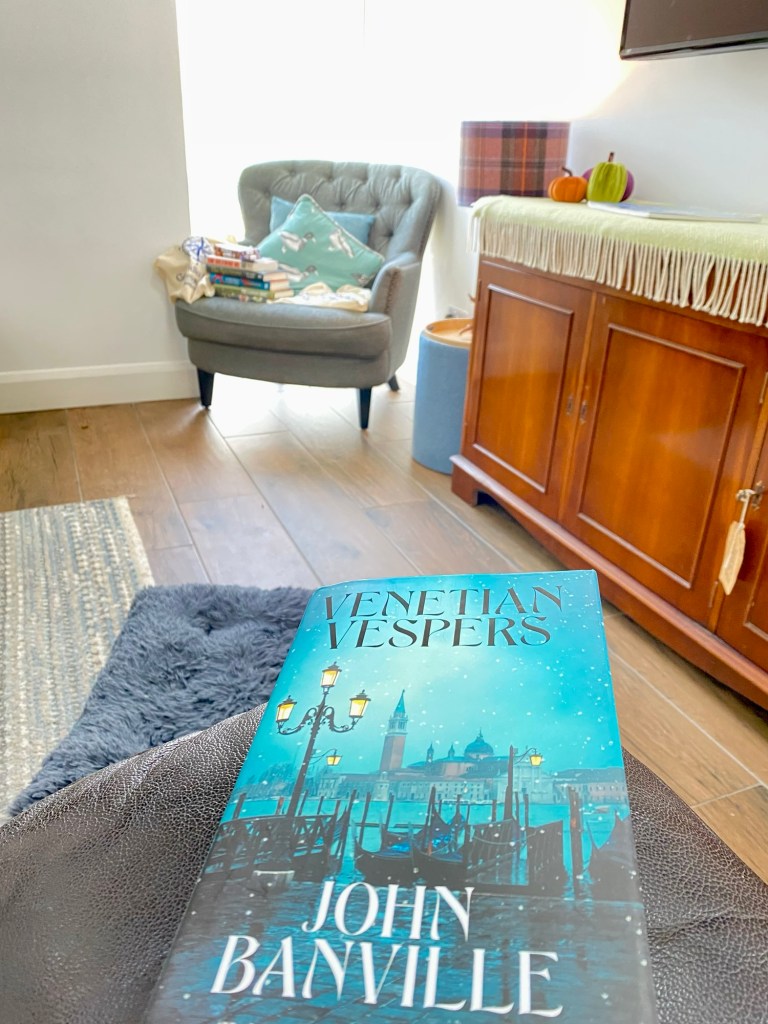
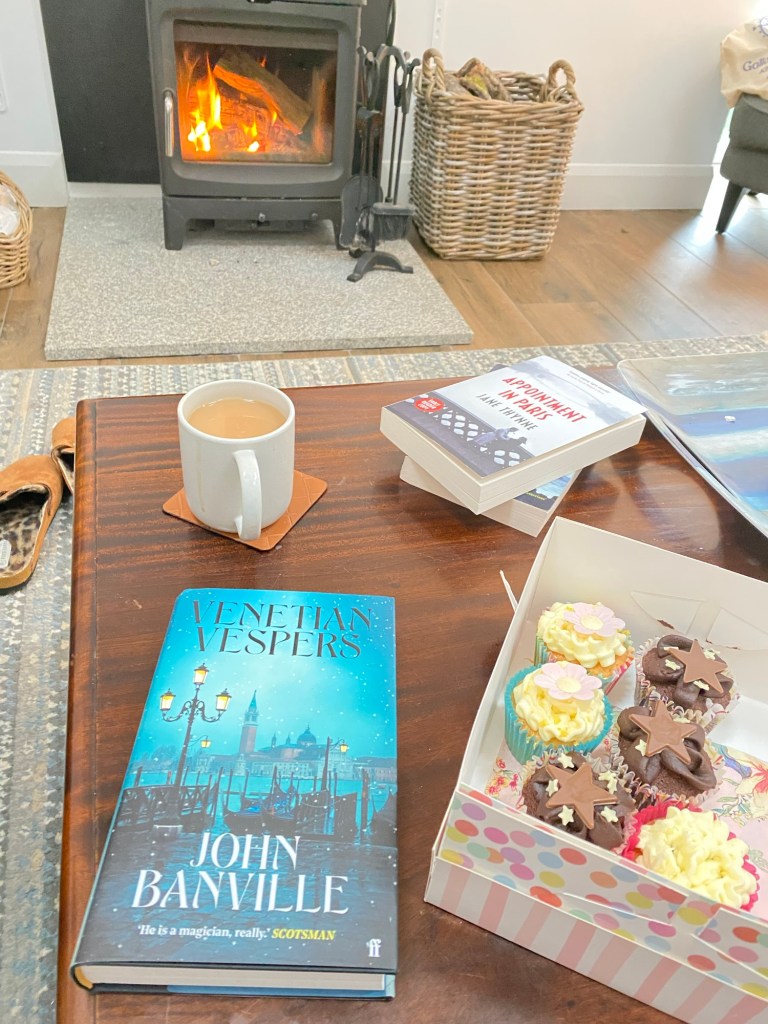
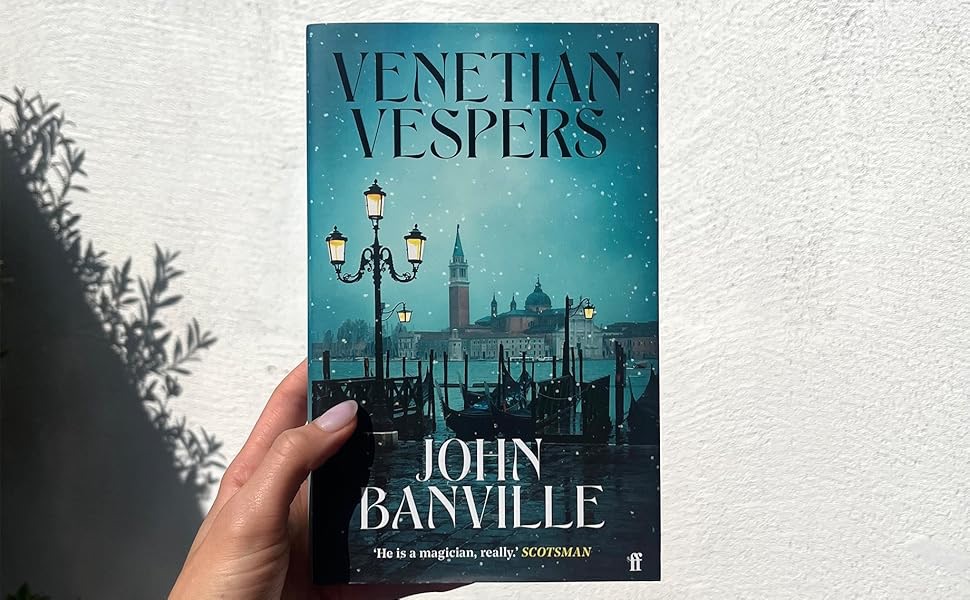
Venetian Vespers by John Banville

This felt like the perfect autumn read – a sinister mystery filled with atmosphere and a slowly building sense of menace. Evelyn Dolman embarks on his honeymoon with his new wife Laura and it proves to be anything but the honeymoon he expected. The couple are greeted by servants at their lodgings, but soon the landlord of Palazzo Dioscuri is there to introduce himself and tell tales of his grand and adventurous ancestors, many of whom Evelyn suspects as figments of the Count’s imagination. Simply a tale to entertain guests. Evelyn fought hard for Laura’s hand, knowing she was far above him in terms of class and finances as he is merely a struggling writer. He’s been looking forward to getting away and as they settle into their rooms he’s sure they’ll have a successful trip. Despite his awareness of the rot and instability underneath some of the grand palazzos they saw from the vaporetto Evelyn is still dazzled by the faded beauty, the light and the history of this group of islands that make up the city. So, with Laura settling in early for the night he decides to go for a walk and perhaps a drink somewhere close by and she suggests Florian, a cafe that first opened in 1720 and still serves Venetian visitors today. A chance meeting is followed by a night of drinking and one unforgivable act. So when he wakes in the morning, sluggish and nauseous and finds his wife isn’t next to him in bed, he imagines she has taken herself to another room. However, as the morning progresses it becomes clear that Laura has simply disappeared. 

I picked this book up on a solid recommendation from the bookshop owner, he said his wife was reading it and was torn between devouring it or savouring every chapter. After reading the first couple of chapters I knew exactly how she felt. I love the city of Venice and I love fiction that is set there, particularly stories that conjure up the feel of the city. I’ve been lucky enough to visit the city twice, both times for a full week of exploring. It was the perfect holiday for me – the gothic feel of the place, the incredible architecture, the artisans creating in their workshops and the history of the islands. This is a city with a potential story round every corner. John Banville has captured this perfectly and the strange atmosphere that goes with it. Venice likes to fool you. Not just at carnival time with its costumes and masks, although there is something thrilling and terrifying about that time, this is a sleight of hand that’s in the everyday: the theatre that is actually a supermarket, a nondescript red brick church adorned with clouds and painted cherubs above the altar, it’s turning off a bustling street full of tourists into an empty piazza, devoid of sound. I think every visitor has the experience of turning into a quiet corner and knowing it’s been like this for centuries and you could have stepped into a completely different time. This idea of the city as a trickster is used cleverly by the author to wrong foot both the reader and our narrator. 
Our first strange event happens in Florian, the gilded and opulent cafe recommended by his wife. As Evelyn begins to settle in with his coffee and brandy a man approaches his table with a shout of surprise. A red haired man introduces himself as Freddie Fitzherbert and can’t believe Evelyn doesn’t recognise him, since they went to the same school. Evelyn has the conviction that he’s never seen this man before, but he seems to know Evelyn and out of politeness he allows himself to be ushered to sit with Freddie and his sister Francesca Ransome, whose charms don’t go unnoticed: 

“This enchanting creature of the heart-shaped face, lustrous eyes and invitingly intimate smile […] how deeply, warmly hued her gleaming ringlets”. 

As Evelyn is coerced into joining them at a late drinking establishment he senses he may be making a terrible mistake.

We see everything through Evelyn’s eyes and he is bluntly honest about his feelings and behaviour. He desires Cesca and once felt a similar craving for his wife, but just like this city appearances can be deceptive. Their marriage looks like a love match, but could it be sitting on gradually rotting foundations. On the night he proposed, Laura accompanied him to his rooms and there “the deed of tender initiation was at last enacted” but far from being the unknowing virgin he expected, his fiance knew the deed and proved more experienced in it than him. She was also eager to participate: 

“To say it plainly her deft embraces and practised kisses were such as to leave me gasping less in ecstasy than astonishment, even dismay.” 

Despite his own initiations that were paid for in a certain type of establishment, he resents hers. Despite the passion, he doesn’t feel he fully possessed Laura. She felt absent to him but the night was never discussed or repeated. Even since the marriage Laura had shown no indication of being receptive to his advances and he is beginning to think that the carnal side of their relationship is over. As he returns to the palazzo, so drunk he is accompanied by Cesca, he is so full of alcohol and lust that he is on course to act in a way that is unforgivable. When he wakes, foggy and nauseous the next morning, it takes a few moments to remember the night before. Once reality hits he searches their rooms and the rest of the palazzo for his wife but he can find no trace of her. Did she leave? Has she gone to a hotel to cool off for a while? Or did more transpire last night than he remembers? 

Caffe Florian 2013

This is a mystery as labyrinthine as the city itself and despite having only one narrator we are left with so many questions. There’s a vagueness about every detail that could be an adherence to social etiquette but could also be deliberate. Evelyn seems easily pulled into harms way and claims to feel utterly detached from his wrongdoing. It’s as if he’s too weak to be autonomous or stick to his principles, or he could be trying to fool us. Despite claiming not to recognise Freddie he was easily swayed to go late night drinking with them and even secures them rooms at the Palazzo Dioscuri when their lodgings on Guidecca need to be vacated. He claims to be bewitched by his wife’s dark haired beauty but very quickly switches interest to Cesca. Could he really be this callous? It seems our narrator is not to be trusted and he’s not alone. Count Barbarigo drifts in and out at will, with long fantastical stories of his ancestors that must be false. Cesca is very enigmatic, seductive one moment and pulling back the next. Where is her husband? What does she expect from Evelyn? We get the feeling that everyone is behaving oddly as if there’s something else going on just out of Evelyn’s sight. As Freddie and Cesca join the palazzo the Count provides a lunch for his guests, a gathering Evelyn refers to as a Mad Hatter’s party and it’s an apt description of this strange assortment of strangers. He notices the servants are sitting with the guests. He gets the sense of watching a play unfold in front of him, with everyone playing their part but something feels ‘off’. To me it felt like the house of misrule where the usual social order is being turned on its head. Not to mention Laura is still nowhere to be found. 

Doubling is also a theme, with Laura seeming to be the quiet, ideal wife but she has this unexpected sexual past. Cesca is pointed out as Laura’s double by the count, with the only difference being her hair colour. Evelyn even wishes his wife was more like Cesca. She does admit to her dual nature and even likens it to the city. 

“You will get used to the pantomime that Venice makes of life.” 

The reference to pantomime again brought up that twelfth night sense of misrule, where women are principal boys and men are the pantomime dames. Cesca claims that the venality of Venice makes her feel like the essence of respectability. Evelyn flirts around this statement, wondering about her respectability elsewhere in the world also wishing to be a wilder version of himself. He bemoans his character, wishing that Cesca could see this other self that’s the perfect fit for Venice in all its elusiveness and deceit.

“Wherever I end up I will still be Evelyn Dolman, a northerner born and bred, utterly un- Venetian.” 

He wishes for the ability to be a wild rover like Freddie, tied down by no one and no principle or creed either. This part of him longs for Casanova levels of debauchery, but as leans his head against the damp wall of the palazzo he longs for his tidy house in Chiswick and the smell of furniture polish. Will this suburban, safe Evelyn win the day or will he allow his darker, shadow self to control his actions? 

There are clues to what is transpiring here but they are subtle. The writer has incredible sleight of hand and they seem inconsequential or at list explicable. Some completely passed me by. As I opened the book again for writing this review it made me think of The Sixth Sense and how no one saw the clues on their first watch of the film but when they watched for a second time they couldn’t believe they’d missed them. Each character is slippery and elusive with an unpredictable quality that felt dangerous. I lived this uncanny feeling the author created which grows organically from the city. This is a sparking jewel of a city that’s risen from the mud and brackish waters of the lagoon. Evelyn mentions the fin de siécle, that time of decadence towards the end of the 19th Century and that timing certainly informs some of the events in the book, particularly the fluid social order and sexual licentiousness. We’re told constantly that Venice is decaying and sinking. One day it may be completely under water, but the decay isn’t what you see when you first visit. Venice bewitches you with its golden domes, Morrison arches, coloured glass and the way sparkling light from the surface of the water bathes everything in a soft light. Then suddenly, only a street away you notice a tree growing out of someone’s house and at night most residences seem in darkness now that families can no longer live in the water logged lower floors. Banville captures this ‘double’ city utterly, describing the timeless romance of a gondolier serenading his passengers but also the jarring sound of the vaporetto. We see the sparkling water but also smell the mud as the passing boats churn it up. He links this duality with human nature, our surface selves and the real us, even the parts we avoid and keep locked away. Everything about this novel is a conjuring trick and I fell head over heels in love with it. 

Meet the Author

John Banville was born in Wexford, Ireland, in 1945. He is the author of thirteen previous novels including The Book of Evidence, which was shortlisted for the 1989 Booker Prize. He has received a literary award from the Lannan Foundation. He lives in Dublin.

Posted in Netgalley

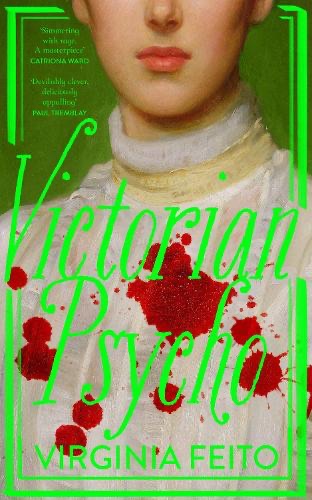
Victorian Psycho by Virginia Fenton

Winifred Notty arrives at Ensor House prepared to play the perfect Victorian governess. She’ll dutifully tutor her charges, Drusilla and Andrew, tell them bedtime stories, and only joke about eating children. But the longer Winifred spends within the estate’s dreary confines and the more she learns of the perversions and pathetic preoccupations of the Pounds family, the more trouble she has sticking to her plan.

Whether creeping across the moonlit lawns in her undergarments or gently tormenting the house staff, Winifred struggles at every turn to stifle the horrid compulsions of her past until her chillingly dark imagination breaches the feeble boundary of reality on Christmas morning.

Having seen this billed as a Victorian horror comedy and having a taste for the macabre I thought this would be my perfect read and it definitely was. If you ever wondered whether the governess was the psychopath in The Turn of the Screw, then this is the book for you. Here our young governess Winifred arrives at Ensor House to take charge of Drusilla and Andrew Pound, however she isn’t just teaching them French, instilling a Christian faith and charitable nature, along with their etiquette. Winifred has instead set herself a very different and unexpected agenda. 

“It is early fall, the cold is beginning to descend, and in three months everyone in this house will be dead.”

So, alongside her everyday duties to the children she slinks around the house unnoticed by the rest of the family – cutting the eyes out of the ancestral portraits, stealing the children and bloodthirstily stalking the servants. Miss Natty is the perfect killer because of her position. I love reading about governesses in fiction because of their liminal position in a household, not as elevated as the family of the house and certainly not in the ranks of the servants. Too educated to fit in downstairs but as someone who earns a living, she’s definitely below the family. In one sense this could make her lonely at Ensor, but it also gives her an incredible amount of freedom. Governesses have bedrooms near the children, but the nanny will be on night duty. She’s free to roam with impunity, carrying out her horrible deeds. By day she’s teaching good manners and Christian values but by night she’s free to follow her darkest obsessions. 

“It fascinates me, the fact that humans have the capacity to mortally wound one another at will, but for the most part, choose not to.”

Disturbingly I found this character rather amusing, there’s a certain quirkiness about her that’s appealing and in places I found myself laughing. She is our narrator so we have her inner monologue as well as the havoc she creates. Miss Natty notices everything in the house with the skill of a psychotherapist: observing the servants, the family and their visitors closely to decide who will be murdered next. She’s weighing up their behaviour and those who are unkind and treat others badly will be in the firing line first. As she becomes increasingly murderous, with plenty of gore flying around, she is most definitely enjoying herself and so are we. What has turned this young woman into a potential psychopath? The author has written this book with the staid politeness of a Victorian novel, contrasting sharply with the mayhem being described. It added to the humour and my enjoyment. Of course there’s a feminist slant to this, the men in the house know it all, explaining away any anger and displeasure from their wives as hysteria. Meanwhile their particular shortcomings go unacknowledged. I think we’re still told a lot about how to behave as women and books like these with a female protagonist who commits terrible acts with total abandon and enjoyment is like a release valve. Her tongue can be as sharp as her scalpel, bringing them rapidly down to size. She is breaking every convention, particularly that of the Victorian ‘angel in the house.’ I felt like the author had taken the two Mrs Rochesters from Thornfield Hall and put them in one woman; the quiet and unassuming governess and the murderous madwoman in the attic. She is so incredibly clever and likes her revenge to come, not cold, but sharply, precisely and decorated with liberal amounts of blood. 

Out now from Fourth Estate Books

Meet the Author

A native of Spain, Virginia Feito was raised in Madrid and Paris, and studied English and drama at Queen Mary University of London. She lives in Madrid, where she writes her fiction in English. Victorian Psycho is being adapted for a feature film.

Posted in Random Things Tours

The Howling by Michael Malone 

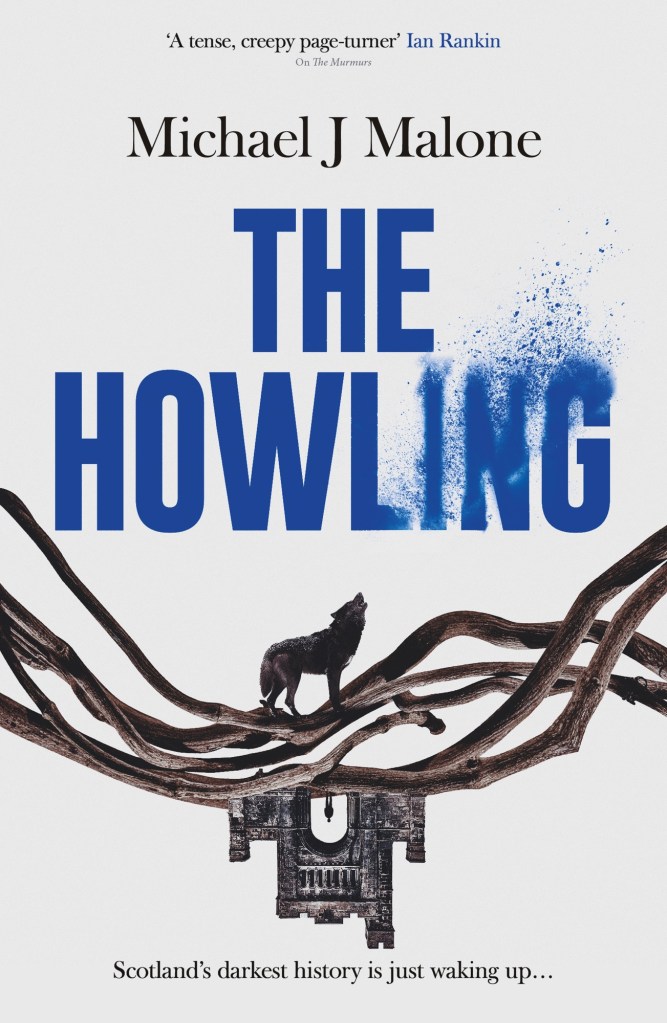
There was such an atmospheric opening to this last novel in the Annie Jackson series, setting up the link between the incredible scenery and Scottish folklore. Then we see Annie in her safe place, the little cottage she calls home nestled in the middle of nowhere. The only place where she gets some respite from the ‘murmurs’, the terrible portents of death she suffers when she meets someone who is going to die. They are a curse, not just because of the painfully loud noise in her head but because if she tells someone they rarely listen and if she doesn’t she’s left racked with guilt. She is taking in some fresh air outside, when she falls into the stream that runs at the front of the cottage. It’s freezing cold and reminds us that whenever Annie starts to feel safe, something comes along to challenge that sense of peace. This time it’s her brother Lewis and his girlfriend Clare with some brilliant news, they’re having a baby. Annie is so excited for them, but there is a downside. Even though it’s very early days, Annie is worried that this child will inherit the family curse of the murmurs. Maybe there’s a chance she can put the curse to bed? The woman who tried to kill her wants Annie to visit her in prison. Sylvia Lowry-Law was pulled into the dark arts by a professor at her university and believed that sacrificing Annie would raise an ancient demon to do her bidding. Now she needs Annie’s help in tracing the son she had adopted 17 years ago. Could this boy be the key to a future where she’s not waiting for the next murmurs to hit? That would be life-changing for Annie, not to mention Claire and Lewis’s baby. 

This is a complicated story that Michael Malone tells with multiple narrators and different time frames, slowly bringing them all together to solve the mystery. Linking with the opening section, there’s a boy called Drew who feels bonded with a wolf cub more than the family around him. 

“I was a wolf. And I was a boy. It was a long time ago. They wore funny clothes […] I would run away from my mother and be a wolf. And we were killed. They said we were witches”. 

It’s been quite a year for witches and books that hark back to King James VI of Scotland and all of them have been incredible reads. Here Malone alludes to the dangerous atmosphere in that time, where even the remotest villages were aware the King had given licence for witchfinders to root out anyone seen as different or troublesome. They would be tested against the king’s book Daemonologie then strangled and burned at the stake. Drew clearly has a similar ancestry to Annie and perhaps a long line of ancestors fighting against lycanthropy. His family are emigrating and as usual the author takes us deep inside the character. Drew’s childhood narrative is so emotive because I understood his feeling overwhelmed in an airport full of people and having to feel all the layers of their anxiety. All he wants to do is curl up quietly with his fellow wolf cubs and when he’s pushed, his shout sounds more like a wolf howl – a definite cold feeling down the spine moment. Then there’s Annie and Lewis who are a great investigative pairing, Annie has bags of empathy and insight even without the murmurs and Lewis is well versed in the technology side of investigation, but one thing they both have is a stubbornness that means once they’ve started looking they can’t stop until it’s done, even when the costs for Lewis become very high. They both go to Ashmoor Hospital, the psychological facility where Sylvia is being treated, but she wants to see Annie alone. What she asks for is help finding her son and puts them on to her lawyer Bernard Peters, a timid soul who has worked for her several years as his grandfather did before him. They were helping trace her family and a rather familiar and colourful tale emerges: 

“Witches and curses and twin sisters who fought over a man, leading to one of them being burned at the stake”. 

There is a sense here of history repeating itself through generations. It blends with Scottish folklore and it being a ‘thin place’, the term for places where the veil between this and the spirit world is almost transparent – those that believe and can tune into it of course. Bernard is astounded by the prominent people who are caught up in this strange ancient order that Sylvia belongs to. She tells him she owned his grandfather and that there are secret records that must be protected. Bernard’s grandfather dying suddenly, leaves some of this dark and dangerous business undone. Even as they try to help him they can’t wait to get into the secret room he’s been searching in. There are secrets in here that could bring down very powerful people, but why would the order keep them? Again it brings to mind current news, the Epstein Files and the buzz around having them released, bringing into the spotlight people we could never have imagined to be involved. I felt for Bernard because everyone else has some understanding of the background to this, but he’s blindsided. Also everyone else is here by choice, whereas he is thrust into the middle of it by birth and the death of someone he loved and looked up to. Now he’s implicated in a widespread network of influence and blackmail. The author balances all these narrative viewpoints so well and each section brings a little more information, with sudden little discoveries that fill in gaps and definitely drip feed tension to the story. 

This series has always been an unusual mix of thriller, family saga, horror, magic, folklore and crime. It defies being placed in a genre and I often find that’s where the best and most surprising reads are. It was lovely to have Sister Theresa make a cameo, with her sketchy grasp of data protection she’s a real asset in finding out about the past and nuns are often very quirky and unusual individuals I’ve always found. I left this novel less worried about Annie, I had always wondered if the isolation and loneliness of life with her gift would overwhelm her. Here I felt like Annie’s murmurs took a bit of a back seat, but she gets stronger with each book; a more resilient heroine who still has an otherworldly and mysterious air about her. I always imagine her rather like Kate Bush, which is always a compliment. The more she finds out about her family, the more settled she seems to be and is still working in the local café despite previous incidents with customers whose deaths she could see. However, as we raced towards the ending with tension in bucketloads I couldn’t be sure she’d be safe. The order is a many tentacled monster and I wondered if they would really be able to sever and destroy all its parts. As Sylvia says, they have ‘fingers in a lot of very interesting pies’. There is no depth they won’t stoop to and they operate very quickly indeed as Lewis finds out. I can’t ever imagine that Lewis and Annie will give up investigating and trying to help others, it doesn’t seem in their nature to kick back and enjoy the quiet life. Not for long anyway. 

Meet the Author

Michael Malone is a prize-winning poet and author who was born and brought up in the heart of Burns’ country. He has published over 200 poems in literary magazines throughout the UK, including New Writing Scotland, Poetry Scotland and Markings. Blood Tears, his bestselling debut novel won the Pitlochry Prize from the Scottish Association of Writers. His dark psychological thriller, A Suitable Lie, was a number-one bestseller, and is currently in production for the screen, and five powerful standalone thrillers followed suit. The Murmurs and The Torments, first in the Annie Jackson Mysteries series, were published to critical acclaim in 2023. A former Regional Sales Manager (Faber) he has also worked as an IFA and a bookseller. Michael lives in Ayr, where he also works as a hypnotherapist.

Posted in Sunday Spotlight

Sunday Spotlight. City Break in a Book: Prague

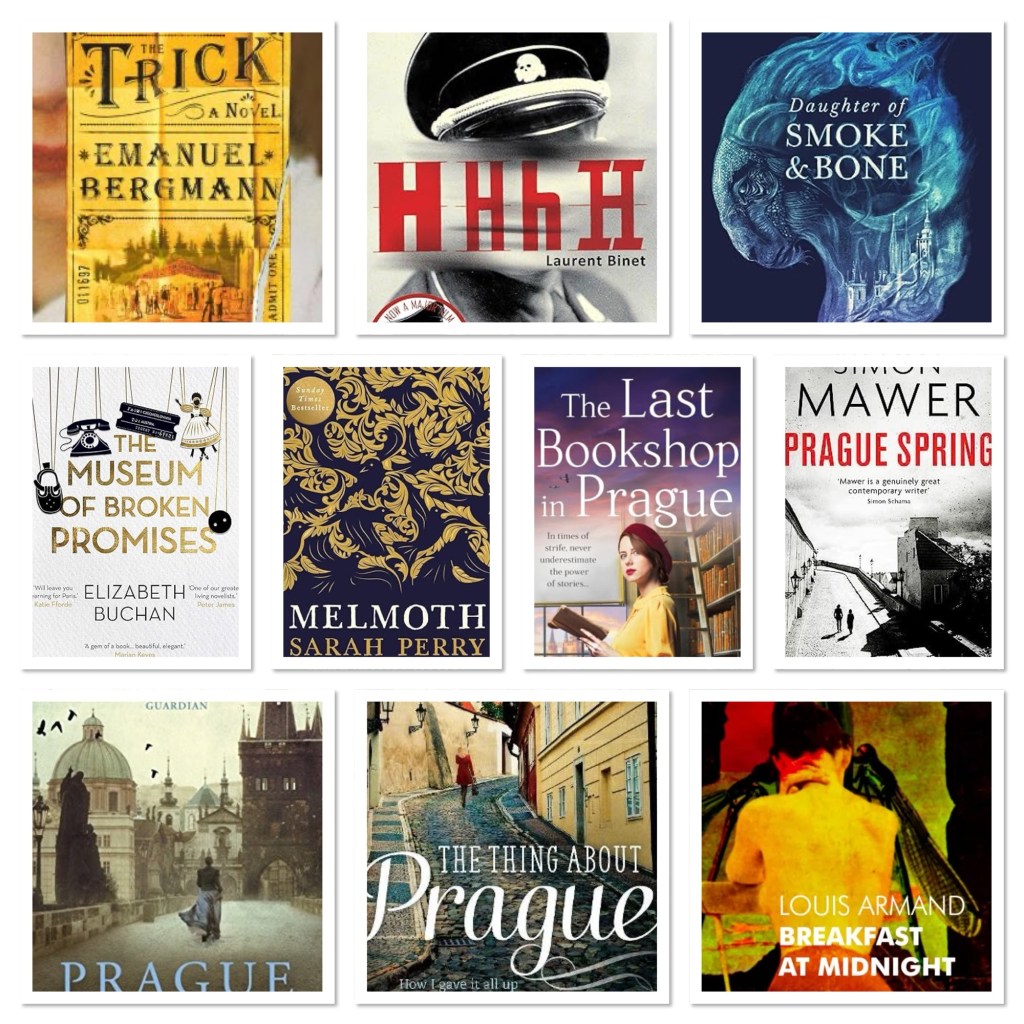
Prague is one of those places on the bucket list that I’ve never managed to get to, but I’m very drawn to it. There’s something about Prague that’s a touch gothic, mystical and dark. It strikes me as being like Venice, a place where you can almost touch the layers of history. A thin place, where you might take a wrong turn and end up in the 18th Century. Prague knows you are temporary, while it endures forever. That is probably just a romantic notion, but I’m looking forward to testing out my impressions. Much of the fiction I’ve read deals with the city’s history and I’m hoping some of these choices might tempt you to visit too, if only in one of these books.

An intriguing and almost hallucinogenic novel that has Kafka in its DNA. Blake is a pornographer who photographs corpses. Ten years ago, a young man becomes a fugitive when a redhead disappears on abridge in the rain. Now, at the turn of the millennium, another redhead has turned up in the morgue, and the fugitive can’t get the dead girl’s image out of his head. For Blake, it’s all a game — a funhouse where denial is the currency, deceit is the grand prize, and all doors lead to one destination: murder. In the psychological noir-scape of Kafkaville, the rain never stops, and redemption is just another betrayal away. Armand is an Australian writer who lives in Prague and is director of the Centre of Critical and Cultural Theory. This is definitely not for everyone, but just go with it as he strips bare this society and reveals it in all its decadence.

Prague Spring is a wonderfully atmospheric portrait of the city as well as a political and historical thriller with dashes of espionage. It’s the summer of 1968, the year of love and hate, of Prague Spring and Cold War winter. Two English students, Ellie and James, set off to hitch-hike across Europe with no particular aim in mind but a continent, and themselves, to discover. Somewhere in southern Germany they decide, on a whim, to visit Czechoslovakia where Alexander Dubcek’s ‘socialism with a human face’ is smiling on the world. Meanwhile Sam Wareham, a first secretary at the British embassy in Prague, is observing developments in the country with a mixture of diplomatic cynicism and a young man’s passion. In the company of Czech student Lenka Konecková, he finds a way into the world of Czechoslovak youth, its hopes and its ideas. It seems that, for the first time, nothing is off limits behind the Iron Curtain. Yet the wheels of politics are grinding in the background. The Soviet leader, Leonid Brezhnev is making demands of Dubcek and the Red Army is massed on the borders. How will the looming disaster affect those fragile lives caught up in the invasion? This is a great read about a city teetering on the edge of one of it’s most significant moments in history.

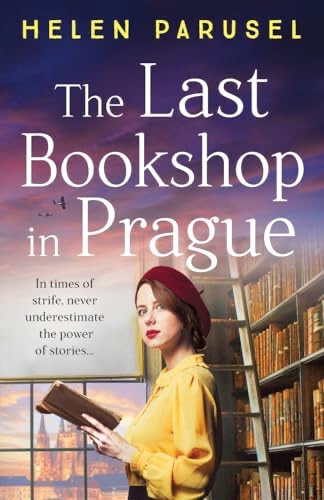
The banned books club was only the beginning; a place for the women of Prague to come together and share the tales the Germans wanted to silence. Is she brave? No, she’s just a bookshop girl doing whatever she can.

For bookshop owner, Jana, doing the right thing was never a question. So when opportunity comes to help the resistance, she offers herself – and her bookshop. Using her window displays as covert signals and hiding secret codes in book marks, she’ll do all in her power to help.

But the arrival of two people in her bookshop will change everything: a young Jewish boy with nowhere else to turn, and a fascist police captain Jana can’t read at all. In a time where secrets are currency and stories can be fatal, will she know who to trust? If you enjoy Kristin Hannah you’ll love this story from WW2.

Oh my friend, won’t you take my hand – I’ve been so lonely! 

One winter night in Prague, Helen Franklin meets her friend Karel on the street. Agitated and enthralled, he tells her he has come into possession of a mysterious old manuscript, filled with personal testimonies that take them from 17th-century England to wartime Czechoslovakia, the tropical streets of Manila, and 1920s Turkey. All of them tell of being followed by a tall, silent woman in black, bearing an unforgettable message. Helen reads its contents with intrigue, but without knowing everything in her life is about to change. I love creepy little novellas like this and Sarah Perry does everything right here. I loved the almost Victorian ‘Dear Reader’ and the Dracula-like inclusion of letters and diaries. The fear comes from that very Freudian juxtaposition of repulsion and fascination or death and desire. It assumes we all have that thing we’ve done that we wish we hadn’t, buried at the back of the mind or written in a decades old diary. Melmoth is the embodiment of the thing we’ve repressed and she will come for you. Dark, mysterious, thrilling and scarier than you’d think.

Paris, today. The Museum of Broken Promises is a place of wonder and sadness, hope and loss. Every object in the museum has been donated – a cake tin, a wedding veil, a baby’s shoe. And each represent a moment of grief or terrible betrayal. The museum is a place where people come to speak to the ghosts of the past and, sometimes, to lay them to rest. Laure, the owner and curator, has also hidden artefacts from her own painful youth amongst the objects on display. A marionette from her time in Czechoslovakia as a teenager.

Prague, 1985. Recovering from the sudden death of her father, Laure flees to Prague. But life behind the Iron Curtain is a complex thing: drab and grey yet charged with danger. Laure cannot begin to comprehend the dark, political currents that run beneath the surface of this communist city. Until, that is, she meets a young dissident musician. Her love for him will have terrible and unforeseen consequences. 

It is only years later, having created the museum, that Laure can finally face up to her past and celebrate the passionate love which has directed her life. It may seem strange that someone would base their whole life’s work on an experience at the age of 18, but that misunderstands the power of traumatic experiences. While the objects in the museum may seem mundane, their importance is in the wealth of emotion in those memories. It is by holding or valuing these things that we remain connected to the past and the person in it.

Errand requiring immediate attention. Come.

The note was on vellum, pierced by the talons of the almost-crow that delivered it. Karou read the message. ‘He never says please’, she sighed, but she gathered up her things. 

When Brimstone called, she always came. 

In general, Karou has managed to keep her two lives in balance. On the one hand, she’s a seventeen-year-old art student in Prague; on the other, errand-girl to a monstrous creature who is the closest thing she has to family. Raised half in our world, half in ‘Elsewhere’, she has never understood Brimstone’s dark work – buying teeth from hunters and murderers – nor how she came into his keeping. She is a secret even to herself, plagued by the sensation that she isn’t whole. Now the doors to Elsewhere are closing, and Karou must choose between the safety of her human life and the dangers of a war-ravaged world that may hold the answers she has always sought.

I’m not usually a fan of fantasy but this is an exception and Prague is the perfect setting for a girl with blue hair who does the bidding of a chimera who’s part human, ram and lion! Karou is my kind of heroine and I’d happily take her for a drink. I blew through the first third of the novel without thinking, just wishing I had an imagination like this.

This is probably best described as ‘faction’, while it is shelved as a novel there is so much fact in it that it reads like a true crime story, except the author keeps interrupting his own narrative. Two men have been enlisted to kill the head of the Gestapo, in a mission named Operation Anthropoid. In Prague, 1942 two Czechoslovakian parachutists are sent on a daring mission by London to assassinate Reinhard Heydrich – chief of the Nazi secret services. Known as ‘the hangman of Prague’, ‘the blond beast’ and ‘the most dangerous man in the Third Reich’. His boss is Heinrich Himmler but everyone in the SS says ‘Himmler’s brain is called Heydrich’, which in German spells HHhH. 

It is an incredible story, occasionally interrupted so the author can point out something he’s made up for dramatic effect – such as, ‘I don’t really know if a tank was the first vehicle to enter Prague’. Or even re-writing a paragraph if he later finds he got it wrong. It’s strange and a little jarring but you get used to it. In fact I don’t doubt his research, you will see the acres of documents and history books in his bibliography. This is a very clever panorama of the Third Reich told through the life of one outstandingly brutal man, a story of unbearable heroism and loyalty, revenge and betrayal. It is a moving work of fiction you will not forget.

Prague 1939. When the Nazis invade, Eva knows the danger they pose to Jewish families and the only way to keep her daughter Miriam safe is to send her away – even if it means never seeing her again. Eva is taken to the concentration camp Terezin, her secret is at risk of being exposed.

In London, Pamela volunteers to help find places for the Jewish children arrived from Europe. Befriending one unclaimed little girl, Pamela brings her home. Then when her son enlists in the RAF, Pamela realises how easily her own world could come crashing down…

Moving between England and Czechoslovakia this is a heart-rending story made all the more poignant for me as my mother-in-law Hana was sent from Poland as a child to England, separated from all her family and was eventually reunited with her mother after the war. I loved the themes of motherhood and music too. This is one of those historical novels that concentrates on emotion and character rather than acres of detail, but thar makes it all the more heart-rending.

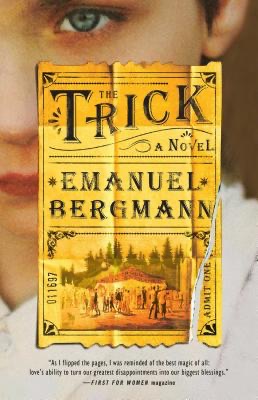
In 1934, a rabbi’s son in Prague joins a traveling circus, becomes a magician, and rises to fame under the stage name the Great Zabbatini, just as Europe descends into World War II. When Zabbatini is discovered to be a Jew, his battered trunk full of magic tricks becomes his only hope for survival.

Seventy years later in Los Angeles, ten-year-old Max finds a scratched-up LP that captured Zabbatini performing his greatest illusions. But the track in which Zabbatini performs the spell of eternal love—the spell Max believes will keep his parents from getting divorced—is damaged beyond repair. Desperate for a solution, Max seeks out the now elderly, cynical magician and begs him for help. As the two develop an unlikely friendship, Moshe discovers that Max and his family have a surprising connection to the dark, dark days the Great Zabbatini experienced during the war.

With gentle wisdom and melancholy humor, this is an inventive, deeply moving story about a young boy who needs a miracle, and a disillusioned old man who needs redemption.

Posted in Squad Pod Collective

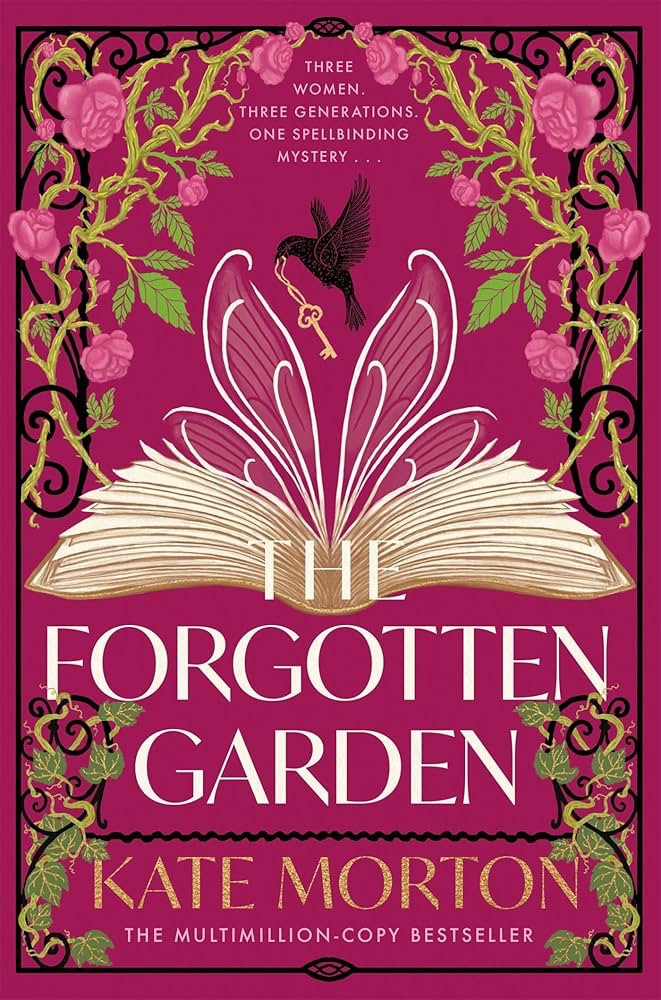
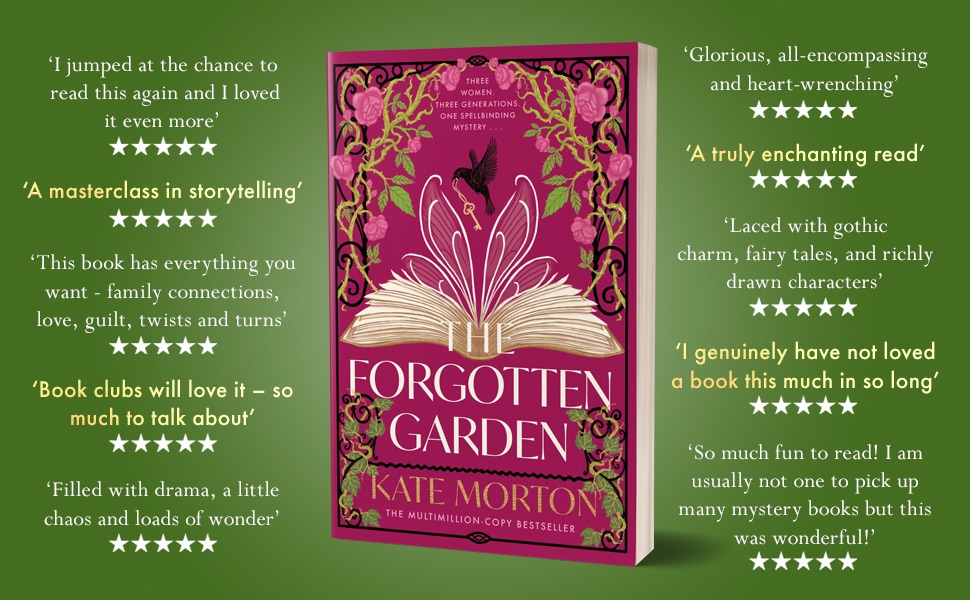
The Forgotten Garden by Kate Morton

As part of the Squad Pod, I’ve been re-reading this novel in its new edition and I’ve really enjoyed my reintroduction to these interesting characters and the incredible atmosphere the author creates around the Blackhurst Estate in Cornwall. Our story begins in 1913, when a little girl sits forlorn on the harbour side, using her white suitcase as a seat. The authoress told her she was going on an adventure and she’d stayed hidden for such a long time, but now she doesn’t know when the authoress is coming. The harbour master notices her and resolves that if she’s still there when he finishes work, he will have to take her home to his wife. Surely someone will come for her in a day or two? The mystery of the authoress and the little girl took me from 1900 to 2005, in the company of three women who have a link to that little girl in 1913. Eliza lives in London digs with her mother and twin brother at the turn of the Twentieth Century but finds life changes suddenly after her brother is killed in an accident with a coach and horses. She is taken to the Blackhurst Estate in Cornwall to be the companion of Rose, the daughter of the family, who is an invalid and rarely leaves her bedroom. Then in 2005 there is Cassandra, living in Australia and also facing upheaval after the death of her beloved grandmother Nell. Cassandra has lived with her gran since her mother left her there when she was a little girl. She promised to return and never did, leaving her mother Nell to raise her daughter. Together they run an antiques business and after Nell’s death, Cassandra is stunned to find a series of sketches by American artist Nathaniel Walker in her grandmother’s belongings. There’s also a small white case and inside there is a book of strange fairy tales also illustrated by the artist, but the writer is unfamiliar. Eliza Makepeace doesn’t seem to be well known but Cassandra is happy to do some digging and understand what link exists between this famous painter, an obscure writer and her grandmother. After the funeral, Cassandra’s great aunties explain that Nell was the baby in the family, arriving some time after them since their father found her on the Maryborough harbour alone. He decided that Nell needed to know about her true origins before he died, but her sisters wonder if that was the right thing to do. It left her a little distanced from them, as if she didn’t know where she belonged anymore. 

Interspersed between Cassandra and Eliza’s narratives is that of Nell, who did her own detective work on who she was decades before. In fact she had plans to make a big change before her daughter turned up with Cassandra and asked her if she would look after her for a short while. Nell knew that once her daughter was gone, neither of them would ever see her again. This put her own plans to one side but Nell never regretted bringing up Cassandra. Cassandra takes her book of fairy tales to a book dealer who explains that Eliza Makepeace was linked to the Blackhurst Estate in Cornwall. In fact Nathanial Walker was married to Rose, the daughter of the family. When Nell’s lawyer confirms that Cassandra has been left a small cottage on the Cornish coast she is intrigued and before long is on a flight to the UK. From there we are catapulted into the past where Eliza is adjusting and trying to make friends with Rose who has been ill for most of her childhood. Her regime is overseen by her rather formidable mother while her father seems largely absent, secretly longing for the return of sister Georgina who ran away to London with a menial worker from the estate. All of these separate story lines are linked beautifully by the author over the course of the novel, telling the story of a family beset by tragedy, but also shaped by rigid control, manipulation and jealousy. All of this is set within the beautiful backdrop of Cornwall and its history of fishing and smuggling as well as its stunning scenery. Cassandra’s cottage sits above the cliffs looking down to the sea, but has a stone wall around it. She wonders why someone would block off that incredible view, but also whether they were blocking people from seeing out or in? It must have been a gloomy existence. When Cassandra hires a local gardener to remove the tree that’s partially growing inside the cottage they discover a crawl space under the back wall and inside an overgrown but entirely enclosed garden. The walls that cradle the garden create a deep sense of belonging, as if the birds sing just for her. It’s a peaceful space, almost frozen in time. 

Cassandra is also interested to know how Nell ended up buying the property and why she never came back. Speaking to the village’s estate agent Robin gives her a lot of insight and the date Nell bought the cottage starts to make sense to her. Through Robin’s father, a retired fisherman, she hears some of the cottage’s history from a smuggling lookout to the home of the Authoress, a beautiful red- headed lady who used to live at Blackhurst. The actual manor has slowly become a hotel and Cassandra learns more by talking to the owner, who has refurbished the house and made some fascinating finds. She shares some scrapbooks with Cassandra, made by Rose who later became the wife of Nathaniel Walker. Rose was an invalid and her scrapbooks show a young girl’s imaginings from fairies to beautiful dresses and what she imagined her wedding to be like. Not that anyone expected she would meet anyone to marry. Her cousin Eliza tells her strangely dark fairytales and encourages her to aim for some of her dreams, to travel and perhaps get married someday. When she is married, her longings become focused on having a child, but will that be possible for her and if not, how can she find another way to become a mother? Kate Morton gives us little revelations as we go along, taking us back into the past to show us exactly what transpired and another jigsaw piece of this mystery slots into place. 

I loved how vividly Morton describes the squalor of turn of the century London and the harsh way of life for those just trying to keep a roof over their head. Blackhurst is the perfect name for the estate in Cornwall, named after an outcrop of black rock that juts out into the sea and provides an incredible lookout for the brave who enjoy the crashing waves and the seaspray. The estate feels like a mausoleum in contrast to Cornwall’s natural beauty. It is somewhere where people are shut away and miserable, with Rose in bed and her father shut away in his study and harbouring his secret obsessions. The cottage is accessed through the maze and it feels like a walkway to another world as it opens out in Eliza’s garden. What could possibly have caused two cousins to be entirely separate, with the maze as the barrier between their properties? I loved the theme of motherhood throughout, especially the loss of mothers for Eliza, Nell and Cassandra. One of the saddest parts for me was when Nell finds out that she isn’t a blood member of her Australian family and it changes her outlook, leading to her own trip to Cornwall. There’s even a touch of romance for one character who’s suffered a terrible loss. Reading this again has made me realise how rich Morton’s writing is and how reading her books probably led me to me enjoying this genre so much and current writers like Amanda Geard and Kate Lumsden. This is a sweeping epic of a mystery, with great characters and dark gothic undertones which I’ve thoroughly enjoyed rediscovering. 

Meet the Author

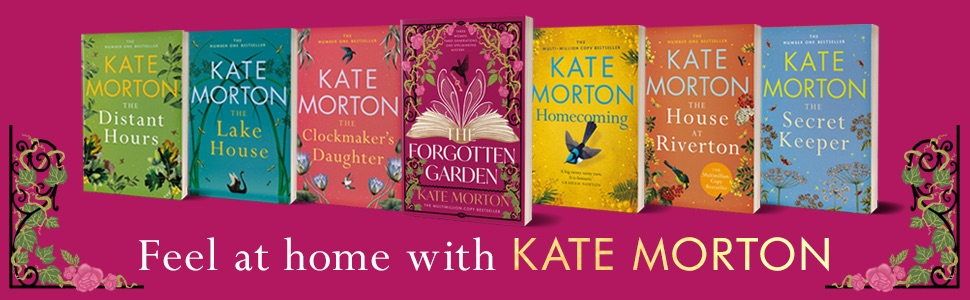
KATE MORTON is an award-winning, Sunday Times and New York Times bestselling author. Her novels – The House at Riverton, The Forgotten Garden, The Distant Hours, The Secret Keeper, The Lake House, The Clockmaker’s Daughter and Homecoming – are published in over 45 countries, in 38 languages, and have all been number one bestsellers around the world.

Kate Morton grew up in the mountains of southeast Queensland and now lives with her family in London and Australia. She has degrees in dramatic art and English literature, and harboured dreams of joining the Royal Shakespeare Company until she realised that it was words she loved more than performing. Kate still feels a pang of longing each time she goes to the theatre and the house lights dim.

“I fell deeply in love with books as a child and believe that reading is freedom; that to read is to live a thousand lives in one; that fiction is a magical conversation between two people – you and me – in which our minds meet across time and space. I love books that conjure a world around me, bringing their characters and settings to life, so that the real world disappears and all that matters, from beginning to end, is turning one more page.”

Posted in Sunday Spotlight

Sunday Spotlight: Cornish Holidays in a Book

The Classics

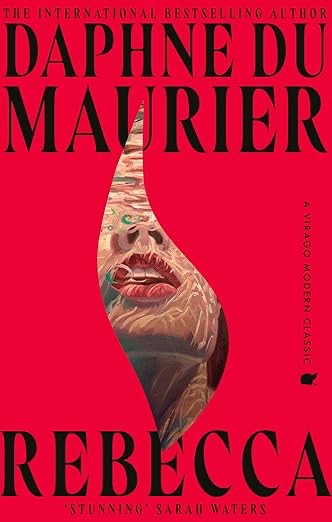
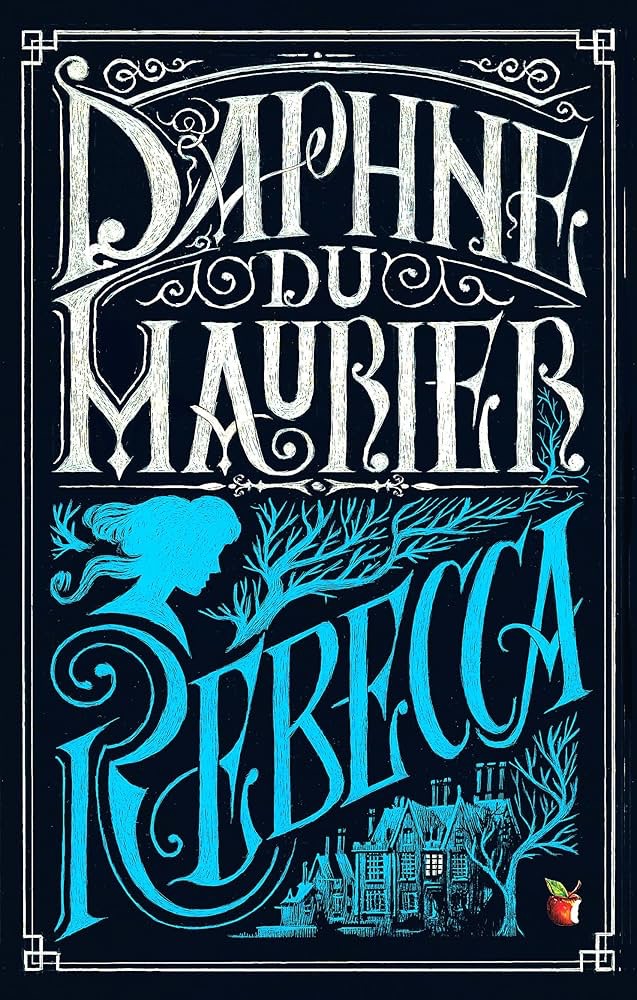
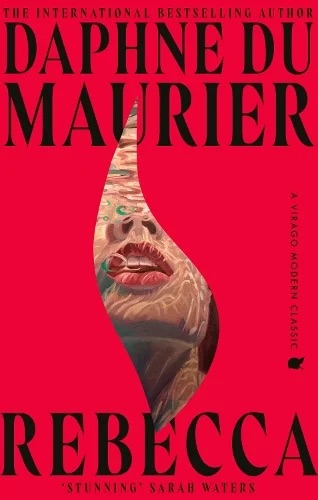
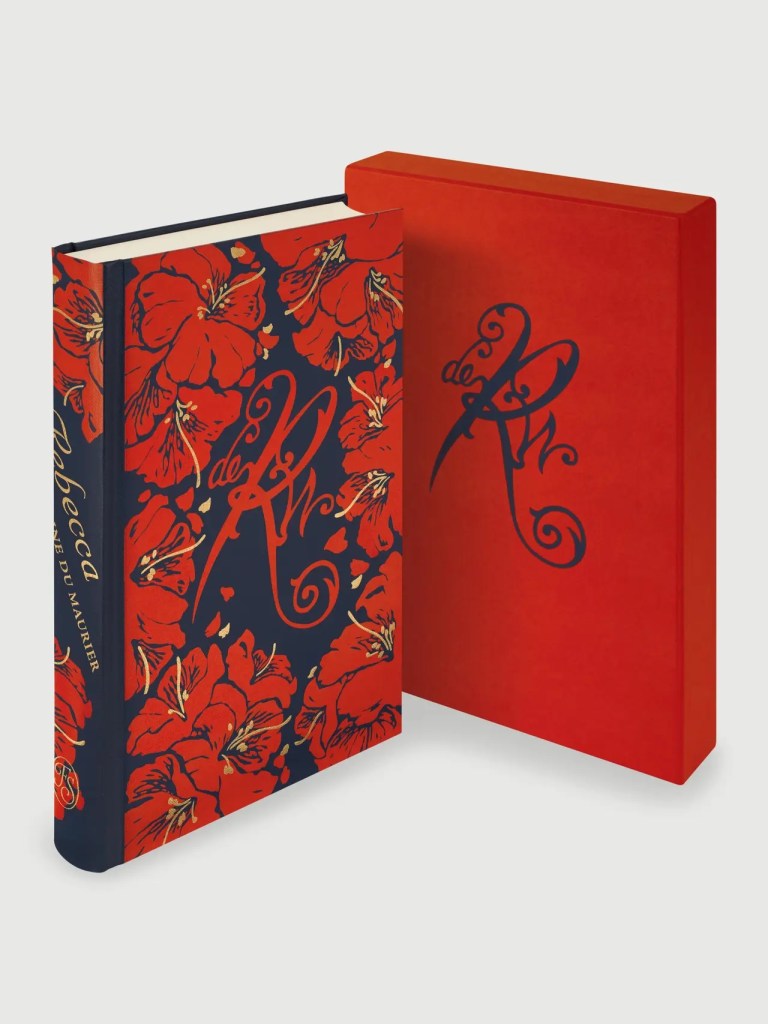
Rebecca is probably the reason I first visited Cornwall, but it’s also one of those books that I’ve changed my mind about when I reread it. I read the book as a teenager from mum’s bookshelf and I also watched the Hitchcock film at a similar age and both book and film are still favourites. I think I read it as a romance at first, rooting for the rather young and mousy heroine as she falls in love with brooding stranger Maxim de Winter as they meet in Monte Carlo. Now I read it as an altogether different story, probably emphasised by the above new Virago edition that’s billed as one of her ‘dark romance’ books. Maxim is dazzlingly and tragically romantic to our young heroine, mourning the wife who was known as a great beauty and unable to be in their Cornish stately home Manderlay. Perched on the cliffs near Fowey and based on de Maurier’s home Menabilly, this is one of the most beautiful and gothic settings. It’s impossible to see from the road, only from the sea and its private beach only accessible by boat or on treacherous steps from the grounds of the house. The heroine does seem to win it all – the man, the house, the money and love – but does she really? Immediately invisible next to the dark and sexy Rebecca of the title, the new Mrs de Winter doesn’t even warrant her own name. She’s scared of running the house having never done it, she’s not even the same class. She’s also scared of the servants, especially the creepy maid of his first wife, Mrs Danvers. At one point she breaks a statue in the morning room and hides the evidence. Maxim is no help. Instead of appointing a servant to help with decisions in the house, or at least to bring her up to speed, he just goes out first thing and leaves her to the brooding and obsessive Mrs Danvers, now the housekeeper. Max has no idea how privileged he is and can’t comprehend her hesitancy and fear of getting it wrong and when she does he flies into a temper or scolds her like a child. He gaslights, lies and yells at her. She may as well have been poured into a pit of vipers. This has never been a love story, it’s more a gothic retelling of Jane Eyre and origin of the domestic noir genre. This is an absolute Cornish classic from one of their most famous writers.

https://www.foliosociety.com/uk/rebecca

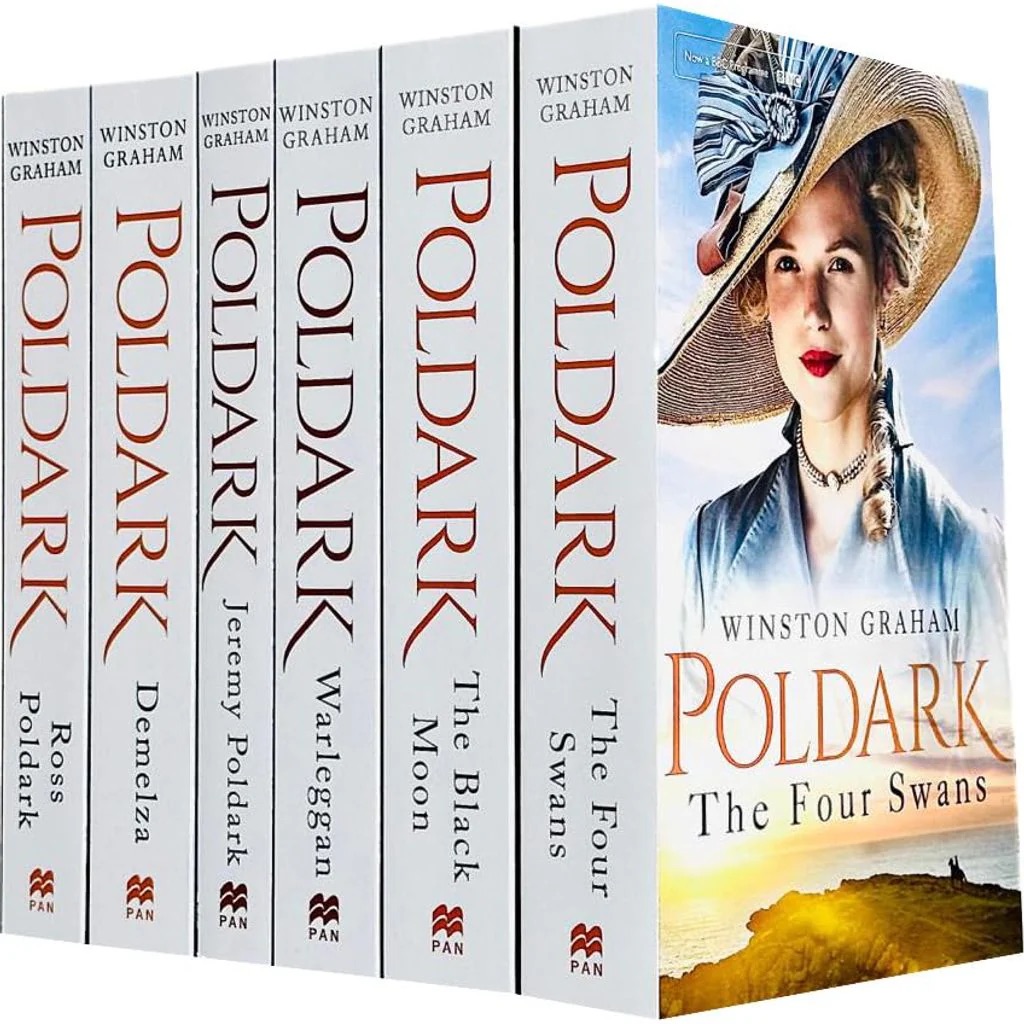
The Poldark Novels by Winston Graham

The Poldark novels had a resurgence and series of new editions thanks to the new BBC series which dominated Sunday nights and starred Aiden Turner as Ross Poldark and Eleanor Tomlinson as his wife Demelza. They begin in the late eighteenth century as Poldark returns from the American Revolutionary War to his home county of Cornwall and the Poldark house and land. Things have changed since he left. His father is dead and the copper mine is failing. His sweetheart Elizabeth has become engaged to Ross’s cousin George and they will be living at Trenwith with Ross’s grandmother. There are differences between the books and the TV series. Demelza is actually a child when Ross first meets her and he takes her to be one of the staff at the smaller farm estate of Nampara. There are ten years in age between them and it’s only when she’s an older teenager that their relationship changes – in the series he brings her as an adult and marries her very quickly, much to the disgust of his parish. I think the books are grittier than the tv series, with the main characters having more complexity and actually doing things we might not like. Ross particularly has more ambiguity, a good man when it comes to his workers and his politics but not such a great husband. The abuse and rape suffered by Morwenna in the marriage forced by Warleggan hits harder. The series really deviates after book three with no exploration of the children as they grow up and the terrible grief they go through as parents. I think the series wanted to paint Ross and Demelza as a love story with a happy ending after a tough period following infidelity, but in the books life goes and Ross’s rivalry with George Warleggan still continues, even when they’re older men. I think the books give more of that historical background, particularly with the backdrop of war and later the Industrial Revolution. It’s almost as if the series is the tourist’s view and the books place the characters more firmly in their time period.

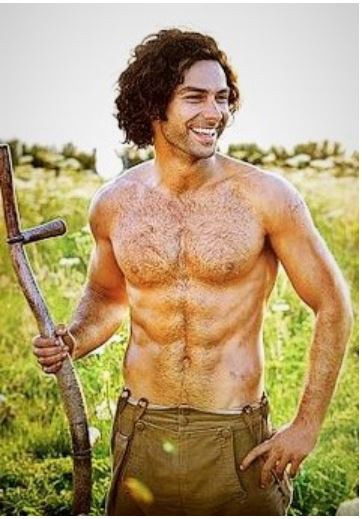
For those of you missing Aiden Turner as Ross.

Mysteries and Thrillers

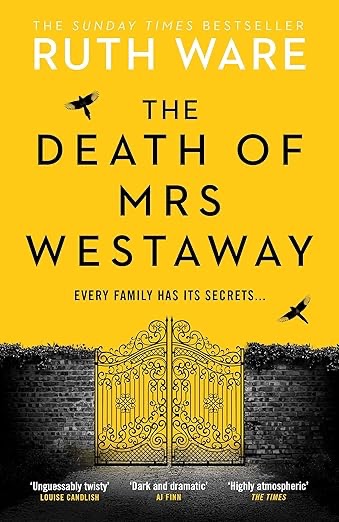
When I read a more recent Ruth Ware thriller I went back to some of her earlier books and I inhaled this in two sittings. We follow Harriet Westaway as she receives an unexpected letter telling her she’s inherited a substantial bequest from her Cornish grandmother. Could this be the answer to her prayers?

There’s just one problem – Hal’s real grandparents died more than twenty years ago. Hal considers her options, she desperately needs the cash and makes a choice that will change her life for ever. She knows that her skills as a seaside fortune teller could help her con her way to getting the money and once Hal embarks on her deception, there is no going back. This keeps you on tenterhooks from the minute Hal arrives at Trespassen House in Cornwall and there is that hint of Daphne du Maurier in the family estate and the mystery that plays out. Hal is also placing herself in a wholly different family and social class. Her upbringing may have been short on money, but it was never short on love. The tragic death of her mother Maggie was only three years ago and it catapulted Hal into adulthood but the Westaway family don’t hold the same values. They do have secrets though, ready to drop out of every closet. She is the outsider here, totally out of her depth and the wild coastline, storm porch and St Piran’s Church place this firmly in Cornwall. This family may have money and privilege but they don’t have the love or care for each other that Hal is used to, she will have to use her skills of perception and discernment honed by years of tarot reading. The remoteness of Trespassen and lack of internet signal add to the Gothic feel of this novel and there is even a Mrs Danvers mentioned. This is a great thriller with plenty of clues but a lot of red herrings, so you must be prepared for surprises.

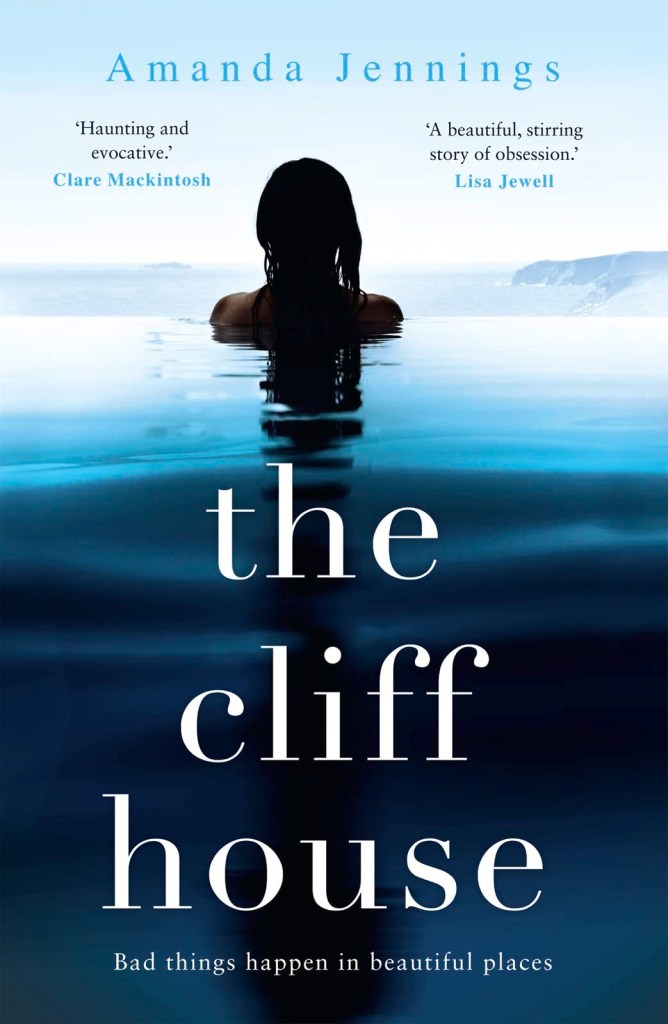
Tamsyn is as local as it getsin their Cornish village. Her grandfather worked the tin mines, her father was a lifeboat volunteer alongside his work, but her brother is struggling to find work that’s not seasonal. Tamsyn’s attachment to The Cliff House to a beautiful coastal property just outside her village comes to a head in the summer of 1986. To her, the house represents an escape, a lifestyle that’s completely out of range for her and represents the perfect life. It’s also her last link to her father, who brought her here to swim in the pool when he knew the owners were away. Her father felt rules were made to be broken and they both considered it madness to own such a slice of perfection overlooking the sea yet rarely visit except for a few weeks in the summer. Now he’s gone, Tamsyn watches the Cliff House alone and views it’s owners, the Davenports, as the height of sophistication. Their life is a world away from her cramped cottage, her Granfer’s coughing into red spattered handkerchiefs and their constant struggle for money.

Tamsyn’s family are firmly have nots. Her hero father died rescuing a drowning child and now she has to watch her mother’s burgeoning friendship with the man who owns the chip shop. Her brother is unable to find steady work, but finds odd jobs and shifts where he can, to put his contribution under the kettle in the kitchen. Mum works at the chip shop, but is also the Davenport’s cleaner. She keeps their key in the kitchen drawer, but every so often Tamsyn steals it and let’s herself in to admire Eleanor Davenport’s clothing and face creams and Max’s study with a view of the sea. Yet, the family’s real lives are only a figment of her imagination until she meets Edie. When Tamsyn finally becomes involved with the Davenports she gets to see the reality of a family bathed in privilege. As we try and work out Tamsyn’s motivations, she seems blind to the problems and ticking time bomb at the centre of the family. Or is she more perceptive than we think? This is a great thriller with disturbing family dynamics and an interesting tension between second homers and those who live in Cornwall all year round and struggle to own a home. The rugged cliffs and raging sea are a beautiful, dangerous and fitting backdrop to this tension.

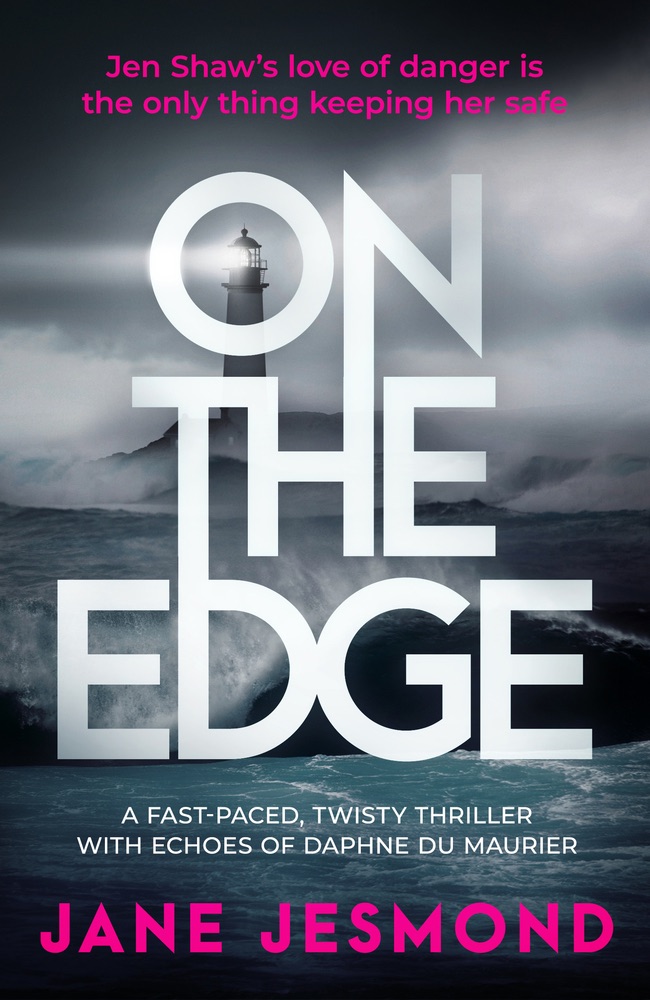
Another book highlighting the dangerous beauty of the Cornish coast is Jane Jesmond’s first thriller On The Edge. I was thoroughly gripped by this tense thriller set in Cornwall concerning Jenifry Shaw – an experienced free climber who is in rehabilitation at the start of the novel. She hasn’t finished her voluntary fortnight stay but is itching for an excuse to get away when her brother Kit calls and asks her to go home. Sure that she has the addiction under control, she drives her Aston down to her home village and since she isn’t expected, chooses to stay at the hotel rather than go straight to the family home. Feeling restless, she decides to try one of her distraction activities and goes for a bracing walk along the cliffs. Much later she wakes to darkness. She’s being lashed by wind and rain, seemingly hanging from somewhere on the cliff by a very fragile rope. Every gust of wind buffets her against the surface causing cuts and grazes. She gets her bearings and realises she’s hanging from the viewing platform of the lighthouse. Normally she could climb herself out of this, most natural surfaces have small imperfections and places to grab onto, but this man made structure is completely smooth. Her only chance is to use the rapidly fraying rope to climb back to the platform and pull herself over. She’s only got one go at this though, one jerk and her weight will probably snap the rope – the only thing keeping her from a certain death dashed on the rocks below. She has no choice. She has to try.

My heart was racing during the opening of this novel and I was so hooked I read it in one sitting. The sense of place was incredible. The author conjured up Cornwall immediately with her descriptions of the tin mine, the crashing sea on the cliffs and fog on the moors. I recognised the sea mist that seems to coat your car and your windows. The weather was hugely important, with storms amping up the tension in the opening chapters and the fog of the final chapters adding to the mystery. Will we find out who is behind the strange and dangerous events Jen has uncovered or will it remain obscured? Cornwall is the perfect place to hide criminal activity, hence the history of smuggling and piracy, so why would it be any different today? Has the cargo changed? I loved that the author wove modern events and concerns into the story, because it helped the story feel current and real. The concerns around development and tourism are all too real for a county, dependent on the money tourism brings, but trying to find a balance where it doesn’t erode the Cornish culture. Local young people are priced out of the property market completely. This is a great combination of setting and edge of your seat thriller, with a character as wild as the coastline.

Family Sagas

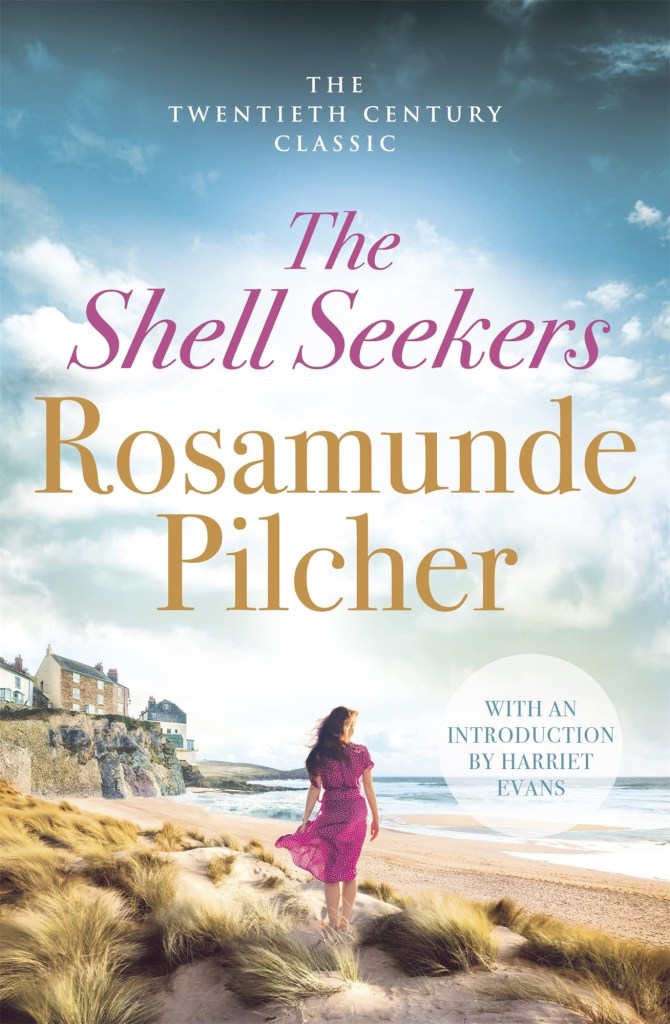
This book makes me nostalgic for the times I’ve spent in Cornwall. It also makes me want to go on RightMove and look for a little shop I can turn into a bookshop and writing therapy centre. Enough of my daydreams. I think this is one of those books that modern readers avoid because the covers have been too feminine and floral, marking it out as a romance when really it’s a family drama ( i want to use the word sweeping when I think about). Penelope is elderly and while she is recovering from a heart attack she thinks about the years she spent in Cornwall. What follows is the story of a family—mothers and daughters, husbands and lovers—and the many loves and heartbreaks that have held them together for three generations. It’s a magical novel, giving the kind of reading experience you can get swept away in for hours. Penelope prized possession is The Shell Seekers, painted by her father. It seems to symbolise her unconventional life, from her bohemian childhood to WWII romance. When her grown children learn their grandfather’s work is now worth a fortune, each has an idea as to what Penelope should do. But as she recalls the passions, tragedies, and secrets of her life, she knows there is only one answer…and it lies in her heart.

One of my favourite places in the world is Watergate Bay and I feel energised just by standing on that beach and feeling the sea spray hit my face. This book gave me the same feeling because you can feel Pilcher’s love for Cornwall throughout. It also made me grateful for a family who don’t care about money, just about love. This is a fabulous holiday read so don’t be put off by the cover.

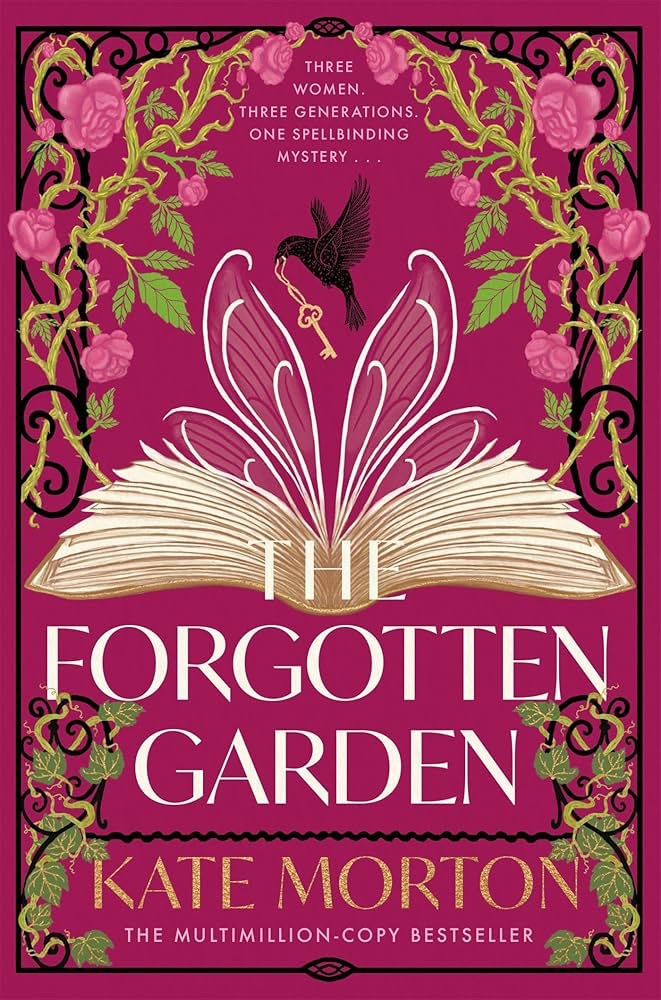
In Kate Morton’s second novel she takes us through a family’s history with Gothic undertones, contrasting the beautiful setting of Cornwall with 19th Century London. It covers three timelines over three generations of women, all caught up in one compelling mystery.

Once, a little girl was found abandoned after a gruelling sea voyage from England to Australia. She carried nothing with her but a small suitcase of clothes, an exquisite volume of fairy tales and the memory of a mysterious woman called the Authoress, who promised to look after her but then vanished. Years later, Nell returns to England to uncover the truth about her identity. Her quest leads her to the strange and beautiful Blackhurst Manor on the Cornish coast, but its long-forgotten gardens hide secrets of their own. Now, upon Nell’s death, her granddaughter, Cassandra, comes into a surprise inheritance: an old book of dark fairy tales and a ramshackle cottage in Cornwall. It is here that she must finally solve the puzzle that has haunted her family for a century, embarking on a journey that blends past and present, myth and mystery, fact and fable. I am lucky enough to have a new edition of this book to read with my Squad POD next month so look out for my review.

Historical Fiction

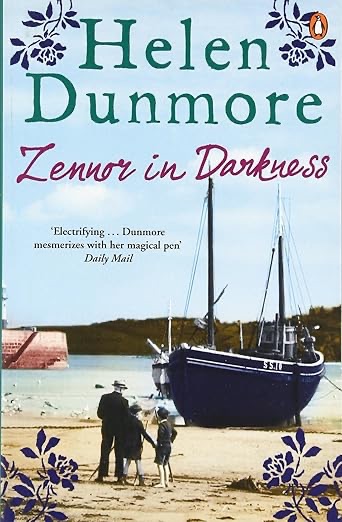
My mum was a huge fan of D.H.Lawrence’s books so this book jumped out at me in a second hand bookshop. It’s Helen Dunmore’s first novel published in 1993. Set in the coastal village of Zennor, this covers the time that D.H.Lawrence and his German wife, Freida, laid low during the First World War. In the spring of 1917, at a time when ships were being sunk be U-boats, coastal villages were full of superstition. The Lawrence’s were hoping to escape the war fever in London and chose Cornwall. There, they befriend Clare Coyne, a young artist struggling to console her beloved cousin, John William, who is on leave from the trenches and suffering from shell-shock.

Yet the dark tide of gossip and innuendo is also present in Cornwall, meaning Zennor neither a place of recovery nor of escape. Freida and Lawrence are minor characters, with the main story focused on Clare and suspicions about her relationship with her cousin. Helen is adept at bringing people from history back to life, filling them with emotions and preoccupations that are familiar to us. The Cornish coast is vividly described with its fishing industry, craggy inlets and secret beaches providing a wonderful backdrop to the atmosphere of suspicion especially with the their smuggling history. She captures the claustrophobic feel of a small village where everyone knows each other and incomers are kept at a distance. She also captures how lonely it can be to move into such a close knit community and how lives can be ruined by assumptions.

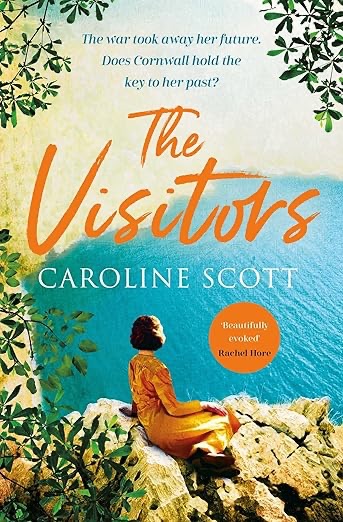
Caroline Scott’s book is set in the aftermath of WWI in the summer of 1923. Esme Nicholls is drawn into spending the summer in Cornwall, close to Penzance which was the birthplace of her husband. Alec died fighting in the war and she’s hoping to spend some time learning more about the man she fell in love with and lost too soon. She’s been invited to stay in the home of her friend Gilbert, as a potential retreat for the lady she works for, Mrs Pickering. He inherited the rambling seaside house and has turned it into a recovery centre of sorts. All residents are former soldiers, expressing themselves through art or writing. She is nervous to be the only woman, but soon gets to know the men and their stories. They give her insight into what Alec may have experienced and that’s exactly what she needs.

However, this summer retreat is about to change as a new arrival brings with him the ability to turn Esme’s world upside down. She will soon be questioning everything about her life and the people in it. Cornwall is an idyllic backdrop to the story and a huge factor in the recovery and the creative work of these men. Esme’s growing friendships are beautifully drawn and as always I was emotionally invested in her characters. I loved how her relationship with Mrs Pickering softened from being a professional companion to friendship. I also enjoyed her growing closeness to Rory and Hal. They all help with her grief and the shock of this new guest. But as always, holidays come to an end, leaving Esme with huge choices to make.

My Favourite

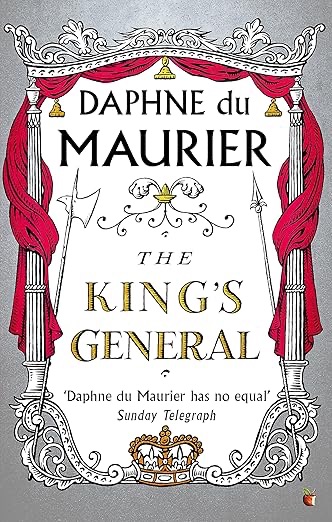
I first read this wonderful novel when I was a teenager, captured by the romance at the centre of the novel. Then the backdrop really started to sing out to me, especially when I started to regularly visit Cornwall around twenty years ago. Lastly it was the history aspects to the latter parts of the story with our characters caught up in English Civil War and Cornwall’s unique role, both geographically and as staunch Royalists. It’s fair to say that the book wasn’t well received at first, especially after the instant success of Rebecca and My Cousin Rachel. This takes a similar romantic narrative but weaves in the history of a Cornish house that would eventually become her home, Menabilly on the Gribben peninsula near Fowey. At the time of starting her new book it had been owned by the Rashleigh family for over 400 years. Daphne would visit and talk to them about using the house and they told her a story about building work they were having done when builders found a bricked up room housing the skeleton of a Cavalier. She decided to write this real life mystery into the novel wanted to write, when she finally and inevitably overcame their objections.

Her decision to record historical facts truthfully could have been the book’s undoing. The history of the Royalist cause in Cornwall is convoluted and confusing and there’s a large background cast of related Cornish families. I think she wanted to remain faithful to the Cornish cause and be seen to include real Cornish people, but the reader could be forgiven for struggling with them, many names are similar and the intricacies of intermarriage sometimes make the plot hard to follow. Cornwall did declare for the King and our hero Richard Grenvile is the grandson of Sir Richard Grenville who fought the Spaniards in the Azores. He is depicted as flamboyant, with an incredibly fiery temper, but he can be very charming and as time and experience show, he is incredibly loyal. Our heroine Honor Harris is the character I fell in love with possibly because of the fact she’s always reading and is a bit wild. She is absolutely swept off her feet by the man she meets in the family orchard, while sitting in her reading place up in an apple tree. Luckily her hiding place is just big enough for two. Richard is older, a seasoned soldier with wars on the Continent and Ireland under his belt. He is known as ruthless with a terrible reputation. However, he and Honor fall in love. Only a day before their wedding, Honor goes hunting with Richard and his sister. He calls back to warn her about a ravine but his call is lost on the wind and she falls down the precipice. She is then paralysed from the waist down. I think this is possibly why I fell in love with the book, having had my own accident when I was eleven. I had two fractures and a crushed disc, but luckily my spinal cord wasn’t affected. I didn’t finish primary school but returned to start secondary school in the autumn. It has given me problems ever since. It was wonderful to read a character who had a disability but whose fiancé still loved and wanted to marry her, at a time when I was starting to look at boys a little differently.

Despite Richard’s promises, Honor knows she can’t fulfil the role of an army officer’s wife. She decides to let Richard go and gives him her blessing to find someone else. She still follows Richard’s exploits as he moves through Cornwall trying to turn the Royalist sympathisers into an effective fighting force. The Cornish aristocracy have the hereditary right to become fellow commanders, although he finds them incompetent and at times cowardly. Honor has a wheelchair made by her brother, which allows her some movement and at times she manages to support and actually assist Richard. Their love for each other never seems to fade and I enjoyed the romantic aspects of the novel. Their relationship is the spark that lights up this novel, even more so now that I am a wheelchair user at times. I was impressed by how intrepid and determined Honor is and that Daphne wrote a disabled heroine in the 1940s. A couple of years ago, on my honeymoon, I went to Fowey and the Daphne du Maurier bookshop and bought a first edition of the novel for my collection. My old copy was falling apart from re-reading, but I also wanted to own such an important copy of my favourite Cornish novel.

Posted in Monthly Wrap Up

Best Reads June 2025

I’ve had a lovely reading month, with the subject of love and relationships being at the centre of most of my best reads in June. Possibly due to it being wedding season, romance seems to have been in the air and all my reads looked at it in a very different way. A couple are set in the present day but others range from the late 18th to the mid- 20th Century. Yet there was a sense of familiarity, with each book showing the difficulties in how women and men relate to each other and negotiate the rules of their relationship. Women seemed to wait an awful lot, trying to balance a career and a relationship not to mention children and home life. Some women were waiting for proposals, for a man to commit, to be faithful, or for life to begin. They bring up the age old question of women having it all and whether that’s ever possible. There’s also a lot of travel involved from the UK, to America, Italy, France, Switzerland, India and Australia. I hope you all have a great tbr lined up for July and I’ll see you on the other side.

Walnut Tree Island sits in a tributary of the Thames and back in the 1960s its part derelict became a sought after music venue, thanks to the work of its owner George. Based on Eel Pie Island, Walnut Tree is a harmonious combination of up and coming musicians, artists and picturesque riverboats and in 1965 is a weekly Mecca for young people. One of them is Mary Star, a young girl with a beautiful voice and a head full of dreams. It’s there one night when musician and up and coming front man Ossie Clark notices Mary in the crowd as she’s hoisted up on someone’s shoulders. Ossie is about to hit the big time, but he’s captivated by Mary and when he meets her he encourages her to sing with him. They are so in love and lay down in the grasses by the Wilderness – the most beautiful part of the island. When reality hits Mary knows she has to make a choice for both of them, although Ossie doesn’t reject the idea of becoming a father. He asks her to go to America with him, but the adults in her life, including George, make her realise how difficult that’s going to be. There will be compromises and although Ossie can’t see it now, what if he resents her and their baby? She’s left with her baby Ruby and a broken heart, but also a place to live on the island gifted by George. 

Years later her granddaughter Jo experiences first love on the island. Used to running wild between Mary’s cottage Willows and houseboats, she meets George’s grandson Oliver when he visits the island. He’s the island’s heir, but such things don’t matter to young people and they have a magical summer thinking their love is all they need to sustain them. Now Oliver has returned from NYC as the new owner of Walnut Tree Island which has become a thriving community of musicians and artists all supported by Mary who is the mother of the community. The whispers over what might happen to the island start fairly quickly, not least the ownership of Willows that has always been a verbal agreement with George. Jo now teaches art to children in one of the houseboats. Once an incredible artist she seems to lose her confidence in creating and her career never fully got off the ground. How will she cope with Oliver back on the island, as handsome as ever, but with a touch of New York sophistication? More to the point, how will Oliver feel seeing Jo again? It’s not long before the red-headed firebrand is at his door, fighting on behalf of Mary and the rest of the community. But does she really know what his plans are? Changes are coming to the island, but some things are as constant as the river flows. Could their love be one of them? This is a captivating and magical read, thanks to its romantic setting and relatable female characters. An excellent holiday read.

Emily and Freddie have been through the mill of late. After a terrible accident when they were on holiday, Freddie has surprised her with the home of their dreams. Emily fell from a cliff on a group holiday and not only did she break her leg in several places, she then developed sepsis and almost lost her life. Now she’s in recovery, still walking on a stick and has been thrust into a whole new life. Larkin Lodge sits just outside a village on the edge of the moors and could be their dream home, but Emily can’t believe Freddie made this huge decision without her. The house is gothic and in the mists and murk of winter it looks a little isolated and spooky. However, she can see that in spring the views will be incredible. As Freddie continues to work in London, Emily spends a lot of time alone and starts to feel uneasy. Sudden drafts and disgusting smells, then heavy footsteps moving across the second floor are unnerving. Freddie is convinced she’s struggling with post concussion syndrome and calls her ITU consultant for advice – much to Emily’s disgust for doing this behind her back. As she starts to look into the history of the house and questions some of the locals, all the different parts of her life start to fall apart. Secrets start to come to light and Emily wonders if the house is having an influence on her. 

Emily is a sympathetic narrator although she’s not entirely reliable. It must be so disorientating to wake from a coma and know that your body has been present but your mind has been somewhere else. Added to that is the risk of ICU psychosis – a common condition causing auditory hallucinations, nightmares, sleep disturbances and paranoia. The author cleverly creates tension between what we know about Freddie and Emily and what they know about each other. They’re both keeping secrets and Freddie projects all their problems on to her. Even when she’s quite measured and reasonable or accepts his apologies he becomes angrier. Just occasionally he pauses and wonders where these thoughts are coming from? Is it the shock of Emily’s fall still working on him or is something more insidious at work?  Of course it wouldn’t be a Sarah Pinborough novel without a supernatural element and this one is genuinely scary. It begins with the window on the landing, seemingly opening of it’s own accord. When she starts talking to older locals about the house there’s a moment that genuinely made the hair stand up on the back of my neck! The chapters from the raven’s perspective are very touching as well as creepy.  Was this an edge of the seat thriller or a ghost story? We’re never quite sure, but I felt compelled to keep reading and find out. Sarah Pinborough is the Queen of this type of gothic thriller and this was another brilliant read, keeping you guessing till the very end. 

This book is definitely up there for my book of the year so far and it will take something momentous to knock it from that position. It’s the story of Mary Shelley and the origins of her novel Frankenstein which became a staple of the horror genre. I’d always known that it was a novel of monstrous birth, but the author has pulled all the ideas together so we can see the psychological background of the novel. I loved the idea that her story is stitched together by fragments, just like the monster himself. Her own emotions and thoughts feed into the emotions of the abandoned monster. She thinks of medical experiments and stories of medical students digging up bodies and stealing them for dissection. Frankenstein leaves his monster just as Shelley left Mary and their baby in squalor in London at the mercy of bailiffs. Frankenstein can be read as a criticism of men, creating with no thought for the thing they’ve created. Victor Frankenstein goes to sleep expecting his creature to die and feels nothing. The creature feels a combination of Mary’s grief and abandonment, having lost her mother at birth and then the losing of her father, as she runs away with Shelley, a married man. William Godwin brought Mary up to have a rebellious spirit and think for herself, but rejects her when she lives by these principles. Mary is this bewildered and angry creature and she gives her monster the equivalent of philosopher John Locke’s tabula rasa – the blank slate of a small child ready to experience nature, love and all that is beautiful. He embodies the nature/nurture debate in that the creature isn’t born evil, it’s other people’s cruel treatment of him that makes him monstrous. Her writing helps process all these feelings and. working through them makes her feel hopeful for the first time. She might return to London with her son and instead of being beholden to Shelley or her father, she could keep them both with her own writing. 

Typically, blinded by his own arrogance Shelley doesn’t see himself in Victor Frankenstein at all. The book, like the creature at its centre, will be sent out into the wilderness looking for a creator. She’s fairly sure it will find one because she knows it’s special. Caroline’s book is an absolute masterpiece and made me think about Frankenstein from so many different angles. Caroline Lea’s Mary take us through the psychological angles and brings to life her relationship with Shelley, often told in a rather salacious or romantic way without any thought to the inequality between them. It traces the genesis of this incredible novel. It is stitched together from so many different parts, but here we can see them all and understand the circumstances they come from. What she’s written is a Bildungsroman, a novel of Mary growing up from girl to womanhood. Frankenstein is the chronicle of that birth, as messy, terrifying, horrific and momentous it is, it is also the genesis of Mary Shelley the writer.                                                                                                                                                                                                                            
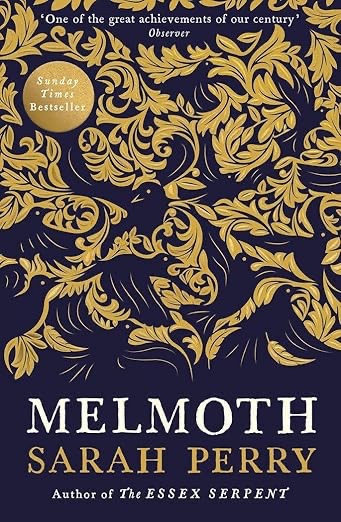
London 1990s – An up and coming French composer called Stan is invited to arrange music for a stage production of Dorian Gray. Although the play is never staged, he does meet Liv and she becomes the love of his life. They live together, joined by a daughter called Lisa. Their happiness fuels his senses with vibrant colours and melodious music. Paris, Present Day – Stan lives in France at the Rabbit Hole, a house left to him by his aunt. He now shares his life with Babette, a lifeguard and mother of a teenage boy of Lisa’s age. They also share their home with Laïvely, a machine built by Stan and given Liv’s voice. As Stan becomes more engrossed in his past Laïvely starts to take on a life of her own. His life is about to implode.

Stan presents his life in two narratives, the present in France and the past where he was at his most creative, happy and in love. His relationship with Liv is almost idyllic. Anything he relates of his present can only suffer in comparison. We learn that he and Babette are compatible, but there is none of the life and vivid colour that comes from his reminiscence. We are all nostalgic about the past, but no relationship can be perfect especially when cramped into the average London apartment with a small baby. While it is touching and romantic, the cynic in me wondered was this a true picture? As for Liv, she is in technicolour in Stan’s flashbacks with her vivid red hair. However, all that life is now reduced to a communication device and no matter how Stan cuddles Laïvely to him, she is inanimate, merely a machine. In what way is this a fitting representation of the love of his life? The author brings the truth to light brilliantly and I feared Stan’s mind was splitting. Stan seems to imagine that he and Liv would have lived in this harmonious way forever, but as the truth emerges Stan’s perception of himself starts to shatter. Babette finds him catatonic and soaking wet, having to place him in a hot bath and slowly bringing him back to himself. It’s the most nurturing, selfless and loving part of the book and it’s all the more sad that he hasn’t before recognised or rewarded her love and loyalty. He also realises that there were times he was too distant and distracted with Liv, that he stopped paying her attention. It was as if he had imagined them always walking towards a common goal but truthfully, he knows they were out of pace with one another. As the ‘tick, tock’ of the clock at the Rabbit Hole reminds us that the end is approaching we fully comprehend this heartbreaking story. This is no ordinary loss and it’s clear that Stan has never faced the truth of their final days until now. This is an emotional end that has one final twist to impart and it is devastating. It seems that Stan has always held on to Liv’s portrait, but is was a ‘painting turned against the wall’, keeping it’s secrets until that final terrible reveal.

It was so lovely to be back in Adriana Trigiani’s world. It always feels like a hug in a book! Jess (short for Guiseppina Capidimonte Baratta) is an artist who designs pieces made with marble, everything from a garden fountain to a baptismal font. She lives with her family in the New Jersey town of Lake Como. Ever since she finished school Jess has worked with her uncle Luis at his marble business, shipping newly quarried Italian marble to the United States. Jess is at a stage in life when she’s longing for something new. After divorcing her childhood sweetheart and local heartthrob Bobby Bilancia she’s been living in her parent’s basement. Their mothers, who have a long held friendship, are openly praying for their reconciliation. Jess could see her whole life mapped out, in fact her namesake Aunt Guiseppina has given her the blueprint – the maiden aunt, chief baby sitter for her sibling’s kids, cook and bottle washer for family dinners, and eventually caring for their elderly parents. When the family experience an unexpected loss, coupled with financial worries, secrets come tumbling out of every closet. Jess decides to take the trip to Italy that had been planned for work. Now she’ll use it as a change of scene rather than just a work trip. Finally, she will see her ancestor’s homeland. Taking us to Lake Como via Milan, Jess falls in love with Italy and all it has to offer. 

This story is a common narrative in the author’s novels. A young, ambitious and talented woman is looking for a lucky break or a foothold in the family business and has an adventure. Jess is slightly different in that she’s older and has already found her Prince Charming once. Stressful situations usually floor Jess, who has suffered from anxiety all her life. The family carry brown paper bags wherever they go. Yet Jess has withstood the questions and judgement about her divorce and sticks with her decision, only confiding in her online counsellor and her journal. She sets out to her Uncle Louis’s hometown to visit the marble quarries that supply their marble but also meet with local stonemasons who use it. It should be useful for her work but also give her the head space she needs after the divorce, her loss and those family home truths that left her very angry with her parents. When she meets Angelo Strazzi, a talented local craftsman, there’s instant chemistry and future possibilities start to open up. As always Italy is a revelation and Trigiani writes about it in a way that only an Italian American can. There’s familiarity and nostalgia that comes from knowing her family are from here, but there’s also the wonder and magic of the tourist view too. It’s the best of both worlds. Mostly I loved that Italy seems to set Jess free, in her own right. She’s away from a community that claims to know her better than she knows herself, but also from the suffocating combination of her own family and that of her ex-husband. Free from a future that she and her family saw for her – that of the maiden aunt. Maybe it’s the mountains but Jess can breathe in Italy.  I came out of the novel feeling like I’d been on holiday. I won’t ruin the book by telling you what Jess’s choices are, but the ending isn’t the only important thing. I hope you enjoy the journey as much as I did. 

I was three quarters of the way through this novel before I found out it was based on a true story. Zara was a fashion designer, founding a dress shop called Magg with her best friend Betty in her twenties. Freeman’s novel follows Zara’s life from her meeting with Harry Holt and their relationship, which would dominate most of her life. The novel takes us on her travels, into her career as a fashion designer and businesswoman and the volatility of her relationship with Holt. Harry comes across as a selfish and ambitious man, who clearly loved Zara but was slow to commit and couldn’t curb his womanising ways. Zara is constantly waiting, whether it’s for him to propose marriage or to be faithful to her. She is torn between wanting a monogamous relationship or accepting both Harry’s love and the fact it comes with many compromises on her part. I’m not sure I could have made those compromises, but despite breaking off their relationship and even marrying an officer from the British Army and living in India, she finds it impossible to leave behind those feelings. Aside from her love life, Zara is a remarkable woman and one of those multi-tasking geniuses I envy. She managed to create an empire that paid for the couple’s holiday homes on different parts of the Australian coast and even when on political trips abroad, particularly as Harry was moving towards becoming prime minister, she used local fashions as inspiration and bought fabric to be shipped back. I had to remind myself I was reading a historical novel when frustrated with societal expectations and attitudes, because Zara was such a modern woman and seemed ahead of her time.

As always I have a loose tbr for July while I’m project managing our kitchen renovation. I’ll be frazzled by the time it’s done as I hate change and noise, but I’ll need to be at home so lots of reading time ❤️📚

Posted in Netgalley

Love, Sex and Frankenstein by Caroline Lea

Mary Shelley, the author of Frankenstein, was born in 1797 to politician and writer William Godwin and his wife and fellow writer, Mary Wollstonecraft who wrote The Vindication of the Rights of Women. In her book she made, possibly the first, claim that women were not naturally inferior to men. It was a feminist manifesto centuries ahead of it’s time. Sadly Mary’s mother died only eleven days after she was born from puerperal fever, leaving Godwin to raise Mary as a single father. However, he remarried in 1801 to a widow with two children of her own, Clare being very near in age to her stepsister Mary. In 1841 Mary became connected to the poet Percy Bysshe Shelley, a well-known writer who was already married with three children. Shelley was 22 and Mary was 16. Facing nothing but criticism and social sanctions in London, the couple decided to escape to the continent along with Mary’s step-sister Clare. They then settled for a time on Lake Geneva, sharing a house with Lord Byron and his doctor Polidori. As the weather changed they become snowed in for a period of time and one of the diversions thought up by Byron was that each of them write a ghost story. Up until this point, Mary has only written in her journal but she can feel something stirring within her and in this strange place, Frankenstein’s monster is born. 

Probably every English Graduate who specialised in Gothic Fiction has fantasised about a stormy night, in a house on the edge of a lake near Geneva. That night was supposedly the genesis of the first vampire story – Polidori’s The Vampyre – and Mary Shelley’s classic horror, Frankenstein. It always seemed strange to me, how two iconic horror legends were conjured up in the same place on the same night. Of course it was a longer period of time and everything these writers experienced in their young lives so far was fuel for their creativity. The setting is definitely strange and unsettling. Caroline Lea paints a picture of the lake becoming monstrous, magical but evil too and no longer a place where children paddle and dive underwater. The sky is dark, trees look like ‘funeral lace’ and ash rains down from above. Local people have noticed that at times the lake throws up strange shadows and clouds, some that look like sky cities floating in the air. When they find a man called Karl Vogel drowned in the lake with his eyes turned from brown to blue – they are shocked, but this is a place of transformation. It’s as if nature is creating the perfect circumstances for monsters to be born. 

This incredible book. is a brilliant combination of historical and horror fiction, with a large side order of feminism – all of my favourite things. Every time I put the book down I would look at my husband and say ‘wow’ then try to write down everything that struck me. I ended up with ten pages of notes that I now need to build into coherent sentences and do this novel justice! Firstly the historical settings were incredible. When we first meet Mary and Clare, they are living in lowly lodgings in London. Mary’s baby is born and they are desperately trying to avoid the bailiffs that seem to follow Shelley wherever he goes. The author really captures 18th Century London with the girl’s filthy lodgings a bleak place to look after a baby. They’re also struggling to sleep, worried that any moment their flimsy door will be kicked down. This is the reality of being the mistress and illegitimate child of a well-known poet who does not pay his debts and has retreated back to his family home. I never imagined that Shelley left her in this position. I’d imagined them living on Lake Geneva complete with servants and all the excesses that Byron was famous for, then travelling around Europe, leaving their troubles behind them. Their relationship would probably be considered abusive now, not just because of their age difference but because of the way Shelley manipulates her. Something that only worsens when Byron and his peculiar brand of chaos are on the scene. When Mary tries to stick up for herself, all the qualities he supposedly loved about her – her independence, her spirit, her intelligence – are thrown back at her, in order to control, manipulate and punish her. He calls her a good mother, but also accuses her of fretting and becoming boring. It is her independent spirit that landed her in Shelley’s arms but he’d rather she didn’t have the independence to question him, refuse him or leave him. His threat is very clear:

‘Women who leave their children, will never see them again’. 

Of course Shelley wouldn’t give up his carefree life to look after his child. He would probably hire a string of nursemaids to seduce then discard, until his only option is to dump his son on his long suffering wife who is pregnant again. Mary starts to realise that although he professes to love her, once she has become a mother she is always expendable. My urge to slap Mary’s step-sister Clare started early in the book and flared up very frequently. She has absolutely no girl code. She had left with Mary in the hope of rekindling a brief liason with Byron. However, it’s clear she’s happy to switch affections if he isn’t there, even onto Shelley. She flirts and simpers, touching his arm and holding his hand to guide her outside. Byron’s treatment of Clare is utterly cruel, he manages to ghost her even when they’re finally face to face. He refuses to acknowledge she exists and then only picks her up again when the weather descends and there are no other prospects. Despite this it is hard to like her, especially when she gains snippets of information from Shelley only to drop them on Mary when they’ll hurt the most. The arrogance of both poets is endless! Byron isn’t just a seducer of women, he drinks and takes laudanum at every opportunity too. He abuses his supposed friend and doctor Polidori, considering him dull and mimicking his stutter in front of the women. His own disability is never mentioned by anyone – the limping stride he’s had since childhood is overlooked or even compensated for as Mary notices some people unconsciously falling into step next to him, slowing their stride to match his. His impulsivity is like that of a toddler, moving mid-week from a hotel to the house on the lake, determined not to pay for the weeklong stay he originally booked. It will cost more for the hotelier to clean up after his bizarre animals, including two eagles, a huge dog and a monkey. He sets his sights on Mary and despite his magnetism she can see what he truly is – a boy throwing mud at windows to detract from his own badness and shortcomings. 

The setting is glorious and it’s clear why frozen mountains, cavernous lakes and the arctic weather feature heavily in Frankenstein. It’s where Mary goes to have time to think, away from the chaos and hedonism indoors. The seemingly magical weather conditions are explicable, even though they feel supernatural. Lake Geneva is known for throwing up mirages called ‘Fata Morgana’. They take the form of distorted boats just above the horizon or even ‘castles in the air’, where a whole city seems projected into the clouds. Named after Morgan Le Fay the mirages are created by rays of light pass through air layers of different temperatures. The sheets of ice on a lake keep the surface air cooler than in the layers above. It’s easy to see why people might by unnerved by something that appears so otherworldly. A more psychological phenomenon that’s clearly takes hold within the house is cognitive dissonance, felt strongly by Mary in particular. The villa is starting to feel like a place she doesn’t belong because her emotions and reactions don’t seem to match anyone else’s in the group. 

‘She feels like a stranger in the foreign land of this room, unable to understand their bright chatter and loud laughter […] every moment takes her further away from these awful people who carry on as if she isn’t there at all’. 

Motherhood and the reality of being Shelley’s mistress has changed Mary and it’s so relatable. She wonders whether all women feel pulled in so many different directions at once. She also wonders if she ever had a true understanding with Shelley. A fire that lit up her heart and her mind is now glimpsed very rarely and she wonders if it ever truly existed. Has she fallen in love with her idea of Shelley – the one who creates the grand illusion of romance in his poems. He doesn’t love her, merely the idea of love itself. In disappointment with all men she turns to the wisdom of women, particularly her mother’s work. Mary Wollstonecraft was the first woman to write a feminist manifesto and she truly understood what needed to change for women – the problem of having to depend on a man. She realised that nurturing women’s learning was the first step: 

‘Strengthen then the female mind by enlarging it and there will be an end to blind obedience’. 

Women could only overcome their dependence on men if they were educated and could earn their own living. In Mary’s dark night of the soul she hears her mother’s voice encouraging and coaching her and the minute she does Mary’s able to breathe again and see a clear way to support herself – by selling her writing. Once she can do that, it no longer matters whether Shelley is inconstant or distant – she does not depend upon him for security and stability. She is ashamed that despite her intellect she has allowed this man to reduce her. Yet she has to tread a fine balance and think these things rather than say them outright. She fears that Polidori’s friendship with the two men, means they have convenient access to a doctor. If she fully expresses what she feels might Shelley think her mad and seek to have her committed? However, she is furious that she might be asked, yet again, to grant forgiveness to a man who is not sorry. She feels that both poets have taken and ruined promising young women, not caring that the consequences of their actions will rest solely on the girl’s shoulders. She wonders what it must be like to take up space in the world, to believe it is your birthright to dictate the temperature of every room they’re in. It is Byron’s arrogance that becomes her blueprint for a future self, allowing herself to be angry and consequences to be damned. She wants to be more like him, true to her emotions and principles and saying exactly what she thinks without worrying about the outcome. In fact it’s a dalliance with Byron where Mary seems to find more strength. It’s an uncomplicated exchange of desire, full of passion, but at no paint does he take anything from her. It gives her the strength to confront Shelley about returning to his wife and leaving both women at the mercy of debt collectors, out of sight and out of mind. She finds her voice and addresses Shelley as a man, rather than the great poet, making her feelings about his infidelity very clear, but also pointing out his cowardice and the times he hasn’t been there for her. 
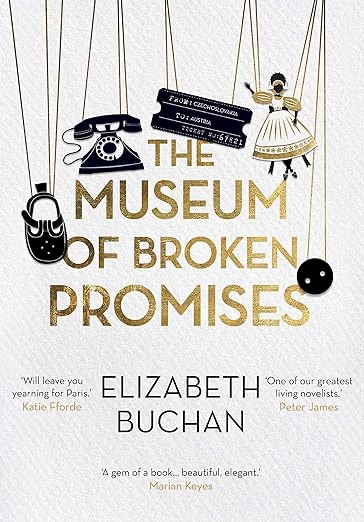
I loved how the story of Frankenstein’s monster is psychological fragments stitched together, just like the monster himself. Through writing Mary processes her own emotions and thoughts which then feed into the emotions of the abandoned monster. She remembers stories of medical students digging up bodies and stealing them for dissection. Then she gives the creature an internal monologue, ripe with the emotions she has felt, but never expressed. Frankenstein leaves his monster just as Shelley left Mary and their baby in squalor. She’s writing a criticism of men who create with no thought for the thing they’ve created. Victor Frankenstein goes to sleep expecting his creature to die and feels nothing. The creature meanwhile feels a combination of Mary’s grief and abandonment, first losing her mother and then the loss of her father, a man who brought her up to have a rebellious spirit and think for herself, but rejected her when she lives by these principles. Mary is this bewildered and angry creature and that’s perhaps why she gives her monster the equivalent of philosopher John Locke’s tabula rasa – the blank slate of a small child ready to experience nature, love and all that is beautiful. Frankenstein’s monster embodies the nature/nurture debate in that the creature isn’t born evil, it’s other people’s cruel treatment of him that makes him monstrous. Her writing has processed all these feelings and working through them makes her feel hopeful for the first time. She might return to London with her son and instead of being beholden to Shelley or her father, she could keep them both with her own writing. 
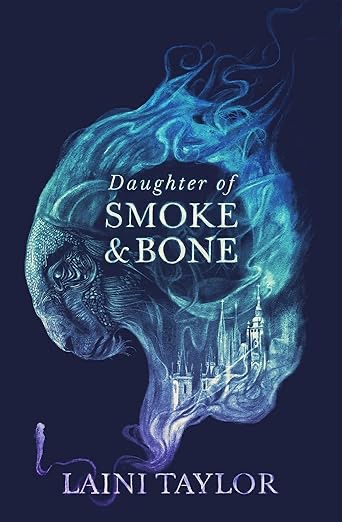
Typically, blinded by his own arrogance Shelley doesn’t see himself in Victor Frankenstein at all. At first Mary thinks he’s feigning ignorance, but he genuinely can’t see his own reflection. He sees too much ambiguity in the story, thinking either the creature should make Victor look at his own shortcomings or she should make it so monstrous that no reasonable person would expect Victor to care for it. I loved the way she takes his criticism, because it shows us how much Mary has grown up. She realises that at every stage on the way to publication there will be a man who wants to shout his opinion. It doesn’t matter, because she knows they will all be mistaken. The book, like the creature at it’s centre, will be sent out into the wilderness looking for a creator. She’s fairly sure it will find one, because she knows her book is special. As for Caroline’s book, this is an absolute masterpiece and made me think about Frankenstein from so many different angles. Caroline Lea’s Mary take us through the psychological trauma and brings to life her relationship with Shelley, often told in a rather salacious or romantic way without any thought to the inequality between them. Through this experience she guides the reader through the genesis of this incredible novel. It is stitched together from so many different parts, but here we can see them all and understand the circumstances they come from. What Caroline has written is a Bildungsroman, a novel of Mary’s rebirth from girlhood to womanhood. Frankenstein is the chronicle of that birth, as messy, terrifying, horrific and momentous as it is. This birth being the genesis of Mary Shelley as a woman but also as a writer of one of the most important novels in literature.                                                                                                                                                                                                                                                                    
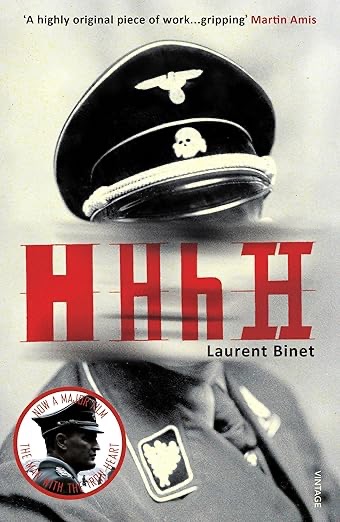
Meet the Author

Caroline Lea grew up in Jersey and gained a First in English Literature and Creative Writing from the University of Warwick, where she has also taught on the Creative Writing degree. Her fiction and poetry have been longlisted for the BBC Short Story Prize and Sunday Times Short Story Award, and shortlisted for the Bridport Prize, the Fish Short Story Competition and various flash fiction prizes. Her novel, THE GLASS WOMAN, was published to critical acclaim and shortlisted for the HWA Debut Crown. Her next novel, THE METAL HEART, was Scottish Waterstones Book of the Month. Her most recent novel, PRIZE WOMEN was featured and acclaimed on BBC Women’s Hour. Caroline is passionate about helping other writers to grow and succeed: she teaches creative writing both privately and, currently, for Writing West Midlands and is often recruited to give talks at literary festivals and events. She currently lives in Warwick with her partner and children and is working on her next novel about Mary Shelley writing Frankenstein. Her books often feature ordinary women in extraordinary circumstances.

Posted in Netgalley

We Live Here Now by Sarah Pinborough

Emily and Freddie have been through the mill of late. After a terrible accident when they were on holiday, Freddie has surprised her with the home of their dreams. Emily fell from a cliff on a group holiday and not only did she break her leg in several places, she then developed sepsis and almost lost her life. Now she’s in recovery, still walking on a stick and has been thrust into a whole new life. Larkin Lodge sits just outside a village on the edge of the moors and could be their dream home, but Emily can’t believe Freddie made this huge decision without her. The house is gothic and in the mists and murk of winter it looks a little isolated and spooky. However, she can see that in spring the views will be incredible. As Freddie continues to work in London, Emily spends a lot of time alone and starts to feel uneasy. Sudden drafts and disgusting smells, then heavy footsteps moving across the second floor are unnerving. Freddie is convinced she’s struggling with post concussion syndrome and calls her ITU consultant for advice – much to Emily’s disgust for doing this behind her back. As she starts to look into the history of the house and questions some of the locals, all the different parts of her life start to fall apart. Secrets start to come to light and Emily wonders if the house is having an influence on her. 

Freddie made me angry and I couldn’t understand what had kept them together so long. We hear both his and Emily’s viewpoint in alternate chapters. We don’t know how he felt about the ‘pre-accident’ Emily, but here he seems irritable and edgy. He makes Emily doubt her own sanity and even when he has experience of the same things he keeps it to himself. He talks behind her back to the vicar and her consultant – but we can’t help but wonder if it could it all be in Emily’s head? Yet even when she tries to forgive him for his actions he seems strangely disappointed and even angry. He says he hates her superior tone and victim mentality. Is he determined to think the worst of her or is he just a concerned husband looking for answers? They meet a married couple who once lived at the lodge and now live elsewhere in the village. They seem unscathed by their years at the house. He is an artist and loves to paint young models, with his incredibly chilled wife seemingly happy with any potential dalliance. Emily can’t imagine being that accepting of the same with her own marriage. How do they fit in to this strange puzzle?

Emily is a sympathetic narrator although she’s not entirely reliable. It must be so disorientating to wake from a coma and know that your body has been present but your mind has been somewhere else. Added to that is the risk of ICU psychosis – a common condition causing auditory hallucinations, nightmares, sleep disturbances and paranoia. One in three ICU patients are affected after spending five days in the unit so one of her experiences could be explained away. However it’s important that those who love her, listen to her and believe her experience, otherwise it feels like a betrayal. She is desperately looking for answers, researching the archives and talking to locals. Being disturbed in her sleep means she’s up and about in the night and after they throw a party at the lodge she stumbles across another secret and doesn’t know who trust. Would she ever have had thoughts like this before the house? The author cleverly creates tension between what we know about Freddie and Emily and what they know about each other. They’re both keeping secrets and Freddie projects all their problems on to her. Even when she’s quite measured and reasonable or accepts his apologies he becomes angrier. Just occasionally he pauses and wonders where these thoughts are coming from? Is it the shock of Emily’s fall still working on him or is something more insidious at work? 

Of course it wouldn’t be a Sarah Pinborough novel without a supernatural element and this one is genuinely scary. It begins with the window on the landing, seemingly opening of it’s own accord. Then sounds on the stairs to the top floor where Emily can’t reach at the moment without severe pain. When she starts talking to older locals about the house there’s a moment that genuinely made the hair stand up on the back of my neck! The chapters from the raven’s perspective are very touching as well as creepy. He has lost his mate at the house and can’t seem to leave her, even with the promise of a new life with a beautiful young raven called Bright Wing. She can’t tempt him from the corpse of his mate, even though she’s no more than papery bones. His grief is so real and I was deeply sad for him. I was very keen to find out what link they both have to Larkin Lodge.  Was this an edge of the seat thriller or a ghost story? We’re never quite sure, but i felt compelled to keep reading and find out. Sarah Pinborough is the Queen of this type of gothic thriller and this was another brilliant read, keeping you guessing till the very end. 

Meet the Author

Sarah Pinborough is a New York Times bestselling and Sunday Times Number one and Internationally bestselling author who is published in over 25 territories worldwide. Having published more than 25 novels across various genres, her recent books include Behind Her Eyes which will air on Netflix in January 2021, Cross Her Heart, in development for UK television, and 13 Minutes in development with Netflix.

Sarah was the 2009 winner of the British Fantasy Award for Best Short Story and also the 2010 and 2014 winner of the British Fantasy Award for Best Novella, and she has four times been short-listed for Best Novel. She is also a screenwriter who has written for the BBC and is currently working on three TV projects and the film adaptation of her novel The Death House.

Her latest novel, DEAD TO HER and is a dark and twisty, sexy tale of hidden secrets and revenge in high society Savannah and has been sold for TV in the US.

Sarah lives in the historic town of Stony Stratford, the home of the Cock and Bull story, with her dog Ted.

You can follow her on Twitter @sarahpinborough