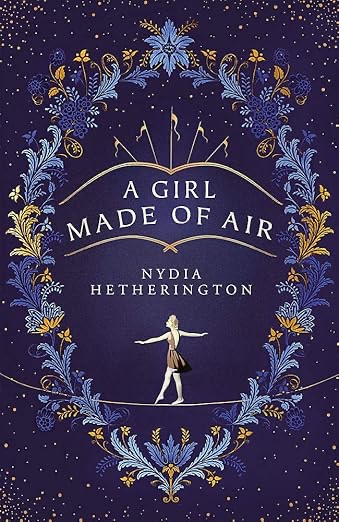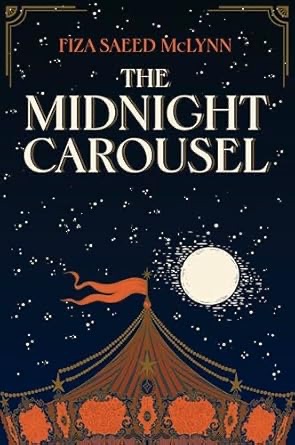
This is the story of The Greatest Funambulist Who Ever Lived…
Born into a post-war circus family, our nameless star was unwanted and forgotten, abandoned in the shadows of the big top. Until the bright light of Serendipity Wilson threw her into focus.
Now an adult, haunted by an incident in which a child was lost from the circus, our narrator, a tightrope artiste, weaves together her spellbinding tales of circus legends, earthy magic and folklore, all in the hope of finding the child… But will her story be enough to bring the pair together again?
I’ve recently read Nydia’s incredible new novel Sycorax, in fact today is her publication day. So I thought it might be time to revisit her debut novel, also a real favourite of mine.
Sometimes all you can say when you finish a book is ‘Wow’. When that happens I close the book and have a moment of reverence. I need a few moments, in silence, to take in what I’ve read. I often need overnight before I can start a new book. I suppose you could describe it as being haunted – the thought of a scene or a letter in a book that invaded your thoughts when you least expect it. It stays there, sometimes forever, to become a part of you. In the same way a particular aria or love song might forever float through your head. Some books lie on the surface, they pass the time, they amuse, and I do enjoy them but they don’t stay. Others get into your brain, like a complex puzzle you have to keep fiddling with, this way and that, until you find a solution. Some books enter your soul, they make you feel real physical emotions, they make you wonder in the same way you did as a child when a book took you away on a marvellous adventure. They touch you soul deep. This is one of those books.
Nydia Hetherington is a sorceress. She has conjured up this box of terrors and delights from the depths of her imagination and it is incredible. We follow Mouse as she crawls, peeps, stumbles and walks around the incredible show that is a circus. Billed as a tale about the Greatest Funambulist Who Ever Lived I was expecting glitz and glamour, the front of house show. However, the author cleverly goes deeper than that, far behind the curtain. Incredible descriptive passages draw us in to Mouse’s world from the smell near the big cats enclosure, the feel of a llama’s fur against your skin, the cramped but colourful quarters of the circus folk and the volatile relationship between her mother Marina and father Manu. So focussed on each other, her parents seem barely aware of her existence as she watches the drab and grubby circus folk become stars of the ring with their make-up, sequins and feathers. Her freedom gives us access to every part of this wondrous world, but freedom has its dark side and for Mouse this is really a tale of parental neglect. She is brought up by the circus, by the mother of the company Big Gen and her husband Fausto and eventually by Serendipity Wilson, the flame haired high wire artists who takes Mouse under her wing. Under her tuition Mouse becomes an incredible tightrope walker, able to take her place under the spotlight like her parents.
Serendipity with her flaming hair that glows like amber is from the Isle of Man and brings with her all the mythology of the islands. She weaves incredible stories for Mouse, who now sleeps in her wigwam, in much the same way as mystical fog weaves around her according to her mood. She thinks that Manu and Marina barely notice she’s gone, but Manu enlists her help to get Marina performing again. They coax her into the tank to perform as a mermaid for the crowd. Even so, there is no discernible warmth between Mouse and her mother, Marina’s focus is always inward to her own problems. It is after her mother’s death that Mouse is handed a letter from her mother, in which she admits to never feeling love for her child and explains why. For me this was the most powerful part of the book, and brought me to tears. The author has cleverly placed this moment of stark reality within the magic and it gives the letter huge emotional impact. It hits home the idea that all freedom has a price. Mouse has never had a mother, except the warmth and care she’s had from Serendipity and never questions whether that will change.
Book ending these stories is an elderly Mouse, recounting these stories to a journalist. Living in New York, she recalls her arrival in the city and her expectations of Coney Island. She is older and recounts her past from a distance, but what comes across is terrible regret and sorrow around the disappearance of a child from the circus family. She is haunted by a flame haired Serendipity Wilson who, like all mothers, lives on as a voice in Mouse’s head; her inner critic commenting on all she does, only silent when Mouse truly lives in the moment. It’s in these sections that we see what the book is truly about. I expected a book about the spectacle of the circus, the showmanship and all that glitters. Instead this is a meditation on what it is to be human. The journalist asks the questions that go beneath Mouse’s surface and see the gritty truth; we are all flawed and we all make mistakes. This is a beguiling mix of myth, magic and human frailty. Truly brilliant.
Meet the Author
From Leeds — although born on Merseyside and spending the first few years of life on the Isle of Man — Nydia Hetherington moved to London in her early twenties to embark on an acting career. Later she moved to Paris where she created her own theatre company. When she returned to London a decade later, she completed a creative writing degree graduating with first class honours.
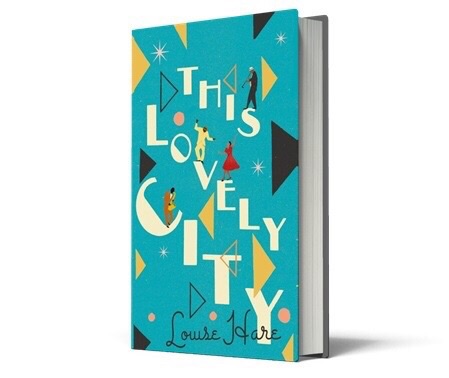
This first of Louise Hare’s novels really stayed with me, it grabbed me early and never let go. When a writer whisks you so convincingly to another time and place it’s such an incredible skill. I found myself in post-Windrush London where new people are making the capital their home and the huge social change is causing friction. As one mixed race character observed ‘she was no longer the odd one out’ as she went to the market. More immigrants are arriving, wandering the streets, weighed down by layers thrown on haphazardly as the reality of a British winter starts to bite. However, as those first pioneers answered the call from the motherland, they’d found London not at all what they were expecting. The British government had put that call out to its colonies. They needed workers, to replace those men lost in WW2 and to rebuild cities recovering from the Blitz. Yet no one seemed grateful, no one said thank you and the living was far from easy.
We follow two main characters: Lawrie and Evie. They are courting in the old fashioned sense. Lawrie sees in Evie a nice girl, a girl who has been well brought up even though she has never known her father. He wants to do things properly, do right by her. So he calls and they go to the cinema or for a walk. Lawrie has come over from Jamaica and works part time as a musician in a local band and full time as a postman, with a sideline in the odd special black market delivery too. Evie has lived in London her whole life with her mother Agnes. They have been Lawrie’s neighbours ever since a rented room opened up at the house next door. The two women understand prejudice, because they too have been victims of it, and live a life kept very much to themselves. Evie is mixed race and Agnes, who is white, has been the subject of gossip and judgement ever since she Evie was born. So, although what transpires in the book may be shocking to us, it barely surprises them, because they know how people feel about any sort of difference from the white British norm.
The story splits into two time frames approximately one year apart. In one, Lawrie is cutting across Clapham Common at the end of his postal route when he hears a woman shouting. She has found a baby in the pond. Lawrie rushes to help, but they are both too late. The baby becomes the book’s central mystery and because she has black skin, suspicion falls upon the already beleaguered Jamaican community. Rathbone, is the police officer assigned to the case and he relishes causing problems for the community. His suspicions fall on Lawrie, as the first man on the scene, but Rathbone doesn’t just investigate, he sets out to ruin Lawrie’s life. However, there is a secret to this baby’s background that is closer to home than Lawrie imagines.
I found myself rooting for Lawrie and Evie. I wanted them to be able to make marriage plans and live the simple, quiet life they dreamed about. Her mother Agnes has had to be very strong, being an unmarried mother of a mixed race child meant being ostracised. Evie has a childhood memory of her mother having the neighbours for tea when, against her instructions, Evie was caught looking down through the banisters. They never had tea for the neighbours again. It takes Evie several years to make the link; she is the reason her mum has no friends or visitors. This same hostility is now experienced by the men who arrived on the Windrush and it must have been bewildering. To be asked to this country, to fill a shortage of labour and pull a country out of difficulty, then meet nothing but hostility and suspicion from its people seems so unjust.
A lot of the tension in the novel is around sex and relationships. When the band are booked to play a wedding, the British host is immediately taken aback but decides they can play. All is well until a woman stumbles on the dance floor and one of the band rushes to help. Her husband doesn’t appreciate his wife being touched by a black man and a brawl breaks out causing the band to run for their lives. Provocative women, like the character Rose, stir up tension even more. The men refer to her as Rita Hayworth, the red-haired Hollywood bombshell. When the men first arrive she helps with getting them settled. Then she offers to take Lawrie and his friend to the Lido, dazzling them in her bikini and flirting with Lawrie. She makes it very clear that she wants him with no thought to the consequences if her husband finds out. Interracial relationships are simply not accepted. As Agnes points out, her daughter Evie is far better off in a long term relationship with Lawrie, because although they come from very different places, society will view them as the same due to their skin colour.
I felt immersed in this world the author has created. From the cold mornings on Lawrie’s postal round, to the smoky nightclubs the band plays into the early hours. This is my grandparents generation so I could also imagine the homes, the struggle of still being on rations and for the women, trying to look nice on a tight budget. It reminded me of stories my grandma and great- aunts told me about going out dancing in post-war Liverpool. I felt so much for Evie, especiallywhen her whole story unfolded towards the end of the novel. There is a whole cast of interesting characters, but Evie and Lawrie are this novel’s heart and I desperately wanted life to work out for them. Louise Hare has written a vibrant book with an incredible sense of place and time, and interesting characters. I loved it. In fact it’s a mark of how much I now love this author that I pre-ordered her next book due in 2026.
Meet the Author
Louise Hare is a London-based writer and has an MA in Creative Writing from Birkbeck, University of London. Originally from Warrington, she has found inspiration in the capital for much of her work, including This Lovely City and Miss Aldridge Regrets.
This Lovely City was featured on the inaugural BBC Two TV book club show, Between the Covers, shortlisted for the RSL Ondaatje Prize, and longlisted for the HWA Debut Crown Award. Louise was selected for the Observer Top 10 Best Debut Novelists list in 2020, securing her place as an author to watch.
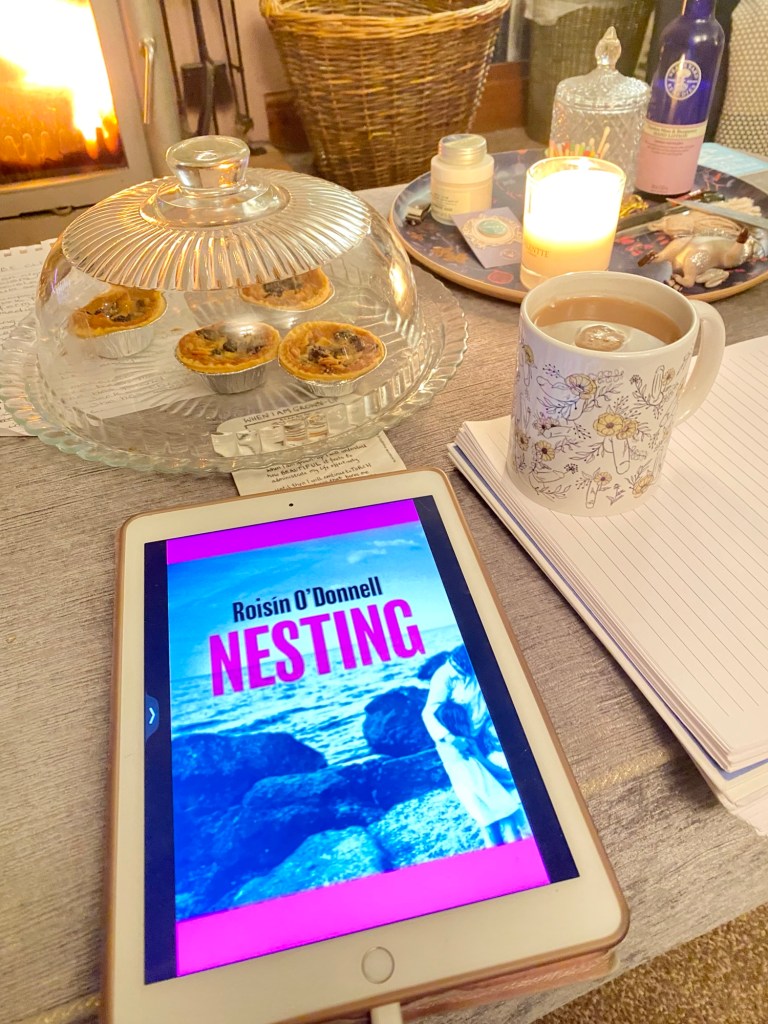
This book was so beautifully written and so deeply painful that I was out of breath towards the end. When I put it down I had to sit in silence for a while and just digest it all. It’s the story of a woman trying to leave a relationship that is tying her down and eating her alive. Everything she was before – bright, intelligent and full of life – has been worn away. Enduring her husband’s treatment, as well as having two children in four years, mean Ciara has had enough. She can see his behaviour as a pattern and despite being absolutely terrified she needs to find the strength to go. Ciara has no real support, her family is Irish but live in London and despite her yearning to see her mum sister the law states that she can’t take the children out of Ireland without the written permission of their father. Her only option is the housing office, present as homeless and hopefully get some emergency accommodation. As she meets other women in the same situation, she founds out that emergency and temporary have a very different meaning to the housing department. They offer her a temporary hotel room, but some women on the floor have lived there for a year so it’s going to be a long slog. This small double room with one bed and no view is the first place they’ve felt even remotely safe, even if they do have to go down a separate staircase so they don’t bump into tourists. Will Ciara have the strength to stay away and build a new life for herself?
Money is something else she needs to work on because she knows nothing will come from him, even when she knows she is pregnant for a third time. They can’t live on what the government provides. It’s only going to cover day to day subsistence and she needs to be able to put money aside, to rent somewhere that’s a new home for them all. She needs to find a place where they can put themselves back together. I loved the solidarity between the women living in the hotel. They work together, being there for each other’s kids when they need to interview or view houses. They make each child’s birthday special, as well as decorating the whole corridor for Halloween and Christmas. Some of the hotel staff help too, particularly the porter Diego. Ciara lands a job doing what she did before the girls, teaching English as a foreign language and having to learn Irish on the side. It’s a hard way to live, having to get about on foot and working on her Irish after she’s put the girls to bed. I was saying in my head ‘please don’t go back’ over and over.
Ciara’s husband terrified me. He follows a pattern, having love-bombed Ciara in a whirlwind romance he changes straight after she moves to Ireland and they’re married. His restrictions and rages, plus the birth of both girls have left Ciara stuck at home, friendless and a constant target. I recognised the fear she was feeling on a daily basis, quietly tip-toeing around him, desperate to avoid igniting his unpredictable rage. Trying to keep her girls shielded from the worst. I have to make an admission here so that you can understand the strength of my reaction to this novel. For four years, after I lost my husband, I was in an abusive relationship. I was incredibly vulnerable and although he didn’t touch me physically I was terrified of him. I was subjected to manipulation, rage and withdrawal of affection all because I was terrified of being left alone. I was so scared he would leave if I didn’t keep him happy and then I’d be left alone with my grief. I’d needed a happy ending so badly, I sleepwalked into a nightmare. I allowed myself to be totally disrespected and abused. I know it wasn’t my fault. He is responsible for his own actions, but I still felt so much guilt about when the relationship was failing. So for me this book was really personal and it was so well-written that I felt Ciara’s story bodily. When I finished my chest was tight and my throat was sore. I felt absolutely wrung out.
Ciara wondered what would happen when he was awarded visitation by the courts? She knows he won’t hurt the girls but he might use them against her. What if he doesn’t bring them back? This particular fear heightens after she goes into labour early. How can she hand over a completely defenceless baby? It’s clear to see his misogyny when he reacts to finally having a son and I feared that he might keep him. I felt really uncomfortable about the nestling crows he brings home to Ciara when they’re still together. They’re in their nest, barely a few days old and he wants to hand rear them. They are so bald and vulnerable and I was scared he would hurt them, but he seems to enjoy the control he has over these helpless creatures. After Ciara flees he is left with one crow, now feathered and able to leave the nest he keeps it in the house, shitting and shedding feathers everywhere. He tethers it with a long lead outside, showing it the freedom it could have but keeping it for himself. It feels unbearably cruel. It’s such a clever and chilling metaphor. This is not a comfortable read, especially if you’ve been through an ordeal like Ciara’s. What helps is when an author is brave enough to use their own experience or research to get it right for readers who’ve survived abuse. He author has written this so carefully and made Ciara’s life so real that I felt seen. I find that the more I read about other experiences of coercive control and psychological abuse the stronger I feel. Yes, I was left with tension, but I was also left with triumph. It is possible to leave men like this. It’s possible to live a full and happy life. I read on hoping with all my heart that Ciara would make it through and build a new life for her and her children. Underneath my fear I was storing up hope for her. I hoped she knew how much strength she had. She could leave. After all, I did.
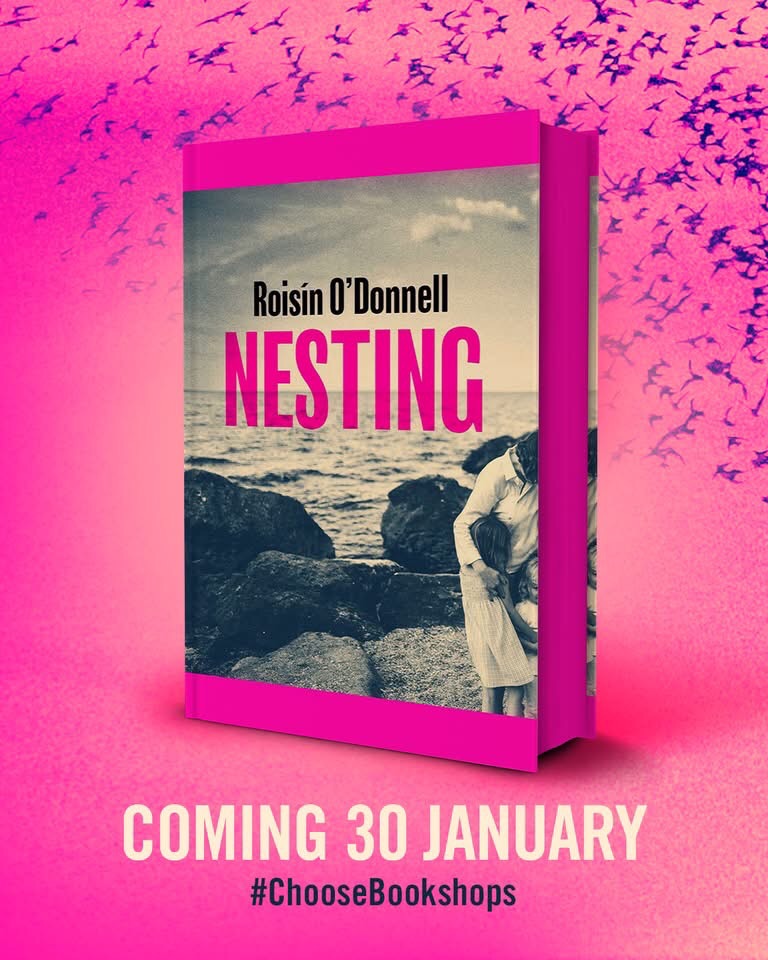
Out on 30th Jan from Simon & Schuster
Meet the Author
Roisín O’Donnell is an award-winning Irish author. She won the prize for Short Story of the Year at the An Post Irish Book Awards in 2018, and was shortlisted for the same prize in 2022. She is the author of the story collection Wild Quiet, which was longlisted for the Edge Hill Short Story Prize and shortlisted for the Kate O’Brien Award. Her short fiction has featured in The Stinging Fly, The Tangerine, the Irish Times and many other places. Other stories have been selected for major anthologies such as The Long Gaze Back, and have featured on RTÉ Radio. Nesting is her first novel. She lives near Dublin with her two children.

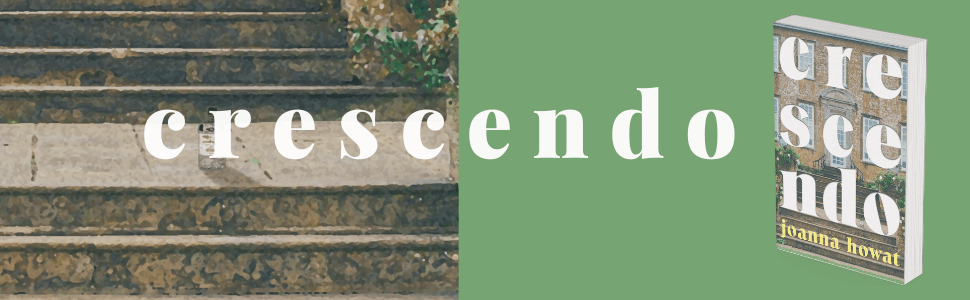
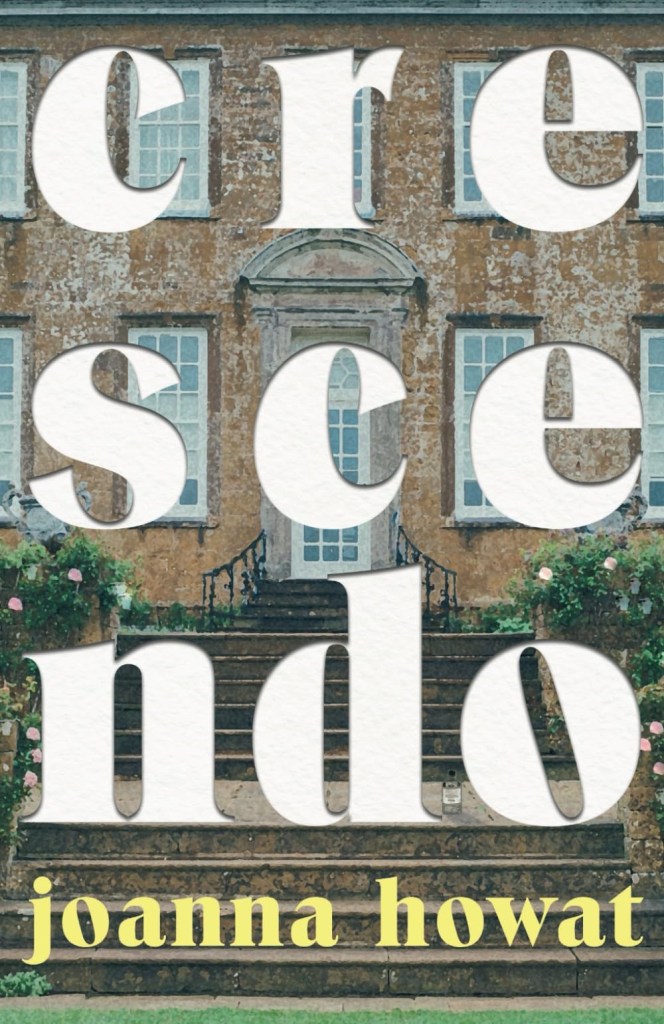
I love reading debuts because you’re never sure what you’re going to find and this tale of two adult siblings who lose their parents suddenly has all the family dynamics and trauma that I love to untangle in a novel. Jamie and Caz are used to their parents being top of the social scale in their area, a small village close to a market town in Yorkshire. Their family home is a hall in the centre of the village, where Jamie still lives alongside his parents having not found his career path yet. Caz has left home, but has a chequered history of teen pregnancy and alcoholism. She married husband Steve after he came to work on the hall’s electrics when her first little girl was only a baby and she had been sober for several months. Now they live in a cottage a short drive away from her childhood home and recently she’s had another baby. The catalyst to their problems is the loss of their parents. One Sunday both siblings are there for lunch when Jamie and his father clash over what he sees as his son’s fecklessness when it comes to making a life for himself. Jamie has secured a job with the local estate agents but desperately needs to sell a house this month. The best thing in his life is his recent relationship with local vet Zoe. What Jamie loves is his piano, but he doesn’t think he has the skill of a concert pianist. This Sunday he decides not to take his father’s criticism and storms out in a huff. That night the hall goes up in flames, so fast that no one could escape and the hall is burned to the ground.
For both siblings the village now looks like a set of teeth with one missing. The huge gap left in the centre is soon boarded so no one can see the wreckage, but it doesn’t allay the shock. Caz is immediately emotional, dazed even and takes refuge with Ruth, their housekeeper who lived next to the hall. Jamie seems frozen. The only thing he wants to save is his piano but it is damaged, maybe beyond repair. Insurance will take care of it and will hopefully rebuild the hall, but do they want that? They have no idea about their parent’s wishes, for the meantime Jamie has to buy some clothes and moves in with Zoe. It’s very early in their relationship but Jamie thinks they’ll get along fine. As he moves through life like an automaton, Caz starts to slide downhill. Gin was her usual tipple, but avoiding that she thinks an occasional glass of wine won’t hurt. One glass soon becomes a bottle and as she starts to hide her stash from Steve we can see that this could be a serious relapse. So can Jamie, but he’s having his own problems. The turmoil in his life is too heavy for the early stages of a relationship. Zoe had no relationship with his parents and although she can listen, she still has her own routine of riding and looking after her horse, whereas at the moment Jamie is sleepwalking through work and every time they are intimate, visions of the hall burning down come into his mind and ruin the moment. He’s not sure if he’s dealing with his grief at all. When Zoe decides they need some space from each other, he moves out to Caz and Steve’s house. Now he’s noticing that his sister isn’t coping either and his nieces are suffering. How can the siblings best help each other to cope?
I loved how the author shows grief hitting people in different ways. In some ways Jamie has never had to grow up. Living under his parent’s roof has enabled to try jobs and leave them with minimum consequences, while away hours in the village pub and not think beyond tomorrow. Caz has also depended on her parents, dropping out of university pregnant and with an alcohol problem. She moved home and had her baby there, until Steve actually walked through the door for a contracting job and they fell in love. For both of them, there’s now no safety net and the place filled with all those memories has gone too. Jamie also fears the loss of his piano, which has been lifted from the wreckage and been sent to a specialist repairer by the insurers. Music was the way that Jamie processed his emotions and without it he seems strangely neutral all the time, occasionally tapping out melodies using his fingers on whatever surface he find. Caz is more erratic, grabbing convenience foods instead of her usual home cooked meals and forgetting the girls activities or even to wash their uniforms. When the drinking starts Steve stays away from it, leaving Jamie with a full time job and two small children to feed and get out of the door in the open. He knows teachers have noticed the girls are a bit unkempt, but he doesn’t want to drop his sister in it. He just keeps smiling and nodding that everything’s okay. There’s only one person that won’t have the wool pulled over their eyes and that’s their parent’s housekeeper Ruth. Caz fears not letting the emotions out. Jamie thinks if he gives in and feels his emotions he might fall apart completely.
Through Jamie the author shows how grief can change our outlook on life completely. He becomes sentimental about an old couple looking for a house. He has a beautiful Georgian house on the books and he’s shown it to a rude and superior client with an enormous dog who didn’t seem interested. Then he has an adorable old couple who want to downsize and be closer to amenities, but he needs a studio to work in and it is in town. When he shows it to them he knows it should be theirs and when they offer he is ecstatic and shakes hands. Then the first woman comes back and offers 10k over the asking price, but Jamie says it’s already sold and turns her offer down, much to the fury of his manager. Jamie feels different, where once he might have taken the high offer now he can’t. Does he see his own parents in the old couple? Or is it that loss has given him a conscience? I really identified with this because after being seriously ill I returned to my work as an advertising rep only to struggle with selling newspaper space. It felt so trivial in the scheme of things I simply didn’t have the killer instinct. This was when I was sacked but went on to train as a counsellor and worked with the Mental Health Team in my area. It felt like I’d helped someone every day I went to work and it felt more in tune with my changing values.
I really felt for Jamie and wanted him to get his piano back and be able to express himself more. I was also so happy at his care for his nieces and his loyalty to his sister. Underneath the immaturity Zoe was concerned about, he’s a kind, perceptive and caring man. I was hoping they would find a way back to each other. Similarly I wanted Steve to reconnect with his wife and family and realise that while keeping a roof over their head was important, so was spending time together as a family. The author’s setting is perfect and having lived in villages all my life, I knew they come with beautiful countryside around them, but also residents who want to know all of your business. As my parents get older I do wonder what it might be like when they’re gone and I’m now the oldest member of the family. They’re my anchor, but so is my brother and I know our relationship will probably be stronger. I think the author makes it clear how seismic a shock it is when someone close to us dies. I loved the play on musical terms because the storyline has a tempo and Jamie is our conductor, desperately trying to keep the orchestra together towards the crescendo and beyond. This is a thoughtful and real story that had a lot of heart in it.
Out now from Flying Dog Press
Meet the Author
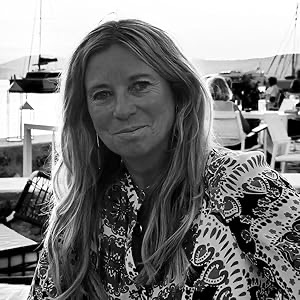
Joanna Howat trained as a journalist and worked as a news producer for BBC Radio 5 Live. She now lives in her native North Yorkshire with her family and two spaniels, and is a keen classical pianist. Crescendo is her first published novel.
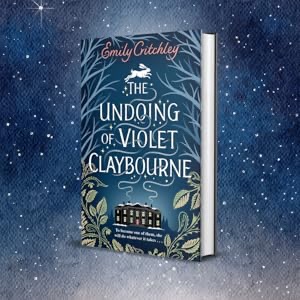
This was my read for over Christmas week and having started a couple of novels only to put them down again, I was beginning to think I’d lost my reading mojo. I was crying out for something that would draw me in quickly so I went for a tried and tested genre. A genre that maybe has a title, but I don’t know it. A preference I blame on reading Jane Eyre as a very imaginative ten year old. The formula is: huge rambling country house; time period from Victorian – 1930’s; young unsure girl/woman; aristocratic families with huge secrets. This fantastic novel from Emily Critchley fit the bill perfectly and was the only thing that drew me away from watching Black Doves all in one go! Our heroine is Gillian Larking, a rather invisible girl at boarding school who does her best to fit in but has no real friends. Gillian has lost her mother and with her dad working in Egypt feels very much alone. However, when she gets a new roommate that feeling starts to change. Violet is a bright, lively girl whose first goal is to break school rules and sneak up onto the school roof to check out the view. Despite her mischievous and seemingly confident nature, Violet is anxious and has a series of rituals to perform that help her cope:
“She had to do certain things at certain times, like twirl around on the spot before she flushed the lavatory or touch a door handle twice before she opened a door. I often caught her whispering certain words to herself three times or counting to fifty on her fingers. When I asked her why she had to do these things, she struggled to tell me. For protection, was all she would say, or so that nothing bad will happen.”
She is also prone to emotional outbursts when things become overwhelming. Gillian is seemingly more aware that as young ladies of the middle and upper classes they must manage their emotions. She herself has had moments of despair and loneliness but has kept her tears for under the covers late at night. She also aware that girls in packs tend to sniff out weakness or odd behaviour and worries whether Violet’s rituals or ‘undoings’ as she calls them, could affect both their positions at school. Yet the other girls don’t seem to bother Violet and Gillian wonders whether that’s because she’s from a wealthy family. As Christmas approaches Gillian is delighted to receive an invitation from Violet to spend the holidays with her family at Thornleigh Hall. There she is dazzled by their slightly shabby country home, being waited on by the servants and Violet’s rather beautiful older sisters. Emmeline, the oldest and definitely in charge, wafts around in old Edwardian gowns whereas Laura is a rather more modern and fragile beauty. Both girls accept Gillian as one of their own, but their new friendship is tested by an incident on Boxing Day that will reverberate through the years.
I have a soft spot for books set between the two World Wars and this had a lot of the themes pertinent to aristocratic families of the time. Thornleigh Hall is badly in need of repair but has a faded grandeur that is still impressive to Gillian. They’re a family living a way of life that ended twenty years before. They clearly don’t have the funds to maintain their estate, but Gillian notices the lavish breakfasts laid out every morning under silver dishes. Emmeline, the eldest sister, is the family’s great hope. She must find a suitor with money and secure the family’s fortunes with a sensible marriage. She has a candidate in mind, much older than her but definitely of the right class and enough money to save the hall for another generation. Gillian is enthralled by the sister’s unique style and confidence and realises that to some extent her friend Violet is the odd one out. Her nervous rituals, like her need to read Peter Pan over and over, suggest a deep insecurity in her character and even a fear of growing up. She warns Gillian that her sisters are not all they seem to be, but Gillian feels accepted for the first time in her life. There was an element of L.P. Hartley’s The Go-Between in her relationship with the sisters because she is naive and doesn’t realise when she’s being manipulated. On that fateful Boxing Day, Emmeline takes charge as always, instructing Gillian and Laura to lie or even pass blame onto a man who lives in the lodge house. Gillian feels obliged to go along with the plan because they’ve been kind to her. Again there are shades of another book here, Ian McEwan’s Atonement, where naivety and misunderstanding could lead to a terrible end for an innocent man of a lower social status. The full implications of these lies are utterly life changing for Violet, but almost no one escapes unscathed.
The novel is structured into four parts, taking us to different points in the life of Gillian and her relationship to the events of that Christmas in 1938. I’ve already mentioned L.P.Hartley’s The Go-Between and the first section has echoes of it’s opening page, from the naivety and social position of Gillian to the sense of delving into a past that’s long dead with it’s own social codes; “the past is a foreign country – they do things differently there’. We start the novel in 1999 when Gillian visits Thornleigh Hall, now under the guardianship of the National Trust. Over a slice of lemon and poppy seed cake, she ponders life from her time as a guest here to the recent death of her husband and the diary from 1938 that she’s come across while clearing out cupboards. This 1999 visit to Thornleigh is like travelling into the past as she strolls the rooms now on show and sees Lord and Lady Claybourne in the dining room complaining about their eggs and Laura in her stockinged feet reading a book on the library sofa. There is so much about this first chapter that draws us in: the suggested tragic circumstances of some members of the family; the emotional state of Gillian as a young girl who has lost her mother and is desperate for a role model; there’s also the hint of darker secrets lurking underneath the surface of this beautiful stately home. In the other three parts we’re taken to the aftermath of that fateful day in 1938 and then to London in 1942 where Gillian bumps into Laura’s husband Charlie.
Finally part four brings us to the 1990s when Gillian and the Claybourne sisters are old women, taking us full circle to the beginning of the book. In each part there shocking revelations that leave Gillian in no doubt that the secrets from all those years ago are still having their effect. She has received a letter from Henry Cadwallander who has written to Gillian at his Aunt Violet’s request. Will she meet Violet and let her know that with the wisdom of experience she now understands her warning about the older sisters? I wondered if there would be closure or whether Gillian is always fated to be a horrified observer of the Claybourne’s family dynamics? This was an enthralling and fascinating look at a tumultuous time in history and it’s effects on one aristocratic family, observed through the eyes of a naive visitor. The author has created an incredible atmosphere that drew me in so strongly I felt like I was there. This is an amazing debut from Emily Critchley and I look forward to reading more of her work.
Out now from Zaffre Books
Meet the Author
Emily Critchley has an MA in Creative Writing from Birkbeck, University of London. She currently lives in Hertfordshire in the UK.
Every month this year seems to drift far away from my plans, for life in general and for reading! This last month my husband and I finally caught COVID as we welcomed his daughter back from university for the summer. We were both consigned to bed for a few days in his case and a whole week in mine. I’ve since had a sinus infection that’s caused nose bleeds and facial pain, plus I’m still struggling with my breathing so am on steroids, antibiotics and have an inhaler. We took a holiday to Wales and thankfully, took my carer and her children too. I spent a lot of time looking out at the view, reading and resting – what a view it was! While everyone else took turns looking after me. I did manage to get a couple of days in my favourite haunts of Beddgelert and Porthmadog, where I went to a favourite bookshop – Browsers Books. I made some great purchases from their second hand collection that I’ll show you in a few days when we’re fully unpacked. My dog Bramble had a lovely walk in the morning with my carer Louise before getting me organised and my husband managed to get some fishing done. I watched a lot of films that had been clogging up my watchlist on Netflix too. I came home on Thursday night and went straight to hospital on Friday morning for a radio frequency denervation on my back, so I’m now in bed recovering and trying to stay off my feet. I’ve managed to catch up on some Squad POD reads this month, which I was terribly behind on and I was late with blog tours. Sometimes book blogging doesn’t go according to plan, but luckily book people are some of the kindest I’ve ever met. Thanks to everyone for your patience and kindness this month ❤️❤️❤️
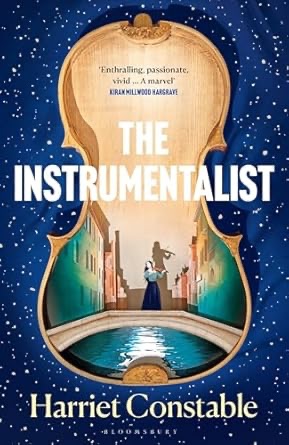
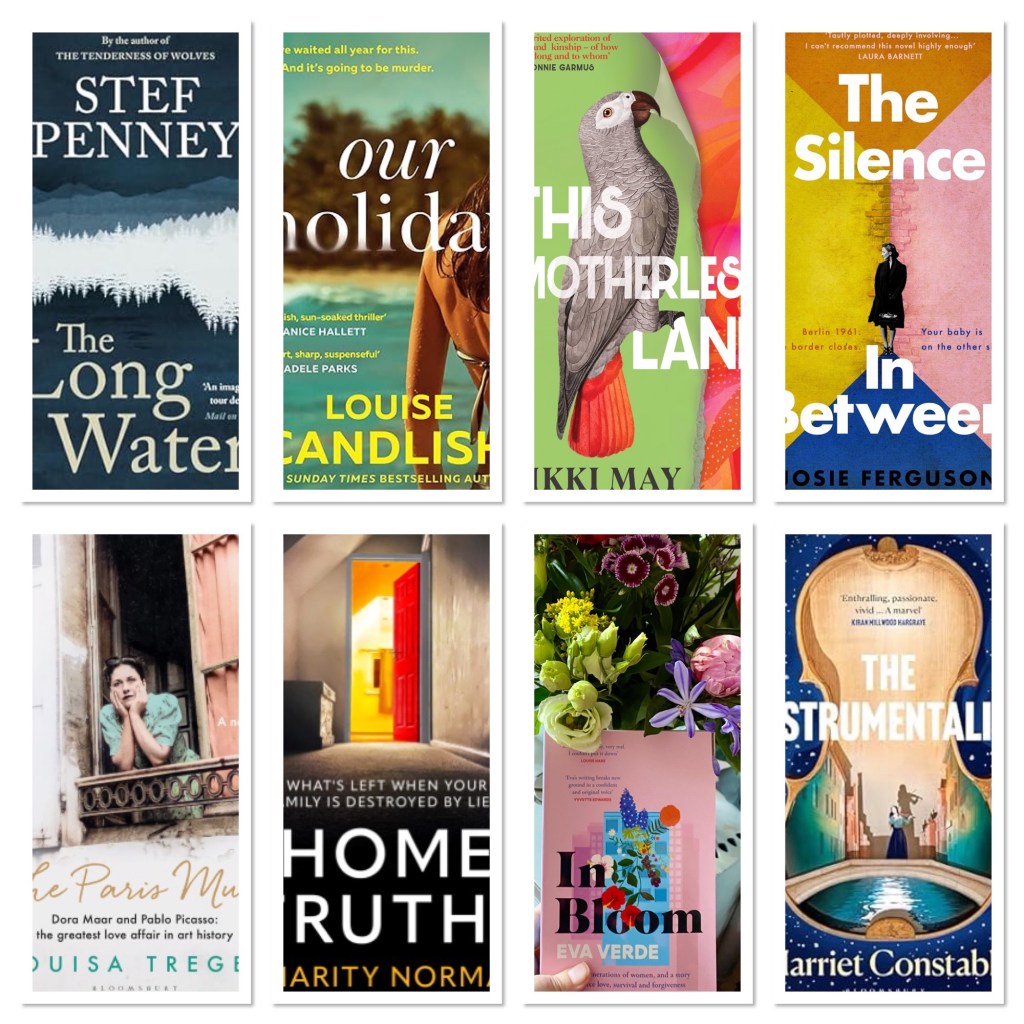
I loved this wonderful debut from Harriet Constable. Set in the magical city of Venice in the 18th Century, this shows a different side to the same place where Casanova was prowling the richest parties. We follow the fortunes of Anna, an orphan who was passed into the care of nuns at the Ospedale Della Pieta. The orphanage has a hatch in the wall, just big enough to accommodate a newborn baby and this is how Anna came to be at the orphanage with her friends. The girls are schooled but the specialism is music and Anna is playing the violin. She is a bright, sparky and ambitious girl absolutely bristling with energy and promise. When she catches the eye of the music master she hopes to reach the level where she can audition for the orphanages elite orchestra. Everyone knows that orchestra girls get special treatment, perform in the best venues in the city and receive gifts from patrons. She has definitely caught the eye of the master, who has organised for her to have her very own custom made violin. However, it isn’t until she’s a little older that she sees how precarious her position is. Those girls who don’t become elite musicians are introduced to eligible men, often rich but very old. For Anna this seems a fate worse than death, all she wants is to play the piano and be the best. In order to get there she will sacrifice everything… but will it be worth it? This is a fantastic debut, full of rich historical detail and brimming with tension.
In a remote region of the Norwegian arctic, a community struggles with its secrets when a young man called Daniel goes missing. This is the period called the Russ when teens who are about to leave school go through a period of partying, practical jokes and letting off steam. Svea is an elderly woman who has lived in the area for all her life. She has a simple life with her dog Aster and heads down to the cafe for her breakfast each morning. More often than not Odd Emil joins her, not that they have an arrangement. They’ve known each other all their lives and he was once in love with Svea’s beautiful younger sister Norah who disappeared many years ago, thought to be drowned. There are so many secrets here that it’s hard for the police to find Daniel. A fancy dress Russ party took place that weekend, Svea’s granddaughter Elin and her best friend Benny decide to attend in drag, with Elin surprised to find herself kissing Daniel despite her pink beard. Benny sees Daniel’s friends abandoning his car at a local hotel, so it looks like he started out on a walking trail. Can Benny tell the police what he’s seen without disclosing what he was doing there himself? When a body is found in a cave during the search, the police release that it has been there too long for it to be Daniel. But if it isn’t the missing teenager, who can it be? This was a brilliant thriller, depicting a seemingly ordinary town full of secrets and lies.
I loved this tale of Nigerian girl Funke, living a happy life on the university campus with her father and mother, plus brother Femi. Her life is turned upside down one ordinary morning on the way to school, when an accident kills both her mother and brother. Funke’s mother kept her in-laws at bay most of the time, knowing that her mother-in-law disapproved of her son’s marriage to a white woman. Now, with her father in shock, her grandmother is in charge and her ‘bush’ ways are having an influence. How could Funke have come out of the same crash without a single mark on her? Funke’s aunties can see which way the wind is blowing and make a decision that it would be best to send her to her mother’s family in England. The white side of her family. Totally out of her depth, Funke has never met her mum’s family or been to England. The Ring, her mum’s childhood home is an old mansion and not the fairy tale place she talked about to Funke and her brother. Even worse is Aunty Margot, a bitter and angry woman who blames her sister Lizzie for ruining her wedding; when Margot’s fiancé found out Lizzie had run away with a Nigerian man he broke off the engagement. If it wasn’t for her cousin Liv, Funke would have felt lost. She was determined to make Funke feel at home and wants to become her best friend. Can she succeed or is Funke’s life always going to be turbulent and changeable? This is a gorgeous book, vibrant and life affirming.
Pine Ridge is an idyllic coastal village on the south coast and it’s almost August so it’s time for the ‘Down from London’ crowd to start arriving on the ferry. This is one of those places struggling due to the amount of local property bought up as second homes and holiday lets. This August the two sides are set to clash more than ever as locals have set up a campaign group – the NJFA or Not Just For August movement. They have a series of publicity stunts set up for the coming month, starting with egging visitors cars as they come off the ferry. Amy and Linus are coming to stay in their new holiday home for the first time, sharing a week’s holiday together until work starts on their renovation. Having been introduced to Pine Ridge by friends Perry and Charlotte, Amy was determined to have a home with a sea view and a summerhouse just like theirs. Perry bought their house outright with his banker’s bonus and Charlotte created The Nook where everyone congregates for drinks in the evening. Locals Robbie and Tate live in the caravan park, only just able to afford the rent on a static home, which is boiling during the summer. They and their girlfriends have jobs that serve the incomers, but they’re not well paid and even the smallest flats have been pulled off the rental market to become AirBnB lets. The two sides will clash, but everyone seems shocked when a summerhouse is bulldozed over the cliff and on to the beach. Even more so when the police find a body inside! This a smart contemporary thriller with a perfect satirical look at the upper middle classes.
This is one of the most moving books I have ever read. Lissette’s baby son has been unwell and she’s had to take him to hospital on the west side of Berlin. When the medics try to get her to go home and sleep she’s very unsure, but they convince her to get some sleep and bring more supplies back in the morning. Lisette makes her way back to East Berlin, feeling more confident about her baby son’s recovery. When the household wakes the next morning a seismic change has happened. A barrier has been created between East and West Germany overnight. Lissette runs to where soldiers are guarding entry to the west and begs them, surely if she just explains that her baby is in a hospital just a few streets away they’ll let her through. He needs his mother. As the hours turn into days Lissette is grieving for her son and daughter Ellie wants to find a way to make things right again. She has a gift for music and hears people’s emotional state as a melody, but her mother’s music has gone. She makes a decision. She is going to find a way of getting across the new border and into the west. There she will find her brother. The historical research for this book is clearly extensive and I was actually ashamed of how little I knew about this time in history. We also go back to WW2 and Lissette’s teenage years in a city at war, giving us background on the family and how Berlin and Germany came to be separated. This is a heart-rending and emotional story showing how an historical event affected the real people living through it. Really exceptional writing.
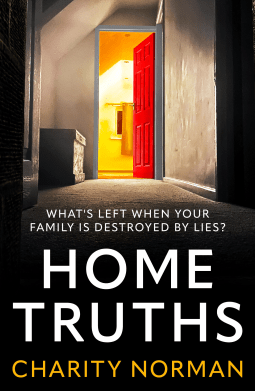
I’m a big fan of Charity Norman because she’s great at bringing the conflicting issues of society into family relationships, exploring whether they grow stronger or whether they crack. Livia Denby is a probation officer on trial for attempted murder and the jury have reached a verdict. Everything went wrong two years before, as Livia and her family are celebrating daughter Heidi’s birthday. Her gift is a new bike and she’s planned a bike ride to a local pub with her dad. Scott has promised to take her for a birthday lunch and she’s really excited to have her dad to herself. Scott has lots of responsibilities; he’s a father, an English teacher and cares for his brother who has Down’s Syndrome and diabetes. As Scott’s phone keeps ringing, Heidi can see their outing slipping away. Her uncle has already called twice because he’s confused they’re not going to Tesco as usual. Before the phone can ring again, Heidi slips it down the back of the armchair. It’s a momentary decision with terrible consequences. Livia awaits their return with terrible news. Scott’s brother accidentally locked himself out of the house and had a hypo. Despite help from passers by, the paramedics were unable to revive him. He died before he even reached the hospital. When Scott finally finds his phone there’s one plaintive, heartbreaking voice mail he can’t get over and his guilt complicates his grief. Scott starts looking for answers and fixates on one witness who said the ambulance took a long time and the paramedics were slow to act. He starts to research medical negligence, watching videos on YouTube and making links with content creators who talk about ‘Big Pharma.’ Before long he has fallen down the rabbit hole into conspiracy theories that separate him from his family. This is such a hot topic at the moment and the author has brilliantly portrayed how people can be brainwashed and radicalised by social media. I thought this was a fantastically tense and incredibly intelligent read.
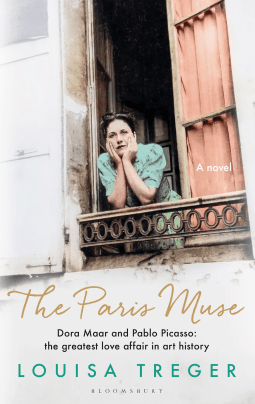
This is a fascinating story about Dora Maar, a photographer and artist who exhibited alongside some of the greatest artists in the Surrealist movement. She lived in Paris for most of her life, most notably, during the German occupation in WWII. Born Henrietta Theodora Markovitch in 1907, she used her photographic art to better represent life through links with ideas, politics and philosophy rather than slavishly photographing what was naturally there. She was exhibited in the Surrealist Exposition in Paris and the International Surrealist Exhibition in London in 1936. In the same year she was exhibited at MOMA in NYC. She first encountered Picasso while taking photos at a film set in 1935, but they were not introduced until a few days later when Paul Elduard introduced them at Cafe des Deux Magots. Dora is intent on catching his eye and sat alone, using a pen knife to stab between her splayed fingers. Where she missed, blood stained the gloves she wore and Picasso kept them with his most treasured mementoes. The gloves are a metaphor for their entire relationship – he fed off her emotions. We are inside Dora’s mind at all times giving her control of her story. In a world where Dora is known best through her relationship with a man, instead of her own work, Treger is simply redressing the balance. You’d have to be utterly blind to think there’s any other way of looking at his treatment of her and the other women he was involved with. In the nine years they were together, she was subjected to mental and psychological abuse. She was underestimated as an influence on his work, particularly Guernica and his politics. I felt that Picasso was drawn to her masochism and fed on the pain he caused her for his personal satisfaction and his art. Picasso comes across as a narcissist; constantly told he was a genius he believes everything revolves around his needs and his freedom to work. This is seen in The Weeping Woman series of paintings where she’s depicted as a woman who is constantly tortured and distressed, when she’s so much more than this. This is a brilliantly researched piece of art history told as a memoir.
This isn’t the first time I’ve read Eva Verde’s novel but I was asked to read it again for the paperback publication on 1st August. I worry about trigger warnings, they stop people reading books they might connect with emotionally and potentially prevent a healing process. If anyone should have avoided this book it was me, because I was Delphine. I lost the love of my life in my early thirties and then sleepwalked into a coercive and damaging relationship. So this was a hard read at times, but that wasn’t remotely negative. Moon, Delphine and Roche are three generations of a family. Each woman has her own issues, but they all stem from right back at the beginning. As the book opens Roche can no longer live with her mother and Itsy, the man she’s been living with for most of Roche’s life. So she decamps to her grandmother Moon’s house. Roche feels like Itsy dislikes her and wants Delphine all to himself. Of course it’s easier to control someone who’s isolated. Delphine has a ‘glazed over’ look and has done everything she can to keep Itsy happy. She’s changed how she dressed, made herself less beautiful, stayed at home and stopped going out with friends. Every day she makes herself smaller to make more space for him and Roche can’t watch it anymore. However, Delphine is changing, she has a job she enjoys at B & Q, new connections with her colleagues and today she has made a choice. Delphine is pregnant and she knows deep down in her soul that ‘the thought of more years, more life, tied to him’ is more than she can bear. She goes quietly on her own for an abortion, the quietest but most powerful act of rebellion she can make. Then comes an opportunity, Itsy receives a phone call from Jamaica. His mother is dying and he must jump straight on a flight. Delphine lets him go alone, knowing that now she has several weeks to herself. She doesn’t stop Roche from moving out and accepts this as her time to heal, time to be the parent that so often Roche has to be for her. However, this isn’t the only recovery needed in the three generations of this family thanks to the actions of men. This was such a real, emotionally engaging story that focused on relationships between mothers and their daughters especially those responses to trauma that we pass on to the next generation. This was so emotionally intelligent and uplifting.
This was a fascinating mystery, set within the art world and told from different points of view within three timelines. In 1938, Juliette Willoughby is living and painting alongside her lover Oskar in Paris. A British heiress, she left her family and their money behind for a life as an artist who is best known for her painting ‘Self-Portait as Sphinx’, thought to be lost in a studio fire where Juliette also lost her life. We meet our main characters Caroline and Patrick at Cambridge in 1991, where they are both studying art history and specialise in the Surrealists. They are sent to the same dissertation supervisor and while researching come across something sinister about Juliette’s death. Their investigations may expose terrible secrets about the Willoughby family, who are acquaintances of both students and an aristocratic family who don’t want their family history out in the open. Our final timeline is present day Dubai where Patrick is an art dealer and lives with his wife. Caroline is now an academic and expert on Surrealism, especially Juliette Willoughby so when a new ‘Self-Portrait as Sphinx’ is uncovered he asks her to fly to Dubai and authenticate the painting. A sale is on the cards and Patrick needs to know if this painting is definitely a second version by Juliette and potentially worth millions. He plans a night for collectors to view the painting and offer sealed bids, but the night ends with Patrick in a cell accused of murdering one of his closest friends – the last surviving member of the Willoughby family. There are now three suspicious deaths linked to this painting, but can Caroline unlock the mystery before Patrick is charged with a crime he didn’t commit? This book creeps up on you, a slow building tension grabs you and doesn’t let go. You will find yourself desperate to know about the painting and what happened in the Willoughby family.
Wow! What an incredible debut this is. I absolutely consumed this book and even found myself furtively reading in the middle of the night with a tiny torch. Anna Maria della Piétro is a fascinating heroine and while not always likeable, I found myself rooting for her. Like all the girls at the Piétro, Anna Maria is an orphan, posted through the tiny hatch in the Ospedale Della Pietá often with a note or keepsake from the unlucky girl who had leave her child behind. The author shows us the incredible splendour of Venice, a place I fell completely in love with, contrasted with it’s destitution and desperation. A state that seems more likely for women, especially those from a poorer background. The convent brings up it’s girls very strictly, according to the Catholic faith and the virtues of hard work from scrubbing the floors or working in the nursery. It is also a college of music. Each girl is taught at least one instrument with the best trying out for the orphanage’s orchestra, the figlio. Those chosen will work with the master of music and they will play in the some of the most beautiful basilicas and palazzos in all of Venice. Anna Maria’s great love is the violin and there’s no doubt she will try to become the best.
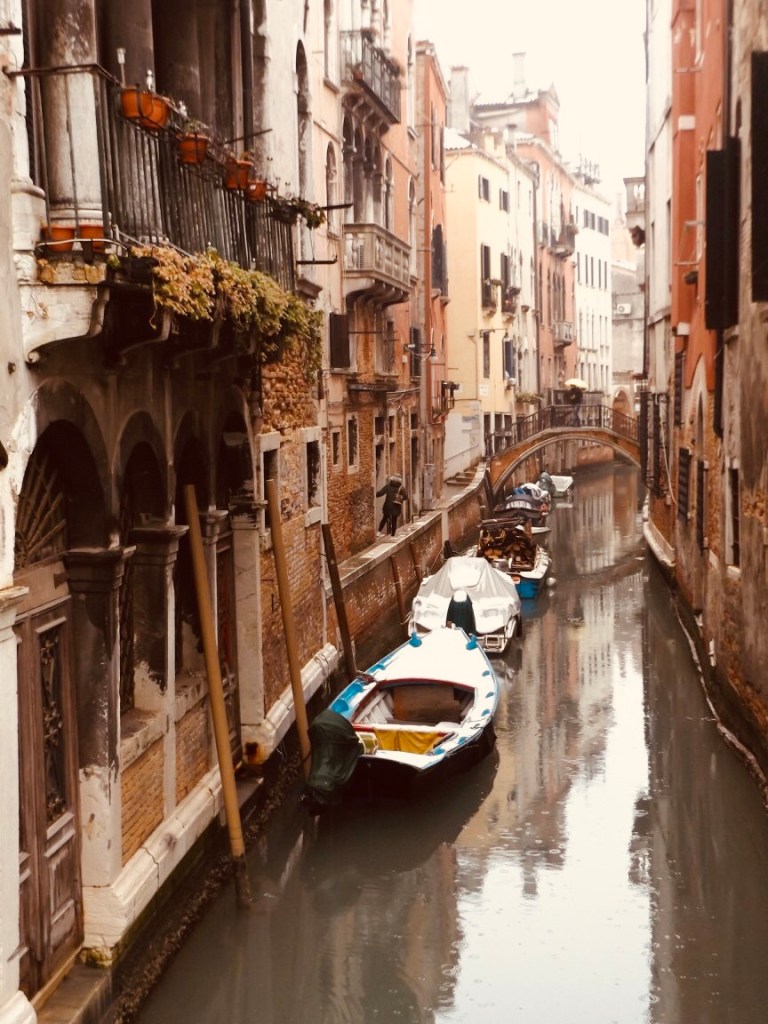
Anna Maria is a bundle of youthful exuberance, fireworks, talent and ambition. She practically leaps off the page and it seems impossible for her to fail. She starts by aiming to be noticed by the master of music and after that to be the youngest member of the figlio. No sooner is one ambition fulfilled then she’s already thinking of the next. The rewards are also intoxicating – not that Anna Maria cares much for the lace shawls from Burano, but she is partial to the small pastries with candied peel and spices that she loves to share with friends Paulina and ?? Through them we see the girl rather than the musician. They bring out a lightness of spirit, playfulness and a sense of sisterhood. The love she has for her custom made violin is absolutely infectious and when she becomes the favourite of the music master will those girlish aspects of her character remain? Constable shows us a dark underbelly, both to the Ospedale and their music programme. Although the alternatives are even worse. She also shows us huge disparity between the rich and poor in Venice. As visitors we only see the beauty and history of this incredible city, but once I did catch a glimpse of the systems that keep the city going. While waiting on a jetty to catch my water taxi one early morning I met the dustbin men of the city, having to negotiate tiny lanes and creaking jetties to clear up after all the visitors. When Anna Maria gets to play at private palazzos, the grandeur is overpowering. After her performances she is showered with lavish gifts that are at home where she plays but out of place in her bare room. She also notices that those orphans who don’t excel are easy pickings for the rich patrons of the Ospedale. Unsurprisingly, Anna Maria wants to escape the fate of becoming a wife to a much older man and putting aside her talent. As she is taken under the wing of a female patron, Elizabetta ?? She’s impressed by incredible dresses and Elizabetta’s elegant palazzo, but this patron also uses her wealth for good. She shows Anna Maria another fate for the cities’ poor women, by taking her to a brothel where the wealthy woman helps with supplies ensuring these women can make their living in safe and clean surroundings. She points out to Anna the danger in becoming a favourite – there are always people lining up to replace you. When the master is fickle or arrested by a newer, talented young girl what would happen to Anna? It makes her think about the person she replaced for the first time.
I loved the synaesthetic aspect to Anna Maria’s talent because it really added to my understanding of why she loves it so much. I have tastes that are related to colour, so if I see a garden full of beautiful yellow daffodils my mouth begins to water and I get the sensation and taste of lemon sherbet sweets. As Anna Maria plays, colours dance through her and the flurry of colour gives us a sense of how transformative it is for her to play. She is utterly lost in this moments. She’s floating within a rainbow of colour. Even when she begins to compose the written notes on the page are hastily drawn because she’s somewhere else experiencing a unique explosion of sound and colour. Even though she’s not always likeable I was still rooting for her. However some of her tougher decisions are made from within the context of survival. Only by being ruthless and getting to the position of power she craves can she feel safe. Then she can make better, more equitable decisions from a place of safety. This is an incredible story, made all the more powerful because Anna did exist. While this is a novelisation rather than an autobiography she was real and so was her music master . He is a mercurial and sometimes cruel man whose identity remains unspoken – although I did realise who he was part way through. I loved that this is written as a feminist counterpoint to his fame, highlighting a woman of equal talent who is cheated in a creative partnership and ends up with her woke stolen and uncredited. This is an abusive relationship characterised by manipulation, exploitation and a fascination with talented pre-pubescent young girls. Harriet has created a brilliant work of historical fiction that gives voice to one such young woman full of spark, talent and incredible drive to succeed. Her book is totally immersive, plunging us into a world where women were expendable, only there to parrot and enhance a man’s talent. It’s a powerful and compelling tale that I’m sure I’ll still remember when it comes to my end of year favourite books.
Out on 15th August from Bloomsbury
Meet the Author
Harriet Constable is an award-winning journalist and filmmaker living in London. Her work has been featured by the New York Times, the Economist, and the BBC, and she is a grantee of the Pulitzer Center. Raised in a musical family, The Instrumentalist is her first novel. It has been selected as one of the Top 10 Debuts of 2024 by the Guardian.
This fascinating debut is set in 1920’s Chicago and concerns an heiress called Penelope ‘Nelly’ Sawyer, described by the author as the ‘wealthiest Negro in America’. Her father, Ambrose Sawyer, has managed to catapult his family into the upper echelons of black society. Nelly is getting over the death of her brother Elder, who has been killed in a road accident but her mother wants her to attend a Cotillien in the city at the end of summer. This is the American equivalent of a Debutante Ball, where the most prominent young women in society are presented in high society. Suddenly, and against her wishes, Nelly becomes the season’s ‘diamond’ – to use a Bridgerton term. This honour means that Nelly is now the most eligible young woman in society, but her ambitions don’t end at a society marriage. For the past year she has been indulging her passion for journalism, researching and anonymously submitting articles to a Black-run newspaper called The Chicago Defender. Her brother Elder was her co-conspirator and sounding board for her articles. He was the go-between, taking Nelly’s articles to the editor Richard Norris. Now she faces a choice, not only is she unexpectedly involved in a love triangle, she must decide to reveal her true identity to the newspaper, or allow her journalistic ambitions to end.
I really enjoy a plucky and transgressive heroine, so I was immediately on Nelly’s side. She’s been looking into the underworld of Chicago society and the leader of an organised crime group called the Mayor of Maxwell Street. This is the prohibition era and the dark but glamorous world of the secret ‘speakeasy’. She has already met one club owner through her brother. Jay Shorey is intriguing and first caught her eye at Elder’s funeral, where they seemed to spark a mutual attraction despite the unusual surroundings. Jay is the archetypal bad boy, but does find many young people from high society visit his club. He doesn’t have their family connections but has access to so many people in Chicago through the club and his ‘god-uncle’ who is a bit of a gangster. His ability to move between the darker parts of Chicago society and her own, more elevated, circles means he’s invaluable to Nelly and her investigations, but is there more to their relationship than that? Yet he isn’t the only suitor on the horizon.
As Nelly bursts onto the socialite scene, she meets Tomás Escalante y Roche at a polo match. He is one of the polo players with an uncle who is a French marquis, and a father who “owns half of Mexico” according to the wonderfully sardonic and witty Sequoia McArthur. Tomás rides a horse that Nelly happened to raise on the Sawyer ranch and she doesn’t mind giving her sharp feedback on what he’s doing wrong! Needless to say he isn’t used to hearing such criticism, especially from a young woman but her honesty makes her memorable. Tomás is hooked and he intends to court her. As far as Nelly’s family are concerned she’d be crazy not to reciprocate his affections and should jump at the chance to come out of the Cotillion summer with a fiancé. So, it’s a bit of a love triangle but also a young woman’s choice between the the life she wants and the life her family wants for her. I was rooting for her.
She chooses to face things head on by meeting Her editor in a cafeteria, and has to convince him that yes, she did write the articles. However, she comes up against a very sharp reality. Norris tells her he can’t publish articles under her real name because of her family’s position in society. He knows that the Ambrose Sawyer would soon be knocking on his door if he did. Nelly is so disappointed that Norris makes a deal. He gives her an assignment and if she succeeds he promises she can publish under her own name. Of course it’s impossible. He tells her about the Mayor of Maxwell Street, a secretive figure in gangland who seems to have achieved the impossible and brought different organisations together across the race divide. Usually Irish, Italian, Jewish and Black gangsters are having turf wars and killing each other, but that’s stopped and he thinks this new Mayor is behind it. He tells Nelly that if she can correctly identify this man he will publish her article and take the consequences of using her real name. Of course she accepts his challenge.
This is a page turner and it’s impossible not to like Nelly and admire her guts. I over the way the author handled the attitudes and outright racism of a hundred years ago. She even highlights the experiences of diverse characters on a spectrum of issues, such as poverty, class, education and skin tone. Jay’s relatively light skin enables him to ‘pass’, yes it opens doors but then you’re participating with your own oppressor. Nelly is very disapproving of living life on those terms. Jay is mixed race and he explains to her:
“There are two candy jars, right? One marked for Negroes, and one for white folk. The Negro — under penalty of death — can only take from one jar. The white man, though, he can take from one or the other. He can take from both. Never mind that the jars have the exact same candy; the white man still gets to choose. That is all I want, Nelly. The freedom to choose. I don’t want to look like them, or act like them, or be them. But I want their options.”
These issues come organically from the characters and they’re inclusion really add some weight to the historical background of the novel. Her depiction of Chicago in the 1920’s feels authentic, rather than the stylised razzle dazzle of the musical, but they come from the same world. There’s even a nod to The Great Gatsby too. This is an entertaining novel with a plucky heroine and some gravitas behind the compelling story and a compulsive need to keep reading. I look forward to seeing what the author does next.
Out Now from Thorndike Press
Meet the Author
Avery Cunningham is a resident of Memphis, TN, and a 2016 graduate of DePaul University’s Master of Arts Writing & Publishing program. She has over a decade of editorial experience with various literary magazines, small presses, and best-selling authors. Avery grew up surrounded by exceptional African-Americans who strived to uplift their communities while also maintaining a tenuous hold on prosperity in a starkly segregated environment. The sensation of being at once within and without is something she has grappled with since childhood and explores thoroughly in her work of historical fiction. When not writing, Avery is adventuring with her Bernese Mountain Dog, Grizzly, and wading waist-deep in research for her next novel. She aspires to tell the stories of complex characters fighting for their right to exist at the fringes of history. THE MAYOR OF MAXWELL STREET is her debut novel.
‘Evil demanded little of me. It merely asked me to stay silent – to do nothing. And I complied.’
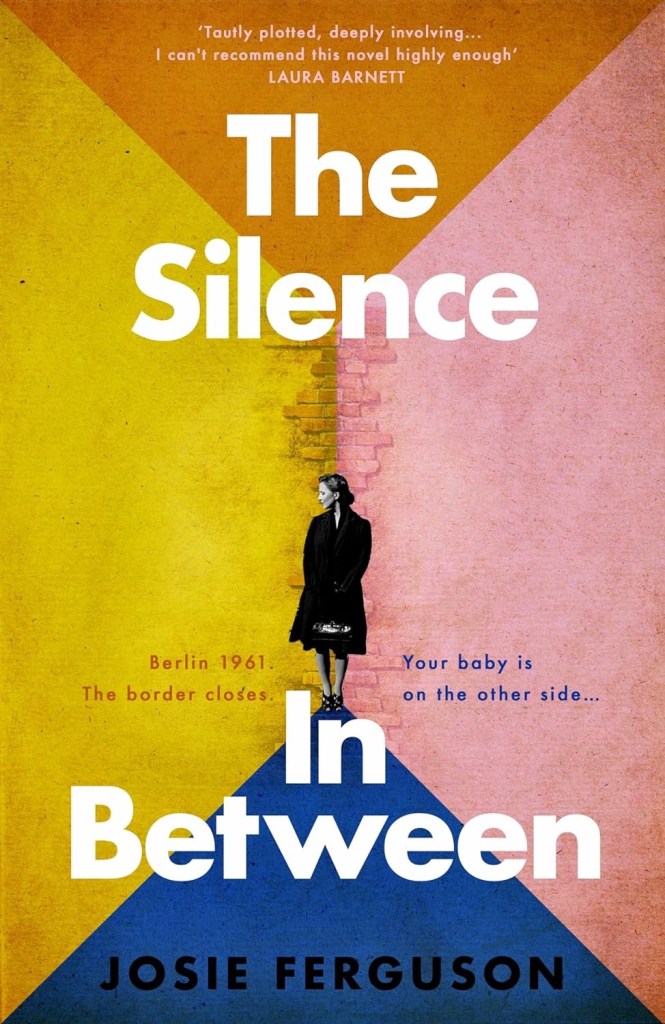
Imagine waking up and a wall has divided your city in two. Imagine that on the other side is your child…
Lisette is in hospital with her baby boy. The doctors tell her to go home and get some rest, that he’ll be fine.
When she awakes, everything has changed. Because overnight, on 13 August 1961, the border between East and West Berlin has closed, slicing the city – and the world – in two.
Lisette is trapped in the east, while her newborn baby is unreachable in the west. With the streets in chaos and armed guards ordered to shoot anyone who tries to cross, her situation is desperate.
Lisette’s teenage daughter, Elly, has always struggled to understand the distance between herself and her mother. Both have lived for music, but while Elly hears notes surrounding every person she meets, for her mother – once a talented pianist – the music has gone silent.
Perhaps Elly can do something to bridge the gap between them. What begins as the flicker of an idea turns into a daring plan to escape East Berlin, find her baby brother, and bring him home….
This book filled me with such complex and difficult emotions I had to put it aside for a couple of weeks and read it when I felt stronger. I don’t know whether it was the theme of baby loss, something I’ve sadly experienced, or whether it was because I felt unwell but the response was visceral. There’s a scene in Friends where Joey finds the emotion of Little Women so upsetting he has to put the book in the freezer, something he’s only done with books that terrify him before. As I clicked out of my digital ARC and snapped the cover of my iPad closed with a snap, I felt like I needed to bury it under a few pillows so it couldn’t reach me. As Lisette realises that she can’t get to her son, I felt that maternal bond stretched to it’s limit. Until it begins to tear. When I started to feel better I restarted it and it really is an exceptional piece of writing. If you love historical fiction and work that really burrows into the human psyche and our complex emotions then this is an absolute must read for you. The quote above really hit home with me because this is something Lisette expresses when she sees Jews being marched out of Berlin to an unknown but terrible fate. In fact the family seem to avoid rumour and talk about them being placed somewhere else, whether that’s another city or country. During the war, when Lisette stumbles across the mass movement of Jewish people from her neighbourhood a woman calls out in desperation, pleading with Lisette to take her baby. Lisette feels so much guilt for looking away, for pretending not to hear, but I put myself in her shoes and couldn’t see what else she could do. If she’d been seen taking the baby she could have been arrested or killed. I thought she was so hard on herself.
The author sets her story across two timelines: one at the end of the WW2 and the other is set in the months following the erection of the Berlin Wall in 1961. She starts her story in the hours between Lisette leaving her sick baby son in the West Berlin hospital and the authorities beginning to build the wall. It really is a matter of hours. The panic when she realises she can’t get back to him is devastating and I felt her grief so deeply. Then we go back Berlin in 1945, when the war is really beginning to bite. The promised victory seems more and more distant: food is scarce; more men are being called up; bombs are starting to fall on Berlin. This is where ordinary German people, at least those who haven’t bought into Hitler’s rhetoric, are starting to realise that victory is a long way away. Maybe, they might even lose. Often in dual timeline novels I am drawn to one story line more than the other, but here the author strikes a perfect balance. Both timelines are compelling, evocative, terrifying and deeply moving.
The depth of research behind these wonderful characters and their devastating story is clear from the outset. It was brilliant to be able to read more in the author’s notes because if you’re like me and only remember the Berlin Wall coming down, there’s a lot to learn here. Firstly I had no idea of the geography. In my brain there was a wall running through the capital because Berlin was fairly central to Germany. That is not the case at all. The county was divided, but Berlin was within the East German side of the country. Previously, people living in East Germany could openly travel to the West of the country. Comparing the two sides, Lisette is aware of her side of Berlin seeming like a monochrome version of the world but they could travel across to the more colourful and vibrant side. This colour wasn’t just to do with Western money, Lisette is aware of living in fear of the Stasi, a network of agents who spy on their own citizens. I had no idea that West Berlin was essentially split amongst the allies so there were distinct areas patrolled by the French, American and British forces. It’s the small horrific details that hit home though – there were streets on the edge of the new barrier that provided an escape route if you passed through one of the houses but as the days go by the windows are slowly bricked up. These facts ground the author’s story in it’s time and place, both timelines showing a city divided. From the rhetoric of 1945 that slowly separates the Jewish residents using derogatory language and propaganda, the targeting of their businesses and homes, forcing them to wear a yellow star and subjecting them to violence before removing them from their neighbourhoods towards the trains that will take them to Belsen and Auschwitz. Then we’re thrust into the paranoia of the 1960’s where even your neighbour might be a Stasi spy and I had my suspicions about their neighbour with her budgie in it’s cage – a metaphor for the new cage they find themselves in. They sell the wall as an ‘anti-fascist barrier’ with strange echoes of Putin’s excuses for the invasion of Ukraine. Elly’s father isn’t the only one who realises that this is not for keeping others out, it’s for keeping them in. The city’s buildings are still peppered with bullet holes and bomb damage, a visual representation of it’s residents who bear the internal scars of war. War is indiscriminate. Once it comes to ordinary people there’s never a bad and good side, every resident is affected by poverty, trauma and loss.
I loved the more unusual aspects of the characters, such as Lisette’s daughter Elly, who has a synaesthetic way of encountering the world. She knows that the people of this city have lost their music. She experiences others in terms of a melody only she can hear that expresses their emotional state. It is the first thing that connects her to the Russian soldier she meets. They don’t speak each other’s language but Elly can feel his music and for the first time it combines with hers creating a beautiful harmonious melody. Along with her mother’s silenced voice, people have lost that unique way of expressing themselves through sound. In East Germany there are many ways to be silenced and the Stasi have instilled a fear in their own people, that they’re always being listened to. I loved reading the notes at the end of the book and it has already inspired me to read further. I knew about the Berlin Wall of course but not where it was situated and how the rest of Germany was divided was totally new to me. I sort of knew one side was communist and the other wasn’t, but that was all. I hadn’t even realised that Berlin was situated inside the East part of the country. I’d imagined just one long dividing wall down the country that also separated Berlin, with a no man’s land between. I hadn’t known that until the 1960’s people could pop easily between East and West Berlin, giving them the possibility of escaping into the west permanently. With the hospital on one side of the wall and their home on the other Lisette starts to fall apart, but not all was rosy in this household to begin with. We get a glimpse into how things have been for all three generations in the flat, there are so many memories weighing these people down, one more haunting than the other. Yet we are given a little hope when one family decides they must get to the other side. Adventurous and thrilling as it is, their life is at stake, something that really hits home when they see someone try to swim across. The author takes us effortlessly back and forth in time to understand this family and my heart kept breaking for them over and over for. While I struggled to read this at first, I’m so happy that I went back to it because it was breathtaking. It was as if someone had bottled both moments in time and simply poured them onto the page, raw and confronting. This is an absolute must read for historical fiction fans and a book I will definitely go back to in the future.
Meet the Author
Born in Sweden, to a family of writers and readers, Josie Ferguson moved to Scotland when she was two. She returned to Sweden in her twenties, where she completed a vocational degree in Clinical Psychology (MSc). Upon graduating, she moved to London to pursue a career in publishing, something she had dreamed about since delving into fictional worlds as a child, hidden under the duvet with a torch.
She later moved to Asia in search of an adventure and a bit more sun. She currently works as a freelance book editor in Singapore, where she lives with her husband and two young children. While training to become a clinical psychologist, Josie learned about the complexity of human nature, something she explores as a writer. She believes books about the past can change the future and she aspires to write as many as possible. The Silence in Between is her debut.
I don’t often read short stories, because I’ve always got a novel on the go. So if I read them it’s usually in the same way I read poetry – keep them by the bed for when pain and insomnia hit and I want something short, that won’t have me tempted by one more page late at night. Or I carry them in my handbag for when I’m in a waiting room or on the train. I haven’t read a collection in one go since university when my American Fictions module introduced me to Katherine Mansfield, Zelda Fitzgerald and of course, Virginia Woolf. I’m so glad I read this collection in one go, because they are interrelated, but also because each story is like a jigsaw puzzle piece that once put together gives a picture of the lives lived by a group of young Black British Londoners.
Akilah’s writing is immediate: there are small visual chunks of description like Insta posts; short snappy dialogue like Tweets; never a character or a word too much. Yet they’re also incredibly romantic, something I didn’t expect from the Tinder generation. The opening introduction of a girl catching sight of a man on the Tube reading her favourite book is so lovely. She has a yearning to talk to him, but as she plucks up the courage to approach him she’s interrupted by a woman who notices she’s dropped her new bookmark. She’s intrigued by a man who chooses to read fiction and wonders what insights he might have. It’s a tiny moment of connection in an otherwise dislocated existence. Other passengers stay in their own bubble, either keeping their head down studying their phone or cut off by their AirPods. Some just have their eyes closed. There’s something almost intrusive about having to share space with others at this time in the morning, anything that creates some distance will do. I felt the chaos of the city in this opener, probably more pronounced because I’m 50 years old and live in a northern rural village that still has a little red phone box. I can opt out of the world whenever I want and I really felt that gap while reading – these young people have to live in this reality. It took me into a generation for whom life is lived in snippets of information whether it be a tweet, a WhatsApp or SnapChat message. Somehow they flit between them and keep it all in their head. As our narrator says, she can swap between iMessage and work mode with ease knowing that eventually her year will be all parcelled up in a Spotify playlist.
My heart broke for Gabby, in Good, Goodbye. At the age where everyone is getting married she’s always the bridesmaid – six times this year. She’s so obviously single that aunties commiserate with ‘your huzband is coming’. Obviously from the same friend circle, Jonathon is the resident clown, up for dancing, singing and even last minute MC’s duties. He played hard that summer and took so many photos for his Twitter Wedding Enjoyment posts. Yet he freezes at today’s wedding when he sees Gabby looking ‘like a goddess’. Gabby is the one who walked away from him five years ago. She felt like she wasted so much time on him and finally met up with him and drew a definite line under their ‘on again, off again’ relationship. I loved Gabby’s thoughts on the Maya Angelou quote about believing who people are the first time they show you. It’s a quote I kept in my mind in my younger, dating years, but a hard lesson to learn. Yet we also hear Jonathon’s thoughts – that Gabby was the one person who understood him and that actually he knows now she was the making of him. There’s such a gulf between what this young man says and what he deeply feels. He’s hiding behind polite conversation but inside remembers a wedding from years before, when her sister got married and he realised Gabby was the one. I yearned throughout this beautifully romantic story for one of them to tell the truth about their feelings.
We see more of Jonathon in a story called Ghana in December and we see the struggle of being split between London and the place that feels like home. The young men in the story are missing the food and the sun. He thinks about the expectations placed upon him as a young black man, especially once his father’s mental health declined, something he’s always kept to himself. He had to step up at home, be the man of the house and felt so much guilt for wanting to go to university. He tells his friend David that the London life ‘kills us in so many ways’. David gets it. It’s the micro-aggressions that chip away. Jokes passed off as banter. The hostility he felt from white and Caribbean kids. How he was talked down to as if all Africans are primitive and come from mud huts. He could never speak of his brother’s suicide and how returning to Accra brings out that grief. When he smells the food and sees the difference in the light he somehow feels united with him. It’s the place he needs to be in order to feel and allow himself to cry on a friend. I loved how the author shows the depths of these young men’s feelings and how they cope with this split identity. I really came up against my own privilege as the author wove the pandemic into her stories. There was so much able-bodied people took for granted in that period of time, my disability meant I had to shield for a year and become isolated from everyone. Yet black people were four times more likely to die from COVID than white and one story character is keen to set up a work support group for the 33% of employees who are black. She talks about the proportion of black and ethnicity minority people who work on the front line, the financial straits of the pandemic, the higher infection rates and she spends her spare time educating the employer about the disproportionate effect on black employees. Yet afterwards, when she’s encouraged to apply for a senior equalities post it goes to a white man. I could feel her powerlessness and the injustice of this decision. Our character doesn’t want to believe she’s facing racism and I’ve heard excuses made for these types of choices – it’s happened to me and I didn’t want to call it ableist in my younger years, but now I would. It’s a case of calling something what it is. Not letting yourself be gaslit about it.
My joy was unbounded when Gabby and Jonathon appear in the final story, set around a party. I had everything crossed for them, yet the author had other surprise reunions that I hadn’t expected. The stories that follow the pandemic have captured that sense of change. The reminder that we need to wear ‘proper clothes’ again made me smile because I’ve been aware of a big change in my wardrobe towards outfits that are really secret pyjamas. There’s nothing formal anymore, no high heels and certainly no work wear. There’s the strangeness of being with others, whilst knowing more social interaction is probably good for me. The author drops in these little clues and reminders of other places: the kente cloth bookmark; Ghana casually described as ‘home’; music used as a reminder of wider family and celebration. The references ground these stories within the community, the African diaspora in London. Not everything ends how we expect, but that just heightens the sense of realism and authenticity. This is a warm, inviting and illuminating collection that shows the pressures on young, Black British people. It was a different world from my own, a busy, urban city full of these sparky characters whose ambitions and dreams are so admirable, even if they are also tough on the character trying to achieve them. It shows how having your community and friends around you is vital, even if some of their expectations are grounded in a different time and place. Finally, it struck me how important it is to tap back into that home country through family, food, music or traditions because it’s something that keeps them grounded and replenished.
Out now from Magpie Publishing
Meet the Author
Shani Akilah is a Black-British Caribbean writer and screenwriter from South London. She is a book influencer, co-founder of the Nyah Network, a book club for Black women, and was a literary judge for the Nota Bene Prize 2023. Shani has a Masters degree in African Studies from Oxford University. For Such A Time As This is her debut short-story collection.
Thank you to the author, Magpie publishing and The Squad POD Collective for my copy of this collection.