I’ve been a fan of Fay Weldon’s writing my whole reading life, from the time I finished the reading scheme at school and started to read proper grown-up novels. My imagination was really stirred when the TV series Life and Loves of a She-Devil hit our screens in 1986. I was thirteen, the age when a program with even a hint of sexual content was the subject of school playground chatter – if we’d had phones back then the boys would have been showing us all the ‘dirty bits’. I wasn’t allowed to watch the series. Those were the years of my parents being in an evangelical church and completely losing their minds. Anything thought to be a bad influence, particularly if it had sexual content, was banned. Pre-marital sex was a huge no-no, to the point I had to pretend to be seeing something else when all my friends went to see Dirty Dancing. Yet my reading material wasn’t policed quite as strongly and I raided the library for books by the author who’d caused all this furore. I fell in love with her combination of dramatic relationships, strong and transgressive women, feminism, and a sprinkle of magic realism.
Of course my first port of call was The Life and Loves of a She-Devil and it crossed almost every boundary I’d ever been given. After her husband reveals he’s leaving her for his delicate and dainty mistress Mary Fisher, wife Ruth lots herself in the cloakroom and starts a transformation. She will leave being a vulnerable, human woman behind. She will become a she-devil. What follows is a rather visceral journey to becoming a creature without feeling, capable of wreaking the ultimate revenge. I loved her freedom, even when it meant making choices that I couldn’t believe, like sleeping with the dirty old park keeper in his cluttered shed. Her power was intoxicating and her sheer force is too much for the old man who has a seizure. Ruth takes on many guises to get to where she wants to be – joining a commune where food is minimal and hard work is a daily reality in order to lose weight. Her sexuality is completely fluid as she sleeps with women and men, a priest and the doctors who carry out her extensive cosmetic surgery. I loved that there was no judgement and no boundaries. I think the best revenge is to live well rather than follow Ruth’s path, but it’s a bold path and it’s the ultimate in evil.
At the edge of 18, while studying for my A’Levels and applying to universities, I was drawn to the book Growing Rich. The three girls at the centre of this novel – Carmen, Annie and Laura – live in a rural village called Fenedge and are at the same crossroads in life that I was. Local businessman Bernard ? Has sold his soul to the devil, in return for the fulfilment of all his desires and one of them is Carmen. Unfortunately, Carmen is not easily obtained. The girls have always dreamed of flying far away from their little village and no one has wanted to leave more than Carmen. However, it’s Annie who flies off to the glaciers and mountains of New Zealand and into the arms of the man of her dreams. Laura gets married and starts having babies. So it’s Carmen who seemingly stays still and is ripe for the picking with Sir Bernard and the Devil in pursuit. However, they underestimate Carmen’s will and self-worth. She is not giving away anything, including her virginity, until she’s good and ready but she’s not above enjoying Sir Bernard’s inducements to change her mind. This is a beguiling mix of hormones, magic, astrology and a deadly game with the ultimate adversary.
The Cloning of Joanna May asks questions about motherhood, identity and the ethics of scientific research, whilst also being an entertaining and humorous read. Joanna believes herself to be unique, but when she is unfaithful her rich husband exacts a terrible revenge. He fractures her identity by creating Jane, Julie, Gina and Alice, four sisters young enough to be her daughters and each one is a clone of Joanna May. If there are five of us, what makes us an individual? Is self innate or formed by experience? Is self even a constant thing? Weldon has the wit and creativity to explore and answer those questions, in very cunning ways. How will they withstand the shock of meeting and if they do become close, could Carl, Joanna’s former husband and the clones’ creator, take the ultimate revenge for his wife’s infidelity and destroy her five times over? This is a witty and deceptive read, that’s much deeper than it seems especially where science has now caught up with fiction.
Finally, there’s Splitting and Affliction, both of which concentrate closely on state of mind and sense of identity. Affliction is a remarkably easy read – despite it’s difficult subject matter. I don’t know whether I’d fully grasped how abusive this man was at the time I first read it, but reading it again having gone through the experience for real wasn’t comfortable. Spicer is the abusive husband in question, he’s selfish, he undermines wife Annette and has a full set of skills from victim blaming and gaslighting to being physically, emotionally and financially abusive. We’re unsure whether Spicer has always displayed such extreme behaviour, because he has started to see a therapist which seems to have been the catalyst for talking about these issues. It’s a clever and witty novel, but is probably for those who like their comedy jet black not those who are sensitive about physical violence, alternative health converts, or trendy London types. The premise is that Annette and Spicer’s marriage is doing okay, even if not entirely faithful. This is the second time around and the proof that they’re enjoying their newfound sex life is a baby on the way. Spicer becomes embroiled with two hypnotherapists after becoming jealous when Annette writes a successful novel and starts to see things differently. Annette seems to be changing too, each seems to think the other person’s perception is altered and it becomes very difficult to work out which narrative is reality. I enjoyed the depiction of unscrupulous therapists and there’s a lot of humour despite some traumatic themes and events.
Splitting covers similar ground in that a couple are at war and perceptions might not be what they seem. Lady Angelica Rice was teenage rock sensation Kinky Virgin, but she gave up her career to marry Sir Edwin Rice. Unfortunately he turned out to be lazy and completely bankrupt, so in this unhappy union Angelica’s ‘splitting’ began: a chorus of four women in her head, each with an opinion and all of them clamouring to be heard. Now, eleven years on, Edwin is suing her for divorce and her alter egos want their revenge – the usually meek Jelly, the sexually insatiable Angel, the competent and practical Angelica and Lady Rice make a formidable team. It’s a slightly chaotic novel, with many voices and the possibility of more emerging over time as she deals with a derelict house. Is this really a house or do the rooms represent parts of Angelica’s identity. How can she ever find her real self, with four women and only one body to house them all? Is she going to be able to fight for her place and does she even want it anymore? I wondered whether she would ever be able to reconcile these different identities or if the splitting would continue.
One of the most interesting of her written works was her 2002 autobiography, wittily titled Auto Da Fay, where she still played with ideas of identity and the ability to capture a person in writing. She conveyed the difficulty of writing a life that is continuing to grow, change and evade you, even while you’re trying to pin it down in words. She was born in New Zealand, the youngest of two sisters born during her mother Margaret Jepson’s short marriage to Dr Frank Birkinshaw. Her birth is interesting, because it is surrounded by themes of turbulence, change, dislocation and separation. After a large earthquake in Napier spooked Margaret, she fled to a rural sheep farm for three months, away from their normal home, their things and her husband who was being unfaithful. It was an emotional earthquake that echoed down through the women of the family, derived from Fay’s aunt who was discovered in bed with her Uncle at the age of 17. The family fall out caused psychosis in that the aunt never recovered from, possibly because she was blamed rather than the Uncle. Weldon felt her grandmother deserved blame too, because she had failed her daughter. Her mother’s upbringing was very bohemian, she was shaken by her experience in New Zealand and returned to England. There she lived with her husband’s extended family and gave birth to her daughter, who she named Franklin but became known as Fay. This could have been the basis of her interest in split identities, as she noted that she had to take library books out in the name Franklin but was always Fay when she read them. In fact she ended up studying psychology at university, started her writing career drafting pamphlets for the foreign office then became an agony aunt in a national newspaper.
Fay Weldon
For someone who’d been taught there was one correct way of living, reading about Fay’s life was inspiring and gave me permission to make mistakes. Fay’s marriage to a school teacher who was twenty-five years her senior, with an agreement that her sexual needs would be satisfied by partner’s outside the marriage. I was fascinated by how she wrote about this period of her life, distancing herself from it by referring to herself in the third person. It was during her marriage to her second husband that she wrote her first novel The Fat Woman’s Joke in 1967. It was as if her creativity was unleashed as she wrote thirty novels in quick succession, along with television plays and a version of Pride and Prejudice where she played with the marital politics of Mr and Mrs Bennett. This was to become a theme in her work, becoming more and more extreme as she found magical ways for women to transform themselves in order to negotiate a male dominated world. This could land her in hot water, particularly in her ‘she-devil’ sequel The Death of a She-Devil where a man must change gender in order to inherit, something she blamed on fourth wave feminism and a lesbian character who did not relate to men at all. Sometimes, it was as if she enjoyed controversy, such as writing a novel containing product placement for a luxury jewellery brand. At the end of her autobiography she says nothing interesting happened to her after thirty, she was just scribbling; but she was also offering controversial views on rape, porn, cosmetic surgery and transgender rights. At 91, she was still creating, supporting other authors and managing to keep herself in the public eye. For me, she dared to make women misbehave. She made them powerful, badly behaved, successful but also gave them permission to fall apart. I didn’t agree with everything she said, but I loved her ability to confound, to say the thing you didn’t expect and create these complex psychological and magical worlds to get lost in.
Julia is a lawyer, Paul a stay-at-home dad who has dedicated his life to helping their daughter Chrissie achieve her dreams as a talented violinist. But on the night of a prestigious music competition, which has the power to change everything for Chrissie and her family, Chrissie goes missing. She puts on the performance of a lifetime, then completely disappears. Suddenly every single crack, every single secret that the family is hiding risks being exposed.
Because the Goodlights aren’t perfect. Not even close.
Wow this book is tense! Tense enough to give you a migraine. East has a way of writing that flows so well, but is paced to give a really slow drip drip of information. It’s clear from just the day to day activities of the Goodlights that something is ‘off’ and my brain was skittering all over the place to work it out, rather like Bambi on the ice. The author pulls off a clever trick, by letting the Goodlights speak for themselves. She’s not explicit, but their inner talk and actions allow the evidence to pile up; something is badly wrong here, but the author withholds just enough that we don’t know what is that is. As I read on, my brain was coming up with more and more questions. What’s with Julia’s parents and their strange attitude towards women’s behaviour? Why is Paul so obsessed with his stepdaughter’s career and so rigid with her regime? Is it the result of a thwarted desire in his own life and will Chrissie snap under the pressure? What’s with the strange background conversations between Julia’s mother and Paul? I’m not surprised at all when Chrissie goes missing, the only surprise is that she didn’t go sooner.
I found Paul’s attitude with Chrissie really disturbing. I understand wanting the best for your child, but this is creepy. Not only does he control her potential career and keep her practicing, he looks after her diet, her free time and leaves her with no privacy – even policing her phone, from quickly checking the screen when a notification comes in, to demanding to look through all her messages and emails. Does he have her on such a short lease to prevent something happening, or is he reacting to something that’s happened before? There’s a strange dynamic between Chrissie’s grandmother and Paul. I was disturbed by her attitude towards her daughter and granddaughter with her suggestion that certain behaviours are in the blood and there’s something tainted in their DNA. It’s almost as if they appreciate Paul more than their own flesh and blood. At times Celina speaks to him as if he’s a member of staff. There are pictures hidden in Julia’s childhood bedroom of a time at university when she appears free and perhaps part of a hippy group, implying experimentation with drugs and promiscuity. Celina is concerned that her ‘tainted blood’ has passed to Chrissie and tells Paul ‘I can smell it on her’ giving an unpleasant image of an animal in heat. Was she the instigator of the rigid regime Paul imposed on his stepdaughter or was she merely the gatekeeper? Patriarchies often depend on women to uphold their rules. I felt uncomfortable all the way through this novel, but in retrospect I think this was down to my own experience in an abusive relationship. There’s now something in me that is repulsed by males like Paul exerting power over the women in their family, exerting coercive control and gaslighting those they are supposed to love most. This tells me that the author’s depiction is successful, or it wouldn’t have made me feel this way.
Throughout the novel my brain was drifting back to Jane Eyre and Jean Rhys’s response Wide Sargasso Sea and the anti-heroine Bertha Mason. Bertha (whose name is actually Antoinette) is Mr Rochester’s first wife, doomed to a life locked in an attic, because of her unnatural passions and hereditary madness. She works as a contrast to the still and quiet Jane, who was constantly told to rein in her passionate nature when she was a child. Bertha’s fate could have been Jane’s. However, in her book Wide Sargasso Sea, Jean Rhys gives Bertha a back story where Rochester marries then rejects the wife who was too passionate in the bedroom and enjoyed his advances – the inference being that a wife should meekly accept sexual advances, but not relish them. I felt throughout East’s novel, that a similar misogynistic double standard is at play. When we delve into Julia’s inner world we can see how insidious emotional abuse is, because these ideas are running through her head constantly. She doubts her own instincts and worries that Chrissie’s disappearance is a consequence of her failure to ‘behave’ in the way she’s been taught. Paul and Julia don’t fully communicate either, operating in completely different spheres with him at home and her at work. Law is such a demanding career and Julia works constantly, almost like it’s a penance, rarely interacting with Paul or Chrissie and never involved in her daughter’s strict regime. It’s almost as if she’s abdicated all responsibility for her to Paul, but is that choice or a mistaken belief that he’ll do a better job than her? There’s also the shadowy figure of Francis, someone she doesn’t want near her family and seems to fear. This really is a toxic mix, a family who seem shielded from scrutiny by their money and once you delve beyond appearances, are a million miles away from the ordinary. Will Chrissie be found and is her disappearance down to a malign outside influence as they all suspect? Whatever has happened to Chrissie, you’ll not stop reading till you work out what is so deeply wrong at the heart of this family?
Published on 12th January by HQ
Thanks to HQ and the Squad Pod Collective for my proof copy.
It’s possibly way too early to start picking candidates for favourite books of 2023 – I’m still deliberating over 2022 – but I think this book is certainly going to be in contention. Grace is one of those characters that you fantasise about having cocktails with and you already know you’d have the best time. Grace is stuck in traffic, it’s a boiling hot day and she’s melting. All she wants to do is get to the bakery and pick up the cake for her daughter’s birthday. This is one hell of a birthday cake, not only is it a Love Island cake; it has to say that Grace cares, that she’s sorry, that will show Lotte she loves her and hasn’t given up on their relationship. It’s shaping up to be the day from hell and as Grace sits in a tin can on boiling hot tarmac, something snaps. She decides to get out of the car and walk, leaving her vehicle stranded and pissing off everyone now blocked by a car parked in the middle of a busy road. So, despite the fact her trainers aren’t broken in, she sets off walking towards the bakery and a reunion with Lotte. There are just a few obstacles in the way, but Grace can see the cake and Lotte’s face when she opens the box. As she walks she recounts everything that has happened to bring her to where she is now.
When we first meet Grace she’s living alone, estranged from husband Ben and even from her teenage daughter Lotte. She’s peri-menopausal, wearing trainers her daughter thinks she shouldn’t be wearing at her age and she’s had enough. There’s that sense of the Michael Douglas film Falling Down except when the meltdown comes all she has is a water pistol filled with river water, an embarrassingly tiny Love Island cake and a blister on her heel. Then in flashbacks we can follow Grace all the way back to the start, to when she and Ben met at a competition for polyglots. We also get Ben’s point of view here too, so we see her through his eyes and fall in love with her too. He describes her as looking like Julianne Moore, her hair in a messy up do with the odd pencils tucked in. She suggests that, should she win the prize of a luxury hotel break in Cornwall, they should go together. It’s a crazy suggestion, but deep down, he really wants to go with this incredible woman. Once there, the first thing she does is dive into the sea to save a drowning woman. Ben has never met anyone so free and fearless. Yet on their return four months pass before Grace tracks him down and they meet at the Russian Tea Room. There Grace tells him that he’s going to be a father, he doesn’t have to be in, but can they come to an agreement? Of course Ben is in, he was never out. There love story is touching and yet honest at the same time, it’s not all schmaltzy romance – for example after coming together in Cornwall, Grace’s bed is full of sand. It’s so sad to contrast these early months with the distance between them now, what could possibly have brought them to this place.
I eagerly read about Grace and Lotte’s relationship because I’m a stepmum to a 13 and 17 year old girl. I thought this was beautifully observed, with all the ups and downs of two women at either end of a battle with their hormones. There’s that underlying sadness, a sort of grief for the child who called out for her Mum, who let Mum play Sutherland her hair and would lie in an entwined heap on the sofa watching films. Grace aches to touch her daughter in the same way she did when she was a toddler, but now Lotte watches TV in her bedroom and shrugs off cuddles and intimacy of the physical or emotional life. Pulling away is the normal process of growing up and reminds me of the ABBA song ‘Slipping Through My Fingers’. In the film Mamma Mia, Meryl Streep plays Donna as she helps her daughter get ready for her wedding. In the cinema with my Mum I could see she was emotional and now with my own stepdaughters I can understand it. I just get used to them being a certain age and they’ve grown, with one going to university next year I’m going to be so proud of her, but I’m going to miss her terribly. There’s also a terrible fear, as Grace sees her daughter’s behaviour at school deteriorate and her truant days start to add up, she’s desperate to find out what’s wrong, but Lotte won’t talk. She’s torn between Lotte’s privacy and the need to find the problem and help her daughter, but some mistakes have to be made in order to learn. Grace might have to sit by and watch this mistake unfold and simply be there when it goes wrong. No doubt, she thinks, Grace is involved with a boy and it will pass, but the reality is so much worse.
The truth when it comes is devastating, but feels weirdly like something you’ve known all along. Those interspersed chapters from happier times are a countdown to this moment, a before and after that runs like a fault line through everything that’s happened since. As Grace closes in on Lotte’s party, sweaty, dirty and brandishing her tiny squashed cake, it doesn’t seem enough to overturn everything that’s happened, but of course it isn’t about the cake. This is about everything Grace has done to be here, including the illegal bits. In a day that’s highlighted to Grace how much she has changed, physically and emotionally, her determination to get to Lotte has shown those who love her best that she is still the same kick-ass woman who threw caution to the wind and waded into the sea to save a man she didn’t know from drowning. That tiny glimpse of how amazing Grace Adams is, might just save everything.
I picked Russ Thomas’s last novel on NetGalley because I noticed it was set in Sheffield. Since I live just across the river from South Yorkshire, Sheffield is our nearest big city. It’s my ‘go to’ place for the theatre, concerts and decent shopping. In fact Meadowhall was vital when I was a teenager, because we were pre-internet and if you didn’t shop further afield you would find yourself at a club in the same Dorothy Perkins top as everyone else. So my introduction to DS Tyler was actually the second book in the series called Nighthawking and it was set around the Winter Gardens. I found myself drawn in by the case being investigated, but also by Adam himself. He’s a rather complicated character with a difficult childhood and the trauma of finding his father hanging in the family home when he came home from school. Subsequent investigations into Richard Tyler’s death concluded it was a suicide, brought about by corrupt dealings with organised crime and the fear of being discovered. As if that’s not hard enough to live down, Adam’s godmother and the woman who brought him up is now DCI Diane Jordan. Adam is either treated with suspicion for being corrupt like his father or for being the DCI’s pet. Finally, there’s his sexuality, which shouldn’t have a bearing on his work relationships, but probably does in a macho environment like the police force.
Since I had organised time to spare this December to read freely – a true Christmas gift for a book blogger – I decided to read both the first and the latest instalments of the series. In the first novel, Firewatching, Adam picks up a case that’s both cold and red hot. A body is found bricked up in the walls of a country house, a house that’s lain empty since the disappearance of the owner several years before. From the injuries to the fingers of the body, it’s clear the victim was walled in alive. DI Dogget is on board for the murder case so Adam is called in to work alongside him. However, it’s soon clear that the case does have a connection to Adam and he’s soon hopelessly compromised. Matters in his personal life also become tangled in the case, but most disturbing is that the reader knows someone close to Adam is not what they seem. They’re a blogger, but their muse is fire. How far will they go to entertain their readers? This is a fantastic start to a series, managing to establish a character and his back story, while still presenting a solid and tricky crime to solve. I loved the two elderly ladies linked to the big house, living close by in their little bungalow. They have lived together nearly all of their lives, after a friendship cemented by helping out in the horror of the Blitz where fire destroyed large swathes of London. Adam’s friend was also interesting, a woman civilian in the station who wants to get him involved in the LGBTQ+ group and improve his social life. She is dragging him out pubbing and clubbing when she can persuade him. Police officers have to tread very carefully though in their local pubs and clubs. You never know who you might meet. This is an incredible Russian doll of a case with one crime inside another needing to solved before they get to the truth of the house’s terrible history.
The third and latest novel, Cold Reckoning, is now available in paperback and starts with a very effective cold isolated country walk. Matilda Darke is escaping the claustrophobic house she shares with her mum and the caring role she has now her mum has fibromyalgia. It’s a clear, crisp morning near the lake and Matilda hears a gunshot. Making her way home she stumbles across a man coming out of a cabin. Neither expected the other to be there, but his cold hard stare sends an immediate chill through Matilda and she knows this man means her harm. So she runs and never stops to even look behind her. This opening leaves us asking so many questions. Was this where the gunshot came from? Was she right to be scared? Does the man know Matilda and her walking routine, or was she just in the wrong place at the wrong time? Adam’s life is also upside down, because DCI Diane Jordan, his godmother, has gone missing. This is so out of character he knows something is terribly wrong and with the search for her on his mind he’s called on to help DI Doggett with a very strange case. In a lakeside cabin there are signs of a struggle and blood spatter consistent with a gunshot wound, but there’s no body. Nearby though, a body is suspended in a frozen lake. The man has no wounds and has been dead a lot longer than this lake has been frozen. How do these two things fit together or are they a complete coincidence?
I thought this latest novel was clever, not just the case which again strays close to home for Adam, but the details of the characterisation. From their rather gruff and begrudging start back in the first novel Doggett and Tyler have become a team. There’s a trust that’s built between them and they are keeping a lot of information close to their chests, the knowledge of a possible conspiracy between the police, local dignitaries and organised crime. It might even have a bearing on Adam’s father’s death, but there’s still a lot to unravel. Their close conversations and sudden silences when others enter the room has been noticed. DC Rabbani has come a long way since Tyler seconded her to CID in the first novel. She has great instincts, is good with people and she’s furious that the other two members of the team have been keeping something from her. So furious that she could be persuaded to keep the acting Chief Constable in the loop about their suspicions. Rabbani wants to be part of the team, and although the two detectives only want to protect her, she sees their secrecy as a lack of trust. Tyler is a conundrum. Seeing him try to take steps towards improving his mental health is great, but he can only let some of his guard down. He’s also not learned a lesson about keeping his private life and working life separate. By this third instalment I felt like I’d really come to know these characters and care about them. Added to that, the cold cases really are complex, taking us back into the past and into situations that people have tried to leave behind. Witnesses are reluctant and when they’re being asked to remember twenty years ago their memories can be shaky. DI Tyler is a flawed hero, but he does want to find the truth and bring justice to those who have been wronged. However far back he has to dig to find the answers. Im now looking forward to our fourth instalment.
Meet the Author
RUSS THOMAS was born in Essex, raised in Berkshire and now lives in Sheffield. After a few ‘proper’ jobs (among them: pot-washer, optician’s receptionist, supermarket warehouse operative, call-centre telephonist, and storage salesman) he discovered the joys of bookselling, where he could talk to people about books all day. Firewatching is his debut novel, followed by Nighthawking and Cold Reckoning.
This book was originally published in 2015, but the first time I’ve read it is after reading Rowan Coleman’s novel The Girl at the Window. I do like to feature books as I discover them, rather than trying to chase the latest or next best thing.This may sound weird but I actually picked this up as light relief between a couple of deeply dystopian reads. I think there is an incredible skill in writing about such a serious subject but with such a lightness of touch and an edge of romance. Coleman has a group of characters, all linked to the Marie Francis hospice in some way. The story comes from all their points of view interspersed with letters written from patients in their final days, revealing secrets and emotions that have been held back, offering advice or instructions on where the money has been left.
These letters are written by Stella, who works at the hospice at night, giving her plenty of time to listen to patients and capture their last words. Behind her professional exterior Stella has her own problems. Her night shifts have become a way of avoiding problems at home. Her husband Vinny was a soldier and has returned home after losing his leg in a bomb blast. Now they feel like different people who are unable to connect and Stella runs miles every day to avoid her fear this is the end of their marriage. One of the letters Stella writes leads us to Hugh. Hugh is an academic researcher and collects artefacts relating to death such as death masks, Victorian mourning brooches and photos of dead loved ones. Hugh’s mum left when he was small leaving a suicide note. This personal tragedy has possibly lead to his research and has left him very isolated and scared of connection. When a single mum moves next door with her son, Hugh’s cat Jake starts to spend time there and they name him Ninja. This shared cat brings them closer, but will Hugh be able to form a relationship with his new neighbours and how will he cope when Stella delivers a letter that will change his life?
Finally, we meet Hope who is a young woman with cystic fibrosis recuperating at the hospice before returning home. Hope’s best friend and lifelong hanger on is Ben. They have been close friends for years and he has seen her in the worst moments of her illness. He visits every day at the hospice, and patients and staff start to notice that maybe there’s more than friendship here. Hope doesn’t think so, but she is starting to realise that she is missing out on things in life. Her friendship with a young girl, Issy, begins to make her think. Issy is terminally ill and tells Hope how sad she is to be leaving life when she has experienced so little. She makes Hope promise to live life to the full and try all the experiences Issy has missed out on. This inspires Hope and she asks Ben to help her fulfil this promise, knowing it might change their relationship forever.
It was Hope and Stella’s narratives that most resonated with me. I knew how I wanted their narratives their narratives to end happily. I know how it feels to have your plans cut into by an illness so young, the need to have new experiences and live like any other girl in their early twenties. I remembered the hen nights missed and friends celebrating graduations, weddings and births of their first children when I had none of these things in sight. So I identified with Hope’s need to do as much as possible before time runs out. Yet, I also felt for Stella, who tries her hardest to make people’s last wishes a reality while her own life is falling apart. She gives constantly, at home and the hospice, so when she finds she can maybe reunite two people she throws caution to the wind. I wanted her and Vinny to find their way through their difficulties and come together again, but with his survivor’s guilt and difficulties coming to terms with his amputation it’s no easy task.
This book seems so light and easy to read but is packed full of real, honest and deep emotions across the characters. Maybe I found the subject easy to enjoy, because I’m used to this world. I know people who might read the hospice setting and pass it over, but they’d be missing out. This book relates what life limiting illness is really like; it’s not easy, but you can still live well and all the other parts of life like learning, being fulfilled, finding meaning and feeling love are still very much part of the experience. Within these characters, and the letters Stella writes for her patients, are glimpses of human life that take us far beyond them as patients and closer to them as people.
Published by Ebury Press and available in all formats.
Meet the Author
I’m Rowan Coleman, and I live in England with my husband, 4 children and 2 dogs! The Girl at the Window is my 14th novel is my twelfth novel. I am also the author of the internationally bestselling THE MEMORY BOOK, the double award winning THE RUNAWAY WIFE, and the NYT bestseller THE ACCIDENTAL MOTHER and the Zoe Ball ITV Bookclub pick THE SUMMER OF IMPOSSIBLE THINGS. Growing up dyslexic made my dream of becoming a writer seem impossible, but I never gave up trying and in 2001 I won Young Writer of the Year competition in Company Magazine. This lead to the publication of my first novel, and I’ve never looked back since.
Years ago, when I was a book snob after my English lit degree, I wouldn’t have read Marian Keyes. It was firmly in the category of chick-lit and that meant it would be ‘easy-reading’. The literary equivalent of easy listening music, pleasant but no depth, just tinkling on in the background when I wanted my reads to grab me, make me think and blow me away. It was reading Jojo Moyes ‘Me Before You’ that put me onto Rachel’s Holiday and the Walsh family. Before I knew it I was racing through her back catalogue and loving every minute of it. It helps that she’s also an incredible woman, mad as a box of frogs and funny, enthusiastic about what she loves and chatters on ten to the dozen. She’d fit right in with my family and is one of the first people I’d invite to a fantasy dinner party. If I had to pick one thing about her writing that makes it so good, amply demonstrated in this novel, it’s that she provided a family tree to keep track of the characters and how they were related to each other, but I didn’t need it once. Each and every character was so real and so distinct that I felt I knew them all personally.
Ed, Johnny and Liam are brothers and enjoy a large extended family. Their background isn’t great, in fact their parents are awful people – demonstrated at their golden wedding anniversary when their father’s speech manipulated and put down each of his sons in turn. Ed has never had that feeling of being grounded, of belonging somewhere, until he met his wife Cara. She makes him feel safe. Cara has a head receptionist role at the Ardglass Hotel in Dublin and they have two children. Cara has always had problems with her body image and has been yo-yo dieting ever since Ed met her. She can’t seem to resist bingeing on chocolate and then hates herself for having no will-power, but is this cycle of overeating just a blip or is she heading for something more serious? Jonny and Jessie are the successful pair in the family, running their own chain of specialist food shops and a cookery school. Jessie had the original idea, with Jonny and his best friend Rory Kinsella going to work for her several years later. However, it was Rory who won Jessie’s heart and they were married with two children when he died suddenly. The Kinsella family were like a second family for Jonny, especially Rory’s dad Michael who had been a surrogate father since his own was so lacking. They all grieved together, until two years later when Jonny and Jessie found themselves drawn to each other. Surely the Kinsellas would be happy for them? Now years on, with three more children, and despite being a good husband and stepfather to Ferdia and Saoirse, the Kinsellas had cut themselves off from their former daughter-in-law. It was probably for this reason that Jessie focussed so much time on their family spending time together, all three brothers and their respective families spent Easter and many other holidays together, with Jessie even footing the bill to make it happen. Yet neither had ever really given up hope that everyone would be reunited in time, but time runs out and so does money.
Liam is the youngest brother, an ardent runner in his prime he now had to cycle thanks to a difficult knee injury. Handsome and charming, it never took very long for him to get what he wanted in life. Most would say he had a charmed life, despite his split with wife Paige and her relocation to the US with his two daughters, who are missed terribly by their cousins. In an incredible financial settlement, Liam lives in an apartment in Dublin paid for by Paige. When he meets Nell, a young set designer full of idealism and principles, he has to have her. Nell is beautiful, with cascades of pink hair and a quirky dress sense that comes from never buying anything new. She’s so passionate about art and conveying the message of a play through her set, plus she’s passionate about so many causes. The family love her and she brings her outlook on life to everyone, especially Liam’s nephew Ferdia who has similar opinions but never does anything to back them up. The family are surprised when the couple get married in an ice hotel on the arctic circle. Since the wedding though, despite Nell throwing herself into the family and their rather claustrophobic way of doing everything together, Liam hasn’t seemed the same. He starts to drop out of things she’s planned, branding them boring, and then chips away at her confidence. When she has a good review saying she’s the most exciting new designer in the country – he points out that Ireland is a very small place. He’s also very creepy, ogling his young niece’s friends and his nephew’s girlfriend. Nell is drawn to Ferdia, young, ethical and concerned with social justice, but can they be friends?
I loved how Marian Keyes presents the image of a perfect family that others must see, when they gather for an Easter Egg Hunt at a luxury hotel or holiday together in a Tuscan villa. Then she undermines it by showing that none of these people, or their relationships, are perfect. Her depiction of Cara’s eating problems were familiar to me because I’ve also had that urge to eat my feelings from time to time. I thought the way Cara down played the seriousness of her bulimia was realistic and the resistance to treating it as an addiction also rang true. Her counsellor was also brilliant, firm and not pulling her punches about the road ahead for Cara as a patient. If there was anyone I was rooting for it was Cara and husband Ed. Getting married again when you’re a widow is also something I know about and the relationship dynamics are so fragile. Luckily for me my lat husband’s family were very understanding and I treated them with respect, being up front and letting them know everything early on. I really felt for Jessie, but in the early chapters I really didn’t understand her desperate need for the whole family to get together constantly. There was a moment where she’s laid on a pool lounger with all the kids (bunnies) piled on top of her and she’s supremely happy. Then I got it. The friendship she had with Rory’s sisters Izzy and Keeva was the first real friendship she had and being part of the Kinsella tribe was just as important to her as it was to Jonny. She needed to belong. Strangely I also felt for Nell. I liked her as a person and thought she had been love-bombed by Liam into a marriage without truly knowing who he was. I really loathed him and that’s rare for me. He was lazy, living entirely off his ex-wife and not making any effort to see or maintain his relationship with his children. The way he commented on her talent and gaslighted her made me furious. I wanted Nell to have the romantic happy ending. In this book Marian Keyes has punctured that Instagram perfection many families seem to project these days. It’s also a welcome reminder that we never know what another person is going through, even the person lying next to us. I also found the message that we have to work on ourselves, take responsibility and live authentically, very empowering. I truly enjoyed my time as a fly on the wall with this family and laughed out loud so much that my other half commented on how much I seemed to be enjoying it.
Meet The Author
Marian Keyes is the international bestselling author of Watermelon, Lucy Sullivan is Getting Married, Rachel’s Holiday, Last Chance Saloon, Sushi for Beginners, Angels, The Other Side of the Story, Anybody Out There, This Charming Man, The Brightest Star in the Sky , The Mystery of Mercy Close, The Woman Who Stole My Life, The Break and her latest Number One bestseller, Grown Ups. Her two collections of journalism, Making it up as I Go Along and Under the Duvet: Deluxe Edition are also available from Penguin.
I have to admit to being a HUGE Jessie Burton fan. I picked up The Miniaturist in our tiny bookstore just on the strength of the cover and I wasn’t disappointed. It followed the story of Nella, who has just become married to wealthy Amsterdam merchant Johannes Brandt and has been uprooted from the country to a large home in the city. As a wedding present, Johannes has commissioned a cabinet house based on his incredible home. This is a home of secrets, from Johannes to his rigid sister Marin and even the servants, all have their hidden lives. It’s when Nella commissions pieces from an unseen miniaturist that clues start to emerge. What is the miniaturist trying to tell her and will she see it before it’s too late? I met Jessie at a book event in Lincoln where she read from the book and took questions from the audience. She told us that Nella’s cabinet house was based on an example in the Rijksmusem in Amsterdam, something I’d love to go and look at one day. Someone asked about the mystery at the centre of her debut novel; we never see more than a glimpse of the miniaturist, we don’t know what she wants from Nella or why she sends the tiny figures. Burton said she didn’t want to pin it down or have a big reveal, so there was a suggestion from the audience that she was leaving it open for a sequel. When I found out about House of Fortune, I was excited but also scared. What if it didn’t match up to the debut that I loved?
As soon as I started to read I was right back there in Amsterdam. Jessie is a master at creating atmosphere and her opening is so evocative. The house feels almost claustrophobic and I could imagine the smell of polish and Cordelia’s cooking wafting from the kitchen. This is still a secretive house, where the previous generation’s actions are impacting on the next. We are eighteen years on from the terrible events of Nella’s first year of marriage – Johannes’s horrifying death at the hands of the state and the revelation of his sister Marin’s affair with Otto, their black servant. Her pregnancy was concealed for months under severe layers of black clothing and resulted in the birth of daughter Thea and Marin’s death. Thea is now 18 and Nella is trying to weigh up whether her darker skin might count against her in the marriage market, or whether the Brandt name keeps her just on the side of respectability? She certainly receives her share of gossip and sideways glances, but as they rarely socialise it’s never mattered before. However, things are changing in the Brandt household and Thea may be the only way the family survives. Things are moving behind the scenes, in the same way the scenery moves in the plays Thea loves at the theatre, but who is doing the moving and arranging? Both Nella and Thea have sensed a little frisson, a sense of being watched, followed by the hairs standing up on the back of their necks. When brown paper parcels start to appear on the townhouse steps Cordelia wonders if the miniaturist is back and what is her purpose?
Even now, this strange mysterious figure remains in the shadows, a flash of blonde hair under a hood is all we get and that could be anyone. There are two sets of figures in play here- the ones made for Nella 18 years ago that have been hidden away in a trunk full of Marin’s things in the attic. Then there are new ones, the first being a carving of Walter who is the scenery painter at the theatre Thea frequents every week. He’s completely anatomically correct, possibly because the maker is alluding to how Thea feels about him. Could this perfectly rendered man be an allusion to Thea having knowledge of a man she shouldn’t have? Is her carving a commentary on something that’s already happened or a course of action that could still be avoided? The second gift is a house, a tiny mansion edged in gold that Thea has never seen before, followed by a perfect pineapple. Thea really isn’t aware that their relatively respectable life in the city’s greatest townhouse is built on a house of cards. This unusual family are at a crossroads, no longer able to sustain themselves. They are down to their last painting, Otto has lost his job and there are three mouths to feed plus an historic house to maintain. Nella can see only one option – they must accept some of the social invitations that comes their way and use them to find Thea a rich husband. Otto is less enamoured of Nella’s plan for his daughter. He would like her to have the freedom of love. He has a different plan, involving a botanist called Caspar and Nella’s derelict country home of Assendelft. What neither of them know is that Thea is conducting a private life of her own, one that come crashing down on all of their plans.
I loved that Burton took us to Nella’s childhood, with the walls of Assendelft full of memories, good and bad. Over the eighteen years since Johannes’s death she has become a force to be reckoned with and this reminds us of how naïve and young she was at the beginning. I felt sad that she had almost written herself off, pinning all their hopes for the future on Thea and not even considering that she could be the one pursued by potential husbands. Wealthy widows can be very attractive in the marriage market and nobody knows what Johannes’s arrangements were for his wife. I felt that Nella didn’t want marriage, having been free for eighteen years it would certainly be hard to adjust to a more conventional woman’s role. I also really enjoyed being taken into the world of the theatre, where Thea is transfixed by the stories being told on stage. Her fear that someone has seen her hanging around backstage, especially since spending time with Walter really came across strongly. I felt for her and I wanted Thea to remember what it felt like to be a teenager with her whole family’s fortunes weighing heavy on her shoulders. Otto was a benevolent father, but had no others ideas as to how they could survive without selling the Brandt house. I was compelled to keep reading, completely caught up in the world of this strange family of outsiders, but also wondering if this time the miniaturist would be unmasked and her purpose revealed. I throughly enjoyed being back in Nella’s world and it renewed my desire to go to Amsterdam to see the original cabinet house that fired up Jessie’s imagination.
Meet the Author
Jessie Burton is the author of the Sunday Times bestselling novels The Miniaturist, The Muse, and The Confession, and of the children’s book The Restless Girls. Her novels have been translated into 38 languages, and she is a regular essay writer for newspapers and magazines.
I’m going to start with a bold statement. This is my favourite Janice Hallett novel so far. I’ve been lucky enough to finish my blog tours very early this year, so I now have free reading time until January. That doesn’t mean I don’t have a bulging TBR though. My shelves are groaning with books I’ve purchased and physical proofs that I’m behind on. Similarly, my Netgalley shelves are embarrassing! So I still have things to read, its just I can read them in the order and at the speed I want. I’ve also had my usual autumnal multiple sclerosis relapse ( one at the spring equinox and one in the autumn like clockwork) so I’m rarely able to go out and I’m sat resting for long periods. So thanks to that combination of circumstances I was able to pick this up on Friday and I finished it within twenty-four hours. I was enthralled, addicted and so desperate to find out what actually did happen on the night when the police found a strange cult massacre in a deserted warehouse.
Open the safe deposit box. Inside you will find research material for a true crime book. You must read the documents, then make a decision. Will you destroy them? Or will you take them to the police? Everyone knows the sad story of the Alperton Angels: the cult who brainwashed a teenage girl and convinced her that her newborn baby was the anti-Christ. Believing they had a divine mission to kill the infant, they were only stopped when the girl came to her senses and called the police. The Angels committed suicide rather than stand trial, while mother and baby disappeared into the care system. Nearly two decades later, true-crime author Amanda Bailey is writing a book on the Angels. The Alperton baby has turned eighteen and can finally be interviewed; if Amanda can find them, it will be the true-crime scoop of the year, and will save her flagging career. But rival author Oliver Menzies is just as smart, better connected, and is also on the baby’s trail. As Amanda and Oliver are forced to collaborate, they realise that what everyone thinks they know about the Angels is wrong. The truth is something much darker and stranger than they’d ever imagined. And the story of the Alperton Angels is far from over.. After all, the devil is in the detail…
This author is an absolute master of this genre, adept at throwing all the pieces of a puzzle at you, in an order that will intrigue and tempt you to solve it. Eventually I always feel like I’m holding the equivalent of those giant boards used by TV detectives and CSIs to record all the facts of a case, but mine is in my head. We are then fed these snippets of information by different narrators, who we’re not always sure about and might be there to mislead us. In this case, our main narrator is writer Amanda Bailey and we are privy to all her communications: letter, emails, WhatsApp conversations and recorded conversations or interviews. Her transcripts from interviews are typed up by assistant Elly Carter – who brilliantly puts her own little asides and thoughts into the transcript. Amanda seems okay at first, but there are tiny clues placed here and there that made me doubt her. As she starts research for her book on the so-called Alperton Angels, she finds out that a fellow student from a graduate journalist’s course many years before, is working on a similar book for a different publisher. Maybe she and Oliver should collaborate, suggests the publisher, share information but present it from a different angle. Over time, through their WhatsApp communications, we realise that Oliver is far more susceptible to paranormal activity. In fact he seems to be a ‘sensitive’, often feeling unwell in certain locations or with people who have dabbled in the occult or in deeply religious beliefs.
I spent a large part of my childhood in a deeply evangelical church, a sudden switch from the Catholic upbringing I’d had so far. Even though I’d been at Catholic School, had instruction with the nuns at the local convent and went on Catholic summer camps, I never felt like an overwhelming or restrictive part of life. It felt almost more of a cultural thing than a religious thing, and no matter what I was being taught to the contrary I would always be a Catholic. Many people would dispute that evangelical Christianity is a cult, but my experience with it did flag up some of the warning signs of these damaging organisations. We were taught to avoid friendships or relationships with people not from the church, even family. Our entire social life had to be within church circles, whether that be the Sunday double services with Sunday School inbetween, or mid-week house groups, weekly prayer meetings, women’s groups and youth club on Friday nights. If you attended everything the church did, there wasn’t a lot of time for anything else. I was told what music I could listen to, the books I could read and suddenly my parents were vetting all my programs for pre-marital sex and banning them. They even burned some of their own music and books because they were deemed unsuitable or were ‘false idols’. I worked out at the age of twelve that something was very wrong with this way of life, but the hold of a group like this is insidious and it has had it’s long-term effects. Talking about angels and demons fighting for our souls and appearing on earth was quite normal for me, although it sounds insane now. So, the premise of Gabriel’s story and his hypnotic hold over his followers felt very real too. I was fascinated to see whether something divine was at work or whether Holly. Jonah and the baby were caught up in something that was less divine and more earthly, set in motion by the greed of men.
It’s hard to review something where I don’t want to let slip any signal or clue, so I won’t comment on the storyline. It’s drip fed to you in the different communications and I loved how we were presented with other people’s opinions and thoughts on the discoveries being made. Who to trust and who to ignore wasn’t always clear and the red herrings, including the involvement of the Royal Family, were incredible. I felt that Amanda had an agenda, that possibly had nothing to do with the story at hand and was more about a personal grudge. Janice Hallet’s research is impeccable and here she has to cover the early 1990’s and 2003, as well as the workings of the police, special forces and the social services – some of which is less than flattering and even corrupt. The e-copy I had from NetGalley was a little bitty in it’s format and I can’t wait to read my real copy when it arrives and see if there’s anything I’ve missed. It wouldn’t be surprising considering the detail and different versions of events the author includes. I found delving into the True Crime genre fascinating considering how popular it is these days, something I’m personally very conflicted about. This has all the aspects of a sensational True Crime investigation with a more nuanced perspective from other characters to balance things out. I was gripped to the end and the end didn’t disappoint.
Published by Viper 19th Jan 2023.
Janice Hallett is a former magazine editor, award-winning journalist and government communications writer. She wrote articles and speeches for, among others, the Cabinet Office, Home Office and Department for International Development. Her enthusiasm for travel has taken her around the world several times, from Madagascar to the Galapagos, Guatemala to Zimbabwe, Japan, Russia and South Korea. A playwright and screenwriter, she penned the feminist Shakespearean stage comedy NetherBard and co-wrote the feature film Retreat, a psychological thriller starring Cillian Murphy, Thandiwe Newton and Jamie Bell. The Appeal is her first novel, and The Twyford Code her second. The Mysterious Case of the Alperton Angels is out in January 2023.
This is my second of this weekend’s looks at new fiction for early 2023. These are the books I’m already excited about, some I’ve already read and others are waiting for me on NetGalley or via my Squad Pod Collective for our monthly book club. I hope you see some books here you’d like to try.
I had to use a bigger photo for this because it’s completely stunning! This is a book I’m going to want a posh finished copy of to adorn the book shelves. This book could have been written for me. Exploring universal themes of love and loss, the power of redemption and what it means to be unique, The Fascination is an evocative,glittering and bewitching gothic novel that brings alive Victorian London and darkness and deception that lies beneath…
Victorian England. A world of rural fairgrounds and glamorous London theatres. A world of dark secrets and deadly obsessions…Twin sisters Keziah and Tilly Lovell are identical in every way, except that Tilly hasn’t grown a single inch since she was five. Coerced into promoting their father’s quack elixir as they tour the country fairgrounds, at the age of fifteen the girls are sold to a mysterious Italian known as ‘Captain’. Theo is an orphan, raised by his grandfather, Lord Seabrook, a man who has a dark interest in anatomical freaks and other curiosities … particularly the human kind. Resenting his grandson for his mother’s death in childbirth, when Seabrook remarries and a new heir is produced, Theo is forced to leave home without a penny to his name. Unable to train to be a doctor as he’d hoped, Theo finds employment in Dr Summerwell’s Museum of Anatomy in London, and here he meets Captain and his theatrical ‘family’ of performers, freaks and outcasts. But it is Theo’s fascination with Tilly and Keziah that will lead all of them into a web of dark deceits, exposing the darkest secrets and threatening everything they know…
Exploring universal themes of love and loss, the power of redemption and what it means to be unique, The Fascination is an evocative, glittering and bewitching gothic novel that brings alive Victorian London and darkness and deception that lies beneath…
Published 22nd June 2023 by Orenda Books.
I’ve already had the chance of reading this fabulous new novel by Janice Hallett. I honestly couldn’t put this one down and it’s a fantastic mystery novel with some really unique approaches to storytelling.
Open the safe deposit box. Inside you will find research material for a true crime book. You must read the documents, then make a decision. Will you destroy them? Or will you take them to the police?
Everyone knows the sad story of the Alperton Angels: the cult who brainwashed a teenage girl and convinced her that her newborn baby was the anti-Christ. Believing they had a divine mission to kill the infant, they were only stopped when the girl came to her senses and called the police. The Angels committed suicide rather than stand trial, while mother and baby disappeared into the care system. Nearly two decades later, true-crime author Amanda Bailey is writing a book on the Angels. The Alperton baby has turned eighteen and can finally be interviewed; if Amanda can find them, it will be the true-crime scoop of the year, and will save her flagging career. But rival author Oliver Menzies is just as smart, better connected, and is also on the baby’s trail. As Amanda and Oliver are forced to collaborate, they realise that what everyone thinks they know about the Angels is wrong. The truth is something much darker and stranger than they’d ever imagined. And the story of the Alperton Angels is far from over.
Published 19th Jan by Viper.
You may think I’m overstating this, but I have read Louise Swanson’s new novel and it is a masterpiece. There was a point where I was wondering where the story was going and I worried about how it was going to resolve itself, but then everything changed. I felt the change in my bones and had a lump in my throat before the truth fully emerged. It was as if some muscle memory exists in my brain and it had worked out the puzzle before I fully realised. I was totally sideswiped.
Too much imagination can be a dangerous thing. It has been five years since writing fiction was banned by the government. Fern Dostoy is a criminal. Officially, she has retrained in a new job outside of the arts but she still scrawls in a secret notepad in an effort to capture what her life has become: her work on a banned phone line, reading bedtime stories to sleep-starved children; Hunter, the young boy who calls her and has captured her heart; and the dreaded visits from government officials. But as Fern begins to learn more about Hunter, doubts begin to surface. What are they both hiding?
And who can be trusted?
Published 23rd March 2023 Hodder and Stoughton
Ann Stilwell arrives in New York City, hoping to spend her summer working at the Metropolitan Museum of Art. Instead, she is assigned to The Cloisters, a gothic museum and garden renowned for its medieval and Renaissance collections. There she is drawn into a small circle of charismatic but enigmatic researchers, each with their own secrets and desires, including the museum’s curator, Patrick Roland, who is convinced that the history of Tarot holds the key to unlocking contemporary fortune telling. Relieved to have left her troubled past behind and eager for the approval of her new colleagues, Ann is only too happy to indulge some of Patrick’s more outlandish theories. But when Ann discovers a mysterious, once-thought lost deck of 15th-century Italian tarot cards she suddenly finds herself at the centre of a dangerous game of power, toxic friendship and ambition.
And as the game being played within the Cloisters spirals out of control, Ann must decide whether she is truly able to defy the cards and shape her own future . . .
Published 19th April 2023 Bantam Press
I adore this author so I’m really excited for this new novel from the author of The Metal Heart. Set in Toronto, Canada in 1926, we meet friends Lily di Marco and Mae Thebault. They were once inseparable, lived under the same roof and cared for each other’s children. But with mouths to feeds and demanding husbands to keep happy, both women are forced into terrible decisions as the Great Depression tightens its grip. When lawyer Charles Vance Miller’s will promises a handsome sum of money to the woman who can produce the most babies in the next ten years, it is initially dismissed as a vanity project. But as the Great Depression worsens, and times get increasingly tough across the world, for the most desperate in society this contest known as The Great Stork Derby suddenly seems like a way out. Ten years later, Lily and Mae couldn’t be further apart. And as The Great Stork Derby continues to make headlines, for all the wrong reasons, both these women must face up to their part in it, and the consequences…
Published 27th April 2023 by Penguin
This book has been on my radar for over six months and I’ve been lucky enough to have a NetGalley copy. For a counsellor the premise is fascinating. Imagine you could be rid of your sadness, your anxiety, your heartache, your fear. Imagine you could take those feelings from others and turn them into something beautiful. Lynx is a Grief Nurse. Kept by the Asters, a wealthy, influential family, to ensure they’re never troubled by negative emotions, she knows no other life. When news arrives that the Asters’ eldest son is dead, Lynx does what she can to alleviate their Sorrow. As guests flock to the Asters’ private island for the wake, bringing their own secrets, lies and grief, tensions rise.
Then the bodies start to pile up.
With romance, intrigue and spectacular gothic world-building, this spellbinding debut novel is immersive and unforgettable.
Published 13th April 2023 Sandstone Press.
London, 1870.
Lucy Braithwhite lives a privileged existence as heir to the fortune of Braithwhite & Company – the most successful purveyor of English luxury wallpapers the world over. The company’s formulas have been respected for nearly a century, but have always remained cloaked in mystery. No one has been able to explain the originality of design, or the brilliance of their colours, leaving many to wonder if the mysterious spell-like effect of their wallpapers is due simply to artistry, or something more sinister. When Mr Luckhurst, the company’s manager, and the man who has acted as surrogate father to Lucy and her invalid brother John since they were children, suddenly dies, Lucy is shocked to discover that there is no succession plan in place. Who will ensure that the company and her family continue to thrive?
The answer soon arrives in the form of the young and alluring Julian Rivers, who, unbeknownst to Lucy and John, has been essential to the company’s operations for some time. At first, he seems like the answer to their prayers, but as Lucy begins piecing together Julian’s true intentions, and John begins seeing spectral visions in the house’s wallpaper, it becomes clear to Lucy that she must do everything within her power to oppose the diabolic forces that have risen up to destroy her family.
Published 16th March 2023 Baskerville
Another book about books here and Fflur Dafydd has melded this world with a high concept thriller. Twins Ana and Nan are lost after the death of their mother. Everyone knows who drove Elena, the renowned novelist, to suicide – her long-term literary critic, Eben. But the twins need proof if they’re going to get revenge. Desperate to clear his name, Eben requests access to Elena’s diaries at the National Library where the twins work, and they see an opportunity. With careful planning, the twins lock down the labyrinthine building, trapping their colleagues, the public and most importantly Eben inside. But as a rogue security guard starts freeing hostages, the plan unravels. And what began as a single-minded act of revenge blooms into a complex unravelling of loyalties, motives and what it is that makes us who we are.
Hauntingly written, with a fresh, captivating voice, The Library Suicides is an intensely memorable and provocative literary read for fans of high concept thrillers that break the mould, and books about books and the concept of the written word.
Published 19th January by Hodder and Stoughton
I have everything crossed for a proof copy of this one, because I love Sarah Stovell and the way she writes relationship dynamics. Minnie and Bert are over the moon to have their three grown-up children home for the first time in a decade. But having Lizzie, Jess, Owen and the grandchildren under one roof isn’t without its dramas. Lizzie is off the alcohol (although emergency gin doesn’t count), Jess is juggling a toddler and a newborn, but it’s Owen who has the power to throw a grenade into everything. It all stems from an incident that happened years ago. And it involves Nora Skelly – a name you don’t mention in front of Minnie. With Nora also back in town, the past is about to come crashing into the present. And what better time to revisit old secrets and resentments than around the family dinner table?
Published 30th March 2023 by HQ
Laura Purcell is the absolute queen of gothic literature and despite this being a summer release, it’s already pre-ordered with an eye out for special editions, spredges and cover designs. I have every one of her books, signed and in my special collector’s cabinet.
Be careful what you wish for… it may just come true.
At The Mercury Theatre in London’s West End, rumours are circulating of a curse. It is said that the lead actress Lilith has made a pact with Melpomene, the tragic muse of Greek mythology, to become the greatest actress to ever grace the stage. Suspicious of Lilith, the jealous wife of the theatre owner sends dresser Jenny to spy on her, and desperate for the money to help her family, Jenny agrees. What Jenny finds is a woman as astonishing in her performance as she is provocative in nature. On stage, it’s as though Lilith is possessed by the characters she plays, yet off stage she is as tragic as the Muse who inspires her, and Jenny, sorry for her, befriends the troubled actress. But when strange events begin to take place around the theatre, Jenny wonders if the rumours are true, and fears that when the Muse comes calling for payment, the cost will be too high.
Published 2nd February 2023 Raven Books
River Sing Me Home is another impressive 2023 debut from Eleanor Shearer.
We whisper the names of the ones we love like the words of a song. That was the taste of freedom to us, those names on our lips.
Mary Grace, Micah, Thomas Augustus, Cherry Jane and Mercy.
These are the names of her children. The five who survived, only to be sold to other plantations. The faces Rachel cannot forget. It’s 1834, and the law says her people are now free. But for Rachel freedom means finding her children, even if the truth is more than she can bear. With fear snapping at her heels, Rachel keeps moving. From sunrise to sunset, through the cane fields of Barbados to the forests of British Guiana and on to Trinidad, to the dangerous river and the open sea. Only once she knows their stories can she rest. Only then can she finally find home. Inspired by the women who, in the aftermath of slavery, went in search of their lost children.
Published 19th Jan 2023 by Headline Review
Police Chief Nash Morgan is known for two things: being a good guy and the way his uniform accentuates his rear end. But two bullets put a dent in his Southern charm and now he’s facing a criminal still on the loose and a town full of citizens that consider the law more of a ‘guideline’. The last thing he needs is the leggy, smart-mouthed Lina Solavita moving in next door, making him feel things he doesn’t have the energy to feel.
Lina is on a mission. As soon as she gets what she’s after, she has no intention of sticking around. The town of Knockemout has other ideas. Soon she finds herself sucked into small-town life. Dog-sitting. Saying yes to a bridesmaid’s dress. Listening to the sexy chief of police in the shower. But when Nash discovers Lina’s secret these friends become furious enemies – though the sparks flying between them don’t know the difference between love and hate.
Published 21st February by Hodder Paperbacks
Silence tore them apart. Can the truth bring them back together?
In 1960s Glasgow, anti-nuclear activists Judith and Jimmy fall in love. But their future hopes are dashed when their protestors’ squat is raided and many, including Jimmy, are sent to prison. Pregnant and with no word from Jimmy, Judith is forced to enter an unmarried mothers’ home, give up their baby and learn to live with her grief. More than half a century later, Judith’s Mending Shop restores broken treasures, just as Judith herself has been bound back together by her late, much-missed partner, Catherine. But her tranquillity is shattered when Jimmy―so different and yet somehow the same―reappears, yearning to unpick the painful past. Realising they each know only half of the other’s story, Jimmy and Judith finally break the silence that tore apart what might have been their family. Amid heartbreak and hope, how much can now be mended?
Published in Paperback 24th Jan 2023 by Lake Union Publishing.
I loved Philippa East’s Little White Lies and really enjoy a story full of dysfunctional family dynamics, so this sounds like the perfect read for me.
Keep your family close, and your secrets closer…
To the outside world, the Goodlights are perfect. Julia is a lawyer, Paul a stay-at-home dad who has dedicated his life to helping their daughter Chrissie achieve her dreams as a talented violinist. But on the night of a prestigious music competition, which has the power to change everything for Chrissie and her family, Chrissie goes missing. She puts on the performance of a lifetime, then completely disappears. Suddenly every single crack, every single secret that the family is hiding risks being exposed. Because the Goodlights aren’t perfect. Not even close.
Published 5th January 2023 by HQ
As you can see above I’m lucky enough to have a beautiful proof of this debut novel, which sounds fascinating.
Soon you will become the thing all other beasts fear.
Treasure and her mother lost everything when Treasure’s daddy died. Haggling for scraps in the market, Treasure meets a spirit who promises to bring her father back – but she has to do something for him first. Ozoemena has an itch in the middle of her back that can’t be scratched. An itch that speaks to her patrilineal destiny, to defend her people by becoming a leopard. Her father impressed upon her what an honour this was before he vanished, but it’s one she couldn’t want less. But as the two girls reckon with their burgeoning wildness and the legacy of their fathers’ decisions, Ozoemena’s fellow students at her new boarding school start to vanish. Treasure and Ozoemena will face terrible choices as each must ask herself: in a world that always says ‘no’ to women, what must two young girls sacrifice to get what is theirs?
Published 16th February 2023 by Wildfire Books
Summer, 1995.
July Hooper knows eighteen things about her mother. Like number thirteen: she loved dancing on the kitchen table. And number eight: she was covered in freckles. And then there’s number two: she died after being hit by a car when July was small. She keeps this list hidden in a drawer away from her father. Because they’re not allowed to talk about her mother. Ever. But an anonymous note slipped into July’s bag on her tenth birthday is about to change everything she thinks she knows about her mum. Determined to discover what really happened to her, July begins to investigate, cycling around the neighbourhood where her family used to live. There she meets someone who might finally have the answers. July wants her family to stop lying to her, but will the truth be harder to face?
Published 9th February Harvill Secker
What a privilege it is to receive Beth Lewis’s new novel in my book mail this week and it sounds incredible.
Welcome to Atlas. What would you do for a second chance?
Summer 1982. Deep in the Adirondack Mountains, over three hundred people live off-grid in a secret community. Atlas is a refuge for broken souls who long for a different life. Founded by the enigmatic Sol, the group now prepares for their final ceremony: the opening of the Golden Door. They believe they will cross to another world, to a new life where their past decisions never ended in tragedy. James Morrow is a rookie New York City reporter intent on making his name with an exposé of the crazy cult in the woods. He secures an invitation to the camp on the condition he tell the world of its wonders, but James is a sceptic. He’s sure there must be more to the mysterious leader and his endgame than his followers have signed up for. James soon finds there is a darker side to the cult beyond the prayers and yellow robes. A group of children are treated like gods, there are iron strips embedded in the earth, and nobody talks about what’s behind the gates of Sol’s private sanctuary. As James learns the stories of the members and how they came to be there, he begins to understand the desperate nature of their beliefs – a desperation he knows all too well.
As the final ceremony draws near, James must ask himself: what will it cost them to reach this other life? And is that a price he’s willing to pay?
Published 25th May by Hodder and Stoughton
I have a Netgalley ARC of this latest novel from Louise Candlish and as usual it’s addictive, tense and I read it in 24 hours. There’s the obvious story. And then there’s the truth. Alex lives a comfortable life with his wife Beth in the leafy suburb of Silver Vale. Fine, so he’s not the most outgoing guy on the street, he prefers to keep himself to himself, but he’s a good husband and an easy-going neighbour. That’s until Beth announces the creation of a nature trail on a local site that’s been disused for decades and suddenly Alex is a changed man. Now he’s always watching. Questioning. Struggling to hide his dread . . . As the landscapers get to work, a secret threatens to surface from years ago, back in Alex’s twenties when he got entangled with a seductive young woman called Marina, who threw both their lives into turmoil. And who sparked a police hunt for a murder suspect that was never quite what it seemed. And it still isn’t.
Published 2nd February by Simon and Schuster UK.
This second novel from the author of The Deception of Harriet Fleet (which I loved) takes us back to the aftermath of the Great War in another haunting, atmospheric Gothic tale. London in 1919 was a city of ghosts and absences, haunted by the men who marched away but never came back from ‘the war to end all wars.’ Grace Armstrong believes that she has come to terms with her own loss, the death of her fiancé, the brilliant and dazzling best friend of her brother. He was declared Missing in Action during the Battle of the Somme, but he starts to reappear both in her waking life and dreams.
Grace is appalled when a body, dragged from the Thames, is identified as Elizabeth Smith, who has lodged with Grace and her family for the last eight years before suddenly disappearing. Elizabeth had been more than a lodger; she had become a close friend to Grace, who feels compelled to find out what happened. In doing so she is drawn reluctantly into the sordid and dangerous underbelly of London and a scandal that rocked Edwardian society. Soon Grace finds herself under threat, and the only person prepared to listen is the brooding Tom Monaghan. But Tom has dark shadows of his own to navigate before being able to put his past behind him to help Grace in her quest for the truth.
Published 17th August by Quercus.
Among the cobbled streets of the Somerset town of Frome, Lou is embarking on the start of something new. After the death of her beloved mother, she takes a deep breath into the unknown and is opening her own vintage clothes shop.
In upstate New York, Donna has just found out some news about her family which has called into question her whole upbringing. The only clue she has to unlock her past is a picture of a yellow dress, and the fact it is currently on display in a shop in England.
For Maggy, she is facing life as a 70-something divorcee and while she got the house, she’s not sure what to fill it with now her family have moved out. The new vintage shop in town sparks memories of her past and reignites a passion she’s been missing…
Together, can these three women find the answers they are searching for and unlock a second chance at a new life?
I was lucky enough to be sent a pre-publication copy of The Fortune Hunter via Twitter. I had never read Daisy Goodwin’s novels just her collections of poetry so this was a first for me and I was pleasantly surprised.
I like historical fiction and love the Victorian period particularly so what caught my imagination first were the historical details. I love clothes so the intricate descriptions of the layers in women’s Victorian clothing were very enjoyable. The details of fashion etiquette were interesting too; when and where certain clothing was worn and how those rules were affected by class were all fascinating too. In a world where the only detailed protocol we still use is probably at our weddings it is amazing to think that this is how the upper and middle classes lived their everyday lives. Having studied Victorian art as well as literature I was drawn in by the details of the heroine Charlotte Baird’s hobby of photography but then gradually I fell in love with Charlotte herself.
Charlotte is an heiress to the Lennox fortune and is a target for fortune hunters everywhere. Far from being the usual simpering Victorian heroine Charlotte is more of a bluestocking girl; educated and very intelligent. Instead of being caught up in a social whirlwind, as favoured by her brother and sister-in-law, Charlotte does not care for clothes, parties or the famous Lennox diamonds she owns, but does care passionately for her hobby of photography. Meanwhile her brother and his wife engage wholeheartedly in the social life she dislikes, because as the guardians of her fortune they live from the interest until Charlotte marries and takes the reins for herself (or more likely her husband does). At a party Charlotte meets the handsome and infamous Bay Middleton who is a horseman, hunter and famous playboy in his social set. They seem an unlikely match but Bay is drawn to Charlotte’s quiet manner and intelligence. She is not a great beauty, so those around her assume the worst and are very keen to protect her from fortune hunting. Yet Bay seems sincere about his fondness for Charlotte, that is until a rival appears on the scene and it’s not easy when your rival is the Empress of Austria.
Elizabeth (known as Sisi to close friends) was married when she was 16 to the Emperor of Austria. They had nothing in common but Eizabeth soon became known as one of the most beautiful and fashionable woman in 19th Century Europe. Her passion in life is riding and she arrives in England for the hunting season with a string of ponies and huge household. She cannot be rivalled in the hunting field but in England she does not know the terrain. Worried that she will lose her way or at worst, take a bad fall, it is suggested she should have a ‘pilot’. A pilot is a guardian who hunts alongside her, making sure she knows the way and getting her home safely. Bay Middleton is in a rest period before attempting his life’s ambition to win the Grand National and he is suggested for the role with the Empress. On the day of the hunt and for their first glimpse of the royal visitor Charlotte has set up her camera. She aims to capture the hunt in all their glory and is also tempted to take a photo of the Empress who is renowned for her hatred of photographs. Sisi knows she is not the unmarked beauty she was ten years ago and is at great pains to salvage her complexion by swathing her face in veal during the night. Charlotte takes a shot which the Empress deflects by holding up her fan, but the photo shows something else; Bay’s face shows his immediate and total enchantment with Sisi. The photograph has the potential to break Charlotte’s heart.
This book has the ability to grab you and then keep you reading. I started one day and read right through to finish the following night. I missed sleep to find out what would happen to Charlotte. The book has just enough detail to anchor you totally in upper class Victorian circles without bogging the reader down in swathes of description. It moved quickly and had me rooting for Charlotte all the way through because I felt a kinship with her; not quite beautiful, but patient, kind and modestly talented it is hard not to like her. By contrast Sisi is exposed as a frightened and spoiled woman who is used to getting what she wants without having to fight for it. She is worried about losing her looks and this is her main frailty. Sisi needs Bay in a way Charlotte does not; Sisi is fragile, melancholic and needs something to break the suffocating formality of her role. Whereas Charlotte, though heartbroken, has a plan to survive and live life her own way. I would say that the character of Bay really loses out to the women in the novel. He is not as vividly drawn as the Empress and I didn’t feel anything for him. I started to feel sorry for the Empress as the book went on, even as I disliked her. Charlotte infuriated me because of the passive way she was dealing with Bay’s very obvious affair with the royal visitor. Despite being shamed publicly by Bay’s behaviour she keeps her cool right up to the point of the exhibition at the academy and the displaying of that photograph. I won’t reveal the end, only to say that I half wished to read about Charlotte’s adventures as a photographer and pioneer, wherever in the world her talent and determination would take her.
Meet the Author
When Daisy Goodwin went to Cambridge University to study history her first assignment was on Queen Victoria and the media. She went to the library to consult her diaries. Queen Victoria wrote sixty two million words in her life time and when she pulled out the first leather bound volume she was overwhelmed by its size and weight. It fell open at the entry for 3rd Nov 1839, ” I saw my dearest Albert who was all wet in his white cashmere breeches with nothing on underneath.” She laughed out loud and the other readers looked at her with disapproval. This gave her a different perspective on Queen Victoria, as more than the boot faced old bag with a bonnet she had imagined, but as a woman after her own heart.
All Daisy Goodwin’s novels have been set in the Victorian era: the first is about a ‘dollar princess’ called Cora Cash who marries an English duke. The Fortune Hunter is the story of Sisi, the beautiful Austrian Empress who came to England to hunt – in the novel Sisi meets Queen Victoria. Daisy enjoyed writing this encounter so much – ‘Victoria’s voice came so easily to me, that I decided that my next next novel would be about the young Victoria. But as I started writing it, I thought it would make a great tv drama, which is how I ended up writing the PBS Masterpiece series Victoria, as well as my novel Victoria, a novel of a young Queen.’
When Daisy is not immersed in the nineteenth century, she lives in London with three dogs, two daughters and a husband.
You might also like…
My Last Duchess
Cora Cash has grown up in a world in which money unlocks every door. Her coming-out ball promises to be the most opulent of the gilded 1890s, a fitting debut for New York’s ‘princess’. Yet her fortune cannot buy her the one thing she craves — the freedom to choose her own destiny. For Cora’s mother has her heart on a title for her daughter, and in England — where they are bound, to find Cora a husband.
When Cora loses her heart to a man she barely knows, she soon realises that she is playing a game she does not fully understand — and that her future happiness is the prize.
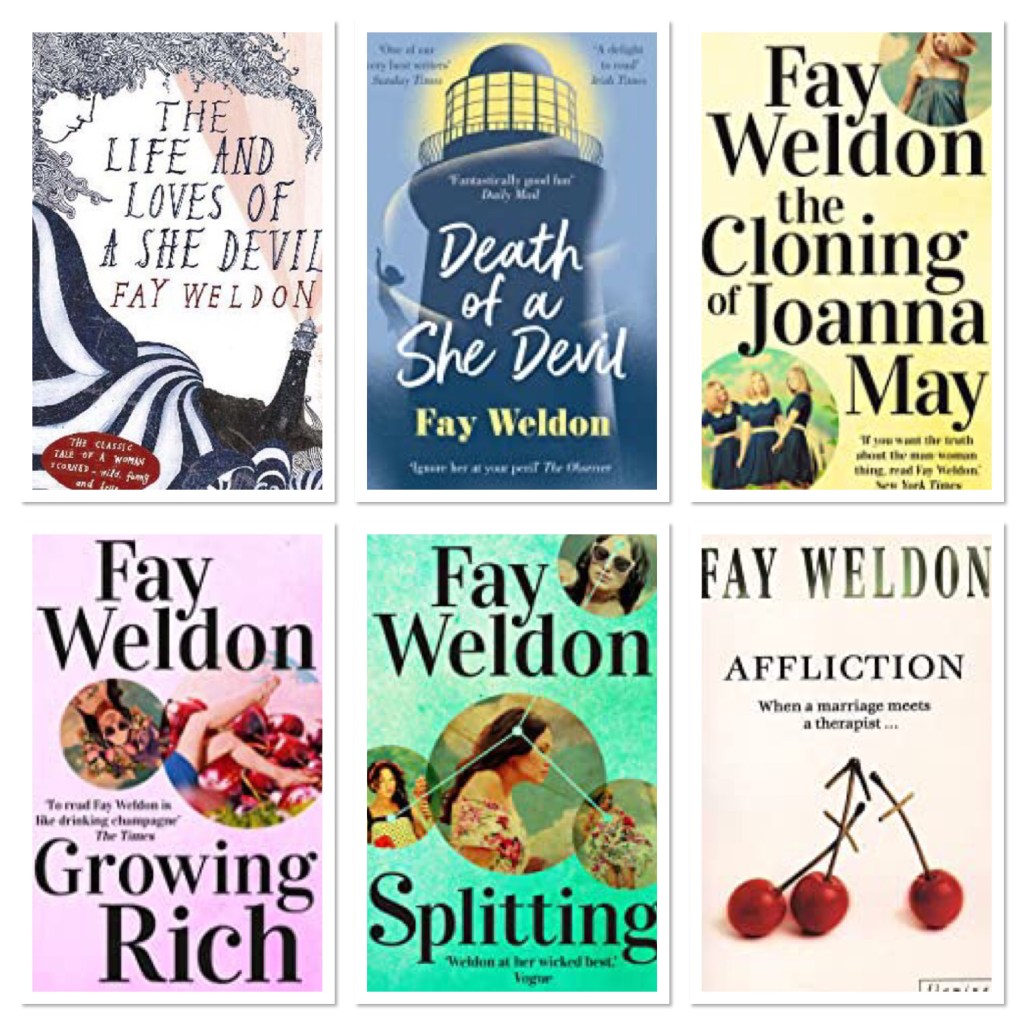
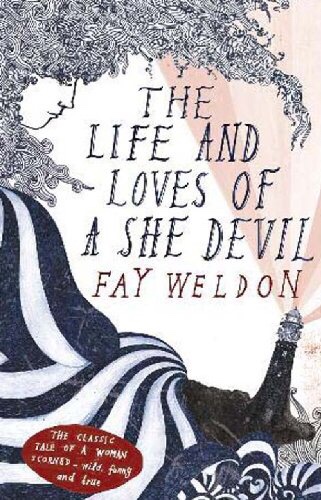
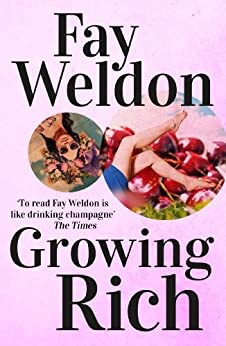
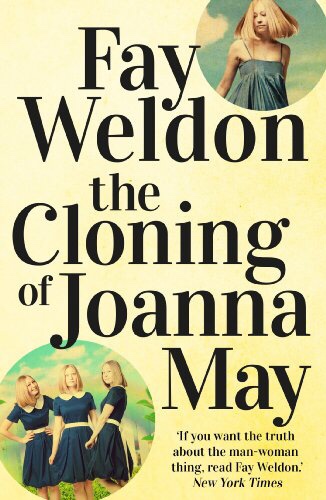
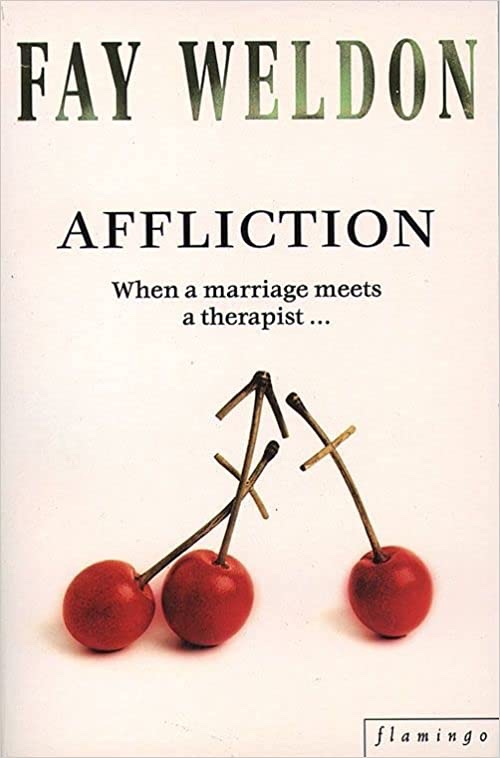
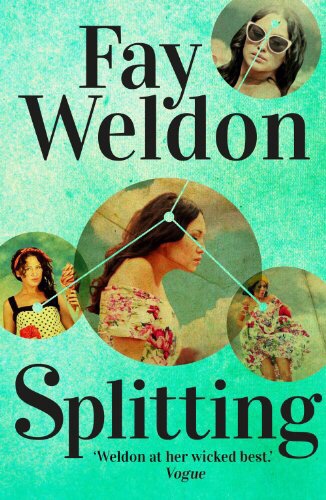
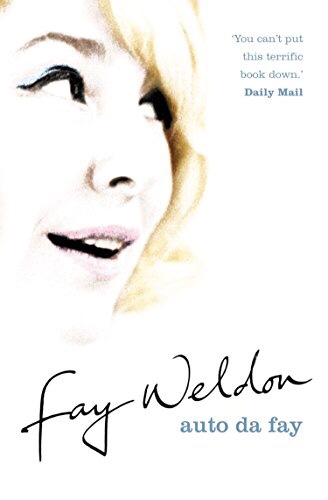

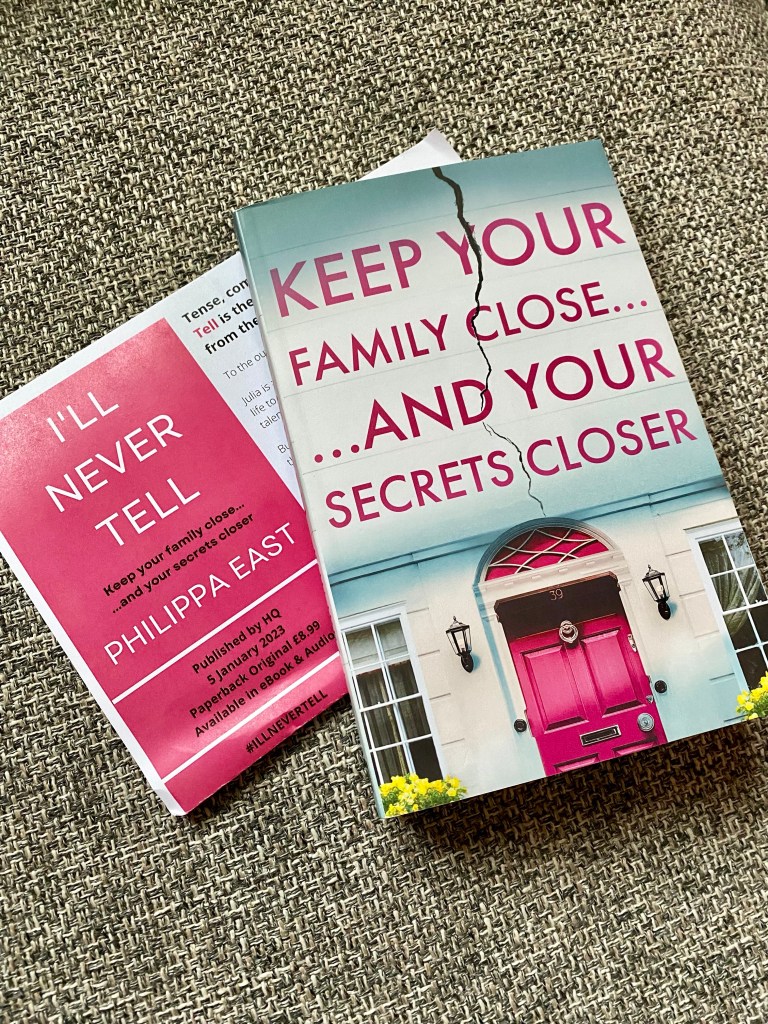
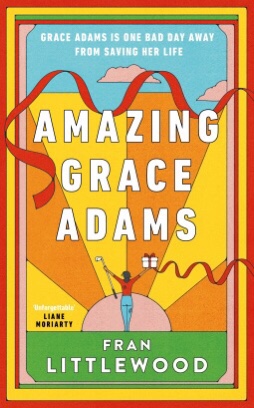
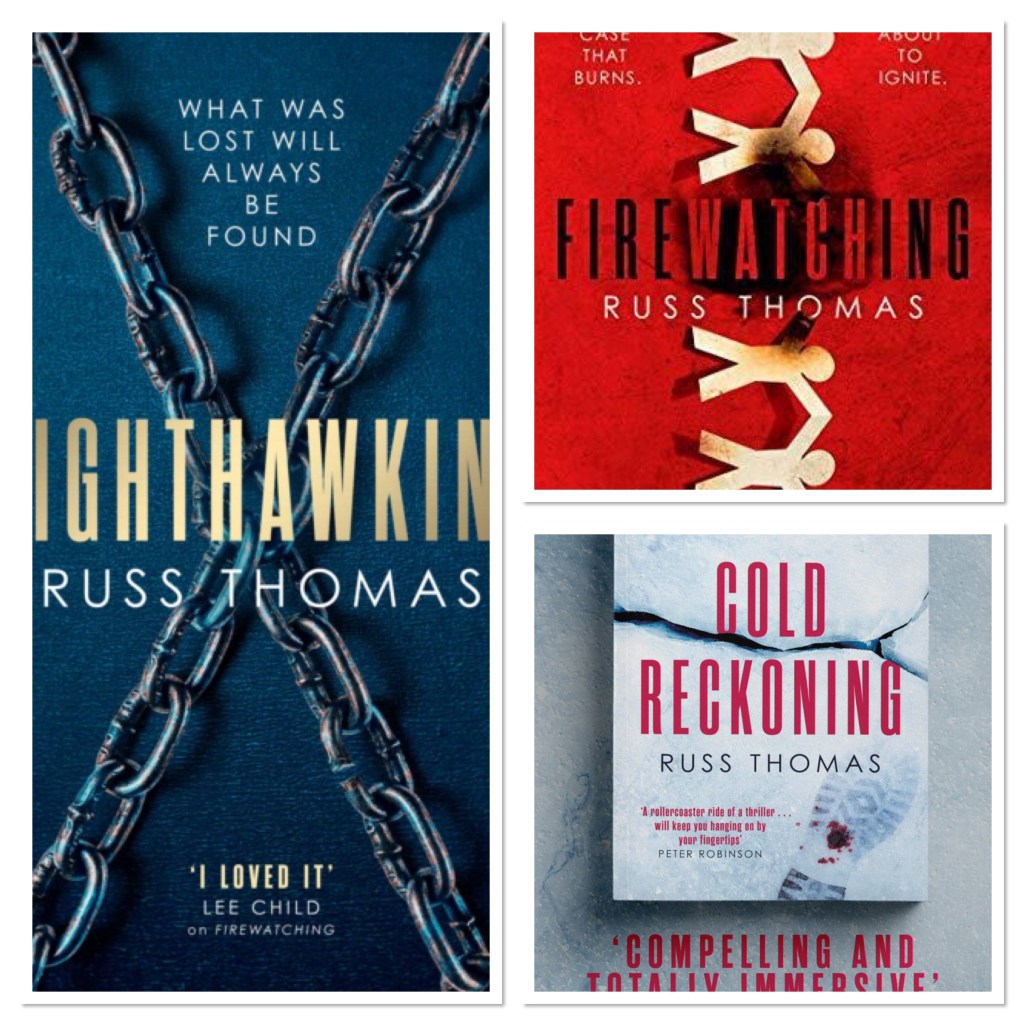

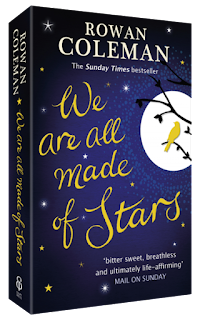

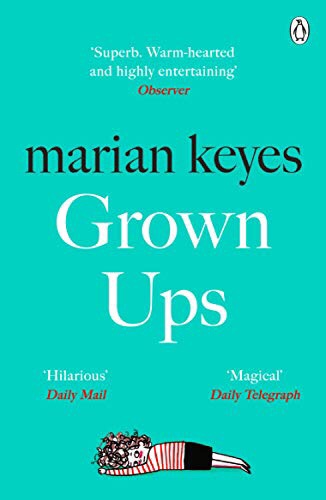


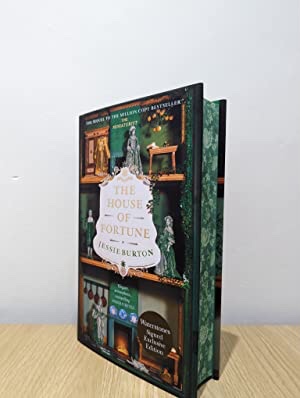

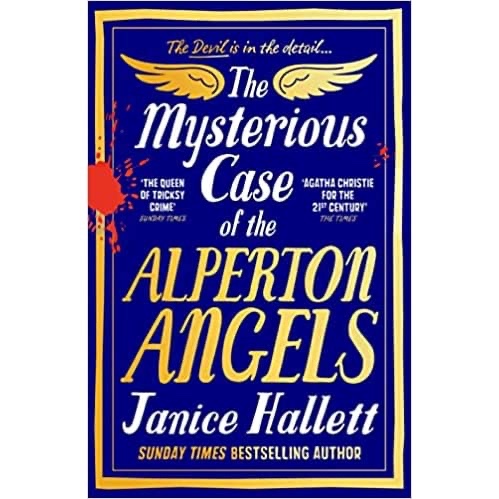





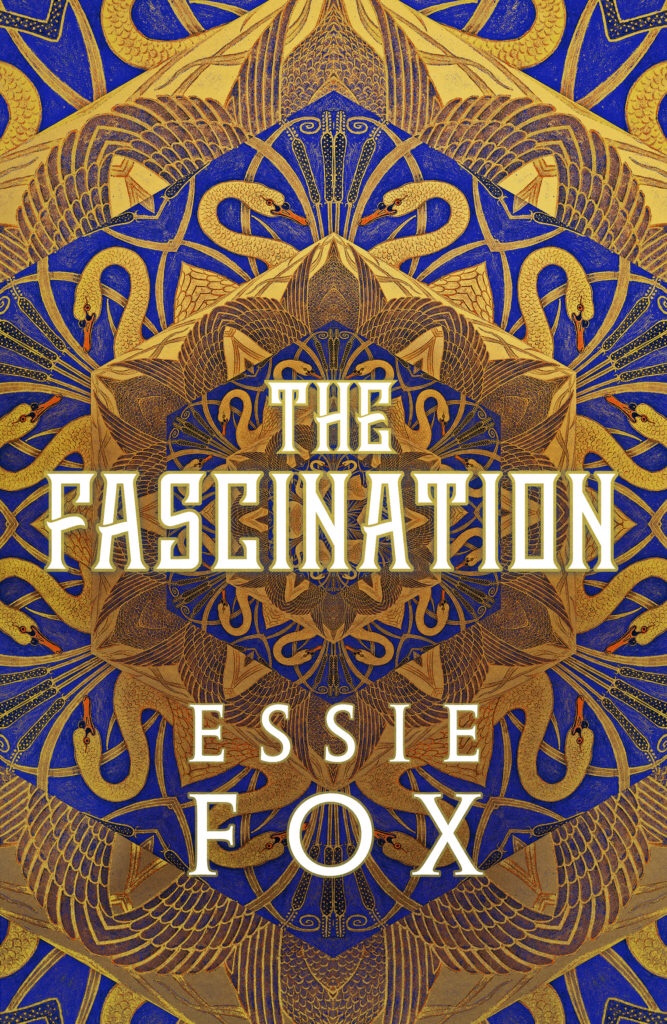


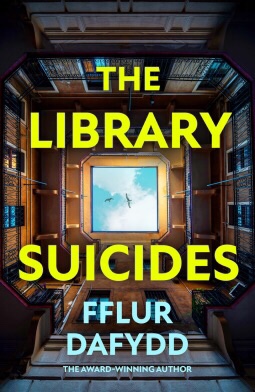
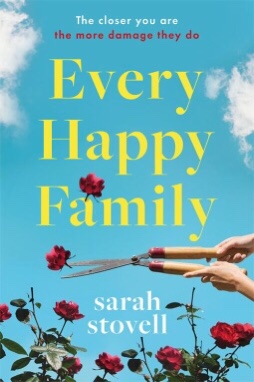
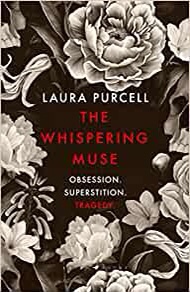


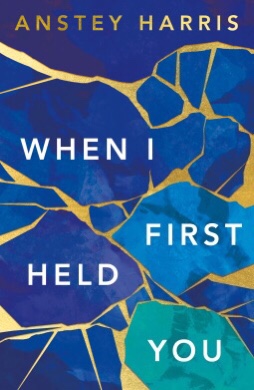


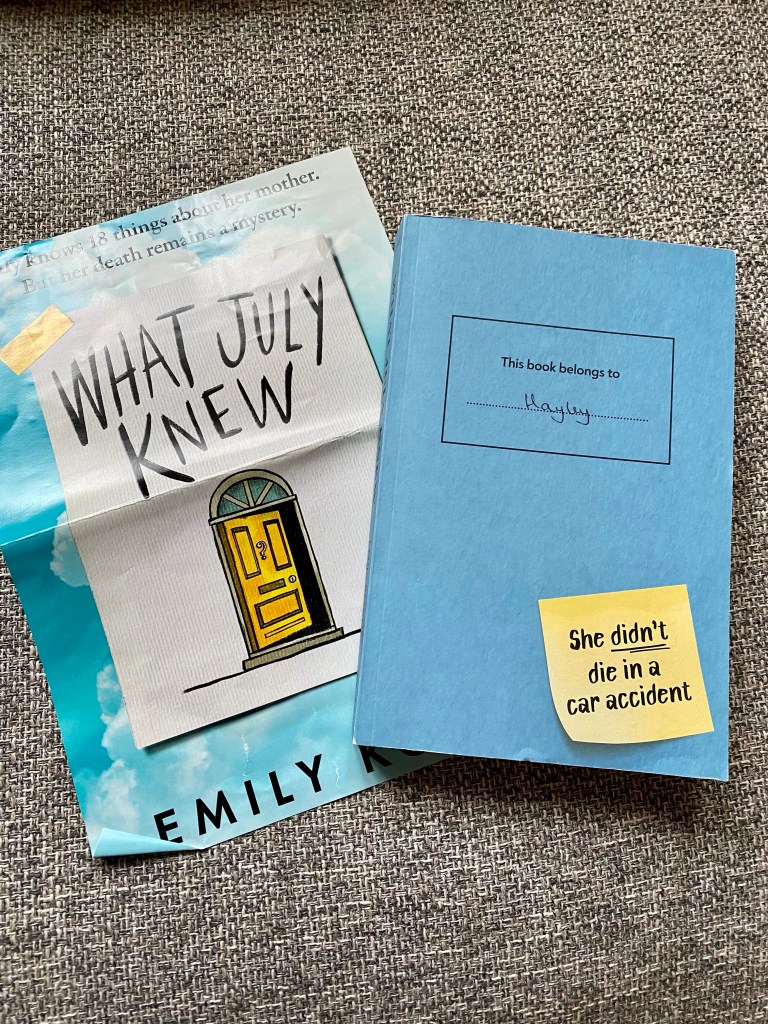

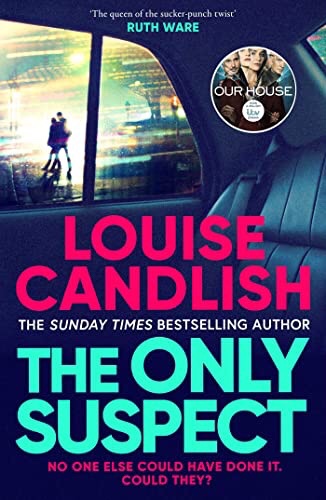




 The Lotus Readers