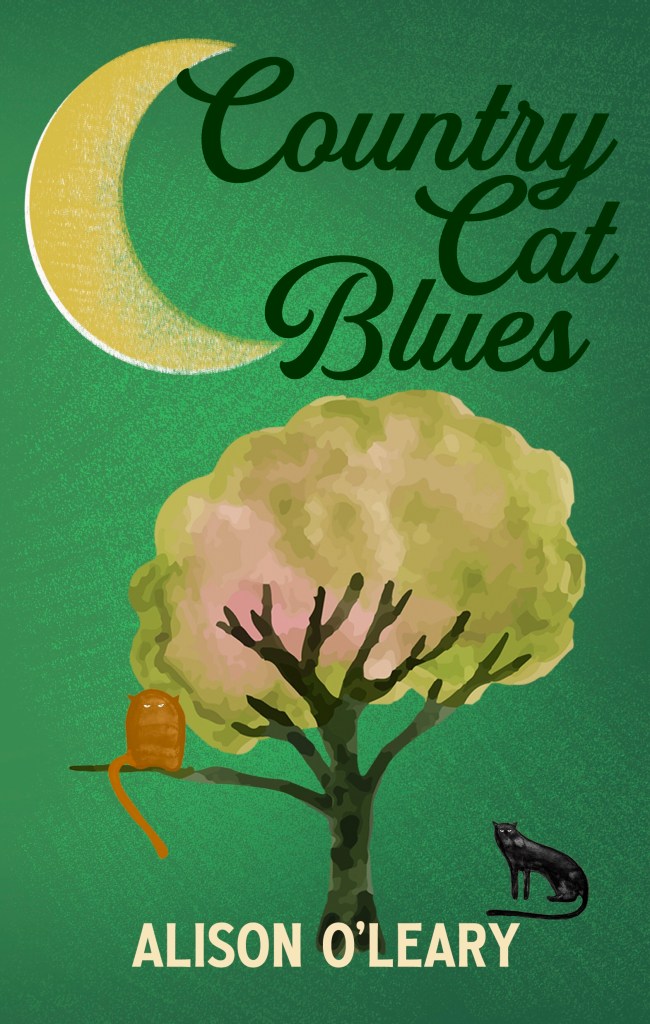
The word ‘quirky’ can be very overused, but it seems the most apt work for this fun murder-mystery novel where our detectives are Aubrey, a rescue cat, accompanied by Maudie, a ghost who appears to live up the chimney. This is the second in Alison O’Leary’s books about Aubrey, who lives with a young couple who seem to specialise in waifs and strays. The change of scene to a country setting, comes about because Jeremy is exhausted by St Frank’s, the difficult school he teaches at. When the chance of a school swap to a small village comes up, with country cottage, it’s too good to turn down. So, the couple, their foster child Carlos and Aubrey all make the move imagining a more peaceful life. However, village life is not always as peaceful as city dwellers might expect and it’s not long before Aubrey is sleuthing away.
At first I was a little bit sceptical about a story from a cat’s point of view, but it really does work. Aubrey is an intelligent, alert, and brave little fellow with a lot of respect and empathy for people and his fellow cats. He soon makes friends in the village, particularly with Trevor, but he always seems to know where a human needs him. It’s not long before there’s disconcerting news about a cat murderer who has already claimed a couple of victims. I loved how the cats come together to patrol the village and root out any unsavoury characters hanging round after dark. Aubrey is elected to talk the group of cats who reside at the recycling plant – the village cats decide it’s better that way because Aubrey’s new and has no history with them. He soon has them on side and cat watch begins. This isn’t the only dangerous individual around, at the village fete local the school master is attacked with a knife and dies from his injuries. Harold and his wife Lucinda are regarded by most villagers as eccentrics who run an alternative boarding school on the outskirts of the village. However, no one can think of a reason for anyone to do Harold harm. In fact, Carlos has surprised his guardians Jeremy and Molly, by showing a distinct interest in the flora and fauna of the countryside – albeit having more to do with the alluring Teddy, one of Harold’s pupils teaching him. She is one of only two pupils left since the murder and doesn’t relish leaving the rather loose and creative school philosophy she’s used to.
Jeremy becomes further embroiled through a shy, reclusive villager called Morris (another waif and stray) who most people think of as a scruffy, but amiable drunk. When suspicion falls his way, and local kids start to make a nuisance of themselves by throwing things at his house, Jeremy goes round and makes sure he’s okay. Aubrey visits him too, with Maudie in tow, and passes time by the fireside to give him some company. He finds that if he sits and gives people time, they tend to talk to him and all manner of secrets might be revealed. This mystery deepens with a lady who visits Morris, but also strolls up to the gate at Molly and Jeremy’s but never comes in. What is her link to the village and to Morris? Added I found myself wondering who Maudie is and whether she’s linked in any way? Neither did I trust Quentin – a rather loathsome individual given to pastel coloured cashmere sweaters knotted across his shoulders. He is the teacher who swapped his cottage and job with Jeremy, but did he have ulterior motives for doing so? I thoroughly enjoyed this adventure with Aubrey and I think anyone who has or loves cats would love this book. Just one question though – is it wrong that I was more invested in the cat killer than Harold’s murderer?
Meet The Author
I was born in London and spent my teenage years in Hertfordshire where I spent large amounts of time reading novels, watching daytime television and avoiding school. Failing to gain any qualifications in science whatsoever, the dream of being a forensic scientist collided with reality when a careers teacher suggested that I might like to work in a shop. I don’t think she meant Harrods. Later studying law, I decided to teach rather than go into practice and have spent many years teaching mainly criminal law and criminology to young people and adults.
I enjoy reading crime novels, doing crosswords, and drinking wine. Not necessarily in that order.
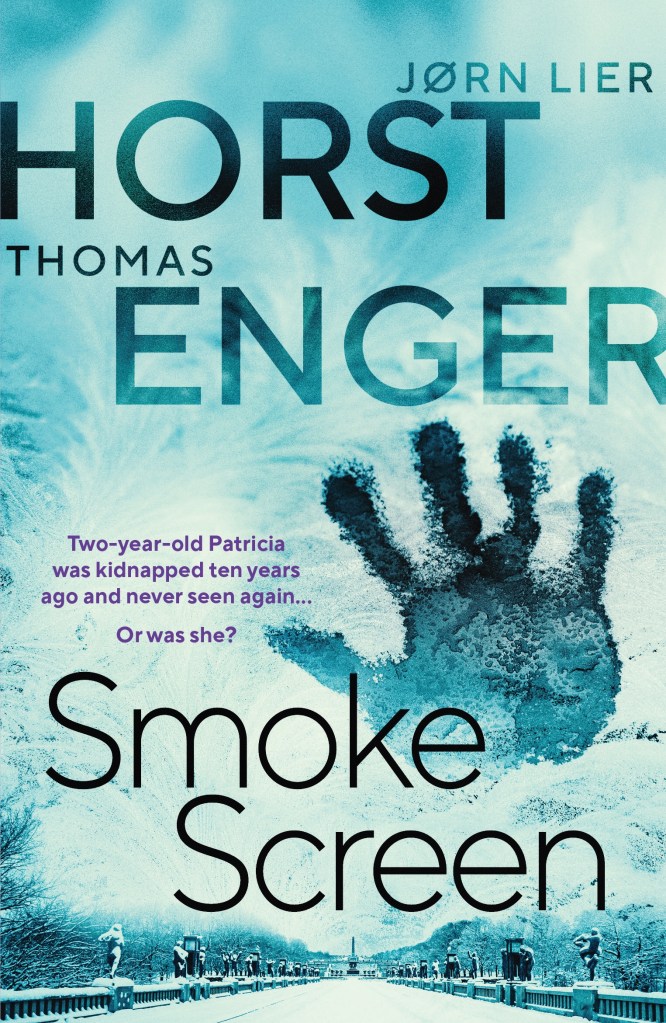
It’s Oslo, New Year’s Eve and crowds are gathering for the annual fireworks display in the city square, when a huge explosion rocks the area and Oslo is put on terrorist alert. News and crime blogger, Emma Ramm, was down there hoping for some space from her boyfriend. Unfortunately Casper followed her, and was caught up in the explosion with fatal consequences. Instead of stopping and grieving, Emma becomes intrigued with another of the fatalities. Mrs Semplass is blown into the water off the quay and has suffered dreadful injuries. Police officer Alexander Blixx has rushed to help, and he brings Patricia out of the water but it is too late to save her. Ramm and Blixx have a past that will always connect them. He is something of a father figure to Ramm and his concern for her is touching, especially since she gets in his way so much. He also admires Ramm for what she can uncover and her tenacity when following the evidence, however much she treads on his toes. Yet she’s reckless at times and puts herself in dangerous situations which worries him. They both set out to investigate, not just the explosion but the coincidence.
They have come across Semplass before, her daughter Patricia was abducted many years ago, when she was only two years old. The crime remained unsolved and they never found Patricia, something that haunts Blixx to this day. Now that Ruth-Christine is dead, it is the last time Blixx may be able to look at this case again. When another familiar name comes up in the bombing investigation, Blixx suspects this is more than a coincidence and starts to dig. Blixx and Ramm begin parallel investigations in alternate chapters to each other; one hoping to find her boyfriend Casper’s killer, the other hoping to finally break a case that haunted him. They cross paths so many times, reaching the same conclusions, but using different methods. This is a very dark and complex case that will affect all of those concerned.
The characterisation was fantastic, each character was so immediately believable and whole. Emma is a dogged investigator, determined to find the truth whatever the cost to herself and unable to focus on the loss of Casper. She’d had doubts about the relationship before the explosion so she feels awkward. This is confused further when his parents try to look after her and take her back home with them for the funeral. When she finally agrees to stay with them she only manages 24 hours before wanting to be free, chasing her latest clue. It’s as if she’s unable to stand still or accept support from anyone, she prefers to stand alone. I loved how the author made even small characters sympathetic and interesting. A cleaner at the hotel where the bomber stayed really drew me in, first as she kept finding a ‘do not disturb’ sign on his hotel room door, but then in a tense scene as she walks home. She thinks she knows the missing man by his shoe laces, the pace intensifies as she hears someone behind her, the pace quickens and by the time she’s face to face with her pursuer my heart was racing!
The short chapters added to the pace and any switches between writer were seamless, as was the translation. The earlier chapters slowly set the story up and let us try and piece together the clues. The pace picked up considerably towards the end and I ended up reading very late at night to finish it. I’d made some correct guesses about what happened to Patricia Semplass, but I hadn’t fully worked out this complicated plot that neatly ties up all the loose ends. It was the perfect Scandi Noir novel: atmospheric, complex, dark and surprising. I finished the book with an immense sense of satisfaction and another series of novels to collect for my bookshelves.
Meet The Authors
Thomas Enger is a former journalist. He made his debut with the crime novel Burned (Skinndød) in 2010, which became an international sensation before publication. Burned is the first in a series of five books about the journalist Henning Juul, which delves into the depths of Oslo s underbelly, skewering the corridors of dirty politics and nailing the fast-moving world of 24-hour news. Rights to the series have been sold to 28 countries to date. In 2013 Enger published his first book for young adults, a dark fantasy thriller called The Evil Legacy, for which he won the U-prize (best book Young Adult). Killer Instinct, another Young Adult suspense novel, was published in Norway in 2017. Rights have been sold to Germany and Iceland. Enger also composes music, and he lives in Oslo.
Jørn Lier Horst is one of Norway’s most experienced police investigators, but also one of Scandinavia’s most successful crime writers. He writes engaging and intelligent crime novels that offer an uncommonly detailed and realistic insight into the way serious crimes are investigated, as well as how both police and press work. His literary awards include the Norwegian Booksellers’ Prize, the Riverton Prize (Golden Revolver), the Scandinavian Glass Key and the prestigious Martin Beck Award.
At the top of the Empire State Building on a freezing December night, two women hold their breath. Frances and Agnes are waiting for the man who has wronged them. They plan to seek the ultimate revenge.
Set over the course of a single night, One Night, New York is a detective story, a romance and a coming-of-age tale. It is also a story of old New York, of bohemian Greenwich Village between the wars, of floozies and artists and addicts, of a city that sucked in creatives and immigrants alike, lighting up the world, while all around America burned amid the heat of the Great Depression.
It’s hard not to fall in love with Frances. It only took a few chapters and I was with her wholeheartedly – she simply feels so real. The narrative bounces back and forth from the top of the Empire State Building, all the way back to Frances leaving rural Kansas, but it is always Frances’s point of view we follow. As a poor girl in a thin dress and broken sandals she is noticed by a couple of bohemian types on the train, a photographer and journalist. They are looking for stories and characters that will appeal to a wealthy NYC elite, and poverty stricken farmers are making headlines as the Depression bites. They see something in Frances and want to photograph her, but she is meeting her brother at the station so she takes their card instead. We see her settled into Stan’s tenement flat, taking embroidery in for Mrs Bianchi next door. How does she go from this to contemplating an act of violence at the Empire State?
What we’re seeing is an awakening. It’s not so much a loss of innocence – I realise that went a long time ago when she relates the things she’s seen and suffered. In NYC, although she’ll still experience trauma, she also gains so much strength and self-knowledge. There’s an awakening that’s sensual as she learns to love the feel of fine fabrics on her skin and the joy of moving her body to music. She gains a love and understanding of art, responding emotionally to the most complex modern pieces as well as the photographs she takes with new friend Agnes. There’s also an awakening of sexual desire, something she has never experienced before.
The structure brings an amazing tension to the novel. We might think we’ve worked out what is going on, but it’s so much worse than I imagined. We are drip fed the events leading up to the present moment, and the author doesn’t reveal the man Frances and Agnes have lured to the building until right at the very end. The girls become friends before realising they are both affected by the ambitious men who will build this city. Women are disappearing and men have all of the power in this world. It is the resulting male privilege, such arrogance and certainty, that lures their victim to this precarious and windy place. Agnes and Frances are going to draw a line under this, a fatal one. It really chills to the bone when we find out the true extent of what these ‘disappeared’ women have gone through. Within this we also learn the reality of the Depression in Kansas, and the reality of Frances’s life with a brutal father, only curbed by the presence of Stan. I was so deeply sad for Frances. Dicky and Jacks constantly talk about Frances being wise beyond her years, with surprise. It’s no wonder, she’s been through so much.
This book really is an incredible debut with brilliant historical detail and decadent 1920s feel. The gap between the rural areas of the US and and up and coming city like NYC is wide, but we also see the massive poverty gap between NYC neighbourhoods from the Upper East Side into East Harlem. There’s a decadence here that’s evident from the parties at Jacks and Dicky’s home. These people are new money and the mix of bohemian artists, showgirls, businessmen and politicians is rife with exploitation. I was suspecting everyone of ulterior motives, wondering if anyone is untouched by the taint of money and debauchery. The wholesome and motherly Italian lady Mrs Bianchi gives an impassioned speech about leaving her homeland, only for her sons to be drunk and brawling every weekend. There’s a sense that the pinnacle of this age has been reached; this lifestyle cannot be maintained forever. By the closing chapters I was willing Frances to escape this terrible place, not unscathed of course, but at least alive and free to pursue some happiness with the person she loves. Once I’d finished, I found it hard to start a new book, because my head was firmly in NYC. My heart was still with Frances and that is always the sign of a great book.
This year Valentine’s Day is going to be a little different. I keep hearing it everywhere, especially on adverts trying to sell us goodies for a ‘stay at home’ Valentine’s Day. I have a strange relationship with holidays that expect us to do certain things (I refer to New Years Eve as ‘enforced jollity’) and Valentine’s Day is no different. At the very least I like my loved one to have a card on the day, somewhere I can write how much I love my partner in my own words. Other than that I’d rather we bought each other something we love – a book will be much more appreciated than a cliched gift, or we try and get something that’s more about our relationship and the in-jokes we have. He’s always called me ‘Wonder Woman’ because of what I manage despite my MS, so I have some lovely Wonder Woman Converse trainers and he has a Lego Wonder Woman who sits on his bedside table. Often we wait for a cheaper week to buy flowers and I really don’t do red roses. This year will be stranger than most because it’s the week we’re moving house. This year he has a framed print for the new house – two bumble bees, with tiny suitcases moving into their new home. I’m getting flowers when we’ve moved in so I can really enjoy them.
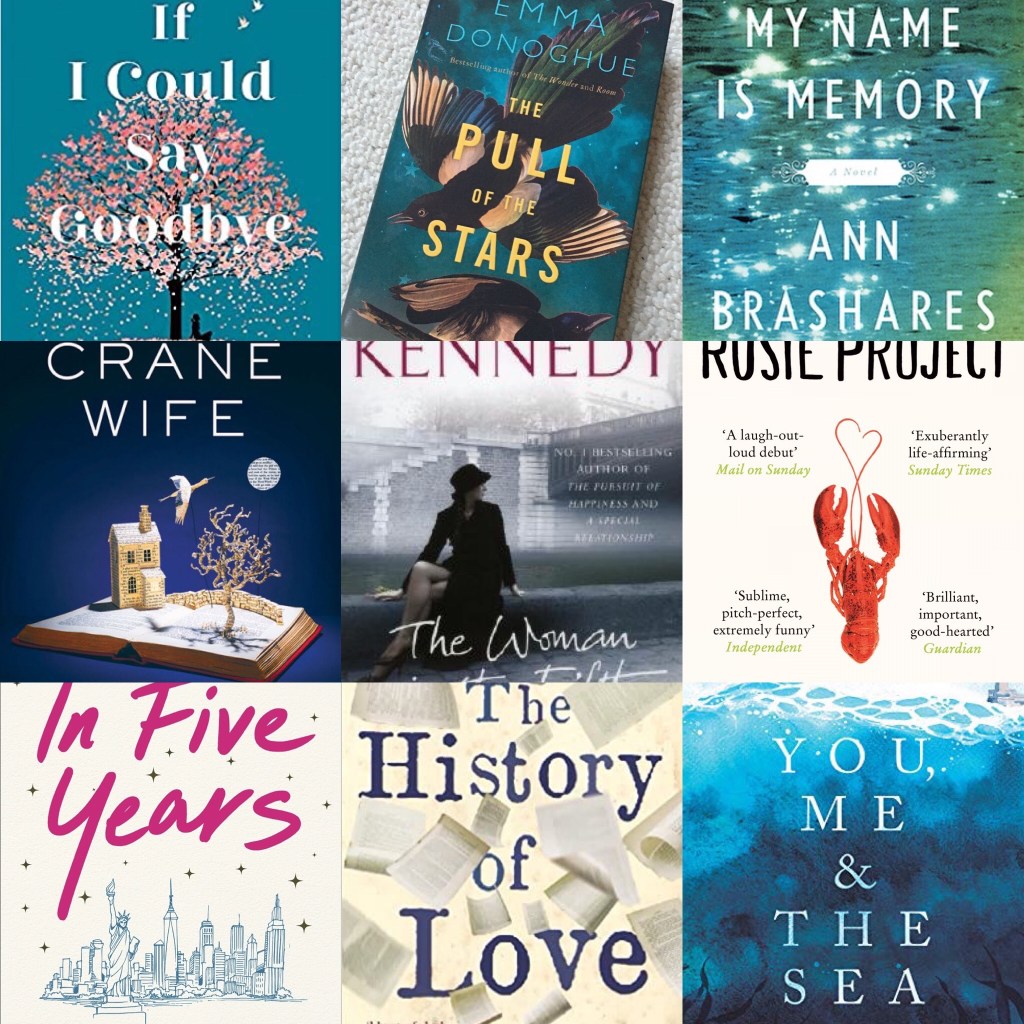
This year, what’s on my mind is that many people might be spending the day alone. When social media is full of people showing their cards and flowers, how hard must it be for those living alone or those recently separated or bereaved. I think the message of Valentine’s Day-to love each other- needs broadening to include other relationships. Love between friends, family, even the bond we have with our pets, all are very important to appreciate and not just because we’re in lockdown. We should appreciate this love all of the time. It might be nice this year to drop a card in the postbox to an elderly grandparent, a friend whose shielding or an Aunty whose just been divorced – they all need it. My life has been quite motivated by love and I was surprised to find my reading is too. I checked my Goodreads for last year, and I was so surprised to see how many were categorised as romance. Today though, in line with my thinking about Valentine’s Day – I thought I’d feature some books that are a bit unusual and are less of a conventional romance.
This book is the latest from a favourite writer of mine, Elizabeth Haynes. It’s probably the most conventional romance in my list, but it’s not just about two people. A love story between Rachel, who has run away from life, and Fraser who is hiding from his past. Yet, for me, the biggest character -that both people fall in love with-is the rugged landscape of the Isle of Must. At first Rachel wonders if she’s made a huge mistake, the island is bleak and rough. However, as the spring comes, it spreads its magic. Rachel falls in love with the island’s beauty; body and soul. I love that although this is a love story, it’s so much more than that. It’s a woman’s awakening into what her soul needs and who she really is at this point in her life. Fraser is an embodiment of the landscape, rugged and forbidding, until he too starts to reconcile with himself. Simply beautiful.
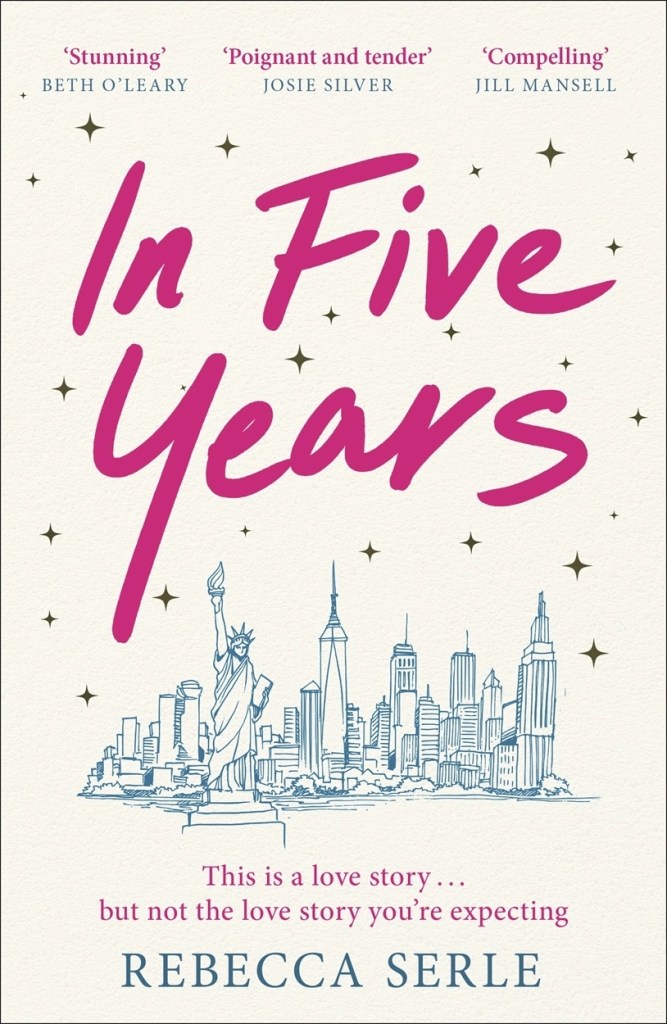
I absolutely loved this beautiful novel and I was totally wrong footed by it as well, because this is one book that really pushes the philosophy that there are many different types of love. Dannie has a very strict five year plan and goes after what she wants. With this focus she is now in the perfect apartment in the right part of Manhattan. She has secured the job she always wanted, and is engaged to the perfect man. So she’s shocked by a dream she has, that in five years time she is with a different man, in a loft apartment in a more ‘up and coming’ area. She’s also wearing a different engagement ring. She shakes off the dream, but it’s there in the back of her mind. Then, four and a half years later, she goes for a meal with her best friend Bella. Bella is Dannie’s polar opposite, but despite this they’ve been friends for a long time. Bella would never have a life plan. In fact Dannie has sometimes worried that she’s a bit flakey. She’s a bohemian, go with the flow, sort of girl and has been resolutely single for years. Now she’s bringing someone important to meet Dannie, but to Dannie’s horror Bella’s dinner guest is the man from her dream. How can she avoid the destiny that seems to have been planned out for her? I adored this book. It’s a beautiful love story, but was far from the one I was expecting as I read. It made me think about soul mates and how that doesn’t necessarily mean our romantic partner. Love comes from many different places and isn’t necessarily what or who we expect. Heart rending and beautiful.
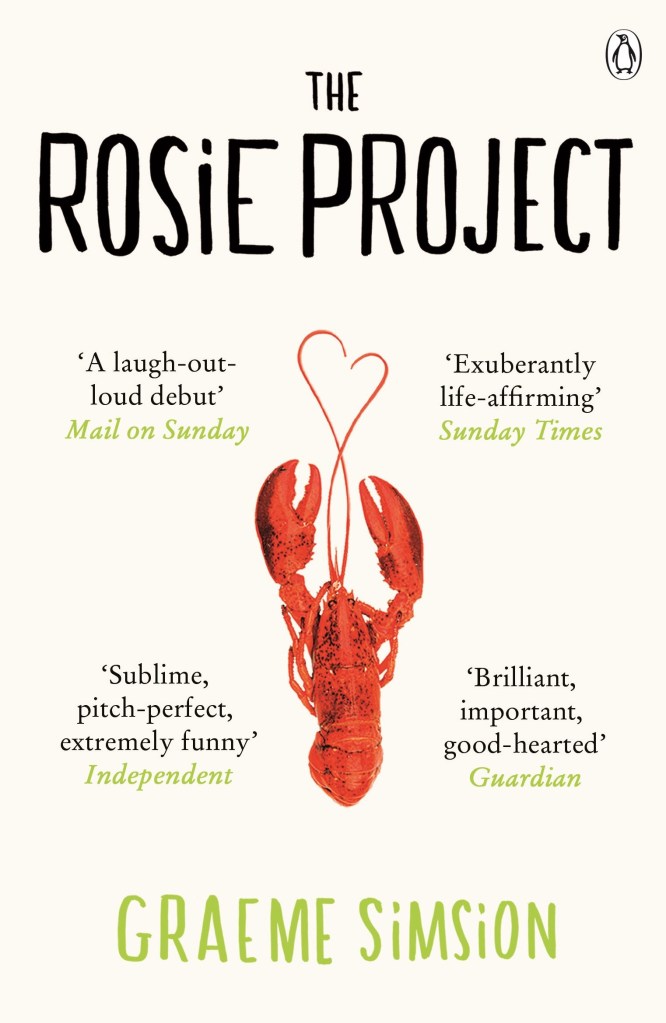
Don Tillman has decided it’s time for him to find a wife, and being a professor of genetics he decides to take a scientific approach. Surely if he comes up with a questionnaire, designed to eliminate women with the qualities he dislikes, he should find the one? However, one thing he knows for sure. It will definitely not be Rosie. Don believes Rosie is an applicant for his questionnaire, but she would fail on several counts. She smokes and drinks, is a vegetarian and can’t be punctual. Thankfully she’s there to ask for his help in finding her real father. To say Don is a bit socially challenged would be an understatement and this really is a laugh out loud funny book. Watching him struggle through meeting women is brilliant. He hasn’t realised that love has a language all of its own.
I do enjoy a bit of magic realism and that’s exactly what we get here from the incredible storyteller Patrick Ness. George Duncan is an honest, decent and good man. He lives by himself and could be said to have a lonely life. One night, he is disturbed by a noise outside and wakes up. When he looks outside there is a large crane in his garden, shot through the wing by an arrow. George is very moved by the bird’s plight and goes outside to help. When the bird flies away he feels a loss, not knowing that his life is about to be transformed. The next day, while working in his shop, he meets a customer he’s never seen before; mysterious, but kind woman, called Kumiko. A tentative friendship begins, then blossoms as Kumiko takes George on a journey through art and storytelling. They fall in love and together create beautiful pieces of art, stretching George’s ordinary life into something rare and fantastical. However, there’s a part of Kumiko he feels he hasn’t reached and he wonders whether this enigmatic woman has secrets. His need to know the the occasional secret side of her, may be his undoing. Can we love someone, knowing they are never just one set thing? Ness creates a beautiful fable here, but also a deep meditation on life itself.
“Love who you love while you have them. That’s all you can do. Let them go when you must. If you know how to love, you’ll never run out’.
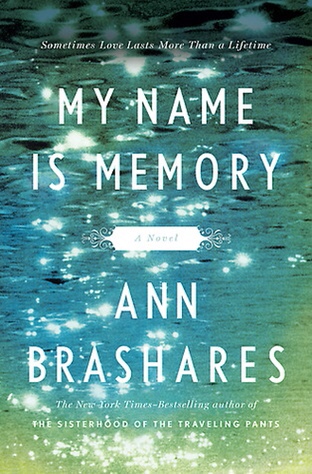
Daniel has ‘the memory’, an ability to recall past lives and loves. It is both a blessing and a curse. Daniel has spent many lifetimes falling in love with Sophia across continents, dynasties and centuries. Each time they find each other, despite different names and appearances, and Daniel remembers every lifetime. Yet it is a love that’s always too short. For every time they come together, they are painfully torn apart again. In the present day, under the guise of Lucy. Sophia is awakening to the lover’s shared past, but just as she understands their strong attraction and familiarity they may be torn apart again. How can they confront what always pulls them apart and finally change their ending?
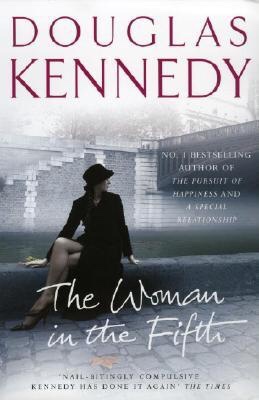
Douglas Kennedy has a real aptitude for writing about relationships and I’ve been a fan since his debut A Special Relationship. Here we meet Harry Ricks, down on his luck and running away from life. His career is in pieces after his boss slept with Harry’s wife then conspired to ruin him. He has a poor relationship with his daughter, who despises him. He takes a rash decision and flies off to Paris, where he books into a hotel and burns through any savings. He’s close to destitution when he gets a job as a night security guard. He’s guarding warehouses for a bunch of gangsters, but turns a blind eye to what happens inside. Just as life seems at its worst he meets Margit and is immediately enchanted by her. She’s a handsome woman rather than pretty, but incredible sensual and oozes sexual energy. She challenges his morals and the guilt he feels. Margit becomes his muse. He starts writing his novel in earnest – 1000 words a day – and he feels his masculinity being restored. She controls when he sees her, which only makes him want her all the more. People who have been looming over Harry’s life start to have nasty ‘accidents’. However, as with all seemingly perfectly arrangements, perhaps Margit isn’t all she seems to be. Atmospheric, addictive and an exceptional twist at the end.
Emma Donohue’s latest novel is an incredible piece of historical fiction, but is also a love story. Set in Ireland, just after WW1, Nurse Julia Powers works in a maternity unit. On the day in question she has been placed in charge of an isolation ward where expectant mums have ‘Spanish’ Flu. Julia is usually assisting a senior nurse, but today staff are so stretched that she’s in charge, with only volunteer helper Bridie Sweeney. Bridie says she’s had the flu and would be only too happy to help. What follows is a difficult, visceral and heart rending depiction of child birth in Ireland 100 years ago. So many bleak elements make up this story from the details of difficult births, to women from the Magdalene laundries, and exhausted women on their twelfth birth. This isn’t an easy read. Yet there is love: between the women supporting each other, the overwhelming love of a mother for a child (even where the child’s conception has been violent and traumatic) but there’s also romantic love too. The women work together and grow together, their feelings developing throughout the day towards a gloriously tender moment. These book shows us the consequences of love and the sacrifices women are prepared to make in love’s name.
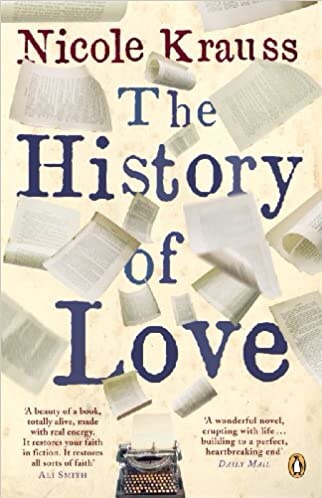
Set in New York, this is a story of people losing and finding each other. Fourteen-year-old Alma Singer is trying to find a cure for her mother’s loneliness. Believing she might discover it in an old book her mother is lovingly translating, she sets out in search of its author. Across New York an old man called Leo Gursky is trying to survive a little bit longer. He spends his days dreaming of the love lost that sixty years ago in Poland inspired him to write a book. And although he doesn’t know it yet, that book also survived: crossing oceans and generations, and changing lives. . . We have a brilliant depiction of old age in Leo, and his recollections of his boyhood in Poland are wonderful. There are several narrative strands woven together by the author, all based around the book ‘The History of Love’ but it is Leo’s story of his childhood love from the years before the Nazis came that stayed with me. Written beautifully, in such poetic prose, this is as much about the power of stories as it is about the power of love. It seems that it’s those who have lost so much in love, who value it most highly.
This novel is probably my most conventional choice and one of my favourites from last year. It quite literally broke me when I finished it in the middle of the night. Jennifer Jones’ life began when her little sister, Kerry, was born. So when her sister dies in a tragic accident, nothing seems to make sense any more. Despite the support of her husband, Ed, and their wonderful children, Jen can’t comprehend why she is still here, while bright, spirited Kerry is not.When Jen starts to lose herself in her memories of her sister, she doesn’t realise that the closer she feels to Kerry, the further she gets from her family. This is a wonderful depiction of married love, but also of familial love. Jennifer is torn between her love for her sister, her love for Ed and a mother’s love for her children. The way Ed supports Jen, and believes her when she says she can see Kerry, is a wonderful depiction of love and loyalty. I was so lost in this novel that I cried at the end.
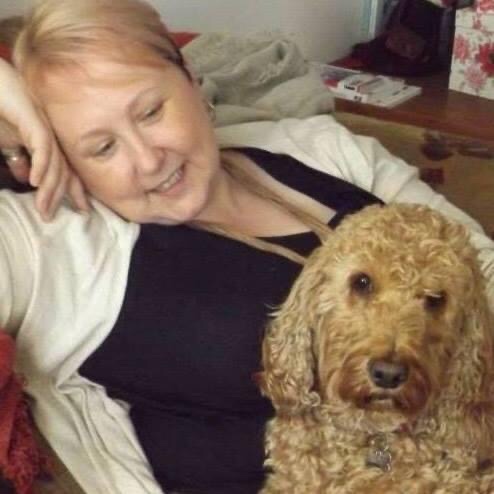
Finally I want to give special mention to a book that spoke to me personally when I most needed it. It prompted me to do something that helped me through grief, when I lost the person I most loved in the world. I lost my husband in 2007, after a long illness, and I was utterly lost. Due to my caring role, I’d had no time for me or my own interests for a couple of years. I’d given up work and struggled to see friends. Jez couldn’t eat, drink, or even breathe without someone there 24/7. So after his funeral, I woke up one morning with all this time to fill and nothing to fill it with. I had lots of support but at the end of the day, when the door closed at night I was so alone. It wasn’t just me and Jez, but all the carers, Marie Curie nurses, and hospice staff who were with us all through the day – and four nights a week. I decided after a couple of months to get a dog and I found my cockapoo Rafferty a few weeks later. I collected him on New Years Eve and it was just in time. Suddenly that night I fell into a black pit of despair. I couldn’t bear entering a year where Jez didn’t exist. As the night wore on I felt so black that I had I not had my little bundle of fur next to me I might have taken drastic action. I started to write a memoir a couple of years later and that was when mum gave me this book.
This is powerful memoir which mixes honest, personal revelation with literature, history, and inspirational self-help, Bel Mooney tells the story of her rescue dog, Bonnie, who in turn rescued Bel when her world fell apart with the all-too public break-up of her 35-year marriage. It really is a story of survival, and also one of love. This is an account of six years in Bel’s life, from when she first acquired Bonnie from a rescue home, through Bel’s years of personal heartbreak and disappointment, and on to the happiness which she has now found in a new marriage and a new life, with the Maltese at her side all the way. This is a book about transformation and change, about picking yourself up and attacking life in the way that a small dog will go for the postman’s trousers – and about celebrating life, much as your canine companion will always celebrate your return, even from the shortest trip. This is engaging, entertaining, full of personal anecdotes and deeply It takes you on an inspirational walk with one very small but very remarkable dog – a dog who represents all that is best about dogs, and about we humans too. I know that the love I have for my dog is one of the strongest feelings I’ve had. I have thoroughly enjoyed watching my partner and my stepdaughters fall in love with him over the last couple of years. He’s now a family dog and he’s bonded us in a way that wouldn’t have happened otherwise. I hope whatever loving relationships you choose to celebrate tomorrow, you have a lovely day. Valentine’s Day isn’t just for romantic love and we need all the celebrations we can get.
I first read this book last year, but then the release date changed. When I was asked onto the blog tour, I was excited to read it again. I remember being so intrigued by the premise – I always get strangely giddy when an author does something unexpected or genre bending! On the second read I still had me the same sense of delight and wonder as Faye gets into her space hopper box and careers back into the 1970s.
This is a story about taking a leap of faith
And believing the unbelievable
They say those we love never truly leave us, and I’ve found that to be true. But not in the way you might expect. In fact, none of this is what you’d expect.
I’ve been visiting my mother who died when I was eight.
And I’m talking about flesh and blood, tea-and-biscuits-on-the-table visiting here.
Right now, you probably think I’m going mad.
Let me explain…
Although Faye is happy with her life, the loss of her mother as a child weighs on her mind even more now that she is a mother herself. So she is amazed when, in an extraordinary turn of events, she finds herself back in her childhood home in the 1970s. Faced with the chance to finally seek answers to her questions – but away from her own family – how much is she willing to give up for another moment with her mother?
This truly is a unique and original debut novel that mixes a heartfelt story about mothers and daughters, time travel, and the 1970s. I’m a child of the 1970s and though I never owned a space-hopper they were an instantly recognisable symbol of my childhood. The author takes these elements and brings us moments of intense delight – I was smiling to myself as Faye climbs into the ratty and tattered space-hopper box in the attic – but also a poignant and heart rending sense of loss. Faye has a photo of herself in the box, it was taken when she was six and it must have been taken by her mother, Jeanie. Although her Mum isn’t in this photo, everything about it tells her how much she was loved and how much was taken away from her. It’s Christmas and Faye remembers the decorations, the presents and can see the sense of wonder in her little face. She can also see the love, the trust and the sense that her Mum is her absolute world. Her presence in the photograph is so strong, even though we can’t see her. This photo is like a talisman for Faye, and the reader feels the strong emotional pull too.
Yet she doesn’t know her mum. There’s a moment, when adult Faye has hidden herself in the garden shed, and watches her mum open the back door and look down the garden.
‘hands on hips looking straight down the short, narrow garden, straight at me in fact, and took in a long deep breath of cold air. She closed her eyes and smiled. She looked so content and I realised I knew nothing about this woman.’
It questions whether we can ever truly know our mother, even though the emotional bond is so incredibly strong. Faye wonders if, through time travel, she can get to know her mother on an adult-adult level, especially if her mother doesn’t know who she is. Although in a philosophical chat with her friends, they point out that Faye would always know she was Jeanie’s daughter and can only relate to her in that role. The question is, can she tell them what has happened to her? There are pros and cons to having this portal to her past. When she’s with her mother, she worries whether she’ll be able to get back to her husband Eddie and her own daughters Esther and Evie. She wants to be there for her daughters, so they don’t have the very same experience of loss that she had. Eddie is training to be a vicar, so he has a belief in God and the afterlife. Faye has no belief, and worries about where she’ll fit as a vicar’s wife without faith. Now can she ask Eddie to belief she’s found a portal back to her childhood in a ratty, space-hopper box that’s hiding in the attic? Every character is so loving and supportive of Faye, but I have to mention her friend Louis who happens to be blind. I liked the sense in which he takes a leap every single day into a world he can’t see and doesn’t always understand in the same way we do. He makes the point that his inner world is very different from the sighted person’s world, although sighted people always think he sees like they do. If you’ve never seen a cat, you can only go on the way it feels. There’s a brilliant example where he’s asked to draw a bus and he draws one vertical line, followed by three smaller horizontal lines.
His experience of the bus is the vertical handle he holds to get on and three horizontal steps he climbs. Maybe Louis would understand the sense of different worlds?
When working in my day job, I sometimes counsel people who are bereaved. We talk about grief in many different ways, but one of the most popular metaphors is the sea. It tends to come in and out in waves. On anniversaries it sweeps in and then recedes again. There are times when it stays far out of sight and others when it comes in so fast and strong it’s like a grief tsunami! If Faye returns, having got to know her Mum as Jeanie, will she grieve for her all over again? If she’s stuck back there, she will grieve for her family and friends in the present. I was deeply touched by a section where she talks about her childhood grief and needing to ask questions about her mother.
‘ I searched my memory like it was a messy drawer, trying to find an image, some mental recording of a conversation, something to explain exactly why I’d felt so alone in dealing with losing my mum, when Em and Henry had been so supportive, so caring, in every other way. I could see Henry’s face in a memory so coated with dust I could barely picture it. It was his face with a worried look, glancing over at Em as I asked her a question or said something about my mother. What would it have been? ‘I miss my mother. I want to see my mother again. Do you think my mother was happy?’ I had seen those looks of his, and I’d filed them away. I hadn’t thought about it, but I realised what they were: he didn’t want me to upset his wife Em.’
So, in order to avoid upsetting Em she’d kept her questions and her grief to herself. My heart broke for this little girl so alone in her loss. However, despite being deep and poignant, the author has found a way of making the novel fantastical, quirky and even humorous. It’s suffused with love and joy. I’m so impressed with this magical debut, it absolutely charmed me from beginning to end.
Meet The Author
Helen Fisher spent her early life in America, but grew up mainly in Suffolk where she now lives with her two children. She studied Psychology at Westminster University and Ergonomics at UCL and worked as a senior evaluator in research at the RNIB. She is now a full-time author.Space Hopper is her first novel. She is currently working on her second novel.
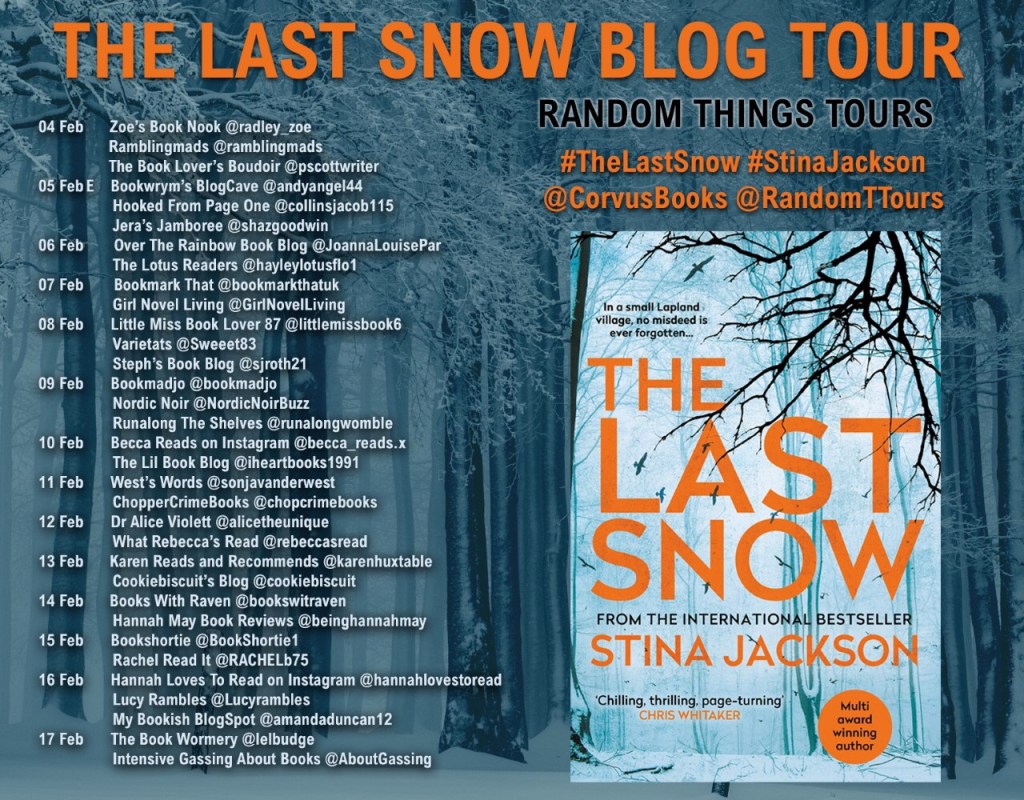
What secrets are hidden within the walls of a desolate farmhouse in a forgotten corner of Lapland?
I was chilled by this novel from the first page, as a young girl flits through the woods, only visible in flashes of a pale, frosty moon. She is making her way towards an all-night garage and truck stop, one of those places that feel weirdly outside of time. I could already sense the isolation of this part of Sweden, so far north it’s in the region of Lapland. I could also imagine the boredom and recklessness this teenage girl feels, then I worried about the home she is from.
Then we jump to the present day. Early spring has its icy grip on Ödesmark, a small village in northernmost Sweden, abandoned by many of its inhabitants. But Liv Björnlund never left. She lives in a derelict house together with her teenage son, Simon, and her ageing father, Vidar. They make for a peculiar family, and Liv knows that they are cause for gossip among their few remaining neighbours.
Just why has Liv stayed by her domineering father’s side all these years? And is it true that Vidar is sitting on a small fortune? His questionable business decisions have made him many enemies over the years, and in Ödesmark everyone knows everyone, and no one ever forgets.
Now someone wants back what is rightfully theirs. And they will stop at nothing to get it, no matter who stands in their way…
Usually when writing about a thriller I’m talking about the build up of tension, the breakneck pace of the writing as we reach each reveal. Here Stina Jackson has done completely the opposite and it’s so effective. The pace is glacial, quiet and even contemplative. The result is that you become so lost in the pages that you forget you’re supposed to be breathing. The dreamlike quality of those first lines stays as you are introduced to Liv, working her job in a filling station. There’s a sense that time has stood still. As her father draws up in his old car to pick her up, she could still be a teenager at her Saturday job. Then we find out she has a teenage son and realise she’s older, but very little has changed for Liv. I felt that sense of suffocation, as they return to the house that’s barely standing, with no neighbours in sight, and her father ruling the roost. There’s inertia here; Liv hates being here but can’t summon up the energy to leave. She’s beaten down mentally by privation and the harshness of her father and the landscape. This isn’t a formulaic crime novel, this is also about families and all the emotions encompassed in these relationships. There’s jealousy here, hate and resentment, but also love. Yet over all of that there’s that suffocating sense of paralysis. As if nothing will ever change here.
Liv does have an escape. It’s a tried and tested escape she’s used since she was a teenager. At night she makes her way to an old cabin on their land, takes off her clothes and climbs into bed with the tenant. There’s a calm and matter of fact feel to her liaison, she’s clearly been here many times before. Maybe this is the closest she can get to a relationship. It’s a step up from her midnight travels to the truck stop and the cab of any trucker she can find. At least now she’s a woman, her father Vidar doesn’t track her down and drag her home. Vidar is harsh, cold, mean and according to local gossip, sitting on a fortune. They needn’t live the way they do. Our other perspective in the novel is that of local drug dealer, Liam and his brother Gabriel. Liam feels like Liv’s counterpoint in the novel. He wants to change his life, but is controlled by his brother who has heard of Vidar’s supposed fortune. These two families will come together in a violent and brutal way. All of these characters are so well drawn and they come to the reader in the same way people do in life. Some are open from the beginning, like Vidar who doesn’t hide his cruelty and unpleasantness. Others are more quiet and sly, we have to work to get to know them. Between all of these characters though, there’s a volatile mix of bad blood, greed and so much suppressed rage. When this spills over we are left thinking we know who’s to blame, but we don’t.
The story does slip back and forth in time from the opening scenes in 1998 to a later point as the past informs the future and vice versa. It’s important to concentrate in the past sections, because it really does inform people’s motivations and character. It’s a slow burn, but still kept me gripped throughout. Then the ending comes and while it was shocking, it made sense. This felt like some of the best Scandi Noir series I’ve watched – heavy on atmosphere and character, but takes it time unfolding the narrative and showing us where everyone fits, till the final revealing scene.
Meet The Author
Stina Jackson (b. 1983) hails from the northern town of Skellefteå in Sweden. Just over a decade ago she relocated to Denver, Colorado, where she penned her debut novel, the acclaimed The Silver Road. A runaway bestseller, the novel established Jackson as a rising new star within Nordic suspense.
Over the last year on Book Twitter and Bookstagram I’ve seen a lot of questions about being a book blogger and also a lot of assumptions. So I thought I’d write about how I ended up book blogging and why.
Ever since I was small I’ve loved reading and by the age of eight had finished the whole reading scheme at school and had started borrowing books out of the school library – Jane Eyre, Little Women, What Katy Did and Pippi Longstocking. I loved getting my work finished early so I could curl up in the beanbag, with the smell of books all around me, reading my latest find. I was also a pretty active little thing – I loved walking the family dog, playing netball and going on walking holidays with my family. Then, when I was ten, I broke bones in my back during a P.E class when I somersaulted and landed awkwardly. I took a long while to rehabilitate and it was mismanaged, leaving a long term disability that I still struggle with today. I had to adjust to a less active life so reading became even more important to me. When I was diagnosed with MS I had another period of rehabilitation in order to get back some of the function I’d lost in my first relapse – my dexterity and grip, the function of my left leg – and trying to improve my energy levels. I read an enormous amount and started to revive a dream I’d had since I was a little girl. I’d always wanted to write a book of my own.
In 2019 I made a decision to get some professional help with my writing. I’d seen an MA in Creative Writing and Well-being and thought it would force me to work on my own writing whilst also gaining a qualification I could use with my counselling clients. I trained as a counsellor to help others with MS and other long term disabilities and I started running journaling and creative writing courses to help people come to terms with the change in their lives in 2007. But I was scared and very under confident about my writing, so I thought I’d start a blog to build up my confidence and the thing I felt most comfortable writing about was books. I started on blogspot but then moved to WordPress just under a year ago ( blogiversary coming soon) with my blog The Lotus Readers. The name is a play on the Tennyson poem The Lotus Eaters – a group of mariners, who feed on the lotus leaves. The leaves put them into an altered state where nothing matters but the now, consequently they just lounge around and eat all day. It seemed perfect because I do nothing but lounge around and read all day!
One of the most common misunderstandings I come across is people assuming book bloggers get paid. I can’t speak for everyone but me, and the bloggers I know, don’t get paid for reviews or blog tours. I might get sent the book as either a digital ARC ( advanced reader’s copy) or a real proof posted out by the publisher. Quite often, if I’ve really enjoyed a book and would like a copy on my shelves I will buy the final edition when it’s published anyway. I have time to blog a lot because of my disabilities. I only work part-time if at all and I can spend a day here or there working on my blog. I started by reviewing books I’d read and enjoyed, then learned about NetGalley where publishers offer digital copies of upcoming books to generate early reviews. So I chose a couple of books on there and started reviewing those too. I was then introduced to the blog tour. This is where the publishers or a blog tour organiser asks bloggers to read a book then write a review on a specific date and publicise it on social media. This keeps the book visible on social media for anything from a few days (blog blitz) to a month. I was lucky enough to happen upon Anne Cater from Random Things Tours and she took me under her wing. I did a couple of book tours and a bit of networking with publicity editors and blog tour organisers and over the year things really have grown.
Another misunderstanding is about book post – you’ll have seen these photographs of people’s book mail and wondered how a blogger ends up with so many books for free. In truth most of the people you’ll see with piles of book mail have been blogging for ten years plus. It’s rare for a new blogger to be sent that many. I now have a good TBR pile, but it’s the result of a year of networking, doing blog tours, getting to know publishers, publicity assistants and other bloggers. I’m now signed up with a handful of blog tour organisers and I’m on the blogger lists with a few favourite publishers. I check Twitter for publishers offering proofs and competitions. This means I do get book mail most weeks but it can be counted on one hand. I’ve now reviewed over 200 titles on NetGalley too so I’ve got a better chance of being accepted for proofs digitally. Putting all of that together I have more than enough to be getting on with. What I’m trying to say is that, yes sometimes there are free books, but there’s a lot of work being done behind the scenes to be known by publishing houses and blog organisers, in order to be sent proofs and then I have to read them and write about them. I always try to keep in mind that there’s no point taking more books than I can physically read. Plus, it’s important to remind myself that these book do get published and then they’re available to everyone. A great way to keep your blog growing and developing, is to make links with other bloggers. In my experience, they are friendly and very knowledgeable so you can make great friends who love books as much as you do and share tips and ideas with each other. I have a little ‘book squad‘ who are great at sharing when proofs are being offered and are a great personal support too. It’s a win win.
Of course there are downsides to blogging, as with any hobby that takes place online. You meet the odd strange person and there’s an element of book envy and friction about blogging versus Booktube or Bookstagram. In some ways detailed reviews are seen as the old age pensioner of the online book world. Personally, I think there’s room for all of us. People will gravitate to whatever suits them best. I hope people will always want detailed and enthusiastic reviews from someone who knows their literature. These downsides are by far outweighed by the positives. These positives are the reason I blog. I know a lot of people wonder why I would bother to spend a couple of hours everyday writing and then a few more hours reading the books I’m sent and the networking on social media. To some people it might seem like a lot of work for the odd free book. Firstly, I do it because I love reading and I love writing. I’m writing memoir in my MA and I do put a lot of myself into my reviews, especially when I’ve felt that special connection with a book or character. So it gives me practice in writing my story, seeing what parts of the story people respond to and gaining confidence in the art of life writing. When an author loves your review it’s the best feeling, and great friendships can come from these connections. Being approached by the publisher to quote your review on publicity material is pretty exciting too. I’ve even had offers of mentoring my creative work from authors which is so kind and shows a faith in me that I wasn’t even sure I had! Book Twitter is a lovely place to be most of the time. Mainly it’s the satisfaction of letting people know how special a certain book is. There’s no better feeling than recommending a book and people loving it. I can’t talk for other bloggers, but that’s why I do this. The joy of reading, the joy of writing and bringing that joy to others.
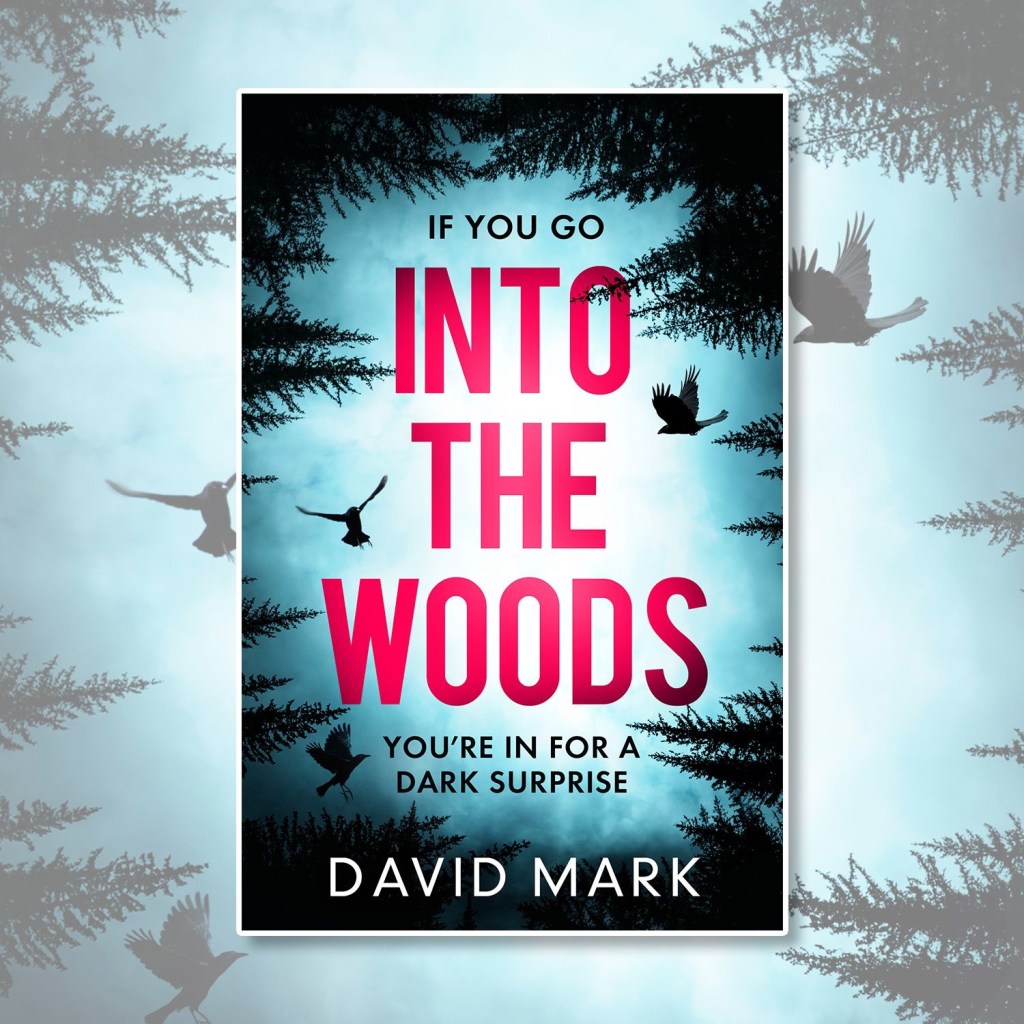
The Wasdale Valley is the beautiful setting for this unusual crime novel from David Marks, the first in a trilogy set in the Lakes. It is unusual, mainly in its use of language and the mix of crime, social commentary and a touch of the supernatural. My first impression as I started to read was that it reminded me of Tana French’s Dublin Murder Squad novels. The opening is almost hallucinatory as a young girl comes to consciousness:
‘There had been a drink. A cold, brown soup slopped from an earthen bowl. It had plants in. Some wormy tuber had touched her lip as she lapped at the brew like a cat with a saucer. Memory again. Music. A guitar on a strap.’
I had an almost visceral reaction to this first passage, a feeling of disgust. The girl comes to realise her consciousness is inside this meat body described as a ‘pig-fat candle’. The sentences are stilted, only growing longer as she wakes more. It sets the reader on edge because it’s synaesthesic – she can taste and feel the heavy air, see her thoughts, and experiences her body through pain and unpleasant sensations. I had to read this opening a few times to fully understand what was happening, but the horror of the earthy face rushing towards her smelling of bad meat definitely stayed with me.
This is a story of a thirty year old mystery as three girls followed a stranger into the woods and only two returned. There were local whispers of drugs, cults and strange rituals but no one really knows what happened and the two who returned remembered nothing. Their memories are shattered into pieces and thy still suffer traumatic flashbacks and hallucinations. This is just the type of story that investigative journalist Rowan Blake needs to revive his career. He has retreated to the Lake District in order to write. Whatever he unearths in the woods will have stayed buried for thirty years, but when he chooses this mystery is he prepared for the evil that awaits him? Rowan is our narrator in the present day timeline and he starts his investigations by using his local contacts, his sister Serendipity and her daughter Snowdrop. All three girls were at the same private school, the Silver Birch Academy, and there are local stories about the school’s unorthodox teaching methods. The girls are rumoured to have followed a stranger into the woods to visit a Shaman, which could explain the strange hallucinatory drink and amnesia.
Our narrator in the past is Violet, explaining her experiences in such detail with layers and layers of disturbing description. Despite Rowan being our protagonist I did find myself waiting for Violet’s chapters. I was both disgusted and fascinated in equal measure and I felt compelled to keep reading to find out what happened. Violet isn’t the easiest person to empathise with; she’s an angry, tempestuous teenager with a tendency to bully others. The fact that she’s not in the present day narrative, due to being away travelling, is a clever choice. It concentrates the reader on her teenage self, but also reinforces the tension as the reader becomes even more determined to find out her fate. Violet has reportedly been trying to come to terms with her experience of late, whereas best friend Catherine is more reticent. I didn’t feel a bond with Rowan and he too has obvious faults. He’s quite selfish, and isn’t really grateful for the help of his sister, even though she’s bailed him out before. It’s a brave thing to have two narrators without any sympathetic qualities, because it could easily turn the reader off, but here it works. As Rowan uncovers more he starts to worry about Violet. Is she really travelling or has she gone missing again?
This is not the sort of thriller you bolt your way through in an afternoon. It needs a longer time, so you can actually savour the language and the horror of what has happened here. It’s complex and black as night. It’s a reading experience that bears a second or third glance; like viewing a large painting, at first we only see the main subject, but as we look closer there is so much more to take in. Here there are quirky secondary characters to enjoy, a wonderful sense of place and very ominous weather that foreshadows Rowan’s findings. It all adds to the conclusion that nothing good happened here.
If you go into the woods, you’re in for a dark surprise….
Meet The Author
David spent more than fifteen years as a journalist, including seven years as a crime reporter with the Yorkshire Post – walking the Hull streets that would later become the setting for the Detective Sergeant Aector McAvoy novels. His writing is heavily influenced by real life and have been universally praised for their originality, authenticity and heart. Industry bible Kirkus Reviews said that ‘to call David Mark’s novels police procedurals is like calling the Mona Lisa a pretty painting’. He has been championed by such industry luminaries as Val McDermid, Peter James, Mick Herron and Martina Cole. He has written eight novels in the McAvoy series: Dark Winter, Original Skin, Sorrow Bound, Taking Pity, Dead Pretty, Cruel Mercy, Scorched Earth and Cold Bones as well as two McAvoy novellas, A Bad Death and Fire of Lies, which are available as ebooks. His first historical thriller, The Zealot’s Bones, was a Sunday Times Book of the Year. With publishers Severn House, he has written the critically-acclaimed The Mausoleum, A Rush of Blood, Borrowed Time and Suspicious Minds.
Dark Winter was selected for the Harrogate New Blood panel (where he was Reader in Residence) and was a Richard & Judy pick and a Sunday Times bestseller. Dead Pretty was long-listed for the Crime Writers Association Gold Dagger in 2016, as was Cold Bones in 2019. David’s Radio 4 drama, A Marriage of Inconvenience, aired last year. His first novel was adapted for the stage and was twice a sell-out smash in Hull. He has also written for the stage and has contributed articles and reviews to several national and international publications. He is a regular performer at literary festivals and is a sought-after public speaker. He also teaches creative writing.
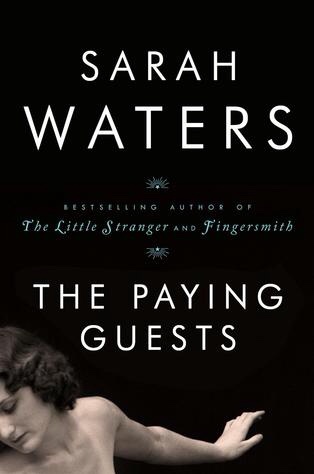
It’s been too long since we had a Sarah Waters novel and although I love her Victorian era fiction, this novel really did stay with me. In 1922 a mother and daughter live in a villa in Camberwell. A house once filled with the sounds of men – husbands, brothers and servants – is now largely quiet. Only the widow, Mrs Wray, and her daughter Frances remain. Impoverished by war and a lack of men to bring home the money, they are forced to rent out rooms in their home. Frances is a spinster, resigned to looking after her mother for the rest of her life, but with the arrival of tenants Lillian and Leonard Barber their house routine changes considerably. The couple do not come from the same class as the Wrays, and are the new, upcoming clerk class. However, no one could foresee the profound change their presence will make to Frances’s life as passions and frustrations mount. The Wray’s lives will never be the same again.
As some regular readers will know I love this post WW1 period of history. London is a very tense and unsettled place to live. The war followed by Spanish Flu has left generations in mourning, but has also managed to level out the class system, liberate women. Sadly it has also birthed a whole new dependent generation of people with disabilities and PTSD. Ex-servicemen might find a woman doing their job, who is very reluctant to give it up and return to the home. Or their disability prevents them from working at all, in some cases forcing them to beg on the street. The aristocracy are in decline – often hit by double death duties some are forced to go abroad, particularly the US, to look for a bride with money in order to prop up the estate. Women have moved out of the domestic sphere and have enjoyed the sense of freedom they’ve had. It’s a period of flux in a societal hierarchy that’s been in place for half a century or more. It’s a huge upheaval, but in such upheaval, previously suppressed groups can find their freedom.
I feel so much for Frances. The opportunities war brought to her are gone, but then so is the safety of her pre-war days when her father and brother were there to support and protect the household. Now she looks after her elderly mother alone, and now they can’t afford servants all the household tasks have fallen to her as well. She is sure she will die a spinster. She is also haunted by a lapse in self-control she gave in to during the war, scandalously involving another woman. Frances is haunted by her actions and now she knows how easy it is to lapse, she is even more determined to avoid impropriety. Their income is so depleted that Frances has prepared some of their upstairs rooms for use as a bed sit. They will now have to share their homes with a couple who are of a much lower class. The Barbers are shocking to Frances, and her mother, who are used to an element of deference from the lower classes. They are very direct and unencumbered by the manners and etiquette the Wrays are used to. Frances is desperately embarrassed by her lapse and their weakened circumstances. Taking in lodgers, or ‘paying guests’, is a humiliation for the family but they have no choice. The Barbers will have to be endured.
Sarah Waters cleverly takes a domestic space and uses it to illustrate the greater societal shifts of post-war Britain. Just as the aristocracy are having to relax the rules on who they marry, the Wrays have to get used to people they would never previously have entertained living in their home. Thinking they can remain separate and self-contained is an idea that simply doesn’t work in reality. Once they’ve settled in, the Barbers seem to encroach on the Wray’s private spaces. Their boundaries blur as the couple pass through Frances’s kitchen to get to the outside toilet. They meet each other on the landing in dressing gowns. With every cough or creak of the floorboards, Frances feels her quiet life being impinged upon. She is also finding her sexuality challenged again; she considered her war time experience with a woman a ‘one off’ incident. Now she senses an awakening as she gets to know Lillian. She knows women friends who live openly in London with their same sex partner. They are co-habiting with each other and being discreet, but true to who they are. Frances had chosen to stifle her feelings for fear of falling in love again and instigating her own ruin. The proximity of another woman could be challenging this and her connection to Lillian leads to a terrible act with far reaching consequences.
As usual with Waters, it was the strong characters and sense of place, that I engaged with first. I saw a review that called this crime fiction and of course it is, in that we have a crime and a nail-biting court case. It’s certainly a great addition to the crime genre, but it wasn’t the first things that stood out to me about the book. I love Waters’s women characters – they’re intelligent, complex and trying to be themselves in a world that wants to suppress and control them. Her depth of description makes her chosen historical period burst into life: the fabrics used in clothing, the objects in the Barber’s room, and the touch of forbidden skin. Her characters have rich inner lives and complex psychology. I would recommend this – and her other novels for anyone who loves historical or crime fiction. The court scenes are so tense and I found myself wishing and hoping for a particular outcome. That’s how good this author is, she can make you root for a character like they’re a real person and feel emotion for them. That shows how talented Sarah Waters is and if you’ve only read her Victorian fiction, make room for this on your book shelves.
Publisher: Riverhead Books 16th September 2014
Meet The Author
Sarah Waters was born in Wales in 1966 and lives in London. Author of Tipping the Velvet, Affinity, Fingersmith and The Night Watch, her most recent book is The Little Stranger. All of her books have attracted prizes: she won a Betty Trask Award, the Somerset Maugham Award and was twice shortlisted for the Mail on Sunday/John Llewellyn Rhys Prize. Fingersmith and The Night Watch were both shortlisted for the Man Booker and Orange prizes, and Fingersmith won the CWA Ellis Peters Dagger Award for Historical Crime Fiction and the South Bank Show Award for Literature. Tipping the Velvet, Affinity and Fingersmith have all been adapted for television.
When given the opportunity to read an Orenda book I rarely pass it up. My only misgiving with this one, was that it was the sixth in a series I didn’t know whether I’d ever be able to catch up and fully understand what was going on. Once I’d done my research and read a few reviews of the Dark Iceland series, I was in! Described as ‘creepy, chilling and perceptive’ by Ian Rankin and full of ‘poetic beauty’ by Peter James, this instalment comes highly recommended. The New York Times review blew me away and made this a must read.
‘Jónasson’s true gift is for describing the daunting beauty of the fierce setting, lashed by blinding snowstorms that smother the village in a thick, white darkness that is strangely comforting’New York Times
That image of the setting grabbed me because I’ve lived in some isolated locations here in the U.K. and have written myself about that strange sense of safety a huge snow fall brings. All falls quiet and you are safe, sheltered and warm. The world becomes muffled as you are slowly cut off from civilisation, under a think blanket. I knew I would connect with the setting at least. Of course, I shouldn’t have worried, because this was a great read in its own right and I managed perfectly well without the reading the others first – obviously as soon as I finished this one I ordered them all since so I could have an Orenda Christmas!
The hero of the Dark Iceland series is Ari Thor Arason, the police inspector of a small town in Iceland called Siglufjörður. He is recently separated from his girlfriend, who now lives in Sweden with their three year old son. As Easter approaches Ari Thor is looking forward to spending some time with them both when they come to stay for the weekend. However his plans are thrown into disarray when the body of a young girl turns up to claim his attention. A nineteen year old girl appears to have jumped from the balcony of a building, but seems to have no connection to anyone who lives there. Why would she travel to this particular building to commit suicide? Ari can’t help wondering and his wondering leads him to dig a little deeper and find out whether she was pushed. His suspicions are aroused further when an old flame, now working in a local nursing home, gives him a call because she’s concerned about an elderly resident. She shows Ari the old man’s room, and he’s shocked to see the words ‘she was murdered’ written over and over again. As a huge storm heads towards Siglufjörður, Ari is left pondering whether these two events are connected and also whether he can salvage his family or even reconcile any sort of private life with his job.
Ari Thor isn’t an ‘action man’ type hero, he’s thoughtful, perceptive and investigates gently. The awkwardness of his Easter plans are really painful; he books his ex-partner and son in at the hotel, but is excited when they want to stay at the house. Ari misunderstands and thinks they might all stay together, but he ends up in the hotel. He feels excluded, but also awkward as other guests and staff know him well (this is a small remote town after all). He wonders what they will be thinking about their local detective. He knows that the job he loves has to command all his attention, when an important case comes in and so does his estranged partner. However, there is a large gap between knowing this and the reality of living it. Can he ever promise his family what they need? This conflict becomes ever clearer over the weekend when he is pulled from one place to another as new evidence comes to light.
I loved the atmosphere of this small town, where everyone knows each other. Yet there’s also the uneasy thought that many residents could be in this remote place to disappear and keep secrets. There’s so much going on under that polite layer of familiarity, even where Ari thinks he knows someone well. In one sense Siglufjörður has changed enormously, new road links have made it more accessible so even tourists have started to visit for ski-ing and to stay in new luxury holiday chalets. However, once the blizzard descends it becomes bleak, remote and strangely more beautiful. Ari’s investigation takes him into the even more rural area of Siglunes, where two men live in a small wood cabin inaccessible by road. I found Siglunes quite sinister, but Siglufjörður feels remote too and even claustrophobic as the weather pulls in. The author skilfully ratchets the tension up a notch, just at the same time as the community becomes more isolated. Yet we never feel rushed, Ari Thor does not panic or hurry the investigation- every move is well thought out and measured and he shows great compassion to the bereaved and those involved.
I thought it was so clever that, without knowing it at first, Ari is slowly uncovering more than one crime. We are forced to learn the lesson that people are not always what they seem, as the manager of the nursing home is called on for questioning. Ari Thor would say he knows him, likes him even and there has been no indication that he has been doing anything but noble, humanitarian work for the elderly of the town. However, just under the surface are financial worries, difficulties gaining government funding and enough residents to make the venture pay. If you’re looking for high octane action, or the endless twists and turns of a convoluted plot then this is the wrong book for you. The pace is gentle, the motive uncomplicated, and our detective is a contemplative sort rather than an action hero. What compels here (as it should) is the human tragedy – the loss of a girl on the brink of adult life and full of promise, for her family and the whole town. There is even an element of humanity and complex, conflicting, motives within our criminals too, when they are unmasked. This doesn’t take away from the chilling nature of their crimes though – in fact I find the thought that killers walk among us, with the same worries and preoccupations that we have, even more disturbing than some of the more obvious monsters we see in crime fiction. I would recommend this book and the whole series, as a fabulous introduction to Nordic Noir, and I could easily imagine sitting with my feet up, a glass of whiskey in hand, being compelled by these stories on BBC4. This book was beautifully written, has an evocative setting and a detective I truly enjoyed spending my Christmas with.
Meet The Author
Ragnar Jónasson was born in Reykjavík, Iceland, where he works as a writer and a lawyer and teaches copyright law at Reykjavík University. He has previously worked on radio and television, including as a TV news reporter for the Icelandic National Broadcasting Service, and, from the age of seventeen, has translated fourteen of Agatha Christie’s novels. He is an international Number One bestseller
















 The Lotus Readers