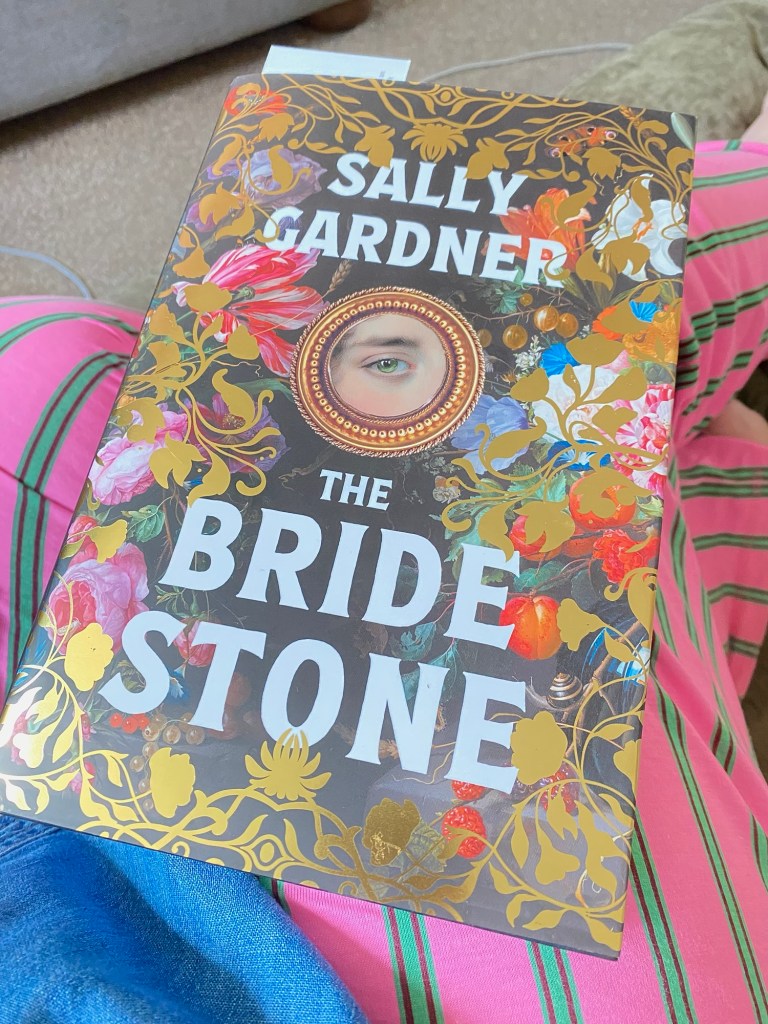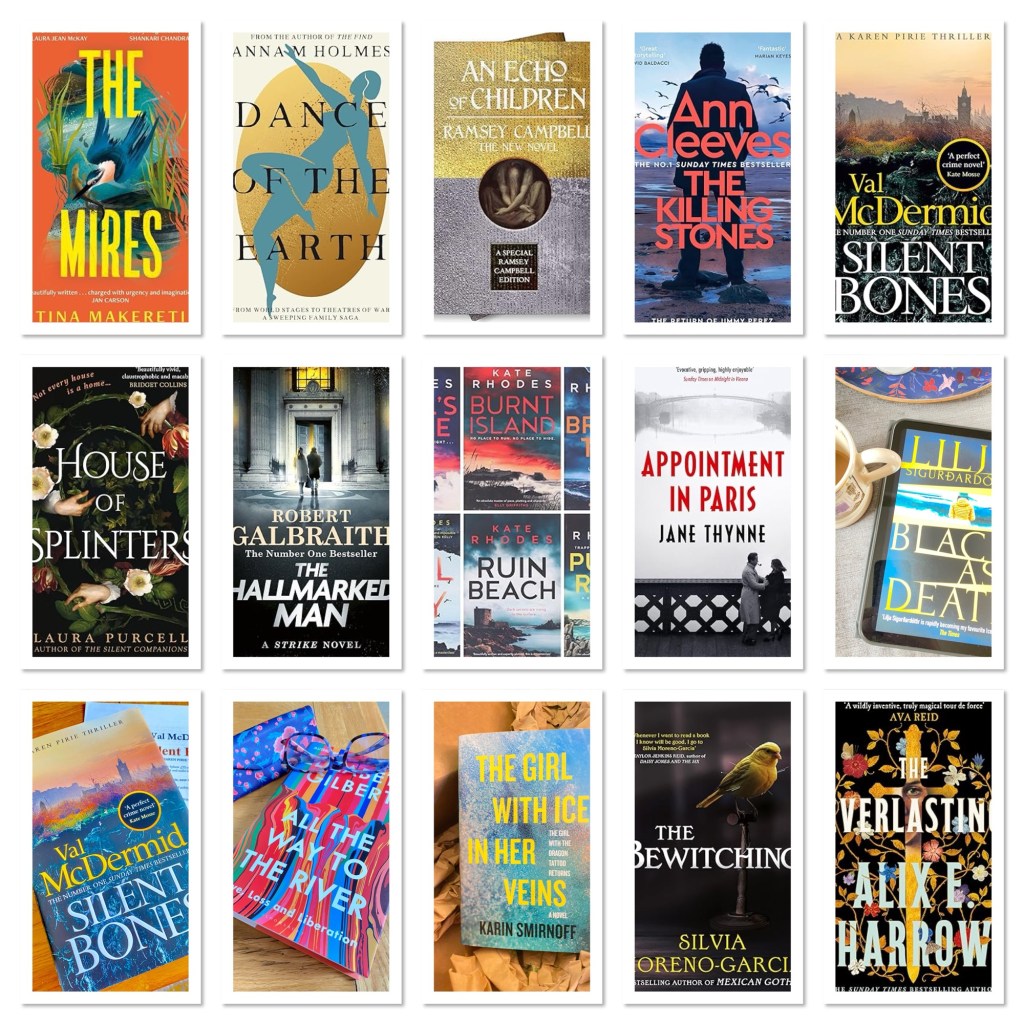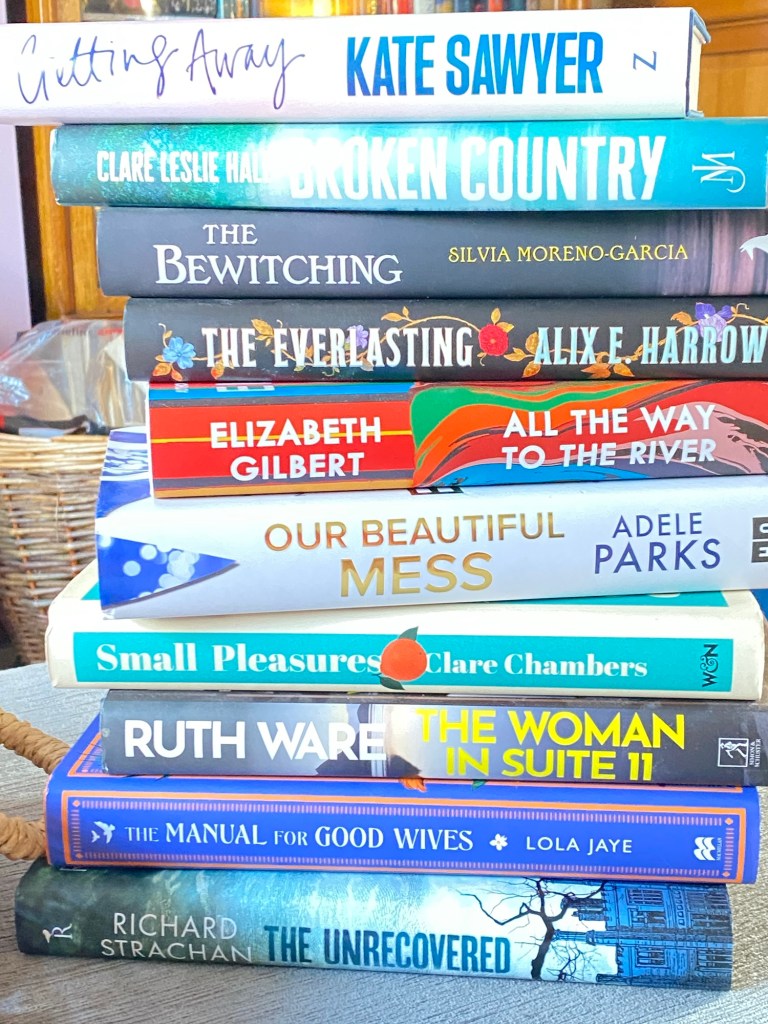
Posted in Personal Purchase

The Year of Zara Holt by Kimberley Freeman 

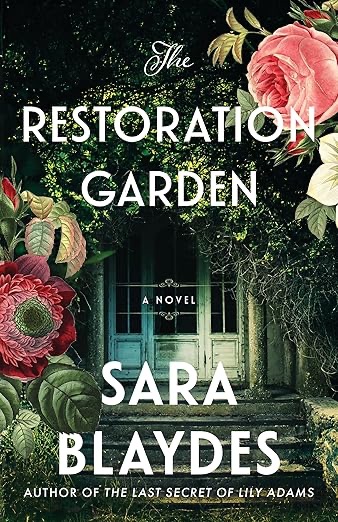
I discovered Kimberley Freeman’s novels about ten years ago and read all of them in one go. It was the combination of historical fiction, with an emphasis on Australian and women’s history that drew me and the romance element is always rooted in that context. I’ve been waiting a very long time for a new novel and this is particularly interesting as it’s based on a true story. I did drop everything to read it. She takes us through a large part of the early – mid Twentieth century through the life of Zara Holt. We join her as a teenager, living with her parents and dreaming of becoming a fashion designer. She spends hours drawing elaborate evening and wedding dresses with Betty her best friend. On a night out together Zara meets Harry, a handsome and ambitious young man who is aiming to get into law or politics. They have an instant connection and Zara feels it, almost like a jigsaw puzzle clicking into place. Their love will dominate her life as she also builds her own fashion empire and travels the world. As fiery as the couple are, it’s never an easy road and Zara will have to make difficult choices about whether she follows her head or her heart. 

I had to keep reminding myself that this was set in the earlier part of 20th Century. Zara feels like a woman far ahead of her time, so that when she comes up against male attitudes and societal expectations it feels like a surprise. It did take me a little while to realise she was a real woman, born in Kew Victoria in 1909 as Zara Kate Dickens. In 1929 when she was still just 19, she approached her father who was a successful businessman for a loan. She made the case that her sister had an expensive wedding and since she had no plans to get married in the near future, could she use the equivalent money to start her own business. With the money and her friend Betty in tow, she opened a dress shop called Magg. They provided a bespoke service with Zara designing for the client and Betty as the seamstress. When Betty got married and left the business, Zara tried to continue alone but was exhausted by her own success. At this point she was expecting a proposal from Harry, which wasn’t forthcoming. On her mother’s advice she liquidated the business, coming out with $1500 ($125,000 in today’s money). She used her money to travel the world, including an impromptu trip to India with Colonel James Fell who she met on her return voyage. James did propose and became her first husband, but this wasn’t the end of Harry and it wasn’t the end of Magg. 

Zara Holt

I found Zara such a compelling character and admired her boundless energy for business and travel. She is endlessly creative, never losing that urge to sketch a dress  or incorporate a detail she’s seen into a new collection. She was particularly inspired by her time in India and the bold colours and decorative flourishes in women’s clothing. In later years, as Harry becomes more important in government she has to try combining her business affairs with the role of a political wife, using her new contacts and always trawling markets in other countries for fabrics to ship back to India. With more age and experience she manages to keep Magg running, even expanding and hiring new seamstresses and designers. I loved her little rebellions, such as talking to a gathering of women about business rather than her life as ‘first lady’. She also changes an opera fundraiser to a fashion show, both rewarded by the enthusiasm of her audience. 

In her personal life she finds it a lot harder to stick to her guns. Harry is utterly single- minded and only proposes when he’s boxed into a corner. She has suspicions about his womanising early on, but it takes decades for him to be honest with her. He never makes promises he can’t keep, aside from his vows, and while he professes to love only her he will not hear ultimatums. What I found hardest to swallow was his disregard for places and people that were special to him and Zara as a couple, he trashes Zara’s special memories of finding a natural waterfall near Bingle Bay where they stay with close friends, eventually buying their own home there. Harry ruins both by taking a mistress there and my sympathies for him were gone at that moment. I wanted Zara to leave him and use all her energy into her work and children. I felt he did not hear her or deserve her. She is left with the age old compromise, that the little bit of him she does have is better than nothing. 

Zara and Harold Holt

Kimberley has Zara narrate the full story and that’s wise because she really is the main draw of the book. I was full of admiration for the way she bucked the system. When living in India she finds out that their head servant is taking such a huge cut of the other servant’s wages they can’t afford to eat. She’s told it’s best to turn a blind eye and that the British don’t meddle in servant’s affairs, but she has him fired anyway. She also builds a friendship with an Indian doctor and academic that she meets at the stables, often riding out with him in the mornings. Her husband James forbids this and is furiously jealous. She has a sense of fairness and equality in how she approaches life which is appealing and interesting when you read about some of the policies that Harry works hard for as prime minister, when he eventually gets there. She stands up for her interest in fashion and is incredibly proud of knowledge and skills she’s built. She can look at any woman and see what dress style will best suit her body and how to combine current trends with what will suit the client. She knows how confident a woman feels when she is well dressed and aims to give all her clients that feeling of looking their best. She also defends it as an art form. Her designs are her preparatory sketches and the fabrics are her paints, what is created from her imagination and these materials is no less an art than an oil painting in a gallery.

I wanted her to have the same confidence in her personal life and to trust that she will find someone who loves her and gives her the attention and fidelity she deserves. Yet her love for Harry seems to transcend his behaviour. If you know anything about the Holts it’s probably the mystery surrounding Harry’s disappearance while swimming in a bay he knew well. It is assumed he was caught in a rip tide and drowned, but his body was never found. Zara wrote her own book about their life together. Her achievements included winning ‘Gown of the Year’ in 1961 and in 1962 Miss Australia, Tania Verstak, wore a Magg gown in the Miss International contest, which she won. Zara also advised on Australian uniforms for events such as Expo ‘67 in Montreal and the Mexico Olympic Games in 1968. In 1979 she was appointed as chair of the Yves Saint Laurent board in Australia. She had a bubbly personality and could say the wrong thing, occasionally portrayed as a bit scatterbrained by the press she was actually incredibly astute with a business brain. She also claimed that her eye for fashion was inspired by her own figure, being rather short and round in shape – something I share with her. When she died in 1989 she left over $5 million dollars and several properties to her three sons. I think Kimberley Freeman does an incredible job of capturing this fascinating woman, including the odd hilarious public gaffe. I thoroughly enjoyed getting to know Zara and I’m sure many other readers will too. 

Out now from Hachette Australia

Meet the Author

Kimberley was born in London and her family moved back to Australia when she was three years old. She grew up in Queensland where she currently lives.

Kimberley has written for as long as she can remember and she is proud to write in many genres. She is an award-winning writer in children’s, historical and speculative fiction under her birth name Kim Wilkins. She adopted the pen name Kimberley Freeman for her commercial women’s fiction novels to honour her maternal grandmother and to try and capture the spirit of the page-turning novels she has always loved to read. Kim has an Honours degree, a Masters degree and a PhD from The University of Queensland where she is also a senior lecturer. She lives in Brisbane with her kids and pets and lovely partner.

Posted in The Book Folks

Murder in the Lake by Sadie Norman DC Anna McArthur No 3.

When a body is found in a Norfolk Lake it falls to the serious crime team to investigate whether this is an accident, suicide or murder. It’s identified as local man Barney King, who lives close to the lake in a row of worker’s cottages. It falls under the remit of DC Anna ‘Crazy’ McArthur who starts to investigate with her small team. The duty police officer has had a look around Barney’s cluttered cottage and has found a scrawled note laid on a pile of books and post on the dining table. 

“I killed her. I deserve this for what I did all those years ago”. 

This intrigues Anna because it brings up questions about the note and whether this might be a serious crime case after all. When they return to the station to report to their DCI Aaron Burns they’re shocked to find a coincidence. The derelict cottage next to Barney’s was once the home of Clara Burns and her sons Callum and Aaron and she was the focus of a missing person’s case. She disappeared when her boys were asleep upstairs and her husband was in the local pub. Anna is in a difficult position, her relationship with the DCI is a known secret in the team but not to the wider force. He has never told her about his mother, leaving her to believe both parents had died a long time ago. There’s no question that Aaron must distance himself from the investigation, but should Anna? If he wants Anna to find out what happened to his mother, he will have to distance himself professionally and emotionally. Now she’s under so much pressure, with a cold case linked to Barney King’s death and the need to solve them for both personal and professional reasons. Just to make things worse she’ll have to babysit a new DCI and Chase is a bit of a conundrum. He doesn’t know the area and could be here to spy for the Chef Constable. Finally, she has to do it without Aaron by her side for emotional support and to sound out ideas with.

I live in Lincolnshire so have some knowledge of the fen areas around King’s Lynn and Wisbech. They’re not that different from central Lincolnshire, having similar geography of flat farmland and dykes dug in the 14th Century to drain the land for farming. As you drive further south, rather than barley or oil seed rape, there are fields growing flowers and vegetables. In fact there are times of the year when you open the car windows and there’s a strong smell of brassicas in the air – cabbage, sprouts and broccoli. I also know the non-PC terms the used for the villagers that the author refers to. These are isolated and sometimes insular communities, quite some distance from a town, where everybody knows each other’s business and secrets are kept for generations. This is only part of our setting, with Norfolk being DC McArthur’s patch. It’s still a rural area though where wildlife, poaching, farm thefts and firearms licences would be a normal part of police work. The serious crime teams don’t usually touch on those daily matters but they do form part of this case. Barney King is elderly, a lonely man living in the middle of nowhere with a derelict house for a neighbour. His companion is his dog, which seems to have disappeared too. He lives by poaching to top up his pension and this forms one of the team’s first questions – why would a man who owned a shotgun choose to drown himself? 

The team meet some very interesting characters in the course of this investigation and the author carefully paces the secrets and lies that are uncovered. Barney’s landlord and local farmer Harry is now so unwell he has a full time carer, Luisa. His son Garrett is taking over the running of the farm. When they find out Barney had visited the neurology department at the hospital just before his death, they view the CCTV and get a surprise. Why would Garrett and Luisa be visiting the hospital together? Especially since Garrett is married to the local GP. What happened to Barney’s own family? Anna manages to track down his daughter Mags and her granddaughter. They’re a fierce pair, arguing at top volume as the police arrive. Why didn’t they have a relationship with Barney? Even stranger, why can’t Anna find the death certificate for Mag’s mother, if she died of cancer several years ago? 

The author paces this really well, slowly and methodically building the case, but with spurts of heart-stopping action including a firearms incident that shows us exactly why Anna earned her ‘Crazy’ nickname. All the while there are strange and uncomfortable undercurrents. As Aaron’s brother is drawn into the case, Anna is the awkward position of being connected to him but not able to say anything. She doesn’t know how to describe what she is to Aaron – girlfriend seems the wrong word for grown-ups, but so does partner when Aaron is asking for space. Are they anything to each other any more? Then there’s DCI Chase, sent as an outsider to oversee the team on this case. He partners up with Anna who can’t work out whether he’s socially awkward or has an ulterior motive. Occasionally he seems to stray into dangerous territory and Anna thinks he must know, but she’s also sure that no one on the team will disclose her and Aaron’s relationship. I couldn’t make up my mind about him, but he definitely set me on edge. This was a really compelling case and I didn’t guess how it would turn out. I was desperate throughout to find out where Barney’s dog was though. The final attempts to secure the murderer will definitely have you on the edge of your seat. I enjoyed this and will be going back to read the first two novels in the series.

Independently Published on 9th June 2025

Meet the Author

Sadie lives in West Norfolk with her husband, two children, and demanding cat named Random. She works in the education sector, but her real passion is for writing stories with a gripping mystery, attractive setting and a host of characters to love, hate, laugh with and root for.

Posted in Reading Life

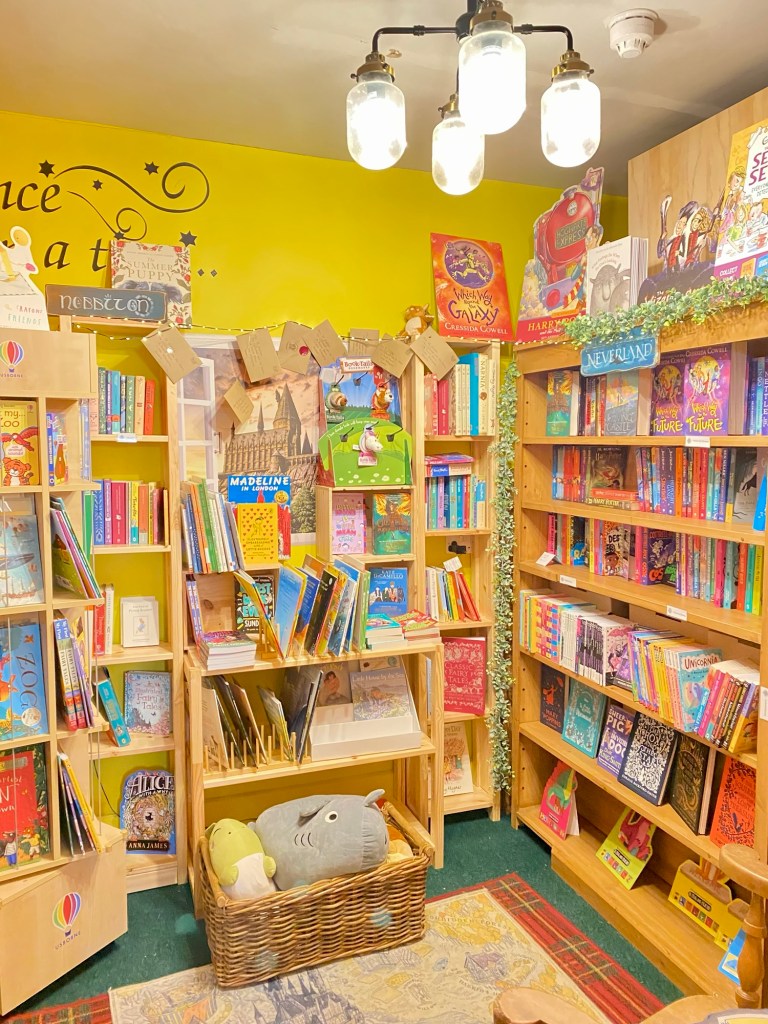
Four Indie Bookshops I Visited This Year.

Since this week is Indie Bookshop week I thought I’d share a handful of my favourite bookshops that I’ve visited in the last year. I love all sorts of bookshops from little tiny local bookshops, to themed bookshops and second hand bookshops. There’s something a little bit special about all of these.

The News from Nowhere Bookshop has been a mainstay of Bold Street in Liverpool and was established in 1974 as a not-for-profit radical and community bookshop. So, there’s no boss and no owner. Everyone who works at the shop shares tasks, responsibilities and decision making. All profits stay in the business to cover stock buying and running costs and each worker is paid the same hourly rate.

Of course these principles also inform the stock choices and it is such an interesting and challenging place to buy books. I come out with things I never expected! Social justice weaves through everything they do so they focus on feminism, anti-racism, LGBT+, worker’s rights, disability rights, sustainability and environmental matters, anti-capitalism, animal rights and veganism. They also stock fiction and I’ve bought some incredible fiction there, as well as I Hate Maggie t-shirts for my father. Because there’s such an interesting range of books I can be lost in there for hours. It’s so important to support shops like this so I pop in whenever I’m in Liverpool and order for my stepdaughter from there, because she’s at university and lives round the corner.

Scarthin Books has been a mainstay of my life since I was about 10 years old. It’s based in Cromford, Derbyshire since 1974 and I used to spend weekends at a static caravan site nearby where my Aunty and uncle had a caravan for several years. I would take pocket money and buy a book, or a notebook for my own poetry. This is such a higgledy piggledy little place I find it a little harder to get around now but downstairs has new fiction as well as second hand finds, upstairs has beautifully themed rooms for art books, music and travel as well as lots of other specialist categories. It’s cafe is great too.

https://www.scarthinbooks.com/

The music room at Scarthin Books

The Rabbit Hole is a brilliant local bookshop to me, in the market town of Brigg, near Scunthorpe. I found them through visiting the town for my Christmas Decorations a couple of years ago. They had a stall on the market and I realised they did adult fiction as well as children’s books. It’s a great place for children because there’s a huge selection but also a great play area,

If you make your way to the rear of the shop you’ll find fiction, including a great selection of indie special editions and signed copies. They pop any new editions on their Facebook page so you can reserve them and drop in to pick them up. They hold great author events too,

https://www.facebook.com/therabbitsbrigg/

Barter Books in Alnwick is one of my favourite bookshops in the country. I’ve been visiting for over eighteen years and I never come out empty handed. Solely for second hand books, this old station house is huge and covers pretty much every subject you can think of. If we’ve popped up to Northumberland for the weekend, the day we pack up and go is my day at Barter Books. I drop off any books I’m selling then go have breakfast in the cafe. Then I pop back and find out how much I have to spend before browsing. Each section is clearly labelled and the whole place has so much character with all original features on display. There’s a wall mural of famous authors and a mini train set whizzing around above your head. In the paperback section there’s a cozy seating area with an open fire where I’ve met some of the loveliest people. Be warned, it’s very easy to lose hours in there.

https://www.barterbooks.co.uk/

Posted in Monthly Wrap Up

Best Reads May 2025

It’s been a lovely summery month and lots of great new books to read, including one of my most anticipated books of 2025. I’m still waiting for all sorts of test results so not moving far and thank goodness for books! I’d be struggling by now with so little activity. Now that the weather has improved I’ll be spending more time outdoors, reading and keeping on top of the garden while my dog Bramble and the cats chase each other around the lawns. The rest of the summer I’m having our kitchen ripped out and replaced so the garden will be the best place to be. My eldest stepdaughter is coming home for a few weeks and using us as a base for some travelling and I’m so looking forward to seeing her. I’ve already started June reading but I’ll pop a possible tbr at the end. Enjoy June everyone. ❤️📚

As Vianne scatters her mother’s ashes in New York, she knows the wind has changed and it’s time to move on. She will return to France, solo except for her ‘little stranger’ who is no bigger than a cocoa bean but very present in her thoughts. Drawn to the sea she blows into Marseille and to a tiny bistrot where owner Louis is stuck, struggling with grief for decades after losing his wife Margot. She charms herself into a waitressing job for bed and board, but with his blessing she starts to cook for his regulars using the recipe book Margot left behind. Louis has one stipulation, she mustn’t change the recipe at all. She revives the herb garden and starts to make friends, including Guy who is working towards opening a chocolate shop. This is going to be the place to have her baby, but then she must move on. She can see her child at about six years old, paddling by some riverboats tethered nearby, but she can also see the man her mother feared. The man in black. Vianne has inherited a peculiar kind of magic that urges her to fix the lives of those around her and give them what their heart truly desires. This is fine when it’s discerning their favourite chocolate, but can cause problems when it becomes meddling. Her mother warned her that she shouldn’t settle too long in one place and Vianne knows she has the strength to leave whenever she feels it’s right, but is thinking about those around her? 
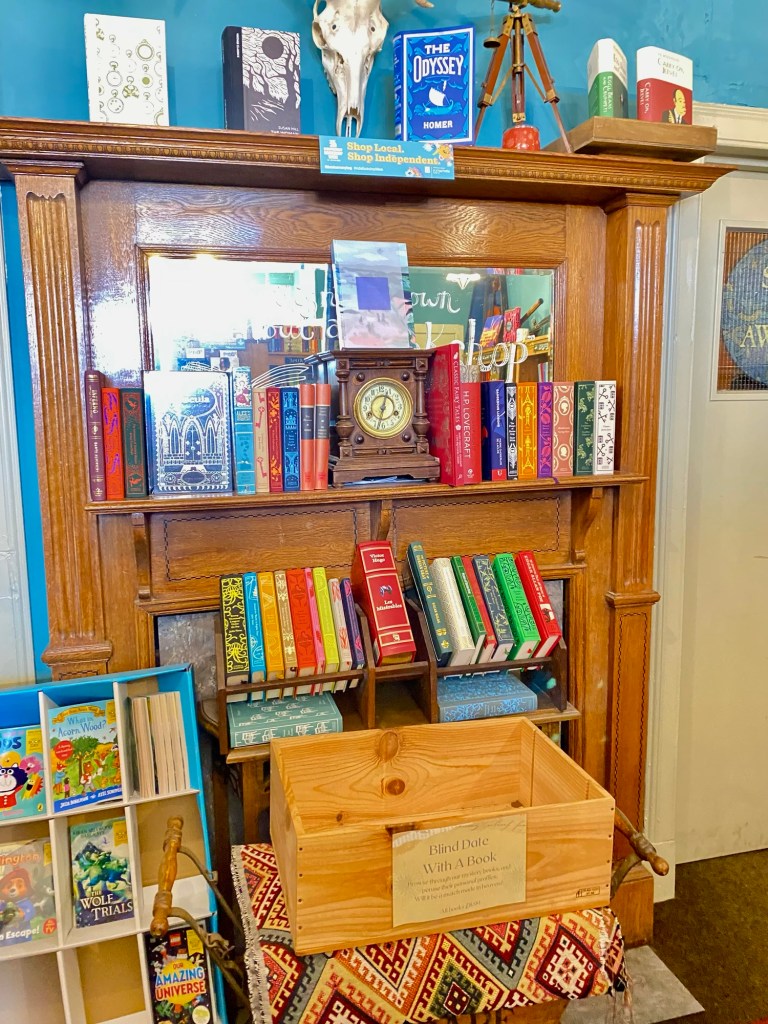
The details and images they conjure up are always the best part of this series for me, because they take me on a visual journey. The author weaves her magic in the detailed recipes of Margot’s book, the incredible chocolates that she and Guy create and the decorative details of their display window with it’s origami animals and chocolate babies. The most beautiful part is how Vianne brings people together. Vianne is a glowing lantern or a warm fire, she draws people to her light and to bask in her warmth. This is also why readers who love the Chocolat series return again and again. We simply want to be with Vianne and that’s definitely a form of literary magic. 
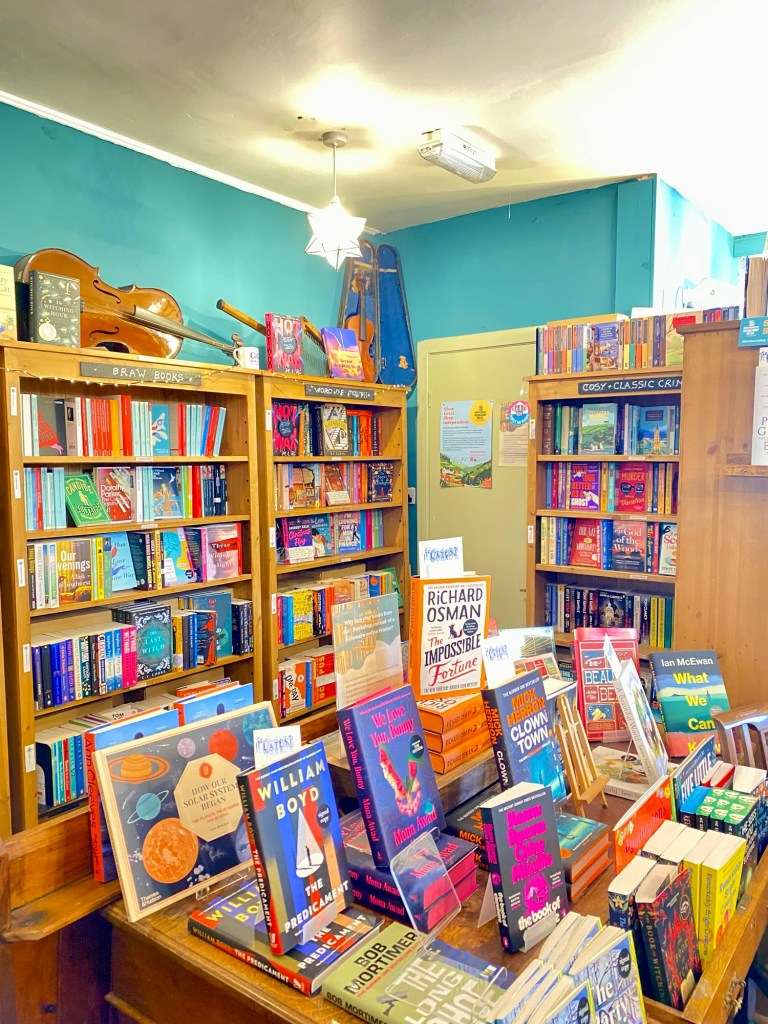
Goodness this was a wild ride, full of unexpected twists, characters that are pathological and a book being written within a book. Married couple Felix and Emma seem to have it all. They are the husband and wife team behind the hugely successful Morgan Savage thrillers. However, their latest novel isn’t coming as easily as their others. Felix is drinking to the point of blacking out and had an affair with a girl called Robin who worked for their publishing house. Emma is angry and popping anxiety pills any chance she gets. Their publisher Max, exiles them to the South of France in the hope that new surroundings for the summer will unlock their creativity. The house is beautiful, on a cliff overlooking the sea, when visiting housekeeper Juliette tells them a story about a painting that hangs in the house an uneasiness hangs in the air. The girl was prone to sleepwalking and one night got out into the garden and walked directly off the cliff edge. Sometimes, her cries can be heard at night. Under the sweltering sun, will the couple heal their differences or will they become trapped in a deadly game that beats the plot of any Morgan Savage bestseller. 

This was a great story to get my teeth into and honestly, if they’d come to me as therapist, I might have asked them if they’d considered living apart. It’s a toxic atmosphere from the moment they arrive, but just when you think you’ve worked out why and what’s really going on it will surprise you again. As we go back in time, using flashbacks to important events, we can see how their romantic and professional lives began but these glimpses started to make me question what I thought I knew. I wanted to race back through the chapters to search for the clues that brought us to the unexpected conclusion. This was a thrilling and atmospheric read, with a brilliant portrayal of how a relationship has become toxic. If you love relationship dynamics partnered with a whole amusement park of twists and turns this will be your next completely unputdownable read. 

Robin is exactly half way through his life. Like Mark Twain before him, Robin came into the world with Halley’s Comet in 1986 and fully expects to go out again when it returns in 2061. Recently he’s had a huge life change. He’s moved back to his home town of Eastgate to care for his sick father, who due to his disability has had one accident too many. Robin had a well-regimented life in London with girlfriend Gemma. He also had a boring well-paid job as an accountant. Now everything has been thrown up in the air and he’s living in a tiny bedroom surrounded by boxes he hasn’t unpacked. He’s trying to forge a relationship with a father who can’t communicate and who he never connected with as a child. There are childhood ghosts to face and a new connection with Astrid, fellow outsider and professor at a nearby university. She’s brutally straightforward and Robin has never met anyone like her. She’s also hiding something, but he’s hiding even more from her. Can Robin make friends, help his father and accept this is the next chapter of his life, rather than a blip?

Robin is eking out an existence that goes way off into the distant future, Living is now! It’s not when we have money, or have lost weight, or when we have better health. It’s now, when we’re skint, fat and feeling ill. Whatever life is right now, we absolutely must live. Living like this should only be a temporary state between chapters, not a lifestyle. When we find out why Robin is so adamant about his comet theory – while being forced to evaluate his choices by a strident Astrid – it all becomes clear. A heart-breaking tale emerges, just as Robin is faced with yet another loss. He’s forced to admit why he jumped off the cliff into the water when he was a child. He thinks he can’t die because it can only happen at the right time, because he can’t make sense of what once happened to him. He’s trying to make sense of what happened and his immortality is the only explanation. He’s subscribed meaning to something that has none. It’s just messy, terrifying, random and heart-breaking life. This book might sound very deep but it’s so beautifully infused with joy, humour and hope because life is beautiful and joyous too, if you let it be. 

Dani has been hitting rock bottom. Her eating disorder is out of control and her mental health has meant suspending her place at university where she was studying English Literature. She’s now living in a flat with her sister Jo and her boyfriend Stevie, having to share with his daughter Ellie when she’s there for weekends. She’s working as a pot-washer to pay the bills, but longs to go back to university. Despite having very little money, she decides to see a therapist and has a session with Richard. She feels at home in Richard’s room, in the quiet with the smell of books and furniture polish. She feels like he listens and seems perceptive, noticing her low self-esteem and anxiety. So she takes the decision to have therapy with him, although he’s expensive. She starts to feel more positive, greatly reducing her bingeing and purging cycle. Her attraction to him wasn’t surprising. For her to have a man listen and understand her might be a first. He also embodies all the things she wants for her own life; qualifications, respect from others, a better standard of living. She has attachment issues so I was sure Richard would have expected some element of transference to creep into the relationship. I didn’t expect what followed.

Of course as counselling boundaries start to be overturned Dani starts to spiral. It’s a really tough part to read, because I was feeling parental towards her. She puts herself in some incredibly dangerous situations, trying to find experiences that fulfil her needs. I was hoping that she’d realise she’d pressed the self-destruct button before it was too late. She has the resources to succeed, but can she utilise them when she feels so unstable? Honestly, my heart ached for this girl and that tells you a lot about my issues with clients! I wished she’d gone to a female counsellor. She needed that female nurturing, a mother’s care and love. Sometimes we have to choose our family. There are further behaviours and revelations I won’t go into for fear of ruining the suspense and eventual outcome, but I was genuinely scared that Dani couldn’t pull back from the mess she was in. When someone has listened to your innermost thoughts they are a formidable agent for change and even more powerful opponent. I had everything crossed that I’d underestimated Dani and that she could find those reserves to get through to the other side. This was a fantastic debut novel, full of suspense and stirring the emotions of the reader with finesse. 

London 1883

Rebecca and husband George run Evergreen House as a home for young girls and their illegitimate children, often called a house for ‘fallen women’. This has been a positive change. Previously, Rebecca’s sister Maddie was the woman of the house as the wife of Dr Everley. Maddie is recovering well after being on trial for the murder of her baby and the revelation that the Everley family had a tradition of hideous experimentation on the bodies of babies to create strange chimeras. Rebecca knows their tenure here is precarious. The Everley family still own the house, but with Dr Everley dead and his sister Grace in a prison asylum no one currently needs it. The small household are very close so all are devastated when the cook and centre of their household, Rose, is murdered. She fears the past is coming back to haunt them, because the murderous and twisted legacy of the Everley family is hard to ignore. With the charity board also tightening their grip on the house, Rebecca must draw out the murderer and discover their purpose. This was a great companion novel to The Small Museum which told the story of Maddie’s marriage to Dr Everley. Rebecca was once one of Grace Everley’s fallen girls, but this was just a way of acquiring babies for her brother. There’s such a positive atmosphere and the residents are able to live alongside their babies, unlike the terrible Magdalen Laundries where babies were taken for adoption and their mothers were forced into heavy labour to repent their sin, repay their debt and make a profit for the church. The truth is that most of these girls have been manipulated, coerced or abused. Rebecca works on the premise that they shouldn’t be punished twice. especially ironic when men are complicit, if not to blame for their supposed fall. Yet there are admirable women calmly showing compassion, understanding and professionalism, while stuck in this patriarchal system. Grace Everley gives me the shivers, but she is a victim too. I was held in suspense over who was the murderer and whether Rebecca’s home could remain the loving and caring space women need. There were heart-stopping moments, especially towards the end. The scene in the garden had me holding my breath. This is the perfect gothic mystery, especially for fans of historical fiction who like a touch of feminism on the side. This is a must-buy, for the engrossing story and for the gorgeous cover too. 

Here’s my provisional tbr for June. ❤️📚

Posted in Netgalley

The Surgeon’s House by Jody Cooksley

London 1883

Rebecca and husband George run Evergreen House as a home for young girls and their illegitimate children, often called a house for ‘fallen women’. This has been a positive change. Previously, Rebecca’s sister Maddie was the woman of the house as the wife of Dr Everley. Maddie is recovering well after being on trial for the murder of her baby and the revelation that the Everley family had a tradition of hideous experimentation on the bodies of babies to create strange chimeras. Rebecca knows their tenure here is precarious. The Everley family still own the house, but with Dr Everley dead and his sister Grace in a prison asylum no one currently needs it. The small household are very close so all are devastated when the cook and centre of their household, Rose, is murdered. Rebecca is shocked by the death of her friend in what seems to be a random act. Rose’s death isn’t the end of the mysterious events at Evergreen. Rebecca fears the past is coming back to haunt them, the murderous and twisted legacy of the Everley family is hard to ignore. What was a sanctuary is becoming dangerous as the evil presence continues it’s work. With the charity board also tightening their grip on the house, Rebecca must draw out the murderer and discover their purpose.

This was a great companion novel to The Small Museum which told the story of Maddie’s marriage to Dr Everley. Rebecca was once one of Grace Everley’s fallen girls, but this was just a way of acquiring babies for her brother. It was great to see Maddie again especially so happy with her partner Tizzy. They are both regular visitors to Evergreen. There’s such a positive atmosphere and the residents are able to live alongside their babies, unlike the terrible Magdalen Laundries where babies were taken for adoption and their mothers were forced into heavy labour to repent their sin, repay their debt and make a profit for the church. The truth is that most of these girls have been manipulated, coerced or abused. Rebecca works on the premise that they shouldn’t be punished twice. There’s a lovely parallel with Maddie’s paintings of mythical women that she’s submitting to the Royal Academy Summer Exhibition. Helen of Troy is seen as the cause of the Trojan War, but she had no agency in the story. She’s desired by a man who abducts her by force. Medusa is raped in the temple of Athena, but the goddess chooses to punish her for desecrating the temple, giving her snakes for hair and a gaze that turns men to stone. Neither woman asked for what happened to them. Maddie has painted them on huge powerful canvasses, a monument to women mistreated by men.

The house is becoming a hive of activity in the lead up to Easter. The children are excited, painting eggs and helping their mums to weave colourful baskets. So it is a shock to them when Rose is gone. She was always helping the children to bake and had a listening ear for anyone in the household who needed it. It’s as if the heart has been taken from their home. Downstairs at Evergreen has always been a different matter. Psychologist, Dr Threlfall practises in the basement at the behest of Grace Everley. He ensured Maddie wasn’t wrongly convicted of the murder of her baby and Rebecca is grateful, but is slightly suspicious of what he’s researching. He has an interest in eugenics, measuring the girl’s heads, the placement of their features and notes any patterns. He’s trying to create a taxonomy of fallen women as if their sin might be predicted by physical characteristics. Rebecca worries he’s been inspired by old Dr Everley’s research into pain – especially when she hears one of the girl’s scream from his room. Then there’s the room next door where one of the servants is practising her taxidermy, in an unhygienic way! It’s as if the interests and hobbies of the Everley’s are ingrained in the fabric of the house.

In between Rebecca’s narrative, we have Grace Everley’s. She’s incarcerated and seems to be teetering on the brink of insanity. Used to manipulating people with her beauty, her finery is a thing of the past and her beautiful hair has been completely shaved off. She’s still incensed that Dr Threlfall testified for Maddie, sending her brother to the gallows. What she cares about most and the focus for her vengeful thoughts, is that her father’s work isn’t being continued. She takes us back to her teenage years and participating in her father’s pain research – now she is utterly stoic and she can completely separate mind from body, blocking out her pain receptors. I did feel a tiny bit of sympathy for her because she didn’t stand a chance growing up in that environment. Having been used by her father she could have been a submissive mouse, but instead she became powerful and used her feminine charms to control the men around her. Could she still have that influence?

The men in the novel are mainly concerned with controlling their environment and all the women in it. Dr Threlfall is the last link between the Everley family and Evergreen House. He may be an effective doctor but his interest in eugenics is concerning. It always leads to controlling people’s behaviour and persecuting those who don’t fit the rigid ideal. It lead to some of the biggest atrocities of the 20th Century. Looking to categorise a type of woman who ends up in trouble, lets men off the hook for what happens to them. Mr Lavell is equally discriminatory. He thinks that women who have children out of wedlock must be punished for their actions and only the Bible and physical work will remind them of the terrible choices they’ve made. He finds Rebecca’s methods too lenient and would like the children sent to the orphanage. Then he’d bring laundry in for the women, to keep them penitent and make a profit for the charity board. Only George is absolutely steadfast to his wife. When a woman turns up at the door asking for kitchen work, Rebecca goes her a chance even though her references will need chasing after the fact. Things start to deteriorate quickly once Angela is in charge in the kitchen and it’s definitely not the heart of the home any more. She could have a bedroom but chooses to bed down in the cupboard where Dr Everley kept his specimens. She doesn’t try to make connections and won’t have children baking in the kitchen. Rebecca is concerned and then incensed when she suspects her of selling one of the women’s stories to a Penny Dreadful. When one of the youngest children falls ill, Rebecca knows for sure that something evil lurks in the house. She feels assailed from all sides, evil from within and outside forces trying to force their own agenda. She has to solve the mystery before the charity board get wind of their problems and use it to close them down.

This was a tense and atmospheric read. I could feel the warmth and happiness slowly being sucked from Evergreen House. It did feel evil, like a creeping black mould slowly covering everything. This really showed the inequality in society and how the fates of these women are decided by men; especially ironic when men are complicit, if not to blame for their supposed fall. One man seeks a genetic reason for their loose morals. Another feels they haven’t atoned for their sin. While a third would take away their children and punish them with hard labour. Not a single one questions their own behaviour or even doubts their right to pass judgement. Yet there are admirable women calmly showing compassion, understanding and professionalism, while stuck in this patriarchal system. Grace Everley gives me the shivers, but she is a victim too. I was held in suspense over who was the murderer and whether Rebecca’s home could remain the loving and caring space women need. There were heart-stopping moments, especially towards the end. The scene in the garden had me holding my breath. This is the perfect gothic mystery, especially for fans of historical fiction who like a touch of feminism on the side. This is a must-buy, for the engrossing story and for the gorgeous cover too.

Out Now from Allison and Busby

Meet the Author

Jody Cooksley is an author represented by literary agent Charlotte Seymour at Johnson & Alcock.

In 2023 she won the Caledonia Novel Award with The Small Museum, a chilling Victorian thriller that was published in hardback, ebook and audio with Allison&Busby in May 2024. Paperback publication was February 2025 and the sequel, The Surgeon’s House will be published in hardback, e-book and audio in May 2025.

Previous novels include award-nominated The Glass House, a fictional account of Victorian pioneer photographer, Julia Margaret Cameron (Cinnamon Press, 2020), and How to Keep Well in Wartime (Cinnamon Press, 2022)

She is currently writing more Victorian gothic novels. She has previously published essays, short stories and flash fiction.

Jody works in communications and lives in Surrey with her husband, two sons, two forest cats and a dangerous mountain of books.

Posted in Personal Purchase

Fifty Minutes by Carla Jenkins 

Therapy was meant to solve her problems, not make them worse…

Smart twenty-year-old Dani is desperate to overcome her eating disorder, leave her dead-end job and return to her hard-won place at university. Using her limited earnings, she decides to start seeing a psychotherapist.

Richard Goode is educated, sophisticated and worldly-everything Dani aspires to be. As he intuitively unpicks her self-loathing, Dani assumes the fantasies she’s developing about him live only in her head. That is, until things take a shocking turn…

Descending into a maelstrom of twisted desire, manipulation and mistrust, the power struggle between Dani and Richard escalates until she’s forced to make a decision that might finally give her the freedom she deserves.

Dani has hit rock bottom. Her eating disorder is out of control and her declining mental health has meant suspending her place at university where she was studying English Literature. She’s now living in a flat with her sister Jo and her boyfriend Stevie, having to share with his daughter Ellie when she’s there for weekends. She’s working as a pot-washer to pay the bills, but longs to go back to university. Despite having very little money, she decides to see a therapist and has a session with Richard. She feels at home in Richard’s room, in the quiet with the smell of books and furniture polish. She feels like he listens and he seems perceptive, noticing her low self-esteem and anxiety. So she takes the decision to continue therapy with him, although he’s expensive. She starts to feel more positive, greatly reducing her bingeing and purging cycle. 

This was a setting I was very familiar with and although Richard has all the right certificates, counselling spiel and does detect Dani’s self-loathing, I kept feeling something wasn’t right. I couldn’t pinpoint anything in detail but I was concerned for Dani. She is so vulnerable. Her attraction to him wasn’t surprising. To have a man listen and understand her might be a first. He also embodies all the things she wants for her own life; qualifications, respect from others, a better standard of living. She has attachment issues so I was sure Richard would have expected some element of transference to creep into the relationship. I was also unsure about Dani’s home life. Her sister’s boyfriend, Stevie, seems like he’s easy going, tv loving, stay at home partner. He’s a good dad to Ellie, but with Dani I wondered if he wasn’t overstepping the mark. He likes things kept neat and tidy, the rent paid on time and Ellie to be safe and happy. There are a couple of occasions when he goes in quite hard on Dani for not being fit for work in the morning or for leaving her room in a state. I wasn’t sure whether this was concern or control? The author cleverly makes the reader unsure and with Dani in such a vulnerable place I was on high alert, like a mum of fledgling baby birds.

The author also keeps us unsure about Dani, not in the sense of believing her narrative, but as to whether she can genuinely break out of the cycle she’s in. As the book begins she’s still bingeing and purging as a means of managing her emotions, in fact this process is like a metaphor for how she manages her whole life. She wants her needs met, to feel emotionally filled or satiated. Then she needs to rid herself of it, to push it away before it gets taken away perhaps? She longs to be loved, but self-sabotages; something that Richard is very aware of and points out. Neither of the sisters have had that feeling of being loved or that they can feel safe within it, sure it won’t be taken away. They have been, at the very least, neglected by both parents. The girls are close, but are not as bonded as sisters can be within a loving family. There are times when Jo acts without realising what effect that behaviour might have on Dani. Thank goodness for Pat from work, who is steadfast in her care of Dani. Even in a complete crisis it is Pat who’s there for her, not her sister who’s busy making her own mistakes. Even when she’s been rebuffed or Dani has lashed out, Pat gives consistent care in a very motherly way and we see that best when Dani is ill. Dani doesn’t know she is beautiful. She knows men are attracted to her red hair and blue eyes, but never knows deep down that she’s worth anything. Besides, it’s always desire rather than love and care. However, she is adamant that she wants more from life. She wants to get better and study again. She knows this will help her get a better future, but she also thinks she’ll gain respect from others. She says that education is the only thing that can’t be taken away from her. I really understood that. 

The attraction to Richard is so complicated, but is bound up in her wanting a better life. There is an initial jolt of chemistry too. It’s something that should be talked about in the room, using the transference to work on Dani’s real needs for affection and worth. There is also counter-transference and both should be easy to recognise by a therapist who has Richard’s level of experience. She loves the way he reinforces her positive behaviours and finds ways forward, but she doesn’t realise she’s doing the work. He’s guiding her, but the achievements are hers. The author places clever little ‘lightbulb’ moments, such as Dani realising the picture she has of Richard in her mind, where he’s sitting in an armchair reading by lamplight, is actually an amalgam of an image she has of her father. It’s also very telling that when she’s sees him in casual rather than professional clothing, she feels let down and that attraction fades. It’s interesting that as boundaries start to break down, the last person she wants to confide in are Pat and Stevie, suggesting that she sees them as parental figures in her life. She knows if she tells them that they’d be angry and she wants to avoid that. She doesn’t like them being angry with her, but also they’d be angry on her behalf and might demand action. I thought it was interesting that she recognises Stevie in a parental role, when talking to her sister. Jo complains that he’s a homebody and they don’t really have fun together any more, but Dani points out that Stevie has always been a homebody. She tells her that this is the type of man she needs, even conceding that when he gets cross she doesn’t mind because at least he cares. 

Of course as counselling boundaries start to be overturned Dani starts to spiral. It’s a really tough part to read, because I was feeling parental towards her. She puts herself in some incredibly dangerous situations, trying to find experiences that fulfil her needs. I was hoping that she’d realise she’d pressed the self-destruct button before it was too late. She has the resources to succeed, but can she utilise them when she feels so unstable? Honestly, my heart ached for this girl and that tells you a lot about my issues with clients! I wished she’d gone to a female counsellor. She needed that female nurturing, a mother’s care and love. When it comes to a need and parents like Dani’s the only answer is to choose our family. There are further behaviours and revelations I won’t go into for fear of ruining the suspense and eventual outcome, but I was genuinely scared that Dani couldn’t pull back from the mess she was in. When someone has listened to your innermost thoughts they are a formidable agent for change and an even more powerful opponent. I had everything crossed that I’d underestimated Dani and that she could find those reserves to get through to the other side. This was a fantastic debut novel, full of suspense and stirring the emotions of the reader with real finesse. 

Out now from Trapeze Books

Posted in Monthly Wrap Up

Best Reads April 2025

It’s been a busy month at home so there’s been a little bit less reading, but what I have read I’ve really enjoyed. As is often the case it’s a straight split between historical fiction and crime. Weirdly it’s also a straight split between debuts and books that are the third in a series. There are some definite contenders for my favourite books of the year too. I hope to be reading a bit more in May, getting back into my stride with a couple of blog tours and a read with my squad ladies too. One things for sure, I’ve enjoyed mood reading so much that I’m not going to overload myself with tours going forward. I’d forgotten the joy of picking up whatever suits, rather than having a rigid schedule, My bank holiday is going to be quiet with plenty of reading and journaling. We’re planning to spend some of it outdoors, accompanying my other half fishing. Just us, the dog, my comfy camp bed and outdoor cooking. Usually I end up sharing my bed with the dog because it’s so comfy. I’ll also be taking a book of course. ❤️📚

I really do enjoy my time spent in Molly the Maid’s world. It’s one of those books where I find myself smiling as I read. It only takes a couple of sentences for me to feel like I never left her world. In some ways her life could be seen as unchanged. She’s still Molly, as wholly herself as ever, living in her late grandmother’s flat with her fiancé Juan, chef at the Regency Grand. In other ways things have changed, Molly manages the maids and has become ‘Events Manager’ so she’s definitely gone up in the world at work. Two events loom in the near future – Molly and Juan’s wedding at City Hall is on the horizon – but today the two darlings of the antique world are filming an episode of their TV show in the tearoom of the hotel. Beagle and Braun, known jointly as the Bees, are the married presenters of ‘Hidden Treasures‘. A show runs like our own Antique Roadshow where people queue to have their valuables appraised. Before they leave the flat that morning, Juan suggests Molly takes her grandmother’s box of treasures, including a highly decorated egg. When the Bees see this particular treasure their eyes light up. They seem to know immediately that this is very special and they must have it on camera. As the cameras roll they tell Molly that this looks like a lost Russian imperial egg, the prototype for all the ones that follow. It’s one of a kind, decorated with rubies and emeralds by Faberge himself. Now worth several million dollars. Molly doesn’t seem to take the news in and wants to carry on as normal, but as the clip is shared online that becomes impossible and Mr Preston has to take them home. Will life ever be the same again? Things go from bad to worse when during an auction at the hotel the egg disappears, despite being on a plinth and glass case in the middle of the stage. Now Molly must work with Detective Stark to find it, but this is a search that will take us back into the past. Molly really does prove in this novel that she’s a ‘good egg’, pardon the pun. No temptation lures her from the things she values – her job, Juan, Mr Preston and her flat. It was interesting to get some back story on her grandmother too and understand why she brought Molly up the way she did. This is a charming and heartwarming novel and a brilliant trilogy to delve into if you haven’t already.

The Show Woman has been on my TBR since January and I was delighted to be accepted for a NetGalley ARC. I love all things circus, fairgrounds, mediums and freak shows so I was drawn straight away but this was so much more than I expected and has a lot in common with The Eights. Set in 1901 we meet Lena who has lost her father and after his death was left with his carousel and their caravan. She sells the carousel and has the idea of creating the first all-female show with herself as a ringmaster. The only female show woman is Serena Lind and she’s a hard, bitter and vengeful woman who rules her circus with a rod of iron. So when Violet meets with Lena about leaving Lind’s and becoming a trapeze artist for the new show, it sets a scene for what follows. With Rosie and her pony Tommy they have a bareback rider and Carmen the dancer and acrobat makes their four. With an old tent they start to practice and be ready for the next season and with a bit of help from Violet’s brother Harry, they start to become known. This is a story of revenge, friendship, love and women making their own way in the world. I loved how the women bond, living together in the caravan and travelling from show ground to show ground. Lena has the makings of a brilliant show woman but first she needs to find out who is trying to sabotage their circus. Lena becomes the head of this a community that fully supports each other, who listen and understand the circumstances and pain that has brought them here. I was rooting for all of these women and not just the show, but their new found independence and friendships. It was those evenings where they were talking in the caravan after a show, too full of adrenaline to sleep. Or the warm and sunny days when they got chance to swim in a local lake or river, to wash their hair. Then there were the joint efforts to save Rosie’s pony. It’s these moments that are just as magical for these women as the seconds before Violet lets go and flies through the air. 

This was another novel set in the early part of the 20th Century, this time just after WWI. It also features four young women but these meet in the hallowed halls of Oxford University where they will be the first female cohort to be awarded a degree for their studies. Nicknamed the ‘Eights’ because of the room numbers on their corridor, Beatrice, Ottoline, Marianne and Dora are very different, but soon become firm friends as they navigate their first year. Beatrice is political, has a feminist and suffragette mother and is used to being noticed, as she’s usually the tallest woman in a room. Marianne is a scholarship student, but she seems to have secrets, including why she returns home every other weekend. Ottoline (Otto) comes from a wealthy family, but is haunted by her war experiences in a nursing role. She’s had symptoms of PTSD ever since, but also feelings of shame that she couldn’t do her duty. Dora also struggles with the consequences of war, having received the dreaded letter from her fiancé Charles’s regiment to inform her he’d been killed. Just two weeks later her brother George also lost his life. Being so close to Charles’s university only serves to keep him at the forefront of her mind. This seemingly random allocation starts strong friendships as the girls help each other negotiate their university work, their memories of the war and being taken seriously by their male counterparts. I loved every one of these characters and it was wonderful to watch them grow and help each other navigate the choppy waters of academic problems, financial worries, matters of the heart and the terrible experience of loss. I was so sorry to turn the final page and leave their world.

I’ve been re-reading Stig Abell’s Jake Jackson series after winning the latest instalment, The Burial Place, in a Twitter giveaway by the author. This is book number three and while Jake and his ‘team’ tangled with an international criminal gang in the last book, The Burial Place is more of a home grown mystery. There has been an archaeological dig close to Little Sky and a hoard of treasure found nearby. The ownership of this treasure is in dispute because it’s unclear who owns the land where it was found. Meanwhile, work carries on for the archaeologists, academics and local enthusiasts who have been working on the site but when a body is found it must shut down. It’s hard for new DCI McAllister to understand the motive and being new to the area he enlists Jake’s help, both for his investigative skills and his local knowledge. The community are aware that several nuisance letters have been sent to the dig office and various people who’ve worked on the site. They’re a strange mix of threats, Bible verses and ancient prophecies signed off by Wulfnoth – an ancient Briton from the area. They promise a terrible end for the dig and whoever benefits from the treasure found. Can Jake find the killer before anyone else is hurt? Looking at themes of belonging and sacred land, this is a quieter novel but no less deadly. A definite team have formed around Jake, a family of sorts who both work and relax together. There’s also the continuation of the romance between Jake and local vet, Livia and an appearance from his ex-wife Faye that brings about much soul searching and healing. Thankfully he has Little Sky as his sanctuary when things get too noisy and stressful. The home left to him by his Uncle Arthur, shows he clearly knew his nephew very well.

Here’s some of the fiction on my TBR trolley.

Posted in Publisher Proof

The Burial Place by Stig Abell

I was so lucky to be sent a copy of this new book in the Jake Jackson series, based on a conversation about my love of Martha – an abrupt but super intelligent analyst and crime writer. I love a no nonsense woman and Martha is one of the best bits of this series. After Jake and his ‘team’ tangled with an international criminal gang in the last book, this is more of a home grown mystery but just as dangerous. There has been an archaeological dig close to Little Sky and a recent hoard of treasure found close by. The ownership of this treasure is in dispute because it’s unclear who owns the land it was found in. Meanwhile, work carries on for the archaeologists, academics and local enthusiasts who have been working on the site, but when a body is found it must shut down. It’s hard for new DCI McAllister to understand the motive and being new to the area he enlists Jake’s help, both for his investigative skills and his local knowledge. The community are aware that several nuisance letters have been sent to the dig office and various people who’ve worked on the site. They’re a strange mix of threats, Bible verses and ancient prophecies signed off by Wulfnoth – an ancient Briton purportedly from the area. The writer promises a terrible end for the dig and whoever benefits from the treasure found. Can Jake find the killer before anyone else is hurt? 

Again it’s mainly the brilliant characters that attract me in this novel. Although it’s also interesting to see Jake working with his team, I noticed that Livia is fully committed this time and has definitely earned a chair at the table with Jake, Martha and Aletheia. They are definitely growing closer, since the finale of the last case ended with Livia driving through the wall of her own front room to save their lives. She and her daughter have relocated to Little Sky while the house is being repaired. I must admit I didn’t fully take on board all the dig characters, but the dig itself and the history behind it was really interesting. I’ve often wondered how digs are run and they’re every bit as complex as I thought, with a real mix of motivations and different pressures. Some people have their jobs and reputations on the line, while others seem to have more personal reasons for taking part. What’s difficult for Jake to understand is the gap between letters written when the first dig started and those that came when the second dig site and treasure were discovered. It’s as if Wulfnoth comes out of retirement for some reason, possibly the treasure or could it be more complex than that?

One of the other interesting aspects of the story is the importance of belonging and the sacredness of land. The fact that the burial place of the title holds both ancient and recent burials shows an interesting continuation of the land’s purpose. Jake hears one of the academics talking about different layers or strata of soil, but it all looks like mud to him. The same can be said of the ancient remains, having newly buried bodies on top, as if years of history is mimicking the layers of soil. We live upon years and years of history, something I think about regularly having never moved far away from the River Trent. I have ancestors who are Dutch and arrived in the area with engineer Vermuyden in the 14th Century, designing and creating a system of drainage that would create much of Lincolnshire’s farmland. The fact that my father has spent more than thirty years of his life working as a land drainage engineer, without knowing this history, feels like an echo but also a sense of belonging to that particular land. If I’m ever feeling a bit lost I go the river, take off my shoes and stand barefoot on the bank. Then I know I’m home and on the bank of the same river where I took my first steps. Jake talks about how human spirituality is linked to water, from sacred springs to floating lanterns and wishing wells. Humans have cast their prayers and wishes on water for generations. Livia brings up belonging in one of their case discussions. She doesn’t understand how anyone could feel so connected to ‘patches of ground’. Aletheia points out that Livia has a rare ability to belong, to fit exactly where she is. Her own family roots are in Ghana, but points out that she is now where she is because her ancestors were uprooted. People who are removed or separated from land that belonged to their ancestors for generations can struggle to belong. It’s Livia’s ability to belong, as another woman of colour that she’s really commenting on, because Aletheia does understand that if someone is cheated out of their birthright it can become an obsession. 

Across the book, new relationships are being built and I love that, in what could have been a very lonely place, Jake’s has a healthy support system around him. I did worry a little for Martha though, even though the author writes her with great affection I did feel her ‘aloneness’ in this novel, something I’m describing carefully because there’s a difference between alone and lonely. I feel he writes about her disability with great understanding. Martha lost both her legs in a shoot out when working as a detective and he describes her as suffering constant pain. I’ve suffered chronic pain for many years, particularly nerve pain so I know how strange and maddening it can be. I have had referred pain, very similar to phantom limb pain, where the site of pain bears no relation to the actual problem. Without my medication I have constant burning sensation outside my body – for those of you who are a certain age I often describe this as my ‘Ready Brek’ feeling. The author refers to Martha’ ability to function on drugs that are prescription and those that aren’t. Her skill is a sad one, known to most pain patients, where she copes with a certain level of pain and can still function but there are also days where functioning is impossible. There’s a real sense of sadness that while she can numb the pain it is ever present. I found this portrayal so authentic and possibly researched through lived experience. 

Jake is already an introspective man but he has a lot to think about in this book. He and Livia have decided to start a family together, much to Diana’s disgust. It almost seems like fate when his ex-wife Faye needs to see him. He’s just starting to have concerns about infertility, because he and Faye split up after a traumatic time trying to have a family. He’s worried that it’s taking a while for him and Livia. What if he’s the problem? It’s immediately obvious when they meet that Faye is pregnant and they have a lovely heart to heart in the park. It’s clear that Faye is in a good place and Jake is so happy for her, but nagging doubts are creeping in. If Faye can get pregnant without him, what does it mean for him and Livia’s chances? I still find many male detectives and investigators who don’t have this complex inner life and I love that Jake does. He might seem like a moody loner at times, someone who keeps his feelings hidden even from himself, but he’s just a deep thinker and so empathic. Even when he finds a body, his response is different. He is appalled by the body of one murdered woman who has been left exposed and was potentially murdered during sex. He feels for her dignity and has an urge to cover her up, even though he knows he can’t and must preserve the crime scene as is. It’s as if he takes on the shame this woman might have felt at being left exposed and perhaps taken for a fool by her lover. He has such a strongly developed feminine side and this helps enormously when dealing with Diana. She is clashing with Livia about potentially having a new baby around. Jake is the one who manages to calm her down and show her the positives. I’m so glad Jake has Little Sky and all it offers to balance out these tumultuous feelings. I think his Uncle Arthur knew him very well. 

Posted in Netgalley

The Princess by Wendy Holden 

It was all she ever wanted. Until her dreams came true…

The moving new novel about the young Diana.

Diana believes in love. Growing up amid the fallout of her parents’ bitter divorce, she takes refuge in romantic novels. She dreams of being rescued by a handsome prince.

Prince Charles loves his freedom. He’s in no rush to wed, but his family have other ideas. Charles must marry for the future of the Crown.

The right girl needs to be found, and fast. She must be young, aristocratic and free of past liaisons.

The teenage Diana Spencer is just about the only candidate. Her desperation to be loved dovetails with royal desperation for a bride.

But the route to the altar is full of hidden obstacles and people with their own agendas.

When she steps from the golden carriage on her wedding day, has Diana’s romantic dream come true?

Or is it already over?

Princess Diana hit the headlines when I was nine years old, perfect timing for me to buy into the fairytale and fall in love with her. I had my hair cut into Diana’s short style and I had one of her jumpers, well an Asda version, covered in sheep with one little black sheep in the bottom corner. When we look back at her life in retrospect, it could be that she was trying to tell us something. This book focuses on Diana’s earlier years, from her schooldays until that fairytale of a wedding which seemed to cement her into the consciousness of everyone, across the world. It was interesting to read more about her single life before dating Charles, a period that struck me as interesting when it was dramatised in The Crown. She had a busy, fun lifestyle sharing a flat with three friends and working in a nursery. Then as soon as the engagement was announced she was taken into apartments at Buckingham Palace, totally closed off from outside, but also from other members of the royal family. It was quiet, almost like a church, with no one reachable by phone and Charles on a tour abroad. His only thought in terms of company was to introduce her to Camilla Parker Bowles. 

The book did well when describing the dysfunctional way the Royals live. It’s an almost surreal existence with very specific rules to live by. When I read how much time each member spends alone I started to understand why they all have dogs. They don’t eat together daily, non-royals don’t come to the palace unless invited and each royal has their own quirks. For a 18-19 year old wandering round empty rooms and not being able to talk to friends must have been totally isolating. It was for her security of course, but it also meant she could be trained to fit the role she would play. She must have been so lonely. I’ve clearly read a lot of the same books as the author, because I knew about King Charles’s very odd boiled egg habits and the Queen Mother’s exploits in her home at Clarence House, but there were some things that were new to me. 

It was clear that Diana was a young girl full of life and romantic ideas about men and marriage. Wendy Holden tells the story through the eyes of Diana, her best friend at boarding school Sandy and Stephen Barry who was the Prince of Wales’s valet. The girls read paperback romances, the type of story written by Diana’s relative Barbara Cartland. When the girls imagine love at the age of 13, they imagine it being: ‘like a particularly delicious bath, deep and warm, with lots of bubbles.’ It conjures up a sense of comfort and pampering that I do actually feel sometimes with my other half, but a man who doesn’t know what love means isn’t equipped to love like that. The only people who pampered him were his servants, how can you provide what you’ve never had? I think Holden has captured the essence of a girl in adolescence, dreaming what her life might be. She’s a lively, bubbly girl who loves music and the company of others. She has a shy charm that’s so endearing, but her parents divorce has left a mark and I wondered whether it instilled in her a determination to get it right, which left me feeling a little sad for her.  

The second section of the novel definitely has a a melancholy feel, that shows us how well the author has brought the fun, young Diana to life. This is such a contrast. It also makes us realise how young she was to get married anyway, never mind becoming a future Queen of England. It is only six years since that journey with Sandy to boarding school. So, when she becomes engaged to the then Prince of Wales she was probably still expecting the comfort and care of a warm bath. She must have been disappointed at this moment. I always feel that Diana married the people on that day, rather than Charles. When she has some late doubts her sister Sarah warns her that her face is already on the tea towels. It’s too late. The pressure must have been immense. She has spent months hounded by the press and the famous moment where photographers captured her with a see through skirt is just one incidence of naivety on her part. She’s been getting thinner and her wedding dress needed taking in constantly. This isn’t the fairy tale love she’s dreamed about, more the matchmaking of two grandmothers living in the past and desperately trying to break off Charles’s adulterous relationship with Camilla.

I think the author attempted something very difficult here, to create a unique view of a story that’s a modern parable. Everyone knows a version of what happened. So, to create something that captures the voice of the most well known woman in the world, while bringing something new to her story, is near impossible. I think she partly succeeds. I didn’t learn anything new, but I did feel that I was listening to Diana in this story. It doesn’t have that compelling quality, because we already know about the divorce in 1996 and her death only a year later. I felt there was a bit of fire in this girl, despite her naivety. The rude awakening that she was simply a brood mare fuelled a fightback – the Andrew Morton book, the interview with Bashir and that last poignant summer are her pushing back against a system she felt used and abandoned by. A desperate need to be heard. I thought it was interesting to know she spent time with Princess Margaret, another young, royal woman who learned early on that her happiness came very low on the list of priorities. The royals never tried to be her family, missing that warmth and heart Diana was known for. I think this warmth, plus her fight and desire to buck the system is perhaps inherited by her son Harry. This was a well-researched book that really captured the spirit and personality of the most famous woman in the world. 

Out Now from Mountain Leopard Press

Posted in Random Things Tours

My Sister’s Killer by Mari Hannah

I’ve slowly been collecting the Stone and Oliver series over the past year, after one took my fancy in Northumberland’s famous Barter Books in Alnwick. Since then I’ve grabbed the paperbacks wherever I found one so I could read them all in order. Then this blog tour offer came along so I jumped at reading one completely out of sequence. Now I can’t wait for the rest of the story! 

Frankie Oliver and David Stone have been working together in the same MIT for the a few years, in their Newcastle headquarters jokingly referred to as ‘Middle-Earth’. However, the novel starts in a much darker place, many years before, when another detective is called to a body found on some waste ground. Horrified, he drops to the floor unable to contain his devastation. The body on the ground is his daughter. It’s such a powerful and emotive opening, leaving us in no doubt that this is a defining event for the loved ones of this girl. An absence that they still feel every day. For her dad it’s complicated by the fact he’s a murder detective and he missed Joanna’s last call. It’s arguable that this case is the very reason that her sister, Frankie Oliver, became a detective. She and David are an incredible team at work and have the potential to take their relationship further. It’s clear there’s been some ‘will they won’t they’ over the course of the previous novels. Now Frankie is taking a break from the team in Newcastle, a promotion to DI means she must fill a post back in uniform for a while, based out of the most northerly police station in the county, Berwick-Upon-Tweed. Frankie accepts and the team organise a leaving ‘do’. It’s there that Dave overhears an argument that immediately propels him back to the murder of Frankie’s sister. What’s said between the two men outside the venue sparks an idea in Dave’s mind. He has had an idea of how to investigate the cold case, but knows that he doesn’t want to bring more pain to the family. Hopefully Frankie’s secondment to Berwick means they won’t have to. 

Meanwhile Frankie’s first job is an RTC on the A1 and in the total chaos she finds a little boy handcuffed in the back of a van. The driver and passenger are dead and the van is a write off so Frankie can’t believe this little boy has survived. As she rescues him, an onlooker tells her that a man escaped out of the back doors straight after the crash. This opens up a trafficking case that might take her straight back out of uniform again. The boy, Amir, takes to Frankie. Possibly the first person in a long time who has made him feel safe. She shows a real maternal side with him and her sister-in-law Andrea is sure that Frankie’s sister Rae will feel the same. Andrea and Rae have been looking at fostering, much to Frankie’s surprise. Could they be the right fit for this terrified boy? Dave has been missing Frankie’s presence but he knows that solving the case of what happened to Joanne matters to her more than anything. He has just one officer -Indira- and a limited time scale to investigate. Frankie is the only person he wants to talks to but she can’t know until and if, they make an arrest. Especially since he suspects the murderer may have been closer than they ever imagined.

This really is a nail-biting story, written in very short chapters that are easy to devour very quickly. So many have a cliff-hanger ending too. The setting is beautifully captured in it’s contradictions: the modernity and buzz of Newcastle with the contrast of the wild countryside and beautifully rugged coastline. There are differences in policing too as we can see from Frankie’s time on the Scottish Borders. I really fell in love with Frankie’s family, because they are so loving and nurturing with each other. I could see how taking in Amir could be the best thing for him, but it could also put the tightly knit Olivers under stress or even into danger. I kept thinking about how distraught the family would be if something happened to him or to those like Andrea and Frankie who are trying to put the child trafficking gang out of business. The author cleverly uses these family dynamics, as well as Dave and Indira’s gentle and nuanced interviewing on the murder case, as a contrast or perhaps a breather between Frankie’s more nail-biting action sequences. The only drawback was that I’d be so desperate to know what happened next for Frankie that I might not take in all the detail of the quieter chapter in between. Of course that says more about my lack of patience than the book. As for the relationship between Frankie and Dave, I was very much invested despite not knowing everything that’s gone before. I can see both their perspectives and there are so many reasons not to take a risk, but if we never take a risk we might never know what might have been. It reminds me of the inspirational quote about fear of falling; ‘but imagine, what if you fly?’ 

Meet the Author

Multi-award winning Mari Hannah is the author of the Stone & Oliver crime series, the Ryan & O’Neil series and the DCI Kate Daniels series.

In July 2010, she won a Northern Writers’ Award for Settled Blood. In 2013, she won the Polari First Book Prize for her debut, The Murder Wall. She was awarded the CWA Dagger in the Library 2017 as the author of the most enjoyed collection of work in libraries. In 2019, she was awarded DIVA Wordsmith of the Year. In that same year, Mari was Programming Chair of the Theakston Old Peculier Crime Festival. In 2020, Mari was named as DIVA ‘Wordsmith of the Year’ and won Capital Crime’s ‘Crime Book of the Year’ award.

She lives in Northumberland with her partner, an former murder detective.

To find her or see where she’s appearing, visit her events page at: marihannah.com or follow her on Twitter @mariwriter.