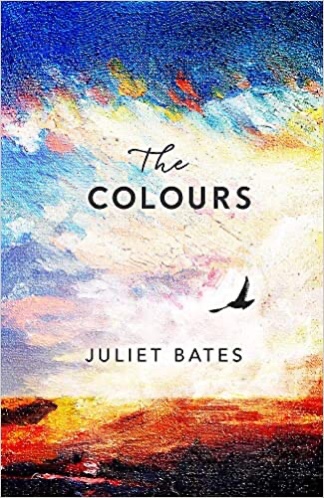
Ellen sees the world differently from everyone else, but living in a tiny town in the north-east of England, in a world on the cusp of war, no one has time for an orphaned girl who seems a little strange. When she is taken in to look after an rich, elderly widow all seems to be going better, despite the musty curtains and her aging employer completely out of touch with the world. But pregnancy out of wedlock spoils all this, and Ellen is unable to cope. How will Jack, her son, survive – alone in the world as his mother was? Can they eventually find their way back to each other?
Juliet Bates
Juliet Bates studied art and art history in Bristol, Birmingham and Strasbourg, and has since lectured at graduate and post graduate levels. She moved to France in 2000 to a post as professeur at the Ecole régionale des beaux-arts Caen la mer. She has published a number of short stories in British and Canadian literary journals.
*GIVEAWAY*
Today I am lucky enough to have one free copy of this beautiful book to give away. Simply comment on this blog post by Friday 19th June at 12pm. A winner will be picked at random to receive a hardback copy. UK only.
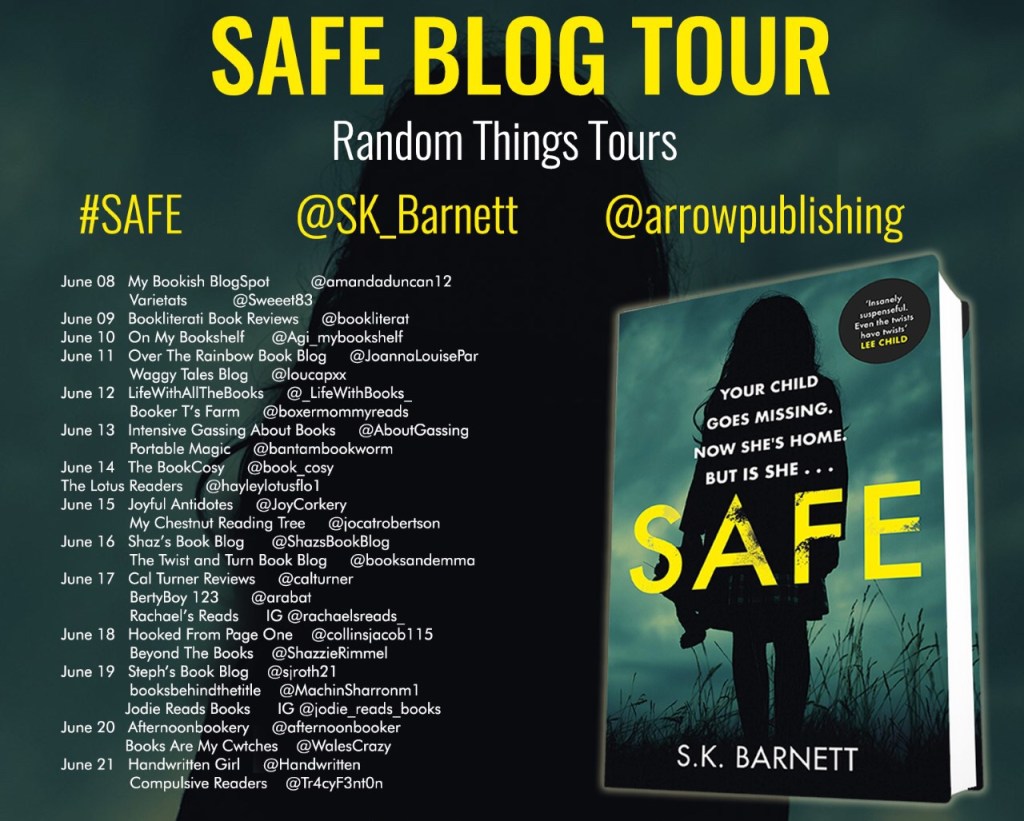
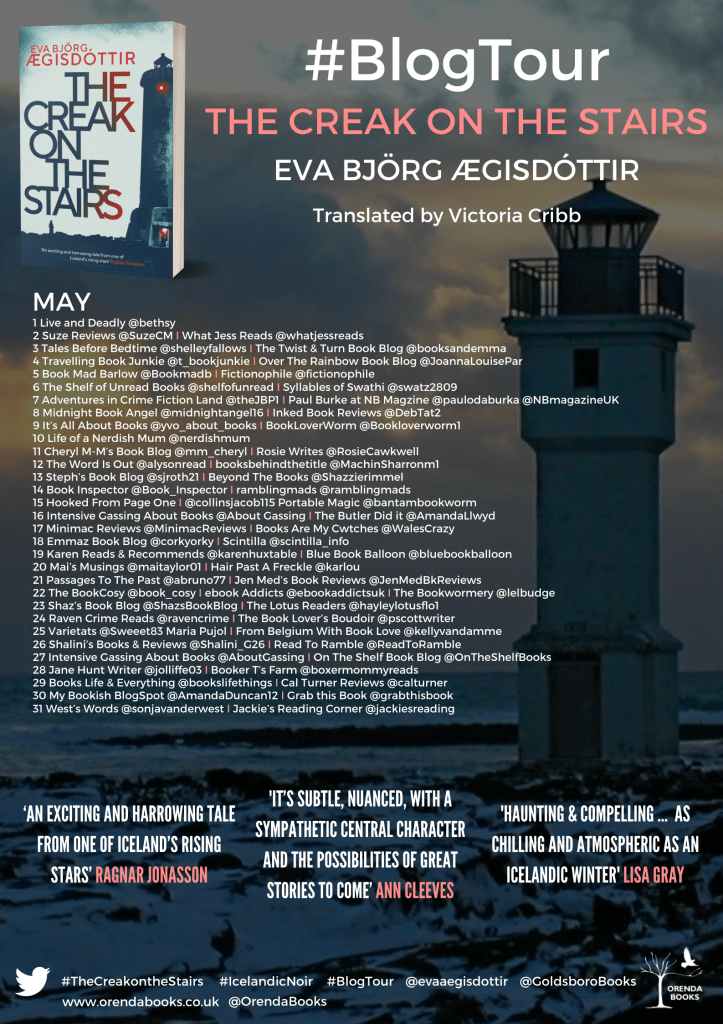
Keep following the blog tour dates below for more information on The Colours and blogger reviews of the book.
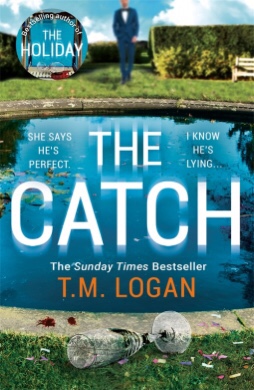
Ed and Claire are hosting a Sunday get together for their daughter Abbie and her new boyfriend Ryan. Although they’ve been together a few months, he’s been working away so much they haven’t had chance to spend any time with him. On the face of it Ryan is the perfect candidate to keep Mum and Dad happy. He has a great job, a first-class degree and a past army career with the Anglian Regiment. He’s charming and very good looking. Abbie seems happier than Ed has seen her in a long time. However, there only has to be one catch, and as Ed catches Ryan’s dark eyes they seem endless. However, Ed senses a void behind them and wonders if the man standing in front of him is the real Ryan at all. As Ryan asks for Abbie’s hand in marriage, Ed is horrified. Even worse, they plan to marry in less than six weeks. This leaves Ed very little time to investigate and without much to go on. Like every protective Dad, he’s going to stop at nothing to protect his daughter. Is Ryan simply too good to be true, or is Ed’s obsession with his daughter getting out of hand?
I’m daughter of an overprotective dad, so I bought into the premise immediately. Told largely from Ed’s perspective, this is one of those cliched ‘couldn’t put it down’ books, that I devoured in one day while recovering from a back injury. I trusted Ed as a narrator, but every so often a little clue was popped in there to throw doubt on his character or state of mind. The secret visits to a building near Hooters, his attitude towards Abbie’s previous boyfriend George or the terribly sad family loss that could explain his inability to let go of his daughter. The author keeps the tension going by slowly counting down the days to the wedding. There are also tense set pieces: Ed and Ryan racing through Nottingham traffic at rush hour; Ed letting himself into Ryan’s house only for Ryan to come home unexpectedly; Ryan driving along while Abbie reads through the private investigator’s report.
There are times when it seems Ed is so reckless I thought the obsession might be getting out of hand. In pursuit of Ryan’s past he is mugged on a sink estate and almost arrested for soliciting. His manager is asking for work he doesn’t produce and he looms close to disciplinary action. His relationship with his wife Claire is suffering and she warns him that the more he pursues this, the more he will push their daughter away. Yet Ryan does have some questions to answer. He appears to have no family and isn’t visiting his mum’s grave every other Sunday like he tells Abbie. He visits a drug house regularly and doesn’t appear to have any social media presence before 2013. Ed is willing to spend thousands of pounds on a private investigator in the hope that he will unearth something before the wedding day. I won’t ruin everyone’s read, but the truth, when it is revealed is more far reaching than I imagined. It seems that both men have been in a cat and mouse situation far longer than we realised. The author keeps the story compelling till the very last moments and I enjoyed every minute.
I reached the end of this novel and realised I’d been holding my breath. My whole body was tense. This is a dark, thrilling, journey to the centre of that place we all imagine to be the safest: our home.
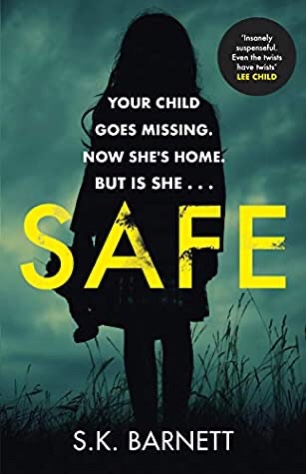
Twelve years ago, six year old Jenny Kristal left home to play with a friend two doors away. She never arrived. Now, she’s back. Parents Jake and Laurie are pleased to have her back. They’re not asking many questions about what happened to her, just letting her settle. Yet, when her brother Ben comes home there’s a very different reaction. Ben seems to freeze when he sees her. He doesn’t try to communicate at all. As time goes on, he starts to ask questions, awkward questions. He also brings up memories of the two of them, but are they real or is he trying to catch her out? Does he suspect she’s not his sister? Is he paranoid or is he right?
I love novels and films that subvert the missing child genre. This had shades of the BBC series The Missing where a family are unsure if their daughter is genuinely returned. The mother is sure it’s not her daughter, whereas the father can’t see it, causing huge conflict within the family. Also on the BBC, was the series Thirteen with the incomparable Jodie Comer as a girl returned to her family after years of captivity. She faces the inevitable questions and suspicions of why didn’t see escape before; why now? In this situation how do you match up the child you’ve lost with the young woman who returns? There’s bound to be dissonance between the version that returns and the girl you remember. The conflict of emotions would be bewildering; you’re meant to be happy and yet there’s a sense of loss for the daughter you expected her to grow into. How hard would it be to return and face those conflicting emotions?
It’s so hard to write about this novel without ruining it with spoilers, but I’ll do my best not to reveal too much. In between the short, sharp, chapters full of dialogue, the author gives us glimpses of dreadful details of what this girl has endured. Whether she is Jenny or not, she has been through a terrible ordeal at the hands of people she calls Mother and Father. Sometimes it’s just a snippet of information, such as a memory brought about when looking at photographs of herself with Laurie. Into her memory comes an unwanted image of a different kind of photograph, taken by abusive parents. Other memories are longer, such as being in the black laundry cupboard for long periods. To be dragged there was terrible, but even worse was to walk yourself there knowing you were powerless. Surely now she’s safe? Between the suspicion of Ben and the girl two doors down,where Jenny was going the morning she disappeared, she feels anything but secure. Prompted by messages from someone called ‘Lorem’ she’s reminded that a little girl disappeared from this house. As I was reading I kept thinking, if this isn’t Jenny then there’s still an undiscovered little girl somewhere, Is everybody in this family as normal or harmless as they seem? Were here memories of torment at this house, with these seemingly normal people. We follow as ‘Jenny’ starts to dig a little deeper, to find out whether this seemingly perfect, but tragic family have secrets of their own.
I was so busy following Ben’s back story: the nightmares and catatonic state he went into after his sister disappeared. Shut away in a school for traumatised children, run by the Catholic Church, he continues to have a terrifying, recurring nightmare. Is this linked to Jenny’s disappearance? Do we take it literally or is it symbolic? Then, I started to wonder about the parents too. Jake and Laurie don’t seem to ever have the same doubts as their son. They seem happy to accept she’s home, never questioning or even offering to talk to her about her ordeal. They don’t seem curious at all. Are they doing this out of consideration for her feelings or are they too scared to hear what she’s gone through? The final revelations are unexpected and shocking. They come just as the reader thinks an ending has been reached, so they have even more impact. It’s tense, gripping and doesn’t shy away from portraying the darker aspects of family life. For some people, home is anywhere but safe.
I am fascinated by places where artists gain inspiration such as the Lake District, Newlyn and Venice, but particularly where colonies of artists have grown and lived together. Charleston would be a place of pilgrimage for me, the home created by Vanessa Bell on the south coast. This was where the Bloomsbury group of artists would stay and their decoration of the house is preserved beautifully ( with their rather entangled love affairs preserved beautifully in the BBC series Life in Squares). So, when offered the chance to read this novel about the artists and writers drawn to the Greek island of Hydra, I was looking forward to diving in. It was read over three gloriously sunny days in my garden, reclined in my steamer chair with a jug of PImms. It was the perfect way to experience the world Polly Samson conjures; an amphitheatre of houses all focused towards the sea, stray cats waiting for the fishing boats, swimming at midnight within a silvery trail of moonlight and a young girl in love for the first time, searching out memories of her mother.
The island of Hydra became a magnet for writers and artists in the 1950s when writers like Lawrence Durrell and Henry Miller took up residence. Samson’s novel is set a generation later in the 1960s when the colony seemed to revolve around Australian writers Charmian Clift and her husband George Johnston. Our heroine Erica is 17, mourning the loss of her mother and looking after an increasingly belligerent father in their London home. A parcel arrives addressed to her late mother, and this is the catalyst for a golden summer she will remember all her life. In the parcel is a letter from Charmian Clift and a copy of her latest novel and Erica starts to read about a different world which inspires her. Erica has always wanted to write, and craving adventure as well as a possible link to her mother, she wants to visit the island where Clift lives. Her boyfriend Jimmy is an artist and both she and her brother have a legacy from their mother they can use, as well as a car they didn’t know their mother owned. Erica is armed with blank notebooks and a lot of questions about her mother, so with Charmian’s promise to secure them a cottage, they all set out to Hydra.
Erica is such an appealing character because everything about her feels new, there is so much to experience and we see it all through her naive eyes. At first there is more freedom than she’s ever known, with no one to answer to or look after. She and Jimmy can make love into the afternoon, they don’t need to work so have ample time to create and can finish the day drinking at one of the tavernas and then skinny dip in the still warm sea after dark. She does find herself drawn to Charmian’s house, a bohemian jumble of rooms overrun with children and visitors, and the sound of a grumpy George bashing away on his typewriter. Charmian is the mother of the group: a cook, organiser, listening ear, social secretary and occasional writer. Erica falls in love with the eccentric group that centre around her, including Axel a Norwegian writer who can’t seem to stay faithful to his beautiful wife Marianne, and new arrival Leonard who is a handsome poet from Canada. Erica puts them all on a pedestal, because she sees them as successful, doing a job she has always aspired to and living in this idyllic place. She is similarly in love with Jimmy. As she wakes and sees him lying next to her naked she imagines capturing him just as he is now, beautiful and preserved only for her.
This is a coming of age novel and I enjoyed how the events of the summer open Erica’s eyes, about relationships, the seemingly idyllic community on Hydra, and the realities of being a writer who is also a woman. In their own cottage, Erica finds that her nurturing personality is easily exploited by others busy pursuing their art. While others merely sleep in, then write or paint, Erica is busy fetching water, clearing dishes and collecting supplies. She has also attached herself to Charmian’s home where the door is always open and there are kids to herd. Charmian points out the difference between men and women who write; men get up and retire to their study to create, unencumbered by housework, children or cooking. Just as Virginia Woolf writes decades before, how different would it be if women had a room of their own? A physical room where the door can be shut, but also a metaphorical room – space away from the mental load of running a household. Instead of working on her own book, Charmian is perched in George’s study offering advice, bolstering confidence and sometimes, even providing the words. Whilst downstairs Marianne and Erica herd feral children and keep an eye on the cooking. Marianne is another example, pregnant by husband Axel who is having an affair with a young girl called Patricia. After his departure, she becomes close to the poet Leonard, but it isn’t long before she’s cooking for him, laying out his desk and popping a fresh gardenia in a vase for him. Charmian warns Erica to never let a man clip her wings, observing that she’s seen her looking after Jimmy at the expense of her own writing time.
The sense of place Samson creates is incredible and laid out in my garden, I could imagine lowering my book and seeing the harbour. The place is idyllic, romantic and seductive:
‘The best time for a night swim at the rocks is when the moon is full. I’ll never forget my first phosphorescence: Jimmy coming up the ladder streaming with stars, one caught on an eyelash still blinking away as he reached and pulled me in, our limbs moon-silvered, our fingers trailing through constellations’.
Who could resist a first love with this backdrop? Samson’s descriptions of the characters clothes, their beautiful homes and the incredible Greek cuisine that Charmian is teaching Erica to cook, create a sensual pleasure in the reader; we’re soaking up this world she has created. However, there are hints that once you stay beyond a couple of weeks, you start to see that the island is not the perfect heaven that Erica has built in her mind. They find a live kitten, flea bitten and crusty eyed, thrown away in a bin bag like rubbish. Once he is treated and nurtured by Erica and Jimmy, Cato becomes a wonderfully sleek black cat. The regular residents acknowledge the problem with strays, in fact a writer called Jean-Claude had drugged a colony of them, then thrown them into the sea in a sack. This type of shock in amongst the beauty of the place, is the reader experiencing Erica’s awakening alongside her; nowhere is perfect for longer than it takes to capture a postcard image.
The same lesson lies in wait about the members of this colony. No relationship is perfect, and Erica is in danger of romanticising George and Charmian almost like surrogate parents. To learn that Charmian may have cheated on her husband is bad enough, but George humiliating his wife by writing it as a sex scene in his latest book, causes a lot of tension. Alex leaves the island with Patricia, despite Marianne giving birth to their son. Erica watches Leonard slowly get closer to Marianne and the baby. Will he truly be able to capture her heart or will she always run back to Axel? When Erica looks back in her later years she imagines them both playing on the beach with the baby between them. Could there’s have been the best example of love, looking back? I’d no idea till later in the book that this Leonard is Leonard Cohen and the reader is left to imagine Marianne inspiring his song of the same name. Erica has to learn that most things are temporary. Life isn’t a fairy story which ends happily when the handsome prince chooses his wife. That is simply one moment in a, hopefully, very long life. She sees that no relationship, even her own, is truly safe or within her control. Cracks appear when one night at a local nightspot the group lounge around on large cushions gossiping. The gossips turns to Marianne and Erica is surprised how bitchy it gets, it disillusions and disappoints her.
The author cleverly weaves into the story, these little hints that show life on Hydra, and within this artistic community, is not what it seems on the surface. There are artistic jealousies, even between man and wife, but especially between the men. There’s a degree of suspicion underneath the cheerful socialising. Erica’s relationship with Charmian has ups and downs. Erica sees her as queen of their community., almost like a mother to them all. Perhaps she pushes in and questions her too much at first and Charmian will not divulge any secrets about her mother’s life. Towards the end of the novel the pair meet again in London by chance and Charmian is more forthcoming about Erica’s mother and accompanies her to a protest. When Erica eventually revisits Hydra years later, not many of the old gang are left. Will those that remain full in the blanks for her, or will so much remain obscured by time and her naivety at the time of the events? How will going back bring closure for her? Although I was more interested to see whether Erica had taken the lessons she learned there and applied them to her life. Hydra remains alluringly beautiful and I felt it would have a strange, magnetic power over Erica for the rest of her life. This final visit is about settling memories back into place, with tears and laughter that is so bittersweet,
Now so long, Marianne It’s time that we began to laugh And cry and cry and laugh about it all again
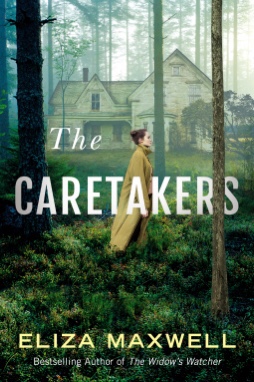
In the aftermath of a destroyed reputation, and the death of her mother, Tessa takes refuge at an isolated estate, which is cared for by two elderly sisters. Fallbrook has been left to Tessa in her mother’s will and she hopes to get away from the publicity surrounding a huge lapse of judgement. As a filmmaker she helped free a man she believed was wrongly imprisoned for murder. After he’s freed, he kills again. Without her normal support network, she feels getting away is her only option. Since their mother’s death, she’s had to face tensions from the past particularly her ruined relationship with her sister Margot. So Fallbrook seems like all she has, but all lonely old estates have secrets. The caretaking elderly sisters are looking after Tessa’s family past as well as the crumbling mansion. Will this turn out to be the haven Tessa needs or will her need to find answers create even more problems?
I found this a very atmospheric and absorbing read. From time to time I would be interrupted and find out I wasn’t in a crumbling mansion house full of secrets. Essentially we have two sets of sisters. Tessa and Margot used to be the best of friends, as close as twins can be. They last spoke twenty years ago. Margot’s husband Ben, used to be Tessa’s boyfriend and the one person she could talk to. As Tessa became assailed by anxiety, hospitalised and medicated, she tried to appeal to Ben to intercede with her sister. At Fallbrook there is Deirdre who is practical and forthright. Deirdre looks after Kitty who is now struggling with dementia. They are living in the building, and holding its history and secrets. However, far from trying to keep the place alive they are tasked with watching it, and all its secrets, crumble to the ground and be forgotten.
The family history is a gruesome one. There’s kidnapping, abuse within the family, not to mention Kitty’s dementia. I liked the idea of making her the custodian of the stories, knowing that dementia patients are more often connected with their past than their present made this even more poignant for me. There’s a question in the reader at first over whether she can remember these events or are they part of her delusions? Despite such distressing subjects, Maxwell has a very poetic way of writing about them:
‘ the screams have long since died away. The bloodstains, like the memories, have faded with time’.
As a reader I found myself more engaged with these older stories, than the ongoing conflict in the present. I wanted to unearth more and that kept me reading. This seems to sit in that realm of gothic fiction that contains: narrators recent distress, old gothic mansion, family secrets and younger generation coming along to unearth them. I’ve read a few of these, but I enjoyed this one immensely. It has just the right pace of revelations and the spooky atmosphere was perfection.
Since the weekend I have seen many posts following the protests across the world after the murder of George Floyd by US police officers. This is where someone like me can feel powerless – I’m disabled, largely at home and without any real power. Like many others I’m sure, I’ve wondered what I can actually do. Yes, I can retweet and comment on posts, I could use the right hashtags and I could write to my MP. Also being white, I wonder if I truly understand and have friends who worry about getting any response totally wrong. The answer is to simply show solidarity in whatever way you can and if you do get it wrong, thank the person for pointing out your mistake and promise to research and get it better next time. It still all felt too little though, and nothing to do with the world of books which is the primary reason I’m here with a blog and Twitter account. What could I do, within the literary world that might make an ongoing difference? I’d seen people photographing book stacks of BAME authors or asking for recommendations of what to read. That’s when I realised I could help by using my blog to point others to great authors they might not have tried, and encouraging them to read wider than their own comfort zone which can be very white and privileged for some people. So here’s my list, some different authors than those you might know well such as Toni Morrison and Alice Walker. I hope this generates a few sales going forward and encourages people in my small sphere of influence to read more BAME literature moving forward. There are also some links at the end that you might want to explore too. Thanks for reading.
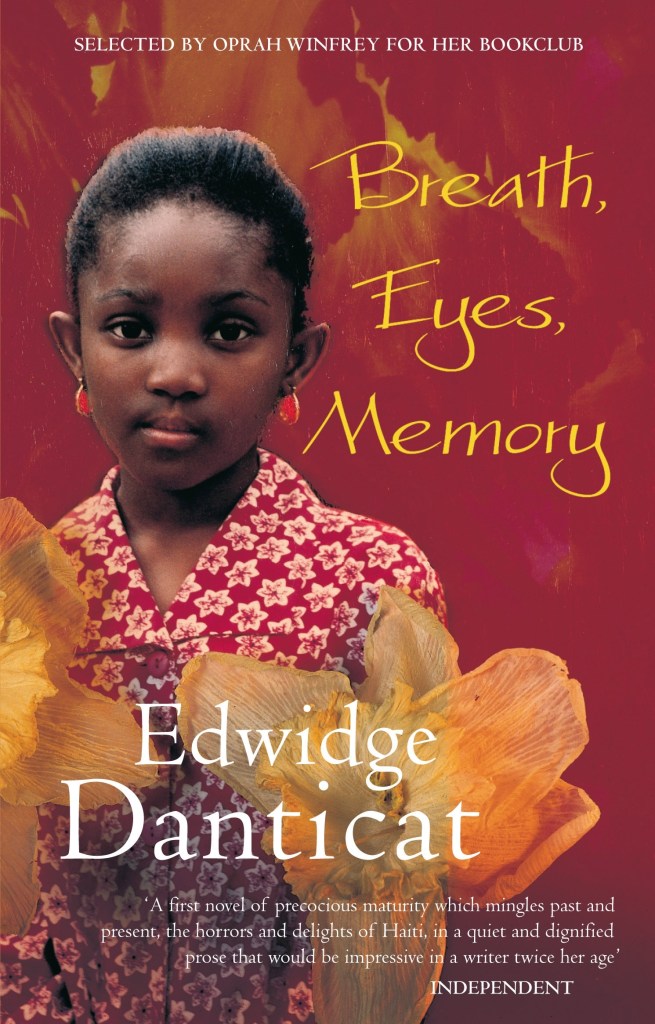
Edwidge Danticat
Danticat is an Haitian-American author, living in the USA. Although still living in the US, Danticat still considers Haïti her home. The themes of her writing are mother/daughter relationships, National Identity, and diasporas politics. Her first novel Breath, Eyes, Memory focuses on problematic mother and daughter relationships in Haiti. Sophie Caco lives with her grandmother in Haiti, but her mother lives in the USA. What Sophie doesn’t know is that she is the product of a violent race by the terrifying Tonton Macoute – henchmen of prime minister Papa Doc Duvalier. So when Sophie’s grandmother falls ill, and her Mum comes to Haiti, can they repair their estranged relationship and will they face the violence of the past together?
Her second novel The Farming of Bones is set in the Dominican Republic in 1937 and focuses on house maid Annabelle Desir and her lover Sebastien Onus. Haitian Girl,Annabelle, was orphaned at the age of eight and works mainly for the daughter of a wealthy and influential Spanish settler in their mansion near the border. She and Sebastien are caught up in the Parsley Massacre. Dominican dictator, Rafael Trujillo, wanted Haitians out of the Dominican Republic and ordered Dominicans to kill their servants and neighbours. This novel follows the Haitian couple as they try to escape back over the border and become separated. Who can Annabelle truly trust and will she reach her home?
2. Zora Neale Hurston
The author was an African American writer working in the 1930s. Her most famous novel Their Eyes Were Watching God is considered a classic of Harlem Renaissance literature. It is set in Florida in the early 20th Century and follows teenage girl Janie Crawford. When her mother dies, leaving Janie as a powerless and voiceless teenage girl, her grandmother Nanny, arranges for her to marry older man Logan Killicks. He is really looking for a domestic servant, but young Janie is like any teenage girl and longs for love. Her Nanny and her husband think she is ungrateful, and she runs away with a lover. Will Janie find love, or something much more important such as power and a voice?
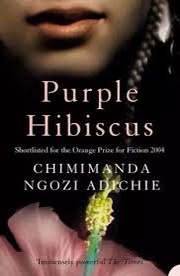
3. Chimimanda Ngozie Adiche
A young Nigerian writer with several novels to her name, she is probably best known for Half of a Yellow Sun and Americanah, but I also found her first novel Purple Hibiscus a great read. Set in post-colonial Nigeria, our central character is Kambili a young girl living in a wealthy home, dominated by her devoutly religious father Eugene. Eugene rules his household with a Bible and with his fists. Trying to live in this violent household, while outwardly appearing like the perfect family, is hard for Kambili and her brother Jaja. They are regularly disciplined and beaten, with their mother Beatrice suffering two miscarriages due to Eugene’s violence. The children’s escape is to their Father’s sister Aunty Ifeoma who works and lives on the university campus at the capital Nsukka. This is a happy, liberal house and is so full of life. Here, Kambili learns to have a voice and form her own opinions. She also experiences a sexual awakening as she develops a crush on a young priest Father Amadi. As life in their own home comes to boiling point, how will Kambili break free from her father’s tyranny and live her own life.
4. Louise Hare
Louise is a London based author whose debuted novel was only just published in March this year. This Lovely City is one of my favourite novels of this year so far and is based in post WW2 London. The Empire Windrush has brought commonwealth citizens from the West Indies to work and settle in the UK. Lawrie is just off the boat, working as a postman by day and a Jazz musician by night. He has settled in lodgings in South London and has fallen in love with the girl next door. One day he makes a terrible discovery by the pond on Hampstead Heath and despite reporting to the police, the lead detective is convinced Lawrie is the guilty party. Girl next door, Evie, still lives with her Mum who is fiercely protective of her daughter, She has been the victim of prejudice due to Evie being mixed race. Will the truth come out or will Lawrie be imprisoned for something he hasn’t done? So evocative, you’ll feel yourself in the jazz bars of London.
5. Andrea Levy
Born in London, Andrea Levy is of Afro-Jewish descent and is probably well known as an author. Her novel Small Island was adapted for television starring Noemi Harris and David Oloweyi a few years ago, and her more recent novel The Long Song appeared on television at Christmas. Small Island covered our commonwealth citizens who signed up to fight for the British Forces in WW2, then those who came over post-war on the Empire Windrush. Gilbert Joseph fought in the war and now has lodgings with White-British woman Queenie Bligh. Unknown to him, Queenie is pregnant, the father is someone Gilbert knows from the same island, Michael Roberts. Michael is charming and charismatic but isn’t good at facing up to responsibilities. Hortense has grown up alongside Michael in Jamaica and had a huge crush in him, however she ends up marrying Gilbert in order to get to the UK. Hortense is proud of her education and is very sure that her mother country will want her skills as a teacher. However much Gilbert tells her that it’s different to the England they were promised back home, Hortense won’t believe him and it comes as a huge shock. When they find out Queenie’s secret, how will they help?
The Long Song is written as a memoir by an elderly Jamaican woman who lived through the final years of slavery in the 19th Century. It’s the story of July, a young black girl living on a plantation. When she’s a small child the the young plantation mistress takes her away from her mother, who works in the fields, and brings her into the house. She changes her name and sets about training her as her own lady’s maid. They then become rivals for the love of the new plantation overseer. However, soon comes the Baptist War and the last days of slavery. Despite the dramatic history she tells, July often strikes a strong comedy tone in the novel. Yet she also documents incredible power shifts between master and servant and the reader is drawn in to see who prevails.
This is only a very small selection of authors to try out but it is a start and I think we can all learn from them and author’s other work. Let me know how you get on and we can maybe chat about the book, but also other authors you could follow. This is a very bookish way of supporting the BAME community; not just by buying the author’s books but by reading and listening.
You can also help by donating to or visiting organisations such as:
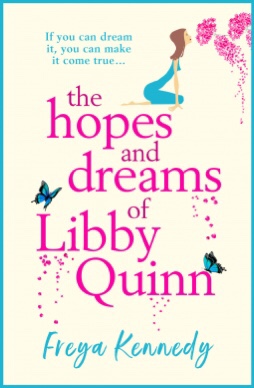
I’m going to admit to a certain amount of snobbery when it comes to the genre of novels called ‘ChickLit’. I think three years of English Literature at university and lots of talk about ‘the literary canon’ meant that reading this genre became a guilty pleasure for many people. I would now like to announce myself as a proud reader of ‘ChickLit’. I think some of the writers who seem to be placed in this group are incredibly skilled: Marian Keyes, Jojo Moyes, Adriana Trigiani, Ruth Hogan, Liane Moriarty, Helen Fielding, Dorothy Koomson and Lisa Jewell. I’ve seen all of the above placed in this category both online and in bookshops, but what does it mean? An online definition I read recently was ‘heroine orientated narratives that focus on the trials and tribulations of the protagonist’. Apparently it differs from women’s fiction in that it’s lighthearted and appeals to a younger audience. Yet, I wouldn’t agree that all of the above authors fit that definition. It seems to be a title that’s diminutive, even derogatory and probably serves the marketing of books rather than their content. I think there is a great skill in writing an uplifting book, and we’ve never in our lifetimes been in more need of some literary sunshine in our lives. What does that have to do with Freya Kennedy? Well, just as I really needed it, I was able to sit in the garden with this lovely book, mix myself a PImms and let all my cares drift away.
Our heroine is Libby Quinn, resident of Derry, avid reader and dealing with grief following the death of her beloved grandfather. Her love of reading is entirely based in her relationship with her grandad and the many children’s books they enjoyed together. At huge risk, Libby has decided to pool her money and open a bookshop in Ivy Lane. The shop itself is up for auction, and in a state of disrepair. It’s a huge project and Libby has some trepidation, but it’s also lifelong dream that her grandfather was never able to fulfil and she would love to fulfil that dream in his memory. This is something I’ve daydreamed about for many years and I fell in love with Libby’s vision of vintage shop fittings, writer’s nooks, cake and coffee, and shelves full of books. Once she secures the Ivy Lane shop it will take weeks of hard work, help and support from family and friends to get the shop and her flat above up and running. She’s made the sacrifice of selling her house and moving back in with her parents temporarily and with a Dad in the building trade she will have lots of expertise at hand. Libby knows she will have to focus and that means even less time with best friend Jess and fewer cosy weekends with boyfriend Ant in his big house by the sea. How will she fit in with the Ivy Lane community and how will those closest to her cope with her dedication to her dream?
I liked Libby immediately and could understand where she was coming from. I have a similar supportive family, who are always eager to help me with new ventures. It was clear that Libby knows where she’s from and is grounded. Apart from normal concerns such as stinking after a damp day shifting rubbish in the shop, she isn’t focused on how she looks and this was refreshing to see. She is described as a ‘ray of sunshine’ coming to the street and I genuinely think she is. She’s kind, friendly, thoughtful and generous. Plus she loves reading, so I could easily imagine us grabbing a coffee and chatting about favourites. She soon makes friends on the street. Locking herself out of the shop means she has to make her way across to the Ivy Inn and ask to use their phone so Jess can bring the spare key. Here she meets Jo and Noah who run the pub and live together above the pub. Then there’s Harry, the elderly gentleman from the corner shop. I loved how these residents looked out for each other with a pack of biscuits here, a free lunch there and I could imagine Libby reciprocating with a book or a coffee. It was just the sort of neighbourhood it would be lovely to live in right now.
I liked that Libby knew what she wanted and stuck to it. She wasn’t wavered by distractions or feeling a bit rough. It had to be a full blown tonsillitis to stop her in her tracks. Even though there was a bit of wavering and soul searching, I liked that she had the confidence to know when a relationship wasn’t working. Even on the first week that she needs to work a weekend, Ant wasn’t on board. On the first day he didn’t help with clearing out then on the Saturday he wanted to spend the normal weekend together at this place. I wondered when he imagined the bookshop would be open? It wasn’t going to close on Saturday just for him. He then has the temerity to call Libby selfish. Even when she offers a night in a hotel, when she needs to visit the vintage fair and buy furniture, he decides it’s not his thing. I got quite angry with him at this point and even more so when he’s been discussing it behind her back with Jess. The pair practically gaslight Libby into thinking she’s the problem. Luckily a good chat with her mum straightens things out, she tells Libby that she’s allowed to be absorbed in this. Isn’t it her lifelong dream? That usually partners support their other half, but Ant hasn’t lifted a finger. Maybe they just aren’t compatible? This fits with thoughts Libby has been having, and she handles the situation really well. Even when, it seems, Ant might have had his eye on someone else. Noah is a great romantic lead with his craggy good looks, kind nature and sad past. His rapport with Libby is obvious to everyone but her. She has decided to focus all her energies on the shop with no exceptions. She has no time or headspace to spare for romance.
The author keeps the tone light throughout, but still kept my interest all day. Yes, I read this in a day. It lifted my spirits and made me smile, a rare thing at the moment. Towards the end I was desperately hoping for a certain outcome so I had to keep reading. I loved the vivid descriptions of the shop and the way it took shape. It was almost like watching my own dream come to life, which was very inspiring. It made me want to book a reading nook and fulfil my dream of writing a novel. This novel was emotionally intelligent, full of warm, quirky characters, and like opening a box of sunshine. Chick Lit or not I will definitely be checking out this author’s other novels.
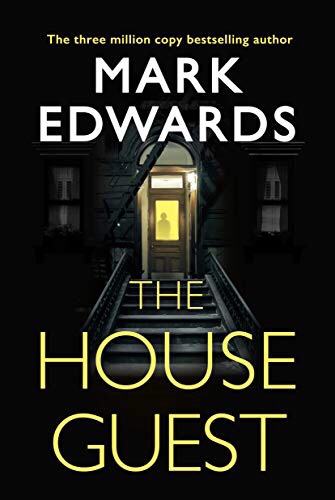
There’s a whiff of Scientology in the latest thriller from one of my go to writers, Mark Edwards. Ruth and Adam are a couple on the cusp of becoming the next big thing. Over the summer Ruth will be rehearsing for a new play opening on Broadway, since finding success in a low budget horror film. Adam has written a play and a producer is very interested in looking at it. By happy coincidence they have landed a great house in Brooklyn for the summer. Their friends Jack and Mona, who they met on a cruise when Ruth was performing in The Tempest, offered them the house while they were off on their travels again. One night, in a storm, a young girl knocks on the door asking for Jack and Mona. Adam explains they are away, but Ruth feels bad sending her out into the storm and invites her in for a warm drink and to dry off. The girl is called Eden and she explains that Jack and Mona told her she could always stay with them, if she found herself in NYC. Adam is unsure what to do, because she could be anyone. However, she does seem to know the older couple and it is the sort of thing they would do considering they’ve let Ruth and Adam stay after only just meeting them. They decide to let Eden have the spare room, after all Jack and Mona are back in a few days anyway.
Over the next two days, Eden settles in and they all get along, However, tiny cracks are starting to show in Ruth and Adam’s future. Adam’s meeting with the producer turns out to be more of a fact finding mission on Ruth’s availability. Furiously, he symbolically dumps his script in a bin in Central Park even though he knows it’s a file on his laptop. He is then mugged for his mobile phone. The next day he and Eden go for a drink, and he has a small moan to her about how he will cope when Ruth’s star eclipses him. He’s scared that he may be jealous or it will drive a wedge between them. Jack and Mona are due back Sunday morning, so on Friday night they have a final hurrah. Eden treats them to Japanese food and a bottle of tequila. Before long they are all drunk and there’s dancing in the rain in the yard. Adam passes out soon after. When he wakes the next morning he feels dreadful, worse than any hangover he’s had before. He finds he can’t even get up. He notices Ruth isn’t with him, and assumes she is asleep downstairs. When he is finally able to get up, he is shocked to find that not only is Ruth not downstairs, she and Eden are nowhere to be found. So many questions ran through my mind at this point. Had Eden ever known Jack and Mona? Was that even her real name? Had the women run away together or had something taken place that scared them both? I suspected everyone, even Adam our narrator.
Mark Edwards has written an audacious thriller here. It seems to be a typical domestic thriller, but is actually much broader in scope. Adam and Ruth’s story is just one couple’s experience within a global conspiracy. I love the way Edwards leaves us tiny little clues and red flags. Ruth’s choice of reading material, and Adam’s description of her as a someone seeking spiritual truth seemed important. The bearded man that appeared to be staring at the house the very first night Eden arrived seemed sinister. Although I was suspicious from the beginning, I would have been seriously worried after the incident at the swimming pool. Adam and Eden go for a swim while Ruth is rehearsing and when Adam comes from the changing rooms he finds two young men hitting on Eden. They don’t seem to take no for an answer, but when Adam intervenes, Eden’s demeanour suddenly changes from the helpless victim and she threatens them. She calls them ‘dead men walking’ and I started to wonder if she had lured them in somehow; she seems to enjoy swapping power roles and scaring them. There is a scary certainty in her voice. However, even though I was suspicious about Eden there were more twists and turns in store that I really didn’t see coming.
Ruth seems like a nebulous character. Maybe it’s simply her profession – the actress’s ability to put on many different personas, but I don’t get a full idea of who she is. This could also be what Eden sees; Ruth as the ultimate seeker, willing to shed her identity or at least write over it. She’s on the very cusp of great success all on her own, but it seems like Eden banks on her having that strain of self-doubt underneath. The bit that wonders if she really is enough or whether everything she’s ever wanted just slip through her fingers. What Eden offers is certainty, a guarantee; we can make you a huge success. It reminded me of an anecdote told by the actor Christopher Reeve in one of his memoirs. When he was on Broadway, right on the edge of breaking through into film, he was approached by Scientologists who offered him a personality test. Whatever they found in his personality seemed to almost put them off. His determination ensured his success and that winning aspect to his personality perhaps meant there was nothing to exploit, no angle to use that would lure him in. I think successful cults are very good at noticing that chink in the armour, then using it to draw you in, whether it be self-doubt, imposter syndrome or lack of family. They will bend to become whatever you need at first, until you’re so far in it’s almost impossible to leave. There’s a reason that Scientologists don’t get to hear about the aliens until Operating Thetan III – by this point you’re likely to have spent almost $100,000 in courses to get there and you’re less likely to walk away.
The big finale is followed by a quiet moment where I expected things to be returned to normal. The ending was unexpected and did feel very creepy. The complex aspect of cults is that there will inevitably be some part of its belief system that has good intentions. However, after a while that goodness always becomes corrupted or distorted in some way. Having grown up in an extreme form of Christianity I can see that in essence the belief system was pure. The problems come when that group is threatened in some way by society or when those in positions of power start to enjoy them too much. There’s a point at which, those who love that person have to accept they’ve changed beyond recognition. It’s impossible to belong to an organisation and only take out the good bits, just being there is to accept and condone it all. Adam has tremendous love for Ruth, and was worried that her success might come between them. Instead she is lured away by her need to belong, to believe in something, This is a great weekend read, full of unexpected twists and with a finale worthy of a Hollywood movie.
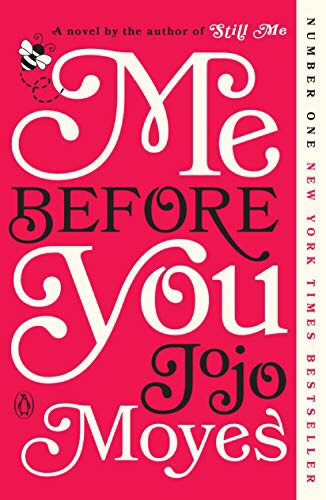
Long before the film made this novel universally known, it had become one of my lifelong favourites. There are so many reasons why people love this book and why it was optioned for a film. It’s a transformative tale for a start. These two characters, Louisa and Will, change each other’s lives during the course of the novel. They are strong, likeable characters that stay with you. There is a heartbreaking love story at the centre, but so much humour as well. However, those of you who read my blog regularly, know that I often add a very personal touch to my reviews. This book is so important to me because when I first read it, it felt like Jojo Moyes had a window on my life. We might think love stories like this don’t exist in the real world, but they do. I know this, because I had one.
Louisa has lost her job in a cafe, and is browsing the adverts in the Job Centre when she comes across an interesting opportunity. A personal assistant’s role for Will Traynor, providing care and supporting him to regain some independence. The Traynor family are rich compared to Louisa’s family and their son Will is quadriplegic since having a motorcycle accident. He needs a nurse on staff at all times, so Louisa’s role is more social. Despite her lack of experience, Mrs Traynor hires Louisa because she sees something in her that might just lift her son’s spirits. Will has been low since his accident, but that worsened recently when his ex-girlfriend became engaged to his best friend. Louisa is different from anyone Will has met: she is chatty and exuberant about life; wears bumble bee tights; and isn’t frightened of poking fun at him. Mrs Traynor tells Louisa that he wanted to end his life and when she refused his request to go to Dignitas, he tried to kill himself at home. Will and his mother have an agreement, that for six months she will try to convince him that life is worth living and if he still wants to end his life she won’t stop him. Louisa starts to break down some of Will’s barriers and take him out into the world, but the changes are not one sided. Will is changing Louisa’s life too.
What does all this have to do with me? I met my ‘Will’ in 2001. His name was Jerzy and we’d been corresponding for six months by post and email. I have multiple sclerosis and had been leafing through a magazine in my local therapy centre, when I saw an article I thought could inspire others who used the centre. Here was someone with MS who was still active, doing sailing and scuba diving from his wheelchair. So I wrote a short letter asking if I could reproduce some of his article in our newsletter. I added my brand new email address and hadn’t expected to hear anything back, but I did. We met six months later when I drove down to Milton Keynes for lunch, that turned into dinner and an all night chat. We were from different worlds. Like Louisa I came from a working class family, I worked for a mental health team part time and still lived in the same small town I’d grown up in. I’d never been to a ballet, never been abroad and hadn’t even been to an art exhibit. Whereas Jez was from a middle class family, had played professional rugby, travelled widely and loved opera. Yet, we recognised something in each other straight away. It was an immediate feeling of connection, belonging and life changing love. We were married eight weeks later. I know that sounds insane on paper, but at the time it felt like the most natural decision in the world.
From the outside, if you didn’t know us well, it might have looked like Jez was taking so much from me, but I got so much back in return. I wasn’t his sole carer, but I did look after him physically. We had an adapted car so I could drive him places and visit friends and family. I fought really hard to get him the right help and employed carers to keep him busy and safe when I wasn’t home. Like Louisa does with Will, I stopped him taking himself and life so seriously. I would make him laugh till his face hurt. I taught him that work wasn’t everything, that family and enjoying life were just as important – more so since neither of us knew how long we had to do all the things we wanted. Thank goodness I did teach him those things, because he had much less time than I expected. I don’t think I have room to list the ways he transformed my life. He supported me to finally go to university, full time for three years so I could throw all my energy into it. He took me to my first ballet and my first opera. We would go to The Stables and see jazz concerts as well as theatre. He opened the world up for me, in ways I never expected, something that endures to this day.
When Will takes Louisa to the opera, I understood how she felt completely. It was completely outside her comfort zone. I felt like a fraud, sat amongst ‘posh’ people who didn’t need the supertitles to understand what was going on. I mortified him by falling asleep, We went to a ball at his Post-Grad college and everyone round the table had ‘proper’ jobs as surgeons, bankers, and academics. Jez proudly told everyone I worked with people who struggled with their mental health. Three hours later everyone around the table had told me their problems and I came away so proud of what I did. He saw something in me I didn’t know I had, and motivated me to use it. Jez always wanted to get as much out of life as possible but when his MS deteriorated he became more restricted. We moved closer to family for support and I kept his spirits up with movie nights at home, making new foods he wanted to try, creating a beautiful garden for him to be in and doing impromptu dance performances at his bedside!
In the novel, Louisa starts to have feelings for Will. She organises a whirlwind tour of his favourite places for them both, but she changes it to Mauritius after he has a bout of pneumonia. He tells her, when they attend his ex-girlfriend’s wedding, that she is the only reason he gets up in the morning. Jez had his first bout of near fatal pneumonia just after we got married. His swallowing reflex was failing, causing food particles to be inhaled into his lungs. We knew this was going to continue and I had to learn to suction debris out, something that needed repeating more frequently as time passed. Even as he became confined to bed, I would go in and snuggle up to watch a film or listen to a book, For Louisa and Will the defining moment is on their last night in Mauritius. Louisa tells Will she loves him. Will confides in Louisa, that he wanted to end his life with Dignitas. If anyone should make him want to live it’s Louisa, but he still can’t face the rest of his life in this body and using a wheelchair. He will still be going to Switzerland to carry out his plans. Louisa is hurt and when they return, she resigns as his carer, unable to watch him go.
I didn’t get a choice. In the last year of his life Jez became dependent on others to keep his airway clear and to be fed through a tube into his stomach. Someone had to stay awake to watch him through the night. I was so tired. Eventually he ended up in hospital and then a care home – the last thing I wanted. He chose to end his life one afternoon, when the consultant cane to discuss his care. He explained that if we kept treating the pneumonia with antibiotics we were prolonging his life, but only till the next infection. However, if we stopped treating it aggressively and chose instead to keep his pain controlled, then ‘nature could take it’s course’. I looked at Jez and asked him what he wanted and he mouthed ‘no more’. This was no time for my own fears and needs. This was his life and his call, so I told them we were agreed on no more treatment. 36 hours later he died. Respecting his choice was the most I had ever loved him, but the hardest thing I’d ever done.
Will’s influence on Louisa’s life didn’t end on that holiday in Mauritius. In fact, it’s only just begun. No wonder Jojo Moyes wrote two more novels about her life after Will’s death. Endings are always beginnings. Will’s legacy to Louisa means she has so many choices. He wants her to have the chances he had in life, to try things, go places and build a new life for herself. Jez did this for me too and at first it felt strange to have such freedom. I didn’t feel I deserved it. However, it did open the world up for me. I could buy the roof over my head, travel, study more and basically go on living the way he would have wanted me to. With Will forever in her mind, cheering her on, Louisa goes on to make many new memories. I’ve had to accept that it means making the odd mistake too. That’s the thing about choices, we sometimes make the wrong ones. Yet, by moving forwards I have stopped myself doing the one thing Jez told me not to. The last thing he said to me was ‘don’t get stuck’. I didn’t. Today marks thirteen years since he died and I’m still taking chances, trying new things and hopefully, making him proud – even if I still make him roll his eyes occasionally.
The sequels After You and Still Me have both come along when I’ve been at similar points in my journey with grief. We see how much Louisa struggles to cope, without Will in her life. Yet, he does still act as an anchor for her, something that grounds her. Jez grounds me too, he also spurs me on, reminds me to indulge myself sometimes, but to go for things when I really want them. I have a totally different life from the one I expected. Although I’m still walking my MS is worse. I still travel when I can. I’m studying for an MA. I have someone who loves me and two amazing stepdaughters. Today we will be lighting a candle next to Jez’s photo in our living room and making him part of our day. Jojo Moyes wrote a beautiful love story and Louisa is such a character. I’m so glad to have moved through the last thirteen years with a fictional friend as incredible as Louisa Clark.
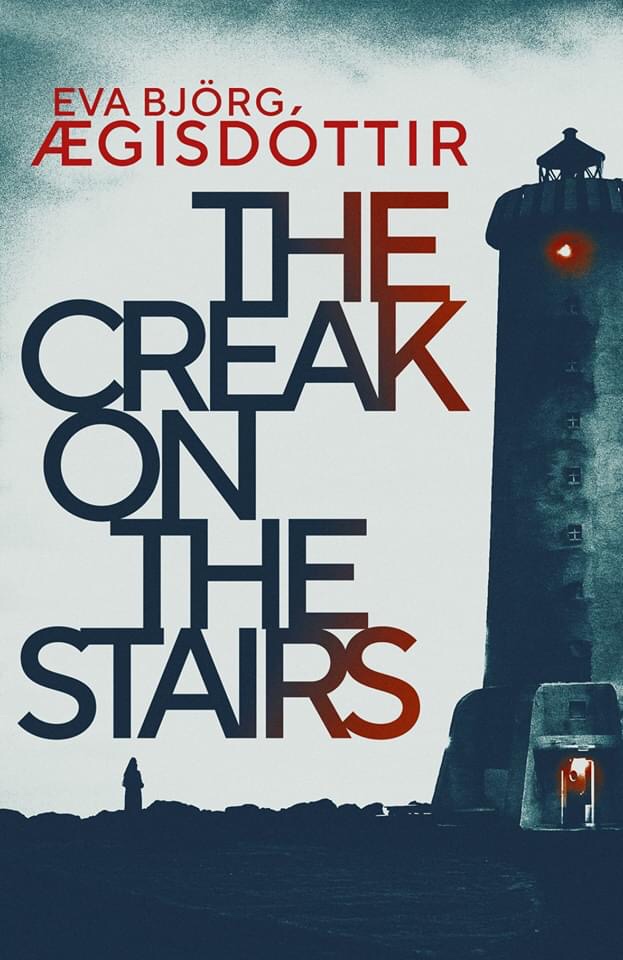
Investigating Officer Elma has only recently returned to her home town of Arkanes, after working in the city of Reykjavik. She has to hit the ground running when the body of a woman is discovered by two teenagers, hanging out in the old lighthouse. The dead woman is beautiful, with long dark hair and inscrutable dark eyes. Her identity is a mystery, and at first there are no clues as to whether she drowned, jumped from the lighthouse or was murdered. Elma and her new partner Saever must find out the truth about the mystery woman, while getting to know each other. However, investigating in the small town where she grew up isn’t easy. Elma has to work through preconceptions, local politics and allegiances; the potential suspects may have status in the community and be respected within her own family. She soon finds that despite everyone knowing each other, people still have deep, dark secrets to hide.
The story is told largely through Elma’s eyes, but with alternate, shorter chapters, following the writings of a little girl. The girl’s tale is heart rending to read, as she grows up in a grief stricken and chaotic household. Her mother is a drunk and the house is often full of random strangers. The author drops tiny little clues about the girl’s existence, rather than stark descriptions. As if she doesn’t want to shock, but instead draw the reader in slowly. She talks about sores on her fingers that are infected and green in places. Is this from biting them due to anxiety or something even more worrying? She’s lonely and has few friends or family who care about her. Everyone responds to her, because she’s a pretty girl, but no one bothers to look closer. As the book continued I felt like I was watching the development of a potentially borderline personality.
Elma has a mystery of her own that also unveils slowly. She had a significant relationship back in Reykjavik ,that ended before her return. Again, this is hinted at but not exposed. When Elma has dinner with her family, her Mum encourages her to talk about it, but Elma puts her face down on the table and begs her Mum to stop digging, she simply isn’t ready to face it yet. Her relationship with work partner Saever is a delectable slow burn. She’s attracted to him, but holds back – partly because of their work relationship, but there’s something else too, possibly linked to her previous relationship. It’s great to see this slow development and bodes well for this to become a series. We learn that Elma is dogged in her determination to solve a case. Her thorough investigation does clash with the people of this remote small town. It’s a place where people trust each other and individuals are in a position of authority for life. Residents believe they know each other well, but Elma is in a unique position to get underneath these facades. She’s local enough to be trusted, but separate enough to see people and situations objectively. She’s willing to ask the questions a local officer might avoid.
The central case goes right to the heart of this community and to a generation that tended not to interfere or ask questions. Where everyone might suspect something going wrong in a certain household, but no one would interfere or report in perhaps the same way we would now. I really savoured the slow, detailed storytelling and the atmosphere created by the author. Even the title sets us on edge; that idea of hearing a creak on the stairs in the dead of night is universally scary. When I imagined myself in the place of this little girl, I could feel the dread of knowing that person is on their way to my room. I felt that a harrowing subject, which could have been gratuitous, was handled with care and restraint. Instead we see the aftermath, the devastating effect on victims and also the ripple effect that spreads like a shockwave through the community. I recommend therapy to clients on the basis that trauma left unprocessed is never fully locked away, it still affects us daily and eventually works it’s way back to the surface. This applies to Elma’s investigation and her private life. The author cleverly waits till right at the end to let us into her secret, setting us up perfectly for a sequel. I can’t wait to read it.









 The Lotus Readers