The Synonym Tables invite the reader to examine language closely and investigate how it shifts over time. By extracting synonyms that are deemed “most relevant” by Thesaurus.com for common words used today and comparing them to synonyms for the same terms from a 1947 textbook via the scientific format of a table, the reader is asked to consider how the tool of language evolves, shrinks, expands, and fails.
I agreed to read this new volume of poetry because I am fascinated with how language changes and how it’s used. I rarely get political on the blog, but where we see changes in language everyday is the media and in politics. I have a disability and if we think about the language around people with illnesses and disabilities, there has been a shift. In fact activists think it has changed significantly in the last fifteen years. There was a move away from using neutral terms towards words that insinuated blame. Here Roche closely examines words surrounding certain subjects – health, employment, status – in order for the reader to see if: there’s a difference; whether tone or agenda has changed; to look for patterns. The main aim is to give the reader food for thought.
There were a few differences the stood out to me. The first table/poem tackles synonyms for poverty and I was interested to see how words had become ‘sanitised’. Instead of ‘destitution’, in 2020 we used the word ‘debt’. It had me thinking about what those words mean. Destitution conjures up images of extreme poverty, having absolutely no resources to draw on. Debt doesn’t quite conjure up the same image, possibly because it has become the norm to live with a certain amount of debt. When I think about destitution I imagine people in rags, no food and possibly no shelter. It conjured images of Victorian orphans. Destitution is something that happens to people, whereas debt carries an amount of blame – it’s something we get ourselves into. Destitution can only be rectified by others helping and giving. Debt is something that carries individual responsibility; only the debtor can rectify the situation. We give to the destitute, but look down on the debtor. We make programmes about bailiffs and watch as they chase down the debtors and take away people’s belongings, There’s a lack of compassion in the word ‘debt’.
In another table the author compares words for ‘opulence’ and there are far fewer words in 2020 than there were in 1947. I always think of opulence in terms of interiors – velvet and silk cushions, a richness in colour from jewel like tones, and chandeliers casting a warm glow over everything. It makes me think of stately homes. To see that our 2020 synonym is ‘worth’ made me feel a bit cross. I didn’t like the idea that riches were comparable to worth. I’ve always been taught that everyone is of the same worth, no matter what they have. I know we live in a world where money equals status, but it shouldn’t equal worth. The synonyms associated with femininity and masculinity were also interesting. On Strictly Come Dancing recently, there was a bit of uproar among feminists when Shirley Ballas kept describing Maisie has powerful. She also commented that about her being ‘feminine but strong’ as if the two things didn’t usually fit together. I saw many women on Twitter change the but for and, being feminine is not one set of traits. So it was interesting to note that in 2020 our thesaurus synonym for feminine is ‘soft’. Equally a word that has crept into our synonyms for masculine is ‘muscular’. This shows that men are now equally judged on appearance to women. There is now an ideal body and appearance for both sexes, written into the language.
From my own disability perspective there were two things I found disturbing in the comparison table. Of course there are many more synonyms for illness in 2020 – for good reason where it’s referring to whether someone’s illness is a virus or an infection. The word ‘syndrome’ also makes an appearance – referring to a bundle of symptoms that have unknown cause, but significant effect on the body. However, when I came across the word ‘defect’ it made me feel very uncomfortable. It signifies a fault with that person instead of a difference or variety. When things are defective we either have them fixed or throw them away. Then I saw the table for synonyms of healthy, and there were some instances where the words didn’t differ at all. Words like ‘robust’, ‘vigorous’ and ‘hearty’ were present both times. However, it was one of the extra words in 2020 that shocked me. In a time where I see use of this word being pulled up all the time when referring to sexuality or gender, one of the synonyms for healthy was ‘normal’. In a medical environment I can understand doctors having to use a word for when someone is functioning at peak condition. Medicine is very much about classification – another reason for the word ‘syndrome’ making an appearance, where someone does not fit an existing or traditionally detectable illness pattern. So, doctors must have a word for the body, that functions within acceptable levels of fluctuation. There’s never just ‘normal’ in the medical world because we all vary so much, so someone’s blood pressure might be ‘within the parameters of normal’. I love it when doctors use that phrase because it tells me that they allow for variations even within a healthy body. However, when we say normal without that caveat, it says that anything different from this narrow field of human functioning, is abnormal.
This very unconventional book of poetry shows us that far from being ‘just words’, the synonyms we choose are very important. Words are very powerful and the ones we choose are fraught with meaning and betray a political, social and economic outlook. It changes the whole meaning of what we say. Someone out of work and struggling financially can be seen as needing help or alternatively as ‘workshy’ or someone to look down on. Someone with a disability can be seen as a hero in context of being injured in military service or a Paralympian. However, when written about in the context of claiming disability benefits, I’ve seen the media use derogatory and offensive language. So, language matters and in the synonyms that we see in a Thesaurus we have to remember the context around their inclusion. We must think about the point in history and the socioeconomic factors in play at that time. It’s worth further study to look at where these synonyms are used most and what effect they have on the piece of writing and the reader. I found these unconventional pieces of poetry interesting and it left me wondering why the author had included certain words and how she’d chosen to place them. Perhaps the particular words I’ve chosen, jumped out at me due to how they’re placed. Maybe the poet wanted to create a certain effect in the reader. It reminds us we should always be aware of the intention behind language when reading. For me this was a fascinating look at the words we use and why.
Meet the Author
Jennifer Roche is a poet, writer, and text artist who lives in Chicago, IL. She is the author of “20,” a chapbook of erasure poems from Jules Verne’s 20,000 Leagues Under the Sea (Alternating Current Press). Her work has also appeared in Storm Cellar; Tule Review; Footnote: A Literary Journal of History (#2); Oyez Review; Rain, Party & Disaster Society; and Ghost Ocean. The Chicago Guild Literary Complex named her a “Writer to Watch in 2019 & Beyond,” and she was a 2016 Charter Oak Award Semifinalist for Best Historical writing
Publisher: Red Dog Press (29 Nov. 2020). ISBN: 978-1913331962
Well this book was a great surprise. I absolutely loved it. Three quirky sisters, a detective agency, a troublesome client and the backdrop of Glasgow just to finish it off. What’s not to love? I read it in two days, because it was just so much fun I couldn’t put it down. Now all I need is for someone to turn it into a Sunday evening series starring Kelly McDonald, Laura Fraser and Jessie Buckley and I’ll be content.
Martha is the eldest sister, slightly frumpy and very much a mother figure for her two younger sisters, Helen and Geri. She is dependable and the real business-like sister who keeps the agency ticking over. Helen is more of a mystery, but certainly has brains as the academic of the outfit. It turns out she’s also a very able dancer when she’s had enough to drink. Geri brings youth knowledge to the team as she’s the student of the trio. She may lurch in like she’s had no sleep, but she’s very sharp and knows how to use social media to the agency’s advantage. They’ve been requested at the home of Tracey Coulthard, who lives in a very smart home in a wealthy suburb of Glasgow. They arrive to find a maid, May, who is very worried about her employer who seems to be overwrought. They can hear screams and smashes coming from the bedroom. Mrs Coulthard is in bed crying, naked from the waist up and the fact that people are in her bedroom doesn’t seem to faze her at all. She offers the sisters £20,000 to find out the truth about her husband Gordon and his ‘extracurricular’ activities. This is the Parker sister’s meat and drink, most of their work is detecting whether partners are being unfaithful. However, the level of distress from this particular client is worrying Martha particularly. What might she do if they find out something she doesn’t want to hear? Martha senses a whole lot of trouble packaged alongside that cold hard cash.
The sisters manage to get themselves invited to a party for Gordon Coulthard’s company. Helen throws herself into the fray and Geri starts getting to know Gordon’s right hand man. As usual though, the sister’s don’t investigate quietly. Helen proceeds to get blind drunk and get a little over familiar with guests. In trying to find out more about Gordon, Martha ends up in a brawl with a statuesque blonde called Estelle who seems to be claiming that Gordon is her fiancé. She does indeed have a huge diamond on her finger and Martha is horrified, especially when Estelle starts dragging her round by her hair. As she fends her off, Martha tries to fathom why he would get engaged when he’s still married and be so open about it? This will mean the girls having to break the news to Tracey, setting in motion a chain of events that will end in murder.
I loved how the sisters worked in conflict, but somehow in unison. As Martha feels responsible for Tracey and what’s happened, Helen and Geri point out that they’ve done what they were paid for and can withdraw from what is becoming a media circus. Martha struggles a bit with the physical aspects of the job, leading to some amusingly clumsy moments. When chasing a suspect she falls through the fence they’ve just jumped over and when listening at a skylight she manages to fall straight through! More seriously, she runs up several flights of stairs to Coulthard’s penthouse and ends up in hospital with chest pain. I loved how Martha berates Geri for being ‘friends’ with Gordon’s colleague, but has to take it back when she realises how thoroughly she’s been stalking him on social media. I also enjoyed the introduction of Detective Pope, a stern Glasgow cop whose wheezing can be heard from the next room. Despite the asthma, she’s a tough customer and seems to be the sensible figure, there as a counterpoint to the sister’s madcap romp through this case. Yet, I could see an affinity growing between them, particularly Pope and Martha whose scenes are filled with sarcasm and wit. I’ll be interested to see how this develops.
Despite a few twists and turns, I did solve the case before the end, but I’m not sure it was meant to be a complex puzzle. This was an introduction to the sisters and their dynamic, and I will certainly be looking forward to their next adventure. This was was a wild ride that didn’t let up as the sisters were pulled from one side of Glasgow to the other. There’s no time to breathe, with the wheezing Pope almost collapsing in their wake. There’s just enough of a sprinkle of Christmas in the background too. I think there’s much more to come from Helen, and so much more about the Parker’s lives outside the agency. I thought this was a thoroughly enjoyable read, with incredibly engaging characters and so much promise for the series to come.
Meet The Author
J.D. Whitelaw is an author, journalist and broadcaster. After working on the frontline of Scottish politics, he moved into journalism. Subjects he has covered have varied from breaking news, the arts, culture and sport to fashion, music and even radioactive waste – with everything in between. He’s also a regular reviewer and talking head on shows for the BBC. Banking on Murder is the first of three Parker sister novels. They follow his hugely successful HellCorp series. His debut in 2015 was the critically acclaimed Morbid Relations.
I really enjoyed the warmth and humour of this lovely tale about a country boy, finding that the 1960s isn’t the oasis of free love and hedonism promised in the media. Sam Ashby is finding that youth culture isn’t quite reaching the depths of Sussex. In order to find some excitement he takes the job of Assistant Manager at Meads Theatre in Eastbourne. This hormonally charged 19 year old is about to find his world changing in ways he never imagined. Breezing into Eastbourne is star of stage and screen Abigail Compton who is about to sweep Sam off his feet and out of his Levi 501s (shrink to fit). This is the final book in Masefield’s quintet of Sussex novels, but easily stands alone without the reader feeling they’ve missed half the story.
Sam is one of those hapless and inexperienced characters that it’s impossible not to fall in love with. There were anecdotes that made me laugh out loud – much to the annoyance of my other half who had dressed dropped off to sleep! Wanting to give off the more moody and sophisticated aura of James Dean, Sam buys a pair of shrink to fit Levi’s 501 jeans. Using his landlady’s bathroom he wedges himself into the jeans and awkwardly lowers himself into the lukewarm water. What follows in one of the funniest scenes I’ve read this year. Having grown up in the middle of rural Lincolnshire, I could identify with Sam’s frustration with his small town teenage years. There’s never enough access to fashion, the latest music or films, and it’s a case of grabbing excitement where you can. For Sam that means taking a job in his local theatre where he might have access to the bright lights and celebrities passing through. The author beautifully captures that yearning to experience something more than boring day to day family life – even when that family is much loved. We just get itchy feet at Sam’s age, to find out who we are and have our own adventures. He certainly meets some interesting characters who tread the boards; lovies and divas!
I liked the sense of place that the author creates. Even though Sam would like to be wandering beyond Eastbourne, there is a definite fondness for the area. The author writes so warmly about the beautiful countryside, it made me want to visit the area. He treads a fine line between depicting a town on the edge of decline, but the countryside being s picturesque. There’s also a great sense of the period, seen through the fashion and the actors Sam wants to emulate. The theatre itself is a wonderful backdrop to Sam’s first experiences of management. It turns out that ‘assistant manager’ is more of a ‘dogsbody’ role and as props go missing and the lighting malfunctions, Sam is simply fire-fighting all day long. Is this normal or is someone trying to sabotage the show? Given the clashing egos on the production, it wouldn’t be a surprise! Sam juggles all of this with varying degrees of success and many laughs along the way, but will the show go on and will the beautiful Miss Compton be able to grace Eastbourne with her dramatic skills? This is a lively, funny, and good-natured romp of a book. At the heart of it, Sam is a great character. Sometimes I found myself rolling my eyes at his stupidity, but I couldn’t help but like him. He’s naive, but charming, and the backdrop of old thespians sharing their ‘war stories’ only adds to this charm.
Meet The Author
Richard Masefield comes from a family of writers – John Masefield was his cousin – and with a love of animals and the outdoors he decided at a young age that he would farm and write, if necessary both at once. It took years of hard work before Richard could realise his dream, and in fact his first published novel was written while milking a herd of Friesian cows. He still lives on his farm in Sussex with his wife Lee and together they spend as much time as possible with their large family of children and grandchildren. Three Seasons of Sadie is part of a Sussex quintet including The White Cross, Brimstone, The Painted Lady and Chalkhill Blue. Each one is meant to be read as a stand-alone novel, they simply share a backdrop of the author’s beloved Sussex.
I haven’t put the Christmas Tree up yet this year, but when I do there’s always a wonderfully quiet moment when I feel a sense of calm and well-being settle over me. Somehow, no matter how I’ve felt beforehand, that time when the tree lights are lit, the candles are on and I’ve got a glass of Bailey’s in hand is the moment when I settle into the Christmas season. There’s something about a cosy living room with a lit Christmas tree that brings a little bit of magic into the home. Our spirits lift and even the barest room looks that little bit more welcoming. My tree has so many different decorations on it and each one represents somewhere or someone that’s important to me. My woodland decorations represent my growing up in the country. My Liverpool skyline baubles represent my Mum’s home town. I have beautiful Polish glass baubles inherited from my Polish in-laws or bought for me by my late husband. Last year my stepdaughters each added a bit of their own personality to the tree, so we now have glamorous cheetahs wearing crowns and some very quirky llamas.
Of course you’ll want to know about my bookish baubles: they are white rabbits with playing cards, silver Moomin houses, and glass baubles with lines from Jane Eyre and Wuthering Heights inside, and finally clocks to represent The Night Circus. I know most of us bookish people like to give and receive bookish gifts and I know a lot of book bloggers do their Christmas round-ups or best books lists around now. I wanted to do something a little different and with my therapist head on I thought I’d create a list of books to support and promote wellbeing at this time of year. It’s been a hard year and we’re not quite out of the woods yet. For my part, due to my MS and other health difficulties, I have been mostly shielding at home and I haven’t really adjusted to the changes very well. We’ve had to cancel our wedding. Twice. Cancelled two holidays. Got through my Dad’s very scary Triple ‘A’ surgery. Now we’re going through a stressful house move that’s going to carry over into 2021, but needs to be complete before the stamp duty holiday ends! So how do we look after ourselves through this time? Especially bearing in mind that most of our time will be spent at home. I’ve put together a list of gift books that you might want to buy yourself, or someone special this Christmas.
1. The Light in the Dark by Horatio Clare
Publisher: Elliot and Thompson ISBN: 978-1783964048
As November stubs out the glow of autumn and the days tighten into shorter hours, winter’s occupation begins. Preparing for winter has its own rhythms, as old as our exchanges with the land. Of all the seasons, it draws us together. But winter can be tough.
It is a time of introspection, of looking inwards. Seasonal sadness; winter blues; depression – such feelings are widespread in the darker months. But by looking outwards, by being in and observing nature, we can appreciate its rhythms and finds consolation. In this moving and lyrical evocation of a British winter and the feelings it inspires, Horatio Clare raises a torch against the darkness, illuminating the blackest corners of the season, and delving into memory and myth to explore the powerful hold that winter has on us. By learning to see, we can find the magic, the light that burns bright at the heart of winter: spring will come again.
2. Create Your Life Book by Tamara Laporte
Publisher: Quarry Books ISBN: 978-1631593536
This is a gorgeous book for any teenage girl or artist in your life.
Inspired by Tamara Laporte’s art classes, Create Your Life Bookpresents 18 step-by-step projects that help you explore and work through issues surrounding creative fulfillment. Based on much-loved mixed-media artist Tamara Laporte’s popular, multi-year series of online classes, Create Your Life Book offers mixed-media drawing and painting projects that can raise your awareness of and help youwork through personal challenges and other obstacles to creating art and achieving self-fulfillment. There are themed chapters that target issues hampering creativity, then an art project that helps you work through it. With a year like this I know a lot of people have struggled to create. I use a lot of mixed media projects when I’m doing mental health workshops and it’s amazing how much they unlock feelings and lift the spirits.
Mindfully Evie started as a blog, that grew from Evie’s experience with chronic illness (Lyme Disease and M.E). I work a lot with people who have chronic illness and disability, and this year has been especially difficult. Many are having to shelter due to being immune-compromised, and it can be really boring and lonely. I didn’t leave the house for four months earlier this year. People like me have a lot of skills and wisdom to share about how to cope with being at home, how to create happiness within imposed limitations and finding the joy in everyday life. Every word written in this book was written from within the confines of Evie’s home. Spanning over nearly three years this book is proof that despite being housebound, there is always happiness to be created, peace to be unearthed, and a life to be lived. Written within sections starting with the ‘The Storm’ this follows Evie’s journey when adjusting to her new circumstances. This is a great gift for anyone who has been struggling to be at home, or for the ‘spoonie’ in your life who is finding the pandemic harder than most.
4. The Christmas We Spent Apart by Toni McAree and Stephanie Hope.
This is a lovely gift for those you’re apart from this Christmas, perhaps instead of a Christmas card for those special friends and family. This is a pretty illustrated poem in scrapbook form, it allows you and your family to add personal details like photographs and handprints. It’s a great way to explain the differences this Christmas to your children as they do the activities, and leave as a gift basket or post out to loved ones.
I’ll still set up and reserve your normal space and imagine I’m sitting there seeing your face. Whenever it’s making me feel really sad, if it’s keeping you safe then I’ll choose to be glad. It’s made me realise that Christmas is not about things, but the joy of being around the ones you love brings. The biggest present would be holding you close, it can’t happen this year but it’s what I look forward to most.
5. A Year of Living Simply by Kate Humble.
Publisher: Aster ISBN: 978-1783253425
From my chats with people over the last few months I realise that people are re-evaluating their lives. We’ve done it ourselves. After a year of living in the city with my partner and his daughters, most of it indoors, I realised how much I missed living in the country. My little barn wasn’t big enough for all of us, so I made the move, but I found the city too impersonal. I went days in lockdown not seeing anyone from 7am – 4pm. So we put the house on the market and in the new year we’ll be moving to a cottage in a small village with a shop, post office and pub. We have realised we’d like to live more within a community, to live more simply and do without things we don’t truly need.
If there is one thing that most of us aspire to, it is, simply, to be happy. But happiness has become anything but simple. Having stuff – The Latest, The Newest, The Best Yet – is peddled as the sure fire route to happiness. So why then, in our consumer-driven society, is depression, stress and anxiety ever more common, affecting every strata of society and every age, even, worryingly, the very young? Why is it, when we have so much, that many of us still feel we are missing something and the rush of pleasure when we buy something new turns so quickly into a feeling of emptiness, or purposelessness, or guilt? So what is the route to real, deep, long lasting happiness? Could it be that our lives have just become overly crowded, that we’ve lost sight of the things – the simple things – that give a sense of achievement, a feeling of joy or excitement? That make us happy. Kate Humble’s exploration of a stripped-back approach to life is uplifting, engaging and inspiring – and will help us all find balance and happiness every day.
6. The Snow Song by Sally Gardner.
Publisher: HQ. ISBN: 978-0008217402
Sally Gardner’s beautiful book is the perfect gift this Christmas because, not only does it look gorgeous, but it is a story filled with love and magic. This Christmas, maybe more than most, we need to escape and this will take the reader into a spellbinding world. Gardner has imagined a world perched on a mountain, covered in ancient forests. Within this is a village, rife with secrets and cut off from the outside world. This village is run by the elders, men to whom tradition is all. Edith lives alone with her alcoholic father who is forcing her to marry the village butcher. But she is in love with a shepherd who promised to return to her. When the shepherd left the village, Edith’s father makes her promise that if he doesn’t return before the first snow, she will marry the butcher. When he doesn’t return, Edith’s hair turns white as snow and she loses her speech. Soon the village becomes isolated in a sea of snow and this enchantment that will have far-reaching consequences, not only for Edith but for the whole village. One by one the women of the village try to overcome their oppression and help Edith in her plight. Despite the terrible treatment from her father and her lack of voice, Edith has a silent strength which is inspiring to the other women and to me. Even though we see the worst of human greed and abuses of power, this book is beautiful and always has an underlying hope. Buy it for anyone who loves a fairytale, stunning artwork and needs to know there is always a light in the darkness.
When life is hard what we need more than anything is hope: that things will be okay; that we will cope; that there is a way through to the other side of this slump. Children need this just as much as we do. This is a lovely gift book for the children in your life and every sale raises money for the NHS Charities Together. Editor and author Katherine Rundell emailed children’s authors and artists she liked best and asked them to contribute a short piece for the book, something that would raise curiosity, a sense of possibility or simply a snigger or smile. Within its pages you’ll find animal friends from insects to elephants, high-flying grandmas, a homesick sprite, the tooth fairy, and even extra-terrestrial life.
There are 133 contributions from authors and illustrators, including Anthony Horowitz, Axel Scheffler, Catherine Johnson, Jacqueline Wilson, Katherine Rundell, Lauren Child, Michael Morpurgo and Onjali Q. Raúf. Between them they have created a wonderful anthology that’s great to dip into when low, or just to pass the time on long days at home. It might even provide inspiration for your own family creations.
8. Away With The Penguins by Hazel Prior.
Publisher: Black Swan. ISBN: 978-1784164249
When I read my fellow bloggers reviews of this book, the word I kept seeing more than any other was ‘uplifting’. Veronica McCreedy lives in a mansion by the sea. She loves a nice cup of Darjeeling tea whilst watching a good wildlife documentary. And she’s never seen without her ruby-red lipstick.Although these days Veronica is rarely seen by anyone because, at 85, her days are spent mostly at home, alone. She can be found either collecting litter from the beach (‘people who litter the countryside should be shot’), trying to locate her glasses (‘someone must have moved them’) or shouting instructions to her assistant, Eileen (‘Eileen, door!’). Veronica doesn’t have family or friends nearby. Not that she knows about, anyway . . . And she has no idea where she’s going to leave her considerable wealth when she dies. Then a grandson is unearthed, but Veronica is underwhelmed by Patrick, whose life has fallen apart somewhat.
Inspired by her love of wildlife documentaries, she decides she wants to visit Locket Island and help out with the research team helping the Adelie Penguins. The team try to dissuade her but she won’t take no for an answer and offers them funding, but wants three weeks accommodation at the research station. Here she starts a blog on her adventures, making connections with new people and rescues a baby penguin, Pip. The experiences start to open her up and we start to learn about her wartime past. A diary she wrote about her experiences brings her and Patrick closer too, as he learns that she was once full of youth, vitality and dreams for her future. Then the death of her parents, the loss of a baby and finally marriage to a man who is forever unfaithful have gradually dulled her sparkle and trust in others. We start to see cracks in her harsh facade and learn that even people who seem set in their ways can change. Veronica will always be a force of nature, but in this quirky and uplifting book we realise she can learn to soften, and form new relationships. Simply gorgeous and unashamedly sentimental.
9. The Unwinding by Jackie Morris.
Publisher: Unbound. ISBN: 978-1784164249
I absolutely love Jackie Morris’s artwork and her book The Lost Spells is one of this year’s Christmas picks with most booksellers. This is an earlier book, but I’ve chosen it because I think the illustrations are magical and it fulfils that need for quiet contemplation. When we are assailed by so much information, change and constant news updates our brain becomes completely overloaded. If we are introverted it can be very hard to cope with the sheer amount of noise the world produces. I’m sure I’m not the only one who has reduced their intake of news over the year, but I’ve also removed news alerts from our tablets and phones, kept my social media politics free where possible and turned off alarms and alerts for all my accounts. This may seem extreme, but it leaves me in control of when I dip my toe into reality and gives me space to be quiet, separate, happy and creative. I believe constant media alerts make us anxious and ramp up our sense that everything in the world is a disaster. However, if we keep updated here and there, but then focus on our own lives, families, friends and homes there is so much to be grateful for and happy about. Between its illustrations there are brief but lyrical words intended to make us curious, inspire us and create a space for our minds to wonder and unwind. Kept as a companion by the bedside, it’s a beautiful book to settle with at night, to flick through and quiet the mind. There is a companion book The Silent Unwinding that provides space for your own thoughts and feelings.
10. A Poem For Every Winter Day Edited by Allie Asiri
Sometimes, the only thing that will settle and relax me is poetry. There are times due to my MS and chronic pain that I find concentration difficult, so following a narrative or tackling a weighty novel just won’t work. I can always find consolation in a poem and their meaning unfurls beautifully when they’re read slowly. This volume of poetry takes us into winter, through Christmas and New Year all the way through to Valentine’s Day. It includes poems by Edgar Allen Poe, Thomas Hardy, Jackie Kay, Mary Oliver and Benjamin Zephaniah. Winter can feel endless, especially if you struggle with the lack of light and feel low at this time of year. This book highlights the parts of winter we can look forward to: the magic of frosty weather, the build-up to Christmas, the promise of a new year and the cosy warmth of our homes and families. It shows there are things to be grateful for and look forward to in this darker season. It’s great to dip in and out of and with its range of writers it should have someone for everyone.
I hope that’s given you some ideas to lift your own spirits this winter and gift inspiration for the people you love, especially this year when Christmas is going to be very different and we all need some support. There will be something here to fit anyone and I hope the suggestions help you support yourself and your loved ones this Christmas. 🎄🎉❄️
I fell in love with Natasha Pulley’s imagination as soon as I picked up her first novel The Watchmaker of Filigree Street – anybody who can create a character that’s a clockwork octopus is definitely on my team. So it’s with great anticipation that I await her next novel, The Kingdoms. I have been lucky enough to be granted an ARC copy through NetGalley, but with a lot of reading to get through it might not be read until Christmas. Maybe I should make it my Christmas present to myself.
The book’s main character is Joe Tournier. He’s one of numerous British slaves dotted throughout the French Empire. He has a wife and daughter and has lived his entire life in London. So how come he has memories of a different place to this, a place where English is spoken in England instead of French. He has flashes of a different life to this.
There is a postcard waiting in a sorting office for Joe Tournier. It has been waiting for 91 years and shows a lighthouse named Eilean Mor set on an island in the Hebrides. The postcard was written about a hundred years ago, but Eilean Mor has only been built for six months. It was written by a complete stranger, but a stranger who seems to know Joe very well.
Joe’s quest to find out more about the postcard and it’s writer takes him from French -occupied London to the islands of Scotland. Here Joe will slip through time to fight for his own life, but also for a different future.
Come home again, if you remember.
Meet the Author
Natasha Pulley was born in Cambridge. She read English Literature at Oxford before doing an MA in Creative Writing at the University of East Anglia. In 2013 she went to Japan on a scholarship from the Daiwa Anglo Japanese Foundation. She lived in Tokyo for a year and a half, learning Japanese and researching her first book, ‘The Watchmaker of Filigree Street’. More recently she spent several months in Peru courtesy of a travel grant from the Society of Authors, chasing llamas and researching ‘The Bedlam Stacks’. She lives in Bath
When pushed to come up with one definitive favourite of the year, it would have to be Hamnet. This is a literary masterpiece from Maggie O’Farrell and is deservedly winning accolades from critics and award judges alike. This is the story of Shakespeare and his wife, Agnes (as recorded in historical records) based around the tragic death of their only son Hamnet. In an incredible piece of storytelling O’Farrell weaves the tale of their courtship, marriage and their family unit with a world affected by plague and even the voyage of the offending plague fleas via some Murano glass beads shipped to Stratford from Venice. Agnes is an extraordinary woman, with her birds of prey, apothecary garden and healing business. This terrible death has driven them apart in their grief, will they be able to find to find a way back to each other?
2. A Girl Made of Air by NydiaHetherington
Nydia Hetherington is a sorceress. She has conjured up this box of terrors and delights from the depths of her imagination and it is incredible. We follow Mouse as she crawls, peeps, stumbles and walks around the incredible show that is a circus. Billed as a tale about the Greatest Funambulist Who Ever Lived I was expecting glitz and glamour, the front of house show. However, the author cleverly goes deeper than that, far behind the curtain. Incredible descriptive passages draw us in to Mouse’s world from the smell near the big cats enclosure, the feel of a llama’s fur against your skin, the cramped but colourful quarters of the circus folk and the volatile relationship between her mother Marina and father Manu – so focused on each other they seem barely aware of her existence. Her freedom gives us access to every part of this wondrous world, but freedom has its dark side and for Mouse this is really a tale of parental neglect. She is brought up by the circus, mainly by Serendipity Wilson, the flame haired high wire artiste who takes Mouse under her wing. Under her tuition Mouse becomes an incredible tightrope walker, able to take her place under the spotlight like her parents. Bookending these tales of circus life is an interview undertaken with a grown-up Mouse, haunted by her part in the story of another child lost from the circus and saddened by the truth of why her mother never loved her. This is part wondrous circus tale, but mostly a meditation on what it is to be human. Truly wonderful.
3. The Museum of Broken Promises by ElizabethBuchan
The Museum of Broken Promises is situated in Paris and run by Laure, all of its exhibits are donated by the owner and each one represents a different promise broken. The most innocuous object could represent a life utterly changed. Each contributor is interviewed by Laure and she makes the decision to exhibit or not. Laure secretly displays items from her past, including a Czechoslovakian train ticket. She is tight lipped about her past, and her stylish clothes and tiny apartment are unobtrusive and indistinctive. However, two things seem to be encroaching on her anonymity. The first is a tiny feral cat she finds on the street and second is a persistent freelance journalist called May who wants to write a piece on the museum. Laure soon finds that May is ruthless, despite assurances to the contrary, as she starts to ask questions about Laure’s past. A past that Laure would rather remained buried. This involves a summer job in the Czech Republic, as nanny to a family whose father is a member of the Commmunist Party. When she meets Tomasz, lead singer in a subversive band and open critic of the regime, Laure’s two worlds will collide in ways that change her life forever. The author creates a haunting sense of Prague with its ghosts, but also an incredible museum in Paris. Powerful human emotions are contained within the objects and their curator is struggling to come to terms with her own incredible story of promises broken.
4. The Miseducation of Evie Epworth by Matson Taylor
It’s true to say I fell instantly in love with Evie Epworth, an intelligent and spirited girl enjoying the summer between her O and A’ Levels. Evie had planned to pass the summer reading, enjoying her crush on Adam Faith, baking with her neighbour and delivering the milk produced on her Dad’s farm. However, she didn’t bank on Dad’s new girlfriend Chrissie. Evie and her Dad have lived alone at the farm since the death of Evie’s mother and have been muddling along just fine, but then he met Chrissie – much younger barmaid from the local pub. She has gradually moved into the farm and is now proposing changes, like ripping out the dirty old Aga and replacing it with a new electric cooker. In fact, in Chrissie words, it’s time the whole kitchen was replaced for something melamine and easy to clean, a real 1960s update. She also aims to change Evie’s plans, pushing her towards getting a job and standing on her own two feet. Will Chrissie get her feet permanently under the table, or will Evie come up with a plan to expose exactly what Chrissie is truly like with the help of her new friend and mentor Caroline? This is a true slice of Yorkshire, forthright and funny with real human emotions underneath. It was reminiscent of Sue Townsend at her best and who could forget that comical cow car crash scene? The funniest book of the year by a long way.
5. WhenI Come Home Again by Caroline Scott
Where to start with this emotional piece of historical fiction? This is a stunning exploration of post WW1 Britain, through the story of ‘Adam’ – – a soldier found sitting in Durham Cathedral with no idea who he is or how he got there. He is placed in the care of Dr James Haworth, who takes him to Fellside for psychological rehabilitation. James is also a casualty of war, but feels he can help Adam through talking therapy and other psychological techniques, but nothing works. In desperation, he decides that someone must recognise him and places a photograph of Adam in a national newspaper. What he didn’t bank on was three different women coming forward, each claiming they recognise Adam and he is theirs. Through these women we see the impact of the war on those left behind and as a reader you are torn between them, hoping he belongs to different women at different places in the narrative. I loved how the book questions the very nature of selfhood – do we have a fixed single self or is it fluid, and ever changing? The author cleverly and with great emotional depth, shines a light on a turbulent period of history where everyone is trying to adjust and move on from the horror of war.
6. The Once and Future Witches by Alix E. Harrow
The central characters in this novel are the Eastwood sisters – Agnes Amaranth (the mill girl), Beatrice Belladonna (the librarian and researcher) and finally James Jupiter, the youngest sister with a wild streak and fierce loyalty to her sisters. This is New Salem, 1893, and since the burnings there haven’t been witches in this part of the world. However, snippets of the words and ways of witchcraft remain, hiding in plain sight. In the lullaby a mother uses to soothe her child, in the rhyme from a children’s game and even in recipe books. These are women’s spaces, and this old wisdom is accessible to anyone, once you realise it is there. The power lies dormant at a time when women are fighting more than ever to have a share in power at the ballot box. When the three sisters join the suffragettes of New Salem, they start to realise some of the power that Bella has been researching and wield it against those shadowy figures who would rather not see a witch live, let alone vote. The villain is an aspiring politician who hates witches and possibly women too. He wants to use the ballot box for legitimacy, but his actions are those of a dictator. It is Jupiter who sees what he truly is in a horrifying scene in the ‘Deeps’ – a basement prison that fills with water. Like the sisters he appears to have a ‘glamour’, a way of appearing to other people that masks the true face. Harrow doesn’t hold back on the horror of how witches have been treated historically and their nemesis here is particularly cruel. Their final confrontation isn’t just heart rending, it’s heart stopping and this Harrow’s incredible skill, she creates a world of magic, but then connects the reader to her characters so strongly that they feel their pain and their triumphs. I loved spending time in this incredible world.
7. If I Could Say Goodbye by Emma Cooper
What an incredibly emotional read this was for me. I found myself having a good old cry at 4am over Jen and her family’s story. It begins when Jennifer is adopted by a childless couple and four years later gets an unexpected little sister. Kerry is a determined, mischievous and curious little girl and the pair are incredibly close. In adulthood, the two are still inseparable. Jen now has husband Ed and two children while Kerry has a long term partner in Nessa, who she is hoping to propose to. When a terrible accident happens while the sisters are on a shopping trip, Kerry is killed. Now Jen needs to find a way to carry on living, but the survivor’s guilt and grief are very strong. As Jen starts to lose herself in her memories of her sister, it becomes clear that Jen can’t let Kerry go. Yet, by keeping hold of her sister, will she end up losing her own family? Ed has noticed that Jen doesn’t seem as organised as usual and is often staring off into space. Then at other times she is almost over-excited, even reckless. He doesn’t know what we know. Jen can still see Kerry and talk to her. For Jen, Kerry is as real as Ed and the children, what will he do when this starts to affect them? Jen has a heartbreaking dilemma. Does she follow medical advice and take pills that might make Kerry disappear forever? She feels like she’s killing her sister again. The psychiatrist who sees Jen and diagnoses complicated grief understands what she’s feeling. This is survivor’s guilt. Jen wonders why she survived and Kerry didn’t. Kerry saved her life by pushing her away from the oncoming vehicle. In Jen’s mind she’s already killed her once, but is she willing to give up her family to keep her. This was heartbreaking and mending in equal measure.
8. Magic Lessons by Alice Hoffman
Taking us through the dangerous years of the 17th Century, where Puritanical communities like Salem in Massachusetts were whipped to hysteria, and would not suffer a witch to live. Hoffman’s prequel to Practical Magic shows the beginnings of the Owens family and the complicated relationship between their powers and their very human need to be loved. Maria is abandoned and has the mark of a blood witch, as well as a familiar in the form of a crow. She is taken in by Hannah Owens, who teaches her the old ways, cultivating a herb garden and making potions for women from town. When Hannah is burned, Maria flees and sets in motion a chain of events that all Owens women face. Can the reconcile their mystical powers with their human need to be loved. Maria travels to the tropical island of Curaçao, to Massachusetts and then Brooklyn. I felt emotional as She saw her ‘mother figure’ Hannah murdered by men who feared her, as she realised the man she loved didn’t really exist, and as she lost Cadin her loyal companion. Whilst all the time the man who truly loves her is there showing loyalty and nobility, but will she ever trust his offer of lifelong companionship? This novel saw the series coming full circle, to the formation of that belief that love can’t be trusted. It shapes Jet’s journey and sees Gillian constantly pick the wrong man in the later books. This was the perfect addition to one of my favourite literary series.
9. The Missing Pieces of Nancy Moon by Sarah Steele
I thoroughly enjoyed this dual time frame travelogue through Europe, triggered when Flo’s grandmother dies and she finds a box full of sewing patterns in the back of her wardrobe. Each pattern has a postcard or photograph slipped inside, and the first shows a stylish woman at a train station being waved off by Flo’s gran and her close knit group of friends. Yet, Flo has never met the women and never heard her grandmother talk about Nancy. Inspired to make the first dress, Flo decides to make the whole holiday wardrobe and trace Nancy’s steps through Europe to find out who this woman was and what she meant to her family. We follow Nancy on the original journey as she’s hired by a family to be companion to their teenage daughter on the trip. However, as always there are secrets within this family and Nancy starts to uncover them. Flo hopes the trip will give her the space to think about her separation from her husband Seamus and the grief that tore them apart. The places are beautifully brought to life, the clothes are gorgeous 1950s/60s fashion and when the mystery of Nancy is uncovered it is such a satisfying conclusion for both her and Flo. This was a sunny, escapist, gem of a book.
10. Miss Benson’s Beetle by Rachel Joyce.
I love Rachel Joyce’s work, and this is her best novel to date. I felt completely immersed in New Caledonia and the women’s expedition. Joyce brought to life the heat, the lush greenery, the sheer volume of different species and the changeable weather. Margery is on a quest to find a mysterious golden beetle that her father taught her about. So she sets off to the only island in the world where they exist, with a very questionable assistant called Edith. Margery is single minded in her quest, whereas Edith is resourceful but distracted by attractive men. I was so desperate for these very different women to be successful and find this magical beetle. I won’t reveal the ending, but it was a perfect moment that brought a tear to my eye. Tension builds, as a strange man stalks them and Edith’s methods for finding equipment cross the line into criminal behaviour. There is also the matter of Edith’s increasingly obvious pregnancy and the much publicised hunt for a British woman who killed her partner. The friendship these women build is incredible and I wanted them to plot their escape together, even if it had to be a Thelma and Louise style ending. The book teaches us that it’s okay to be different and that once you live authentically, you will find your people. If we choose to live within societies constraints we might always feel like a misfit; not fitting in can feel painful, but it always feels like freedom. Margery learns that the joy comes not in realising your dreams, but in continuing to pursue them. This is a strongly feminist piece of work that spoke to me deeply about fulfilling my purpose and the importance of my female Friends
11. The Big Chill by Doug Johnstone
How have I come this far in my reading life without reading Doug Johnstone? The Skelfs are the family I didn’t even know I was missing. This is the second novel in this series and set within the city of Edinburgh. This a family of undertakers and private investigators. Just to set up the kind of family they are, the author places their residence and place of work at No 0 – somewhere that doesn’t exist. Grandmother Dorothy is a Californian lured to Edinburgh after falling in love with Jimmy Skelf, now passed away. Dorothy works in the funeral business with employee Archie, but also takes on PI duties and in her spare time teaches spunky young girls to play the drums. Mum Jenny is at a loose end so comes into the family business after her father dies. She jumps into the PI business with both feet, which is how she seems to do most things. Granddaughter Hannah is studying physics at Edinburgh University and lives with her girlfriend Indy. The women are following two lines of enquiry. Dorothy is trying to find out about a young man who died when his van crashed into an open grave leaving her with his dog. Hannah is drawn into a mystery surrounding her physics professor who dies while they are organising a memorial for Hannah’s friend. This is a family at full stretch, struggling to come to terms with having a murderer in the family and investigating on three different fronts. These women are ballsy and formidable, but ultimately the most loving and accepting family. This is about them all finding ways to live, whilst in the midst of healing from trauma and dealing in death. I’m waiting impact for the next instalmen
12. The Waiting Rooms by Eve Smith
Wow! This was a tough read in lockdown. Eve Smith creates a world like this. It’s ours, but not quite. There’s a sense of the uncanny. It’s familiar, yet changed completely. This is a world ‘post-Crisis’ and three different women tell the story. Lily is an older woman, living in a nursing home after the ‘Crisis’ act was passed, to reduce access to antibiotics for the over 70s. Life has now changed completely. Kate is a nurse, working within this changed healthcare system. She works with people who are terminally ill and if someone is over 70 and has a terminal diagnosis they have a choice; they can take their chances in an imperfect system with no interventions possible or they can come to waiting room with their family and end their life. Mary takes us back to pre-crisis times and her post-graduate days in South Africa trying to find a new species of plant for medical applications. This is a very credible dystopia, one that’s closer to the truth than a lot of people would like to think. We follow three interesting and intelligent women, trying their best in an imperfect system. It scared me, made me think about my old age and the way we treat those older and sicker than us. I think it is a staggering work of genius, delicate and detailed, but inside a huge vision. I found it incredible.
Published:
13. The Secrets of Strangers by Charity Norman
Set around one day in London, the author takes a handful of strangers and places them together in an intense situation. Abi is a solicitor, who decides to pop to a Balham cafe called Tuckbox because the station cafe is crowded and she only has four minutes till her train. Mutesi has come from a night shift and is meeting her daughter -in -law in Tuckbox to collect her grandson, Emmanuel. Neil is homeless, and has been given some money so he opts to visit Tuckbox and sit by the radiator for a while. Inside is a waitress and cafe owner, Robert. Into this everyday scene walks Sam and each of their lives is about to change beyond recognition. After a brief argument with Robert, Sam returns to his nearby Land Rover and comes back with a shotgun. Novels like this work because they teach us something about what it means to be human. These characters take a terrifying situation and choose to grown and connect. It was moving, compassionate and a story for these times.
14. When The Music Stops by Joe Heap
The joy of doing blog tours is that sometimes you stumble across a book you wouldn’t normally have read. I’d never read Joe Heap’s work before, but what started out adagio builds to an absolute crescendo of emotion and I shed tears over Ella’s story. In the present, we meet Ella as an old lady shipwrecked on a yacht called Mnemosyne with a small baby. She’s struggling physically and seems forgetful, whether through injury or age we don’t know at first. Then we are taken back to different points in her life, significant moments with specific people. Whether with her for a short or long time, these are people she has lost and their presence had a massive impact on her life. When she’s left a guitar by her childhood friend who dies for an asthma attack. Ella picks up a book of seven guitar exercises featuring songs that encompass stages of life, from the child to the crone. Called The Songs of the Dead, the music shop owner is unsure whether it’s suitable for a child, but Ella is sure. It is each of these exercises that separates the sections of the book. The structure is incredibly effective, it feels natural and organic rather than a forced device. Each section comprises the song, the memory and then Ella’s present situation with an unusual element – each person she has lost returns from the past with her. For anyone who has lost someone this story is especially poignant, but somehow it manages to stop short of sentimentality. Instead it feels profound, honest and raw and left me with such a beautiful bittersweet afterglow.
15. Magpie Lane by Lucy Atkins
I loved the main character in this novel. Dee drew me to her straight away. There is a sense that she doesn’t really belong anywhere but she is curiously at ease with who she is. Some thing of an outsider in Oxford, she doesn’t belong to any of the colleges but is one of those invisible people who provides services to those who do belong. Dee is a nanny and makes a very disturbing observation about the academics who use her services – when desperate, people will let a near stranger look after their child. The new master and his wife, Nick and Mariah, hire her after a chance meeting on a bridge early one morning. They do not ask for references or do a police check. If they had, they would have found that Dee has a criminal record. Cracks soon become evident in this family as Dee moves in and starts to look after Felicity. Her stepmother, Mariah, tells Dee that Felicity is selectively mute, that she met Nick after his wife died and that they both did everything to help her talking again. This is very economical with the truth. Felicity isn’t just mute; she is a very distressed child, seemingly obedient, but full of simmering anger and confusion. She roams the house while still asleep, makes patterns on the floor with bones and artefacts, and wanders into the ‘priest’s hole’ at night. The tension is ratcheted up when Felicity goes missing and the narrative passes back and forth between the present day and each character’s past. As the police wonder and question, the reader does the same. Is Felicity as disturbed as Dee believes? Or is Nick right and it’s Dee’s presence causing the problems? This was an intelligent and taut psychological thriller that will leave you conflicted to the end.
16. Mix Tape by Jane Sanderson
Alison and Dan live in Sheffield in the late 1970s when the city was still a thriving steel manufacturer. Dan is from the more family friendly Nether Edge, while Alison is from the rougher Attercliffe area, in the shadow of a steel factory. They meet while still at school and Dan is transfixed with her dark hair, her edge and her love of music. Their relationship is based on music and Dan makes mix tapes for her to listen to when they’re not together such as ‘The Last Best Two’ – the last two tracks from a series of albums. What he doesn’t know is how much Alison needs that music. To be able to put it on as a wall of sound between her and her family. Dan never sees where she lives and doesn’t push her, he only knows she prefers his home whether she’s doing her homework at the kitchen table, getting her nails painted by his sister or sitting with his Dad in the pigeon loft. Dan never understood what happened and why they split up. In the present day Dan is married and lives between his his home in Manchester and a narrow boat in London. Alison is a successful writer, married to an Australian. Dan happens upon her Twitter account, which is largely dormant , and decides to send her a song. He chooses Elvis Costello’s Pump it Up the song that was playing at a house party when he fell in love with her. What will this contact lead to? I loved the way that Sheffield is portrayed with such warmth and the contrast of the two character’s home lives that tells us so much about the people they’ve become. Does first love last a lifetime and would they both unpick the lives they’ve created to be together? This was romantic but realistic and the pair share some great music along the way the pair share some great music along the way.
17. When We Fall by Carolyn Kirby
At the heart of this moving novel is the tragedy of the Katyn Massacre in which over 22,000 Polish military officers were murdered with the Russians claiming the German forces were responsible. The only female victim of the massacre – Polish pilot Janina Lewandowska is the basis of one of the characters in Carolyn Kirby’s novel. Stefan is a Polish pilot of German ancestry. Born in Poznan, a Polish city with a history of German settlers, Stefan speaks both languages. In WW2 Polish inhabitants were executed, arrested, expelled, or used as forced labour; as more Germans were settled into the city. The German population increased from around 5,000 in 1939, to around 95,000 by 1944. The Jewish population of about 2,000 had been moved into concentration camps. Stefan’s girlfriend Ewa is helping with her father’s guest house but also working for the Polish resistance. She has not heard from boyfriend Stefan for some time, and is worried he has been killed or taken as a prisoner of war. Across Europe, Vee is in the ATA- a woman pilot, ferrying RAF planes to and from different bases. Vee fights a lack of confidence to get her wings, but loves being up there in the sky, never knowing from day to day which plane she’ll be flying or where in England she might be going. Vee meets a Polish pilot on the base who introduces himself as Stefan. The next day he sends her roses and an invitation to join him on a night out to a club frequented by the RAF. From here, the three characters collide as Stefan starts a dangerous mission to prove that the Russians committed the massacre at Katyn, not the Germans. When we find out his reasons, they are devastating. I read this novel in two sittings, because I was so emotionally involved with the story. The author created such detailed characters, I believed in them immediately. I had to know who lived to be an old lady, or whether any of the characters made it through the war. The ending is bittersweet, because although I was happy for the characters who survived, I was aware they would live with the events of Katyn and Poznan for the rest of their lives.
18. A Song of Isolation by Michael Malone
Dave seems to have it all: a job within his father’s business, a beautiful home and a long-term relationship with the actress Amelie Hart. His whole world falls apart when he is arrested, accused of molesting the little girl who lives next door. Damaris seems like a lonely little girl, often desperate for someone to play with when Dave is working in the garden. They’ve played football and frisbee together several times, but on this occasion, the police allege that Damaris has gone home on her bike claiming Dave has touched her inappropriately. A medical examination reveals bruising consistent with sexual assault. Dave is living in a nightmare, continually asserting his innocence while every sign seems to point to his guilt. Within days he is charged and remanded into a sexual offender’s unit. Amelie is devastated, although she was having doubts about their relationship she believes Dave is incapable of such a crime. Dave’s parents also believe he’s innocent, but as his mother points out ‘people will say there’s no smoke without fire’. This brings them all unwanted press intrusion and has the potential to ruin them. They all wait for trial, to hear Damaris’s account and praying that it will clear Dave’s name. Michael Malone takes such a difficult subject and creates a compelling story. For me, it was the profound sense of loss that hangs over this story that was most heartbreaking. Damaris loses the one person who has noticed her loneliness and vulnerability. When cross examining Damaris’s mum, the defence barrister asks when she last played football or frisbee with her daughter and she can’t remember. Damaris calls Dave her friend and this could be the confusion of a groomed child, but it feels genuine. I was desperate to believe Dave’s innocence, but if they are making false allegations, Damaris’s parents will be charged and she will end up in care. Even if Dave is found innocent he has lost so much: whatever the outcome, nobody wins here. Despite that there is a sense that too will pass, maybe there will be healing and a chance to connect again. To take that song of isolation and turn it to one of hope for the future.
19. Spirited by Julie Cohen
Viola Worth has grown up cared for by her clergyman Father, as well as his ward, a little boy called Jonah. Viola and Jonah are the best of friends, spending their childhoods largely inseparable. As we meet them in adulthood, they are getting married, but in mourning. A lot has happened during the period of their engagement. Jonah had been out to India, staying at his family’s haveli and checking on his financial interests. For Viola, it’s been a tough time nursing, then losing, her father. He encouraged her in his own profession as a photographer and she has become accomplished in her own right. Viola’s father wanted them to marry, but time apart has changed them and neither knows the full extent of the other’s transformation. Henriette, has worked her way in life from being a servant to a respected spirit medium. She is a woman who started with no advantage and as a young servant models herself on the French governess in the house. Through Henriette, Viola is asked to take a photograph of a child who has just died. No one is more stunned than Viola when she develops the image and sees a blurred figure standing next to the bed, the likeness to their child shocks and comforts the parents; they feel reassured that their child lives on in spirit. This experience, and her first proper female friendship, is like a floodgate opening for Viola. She starts to question the limits of her faith, whether there is more in life she would like to try and whether the burgeoning feelings she has for Henriette are friendship or something else. This is an original, emotional and beautifully written novel that weaves a powerful story from a combination of painstaking historical research and imagination. Cohen acknowledges that this is a novel about faith: religious faith; faith in the paranormal; faith that the ties to those we love don’t end in death; faith in romantic love and the promises we make to each other. It also shows that the ‘in-between’ spaces of life give us more freedom live authentically.
20. This Lovely City by Louise Hare
Set in post-Windrush London, this novel had such a great sense of place, that I felt I was there. The mother land had put out a call to the colonies to fill a labour shortage, and people had answered in great numbers. They relocated from the West Indies to a freezing, grey London and found the welcome was not as warm as they’d expected. We follow two main characters: Lawrie and Evie. They are courting in the old fashioned sense. Lawrie sees in Evie a nice girl, a girl who has been well brought up even though she has never known her father. He wants to do things properly, do right by her. So he calls and they go to the cinema or for a walk. Lawrie has come from Jamaica and works part time as a musician in a local band and full time as a postman, with a sideline in the odd special black market delivery too. Evie has lived in London her whole life with her mother Agnes. They have been Lawrie’s neighbours ever since a rented room opened up at the house next door. The story splits into two time frames approximately one year apart. In one, Lawrie is cutting across Clapham Common at the end of his postal route when he hears a woman shouting. She has found a baby in the pond. Lawrie rushes to help, but they are both too late. The baby becomes the book’s central mystery and because she has black skin, suspicion falls upon the already beleaguered Jamaican community. Rathbone, is the police officer assigned to the case and he relishes causing problems for the community. His suspicions fall on Lawrie, as the first man on the scene, but Rathbone doesn’t just investigate, he sets out to ruin Lawrie’s life. However, there is a secret to this baby’s background that is closer to home than Lawrie imagines. You will root for Lawrie and Evie throughout this mystery, which sheds a light on the racism and suspicion faced by the men and women of the Windrush communities.
Remembrance Sunday is going to be very different this year as we’re in lockdown, so I’ve decided to remember in the way we book bloggers do; by writing about books on war and its aftermath. My relationship with remembrance has changed enormously as I’ve grown older. I’ve gone from sixth form pacifist, through research on representations of disability at university to a greater understanding of the aftermath of the Great War. Through marriage into a Polish family I understood from first hand accounts how war shatters, dislocates and transforms families. Then through the deaths of my husband and his family, beyond my own personal grief, I felt a sense of an important story being lost. I realised what happens when we lose those that bore witness both to the Holocaust and both world wars. Now after spending a few years with my fiancé, a veteran of 22 years in the RAF, I began to understand more about service and the effects that war can have on the minds of those who undertake a career in the military. I’ve learned that I can be a pacifist, but understand other people’s experiences and empathise with them. Remembrance for me isn’t about glory, it’s simply about remembering servicemen’s sacrifices as well as their families. For me these weekends are remembering the effects war has had on all people, the men at war and the women they left behind. So over these two days I want to share with you a list of books about both world wars, from many different perspectives. It’s not an exhaustive list, nor does it cover the classic war novels or non-fiction. It’s simply a very personal journey through books I’ve read that stayed with me, books you might not think of as ‘war’ novels and what they taught me about wartime experience.
WWI and it’s Aftermath
Lady Chatterley’s Lover by D.H. Lawrence – I think most people would be surprised to see D.H. Lawrence’s novel on a list of war novels, but this was one of the books I read about disability post – WWI. The war left 9.5 million people dead, but for an estimated 20 million service men the effects of war lasted long after the guns fell silent. In Britain alone 2 million men came home with a disability from facial disfigurement, blindness, lung damage, amputations or shell-shock. Lady Chatterley is caught between two men affected by their service in the Great War. Her husband Clifford Chatterley has been left a ‘cripple’, a wheelchair user who is struggling both physically and mentally. He feels the pressure of being responsible for his family estate and its future. He can no longer perform sexually, but must have an heir, so informs his wife she may have an affair with someone with the caveat that they are of the same social class. Connie feels coldness from her husband, he spends a lot of time with his nurse, and is preoccupied with the engineering of his wheelchair and the machinery of the mine. His world now revolves around the mind. Oliver Mellors, the gamekeeper, is his opposite. Connie first encounters him making pens for the pheasant chicks and he lets her hold one. This is no coincidence, Lawrence is aligning him with fertility, nature and the physicality of living, and loving. He desires Connie, something she has not felt for a long time. Their love making is outdoors, they run naked in the rain, and thread flowers through their hair. However, Mellors isn’t unaffected by war. His scars are more mental, he needs the peace of the outdoors, his simple life and to be accepted wholly as he is. He doesn’t see Connie as an aristocratic lady of the manor, he sees her as a woman. Their love story is actually quite beautiful and borne from all of their experiences of war.
Photographer of the Lost and When I Come Home Again by Caroline Scott – These are the most recent books I’ve read based on the Great War and they are truly incredible. I have just taken part in the blog tour for the second novel and I was so moved by the story of a man who doesn’t know who he is. With the backdrop of the burial of the unknown warrior we see a man, named ‘Adam’ by the police, who remembers nothing but wears the uniform of a soldier. He is taken into the care of another man coming to terms with his own war. Hawthorn thinks that with talking therapy, and a range of other techniques, he will gradually remember. Eventually, he has the idea of putting his picture in a national newspaper because surely someone will recognise him? Yet three women come forward claiming he is theirs; their Mark, their Robert, their Ellis. In this way the author cleverly shows us the cost of war to the women left behind. This novel is haunting and complex, a society laid bare emotionally through the tale of a warrior, unknown by name and rank.
In Photographer of the Lost we meet Edie. It’s 1921 and as people are putting their lives back together, coming to terms with loss or welcoming men back home, Edie’s husband Francis is still missing in action. So why did she receive a postcard from him? Unable to move on she starts to search for him, but she is not alone. Francis’s brother Harry is at the Western Front photographing grave sites for grieving families, but he also wants to find his brother. Their paths converge and together they start to piece together the truth. I love that this book covers a period of the war often forgotten. We often imagine that wars end and life carries on neatly, but the truth is some people are left never knowing what happened to their loved ones. Scott writes about the in-between people, the lost, broken and the left behind. I loved both novels.
Spare Brides by Adele Parks – This is a great book, set in the early 1920s – a decade promising glamour and progress, focuses solely on women’s post-war experience in the story of four friends. This is a generation touched by trauma and loss, especially for Sarah whose husband died in the war. Lydia’s husband was safe behind a desk in London, but she can’t help feeling he’s a coward compared to the men who fought. Ava feels suddenly restricted by the men’s return, after the newfound freedom she felt in the war. In fact so few have returned that those without husbands will have to be beautiful or maybe wealthy enough to shore up an aristocratic estate crippled by the loss of heirs and death duties. Poor lonely Beatrice has neither and looks likely to become a Spare Bride. Beatrice is the reason i fell in love with this book, because she was the answer to a question I’d always asked myself when working in a nursing home back in the 1990’s. I looked after three pairs of sisters and out of the six women, only one had been married. I should have realised but didn’t at 19, that the reason was the Great War. I felt for Beatrice who would have excelled at university and in an academic career, but is like a square peg being forced through the round hole of the old ways. When one of these women encounters a handsome soldier, still haunted by his past, it sets off an explosive chain of events. Adele Parks attention to detail for her settings, the women’s clothing and that feel of luxury in this set of friends is brilliant. It also gives us insight into how the initial trauma ripples out into family and friends, then down the generations.
Mrs Dalloway by Virginia Woolf – like many people I first read this novel at university and without the incredible background to modernism we received at the same time I think I might have dismissed this as a very slight book. It is stream of consciousness in style and on the face of it is about a middle class woman going out to buy flowers. However, as always with Woolf there is so much more going on. It’s not long before other lives and voices join in and it becomes a very shattered and multi-layered narrative. This was done deliberately to have several different effects: it showed that what is a normal day for one person can be extraordinary for someone else; that what we see can be very different from what’s going on inside; to break away from the traditional linear narrative common to Victorian literature and represent the feeling of post-war Britain, broken up and with parts missing. The more obvious reference to war is the character of Septimus Smith, a veteran who is suffering from shell-shock. A car backfiring in the street is nothing to most people, but for Septimus it is a trigger taking him straight back to the battlefield. His wife is desperately trying to understand but struggling to know what to do. He has a mental health problem in a time that doesn’t have the knowledge or resources to help him. Mrs Dalloway herself shows signs of neuroses, an inability to deal with life or to reconcile the society she’s in with her inner self. In that way both of these characters are the same, their inner lives leave them struggling with the roles society expects of them; the hostess and the hero.
A Very Long Engagementby Sebastien Japrisot – This is a beautiful novel translated from French and it caught my attention for two different reasons. It was a story of war from the French perspective and our heroine Mathilde has a disability. I came across it during my dissertation research at university and saw the film starring Audrey Tatou. The novel is a mix of love story, war account and mystery. It starts in January 1917, when five wounded french soldiers are bound and forced into no-man’s land at Picardy, left to be caught in the crossfire between French and German troops. Two years later Mathilde Donnay, who has been a wheelchair user since childhood, sets out to find what happened to her fiancé who went missing in action. The lack of a definite answer to whether he’s alive or not sends her on a mission to determine his fate. She has been given a hint, in a letter from a dying soldier, that the official version might not be all it seems. Mathilde is a determined, shrewd and sarcastic soul and I love her resilience and ingenuity. Through sheer determination she uncovers a web of deception and coincidence, but she also learns a lot about what her fiancé’s war experience might have been like. She starts to uncover the horrors, courage and incredible kindnesses of war so gains an understanding of the men’s experience, beyond that of most other women. The men were cold, starving, dirty and infested by lice in trenches overrun with rats and relentless mud. One of the things I enjoy most is that her disability is actually an aid to finding information. Most officials see her as harmless and she willingly uses their assumptions about what she can and can’t do, if it will get her further on the road to the truth. This book shows the effects of the war on those left behind and a wonderful warmth from surviving soldiers for their fallen comrades. We don’t find out what happened to Mathilde’s fiancé till the very end, but it engaged me completely until that moment.
The Winter Soldier by Daniel Mason – When WWI spreads across Europe in 1914, Lucien is in Vienna training to be a doctor. Inspired by the thought of performing surgery on heroic soldiers in a battlefield hospital, he enlists and is sent to the remote Carpathian Mountains. Rather than the well organised hospital he expected he finds a commandeered church that is freezing cold and riddled with typhus. There are no doctors, just one lone and mysterious nurse who is expecting a surgeon, but Lucius is only 22 and has never even used a scalpel. He was expecting to be trained by battle hardened surgeons. The lessons he has to learn are fairly brutal ones, the surgery he has to perform is rudimentary and a long way from a clinical operating theatre in Vienna. Even more unsettling, he finds himself falling in love with Sister Margarete. Then one day a soldier appears with strange drawings in his uniform, he is named Horvath and seems beyond saving. Lucius makes a decision that changes the course of the war for all of them. I enjoyed that this book didn’t stint on its battlefield detail, there are times you might even wince a bit, but it’s clear that the author has put in the research on what was possible at the time for different injuries. As always, it is the nervous disorders that are the most difficult to treat. However, the beauty of the writing, the stories of the men and the love story balance out this gruesome detail. The story emphasises the separation of people, the precariousness of life and the triumph of love in even the most dire circumstances.
And more …
Birdsong by Sebastian Faulks
The Girl You Left Behind by Jojo Moyes
Testament of Youth by Vera Brittain
The Paying Guests by Sarah Waters
Wake by Anna Hope
Tomorrow I will share some thoughts on novels about WWII.
Yesterday, I shared a post about some of the novels I’ve read and enjoyed based during WWI and it’s aftermath. Today I’d like to share with you some of the books that made me think about the experiences of WW2. As I mentioned yesterday, I married into a Polish family in 2001 and this gave me a totally different perspective on the war. My mother-in-law was a child in the Warsaw Ghetto and was sent through the sewer system to escape without either of her parents in the first instance; her father was somewhere fighting and when an opportunity to save her daughter came along, her mother grasped it with both hands. They eventually reunited in England, but didn’t find Hana’s father. Years later they found him; he had ended up in the USA, believing both of them to be dead. Several years after the war he had married again and had another daughter. I couldn’t imagine this type of dislocation; it seems unthinkable that we might not know where our loved ones are or even whether they’re still alive. Yet if we can cast our minds back to a world with nothing but snail mail, where both parties have been taken from their country of origin it’s conceivable that it would take some time and determination to find each other. Hana bore no ill will to her half-sister, they were treated as family and often visited each other, to and fro across the pond. In fact, my late husband was attending a family wedding with them in Cape Cod when 9/11 happened.
My father-in-law’s story was just as terrible and it still breaks my heart to think of them both going through so much at such a young age. When war broke out my father-in-law Aleks and his younger brother were living in Krakow with their mother. Their father was an officer in the army and believing the family to be a danger, Aleks was detained with his brother and mum. Eventually they were taken to a camp in Siberia by the Russians, where his younger brother sadly died. Somehow, Aleks escaped with his mother to join a group of Polish resistance living in the forest. Once the war was over, they were refugees and slowly made their way to England. I never met my mother-in-law, she died in a car accident in the 1990s. My husband died in 2007, followed by his father in 2016 and finally my brother-in-law Jan a year later. I have felt like the holder of these stories, because I don’t think they were written down anywhere. Eventually as the wider family is lost, these incredible lives will be undocumented. In reading the following novels I have gained more understanding about their experiences and feel closer to them. Reading has allowed me to put myself in their shoes, through the different characters and aspects of the story. Reading has made my in- law’s personal histories all the more extraordinary. Again this list of novels is not an exhaustive list of WWII fiction. They are just some of the books I’ve read that touched me in some way and opened up the experiences of those times. Although Remembrance Sunday is for our servicemen and women – made all the more important as I’m now marrying a RAF veteran – it tends to take my mind back to all those who have sacrificed something, especially in our two world wars. Whether it’s from the military point of view, or that of a widow, resistance fighter, or Holocaust survivor, it is so important to value and share these histories and make sure that we never forget them.
Atonement by Ian McEwan – Ian McEwan is such an incredible writer and this novel will always stay with me. I read the book before I saw the film and it was one of the few times where I haven’t been disappointed with the adaptation. Although the crucial events that send Robbie and Cecilia apart are before the war breaks out, the events that follow capture perfectly that sense of loved ones being torn apart by war. Robbie is the gardener’s son and has grown up in a cottage on the estate of the Tallis family. When his father dies Robbie and his mother stay on, and the family support Robbie to go to university at the same time as their eldest daughter Cecilia. We join the family in the heat of summer 1935 and watch events through the eyes of the much neglected younger sister Briony. Briony is a precocious child who wants to be a writer, creating plays to fill her time but also to control an environment where both her parents are so distant. Crucially, she seems to understand human behaviour, but is not emotionally mature enough to understand what really happens over one afternoon and evening that summer. She witnesses an exchange between Robbie and Cecilia, that is a moment of desire and flirtation. We realise this is a liaison that has grown at university; when away from the house Robbie has not been the gardener’s boy, but a contemporary of Cecilia’s. When later that evening a young guest at the house is attacked in the grounds by a man, Briony jumps to a terrible conclusion and names Robbie as the possible attacker. Accused of a crime he hasn’t committed Robbie faces a choice as war breaks out; prison or conscription into the army. He chooses to enlist, while Cecilia goes to London to train as a nurse. They are now parted, with just one last meeting where Cecilia begs him to come back to her. The novel is so evocative of the period, from the rather enclosed and privileged world of a landed estate to a completely changed landscape of war torn France for Robbie and a sandbagged, under attack London for Cecilia. The book is encased within a present day narrative where an older Briony now an author, is trying to unravel and understand the events of that summer and it’s aftermath through writing. We realise the story we are reading is her narrative, but will she finally write the truth and consequences of what she’s or will she write a fiction? The sections where Robbie is trudging through France, trying to get the coast where they will be evacuated is particularly poignant. Holed up in a bombed out house on the coast, we do not know if he will survive and come back for Cecilia. We need Briony to finish her narrative. A haunting, heartbreaking, piece of meta fiction from McEwan that really captures its period through a young generation who might lose everything they love to serve their country.
When We Fall by Carolyn Kirby – this book helped me to understand aspects of my father-in-law’s story that I’d only been able to guess at before. We follow Polish pilot Stefan through the eyes of two brave women helping the cause as best they can: Vee is a pilot with the ATS who moved military aircraft around the country to different bases; Ewa is Stefan’s sweetheart from his home town of Poznań and helps her father run their guest house while secretly running messages for the Polish resistance. Captured by the Russians, Stefan is witness to the Katyn massacre, an atrocity supposedly carried out by German forces. He then spends the rest of the war working trying to expose the truth of the massacre, dragging both women into his acts of espionage. Vee is very taken with the handsome and mysterious Polish pilot, but does he return her feelings or is she simply a means to an end? This book is beautifully researched and immersed me completely into these women’s lives. I love the way this book highlights women’s roles in the war and cleverly saves Stefan’s recollection of the massacre to the end, a device that makes sense of his actions and is truly devastating all at the same time.
A God In Ruins by Kate Atkinson – this novel is the follow up to Atkinson incredible novel Life After Life which tells the story of the 20th Century through the life of a young girl called Ursula Todd. This companion novel follows the life of her younger brother Ted and hops about from present day York where Ted is an old man, across the 20th Century to WWII and the how it affects the years that follow. Using her incredible skill with time slip we keep going back to his war as a bomber pilot, where missions started against strategic resources but then moved on to civilian targets. We see his regard for every single life lost summed up as Aunt Izzy consumes a skylark. For Ted it isn’t just one skylark, but the next generation of skylarks and on into the future where a huge flock is now silenced. He must ponder on the many generations he snuffed out in those later bombing raids. However, I also found it very moving that Atkinson beautifully illustrates how the generations scarred by war passed that trauma on to their children. I’ve read psychological research that posits the theory of WWI veterans passing trauma to their children, who then experienced WWII. The aftermath being the following generations mental ill health. While a ‘stiff upper lip’ may be vital in wartime, it can feel confining or even be dangerous to young people in peacetime. That 1960s exploration of feelings and pacifism was antithesis to parents who’d known the rigours of military training and the hardship of battle. Similarly, we see that Ted has not been happy in his marriage but stayed with his wife, apart from one war time indiscretion full of the feeling missing from his marriage. He wonders at his daughter’s ability to accept relationship breakdown solely for reasons of personal happiness. The main difficulty of living through the 20th Century for Ted is that he has done so, while others didn’t. I won’t reveal the end, but I was dreading Ted’s death because I’d become so fond of him. Atkinson plays with her characters though, and a big reveal towards the end reduced me to tears. Exceptional.
The World That We Knew by Alice Hoffman – This book probably isn’t thought of as a traditional war novel, but despite its supernatural elements it has a moving depiction of war and how the Holocaust affected Jewish communities across Europe. We join Hanni Kohn and her daughter Lea in Berlin at the beginning of WWII.The verbal propaganda against German Jews is now turning into action and after Lea is attacked by a soldier on her way home, Hanni intervenes with terrible consequences. Now Hanni knows she must get Lea out of Berlin, but how can they both leave when Hanni is looking after her elderly mother. Desperately looking for some way of protecting Lea, Hanni falls on the idea of a Golem – a mythical Jewish creature animated from clay. Hoffman’s story blends historical fact, outlining the fate of Jews in Berlin and France while the world claimed ignorance, with the story of the four girls. One is lost before they leave the country leaving behind a loved one intent on getting their revenge. There are other characters in the novel bringing their own past and perspective to the story. Despite having their own narrative Hoffman cleverly weaves their stories together and they all encounter each other at some time during the war. On Lea and Ava’s travels in France we meet Julien, his brother Victor and their parents. As a Jewish family resident in Paris their parents imagine themselves safe from the fate of Jewish refugees like Lea and Ava. At huge personal risk they let Lea and Ava join the household as their servant Marianne has left that morning. Ava takes to kitchen work while Lea forms a friendship with Juliet. Victor is mourning Marianne who we follow back to her father’s farm in the mountains bordering Switzerland. Victor decides to leave soon after, but his travels take him into the Resistance first where he meets a certain young woman hellbent on revenge. Julien is left behind, when Ava and Lea leave, and he watches as his parent’s assumptions of safety are all proved wrong and they are lead to a stadium in burning heat. They are stripped of their jewellery and other valuables and kept without sanitation or food until they can be transported to the death camps, bewildered and broken. Julien hatches a last minute plan and manages to slip out of the stadium and into the labyrinth of streets until a special messenger gives him an idea of where Lea might be. This book is a story of finding ways to survive, whether that be fighting, hiding, building a supernatural protector or falling in love.
The Storyteller by Jodi Picoult – For me this beautiful novel is Jodi Picoult’s best. It weaves three different narratives. In the present day Sage Singer is a baker, seemingly hiding by taking a night shift at a local bakery and cafe, and taking care of her Grandma in the day. She has no friends and hides her face with a hoodie at all times. Sage feels a massive guilt about something and her face is hidden due to a large scar. One day as she’s late leaving the bakery, she meets an elderly customer Josef Weber and they make a connection. They become unlikely friends but each has a scar they are hiding – Josef discloses to Sage a secret about his past, one that will call her own identity into question and challenge their newfound friendship forever. He asks a favour of Sage, who agonises over whether she can grant his wish. Woven with this is a very dark fairytale, set in an Eastern-European forest where a young girl is part of a baking family. We learn that this strange tale is told by Sage’s grandmother. As Sage wrestles with Josef’s disclosure about the war, she starts to hear her grandmother’s incredible story. Minka went to Auschwitz where her knowledge of German brings her to the attention of the treasurer of the camp, and he makes her his assistant. He tells her he is a good man, who was forced to serve his country this way. He has a much more brutal brother at the camp and sets himself apart from his atrocities. Minke is sickened by the work they do gathering and valuing prisoner’s belongings once they are sent to the chambers, but she knows it is the only thing keeping her alive. That, and her strange ‘upior’ story which fascinates the treasurer. When Sage takes the step of contacting Leo, a lawyer for a commission hunting Nazi’s who escaped justice she reports Josef as an officer in a concentration camp. Now she must struggle with a complex set of moral choices; does her Jewish background mean she must implicate Josef? As she ponders whether she can betray her friend, Sage must confront her own guilt and the end of her grandmother’s story. The final reveal is heart wrenching.
Transcription by Kate Atkinson
The second Kate Atkinson book in my selection is set in 1940s London and a tale of wartime espionage. Juliet Armstrong is only 18 when she is recruited to an obscure department of MI5. Far from exciting, she finds the job of tracking and translating the comings and going’s of Nazis and their sympathisers by turns terrifying and boring. When the war is over, she imagines those days far behind her but ten years later, when Juliet is working at the BBC she is confronted by figures from her wartime past. She was monitoring British Nationalists such as those who rose up with Oswald Moseley and warns the reader not to confuse patriotism with nationalism. Nationalism is only a step away from fascism. I loved that there were parts of the novel that resonate into current politics and struggles for equality. Juliet is a naive girl in a very male environment and soon finds herself pursued by a superior. He tells her not to worry about the more serious people she’s monitoring. He tells her to watch out for clowns; clowns are dangerous and then no one’s laughing. I loved Juliet, she’s such an intelligent and incisive operative, with flashes of humour. She observes that the Russians had been their enemies, then allies and now enemies again. The Germans were enemies and now allies. On and on it would go forever, she muses in later life and I could imagine her adding ‘in the hands of men’. This is not as emotive as other books on the list, but the war wasn’t just won on the battlefield, it was also won by intelligence gatherers in dusty offices in London.
The Nightwatch by Sarah Waters – I loved Sarah Water’s’ Victorian fiction so took a while to start this novel set in the Blitz. I was wrong to wait because this book is a masterpiece. It tells the story of four Londoners – three women and one man – during 1940/41. Kay has been given space during the war to work out who she is. She’s an ambulance driver, and is at full throttle most of the time, but lately she’s been wearing masculine clothes and feels a restless energy inside her. Helen is sweet and much loved by her family, but holds a secret deep within. Viv is the glamour girl, she is fiercely loyal to her soldier lover but is that loyalty misplaced? Then there’s Duncan who is fighting demons from his war experience. All of their lives intersect, sometimes in surprising ways and tragic circumstances. What I love about this novel is its structure. Instead of meeting our characters and moving forwards with them, we work backwards and gradually questions are answered and behaviour is explained. I fell in love with the character of Viv, who is larger than life, but so open and easy to hurt. Her descriptions of London in the Blitz are so vivid and terrifying. The thought that my home, my haven and place where all my favourite things and people are could be wiped out in a second while I’m at work was so scary. I could imagine that level of threat and insecurity every day would wear you down over time and leave a long term scar. This had a brilliant sense of time and place, a London we would recognise, but made utterly foreign.
Other recommendations…
The Women at Hitler’s Table by Rosella Postorino – the story of Rosa, one of ten women chosen to taste Hitler’s food for poison. She does this to survive but knows that every bite may be her last.
All The Light We Cannot See by Anthony Doerr – a beautiful story of a blind French girl and a young German boy in occupied France. Marie-Laure and her father have fled to St Malo, hiding a precious jewel from the museum where he works. Werner has learned to fix and use radios to the extent that he becomes useful to the German cause. This book is about two people meeting and trying to be good to each other in terrible circumstances.
The Book Thief by Markus Zuzak – this is an incredible novel weaving stories of book thief Liesel, Death himself, and the Jewish man Leisel’s family hide in their basement. Definitely lives up the hype.
I want to make honourable mention of the very recent book A Girl Made of Air by Nydia Hetherington. Not a war novel, but there is a section where our lead character is given a letter after her mother’s death. They have a difficult relationship, and when her mother relates her wartime experience we understand why this woman could not love her daughter. The letter is beautifully written, told without pity or sentiment, and is utterly devastating.
Today on the blog it’s my pleasure to share the trailer for one of my most anticipated reads of 2021.
Light a fire they can’t put out..
Caldonbrae Hall has sat on top of the Scottish cliffs for 150 years, as a beacon of excellence in the ancestral castle of Lord William Hope. This boarding school for girls promises pupils they will emerge ‘resilient and ready to serve society’. Rose Christie, a 26-year-old Classics teacher, is the first new hire for the school in over a decade. Rose feels overwhelmed in the face of this elite establishment at first, but soon after her arrival she begins to realise that there may be more to fear than her own ineptitude. Rose stumbles across the secret circumstances surrounding the abrupt departure of her predecessor – a woman whose ghost lingers over everything and who no one will discuss – she learns that there is far more to the school than she has been led to believe. Rose begins to uncover the darkness at the heart of Caldonbrae; a battle that will threaten her sanity as well as her safety…
A brooding, mesmeric novel with a feminist kick…
This has certainly whet my appetite for next February, and the book can be pre-ordered at all the usual outlets.
This book surprised me, delighted me and broke my heart. It was not at all what I expected, but was all the more special for that. Cleverly, Serle wrong foots the reader into thinking this is a straight forward romance, but it really isn’t. It’s about love and just as our heroine Dannie is some times unsure what love looks like, so is the reader. The author shows us that we hold certain conventions and have expectations about how the story will unfold. This beautiful story teaches us that sometimes we don’t notice or fully appreciate what we already have.
Dannie is a corporate lawyer, living in Manhattan and dating the eminently eligible David. David and Dannie only begin to live together after dating for two years. They have done everything according to an unspoken timetable; everything about their relationship is planned and just right. In fact their relationship is so predictable that when David suggests dinner at the Rainbow Room, Dannie knows he’s going to propose. She says yes when he presents the perfect engagement ring, but they don’t plan their wedding. They continue to drift along as they are until Dannie has the dream.
Her vivid dream shows a loft apartment in Dumbo with interior design details such as an art print of an optician’s chart with a witty slogan. It’s nowhere Dannie can imagine living. It’s trendy and edgy. She and David live in Gramercy Park. A perfect location for their work and where they are in life. Yet, the Dumbo apartment feels comfortable. Then a man appears. She’s never met him before but yet there is a connection, something she can’t define. As he moves closer she feels actual electricity. She has never felt this before. Like some huge force compels them to be together. When she wakes, Dannie feels strange. Now she’s questioning everything around her.
She has planned to see her friend Bella. They have been friends since boarding school and are still incredibly close. Bella takes more risks than Dannie and sometimes Dannie sees her as someone who doesn’t finish things, maybe even a bit flakey. Bella loves art, she lives to travel and has a more bohemian outlook on life. Dannie has a more settled and perhaps, conventional life where work is the priority and her stable relationship with David simply ticks along. Up until now Bella hasn’t had a stable relationship in her life, but she has brought someone important to meet Dannie. When he walks in, Dannie is shocked to see the man from her dream. She panics and decides to do everything she can to stop her dream from coming true, but life can take strange turns and a series of events unfold that she never imagined. They make her rethink everything about how to live life and how to love.
I became so involved with Dannie and Bella’s story that it was hard to put the book down towards the end. The story crept up on me from something very light to an emotional tale about the strength of female friendship. These girls are life partners. Their presence sustains each other in ways that romantic relationships sometimes don’t. Bella’s mother lets slip that she purposely placed her daughter in the same school as Dannie, because she saw them together and could not part them. The very structure of the book teaches the reader something about love and our romantic expectations, we are learning alongside Dannie. The author shows that loss and love are linked; when we grieve it just proves how much we loved. I found myself becoming very emotional towards the end of the book. I found the writing so truthful and similar to my own experience of grief that I had a lump in my throat. I loved the ending and the fact it wasn’t predictable elevated the book above the ordinary. I will be hugging my friends a little closer and appreciating all the people in my life who love me.






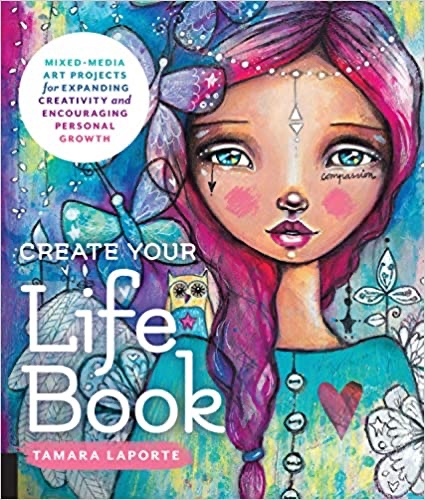

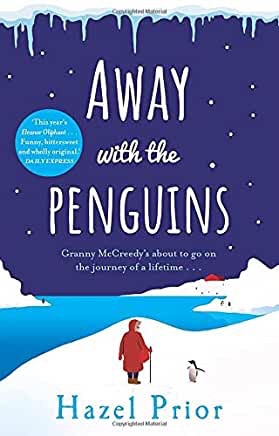
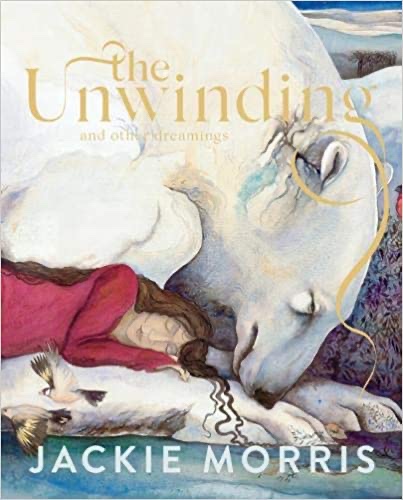

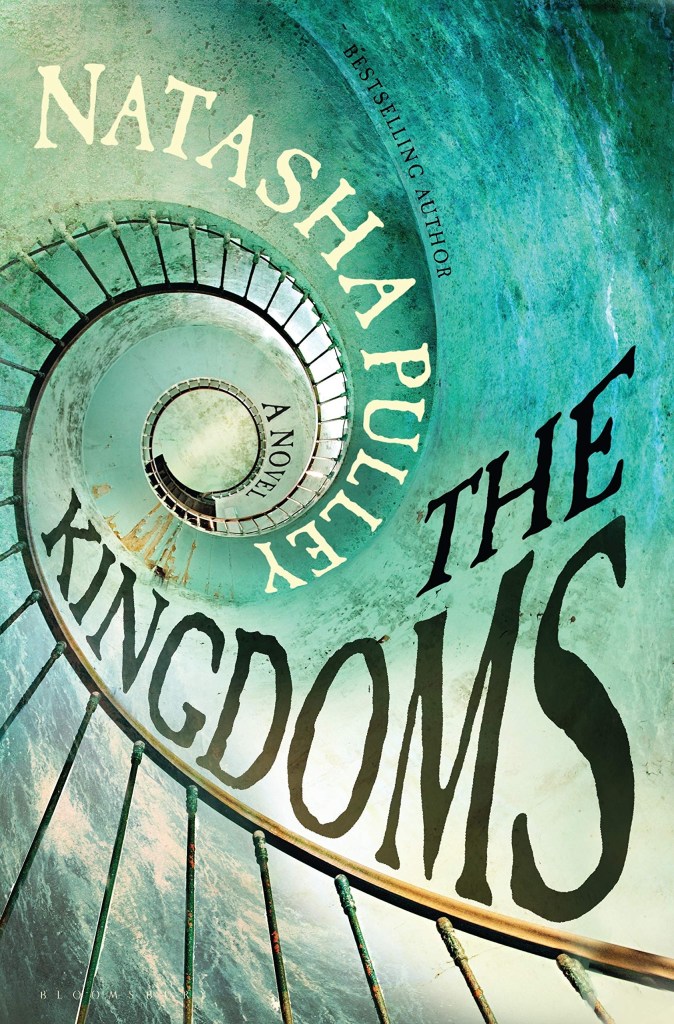
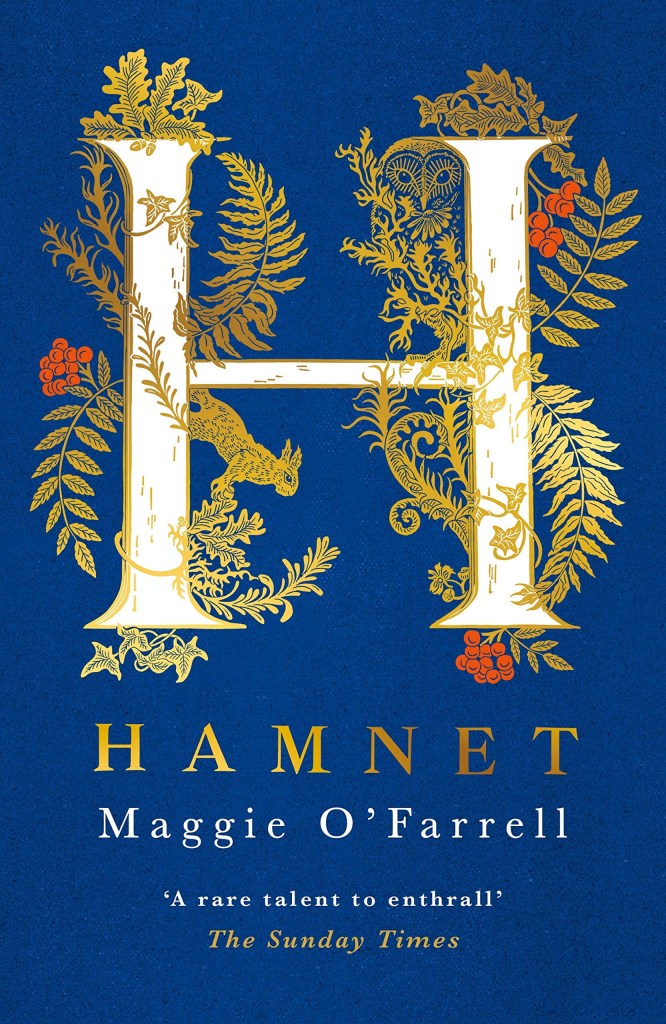
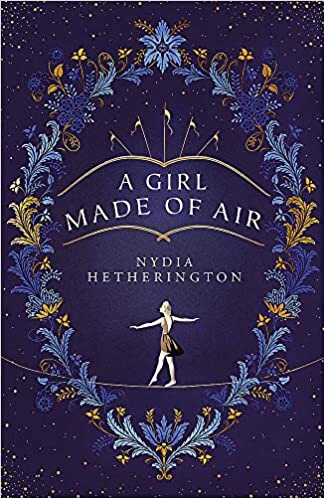

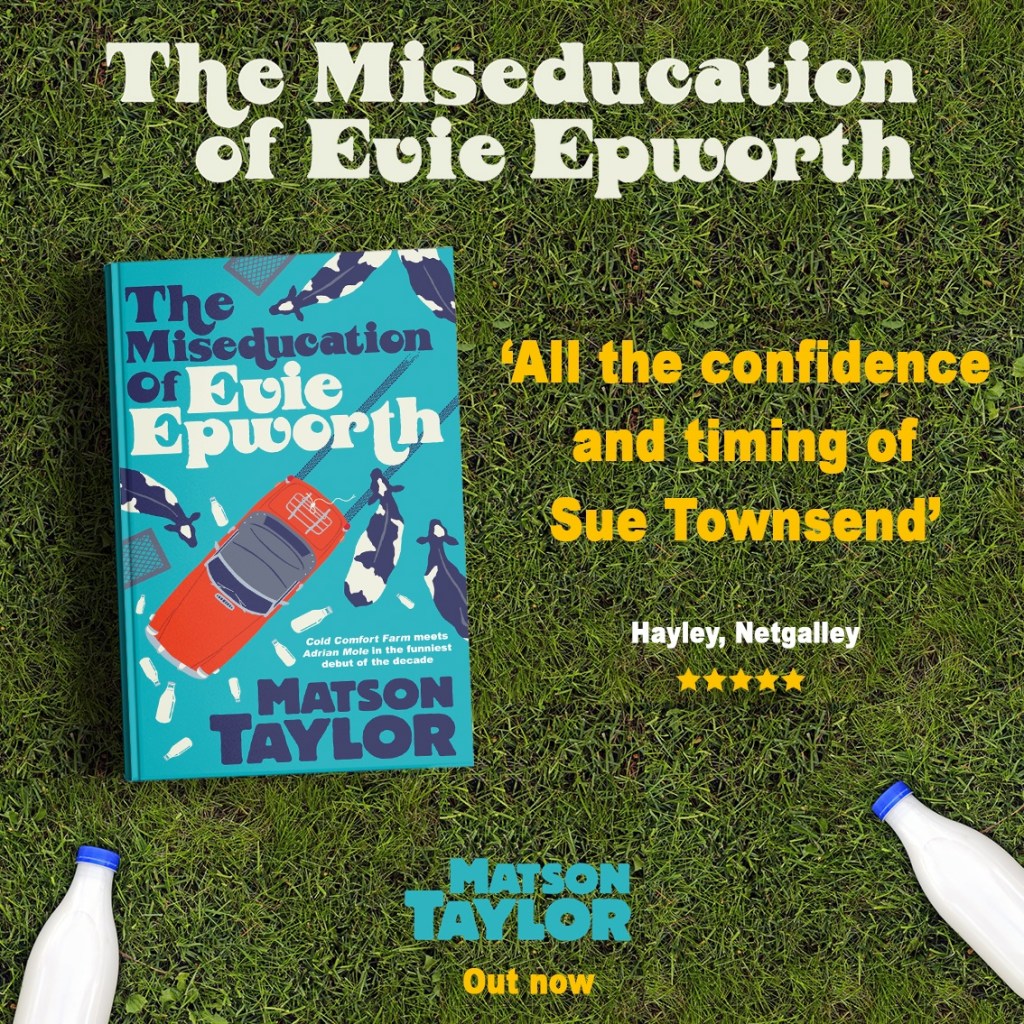


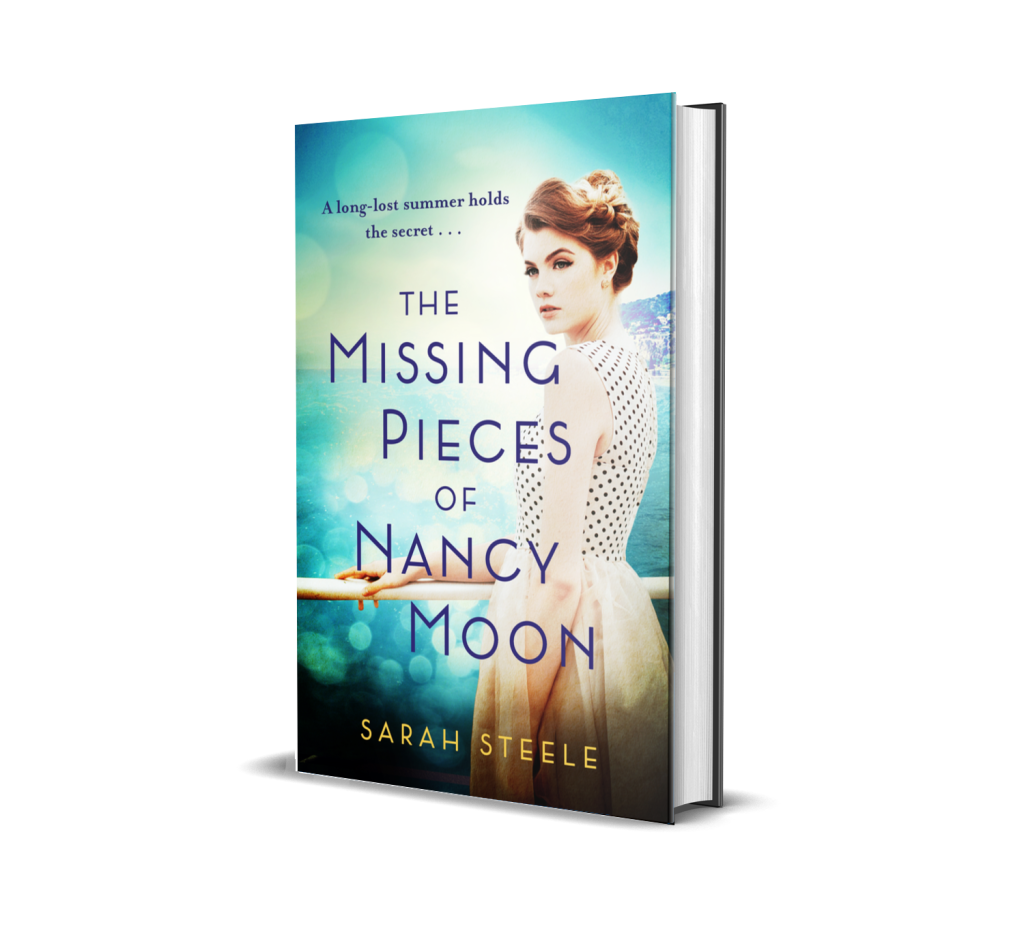
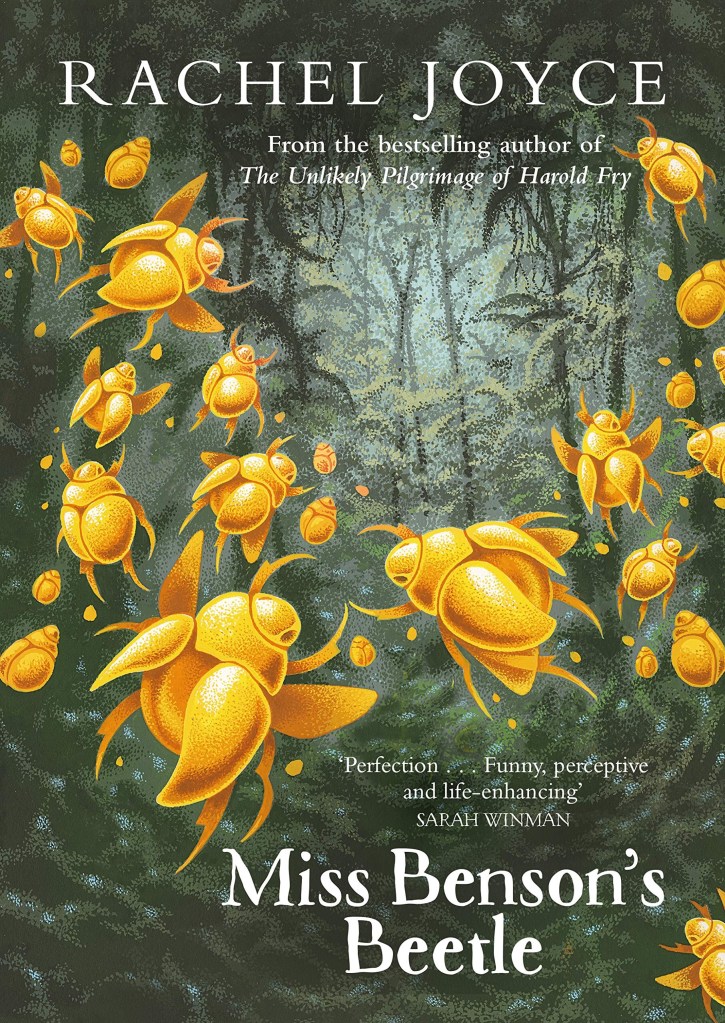
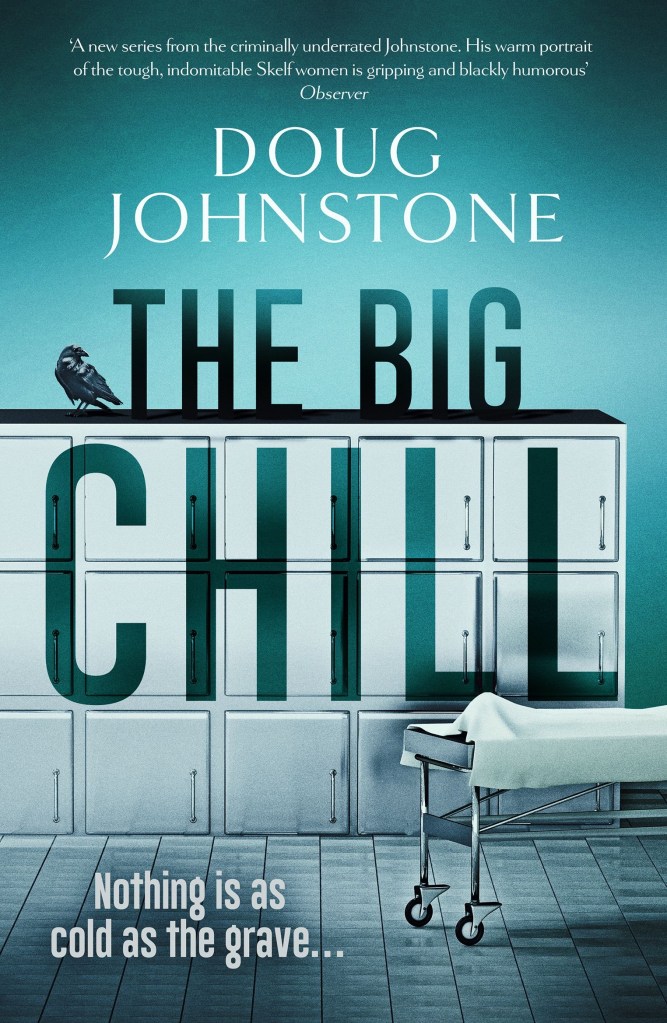

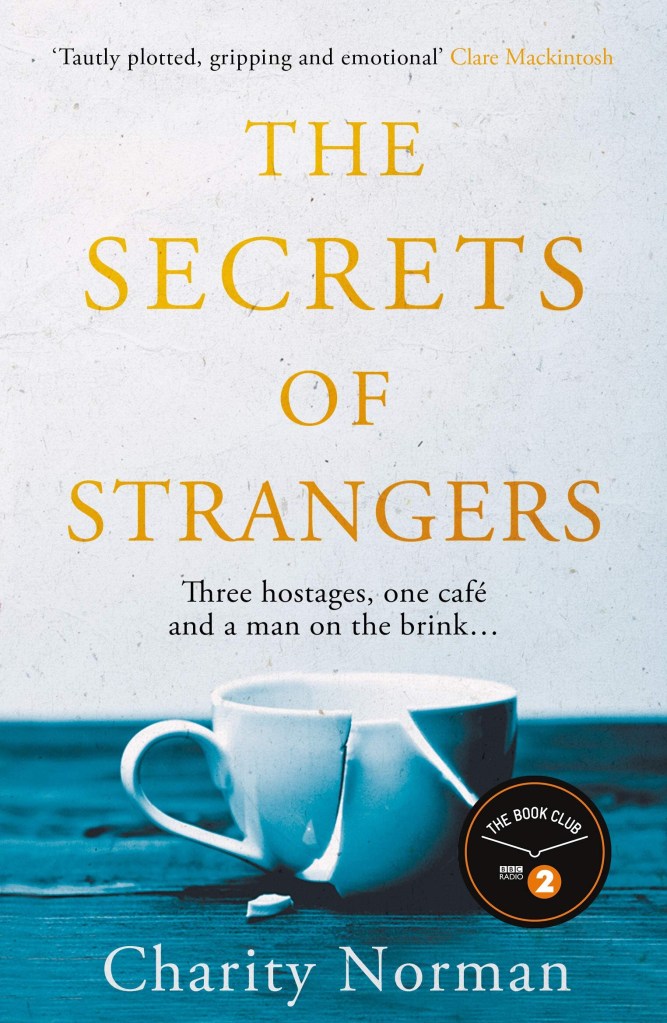
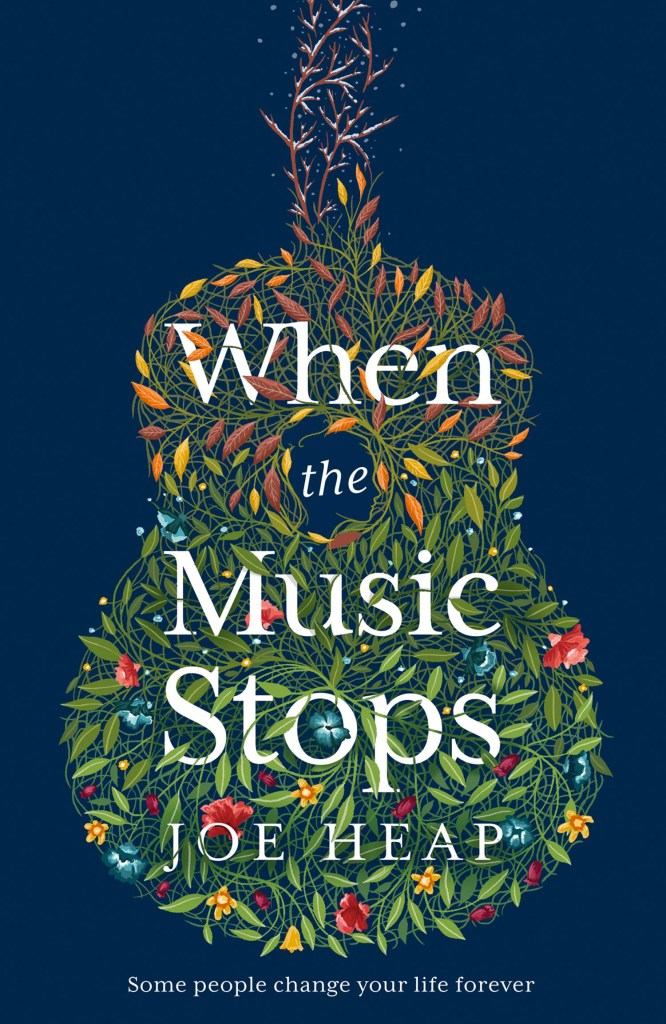


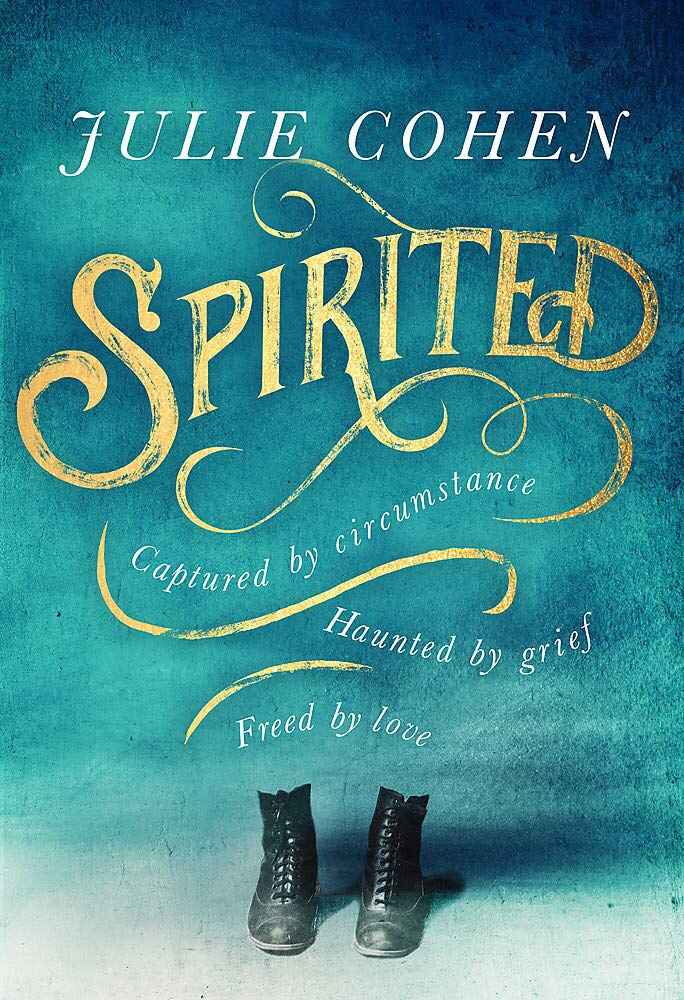
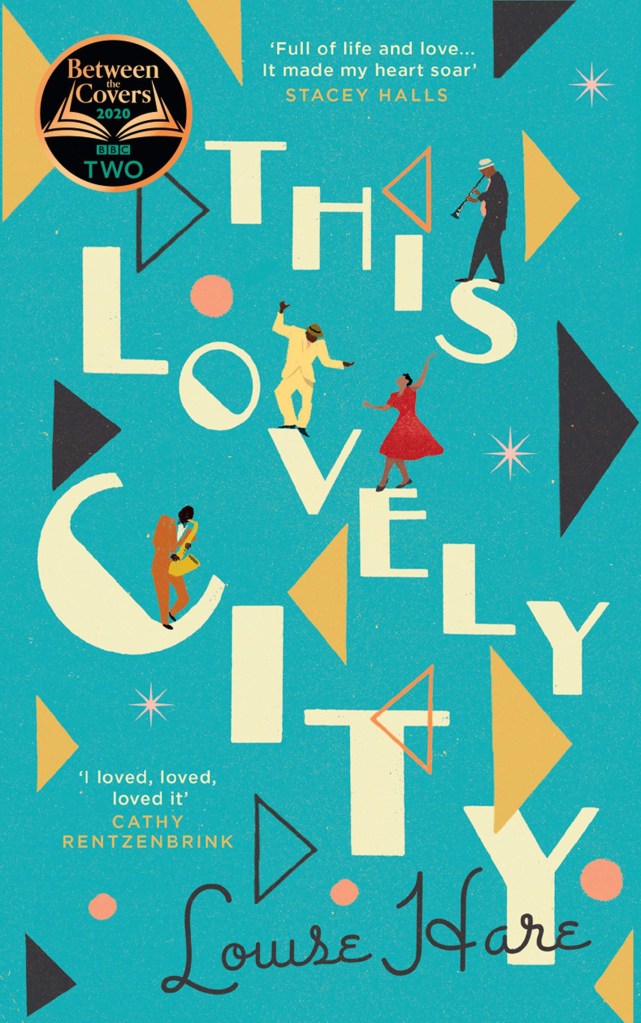



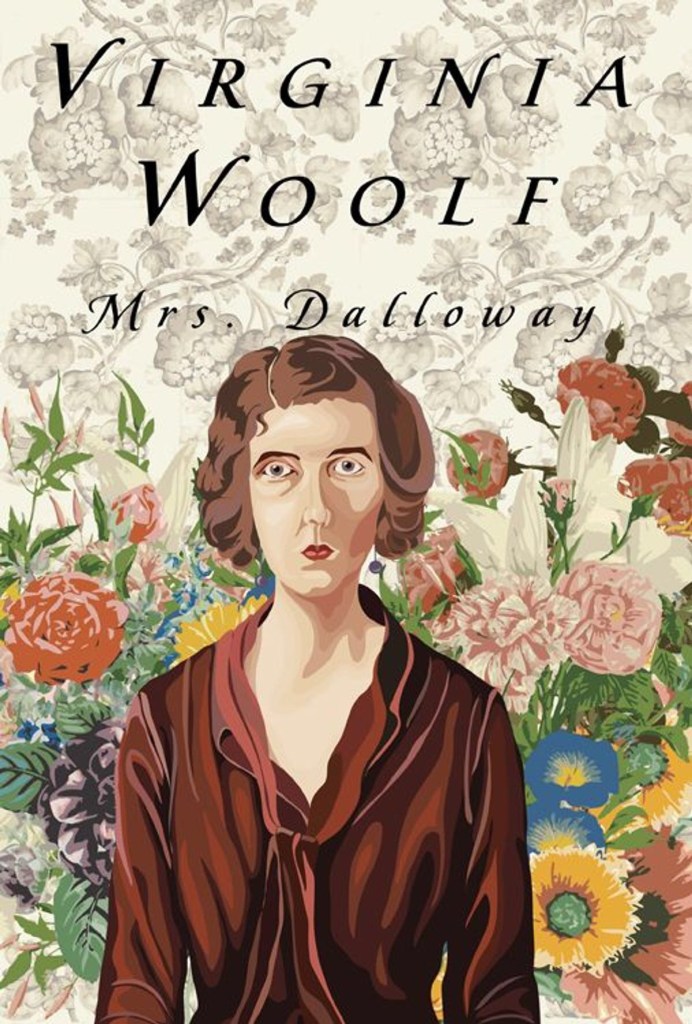
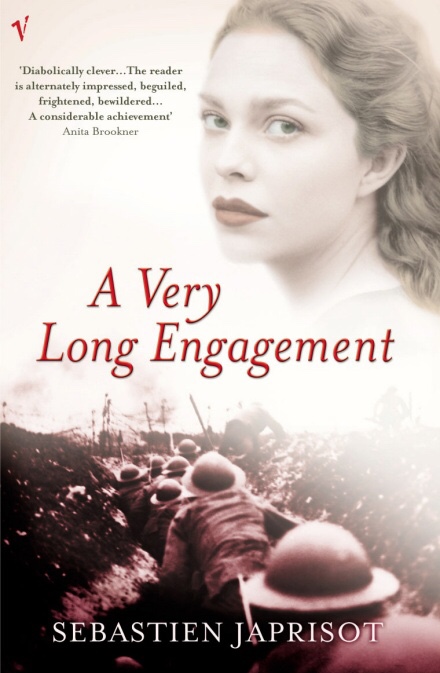




 The Lotus Readers