Posted in Uncategorized

Books of the Month January 2021

It’s been a fantastic start to the reading year, with so many great books and a lot of time on my hands to read them. January is one of those months where I tend to hibernate anyway, but this year even more so. I can’t go anywhere, because I don’t want to risk catching COVID on top of my MS. So it’s been a cosy month where, aside from walking the dog, I’m mainly indoors with a blanket, slowly becoming a human cat bed. So I’m passing the time by reading some great books and telling people all about them. For my best reads this month I couldn’t single out one book. I loved these three so much!

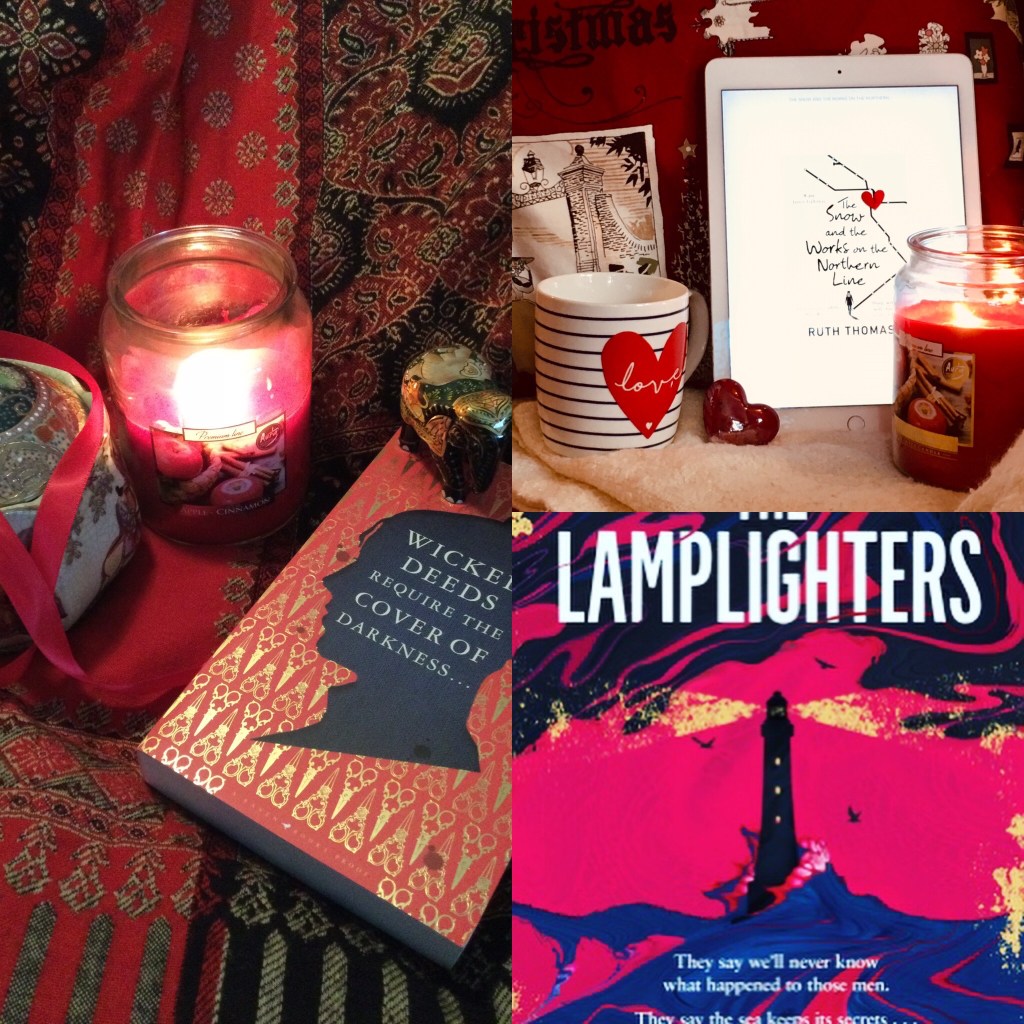
The Lamplighters by Emma Stonex – was my first read of the year and was an ARC courtesy of NetGalley. Inspired by true events, and set in Cornwall, 1972. This is a story of three lighthouse keepers who go missing while on duty in a lighthouse miles from shore and only accessible by the boat that brings supplies and the next shift. The lighthouse is locked from the inside, all the clocks have stopped and the principle keeper has recorded a huge storm in the log, when the skies have been clear all week. The story is stirred up again years later, by a writer who wants to solve the mystery. He visits the lighthouse keeper’s women – Helen, Jenny and Michelle – stirring up memories, secrets and emotions. The story itself will keep you hooked, but the author also explores ideas about truth and fiction, and who gets to write history. I was also fascinated by the authors take on effects of trauma – how far they radiate out like ripples on a pond, but also how deep they go through several generations. Quite simply, this is a stunning read. This is available for pre-order. Out on 4th March 2021 from Picador.

The Shape of Darkness by Laura Purcell – I’m a big fan of Laura Purcell and I was lucky enough to be on the Random Things blog tour for her latest book this month. Our heroine is Agnes Darken, a silhouette cutter who lives with her mother and her nephew Cedric. The mystery begins as one of Agnes’s sitters is found beaten to death, she was the last appointment in his diary. When another sitter turns up in the river, Agnes needs answers and turns to a spirit medium called The White Sylph who lodges in Bath with her sister and father. Her hope is that the murder victims will materialise and tell them who their murderer is. Instead they unleash something they never imagined. As usual, Purcell creates a dark and disturbing atmosphere, with just a sprinkling of the supernatural. As the bodies start to rack up, the tension starts building and it kept me guessing all the way to the last page. Out Now. Published by Raven Books.

Finally, I loved this beautiful novel kindly sent from Sandstone Press via NetGalley. Ruth Thomas has created a heroine to fall in love with. Sybil is a museum assistant at RIPS, where prehistoric exhibits and research have their home. Life is good for Sybil until her old university lecturer comes back into her life, thanks to an unfortunate skating accident where Sybil gets a bump on the head. Sybil has a long held resentment of Helene Hanson because she took part of Sybil’s dissertation and used it as her own theory. Now Helene seems determined to muscle in on Sybil’s life, at work and at home. She starts by stealing Sybil’s boyfriend Simon. Then attaches herself to the museum as a trustee, and starts making changes. Sybil starts to feel strange and not really in control of her life anymore, she takes risks, procrastinates and starts collecting lost things to inspire haikus for her poetry class. She also wants revenge. This is a book of quiet beauty, with a mix of haiku and stream of consciousness. You will fall in love with Sybil. I was rooting for her journey, through this tough time in her life and loved the unexpected ending. Published in paperback on 7th January 2021 by Sandstone Press.

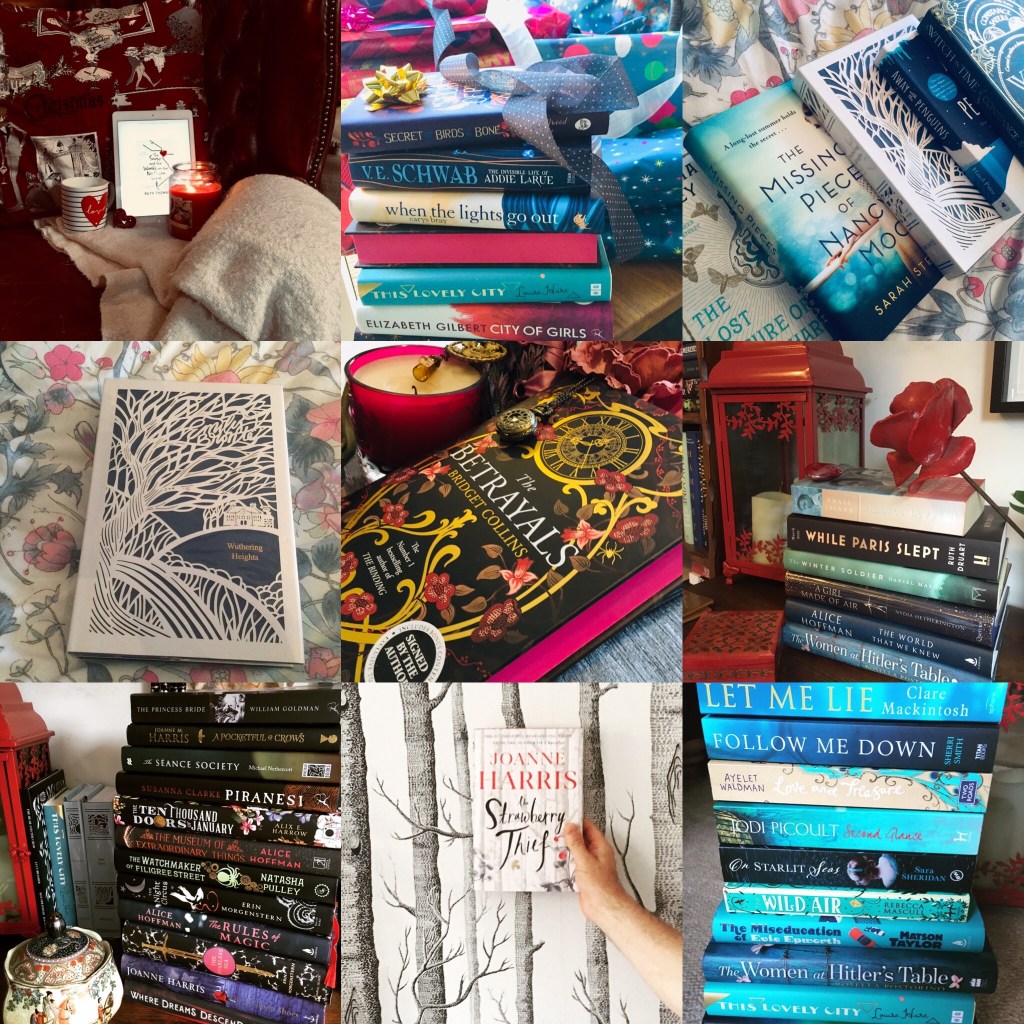
So they’re my favourites for January and I hope you find something for your TBR or wish list. Below is everything else I read in January.
My current read is The Last Snow by Stina Jackson: Published by Corvus 4th February 2021
Posted in Uncategorized

Why Do We Blog About Books?

Over the last year on Book Twitter and Bookstagram I’ve seen a lot of questions about being a book blogger and also a lot of assumptions. So I thought I’d write about how I ended up book blogging and why.

Ever since I was small I’ve loved reading and by the age of eight had finished the whole reading scheme at school and had started borrowing books out of the school library – Jane Eyre, Little Women, What Katy Did and Pippi Longstocking. I loved getting my work finished early so I could curl up in the beanbag, with the smell of books all around me, reading my latest find. I was also a pretty active little thing – I loved walking the family dog, playing netball and going on walking holidays with my family. Then, when I was ten, I broke bones in my back during a P.E class when I somersaulted and landed awkwardly. I took a long while to rehabilitate and it was mismanaged, leaving a long term disability that I still struggle with today. I had to adjust to a less active life so reading became even more important to me. When I was diagnosed with MS I had another period of rehabilitation in order to get back some of the function I’d lost in my first relapse – my dexterity and grip, the function of my left leg – and trying to improve my energy levels. I read an enormous amount and started to revive a dream I’d had since I was a little girl. I’d always wanted to write a book of my own.

In 2019 I made a decision to get some professional help with my writing. I’d seen an MA in Creative Writing and Well-being and thought it would force me to work on my own writing whilst also gaining a qualification I could use with my counselling clients. I trained as a counsellor to help others with MS and other long term disabilities and I started running journaling and creative writing courses to help people come to terms with the change in their lives in 2007. But I was scared and very under confident about my writing, so I thought I’d start a blog to build up my confidence and the thing I felt most comfortable writing about was books. I started on blogspot but then moved to WordPress just under a year ago ( blogiversary coming soon) with my blog The Lotus Readers. The name is a play on the Tennyson poem The Lotus Eaters – a group of mariners, who feed on the lotus leaves. The leaves put them into an altered state where nothing matters but the now, consequently they just lounge around and eat all day. It seemed perfect because I do nothing but lounge around and read all day!

One of the most common misunderstandings I come across is people assuming book bloggers get paid. I can’t speak for everyone but me, and the bloggers I know, don’t get paid for reviews or blog tours. I might get sent the book as either a digital ARC ( advanced reader’s copy) or a real proof posted out by the publisher. Quite often, if I’ve really enjoyed a book and would like a copy on my shelves I will buy the final edition when it’s published anyway. I have time to blog a lot because of my disabilities. I only work part-time if at all and I can spend a day here or there working on my blog. I started by reviewing books I’d read and enjoyed, then learned about NetGalley where publishers offer digital copies of upcoming books to generate early reviews. So I chose a couple of books on there and started reviewing those too. I was then introduced to the blog tour. This is where the publishers or a blog tour organiser asks bloggers to read a book then write a review on a specific date and publicise it on social media. This keeps the book visible on social media for anything from a few days (blog blitz) to a month. I was lucky enough to happen upon Anne Cater from Random Things Tours and she took me under her wing. I did a couple of book tours and a bit of networking with publicity editors and blog tour organisers and over the year things really have grown.

Another misunderstanding is about book post – you’ll have seen these photographs of people’s book mail and wondered how a blogger ends up with so many books for free. In truth most of the people you’ll see with piles of book mail have been blogging for ten years plus. It’s rare for a new blogger to be sent that many. I now have a good TBR pile, but it’s the result of a year of networking, doing blog tours, getting to know publishers, publicity assistants and other bloggers. I’m now signed up with a handful of blog tour organisers and I’m on the blogger lists with a few favourite publishers. I check Twitter for publishers offering proofs and competitions. This means I do get book mail most weeks but it can be counted on one hand. I’ve now reviewed over 200 titles on NetGalley too so I’ve got a better chance of being accepted for proofs digitally. Putting all of that together I have more than enough to be getting on with. What I’m trying to say is that, yes sometimes there are free books, but there’s a lot of work being done behind the scenes to be known by publishing houses and blog organisers, in order to be sent proofs and then I have to read them and write about them. I always try to keep in mind that there’s no point taking more books than I can physically read. Plus, it’s important to remind myself that these book do get published and then they’re available to everyone. A great way to keep your blog growing and developing, is to make links with other bloggers. In my experience, they are friendly and very knowledgeable so you can make great friends who love books as much as you do and share tips and ideas with each other. I have a little ‘book squad‘ who are great at sharing when proofs are being offered and are a great personal support too. It’s a win win.

Of course there are downsides to blogging, as with any hobby that takes place online. You meet the odd strange person and there’s an element of book envy and friction about blogging versus Booktube or Bookstagram. In some ways detailed reviews are seen as the old age pensioner of the online book world. Personally, I think there’s room for all of us. People will gravitate to whatever suits them best. I hope people will always want detailed and enthusiastic reviews from someone who knows their literature. These downsides are by far outweighed by the positives. These positives are the reason I blog. I know a lot of people wonder why I would bother to spend a couple of hours everyday writing and then a few more hours reading the books I’m sent and the networking on social media. To some people it might seem like a lot of work for the odd free book. Firstly, I do it because I love reading and I love writing. I’m writing memoir in my MA and I do put a lot of myself into my reviews, especially when I’ve felt that special connection with a book or character. So it gives me practice in writing my story, seeing what parts of the story people respond to and gaining confidence in the art of life writing. When an author loves your review it’s the best feeling, and great friendships can come from these connections. Being approached by the publisher to quote your review on publicity material is pretty exciting too. I’ve even had offers of mentoring my creative work from authors which is so kind and shows a faith in me that I wasn’t even sure I had! Book Twitter is a lovely place to be most of the time. Mainly it’s the satisfaction of letting people know how special a certain book is. There’s no better feeling than recommending a book and people loving it. I can’t talk for other bloggers, but that’s why I do this. The joy of reading, the joy of writing and bringing that joy to others.

Posted in Uncategorized

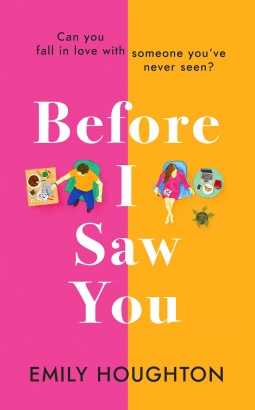
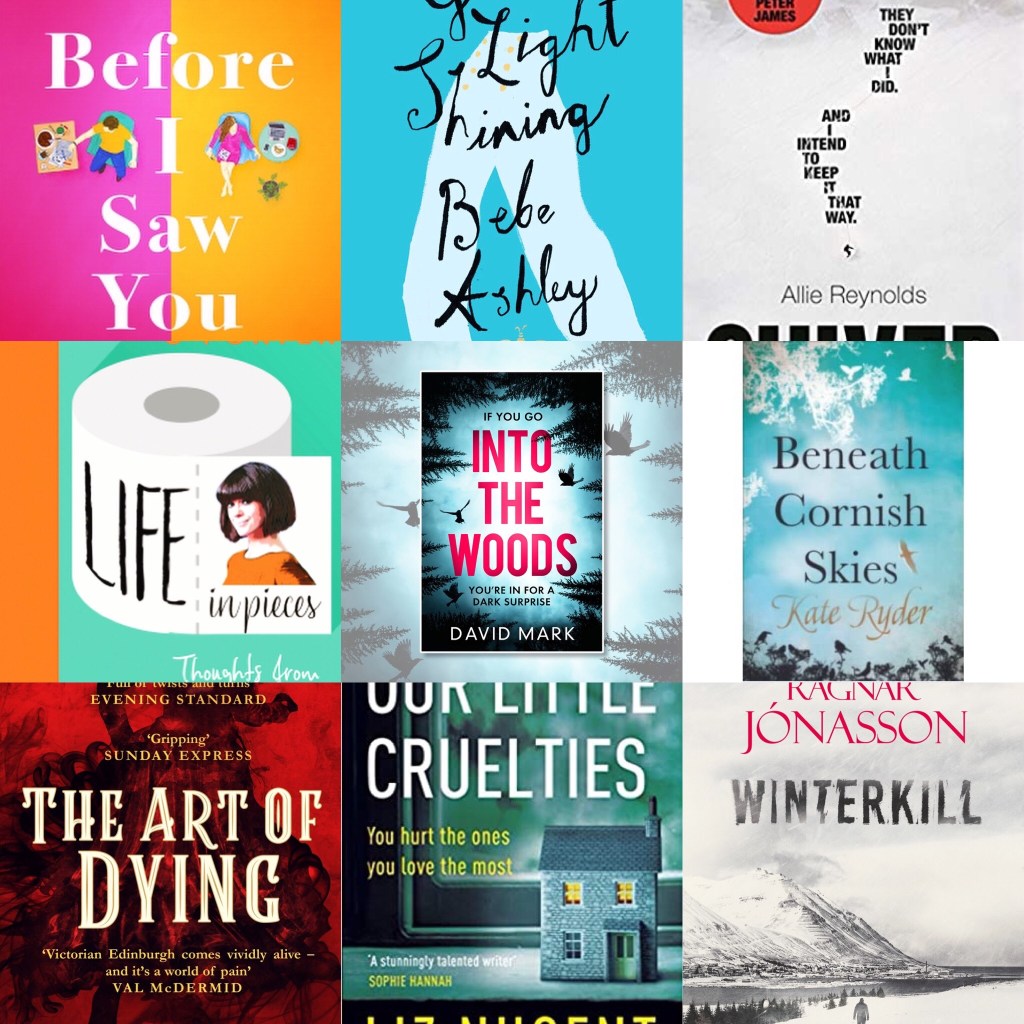
Before I Saw You by Emily Houghton.

CAN YOU FALL IN LOVE WITH SOMEONE YOU’VE NEVER SEEN?

Alice and Alfie are strangers. But they sleep next to each other every night.

Alfie Mack has been in hospital for months recovering from an accident. A new face on the ward is about as exciting as life gets for him right now, so when someone moves into the bed next to him he’s eager to make friends. But it quickly becomes clear that seeing his neighbour’s face won’t happen any time soon.

Alice Gunnersley has been badly burned and can’t even look at herself yet, let alone allow anyone else to see her. She keeps the curtain around her bed firmly closed, but it doesn’t stop Alfie trying to get to know her. And gradually, as he slowly brings Alice out of her shell, might there even be potential for more?

This book has some wonderful characters that it’s very easy to fall in love with. Alfie, who is recovering from an amputation is delighted to be getting a new neighbour in his hospital bay. The bay has a happy, friendly, atmosphere with a close knit group of patients convalescing over a long stay in the unit. On Sundays Alfie’s mum and dad come in with a Sunday dinner for everyone! However, a happy and chatty bay is exactly what Alice dreads. She doesn’t want to socialise or have a natter with other people. They’d have to see her and she doesn’t want that. In fact the ward sister, Nurse Angles, has to make a promise in order to get her moved into the ward. When she has to go down to physiotherapy, everyone else in the ward will have their curtains closed. Not everyone is happy about it, but they all promise Nurse Angles because she’s so hard to refuse. Alfie is undeterred though, he has always been a cheerful little soul and makes it his mission to get Alice talking.

The thing I enjoyed most about this was that the author didn’t just concentrate on the physical damage done by their accidents. She makes it clear that the emotional scars are potentially even more damaging and more difficult to manage because they can’t be seen. Alfie wakes up screaming some nights and sweating, hoping he hasn’t woken the whole ward. For him there’s the addition of survivor’s guilt, because he wasn’t the only one in the accident where he lost his leg. She describes his journey thus far to make it clear that it isn’t as easy as strapping on a prosthetic and becoming a Paralympian! That meant a lot to me as someone with a disability who works as a counsellor with people who have a chronic illness or disability. Many people don’t realise the healing that has to happen, that getting used to a prosthetic means chafing to the skin, possible skin breakdown, and pain in the leg, but also the rest of the body as it gets used to moving in a different way. Mentally, he will have to get used to a change in how others see him, how he sees himself and his masculinity. We all have an image of what we look like in our head. When you acquire a disability, as opposed to being born with one, that self-image remains the same until you catch sight of yourself in a mirror or window. That’s a pivotal moment, because the new reality of how you look can be a shock. Alfie has had to let go of that image, and is building up a new sense of self that includes his disability.

Alice has to take the same psychological journey, arguably more difficult because she’s a woman. Once Alfie gets used to his prosthetic, and improves his mobility, people may not realise he has a disability. Alice’s burns are on her face and hands. There’s nothing she can do to cover them up completely and this affects everything – not just dealing with the change herself but dealing with how others now see her. It will change how she feels as a woman, and she will worry about whether men will see her as desirable. We hear a lot of Alice’s inner monologue so we really do get the enormity if what has happened to her. I felt choked up for Alice. It’s a really big deal if Alfie can get her talking. There’s a point when he needs comfort and Alice gives him her hand under the curtain. This us Alice trusting him, her hands are damaged and she’s openly giving them to him, which shows an enormous amount of trust. She seems all alone in the world. She hasn’t even let her best friend know because she’s living so far away. Her mother eventually arrives though, and shows within seconds why Alice wouldn’t want her to visit. When Sarah does find out she arrives like a whirlwind of love and care for her best friend.

I’ve had long stays on hospital rehabilitation wards and I’ve never experienced one like this. There are some aspects of hospital life that would never happen on any of the rehab wards I’ve stayed on recently, such as the Sunday dinner. Although, one I stayed on in the late 1990s let my parents bring my dog to the day room for cuddles once a week. I did recognise Nurse Angles though – she seems formidable but really she cares deeply for her patients. I’ve come across the odd matron or ward sister who is like this – one particularly fierce German night nurse, during a long stay in 1995, used to bark at everyone and seem very strict, but would let my hospital friend Tony and me, stay up late to watch the rugby World Cup. She even brought us illicit toast and tea when it was quiet! I think the strength of this novel is in its characters. I enjoyed Alfie’s mum, who is a force of nature albeit a kind one. Alfie is like a big puppy, playful and clumsy but ultimately good and kind. Alice is more complicated and it’s interesting peeling away each layer like an onion. Her accident and subsequent injuries are transformative and I kept thinking how lucky she was to have ended up in a bed next to Alfie, who seems to spread happiness, despite the difficulties he faces physically and mentally. These characters kept me reading. They felt real to me. I also really appreciated the author’s obvious understanding of the psychology of acquired disability. Despite heavy subject matter the author managed to keep a light, easy feel to the novel and that’s a difficult thing to achieve. I found myself rooting for both of them and sorry when their story ended.

Meet The Author

Emily Houghton was a digital specialist, but is now a full-time creative writer. She originally comes from Essex but now lives in London. Emily is a trained yoga and spin teacher, completely obsessed with dogs and has dreamt of being an author ever since she could hold a pen.

Posted in Uncategorized

Life in Pieces by Dawn O’Porter

Over New Year I gave myself a short break from fiction because my concentration was poor and I couldn’t take in long, involved storytelling. This was due to a combination of events: I was affected by a mistake with my prescription medication; I was getting ready for Christmas with plans constantly changing; I had two chatty and excited stepdaughters in the house; we’d cancelled our wedding; and we’re mid – moving house. There were days that felt like nothing went right and I simply had no room in my brain or energy in my body. It felt like the ‘perfect storm’ of circumstances. This is the position that writer and broadcaster Dawn O’Porter found herself in last spring – only on a much more devastating scale. Just before the country went into lockdown Dawn received the news that her best friend, the super-talented and funny Caroline Flack, had taken her own life. She received this news out in LA where she now lives with her husband Chris O’Dowd and their two small boys. Shortly afterwards LA went into lockdown, followed by riots protesting the killing of George Floyd. Through all of this she was finding it difficult to write and like many of us decided to write a small blog each week – in Dawn’s case for Patreon subscribers. This book is the result of those blogs.

I love books like this, because they give me short sections to read that don’t require a lot of brain power. Reading like a diary, Dawn goes through the mundane, funny and terribly painful aspects of each day. Determined to keep her grief from her children, and unable to travel until the funeral date was definite, meant having to find ways of coping. Of crying in private, but being able to be mummy at a moment’s notice. She withdrew from social media and, once the funeral had taken place, the home became her whole world. It wasn’t that she could put the loss to one side, she felt Caroline in her head every moment every day. Having been very critical of celebrities who shared Caroline’s last messages after her death, the author manages to tread a fine line by joyfully reminiscing about her friend while not talking about her death and the circumstances surrounding it. This is not a book about Caroline, it is very firmly a book about Dawn and her own experience of the past year. It isn’t just about grief either, it’s about suddenly being a full-time Mum while trying to find space to create, how it feels to be British living in LA, and the huge social upheaval on their doorstep during the riots. Each section is the equivalent of a Polaroid snapshot of this extraordinary time.

Dawn has a such a definite and accessible narrative voice – she is brutally honest about her experiences whether they be physical or whether she’s relaying her complex interior monologue. I had the feeling nothing was censored and I could identify with those chaotic ‘family in lockdown’ moments even if the children in my house are more teenage than toddler. Those dilemmas of whether we bother to dress and groom or not, do we keep a set routine or do as we please, keeping up with exercise and eating well or just eating like it’s Christmas. Sadly, I think I largely failed in these challenges! I understood Dawn’s sense of only dealing with what’s in front of us – even if what’s in front of us is a shitstorm of tearful children, shitting animals, followed by puking animals and the inability to find a food delivery slot anywhere! These are common to everyone’s experience of the year. We’ve spent time with the same people every day, potentially doing the same things over and over. This heightens everything – tensions, emotions, worries. If we’re struggling with difficult emotions it forces us to face them, there’s no escape.

Between stories of disasters with the boys, food adventures and concerns about lockdown drinking, come global concerns. Dawn talks about her wardrobe and since we share a love of vintage this is something I really enjoyed, but it was interesting to think about in terms of the environmental impact of fashion – something I’ve been concerned about for a few years now. Her exploration of the riots in her neighbourhood stood out particularly to me. Again, her worries are at family level. Rioters are directly outside their home, the bins are set alight and she talks of keeping an emergency bag in case they have to leave in a hurry. Yet she is hugely sympathetic to the cause, profoundly moved by the terrible footage of a man begging for his life, and both she and Chris join the protests where they can. She writes eloquently about our white privilege, and how her black friends keep her on track when she’s not understanding something – if more of us admitted not knowing, a better dialogue would emerge. I went from laughing about a household mishap to grab a pen and note down some reading she recommended about white fragility. I think this is what I enjoy most about being in Dawn’s company – there’s room for silliness, raw honesty and emotion, then profound reflections on the bigger problems our society faces. It’s like a long evening with your best friends. My favourite anecdote involved a very famous red haired actress and our British humour about ‘gingers’ really not translating! This was a great read and I was sorry when it ended.

Meet The Author

DAWN O’PORTER lives in Los Angeles with her husband Chris, her two boys Art and Valentine, and her cat Lilu and dog Potato.

Dawn started out in TV production but quickly landed in front of the camera, making numerous documentaries that included immersive investigations of Polygamy, Size Zero, Childbirth, Free Love, Breast Cancer and the movie Dirty Dancing. Further TV work included This Old Thing, a prime-time Channel 4 show celebrating the wonders of vintage clothing. 

Dawn’s journalism has appeared in multiple publications and she was the monthly columnist for Glamour magazine. She is now a full-time writer of six books – although she would probably have written sixteen if it weren’t for her addiction to Instagram Stories. 

Most recently, Dawn has written the script for Especially for You, a jukebox musical using the infamous Stock Aitken and Waterman back catalogue. The show will open with a national tour in early 2020.

http://www.dawnoporter.co.uk
@hotpatooties
/DawnOPorter

Posted in Uncategorized

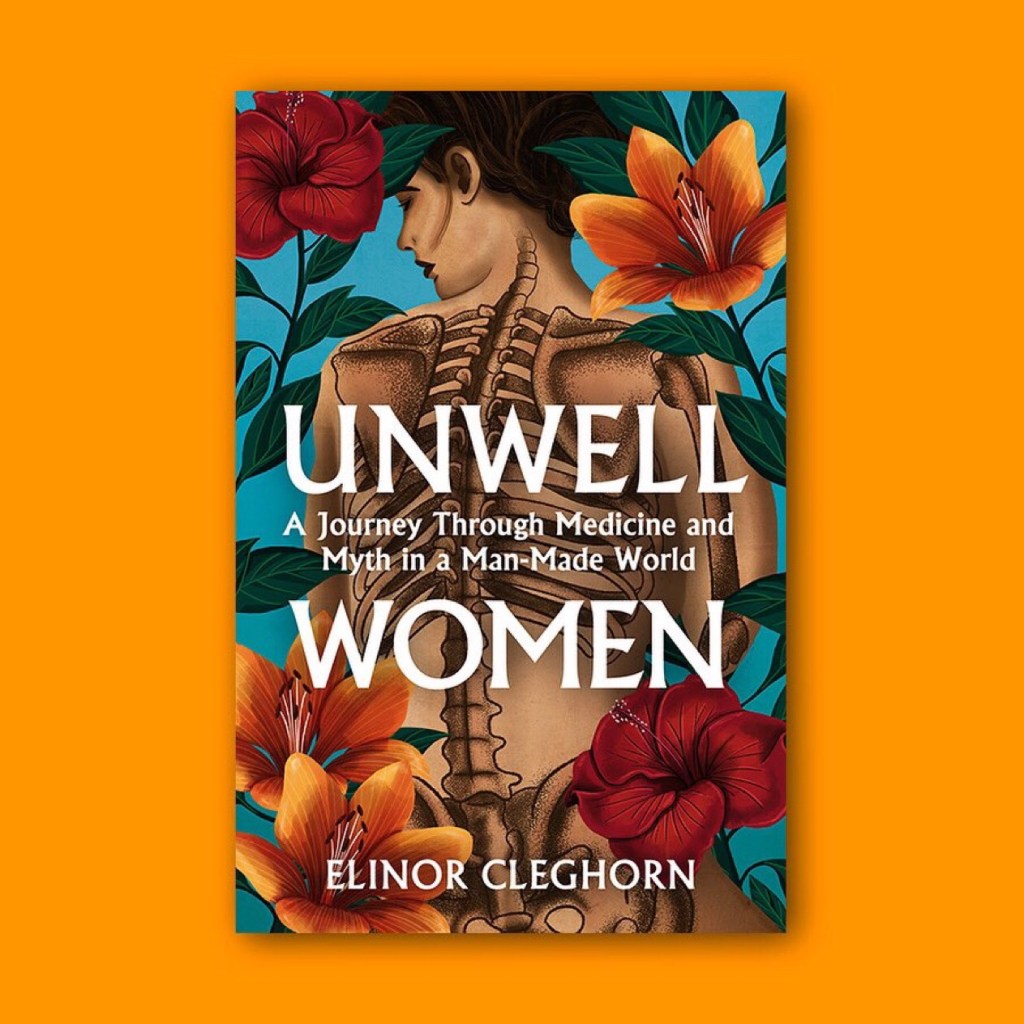
Most Anticipated 2021! Unwell Women by Elinor Cleghorn.

Publisher : Weidenfeld & Nicolson (10 Jun. 2021)

ASIN: B08HMN732X ( Kindle Edition)

My interest in this book is twofold: first the cover made me stop and look because it reminded me of the art of Frida Kahlo, and secondly, I am an unwell woman. I have been diagnosed with relapsing remitting Multiple Sclerosis for the past 25 years – ooh my silver anniversary, what do I get for that? Since then my health has deteriorated, mainly due to a back injury I sustained when I was 11. I did a somersault and landed awkwardly, causing two fractures to my spine. I was very lucky to be upright and walking, but scar tissue, muscle damage and deteriorating discs have caused so much stiffness and instability. This is managed with injections in my spine for pain and a regular procedure my compressed nerves are severed to stop nerve pain radiating into my pelvis and legs. It’s a lot to deal with, and I truly don’t know how I’m going to wake up every morning. I just wake up, take the medication and see what I can manage that day. I’ve just had a week where even looking at this screen would be impossible because of optic neuritis.

In my many years in the ‘kingdom of the sick’ and working as a counsellor for people with chronic ill health, I’ve noticed a major difference in how men and women, with exactly the same ailments, are treated. This book traces a history of women’s ill health and the treatment of it, for many years solely by a male medical profession. To quote the blurb:


‘In Unwell Women Elinor Cleghorn unpacks the roots of the perpetual misunderstanding, mystification and misdiagnosis of women’s bodies, and traces the journey from the ‘wandering womb’ of ancient Greece, the rise of witch trials in Medieval Europe, through the dawn of Hysteria, to modern day understandings of autoimmune diseases, the menopause and conditions like endometriosis. Packed with character studies of women who have suffered, challenged and rewritten medical orthodoxy – and drawing on her own experience of un-diagnosed Lupus disease – this is a ground-breaking and timely exposé of the medical world and woman’s place within it.’

‘We are taught that medicine is the art of solving our body’s mysteries. And as a science, we expect medicine to uphold the principles of evidence and impartiality. We want our doctors to listen to us and care for us as people, but we also need their assessments of our pain and fevers, aches and exhaustion to be free of any prejudice about who we are, our gender, or the colour of our skin. But medicine carries the burden of its own troubling history. The history of medicine, of illness, is a history of people, of their bodies and their lives, not just physicians, surgeons, clinicians and researchers. And medical progress has always reflected the realities of a changing world, and the meanings of being human.

In my own experience, I have found the world of neurology, clinical, abrupt and sexist. My diagnosis is old now and I have had new neurologists interrogate me on who diagnosed me, why and where – almost as if I’ve made it up out of thin air. I’ve been patronisingly asked whether I might ‘weep’ a lot, or have fatigue and pain due to being depressed. I asked if they’d send me to psychiatry if they felt it was all in my head – I didn’t care whether it was a mental illness, I just wanted to be treated and helped to get better. Once I asked for a referral the consultant backed down and said it’s definitely physical, because we have clinical evidence. I remember thinking that this was a complete ‘mindfuck.’ I started to question my own sanity, if I had a symptom I would wonder if it was real or in my head. Was I making myself ill and for what reason? A change of neurologist and several years of therapy helped me to see that the previous team had been quite abusive and manipulative. My rehabilitation consultant admitted that there was an old trend in neurology of not telling people with early MS about their diagnosis – the thought being that if you didn’t know you had an illness, you wouldn’t act as if you have an illness. Apparently, according to my old team ‘some women give up if they’re told they have a disability’.

I trained over many years in mental health work, and have worked as an advice worker, advocate and now a counsellor for people with disabilities. I have heard the same story told by so many women: being told they need to get a hobby or go out more; that they need anti-depressants when they don’t feel depressed; that maybe they need to have children (?); or that maybe, like the Victorian hysterics, this is all in their heads. My own favourite is being told to get rid of my cats so I could have children, when I have a diagnosis of Hughes Syndrome which causes recurrent miscarriage. My main area of work is reprogramming women who have all eventually been diagnosed with serious health conditions like Lupus, MS, Lyme Disease, Degenerative Disc Disease. All of them once told they were hypochondriacs and hysterical about their normal everyday aches and pains.

One of the ladies from my ‘Authentic Self’ workshop, was so scared of making a fuss about her pain that when she injured her leg on holiday she carried on. She walked on a fracture for four weeks because she’d been made to feel she made too much fuss about the pain she suffered from fibromyalgia and degenerative discs. Women should not be made to feel this way by the medical profession. Not once has a male come to me with the same story. Not one. In a BBC article ( link below) the same stories come up in relation to heart and gynaecological conditions. Women who reported to emergency rooms in acute pain were less likely to be prescribed pain relief, and where it was prescribed it took much longer to reach the patient.

‘This can have lethal consequences. In May 2018 in France, a 22-year old woman called emergency services saying her abdominal pain was so acute she felt she was “going to die.” “You’ll definitely die one day, like everyone else,” the operator replied. When the woman was taken to hospital after a five-hour wait, she had a stroke and died of multiple organ failure.’

I’m looking forward to reading about where these ideas about women’s health come from. I’d hoped once to write this book, but sadly my health meant PhD work on disability being put to one side. I feel this will demystify why women are treated this way and I hope to buy several copies to give to my friends and clients in the future. This book is not just anticipated, it is needed.

Links and Further Reading

https://www.bbc.com/future/article/20180518-the-inequality-in-how-women-are-treated-for-pain

Havi Carel. Illness. Routledge; 1st edition (20 Aug. 2008) – this a brilliant look at the ‘lived experience’ of chronic illness, the philosophical background to how we view illness, and the author’s own experiences as a woman and a patient. Utterly brilliant.

Posted in Netgalley, Uncategorized

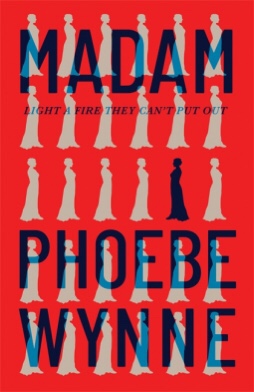
Madam by Phoebe Wynne

Publisher: Quercus (18 Feb. 2021) ISBN: 978-1529408720

Why is it always so hard to write a review when the book is so good? It’s as if I have to wrestle with it for ages, in the hope of doing it justice! All I can do is try and put across all of the reasons I liked it. In fact, I loved everything about this feminist gothic novel from start to finish. First the setting – the eerie, almost otherworldly atmosphere around Caldonbrae School, the strange weather conditions suggesting it’s own micro-climate, and the school’s position as an English outpost (or invader) in Scotland. It’s appearance is like a hulking beast on the coastline, something that shouldn’t be disturbed lest it swallow you up. Secondly, there’s our main character Rose, addressed at all times as ‘Madam’ and finally the dark secret her predecessor tried to uncover at the heart of Caldonbrae, before it was Rose’s turn to fight it’s terrible tradition.

For 150 years, Caldonbrae Hall has sat as a beacon of excellence in the ancestral castle of Lord William Hope. A boarding school for girls, it promises a future where its pupils will emerge ‘resilient and ready to serve society’. Rose Christie, a 26-year-old Classics teacher, is the first new hire for the school in over a decade. At first, Rose feels overwhelmed in the face of this elite establishment, but soon after her arrival she begins to understand that she may have more to fear than her own imposter syndrome. When Rose stumbles across the secret circumstances surrounding the abrupt departure of her predecessor – a woman whose ghost lingers over everything and who no one will discuss – she realises that there is much more to this institution than she has been led to believe. As she uncovers the darkness that beats at the heart of Caldonbrae, Rose becomes embroiled in a battle that will threaten her sanity as well as her safety.

This novel was incredible from start to finish. I loved it. Straight away I noticed echoes of two of my favourite books; Jane Eyre by Charlotte Bronte and Rebecca by Daphne Du Maurier. The younger girls school uniforms reminded me of the aprons of Lowood School. The constant references to the previous classics teacher, and the mystery surrounding what happened to her had definite echoes of Rochester’s wife – hidden from view in the attic for being other than the perfect, meek and gentle wife he wanted. What exactly does this school expect of the teachers and how did Madam fall from grace so spectacularly? The training at the school starts to feel more sinister as time goes on. It begins to feel as if they’re trying to shape young women in a very old fashioned image; teaching them how to stay it in their place and be the 19th Century ideal of the ‘Angel in the House’. Although there’s something a lot more knowing about these girls, they put on this ideal as if its a disguise, designed to please but very aware it’s a conceit sure to reap the rewards of wealth and privilege. The previous ‘Madam’, whose name is Jane, is like the ghostly presence of Rebecca, still holding sway over the girls – especially Bethany who seems to have developed an obsession with her teacher. Jane seems to be everywhere Rose turns, but tantalisingly just out of reach. The author creates an edgy and eerie atmosphere where you feel she might be just ahead of Rose, her gown swishing round the corner.

Rose tries to understand the place she’s come to teach. There is a sense in which this school is a complete culture shock – like a child affected by poverty or a tough inner city environment being expected to thrive at Oxford or Cambridge where there’s an etiquette and language that’s alien to most outsiders. She has to muddle through this aspect of life at Caldonbrae and it makes sense to her if the purpose is to educate and prepare the girls for further education and professions like the law and politics. Yet, alongside this traditional, classical education there are hints of the old ‘finishing school’ where attributes like poise, social etiquette and deportment are deemed equally important. What exactly is she preparing these girls for?

As the secret starts to come to the surface so the tension of the novel rises. Is Rose being trained too? An outsider brought in to see if new teachers can be moulded to the school’s purpose. As Bethany’s attachment to Madam becomes clearer she seems to stalk Rose. and the reader isn’t sure whether she resents Rose being in the place of her former favourite or whether she has simply transferred her affections. When she makes allegations about Rose she threatens her whole future at the school, but is Bethany trying to harm her or warn her? A strange hierarchy operates amongst the girls who know themselves to be the elite performers and those who don’t make the grade are offered inducements to improve, but these inducements can be threats as well as rewards. The horror of a young woman having her head shaved for performing badly is enshrined in patriarchal systems and is designed both to shame the woman and act as a warning to others. Rose guesses what might be happening, before the secret is fully revealed but it’s such an alien and deviant concept in modern society that she can’t believe it could be true. Could she ever be complicit in such a scheme? I found myself wondering how far the girls are ‘groomed’ into accepting this future or how many are knowingly acquiescing to it for the rewards of wealth, status and family honour. Rose is backed into a corner, by fear of what may have happened to her predecessor certainly, but also the knowledge that the school can reward her far beyond what she’s imagined. Her mother, severely disabled by multiple sclerosis, is placed within a state of the art care facility. Can Rose be bought, or will she try and walk away? However, does anyone walk away from Caldonbrae unscathed? Could Rose, as quiet as she seems, finds a way to walk away, but also bring down the whole system in her wake. This was an incredible, unputdownable, novel full of gothic atmosphere, and dark, patriarchal, purpose. However, there is also a feminist heroine ready to shine a light on long held secrets, even at the risk of that light becoming a burning flame.

Posted in Uncategorized

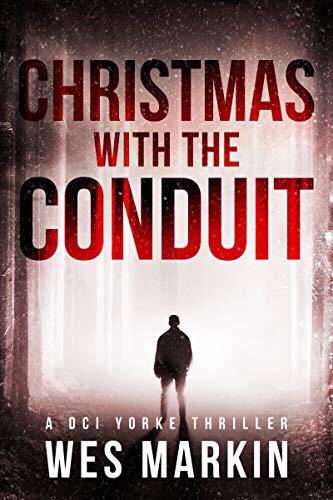
Christmas with The Conduit by Wes Markin.

A DCI Michael Yorke Thriller

Publisher: Dark Heart Publishing 15th December 2020

ASIN: B086MK51JF

I’ve never read Wes Markin before and what a way to start. This is book 6 in the DCI Michael Yorke series and what an introduction! This author is certainly not for the faint hearted and this isn’t a cosy Christmas murder mystery. For this final instalment an old foe reappears at Christmas, tearing Yorke away from his family and bringing him closer to finding a lost friend and colleague.

If you fail to stop a killer, then they will only grow stronger.

DCI Michael Yorke and Emma Gardner are still plagued by guilt over their failure to catch the murderous psychiatrist known as the Conduit, and the loss of their former colleague to insanity. On Christmas Day, following a brutal massacre in Leeds, Yorke and Gardner find themselves once again chasing the ruthless puppeteer, believing that they have the initiative. But as the two investigators draw closer to the Conduit, they quickly discover that they were never truly in control, and completely vulnerable to what comes next. A rising tide of psychological warfare and the horrendous truth behind the fate of their former colleague.

I wonder, considering I’m a therapist, whether I should worry about the amount of books I’ve read recently featuring murderous psychologists/psychiatrists! I choose to think it’s a literary representation of the fear people often have about therapists – what we might magically discern about someone and how terrified they are about facing their fears. This particular sociopath is terrifying, but hides behind the tweedy and beardy disguise of a psychology lecturer. However, behind the new identity, lies the same twisted philosophy. The Conduit believes he can ‘heal’ psychological trauma by using hypnotherapy to take the patient back to the moment of trauma and changing the narrative. Yet the narrative is changed to something destructive and violent, shattering the psyche and planting the darkest rage, paranoia and thoughts of revenge.

The opening is Christmas Day at a nursing home for elderly people in Leeds, where Bernard is looking forward to spending the day with the new lady in his life. He’s been incredibly lonely since his wife died and he is grateful to find love again so late in life. Bernard struggles with PTSD following active service in the Falklands War, where both his friends were shot and killed in front of him. Every so often, loud noises or voices can take him straight back to the battlefield and the chaos of war. On this day, as his fellow residents start gathering for lunch, he receives a text message. From there it’s as if a switch has been thrown in his brain and his fellow residents and nursing staff become the Argentinian soldiers he faced that day back in the 1980s. He collects and gun from his room, makes his way back to the dining room and starts to gun down the soldiers who killed his friends and have come back for him. It’s only after multiple fatalities that Bernard returns and sees the full horror of what he’s done. He doesn’t link it to the genial man with the beard he’s been running into on his daily walk in the park. The man who offered to help with his trauma, if Bernard would trust him and open his mind to him. With no other choice, Bernard turns the gun on himself.

This terrible act drags DCI Yorke away from his family; his patient wife is understanding but he worries about how long this might last. He’s already had one shock this morning, his adopted teenage son has announced his engagement and Yorke isn’t sure he was supportive enough. He also has his previous colleague, Emma Gardener, on his coat tails. She believes Leeds is where her partner Mark Topham is, on the run since his violent reaction to the murder of his partner. Can Yorke really take her with him, when she’s no longer a police officer? Will they be able to unmask The Conduit before he takes over another mind and shatters even more lives? There is also the subplot – a female prisoner, victim and conspirator of The Conduit, having sessions with a prison psychiatrist. A game of cat and mouse seems to ensue between them, that becomes very dark and twisted.

The writing has an addictive energy within it, that means you can’t put it down, even when the horror you’re witnessing is too much. I would definitely suggest trigger warnings for violence and sexual violence. Sometimes, it’s not easy to read. Yet you can’t look away. The author is incredibly skilled at building up tension and it becomes unbearable towards the end. There are so many twists – I thought he’d be caught any minute, then he would elude them again. The way The Conduit burrows into people’s minds and unearths their greatest trauma is very disturbing. These people really have endured terrible experiences and watching this man re-traumatise them made me so angry. I was also horrified by the treatment and horrifying truth of his loyal dog. Yet I did find myself enjoying it. If you have met DCI Yorke before, I’m sure you’ll have been waiting for this novel. If not, this novel stands alone well, but why not look out for the whole series. But be prepared to read them all in one go because you won’t be able to stop once you’ve started! If you like your thrillers darker than dark, and your heroes and heroines battle scarred but steadfast and determined, then this is the perfect book for you.

Posted in Uncategorized

Scrap: Kwansabas by Van G. Garrett

This book is for those who communicate thunder, rain, sunlight, hope, and pain with their hands.

When I was a baby my Dad used to help make ends meet by bare knuckle fighting at horse fairs. He would travel with local gypsies to fairs like Appleby and fight for them against other travellers. Then he would bring home wads of cash and the odd cut to his lip or round his eyes. Before I was born Dad was in the army and they saw the potential to train him as a boxer. He was the ABA champion at his weight and would have gone to the 1968 Olympics, except for a terrible incident where other soldiers attacked him in the night and threw him from a first floor window onto concrete. He suffered a head and neck injury, and never boxed again. I’m not sure I could ever have watched him box. To me, my Dad is my big cuddly and protective bear of a man. I couldn’t imagine him being aggressive or ruthless, even though he always tells me it’s a controlled aggression. This book of poetry lets us inside the mind of a boxer before and during a match.

Each short stanza cleverly gives the sense that the poem is split into rounds and there is sometimes even a bell punctuating the last line. These are short lines, and short punchy words suggesting the rhythm of a fight – dancing feet, short sharp jabs and staccato movement. This is a debut fight, so there’s no experience for him to fall back on. He’s never felt the bright lights of a proper ring with an audience. We hear his self talk: the talking up of the ‘golden road paved to a win’ but underneath there’s doubt and fear. Then he pulls it back and sounds like his own coach – this isn’t how I do things, I trained, I know what I’m doing, I didn’t come here to lose.

There are beautiful little insights into how it feels physically to take take a punch. I loved the image of the boxer back in his corner, the yelling of the coach and how the ‘water feels like gold, red bee stings.’ I also like his description of taking blows to the head, and the ringing in his ears. He needs the corner again and shake them off, reassess his game plan. He talks himself up, he can beat him because the opponent ‘wants’ to fall. He’s wobbly. It won’t take much. He needs to ‘try to turn his face to a puddle on the canvas’. It’s as much a mental battle as a physical one as the boxer reminds himself that he has a game plan, he just needs to follow it. His opponent is undisciplined: ‘Comes out with loose cannons on fire / Swiping air, wild with no game plan.’ Winning is about being sure of your own game and preparation, but finding chinks of weakness to exploit.

This was an interesting poem, full of insight into how a sportsman thinks and formulates a game plan. The rollercoaster of emotion from self-doubt to almost reckless confidence was fascinating. I could imagine my Dad when he started at 16, trying to keep his fear in check and follow his training. One line that resonated with me more than any of the others when I think of my Dad.

‘The bulbs from bright lights smack me/ as sweat shines like brand new money.’

He once told me that he was fighting in a club, the ring surrounded by tables where men and women in evening dress were shouting and almost baying for blood. It made him uncomfortable that his sweat and brute force were a currency, no more than a paid entertainment to them. That they might bet more than he was being paid to feel sick, to feel pain, to shed blood. This boxer’s thought that his sweat is money reminded me of that story and made me think this is a thought common to many fighters. I was amazed that in this relatively short poem, I could find so many connections between this young fighter and my father.

Kwansabas

The Kwansaba is a genuinely African-American poetry form. Created during the peak of the Black Arts Movement, in coordination with the creation of Kwanzaa itself, a kwansaba is praise poem that is seven lines long with seven words in each line with no word longer than seven letters. Given the significance of the number seven to Kwanzaa, the celebration’s meaning is literally built into the poem.

Posted in Uncategorized

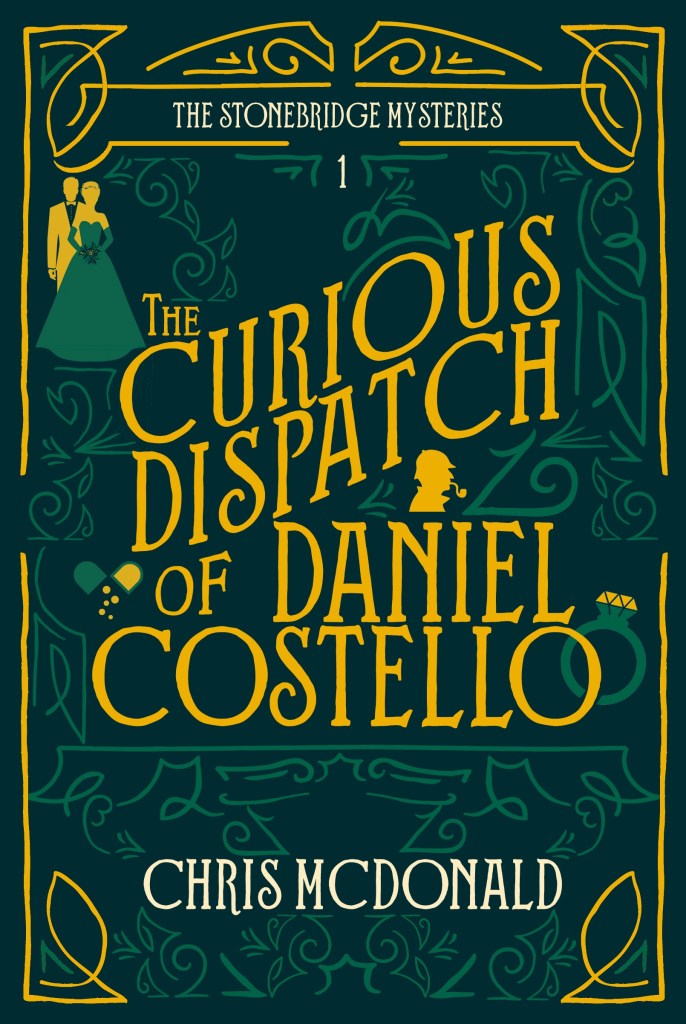
Cover Reveal! The Curious Dispatch of Daniel Costello: Stonebridge Mysteries 1 by Chris McDonald.

Today I’m taking part in the Red Dog Press Cover Reveal for Chris McDonald’s book The Curious Dispatch of Daniel Costello.

Wedding bells are chiming in the idyllic, coastal town of Stonebridge. For Sam and Emily, it should be the happiest day of their lives. But on the morning of the ceremony, the best man is found dead. The police quickly write his death off as a tragic accident, but something doesn’t seem right to wedding guest and groomsman, Adam Whyte.

Armed with an encyclopaedic, but ultimately ridiculous knowledge of television detective shows and an unwarranted confidence in his own abilities, Adam and his best friend (and willing Watson) Colin, set out to uncover what actually happened to Daniel Costello.

Buy Links: 

Amazon Link: mybook.to/Stonebridge

Red Dog Press: https://www.reddogpress.co.uk/shop

Publication date: January 12th 2021

Meet the Author

Originally hailing from the north coast of Northern Ireland and now residing in South Manchester, Chris McDonald has always been a reader. At primary school, The Hardy Boys inspired his love of adventure before his reading world was opened up by Chuck Palahniuk and the gritty world of crime. A Wash of Black is his first attempt at writing a book. He came up with the initial idea whilst feeding his baby in the middle of the night, which may not be the best thing to admit, considering the content. He is a fan of 5-a-side football, heavy metal and dogs. Whispers in the Dark is the second installment in the DI Erika Piper series, and Chris is currently working on his latest series, The Stonebridge Mysteries, to be published by Red Dog Press in 2021.

Posted in Uncategorized

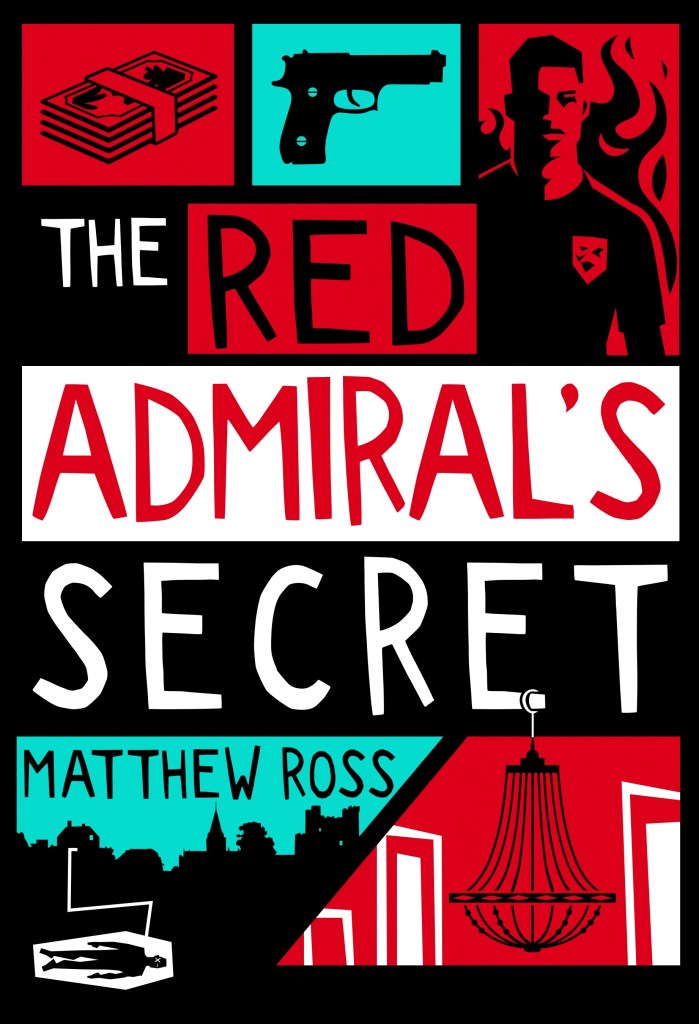
Cover Reveal! The Red Admiral by Matthew Ross.

#TheRedAdmiralsSecret #CoverReveal @mattwross @RedDogTweets

Publication: 3rd February 2021. Publisher: Red Dog Press.

A Premier League bad-boy murdered at his newly refurbished home; a teenage runaway’s corpse uncovered on a construction site; a gunman shoots up the premises of the local gangland boss – all of them projects run by beleaguered builder Mark Poynter. Can he fix it?

Things seem to be on the up for builder, Mark Poynter. Mark’s got himself a nice little earner taking care of the sizeable property portfolio built up from the career earnings of former Premier League bad-boy and local celebrity, Danny Kidd. But when Danny Kidd puts an interested party’s nose out of joint by using his star status to gazump them on a development site – the derelict Admiral Guthrie pub – things turn ugly and incendiary, leaving Mark to deal with the consequences.

Meanwhile local villain, Hamlet, uses his subtle persuasion to dupe Mark into unwittingly help him launder vast sums of dirty cash but when it drags the area to the brink of gang warfare, Mark’s help is needed to try and broker a truce.

At the Admiral Guthrie secrets from the past meet conflicts of the present – will the rising flames reduce Mark’s future to ashes?

“The Red Admiral’s Secret” is the second in the series of darkly comic crime fiction novels featuring the beleaguered builder Mark Poynter, aided and hindered in equal measure by his trusted crew of slackers, idlers and gossips, and the lengths they go to just to earn a living.

Meet The Author

Matthew Ross was born and raised in the Medway Towns, England. He still lives in Kent with his Kiwi wife, his children and a very old cat.He was immersed in the building industry from a very early age helping out on his father’s sites during school holidays before launching into his own career at 17. He’s worked on projects ranging from the smallest domestic repair to £billion+ infrastructure, and probably everything in between.A lifelong comedy nerd, he ticked off a bucket-list ambition and tried his hand at stand-up comedy. Whilst being an experience probably best forgotten (for both him and audiences alike) it ignited a love for writing, leading to various commissions including for material broadcast on BBC Radio 4 comedy shows.

Matthew moved into the longer format of novel writing after graduating from the Faber Academy in London in 2017. ‘Death Of A Painter’ was his first novel and the first in a planned series of stories featuring Mark Poynter and his associates. Matthew enjoys reading all manner of books – especially crime and mystery; 80s music; and travelling and can’t wait for the next trip to New Zealand to spend time with family and friends.

Amazon Link: mybook.to/RedAdmiral

Use the link below to purchase Mark Painter’s first novel in this series direct from Red Dog Press at 25% .

https://www.reddogpress.co.uk/product-page/death-of-a-painter