“Until the lions have their own historians, the history of the hunt will always glorify the hunter.” Chinua Achebe (Author)
When I was gathering books for the Queen’s jubilee stall at our village book exchange, I could have stuck to the British Isles and its experience of life in the reign of Elizabeth II. However, I wanted to look at the jubilee from a global viewpoint and include the voices of all the Queen’s subjects. For me that includes voices from countries that were once part of our empire, some of whom are now under the Commonwealth banner. I think these other voices are important; those who are literally silenced, but also those who were ignored because were simply not the white, middle class, man that society is used to listening to. This book had a beautiful example of one such voice and I was reading it around jubilee time. Celestine Babbington is recorded for history in a silent form, photographed wearing clothes he didn’t choose and posing with a man whose relationship to him is very problematic. The man, Richard Babbington, is a wealthy explorer who has a love for Africa and a large mansion house in England and by 1907, Celestine is being kept in the attic of that house, only allowed out to work as a domestic slave.
Years later, a young girl called Lowra is suffering the same fate. Locked in the attic as punishment for any transgression since her fate was left in the hands of her resentful stepmother. After her mother died, Lowra’s dad remarried and from that day on her life was punctuated by spells of abuse. While locked in the attic she finds an unusual necklace with clawed hands, unlike anything she’s seen before. There’s also an old-fashioned porcelain doll and a sentence on the wall, written in an unfamiliar language. These are her only comfort, because she feels as if the person that owned them is still with her in some way. As an adult, her stepmother’s abuse still affects her and she’s conflicted when she inherits Babbington’s house. People seem to think she’s lucky and the town is proud of this intrepid explorer. Looking into the house’s history leads her to an exhibition of Babbington’s life, where she sees photographs of Babbington and a young black boy wearing an African wrap and what looks like her necklace, the one from the attic. However, the thing that keeps Lowra transfixed, is the young boy’s eyes. Lowra sees someone filled with sorrow, a fellow sufferer of the darkness inside that house. His name is Celestine Babbington. Lowra wants to find out more about this boy, how he came to be in England and what happened to him after Babbington’s death. She enlists the help of a history specialist called Monty, who has an interest in stories that have not been told, particularly those of empire. Together they start their search for the attic child.
I think anyone who talks about the glory of our empire should be encouraged to read this book. It’s fitting that the opening quote of the book is from the incredible author Chinua Achebe, because his novel Things Fall Apart is a perfect companion to this tale. This time the story is partially told by an innocent victim of our Victorian forays into Africa, a child called Dikembe, who is largely ignorant of the atrocities being carried out by the Belgian forces plundering the natural resources of his homeland. At the time of Dikembe’s childhood, his homeland was named the Belgian Congo, a large area of Africa now known as Zaire, then the Democratic Republic of Congo. Very few Europeans had reached this area of Africa, known for tropical diseases like sleeping sickness. King Leopold of Belgium had urged the Belgian Government to colonise the country, but when they stalled their efforts he decided to take charge himself. He took ownership of the country and named it the Congo Free State in 1885, using his private army the Force Publique to press gang Congolese men and boys to work for him in the production of rubber. No one knows the exact population of the country at this time, but due to exploitation and the exposure to new diseases it is estimated that up to ten million native people died during Leopold’s rule of the country. Dikembe is young enough to stay at home each day with his mother, but he envies his brothers who go off to work with their father every morning. His parents keep him ignorant of the way native workers were treated so it is an utter shock when his father is killed one day. Richard Babbington, based on a real man called Henry Morton Stanley, expresses an interest in Dikembe. He wants to take him back to England and turn him into a gentleman and his companion. Ridden with grief and terrified about what could happen to her youngest son, his mother agrees, knowing this may be the only way to keep him safe. Although his intentions seem pure, isn’t this just another form of colonisation? He then takes away Dikembe’s name, calling him Celestine Babbington.
I found both these children’s circumstances heartbreaking and realised that Lowra’s affinity with this boy is because she sees something in his photographs echoed in her own eyes. I thought the two character narrative worked really well here, but all of the characters are so well crafted that they pulled me into their stories and didn’t let go till the end. We’re with Lowra and Monty on their quest, finding out more about Dikembe’s story and we experience the effect these revelations have on all the characters. It’s moving to see Monty identifying with Dikembe and feeling emotional pain from the injustices he has gone through. Monty still experiences racism and oppression, just in different ways and Lowra can’t be part of that even though she has empathy for how Monty feels. They worked together well and slowly become close by being honest about their pasts and what effect their life experiences have had on them mentally. Lola Jaye has managed to engage the emotions, but also educate me at the same time, because I didn’t know much about the Belgian empire or King Leopold’s exploitation and murder of the Congolese population. However, it was those complex issues of identity and privilege that really came across to me, especially in the character of Richard Babbington. His arrogant assumption that he could give Dikembe a better life is privilege in action, as Dikembe soon finds out that he’s a womanising drunk and the companionship he spoke of only works one way. All he does bestow is money, for clothes and school, but what Dikembe craves is the warmth and love of his mother calling him a ‘good child’. The way this need for love and comfort was also exploited made me cry. I was desperately hoping that by the end, these terrible injustices didn’t stop him living his life to the full, including embracing happiness when the chance came his way. We see this play out for Lowra during the novel, can she ever accept that she is worthy of love? I wasn’t surprised to learn that Lola Jaye is a therapist, because she understands trauma and how it can manifest through several generations. The story doesn’t pull it’s punches so I felt angry and I felt sad, but somehow the author has managed to make the overall message one of hope. Hope in the resilience of the human spirit.
Lola Jayne’s latest novel is The Manual for Good Wives. It came out in 2025 is on my tbr for March.
Everything about Adeline Copplefield is a lie . . .
To the world Mrs Copplefield is the epitome of Victorian propriety: an exemplary society lady who writes a weekly column advising young ladies on how to be better wives.
Only Adeline has never been a good wife or mother; she has no claim to the Copplefield name, nor is she an English lady . . .
Now a black woman, born in Africa, who dared to pretend to be something she was not, is on trial in the English courts with all of London society baying for her blood. And she is ready to tell her story . . .
Well it’s been a very interesting year and for my little community of friends and family, quite a tough one in a lot of ways. I’ve had my health struggles, including a cancer scare I could have done without, and our new kitchen turned into a total kitchen renovation. The entire contents of our kitchen were in my study for five months and I’m only just getting things back to normal. For my reading life this has meant periods where I simply couldn’t read because I couldn’t focus. So reviews have been late and I’m still reading a lot of my NetGalley books from the summer. My Goodreads challenge has been missed by a mile. Yet in all of this I’ve read some incredible books and I’ve finally managed to gather a list of the ones I’ve most enjoyed and a list of honourable mentions that I couldn’t ignore. There’s no particular order but each one has been a book of the month and I chose those I couldn’t stop thinking about whether that’s because it was so gripping and or hit my emotions hard.
For years and years, when I’m asked the question which book has hit me hardest emotionally I’ve always had to say One Day by David Nicholls. Now I’ll be able to say that Leaving absolutely tore my heart out. Warren and Sarah dated for a while in their college years and she had ended it. Yet they never stopped thinking about each other. Sarah is divorced and lives alone in her country home with her dog Bella for company. She has a daughter, but she’s married and lives a long way from her mother with her husband and Sarah’s two grandchildren. Sarah works at a gallery, working on an exhibition about the Bloomsbury Group. Warren lives just outside Boston and has his own architectural practice in the city. He’s married to exactly the sort of wife he has needed: attractive, a good hostess and great mum to their daughter Kattie who is an older teenager. However, his wife is also a snob, very aware of who should be in their social circle and how things should be done. They can’t talk about current affairs together, listen to an opera or read the same books. Perhaps their marriage has always been like this, but feels empty since he saw Sarah again. Can he spend the rest of his life in his marriage as he promised or can he be with Sarah? If he leaves what price will he have to pay? And if he doesn’t can he live without that kind of love?
Everything about this novel rings true, from the details that set each scene to the love story that binds everything together. It’s exquisitely written, drawing you in so very slowly, then unravelling quickly to it’s emotionally devastating conclusion. Once an affair starts to turn into something more, so many decisions have to be made and the sacrifices those choices will create become stark and very real. Sarah has imagined living with Warren, but she’s always thought of them at her home. This is where she rebuilt herself after her divorce. It’s a place she loves and doesn’t think she can give up. Arguably, Warren’s choices are even more difficult. He knows if he does this, his relationship and happiness with Sarah will come at the cost of someone else’s feelings. On the scales does one happiness outweigh another? Or are some costs simply too great?
Robin is exactly half way through his life. Like Mark Twain before him, Robin came into the world with Halley’s Comet in 1986 and fully expects to go out again when it returns in 2061. Recently he’s had a huge life change. He’s moved back to his home town of Eastgate to care for his sick father, who due to his disability has had one accident too many. Robin had a well-regimented life in London with girlfriend Gemma. He also had a boring well-paid job as an accountant. Now everything has been thrown up in the air and he’s living in a tiny bedroom surrounded by boxes he hasn’t unpacked. He’s trying to forge a relationship with a father who can’t communicate and who he never connected with as a child. There are childhood ghosts to face and a new connection with Astrid, fellow outsider and professor at a nearby university. She’s brutally straightforward and Robin has never met anyone like her. She’s also hiding something, but he’s hiding even more from her. Can Robin make friends, help his father and accept this is the next chapter of his life, rather than a blip? This was a great book that’s simply joyful to read, even while addressing some really difficult themes. When we find out why Robin is so adamant about his comet theory – while being forced to evaluate his choices by a strident Astrid – it all becomes clear. A heart-breaking tale emerges, as Robin is faced with yet another loss and learns life is just messy, terrifying, random and heart-breaking. This story is infused with beauty, humour and hope because life is beautiful and joyous too, if you let it be.
London 1883
Rebecca and husband George run Evergreen House as a home for young girls and their illegitimate children, often called a house for ‘fallen women’. Previously, Rebecca’s sister Maddie was the woman of the house and the wife of Dr Everley. Maddie is recovering well after being on trial for the murder of her baby and the revelation that the Everley family had a tradition of hideous experimentation on the bodies of babies to create strange chimeras. Rebecca knows their tenure here is precarious. The Everley family still own the house, but with Dr Everley dead and his sister Grace in a prison asylum no one currently needs it. The small household are very close so all are devastated when the cook and centre of their household, Rose, is murdered and this isn’t the end of the mysterious events at Evergreen. Rebecca fears the past is coming back to haunt them, the murderous and twisted legacy of the Everley family is hard to ignore. What was a sanctuary is becoming dangerous as the evil presence continues its work. With the charity board also tightening their grip on the house, Rebecca must draw out the murderer and discover their purpose. This was a tense and atmospheric read. I could feel the warmth and happiness slowly being sucked from Evergreen House. There were heart-stopping moments, especially towards the end. This is the perfect gothic mystery, especially for fans of historical fiction who like a touch of feminism on the side. This is a must-buy, for the engrossing story and for the gorgeous cover too.
This was a NetGalley read that sounded fascinating and really did grab me from the off. Dani has been hitting rock bottom. Her eating disorder is out of control and her mental health has meant suspending her place at university where she was studying English Literature. She’s now living in a flat with her sister Jo and her boyfriend Stevie, having to share with his daughter Ellie when she’s there for weekends. She’s working as a pot-washer to pay the bills, but longs to go back to university. Despite having very little money, she decides to see a therapist and has a session with Richard. She feels at home in Richard’s room, it’s quiet and smells of books and furniture polish. She feels like he listens and he seems perceptive, noticing her low self-esteem and anxiety. So she takes the decision to have further therapy with him, although he’s expensive. She starts to feel more positive, greatly reducing her bingeing and purging cycle. Of course as counselling boundaries start to be overturned Dani starts to spiral. There are behaviours and revelations I won’t go into for fear of ruining the suspense and eventual outcome, but I was genuinely scared that Dani couldn’t pull back from the mess she was in. When someone has listened to your innermost thoughts they are a formidable agent for change but an even more powerful opponent. I had everything crossed that I’d underestimated Dani and that she could find those reserves to get through to the other side. This was a fantastic debut novel, full of suspense and stirred the emotions of the reader with finesse.
Nina and her daughter Ash live in the bougie seaside town of Whitstable in Kent. They are grieving for husband and father Paddy, who was killed when a man having a mental health crisis pushed him into an oncoming train. Ash has been living at home since her own mental health deteriorated and she was eventually diagnosed with borderline personality disorder. She’d just come home to recover when Paddy was killed. When her mum receives a parcel in the post Ash is intrigued. It’s beautifully wrapped, with a note inside from a man who has heard about Paddy’s death. He used to work with him in the 1990s and the gift wrapped box contains a Zippo lighter he borrowed but never returned. Since then Paddy has built a restaurant empire, with his flagship restaurant in Whitstable and two others down the coast. Nick’s note explains he is now a troubleshooter, brought into eateries and hotels to assess what’s not working and put it right. There is of course a number, should Nina wish to thank him for his thoughtfulness. Over the next few months Nick and Nina start to WhatsApp each other and then go out for a drink. Ash is glad to see her mum with a glow, but there’s something about Nick that’s just ‘off’. She can’t be sure and maybe she’s viewing this situation through her own grief or her personality disorder, but something isn’t right. She needs to find out more about him before he becomes a permanent fixture.
I galloped through this book as we went backwards and forwards in time, every time learning a little more and inching towards the truth. I loved the fragile Ash who is at that stage of recovery where she doesn’t fully trust her own mind. Is she making too much of this? Is she just paranoid? Worst of all, if she finds something questionable, will her Mum even believe her? She’s so lonely at this point, she doesn’t have many friends to talk to and feels bad she’s had to bounce back home at her age. Her mum deserves to be happy and she might ruin it all. Just when you think you have all the answers, the author takes it to the next level! This book is like a twisted knot in a necklace. It takes a long time to loosen it, but suddenly the whole thing unravels before your eyes. This is masterful thriller that absolutely begs to be devoured in a couple of sittings, from an author who gets better and better.
I have to be honest and say this book blew me away. I was so engrossed in Ciara’s story that when I was at 50% of the way through I just decided to sit for an afternoon and finish. No distractions like music or telly, just total silence and when I finished I sat in that silence and I could feel, bodily, every step of her emotional journey. It’s the story of a woman trying to leave a relationship that is tying her down and eating her alive. Everything she was before – bright, intelligent and full of life – has been worn away. Enduring her husband’s treatment, as well as having two children in four years, mean Ciara has had enough. She can see his behaviour as a pattern and despite being absolutely terrified she needs to find the strength to go. Ciara has no real support, her family is Irish but live in London and despite her yearning to see her mum and sister the law states that she can’t take the children out of Ireland without the written permission of their father. Her only option is the housing office, to present as homeless. Will Ciara have the strength to stay away and build a new life for herself? This is not a comfortable read, especially if you’ve been through an ordeal like Ciara’s. What helps is when an author is brave enough to use their own experience or extensive research to get it right for readers who’ve survived abuse. Roisin O’Donnell has written this so carefully and made Ciara’s life so real that I felt seen. I read on, hoping with all my heart that Ciara would make it through and build a new life. Underneath my fear I was storing up hope for her. I hoped she knew how much strength she had. She could leave. After all, I once did.
The story unfolds slowly while the author immerses us in the world Sycorax inhabits, at first with her parents. Taking her cue from Shakespeare her prose is lyrical and poetic. I really felt like I was in the presence of a magical being and it was the sounds that really grabbed me – the tinkle of sea shells on her mother’s anklets, the sounds of the sea, the lazy buzz of the honey bees they keep. I felt as if I was cocooned on a Caribbean island and strangely relaxed too. Sycorax’s ongoing inner strength and determination to find her own identity in a world that shuns her, is something to truly admire. Because of this she is vehemently hated among the townsfolk, especially men because she won’t conform or disappear. There’s a constant sense of give and take between Sycorax and her universe. Strangely the more she’s affected by illness, the more powerful she becomes. The power comes in the shape of wisdom, resilience and acceptance. I was moved when Sycorax was taken to a woman in labour by a friend of her mother’s, teaching her how to help and support. Sycorax kneels by her head, holding it gently and singing a song in a rhythm. She slows down the woman’s breathing and draws her attention to the ebb and flow of the pain and allows her to work with contractions rather than fight them. That’s what I’m going to take away from this beautiful book, to remind myself of the ebb and flow in life and in my own body.Nydia has written a beautiful piece of work that takes us full circle to The Tempest. She’s managed to bring 21st Century injustices to the forefront without losing any of the magical beauty of the original play.
There’s a constant sense of give and take between Sycorax and her universe. Strangely the more she’s affected by illness, the more powerful she becomes. The power comes in the shape of wisdom, because people with chronic illness understand things about life that other people won’t get in a lifetime. It’s also about resilience, something that comes with time and getting to know how your illness affects you. By working with it, Sycorax knows what her body can do and how much activities will take out of her. Everything is a bargain and when she has to take to her bed she counts rest as an activity. I love that Nydia puts her own wisdom into the character, in the need to measure out energy daily and live with constant pain. Everything Sycorax goes through and learns about her illness, we follow and it was moving to hear words that have gone through my own head. I’ve woken up in agony, out of nowhere, trying to work out what tasks are absolutely necessary and which can wait. I was moved when Sycorax was taken to a woman in labour by a friend of her mother’s, teaching her how to help and support. The woman is screaming and thrashing, so Sycorax goes and kneels by her head, holding it gently and singing a song in a rhythm. She slows down the woman’s breathing and draws her attention to the ebb and flow of the pain. It calms the woman and allows her to work with contractions rather than fight them. This is something I do when in pain and something Ive taught clients with chronic pain. Even severe pain is rarely continuous agony. It has a pattern, a shift, an ebb and flow. If you tune into the ebb and flow of pain you can go with it rather than fight it. That’s what I’m going to take away from this beautiful book, to remind myself of the ebb and flow in life and in my own body.
This fantastic novel from Emily Critchley fit the bill for an early 2025 read perfectly and was the only thing that drew me away from watching Black Doves all in one go! Our heroine is Gillian Larking, a rather invisible girl at boarding school who does her best to fit in but has no real friends. Gillian has lost her mother and with her dad working in Egypt she feels very much alone. However, when she gets a new roommate that feeling starts to change. Violet is a bright, lively girl whose first goal is to break school rules and sneak up onto the school roof to check out the view. Despite her mischievous and seemingly confident nature, Violet is anxious and has a series of rituals to perform that help her cope. She is also prone to emotional outbursts when things become overwhelming. Gillian is seemingly more aware that as young ladies of a certain class they must manage their emotions. Girls in packs tend to sniff out weakness or odd behaviour and she worries whether Violet’s rituals, or ‘undoings’ as she calls them, could affect both their positions at school. As Christmas approaches Gillian is delighted to receive an invitation from Violet to spend the holidays with her family at Thornleigh Hall. There she is dazzled by their slightly shabby country home, being waited on by the servants and Violet’s rather beautiful older sisters. Emmeline, the oldest and definitely in charge, wafts around in old Edwardian gowns whereas Laura is a rather more modern and fragile beauty. Both girls accept Gillian as one of their own, but their new friendship is tested by a terrible accident on Boxing Day that will reverberate through the years. This was an enthralling and fascinating look at a tumultuous time in history ( post WW1) and its effects on one aristocratic family, observed through the eyes of a naive visitor. The author has created an incredible atmosphere that drew me in so strongly I felt like I was there. This is an amazing debut from Emily Critchley and I look forward to reading more of her work.
This thriller grabbed me straight away and never let go! The pace was fast, with short punchy chapters containing the narratives of five men each linked in some way to a woman called Katie. Each man has his own name for this woman and their narratives tell us her story as they see it. John is her father, Gabe is her childhood friend, Conrad is her lover, Tarun is a lawyer and Max is a journalist. Each one thinks they know her, each one presents a different face. But who is she and which is her real identity? Is she a combination of all five or nothing like this at all. It’s a timely, compelling and addictive story that you’ll want to finish in one go.
The murder committed at March House has killed four very important men at once. Lucian is March House’s owner, presiding over the private members club for the richest and most influential men in the UK and their guests. His guests that night were Harris Lowe, Lucian’s new right hand man, Dominic Ainsworth MP and Russian millionaire Aleksander Popov. They appear to have been murdered with an incredibly expensive bottle of brandy laced with poison. Only one person has been serving the party all evening and that is waitress Katie. She is soon under arrest, but what possible motive could she have had to kill these men? Yet when police apprehend her she is reported as saying ‘they got what they deserved’. Is this an admission of guilt or an acknowledgment that whoever killed them, did the world a favour? Every so often a book comes along that captures a moment and this definitely does. It isn’t the first book I’ve read where online radicalisation is part of the story and how dangerous it can be to become drawn in by conspiracy theorists. It reminded me of how women who are seen as controversial, such as Caroline Flack or the Duchess of Sussex, are presented and packaged by the media. There’s misogyny at the root of this and it’s the same with the male characters in the book who package Katie into roles and personalities that absolve them for the harm they cause and assuages their guilt. This is brilliantly done by the author who doesn’t put a foot wrong in the characterisation and pace of this novel. It’s fast moving and she doesn’t waste a single word, keeping you gripped by what might happen next. We’re never sure on what has happened or who is responsible and the courtroom scenes are brilliant meaning it was impossible to put down – there was one late night where I completely wrote off the following day for anything useful. This is powerful and will make you angry, but you won’t be able to stop those pages turning.
As autumn deepens into darkness in Lidingö, on the Stockholm archipelago, the island is plunged into chaos: in the space of a week, two teenagers, the son of the island’s mayor and that of a powerful businessman, are brutally murdered. Their bodies are left deep in the forest, dressed in white tunics with crowns of candles atop their heads, like offerings to Saint Lucia. Maïa Rehn has fled Paris for Lidingö, trying to come to terms with the death of their only daughter. But when the murders shake the island community, the former police commissioner is drawn into the heart of the investigation, joining Commissioner Aleksander Storm to unravel a mystery as chilling as the Nordic winter. It becomes clear that a wind of vengeance is blowing through the archipelago, unearthing secrets that are as scandalous as they are inhuman. I loved the timing of this novel from Johanna Gustawsson, her second set on the island of Lidingö in the cold, dark run up to Christmas. Some of the themes were very timely, such as incel culture, grooming and consent. I found it fascinating that Swedish law reform in 2018 placed the emphasis on positive consent, so that rape was no longer defined by saying no, but by actively saying yes. It recognises that freezing and becoming unresponsive are normal survival instincts not consent, so threat and physical force don’t have to be present for an incident to be defined as rape. When we are finally taken to the night that sets these events in motion it is devastating and hard to read, but that’s how it should be. This incident is like a veil of darkness triumphing over light. It’s as if the island loses its innocence. I loved that the answers don’t come easily and the tendrils of the aftermath are everywhere. This is a vivid, symbolic and haunting crime story and the truth is devastating – a gradually revealed horror that has echoed down the generations of this isolated community.
This was the perfect autumn read – a sinister mystery filled with atmosphere and a slowly building sense of menace. Evelyn Dolman embarks on his honeymoon with his new wife Laura and it proves to be anything but the honeymoon he expected. The couple are greeted by servants at their lodgings, but soon the landlord of Palazzo Dioscuri is there to introduce himself and tell tales of his grand and adventurous family ancestors. Evelyn fought hard for Laura’s hand, knowing she was far above him in terms of class and finances as he is merely a struggling writer, but he’s looking forward to getting away. Despite the rot and instability underneath some of the grand palazzos they saw from the vaporetto Evelyn is still dazzled by the faded beauty, the light and the history of this group of islands that make up the city. So, with Laura settling in early for the night he decides to go for a walk and perhaps a drink somewhere close by and she suggests Florian, a cafe that first opened in 1720 and still serves Venetian visitors today. A chance meeting is followed by a night of drinking and one unforgivable act. So when he wakes in the morning, sluggish and nauseous and finds his wife isn’t next to him in bed, he imagines she has taken herself to another room. However, as the morning progresses it becomes clear that Laura has simply disappeared.
This is a mystery as labyrinthine as the city itself and despite having only one narrator we are left with so many questions. There are clues to what is transpiring here but they are subtle. The writer has incredible sleight of hand and it reminded me of The Sixth Sense and how many clues are missed on the first watch of the film but once you know they seem so obvious. Each character is slippery and elusive with an unpredictable quality that felt dangerous. I loved the uncanny feeling the author created which grows organically from the city. This is a sparking jewel of a city that’s risen from the mud and brackish waters of the lagoon. One day it may be completely under water, but the decay isn’t what you see when you first visit. Venice bewitches you with its golden domes, coloured glass and the way sparkling light from the surface of the water bathes everything in a soft light. Banville captures this ‘double’ city utterly, describing the timeless romance of a gondolier serenading his passengers but also the jarring sound of the vaporetto. He links this duality with human nature, our surface selves and the real us, even the parts we avoid and keep locked away. Everything about this novel is a conjuring trick and I fell head over heels in love with it.
I can’t fully express how happy I am to have Jimmy Perez back! Now in the Orkney islands, where he grew up. Sadly, as a storm blows in and the islands shut down, a huge loss is about to hit the community. Jimmy’s childhood friend Archie is found dead at an island landmark. He’s been hit on the head by one of the story stones, taken from the island’s museum. Now Jimmy will have to investigate the murder in the run up to Christmas, along with his boss and partner Willow. Only the reader and perhaps Willow know the depth of feeling that runs underneath Jimmy’s calm exterior. We are privileged in knowing the depth of his grief for his previous partner Fran, the mother of his stepdaughter Cassie. He’s now dad to James with another baby on the way. We can see the love and the anxiety he has about both his children, brought to a head when James becomes lost on Christmas Day. Part of Jimmy hates delving into the private lives of people he’s so close too, but then his knowledge and understanding of this small community is also a strength. He finds out things he didn’t know about his friend: an unexpected relationship with an island newcomer; a secret investment in the hotel and bar; financial difficulties at the farm. The killer made a point with their choice of weapon because they managed to get access to the heritage centre then lugged the stones to the murder site. But what was the point? Did they think Archie was betraying the community or the history of the islands? Is the inscription a clue? To have lured Archie out to such a remote spot in a storm means the site or the weapon must have been important to him.
Anne Cleeves creates a beautiful atmosphere in this novel, her descriptions of this series of islands are both beautiful and savage, echoing its residents who are inextricably linked to each other and their shared ancestry. The storm really sets the scene of just how remote this community is and how they must pull together to get through difficulties, even where they don’t like each other. I really loved Willow, just as dedicated to her work as Jimmy, her pregnancy doesn’t hold her back at all. The case is fascinating, covering potential adultery, family tensions, environmental disagreements and historical conflicts, as well as academic jealousy. As everyone gathers on Christmas Day for The Ba my nerves were like violin strings! It’s this gradually rising tension alongside the beautifully drawn relationships that make Anne Cleeves’s novels. Jimmy has always had incredible empathy for others, feeling his own loss alongside theirs and understanding behaviour that might at first glance seem inexplicable. This is a hugely welcome return for Jimmy, both in a different landscape and place in life. Hopefully it’s the first of many.
With the fate of her missing sister, Ísafold, finally uncovered, Áróra feels a fragile relief as the search that consumed her life draws to a close. But when Ísafold’s boyfriend – the prime suspect in her disappearance – is found dead at the same site where Ísafold’s body was discovered, Áróra’s grip on reality starts to unravel … and the mystery remains far from solved. To distract herself, she dives headfirst into a money-laundering case that her friend Daníel is investigating. But she soon finds that there is more than meets the eye and, once again, all leads point towards Engihjalli, the street where Ísafold lived and died, and a series of shocking secrets that could both explain and endanger everything. I’ve been hooked on the story of Áróra and Ísafold for a few years now and the tension has slowly gripped the reader ever tighter with each novel as more revelations come to light. The combination of Áróra’s skills as a financial investigator, plus the skills and powers of detectives Daniel and Helena, complex cases are profiled and attacked from different directions, make them a formidable team. We’ve always had suspicions but have never known who killed Ísafold. We want this mystery resolved, but I didn’t feel any of that racing tension or triumph that I often get when a killer’s revealed. This was just so desperately sad and I had to take a moment for this under confident woman who was so far out of her depth. If I had feelings of loss, I knew it would devastate Áróra. The question is, if she does get all the answers she needs, what will Áróra do next? Unlike her sister, she has a clear sense of what she needs to be happy and fulfilled. She makes decisions based on self-knowledge and it remains to be seen whether Daniel is a part of that eventual happiness. A brilliant and emotional ending to a fantastic series.
It’s delightful to be back in the hands of a consummate storyteller like Val McDermid. I feel like her characters are real people going about their business and we just drop into their world from time to time. Here the Historic Cases Unit are working two cases: the death of a high-end hotel manager and the identity of a body found after a landslip in heavy rain on the M73. Tom Jamieson’s death is flagged up by his brother in New Zealand. Thought to be accidental, new footage shows someone behind Tom as he leaves the hotel and enters the staircase where he met his death. This man must at have seen Tom’s fall, or is his presence even more sinister? The body in the M73 is the body of an investigative journalist, thought to have killed his pregnant girlfriend before going on the run about eleven years ago. I was hooked by evidence that led to a secretive book club of successful men who met once a month in Edinburgh. They’re named the Justified Sinners, but is the Calvinist name a joke between literary friends or something more? Have they stumbled upon an unofficial Freemasons’ club? The team start to wonder about the benefits of becoming one of the twelve and whether those benefits are worth subterfuge or even criminal acts. I think the team are feeling overwhelmed, even without the quagmire surrounding the Justified Sinners and Sam’s quest for the truth. The outcome isn’t straightforward and there were people to blame that I genuinely didn’t expect. This is an enthralling read from a writer at the very top of her game. Someone who knows exactly how to pitch a story and keep the reader engrossed until the final pages. She knows that the joy of a book is in the journey and that sometimes we don’t get the answers we expect.
This book taught me so much about the French Revolution and the aristocrats who left France for British shores and were welcomed in high society. Edmée has somehow made her way to Britain, despite seemingly being an ordinary citizen. She is now being offered at a ‘wive’s sale’ by her husband’s brother, but this potential chapter can’t be worse than her last. For Duval Harlington it’s something he would never usually countenance, but his circumstances are uniquely desperate. Having been recently released from prison by the French, he is returning to Britain and is met by a family servant who bears bad news. Duval Harlington has become Lord Harlington after the recent death of his father. Although he has the title, his right to the ancestral home of Muchmore and his father’s wealth is rather more complex. Duval’s father installed a distant relative, Mr Carson, to manage the day to day running of the estate. So his will has an interesting stipulation; in order to claim his inheritance Duval must be married and he has only two days to achieve this. So when his servant points out the wife sale it seems like a means to an end. Duval notices a young woman being led around the room by a scarf round her neck, with shorn hair and a veil covering her face. When the buyers call out for it to be removed he’s shocked to see that someone has recently beaten her very badly. On impulse he puts up his hand and bids for her, his intention being to marry her quickly and claim his inheritance, then seek an annulment. However he does find Edmée fascinating and with the Mr and Mrs Carson ready for a fight this might not be as easy as he thinks. I enjoyed the fascinating social history and Duval isn’t your average privileged heir. Edmée would never normally be his wife either. In discussion on the revolution, Sir Wifred points out that its biggest folly was that all people should be equal, meaning men and women. Duval surprises him by stating that in his view “it was one of the most exciting things to have come out of the revolution.” It’s a hard read when it portrays women’s struggles through life and I was hoping for Edmée to have a happy ending. It was clear though that this might not be the case as she disappears after their first ball at the estate, making for a tense read in those final chapters. The book has a mix of hardship, adventure and mystery interlaced with the romantic possibility of an unlikely match being perfect, if only Duval can find her.
They said I would swing for the crime, and I did . . .
1724. In a tavern just outside Edinburgh, Maggie Dickson’s family drown their sorrows, mourning her death yet relieved she is gone. Shame haunts them. Hanged for the murder of her newborn child, passers-by avert their eyes from her cheap coffin on its rickety cart. But as her family pray her soul rests in peace, a figure appears at the door. It is Maggie. She is alive.
Bruised and dazed, Maggie has little time for her family’s questions. All that matters to her is answering this one: will they hang her twice? Kate Foster is a brilliant advocate for the women she finds in historical documents, often in dire situations for ‘crimes’ it’s hard to comprehend today. Maggie and her younger sister Joan have grown up in a village known for its fishing and the strong, hardworking women that mend the nets and clean the fish ready for market. It’s a hard life and not one that Maggie wants forever. So, when Patrick Spencer walks into their cottage one evening, with his sparkling eyes and easy charm Maggie sees someone like her, who wants to make their own luck. He has come to ask her father if he could store ingredients for perfume? Maggie isn’t the beauty of the family and isn’t even the favourite either, but she knows that if Patrick is looking for a wife to support and help him in business that she’s the best choice. When he takes her out walking one evening she hopes that perhaps he’s seen someone as ambitious and hardworking as he is. Their courtship and marriage are a whirlwind and they’re soon living in a bungalow closer to the centre of the village. Only months later it’s a terrible shock when a press gang visits the inn and takes Patrick into the navy. Maggie has few choices and as the days go by she’s ever more sure that she’s having a baby, if she leaves it must be now. However, it’s not long before she’s standing in front of the justices to answer charges of concealing a pregnancy and infanticide. I am amazed by Kate Foster’s talent, that she finds these cases from Scottish history and breathe life into them. She actually fleshes out these characters and places with what must be endless research and creates women who feel like they could be one of us, with hopes, dreams and incredibly relatable mistakes. I loved the idea of the scar round Maggie’s neck as a mourning necklace. There’s something about seeing inner wounds made visible that resonates strongly with humans. Maggie could see her scar as a mark of shame, to be covered, but she chooses to wear it with pride because it is proof that her little girl lived. This is the best of Kate Foster’s novels so far.
This book drew me in immediately and two days after I finished I still couldn’t start another book. Our setting is 18th Century London and George II is on the throne. On St James’s Street is a confectioner’s shop called the Punchbowl and Pineapple and running it is the newly widowed Hannah Cole. This was her grandfather’s shop, then her father’s but she was his only child. He needed an apprentice to pass on his skills and he employed a young lad called Jonas Cole. Jonas and Hannah grew close, with Hannah losing her father a few days after they married. Until two days ago the couple ran the shop, with Hannah becoming an accomplished businesswoman. Jonas was hard and ruthless though and of recent years they had grown apart. Jonas often spent evenings out, but two nights ago he didn’t return and was found further down the Thames minus his money, his watch, several teeth and his life. Hannah had to borrow to re-open after his death and caused a minor scandal. She can’t afford to be closed and is waiting on their savings being released to pay her suppliers. Then Henry Fielding pays a call in his role as magistrate rather than novelist. He explains that all money will remain frozen while he investigates Jonas’s death. Luckily, at Jonas’s funeral Hannah meets William Devereux. An acquaintance of Jonas, he has never met Hannah before but is very sympathetic to her plight. He promises to visit her shop and discuss how he may help her with Fielding and Jonas’s life outside the home – was he gambling, womanising or getting into shady business dealings? He also mentions a delicacy his Italian grandmother used to make called iced cream. It has all the ingredients of a custard, but flavoured with fruit or chocolate and is then frozen and eaten as a desert. Hannah resolves to let William help her and to master the art of iced cream, but are either of them being fully honest with each other about who they are and what their purpose is? As with all Laura’s books the setting is incredible and it’s the little details that stand out and make us believe in this world. I loved Hannah’s various confections and how she knows what people will choose and what it says about them. I was entranced from the first page to the last, especially as the tensions mounted in the final third when Fielding makes his move. However, just when you think you’ve worked everything out another twist will come along and surprise you. I was rooting for Hannah to come out on top, but was very scared for her in parts. I was honestly hypnotised by this story and Laura’s talent. Bravo on such a fantastic story that I’m still thinking about it months after finishing it. Go beg, steal or borrow a copy of this one, it’s a cracker.
I love Emma Donoghue’s work, especially her historical novels and this one is a fantastic story based on real events. Many books have passages on public transport but I loved how the writing sped up as we went along and how people are forced to exist together for the time of that journey. There is such a mix of generations, classes and genders that there’s potential for desire, tension and misunderstandings. The fate of one of them, is the fate of all of them. Set in 1895 when a train did crash onto the platform at Montparnasse, Donoghue places us very definitively in the fin de siecle, with every little detail. It isn’t just her description of the train, it’s the character’s clothing and their attitudes. There’s certainly a shift from the Victorian ideals that have held firm throughout the 19th Century. In one journey we can see women being more outspoken, having a definite sense of purpose, and a need to determine their own destiny. I was absolutely fascinated with Mado. She stands out more than she realises, with her androgynous clothing and short hair, not to mention the lunch bucket she’s clutching as if her life depends on it. She’s a feminist, an anarchist and her own internal struggle is so vivid that I could feel the tension in her body as I read. She seems contemptuous of many of her fellow passengers, particularly the men, knowing that the Victorian feminine ideal is simply a role women are forced to play. The author takes us far beyond the beautiful period costumes and shows the reality of train travel – ladies having to relieve themselves in a handy receptacle while the men look away, the inconvenience of a heavy period on a long journey, the strange contents of some traveller’s picnic bags as duck legs and creamed leeks make an appearance! It becomes much more than you expect at the beginning, although Donoghue has never let me down yet. I loved how she ended the novel, I don’t read the blurb or reviews of a novel I’m about to read and come to it completely fresh, so I didn’t expect it and appreciated it all the more. Donoghue’s ability to see the unexpected, the downtrodden, the extraordinary and the silenced voices in a story and it’s place in time, is at it’s peak here. These anonymous and ordinary train carriages are made fascinating and unique by the character’s inside it. Through them she drives the story along faster and faster, until you simply have to go with it and read through to the end.
This book has featured in many end of year lists and it’s not surprising. I bought this book on holiday and as I looked through the purchases in the pub I read the first few lines, then read the whole chapter and I told my other half it was something special. In 1987 Cora is going to register the birth of her baby boy. His name has been settled on for some time. Cora’s husband Gordon has chosen his own name for his son, but it wouldn’t be Cora’s choice. Her choice would be something that doesn’t tie him so obviously to his father. She thinks Julian would suit him. Little sister Maia looks in the pram at her brother and decides he looks like a he should be called Bear. All of these options swirl around in Cora’s head. In this moment, Cora has the power to make a choice and it’s done. It can’t be changed. What would happen if she went with Julian or even Bear? In the short term Gordon would be furious. How bad would it be this time? Long term, would it change her baby’s character or path in life? That’s exactly what Florence Knapp does. The book splits into three narratives and we discover what happens to this whole family, depending on Cora’s baby boy’s name. Each of three arcs has its share of joy and heartache as Cora’s children cope with the aftermath of that day in 1987. Each narrative has its moments of emotion where you have to look up from the book and breathe for a moment. Just to take it in. However, one narrative broke me. I was reading quietly in the same room as my husband and I actually responded out loud. He had to give me a cuddle because I did have tears coming and I’m astonished by the writer’s ability to absorb the reader to that degree. To make words into a flesh and blood person I can shed tears over. This is an absolutely incredible debut with a brilliant grasp of domestic abuse and how it affects every member of a family, their friends and even neighbours. She depicts how the children and grandchildren in this chain have to consciously break the chain. As a daughter and a wife of two men who’ve survived violence in the home I know the struggle to change things and I felt the truth of Knapp’s depiction. I had no doubt it would be on this list in December.
I love Rachel Joyce’s work and her ability to show complexity in domestic relationships. Here we see the complex relationships within a family who have a famous father. Vic Kemp is a painter and the family in question are Vic and his four children – Netta, Susan, Iris and Goose (short for Gustav and the only boy). They’ve been parented by Vic and a series of au pairs after the sudden death of their mother just after Iris was born. Their father’s art came first always and the conditions he needed in order to create were paramount so the oldest girls often played the mother role for Iris and Goose, especially when Vic inevitably slept with the au pairs. Vic was not an artist celebrated by the establishment. The description of his paintings brought Jack Vettriano to mind, criticised heavily by the art world, but very popular with the public. Many of the paintings had a sexual element to them, a sort of soft BDSM theme, except for his only painting of one of his children, Iris. Depicted on the beach with a sandcastle and a man in the background, it brings up mixed memories for Iris. Now grown up, his children are stunned when Vic starts losing weight and drinking green, sludgy health drinks. His diet is being looked after by his new girlfriend, 27 year old Bella-Mae, who none of his children have met. Within weeks they’re engaged and Netta suggests that they stand back and give it the space it needs to fizzle out, but a couple of weeks later Vic announces their marriage with a single photograph from the family home in Orta on Isola Son Guilio. Only two days later Netta is stunned by a phone call from a stranger claiming to be Bella’s cousin. Vic has drowned after a morning swim in the mist. Why would Vic go swimming in the mist? His children come together to travel to Orta, to finally meet their new stepmother and to find out whether she has killed their father.
I enjoyed the different personalities of the Kemp siblings and how Bella becomes a mirror through which each of them evaluate their lives. It’s psychologically fascinating and I was absolutely transfixed! I couldn’t work out whether deliberate manipulation was at play or if grief and the new outsiders were changing opinions. Is Bella a destructive force or a helpful one? Some revelations will be explosive and take place in the open air- one particular meal is cataclysmic. Other revelations are quieter, insidious or internal but no less devastating. This is therapy, but without the care and ethics. No one will come out of this trip unaffected. The author made me think about how we view artists and our expectations of them – whether they are potters, painters or writers. We read about their messy and eccentric lives with fascination, but we don’t always consider the damage they do to those closest to them. This was such a beautifully complex study of a family’s dynamics, the way we mythologise people within our family and the stories we choose to represent us. This is a very different novel for the author but it’s definitely built on her ability to present very deep emotions and the truth of human experience.
Probably every English Graduate who specialised in Gothic Fiction has fantasised about that stormy night, in a house on the edge of a lake near Geneva. That night was supposedly the genesis of the first vampire story – Polidori’s The Vampyre – and Mary Shelley’s classic horror, Frankenstein. It always seemed strange to me, how two iconic horror legends were conjured up in the same place on the same night. Yet, everything those writers experienced in their young lives is fuel for their creativity and the setting is definitely strange and unsettling. Caroline Lea paints a picture of the lake becoming monstrous. Something magical but evil too with a sky that is dark, trees like ‘funeral lace’ and ash raining down. Local people have noticed that at times the lake throws up strange shadows and clouds, some that look like sky cities floating in the air. When they find a man called Karl Vogel drowned in the lake with his eyes turned from brown to blue marble – they are shocked, but this is a place of transformation. It’s as if nature is creating the perfect circumstances for monsters to be born.
This incredible book. is a brilliant combination of historical and horror fiction, with a large side order of feminism – all of my favourite things. Every time I read this book I couldn’t help but say ‘wow’. Firstly the historical settings were incredible. The author really captures 18th Century London with Mary’s filthy lodgings a bleak place to look after a baby – the reality of life as the mistress of a poet who does not pay his debts and has retreated back to his family home. The Geneva setting is glorious and it’s clear why frozen mountains, cavernous lakes and the arctic feature heavily in Frankenstein. It’s where Mary goes to have time to think, away from the chaos and hedonism indoors. In Mary’s dark night of the soul she hears her mother, Mary Wollstonecraft’s voice, encouraging and coaching her until Mary’s able to breathe again and see a clear way to support herself – by selling her writing. Will she be able to cope with Shelley’s inconstancy and learn to be independent? I loved that the story of Frankenstein’s monster is stitched together by fragments, just like the monster himself. Mary thinks of medical experiments and stories of medical students digging up bodies for dissection. Then she has to give the creature an internal monologue, that’s ripe with emotions she has felt. Mary’s book, like the creature at its centre, will be sent out into the wilderness looking for people to love it and it will find one because she knows it’s special. Caroline’s book is an absolute masterpiece and made me think about Frankenstein from so many different angles. It brings to life her relationship with Shelley, often told in a rather salacious or romantic way without any thought to the inequality between them. What Caroline has written is a Bildungsroman, a novel of Mary growing up from girl to womanhood. Frankenstein is the chronicle of that birth, as messy, terrifying, horrific and momentous it is, its birth being the genesis of Mary Shelley the writer. .
I loved this book about four women brought together creating an all- female mini circus. Lena is the show woman of the title and as well as managing all their finances and planning, she is the ring mistress. Violet escapes another circus to become their trapeze artist. Rosie is their bareback rider, while Carmen can be a musician, acrobat and dancer whose costume is a swirling rainbow of ribbons. Set in 1910, we meet the Grand Dame of the show circuit in Scotland – Serena Linden. Serena is the show woman behind Linden’s Circus renowned throughout Scotland and the only circus to perform at Balmoral for Queen Victoria and the royal family. Serena is the old guard who has inherited her circus from her father. She is old, arthritic, bitter and quite capable of settling scores with trickery and violence. She particularly likes to thwart those who flee her employ and move to other shows or even worse,start their own. Lena’s father has died and leaves just their caravan and his carousel. She’s advised to sell it if she wants to have a life, because her best options are to find a husband or a factory job. That’s until Violet arrives with a proposition. Violet is known for her flame red hair and by fairground people as the greatest trapeze artist that’s ever lived. What if they started their own show? They’re both outcasts and have nothing to lose, so they start to look for performers and find two more women: Rosie who has practiced bareback riding with her pony Tommy for years and Carmen, a beautiful Spanish girl with luscious black hair, performs acrobatics in her rainbow ribbons. With Lena as ringmaster she becomes the head of this family, determined to keep them together. Can they become a community that fully supports each other, who listen and understand the circumstances and pain that has brought them here. I was rooting for all of these women and not just the show, but their new found independence and friendships. It was in those evenings where they were talking in the caravan after a show, too full of adrenaline to sleep. Or the warm and sunny days when they got chance to swim in a local lake or river, to wash their hair. It’s these moments that are just as magical for these women as the seconds before Violet lets go and flies through the air.
As Vianne scatters her mother’s ashes in New York, she knows the wind has changed and it’s time to move on. She will return to France, solo except for her ‘little stranger’ who is still no bigger than a cocoa. Drawn to the sea she blows into Marseille and a tiny bistrot where owner Louis is stuck, struggling with grief for decades after losing his wife Margot. She charms herself into a waitressing job for bed and board and starts to cook for his regulars using Margot’s recipe book. Louis has one stipulation, she mustn’t change the recipes at all. She revives the herb garden and starts to make friends, including Guy who is working towards opening a chocolate shop. This is going to be the place to have her baby, but then she must move on. She can see her child at six years old, paddling by some riverboats tethered nearby, but she can also see the man her mother feared. The man in black. Vianne has inherited a peculiar kind of magic that urges her to fix the lives of those around her and give them what their heart truly desires. This is fine when it’s discerning their favourite chocolate, but can cause problems when it becomes meddling. Her mother always warned her that she shouldn’t settle too long in one place.
What a joy it was to be back in Vianne’s world. It’s being back with an old friend and in a couple of sentences we’d picked up where we left off. This is a younger Vianne, aware of her burgeoning abilities, but inexperienced in the power she holds and it’s effects on others. Part of that ability is a natural charm and willingness to work hard. She takes time to win people over. She’s happy to take on a challenge whether it’s the recipe book, the garden or the chocolate shop. She merely softens the edges of all this with a ‘pretty’ here and there or tuning into someone’s colours. The details and images they conjure up are always the best part of this series for me, because they take me on a visual journey. The author weaves her magic in the detailed recipes of Margot’s book, the incredible chocolates that she and Guy create and the decorative details of their display window with it’s origami animals and chocolate babies. The most beautiful part is how Vianne brings people together. Yes, it’s partly magic but it’s also her kindness and lack of judgement. It’s when we see what Vianne can accomplish that we see her at her best – thinking forward to her Easter display window in her own shop or the meals cooked for friends under starlit skies. Vianne is a glowing lantern or a warm fire, she draws people to her light and to bask in her warmth. This is also why readers who love the Chocolat series return again and again. We simply want to be with Vianne and that’s definitely a form of literary magic.
I pre-ordered this book as soon as I read the blurb because there was so much about this story of four pioneering women who attend Oxford University and are the first cohort to gain an actual degree. The four women arrive at Oxford in a time of great upheaval. The First World War has ended and women have just been awarded the vote. Beatrice comes from a progressive family, with a suffragette mother who attended Oxford herself despite being unable to graduate like the men. Beatrice is very political, obviously a feminist and is used to being noticed, as she’s usually the tallest woman in a room. Marianne is a scholarship student, but she seems to have secrets -she returns home every other weekend and struggles financially. Ottoline (Otto) comes from a wealthy family, but is haunted by her war experiences as a nurse. Dora also struggles with the consequences of war, after a letter from her fiancé Charles’s regiment to inform her he’d been killed, then only two weeks later her brother George also lost his life. These four girls are assigned to a corridor where the rooms start with the number eight, giving them their affectionate nickname. This seemingly random allocation starts strong friendships as the girls help each other negotiate their university work, their memories of the war and being taken seriously by their male counterparts. I loved every moment I spent with these young women. They are all equally interesting and important so I couldn’t pick one I gelled with most. This is a favourite time period for me so I loved the clothing, the outings, the rising tide of women wanting more from life than a ring and motherhood. These women are the birth of who we are now and I think the author was really successful in portraying issues that are still relevant. As we see women’s rights being eroded and the misogyny on social media, this is also about how men treat women. Whether it’s the control wielded by a father figure or professor, the deception and double-standards men use to manipulate women, the sexual predator or abuser, taking a chance moment or a position of power to commit violence. I believe that just the chance to pursue their education with the freedom men take for granted, is a huge step for the women in terms of status but also self-confidence. However, it is the friendship of these four women, first and foremost, that helps them grow. Their unflinching support and understanding of each other is beautifully drawn and brings to mind something I’ve always said to women on my ‘authentic self’ workshops; men may come and go, but it’s the women in your life who will hold you up’.
Our story starts in Jamaica 1768 on a sugar plantation where a slave rebellion has been brewing. The signal will be sent to all the slaves by drum and Daniel has heard their rhythm. He needs to get to the house where his sweetheart Adanna works for the mistress, the house slaves aren’t in on the secret and the field slaves might harm the house slaves, perceiving their lives to be easier and their loyalties divided. When Daniel realises the house is already ablaze he leaves with his little sister Pearl, hoping to find a way to get off the island. His story then jumps a decade to the aftermath of the War of Independence where black servants who fought for the British were promised a new life in England. Daniel was one such soldier fighting with the British under Major Edward Fitzallen, whose life he saved. Daniel and Pearl were taken under their wing, affording them a level of education and independence unusual for Jamaican slaves. When Edward is wounded he wants to ensure that Daniel and Pearl have a future in England and calls witnesses to his signature on a new will and testament. It hands all his worldly goods over to Daniel, telling him to call on his brother James to inform him of Edward’s demise and Daniel’s new position as his heir. Daniel naively expects the Fitzallen brothers to be equally honourable and he underestimates James who drugs Daniel then throws the new will and all proof of Daniel’s claim and rank into the fire. Now Pearl and Daniel are abandoned in London with nothing.. They end up amongst the people of The Rookery an underground community with a brutal leader. The novels of Jane Austen were written only a few years after this book was set, because in them we never hear of people like this. It’s easy to forget that not everyone lives in the countryside and working class women are out there working, not waiting at home with an embroidery hoop on their lap hoping for a gentleman caller. Comparing this world with Austen’s shows how urban, dynamic and exciting London is but very dangerous too. I came away with everything crossed for Daniel and Pearl. I was so immersed that it felt strange to look up and find myself back in my own living room. This is a fantastic historical novel; vivid and dark, but ultimately hopeful
I was entranced by this beautifully lyrical tale of the unseen sorcerous of Shakespeare’s The Tempest. This is my favourite Shakespeare play because I love its atmosphere and the use of music to conjure up this enchanted island, ruled by the magician Prospero. Sycorax isn’t even present in the play, but is mentioned as a sorcerous and mother of Caliban who is depicted as a monster and a slave to Prospero. The author wants to give Sycorax a voice, one that she doesn’t have in the play, to tell us in her own words what it was like to be treated with suspicion and cruelty. Sycorax’s story is an emotional one as she wrestles with her identity, her powers and the loneliness of being an outcast. However, nothing makes men more fearful than a woman with knowledge and if she won’t behave or remain hidden might they attempt to silence her? In spite of everything she faces, Sycorax remains strong, a strength that could be attributed to her upbringing with her tenacious and otherworldly mother. Sycorax’s ongoing inner strength and determination to find her own identity in a world that shuns her, is something to truly admire. Because of this she is vehemently hated among the townsfolk, especially men because she won’t disappear. I admired Sycorax’s strength, just her ability to keep getting up each day and going on. Everything they try to be rid of her just doesn’t work. Described as born of the sun and moon and shaped by fire and malady gives us a sense of her resolve, she’s hard as forged iron. Nydia has written a beautiful piece of work that takes us full circle to The Tempest. She’s managed to bring 21st Century injustices to the forefront without losing any of the magical beauty of the original play.
So that’s my favourites list for 2025. Wishing you a Happy New Year and Happy Reading in 2026. ❤️📚
‘There’s only control, control of ourselves and others. And you have to decide what part you play in that control.’
Cast your eye over the comfortable north London home of a family of high ideals, radical politics and compassionate feelings. Julia, Paul and their two daughters, Olivia and Sophie, look to a better society, one they can effect through ORGAN:EYES, the campaigning group they fundraise for and march with, supporting various good causes.
But is it all too good to be true? When the surface has been scratched and Paul’s identity comes under the scrutiny of the press, a journey into the heart of the family begins. Who are these characters really? Are any of them the ‘real’ them at all? Every Trick in the Book is a genre-deconstructing novel that explodes the police procedural and undercover-cop story with nouveau romanish glee. Hood overturns the stone of our surveillance society to show what really lies beneath.
I’m so glad that Renard Press gave me the chance to read this book, because otherwise I might not have come across this author and a truly great read that kept me thinking throughout. Our opening chapter takes us on a tour of a family home, the narration giving us the impression that all isn’t as it might first appear. Even as we’re being told about their decorative bowl made from a melted vinyl record and the model art we are invited to question it. Does the socio-economic group the family belong to fit with the professions and workplaces shown on their lanyards? Both have charity sector jobs that might hint at left wing political views, but the author is inviting us to look deeper to think that maybe, in this surveillance age we are being fed an impression of something. Think about how we edit our own lives to fit social media and wonder whether we’re being fed what we want to see.
This is such a clever book, one that tricks us with what we expect to see. Meanwhile underneath there is something far more sinister going on, or is there even another layer beneath that? This is a real genre-bending novel that manages to be a family drama, a spy thriller, meta- fiction etc. I loved the author’s slightly off kilter narration:
‘On a Tuesday this man, the father, has nothing to do in the afternoon and wanders away from the café where he was having lunch, not far from Upper St. and up a cul de sac and into a pub. It’s his usual routine when he isn’t meeting her, the mother, his wife, to walk home’.
The form of address reminded me of writing the method for a science experiment at school. It invites us to observe the characters, rather like people being experimented upon. We’re observing them – almost as if we’re testing them or following them. Is this father behaving like this sort of father should? On the face of it Paul is a mild mannered father of two teenagers with a slightly tragic love of Captain Beefheart. Then we’re told he’s tested on his Beefheart knowledge by his superiors. He’s playing a role and just like the descriptions of his home, it reads like stage instructions or a screenplay. The narrator is checking off his list of props, making sure they’re in position for when ‘this family’ walk back in. Absolutely nothing is as it seems.
Even as this ‘normal’ family live their normal life, they have conversations that have dual meaning. As the father has a conversation with one of his daughters, I felt like I was listening in to a coded message! There’s clearly intelligence here in this family, but interwoven with high ideals, morality politics and compassion for the human condition. You can’t sleepwalk your way through this book, I was thinking, constantly, wondering what would be revealed about these family members and what they’re really up to. Then the journalist appears, young, ambitious and sure she’s stumbled upon a story here; perhaps she holds the truth about this family’s real identities, and then chaos ensues.
The author keeps that atmosphere of mystery throughout, about what is being hidden. As Paul walks along in one section the narration of his journey includes every CCTV camera on his route. Then redacted parts of the narration start to blank out certain cameras and places. I’d originally thought Paul was noting the cameras on his journey, aware of being watched. Then reaching the redacted parts made me realise someone is watching him, observing his route and then redacting the parts they don’t want to be seen. I desperately wanted to know why? The level of tension keeps the reader hooked until the book is over and one tiny footnote can make you rethink everything you read before. It’s a comment on the sheer amount of surveillance, a theme throughout.
I loved the way the author looks at the construction of self, do we have a fixed identity that remains unchanged at it’s core? Alternatively, our sense of self could be seen as constantly changing and updating itself. He also explores how others perceive us and how different it is from how we see ourselves. Someone might encounter us on a bad day and perceive us as a rude or grumpy person, whereas friends wouldn’t recognise this description. I loved Paul’s discussion with his boss about how our version of ourselves is only one of many versions. He describes an encounter with two housemates when they were working building sites around the time of the Freddie Mercury Tribute Concert. He asked if anyone had played ‘Another One Bites The Dust’ and they immediately round on him thinking he’s making a homophobic joke. In reality he just loved tracks where John Deacon’s bass playing is the star, like on Under Pressure. No matter what he did those men will always think he’s the sort of person who makes derogatory comments about ‘gays and Freddie and dead young men’. These ideas are all the more pertinent when you think that Paul may well be playing a part. When you do that for years, at what point does your real character bleed into your cover identity? How do you ever leave that role behind?
This book was smart, funny and so perfect for the world we now live in where everything we do is documented – mostly by ourselves on social media, making it even easier for those agencies that watch. I found myself smiling and laughing in parts, because this book looks at the world through a cynical and satirical lens. The author is holding a mirror up to our society whether they’re trying to make sense of it or lambast it. I want to re-read it as well, with the knowledge I’d gathered along the way. It’s rare to find a book that entertains, informs and grips you from the first page, but in addition it also made me slightly paranoid! I’ve always been sceptical, but I’m not sure I’ll ever trust our institutions again.
Meet The Author
Iain Hood was born in Glasgow and grew up in the seaside town of Ayr. He attended the University of Glasgow and Jordanhill College, and later worked in education in Glasgow and the west country. He attended the University of Manchester after moving to Cambridge, where he continues to live with his wife and daughter. His first novel, This Good Book, was published in 2021.
I enjoy reading memoirs, especially when they’re innovative and try to show life in a different way. This fantastic biography does both. It’s unique in it’s subject – a homeless man the author meets while volunteering at a charity. It’s also unique because it’s told backwards- a device that has a massive emotional impact. Despite it’s subject, this isn’t a misery memoir. I’m not a fan of them myself, although I accept their therapeutic value, both as catharsis for the writer and as a powerful shared experience for the reader who’s survived similar experiences. I always feel prurient reading such personal and traumatic testimony. Although Stuart’s life is undeniably traumatic I never get that uncomfortable feeling when reading.
Stuart Shorter is a homeless, ex- junkie and possible psychopath. Alexander Masters first met Stuart out begging, then continues to spend time with him after securing a role as a fundraiser for Wintercomfort. His job is to make funding applications to different benefactors to keep the charity providing a day centre for homeless people in Cambridge. Set up in 1989 the charity worked with some of the worst cases living rough, giving them somewhere with supportive staff to spend time in. The founder was hoping to help individuals and reduce anti social behaviour in the city. However, when the main staff members, Ruth and John, were arrested for allowing drugs to change hands on the premises, Masters found himself at the centre of a protest movement. He also had to be more ‘hands on’ with the centre’s many users. This was when he met and formed a tentative friendship with Stuart Shorter. They were paired up to give talks around the country about the values of the charity and the campaign to free Ruth and John. They were the only people who had the time and Masters becomes intrigued with Stuart, who more often than not received a standing ovation after speaking – even if he did let out a stray ‘fuck’ from time to time. Stuart is intrigued to spend time with middle class people. ‘I thought middle class people had something wrong with them’, he says ‘but they’re just ordinary.’
This I think is the key to Master’s tale. Stuart, and some of the situations he finds himself in are genuinely funny. I also felt as if Stuart was looking at me as much as I was looking at him. The jarring contrast of Stuart’s everyday life to that of Masters, or to the reader really does hit hard. He’s a person whose life would be described as chaotic by social services or a mental health team. One or the other have been a constant in Stuart’s life, an amorphous mass of middle class do-gooders he calls ‘The System’. He’s had one service or another observing or judging his life since he was twelve years old. Like most homeless people he despises the system, because agencies that are supposed to support and help those who are struggling, are actually duplicitous. Using their observations to record and relay information to other agencies in a carrot and stick approach. Most people would assume the system is there to help, but it patronises, damages and blames too. There are welfare benefits and back to work schemes, but if the person doesn’t cooperate in come the police and prison. We learn that Stuart has been bounced round the care system, has been placed in a group home run by paedophiles, then placed into a brutal juvenile detention centre when he strays from their control. It’s easy to see why homeless people even become suspicious of things that are supposed to help, because once one part of the system comes in, everything else follows. He knows he was placed with paedophiles unwittingly, but as he points out, that doesn’t really matter when you’re 14 years old with a ‘grown man’s dick in your throat.’
It’s a brutal read in parts, but it has to be. I didn’t realise how dysfunctional the lives of my clients were, until I tried to describe to someone what my job entailed while at a ball. I was starting my career as a mental health support worker and my everyday was working with people like Stuart. I would help them with day to day tasks like shopping and budgeting, cleaning the house, and even just getting out of bed if they were struggling. People at my table couldn’t believe there was a job that entailed these things. It’s when I realised that there was a class of people more successful than me, who never learned about these incredible people and their difficult lives and I was proud to be someone who did know. The book is honest about what it was like to be a friend and supporter of Stuart. Sometimes it was frustrating, moving, devastating and other times it felt incredible. Yet we really hear Stuart’s voice too. Really the book is written by both of them. Masters never takes over or forgets that this is a collaborative effort. It’s not sugar-coated and at the beginning it’s Stuart who first reads Master’s manuscript and says he could do better. He needs to make it more readable, Stuart says, because people should want to read it, like a Tom Clancy novel.
‘Do it the other way round’ he tells Masters, ‘make it more like a murder mystery. What murdered the boy I was? See? Write it backwards’.
The BBC film starring Benedict Cumberbatch and Tom Hardy
It’s been a fantastic reading year, my second full year as a blogger and lots of milestones met. This year I’ve cracked my goals of 3000 followers, 200 subscribers to The Lotus Readers blog and I’ve smashed my Goodreads reading goal of 120 books. Aside from these rather trivial goals, I’ve read some fabulous books this year. Although being a blogger means I’m all too aware of the ones I’ve missed or not had time for yet. Even more important than this are the wonderful friends I continue to make on BookTwitter and Bookstagram. Becoming part of the #SquadPod, a collective of book bloggers, has been a wonderful experience. Since I’m an ‘at risk’ person thanks to my multiple sclerosis and breathing issues, I’m home a lot but even when I don’t see anyone that day, I still have some wonderful, kind and supportive friends to listen to. I love them all. So this is the start of my favourite reads list for 2021. I had to go with 21 because I would have struggled to reduce them any further. If I did star ratings, all of them would be five stars so it’s not a countdown. It’s just a chance to reminisce and a recommend ahead of the January sales.
Circus of Wonders by Elizabeth MacNeal.
I had read Elizabeth’s MacNeal’s first novel The Doll Factory, so I knew I would love this one. The story of a young girl with birthmarks on her face and body, catches the eye of a passing showman. Jasper Jupiter has seen her dancing round the camp fire with her brother. She has the sort of wild abandon that’s rare in one so shy and reserved. He can see her now, in his circus, perhaps even performing before the Queen if she could be tempted away from mourning Prince Albert. The book flits between the circus and back to Jasper and his brother Toby’s time in the Crimea. We follow Nell as she leaves her village behind to become Queen of the Moon and Stars. However, could Jasper’s eagerness to expand and show in London be their undoing? There are some very interesting disability issues here, including a look at the ethical concerns around freak shows. The beautifully vivid descriptions of the acts and their costumes are wonderful too.
The Great Silence by Doug Johnstone.
It’s no secret how much I love Doug Johnstone’s Skelf series, since I outed myself as a #Skelfaholic on Twitter. I was lucky enough to be sent an early copy of this book, the third and potentially last one in the series. I had to dive on it immediately and find out what came next. As usual the book began with a strange event. Dorothy takes her dog Einstein for a walk in the park and he fetches a human foot, even more strange is that it appears to be embalmed. This embroils Dorothy in a very unusual case that could be deadly. Jenny is dealing with the aftermath of her ex-husband’s actions in the last book, she’s still healing emotionally and potentially regretting the end of her relationship with painter, Liam. She misses him, and wonders if perhaps they could rekindle something. Then the other daughter of her ex-husband disappears. Jenny wonders if her life will ever be free of this man, as she joins forces with the other woman in Craig’s life to find her daughter. Finally, Hannah is facing massive changes in her academic and personal life. In a sense she’s being pulled between past and future. Her graduation becomes a double celebration when Indy proposes, but then she’s pulled into the past when their flat is broken into and someone makes it clear they still want to be part of her life. Her academic supervisor José asks her if she’ll look into one of the central questions of astrophysics, if there is extraterrestrial life, why haven’t they replied to our messages? He has had a reply, but doesn’t know where it’s come from. Is it really from another life form or is someone playing game with him? Doug Johnstone is a poet, philosopher and incredible observer of human nature and I can only hope for another instalment of this much loved series.
The Last House on Needless Street by Catriona Ward.
This was one of the first books I read in 2021 and for a while I didn’t know what on earth was going on for a while, I was drawn into this very strange mystery. I finished it in a sort of shell-shocked silence. I felt like I needed to go straight back to the beginning and start again. It is extraordinary and unlike anything I’ve ever read before. It’s also very difficult to review without spoiling other reader’s experience of it, but I had to give it a go. Multiple narrators were introduced, including a cat, and I was sometimes thoroughly confused, but never contemplated putting the book down. The beauty of the language and cleverness of the structure kept me going, determined to work out what exactly was going on. I was starting to be unsure which sections were real and what was illusion. The author is clearly hugely skilled at creating that sense of the uncanny – when everything seems normal and recognisable, but there is just that sense that something is off-kilter and sinister. The writing is so involving that I was inside a character’s head and at times I had an uneasy feeling I would never be able to get out. I guessed some of what was going on, but not the whole and I love the ambition and audacity. This is a unique, original and deeply creative piece of work that enthralled and stunned in equal measure. Ward is a writer of immense imagination and talent and I felt so privileged to have been given the chance to read this before it hit the shelves and became a phenomenon.
This Is How We Are Human by Louise Beech.
I absolutely loved this incredible book about love, disability, sex and the secrets we keep from each other. Veronica and her son Sebastian live together in Hull. Veronica wants the best for her son and just like all parents, she wants him to grow up and have a full life. However, Veronica isn’t like other parents, because despite Sebastian being twenty years, six months and two days old, he’s struggling with the love and relationships part of his life. Seb is autistic and he is lonely. Seb loves swimming, his fish, fried eggs and Billy Ocean, he’d also love to have sex but no one will have sex with him. He’s already been in trouble after the girl next door convinced him to write an explicit letter to her underage sister. When their lives collide with Violetta, Veronica thinks she can see a way forward. She’s thought of paying someone before, but has stopped herself. Here though, is someone they’ve met before and who was natural with Seb. Veronica couldn’t have known she was leading a double life as a high class escort, in order to earn enough money to keep her seriously ill father at home. These three lives come together and change each other in unexpected ways. This was an incredibly funny book as Seb’s straightforward way of interacting with the world butts up against nuanced and sometimes dishonest way humans deal with each other. This felt so real. So moving. It’s also wonderfully unexpected and such a fresh perspective. I loved it.
The Unheard by Nicci French.
I read this novel on the four hour drive to North Wales and spent most of the first day of my holiday absolutely enthralled with the story. I was hooked immediately, intrigued by the mystery of what exactly Tess’s daughter Poppy had seen or heard. Tess is starting a new life in a garden flat with her daughter, after a divorce from husband Jason. Having a background as a child of divorce, Tess was determined that Poppy should be their number one priority. No matter how much animosity and hurt they feel, their interaction with each other must be civil and they prioritise time with both parents. Jason is already remarried to Emily, a much younger woman who seems very sweet and tries hard to have a relationship with Poppy. One Saturday, Poppy returns from an overnight at her father’s and displays signs of distress. These were classic symptoms, that any counsellor like me, would be concerned by. She’s clingy, she wets the bed and seems to be having nightmares. Over a week these symptoms worsen: she bites a girl at school, uses foul language to her teacher, and her mother is terrified for her. She has her attention drawn to a picture Poppy has drawn, all in black crayon which is a huge contrast from her normal rainbow creations. The picture shows a tower and a woman falling from the top to the ground below. ‘He killed her’ she tells her Mum ‘and killed and killed and killed’. I read a lot of thrillers, but this one had me gripped. Had Poppy seen something? Who should we suspect? Or is Tess manipulating her daughter into such psychological distress? I was greedily hoovering up the chapters till the early hours!
The Metal Heart by Caroline Lea.
This was a simply stunning piece of historical fiction set on Orkney 1940. Five hundred Italian prisoners-of-war arrive to fortify these remote and windswept islands. Resentful islanders are fearful of the enemy in their midst, but not orphaned twin sisters Dorothy and Constance. Already outcasts, they volunteer to nurse all prisoners who are injured or fall sick. Soon Dorothy befriends Cesare, an artist swept up by the machine of war and almost broken by the horrors he has witnessed. She is entranced by his plan to build an Italian chapel from war scrap and sea debris, and something beautiful begins to blossom. But Con, scarred from a betrayal in her past, is afraid for her sister; she knows that people are not always what they seem. This book is stunningly beautiful, so much so that I had to sit and think in the quiet when I’d finished it. It’s so rich in folklore, historical detail, the trauma of war and bereavement that I know I could pick it up to read again and still find something new. I immediately ordered a signed copy for my forever shelf, because it is so special. What did I love about it? The Scottish folklore, the incredible landscape, the community, the dignity of people facing the hardest times of their lives. Then amidst the chaos, violence and confinement, beauty emerges in the shape of a deep, immediate, connection and growing love between two people who can’t even speak the same language. The counterpart to this human story is the Italian Chapel, built out of the scraps of metal huts and concrete the prisoners are allowed. Yet from these humble materials a building of true beauty emerges, that still stands today. It made me emotional to think about the lovers, but also the patience and faith of these incredible men who needed a place to worship, a piece of home.
The Lamplighters by Emma Stonex.
I loved this book so much that I went to bed early two nights running so I could finish it uninterrupted. I was so drawn in by the isolation of this lighthouse, that it was just standing directly in the sea and no one could come on or off until the relief boat came. Inspired by true events, the story is set in two time frames. In one we learn that a writer is researching a book on a famous disappearance of three lighthouse keepers. While in 1972, miles off the coast of Cornwall a relief boat arrives at the Maiden, to find the door locked from the inside, the clocks stopped and no sign of the Principle Keeper or his two assistants. The writer contacts the women left behind by these men: Helen, wife of the Principle Keeper, Arthur; Jenny, wife of Bill his deputy; Michelle, girlfriend of the new recruit Vince. They have all received money from Trident, the company who employ the keepers, but with that came a directive, not to talk about the events surrounding the mystery. At the time, Vince came under the most suspicion. New to the area and with a criminal past, he seems the likely candidate to have harmed the others. Yet, why would Arthur write of a huge storm in the log, when seas had been calm all week? What became of the small boat rumoured to have sailed near the Maiden? There were also whispers about a mechanic sent to carry out repairs at the Principle Keeper’s request. It’s hard, years later, to distinguish between rumour and truth. Will any of the women speak to the writer and will they finally solve the mystery of what happened to the men? This was a fascinating mix of mystery, love story and the hint of the supernatural. The atmosphere created by the writer was incredible and I knew straight away this would be a book of 2021.
That’s my first seven books of the year, so watch out for parts 2 and 3 coming up in the next ten days.
As some of you may know, reviews can get very personal for me. Probably because I’m a therapist and used to lots of self-reflection. When a book hits me emotionally I really think about why and this book had me scurrying to my journal. Lisa Jewell is a master of these domestic thrillers and the psychological suspense created when groups of people are in conflict. Here the conflict is controlled within one house 16 Cheyne Walk in Chelsea, overlooking the river. That is until it’s secrets explode and the truth of the mystery is scattered across the world.
Three narratives weave in and out of each other to tell the story. We meet twenty five year old Libby with her little garden flat and her job at the kitchen design company where she’s worked for five years. Everything about Libby says organised, professional and quiet. That is until a bombshell is dropped on her life. Woven with this is the story of Lucy – if that is her real name. She is living in France but at the moment we meet her is homeless along with her two children and the dog. The family are reduced to sneaking in to the beach club to get showered but that doesn’t happen everyday. Lucy is at rock bottom. She can’t husk for money but needs money to collect her violin. They have nothing left to sell. Does she go and ask her violent but rich ex-husband for help? Or does she let the children stay with their grandparents? Either way she needs her violin and once she sees the date, she develops an urgent need to make her way back to London and a certain house in Chelsea.
Our third narrator is Henry, relating what happened at the house back in the early 1990s. Henry just about remembers family life when things were normal and it was just the four of them: mum, dad, Henry and his sister. He has vivid memories of going to private school in his brown knickerbockers and sitting drinking lemonade while his Dad read the newspaper at his club. The house was filled with curiosities such as animal heads, ceremonial swords and red thrones. It’s so distinctive in style that when the money starts to run out the house is scouted as a location for a music video. The fiddle player in the band is Birdie and she loves the house. So much so that when she needs a roof over their head, she and her partner, Justin, come to stay in the upstairs room. Henry’s father has had a stroke and doesn’t have the same strength and power he used to have. He seems to sit by and watch as Birdie and Justin take up residence. Later another couple join the group. David Thomsen is a man Henry dislikes almost instantly because he seems to sense what his Dad and Justin fail to see. David has charisma and seems to have an effect on every woman in the house. His wife Sally and two children, Phin and Clemency, also join them. It starts to feel like they’re living in a commune but the only consolation is Phin. To Henry, Phin is beautiful with floppy hair, cheekbones and a distinctive style. When Phin takes him shopping, Henry develops a crush and trails after him, wanting to be like him. When it is suddenly announced at the dinner table that David and Birdie are now a couple Henry senses this is the start of something evil. They bring out the worst elements of each other and start to assume a power in the house that goes unchallenged by his parents or the other adults. They are told what they will eat, do and even wear. Henry knows this is out of control and this is only the beginning of the damage this man will inflict in the house. Libby has been set a letter by a group of solicitors telling her she has been left a house. When the solicitor walks her round to the house she realises she is rich. The house is abandoned, but huge and in prime position. It could be worth millions. The solicitor also gives her a newspaper cutting describing the strange events that took place there exactly twenty five years before. Libby has always known she was adopted, but this tells her she was the lone survivor in the house, tucked in her cot with a lucky rabbits foot under the mattress. Downstairs were three people, dressed all in black and dead from poisoning themselves with belladonna. One was David Thomsen. The news story talks of a cult forming within the house and aside from Libby, whose real name is Serenity, all the children living at the house were missing. Libby feels there is more to this story and wants to meet the journalist who wrote the article. What is the answer to how this happened? And who is sneaking in and out of the attic space at the house?
There are so many questions that I won’t answer for fear of ruining the book, but I will tell you about the effect it had on me. When I was 12, the same age as Henry, my parents joined an evangelical church that became all-consuming and took over our lives for a few years. Up until then we’d been part-time Catholic’s and I’d gone to Catholic school for a while through my first confession and communion. These new people felt weird. They were so fervent and all that speaking in tongues was odd. But it got worse. My parents started to have no other social life from church. We were forced into church activities for kids. My dad lit a bonfire and they burned their secular music and all of my mum’s ‘inappropriate ‘ books like the Judith Krantz and Jackie Collins novels. I was scared by this. I started to wonder who my parents were as I was more restricted on what I wore, listened to and read. I couldn’t go to anything where there was a sniff of boys and from what I could see there was a lot of coercive control over women and girls particularly. I felt Henry’s fear when reading this book. I know what it feels to be a kid, looking at your parents and thinking they’ve been taken in by something dangerous. That beliefs are being forced on you and you can’t live like other kids. To feel like all of your security is being taken away.
Of course my solution wasn’t as dramatic as Henry’s but I did have to create coping mechanisms. There are times now when we can laugh about it, because as my brother and I have grown older we have become one of those families that openly discuss everything. However, I still occasionally have dreams where my parents can’t see or hear me and I think it has also bred a lifelong mistrust of authority. So I can understand the seismic effect the arrival of Dave Thomsen had on these children, with repercussions way into adult life. Whether it’s changing who you are to escape, or bouncing from one failed relationship to another or being unable to move on, even geographically, they are all responses to trauma. With a brief nod to the future at the end of the book the author does leave a tiny seed of hope that in future generations a type of healing can be reached. This is a dark, disturbing, look at how sometimes home is the most dangerous place to be.
Today on the blog I’m supporting the Quick Reads initiative which is celebrating it’s 15 year anniversary. I have personal reasons for supporting this brilliant idea and the short reads published each year. As regulars know I have MS and I’m lucky enough to still manage to read as well as I do. However, when I am in relapse, my eyes are painful and I can find it very difficult to follow a long novel because of fatigue and the loss of concentration. I know there are other MS patients who struggle to hold a full length book or have the concentration to keep up with its many narrative strands. These short books by some great writers are perfect for this – small and easy to manage, shorter stories and less likely to overwhelm those who are struggling. It’s brilliant to have them written by such great writers too. Just because people with disabilities might struggle to read, doesn’t mean they should have to compromise on the quality of the writing. These are brilliant for people in regular treatment, smaller to carry and something to get lost in while waiting for and having treatment. Check out the books in more detail below and keep watching this space for a review of Wish You Were Dead, a short Roy Grace story by Peter James.
One in six adults in the UK – approximately 9 million people – find reading difficult, and one in three people do not regularly read for pleasure. Quick Reads, which celebrates its 15th anniversary this year, plays a vital role in addressing these shocking statistics by inspiring emergent readers, as well as those with little time or who have fallen out of the reading habit, with entertaining and accessible writing from the very best contemporary authors.
an uplifting romance by the much-loved Katie Fforde (Saving the Day), who never thought she would be able to be an author because of her struggle with dyslexia
the holiday from hell for Detective Roy Grace courtesy of long-time literacy campaigner and crime fiction maestro Peter James (Wish You Were Dead)
a specially abridged version of the feminist manifesto (How to Be a Woman) by Caitlin Moran: ‘everyone deserves to have the concept of female equality in a book they can turn to as a chatty friend.’
an introduction to Khurrum Rahman’s dope dealer Javid Qasim (The Motive), who previously found the idea of reading a book overwhelming and so started reading late in life, to find ‘joy, comfort and an escape’
Oyinkan Braithwaite’s follow-up to her Booker nominated debut sensationMy Sister, the Serial Killer – a family drama set in lockdown Lagos (The Baby is Mine)
Over 5 million Quick Reads have been distributed since the life-changing programme launched in 2006. From 2020 – 2022, the initiative is supported by a philanthropic gift from bestselling author Jojo Moyes. This year, for every book bought until 31 July 2021, another copy will be gifted to help someone discover the joy of reading. ‘Buy one, gift one’ will see thousands of free books given to organisations across the UK to reach less confident readers and those with limited access to books – bring the joy and transformative benefits of reading to new audiences.
Oyinkan Braithwaite, The Baby is Mine (Atlantic)
When his girlfriend throws him out during the pandemic, Bambi has to go to his Uncle’s house in lock-down Lagos. He arrives during a blackout and is surprised to find his Aunty Bidemi sitting in a candlelit room with another woman. They are fighting because both claim to be the mother of the baby boy, fast asleep in his crib. At night Bambi is kept awake by the baby’s cries, and during the days he is disturbed by a cockerel that stalks the garden. There is sand in the rice. A blood stain appears on the wall. Someone scores tribal markings into the baby’s cheeks. Who is lying and who is telling the truth?
Oyinkan Braithwaite gained a degree in Creative Writing and Law at Kingston University. Her first book, My Sister, the Serial Killer, was a number one bestseller. It was shortlisted for the 2019 Women’s Prize and was on the long list for the 2019 Booker Prize.
Oyinkan Braithwaite, author of The Baby is Mine (Atlantic) said: “When I am writing, I don’t know what my readers will look like or what challenges they may be facing. So it was an interesting experience creating work with the understanding that the reader might need a story that was easy to digest, and who might not have more than a few hours in a week to commit to reading. It was daunting – simpler does not necessarily mean easier – I may have pulled out a couple of my hairs; but I would do it again in a heartbeat. Quick Reads tapped into my desire to create fiction that would be an avenue for relief and escape for all who came across it.”
Louise Candlish, The Skylight (Simon & Schuster)
They can’t see her, but she can see them… Simone has a secret. She likes to stand at her bathroom window and spy on the couple downstairs through their kitchen skylight. She knows what they eat for breakfast and who they’ve got over for dinner. She knows what mood they’re in before they even step out the door. There’s nothing wrong with looking, is there? Until one day Simone sees something through the skylight she is not expecting. Something that upsets her so much she begins to plot a terrible crime…
Louise Candlish is the Sunday Times bestselling author of The Other Passenger and thirteen other novels. Our House won the Crime & Thriller Book of the Year at the 2019 British Book Awards. It is now in development for a major TV series. Louise lives in London with her husband and daughter.
Louise Candlish, author of The Skylight (Simon & Schuster) said: It’s an honour to be involved in this [next] year’s Quick Reads. Reading set me on the right path when I was young and adrift and it means such a lot to me to be a part of literacy campaign that really does change lives.”
Katie Fforde, Saving the Day (Arrow, Penguin Random House)
Allie is bored with her job and starting to wonder whether she even likes her boyfriend, Ryan. The high point in her day is passing a café on her walk home from work. It is the sort of place where she’d really like to work. Then one day she sees as advert on the door: assistant wanted. But before she can land her dream job, Allie knows she must achieve two things: 1. Learn to cook; 2. End her relationship with Ryan, especially as through the window of the café, she spies a waiter who looks much more like her type of man. And when she learns that the café is in danger of closing, Allie knows she must do her very best to save the day …
Katie Fforde lives in the beautiful Cotswold countryside with her family and is a true country girl at heart. Each of her books explores a differentjoband her research has helped her bring these to life. To find out more about Katie Fforde step into her world at www.katiefforde.com, visit her on Facebook and follow her on Twitter @KatieFforde.
Katie Fforde, author of Saving the Day (Arrow, Penguin Random House) said: “As a dyslexic person who even now can remember the struggle to read, I was delighted to be asked to take part in the scheme. Anything that might help someone who doesn’t find reading easy is such a worthwhile thing to do.”
Peter James, Wish You Were Dead (Macmillan)
Roy Grace and his family have left Sussex behind for a week’s holiday in France. The website promised a grand house, but when they arrive the place is very different from the pictures. And it soon becomes clear that their holiday nightmare is only just beginning. An old enemy of Roy, a lowlife criminal he had put behind bars, is now out of jail – and out for revenge. He knows where Roy and his family have gone on holiday. Of course he does. He’s been hacking their emails – and they are in the perfect spot for him to pay Roy back…
Peter James is a UK number one bestselling author, best known for his crime and thriller novels. He is the creator of the much-loved detective Roy Grace. His books have been translated into thirty-seven languages. He has won over forty awards for his work, including the WHSmith Best Crime Author of All Time Award. Many of his books have been adapted for film, TV and stage.
Peter James, author of Wish You Were Dead (Macmillan) said: “The most treasured moments of my career have been when someone tells me they hadn’t read anything for years, often since their school days, but are back into reading via my books. What more could an author hope for? Reading helps us tackle big challenges, transports us into new worlds, takes us on adventures, allows us to experience many different lives and open us up to aspects of our world we never knew existed. So I’m delighted to be supporting Quick Reads again – I hope it will help more people get started on their reading journeys and be the beginning of a life-long love of books.”
Caitlin Moran, How to Be a Woman (abridged) (Ebury)
It’s a good time to be a woman: we have the vote and the Pill, and we haven’t been burnt as witches since 1727. But a few nagging questions remain… Why are we supposed to get Brazilians? Should we use Botox? Do men secretly hate us? And why does everyone ask you when you’re going to have a baby? Part memoir, part protest, Caitlin answers the questions that every modern woman is asking.
Caitlin Moran became a columnist at The Times at eighteen and has gone on to be named Columnist of the Year six times. She is the author of many award-winning books and her bestseller How to Be a Woman has been published in 28 countries and won the British Book Awards’ Book of the Year 2011. Her first novel, How to Build a Girl, is now a major feature film. Find out more at her website www.caitlinmoran.co.uk and follow her on Twitter @caitlinmoran
Caitlin Moran, author of How to Be a Woman (abridged) (Ebury) said: “I wrote How To Be A Woman because I felt that feminism is such a beautiful, brilliant, urgent and necessary invention that it should not be hidden away in academic debates, or in books which most women and men found dull, and unreadable. Having a Quick Reads edition of it, therefore, makes me happier than I can begin to describe – everyone deserves to have the concept of female equality in a book they can turn to as a chatty friend, on hand to help them through the often bewildering ass-hattery of Being A Woman. There’s no such thing as a book being too quick, too easy, or too fun. A book is a treat – a delicious pudding for your brain. I’m so happy Quick Reads have allowed me to pour extra cream and cherries on How To Be A Woman.”
Khurrum Rahman, The Motive (HQ)
Business has been slow for Hounslow’s small time dope-dealer, Jay Qasim. A student house party means quick easy cash, but it also means breaking his own rules. But desperate times lead him there – and Jay finds himself in the middle of a crime scene. Idris Zaidi, a police constable and Jay’s best friend, is having a quiet night when he gets a call out following a noise complaint at a house party. Fed up with the lack of excitement in his job, he visits the scene and quickly realises that people are in danger after a stabbing. Someone will stop at nothing to get revenge…
Born in Karachi, Pakistan in 1975, Khurrum moved to England when he was one. He is a west London boy and now lives in Berkshire with his wife and two sons. Khurrum is currently working as a Senior IT Officer but his real love is writing. His first two books in the Jay Qasim series, East of Hounslow and Homegrown Hero, have been shortlisted for the Theakstons Old Peculier Crime Novel of the Year and CWA John Creasey Debut Dagger.
Khurrum Rahman, author of The Motive (HQ) said: “I started reading late in life, as the idea of reading a book always seemed overwhelming. I hesitantly began a book a friend had recommended and quickly became totally immersed in the story. I found joy and comfort and most importantly, an escape. It’s for this very reason that I am so proud to be involved with Quick Reads. This initiative is so important for people, like I once was, to engage in stories that may mirror their own lives or to read experiences far beyond their imagination. Just like a friend once did for me, I hope I am able to play a small part in encouraging somebody to pick up a book.”
About The Reading Agency & Quick Reads
The Reading Agency is a national charity that tackles life’s big challenges through the proven power of reading. We work closely with partners to develop and deliver programmes for people of all ages and backgrounds. The Reading Agency is funded by Arts Council England. www.readingagency.org.uk
Quick Reads, a programme by The Reading Agency,aims to bring the pleasures and benefits of reading to everyone, including the one in three adults in the UK who do not regularly read for pleasure, and the one in six adults in the UK who find reading difficult. The scheme changes lives and plays a vital role in addressing the national crisis around adult literacy in the UK. Each year, Quick Reads commissioning editor Fanny Blake works with UK publishers to commission high profile authors to write short, engaging books that are specifically designed to be easy to read. Since 2006, over 5 million books have been distributed through the initiative, 5 million library loans (PLR) have been registered and through outreach work hundreds of thousands of new readers each year have been introduced to the joys and benefits of reading. From 2020 – 2022, the initiative is supported by a philanthropic gift from bestselling author Jojo Moyes.
By the time I reached the final pages of this book I realised my face ached and I’d had my teeth clenched! I was so invested in the truth coming out that I was scared to read the end in case it wasn’t what I wanted! I had the book lover’s nightmare of devouring the story like a crazy person to find out, but then holding back because I didn’t want the book to finish. Our heroine is Cass and she has a very comfortable life in her country cottage, with husband Dan. She is very much the home making type, with a comfortable and cozy house and a talent for gardening. She is part of a large circle of friends, active on local committees and very well known. Her friends see her and her and her husband Dan as the couple most likely to stay together. Their daughter Laura is away at university in Birmingham and only comes back home occasionally. Into this situation comes Ellie and what an arrival! At a friend’s informal barbecue, where most are in jeans, Ellie arrives like a femme fatale – red heels, fifties dress and red lipstick. Despite this, she spends a long time chatting with Cass who seems like her polar opposite. Their difference is highlighted when Cass sees Ellie has been reading Rebecca by Daphne du Maurier. Cass seems to be more aligned with the second Mrs de Winter, but Ellie is very clear that she would prefer to be Rebecca – the adulteress, the seductress:
‘I adored Rebecca, not giving a damn what anyone thought of her, attacking life, taking what she wanted, all that sexual power…’
I was drawn in by a couple of the author’s references, because they’re very familiar to me. As mentioned above the first was Rebecca, which has fascinated me since I was a little girl and my mum first showed me the Hitchcock film with Laurence Olivier as the mercurial Maxim de Winter, on holiday in the South of France trying to get over the death of his wife Rebecca. Of course it wasn’t till I was older that I fully understood the film, especially the relationship between Max and his new, young wife. As an adult, his treatment of the new Mrs de Winter started to bother me, especially after my own marriage to a man fifteen years my senior. Scenes like the one in Monte Carlo where she says she wishes she was a woman of 36 with a black evening dress and pearls. Max’s response is that if she was, she certainly wouldn’t be there with him. If she says something to displease him he becomes silent, driving faster or recklessly while she apologises, even begs for his forgiveness. She can’t imagine that her gauche, unsophisticated ways would be attractive to him after the dazzling Rebecca. In reality, another Rebecca is the last thing he would want. However, even though Max wants this shy, young girl, he calls her a ‘silly little fool’ as he’s proposing. He is no romantic hero, he’s a classic mental abuser and one of his weapons is gaslighting – the very sort of behaviour that Elizabeth Forbes is highlighting in this book. However, here we’re caught between several characters. We’re never quite sure who is manipulating who?
Gaslight is another excellent black and white film from 1940, where a young heiress is targeted by her new husband. In order to gain control of her money, he subjects her to a campaign of psychological abuse. I remember a gift of jewellery that he surprises her with, he then hides it and asks her to wear it when they’re going out. When she can’t find it he starts a row over her carelessness, but then puts it back where she left it. One of his other tricks is to have the gaslights in the house flicker, but then deny seeing it. Slowly, this poor woman is convinced she’s losing her mind. This is where the term comes from and Forbes writes in her afterword about how common this form of abuse is. Every time you’ve been told you must have imagined it, you’re being hysterical, he didn’t say that, or you’re asked where your sense of humour is? This is gaslighting and as a victim of domestic abuse I’ve been where Cass is in this book – bewildered, frustrated and confused. I think this is why I had such a bodily and visceral reaction to the book. The fact that Forbes has written about this issue with such knowledge and depth contributed to my gritted teeth and mounting frustration.
There are more than a few surprises before readers get to the end of the book and in a sense we are being gaslighted too. At least in the films mentioned, the audience is in on the abuse and know who’s in the wrong. Here we’re never sure if it is even happening, or who’s truth to believe. While Cass is our main narrator, there are anonymous snippets from another character that cast doubt on her version of events. I won’t be revealing any more here, because I want you to experience it as I did. This is one of those books where the reader’s bias and life experience will lead to them seeing it differently. It will be a great book club choice because there is so much to discuss and opinions will change at different points in the novel. For me, this was a fascinating and intelligent read that will keep you up at night, not from fear, but from wanting to know what happens next. Be prepared to lose sleep, and experience a run of emotions from slight concern to suspicion, paranoia and rage. This is dark, twisted and beautifully written. An absolutely brilliant read that comes highly recommended.
‘My name is Mike Engleby and I’m in my second year at an ancient university’.
In this book Faulks creates one of the best unreliable narrators in fiction. His voice is mesmerising, intelligent and strangely compelling. I found myself strangely drawn in by him. In fact he’s very funny, in a darkly humorous way. We’re restricted to his first person narrative and his tale of a working class upbringing, affected by poverty and physically abusive treatment from his stepfather. Despite his disadvantages, he wins a place at a Cambridge college. Although he’s intellectually capable of fitting in, socially he’s a misfit, struggling on the edges of college society. Then he sees a girl in the tearoom of the University Library and an obsession starts. He observes Jennifer to a degree that’s detailed and creepy.
‘She was smoking a cigarette and trying not to laugh, but her eyes looked concerned and vulnerable as Robin’s low voice went urgently on. She is alive, Godammit she is alive. She looks so poised, with that womanly concern, beginning to override the girlish humour. I will always remember that balanced woman/girl expression on her face.’
This is the detail of someone who is watching constantly. He seems to have very little empathy for others, apart from Jennifer. So when she disappears, we are left in conflict. Where should our sympathies lie? Has Engleby lost someone he truly cared for or is something more sinister going on? Now I can’t claim that Faulks created the unreliable narrator, but this is the first time I truly had the rug swept from under me by a book. It’s not so much a twist, as a seismic shift that makes me question absolutely everything I’d read up to this point. The next books that surprised me this much was Atonement and We Need To Talk About Kevin so the book is in great company.
The build up is very slow, but the tension soon becomes unbearable. We’re waiting for something to snap! I felt myself weirdly torn between compassion and contempt for this boy who has been subjected to cruelty and possibly developed this faux intellectual and pretentious personality to survive. Or, has simply been lying to us all along? Faulks is questioning the way writers construct identity on the page and the reader’s tendency to believe the person presented to them, often without question. Is identity as fluid as he presents, or are some of our characteristics set in a permanent ‘self’ as most of us would like to believe. It’s an uncomfortable read, not just because we might feel confused with our own fixed and fluid selves, but because we feel complicit with a narrator we’ve enjoyed. Even more uncomfortable, could it be because there might be a little bit of Engleby in all of us.
Meet the Author
Sebastian Faulks was born in April 1953. Before becoming a full-time writer in 1991, he worked as a journalist. Sebastian Faulks’s books include A Possible Life, Human Traces, On Green Dolphin Street, Engleby, Birdsong, A Week in December and Where My Heart Used to Beat.
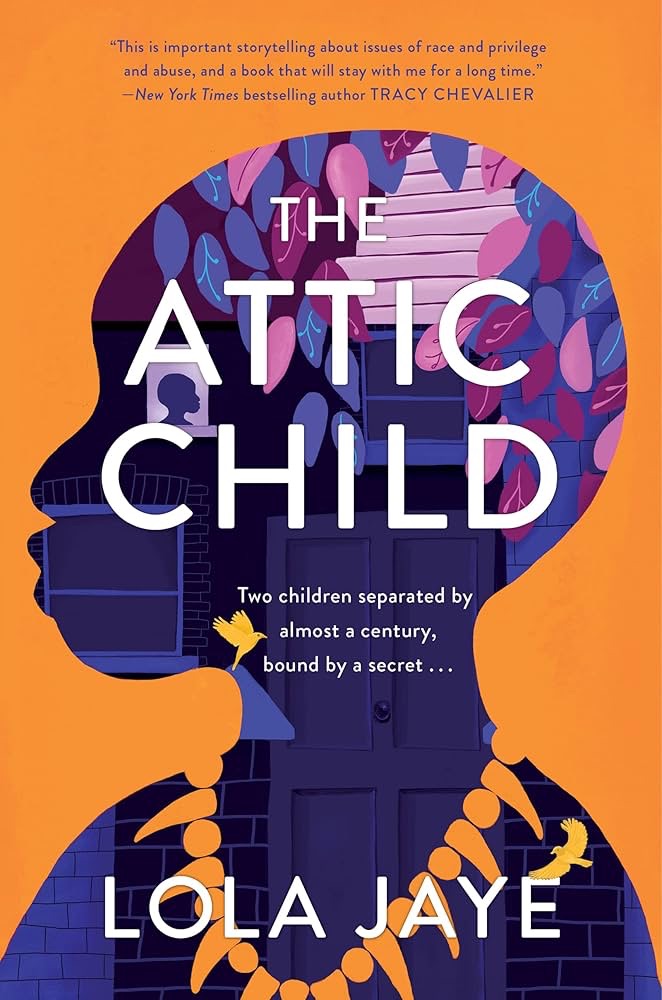
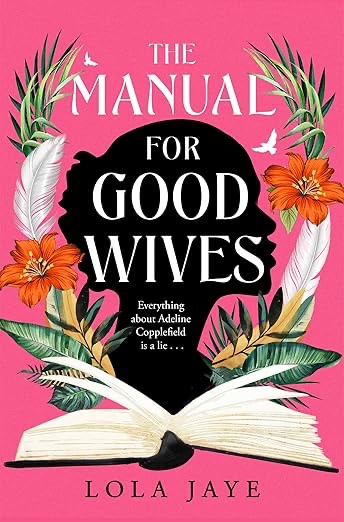
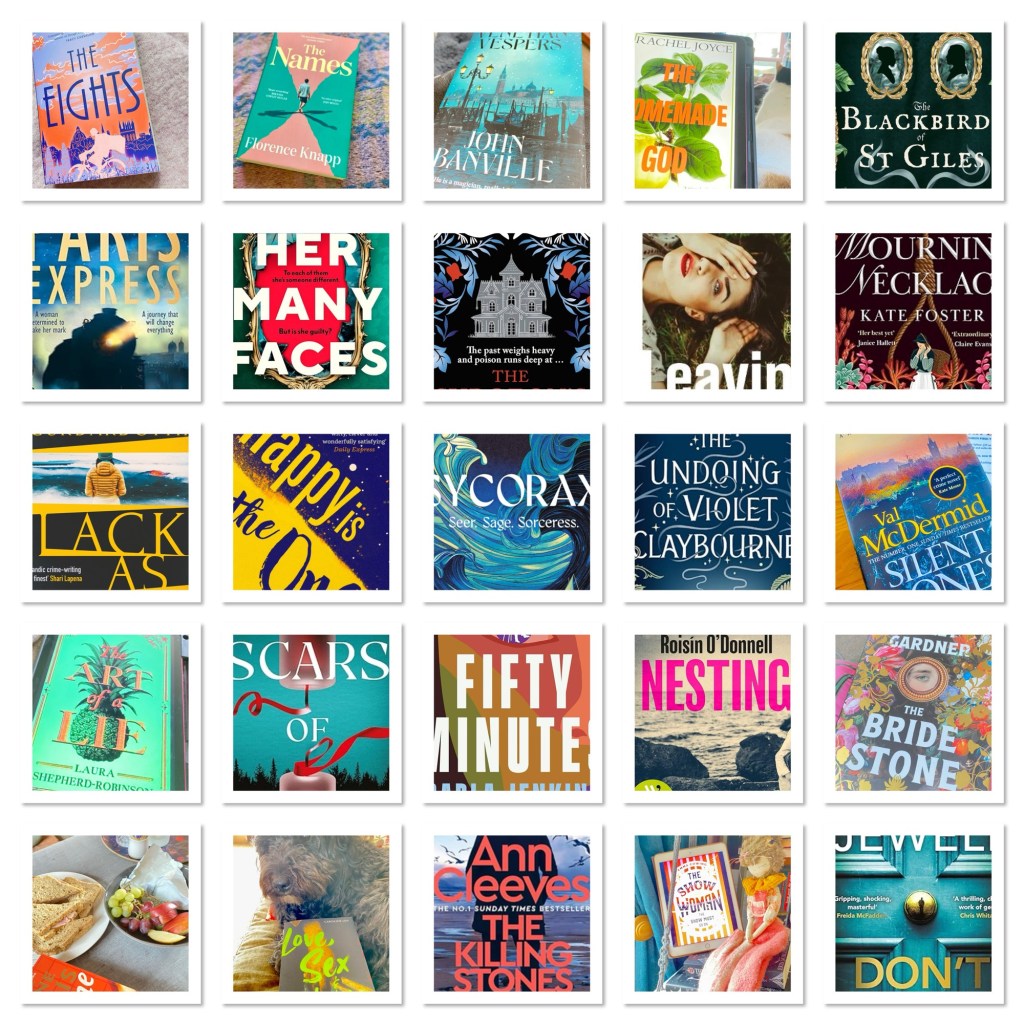
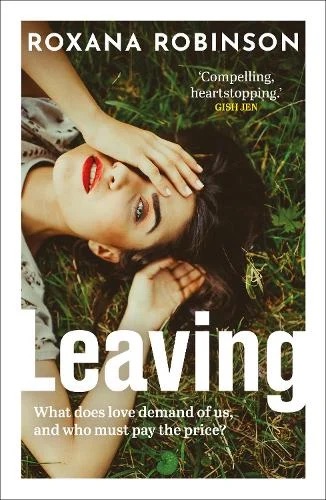
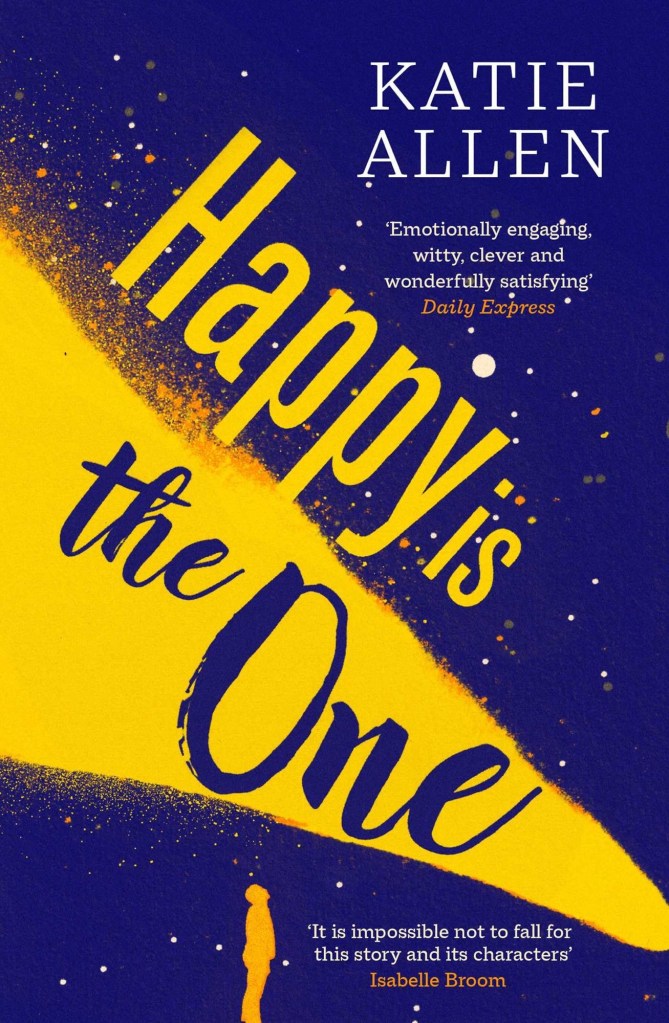
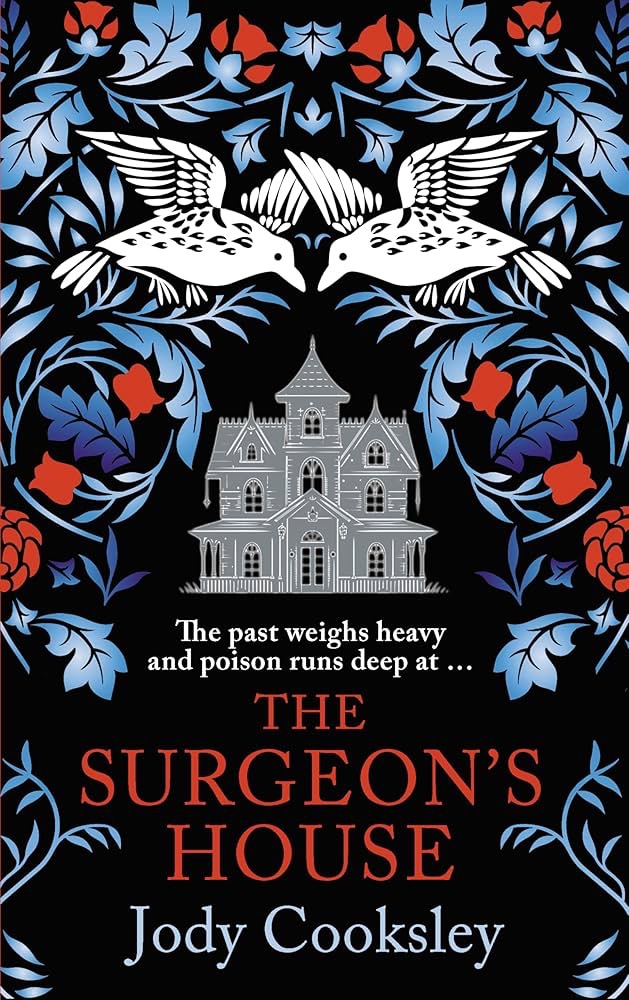
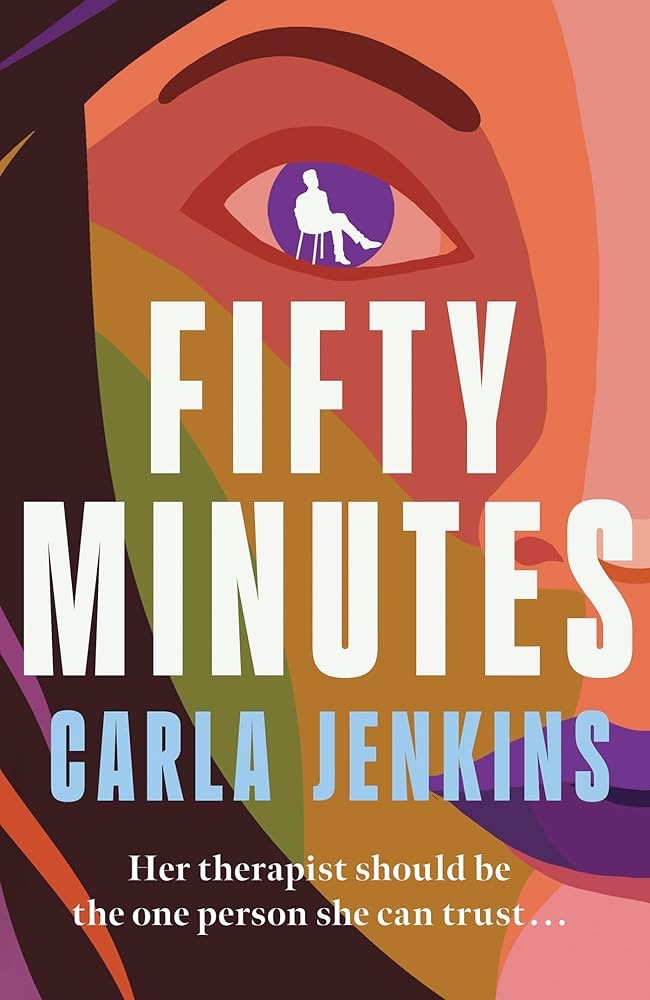

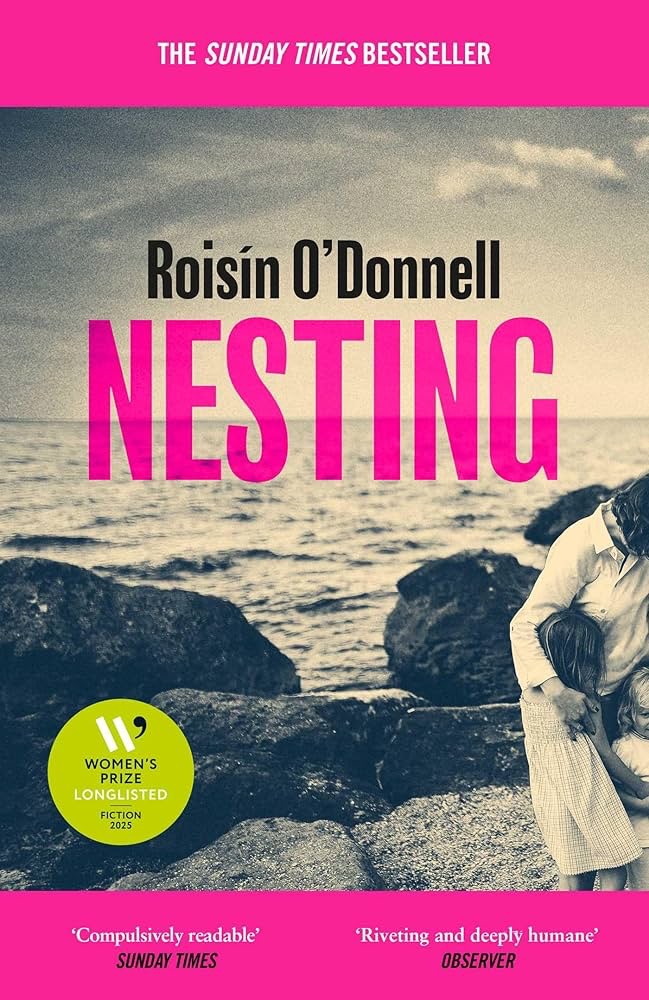
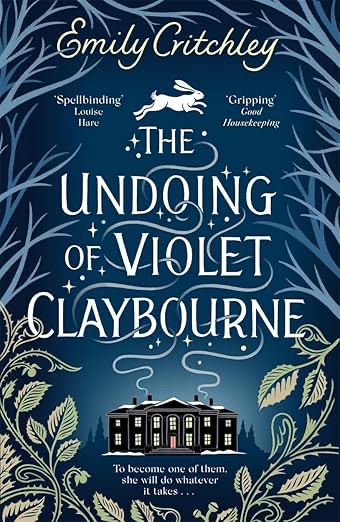
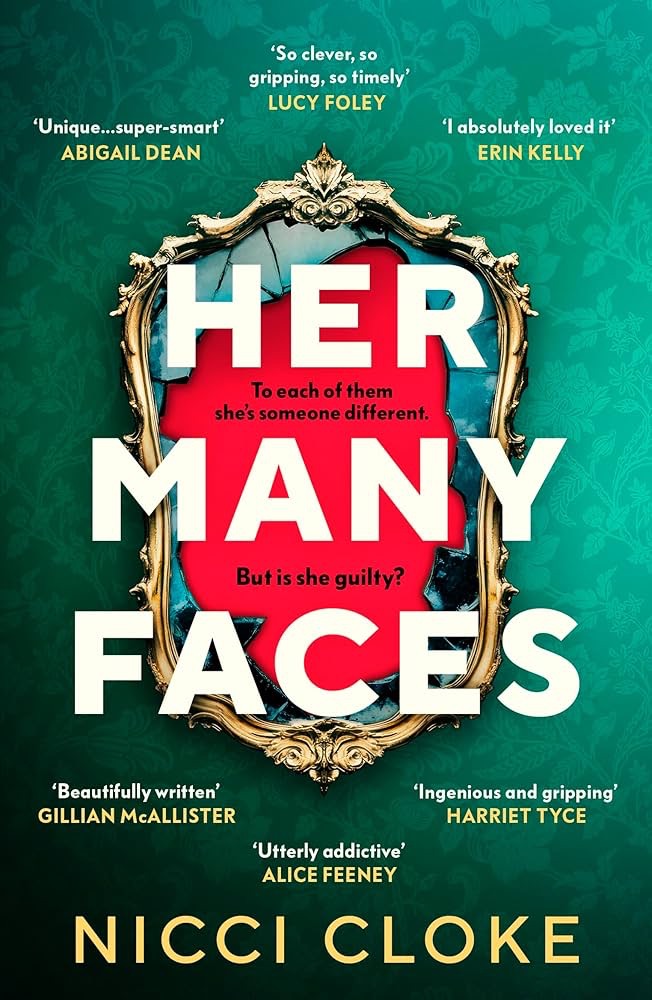
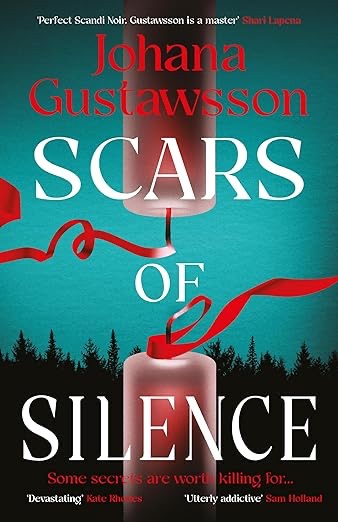
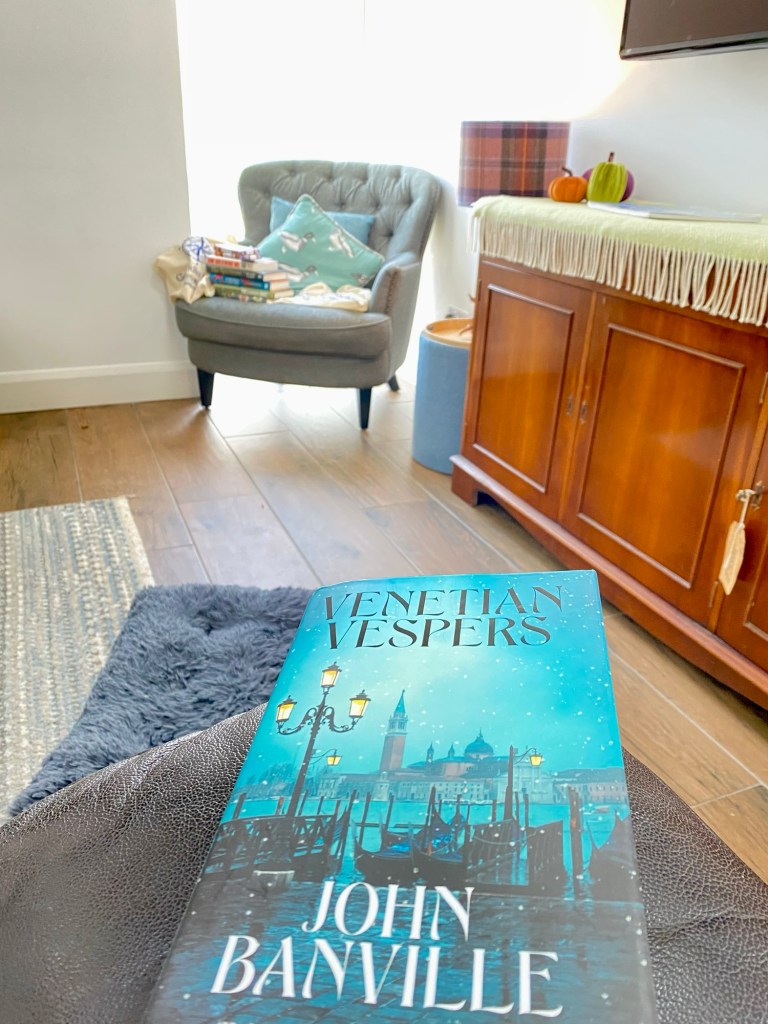
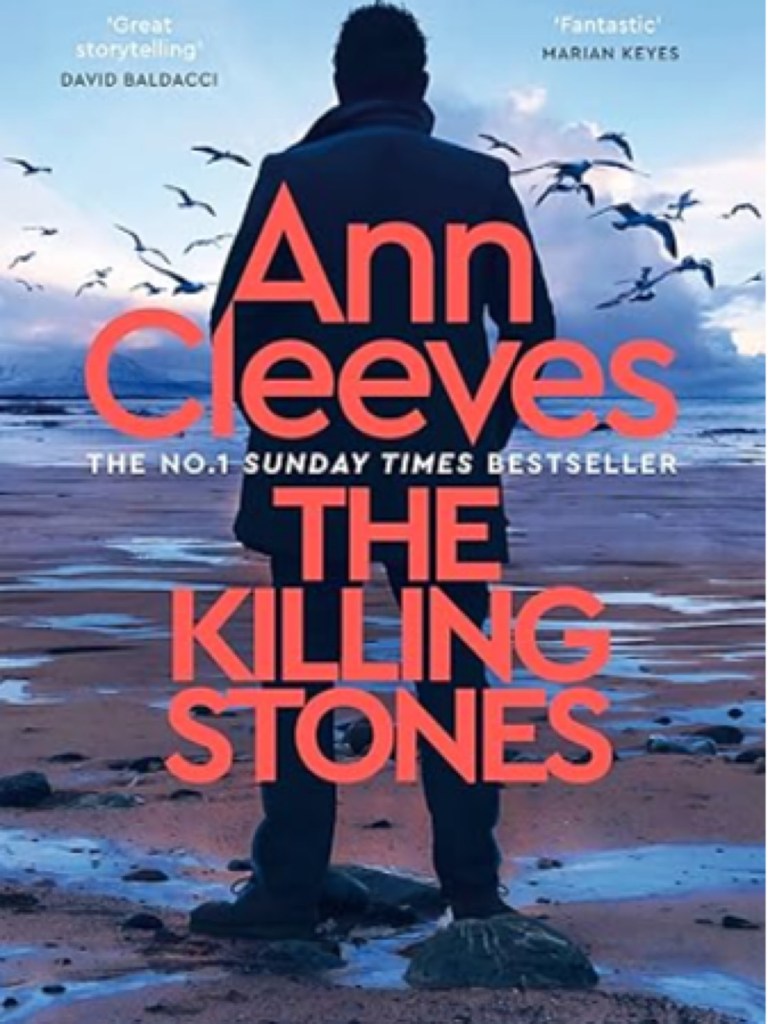
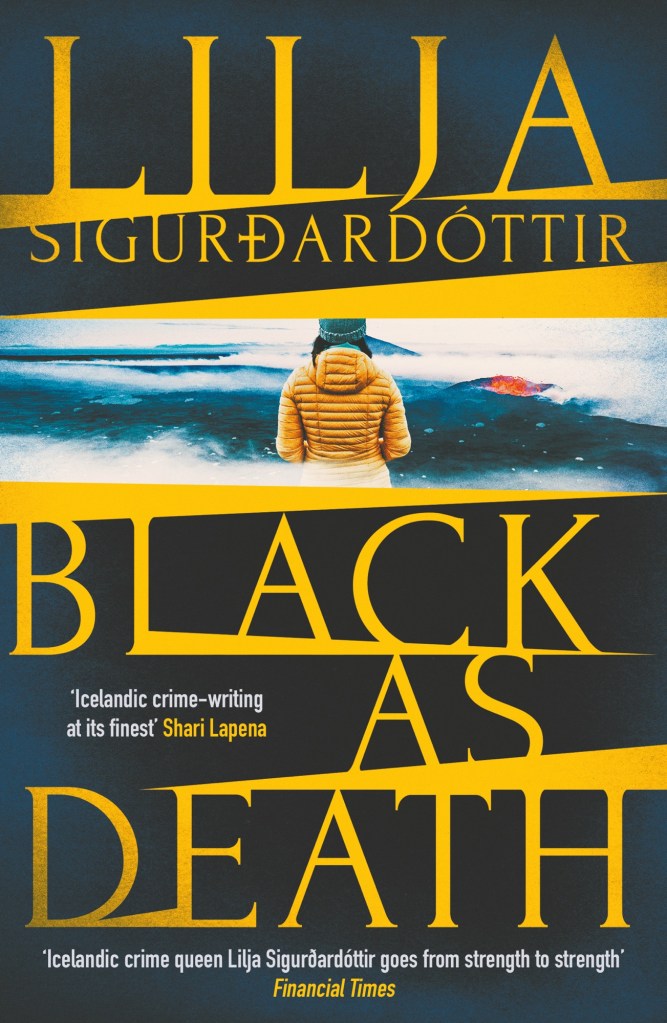
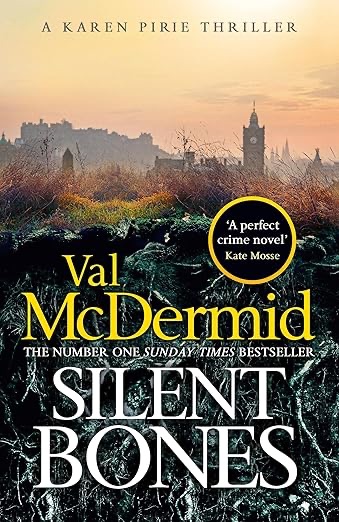
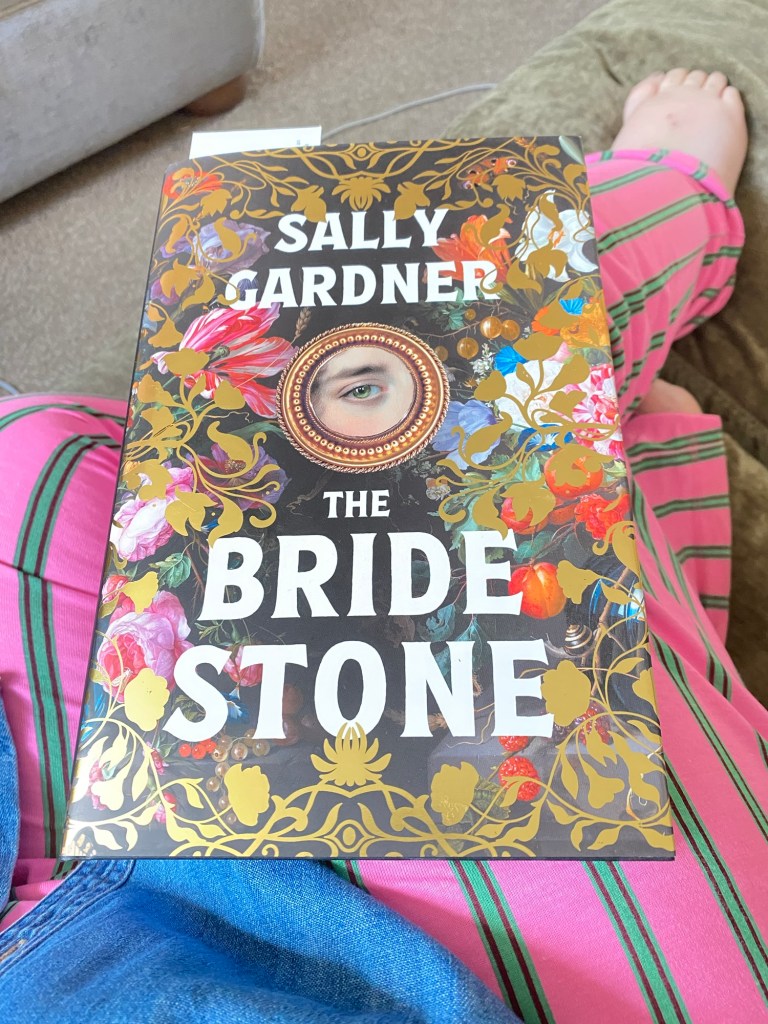

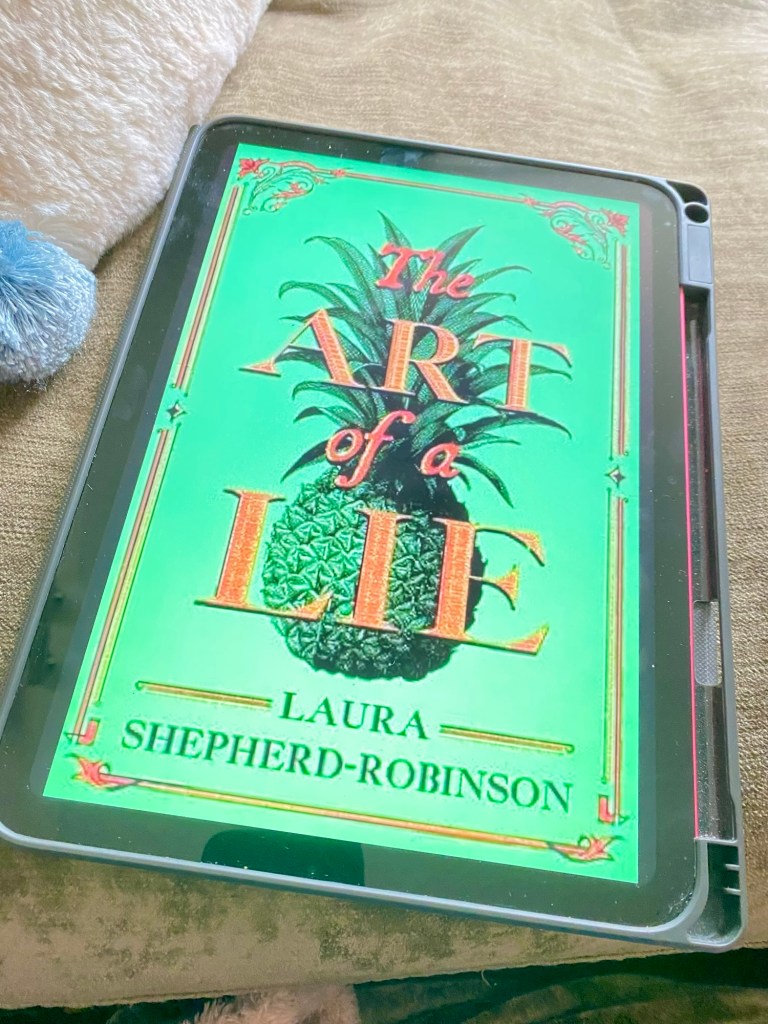
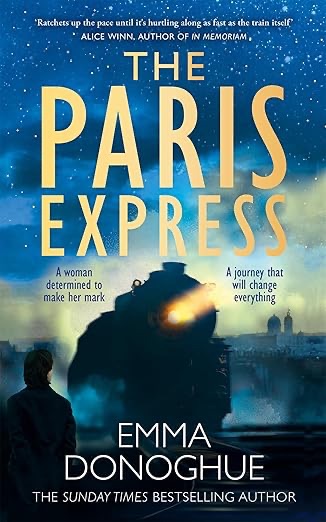
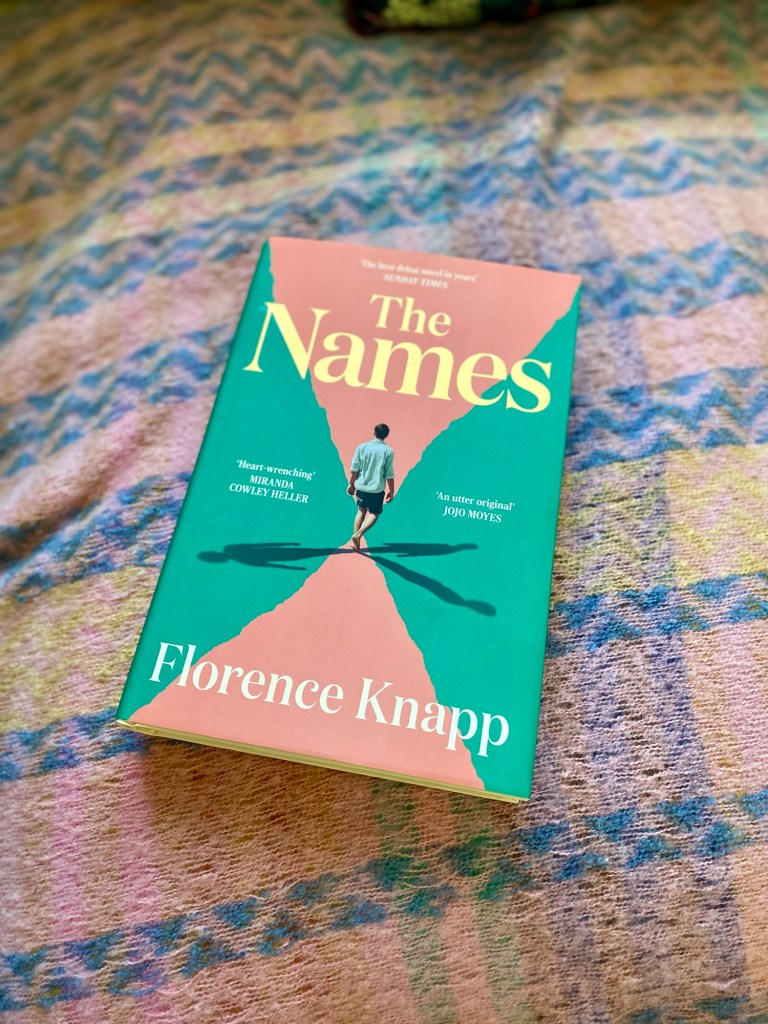
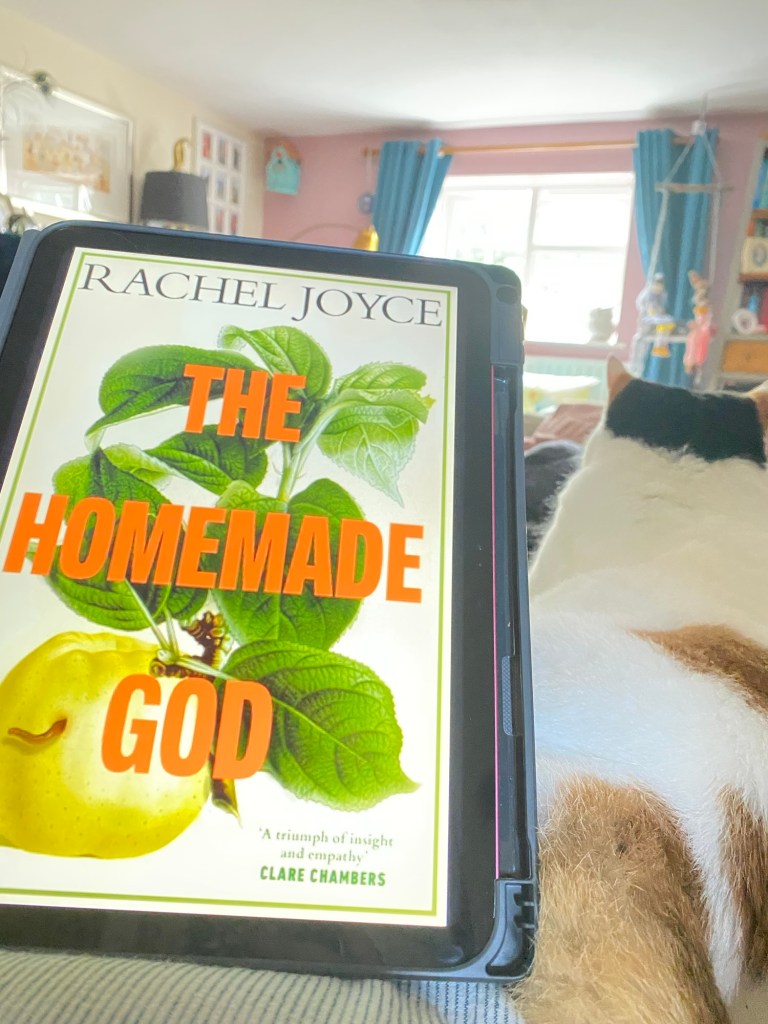
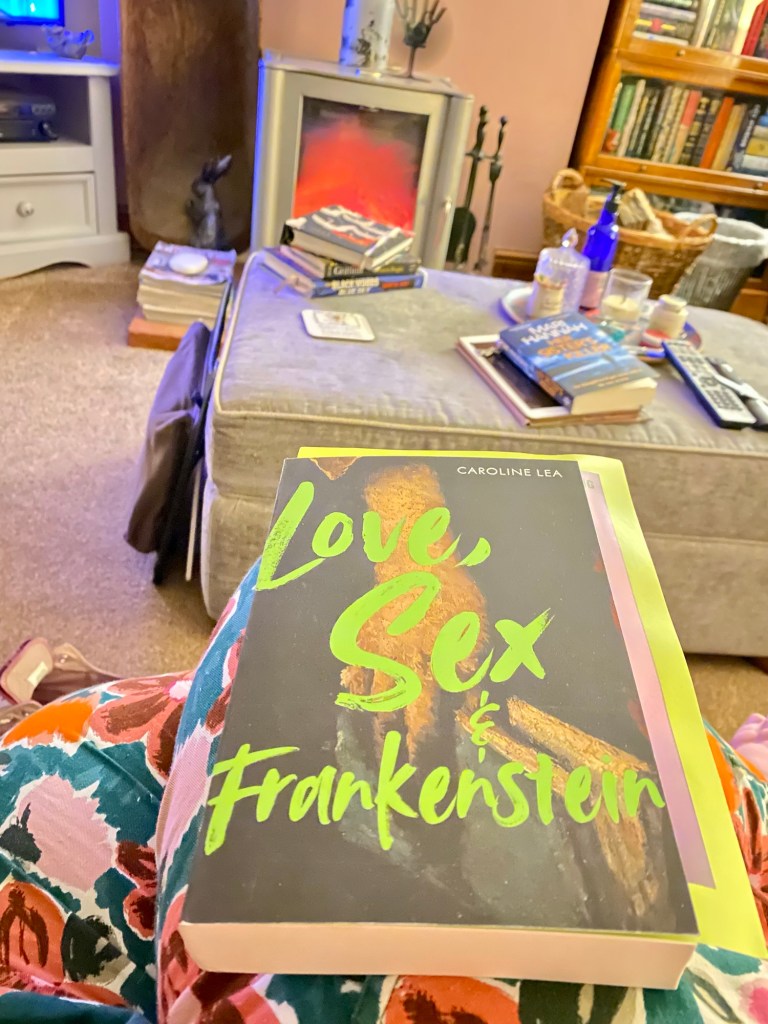
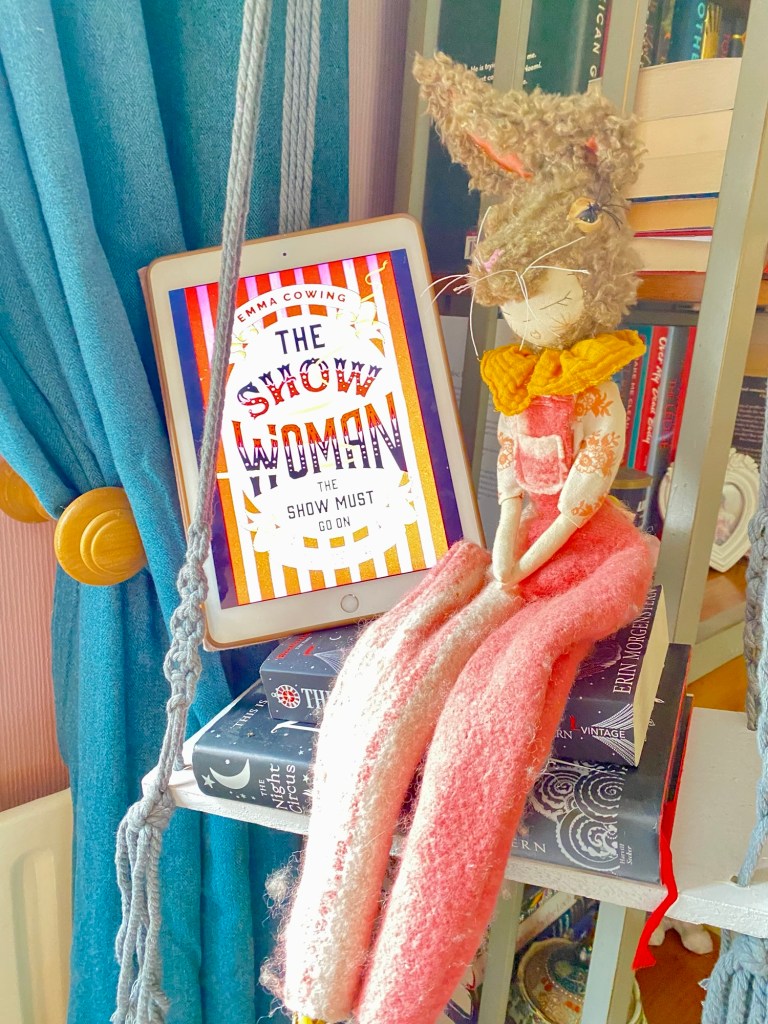
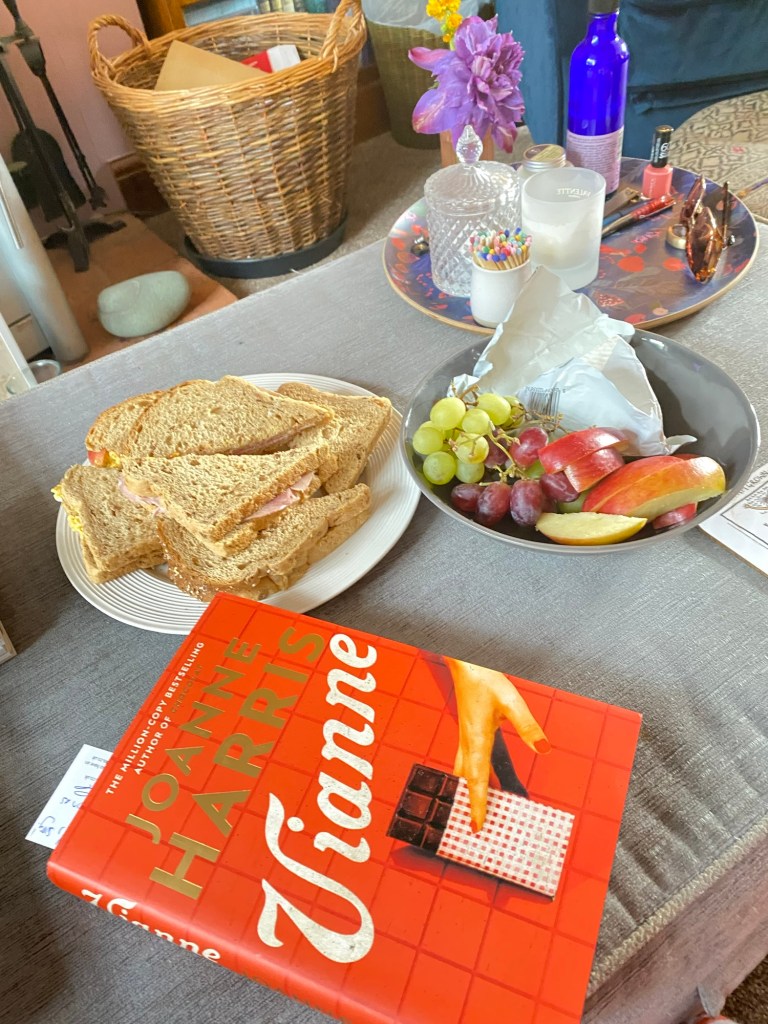
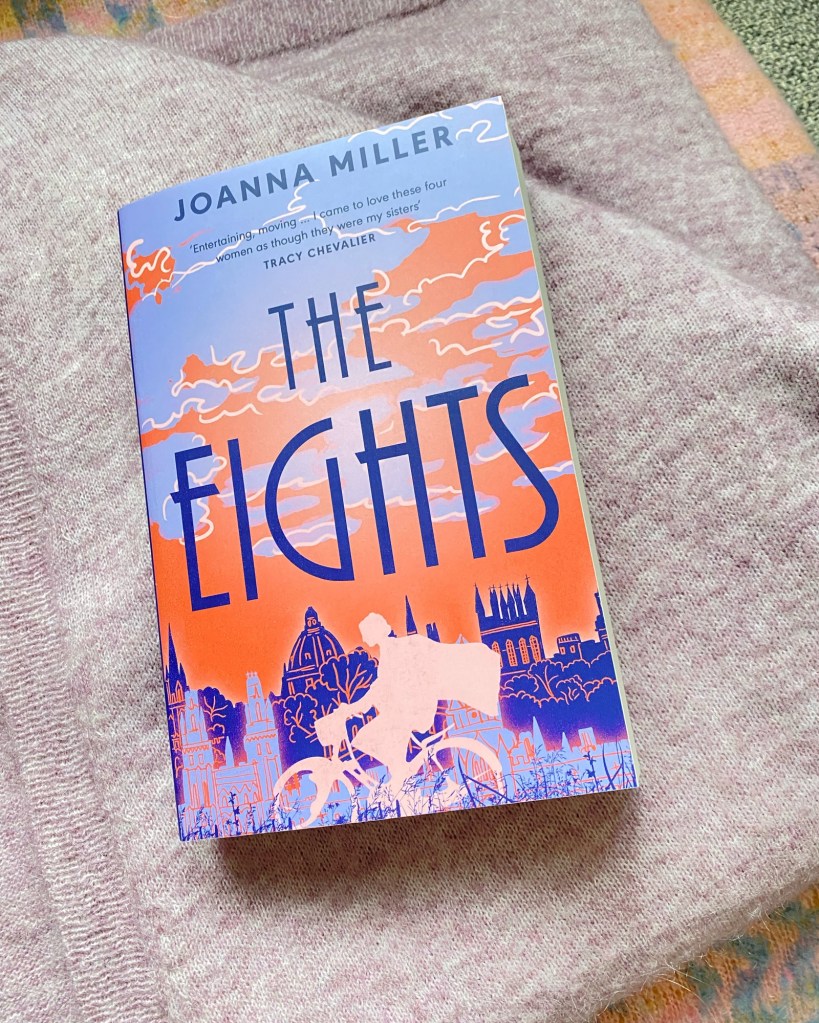
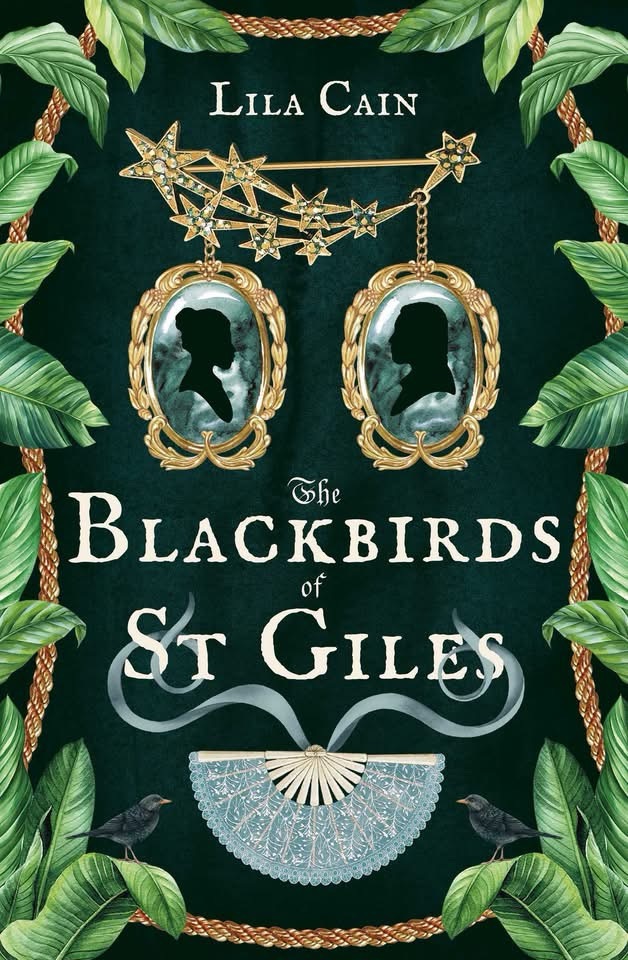
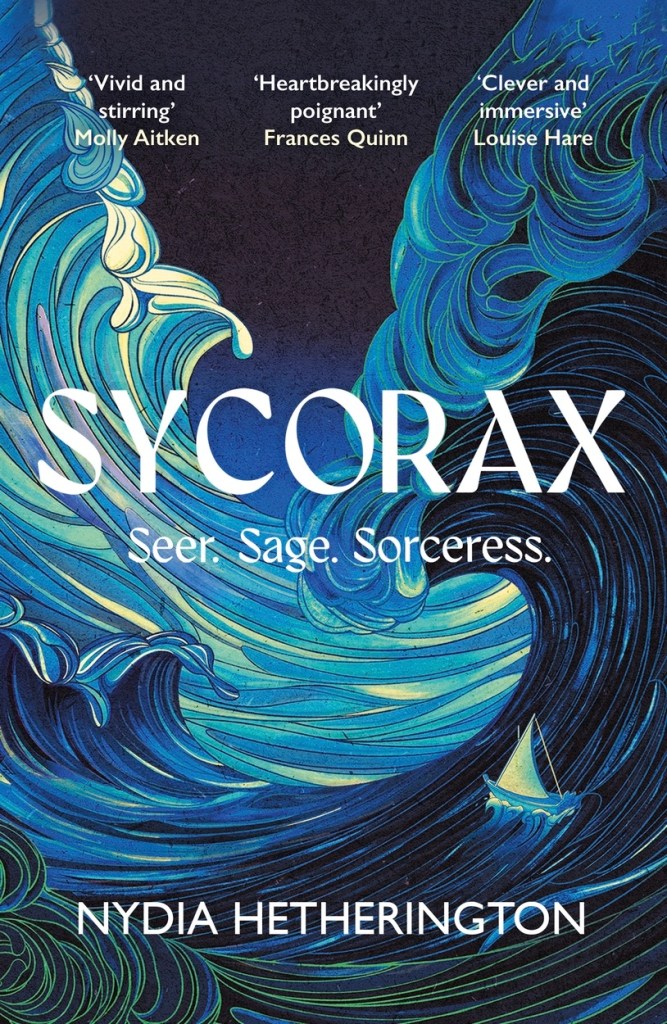
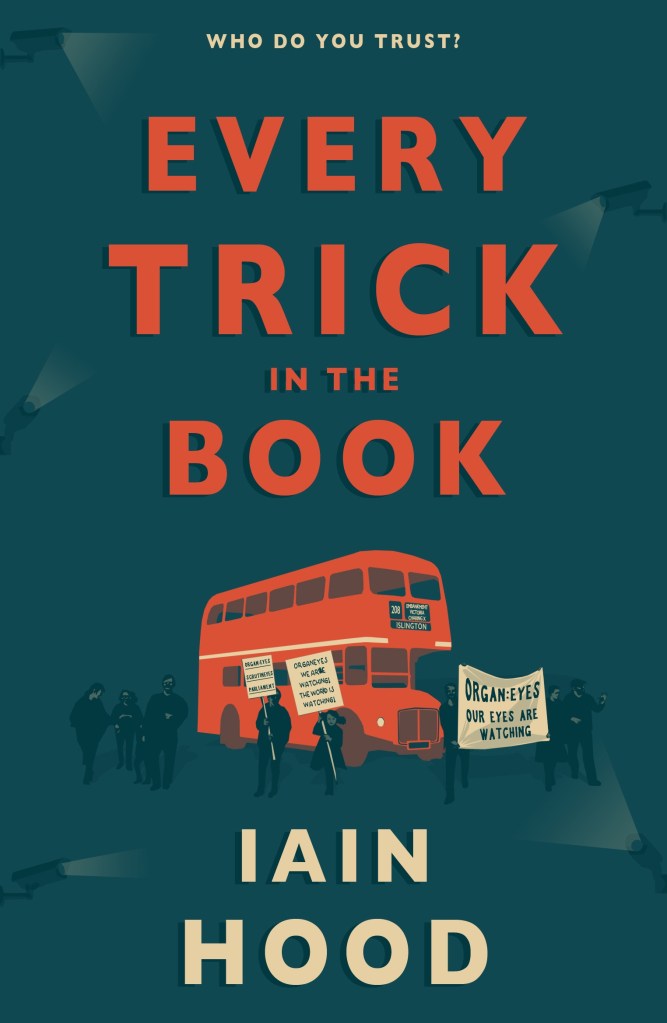

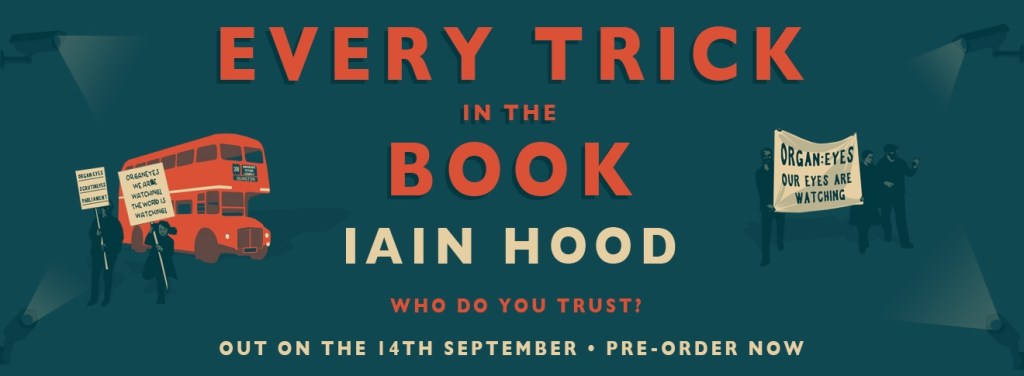


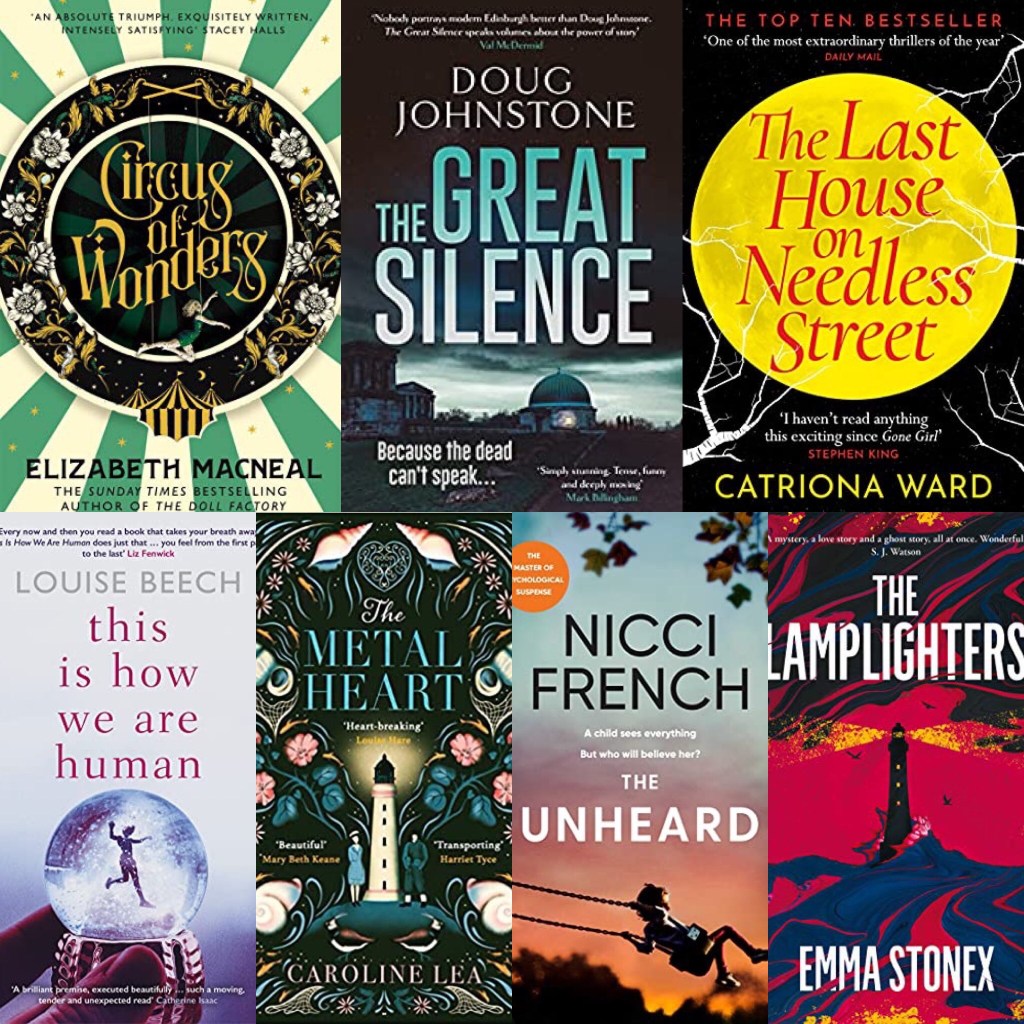
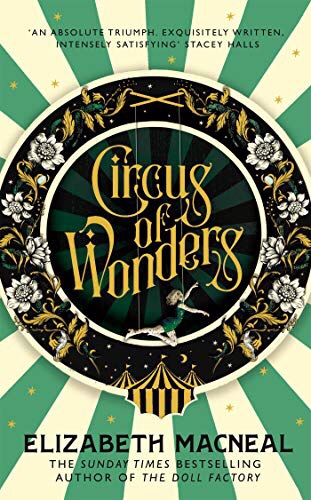
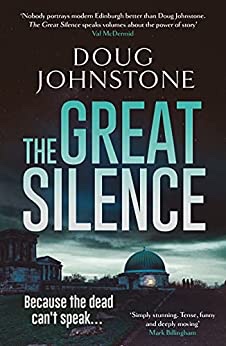



 The Lotus Readers