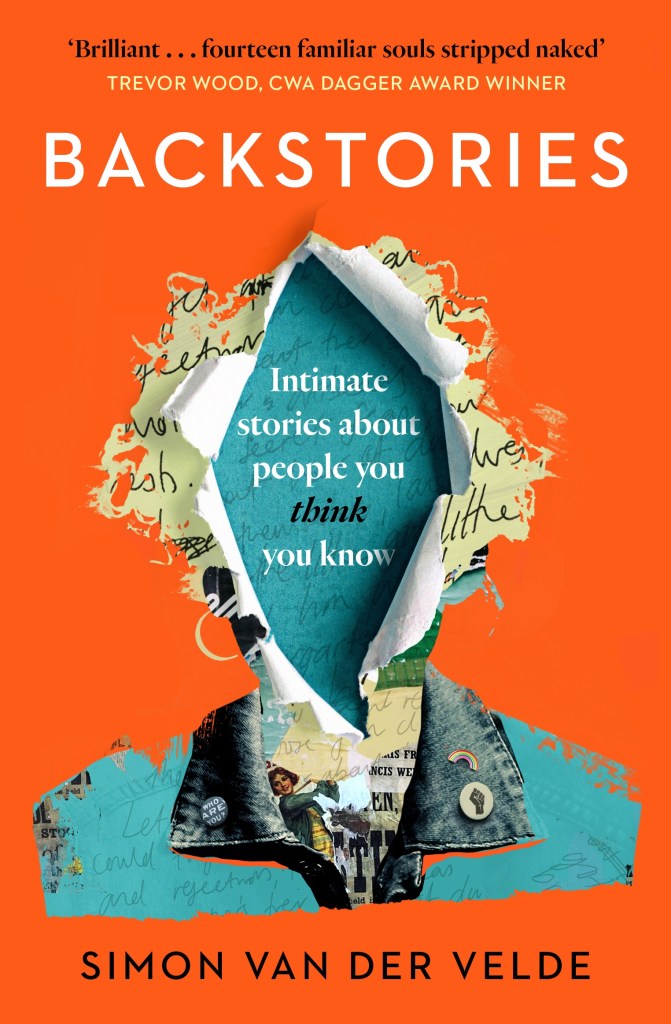
These are people you know, but not as you know them. Peel back the mask and see.
CAN YOU FIND THE FAMOUS PERSON HIDDEN IN EVERY STORY?
Today I’m bringing you something a little bit different – a preview of a book of short stories, not my usual genre. However, these stories are a little bit different because each one attempts to get behind the image of a famous face, someone we think we know, or do we?
Dreamers, singers, heroes and killers, they can dazzle with their beauty or their talent or their unmitigated evil, yet inside themselves, they are as frail and desperate as the rest of us. But can you see them? Can you unravel the truth?
‘Oh, how I enjoyed these stories. A highly original and beautifully crafted collection that explodes into the reader’s consciousness like fireworks’ – Kate Horsley, award-winning author of The American Girl.
‘Tightly written, technically accomplished, light-footed, wryly ironic and genuinely affecting. Excellent stuff’ – Professor Graham Mort, Director of The Centre for Transcultural Writing and Research and winner of both the Bridport Prize and The Edge Hill Prize.
This book is dedicated to the victims of violent crime, the struggle against discrimination in all its forms and making the world a better place for our children. That is why 30% of all profits will be shared between Stop Hate UK, The North East Autism Society and Friends of the Earth.
Backstories is published by Smoke & Mirrors Press.
MY BACKSTORIES QUEST
“Whatever happened to, all of the heroes?” The Stranglers 1977
I was twelve years old when I first heard this song and although there was something in the feral tone that grabbed me, I didn’t really understand it. I do now. I get the angst and the loss and the emptiness, which is why, in Backstories, I aim to answer the question.
I’m not interested in simplistic tabloid truths. They clung on too long, drank too much, lost their looks and their charm and generally reminded us that we’re all getting older. That’s not what I want from my heroes.
What I want is to find the spark, to dig down into their pain, their passions and their imperfections, and show you our heroes as they truly are.
So join me on my quest. Let’s bypass the obvious, the tedious,and the dull. Brave the deeper, darker paths where the treasures can be found, and together we’ll uncover the fears and doubts that made our heroes what they were and perhaps catch a glimpse of ourselves along the way.
Whatever happened to all of the heroes?
They turned out to be human beings, in all their diverse glory
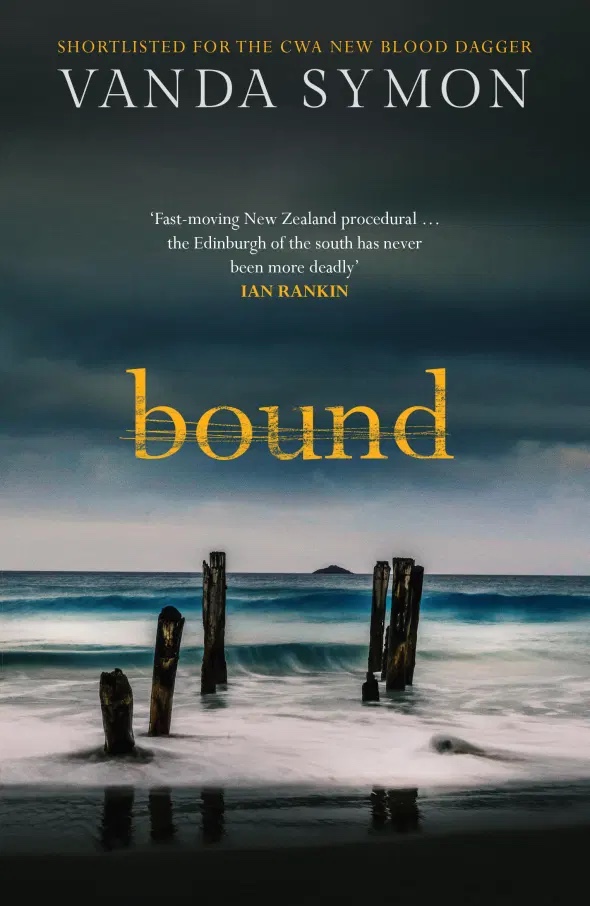
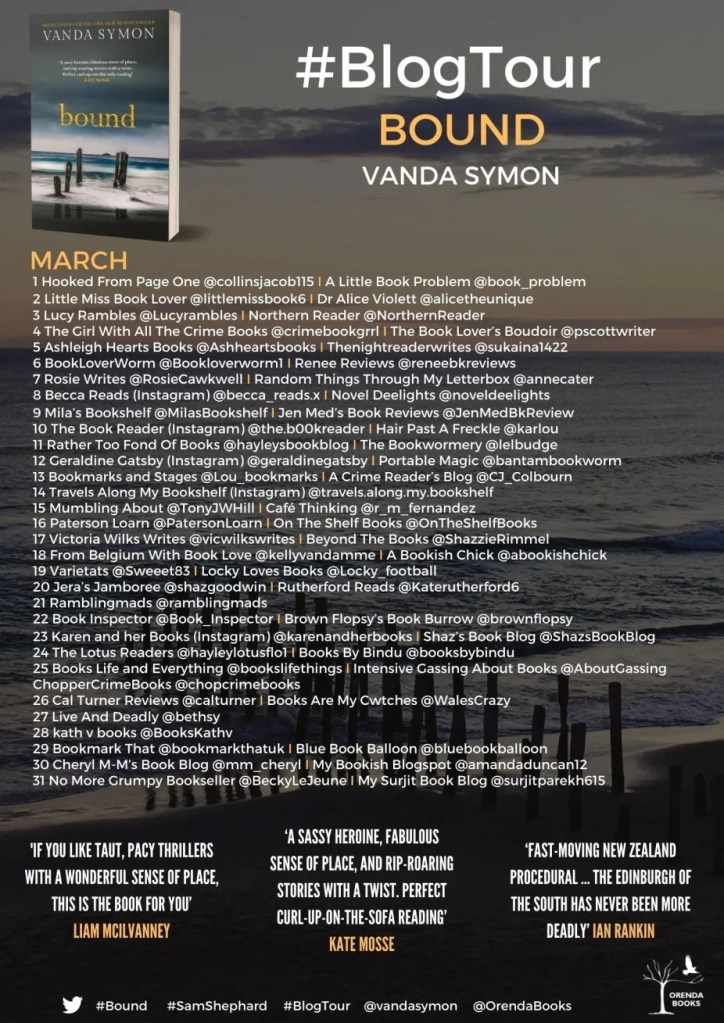
When the official investigation into the murder of a respectable local businessman fails to add up, and personal problems start to play havoc with her state of mind, New Zealand’s favourite young detective Sam Shephard turns vigilante..
The New Zealand city of Dunedin is rocked when a wealthy and apparently respectable businessman is murdered in his luxurious home while his wife is bound and gagged, and forced to watch. But when Detective Sam Shephard and her team start investigating the case, they discover that the victim had links with some dubious characters.
The case seems cut and dried, but Sam has other ideas. Weighed down by her dad’s terminal cancer diagnosis, and by complications in her relationship with Paul, she needs a distraction, and launches her own investigation.
And when another murder throws the official case into chaos, it’s up to Sam to prove that the killer is someone no one could ever suspect.
I really enjoyed this crime novel with an interesting lead character, a case with so many twists and turns, and an array of background issues to get my teeth into. Our detective Sam Shephard is a strong woman, adept at her job and extremely dedicated too. She lives with a friend, but is in a relationship with Paul, another detective in the squad. When they get the job investigating the murder of reputable local businessman John Henderson, they soon find a link to a previous case. Two well-known criminals are implicated in the brutal shooting, both of them suspected in the murder of their fellow officer Reihana, and attempted murder of Smithy, who is still struggling physically despite being back at work. They need to find the link between regular business and the less ethically sound dealings that has brought the business into the criminal underworld. However, they also need to make sure that all of their dealings with the case, including forensics and other evidence collecting, are squeaky clean. Smithy, and to some extent Sam, will have to be seen to take a back seat on this one. Besides, once the link is found, between the gangsters and Henderson, it should be cut and dried, but is it? Why did they leave his wife Jill bound to a chair, alive? It is possible that someone else in Henderson’s life have reason to kill him?
Sam finds herself impressed by their teenage son, who has had the presence of mind to film the crime scene on his phone before freeing his mother. She creates a good rapport with him and manages to get important evidence about their potential suspects and their business dealings with his father. Sam works with a lot of integrity and will not accept the easy answer, until she’s uncovered everything. She would love to find their suspects guilty, but has her own idea about the motive for this crime that goes against what they know so far. This puts her in contention with the DI and he is not happy, they’ve been butting heads a lot and he’s not going to back her theory. Sam may have to go it alone here and do enough to prove her theory, without him.
I really enjoyed Symon’s mix of the professional and personal in Sam’s life, it felt like a good balance between the two. Sam is trying to keep her relationship with Paul on the down low, but circumstances may be taking that decision out of her control. There was also an interesting family dynamic, as Sam’s father is brought to the hospital and will be discharged to a hospice. These are possibly the final weeks of his life, but it’s clear that her unpleasant boss DI Johns will be less than sympathetic. Even sending her out of state on an errand. Her Mum seems less than impressed with her dedication to her job. There’s clearly history between Sam and her Mum, who accuses her of not being there for her Dad. Sam protests that she will, but her Mum rejects her promise. Sam manages not to snap back knowing that her Mum is angry and scared about her husband and the future, it how long will she able to stay silent. The moment when she sits quietly with her father and whispers to him the one secret she hasn’t told anyone, was so moving.
The pace of the novel is great – one of those where the short chapters create that ‘I can fit in one more chapter before bed’ feeling. Developments come at us thick and fast, both in the case and in her personal life. What I loved is Sam’s absolute dedication to her job, and determination to uphold New Zealand’s laws. Often when female characters have struggles in their personal life, things start to fall apart at work. Not so for Sam, she is good at separating her work life from home life, despite her mother’s digs about her loyalties. I felt I was getting a fully rounded character, not the usual stereotype about strong, working, women who have a messy love life, divorces, a drinking habit. Although we get personal with her, I came out of the novel admiring a good detective, with a full professional and personal life. The fact that this stood out to me is worrying and says a lot about how professional women are still portrayed in fiction. The story kept my attention because it was full of small surprises, such as Henderson’s assistant Astrid, whose previous CV was unexpected. This led me to expect bigger twists and I kept on reading. The author left us a few loose ends too, and I’m a sucker for the unresolved bits. Plus now I’m already hooked into the next book!
Meet The Author
Vanda Symon is a crime writer, TV presenter and radio host from Dunedin, New Zealand, and the chair of the Otago Southland branch of the New Zealand Society of Authors. The Sam Shephard series has climbed to number one on the New Zealand bestseller list, and also been shortlisted for the Ngaio Marsh Award for best crime novel. She currently lives in Dunedin, with her husband and two sons. –This text refers to an alternate kindle_edition edition.
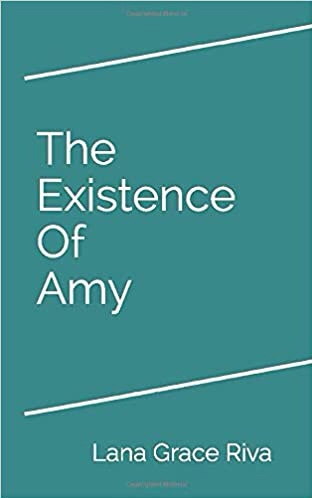
This book is a great insight into something a lot of readers will relate to, especially at the current time when we’re in the middle of the third lockdown of this pandemic. Mental health referrals are soaring, particularly for anxiety, OCD and depression, and although I’m not counselling at the moment I know there are clients who would really benefit from reading this book. It definitely helped me too. Some people expect counsellors to have their mental health in tip top condition, but often we’re ‘wounded healers’ who have experienced mental ill health. I’ve had bouts of depression and anxiety in the past, and so do others in my family, which lead me to a career in mental health. I encourage clients to read books like this one. There’s a great sense of solidarity in knowing you are not alone, gaining an insight into what someone else’s inner thoughts are like, and how they affect their day to day lives.
Amy is the narrator of the novel and despite functioning well on the surface, she has all three of the conditions I’ve already mentioned. Amy works full time, has a home to maintain and manages to keep up with friends. On the outside she is coping. Inside though, she is battling against a constant, exhausting, barrage of intrusive and dark thoughts. I thought the author did an incredible job of creating this relatable and loveable character, because it helps the reader empathise with her daily difficulties and journey moving forwards. It’s a very difficult balancing act to show the reader how it feels to be in Amy’s shoes while creating an easy and engaging read that never felt too heavy. The writer shows us how simply daily living, like going on a bus journey. Amy has to somehow negotiate paying, balancing while the bus is moving, and getting the bus to stop while all the time her brain is screaming ‘Don’t touch that handrail’ or ‘don’t press the button’. Then the hardest part of all is keeping a serene, swan-like surface so that nobody around her notices anything different. Followed by the constant worry about whether people noticed or thought she was weird.
I felt Amy was in a position a lot of people with these mental health conditions face; she could identify her anxieties and concerns as ‘wrong thinking’ but she needed coping strategies for day to day. At lot of readers might identify this as a time when they were part way through therapy, or when facing a flare-up of their symptoms and needing to update or refresh their coping skills.
I found Amy very difficult to leave within the pages of the book when finished. She played on my mind for a few days as I thought about her struggle and what insights I’d gained from the novel. Therapists read case studies all the time, but it was impactful to experience Amy in the format of a novel. Clients bring to therapy their frame of reference. The therapist sees events through their eyes and accepts their account as their ‘lived experience’ without judgement. There are times when we might sense another version of events, and this is what the novel gave me. I felt more immersed in her life, could see how she functioned with family and friends, and in her work situation. The author stripped away all the medicalised jargon and the impersonal language of a case study and instead gave me a fully-fledged person to know inside and out. I did find myself running through how I would help and support Amy.
The novel emphasised something I’ve always thought vital for someone experiencing these conditions; the existence of a strong, support network. In fact, Amy hits her lowest point when her closest friend announces she’s moving overseas. When we’re feeling mentally unwell we don’t always recognise or feel able to accept offers of help. Being honest with friends and family about how we feel and allowing them to support and help us as we move on is so important I felt a lot of hope for Amy going forward, and for the clients I will be able to help more fully after reading her journey.
Meet The Author
Lana Grace Riva has written two books, one nonfiction the other fiction, both based on her experiences of mental health. Her first book ‘Happier Thinking’ is a short collection of tips and exercises to maintain a healthy mind. Her second book ‘The Existence Of Amy’ is a fictional story based on a very real depiction of mental illness.
Well March has been a very busy reading month, but with so many publication and blog tour dates moving I started to get a bit confused! My favourites split quite easily into two categories: psychological thrillers and historical fiction.
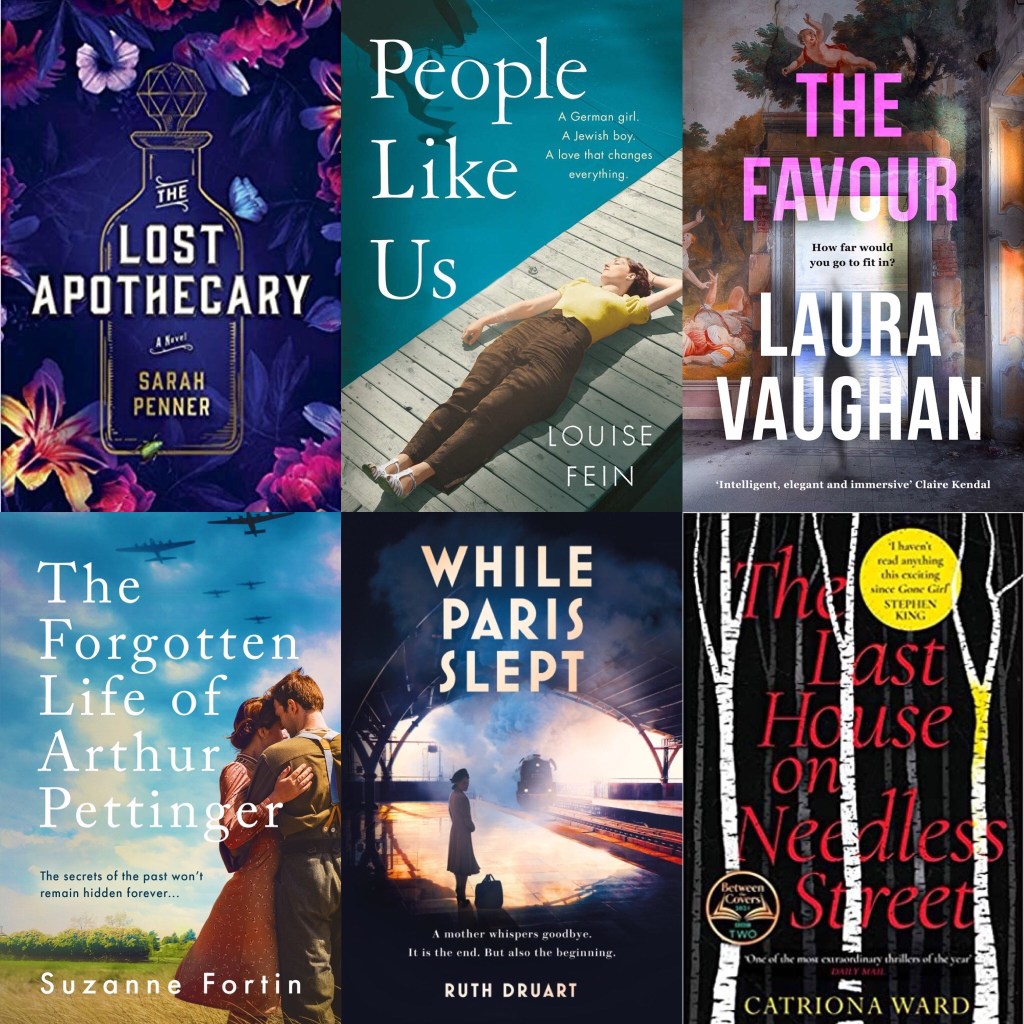
The Last House On Needless Street by Catriona Ward
Published by Viper, 18th March 2021.
What can I say about this unique and compelling piece of fiction? It’s very hard to do it justice and also hard not to reveal anything. Ted lives alone at the end of Needless Street and spends a lot of time thinking about an incident several years before when a little girl disappeared from the lake nearby and was never found. Others might have forgotten, but not Ted and not the girl’s sister who has a huge sense of guilt about her sister’s loss. Ted was a suspect at the time and it’s not hard to see why; he’s a slightly strange loner, living nearby in a ramshackle home with boarded up windows. The girl’s sister hasn’t forgotten that Ted was a suspect and decides to rent the house next door and watch him, in the hope of finally discovering where her sister is. CCTV proved Ted’s alibi at the time, but the sister’s convinced she has found the culprit. Then another narrator tells us her story, she lives with Ted but isn’t what you expect. I guessed some of what is going on, but not the whole and I loved the ambition and audacity. This is a unique, original and deeply creative piece of work that enthralled and stunned in equal measure. Ward is a writer of immense imagination and talent and I feel privileged to have been given the chance to read this through NetGalley before publication.
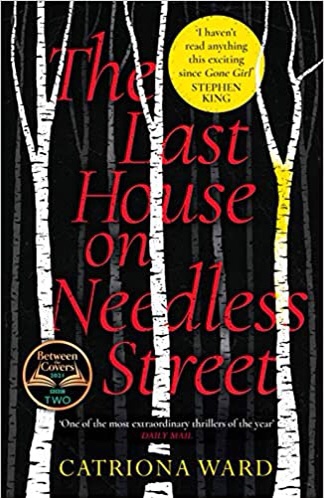
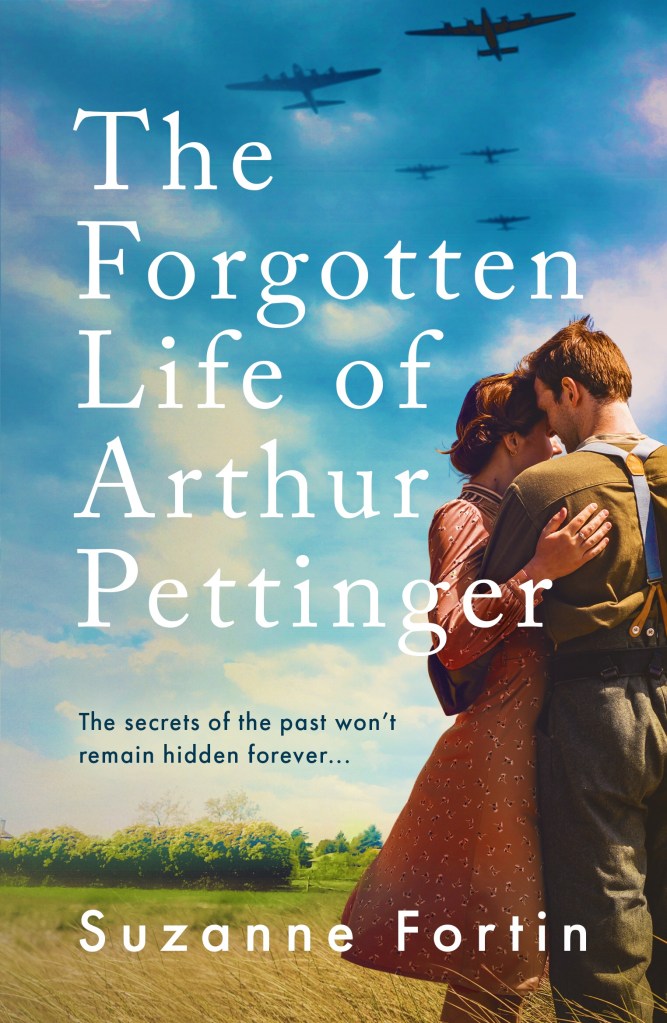
While Paris Slept by Ruth Druart
Published by Headline Review 4th March 2021
In Paris, Jean-Luc is working on the railways during the German occupation, when he is given a chance to make a difference. As a train passes through on its way to Auschwitz, he is entrusted with something so precious it changes his life. I believed every single character in this moving story from the heart and often with a lump in my throat. It brings up such an important moral and ethical dilemma. How can reparation and restitution be made when an atrocity is so seismic it affects the whole world? No one in this story is untouched by the Nazi’s march across Europe, even down to the ‘collabo’ men and women, who might have only been doing the job they’d always done, but because they now worked for the Bosch, were hated by their neighbours or even killed in some places. To the Jewish camp mates at Auschwitz who had some useful skill the guards could exploit. In truth, everyone was just trying to survive, to keep their family safe and for some people that meant paying a higher price than others.This is so powerful and a difficult read in places, but such a beautifully written account of how war touches everyone. Loss is the all pervasive emotion I felt throughout and for so many different things. If we think about loss as ripples on a pond they stretch outwards on the surface of the water hitting each group of people more gently the further removed from the event they are. This novel shows us that the after effects of a terrible event like the Holocaust keep rippling forward through time touching each generation that comes after.
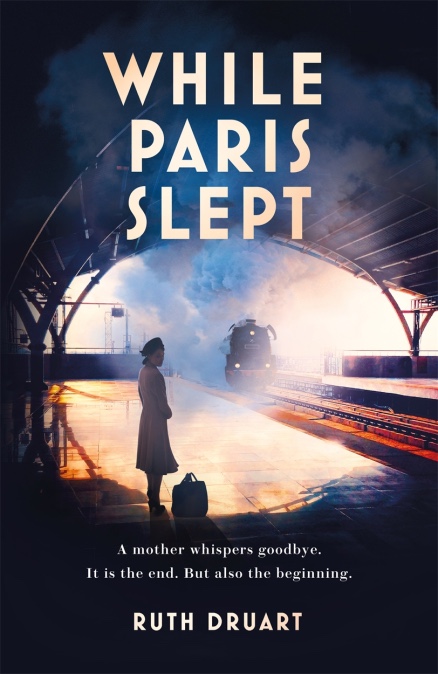
The Forgotten Life of Arthur Pettingerby Suzanne Fortin
Published by Aria, 4th March 2021
Arthur Pettinger’s memory isn’t what it used to be. He can’t always remember the names of his grandchildren, where he lives or which way round his slippers go. He does remember Maryse though, a woman he hasn’t seen for decades, but whose face he will never forget. When Arthur’s granddaughter, Maddy moves in along with her daughter Esther, it’s her first step towards pulling her life back together. But when Esther makes a video with Arthur, the hunt for the mysterious Maryse goes viral. The sections where we travel back and see the full account of Arthur’s mission into France during WW2 are powerful and moving. It’s not hard to see how feelings were amplified, by the danger they were facing on a daily basis. If you don’t know whether you’ll be alive tomorrow, you want to be sure those you love know you love them. The growing feelings between Maryse and Arthur are plain to see and I was devastated by the scenes where they ended up separated. How dementia felt to the sufferer was depicted in various creative ways, one of which was the collapse of time where Arthur is in the past and then the present seconds later. I hoped that when the end of Arthur’s life came he could be with Maryse in the woods in France forever.
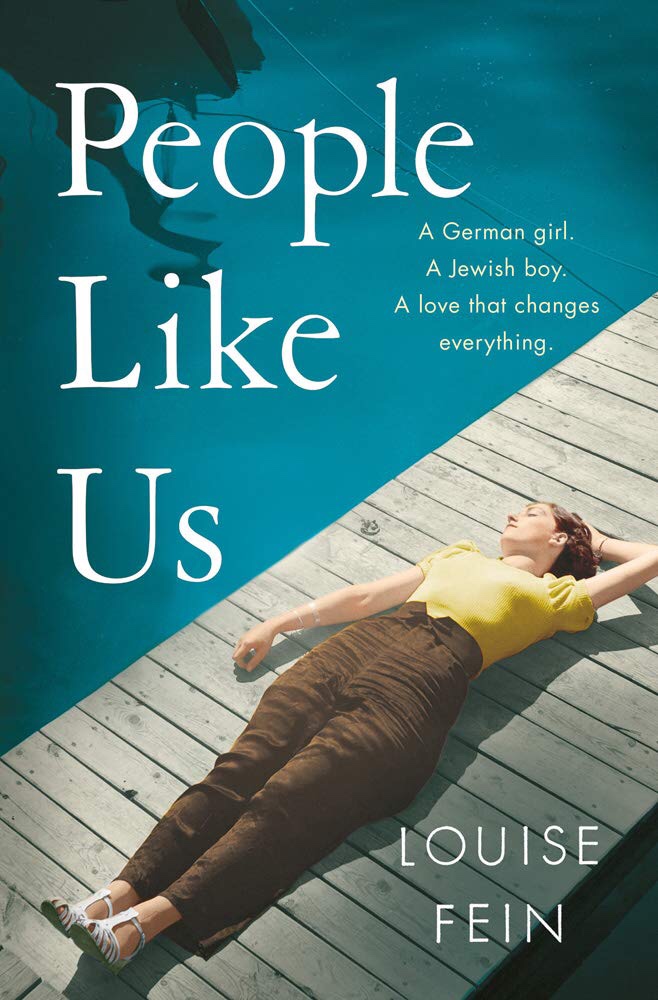
People Like Us by Louise Fein
Published by Head of Zeus 6th August 2021.
I was late to the party with this stunning novel by Louise Fein, published last year. It’s set in the German city of Leipzig as the rise of the Nazi party leads to WW2. A young German girl called Herta is slowly drowned by the tidal wave of nationalism, and fascism that overwhelms her country and changes her life altogether. Fein was inspired to write the novel after researching her family’s Jewish roots and eventual flight to London. During her research, she started to wonder how a country and it’s people could go from being a reasonable and tolerant to committing such atrocities against their fellow human beings. So, to explore that idea, she decided to write her novel from the perspective of an ordinary German child, slowly becoming brainwashed by the evil ideology. It’s the childhood innocence of Herta that makes this book work so well and allows us to have empathy, despite her allegiances. The book focuses on the city’s treatment of its Jewish population, and for Herta this is personalised as her childhood friend Walter is Jewish. What will it mean for both of them, when that friendship turns to love and then comes up against the hate of Hitler’s regime? This is a stunning and moving novel that I would encourage everyone to read, especially those who think this couldn’t happen to people like us.
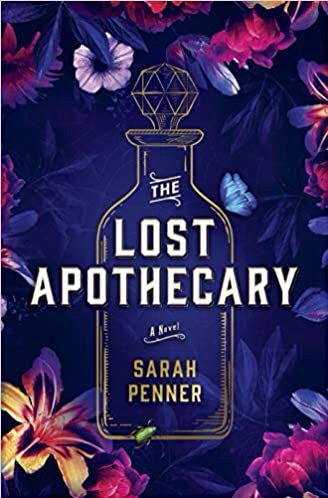
The Apothecary by Sarah Penner
Published Legend Press, 2nd March 2021
Hidden in the depths of eighteenth-century London, a secret apothecary shop caters to an unusual kind of clientele. Women across the city whisper of a mysterious figure named Nella who sells well-disguised poisons to use against the oppressive men in their lives. But the apothecary’s fate is jeopardized when her newest patron, a precocious twelve-year-old, makes a fatal mistake, sparking a string of consequences that echo through the centuries to a tourist called Caroline. I thought the author conveyed both 18th and 21st Century London really well. I could imagine myself there with all the sights and smells she conjured up. I loved the description of the apothecary shop, back in its heyday and as it was when Caroline rediscovered it. The ending of Nella and Eliza’s story was unexpected, but showed the strength of female friendship and solidarity. I found myself hoping that Caroline would do the same – to choose an unexpected and unknown future of her own making. This was a brilliant read, historical fiction at its best and an incredible debut from an author I’ll be watching in the future.
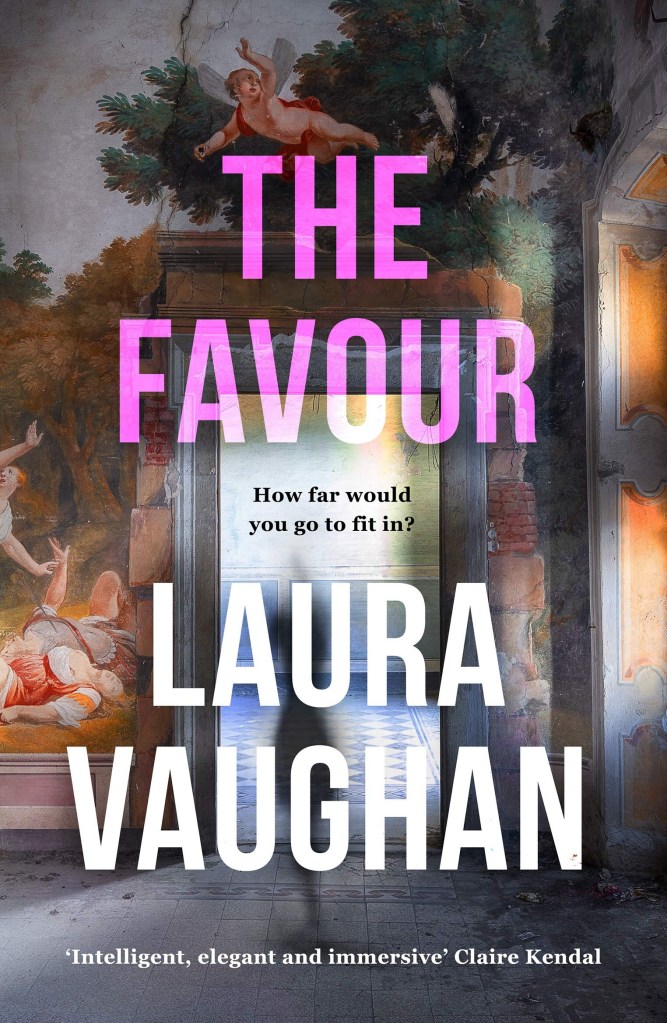
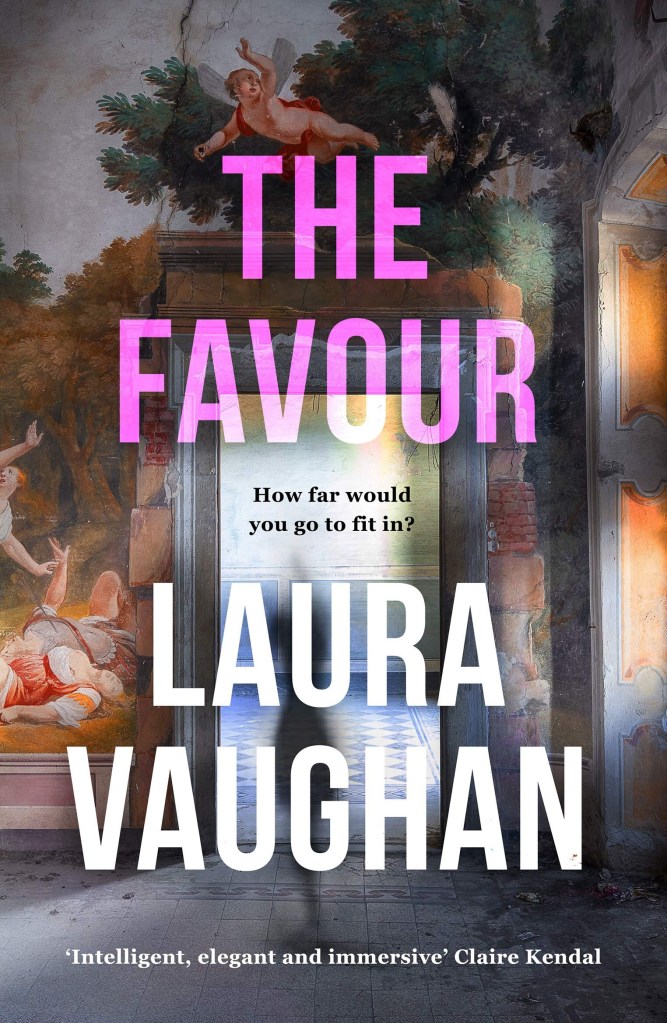
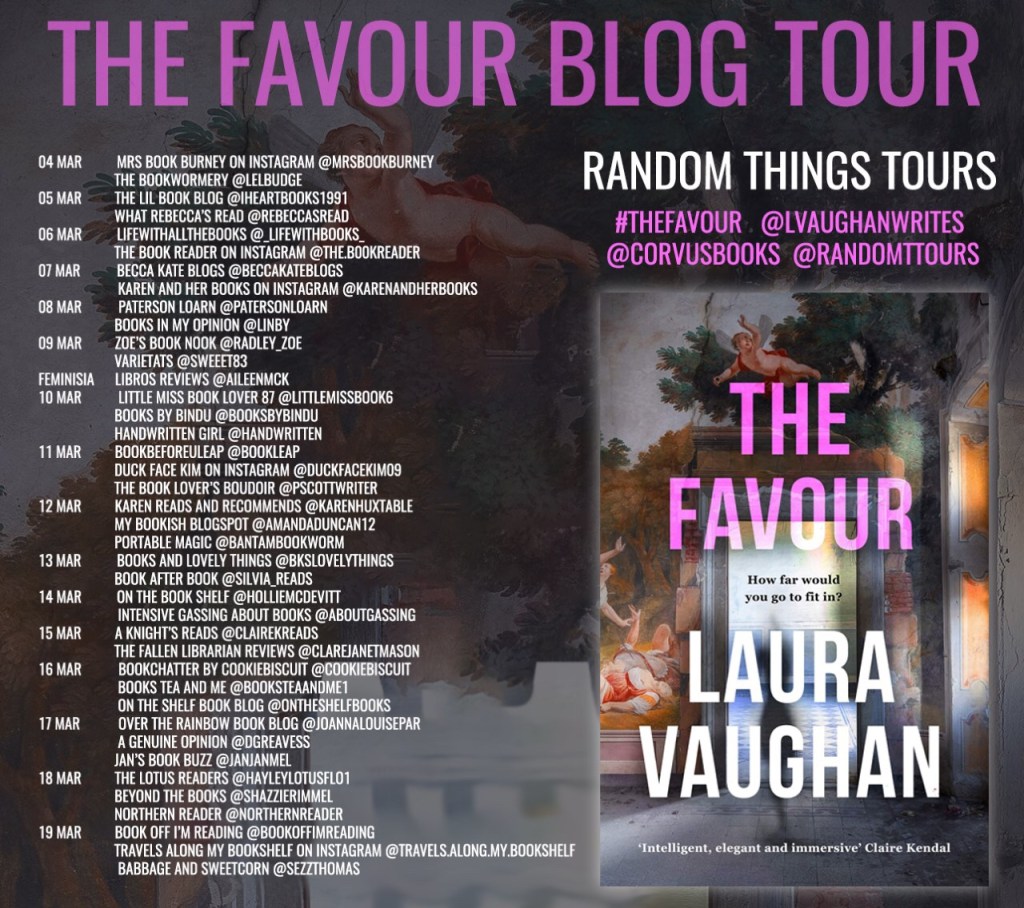
The Favour by Laura Vaughan.
Published by Corvus 4th March 2021
This is an interesting thriller combined with a Grand Tour through Italy, with a psychologically complex heroine. When she was thirteen years old, Ada Howell lost not just her father, but the life she felt she was destined to lead. Now, at eighteen, Ada is given a second chance when her wealthy godmother gifts her with an extravagant art history trip to Italy. In the palazzos of Venice, the cathedrals of Florence and the villas of Rome, she finally finds herself among the kind of people she aspires to be: sophisticated, cultured, privileged. Ada does everything in her power to prove she is one of them. And when a member of the group dies in suspicious circumstances, she seizes the opportunity to permanently bind herself to this gilded set. But everything hidden must eventually surface, and when it does, Ada discovers she’s been keeping a far darker secret than she could ever have imagined. In the beautiful backdrops of Venice, Florence and Rome there are constant hints of fakery and disguise: the trompe l’oeil frescos of the country houses; the maze of laurel hedges; the association of Venice with carnival and disguise. All of this imagery and reference to facade, disguise and things not quite being as they seem adds to the atmosphere and intrigue. It’s like seeing a beautiful bowl of fruit, that at its centre, is rotten to the core. This book will make a great book club read, not only to discuss these awful characters, but to ponder on what we might have done in the same circumstances. As the years roll by, what price will Ada pay and how long can she maintain the facade she has built?
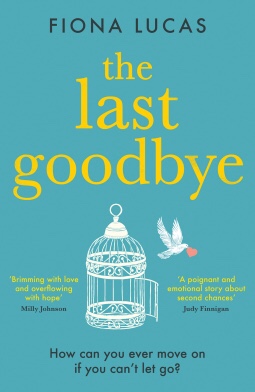
This romantic comedy had an unusual premise, but first attracted me because of the cover! I have a tattoo exactly the same on my lower back with a quote from Jane Eyre, so I was interested to know why the image represented the book.
Our female protagonist, Anna, is in the throes of grief after the death of her husband. The plot hinges on an interesting device – Anna calls her dead husband’s phone number and weirdly, someone answers. A tentative friendship develops allowing her to explore the anger, numbness, false starts and maelstrom of emotions as she rebuilds her life after such a huge loss. The first call happens on a New Years Eve just over two years since Anna lost Spencer. She has been coerced by her friend Gaby to go to a party and is suffering just one of several attempts over the last few months to set her up with a nice man. Of course whenever Anna meets someone new, it’s like a klaxon goes off in her head screaming ‘not Spencer’ over and over again. On this night Anna flees the party and heads for the comfort of home and for emotional support she rings Spencer’s mobile number, thinking that hearing his voice on the answerphone will reassure her. However, instead of hearing Spencer’s voice, a strange man comes on the line saying ‘ I beg your pardon’.
As more weeks pass and Anna feels so scared of leaving Spencer behind and living in the moment, she continues to call the number and talk to the man at the end of the phone. A friendship starts to emerge between her and the man who has inherited Spencer’s old number. His name is Brody and Anna starts to realise she is not the only one who wants to live in the past. Brody gives Anna the space to grieve. He doesn’t know Spencer so he has no vested interest or conflicting opinion to intrude on Anna’s grief process. In this way he acts rather like a therapist with empathy, zero judgement and a hope Anna will get through this. Other people in her life either want Anna to move forward when she is not ready, or to wallow in grief. Her friends seem to think two years is enough time to start moving forward and although they are well-meaning their interventions annoy Anna and push her too far too soon. Spencer’s mother Gayle wants to envelop Anna in her grief process. She assumes that because they both loved Spencer, their grieving process is the same. Anna keeps up their tradition of Sunday lunch together, just like when Spencer was alive, but also pores over old photo albums and still wants them to mark anniversaries like his birthday together. In her presence Anna becomes suffocated by grief and guilt when she thinks about moving on with her life. Anyone new in Anna’s life would seem like an insult to Gayle. There is nowhere she can do this grieving thing her way, honestly and openly.
My counselling supervisor used to say that if you find yourself giving the same piece of advice to several clients, it may be something you should look at for your own life. This is definitely the case with Brody, as he gives Anna advice he could do with listening to. Brody is living an isolated existence on Dartmoor with his dog. He allows Anna’s emotions to take the lead in their phone calls, but doesn’t seem keen to divulge his own. I started to wonder why he is living the life of a hermit. What is he hiding away from? Between Brody and her best friend Gabi, Anna starts to feel she can gather all these broken fragments of herself together and start to rebuild. The author found a unique structure for the novel, that allowed Anna’s raw grief to find its voice in these late night phone calls. Brody becomes Anna’s closest friend and with Gabi’s help, she now has hope and a way forward that is so uplifting for the reader. Both the main characters have such moving stories they bring a lump to the throat and their journey through grief is brilliantly rendered by the author. She shows us that each person’s grief is individual, it has its own path with unique highs and lows. She also depicts something I often say to – you can’t get round or climb over grief, the only way out is through it. I could see Anna reaching for the other side of her pain and I found myself wishing for Brody to find his way out too.
What a beautifully written account of grief this is. I was moved and uplifted, and the experience of grief felt very authentic. So what about the cover image and that tattoo? My husband died in 2007 and I rushed my grief journey, only to end up in an abusive relationship that took three years to leave. So, on my fortieth birthday I had my birdcage tattoo and underneath the words from Jane Eyre ‘ I am no bird; and no net ensnares me’. It reminds me I can get through anything so it feels like a fitting image for Anna and Brady’s story.
Meet the Author
Fiona Lucas is an award-winning author of contemporary women’s fiction. The Last Goodbye is her first novel written under this name, but she’s been writing heartwarming love stories and feel-good women’s fiction as Fiona Harper for more than a decade. During her career, she’s won numerous awards, including a Romantic Novel Award in 2018, and chalked up a no.1 Kindle bestseller. Fiona lives in London with her husband and two daughters
When she was thirteen years old, Ada Howell lost not just her father, but the life she felt she was destined to lead. Now, at eighteen, Ada is given a second chance when her wealthy godmother gifts her with an extravagant art history trip to Italy.
In the palazzos of Venice, the cathedrals of Florence and the villas of Rome, she finally finds herself among the kind of people she aspires to be: sophisticated, cultured, privileged. Ada does everything in her power to prove she is one of them. And when a member of the group dies in suspicious circumstances, she seizes the opportunity to permanently bind herself to this gilded set.
But everything hidden must eventually surface, and when it does, Ada discovers she’s been keeping a far darker secret than she could ever have imagined…
I’m drawn to any book based in the beautiful cities of Italy, but I was also drawn by the premise of Ada’s inability to accept a change in circumstances after the death of her father means selling off the family’s ramshackle mansion in Wales. I felt that I might understand someone struggling to fit in between social circles having come from a working class family then through my 11+ ending up at a very middle class grammar school. I found it very hard to fit in, but once I did, it was just as difficult to fit back where I’d come from, forever caught between two different tribes. However, Ada was in another league altogether, totally unable to accept the life her mother had created for them. A period terrace in London and the local secondary school are not enough for her, nor is a stepfather with an ordinary, dull name like Brian. Her plan to study at Cambridge, at the same college as her father, falls through when she fluffs her second interview. It looks like she might have to accept her more humble lifestyle, but the along comes her godmother’s offer of a modern grand tour with Dilettanti Discoveries.
Now she has to find a way to fit in with the Lorcans and Annabelle’s of this world and she has a plan for that. Ada knows all the right lingo to seem like one of the group – using the phrase ‘we had to sell up’ is a distinctive one for people of a certain class. It has the scent of ‘distressed gentry’, people who have had to sell off the family pile due to death duties or renovation costs on their large country houses. She even talks about Garreg Las as the family’s smaller home, hinting of a more distinguished estate belonging to her father’s family in Ireland. One by one, as they stalk art galleries and churches, Ada tries to ingratiate herself with the group. Will they accept her story or sniff out the truth of who she is and where she belongs? These are deliciously awful people and there isn’t a single one I’d want to spend time with. They had an air of entitlement and superiority, but it was hard not to enjoy their witty, self-assured conversation. There’s a certain polish and charm that makes them alluring, but it’s all surface. Oliver seems suspicious of Ada, and Mallory has also been picked out as an outsider, being American and Jewish. However, Mallory’s attempts at friendship are shunned by Ada, who desperately wants to belong to the most fashionable set. To ingratiate herself with Lorcan, Ada reveals a secret; she has seen Lorcan’s half-sister Annabelle in a romantic clinch with one of their tutors. She agrees to keep the secret between them, to place herself at the centre of the group. Then, when a suspicious death occurs, Ada is not just at the centre of the group, she’s at the centre of a potential crime. She makes a decision to grant one of the group a favour, something you might barely notice, but it furthers Ada’s quest to belong. If one of the group owe her a favour, surely she becomes accepted forever? I didn’t even think about what it could mean going forward, but that’s how clever the book is. You are captive, watching each consequence of Ada’s decision opening up in front of you, one after another, like a set of Russian Dolls.
Meanwhile, in the background, Vaughan creates a beautiful backdrop of art, architecture and soft Italian light. I could imagine what a beautiful film this would make as these intriguing characters stroll through formal Italian gardens, along the Arno or in the twisty, labyrinthine lanes of Venice. All the reference points Vaughan touches upon – such as Ada glimpsing the same fountain where Lucy Honeychurch witnesses a passionate fight in Room With A View – were my own source of inspiration for visiting Italy. Of course the upper classes prefer the more refined Florence, whereas I’ll admit my lower class allegiance to Venice. This revered circle of friends have so many niche rules and in-jokes it’s impossible to negotiate them all, without tripping yourself up. Just like a valuable renaissance painting, being one of the elite is very difficult to fake. In these beautiful backdrops there are constant hints of fakery and disguise: the trompe l’oeil frescos of the country houses; the maze of laurel hedges; the association of Venice with carnival and disguise. Even the example of Room With A View has it’s plot of a well-to-do young girl on her own Grand Tour, trying to keep secret her love for a distinctly lower class clerk she meets at a pensione in Florence. All of this imagery and reference to facade, disguise and things not quite being as they seem adds to the atmosphere and intrigue. It’s like seeing a beautiful bowl of fruit, that at its centre, is rotten to the core. This book will make a great book club read, not only to discuss these awful characters, but to ponder on what we might have done in the same circumstances. As the years roll by, what price will Ada pay and how long can she maintain the facade she has built? This is a complex and intriguing novel, full of flawed characters, with a central character showing all the signs of a borderline personality – Ada simply doesn’t know who she is. There is a void at her centre that can only be filled by imitating and adopting the lifestyle of those around her, with possible lifelong ramifications.
Meet The Author
Laura Vaughan grew up in rural Wales and studied Art History in Italy and Classics at Bristol and Oxford. She got her first book deal aged twenty-two and went on to write eleven books for children and young adults. The Favour is her first novel for adults. She lives in South London with her husband and two children. For more information, please contact Kirsty Doole Publicity Director, Atlantic Books kirstydoole@atlantic-books.co.uk 07850 096902 @CorvusBooks | @theotherkirsty
My experience of finding these two novels by Rosie Thomas shows that the old cliché ‘never judge a book by its’ cover’ does sometimes apply. I was browsing on my kindle (a lethal pastime) and looking through my recommendations when I came across Daughter of the House. The cover had a magical, ‘circus’ feel that I loved so I had to discover more. It had an historical setting pre- WWI onward; a period I’d been drawn to that year. It also promised a brave, enlightened woman at the centre of the story about growing up in an unconventional musical hall family. I bought it based on cover alone, then realised it was the second in a series of books.The first was The Illusionists and I knew from the cover of top hats, decks of cards and magic wands that this was the series for me. It’s rare for me to find a magical novel set in the late Victorian period that I haven’t read. The title seemed familiar though and it was only the next morning that I found (among the many piles of books that litter the corners of my house) I had a hardback copy of the same novel, but had never picked it up to read. The cover was very different, depicting a bridge over an almost impressionistic river scene, that told me nothing about the contents inside. A friend had bought me the book when it first came out, but due to that cover and the lack of a synopsis on the back it kept being recycled to the bottom of the TBR pile. It showed me a difference between buying physical books and kindle copies. I am often alerted to unusual and highly enjoyable novels via kindle store or apps like Goodreads that I wouldn’t necessarily pick up in a book shop due to the cover. Of course the bonus was that I now had two great novels to read back to back and I was not disappointed by either of them.
Set in 1885 the first novel follows the story of Eliza who is a young woman limited by lack of money whose only choices for the future seem to be the domesticity of an advantageous marriage (an idea she finds suffocating) or a degrading downward spiral towards life on the streets. Despite the massive social changes happening in fin de siècle London, women have less chance of making their fortune and living life on their own terms. Then she meets the charismatic and ambitious illusionist Devil Wix. Devil is haunted by traumatic events in his childhood, but is determined to become a household name and successful entrepreneur in the theatre world. We follow Devil’s mission as he puts together a band of quirky misfits to put on the greatest show London has ever seen in the run down Palmyra Theatre. During the 12 years covered by the novel Devil is by turns alluring, brilliant and often comical. However, from his friend’s and Eliza’s point of view he can be elusive, maddening and deceptive when he wants to be. Somehow though, the reader is able to forgive him anything. Perhaps this is because we are charmed by him in the same way Eliza is. Two friends work alongside Devil. His magician friend Carlos and set/props designer Jasper. Carlos is a dwarf in stature, but has mighty magical ambitions of his own and with Devil creates new and memorable illusions to stun audiences. Jasper is more of a scientist who tinkers away in his workshop creating the props for the illusions, but has also designed an automaton he names Lucy. As soon as Eliza comes into their world it is as if the circle of friends is complete and they work together to create a magical show. Although it seems inevitable that they will be together, Devil and Eliza’s courtship is a slow dance. Their budding relationship sees Eliza step outside what is thought to be respectable for a Victorian woman and embark upon an alternative life she never thought possible. For Devil the relationship brings him the stability he has never had and a partner in work and life who can match him for determination, ambition and creativity.
The magical and more supernatural elements of the novel are balanced beautifully with the historical period detail. Eliza chooses to live in a women’s hostel and work for a living even before she becomes involved with the theatre crowd. This is a bold, modern choice that tells us a lot about her character. The author uses Eliza’s sister as the contrasting Victorian ideal of ‘The Angel in the House’. Eliza’s visits to her sister’s home show us that traditional Victorian domestic life, but while Eliza loves her nieces and nephews she doesn’t envy her sister’s position in society and often seems relieved to return to her unconventional life. She treads a very fine line between what is and isn’t respectable by socialising in bars with Devil, Carlos and Jasper, staying alone with Devil in his flat, becoming a life model at the art school and performing on the stage. She is confounded by her need for Devil to be faithful and exclusive to her.
We also see economic change and social mobility throughout the novel. Devil promotes his shows in a way that has never been done before. First he utilises Eliza’s art student friends to create mysterious adverts across the city, that develop a buzz about his show. He then creates street illusions that are easy to transport and perform, then performs these ‘pop-up’ illusions in the street, handing out leaflets to stunned onlookers. By choosing his streets carefully he attracts wealthy audiences who are happy to spend money and this ensures the theatre is packed night after night. Due to this method of promoting his theatre, and the different audience he attracts, Devil changes what is acceptable as entertainment in upper class circles. Whereas music hall was thought to be low culture and only for the working classes, Devil exploits the human need to ‘keep up with the Joneses’ and makes his theatre the place to be seen.. His entrepreneurial skills result in an upward mobility for his family so they can live in a beautiful area of London and have more opportunities that he had. This is where the story develops into the second novel and into a background of even more turbulent times in the early 20th Century.
Daughter of the House centres on Devil and Eliza’s daughter Zenobia (known to the family as Nancy) against the backdrop of WWI, the Suffragette movement and the decline of music hall. The novel opens as the family embark upon a boat trip and tragedy strikes when the captain decides they must return to port because of a storm. The boat crashes into the marina and it is a fight for survival for Devil and Eliza and all of their children. Thomas creates a beautiful metaphor here in Nancy’s fight to stay above the water as her large Victorian skirts and petticoat become water-logged and start dragging her under. This foreshadows Nancy need to live a different life and break free of Victorian expectations of women, perhaps even more radically than her mother did. In the struggle Nancy not only saves herself, but her brother too and it is here we see the beginnings of her resilience and determination. It is also here that we see the first glimpse of what she calls her ‘Uncanny’ – the ability to see beyond the physical world. Nancy fights against this unique gift and doesn’t want anyone to know about her ability. Yet it is because of this accident that family friend Mr Feather does become aware of her abilities. As his beloved sister is lost in the accident, he begs Nancy to foresee where she is and this episode sets off an obsession that never goes away.
The Palmyra theatre is struggling and Devil has been hiding the true extent of their financial difficulties from his family. Eliza’s growing role as a mother has meant taking time away from managing the theatre and Devil does not have her administrative or financial skills. Eliza loves her children, but is frustrated in the very role she never really wanted. Meanwhile Devil flounders in his management of the Palmyra, making bad financial decisions and failing to provide what modern audiences want to see. As the crisis deepens Nancy becomes aware that her gift, hidden until now, might be the only answer to her family’s problems. The late Victorian appetite for mesmerism, hypnosis and spiritualism has continued into the 20th Century and Nancy’s gift soon begins to fill the theatre. So, as WWI draws to a close, the Palmyra is once again playing to packed houses as grieving families in their thousands want to find their lost sons, fathers and husbands still lying unfound in the battlefields of France. Thomas shows the social and historical change of three difficult decades so cleverly especially the wake of WWI as women become more in control of their lives and a country grieves a generation lost. For those who survived, the need for to forget the horrors of war can be seen at the raucous country house parties of Nancy’s theatre friends. The breakdown of class barriers becomes apparent as Nancy’s brother transcends his family’s social class, becoming an officer in the army and attracting a wife from an aristocratic family. Alternative ways of living are explored as the author shows us more women living alone, and Nancy’s gay best friends who have openly set up home together. Yet, we also see what post-war living could be like for the lower classes who acquired injuries, but can’t afford adequate care or rehabilitation. Nancy’s brother returns home with shell-shock and finds coping with the outside world beyond his capabilities, instead finding solace in his garden.
The book explores Nancy’s struggle with a rare and beautiful gift that can also be terrifying and unexpected. Her rivalry with Mr Feather highlights the darker side of clairvoyance and ultimately ends in unwanted confrontation. We see the need in people who desperately want to hear from their lost loved one only to be disappointed. A disappointment that can develop into an obsession and an inability to move forward in the grieving process. Nancy wrestles to maintain the purity and honesty of her gift; never pretending or creating hope where there is none. Audiences fail to realise that she is unable to control her gift. It isn’t like picking up a telephone, she doesn’t know who or what will come through. However, audiences want the reassurance that they were seeking, or the guarantee their loved one lives on somewhere in the afterlife and is waiting for them. Nancy tries to give no promises and does not want to offer false reassurance, if forced to give the exact promise they seek, she feels she has betrayed herself and her gift. This is the difference between true clairvoyance and show business and for Nancy they are uneasy bedfellows. What she sees is not always spectacular nor the happy ending an audience might be hoping for. This dilemma rang true for me as something all people with these gifts might face and it shows that making money from her ‘Uncanny’ is not as going to be as easy as her father’s magic tricks; if she is going to do it with integrity.
I would recommend reading both of these books, but they do stand-alone too. The Wix family are entertaining and intriguing, the historical backdrop is well researched, and even the smaller characters are well written and memorable. Carlos’s determination to overcome his disability is inspiring and his friendship with Devil, like all showbiz partnerships, is full of ups and downs. Eliza’s sister and brother-in-law are there to provide a contrast to the Wix’s unconventional relationship, but their characters are still well-rounded and the relationship between the sisters feels real. Eliza’s realisation that having children is all consuming and life-changing creates an unexpected affinity with her sister. She recognises that even if you want an alternative way of life, children always create a need for a strong family network and support around you. In the early 20th Century women’s lives are changing, but not that much. Eliza’s daughter, Nancy, realises that even though she is more accepted as a strong independent woman she is still hampered by her class and bohemian background. Despite feeling free to pursue her love for a married man, she finds that this freedom is not all she imagined it would be and yearns for more. If you want page turning story-telling with a supernatural and magical twist then these are the books for you.
I’ve been lucky to have this incredible debut novel since last year and in that time it hasn’t lost any of its emotional power. A second reading still left me deeply sad for the characters, but also for real people who lost family members due to war. Not just those who died but those who became displaced and scattered across the globe from each other. Regular readers will know my late in-laws war experiences thar I’m currently turning into a novel, because it is so extraordinary. So the human cost of war is a subject close to my heart and I absolutely loved this novel; it is shocking, heart-rending, and deeply moving. Told across two timelines, two countries and in several different character’s perspectives we are shown every angle on this difficult case.
We meet Jean-Luc and Charlotte who live in California, 1953. Santa Cruz is an incredible place to live, and a great place to bring up their young son Sam. The fled France during the war when Sam was only days old. However, despite seeming like the perfect family they have a huge secret. Jean-Luc and Charlotte were both working in public services in France; Charlotte was a nurse and Jean-Luc was a railway worker. So, when the Germans occupied Paris they were forced to work for the German forces. One day Jean-Luc is transferred to a different part of the railway, making repairs and doing maintenance on the track that is carrying French Jews over borders towards Poland, and Auschwitz. There are rumours about what is going on in these so-called work camps. Jean -Luc has heard them, but now he’s seeing mounting evidence that something is badly wrong. Sent to tidy up after a late train, the men find people’s belongings littered across the platform, glasses, crutches and even teddy bears. On one horrific day he sees a doll lying further up the platform, but when a worker picks it up, it isn’t a doll at all. Jean-Luc has to act and decides to sabotage the rails, to do something that perhaps saves one person. All he gets is a blow that opens up his cheek and a shattered leg. There in the hospital, while he recovers, he meets nurse Charlotte and slowly they form a connection. They are open with each other about the mixed feelings they have about their jobs. Are they collaborating or are they just trying to survive the best they can? So, when a chance comes to make a massive difference to one person, will they take it?
Sarah and husband David are rounded up and put in a train carriage to a work camp. Sarah has given birth to Samuel only a few hours before. Squashed into little more than a cattle truck, so cramped they can’t sit down at all, and one bucket in the corner for a toilet. An unplanned stop sees them herded onto a platform and Sarah sees her chance. In a second she weighs up the railway worker in front of her and thinks he looks kind, despite the scar down his face. She thrusts her baby at him and begs him to look after Samuel. Jean-Luc vows to keep him safe. He gathers a few essentials and goes to Charlotte’s home and asks if she’ll go with him. His plan is to use contacts in the resistance to walk over the Pyrenees to the border with Spain and hopefully sail for the USA. Our second timeline is 1953 in Santa Cruz, California. Jean-Luc, Charlotte and Sam have really settled into an American way of life. Sam is now nine and although they miss Paris they know this is the best way to live. However, when a black car turns up outside the house one morning, neighbours curtains start twitching. What could this lovely couple have done? Is it something to do with the war?
I believed every single character in this moving story from the heart and often with a lump in my throat. It brings up such an important moral and ethical dilemma. How can reparation and restitution be made when the atrocity is so seismic it affects the whole world? No one in this story is untouched by the Nazi’s march across Europe, even down to the ‘collabo’ men and women, who might have only been doing the job they’d always done, but because they now worked for the Bosch, were hated by their neighbours or even killed in some places. To the Jewish camp mates at Auschwitz who had some useful skill the guards could exploit, such as David’s medical skills taking him within a whisper of the terrible experiments conducted by Dr Mengele. In truth, everyone was just trying to survive, to keep their family safe and for some people that meant paying a higher price than others. I felt deeply that Jean-Luc was a good man who felt a huge responsibility for the baby Sarah passed him that night. He was willing to kill to keep him safe and I believed his motives were entirely altruistic. Charlotte also takes huge risks to keep him safe and I think both feel this is a task given by God and as they flee across the border into Spain, their only thought is keeping the boy alive for parents who are likely to have been killed days before. As Sarah first steps from the train at their destination she takes in the skeletal prisoners, the large pipe belching out smoke and the all pervading smell, and realises they are in hell. Prisoners plead with them – ‘why didn’t you kill yourself?’ The carriages were packed so tight it was standing room only with others shuffling around so everyone got a chance to sit for a few moments. If you couldn’t stay upright you died and that was probably preferable to this. To go through hell then have to spend nine years looking for your son is heart breaking, but in whose best interest is it for the child to return to parents he never knew?
It was Sam I felt for more than anyone, because there is only one outcome that would have been fair for him and he isn’t asked. I was distressed by his experience just as much as that of his parents. He is wrenched away from the parents and life he knows, scared and alone he is drugged to be transported to France and his birth parents. He goes from an outdoorsy experience of life to a flat in Paris, with two strangers who don’t speak his language. He has no friends and no grasp of his Jewish heritage either. His confidence is affected, his mood grows lower, the skin on his legs breaks out and becomes sore, weepy and infected. All he wants is his father, his mother and his home. I won’t reveal how this is resolved but I wept as I read the last few chapters. This is so powerful and a difficult read in places, but such a beautifully written account of how war touches everyone. Loss is the all pervasive emotion I felt throughout and for so many different things. If we think about loss as ripples on a pond they stretch outwards on the surface of the water hitting each group of people more gently the further removed from the event they are. This novel shows us that the after effects of a terrible event like the Holocaust keep rippling forward through time touching each generation that comes after.
Meet The Author
Ruth Druart grew up on the Isle of Wight, moving away at the age of eighteen to study psychology at Leicester University. She has lived in Paris since 1993, where she has followed a career in teaching. She has recently taken a sabbatical, so that she can follow her dream of writing full-time.
‘We keep a journal, to entrap the collection of selves that form us’.
I didn’t want to like this book at first. Logan Mountstuart as a teenager isn’t very likeable. I found him cowardly, and I didn’t like his attitude towards women – despite the fact that it’s very much of it’s time. Yet, the book crept up on me until I found myself empathising deeply with him during the war and towards the end of his life. What Boyd is telling us is that every life is both ordinary and extraordinary, and Logan Mountstuart’s – stretching across the twentieth century – is a rich tapestry of both. As a writer who finds inspiration with Hemingway in Paris and the Bloomsbury set with Virginia Woolf in London, the Spanish Civil War, as a spy recruited by Ian Fleming who was betrayed in the war, and as an art-dealer in ’60s New York, Logan mixes with the men and women who shape his times. But as a son, friend, lover and husband, he makes the same mistakes we all do in our search for happiness. Here, then, is the story of a life lived to the full – and a journey deep into a very human heart.
I loved the structure of the novel, told through a series of journals that begin when Logan is approximately fifteen, until he is 85. So the style of the piece constantly changes, as does the perspective and collected wisdom of the writer. He writes in the ‘now’, experiencing things without the benefit of reflection or hindsight. There is an honesty here that can be blunt, and the structure is further accentuated by footnotes and even corrections, as the older Boyd thinks again or finds out more. Here and there we have gaps where he hasn’t been able to maintain a diary due to physical obstacles, or where he hasn’t been in the right space mentally. These different voices of Boyd’s accentuate the voyage of time and his learning, but also the development into newer selves. For me it’s this change that’s intriguing and kept me reading. He isn’t likeable sometimes, but then he learns and goes in a different direction. Directions that are sometimes more about action for action’s sake, rather than a considered choice made.
It’s a strange experience, when we’ve finished, to reconsider Logan’s angst ridden teenage voice. It’s extra poignant, because we know if he’s been hindered by those aspects he lamented in his character. Similarly, in knowing how his life ends,we can decide whether his triumphs are adequately balanced by loss and failure. The losses he suffers in the war are so deeply moving and the feeling came to me, that what comes after is almost futile. He was always his best self with his son and the woman he loved. I also think the structure made Logan so vividly real that I mourned alongside him and despite disliking his teenage self, I was genuinely emotional at the end.
A bit like the film Forrest Gump, Logan has a talent for bumping into the rich and famous – including a regrettable period with the Duke and Duchess of Windsor. He meets authors as mentioned – Hemingway, Woolf, Fleming – and artists – Klee and Picasso, to name a few. This name dropping could get in the way of the narrative but Boyd is clever enough to make it a credible part of the story. We sometimes even detect their influence on his writing.
The characterisation and way Logan develops into his many selves, makes this book an absolute masterpiece. By the end of the book he was someone completely different and yet the same. There’s somehow a constant thread that joins the selves like beads on a string. The book reads like a real diary with no explanation for the changes in character we see, yet somehow we know why. The only part that did jar for me was the art dealer in NYC section, as it didn’t seem to fit anywhere but then maybe that’s the point. Could Logan survive the huge losses he experienced without a massive break from what and who he was before? The man who had loved so much couldn’t continue with the same openness. There’s a break here or knot in the thread.
I loved the sweep and scale of his story, but life isn’t always about that. It’s about the small, daily actions and our reflections on that. The way Boyd relates those mundane daily bits and bobs is genius. In an age before Instagram there are descriptions of meals eaten, conversations had, the weather, what he wore. There’s even a tendency toward new year reflections and hopes for the future. He gives himself a talking to, where needed. Sometimes he repeats himself or misremembers something. Then, when he’s alone in his flat, he cuts such a tragic figure that I forgot what I didn’t like and saw a nothing more or nothing less than a human heart.
‘And suddenly I wonder: is it more of my bad luck to have been born when I was at the beginning of this century and not be able to be young at its end. […] and then, almost immediately I think what a futile regret that is. You must live the life you have been given.’
Meet The Author
William Boyd was born in 1952 in Accra, Ghana, and grew up there and in Nigeria. He is the author of fifteen highly acclaimed, bestselling novels and five collections of stories. He is married and divides his time between London and south-west France.
It only took a few sentences for me to be fully involved in Harry McCoy’s world. We hit the ground running, deep in Harry’s thoughts as he makes his way to Woodside Inn and the case of a missing girl. Mentally he’s running through the timeline:
‘Quarter past eight. The call had come in just before six last night, so fifteen hours or so she had been missing. The time for her to have got lost or stayed at a pals was lone gone. A thirteen- year old girl doesn’t go missing for fifteen hours, overnight, without something being very, very wrong’.
It’s immediate and tells us who he is, a detective with years of experience used to slipping into work mode quickly.
He also creates a great sense of place. I love Glasgow and it’s regeneration since it was a city of culture has turned it into a tourist destination. This is old Glasgow, dirty and stuck in the midst of a heatwave.
‘Glasgow wasn’t used to this kind of weather either, didn’t suit it somehow. The harsh sunlight showed up the reality of the city – no cloudy weather or drizzly rain to soften the picture. The sunlight picked out the decay, the rubbish on the streets, the ruined faces on the group of shaky men outside the off-licence waiting for it to open’.
This is a hard city, and a hard-drinking city. The grimness and the dirt don’t just describe the the city, but the men too. These are hard-worn men, from the dodgy and drunk to the outright evil and this applies to the police officers too.
McCoy has been passed over for the high profile missing girl case, he’s not sure why, but knows his boss, Raeburn, likes push him. In fact if he could push McCoy to leave he would. He passes McCoy a junior officer’s errand, calling all officers on leave back into the station. McCoy swallows his pride and anger, realising it’s not worth the effort, but being the only free officer at the station works in his favour. He picks up the case of rock star Bobby March, found dead that morning in a Glasgow hotel. However, the Chief Inspector also trusts McCoy with a more personal mission. Alice Kelly isn’t the only missing girl in the city. Chief Inspector Murray’s niece Laura has also gone missing. Laura is 15 and has been causing the usual worries about teenage girls at home, by dabbling with drink and boys, but now she hasn’t come home. This could have gone ‘through the shop’ as McCoy describes it, but her father is deputy head of Glasgow Council and he doesn’t want Laura’s escapades in the papers, scuppering the chances of him becoming an MP. So Harry sets out into the city on a dual mission, but does find himself being pulled into the Alice Kelly case too.
I loved that Harry walks a fine line as a police officer, but his loyalties can pull him to the edge of the underworld he’s investigating. He visits a shebeen he knows well, an illicit drinking bar where he’s in attendance sometimes as a customer, and not just in an official capacity. He’s questioning the owner Iris about whether Laura has been in this dive, when she taunts him about his friend Cooper. Cooper is a man on the other side of the law, but he and McCoy were kids together and his loyalty to his friends is strong. He goes to Cooper’s place and to his horror finds him unconscious with drugs, that have clearly become a habit. It shows a side of Harry where he’s not in detective mode and I love that he is loyal to friends, no matter what position they’re in. However, his loyalty to the polis means that he knows where the line is and he will not cross it. The plots are all beautifully blended together and each one was interesting enough to keep me reading to the end. Although, Harry isn’t meant to be on the missing girl case, he does keeps stumbling in on clues. It shows his skill as an investigator that he is able to see connections, without getting the cases muddled at all. The pace is fast, the tension is palpable and I was engrossed from beginning to end. I am so looking forward to the next in the series and it’s on my bedside table ready to go.













 The Lotus Readers