Posted in Netgalley

An Italian Girl in Brooklyn by Santa Montefiore

We all remember that incredible feeling of first love, more than likely with rose tinted glasses, full of nostalgia and novelty. It was on my mind while reading this book, mainly that joyful moment when you realise that they actually love you too. It’s intoxicating. The first time I fell in love, I leapt in feet first and had my heart broken, but I held a candle for him for many years and had it set in my mind as a perfect love. With a lot of years and a bit more wisdom, I can see it differently. However, I was always be grateful for the experience, because it showed me how great my capacity for love was. How much better would this experience be when I was ready for it, if it came my way again? Our novel follows Evelina, a young woman living in a remote part of northern Italy. She lives with her parents, her sister Benedetta and two formidable old ladies, her grandmother and great aunt. Life is peaceful for most of the time, but as WW2 looms closer there are changes both personal and for the whole of Italy. The influence of Hitler and his agreements with Italy’s leader Mussolini, will change all of their lives forever.

The central relationship in the novel illustrates these changes most dramatically. People of the Jewish faith have lived in Evelina’s village for so long they are simply part of the fabric of the place. Evelina has never realised that their village tailors, the Zanotti family, are Jewish, so when she meets their son Ezra she can’t imagine any obstacles to the way she feels, apart from some parental misgivings about his ability to support her. Yet, the outside world is about to come crashing in on the tentative feelings growing between these two young people. Within Evelina’s family circle, it is Benedetta’s new husband who brings the new politics into their midst. A staunch supporter of Mussolini, he is behind Hitler’s initiative to rid Europe of Jewish people. When he brings his views to the breakfast table, Evelina’s father says his views are not welcome in his home. Sadly, Benedetta then leaves dutifully with her husband bringing a rift between them. They’ve heard terrible stories, of Jewish people being taken to a prison camp in the far North of Italy before being placed on a train bound for Auschwitz- Birkenau. Friends start to plead with Ezra’s father to leave and knowing what’s coming. When it does, Ezra evades capture and joins the Resistance. Evelina creates a safe space in their chapel for Resistance fighters to rest and replenish themselves. After a brief and family sanctioned relationship, with a Jewish girl from the village who worked for Evelina’s family, the closeness of war and the threat to his family combine to influence Ezra. He breaks his promise to her and comes to Evelina, assuring her of his long held love for her, despite their religious difference. He wants to be true to his emotions rather than please his parents. Thus far he had seen Evelina as out of reach, now a blissful courtship develops. As summer blooms alongside their love, they create memories neither will ever forget. So, when he is captured, Evelina’s grief is devastating. Yet, she waits until the news confirms the worst; Ezra and his entire family are dead. With the Italy she knows gone forever Evelina makes a huge decision, she will cross the Atlantic and make the voyage to New York to live with her aunty, in Brooklyn.

Evelina’s story is told across two time periods, forty years after the war in Brooklyn, then back in time to WW2 Italy as she has flashbacks. She’a now 63 and married to an older professor called Franklin, with whom she has a family. She has built a lovely, welcoming home for her family and their close friends, usually other immigrants from Italy and the much beloved Uncle Topino and her Aunt Madelina. It’s a loving environment and her relationship with Franklin is a very loving one, even though part of her heart will always belong to Ezra.

And their love for each other had deepened. She loved Ezra still, she would never stop loving him, but she loved Franklin too. It was, indeed, possible to love two men in very different ways. She realized now, in her wisdom, that there were many faces to love.’

This really is a sweeping epic with a central love story that stayed with me, although I had so much respect for Evelina’s husband Franklin too. I didn’t know a lot about Italy’s role during WW2 and the background research did open my eyes to how they ended up drawn into Hitler’s plans for the future. It shows how the Nazi’s ideology broke up previously peaceful communities and even families like Evelina’s. She and her sister are very close, but she has to circumvent Benedetta’s husband to communicate with her. When he’s eventually called up to fight, the sisters are reunited and the family live together through the rest of the war. I loved the connections and help both sisters give to the Resistance, both of them with relationships torn apart by war in very different ways. This was a beautiful story where familial love is concerned, but the central love story is heart rending and has a twist that will truly surprise you. I often find love stories lacking in substance, but this wasn’t one of them. It was my first Santa Montefiore novel, but I’m very sure it won’t be my last.

Published by Simon and Schuster 7th July 2022

Born in England in 1970, Santa Montefiore grew up in Hampshire. She is married to writer Simon Sebag Montefiore. They live with their two children, Lily and Sasha, in London. Visit her at http://www.santamontefiore.co.uk.

Posted in Throwback Thursday

Throwback Thursday! The Giver of Stars by Jojo Moyes.

I love Jojo Moyes. Like many people I was introduced to her writing with the novel Me Before You. I became immediately attached to Louisa Clark, mainly because I felt that Moyes had created her character by stepping inside my head! My husband was paralysed due to MS and when I fell in love with him he was in a similar wheelchair to Will, with the same interests and charismatic spirit. Sadly, I lost him in 2007 and I have read Moyes’ follow up novels and found her depiction of grief and moving forward intelligent, moving and real.

The Giver of Stars is a different type of novel, more historical fiction than romance. It’s setting is the Depression era and a small town in rural Kentucky where the Van Cleeve family own the mines where most people work. Levels of rural poverty are high, African-Americans are still subject to segregation and while middle class women are expected to stay home and know their place, women in poorer families are working hard while trying their best to feed and look after ever-growing families. Into this setting comes Alice, the English bride of the heir to this mining fortune. Bennet Van Cleeve is handsome and considerate, and their marriage seems to start well but once they reach the family home things change. Bennet lives with his father and the death of his mother still hangs heavy over the house, with everything still being run to her exacting standards. Alice finds she has little to do and the house is full of her late mother-in-law’s ornaments and china dolls. She daren’t change anything because Mr Van Cleeve doesn’t like anything to be out of it’s normal place. More worrying is the change in Bennet now they are home, despite showing some desire at the beginning, the proximity to his father seems to be affecting their sex life. Several months down the line their marriage is still unconsummated and Mr Van Cleeve keeps hinting about grandchildren, adding to the pressure she feels.

When a town meeting is called to discuss President Roosevelt’s initiative to get the rural poor reading, Alice senses an opportunity and an outlet for her unspent energy. Margery O’Hare will head up the initiative. She is an outspoken and self-sufficient women who doesn’t listen to the opinion of anyone else, particularly men. She opens a door for Alice to escape the claustrophobic Van Cleeve household, into the wild forests of Kentucky. Alice learns to ride a mule, and along with Margery and two other local women she sets out as a librarian for the Packhorse Library. At first, rural locals are suspicious of an Englishwoman coming to the door offering them books, but soon Alice finds a way in and starts to be trusted. She also finds she likes the open air, the smells of the forest and singing of the birds. She enjoys the freedom of more casual clothes and the camaraderie she is building up with her fellow librarians. She is close to Margery and when she confides about her marriage, Margery loans her a book she has been sneaking out with the novels and recipes. It is an instruction book on married love and Margery has been loaning it to poor women on her rounds who are inundated with children and need educating about sex. Alice takes the book home and a series of events are set in motion that change not only the Van Cleeve household, but the whole town.

Old Mr Van Cleeve is determined to deal with Margery O’Hare and vows to destroy the Packhorse Library altogether. Margery is shrewd and is sure that a devastating flood had more behind it than high rainfall and suspects the mines. However, she has left herself vulnerable with what Van Cleeve sees as evidence of transgressive behaviour: she is exposed as having a relationship out of wedlock, she has hired an African-American woman who used to run the coloured library and she is encouraging townswomen to take control of their own lives. She seems impervious to other people’s disapproval so what lengths will he have to go to in order to stop her? Meanwhile, Alice starts to fall into a friendship with Frank who helps out at the library by chopping wood, putting up shelves and being a general handyman. They bond over poetry and spend hours talking and working side by side in the library building. The other librarians have seen what’s happening, but Alice doesn’t seem to realise this man is falling in love with her.

I loved this book and writing about it again has made me want to reread it. I was on holiday the first time and I stayed in my holiday cottage for two days to read it cover to cover. As always with Moyes, it is beautifully written and researched, with characters I fell in love with. She writes about relationships with so much insight and emotional intelligence. She captures the tensions of the Depression perfectly, depicting the rural poverty where work is scarcer and poor women really take the brunt of the economic conditions. Stuck at home with ever growing families they must have felt desperate for a break. They had land to grow vegetables and keep livestock, but there was still worry over where the next meal was coming from and hoping and praying that there are no more mouths to feed. Just as in the recent pandemic, money worries and pressure meant more domestic abuse. Margery is determined to educate these women to keep themselves safe and prevent their families growing. The town hasn’t kept up with the national shift in women’s attitudes and opportunities. Moyes shows that feminine power is on the rise and the new attitudes towards feminism, as well as marriage and sex, could end up battling against old money and old values. For the women, the poorer families and those residents who are African-American losing the power struggle could be disastrous, and some characters might pay a high price. I was braced for tragedy, but found myself desperate for the progressive characters and attitudes to prevail. It was this struggle that built the tension and kept me reading till 2am! Moyes achieved something real, romantic and historically significant with this novel, but most of all it is simply great storytelling. This book is an absolute must read and I still think it is probably her best novel to date.

Posted in Random Things Tours

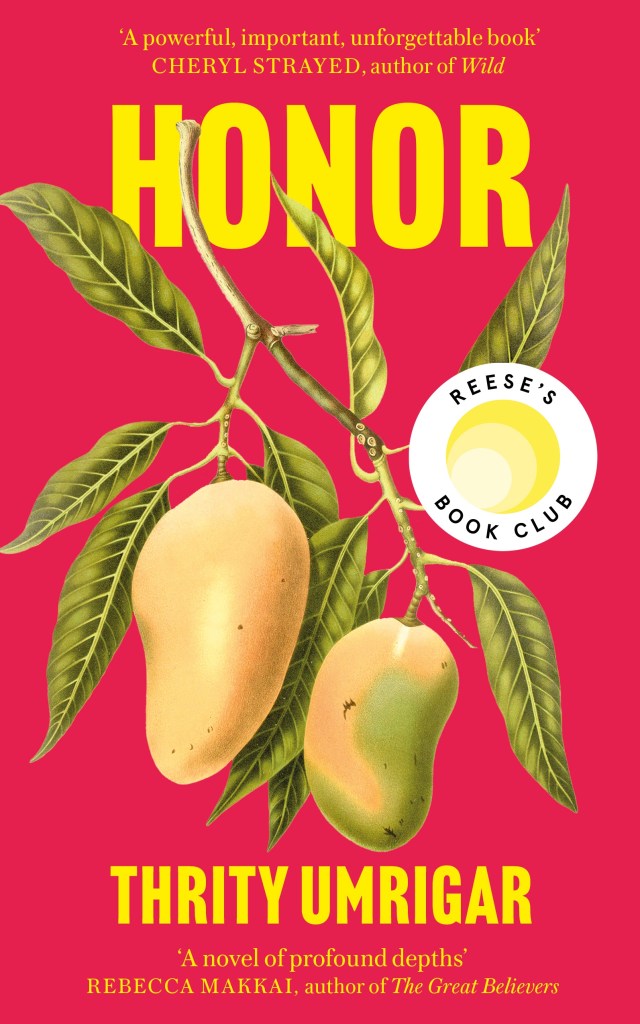
Honor by Thrity Umrigar

In this riveting and immersive novel, bestselling author Thrity Umrigar tells the story of two couples and the sometimes dangerous and heartbreaking challenges of love across a cultural divide.

Indian American journalist Smita has returned to India to cover a story, but reluctantly: long ago she and her family left the country with no intention of ever coming back. As she follows the case of Meena – a Hindu woman attacked by members of her own village and her own family for marrying a Muslim man – Smita comes face to face with a society where tradition carries more weight than one’s own heart, and a story that threatens to unearth the painful secrets of Smita’s own past. While Meena’s fate hangs in the balance, Smita tries in every way she can to right the scales. She also finds herself increasingly drawn to Mohan, an Indian man she meets while on assignment. But the dual love stories of Honor are as different as the cultures of Meena and Smita themselves: Smita realizes she has the freedom to enter into a casual affair, knowing she can decide later how much it means to her.

There were times when this novel became almost too painful to read, but I’m glad I continued until it’s bittersweet conclusion. At home in America, journalist Smita is every inch the modern career woman, living a single and globetrotting life. She has a series of ready packed cases so she can zoom off to the airport at a moment’s notice to cover a story anywhere in the world. There are similar, psychological cases in her mind, packed and closed until she’s called to certain destinations. In fact one hasn’t been opened in years, until she’s called by a journalist friend in India who has ended up in hospital mid-story. On the basis of a misunderstanding, Smita flies out to Mumbai thinking her friend needs personal help and looking after. Yet it’s professional support she would like, needing Smita to travel into a more rural area of India and cover the story she has been engrossed in. A woman called Meena is the story. Along with her sister Radha she defied her brothers to take a job outside the home, in a sewing factory. The brothers run their home along strict rules and the sisters are supposed to stay at home, care for the house and serve the brothers. Meena’s final downfall was love, when at the factory she met a kind, gentle and intelligent man. Meena’s family followed the Hindu religion and her brothers would never let her choose for herself, especially when her choice is a Muslim man. When she defied them a second time she sealed their fate. They are set on fire by her family and their village. Smita is the only one to survive.

Not only did Smita survive, but she escaped to the home of her mother-in-law. Now with a little girl to look after, Smita is recovering from her burns but her injuries are devastating. With the help of a charity she is taking her brothers to court for their actions and the verdict is due this week. Reluctantly, Smita takes on the story and agrees to meet Meena with the help of Shannon’s friend Mohan as driver and translator where required. There isn’t much that shocks me in life, but the terrible cruelty of what’s been done to Meena made me seethe with anger. I simply cannot comprehend how family members could wreak such revenge on their own sister, although sadly I have watched dramas about such murders in this country. Although we have a long way to go in conquering the patriarchy in the UK, we have to remember other countries have their own battle and are often a long way from the comparative equality we enjoy. A recent drama showed how this violent killing is based in culture not religion. It showed a community using it’s young men to watch their women, standing outside taxi firms and take away shops they policed their area and noticed when a girl was starting to wear Western clothing or too much make-up. These communities worked like Meena’s village, curbing bad behaviour before it gets out of hand. They doled out punishments to those girls who transgressed and the families carry them out, so that community members could see how their women respected them. It’s never about men saving the women’s honour; it’s about saving their own.

The author drew me deeply into this novel and complexities of life in India: the stark differences between the more cosmopolitan cities like Mumbai and the rural areas; the intolerance between religions and cultures; the massive contrast between the freedoms a Western Hindu woman like Smita has, compared with Meena. Smita actually embodies all of these differences. In order to make a transition to the rural area they’ll be visiting she asks Mohan to take her to a shop where she can buy more traditional clothes, because she doesn’t have anything suitable and they must be the everyday kind, not those for tourists going to a wedding. Mohan is a world away from Meena’s brothers, but he still has a tendency towards an old-fashioned chivalry, somehow reminding Smita of her father. His need to ‘look after’ the women around him feels like part of the culture she considers outmoded, but it’s only a small part of who he is. He bothers her, because she knows from experience that men who think they need to rescue women can also think they own them. I found the flashback to Smita’s teenage years in Mumbai particularly evocative and shocking. It’s no wonder Smita never stays in one place very long, she knows that even your closest neighbours can turn and betray you in an instant, better to keep moving. Yet this trip may challenge her to put down roots and be part of something; is she ready to confront what happened and make a change? As for Meena, her story left me feeling so sad and angry that such injustices can and do happen. Her life, being worked and insulted by her mother-in-law while constantly living in fear, seemed intolerable to me. I hoped that the brief, but fierce love she had experienced, was enough of a consolation. She must live for her beautiful little girl. I was troubled and engrossed by this novel and I’m still thinking about it several days later. It’s evocative, intelligent and a fascinating insight into the cultural complexity of India.

Meet The Author

Thrity Umrigar is the bestselling author of The Space Between Us, which was a finalist for the PEN/Beyond Margins Award, as well as six other novels, a memoir, and three picture books. Her books have been translated into several languages and published in over fifteen countries. She is the winner of a Lambda Literary Award and the Seth Rosenberg Prize and is a Distinguished Professor of English at Case Western Reserve University.

Posted in Publisher Proof

Sunday Spotlight! The Daughter of Doctor Moreau.

I have been a fan of Silvia Moreno-Garcia’s writing since I did the blog tour for her novel Mexican Gothic. It was a heady mix of fear, desire, and strange happenings, with a feisty heroine with fabulous dress sense. Of course it also had a gothic mansion, decorated with wallpaper printed with wandering mushrooms. Since then I’ve become less keen on wallpaper and mushrooms! I also went back to her previous novels- one of the greatest pleasures a bookworm like me can have is to find a new author then find they have a long back catalogue of books to get your teeth into. I went back to the incredible Gods of Jade and Shadow and The Beautiful Ones, then was lucky enough to be sent Velvet Was the Night. I love the vivid colours and unusual design of her book covers too and have each one sitting on my shelf in hardback. I’m trying to resist buying the signed edition of The Daughter of Doctor Moreau with the bright pink spredges It’s perhaps no surprise that I love the art of the Mexican painter Frida Kahlo because this cover is very reminiscent of her work. Mainly I love (and envy) Morena-Garcia’s incredible imagination and the way she changes genre with each book.

The Daughter of Doctor Moreau is a feminist retelling of H.G. Wells’s original sci-fi novel. Our main character is not Dr. Moreau, instead it is his 14 year old Carlota Moreau, brought up on an island off Mexico by her scientist father. I love the technique of ‘writing back’, especially with the theme of disability in my case, but there have been a lot of books reframing Greek myths such as Elektra and Ariadne. They bring women into the frame and show events from their perspective, which is often very different from the male ‘heroes’. Carlota has a childhood illness which her father is treating with a drug regime of his own invention. Dr Moreau keeps his daughter close by and she is very naïve about the outside world, but also about her father’s work. With the help of his estate overseer, Montgomery Laughton, Dr. Moreau has created ‘the hybrids’, half human and half animal creatures who blindly obey their creator. Seven years later Eduardo Lizaldi arrives, the son of Dr. Moreau’s patron has come to see his work, but sets in motion the events of the novel. I can’t go into much more without ruining the story, but there is a touch of romance woven into the tale as well.

Silvia Moreno-Garcia talks about the setting and themes of her novel in the afterword, including the ethics of scientific work and the effects of colonialism. As part of her backdrop she addresses the treatment of the Mayan population, as well as the Caste War which raged for years against incomers. There is also a look at the rigidly controlled lives of the 19th Century women. All in all a truly ambitious undertaking, but then I wouldn’t expect any less from this gifted writer.

Meet The Author

Silvia Moreno-Garcia is the author of the novels The Daughter of Doctor Moreau, Velvet Was the Night, Mexican Gothic, and many other books. She has also edited several anthologies, including the World Fantasy Award-winning She Walks in Shadows (a.k.a. Cthulhu’s Daughters).

Posted in Netgalley

The Ruins by Phoebe Wynne

At about 40% into the kindle version of this book it started to become very uncomfortable reading. I’d no idea where it was going to go and I wasn’t sure if I wanted to be along for the ride. I was glad I stayed with it, because of the truth it shows about the effects of trauma. They are life long. Now I’m finding it very difficult to review in my usual way. It felt like reading a client’s journal work, the sort I might ask them to write as part of their counselling journey. There was something prurient about reading Ruby’s account, because it was so intimate and harrowing who could gain pleasure from reading it? Perhaps this is exactly the effect that Phoebe Wynne was hoping to evoke in the reader? Not all reading is pleasurable, sometimes it has a different purpose. To educate, to shock, to show people they are not alone in their experience. In the author’s first novel Madame we were introduced to some of the same themes: the super rich who are above the law and practice exploitation like a religion; young teenage girls being groomed to become Stepford wives to the millionaire class; a creepy gothic school where the girls are educated; the complicity of women in this continuous cycle. Yet with that book the creepy undertones suggested a supernatural element and the malice of some of the pupils was just enough for dislike to creep in. Both help us look past the true horror of what is going on. Once I’d finished the book I felt like I’d glimpsed behind life’s curtain to see the decadent and corrupt inner workings of society. This book felt different. The girls were younger, the setting perhaps more realistic, so the flashbacks to what should have been a blissful summer for three girls at a French château, felt claustrophobic, exploitative and very dark indeed.

Ruby and her family are spending the summer at their Château in France, as usual they are joined by her father’s two best friends; Harley and Angus, with his daughter Imogen. However, added to their party this year are the Fullers and their daughter Annie, plus a woman called Georgina and her teenage daughter Ned (Edwina). Their normal equilibrium is disturbed immediately when one of the Fullers drives back to the château after a few drinks and hits a child in the village. With their combined power and influence, the men ‘handle’ the problem, but Mrs Fuller is not so easily silenced. Was she driving or is she reacting to her husband’s callous disregard for life? Whatever the reason she returns to the château screaming and crying. She has to be sedated and removed back to England as soon as possible. From there the holiday descends into decadence – heavy drinking becomes the norm, little jibes and full blown arguments ensue.

Make no mistake these men are in charge and however they choose to behave, no one will rebuke them. The author creates a sense of powerlessness in the women of the party, from the hysterical Mrs Fuller to the passivity of Ruby’s mum. Within this patriarchy, women are policing the borders. Whether it’s because they believe in the system or because they are keeping quiet to stay safe, every woman here is reacting to male dominance. Ruby’s mum is a walking list of instructions – keep up your flute practice, stay quiet at the table, don’t ask questions and above all don’t read books. Ruby’s love of Agatha Christie is frowned upon by the men and that disapproval is acted on by her mother who eventually stops her. At first her reading is tolerated and admired by Angus. Harley cruelly ruins the end of Murder on the Orient Express, making the point that reading fiction is not the best use of Ruby’s time. Then a seemingly kind birthday present of Death on the Nile becomes tainted – it’s intentions called into question by later events. Events that suggest someone might have been using her love of reading as a way to groom this young girl. Then eventually, the book becomes part of a terrible traumatic memory. I don’t have any personal experience of what Ruby and Imogen go through that summer, but it’s still shocking to read. It was the neglect that bothered me most, the fact that none of these mothers, except perhaps Ned’s mother Georgina, are on their daughter’s side. Not only do they seem curiously detached from how their husbands behave – until it’s in front of other people – they don’t intervene with their daughters, spend time with them or speak up when they are treated badly. Their silence makes them complicit. As a reader I felt powerless to stop what was happening.

In between the flashes of that summer we follow another trip to France, many years later, with Mrs Cosgrove. She’s come to visit the château that’s for sale along with the coast, the venue of childhood memories and events that still haunt her today. Some locals seem to recognise her but she denies being here before, claiming to be taking a holiday. Yet Mrs Cosgrove is jumpy, looking out for particular cars and appearing frightened when two men appear also claiming a link to the château. Does this place and it’s memories still have power over her? Or is she hoping to finally breathe, so that what happened here is no longer such an influence on her life? She might not be the only one who has ghosts to lay here. I found the mood of these sections very different from the tension and seedy atmosphere of the past. Mrs Cosgrove is tense, but curiously I wasn’t even though her story takes us back into the truth of that summer. Maybe because I knew the worst had already happened. Maybe because the after effects of trauma are something I’m more used to, where I have some power to help. Considering the scandals that haunt the headlines these days, whether it’s Harvey Weinstein, Jimmy Saville, Jeffrey Epstein and Ghislaine Maxwell, no one can be surprised by a constructed reality in which the rich and entitled behave as if anything they want they can take. Perhaps my reluctance to read about it says a lot about why these abusers were free to commit crimes against those less powerful for so long – no one wants to face the reality that people can and do act this way. The men in this novel are grotesque, we want to think of them as monsters in order to distance them from ourselves, but sadly they are not. The author wants us to see and not look away, otherwise we are complicit too. In the blurb, Phoebe Wynne says that very little is made up and with my twenty years experience of working in mental health I sadly confirm that childhood abuse is more common than most realise. Perhaps my struggle with reading it is because I’ve seen what abuse does to people and witnessing the effects of trauma is hard to forget. The author also says she wrote the book so that it might ‘provide some consolation for the darkest moments of female experience’ and I truly hope it does that.

Meet the Author

Phoebe Wynne worked in education for eight years, teaching Classics in the UK and English Language and Literature in Paris. She left the classroom to focus on her writing, and went on to hone her craft in Los Angeles and in London. She is both British and French, and currently spends her time between France and England.‘Madam’ is her debut novel, and ‘The Ruins’ is her second.

Posted in Throwback Thursday

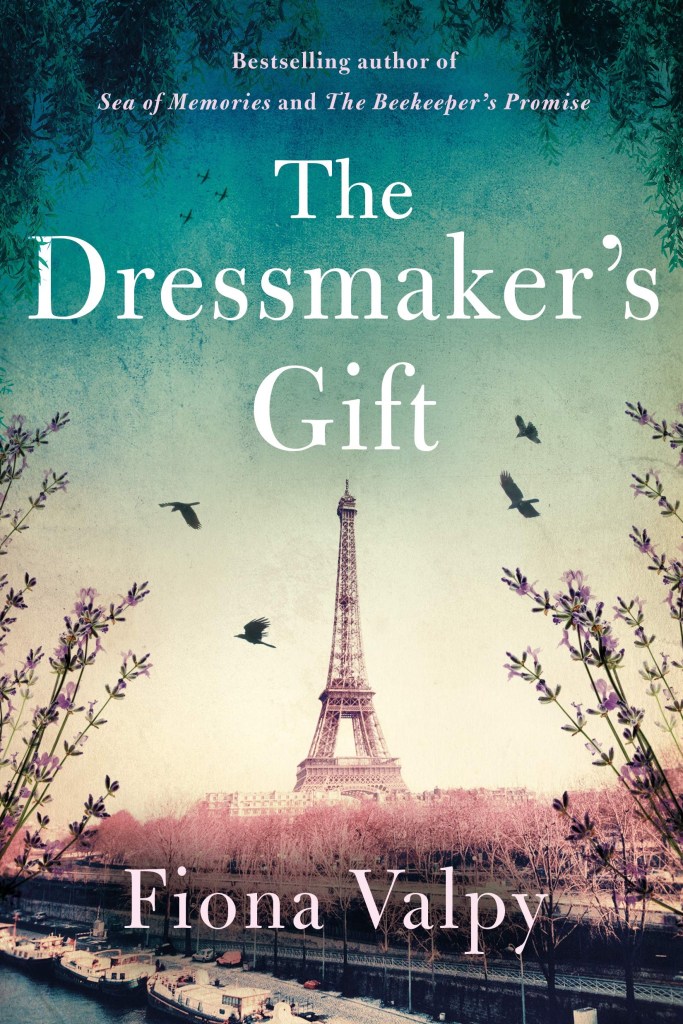
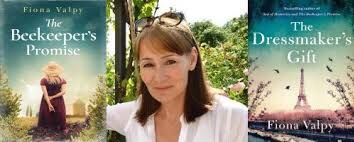
Throwback Thursday! The Dressmaker’s Gift by Fiona Valpy.

This book was a real hidden gem. I love fashion, so the idea of a dress that can transform the wearer’s through the years – the midnight blue satin, made of many pieces but with such tiny stitches it appears as if one piece of fabric – really appealed to me. Added to this, my in-laws history of escaping the Warsaw ghetto – at 8 years old in one case, and being sent to Siberia in the other – means I am interested in the threads of family history at a time of turmoil. My late husband’s family has its own incredible story with repercussions that echo down the generation , so I understand that lives can be displaced and changed beyond recognition, with the results of that still being felt two generations later,

It is Harriet’s love for fashion and an old photograph that leads her to the door of a Paris fashion PR for a year long internship. She is loaned a room in the apartment above the office alongside another girl. Harriet knows this is the very apartment where her grandmother Clare lived in the 1940s. She has left behind a difficult situation!. Having finished university Harriet has been living with her father and stepmother, where she has never felt welcome. Her father sent Harriet to boarding school when he first lived with her stepmom, following her mums death. Her father seemed to find it difficult to cope with a grieving daughter and a burgeoning relationship. One of Harriet’s most treasured possessions is the photo she has of her grandmother Claire and her two best friends in Paris, Mirreile and Vivi. She also has a charm bracelet given by her grandmother and it’s charms show Harriet a story of who her grandmother was. When we are taken back into the past we learn more about these three women. All work in an atelier for the Paris fashion houses. We find out that Claire and Mirreille lived upstairs first, but are later joined by Vivi. All three are great seamstresses and are quick to become friends.

When the Germans arrive in Paris at first is it easy to carry on as normal. Yes, there are more German voices in the cafes and bars, more German vehicles in the streets, but people still order couture clothes. However, as the war really starts to bite things begin to change. The girls friendship survives Claire’s disastrous dalliance with a German officer, but afterwards she notices a difference in her friends. What mysterious work is Vivi doing in the atelier after hours? Who is the gentleman Mirreille is seen with and why is she often missing after curfew? The girls are about to be involved in the war in ways they didn’t imagined; ways that could mean paying the ultimate price.

Just like the stitches in a beautiful garments the threads of history are so beautifully intertwined with the fictional story of the girls. I read Alice Hoffman’s new novel in the last few weeks and it is also set in 1940s Paris so it was interesting to see the same historic events from a different viewpoint. I could see how much research the author had done and her skill in mentioning actual events without them feeling tacked on to the girls story was brilliant, I slowly came to care about each of the girls and although Vivi seems less accessible than the other two at first, it was interesting to see how central to Harriet’s history she becomes.

The detail is often harrowing to read and the idea that trauma can be passed through generations is one I’m familiar with because I’m a therapist and have read the same research as the author. She uses this beautifully in the novel, illustrating that the German’s horrendous acts of cruelty were on such a scale that it echoes down to the next generation. It is only when someone identifies the trauma in their family and gets professional help to let go of it’s effects, that someone can start to heal. I think I expected this book to be lighter and more focused on fashion from the blurb, but what I got was far superior: an incredible story of friendship and survival. I would definitely recommend it to friends.

Meet The Author

Fiona is an acclaimed number 1 bestselling author, whose books have been translated into more than twenty different languages worldwide.She draws inspiration from the stories of strong women, especially during the years of World War II. Her meticulous historical research enriches her writing with an evocative sense of time and place.

She spent seven years living in France, having moved there from the UK in 2007, before returning to live in Scotland. Her love for both of these countries, their people and their histories, has found its way into the books she’s written. Fiona says, “To be the first to hear about my NEW releases, please visit my website at http://www.fionavalpy.com and subscribe to the mailing list. I promise not to share your e-mail and I’ll only contact you when a new book is out.”

Posted in Publisher Proof, Sunday Spotlight

Sunday Spotlight: All About Evie by Matson Taylor

So I’m having a book blogger’s dilemma. The arrival of this book through the door made me do a little Snoopy dance! There are a few books I’ve earmarked as my most anticipated summer reads, but this is right up there as my mostest anticipated novel. I know, we bloggers do love to throw out superlatives here and there, but I’ve honestly been waiting for this book ever since I finished The Misadventures of Evie Epworth two summers ago. Now I’m in an awful quandary. I want to devour it in one go, but once I do, the moment will have passed and Evie is gone again. I don’t know whether Evie’s story ends this time, or whether there’s more to come, so I’m trying to hang on for a little while, at least until my fellow Squadettes are reading so we can talk about it.

If you haven’t read Matson Taylor’s first novel then where have you been? I think this is one book where reading the previous instalment of Evie’s adventures is really helpful. You have a whole new literary heroine to meet and I think knowing where Evie comes from is vital in understanding her. I’m not going to use spoilers so it’s safe to read on. In book one we met Evie in the 1960’s, the summer after O’Levels and before A Levels. Her only plans for the summer are reading, helping their elderly neighbour with her baking and, most importantly, getting rid of her dad’s girlfriend who would like to see Evie working through her summer at the local salon. Christine has moved in and is slowly trying to erase everything Evie loves about the farmhouse, including her Adam Faith wall clock and that won’t do. Evie and her dad would like things to stay as they were when her Mum was alive. They love their Aga and old country kitchen, but Christine wants Formica and a new cooker that’s easier to clean. Her wardrobes are wall to wall pink, synthetic fabrics and she colonises the kitchen with her Mum and lumpen friend, who’re usually in tow. Her dad can’t seem to see that his girlfriend and daughter don’t get along, there’s quite a lot of avoidance practised here, he’s often got his head in the newspaper or listening to the cricket scores, or just popping out for a pint. Whatever the tactic, it means he hasn’t heard anything. This problem needs another woman to solve it. So, when her neighbour has an accident and her daughter Caroline arrives to look after her, the three women put their heads together to deal with the problem, just in time for the village fete and baking competition.

All About Evie starts ten years on from the previous novel with Evie settled in London and working at the BBC. She has all the things a 70’s girl could wish for – including an Ozzie Clark poncho. Then disaster hits. An incident with Princess Anne and a Hornsea Pottery mug means she must have a rethink about her future. So what can she do next? Will she be too old to do it? Most importantly, will it involve cork soled sandals? I have no qualms in saying this is my most anticipated book of the summer. I think I’ll have to compromise and as soon as I have a two week gap from blog tours I’ll be delving in to find out what happens next….

I’ll keep you informed.

Published by Scribner U.K. 21st July 2022.

Posted in Monthly Wrap Up

Books of the Month! May 2022

It’s been an odd month here, because I went into the month full of energy and looking forward to a busy blog month. Then I felt very unwell and sadly had to let blog tour organisers and publishers which I hate. Thankfully I’d written this ahead of time as I read each novel, so all I had to do was write this little intro. My favourite books this month were mainly dual narrative novels, a structure I really enjoy especially when it’s done as well as these authors. I hope you all have a lovely Jubilee weekend, whether you are a royalist or are just looking forward to a long weekend off work. My carer and other half are helping me with a stall at our village jubilee celebrations. I’m at our book exchange with a box full of old proofs to swap, book suggestions and a tombola with books from the Jubilee Big Read as prizes. All the books are from Commonwealth writers so I’m looking forward to introducing people to a different perspective on our Queen’s long reign. Photos to follow!

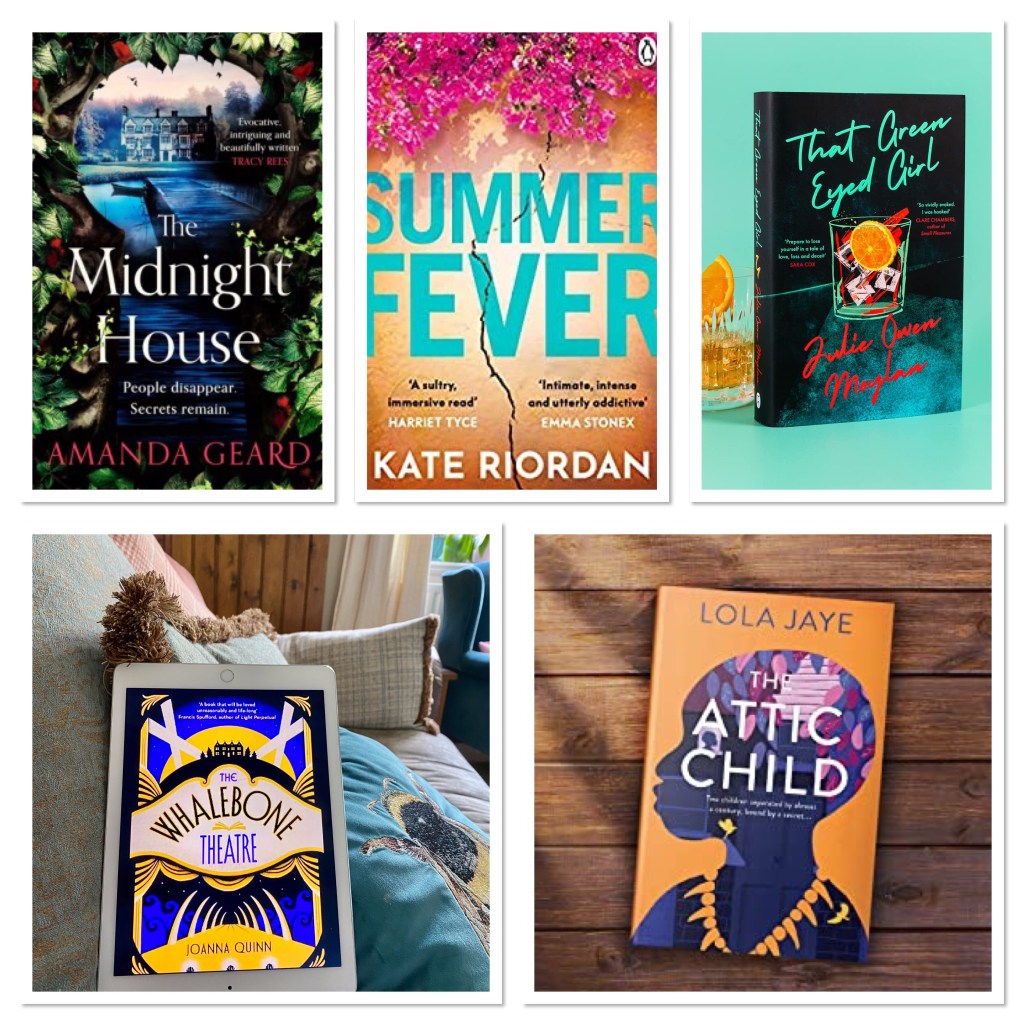
I enjoyed this book much more than I’d expected to. It’s not that there was anything wrong with the blurb or the cover, but I thought it might be just another ‘stately home + mystery’ novel with no huge surprises. However, the depth of characterisation and complexity of the story drew me in and kept me reading for two straight days. Ellie is our present day narrator and she’s having to take leave from work as an investigative journalist after trying to expose an important businessman ended badly. So she returns to her family home in County Kerry, Ireland to spend time with her mother. Trying to keep a low profile is a lost cause in a small Irish village. It’s only because she’s desperate for reading material that she braves the charity shop to collect a box of books that have come from the large stately home nearby, Blackwater Hall. Ellie is grateful to see a few Agatha Christie novels on the top and takes the whole box. Inside is a mysterious letter, addressed only to ‘T’ but clearly belonging to the Rathmore family. It ignites a spark in Ellie and she tries to do the right thing and return it, but is bitten by the mystery surrounding the family. Charlotte Rathmore disappeared during the early part of WWII leaving a broken string of pearls by the lake. The official version is that Charlotte killed herself, but Ellie senses a story and starts to seek out other remaining members of the family. Can she solve the mystery of Charlotte’s disappearance and what changes will the truth bring to Blackwater Hall and the Rathmore family? Despite wanting all the answers, I didn’t want this book to end and there’s no better compliment than that.

Another dual timeline novel here, with another mysterious set of letters. This was our Squad Pod read for May and as usual my review is late, but it’s no secret that I LOVED this book. I even made Chocolate Mojito cupcakes to celebrate the fact. I was unsure where this book was going to go, considering the rather modern looking cocktail cover. However, it’s story was deeper and more moving than I expected. In the 1970’s Ava Winters lives in a New York apartment with her mother and a father who seems to wander in and out. Her mother shows signs of mental illness and seems haunted by something in her past. With both parents AWOL Ava is lonely and becomes fascinated by a box sent to her apartment addressed to a woman called Gillian. It’s from Paris and holds letters as well as a butterfly necklace and a photo with LIAR scrawled across it. In the same apartment, but twenty years earlier, teachers Dovie and Gillian are roommates. However, they’re very private and guard their home lives fiercely until one unguarded moment exposes the wrong person to the truth. This novel showed me a side of life I knew nothing about. A time where ‘unnatural activities’ and desires could lead to a loss of everything from your job to your liberty. I will save the rest for my review, but don’t miss this one. It’s an incredible debut from a very talented writer.

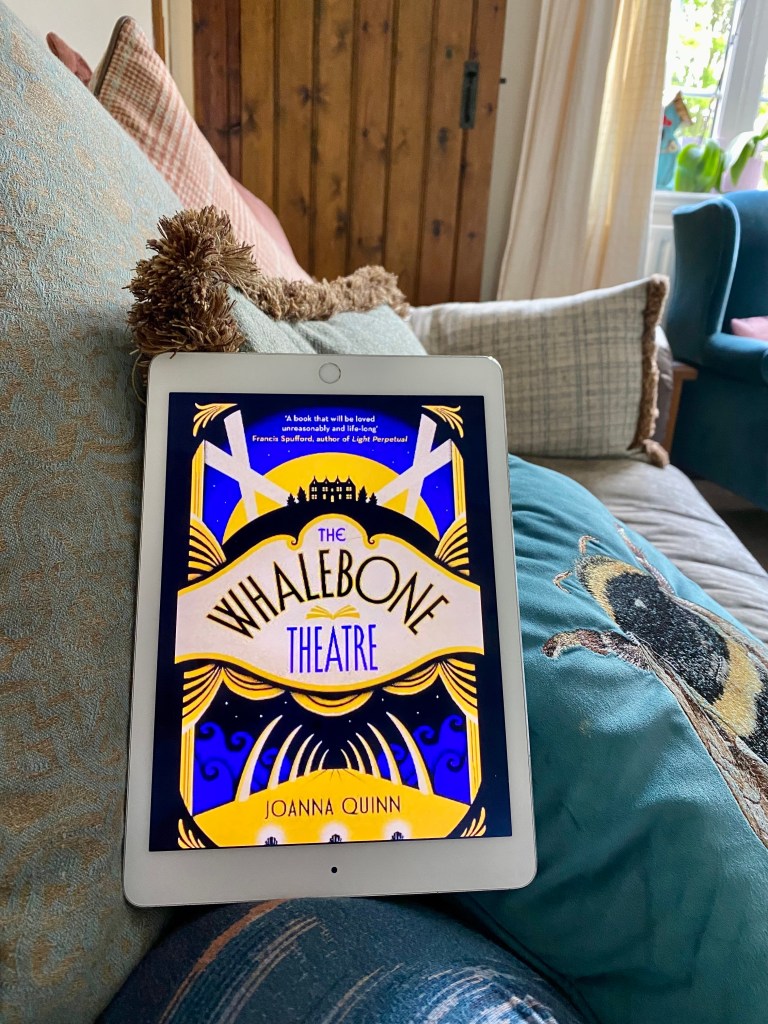
This beautiful novel covers the early Twentieth Century in the lives of one family, from WWI to WWII. This book feels like an epic. A whale washes up on the beach of the Chilcombe Estate and is claimed for the Seagrave family by Cristabel who is the orphan cousin and doesn’t really fit anywhere. She loves adventure, activity, and endeavours, conquering the Seagrave estate rather than being the lady her stepmother would expect. The Seagrave children are an odd bunch, brought up by staff and each other, while their parents stay in bed late, are never without houseguests and like to drink as early as it is socially acceptable to do so. This is the story of the heir and the spare. Jasper Seagrave brings his new wife home to the Chilcombe Estate and Rosalind is thrown into being mistress of the house and stepmother to his daughter Cristabel. Rosalind is happy to have bagged an aristocratic husband, considering they’re in very short supply since the war. That is until the ‘spare’ arrives. Willoughby is everything his elder brother isn’t; a dashing war hero fascinated by speed whether it’s a new car or learning to fly. There’s an immediate attraction, deepening when Rosalind is on bed rest in the last stages of pregnancy and Willoughby keeps her company. Is the Chilcombe estate about to lapse into scandal and what will become of Cristabel? As the family grows to include a half-sister and brother for Cristabel we follow them towards WWII. The author shows what a toll both wars took on people and the rapid changes they forced on society. I won’t reveal whether any of our characters survive, but Cristabel remembers a saying, that war can bring out the best in people. There are those who shine through difficult days and in their own ways I think the Seagrave children all stepped up to the mark. This is a beautiful piece of historical fiction and I would happily read it all over again.

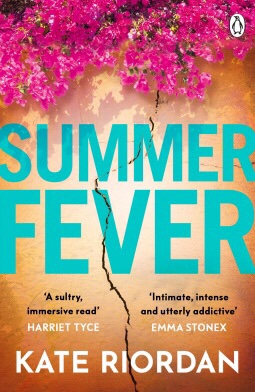
This book is my only thriller this month and it’s a cracker. This is perfect summer holiday reading whether you’re somewhere exotic or lounging in your own back garden. Hot in every sense of the world and set in picturesque Italy with a sense of growing menace all the way through. I read this one in the garden, with a Pimms in hand and with every chapter became more convinced of the old saying; the grass is never greener on the other side. Laura and Nick have been through a lot. Back in London they were struggling with infertility and Laura hadn’t felt like herself for a long time, the fertility drugs pumping her full of hormones and the grief of miscarriage left her feeling broken. When she discovers a betrayal, after Nick accidentally leaves his phone at home, she’s angry and resentful too. In his eagerness to make it up to her, Nick suggests they do what Laura has always wanted, move to Italy and create a holiday hideaway for couples. They discovered Luna Rossa on a visit to Italy several months ago, after which Laura suffered a third miscarriage. It is in the Marche region, a largely unknown area of Italy next to Tuscany but less expensive. Luna Rossa is isolated, includes a pool, a small cottage and beautiful grounds that fall away steeply gifting the house with incredible views across the countryside. Only a few months later they are preparing to welcome their first couple for a three week stay. It seems idyllic, but they’re taking a risk in welcoming complete strangers into their home. Laura has stalked her guest Madison on social media and she seems very outgoing and glamorous. Laura and Nick could be underestimating how disruptive it can be to have strangers living in your home, especially these strangers…. This is a real sizzler of a novel! My full review is coming next week.

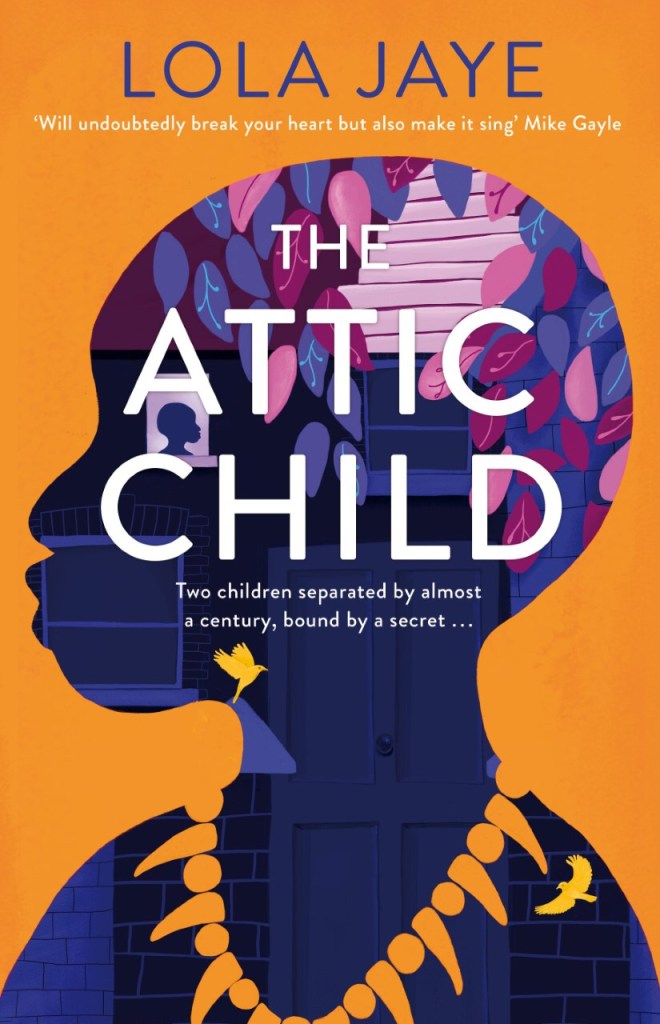
This book is a beautiful example of writing back in history to give a voice to someone who was silenced. Celestine Babbington is recorded for history in a silent form, photographed wearing clothes he didn’t choose and posing with a man whose relationship to him is very problematic. The man, Richard Babbington, is a rich explorer who has a love for Africa and a large mansion house in England. Yet by 1907, Celestine is being kept in the attic of the house, only allowed out to work as a domestic slave. Years later, a young girl called Lowra is suffering the same fate. Locked in the attic as punishment for any transgression, when her fate has been left in the hands of her resentful stepmother. While locked in the attic she finds an unusual necklace with clawed hands, unlike anything she’s seen before. There’s also an old-fashioned porcelain doll and a sentence on the wall, written in an unfamiliar language. These are her only comfort, because she feels as if the person that owned them is with her in some way. As an adult, her stepmother’s abuse still affects her and she’s conflicted when she inherits Babbington’s house. People seem to think she’s lucky and the town is proud of this intrepid explorer. Looking into the house’s history leads her to an exhibition of Babbington’s life, where she sees photographs of Babbington and a young black boy wearing an African wrap and what looks like her necklace, the one from the attic. However, the thing that keeps Lowra transfixed, is the young boy’s eyes. Lowra sees someone filled with sorrow, a fellow sufferer of the darkness inside that house. His name is Celestine Babbington. Lowra wants to find out more about this boy, how he came to be in England and what happened to him after Babbington’s death. This book was moving and had me in it’s grip straight away. It takes me back full circle to the beginning of my post and hearing voices from the Commonwealth countries and from Black British writers. I’ll be taking a copy of this book to my stall at the weekend and I’m looking forward to sharing it with new readers.

Posted in Publisher Proof

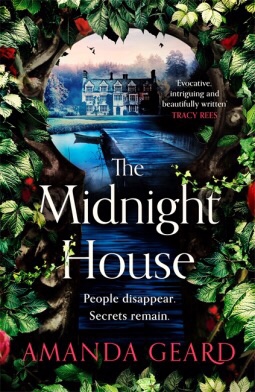
The Midnight House by Amanda Geard

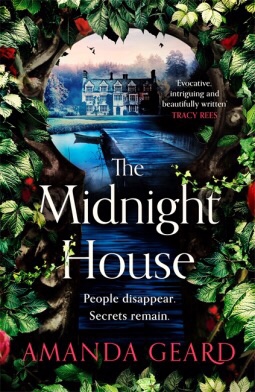
I enjoyed this book much more than I’d expected to. It’s not that there was anything wrong with the blurb or the cover, but I thought it might be just another ‘stately home + mystery’ novel with no huge surprises. However, the depth of characterisation and complexity of the story drew me in and kept me reading for two straight days. Ellie is our present day narrator and she’s having to take leave from work as an investigative journalist after trying to expose an important businessman ended badly. So she returns to her family home in County Kerry, Ireland to spend time with her mother. Trying to keep a low profile and prevent all and sundry from knowing about her return, is a lost cause in a small Irish village. It’s only because she’s desperate for reading material that she braves the charity shop and her mother’s chatty friend Tabby Ryan. Tabby has set aside a box of books that have come from the large stately home nearby, Blackwater Hall. Ellie is grateful to see a few Agatha Christie novels on the top and takes the whole box. Inside is a mysterious letter, addressed only to ‘T’ but clearly belonging to the Rathmore family. It ignites a spark in Ellie, but she tries to do the right thing and return it. At the hall she meets Albert, the lone member of the Rathmore family left behind, but he seems confused about who Ellie is and keeps asking for his mother. Her concern for Albert leads her to his son Milo, but also the mystery surrounding the family. Charlotte Rathmore disappeared during the early part of WWII leaving a broken string of pearls by the lake. The official version is that Charlotte killed herself, but Ellie senses a story and starts to seek out other remaining members of the family. Can she solve the mystery of Charlotte’s disappearance and what changes will the truth bring to Blackwater Hall and the Rathmore family?

The author tells the story across three timelines. We travel back to Blackwater Hall and Nancy’s first visit to meet her boyfriend Teddy Rathmore’s family. This timelines really establishes the characters within the Rathmore family and the beginning of a friendship between Nancy and Teddy’s sister Charlotte. This is before WWII and the aristocratic family are thriving, but there are little hints of a change on the horizon. Charlotte has rebellion and adventure in her soul, while Teddy is ready and somewhat relieved to strike out into a new life with Nancy, since elder brother Hugo carries the pressure of being the heir apparent. The present day timeline with Ellie shows she is an interesting character in her own right. There’s some resistance to becoming comfortable back home, even though she’s finding it suits her in some respects. She may be uprooting other people’s secrets, but theres a sense she has some of her own lurking under the surface; a possible broken relationship and a reluctance to talk about it that intrigued me and made me want to know more. In these split timeline narratives there’s often a lack of character or strong storyline in the present day, leaving the reader more intrigued with the past and creating an imbalance to the story. The reader can find themselves racing through the present bits to get to the ‘real’ story. The author doesn’t fall into that trap here, Ellie is interesting in her own right and her journey feels important too. The third timeline is something of a surprise as we follow a little girl called Hattie at Blackwater House and her emerging friendship with gardener and handyman Tomas. She is interested in how he makes things grow and starts to help him planting the potato crop in the garden. There’s a connection between these two that’s immediate and I was touched by them, possibly remembering days in the garden shed with my Grandad, tying onions up and hanging them from the ceiling and chitting potatoes. Tomas isn’t always the calm and shy man he is with Hattie and if he hears a bang, particularly a gunshot, he is back at war in an instant. His solitary and quiet work is clearly important in managing his PTSD. I was immediately drawn to this character and intrigued by his possible importance to the Rathmore’s story.

There are other flashbacks too, a section from the Blitz in London is particularly tense and heartbreaking. The author describes the air raids from the Lufwaffe so clearly I felt I was there with the characters. I thought the sense of foreboding was incredible and the slow realisation of the danger the characters were in was beautifully written. She captures the terrifying sense that the help needed, the help that’s usually there, is out of reach and something terrible might happen. The damage wrought in these streets and the fortitude of the people caught up there was powerfully portrayed and really gripped my emotions. I felt the author balanced those moments of terrible tension and drama beautifully with the lightness of rural Ireland and the people Ellie meets in her old neighbourhood. This is a place where only those in the big house were able to keep their secrets and everyone knows everyone. The people are strong, community minded and often Ellie’s interactions with them have a light humour about them, while avoiding caricature. I enjoyed her growing friendship with Milo Rathmore – another returnee to the village, now the village GP and carer for his father Albert. He is from Ellie’s world and the pair can look at the place with a critical eye, but also a good humoured and fond heart. I was interested in whether Ellie’s more recent personal issues would come to light. Could she finally confide in her mother and accept someone’s comfort and care, despite that solid streak of independence? I also wondered whether her career would ever be restored and if she could return, would she want to? Mostly though I was interested in what had happened to Charlotte, this beautiful, rebellious girl with so much spirit. I couldn’t believe she would kill herself, but feared that her true end was even more heartbreaking. That extra timeline post WWII also held surprises I really didn’t expect. Despite wanting all the answers I was sorry when this novel ended and there’s no better compliment than that.

Meet the Author

The inspiration for The Midnight House appeared in the rafters of our home, a two-hundred-year-old stone building perched on the edge of the Atlantic. Hidden there was a message, scratched into wood: ‘When this comes down, pray for me. Tim O’Shea 1911’. As I held that piece of timber in my hands, dust clinging to my paint-stained clothes, I was humbled that a person’s fingerprint could, in a thousand ways, transcend time, and I wanted nothing more than to capture that feeling of discovery on the page. I have always loved dual-timeline novels, where stories from the past weave with those of the present day. I want to write books that transport you to another time and place, where secrets lie just beneath the surface if only the characters know where to look.

Before all this, I was a geologist exploring the world’s remote places. Luckily for me, writing novels provides a similar sense of wonder and discovery; but the warm office, fresh food and a shower in the evening make the conditions rather more comfortable! The wild weather of County Kerry, where I live with my husband and two red setters, gives me the perfect excuse to regularly curl up by a fire with a great novel. I treasure my reading time, and I know you do too, so thank you for taking a chance on my books.

Come over to Instagram and Twitter (@amandageard) where I share plenty of photos of the wild settings in The Midnight House. You can also find me on Facebook (@amandageardauthor).

Taken from Amanda’s Amazon Author Page.

Posted in Random Things Tours

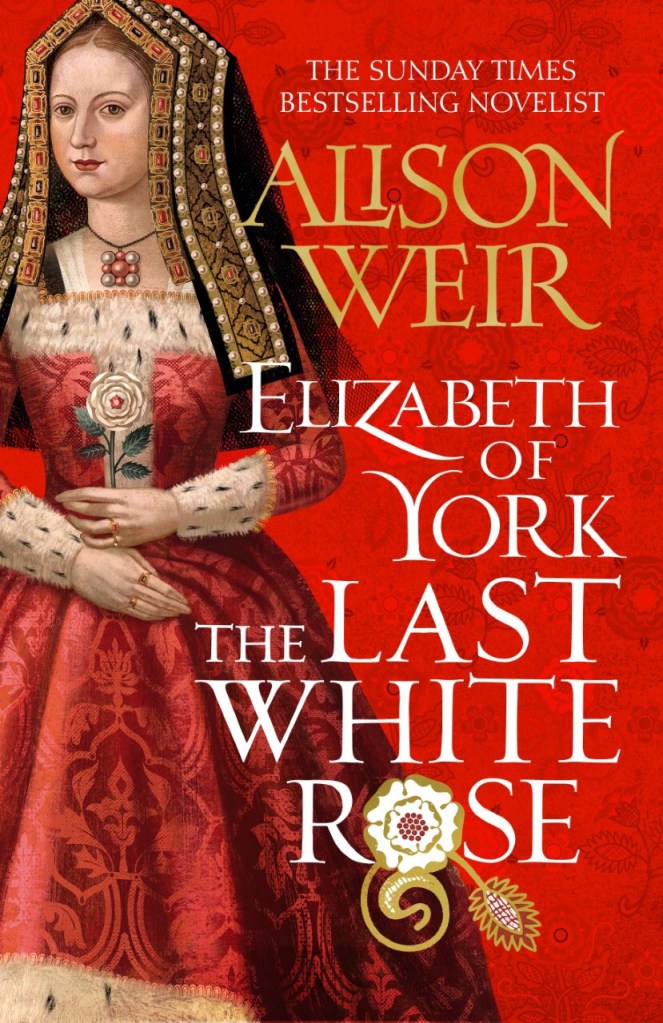
Elizabeth of York: The Last White Rose by Alison Weir

I love novels of courtly intrigue, in fact at my previous home I had shelves placed in the alcoves either side of the fireplace and one whole side was devoted to books on the Tudors and the Wars of the Roses. So the story of Elizabeth of York is familiar to me, but I love Alison Weir’s books and I was interested to see her take on this incredibly important Queen. As Alison Weir states in her afterword, Elizabeth is at the juncture of several important events in England’s royal history. There’s the instability caused by the Wars of the Roses or Cousin’s War, with battles, changes of allegiance and her family’s fortunes rising and falling with every intrigue. There are parts of her life shrouded in mystery and with differing viewpoints from historical researchers and novelists. I have always wondered how her relationship with Richard III changed from niece and uncle, to prospective wife. I have read accounts that suggest an affair between the two, one that took place in front of Richard’s sick wife Anne Neville and was branded scandalous in the court. I wanted to read Alison Weir’s take on this strangely incestuous relationship, whether Elizabeth was complicit and desired the match or whether this was a political match – suggested by Richard who wished to legitimise his rule, above the claim to the crown held by Elizabeth’s brothers and sons of Edward IV. Did Elizabeth, and her mother Katherine Woodville, see this as the only way to secure their family’s safety under Richard’s rule? The other mystery is that of the missing princes in the tower, a subject Alison Weir has looked at closely before. Some accounts suggest a conspiracy drawn up by Henry VII’s mother Margaret Stanley, to advance her son’s claim to the throne and label Richard III forever as guilty of regicide and killing his own nephews. Others lay the blame squarely at Richard’s door, for arranging their murder then forever hiding their remains so they couldn’t even have a proper burial. I was interested in how Elizabeth coped with potential marriages to the very two men who had most to gain from her brother’s killing.

The novel begins at one of life’s terrible downturns for the family, as Edward IV’s wife Katherine is forced to flee to sanctuary with her children, Elizabeth being the eldest. This time shut off from the world and all the comforts they were used to had a huge impression on Elizabeth and could have been enough of a trauma to be an underlying cause of the choices she made in later life. The fear of having nothing, facing poverty and being barred from courtly life is ever present and the privilege of her royal blood, her claim to the crown and her importance to England is drummed into her from a young age. I often think that it was Mary Boleyn who had the right idea, a generation or so later, of leaving court and all it’s intrigues behind and becoming the wife of a farmer. If you are always told you are destined to be a Queen though, does that sort of thought ever enter your head? Court is really the only life that Elizabeth knows. The author really puts across the drama of courtly life, especially during Henry VII’s reign when any whiff of a usurper seems to have him running to her rooms in a panic. The stress seems constant and I did wonder how many of these people died purely from lifestyle.

The feasting was incredible, with weird mixes of courses confusing the eater’s tastebuds and stomach, taking them from brawn, fish in jelly, custard then to peacock. These snippets of courtly life set the scene so well and almost dazzle the reader with such a sense of spectacle. I would find myself distracted from all the stress, and the grief, by the descriptions of week long revels and Christmas celebrations. Just a description of the costumes for a masque or the clothes of the time gave that sumptuous and luxurious feel to the court. I was rather reminded of another Queen Elizabeth and the lavish celebrations planned for the end of this month. Weir captures that element of disguise and distraction that’s still apparent between the royal family’s private and public arenas today. I am largely disinterested in our current royals, but a wedding will dazzle me and I end up watching the whole thing. If told how much it’s cost I get incensed, but then I get sucked in by the whole spectacle. So, in a time when supporting a royal household could mean getting caught up in a costly and dangerous war I could see how the ceremony would have to be even more lavish to gain the public’s attention. Men in the novel don’t have the luxury of choice, so if you were a tenant of the local landowner you were compelled to fight for their cause, no matter whether you agreed or not. Thank goodness that today, royal rivals only parade their discord round the chat shows and not on the battlefield.

Ultimately though, I felt some sympathy for this young woman who was borne of a King who won his crown on the battlefield, then promised in marriage to a man who won his crown in the same way. Like most women of her time, her fate is decided for her, albeit it in a more dramatic way than most. Here she seems to love Henry and the older they get, they mellow and the closer they become. I did wonder whether other novels strayed nearer the truth, that fed up with being constantly touted as the most eligible lady in England, her relationship with Richard was something she was complicit with, a type of rebellion where she was willing to ruin herself just to have some agency in her own life. What I love most about this book was how well written it is, obviously meticulously researched and gave me a slightly different perspective to events I knew well. For example, Margaret Stanley the King’s mother, is described as kind and almost sweet in character for the small ways she tries to look after those around her. I thought that Elizabeth’s relationship with Lord Stanley was interesting and probably gives us the biggest clue to this young woman’s real character and motivations. Stanley is known for changing allegiances when he’s sure which way the battle is turning. At the Battle of Bosworth he rode out with Richard III, only to turn to his stepson’s cause and actually strike down the King, taking his crown and placing it on Henry VII’s head. He and Elizabeth are made of similar stuff, each one watches the way wind blows before committing in order to survive. We can see her as blown about by that prevailing wind or as a politically astute young woman who knows how to secure her children’s future.

Meet The Author

Alison Weir lives and works in Surrey. Her books include Britain’s Royal Families, The Six Wives of Henry VIII, Children of England, Eleanor of Aquitaine, Henry VIII: King and Court, Mary, Queen of Scots and Isabella: She-Wolf of France.