Posted in Squad Pod

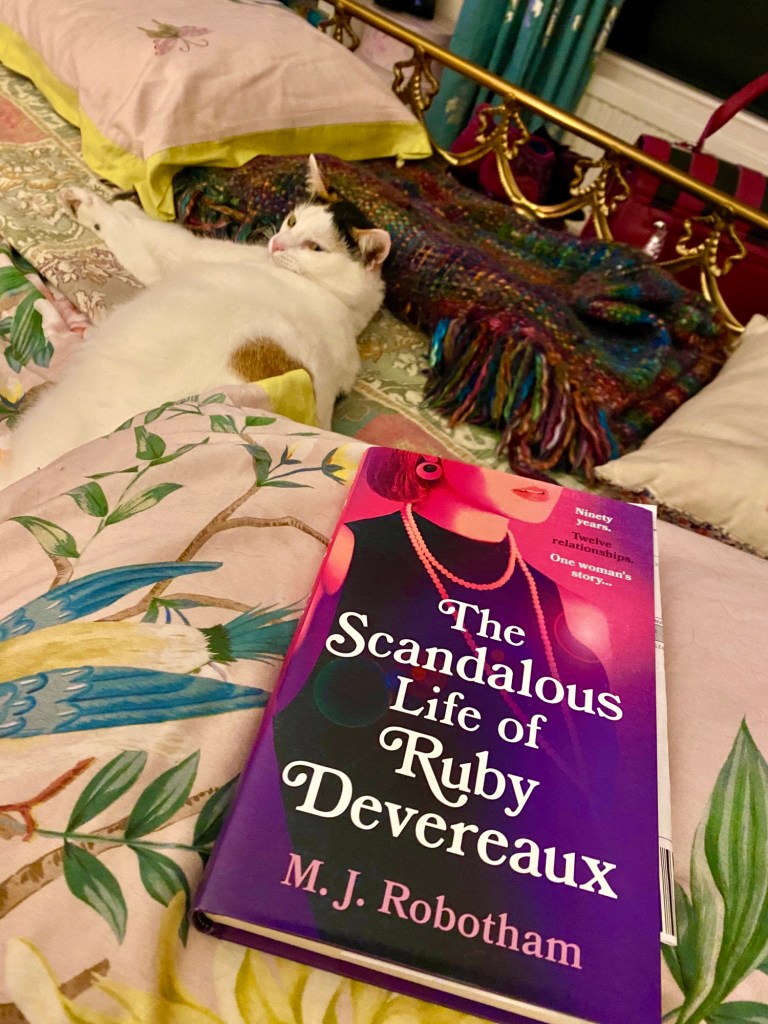
The Scandalous Life of Ruby Devereaux by MJ Robotham

Everyone knows Ruby Devereaux’s books. But no one knows her story… until now.

From a teenager in wartime England to a veteran of modern-day London – via 1950’s New York, the Swinging Sixties, Cold War Berlin, Venice and Vietnam – Ruby Devereaux has lived one hell of a life: parties, scandals and conflict zones, meeting men and adventure along the way. In a writing career spanning seven decades and more than twenty books, she’s distilled everything into her work. Or has she?

There were times during this novel where I wished I was the transcriber in the room, just so I could be the first to hear this lifetime of stories. Ruby Devereaux’s editor is under pressure from above. Ruby is almost 90 years old and the publisher is determined to get the one last book she owes them. So her editor suggests that she closes her illustrious writing career with a memoir. Ruby was on the verge of packing up her typewriter, but she does perhaps have one story left in her, or maybe twelve…

The bulk of the book is Ruby’s memoir as told to her transcriptionist Jude, each chapter named after a man in her life and telling the story of their relationship. Although it’s not as simple as that, through these affairs she takes us through the latter half of the 20th Century and right across the world. It takes us through one woman’s history, but also the ever changing landscape of the world around her, taking in those unforgettable moments and some fascinating social history too. I used to be fascinated with my 90 year old grandmother and the changes she’d seen over a lifetime in the countryside: from horse drawn ploughs to huge tractors; from cycling everywhere to her children owning cars; from handwritten letters to online communication. This has similar vibes, but on a bigger scale as Ruby moves from peacetime to war and across three continents with the world constantly changing beneath her. The author weaves together the social history, world events and Ruby’s growing up with romance and scandal. Ruby has spent seventy years telling her character’s stories, but now it’s time for her own. It’s definitely a life well lived as it’s taken her to the 1950’s New York of the Mad Men, Berlin and Budapest during the Cold War, into Vietnam and into relationships with twelve different men. These are the men who’ve inspired her novels. Make no mistake though, this isn’t really about the men in her life, this is about Ruby. Each relationship captures where Ruby is at that point in her life; a chapter in her personal growth. Ruby easily outshines her male counterparts because she has such a zest for life and breaks society’s rules and expectations about women everywhere she goes. As a young girl in post-war England she’s very matter of fact about her first sexual experience, wanting it out of the way before she leaves home. She’s an incredibly resilient character, despite experiencing loss and heartbreak at a very young age. She makes a promise to herself and the person she’s lost to keep going, grabbing opportunities whenever they arise. Never realising that all along she’s writing the most exciting story she’ll ever tell.

It’s this resilience and insistence on saying yes to experiences that take her across the globe. Starting in London, she lives and falls in love in the romantic city of Venice, via a terrible experience in New York that spawns her second book. She then explores Saigon and Budapest, before finally ending up in Cornwall. She spends time in a commune, dabbles in the world of spying and has assignments in war zones. Just as in her love life, she’s tough and doesn’t dwell on failures or knock backs, she chalks it up to experience and moves on. There is a danger of some of the men in her life becoming a mere backdrop to Ruby and her escapades, it’s very hard to keep up with her energy. However the later sections in England felt a little more detailed and because they’re not as filled with adventures, the men have more room to develop. Their relationships with Ruby feel deeper and more real. Ruby is always at the centre though and I loved following her character development. We can see which experiences have given her strength and a sense of boundaries. I love a scandal so this was definitely a fun romp in parts, whilst also having a sense of reflection and self-awareness as Ruby becomes an older lady. There’s a bravery in her willingness to share her life, particularly her emotions and those difficult parts of her life – relationships that went wrong, the loss, motherhood and her mental health. However, despite this we’re caught up in Ruby’s humour and ability to heal. I think the author has created a brilliant character and blended actual history with her life very well. Ruby is such an incredibly memorable character and I enjoyed spending time in her company.

Published by Aria 11th April 2024

Meet the Author
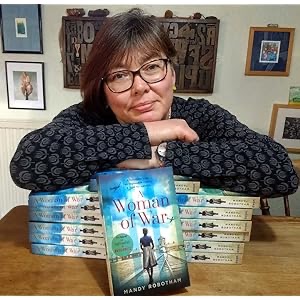
M J Robotham had wanted to write from a very young age, inspired by the book ‘Harriet the Spy’. However life got in the way and it was journalism and having a family keeping her occupied. She was a midwife for several years, but started to write seriously after completing an MA in Creative Writing. her first novel was A Woman of War followed by The Secret Messenger set in occupied Venice.

Her next two books were set in pre and post war Berlin, then wartime Norway, both are places she loves to visit. In her spare time she visits the gym, to knit unusual things and enjoys the music of Jack Savoretti,
Posted in Personal Purchase

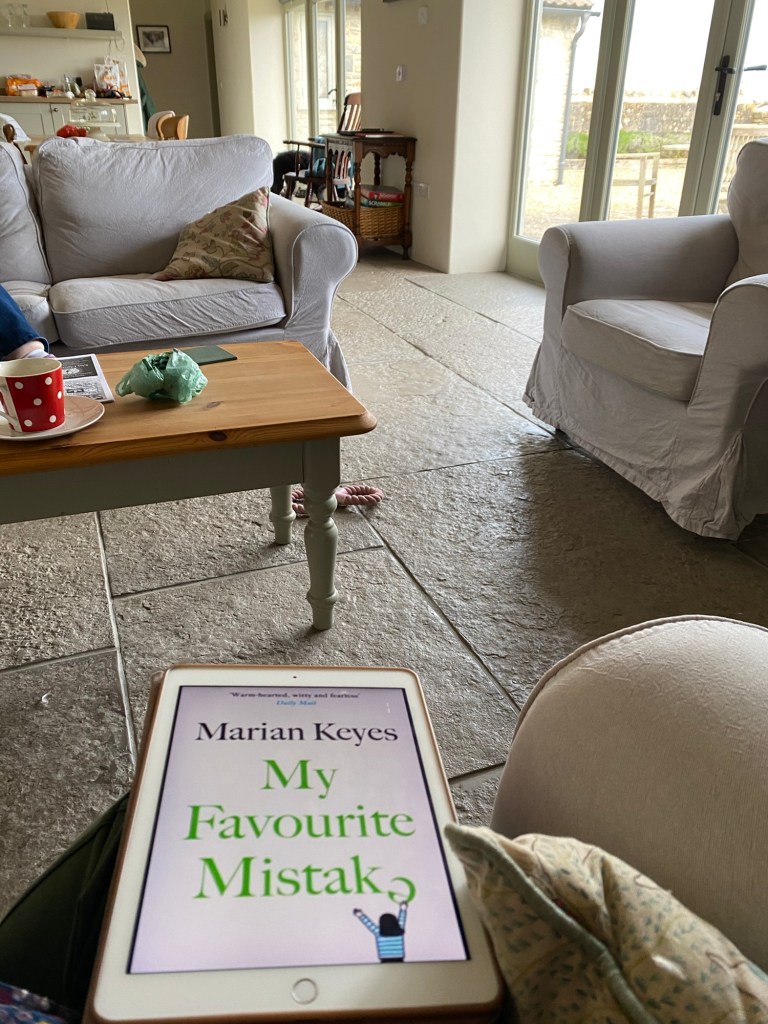
My Favourite Mistake by Marian Keyes

I’m going to say it.

I am a Marian Keyes superfan.

I love her tweets or whatever the hell we call them now. I love her honesty. I love her Strictly fandom. I especially love her sense of humour. I love that her books have drawn my stepdaughter into daily reading, because of course more than anything I love her writing. She puts all her quirk, wit and self-awareness into the characters she writes. She is a writing goddess! She gets better year on year and I loved this dive straight back into the Walsh family after Again, Rachel. Rachel has always been my favourite Walsh, but in this latest novel Anna really did steal my heart. Anna is nearing her fiftieth birthday and her high flying PR role in the beauty business is wearing a little thin. Although she’s always loved living in NYC, the pandemic left her feeling the distance from her family in Ireland. After losing her husband Aidan in a terrible car accident several years ago, her contact with his family in Boston has waned. Her subsequent relationship with Angelo – a ‘feathery stroker’ – has been conducted with respect, equality and a deep fondness, but never passionate, all consuming love. With a need to be near those she loves, she gives notice on her job, her apartment and her relationship.

Her family think she’s gone mad and she almost starts to think she’s made a huge mistake when a sudden job opportunity comes her way. Her sister’s friend Bridie has been building a luxury hotel and spa on farmland near the coast, but the project has hit the buffers. Locals have vandalised the site leaving machinery sabotaged and the luxury bungalows daubed with paint. Bridie and her husband have had the worst news, their daughter has been diagnosed with cancer and needs their total focus. What they need is an experienced but down to earth PR who will be able to converse with the locals in town, find out what their grievances are and hopefully, get the project moving forward again. Anna is booked into the local hotel and can be ready to hit the ground running, but there’s just one snag. The finance broker who has put together the deal for Bridie’s project is Joey Armstrong. Joey was part of the Irish ex-pat community in New York when Anna and Rachel first moved out there. He was also one of the ‘Real Men’, a group of long haired, tight jeaned, rock gods who included Rachel’s husband Luke. Joey was hot. All tawny haired, with the most kissable mouth Anna had ever seen, not to mention his jeans which were just on the wrong side of decent. The first night they met Anna felt an immediate vibe and was full of anticipation until her sister Helen walked in. She saw Joey’s eyes immediately slide over her and become laser focused on her beautiful sister. Anna was immediately slighted and when Helen and Joey left together she decided to dispel this particular lean hipped rock god to the back of her mind. However, this wasn’t the last time their paths crossed. Joey has always been a mix of old flame and thorn in Anna’s side. Can she put aside their past and work together on this project?

Anna has that wonderful characteristic that can’t be taught, she has an easy charm and an ability to talk to anyone from building contractors to the lady of the manor. She takes to M’town straight away, working out who are the cornerstones of the community and who has something to lose from the development at Bridie’s farm. Knowing that her NYC clothes won’t work in rural Ireland, she dresses in jeans and a waterproof coat and pulls her hair back in a ponytail. Minimal make-up leaves her looking fresh-faced and the facial scar from her accident with Aidan is exposed. She’s shrewd enough to realise that it gives her an advantage, no matter whether they people feel sorry for her, are curious or think it shows honesty and openness. She’s smart and has similar skills to her sister Rachel when it comes to communication. The openness, lack of judgement and appreciation that Rachel shows her clients in the counselling room, is equally fruitful when trying to get to the bottom of why certain people in town are against the development. Anna genuinely cares and within days can see where mistakes were made, where a concern was overlooked or an individual was inconvenienced. She can make the most insignificant person feel like the centre of her world and is soon making friends. We follow her investigation and watch her become more and more embedded in this quirky but beautiful little place. In between we see glimpses into Anna’s past, from the before and after devastation of Aidan’s death to her relationship with best friend Jackie and her daughter Trea. Jackie has been her best friend, a relationship that even survived Jackie’s fraught relationship with Joey. When Jackie becomes pregnant, Anna puts aside her own feelings for Joey and becomes her birthing partner and almost a co-parent to Trea. However, something happens to jeopardise their friendship and the women have barely spoken since.

A Marian Keyes romance is never just heart and flowers. It’s always about the heroine’s personal baggage and need for self-growth too. Often I prefer the inner growth to the potential relationship, but not in this case. I absolutely loved this couple and their story. We all have that someone who got away. For me it was a lanky and eccentric music lover called Glynn who would turn up at the door unannounced – often sporting flowers from the graveyard or my dad’s own flowerbeds. There was rarely any warning with Glynn, he might be waiting for me at school having invited himself for tea or have walked five miles from town with some song lyrics scribbled on a postcard that I just had to have. We would lie on my bed and listen to the Cocteau Twins, Ride and The Smiths. My dad would despair at his Joe Bloggs wide leg jeans with frayed hems that dragged mud and grass into the house. He had hair like Clint Boon from the Inspiral Carpets and a huge billowing parka that I stole and wore for two years straight. He also had a complicated home life and often reminded me of Snufkin from The Moomins, who loved the solidity and dependability of Moomin House but also needed time to wander alone whenever it suited him. I was hopelessly in love with him, but it took him three years to finally ask me out and I was scared that it was finally happening that I panicked and refused. Even now, every few months or so he sends me a Spotify track by House of Love or Northside and I love that little reminder of teenage love. Similarly, Joey and Anna have a very long history with several near misses and a deep friendship when he let her close. Although they’ve never had a romantic relationship it is Anna and not one of his many lovers who knows the truth about his upbringing and how damaging those years were. He has trusted her with his deepest secrets, but he has also hurt her, possibly more than anyone else in her life. He has also caused her to lose her closest friend. Yet Anna knows that once she also wounded Joey deeply, the details of which we only find out late in the story.

I loved the pace of the romance, with Marian Keyes knowing exactly when to drop in a flashback that explains everything and keeping that ‘will they/ won’t they’ tension without it seeming artificial. Often with rom coms I feel like obstacles are there just for the sake of it, but the flow is natural and I never felt like the outcome was a done deal. There were so many obstacles and items of baggage it felt like they were on the luggage conveyor belt at Gatwick. There’s everything from the past – him choosing Helen, then Jackie and then most of NYC if Mrs Walsh is to be believed, before Anna. Joey has so much work to do, not just about his childhood but about the here and now. Blending families isn’t easy and he has three adorable boys as well as Trea to think about. They’re both temporarily working on this project and in M’town so what happens when the hotel is built or if Birdie has enough and changes her plans? Anna might be healed physically, but her scar does bother her and has changed her life in ways she didn’t imagine. It does work as a filter, anyone it clearly bothers has no place in her bed. However, at times it does play on her confidence and when she sets up an online suggestion inbox for the locals there are enough hurtful comments to remind her of a time when she wasn’t okay. Joey is fit to murder the culprits but Anna rises above it and keeps moving forward, despite the hurt and the reminder that Joey didn’t even choose her before the accident. So, why would he choose her now? Is it possible to remain friends when they’re so close? Finally, there’s the beautiful setting, nobody does small town Ireland like Keyes and these people are imperfect, but hilarious. Some of their concerns are petty, but others are grounded in years and years of tradition. Work is hard to find in a small town so local tradesmen not being asked to contract was a huge mistake, but easily smoothed over once Anna explains the artistry and level of finish expected. Could Anna thrive somewhere like this, or is she just passing through? I loved, loved, loved this book and being on holiday I had the luxury of sitting in the garden in Glastonbury and reading right through to the end. This is peak Marian Keyes and if you don’t fall in love with Anna or her love story with Joey there’s clearly something a little bit wrong with you.

Meet the Author

Marian Keyes is the international bestselling author of Watermelon, Lucy Sullivan is Getting Married, Rachel’s Holiday, Last Chance Saloon, Sushi for Beginners, Angels, The Other Side of the Story, Anybody Out There, This Charming Man, The Brightest Star in the Sky , The Mystery of Mercy Close, The Woman Who Stole My Life, The Break and her latest Number One bestseller, Grown Ups. Her two collections of journalism, Making it up as I Go Along and Under the Duvet: Deluxe Edition are also available from Penguin.

Posted in Netgalley

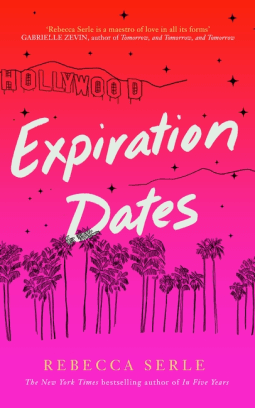
Expiration Dates by Rebecca Searle

It’s been a while since a romantic novel has made me shed tears but I reached just over half way through Rebecca Searle’s new novel and I felt a lump forming in my throat. My reaction was possibly more emotional than the average, because I felt seen. Rebecca has this habit of taking what seems like a simple romance and adding an element that immediately elevates it to something more. Daphne lives in L.A. and works as an assistant to a film maker, outside of work she is a busy bee flitting between visiting her parents, spending time with her dog Murphy and roaming flea markets for quirky household items. However, her favourite weekend mornings are those she spend with her ex-boyfriend Hugo: he wakes her early, they get to an early farmer’s market for the best choices such as the sunflowers that are always gone by ten am. Her career hasn’t changed much over time and she has chosen to stay in the area to be close to her family. Daphne is single, at a point in life where people she knows are staying together, having babies and getting married. Daphne tends to have short term relationships, but she is starting to wonder about all these things. Are they something she’ll ever find? Her friends can’t understand it, she’s a great girl, and have started to offer to their friends and work colleagues as potential dates. What they don’t know is that Daphne keeps a box under her bed and in it are post-it notes, drinks coasters and theatre tickets all which have the name of a boyfriend and a length of time, an expiration date. From one night to several months these cards enter her life around the same time as a new man and Daphne knows the finite amount of time they have together. This bit of magic from the universe is amazing in some ways, but in other ways she’s starting to think they hold her back. Are they starting to become a self fulfilling prophecy? Then her friend Kendra sets her up with Jake and Daphne waits for her expiration date to arrive. This time though, it’s just a name; no date. Does this mean Jake is the one?

Aside from the magical expiration dates, I was beginning to wonder whether this was a straightforward romance. Much as I was enjoying Daphne’s life, I was missing that extra element that grabs me and makes me feel something. I shouldn’t have doubted the author, because when it did arrive the impact was huge. Having had a similar experience at the same age as Daphne made her story even more compelling because I ‘got’ it and completely understood her emotions and reasoning. There are momentous experiences in life that divide it into a very clear before and after and you can never return to who you once were. Yet on the outside, the change isn’t visible. There is always something there to be revealed, something that can be ‘outed’ and only you can choose when and if you reveal it. Jake’s open ended expiration date is ambiguous, but what it does is leave Daphne to make choices in a way she never has before. Previously, short expiration dates have meant she doesn’t have to make a choice. If it’s one night, the chance to know another person is limited. If it’s three months Daphne doesn’t have to invest too much emotionally. It’s both freeing and restricting at the same time. Daphne doesn’t have to change or make too much effort, because whatever she does or doesn’t do it changes nothing. However, her emotions are restricted. If she didn’t see the expiration date, might she have invested more, took a risk or perhaps even fallen in love?

That’s why being with Jake is so different, it’s the only open ended relationship she’s ever had. Don’t get me wrong, Jake couldn’t be more perfect. He’s attractive and intelligent. More importantly he’s kind and considerate. At first, Daphne isn’t sure but for once they have all the time in the world for her to explore and see where the relationship and her feelings go. Jake has emotional depth and a willingness to put those emotions on the line. Jake was married once and his wife died. Daphne marvels at his ability to be vulnerable when he has lost so much. It also worries her, because she holds a secret that has the ability to shatter this fragile and tentative relationship they’ve built. She has a perfect man who wants to live together, to marry and build a future. Everyone says he’s perfect, but is he perfect for Daphne? I couldn’t help but keep thinking back to Hugo, who seems like the one who got away. He knows everything about Daphne, the secret and the expiration dates, but he’s still here. Their official romantic relationship may have come to an end at their proscribed three month deadline, but he’s still here and to me he felt like the person who is closest to Daphne. If they’d had the chance of an open ended relationship, might they have been perfect for each other? There were things I didn’t like about Hugo, but to me he felt more vibrant and alive than Jake. I felt like Daphne glows when she’s with Hugo, whereas with Jake she is the epitome of the phrase ‘settled down’. For Daphne, falling in love has never been simple and I really related to that. I think a lot of other readers will too.

Out on 14th March from Quercus

Meet the Author

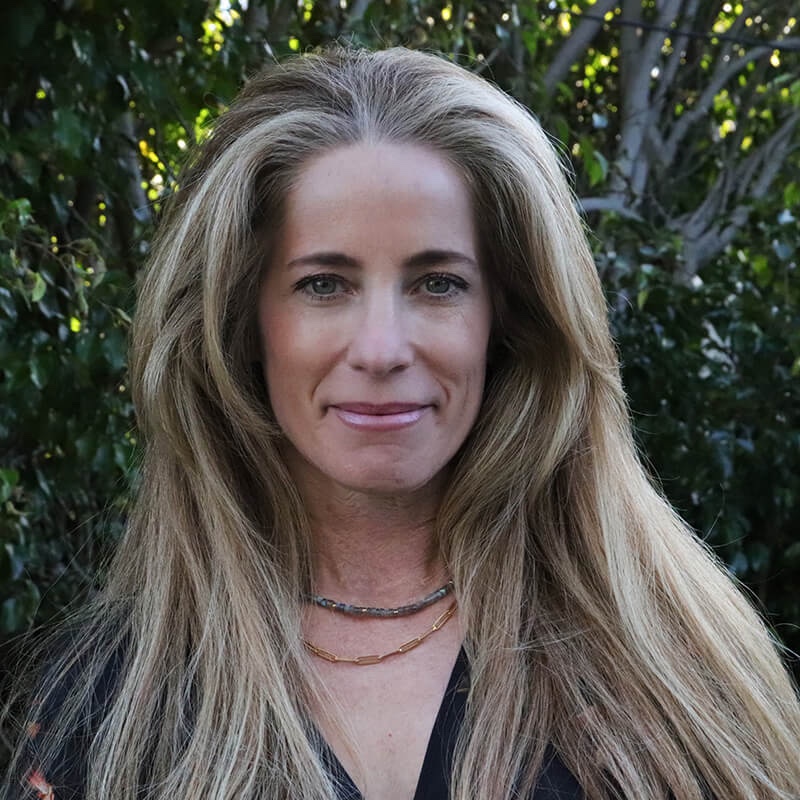
Rebecca Serle is the New York Times bestselling author of Expiration Dates, One Italian Summer, In Five Years, The Dinner List, and the young adult novels The Edge of Falling and When You Were Mine. Serle also developed the hit TV adaptation Famous in Love, based on her YA series of the same name. She is a graduate of USC and The New School and lives in Los Angeles with her husband.

Posted in Squad Pod Collective

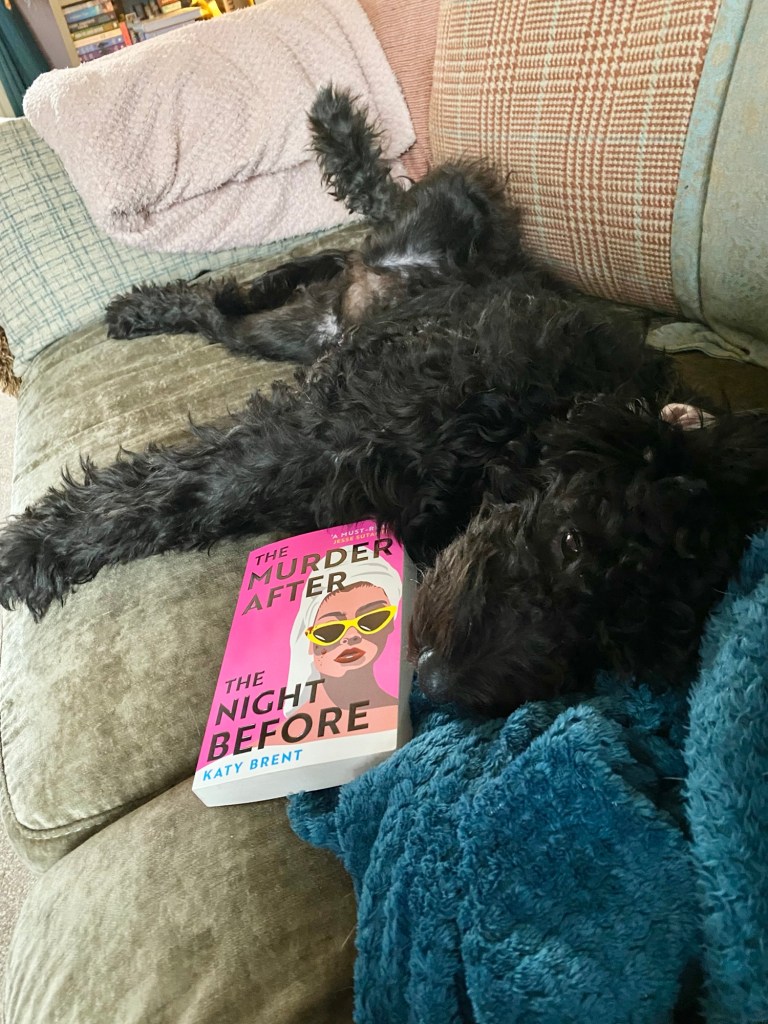
The Murder After The Night Before by Katy Brent

Something bad happened last night. My best friend Posey is dead. The police think it was a tragic accident. I know she was murdered.

I’ve woken up with the hangover from hell, a stranger in my bed, and I’ve gone viral for the worst reasons.

There’s only one thing stopping me from dying of shame. I need to find a killer.

But after last night, I can’t remember a thing…

This was a delicious pick me up for a winter weekend with unexpected depth! It was the perfect mix of witty fun, but also an interesting thriller that captures the moment with some serious social commentary. When Molly wakes up after the Sparkle magazine Christmas party she’s expecting a hangover of epic proportions. What she isn’t expecting is to wake up next to a complete stranger with no memory of the night before. She has a strange combination of complete amnesia, but underneath that a feeling of unease that won’t go away. He tries to reassure her that all he wanted to do was make sure she got home safely, considering the amount that she drank. Yet, his account of the night before doesn’t make any sense to her either and she starts to question everything. Things only get worse when she staggers into work to hear the worst news she could ever hear. Firstly, there’s a sexually explicit video of her at the party going viral on social media. Worse than that she finds out her best friend and flatmate Posey is dead after an awful accident. The version the authorities give Molly just doesn’t ring true though and she suspects her friend may have been murdered. So Molly starts her own investigation, hoping to unearth the truth of what happened that night but also who would want Posey dead and why?

Molly is such a sparky, likeable character and she brings a lightness to this dark story, just enough to keep a good balance. I warmed to her as it becomes clear how much she cared about her friend and the lengths she’s willing to go to for justice on her behalf. She’s a little clumsy in her investigation skills and has flaws, but that makes her more endearing. She’s far from perfect at first, drinking a lot and dealing with loss, struggling to focus and not remotely motivated by her job on a teen magazine. Molly allows the author to tackle some heavy themes within the novel, it’s her personality that makes these difficult subjects accessible to the reader. This is also brilliant because it accesses readers who might not ordinarily pick up a more ‘serious’ novel on these themes. It’s a fine line to tread, remaining serious about a subject while writing an entertaining and engaging story, but the author has pulled it off here.

The author shows incredible skill by weaving some pertinent social commentary into the plot, about the dangers of social media and misogyny, both online and in real life. Since the murder of Sarah Everard by a serving Met Police officer, the rise of the Incel movement online and influencers like Andrew Tate, the depths of the misogyny in our culture have come to light. I’ve never been more aware of the divides in our society when it comes to race, disability and sexism. The recent and very public ableism and misogyny towards comedian Rosie Jones has been staggering and as a disabled woman I was affected by reading it, goodness only knows how Rosie had felt as their target. I expected the ableism, but felt it was tinged with sexism too because the comedian Lost Voice Guy, who has the same disability as Rosie, doesn’t face this relentless wave of hate. The Wild West that is Twitter has given a toxic platform to men who enjoy gaslighting women and putting them down in the most insulting ways possible. I love that Katy Brent has tackled this misogyny within her story line, from the toxic culture of social media through to the terrible experience of sexual assault. The embarrassing viral video of Molly giving a blow job in the street gets a torrent of disgusting, but very authentic comments from trolls and keyboard warriors, not all of them men. It was just like reading Twitter. None of them were levelled at the man, all the negativity is focused on Molly, effectively bullying and slut-shaming her. It really highlights how there are still different societal standards of sexual behaviour for men and women, but now proliferating on social media.

I really enjoyed Molly’s character growth, at the beginning she’s all over the place, but her love for Posey really makes her focus and get results. Molly realises that Posey was working on an investigation that might have been the cause of her murder. So she has to follow the clues her friend has found, working out answers to the questions she had, all in the hope it will bring her closer to finding her killer. Of course that puts Molly in the same danger, but she wants to find the truth for her friend and shows real loyalty and courage. Molly’s flaws and her self- awareness about them, just make her all the more endearing. There’s some snappy dialogue that keeps the story moving, but also introduces an element of wit and humour. Yes, there are moments here that are truly funny, but the balance between the humour and the darker aspects is maintained throughout. The emotional depth of the characters and particularly Molly’s feelings for her friend really did elevate this above the average thriller, but as the truth starts to unfold, there are twists and turns that leave you wondering if we ever know anyone as well as we think we do.

Published in paperback on 1st February 2023 from HQ

Meet the Author

Katy is an author and award-winning journalist from the UK. She has worked on newspapers, magazines and websites since 2005, writing about popular culture. How To Kill Men and Get Away With It was her first novel and The Murder After the Night Before is her second.

Posted in Publisher Proof

One Friday in Napa by Jennifer Hamm

The word Vene would have used to describe her mother was ‘cold’ because they’ve always been at odds, even in childhood. So when news of her terminal illness comes, Vene wonders what to do. Is a reconciliation out of the question? She returns to Napa only to find that Olivia is as harsh as she always was. Yet, when Vene finds a cookbook belonging to her mother, it’s like a window on a different woman. Upstairs her dying mother is judgemental and snappy, but between the pages of the cookbook she’s a young woman full of romance and longing, but also duty and a terrible heartache. This is the mum she’s never met and she wants to go on an emotional journey, to connect with the ‘real’ Olivia before it’s too late.

Using a dual timeline, half a century apart Vene tries to unearth the secrets and sacrifice of two different women. I loved the use of food as a medium to communicate emotion and nostalgia. We all have these tastes that rocket us back to childhood in one mouthful. In fact one of my favourite memoirs is Nigel Slater’s Taste which conjures up so many memories of his mother. We don’t always see our parents as people in their own right, especially when there are secrets and we don’t know the truth of everything they’ve endured. Mothers don’t always fully see their daughters, often because they’re so busy trying to protect them from a similar harm to the one they suffered when they were a young woman. In trying not to repeat our youthful mistakes and create a pattern, we make new ones. I thought there was so much insight into women’s emotional history here. There was a running theme of service and sacrifice that reminded me of Virginia Woolf’s A Room of One’s Own. Are women now able to make life choices completely for themselves or do they sacrifice this freedom to look after the needs of others? As an artist can we ever be fulfilled if we don’t write, paint or create? I thought the setting really emphasised the idea of food and nostalgia too, because just reading it I could imagine myself on holiday there. The place was beautifully described and the recipes with their accompanying wines between the chapters conjured up so many tastes and smells. Don’t read this when hungry! I love Italian food so it was wonderful to read those colours and tastes brought to life.

Emotionally and psychologically the author presents heartbreak in such a raw and honest way. Olivia’s past is full of loss and the pain of that has informed the way she brings up her daughter. The hurt of the past always affects our future relationships in some way, but is it possible to acknowledge that hurt and stop it shaping our future and that of our children? If not, a destructive pattern emerges and there is definitely trauma between these two generations. As our trips into Olivia’s past start to explain more about her present, I was hoping that Vene’s newly found knowledge of her mother’s motivations would open up a space for them to communicate honestly and truly know each other as women. I felt more involved in the past timeline, which often happens to me in dual timeline stories, and found the young Olivia a more engaging character. However, it was the dynamic between the two of them I loved and the sense that women have a lot to learn from each other when they communicate honestly. I wondered about how we value the older women in our families and whether we’ve lost that ability to prize them? Is there a collective wisdom we’re missing out on when we stop seeing our older relatives as people. Every so often it’s good to remind ourselves that these people who happen to be our parents, had lives long before they had us and I wondered whether there were incredible stories buried within the past generations of my own family.

Meet the Author

Born and raised in Los Angeles, Jennifer Hamm graduated with a BA in English at UCLA and began her writing career developing screenplays for movies and television. As a travel writer, she has covered the globe on assignment for various magazines and brands. She also writes It’s Only for A Year, a long-running blog chronicling her adventures raising her four boys in two countries. Hamm currently splits her time between London and Los Angeles. One Friday in Napa is her first novel.

Posted in Netgalley

The Stargazers by Harriet Evans

The Stargazers does something I’ve been trying to put across in my own WIP. It shows us that our own story, as we have experienced it and tell it to others, is only one strand of an infinite tapestry. Sarah Fox and her husband Daniel are moving in to their new house on The Row. It’s a ‘proper house’, meaning that as you walk through it you can imagine your child taking their first steps in the hallway or using the tree swing in the garden. It reminded me of when we were looking at houses and we viewed an incredible place that felt to me like a grown up house. It had all the children’s heights written on the wall next to the kitchen door and also a little family of llamas, painstakingly cut out and coloured in, then clear varnished onto a beam in the living room. It was a proper family home and I think this is a little bit of what Sarah feels as they cross the threshold of No 7. Does this make them grown-ups? Perhaps amplified by the fact that Sarah has never known a real family home until now. Sarah and her sister Victoria (Vic) spend their early childhood in the family home of Fane Hall, one of the most splendid stately homes in the south of England. When their grandfather, the heir, dies. They are awaiting the return of Great Uncle Clive. He will become the Earl because Sarah’s mother, Iris, cannot inherit the house being a woman. Iris has doubts, but hopes that since the death of both her father and her husband, Uncle Clive will be benevolent and allow them to remain living in the west wing of Fane. Yet the man who returns from war with a new wife, Aunt Dotty, does not see things the same way. Fane is his, and instead he grants them a small flat in Kensington.

Years later, after Iris has repeated endlessly to her daughters that Fane is her house regardless of inheritance law, they fall on hard times. So she tells the girls to pack and brazenly moves into Fane, occupying a different wing to Clive. Time has been hard on Fane and it seems like her Uncle has allowed it to fall down around him. Every room feels ransacked and amazing collections like the taxidermy animals have been thrown on the floor, their glass cases broken and the smell emerging into the house. There’s also a far worse smell. Many of the toilets are blocked, the bathrooms unusable and their smell permeating throughout. This is the legacy of WW2 and Fane being used by the British forces, not very carefully it would seem. Uncle Clive is dirty, shambling and penniless. A game seems to resume between her Uncle and her mother Iris, with the girls caught in-between, often forgotten and at times completely neglected. Then Iris sends the girls to boarding school and settles in at Fane waiting for him to die. This means that for long periods Sarah has to leave her only friend in the world. The only one who understands her home situation and gets to know her one to one. They are the stargazers. Sarah climbs out of her window in the middle of the night to meet him at a large tree, big enough to sit in and watch the night sky. There they don’t have to talk about their home lives, it’s simply understood. This young boy lives with the lady who runs the post office, but she’s a foster mum. He tells her they need to look forward to their futures not their pasts, to their dreams of being a musician and a film maker.

As we work our way through these different layers of family history, it works like a set of Chinese boxes, one story tucked inside another and we learn a little more from each. Sometimes, an event in Sarah’s childhood helps us understand the present. Then we read a snippet from Iris’s past that informs us about why she treats her own children badly. The adult Sarah we meet in her house in London is very different, as her life shrinks a little. She has two small children and spends all day taking care of them. She doesn’t have time for daily music practice and her hands become stiff so she can’t stretch to pluck the cello strings. Where once she played cello professionally, it now sits in the corner of a room upstairs untouched. Husband Daniel is a bit clueless about how Sarah feels. He’s a fellow artiste, but he’s an actor and television producer and he still gets to leave the house each day. He also starts a long Sunday lunch tradition for the neighbours which seems to a euphemism for come into the house, drink all day and neglect to clear up after themselves. Sarah struggles a bit in this chaos, especially when something outside of their daily routine happens – like her sister turning up to stay when Sarah had completely forgotten them. Instead of embracing the chaos and simply saying ‘I’ve forgotten completely, come on into the madhouse’ she tries to cover the fact that she’s not remembered, putting untold pressure on herself.

There’s a saying in counselling that no two children have the same parent, that applies strongly to Vic and Sarah. They are very different people, possibly due to the way they responded to emotional abuse as children: one was compliant and the other, despite being scared, was defiant. Not only was Iris psychologically damaging, she was neglectful. She is constantly forgetting to feed them, doesn’t buy them the right clothes for school and ensures they are seen as different both by the children of the village and even their school friends. At school Vic becomes a huge hit with the popular group and seems worshipped by the younger girls. When asked to show her loyalty to the group she doesn’t hesitate, even when that loyalty means shunning her little sister. There is bullying that’s uncomfortable to read and gave me the shivers. In choosing the popular girls, Vic has ensured her safety but has also signed up for a lifetime of putting on a front. Sarah may be shunned but at least she can be herself. I felt sorry for Vic, after all she is also the product of abuse, but in turning into an abuser herself she started to lose my sympathy. Especially when it comes to their treatment of Sarah’s music teacher and an act that has lifelong repercussions.

I thought this book was fascinating from a psychoanalytic perspective showing how we find ways of surviving abuse childhood that become part of our personality. In a twist I didn’t expect, a Sunday dinner at Sarah and Daniel’s goes south fast when their little girl disappears. The reasons why surprised me, because I was never quite sure where the stories were going to join up or who might be lurking from the past. Sarah’s eventual return to Fane in adulthood doesn’t work out in the way she might have hoped, but it helps her finally face up to what happened there. The final paragraphs show us the irony of Iris clinging to Fane and to life. She is still muttering to herself that Fane is hers and what would have happened had she been a boy? Did she get what she wanted in the end? Is the estate viable or have terrible compromises been made? As we find the answers to these questions we also see Iris’s decline as compared with the little girl she must have been when she first visited the house. This final flashback is brilliantly thought out and placed. That first visit can’t fully vindicate Iris, there is never an excuse for her actions towards her own children, but it could shed some light on what happened to set these wheels in motion. It might even explain her unshakable belief that Fane is hers. This is a great book about family, intergenerational trauma and the adults we grow up to be, because of the children we once were.

Published by Headline Review 14th September 2023

Harriet is the author of thirteen novels, two of them are Richard and Judy book club selections, several have been Top Ten Bestsellers, one won the Good Housekeeping Book of the year prize, but the accolade she’s most proud of is the lady on Twitter who wrote last month that she thought my books were real ‘knicker grippers’. As Harriet says on her Amazon author page ‘I suppose that’s all you can hope for isn’t it?’

Her first novel, Going Home, came out in 2005 and her last was The Beloved Girls, published in paperback in April 2022. She wishes she’d tried another job sometime but she can’t imagine not writing. She has written since she was a child, first on books I stapled together with paper then notebooks, then a laptop that crashed and lost all of the novel she was writing in secret back in 2002. (So now she backs her work up properly) Her first novels were more about relationships and people in London and had more chicklit themes and the later ones are darker and more about families and secrets and houses and the past. Those themes have always been in her books, but as she’s grown older she’s enjoyed exploring them more. She has so many stories in her head all the time and adores knowing that her job means that she can carry on telling them.

If asked how she’d describe her books she’d say she wants them to be gripping, involving, heartwarming stories about families and mysteries in the past with a Gothic tinge. This one definitely fits that description.

Posted in Throwback Thursday

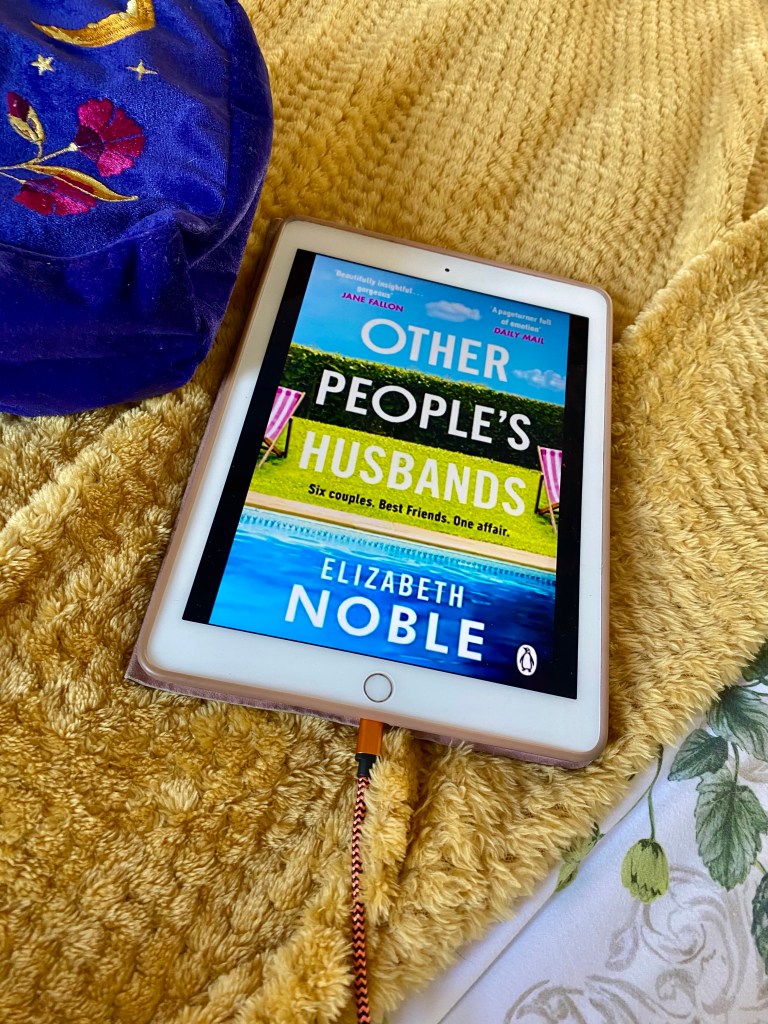
Other People’s Husbands by Elizabeth Noble

Elizabeth Noble’s domestic drama is focused around a solid group of friends. Six women and their husbands have been a ‘pack’ for several years after chat at the school gates led to lunches, then dinners and now regular get togethers like their annual May Day bank holiday. Traditionally this weekend is always spent together, sometimes abroad but usually at Annie’s picturesque holiday cottage. Annie loves sharing her home with her closest friends and is the best host, often heading down there a couple of days before the others to air the house out and prepare the bedrooms. This is where the ripples begin. In previous years Annie remembers all the kids coming along, playing in the pool and shrieking with laughter. More recently it’s just been the adults and the first day usually involves getting out of travelling clothes and spending the afternoon by the pool, the men in their swimming shorts and the women in sensible Boden one piece swimsuits, an unspoken rule. Kit and Natalie are late for everything and this weekend is no exception, so everyone is already lounging outdoors when Natalie joins them. This is the moment that everything changes, as Natalie strolls out in a high legged red bikini walks the length of the pool and climbs in. The red is as subtle as a matador’s cape, but will anyone take up the challenge? All the women know without speaking that this is a betrayal of the sisterhood, an open sexual invitation, a red flag. Even a couple of the men mention it, later on in bed with their wives they say it was a statement, pure theatre, something that shouldn’t be a surprise considering Natalie is an actress. Yet her husband Kit barely seems to notice.

However, one of the husbands noticed a long time ago that Nat is beautiful. In fact over twenty years there have been several moments – a glance, a brush of the fingers, a hand that lingers on a shoulder, a kiss that strays from the cheek to the edge of the mouth. Will this now become something more? The author lets the tension rise beautifully. She perfectly captures how one action acts like a ripple in a pond within a group like this. It would affect every one of the friends and the next generation who have grown their own friendships over the years. Natalie is feeling restless and expressing that in her clothing and changing her routine. She and husband Kit have a small flat in London that she can pop to on the train and visit galleries or go shopping. Previously she’s been held to the routine of children at home but now she’s free from that and has time for herself. Her husband Kit seems absolutely solid and a great dad, but Natalie misses that frisson of attraction and electricity between two people. So, when she and Dom accidentally bump into each other in London she doesn’t have anywhere to be or to rush back for, so they can enjoy the warmth of a city evening. Joining others who are sat on the embankment, looking at the river and enjoying a bottle of wine or ice cream. The heat between them is obvious, but there’s always been something to stop them before. Dom loves his wife, she’s solid and dependable but their sex life has dwindled of late and they don’t seem to have made the transition back from family to being a couple again. His attraction to Natalie, something he felt at their very first meeting, has never diminished. What if they now have a chance to be together? Whereas Natalie seems to agonise over her husband and children finding out, Dom doesn’t seem to think about the catastrophe this would cause.

Noble has written their characters very carefully so that I really did care about Natalie despite her actions. I enjoyed her relationship with daughter, listening to Temple’s marriage problems and going away with her for the weekend for some quality time. Natalie’s issues were largely her own and they had nothing to do with her relationship with Kit. Dom’s wife Sarah was very organised, something that seemed to fit with her job as a schoolteacher. She often organised group get togethers and was very family orientated. She knew that her sex life with Dom had slipped a bit of late but she wasn’t too worried. She thought that sex did tend to dwindle a little when people reached middle age and had been together so long. That didn’t mean they didn’t love each other. However, she had really been too busy to stop and think about whether they actually did still love each other. The author’s ability to get inside the mind of these characters was incredible and I enjoyed how the story was split between various different members of the group, including the next generation who were facing changes of their own. I loved how the women tried to remain friends with each other, despite everything that was happening around them.

While this intense drama was going on it was balanced by a peek into these couple’s lifestyle. I coveted Annie’s holiday home with it’s old fashioned charm. The events they’re all invited to, such as one of their daughter’s weddings being held in the garden at home, were lavish and beautifully arranged. These were dreamy interludes between the domestic drama that I drifted through, thoroughly enjoying how lovely they were. There was also a gorgeous little romance developing between two of the next generation, who had spent years climbing trees and running through sprinklers in each other gardens, but were now confused because their feelings were changing. In the main it was the women who stood out in this novel, whereas a lot of the husbands simply faded into the background. These were strong women, having to keep afloat careers, family commitments, parents and marriages. These are the ‘middle’ years where children still need you and parents start to rely more on their children. It’s a little like spinning plates, but at least these ladies had gorgeous homes and getaways. Let’s be honest, no one here is struggling on minimum wage. It’s gloriously gossipy though and I felt like a thoroughly spoiled fly on the wall by the end. Perfect for by the pool reading, this really was an enjoyable and addictive domestic drama.

Meet the Author

Elizabeth Noble is the internationally bestselling author of The Reading Group, The Friendship Test, Alphabet Weekends, and Things I Want My Daughters to Know. She lives in New York City with her husband and their two daughters.

Posted in Squad Pod

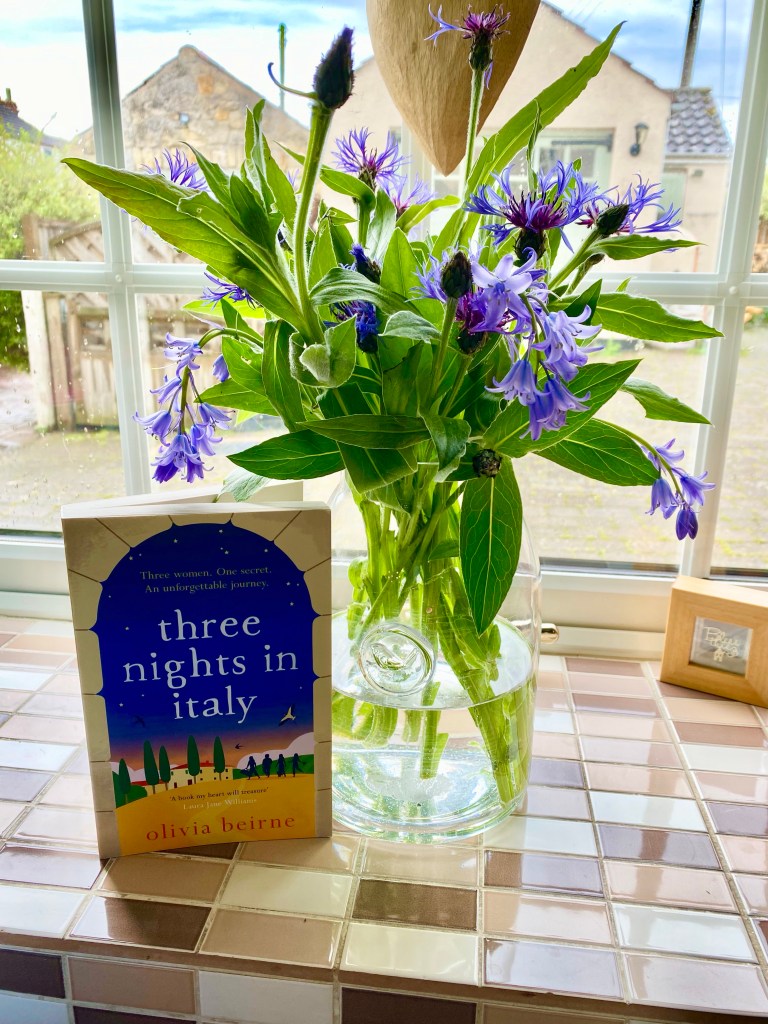
Three Nights in Italy by Olivia Beirne

As this novel opens Zoe has just lost her grandmother, a larger than life, charismatic artist who lived in Italy. Zoe and her mum Ange are left grieving in Cornwall, but they grieve differently and Zoe is worried about her mum, who appears to be in a trance but answers ‘fine’ when anyone asks how she is. Fine is a word banned in my counselling room, so I could understand Zoe’s concern. It’s a form of masking how we truly feel. Uncle Reg is dealing with all the legal and financial stuff, holding an auction of his mother’s belongings only a week after her funeral in Italy. Zoe and Ange plan to stay in Cornwall, but Zoe is uneasy about Uncle Reg and so was I. Her grandma promised her the beautiful emerald engagement ring that she claimed had magical properties. So, when Aunt Fanny turns up after being missing for fourteen years, she encourages them to travel out to Italy. She should know if it’s necessary, after all she was once married to Uncle Reg. With a reluctant agreement from Ange, they agree to travel to Italy for three nights only. They must go to grandma’s house and search for the ring before Uncle Reg even knows they’ve left the country.

Our young heroine Zoe shares the narrative in short, snappy sections with her friend Harriet, Mum Ange, and of course, Aunt Fanny. There are times when her voice gets a little lost amongst these other sparky and formidable women, especially Fanny who has chosen this diminutive of her true name Fenella just to see the blushes it causes. Zoe has stayed in her home town since school and works as a high end wedding coordinator. It’s as if she hasn’t really started in life, adept at creating and delivering the dreams of others she has forgotten her own. I loved her sparky little assistant Kitty who was giving off perky Reece Witherspoon vibes. Zoe hasn’t travelled, had a long term relationship or been to university. Her most important relationship is with close friend Harriet who also seems stuck, but we’re given more access to her inner world and she knows she’s treading water. It’s always been just Harriet and her mum, so it was a shock when Mum met someone and now has a newborn baby. They feel like a family and Harriet has felt like she doesn’t belong. Zoe has also had an all female upbringing made up of Mum and Aunt Fanny, along with holidays in Italy with her grandmother. Mum Ange remembers meeting Fanny just after she married her brother Reg and despite being so different they clicked instantly. Fanny is distinctly upmarket and while Reg always seemed embarrassed that his sister and niece were dressed by Next, Fanny never made her feel like that. With Reg working away the two women became Zoe’s parents and Zoe remembers the shock they felt when Fanny left suddenly and never contacted them till now. Zoe doesn’t have the pizzazz or individuality of her aunt or grandmother and it seems she has really suffered from the absence of these women in her life.

I enjoyed the women’s camaraderie and the way they supported each other. Despite seeming a bit disconnected from Mum at the moment, Zoe is devoted to her and wouldn’t think of leaving while she’s in this trancelike state. Aunt Fanny is the backbone of this group and such a formidable woman in her stilettos and her trademark ice-blonde bob that’s never out of place. She is loud, flirtatious and determined to live life to the full. She seems unbreakable and undaunted, buying everyone’s ticket to Italy, convincing Ange to come, overcoming obstacles and hiking in four inch heels! She grabs every opportunity to have fun and takes adversity in her stride, she even encourages the others to let their emotions out. Yet there are so many questions: where has she been for fourteen years? How does she keep her bob so immaculate? Does she really have a fortune from inventing a nail file? Why does she have other people’s credit cards? And why did she leave in the first place?

There is some romance too, with a love interest for Zoe in red-headed Sam who she meets by knocking a drink over him at the airport and pops up in the most unexpected places. They have a first date in Grandma’s town and I loved the women helping her get ready, just like they would when she was younger and going out. Even our older ladies (my age actually) have their flirtations, but this book is mainly about personal transformation though and finding your authentic self – something that’s not always easy for women who are bombarded with messages about who and how they should be. This is personified by Zoe’s grandmother whose presence is huge, despite her absence. I felt the book would have really benefited from more flashback moments between her, Ange and Zoe. She’s present in the laidback town where she lives, in her hillside home, and most of all in her paintings. The painting that’s a self-portrait of grandma in dungarees with her paint brushes in her pocket, seems to leap off the page with her life force. The depth and number of vivid colours show how vivacious she is and captures her love of life. It’s just so perfectly her, living her best life. I couldn’t bear to think of this stunning painting being sold at the auction. Even more than the engagement ring, it would have been the thing I had to keep. All I kept hoping was that Zoe could take some of grandma’s magic and apply it to her own life, to find out who she truly was and live her own fabulous, authentic life.

Thank you so much to Headline Review, Olivia Beirne and the Squad Pod Collective for the chance to read this book.

Meet the Author

Olivia Beirne is the bestselling author of The List That Changed My Life, The Accidental Love Letter and House Swap. She has worked as a waitress, a (terrible) pottery painter and a casting assistant, but being a writer is definitely her favourite job yet. Three Nights in Italy is her fourth novel.

Posted in Netgalley, Publisher Proof

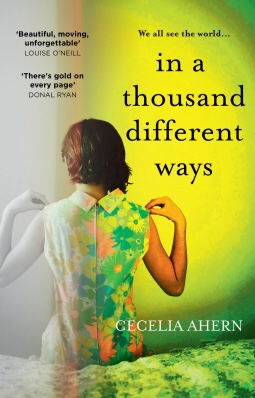
In A Thousand Different Ways by Cecilia Ahern

Cecilia Ahern gets better and better. I loved Freckles, which I’d tried despite hating her early books (especially P.S. I Love You, a book I hated with such a passion I wanted to throw it on the fire). This was such a profound book and touched me deeply. It was no stretch to believe in our heroine Alice and her ability to see people’s emotions as colours. I could also empathise with how difficult it is for her to cope with. I identified with our heroine so strongly, both physically and mentally. To explain, ever since I was diagnosed with MS I get strange crossed wires with my senses, especially around sight and taste. If I see a beautiful display of daffodils, I suddenly taste delightfully sour sherbet lemons and my mouth waters to the point of pain. Every so often, if I’m anxious, the smell and taste of Mum’s cottage pie drifts in and I can actually experience it as a physical sense. It’s obviously something that’s comforting to me. These experiences are as vivid and real as if what I smell and taste is directly in front of me. I think this ability to make strange connections and perceive senses in different ways also stretches to other people’s emotions. There are times when someone walks into a room when I can feel their emotion as strongly as my own. It goes beyond a knowledge of body language, I can actually feel their anger, confusion, grief or joy in my own body. As you can imagine this has been incredibly useful in my counselling work, but it’s also completely exhausting, especially when a lot of people are around.

Alice is from a dysfunctional family and we’re thrown directly into their daily life, where elder brother Hugh and Alice are desperately trying to keep their family together. Alice has to get her younger brother up and ready for school, trying so hard not to wake their mother Lily and incur her wrath. Sometimes when they return Lily still hasn’t surfaced, but if she has it’s still best to remain under the radar because she’s usually irritable, lethargic and unable to connect with her children. Other days they may come home and find Lily up, dressed and full of energy. She may be frantically cooking pancakes, multiples of them, while working out the overheads of running a mobile pancake van. This tendency to flit between extremes is spoken of in whispers between the children, quick warnings to brace themselves or expect the worst. One day after school Alice comes home and finds Lily still in bed, even worse there’s an eerie blue mist emanating from the bed and filling the room. Alice fears the worst and rings an ambulance, then runs into her room and hides. It’s only when she hears her mother screaming and swearing at the paramedics that she realises Lily is alive. What’s baffling to Alice is that no one else seems to see the blue colour emanating from her mum.

I absolutely loved the way the author described Alice’s adjustment to having this vivid colour display wherever there are people. In the school environment it’s a nightmare for her, everyone gives off a different mix of colours, moving and flashing at her eyes until she starts to suffer migraines. Her insistence on wearing sunglasses to school brings her to the teacher’s attention and they think she’s playing up and being insolent. Hugh knows though and seems to realise instinctively that it’s part of Alice’s hyper-sensitivity; the colours are simply a physical manifestation of her ability to feel other’s emotions. Alice is what might be called an empath, she has a highly tuned radar for the moods and sensitivities of people in close proximity to her. As a child she sees the negatives in her situation, mainly because she doesn’t have autonomy. If Lily is blue, red, or at worst black, there’s nothing Alice can do to avoid it. She can get out of the house if Lily hasn’t seen her, but that’s not always possible, leaving her at the mercy of her mother’s mood. The author brilliantly conveys Alice’s feeling of powerlessness and the fear she feels as she comes home, unsure of what will happen when she goes inside. Scenes where Lily is at her most angry, in one scene towards Hugh and his plans to go to university, the furious and messy black colour Alice can see is really menacing. Yet they go on hiding Lily’s condition, because the alternative is social services and possibly having to split the family up.

I found myself really worried for Alice, because in the swirl of colours and emotions that assail her every hour of the day how can she ever find peace? Between that and the terrible situation at home there’s never a moment for her to develop herself. We only know who Alice is in relation to everyone around her. She becomes subsumed by their emotions, needs and wants to such an extent that her own don’t get a look in. I was devastated by her choice to stay at home after leaving school with Lily and her little brother, who’s rapidly becoming a violent criminal. His antagonism towards Alice comes from being the baby of the family and not yet being able to view his mum objectively. Lily has the ability to threaten and manipulate quietly, deliberately under the radar of her youngest son. So he only sees Alice’s attempts to stick up for herself, which cause such a furore that in his eyes Alice is the problem. I was worried that she would never be able to leave home, follow a career or get married and have her own children. She has become so emotionally literate though and still worries about her family members, even the ones who treat her badly. I was worried she wouldn’t be able to discover her authentic self and develop the life she wants without leaving. One catalyst for change is the man she happens to see on his way to work. He stands out instantly because he isn’t giving off any colours and Alice is so fascinated that she follows him. Andy is a strange mix of both restful and mysterious. Alice has never had to work so hard on getting to know someone, it’s both scary and intoxicating to peel back the layers. However, when they’re just ‘being’ – taking a walk or watching a movie – Alice can relax fully, because she can’t sense all the colours lurking underneath the surface. I was intrigued to know whether this could mean he is Alice’s ‘one’, but also whether there were other colourless people in the world.

From the perspective of this reader with a disability it was so interesting to watch someone negotiate the world with a difference like this. I’d probably call it an ability rather than a disability. I loved discovering whether Alice grows to cope with her colours or moves beyond the difficulties of her childhood. As we moved through her life I forgot she wasn’t a real person, that’s how well-rounded a character she is. I felt like I was having a conversation with one of my counselling clients because of the depth the author goes to and the richness of her inner world. It was a surprise to see how her age and experience changes her relationships with other characters. I found the final sections of the novel, deeply moving and strangely comforting. I felt privileged to have moved through life with this extraordinary woman.

Meet the Author

After completing a degree in Journalism and Media Communications, Cecelia wrote her first novel at 21 years old. Her debut novel, PS I Love You was published in January 2004, and was followed by Where Rainbows End (aka Love, Rosie) in November 2004. Both novels were adapted to films; PS I Love You starred Hilary Swank and Gerard Butler, and Love, Rosie starred Lily Collins and Sam Claflin.

Cecelia has published a novel every year since then and to date has published 15 novels; If You Could See Me Now, A Place Called Here, Thanks for the Memories, The Gift, The Book of Tomorrow, The Time of My Life, One Hundred Names, How To Fall in Love, The Year I Met You, The Marble Collector, Flawed, Perfect and Lyrebird. To date, Cecelia’s books have sold 25 million copies internationally, are published in over 40 countries, in 30 languages.

Cecilia Ahern writes on her Amazon author page that the thread linking her work is in capturing that transitional period in people’s lives. She is drawn to writing about loss, to characters that have fallen and who feel powerless in their lives. She is “fascinated and inspired by the human spirit, by the fact that no matter how hopeless we feel and how dark life can be, we do have the courage, strength and bravery to push through our challenging moments. We are the greatest warriors in our own stories. I like to catch my characters as they fall, and bring them from low to high. My characters push through and as a result evolve, become stronger and better equipped for the next challenge that life brings. I like to mix dark with light, sadness with humour, always keeping a balance, and always bringing the story to a place of hope.”

Posted in Random Things Tours

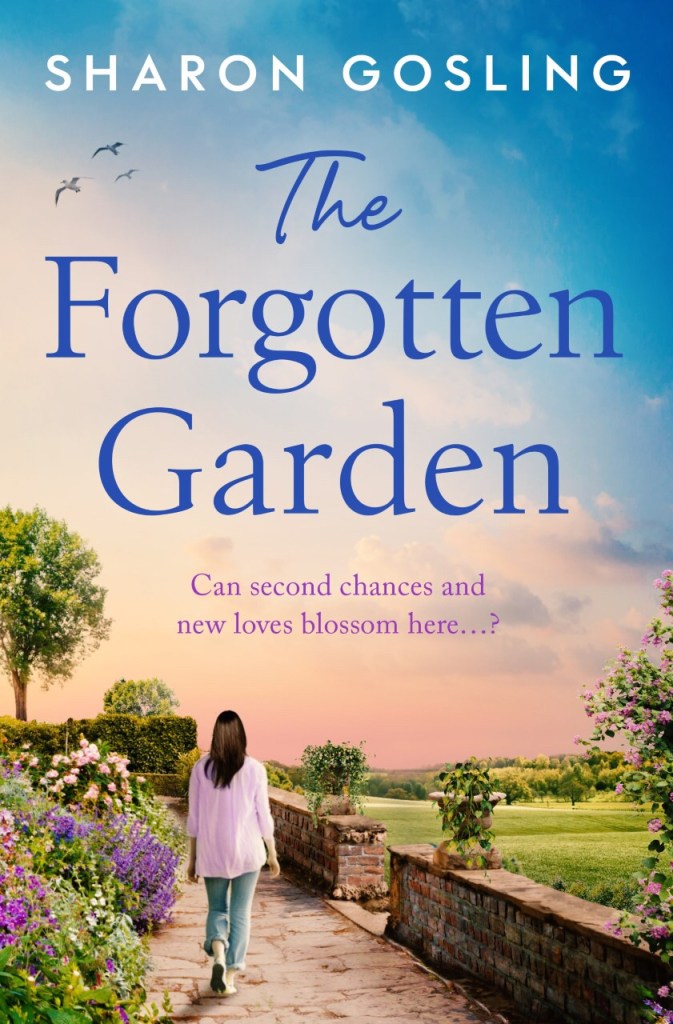
The Forgotten Garden by Sharon Gosling

Thanks to enjoying the blog tour for Sharon Gosling’s first novel, The House Beneath the Cliffs, she became an author I kept an eye on. I was on the look out for her next and The Lighthouse Bookshop confirmed for me that if I’m looking for an escapist read, she is one of my go-to authors. She seems to effortlessly blend a mix of sadness and heartache, secrets, warmth and potential romance into an engrossing read that’s so enjoyable. Our main character, Luisa McGregor, has allowed herself to become stuck. A life that once felt safe, secure and predictable is now starting to stifle Luisa and she needs more, a new challenge perhaps. Then into her lap falls great opportunity. Her friend Oliver presents a daunting, but tantalising proposition. Instead of carrying on as a gardening assistant to a woman she feels increasingly out of step with, she should check out an opportunity to build a whole new garden at a site near the Cumbrian coast. There’s a pot of money available to build a community garden on wasteland next to a gym and youth club. Luisa agrees to visit the site and is daunted by the amount of work needed, but also inspired by what could be achieved there. As we meet the people of this disadvantaged area of Collaton, we can see what a community garden could mean to these people. There’s teacher Cas, who is pouring all of his energy and spare time into the young people of the area. Harper is a teenager with a lot on her plate, but determined to find a way out of Collaton towards a different future. Can Luisa design a garden that brings both healing, inspiration and a stronger sense of community for the residents?

I did connect with Luisa and the position she has become stuck in. She has had to recover from the terrible trauma of losing her husband in an accident. She has dragged herself up from the darkest and most difficult days following her husband’s death, to a point where she feels she has rebuilt her life. She’s working in garden design, even if she doesn’t like her boss, she has a nice home and great support in her sister. Really though, she’s just treading water and terrified of stretching herself or reaching for something that she could lose. I loved the way the author shows Luisa coming alive again as she works on the new garden. She literally blooms alongside her plants and seems to gain something from working with others and passing on her skills. Without trying too hard, the garden draws in those who need it including a woman who’s been her husband’s carer since an accident paralysed him. He’s initially sceptical and annoyed that his wife’s attention has been captured by Luisa’s plans, but just a few hours a week gaining respite from her caring role has transformed her. It’s not long before he’s creating bespoke benches for the garden, adapting the way he uses his joinery skills to his disability. Harper is a character who really stands out, she’s a young girl brimming with potential, but struggling to escape the difficult circumstances of her life. She is the main caregiver for her younger brother, now that their mum has died and their father has escaped into the bottle. Harper has a skill for mechanics, engineering and invention. She spends her spare time either at the club with Cas or helping at the local garage where she’s doing up a battered old Mini that Cas has gifted to her. Harper’s story shows us how hard it can be for someone to escape where they live and their family circumstances. Her cousin Darren is out of prison and is back dealing drugs in the area again, Harper is devastated when he preys upon her younger brother, Max. Max is easily influenced, especially when it comes to friendships. He struggles to make friends and has been subjected to bullying, so when someone older and seemingly cool pays him attention it’s an easy conquest. Darren wants him as a drug runner or lookout, but Harper puts her foot down and offers herself up instead. I was on tenterhooks, knowing that this decision would have consequences in the future.

There are a few powerful scenes that really stand out. Max has a secret that he’s been working on in Harper’s absence, inspired by the garden and when it was unveiled I almost held my breath. I loved the idea for his garden and the description was so lush and vivid I could almost smell the vegetation and feel the warmth. I could imagine sitting there, early on a sunny morning and enjoying a coffee. I also kept thinking what an incredible wedding venue it would be. It’s clear as soon as Cas and Luisa meet that there is potential for romance, but I wondered if both of them were too hurt by their pasts to take the chance. I was sure it needed a catalyst and the author certainly gives us one. The scene where Darren’s thugs get into the garden was heartbreaking and heart-stopping. I could actually feel the fear of the volunteers and residents as Darren shows his true colours and the bad boy reputation he’s trying to create for himself in the community. However, the gang don’t expect to be challenged, with devastating results. I was rooting for Cas and Luisa, with their endeavours in the community and their potential romance too. I read to the end quickly, determined to see the garden succeed and whether Luisa would overcome her fear of love and inevitable loss. I took the book on holiday with me and it was an enjoyable and emotional read, with an ending that was truly satisfying. This is an author who understands that life has seasons and that women have an amazing capacity to accept life’s changes, as well as the resilience to reinvent themselves and start over again.

Published by Simon and Schuster UK 27th April 2023

Meet the Author

I’ve been writing since I was a teenager, which is now a distressingly long time ago! I started out as an entertainment journalist – actually, my earliest published work was as a reviewer of science fiction and fantasy books. I went on to become a staff writer and then an editor for print magazines, before beginning to write non-fiction making-of books tied in to film and television, such as The Art and Making of Penny Dreadful and Wonder Woman: The Art and Making of the Film. 

I now write both children’s and adult fiction – my first novel was called The Diamond Thief, a Victorian-set steampunk adventure book for the middle grade age group. That won the Redbridge Children’s prize in 2014, and I went on to write two more books in the series before moving on to other adventure books including The Golden Butterfly, which was nominated for the Carnegie Award in 2017, The House of Hidden Wonders, and a YA horror called FIR, which was shortlisted for the Lancashire Book of the Year Award in 2018. 

My debut adult novel was published by Simon & Schuster in August 2021. It was called The House Beneath the Cliffs and it was set in a very small coastal village in Scotland. The idea for it had lodged in my head years before. I have a love for unusual dwelling places and I came across a tiny house that completely captured my imagination. My adult fiction tends to centre on small communities – feel-good tales about how we find where we belong in life and what it means when we do. Although I have also published full-on adult horror stories, which are less about community and more about terror and mayhem…

I was born in Kent but now live in a very small house in an equally small village in northern Cumbria with my husband, who owns a bookshop in the nearby market town of Penrith.