Calvin owns Therapy, the bakery of his dreams in an idyllic village in the Lake District, but business is a little quiet. He’s reluctant when wife Vicky suggests social media but it’s not long before assistant Tara has filmed and posted a reel of him making brownies. Suddenly he’s a local celebrity. It seems everyone wants a piece of Chef Calvin and creepy little DMs start to arrive, including some from a stranger claiming to be his biggest fan. At the same time a local recluse has been found dead on a nearby beach, buried up to the neck in sand and left for the tide to come in. Detective Imogen Edwards is under pressure to solve the case, but who would plan such a long, drawn out murder and did they stay to watch the man’s fate? Calvin’s admirer turns up at Therapy, just as Tara is injured and unable to work. Much to his wife Vicky’s horror, new girl Mel ends up standing in and Calvin offers her a job. At least until Tara returns. Then events seem to start spiralling out of control and Calvin doesn’t know who to trust or what to do. Perhaps these wheels were put in motion a long time before, putting those Calvin loves in terrible danger.
This is such a page turning thriller that I swept through it in an afternoon and evening. Seemingly unrelated events start to make potentially intriguing patterns. Mark Edwards has a way of sending your mind down a dozen different paths before getting to the truth. He also has the skill of leaving horrifying images in your head. This time it was the sight of Leo James’s head sticking out of the sand as the tide went out. I have a fascination with Anthony Gormley’s Another Place also known as the Iron Men of Crosby Beach in Liverpool. There is something slightly macabre and even profound about watching the tide come in, slowly submerging some figures underwater completely. This was a terrible human version and I couldn’t help musing on how it must have felt to be left waiting for the tide and what sort of man could watch it unfold. I enjoyed the internet element of the story and how reluctant Calvin is to put himself and his bakery out there – something which makes more sense later in the novel. I could understand his reticence. While Book Twitter was once a benign space, there are now arguments and attempts to police what other people are reading. It seems it’s no longer acceptable to separate art and the artist and I definitely spend less time there. When Tara creates her video, the baker starts to gain customers very quickly and this is definitely welcome. However, it comes with a side order of relative fame and that means teenagers want to take a look as well as a certain amount of women. Mel is one of these and the timing of her arrival in the bakery seems very suspect. Both Tara and Vicky are suspicious and my radar for emotionally damaged women was definitely going off. She seems to establish herself as someone who needs to be rescued, something that is Calvin’s kryptonite. She drops hints about a group of teenagers making a nuisance of themselves on the beach near her cottage and trying to intimidate or frighten her.
It soon becomes clear that Calvin is a rescuer. He has lived in the Lakes all his life and has an experience when he was a teenager that makes him susceptible to women needing him to be the hero. His teenage sister died in a car accident and in flashbacks we go back to that summer and the lead up to this awful event, it’s clear that Calvin carries a lot of guilt around her death but this is only half the story. Our other narrative is that of the murder and the police investigation. Imogen’s first port of call is the dead man’s home which isn’t easy to find, tucked away in the woods and completely off grid. Inside they find the most hideous paintings, possibly created by Leo himself. They show visions of torment and retribution in hell and seem to be inspired by Heironymus Bosch. The house is spartan and gloomy, suggesting that Leo leads a lonely and possibly depressed lifestyle. The paintings point towards his state of mind, but does he believe someone else should receive this punishments or himself? If himself, it seems like at least one other person agreed with him. When Imogen finds a young local girl called Billie lurking nearby she’s determined to find her link to this unusual man. In fact Imogen and Calvin’s wife Vicky seem the most level-headed of the characters. Imogen is a good police officer, methodical and not easily swayed by one thread of the investigation. She lets it reveal itself, but is still only minutes behind the culprit at times. Everything is linked and she just has to find that one person who holds the key. She does come under pressure from above but stays focused.
Vicky is perceptive and there were times I was mentally screaming at Calvin to listen to his wife. She senses someone has been in their house early on and is adamant she didn’t close their bedroom door and shut their cat Jarvis inside. She also wants rid of Mel, not specifically because she has feelings for Calvin, but because she simply doesn’t trust her. Where has she sprung from and why does she seem so keen to please? She thinks the story about teenagers is a deliberate ploy. The tension in each of the narratives is heightened and when Vicky disappears, Imogen has to work out whether this a choice to take time for herself after a row, or something more serious. Although when she speaks to Calvin and finds out that Vicky owns an animal rescue centre, it does seem unlikely for her to leave without warning leaving everything to her assistant Louise. As Imogen starts to join the dots I was praying she wouldn’t be too late for Vicky. How would Calvin cope if he lost Vicky after losing his sister, especially if Mel is involved? As Mel lures him into accompanying her home I was on tenterhooks over whether she would proposition him or whether something more disturbing was going on? The author takes us through some serious twists and turns, just when I thought my suspicions about a character were mistaken they were back on the hook again. I didn’t get to the truth before Imogen though and I managed to do that really annoying thing of rushing through to the end, then wishing I’d taken it slower. This is a first class thriller and has whetted my appetite beautifully for his latest book, The Wasp Trap.
Meet the Author
I write books in which scary things happen to ordinary people, the best known of which are Follow You Home, The Magpies, and Here To Stay. My novels have sold over 5 million copies and topped the bestseller lists numerous times. I pride myself on writing fast-paced page-turners with lots of twists and turns, relatable characters and dark humour. My next novel is The Wasp Trap, which will be published in July in the UK/Australia and September in the US/Canada.
I live in the West Midlands, England, with my wife, our three children, two cats and a golden retriever.
Rebecca is probably the reason I first visited Cornwall, but it’s also one of those books that I’ve changed my mind about when I reread it. I read the book as a teenager from mum’s bookshelf and I also watched the Hitchcock film at a similar age and both book and film are still favourites. I think I read it as a romance at first, rooting for the rather young and mousy heroine as she falls in love with brooding stranger Maxim de Winter as they meet in Monte Carlo. Now I read it as an altogether different story, probably emphasised by the above new Virago edition that’s billed as one of her ‘dark romance’ books. Maxim is dazzlingly and tragically romantic to our young heroine, mourning the wife who was known as a great beauty and unable to be in their Cornish stately home Manderlay. Perched on the cliffs near Fowey and based on de Maurier’s home Menabilly, this is one of the most beautiful and gothic settings. It’s impossible to see from the road, only from the sea and its private beach only accessible by boat or on treacherous steps from the grounds of the house. The heroine does seem to win it all – the man, the house, the money and love – but does she really? Immediately invisible next to the dark and sexy Rebecca of the title, the new Mrs de Winter doesn’t even warrant her own name. She’s scared of running the house having never done it, she’s not even the same class. She’s also scared of the servants, especially the creepy maid of his first wife, Mrs Danvers. At one point she breaks a statue in the morning room and hides the evidence. Maxim is no help. Instead of appointing a servant to help with decisions in the house, or at least to bring her up to speed, he just goes out first thing and leaves her to the brooding and obsessive Mrs Danvers, now the housekeeper. Max has no idea how privileged he is and can’t comprehend her hesitancy and fear of getting it wrong and when she does he flies into a temper or scolds her like a child. He gaslights, lies and yells at her. She may as well have been poured into a pit of vipers. This has never been a love story, it’s more a gothic retelling of Jane Eyre and origin of the domestic noir genre. This is an absolute Cornish classic from one of their most famous writers.
The Poldark novels had a resurgence and series of new editions thanks to the new BBC series which dominated Sunday nights and starred Aiden Turner as Ross Poldark and Eleanor Tomlinson as his wife Demelza. They begin in the late eighteenth century as Poldark returns from the American Revolutionary War to his home county of Cornwall and the Poldark house and land. Things have changed since he left. His father is dead and the copper mine is failing. His sweetheart Elizabeth has become engaged to Ross’s cousin George and they will be living at Trenwith with Ross’s grandmother. There are differences between the books and the TV series. Demelza is actually a child when Ross first meets her and he takes her to be one of the staff at the smaller farm estate of Nampara. There are ten years in age between them and it’s only when she’s an older teenager that their relationship changes – in the series he brings her as an adult and marries her very quickly, much to the disgust of his parish. I think the books are grittier than the tv series, with the main characters having more complexity and actually doing things we might not like. Ross particularly has more ambiguity, a good man when it comes to his workers and his politics but not such a great husband. The abuse and rape suffered by Morwenna in the marriage forced by Warleggan hits harder. The series really deviates after book three with no exploration of the children as they grow up and the terrible grief they go through as parents. I think the series wanted to paint Ross and Demelza as a love story with a happy ending after a tough period following infidelity, but in the books life goes and Ross’s rivalry with George Warleggan still continues, even when they’re older men. I think the books give more of that historical background, particularly with the backdrop of war and later the Industrial Revolution. It’s almost as if the series is the tourist’s view and the books place the characters more firmly in their time period.
For those of you missing Aiden Turner as Ross.
Mysteries and Thrillers
When I read a more recent Ruth Ware thriller I went back to some of her earlier books and I inhaled this in two sittings. We follow Harriet Westaway as she receives an unexpected letter telling her she’s inherited a substantial bequest from her Cornish grandmother. Could this be the answer to her prayers?
There’s just one problem – Hal’s real grandparents died more than twenty years ago. Hal considers her options, she desperately needs the cash and makes a choice that will change her life for ever. She knows that her skills as a seaside fortune teller could help her con her way to getting the money and once Hal embarks on her deception, there is no going back. This keeps you on tenterhooks from the minute Hal arrives at Trespassen House in Cornwall and there is that hint of Daphne du Maurier in the family estate and the mystery that plays out. Hal is also placing herself in a wholly different family and social class. Her upbringing may have been short on money, but it was never short on love. The tragic death of her mother Maggie was only three years ago and it catapulted Hal into adulthood but the Westaway family don’t hold the same values. They do have secrets though, ready to drop out of every closet. She is the outsider here, totally out of her depth and the wild coastline, storm porch and St Piran’s Church place this firmly in Cornwall. This family may have money and privilege but they don’t have the love or care for each other that Hal is used to, she will have to use her skills of perception and discernment honed by years of tarot reading. The remoteness of Trespassen and lack of internet signal add to the Gothic feel of this novel and there is even a Mrs Danvers mentioned. This is a great thriller with plenty of clues but a lot of red herrings, so you must be prepared for surprises.
Tamsyn is as local as it getsin their Cornish village. Her grandfather worked the tin mines, her father was a lifeboat volunteer alongside his work, but her brother is struggling to find work that’s not seasonal. Tamsyn’s attachment to The Cliff House to a beautiful coastal property just outside her village comes to a head in the summer of 1986. To her, the house represents an escape, a lifestyle that’s completely out of range for her and represents the perfect life. It’s also her last link to her father, who brought her here to swim in the pool when he knew the owners were away. Her father felt rules were made to be broken and they both considered it madness to own such a slice of perfection overlooking the sea yet rarely visit except for a few weeks in the summer. Now he’s gone, Tamsyn watches the Cliff House alone and views it’s owners, the Davenports, as the height of sophistication. Their life is a world away from her cramped cottage, her Granfer’s coughing into red spattered handkerchiefs and their constant struggle for money.
Tamsyn’s family are firmly have nots. Her hero father died rescuing a drowning child and now she has to watch her mother’s burgeoning friendship with the man who owns the chip shop. Her brother is unable to find steady work, but finds odd jobs and shifts where he can, to put his contribution under the kettle in the kitchen. Mum works at the chip shop, but is also the Davenport’s cleaner. She keeps their key in the kitchen drawer, but every so often Tamsyn steals it and let’s herself in to admire Eleanor Davenport’s clothing and face creams and Max’s study with a view of the sea. Yet, the family’s real lives are only a figment of her imagination until she meets Edie. When Tamsyn finally becomes involved with the Davenports she gets to see the reality of a family bathed in privilege. As we try and work out Tamsyn’s motivations, she seems blind to the problems and ticking time bomb at the centre of the family. Or is she more perceptive than we think? This is a great thriller with disturbing family dynamics and an interesting tension between second homers and those who live in Cornwall all year round and struggle to own a home. The rugged cliffs and raging sea are a beautiful, dangerous and fitting backdrop to this tension.
Another book highlighting the dangerous beauty of the Cornish coast is Jane Jesmond’s first thriller On The Edge. I was thoroughly gripped by this tense thriller set in Cornwall concerning Jenifry Shaw – an experienced free climber who is in rehabilitation at the start of the novel. She hasn’t finished her voluntary fortnight stay but is itching for an excuse to get away when her brother Kit calls and asks her to go home. Sure that she has the addiction under control, she drives her Aston down to her home village and since she isn’t expected, chooses to stay at the hotel rather than go straight to the family home. Feeling restless, she decides to try one of her distraction activities and goes for a bracing walk along the cliffs. Much later she wakes to darkness. She’s being lashed by wind and rain, seemingly hanging from somewhere on the cliff by a very fragile rope. Every gust of wind buffets her against the surface causing cuts and grazes. She gets her bearings and realises she’s hanging from the viewing platform of the lighthouse. Normally she could climb herself out of this, most natural surfaces have small imperfections and places to grab onto, but this man made structure is completely smooth. Her only chance is to use the rapidly fraying rope to climb back to the platform and pull herself over. She’s only got one go at this though, one jerk and her weight will probably snap the rope – the only thing keeping her from a certain death dashed on the rocks below. She has no choice. She has to try.
My heart was racing during the opening of this novel and I was so hooked I read it in one sitting. The sense of place was incredible. The author conjured up Cornwall immediately with her descriptions of the tin mine, the crashing sea on the cliffs and fog on the moors. I recognised the sea mist that seems to coat your car and your windows. The weather was hugely important, with storms amping up the tension in the opening chapters and the fog of the final chapters adding to the mystery. Will we find out who is behind the strange and dangerous events Jen has uncovered or will it remain obscured? Cornwall is the perfect place to hide criminal activity, hence the history of smuggling and piracy, so why would it be any different today? Has the cargo changed? I loved that the author wove modern events and concerns into the story, because it helped the story feel current and real. The concerns around development and tourism are all too real for a county, dependent on the money tourism brings, but trying to find a balance where it doesn’t erode the Cornish culture. Local young people are priced out of the property market completely. This is a great combination of setting and edge of your seat thriller, with a character as wild as the coastline.
Family Sagas
This book makes me nostalgic for the times I’ve spent in Cornwall. It also makes me want to go on RightMove and look for a little shop I can turn into a bookshop and writing therapy centre. Enough of my daydreams. I think this is one of those books that modern readers avoid because the covers have been too feminine and floral, marking it out as a romance when really it’s a family drama ( i want to use the word sweeping when I think about). Penelope is elderly and while she is recovering from a heart attack she thinks about the years she spent in Cornwall. What follows is the story of a family—mothers and daughters, husbands and lovers—and the many loves and heartbreaks that have held them together for three generations. It’s a magical novel, giving the kind of reading experience you can get swept away in for hours. Penelope prized possession is The Shell Seekers, painted by her father. It seems to symbolise her unconventional life, from her bohemian childhood to WWII romance. When her grown children learn their grandfather’s work is now worth a fortune, each has an idea as to what Penelope should do. But as she recalls the passions, tragedies, and secrets of her life, she knows there is only one answer…and it lies in her heart.
One of my favourite places in the world is Watergate Bay and I feel energised just by standing on that beach and feeling the sea spray hit my face. This book gave me the same feeling because you can feel Pilcher’s love for Cornwall throughout. It also made me grateful for a family who don’t care about money, just about love. This is a fabulous holiday read so don’t be put off by the cover.
In Kate Morton’s second novel she takes us through a family’s history with Gothic undertones, contrasting the beautiful setting of Cornwall with 19th Century London. It covers three timelines over three generations of women, all caught up in one compelling mystery.
Once, a little girl was found abandoned after a gruelling sea voyage from England to Australia. She carried nothing with her but a small suitcase of clothes, an exquisite volume of fairy tales and the memory of a mysterious woman called the Authoress, who promised to look after her but then vanished. Years later, Nell returns to England to uncover the truth about her identity. Her quest leads her to the strange and beautiful Blackhurst Manor on the Cornish coast, but its long-forgotten gardens hide secrets of their own. Now, upon Nell’s death, her granddaughter, Cassandra, comes into a surprise inheritance: an old book of dark fairy tales and a ramshackle cottage in Cornwall. It is here that she must finally solve the puzzle that has haunted her family for a century, embarking on a journey that blends past and present, myth and mystery, fact and fable. I am lucky enough to have a new edition of this book to read with my Squad POD next month so look out for my review.
Historical Fiction
My mum was a huge fan of D.H.Lawrence’s books so this book jumped out at me in a second hand bookshop. It’s Helen Dunmore’s first novel published in 1993. Set in the coastal village of Zennor, this covers the time that D.H.Lawrence and his German wife, Freida, laid low during the First World War. In the spring of 1917, at a time when ships were being sunk be U-boats, coastal villages were full of superstition. The Lawrence’s were hoping to escape the war fever in London and chose Cornwall. There, they befriend Clare Coyne, a young artist struggling to console her beloved cousin, John William, who is on leave from the trenches and suffering from shell-shock.
Yet the dark tide of gossip and innuendo is also present in Cornwall, meaning Zennor neither a place of recovery nor of escape. Freida and Lawrence are minor characters, with the main story focused on Clare and suspicions about her relationship with her cousin. Helen is adept at bringing people from history back to life, filling them with emotions and preoccupations that are familiar to us. The Cornish coast is vividly described with its fishing industry, craggy inlets and secret beaches providing a wonderful backdrop to the atmosphere of suspicion especially with the their smuggling history. She captures the claustrophobic feel of a small village where everyone knows each other and incomers are kept at a distance. She also captures how lonely it can be to move into such a close knit community and how lives can be ruined by assumptions.
Caroline Scott’s book is set in the aftermath of WWI in the summer of 1923. Esme Nicholls is drawn into spending the summer in Cornwall, close to Penzance which was the birthplace of her husband. Alec died fighting in the war and she’s hoping to spend some time learning more about the man she fell in love with and lost too soon. She’s been invited to stay in the home of her friend Gilbert, as a potential retreat for the lady she works for, Mrs Pickering. He inherited the rambling seaside house and has turned it into a recovery centre of sorts. All residents are former soldiers, expressing themselves through art or writing. She is nervous to be the only woman, but soon gets to know the men and their stories. They give her insight into what Alec may have experienced and that’s exactly what she needs.
However, this summer retreat is about to change as a new arrival brings with him the ability to turn Esme’s world upside down. She will soon be questioning everything about her life and the people in it. Cornwall is an idyllic backdrop to the story and a huge factor in the recovery and the creative work of these men. Esme’s growing friendships are beautifully drawn and as always I was emotionally invested in her characters. I loved how her relationship with Mrs Pickering softened from being a professional companion to friendship. I also enjoyed her growing closeness to Rory and Hal. They all help with her grief and the shock of this new guest. But as always, holidays come to an end, leaving Esme with huge choices to make.
My Favourite
I first read this wonderful novel when I was a teenager, captured by the romance at the centre of the novel. Then the backdrop really started to sing out to me, especially when I started to regularly visit Cornwall around twenty years ago. Lastly it was the history aspects to the latter parts of the story with our characters caught up in English Civil War and Cornwall’s unique role, both geographically and as staunch Royalists. It’s fair to say that the book wasn’t well received at first, especially after the instant success of Rebecca and My Cousin Rachel. This takes a similar romantic narrative but weaves in the history of a Cornish house that would eventually become her home, Menabilly on the Gribben peninsula near Fowey. At the time of starting her new book it had been owned by the Rashleigh family for over 400 years. Daphne would visit and talk to them about using the house and they told her a story about building work they were having done when builders found a bricked up room housing the skeleton of a Cavalier. She decided to write this real life mystery into the novel wanted to write, when she finally and inevitably overcame their objections.
Her decision to record historical facts truthfully could have been the book’s undoing. The history of the Royalist cause in Cornwall is convoluted and confusing and there’s a large background cast of related Cornish families. I think she wanted to remain faithful to the Cornish cause and be seen to include real Cornish people, but the reader could be forgiven for struggling with them, many names are similar and the intricacies of intermarriage sometimes make the plot hard to follow. Cornwall did declare for the King and our hero Richard Grenvile is the grandson of Sir Richard Grenville who fought the Spaniards in the Azores. He is depicted as flamboyant, with an incredibly fiery temper, but he can be very charming and as time and experience show, he is incredibly loyal. Our heroine Honor Harris is the character I fell in love with possibly because of the fact she’s always reading and is a bit wild. She is absolutely swept off her feet by the man she meets in the family orchard, while sitting in her reading place up in an apple tree. Luckily her hiding place is just big enough for two. Richard is older, a seasoned soldier with wars on the Continent and Ireland under his belt. He is known as ruthless with a terrible reputation. However, he and Honor fall in love. Only a day before their wedding, Honor goes hunting with Richard and his sister. He calls back to warn her about a ravine but his call is lost on the wind and she falls down the precipice. She is then paralysed from the waist down. I think this is possibly why I fell in love with the book, having had my own accident when I was eleven. I had two fractures and a crushed disc, but luckily my spinal cord wasn’t affected. I didn’t finish primary school but returned to start secondary school in the autumn. It has given me problems ever since. It was wonderful to read a character who had a disability but whose fiancé still loved and wanted to marry her, at a time when I was starting to look at boys a little differently.
Despite Richard’s promises, Honor knows she can’t fulfil the role of an army officer’s wife. She decides to let Richard go and gives him her blessing to find someone else. She still follows Richard’s exploits as he moves through Cornwall trying to turn the Royalist sympathisers into an effective fighting force. The Cornish aristocracy have the hereditary right to become fellow commanders, although he finds them incompetent and at times cowardly. Honor has a wheelchair made by her brother, which allows her some movement and at times she manages to support and actually assist Richard. Their love for each other never seems to fade and I enjoyed the romantic aspects of the novel. Their relationship is the spark that lights up this novel, even more so now that I am a wheelchair user at times. I was impressed by how intrepid and determined Honor is and that Daphne wrote a disabled heroine in the 1940s. A couple of years ago, on my honeymoon, I went to Fowey and the Daphne du Maurier bookshop and bought a first edition of the novel for my collection. My old copy was falling apart from re-reading, but I also wanted to own such an important copy of my favourite Cornish novel.
This book opens with a heart-stopping scene that sets the pace for the rest of the story. Helen is relaxing after meeting her lover in a luxury hotel. While he has a shower, she is in her nightgown and robe enjoying the night time view over downtown Southampton. Movement suddenly catches her eye and she’s drawn to a woman who’s running down a darkened street towards a precinct of shops, pursued by two men. As they catch up, one of them pulls out a bicycle chain and starts to beat the woman. Helen doesn’t wait or think, tearing out of the hotel room and down several flights of stairs as she’s too impatient to wait for the lift. She runs down the dark street hoping that the only shop she saw with a light on has a customer or staff who’ve called the police. Helen flies at one of the attackers, who is taken completely by surprise and she soon disables the second, turning to the woman who has been badly beaten. She looks like she’s from the Middle East perhaps, with two very distinctive tattoos placed on her forehead and chin. Unfortunately, Helen has committed the cardinal sin of combat and has turned her back on her attackers. The next thing she feels is a huge bang to her head and then everything goes dark. This opening scene tells me this will be a gritty, modern thriller with a kick-ass heroine.
This is the thirteenth novel in the DI Helen Grace series and I’m seriously out of touch with the character, having only read the first couple of novels after picking them up in a book swap. I’m sorry I didn’t read the rest. Helen is working on her own initiative in this novel. She handed in her notice at the end of the last, with her protege Charlie being promoted in her place. Helen doesn’t know what the next step is, but she’s been enjoying the break. The only thing she misses is the camaraderie of a team and although she has enough money to really think about what’s next, she is anxious about it. Although life will bring it’s own answer soon enough and it might be the last thing she’s expecting. She starts to investigate alone, feeding into Charlie who is trying to target traffickers and their victims coming through the port in lorries and containers. The story is told mainly through Helen’s eyes, but also through the narratives of two other women. Viyan is another trafficked Kurdish Syrian woman and Emilia is a journalist whose father is dying in prison. At first we’re not sure how all of these narratives fit together but slowly they form a cohesive picture. Viyan’s narrative is grim and brutal. I wanted everyone who moans about asylum seekers to read this novel and understand the desperation and the lies of the traffickers that drive them here.
This operation involves a Dutch trafficker and then a gang master who provides their labour for specific contracts, this one in the NHS. I was furious with the NHS procurement manager who has simply turned a blind eye when accepting an obviously low quote for services, knowing that somewhere along the line someone is being exploited. I think many people might be surprised if all migrants were removed from the labour market, because I think the care sector and the NHS would collapse. Here the migrants are working an NHS contract disposing of clinical waste. Not only are corners being cut where safety is concerned, but if she saw the conditions, the state of the workers and the brutality meted out the procurement manager would be ashamed. The beatings and whippings with chains are only the first in a series of punishments, leading up to the ultimate solution – the incinerator. In fact after hearing the horrific death of her friend, Viyan sees a chance to escape and takes it. Will she be able to escape the minders this time and if they catch up with her can she survive?
Emilia is a journalist on the crime beat but we meet her as she visits her elderly father in hospital. He tells her he’s dying but wants her to know he has hidden some of his ill gotten gains at the home of his most recent partner. He wants Emilia to talk her way into the woman’s home, find his hiding place and bring out whatever’s inside the hold-all. Emilia knows there’s more to this than he’s saying, but sets out to try. This mission puts her in the path of Helen and the villains linked to her trafficking case. Having such strong women as our main characters was great and Viyan had all my empathy and admiration. I was so desperate for her to make it back to her family. Helen is formidable! Despite having horrendous violence dished out to her, she keeps going and can definitely hold her own when she’s not outnumbered. What I loved most about her, was her inability to turn away from injustice and suffering. She sees a terrible crime occurring and although she’s no longer in the force, she doesn’t walk away and hope someone else might deal with it. Where in the world could she use these natural skills that isn’t in the force? She’s also great at supporting and boosting other women, like her replacement Charlie, making sure she knows everyone has imposter syndrome and she does have what it takes. You will hold your breath for the final showdown and all the women involved. The short punchy chapters are action packed and keep you reading ‘just the next chapter’ until it’s 2am. I now need to set aside time and read the ten novels between this and the last one I read. I’ll probably load up the kindle with them before I go on holiday so I can carry one without interruption. This was a belting, action-packed, female led, crime thriller and I recommend it highly.
Out 3rd July from Orion Books
Meet the Author
M.J. Arlidge is a novelist, screenwriter and producer. He is the author of the bestselling DI Helen Grace thrillers including: Eeny Meeny, Pop Goes the Weasel, The Doll’s House, Liar Liar, Little Boy Blue, Hide and Seek, Love Me Not, Down to the Woods, All Fall Down and Truth or Dare.
M.J. Arlidge has also worked in television for many years, specialising in high end drama production. In the last five years he has produced a number of prime-time crime serials for ITV, including Torn, The Little House and Undeniable. He has written for Silent Witness and also pilots original crime series for both UK and US networks.
Emily and Freddie have been through the mill of late. After a terrible accident when they were on holiday, Freddie has surprised her with the home of their dreams. Emily fell from a cliff on a group holiday and not only did she break her leg in several places, she then developed sepsis and almost lost her life. Now she’s in recovery, still walking on a stick and has been thrust into a whole new life. Larkin Lodge sits just outside a village on the edge of the moors and could be their dream home, but Emily can’t believe Freddie made this huge decision without her. The house is gothic and in the mists and murk of winter it looks a little isolated and spooky. However, she can see that in spring the views will be incredible. As Freddie continues to work in London, Emily spends a lot of time alone and starts to feel uneasy. Sudden drafts and disgusting smells, then heavy footsteps moving across the second floor are unnerving. Freddie is convinced she’s struggling with post concussion syndrome and calls her ITU consultant for advice – much to Emily’s disgust for doing this behind her back. As she starts to look into the history of the house and questions some of the locals, all the different parts of her life start to fall apart. Secrets start to come to light and Emily wonders if the house is having an influence on her.
Freddie made me angry and I couldn’t understand what had kept them together so long. We hear both his and Emily’s viewpoint in alternate chapters. We don’t know how he felt about the ‘pre-accident’ Emily, but here he seems irritable and edgy. He makes Emily doubt her own sanity and even when he has experience of the same things he keeps it to himself. He talks behind her back to the vicar and her consultant – but we can’t help but wonder if it could it all be in Emily’s head? Yet even when she tries to forgive him for his actions he seems strangely disappointed and even angry. He says he hates her superior tone and victim mentality. Is he determined to think the worst of her or is he just a concerned husband looking for answers? They meet a married couple who once lived at the lodge and now live elsewhere in the village. They seem unscathed by their years at the house. He is an artist and loves to paint young models, with his incredibly chilled wife seemingly happy with any potential dalliance. Emily can’t imagine being that accepting of the same with her own marriage. How do they fit in to this strange puzzle?
Emily is a sympathetic narrator although she’s not entirely reliable. It must be so disorientating to wake from a coma and know that your body has been present but your mind has been somewhere else. Added to that is the risk of ICU psychosis – a common condition causing auditory hallucinations, nightmares, sleep disturbances and paranoia. One in three ICU patients are affected after spending five days in the unit so one of her experiences could be explained away. However it’s important that those who love her, listen to her and believe her experience, otherwise it feels like a betrayal. She is desperately looking for answers, researching the archives and talking to locals. Being disturbed in her sleep means she’s up and about in the night and after they throw a party at the lodge she stumbles across another secret and doesn’t know who trust. Would she ever have had thoughts like this before the house? The author cleverly creates tension between what we know about Freddie and Emily and what they know about each other. They’re both keeping secrets and Freddie projects all their problems on to her. Even when she’s quite measured and reasonable or accepts his apologies he becomes angrier. Just occasionally he pauses and wonders where these thoughts are coming from? Is it the shock of Emily’s fall still working on him or is something more insidious at work?
Of course it wouldn’t be a Sarah Pinborough novel without a supernatural element and this one is genuinely scary. It begins with the window on the landing, seemingly opening of it’s own accord. Then sounds on the stairs to the top floor where Emily can’t reach at the moment without severe pain. When she starts talking to older locals about the house there’s a moment that genuinely made the hair stand up on the back of my neck! The chapters from the raven’s perspective are very touching as well as creepy. He has lost his mate at the house and can’t seem to leave her, even with the promise of a new life with a beautiful young raven called Bright Wing. She can’t tempt him from the corpse of his mate, even though she’s no more than papery bones. His grief is so real and I was deeply sad for him. I was very keen to find out what link they both have to Larkin Lodge. Was this an edge of the seat thriller or a ghost story? We’re never quite sure, but i felt compelled to keep reading and find out. Sarah Pinborough is the Queen of this type of gothic thriller and this was another brilliant read, keeping you guessing till the very end.
Meet the Author
Sarah Pinborough is a New York Times bestselling and Sunday Times Number one and Internationally bestselling author who is published in over 25 territories worldwide. Having published more than 25 novels across various genres, her recent books include Behind Her Eyes which will air on Netflix in January 2021, Cross Her Heart, in development for UK television, and 13 Minutes in development with Netflix.
Sarah was the 2009 winner of the British Fantasy Award for Best Short Story and also the 2010 and 2014 winner of the British Fantasy Award for Best Novella, and she has four times been short-listed for Best Novel. She is also a screenwriter who has written for the BBC and is currently working on three TV projects and the film adaptation of her novel The Death House.
Her latest novel, DEAD TO HER and is a dark and twisty, sexy tale of hidden secrets and revenge in high society Savannah and has been sold for TV in the US.
Sarah lives in the historic town of Stony Stratford, the home of the Cock and Bull story, with her dog Ted.
Finn is taking her girlfriend Magdu climbing for the first time. Magdu is nervous about heights so Finn is taking extra special care to explain everything about the abseil they’re attempting. As Finn lowers herself over the edge to control the descent from beneath, she is sure she has Magdu ready and composed on the blue rope, with friend Daphne on the red rope. She’s waiting to feel the weight of someone lowering them selves over the edge, but is surprised when it seems to be the wrong side. Magdu was meant to come over first but this is the red rope so it must be Daphne. The next thing Finn sees is Magdu hurtling towards her and then towards the ground, with a haunting scream. As both Finn and Daphne are taken in to the police station for questioning, Finn starts to think of an earlier time in her life when someone else she loved fell to their death. The truth of that day is something she’s only ever shared with Daphne. This time it’s a potential murder investigation so she’s going to have to protect herself, but might that mean the end of her friendship with Daphne?
My goodness this was a deliciously toxic friendship to get my therapist’s mind whirring. Finn and Daphne meet at school after a very traumatic occurrence in Finn’s family life. Finn is so vulnerable and hasn’t shared with anyone what truly happened when her little sister Suzy lost her life on a family camping trip. Suzy fell from a cliff edge in the night, but is that all there is to it? Daphne, who has also suffered the loss of a sibling, so knows exactly what to do with someone in that state of mind. She can’t change anything but she can sit with Finn and share her sadness and guilt. Finn is our narrator and we see everything through her eyes and she’s also been struggling with her sexuality, until Magdu comes along. However, I could also see how the combination of Finn’s kindness and fear of being exposed, left her open to exploitation. I didn’t fully bond with Finn as a narrator, I was unsure whether to trust her or not. She did set off my maternal streak though, because I wanted to see her safe and protected. She’s kind and cares about the environment, her family and climbing. My instinct was that she needed to be as far away from Daphne as possible. She’s manipulative, knowing exactly what and how much to tell Finn to draw her into her confidence and keep her beholden. I wasn’t even sure whether it was the truth.
I felt, very early on, that Daphne wanted Finn all to herself. When Finn first introduces her to Magdu at a club, its not long before Daphne finds a way to get Magdu alone. She lets slip a secret, making sure Finn doesn’t know exactly how much of the story she’s revealed. As Magdu leaves after the confrontation, Daphne tells Finn it’s her own fault. If she’d wanted Daphne to lie she could have just told her. I was unsure whether Daphne and Finn’s relationship is platonic or romantic, but I was sure about it’s complexity. There’s no room for a third person. Finn tells us about Daphne’s hair and how beautiful she is, there’s clearly an attraction but Daphne also likes to flirt with the male climbers in front of Finn. On the day of the accident there’s a very handsome climber hanging around at the top of the cliff with a huge hunting knife and Daphne makes a bee line for him. She’s used Finn’s grief and guilt and their shared loss of a sibling, to keep her constantly on a tight rein. I felt like Daphne was absolutely capable of harming Magdu. She potentially harms their relationship then reminds Finn that she is the only person who truly knows her, that it’s the two of them against the world. Yet Finn isn’t innocent in this toxic mix, she is complicit by not telling Magdu the same secrets that Daphne knows. Finn is a troubled soul, plagued with insomnia and often going for midnight walks. I thought she needed to choose between her friend and her lover, but I also wondered what Daphne was capable of doing if Finn chose Magdu. In amongst all the psychological machinations and flashbacks the author keeps bringing us back to the present and the more precise methods of the police investigations.
The flitting back and forth between the narrators gives rise to the tension that keeps you reading. Both are utterly unreliable and untrustworthy, especially when we think about the enormity of their secrets. The two are bonded and no one else could come between them, it’s as if Finn has been in a relationship with Daphne all along without realising. I craved some input from Daphne’s perspective because I imagined her version of events would look very different, although not necessarily true. They would also be a fascinating insight into her mind. I kept coming back to personality disorders and the way people portray their lives to the rest of the world. Daphne genuinely struck me as a person with potential narcissistic personality disorder. She has a version of the long held friendship she’s had with Finn and she’s keen on putting that version in front of others, especially Magdu. To use an inelegant phrase it’s like a dog marking their territory. The question is, how much of that version is actually true? One of the markers of NPD is the person’s manipulation of both people and events, but it isn’t a conscious action. They believe in their truth wholeheartedly, sometimes repeating a made-up narrative over and over until it actually becomes a the truth in their mind. When they first meet, Daphne and Finn discuss their shared experiences and Daphne explains how she chose to rewrite her story as an ancient myth, invoking Greek gods and particularly epic poetry. She has taken the heightened and exaggerated heroism of these stories to spin her own life narrative and has rewritten her personality to match. I wasn’t sure about the ending I would get, but there was a twist and it was a satisfying conclusion. My only criticisms of the book would be that it was slow in parts and I felt the author could have used the setting more, because apart from a mention of the Blue Mountains I didn’t feel the characters connected with it enough, especially Finn. However, this was a very character driven thriller which really enjoy and it’s deep delve into the motivations and desires of Finn and Daphne were absolutely compelling.
Meet the Author
Hayley Scrivenor is the author of DIRT TOWN, which published internationally in 2022 (published as DIRT CREEK in the U.S., where it was a USA TODAY bestseller) and quickly became a #1 Australian bestseller. The novel has been shortlisted for multiple national and international awards. In 2023, it won a Lambda Literary Award and General Fiction Book of the Year at the Australian Book Industry Awards. DIRT TOWN has been translated into several languages. GIRL FALLING, described as “a remarkable exercise in complex storytelling written in Scrivenor’s idiosyncratic, metaphorically vivid prose”, is her second novel.
Hayley has a PhD in Creative Writing from the University of Wollongong and lives on Dharawal country, on the east coast of Australia.
This is one of those thrillers where you’re immediately sucked into this narrator’s life and her new circle of school mums or frenemies. When Jude first arrives in Lowbridge with daughter Betsy it’s a new start and she’s keen to get to know the other mums. However, she soon works out that Victoria is the queen of the school mum scene and everyone wants to be in her clique. Victoria appears to have her shit together – a lovely home with all those aspirational touches like a fire pit table, matching lawn chairs and fluffy blankets for when it gets cool in the evening. She has two kids, heads up the PTA and runs her own business as a personal trainer. Although Jude finds the mums a bit cliquey she does hit it off with one of the dads. Will has a little girl of Betsy’s age and is a widower, there is something very attractive about him and Jude receives the red flag a little too late. When finally invited to a garden get together at Victoria’s she’s warned that not only did Will’s first wife die, but his second wife Robyn went missing and lightning doesn’t strike in the same place twice. It seems that the mums don’t believe in coincidences. When Sorrel, another one of the mums, is targeted by a blackmailer pretending to be Robyn she is stunned that Robyn might still be alive. With a husband struggling with depression, three children and a pottery to run Sorrel has her hands full. Her husband Finnley did go out a few nights ago, he rang her to say he’d hit an animal and the bonnet has a large dent in it. So why is this woman so sure he wasn’t where he claimed to be and that he’s responsible for a hit and run miles away. Victoria’s husband Andy is a detective and they’ve split fairly recently. He was struggling because he couldn’t solve the missing person case and he still doesn’t know where Robyn went. As Sorrel, Victoria and Jude come together to solve this case they know it isn’t going to be easy and that it comes with great risk. There is a killer in Lowbridge and they’re determined to find who it is.
This perfectly paced thriller is narrated by all three women, with short excerpts from a diary Jude finds under Will’s bed that they assume is Robyn’s. It shows a side to her that’s completely different to the sweetness and light image she projected while with Will. Her dedication to him and the little girl who’s already lost one mum gives her an almost saintly reputation, but someone knows better. If she’s behind the blackmail plot there’s something Machiavellian about her ability to act and manipulate those she wants to fool. These are ballsy women across the board though, with none of them running to men to get this sorted. Victoria pursues one mum called Theresa down to Devon after she leaves unexpectedly and with no goodbye. Stalking her her husband’s open Facebook page Victoria notices an open, but unpacked box. In it she sees an expensive bird ornament that disappeared from her own house, plus some things belonging to other mums. Maybe Theresa is involved somehow? She’s clearly perfectly willing to steal from them. When she finally tracks Theresa down to the local pub for a confrontation, the answers she gets are definitely not the ones she was expecting. Similarly Jude goes her own way, getting hold of the diary and reading through it for clues. She knows it might jeopardise her relationship with Will but she needs to know, the fact that he keeps Robyn’s favourite cheesecake in the fridge just in case she comes back, strikes her as odd. Especially if he killed her. Sorrel surprised me the most as she seemed so calm and a definite ‘earth mother’ type. Jude notices her unstyled hair, the way she dresses and her lack of make-up, compared to the others. She cares so much about her husband Finnley, worried every time she returns home that she might find him dead. His depression has lead to weeks off work so far, so she’s surprised to find him heading out to for an emergency appointment. He’s a dentist with anaesthetic training and they need him to sedate a patient. Why is this patient so special? When she receives the blackmail message she goes to her secret bank account, finding it completely empty. How long has Finnley been blackmailed for? I almost expected her to crack but she doesn’t. Often just going through the motions at work and home, she’s just as determined as Jude and Victoria to nail this person. When the three of them find another dead body, the tension ramps up a gear.
Once you’ve started to read, this is very hard to put down. I love Lisa Jewell and Louise Candlish and I found this very similar in the way it gripped me. It’s addictive and there are a few red herrings thrown in to keep you off the scent. It certainly didn’t go the way I expected. It’s telling that the author references The Handmaid’s Tale, as the women definitely pull towards each other as a team rather than the men in their lives. These women, although involved with men and wanting a partnership, are good at stepping back and looking for those red flags. In some cases they are instrumental in checking out their stories and even bringing anyone who needs it to justice, no matter how they feel about them. From a psychological point of view Will’s daughter Milly worried me. She’s clearly spent a long time with Robyn and has understandable issues with grief, but her reaction to seeing Jude in the room that was ‘Daddy and Robyn’s’ and the daily uneaten cheesecake were definite indications of trauma. It also seemed strange she didn’t have the same fixation on her actual mother. She may have been young when she died, but I wondered if Robyn hadn’t manipulated Milly into being her little ally. There’s nothing more attractive than a girlfriend your kids fall in love with. I did find myself having to go back after reading the unexpected final pages to see all the clues I missed. This is a great thriller, full of action, danger and unexpected twists. It’s also deliciously catty and full of gossip. A brilliant read for anyone who loves domestic thrillers.
Meet the Author
C.L. Taylor is an award winning Sunday Times bestselling author of ten gripping psychological thrillers including EVERY MOVE YOU MAKE, a Richard and Judy Book Club pick for autumn 2024, THE GUILTY COUPLE, (Richard and Judy Book Club 2023) and SLEEP (Richard and Judy Book Club 2019).
C.L. Taylor’s books have sold over two million copies in the UK alone, hit number one on Amazon Kindle, Audible, Kobo, iBooks and Google Play, and have been translated into over 30 languages and optioned for TV.
It’s been a lovely summery month and lots of great new books to read, including one of my most anticipated books of 2025. I’m still waiting for all sorts of test results so not moving far and thank goodness for books! I’d be struggling by now with so little activity. Now that the weather has improved I’ll be spending more time outdoors, reading and keeping on top of the garden while my dog Bramble and the cats chase each other around the lawns. The rest of the summer I’m having our kitchen ripped out and replaced so the garden will be the best place to be. My eldest stepdaughter is coming home for a few weeks and using us as a base for some travelling and I’m so looking forward to seeing her. I’ve already started June reading but I’ll pop a possible tbr at the end. Enjoy June everyone. ❤️📚
As Vianne scatters her mother’s ashes in New York, she knows the wind has changed and it’s time to move on. She will return to France, solo except for her ‘little stranger’ who is no bigger than a cocoa bean but very present in her thoughts. Drawn to the sea she blows into Marseille and to a tiny bistrot where owner Louis is stuck, struggling with grief for decades after losing his wife Margot. She charms herself into a waitressing job for bed and board, but with his blessing she starts to cook for his regulars using the recipe book Margot left behind. Louis has one stipulation, she mustn’t change the recipe at all. She revives the herb garden and starts to make friends, including Guy who is working towards opening a chocolate shop. This is going to be the place to have her baby, but then she must move on. She can see her child at about six years old, paddling by some riverboats tethered nearby, but she can also see the man her mother feared. The man in black. Vianne has inherited a peculiar kind of magic that urges her to fix the lives of those around her and give them what their heart truly desires. This is fine when it’s discerning their favourite chocolate, but can cause problems when it becomes meddling. Her mother warned her that she shouldn’t settle too long in one place and Vianne knows she has the strength to leave whenever she feels it’s right, but is thinking about those around her?
The details and images they conjure up are always the best part of this series for me, because they take me on a visual journey. The author weaves her magic in the detailed recipes of Margot’s book, the incredible chocolates that she and Guy create and the decorative details of their display window with it’s origami animals and chocolate babies. The most beautiful part is how Vianne brings people together. Vianne is a glowing lantern or a warm fire, she draws people to her light and to bask in her warmth. This is also why readers who love the Chocolat series return again and again. We simply want to be with Vianne and that’s definitely a form of literary magic.
Goodness this was a wild ride, full of unexpected twists, characters that are pathological and a book being written within a book. Married couple Felix and Emma seem to have it all. They are the husband and wife team behind the hugely successful Morgan Savage thrillers. However, their latest novel isn’t coming as easily as their others. Felix is drinking to the point of blacking out and had an affair with a girl called Robin who worked for their publishing house. Emma is angry and popping anxiety pills any chance she gets. Their publisher Max, exiles them to the South of France in the hope that new surroundings for the summer will unlock their creativity. The house is beautiful, on a cliff overlooking the sea, when visiting housekeeper Juliette tells them a story about a painting that hangs in the house an uneasiness hangs in the air. The girl was prone to sleepwalking and one night got out into the garden and walked directly off the cliff edge. Sometimes, her cries can be heard at night. Under the sweltering sun, will the couple heal their differences or will they become trapped in a deadly game that beats the plot of any Morgan Savage bestseller.
This was a great story to get my teeth into and honestly, if they’d come to me as therapist, I might have asked them if they’d considered living apart. It’s a toxic atmosphere from the moment they arrive, but just when you think you’ve worked out why and what’s really going on it will surprise you again. As we go back in time, using flashbacks to important events, we can see how their romantic and professional lives began but these glimpses started to make me question what I thought I knew. I wanted to race back through the chapters to search for the clues that brought us to the unexpected conclusion. This was a thrilling and atmospheric read, with a brilliant portrayal of how a relationship has become toxic. If you love relationship dynamics partnered with a whole amusement park of twists and turns this will be your next completely unputdownable read.
Robin is exactly half way through his life. Like Mark Twain before him, Robin came into the world with Halley’s Comet in 1986 and fully expects to go out again when it returns in 2061. Recently he’s had a huge life change. He’s moved back to his home town of Eastgate to care for his sick father, who due to his disability has had one accident too many. Robin had a well-regimented life in London with girlfriend Gemma. He also had a boring well-paid job as an accountant. Now everything has been thrown up in the air and he’s living in a tiny bedroom surrounded by boxes he hasn’t unpacked. He’s trying to forge a relationship with a father who can’t communicate and who he never connected with as a child. There are childhood ghosts to face and a new connection with Astrid, fellow outsider and professor at a nearby university. She’s brutally straightforward and Robin has never met anyone like her. She’s also hiding something, but he’s hiding even more from her. Can Robin make friends, help his father and accept this is the next chapter of his life, rather than a blip?
Robin is eking out an existence that goes way off into the distant future, Living is now! It’s not when we have money, or have lost weight, or when we have better health. It’s now, when we’re skint, fat and feeling ill. Whatever life is right now, we absolutely must live. Living like this should only be a temporary state between chapters, not a lifestyle. When we find out why Robin is so adamant about his comet theory – while being forced to evaluate his choices by a strident Astrid – it all becomes clear. A heart-breaking tale emerges, just as Robin is faced with yet another loss. He’s forced to admit why he jumped off the cliff into the water when he was a child. He thinks he can’t die because it can only happen at the right time, because he can’t make sense of what once happened to him. He’s trying to make sense of what happened and his immortality is the only explanation. He’s subscribed meaning to something that has none. It’s just messy, terrifying, random and heart-breaking life. This book might sound very deep but it’s so beautifully infused with joy, humour and hope because life is beautiful and joyous too, if you let it be.
Dani has been hitting rock bottom. Her eating disorder is out of control and her mental health has meant suspending her place at university where she was studying English Literature. She’s now living in a flat with her sister Jo and her boyfriend Stevie, having to share with his daughter Ellie when she’s there for weekends. She’s working as a pot-washer to pay the bills, but longs to go back to university. Despite having very little money, she decides to see a therapist and has a session with Richard. She feels at home in Richard’s room, in the quiet with the smell of books and furniture polish. She feels like he listens and seems perceptive, noticing her low self-esteem and anxiety. So she takes the decision to have therapy with him, although he’s expensive. She starts to feel more positive, greatly reducing her bingeing and purging cycle. Her attraction to him wasn’t surprising. For her to have a man listen and understand her might be a first. He also embodies all the things she wants for her own life; qualifications, respect from others, a better standard of living. She has attachment issues so I was sure Richard would have expected some element of transference to creep into the relationship. I didn’t expect what followed.
Of course as counselling boundaries start to be overturned Dani starts to spiral. It’s a really tough part to read, because I was feeling parental towards her. She puts herself in some incredibly dangerous situations, trying to find experiences that fulfil her needs. I was hoping that she’d realise she’d pressed the self-destruct button before it was too late. She has the resources to succeed, but can she utilise them when she feels so unstable? Honestly, my heart ached for this girl and that tells you a lot about my issues with clients! I wished she’d gone to a female counsellor. She needed that female nurturing, a mother’s care and love. Sometimes we have to choose our family. There are further behaviours and revelations I won’t go into for fear of ruining the suspense and eventual outcome, but I was genuinely scared that Dani couldn’t pull back from the mess she was in. When someone has listened to your innermost thoughts they are a formidable agent for change and even more powerful opponent. I had everything crossed that I’d underestimated Dani and that she could find those reserves to get through to the other side. This was a fantastic debut novel, full of suspense and stirring the emotions of the reader with finesse.
London 1883
Rebecca and husband George run Evergreen House as a home for young girls and their illegitimate children, often called a house for ‘fallen women’. This has been a positive change. Previously, Rebecca’s sister Maddie was the woman of the house as the wife of Dr Everley. Maddie is recovering well after being on trial for the murder of her baby and the revelation that the Everley family had a tradition of hideous experimentation on the bodies of babies to create strange chimeras. Rebecca knows their tenure here is precarious. The Everley family still own the house, but with Dr Everley dead and his sister Grace in a prison asylum no one currently needs it. The small household are very close so all are devastated when the cook and centre of their household, Rose, is murdered. She fears the past is coming back to haunt them, because the murderous and twisted legacy of the Everley family is hard to ignore. With the charity board also tightening their grip on the house, Rebecca must draw out the murderer and discover their purpose. This was a great companion novel to The Small Museum which told the story of Maddie’s marriage to Dr Everley. Rebecca was once one of Grace Everley’s fallen girls, but this was just a way of acquiring babies for her brother. There’s such a positive atmosphere and the residents are able to live alongside their babies, unlike the terrible Magdalen Laundries where babies were taken for adoption and their mothers were forced into heavy labour to repent their sin, repay their debt and make a profit for the church. The truth is that most of these girls have been manipulated, coerced or abused. Rebecca works on the premise that they shouldn’t be punished twice. especially ironic when men are complicit, if not to blame for their supposed fall. Yet there are admirable women calmly showing compassion, understanding and professionalism, while stuck in this patriarchal system. Grace Everley gives me the shivers, but she is a victim too. I was held in suspense over who was the murderer and whether Rebecca’s home could remain the loving and caring space women need. There were heart-stopping moments, especially towards the end. The scene in the garden had me holding my breath. This is the perfect gothic mystery, especially for fans of historical fiction who like a touch of feminism on the side. This is a must-buy, for the engrossing story and for the gorgeous cover too.
I’ve always been unconsciously drawn to books set in Australia and New Zealand, perhaps because I have family in both countries and want to familiarise myself with their lives. My mum lived there as a ten pound Pom in the 1960’s, leaving Liverpool behind and living in hostels meat Sydney. My grandad loved it out there and would tell us about nature, mostly horrific stories of people having spider’s nest in their ears or brains. My brother-in-law went out to New Zealand to work as a tree surgeon on a huge farm. He met the love of his life out there, Jenny, and although Jan died a few years after my husband I’m still in touch with Jenny and my two nephews. I was also hugely influenced by mum who was an enormous fan of The Thorn Birds – although hated Rachel award as Meggie in the TV mini-series. I’ve always thought that people down under are resilient, rather sweary and very straightforward. They say what they think – something I admire even where I don’t agree. I love the diversity of the cities and fascinated by Aboriginal and Māori. Some of my choices were read on my post-colonial literature course at university, a module that I found so inspiring and forced me to read writers I’d never have picked up as a casual reader. Here are just a few of the books and authors that can take you on a trip round both countries.
Classics
When her wealthy family prepares to host a lavish summer party, the young, hitherto sheltered Laura Sheridan suddenly feels a kinship with the staff and the helpers hired to set up the venue for the festivities. As she learns of the death of one of their working-class neighbours, this burgeoning sense of class consciousness is heightened by a realization of her own mortality. Published in 1922, at the height of literary modernism, ‘The Garden Party’ is now considered one of the key texts of that movement. This volume, which also includes all of Katherine Mansfield’s other published short stories, is an invaluable resource for anyone wishing to discover one of the early twentieth century’s finest writers. I first read this collection at university and I still have it today because it stands up against any short story collection from that period.
Integrating both Maori myth and New Zealand reality, The Bone People became the most successful novel in New Zealand publishing history when it appeared in 1984. Set on the South Island beaches of New Zealand, a harsh environment, the novel chronicles the complicated relationships between three emotional outcasts of mixed European and Maori heritage. Kerewin Holmes is a painter and a loner, convinced that “to care for anything is to invite disaster.” Her isolation is disrupted one day when a six-year-old mute boy, Simon, breaks into her house. The sole survivor of a mysterious shipwreck, Simon has been adopted by a widower Maori factory worker, Joe Gillayley, who is both tender and horribly brutal toward the boy. Through shifting points of view, the novel reveals each character’s thoughts and feelings as they struggle with the desire to connect and the fear of attachment.
Compared to the works of James Joyce in its use of indigenous language and portrayal of consciousness, The Bone People captures the soul of New Zealand. After twenty years, it continues to astonish and enrich readers around the world.
Mythology and contemporary Māori life are woven together seamlessly in this spectacular collection by Aotearoa’s foremost short story writer.
The titular story ‘Bird Child’ plunges you deep into Te Kore, an ancient time before time. In another, the formidable goddess Mahuika, Keeper of Fire, becomes a doting mother and friend. Later, Grace’s own childhood vividly shapes the world of the young character Mereana; and a widower’s hilariously human struggle to parent his seven daughters is told with trademark wit and crackling dialogue.
Moving artfully across decades, landscapes, time and space, with tenderness and charm, Bird Child and Other Stories shows an author as adept and stimulating as ever. This isn’t an easy read but fascinating and the comparison between Māori and other creation myths from around the world was fascinating.
Contemporary Fiction
Cassy smiled, blew them a kiss.
‘See you in September,’ she said.
It was a throwaway line. Just words uttered casually by a young woman in a hurry. And then she’d gone.
It was supposed to be a short trip – a break in New Zealand before her best friend’s wedding. But when Cassy waved goodbye to her parents, they never dreamed that it would be years before they’d see her again. Having broken up with her boyfriend, Cassy accepts an invitation to stay in an idyllic farming collective. Overcome by the peace and beauty of the valley and swept up in the charisma of Justin, the community’s leader, Cassy becomes convinced that she has to stay.
As Cassy becomes more and more entrenched in the group’s rituals and beliefs, her frantic parents fight to bring her home – before Justin’s prophesied Last Day can come to pass. I love Charity Norman’s writing because she gets to the heart of family relationships and shows how families can fracture when placed under stress. I’d recommend any of her books but this one is set in New Zealand. I highly recommend Remember Me and Home Truths.
At a suburban barbecue one afternoon, a man slaps an unruly boy.
The boy is not his son.
It is a single act of violence, but the slap reverberates through the lives of everyone who witnesses it happen.
Christos Tsiolkas presents the impact of this apparently minor domestic incident through the eyes of eight of those who witness it. It’s honestly hard to find someone to like here, but it is a fascinating look at contemporary Aussie relationships. It’s an unflinching interrogation of the life of the modern family, a deeply thought-provoking novel about boundaries and their limits…
The Lambert sisters have secrets…
When 15-year-old Cathy Lambert runs away from her Dublin home, she is scared and pregnant. Settled in New Zealand with her new son Conor she believes the secret she carries will never be revealed…
Rebecca Lambert was eighteen when her parents died and she took responsibility for her younger sisters. Years later, she is haunted by fears she hoped she’d conquered.
Freed from family duties, mother of three Julie Chambers is determined to recapture the dreams of her youth.
Married to a possessive older man, Lauren Moran embarks on a frantic love affair that threatens to destabilise her fragile world.
Anxious to make peace with her three sisters, Cathy invites them to her wedding.
But as the women journey together through New Zealand towards their reunion, they are forced to confront the past as the secret shared histories of the Lambert sisters are revealed. I couldn’t put this book down as it’s a great mix of emotions, adventure, secrets and a lot of humour.
EVERY ENDING IS A NEW BEGINNING…
Ruth is ignoring the news. Like most people, she has relationship problems, job stress, friends and family who need her. Ruth has a life.
But the news is about to catch up with Ruth, and her problems are going to be swept away…along with the rest of the world. While on a plane to New Zealand, something starts to happen to the world. Arriving, Ruth makes her way to her coastal destination but never expected to be sharing the inside of a dead whale with a stranger as a world ending event happens. It takes this to change Ruth’s outlook completely. Only when the comforts and complications of her old existence are gone, does she finally realise how she might be able to live to the fullest. This was a mesmerising debut from Kate and I still recommend it constantly. It made me think about something drastic like this happening in my lifetime, but also question why we fall in love with the people we do and how commitments to others are nurtured and lad
Romantic Fiction
Love isn’t an exact science – but no one told Don Tillman.
A thirty-nine-year-old geneticist, Don’s never had a second date. So he devises the Wife Project, a scientific test to find the perfect partner. Don has a regimented life of work
Enter Rosie – ‘the world’s most incompatible woman’ – throwing Don’s safe, ordered life into chaos.
But what is this unsettling, alien emotion he’s feeling? . . .
This is a deeply funny, but emotional and fascinating in terms of Don’s neuro-divergence. He eats the same meal on the same night every week as part of his rotation of menus. His life felt like a never-ending to-do lust and I knew that he would drive me up the wall. Rosie is a woman of great patience! However, I also knew that my lack of systems and routine would have an equally detrimental effect on his mental health. Watching how these two people try, fail and try again to communicate their needs and feelings within the relationship is a lesson for every couple. It’s also brilliantly funny. There is a trilogy now so treat yourself to all of them.
In the rugged Australian Outback, three generations of Clearys live through joy and sadness, bitter defeat and magnificent triumph, driven by their dreams, sustained by remarkable strength of character… and torn by dark passions, violence and a scandalous family legacy of forbidden love.
The Thorn Birds is a poignant love story, a powerful epic of struggle and sacrifice, a celebration of individuality and spirit. Most of all, it is the story of the Clearys’ only daughter, Meggie, who can never possess Ralph de Bricassart, the man she so desperately adores. Ralph will rise from parish priest to the inner circles of the Vatican… but his passion for Meggie will follow him all the days of his life.
What a saga this is and I have to say the book is ten times better than the series, mainly because we get more of the family dynamic and get to know Meggie as a little girl. Her story of slowly growing up with such a harsh mother really builds and we understand more her bond to the young priest who befriends her, noticing that in a family of many sons she is largely ignored. He is her knight in shining armour and the only one, after her eldest brother is gone, who will hug and comfort this lonely girl. Catholic readers will recognise how powerful the religion is for Irish families and the schooling that nuns provide. The book is an epic and covers Father Ralph’s lifetime, but it has an incredible sense of place and time and really is worth a read for that alone.
n 1929, Beattie Blaxland had dreams. Big dreams. She dreamed of a life of fashion and fabrics. One thing she never dreamed was that she would find herself pregnant to her married lover, just before her nineteenth birthday.
In 2009, Emma Blaxland-Hunter was living her dream. A prima ballerina with the London Ballet, she had everything… Until the moment she lost it all.
Separated by decades, both women must find the strength to rebuild their lives. A legacy from one to the other will lead to Wildflower Hill, a place where a woman can learn to stand alone long enough to realise what she really wants.
I’d never read this author before so it came as a complete surprise when I enjoyed it so much. It is historical fiction too, but I loved that this was a ballsy woman who was determined to succeed at Wildflower Hill and her love story with an aboriginal worker would have been so transgressive at the time. It’s an unashamedly romantic story and if you enjoy love with a side order of feminism, family secrets and a dual-timeline this is for you.
Historical Fiction
A faded photograph. An abandoned house. A wartime mystery. . .
1939: On the eve of war, young English heiress Grace Grey travels from London to the wilderness of Tasmania. Coaxed out of her shell by the attentions of her Irish neighbour, Daniel – Grace finally learns to live. But when Australian forces are called to the frontline, and Daniel with them, he leaves behind a devastating secret which will forever bind them together.
1975: Artist Willow Hawkins, and her new husband, Ben, can’t believe their luck when an anonymous benefactor leaves them a house on the remote Tasmanian coast. Confused and delighted, they set out to unmask Towerhurst’s previous owner – unwittingly altering the course of their lives.
2004: Libby Andrews has always been sheltered from the truth behind her father Ben’s death. When she travels to London and discovers a faded photograph, a long-buried memory is unlocked, and she begins to follow an investigation that Ben could never complete. But will she realise that some secrets are best left buried . . .?
This gorgeous story that spans the twentieth century was one of my books of the year last year. The mystery of how all these timelines added up, the beautiful setting of Tasmania and the historical context around WW2 drew me in. The love story is simply gorgeous and potentially heart-breaking. I know this is a story I’ll want to read again.
1896, Bannin Bay, Australia. When British pearl-boat captain Charles Brightwell goes missing out at sea, rumours of mutiny and murder swell within the bay’s dens and back alleys. Only his headstrong daughter, Eliza, refuses to believe her father is dead, and sets out on a dangerous journey to uncover the truth.
But in a town teeming with corruption, prejudice, and blackmail, Eliza soon learns that the answers she seeks might cost more than pearls. How much is she willing to sacrifice to find them?
This incredible debut is richly atmospheric from the get go, throwing us straight into the strangeness of 19th Century Western Australia as if it is an alien landscape. In fact that’s exactly what it is for the Brightwell family, particularly Eliza whose childhood eyes we see it through for the the first time. The adult Eliza has to negotiate her way through the community’s corruption, violence, blackmail and the criminal elements of the pearling business. All the while reading her father’s diary for clues and guiding us to some fascinating characters, some of which are based on historical figures. You’ll love Eliza’s early feminist stance and sense of adventure. The twists and turns her journey takes are gripping and pull you deep into the story. It’s a fantastic debut, full of life and death, just like it’s setting.
Crime Fiction
A killer targeting pregnant women.
A detective expecting her first baby…
The shocking murder of a heavily pregnant woman throws the New Zealand city of Dunedin into a tailspin, and the devastating crime feels uncomfortably close to home for Detective Sam Shephard as she counts down the days to her own maternity leave.
Confined to a desk job in the department, Sam must find the missing link between this brutal crime and a string of cases involving mothers and children in the past. As the pieces start to come together and the realisation dawns that the killer’s actions are escalating, drastic measures must be taken to prevent more tragedy.
For Sam, the case becomes personal, when it becomes increasingly clear that no one is safe, and the clock is ticking…
There’s something about Aussie and NZ crime fiction. It’s gritty and immediate. This is the fifth in Vanda’s Sam Shepherd series and I can honestly say they’re all brilliant but this one …. I was on the edge of my seat! It feels like Sam has just let her guard down and accepted what’s next in her life, when everything could be ripped away from her. Even though she’s the one who most understood the killer’s motivations, will she still be shocked by their identity? Sam’s vulnerability is terrifying and I was praying that she would be okay, as if she’s a living and breathing human being. That’s the power of Vanda Symon’s writing and how much of that magic she’s poured into this brilliant character.
Lou O’Dowd travels across the world from Australia to Edinburgh for a job with the organisation SASOL. Her new life will be living with her cousin and working shifts at a halfway house for high risk offenders including two killers, a celebrity paedophile, and a paranoid coke dealer. After orientation, Lou will be on shift alone dealing with these offenders with little more than her own instinct to guide her. What could possibly go wrong?
Lou is a controversial character, living off a sugar daddy for a while she’s had no need to work, but when the relationship ends disastrously she has no choice but to leave. On her first day in Edinburgh she meets a man at a play who has a similar attitude to risk, enjoying mainly outdoor sex. He comes from a rich family, so maybe he could be more than a fling? I loved how the mundane domesticity of the job was mixed with genuine fear and horror of what could happen if residents flare up. There’s an evening ritual of cocoa for each resident, but it has to be to perfectly timed in order to interrupt one resident’s suicide ritual. These are the extremes a job like this entails, but it’s only the beginning….
Beautiful and mysterious Venice has been the backdrop for many stories. It’s beauty, endless winding streets and romantic canals inspire the creativity in film-makers, musicians, artists and writers. Vivaldi, Byron, John Ruskin all fell in love with it’s charms.
The first book that placed Venice on my travel list was What Katy Did Next by Susan Coolidge. I’d read the earlier books in the series, but read this when I was in hospital. I broke my back when I was eleven and I was laid flat for a long time and devoured all sorts of books. I felt an affinity with Katy who had her own accident at the end of the first book, falling from a broken swing. As an adult she’s employed as a companion and nanny for a woman travelling with her young daughter. Their last stop is Venice and the carnival. I remembered Katy sitting on their hotel balcony watching a procession and having sweets and trinkets thrown up to her by the passing revellers. Of course the darker side of carnival and the eeriness of the city didn’t occur to me until I was much older, but that’s the city’s magic I think, the beauty and the decay. Here are a few of my favourite books that feature Venice:
Venice Classics
This edition contains five stories of suspense, mystery and slow, creeping horror, Daphne Du Maurier’s Don’t Look Now and Other Stories includes an introduction by Susan Hill, author of The Woman in Black and her own novella set in Venice The Man in the Picture.
John and Laura have come to Venice to try and escape the pain of their young daughter’s death. But when they encounter two old women who claim to have second sight, they find that instead of laying their ghosts to rest they become caught up in a train of increasingly strange and violent events. It makes the reader the third person in the couple’s marriage, let into their innermost thoughts and intimate moments. The atmosphere she creates leaves the reader uneasy and unsure. Then that totally unexpected ending hits you right in the gut.
I thought of this cover when I took the main picture. Milly Theale, an American heiress in London, is young, hungry for life, and terminally ill. There she meets the dazzling beauty Kate Croy. Unbeknownst to Milly, Kate is madly in love with an old acquaintance of hers, Merton Densher, a young journalist who has everything a woman could want—except money.
Intensely aware of her new friend’s fate and coveting her fortune, Kate secretly spurs Merton to seduce and marry Milly. But their scheme to inherit her wealth does not go according to plan, and Kate and Merton learn that deceit alters love, and love, deceit. This is a novel that needs perseverance, but is rewarding for people who enjoy character driven fiction that takes it’s time. There are no action sequences here, just manipulation and a lot of passive aggression as Milly slowly tortures Kate and Merton with her forgiveness.
Historical Fiction
Venice, 1486
Here I have to share two of my favourite novels of last year. The first is Tracy Chevalier’s The Glassmaker. Across the lagoon lies Murano. Time flows differently here – like the glass the island’s maestros spend their lives perfecting.
In secret, Orsola Rosso learns to craft glass. As a woman, she must flout convention to save her family from ruin. We follow her through hundreds of years of war and plague, tragedy and triumph, love and loss. Skipping like a stone across the centuries, The Glassmaker is a virtuoso portrait of a woman, a family and a city that are as everlasting as glass. I absolutely loved this novel that takes us from the 15th Century to the present, which also happens to be Orsola’s life span. I loved the strength and adaptability of this incredible young woman, who makes herself a vital part of her family’s glassmaking business.
I was bowled over by this gorgeous debut from Harriet Constable about Anna Maria Della Pieta. A young woman who was left with the nuns at a Venice orphanage when she was just a baby. Anna Maria may have no name, no fortune, no family. But she has her ambition, and her talent.
Anna is a sparkling ball of energy and ambition. Her best hope lies in her teacher, Antonio Vivaldi. Soon she is his star pupil. But as Anna Maria’s star rises, not everyone is happy. Because Anna Maria’s shining light threatens to eclipse that of her mentor…
She will leave her mark, whatever it takes. Her story will be heard. This is an incredible novel, woven around a real person that brings 17th Century Venice to vivid life.
Crime Fiction
I started reading the Commissario Brunetti series after I’d been to Venice for the first time and it was great to read about a character who lives in modern Venice. I’d felt that contradiction: the gratitude for being able to visit the city, whilst also acknowledging the damage the sheer amount of visitors are doing to the city. There are less Venetian born residents of the city every year. Something that saddens me, but doesn’t quell that urge to visit again. Here I could read about someone living everyday life in that city. My other reason for reading this was that my hotel was in a piazza behind La Fenice and we decided to cut behind the opera house to find a quicker route. When it is dark, there is nothing creepier than those tiny little streets behind La Fenice!
The twisted maze of Venice’s canals has always been shrouded in mystery. Even the celebrated opera house, La Fenice, has seen its share of death … but none so horrific and violent as that of world-famous conductor, Maestro Helmut Wellauer, who was poisoned during a performance of La Traviata. Even Commissario of Police, Guido Brunetti, used to the labyrinthine corruptions of the city, is shocked at the number of enemies Wellauer has made on his way to the top – but just how many have motive enough for murder? The beauty of Venice is crumbling. But evil is one thing that will never erode with age.
Phillip Gwynne Jones’s Nathan Hunt series is set in Venice, where Hunt is Great Britain’s Honorary Consul and finds himself drawn into the world of crime. This time he’s asked by the British Ambassador to look into the death of a British Art Historian called Dr Jennifer Whiteread. On the night of 12 November 2019, the worst flooding in 50 years hits the city of Venice. 85% of La Serenissima is underwater. Gale force winds roar across the lagoon and along the narrow streets. The body of Dr Jennifer Whiteread is found floating in a flooded antique bookshop on the Street of the Assassins. The local police are trying hard to restore order to a city on its knees, Nathan Sutherland – under pressure from the British Ambassador and distraught relatives – sets out into the dark and rain-swept streets in an attempt to discover the truth behind Whiteread’s death.
The trail leads to the “Markham Foundation”, a recent and welcome addition to the list of charities working to preserve the ancient city. Charming, handsome and very, very rich, Giles Markham is a well-known and popular figure in the highest Venetian social circles, and has the ear of both the Mayor and the Patriarch. But a man with powerful friends may also have powerful enemies. And Nathan is about to learn that, in Venice at least, angels come in many forms – merciful, fallen and vengeful. This thriller is part of a series, but can be read as a stand alone thriller with a fantastic and mysterious backdrop.
Non-Fiction
Who hasn’t dreamed, after a particularly mind-numbing meeting, or in the midst of another punishing five-thirty commute, of chucking it all and packing off to the enchanting canals and mysterious alleyways of Venice? Globetrotting writer Paula Weideger not only dreamed the dream; she and her partner actually took the leap. VENETIAN DREAMING charts the course of Weideger’s passionate love affair with one of the world’s most beautiful cities. Weideger opens her book with the wry, mishap-strewn account of the search to find a place to live which eventually takes her to the world famous Palazzo Dona delle Rose, the only palace in Venice continuously occupied by the family that built it. She weaves the past lives of the family Dona with her own present adventures, creating a tapestry that captures at once the grand heritage and imperilled labyrinth as she gives a lively, riveting and eye opening tour of the city. She explores the centuries old streets, meets locals from noblemen to shopkeepers and artists, makes peace with the ghost of Peggy Guggenheim and explains how Ishmael Merchant and James Ivory almost dislodged her from her home, and more.
“Francesco’s Venice”, now available in paperback, is the extraordinary story of the life of this intriguing city, told by a descendant of an old and distinguished Venetian family. Francesco explores Venice’s remarkable history, from the fifth century when the first settlers retreated to the safety of the lagoon and began to create their homes on its tiny islands, through its glorious years as a successful maritime nation, adept at trade, exploration, diplomacy and protecting its independence, to the fragile city of the twenty-first century. He vividly brings to life the places, events and people, including a colourful array of his own ancestors, that have sculpted this living theatre through the ages. Beautifully illustrated with stunning images by John Parker, “Francesco’s Venice” celebrates the mesmerizing beauty and surpising strength of this unique city.
Romantic Fiction
Caroline Grant is struggling to accept the end of her marriage when she receives an unexpected bequest. Her beloved great-aunt Lettie leaves her a sketchbook, three keys, and a final whisper…Venice. Caroline’s quest: to scatter Juliet “Lettie” Browning’s ashes in the city she loved and to unlock the mysteries stored away for more than sixty years.
It’s 1938 when art teacher Juliet Browning arrives in romantic Venice. For her students, it’s a wealth of history, art, and beauty. For Juliet, it’s poignant memories and a chance to reconnect with Leonardo Da Rossi, the man she loves whose future is already determined by his noble family. However star-crossed, nothing can come between them. Until the threat of war closes in on Venice and they’re forced to fight, survive, and protect a secret that will bind them forever.
Key by key, Lettie’s life of impossible love, loss, and courage unfolds. It’s one that Caroline can now make right again as her own journey of self-discovery begins.
Can a city hold the key to happiness?
”This isn”t a mid-life crisis OK? For a start I”m not old enough yet to have one of those. I”m calling it a happiness project. I”ve stolen an entire summer from my life and by the time it”s over I plan to leave this place with a list in my hand. The ten things that make me happy, that”s all I want to know. How difficult can it be? They may be small things – a perfect cup of coffee, a day without rain – or bigger ones. It”s still the beginning so how can I know?”
Addolorata Martinelli knows she should be happy. She has everything she thought she wanted – her own business, a husband, a child. So why does she feel as if something is missing? Then when her restaurant, Little Italy, is slated by a reviewer, she realises that she”s lost the one thing she thought she could always count on, her love of food.
So Addolorata heads to Venice for a summer alone, aiming to find the ten things that make her happy. Once she”s found them, she”ll construct a new life around her ten things, but will they include her life in London?
Shatter Creek is the second novel in Reynold’s Casey Wray series, set in Hampstead County Police Department on Long Island. The department has been under investigation and the corruption reached to the very top. Casey’s boss and mentor, Ray Carletti, was found to be a dirty cop and it’s clear that she’ll have to do a lot of proving herself to the new Lieutenant. Until then she’ll suspect Casey of being a corrupt cop, who managed to elude the investigation. She’s also under pressure from the Mayor/DA’s office, in fact it seems like Casey is piggy in the middle between the two, vying over who gets the news first. When there’s a double shooting outside a gym in Rockport, Casey and partner Billy Drocker are first on scene. A woman has been shot just outside the gym entrance, but there’s also a second victim slightly further away down a side road. Luckily, Casey finds an off duty cop already there, tending to his wound so she’s free to chase down the shooter. After trying a few side streets, she realises that there are too many possible escape routes for her to cover. It’s like he disappeared and Casey is left trying to work out who was the target. The two victims have nothing in common. The male victim leaves a wealthy widow who has contacts in the mayor’s office – the last thing Casey needs. Surely a self-made man who could afford a home on Shatter Creek has his fair share of enemies though? Then comes the shooting of another woman outside her home and they uncover a link. Both female victims turn out to be just two in a line of women strung along by potential suspect, Adam Ryker. He has a reputation and not just as a womaniser but as a man who likes to control women. Casey has more questions than answers: Who are the couple seen in a car taking photographs? Could one of Ryker’s girlfriends have hired a hit? Why did the male victim have Casey’s phone number on a business card? This is an incredibly complex case, in particularly tough circumstances and Casey needs to solve it, not just to take a murderer off the streets but to prove she isn’t the cop that her new lieutenant thinks she is.
Wow, this really was a labyrinthine case! Full of red herrings and distractions from an endless parade of women claiming to be in a relationship with their suspect and a lot of political machinations behind the scenes. Casey really is in a tough situation and I don’t mind saying that I might have gone for the potential transfer or the unexpected job offer she gets. It’s clear right from the start that her new Lieutenant doesn’t even want to give her a chance. Whatever happens, this case has placed her at a crossroads and if she stays she’s going to have to solve this fast and prove her worth. There is one key witness, a woman with red hair carrying a little girl who seemingly disappeared from the gym during the shooting. Where does she fit? Casey was already in an impossible situation and now she has to rein in her rookie partner who is a little over enthusiastic. She’s still grieving the death of her previous partner, a fact that still hits her hard in the gut whenever she thinks of him. When she meets ex-cop McTeague in a bar, both for information and a catch up, he offers her a way out. Would she want to come and work for him? She’d still be using her skills, but with steadier hours, less politics and doing things on her own terms. She allows herself to think about it, but knows that she has to solve this case first. I’m not sure whether it’s professional pride, a determination to show she’s not dirty or that urge to serve and protect the public. Probably a bit of all three.
Casey is a people pleaser underneath, someone who finds it hard to say no and struggles to let cases go. It’s the reason she becomes caught in the headlights of Rita Zangetty, the chief of staff to the County Executive Franklin Gates. Zangetty wants someone inside who can keep her abreast of this case, but also the ongoing review of the whole police department. A part of her had expected to be placed in the acting lieutenant’s role after being cleared of any wrong doing. She’d put in her application, not even expecting an acknowledgement so to be shortlisted and interviewed gave her hope. To be placed under someone completely new, with no warning was a blow to her confidence. The shootings happen only 24 hours later. When evidence emerges that puts Casey even further under the spotlight I was surprised. Could Casey possibly be as bad as Carletti? I loved her conversations with the dead man’s wife, out at their incredible home on Shatter Creek. There’s a sense that here are two opponents who have the measure of each other, they’ve finally met their match. As Casey starts to interview the previous partners of Adam Ryker it seems like she’s set on a direction, but she’s still juggling questions in her mind. Questions that won’t go away. Why is the woman she saw reading in a bar still on her mind? What was it about the meeting with McTeague that’s bugging her? Who is the man seen taking photographs, not just near the crime scene but at different locations throughout the case – almost like they’re working in parallel. When the truth slowly starts to dawn on Casey she takes us with her at a breathtaking pace, leading a totally unexpected and heart-stopping show down. This was a gritty, inventive and compelling thriller, with a lead detective who’s dogged and determined to find the truth – even when it’s a truth she doesn’t want to face.
Out now from Orenda Books
Meet the Author
Rod Reynolds is the author of five novels, including the Charlie Yates series. His 2015 debut, The Dark Inside, was longlisted for the CWA New Blood Dagger, and was followed by Black Night Falling (2016) and Cold Desert Sky (2018); the Guardian has called the books ‘Pitch-perfect American noir.’ A lifelong Londoner, in 2020 Orenda Books published his first novel set in his hometown, Blood Red City. The first in the Casey Wray series, Black Reed Bay, published in 2021, was shortlisted for the CWA Steel Dagger, with its long-awaited sequel, Shatter Creek, out in 2025. Rod previously worked n advertising as a media buyer, and holds an MA in novel writing from City University London. Rod lives with his wife and family and spends most of his time trying to keep up with his two daughters.
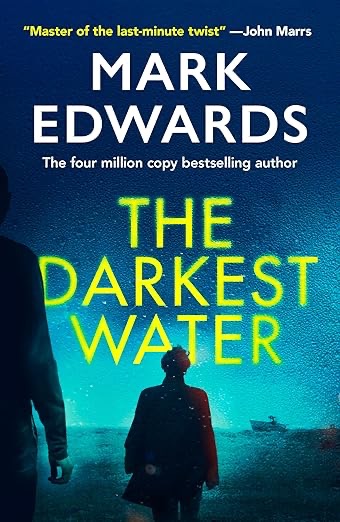


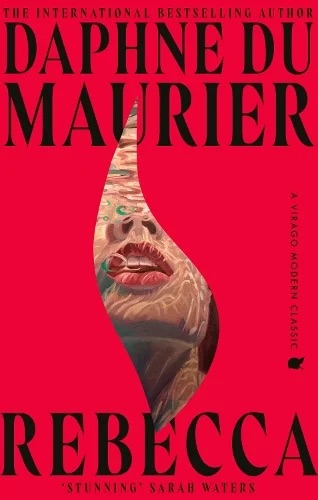
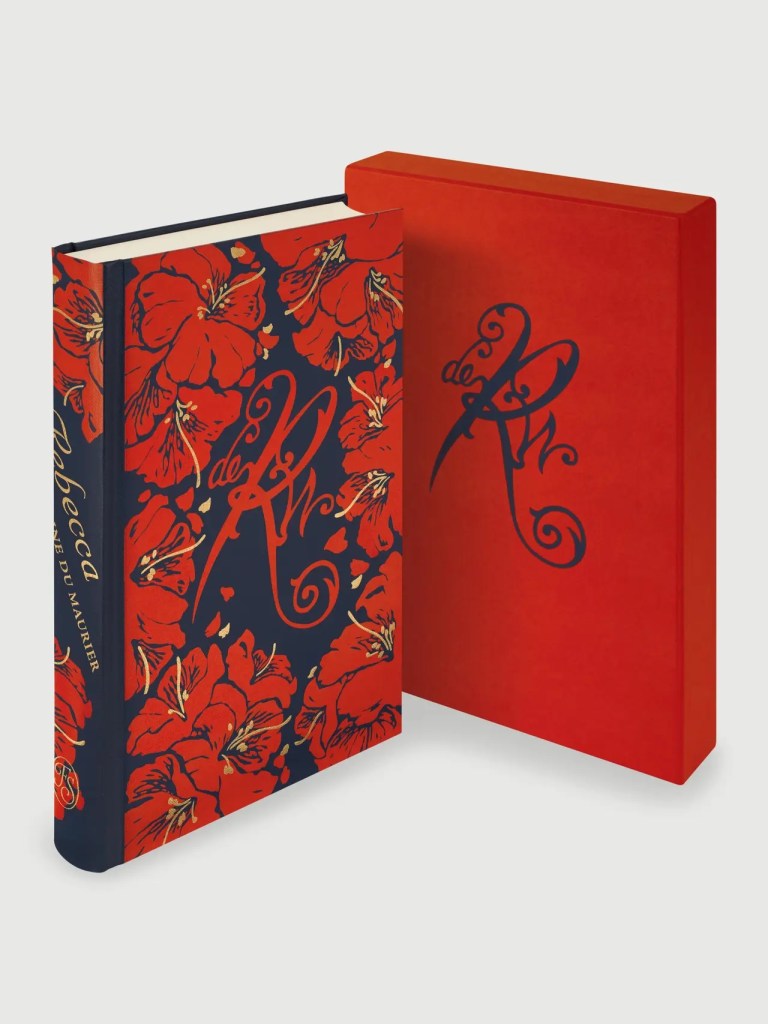
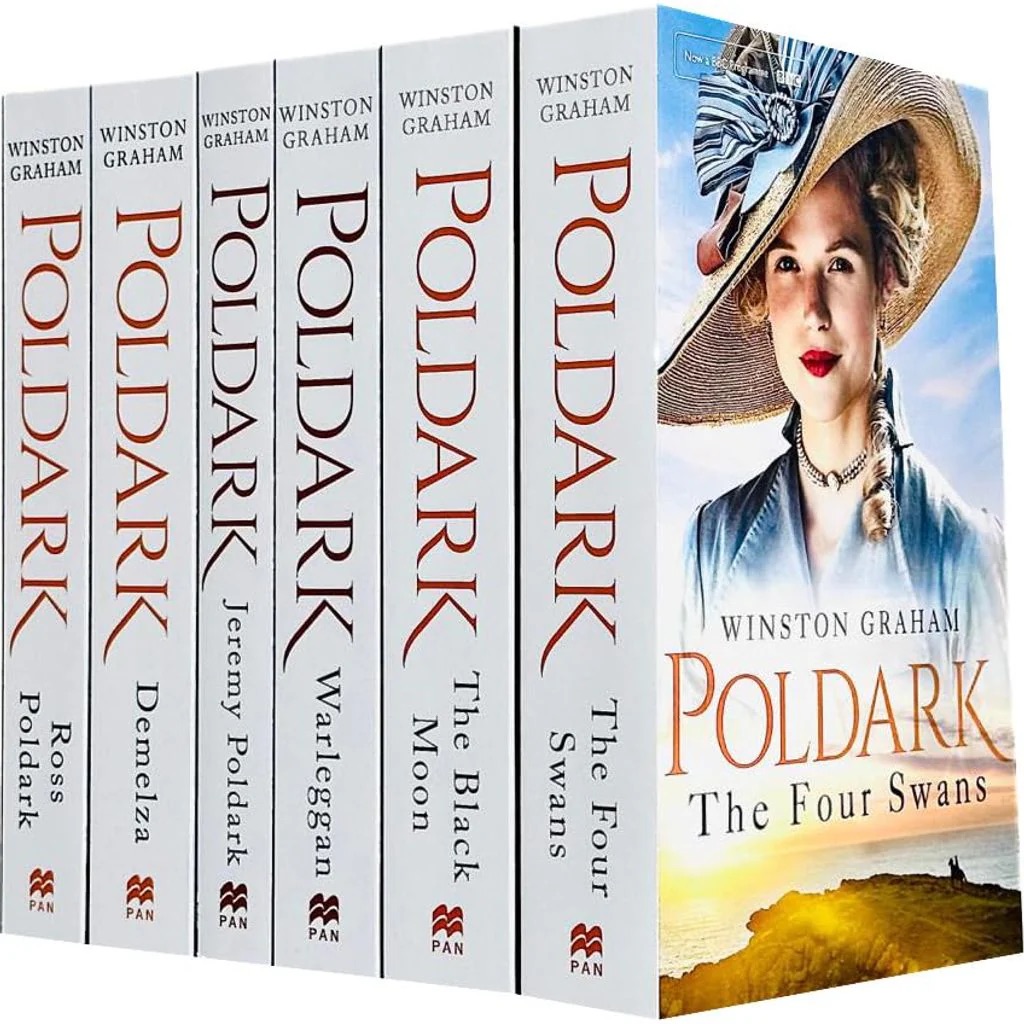
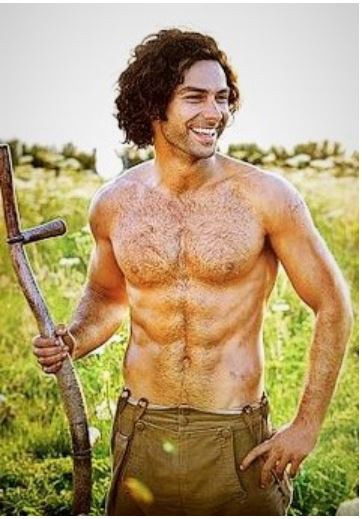
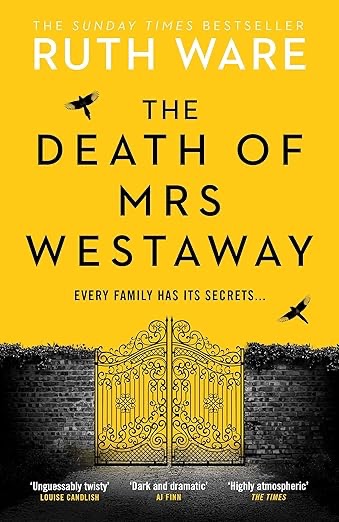
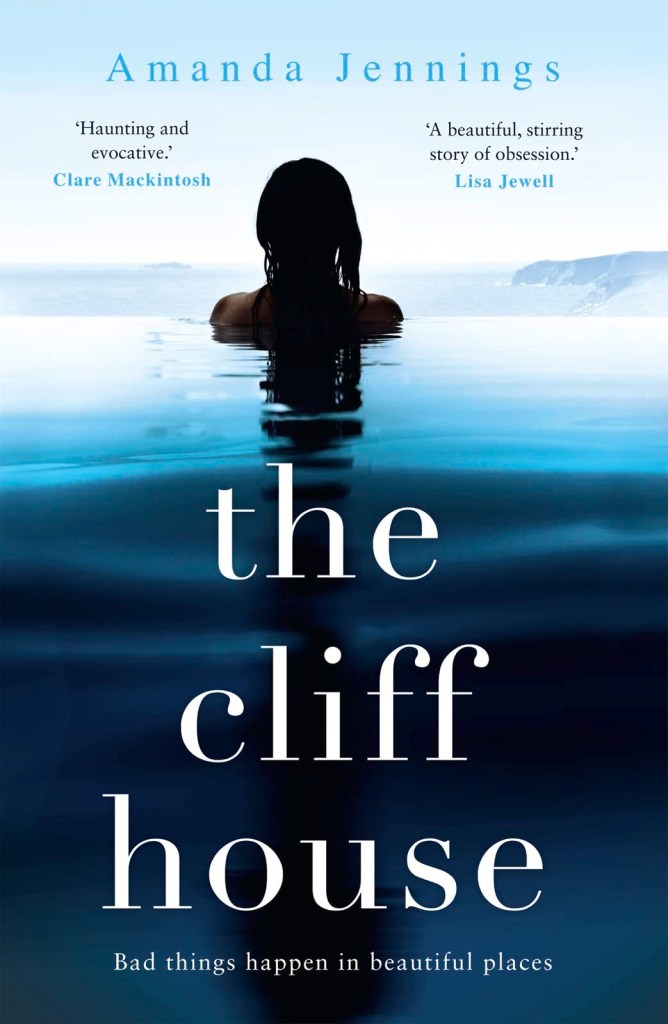
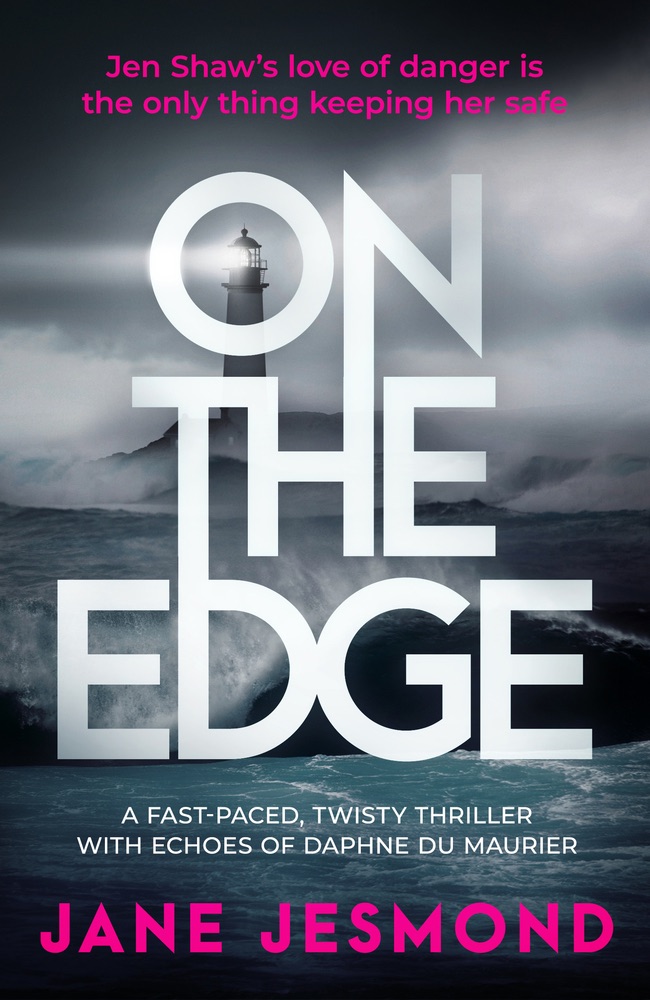
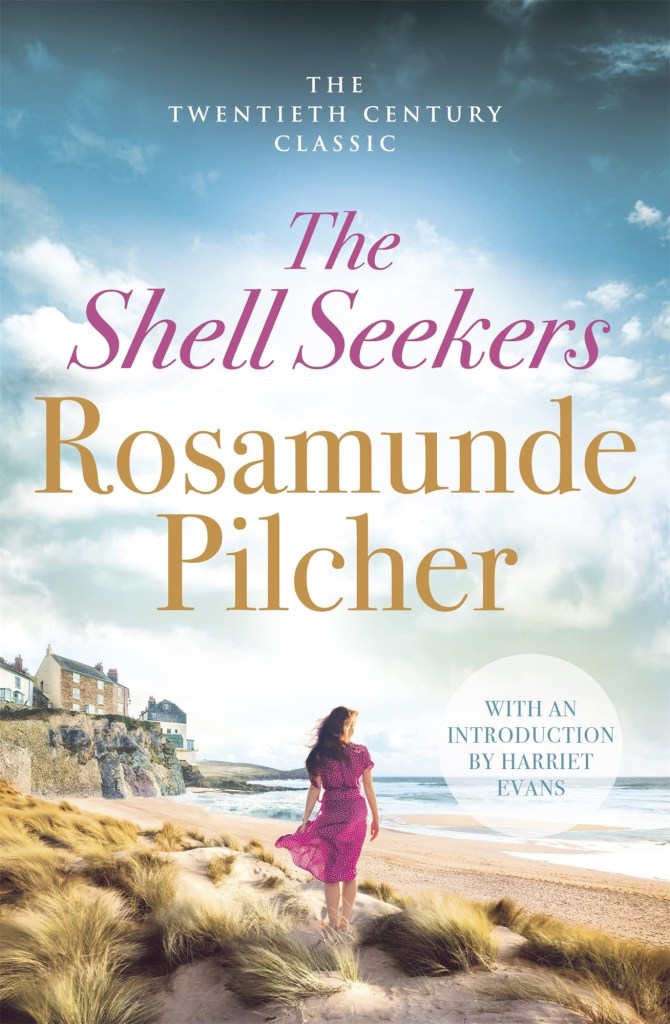
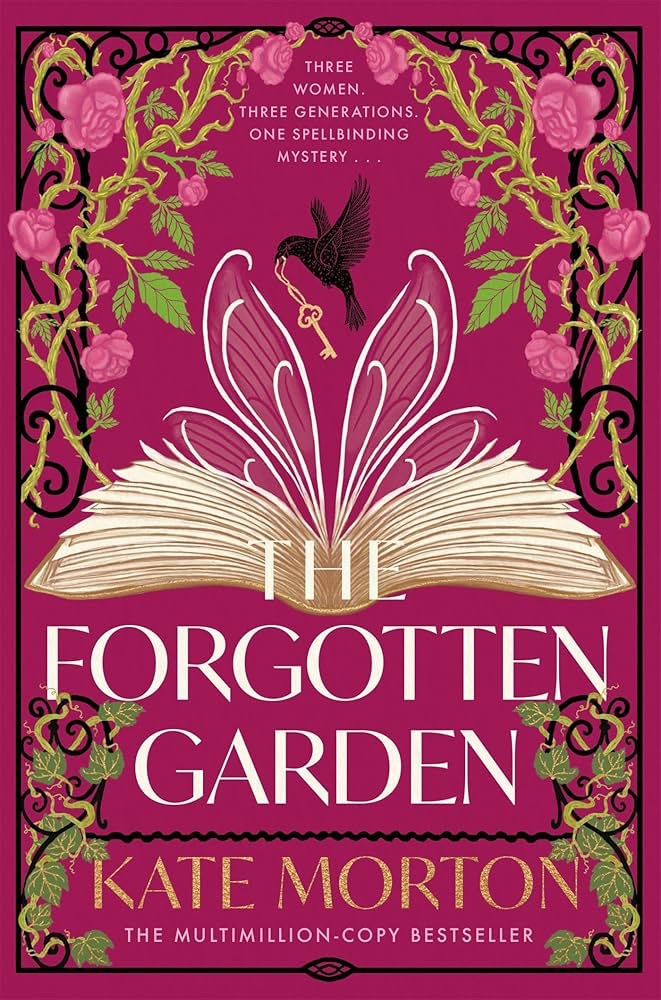
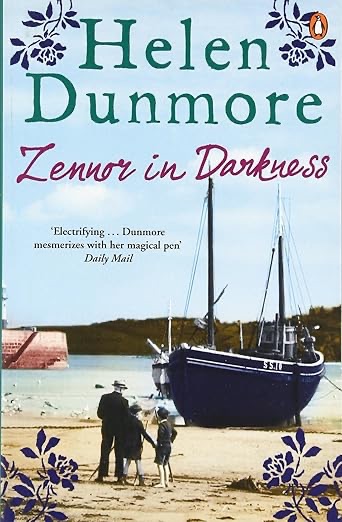
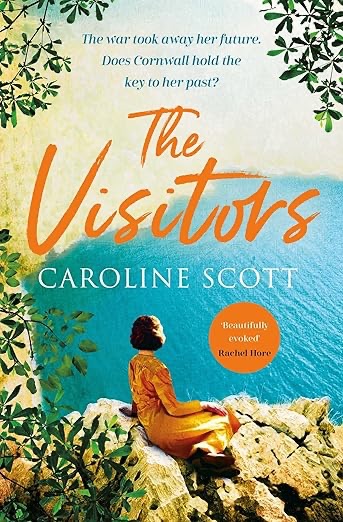
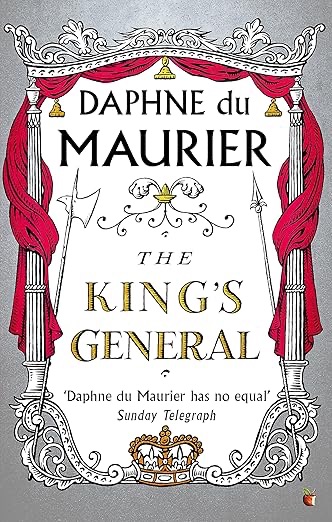
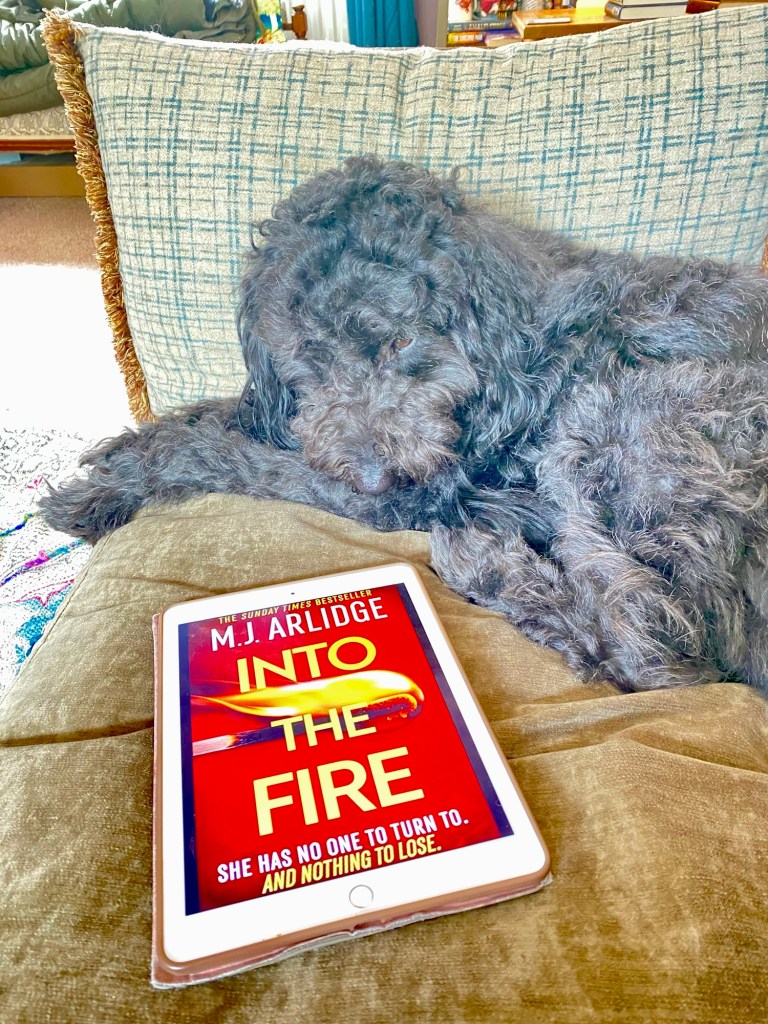


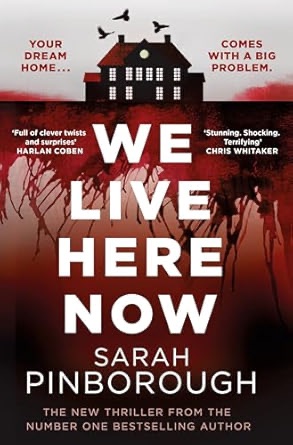


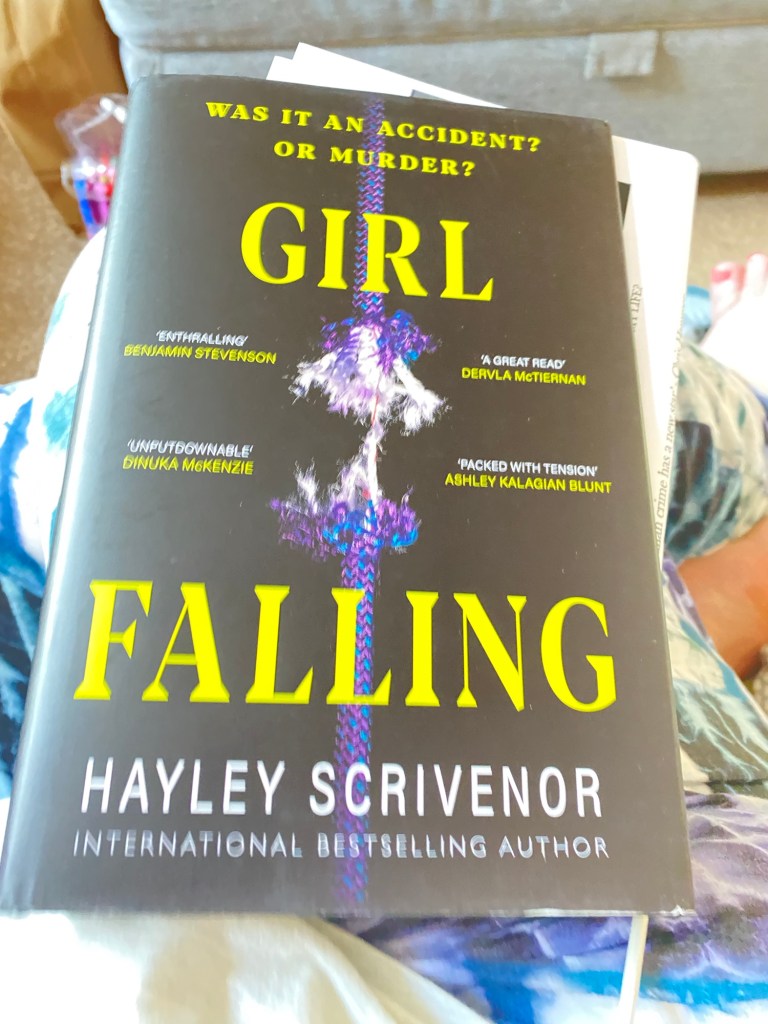



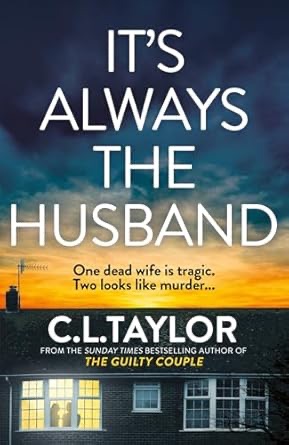



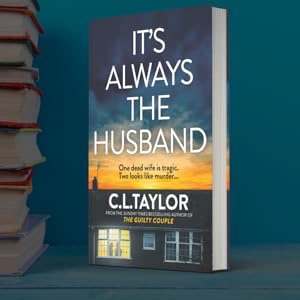
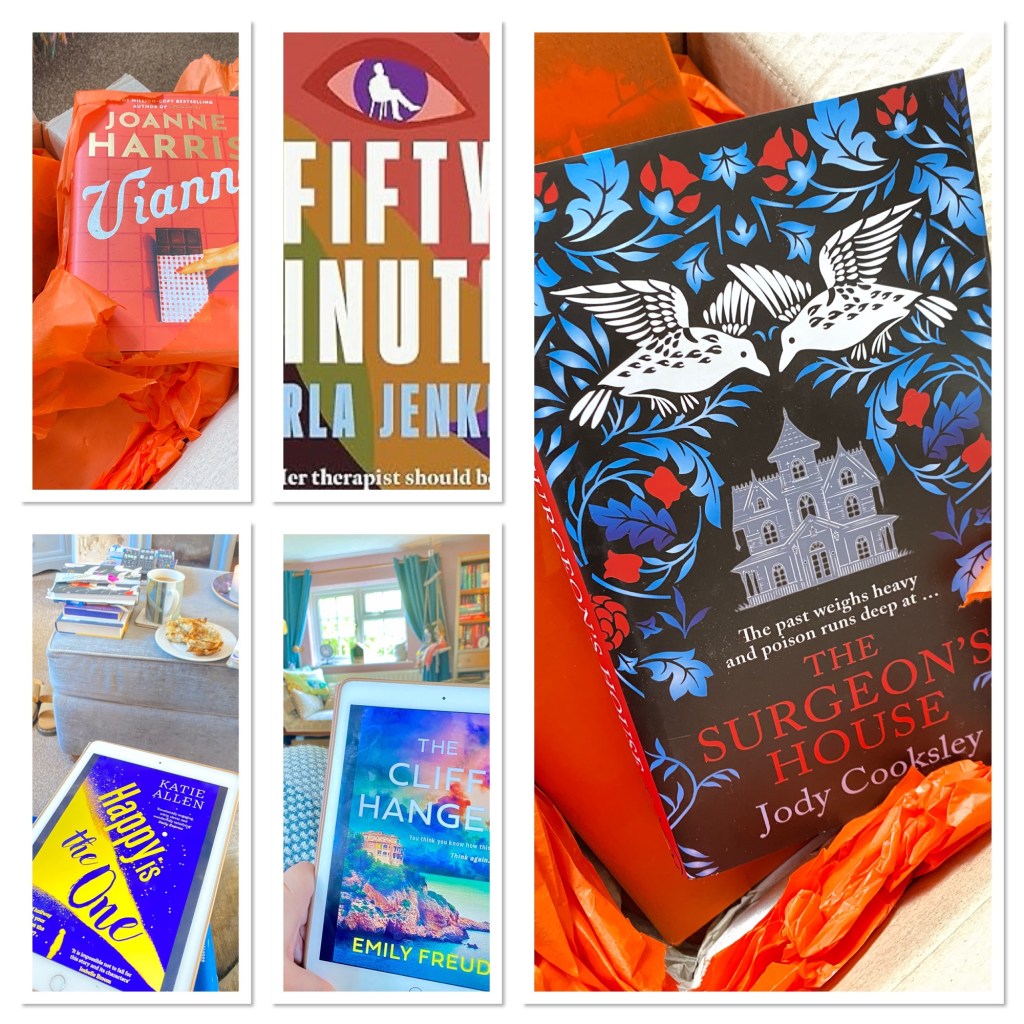
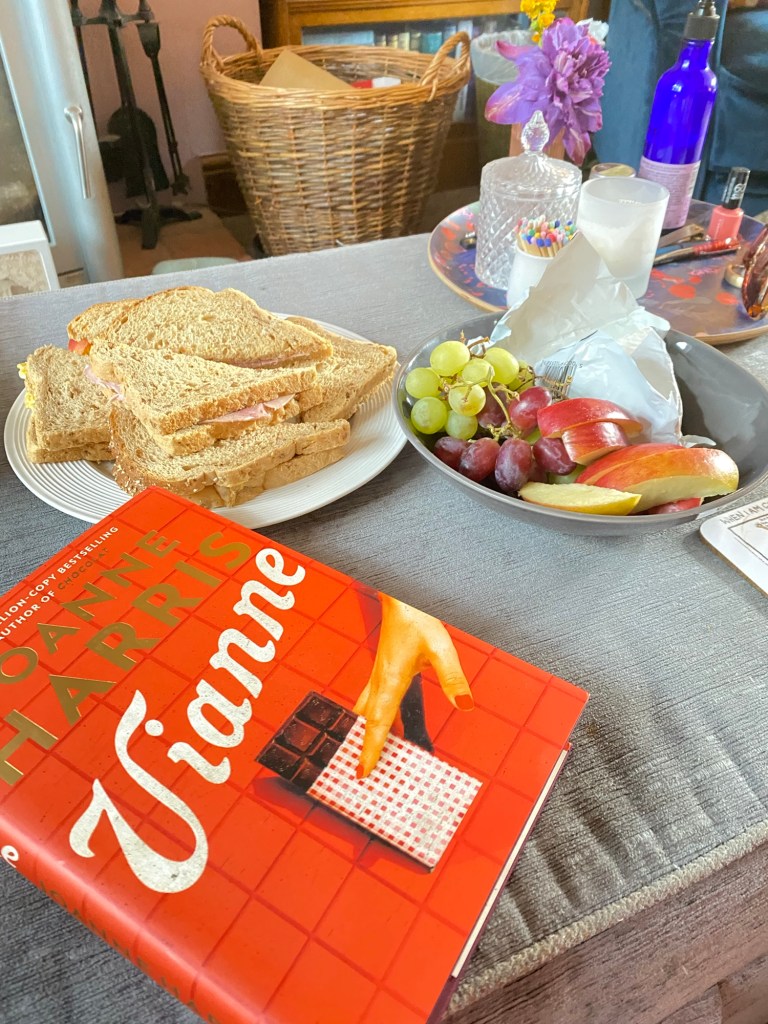
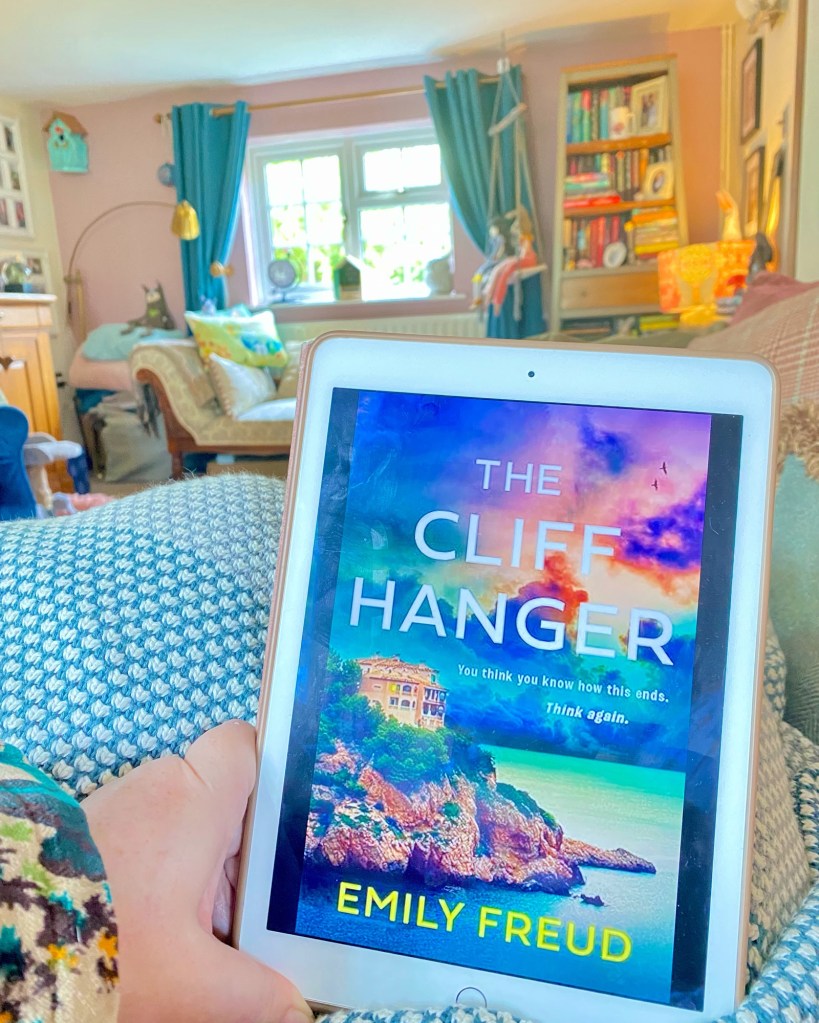
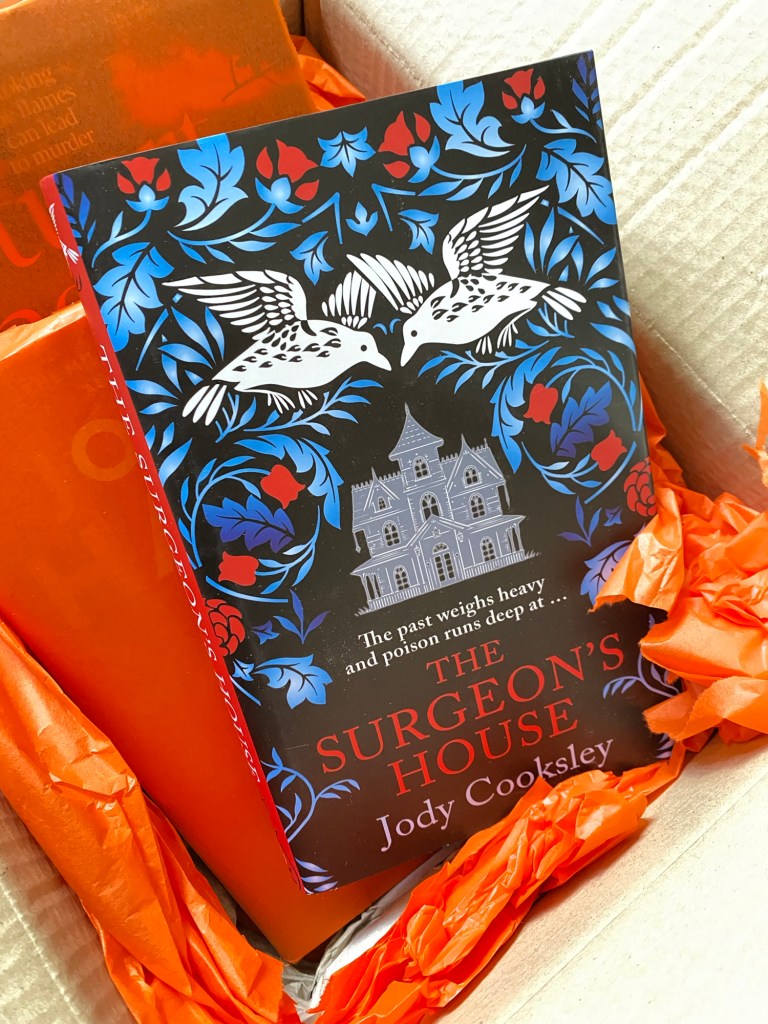
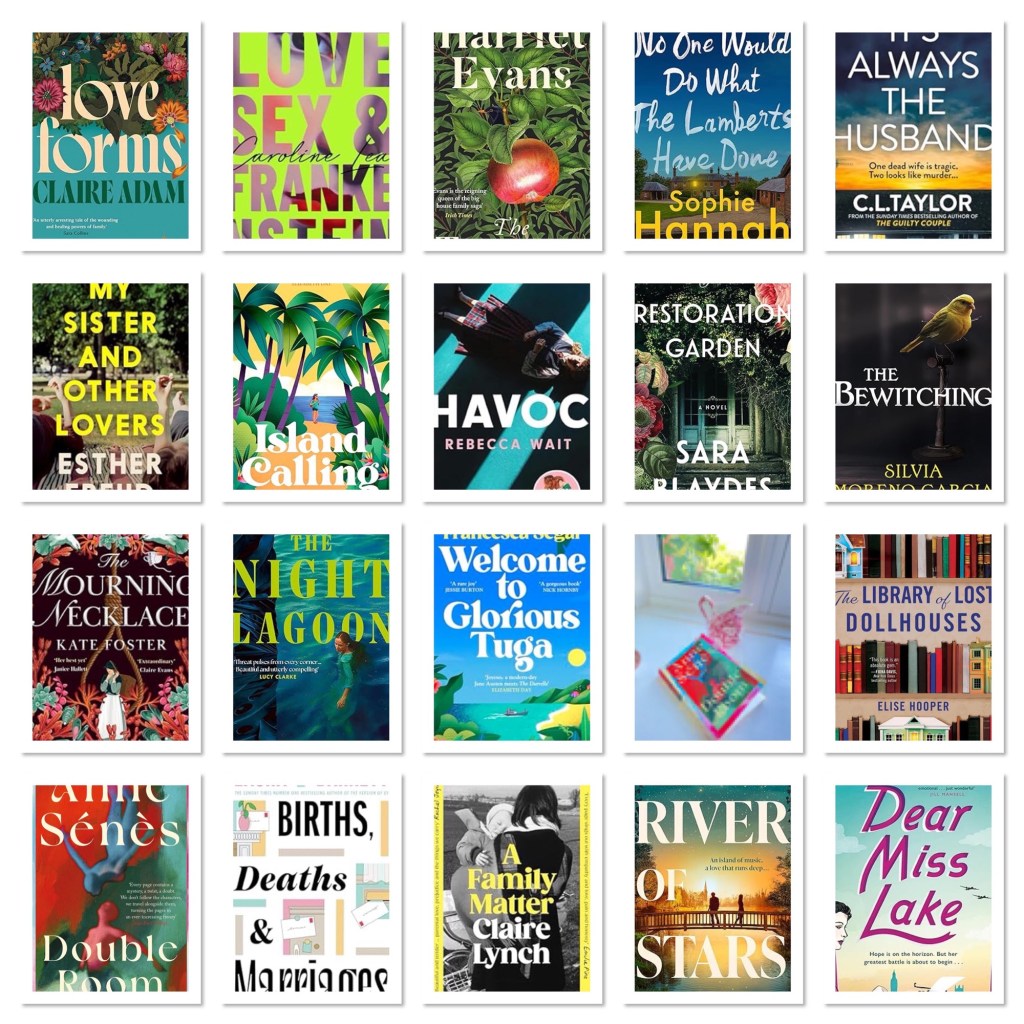
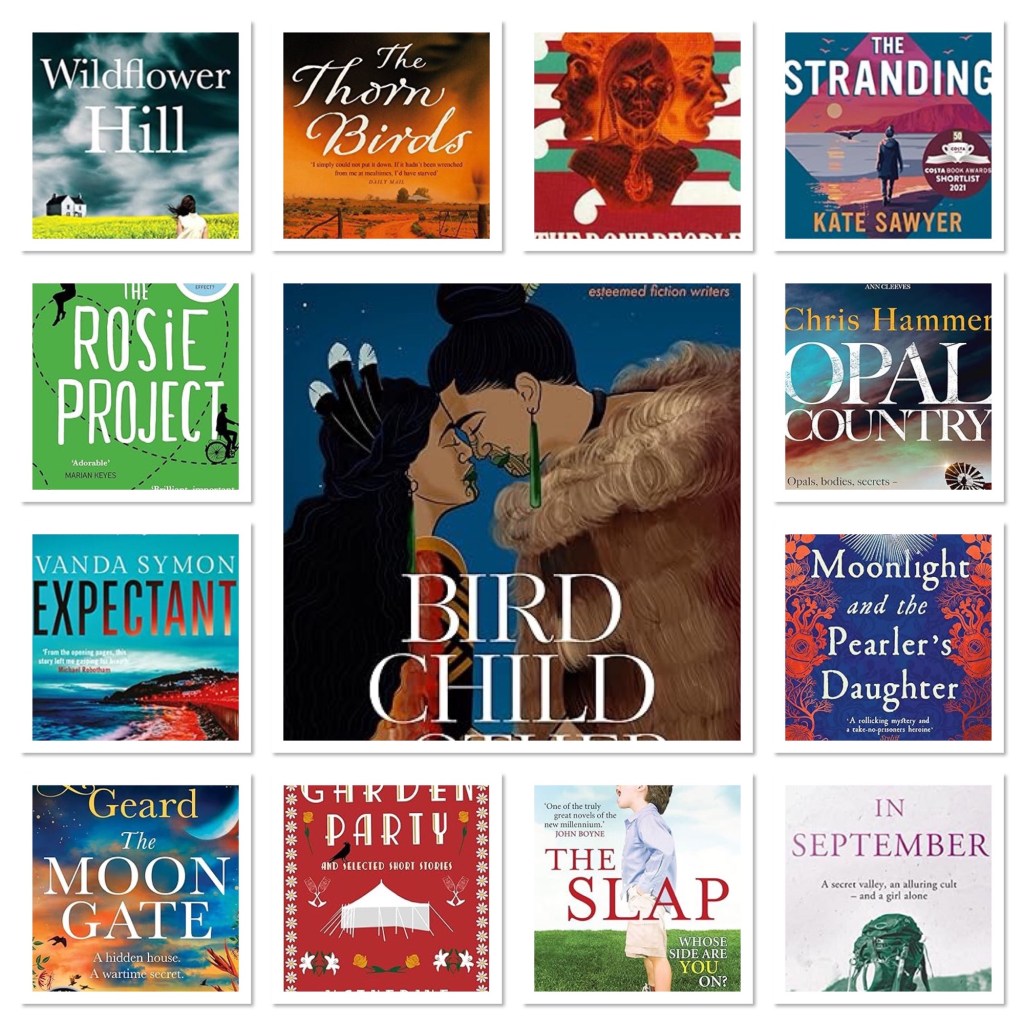
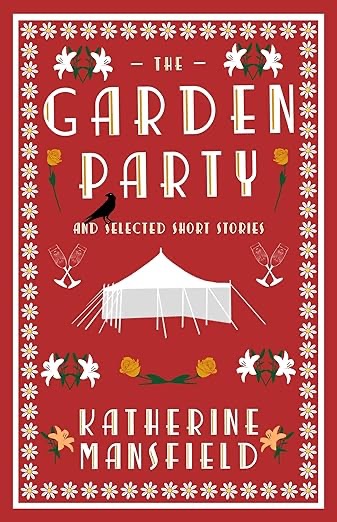

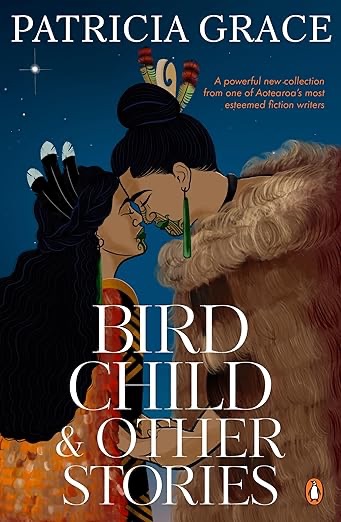
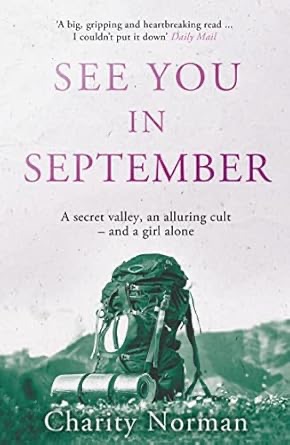
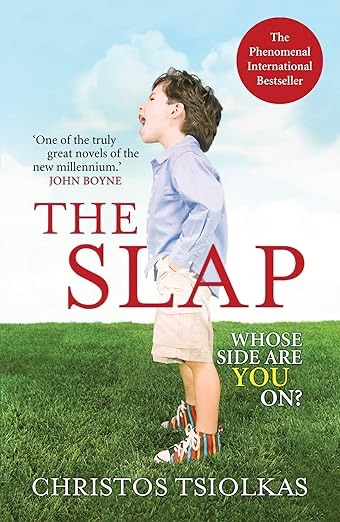
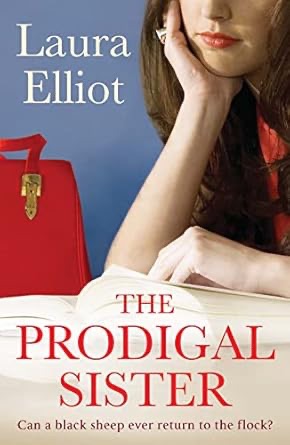
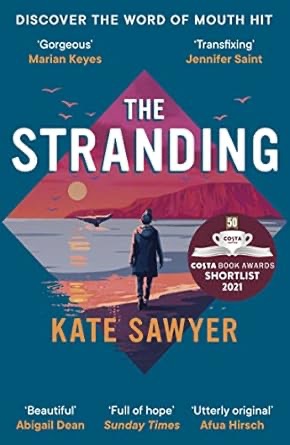
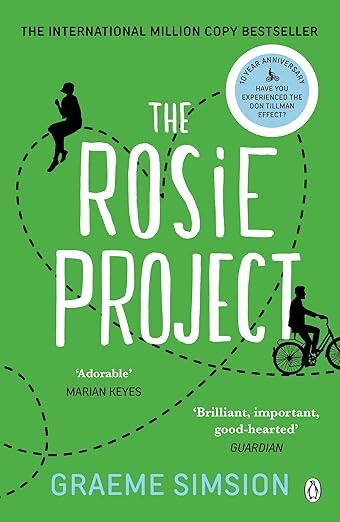
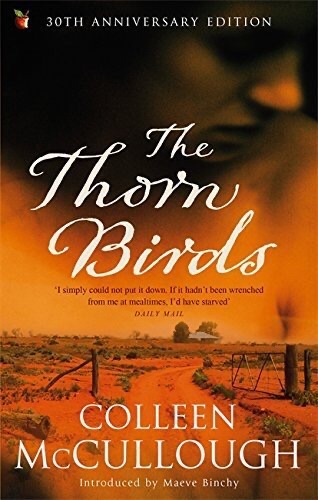
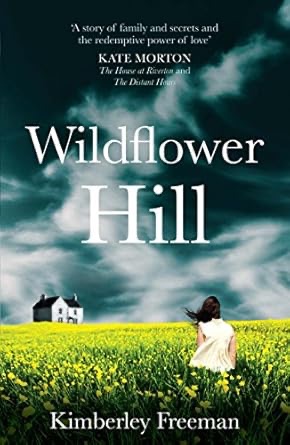
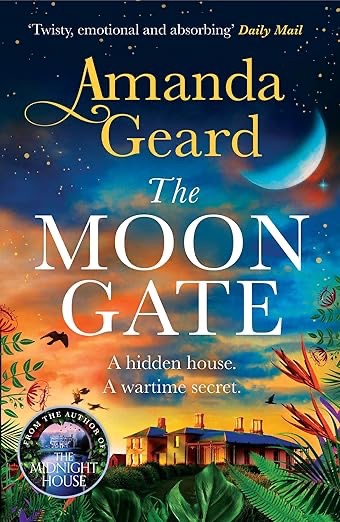
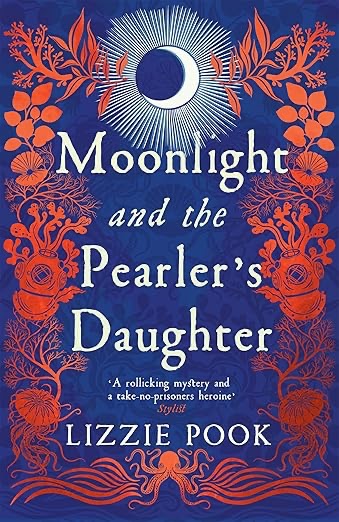
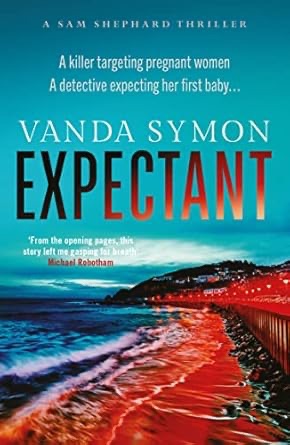
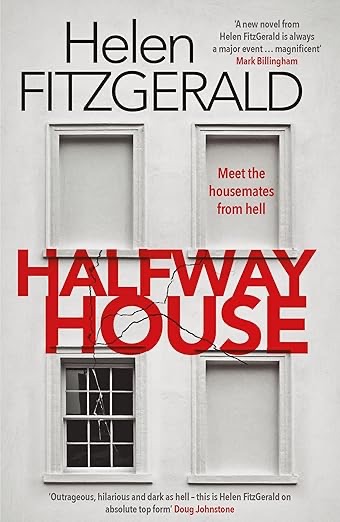
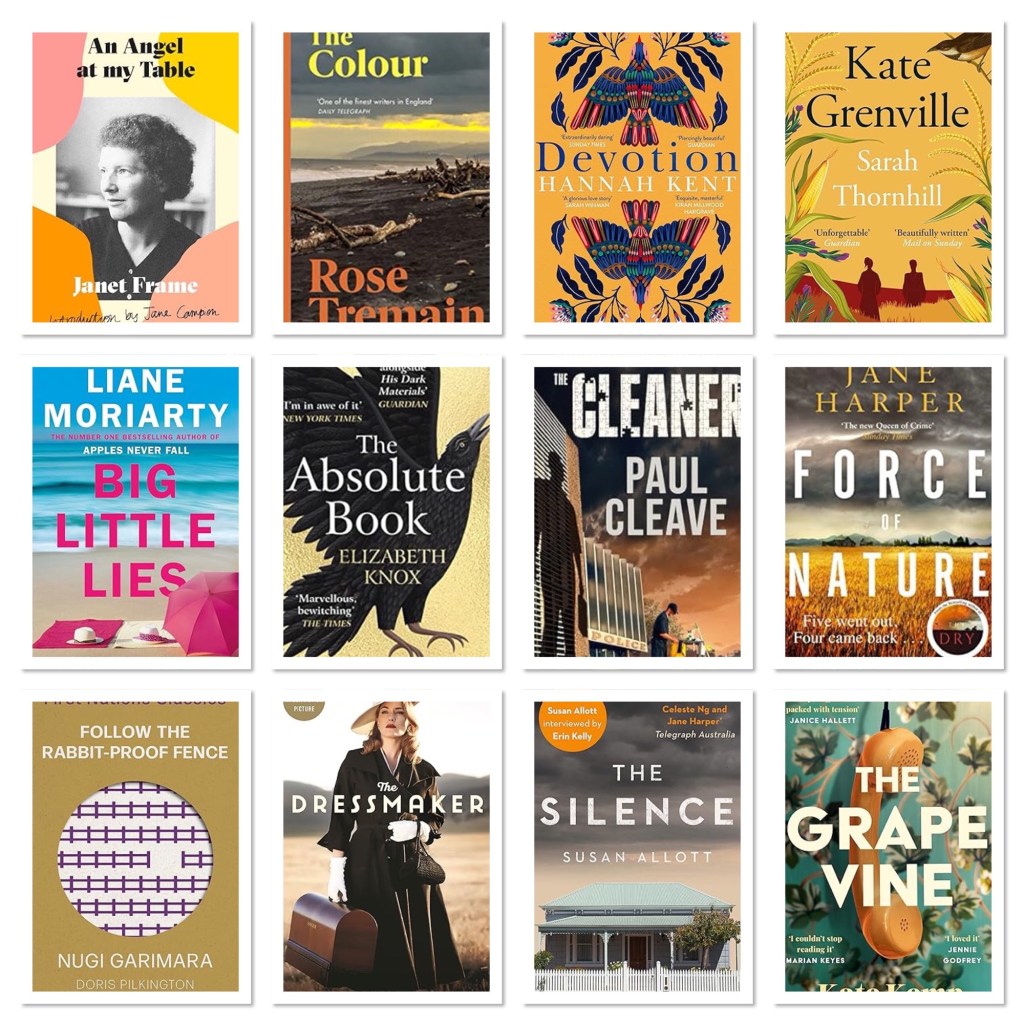
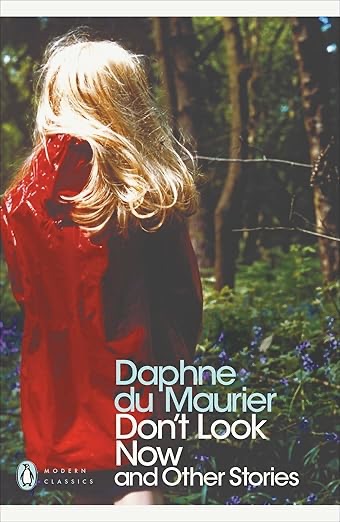
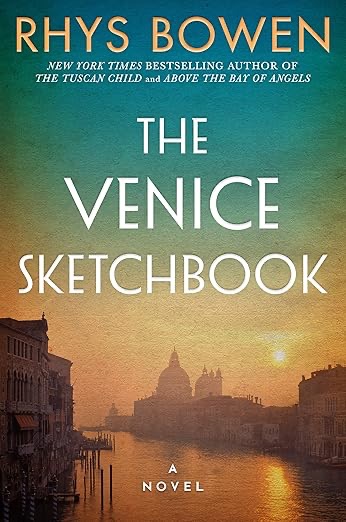
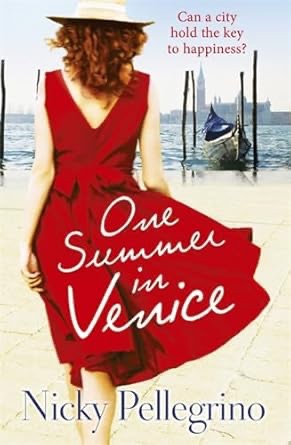

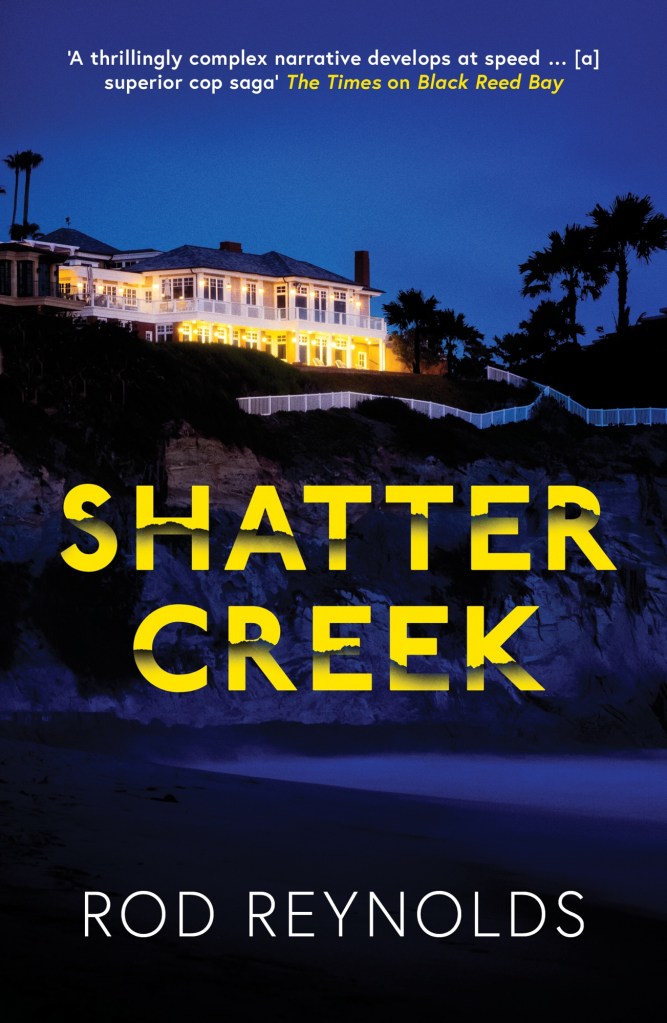

 The Lotus Readers