Posted in Random Things Tours

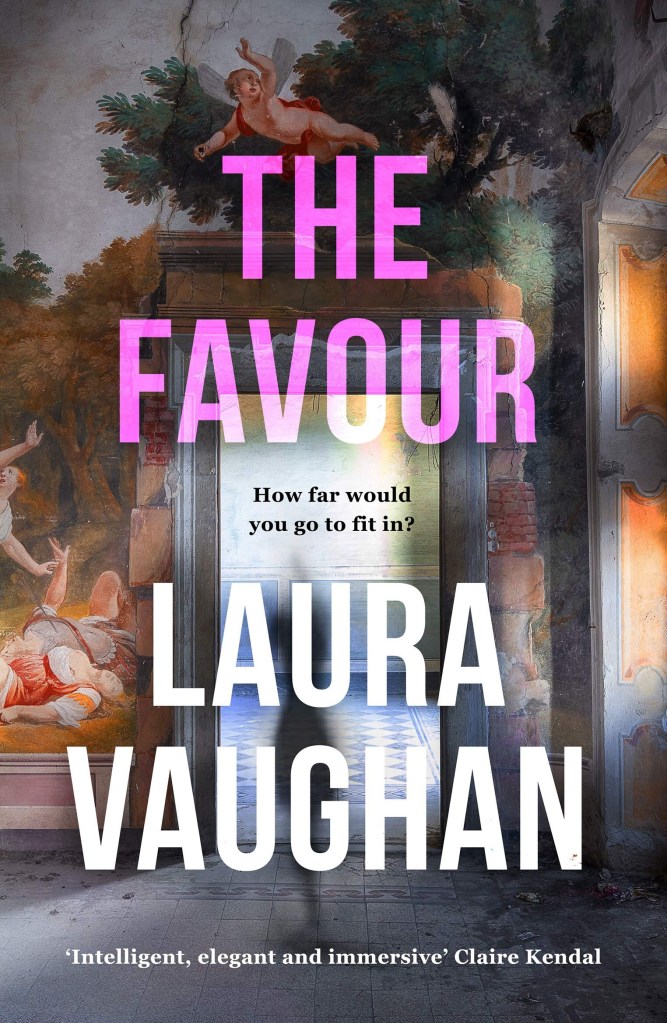
The Favour by Laura Vaughan.

Fortune favours the fraud…

When she was thirteen years old, Ada Howell lost not just her father, but the life she felt she was destined to lead. Now, at eighteen, Ada is given a second chance when her wealthy godmother gifts her with an extravagant art history trip to Italy.

In the palazzos of Venice, the cathedrals of Florence and the villas of Rome, she finally finds herself among the kind of people she aspires to be: sophisticated, cultured, privileged. Ada does everything in her power to prove she is one of them. And when a member of the group dies in suspicious circumstances, she seizes the opportunity to permanently bind herself to this gilded set.

But everything hidden must eventually surface, and when it does, Ada discovers she’s been keeping a far darker secret than she could ever have imagined…
I’m drawn to any book based in the beautiful cities of Italy, but I was also drawn by the premise of Ada’s inability to accept a change in circumstances after the death of her father means selling off the family’s ramshackle mansion in Wales. I felt that I might understand someone struggling to fit in between social circles having come from a working class family then through my 11+ ending up at a very middle class grammar school. I found it very hard to fit in, but once I did, it was just as difficult to fit back where I’d come from, forever caught between two different tribes. However, Ada was in another league altogether, totally unable to accept the life her mother had created for them. A period terrace in London and the local secondary school are not enough for her, nor is a stepfather with an ordinary, dull name like Brian. Her plan to study at Cambridge, at the same college as her father, falls through when she fluffs her second interview. It looks like she might have to accept her more humble lifestyle, but the along comes her godmother’s offer of a modern grand tour with Dilettanti Discoveries.

Now she has to find a way to fit in with the Lorcans and Annabelle’s of this world and she has a plan for that. Ada knows all the right lingo to seem like one of the group – using the phrase ‘we had to sell up’ is a distinctive one for people of a certain class. It has the scent of ‘distressed gentry’, people who have had to sell off the family pile due to death duties or renovation costs on their large country houses. She even talks about Garreg Las as the family’s smaller home, hinting of a more distinguished estate belonging to her father’s family in Ireland. One by one, as they stalk art galleries and churches, Ada tries to ingratiate herself with the group. Will they accept her story or sniff out the truth of who she is and where she belongs? These are deliciously awful people and there isn’t a single one I’d want to spend time with. They had an air of entitlement and superiority, but it was hard not to enjoy their witty, self-assured conversation. There’s a certain polish and charm that makes them alluring, but it’s all surface. Oliver seems suspicious of Ada, and Mallory has also been picked out as an outsider, being American and Jewish. However, Mallory’s attempts at friendship are shunned by Ada, who desperately wants to belong to the most fashionable set. To ingratiate herself with Lorcan, Ada reveals a secret; she has seen Lorcan’s half-sister Annabelle in a romantic clinch with one of their tutors. She agrees to keep the secret between them, to place herself at the centre of the group. Then, when a suspicious death occurs, Ada is not just at the centre of the group, she’s at the centre of a potential crime. She makes a decision to grant one of the group a favour, something you might barely notice, but it furthers Ada’s quest to belong. If one of the group owe her a favour, surely she becomes accepted forever? I didn’t even think about what it could mean going forward, but that’s how clever the book is. You are captive, watching each consequence of Ada’s decision opening up in front of you, one after another, like a set of Russian Dolls.
Meanwhile, in the background, Vaughan creates a beautiful backdrop of art, architecture and soft Italian light. I could imagine what a beautiful film this would make as these intriguing characters stroll through formal Italian gardens, along the Arno or in the twisty, labyrinthine lanes of Venice. All the reference points Vaughan touches upon – such as Ada glimpsing the same fountain where Lucy Honeychurch witnesses a passionate fight in Room With A View – were my own source of inspiration for visiting Italy. Of course the upper classes prefer the more refined Florence, whereas I’ll admit my lower class allegiance to Venice. This revered circle of friends have so many niche rules and in-jokes it’s impossible to negotiate them all, without tripping yourself up. Just like a valuable renaissance painting, being one of the elite is very difficult to fake. In these beautiful backdrops there are constant hints of fakery and disguise: the trompe l’oeil frescos of the country houses; the maze of laurel hedges; the association of Venice with carnival and disguise. Even the example of Room With A View has it’s plot of a well-to-do young girl on her own Grand Tour, trying to keep secret her love for a distinctly lower class clerk she meets at a pensione in Florence. All of this imagery and reference to facade, disguise and things not quite being as they seem adds to the atmosphere and intrigue. It’s like seeing a beautiful bowl of fruit, that at its centre, is rotten to the core. This book will make a great book club read, not only to discuss these awful characters, but to ponder on what we might have done in the same circumstances. As the years roll by, what price will Ada pay and how long can she maintain the facade she has built? This is a complex and intriguing novel, full of flawed characters, with a central character showing all the signs of a borderline personality – Ada simply doesn’t know who she is. There is a void at her centre that can only be filled by imitating and adopting the lifestyle of those around her, with possible lifelong ramifications.

Meet The Author
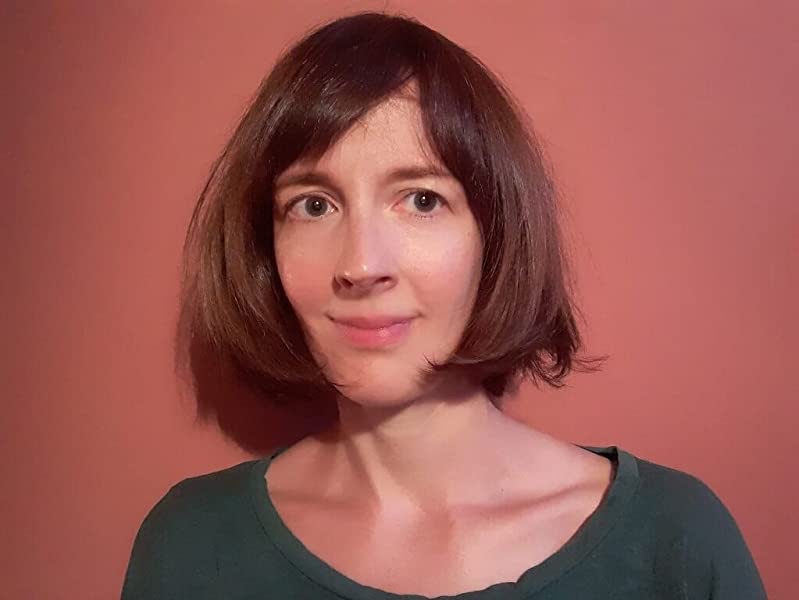
Laura Vaughan grew up in rural Wales and studied Art History in Italy and Classics at Bristol and Oxford. She got her first book deal aged twenty-two and went on to write eleven books for children and young adults. The Favour is her first novel for adults. She lives in
South London with her husband and two children.
For more information, please contact
Kirsty Doole
Publicity Director, Atlantic Books kirstydoole@atlantic-books.co.uk
07850 096902 @CorvusBooks | @theotherkirsty

Now check out the other stops on the blog tour:
Posted in Netgalley

The Disappearance of Stephanie Mailer by Joel Dicker. Translation by Howard Curtis.

I’m revisiting this book and expanding on my original NetGalley review for this blog blast, as I recover from moving house and suffering an infection from a nasty cat bite! So, I’ve refreshed my memory and really thought about this interesting book again. First of all, here’s the blurb:

A twisting new thriller from the author of The Truth about the Harry Quebert Affair

In the summer of 1994, the quiet seaside town of Orphea reels from the discovery of four murders.

Two young police officers, Jesse Rosenberg and Derek Scott crack the case and identify the killer.

Then, twenty years later and just as he is on the point of taking early retirement, Rosenberg is approached by Stephanie Mailer, a journalist who believes he made a mistake back in 1994 and that the real murderer is still out there, perhaps ready to strike again. But before she can give any more details, Stephanie Mailer mysteriously disappears, and Rosenberg and Scott are forced to confront the possibility that her suspicions might have been proved true.

What happened to Stephanie Mailer?

What did she know?

And what really happened in Orphea all those years ago?

For me, this author manages to do something very clever with his novels. He writes thrillers that keep you hooked, while delivering a strangely relaxing read. It’s like the same feeling you get watching a really good TV series; in the days before multi-channels and Netflix, English dramas tended to be short and low budget, whereas American and Scandinavian channels invested money at their dramas, often delivering 22 episodes per season. These longer dramas allow every character to develop and lets the story breathe. If the series is a thriller there can be so many twists and turns over a longer time, red herrings can develop and be dismissed, and the tension of the last few episodes becomes unbearable. That’s what I felt happened with this book, it’s slow and characters change and surprise you. I think readers may have a bit of a marmite reaction to it – those who like their thrillers short and snappy will be frustrated, but those who love to explore character, setting, and a tale that meanders through many twists and turns before revealing the truth, will love it. It’s every shade of grey, rather like life.

The dual timelines of 1994 and 2014 work very well, with the past informing the future for the reader. Both cases are also intriguing and form an interesting contrast. The 1994 shootings are so dramatic, public and involve many victims, whereas the 2014 disappearance has a less public impact. I found myself constantly asking if Stephanie disappeared because of the 1994 case she’s investigating for an article – opening old wounds in a small town that wants to believe it caught it’s killer – or whether something more personal and unrelated was happening. The fact that she turns up just as Captain Jesse Rosenberg is about to retire seems too much of a coincidence though. Jesse is a likeable character, a good, honest cop whose diligence sets him apart. Despite his impending retirement, Stephanie’s disappearance and the knowledge that his findings on the original case were wrong, leave him determined to solve both cases before he leaves. However, Jesse and colleague Derek Scott became small town celebrities for solving the 1994 shootings, and maybe they liked the status and boost to their careers a little too much? It would be very difficult to accept they were wrong, but Jesse seems to do that and appears determined to find the truth of both cases. I also found myself questioning the circumstances of the original case. We know that the original investigation was wrong, but not why it was wrong. The mayor and his family were shot dead, but across the street a jogger called Megan is also shot, in the back of the head. Was this a case of wrong time, wrong place, for Megan? Did she see something that would have revealed the killer? Or should we be turning the whole case on its head? What if Megan was the intended victim all along?

These were just some of my thoughts as I wandered through this slice of small town life gone wrong. I love convoluted plots where I have no clue where I will end up in a few chapters time. All too often in thrillers, the truth is easy to work out early on, but here I had no idea and an array of clues and characters to decipher. This novel was long, but it has to be so the reader isn’t overwhelmed with the amount of information. It didn’t feel daunting though, and the writer’s technique of building tension towards small revelations throughout, certainly piqued my interest and kept me reading. Yes, maybe the novel might have benefitted from cutting a couple of characters or points of view. However, it might have lost that constant feeling of uncertainty needed in a good thriller. This is a slow burner of a novel, packed with possibilities and the odd red herring or two to keep the reader on their toes. In the last few chapters I couldn’t wait to uncover the truth, because the long build-up had intensified the tension. The manner in which the truth is revealed was a surprise, as if by accident rather than spelled out in black and white like a traditional detective novel. I felt this contributed to the ‘realness’ of the story; how many real life killers are arrested for something quite different at first? Life is full of multiple characters, faulty memories, strange cul-de-sacs and a million shades of grey, and that is exactly what the author has represented in this novel.

Posted in Random Things Tours

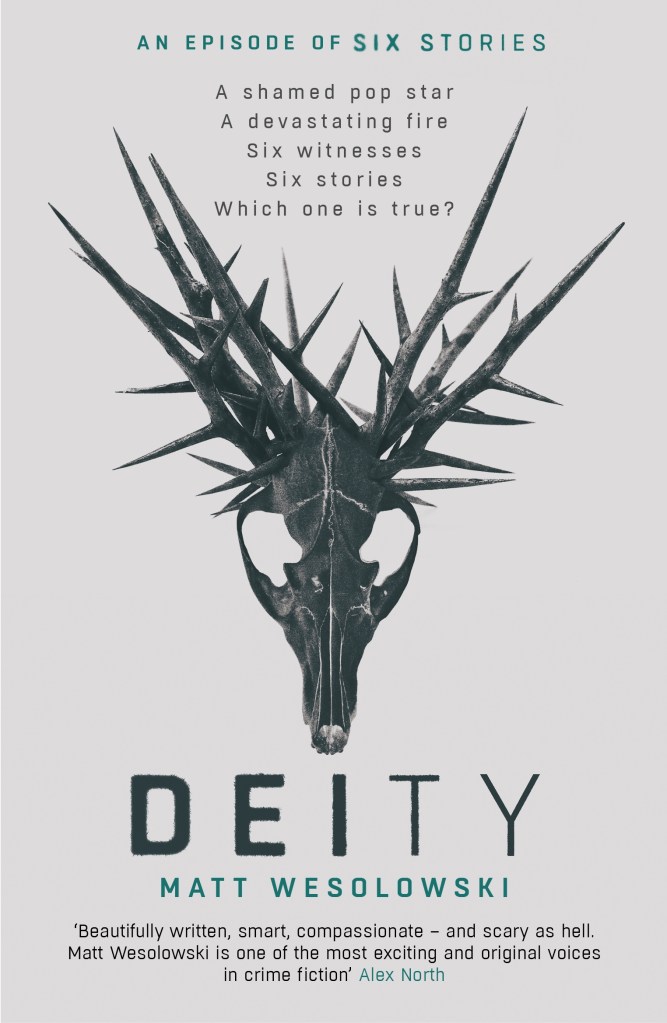
Deity by Matt Wesolowski.

I’m not sure I was fully prepared for the reading experience offered by Matt Wesolowski in his ‘Six Stories’ novel Deity. I was blown away by how creative and unique it is – roving between crime, mystery, the supernatural, and commentary on celebrity culture.

A shamed pop star

A devastating fire

Six witnesses

Six stories

Which one is true?

When pop megastar Zach Crystal dies in a fire at his remote mansion, his mysterious demise rips open the bitter divide between those who adored his music and his endless charity work, and those who viewed him as a despicable predator, who manipulated and abused young and vulnerable girls.

Online journalist, Scott King, whose Six Stories podcasts have become an internet sensation, investigates the accusations of sexual abuse and murder that were levelled at Crystal before he died. But as Scott begins to ask questions and rake over old graves, some startling inconsistencies emerge: Was the fire at Crystal’s remote home really an accident? Are reports of a haunting really true? Why was he never officially charged?

Dark, chillingly topical and deeply thought-provoking, Deity is both an explosive thriller and a startling look at how heroes can fall from grace and why we turn a blind eye to even the most heinous of crimes…

This is book five in a series started back in 2017, based around the structural idea of six podcasts, presented by character Scott King, that attempt to investigate and solve a cold case. The subject here is Zach Crystal, pop megastar and controversial figure, who died in a fire at his home in the Scottish Highlands. So much of his tale is familiar. A humble background, with music first made at home in the garage with his sister. Followed by paying his dues in the back rooms and clubs of the Midlands until fame came calling. At the height of his career, Zach Crystal disappeared into the wilds of Scotland into a property he crowned ‘Crystal Forest’. Then, just as he reappeared and announced a new album, there was a fire at his home and Zach’s body was found in the ruins. On each podcast, Scott invites a witness to talk about the case, and shares media evidence to shed more light on events. He never leads the witness or voices an opinion; the podcast is given over to to the witness, what they experienced and their theory on what happened to Zach Crystal. King’s a skilled interviewer, asking subtly probing questions that open up the interview, but never summarising or concluding. He merely lets the story tell itself, and it’s up to the listener/ reader to make up their own minds. This leaves us with a dilemma; who or what do we believe?

What grabbed me immediately about the book was how timely it is, especially in the wake of the #MeToo movement. There are many stars who’ve had a downfall in the past twenty years, but this story reminded me most strongly of Michael Jackson, because he was a music superstar who still divides opinion, years after his death. There are all the stories about his upbringing, the plastic surgery, Bubbles the chimp, and the fairground. Then there’s the ‘sleepovers’ with young boys, that he claimed were totally innocent, despite the payments made to their parents. The world seemed to be divided with many reading the rumours, watching the documentaries and concluding something dark and disturbing was happening at Neverland. Is there ever a situation where it’s ok for a grown man to sleep in the same bed as a little boy he barely knows? However, there are just as many people still fiercely defensive of Jackson, supporting him at court, calling him an innocent and labelling his detractors as cynics, then creating shrines when he died. Zach Crystal has a similar cultish following defending him while dark rumours circulated about parties hosted at his Scottish hideaway for possibly exploited, and at worst murdered, girl fans.

Often with thrillers, pace and tension are given priority, but here the story is thought provoking and the reader is given space to make those connections, such as the kind between fiction and our reality. In just the last two weeks we’ve seen women go public to expose their alleged abusers with both Shia LaBeouf and Marilyn Manson at the centre of accusations. It made me think about the difference between image and reality when it comes to celebrities. At what point do we think we know a celebrity? If we have a hero on a pedestal do we become blind to their behaviour? If the celebrity is paying the wages of a whole entourage, who would stand up and tell the truth? It’s only in the last week that I fully took on board the extent to which Justin Timberlake was complicit in the difficulties experienced by his ex-girlfriend Brittany Spears. Sometimes, the fact we enjoy someone’s music or find a celebrity attractive, influences us to overlook their behaviour. If someone is treated as a god, does it always cause them to exploit that, in terrible ways? All of these parallels were going through my mind as I read each witnesses response to Zach’s disappearance. King sits back and allows each account to speak for itself, leaving it up to the reader to accept or dismiss their version of events.

I loved the way the author cleverly combined a contemporary setting and such up to the minute issues, but also wove in elements of myth and folklore. I also loved the way that each episode, and it’s different perspectives, revealed more about the man behind a carefully constructed image. One episode brings in the possibility that a supernatural creature is stalking the Crystal Forest and that it was responsible for the deaths of two young fans. Then another perspective came and seemed plausible, then another, until I found myself immediately doubting the last. Instead of actually writing each twist and turn on the page, the author relies on it happening in the reader’s own mind. Of course, each reader brings their own concerns and biases to the book, so potentially the twists and turns could be different for every single reader. The author has incredible restraint in telling us just enough, never forcing a point of view. This was an incredible reading experience, from an accomplished and intelligent writer keen to explore the more dangerous and dark aspects of human nature. Meanwhile, allowing the reader to take their mind for a walk through these podcasts, sifting through evidence and forming their own conclusion. I noticed Matt Wesolowski named the ‘Dark Lord of Northumbrian Noir’ and that seems a very apt title. His vision in creating these novels is astounding, so much so that I was tempted to go back immediately and read the previous Six Stories novels one after another.

About The Author

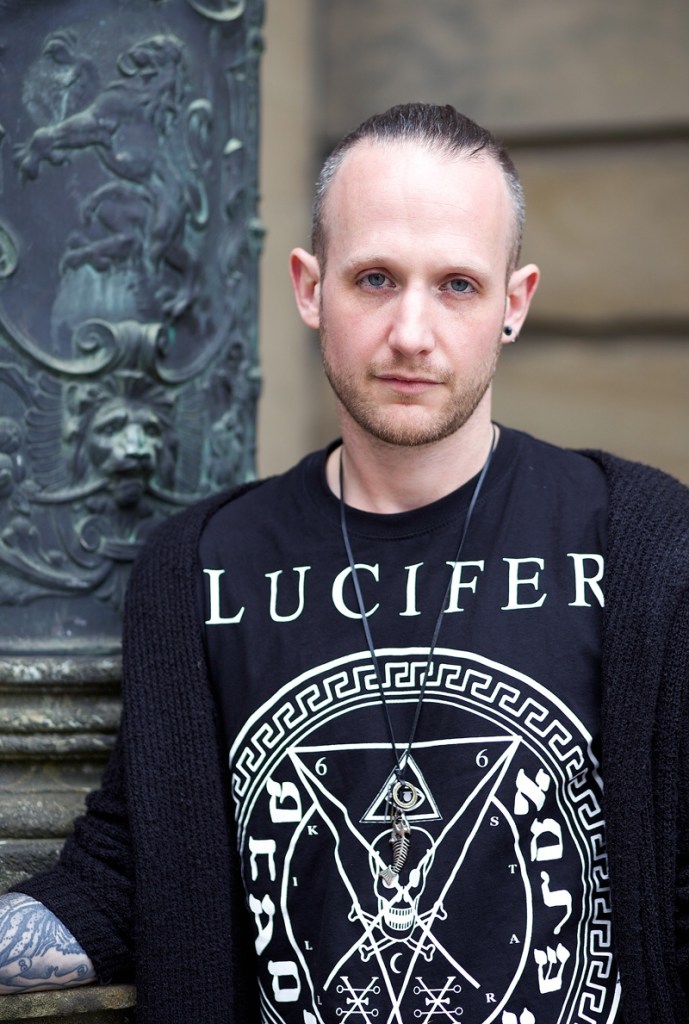
Matt Wesolowski is an author from Newcastle-upon-Tyne in the UK. He is an English tutor for young people in care. Matt started his writing career in horror, and his short horror fiction has been published in numerous UK- and US-based anthologies, such as Midnight Movie Creature, Selfies from the End of the World, Cold Iron and many more. His novella, The Black Land, a horror set on the Northumberland coast, was published in 2013. Matt was a winner of the Pitch Perfect competition at the Bloody Scotland Crime Writing Festival in 2015. His debut thriller, Six Stories, was an Amazon bestseller in the USA, Canada, the UK and Australia, and a WHSmith Fresh Talent pick, and film rights were sold to a major Hollywood studio. A prequel, Hydra, was published in 2018 and became an international bestseller. Changeling, the third book in the series, was published in 2019 and was longlisted for the Theakston’s Old Peculier Crime Novel of the Year. His fourth book, Beast, won the Amazon Publishing Readers’ Independent Voice Book of the Year award in 2020.

Posted in Netgalley

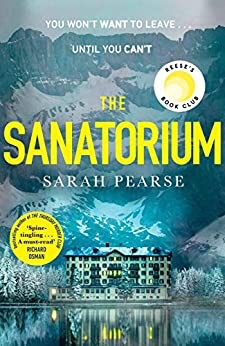
The Sanatorium by Sarah Pearse.

I’ve been a little late to the party reading this thriller set in the Swiss Alps. Now I have, I can see why other bloggers have enjoyed it so much.It left me feeling chilled and genuinely claustrophobic. Elin’s brother Isaac invites her to celebrate his engagement to girlfriend Laure at a luxury hotel in Switzerland. The newly renovated hotel is Laure’s workplace and has a complicated history. An architectural triumph for the owner Lucas, the hotel was once a sanatorium for people with tuberculosis. Locals objected strongly to the project due to its position and liability to become cut off by avalanches, but there was also some disquiet about its history and the appropriateness of its new use. Elin and Isaac have a strained relationship, dating back to the accidental death of their little brother when they were children. However, she has been looking forward to trying again with Isaac and is excited to show her architect boyfriend Will around the hotel. Will is looking forward to relaxing with Elin after a tough year including her long sabbatical from work as a police officer. Elin is a detective, but isn’t currently working after an incident lead to her suffering flashbacks, panic attacks and other symptoms of PTSD. Can Will and Elin relax and enjoy their break, or will echoes of the past get in the way?

The author creates a edgy atmosphere immediately. We find out that Lucas’s business partner Daniel disappeared just as the hotel opened, thought to be swallowed up by an avalanche while taking his morning exercise. The remoteness is immediately apparent and I loved the way the author situates the hotel as a huge edifice almost doing battle with the surroundings. Guests can gaze directly out into the woodland and mountains. However, once the night falls and the lights are on, the hotel must be visible for miles. Guests can’t see out, but anyone could be looking in. The decor isn’t plush and ornate like a lot of hotels, but instead hints at the hotel’s past; almost like a luxury monk’s cell. There is nothing superfluous or showy about the bedrooms. There are also little glass display boxes where artefacts from the hotel’s archive are put on show. Elin doesn’t know whether they honour the past in a respectful way or whether they’re distasteful. There’s a real sense of the cold from outside, but also in the hotel’s decor. There’s nothing cozy or welcoming to offset the harsh weather.

It’s not just the venue that has a complicated relationship with the past. This whole visit is shrouded in secrets. Elin hasn’t told her brother that she’s taking a break from the police force. She also hasn’t told her partner Will about her previous friendship with Laure. Although it soon becomes clear that she’s not the only one keeping secrets. Her silence on certain subjects made me doubt her as a narrator creating an edgy reading experience. The venue seems to have tension built into its very foundations and I sensed something evil had happened there. Whatever had happened left an energy that rubbed off on the staff and guests. The author builds on the claustrophobic theme, by layering the imagery throughout the narrative. There is the history of patients literally struggling to breathe within these walls. Then there are Elin’s panic attacks, intensified by the scene where she is pushed into the plunge pool at the spa and struggles to force her way back to the surface. In flashbacks we learn of the tragic day at the beach when Isaac and Elin’s brother died, it’s always there simmering in the background and even Elin doesn’t seem to know the truth of what happened. There’s also the remote location, and the constant threat of avalanche. The author allows these feelings to build towards moments then describes moments of pure terror as an unknown assailant attacks, wearing a black rubber gas mask that makes a strange sucking and whistling noise. There were moments where I literally had to close the book and have a break with a cuppa!

There are a series of questions within the book, so there are a series of answers we’re chasing towards the end of the novel. Will we discover the truth of what happened when the hotel was Sanatorium du Plumachit? Will we find out what truly happened on the beach between Elin and her brothers? Who is behind the attacks at the hotel and what is their motive? The author has created a mystery that’s like a set of Russian dolls, moving from the present back to past events that still have a devastating hold on the here and now. The strange souvenirs left by the killer in glass boxes, are just like the exhibits from the archive, so there must be a link. I read the last few chapters in one go, because I simply had to know what was going on. There was a definite disregard for the next day that night as I was up till 3am racing through the revelations. I thought this was a brilliant thriller, full of atmosphere and with some genuine scares along the way. I absolutely loved it and would recommend it very highly.

Meet The Author

Sarah Pearse lives by the sea in South Devon with her husband and two daughters. She studied English and Creative Writing at the University of Warwick and worked in Brand PR for a variety of household brands. After moving to Switzerland in her twenties, she spent every spare moment exploring the mountains in the Swiss Alpine town of Crans Montana, the dramatic setting that inspired her novel. Sarah has always been drawn to the dark and creepy – remote spaces and abandoned places – so when she read an article in a local Swiss magazine about the history of sanatoriums in the area, she knew she’d found the spark of the idea for her debut novel, The Sanatorium. Her short fiction has been published in a wide variety of magazines and has been shortlisted for several prizes. You can find Sarah on Twitter @SarahVPearse and Instagram @sarahpearseauthor

Posted in Netgalley

The Night Hawks by Elly Griffiths.

It was lovely to be back in the world of one of my favourite literary heroines, the archaeologist and academic Ruth Galloway. I always feel at home in this space Elly Griffiths has created, with an evocative feeling of Norfolk at its centre. She presents the wide skies, marshlands and seascapes and their flora and fauna so clearly I feel like I know it. Yet there’s always that sprinkling of the mystical, the pagan, and the long buried beliefs of a Norfolk long ago. This mix of the earthy, real and scientific as opposed to the mystery and magic is something also echoed in her characters: the craggy, straightforward, Nelson; the Druid Cathbad with his cloak, sayings and pronouncements; Ruth somewhere in-between – appreciating the science and procedure of her work, but not fully dismissing the beliefs and mysticism that surrounds the burials she visits and excavates.

The Night Hawks of the title are a local metal detecting group, who stumble upon a burial site out on the marshes towards the sea. Ruth has been here before, excavating a ‘henge site’ with her then professor, Eric – a man whose conflict between mysticism and science still hangs over this place. The group finds a hoard of Bronze Age weapons, but nearby they also find a body. Nelson thinks it might be an asylum seeker, desperately trying to cross the channel in tiny boats and fallen overboard. He rings Ruth anyway, because he knows she’ll be able to date the weapon find and know if there’s any link. The body turns out to be a local boy, Jem Taylor, who has just been released from prison and has a distinctive tattoo of a snake on his neck. Cathbad suggests this may be a nod to the local legend of the Norfolk Serpent. This could be an accidental drowning, but the second body suggests murder. There are no real clues to who might have wanted Jem dead.

The second case Nelson is called to investigate is that of a couple who seem to have died in a murder-suicide at a local farm. Black Dog Farm is linked to another local legend, that of the Black Shuck, a large black ghostly dog that is said to appear to people before they die. Nelson is sceptical of course, but since the suicide note ends with the ominous ‘he’s buried in the garden’ he asks Ruth to excavate. Ruth has already had a strange encounter with a large animal on a country lane, so her mind starts whirring when she finds large animal bones. Maybe Cathbad has more wisdom than they give him credit for. As Nelson and Judy talk to the couple’s children and Ruth thinks about the farm, it seems clear that there’s something very wrong about Black Dog Farm, something that might signal serious danger for all concerned.

I never stop talking about how much I love Ruth Galloway and here she’s back to herself after a period of time living with her partner Frank in Cambridge. Norfolk is in Ruth’s bones it seems. She and Kate seem to belong in the small cottage that looks out to the coastline, with their cat. Ruth seems to be still recovering and I love how Griffiths writes Ruth’s inner thoughts as she contemplates the choice she made: to be true to her love for someone unavailable, leaving her alone at times. As we’re all a bit battered by love and relationships as we hit our forties, I found her contemplation of loneliness within and without relationships truthful and moving. What I love most about this character is her authenticity. She doesn’t dumb down her intelligence, she doesn’t change her style and when absorbed in a really mucky dig can be decorated with mud from head to foot but doesn’t care. She is resigned to live on the fringes of Nelson’s life and knows his loyalty must be with his wife Michelle, but this case is a tricky one and may bring them close to danger once again. If one of of their lives is at risk, what will happen to those loyalties?

This was a great addition to the Galloway series and has all the ingredients I enjoy: a potentially sinister group of men, the appearance of a mystical creature, the mix of hard science, history and pagan ritual. All my favourite characters are present – I’m always intrigued with the attraction between Judy and Cathbad. There are new people too. There’s a new man in Ruth’s department at the university, a researcher whose very keen to take charge of the Bronze Age site and seems to be everywhere they turn on this case. Could he be a threat to Ruth’s settled life, her accord with Nelson, her academic prowess or something even more sinister? I found myself suspicious of him throughout. I was recently having a chat on Twitter, including Elly Griffiths, and we discussed casting for a potential TV series ( come on BBC what are you waiting for?). Ruth Jones seemed to be the choice for Ruth, David Tennant for Cathbad and either Debra Stephenson or Leanne Best as Michelle. Nobody had a good idea for Nelson. We all agreed he needed to be older, a bit craggy but somehow attractive, with a twinkle in the eye. I’m putting forward either David Morrissey or Phillip Glenister – both would have the necessary Northern bluntness I think. Till then I’ll wait patiently for the next instalment, when I expect big changes for my favourite archaeologist.

Meet The Author

I’m the author of two crime series, the Dr Ruth Galloway books and the Brighton Mysteries. Last year I also published a stand-alone, The Stranger Diaries, and a children’s book, A Girl Called Justice. I have previously written books under my real name, Domenica de Rosa (I know it sounds made up).

The Ruth books are set in Norfolk, a place I know well from childhood. It was a chance remark of my husband’s that gave me the idea for the first in the series, The Crossing Places. We were crossing Titchwell Marsh in North Norfolk when Andy (an archaeologist) mentioned that prehistoric people thought that marshland was sacred ground. Because it’s neither land nor sea, but something in-between, they saw it as a bridge to the afterlife; neither land nor sea, neither life nor death. In that moment, I saw Dr Ruth Galloway walking towards me out of the mist…

I live near Brighton with Andy. We have two grown-up children. I write in a garden shed accompanied by my cat, Gus.

Posted in Publisher Proof

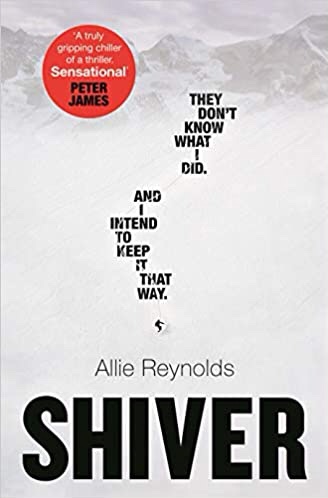
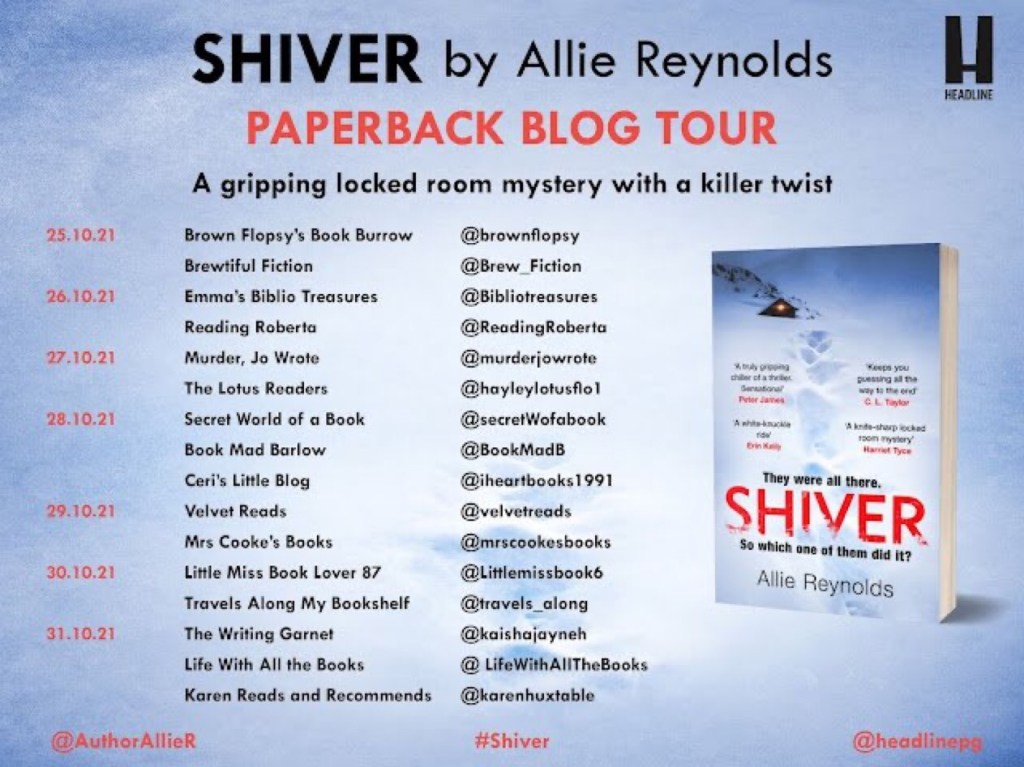
Shiver by Allie Reynolds.

It’s that time of year again. The time the glacier gives up bodies.

The ‘shiver’ in the title of this novel doesn’t just refer to the icy cold, French Alps where it’s set, but also to the uneasy feeling you get while reading it. The author creates an isolated and claustrophobic atmosphere almost immediately as the group arrive to a deserted ski chalet. There’s no one operating the cable car or to greet them as they enter, but there is a warm casserole pot in the kitchen – someone has cooked their dinner. From that evening, everything conspires to keep them there, including the worst weather they have experienced on the glacier. This is off season and the five are stuck together, once the closest friends, but keeping so many secrets from each other. The ‘icebreaker’ exercise waiting for them in the function room, ratchets up the tension by partially exposing these secrets – more than one of them slept with Heather, one of them knows what happened to Saskia and one of them killed her. The group goes from reunion chums to suspicious and paranoid immediately. Milla, our narrator, suspects Curtis as the instigator of the weekend, in a last ditch attempt to find out what happened to his little sister. Yet, there’s also a tiny part of her that thinks the worst – that this is Saskia, still alive and ready to wreak revenge.

In a second timeline Milla takes us back to the peak of her snowboarding career. Firstly, to the season where she met her friends for the first time, and realises she is very definitely the underdog. Milla isn’t from the sort of family who put their kids on skis as soon as they can walk. She’s from a humble background and has to work hard to afford to compete. She only has one board. Saskia is the competition, and she first visited this glacier at the age of three with her two snowboarding parents. She’s unmistakable on the course, her white blonde hair flying behind her as she practises tricks in the half pipe. Milla really needs to land a top three position, if she’s going to carry on competing. If you want sponsorships you have to be visible. The author develops their rivalry straight away, when Saskia invites Milla on a night out. Milla finds out how far Saskia is willing to go in order to win. In the club they join Odette – a French snowboarder – and some of the other athletes. Milla is surprised they’re drinking, but doesn’t want to be a killjoy. However, when she buys a round at the bar it’s really cheap. She’s confused, until Heather the barmaid tells her that only one of the drinks is alcohol. This nasty trick sets in motion a chain of revenge and counter attack, that continues until Saskia disappears.

This group have held on to their secrets and their tormentor seems to know how far they will have to be pushed to give them up. People grow more paranoid, suspecting allegiances and rehashing what happened in the past. Milla has found Curtis the most difficult one to let go of and she’s torn between her old feelings and suspecting him as the organiser of this strange reunion. She has to decide whether to trust him or not. Back then there was an immediate chemistry between them, but Milla was scared of it. He was always very close to his sister and she could never work out whether he was being protective of Saskia or the victims of her tricks and games. As Milla explains, athletes have lots of excess energy, and both Brent and Curtis make an offer to Milla, She can knock on the door, and either of them would be happy to have her as a bedfellow. Despite wanting Curtis more, she chooses to sleep with Brent, because she can’t afford the distraction of a full blown love affair. Now she wonders if Curtis still feels the same way about her as he used to, because now she’s close to him again, she knows her feelings haven’t changed.

I love how the chalet gives up small secrets to set the group on edge. Their phones disappear, items go missing from their bags, but strange things appear too, such as Saskia’s ski pass for the final season and a lock of ice blonde hair. The ice axe goes missing from the wall in the dining area and Milla notices that the eyes of a stag’s head mounted on the wall don’t match; it’s one of many cameras watching their every move. Curtis breaks down some of the locked doors determined to find a control room and hopefully get some clues about their culprit. The author skilfully controls what is revealed until you’re so determined to find out what’s going on you stay up reading till 3am! When it’s people that start to go missing, I realised that their tormentor is looking for the ultimate revenge.

I have to say this tale did keep me guessing, not just about who was responsible, but about the psyche of highly competitive people. There’s a level of narcissism and ruthlessness that’s perfect ground for a thriller like this. I didn’t like Saskia because she comes across as spoilt and amoral, unable to empathise with others or share the limelight – even with those she loves. However, she does leap off the page as a fascinating and ruthless young woman. I found myself wanting to know more about her, her upbringing and the environment that had made her so single minded and dangerous. There’s more than one surprise with this turbulent group and in two different timelines. The author has a skill for writing tense scenes that play on certain phobias. I had suspicions about everyone, even our narrator, who does turn out to have a few secrets of her own. The ‘prank’ that really freaked me out, was when Milla is buried alive. I actually found myself unable to catch a breath, because it is one of my worst fears. When the groups tormentor is finally revealed it was the last person I expected and it did seem a little bit improbable, but that doesn’t detract from the enjoyment of the novel. This is a taut, well-plotted thriller and a great debut for the author. I look forward to seeing what she writes next.

Meet The Author

Born and raised in Lincoln, England, Allie moved to Australia in 2004. She lives on the Gold Coast with her two young boys and a cat who thinks he’s a dog. Many years ago she competed at snowboard halfpipe. She spent five winters in the mountains of France, Switzerland, Austria and Canada. These days she sticks to surfing – water doesn’t hurt as much as ice when you fall on it. Her first ever job was a Saturday job in a bookstore, at age 14. She taught English for many years and became a full-time writer in 2018.

You can find her on:
http://www.twitter.com/AuthorAllieR
http://www.instagram.com/authorallier

Posted in Publisher Proof

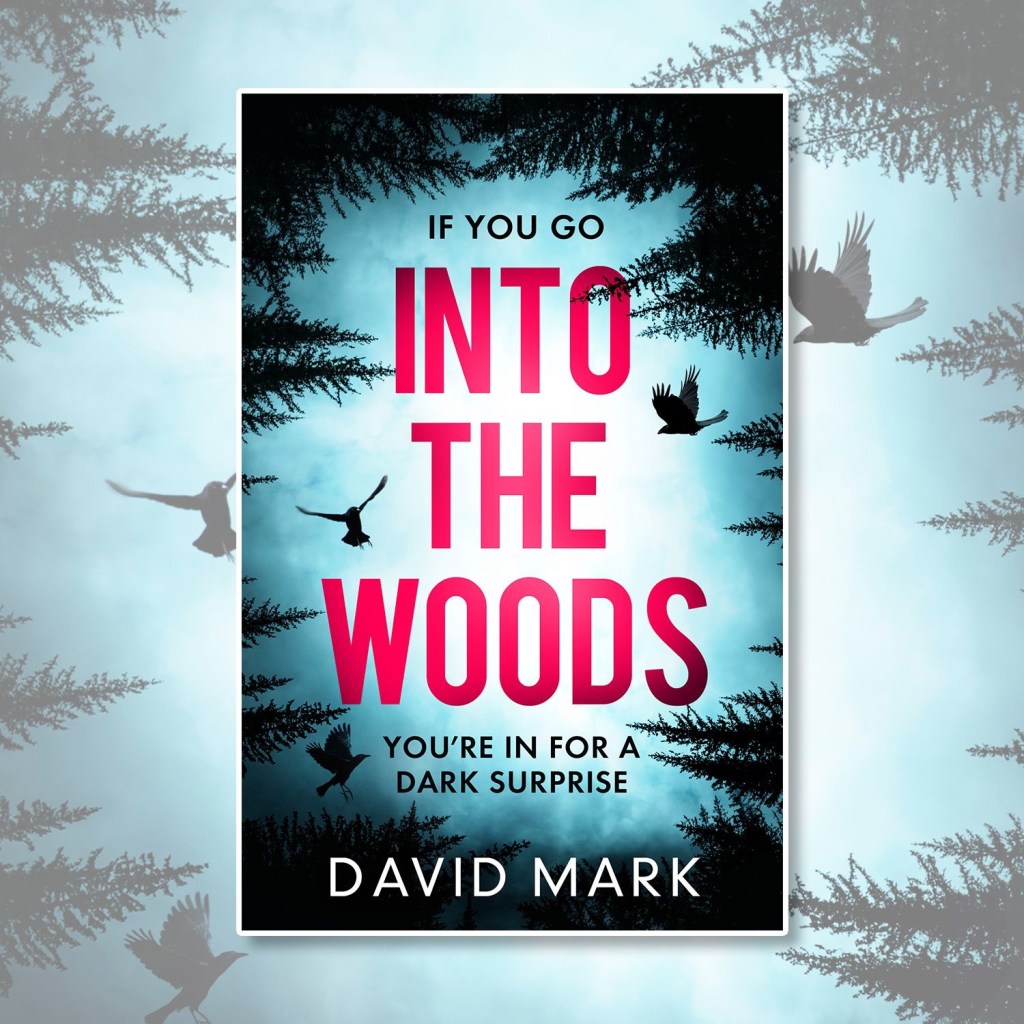
Into The Woods by David Marks.

The Wasdale Valley is the beautiful setting for this unusual crime novel from David Marks, the first in a trilogy set in the Lakes. It is unusual, mainly in its use of language and the mix of crime, social commentary and a touch of the supernatural. My first impression as I started to read was that it reminded me of Tana French’s Dublin Murder Squad novels. The opening is almost hallucinatory as a young girl comes to consciousness:

‘There had been a drink. A cold, brown soup slopped from an earthen bowl. It had plants in. Some wormy tuber had touched her lip as she lapped at the brew like a cat with a saucer. Memory again. Music. A guitar on a strap.’

I had an almost visceral reaction to this first passage, a feeling of disgust. The girl comes to realise her consciousness is inside this meat body described as a ‘pig-fat candle’. The sentences are stilted, only growing longer as she wakes more. It sets the reader on edge because it’s synaesthesic – she can taste and feel the heavy air, see her thoughts, and experiences her body through pain and unpleasant sensations. I had to read this opening a few times to fully understand what was happening, but the horror of the earthy face rushing towards her smelling of bad meat definitely stayed with me.

This is a story of a thirty year old mystery as three girls followed a stranger into the woods and only two returned. There were local whispers of drugs, cults and strange rituals but no one really knows what happened and the two who returned remembered nothing. Their memories are shattered into pieces and thy still suffer traumatic flashbacks and hallucinations. This is just the type of story that investigative journalist Rowan Blake needs to revive his career. He has retreated to the Lake District in order to write. Whatever he unearths in the woods will have stayed buried for thirty years, but when he chooses this mystery is he prepared for the evil that awaits him? Rowan is our narrator in the present day timeline and he starts his investigations by using his local contacts, his sister Serendipity and her daughter Snowdrop. All three girls were at the same private school, the Silver Birch Academy, and there are local stories about the school’s unorthodox teaching methods. The girls are rumoured to have followed a stranger into the woods to visit a Shaman, which could explain the strange hallucinatory drink and amnesia.

Our narrator in the past is Violet, explaining her experiences in such detail with layers and layers of disturbing description. Despite Rowan being our protagonist I did find myself waiting for Violet’s chapters. I was both disgusted and fascinated in equal measure and I felt compelled to keep reading to find out what happened. Violet isn’t the easiest person to empathise with; she’s an angry, tempestuous teenager with a tendency to bully others. The fact that she’s not in the present day narrative, due to being away travelling, is a clever choice. It concentrates the reader on her teenage self, but also reinforces the tension as the reader becomes even more determined to find out her fate. Violet has reportedly been trying to come to terms with her experience of late, whereas best friend Catherine is more reticent. I didn’t feel a bond with Rowan and he too has obvious faults. He’s quite selfish, and isn’t really grateful for the help of his sister, even though she’s bailed him out before. It’s a brave thing to have two narrators without any sympathetic qualities, because it could easily turn the reader off, but here it works. As Rowan uncovers more he starts to worry about Violet. Is she really travelling or has she gone missing again?

This is not the sort of thriller you bolt your way through in an afternoon. It needs a longer time, so you can actually savour the language and the horror of what has happened here. It’s complex and black as night. It’s a reading experience that bears a second or third glance; like viewing a large painting, at first we only see the main subject, but as we look closer there is so much more to take in. Here there are quirky secondary characters to enjoy, a wonderful sense of place and very ominous weather that foreshadows Rowan’s findings. It all adds to the conclusion that nothing good happened here.

If you go into the woods, you’re in for a dark surprise….

Meet The Author

David spent more than fifteen years as a journalist, including seven years as a crime reporter with the Yorkshire Post – walking the Hull streets that would later become the setting for the Detective Sergeant Aector McAvoy novels. His writing is heavily influenced by real life and have been universally praised for their originality, authenticity and heart. Industry bible Kirkus Reviews said that ‘to call David Mark’s novels police procedurals is like calling the Mona Lisa a pretty painting’. He has been championed by such industry luminaries as Val McDermid, Peter James, Mick Herron and Martina Cole. He has written eight novels in the McAvoy series: Dark Winter, Original Skin, Sorrow Bound, Taking Pity, Dead Pretty, Cruel Mercy, Scorched Earth and Cold Bones as well as two McAvoy novellas, A Bad Death and Fire of Lies, which are available as ebooks. His first historical thriller, The Zealot’s Bones, was a Sunday Times Book of the Year. With publishers Severn House, he has written the critically-acclaimed The Mausoleum, A Rush of Blood, Borrowed Time and Suspicious Minds.

Dark Winter was selected for the Harrogate New Blood panel (where he was Reader in Residence) and was a Richard & Judy pick and a Sunday Times bestseller. Dead Pretty was long-listed for the Crime Writers Association Gold Dagger in 2016, as was Cold Bones in 2019. David’s Radio 4 drama, A Marriage of Inconvenience, aired last year. His first novel was adapted for the stage and was twice a sell-out smash in Hull. He has also written for the stage and has contributed articles and reviews to several national and international publications. He is a regular performer at literary festivals and is a sought-after public speaker. He also teaches creative writing.

Posted in Netgalley, Uncategorized

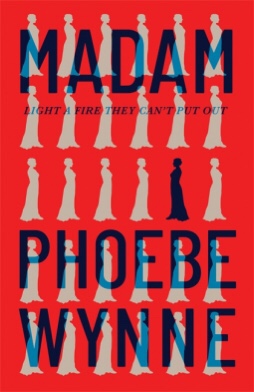
Madam by Phoebe Wynne

Publisher: Quercus (18 Feb. 2021) ISBN: 978-1529408720

Why is it always so hard to write a review when the book is so good? It’s as if I have to wrestle with it for ages, in the hope of doing it justice! All I can do is try and put across all of the reasons I liked it. In fact, I loved everything about this feminist gothic novel from start to finish. First the setting – the eerie, almost otherworldly atmosphere around Caldonbrae School, the strange weather conditions suggesting it’s own micro-climate, and the school’s position as an English outpost (or invader) in Scotland. It’s appearance is like a hulking beast on the coastline, something that shouldn’t be disturbed lest it swallow you up. Secondly, there’s our main character Rose, addressed at all times as ‘Madam’ and finally the dark secret her predecessor tried to uncover at the heart of Caldonbrae, before it was Rose’s turn to fight it’s terrible tradition.

For 150 years, Caldonbrae Hall has sat as a beacon of excellence in the ancestral castle of Lord William Hope. A boarding school for girls, it promises a future where its pupils will emerge ‘resilient and ready to serve society’. Rose Christie, a 26-year-old Classics teacher, is the first new hire for the school in over a decade. At first, Rose feels overwhelmed in the face of this elite establishment, but soon after her arrival she begins to understand that she may have more to fear than her own imposter syndrome. When Rose stumbles across the secret circumstances surrounding the abrupt departure of her predecessor – a woman whose ghost lingers over everything and who no one will discuss – she realises that there is much more to this institution than she has been led to believe. As she uncovers the darkness that beats at the heart of Caldonbrae, Rose becomes embroiled in a battle that will threaten her sanity as well as her safety.

This novel was incredible from start to finish. I loved it. Straight away I noticed echoes of two of my favourite books; Jane Eyre by Charlotte Bronte and Rebecca by Daphne Du Maurier. The younger girls school uniforms reminded me of the aprons of Lowood School. The constant references to the previous classics teacher, and the mystery surrounding what happened to her had definite echoes of Rochester’s wife – hidden from view in the attic for being other than the perfect, meek and gentle wife he wanted. What exactly does this school expect of the teachers and how did Madam fall from grace so spectacularly? The training at the school starts to feel more sinister as time goes on. It begins to feel as if they’re trying to shape young women in a very old fashioned image; teaching them how to stay it in their place and be the 19th Century ideal of the ‘Angel in the House’. Although there’s something a lot more knowing about these girls, they put on this ideal as if its a disguise, designed to please but very aware it’s a conceit sure to reap the rewards of wealth and privilege. The previous ‘Madam’, whose name is Jane, is like the ghostly presence of Rebecca, still holding sway over the girls – especially Bethany who seems to have developed an obsession with her teacher. Jane seems to be everywhere Rose turns, but tantalisingly just out of reach. The author creates an edgy and eerie atmosphere where you feel she might be just ahead of Rose, her gown swishing round the corner.

Rose tries to understand the place she’s come to teach. There is a sense in which this school is a complete culture shock – like a child affected by poverty or a tough inner city environment being expected to thrive at Oxford or Cambridge where there’s an etiquette and language that’s alien to most outsiders. She has to muddle through this aspect of life at Caldonbrae and it makes sense to her if the purpose is to educate and prepare the girls for further education and professions like the law and politics. Yet, alongside this traditional, classical education there are hints of the old ‘finishing school’ where attributes like poise, social etiquette and deportment are deemed equally important. What exactly is she preparing these girls for?

As the secret starts to come to the surface so the tension of the novel rises. Is Rose being trained too? An outsider brought in to see if new teachers can be moulded to the school’s purpose. As Bethany’s attachment to Madam becomes clearer she seems to stalk Rose. and the reader isn’t sure whether she resents Rose being in the place of her former favourite or whether she has simply transferred her affections. When she makes allegations about Rose she threatens her whole future at the school, but is Bethany trying to harm her or warn her? A strange hierarchy operates amongst the girls who know themselves to be the elite performers and those who don’t make the grade are offered inducements to improve, but these inducements can be threats as well as rewards. The horror of a young woman having her head shaved for performing badly is enshrined in patriarchal systems and is designed both to shame the woman and act as a warning to others. Rose guesses what might be happening, before the secret is fully revealed but it’s such an alien and deviant concept in modern society that she can’t believe it could be true. Could she ever be complicit in such a scheme? I found myself wondering how far the girls are ‘groomed’ into accepting this future or how many are knowingly acquiescing to it for the rewards of wealth, status and family honour. Rose is backed into a corner, by fear of what may have happened to her predecessor certainly, but also the knowledge that the school can reward her far beyond what she’s imagined. Her mother, severely disabled by multiple sclerosis, is placed within a state of the art care facility. Can Rose be bought, or will she try and walk away? However, does anyone walk away from Caldonbrae unscathed? Could Rose, as quiet as she seems, finds a way to walk away, but also bring down the whole system in her wake. This was an incredible, unputdownable, novel full of gothic atmosphere, and dark, patriarchal, purpose. However, there is also a feminist heroine ready to shine a light on long held secrets, even at the risk of that light becoming a burning flame.

Posted in Uncategorized

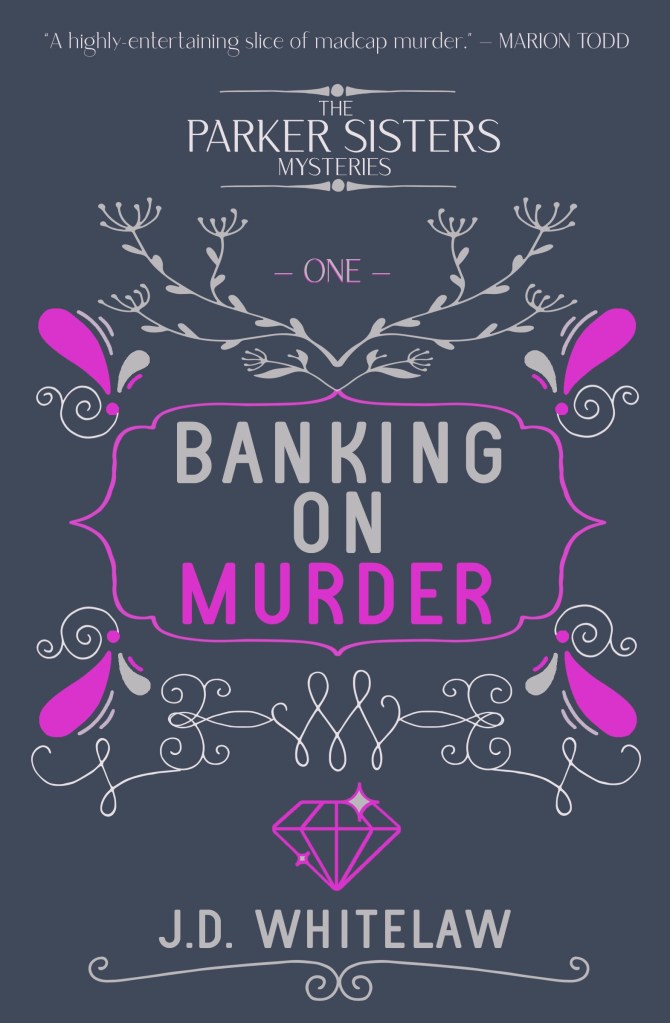
Banking on Murder by J.D.Whitelaw.

Publisher: Red Dog Press (29 Nov. 2020). ISBN: 978-1913331962

Well this book was a great surprise. I absolutely loved it. Three quirky sisters, a detective agency, a troublesome client and the backdrop of Glasgow just to finish it off. What’s not to love? I read it in two days, because it was just so much fun I couldn’t put it down. Now all I need is for someone to turn it into a Sunday evening series starring Kelly McDonald, Laura Fraser and Jessie Buckley and I’ll be content.

Martha is the eldest sister, slightly frumpy and very much a mother figure for her two younger sisters, Helen and Geri. She is dependable and the real business-like sister who keeps the agency ticking over. Helen is more of a mystery, but certainly has brains as the academic of the outfit. It turns out she’s also a very able dancer when she’s had enough to drink. Geri brings youth knowledge to the team as she’s the student of the trio. She may lurch in like she’s had no sleep, but she’s very sharp and knows how to use social media to the agency’s advantage. They’ve been requested at the home of Tracey Coulthard, who lives in a very smart home in a wealthy suburb of Glasgow. They arrive to find a maid, May, who is very worried about her employer who seems to be overwrought. They can hear screams and smashes coming from the bedroom. Mrs Coulthard is in bed crying, naked from the waist up and the fact that people are in her bedroom doesn’t seem to faze her at all. She offers the sisters £20,000 to find out the truth about her husband Gordon and his ‘extracurricular’ activities. This is the Parker sister’s meat and drink, most of their work is detecting whether partners are being unfaithful. However, the level of distress from this particular client is worrying Martha particularly. What might she do if they find out something she doesn’t want to hear? Martha senses a whole lot of trouble packaged alongside that cold hard cash.

The sisters manage to get themselves invited to a party for Gordon Coulthard’s company. Helen throws herself into the fray and Geri starts getting to know Gordon’s right hand man. As usual though, the sister’s don’t investigate quietly. Helen proceeds to get blind drunk and get a little over familiar with guests. In trying to find out more about Gordon, Martha ends up in a brawl with a statuesque blonde called Estelle who seems to be claiming that Gordon is her fiancé. She does indeed have a huge diamond on her finger and Martha is horrified, especially when Estelle starts dragging her round by her hair. As she fends her off, Martha tries to fathom why he would get engaged when he’s still married and be so open about it? This will mean the girls having to break the news to Tracey, setting in motion a chain of events that will end in murder.

I loved how the sisters worked in conflict, but somehow in unison. As Martha feels responsible for Tracey and what’s happened, Helen and Geri point out that they’ve done what they were paid for and can withdraw from what is becoming a media circus. Martha struggles a bit with the physical aspects of the job, leading to some amusingly clumsy moments. When chasing a suspect she falls through the fence they’ve just jumped over and when listening at a skylight she manages to fall straight through! More seriously, she runs up several flights of stairs to Coulthard’s penthouse and ends up in hospital with chest pain. I loved how Martha berates Geri for being ‘friends’ with Gordon’s colleague, but has to take it back when she realises how thoroughly she’s been stalking him on social media. I also enjoyed the introduction of Detective Pope, a stern Glasgow cop whose wheezing can be heard from the next room. Despite the asthma, she’s a tough customer and seems to be the sensible figure, there as a counterpoint to the sister’s madcap romp through this case. Yet, I could see an affinity growing between them, particularly Pope and Martha whose scenes are filled with sarcasm and wit. I’ll be interested to see how this develops.

Despite a few twists and turns, I did solve the case before the end, but I’m not sure it was meant to be a complex puzzle. This was an introduction to the sisters and their dynamic, and I will certainly be looking forward to their next adventure. This was was a wild ride that didn’t let up as the sisters were pulled from one side of Glasgow to the other. There’s no time to breathe, with the wheezing Pope almost collapsing in their wake. There’s just enough of a sprinkle of Christmas in the background too. I think there’s much more to come from Helen, and so much more about the Parker’s lives outside the agency. I thought this was a thoroughly enjoyable read, with incredibly engaging characters and so much promise for the series to come.

Meet The Author

J.D. Whitelaw is an author, journalist and broadcaster. After working on the frontline of Scottish politics, he moved into journalism. Subjects he has covered have varied from breaking news, the arts, culture and sport to fashion, music and even radioactive waste – with everything in between. He’s also a regular reviewer and talking head on shows for the BBC. Banking on Murder is the first of three Parker sister novels. They follow his hugely successful HellCorp series. His debut in 2015 was the critically acclaimed Morbid Relations.

Posted in Random Things Tours

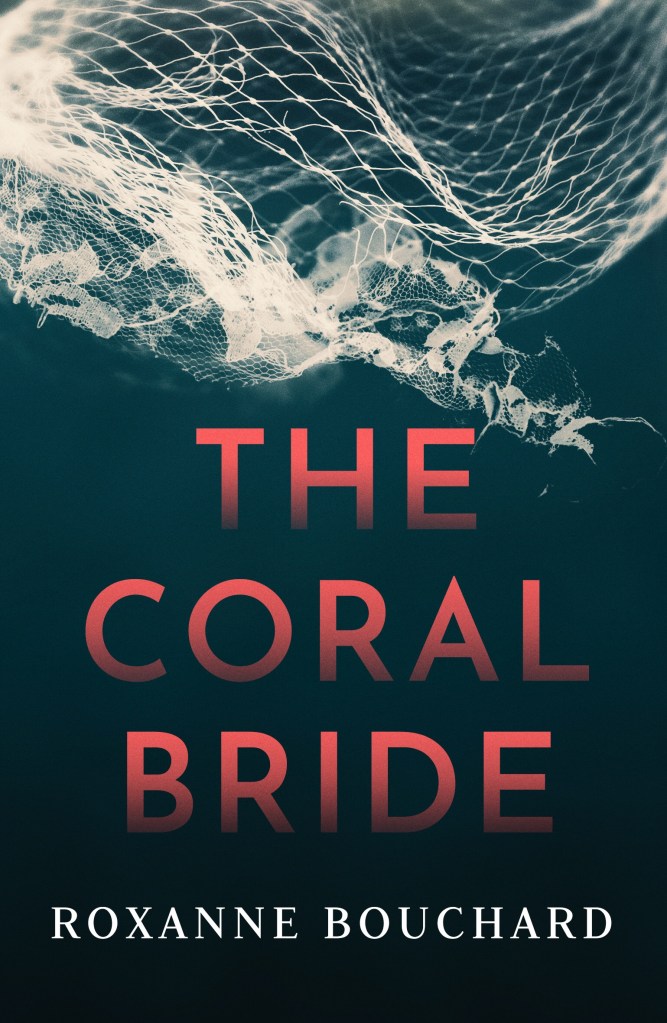
The Coral Bride by Roxanne Bouchard.

Publisher: Orenda

Published:

ISBN:

The Coral Bride is the second novel in Roxanne Bouchard’s D.S Morales series, the first being We Are The Salt Of The Sea. I think this easily read as a stand alone novel, but I enjoyed it so much that I’m going to read the first one. I’m not surprised, because I’ve never met an Orenda book I didn’t like!

The opening to the novel is haunting as a woman lies on the deck of a fishing boat. Somehow she has been rigged up so that she will eventually be dragged from the trawler and under the freezing cold water. She knows these are her final moments. As an opening it is very effective and sets up the main character in the novel: the sea. The sea is the life’s blood of people in this region – a small fishing village in Quebec. Angel Roberts is a very rare thing in this community, a woman with her own trawler who fishes for lobster. She’s named her boat Close Call II showing a good sense of humour too. The sea is her livelihood and there’s definitely an affinity with it. She is treated with suspicion by the rest of the trawlermen, because fishing here has always been a male dominated industry. However, the sea doesn’t just separate, it also brings people together, even Detective Morales and his son Sebastien.

Another recurring character is the moon, depicted as a silvery path reflecting off the water. Angel has always been told the moon is a liar and not to be trusted. However, it seems there may be another character in Angel’s life who isn’t what they seem. Morales finds out that every year Angel and her husband would dress up in their wedding finery and have a celebration on their anniversary. If her husband is to be believed he drove his wife home when she was tired and then returned to the bar. Then after 1am, it seems that Angel drove herself down to the harbour and took the boat out, still in her wedding dress? Detective Morales is a quiet and thoughtful man, who doesn’t jump to conclusions and I loved the way the author let the mystery breathe in the same way. You have chance to really think about peope’s stories alongside Morales, and I liked that the pace seemed to fit with the landscape and community. This is much more than a ‘whodunnit’. It explores the spirit of this community, and I especially enjoyed the loyalty and bravery of the fisherman. They really respect the sea and I respect them because it is such a tough way to earn a living. We get to explore the tribal aspects of this community, how relationships between people develop and change over the years. But as always, where there are old relationships there are old resentments.

Familial relationships are explored too as Morales’ son Sebastien has turned up unexpectedly with his car full of pots and pans. He’s a chef and he’s had a fall out with his girlfriend. I got a sense that Morales doesn’t really know his son, or Sebastien is acting out of character. Sebastien flirts with a female constable on his team; Morales has only seen her buttoned up, but ten minutes in Sebastien’s company and her hair is down and she’s doing salsa. There was sense that Sebastian will bring chaos to his life. Yet they have a shared experience, Morales is currently living alone and away from his wife. Maybe this is where father and son could understand each other better. These relationships gave the book depth and elevated it above the average thriller. I enjoyed the police team, the conflicts and allegiances. I loved the section where Morales was shown to his temporary office and it’s packed to the rafters with files stacked everywhere. It’s like this quiet, thoughtful, man has escaped to an out of the way place and people are challenging him on all sides. The space he has enjoyed is being encroached upon – Sebastien inviting him to salsa and let his hair down, the chaos of police files surrounding him, his son sleeping on his couch. It’s not long before, in his life and the investigation, he feels blocked in on all sides. I found this novel had a great sense of place and a thoughtful, intelligent hero. It was atmospheric, lyrical in parts and emotionally literate. The image of a woman being slowly pulled into the water, with her wedding dress glowing in the moonlight until she is swallowed up by the dark will stay with me for some time.

Meet the Author

Ten years or so ago, Roxanne Bouchard decided it was time she found her sea legs. So she learned to sail, first on the St Lawrence River, before taking to the open waters off the Gaspé Peninsula. The local fishermen soon invited her aboard to reel in their lobster nets, and Roxanne saw for herself that the sunrise over Bonaventure never lies. We Were the Salt of the Sea is her fifth novel, and her first to be translated into English. She lives in Quebec.
Follow Roxanne on Twitter @RBouchard72 and on her website: roxannebouchard.com