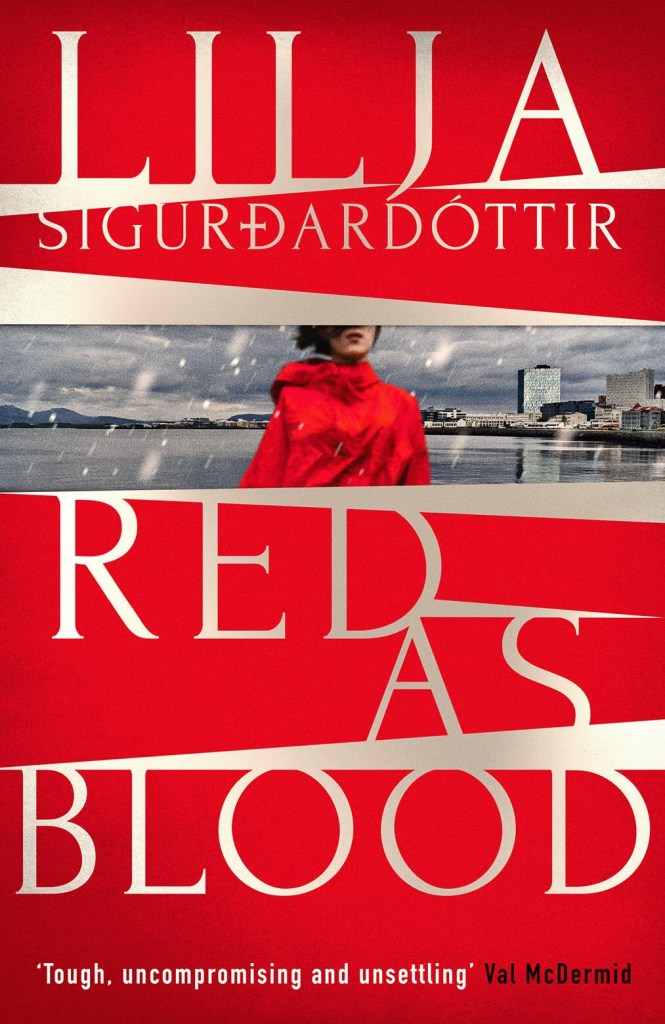
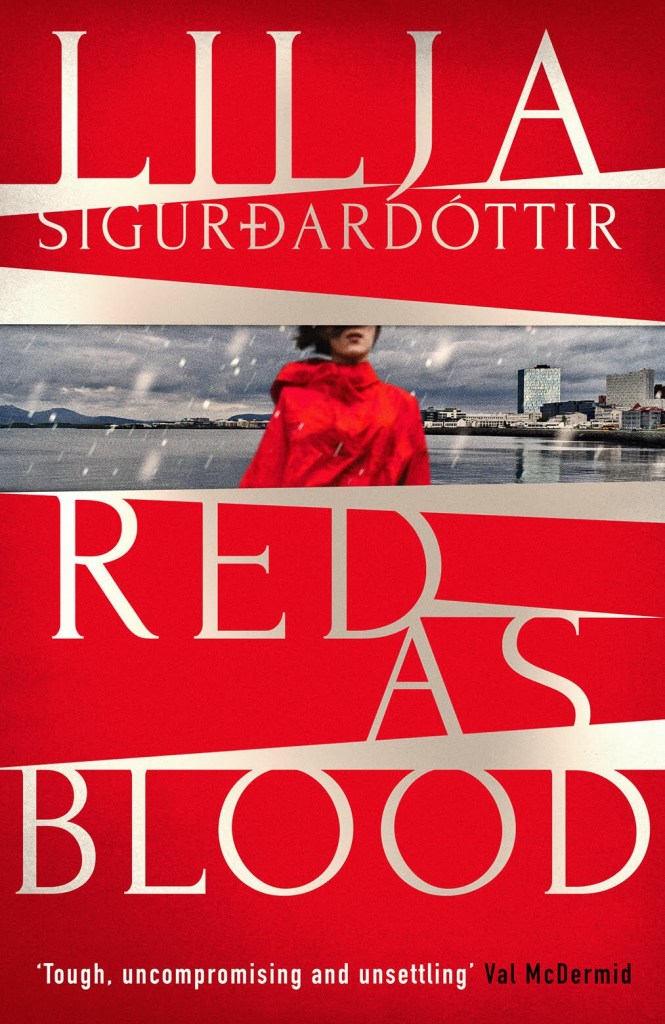
After a couple of years of book blogging, I’m coming to the conclusion that Orenda Books are infallible when it comes to choosing what to publish; I’ve not come across a bad book yet. Of course there are some I like more than others, but that’s just personal taste. I read the first in this series based around financial investigator Āróra and it set the scene well. Āróra has returned to Iceland in order to look for her sister, who went missing while living in a volatile relationship. It was an enjoyable beginning, but this book was absolutely, unputdownably, brilliant. It had me reading at 3am, chewing my fingernails with tension and unable to get up the next morning until I’d read the final page.
Our heroine is still in Iceland and even has a new home, but hasn’t yet broken it to her mother that she’s staying put. The truth is she can’t leave, not until she’s found her sister Īsafold or at least her body. She’s bought a drone and when she has time, can be found driving the endless tracks formed between lava floes with her drone covering the ground either side of the car. She’s also still working and has picked up an interesting case from businessman Flosi, whose wife Guaron has been abducted from their home while cooking their evening meal. She was halfway through cooking langoustines with lemon and garlic butter and in the kitchen theres an overturned chair and bread burning in the oven. All that’s been left is a printed letter on standard paper warning that Flosi shouldn’t involve the police and they will be in touch with a ransom demand. Āróra isn’t the police, so Flosi is hoping that she can help him find the money for the ransom and manage the situation, but Āróra is thinking of the best way to bring the police into the situation without the kidnappers knowing. Daniel is the best police officer for this kind of complex situation. The team move in slowly, disguising themselves as family members and friends supporting Flosi, but in the meantime looking into all the circumstances surrounding Guaron’s disappearance. What Flosi doesn’t seem to realise is that, by it’s nature, an investigation like this looks closely at everybody, including those closest to home.
I’m interested in Āróra as a character. She’s driven, both at work and in her quest to find her sister. I love her inner world, particularly the pull she has between the UK and Iceland. Her drive and resilience seem largely nurtured by her father who was a professional strongman and believed in training his daughters in the same way he would a son. It is his voice she hears when she’s finding things difficult or when she’s in a really tight spot and fighting off those who might harm her. It’s as if he’s the voice of the logical side of the brain, the side that she tries to kick into at times of stress. She’s also very logical and methodical with her work, able to find subtle clues and complex patterns within financial information that others might miss. She soon realises that Flosi isn’t necessarily the mild mannered local businessman he appears to be. This makes her wonder, if he’s willing to withhold information on his business dealings what else is he omitting from his testimony? However, where personal feelings for others are concerned, Āróra’s calm and methodical nature does become overwhelmed. Many people have gently reminded her that she might never find Īsafold, but she can’t let the search go because she’s consumed by guilt that this last time her sister called her for help, she didn’t come. Daniel also overwhelms her sensible side and we see that more here as the pair are drawn to each other, but will she allow herself to explore those feelings?
We are also allowed into the lives of Daniel and his team, showing the toll that their job takes on their personal lives. Helena is a brilliant investigator, but doesn’t allow herself to get too close to people. She has a system for her personal life, a small number of women whose company she enjoys who are also comfortable with a no-strings arrangement. When she wants company she calls them in order of preference to see who is free for the evening. Yet she never lets herself share a meal, a movie or anything about how she feels with them. Daniel finds his job a huge hindrance to a personal life, especially like this case where he has to drop everything at a moment’s notice and disappear for a few days or weeks with no explanation or contact. He is consumed by his job too, but there are hints of a softer side to him,not just in the way he feels about Āróra, but in the way cares for Lady G a trans woman who lives in his garden office.
The case is fascinating, with hints of dodgy money dealings and possible involvement with the Russian mafia. Flosi has a more complex life than at first appears. He has a daughter called Sarah who works with him, but doesn’t like to live with him due to tensions with Guaron. Guaron is his second wife and it’s as if Flosi hasn’t grown up and realised that long term relationships are not as exciting as those first thrilling months when we fall in love. It is all sharing meals, watching tv at night, and the gentle domestic routine. He already rejected this way of life when he left his first wife, but at the first sign of trouble she is still willing to come over with Sarah and cook for the team and offer Flosi support. There are signs his relationship with Guaron has reached that comfortable stage, but he isn’t forthcoming with the team about his doubts or his solutions to the boredom he’s felt in his marriage. Every little piece of information has to be dragged out of him, but is he being deliberately obstructive? Sometimes he seems genuinely clueless about the importance of being honest in finding his wife. I wasn’t sure he even wanted her found, and with a resentful daughter, over-involved ex-wife and other distractions my suspicions were pulled in one direction then another. The author paced these revelations beautifully, raising the tension and sending me racing through the pages. This really is an intelligent thriller that will not only keep your attention but will keep you guessing all the way to the end.
Meet the Author
Icelandic crime-writer Lilja Sigurdardóttir was born in the town of Akranes in 1972 and raised in Mexico, Sweden, Spain and Iceland. An award- winning playwright, Lilja has written four crime novels, with Snare, the first in a new series and Lilja’s English debut shortlisting for the CWA International Dagger and hitting bestseller lists worldwide. Trap soon followed suit, with the third in the trilogy Cage winning the Best Icelandic Crime Novel of the Year, and was a Guardian Book of the Year. Lilja’s standalone Betrayal, was shortlisted for the Glass Key Award for Best Nordic Crime Novel. In 2021, Cold as Hell, the first in the An Áróra Investigation series was published, with Red as Blood to follow in 2022. The film rights have been bought by Palomar Pictures in California. Lilja is also an award-winning screenwriter in her native Iceland. She lives in Reykjavík with her partner.
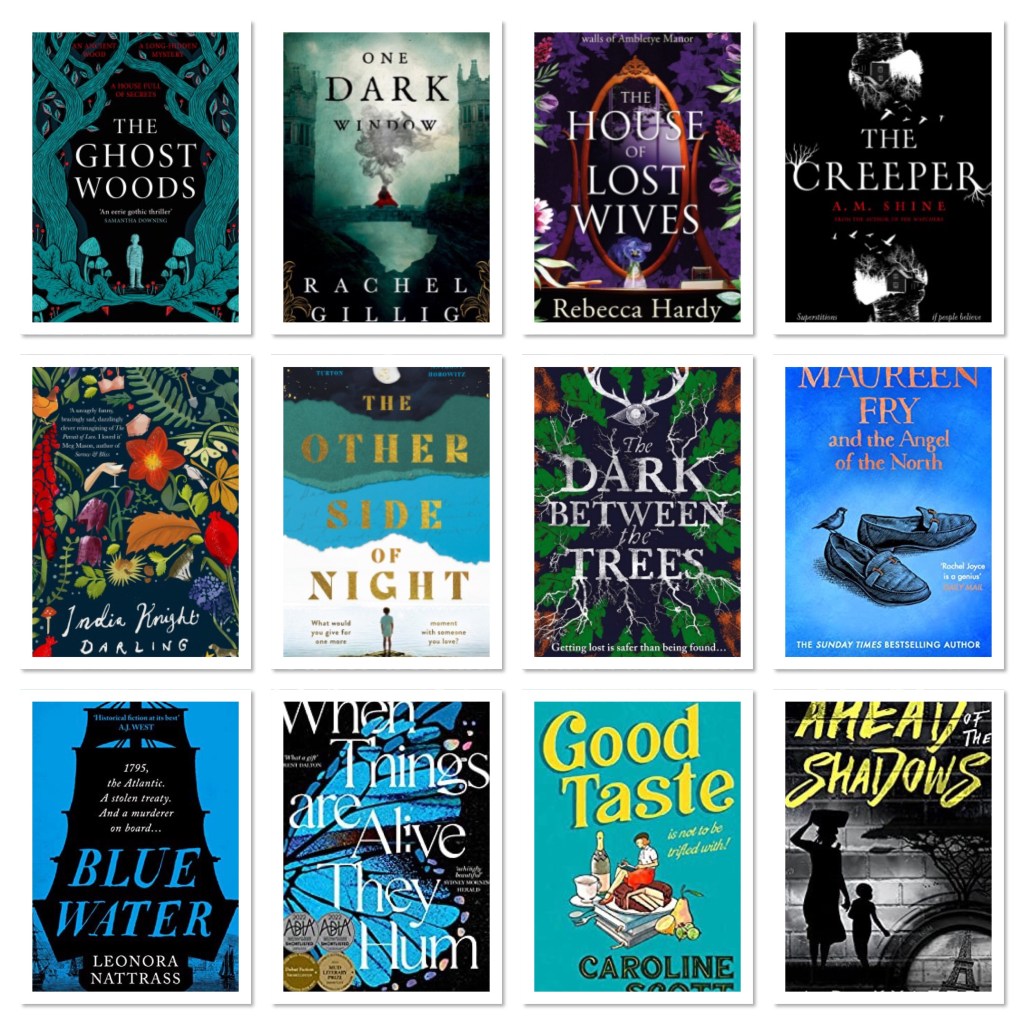
There are so many great books this autumn, but I’ve narrowed it down to those I have and I’m looking forward to reading the most. It’s all here, from spooky Halloween reads to feel-good fiction, thrillers to historical fiction and a splash of horror. Here’s a little preview of these great books.
In the midst of the woods stands a house called Lichen Hall. This place is shrouded in folklore – old stories of ghosts, of witches, of a child who is not quite a child. Now the woods are creeping closer, and something has been unleashed.
Pearl Gorham arrives in 1965, one of a string of young women sent to Lichen Hall to give birth. And she soon suspects the proprietors are hiding something. Then she meets the mysterious mother and young boy who live in the grounds – and together they begin to unpick the secrets of this place. As the truth comes to the surface and the darkness moves in, Pearl must rethink everything she knew – and risk what she holds most dear. I loved this author’s previous book The Lighthouse Witches and I can’t wait to get stuck into this one.
Published on 13th October 2022 by HarperCollins
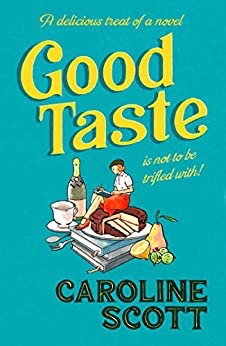
I loved Caroline’s first two novels, both set in the aftermath of WW1 and full of historical detail, characters to empathise with and that chaos that seems to thrive in war’s aftermath. Between the two World Wars the country was in a state of flux, with huge changes in class structure, gender and the finances, both public and personal. This book is set in England, 1932, when the country was in the grip of the Great Depression. To lift the spirits of the nation, Stella Douglas is tasked with writing a history of food in England. It’s to be quintessentially English and will remind English housewives of the old ways, and English men of the glory of their country. The only problem is –much of English food is really from, well, elsewhere and can one cookbook really manoeuvre people back into those pre-war roles?
Stella sets about unearthing recipes from all corners of the country, in the hope of finding a hidden culinary gem. But what she discovers is rissoles, gravy, stewed prunes and lots of oatcakes. Longing for something more thrilling, she heads off to speak to the nation’s housewives. But when her car breaks down and the dashing and charismatic Freddie springs to her rescue, she is led in a very different direction . . . Full of wit and vim, Good Taste is a story of discovery, of English nostalgia, change and challenge, and one woman’s desire to make her own way as a modern woman.
Published on 13th October 2022 by Simon and Schuster U.K.
Rachel Joyce is one of those authors I’ve had lick to meet twice, at book signings, where I’ve been one of the last people to queue with my old books under my arm and her latest in my hand. Her last book Miss Benson’s Beetle was an incredible read about extraordinary women. Now she reverts to a series of books that have celebrated very ordinary people doing extraordinary things and Mrs Fry is no exception. Ten years ago, Harold Fry set off on his epic journey on foot to save a friend. But the story doesn’t end there. Now his wife, Maureen, has her own pilgrimage to make.
Maureen Fry has settled into the quiet life she now shares with her husband Harold after his iconic walk across England. Now, ten years later, an unexpected message from the North disturbs her equilibrium again, and this time it is Maureen’s turn to make her own journey. But Maureen is not like Harold. She struggles to bond with strangers, and the landscape she crosses has changed radically. She has little sense of what she’ll find at the end of the road. All she knows is that she must get there. Maureen Fry and the Angel of the North is a deeply felt, lyrical and powerful novel, full of warmth and kindness, about love, loss, and how we come to terms with the past in order to understand ourselves and our lives a little better. Short, exquisite, while it stands in its own right, it is also the moving finale to a trilogy that began with the phenomenal bestseller The Unlikely Pilgrimage of Harold Fry and continued with The Love Song of Miss Queenie Hennessy.
This is a slender book but it has all the power and weight of a classic.
Published by Doubleday 20th Oct 2022. Kindle Edition available from 5th October.
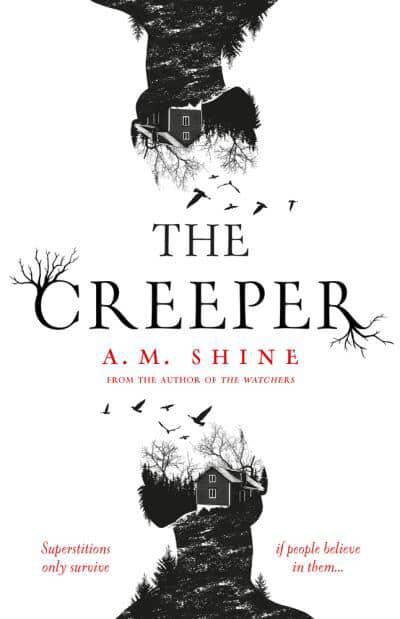
I have already started this book and had a nightmare of epic proportions the very first night. I’m suggestible and have a wild imagination, but I think the opening to this book is strangely unsettling. I felt uneasy, even though the chapters I read didn’t have any particularly terrifying events. It’s the strangeness that creeps up on you.
Superstitions only survive if people believe in them… Renowned academic Dr Sparling seeks help with his project on a remote Irish village. Historical researchers Ben and Chloe are thrilled to be chosen – until they arrive. The village is isolated and forgotten. There is no record of its history, its stories. There is no friendliness from the locals, only wary looks and whispers. The villagers lock down their homes at sundown. It seems a nameless fear stalks the streets, but nobody will talk – nobody except one little girl. Her words strike dread into the hearts of the newcomers. Three times you see him. Each night he comes closer… That night, Ben and Chloe see a sinister figure watching them. He is the Creeper. He is the nameless fear in the night. Stories keep him alive. And nothing will keep him away..
Published by Head of Zeus/ Aries 15th September 2022.
I’m a sucker for historical fiction with a gothic edge, so this really captured my imagination as soon as I read the blurb. Obviously my counsellor brain is always ready for tales of supposed madness and hysteria too.
I must pull myself together. I had to find Dr Rastrick and demand my immediate release. My stomach knotted at the prospect, but I knew I was perfectly sane and that he must see reason.
In 1886, a respectable young woman must acquire a husband. But Violet Pring does not want to marry. She longs to be a professional artist and live on her own terms. When her scheming mother secures a desirable marriage proposal from an eligible Brighton gentleman for her, Violet protests. Her family believes she is deranged and deluded, so she is locked away in Hillwood Grange Lunatic Asylum against her will.In her new cage, Violet faces an even greater challenge: she must escape the clutches of a sinister and formidable doctor and set herself free. This tantalizing Gothic novel from Noel O’Reilly tells a thrilling story of duty and desire, madness and sanity, truth and delusion from within a Victorian asylum.
Published by HQ 8th December 2022
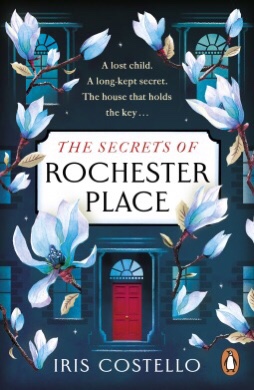
Spring 1937: Teresa is evacuated to London in the wake of the Guernica bombing. She thinks she’s found safety in the soothing arms of Mary Davidson and the lofty halls of Rochester Place, but trouble pursues her wherever she goes.
Autumn 2020: Corrine, an emergency dispatcher, receives a call from a distressed woman named Mary. But when the ambulance arrives at the address, Mary is nowhere to be found. Intrigued, Corinne investigates and, in doing so, disturbs secrets that have long-dwelt in Rochester Place’s crumbling walls. Secrets that, once revealed, will change her life for ever . . .
Who is Mary Davidson? And what happened at Rochester Place all those years ago? Set between the dusty halls of Rochester Place and the bustling streets of modern-day Tooting, this emotive, intricately layered mystery tells the spellbinding story of two people, separated by time, yet mysteriously connected through an enchanting Georgian house and the secrets within its walls.
Published by Penguin 8th Dec 2022
I always look forward to an Orenda book, because I know I’m going to great a fantastic and often thought provoking read. I’m on the blog tour for this in November and I’m looking forward to this one. James Garrett was critically injured when he was shot following his parents’ execution, and no one expected him to waken from a deep, traumatic coma. When he does, nine years later, Detective Inspector Rebecca Kent is tasked with closing the case that her now retired colleague, Theodore Tate, failed to solve all those years ago.
But between that, and hunting for Copy Joe – a murderer on a spree, who’s imitating Christchurch’s most notorious serial killer – she’s going to need Tate’s help … especially when they learn that James has lived out another life in his nine-year coma, and there are things he couldn’t possibly know, including the fact that Copy Joe isn’t the only serial killer in town…
Published by Orenda Books Nov 10th 2022
In between the serial killers, ghostly apparitions and terrifying ‘creepers’ I need some light relief. I was looking for something warm and uplifting and this could be it. Newly installed at All Souls Lutheran, Mallory “Pastor Pete” Peterson soon realizes that her church isn’t merely going through turbulent waters, but is a sinking ship. With the help of five loyal members of the Naomi Circle, the young, bold minister brainstorms fundraising ideas. They all agree that the usual recipe book won’t add much to the parish coffers, but maybe one with all the ingredients on how to heat up relationships rather than casseroles will…
Pastor Pete has her doubts about the project, but it turns out the group of postmenopausal women has a lot to say on the subject of romance. While Charlene, the youngest member at fifty-two, struggles with the assignment, baker-extraordinaire Marlys, elegantly bohemian Bunny, I’m-always-right Velda, and ebullient Edie take up their contributions enthusiastically. After all, their book is really about cooking up love in all its forms. But not everyone in the congregation is on board with this “scandalous” project. As the voices of opposition grow louder, Pastor Pete and these intrepid women will have to decide how hard they’re willing to fight for this book and the powerful stories within—stories of discovery, softened hearts, and changed lives.
Published by Lake Union 6th December 2022
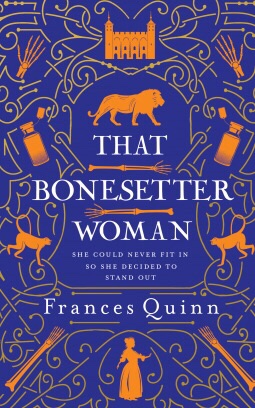
Although this book is already out I’m saving it for the autumn, because it’s one of my Squad Pod’s Book Club reads. I loved Quinn’s debut novel The Smallest Man so I’ve had my eye on this for a while. I also love unusually named heroines, ever since Mary Webb’s Precious Bane, and Endurance Proudfoot is a brilliant invention. It’s usual, they say, for a young person coming to London for the first time to arrive with a head full of dreams. Well, Endurance Proudfoot did not. When she stepped off the coach from Sussex, on a warm and sticky afternoon in the summer of 1757, it never occurred to her that the city would be the place where she’d make her fortune; she was just very annoyed to be arriving there at all.
Meet Endurance Proudfoot, the bonesetter’s daughter: clumsy as a carthorse, with a tactless tongue and a face she’s sure only a mother could love. Durie only wants one thing in life – to follow her father and grandfather into the family business of bonesetting. It’s a physically demanding job, requiring strength, nerves of steel and discretion – and not the job for a woman. But Durie isn’t like other women. She’s strong and stubborn and determined to get her own way. And she finds that she has a talent at bonesetting – her big hands and lack of grace have finally found their natural calling. So, when she is banished to London with her sister, who is pretty, delicate and exactly the opposite to Durie in every way, Durie will not let it stop her realising her dreams. And while her sister will become one of the first ever Georgian celebrities, Durie will become England’s first and most celebrated female bonesetter. But what goes up must come down, and Durie’s elevated status may well become her undoing…
Published by Simon and Schuster 21st July 2022.
There are a few formidable women in my autumn reading and this is another brilliant historical fiction novel for the list. This is billed as a ‘rich and atmospheric’ new novel from prize-winning author Sally Gardner, set in the 18th century between the two great Frost Fairs. Neva Friezland is born into a world of trickery and illusion, where fortunes can be won and lost on the turn of a card. She is also born with an extraordinary gift. She can predict the weather. In Regency England, where the proper goal for a gentlewoman is marriage and only God knows the weather, this is dangerous. It is also potentially very lucrative.
In order to debate with the men of science and move about freely, Neva adopts a sophisticated male disguise. She foretells the weather from inside an automaton created by her brilliant clockmaker father. But what will happen when the disguised Neva falls in love with a charismatic young man?
It can be very dangerous to be ahead of your time. Especially as a woman.
Published by Apollo 10th November 2022.
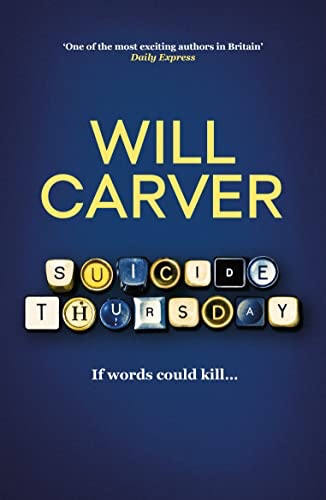
Will Carver is an incredible writer and his imagination knows no bounds. His books are always so completely original.
Eli Hagin can’t finish anything. He hates his job, but can’t seem to quit. He doesn’t want to be with his girlfriend, but doesn’t know how end things with her, either. Eli wants to write a novel, but he’s never taken a story beyond the first chapter. Eli also has trouble separating reality from fiction.
When his best friend kills himself, Eli is motivated, for the first time in his life, to finally end something himself, just as Mike did… Except sessions with his therapist suggest that Eli’s most recent ‘first chapters’ are not as fictitious as he had intended … and a series of text messages that Mike received before his death point to something much, much darker…
Published by Orenda Books 24th November 2022.
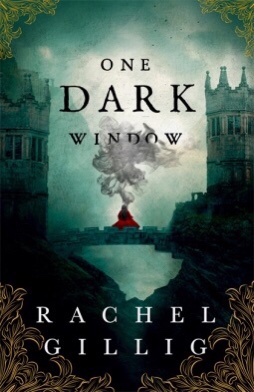
This book sounds like a very dark fairy tale and aren’t they the best ones? An ancient, mercurial spirit is trapped inside Elspeth Spindle’s head – she calls him the Nightmare. He protects her. He keeps her secrets. But nothing comes for free, especially magic.
When Elspeth meets a mysterious highwayman on the forest road, she is thrust into a world of shadow and deception. Together, they embark on a dangerous quest to cure the town of Blunder from the dark magic infecting it. As the stakes heighten and their undeniable attraction intensifies, Elspeth is forced to face her darkest secret yet: the Nightmare is slowly, darkly, taking over her mind. And she might not be able to fight it. This is a gothic fantasy romance about a maiden who must unleash the monster within to save her kingdom.
Published by Orbit 29th September
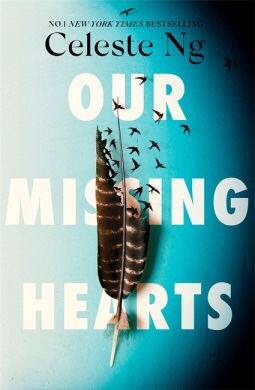
Twelve-year-old Bird Gardner lives a quiet existence with his loving but broken father, a former linguist who now shelves books in a university library. Bird knows to not ask too many questions, stand out too much, or stray too far. For a decade, their lives have been governed by laws written to preserve “American culture” in the wake of years of economic instability and violence. To keep the peace and restore prosperity, the authorities are now allowed to relocate children of dissidents, especially those of Asian origin, and libraries have been forced to remove books seen as unpatriotic—including the work of Bird’s mother, Margaret, a Chinese American poet who left the family when he was nine years old.
Bird has grown up disavowing his mother and her poems; he doesn’t know her work or what happened to her, and he knows he shouldn’t wonder. But when he receives a mysterious letter containing only a cryptic drawing, he is pulled into a quest to find her. His journey will take him back to the many folktales she poured into his head as a child, through the ranks of an underground network of librarians, into the lives of the children who have been taken, and finally to New York City, where a new act of defiance may be the beginning of much-needed change.
Our Missing Hearts is an old story made new, of the ways supposedly civilized communities can ignore the most searing injustice. It’s a story about the power—and limitations—of art to create change, the lessons and legacies we pass on to our children, and how any of us can survive a broken world with our hearts intact. This sounds absolutely epic and I’m so excited to have been granted a copy on NetGalley, so I’ll keep you all informed.
Published 4th October 2022 by Penguin Press
1643: A small group of Parliamentarian soldiers are ambushed in an isolated part of Northern England. Their only hope for survival is to flee into the nearby Moresby Wood… unwise though that may seem. For Moresby Wood is known to be an unnatural place, the realm of witchcraft and shadows, where the devil is said to go walking by moonlight. Seventeen men enter the wood. Only two are ever seen again, and the stories they tell of what happened make no sense. Stories of shifting landscapes, of trees that appear and disappear at will… and of something else. Something dark. Something hungry.
Today, five women are headed into Moresby Wood to discover, once and for all, what happened to that unfortunate group of soldiers. Led by Dr Alice Christopher, an historian who has devoted her entire academic career to uncovering the secrets of Moresby Wood. Armed with metal detectors, GPS units, mobile phones and the most recent map of the area (which is nearly 50 years old), Dr Christopher’s group enters the wood ready for anything. Or so they think. I love the mix of historical fiction and a touch of the supernatural so this one is a definite title for the TBR.
Published on 13th October by S
If someone says gothic, paranormal, romance to me, I’m there with bells on! As a lifelong fan of Wuthering Heights it’s very much my sort of thing. 1813. Lizzie’s beloved older sister Esme is sold in marriage to the aging Lord Blountford to settle their father’s debts. One year later, Esme is dead, and Lizzie is sent to take her place as Lord Blountford’s next wife.
Arriving at Ambletye Manor, Lizzie uncovers a twisted web of secrets, not least that she is to be the fifth mistress of this house. Marisa. Anne. Pansy. Esme. What happened to the four wives who came before her? In possession of a unique gift, only Lizzie can hear their stories, and try to find a way to save herself from sharing the same fate. This sounds to me like a Bluebeard type tale and perfect for a cozy autumn afternoon in front of the log burner.
Published 24th November 2022 by Penguin.
Three women Three eras One extraordinary mystery…
1899, Belle Époque Paris. Lucienne’s two daughters are believed dead when her mansion burns to the ground, but she is certain that her girls are still alive and embarks on a journey into the depths of the spiritualist community to find them.
1949, Post-War Québec. Teenager Lina’s father has died in the French Resistance, and as she struggles to fit in at school, her mother introduces her to an elderly woman at the asylum where she works, changing Lina’s life in the darkest way imaginable.
2002, Quebec. A former schoolteacher is accused of brutally stabbing her husband – a famous university professor – to death. Detective Maxine Grant, who has recently lost her own husband and is parenting a teenager and a new baby single-handedly, takes on the investigation.
Under enormous personal pressure, Maxine makes a series of macabre discoveries that link directly to historical cases involving black magic and murder, secret societies and spiritism … and women at breaking point, who will stop at nothing to protect the ones they love. I’m so excited about this one I’ve ordered a special copy from Goldsboro Books it’s simply stunning and I’m dying to read it.
Published by Orenda Book on 15th September 2022
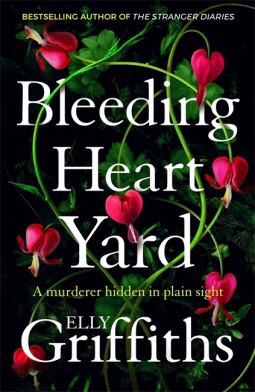
Bleeding Heart Yard by Elly Griffiths
Another stunning cover here. From the author of the Ruth Galloway crime series this is a propulsive new thriller set in London featuring Detective Harbinder Kaur. A murderer hides in plain sight – in the police. DS Cassie Fitzherbert has a secret – but it’s one she’s deleted from her memory. In the 1990s when she was at school, she and her friends killed a fellow pupil. Thirty years later, Cassie is happily married and loves her job as a police officer.
One day her husband persuades her to go to a school reunion and another ex-pupil, Garfield Rice, is found dead, supposedly from a drug overdose. As Garfield was an eminent MP and the investigation is high profile, it’s headed by Cassie’s new boss, DI Harbinder Kaur. The trouble is, Cassie can’t shake the feeling that one of her old friends has killed again. Is Cassie right, or was Garfield murdered by one of his political cronies? It’s in Cassie’s interest to skew the investigation so that it looks like the latter and she seems to be succeeding.
Until someone else is killed…
Published on 29th September 2022 by Quercus
And I can’t believe I forgot…..
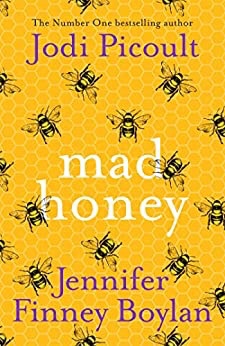
I possibly forgot this one because I’ve already read and reviewed it for NetGalley and it really is a cracker. After going in a slightly different direction with her last two novels, Jodi Picoult is back in her usual territory here. After teaming up with author Jennifer Finney Boylan, from a Twitter conversation, Picoult is back to tackling a controversial issue with a tense legal case at the centre of the drama.
Olivia fled her abusive marriage to return to her hometown and take over the family beekeeping business when her son Asher was six. Now, impossibly, her baby is six feet tall and in his last year of high school, a kind, good-looking, popular ice hockey star with a tiny sprite of a new girlfriend. Lily also knows what it feels like to start over – when she and her mother relocated to New Hampshire it was all about a fresh start. She and Asher couldn’t help falling for each other, and Lily feels happy for the first time. But can she trust him completely? Then Olivia gets a phone call – Lily is dead, and Asher is arrested on a charge of murder. As the case against him unfolds, she realises he has hidden more than he’s shared with her. And Olivia knows firsthand that the secrets we keep reflect the past we want to leave behind - and that we rarely know the people we love well as we think we do. Each author has written the story from a different character’s perspective, sometimes taking us back in time to understand their experiences. I don’t want to ruin your enjoyment so I won’t give you any more of the plot, but I will say it’s a belter of a novel that will make you question your own prejudices.
Published on 15th November 2022 by Hodder & Stoughton
What an excellent reading month it’s been and a good mix of independent publishers as well as the majors. As part of the Squad Pod Collective, this month we’ve been reading Sandstone Press novels as part of our Sandtember feature. Next month will be Orentober – a celebration of Orenda Books, two of which feature here. I’ve been a lot busier and had so much more clarity this month, possibly something to do with us moving into the cooler months of autumn which are my favourite of the year, possibly due to it being Halloween, my birthday, Bonfire Night and the run up to Christmas. Plus Strictly is back on the telly. Here we have mainly thrillers and crime fiction, but very different from each other. I think some of this month’s books may easily reach my Books of the Year list in December. Hope you all have a great October!
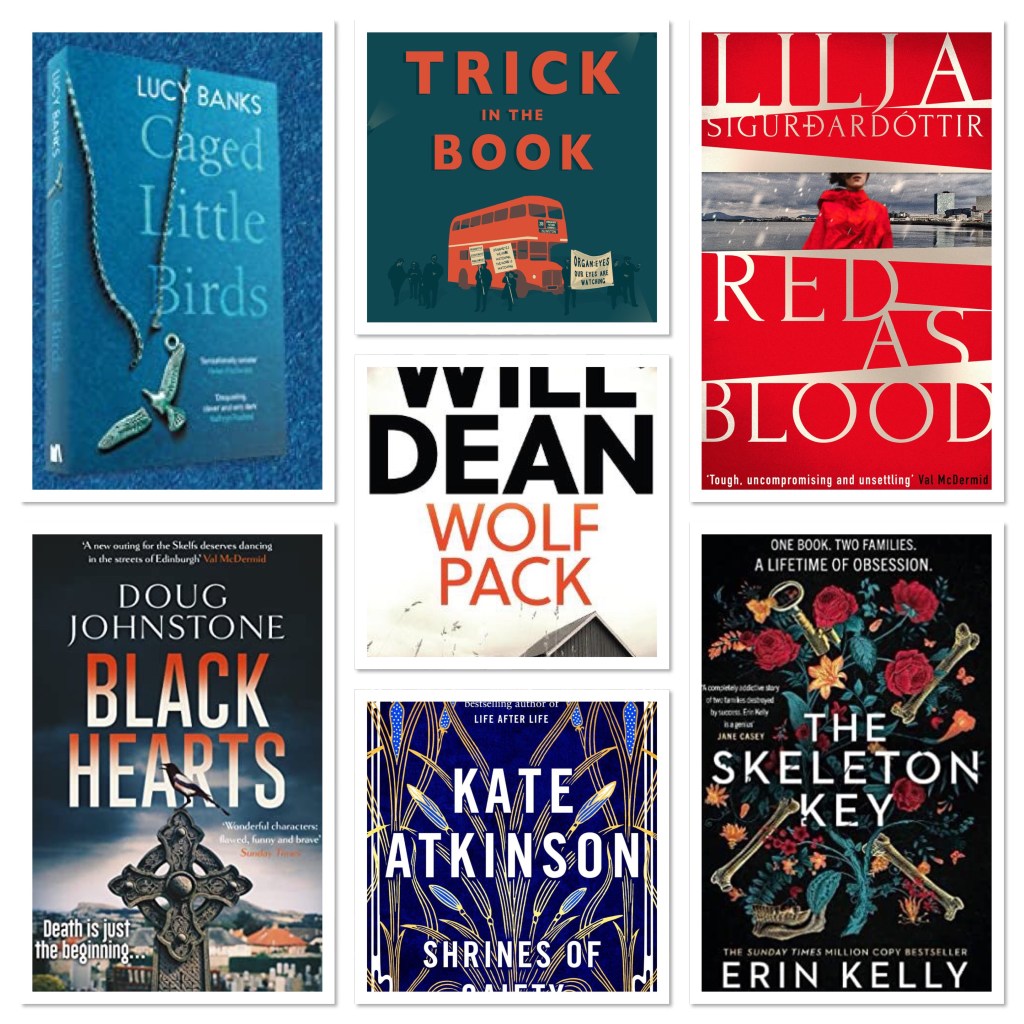
This is an October review, but I read it as soon as it was delivered to my Kindle. I loved her first in the series so I was eager to see what Āróra was up to now. I won’t tell you too much, just a quick outline of what to expect from this excellent thriller. When entrepreneur Flosi arrives home for dinner one night, he discovers that his house has been ransacked, and his wife Gudrun missing. A letter on the kitchen table confirms that she has been kidnapped. If Flosi doesn’t agree to pay an enormous ransom, Gudrun will be killed. Forbidden from contacting the police, he gets in touch with Áróra, who specialises in finding hidden assets, and she, alongside her detective friend Daniel, try to get to the bottom of the case without anyone catching on.
Meanwhile, Áróra and Daniel continue the puzzling, devastating search for Áróra’s sister Ísafold, who disappeared without trace. As fog descends, in a cold and rainy Icelandic autumn, the investigation becomes increasingly dangerous, and confusing. Chilling, twisty and unbearably tense, Red as Blood is the second instalment in the riveting, addictive An Áróra Investigation series, and everything is at stake…
Out 13th October from Orenda Books
I thoroughly enjoyed this twisty thriller from an author I read automatically these days, knowing I’m going to get a quality thriller. Here we’re brought into the arty, bohemian world of the Churcher and Lally families and their adjoining houses on the edge of the heath. Frank Churcher and his friend Lal have been friends since the 1970s when they shared drugs, alcohol, women and ideas. Frank has called everyone together to celebrate the 50th Anniversary edition of his book The Golden Bones. This could be one reunion that tears the family apart…
Nell has come home at her family’s insistence to celebrate an anniversary. Fifty years ago, her father wrote The Golden Bones. Part picture book, part treasure hunt, Sir Frank Churcher created a fairy story about Elinore, a murdered woman whose skeleton was scattered all over England. Clues and puzzles in the pages of The Golden Bones led readers to seven sites where jewels were buried – gold and precious stones, each a different part of a skeleton. One by one, the tiny golden bones were dug up until only Elinore’s pelvis remained hidden. The book was a sensation. A community of treasure hunters called the Bonehunters formed, in frenzied competition, obsessed to a dangerous degree. People sold their homes to travel to England and search for Elinore. Marriages broke down as the quest consumed people. A man died. The book made Frank a rich man. Stalked by fans who could not tell fantasy from reality, his daughter, Nell, became a recluse. But now the Churchers must be reunited. The book is being reissued along with a new treasure hunt and a documentary crew are charting everything that follows. Nell is appalled, and terrified. During the filming, Frank is set to reveal the whereabouts of the missing golden bone, but as one of his grandchildren climbs the tree for the treasure all hell is going to break loose. This was an addictive thriller, with complicated family dynamics and a brilliant final chapter.
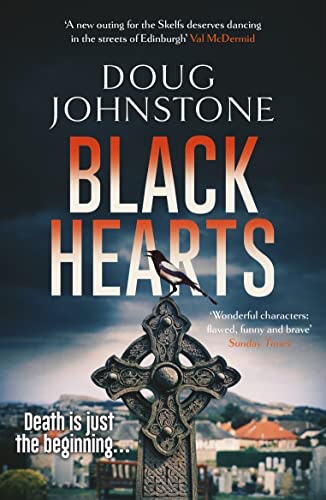
Orenda Books must get so fed up with me banging on about the genius of Doug Johnstone and his wonderful creations; the Skelf women. Set in Edinburgh, Grandmother Dorothy, daughter Jenny and granddaughter Hannah live in the shadow of death every day. Jenny and Dorothy live literally above a morgue, as the family’s funeral business is run from the ground floor. They also run a private investigation business from their kitchen table. But now their own grief interwines with that of their clients, as they are left reeling by shocking past events. As usual there’s a shocking opening, with a fist-fight by an open grave. This leads Dorothy to investigate the possibility of a faked death, while a young woman’s obsession with Hannah threatens her relationship with Indy and puts them both in mortal danger. An elderly man claims he’s being abused by the ghost of his late wife, while ghosts of another kind come back to haunt Jenny from the grave … pushing her to breaking point.
As the Skelfs struggle with increasingly unnerving cases and chilling danger lurks close to home, it becomes clear that grief, in all its forms, can be deadly… you can look for my full review of this in my Sept 2022 archive, but it really is a cracker.
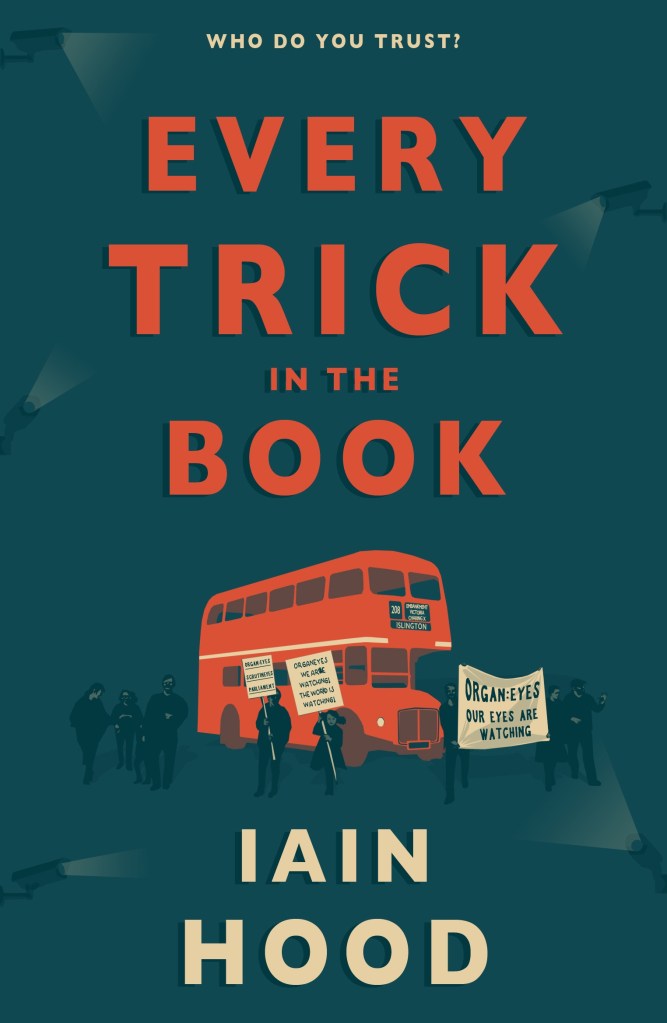
This was one of those blog tours I was asked to do and I went in blind. I knew nothing about the author or the book, but straight away I was intrigued. You are invited to cast your eye over the comfortable north London home of a family of high ideals, radical politics and compassionate feelings. Julia, Paul and their two daughters, Olivia and Sophie, look to a better society, one they can effect through ORGAN:EYES, the campaigning group they fundraise for and march with, supporting various good causes. But is it all too good to be true? When the surface has been scratched and Paul’s identity comes under the scrutiny of the press, a journey into the heart of the family begins. Who are these characters really? Are any of them the ‘real’ them at all? Every Trick in the Book is a genre-deconstructing novel that explodes the police procedural and undercover-cop story with nouveau romanish glee. Hood overturns the stone of our surveillance society to show what really lies beneath. Be prepared to never take anything at face value again.
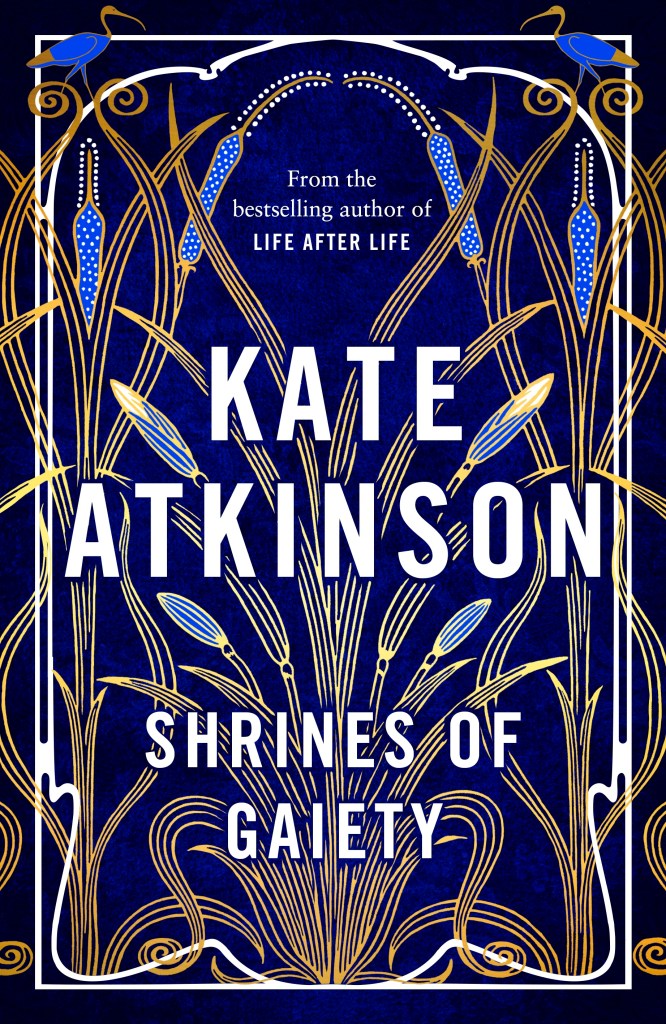
Now I’d been waiting all year for this one. It’s been up there with Jessie Burtons House of Fortune as the ones I’ve most been looking forward to this year. I wasn’t disappointed. Kate Atkinson has written a crime novel that lays bare a decade in flux, a London that’s drowning in decadence and a generation determined to leave loss and grief behind them.
1926, and in a country still recovering from the Great War, London has become the focus for a delirious new nightlife. In the clubs of Soho, peers of the realm rub shoulders with starlets, foreign dignitaries with gangsters, and girls sell dances for a shilling a time. At the heart of this glittering world is notorious Nellie Coker, ruthless but also ambitious to advance her six children, including the enigmatic eldest, Niven whose character has been forged in the crucible of the Somme. But success breeds enemies, and Nellie’s empire faces threats from without and within. For beneath the dazzle of Soho’s gaiety, there is a dark underbelly, a world in which it is all too easy to become lost.With her unique Dickensian flair, Kate Atkinson brings together a glittering cast of characters in a truly mesmeric novel that captures the uncertainty and mutability of life; of a world in which nothing is quite as it seems. I loved the historical background to this fascinating story and my only complaint was that I wanted to spend more time with some of her characters. See my September archive for the full review, but I was dazzled and drawn deeply into Atkinson’s world.
Tuva Moodyson is another character I’m always banging on about on Twitter. I think she’s an incredible woman and I love the representation of her disability too. Here Tuva is back at work after the shooting of her girlfriend, police officer Noora. Noora survived but now exists in a persistent vegetative state, in bed and cared for round the clock by her mother. In the circumstances, Noora’s parents understood that Tuva needed to go back to work. Dean takes us straight into the action, as Tuva finds an armoured hunting dog wounded by the side of the road. In the course of taking the dog to the vet, Tuva leans of a farm further down the road where a group of survivalists live. It’s not long before she hears that a girl’s gone missing from Rose Farm, and while the police will be investigating, Tuva wants to find her story. There are two businesses on the farm, a café and spa, so Tuva visits to get to know a couple of the residents up there. Andreas, who patrols the compound with his dogs, shows Tuva the security system and training they have in place for their members, including underground bunkers if necessary. Are these people simply ‘preppers’, getting ready for the end of the world, or is something more sinister going on? Who is the mysterious Abraham? What was missing girl Elsa Nyberg to do with the preppers and is she still alive? As usual, Tuva throws herself in and soon her own life is in danger.
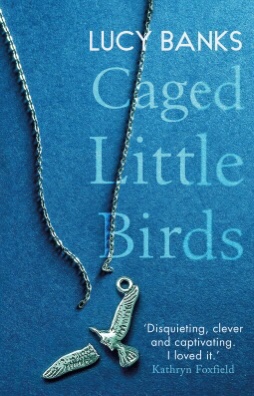
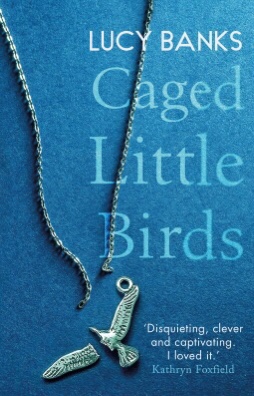
This was an interesting and addictive book from Lucy Banks and I loved it. The public think Ava is a monster. Ava doesn’t think she’s to blame. She’s spent twenty five years in prison and now it’s time to start a new life. With a changed identity, her name is now Robin, she has a roof over her head and she hopes for the quiet life she’s always wanted. However, her idea of quiet is an uninhabited island off the coast of Scotland, just her and the seabirds. This reminds her of the places they lived when she was small, when her father was working for a bird protection charity. He would teach her to catch and tag the puffins. There’s no hope for a quiet life, as probation officer Margot pops in unexpectedly pushing her to apply for jobs because ‘the state can’t keep you forever’. There’s Bill next door, who likes a chat and flirt over the garden hedge, not to mention his daughter Amber who really isn’t sure of their new neighbour. Finally there’s her unwanted visitor; the strange person in black who lurks and watches; the person who sent the poison pen letter; the person who throws a brick through the window. We see everything through Robin’s mind and a slow unease starts to creep in here and there. Is she the murderer she’s been painted as or is she misunderstood? I went from feeling sorry for Robin, to being terrified of her. Absolutely brilliant!
So that’s this month. I’m having a week’s break from blog tours to read Robert Galbraith’s The Ink Black Heart, which has been staring at me from the TBR shelf for past fortnight. Here are some of next month’s reads.
There are so many cliches we use in the world of book blogging but it’s hard not to use them when all of them applied to this original and unusual novel. This was an unputdownable, page turning, keep me up all night, edge of your seat thriller with intriguing characters and exotic settings.
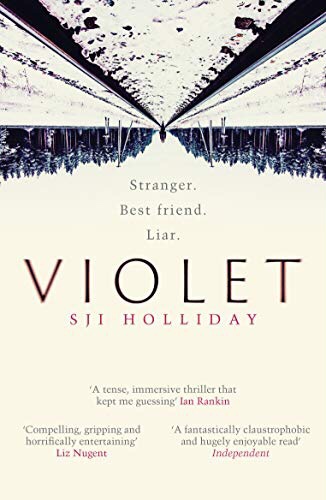
It was refreshing to read a thriller with a female protagonist who steals all of the limelight. Added to that she has a feisty female travel partner. In a genre where women are often prey and merely a catalyst for the real action, these women more than hold their own. Violet has tired of Thailand and her boyfriend wants to stay put. Far from being the island paradise she expected Thailand has become about the same scene, people and drugs. Violet decides to follow their itinerary without him and she does it in style. She makes her way to China but feels strangely alone and dislocated. When trying to organise a ticket for the Trans-Siberian railway Violet overhears a girl talking to the travel agent about her spare ticket. Her friend has had an accident and can’t travel, but the travel agent is no help and the girl has a spare ticket on her hands. Violet follows her to a bar and engineers a meeting that turns into dinner and many drinks. By the next day Violet has scored a ticket and a new travel companion in Carrie. By this time we have a few doubts about our narrator and I worried for Carrie and whether she knew what she was taking on board.
The rest of the novel is told in sections through Violet’s eyes and the emails that Carrie sends back to her injured friend back home. The girls have a stop off in Mongolia where they experience Nomadic life, sheep’s milk tea and a shamanic experience that threatens to put their friendship on a very different footing. Violet reads like someone with borderline personality disorder; despite her narration I don’t feel a coherent sense of self. I don’t think Violet knows who she is. Carrie starts to have her own doubts on the train and tries to create some space by befriending other passengers. Violet starts to panic. What if Carrie decides to go her separate ways? Violet’s friendship has become obsessive and potentially dangerous. However, when we reach Russia we start to see what both girls are really capable of.
The brilliance of Holliday’s writing is that we never really know what the girls are going to do next. This is not helped by the copious amounts of drink and drugs the girls partake in. It’s like being on a rollercoaster ride blindfolded. Just when you think you’ve worked Violet out, something else happens and your opinion changes. I loved the travel detail as well. It isn’t romanticised. It’s scuzzy and grimy. It dispels the backpacker myth of Thailand being a paradise better than The Beach did. Mongolia was at least an authentic experience, but the thought of ewe’s milk tea was grim. I loved the gritty realism and and the psychological manipulation. Living for a while in Violet’s head shows us how dark, obsessional jealousy manifests and left me feeling very uneasy. How much do we really know about what’s going on in someone else’s head? After all this, Holliday still surprised me with a final twist I didn’t see coming that turned everything I thought I knew on its head. It was like seeing The Sixth Sense for the first time, you want to pop back to the beginning and see it all over again with fresh eyes and try to pick up the clues. I read the end of this novel at 2am and was so blown away I had to wake up my other half and tell him all about it. This is definitely one of my books of the year.
Published 14th September 2019 by Orenda Books
Meet the Author
Susi (S.J.I.) Holliday is the bestselling Scottish author of 10 novels, a novella and many short stories. By day she works in pharmaceuticals. She lives in London (except when she’s in Edinburgh) and she loves to travel the world.
Oh my goodness this book packs a punch! The author has created an incredibly complex character and took me from slight unease to wide-eyed horror at what was happening. Robin is trying to live a quiet life these days. She wishes she could live where there’s nobody else, just miles of wilderness, a rugged coastline and hundreds of sea birds. Yet she’s grateful for the roof over her head and the benefits she has to start her new life with. She’s grateful to be able to eat what she wants, when she wants and to have a hot shower without a queue and no fighting for the shampoo and conditioner. She doesn’t feel like ‘Robin’ though, such an insignificant and ordinary bird. In prison she was called ‘Butcher Bird’ and the public hate her, so even now twenty-five years later she can’t be Ava any more. As Robin settles into her new home and new identity, she becomes aware that someone knows who she is. Can she stay under the radar and stick to all the conditions of her release? Or will she be flushed out and shown to be the monster people think she is?
I loved the way Banks writes Ava, we see everything from her perspective and her mind is such a complicated place to be. I found myself in the strange position of being in her head, but feeling strangely detached and unsure of her. It becomes clear early on that Ava was convicted of murder and has served her full twenty-five year tariff, so there are things about the modern world she doesn’t fully understand. Social media seems ridiculous (in fact, when I try to explain Facebook it sounds ridiculous) and she’s baffled by the little rectangular boxes people carry everywhere, even paying attention to that more than the people they’re with. It’s unusual to see our society this way, with the things we take for granted shown as alien. She’s trying to fit in with her parole conditions, but they break into her peaceful world when she doesn’t want it. There are weekly appointments with the psychiatrist and home visits from Margot her probation officer. Everyone is telling her how lucky she is to be looked after by the state like this, but given the choice Ava would prefer to fend for herself. She goes to pointless interviews, where her crime means she will never be hired, but they fulfil a condition of receiving benefits. There are obligations and places to be at certain times, something she has never been used to.
I had the impression that Ava has always lived inside her own head, rather than being present in the world. We learn that her childhood was spent on a remote Scottish island where there was a huge seabird colony. With no mother, Ava is kept out of school and taken to work with the birds, helping her father, identify, check and ring them for identification. He removed any meaningless junk from the house, including Ava’s toys and her late mother’s armchair, assuring her she wouldn’t need them because she’d be outside. There are other figures that loom in Ava’s past too; Henry who she’s had a relationship of sorts with; Ditz, a fragile young woman from prison who hanged herself; then someone she addresses as ‘you’. The importance of these people and their place in Ava’s life is slowly unveiled as Ava either reminisces or becomes paranoid about them. Another catalyst is Bill next door, or more importantly, his daughter Amber. Bill has been friendly and welcoming, chatting over the fence and eventually asking whether she’d like to go for a walk. However, his daughter is more suspicious, or is it just Ava’s paranoia? Their relationship is very uneasy and Ava is sure that Amber wants to expose her, she’s just waiting for an opportunity. A poison pen letter and a brick through the window add even more pressure to the mix.
Ava strikes this reader as someone with a personality disorder. The isolated childhood and lack of schooling have left her lonely, naive and unable to form boundaries with others, as she’s never had anyone to form a relationship with. She’s grown up as easy prey for those who seem able to sense someone vulnerable and manipulate or use them. Unable to deal with rejection in the usual way someone her age might by reflecting on the experience, feeling sad and angry, maybe seeing a counsellor. She doesn’t even go get drunk, eat ice cream, and malign him to her friends, because she doesn’t have any. Her response is immature, because she is immature emotionally, but perhaps no one could have predicted the events that followed. Lucy Banks brings the past into the narrative as Ava ruminates on what happened. She’s triggered by what she sees as another rejection, so her rage and anger are disproportionate to the situation. She becomes that young girl again. At this point I started to be scared for anyone who came into her orbit. I think the way the writer slowly allows this unease to develop between reader and narrator is brilliant. I noticed that her sleep pattern changed, her paranoia starts to build, she starts to link past and present events in a way that isn’t logical, and acting on emotions rather than fact. Another clue is her inability to take responsibility for anything that has happened, she veers around it or presents it as something that just happened. I wasn’t sure whether I was in the mind of a murderer or the mind of someone who is simply struggling with their mental health, distorting the facts and hallucinating the more violent aspects of her story. I won’t tell you which it is, because slowly finding out is so satisfying and such an enjoyable read. The writer has created a highly original narrative voice and a reveal that I hadn’t worked out. I veered between being scared for Ava and scared of her. This really stands out as one of the best books I’ve read this year and I recommend you read it too.
Published by Sandstone Press 15th September 2022
Meet The Author
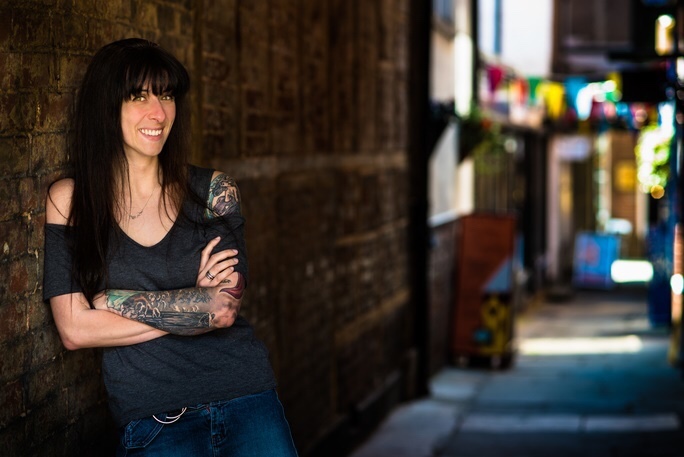
Lucy Banks is the author of The Case of the Green-Dressed Ghost, described by Publisher’s Weekly as ‘Ghostbusters with a British accent’. It’s the first in the series, exploring the strange, sinister (and often slightly silly) world of Dr Ribero’s Agency of the Supernatural.
In 2016, Lucy also won Amazon’s A New Night Before Christmas writing competition with her entry about a slug living under a family’s floorboards, who assumes Christmas is not for him, until he comes face to face with Father Christmas.
As you might guess (being all too familiar with slugs and ghosts), Lucy hails from South-West England – an area rife with spectral tales and plenty of bugs. She lives in Devon with her husband and two children, and in addition to writing, is an avid reader – less of a bookworm, and more of a book-python!
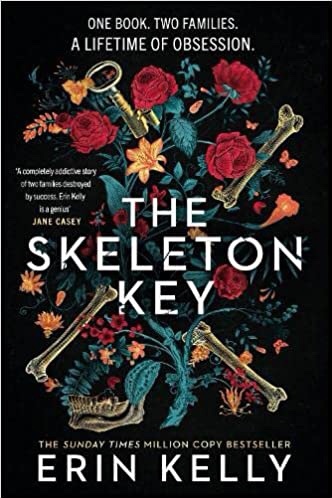
I’ve been reading Erin Kelly since her debut The Burning Air and she’s pretty much unbeatable in her ability to grip the reader and immerse them in her world of domestic noir. This was read in a very enjoyable weekend with Alice Feeney’s Daisy Darker so I was knee deep in my favourite territory – arty, bohemian families, with big rambling houses, full of eccentricities and dark secrets. I was ready for skeletons to start tumbling out of closets and that was almost literally the case here. The Churcher’s and the Lally’s have a history that goes back decades and now they live in each other’s pockets, in two adjoining houses on Hampstead Heath, smelling of oil paint and weed. Back in the the 1970’s, when their friendships and marriages began, artist Frank used some old folk verses to create a picture book full of clues to hidden treasure. The story is macabre, as a young woman named Elinore is suspected of infidelity and murdered by her husband. He then scatters her bones in sites across the British Isles. The verses in the book, The Golden Bones, contain clues to the whereabouts of hidden treasure – a one off, tiny gold skeleton with a jewel set in it’s pelvis. When the book caught the public imagination, a group calling themselves The Bonehunters emerged and with the birth of the internet hunters and enthusiasts could solve clues together, pass on information and stoke rumours. Unfortunately, for some it became an obsession and twenty years later, Frank’s daughter – also named Eleanor- is attacked outside her school by a knife-wielding woman who is certain the final piece of treasure – the pelvis – resides within her actual body.
It’s no surprise that as the book reaches it’s fiftieth anniversary, speculation and concern from some parts of the family, has reached fever pitch. With the help of son Dom, the book has been re-issued in a Golden Anniversary edition, complete with locations for people to check in online. The families come together at the houses on the heath, to film for a television special about the book, including a secret unveiling that Frank’s been planning. As he gives a speech, under a tree on the heath, to everyone assembled and on camera, it’s clear he’s planned a publicity stunt. Could this be the final piece of treasure? However, even Frank is shocked when one of his grandchildren climbs the tree and instead of treasure pulls free a woman’s pelvis. The book follows the aftermath of this gruesome discovery, how it affects both families and starts a police investigation. Everyone is under suspicion. The author takes us back into the past, shows us events from different characters point of view, and turns the reader into a Bonehunter of sorts, trying to work out who this woman was and how her pelvis ended up buried in a tree on the heath.
We meet Eleanor again, but this time as a woman and she prefers it when people call her Nell. She weirdly had my dress sense, although I might draw the line at dungarees from now on having read the criticisms about them on middle-aged women! Anything to do with the book raises Nell’s blood pressure and it’s hardly surprising. It has influenced how she lives, as anonymously as possible on a narrow boat that she moves every so often on the London waterways. She claims this is to avoid mooring rates, but it also feels part of her PTSD, the need to keep moving and be hyper-vigilant. She has more than one reason to stay safe these days, because her step-daughter from a previous relationship is living with her. Unbeknown to social services her father left a long time ago. Nell hasn’t had much luck with friends or relationships and she blames the book for this too. She feels she can’t trust anyone since she fell in love with Richard when she was a teenager and he turned out to be an investigator, hunting the final bone on behalf of a rich Bonehunter. His protestations that he loved her anyway fell on deaf ears and she was left heartbroken. Now she’s more paranoid than ever and terrified that the police investigation will bring social services back into their lives.
I was fascinated with the dynamics of these two families living on top of each other in a way that was almost like a commune. The children would flit between houses, gravitating towards the parent who seemed most able to give that parental attention that they needed. Their friendship starts in the 1970’s as they shared ideas, drugs and a desire to create art. The families are so close that when Frank’s son Dom and Lal’s daughter Rose are found kissing it almost feels incestuous. Now there are shared grandchildren, linking them through blood. Where once there was equality, even if they were so poor there was nothing to share, now it seems like everyone functions for Frank. He is the successful artist and his whims should be accommodated. He felt like a law unto himself to me: working when he wants; neglecting his family; indulging his sexual appetites wherever he can. His mercurial temperament is excused because of his talent, but some family members already find him unbearable. Lal’s drinking seems to distract everyone from Frank’s bad behaviour and his decline has been very useful. It eliminates him as artistic competition too. We travel back to one particular night several times from different viewpoints. Wanting to break away from The Golden Bones Frank has created a collection of beautiful nude paintings. However, unable to let them show on their own merits, Frank has let it be known that every model in the show is one of his conquests. The tongues start to wag and by opening night it’s at fever pitch. I can’t work out whether he underestimates the family, or whether it’s a deliberate attempt to humiliate and dominate, but one of the models seems familiar. If Frank’s suggestion is true, he has betrayed everyone close to him. To make things worse he’s openly flirting with a waitress, in front of his wife and children. Luckily, Lal gets predictably drunk, drawing the attention and concern elsewhere.
In the present day both Lal and Frank are arrested, leaving the family scrabbling for the truth. Will it pull them all together or apart? The psychological interplay between family members is brilliantly done. Nell and Dom mean everything to each other, working as each other’s stability since both parents are absent when consumed by their work or drink and drugs. Dom and Rose’s relationship is borne out of the same impulse, desperately seeking stability and being steadfast in providing it for their own children. Nell has to decide whether this family is healthy for her and her daughter. The dynamic between Frank and his family becomes clearer as the novel goes on, with a wife seemingly dependent on medication to cope and Dom desperately trying to protect her. Frank is like a puppet master, in a strange echo of his role in the book, he’s choreographing events and controlling how they act, using distraction to hide what he doesn’t want them to see. He uses friend Lal as a whipping boy, in a terribly destructive dynamic. Frank can do what he wants as long as Lal is drinking and flying into rages, alienating his family. I felt there was a rivalry there and even a contempt for Lal, whose use is to be the comparison point – as long as Lal’s life and work is worse, then Frank is okay. Lal is, quite simply, a scapegoat. Even so, it is Nell’s character arc that I loved because she has to confront a lot of her past and start to build a better future as a family of two. Her strength is shown in the real quest of the book, not for golden bones, but for the truth. However messy, unexpected and inconvenient that might be.
Published 1st September 2022 by Hodder and Stoughton.
Meet The Author
Erin Kelly is perhaps best know for her novel He Said/She Said, about a young couple who witness a rape and, after the trial, begin to wonder if they believed the right person. Her first novel, The Poison Tree, was a Richard and Judy bestseller and a major ITV drama starring Myanna Buring, Ophelia Lovibond and Matthew Goode. She’s written four more original psychological thrillers – The Sick Rose, The Burning Air, The Ties That Bind.
She read scores of psychological thrillers before she heard the term: the books that inspired me to write my own included Endless Night by Agatha Christie, Rebecca by Daphne du Maurier and A Fatal Inversion by Barbara Vine. Her books are atmospheric thrillers, always about people trying to atone for, escape, or uncover a past crime. She says she’s more interested in what happens before the police arrive – if arrive they ever do – than how murder is solved.
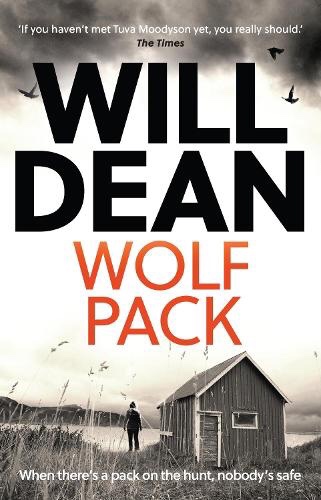
Yay! Tuva is back!! My current favourite literary heroine is back investigating another story in the remote and slightly quirky surroundings of the town of Gavrik, in Northern Sweden. We left Tuva at the end of Bad Apples on a cliffhanger, but Will Dean throws us straight into the action and the frozen forest. As Tuva is driving she finds a hunting dog at the side of the road, armoured but still injured. It’s owner isn’t far away and he blames wolves. As she rushes the dog and his owner to the vet, Tuva wonders if there are such wolf packs roaming the land close to Gavrik? She doesn’t know it yet, but there’s more than one type of wolf close by.
And when there’s a pack on the hunt no one’s safe….
Rose Farm is a closed community, home to a group of survivalists and completely cut off from the outside world. Until now. When a young woman goes missing within the perimeter of the farm compound Tuva must try to talk her way inside the tight-knit group to find her story.
In a frantic search, Tuva attempts to unmask the culprit and gains unique access to the residents. But soon she finds herself in danger of the pack turning against her – will she make her way back to safety so she can expose the truth?
At first, Tuva seems somewhat settled into everyday life, but sadly we soon find all is not well in her world. Her lover Noora, a Gavrik police officer, was shot in the last novel. She didn’t die, but nor did she recover. Noora now lies in a persistent vegetative state, uncommunicative and requiring round the clock care. Tuva’s emotions are complicated, she’s grieving for someone who is not here, but who hasn’t left either. It is Noora’s mother who has stepped in to care for her daughter. With incredible care and compassion, she has suggested that Tuva return to her work and life in Gavrik, while still accepting her as a vitally important part of Noora’s life.
The story of the missing girl is an intriguing one and perhaps less fast paced than the last novel. Elsa Nyberg was reported missing by her father and was last seen around the Rose Farm complex. Tuva takes a look at the heavily guarded compound, surrounded by high perimeter fencing, ditches, barbed wire and a military trained security man, always seen with a large dog by his side. It’s a bit of a contradiction, as two businesses run from the farm and are open to the public; a shop and café, plus a spa. There are definitely public and private faces in this community. On the quiet this community is nicknamed the ‘Wolf Pack’, a group trained to military standards, armed to the teeth and ready for the apocalypse. Or maybe they’re simply a benign group of ‘preppers’ with an underground bunker and a pantry full of tinned food? The central figure is a slightly reclusive figure called Abraham, a painter and philosopher who is ready for the end times. Tuva senses a story, especially when she finds out that a few decades before the resident farmer went berserk and almost killed his whole family before killing himself. The only survivor was a baby, just a few months old. Tuva wonders if history is repeating itself.
I am always amazed with Tuva’s tenacity, but also her audacity when investigating her stories. She is always brave, often to the point of recklessness. She certainly puts herself at the centre of things, driving onto the public part of the compound and engaging with those community members who work in the cafe and spa. At some points she even finds her way onto the private areas of the estate, even inside the main house where she finds some disturbing evidence of Elsa’s presence. I wasn’t as terrified for her life as I was in Bad Apples, but there was one section where security guard Andreas invites her to try the Wolf Pack’s underground obstacle test – if a potential member doesn’t complete the course they are not tough enough to join. The narrow underground chamber and tunnel fill with water, so that the tunneller must hold their breath and dive through and under small submerged areas. I couldn’t believe it when Tuva took up the challenge and disappeared underground, the tension ratcheting up by the second. This scene really tapped into my claustrophobia and left me a bit breathless! It reminded me how badass Tuva really is.
The murder is gripping and I was interested to know if any of the residents at Rose Farm were involved in it’s past tragedy. I was interested in how Tuva infiltrated online survivalist forums to get the low down on community members and to gauge what their beliefs and aims might be. Although any group has it’s weaker links and I started to wonder whether Abraham was who he seemed or was it an alias for someone else? In a complete contrast to the last book, this time people are not covering who they are with masks. Here we have wolves masquerading as everyday people. When Elsa’s body is found there is an ancient symbol tattooed in white ink on the back of her neck. It’s not anything that Tuva’s seen before, but does suggest an element of the occult or perhaps another part of the group’s initiation ritual. We’re used to quirks in Tuva’s investigations and all of the quirks from previous books are still here, such as the Troll sisters and the comically awful toppings offered at the pizza restaurant. There’s always a question of whether the remoteness breeds eccentricity, or whether eccentric people choose to pursue their way of life in an out of the way place. There are certainly more than the average share of murderers and Tuva is determined to find the truth, even if it places her in danger.
However, I do think this was a more subdued, thoughtful Tuva than in previous books. She’s valuing the people around her more, such as Lena and Tammy. She makes time to eat with Tammy out at the food truck and at home and even pursues the bond she’s made with the boy next door. I found it very touching that after a tough day she went to her neighbour and ask if she could read him a bedtime story, gaining comfort from the ritual. It’s a habit she’s started with Noora too, reading to her over FaceTime in the evening. She muses on her apartment, more as a home rather than just a place to crash when she’s exhausted. She wonders whether her memories of Noora in the apartment are too traumatic, but decides that she gains comfort from knowing they spent time together there. I was incredibly moved by the time she spends with Noora and the powerful feeling of belonging she gets simply by lying next to her. They don’t have to speak or hear in order to communicate. In fact, Tuva doesn’t have to struggle to communicate, which she often does, especially if her hearing aids are damaged or lost. With Noora she can take her hearing aids out and just ‘be’ and there is peace in that.
Published by Point Blank 8th September 2022
Meet The Author
Will Dean grew up in the East Midlands, living in nine different villages before the age of eighteen. After studying law at the LSE, and working many varied jobs in London, he settled in rural Sweden with his wife. He built a wooden house in a boggy forest clearing and it’s from this base that he compulsively reads and writes.
This was a deliciously clever and fiendish tale from an author I’m starting to trust when looking for a thrilling read. This was so difficult to put down and was eerily reminiscent of one of Agatha Christie’s novels that I made a note of it, then I saw it mentioned in the finale, so I won’t ruin it by saying which one. As the tide comes in, the Darker family are congregating at the family seat for the matriarch’s birthday. Seaglass is a large house on an island with only a causeway linking it to Cornwall, so at high tide it is completely cut off from the rest of the world. The book’s action all takes place in the space of one high tide and the final Darkers are rushing across the causeway to get there on time. Gathered at Seaglass are a motley crew of Darkers across four generations from Gran down to her great-granddaughter Beatrice known as Trixie. In between are the son ?? a famous, but not wealthy conductor, his ex-wife Nancy and their three daughters Rose, Lily and Daisy. Not forgetting Popper the family dog. One latecomer is a young man called Connor, an unofficial family member who turned up on Seaglass’s beach one morning when the Darker sisters were small. Gran noticed that Connor was bruised and neglected, so from that moment she took him and his alcoholic father under her wing. One second is all it took for every Darker woman to fall in love with this lonely boy who has lost his mother.
Now Connor has arrived the games can begin and it’s soon clear that if any of the Darker family survive till low tide in the morning, they’ll be very lucky indeed. I loved how the author built the atmosphere. Seaglass is a labyrinthine house, but each downstairs room is arranged around a central hall and are linked by doors, so that when the girls were little they could open the space up and Lily would roller skate in circuits around the house. I really wanted their grandmother’s study: filled with books and art supplies that produced her beloved children’s books. Her first book was Daisy Darker and was inspired by her youngest granddaughter, who was found to have a heart defect when she was a child. I loved the family’s eccentricities and traditions, such as the clocking in machine at the front door where every family member has a card to punch in and out. There’s a blackboard wall in the kitchen, for impromptu poetry, and at the kitchen table there are individual chairs, painted for each family member – of course one is covered in daisies, just like Daisy’s converse trainers. We get a sense of the family’s longevity in their collections and special treasures, such as the bone and seaglass Scrabble set, bought by Gran’s agent and set to play a special part in the night’s proceedings.
Published by Macmillan 18th August 2022
Meet the Author
Alice Feeney is a New York Times million-copy bestselling author. Her books have been translated into over twenty-five languages, and have been optioned for major screen adaptations. Including Rock Paper Scissors, which is being made into a TV series by the producer of The Crown. Alice was a BBC journalist for fifteen years, and now lives in Devon with her family. Daisy Darker is her fifth novel.
You can follow Alice on Instagram/Twitter: @alicewriterland
As all subscribers and Twitter followers must know by now, I am a huge fan of The Skelf series. I’m a Skelfaholic and I’m in a strange cycle of waiting for the next book to be published, devouring it overnight, then longing for the next one again. It’s even worse this time because I have it on good authority that this could be the penultimate book in the series. So one more book and no more Skelfing! I’m going to be like a weasel with a sore head when I have to go cold turkey. It has been wonderful to be back in Edinburgh with this family of three: part private investigators, part undertakers and all round incredible women. For those who haven’t met them yet, the Skelfs are three generations of women. Grandmother Dorothy is in her seventies, but is still active in both the investigative and the funeral parts of the business. In her spare time she still drums like a badass and has a lover almost twenty years her junior. Daughter Jenny is back home, living above the business and struggling with memories of psychopath ex- husband Craig. She’s drowning her pain with alcohol and sex.
Jenny’s daughter Hannah is now a PhD student, working in the astrophysics department, but still finding time to help out in the family business. She’s now married to girlfriend Indy, is feeling settled and might be slowly moving past what happened to her father. Each novel begins with a memorable opening scene and here we kick off with a fist fight at a funeral. The women are also brought diverse and unusual cases, both for funerals and their PI work. A gentleman approaches Dorothy after his wife’s funeral, to ask if they can help him deal with a nighttime visitor. He believes his wife’s spirit is punishing him and he has the bruises to prove it. Hannah is approached by Laura at university, the young woman claims to know her, but Hannah has absolutely no recollection of her. When Laura starts to turn up wherever Hannah goes, she starts to suspect mental health problems, but nothing dangerous. She stops being harmless the closer she gets to the family, especially when Hannah drops into the funeral parlour and finds Laura talking to Indy. Laura wants them to do her mother’s funeral, but Hannah thinks it’s unwise. How can she let this fragile girl down gently?
Aside from their cases Johnstone also picks up those storylines that weave throughout the novels. In the main we are drawn back to Craig, Jenny’s ex-husband and Hannah’s father, who is still haunting the family. Jenny is the most visibly affected by her interactions with Craig’s family, most notably his sister, who seems to have inherited his ability to manipulate and turn to violence to get what she wants. Will Craig ever leave them alone and will Jenny be able to tread the line between her own pain as his ex and Hannah’s pain as his daughter. Both tend to overlook the grief that Dorothy still feels at the loss of her own husband Jim, complicated now by her relationship with police detective Thomas. Indy’s grief is also overlooked a lot, especially since she’s just gone through disinterring her parents in order to give them the cremation in line with their faith. Hannah and Jenny bring the drama and it’s Jenny I was particularly worried about. She’s getting messy, day drinking and embarking on a highly controversial sexual relationship with the wrong person. She never wakes up feeling better, but in the moment she has to drown out the constant pictures in her head. It’s clearly PTSD and she’s in danger of drawing others into her drama, especially Archie who works for the funeral business. Can she rein her behaviour, when professional help seems doomed to failure at this point?
Aside from these incredible women, and the lovely Indy of course, the things I most love about these books is Doug Johnstone’s love for Edinburgh and the way he weaves incredible ideas, philosophy and physics into his novels. I’ve not been to Edinburgh since I was in my twenties, but the way he describes the city makes me want to go back. He doesn’t sugar coat the city either, there’s good and bad here, but as a whole these books are a poem to a place that’s in his soul. Dorothy muses on her home town a lot in this novel and considering she was born in America, this place is her heart’s homeland. She ponders on the people this city produces, including her husband and child, the history, and the architecture almost as if she’s taking stock. She concludes that she’s a person who always looks forward to where life’s going, but grief and loss are like the waves and there’s no telling when it will wash ashore again. Jenny tends to frequent the less salubrious areas of the city. She’s stuck. Her past has quite literally washed ashore and the problem with losing someone is you’re not the only one grieving and everyone grieves differently. She’s not mourning Craig as he truly was. She’s grieving the loss of all that hope; the hope they both had for the future on their wedding day and when Hannah was born. Similarly Craig’s mum and sister aren’t missing the Craig who committed all those terrible crimes. Violet misses the little boy she had and the life she wanted for him and his sister just misses her baby brother.
I loved the elements of Japanese spirituality and having read Messina’s novel The Phonebox at the Edge of the World, I loved the concept of the wind phone. I’ve always thought that a good way of letting go of the past, especially when you’re struggling emotionally, is to make a physical gesture or step in the direction you want to go. That might mean taking off a wedding ring when you’re getting divorced, or moving house to somewhere that isn’t filled with old memories. I found talking to my late husband in my head a bit strange and it only made me miss him more. So I wrote to him in my journal instead. To have a phonebox dedicated to speaking with those who have died seems a very effective way of keeping them in the present with you, but in a controlled and deliberate way. I was reminded of the Samuel Beckett quote:
“Memories are killing. So you must not think of certain things, of those that are dear to you, or rather you must think of them, for if you don’t there is the danger of finding them, in your mind, little by little.”
Hannah seems to be the person who’s most accepting of her losses. She always seems older than she is and with Indy alongside her she has all the support she needs. There’s so much wisdom in these two young women, honed from a combination of Indy’s spirituality, years of working with grieving families and Hannah’s physics knowledge, especially where it tries to explain the universe. The supermassive black holes that are thought to be at heart of every galaxy are mysterious. We know that they have a huge power that acts like a magnet, drawing in items from across the universe into the void. Each of the Skelf women have their own grief to bear, a black hole at the centre of their heart. Each must find their own way to remember a little, to prevent becoming overwhelmed by their memories. To prevent that black hole from drawing in every part of them. Only by reconciling this, can they live in the present moment and make plans for their altered future, a future I can’t wait to read about.
Meet the Author
Doug Johnstone is the author of twelve novels, most recently The Great Silence, described as ‘A novel [that] underlines just how accomplished Johnstone has become’ by the Daily Mail. He has been shortlisted for the McIlvanney Prize for Scottish Crime Book of the Year three times, and the Capital Crime Best Independent Voice one; The Big Chill was longlisted for Theakston’s Old Peculier Crime Novel of the Year. He’s taught creative writing and been writer in residence at various institutions, and has been an arts journalist for twenty years. Doug is a songwriter and musician with five albums and three EPs released, and he plays drums for the Fun Lovin’ Crime Writers, a band of crime writers. He’s also player-manager of the Scotland Writers Football Club. He lives in Edinburgh.
It’s been a quieter month in August, at least it is where books are concerned. Personally it’s been the busiest month of the year so far. It’s full on as far as home is concerned because it’s the month where we do trips away my stepdaughters. With their Mum working and me at home, we can easily help each other. We’ve also had their cousins here demo Scotland so theres been a lot of squealing and absolutely no room in the bathroom. They’ve been to Alton Towers, Nottingham’s Kitty Cafe, Yorkshire Wildlife Park and Chatsworth House. Between this I’ve had a back operation that I’ve been waiting for three years now. I’ve had a neurotomy at four sites so have had to spend some time in bed recovering. So I’ve had chance to get ahead with some September reading, because this month I’ve got my MA to restart! We don’t do things by halves in this house. Wishing you all a great September and I hope you enjoy these favourite reads.
Halfway through my binge read of this fantastic new thriller from Helen Fields, I had to look it up and check that it really was a stand-alone novel. Sadie Levesque is a compelling central character: brave, resourceful, determined, intelligent and ever so slightly impulsive. I could easily imagine her as the backbone of a great crime series. Sadie is a private investigator based in Canada where she’s about to be the birth partner for her sister. She has time to fit in one last job, which takes her to Scotland and the atmospheric island of Mull. The Clark family recently moved to Mull from the United States to start a new life, but their new life has been derailed by the disappearance of their seventeen year old daughter Adriana. With her American accent and dark Latino looks, Adriana caused a stir among the teenagers of Mull. Her desperate parents feel the local police force are doing very little to look for their daughter, possibly because they are outsiders. When Sadie finds the girl’s body while searching local teen hang outs, the police become hostile. Adriana has been drowned. The killer has sexually assaulted her, adorned her with a seaweed crown and filled her mouth and throat full of sand. Sadie’s immediate thought is she’s been silenced. Without police cooperation, Sadie must find the killer and is drawn into local folklore, witches, a misogynistic priest and a community that looks after it’s own. Will Adriana be the last girl to die? Fields turns the island into a powerful character in it’s own right, weaving the landscape, history and folklore of Mull into her story. There are some twists to the final stages that came as a huge shock. I love to be surprised and I really was here, with my heart sat in my throat at times. Could the truth be more prosaic than the legends? That men kill and could use the excuse of ancient folklore and witchcraft to cover their tracks. I was torn between this more logical explanation and the sense of an ancient evil at play on this remote and wild island. If anyone knows, the island does.
I’ve been struggling with menopausal symptoms for the last six years so I was really up for reading a book about women who are moving towards middle age. Women become more interesting as they get older, more confident and full of wisdom and experience. I certainly found that in the characters of this book who I fell immediately in love with. They are definitely meant to be a trio.
Nessa: The Seeker Jo: The Protector Harriett: The Punisher
Each woman finds herself bestowed with incredible powers. When Nessa is widowed and her daughters leave for college, she’s left alone in her house near the ocean and has time and quiet hours to hear the voices belonging to the dead – who will only speak to her. They’ve always been there, but she’s been too busy with her family’s needs to hear them. Harriett is almost fifty, her marriage and career have imploded, and she hasn’t left her house in months. Her house was the envy of the neighbourhood and graced the cover of magazines, but now it’s overgrown with incredible plants. However, Harriett realises that her life is far from over – in fact, she’s undergone a stunning metamorphosis. Jo has spent thirty years at war with her body. The rage that arrived with menopause felt like the last straw – until she discovers she’s able to channel it, but needs to control it too. The trio are guided by the voices only Nessa can hear and discover the abandoned body of a teenage girl. The police have already written off the victim. But these women have not. Their own investigations lead them to more bodies and a world of wealth where the rules don’t apply and the laws are designed to protect villains, not the vulnerable. So it’s up to these three women to avenge the innocent, and punish the guilty. I really loved the clever way the author took apart the concept of serial killer stories while writing one. She talked about the popularity of crime thrillers and true crime podcasts and how they appeal to men. They’re written as if the victims are expendable and the killers get special nicknames as if they are comic book villains. The author really got this message across, but without losing any of the power in her story, or the tension that rises as we hope to see the killer caught. Finally, I have to say something about magic realism and being a huge fan of Silvia Moreno-Garcia and Alice Hoffman, I’ve been reading some of the best writers in the genre. Miller’s story is so strong and the characters so well constructed, that I never felt a sense of disbelief. I have quite a collection of magic realism starting with a teenage love for Fay Weldon and Angela Carter. This book can easily sit next to my favourites. It is that good.
I had never come across Tim Weaver’s novels before so I was very lucky to be offered this by the publisher, especially in such a special edition too. When I learned it was the tenth in his David Raker series, I approached it with some trepidation. Would I be able to keep up or would it even make sense? Now that I’ve finished the novel I can honestly say that within the first few pages, I forgot this was one in a series and just got stuck in! Such was the strength of the story and his characters that I was drawn in and captivated to the end.
David Raker is a Missing Person’s Investigator and a widower with one daughter. The missing people in this story are Cate and Aidan Gascoigne, a devoted couple who have been married for five years and together for nine. The newspapers dubbed their case ‘The Mystery of Gatton Hill’ as they disappeared on their way to have dinner from their home in Twickenham. Catherine ‘Cate’ and Aiden Gascoigne were both 37 years old and worked in creative roles; Aiden was a Creative Director for a Soho web design company and Cate was a full time photographer. As they drove to dinner in Reigate, the couple could be seen on CCTV recording laughing together, just before their car plunged down a 90 foot ravine. Their car burst into flames and even though a fire crew arrived soon after the accident the fire was impossible to stop. They then discover an impossible scenario, when trying to recover Cate and Aiden’s bodies, they find they’re no longer in the car. This turns out to be merely the the tip of the iceberg in a chilling and menacing narrative that goes on to reveal a staggering number of murders over the years, and a extraordinarily intelligent serial killer who has no intention of getting caught. Raker is a remarkably tenacious and determined investigator, even when the pressures and dangers threaten to derail the case. This is a wonderfully complex, riveting and engaging read that kept me glued to the pages from beginning to end with its sky high levels of suspense and tension. This will appeal to crime and mystery readers who love truly twisty. thrilling and superior crime fiction, and I think that this can reasonably be read as a standalone if you have not read any of the series before. Highly recommended
I loved this dark thriller from Carol Johnstone, with its bleak setting, mysterious deaths and Norse folklore. Maggie Mackay is a successful investigative journalist, but has always been held back by a negative inner voice and terrible nightmares. She’s been haunted by the idea that there’s something wrong with her and she can see or sense darkness. She thinks this feeling is linked to her childhood and a small village in the Outer Hebrides called Blairmore. Maggie stayed there with her mother when she was very young and caused a furore when, out of nowhere, she claimed that someone in the village had murdered a man. She left the community in uproar, saying she was really a man called Andrew MacNeil who had lived on the island of Kilmery. Her mother believed and encouraged her claims, but when they returned to the mainland this strange interlude wasn’t referred to again. Now 25, Maggie returns to the island, in search of answers. Mainly, she wants to find out if her claims could possibly have been true, but with her history on the island, Maggie may struggle to get people to talk to her. However, this is an island with few inhabitants, but a wealth of secrets and if Maggie gets too close to the truth she may be in serious danger.
The central mystery is fascinating and makes the book very difficult to put down. Charlie feels like the designated spokesperson for the islanders, he approaches Maggie with an apology for the way they treated her when she was a child and there’s a fatherly feel to the way he talks to her. On one hand I felt he was on Maggie’s side, but I also wondered whether he was a decoy – someone sent to give her just enough information, perhaps to deflect her from the reaching the truth. Other people greet her with outright hostility and I had a lot of admiration for Maggie’s tenacity considering how vulnerable she must feel, staying on the island as a lone woman. Maggie also has a bipolar diagnosis and I thought this was well portrayed by the author, even though it adds another layer of uncertainty – can we trust what Maggie is experiencing? I found Maggie’s narration more compelling than the male narrator, but overall loved the pace and the different perspectives that give us an insight into events back in the 1970’s. There were twists I didn’t expect and the final revelations about the mystery felt satisfying. I love how this author likes to wrong-foot her reader and although this was more gothic than horror, there were parts that were very unsettling and left me listening out for creaks in the dead of night. I came away from it with an uneasy feeling, not about the supernatural aspects, but more about what humans are capable of doing and how isolated communities like this one have the perfect environment in which to plot and keep secrets, in some cases for decades. This cements Carol Johnstone in my mind as an author to look out for and i’ll be buying a finished copy for my collection.