A lavish 70th birthday party. A body found on a storm-lashed beach. And a secret that someone is dying to tell…
Famed children’s author Dame Eleanor Kingman has summoned her family and friends to her exquisite manor house on the cliffs. They’re celebrating her birthday – and her latest number one bestseller in her series of books based on a mother fox and her cubs. But the night before the party, Eleanor receives an email: an email that threatens to expose the lie she’s kept up for over half a century.
Someone knows her secret. Is it her estranged literary agent? Is it her ex-husband, to whom she no longer speaks? Is it the nanny she fired all those years ago, who always did have a knack for storytelling? Or is it one of her three daughters, all of whom have a stake in the publishing empire she has built…
With a TV crew arriving to film a documentary of her life, Eleanor needs to find out who sent the email – and preserve her multimillion-pound career.
But when push comes to shove, and it’s time to tell the truth – will anyone actually believe her?
Eleanor Kingman is holding a huge 70th birthday party at her Cornish house that sits on the cliffs overlooking the sea. It’s a massive undertaking, even without the addition of a TV film crew who are filming the run up to the big day and interviewing Eleanor and her daughters. Her eldest two daughters have working roles alongside their mother. Gilly is her assistant, co-ordinating both the celebration and the TV crew. Rachel is her accountant, keeping track of the royalties and the spending. Her youngest, Delia will no doubt arrive early or late, she is a lifestyle influencer documenting her travels and the journey she’s taken as an addict. However, each daughter has her own secrets and the resentments between them and their mother threaten to boil over. There are hints of menace, such as the strange man who approaches Eleanor’s much loved spaniel Edith as she’s being walked by Rachel’s children. Then an older couple are seen trespassing on Eleanor’s land, claiming to have taken the wrong route while on a caravan holiday close by. There’s also the early arrival of her illustrator Ayisha, who has steeled herself to talk about her cut of the profits. Alone these things mean nothing, but Eleanor is jittery as the interview approaches and only she knows why. She has been receiving blackmail threats making it clear that they know her secret and are more than willing to expose her. Who are they coming from? What do they know? Eleanor doesn’t know if this is personal or about her work. However, she isn’t the only one in the family to have secrets. Each sister has something they’re hiding from their mother and each other. This night is really going to go off with a bang!
Eleanor is an interesting character and has a distinct style and way she presents herself. As she’s retiring to her room on the afternoon of the party she knows she needs to rest but thinks about what she needs to do ‘to reassemble herself with hair, make-up, fine jewellery, exquisite clothes. To reconstruct Dame Eleanor Kingham.’ It’s as if she is an actress with a role or that over the years people have developed an expectation of how a popular children’s author should appear. The party will be lavish but Rachel can testify that in other ways her mother does count the cost, even making sure food is used past it’s sell by date. There’s also the fact that she pays her daughters below market rate, in fact it could be said that she’s lavish with herself but not so much with others. This could go back to years of frugality as a young woman at university, then as wife of an author whose own ambitions have taken a back seat to his genius. The author gives us flashbacks to show Eleanor’s earlier life, including her writing at the kitchen table late at night, exhausted and wondering if her writing will ever be noticed. There’s a certain ruthlessness in her and a steely determination, in fact her first book had the vixen killing and eating a weak cub for her and other cubs survival. Her agent decided it was too grim a detail for a children’s story, no matter how accurate it might be in nature. This also tells us she is willing to bend or alter a narrative, if it allows her to succeed.
I felt particularly sorry for Gilly who is really working hard to keep things running well in the last few days, with very little credit or thanks. I was really glad there was a flirtation for her. With an attractive camera crew around and Ned the director being particularly handsome there’s certainly opportunity. Gilly is the little overlooked dormouse who scurries everywhere, quietly making everything happen. Rachel is in a world of trouble when her husband Tom finally tells her a secret he’s been keeping and she’s furious. He needs money, fast. Will Rachel be pushed into something unthinkable? I found Delia incredibly irritating! One of those influencers who always appears picture perfect, on a picturesque beach with pearls of wisdom for her thousands of followers. None of it is original and it’s borderline dishonest. She is sober at the moment, but has a gatecrasher coming for the party. Will the tension tip the balance for her? None of these people are particularly likeable, with Rachel’s husband being a candidate for a good slap at the very least – he made me furious. All of this will come crashing to a head on the big night and I was constantly second-guessing which would bring the author’s world crashing down or whether she’d manage to solve it all in her own inimitable style. This is a book that you won’t put down in those final chapters. Vaughan really is a master at drip feeding clues and reveals, keeping me hooked. It’s brilliantly paced, the characters and their dynamics are so complex. There’s also a cleverly created gap between professional personas and the real life person, whether it is a children’s author or an influencer. Honestly these characters are hard to like but there’s nothing like the schadenfreude of seeing some of them meeting their fate.
Out on 26th March from Simon and Schuster UK
Meet the Author
Sarah Vaughan read English at Oxford and spent eleven years at the Guardian as a news reporter and political correspondent, before leaving to write fiction. Her first two novels were followed by her first psychological thriller, Anatomy of a Scandal: a Sunday Times top five bestseller, Richard & Judy pick of the decade, and global number one Netflix adaptation starring Sienna Miller, Michelle Dockery and Rupert Friend. Her fourth novel, Little Disasters, was a Waterstones thriller of the month and developed as a number one Paramount Plus show. Her fifth novel, Reputation, was a Sunday Times thriller of the month and is currently in development by the team who made Anatomy of a Scandal. Based on a True Story is her sixth novel.
A million-copy international bestselling author, her books have been published in twenty-seven countries.
Ten years ago, Hope left Somerset with a fatal secret and a broken heart. She has spent a decade in the shadows, living a quiet life of penance to protect the man she once loved – the world-famous author Ambrose Glencourt.
YOUR LIFE IS NOT YOUR OWN.
Then, she opens his latest bestseller. To the world, it’s a brilliant work of fiction. To Hope, it’s a betrayal. Every private moment, every dark truth, and every ‘fatal disaster’ from that summer is laid bare on the page.
YOUR TRUTH IS A LIE.
But Ambrose has changed the ending. In his version of the story, Hope isn’t the victim. She’s the villain.
Now, Hope must step out of the shadows to reclaim her narrative. But in a world of glamorous elites and whispered secrets, who will believe the word of an unreliable woman against the word of a literary icon?
Two narrators. One truth. And a secret worth killing for.
I was blown away by Araminta Hall’s last novel, because of how bold and timely it was. I wondered whether she could write something that would capture the world as it is now, crazier and more disturbing by the week. Well it turns out she can. Hope Jenkins takes a job with author Ambrose Glencourt as his personal assistant at his home, Shadowlands. Rosie, as he likes to be called, described the shadowlands as a place of imagination. However, its other meaning gave me a sense of foreboding – a thin place, the hinterland between life and the next, place filled with ghosts and spirits. It made me wonder, was this a place where the line between the real and the imaginary is blurred? The setting is the archetypal bohemian mansion, showing a lot of wear and tear, but still beautiful with idyllic grounds. The sort of place where books and art are piled everywhere, but the dishwasher is held closed with cord and a wooden spoon. Hope is stunned by her surroundings, it’s nothing like her mum’s flat and Rosie’s wife Delia is a fragile beauty who was a model for the artist Siegel when she was younger. Again though, little things stayed in the mind. The way that they call their staff by their Christian names in front of visitors, but Mrs A and B in private seemed odd. Delia seemed very keen to downplay her own artistic ambitions, always saying it’s just a hobby when she has her own studio and Hope can see she’s very talented. Then there’s a painting – in Rosie’s study, amongst the bookshelves he has a nude painting of a very young Delia with her legs wide open. It makes Hope uncomfortable and and she wondered whether that was why he kept it so public, or whether he liked to make other men desire his wife?
I felt like Hope was dazzled by the Glencourts and the relationship seemed unequal. Whereas staff seemed to stay in the garden and kitchen, Hope and another guest at the house eat and socialise with the couple. Tom is introduced as someone who Delia has worked with when teaching pottery at an outreach for addicts. He and Hope have afternoons to spend together when Rosie has finished working for the day and it’s clear there’s chemistry. Yet I wondered why had Rosie and Delia taken Tom in and what exactly is the nature of their relationship? Is he as taken in as Hope is by this bohemian utopia? Perhaps not, as he discloses more secrets about the couple and explains:
‘I’m not sure Rosie means everything he says, I think it’s more that he entertains himself by making people feel uncomfortable.”
Little unexpected touches and comments made me uneasy about Rosie and there’s a very uncomfortable dinner scene that made me feel sick and awkward. Rosie’s dinner guests became horribly familiar, men who think their sex and status gives them licence to manipulate and bully others. We can feel the pressure of that summer building as the heat rises and I was utterly absorbed by it.
Then we’re taken ten years later and Hope wants to make a statement to the police. We meet our narrator Nat, a young detective trying to get through her day and get home to her wife and kids on time. Nat is our narrator, coming into this ten year old world in our stead and trying to work out whether Hope is just a crank or a mad fan. However, there’s something about this Hope, a strange, sad lady and her journal, from a summer ten years before that catches her attention. This is an utterly different Hope, in fact she’s a woman transformed from that dreamy girl who fell in love with a lifestyle so far from her own. Now she’s working in a school office and doesn’t appear to be looking after herself. She returned home that summer in a state of delirium and shock and it looks like her life hasn’t recovered, although underneath the exterior there’s still a nurturing instinct and an ability to identify victims of abuse. She’s alerted by news of Ambrose Glencourt’s long awaited sequel to The Ruined Girl, his most famous and celebrated novel. Hope buys the first novel and as she reads she becomes more and more angry. This is Rosie’s version of that summer’s events written down for all the world to read and the character based on Hope is definitely the villain of the piece. He has taken the truth and twisted it. The only thing Hope has is her journal and as Nat reads Hope’s journal she does start to wonder whether there’s some truth in this? She’s experienced manipulation and abuse and something about this presses that trigger. She decides to visit Shadowlands for herself and meet the Glencourts, because even if Hope is mistaken about what ended her work with Rosie, something at Shadowlands feels wrong.
The structure is so complex, playing with stories and asking questions about how they’re told and who gets to tell them. Rosie made my flesh crawl a little, with the arrogant assumption that he can feast on anything to fuel his imagination and continue the important business of making literary art – there’s no downgrading his talent, unlike Delia’s. I really felt how much easier it is to work as a writer when you have money to support you and a mansion to live in. He discards all distractions, even those he’s created himself. I didn’t like his friends either and their little games, enjoying their ability to make someone much younger uncomfortable. Hope wants to be like him, to be able to “make language work that way as if it belonged to me”. What she didn’t realise back then was that there’s no one way to write, because each unique voice is just as valid. It just that certain voices are more likely to be heard because they follow the established narrative. Hopefully, we don’t have to sound like rich, middle aged white men any more. Hope has seen through the shiny exterior of Shadowlands and knows they’ll look down on Nat with her cheap suit and London accent. But could Rosie’s assumption of superiority be his downfall? This book sits perfectly alongside the #MeToo movement and the Epstein Files in that it’s a world operating on the assumption of silence. Hope isn’t silent any longer. Incredibly tense, twisty and timely, I was utterly under its spell from the first few pages. Ambrose Glencourt claimsthat in fiction “it’s much easier to blow a body apart than put it back together again.” For Hope’s sake I read this voraciously, full of rage and with everything crossed that Araminta Hall could do what Ambrose Glencourt couldn’t.
Out March 5th from MacMillan
Meet the Author
Araminta Hall has worked as a writer, journalist and teacher. Her first novel, Everything & Nothing, was published in 2011 and became a Richard & Judy read that year. Her second, Dot, was published in 2013.
She teaches creative writing at New Writing South in Brighton, where she lives with her husband and three children.
Araminta Hall’s novel Imperfect Women has been adapted for television by AppleTV starring Elizabeth Moss and Kerry Washington
A killer is hunting Auckland’s homeless. No one cares. No one but Max. These are his people.
Max Grimes is homeless, living on the streets of Auckland – among the forgotten, the invisible. But now someone is hunting the homeless, killing them one by one. No one cares. Except Max.
Trying to put his shattered life back together, Max is pulled into a deadly game when a face from his past reappears, reopening wounds he thought were long buried.
As whispers of a Grim Reaper spread terror through the city, Max must race against time – not only to find the killer, but to outrun the ghosts chasing him.
Because if he fails, he’ll be next.
I thoroughly enjoyed spending time with Max Grimes again, back on the streets of Auckland where he was once a detective and is now homeless, although has at least found shelter in a building under renovation. I was also utterly absorbed by this story, that goes to unexpected places as Max tries to find a killer, before the killer finds him. The plot is so well constructed, with a blend of the personal and professional aspects of Max’s life becoming dangerously interlinked as a killer stalks street sleepers in the city centre district. It immediately made me angry that someone would prey on such vulnerable people, but not a surprise in the current climate where the vulnerable seem to be easy prey for everyone to comment on and abuse. I’ve seen the rise of ableism over the last year or two, which has become toxic to any person with a disability, asylum seekers or anyone perceived to be problematic for society on social media. Working my whole life in mental health, I know the complexities that combine to leave someone where Max Grimes is. In his case a daughter addicted to crystal meth and a boyfriend who cut her throat while high on the same poison. Lives break down for a multitude of reasons, but usually loss and abuse of some sort has contributed to the mental health crises that I would deal with. Particularly long term users of the mental health team services and high up on my priorities is to keep someone in their home by helping maintain finances and hold on to their tenancy. Sadly, with all the will in the world, this does not work and people would become vulnerable, homeless and prey to anyone looking for people to manipulate and harm. So I found myself asking: is this killer simply preying on those who are vulnerable because they’re seen as easy targets or is this killer trying to make a point?
Despite having left his job behind a long time ago, Max is still a police officer at heart. He gets up early and walks a set ‘beat’ through the streets, checking on those he knows or believes to be struggling. It’s no surprise that he’s one step ahead of the police when it comes to adding these deaths up and asking questions, approaching fellow detective Meredith when he thinks something is ‘off’. Detectives don’t necessarily have a specific patch, they work cases not streets, so the deaths of a couple of homeless people in a cold snap wouldn’t even cross their desk. By the second death Max is sure something is wrong. What he finds most troubling is that it’s someone who mentions the killer as the Reaper who is next to die. As he walks his usual path the next day he makes a note of who talks about a serial killer and plans to keep an eye on them. Meredith gets her boss to agree to treat the third death as a crime scene and if there’s anything to suggest murder, then the previous two bodies will be examined. The questions are mounting up for both Meredith and Max. People who live on the streets are suspicious and vigilant, so how is the killer getting close to their victims? How is he circumventing that natural mistrust of others that he knows the victims would have had? In between his investigations, Max’s past creeps up on him quite literally in the library where he spends the morning in the warmth reading the news and using the internet. Shane McFarlane is the last person he wants to talk to, since his son killed Max’s daughter he’s avoided him at all costs. It makes Max feel vulnerable that he finds him so easily, maybe a wake up call that his own vigilance needs to be stepped up. He asks Max if he’ll work as a private investigator for him and find the man who supplied the meth to his son. Max certainly could do this and he feels empathy for McFarlane’s anger towards the dealer, but can he work alongside this man in exacting revenge?
I love how Vanda Symon writes her characters, because whether it’s Meredith or Max we’re straight into their inner lives and how they see the world they live in. She doesn’t do superfluous description of character or appearance, she simply lets them live their lives and think their thoughts and leaves everything else up to the reader. Even when it comes to the short chapters narrated by the Reaper she sticks to this inner world, so when the clues start to add up for Meredith and she realises something about him we’re as surprised as she is. It also adds another layer of grey to this world when we realise the reasons behind the Reaper’s eventual plan. The author also weaves in the politics of the city and this time by alluding to gentrification, historic abuse and the Mayor’s plans for removing the homeless from the centre of Auckland. At a press conference he talks about homeless people as if they are vermin, suggesting that the case gives them an opportunity to remove this group of people from harm, while also stopping them from harming the city. I loved Meredith’s urge to shut his mouth for him and how her experience of his wandering hands at a party ties into worldwide events such as the Epstein files, not mentioned by name but certainly in Meredith’s experiences and thoughts. She laments that women in public life are held to different standards to men and get the lion’s share of abuse with appalling misogyny the norm on social media. She refers to ‘Teflon’ men ‘and they had all been men. Narcissists and psychopaths who believed they were untouchable, above the law.’ She also laments the keyboard warriors in local papers making comments about putting the killer on the city payroll and congratulating him for moving these bums off the streets, dehumanising the victims completely. Her relationship with Max shows she doesn’t think like this, she respects him and his investigative skills. When he’s badly beaten she’s desperately concerned and when suspicion starts to fall in his direction she has some very hard choices to make. I wondered whether this might be the end of their friendship?
Vanda has written another brilliant thriller here, full of clever clues and reveals. However, her incredible empathy and compassion for a vulnerable section of society means the victims are not just sensationalism or a means of moving the plot forward. Max makes sure that we know about these victims and that their deaths are investigated with the same vigour as any other member of society. I felt like this case really is make or break for the trust between Max and Meredith and I hoped that even when the only choice was to bring Max in for questioning, they would find a way of working together to uncover the truth. By this point in the book I couldn’t put it down because I was so desperate for the evidence to be wrong and the tension was unbearable. This is not a black or white, right or wrong type of story either. The author brings out all the shades of grey in her characters, making sure we remember that human beings are complicated and when lives go off the rails there’s always a story behind it, whether it is a personal grief or loss, abuse or mental heath crisis. After all, whether a police officer, killer, or victim we all have a back story.
Out March 18th from Orenda Books
Meet the Author
Vanda Symon lives in Dunedin, New Zealand. As well as being a crime writer, she has a PhD in science communication and is a researcher at the Centre for Pacific Health at the University of Otago. Overkill was shortlisted for the 2019 CWA John Creasey Debut Dagger Award and she is a three-time finalist for the Ngaio Marsh Award for Best Crime Novel for her critically acclaimed Sam Shephard series. Vanda produces and hosts ‘Write On’, a monthly radio show focusing on the world of books at Otago Access Radio. When she isn’t working or writing, Vanda can be found in the garden, or on the business end of a fencing foil.
On a cold night in a remote Irish village, a girl goes missing.
Sweet, loving Rachel Holohan was about to be engaged to the son of the local big shot. Instead, she’s dead in the river.
In a place like this, her death isn’t simple. It comes wrapped in generations-old grudges and power struggles, and it splits the townland in two. Retired Chicago detective Cal Hooper has friends here now and he owes them loyalty, but his fiancée Lena wants nothing to do with Ardnakelty’s tangles. As the feud becomes more vicious, their settled peace starts to crack apart. And when they uncover a scheme that casts a new light on Rachel’s death and threatens the whole village, they find themselves in the firing line.
This was a new series to me, but having read some of Tana French’s earlier novels such as In The Woods I knew it would be something I’d enjoy. I love her writing and here it is such a beautiful balancing act. This is a slow burn novel that’s beautifully atmospheric and manages to convey both moments of high humour and menacing evil. The small village of Ardnakelty is a quagmire. It’s described as gloomy, misty and wet most of the time. There’s something about the weather that’s oppressive and any walk outdoors is liable to leave you muddy and wet. It seems like a harmless place, but it’s full of pitfalls and weeds that can drag you under. The emotional quagmire is impossible to avoid if we look at it through Lena’s eyes. It is so remote, but anyone like Cal thinking they’ve come here for quiet and to avoid other people is in for a shock. He already has Trey, a teenage girl from a difficult family who is like an adopted daughter to him. How much more tied to this place might he become? Villages like this have one shop and one pub and everyone frequents them so eventually there’s a passing acquaintance with everyone. This is a place where neighbours are more like family. They’ve known each other forever, and their mothers knew your mother too. This could be seen as a bonus, but the author depicts it as spider’s web that once you’re stuck it’s impossible to escape. The only question is, who is the spider?
“The cloud is high tonight, letting through a haze of moonlight here and there so that streaks of fields rise ghostly out of the darkness and the air has an icy bite that burrows to the bone.”
The plot reveals itself slowly and once Cal and Trey find the body of local teenager Rachel in the river, the tension starts to build in this small community, until it’s pushed to breaking point. It made me feel angry and utterly powerless in parts. Rachel had been going out with Eugene Moynihan for years and it was apparently Eugene she had been out to meet on that night. Was this a tragic accident or is something more insidious going on? Rachel’s family are devastated and Lena is shocked to find out she was the last person to see her that night. The village gossip is in overdrive with different theories, but the narrative that seems to be emerging is that Rachel might have committed suicide. Cal doesn’t think so, but most people daren’t think anything different. The Moynihans are a big deal in Ardnakelty, living in a huge house with all mod cons and Eugene’s dad Tommy has a finger in every lucrative pie. Cal is told no one is going up against the Moynihans, because Tommy has all the right friends in very high up places. There was part of me that could see this story as an allegory for what’s happening in the world – a money-hungry bully, who is always looking for the next chance and has such a hold over people he could get away with almost anything.
Underneath this main mystery is the narrative of Cal and Lena’s relationship, in fact very early on we get a conversation about their wedding. Despite being engaged, Cal and Lena are still in two separate houses and have made no wedding plans. This suits them, but Lena’s sister Noreen who runs the shop is forever warning them. If they don’t book something round here they’ll lose the only venue. There’s Cal’s worries about Trey who is hoping to gain an apprenticeship as a joiner, has exams to get through and trouble at home where the landlord seems to want them out of their house. All of these things weave in and out of each other, seemingly unconnected but as with everything here patterns and connection exist under the surface. Tommy and Eugene pay Cal a visit, as an outsider maybe he’s the best person to investigate this? Cal refuses but is left with the feeling that will count against him. If he’s to ask any questions he’d rather do it alone, with no one controlling the narrative. What he doesn’t know is that Lena is already asking questions and because she’s from this place she knows who to ask. It’s clear sides are forming, even in the way people arrange themselves at the wake. Cal is with Trey but also his neighbour Mart, the only locals he feels any allegiance to. While Lena is drawn to a women’s table, containing everyone she went to school with and usually avoids. She doesn’t want to join sides, but with Cal increasingly pulled into Mart’s group she knows there’ll be pressure from the Moynihans. Maybe there’s a positive to being part of Ardnakelty, but she can’t see it as yet.
I loved the build up of tension in this small village and the wonderful way the author balances that with humour. There’s a scene with Mart and a squirrel that’s comedy gold and made me laugh out loud then read it to my husband. Mostly it’s the juxtaposition of things; a gang of masked men is menacing, but has a more comical touch when some are Wolverine and other varied superheroes. As the situation escalated I felt angry and powerless to stop what was happening. It wasn’t so much the brawls, it was the quiet threats and controlling nature of what was happening, particularly to the women involved. Tommy Moynihan made my skin crawl but so did Noreen’s mother-in-law Mrs Duggan, the perfect example of someone who appears powerless but actually controls the household and watches the to and fro of the village from her armchair. This fight could knit Cal, Lena and Trey into this place’s history. They could commit to being lifelong Ardnakelty people but if they are, they must find out what’s behind Rachel’s death and end Tommy’s dominance over the place. I became so drawn into this world that I was genuinely upset by the loss and how far apart Lena and Cal become. I loved that he didn’t crowd her and gave her the space to be her own person. I also loved the way he parented Trey and responded to her new relationship. This is an intricate and carefully balanced thriller that’s perfectly grounded in its rural Irish setting. Cal learns that the villager’s allegiance to their land runs deep and they are willing to put absolutely everything on the line for it, even their lives;
“Their tie to their land is different, not in its intensity but in its nature: rooted thousands of years deep, through strata of dispossession, famine, bloody rebellion. This land has been reclaimed and that changes things.”
Out 2nd April from Penguin
Tana French is the author of In the Woods, The Likeness, Faithful Place, Broken Harbor, The Secret Place, and The Trespasser. Her books have won awards including the Edgar, Anthony, Macavity, and Barry awards, the Los Angeles Times Award for Best Mystery/Thriller, and the Irish Book Award for Crime Fiction. She lives in Dublin with her family.
I couldn’t stop talking about Tracy Sierra’s debut novel Night Watching. I inhaled it and I have been lending and buying it for everyone around me since. So I approached her second novel with trepidation, would it be as good as the first? Well I can set your mind at rest. This novel is incredible. The ‘stayed in bed almost all day to keep reading it’ type of incredible. The plot is simple enough. A young boy named Zach is taken by his father on a ‘boy’s trip’ to the wilderness with people he hopes will invest in his business. This is a part of the country he visited often with his mother who taught him everything he knows about skiing these mountains and survival. As they settle into their cabin and make it ready for guests it’s clear that Zach is an innocent boy, easily ordered around by his dad who’s angry that his secretary Ginny hasn’t been up to prepare the cabin as she promised. As they settle in for their first night, Zach is convinced something is lurking around especially when he has the visit the outside toilet alone and in the dark. The noises and shadows are like nothing he’s heard before. Could a monster be up here with them in the mountains? Possibly. But sometimes, monsters aren’t always what we expect.
This author is fast becoming a master of complex and painful family dynamics with an edge of horror. This monster in the snow brought back memories of the first time I read The Shining and there are parallels in the isolated mountain setting, the pressure cooker of people forced together and the young, innocent boy at the centre of the tale. This wilderness is somewhere Zach knows very well, having come up here regularly with his mum and sister and this was one of my first questions. Where are the women in this story? We know Zach came up here with groups of women and their kids, but his mum, sister and even the expected Ginny are nowhere. In a small vignette at the beginning we see a previous trip and Zach’s mum explaining how to check the snow for the likelihood of an avalanche. She impresses upon him the importance of turning back, even if the risk is small it’s not worth taking. It’s clear very early on that Bram, his father, doesn’t have the same attitude to risk. He’s the sort of guy who thinks men take risks and would rather show bravado to his guests than follow the advice of his wife through Zach or the guide that comes with the cabin.
Zach is a beautiful narrator and he’s written with such care, everything he thinks or tells us maintains that innocent, slightly anxious voice. I desperately wanted to protect him and get him out of this situation. As adults we wear masks – the one we wear for our job for example or the ‘telephone voice’ many of us use without really intending to. Children don’t and that creates a tension, especially in an environment where the whole purpose is to impress and sell yourself. Bram makes it clear that these men expect a winner and he has to act like one. Heartbreakingly, Zach has a soft toy he’s smuggled up there but knows it must remain hidden or risk it disappearing. Bram can’t have a weak son. This idea of wearing different masks is beautifully depicted as Zach takes us back to an evening at home where his mother has returned home late and a little drunk. He listens in silence to their argument and curses his mother because she knows the rules. Why does she set out to make him angry? Zach describes his father’s other side as his ‘underself.’
“For Christmas two years ago, someone had given his sister a stuffed octopus that could be flicked inside out. Flip one way, pink, fuzzy and smiling. Flip the other way, green, slick and glowering […] switching outerself to underself.”
He also has this horrible realisation, that we all have at some point in our childhood, that other people might dislike your parent or think they’re an idiot. As they set out and he watches his interactions with the other men he notes that they can see through Bram. The guide sees he knows nothing and Bram’s need to own the best of everything means his mountain gear is flashy, it looks too new. The only other kid on the trip is Russ and he makes it clear that he knows exactly what type of Bram is because his dad is exactly the same:
“My dad, yours? They’re selfish. They nearly got us killed. And for what? Steve said you and me shouldn’t have skied it and they ignored him, because god forbid they don’t get to do exactly what they want.”
How scary must it be as a child to learn that your parent is willing to take huge risks with your life for money? Even worse, Zach finds something that makes him wonder; if his dad has an underself, does everyone else? Coming at this from a psychological viewpoint I loved the way Zach describes his concerns about the men he’s with and his father in particular. The environment brings its own dangers with further snowfall and too many risks taken. Survival becomes a question between which is safest – taking the chance with the environment or staying indoors which is undoubtedly warmer and locks out whatever it is that Zach saw the night he ventured to the outside toilet. There’s always a tipping point and the pressure the author builds is almost unbearable. My heart was in my throat during those final chapters because I felt so protective of this incredible little boy. Tracy Sierra is able to evoke that heart thumping fear we feel as children, sometimes when we’re doing nothing more dangerous than lying in bed in the dark. With Zach she explores the difference between a manageable fear that’s no more than a calculated risk with the right understanding and techniques, the fear that simply comes from encountering something we’ve never seen before and the fear we don’t want to acknowledge because it makes us face a terrible truth.
Out Now From Viking Books
Meet the Author
Tracy Sierra was born and raised in the Colorado mountains. She currently lives in New England in an antique colonial-era home complete with its own secret room. When not writing, she works as an attorney and spends time with her husband, two children, and flock of chickens
When 18-year-old Christian Shaw is found dead in an Edinburgh park, the city reels – and the shock only deepens when police charge her best friends, Eliza Lawson and Isobel Smyth, with her murder.
As social media explodes and headlines scream for justice, rumours of bullying spiral into something darker: whispers of rituals, obsession, and a teenage pact gone wrong.
Matthew Phillips, a respected heart surgeon, is called for jury duty on the case. But as the trial unfolds – and the girls reveal a chilling defence no one saw coming – he begins to question everything: the motives, the evidence, even his own judgement.
Who’s telling the truth? Who can be trusted?
And what really happened to Christian Shaw?
Let the Witch Trial begin . . .
I finished this book and had to give my head a little shake wondering what I’d just read. Harriet’s one of those writers where I end up devouring the book in a couple of sittings and then wish I’d taken my time because it’s come to an end! This grabs you from the very start as we follow Matthew, an esteemed heart surgeon, for jury duty. He is without question the perfect juror – intelligent, used to making life and death decisions and level headed. However, due to his job he could have easily been excused from jury duty so why does he stay? His colleagues seem incredibly annoyed that he has disappeared and is uncontactable for the foreseeable, because it turns out this is a complex murder case. Although Matthew seems an upstanding character he does seem remarkably keen on having a murder case and with this one he’s truly found the most intriguing. This is one of the most complicated and unlikely cases threaded with fanciful notions of devil worship and witchery. Matthew is our eyes so we view the case at the same time he does, as each witness takes the stand for cross examination. What they must prove is this point of Scottish law:
“Murder is constituted by any wilful act causing the destruction of life, whether wickedly intended to kill, or displaying such wicked recklessness as to imply a disposition depraved enough to be regardless of consequences.”
Put simply, the prosecution must prove that the defendants Isobel and Eliza knew that their friend Christian had a heart condition but were reckless enough to bully and fill her with such fear it killed her. Because of the immediacy of the narrative, the reader drinks in each gasp from the gallery and every revelation from the witness box, so much so that it was halfway through the book before I stopped to wonder how such a case could have made it’s way to court? Can someone deliberately frighten someone to death?
Matthew is observant, he has weighed up his fellow jurors and which ones might be trouble. He has checked out the defendants and wonders whether their appearance might prejudice the witnesses and jurors. Eliza is dressed well, whereas Isobel’s demeanour is surly and uncooperative. She looks down at the floor mostly and has a gothic appearance. She is being painted as the ringleader, but is she or are people being swayed by how she looks? The author adds small details that you barely notice at first such as Matthew’s own appearance. Fully suited and booted on his first few days, he is soon without a tie and then in jeans. His hygiene slips too and a rash starts to affect his hands, itching so badly during the evidence he struggles not to move. He drinks more and avoids his family, staying in his small apartment in the city. There’s also the strange journalist who catches his eye, then seems to disappear. One night she appears at his flat with a bottle and an ouija board, wishing to discuss the more gothic aspects of the case. The suggestion that the girls are practising witches is salacious enough to gain the headlines, but Matthew knows he shouldn’t be talking about the case at all. However, we as the reader are compelled to enjoy the suggestions of animal sacrifice, tarot cards and trying to summon the devil. It’s easy to forget that at the heart of this case are two young girls, who may have been unpleasant and even wicked but surely not criminal? We believe our narrator still, but should we? There are multiple layers to the books final chapters, something that this writer excels at. The occult elements are truly vivid and I found myself engrossed and even believing them in part. This is one of those books, where, like The Sixth Sense, you’ll be going back to see how you missed certain things. The final twists left me awe struck. This is a belting thriller, utterly addictive and compelling to the final page.
Out now from Wildfire Books
Meet the Author
Harriet Tyce was born and grew up in Edinburgh. She graduated from Oxford in 1994 with a degree in English Literature before gaining legal qualifications. She worked as a criminal barrister for ten years, leaving after having children. She completed an MA in Creative Writing – Crime Fiction at UEA where she wrote Blood Orange, the Sunday Times bestselling novel, winner of a gold Nielsen Bestseller Award in 2021. It was followed by The Lies You Told and It Ends At Midnight, both also Sunday Times bestsellers. A Lesson in Cruelty was published in 2022 and met with great critical acclaim and her fifth novel Witch Trial will be published on 26 February 2026. She is a contestant on series 4 of The Traitors. Follow Harriet on Instagram @harriet_tyce and find her Facebook page @harriettyceauthor.
Hello all. Welcome to my February favourite reads. It’s been a busy reading month and thankfully I’ve been feeling less foggy and able to read a lot more. I’ve also found more balance in my reading so I’ve been able to read by choice a lot more too. These are the best ones I’ve read this month, a couple still have full reviews outstanding but I’ll tell you a little bit about why I enjoyed them so much.
This beautiful Pride and Prejudice inspired book is an absolute dream to read and felt like being back with old friends. I had always felt that Elizabeth Bennett underestimated her friend Charlotte Lucas and clearly she was a character whose possibilities played on author and comedian Rachel Parris’s mind too. Taken from the point Lizzie rejects Mr Collins’s proposal, the book takes in events from the rest of Austen’s romance and carries on beyond giving us glimpses into events we don’t get to see, such as the Darcy wedding at Pemberley. It’s told from Charlotte’s perspective but with letters from other characters and glimpses into Mr Collins’s past. These give us an insight into his manner and behaviour, while the letters give us a new slant on other characters too. I felt that Charlotte was pragmatic in her choice of husband and found ways to grow within it – sometimes in spite of Mr Collins and other times because of him, rather surprisingly. She has purpose, status and time to educate herself. Even Mr Collins has to admit she has blossomed, but when a spark is lit with a visitor to Rosings will Charlotte pursue the one thing she doesn’t have – romantic love and passion? I loved this and I’m sure many of you will too. It is pitch perfect, funny, sad and incredibly entertaining.
I have raved about Tracy Whitwell’s series following the adventures of Tanzy, actor and reluctant medium. This is the fifth and final instalment so I wanted to savour it. After her eventful trip to Iceland Tanz is back on home soil and soon makes her way back to her childhood home of Newcastle. Both she and her ‘little mam’ have been experiencing dreams about hangings, in Tanz’s case very alarming ones where she has a bag over her head and a noose round her neck. Her visions are powerful and are accompanied by sudden and torrential storms. Knowing she needs some help here, she asks Sheila to come and join her. They’re soon at the very spot where a travelling witch finder condemned several women to death by hanging. Even more alarming than usual, he seems to be able to see Tanz too, coming at her with his ‘pricker’ – the implement he uses to prod his prisoners to see if they bleed. This is toxic masculinity 17th Century style and Tanz is going to know her new Icelandic guides and all her power to defeat it. There’s the usual eccentric characters, including an Amazon woman dressed ‘like a Valkyrie’ who is also researching local history of witches and a ghostly lady called Mags who is full of mischief when it comes to putting men in their place. This is genuinely scary in parts and is based on historical research of the area. It was great to see Tanz back home again and with a case to solve, a love story to wrap up and a surprise that might determine her future, it’s a great finale to this funny and fierce series.
I’ve been able to catch up on some reading this month and I’ve been dying to get to the latest Kate Sawyer. She is now one of my ‘must buy’ authors and this novel just confirms her status on my shelves. Using the structure of family holidays, this book follows four generations of one family and the secrets they carry. Starting post-war with Betty who is at the seaside with her little girl Margaret and husband Jim, but Margaret doesn’t know the secret romance her mother had with the son of a local factory owner. Jim was a pragmatic choice and he’s a good husband despite the facial injuries and terrible memories he carries. Jim is doing well in his job and a few years later they visit the beach with his American colleagues and a teenage Margaret. There something happens that changes the course of this family. The author takes us through the 20th Century, showing how the changing world shapes the experiences of this family. From a beach on the east coast of England, we see holidays in Cornwall, then abroad as Maggie embraces the opportunities of a her husband’s job as a travelling buyer, and when her brother Tommy invests in and up and coming area of Europe. We see howchangesinlaw and culture make some relationships and break others. The womenin this novel are exceptionally well-written and the issues they face from infidelity, domestic violence, infertility and the consequences of a more permissive society opening the door for a more open generation than the one before. Throughout, this is a family that tries its hardest to stay together, even when some members are on the other side of the world. I love complex relationship dynamics so this was an absolute joy to read.
This incredible debut by Rachel Canwell deserves all the praise it’s receiving online. In fact she had a books signing at my local bookshop in Lincoln and had sold out within an hour! Her book is set in the south of Lincolnshire, in the fens and a family who live on the banks of the River Nene at Sutton Bridge. The new swing bridge allows them to visit the village and on the opposite bank a port is being built. Next to their home is a small hospital, readied by their father to serve port workers when everything is finished. One dark and disorienting night the family are woken by a rumbling sound and the splash of things hitting the water, but it’s only in the morning that the full devastation can be seen. The bank has collapsed underneath the new port, the family has lost their occupation and one of its sons, who drowned trying to rescue workers. We meet the three women who tell our story in the 1910s, Eleanor and her sister Lily are the last family members living in the house adjacent to the hospital – still empty and unused. Eleanor has fallen in love with John, the local blacksmith but can’t make plans because of her sister Lily. Lily will not leave the family house, in fact she rarely leaves her bedroom. The loss of her twin brother in the port disaster still affects her daily and she will not allow Eleanor to leave her alone in the house. Eleanor’s best friend Clara is married to their older brother Frank and they live in the village with their children. Clara is married to a bully and she sees one in Lily, who passive aggressively controls her sister. War is looming and as a prisoner of war camp is suggested for the old port site tensions within the community rise. With grief joining domestic violence, manipulation and alcohol issues this family is set for an explosive reckoning. I became so attached to these women and their family’s tragic history that I read it so quickly. I will go back and read it again though. Every element – character, setting, plot – is beautifully done and the historical background took me back to a time when my own grandparents would have been working the land and living next to the River Trent further North in the county. This is an excellent debut that had me absorbed completely.
This was an unexpectedly great crime novel set around an auction rooms in Glasgow, a venue where criminal elements mix with rich collectors and eccentric dealers. Rilke is pulled into a difficult situation after his friend Les finishes his prison sentence. When one of the Bowery Auctions regulars, the creepy and questionable Manderson, is killed on the premises it’s only 24 hours till their next auction. In fact Manderson has been stabbed in the eye with one of the antique hat pins they had out for the viewing afternoon. An Edwardian amethyst pin would have had to make its way through a huge hat and into a woman’s long, piled up hair, to keep it secure. Now it’s made its way through Manderson’s eye into his brain and it’s going to take a lot of strength to remove it. Knowing the police will be involved and that Bowery’s will be implicated, perhaps it would be better if it wasn’t obvious that he’s been killed with one of their auction lots. Things get worse when a gangster turns up at Bowery Auctions with Rilke’s mate Les in tow. Ray has a way with a razor and he focuses Rilke with a swipe to Les’s face. Rilke must now investigate who killed Manderson in just ten days or Les will pay the consequences. His investigations will take him to an old school where many ex-pupils have reported sexual abuse, to a brothel named after a questionable film and a girl called Chloe who may or may not be controlled by her boyfriend, Dickie Bird. Will he find the answers that will save Les? More to the point, are the answers to be found outside Glasgow or a lot closer to home? Glasgow is a city that doesn’t hide its darker quarters or episodes in its history and we see them here from pubs to brothels and a particularly creepy old school. The author brings in modern concerns around women using Only Fans and other internet sex work to make ends meet. Can it ever be a feminist thing? There are also issues around coercive control and manipulation, but as Rilke learns it’s easy to get the wrong end of the stick. There’s a familiar jaded feeling around these issues and a knowledge that no matter what’s brought to light, some people will always get away with it. This is a gritty thriller with a streak of humour and some fantastic characters. I’m looking forward to the rest of the series.
Finally this month I’m recommending this brilliant thriller from Tana French, the third in a series featuring ex- Chicago cop Cal and his new life in the small Irish village of Ardnakelty. This is such an atmospheric read that manages to feel isolated, but suffocating at the same time. Cal and his fiancée Lena, who was born here, try to keep out of any local gossip or feuding. However, when young teenager Rachel goes missing one night in a storm both Cal and his woodworking protoge Trey go looking for her. She’s found in the river, after setting out to meet her boyfriend Eugene Moynihan at the bridge. She appears to have drowned but Eugene claims not to have made the arrangement to meet in such terrible weather and when the autopsy comes back it reports that Rachel had swallowed anti-freeze. Is this an accident or suicide. Cal and Lena suspect foul play and with Lena being the last person to see Rachel, staying out of this might not be possible. When Cal appears to side with his neighbour Mart against the Moynihan family tensions rise and Tommy Moynihan, family patriarch, starts to show just how much of Ardnakelty he holds in his power. This is a complex mystery, with risky allegiances and terrible consequences. The Irish dialogue is so beautifully written and there are moments of laugh out loud humour to dispel the tension. This was an incredibly good thriller with plenty of twists and a fascinating central character too.
Eden Fox, an artist on the brink of her big break, sets off for a run before her first exhibition. When she returns to the home she recently moved into – Spyglass, an enchanting old house in the pretty seaside village of Hope Falls – nothing is as it should be. Her key doesn’t fit. A woman, eerily similar to her, answers the door. And her husband insists that this stranger is his wife.
One house. One husband. Two women. Someone is lying.
Six months earlier, a reclusive Londoner named Birdy, reeling from a life-changing diagnosis, inherits Spyglass. This unexpected gift from a long-lost grandmother brings her to Hope Falls. But then Birdy stumbles upon a shadowy London clinic that claims to be able to predict a person’s date of death, including her own. Secrets start to unravel and, as the line between truth and lies blurs, Birdy feels compelled to right some old wrongs.
My Husband’s Wife weaves a tangled web of deception, obsession and mystery that will keep you guessing until the last page. Prepare yourself for the ultimate mind-bending marriage thriller and step inside Spyglass – if you dare – to experience a story where nothing is as it seems.
My goodness this thriller messed with my head! From the very first time Eden Fox returns from her run, puts her key in the door and finds it doesn’t fit, I was utterly hooked. I couldn’t imagine how this had happened and what the hell was going on. Even her own art exhibition has been hijacked by a woman who looks exactly like her and as the village’s police officer Sergeant Carter is brought into the mystery, he’s also at a loss. He goes to meet Harrison Wolf at his home, a beautiful house called Spyglass set on the cliffs with a panoramic view of the sea. Harrison is Eden Fox’s husband and he insists that the woman at home with him is his wife. So who is the woman left at the police station? We’re then taken six months earlier and introduced to Birdy, a young woman living in an apartment above a bookshop in London. She receives a strange letter addressed to her recently deceased grandmother, it’s so strange Birdy is fascinated and wants to investigate further. It’s from a company called Thanatos who claim to be able to predict your death day. Birdy decides to become a client of the company, run by Harrison Wolf. Birdy is interested to see if they are as accurate as they suggest. She wants to know what the company told her grandmother, before she died. Her grandmother lived in a house looking out to sea, in a small village in Cornwall and Birdy has inherited it. How are all these people connected? I had so many questions I didn’t know where to begin, but the short chapters and their drip feed of information kept me reading. I just had to find out what was going on!
I loved Birdy as a character and was surprised by the part she played in the investigation around Eden Fox. Her dynamic with Sergeant Carter is comical and brings light relief to the complications of the plot. She is so very sure of who she is and has a specific look from her plaited hair to her brogues. She also loves reading with always endears a character to me and enjoyed her dog companion too. She’s very ballsy and soon has the measure of Carter who really doesn’t stand a chance against this intelligent and forthright older woman. Carter is our representative of this sleepy village in Cornwall and through his family we see the difficulties facing villagers as more and more housing is being turned into holiday accommodation. They have lost their home and livelihood at the Smuggler’s Inn. Young people have very little chance of settling where they’ve grown up which affects the passing down of traditions and social history. Our book is set around the time of All Soul’s Day and the village tradition is like a Day of the Dead parade with everyone dressed up as skeletons, or dead pirates and mermaids. This touch of folklore lets us know we’re somewhere unique, with a long history and old loyalties. Could this be an explanation for what’s going on here? Something magical or something more sinister and human?
I’m in awe of people who can write like this and keep track of all the threads. I imagine a room with one of those see through boards covered with pictures, lists and cross-referencing. Spyglass is a brilliant backdrop for all these odd goings on and reminded me a little of the home in the first Knives Out film that one detective refers to as a life size game of Cluedo. There’s something mesmeric about its view that inspires both Eden Fox and her stepdaughter Gabrielle who still paints nothing but the house and it’s surrounding despite living elsewhere, in a home for dependent young adults. Ever since an accident when she was a child Gabrielle hasn’t spoken and only communicates through her art, which sounds very eerie. Spyglass’s library sounds incredible and it’s no surprise to know that Birdy’s grandmother had a love of classic crime fiction. Like me, I’m sure other thriller readers will devour this addictive thriller that delivers great characters, a seemingly unsolvable mystery and twist after twist.
Out now from Pan MacMillan
Meet the Author
Alice Feeney is the New York Times and Sunday Times multi-million-copy bestselling author of novels including HIS & HERS, SOMETIMES I LIE, ROCK PAPER SCISSORS, DAISY DARKER, BEAUTIFUL UGLY and MY HUSBAND’S WIFE. Her books have been translated into forty languages, and have been optioned for major screen adaptations. HIS & HERS was an instant Global #1 Netflix show in 2026, starring Tessa Thompson and Jon Bernthal.
Alice was a BBC journalist for fifteen years before becoming an author. MY HUSBAND’S WIFE is her eighth novel.
You can follow Alice on Instagram or Facebook. To be the first to know about her tours, TV shows, and books, visit her website: alicefeeney dot com.
There are so many books billed as having killer twists these days that this should be an easy list to produce. What I wanted to do was focus on books that genuinely made me do a double take, where I went back a couple of pages to make sure I’d read it correctly. These are twists I absolutely didn’t see coming and made my jaw drop or conjured up huge emotions. They’re the sort of twists that have you recommending the book to everyone and it’s no surprise that quite a few have been adapted for film or television streaming services. As the ‘twist’ is usually reserved for crime fiction and thrillers I’ve added some that are historical fiction, love stories and sci-fi to mix things up a little. There are no spoilers here, just a synopsis and why you should read it if you haven’t already. Enjoy.
On the hottest day of the summer of 1934, thirteen-year-old Briony Tallis sees her sister Cecilia strip off her clothes and plunge into the fountain in the garden of their country house. Watching her is Robbie Turner, her childhood friend who, like Cecilia, has recently come down from Cambridge. By the end of that day, the lives of all three will have been changed for ever. Robbie and Cecilia will have crossed a boundary they had not even imagined at its start, and will have become victims of the younger girl’s imagination. Briony will have witnessed mysteries, and committed a crime for which she will spend the rest of her life trying to atone. I remember going to see this at the cinema and people standing up and clapping at the end. It’s a rare thing to see in the cinema but it was so spontaneous. Similarly, if you’ve read the book I don’t think you can be anything but devastated by the twist. I first read this at university as part of my post-modern literature course and I loved the characters as well as Briony’s innocent but life-altering mistake. It’s amazing how differently we interpret things as children, especially the complexities of human relationships. Robbie and Celia will have their lives turned upside down as Briony tells us about that day that altered the course of all their histories. We follow their lives and how the consequences continue to affect all of them. This twist is not of the usual kind, it is emotional and devastating.
Sue has grown up among petty thieves in the dark underbelly of Victorian London, with her adopted mother, Mrs Sucksby, who is a “baby farmer”. One day they are visited by a confidence trickster known simply as “Gentleman” who has a devious plan for their consideration: he is trying to romance Maud Lily, a young naive lady who is heir to a fortune on the condition that she marries. She lives in a large house in the country and works as a secretary of sorts for her uncle. He is protective and keeps her close, so to be successful they must infiltrate the house. He proposes that Sue becomes Maud’s personal maid and once she is settled, gain the young woman’s trust. She must then convince Maud to take up an offer of marriage from a suitor named Richard Rivers, the ‘Gentleman.’ Once they have eloped he will declare Maud as mentally incompetent and commit her to an asylum taking charge of her inheritance. For her part in this plot, Gentleman promises Sue a reward.
At first their plans work well, but it isn’t long before Sue begins to have doubts. She is growing fond of Maud and realises she is not in love with Rivers at all. Actually Maud is terrified of him. Sue begins to fall in love with Maud herself, charmed by her innocence and lack of guile. It seems her feelings are returned, but as the girls consummate their relationship on the eve of Maud’s secret wedding, Sue doesn’t known how to stop the plan. The author splits the story between the two girls and there’s absolutely no warning of the huge twist that’s about to come. This is a brilliant novel from Sarah Waters with an audacious twist that’s one of the best in literary fiction.
Alicia Berenson seems to lead a charmed life. She’s a famous painter and her husband is an in-demand fashion photographer. The couple live in a smart house overlooking the park in a desirable area of London. Yet, one evening, when her husband Gabriel returns home late from a fashion campaign, Alicia shoots him five times in the face. Since that day she has never spoken another word.
Alicia’s refusal or inability to talk turns this domestic tragedy into public property and casts Alicia into notoriety. Her art prices go through the roof, and she is known as the silent patient, hidden away from the tabloids at the Grove, a secure forensic unit. Theo Faber is a criminal psychotherapist and he has waited a long time for an opportunity to work with Alicia. He is determined to get her talking again and unravel the mystery of why she murdered her husband becomes an all consuming search for the truth…. I still love this book years on and I’m very excited to see the film when it comes out. This twist was so good I actually swore out loud! I know that a book has me in its grip when I respond out loud. The author plays on the readers’ expectations of the characters in a clever way. If you haven’t read this yet where have you been?
From the outside, Emma has the dream life – a loving husband, a beautiful house, two gorgeous children.
But something is keeping Emma awake.
Scratching at her sanity at 1am.
She’s tried so hard to bury the past, to protect her family. But witching hour loves a secret – and Emma’s is the stuff of nightmares …
This is such a great read and I remember shouting about it a lot. I wasn’t surprised when it was adapted for television. The way Emma disintegrates over the course of a few days is shocking, but believable. Until now Emma has prided herself on being a competent solicitor, very organised and together. I was desperate to find out what happened in their childhood and why her sister Phoebe popped up at this moment. I did feel there was an element of her not processing her childhood trauma. She’s locked it away in the back of her mind, but Phoebe’s appearance and advice that she should visit their mother seems like the trigger that unlocks these memories. What the author does, very cleverly, is muddy the waters; just as I was starting to think Emma was having a breakdown, other things start happening. Her young son keeps creating a strange macabre drawing of a terrible memory that haunts Emma. How could he know? Who has told him this happened? Her dictated letters have turned into a mumbled series of numbers when her secretary plays back the dictaphone. Added to these seemingly inexplicable events the author throws in a number of outside stresses At work she is trying to avoid the advances of a client, his ex-wife confronts Emma over losing custody of their boys. It becomes hard for the reader to see which events can be explained away, which are normal daily obstacles made worse by Emma’s severe sleep deprivation and which are incredibly strange. I was never fully sure what was real and what was imagined or who was to blame. This twist is so clever because the author uses our psychological knowledge and our expectations of thrillers to keep us looking elsewhere. Very clever indeed.
Memories define us.
So what if you lost yours every time you went to sleep? Your name, your identity, your past, even the people you love – all forgotten overnight. And the one person you trust may only be telling you half the story.
Welcome to Christine’s life.
I can’t believe this book is 12 years old this year! It was also S.J. Watson’s debut novel. Christine wakes up every morning with no memory of her life, helped by the notes her husband leaves for her to find she tries to navigate life where every day is finite and nothing is retained. One day a strange doctor visits with what he says is a private journal she has been writing while they work together. It is the first sign we have that not everything is at it seems and for Christine, the terrifying thought that she cannot trust the person she’s supposed to feel safe with. This is a very creepy and unsettling novel and the tension is stretched to breaking point because we know that as night draw in Christine will soon go back to sleep and lose everything she has learned. I felt like this was more of a slow release twist, but the horror definitely builds towards the end and I was completely engrossed. Again it was no surprise that this was picked up by a film company and the film is pretty good too.
Our narrator Fern Dostoy is a writer, one of the ‘big four’ novelists of the not too distant future. This is a future where the Anti-Fiction Movement’s campaign to have all fiction banned has been successful. It was Fern’s third novel, Technological Amazingness, that was cited as a dangerous fiction likely to mislead and possibly incite dissent in it’s readers. She had created a dystopian future where two major policies were being adopted as standard practice. To avoid poor surgical outcomes, only patients who are dead can have an operation. Secondly, every so often, families would be called upon to nominate one family member for euthanasia – leading to the deaths of thousands of elderly and disabled people. All fiction authors, including Fern, are banned from writing and the only books on sale are non-fiction. The message is that fiction is bad for you. It lies to the reader giving them misleading ideas about the world and how it’s run. Facts are safe, but of course that view is limited to those supplying the facts. AllBooks dominated the market for books until it became the only bookshop left, state sanctioned of course and only selling non-fiction. From time to time they hold a book amnesty where people can take their old, hidden novels to be pulped. Fern now cleans at a hospital and receives unannounced home visits from compliance officers who question her and search her house to ensure she’s not writing. Added to this dystopian nightmare are a door to door tea salesman, an underground bedtime story organisation, a mysterious appearing and disappearing blue and white trainer, re-education camps for non-compliant writers and a boy called Hunter. All the time I was reading about this terrible new world, I was taking in the details. and trying to imagine living in it. I also had an underlying sense that something wasn’t quite right with this story. When this twist comes it is astonishing, gut wrenching and reduced me to tears. An incredibly well written book about facts that is all about feelings.
Cole is the perfect husband: a romantic, supportive of his wife, Mel’s career, keen to be a hands-on dad, not a big drinker. A good guy.
So when Mel leaves him, he’s floored. She was lucky to be with a man like him.Craving solitude, he accepts a job on the coast and quickly settles into his new life where he meets reclusive artist Lennie.
Lennie has made the same move for similar reasons. She is living in a crumbling cottage on the edge of a nearby cliff. It’s an undeniably scary location, but sometimes you have to face your fears to get past them.
As their relationship develops, two young women go missing while on a walk protesting gendered violence, right by where Cole and Lennie live. Finding themselves at the heart of a police investigation and media frenzy, it soon becomes clear that they don’t know each other very well at all.
Wow! This blows your eyes wide open. I warn you not to start reading at night, unless like me you have a total disregard for the next morning. If I wasn’t reading this, I was thinking about it. I loved the way the author put her story together, using fragments from lots of different stories and different narrators. Just when we get used to one and start to see their point of view, the perspective shifts. I thought this added to the immediacy of the novel, but also reflected the constant bombardment of information and misinformation we sift through every day, with transcripts of radio shows and podcasts, Twitter threads and TV interviews. All give a perspective or commentary on the casual misogyny and violence against women that almost seems like the norm these days. It felt like a merry-go-ground of opinion, counter argument and trolling. Sometimes you’re left so twisted around you’re not sure what you think any more. I would believe one narrator, but then later revelations would blow what I thought right out of the water. It made me ask questions: about the nature of art and its ethics; about whether all men truly hate women; to what lengths do we go to protest; when is enough, enough? This controversial story was one of my reads of 2024 and I still think about it.
I didn’t expect a twist in a love story, but this is part love story and part mystery. Imagine you meet a man, spend seven glorious days together, and fall in love. And it’s mutual: you’ve never been so certain of anything. But after this whirlwind romance, he doesn’t call. You’ve been ghosted.
Your friends tell you to forget him, but you know they’re wrong – something must have happened, there must be a reason for his silence. What do you do when you finally discover you’re right?
Sarah met Eddie by chance on a country road while she was visiting her parents. She still thinks Eddie just might be the one. Could the Eddie she met really be a heartless playboy who never intended to call? Did Sarah do something wrong? Or has something terrible happened to him? Instead of listening to friends and writing this off as a one night stand, Sarah begins to obsess and is determined to find the answer. Every clue she has comes to a dead end and she is in danger of completely losing her dignity. As her time back home in the UK starts to run out, Sarah looks for clues to track Eddie down. What she hears is confusing her further. His friend doesn’t give the simple answer, that Eddie has moved on, but gives her a warning; if she knows what’s best for her, she needs to stop looking for Eddie. I never expected the twist in this story and all the time I was convinced of Sarah’s sense of ‘rightness’ to their meeting. As the months pass though, will she have to move on with her life? This novel is fully of emotion and the different ways life’s troubles affect us. It has everything you would expect from a romantic novel but with a healthy dose of realism and a smidgen of hope.
Marissa and Mathew Bishop seem like the golden couple – until Marissa cheats. She wants to repair things, both because she loves her husband and for the sake of their eight-year-old son. After a friend forwards an article about Avery, Marissa takes a chance on this maverick therapist who lost her licence due to her controversial methods.
If Avery Chambers can’t fix you in ten sessions, she won’t take you on as a client. She helps people overcome everything, from anxiety to domineering parents. Her successes almost help her absorb the emptiness she feels since her husband’s death.
When the Bishops glide through Avery’s door, all three are immediately set on a collision course. Because the biggest secrets in the room are still hidden, and it’s no longer simply a marriage that’s in danger.
The authors use alternate perspectives to drip feed details of this couple’s relationship and the events leading up to Marissa’s infidelity. It is compelling and really captures the intricacies of counselling a couple and the need to read body language and expression, not only of the person who’s speaking but their partner. I loved how therapy progressed the issues within the marriage, which are always somewhat different to the presenting issue. This was a clever thriller that showed just how complex we are psychologically.
If you feel like delving into a classic this could be for you. The Woman in White famously opens with Walter Hartright’s eerie encounter on a moonlit London road. He’s been engaged as a drawing master for the beautiful Laura Fairlie, Sir Percival Glyde’s new wife and they’re often accompanied by her sister Marian. Walter slowly becomes drawn into the sinister intrigues of Sir Percival and his ‘charming’ and rather eccentric friend Count Fosco, who keeps white mice in his waistcoat pocket and enjoys both vanilla bonbons and poison. The novel pursues questions of identity and insanity along the paths and corridors of English country houses and the madhouse, The Woman in White is the first and most influential of the Victorian genre that combined Gothic horror with psychological realism, known as sensation fiction. This book is the Victorian equivalent of our psychological thrillers, but could just as easily be described as crime or mystery fiction and even has a feminist slant. Be sure to take note of every small occurrence because the novel is plotted so precisely that everything has a meaning. Again we’re dealing with men’s attitudes and behaviour towards women, but Marian is more than a match for any man and is one of fiction’s first female detectives. I love a gothic novel and this has everything from ghostly encounters, to stately homes and damsels in distress. I believe this book is the inspiration for so many detective novels and its category of ‘sensation fiction’ is very apt because it employs a twist I’ve read variations on ever since.
It’s hard to be good when living is expensive. And times are tough on the streets these days. Luckily for Rilke at Bowery Auctions the demand for no-questions-asked cash is at an all-time high, and business is booming.
When Rilke hears his old acquaintance Les is fresh out of prison, his inclination is to stay well out of his way. Letting sleeping dogs lie is one thing – but when one of Bowery’s customers winds up dead on their tarmac, Rilke needs a bit of help from his friends to tidy things up. If only his friends didn’t have such a habit of making things worse.
This is such a brief synopsis for a novel that’s full of character, atmosphere and set in one of the best cities I’ve ever spent time in. The novel is book-ended with someone coming out of prison and this is the world that valuer and auctioneer Rilke operates in. This is a world of second hand goods, murky dealers and eccentric characters who love collecting. Bowery Auctions is run by Rose Bowery and Rilke is part of the furniture. When one of their regulars, the creepy and questionable Manderson, is killed on the premises it’s only 24 hours till their next auction. In fact Manderson has been stabbed in the eye with one of the antique hat pins they had out for the viewing afternoon. An Edwardian amethyst pin would have had to make its way through a huge hat and into a woman’s long, piled up hair, to keep it secure. Now it’s made its way through Manderson’s eye into his brain and it’s going to take a lot of strength to remove it. Knowing the police will be involved and that Bowery’s will be implicated, perhaps it would be better if it wasn’t obvious that he’s been killed with one of their auction lots. Things get worse when a gangster turns up at Bowery Auctions with Rilke’s mate Les in tow. Ray has a way with a razor and he focuses Rilke with a swipe to Les’s face, he must now investigate who killed Manderson in just ten days or Les will pay the consequences. His investigations will take him to an old school where many ex-pupils have reported sexual abuse, to a brothel named after a questionable film and a girl called Chloe who may or may not be controlled by her boyfriend, Dickie Bird. Will he find the answers that will save Les? More to the point, are the answers to be found outside Glasgow or a lot closer to home?
The plot takes a few winding roads but we never forget that Rilke has a time scale for this investigation and he knows that a man like Ray isn’t joking. His best friend Les’s life is in his hands and the pressure and danger builds as we go along. I enjoyed the characters in this novel and I did grow to love them. I have to say thank you to the author here because one of my best friends was an antique dealer so I spent a lot of time visiting auctions and antique fairs with him. He also had an alcoholic cleaner and an ex-prisoner doing his garden. He died eight years ago and I’ve missed that part of my world. It is a world where any eccentric, misfit or miscreant can find a home and for the duration of the novel I was back there with Nigel, in his customary smoking jacket adorned with vintage brooches. So I wasn’t surprised to find characters like Manderson, Les and Rilke rubbing shoulders. Rilke’s vintage style was perfect and he struck me as a decent man who can’t get out of the circle he frequents. He’s also a deeply loyal man, especially to his newly released friend Les. I have to admit to falling in love with Les. I knew I’d love him as soon as he emerged from the Arlington Baths after a stretch in prison wearing ‘ a black kilt, tartan Doc Martens and a t-shirt bearing the slogan Get Your Rosaries Off My Ovaries.’ He’s an absolute imp, a mischief and so impulsive that he makes very bad choices. The author brings humour in with this character so when he’s in genuine danger from gangster Ray it hits even harder. It’s no surprise when Rilke immediately takes on Ray’s ultimatum in order to save him, but Rilke’s also thinking about getting the police out of Bowery Auctions and away from where Manderson was killed. The female crew aren’t remotely bothered that he’s met a sticky end, in fact one of the younger girls describes him as ‘handsy’ – an old man who wears trainers because he doesn’t want to be heard creeping up on them. So far, apart from Ray, nobody seems to missing him.
The city of Glasgow is the main character in the book and I loved seeing the underbelly of a place I’ve only visited as a tourist over several years. The author builds the history of the city beautifully, until we get a sense of it as a multi-layered place, where we only see the tip of the iceberg when it comes to it’s residents:
“The earliest sections of Glasgow’s West End, built on the site of old mines and quarries, for city merchants who had grown rich on the products of Caribbean plantations and compensation for freeing enslaved people who received no reward”.
It’s a city that doesn’t hide it’s darker corners and it is sobering to think that the beautiful Georgian buildings in the best parts of the city could only be so grand due to these inflated profits and the subjugation of African people. There are dark and forbidding areas, pubs where you watch your step and streets where the old mines underneath threaten to drag buildings back into the depths. However, the creepiest setting has to be found on an investigative trip outside Glasgow to the site of an isolated school. Rilke makes the journey with a journalist who has been investigating the history of the school and ex-pupils claims of sexual abuse. It’s abandoned, but with evidence left behind of its original purpose. It reminded me of those videos found online of urban explorers in abandoned hospitals. It’s clearly been a hell for these pupils at the mercy of sadistic staff, but what Rilke needs to know is whether it’s linked to what happened to Manderson. Here the author brings in modern concerns around women using Only Fans and other internet sex work to make ends meet. Can it ever be a feminist thing? There are also issues around coercive control and manipulation, but as Rilke learns it’s easy to get the wrong end of the stick. There’s a familiar jaded feeling around these issues and a knowledge that no matter what’s brought to light, some people will always get away with it.
The author absolutely captures the grubbiness of a sale room’s viewing day. Sale rooms are invariably freezing cold, filled with weird and wonderful items and often very dusty. I often came away from rifling through boxes with absolutely black hands. On sale day I’d wear thermals, a solid overcoat and gloves. There are people of every class too, from those who look like they’re homeless to fur coated women. I definitely felt that mix in the book and the little mentions of particular artists and makers made it authentic. Both Rilke and his boss Rose Bowery notice people’s interiors, often bringing humour into very dangerous situations. I loved Rose’s opinion of a particular setting and it’s purpose:
‘Rose looked […] then realisation dawned. The low lighting, the plush carpet, satin upholstery and Japanese prints. “Ah, I thought you just had ghastly taste”.
It’s also Rose who comments that everyone at Bowery’s is so familiar with employee Ina’s womb it should have its own Facebook page. Each character’s language is peppered with Scottish turns of phrase, such as ‘he was a sleekit wee liar as a laddie’. This just adds to all the other layers to convince me I was in a real world. I felt that if I took another trip to Glasgow I’d be able to walk in to Bowery auctions and see Rilke in his Crombie. Now, I can’t wait to read the others in the series.
Meet the Author
Louise Welsh is an award-winning author of ten novels. The Cutting Room, her debut novel, won the Crime Writers’ Association John Creasey (New Blood) Dagger Award and the Saltire First Book of The Year Award. In 2018, she was named the Most Inspiring Saltire First Book Award winner by public vote. She is Professor of Creative Writing at the University of Glasgow. In 2022 she published The Second Cut, which was shortlisted for the Bloody Scotland McIlvanney Prize for Crime Book of the Year and named by The Times as their Crime Book of the Year.
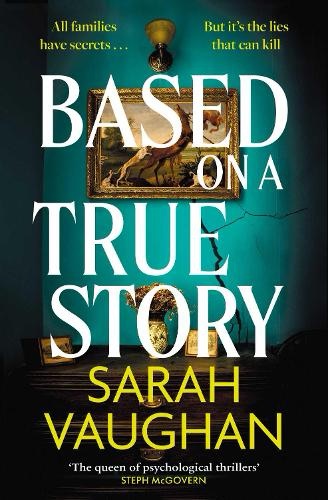
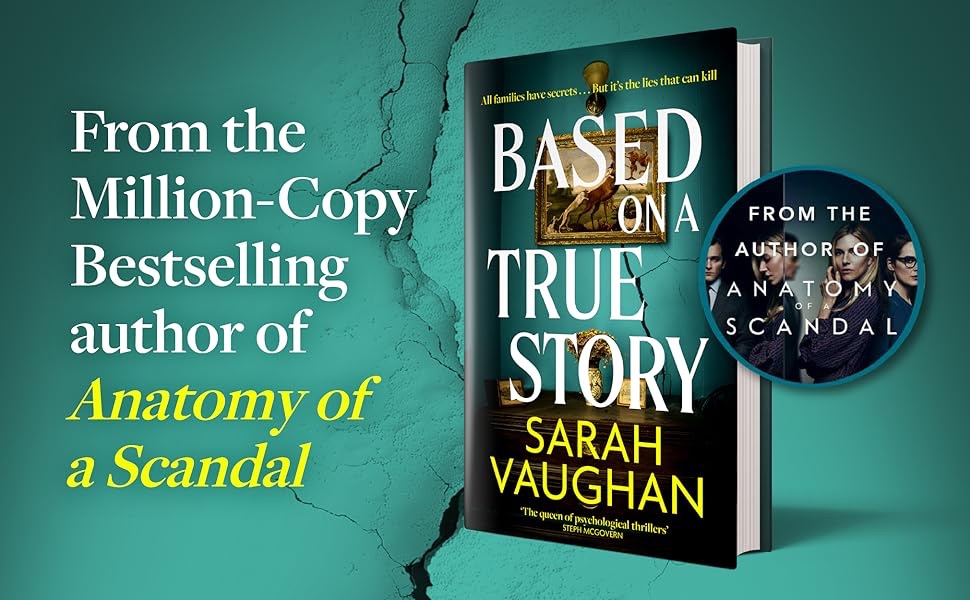
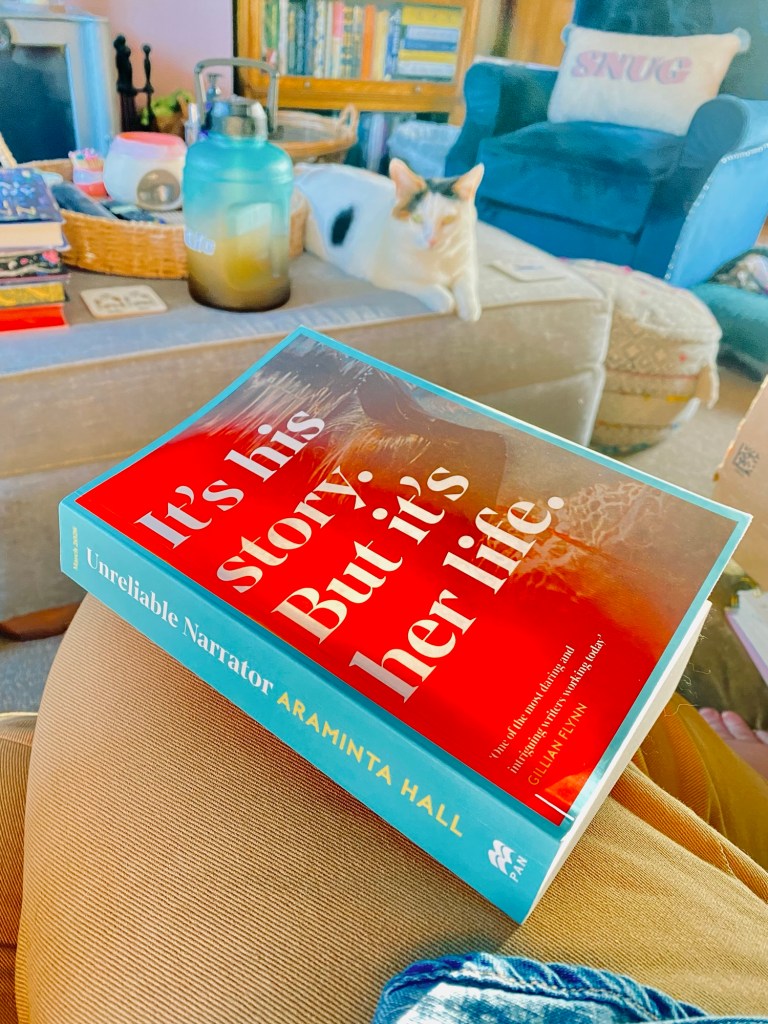

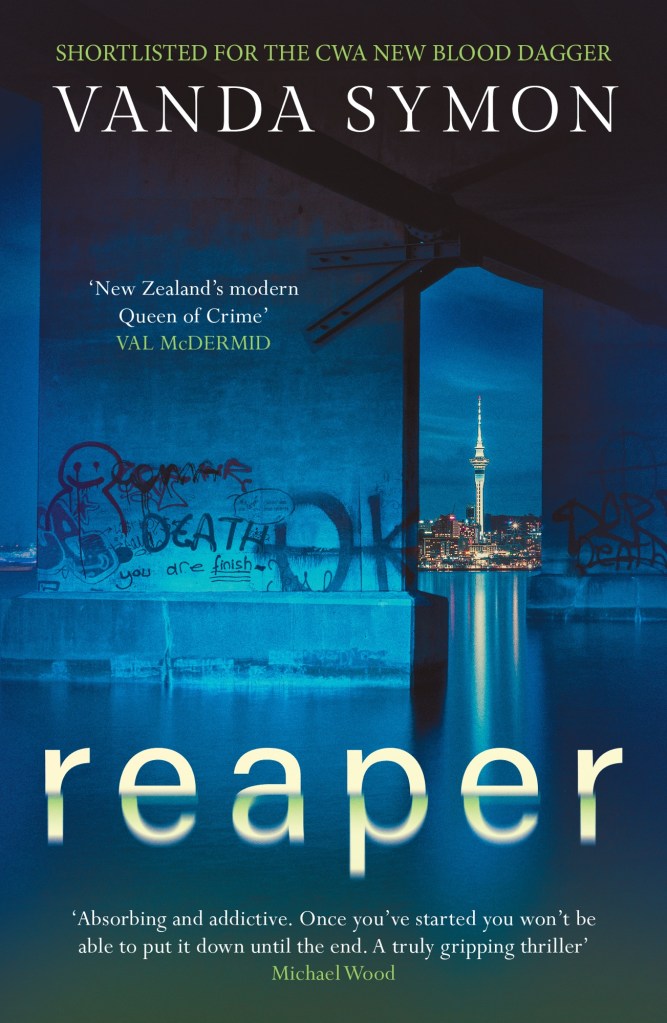
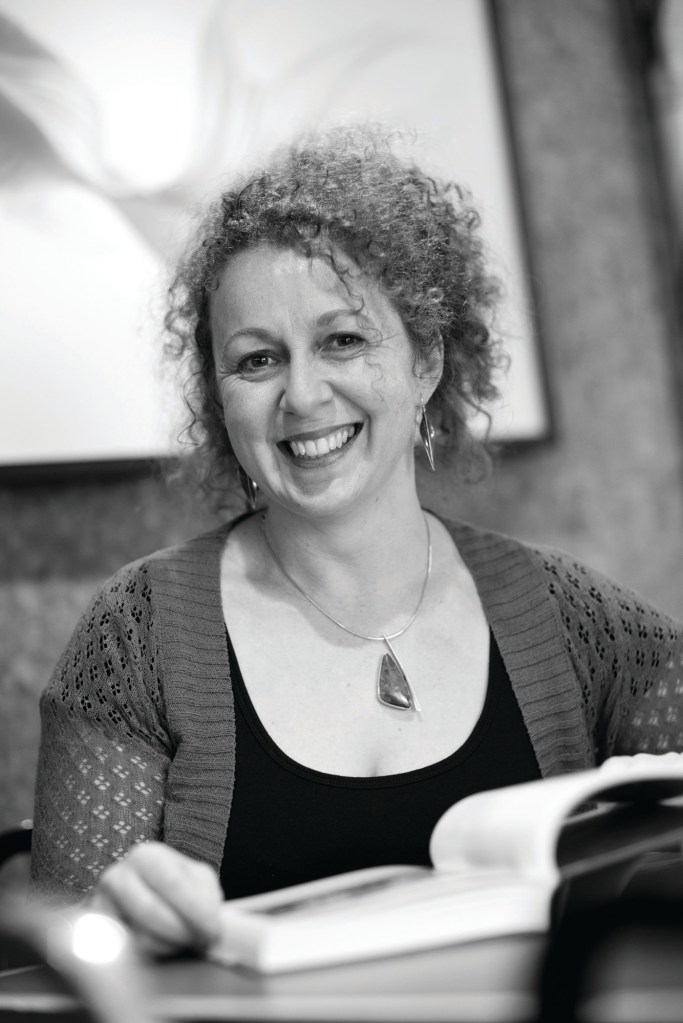

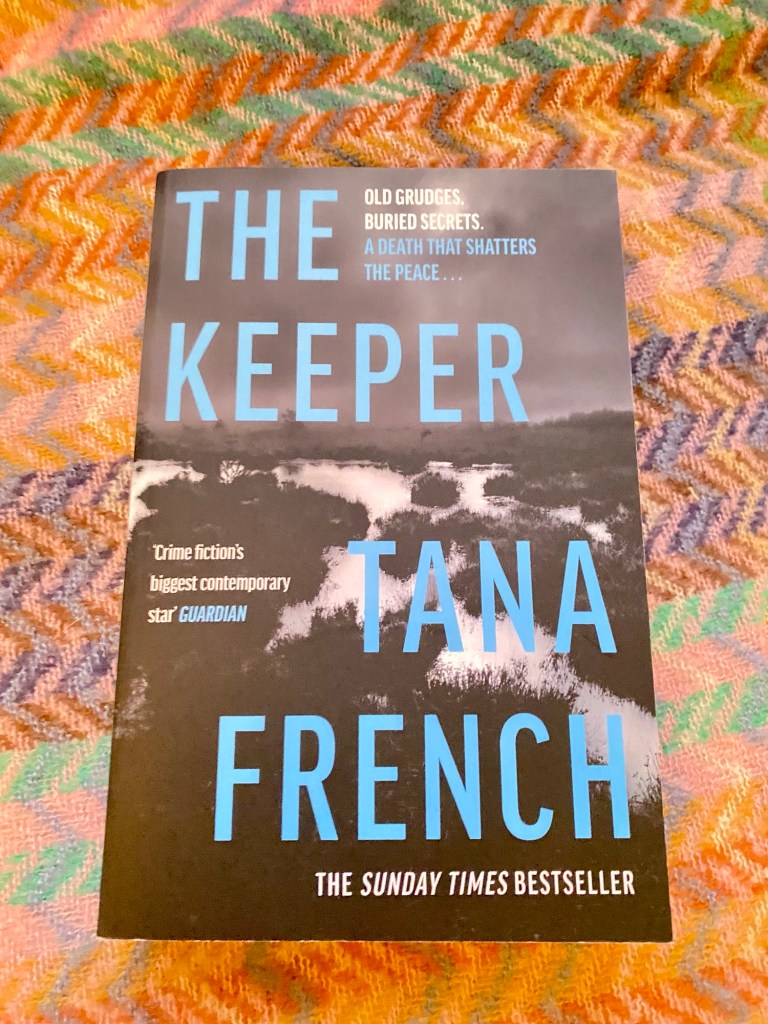
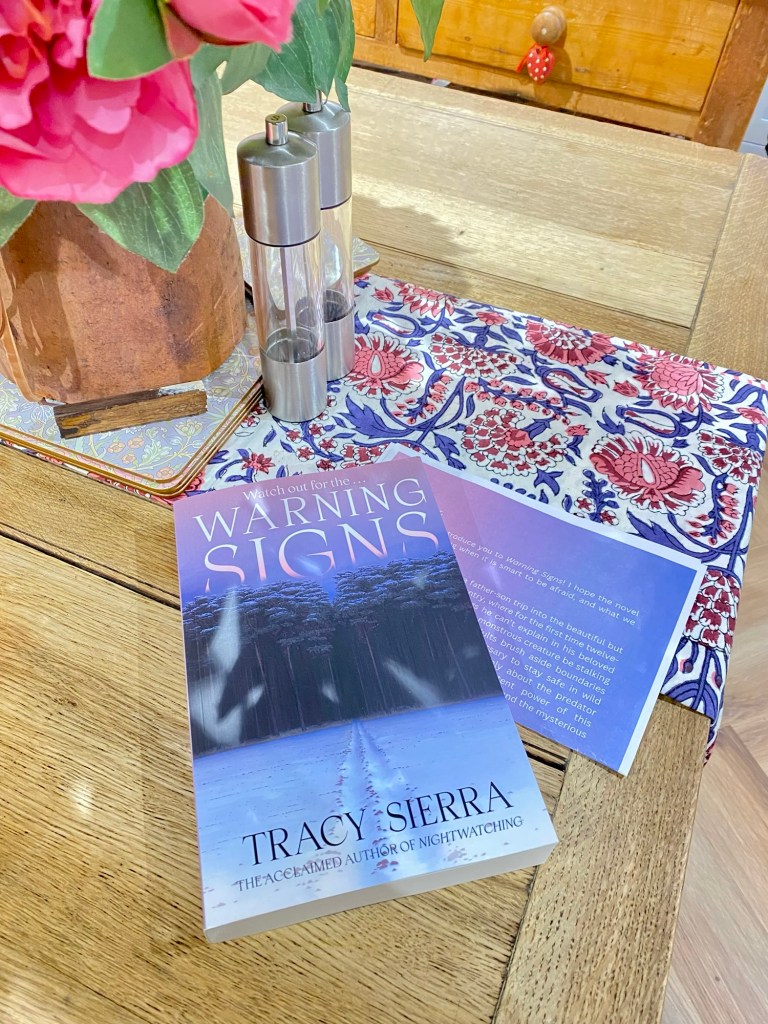
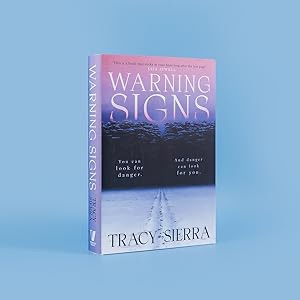
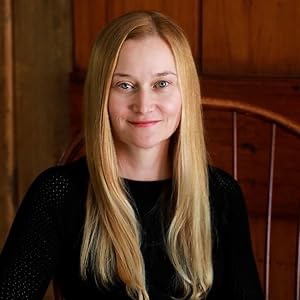
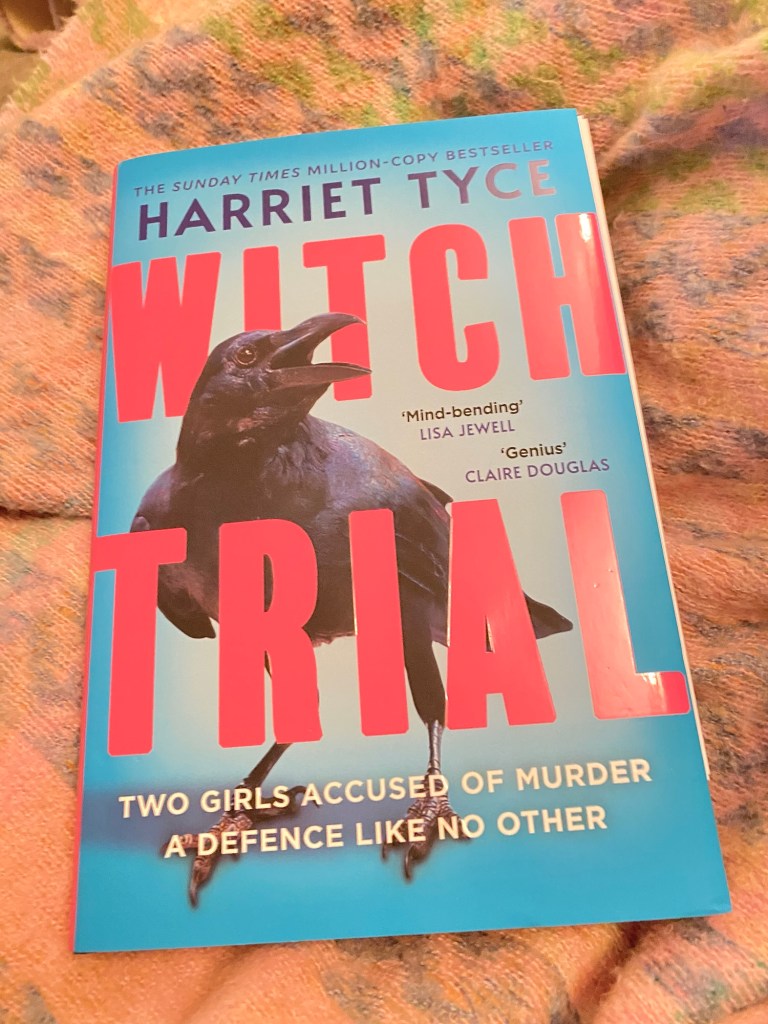

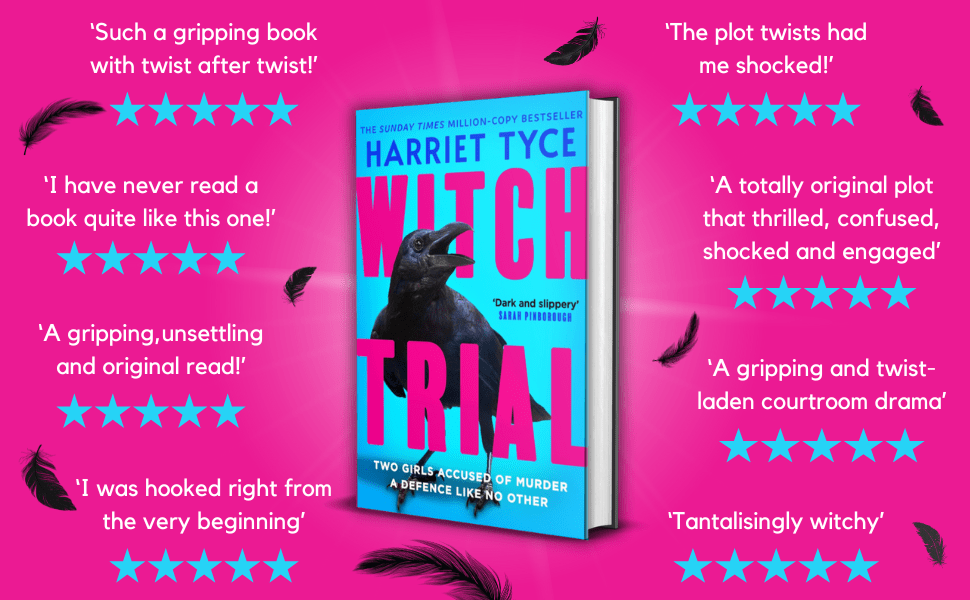
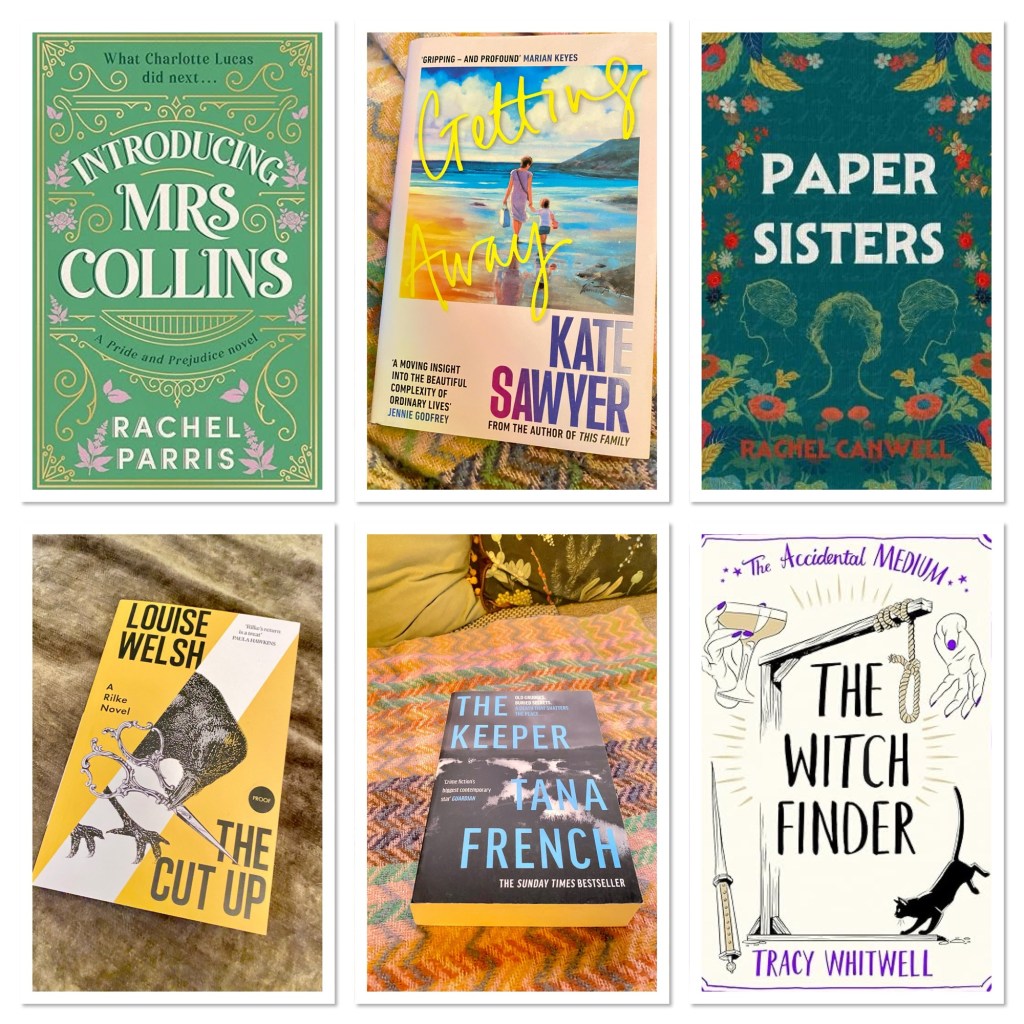
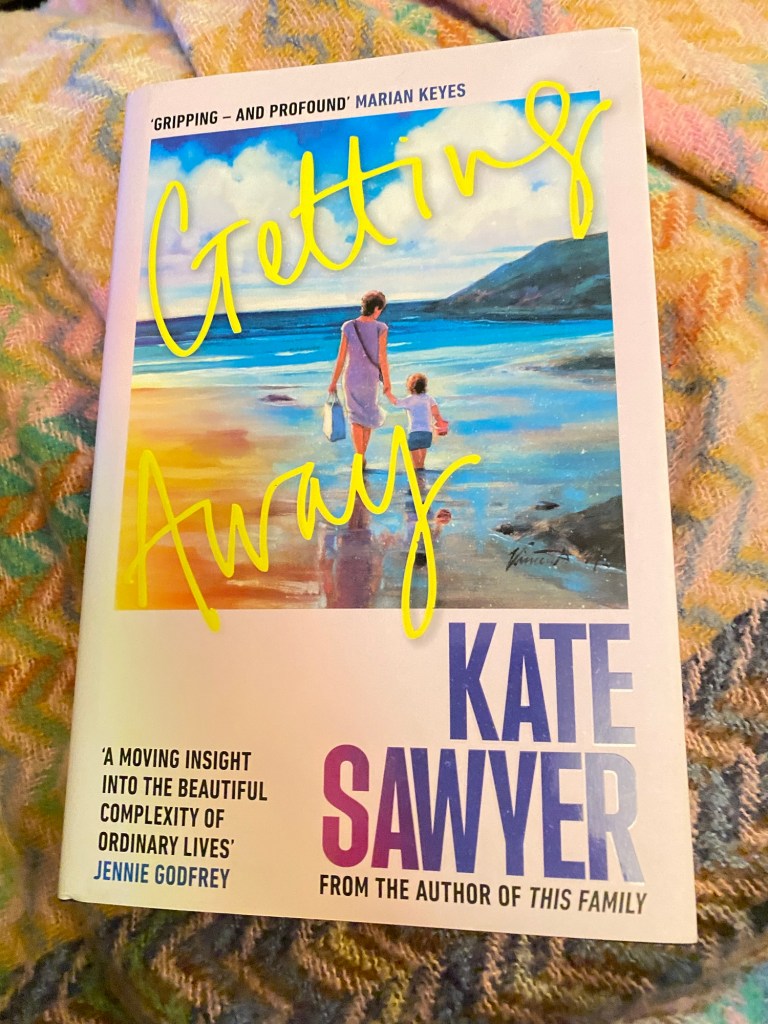
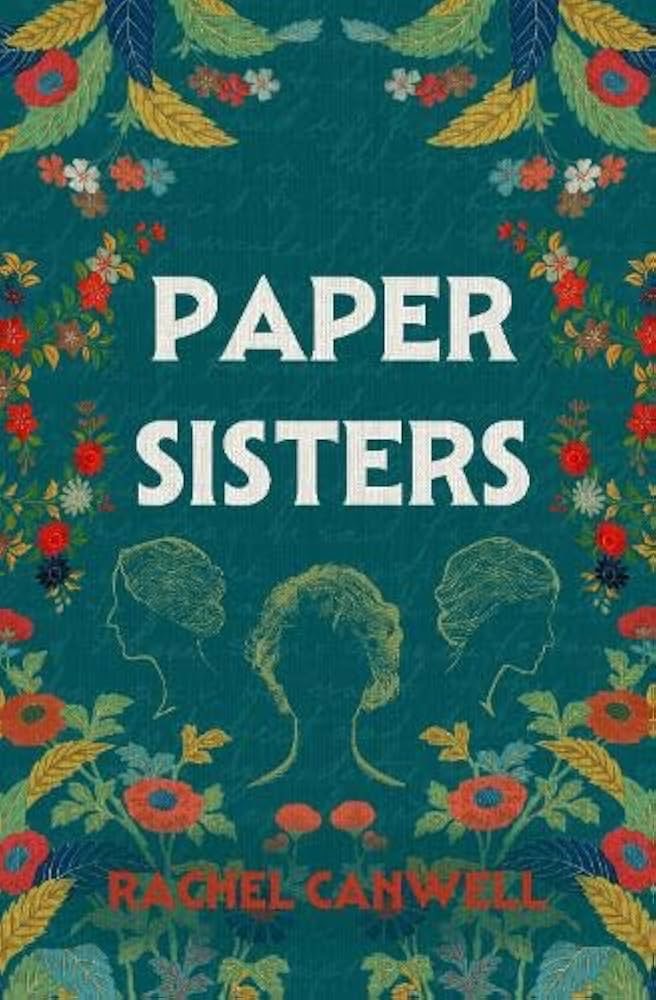
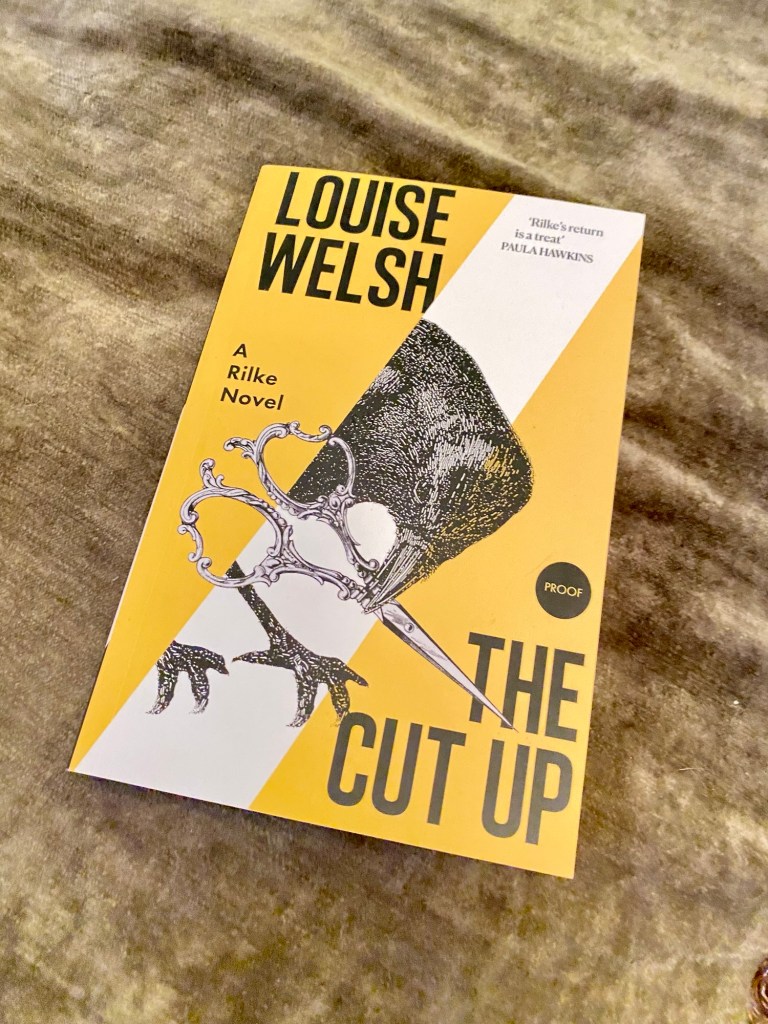
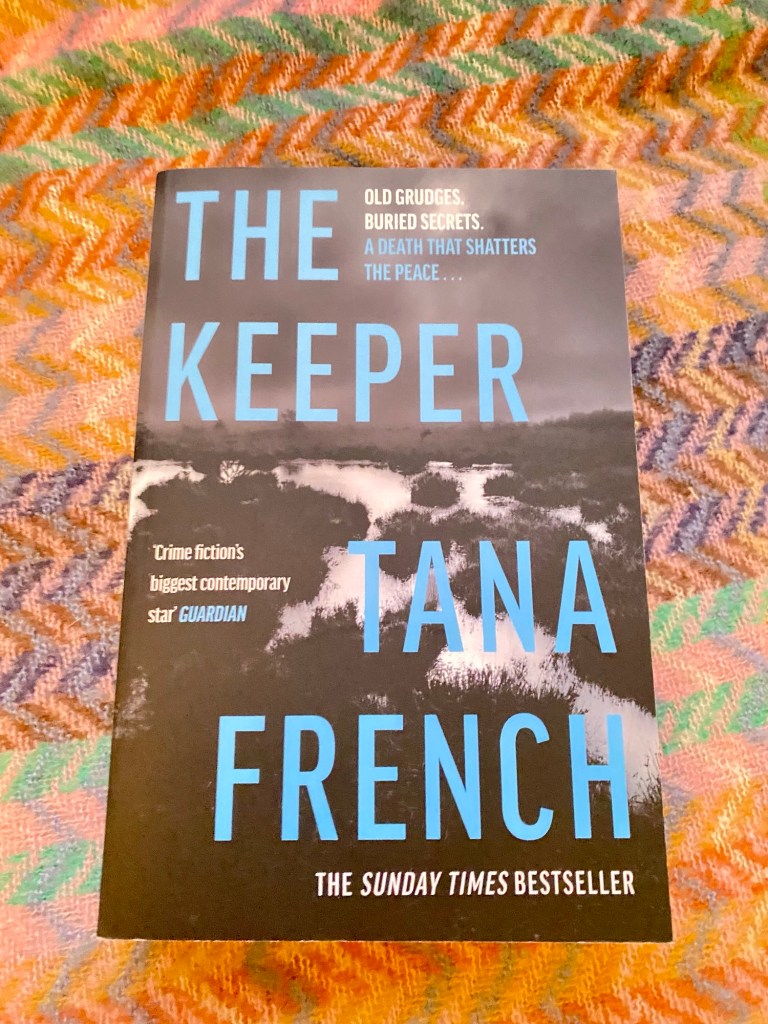
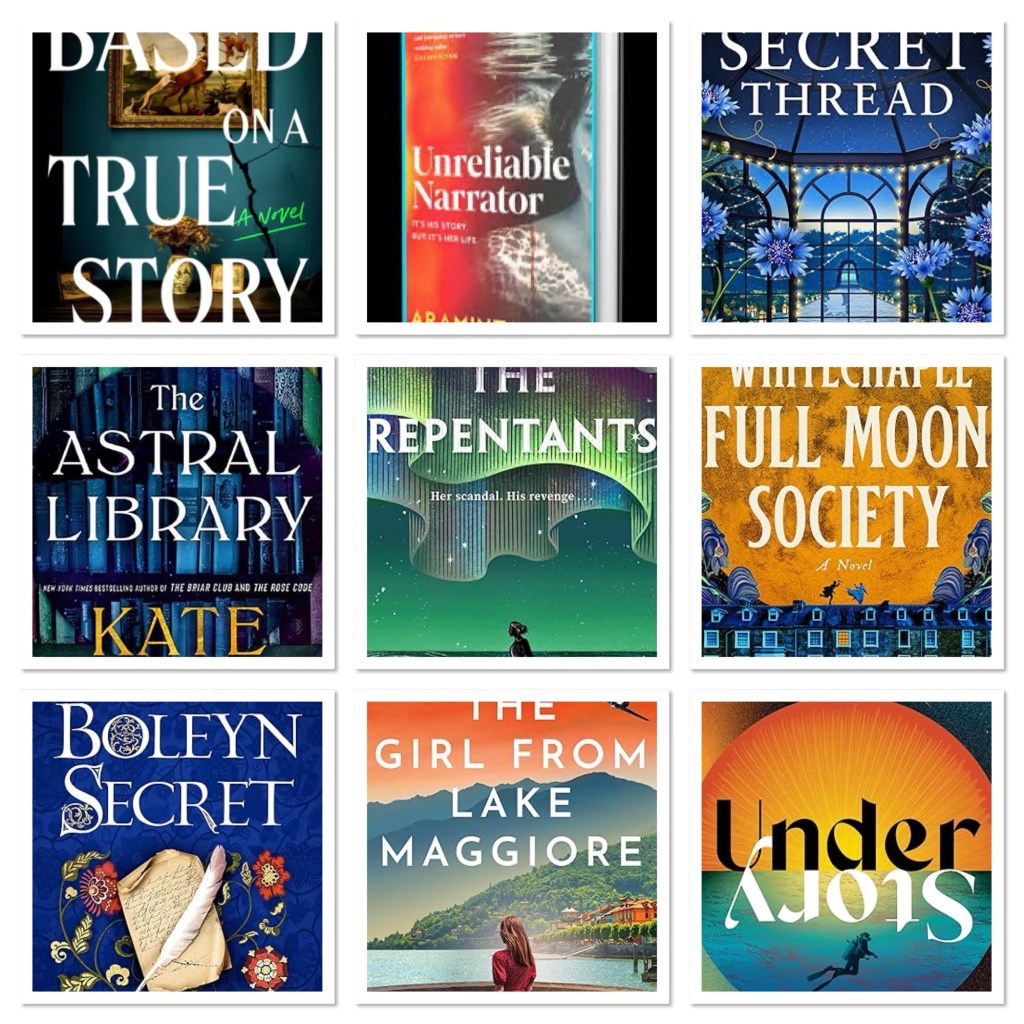
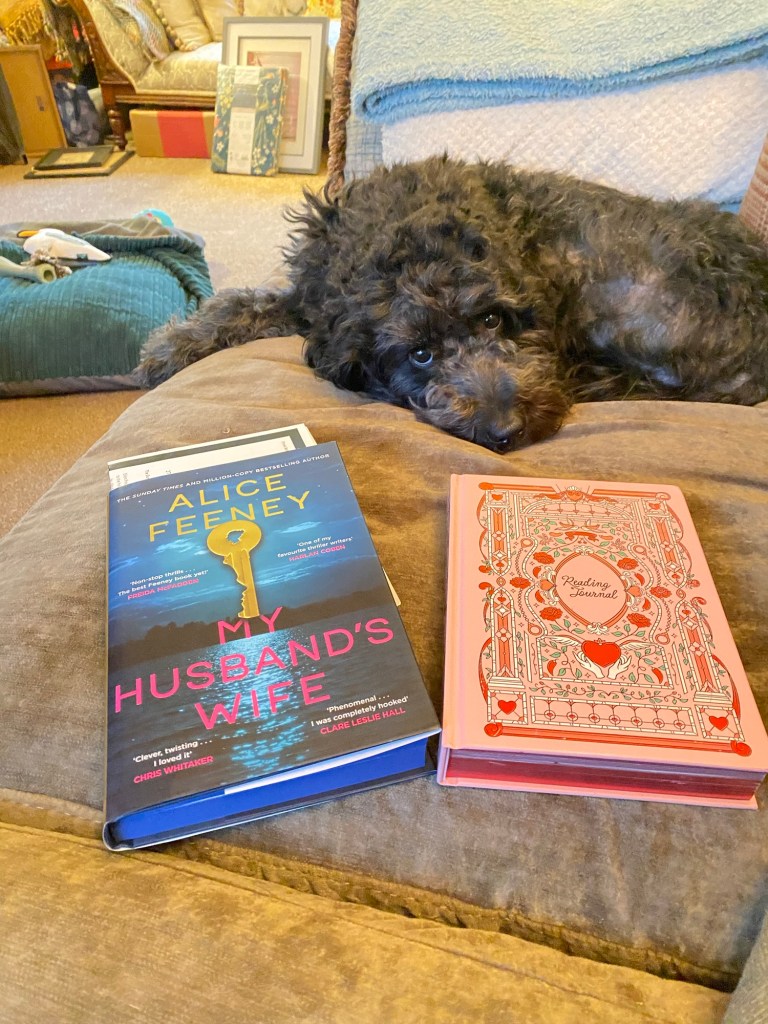
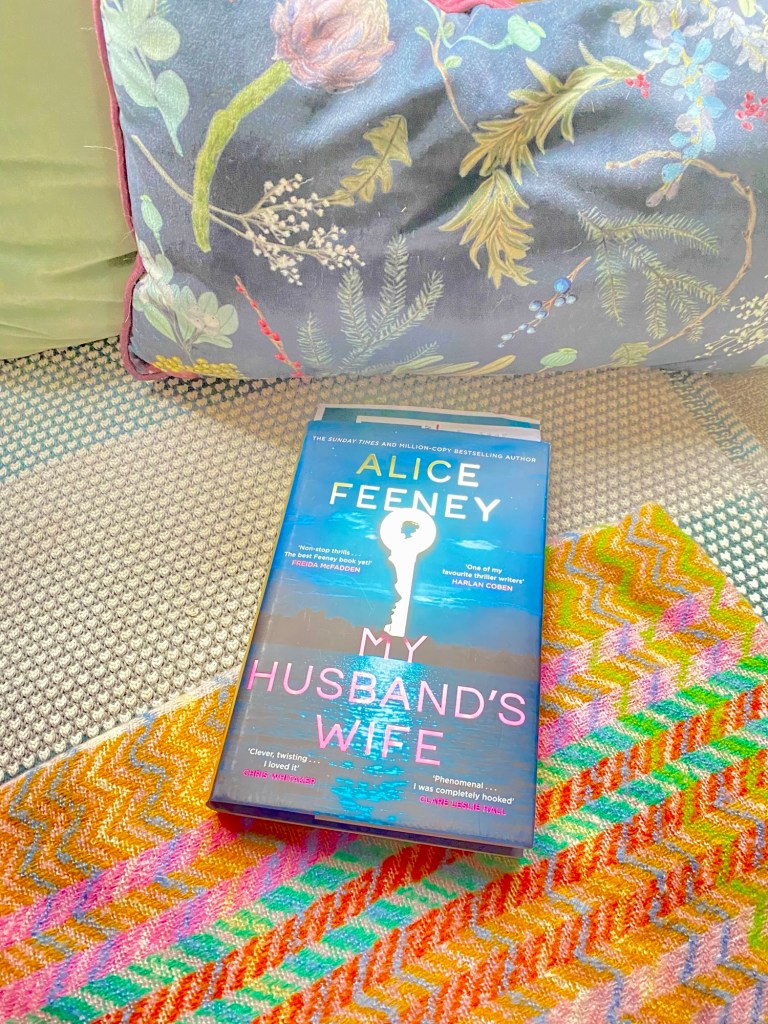

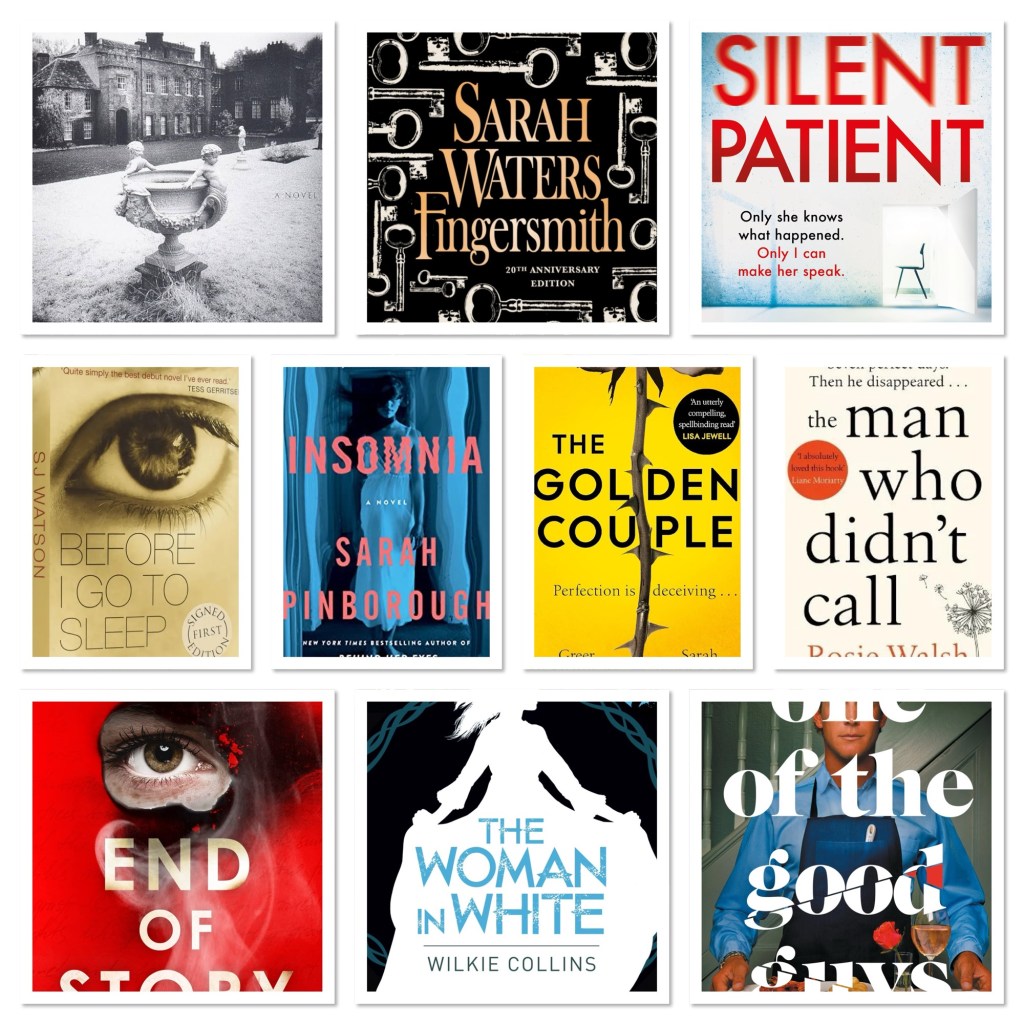
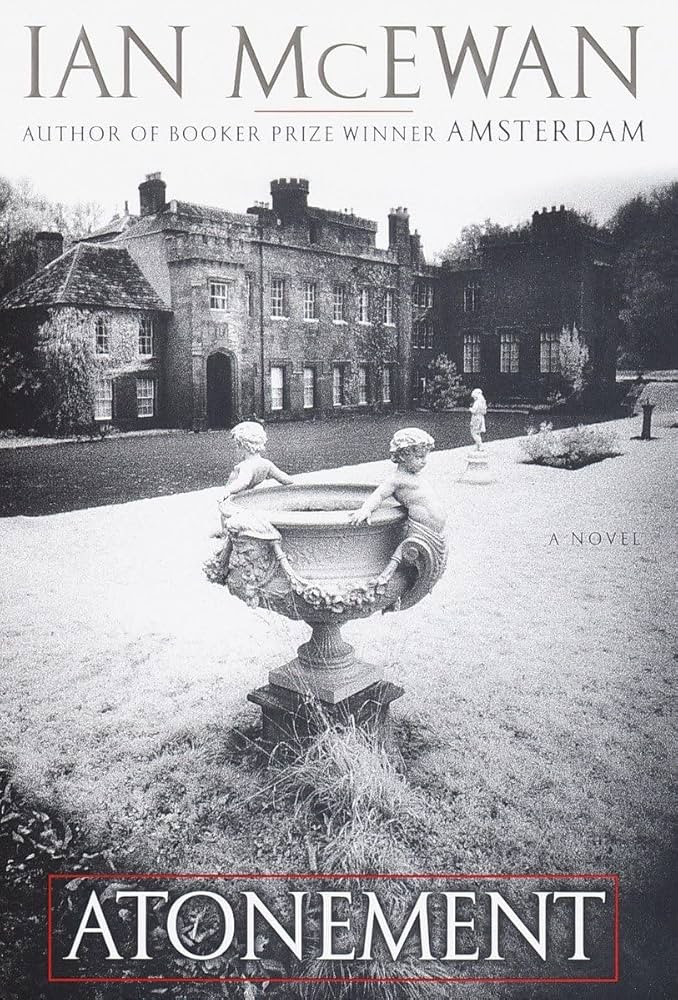
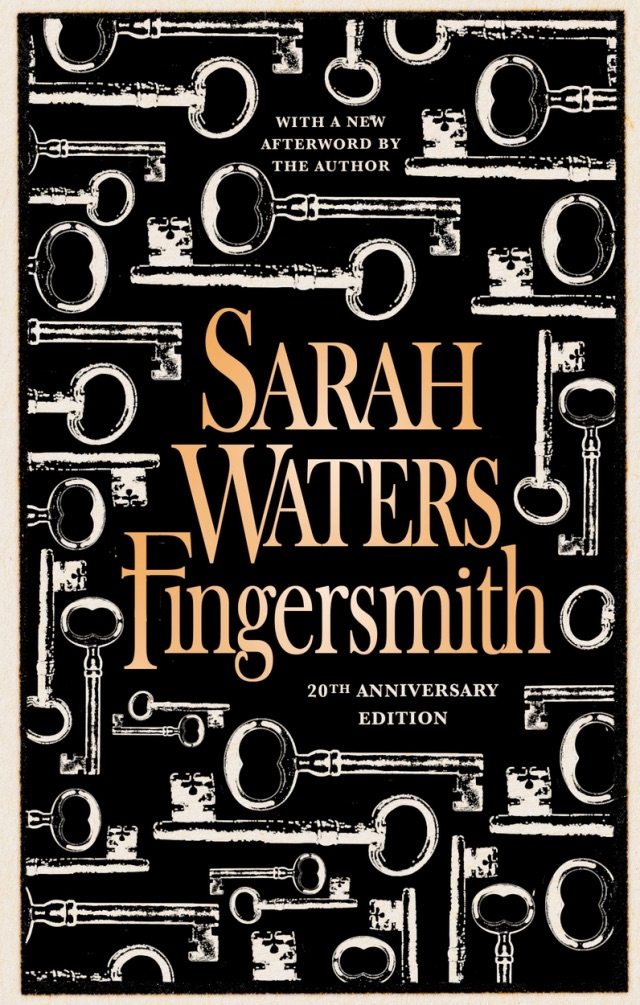
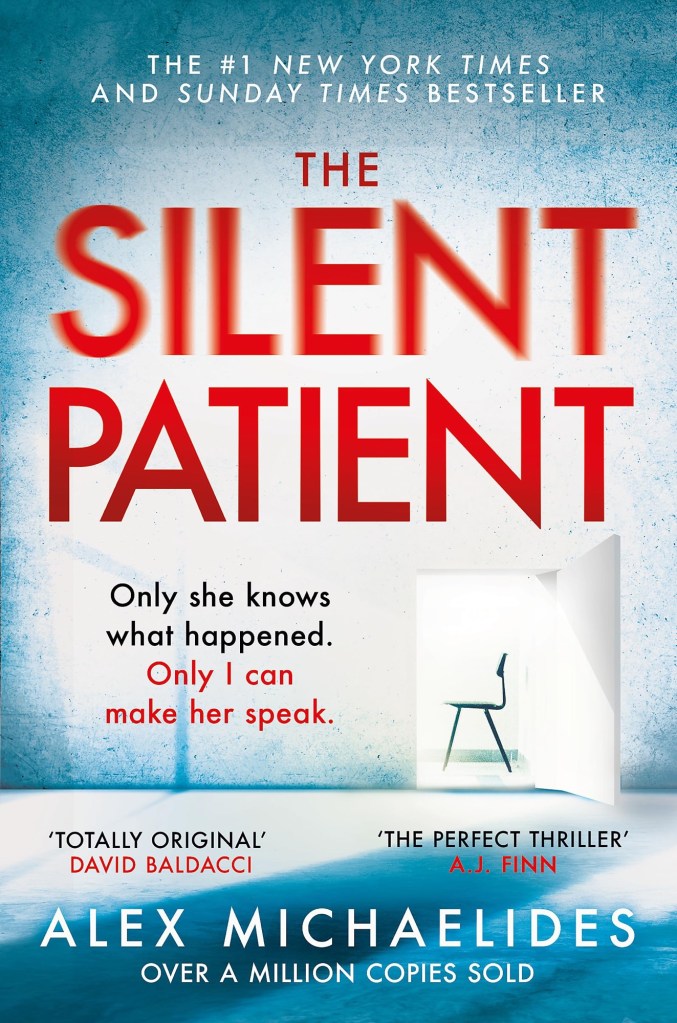
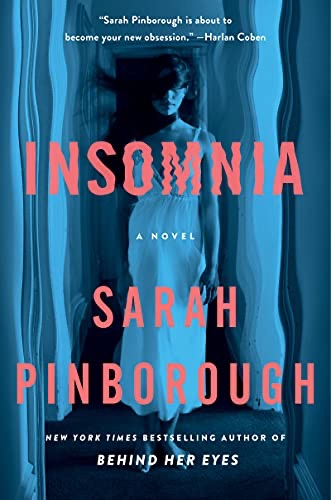
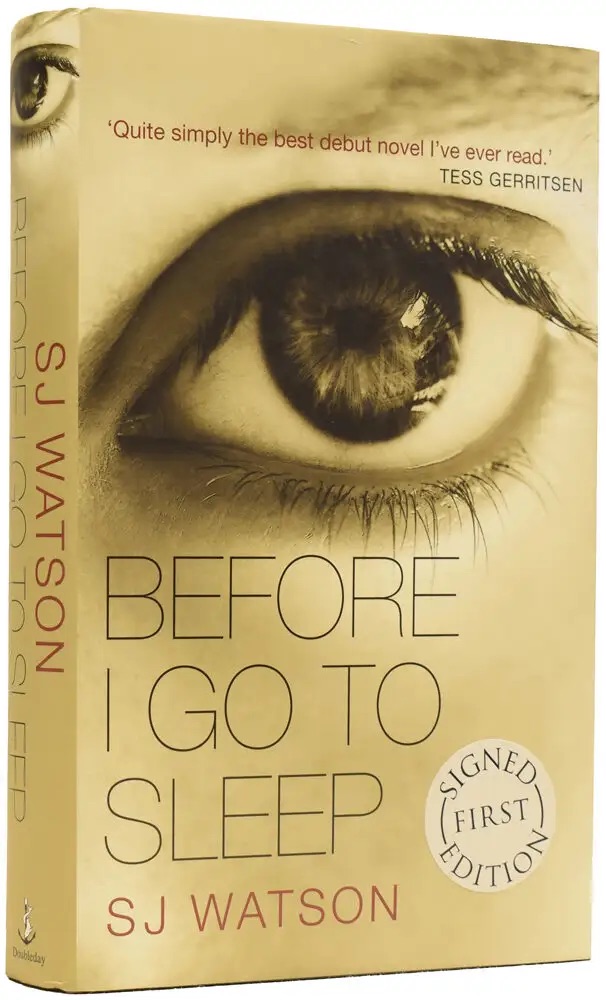
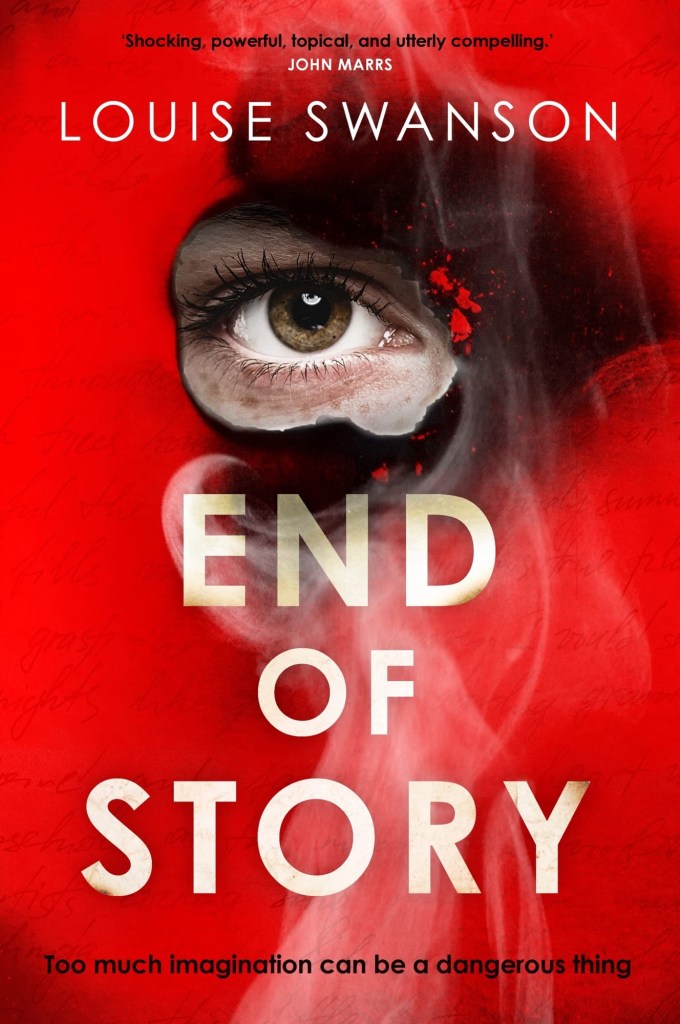
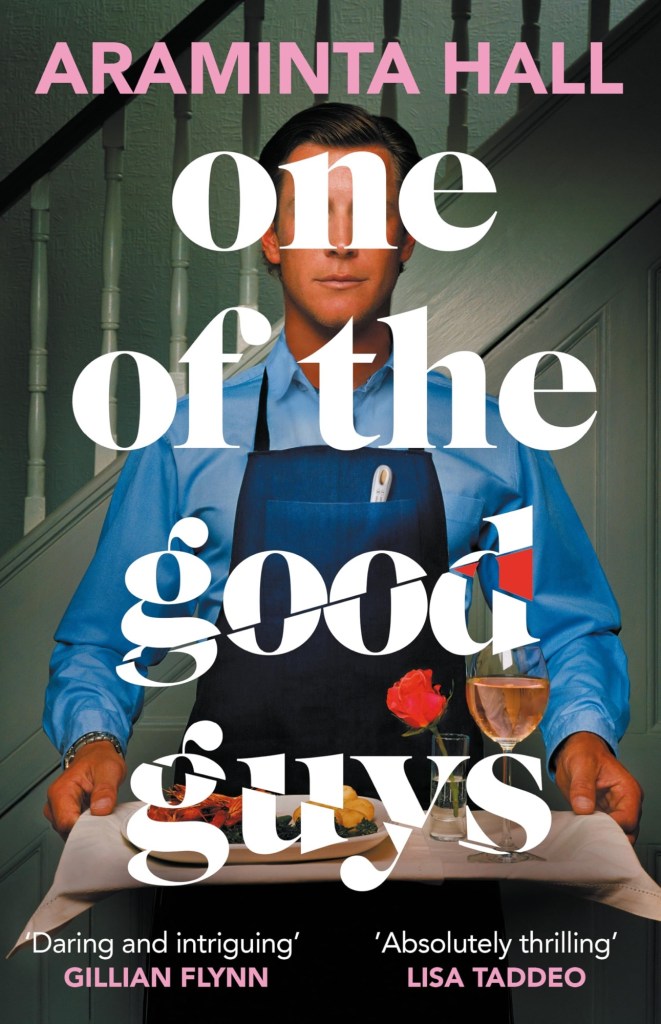
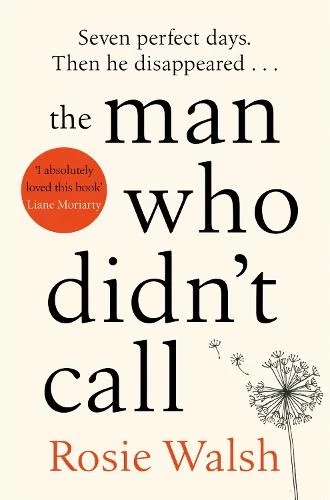
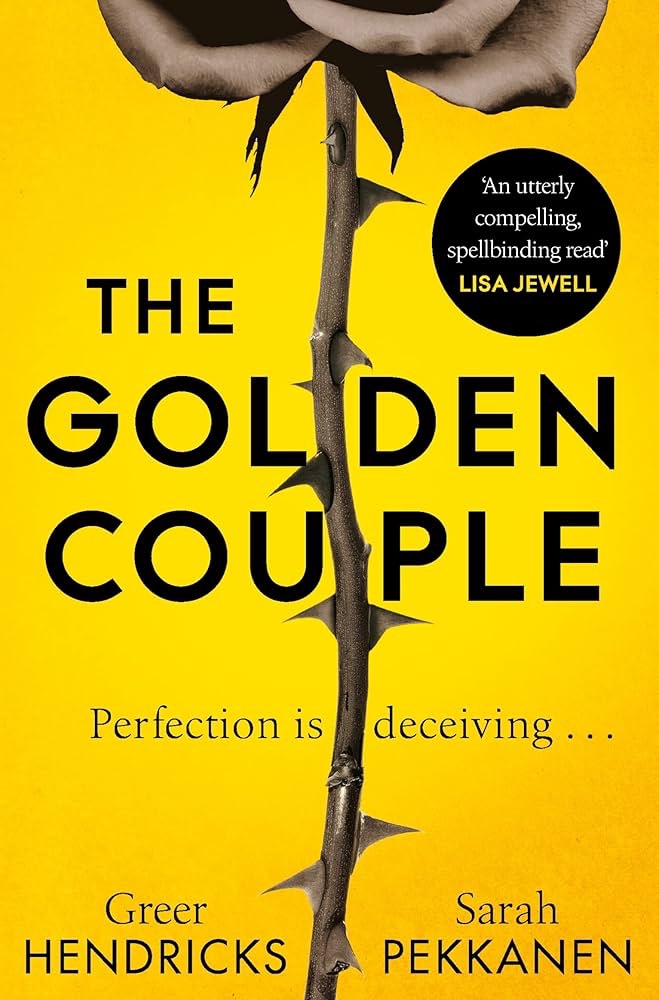
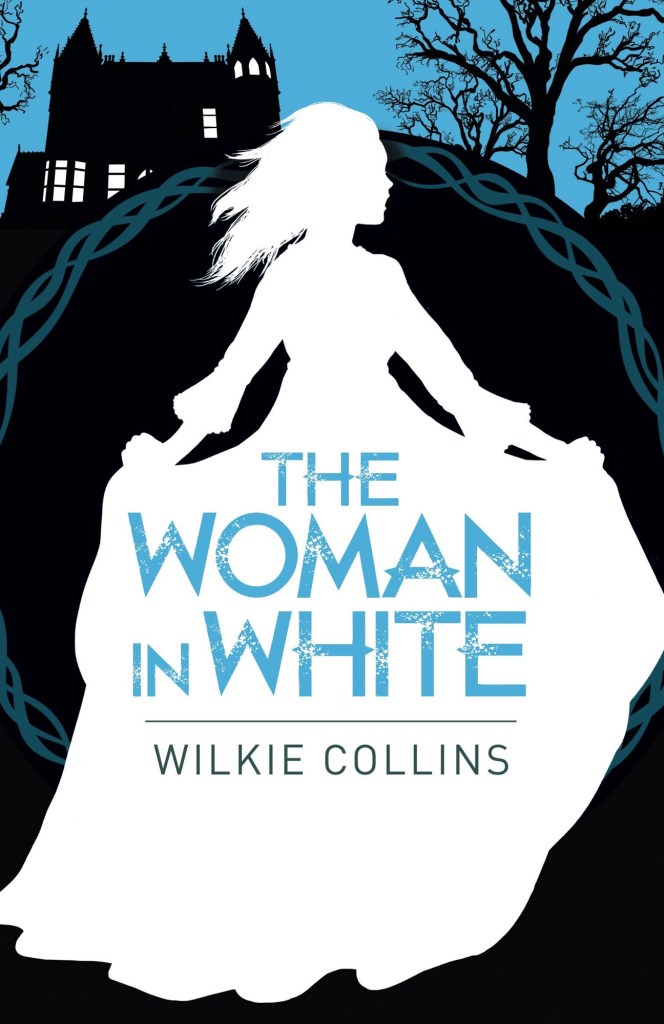
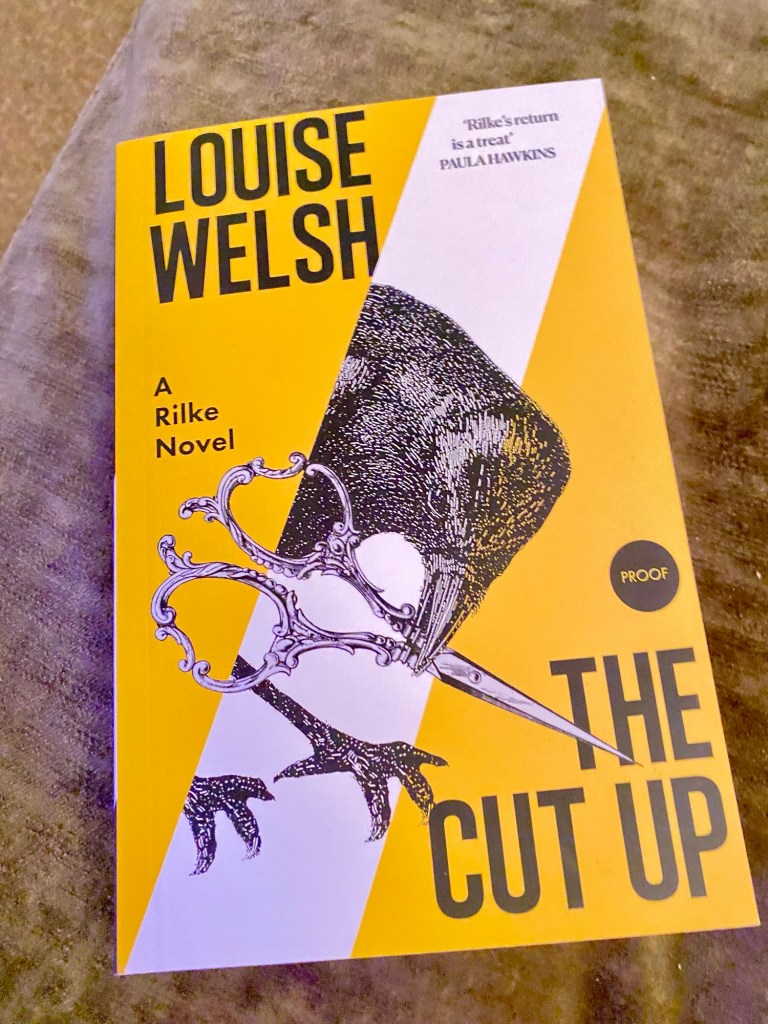
 The Lotus Readers