Maisie spent her early childhood in a ramshackle shed of a house belonging to her foster parents. It isn’t a home though, when the adults in charge are happy to collect the money but not provide the care. The children are cold, hungry and dressed in rags. Luckily she has best friend Tommy to dream about a better future with. One day they find a fairground flyer with a beautiful illustration of a carousel. Maisie keeps it with her and many years later, across the Atlantic Ocean, she meets the carousel again. Her wealthy guardian Sir Malcolm ships it over to America and sits it in the grounds of his mansion. When Maisie decides to hold a party for local children she is so happy to see the carousel being used. It’s finally full of happy smiling faces, but when the ride stops there is one less child on the ride. The little boy on the caramel horse is nowhere to be seen. Maisie finds this particular horse hypnotic, it’s different to the others with the blue diamond decoration on it’s forehead and surrounded by the letters OEHT. She has no idea what it means. Maisie is taken in for questioning, but she’s surprised when a French detective arrives. Someone has already disappeared from this very carousel and a man went to the guillotine, found guilty of murder. Could there be a US accomplice? Or is there something magical about this particular carousel after all?
The novel is set in the early 20th Century and takes us from Paris to Chicago. Maisie certainly has a varied life after such humble beginnings, plucked from the shack by her Aunt Mabel who introduces her to Sir Malcolm and his daughter Catherine. Maisie only just starts to trust her new life when it is ripped away by Spanish influenza. As Maisie slowly recovers, she’s told that both her aunt and new friend Catherine didn’t survive. Maisie is sure she’ll be sent back to her foster home, so she’s surprised when Sir Malcolm asks if she’d like to accompany him to the USA. He’s bought a large house and land near Chicago. Once they’re settled in, Maisie feels like she has a home for the first time and like she has a father figure. I found Maisie smart and resourceful, very capable of helping out with business especially when time has passed since the terrible disappearance of the little boy and they start to discuss a business opportunity. They decide to build a theme park, with the carousel at the centre and call it Silver Kingdom. Maisie throws herself into work and while there’s still the residual trauma of losing her parents and then her aunt, she does start to find her feet. She jumps into the next choice far too quickly at times, but it’s an instinct born of trauma. The anxiety of feeling unsafe is too much so she is vulnerable to people who prey on that and makes bad choices.
She also struggles with fitting in. She is often asked about her heritage because of her dark complexion, but having no memory of her parents she can’t answer. The milk lady, Mrs Papadopolous, says she’s Greek. The fairground runners think she might be one of them, or possibly Italian. She feels rootless, as if a wind might whisk her away at any moment. Continuation and motherhood are themes that run throughout and the women made an impression on me. Mrs Papadopolous is warm and loving towards Maisie, giving her a sense of belonging by saying that home isn’t a place, it’s knowing who you are. There’s also a fortune teller who is always keen to tell Maisie her future, but notices that she’s the only person on the fairground who’s never asked. She makes is clear that Maisie does need to be on her guard, especially where the fairground is concerned. Whereas Sir Malcolm’s sister-in-lane seems to pit herself against Maisie from the start. Perhaps always expecting to inherit his money, she is put out by this orphan who seems to have usurped them. Nancy struggles to conceive and doesn’t cope, descending into alcoholism and bitterness. When Maisie is pregnant the rivalry worsens although she does try to be gentle, knowing that she has everything Nancy wants.
A love story weaves through the mystery very well, with all the traditional obstacles and absences you would expect. There were times I was screaming at Maisie to open her post! Especially when there were misunderstandings and having the whole picture was dependent on the next letter. Her love for Laurent is all encompassing, that once in a lifetime love that lasts forever. They do miscommunicate a lot, mainly due to not expressing their true feelings or not being free. The ‘will they – won’t they’ does last years and I so wanted them to find a way back to each other. There were some parts where I was so engrossed in the romance that I totally forgot there was a mystery to solve. There was also her husband’s bootlegging, the search for Maisie’s birth parents, the drama surrounding a character’s will and each of these strands did take my mind away from the central case a little. After the carousel claims another victim, Maisie decides to encase the caramel horse in glass, so no one else can ride it. I was so looking forward to a magical explanation or for the mystery never to be solved. I wanted to see Maisie’s original vision realised. When she first rode the horse she had a vision or hallucination with stars and what she thinks might be a glimpse of another time or dimension. It was this magical element that kept me reading, rather than an urge to solve the case. That said, the author found a way to do both leaving me with a sense of satisfaction but also a little touch of intrigue.
Out now from Penguin Michael Joseph
Meet the Author
Fiza Saeed McLynn is a British novelist born in Karachi to an English mother and a Pakistani father. She moved to London as a child. After reading Modern History at Oxford University, she had a brief career in finance and then spent the next twelve years helping the bereaved as part of her work as a complementary therapist. Fiza now writes full time from her home in London, which she shares with her American husband, and two children.
Beautiful and mysterious Venice has been the backdrop for many stories. It’s beauty, endless winding streets and romantic canals inspire the creativity in film-makers, musicians, artists and writers. Vivaldi, Byron, John Ruskin all fell in love with it’s charms.
The first book that placed Venice on my travel list was What Katy Did Next by Susan Coolidge. I’d read the earlier books in the series, but read this when I was in hospital. I broke my back when I was eleven and I was laid flat for a long time and devoured all sorts of books. I felt an affinity with Katy who had her own accident at the end of the first book, falling from a broken swing. As an adult she’s employed as a companion and nanny for a woman travelling with her young daughter. Their last stop is Venice and the carnival. I remembered Katy sitting on their hotel balcony watching a procession and having sweets and trinkets thrown up to her by the passing revellers. Of course the darker side of carnival and the eeriness of the city didn’t occur to me until I was much older, but that’s the city’s magic I think, the beauty and the decay. Here are a few of my favourite books that feature Venice:
Venice Classics
This edition contains five stories of suspense, mystery and slow, creeping horror, Daphne Du Maurier’s Don’t Look Now and Other Stories includes an introduction by Susan Hill, author of The Woman in Black and her own novella set in Venice The Man in the Picture.
John and Laura have come to Venice to try and escape the pain of their young daughter’s death. But when they encounter two old women who claim to have second sight, they find that instead of laying their ghosts to rest they become caught up in a train of increasingly strange and violent events. It makes the reader the third person in the couple’s marriage, let into their innermost thoughts and intimate moments. The atmosphere she creates leaves the reader uneasy and unsure. Then that totally unexpected ending hits you right in the gut.
I thought of this cover when I took the main picture. Milly Theale, an American heiress in London, is young, hungry for life, and terminally ill. There she meets the dazzling beauty Kate Croy. Unbeknownst to Milly, Kate is madly in love with an old acquaintance of hers, Merton Densher, a young journalist who has everything a woman could want—except money.
Intensely aware of her new friend’s fate and coveting her fortune, Kate secretly spurs Merton to seduce and marry Milly. But their scheme to inherit her wealth does not go according to plan, and Kate and Merton learn that deceit alters love, and love, deceit. This is a novel that needs perseverance, but is rewarding for people who enjoy character driven fiction that takes it’s time. There are no action sequences here, just manipulation and a lot of passive aggression as Milly slowly tortures Kate and Merton with her forgiveness.
Historical Fiction
Venice, 1486
Here I have to share two of my favourite novels of last year. The first is Tracy Chevalier’s The Glassmaker. Across the lagoon lies Murano. Time flows differently here – like the glass the island’s maestros spend their lives perfecting.
In secret, Orsola Rosso learns to craft glass. As a woman, she must flout convention to save her family from ruin. We follow her through hundreds of years of war and plague, tragedy and triumph, love and loss. Skipping like a stone across the centuries, The Glassmaker is a virtuoso portrait of a woman, a family and a city that are as everlasting as glass. I absolutely loved this novel that takes us from the 15th Century to the present, which also happens to be Orsola’s life span. I loved the strength and adaptability of this incredible young woman, who makes herself a vital part of her family’s glassmaking business.
I was bowled over by this gorgeous debut from Harriet Constable about Anna Maria Della Pieta. A young woman who was left with the nuns at a Venice orphanage when she was just a baby. Anna Maria may have no name, no fortune, no family. But she has her ambition, and her talent.
Anna is a sparkling ball of energy and ambition. Her best hope lies in her teacher, Antonio Vivaldi. Soon she is his star pupil. But as Anna Maria’s star rises, not everyone is happy. Because Anna Maria’s shining light threatens to eclipse that of her mentor…
She will leave her mark, whatever it takes. Her story will be heard. This is an incredible novel, woven around a real person that brings 17th Century Venice to vivid life.
Crime Fiction
I started reading the Commissario Brunetti series after I’d been to Venice for the first time and it was great to read about a character who lives in modern Venice. I’d felt that contradiction: the gratitude for being able to visit the city, whilst also acknowledging the damage the sheer amount of visitors are doing to the city. There are less Venetian born residents of the city every year. Something that saddens me, but doesn’t quell that urge to visit again. Here I could read about someone living everyday life in that city. My other reason for reading this was that my hotel was in a piazza behind La Fenice and we decided to cut behind the opera house to find a quicker route. When it is dark, there is nothing creepier than those tiny little streets behind La Fenice!
The twisted maze of Venice’s canals has always been shrouded in mystery. Even the celebrated opera house, La Fenice, has seen its share of death … but none so horrific and violent as that of world-famous conductor, Maestro Helmut Wellauer, who was poisoned during a performance of La Traviata. Even Commissario of Police, Guido Brunetti, used to the labyrinthine corruptions of the city, is shocked at the number of enemies Wellauer has made on his way to the top – but just how many have motive enough for murder? The beauty of Venice is crumbling. But evil is one thing that will never erode with age.
Phillip Gwynne Jones’s Nathan Hunt series is set in Venice, where Hunt is Great Britain’s Honorary Consul and finds himself drawn into the world of crime. This time he’s asked by the British Ambassador to look into the death of a British Art Historian called Dr Jennifer Whiteread. On the night of 12 November 2019, the worst flooding in 50 years hits the city of Venice. 85% of La Serenissima is underwater. Gale force winds roar across the lagoon and along the narrow streets. The body of Dr Jennifer Whiteread is found floating in a flooded antique bookshop on the Street of the Assassins. The local police are trying hard to restore order to a city on its knees, Nathan Sutherland – under pressure from the British Ambassador and distraught relatives – sets out into the dark and rain-swept streets in an attempt to discover the truth behind Whiteread’s death.
The trail leads to the “Markham Foundation”, a recent and welcome addition to the list of charities working to preserve the ancient city. Charming, handsome and very, very rich, Giles Markham is a well-known and popular figure in the highest Venetian social circles, and has the ear of both the Mayor and the Patriarch. But a man with powerful friends may also have powerful enemies. And Nathan is about to learn that, in Venice at least, angels come in many forms – merciful, fallen and vengeful. This thriller is part of a series, but can be read as a stand alone thriller with a fantastic and mysterious backdrop.
Non-Fiction
Who hasn’t dreamed, after a particularly mind-numbing meeting, or in the midst of another punishing five-thirty commute, of chucking it all and packing off to the enchanting canals and mysterious alleyways of Venice? Globetrotting writer Paula Weideger not only dreamed the dream; she and her partner actually took the leap. VENETIAN DREAMING charts the course of Weideger’s passionate love affair with one of the world’s most beautiful cities. Weideger opens her book with the wry, mishap-strewn account of the search to find a place to live which eventually takes her to the world famous Palazzo Dona delle Rose, the only palace in Venice continuously occupied by the family that built it. She weaves the past lives of the family Dona with her own present adventures, creating a tapestry that captures at once the grand heritage and imperilled labyrinth as she gives a lively, riveting and eye opening tour of the city. She explores the centuries old streets, meets locals from noblemen to shopkeepers and artists, makes peace with the ghost of Peggy Guggenheim and explains how Ishmael Merchant and James Ivory almost dislodged her from her home, and more.
“Francesco’s Venice”, now available in paperback, is the extraordinary story of the life of this intriguing city, told by a descendant of an old and distinguished Venetian family. Francesco explores Venice’s remarkable history, from the fifth century when the first settlers retreated to the safety of the lagoon and began to create their homes on its tiny islands, through its glorious years as a successful maritime nation, adept at trade, exploration, diplomacy and protecting its independence, to the fragile city of the twenty-first century. He vividly brings to life the places, events and people, including a colourful array of his own ancestors, that have sculpted this living theatre through the ages. Beautifully illustrated with stunning images by John Parker, “Francesco’s Venice” celebrates the mesmerizing beauty and surpising strength of this unique city.
Romantic Fiction
Caroline Grant is struggling to accept the end of her marriage when she receives an unexpected bequest. Her beloved great-aunt Lettie leaves her a sketchbook, three keys, and a final whisper…Venice. Caroline’s quest: to scatter Juliet “Lettie” Browning’s ashes in the city she loved and to unlock the mysteries stored away for more than sixty years.
It’s 1938 when art teacher Juliet Browning arrives in romantic Venice. For her students, it’s a wealth of history, art, and beauty. For Juliet, it’s poignant memories and a chance to reconnect with Leonardo Da Rossi, the man she loves whose future is already determined by his noble family. However star-crossed, nothing can come between them. Until the threat of war closes in on Venice and they’re forced to fight, survive, and protect a secret that will bind them forever.
Key by key, Lettie’s life of impossible love, loss, and courage unfolds. It’s one that Caroline can now make right again as her own journey of self-discovery begins.
Can a city hold the key to happiness?
”This isn”t a mid-life crisis OK? For a start I”m not old enough yet to have one of those. I”m calling it a happiness project. I”ve stolen an entire summer from my life and by the time it”s over I plan to leave this place with a list in my hand. The ten things that make me happy, that”s all I want to know. How difficult can it be? They may be small things – a perfect cup of coffee, a day without rain – or bigger ones. It”s still the beginning so how can I know?”
Addolorata Martinelli knows she should be happy. She has everything she thought she wanted – her own business, a husband, a child. So why does she feel as if something is missing? Then when her restaurant, Little Italy, is slated by a reviewer, she realises that she”s lost the one thing she thought she could always count on, her love of food.
So Addolorata heads to Venice for a summer alone, aiming to find the ten things that make her happy. Once she”s found them, she”ll construct a new life around her ten things, but will they include her life in London?
Three classic tales of childhood on an island paradise – My Family and Other Animals, Birds, Beasts and Relatives and The Garden of the Gods by Gerald Durrell – make up The Corfu Trilogy.
Just before the Second World War the Durrell family decamped to the glorious, sun-soaked island of Corfu where the youngest of the four children, ten-year-old Gerald, discovered his passion for animals: toads and tortoises, bats and butterflies, scorpions and octopuses. Through glorious silver-green olive groves and across brilliant-white beaches Gerry pursued his obsession . . . causing hilarity and mayhem in his ever-tolerant family. This book is joyous and has the reputation of being the only book my brother loved. The Durrells are gloriously eccentric and this trilogy transports you to Corfu so well it’s like taking a holiday.
It is 1941 and Captain Antonio Corelli, a young Italian officer, is posted to the Greek island of Cephallonia as part of the occupying forces. At first he is ostracised by the locals but over time he proves himself to be civilised, humorous – and a consummate musician.
When Pelagia, the local doctor’s daughter, finds her letters to her fiancé go unanswered, Antonio and Pelagia draw close and the working of the eternal triangle seems inevitable. But can this fragile love survive as a war of bestial savagery gets closer and the lines are drawn between invader and defender? Forget the awful film, in which barely anyone was Greek, and pick this up if you haven’t already. Not only is it a great chronicle of WW2 in Greece, but it is a touchingly beautiful love story you’ll want to read again.
‘That summer we bought big straw hats. Maria’s had cherries around the rim, Infanta’s had forget-me-nots, and mine had poppies as red as fire. . .’
I read a recent review where Three Summers was touted as a Greek I Capture The Castle and that draws me in straight away. This is a warm and tender tale of three sisters growing up in the countryside near Athens before the Second World War. Living in a ramshackle old house with their divorced mother are flirtatious, hot-headed Maria, beautiful but distant Infanta, and dreamy and rebellious Katerina, through whose eyes the story is mostly observed. Over three summers, the girls share and keep secrets, fall in and out of love, try to understand the strange ways of adults and decide what kind of adults they hope to become. A beautiful story of growing up, sisterhood and first love.
Retold Myths
Now that all the others have run out of air, it’s my turn to do a little story-making . . . So I’ll spin my own thread.
Penelope. Immortalised in legend and Greek myth as the devoted wife of the glorious Odysseus, silently weaving and unpicking and weaving again as she waits for her husband’s return from the Trojan war.
Now Penelope wanders the underworld, spinning a different kind of thread: her own side of the story – a tale of lust, greed and murder. This is one of the first novels to write back to Greek Myth, to tell the story of a sidelined character in the tale of Odysseus. Atwood tells a tale of the Trojan War from a feminist perspective, looking through the eyes of Penelope who has no action or agency in the original myth, only appearing as the dutiful wife.
‘So to mortal men, we are monsters. Because of our flight, our strength. They fear us, so they call us monsters’
Medusa is so hard done to who acts like a cautionary tale about the meddling Greek gods. Medusa is the sole mortal in a family of gods. Growing up with her Gorgon sisters, she begins to realize that she is the only one who experiences change, the only one who can be hurt.
When Poseidon commits an unforgiveable act against Medusa in the temple of Athene, the goddess takes her revenge where she can: on his victim. Medusa is changed forever – writhing snakes for hair and her gaze now turns any living creature to stone. She can look at nothing without destroying it.
Desperate to protect her beloved sisters, Medusa condemns herself to a life of shadows. Until Perseus embarks upon a quest to fetch the head of a Gorgon . . .
After ten blood-filled years, the war is over. Troy lies in smoking ruins as the victorious Greeks fill their ships with the spoils of battle.
Alongside the treasures looted are the many Trojan women captured by the Greeks – among them the legendary prophetess Cassandra, and her watchful maid, Ritsa. Enslaved as concubine – war-wife – to King Agamemnon, Cassandra is plagued by visions of his death – and her own – while Ritsa is forced to bear witness to both Cassandra’s frenzies and the horrors to come.
Meanwhile, awaiting the fleet’s return is Queen Clytemnestra, vengeful wife of Agamemnon. Heart-shattered by her husband’s choice to sacrifice their eldest daughter to the gods in exchange for a fair wind to Troy, she has spent this long decade plotting retribution, in a palace haunted by child-ghosts.
As one wife journeys toward the other, united by the vision of Agamemnon’s death, one thing is certain: this long-awaited homecoming will change everyone’s fates forever. This is a brilliant retelling of a myth we know so well and the reality of war from a female perspective.
Crime Fiction
Mykonos had always had a romantic reputation, until the body of a female tourist was found on a pile of bones under the floor of amountain church. The island’s new police chief starts finding bodies, bones and suspects almost everywhere he looks. This thriller has a great atmosphere, is perfect for readers who love a good mystery and also Greek legends, which the author weaves throughout her story. The reader is firmly on the side of the heroine, trying desperately to escape her fate. You will also be rooting for Inspector Kaldis, who was recently demoted from Athens to the isle of Mykonos. He’s trying to avoid the political pitfalls on the island as he pursues the Killer, whose identity is not revealed until the end of the story. This is a fun one for the reader to speculate on as the action builds to a nail-biting climax. Highly enjoyable and addictive.
SOMEONE’S POISONING PARADISE
Detective Inspector Jack Dawes is travelling to a tiny Greek island with wife Corinne, ready for a bit of sun, sea and sand.
However, one of their fellow travellers is a ruthless killer. When a storm destroys the island’s primitive communications, cutting it off from civilisation, people begin to panic. One victim is poisoned, followed swiftly by another. Then a woman is found in a grotto to St Sophia, the island’s patron saint. She is badly beaten. It feels as if the island’s visitors are being picked off one by one. Can Jack uncover the truth before the killer ups the ante?
Who will return home — and who will be sacrificed to the island?
Historical Fiction
It’s May 1941, when the island of Crete is invaded by paratroopers from the air. After a lengthy fight, thousands of British and Commonwealth soldiers are forced to take to the hills or become escaping PoWs, sheltered by the Cretan villagers.
Sixty years later, Lois West and her young son, Alex, invite feisty Great Aunt Pen to a special eighty-fifth birthday celebration on Crete, knowing she has not been back there since the war. Penelope George – formerly Giorgidiou – is reluctant, but is persuaded by the fact it is the 60th anniversary of the Battle. It is time for her to return and make the journey she never thought she’d dare to. On the outward voyage from Athens, she relives her experiences in the city from her early years as a trainee nurse to those last dark days stranded on the island, the last female foreigner.
When word spreads of her visit, and old Cretan friends and family come to greet her, Lois and Alex are caught up in her epic pilgrimage and the journey which leads her to a reunion with the friend she thought she had lost forever – and the truth behind a secret buried deep in the past…
Victoria Hislop is the Queen of fiction set on the Greek Islands, ever since her book The Island
25th August 1957. The island of Spinalonga closes its leper colony. And a moment of violence has devastating consequences.
When time stops dead for Maria Petrakis and her sister, Anna, two families splinter apart and, for the people of Plaka, the closure of Spinalonga is forever coloured with tragedy.
In the aftermath, the question of how to resume life looms large. Stigma and scandal need to be confronted and somehow, for those impacted, a future built from the ruins of the past.
Victoria Hislop returns to the world and characters she created in The Island – the award-winning novel where we first met Anna, Maria, Manolis and Andreas in the weeks leading up to the evacuation of the island… and beyond. Alexis Fielding longs to find out about her mother’s past. But Sofia has never spoken of it. All she admits to is growing up in a small Cretan village before moving to London. When Alexis decides to visit Crete, however, Sofia gives her daughter a letter to take to an old friend, and promises that through her she will learn more.
Arriving in Plaka, Alexis is astonished to see that it lies a stone’s throw from the tiny, deserted island of Spinalonga – Greece’s former leper colony. Then she finds Fotini, and at last hears the story that Sofia has buried all her life: the tale of her great-grandmother Eleni and her daughters and a family rent by tragedy, war and passion. She discovers how intimately she is connected with the island, and how secrecy holds them all in its powerful grip…
In The Figurine we are taken beneath the dust sheets in the Athens apartment that Helena McCloud has inherited from her grandparents, There she discovers a hidden hoard of rare antiquities, amassed during a dark period in Greek history when the city and its people were gripped by a brutal military dictatorship.
Helena’s fascination for archaeology, ignited by a summer spent on a dig on an Aegean island, tells her that she must return these precious artefacts to their rightful place. Only then will she be able to allay the darkness of the past and find the true meaning of home – for cultural treasures and for herself.
It seems crazy to think of the 1960s as a historical era, but it is now 60 years ago! In this dreamy and bohemian novel, Erica is eighteen and ready for freedom. It’s the summer of 1960 when she lands on the sun-baked Greek island of Hydra and is swept up in a circle of bohemian poets, painters, musicians, writers and artists, living tangled lives. Life on their island paradise is heady, dream-like, a string of seemingly endless summer days. But nothing can last forever.
Romance and Self-Love
Set on the breathtaking island of Andros, The Jasmine Isle is one of the finest literary achievements in contemporary Greek literature. Mina Saltaferou is the despotic wife of a ship’s captain, Savvas Saltaferos. Her tyrannical influence over her two daughters is unquestionable and unrelenting, like nature itself. Tragedy becomes inevitable when Mina’s beautiful, eldest daughter, Orsa, is sentenced by her mother to marry a man she doesn’t love and watch as the man she does love weds another.
I love a family saga and this one spans half a century in the history of modern Greece, this novel explores the solace and joy women find in each other’s company during the insufferably long absences of their husbands, sons, and lovers. The story alternates between descriptions of domestic life and evocations of the world’s seas and ports, as it follows both the men who embark on voyages lasting months and the lives of the women who remain behind
Calli’s world has fallen apart – her relationship is suddenly over and her chances of starting a family are gone. So when she’s sent to write a magazine article about the Greek island of Ikaria, it seems the perfect escape.
Travelling to Crete, where her family is from, Calli soon realizes there is more to discover than paradise beaches and friendly locals. When her aunt Froso begins to share the story of her own teenage heartache, will the love, betrayal and revenge she reveals change Calli’s life forever?
As a young woman, Helena spent a magical holiday at Pandora, a beautiful house in Cyprus – and fell in love for the first time. Now, twenty-four years later and following the loss of her godfather, she has inherited Pandora. And, though it is a crumbling shadow of its former self, Helena returns with her family to spend the summer there.
When, by chance, Helena meets her childhood sweetheart, her past threatens to collide with her present. She knows that the idyllic beauty of Pandora masks a web of secrets that she has kept from her husband and thirteen-year-old son. And that, once its secrets have been revealed, their lives will never be the same . . .
Sophie Keech has it all. A new life in Greece with a handsome man enables Sophie to leave her mundane job and her estranged mum. But four years on, a domineering mother-in-law to be and the reality of living in Greece not being what Sophie imagined, strains her relationship with Alekos.
When her mum is involved in an accident, Sophie jumps at the chance to escape. Time to reassess her life and make amends is sorely needed. Yet an attraction to a good looking and newly divorced man, and a shock discovery, complicates things.
Can Sophie and Alekos’ love survive the distance?
Can one house hold a lifetime of secrets?
Corfu, 1930, the moment Thirza Caruthers sets foot on Corfu, memories flood back: the scent of jasmine, the green shutters of her family’s home ― and her brother Billy’s tragic disappearance years before. Returning to the Greek house, high above clear blue waters, Thirza tries to escape by immersing herself in painting ― and a passionate affair. But as webs of love, envy, and betrayal tighten around the family, buried secrets surface, is it finally time to uncover the truth about Billy’s vanishing?
New To Look Forward To.
Could discovering a family secret encourage Kat to follow her heart?
Shattered by the sudden loss of her twin, Nik, Kat is lost in grief. The comfort of family feels both soothing and suffocating, but everything changes when she inherits a house on the breathtaking Greek island of Agistri from a mysterious uncle she’s never met.
Arriving on Agistri, Kat is mesmerized by its crystalline waters, lush pine forests, and the citrus-scented air. Among the white-washed houses and warm, welcoming locals, she begins to feel her heart heal. The island offers more than solace, sparking courage in Kat to face her loss — and maybe even embrace the spark of unexpected love…
But as she unearths her family’s buried past, Kat must also confront her own fears of belonging, forgiveness — and the possibility of rediscovering happiness in the shadow of heartbreak…
It was a joy to be back in Molly the Maid’s company again. It always takes just a couple of sentences for me to feel like I never left her world. In some ways her life could be seen as unchanged. She’s still Molly, as wholly herself as ever, living in her late grandmother’s flat with her fiancé Juan, chef at the Regency Grand. In other ways things have changed, Molly manages the maids and has become ‘Events Manager’ so she’s definitely gone up in the world at work. Two important events loom in the near future – Molly and Juan’s wedding at City Hall is on the horizon – but today the two darlings of the antique world are filming an episode of their TV show Hidden Treasures in the tearoom of the hotel. Beagle and Brown are known jointly as the Bees. They wear a lot of velvet, bow ties and smoking jackets and are the married presenters of the show that runs like our own Antiques Roadshow. People queue to have their valuables appraised in the hope of either owning a secret masterpiece or appearing on the TV. At the last moment, before they leave the flat that morning, Juan suggests Molly takes her grandmother’s box of treasures, including a highly decorated egg that came to her from the Grimsthorpe estate. When the Bees see this particular treasure their eyes light up. They seem to know immediately that this is very special and they must get it on camera. As the cameras roll they tell Molly that this looks like a lost Russian imperial egg, possibly the prototype for all the ones that followed. It’s one of a kind, decorated with rubies and emeralds by Fabergé himself. It’s worth could be several million dollars. Molly doesn’t seem to take the news in and wants to carry on as normal, but as the clip is shared online it becomes impossible and Mr Preston has to take them home. The couple sit in their flat utterly shell shocked. Will life ever be the same again?
Things go from bad to worse when Molly agrees to auction the egg at the hotel, again run by Brown and Beagle. It might be the only way to return things to normal. She can’t imagine being wealthy and so far has only committed to a slightly larger wedding. As the auction reaches fever pitch, all eyes are on the egg in it’s glass case on the podium. As the hammer goes down at ten million dollars there are celebrations across the room and no one notices, until the Bees draw attention back to the egg, that there’s just an empty case. The author follows this story as the police are called in and an investigations get underway, but between this narrative are chapters from the past. It isn’t long after the auction when Mr Preston reunites Molly with a different relic from the past – her late grandmother’s diary. The ornate key to open it has always been in her grandmother’s cabinet but Molly has never known what it was for and she isn’t ready to open it just yet. We still get the tale though, written directly to Molly in a series of letters. We might learn about her past with Mr Preston, but also why she was estranged from her whole family. We also might find out what might her give up her daughter, Molly’s mother Maggie.
Molly is the heart and soul of the book though and she doesn’t disappoint. She is genuinely flummoxed by people’s reaction after the valuation. As guests and even fellow staff start to photograph her working, Molly just wants to get on. In the main people just want to congratulate her but Cheryl is her usual self, taking and selling pictures of NYC’s newest potential millionaire. Molly doesn’t understand what’s changed because she’s the same person with exactly the same values as before. When the egg is stolen, all she wants to do is help the police to recover it, although she isn’t necessarily happy about the chaos it’s brought to her life. Molly is a great detective though and admired by Police Detective Stark for her ability to notice patterns and follow the logic of a case. She also has an encyclopaedic knowledge of the hotel, which might be invaluable when working out how someone could steal something in plain sight. I did feel sorry for Molly, especially when she’s talked into trying on wedding dresses in a high end store by her protégée Lily. The pair are horrified to find out it is a publicity stunt for the TV cameras. Molly truly believes she has everything she could want – her job, Juan, Mr Preston, their home. She’s almost given up on her mother who does make an appearance here. A child never loses that tiny bit of hope when it comes to a parent and it’s so heartbreaking to see Molly taking this chance. I was desperately hoping Maggie was there for the right reasons.
Molly’s grandmother’s narrative reads like a fairy tale. A young girl with wealthy but distant parents, becomes a pawn in their game when fortunes are running low. They know that their business is going to fail and a rival is trying to buy it up. As the money dries up their daughter might be the only way they can revive their fortunes. Unfortunately Molly’s grandmother is more interested in her education than making an advantageous marriage. She’s fallen in love already although she’s fighting it. John is the nephew of their housekeeper, has a scholarship at the same school and has been given access to family’s library for his studies. They have an instant spark with lots of banter and academic competition, but her head is turned when she has the chance to date the fabulously handsome and wealthy son of the man who’s buying their company. If she pleases him, maybe their fortunes will be saved. He’s certainly charming, but is that all surface? The dairy feels like a cautionary tale for young women and men do not come out of it very well. Molly doesn’t really need to read it as she’s always listened to her grandmother’s advice. However, it might just give her a clue…
This is a charming and heart-warming read that brings Molly full circle in terms of her background and having her life exactly where she wants it. There is a special joy in a character like this who you can absolutely root for. Her modest wants in life are refreshing and old fashioned in a way. As many point out, it’s rare to see one of the little people, rewarded by a quirk of fate. I knew there were so many obstacles to overcome, not just the theft but the question of ownership and provenance if it was returned. I knew that it would be a great read either way because Molly is the sort of character who will find her happiness with or without the golden egg.
Meet the Author
Nita Prose is the author of the Molly the Maid series, including THE MISTLETOE MYSTERY, THE MYSTERY GUEST, and THE MAID, which has sold more than 2 million copies worldwide and was published in over forty countries. A #1 NEW YORK TIMES bestseller and a GOOD MORNING AMERICA Book Club Pick, THE MAID won the Ned Kelly Award for International Crime Fiction, the Fingerprint Award for Debut Novel of the Year, the Anthony Award for Best First Novel, and the Barry Award for Best First Mystery. THE MAID was also an Edgar Award finalist for Best Novel. Nita lives in Toronto, Canada, in a house that is moderately clean.
I was so lucky to be sent a copy of this new book in the Jake Jackson series, based on a conversation about my love of Martha – an abrupt but super intelligent analyst and crime writer. I love a no nonsense woman and Martha is one of the best bits of this series. After Jake and his ‘team’ tangled with an international criminal gang in the last book, this is more of a home grown mystery but just as dangerous. There has been an archaeological dig close to Little Sky and a recent hoard of treasure found close by. The ownership of this treasure is in dispute because it’s unclear who owns the land it was found in. Meanwhile, work carries on for the archaeologists, academics and local enthusiasts who have been working on the site, but when a body is found it must shut down. It’s hard for new DCI McAllister to understand the motive and being new to the area he enlists Jake’s help, both for his investigative skills and his local knowledge. The community are aware that several nuisance letters have been sent to the dig office and various people who’ve worked on the site. They’re a strange mix of threats, Bible verses and ancient prophecies signed off by Wulfnoth – an ancient Briton purportedly from the area. The writer promises a terrible end for the dig and whoever benefits from the treasure found. Can Jake find the killer before anyone else is hurt?
Again it’s mainly the brilliant characters that attract me in this novel. Although it’s also interesting to see Jake working with his team, I noticed that Livia is fully committed this time and has definitely earned a chair at the table with Jake, Martha and Aletheia. They are definitely growing closer, since the finale of the last case ended with Livia driving through the wall of her own front room to save their lives. She and her daughter have relocated to Little Sky while the house is being repaired. I must admit I didn’t fully take on board all the dig characters, but the dig itself and the history behind it was really interesting. I’ve often wondered how digs are run and they’re every bit as complex as I thought, with a real mix of motivations and different pressures. Some people have their jobs and reputations on the line, while others seem to have more personal reasons for taking part. What’s difficult for Jake to understand is the gap between letters written when the first dig started and those that came when the second dig site and treasure were discovered. It’s as if Wulfnoth comes out of retirement for some reason, possibly the treasure or could it be more complex than that?
One of the other interesting aspects of the story is the importance of belonging and the sacredness of land. The fact that the burial place of the title holds both ancient and recent burials shows an interesting continuation of the land’s purpose. Jake hears one of the academics talking about different layers or strata of soil, but it all looks like mud to him. The same can be said of the ancient remains, having newly buried bodies on top, as if years of history is mimicking the layers of soil. We live upon years and years of history, something I think about regularly having never moved far away from the River Trent. I have ancestors who are Dutch and arrived in the area with engineer Vermuyden in the 14th Century, designing and creating a system of drainage that would create much of Lincolnshire’s farmland. The fact that my father has spent more than thirty years of his life working as a land drainage engineer, without knowing this history, feels like an echo but also a sense of belonging to that particular land. If I’m ever feeling a bit lost I go the river, take off my shoes and stand barefoot on the bank. Then I know I’m home and on the bank of the same river where I took my first steps. Jake talks about how human spirituality is linked to water, from sacred springs to floating lanterns and wishing wells. Humans have cast their prayers and wishes on water for generations. Livia brings up belonging in one of their case discussions. She doesn’t understand how anyone could feel so connected to ‘patches of ground’. Aletheia points out that Livia has a rare ability to belong, to fit exactly where she is. Her own family roots are in Ghana, but points out that she is now where she is because her ancestors were uprooted. People who are removed or separated from land that belonged to their ancestors for generations can struggle to belong. It’s Livia’s ability to belong, as another woman of colour that she’s really commenting on, because Aletheia does understand that if someone is cheated out of their birthright it can become an obsession.
Across the book, new relationships are being built and I love that, in what could have been a very lonely place, Jake’s has a healthy support system around him. I did worry a little for Martha though, even though the author writes her with great affection I did feel her ‘aloneness’ in this novel, something I’m describing carefully because there’s a difference between alone and lonely. I feel he writes about her disability with great understanding. Martha lost both her legs in a shoot out when working as a detective and he describes her as suffering constant pain. I’ve suffered chronic pain for many years, particularly nerve pain so I know how strange and maddening it can be. I have had referred pain, very similar to phantom limb pain, where the site of pain bears no relation to the actual problem. Without my medication I have constant burning sensation outside my body – for those of you who are a certain age I often describe this as my ‘Ready Brek’ feeling. The author refers to Martha’ ability to function on drugs that are prescription and those that aren’t. Her skill is a sad one, known to most pain patients, where she copes with a certain level of pain and can still function but there are also days where functioning is impossible. There’s a real sense of sadness that while she can numb the pain it is ever present. I found this portrayal so authentic and possibly researched through lived experience.
Jake is already an introspective man but he has a lot to think about in this book. He and Livia have decided to start a family together, much to Diana’s disgust. It almost seems like fate when his ex-wife Faye needs to see him. He’s just starting to have concerns about infertility, because he and Faye split up after a traumatic time trying to have a family. He’s worried that it’s taking a while for him and Livia. What if he’s the problem? It’s immediately obvious when they meet that Faye is pregnant and they have a lovely heart to heart in the park. It’s clear that Faye is in a good place and Jake is so happy for her, but nagging doubts are creeping in. If Faye can get pregnant without him, what does it mean for him and Livia’s chances? I still find many male detectives and investigators who don’t have this complex inner life and I love that Jake does. He might seem like a moody loner at times, someone who keeps his feelings hidden even from himself, but he’s just a deep thinker and so empathic. Even when he finds a body, his response is different. He is appalled by the body of one murdered woman who has been left exposed and was potentially murdered during sex. He feels for her dignity and has an urge to cover her up, even though he knows he can’t and must preserve the crime scene as is. It’s as if he takes on the shame this woman might have felt at being left exposed and perhaps taken for a fool by her lover. He has such a strongly developed feminine side and this helps enormously when dealing with Diana. She is clashing with Livia about potentially having a new baby around. Jake is the one who manages to calm her down and show her the positives. I’m so glad Jake has Little Sky and all it offers to balance out these tumultuous feelings. I think his Uncle Arthur knew him very well.
I pre-ordered this book as soon as I read the blurb. I could see myself falling in love with this story of four pioneering women who attend Oxford University as part of the first cohort to gain an actual degree. The four women arrive at Oxford in a time of great upheaval. The First World War has ended and women have just been awarded the vote. Women have experienced more freedom during war time, by working to replace enlisted men, volunteering for the war effort. Beatrice comes from a progressive family, with a suffragette mother who attended Oxford herself. Beatrice is very political, obviously a feminist and is used to being noticed, as she’s usually the tallest woman in a room. Marianne is a scholarship student, but she seems to have secrets. She returns home every other weekend and struggles financially but she is determined to get what education she can. Ottoline (Otto) comes from a wealthy family, but is haunted by volunteering for a nursing role during the war. She found it so distressing, she was redeployed as a driver giving patients transportation rather than working on the front line. She’s had symptoms of PTSD ever since, but also feelings of shame that she couldn’t do her duty. Dora also struggles with the consequences of war. She received a letter from her fiancé Charles’s regiment to inform her he’d been killed, then only two weeks later her brother George also lost his life. She still sees Charles wherever she goes and being so close to his university only serves to keep him at the forefront of her mind. These four girls are assigned to a corridor where the rooms start with the number eight, giving them their affectionate nickname. This seemingly random allocation starts strong friendships as the girls help each other negotiate their university work, their memories of the war and being taken seriously by their male counterparts.
Oxford University is the oldest English- speaking university in the world, having and I was amazed to read it was founded in the 11th Century. The first colleges for men were fully established 200 years later and the Bodleian Library opened in 1602. Women were only starting show interest in an Oxford education in the late 1800s and four women’s colleges were established, however even after years of negotiation to do the same courses as men, women had to be chaperoned to lectures. I was also amazed that despite doing exactly the same exams, women could not be awarded degrees and dons would still refuse to teach them. I couldn’t imagine doing all that work, then having nothing tangible to show for it. It must have been soul-destroying. The author’s story begins after women got the vote and it took until 1920 for women to become fully enrolled at the university as men had been, a ritual called matriculation. The author lays out this facts at the beginning of the novel, which is brilliant for setting the scene generally but also allows us into what is an exclusive world with it’s own language and culture. She separates her book into the named terms – such as Michaelmas or Hilary – and lays out the dress code and rules, different for men and women. She also lets us into what the exams are called and has a glossary at the back in case you get lost. Finally she splits her first chapter between the four girls so we get a really good sense of who they are and where they’re from.
This is a real character led novel from Joanna Miller, creating a similar feel to those novels I loved as a girl such as the Little Women series or What Katy Did At School. With both of those novels I felt like I knew the characters and they would be great fun to be friends with. I loved the secret societies, the scrapes they got into and the character building lessons learned. This has all that, but with great emotional heft and real, gritty issues from that time period. I loved how the characters developed over time and how each of the friends supported but also changed each other with their different backgrounds and perspectives on the world. I felt Marianne’s predicament strongly, in that she’s landed with three friends who are reasonably comfortable financially. I felt it when they all swapped presents for Christmas, but Marianne couldn’t afford to buy for each of them, so instead created a framed favourite poem each. Her offerings are always from the heart and she’s definitely the most thoughtful and most serious of the girls. She also has the hurdle of illness to climb over, as well as whatever takes her home on weekends. The others notice that she’s never managed her reading so what is she doing? She has the constant fear of not passing the year and losing her scholarship, so she’s mentally preparing herself for the eventuality of only spending one year studying. Ottoline is probably her opposite, in fact if it wasn’t for her love of maths she might be tearing about London with her sister and the rest of the Bright Young Things. There’s the rather imperious side to Otto, such as the way she’s always scuttling into tearooms and the nickname ‘Baroness’ that she earned in the war. However, there’s a softer side too and that terrible sense of failure she still feels. Yet she definitely comes through for Marianne when she contracts flu. Otto proves capable of dealing with bodily fluids, cooling Marianne in the bath and even washing her down with a damp cloth. She is even the first to uncover Marianne’s secret and guards it ferociously.
Beatrice is living with the weight of her mother’s success, both as a student of Oxford and a suffragette. She is a woman of ‘considerable reknown’ and this has given Beatrice an interesting childhood. She now has several hobbies – writing letters to politicians and watching debates in the commons, propagating orchids and being able to read Ancient Greek. She seems the perfect fit for Oxford but has never really lived in close proximity to other young women or lived anywhere but the family home in Bloomsbury. Two key events in the book seem to shape her future. She meets a young woman called Ursula who is outspoken, political and wears men’s clothing, which is much more comfortable than women’s. Beatrice is bowled over by her new acquaintance and is determined to wear men’s shirts and ties from then on. There is also the ceremony for her mother who will finally be awarded an Oxford degree. There’s a constant push and pull between who Beatrice is and where she has come from; does she accept and enjoy the legacy of her mother, or does she move away from it? Through her we learn about some of the most harrowing aspects of the suffragette’s fight, particularly the way the women were treated as protestors and prisoners. Dora is a delightful girl from the country, who comes to university seeming rather old-fashioned. Her longer skirts and waist length hair seem incongruous when hemlines are rising and hair is being shingled shorter than ever. Yet she’s weighed down with the early throes of bereavement and has come to Oxford in the hope of feeling closer to the memory of her fiancé who should have come to Queen’s College. She wants more from life than to pour tea, play whist and prop up her mother whose grief is inconsolable. Dora will perhaps change the most and with a terrible shock to come, she may have to make a decision between the new life she has created or her old one.
I loved every moment I spent with these young women. They are all equally interesting and important so I couldn’t pick one I gelled with most. I loved Beatrice’s awakening, her straight forward manner and her bravery. Otto made me laugh and became so much more nuanced than the spoiled rich girl she could have been. Dora’s gentle strength is admirable, especially when it is tested. Marianne is the dark horse of the group, but she’s surprising and has a strong sense of what is right for her. This is a favourite time period for me so I loved the clothing, the outings, the rising tide of women wanting more from life than a ring and motherhood. These women are the birth of who we are now and I think the author was really successful in portraying issues that are still relevant. As we see women’s rights being eroded and the misogyny on social media, the novel is also about how men treat women. It can even be seen in small ways, such as the pranks played on the women by male students. However, it’s also the control wielded by a father figure or professor, the deception and double-standards men use to manipulate women, the sexual predator or abuser who finds a chance moment or a position of power to commit violence. I believe that just the chance to pursue their education with the freedom men take for granted, is a huge step for the women in terms of status but also self-confidence. However, it is the friendship of these four women, first and foremost, that helps them grow. Their unflinching support and understanding of each other is beautifully drawn and brings to mind something I’ve always said to women on my ‘authentic self’ workshops; men may come and go, but it’s the women in your life who will hold you up’.
Out now from Fig Tree
Meet the Author
Joanna has always loved stories – even from an early age, when the Headteacher complained to her parents that she had read all the books in the school library. Joanna went on to study English at Exeter College, Oxford and later returned to the University to train as a teacher.
After ten years in education, she set up an award-winning poetry gift business. During this time, she wrote thousands of poems to order and her rhyming verse was filmed twice by the BBC.
Unable to resist the lure of the classroom, Joanna recently returned to Oxford University to study for a diploma in creative writing. THE EIGHTS is her debut novel and is inspired by her love of local history and historical fiction.
When Joanna is not writing, she is either walking her dog or working in the local bookshop. She lives with her husband and three children near the Grand Union Canal in Hertfordshire, UK.
Today I’m talking about the recent reads that I found uplifting or comforting, followed by a reminder of some reads I’m looking forward to this year. These are books I couldn’t put down, not because they were twisty or thrillers but because I loved the characters so much I had to know if they were going to change, to overcome their obstacles or have that breakthrough they needed to make life better.These are books of friendship, life changes, finding ourselves, romance, getting older and communicating with an octopus. I promise you’ll be getting all the feels.
Grace is one of those characters that you fantasise about having cocktails with and you already know you’d have the best time. Grace is stuck in traffic, it’s a boiling hot day and she’s melting. All she wants to do is get to the bakery and pick up the cake for her daughter’s birthday. This is one hell of a birthday cake, not only is it a Love Island cake; it has to say that Grace cares, that she’s sorry, that will show Lotte she loves her and hasn’t given up on their relationship. It’s shaping up to be the day from hell and as Grace sits in a tin can on boiling hot tarmac, something snaps. She decides to get out of the car and walk, leaving her vehicle stranded and pissing off everyone now blocked by a car parked in the middle of a busy road. So, despite the fact her trainers aren’t broken in, she sets off walking towards the bakery and a reunion with Lotte. There are just a few obstacles in the way, but Grace can see the cake and Lotte’s face when she opens the box. As she walks she recounts everything that has happened to bring her to where she is now.
As Grace closes in on Lotte’s party, sweaty, dirty and brandishing her tiny squashed cake, it doesn’t seem enough to overturn everything that’s happened, but of course it isn’t about the cake. This is about everything Grace has done to be here, including the illegal bits. In a day that’s highlighted to Grace how much she has changed, physically and emotionally, her determination to get to Lotte has shown those who love her best that she is still the same kick-ass woman who threw caution to the wind and waded into the sea to save a man she didn’t know from drowning. That tiny glimpse of how amazing Grace Adams is, might just save everything.
Our heroine is Lou, who moved to a small market town to care for her mother who was terminally ill. Since her death Lou has worked hard, selling the family home and buying a shop with flat above in the town centre. With builder Pete upstairs creating her living space, Lou has opened the shop and is looking at ways to save money and boost business. Pete puts her in touch with Maggie, another lady who has gone through a big change. Maggie’s a grandmother and often looks after her grandchildren in the house that was the family home. Maggie’s husband recently left her for a younger woman and she is rattling round in the big house. So, when Pete suggests that she rents a room to Lou until her flat is ready it turns out to be a lifeline for both of them. Finally, we have Donna, who works at her family’s hotel in the US. When her mother suffers a sudden mini-stroke, her conscience causes her to disclose a family secret – they are not Donna’s birth parents, her mother was a woman from a small market town in England. The thing that links these disparate women is a vintage dress. 1950’s in style and a stunning buttercup yellow this dress has a full circle skirt just made for dancing. Embroidered with meadow flowers, the dress hangs above the counter in Lou’s vintage shop and is the only item that isn’t for sale. It’s flanked by a picture of her mother Dorothy, the owner of the beautiful dress. I love vintage clothes and the descriptions of her shop really did draw me in. This story is about women supporting and inspiring each other and being their best selves. I liked the emphasis on self- care, from the clothing to taking control and finding our passion in life, instead of being the care givers we’re often expected to be. I felt like I’d been given a warm hug and I came away from the story smiling. There were strong female characters, forging friendships and achieving long held dreams. There are deep emotional aspects bringing flavour and depth to her story, but also enough icing and sprinkles to lift the spirits. Here the sprinkles were one of my favourite things, vintage clothing.
Allegra Bird’s arms are scattered with freckles, a gift from her beloved father. But despite her nickname, Freckles has never been able to join all the dots. So when a stranger tells her that everyone is the average of the five people they spend the most time with, it opens up something deep inside. The trouble is, Freckles doesn’t know if she has five people. And if not, what does that say about her? She’s left her unconventional father and her friends behind for a bold new life in Dublin, but she’s still an outsider. Now, in a quest to understand, she must find not one but five people who shape her – and who will determine her future.
Told in Allegra’s unique and vivid voice, this book is so heartwarming and full of humour. It’s about finding your own authentic self and being proud of where you’re from. The author contrasts genuine, warm and accepting people with the false, Instagram brigade who are more interested in how life looks than how it is. I loved the contrast between the city streets of Dublin and the wild Atlantic island Allegra calls home. She has to make a decision about where her home is, which place truly suits the person she is instead of the woman she thought she had to be. All through the novel I found myself smiling and that was exactly what I needed at this moment.
This was one of those books where it only took a couple of pages for me to be ‘in’ the author’s world and completely convinced by her main character. Meredith hasn’t left her house for more than a thousand days, but her inner world is so rich and full. She was absolutely real to me and I could easily imagine having a coffee and a catch up with her. We meet her at a crossroads in life. She’s trying to make changes. Her daily life is quite full, she works from home as a writer and between work she bakes, exercises by running up and down the stairs, reads and fills in jigsaws of amazing places from all over the world. The jigsaws are the key. Meredith doesn’t stay inside from choice, just standing outside her front door gives her a wave of rising panic. Meredith feels a terrible fear, her heart starts hammering out of her chest, her throat begins to close and she feels like she’s going to die. However, as she looks at yet another jigsaw of something she’d love to travel and see in person, she becomes determined to live a fuller life. Meredith has sessions with an online counsellor and a new addition to her weekly calendar is a visit from Tom, who is a volunteer with a befriending society. With this support and that of her long time best friend Sadie, can Meredith overcome her fear and come to terms with the events behind her phobia?
The gradual upsurge of positivity in Meredith’s life is exhilarating to read, but it’s also necessary because I knew that I was also getting closer to finding out what had brought Meredith home one day, close her door and not go out again. Claire Alexander balances this beautifully and where many authors might have gone for the schmaltzy ending, she doesn’t. She keeps it realistic and in doing so made me aware of everything that Meredith has had going for her all along. She’s so self-aware, independent and knows who she is. Above all, even as she starts to overcome her demons she’s determined to do it on her own two feet. She appreciates support, but gives it as well. She doesn’t want to become dependent on an emotional crutch. Meredith is perfectly ok. Alone.
This book was a joy. That’s going to seem odd when I explain what it’s about, but it is joyful and full of life. Even though at it’s centre there’s a death. Ash and Edi have been friends forever, since childhood in fact. They’ve gone through adolescence together: survived school; other girls; discovering boys and even that awkward phase of starting adult life, when one went to college and the other stayed behind. They’ve both married and been each other’s maids of honour and become mothers. Instead of any of these things pulling them apart they’ve remained platonic partners in life. However, now Edi is unwell and decisions need to be made. After years of struggle with being, treatment, remission and recurrence, Edi now has to decide how she’ll be dying. With all the hospices locally being full, Ash makes an offer – if Edi comes to a hospice near Ash, she can devote time to being with her and Edi’s husband can get on with every day life for her son Dash. There’s a hospice near Ash that’s like a home from home, with everything that’s needed medically, but the informality and personal touch of a family. Now Ash and Edi have to negotiate that strange contradiction; learning how to live, while dying.
This is just the sort of book I enjoy, full of deep emotion but also humour, eccentric characters and situations. It takes us through a process of how someone’s life and death changes those around them, with unexpected behaviours and consequences all round. Before you think this sounds schmaltzy and sentimental I can assure you that these characters are not perfect. The author provides us with this loving picture but then undermines it slightly, so it isn’t perfect. We are imperfect beings and no one knows how they will react in a time like this, until we’re there. Catherine Newman shows this with realism, charm, humour and buckets of compassion.
I bought a second hand copy of this book with absolutely no knowledge of what I was getting, but when the first page is narrated by an octopus I’m there. After Tova Sullivan’s husband died, she began working the night cleaner shift at the Sowell Bay Aquarium. Ever since her eighteen-year-old son, Erik, mysteriously vanished on a boat over thirty years ago keeping busy has helped her cope. One night she meets Marcellus, a giant Pacific octopus living at the aquarium who sees everything, but wouldn’t dream of lifting one of his eight arms for his human captors – until he forms a remarkable friendship with Tova. Ever the detective, Marcellus deduces what happened the night Tova’s son disappeared. And now Marcellus must use every trick his old body can muster to unearth the truth for her before it’s too late…
This is a thoroughly charming and unusual story that I happily spent a weekend reading. Our central characters Tova and a man called Cameron are so believable with interesting quirks. There’s a lovely humour to the story and it’s highly original, especially Marcellus who I’ll admit, I did fall in love with. His presence is surreal but adds so much to the story. Backed up by a cast of family and friends who really care for our characters, Cameron and Tova take us through grief, loss and regret towards new opportunities. This is a thoughtful story and Marcellus is worth the read alone.
Upcoming Novels For Your Wishlist
The Women at Ocean’s End by Faith Hogan 5th June 2025 Aria
The Light a Candle Society by Ruth Hogan 26th June 2025 Corvus
The Forest Hideaway by Sharon Gosling 28th August 2025 Simon & Schuster
The View from Lake Como by Adriana Trigiani 17th July 2025 Penguin
Dear Mrs Lake by AJ Pearce 3rd July 2025 Picador
Births Deaths & Marriages Laura Barnett 3rd June 2025 Doubleday
Table for One by Emma Gannon 24th April Harper Collins
One Night at the Chateau by Veronica Henry Out Now Orion
2:32 p.m. Wealthy, privileged Ilaria Cavendish checks into a luxury London hotel and orders a bottle of champagne. Within the hour, her lover discovers her submerged in a bath of scalding water, dead.At first glance it looks like an accident. No one went in with her. No one came out. But all the signs point to murder.
For DS Maeve Kerrigan, the case is a welcome distraction. But when shock news hits close to home, affecting her partner, DI Josh Derwent, she faces the toughest challenge of her career. And if she fails her world will never be the same again…
There’s an extra secretive element to this twelfth book in the DS Maeve Kerrigan series. In her afterword Jane begs readers not to reveal aspects of the novel for those who have yet to read it, in fact for those people who have only just discovered this addictive mix of murder investigation and ‘will they – won’t they’ love story. So I’m trying my best to keep it to myself while telling you all what a great read this. The murder at hand is a tricky one and will probably remain in my brain forever after reading that when the victim’s lover tries to pull her from the bath her scalp comes away. She has, rather disturbingly, been boiled like a lobster. However it isn’t the water or the heat that has killed her, Illaria has been strangled with a cord then dragged into the bath. The fact that she was meeting her lover and had the room booked for exactly the same time every Wednesday is an interesting little detail. Sometimes they only use it for a few hours but it is always booked, exactly the same. These are the actions of someone wealthy and it’s no surprise to find she has a rich husband. Angus is incredibly frank when interviewed; he loved his wife and wanted her to be happy and she wanted Sam. They had met at a glitzy dinner and Angus reveals that when he saw them talking together he knew, it was a coup de foudre, when love hits instantly like a bolt of lightning. Ilaria had a great life, filled with travel, events and a little interior design business with her friend that Angus funds too. They seem to be going nowhere when Maeve has a sudden lightbulb moment leading to a discovery.
Aside from this case and arguably being the most compelling part of the novel is the drama surrounding DI Josh Derwent. Josh has been living with psychotherapist girlfriend Melissa and her son Thomas for a while now, much to Maeve’s sorrow. Melissa is due to pick Thomas up from school, when she gets a phone call from a distressed patient. Knowing she has to see them and needing someone to collect and keep Thomas for a few hours, Josh calls Maeve’s parents. They’ve been like grandparents to the little boy who hasn’t been well of late. Hours later when they return Thomas, Maeve’s father runs into a panicked young girl on the driveway, screaming that Melissa has been hurt. Melissa is at the bottom of the stairs, motionless and covered in bruises as if she’s been beaten badly. As she’s rushed to hospital and the police arrive, so does Josh and quickly finds himself arrested for the attack. When Maeve arrives Josh tells her to stay out of it, walk away and don’t get involved. However, readers of the series know that this is something Maeve simply can’t do. Despite Derwent’s disapproval she has to find a way of clearing his name, because she knows he isn’t capable of this.
I have to be honest and admit I was so caught up in the Melissa/Derwent storyline that there were points when I forgot about the other case. It was more psychologically complex and of course had the added weight of caring about these characters over eleven previous books. I couldn’t believe the suspicions I had about it and I was desperately hoping Maeve would come to the same conclusion, if she didn’t get herself suspended for meddling first. When the book went back to Ilaria’s murder I found myself going ‘oh yes, where were we’. Having said that it’s a cracking case in it’s own right with a seemingly impossible premise. With the only people seen on CCTV of the corridor being a chambermaid and the man who delivered the room service champagne, but he wasn’t in there long enough to murder anyone. When he’s found dead on a building site, it looks very much like someone is covering their tracks. On the face of it Ilaria’s life seemed perfect, so why was she sneaking around? Was it really love or was something else going on?
I whipped through the final chapters in an afternoon to find out and to see what would happen with Melissa, who I was beginning to hate! I loved the little vignettes of normal life in between, especially with the men in the book. Derwent’s eldest son Luke and Thomas have a lovely growing relationship and with Maeve’s nurturing and loving parents he had a great stand-in gran and grandad. It was interesting to see how Melissa’s ex-husband and Derwent were with each other too. Through Luke, Maeve was introduced to a decent man called Owen and their dates were going well. It was nice to see her being treated with kindness and consistency. This was an addictive read from an author who knows exactly when to leave the reader hanging and when to deliver heart-stopping action sequences – the suspicious man at the front desk of the police station had my pulse racing. I’m interested in where she takes DS Kerrigan next and I’ll definitely be queueing up for my copy.
From Hemlock Press 24th April 2025
Meet the Author
Jane Casey is a bestselling crime writer who was born and brought up in Dublin. A former editor, she has written twelve crime novels for adults (including ten in the Maeve Kerrigan series) and three for teenagers (the Jess Tennant series). Her books have been international bestsellers, critically acclaimed for their realism and accuracy. The Maeve Kerrigan series has been nominated for many awards: in 2015 Jane won the Mary Higgins Clark Award for The Stranger You Know and Irish Crime Novel of the Year for After the Fire. In 2019, Cruel Acts was chosen as Irish Crime Novel of the Year at the Irish Book Awards. It was a Sunday Times bestseller. Stand-alone novel The Killing Kind was a Richard and Judy Book Club pick in 2021, and is currently being filmed for television. Jane lives in southwest London with her husband, who is a criminal barrister, and their two children.
I was totally new to Veronica Henry when I was invited onto a blog tour a couple of years ago. I was desperately in need of an uplifting read after a lot of dystopian and crime fiction. I read TheImpulse Purchase and found a series of warm, charming and uplifting reads that are so light but full of strong and capable women trying to change their lives. The settings are gorgeous, romantic and so well described it’s like having a little holiday.
I spent an escapist couple of days reading about this interesting family of women all at a crossroads in life. Julia, great-grandmother and owner of the beautiful Wisteria House in the village of Rushbrook, has died and left behind four generations of women. There’s grandmother Cherry who was a model in the 1960’s; mother Maggie, the redoubtable owner of a food PR company; daughter Rose who is a new mum and volunteers at the local homeless charity; and Gertie, three years old and the apple of everyone’s eye. Aside from great-grandmother Julia’s death and Gertie’s birth, this is a family facing a lot of change. Maggie is still mourning the death of the love of her life, husband Frank. Maggie also faces change at work, as her apprentice has absconded taking some of the business with her. Rose has struggled with grief, but her job is giving her more confidence. Cherry organises a party to celebrate her husband’s retirement, Mike is an artist and photographer, retiring from teaching and looking forward to spending more time travelling with Cherry. They just need to finish the sale of Wisteria House, but Cherry sees something at the party that changes her mind and sets in place a new plan for all the women of the family. The Swan is Rushbrook’s public house and has been a family haunt for as long as they can remember. If Cherry does the unthinkable and use her inheritance to buy The Swan, could the women come together and turn it into something really special. This is uplifting and inspiring, as well as incredibly cozy.
Years ago, Juliet left a little piece of her heart in Paris – and now, separated from her husband and with her children flying the nest, it’s time to get it back! So she puts on her best red lipstick, books a cosy attic apartment near Notre-Dame and takes the next train out of London. Arriving at the Gare du Nord, the memories come flooding back: bustling street cafés, cheap wine in candlelit bars and a handsome boy with glittering eyes. But Juliet has also been keeping a secret for over two decades – and she begins to realise it’s impossible to move forwards without first looking back.
Something tells her that the next thirty days might just change everything…
Juliet is now a middle-aged, ghost-writer who’s at a huge crossroads in life. She and her husband have taken the very brave decision to separate as their last child leaves home for university. Most of their friends think they’re crazy, because the couple still get along, they’re probably the best of friends in fact. However, they feel they’ve drifted into two different paths. As her husband has embraced all things cycling – including the Lycra and the diet – Juliet isn’t enamoured and would rather curl up with a good book or go to the theatre. As the time to sell their large family home has come around, they can’t see the point of trying to meld their differing lifestyles into another joint home. So each will take half of the house sale and do their own thing and Juliet would like to take a trip into her past. Years ago, when she was still a teenager, Juliet went to work as an au pair in Paris, but returned in shame and sadness only a few month later. She has rented an apartment for a month to reacquaint herself with the city and spend some time writing her own story. However, revisiting the past is never easy and Juliet finds there are experiences she still needs to process and come to terms with.
I found reading this book a little lie watching Sex and the City or perhaps more aptly, Emily in Paris which I binge-watched over the Christmas period. Everything about Juliet’s time in Paris is simply gorgeous from the description of the patisseries near her apartment, to the clothes worn by her friend ….. and the work Juliet starts on her book project. It’s romantic and simply gorgeous.
There are a couple of her novels that I’ve gathered up from charity shops and are on the the throwback pile. In A Night on the Orient Express one group of passengers are settling in to their seats and taking their first sips of champagne, the journey from London to Venice is more than the trip of a lifetime. From a mysterious errand; a promise made to a dying friend; an unexpected proposal; a secret reaching back a lifetime…there are so many reasons to be there… As the train sweeps on, revelations, confessions and assignations unfold against the most romantic and infamous setting in the world.
One night to fall in love. One summer to change everything…
Over the last few months, Connie’s whole world has fallen apart. Her husband’s run off with an older woman, the magazine she works for has gone bust and she’s having to sell the family home. So when her beloved godmother, Lismay, begs her to help run the beautiful Château Villette, it couldn’t come at a better time…
No one knows the château quite like Connie. She spent a blissful summer there in her twenties, learning to cook delicious French food for the guests, ironing the lavender-scented sheets – and trying to resist the very handsome neighbour, Remy.
As soon as she arrives, it’s clear that the château is close to crumbling and Connie knows she’s going to have her work cut out. Could it be the fresh start she didn’t even know she needed – and will she find a way to save the château, before it’s too late?
Coming June 2025 from Orion
Meet the Author
I’m Veronica – otherwise known as Ronnie – and I’m delighted you’ve found your way here!
I love to take my readers somewhere they might like to be, whether a gorgeous house in the countryside or a seaside clifftop; a trip to Paris or on board the Orient Express. There, my characters go through the trials and tribulations of everyday life, embroiled in situations and dilemmas we can all relate to. And of course at the heart of my writing is love. All kinds of love, not just romantic: the love of friends and family, or a place, or a passion (food, wine and books, in my case . . .)
I also live by the sea and head to the beach every day with my dog Zelda. I love discovering new restaurants, and do a bit of sea swimming to offset the calories. I love a bit of upcycling too – never happier than when painting a set of bookshelves with a tin of Farrow and Ball.
My biggest writing influences are HE Bates, Nancy Mitford, Jilly Cooper and any book that has a big rambling house and an eccentric family.
You can find out more about me and my books by following me on Instagram and Facebook @veronicahenryauthor or on twitter @veronica_henry
It was all she ever wanted. Until her dreams came true…
The moving new novel about the young Diana.
Diana believes in love. Growing up amid the fallout of her parents’ bitter divorce, she takes refuge in romantic novels. She dreams of being rescued by a handsome prince.
Prince Charles loves his freedom. He’s in no rush to wed, but his family have other ideas. Charles must marry for the future of the Crown.
The right girl needs to be found, and fast. She must be young, aristocratic and free of past liaisons.
The teenage Diana Spencer is just about the only candidate. Her desperation to be loved dovetails with royal desperation for a bride.
But the route to the altar is full of hidden obstacles and people with their own agendas.
When she steps from the golden carriage on her wedding day, has Diana’s romantic dream come true?
Or is it already over?
Princess Diana hit the headlines when I was nine years old, perfect timing for me to buy into the fairytale and fall in love with her. I had my hair cut into Diana’s short style and I had one of her jumpers, well an Asda version, covered in sheep with one little black sheep in the bottom corner. When we look back at her life in retrospect, it could be that she was trying to tell us something. This book focuses on Diana’s earlier years, from her schooldays until that fairytale of a wedding which seemed to cement her into the consciousness of everyone, across the world. It was interesting to read more about her single life before dating Charles, a period that struck me as interesting when it was dramatised in The Crown. She had a busy, fun lifestyle sharing a flat with three friends and working in a nursery. Then as soon as the engagement was announced she was taken into apartments at Buckingham Palace, totally closed off from outside, but also from other members of the royal family. It was quiet, almost like a church, with no one reachable by phone and Charles on a tour abroad. His only thought in terms of company was to introduce her to Camilla Parker Bowles.
The book did well when describing the dysfunctional way the Royals live. It’s an almost surreal existence with very specific rules to live by. When I read how much time each member spends alone I started to understand why they all have dogs. They don’t eat together daily, non-royals don’t come to the palace unless invited and each royal has their own quirks. For a 18-19 year old wandering round empty rooms and not being able to talk to friends must have been totally isolating. It was for her security of course, but it also meant she could be trained to fit the role she would play. She must have been so lonely. I’ve clearly read a lot of the same books as the author, because I knew about King Charles’s very odd boiled egg habits and the Queen Mother’s exploits in her home at Clarence House, but there were some things that were new to me.
It was clear that Diana was a young girl full of life and romantic ideas about men and marriage. Wendy Holden tells the story through the eyes of Diana, her best friend at boarding school Sandy and Stephen Barry who was the Prince of Wales’s valet. The girls read paperback romances, the type of story written by Diana’s relative Barbara Cartland. When the girls imagine love at the age of 13, they imagine it being: ‘like a particularly delicious bath, deep and warm, with lots of bubbles.’ It conjures up a sense of comfort and pampering that I do actually feel sometimes with my other half, but a man who doesn’t know what love means isn’t equipped to love like that. The only people who pampered him were his servants, how can you provide what you’ve never had? I think Holden has captured the essence of a girl in adolescence, dreaming what her life might be. She’s a lively, bubbly girl who loves music and the company of others. She has a shy charm that’s so endearing, but her parents divorce has left a mark and I wondered whether it instilled in her a determination to get it right, which left me feeling a little sad for her.
The second section of the novel definitely has a a melancholy feel, that shows us how well the author has brought the fun, young Diana to life. This is such a contrast. It also makes us realise how young she was to get married anyway, never mind becoming a future Queen of England. It is only six years since that journey with Sandy to boarding school. So, when she becomes engaged to the then Prince of Wales she was probably still expecting the comfort and care of a warm bath. She must have been disappointed at this moment. I always feel that Diana married the people on that day, rather than Charles. When she has some late doubts her sister Sarah warns her that her face is already on the tea towels. It’s too late. The pressure must have been immense. She has spent months hounded by the press and the famous moment where photographers captured her with a see through skirt is just one incidence of naivety on her part. She’s been getting thinner and her wedding dress needed taking in constantly. This isn’t the fairy tale love she’s dreamed about, more the matchmaking of two grandmothers living in the past and desperately trying to break off Charles’s adulterous relationship with Camilla.
I think the author attempted something very difficult here, to create a unique view of a story that’s a modern parable. Everyone knows a version of what happened. So, to create something that captures the voice of the most well known woman in the world, while bringing something new to her story, is near impossible. I think she partly succeeds. I didn’t learn anything new, but I did feel that I was listening to Diana in this story. It doesn’t have that compelling quality, because we already know about the divorce in 1996 and her death only a year later. I felt there was a bit of fire in this girl, despite her naivety. The rude awakening that she was simply a brood mare fuelled a fightback – the Andrew Morton book, the interview with Bashir and that last poignant summer are her pushing back against a system she felt used and abandoned by. A desperate need to be heard. I thought it was interesting to know she spent time with Princess Margaret, another young, royal woman who learned early on that her happiness came very low on the list of priorities. The royals never tried to be her family, missing that warmth and heart Diana was known for. I think this warmth, plus her fight and desire to buck the system is perhaps inherited by her son Harry. This was a well-researched book that really captured the spirit and personality of the most famous woman in the world.
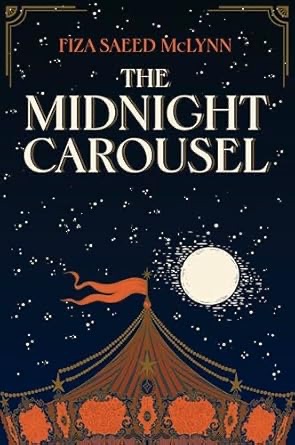


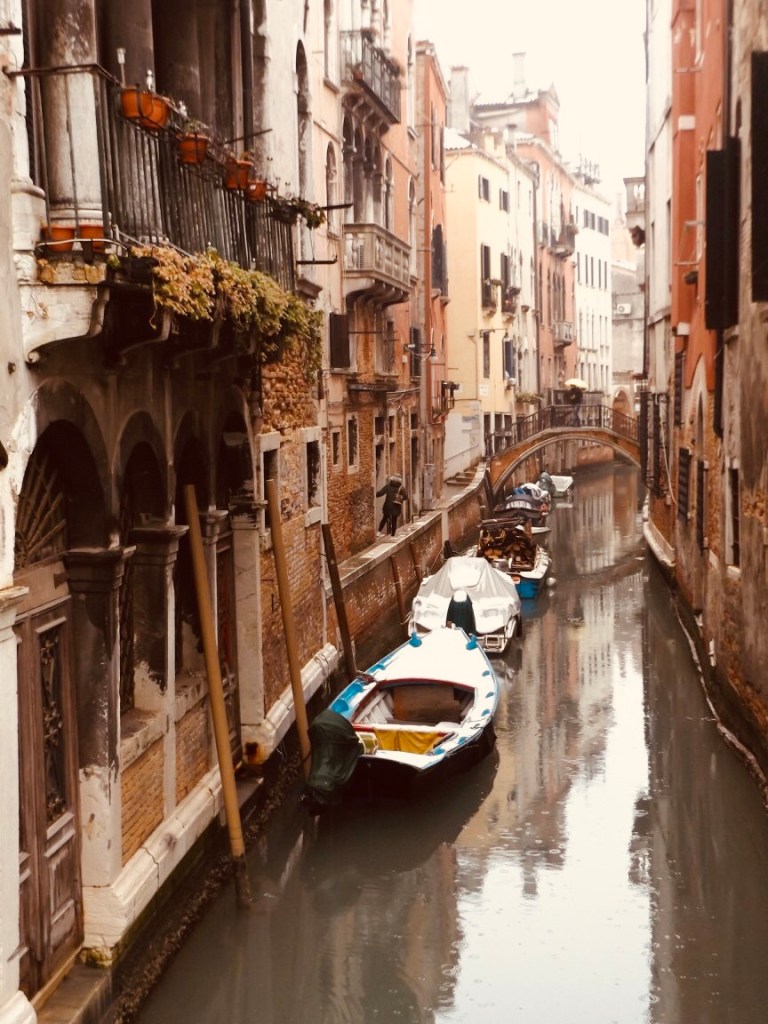
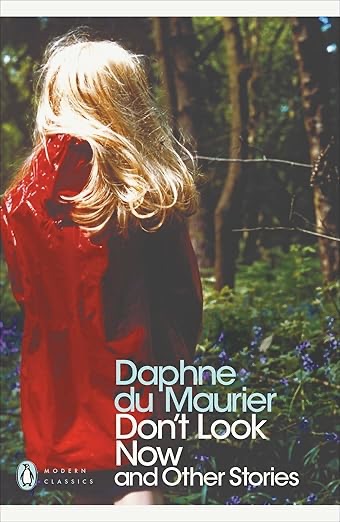
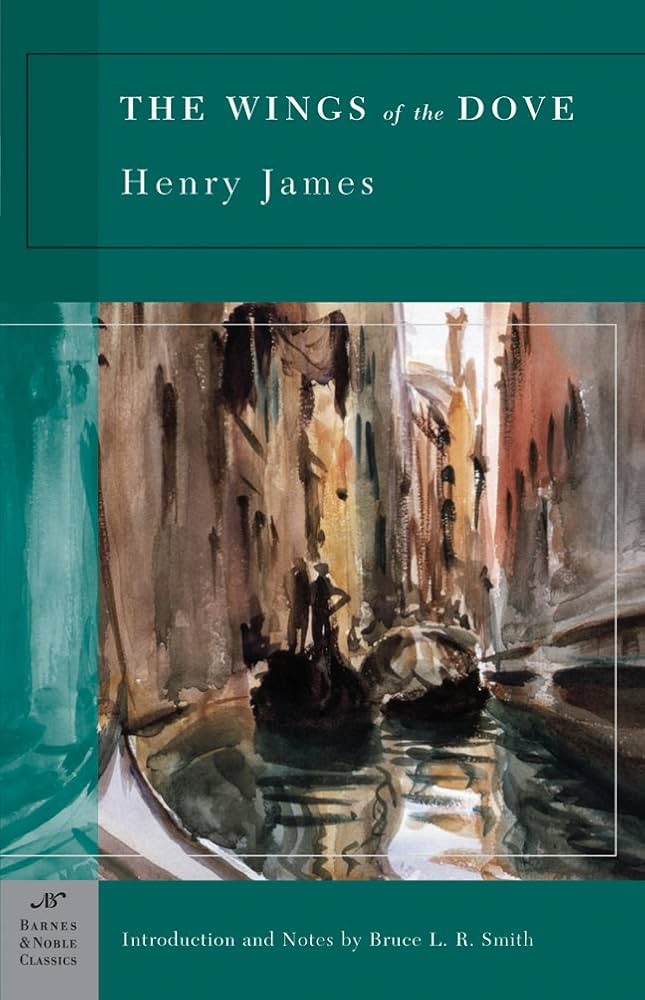
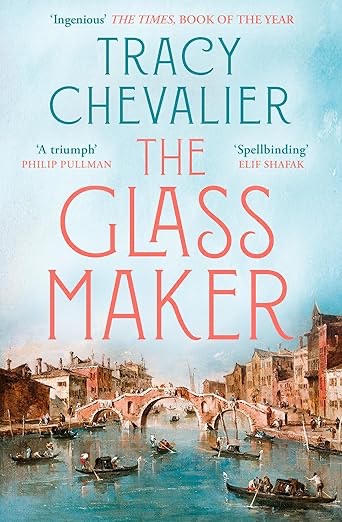
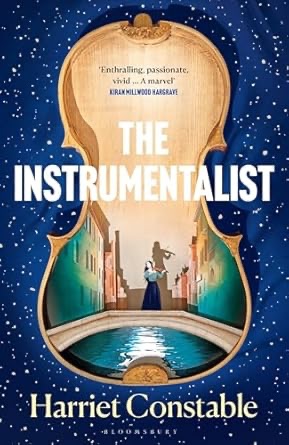
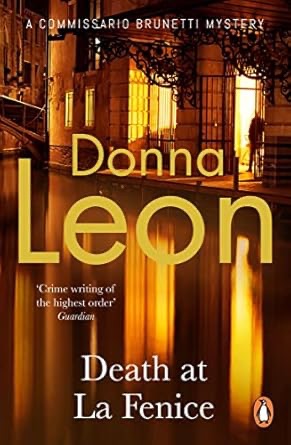
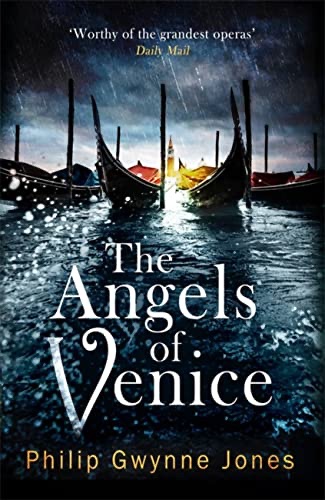
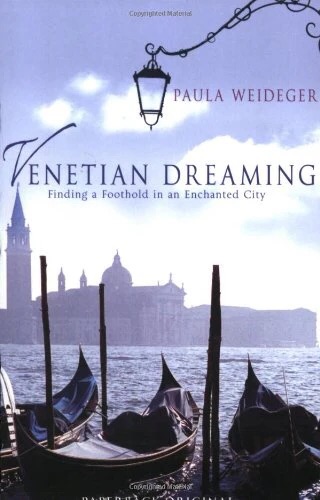
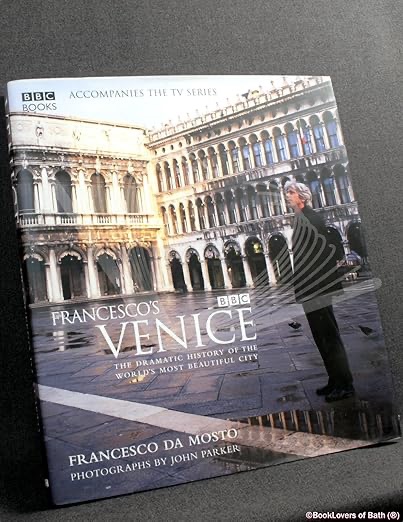
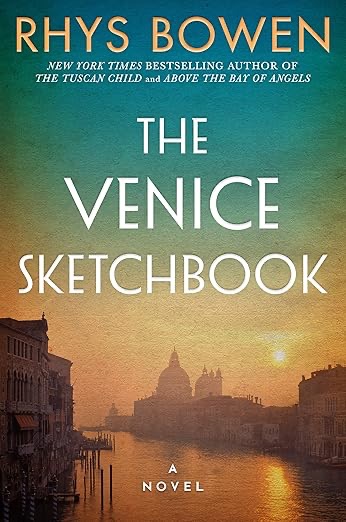
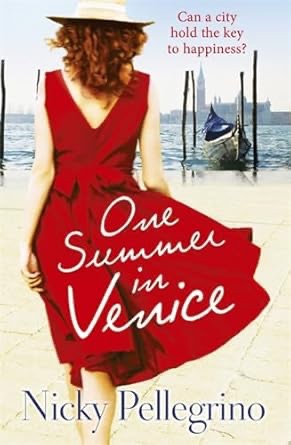
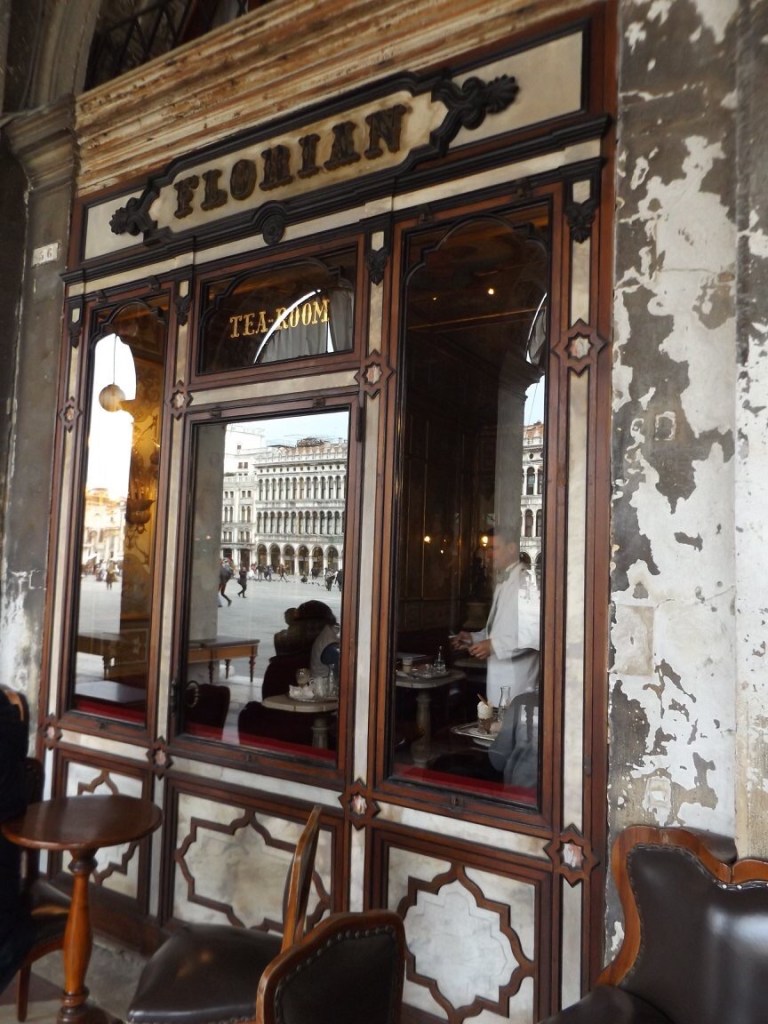
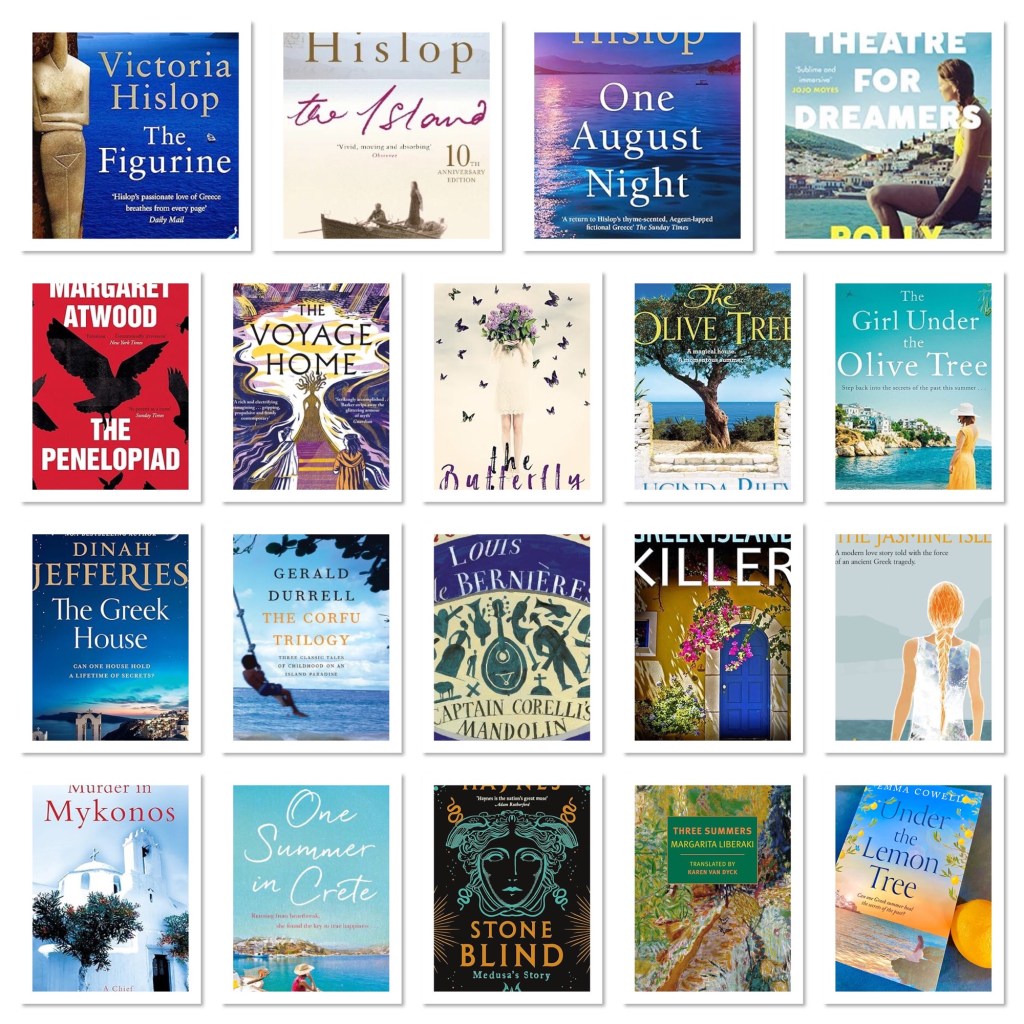
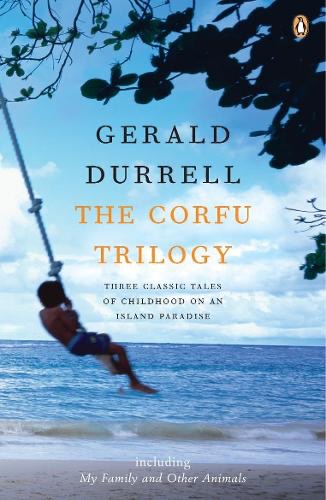
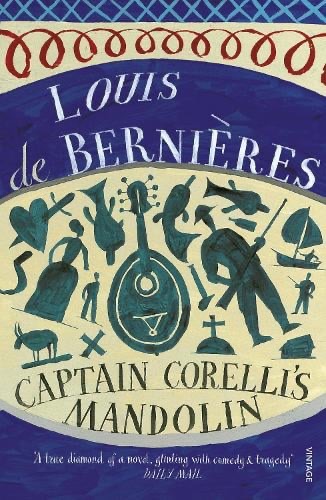
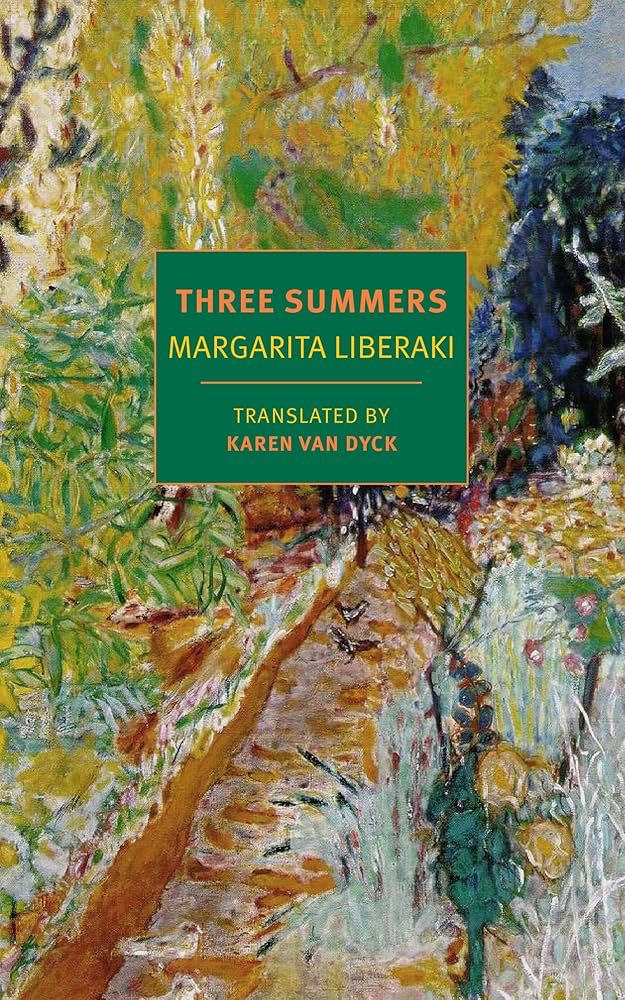
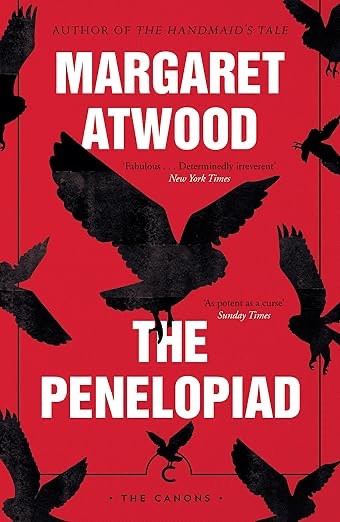
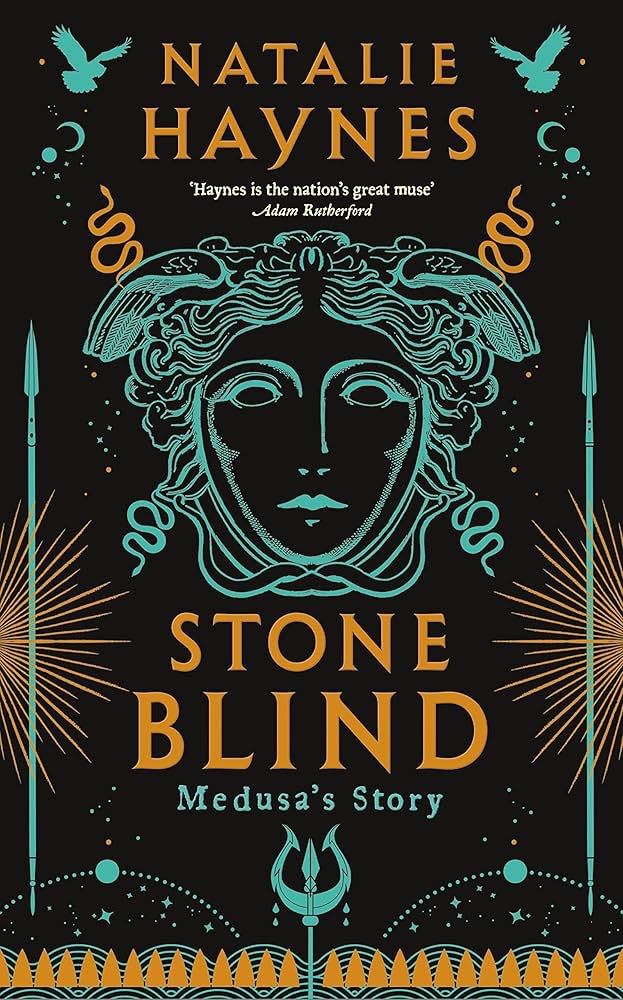
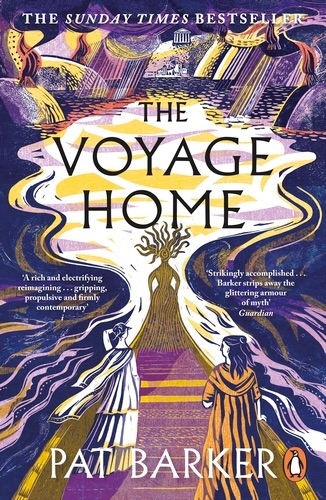
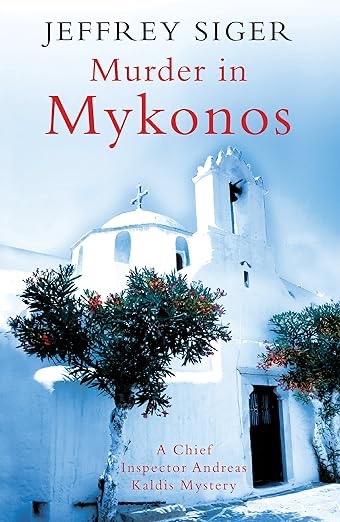
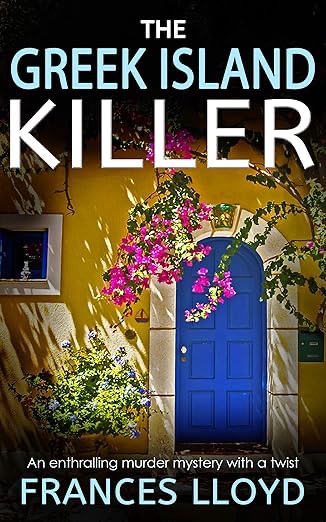
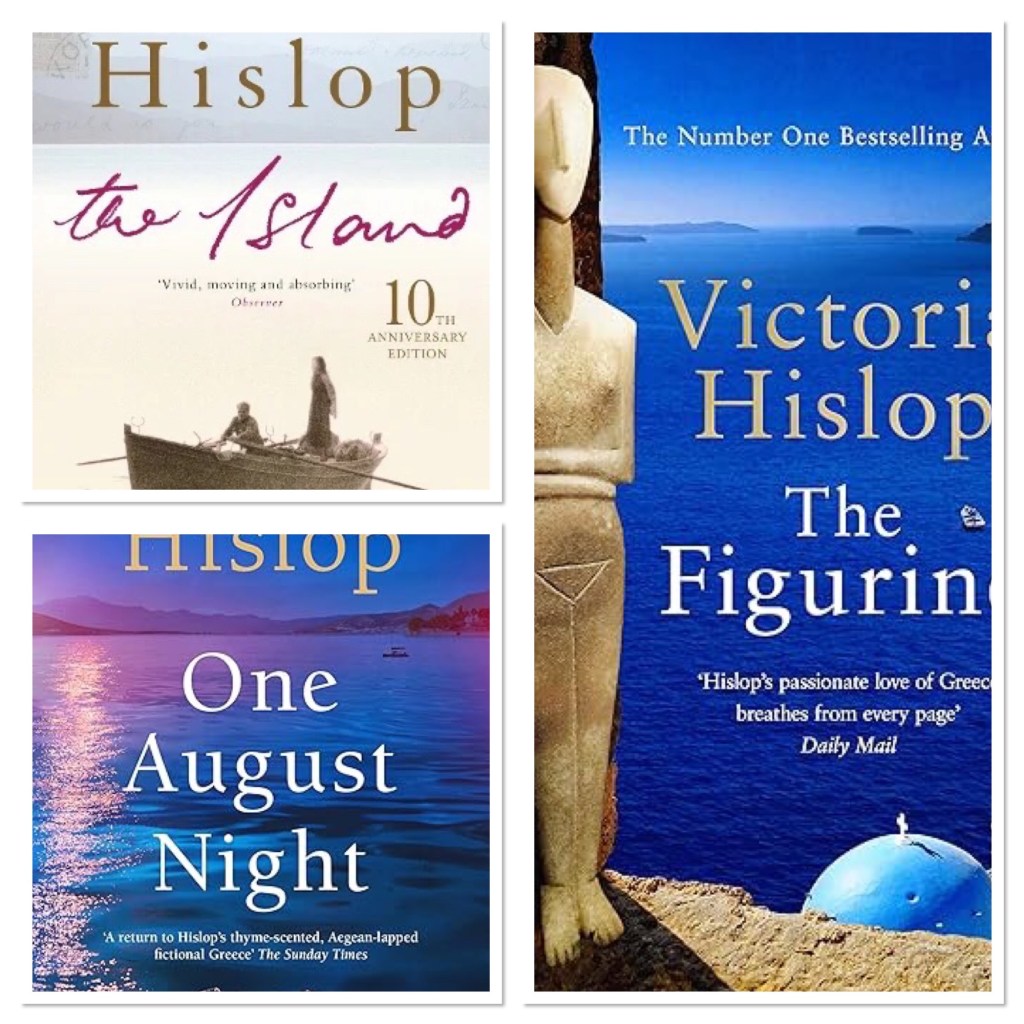
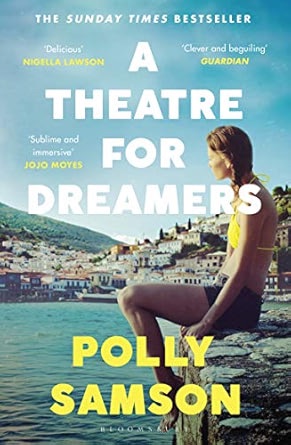
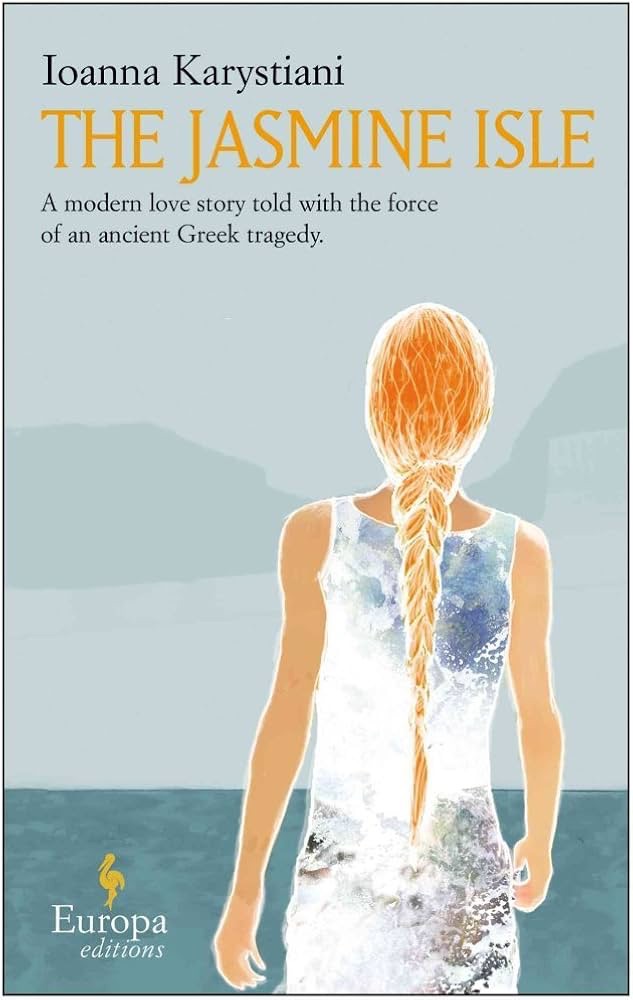
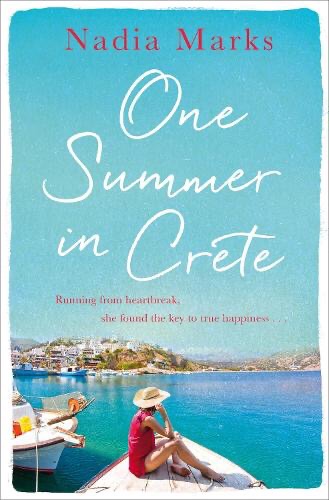
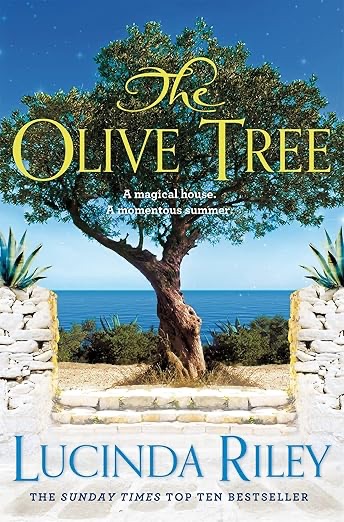
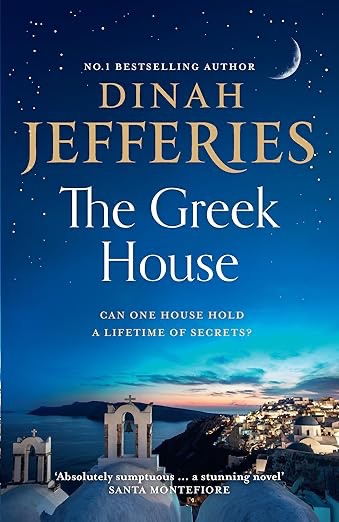
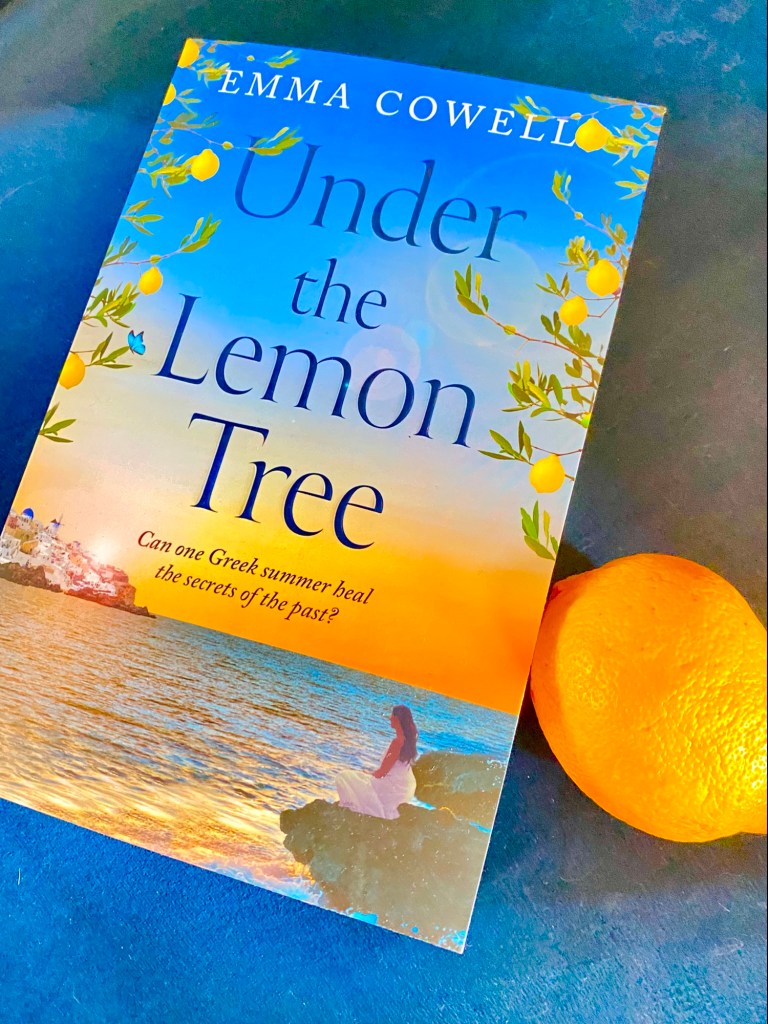
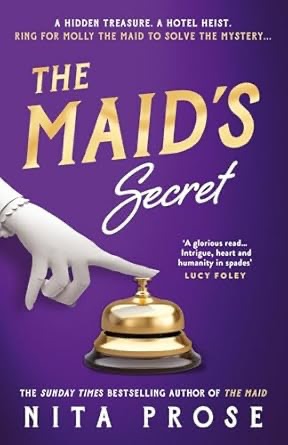

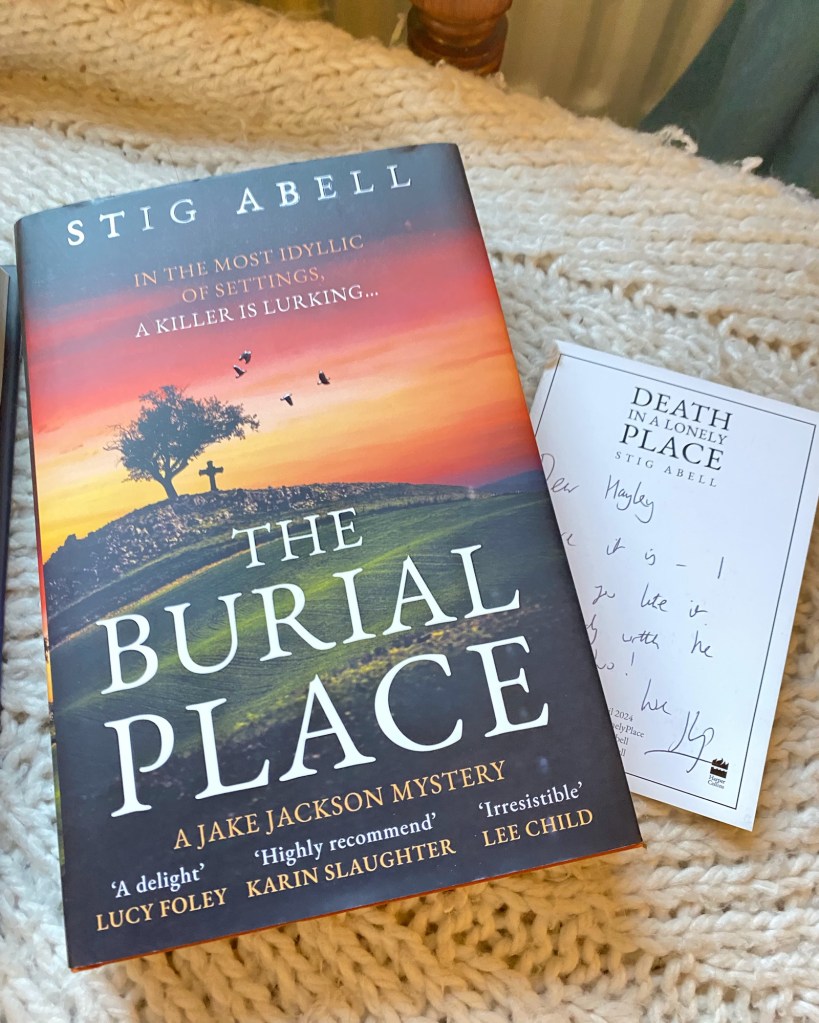
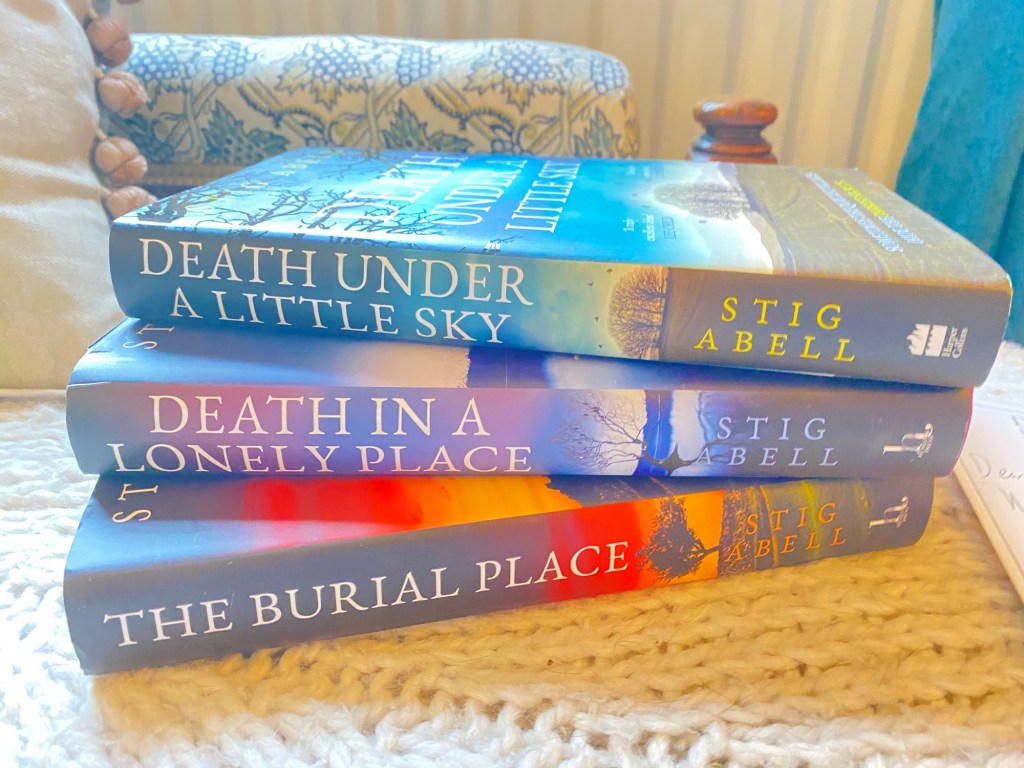

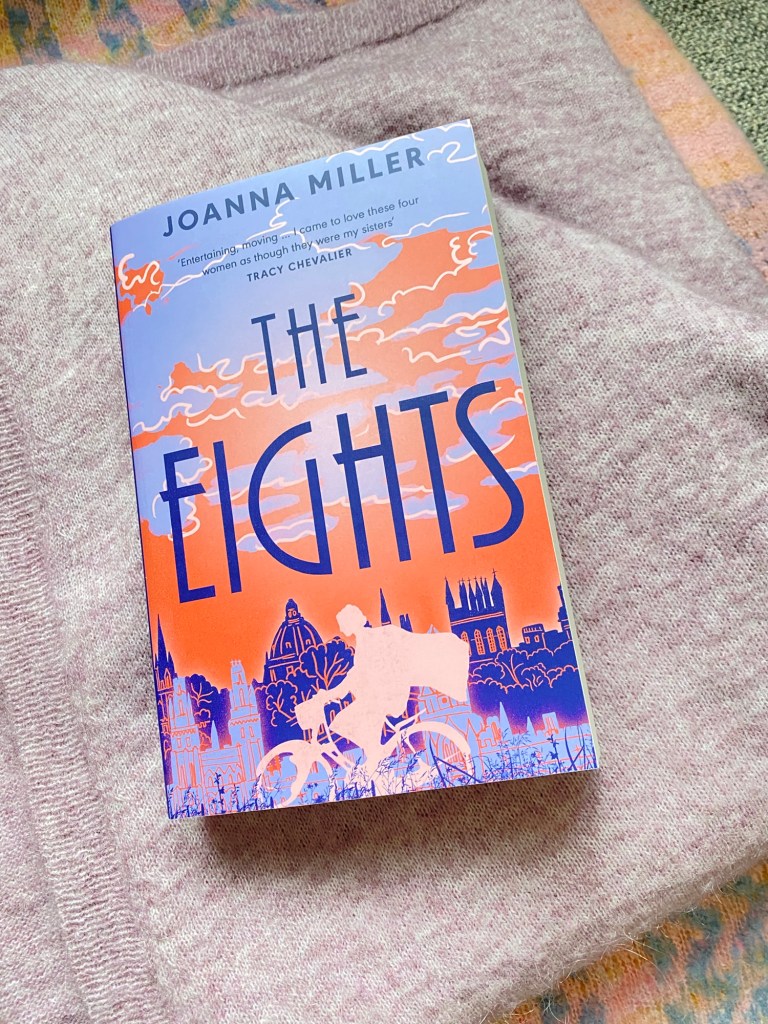



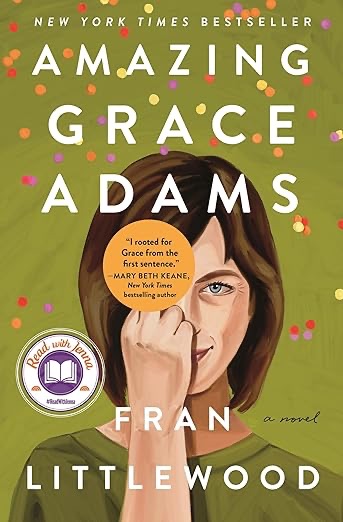
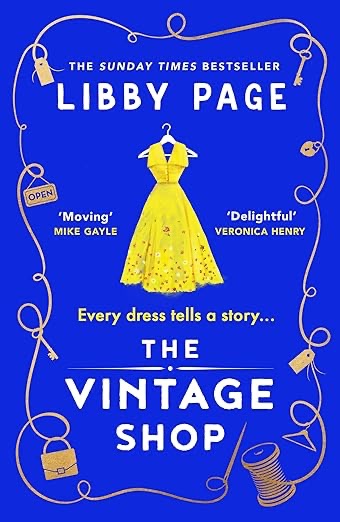

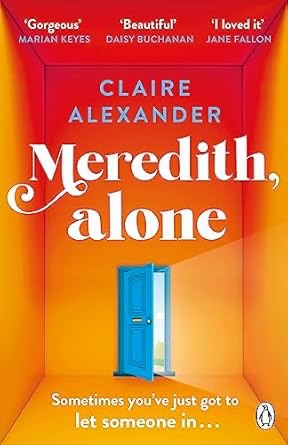
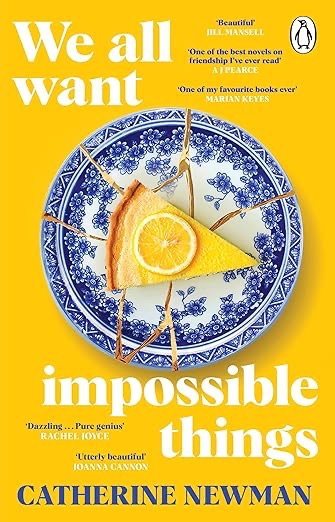
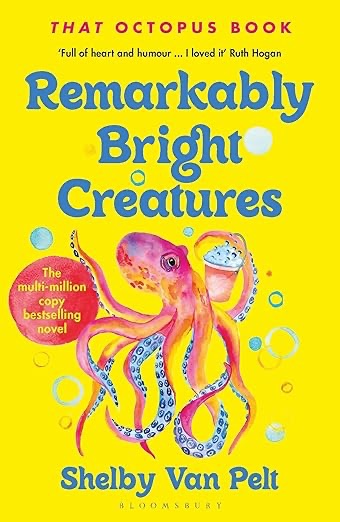



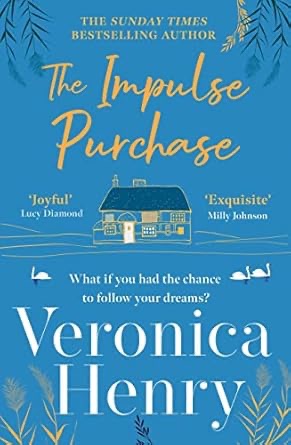
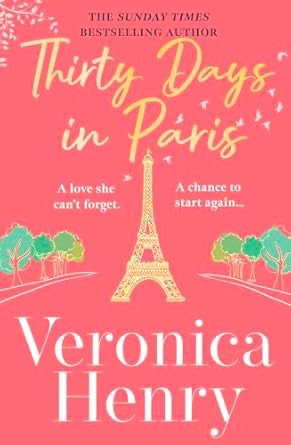


 The Lotus Readers