Posted in Sunday Spotlight

Sunday Spotlight: Going Down Under

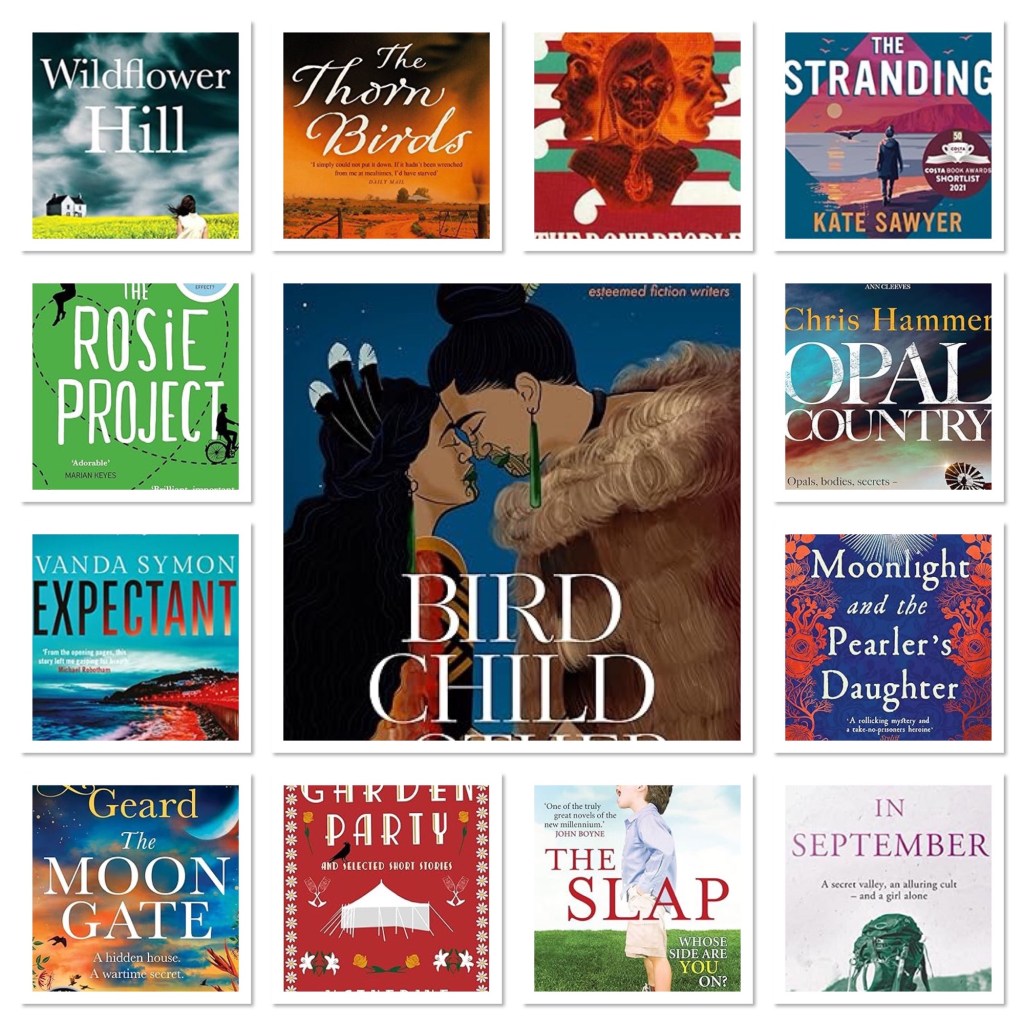
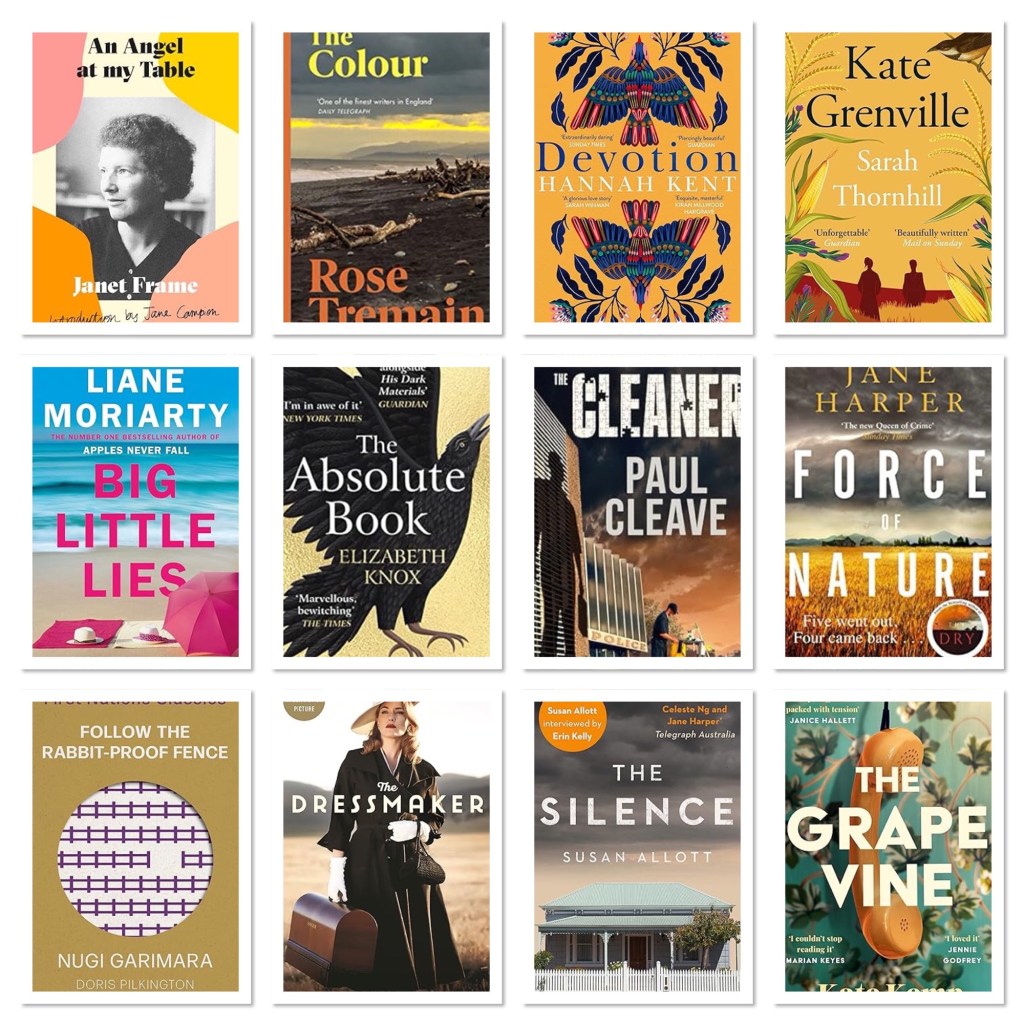
I’ve always been unconsciously drawn to books set in Australia and New Zealand, perhaps because I have family in both countries and want to familiarise myself with their lives. My mum lived there as a ten pound Pom in the 1960’s, leaving Liverpool behind and living in hostels meat Sydney. My grandad loved it out there and would tell us about nature, mostly horrific stories of people having spider’s nest in their ears or brains. My brother-in-law went out to New Zealand to work as a tree surgeon on a huge farm. He met the love of his life out there, Jenny, and although Jan died a few years after my husband I’m still in touch with Jenny and my two nephews. I was also hugely influenced by mum who was an enormous fan of The Thorn Birds – although hated Rachel award as Meggie in the TV mini-series. I’ve always thought that people down under are resilient, rather sweary and very straightforward. They say what they think – something I admire even where I don’t agree. I love the diversity of the cities and fascinated by Aboriginal and Māori. Some of my choices were read on my post-colonial literature course at university, a module that I found so inspiring and forced me to read writers I’d never have picked up as a casual reader. Here are just a few of the books and authors that can take you on a trip round both countries.

Classics
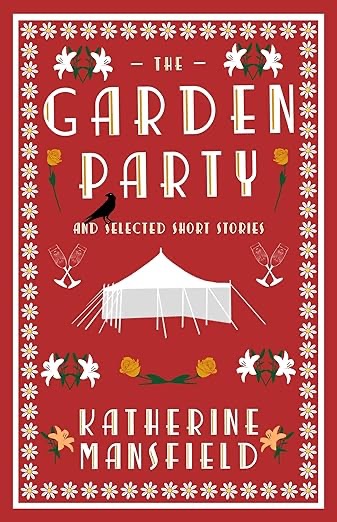
When her wealthy family prepares to host a lavish summer party, the young, hitherto sheltered Laura Sheridan suddenly feels a kinship with the staff and the helpers hired to set up the venue for the festivities. As she learns of the death of one of their working-class neighbours, this burgeoning sense of class consciousness is heightened by a realization of her own mortality. Published in 1922, at the height of literary modernism, ‘The Garden Party’ is now considered one of the key texts of that movement. This volume, which also includes all of Katherine Mansfield’s other published short stories, is an invaluable resource for anyone wishing to discover one of the early twentieth century’s finest writers. I first read this collection at university and I still have it today because it stands up against any short story collection from that period.
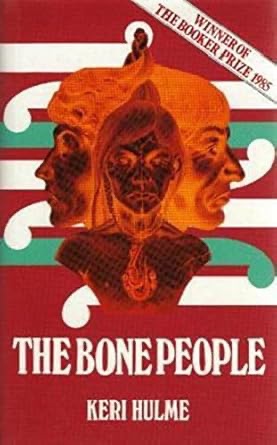
Integrating both Maori myth and New Zealand reality, The Bone People became the most successful novel in New Zealand publishing history when it appeared in 1984. Set on the South Island beaches of New Zealand, a harsh environment, the novel chronicles the complicated relationships between three emotional outcasts of mixed European and Maori heritage. Kerewin Holmes is a painter and a loner, convinced that “to care for anything is to invite disaster.” Her isolation is disrupted one day when a six-year-old mute boy, Simon, breaks into her house. The sole survivor of a mysterious shipwreck, Simon has been adopted by a widower Maori factory worker, Joe Gillayley, who is both tender and horribly brutal toward the boy. Through shifting points of view, the novel reveals each character’s thoughts and feelings as they struggle with the desire to connect and the fear of attachment.

Compared to the works of James Joyce in its use of indigenous language and portrayal of consciousness, The Bone People captures the soul of New Zealand. After twenty years, it continues to astonish and enrich readers around the world.
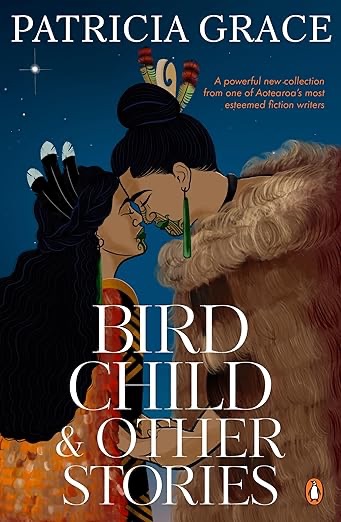
Mythology and contemporary Māori life are woven together seamlessly in this spectacular collection by Aotearoa’s foremost short story writer.

The titular story ‘Bird Child’ plunges you deep into Te Kore, an ancient time before time. In another, the formidable goddess Mahuika, Keeper of Fire, becomes a doting mother and friend. Later, Grace’s own childhood vividly shapes the world of the young character Mereana; and a widower’s hilariously human struggle to parent his seven daughters is told with trademark wit and crackling dialogue.

Moving artfully across decades, landscapes, time and space, with tenderness and charm, Bird Child and Other Stories shows an author as adept and stimulating as ever. This isn’t an easy read but fascinating and the comparison between Māori and other creation myths from around the world was fascinating.

Contemporary Fiction
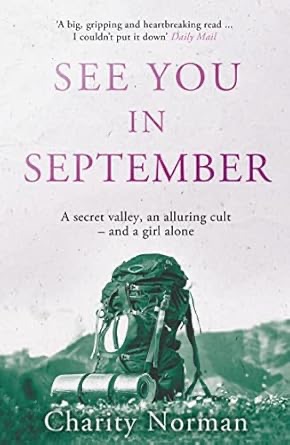
Cassy smiled, blew them a kiss.

‘See you in September,’ she said.

It was a throwaway line. Just words uttered casually by a young woman in a hurry. And then she’d gone. 


It was supposed to be a short trip – a break in New Zealand before her best friend’s wedding. But when Cassy waved goodbye to her parents, they never dreamed that it would be years before they’d see her again. 
Having broken up with her boyfriend, Cassy accepts an invitation to stay in an idyllic farming collective. Overcome by the peace and beauty of the valley and swept up in the charisma of Justin, the community’s leader, Cassy becomes convinced that she has to stay.

As Cassy becomes more and more entrenched in the group’s rituals and beliefs, her frantic parents fight to bring her home – before Justin’s prophesied Last Day can come to pass. I love Charity Norman’s writing because she gets to the heart of family relationships and shows how families can fracture when placed under stress. I’d recommend any of her books but this one is set in New Zealand. I highly recommend Remember Me and Home Truths.
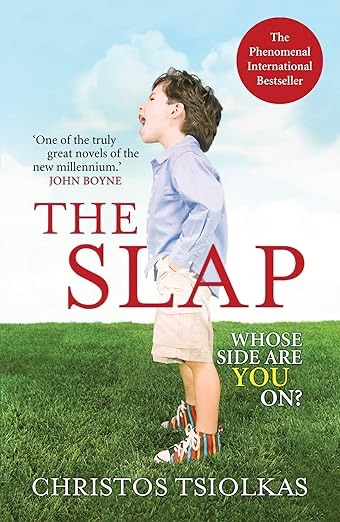
At a suburban barbecue one afternoon, a man slaps an unruly boy

The boy is not his son. 

It is a single act of violence, but the slap reverberates through the lives of everyone who witnesses it happen.

Christos Tsiolkas presents the impact of this apparently minor domestic incident through the eyes of eight of those who witness it. It’s honestly hard to find someone to like here, but it is a fascinating look at contemporary Aussie relationships. It’s an unflinching interrogation of the life of the modern family, a deeply thought-provoking novel about boundaries and their limits…
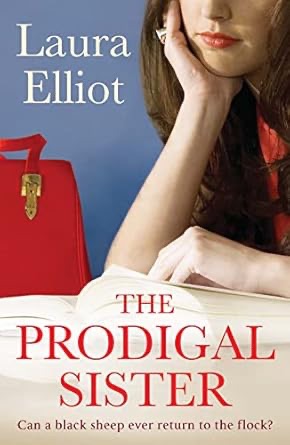
The Lambert sisters have secrets…

When 15-year-old Cathy Lambert runs away from her Dublin home, she is scared and pregnant. Settled in New Zealand with her new son Conor she believes the secret she carries will never be revealed…

Rebecca Lambert was eighteen when her parents died and she took responsibility for her younger sisters. Years later, she is haunted by fears she hoped she’d conquered.

Freed from family duties, mother of three Julie Chambers is determined to recapture the dreams of her youth.

Married to a possessive older man, Lauren Moran embarks on a frantic love affair that threatens to destabilise her fragile world.

Anxious to make peace with her three sisters, Cathy invites them to her wedding.

But as the women journey together through New Zealand towards their reunion, they are forced to confront the past as the secret shared histories of the Lambert sisters are revealed. I couldn’t put this book down as it’s a great mix of emotions, adventure, secrets and a lot of humour.
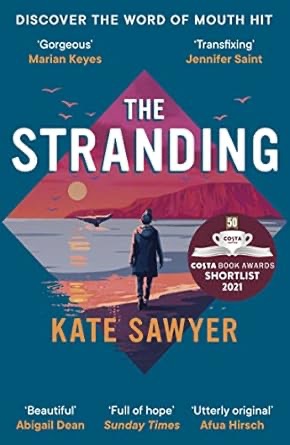
EVERY ENDING IS A NEW BEGINNING…

Ruth is ignoring the news. Like most people, she has relationship problems, job stress, friends and family who need her. Ruth has a life.

But the news is about to catch up with Ruth, and her problems are going to be swept away…along with the rest of the world. While on a plane to New Zealand, something starts to happen to the world. Arriving, Ruth makes her way to her coastal destination but never expected to be sharing the inside of a dead whale with a stranger as a world ending event happens. It takes this to change Ruth’s outlook completely. Only when the comforts and complications of her old existence are gone, does she finally realise how she might be able to live to the fullest. This was a mesmerising debut from Kate and I still recommend it constantly. It made me think about something drastic like this happening in my lifetime, but also question why we fall in love with the people we do and how commitments to others are nurtured and lad

Romantic Fiction
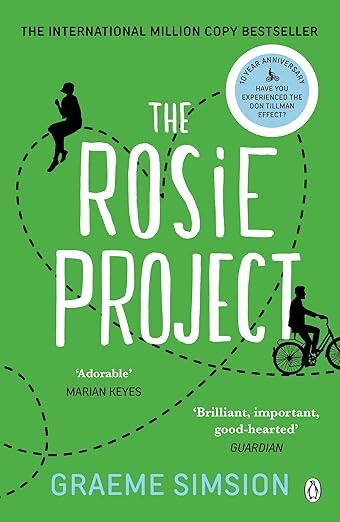
Love isn’t an exact science – but no one told Don Tillman.

A thirty-nine-year-old geneticist, Don’s never had a second date. So he devises the Wife Project, a scientific test to find the perfect partner. Don has a regimented life of work

Enter Rosie – ‘the world’s most incompatible woman’ – throwing Don’s safe, ordered life into chaos.

But what is this unsettling, alien emotion he’s feeling? . . .

This is a deeply funny, but emotional and fascinating in terms of Don’s neuro-divergence. He eats the same meal on the same night every week as part of his rotation of menus. His life felt like a never-ending to-do lust and I knew that he would drive me up the wall. Rosie is a woman of great patience! However, I also knew that my lack of systems and routine would have an equally detrimental effect on his mental health. Watching how these two people try, fail and try again to communicate their needs and feelings within the relationship is a lesson for every couple. It’s also brilliantly funny. There is a trilogy now so treat yourself to all of them.
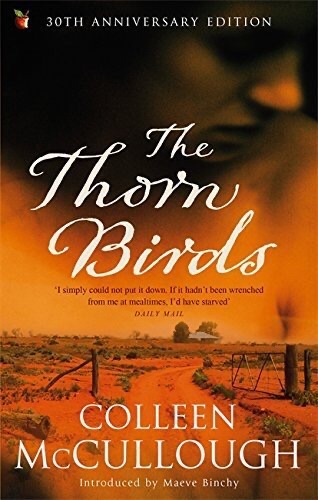
In the rugged Australian Outback, three generations of Clearys live through joy and sadness, bitter defeat and magnificent triumph, driven by their dreams, sustained by remarkable strength of character… and torn by dark passions, violence and a scandalous family legacy of forbidden love.

The Thorn Birds is a poignant love story, a powerful epic of struggle and sacrifice, a celebration of individuality and spirit. Most of all, it is the story of the Clearys’ only daughter, Meggie, who can never possess Ralph de Bricassart, the man she so desperately adores. Ralph will rise from parish priest to the inner circles of the Vatican… but his passion for Meggie will follow him all the days of his life.

What a saga this is and I have to say the book is ten times better than the series, mainly because we get more of the family dynamic and get to know Meggie as a little girl. Her story of slowly growing up with such a harsh mother really builds and we understand more her bond to the young priest who befriends her, noticing that in a family of many sons she is largely ignored. He is her knight in shining armour and the only one, after her eldest brother is gone, who will hug and comfort this lonely girl. Catholic readers will recognise how powerful the religion is for Irish families and the schooling that nuns provide. The book is an epic and covers Father Ralph’s lifetime, but it has an incredible sense of place and time and really is worth a read for that alone.
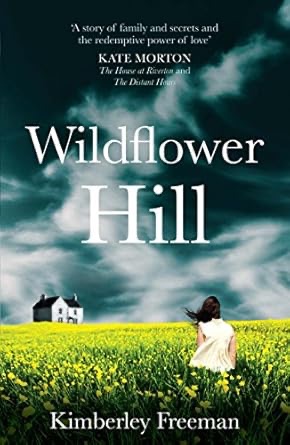
n 1929, Beattie Blaxland had dreams. Big dreams. She dreamed of a life of fashion and fabrics. One thing she never dreamed was that she would find herself pregnant to her married lover, just before her nineteenth birthday. 

In 2009, Emma Blaxland-Hunter was living her dream. A prima ballerina with the London Ballet, she had everything… Until the moment she lost it all. 

Separated by decades, both women must find the strength to rebuild their lives. A legacy from one to the other will lead to Wildflower Hill, a place where a woman can learn to stand alone long enough to realise what she really wants.

I’d never read this author before so it came as a complete surprise when I enjoyed it so much. It is historical fiction too, but I loved that this was a ballsy woman who was determined to succeed at Wildflower Hill and her love story with an aboriginal worker would have been so transgressive at the time. It’s an unashamedly romantic story and if you enjoy love with a side order of feminism, family secrets and a dual-timeline this is for you.

Historical Fiction
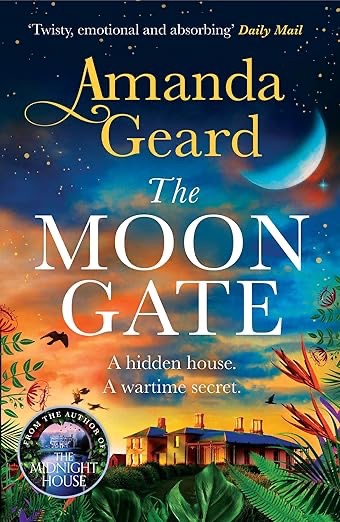
A faded photograph. An abandoned house. A wartime mystery. . .

1939: On the eve of war, young English heiress Grace Grey travels from London to the wilderness of Tasmania. Coaxed out of her shell by the attentions of her Irish neighbour, Daniel – Grace finally learns to live. But when Australian forces are called to the frontline, and Daniel with them, he leaves behind a devastating secret which will forever bind them together.

1975: Artist Willow Hawkins, and her new husband, Ben, can’t believe their luck when an anonymous benefactor leaves them a house on the remote Tasmanian coast. Confused and delighted, they set out to unmask Towerhurst’s previous owner – unwittingly altering the course of their lives.

2004: Libby Andrews has always been sheltered from the truth behind her father Ben’s death. When she travels to London and discovers a faded photograph, a long-buried memory is unlocked, and she begins to follow an investigation that Ben could never complete. But will she realise that some secrets are best left buried . . .?

This gorgeous story that spans the twentieth century was one of my books of the year last year. The mystery of how all these timelines added up, the beautiful setting of Tasmania and the historical context around WW2 drew me in. The love story is simply gorgeous and potentially heart-breaking. I know this is a story I’ll want to read again.
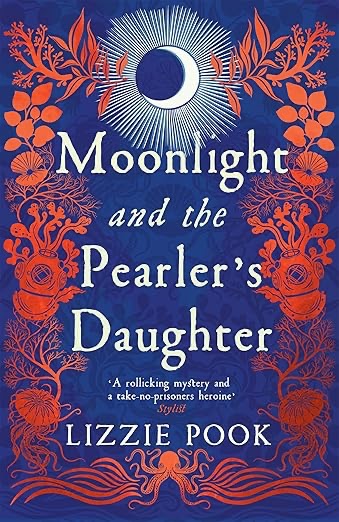
1896, Bannin Bay, Australia. When British pearl-boat captain Charles Brightwell goes missing out at sea, rumours of mutiny and murder swell within the bay’s dens and back alleys. Only his headstrong daughter, Eliza, refuses to believe her father is dead, and sets out on a dangerous journey to uncover the truth.

But in a town teeming with corruption, prejudice, and blackmail, Eliza soon learns that the answers she seeks might cost more than pearls. How much is she willing to sacrifice to find them?

This incredible debut is richly atmospheric from the get go, throwing us straight into the strangeness of 19th Century Western Australia as if it is an alien landscape. In fact that’s exactly what it is for the Brightwell family, particularly Eliza whose childhood eyes we see it through for the the first time. The adult Eliza has to negotiate her way through the community’s corruption, violence, blackmail and the criminal elements of the pearling business. All the while reading her father’s diary for clues and guiding us to some fascinating characters, some of which are based on historical figures. You’ll love Eliza’s early feminist stance and sense of adventure. The twists and turns her journey takes are gripping and pull you deep into the story. It’s a fantastic debut, full of life and death, just like it’s setting.

Crime Fiction
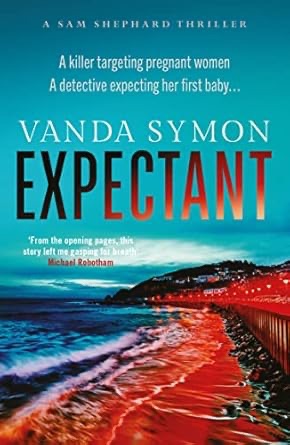
A killer targeting pregnant women.

A detective expecting her first baby…

The shocking murder of a heavily pregnant woman throws the New Zealand city of Dunedin into a tailspin, and the devastating crime feels uncomfortably close to home for Detective Sam Shephard as she counts down the days to her own maternity leave.

Confined to a desk job in the department, Sam must find the missing link between this brutal crime and a string of cases involving mothers and children in the past. As the pieces start to come together and the realisation dawns that the killer’s actions are escalating, drastic measures must be taken to prevent more tragedy.

For Sam, the case becomes personal, when it becomes increasingly clear that no one is safe, and the clock is ticking…

There’s something about Aussie and NZ crime fiction. It’s gritty and immediate. This is the fifth in Vanda’s Sam Shepherd series and I can honestly say they’re all brilliant but this one …. I was on the edge of my seat! It feels like Sam has just let her guard down and accepted what’s next in her life, when everything could be ripped away from her. Even though she’s the one who most understood the killer’s motivations, will she still be shocked by their identity? Sam’s vulnerability is terrifying and I was praying that she would be okay, as if she’s a living and breathing human being. That’s the power of Vanda Symon’s writing and how much of that magic she’s poured into this brilliant character.
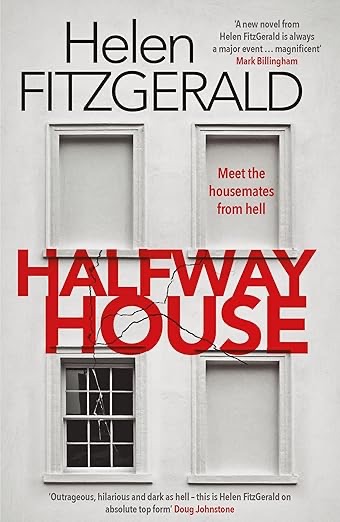
Lou O’Dowd travels across the world from Australia to Edinburgh for a job with the organisation SASOL. Her new life will be living with her cousin and working shifts at a halfway house for high risk offenders including two killers, a celebrity paedophile, and a paranoid coke dealer. After orientation, Lou will be on shift alone dealing with these offenders with little more than her own instinct to guide her. What could possibly go wrong?

Lou is a controversial character, living off a sugar daddy for a while she’s had no need to work, but when the relationship ends disastrously she has no choice but to leave. On her first day in Edinburgh she meets a man at a play who has a similar attitude to risk, enjoying mainly outdoor sex. He comes from a rich family, so maybe he could be more than a fling? I loved how the mundane domesticity of the job was mixed with genuine fear and horror of what could happen if residents flare up. There’s an evening ritual of cocoa for each resident, but it has to be to perfectly timed in order to interrupt one resident’s suicide ritual. These are the extremes a job like this entails, but it’s only the beginning….

A few more suggestions:
Posted in Netgalley

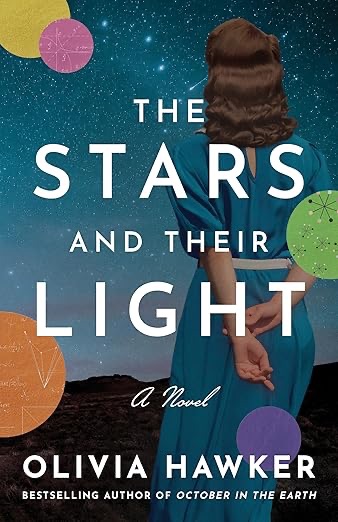
The Stars and Their Light by Olivia Hawker 

I was instantly fascinated with the subject matter of this book – the 1947 Roswell Incident in New Mexico. As any good X-Files fan knows this was the most famous potential UFO sighting in history. An unidentified craft lands in a field and local workers find objects they can’t identify. There are witnesses too who can’t explain what they’ve seen, even though the government claims it’s merely a stray weather balloon. This felt very pertinent at a time when unexplained phenomena, particularly in the USA, are once again giving rise to conspiracy theories such as the Blue Beam Project. Here we meet Betty Campbell whose father Roger is based at Roswell and brings home an object from the landing site. Roger and his friend Harvey Day have been on the recovery team and are shocked by what they found. Both men served in WW2 so they’ve seen action, but this has Roger so confused he goes against orders and takes a fragment home to his family. However, when his daughter Betty handles it, she develops stigmata. Lured by a possible miracle the Catholic Church sends Sister Mary Agnes to stay at a local convent and investigate this apparent miracle. 

This book was different to anything I’ve read before, but was a combination of many genres I love to read – science fiction, historical fiction and family drama. Sister Agnes is part of a local cloistered order, but here she will act as their PR in a way, liaising with local people and being the supportive face of the order. She is certainly the only person supporting the Campbell family, as Roger’s superiors start to shut down speculation. Betty is being ostracised in town and desperately needs a friend. She’s scared, confused and lonely. There are complex emotional matters here, such as how we cope when something we’ve seen surpasses our own understanding or clashes with our faith. There’s a loss of belonging – whether it be to the army, the church or a social group. I thought the interactions between Betty and Mary Anne were full of a yearning to understand and cope with a faith that might waver in the face of unexpected evidence. The clash between the Catholic Church and this encounter with the unknown is an almighty one, but it’s also a clash between the patriarchy and a young girl deemed ‘not holy enough’ to be visited by a miracle according to the bishops who come to witness the stigmata. If it isn’t a miracle what exactly is it? When the church maintains their stance that what’s above our world is heaven and the earth and all it inhabitants were all made over seven days, it seems reasonable to ask who made the other planets? Not to mention the galaxies beyond. Is Betty being punished or rewarded with this miracle? Especially when she discloses that her chosen course of study at college was going to be astrophysics. The church’s attitude is about trying to keep the status quo. Readers who have a faith or who are unable to stretch their mind beyond the established narrative on UFO sightings, might find the novel’s tone disrespectful but I quite enjoyed the anti-establishment feeling.

I would categorise the book as historical fiction more than sci-fi because it’s exploration of attitudes as they were at the time is the central theme of the book. It doesn’t take the UFO story forward or leap into alien worlds. The church’s role and attitudes were specific to the time period too, a plan of shutting down the claims and gossip to keep the church’s current role and influence in the community. Now poor Betty’s plight would be all over Facebook in seconds. I thought the characters, particularly Betty and Mary Anne were well written and felt very real. Their interactions were authentic and rooted within a desire to help. It’s a slow but utterly unique story that I felt fully explored such an unprecedented experience and the way people were affected by it. The author’s note at the back is an absolute mine of information about Roswell and the historical documentation on the event. We’re also told about the author’s own experiences, which show how she’s managed to write these characters and experience with such authenticity. This was different to sci-fi because it focused on the earth and human interaction with a UFO experience, as well as the response of powerful institutions whose first instinct is to reinforce the existing belief systems and behaviours. I felt that Mary Anne and Betty’s relationship almost existed outside that and became a therapeutic relationship for both concerned. This was unusual, interesting and made me think about my beliefs and how I’d come to hold them.                                                                                                                                                                                                                                                                                                                       

Meet the Author

Olivia Hawker is the pen name of American author Libbie Grant. Olivia writes historical “book club” fiction, for which she has appeared on the Washington Post bestseller list and has been a finalist for the Washington State Book Award and the Willa Literary Award. Her novel One for the Blackbird, One for the Crow, a favorite of readers around the world, was among Amazon’s Top 100 Bestselling Books of 2020. Under her real name, she writes literary fiction, and—via her podcast, Future Saint of a New Era—experiments with modern storytelling techniques that transcend the limitations of the printed word. A permanent resident of Canada, she divides her time between Victoria, BC and the San Juan Islands of Washington State. For more information, please visit hawkerbooks.com.

Posted in Netgalley

The Mysterious Death of Katherine Parr by June Woolerton.

What killed Katherine Parr? She was the ultimate Tudor survivor, the queen who managed to outwit and outlive Henry VIII. Yet just over eighteen months after his passing, Katherine Parr was dead. She had been one of the most powerful people in the country, even ruling England for her royal husband, yet she had died hundreds of miles from court and been quickly buried in a tiny chapel with few royal trappings. Her grave was lost for centuries only for her corpse to be mutilated after it was rediscovered during a tea party. The death of Katherine Parr is one of the strangest of any royals – and one of the most mysterious. The final days of Henry VIII’s last queen included a faithless husband and rumours of a royal affair while the weeks after her funeral swirled with whispers of poison and murder. The Mysterious Death of Katherine Parr dives into the calamitous and tumultuous events leading up to the last hours of a once powerful queen and the bizarre happenings that followed her passing. From the elaborate embalming of her body, that left it in a state of perfect preservation for almost three centuries despite a burial just yards from her place of death, to the still unexplained disappearance, without trace, of her baby, the many questions surrounding the death of Queen Katherine are examined in a new light. This brand new book from royal author and historian June Woolerton brings together, for the first time, all the known accounts of the strange rediscovery of Katherine’s tomb and the even odder decision to leave it open to the elements and graverobbers for decades to ask – how did Katherine Parr really die?

I do have a fascination with the Tudors and the life of Katherine Parr is one of the more interesting out of all Henry VIII’s wives. Most people focus in on the King’s ‘Great Matter’, which is what advisors called his apparent mental and spiritual battle around his marriage to Katherine of Aragon. A cover-up for the fact he wanted to dispense with a wife who would no longer give him heirs, preferably as quickly as possible and move on to his proposed mistress Anne Boleyn. The ‘Great Matter’ was simply an excuse for divorce and if only Katherine had gone quietly. As it was it didn’t take long for Anne to be out of favour too, but sadly Katherine was too ill to enjoy her replacement’s fall from grace. A few years later, Anne of Cleves would go quietly and in doing so received great favour from Henry and Anne Boleyn’s childhood home of Hever Castle. She was the most shrewd of the wives. It is Anne of Cleves and Katherine Parr that most see as escaping Henry’s barbarous habits of killing off his wives, but Katherine’s life after Henry was far from rosy. I always feel desperately sorry for this woman who loved a man from a very young age, but could never have him because of being married off to various old and infirm men who she nursed till their deaths. Katherine’s entire life is often reduced to these marriages, especially the last two; King Henry who she couldn’t refuse and finally, after Henry’s death, the love match she had always wanted with Thomas Seymour. There are various strange aspects to this last marriage, but the men she married are not really the sum of this intelligent and witty woman.

Courtiers saw Katherine’s marriage to Thomas Seymour as proof that the Queen had intelligence but absolutely no common sense, full of passion for a younger man who was certainly not worthy of her. In this book the author intends to uncover more about this interesting woman, by looking at the circumstances of her death and her burial place. The author clearly has a passion for her subject and has written the book like a true crime novel. This makes it compelling and meant I read it in a day when I was unwell in bed. The opening chapter was well written and placed perfectly to grab the reader and lead them into the mystery by looking at several odd events in the last twenty months of her life. I had always assumed that she’d married Seymour so quickly after Henry’s death, because she didn’t want to wait and be proposed to by someone else she couldn’t refuse. It is often mooted that she wanted to finally have some fun after dealing with an ailing Henry and the terrible ulcer that he received in a much earlier jousting match. The ulcer never healed fully and.was often weeping and painful. It is likely that sepsis from this infected leg eventually killed him. However, the author questions these long accepted facts as well as the assumption that her death was due to childbed fever. From my own reading I was aware of some of the information the author presents here. For example, before Henry’s death Katherine was the wife who managed to reunite him with his children. Most sources mention the close relationship she had with Elizabeth, possibly because Elizabeth left court to live with her stepmother in Gloucester after her father’s death. She also wrote regularly to Mary and Edward, convincing the King to invite his children to court and have them around him in his final years. Edward was of course the son of Henry and his third wife Jane Seymour, making Thomas Seymour the King’s uncle as soon as Edward took the throne. This made Thomas powerful, but it was also suggested he wouldn’t want a dowager Queen still of marriageable age interfering with his protectorship of Edward. What better way to take control than to become her husband?

Another rumour I’ve read in several history books and novels is that Thomas Seymour had his eyes on a much greater prize. Eventually, Edward’s reign would pass on to one of his sisters – an event that might come sooner than most expected since the young king was known to be frail. The Protestant Seymour’s would not want the Catholic Mary taking the throne, so if Thomas could get into the orbit of Elizabeth and start to influence her – no better than grooming – he could go from the King’s Uncle to the Queen’s Consort. I’ve read that Katherine Parr had a difficult pregnancy, with bed rest being recommended for many months. This left Thomas Seymour unoccupied and unsatisfied. He struck up a rapport with the Princess who was only a teenager. Elizabeth’s nurse Kat Ashley observed that he might pop into the princess’s bed chamber and was found ticking her when she was still in her night clothes. Kat made sure she didn’t leave Elizabeth alone for too long, but it is possible that the damage was done. Some sources suggest an absence for the princess not long after Katherine’s confinement. Could the teenage Elizabeth have been pregnant?

It’s only recently while watching a programme on Henry’s queens that I found out about that Katherine’s body had laid in a near perfect state for centuries. This was a fascinating part of the book that detailed the elaborate process of embalming and being interred in lead lined sheets before being placed in her coffin. All this was carried out with unseemly haste only 24 hours after her death from puerperal fever. She was buried only yards from her home of Sudeley Castle in the chapel. Over the years the chapel fell into disrepair and was removed, leaving no marker for her grave – a strange state of affairs for a woman who had been Queen. Her resting place forgotten, it was centuries later when Katherine was disinterred and so well preserved that her body was still perfect. At this point the grave was opened and keepsakes taken from her body, including a section of the lead sheet she was wrapped in. This was a terrible mistake and the natural process of decay followed very quickly. The grave was subject to further vandalism and investigation in a terribly undignified succession of events, including being left in the open on a rubbish heap! It took several decades and more indignities before a rector decided to disinter the Queen one last time and bury her where no one could get to the body again. Finally Katherine was at peace. However, for me the most pressing question about those final years of Katherine’s life is what happened to her daughter Mary, still a newborn baby when Katherine died. The author goes some way towards answering this mystery and shedding new light on Katherine’s final days. I thoroughly enjoyed the new light the author shed on why the Queen might have married Seymour, only months after Henry’s death. I found this new perspective speculative with little evidence to back it up, but it was still an interesting and valid theory.

I found some of the book a little disjointed as well as repetitive. The author jumped around from parts of Katherine’s life which was fine if you knew some of her story. However, if you didn’t the it might be harder to keep up. The author uses repetition and reminders about facts already established in other parts of the book, but for those who’ve read a lot of Tudor history or just have a good memory the reminders were a bit wearing and unnecessary. I do think that as a whole the book provides a thorough and well researched biographical introduction to Katherine. It’s also interesting enough to spark some thoughts for any lover of Tudor history. It also poses important questions about the final 20 months of her life and some I’d never considered, such as why she left court and moved to Gloucestershire far away from her allies and courtly circle? Was the description of her marriage to Seymour as a love match really justified? What was the full medical cause of death? Why was her burial so quick with a state funeral not even considered? I thought the author explored these questions well, as well as Katherine’s relationship with Edward and Mary, her other stepchildren who she wrote to regularly. It’s also interesting to read about her Protestant beliefs and how they led to her being the first woman and Queen to publish a book on her faith. I found this book mostly well researched and gave me new insights into her death, although the whereabouts of her daughter still remains a mystery. It is thought that Mary was entrusted to a noble woman and died in infancy, but that isn’t a proven fact. Also Katherine’s Protestant beliefs were more clearly explained, as was her power at the court before her royal marriage. It left me with a healthy respect for Katherine that I hadn’t had before and despite some repetition I learned some new facts about her life. Katherine Parr was certainly much more than the nursemaid Queen we are led to believe and deserves to be more than a footnote in Tudor history.

Published by Pen and Sword History 4th April

Meet the Author

June Woolerton is an author and journalist who’s spent twenty years reporting on and writing about royalty and royal history. She’s the editor of a major royal website and has written extensively for magazines and publications on history’s most famous monarchies and rulers as well as presenting podcasts and radio shows on royalty. In 2022, her book A History of Royal Jubilees was published. After graduating in history, she enjoyed a broadcasting career before moving into print and obtaining a degree in psychology. She lives near London with her husband and young son.

Posted in Personal Purchase

The Running Grave by Robert Galbraith

I wouldn’t have imagined back at the beginning, that we would get this many books down the line with private investigators Cormoran Strike and Robin Ellacott. In fact after the last book I thought the author had hit a wall with ideas or was trying to hard to be up to the minute with technology and new trends. I was pleased to find that this was a much better investigation. Full of tension and very dark in tone, this book delves into a church that’s really a cult, every bit as huge and secretive as Scientology. This is a tale of abuse: financial, physical, sexual and spiritual. In parts it is hard to read but compelling and fascinating to see how it’s teaching affect the people who follow it, but also our investigative duo. Sir Colin Edensor approaches Strike to try and bring his son home from the United Humanitarian Church’s compound in Norfolk. Chapman Farm claims to be self-sufficient, growing fields of vegetables and keeping animals, as well as undertaking evangelical work on the streets of Norwich. Sir Colin’s son Will has been part of the UHC for several years and would seem completely indoctrinated. He’s failed to get him out before, but desperately wants him home to see his mother who is dying of cancer. How will Strike and Robin go about their task?

The best way to discredit the church and get close to Will would be for someone to go in undercover. It would be better if that was a woman and Robin volunteers. Strike is reluctant to agree, but can’t come up with a sensible reason for that instinct, knowing his reluctance is probably down to his growing feelings for his partner. However, their other female investigator Midge is covering a famous actress who has a father and son stalker team who want to kidnap her. Robin is adamant it should be her and creates a persona called Rowena, who visits their London base for a ‘service’ with just the right clothes to suggest she has money, borrowed from Strike’s half-sister Prudence. It’s agreed that Robin will go to Chapman Farm for an induction period but they pick a place on the perimeter fence to leave a fake rock. Every Thursday Strike will leave a letter under the rock for Robin to find and she will leave a reply, if she wants to come out she can let them know and they will use blot cutters on the fence and bring her out.

As regular readers will know, Strike and Robin are one of my favourite literary couples, but I’ve been wondering during the last two novels how long she can keep them apart? There’s also a trend for putting Robin in danger to evoke feelings in her partner. Here I was genuinely worried for Robin before she even went into the farm. I could understand her wanting to assert her ability to go undercover and her authority as partner to make the choice – it shouldn’t have to be okayed by Strike. Yet as a person Robin has certain life experiences that a church like this could see as weaknesses to exploit: the rape she suffered at university, the knife attack on her first case that left her with PTSD, there’s also the fall out from her marriage to Matthew and her undisclosed feelings for Strike. These chinks in her armour will be seen by people used to exploiting others. I think there are times when asserting your authority and taking a feminist stance are admirable, but not at the expense of your own safety. ‘Rowena’ is noticed straight away by recruiters at the London temple and after a few attendances, Rowena is taken to Chapman Farm and starts at the bottom of the pile, working in the fields and mucking out the animals. In between there are services or talks about the church’s purpose, bombarding new recruits with images of everything that’s wrong in the world until their current place seems like one of safety. Then a process of breaking recruits down begins – lack of sleep, restricted food or fasting, manual labour and strange interventions and group therapy where the individual is broken down mentally. All of this starts to have a detrimental effect on Robin, but the most disturbing practices are around familial relationships. Children are taken to a dormitory and school so they are no longer a family unit but belong to everyone. Family groupings outside the UHC are rubbished as false attachments that should be broken immediately. Then there’s the spirit bonding. On the farm there are pods called ‘retreat rooms’ there expressly for the purpose of when someone approaches you and asks for sex. Emotional bonding is not the norm, sex is just another form of service, given freely with no ties. What will Robin do if approached?

There were times when I found myself a bit lost on who was who because the cult has so many members and their relationships are complex. There are also complications about the names they have for themselves. I think the author could have achieved the same effects and build up of tension within the farm with less characters and a shorter process of indoctrination. I also felt that Robin would have struggled to come out more than she did. The PTSD seemed mild considering what she’s seen and heard. The experience of looking after a disabled child who isn’t receiving the medical care he should was horrifying and was the main experience she struggled to shake off. The neglect was terrible and Robin desperate wanted him found by the police. However, she was cornered in the retreat room by a naked Will Edensor and was sexually assaulted by the church leader, but once she’s out it’s never mentioned and she doesn’t even tell Strike or Detective Murphy, her boyfriend. I wondered if this might be revisited in the future but it did seem odd to leave it hanging. I also started to be confused by the ex members that Strike was interviewing and where they’d fit into the hierarchy. There was so much detail surrounding the doctrine of the cult and it’s different prophets that I felt the other cases disappeared into the background. In fact one case seemed to be there only to serve as a distraction for Strike at a strategic point. Nevertheless, the tension built as Strike started to unravel the truth and Robin was still inside.

All that being said this was a much better novel than the last in the series. I was totally engrossed in it by half way through and barely surfaced till the end. Of course there is the question of Robin and Strike’s relationship. Ex-girlfriend Charlotte comes to the fore again, trying to lure him back in with an unforgivable lie. I was hoping he would see the manipulation, especially since he’s on his own and can’t run anything past his best friend. He’s wrestling with risking all that he’s built in terms of his business and their friendship if he tells Robin that Charlotte has been right all along, he does love her. Can he find the courage to tell her?

Meet the Author

Robert Galbraith’s Cormoran Strike series is classic contemporary crime fiction from a master story-teller, rich in plot, characterisation and detail. Galbraith’s debut into crime fiction garnered acclaim amongst critics and crime fans alike. The first three novels The Cuckoo’s Calling (2013), The Silkworm (2014) and Career of Evil (2015) all topped the national and international bestseller lists and have been adapted for television, produced by Brontë Film and Television. The fourth in the series, Lethal White (2018), is out now.

Robert Galbraith is a pseudonym of J.K. Rowling, bestselling author of the Harry Potter series and The Casual Vacancy, a novel for adults. After Harry Potter, the author chose crime fiction for her next books, a genre she has always loved as a reader. She wanted to write a contemporary whodunit, with a credible back story.

J.K. Rowling’s original intention for writing as Robert Galbraith was for the books to be judged on their own merit, and to establish Galbraith as a well-regarded name in crime in its own right.

Now Robert Galbraith’s true identity is widely known, J.K. Rowling continues to write the crime series under the Galbraith pseudonym to keep the distinction from her other writing and so people will know what to expect from a Cormoran Strike novel.

Posted in Squad Pod Collective

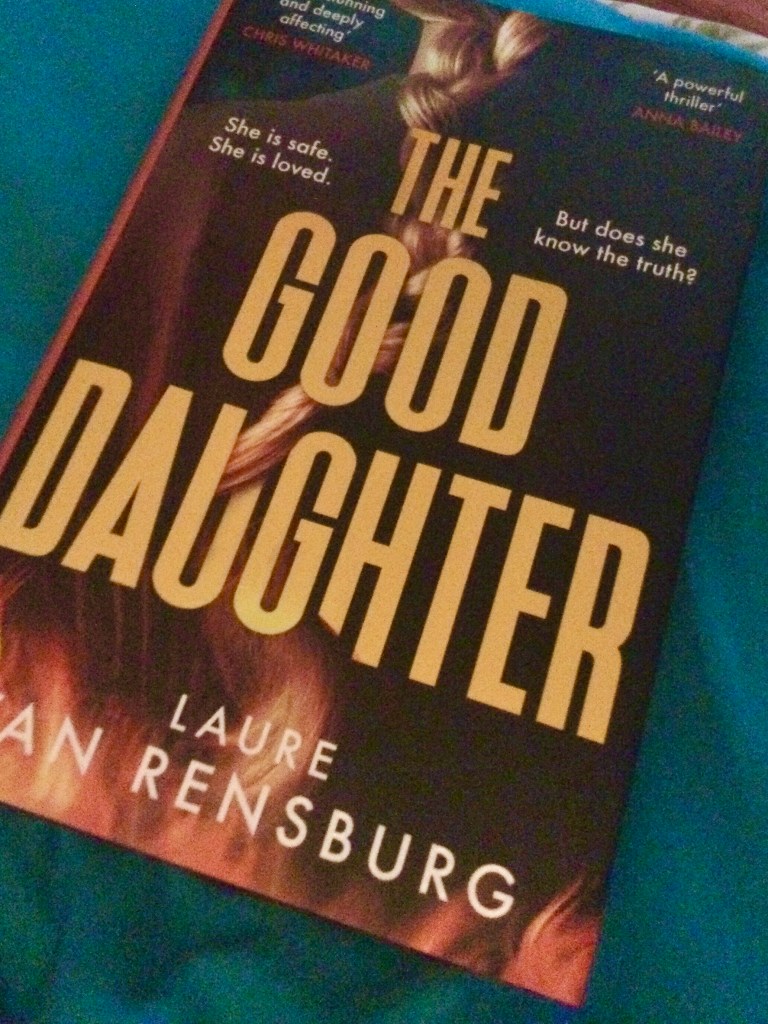
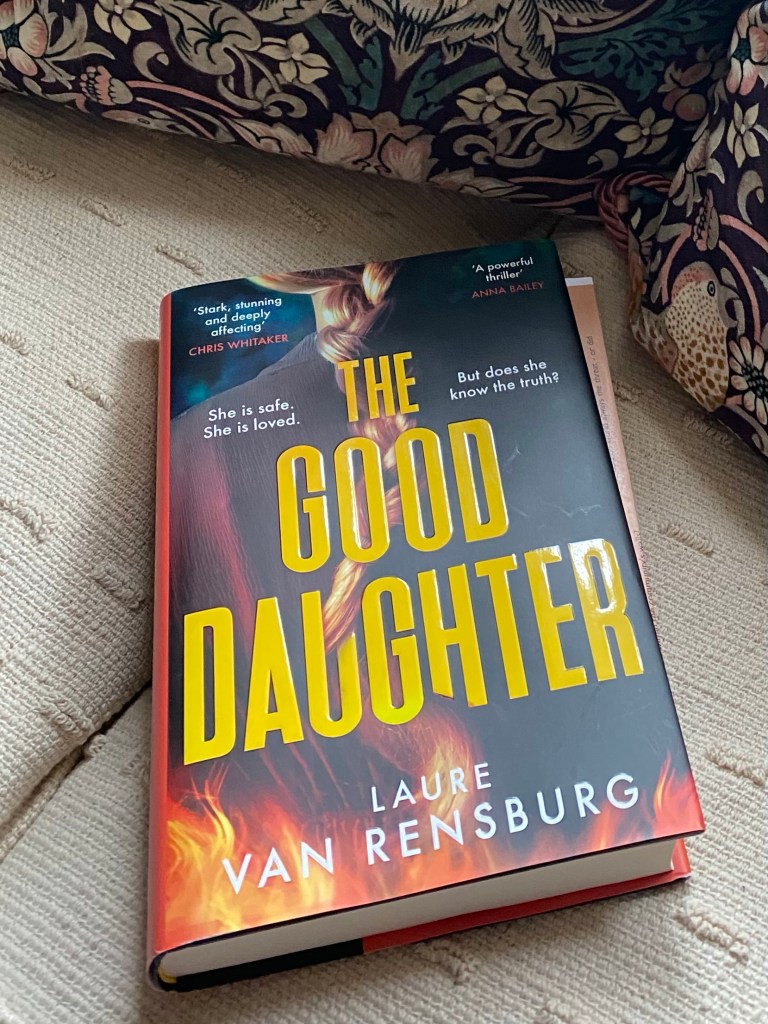
The Good Daughter by Laure Van Rensburg

Abigail is a proud member of the New America Baptist Church. A Christian community miles away from the nearest town in South Carolina, she is safe from the depraved modern world.

She is a good daughter. A valued member of the community.


So when she is the sole survivor of a fire that burns her family’s home to the ground, it seems like a tragic accident.

Until a surprising discovery is made: before the fire, Abigail let a stranger in.

Who was the stranger? What started the fire? And was the outside world always the threat – or did danger lurk within the community’s walls?

I became completely immersed in this fascinating story about faith and the complexities of memory while on holiday. Having spent part of my childhood in a church from the American Christian Fundamentalist tradition, I am always alert to the insidious nature of spiritual abuse and cultish techniques used to entrap converts in evangelical churches. The book opens with a death, immediately filling the reader with questions and drawing them into the story. A document tells us about the wreckage of the house, following a fire. From there the author tells her story in two parts: the present day and then back to three weeks before the fire happened. In between these two timelines there are more documents and discussions that work like ‘real life’ pieces of evidence. There are news reports, public comments and podcast transcripts, all working to verify the story and establish a factual perspective opposing the emotion and confusion of our narrator. The opening is dramatic and emotive, as we realise Abigail has lost her parents; Genevieve and Pastor John Heywood were discovered dead after the fire. Yet Abigail survived. Her parent’s congregation are secretly suspicious about Abigail and think she may have started the fire. The police are beginning to think the same, but what reason does Abigail have for doing something so awful? She’s always been a good girl, dutiful and obedient. Or is that just an act? We experience everything through Abigail and her mind is a complex and intense place to be. She felt like a real person to me very quickly.

Their neighbourhood, in a remote part of South Carolina, is entirely made up of New American Baptist church members. The church members, including Abigail’s family, live according to strict rules based on the Bible. They don’t mix with non-church members and have a domestic life where the man is the head of his household. He goes out into the world to provide for his family and the wife is the homemaker, looking after the house and their children according to the principles laid down by her husband. This is a philosophy I’m very familiar with and I remember, even from a young age, wondering how could I possibly defer to my husband if he happened to be a complete idiot? Abigail doesn’t question the religious rules that govern her life, but then she meets a stranger who changes everything. Summer comes to the community to interview church members for a podcast she’s making about the New American Baptist Church. She asks to interview Abigail. They are completely different in terms of life experience but a friendship starts to grow. It’s fascinating watching the changes in Abigail and her characterisation is excellent, as is that of Summer. She is a catalyst of so much and the storytelling is strong, but follows an unpredictable path. It’s a slow start, then as Summer arrives the story takes off and becomes the pacy and addictive psychological thriller I expected from this writer.

Laure Van Rensburg has taken a very sensitive, difficult subject and has managed it with a great deal of care and empathy. It’s hard to tell such a powerful story with the right amount of sensitivity, while also creating a gripping narrative that keeps readers turning the pages, but I think the author has managed that balance well. We’re taken deeper into life on the plantation with brilliant descriptive passages that create insight into the group. There’s a lot here that wasn’t weird to me, although I think it would be for most readers. If I say to people religious fundamentalism most people don’t really know what that means. I was taught to take every word in the Bible as the absolute truth: Noah built an ark, we all come from Adam and Eve and the world was created in 7 days. Every word comes direct from God with no room for interpretation, symbolism, or the historic period or culture it was written in. Years later, when studying literature at university, I was asked to consider the Bible as a book. I had to research how it was produced, when and by whom. It’s obvious why all books included in the New Testament are written by men. It became a written text in AD325 and powerful men decided what went in (at least that explains the prominence of St. Paul the misogynist). Emperor Constantine and a council of men had the final say, but when the reformation swept through Europe in the 16th Century there was a further split on the books included by the existing Roman Catholic Church and the newly formed Protestant belief system. It’s no wonder then, that the New Testament preaches female modesty and subservience; it suited the church and the men in control of it.

When you imagine that that belief system preached to you every Sunday, borne out by the way your home functions it’s clear to see the damage it can do to self-esteem and the way young women form relationships. That was certainly the case for me. It’s a potent recipe of coercive male control and dominance over women and I could feel a familiar conflict brewing within Abigail as she tries to follow the path forced upon her by both the religious group and all the families around her, but starts to wonder if there’s more. Of course the church is judged and treated with suspicion from outside the community, but there’s no room for questions inside. Questioning the status quo is seen as rebellion, a loss of faith or even a spiritual battle going on within the soul. However, as with all organisations, there are disturbing secrets that lies beneath. I will admit that this was difficult to read in parts, because it set off a chain of little light bulb moments for me. Although, I think it would be an emotional experience for any reader. There’s a creeping sinister feeling, but the increasing tension and twists in the tale keep you glued to the page. I came away feeling so many emotions, but mainly I was so angry, for Abigail and the other young women in the community. Of course some of that anger was for me and the other young women who grew up in my church, many of whom I’m in contact with and who, despite all of them leaving the church in their teens and twenties, are still affected by the experience and their internalisation of the church’s teachings. As Amber’s real memories began to appear I was hooked and had to know what had happened and how she was going to move forward.

I am so impressed by the level of research Laure Van Rensburg has done into this type of church and the sinister way it works. She has really captured the narrative that’s constructed, using the Bible to create an outmoded and illusory vision of the world. If you follow their teachings and actively apply them to your life, God will protect you and keep you safe. The loneliness felt by church members when something bad happens to them or their family is heart-breaking; I was told that my multiple sclerosis would be healed by prayer and when it wasn’t it couldn’t be a failure of God, or their prayer. It was my lack of faith. I found Laure’s writing absolutely mesmerising, the Newhaven community felt just as real as Abigail. I could see it vividly in my mind’s eye. Then when she allowed the outside world to encroach on the narrative it came as a shock, because you realise just how far these people are removed from modern society and even reality. Your mind will flit between whether Abigail is genuinely traumatised by the community and the terrible night of the fire, or whether she’s a psychologically astute and proficient liar. It has a slow start, but by the end I was questioning everything! For me, although it’s at the extreme end of experience in a church like this, the teachings and the coercion were no surprise at all. Most readers will be familiar with these but see them as the practices of cults or churches like the Latter Day Saints. I think they might be a lot more comfortable imagining this mistreatment of women is confined to religions like Islam. It will surprise a lot of readers to learn that a modern Christian church could be like this. They do exist, both here and in USA. As both the restriction of women’s rights over her own body and book banning is in progress now in some US states, the timing of this book is just right. It’s not much of a leap from here to The Handmaid’s Tale. I found this a disturbing, dark and addictively intense read that you really won’t want to put down.

Meet the Author

Laure Van Rensburg is a French writer living in the UK and an Ink Academy alumna. Her stories have appeared in online magazines and anthologies such as Litro Magazine, Storgy Magazine, The Real Jazz Baby (2020 Best Anthology, Saboteur Awards 2020), and FIVE:2:ONE. She has also placed in competitions including 2018 & 2019 Bath Short Story Award.

The Good Daughter is out now from Michael Joseph Books

Posted in Random Things Tours

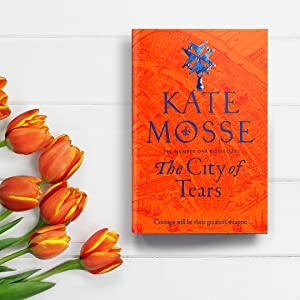
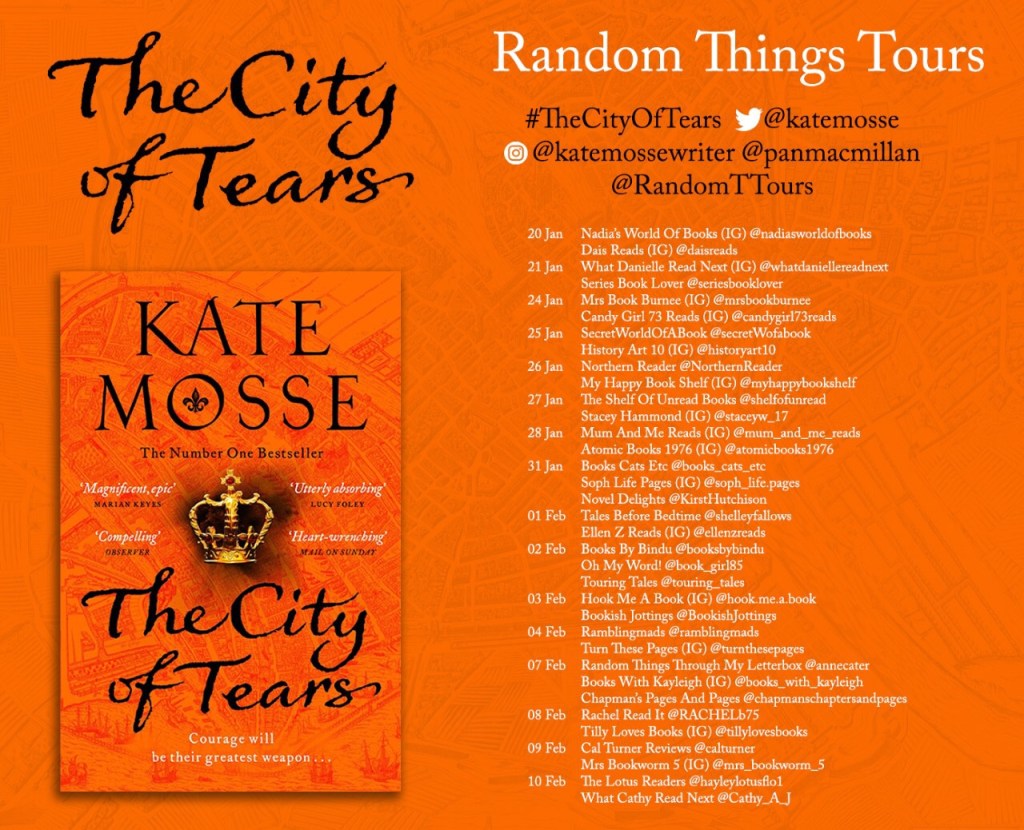
The City of Tears (The Burning Chambers 2) by Kate Mosse.

I’ve been reading Kate Mosse since Labyrinth all those years ago and I’m always impressed by the level of detail and knowledge of French history she weaves into her books. Every detail is considered and you have the impression straight away that you’re in safe hands. In The City of Tears she combines her fictional narrative with fascinating real events focusing on the Catholic and Huguenot conflicts of the 16th Century. This is the second book in the Burning Chambers series and I did choose to go back and read the first book. However, due to Mosse’s ability to immerse you in her world, I think this could be read as a stand alone novel. It continues the adventures of Minou Reydon-Joubert and Piet Reydon, characters caught up in a period beset by complicated religious and political wars. Mosse walks the tightrope between these warring factions carefully, illustrating that there is honour and corruption on both sides, but keeping the focus on the family at the centre of these conflicts.

We return to the Languedoc region of France and the wars have now raged for ten years. It’s May 1572 and Minou and Piet travel with their two children, Marta and Jean Jacques, to Paris for the royal wedding of Charles IX’s sister, Catholic Marguerite de Valois, and Protestant Henry III of Navarre. This wedding has the political and religious benefits of uniting both Catholic and Protestant factions, so could mark the start of peace, but it’s a fragile accord. Piet’s old acquaintance Cardinal Valentin (Vidal) is in Paris too, but he’s now an enemy, unbeknownst to Piet he has a plan to kill all important Huguenots during the celebrations. The terrible violence that follows was known as the St Bartholomew’s Day Massacre and thousands of Huguenots were murdered. Seven year old Marta is separated from her parents in the chaos and goes missing. It’s a parent’s worst fear, but unable to find her, Minou and Piet have to flee the city without her. The pair are devastated as they cross the border and make their way to safety in Amsterdam. I loved the way Mosse depicted the strain this decision places on the couple’s relationship. They have managed to ensure the safety of their two year old son, but are filled with guilt for leaving their daughter behind.

Minou and Piet only return to France twelve years later after hearing of a woman who bears a resemblance to Minou. Could it be Marta? They have to take a chance and search for their daughter, but danger is still everywhere. They don’t know that family enemy Vidal is there, with his collection of fake relics, that he intends to use with the ambition of gaining power and position. He believes Piet is in possession of a stolen relic and is driven by bitterness and revenge. His evil nature and conviction he is carrying out God’s work, is beautifully offset by Minou who is a strong willed and opinionated woman doing the best for her family rather than a religion. Piet is also more logical and open-minded, he’s a Huguenot by religion, but doesn’t believe there is only one way to God, particularly when religious difference is used as an excuse to oppress and murder. The couple’s return has raised the tension and jeopardy for all their friends and family, and Mosse delivers some suspense filled twists and turns where the hunted and hunter just miss each other.

I felt like I was in the hands of a master storyteller here. Mosse is able to bring historical fiction to life, and really makes the reader care about the lives of people long gone. She delivers the drama at such a pace, her characters barely have time to draw breath. The depth of her research is truly impressive, even if sometimes I found myself having to read very carefully so I didn’t become confused – but that’s my failing, not hers. The family are so well drawn I truly cared about their outcome and the dynamics between them are written with emotional intelligence. The character’s emotions feel so real and add depth to an already absorbing story. My heart broke for Minou at the loss of her daughter, and I was so invested in her grief that I couldn’t see how she would adjust to living without her. The strain they were under and the constant danger they’re in added an intensity to Minou and Piet’s relationship that was so romantic. Mosse’s incredible skill is to make the reader care about and feel a connection with people who lived in the 16th Century. They are so different to us in dress, daily life and beliefs but the themes of family, parenthood and loss are so universal that they cross the centuries. It will be interesting to see where these fascinating characters go next.

Check out the other reviews from these great bloggers:

Meet The Author

Kate Mosse is a number one international bestselling novelist, playwright and non-fiction writer. The author of eightnovels and short story collections –including the multimillion-selling Languedoc Trilogy (Labyrinth, Sepulchreand Citadel) and Gothic fiction The Winter Ghosts and The Taxidermist’s Daughter, which she is adapting for the stage –her books have been translated into thirty-eightlanguages and published in more than forty countries. She is the Founder Director of the Women’s Prize for Fiction and a regular interviewer for theatre & fiction events. Kate divides her time between Chichester in West Sussex and Carcassonnen in south-west France.

Posted in Throwback Thursday

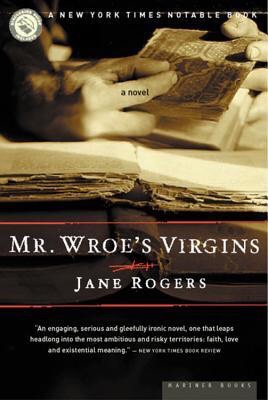
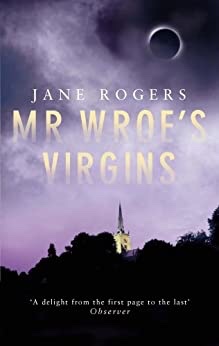
Throwback Thursday! Mr Wroe’s Virgins by Jane Rogers.

‘The Lord has instructed me to take of your number, seven virgins for comfort and succour.

In 1830, as he thought the end of the world approached, the charismatic, hunchbacked prophet of a religious sect settled in Lancashire heeds the biblical injunction and chooses seven virgins ‘for comfort and succour’. Basing her novel on the life of the real John Wroe, a leader of a group called the Christian Israelite Church, Rogers crafts an impeccable narrative, interweaving the diverse mindsets of some of the chosen women and the prophet during the nine months of complex interaction. Part morality tale, part history, packed with accurate details of early 19th century life, the stories of Leah, Joanna, Hannah and Martha unfold as they cope with the hypocrisy, blind beliefs and idealism of the sexually threatening prophet.
Told with humour, irony and a generosity that embraces even the sinister Wroe, this is a compelling story of astonishing depth, elucidating religious idealism, the beginnings of socialism and the ubiquitous position of women as unpaid labourers.

I came across this novel, even before the BBC TV series of the same name. Having seen/read both, I can recommend them equally, although I think the novel is slightly more successful in a few different ways. The way the book is structured into four different narratives allows the women’s characters to develop fully, as over nine months, the story of their lives unfold. Through them we come to experience all seven women: a pious believer; two sisters, still too young to understand their place in the world; a disabled woman; a beautiful, but egotistical woman; a mute and badly beaten woman; a girl donated by her aunt and uncle, who doesn’t believe in the prophet or his religion. It is only through the women that we experience the prophet, a clever reversal of power. In fact these narratives are the only power the women have at first, these are their only words free from restriction or religious dogma. This power shift is especially interesting when it comes to Martha, who is mute. When I first encountered her narrative I thought I’d bought a book with pages missing. However, it’s just Martha trying to express herself the only way she knows – depicted in staccato monosyllabic language, Martha writes about what she knows, eating and sleeping in the first instance. Yet instead of cutting off her narrative, Rogers leaves a blank page. This is the space into which Martha can develop and come to know herself. One of the most powerful parts of the book is watching this transformation.

We hear that Mr Wroe is a powerful speaker, and we can hear his preaching and religious teaching. However, we don’t fully come to know and understand the man. He doesn’t get to construct himself through language. So, we know something of his belief system and his interpretation of the Bible, but nothing personal. This could be because he is a conduit of God, simply meant to deliver God’s teaching. It also leaves him as something of an enigma. Why and when did he become the person he is today? The belief system he has is very selective, patriarchal and seems to benefit him more than his congregation. He sees no problem in allowing Leah to bring her illegitimate child to live with them. He accepts Hannah into the fold despite her lack of faith, and her doubts allow him to admit his own. He uses all the women as unpaid domestic servants and the exploitation doesn’t end there. He seduces the pious Joanna by convincing her that they will beget the new Messiah. For each woman his approach is different, but it works. I found his exploitation of Martha particularly difficult to read and his ability to take Joanna’s faith and use it against her in such a manipulative way is despicable. I don’t want to ruin the ending, so I’ll reserve any more detail, but such an arrangement can’t last and I kept reading hoping for the women’s emancipation.

I have always enjoyed this book and further reading shows it has stood the test of time. The historical detail is so accurate and the scene she sets is vivid – Martha’s time in the pig sty with the animals really sticks in my memory. It may seem hard to believe that any parent would willingly give up their daughters to this man. However, I understand how religious fervour can sweep through a community. Having family on my Dad’s side from the Isle of Axeholme, I know my ancestors would have experienced the Methodist revival started by John Wesley who hailed from Epworth. The real life Mr Wroe’s congregation firmly believed he was a holy man. Maybe they felt that God would look favourably upon them if they supported his vision. There were of course monetary reasons too; offloading a disabled or mute woman who would never earn money or marry could have helped a family who were stretched financially. Also, the stigma of having a disabled daughter, an old maid still living at home or a a girl who has a child out of wedlock could be wiped out by their inclusion in the prophet’s household, This can be a challenging read in parts, but worth the work as you become pulled in by the voices of these women. Little is known about the real ‘virgins’, but here Rogers gives them a voice and a power they clearly didn’t have in life.

Meet The Author

Jane Rogers has written 10 novels ranging from historical to contemporary to sci fi. Books include Mr Wroe’s Virgins (which she dramatised as an award-winning BBC drama serial), Island, and The Testament of Jessie Lamb (ManBooker longlisted, winner of the Arthur C Clarke Award 2012). Her short story collection Hitting Trees with Sticks was shortlisted for the Edgehill Award.
She also writes radio drama and Classic serial adaptations (most recently of John Wyndham and R.L. Stevenson).
Jane has taught writing to a wide variety of students, and is Professor Emerita at Sheffield Hallam University. She’s a Fellow of the Royal Society of Literature. Her latest novel, Body Tourists, is a dystopia set in 2040.

Posted in Personal Purchase

Throwback Thursday! A Song for Issy Bradley by Carys Bray.

Meet the Bradleys.

In lots of ways, they’re a normal family:
Zippy is sixteen and in love for the first time; Al is thirteen and dreams of playing for Liverpool. And in some ways, they’re a bit different:
Seven-year-old Jacob believes in miracles. So does his dad. But these days their mum doesn’t believe in anything, not even getting out of bed.

How does life go on, now that Issy is gone?

This book is truly beautiful, moving and insightful novel about a family dealing with grief. The Bradley family have lost four year old Issy, and Carys Bray tells their story through each family member in turn. Bray has personal insight into the Mormon church, although she’s no longer a member. That doesn’t mean that this is a grand criticism of the religion, what she does is use her insight to craft a family of faith coping with the worst thing that could happen to them. She takes us on the weekly Merry-go-round of family night, youth club, Saturdays writing sermons and church on Sunday. I was brought up in a similarly restrictive evangelical Christian background till I rebelled at 16. I have spent my whole life watching adults try to reconcile their faith in an interventional God, with tragic events in their lives. When people believed that God granted them the good weather for their BBQ, it was hard for them to understand why my Multiple Sclerosis hadn’t responded to their healing. This could go one of two ways: God had a reason for giving me MS or I didn’t have enough faith for their healing to work. This family experience similar feelings and treatment, as their comfortable and cosy religious world implodes.

What the author shows us, is that nobody is immune from grief. Dad is a bishop in the church, and since marriage outside the faith is discouraged, Mum is a Mormon convert. His standpoint, although written with great empathy, is the one I found it hardest to relate to. Possibly this is because of my religious bias, but it felt like he was trying to make sense of it too early in the grieving process. It can take years to be able to put such an enormous loss into context and be able to identify its effect on your emotions and choices. This is the immediate aftermath and Ian is trying to make sense of it in terms of God’s purpose. As a bishop he has the pressure of the ‘public’ face he has to maintain. He’s a leader so he can’t appear weak, doubtful or as if he’s questioning God. It’s quite a normal reaction to feel very angry with God. If you have given your life over to his work you could be forgiven for having questions: Why has this happened when I serve you? Why should I believe in you? If followers see that doubt or uncertainty, it could undermine their faith. The only way to rationalise this, in the context of his position, is to assume God is testing him – testing his faith like Job or teaching him something. While this might keep Ian’s public face intact, he could be experiencing a crisis of faith behind the mask. Even worse it could put him on a collision course with the rest of his family.

Wife Claire is simply overwhelmed, unable to maintain a private face never mind a public one. She retires to her bed, completely paralysed by grief. She finds herself asking all the questions Ian is avoiding and as a convert she has a different context through which she can view her grief in many different ways, instead of just one. However, as she stays in bed, the rest of the children are dealing with their grief alone. The faith they’ve been brought up in has failed them, they have been faced with mortality so close to home it raises fears of further trauma. Eldest girl Zippy is trying to hold everything together at a turbulent point in her own development. She tries to be Mum to her youngest brother, the beautifully drawn Jacob. Her brother Alma is disappearing into his football and dreams of playing for Liverpool. All the children find their father’s responses strange and unsympathetic, but feel abandoned by Mum. There’s also an anger developing. Their father is a powerful man in church terms, so how have their parents let this happen? Could it happen to them? Bray has written in these children’s voices with skill and empathy. She has thoroughly imagined what their inner language would sound like. Jacob’s concept of his faith as at least the size of a toffee bonbon. They were so real I wanted to gather them and care for them.

For me, this was a stunning first novel and catapulted Carys Bray onto my list of authors whose work I would buy without hesitation. Her understanding of family dynamics and construction of each character’s inner world is exquisite. She just ‘gets’ the psychology of grief and I wasn’t surprised to discover she has experienced personal loss. Her care for each of these people, and even the religion she has left behind, is so evident and I was left feeling an affinity for her as well as the characters. The death of someone in such a young family is like throwing a grenade into the room. I felt like this book was capturing that immediate aftermath where adrenaline is still running, your ears are ringing, you don’t know where anyone else is or even how injured you are. I remember that feeling – of being so lost, you don’t know how lost you are. Bray is a novelist of exceptional depth and skill. I have just bought her third novel and I’m so looking forward to immersing myself into another of her worlds.

Meet The Author


Carys Bray was brought up in a devout Mormon family. In her early thirties she left the church and replaced religion with writing. She was awarded the Scott prize for her début short story collection Sweet Home. A Song for Issy Bradley is her first novel. She lives in Southport with her husband and four children.

Her first novel A SONG FOR ISSY BRADLEY was serialised on BBC Radio Four’s Book at Bedtime and was shortlisted for the Costa Book Awards and the Desmond Elliott Prize. It won the Authors’ Club Best First Novel Award. Her second novel, THE MUSEUM OF YOU, was published in June 2016. WHEN THE LIGHTS GO OUT, her third novel, was published in May 2020. Carys has a BA in Literature from The Open University and an MA and PhD in Creative Writing from Edge Hill University.