Rachel (Rocky) is seemingly living her best life as the irreverent, funny beating heart of her family. Her ageing father is his unique, adorable self; daughter Willa is prone to bouts of existential angst whilst berating the fact that her mother has zero filter; husband Nick is steady, logical, sometimes infuriating.
They are messy, they are flawed, they are completely, ridiculously normal.
And like most normal people, Rocky worries about what might happen next. So when a former classmate of her son Jamie dies in a seemingly random accident, Rocky becomes obsessed.
For if accidents can happen – and they do – is it truly safe to love anyone?
Fresh, honest, laugh out loud funny and genuinely relatable, WRECK follows Rocky and her family through one rollercoaster year as they negotiate the unpredictable and beautiful messiness of life.
I don’t know how Catherine Newman does it, but I feel so at home with Rocky as if she’s a really close friend who you can tell anything to. After Sandwich, we meet the family at home, getting over Grandma’s death and getting back into the swing of life. Rocky’s dad has been living in their outside shed since his wife died and daughter Willa is also at home. Newman lets us live alongside these characters as part of the family and I adore their humour and their warm, chaotic household – not to mention their food always sounds incredible. Rocky is a freelance writer and doesn’t have regular work coming in, so when a young man is killed in his car on the nearby railway crossing she becomes fixated on what happened. If anything Rocky is over empathetic, she can’t stop thinking about how devastated his family must be and trying to work out how it happened. Meanwhile, a strange rash appears on her shoulder and while she’s having a check on sun damage her dermatologist suggests they look into it. This turns out to be a good call as it begins to appear elsewhere on her body. A biopsy of the skin and some bloods should solve the mystery but it becomes a deep rabbit hole with many frightening possibilities.
I am not overstating when I say this book could save my life! As Rocky’s symptoms started to mount I kept reading bits out to my husband and looking up the terms, wondering if somehow the author had magical access to my medical records. I identified so strongly with this story of living while unwell because this has been the last eighteen months of my life. I had two breaks in my spine as a child causing issues with pain and the use of my right arm and shoulder. I was also diagnosed with multiple sclerosis at 21. However I have always had a collection of symptoms that didn’t fit with that diagnosis. With increasing arthritis in my lumbar and sacral spine my pain management consultant asked for a full body MRI. I couldn’t have prepared myself for the list of problems that unfolded. Not only did I have arthritis and impingement of peripheral nerves, I also had a narrowed spinal canal in places, potentially causing issues with my spinal cord. However, I also had a lesion in my spine, one in my spleen and several growths on my thyroid. All of these things are being dealt with by separate specialists, but Rocky’s story popped a little light bulb over my head. Surely I had to ask the question – what if all these issues are connected? I’ve already been told it’s likely I have Hashimoto’s disease and it’s being treated, but I’m having biopsies and I’ve asked to see an endocrinologist to flush out whether it’s one of diagnoses that Rocky is facing. I recognised the sudden feeling that your body is falling apart and is even working against you. I’ve felt that terrible fear that there’s a ticking time bomb somewhere in your body and almost becoming divorced from it. I could see that Rocky felt better when she did something physical such as going to a dance group or plunging into an icy lake, because her body works for her and becomes part of her again.
This author knows how it feels to be going through all the volatile changes of menopause, while simultaneously supporting young adult or teenage children and elderly parents. It’s a hell of a balancing act while getting used to a body that puts on weight where it never has before, thins all the things you want to be lustrous and thick and thickens all the bits that used to be slender. She captures what it’s like to feel invisible to most of the world, but the absolute beating heart of the home. The generation gap is also brilliantly portrayed when Rocky and Willa try to take grandad to a juice bar, his grumpiness giving the perfect edge this warm and nurturing family. While Rocky’s husband is like a little moon, constantly orbiting his wife and tending to those little things like cheesy nachos in bed. It’s interesting when this very liberal family have to cope with family members whose views are not like their own. Jamie and his wife Maya visit from New York for Thanksgiving and it’s clear their values are different, especially when Rocky makes a discovery about her son. He works for a company that consults for businesses, finding ways to make them more profitable and openly says to his mum that he just loves money. Even though she doesn’t agree, Rocky is never happier than when all her children are under her roof.
‘“Yayy, I say. All the kids back under my roof! When I send out my ESP stealth probe in the night to check on everybody, they’ll be in their proper beds”.
Mostly I love the emotion and atmosphere of this author’s novels. I live for a messy pile of books by the couch, usually with a pint mug of tea within reach and the dog and cats all quietly snoozing in their own places. That’s exactly what this family has, an untidy but welcoming house with cats everywhere and always gorgeous food on the go. It feels very conscious of the seasons too as summer turns to autumn and winter, with festivals like Halloween playing their part – I loved the moment when Rocky tries to do the trick or treat routine on the porch not realising the young woman is Willa’s date. Every festival is marked with excellent food, followed by a long tramp through the nearby woods and foraging for things. I always want to be part of their world and feel like I’ve lived with them for a while once the story ends. As my story continues I’m going to take a bit of Rocky’s dermatologist’s wisdom with me. When he gives his diagnosis Rocky is taken aback and he acknowledges her feelings but tempers it with some advice:
“Yikes, I said, and he said, ‘a little bit of yikes. You can visit with the fear but don’t hire a van and move there.”
Out Now from Doubleday
Meet the Author
Catherine Newman is the New York Times bestselling author of Sandwich and We All Want Impossible Things, which was also chosen for the Richard & Judy Book Club. She is also the author of the memoirs Catastrophic Happiness and Waiting for Birdy, and the bestselling children’s book How to be a Person. She is a regular contributor to the New York Times, O, The Oprah Magazine, Cup of Jo, and many other publications. She writes the Substack newsletter Crone Sandwich and lives in Amherst, Massachusetts, with her family.
On a cold night in a remote Irish village, a girl goes missing.
Sweet, loving Rachel Holohan was about to be engaged to the son of the local big shot. Instead, she’s dead in the river.
In a place like this, her death isn’t simple. It comes wrapped in generations-old grudges and power struggles, and it splits the townland in two. Retired Chicago detective Cal Hooper has friends here now and he owes them loyalty, but his fiancée Lena wants nothing to do with Ardnakelty’s tangles. As the feud becomes more vicious, their settled peace starts to crack apart. And when they uncover a scheme that casts a new light on Rachel’s death and threatens the whole village, they find themselves in the firing line.
This was a new series to me, but having read some of Tana French’s earlier novels such as In The Woods I knew it would be something I’d enjoy. I love her writing and here it is such a beautiful balancing act. This is a slow burn novel that’s beautifully atmospheric and manages to convey both moments of high humour and menacing evil. The small village of Ardnakelty is a quagmire. It’s described as gloomy, misty and wet most of the time. There’s something about the weather that’s oppressive and any walk outdoors is liable to leave you muddy and wet. It seems like a harmless place, but it’s full of pitfalls and weeds that can drag you under. The emotional quagmire is impossible to avoid if we look at it through Lena’s eyes. It is so remote, but anyone like Cal thinking they’ve come here for quiet and to avoid other people is in for a shock. He already has Trey, a teenage girl from a difficult family who is like an adopted daughter to him. How much more tied to this place might he become? Villages like this have one shop and one pub and everyone frequents them so eventually there’s a passing acquaintance with everyone. This is a place where neighbours are more like family. They’ve known each other forever, and their mothers knew your mother too. This could be seen as a bonus, but the author depicts it as spider’s web that once you’re stuck it’s impossible to escape. The only question is, who is the spider?
“The cloud is high tonight, letting through a haze of moonlight here and there so that streaks of fields rise ghostly out of the darkness and the air has an icy bite that burrows to the bone.”
The plot reveals itself slowly and once Cal and Trey find the body of local teenager Rachel in the river, the tension starts to build in this small community, until it’s pushed to breaking point. It made me feel angry and utterly powerless in parts. Rachel had been going out with Eugene Moynihan for years and it was apparently Eugene she had been out to meet on that night. Was this a tragic accident or is something more insidious going on? Rachel’s family are devastated and Lena is shocked to find out she was the last person to see her that night. The village gossip is in overdrive with different theories, but the narrative that seems to be emerging is that Rachel might have committed suicide. Cal doesn’t think so, but most people daren’t think anything different. The Moynihans are a big deal in Ardnakelty, living in a huge house with all mod cons and Eugene’s dad Tommy has a finger in every lucrative pie. Cal is told no one is going up against the Moynihans, because Tommy has all the right friends in very high up places. There was part of me that could see this story as an allegory for what’s happening in the world – a money-hungry bully, who is always looking for the next chance and has such a hold over people he could get away with almost anything.
Underneath this main mystery is the narrative of Cal and Lena’s relationship, in fact very early on we get a conversation about their wedding. Despite being engaged, Cal and Lena are still in two separate houses and have made no wedding plans. This suits them, but Lena’s sister Noreen who runs the shop is forever warning them. If they don’t book something round here they’ll lose the only venue. There’s Cal’s worries about Trey who is hoping to gain an apprenticeship as a joiner, has exams to get through and trouble at home where the landlord seems to want them out of their house. All of these things weave in and out of each other, seemingly unconnected but as with everything here patterns and connection exist under the surface. Tommy and Eugene pay Cal a visit, as an outsider maybe he’s the best person to investigate this? Cal refuses but is left with the feeling that will count against him. If he’s to ask any questions he’d rather do it alone, with no one controlling the narrative. What he doesn’t know is that Lena is already asking questions and because she’s from this place she knows who to ask. It’s clear sides are forming, even in the way people arrange themselves at the wake. Cal is with Trey but also his neighbour Mart, the only locals he feels any allegiance to. While Lena is drawn to a women’s table, containing everyone she went to school with and usually avoids. She doesn’t want to join sides, but with Cal increasingly pulled into Mart’s group she knows there’ll be pressure from the Moynihans. Maybe there’s a positive to being part of Ardnakelty, but she can’t see it as yet.
I loved the build up of tension in this small village and the wonderful way the author balances that with humour. There’s a scene with Mart and a squirrel that’s comedy gold and made me laugh out loud then read it to my husband. Mostly it’s the juxtaposition of things; a gang of masked men is menacing, but has a more comical touch when some are Wolverine and other varied superheroes. As the situation escalated I felt angry and powerless to stop what was happening. It wasn’t so much the brawls, it was the quiet threats and controlling nature of what was happening, particularly to the women involved. Tommy Moynihan made my skin crawl but so did Noreen’s mother-in-law Mrs Duggan, the perfect example of someone who appears powerless but actually controls the household and watches the to and fro of the village from her armchair. This fight could knit Cal, Lena and Trey into this place’s history. They could commit to being lifelong Ardnakelty people but if they are, they must find out what’s behind Rachel’s death and end Tommy’s dominance over the place. I became so drawn into this world that I was genuinely upset by the loss and how far apart Lena and Cal become. I loved that he didn’t crowd her and gave her the space to be her own person. I also loved the way he parented Trey and responded to her new relationship. This is an intricate and carefully balanced thriller that’s perfectly grounded in its rural Irish setting. Cal learns that the villager’s allegiance to their land runs deep and they are willing to put absolutely everything on the line for it, even their lives;
“Their tie to their land is different, not in its intensity but in its nature: rooted thousands of years deep, through strata of dispossession, famine, bloody rebellion. This land has been reclaimed and that changes things.”
Out 2nd April from Penguin
Tana French is the author of In the Woods, The Likeness, Faithful Place, Broken Harbor, The Secret Place, and The Trespasser. Her books have won awards including the Edgar, Anthony, Macavity, and Barry awards, the Los Angeles Times Award for Best Mystery/Thriller, and the Irish Book Award for Crime Fiction. She lives in Dublin with her family.
Hello all. Welcome to my February favourite reads. It’s been a busy reading month and thankfully I’ve been feeling less foggy and able to read a lot more. I’ve also found more balance in my reading so I’ve been able to read by choice a lot more too. These are the best ones I’ve read this month, a couple still have full reviews outstanding but I’ll tell you a little bit about why I enjoyed them so much.
This beautiful Pride and Prejudice inspired book is an absolute dream to read and felt like being back with old friends. I had always felt that Elizabeth Bennett underestimated her friend Charlotte Lucas and clearly she was a character whose possibilities played on author and comedian Rachel Parris’s mind too. Taken from the point Lizzie rejects Mr Collins’s proposal, the book takes in events from the rest of Austen’s romance and carries on beyond giving us glimpses into events we don’t get to see, such as the Darcy wedding at Pemberley. It’s told from Charlotte’s perspective but with letters from other characters and glimpses into Mr Collins’s past. These give us an insight into his manner and behaviour, while the letters give us a new slant on other characters too. I felt that Charlotte was pragmatic in her choice of husband and found ways to grow within it – sometimes in spite of Mr Collins and other times because of him, rather surprisingly. She has purpose, status and time to educate herself. Even Mr Collins has to admit she has blossomed, but when a spark is lit with a visitor to Rosings will Charlotte pursue the one thing she doesn’t have – romantic love and passion? I loved this and I’m sure many of you will too. It is pitch perfect, funny, sad and incredibly entertaining.
I have raved about Tracy Whitwell’s series following the adventures of Tanzy, actor and reluctant medium. This is the fifth and final instalment so I wanted to savour it. After her eventful trip to Iceland Tanz is back on home soil and soon makes her way back to her childhood home of Newcastle. Both she and her ‘little mam’ have been experiencing dreams about hangings, in Tanz’s case very alarming ones where she has a bag over her head and a noose round her neck. Her visions are powerful and are accompanied by sudden and torrential storms. Knowing she needs some help here, she asks Sheila to come and join her. They’re soon at the very spot where a travelling witch finder condemned several women to death by hanging. Even more alarming than usual, he seems to be able to see Tanz too, coming at her with his ‘pricker’ – the implement he uses to prod his prisoners to see if they bleed. This is toxic masculinity 17th Century style and Tanz is going to know her new Icelandic guides and all her power to defeat it. There’s the usual eccentric characters, including an Amazon woman dressed ‘like a Valkyrie’ who is also researching local history of witches and a ghostly lady called Mags who is full of mischief when it comes to putting men in their place. This is genuinely scary in parts and is based on historical research of the area. It was great to see Tanz back home again and with a case to solve, a love story to wrap up and a surprise that might determine her future, it’s a great finale to this funny and fierce series.
I’ve been able to catch up on some reading this month and I’ve been dying to get to the latest Kate Sawyer. She is now one of my ‘must buy’ authors and this novel just confirms her status on my shelves. Using the structure of family holidays, this book follows four generations of one family and the secrets they carry. Starting post-war with Betty who is at the seaside with her little girl Margaret and husband Jim, but Margaret doesn’t know the secret romance her mother had with the son of a local factory owner. Jim was a pragmatic choice and he’s a good husband despite the facial injuries and terrible memories he carries. Jim is doing well in his job and a few years later they visit the beach with his American colleagues and a teenage Margaret. There something happens that changes the course of this family. The author takes us through the 20th Century, showing how the changing world shapes the experiences of this family. From a beach on the east coast of England, we see holidays in Cornwall, then abroad as Maggie embraces the opportunities of a her husband’s job as a travelling buyer, and when her brother Tommy invests in and up and coming area of Europe. We see howchangesinlaw and culture make some relationships and break others. The womenin this novel are exceptionally well-written and the issues they face from infidelity, domestic violence, infertility and the consequences of a more permissive society opening the door for a more open generation than the one before. Throughout, this is a family that tries its hardest to stay together, even when some members are on the other side of the world. I love complex relationship dynamics so this was an absolute joy to read.
This incredible debut by Rachel Canwell deserves all the praise it’s receiving online. In fact she had a books signing at my local bookshop in Lincoln and had sold out within an hour! Her book is set in the south of Lincolnshire, in the fens and a family who live on the banks of the River Nene at Sutton Bridge. The new swing bridge allows them to visit the village and on the opposite bank a port is being built. Next to their home is a small hospital, readied by their father to serve port workers when everything is finished. One dark and disorienting night the family are woken by a rumbling sound and the splash of things hitting the water, but it’s only in the morning that the full devastation can be seen. The bank has collapsed underneath the new port, the family has lost their occupation and one of its sons, who drowned trying to rescue workers. We meet the three women who tell our story in the 1910s, Eleanor and her sister Lily are the last family members living in the house adjacent to the hospital – still empty and unused. Eleanor has fallen in love with John, the local blacksmith but can’t make plans because of her sister Lily. Lily will not leave the family house, in fact she rarely leaves her bedroom. The loss of her twin brother in the port disaster still affects her daily and she will not allow Eleanor to leave her alone in the house. Eleanor’s best friend Clara is married to their older brother Frank and they live in the village with their children. Clara is married to a bully and she sees one in Lily, who passive aggressively controls her sister. War is looming and as a prisoner of war camp is suggested for the old port site tensions within the community rise. With grief joining domestic violence, manipulation and alcohol issues this family is set for an explosive reckoning. I became so attached to these women and their family’s tragic history that I read it so quickly. I will go back and read it again though. Every element – character, setting, plot – is beautifully done and the historical background took me back to a time when my own grandparents would have been working the land and living next to the River Trent further North in the county. This is an excellent debut that had me absorbed completely.
This was an unexpectedly great crime novel set around an auction rooms in Glasgow, a venue where criminal elements mix with rich collectors and eccentric dealers. Rilke is pulled into a difficult situation after his friend Les finishes his prison sentence. When one of the Bowery Auctions regulars, the creepy and questionable Manderson, is killed on the premises it’s only 24 hours till their next auction. In fact Manderson has been stabbed in the eye with one of the antique hat pins they had out for the viewing afternoon. An Edwardian amethyst pin would have had to make its way through a huge hat and into a woman’s long, piled up hair, to keep it secure. Now it’s made its way through Manderson’s eye into his brain and it’s going to take a lot of strength to remove it. Knowing the police will be involved and that Bowery’s will be implicated, perhaps it would be better if it wasn’t obvious that he’s been killed with one of their auction lots. Things get worse when a gangster turns up at Bowery Auctions with Rilke’s mate Les in tow. Ray has a way with a razor and he focuses Rilke with a swipe to Les’s face. Rilke must now investigate who killed Manderson in just ten days or Les will pay the consequences. His investigations will take him to an old school where many ex-pupils have reported sexual abuse, to a brothel named after a questionable film and a girl called Chloe who may or may not be controlled by her boyfriend, Dickie Bird. Will he find the answers that will save Les? More to the point, are the answers to be found outside Glasgow or a lot closer to home? Glasgow is a city that doesn’t hide its darker quarters or episodes in its history and we see them here from pubs to brothels and a particularly creepy old school. The author brings in modern concerns around women using Only Fans and other internet sex work to make ends meet. Can it ever be a feminist thing? There are also issues around coercive control and manipulation, but as Rilke learns it’s easy to get the wrong end of the stick. There’s a familiar jaded feeling around these issues and a knowledge that no matter what’s brought to light, some people will always get away with it. This is a gritty thriller with a streak of humour and some fantastic characters. I’m looking forward to the rest of the series.
Finally this month I’m recommending this brilliant thriller from Tana French, the third in a series featuring ex- Chicago cop Cal and his new life in the small Irish village of Ardnakelty. This is such an atmospheric read that manages to feel isolated, but suffocating at the same time. Cal and his fiancée Lena, who was born here, try to keep out of any local gossip or feuding. However, when young teenager Rachel goes missing one night in a storm both Cal and his woodworking protoge Trey go looking for her. She’s found in the river, after setting out to meet her boyfriend Eugene Moynihan at the bridge. She appears to have drowned but Eugene claims not to have made the arrangement to meet in such terrible weather and when the autopsy comes back it reports that Rachel had swallowed anti-freeze. Is this an accident or suicide. Cal and Lena suspect foul play and with Lena being the last person to see Rachel, staying out of this might not be possible. When Cal appears to side with his neighbour Mart against the Moynihan family tensions rise and Tommy Moynihan, family patriarch, starts to show just how much of Ardnakelty he holds in his power. This is a complex mystery, with risky allegiances and terrible consequences. The Irish dialogue is so beautifully written and there are moments of laugh out loud humour to dispel the tension. This was an incredibly good thriller with plenty of twists and a fascinating central character too.
Charlotte Lucas has never been a romantic. Practical to a fault, she accepted Mr Collins’s proposal with clear eyes and a steady heart, trading passion for security. Life at Hunsford Parsonage may be quiet and predictable, but it is hers to manage – and she’s determined to make the best of it, whatever Elizabeth Bennet may think.
That is, until an unexpected guest at Rosings Park turns Charlotte’s careful world on its head. He sees her, challenges her – and a spark is lit. But true contentment is not only about who you choose to love, but who you choose to be. For the first time, she wonders: has playing by the rules kept her on the sidelines of her own life?
It is a truth, universally acknowledged that a sick woman in bad humour will be revived in the company of a witty novel…
This is the Pride and Prejudice inspired novel I’ve been waiting for and it came at the perfect time, when I’ve been feeling very unwell and was stuck in bed. I read for two days between sleeping and I swear it kept me sane. I always felt that Lizzie Bennett underestimated her friend Charlotte and I wondered what happened to her and Mr Collins in the future. It’s a great reminder that we only see a novel’s events through the gaze of our narrator and central character. The same events, viewed from a different perspective, bring a more balanced and multi-faceted view of what happened in the novel and its characters. The events of Parris’s novel take place during and after Pride and Prejudice, from the point that Lizzie rejects Mr Collins proposal. A decision that pleases her father but sends her mother into conniptions! Lizzie’s choice means that once Mr Bennett dies, Mrs Bennett and all of her daughters are at the mercy of Mr Collins, the male heir. Whoever he chooses to marry will become mistress of the Bennett’s home Longbourne. Charlotte Lucas is our focus, Lizzie’s best friend and now the recipient of Mr Collins’s attentions. The author has added inserts from the past, adding depth and insight to both Charlotte and Mr Collins’s characters as adults. We see events that we have only imagined, like the Darcy’s wedding at Pemberley and its ensuing drama. However we also see Charlotte settle into the everyday of married life, with all its strangeness and frustrations. I left Pride and Prejudice a little worried about Charlotte, even though the way she does talk about life at the parsonage with humour and optimism when Lizzie visits. So this story of her growing relationships, her new home and her dissatisfactions with her new life is so welcome. What she misses most is passion, but if it arose would she be able to resist it?
Charlotte is viewed with pity by the Bennetts, apart from Mrs Bennett who is wailing that she will be the mistress of their beloved home. I felt like Charlotte knows her prospects are few. She’s witty and fun, but she knows she doesn’t have the charm and looks of Lizzie. She is someone who people get to know slowly and hasn’t reached her full potential yet. Mr Collins was always a pragmatic choice, but here I could also see it as a mature and confident choice. The Bennetts may see Mr Collins as ridiculous and in some ways he is, but Charlotte doesn’t see her worth as solely defined by the man she chooses to marry. He may be thought of as silly, but that doesn’t mean she is. Also, as Mrs Collins she has a beautiful home and garden, a steady income and a benefactor in Lady Catherine de Bourgh. As a married woman she has status and purpose, going out to visit sick parishioners and keeping the home running smoothly. While Mr Collins is busy Charlotte spends her hours in her library continuing to educate herself, she tends her garden and she practises her piano at Rosings. Charlotte is able to be happy and content in her own company, separate from Mr Collins’s anxieties and emotions. In this light we also see Lizzie differently, perhaps even as a little spoiled. As we see in this book, Mr and Mrs Bennett are the architects of their daughter’s misfortunes and their attitudes are clear in two crucial letters they send to the parsonage. Darcy’s assessment of the family, unwisely passed on to Lizzie during his first proposal, is absolutely correct. Mr and Mrs Bennett’s leniency with their younger daughter’s behaviour allows a window for Mr Wickham to connect with the foolish Lydia. It’s their behaviour that prompts both Darcy and Caroline Bingley to warn Mr Bingley away from his attachment to Jane. In letters to both Charlotte and Mrs Collins, the Bennett parents show they are both fierce in the defence of their daughters but spiteful towards the recipients. Mr Bennett calls Lydia unwise, but at least not judgmental – a criticism that Mr Collins perhaps deserves. However, in a letter to Charlotte Mrs Bennett shows awful spite in an unnecessary postscript:
“I saw your Maria this week at church and she is become such a beauty! What a pleasant girl – always with a smile and a manner that puts one at ease. You would not think you were sisters.”
However, I did come away with some forgiveness for Mrs Bennett’s view that Lizzie might have thought of her mother and sisters when she refused Mr Collins, because now they would surely lose their home. It’s clear that Mr Bennett has little respect for his wife and for good reason on some occasions. However, he does favour Lizzie and perhaps his treatment of her has led to Lizzie thinking she has better prospects than she does. Luckily fate brings her Darcy but I did understand Charlotte for thinking that luck just seems to fall into her friend’s lap.
I felt like Charlotte blossomed in her new environment and that sometimes it is because of Mr Collins not despite him. If nothing else he shows kindness and understanding. The vignettes of his childhood show a sad history that goes some way to understanding his character better. However, it is a connection that she never expected that seems to bring out a new side to Charlotte. An unexpected visitor to Rosings Park brings her friendship and an affinity she never expected, not to mention a passionate spark. I loved the point in the novel when Mr Collins has both a revelation about his wife and is genuinely awe inspired by her. As she plays a piece on the piano for a gathering at Rosings, Mr Collins sees his wife anew:
“This poised assertive woman was a vision, undaunted by entertaining a room of high-born people in a house such as this with the talent he had no idea she possessed […] she was splendid and her splendour shook the foundation of his peace of mind. Whereas another man might have felt only pride in his wife, for Collins, this feeling was mixed with something much more disquieting. She is beyond me: what he felt was I will not be able to keep her.”
This is a worry born of never being enough for his father, who tried to change him by whatever means necessary. I felt the author didn’t excuse all of his failings, but explained what was behind them. The narrative voice is so incredibly good that this didn’t feel like a stranger telling me about these characters I knew very well. It felt like a continuation; a meeting with old friends. Of course the author does bring some of our modern thinking to the story, otherwise we wouldn’t be hearing about Mr Collins’s childhood – a psychological aspect to character we wouldn’t perhaps expect in a book pre-Freud. I won’t touch on Charlotte’s eventual fate but I will say that Mr Collins definitely has a part in it. Maybe not in the most romantic sense, but sometimes there’s a kind of love in duty and honour. I love Rachel Parris’s humour and there’s plenty of that here, with the tone and the wit feeling positively Austen-esque. I could tell by how well each character was drawn that the author loved her books and wanted to do them justice. I think she has.
Meet the Author
Rachel Parris is a BAFTA-nominated comedian, musician, actor and improvisor, best known for her viral segments on The Mash Report and Late Night Mash, which have garnered over 100 million views. Her TV appearances include Live at the Apollo, Would I Lie to You?, QI and Mock the Week, and she is a regular guest on Radio 4’s The Now Show and I’m Sorry I Haven’t a Clue. She co-hosts the popular podcast How Was It for You? with her husband Marcus Brigstocke. Rachel also wrote and presented a Jane Austen comedy programme, Austensibly Feminist, about how to view Jane Austen as modern feminists. Rachel is a founding member of the critically acclaimed improv comedy group Austentatious, in which the all-star cast invent a play based on a title suggestion from the audience. As a touring comedian she has performed her award-winning musical comedy to sell-out audiences across the UK.
Like many English Literature students, Jane Eyre remains one of my favourite books and it has inspired writers ever since its publication in 1847. I first read it at ten years old and for me it was a romantic ghost story, read alongside the 1980s BBC series. As one of my first reads at university I could see how the novel contained aspects of everything I needed to learn on my 19th Century module: class, colonialism, morality, gender, work, women and much more. It also defies genre, with the potential to be classified as a mystery, romance, gothic fiction, Bildungsroman and historical fiction. I think this is what helps the novel endure. Its flexibility allows it to appeal to different generations for very different reasons. Each of this authors were inspired to use those multiple themes to shape a novel around Charlotte Brontẽ’s work.
My reading of the novel has definitely changed over the years. University opened up the novel for me as much more than the ghost story I’d enjoyed as a child. It brought colonialism into my mind for the first time, feminism and autonomy. It made me think more about the role of governess as a liminal figure in the household – she is an employee but doesn’t sleep or eat where the domestic staff do, she is unmarried and independent, earning her own money and making her own choices about it. I think it’s easy for a reader to identify with Jane, whether it’s the bullied and child trying to read behind the curtain or terrified by the Red Room. The girl scapegoated at school as ‘too passionate’ and a little bit defiant too. The young woman falling in love with an older man who isn’t what he seems, making decisions about whether to be in the role of mistress. All of these aspects are ripe for fictional updates and retellings. Bringing the book bang up to date there are aspects of manipulation and coercive control in Rochester’s use of Blanche Ingram and dressing up as a fortune teller to influence Jane’s thoughts. We can look at femininity through Bertha Mason, the madwoman in the attic and the comparison of Jane as everything she supposedly isn’t – modest, compliant, emotionally stable and moral. This is especially important in light of public figures like the Tate brothers who want to control how women behave and denigrate those who don’t fit their ideal. The nanny or governess has become a staple of modern thrillers because of their intimacy with the family they work for, often living in close quarters and becoming close emotionally. That is the book’s enduring appeal, that we can always look at it through the lens of today and find something new. One of my specific interests in the novel is mental health and who is in control of what constitutes instability. I’m also interested in the disability aspect of the novel and what it is about Rochester’s disabilities towards the end of the novel that brings some equality between him and Jane. Here I’ve gathered just a few of the novels that are inspired by the novel in very different ways.
Born into the oppressive, colonialist society of 1930s Jamaica, white Creole heiress Antoinette Cosway meets a young Englishman who is drawn to her innocent beauty and sensuality. After their marriage, however, disturbing rumours begin to circulate which poison her husband against her. Caught between his demands and her own precarious sense of belonging, Antoinette is inexorably driven towards madness, and her husband into the arms of another novel’s heroine. Rhys shows us why Antoinette isn’t just the antithesis of the quiet and composed Jane Eyre. Her work evokes thoughts around female sexuality and whether sexual enjoyment or the woman’s initiation of sexual activity is what Rochester rejects in his wife. Is it really the history of madness in her family or is it the ‘Creole’ aspect of Antoinette’s heritage? Is she insane or furious about his rejection, withdrawal from and later imprisonment of her that aroused violent tendencies? This is a classic study of betrayal, a seminal work of postcolonial literature and is Jean Rhys’s brief, but beautiful masterpiece.
Jean Rhys (1894-1979) was born in Dominica. Coming to England aged 16, she drifted into various jobs before moving to Paris, where she began writing and was ‘discovered’ by Ford Madox Ford. Her novels, often portraying women as underdogs out to exploit their sexualities, were ahead of their time and only modestly successful. From 1939 (when Good Morning, Midnight was written) onwards she lived reclusively, and was largely forgotten when she made a sensational comeback with her account of Jane Eyre’s Bertha Rochester, Wide Sargasso Sea, in 1966.
He did not belong to me at all, he belonged to Rebecca. . .
Everyone knows that Maxim de Winter was obsessed with his glamorous wife – and devastated by her tragic death. So when he proposes to a shy, anxious young woman after a whirlwind meeting in the South of France, no one is more surprised than the new bride herself. But when they reach Manderley, his beautiful, isolated Cornish mansion, the second Mrs de Winter begins to realise that every inch of her new home – and everyone in it – still belongs to Rebecca.
Daphne du Maurier’s thriller has Jane Eyre in it’s DNA, especially when it comes to it’s heroines: the dark and delicious vamp Rebecca who we never see and the quiet, awkward and compliant second wife who is never named. Here though, instead of a housekeeper, we get the gothic masterpiece that is Mrs Danvers, once Rebecca’s maid and now the housekeeper of Maxim de Winter’s stately home on the Cornish coast, Manderley. Maxim has chosen this new, much younger and adoring wife without any thought as to whether she has the knowledge or the qualities to run a great house. She doesn’t even have the confidence to ‘leave it all to Danny‘ as he tells her. He has the detachment of the upper classes who are so privileged they don’t care if they’re rude, ignorant or leave the staff to pick up after them. His new wife however can’t give orders and ends up trying to fit into the routine of her predecessor only to be reminded of her at every turn. Here, the madwoman is in the attic of the mind, ever present and even more intimidating in the imagination. There is also the creepy Mrs Danvers, slowly pressuring the new bride, showing her deficiencies as a mistress to Manderley and hinting at the sexual chemistry between Rebecca and Maxim. This is an incredible update of the classic, bringing in psychological aspects from the age of Freud and an addictive suspense that culminates in that bright glow of fire in the Cornish dawn.
It is 1957. As Daphne du Maurier wanders alone through her remote mansion on the Cornish coast, she is haunted by thoughts of her failing marriage and the legendary heroine of her most famous novel, Rebecca, who now seems close at hand.Seeking distraction, she becomes fascinated by Branwell, the reprobate brother of the Brontë sisters, and begins a correspondence with the enigmatic scholar Alex Symington in which truth and fiction combine.
Meanwhile, in present day London, a lonely young woman struggles with her thesis on du Maurier and the Brontës and finds herself retreating from her distant husband into a fifty-year-old literary mystery. This is a subtle update of the themes of Jane Eyre in a time when a second wife isn’t an unusual and dealing with issues like blended families and the presence of ex-wives is an everyday occurrence. However, we have the clear Jane Eyre figure still in our PhD student, quiet and unassuming but psychologically dependent on her husband who still holds a fascination for the more colourful and bohemian poetess who was his first wife. It also delves beautifully into the psychology of Daphne Du Maurier, who sealed her journals for fifty years after her death. We now know she suffered mental abuse from her father, an actor whose fascination with younger actresses derailed his marriage and perhaps provides the blueprint for the older romantic figure of Max de Winter, an updated version of Edward Rochester. There is an incredible amount of research in this book that even goes back to the Brontë’s and the psychological genesis of their writing. The more you know about them and Daphne du Maurier, the more you will enjoy this one.
1852. When Margaret Lennox, a young widow, is offered a position as governess at Hartwood Hall, she quickly accepts, hoping this isolated country house will allow her to leave the past behind. But she soon feels there’s something odd about Hartwood: strange figures in the dark, tensions between servants and a wing of the house no one uses.
Why do the locals eye her employer, widowed Mrs Evesham, with suspicion? What is hidden in the abandoned East Wing? Who are the strangers coming and going under darkness? Hartwood Hall conceals mysteries, perhaps even danger. Margaret is certain that everyone here has something to hide, and as her own past threatens to catch up with her, she must learn to trust her instincts before it’s too late?
This is a brilliant example of the ‘gothic governess’ novel as I like to call them and brings an elements of modern preoccupations like gender and sexuality to the 19th Century novel. It begins with a du Maurier style opening of a winding drive and a forbidding house that local people like to avoid. When her charge is ill, Margaret is disturbed that locals won’t come near the hall and is more puzzled by the sudden presence of Miss Davis, a nurse who turns up at the house after hearing a child was unwell at the hall. After experiencing lights in a forbidden part of the house and seeing the unease Mrs Evesham has about people knowing their business, Margaret knows there’s a mystery here but is unsure exactly what it is. Because it’s a mystery I can’t say more, but I loved how this story unfolds and what it means for the women involved.
1867. On a dark and chilling night Eliza Caine arrives in Norfolk to take up her position as governess at Gaudlin Hall. As she makes her way across the station platform, a pair of invisible hands push her from behind into the path of an approaching train. She is only saved by the vigilance of a passing doctor.
It is the start of a journey into a world of abandoned children, unexplained occurrences and terrifying experiences which Eliza will have to overcome if she is to survive the secrets that lie within Gaudlin’s walls. This is such a gothic novel that it could almost be a parody but what saves it is Eliza herself, arguably a rather more modern governess than we would expect in 1867. curiosity, her determination and her rational analysis of her situation. Eliza is no hysterical heroine of a sensitive disposition, and her self-awareness is not just important to her handling of the mystery that surrounds Gaudlin, but also entertaining. Her independence, dry wit and forward-thinking views on certain social issues, if not necessarily likely for a woman living in the 1860s, elevate her above the average Victorian Gothic female protagonist, and her innate kindness is also an endearing counterpoint to her impressive courage. The children are also much more than the standard creepy kids of many a horror story, and the different ways in which they each deal with the challenges of their situation are fascinating and credible.
In a modern and twisty retelling of Jane Eyre, a young woman must question everything she thinks she knows about love, loyalty, and murder.
Jane has lost everything: job, mother, relationship, even her home. A friend calls to offer an unusual deal―a cottage above the crashing surf of Big Sur on the estate of his employer, Evan Rochester. In return, Jane will tutor his teenage daughter. She accepts.
But nothing is quite as it seems at the Rochester estate. Though he’s been accused of murdering his glamorous and troubled wife, Evan Rochester insists she drowned herself. Jane is skeptical, but she still finds herself falling for the brilliant and secretive entrepreneur and growing close to his daughter.
And yet her deepening feelings for Evan can’t disguise dark suspicions aroused when a ghostly presence repeatedly appears in the night’s mist and fog. Jane embarks on an intense search for answers and uncovers evidence that soon puts Evan’s innocence into question. She’s determined to discover what really happened that fateful night, but what will the truth cost her?
Meet Thursday Next, literary detective without equal, fear or boyfriend.
There is another 1985, where London’s criminal gangs have moved into the lucrative literary market, and Thursday Next is on the trail of the new crime wave’s MR Big. Acheron Hades has been kidnapping certain characters from works of fiction and holding them to ransom. Jane Eyre is gone. Missing.
Thursday sets out to find a way into the book to repair the damage. But solving crimes against literature isn’t easy when you also have to find time to halt the Crimean War, persuade the man you love to marry you, and figure out who really wrote Shakespeare’s plays. Perhaps today just isn’t going to be Thursday’s day. Join her on a truly breathtaking adventure, and find out for yourself. Fiction will never be the same again. This is such an inventive novel, part sci-fi and part detective novel with all the post-modern intertextuality you could want. Thursday is such an appealing heroine, with a detective’s flair and a keen nose for the bad guy – possibly due to her criminal father. We slip into various different worlds before finding ourselves back on that flaming roof at Thornfield Hall. Whimsical and utterly brilliant.
Uncover the secrets of Edward Fairfax Rochester, the beloved, enigmatic hero of Jane Eyre, as he tells his story for the first time in Mr Rochester, Sarah Shoemaker’s gorgeous retelling of one of the most romantic stories in literature.
On his eighth birthday, Edward is banished from his beloved Thornfield Hall to learn his place in life. His journey eventually takes him to Jamaica where, as a young man, he becomes entangled with an enticing heiress and makes a choice that will haunt him. It is only when he finally returns home and encounters one stubborn, plain, young governess, that Edward can see any chance of redemption – and love. Rich and vibrant, Edward’s evolution from tender-hearted child to Charlotte Bronte’s passionately tormented hero will completely, deliciously, and forever change how we read and remember Jane Eyre. Sarah Shoemaker takes us back to a world before Jane Eyre, using a 19th Century style in keeping with its source material. Most of the book is Edward Rochester’s early life, giving us a background that makes sense of the moody and changeable man we see in the original novel. His background is dogged by loss, including the death of his mother at an early age. We see with each loss how isolated he feels so that when he is betrayed by family into a marriage with the unknown Bertha Mason she becomes all he has, but everything he didn’t want. When Jane finally appears the stage is set for events at Thornfield but through his eyes. The tragedy is that the angel he sees before him is out of reach. Given access to his inner voice we can see how much he agonises over his feelings and whether to act, making sense of his odd hot and cold behaviour towards her. This book shines a new light on this story and is a definite must read for lovers of Jane Eyre.
What the heart desires, the house destroys…
Andromeda is a debtera – an exorcist hired to cleanse households of the Evil Eye. She would be hired, that is, if her mentor hadn’t thrown her out before she could earn her license. Now her only hope is to find a Patron – a rich, well-connected individual who will vouch for her abilities.
When a handsome heir named Magnus reaches out to hire her, she takes the job without question. Never mind that he’s rude and eccentric, that the contract comes with outlandish rules, and that the many previous debteras had quit before her. If Andromeda wants to earn a living, she has no choice. But this is a job like no other, and Magnus is hiding far more than she has been trained for. Death is the likely outcome if she stays, the reason every debtera before her quit. But leaving Magnus to live out his curse isn’t an option because, heaven help her, she’s fallen for him.
This is an unexpectedly romantic debut from Lauren Blackwood that has been both an Oprah Winfrey and Reese Witherspoon book club choice. It has beautiful imagery and its Ethiopian setting gave me background on a country mainly known for famine (especially for this child of the 1980s). The mythology is fascinating and brings an even spookier aspect to the story. This is a very loose retelling of Jane Eyre, with the emphasis on the gothic elements and reminding us what a Beauty and the Beast story this is. The romance develops a little too quickly for me, but there’s a great banter between the central characters that feels true to the original pair. It also sticks quite firmly to the premise that he is the one being rescued. An interesting addition for the Jane Eyre fan, but not a faithful retelling.
A collection of short stories celebrating Charlotte Brontë, published in the year of her bicentenary and stemming from the now immortal words from her great work Jane Eyre.
The twenty-one stories in Reader, I Married Him – one of the most celebrated lines in fiction – are inspired by Jane Eyre and shaped by its perennially fascinating themes of love, compromise and self-determination. A bohemian wedding party takes an unexpected turn for the bride and her daughter; a family trip to a Texan waterpark prompts a life-changing decision; Grace Poole defends Bertha Mason and calls the general opinion of Jane Eyre into question. Mr Rochester reveals a long-kept secret in “Reader, She Married Me”, and “The Mirror” boldly imagines Jane’s married life after the novel ends. A new mother encounters an old lover after her daily swim and inexplicably lies to him, and a fitness instructor teaches teenage boys how to handle a pit bull terrier by telling them Jane Eyre’s story.
Edited by the fantastic Tracy Chevalier, this collection brings together some of the finest and most creative voices in fiction today, to celebrate and salute the strength and lasting relevance of Charlotte Brontë’s game-changing novel and its beloved narrator.
A fantastic new novel from a writer who is now on my list of ‘must buy’ authors. She sets her novel in 18th Century Covent Garden, where bawdy houses are far from uncommon and while Mrs Macauley’s house isn’t a high class establishment, her girls are clean and she looks after them well. Our main character Sukey Maynard is a young black woman who has run from Mrs Macauley and finds a young man almost beaten to death in the street. He is also black and she fears he’s a runaway slave. So she finds a local doctor who is known to treat people in poverty and leaves him there, with Dr. Sharp promising to let her know how he gets on. Sadly, her altruistic act means Mrs Macauley’s security man Jakes catches up with her; in saving Jonathon’s life she has forfeited her own. As she’s dragged back to the house and a punishment in ‘the coffin’, it sets up a claustrophobic and scary atmosphere where the rules have to be obeyed. However, life at Mrs Macauley’s is more complicated than that. Sukey is anxious, having just had her first bleed. This means she is ready for work and has years of ‘debt’ owed for her keep so far. She and her equally young friend, Emmy are like family, having grown up together after the death of Sukey’s mother who was Mrs Macauley’s friend. They were prostitutes together in their younger years, along with a third woman Madame Vernier who is recently back on the London scene after years in France. After visiting Mrs Macauley, Madame Vernier learns that Sukey may be ready to work and that an auction will be held for her virginity. She promises to help, hopefully finding someone for the auction who has the means to ‘keep’ Sukey if he’s pleased with her. But why does Madame Vernier want to help? Is it in remembrance of her friend or does she have a different scheme in mind?
The plot is fascinating with disappearing prostitutes, competing houses and Sukey desperately trying to work out who has fled of their own accord and who might have been taken by the feared ‘Piper’. When Madame Vernier secures Sukey a regular client she feels her worries are solved, but as Mrs Macauley starts to apply pressure for more than a week to week retainer will he come through for her? She dreads being thrown downstairs into the parlour for the nightly competition with the other girls for whichever drunk falls through the door. When the most vocal and experienced resident Camille goes missing from one of Madame Vernier’s parties, Sukey is determined to find out what happened to her. Weirdly she’s also sure she saw another girl missing from their neighbourhood, but working the party under a different name. There’s a mystery here and Sukey is unsure who to trust. This mystery brings an element of suspense to the story and means Sukey must grow up fast if she’s to solve it. She’s a naive girl, only just a young teenager really. She’s been protected until now by Mrs Macauley and considers Emmy her sister, so it’s a huge jolt to suddenly be deemed a woman and expected to entertain men with no experience whatsoever. Even worse must be seeing the ledger with every moment of her childhood laid out in pounds and shillings – an amount she now has to pay back. It’s no surprise that Sukey’s hopes for a ‘keeper’ are paramount and when she thinks she’s safe it leaves the other girls thinking she feels superior.
I thoroughly enjoyed getting to know this house of working women and regular readers know my love for writing marginalised people back into history. Here it was great to read about women who are not the middle or upper class characters we often encountered in historical fiction. This is the turning upside down of 19th Century fiction norms, where we might expect the book’s focus to be one of rescuing our heroine. Yes, these women are in a tough situation and it may not be the way they’ve chosen to earn a living, but there are benefits compared to service or marriage. They are cooked for, sleep till late in the morning and they don’t have the drudgery of housework. They are also free from spending their lives obeying the man of the house. They earn more for less hours of work than a domestic servant. Their hours of leisure are their own, within reason and we see Sukey become more emancipated as she meets others who are black and live in her neighbourhood. I particularly loved the bookshop owner and his son who write the famous guide to London’s prostitutes and a profitable line in erotic literature. This is a great novel where no one is quite what you think they are and our intrepid heroine has a lot to learn, very fast. I learned a huge amount about the ethnicity of London in the 18th Century and I have to say I loved how the mystery unravelled. Sukey’s choices towards the end show a huge amount of growth and a deep longing for independence. I must also mention the title, bringing to mind a very different type of house and a sisterhood of nuns. This is another fantastic novel from Louise Hare with a complex and fascinating heroine.
Out on 12th February from HQ
Meet the Author
Louise Hare is a London-based writer and has an MA in Creative Writing from Birkbeck, University of London. Originally from Warrington, the capital is the inspiration for much of her work, including This Lovely City, which began life after a trip into the deep level shelter below Clapham Common. This Lovely City was featured on the inaugural BBC TWO TV book club show, Between the Covers, and has received multiple accolades, securing Louise’s place as an author to watch. This is her fourth novel.
When record executive Theo meets the Future Saints, they’re bombing at a dive bar in their hometown. Since the tragic death of their manager, the band has been in a downward spiral and Theo has been dispatched to coax a new – and successful – album out of them, or else let them go.
Theo is struck right away by Hannah, the group’s impetuous lead singer, who has gone off script in debuting a new song-and, in fact, a whole new sound. Theo’s supposed to get the band back on track, but when their new music garners an even wider fan base than before, the plans begin to change-new tour, new record, new start.
But Hannah’s descent into grief has larger consequences for the group, and she’s not willing to let go yet. not for fame or love.
I wasn’t sure at first that I’d get into this novel about a rock band, but it soon grabbed hold of me and I was rooting for all of them and their new manager Theo. The book managed to be both sad and angry, but also romantic and full of hope. The Future Saints are reeling from the death of their manager Ginny who was the lead singer Hannah’s sister. The rest of the band are simply following Hannah’s lead at the moment and she’s gone off their usual track with a new sound that’s darker and more rock. Theo is known as ‘the fixer’ at Manifold Records, he is sent in when a band is struggling or going off the rails. He has one instruction from the CEO, bring in a Future Saints album, then let them go. However, fate intervenes at their first gig when Hannah debuts a deeply emotional new song and falls into the audience while being filmed. The clip goes viral and everyone is talking about the Future Saints new sound and their singer who appears to be having a meltdown. The telephone starts to ring with bookings for gigs and television, but are Hannah and the band in the best frame of mind for interviews and this kind of exposure? Theo has a difficult line to tread, between the instructions from Manifold and this whole new world opening up for a band he’s starting to care about. Perhaps he cares a little too much.
It took me a while to connect with Hannah, she’s angry, defensive and you never quite know what she’s going to do next. Somehow the author conveys just how magnetic a presence she is on stage and the depths of emotion she has the ability to communicate. She constantly talks to Ginny, something I assumed was only happening internally but Hannah is very clear. Ginny is the only person she allows close to her, even more so since she became ‘the girl who haunts me, my own personal ghost.’ I could see she was so wrapped up in her grief, that she’s forgotten others are grieving too. Her bandmates and her parents have also lost Ginny, but Hannah can only cope with her own pain. Her bandmates are going along with the new sound and direction, especially as the album starts to take shape, and they’re committed to Hannah too but as she increasingly melts down she seems to have forgotten that her actions affect all three of them. They now affect Theo too, but where he might have come down hard on a musician in the past, when Hannah plays up he increasingly feels an urge to hug and protect her. She’s so unbelievably raw but even with therapy she struggles to articulate what she’s really feeling and why. She also hasn’t stopped to think whether her version of Ginny is accurate, or simply the Ginny she wants to see. Anyone who has lost someone will identify with Hannah’s loss and perhaps the catharsis of using her creativity to express those difficult emotions. After my husband’s death I wrote a book about my experience and it did help me process some of the trauma as well as the loss. Hannah wants to communicate what an incredible person Ginny was and everything she meant to her. This is understandable as sometimes I felt like screaming because of all the turmoil inside, especially in places where everyone else doesn’t know what happened and is just going about their everyday life.
However, Hannah isn’t reserving this raw anger for the stage, her drinking is reaching worrying levels and she’s taking on stunts like shaving her own head at a party, egged on by Manifold Records’ CEO Roger. Through him we see the exploitative side of the music industry, because instead of looking after Hannah outside of working in the studio, he’s taking on bigger and bigger gigs and bookings from Jimmy Kimmell and SNL. He also makes sure she’s seen with the right people at parties – usually other Manifold signings he wants to promote – and encourages her destructive side. After all, a lead singer in meltdown is always going to be news, especially when they’re a woman. We learned this from Britney. Hannah isn’t strong enough to withstand this sort of pressure and Roger knows that. I didn’t trust him with the band or in his promise that he’ll make Theo director of management if the Saints deliver their album. We get a glimpse of the luxury that’s available when you’re a star in the ascendancy, but posh hotel rooms, infinity pools and champagne on private jets isn’t the way this band need looking after. Theo knows this and while I often find romantic prospects in novels rather boring, Theo is interesting and has his own conflicts that cause him to be a ‘rescuer’ of people. He longs to do well in his job, then perhaps when he meets his absent father he might be proud of him. There’s a conflict here though. He really starts to love the members of this band and desperately wants success for them, but he also wants them to be well and happy – something they’re a long way from when he finds them. If Roger comes good on his promise, could Theo walk away from the Saints and become the ‘Suit’ they tease him about? Also, realising the person you have feelings for needs help is hard, especially when you suspect the help they need will take them away from you. Can Theo prove his worth and wait?
We hear more from the rest of the band through articles and transcripts of interviews, but that doesn’t mean that Ripper and Kenny are one dimensional. Ripper is proudly one of the few South Asian guitarists on the scene and his move to lead guitar on some of their new tracks has really blown the audience away. He is interested in his Hindu roots and the philosophy around the religion, something that he also has to reconcile with coming out as bisexual. Kenny is the happy little heartbeat of the group, an incredibly skilled drummer who keeps the others on track. He is also surprising, he could have been a stereotypical flower child but he isn’t, having an interest in the philosophy of Heidegger and how it relates to music. I used Heidegger for my unfinished PHD on disability representation, because he was part of the phenomenological branch of thinking that values lived experience and being in the moment. It adds a dimension that I hadn’t expected when in one interview Kenny sums up exactly why human life is of such value and it’s because of time, our existence is finite and therefore becomes more precious. I was fascinated with the author’s depiction of therapy and the self insight Hannah has that allows her to engage with it fully and with commitment. The author pitched the novel well, flowing from the depths of grief to the terrible tension of Hannah’s eventual breakdown and Theo desperately trying to save her. What stops Hannah’s grief from being unbearable are the humorous moments of party antics, the band playing her old school and the stories of Ginny – one involving a tapir! I loved learning about Ginny through these people who loved her and had every hope that through their music the Saints would immortalise her. These moments lift the book and I did hope that the band would succeed, that Hannah would recover and laugh again, that Theo would find his path in life and perhaps that love might eventually find a way. As Kenny tells his interviewer, music is the perfect medium to express the experience of living because like life, a song is a finite thing. It’s why when the music builds and reaches a crescendo we feel euphoric and emotional, because we know it signals we’re nearing the end.
“Her art is alive, searing, moving, brutal, honest. She represents us as we are in this moment; beleaguered by pain and exhaustion, unsure if we can save ourselves, but incapable of not trying, of not making art and meaning.”
From a review of Hannah and the Future Saints’ performance that goes viral.
Meet the Author
Ashley Winstead is an academic turned bestselling novelist with a Ph.D. in contemporary American literature. She lives in Houston with her husband, three cats, and beloved wine fridge.
Alone in New Orleans, Selina is struggling to fit in until a charismatic stranger invites her for a drink. It feels like fate, but who is Daniel, and what does he want from her? Just as the humidity and the hangovers start to take their toll, Daniel vanishes
NOW
Daniel is missing. No one has seen or heard from him in weeks. Beside herself with worry, his sister Caroline hosts an intimate gathering in her London home so those closest to Daniel can come together and compare notes. But what should have been five courses of a Cajun-style feast has now become an interrogation. Those left behind must piece together their shared understanding of the man they thought they knew.
And all isn’t quite as it seems: Caroline has invited a stranger to the table, an accomplished psychic who claims to have met Daniel four thousand miles away in New Orleans. As evening turns to night, the dark truth of what really happened begins to emerge…
As a lifelong fan of Harry Connick Junior I have always fancied a trip to New Orleans. I certainly don’t want this trip to New Orleans, although the author presents a city that’s full of life and her descriptions of the food, cocktails and atmosphere really set the scene for me. It feels like a place where you could have a very good time or a very bad time with nothing in between. I felt something was ‘off’ very quickly, both at Caroline’s house and during their dinner guest Selina’s story of her trip to New Orleans. As Daniel’s friends gathered at his sister’s London home it took me a while to get to know everyone, but something about the gathering and their relationships seemed strange. If my brother had gone missing somewhere in the world, I’m not sure I’d have gone out of my way to cook a dish from that place. It felt a little suffocating and even in their reminiscences Caroline seemed unusually attached to her brother. We know their parents are dead and they only have each other, but they went to university together, live together and Caroline was trying hard to control her brother’s share of their inheritance. I was starting to think that if I were Daniel, I might have disappeared. As the novel begins she is getting ready for her brother’s return like Mrs Dalloway, picking up flowers and shopping for a special dinner almost as if she’s preparing for a lover. Then there’s Richard, friend to them both and their housemate at university. His attachment to Caroline does go further than friendship, but it feels one sided with one flashback that may be the most awkward sex scene I’ve ever read.
As psychic Selina starts to relate her story of meeting Daniel in New Orleans the discomfort continues. I liked Selina and related to her feelings of empathy for Daniel, but she has no boundaries. She’s booked an ordinary New Orleans tourist experience, but once Daniel is involved he seems determined to show her his version of the city and she goes willingly. He had me on edge immediately because he felt like a swan, seemingly chilled and witty on the surface, but clearly pedalling like mad underneath to keep up a front. I suspected early on that he was struggling, emotionally and financially, latching onto people who would be susceptible to his charm. With his white shirt and long hair (I might have imagined the leather trousers) his appearance made me think of Michael Hutchence – very dynamic and magnetic but perhaps hasn’t washed for a few days! I kept veering between thinking he was genuine then suspecting that he’d noticed Selina’s alternative look and her habit of consulting her tarot cards in public places. Did he see her as gullible and potentially his next mark? He matches the city perfectly. Underneath the usual tourist hotspots there’s a decadence in the food, the bars and even the people. Some of the food and drink scenes made me queasy. It sounds delicious in theory but never tastes quite right, it’s too rich and full of seafood. There’s a particular shot that’s like oysters, it feels like drinking ‘phlegm’ something I’m almost phobic about. Daniel suggests trips to a death museum and out to the Bayou trail where morbid death stories are the norm. He’s like an energy vampire, feeding off making someone else unsettled and slowly Selina becomes more unsure of herself, her judgement and even her psychic abilities. We shouldn’t be surprised, after all this city is the home of voodoo priestesses, ghosts and vampire stories. Death seems to be everywhere and the city starts to feel as claustrophobic as Caroline’s flat.
Of course this is Selina’s version of events and it’s a brave thing to do, going into Daniel’s home and meeting his closest friends and family. Especially when the story you have to tell either puts their loved one in a bad light or confirms they’re in danger. However, as we learn more about his friends between Selina’s story, I couldn’t understand what kept them together as a group. There’s a history of Daniel taking from people, whether it’s knowledge, sex, or money and he never seems to be held accountable. Caroline is always there to mop things up, like an overprotective mother. There are so many unspoken feelings here, Selina loves Max but suspects he loves Daniel. Richard still loves Caroline. They clearly care about Daniel, but their memories throw up so many questions about him. I didn’t really like any of them. There are so many twists and turns in their reminiscences as well as in Selina’s tale. They take us as far back as their shared university years and through many unexpected places and events before we reach the end. Everyone has a reason to dislike Daniel. He is a strange combination of both scared and reckless. It’s as if Caroline has been holding on so tight because she knows that out of her sight he will self destruct, taking more risks and falling further than ever. Is her tendency to control coming from a place of fear? It’s almost as if Daniel can only throw himself into life fully if he knows it has a finite end. I won’t tell you anymore, but it doesn’t end the way you expect. This is very clever writing and I really didn’t know how I felt at the end. I disliked pretty much every character, but still couldn’t put this book down. Everyone is hiding something and the journey to find out their secrets is unnerving, confusing and very disturbing indeed.
Meet the Author
Alice Slater is a writer, podcaster and ex-bookseller from London. She studied creative writing at MMU and UEA. She lives in London with her husband and a lot of books. Death of a Bookseller is her first novel.
I love the tagline to this novel because it is just so peculiarly British. The phrase ‘shall I be mother’ meaning ‘shall I pour the tea’ must seem so odd to people whose first language isn’t English. It fits perfectly to this book because it’s about all those tiny tasks of motherhood, not to mention the ‘mental load’. It acknowledges a role, but is it a role that can be avoided as easily as it can be adopted? Underlying all those tiny things a mother does are huge acts of care and love, duty, loyalty and service. I read this book back when I was at university but have never been a mother, until I entered a relationship with a man who had two daughters around eight years ago. So it’s later in life when I’ve started to complain about all the tiny things I do that go unnoticed, usually after Christmas when I have the annual moan of ‘without women there would be no Christmas.” Loved and Missed is about Ruth a schoolteacher and single mother whose daughter Eleanor rebels against her fiercely, before leaving her to bring up her granddaughter Lily when Eleanor can’t. It’s not a plot driven novel, but more of an observance on life as a mum. The title refers to a gravestone that Lily notices with the epitaph ‘Loved and Missed’, which sounds as if love was intended but never quite reached or the target moved at the last moment. This slightly comedic, bittersweet observation sets the tone for a novel that’s about the mundanities of everyday life but also the emotions hidden amongst the endless washing and cleaning. It suggests that motherhood can take many forms and doesn’t always run in linear ways – a truth that rings home for me as the mother to many more people than my two stepdaughters. However, once taken, these bonds can’t be removed. This is a novel about what jt’s like to be in a mother -daughter relationship that may be a rollercoaster at times and at other times just ordinary everyday life.
Postcards From The Edge
‘I don’t think you can even call this a drug. This is just a response to the conditions we live in.’
I really do miss Carrie Fisher, whether it’s the 19year old of Star Wars, the cynical friend of Sally Albright or the grumpy and hilarious mother in Catastrophe. A fictionalised look at her own relationship with her mother Debbie Reynolds, made all the more poignant by the fact that we now know that when Carrie died suddenly and unexpectedly, her mother died the day after. She just wanted to be with Carrie, said Reynolds’s son and it tells us how strong that bond is, even when it’s been stretched and almost broken. Susannah Vale is a former acclaimed actress, but is now in rehab, feeling like ‘something on the bottom of someone’s shoe, and not even someone interesting’. She becomes Immersed in the harrowing, but often hilarious, goings-on of the drug hospital and wondering how she’ll cope – and find work – back on the outside. Then she meets the Heathcliff of addiction, new patient Alex. He’s ambitious, Byronically good looking and is in the depths of addiction. He makes Suzanne realize that, although her life might seem eccentric, there’s always someone who’s even closer to the edge of reason. This is clearly in some ways autobiographical, dealing with that second generation Hollywood problem of following in a parent’s footsteps. There are times when Suzanne would like her mum to be there, but Mum is filming so has to send the maid over instead. It’s quite different from the film, but both are witty and a great read. I often wondered if Debbie Fisher’s role as Grace’s mother in the series Will and Grace had some basis in her relationship with her daughter and it’s possible.
One Italian Summer by Rebecca Serle
When Katy’s mother dies, she is left reeling. Carol wasn’t just Katy’s mum, but her best friend and first phone call. She had all the answers and now, when Katy needs her the most, she is gone. To make matters worse, the mother-daughter trip of a lifetime looms: two weeks in Positano, the magical town where Carol spent the summer before she met Katy’s father. Katy has been waiting years for Carol to take her, and now she is faced with embarking on the adventure alone. But as soon as she steps foot on the Amalfi Coast, Katy begins to feel her mother’s spirit. Buoyed by the stunning waters, beautiful cliffsides, delightful residents, and – of course – delectable food, Katy feels herself coming back to life. And then Carol appears, healthy and sun-tanned… and thirty years old. Meeting her Mum at this age is going to throw up things Katy didn’t know about. Carol doesn’t recognise her, so her actions are completely unguarded, whereas Katy does know who Carol is and I wondered how long she would be able to keep it to herself. It was interesting to see Katy starting to question whether all aspects of their relationship were positive. Carol has always been so opinionated about how things should be done so Katy and Eric have always gone to her for advice when making decisions. Katy realises she’s never made her own decisions because Carol has always weighed in on everything from what clothes to buy and whether she should have children yet. She always seemed so sure of what to do and Katy has felt inadequate to an extent, unable to weigh up the options and make her own mistakes. There is a bit of anger and resentment here; Why does this Carol seem so go with the flow when her mum always planned everything with military precision? This was another beautiful book from Rebecca Searle, concentrating on the relationships between mothers and daughters and the effect our parents have on our development as people. All set in the magical Italian sun, with a lot of personal reflection and even a little bit of romance thrown in. I loved how the space and the experience gives Katy a chance to re-evaluate her life and the way she’s been living it.
I’m Glad My Mom Died by Jeanette McCurdy
Jennette McCurdy was only six years old when she had her first acting audition. Her mother’s dream was for her only daughter to become a star, whatever it took, and Jennette would do anything to make her mother happy. So she went accepted what her mother called “calorie restriction”, plus weighing herself five times a day and eventually shrinking down to 89 pounds. She endured endless at-home makeovers using knockoff whitening strips, hot curlers, eyelash tint, and gobs of bleach to enhance her “natural beauty.” She was showered by her mother until she was sixteen while sharing her diaries, an email account, and all her earnings. The dream finally comes true when Jennette is cast in a new Nickelodeon series called iCarly and is thrust into fame. But for Jennette, the dream is a nightmare. Overnight, her fake smile and cheesy airbrushed hair-do is plastered on billboards across the country. Of course her mom is ecstatic, ordering her to smile for the paparazzi (with whom she’s on a first-name basis) and sign endless autographs for fans who only know her by her character’s name, Jennette is riddled with anxiety, shame and self-loathing, which manifest into eating disorders, addiction and a series of unhealthy relationships.These issues only get worse when Jennette’s mother dies of cancer. Finally, after discovering therapy and coldly examining the relationship with her mother, Jennette embarks on recovery and decides for the first time in her life what she really wants. Told with raw honesty and equal parts gravity and humor, I’m Glad My Mom Died is a shocking, devastating, and ultimately inspiring story of resilience.
After the Eclipse by Sarah Perry
When Sarah Perry was twelve, there was a partial eclipse – supposedly a good omen for her and her mother, Crystal who were living in rural Maine. But that moment of darkness was a foreshadowing moment: two days later, Crystal is murdered in their home. It then took twelve years to find the killer. In that time, Sarah had to learn how to rebuild her life despite the obvious abandonment issues and the toll of the police interrogation and effects of trauma. She looked forward to the eventual trial, hoping that afterwards she would feel a sense of closure, but it didn’t come. Finally, she realised that she understanding her mother’s death wasn’t what she needed. She needed to understand her mother’s life. So, drawn back to Maine and the secrets of a small American town she begins to investigate. I was stunned by what Perry does with such a dark subject matter. This could have been a tragedy but Perry manages to create warmth and humanity from her story. I was honestly surprised by how hopeful it felt, despite the grief and a search for understanding. Perry shows how the working poor overcome challenges and how strong mothers make choices we can’t imagine in terrible circumstances. With clarity and kindness Perry explains the motivations of people in poverty and is even understanding towards the men in her mother’s life, while managing to make the link between misogyny and violence against women. Something that’s both a cause of violence and a factor in investigating crimes against women. She presents her hometown with so much warmth and the landscape of Maine provides a stunning backdrop to her childhood. This was a beautiful and authentic read.
Little Fires Everywhere by Celeste Ng
Everyone in Shaker Heights was talking about it that summer: how Isabelle, the last of the Richardson children, had finally gone around the bend and burned the house down.
In Shaker Heights, a placid, progressive suburb of Cleveland, everything is meticulously planned – from the layout of the winding roads, to the colours of the houses, to the successful lives its residents will go on to lead. And no one embodies this spirit more than Elena Richardson, whose guiding principle is playing by the rules. Mia Warren is an enigmatic artist and single mother, who arrives in this idyllic suburb with her teenage daughter Pearl. She rents a house from the Richardsons and soon Mia and Pearl become more than just tenants. Soon and in different ways all four Richardson children are drawn to this mother-daughter pairing. But Mia carries a mysterious past and a disregard for the unspoken rules that threatens to upend this carefully ordered community. The catalyst for conflict comes when an old family friend of the Richardsons attempts to adopt a Chinese-American baby and a custody battle erupts that dramatically divides the town. A divide that puts Mia and Elena on opposing sides. Suspicious of Mia and her motives, Elena is determined to uncover the secrets in Mia’s past. But her obsession will come at an unexpected and devastating cost. This is an unputdownable thriller that shows us two very different ways of mothering. One is very ordered and focused on achievements, having goals and knowing the right people. The other is more intuitive and emotionally authentic, but also carries baggage from previous lives. It also shows how individual children can’t be approached or parented in the same way. Finally with the adoption storyline she brings in the economic impact of becoming a mother, meaning it’s a hard or impossible choice for some women. Utterly gripping.
Oranges Are Not The Only Fruit by Jeanette Winterson
This is the story of Jeanette, born to be one of God’s elect: adopted by a fanatical Pentecostal family and ablaze with her own zeal for the scriptures, she seems perfectly suited for the life of a missionary. But then she converts Melanie, and realises she loves this woman almost as much as she loves the Lord. How on Earth could her Church called that passion Unnatural? While this is categorised as a queer coming of age story, it is not Jeanette’s relationship with Melanie that I remember but the relationship between her and her mother. Perhaps because I grew up in an evangelical church environment after being a Roman Catholic until I was ten years old, those scenes at the church and just how intransigent her mother was, stayed with me. This was a book and a tv series I shared with my mother and possibly played a part in her realisations about the church she was in. There’s a horrifying zeal to her mother’s actions. Her religion dominates the life of her household and has effectively placed a barrier between her and her husband. Jeanette’s childhood is a litany of brainwashing that starts the moment she gets up and only stops when she goes to sleep. There is no room to manoeuvre within her rules and expectations, but when Jeanette becomes friends with Melanie it emboldens her to ask the question. If her love for Melanie feels so authentic and natural, how can it be wrong? This thought and the kindness of others in her community is her lifeline. This book showed me what I already suspected was wrong with the teachings of my own mother’s choice of church and how much it had taken over my parent’s lives – thankfully not for too long. I didn’t know at first that this was auto-fiction but I admired Jeanette Winterson so much for writing it, not just because it was a queer love story, but because it questioned evangelical religion and showed how it can devastate the relationship between mothers and daughters.
Breath, Eyes, Memory by Edwidge Danticat
I always recommend this debut novel of Edwidge Danticat’s. I first read it at university as part of my post-colonial and American literature modules and set off a lifelong interest in Haiti. Sophie has always lived with her aunt in Haiti, but at the age of twelve, she is sent to New York to be reunited with her mother, who she barely remembers. Feeling completely out of place in New York’s Haitian diaspora she longs for the sights and tastes of home, with a mother who only wants to forget. She doesn’t understand why her mother bleaches her skin and doesn’t eat very much, only that she misses her home. There are also her mother’s boyfriends who seem to make the gulf between her and her mum even wider, leaving them no time to get to know each other. After a while she makes friends with a boy in their apartment block and starts to feel heard, but this friendship is a catalyst for terrible actions, family secrets and a legacy of shame that comes from trauma. Sophie knows this can be healed only when she returns to Haiti – to the women who first reared her. What ensues is a passionate journey through a landscape charged with the supernatural and scarred by political violence.
Danticat evokes the wonder, terror, and heartache of her native Haiti through the women of this family. She depicts the enduring strength of Haiti’s women – with vibrant imagery and a narrative that bears witness to their suffering.
Amazing Grace Adam’s by Fran Littlewood
Is this the best worst day of her life?
Grace is stuck in traffic, it’s a boiling hot day and she’s melting. All she wants to do is get to the bakery and pick up the cake for her daughter’s birthday. Lotte moved out and is living with her father. This is one hell of a birthday cake, not only is it a Love Island cake; it has to say that Grace cares, that she’s sorry, that will show Lotte she loves her and hasn’t given up on their relationship. It’s shaping up to be the day from hell and as Grace sits in a tin can on boiling hot tarmac, something snaps. She decides to get out of the car and walk, leaving her vehicle stranded and pissing off everyone now blocked by a car parked in the middle of a busy road. She’s peri-menopausal, wearing trainers her daughter thinks she shouldn’t be wearing at her age and she’s had enough. So, despite the fact her trainers aren’t broken in, she sets off walking towards the bakery and a reunion with Lotte. There are just a few obstacles in the way, but Grace can see the cake and Lotte’s face when she opens the box. As she walks she recounts everything that has happened to bring her to where she is now, including the secret of how they all got here.
The truth when it comes is devastating, but feels weirdly like something you’ve known all along. Those interspersed chapters from happier times are a countdown to this moment, a before and after that runs like a fault line through everything that’s happened since. As Grace closes in on Lotte’s party, sweaty, dirty and brandishing her tiny squashed cake, it doesn’t seem enough to overturn everything that’s happened, but of course it isn’t about the cake. This is about everything Grace has done to be here, including the illegal bits. In a day that’s highlighted to Grace how much she has changed, physically and emotionally, her determination to get to Lotte has shown those who love her best that she is still the same kick-ass woman who threw caution to the wind and waded into the sea to save a man she didn’t know from drowning. That tiny glimpse of how amazing Grace Adams is, might just save everything.
In A Thousand Different Ways by Cecilia Aherne
She knows your secrets. Now discover hers…
You’ve never met anyone like Alice. She sees the best in people. And the worst. She always seems to know exactly what everyone around her is feeling: a thousand different emotions. Every. Single. Day. In amongst all that noise, she’s lost herself.
But there’s one person she can’t read. And that’s the person who could change her life.
Is she ready to let him in? While this is Alice’s story it all hinges on the relationship she and her two brothers had with their mother. Alice has a form of synasthaesia – an ability to see people’s character and emotions in colour. These auras help to inform her of the mood her mum is in, so she knows when to keep her head down or get out of the way. Alice and her older brother are desperately trying to keep their family together despite their mother’s mental health and the alcohol she abuses to self-medicate. Alice can tell the highs, when her mother might go into a frenzy of baking or creating, imagining she could run her own business. Then there are days she can’t even make it out of bed. The children don’t want to be found out and split up, perhaps even taken into care. Until one day Alice comes home and sees a dark blue colour hovering over her mum and knows she must take action. Alice’s childhood affects her ability to trust, to form relationships and even value herself but one thing she does know is what kind of mother she will be. Years later, Alice’s mother re-enters her life with a terminal illness. She wants to meet her grandchildren and make amends. Can Alice trust her and will she finally be able to process the trauma of her childhood? This was a great read from a writer I don’t usually read. It captures the fear of going home for a child whose parent struggles with their mental health an addiction. It also explores the complexities of time away from that parent, how it can be healing but also difficult to draw those boundaries. It also brings up forgiveness and how it can be just as healing.
Kate and Vic have been married for a few years after meeting when she was studying in Rome. After a normal morning rush at home she travels into London, on the pretext of doing an interview. However, she has a different destination in mind. This is an appointment she’s been keeping for several years like clockwork. Now she’s caught in the wrong place at the wrong time. She should be travelling home later this afternoon – picking up the kids from school and collecting the rabbit from the vets. Instead she’s trapped in room 706, in a luxury hotel that’s under siege by a terrorist group. How can she explain why she’s here? Even if her body is discovered in the aftermath, everyone will wonder what she is doing here? She has always been very careful, leaving no trace. Now she wonders whether her husband Vic will understand why? As she tries to summon the words that convey just how much Vic and her children mean to her, Kate reflects on all the choices that brought her here.
I’d read so many great reports of this book and I couldn’t wait to read it, as soon as it arrived last year. It’s such a great premise and has a woman who doesn’t enjoy the constraints of marriage and motherhood. I can honestly say that even I’ve fantasied about holidaying alone for a fortnight, never mind an afternoon in a hotel. Although I couldn’t be bothered by a lover either. This is one of those books that makes the reader go back and forth on what they think of the characters and I can imagine book clubs having long conversations about Kate particularly. After all, society judges women far more harshly than men, especially those who express dislike or even ambivalence about motherhood. I didn’t just focus on Kate, because I felt if I was to understand I needed to look at the whole of her life and the people who’d had the most influence on her. The author takes us beyond those Instagram selfies with the new baby and the false idea it can give of other people’s perfect lives. Here we look at the reality of family life for Kate and how the way we parent is often based on the example of our parents or grandparents. Our ability to parent is also dependent on our work situation as well as the personality or parenting style of the other parent. The author cleverly tells Kate’s story in her own words and then shows through memories, alerts and messages on her phone, as well as mental conversation with people she’s lost, who Kate is and what happened to bring her here.
We know she loves her husband Vic. While studying in Rome she lived in his Nonna’s apartment, while Nonna had her own place with her grandson Vic who has suffered a nervous breakdown. Despite being ten years older than Kate, Vic is treated as the vulnerable one who needs protection. His brother Tom pleads with her not to hurt his brother and I felt the weight of that placed upon her. Yet Kate has just lost her mother, will she ever get to be the vulnerable one? They are happy and Kate relives so many beautiful memories that show us how much she loves him and their children. Yet there isn’t anyone apart from Vic’s brother to be their support network. Kate and her mum were a duo, no dad around and no siblings either. I loved one moment where Kate asked her mother what it’s like being a single mum. Her mum replies honestly that it’s hard work, but she can choose how they live and the values they have. There’s no one else to negotiate with, no clashing parenting styles or being let down by someone not doing their bit. If you contrast this with the evidence of Kate’s own phone it’s telling. She has an app that divides her ‘to do’ list into things that need to be done now, in the next couple of months, or sometime in the future. She sets reminders to coordinate her life, so ‘to do’ reminders join the reminder to check her breasts, to do her kegel exercises, to do the weekly food order. Meanwhile she places family photos into folders, makes lists of bank passwords, Christmas gift lists and house maintenance jobs. If she dies here, Vic will need to know this stuff. By contrast her male lover simply sleeps. Because he can.
Kate reminisces about a family holiday they took to Italy and reassesses the hours spent on research, price comparing, insurance, bite and sunburn cream, swimwear for the kids and so on. Vic would have simply bought a couple of T-shirts and booked the second or third package deal they saw and it would still have been a good holiday. Vic’s laidback parenting style and his vulnerability mean she’s he person who carries that mental load. Of course some of this is on Kate, as she’s clearly risk averse and overthinks decisions but she also has no significant female support. Since she lost her mum and then best friend Eve, all her relationships outside the home are superficial. Do these things excuse adultery? It will still hurt the ones they love, never mind the psychological reasons for the decision. However, all of that juggling made me understand a little. She has a need for something – rather like an old-fashioned pressure cooker needs to blow off steam. In this time, in an anonymous hotel room what she needs is no strings, no judgement and no backstory. It’s just completely selfish pleasure. Her sex life at home is tender and loving, they consider each other and everything they’ve built together as a couple is part of their sex life. From that unexpected first time with her lover it’s been about taking her pleasure and asking for exactly what she wants. This afternoon, that happens once every few weeks, enables her to be the wife and mum the family need her to be. She’s trying to recapture that carefree young woman who went off to study in Italy, who has clearly been totally changed by everything that’s happened since. It seems ironic that someone who plans everything so carefully, finds herself in a situation that’s absolutely out of her control.
This is an incredible debut! It’s absolutely pitch perfect. The author carefully lets the tension mount so slowly that while reminiscing we can almost forget where Kate is in the here and now. A prisoner in this room, she has to be silent so they can’t put the television on and they can’t flush a toilet. When the lights and electricity go they’re almost totally cut off from the outside world. It’s an eerie muffled silence, but a quiet that is sometimes broken by heavy footsteps or other hotel guests meeting their fate. You will hold your breath at times. The forced intimacy means she asks questions of her lover that she’s never asked before. She knows nothing about his life, only that he’s married and has been sleeping with her in this way for several years. We know the terrorists are stalking the corridors, one floor at a time, but we don’t know whether they have a master key or a bomb. I realised that despite her family unit, Kate is lonely. What she wants is for someone to see and appreciate her as Kate the woman, not the mum, wife or journalist. You will be compelled to read this as I did, long into the night. It has the pitch perfect pacing and tension of a thriller, but so many psychological layers. Women will identify with Kate, at least some part of her. She very simply wants to be seen, desired and receive pleasure. Surely though, at some point, Room 706 will be next. Kate has had an opportunity to assess and understand her life, to possibly make changes and live more. You’ll have to read to the end to find out whether she gets that chance.
Out on Jan 15th 2026 from Headline
Meet the Author
Hi, I’m Ellie Levenson. I’m the author of the novel Room 706 which comes out in January 2026. It’s my debut novel, though you may see other books by me online as I was previously a freelance journalist and during this time wrote some non fiction books including one on feminism and one on how to get ideas for features. I have also written various books for children using the name Eleanor Levenson.
Room 706 tells the story of Kate, a happily married mother who meets her lover, James, in hotels every few months as a form of me-time. It might as well be a facial or a shoe-buying habit, she tells herself. Except this time, while cleaning up and getting dressed, she turns on the television and looks at her phone and realises the hotel has been seized by terrorists. How do you tell your spouse that you won’t be home to pick up the kids because you’re at the centre of the incident on the news?
It comes out in January 2026. In the meantime do give this page a follow if you’d like to be kept up to date with my work, and any special offers. And if you do feel able to pre-order, that is super helpful.
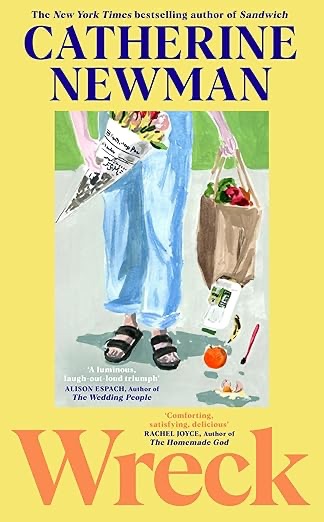

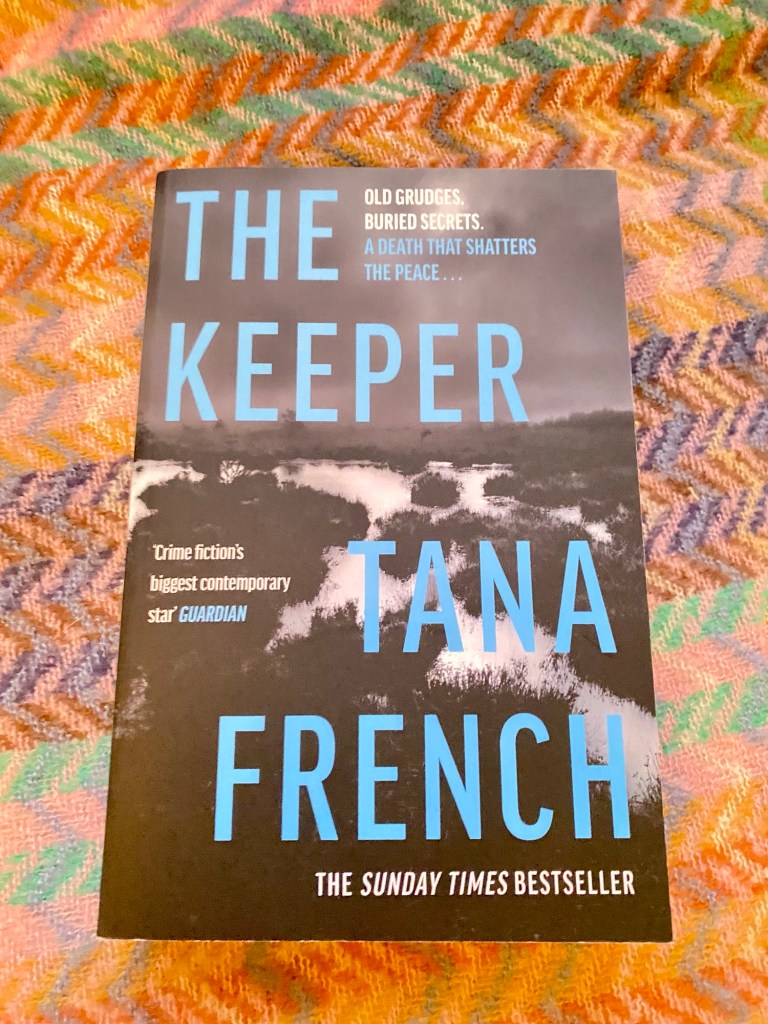
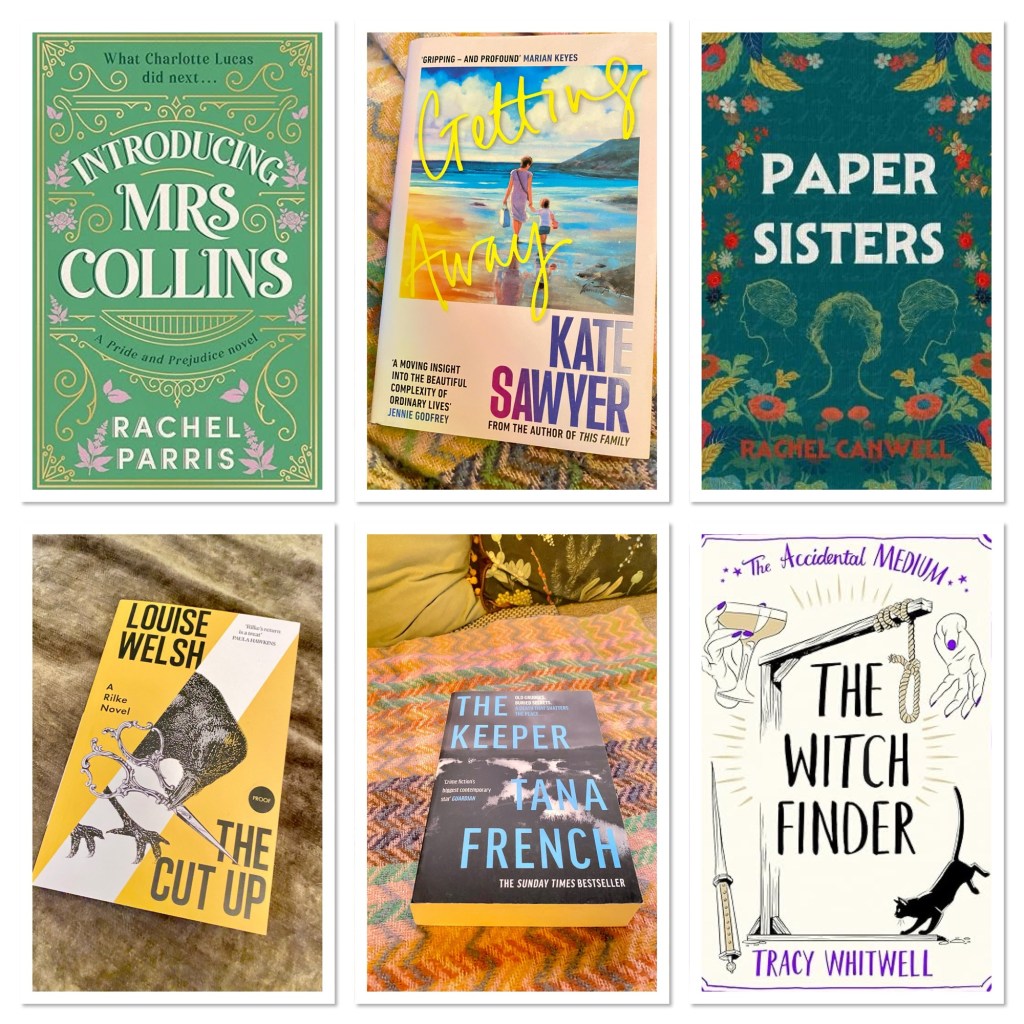

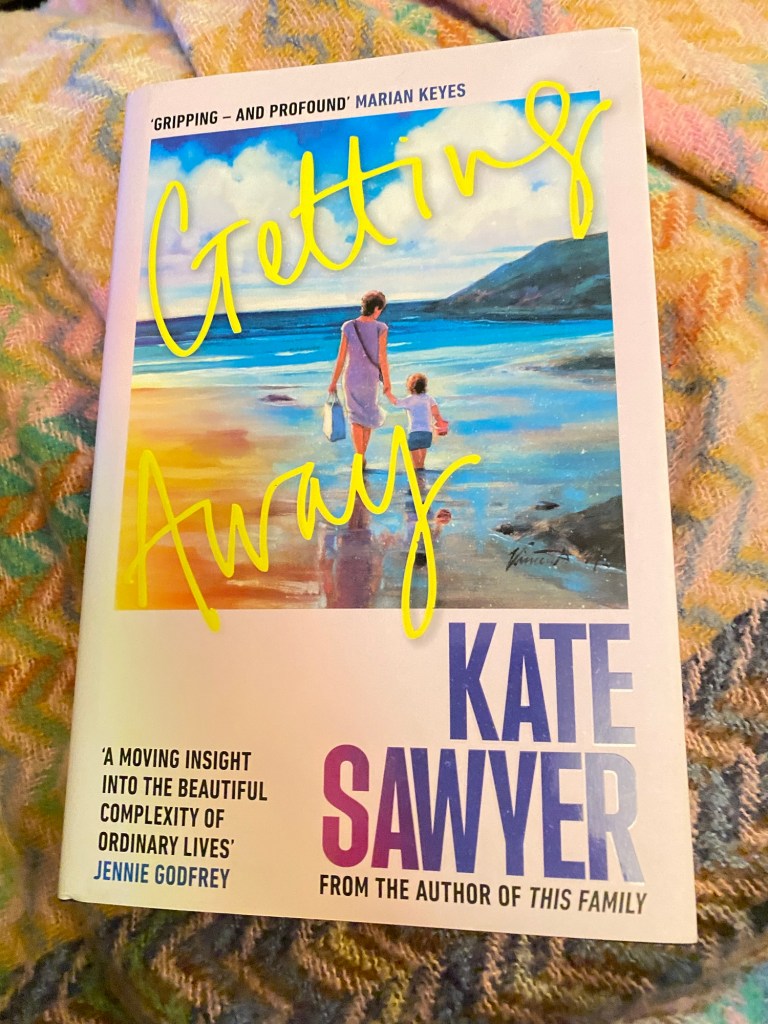
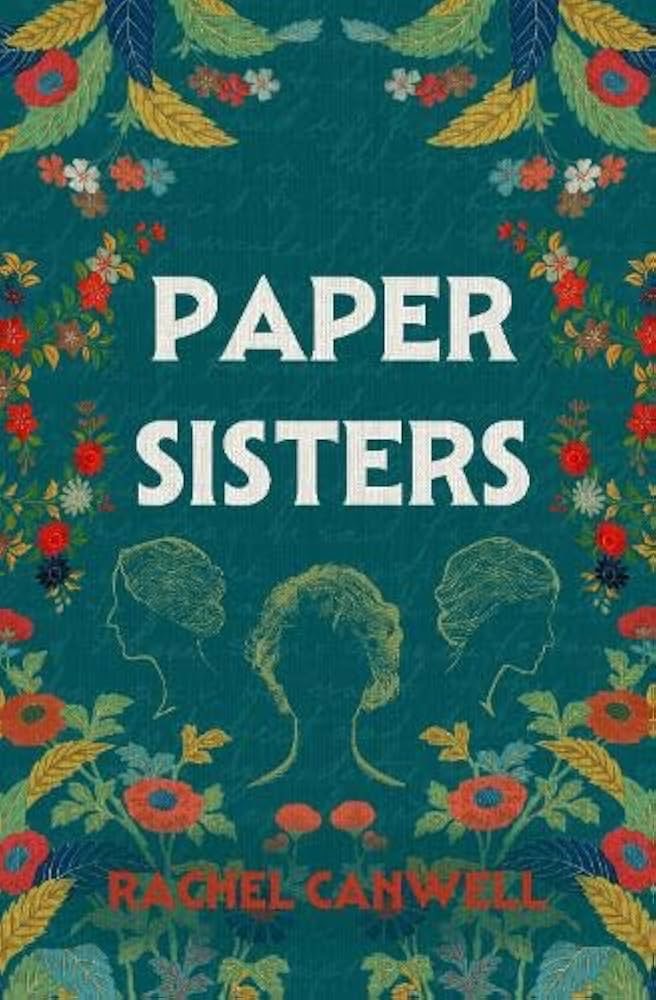
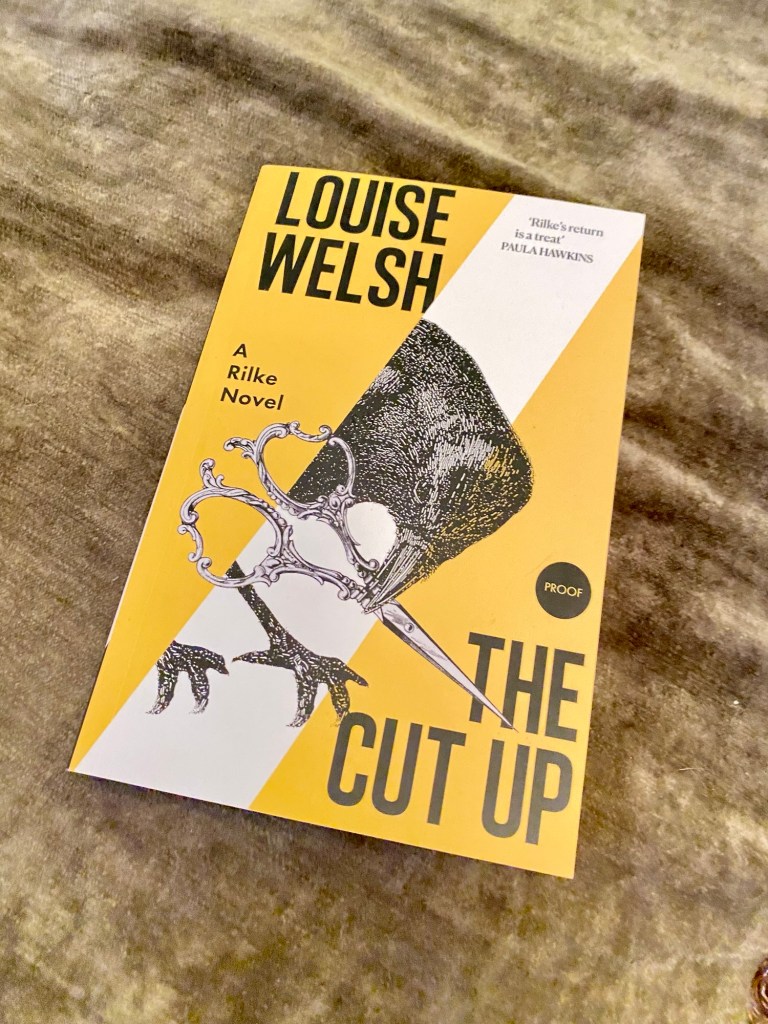
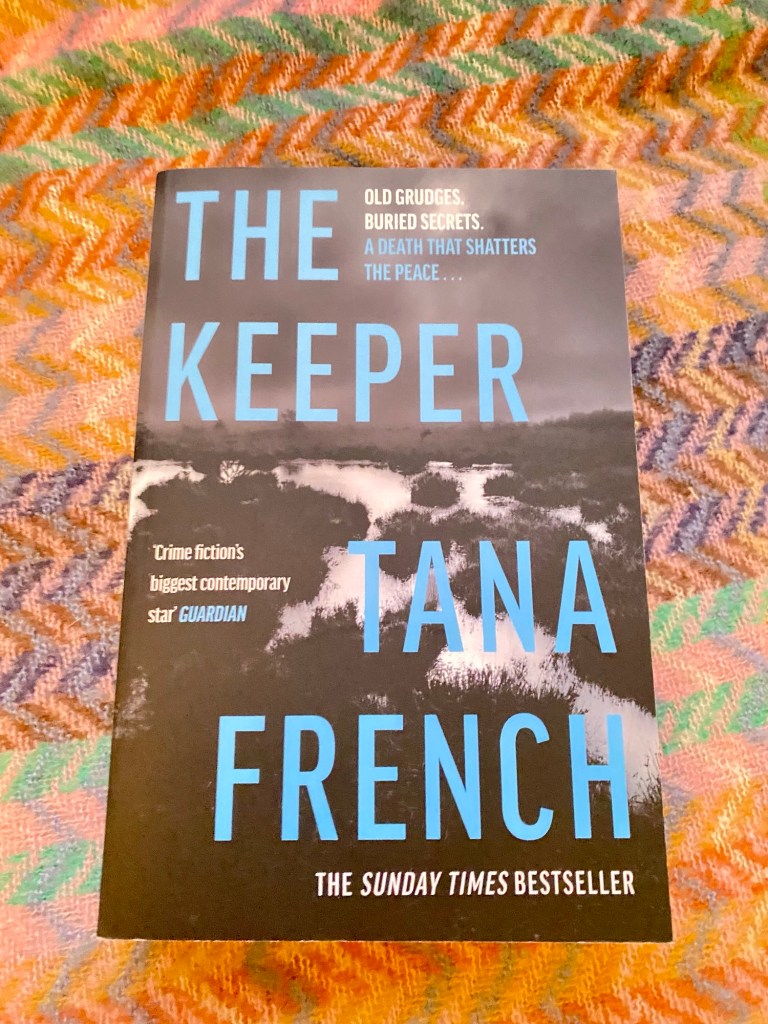

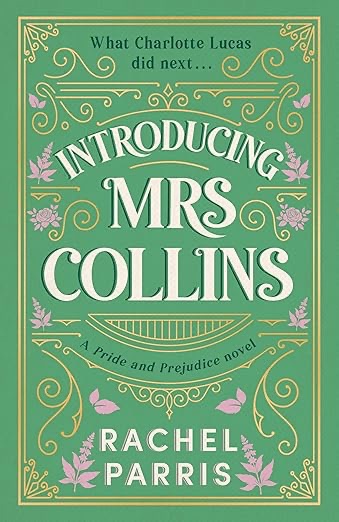



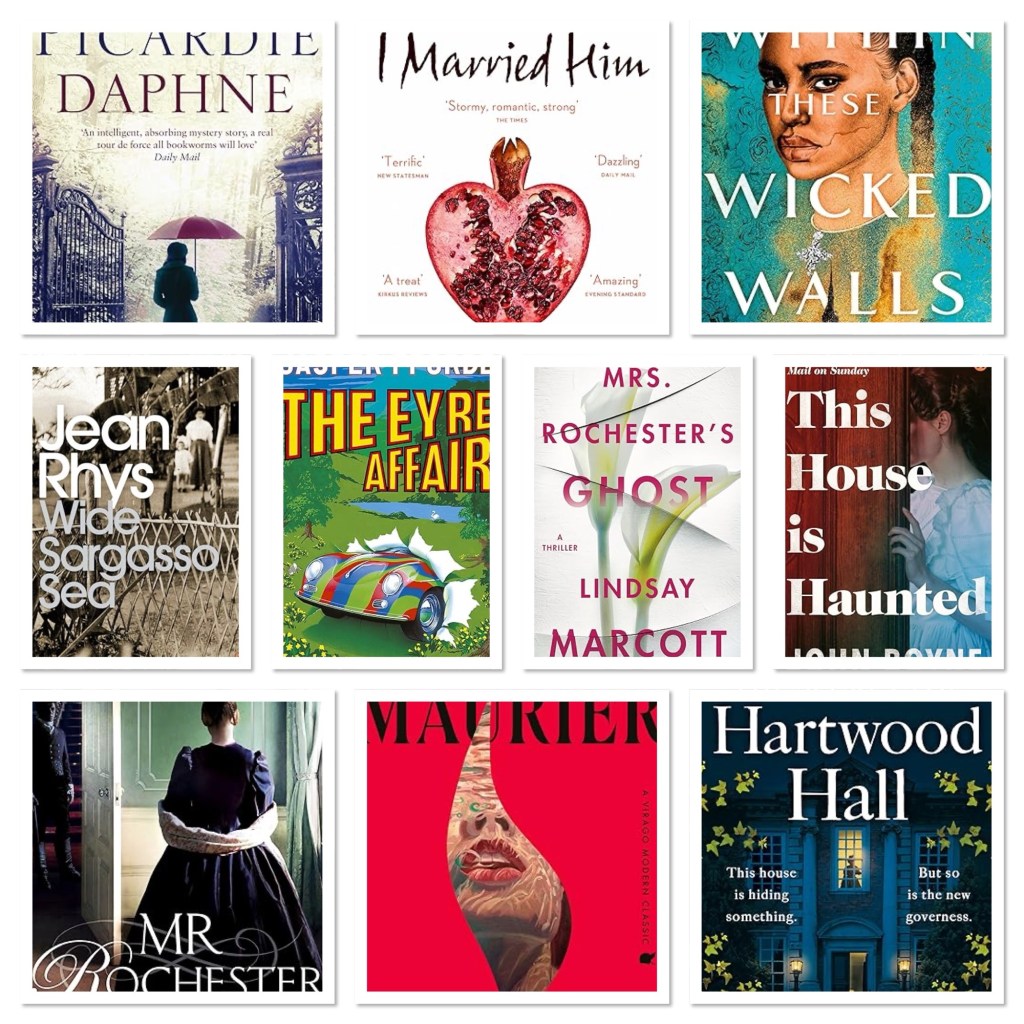
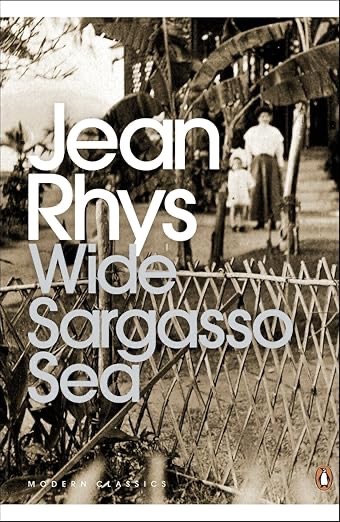
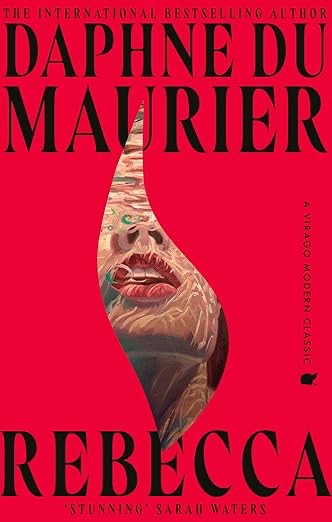
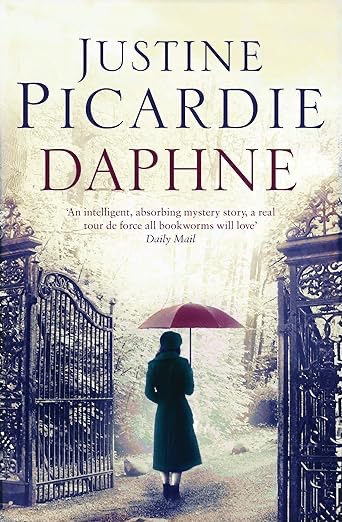
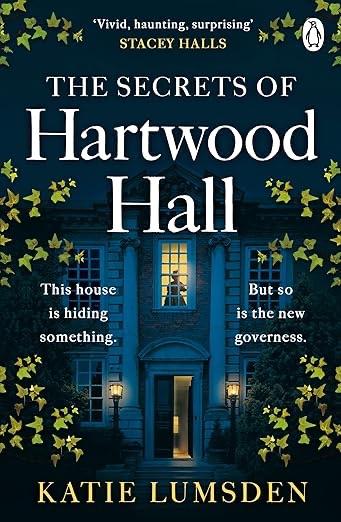
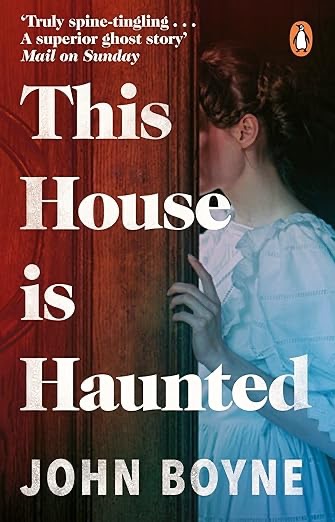
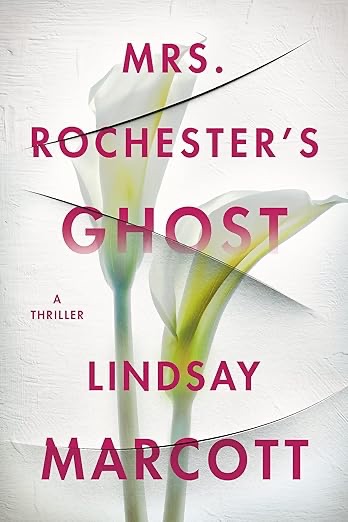
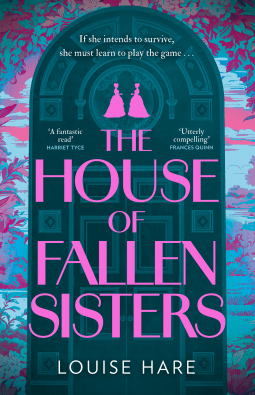



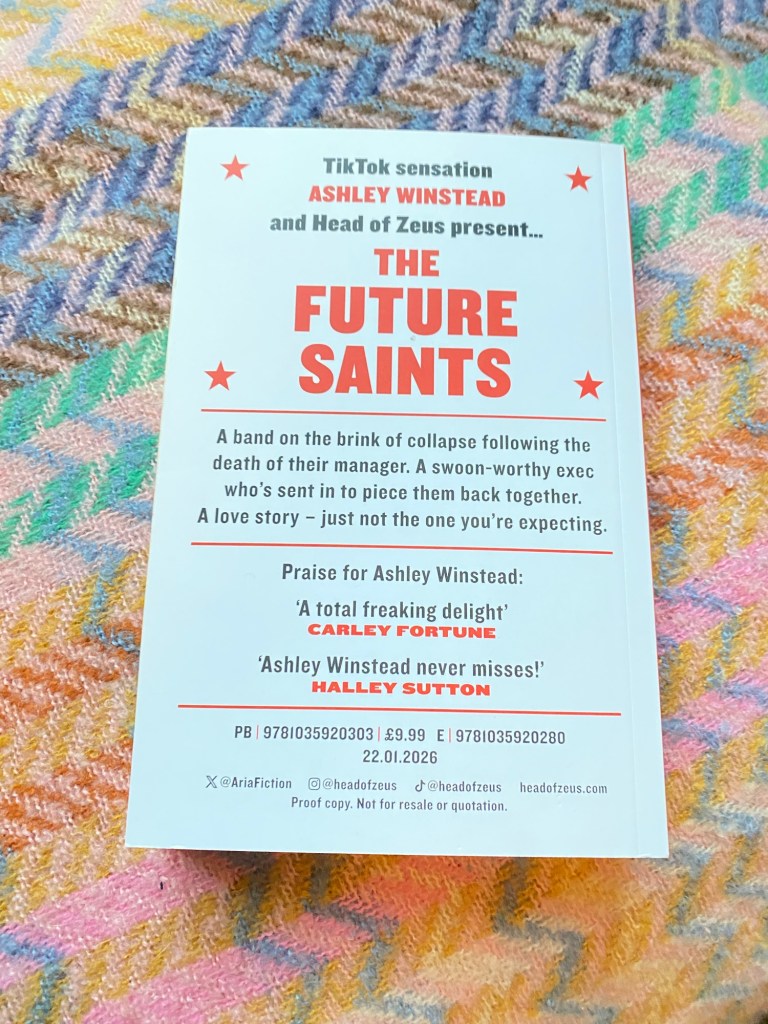

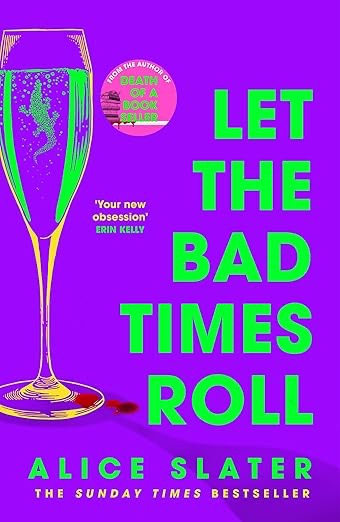





 The Lotus Readers