I know I’m not the only person struggling with what’s happening in the wider world at the moment and locally to be honest, as strategic parts of our city are being covered in flags in order to intimidate. There’s some sort of march most weeks and I’m constantly waiting to be annihilated by whichever geriatric white man loses his mind first! So sometimes the only thing to do is concentrate on your own little bubble, do the things you love that bring you peace, switch off the TV and shut it out for a while. I was thinking about this post and the things that make me happy, inspire me and keep me going. Of course first and foremost that’s literature, but I also love taking photographs of my surroundings. So, bearing in mind we had the spring equinox at the weekend, I thought I’d share with you some of my favourite hopeful literary quotes and photographs that make me happy. Hope you find them inspiring too.
“Water does not resist. Water flows. When you plunge your hand into it, all you feel is a caress. Water is not a solid wall, it will not stop you. But water always goes where it wants to go, and nothing in the end can stand against it. Water is patient. Dripping water wears away a stone. Remember that, my child. Remember you are half water. If you can’t go through an obstacle, go around it. Water does.”
From The Penelopiad by Margaret Atwood
“Rays from the sunrise drew forth the buds and stretched them into long stalks, lifted up sap in noiseless streams, opened petals, and sucked out scents in invisible jets and breathings.”
From Tess of the D’Urbervilles by Thomas Hardy
“Hope is the thing with feathers
That perches in the soul
That sings the tune without the words
And never stops at all”
From The Complete Poems of Emily Dickinson
‘I am no bird and no net ensnares me: I’m a free human being with an independent will.”
Jane Eyre by Charlotte Brontë
“Those who contemplate the beauty of the earth find reserves of strength that will endure as long as life lasts. There is something infinitely healing in the repeated refrains of nature—the assurance that dawn comes after night, and spring after winter.”
From Silent Spring by Rachel Carson
“No man knows till he has suffered from the night how sweet and dear to his heart and eye the morning can be.”
From Dracula by Bram Stoker
“I’m choosing happiness over suffering, I know I am. I’m making space for the unknown future to fill up my life with yet-to-come surprises.”
From Eat Pray Love by Elizabeth Gilbert
“Most maidens are perfectly capable of rescuing themselves in my experience, at least the ones worth something, in any case.”
From The Night Circus by Erin Morgenstern
“Your sorrow will become smaller, like a star in the daylight that you can’t even see. It’s there, shining, but there is also a vast expanse of blue sky.”
From Survival Lessons by Alice Hoffman
“What a happy woman I am living in a garden, with books, babies, birds, and flowers, and plenty of leisure to enjoy them! Yet my town acquaintances look upon it as imprisonment, and I don’t know what besides, and would rend the air with their shrieks if condemned to such a life. Sometimes I feel as if I were blest above all my fellows in being able to find my happiness so easily. I believe I should always be good if the sun always shone, and could enjoy myself very well in Siberia on a fine day. And what can life in town offer in the way of pleasure to equal the delight of any one of the calm evenings I have had this month sitting alone at the foot of the verandah steps, with the perfume of young larches all about, and the May moon hanging low over the beeches, and the beautiful silence made only more profound in its peace by the croaking of distant frogs and hooting of owls?”
From Elizabeth and her German Garden by Elizabeth Von Armin
To qualify that title I’d like to admit that I have far more must buy authors than ten, so this will come in two parts. I thought I’d share with you those authors I’ve been buying without even reading the blurb for years and how my interest started. These are authors I give shelf space to because only a real, solid book will do.
Unlike most people my first Alice Hoffman novel wasn’t Practical Magic and I’d never seen the film either. I was at university in the early 2000s as a mature student and I was reading a literary supplement one Sunday when I saw a review for her book Blackbird House, a collection of stories based around a farmhouse in Cape Cod. Each story builds a continuous narrative through the sense of this place and it’s residents from a lonely fisherman, to an orphan living with a disabled blacksmith and Violet who is a bookish farm girl raising a family through to the 1950s when her grandson brings his Jewish wife to the farm, having survived the Holocaust. From these stories we can see many of the themes that run through Hoffman’s work: magic realism, small towns, the Holocaust and women’s power. I followed this with Blue Diary, a very different tale of love and what we know about those closest to us. Now I pre-order as soon as I see a new book because I’ve never been completely disappointed by any of her work. I love her ability to weave magic into her tales, the lyrical and atmospheric way she creates a sense of place and the way she uses historical events. Here are my three favourites:
Blue Diary – a wife is stunned as her picture perfect life falls apart, when her husband is arrested for the murder of a young girl.
The Museum of Extraordinary Things – CoralieSardie wants to escape the Coney Island freak show where she grew up and performed as a mermaid for her tyrannical father.
The Marriage of Opposites – We’re whisked off to St. Thomas where a young woman embarks on a forbidden relationship and becomes mother to the impressionist painter Camille Pissaro.
My first Jodi Picoult was My Sister’s Keeper like a lot of other people. I read the book way before seeing the film and I was bowled over by how emotional I was about this little girl who didn’t want to be used as a donor for her elder sister anymore. Anna applies to the court for medical emancipation when she is told by her mother she will be donating a kidney to her sister Kate who has a form of leukaemia. I hated this mother who essentially neglects the emotional needs of her eldest and youngest children, because all of her attention is on keeping Kate alive. Anna was deliberately conceived as a donor, with her umbilical cord being used to harvest stem cells and for a while this works. Sadly Kate has relapses and while I was sad for her parents, I couldn’t believe the pressure being placed on this little girl as if her only use is as spare parts. The ending absolutely devastated me and I was so angry. While the novel has its faults I found myself unable to put it down and slowly I worked my way through everything else Jodi had written. Since her novel Nineteen Minutes I’ve been buying them as soon as they’re released. I’ve met Jodi on a couple of occasions and found her so friendly and willing to share her process and talk through the issues raised by her books, she now has the most banned novels in US school libraries because of those subjects. My favourites are:
Plain Truth – an Amish community is shocked when a baby is found dead in one of their barns bringing the outside into their closed community and accusations to one of their young women.
Small Great Things – what happens when a couple who are white supremacists come into a maternity ward but refuse to have black nurse Ruth deliver their baby?
By Any Other Name – an incredible book that poses the question of whether Shakespeare’s plays could have been written by a woman, but submitted by a man. In the present day a female playwright enters a competition with an ambiguous name that disguises her gender.
I borrowed Patrick Gale’s book Notes on an Exhibition from the library and became engrossed in this story about a Newlyn artist and her family, not to mention a secret they’ve been carrying for many years. I love reading about artists, which was why I picked the book up but I also loved the dynamic in the family and how their mother’s mental health affected the everyone. I then looked out for his novels when browsing bookshops and read The Cat Sanctuary, a novel about an a photographer and her novelist lover Judith who live on a remote part of Bodmin Moor. When carrying out an assignment in Africa, Joanna meets Judith’s sister Deborah who is newly bereaved. She brings Deborah back to Bodmin and unleashes an emotional nightmare. I love how he constructs these deeply unhappy or flawed characters, showing us their layers and the reasons why they act as they do. I also enjoy the tension between his characters who live an alternative lifestyle and a society that isn’t very accepting. Having met criticism about his writing of women early in his career, I believe he has deliberately written from a female perspective and I enjoy the way he writes women. My favourites are:
Notes on an Exhibition – Artist Rachel Kelly struggles with bi-polar disorder, having deeply creative manic episodes followed by deep lows. It’s a pattern that affects the whole family and when she dies she leaves a legacy of art and family secrets.
A Perfectly Good Man – 20 year old Lenny Barnes is paralysed in a rugby accident and makes the decision to end his life, in the presence of priest Barnaby Johnson. His death sets in motion a chain of events that lead us to explore what makes a ‘good’ man.
A Place Called Winter – Harry Cane is a husband, father and pillar of the community so when a love affair threatens that existence and potentially brings the police to his door he makes a decision. Abandoning his wife and child he signs up for the pioneer life in Canada.
My mum leant me Charity Norman’s 2012 novel After the Fall which I think might have been an Oprah book club pick that follows the aftermath of an accident in a family home. The Macnamara family live in a remote area of New Zealand on a farm and disaster unfolds one night when the five year old son Finn has a fall. He has fallen from the first floor verandah and has life threatening injuries, having to be airlifted to hospital. His mother Martha, explains to paramedics that he had a fall while sleepwalking, but when she arrives at the hospital she’s hit with a lot of questions she wasn’t expecting. Questions she isn’t prepared to answer. As the novel takes us back in time, we see that when they moved to this remote east coast of the North Island, it came to mean different things for each family member. For 16 year old Sacha it was the beginning of a nightmare that would drag in her whole family. I loved the psychology of the family members, their dynamics and how by trying to keep everyone safe and together, terrible things can happen. I talked about it with my sister-in-law who lives in that part of New Zealand and I’ve read every one of her novels since. A little like Jodi Picoult, Charity Norman writes about families and a societal issue they’re facing. Over the years she’s explored grandparents having to deal with the man who killed their daughter wanting to see his children, a family man who believes he’s transgender and how family members can be radicalise by a cult or the internet. She likes to mix people from very different backgrounds and put them in tough situations or show how a family deal with long held secrets. Her writing evokes so many emotions and my favourites are:
The Son-in-Law – Hannah and Frederick are grandparents bringing up their three grandchildren. They witnessed their father Joseph kill their mother and he is about to be released from prison. Joseph lost everything that day, all he has left are his children who he’s not allowed to see. How will the family cope when their ordered lives are disturbed by the legal implications of their father’s release?
Remember Me – Emily returns to New Zealand to care for her father who has been diagnosed with dementia. As she tries to support him, so many memories of this place come back to her, including the disappearance of neighbour Leah Patrick who never came home from a hike.
Home Truths – Livia and Scott have a great life, good jobs and a nice home in Yorkshire with their two children. When Scott’s brother dies he desperately looks for someone to blame, falling down a rabbit hole of internet chat rooms, alternative medicine and conspiracy theories.
As regular readers will know I love a spooky gothic novel and Laura Purcell is an absolute master of the genre. I picked up her book The Silent Companions when it first came out, simply from reading the blurb in a bookshop. I love historical fiction and I also have a love of ghost stories. I do love horror, as you will see below I became a teenage fan of Stephen King, but I prefer it to be psychological and a slow creeping sensation rather than jump scares and blood. For example I love the short ghost stories of Susan Hill because they are atmospheric, ambiguous and unsettling. I fell in love as soon as I read this first Purcell novel which opens with Elsie Bainbridge in custody and awaiting her execution after burning down her house and being the only survivor. She is now mute, but a doctor at the prison suggests she write her story and we follow that narrative. We realise she was widowed and pregnant when she inherited the estate from her husband and was then in charge of the remaining servants and a diary from the 1600s written by an ancestor called Anne. Each narrative is fascinating and incredibly creepy. I had never come across the concept of silent companions before, but since I’m scared of masks, waxworks and ventriloquists dummies they were definitely perfect nightmare fodder. I have pre-ordered every book since and she doesn’t disappoint.
The Silent Companions
Bone China – Louisa Pinecroft’s family has been wiped out by TB, but her father believes he can benefit the symptoms with sea air and conducts an experiment. At his Cornish home Morvoren, he houses prisoners with the conditions on the cliffs believing it will cure them. Years later, nurse Hester Why is engaged to work at Morvoren House to look after the now mute and paralysed Miss Pinecroft but she struggles to settle in this strange house with it’s strange servants and odd rituals.
The Shape of Darkness – Agnes is a silhouette artist struggling to make ends meet in Victorian Bath. When one of her clients is killed after leaving her house, then another, she engages a child who is a medium to root out their killers.
I LOVE this incredible author and she is quite a recent addition to my must buy list, but her books are just so strong. She writes stories about women, often facing huge changes in life who are touched by something supernatural. My first encounter was her second novel, The Lighthouse Witches, and I chose it after the reading the blurb on NetGalley. I was absolutely hooked. In a remote coastal area of Scotland stands a lighthouse where Liv moves with her two daughters. They’re warned by locals that this place was used for burning accused witches and might be cursed. However, Liv doesn’t believe in curses or witches for that matter. There is a strange, neglected child who turns up from time to time at the cottage and the lighthouse does have a strange energy, but Liv throws herself into her painting and pays it no mind. Yet only months later, her daughter Luna is the only one left. Twenty years later, Luna sister turns up out of the blue like nothing happened all those years ago. In fact she hasn’t aged or changed in any way. This is an extraordinary story, full of atmosphere and touching on the history of witches as well as other, strange and far-fetched tales. I went back and read her debut The Nesting and knew this author was for me. Each book is its own story and my favourite three are:
The Haunting in the Arctic – In 1901 a woman wakes aboard ship, stolen away by crew looking for entertainment on their journey. Decades later the Ormen is a wreck and the only body aboard is mutilated and his cabin locked from the inside. In the present, urban explorer Dominique is travelling to the tip of Iceland to the resting place of the Ormen. However she won’t be exploring alone. Something is with her and it wants revenge.
The Lighthouse Witches
The Last Witch – Innsbruck in 1485 and wealthy wife Helena is keeping house and looking after the children, but when the family’s footman dies she finds herself accused of murder and being a witch. Imprisoned with six women, they use a witch’s totem to ask for help and unleash a spirit that may be more dangerous than their original fate.
I was loaned two historical fiction books by a friend back in the late 1990s, one being Katherine by Anya Seton which is a well known novel about a woman who lived in our area of Lincolnshire and became Queen, the second was a Phillipa Gregory book called The Wise Woman. There were some similarities in that our main character Alys was in love with a feudal Lord, far above her in status very like Katherine and John of Gaunt. Alys is left with nothing but her cunning and magical abilities when the nunnery she’s been sheltering in is destroyed by Thomas Cromwell’s soldiers and its funds diverted to Henry VIII’s treasury. When she falls in love she has to tread a very fine line, her powers will always be in demand but if her magic doesn’t bring the answers those in power want, she’s immediately in danger. Then her only choice will be between the fire and the rope. I found this gripping and being fascinated by the Tudors all my life I soon became drawn in to her Tudor series. Then her ‘cousins war’ series began and I started to learn even more about incredible women who have ended up in our Royal ancestry. Weirdly, after years of reading so much on these two adjoining periods, my mother started to research our ancestry and found we were related to Jacquetta of Luxembourg. Jacquetta is known as matriarch of the Woodville family and was the mother of Elizabeth Woodville who married Edward IV and grandmother to Elizabeth of York who was the mother of Henry VIII. it made me wonder if we’re drawn to certain things for a reason or whether, like Jacquetta, there is a little touch of witchery in us. It’s so hard to pick only three books but here are my favourites.
The Virgin’s Lover focuses on the relationship between Queen Elizabeth I and Robert Dudley, often misrepresented in films about Elizabeth. They were friends when she was a princess in exile, but now she is on the throne of England. Her advisors say she must marry. Robert Dudley is a powerful man and has quickly become the Queen’s favourite, but he isn’t welcomed by everyone and her closest advisor Robert Cecil views him as a problem. No courtier wants to be usurped by another, so maybe a foreign prince would be better? Elizabeth must put her kingdom first.
The White Queen is the story of Elizabeth Woodville who catches the eye of the future Edward IVwhile welcoming his army back from battle. They marry in secret, as Elizabeth’s lowly status and widowhood mean she wouldn’t be his advisor’s choice. Her beauty is captivating and we follow her rollercoaster of a life after Edward’s death as different factions war over the throne and her two sons are imprisoned and disappear from the Tower of London – a mystery unsolved to this day.
The White Princess follows Edward IV’s eldest daughter Elizabeth who has a difficult childhood often spent in sanctuary under Westminster. She is invited to court by her uncle Richard III and goes on to marry his conqueror Henry Tudor as a way of bringing the houses of Lancaster and York together. It’s an uneasy reign, but her second son is crowned Henry VIII.
I’ve been reading Stephen King ever since I was a teenager. For a few summers my friend Cindy and me would spend some of our summer holiday in the Yorkshire Dales having time with her dad, his wife and her five year old half brother. I remember being so excited when I was 18 and drove us there in my own car for the first time. We’re both from the country so would spend our time wandering around the countryside with her dad’s dogs, visiting the pig farms where he worked and watching films or reading in the garden. It’s the only house where I ever had a genuine supernatural experience and it scared us out of our wits! I swear Cindy levitated off the floor onto the couch. Her step mum loved horror and while I don’t like gore, I do love a good ghost story. She would lend me Dean Koontz and James Herbert, but I fell in love with Stephen King. His writing was mesmerising and when I returned home I visited a second hand bookshop at our local antique centre to build my collection. I couldn’t believe how prolific he was and years later he’s still writing at an incredible rate. My first of his novels was Salem’s Lot and I thought it was a great modern vampire story – it made sense that a vampire would work with antiques. What’s so exciting about King is that he’s so prolific I haven’t yet read everything he’s written, so I have a few sitting on the bookshelves I can delve into when I have the time. My favourites are:
The Shining – Jack Torrance is a recovering alcoholic struggling to write and takes a job as the winter caretaker of The Overlook Hotel. Once Mr Halloran has shown them the ropes it will be Jack, his wife and son Danny who has ‘the shine’ a psychic ability that’s very powerful. They’re alone in this isolated place so who are the twin girls standing in the corridor, or the people in masks going up and down in the lift and the woman in 217 – utterly terrifying. As Jack is drawn further in by the hotel and drink, can Danny use his shine to save them all?
Misery – one of the oddest things about this book is the accident King had not long after it was published, a car wreck in the snow that left him in the same position as Paul Sheldon. Paul had killed off his long term character Misery Chastain and he’s ecstatic, but Annie Wilkes isn’t. When Paul wakes up unable to move in Annie’s home, she’s very angry with him. She suggests that Paul write another Misery book and if he’s good, she’ll nurse him and keep him alive.
ITis a problematic novel but I have to admit I found it utterly terrifying when I first read it. Pennywise the clown has stayed with me forever and I don’t like circuses, clown masks or dummies. In Derry, Maine a group of children will have to battle a terrible evil. Bill’s brother is dragged into the sewer by a clown who has a red balloon as a calling card. Years later the whole gang must return and battle IT one last time.
Like most people I came to Joanne’s work when Chocolat came out and I borrowed it from the library after reading the blurb. I love the mix of food, magic and Vianne who is one of my favourite characters in fiction. That first book felt like a beautiful gift and I didn’t want to leave her world. Vianne is a strong and determined woman who uses her skills to add a little bit of spice to life and of course that magic is sprinkled into her confections. Her shop is like a warm hug, where there is always someone to talk to and a sweet treat to have alongside your coffee or hot chocolate. Vianne’s gift means she knows everyone’s favourites and she becomes the village’s therapist soon knowing all their secrets and troubles. The only person she can’t draw in with her beautiful window displays is the village priest, a born ascetic who hates watching Vianne bewitch his congregation by giving them what they crave. With Easter not far away, the battle lines are drawn. It’s no surprise that my favourites are all from this series, although I do have all her other titles too. I reread these books regularly and I think that’s the sort of book that should have shelf space.
Chocolat
Vianne – Sylvianne Rochas has just lost her mum and the wind blows her to the seaside town of Marseille where she finds a job in a local bistrot, with a room above. She convinces the owner to let her cook, using his late wife’s recipe book. When a new friend teaches her to make chocolates, she adds a whisper of chocolate spices to the recipes. However, she knows this isn’t forever, she has a few months till her child is born then she’ll be on her way again…
The Strawberry Thief- Vianne has settled in her chocolate shop but the winds of change blow frequently here. When the owner of the florist shop across from Vianne’s dies suddenly, he leaves a parcel of land to her youngest daughter Rosette and a confession to Reynaud, the priest. A new shop will open up in place of the florist, a mirror to Vianne’s and perhaps a challenge of sorts?
I had to mention a crime series here because they’re often the series we end up collecting and I promise you I do have many other crime authors I follow avidly. Back in 2012 I bought my first house and lived alone for the first time in my life. It was following a bad break up and I was looking forward to having my own peaceful little haven. I bought a little barn conversion in a village that was a dead end, cut off by the river. I soon realised this was a fascinating village of friendly and eccentric people who really made me feel welcome. Not long after I arrived, an elderly lady and her daughter moved in across the road and because both me and the mum had health problems we were at home a lot. Jane called me over not long after they moved in to go through their books. They’d had shelves built in the new conservatory and both of them had a huge collection, so they were letting go of any extra copies. She guided me towards Elly Griffiths and I became a huge fan almost instantly. I fell utterly in love with archaeologist Ruth Galloway – who I imagine as a red haired Ruth Jones – because she’s most definitely the sort of woman I’d love to be friends with. She’s intelligent and well read and has that slightly dishevelled feel of a woman who knows her brain and her soul are the most important parts of her. She’s a little overweight and her hair never does what she wants it to. I can definitely relate. Her work and all of the history behind it is fascinating and has lead her to friends like Cathbad, the local druid and medicine man. Each case has its own twists and tension, often taking in local Norfolk history. Then there’s Ruth’s personal life running alongside and her incredible chemistry with DI Nelson who I imagine as Phillip Glenister. I love Ruth’s isolated home on the salt flats, always looking out to sea and giving her the peace and quiet she craves. The series has now ended and I will miss Ruth because she has slowly become part of my life for the past 14 years.
The Crossing Places – the first in the series has Ruth called in when a child’s bones are found on the Norfolk coast. Could they be the bones of a child who went missing ten years ago or are they much older. DCI Nelson has received cryptic anonymous letters ever since that ten year old case, could this find bring closure? When another child goes missing Ruth may have to face the fact she’s in danger.
The Night Hawks – Night Hawks are a group of detectorists who comb Norfolk beaches for treasure, but this time they’ve found a body. Ruth is interested in the treasure – a hoard of Bronze Age weapons – but Nelson wants her opinion on the body. It turns out to be a local man just released from prison. He’s also working a double suicide/ murder at Black Dog farm, where according to local legend there’s a spectral hound that appears before you die. As Ruth supervises a dig for bones, she finds the skeleton of a huge dog.
The Last Remains – the final book in the series finds Ruth preoccupied with her personal life and the potential closure of her department at the university. She’s called in when a cafe renovation reveals a walled up skeleton in King’s Lynn. The body is of a young student who went missing in the 1990s from a course run by Ruth’s old tutor and where her friend Cathbad was also a student. Cathbad, weak from his brush with Covid, goes missing and it’s a race against time to find him and the killer.
On my holidays I visited the loveliest little bookshop and I do like to share new book haunts with everyone. Gallovidia Books is in the Scottish Town of Kircudbright (pronounced kir-coo-bree if you want to avoid being laughed at like my husband did when I tried to pronounce it). Kirkcudbright has a sheltered position in the estuary of the River Dee on the north Solway shore and is a busy fishing port, behind the harbour the streets have housed generations of creative artists. This is clearly a tradition maintained today because there’s a flourishing colony of painters and craftworkers with lots of pop-up shops and galleries to look at. This has led to it being called “The Artists’ Town“. Other well known features of the town are the pastel coloured houses and wide streets. Set on a corner, Gallovidia books is a quirky little shop, but what it lacks in size it makes up for in its beautifully presented stock and a cute children’s nook.
The Children’s Nook
I found plenty of signed books, including one by my comedy hero Bob Mortimer that I was very pleased about. There were also a great range of classics in special editions and I couldn’t resist yet another copy of Wuthering Heights, this one with illustrations, maps and letters.
Classics Display
The lovely owner was incredibly welcoming and we bonded over a pet hate of people photographing books then loudly declaring they’ll buy it on Amazon. I always ask when I want to photograph bookshops for that very reason. Stewart knew a lot about the books I’d chosen and his wife Elizabeth has been in touch since to ask if I’d let them know how I get on with another choice – John Banville’s Venetian Whispers which came highly recommended. Another collection of mine is books set in Venice and I’m itching to start it. The couple opened the shop in 2021 with experience in library work and the arts in general. Stewart was founder of the Louder in Libraries projects and he’s booked both Sam Fender and Adele as she started her career. Elizabeth’s background is in youth community projects with a passion for connecting young people with books.
There were some lovely bookish and stationery extras including some cute little notecards with a book print that I can when I’m sending a giveaway book. All in all it was a lovely visit and I’ll certainly return.
If you’d like to know more about Gallovidia Books you can visit their website
A weekend trip to the City of Lights is usually on everyone’s bucket list but if you can’t travel these books will give you a flavour of Paris. Whether it’s an escapist romance or a travelogue each will give you an insight into life in Paris, from the fin de siecle through two World Wars and all the way through to the COVID pandemic and it’s aftermath, these choices take in the Twentieth Century and beyond. Hope you find something you enjoy.
Not the best known of Jojo Moyes’s books, but a series of short stories all with the backdrop of Paris.
In Paris for One, Nell is deserted by her boyfriend minutes before setting off on what was supposed to be a fantastic romantic weekend away to Paris. Can she forget him and find herself? Honeymoon in Paris is a tale of the early days of two marriages in both 1912 and 2012, featuring Liv and Sophie from Jojo Moyes’ bestselling romance The Girl You Left Behind.
Beth is faced with a difficult decision in Bird in the Hand when she bumps into an old flame at a party, with her husband . . .
This is classic Jojo Moyes fiction – easy to read and within a few lines you’re pulled into the story. The characters are absorbing and soon have you on side, rooting for their romantic dreams to come true.
Historical Fiction
This book is utterly charming from start to finish, while seemingly sprinkled with fairy dust our heroine has some very painful and difficult setbacks. Mrs Harris is a salt-of-the-earth cleaner living in London, struggling financially with her husband never returning from WWII. She cheerfully cleans the houses of the rich and one day, when tidying Lady Dant’s wardrobe, she sees the most beautiful thing she has ever seen in her life – a Dior dress. In her fairly drab and working class existence, she’s never seen anything as magical as this dress. It seems to be alive, like living and wearable work of art. She’s never wanted a material thing so much in her life. Mrs Harris scrimps, saves and slaves away, often finding that the very rich avoid their bills and has to assert herself. Then one day, after three long years, she finally has enough money to go to Paris. However, when she arrives at the House of Dior, she could never have imagined how her life is going to be transformed and how many other lives she will touch in return. Always kind, always cheery, she finds time to charm the ladies who create Dior’s designs in the atelier and organise the love lives of other key staff. Mrs Harris really does takes Paris by storm and learns one of life’s greatest lessons along the way. This treasure is from the 1950s introduces the irrepressible Mrs Harris, part charlady, part fairy-godmother, whose adventures take her from her humble London roots to the heights of glamour in Paris until eventually she has the dress of her dreams. It only highlights those lovely qualities that we know have been there all along. I am absolutely in love with this character.
Rene is the concierge of a grand Parisian apartment building. With the residents she keeps up a professional facade and to them she’s what they expect, a helpful and reliable concierge but not as sophisticated or cultured as they are. Underneath is this the real Rene – a woman who’s incredibly passionate about culture and probably knows more than her rather snobbish residents. Her loves are Japanese Arthouse Cinema and her cat, Leo Tolstoy. Meanwhile, several floors above, is twelve-year-old Paloma Josse, another person keeping their knowledge to themselves. She doesn’t want the empty future her parents have laid out for her and decides she will end her life on her thirteenth birthday. Unknown to both Rene and Paloma, the sudden death of one of their privileged neighbours alter everything for them. The simplicity of the story is what makes this book magical. It shares deep truths about the choices we make in life and the way they change everything. It’s quirky and has an intelligent humour, but is also elegantly written. The charm of it seems quintessentially Parisian.
Doria is in a difficult place. That place is the Paradise Estate, dreadfully misnamed and situated on the outskirts of Paris showing a different side to the city. In Doria’s unforgettable voice, we learn that her father has returned to Morocco. He’s looking for a new wife, who can produce a boy. So her mother is trying to get by a single mother, but she can’t speak French and is illiterate. The only work she can find is cleaning. It could be worse, Samra who lives above them has a father who won’t let her out. Another young resident, Youssef, has been put in prison for stealing cars and supplying drugs. One good thing is her weekly appointment with a psychologist, who listens even if she doesn’t have answers. The author has created a memorable character in Doria who is knowing beyond her years but also heart-breakingly naive. This book gives us a beautifully drawn alternative to the romantic tourist impression of Paris.
A woman called Mado is determined to make her mark and begins a journey that will change everything. Set on a train to Paris in 1895, and based on a real incident when a train crashed into the platform at Montparnasse, a young woman boards the Granville Express with a deadly plan. The author sets us firmly in the fin de siecle, not just with the clothing but with the attitudes. We can see a shift from the Victorian ideals of the previous seventy years. We have Alice who is travelling for work and taking the opportunity to talk her boss into a new investment. Marcelle is a pioneering scientific researcher inspired by Marie Curie. Mado’s androgynous clothing and short hair make her stand out as someone unconventional and modern. She’s definitely a feminist, but is also an anarchist and I could feel the tension in her body as I read, how far is she willing to go to make her political point? The prose speeds up as the train edges closer and closer to Paris and more passengers climb aboard until the reader is almost breathless. .
Another wonderful historical novel here, this time set in Paris during WWII. It’s 1944 and Jean Luc is working on the railway under the Nazi occupation when a train bound for Auschwitz is passing through. In an act of desperation a mother makes the ultimate sacrifice and gives the thing she loves most to a stranger. Now she can face her own future with the hope that she’s done the right thing.
Ten years later in Santa Cruz and Jean Luc is happy to have left the memories of the occupation behind. The scar on his face is the daily reminder of the horrors of life under the Nazis. His new life has given him the family he’s always wanted and he doesn’t expect the past to come knocking. That one night on the train platform has shaped all of the futures in a way none of them imagined.
This is such an emotional story, beautifully researched and gives us some insight into life in Paris under the occupation and the terrible choices people had to make to save the ones they love.
Could one split second change her life forever?
Hannah and Si are in love and on the same track – that is, until their train divides on the way to a wedding. The next morning, Hannah wakes up in Paris and realises that her boyfriend (and her ticket) are 300 miles away in Amsterdam!
But then Hannah meets Léo on the station platform, and he’s everything Si isn’t. Spending the day with him in Paris forces Hannah to question how well she really knows herself – and whether, sometimes, you need to go in the wrong direction to find everything you’ve been looking for…
PARIS, 1920. On the bohemian Left Bank, Sylvia runs a little bookshop called Shakespeare and Company. Here she welcomes the greatest writers of the day – and from the moment James Joyce finally walks through her door, the two become friends.
When Joyce’s controversial novel Ulysses is banned, Sylvia is determined to publish it herself.
But championing the most scandalous book of the century will come at a cost – and Sylvia finds herself risking ruin, her reputation and her heart, all in the name of the life-changing power of books.
Set in post-war Paris, The Paris Bookseller is a sweeping story of love, courage and betrayal – and a breathtakingly beautiful love letter to books.
Sixteen-year-old Alice is spending the summer in Paris, but she isn’t there for pastries and walks along the Seine. When her grandmother passed away two months ago, she left Alice an apartment in France that no one knew existed. An apartment that has been locked for more than seventy years.
Alice’s grandmother never mentioned the family she left behind when she moved to America after World War II. With the help of Paul, a charming Parisian student, she sets out to uncover the truth. However, the more time she spends digging through the mysteries of the past, the more she realizes there are secrets in the present that her family is still refusing to talk about.
THEN:
Sixteen-year-old Adalyn doesn’t recognize Paris anymore. Everywhere she looks, there are Nazis, and every day brings a new horror of life under the Occupation. When she meets Luc, the dashing and enigmatic leader of a resistance group, Adalyn feels she finally has a chance to fight back.
But keeping up the appearance of being a much-admired socialite while working to undermine the Nazis is more complicated than she could have imagined. As the war goes on, Adalyn finds herself having to make more and more compromises—to her safety, to her reputation, and to her relationships with the people she loves the most.
Because Paris is always a good idea…
Years ago, Juliet left a little piece of her heart in Paris – and now, separated from her husband and with her children flying the nest, it’s time to get it back!
So she puts on her best red lipstick, books a cosy attic apartment near Notre-Dame and takes the next train out of London.
Arriving at the Gare du Nord, the memories come flooding back: bustling street cafés, cheap wine in candlelit bars and a handsome boy with glittering eyes.
But Juliet has also been keeping a secret for over two decades – and she begins to realise it’s impossible to move forwards without first looking back.
Something tells her that the next thirty days might just change everything…
In the depths of the archive, Hannah dances with the ghosts of Vichy France, lost in testimony and a desire to hear the voices of the past. Back in her apartment, Moroccan teenager Tariq crashes on her sofa, consumed by his search for the mother he barely knew. Their excavations will unearth rich histories that will teach them both just how much the future is worth fighting for.
She is there to study the wartime experiences of women living there under German Occupation, while still licking the wounds of a painful, decade-old romance.Paris Echo knocks on big subjects such as the legacy of empire and identity, but mostly it’s a heart-warming masterclass in storytelling that weaves and winds and brims with a deep affection for Paris: its otherworldliness, and the ghosts of history that lurk around every beautiful, tree-lined avenue.
Paris Echo is a propulsive and haunting novel of empire and identity, told with biting wit and tenderness, which exposes the shadows of the city of lights.
PARIS, 1939 Odile Souchet is obsessed with books, and her new job at the American Library in Paris – with its thriving community of students, writers and book lovers – is a dream come true. When war is declared, the Library is determined to remain open. But then the Nazis invade Paris, and everything changes. In Occupied Paris, choices as black and white as the words on a page become a murky shade of grey – choices that will put many on the wrong side of history, and the consequences of which will echo for decades to come.
MONTANA, 1983 Lily is a lonely teenager desperate to escape small-town Montana. She grows close to her neighbour Odile, discovering they share the same love of language, the same longings. But as Lily uncovers more about Odile’s mysterious past, she discovers a dark secret, closely guarded and long hidden.
When you’re a woman of a certain age, you are only promised that everything will get worse. But what if everything you’ve been told is a lie?Come to Paris, August 2021, when the City of Lights was still empty of tourists and a thirst for long-overdue pleasure gripped those who wandered its streets.
After New York City emptied out in March 2020, Glynnis MacNicol, spent sixteen months alone in her tiny Manhattan apartment. She was 46, unmarried and the isolation was punishing. A whole year without touch. Women are warned of invisibility as they age, but this was an extreme loneliness, so when the opportunity to sublet a friend’s apartment in Paris arose, MacNicol jumped on it. Leaving felt less like a risk than a necessity.What follows is a decadent, joyful, unexpected journey into one woman’s pursuit of radical enjoyment.
The weeks in Paris are filled with friendship and food and sex. There is dancing on the Seine; a plethora of gooey cheese; midnight bike rides through empty Paris; handsome men; afternoons wandering through the empty Louvre; nighttime swimming in the ocean off a French island. And yes, plenty of nudity. I’m Mostly Here to Enjoy Myself is an intimate, insightful, powerful, and endlessly pleasurable memoir of an intensely lived experience whose meaning and insight expand far beyond the personal narrative. MacNicol is determined to document the beauty, excess, and triumph of a life that does not require permission.The pursuit of enjoyment is a political act, both a right and a responsibility. Enjoying yourself—as you are—is not something the world tells you is possible, but it is.
When Paris Sizzled vividly portrays the City of Light during the fabulous 1920s, when Parisians emerged from the horrors of WWI to find that a new world greeted them. This world reverberated with the hard metallic clang of the assembly line, the roar of automobiles, and the beat of jazz. Mary McAuliffe traces a decade that saw seismic change on almost every front, from art and architecture to music, literature, fashion, entertainment, transportation, and, most notably, behavior. The epicenter of all this creativity, as well as of the era’s good times, was Montparnasse, where impoverished artists and writers found colleagues and cafés, and tourists discovered the Paris of their dreams. Major figures on the Paris scene―such as Gertrude Stein, Jean Cocteau, Picasso, Stravinsky, Diaghilev, and Proust―continued to hold sway, while others now came to prominence―including Ernest Hemingway, Coco Chanel, Cole Porter, and Josephine Baker, as well as André Citroën, Le Corbusier, Man Ray, Sylvia Beach, James Joyce, and the irrepressible Kiki of Montparnasse. Paris of the 1920s unquestionably sizzled. Yet rather than being a decade of unmitigated bliss, les Années folles also saw an undercurrent of despair as well as the rise of ruthless organizations of the extreme right, aimed at annihilating whatever threatened tradition and order―a struggle that would escalate in the years ahead. There are rich illustrations and an evocative narrative, through which Mary McAuliffe brings this vibrant era to life.
Since this week is Indie Bookshop week I thought I’d share a handful of my favourite bookshops that I’ve visited in the last year. I love all sorts of bookshops from little tiny local bookshops, to themed bookshops and second hand bookshops. There’s something a little bit special about all of these.
The News from Nowhere Bookshop has been a mainstay of Bold Street in Liverpool and was established in 1974 as a not-for-profit radical and community bookshop. So, there’s no boss and no owner. Everyone who works at the shop shares tasks, responsibilities and decision making. All profits stay in the business to cover stock buying and running costs and each worker is paid the same hourly rate.
Of course these principles also inform the stock choices and it is such an interesting and challenging place to buy books. I come out with things I never expected! Social justice weaves through everything they do so they focus on feminism, anti-racism, LGBT+, worker’s rights, disability rights, sustainability and environmental matters, anti-capitalism, animal rights and veganism. They also stock fiction and I’ve bought some incredible fiction there, as well as I Hate Maggie t-shirts for my father. Because there’s such an interesting range of books I can be lost in there for hours. It’s so important to support shops like this so I pop in whenever I’m in Liverpool and order for my stepdaughter from there, because she’s at university and lives round the corner.
Scarthin Books has been a mainstay of my life since I was about 10 years old. It’s based in Cromford, Derbyshire since 1974 and I used to spend weekends at a static caravan site nearby where my Aunty and uncle had a caravan for several years. I would take pocket money and buy a book, or a notebook for my own poetry. This is such a higgledy piggledy little place I find it a little harder to get around now but downstairs has new fiction as well as second hand finds, upstairs has beautifully themed rooms for art books, music and travel as well as lots of other specialist categories. It’s cafe is great too.
The Rabbit Hole is a brilliant local bookshop to me, in the market town of Brigg, near Scunthorpe. I found them through visiting the town for my Christmas Decorations a couple of years ago. They had a stall on the market and I realised they did adult fiction as well as children’s books. It’s a great place for children because there’s a huge selection but also a great play area,
If you make your way to the rear of the shop you’ll find fiction, including a great selection of indie special editions and signed copies. They pop any new editions on their Facebook page so you can reserve them and drop in to pick them up. They hold great author events too,
Barter Books in Alnwick is one of my favourite bookshops in the country. I’ve been visiting for over eighteen years and I never come out empty handed. Solely for second hand books, this old station house is huge and covers pretty much every subject you can think of. If we’ve popped up to Northumberland for the weekend, the day we pack up and go is my day at Barter Books. I drop off any books I’m selling then go have breakfast in the cafe. Then I pop back and find out how much I have to spend before browsing. Each section is clearly labelled and the whole place has so much character with all original features on display. There’s a wall mural of famous authors and a mini train set whizzing around above your head. In the paperback section there’s a cozy seating area with an open fire where I’ve met some of the loveliest people. Be warned, it’s very easy to lose hours in there.
What an incredible book this is. Encouraged by Oprah Winfrey I picked it up and was utterly hooked by that first line. What is 124? I assumed it was a house number, but how could a house be spiteful? Equally we don’t equate babies with venom, venom causes death not life. Straight away we know something is very wrong with this household. Does Beloved take a bodily form because of that venom? Does she want revenge? I choose to think she’s a physical manifestation of Sethe’s guilt and grief, but also a reminder that slavery casts a very long shadow.
“Watch your step. Keep your wits about you; you will need them. This city I am bringing you to is vast and intricate, and you have not been here before. You may imagine, from other stories you’ve read, that you know it well, but those stories flattered you, welcoming you as a friend, treating you as if you belonged.”
I love narrators that address me directly and here the lines make me smile. It feels like someone is trying to beguile me. Sugar- a 19 year old prostitute tells us that all the novels we’ve read about Victorian London don’t depict the truth. In fact they mislead us. We think we’re visiting an age of propriety where an ankle can’t be shown. Sugar will show us the unvarnished truth and we can’t resist following.
“The past is a foreign country. They do things differently there.”
My first introduction to this book was through the 1970s film, shown to me by my mum. I read all of L.P. Hartley’s books from there, but I don’t think I ever forgot Julie Christie and that hot, humid summer. That slow build of tension.This is such a brilliant opening line that they are the first words we hear in the film adaptation. This book is about loss of innocence and how rigid social structures cause emotional damage. Again, that damage is passed down the generations. As a lover of historical fiction this line offers a doorway into the past and I’m always keen to step through.
“There was someone in the house.”
This is a very recent addition to my list, but it’s a deceptively simple line that touches something primal in us. Many people have the dream that there’s an intruder in their home. This line sends a chill through the reader, the one that happens when we hear a strange noise in the night. Is that the cat? Did we lock the back door? I defy anyone to put the book down after reading that line, because you just have to find out what happens next, not exactly sure whether what we’re reading is real or a dream.
“I was born twice: first, as a baby girl, on a remarkably smogless Detroit day in January of 1960; and then again, as a teenage boy, in an emergency room near Petoskey, Michigan, in August of 1974.”
What an opener! The author gives us everything – where we are, a time and the most unexpected aspect of our narrator’s life. Yet we immediately want to know more. Calliope was once identified as a girl, but he was always sure he was a boy. Can there be anything left to tell us? It turns out that this is perhaps the least extraordinary part of the tale. We then go back a few generations to to an embattled Greece and Turkey for a family secret that may explain Cal’s existence.
“I write this sitting in the kitchen sink. That is, my feet are in it; the rest of me is on the draining-board, which I have padded with our dog’s blanket and the tea-cosy.”
This is Cassandra Mortmain’s story and the first thing we learn is that writing is important to her and she lives somewhere where it’s hard to find a suitable and comfortable position to do it. This is largely due to her untidy, bohemian family and the damp, tumbledown castle they live in. It’s a great opener that makes you want to discover why Cassandra is forced to the sink and what the rest of the family are like – including a step-mother who has a penchant for random nudity. I have a tote bag with this quote on because I love it so much.
“My trial starts the way my life did: a squall of elbows and shoving and spit.”
This is an interesting opener that, like others here, plays with the famous classic Victorian opening of David Copperfield by Charles Dickins. David’s story is chronological and opens with his birth, though he concedes he doesn’t actually remember it. This shows birth is more brutal and bloody than that, in fact it feels like a fight. What sort of woman comes in to the world like this? More to the point, who would tell their child such a graphic tale of their birth? It makes the reader want to find out, because surely this girl is a scrappy little survivor.
“What’s it going to be then, eh?’ That was me, that is Alex, and my three droogs, that is Pete, Georgie and Dim, Dim being really dim, and we sat in the Korova Milkbar making up our rassoodocks what to do with the evening, a flip dark chill winter bastard though dry.”
I probably wouldn’t ever have read A Clockwork Orange but I was in love with my friend Elliot and he’d just finished it. He offered it and I thought we could talk about it afterwards so I took it. I read these first lines and wondered what the hell sort of world this was, but my second thought was what sort of incredible imagination came up with this? It’s confronting, confusing and absolutely brilliant.
“So now get up.” Felled, dazed, silent, he has fallen; knocked full length on the cobbles of the yard. His head turns sideways; his eyes are turned toward the gate, as if someone might arrive to help him out. One blow, properly placed, could kill him now.”
Hilary Mantel does an amazing thing with this novel – she takes a historical figure we know well and possibly dislike, but somehow makes us want to know his story. This sudden, violent opener elicits sympathy from the reader. It’s a brutal start, the thought of hitting a cobbled yard with such force made me wince. Why has he been assaulted and by who? She hooks us in and makes us realise that everyone has a varied and complicated story. That we can feel empathy for someone we don’t like very much.
“An icy rush of air, a freezing slipstream on the newly exposed skin. She is, with no warning, outside the inside and the familiar wet, tropical world has suddenly evaporated. Exposed to the elements. A prawn peeled, a nut shelled.
No breath. All the world come down to this. One breath.”
Another first few lines that bring back David Copperfield for me. One of the issues is that David narrates his own birth, when he couldn’t possibly have known what happened. This birth is not narrated by the baby. but narrates how the baby might feel and understand coming into the world. The distinction of outside and inside, the cold and the description of a peeled prawn immediately evoke fragility and vulnerability. The world is hostile in the first minutes of baby Ursula’s life and we want to protect her and see her grow.
This week I celebrated an important anniversary. Not a personal one, but a writing one. I was informed on JetPack that I’d been book blogging for five years. As many of you probably know, rom coms are rarely my thing. I need a love story to have lots of different aspects to it, because I don’t want to read about dating. What I do like to read is real love: everyday married love; second time love; inconvenient love; love that triumphs over terrible odds and love that’s been lost. All of these books have something extra that made me want to shout about them. It might be something weird – husband turns into a shark. It could be something forbidden or secret – two women in love in 19th Century England. It could be first love, but interrupted by murder. It could be two middle-aged people who get very grumpy with each other walking from the Lancashire to Yorkshire coast. Maybe there’s a magical element, like a girl who receives anonymous notes that tell her when her relationships will end. I fell in love with the love story in all of these books over the last five years of my blog. Hope you enjoy them.
Leaving by Roxana Robinson
Leaving was the last book that absolutely tore my heart out. Sarah sees Warren, who she dated for a while in their college years. She had ended it, unsure whether they were a good fit. Yet they never stopped thinking about each other. Sarah is divorced now and lives alone in her country home with her dog Bella for company. Warren lives just outside Boston and is married to Janet, exactly the sort of wife he has needed: attractive, a good hostess and great mum to their daughter Kattie who is an older teenager. However, Janet is very aware of who should be in their social circle and how things should be done. They don’t talk about current affairs together, listen to an opera or read the same books. Perhaps their marriage has always been like this, but it feels empty since he saw Sarah again. Can he spend the rest of his life in this marriage as he promised or can he be with Sarah? If he leaves what price will he have to pay? Once an affair starts turning into something more, so many decisions have to be made and the sacrifices those choices will create become stark and very real. Sarah has imagined living with Warren, but she’s always thought of them at her home. This is where she rebuilt herself after her divorce. It’s a place she loves and doesn’t think she can give up. Arguably, Warren’s choices are even more difficult. He knows if he does this, his relationship and happiness with Sarah will come at the cost of someone else’s feelings. On the scales does one happiness outweigh another? Or are some costs simply too great? I simply loved this book and although it’s only January I have no doubt this will be in my best books list come the end of the year. On the strength of this novel I would happily read everything else the author’s ever written.
The Midnight Hour by Eve Chase
Maggie is an author, living in Paris and struggling with writer’s block. Something from her shared past with brother Kit keeps coming into her mind. Her mother Dee Dee died from cancer recently, but Maggie’s mind is drawn back to her late teenage years when Dee Dee was a famous model, living close to the Portobello Road. Maggie took Kit out with his skateboard and he has a fall, breaking one of the wheels. A stranger comes to their aid, introducing himself as Wolf. When his eyes lock with Maggie’s they’re the clearest blue she’s ever seen, there’s also a spark between them and for Maggie it’s instantaneous. First time and first sight love. He recognises the connection too. It’s what makes him take the skateboard back to his uncle’s antique shop and use his tools to properly fix it, just so he has an excuse to go back. I fell in love with Maggie. I was a similar age when I first fell I love and reading about her summer with Wolf brought back all those feelings. The wonderment when someone suddenly becomes your absolute world. The beautiful surprise when they feel exactly the same. The discovery of sexual chemistry, totally losing yourself in another person, being vulnerable physically and emotionally, it’s all here. In very delicate strokes Eve sketches a teenage girl who is emotional and intelligent. Little hints about her physical appearance makes us aware that she is a curvy girl, she wears glasses and is a little lacking in confidence. She’s astonished that Wolf loves these things about her and Eve captures that self-consciousness, the apprehension about revealing her body to this young man totally swept away by his obvious desire for her. She and Wolf never had a proper ending and I found myself longing for that closure to happen when she comes back to England. This was a wonderful read, deeply emotional but also a compelling mystery. I honestly think this is Eve’s best novel yet!
The Moon Gate by Amanda Geard
1939 – Grace Grey lives in Grosvenor Place in London, with her mother Edeline who is a friend of the notorious Mosleys and wears the uniform of the Blackshirts. As war comes ever closer, Edeline makes the decision to send Grace and the housekeeper’s daughter Rose Munro to stay with her brother Marcus and his wife Olive on the north west coast of Tasmania. After an eight week voyage the girls are welcomed to Towerhurst, an unusual house with a whole tower where Uncle Marcus writes his poetry. Olive immediately takes to the beautiful Rose, but Marcus forms a bond with Grace over the poems of Banjo Patterson, an Australian ballad poet. Grace is reserved and shy, but is slowly coaxed out of her shell by Daniel McGillycuddy an Irish lad working at his aunt and uncle’s sawmill. As war creeps ever nearer to their part of the Pacific there are dangerous emotional games at play between these young people with fall out that will extend over the rest of the century. The main love story is so touching as the slightly awkward Grace is lured down to the beach by neighbour Daniel where he tries to kiss her. Sadly though it’s for a five shilling bet and as his mates turn up in a boat to witness her humiliation she runs away into the sea. Daniel regrets his actions deeply, apologising the very next day and asking if Grace would perhaps share the book of ballads she’d been telling him about. They pass through the Moon Gate, a perfectly round doorway made of Atlantisite that leads to the waterfall and a small freshwater pool. Uncle Marcus claims that to pass through the gate is to become a new person and that certainly seems the case with Grace who not only forgives Daniel, but shares the ballad poems and agrees that he can teach her to swim. It’s so beautiful to watch them become close friends. As we passed through the three timelines in this book I was hoping with everything I had that eventually these two would end up together.
Spirited by Julie Cohen
Viola Worth has grown up cared for by her clergyman Father, as well as his ward, a little boy called Jonah. Viola and Jonah are the best of friends, spending their childhoods largely inseparable. As we meet them in adulthood, they are getting married, but in mourning. A lot has happened during the period of their engagement. Jonah had been out to India, staying at his family’s haveli and checking on his financial interests. For Viola, it’s been a tough time nursing, then losing, her father. He encouraged her in his own profession as a photographer and she has become accomplished in her own right. Viola’s father wanted her to marry Jonah, and they are still the best of friends, but the time apart has changed them and neither knows the full extent of the other’s transformation. Through new friends the couple meet a visiting spirit medium called Henriette, although as daughter of a clergyman, Viola would never normally enjoy this type of entertainment. Little do they know, this woman will change their lives. Jonah spends less time with Viola than before and at bedtime they still go to their separate bedrooms. Viola knows there is more between husband and wife but doesn’t really know what and has no idea who to talk to. Yet between her and Henriette, a beautiful connection is blossoming and it’s so beautifully written. It is Henriette who opens up the world for Viola and this extends to sharing a bed. Viola worries what the servants might think, but Henriette frees her thinking again. Love between women does not exist, she tells her, there are laws and conventions regarding love between a man and a woman, and even the love between men. What they are to each other is beyond the thoughts of most people, the servants will see two friends staying together and nothing more.They’re neither totally respectable, but are not shunned either. This is a novel of people, particularly women, learning to live in the spaces between; the places that promise more freedom.
You Are Here by David Nicholls
A group of friends travel from London to the Lake District to walk some of Wainwright’s routes through Cumbria towards the Pennines. Cleo has invited four single friends; Conrad is meant for copy editor Marnie and Tessa is intended to get on with geography teacher and dedicated walker Michael who is extending his trip to walk the entire coast to coast, ending in Robin Hood’s Bay. Michael is still getting over separating from his wife so finds these social occasions difficult, much preferring solitude. Marnie spends much of her time alone too, so this will be a step out of their comfort zone for both of them. When the others bail out after a day of endless rain, Marnie and Michael are left to walk together. Can they both strike up a friendship? David Nicholls has this amazing ability to articulate the minutiae of conversation and communication between the opposite sexes. He’s also brilliant with those tiny moments of shared humour, stolen glimpses and the body language of love. It may seem strange that a whole book is about two people walking across the country, but everything happens within that time spent together. After a couple of days Michael can see that Marnie is an inexperienced walker but determined, intelligent and well-read. She has been in relationships that eroded her confidence, has a keen sense of humour but tends to lose it a little when tired and hungry. Marnie is surprised by Michael. Although she knows little about geography she can appreciate how passionate he is about his subject, he wears his beard as a mask so that people keep their distance, is perfectly comfortable in his own company and is hurt very badly by the break-down of his marriage. This isn’t two young people swept up in the blind passions of love at first sight. This is a slow burn. It’s a potential romance that grows slowly and unexpectedly for both of them. It’s lovely to read a ‘real’ love story about people who are older and have been kicked about a bit by love in the past.
By the end my heart was breaking for these fledglings. I so wanted them both to be happy, even if they simply ended as friends. David Nicholls throws in one last obstacle that takes us by surprise, even while my heart was racing I could see how much it was needed for that character to have a final epiphany. He’s brilliant at creating that bittersweet feeling that comes as we’re older and have romantic baggage. At first when we lose someone the shock and pain is everything, then after time and doing a little bit of work on ourselves a day hopefully comes where we can look back and it not hurt. We can acknowledge the pain but not let it overwhelm us. In fact, eventually, we can look back and smile about the good times, the love that was shared and how glad we are that we experienced it. That we’re able to move forward and enjoy new adventures. I really understand this from my own life and I genuinely closed the book with a smile on my face, knowing that both Marnie and Michael have so much life to look forward to whether together or apart on their journey.
Shark Heart by Emily Habeck
Lewis and Wren have fallen in love. They’ve no idea that their first year of marriage will also be their last. It’s only weeks after their wedding when Lewis receives a rare and shocking diagnosis. He has an unusual mutation. Although he might retain some of his consciousness, his memories and possibly his intellect, his body will become that of a Great White Shark. Lewis is complicated, an artist at heart he has always wanted to write the great American play for his generation. How will his liberal and loving heart beat on within the body of one of the earth’s most ruthless predators? He also has to come to terms with never fulfilling his dreams, but expressing that anger with shark DNA in his system has huge repercussions. He has to come to terms with leaving Wren behind, for her own safety. Wren wants to fight on. To find a way of living and loving each other as Lewis changes. She is told that there will come a point when this will be too dangerous. Lewis will then have to live in a state run facility or free in the ocean. It’s when she sees a glimpse of his developing carnivorous nature that a memory from her past is triggered. Wren has to make a terrible, heart-wrenching decision. I felt emotionally devastated by this beautiful novel that uses a fantastical premise to unleash experiences of grief, love, loss and potentially, healing.
In a beautifully unusual way and in an almost poetic prose, this beautiful debut is about life. It’s ups and downs, the horrendous losses and the gains: the naivety of first love, becoming a mother, our love and care for an elderly parent, friendships and realising that a special little girl sees you as her dad. Life is constant adaptation, evolving and developing all the time. Every end is a beginning. This is such a special novel, an incredible debut with such a keen grasp of what being human is all about. I can see this becoming an all-time favourite for me. It quite simply took my breath away.
The Mix Tape by Jane Sanderson
Alison and Dan live in Sheffield in the late 1970s when the city was still a thriving steel manufacturer. Dan is from the more family friendly Nether Edge, while Alison is from the rougher Attercliffe area, in the shadow of a steel factory. They meet while still at school and Dan is transfixed with her dark hair, her edge and her love of music. Their relationship is based on music and Dan makes mix tapes for her to listen to when they’re not together such as ‘The Last Best Two’ – the last two tracks from a series of albums. What he doesn’t know is how much Alison needs that music. To be able to put it on as a wall of sound between her and her family. Dan never sees where she lives and doesn’t push her, he only knows she prefers his home whether she’s doing her homework at the kitchen table, getting her nails painted by his sister or sitting with his Dad in the pigeon loft. Catherine, Alison’s mum, is a drinker. Not even a functioning alcoholic, she comes home battered and dirty with no care for who she lets into their home. Alison’s brother, Pete, is her only consolation and protection at home. Both call their mum by her first name and try to avoid her whenever possible. Even worse is her on-off lover Martin Baxter, who has a threatening manner and his own key. Alison could never let Dan know how they have to live.
About three quarters of the way through the book I started to read gingerly, almost as if it was a bomb that might go off. I’ve never got over the loss of Emma in One Day and I was scared. What if these two soulmates didn’t end up together? Or worse what if one of them is killed off by the author before a happy ending is reached? I won’t ruin it by telling any more of the story. The tension and trauma of Alison’s family life is terrible and I dreaded finding out what had driven her away so dramatically. I think her shame about her mother is so sad, because the support was there for her and she wouldn’t let anyone help. She’s so fragile as a teenager and on edge. Dan’s mum had reservations, she was worried about her youngest son and whether Alison would break his heart. I love the music that goes back and forth between the pair, the meaning in the lyrics and how they choose them. This book is warm, moving and real. I loved it.
Flamingo by Rachel Elliot
In split time frames and across the characters of Eve and Daniel we hear the story of two families who live next door to each other. Eve and Daniel move in next door to Leslie and Sherry who have two daughters Rae and Pauline, and some ornamental flamingoes on their front lawn. Eve isn’t used to making friends as she and her son Daniel move around a lot, but there’s something about Sherry. So Eve goes to a specialist off-licence to find just the right bottle of Sherry to take to her new neighbour. Sherry is delighted and immediately welcomes the wandering pair into her home. That summer is the happiest summer mother and son have ever had, as they are enveloped by this wild, eccentric and loud family – Eve uses the word rambunctious. Then Eve and Daniel leave. All the colours seem to bleach out of the world. We then meet Daniel as an adult, wandering and broken. Deeply affected by some kind words and affection from a woman in the library, he decides to return to where he was happiest. He turns up at Sherry’s door and it feels like coming home, but where is Eve and what is the story underneath the one Daniel knows. It’s so hard to express how much I loved this book. This is a slow burn novel, told in fragments like half forgotten memories and with such beauty it could be a poem. The writer conveys beautifully how certain people can heal wounds and hold space for each other. In light of recent times it’s important to remember that to live fully we must connect with each other. It shows humans in their best light and at their most powerful, when showing love and accepting others for who they are. Just like the flamingo is pink through his diet, we too are shaped by what is put into us. Through Daniel, and Rae to an extent, there’s an acknowledgment of how painful life can be, but that healing and change is possible. I was enchanted by this story and it will keep a special place in my heart.
Expiration Dates by Rebecca Serle
It’s been a while since a romantic novel has made me shed tears but I reached just over half way through Rebecca Searle’s new novel and I felt a lump forming in my throat. My reaction was possibly more emotional than the average, because I felt seen. Rebecca has this habit of taking what seems like a simple romance and adding an element that immediately elevates it to something more. Daphne lives in L.A. and works as an assistant to a film maker, outside of work she is a busy bee flitting between visiting her parents, spending time with her dog Murphy and roaming flea markets for quirky household items. However, her favourite weekend mornings are those she spend with her ex-boyfriend Hugo: he wakes her early, they get to an early farmer’s market for the best choices such as the sunflowers that are always gone by ten am. Daphne is single, at a point in life where people she knows are staying together, having babies and getting married. She tends to have short term relationships, but she is starting to wonder about all these things. Are they something she’ll ever find? Her friends can’t understand it, she’s a great girl, and have started to offer to their friends and work colleagues as potential dates. What they don’t know is that Daphne keeps a box under her bed and in it are post-it notes, drinks coasters and theatre tickets all which have the name of a boyfriend and a length of time, an expiration date.These cards enter her life around the same time as a new man so she knows the finite amount of time they have together. This bit of magic from the universe is amazing in some ways, but in other ways she’s starting to think they hold her back. Are they starting to become a self fulfilling prophecy? Then her friend Kendra sets her up with Jake and Daphne waits for her expiration date to arrive. This time though, it’s just a name; no date. Does this mean Jake is the one?
Jake couldn’t be more perfect. He’s attractive and intelligent. More importantly he’s kind and considerate. At first, Daphne isn’t sure but for once they have all the time in the world for her to explore and see where the relationship and her feelings go. Jake has emotional depth and a willingness to put those emotions on the line. Jake was married once and his wife died. Daphne marvels at his ability to be vulnerable when he has lost so much. It also worries her, because she holds a secret that has the ability to shatter this fragile and tentative relationship they’ve built. She has a perfect man who wants to live together, to marry and build a future. Everyone says he’s perfect, but is he perfect for Daphne? I couldn’t help but keep thinking back to Hugo, who seems like the one who got away. He knows everything about Daphne, the secret and the expiration dates, but he’s still here. If they’d had the chance of an open ended relationship, might they have been perfect for each other? For Daphne, falling in love has never been simple and I really related to that. I think a lot of other readers will too.
Remember Me by Charity Norman
Emily is a children’s illustrator, who spent her childhood in Hawke’s Bay but now lives in London. One evening she receives a call from her father’s neighbour, Raewynn, letting her know that his Alzheimer’s has progressed and he needs a little help. Despite both her brother and sister still living in New Zealand, Raewynn thinks Emily is the one best disposed to make the right decision. Emily’s father is well known in the area and is still known as Dr. Fitzgerald despite his retirement. He still lives on the family’s homestead with his two dogs and next door Raewynn and her son Ira who rents and farms the Arapito land. Until now they’ve managed to look after Dr. Fitzgerald, but trusting Raewynn’s opinion Emily decides to travel and check on her father. When she arrives she knows all is not well, her father has become very adept at seeming okay, he’s rather like a magician, creating a Dr Fitzgerald who everyone knows and recognises, while underneath feeling confused, bewildered and frightened. As Emily spends more time in her childhood home, memories rise to the surface: the unhappiness of her mother; her father’s distraction and avoidance of his family; the disappearance of Raewynn’s daughter Leah, who was lost on their range of mountains and has never been found. Emily was the last one to see Leah alive and the loss of this vibrant and beautiful girl still haunts the whole valley including, it seems. As his memory fades and his guard slips, she begins to understand him for the first time – and to glimpse shattering truths about his past. Oh how unbelievably emotional I felt at the end of this book, not just a lump in my throat, but actual tears. Yet I also felt such a feeling of ‘rightness’ that it ended the way it should.
Happy Valentine’s Day and here’s to a few more years of loving books ❤️📚
If you’re anything like me you probably spent the last days of December looking at lists of books you should be reading in 2025. I’ve even made my own list of the ones I’m most looking forward to. It’s also the time of year where we choose how we’re going to track our reading and whether we’re going set ourselves a challenge. There’s the Goodreads annual challenge where you try to read even more books to meet your target, there’s Storygraph which I don’t know anything about. I do Goodreads mainly because there’s a record of what I’ve read so I can do my end of year posts. There are other ways to challenge ourselves, such as choosing to read more classics or the Agatha Christie challenge where you read through her works during the year. As those of you will know I’m struggling with my health at the moment so I decided to take a hiatus from blog tours and Squad POD activities to read by mood for a while and be free from obligations. I’m really enjoying it, even if I am missing the camaraderie of the squad at times, that excitement of all reading a book together and talking about it is hard to beat.
Some non-fiction favourites of mine.
I’m not big on New Years Resolutions, it’s the wrong time of year and too much pressure. So my only change for this year is to act on something I noticed from struggling so much this year. When I’m in a reading slump I noticed that I managed to get going again by reading non-fiction. It seemed to be a mix of memoir, humour, crime, history and fashion. Over the past couple of years I’ve been reading books by celebrities, often comedians and actors: Phillipa Perry, Lou Sanders, David Mitchell, Rupert Everett and Miriam Margoyles to name a few. I’ve read some brilliant memoirs on illness and death such as Patient by Ben Watt, Lucky Man by Michael J. Fox and Christopher Reeve’s memoirs. I loved reading memoirs by comedians Lou Sanders and Fern Brady who both detailed difficulties they faced being late diagnosed with autism and ADHD. I also found myself drawn to books of letters or diaries and I’ve loved reading Virginia Woolf’s diaries but also Kenneth William’s diaries which happen to be hilarious and sad at the same time. I have a thing about the Mitford sisters and dip in and out of their letters to each other regularly. So this year I’m going to read a non-fiction book every month. Ive found twelve non-fiction books I haven’t read yet and I’m going to pick one every month to read and review. I’m excited to get started on them. I wish you all a Happy New Year and I hope you enjoy all the challenges you’ve set yourself this year.
Here’s the info on my choices:
Mind-Whispering by Tara Bennett-Goleman from Ebury
Always Take Notes: Advice From The Worlds Greatest Writers. Simon Akam and Rachel Lloyd. Ithaca Press from Bonnier Publishing
What about Men? By Caitlin Moran. From Ebury. Penguin Publishing
Unwell Women by Elinor Cleghorn. Wiedenfeld & Nicolson.
Tove Jansson Work and Love by Tuula Karjalainen. Penguin Books.
The Mysterious Case of the Victorian Female Detective by Sara Lodge. From Yale University Press.
MILF by Paloma Faith from Ebury Publishing/ Penguin Random House
The Peepshow: The Murders at 10 Rillington Place. By Kate Summerscale. From Bloomsbury.
Want. Written by Anonymou. Edited by Gillian Anderson. Simon & Schuster UK.
The Dress Diary of Mrs Anne Sykes by Kate Strasden. Chatto & Windus.
The Untamed Thread by Fleur Woods. By Koa Press.
Jane Austen’s Wardrobe by Hilary Davidson. From Yale University Press.
Now on to Part 2 of my favourite reads this year and another eclectic mix of historical fiction, crime, thrillers and regency romance. First on the list is a book in quite a few Christmas stockings this week..
Wow! What an incredible debut this is. I absolutely consumed this book and even found myself furtively reading in the middle of the night with a tiny torch. Anna Maria della Piétro is a fascinating heroine and while not always likeable, I found myself rooting for her. Like all the girls at the Piétro, Anna Maria was posted through the tiny hatch in the wall of Ospedale Della Pietá. The author shows us the incredible splendour of Venice, a place I fell completely in love with, contrasted with it’s destitution and desperation – a state that seems more likely for women, especially those from a poorer background. The convent brings up it’s girls very strictly, according to the Catholic faith and the virtues of hard work from scrubbing the floors or working in the nursery. It is also a college of music. Each girl is taught at least one instrument with the best trying out for the orphanage’s orchestra, the figlio. Those chosen will work with the master of music and they will play in the some of the most beautiful basilicas and palazzos in all of Venice. Anna Maria’s great love is the violin and there’s no doubt she will try to become the best. Anna Maria is a bundle of youthful exuberance, fireworks, talent and ambition. She practically leaps off the page and it seems impossible for her to fail. She starts by aiming to be noticed by the master of music and after that to be the youngest member of the figlio. No sooner is one ambition fulfilled then she’s already thinking of the next. Although the music master isn’t named, you will eventually work it out and read with wonder at the thought a young girl might have had a hand in his music. Utterly brilliant.
Another book that explores authorship and women’s roles in the creativity of the past was Jodi Picoult’s By Any Other Name. While the title gives the clue that this is about Shakespeare, he isn’t the central figure in the story. Picoult writes about Melina Green, a modern playwright struggling to have her work recognised until her best friend decides to take a chance. To prove that there are still barriers for women writers trying to make it in NYC, he submits her play to a competition under the more ambiguous name Mel Green. The play is about Melina’s ancestor Emilia Bassano who was a published poet and also wrote for the stage in the 16th Century. As the official mistress of the man in charge of the London theatres, Emilia has access to Elizabethan playwrights and poets like Spenser, Webster and her best friend Kit Marlow. Melina is drawn in by the question of whether Shakespeare was solely responsible for his incredible number of plays? Her research leads her to believe that the ‘real’ writer might have been a woman and the evidence points to Emilia as a possible candidate. She was a Jewish woman living as a Christian, part of a family of court musicians from Italy with an incredible talent for words. She has visited all the places that Shakespeare uses in his plays, understands how to fit in at court and on the street and knows what it is to be a strong woman – could the heroines Beatrice and Viola have come from her pen? This is a gorgeous piece of historic fiction with a heroine you’ll thoroughly enjoy and a mystery that draws you into her world.
Katie Lumsden’s second novel has the feel of Jane Austen; light, witty and full of gossip. In this comedy of manners, where class and family reputation is everything, scandal is only ever around the next corner. Amelia Ashpoint is comfortable with her life as it is. She and her brother Diggory live at home with their wealthy father and younger sister Ada in their newly built mansion in the county of Wickenshire. In the summer of 1841, it’s the start of marriage season and Amelia is 23 so her father decides he must secure a husband for her. He has hopes of Mr Montgomery Hurst, the most eligible bachelor in their social set and the owner of stately home Radcliffe Park. At previous dinners and dances, he has sought Amelia for his dance partner and they chat comfortably together at dinner. However, Mr Hurst has been secretly engaged to an unknown widow with three children, much to the shock of their neighbours. Her friends are appalled but Amelia feels nothing but relief, as she has no interest in marriage at all. Society’s big expectations for Amelia fall on deaf ears because her heart lies in a very different direction. Katie has taken all the lightness and wit of Austen, making her novel such a pleasure to read, but brings darker and more complex themes under the surface. The problem is that upon the death of their father, girls were often left at the mercy of distant male relatives and had no say over their own fate. Our heroine Amelia simply wants to achieve the best outcome for herself, knowing she doesn’t want to marry. All she wants is to live in her childhood home, write her books and to enjoy the company of her brother’s family when he inherits. Most of all she wants to have the personal freedom that characters like Lady Rose and her friend Clara sadly can’t have. You’ll keep turning the pages, hoping she can achieve it.
Dark as Night is another brilliant crime thriller from Orenda Books and is No 4 in the author’s Forbidden Iceland series. It takes two long-standing mysteries from the novels and sheds new light on everything we thought we knew. The disappearance of Àrora’s sister was the only reason she came to Iceland from the UK so when she’s contacted by a woman whose young daughter has memories of being Arora’s sister Isafold she’s curious. Usually Àrora is a straightforward and rational woman. She knows that Isafold is dead but finding her has been a compulsion for so long. How can she ignore what this little girl has to say? Her partner, detective Daniel has had a lodger in his garage conversion for a long time. Lady Gugulu leads a quiet life and makes his money performing as a drag artiste. They’ve become close so Daniel’s shocked to find his tenant has left suddenly without a forwarding address. When three men turn up, Daniel has a sense that they’re investigators or secret service. Whoever they are they mean business. Daniel enlists Àrora to look into his friend’s finances in the hope of finding his whereabouts. I love that this author isn’t easy on her heroine, we see her flaws and vulnerabilities and how they drive her actions. She’s hard to like in parts, particularly in the way she treats Daniel. Although, their teamwork is incredible and their ability to lean on and trust each other speaks volumes. Thrillers can be addictive at the time, but instantly forgettable. Here the writingis tense and addictive, but the deep and intelligent characters stay with you. I didn’t want to put this book down at any point. It is simply the best so far in a series that gets better and better.
This wonderful new novel from Tracey Chevalier captures the spirit of the Venetian islands and a heroine you will take to your heart. Orsola Rosso is the daughter of a glassmaker living on the island of Murano. She has to grow up quickly when her father is killed in the glass workshop when a flying shard from a chandelier hits him in the neck and cuts into his artery. Under her elder brother, the workshop starts to suffer a decline as he tries to pursue more artistic pieces than the consistently good tableware that was the Rosso’s main source of income. Desperately wanting to help she visits their merchant, Klingenhorn, for ideas and he sends her to the only female glassmaker in Venice to learn how to make glass beads with a lamp. Very soon she is able to create beautiful beads that Klingenhorn can sell. Orsola is a heroine that gets under your skin. She’s ambitious, fiercely loyal to her family but able to see how the workshop must diversify if they’re to survive. Chevalier shows us the magical islands of Venice and Murano through her eyes as she weathers grief, the plague, business woes and falling in love. Set, with magical licence, from the time of Casanova all the way up to the COVID pandemic this is an incredible story of a strong and bold woman who knows how to survive.
Midnight Jones works at Necto as a profiler, using her psychology training to analyse applications for universities, the military and other organisations. The company like to present themselves as an ethical firm, starting with their space age offices designed specifically to be the most comfortable work environment. Every day Midnight works through thousands of applications passing some through to be interviewed and rejecting others based on assessment data alone. Necto’s testing systems are so sophisticated, there’s nothing about the applicant they don’t know. Midnight wears a virtual reality head set that shows images as well as the applicants responses, recording everything from intelligence to levels of empathy. Then, depending on the parameters for the particular institution they’re applying to, they are accepted or not. However, on this particular day Midnight finds a candidate who isn’t run of the mill, in fact he’s a one-off. In training, a candidate like this is jokingly dubbed a ‘Profile K’- for killer; Midnight finds a man analysed as showing zero empathy. As she watches the footage he was shown she is sickened by what she sees. This is way beyond the normal films shown to illicit empathy. It’s as if the machine couldn’t get a reading, showing more disturbing and violent images to provoke empathy and disgust. Yet none comes. Unable to compute the response and where such extreme footage could have come from, Midnight decides to take this further but her supervisor Richard Baxter isn’t interested. So she goes over his head, telling his boss that she’s found a Profile K. Surely they have a duty to report him, what if he’s dangerous? What if he kills someone? Everything had to stop for the final chapters as I raced through to find out what happens. I was glued to these scenes, made all the more terrifying because the victim doesn’t have a clue how much danger she’s in. This was one of those finales where I put the book down and realised every muscle in my body was tense! This is an absolute cracker of a read and I highly recommend it.
This book was an absolute joy to read, which may sound strange considering the subject matter but somehow it awakened my senses, stirred my emotions and had me reading so quickly I was finished in an evening. Funke lives in Nigeria with her mother, her father and brother Femi. Their entire world is shattered one morning on their normal run to school, when their mother’s car fails to stop and ploughs directly under a lorry. The drivers side of the car is destroyed but Funke’s side is left completely unscathed. She loses her mother and brother in a moment. In his grief, her father Babatunde is inconsolable and he takes it out on Funke. How did she get out without a scratch? Encouraged by his superstitious mother he calls Funke a witch, so her aunties decide she should be sent to her mother’s family in England. Her white family. Funke is ripped away from everything she knows and sent to the mansion where her mother and Aunty Margot grew up. There, although she isn’t being hit or accused of evil spells, she feels the resentment of Margot and her cousin Dominic. They call her Kate, after all it’s easier than pronouncing Funke isn’t it? There’s no colour, bland food and where she was accused of being white in Nigeria, here she is seen as black – with all the racist connotations that come along with it in white, upperclass Britain. The only saving grace is meeting her cousin Liv, but it’s covering for her cousins that will lead to her life being uprooted for the second time. This is a novel about being in between: families, countries, The spaces between can be painful and isolating places to be and the author depicts that with such tenderness and understanding. However, liminal spaces are also freeing. Being in-between gives us the space to choose, to take bits and pieces from each place, each family and make our own identity. I found the end chapter so uplifting and it gave me hope that we can each forge our own identity, once we’ve explored who we truly are.
When Mathilde is forced to leave her teaching job in Oslo after her relationship with eighteen-year-old Jacob is exposed, she flees to the countryside for a more authentic life. It’s a quiet cottage on the outskirts of a dairy farm run by brothers Andres and Johs, whose hobbies include playing the fiddle and telling folktales – many of them about female rebellion, disobedience, and seeking justice, whatever it takes. But beneath the surface of the apparently peaceful life on the farm, something darker and less harmonic starts to vibrate, and with Mathilde’s arrival, cracks start appearing … everywhere. Toxic may seem slight but it was the perfect read for me, because the author creates such psychologically detailed characters and a setting so real I felt like I was there. Helga never underestimates the intelligence of her readers, assuming we’ll make sense of these complex characters and their backgrounds. The story is structured using two narrative voices, that of Mathilde and Johs. Johs’s narrative establishes both his family and the setting of the farm. At first his narrative seemed completely divorced from hers; life at the farm is only just starting to undergo change after the rather stifling management of their grandfather. Mathilde is a definite city dweller who seems hellbent on pushing boundaries and pursuing freedom. That search for freedom during the COVID pandemic starts Mathilde’s hankering for a. rural life and losing her job is the catalyst. I became so drawn in by these two narratives and once Johs and Mathilde are on the same farm their differences create a creeping sense of foreboding. I felt an antipathy building towards Mathilde and just one wrong move could cause this tinder box to ignite. With her lack of boundaries, that wrong move seemed very possible. I was surprised by where the ending came, although not shocked. As I took a moment and thought back, every single second we spend with each character is building towards this moment. Utterly brilliant.
I was pleasantly shocked to win a competition for the proof of Eve Chase’s novel plus a vase of my favourite flowers, peonies. All I’d done was describe what I loved about Eve’s writing: her female characters; the secrets from the past just waiting to spill out; the gothic feel and atmosphere she creates, especially around old houses; lastly, it’s the dynamics she creates between the characters particularly the mothers and daughters. In this novel she has gathered all those aspects together beautifully with an intriguing plot and such a relatable central character in Maggie. Maggie is an author, living in Paris and struggling with writer’s blog. Something from her shared past with brother Kit keeps coming into her mind. Her mother Dee Dee died from cancer recently, but her mind is drawn back to her late teenage years. Then Dee Dee was a famous model, living close to the Portobello Road with it’s antique and collectible traders. One summer morning, Maggie wakes up to find that Dee Dee hasn’t come home. Sometimes, modelling shoots can drag on into the night so Maggie isn’t worried. She takes Kit out with his skateboard and he has a fall, breaking one of the wheels. A stranger comes to their aid, introducing himself as Wolf. When his eyes lock with Maggie’s they’re the clearest blue she’s ever seen, there’s also a spark between them and for Maggie it’s instantaneous. First time and first sight love. He recognises the connection too. It’s what makes him take the skateboard back to his uncle’s antique shop and use his tools to properly fix it, just so he has an excuse to go back. These are emotional days as Maggie navigates this new feeling, but also concern for her mother who still hasn’t come home. She calls Dee Dee’s friends and they rally round but no one knows where she is. In the present day, Maggie needs to go home and ask her Aunt Cora some questions as well as catch up with Kit. Once in London she makes her way to their old house with the pink door and bumps into a man on his way out. She’s surprised to see this is a much older Marco, Dee Dee’s hairdresser. He tells Maggie he’s digging out the basement of the house and sends her into a complete panic. Maggie knows that secrets lurk in the garden of their old home and it might not be long before they’re found. This is an engrossing story with a loveable heroine and it took me back to my own teenage years.
Fin and his wife Martha are travelling in South America towards the salt flats in Bolivia – an other worldly natural phenomenon where the horizon becomes endless and you’re standing in the sky. Lately they’ve struggled as Martha has been in the grip of an obsessive anxiety over the climate crisis. They are booked into a retreat on the salt flats, found by Martha and extortionately expensive, it promises a transcendent experience using salt to purify mind and body. So the couple find themselves crammed into a pick-up truck alongside Rick and Barb, a middle aged and out of shape American couple, and partners Hannah and Zoe. They are now in the hands of their driver (who doesn’t speak a word of English) and an elusive shaman called Oscar. They will spend the next few days meditating, relaxing in warm salt pools and participating in a series of salt ceremonies where hallucinogenic visions bring them face to face with their subconscious reality. Yet the final ceremony descends into chaos, Martha and Fin need to grapple with Martha’s anxiety and the moral implications of their trip. Although Martha’s preoccupations are with climate change, it only takes a few swipes of the iPad to see how war, terrorism and climate is changing the lives of those in other countries. Agreeing to the salt spa was Finn’s act of commitment, to show that he can give Martha a little of what she needs in the hope it will be enough. As horrors start to unfold will he blame Martha or will everything they’ve experienced bring them closer together? That’s if they both get out alive.
Like any good bookworm I have favourite bookshops wherever I go and with this being Independent Bookshop Week I thought I’d share some of them with you. Every single one of these bookshops is worth a visit for many different reasons and that’s the beauty of an independent bookshop. They have their own focus and place in the community, many specialise in the books they stock or have specific local interest sections. Some are a real hub and information point in their community, while others offer a great cafe alongside the books so you can lunch or have that vital piece of cake to keep your energy up while browsing. Others are beautiful little havens of peace and quiet, great for recharging and getting that library feel. Most have a smaller staff than the bigger chains so they really know their stock and are full of recommendations to add to your TBR. Some are just utterly beautiful and whimsical in their design. I’ve been a bookworm since I could read which adds up to almost 50 years of visiting bookshops and some of these I have been using for most of that time, so they’re very dear to me and yes, I do book holidays around my visits to my favourites.
Second Hand Books – Barter Books, Alnwick
I don’t think Barter Books can be beaten when it comes to second hand and collectible books. Run from the old station house at Alnwick in Northumberland you can easily spend a day in here and with an on-site cafe, that’s usually got a queue ten deep by 10am, you can take a pit-stop too. Every time we go to Northumberland, I take a bag of books I’d like to sell and on the day we leave our accommodation we go here for the day. I leave my books with the appraisers, go get a cooked breakfast and then come back to see what I’ve got to spend. Right at the back are the first editions and signed copies, then moving forward is an A-Z of fiction hardbacks followed by every subject you can think of and quite a lot you probably never imagined anyone writing about! There’s a good children’s section, crime and mystery novels where the tills are and this part has a huge mural of different authors and a little train track running above the book shelves – part can be chaotic so I keep it brief in here. Then in the entrance there’s a beautiful old fireplace, kept well stocked in winter to keep readers warm, with old armchairs where you can sit and enjoy a few pages of your latest acquisition. I meet the friendliest and most interesting people sitting here. The shelves in this front section are stuffed to the brim with fiction paperbacks and romances. This is absolutely my firm favourite when it comes to bookshops and I always look forward to my next visit.
Most Beautiful Bookshop – Scarthin Books Cromford.
While there are a few candidates for this I’m not sure they could beat this little gem in the Peak District. I used to come to Matlock Bath from being primary school age, when we would stay with my Uncle Ron and Aunty Linda who had a static caravan in walking distance of this shop. It was Mum who used to take me back then and I’ve carried on going ever since. I think it’s become more beautiful over the years. The shop is like the Tardis, with it’s endless rooms and corridors on three levels and even manages to hide a little cafe away inside. Each area of the shop is decorated differently with the music room wallpapered in old music scores and the art room filled with examples of the featured artists work. Throughout the shop there are big armchairs to sit down and look through your potential purchases. Each subject has it’s own area, with fiction just inside the entrance – when I can get upstairs ( my MS doesn’t always allow this) I start in the art room and work my way down. They also have a lovely collection of stationery and notebooks, another personal vice of mine. Situated next to the river Derwent, the views from the upper windows are beautiful. One of the best comments about this bookshop on the website is: ‘Every time I come, I’m going to spend NO MONEY – but I always do!’ Who tries to go to a bookshop without spending?? I always spend more than I want to, but I’m always happy with my diverse and quirky finds.
Why is it great?
Clever layout with subjects in different rooms
Beautiful decor and comfy reading chairs
Extensive art and music sections
Knowledgeable Staff – Cogito Books, Hexham.
Cogito Books in Hexham is a little gem. Tucked away from the main drag this bookshop is very well stocked and has great sections towards the front for gift books and children’s books – I’ve bought a lot of art and fashion books here. Plus they have all the trimmings, wrapping paper, gift boxes and cards. Then at the back it opens out into this huge room full of fiction and other subjects. It has a big chesterfield sofa for lounging, or for sitting and working out how much you’ve spent. They really know their stuff here, up to date with all the latest releases but really also good with recommendations based on your chosen purchases. I always spend more than I intend to and end up hanging around afterwards just chatting books. They’re also remarkably knowledgeable about Moomins which is always the way into my heart.
What makes it great?
Has a lovely quiet and restful feel
Has a great gift book section plus gift wrap and cards
Colourful and vibrant
Knowledgeable staff
Small but Beautiful – Atkinson-Pryce, Biggar, Scotland.
When we were on holiday in Scotland last year this perfect little bookshop was only ten minutes up the road and ideal for a bit of last day browsing. While it’s not the biggest shop I did find a lot of beautiful Virago classics here as well as the usual latest releases. It’s so pretty inside as you can see and really pushes Scottish authors and local interest books too. I could see it held lots of bookish events too for the locals. I whiled away a couple of hours here, browsing butalso chatting to the lovely friendly owners. I will make sure this is my go to shop when I’m around this part of Scotland again.
What makes it great?
Really beautiful visual displays
Good emphasis on Scottish authors and beautiful copies of classicS
Lovely friendly owners.
Events, Books and Cake- Linghams, Heswall.
I found this bookshop entirely by accident. My mum comes from the outskirts of Liverpool so we’ve visited the city since I was a small child. When I met my husband we took my stepdaughters there too and it’s a special place for the family. A couple of years ago I was looking for a particular special edition online and found they had one in stock here. I ordered it, but had accidentally marked it as a pick up rather than for posting. I spoke to the owner on the phone and thought since we would be in Liverpool the following week we’d drive over to the Wirral and collect it. I was surprised to arrive and find it was closed for filming and there was a very panicked looking director who said he knew nothing about books. Imagine my surprise months later when I was watching a new comedy on the iPlayer and saw a whole scene playing out in this very bookshop! I love this shop so much that when we go to visit my stepdaughter at university we now stay in the village. The cafe in the shop is amazing, particularly for breakfast and traybakes. Who doesn’t like a slice of cake while they’re deciding on final purchases? The layout of the shop is really well done and there’s a great children’s section with a little train and games to play. They run a brilliant list of events with visiting authors, book groups and community events too. I also recommend perusing the charity shops nearby, because I’ve found some great nearly new books and even a couple of signed editions inside.
What’s great about it?
Colourful and easily accessed layout
Great children’s section
Excellent coffee shop on site
Interesting program of events.
My Local Bookshop
This beautiful building houses my closest independent bookshop, set in the old part of Lincoln called the Bailgate area just round the corner from the castle and cathedral. This is a tiny bookshop so can’t hold a huge amount of stock, but it always has something interesting to offer. It was from a recommendation here that I found The Night Circus by Erin Morgenstern which is one of my all time favourite reads. I love the quirkiness of building and the history of this part of Lincoln so this is a great pit-stop when you’re visiting the tourist attractions. Nothing is too much trouble for the staff here and they do run a great series of author events using our local museum The Collection.
What’s great about it?
It’s my local, only 15 minutes drive away.
The historic building and area of Lincoln
Great author events and ordering service (particularly during COVID)
A Community Bookshop – News from Nowhere, Liverpool.
Situated on the very ‘studenty’ area of the city between cafes and vintage shops on Bold Street. I visit every time we’re in the city because it has a great fiction section, but also has great sections on counselling and psychology that I found really useful when I was a student. This is a left leaning bookshop with specialist sections on politics, feminism and LGBTQ+ interest. The huge noticeboard as you go in has community events, political events and local support services info for homelessness, mental health and people struggling financially. There’s an excellent section at the back with t-shirts and mugs, badges and books that are political satire and anti-Tory. There’s also an interesting second-hand section for both fiction and text books. When I go there I always feel like I’m going to learn something and read outside my comfort zone.
What makes it great?
It’s political stance and the way it supports minority and own voice authors.
The support it gives to students and it’s local community.
The sections that focus on politics, psychology and social policy.
It takes me out of my reading comfort zone
Children’s Bookshops
The Rabbit Hole is my other local independent, situated in the small market town of Brigg, North Lincolnshire. I was put onto the shop by my lovely friend Anne Cater and now I use it regularly, especially in the run up to Christmas. As you walk in the whole section is for children’s books and it’s beautifully laid out with books at toddler level, a doll’s house and a giant tiger. It’s a comfortable place for kids to browse and play where you’re not worried about them getting in the way. Up a few steps is the start of adult fiction and this ranges over a few different areas. My husband always finds something to read in the area upstairs for non-fiction, usually something around aviation, the RAF or the county’s contribution to WW2. I love that I can come here and find bookish gifts for most members of my family. They do have special editions and visiting authors, with A.J. West coming up in July. This is a lovely shop, with friendly and knowledgeable staff, and I love to support it whenever I can.
What makes it great?
The large browsing and playing area for kids.
Staff who know their stuff.
Varied subjects and genres covered.
Wonderland Bookshop, Retford.
This is another little market town bookshop situated in Retford, Nottinghamshire. This is a bookshop solely for children’s and YA books. It has a good range from picture books, to paperbacks and collector’s editions of children’s classics like Alice in Wonderland – it also had a good range of books inspired by Alice. I was blown away by the decor in this shop and the attentions to detail. The decor is perfectly Wonderland with an upside down Mad Hatter’s tea Party on the ceiling, a backwards clock above the fireplace as well as top hats, playing cards and teapots everywhere. It would be a magical bookshop visit for a small child. I also loved that they have a gift registry for children’s parties. I would have loved all my birthday presents to be books!
What’s great about it?
Specialist children’s bookshop
Amazing Alice in Wonderland decor
Where next?
So where am I planning a visit to next? I happen to love the city of York and I’m really desperate to visit the new Criminally Good Bookshop as crime is one of my favourite genres. We’re also planning a holiday around Hay-on-Wye which I’ve visited in the past but not for a number of years now. Another bucket list visit is Wigtown in Scotland, a place I fell in love with when I read Three Things You Need to Know About Rockets by Jessica Fox, which details her visit to the village when she was on a career break. She’d always wanted to work in a bookshop and flew from the USA to help out during the book festival. Since then I’ve read both of Shaun Bythell’s memoirs about the bookshop too. I’m very lucky to have a husband who is happy planning his holidays around bookshops. Why not tell me about a book shop you love in your area?
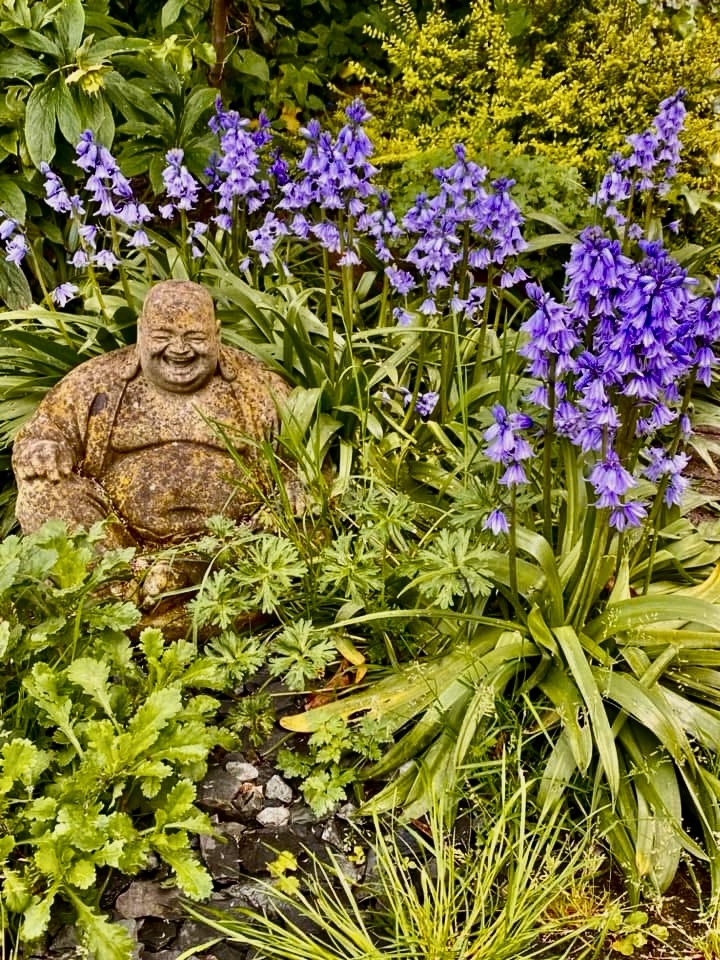
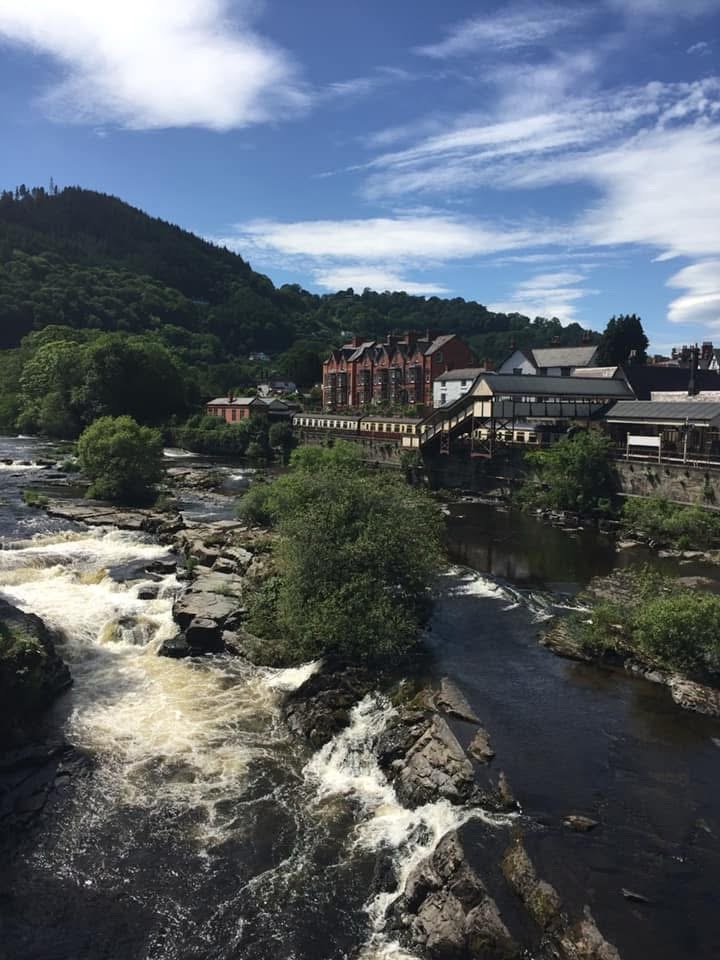
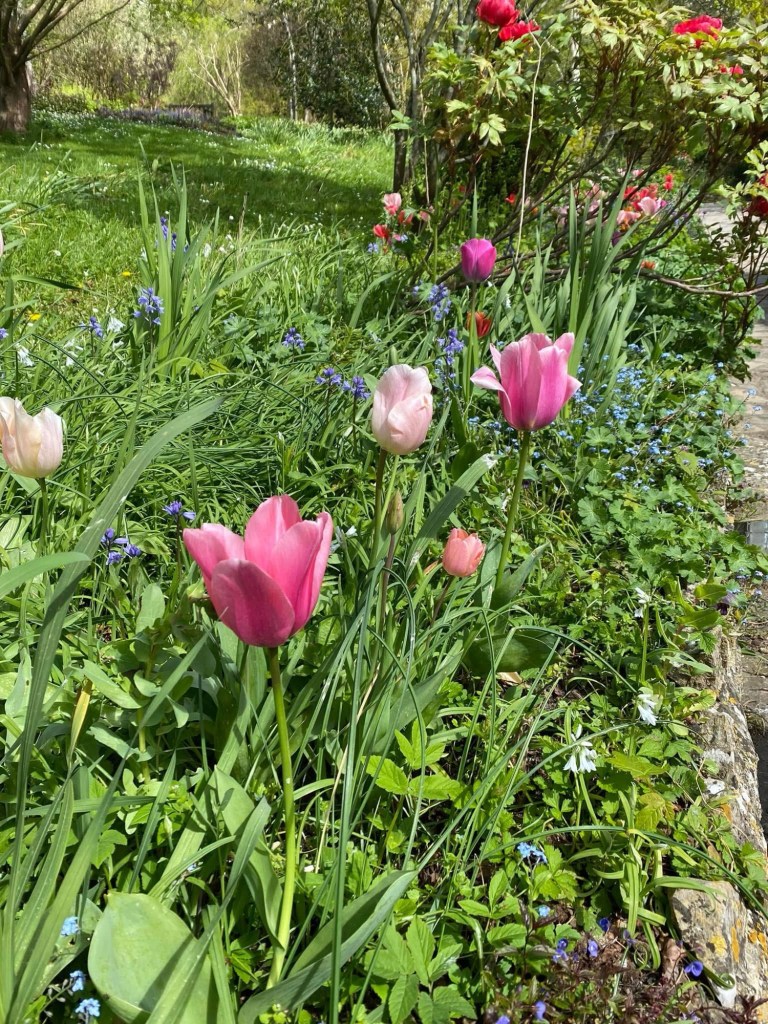
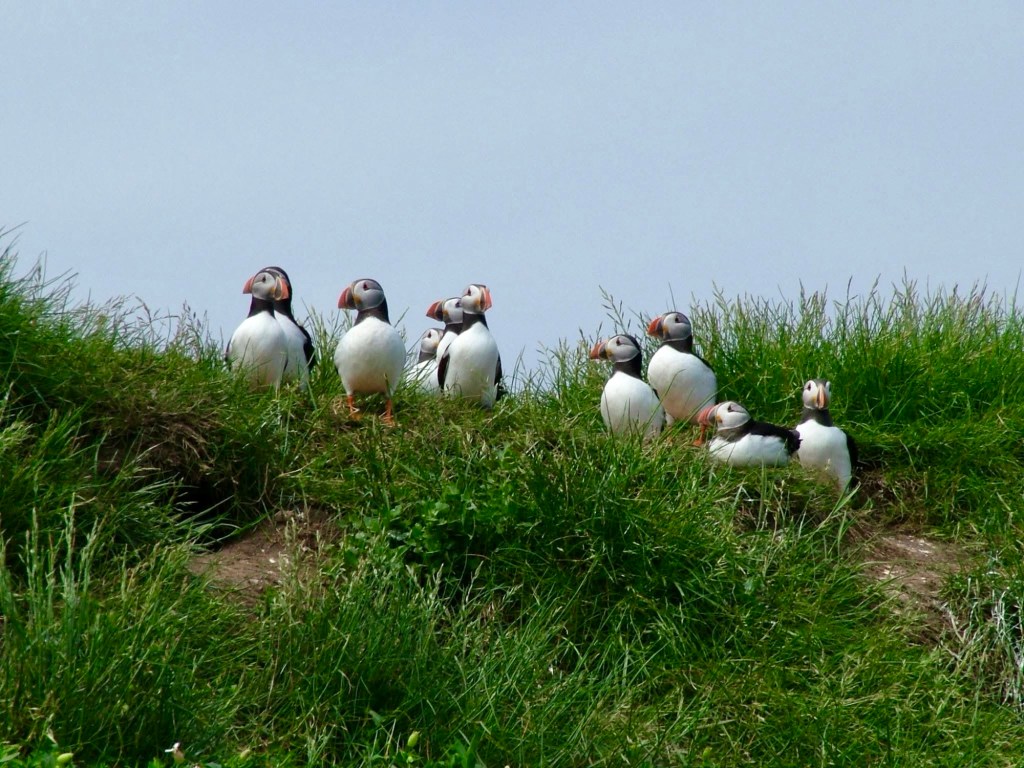
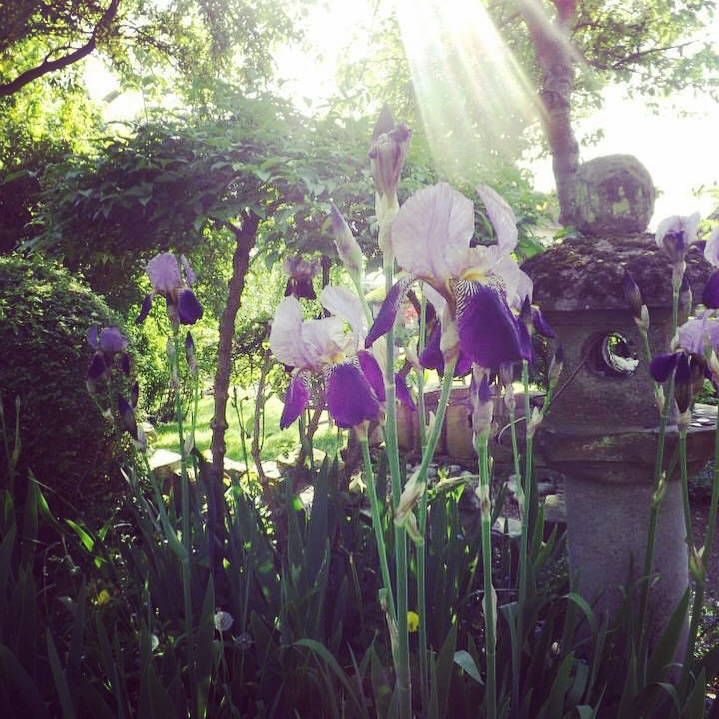
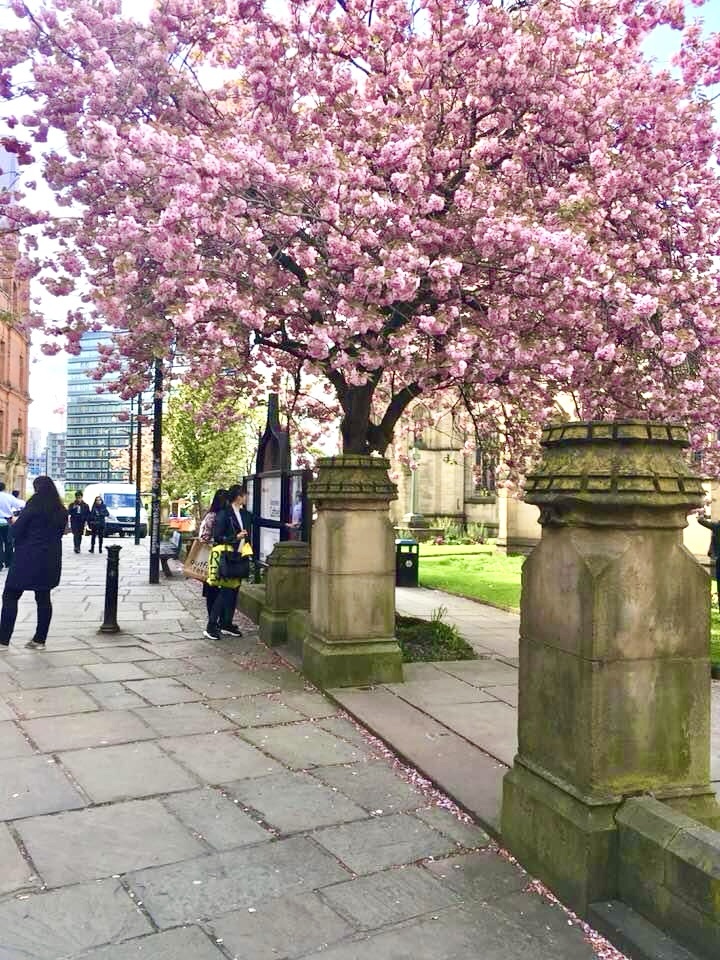
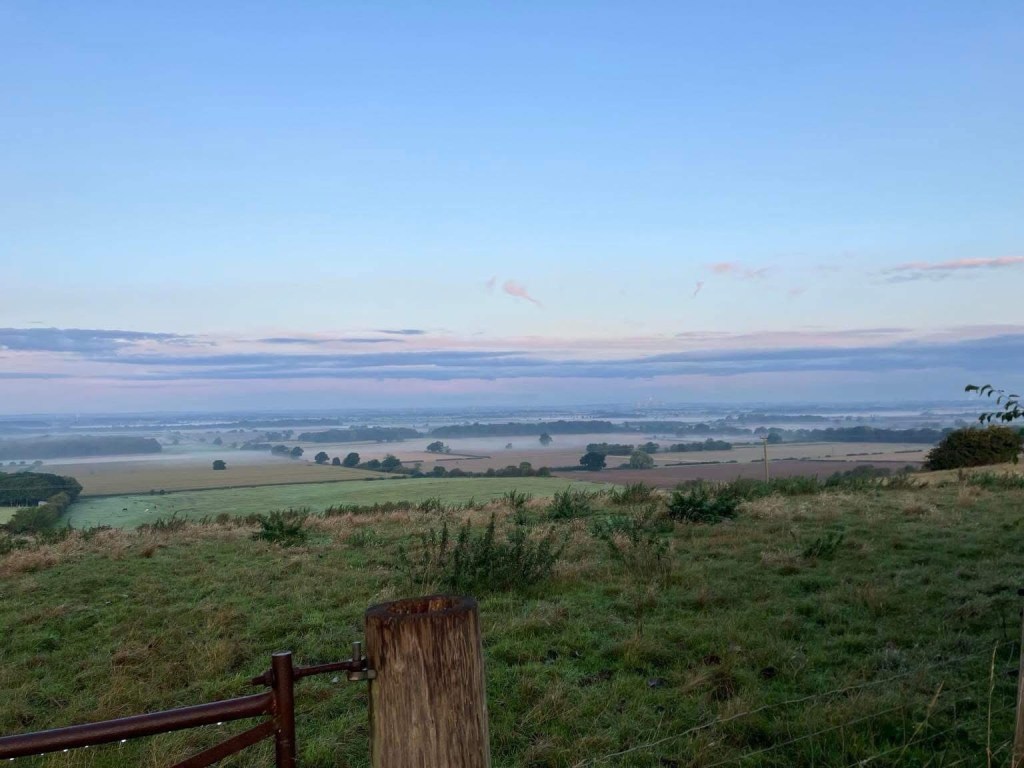
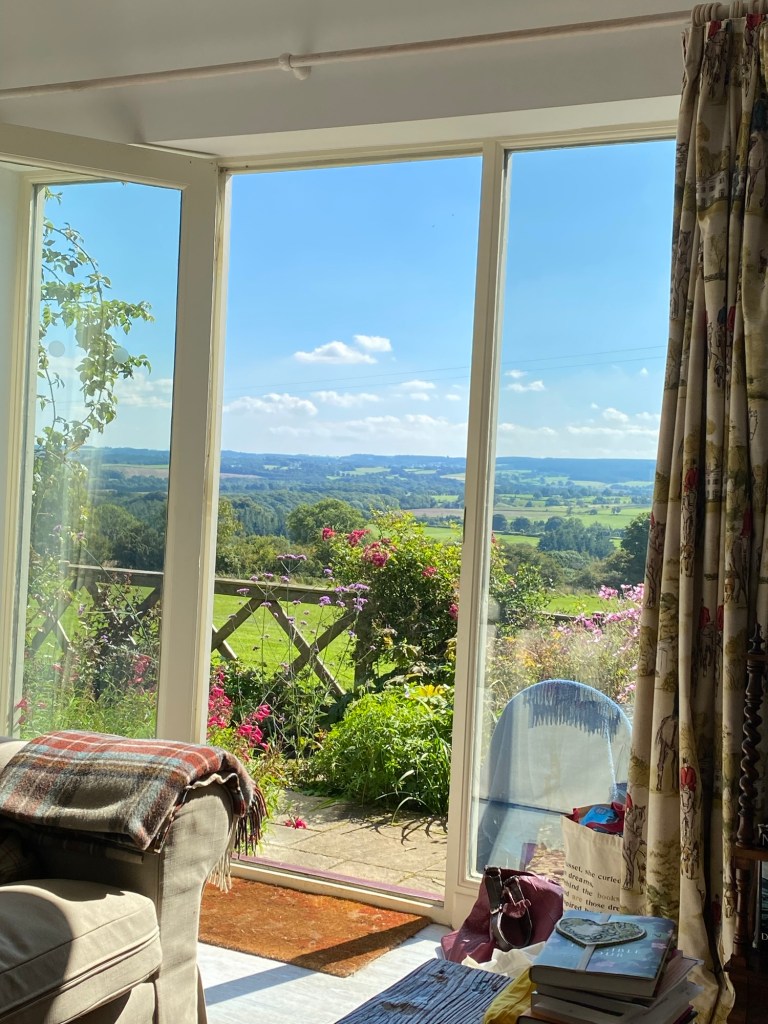
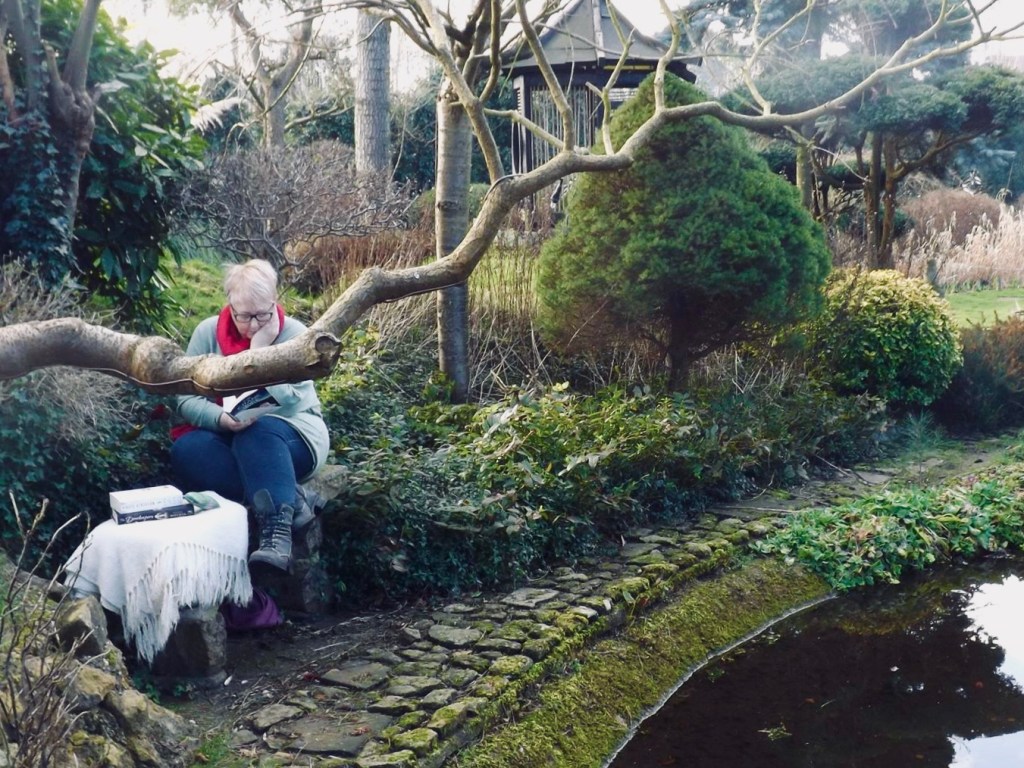
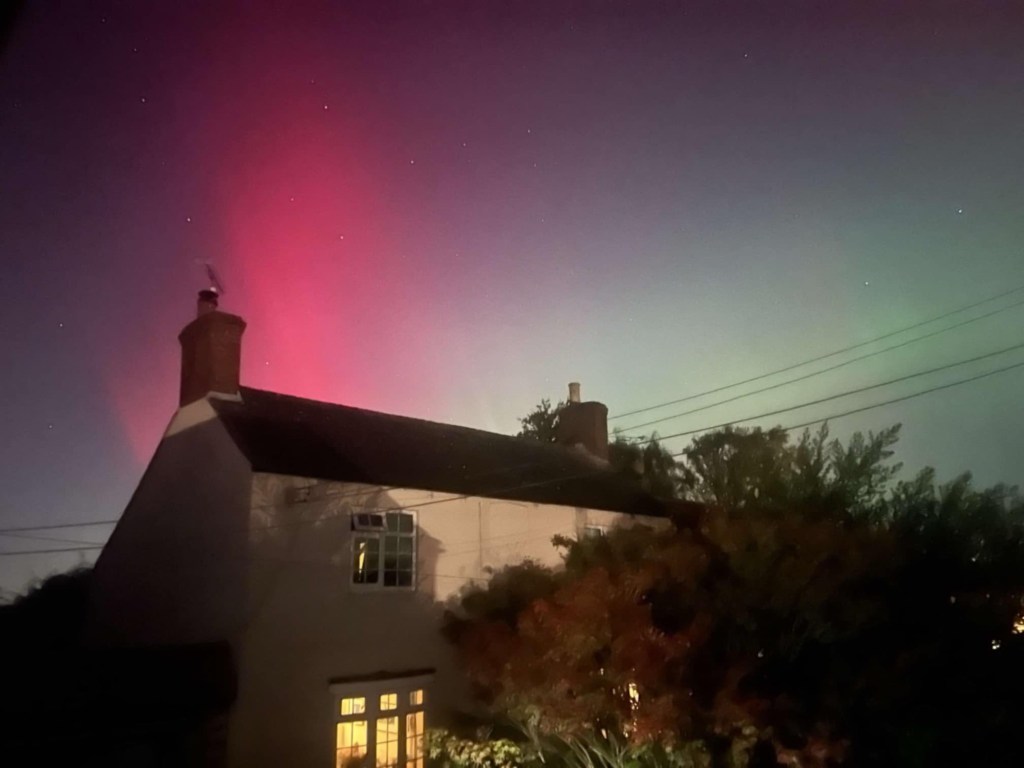
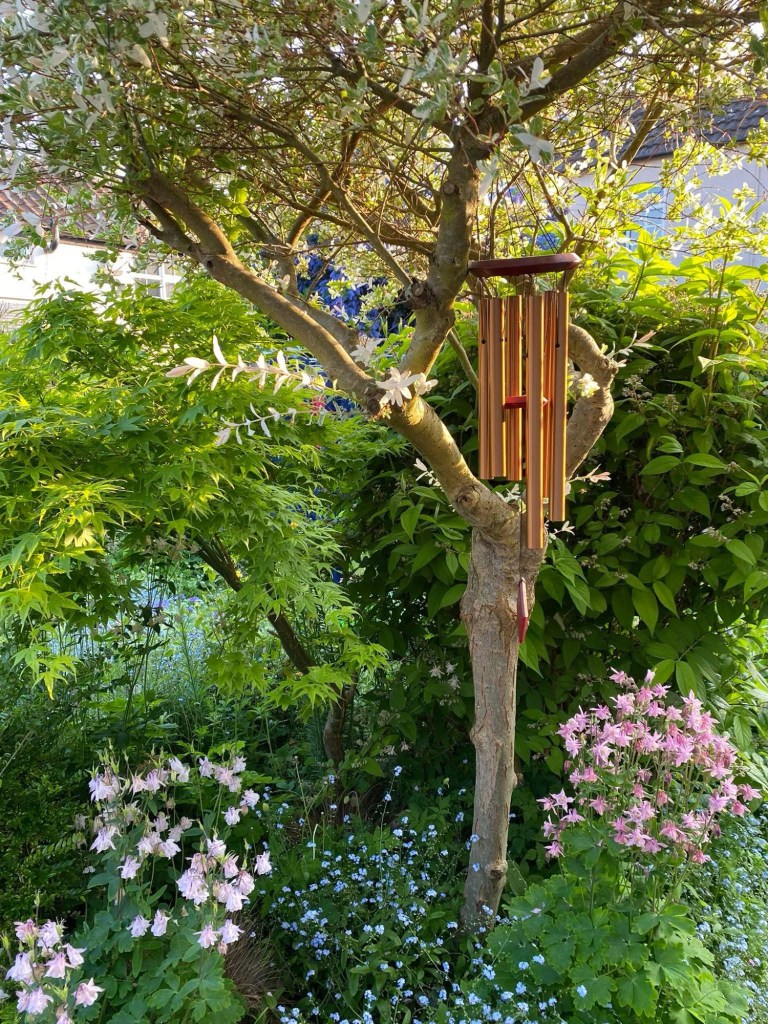
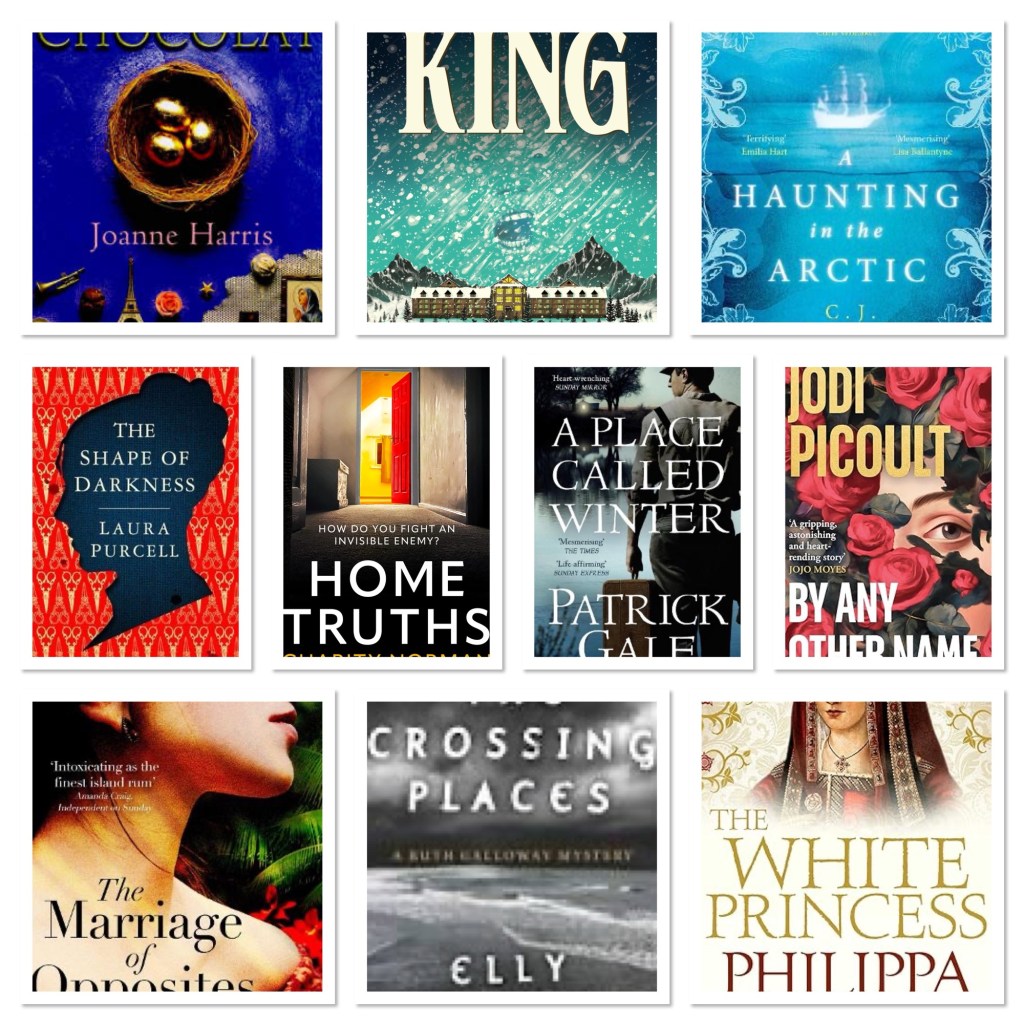
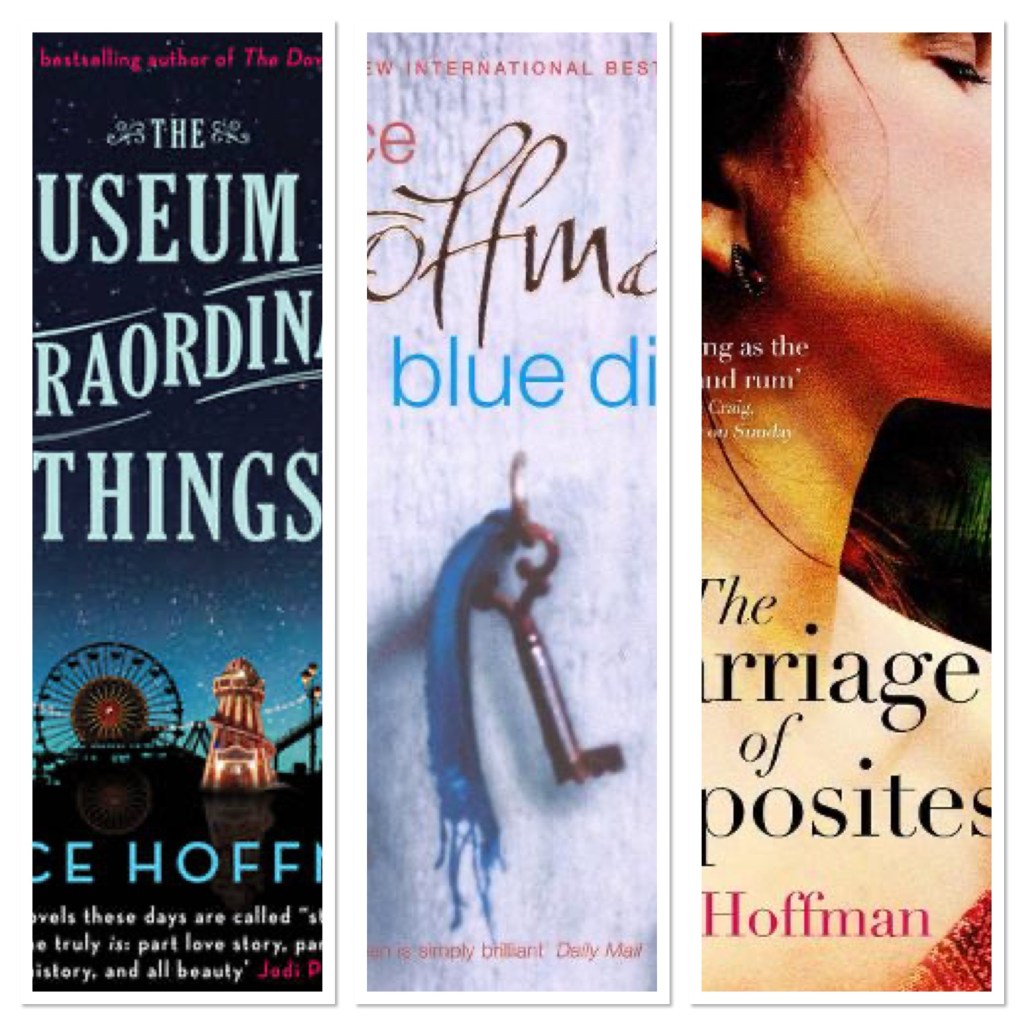
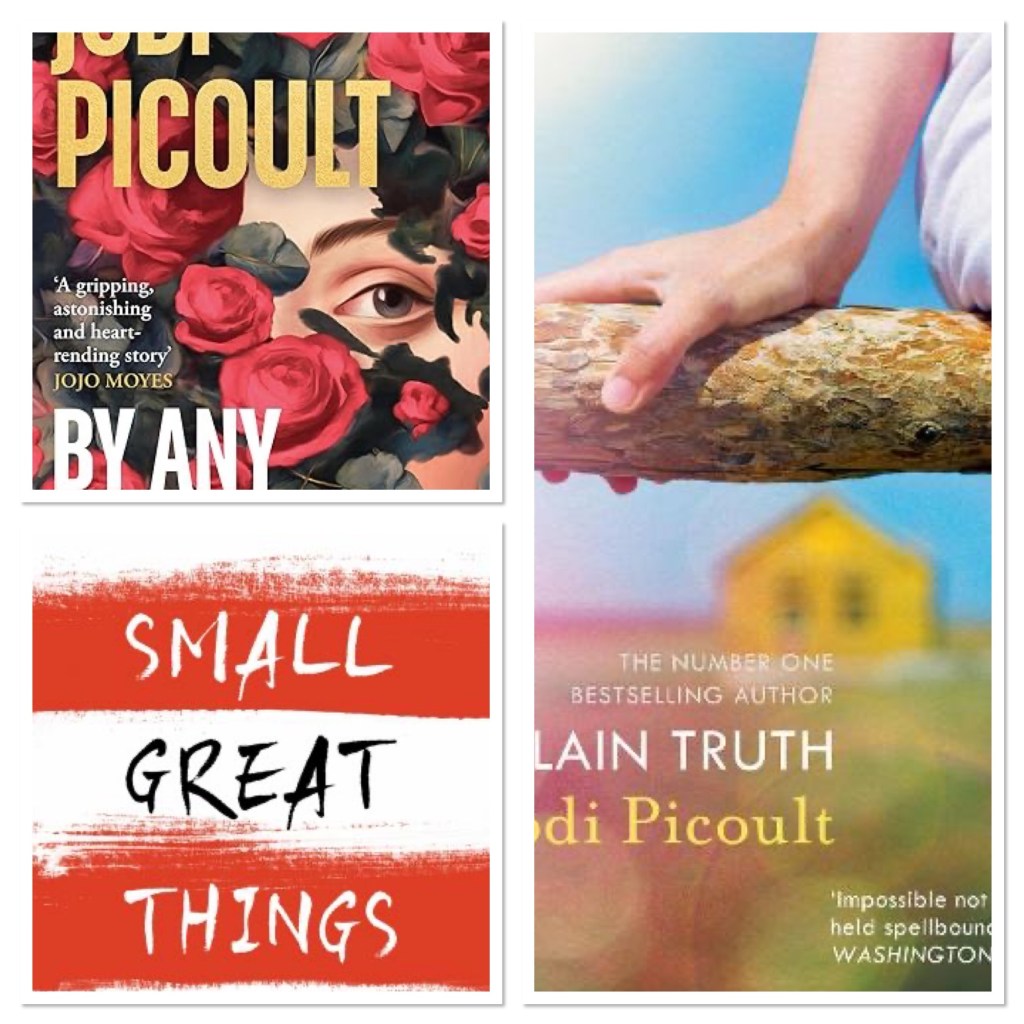
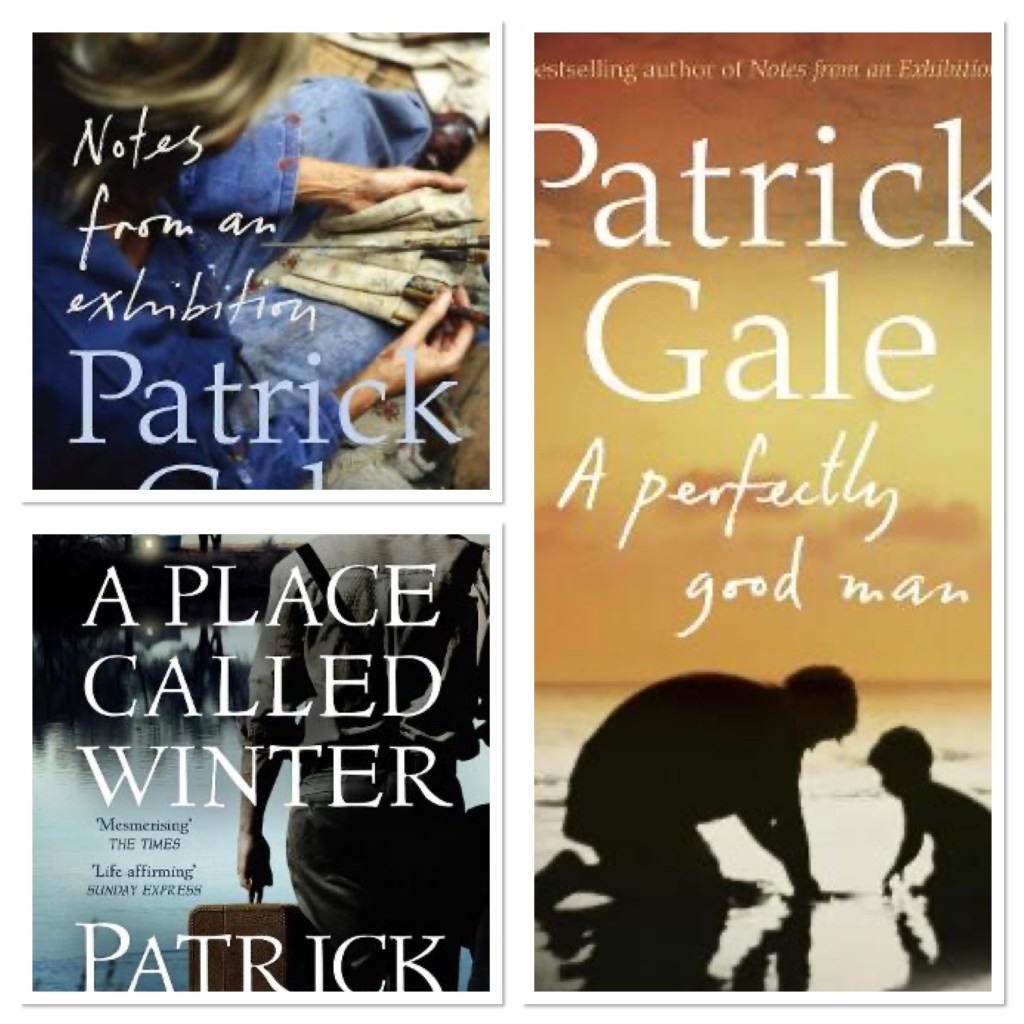
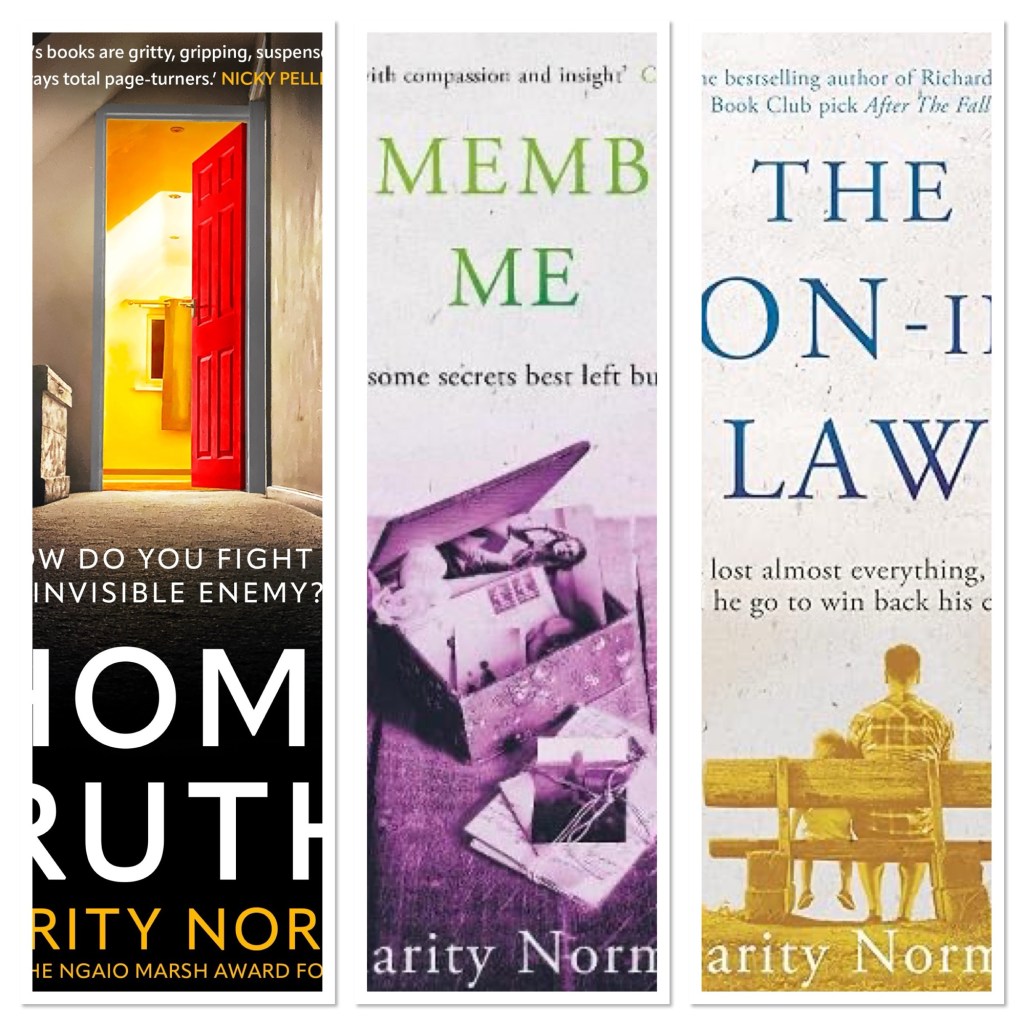
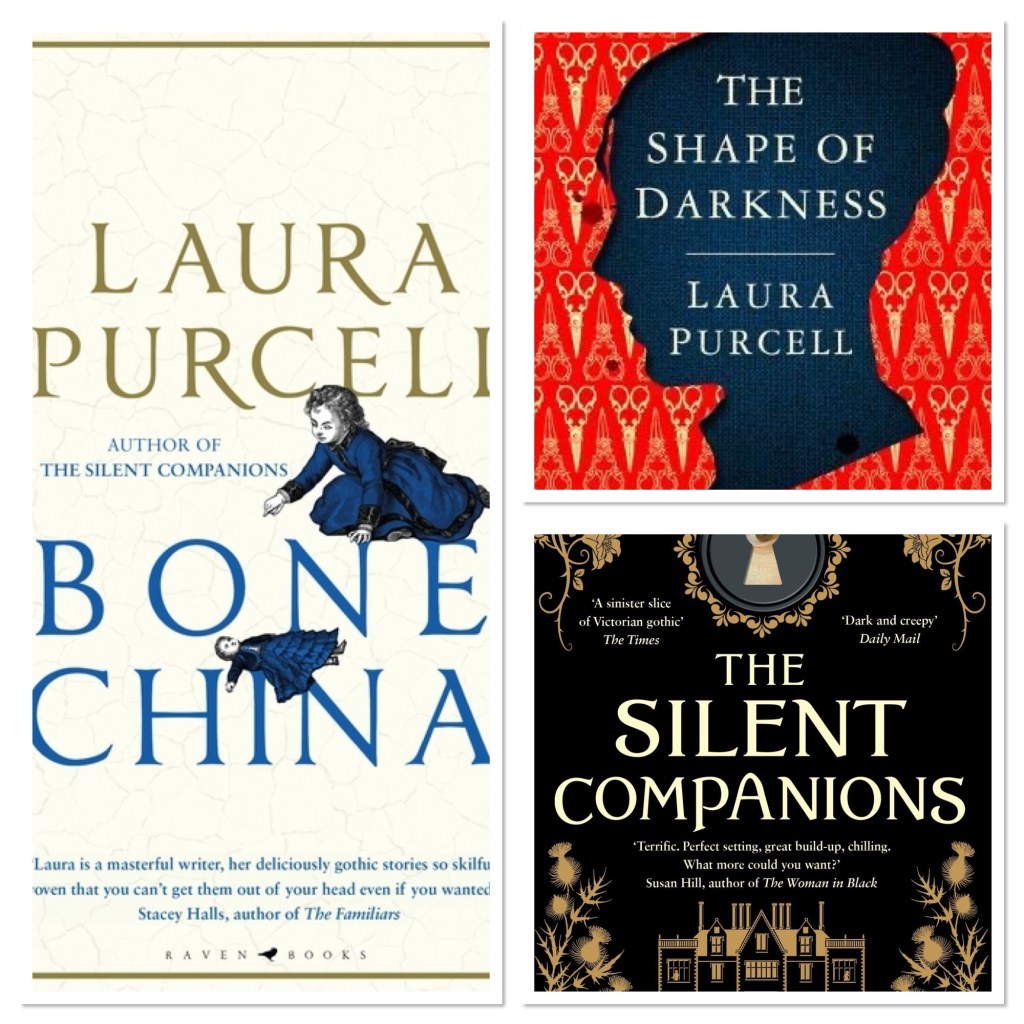
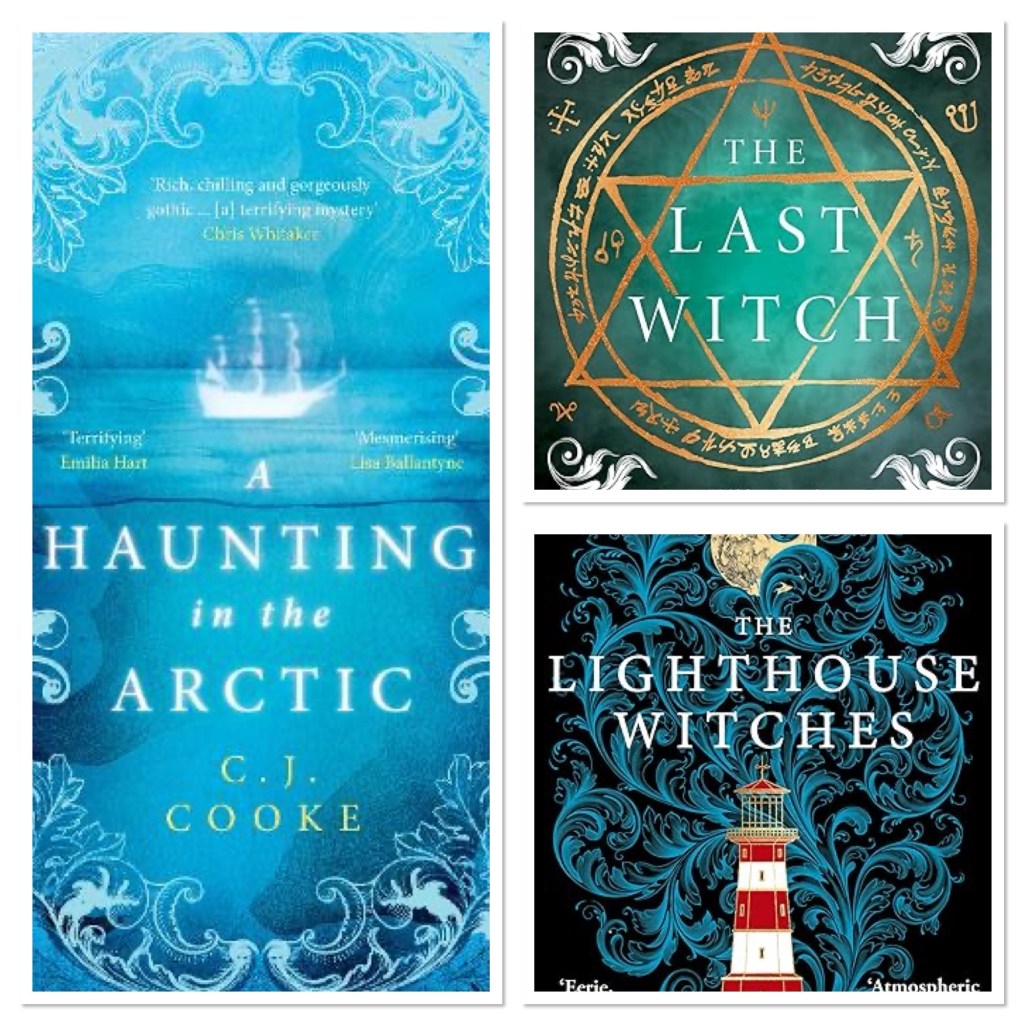
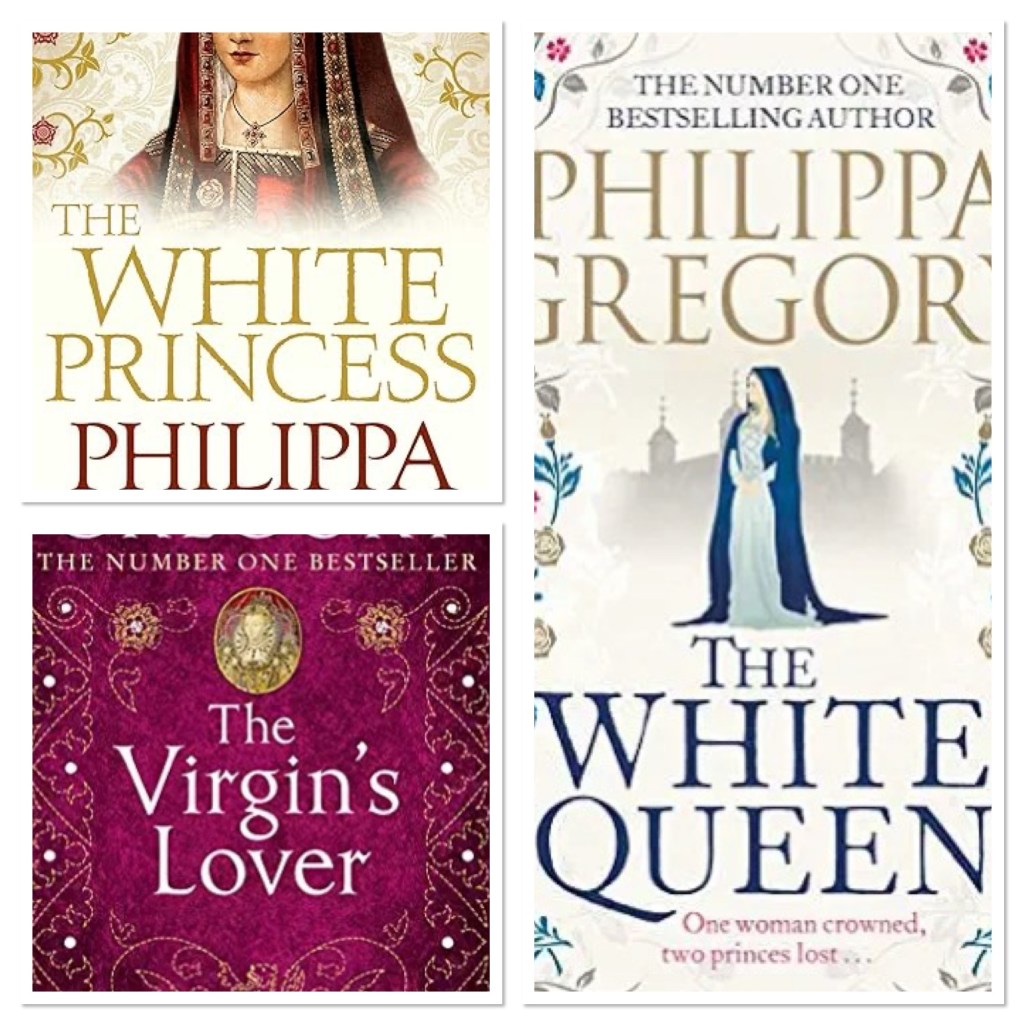
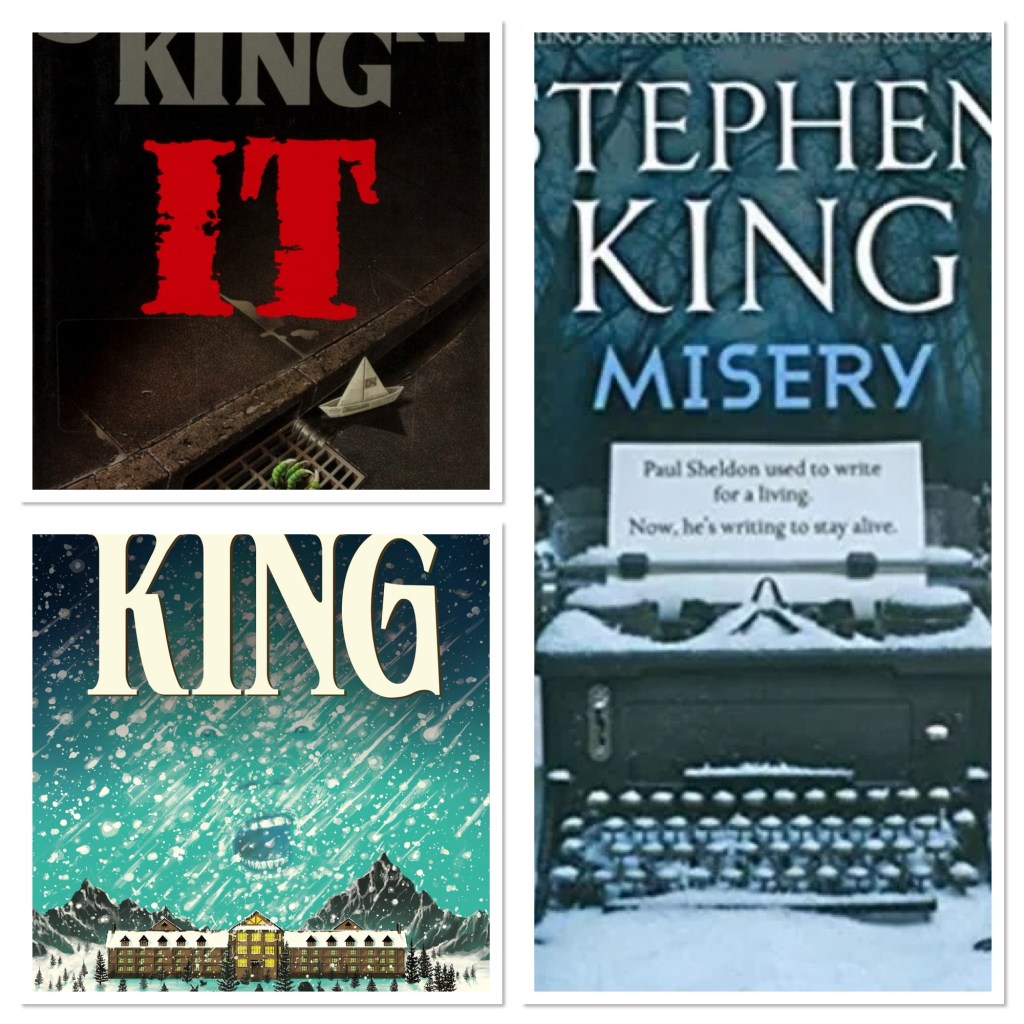
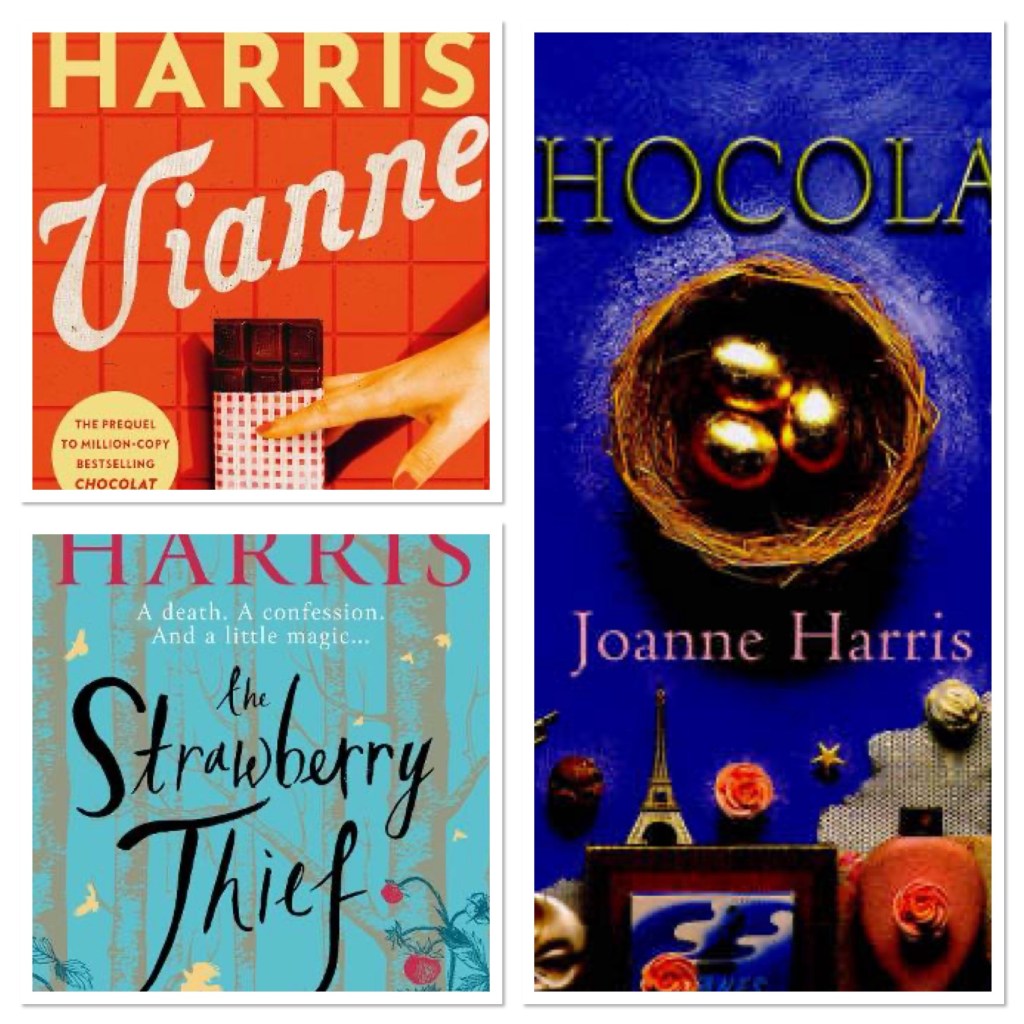
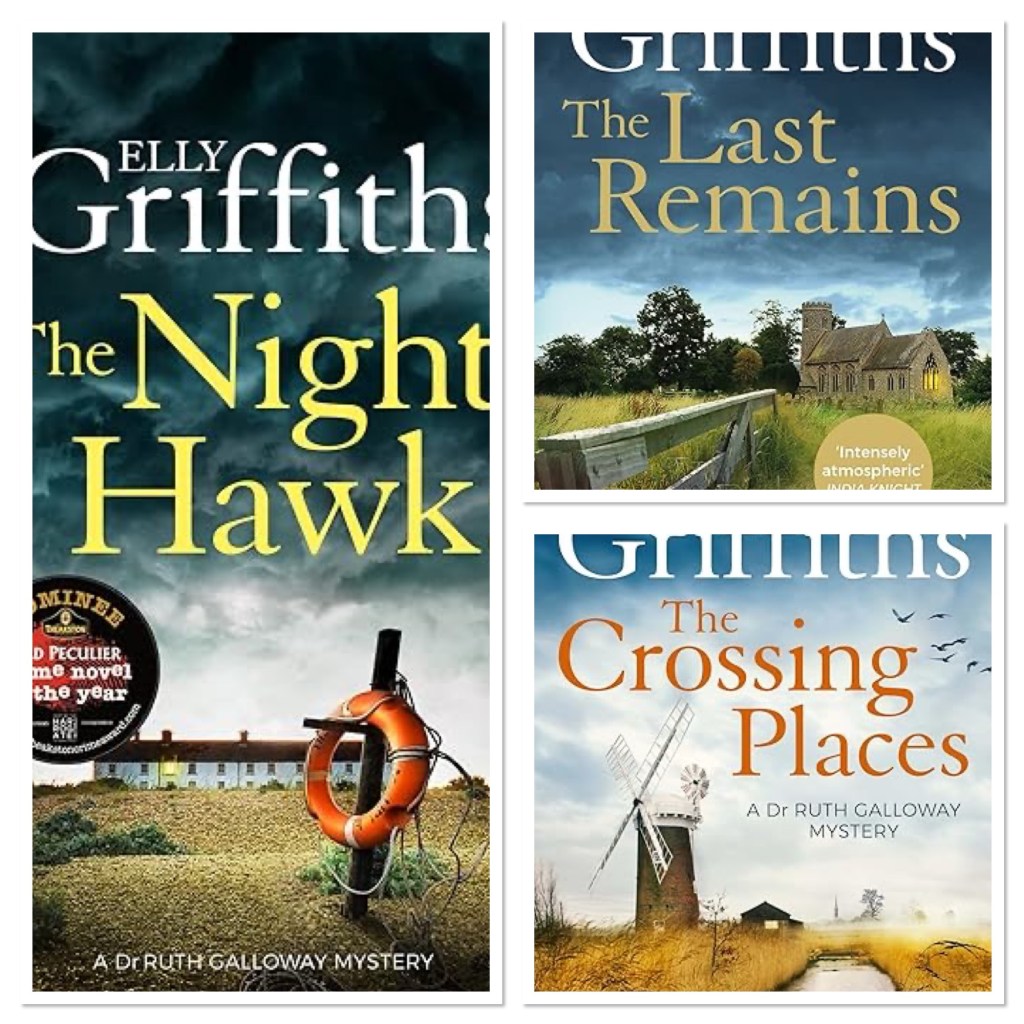
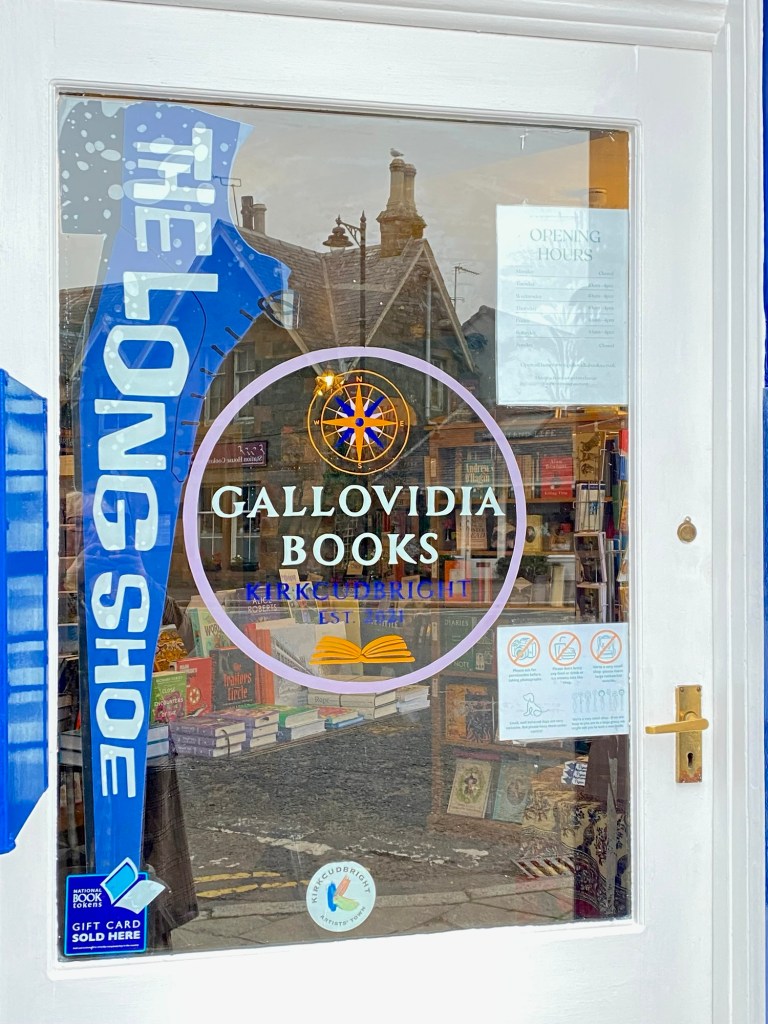
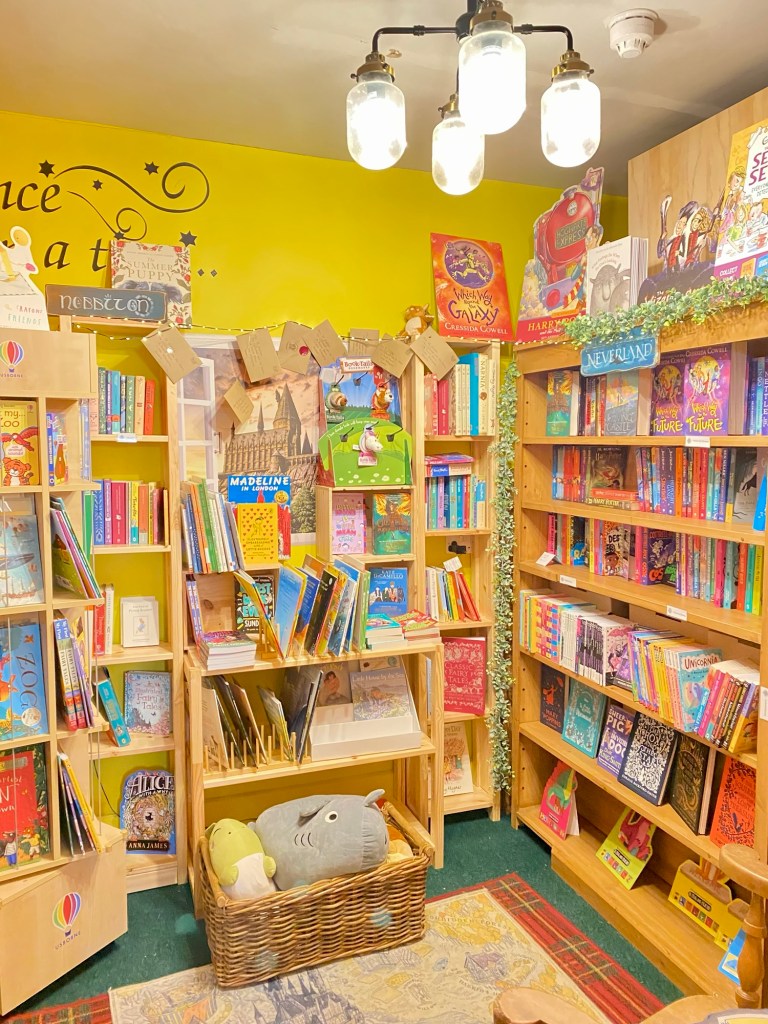
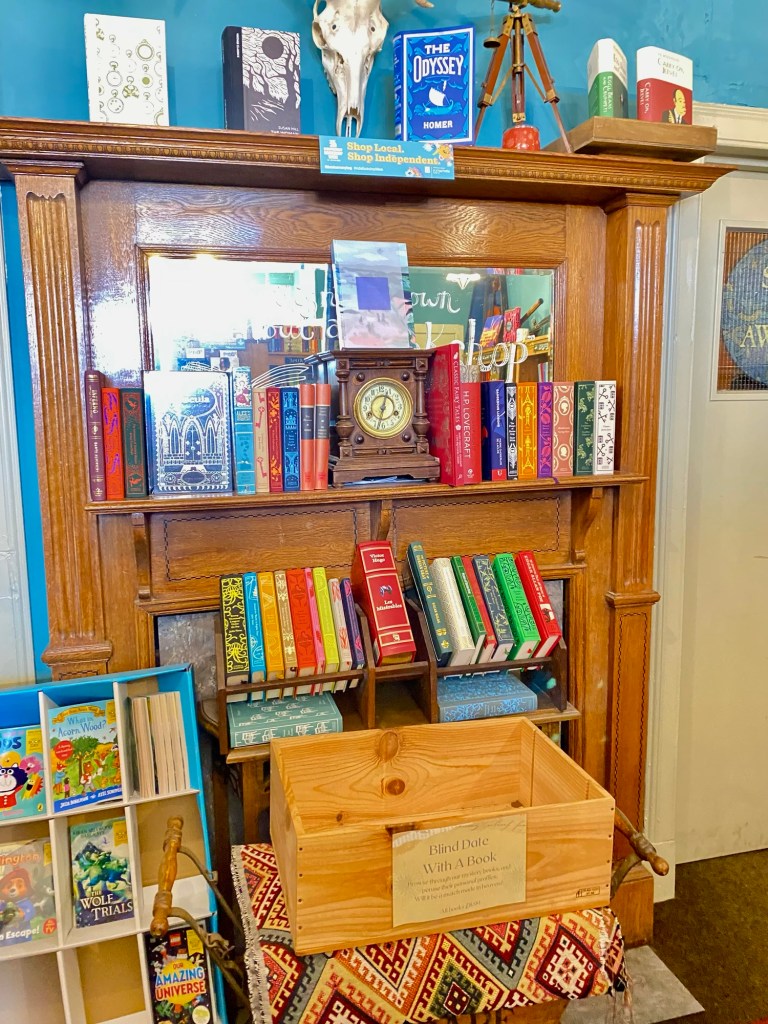
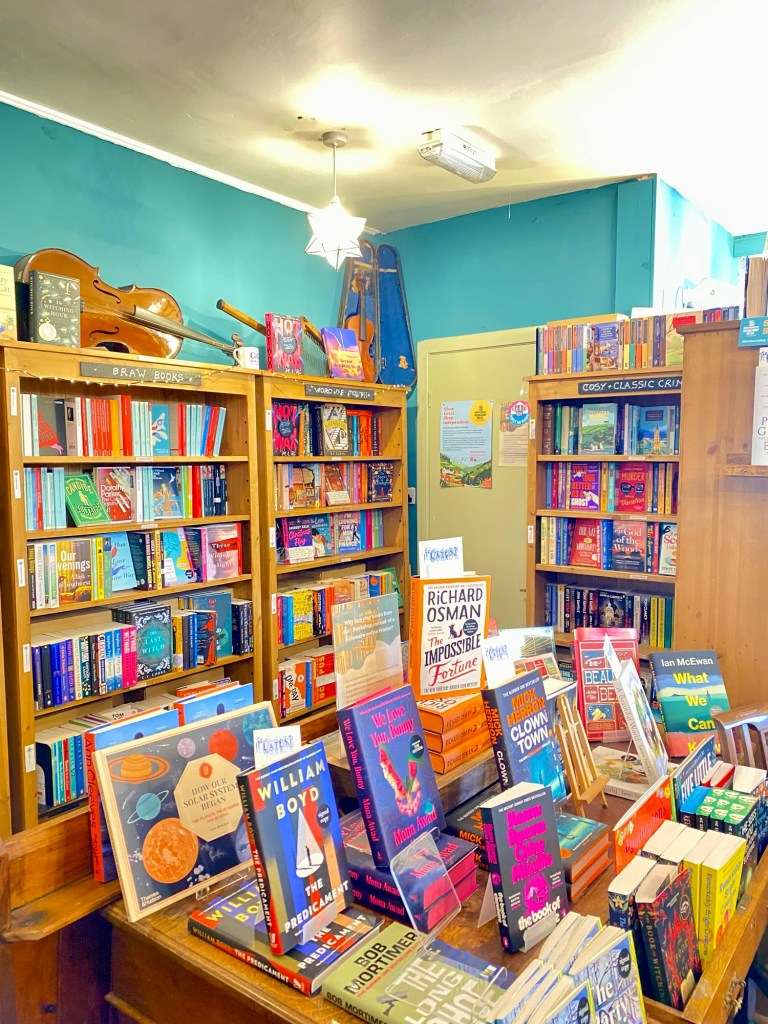
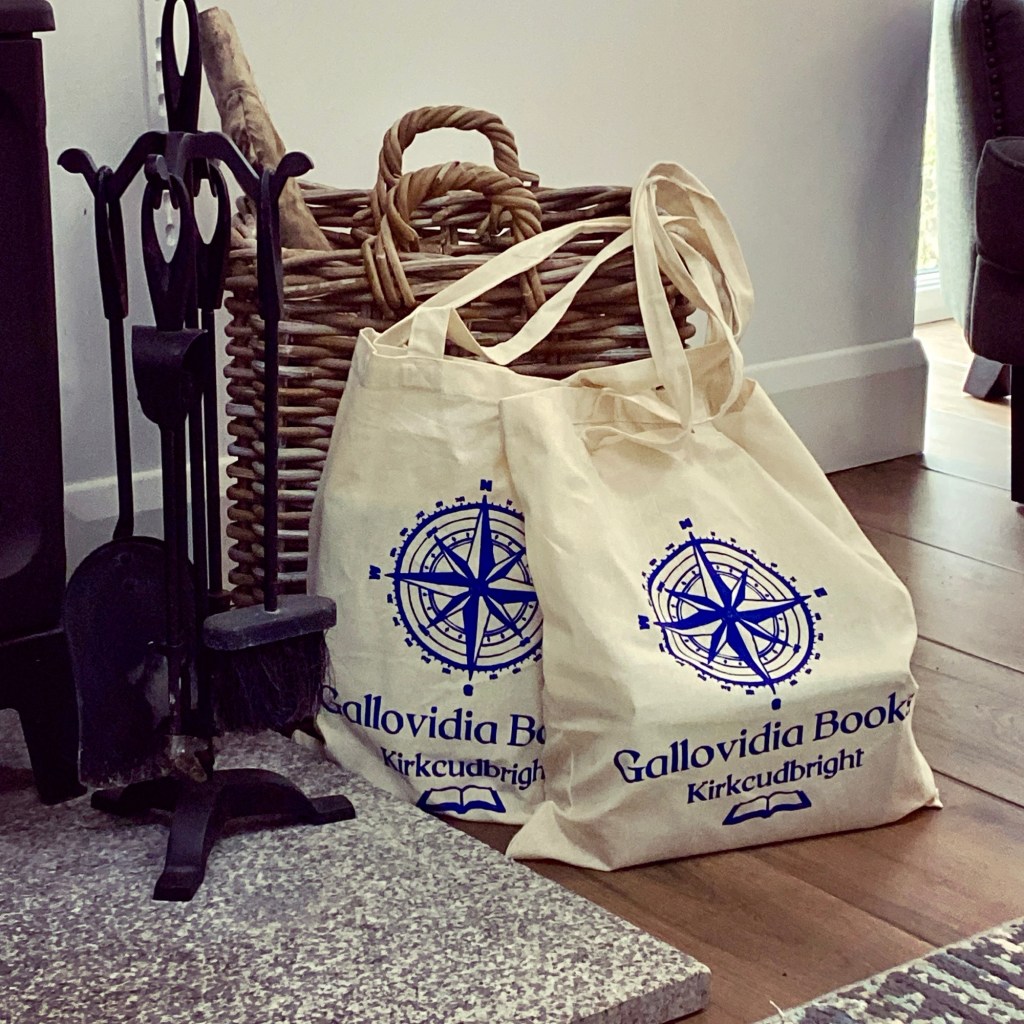
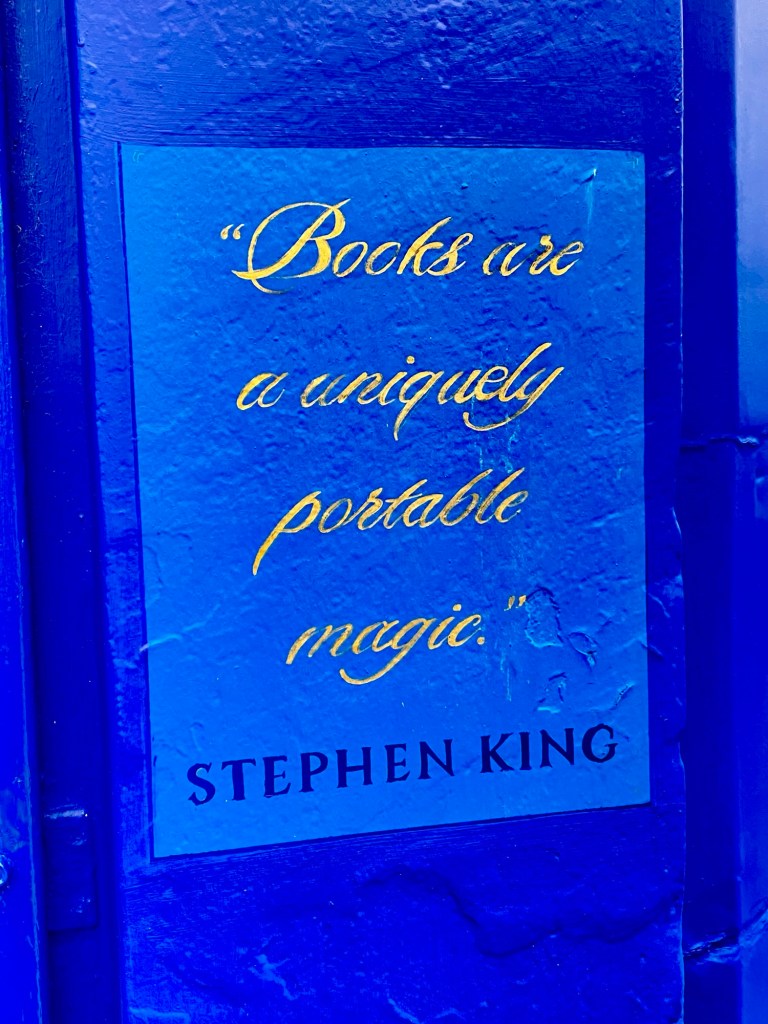
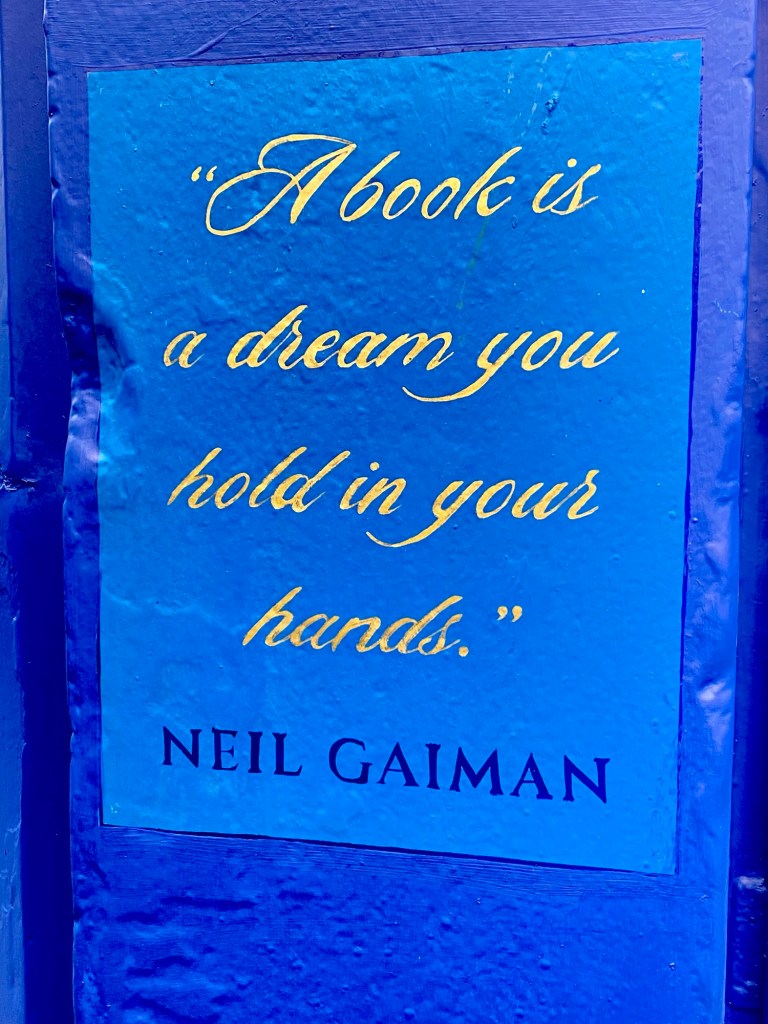
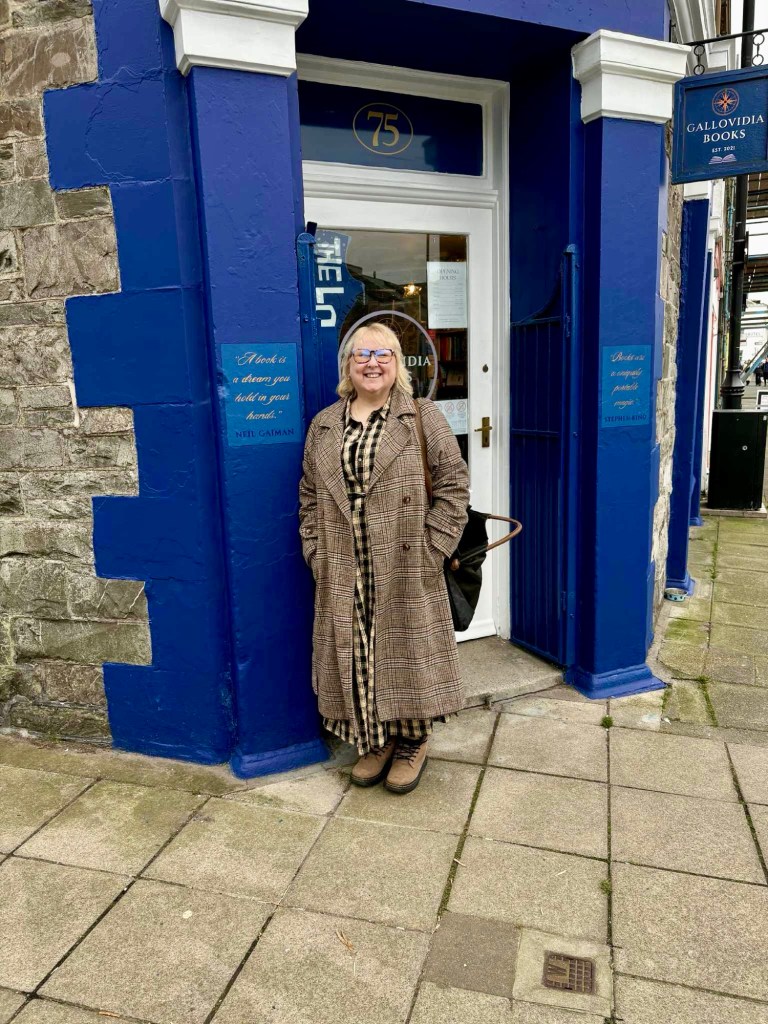
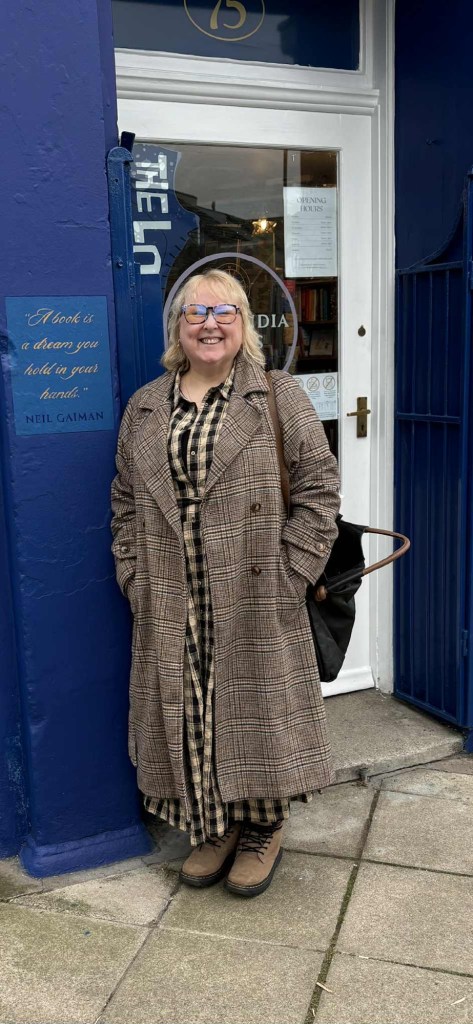
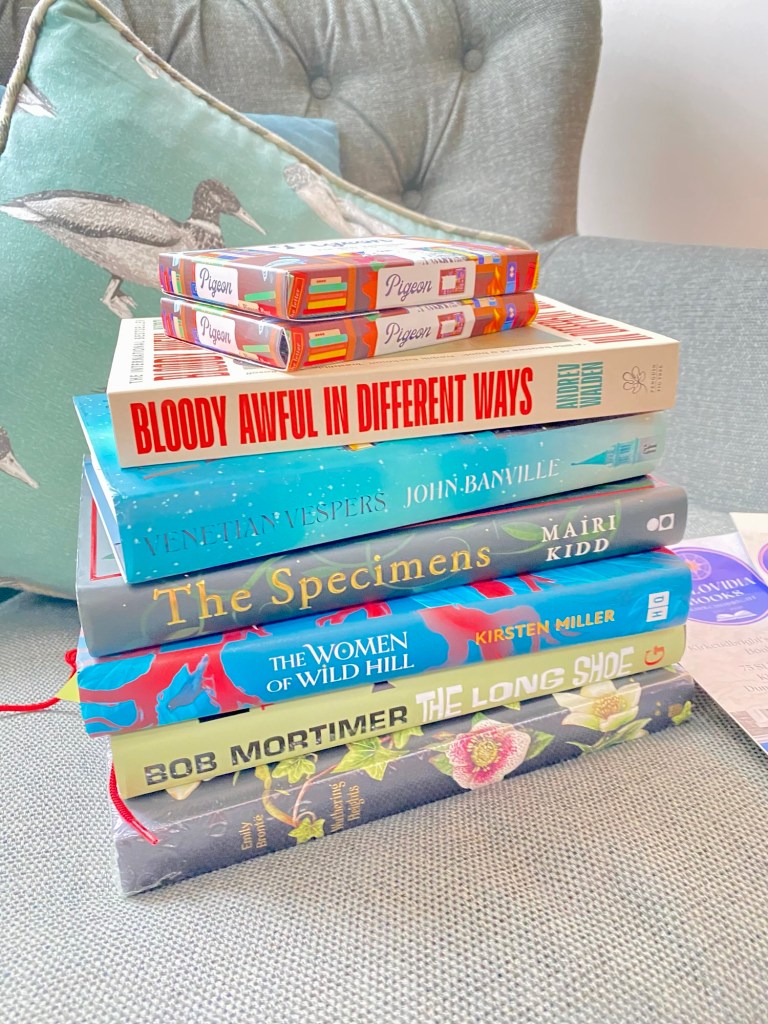
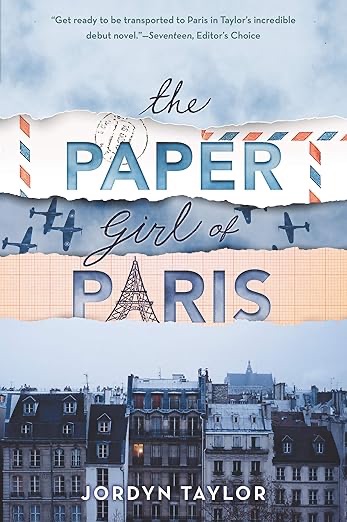
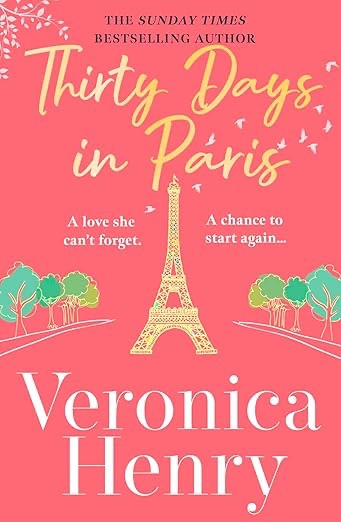
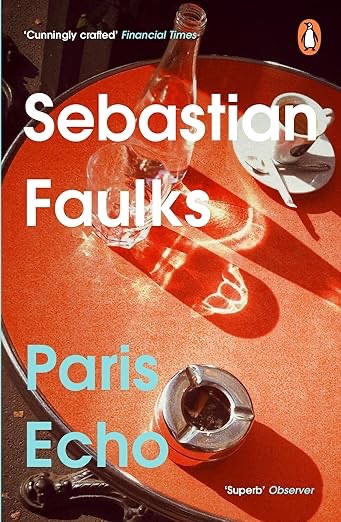
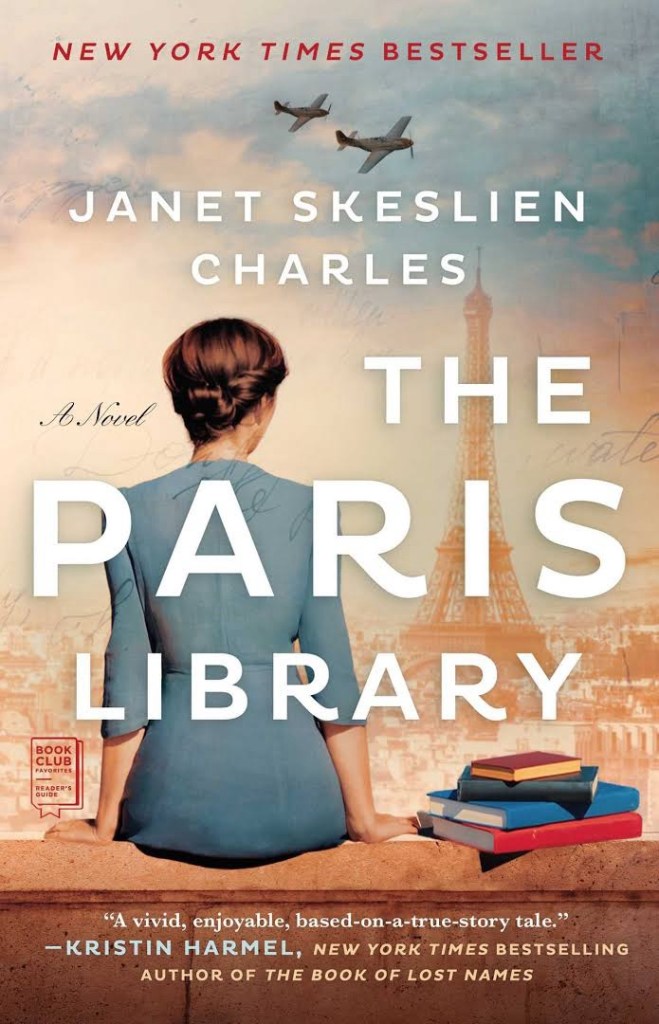
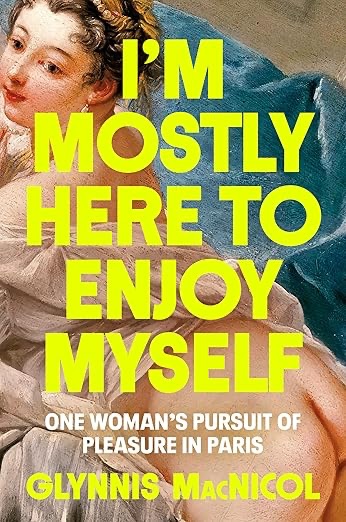
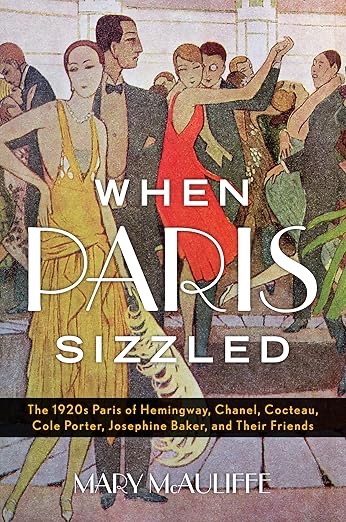
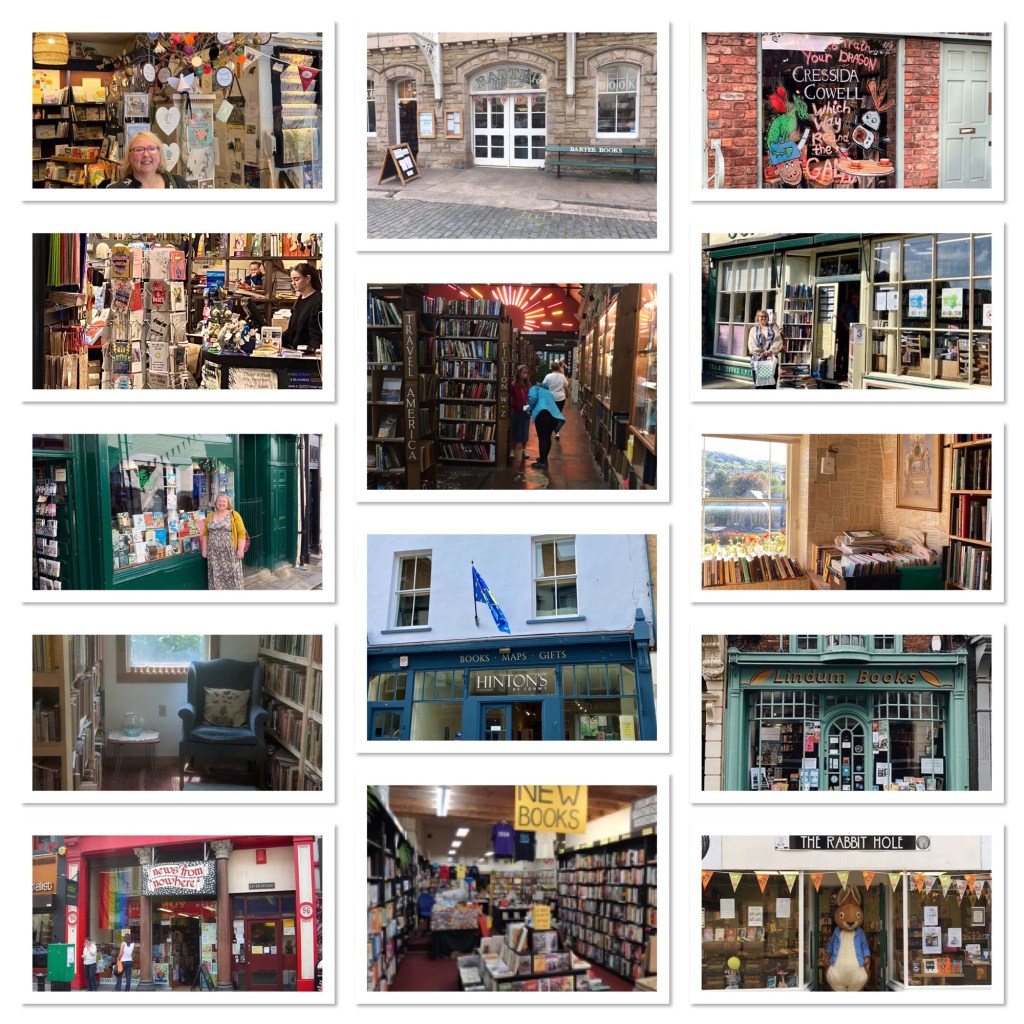
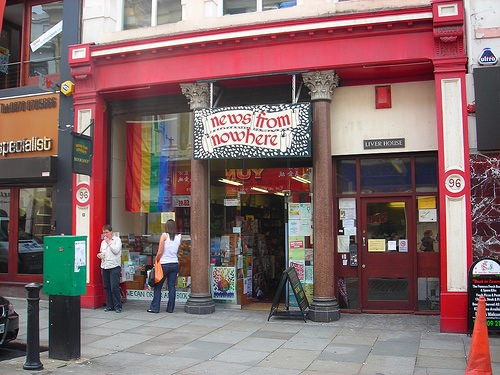
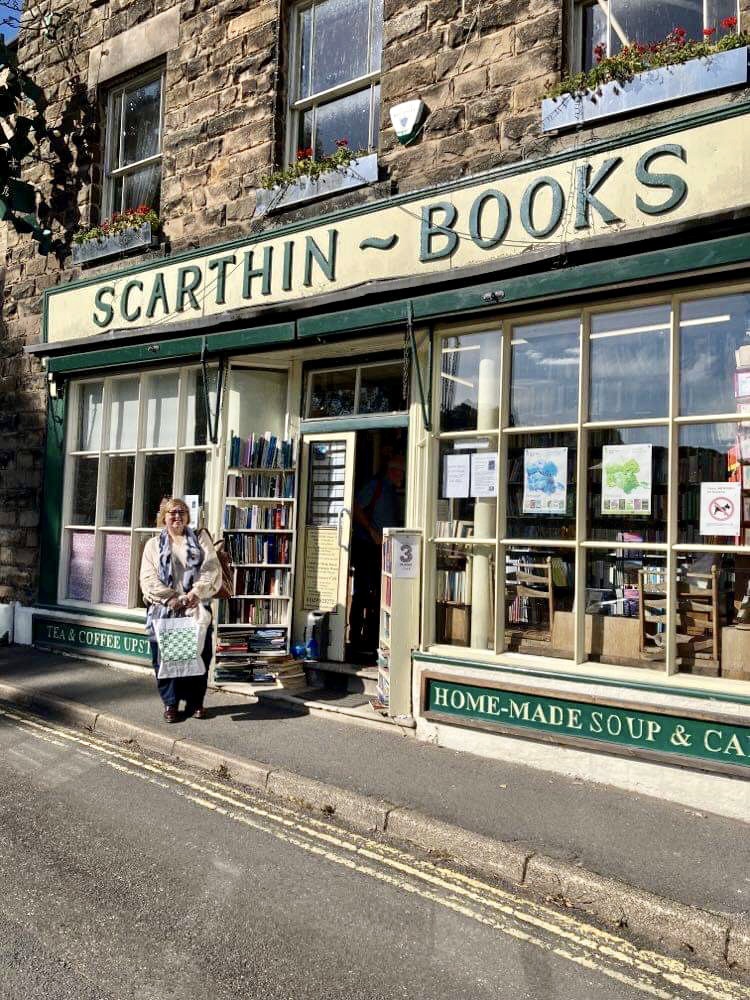
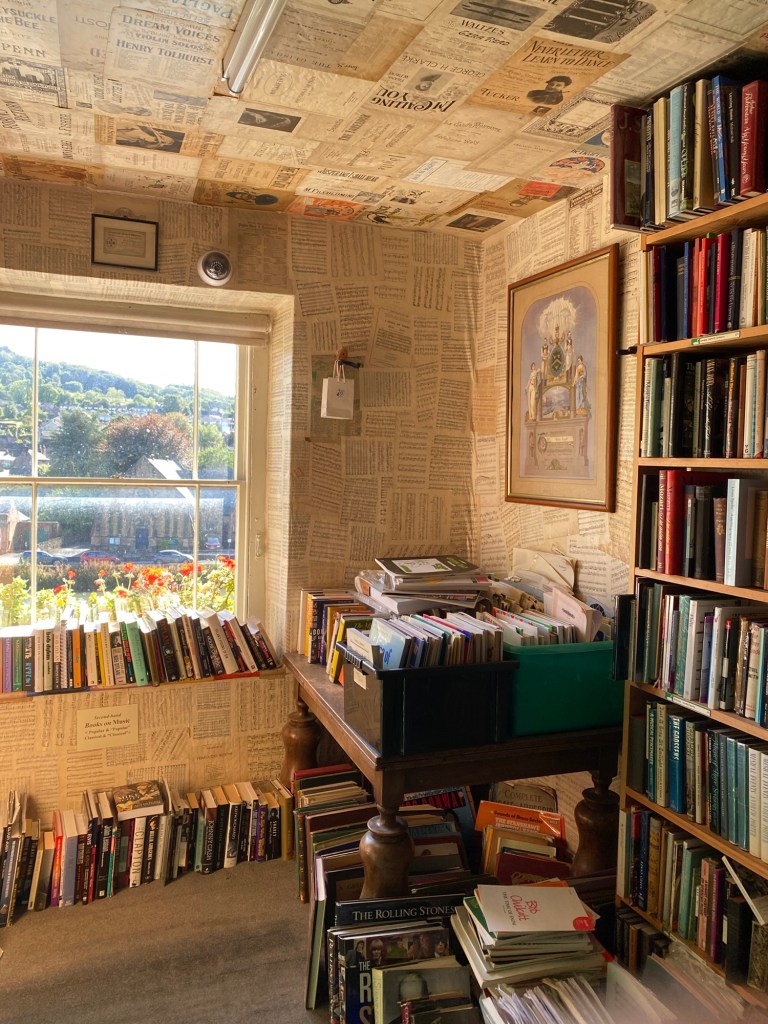
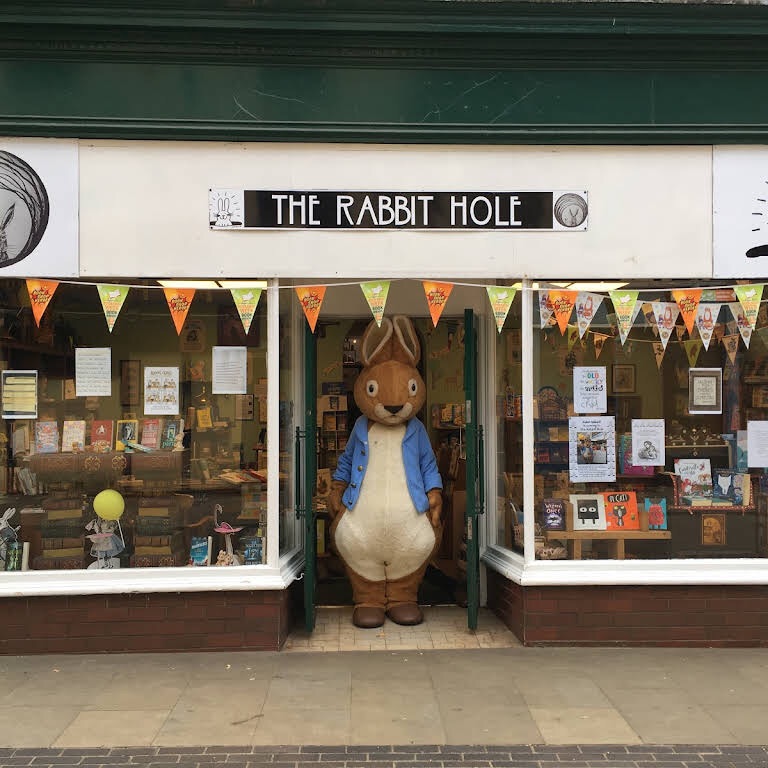
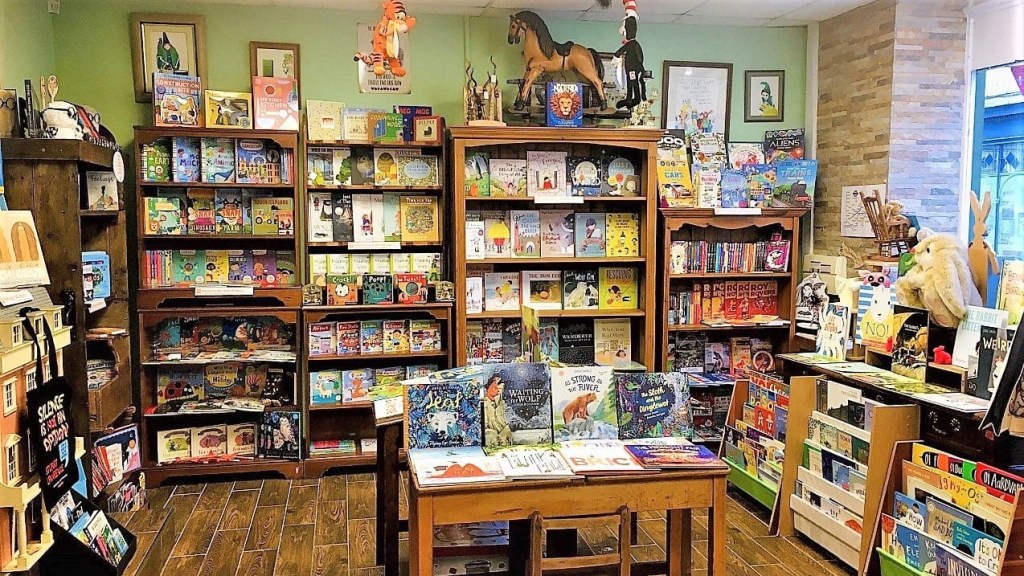
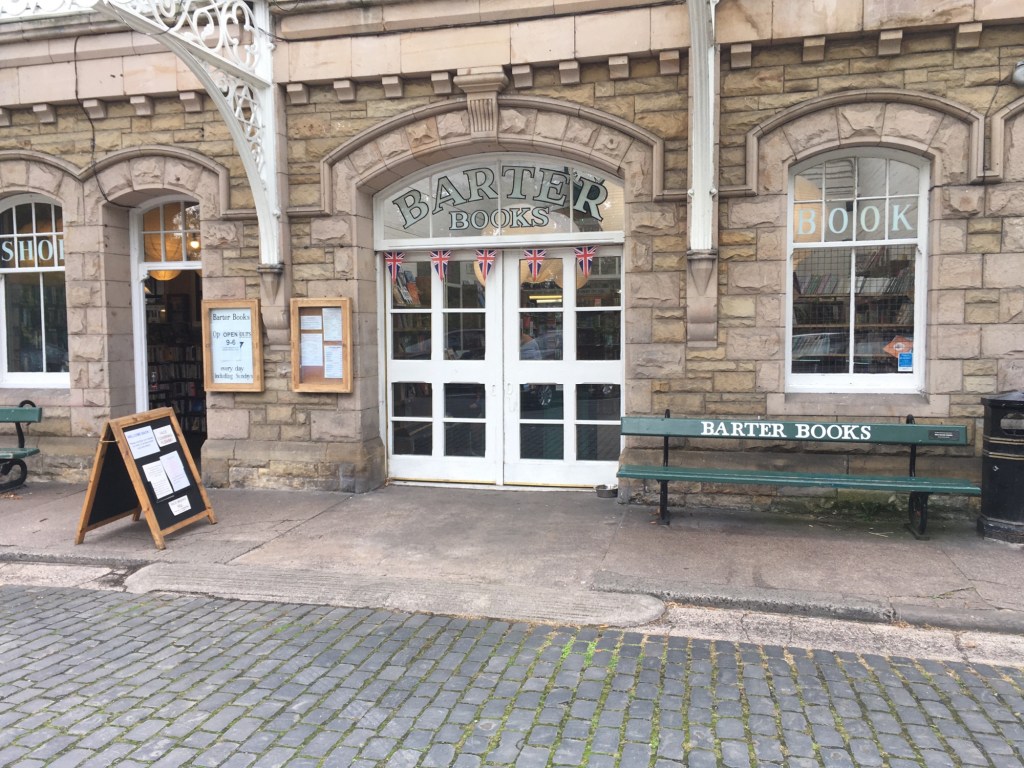
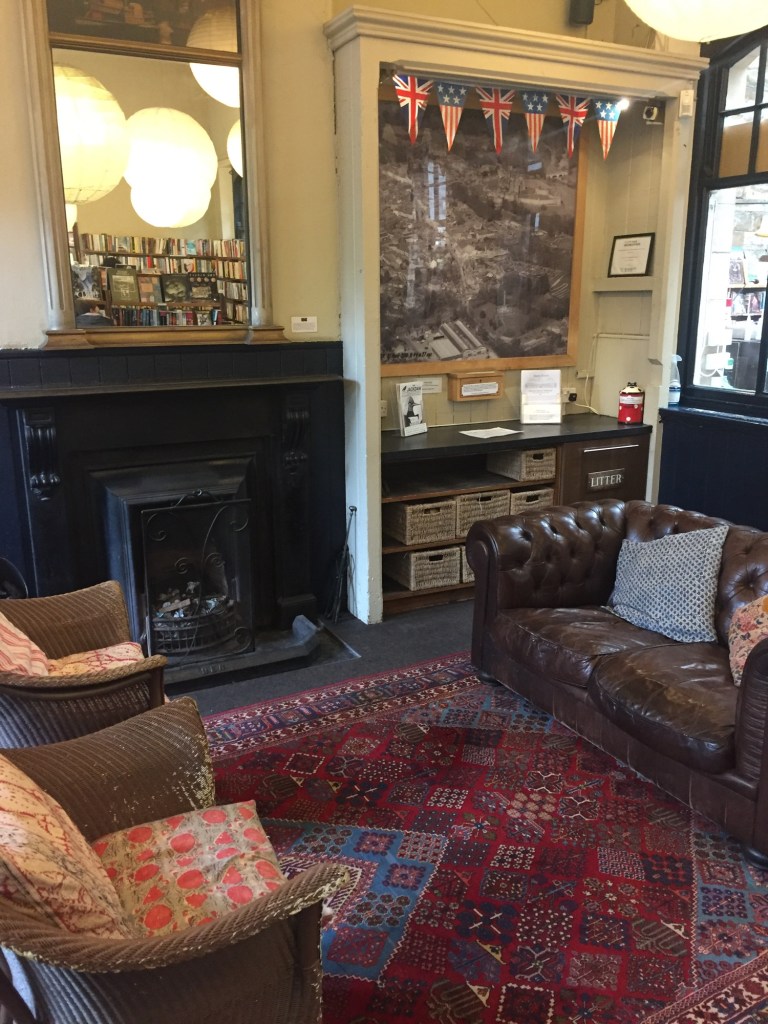
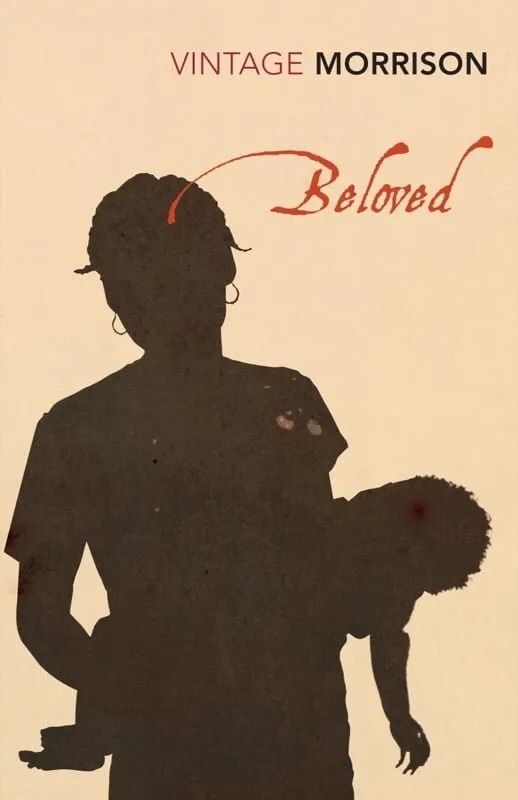
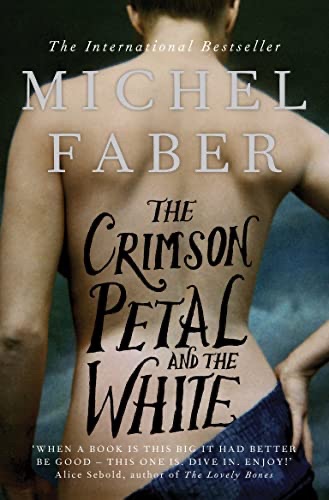
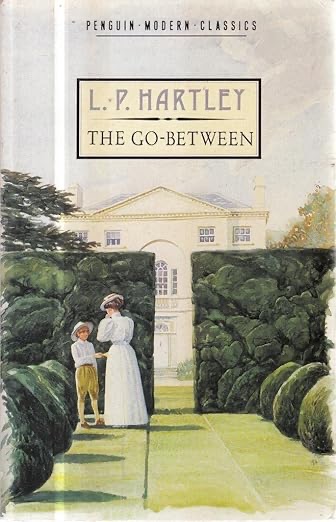
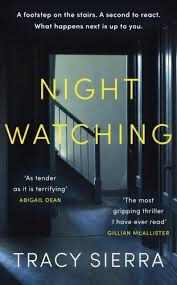
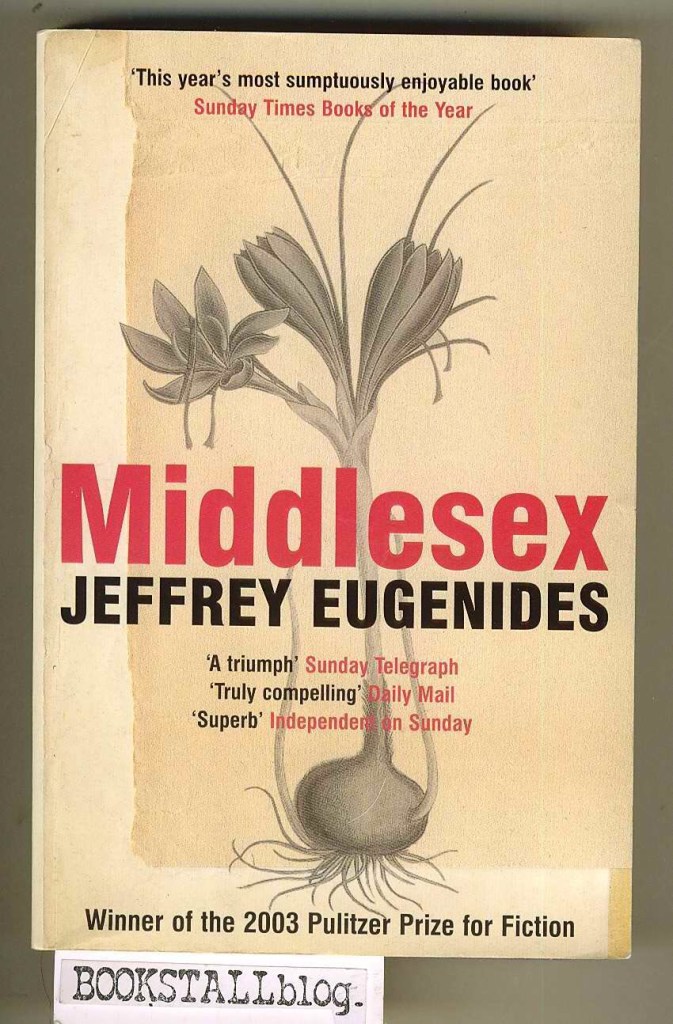
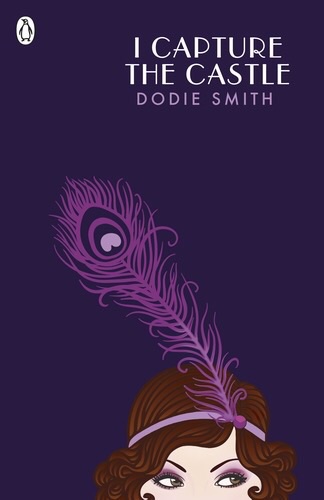
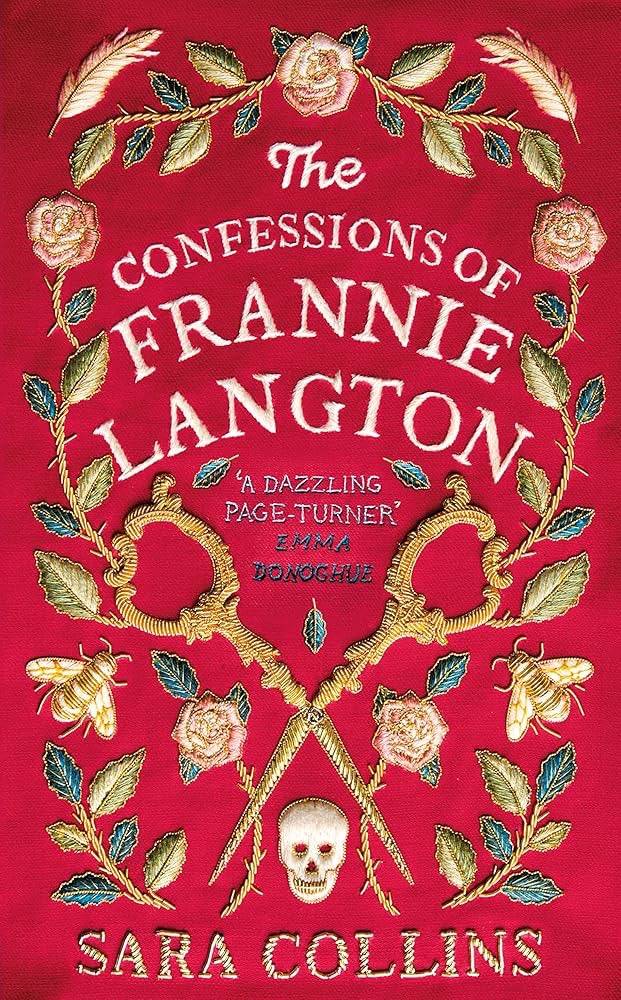
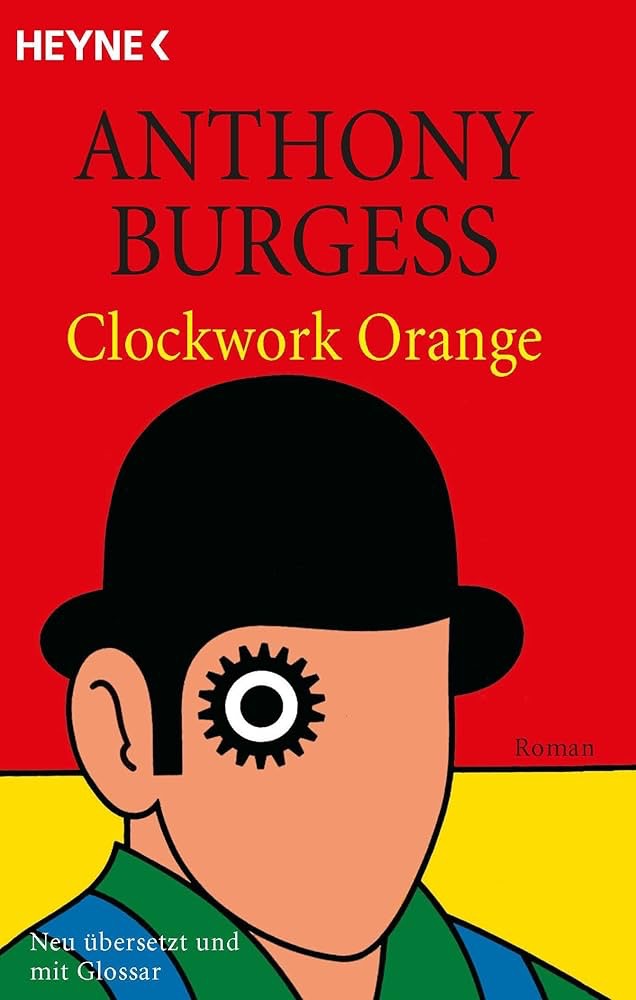
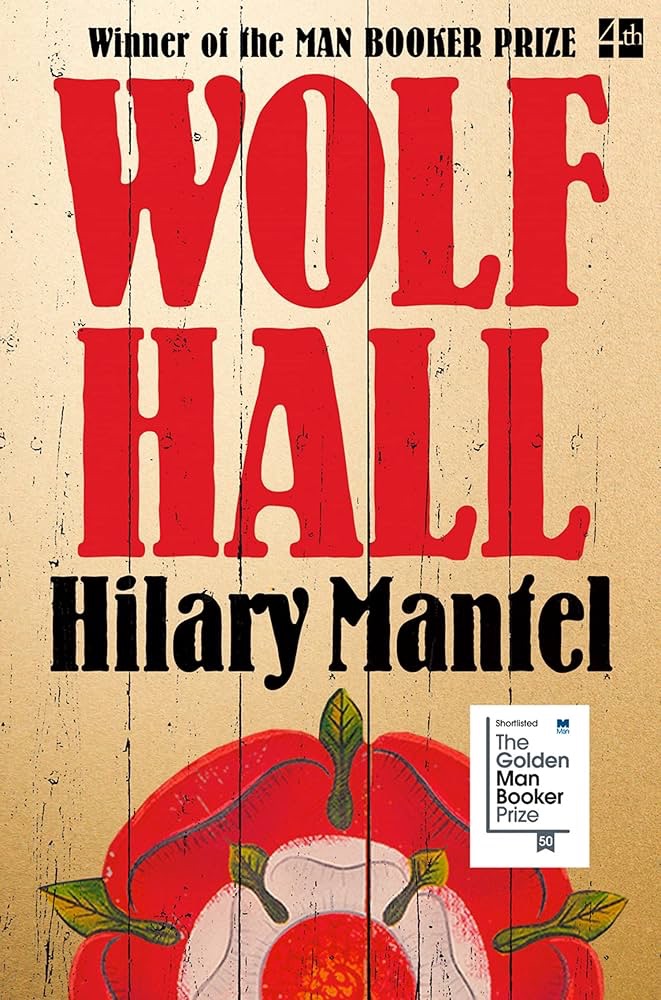
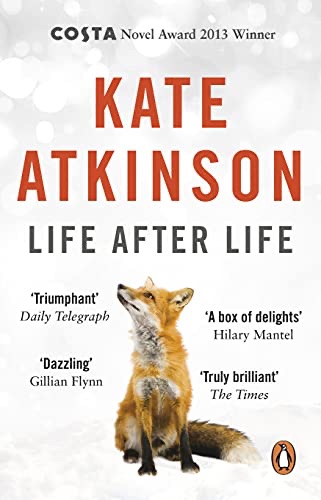
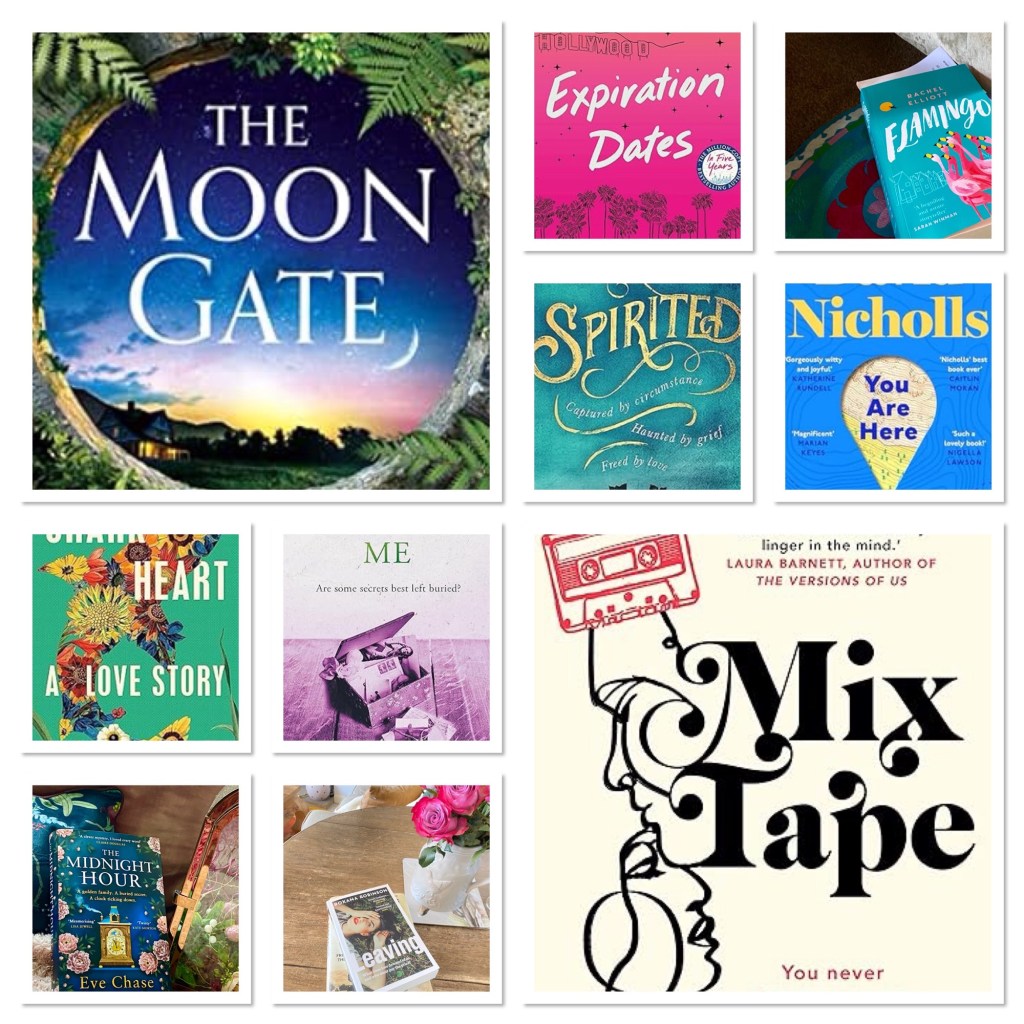
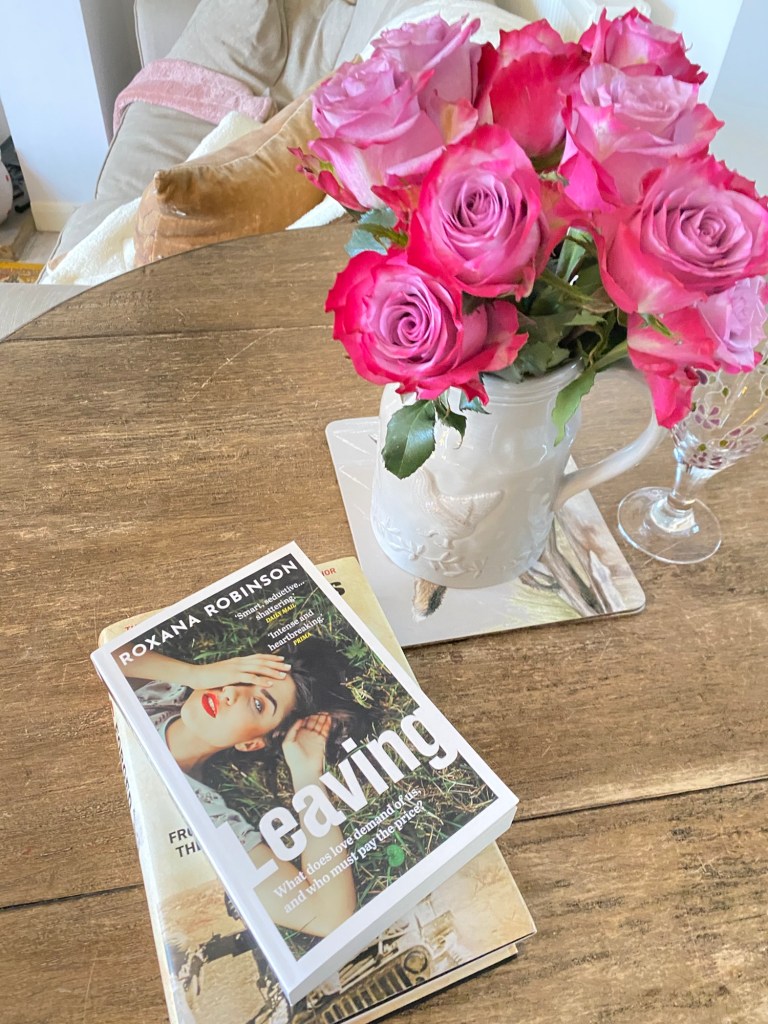
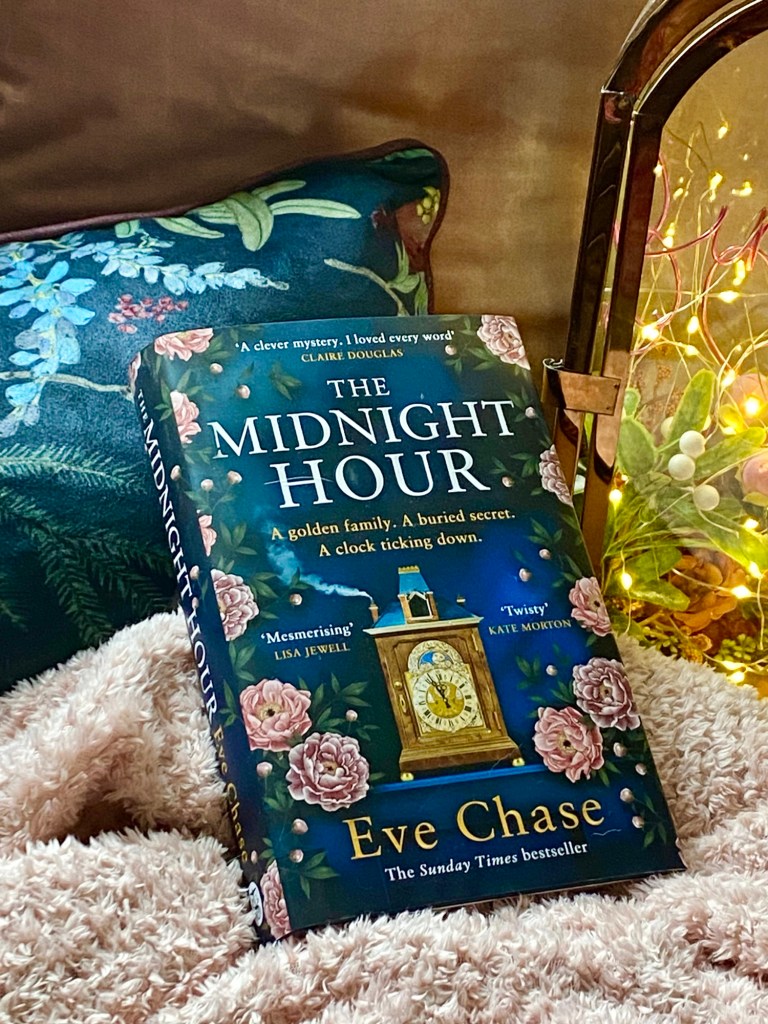
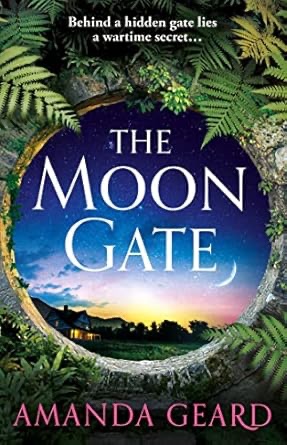
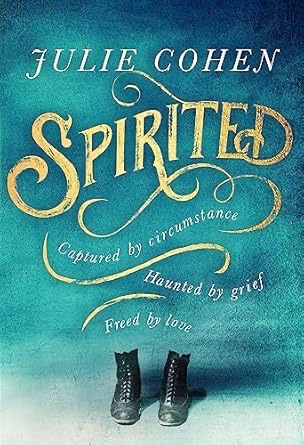
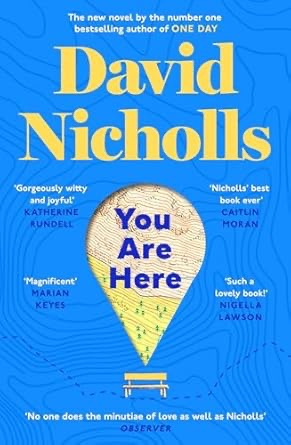
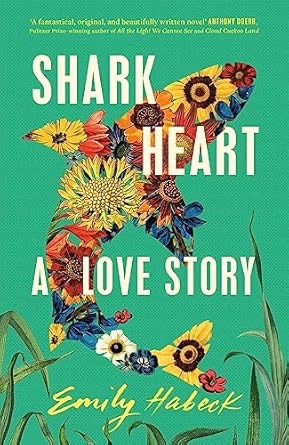
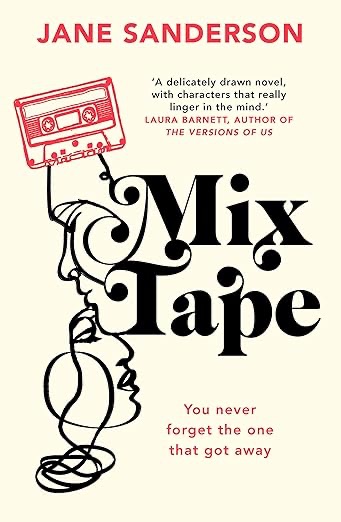
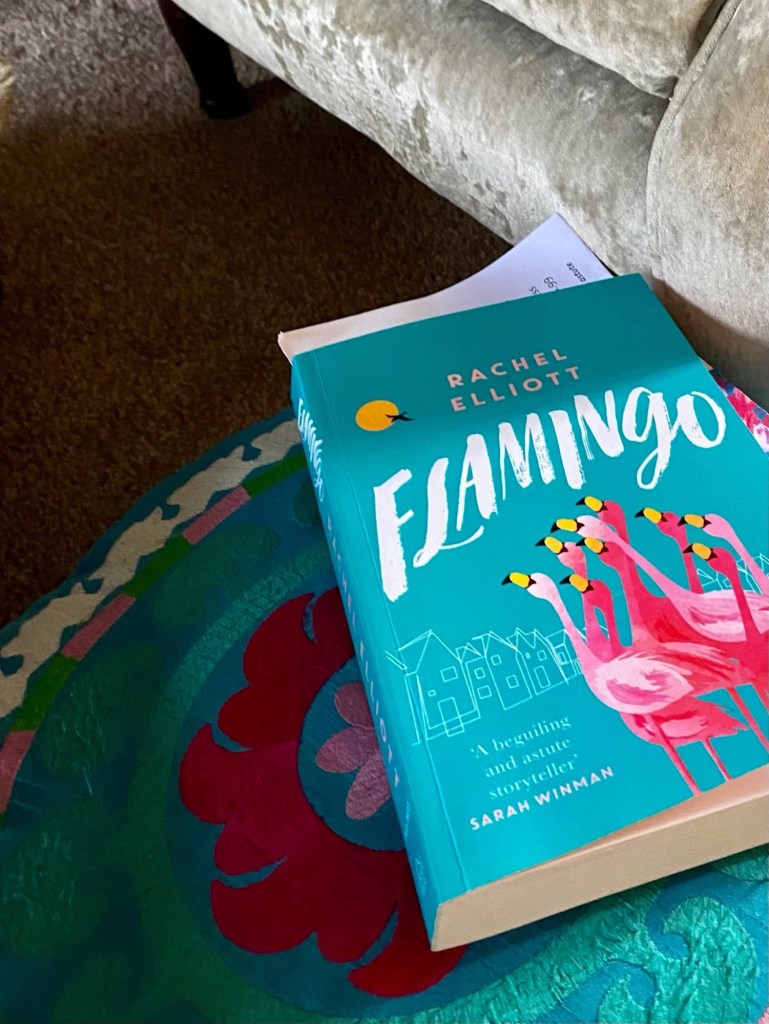
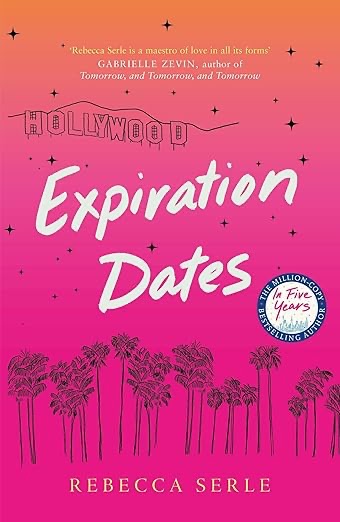
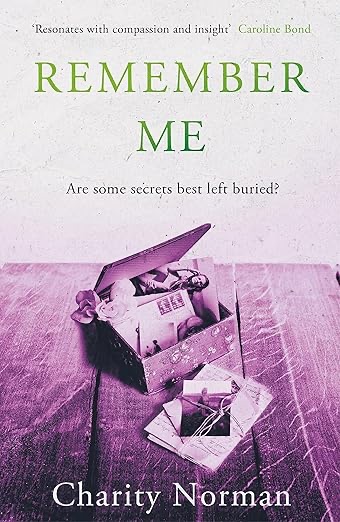
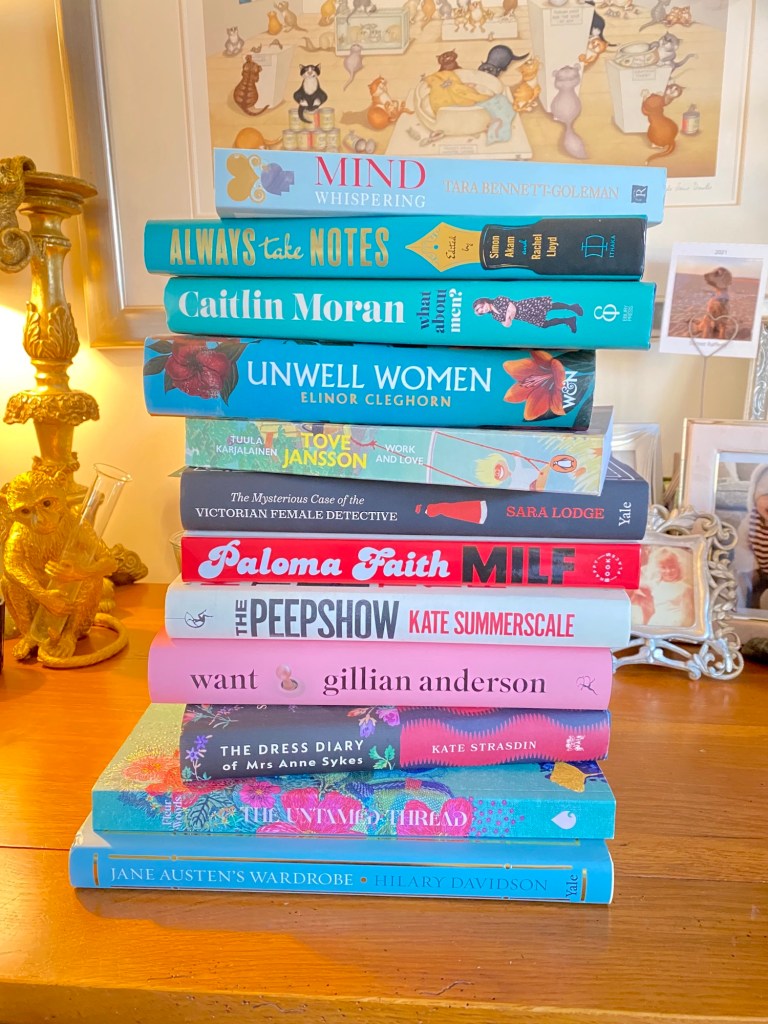

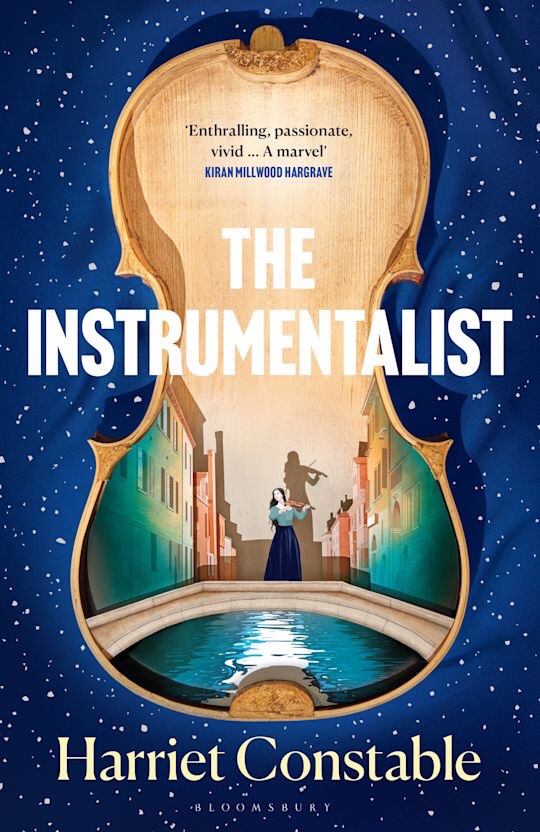
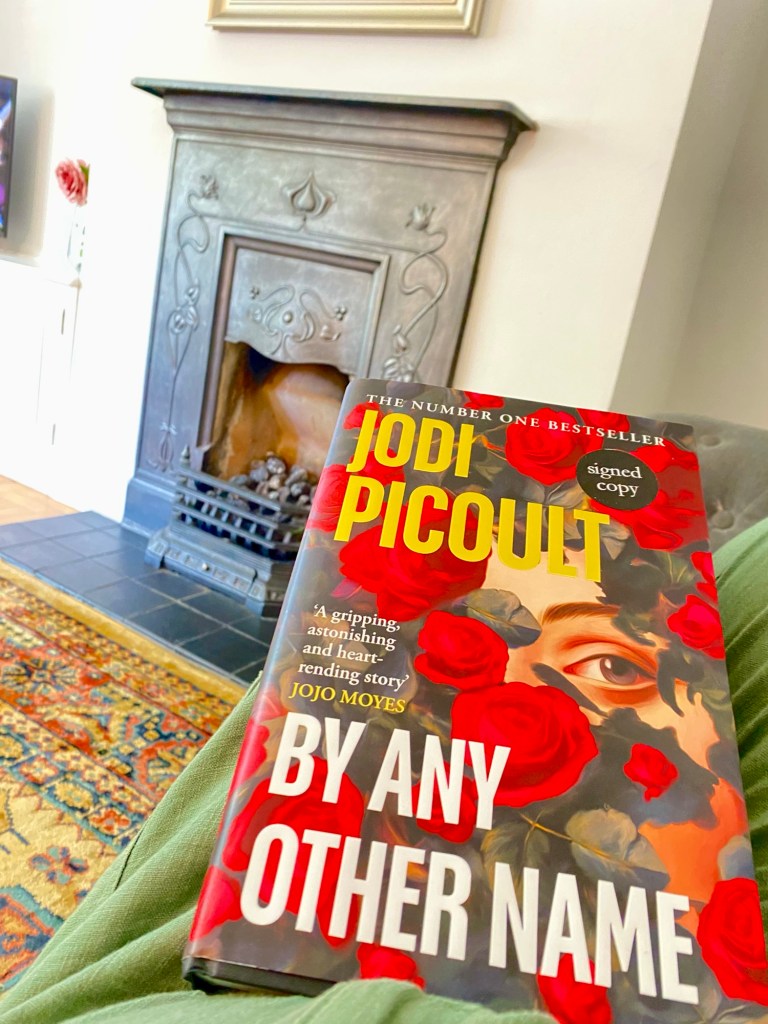
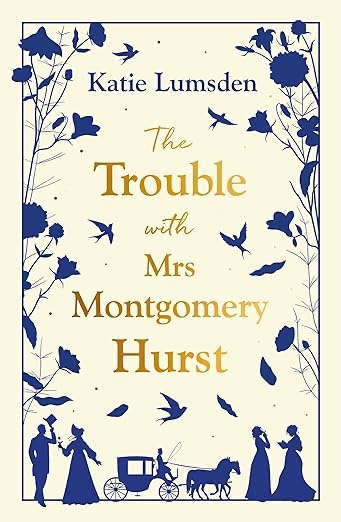
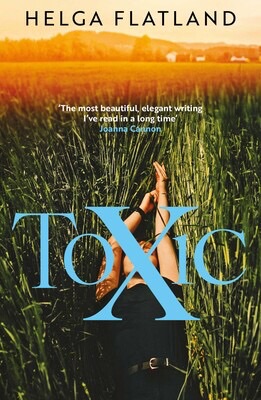

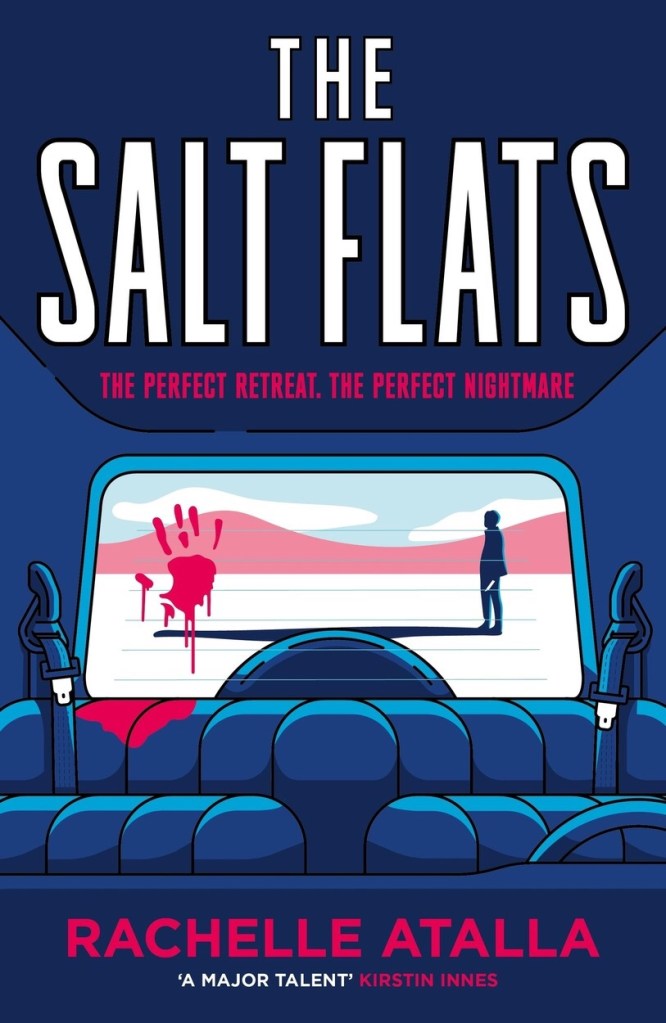
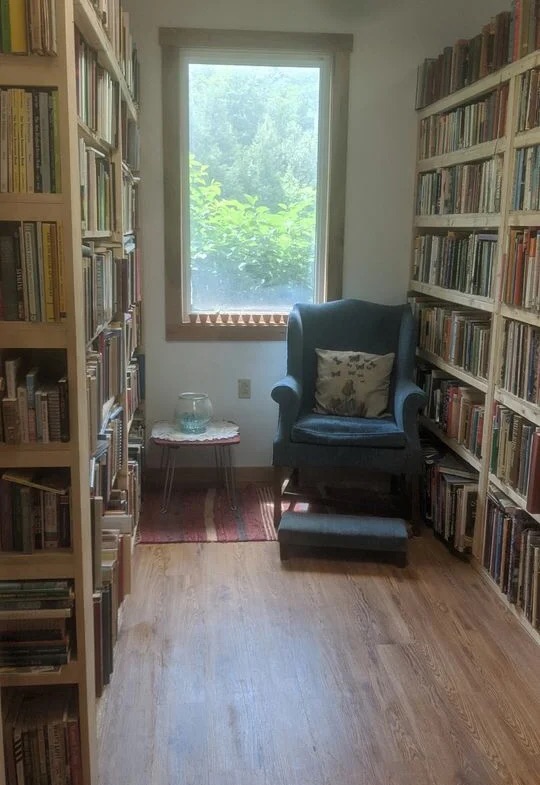


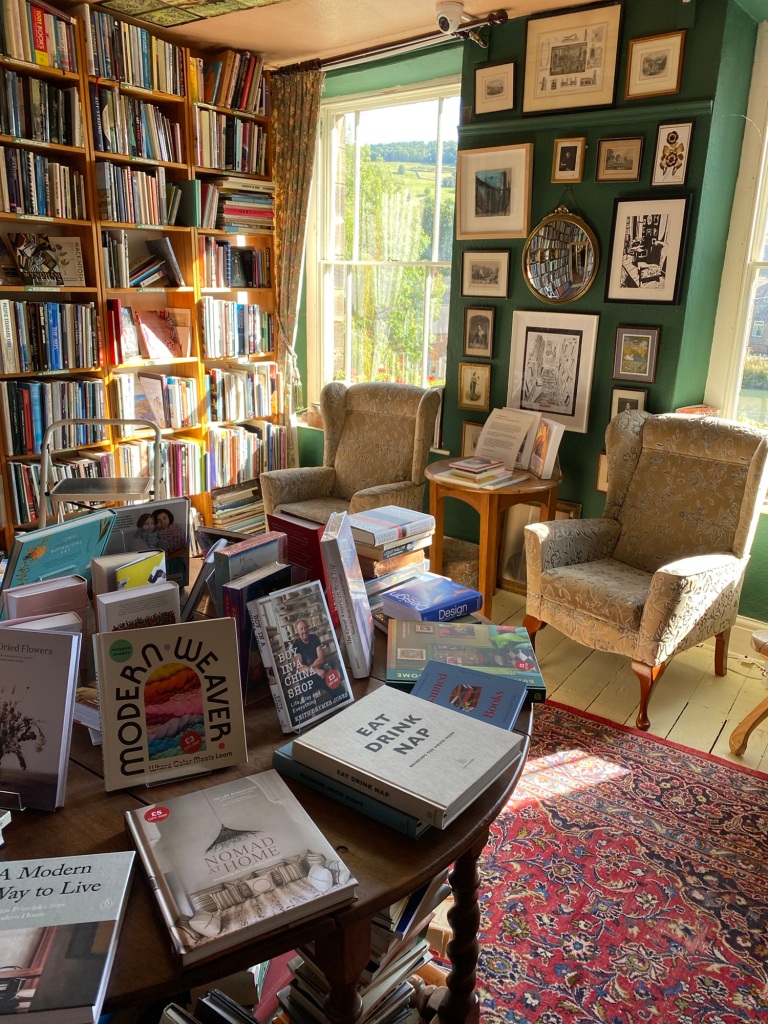
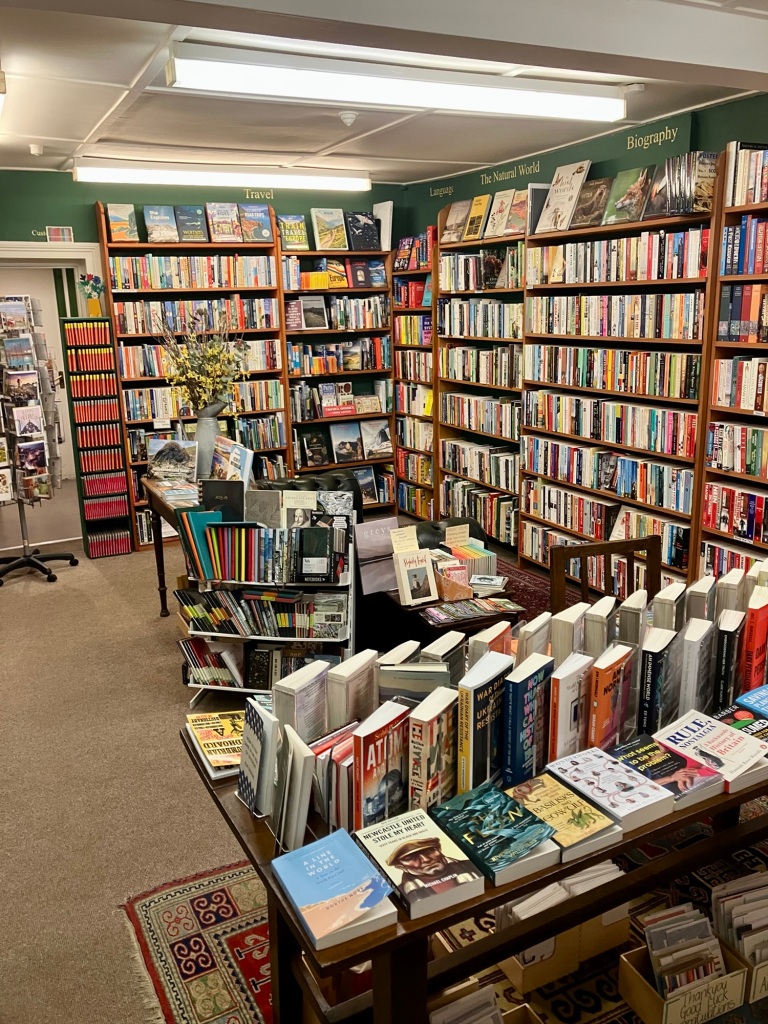


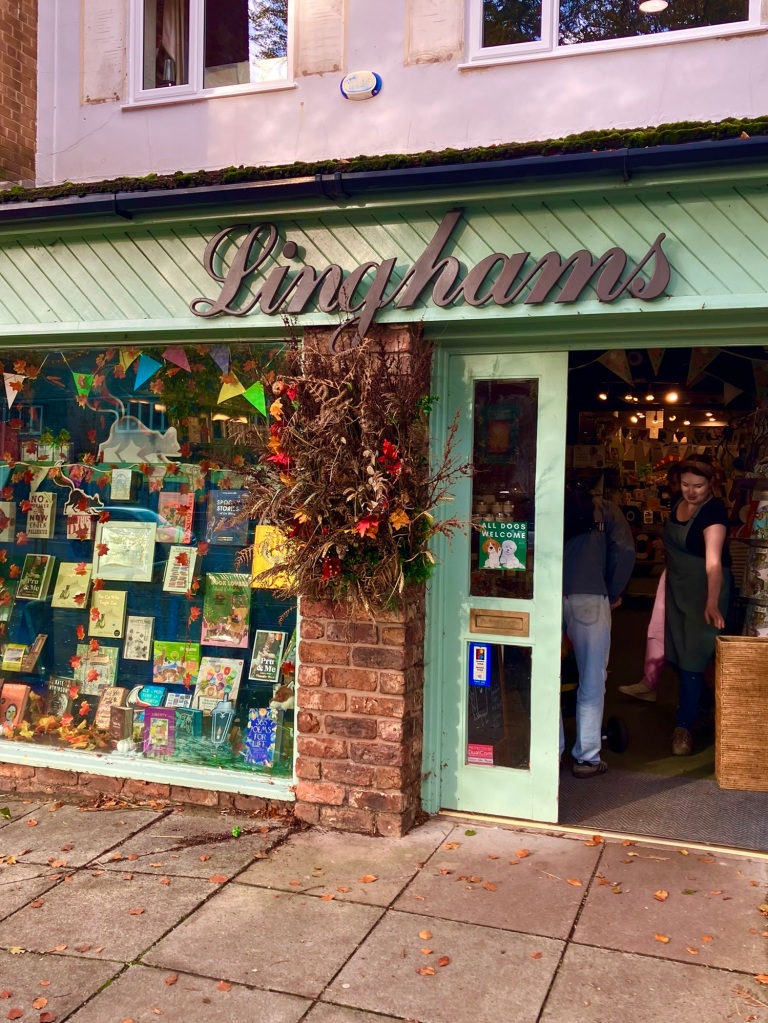


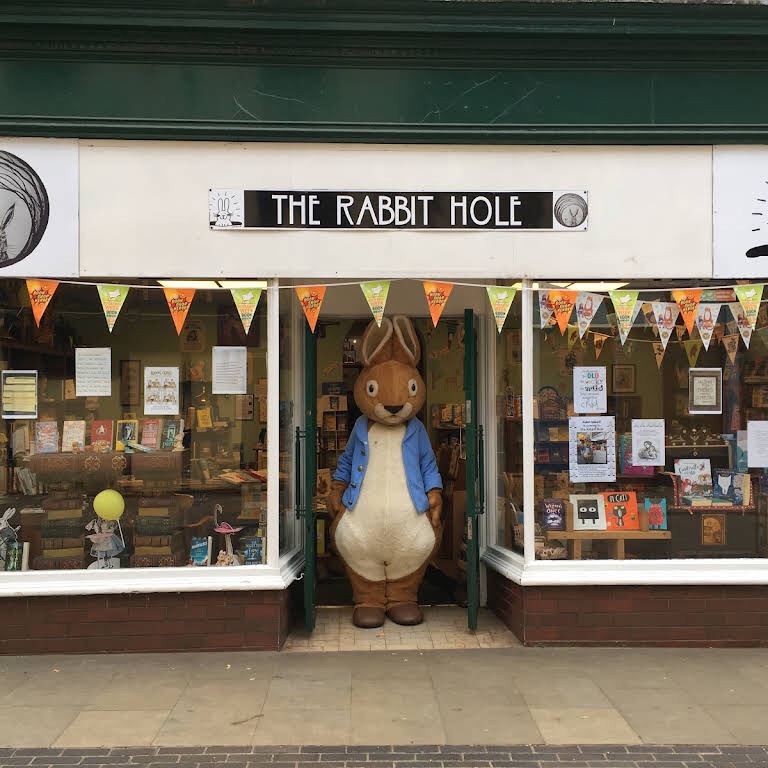


 The Lotus Readers