Joan can’t change her family’s past. But she can create her future.
Joan was only a child the last time she visited Memphis. She doesn’t remember the bustle of Beale Street on a summer’s night. She doesn’t know she’s as likely to hear a gunshot ring out as the sound of children playing. How the smell of honeysuckle is almost overwhelming as she climbs the porch steps to the house where her mother grew up. But when the front door opens, she does remember Derek.
This house full of history is home to the women of the North family. They are no strangers to adversity; resilience runs in their blood. Fifty years ago, Hazel’s husband was lynched by his all-white police squad, yet she made a life for herself and her daughters in the majestic house he built for them. August lives there still, running a salon where the neighbourhood women gather. And now this house is the only place Joan has left. It is in sketching portraits of the women in her life, her aunt and her mother, the women who come to have their hair done, the women who come to chat and gossip, that Joan begins laughing again, begins living.
Memphis is a celebration of the enduring strength of female bonds, of what we pass down, from mother to daughter. Epic in scope yet intimate in detail, it is a vivid portrait of three generations of a Southern black family, as well as an ode to the city they call home.
There’s a point in this book where Miriam remembers her mother Hazel waking her up, leaving her little sister August asleep in bed, then she fixed her a breakfast fit for a king. There were green tomatoes and grits, spicy pork and scrambled eggs, and they were chatting like a normal day. Miriam was distracted by the delicious meal and didn’t notice her mother running the tap. Then suddenly she threw a whole jug of cold water over her daughter. Miriam thought her mother had lost her mind. All she said was ‘you ready’ and that afternoon took her to her first activist’s sit in. Miriam’s experience is similar to the one I had reading this incredible book. I’d just settled into the story when suddenly something was revealed that was so momentous I would have to take a moment, blind-sided by what had just happened. Memphis is the home of three generations of African-American women from grandmother Hazel, her two daughters Miriam and August, and Miriam’s daughters Myra and Joan. Their personal lives are set against a backdrop of American history from the early 1950s through to the 2000s, taking in world-changing events like the Kennedy assassinations and 9/11. Told in sections from each woman’s viewpoint, Stringfellow takes us back and forth across the 20th Century. Each step back in time informs the present, showing us where Joan has come from and each day forward moves Joan into her future.
I loved the earliest years where grandmother Hazel meets Myron and they fall in love. Their courtship is so sweet and has an innocence about it and I think that’s what makes later events such a shock. The fact that Myron has come so far and become part of law enforcement in those times feels like such an incredible achievement. Your fellow officers are supposed to be your brothers, but despite working alongside him, this all white squad don’t count him as one of them. We don’t see the lynching, but we don’t need to. Our place is with the women of this story. Hazel is nine months pregnant, filled with grief, anger and a frustration borne from knowing that whatever you achieve, however loud you scream, your achievement and voice mean nothing. The author managed to deeply touch me with that sense of powerlessness. There’s such a maelstrom of emotions when she gives birth: knowing this little girl will never know her daddy; wishing Myron was there to support her; the fear of knowing she’s alone as a parent and her girls depend on her; the joy of this new life coming into the world. These women feel so real because Stringfellow cleverly evokes the complexity of human emotions, it’s rare that we only feel one at a time. In grief we can still feel moments of joy and even if we are happy, there can be moments of doubt or fear. Such moments of inner conflict follow us into the second generation of women, sisters Miriam and August. When Miriam escapes domestic violence, returning to the house Myron built in Memphis, she’s torn in two directions. She really has nowhere else to go and she longs for home and the consolation and support of her sister, but Joan has a moment of recognition. Have they been here before? The truth is they have.
The women in this family are strong and they need to be. Some of what happens to them over their three generations is terrible and you will probably have a good cry like I did. I was touched by what Hazel, Miriam and Joan go through, but there were also quieter struggles that touched me such as August’s decision to care for her mother, the loneliness she must feel with both her mum and sister gone, the fear she feels for her son Derek, growing up as a black man in a place where shootings and gangs are commonplace. Her mixed feelings of guilt, anger and love that come with being a mother of a son who does things that are unforgivable. I also loved the camaraderie of her salon and the strength she gets from the women who are her customers and her community. I was touched by her ability to take pleasure and solace when it’s offered, despite it not being the love and companionship she craves – from the women in her life. The pain these women go through makes the good times even more enjoyable and I really felt the joy and relief when they came out of a tough time. The author manages to capture that sense of peace I have seen in my counselling room, when the long held fear, anger and shame that comes from trauma is finally let go. That need for revenge finally silenced. The chance for joy and celebration to fill the void left behind and communing with others who know your journey.
Former attorney, Northwestern University MFA graduate, and Pushcart Prize nominee Tara M. Stringfellow’s debut novel Memphis (Dial Press, an imprint of Penguin Random House) is a multi-generational bildungsroman based on the author’s rich Civil Rights history. A recent winner of the Book Pipeline Fiction Contest, Memphis was recognized for its clear path to film or TV series adaptation and is due out in 2022. Third World Press published her first collection of poetry entitled More than Dancing in 2008. A cross-genre artist, the author was Northwestern University’s first MFA graduate in both poetry and prose and has been nominated for two Pushcart Prizes, as well as Best of the Net. Her poems have appeared in Collective Unrest, Jet Fuel Review, Minerva Rising, Women’s Arts Quarterly, Transitions and Apogee Journal, among others.
If she isn’t writing, she’s gardening. If she’s isn’t in Memphis, she’s in Italy.
It’s been another bumper book month at The Lotus Readers and it looks like 2022 is going to be an amazing reading year, in fact I’m already worrying about how I’m going to choose between these books when it comes to my end of year list. Can I really do 22 books this year? It’s also a year of fantastic debuts with another four debut novels being top of my list this month. There’s been a few tears shed over some of the stories and characters within these pages, but I’ve been uplifted too by these stories of overcoming. Surviving trauma and recovering through the support of others, particularly where women are supporting women, has been a theme here too. Its been the first month where I’ve been able to sit in the garden with a book, so most of these have accompanied me outside and onto my recliner, usually ending with me falling asleep under a dog and a cat! So here are some shortened reviews, to whet your appetite for these wonderful novels,
Reminiscent of those stylish novels of the great Agatha Christie, this was a brilliant mystery with a glamorous location, wealthy passengers and sumptuous clothes and jewellery. The period detail is spot on whether it’s the latest bathing suit or 1930’s politics. It’s not just a whodunnit either, because woven within are themes of identity, belonging, family and class division. It’s gripping without being showy or depending on shocks, or endless twists and turns. It’s elegant and allows it’s secrets to unfurl slowly. Lena is a sympathetic character, who has sacrificed starting her career to care for her father Alfie who has recently died. To pay the bills Lena has been singing in a club band, but she has always wanted to work on the West End or Broadway. Her chance comes in the aftermath of a death at the club. A favour from a an old friend of her father. She’s found by theatre producer’s assistant, Charlie Bacon, whose boss is offering Lena the chance of a lifetime, a part on Broadway in a new musical. As they set off across the Atlantic in their first class accommodation, they make the acquaintance of a very wealthy family with an ailing patriarch. What follows is intrigue, murder, mayhem and the realities of being a black performer. Lena is now caught up in a murder plot, and doesn’t know if she’ll be the next suspect, or victim.
Incredibly strong women, three generations of a Memphis family, are the focus of this amazing debut by Tara Stringfellow that made me angry, made me cry and somehow helped me feel uplifted all at the same time. Grandma Hazel is the first resident of the house in Memphis, a house her sweetheart Myron builds for their family. When he is lynched by his own police squad, Hazel is nine months pregnant and left heartbroken, angry and scared. Her daughters, Miriam and August, then call this place home and it also becomes August’s place of work. When Miriam leaves home, travelling with her husband Jax who is in the military, August turns the back of the house into a hair salon for a community of black women who gather there to laugh, to support each other and to plan activism. When Miriam returns with her own daughters, Joan and Myra, she has mixed feelings. She needs a roof over her head, she loves where she grew up, but something happened here that daughter Joan can’t quite remember. Yet she feels I’ll, deep down. There’s fear and shame in this place, but she doesn’t know why and we follow her quest to process and heal from this hidden trauma. With a backdrop of the biggest events of the 20th Century from the Kennedy and Martin Luther King assassinations to 9/11, this is a story of what it means to be a black woman in 20th Century America. Simply outstanding.
Ethan Joella’s novel was perfect for this moment in life. Set in an idyllic Connecticut town over the course of a year, our story follows the intertwining lives of a dozen neighbours as they confront everyday desires and fears: an illness, a road not taken, a broken heart, a betrayal. Freddie and Greg Tyler seem to have it all: a comfortable home at the edge of the woods, a beautiful young daughter, a bond that feels unbreakable. But when Greg is diagnosed with a rare and aggressive form of cancer, the sense of certainty they once knew evaporates overnight. Meanwhile, Darcy Crowley is still coming to terms with the loss of her husband as she worries over her struggling adult son, Luke. Elsewhere, Ginger Lord returns home longing for a lost relationship; Ahmed Ghannam wonders if he’ll ever find true love; and Greg’s boss, Alex Lionel, grapples with a secret of his own. We are all familiar with the hashtag #BeKind and through these stories, what seems like a platitude, is brought home to the reader. Our characters touch on each other’s lives, sometimes without knowing what each other are coping with just under the surface. Despite taking us through every experience from infidelity to loss, the book never feels overwhelming or melancholy. Yes I wanted to shed tears from time to time, but somehow there is always a ray of hope. It reminded me that things like community, friendship, shared experiences and compassion can change everything. The author doesn’t hold back on how difficult and painful life can be, but yet always finds some element of joy that reminds us what a gift it is too. This book is poetic, achingly beautiful and full of empathy for the human condition.
I knew this book would be one I enjoyed, after all it encompasses some of my favourite things: History between the World Wars; the Vienna Secession and Gustav Klimt; Art Nouveau; a feminist narrative. However, I didn’t expect it would grab hold of me in the way it did! I sat down with it in the garden one Sunday afternoon and read two thirds straight away. When duty and blog tours called that week I had to set it aside, but I kept glancing over at it like a lost lover all week. Haydock takes four of Egon Schiele’s portraits and explores the women depicted – society sisters Adele and Edith, artists model Wally and his younger sister Gertie. Schiele’s portraits are not life-like reproductions of his model and while they might shed light on aspects of their characters, they can only ever be the artist’s view of that woman with all the prejudices and biases of his time. Haydock is challenging Schiele’s representation of these women and here we get to hear the women’s stories, how they see themselves and their relationship with Schiele. Some of his life choices felt like betrayals to those women who risked everything by literally laying themselves bare before him and the world, for his sake and for the sake of art. I thought Haydock beautifully captured this sacrifice and it’s consequences, something she picks up beautifully in the short interludes from the 1960’s where an elderly woman searches for a painting she’s glimpsed of someone she loved. Desperate to give an apology she never heard in life. Haydock beautifully captures a rapidly changing Vienna between two World Wars where barriers of class and gender are breaking down. She also captures the complexities of the barriers for women and those who have the pioneering spirit to break them. She gives a voice to their silent gaze. This is one of the best books I’ve read so far this year and I read it greedily in just two sessions. I’m already looking forward to entering Haydock’s world and savouring these wonderful women again.ok”
My interest in 19th Century freak shows, Sarah Baartman (the Hottentot Venus), disability and difference, made Lianne Dillsworth’s debut novel a perfect fit for me. Our setting is a theatre and a performing troupe including singers, magicians and dancers who perform a variety show under the watchful eye of Mr Crillick. His current headline act is Amazonia – a true African tribeswoman, dressed in furs and armed with a shield and spear, her native dancing brings down the house in Crillick’s show. The audience watch, transfixed with fear and fascination, never realising that she is a ‘fagged’ act. Zillah has never set foot in Africa and is in fact of mixed race heritage, born in East London. She is making her money by pretending to be what the, largely white, audience wants to see. It doesn’t sit well with Zillah, but she is alone in the world and does need to make money. Besides it’s better than the other options for a young woman who finds herself in poverty. She’s used to slipping between worlds on stage and in her private life, renting a room in the rough St Giles area of the city, but regularly making her way to a more salubrious area and the bed of a Viscount by night. However, when Crillick brings a new exhibit to his London home, dubbed the Leopard Lady, Zillah’s eyes are opened to the politics and misogyny of displaying difference. A meeting with an activist forces her to think about her own performance, but also the danger that Crillick’s new exhibit might be in, especially his ‘private’ audiences complete with medical equipment. Can Zillah help this woman and what does her own future hold, because in good conscience she can no longer perform? This is a brilliant novel, doing for race and disability, what Sarah Water’s novels did for the representation of sexuality in the 19th Century.
I’d never read a novel by Dolen Perkins-Valdez and she pulled me into her story from the very first page, with Civil seeming real almost immediately. I’ve been interested in eugenics since I wrote my undergraduate dissertation on disability and 20th Century literature. I knew a lot about the movement in the U.K., US and Germany in the lead up to WW2, but this book shocked me because I had no idea that forced sterilisations were still happening in the 1960s and 70s. I knew this had happened in earlier in the century with Native American communities, so I shouldn’t have been surprised that it was still happening to African American women, especially where the woman had a disability too. The writer shows how our biases and emotions feed into the work we do within the caring professions. Having worked in mental health and disability as a support worker, advocate and counsellor, I did identify strongly with Civil and the way she became involved with the Williams family. The Williams girls are her very first patients and she is sent out on a home visit to give them a Depo Provera injection, a long term method of contraception. When she notices that India is only 11 years old her brain immediately starts questioning, who put this little girl on this injection, has anyone asked if she has a boyfriend or worse, is she being preyed upon? Is this an assumption that young African-American women are promiscuous or that African- American men can’t be trusted, even within their own families? The judgement that bringing a child into this family would be disastrous comes from a lack of knowledge around India Williams’s learning disability, but is also an assumption about race too. The fall out from Civil’s discoveries is huge and life-changing, not just for the Williams family but for Civil too. This book sheds light on an important hidden history and took me through a rollercoaster of emotions.
I fell utterly in love with Dot Watson, a rather abrupt and persnickety member of the staff at London Transport’s lost property office. It took me about five pages to be drawn into Dot Watson’s quirky world and her love for the lost property office where honest people bring their found items. Dot is like the backbone of the office and the other workers would be lost without her. A lover of proper procedure and organisation, Dot is the ‘go to’ employee for anyone starting work with the team, or just to answer a question about an item. Dot thinks lost things are very important, almost like an extension of that person. Their lost item can tell her a lot about the person they are and she fills the lost luggage tags with as much detail as possible so that they have the greatest chance of locating it. Dot believes that when we lose a person, their possessions can take us right back to the moment they were with us. When Mr Appleby arrives at the office to find his lost leather hold-all it is what the case contains that moves Dot. Inside is a tiny lavender coloured purse that belonged to his late wife and he carries it everywhere. Something inside Dot breaks for this lonely man and she is determined she will find his hold-all. Her search becomes both the driving force of Dot’s story and the key to unlocking her own memories. I loved our journey into Dot’s past, her relationship with her father and the trauma that she’s tried to lock away for so long. This book has difficult emotions, but also glimpses of humour and is ultimately an uplifting journey with an unforgettable woman.
A teenage girl wanders out of the woods. She’s striking, with flame-red hair and a pale complexion. She’s also covered in blood. She appears in the pub’s beer garden as Jonah is enjoying a beer after a walk with his baby son. Detective Jonah Sheens quickly discovers that Keely and her sister, Nina, disappeared from a children’s home a week ago. Now, Keely is here – but Nina’s still missing. Keely knows where her sister is – but before she tells, but first she wants Jonah’s full attention. Is she killer, witness, or victim? The opening scene is absolutely brilliant, vivid and shocking at the same time. As the girl’s history starts to unfold, they hear about several failed placements and a long stay in a children’s home. The girls made complaints about two of their homes, but were thought to be troublemakers. Jonah and his excellent team have to tread a very fine line. Keeley comes across as cold and calculating one moment, but then like a broken little girl the next. Which is an act? There are some very dark stories here and they could be distressing for people who’ve gone through a similar experience, but it’s that darkness that keeps the reader wanting the truth and to see those responsible punished. If Keeley has planned how to elicit sympathy from the police, she certainly knows what she’s doing. As readers we are pulled along with Jonah, from distress and empathy to disbelief and a sense that something is very, very wrong either with Keeley or the system. This is a great mystery, with huge twists in store and a police team I enjoyed getting to know. Now I’m looking forward to going back to the first novel in this series and filling in the gaps in my knowledge, while enjoying even more of this talented writer’s incredibly creative plots and dark, brooding atmosphere.
So these were my favourite reads in a very busy reading month. I read seventeen books which surprised even me! Next month I’m looking forward to a slightly quieter month with some great thrillers to read, some historical fiction from another of my favourite historical periods – the beginnings of the Tudor dynasty, and hopefully a few choices from NetGalley too so I can keep on beating that backlog. I hope you enjoy these choices as much as I did and i’ll see you again next month.
Two sisters went missing. Only one of them came back . . . ________
A teenage girl wanders out of the woods.
She’s striking, with flame-red hair and a pale complexion. She’s also covered in blood.
Detective Jonah Sheens quickly discovers that Keely and her sister, Nina, disappeared from a children’s home a week ago. Now, Keely is here – but Nina’s still missing.
Keely knows where her sister is – but before she tells, she wants Jonah’s full attention . . .
Is she killer, witness, or victim?
And will Jonah find out what Keely’s hiding, in time to save Nina?
Last year I was lucky enough to receive a prize from Gytha Lodge and now have three of her hardbacks, all individually signed. I haven’t had chance to read them and as I was granted access to this fourth novel in the series on NetGalley I decided to dive in and hope it would work as a standalone novel. I needn’t have worried at all. This was immediately accessible, yes there were aspects of Jonah’s life that I’m looking forward to finding out more about, but on the whole I could enjoy the mystery without feeling like I didn’t know my protagonist.
The opening scene is absolutely brilliant, vivid and shocking at the same time. Jonah sits in a warm beer garden with his baby in a pram at his side. He’s musing on life and his recent choice to return to a relationship with the mother of his child, leaving behind a burgeoning relationship with Jojo who he misses enormously. It takes a moment for him to notice the young woman who has come into the garden. She has red hair and her hands and chest are covered in blood. While others simply stare in shock, Jonah rings his partner Michelle to pick up the baby, then moves over to the girl and offers to get her a drink. They sit and her story starts to come out, but this is going to be a tricky interview and investigation. Jonah wants to take his time, go gently and not rush this young woman, who could be a victim, but could also be a suspect. Then she makes a revelation. Her name is Keeley and her sister is Nina, this could be Nina’s blood and of course they need to find her, but first Keeley wants to tell them a story.
Nina and Keeley have spent their entire childhood in care. Bouncing from children’s home to foster parent, they seem to have been magnets for predators at an early age. There are two foster homes where their placement failed. One was at the Murray-Watts, who live in a large house in the country with their son Callum and the right type of Range Rover. However, Keeley remembers a regime of cruelty and starvation, where their foster father was always pitting the children against each other and for punishment would lock them in a dark basement for days. His wife Sally might not be so cruel, but she never failed to do his bidding. From there to the Pinders, their home is a huge contrast situated on a council estate. There the girls made a complaint of sexual assault against their foster father who groomed them with trendy clothes, alcohol and watched Gossip Girl with them. This was all fine until he started to want things in return. The problem with these accusations is that nobody believed them, and even though they were removed from the homes in question, no one was prosecuted. Jonah and his excellent team have to tread a very fine line. Keeley comes across as cold and calculating one moment, but then like a broken little girl the next. Which is an act? Or are they both the same girl? Either way she won’t compromise; Jonah listens to her full story or she won’t tell them where Nina is. Time is ticking and if Nina is severely injured will she last to the end of the story?
I thought Keeley was a fascinating character, psychologically flawed and clearly traumatised by their past, however much of it is true. The girl’s social worker seems very sure that all the claims are false, just girls making up stories. However, it’s clear that some aspects of the girls accusations are true. So, if someone makes multiple accusations does it mean they’re all false? The book kept me guessing and there were times when I wondered whether I even trusted Keeley with her own sister. The chapters based around Jonah and the investigation are interspersed with Keeley’s first hand testimony. She shows all the traits of a psychopath; has she always been this way or has she been created by the treatment of those meant to care for her? If Nina has been subjected to the same treatment won’t she be afflicted psychologically too? I was also dying to know where these foster parents were. Pinder is giving the same story as the girl’s social worker, but the Murray-Watts have completely disappeared. Did the girls have help to weave a twisted treasure hunt for the police? I started to wonder if Keeley had known that Jonah was in the beer garden that day. She seems to be fascinated with his team so could one of them have come across the girls before?
There are some very dark stories here and they could be distressing for people who’ve gone through a similar experience, but it’s that darkness that keeps the reader wanting the truth and to see those responsible punished. If Keeley has planned how to elicit sympathy from the police, she certainly knows what she’s doing. As readers we are pulled along with Jonah from distress and empathy to disbelief and a sense that something is very, very wrong either with Keeley or the system. This is a great mystery, with huge twists in store and a police team I enjoyed getting to know. Now I’m looking forward to going back to the first novel in this series and filling in the gaps in my knowledge, while enjoying even more of this talented writer’s incredibly creative plots and dark, brooding atmosphere.
Meet The Author
Gytha Lodge is a multi-award-winning playwright, novelist and writer for video games and screen. She is also a single parent who blogs about the ridiculousness of bringing up a mega-nerd small boy.
She has a profound addiction to tea, crosswords and awful puns. She studied English at Cambridge, where she became known quite quickly for her brand of twisty, dark yet entertaining drama. She later took the Creative Writing MA at UEA.
Her debut crime novel, She Lies in Wait, has been published by Penguin Random House in the US and UK, and has also been translated into 12 other languages. It became an international bestseller in 2019, and was a Richard and Judy book club pick, as well as a Sunday Times and New York Times crime pick.
Watching From the Dark, her second novel, was released in February 2020, with her third book lined up for spring of 2021. This fourth novel is published on 28th April 2022.
A modern Gothic tale of a woman obsessed with her lover’s taxidermy creatures and haunted by her past.
One stormy Christmas, Scarlett recalls the ebb and flow of a yearlong love affair with Henry, a renowned taxidermist. Obsessed with his taxidermy creatures, she pushes him to outdo his colleague and world-famous rival in a crescendo of species-blending creativity. Scarlett will not be able to avoid a reckoning with her own past as Henry’s inventions creep into her own thoughts, dreams, and desires.
Drenched in the torrential rains of the Somerset moorland and the sensual pleasures of the characters, The Taxidermist’s Lover lures you ever deeper into Scarlett’s delightfully eerie world.
Bram Stoker Award Shortlist for Superior Achievement in a First Novel • IPPY Awards 2021 Gold Medal Winner
Anyone who knows me well is aware that I have a weird penchant for antique taxidermy, so I jumped at the chance to read this. This was an eerie story of obsession from a writer I’ve not come across before, but will look out for in the future. I expected the feel of a historical novel, with something a little spooky about it and I wasn’t disappointed. Dipping in and out of the past, Scarlett addresses her lover Henry, who is hoping to my find a foothold in this niche world of taxidermy. I loved these forays into the past, as it allows us to witness a developing tale of obsession and the macabre, in the tradition of gothic fiction – one of my favourite genres. There’s a strange sensation that you are reading a Victorian novel instead of a contemporary story. Hall’s writing is haunting and sensual, and sets a dark, forbidding tone. Although it’s a second person narration it feels very personal.There’s a sense of foreboding and I kept wondering about the veracity of Scarlett’s story. Would Henry tell us a different tale? Despite it’s potential unreliability, I felt drawn in and I simply couldn’t guess how all this would play out. I think it is so compelling because of that personal feel; writer is echoing that feel of obsession by deliberately keeping her focus narrow.
Scarlett and Henry’s relationship was very fast moving, with them moving in almost immediately and getting married very soon after. She becomes involved in his career and suggests he try something different; chopping and changing animal parts to create totally new creatures, rather like the jackalope. To say Scarlett is obsessed would be an understatement really, not with Henry, but with his taxidermy. It seems very unhealthy, but when we hear about Scarlett’s twin brother Rhett and the death of her parents, this obsession with body parts starts to make sense. However, it’s sense of a very disturbed kind. There’s a Frankenstein element to the tale, both in the jumbled creatures and the sense we get that the process of making them might be more satisfying than the finished product. It’s become more about the ability of the creator than the actual creature. Some readers might feel sorry for Scarlett and I did understand how life events might have overwhelmed and damaged her psyche. I found it satisfying to delve so deeply under a character’s skin, because we don’t often get the chance to really analyse someone this way in fiction.
This is a slow story so if you’re looking for fast thrill rides this isn’t the book for you, but that said it’s strangely satisfying. If you like character, quirkiness and having all your senses engaged, then this is your book. The menace builds inexorably until you’re desperate for the worst to happen, just for it to be over. The twists come thick and fast, until you’re finally faced with the horror ending. This is dark, twisted and very unique, with an atmosphere that will stay with you long after the final page is turned.
Published by Camcat Books 8th December 2020.
Meet The Author
Hall’s writing is lush, filled with startling conclusions about the nature of art and love and death. . . [A] shudder-inducing debut.” ~ The New York Times
Polly Hall is author of The Taxidermist’s Lover, conceived while studying for an MA in Creative Writing at Bath Spa University.
Her flash fiction, poetry and stories have been included in national and international anthologies and collaborative arts projects.
You can find her @PollyHallWriter on Instagram, Facebook and Twitter.
After the untimely deaths of her aunt and mother, young Riley Mays moved from Chicago to her cousin’s Wisconsin farm. Here she found solace in caring for her extraordinary adoptive brother, exploring the surrounding wild nature, and gazing at the mystical moon—a private refuge in which she hides from her most painful memories. But ten years later, now twenty-one, Riley feels too confined by the protective walls she’s erected around herself. When a stranger enters her family’s remote world, Riley senses something he’s hiding, a desire to escape that she understands well.
Suffering from writer’s block, bestselling novelist Vaughn Orr has taken to the country roads when he happens upon the accommodating, if somewhat unusual, Mays family. He’s soon captivated by their eccentricities—and especially by Riley and her quiet tenacity. In her, he recognizes a shared need to keep heartbreaking secrets buried. As the worst moments of their lives threaten to surface, Riley and Vaughn must find the courage to confront them if they’re to have any hope of a happy future. With the help of Riley’s supportive family, a dash of everyday magic, and the healing power of nature, can the pair let go of the troubled pasts they’ve clung to so tightly for so long?
This is a book about people who have tragic secrets and a real need to process their experiences and heal. Both farm dwelling Riley and writer Vaughan have a similar need to disappear and escape from their physical four walls and the boundaries of their minds. Both are affected by trauma and really need to face it rather than avoid it, if they want to recover. Perhaps these two people with secrets in their past could attempt a slow recovery together. As is the norm for this writer, healing comes from nature, nurture, friendship, family and understanding.
The book is so beautifully written it’s easy to become mesmerised by the language and it’s this that first pulled me into the novel. I love atmosphere and description so this lyrical start was perfect for me. The story is definitely a slow burn, but the sense of place and emotion is hypnotic. The author plays with ideas of darkness within people and how we see ourselves – do we ever see ourselves as we truly are? People who’ve experienced trauma might find it hard to be their authentic selves, because how they feel can be dark, sad and fearful. Riley and Vaughan seemed to have embraced that darkness as part of their identity, when actually there’s so much about them that is lightness and joy. Sometimes, it’s easier to say you love the darkness than it is to do all the work it takes to cast it off. The novel is mainly that personal journey, moving towards the light with the help of family, nature and a little touch of spirituality too.
The moon imagery is interesting, because there is something magical about it: it’s pull on the earth, the seemingly magical way it controls tides and perhaps even moods. There is an otherworldly feel to the author’s imagery that takes us to an earth that is ours, but with some interesting quirks and a touch of surrealism. Here the love of the family is connected firmly to nature, space, and the galaxy. I didn’t need to believe this, I just went with it and enjoyed the journey. I was also touched by a couple of minor characters, Sachi and Kiran. Sachi has such a passion for Indian food and surrealist art and I love people who are passionate and excited about things. She is open hearted and happy to take in anyone, which she does with Riley and Vaughan. There’s an earth mother element to her nature which I loved. Kiran is only eight years old, but is an outstanding little fellow with so much character packed into his meagre years. He feels more comfortable dressed in girl’s clothing, collects fossils and takes apart clocks in order to make magic!
Around her own love of nature and spirituality, Vanderah weaves the story of two strangers who somehow understand each other deeply. The author takes the reader on a lyrical journey from the very depths of their tragic childhoods towards a place of healing; a healing that comes from the consolation of nature, the love of family, the nurturing of self-worth and the understanding that they deserve full and happy lives. I love description, atmosphere and characters who are unique and full of depth, so this story of emotions, regrets, and haunting memories, not to mention the glimpse of hope, was bound to capture my heart.
Published 22nd March 2022 from Lake Union Publishing.
Glendy Vanderah worked as an endangered bird specialist in Illinois before she became a writer. Originally from Chicago, she now lives in rural Florida with as many birds, butterflies, and wildflowers as she can lure to her land. Where the Forest Meets the Stars is her debut novel. Visit Glendy online at http://glendyvanderah.com/
1941, Nazi-occupied Paris: In the glamorous Ritz hotel there is a woman with a dangerous secret…
As Coco Chanel’s assistant, Adèle lives side by side with German officers in the splendour of The Ritz hotel. But Adèle has a secret. She is working for the resistance, right under the Germans’ noses. As occupied Paris becomes more and more dangerous, Adèle will have to decide if she can risk everything to save innocent lives and protect the man she loves…
Present day: Chloé’s grandmother has never spoken about the war and avoids questions about the legendary designer she once worked for. Now Chloé has come to Paris, to uncover the truth about Adèle’s life. But is she prepared for what she will find? And for the power of her grandmother’s secrets to change her family forever…
Chloé has travelled to Paris after the breakdown of her marriage in order to help a friend with their vintage shop. She knows her grandmother worked for Chanel in the 1940’s so when she hears about an auction taking place at the Ritz she decides to have a look. The Ritz is selling some wartime items which grab her interest and when she meets Etienne, who is an art dealer and war historian, he is a great source of knowledge. He tells her about recently unearthed information that Chanel was sympathetic to Hitler’s cause and had visited Berlin several times. Like many people who survived the war, her grandma has been very reticent about sharing her experiences for that? As Chloé starts to look in the archives, she begins to worry. What will she feel if she finds out her grandmother collaborated.
The historical research undertaken for this novel is undeniable and before reading this I had no idea of Coco Chanel’s stance in WW2 or the stories of her collaboration with the Nazis. I think now that history has shown us the full extent of the Holocaust and Hitler’s belief in a master race, we can’t conceive of anyone who doesn’t see him and his actions as unremittingly evil. However, it’s clear that during the war, for both Germans and occupied citizens the distinction wasn’t so clear. With our own aristocracy hiding many who were enthralled by Hitler’s planned genocide, it shouldn’t be a surprise that in France, Greece and Italy allegiances and the reasons for them were very complicated. If you had a bakery in the occupied Greek islands would you rather see bread go to waste or would you sell to the occupying force? For Chanel, living in the Paris Ritz alongside German soldiers it must have been hard to live next door and keep up a secret campaign of hatred. This is where Adèle’s story shines a light, as Chanel’s PA she can come very close to them, but still want them dead and gone from France. So with great bravery she resists under their very noses.
Adèle’s wartime story is so engrossing, that I think it makes the book a little lopsided. The dual timeline, as in the present Adèle’s granddaughter Chloé researches her family history, is definitely the weaker end of the story. It’s almost there as a device and although it gives present day interest, I think the book would be just as strong without it. It’s possibly just that the tension and drama need to be high for the WW2 setting, so anything would have seemed quiet in comparison. Prior to the war, Adèle grew up in an orphanage, taught by nuns. She had worked for Chanel before war broke out and is lucky to be chosen as her personal secretary when the atelier is closed, because all the other staff are let go. Adéle is in charge of her correspondence, packing her luggage when she travels and organises any meetings she has. However, she does not enjoy living at the Ritz, especially when the German soldiers move in and Chanel starts to socialise with them, dating a much younger man at the same time. It’s the guilt that’s so hard to deal with, especially when Adèle sees other people going hungry. When she first sees a Jewish woman being arrested, she’s stunned and feels sick that this is happening in her country. As she goes for her routine blood donation to the Red Cross she meets Theo, a doctor who is a member of the resistance. Can Adèle continue to watch others suffer or will she have to help?
I think that this writer takes a piece of history and weaves a great story, full of intrigue and drama especially in the WW2 sections. Chloé needs to move forward from her divorce and find her confidence again and there is something about filling in the gaps of her family history that does this. Learning the truth about her grandmother is nerve-wracking considering her employer’s history, but if it shows she was a hero then Chloé will filled buoyed up by it. Knowing you’re from a line of strong women, can help you find your own strength and I think that’s the essence of Chloé’s journey. Adèle is a courageous woman in a very tough situation and I thoroughly enjoyed getting to know her and the full history of one of France’s most famous collaborators.
Published on 22nd January 2022 by Avon Books.
Meet The Author
Lorna Cook is the author of the The Girl From the Island, The Forbidden Promise and the Kindle Number 1 Bestseller ‘The Forgotten Village’, which was her debut novel, staying in the Kindle Top 100 for four months. It has sold over 150,000 copies, has eleven overseas/foreign language editions, won the Romantic Novelists’ Association Katie Fforde Debut Romantic Novel of the Year Award and the RNA Joan Hessayon Award for New Writers. Keep up with all her news and bookish chat at:www.lornacookauthor.com www.facebook.com/LornaCookWriterwww.instagram.com/lornacookauthorwww.twitter.com/LornaCookAuthor
I was absolutely gripped by this incredible thriller! Emma is nearing her fortieth birthday and she can’t sleep. Her insomnia is triggering anxiety about her Mum and the reappearance of her sister Phoebe isn’t helping. Both girls were taken into foster care on the night of their Mum’s fortieth birthday, when she’d had a breakdown – could the same thing be happening to Emma? Her Mum always said she had inherited the bad blood in the family. As the days pass and irritability, paranoia, fear and the hallucinations start to kick in Emma starts to wonder. Is she going mad or is someone out to ruin her life? Just because you’re paranoid, it doesn’t mean someone isn’t out to get you.
This was a great read and I’ll be shouting about it until publication day. The way Emma disintegrates over the course of a few days is shocking, but believable as every relationship in her life is touched by this ‘madness’, until there’s really nothing left. Emma has always prided herself on being a competent solicitor, very organised and together. I was desperate to find out what happened in their childhood and why her sister Phoebe has popped up in her life right now. I felt there was an element of Emma not processing her childhood trauma. She’s locked it away in the back of her mind, but Phoebe’s appearance, and advice that she should visit their mother, seems like the trigger that unlocks these memories. It’s very common for people to set great store by the ages of their parents when trauma occurs – such as thinking you’ll have a heart attack before your 60th birthday because your Dad did. The worry and stress this causes can lead to a self-fulfilling prophecy.
What the author does, very cleverly, is muddy the waters; just when I was starting to think she was having a breakdown, other things start happening. Her young son keeps creating a strange macabre drawing of a terrible memory that haunts Emma. How could he know? Who has told him this happened? It can’t be anyone in the home, because they don’t know. Her dictated letters have turned into a mumbled series of numbers when her secretary plays back the dictaphone. Added to these strange and inexplicable events the author also throws in a number of stressors that would make anyone struggle with their mental health. At work she is trying to avoid the advances of a very unpleasant client, not only that but his ex-wife confronts Emma over losing custody of their boys. Emma’s tyres are slashed among other nuisance acts that start to pile up over the week, particularly affecting Emma’s job. It becomes hard for the reader to see which events can be explained away, which events are incredibly strange and what are normal daily obstacles made worse by Emma’s severe sleep deprivation. I was never fully sure what to attribute to who, what is real and what is imagined, and who is to blame?
This novel kept me on my toes right up till the end. I felt stressed and paranoid alongside Emma, and could really feel her sense of panic and powerlessness as her carefully constructed life unravels. There are some jump scares here and there that really did give me a jolt! The way the author drew me in was brilliant and I was firmly on Emma’s side, while constantly worrying that she might be an unreliable narrator after all. The ending was unexpected with final scenes that had me on the edge of my seat, glued to the action until the early hours. This really will be an addictive and thrilling film or TV series. Insomnia is a psychologically complex novel, intelligent and exciting till the last page. Pre-order your copy, because this is a cracking read.
Published byHarper Collins 31stMarch 2022.
Meet The Author.
Sarah Pinborough is a New York Times bestselling and Sunday Times Number one and Internationally bestselling author who is published in over 30 territories worldwide. Having published more than 25 novels across various genres, her recent books include Behind Her Eyes, now a smash hit Netflix limited series, Dead To Her, now in development with Amazon Studios, and 13 Minutes and The Death House in development with Compelling Pictures.
Sarah was the 2009 winner of the British Fantasy Award for Best Short Story and also the 2010 and 2014 winner of the British Fantasy Award for Best Novella, and she has four times been short-listed for Best Novel and was shortlisted for the British Book Award for best Thriller.
Sarah lives in the historic town of Stony Stratford, the home of the Cock and Bull story, with her dog Ted.
We bloggers like lists. Every year we list our favourites, then we list the books we most anticipate for the following year and to an extent that can dictate what we read. When we leave ourselves some gaps in the TBR to have a breathing space, browse and pick up what we fancy we can find unexpected gems. That’s what happened with Flamingo, the latest novel from Rachel Elliot and it really is a gem. I don’t know if I can find the right words to express how much I loved this book and why. I knew, just a few pages in, that it was going to be a joy to read. In split time frames, narrated mainly by Eve and Daniel we hear the story of two families who once lived next door to each other. Eve, and her six year old son Daniel, move in next door to Leslie and Sherry who have two daughters Rae and Pauline, and some ornamental flamingoes on their front lawn. Eve isn’t used to making friends because she and Daniel move around a lot, but for some reason Eve feels compelled to make an effort. She goes to a specialist off-licence to find just the right bottle of sherry as a witty present to take to her new neighbour. Sherry is delighted and immediately welcomes the wandering pair into her home. That summer is the happiest Eve and Daniel have ever had, as they are enveloped by this wild, eccentric and loud family – Eve uses the word rambunctious to describe them. Then Eve and Daniel leave and all the colours seem to bleach out of the world. We then meet Daniel as an adult, wandering and broken. Deeply affected by some kind words and affection from a woman in a public library, he decides to return to where he was happiest. He stands at Sherry’s door and it feels like coming home, but where is Eve and what is the real story underneath the fragments Daniel knows.
It’s disconcerting to read a character’s narration, and feel as though the author has opened up your head and borrowed your thoughts. That’s how I felt when reading Eve’s sections of the novel. I have a jumble of thoughts and ideas all at once, and I’ve learned that I need periods of quiet to counteract the amount of stimulation I have. If I go to London for the day and see a show, its exhausting and it can take a couple of days to quiet the jumble of sights, sounds, and inspiration. In fact it was using journal writing to process these thoughts that inspired me to use writing therapy in my practice as a counsellor. For years I thought everyone had my ‘busy brain’. When Eve visits the off—licence and meets the owner, Franklin, they have a shot of rum togther and she’s intoxicated by his shop, the coloured glass, the smells, the guitar playing and the wall of paintings in a back room. Eve notices all these things in seconds and Franklin asks if she likes the place.
“She tells him she likes it. It’s sort of hypnotic, like being in a chemists and a bar and a gallery all at once, and also sort of like being in church somehow, not that she ever goes to church, not that she’s religious, not that she ever goes to church, but a tiny old church in France maybe, not that she’s ever been to France”.
I loved the way the author expresses the speed of Eve’s thoughts and speech, where they come out too quickly for punctuation and you know she would have to take a deep breath at the end. I recognised it straight away, because it was me when I get enthusiastic and excited about something. In fact I sounded similar when telling my partner how much I loved the book. I know when I’m doing it, because it usually makes people smile. We learn so much about who Eve is from that one quote. I loved her enthusiasm, her eye for colour and her ability to make things. Sherry marvels when she mends Rae’s cords, by sewing a patch of Wonder Woman underneath the tear. Rae’s reaction is pure joy and Sherry is astounded that Eve has thought of such a thing, but to Eve it’s normal. She simply knew the cords needed mending and she had remembered that Rae loved Wonder Woman. It’s these little bursts of creativity and thoughtfulness that make her so endearing as a character. It probably stood out to me because I have just embroidered denim jackets for my stepdaughter’s birthdays – one of Frida Kahlo and one of Alice in Wonderland. What’s so special to Rae is that Eve has seen her, listened, and created something she would love.
These parts of the novel, where the characters connect, are its strength and it was no surprise to find out the author is also a psychotherapist. Rae is an introvert and Eve has seen and understood. She knows from Rae’s shining face that she loves the cords but understands the that Rae doesn’t want to be effusive about it, because it just isn’t her.
‘It’s her way to play things down; she is naturally reserved, understated or so it seems. Her mother, who expresses every emotion with intense theatricality, who takes up all the space, calls her eldest daughter the quiet one, as if this quietness is a kind of fragility – not a powerful act of disobedience and unruliness’.
Sometimes, in a house of very loud voices, whispering is the only way to be heard. Rae’s head is crammed with thoughts and it takes an awful lot of effort to keep them in sometimes and Eve has seen a kindred spirit in her.
Daniel is also a fascinating and the dynamic between him and his mum, suggests there’s more to their back story than meets the eye. He has an anxiety around people that concerns Eve and she is protective. Before they go to Sherry’s house for the first time, she prepares him for the social interaction. She wants to prepare him, but she also wants to be careful and avoid her own anxiety rubbing off on him. She explains that this is a thing people do, take a gift to their new neighbours and introduce themselves properly. At Sherry’s door she stands back with a reassuring hand on Daniel’s shoulder and talks about the ornamental flamingoes on the lawn. She tells him their collective noun is a flamboyance of flamingoes, a little game they play together. Eve is so surprised when Sherry opens the door and her boy walks straight in – ‘shy little Daniel stepping towards a stranger.’ Eve doesn’t seem to realise that Daniel is struggling with the impermanence of their lives; they have moved every year since Daniel was born. This was another thing I could identify with since we moved six times before I was in secondary school. I know how difficult it was to walk into a new classroom and see thirty pairs of eyes looking at you. Eve has a map on the kitchen wall and from time to time would simply close her eyes and pop a pin in it to choose their next destination. When she gives Daniel the chance to choose, it’s too much and his imagination runs haywire: what if there are monsters where he chooses? What if its horrible? What happens to their home? Will strangers take their things?
‘Trouble was she hadn’t left it up to chance. She had left it up to a six year old boy, who already hated that map on the wall. In some homes a map would evoke an atmosphere of learning, open-mindedness; lets be aware of the world, there are more places than home. But for Daniel it triggered fear and a sense of transience; always on the go, never know when’.
There are so many touching moments in the book I can’t possibly list them all, but the budding relationship between the boy Daniel and Sherry’s husband Leslie is just so moving. The confidence he gets from time spent with Leslie (who is not a girl) playing cards and learning to swim is obvious. When Leslie leaves the broken fence down so Daniel can appear from his garden and scare them at the window it feels different from other places they’ve been. Daniel blooms with this unconventional extended family and describes it to his Aunty as like having two homes. I was dreading the map coming out again. We meet adult Daniel at a crossroads in life physically and emotionally. As their tenancy ends on their flat, Daniel’s girlfriend Erica decides this is a good time to reassess their relationship and leaves. Instead of picking himself up, Daniel seems unable to cope with this double loss and ends up walking the streets with a rucksack and only a ceramic sheep for company. When he turns up at Sherry’s door she is blown away by the man he’s become, like a ‘matryoshka’ where she can see the boy inside the man and the woman inside the boy. I loved this description because it beautifully describes the ever changing selves inside us, but also the effect of previous generations and incarnations of who we are. Daniel is carrying so much more than his rucksack, but also the baggage of being left behind by the women in his life, the loss of this family where he felt at home and the original secret, the one that always compelled Eve to move them on, from place to place. Can this family, once again, give Daniel the space to heal and process a lifetime of hurt?
This is a slow burn novel, told in fragments like half forgotten memories and with such beauty it could be a poem. The writer conveys perfectly how certain people can hold space for and heal wounds in each other. Even if they’re only with us for a short time. In light of recent events it’s important to remember that to live fully we must connect with each other. The book shows humans in their best light and at their most powerful, when showing love and accepting others for who they are. When Daniel is a child he is taught that flamingoes are not actually born pink, but attain their colour through their diet. Their beauty comes from what’s put into them and humans are the same – we are the sum of what we are fed from parents and caregivers right through to a kind woman in a library acknowledging Daniel’s suffering. Through Daniel, and Rae to an extent, there’s an acknowledgment of how painful this life can be, but that healing and change is possible. I was enchanted by this story and it will keep a special place in my heart.
In the garden, there were three flamingos. Not real flamingos, but real emblems, real gateways to a time when life was impossibly good. They were mascots, symbols of hope. Something for a boy to confide in.
Meet The Author
Rachel Elliott is the author of WHISPERS THROUGH A MEGAPHONE (2015, Pushkin Press, longlisted for the Women’s Prize for Fiction 2016) and DO NOT FEED THE BEAR (2019, Tinder Press). Her third novel, FLAMINGO, was published on 3 Feb 2022 by Tinder Press and is out now in hardback, ebook & audiobook. She is also a psychotherapist.
It’s been a busy month in book world and I’ve found my resolution to read more of my own choices and say no to blog tours severely tested. The emails land in my inbox like a siren song and I have to force myself to swipe them into the bin! I’m always scared that I’ll miss a fantastic read, perhaps a book from an small Indie publisher that I haven’t heard about before. I want to be careful I’m not just reading those books that have a huge publicity campaign behind them. It’s lovely to be able to read books that people haven’t heard about and really sing their praises. From everything I’ve read this month these were my favourite reads, some of which I’ve reviewed and some I’ll be reviewing next month, but want to start shouting about now.
The Maid by Nita Prose
Published by Harper Collins 20th Jan 2022.
I loved The Maid and I think it’s an incredible debut for Nita Prose. It’s a thriller novel, but with a huge heart. Molly is such a loveable character and as the novel begins she is truly alone in the world, after the death of her grandmother. Molly is a maid in the Regency Grand Hotel, someone completely invisible as far as the guests are concerned, but vital to the smooth running of the hotel. When she finds regular guest Mr Black dead in his suite, she becomes embroiled in a murder case. Yet, maybe she has a super power when it comes to investigating crime. When no one notices you and you clear away everyone’s mess, what might you notice that no one else does? I loved Molly as a narrator and her unique way of seeing the world. It’s rare for a thriller to leave you with a warm, fuzzy feeling, but The Maid is definitely the most uplifting thriller I’ve come across.
Demon by Matt Wesolowski.
Published by Orenda Books 20th January 2022
Demon is my favourite so far of Matt Wesolowski’s Six Stories series, where Scott King creates a podcast covering an historical crime. This may be an unsolved cold case, a crime where there are unanswered questions or a case so controversial it can still stir up public opinion. This case is the latter, the murder of a young boy called Sidney Parsons by two boys his own age in the village of Usslethwaite in the 1990’s. As with all his podcasts, King gathers six people either related to the crime or who have a new and distinct perspective on the case. The story has parallels with the James Bulger case, something that had huge resonance for me because of my family connections to Liverpool, but also because I was an older teenager in the 1990’s so I remember it vividly. Wesolowski covers some of the same controversies: the brutality of the crime; the age of the perpetrators; balancing justice and rehabilitation. Added to this is the haunting atmosphere of the village, the caves that loom in the landscape and over the crime scene; the first hand accounts of supernatural events around the time of the crime. I found the different perspectives fascinating and the horror elements unnerving, especially when reading late at night. This was a brilliant horror/crime combination.
The Unravelling by Polly Crosby
Published by HQ 6th Jan 2022
On the island of Dohallund, Miss Marianne Stourbridge is from a long line of island guardians and lives alone in the family home ardently studying her collections. When she advertises for help in her endeavours she encounters Tartelin Brown and offers her a job hunting butterflies for her research. However, as she travels around the island she discovers something more interesting. There’s the island’s history as a place annexed by the military and uninhabited until recently. There’s the mystery of what happened to the Stourbridge family and how Marianne came to be a wheelchair user. There’s the strange run down or unfinished follies dotted around. Most importantly, there are the strange encounters with the islands fauna, which are not always what they seem. In a dual timeline we explore the island of Marianne’s teenage years, as well as the strange present day, to answer the many questions the reader starts to have about the Stourbridge family and past events. I found this story magical, mysterious and ultimately very moving. Polly Crosby is fast becoming one of my favourite writers.
Insomnia by Sarah Pinborough
Published by Harper Collins 30th March 2022
This is an early heads up about a novel being published at the end of March. As Emma approaches her fortieth birthday she can’t sleep. She finds herself lured into obsessive behaviours, a steady nightly routine of checking the children, checking the doors and windows, standing in darkness observing the garden outside for movement. She opens the under stairs cupboard, looking for goodness knows what. Her uneasy behaviour is being noticed by her husband and her children. What keeps going round and round in her mind is that her own mother descended into mental illness just before she was forty. Is the same thing happening to her? I read this over the Christmas and New Year break and it was impossible to put down. It really is a master class in thriller writing. Look out for my review just before publication next month.
The Book of Magic by Alice Hoffman
Published by Scribner U.K. 6th Jan 2022
I’m sure regular readers will feel like I’ve been banging on about this book for months, mainly because I love Alice Hoffman but also because I had such early access to the novel. Originally pencilled in for publication last autumn, I’d read the book and reviewed it for October only for publication to be moved to early 2022. No matter, because this is a book worth talking about, especially if you love the Practical Magic novels. I have always maintained that Jet is the most interesting of the Owens women and she features prominently in this final novel of the series. Set after the events of Practical Magic we meet three generations of Owens from Jet and Franny, the elderly aunts, to Gillian and Sally, and down to Sally’s daughters. The focus is on the Owens curse, brought to bear on the family by Maria Owens who had been deceived and heart broken. It states that no member of the family can be in love without grave consequences befalling them. Each woman has tried to circumvent the curse in their own way. Sally embraced love but lost her husband only a few years later and is scarred by the experience. Gillian is married, but doesn’t live with her husband. Jet meets her lover in a hotel for interludes and never looks for more. Kylie’s best friend is the most important person in her life, but they have never used the word love. Until now. The curse strikes and as Kylie lies in a hospital bed, deep in a coma, the women and Uncle Vincent must find a way to end the curse for future generations. As Jet hears the death watch beetle ticking away in the timbers of the house, she also knows that time is running out. A fitting and magical end to this much loved series.
The Christie Affair by Nina de Gramont
Published by Mantle 20th Jan 2022
I absolutely loved this novel based around the disappearance of the crime novelist Agatha Christie in 1926. She disappeared for eleven days and nobody knew her whereabouts. Here the author weaves a tale narrated by Nan, the mistress of Agatha’s husband. There is a showdown between husband and wife as he explains he is leaving her for Nan. Then Christie’s car is found abandoned by the side of the road, but there is no sign of Agatha. The author takes us back from Nan’s growing up in Ireland, to her meeting the Christies. Her life has been one of hardships and heartbreak until now and we begin to realise that Nan wants more from Agatha than just her husband. Meanwhile, Agatha is resting at a spa hotel in Harrogate under an assumed name, when a murder occurs. She doesn’t know it, but detectives have been sent out to look for her and one of them may be closer than she thinks. This was a stylish and genre defying novel, being part love story, part crime novel, and historical fiction all at once. It definitely felt like a story of incredible, resilient and resourceful women.
The Impulse Purchase by Veronica Henry
Published by Orion 3rd Feb 2022.
This book was an absolute ray of sunshine and pure escapism at the end of the month after some heavy reads. My full review will appear as part of the blog tour in February but I can tell you a little bit about the story. The author gives us four generations of interesting and intelligent women. Just before her great-grandmother dies, Rose brings a fourth generation into the world. Gertie is the centre of her family’s world and mother Rose is trying to move into work by volunteering at a local charity helping people who are homeless. Maggie is Rose’s mother, she is feisty and intelligent and loves running her food PR business. Grandmother Cherry is a warm and nurturing woman, trying to process the death of her mother and the selling of the large family home that holds so many memories. The village she grew up in is dear to her heart, so when she hears that local pub The Swan is going to be closed down she makes a huge impulse purchase. Another catalyst in this decision was seeing husband Mike’s indiscretion with a beautiful young painter, at the retirement party Cherry meticulously planned for him. Now she’s going to grab something for herself and The Swan is the ultimate project. So three generations of women tackle the pub and settle into village life in a boathouse at the back of the pub. Has this purchase been an expensive folly, or can these women pull off the ideal country pub? This is an uplifting family drama, packed full of wonderful descriptions of decor and food.
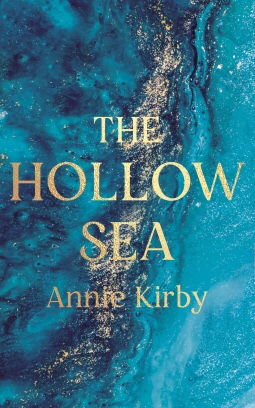
When Tartelin Brown accepts a job with the reclusive Marianne Stourbridge, she finds herself on a wild island with a mysterious history. Tartelin is tasked with hunting butterflies for Marianne’s research. But she quickly uncovers something far more intriguing than the curious creatures that inhabit the landscape. Because the island and Marianne share a remarkable history, and what happened all those years ago has left its scars, and some terrible secrets. As Tartelin pieces together Marianne’s connection to the island, she must confront her own reasons for being there. Can the two women finally face up to the painful memories that bind them so tightly to the past?
I found the last chapter of this new novel incredibly moving and I was smiling through tears as I closed the book.
Polly Crosby you ruined me for other books, for at least a couple of days!
Marianne’s memories of the island take us back to the years between WW1 and WW2, when she lived in the same family home with her mother and father. The Stourbridges were the guardians of the island, through her mother’s side of the family. However, it was Marianne’s father who had taken control of the island and it’s resources. Her family were rich, relying on herrings and pearls to keep their fortunes buoyant and providing work for the islanders. Under Mr Stourbridge’s control the businesses were losing money so he needed to diversify, and settled on silk-making as a way out of difficulty. Mulberry trees and silkworms arrived on the island and Marianne was researching to find out how to produce the best silk thread, but didn’t know that her father had hired a silk girl to come and start things. Nan came to live in their house and although the girls built a friendship, Marianne missed time with her father which was now being sacrificed for Nan and the silk worms. I had so many thoughts and questions in my head by this point. How had the family’s fortunes changed so drastically? How sad it must be for Marianne’s mother to watch her family businesses taken from her and mismanaged simply because she was a woman. Who was Nan and why was she dominating so much of Mr Stourbridge’s time? The author drip feeds these memories into the present day story, answering some questions but leaving others so I was always waiting for the next memory to know what happened next. There was a growing tension in the house that led me to believe an explosion was coming, something that would change Marianne”s life forever. Each section shed light on something in the present day, but I wanted the whole story of why Marianne was so alone in her old age, when did her family leave the island but most of all why was the island requisitioned?
I loved the sense of the uncanny that the author created; a feeling that life on the island was like real life, but not quite. There are strange, unfinished or half destroyed buildings, eroded cliffs and houses that have been literally swallowed up by the sea. Tartelin’s island has a feel of dilapidated grandeur in it’s buildings. They must have once been extravagant and beautiful, like the pavilion where Tartelin meets the peacock, but slowly being broken down and reclaimed by the sea. This is a strong theme throughout the novel, the idea that nature will always find a way, like a flower growing from a tiny crack in the pavement. I found Marianne a fascinating character with the manner of someone very intelligent and far too busy to be bothered with trifles. Her exterior as this grumpy old woman probably brushes most people off, but Tartelin is more persistent than most. Watching these two women slowly learning to trust and understand one another was a joy. Marianne’s story, as it is revealed, moved me beyond words. Even though there’s a fantastical, dream-like quality to her recollections the emotions ring true and are devastating to witness. However, I also felt an incredible sense of joy over the ending too. This novel is evocative and bittersweet, full of rich detail and interesting women. I have no hesitation in recommending all of Polly Crosby’s writing, but this is extraordinary and will stay with me forever.
Published by HQ on 6th Jan 2022
Meet The Author
Polly Crosby grew up on the Suffolk coast, and now lives with her husband and son in the heart of Norfolk. Her debut novel, The Illustrated Child (The Book of Hidden Wonders in the US and Australia) is out now. Polly’s second novel, The Unravelling will be published in January ‘22.
In 2018, Polly won Curtis Brown Creative’s Yesterday Scholarship, which enabled her to finish her novel. Later the same year, The Illustrated Child was awarded runner-up in the Bridport Prize’s Peggy Chapman Andrews Award for a First Novel. Polly received the Annabel Abbs Creative Writing Scholarship at the University of East Anglia, and is currently working on her third novel.