I know I’m not the only person struggling with what’s happening in the wider world at the moment and locally to be honest, as strategic parts of our city are being covered in flags in order to intimidate. There’s some sort of march most weeks and I’m constantly waiting to be annihilated by whichever geriatric white man loses his mind first! So sometimes the only thing to do is concentrate on your own little bubble, do the things you love that bring you peace, switch off the TV and shut it out for a while. I was thinking about this post and the things that make me happy, inspire me and keep me going. Of course first and foremost that’s literature, but I also love taking photographs of my surroundings. So, bearing in mind we had the spring equinox at the weekend, I thought I’d share with you some of my favourite hopeful literary quotes and photographs that make me happy. Hope you find them inspiring too.
“Water does not resist. Water flows. When you plunge your hand into it, all you feel is a caress. Water is not a solid wall, it will not stop you. But water always goes where it wants to go, and nothing in the end can stand against it. Water is patient. Dripping water wears away a stone. Remember that, my child. Remember you are half water. If you can’t go through an obstacle, go around it. Water does.”
From The Penelopiad by Margaret Atwood
“Rays from the sunrise drew forth the buds and stretched them into long stalks, lifted up sap in noiseless streams, opened petals, and sucked out scents in invisible jets and breathings.”
From Tess of the D’Urbervilles by Thomas Hardy
“Hope is the thing with feathers
That perches in the soul
That sings the tune without the words
And never stops at all”
From The Complete Poems of Emily Dickinson
‘I am no bird and no net ensnares me: I’m a free human being with an independent will.”
Jane Eyre by Charlotte Brontë
“Those who contemplate the beauty of the earth find reserves of strength that will endure as long as life lasts. There is something infinitely healing in the repeated refrains of nature—the assurance that dawn comes after night, and spring after winter.”
From Silent Spring by Rachel Carson
“No man knows till he has suffered from the night how sweet and dear to his heart and eye the morning can be.”
From Dracula by Bram Stoker
“I’m choosing happiness over suffering, I know I am. I’m making space for the unknown future to fill up my life with yet-to-come surprises.”
From Eat Pray Love by Elizabeth Gilbert
“Most maidens are perfectly capable of rescuing themselves in my experience, at least the ones worth something, in any case.”
From The Night Circus by Erin Morgenstern
“Your sorrow will become smaller, like a star in the daylight that you can’t even see. It’s there, shining, but there is also a vast expanse of blue sky.”
From Survival Lessons by Alice Hoffman
“What a happy woman I am living in a garden, with books, babies, birds, and flowers, and plenty of leisure to enjoy them! Yet my town acquaintances look upon it as imprisonment, and I don’t know what besides, and would rend the air with their shrieks if condemned to such a life. Sometimes I feel as if I were blest above all my fellows in being able to find my happiness so easily. I believe I should always be good if the sun always shone, and could enjoy myself very well in Siberia on a fine day. And what can life in town offer in the way of pleasure to equal the delight of any one of the calm evenings I have had this month sitting alone at the foot of the verandah steps, with the perfume of young larches all about, and the May moon hanging low over the beeches, and the beautiful silence made only more profound in its peace by the croaking of distant frogs and hooting of owls?”
From Elizabeth and her German Garden by Elizabeth Von Armin
Winter is the time to snuggle indoors without guilt; to curl up on the sofa with a good book or a box set, a hot drink or a wee whisky to hand.
Val McDermid has always had a soft spot for winter: the bitter clarity of a crisp cold day, the vivid skies over the Firth of Forth, the crunch of frost on fallen leaves and the chance to be enveloped in big jumpers and thick socks.
In Winter, she takes us on an adventure through the season, from the frosty streets of Edinburgh to the windblown Scottish coast, from Bonfire Night and Christmas to Burns Night and Up Helly Aa. She remembers winters from childhood, the thrill of whizzing over a frozen lake on skates, carving a ‘neep’ (swede) for Halloween and being taken to see her first real Christmas tree in the town square, lights twinkling bravely in the dark Scottish winter night.
I was really interested to read Val McDermid’s Winter because I feel like it’s such a maligned season and it’s one that I enjoy. I’m a big fan of cozying up by the log burner with a mug of tea and a great book or film. I love crisp mornings where your cheeks feel pinched and seeing your own breath is still a novelty. I find myself able to do more in Winter, because somehow I feel invigorated by the cooler weather. I love winter festivals like Bonfire Night and a proper long Christmas – the full twelve days. It was joyous to find someone else who is able to enjoy winter in the same way I do and this book is definitely a celebration of the season I hear a lot of moans and groans about. Using creative non-fiction Val takes us through her favourite elements of winter in Scotland touching on nature, local customs and the memories they bring, as well as the comfort of resting and enjoying winter food.
The narrative was personal and very intimate too, like a stroll with a wise and knowledgable friend. There’s also a forthrightness in her character that I relished. One of my favourite things was her idea of being in step with the season because it’s an important part of how I live my life. I think we are part of an earth that has its rhythms and tides so it’s better for our wellbeing if we live with what our season and body tells us to. This season tells us to eat hearty stews and soups. It tells us to hibernate like bears – nights in watching films with a fire and sofa blankets. It tells us to gather with friends and celebrate light shining in the darkness. Whether we celebrate Hanukkah, the winter solstice, Christmas, Diwali or enjoy a good burn up on Bonfire Night it’s about lighting up the darker months and staving off the melancholy that can come in winter. Val tells us about Scottish traditions of carving turnips at Halloween and the incredible sight of the Norse festival Up Helly Aa which takes place across several islands in January, culminating in the Lerwick torch lit procession which is a real spectacle. I felt nostalgic for a time when the twelve days of Yule were just that and concluded with Twelfth Night festivities where the Lord of Misrule takes charge for a few hours. It was this and the Orkney Christmas Day tradition of The Ba’ that remind me of an old tradition called the Haxey Hood that at least three generations of my family participated in. It takes place on January 6th every year in the small village of Haxey in the Isle of Axholme. There is a Lord of Misrule and a Lady who drops her leather hood so two competing teams can play a long, arduous game to return it. The two teams have to get it back to whichever village pub they play for and it can carry on till nightfall. It’s best described as a cross between rugby and tug of war and results in a few hundred sweaty and muddy men either celebrating or commiserating in the pub.
My dad’s days of playing are over now but I loved that it elongated Christmas into January and I still keep to that tradition – in fact I can get quite grumpy when people ask me how my Christmas was when it’s Boxing Day! Or when I see people on Facebook who have their tree back in the loft on the 27th December. I spend the whole week saying ‘it’s still Christmas!’ I also get annoyed when people announce a diet on New Year’s Day! What a ridiculous idea it is to diet when our bodies are naturally telling us to eat as if we’re hibernating and there’s a mountain of Christmas food left to eat. Spring is the obvious time for renewal and rebirth, the perfect time to start new resolutions. We should be slower instead of wishing our lives away. We should stop and listen to what the season and our bodies are telling us, instead of being regulated by what’s in the supermarket. I found myself having these dialogues with the author in my head and I can easily see how I’d use the book as prompts for writing therapy. She tells us about Mardi Gras in New Orleans, a February festival, and it reminded me of the carnival and a particular February week in Venice when it unexpectedly snowed. It was magical and there was an excitement in the air as soon as we woke up. Someone had built a snowman outside with olive tree branches for arms and we walked to Florian, the famous cafe on St Mark’s Square and had a very indulgent afternoon tea and a hot chocolate that was thick, silky and warmed me to my boots.
It’s impossible to read or write a review of this beautiful little book without it conjuring up memories of your own. The illustrations are beautiful too and complement the writing perfectly. It felt like sharing winter memories with a friend and Val’s love of puffins has further cemented her place at my fantasy dinner party. The narrative rambles but it works, perfectly echoing her plea for a steadier and quieter pace of life in this season. Her writing style is lyrical and she draws you into something as simple as a winter walk, a skill I’ve always loved in her crime fiction. It’s perfect for keeping by the bed and dipping in and out of, rather like poetry. I was taken back to childhood and felt like I was given permission to claim this season for resting, relaxing and taking stock of- something I tend to do in that odd week of ‘betwixtmas’. I believe that the more we can go with the natural world rather than allowing the media, retail industry and other people to set our rhythms, then the healthier we’ll be mentally. Celebrate this season, relish its festivals and that Scandinavian hygge that we all read about a few years ago. If we accept this season for what it is, instead of wishing it was something else then we’ll be a lot happier. If you’re looking for a last minute Christmas present for a reader in your life then this is the perfect option.
Meet the Author
Val McDermid is a number one bestseller whose novels have been translated into more than forty languages, and have sold over eighteen million copies. She has won many awards internationally, including the CWA Gold Dagger for best crime novel of the year and the LA Times Book of the Year Award. She was inducted into the ITV3 Crime Thriller Awards Hall of Fame in 2009, was the recipient of the CWA Cartier Diamond Dagger in 2010 and received the Lambda Literary Foundation Pioneer Award in 2011. In 2016, Val received the Outstanding Contribution to Crime Fiction Award at the Theakstons Old Peculier Crime Writing Festival and in 2017 received the DIVA Literary Prize for Crime, and was elected a Fellow of both the Royal Society of Literature and the Royal Society of Edinburgh. Val has served as a judge for the Women’s Prize for Fiction and the Man Booker Prize, and was Chair of the Wellcome Book Prize in 2017. She is the recipient of six honorary doctorates and is an Honorary Fellow of St Hilda’s College, Oxford. She writes full-time and divides her time between Edinburgh and East Neuk of Fife.
I’ve always been unconsciously drawn to books set in Australia and New Zealand, perhaps because I have family in both countries and want to familiarise myself with their lives. My mum lived there as a ten pound Pom in the 1960’s, leaving Liverpool behind and living in hostels meat Sydney. My grandad loved it out there and would tell us about nature, mostly horrific stories of people having spider’s nest in their ears or brains. My brother-in-law went out to New Zealand to work as a tree surgeon on a huge farm. He met the love of his life out there, Jenny, and although Jan died a few years after my husband I’m still in touch with Jenny and my two nephews. I was also hugely influenced by mum who was an enormous fan of The Thorn Birds – although hated Rachel award as Meggie in the TV mini-series. I’ve always thought that people down under are resilient, rather sweary and very straightforward. They say what they think – something I admire even where I don’t agree. I love the diversity of the cities and fascinated by Aboriginal and Māori. Some of my choices were read on my post-colonial literature course at university, a module that I found so inspiring and forced me to read writers I’d never have picked up as a casual reader. Here are just a few of the books and authors that can take you on a trip round both countries.
Classics
When her wealthy family prepares to host a lavish summer party, the young, hitherto sheltered Laura Sheridan suddenly feels a kinship with the staff and the helpers hired to set up the venue for the festivities. As she learns of the death of one of their working-class neighbours, this burgeoning sense of class consciousness is heightened by a realization of her own mortality. Published in 1922, at the height of literary modernism, ‘The Garden Party’ is now considered one of the key texts of that movement. This volume, which also includes all of Katherine Mansfield’s other published short stories, is an invaluable resource for anyone wishing to discover one of the early twentieth century’s finest writers. I first read this collection at university and I still have it today because it stands up against any short story collection from that period.
Integrating both Maori myth and New Zealand reality, The Bone People became the most successful novel in New Zealand publishing history when it appeared in 1984. Set on the South Island beaches of New Zealand, a harsh environment, the novel chronicles the complicated relationships between three emotional outcasts of mixed European and Maori heritage. Kerewin Holmes is a painter and a loner, convinced that “to care for anything is to invite disaster.” Her isolation is disrupted one day when a six-year-old mute boy, Simon, breaks into her house. The sole survivor of a mysterious shipwreck, Simon has been adopted by a widower Maori factory worker, Joe Gillayley, who is both tender and horribly brutal toward the boy. Through shifting points of view, the novel reveals each character’s thoughts and feelings as they struggle with the desire to connect and the fear of attachment.
Compared to the works of James Joyce in its use of indigenous language and portrayal of consciousness, The Bone People captures the soul of New Zealand. After twenty years, it continues to astonish and enrich readers around the world.
Mythology and contemporary Māori life are woven together seamlessly in this spectacular collection by Aotearoa’s foremost short story writer.
The titular story ‘Bird Child’ plunges you deep into Te Kore, an ancient time before time. In another, the formidable goddess Mahuika, Keeper of Fire, becomes a doting mother and friend. Later, Grace’s own childhood vividly shapes the world of the young character Mereana; and a widower’s hilariously human struggle to parent his seven daughters is told with trademark wit and crackling dialogue.
Moving artfully across decades, landscapes, time and space, with tenderness and charm, Bird Child and Other Stories shows an author as adept and stimulating as ever. This isn’t an easy read but fascinating and the comparison between Māori and other creation myths from around the world was fascinating.
Contemporary Fiction
Cassy smiled, blew them a kiss.
‘See you in September,’ she said.
It was a throwaway line. Just words uttered casually by a young woman in a hurry. And then she’d gone.
It was supposed to be a short trip – a break in New Zealand before her best friend’s wedding. But when Cassy waved goodbye to her parents, they never dreamed that it would be years before they’d see her again. Having broken up with her boyfriend, Cassy accepts an invitation to stay in an idyllic farming collective. Overcome by the peace and beauty of the valley and swept up in the charisma of Justin, the community’s leader, Cassy becomes convinced that she has to stay.
As Cassy becomes more and more entrenched in the group’s rituals and beliefs, her frantic parents fight to bring her home – before Justin’s prophesied Last Day can come to pass. I love Charity Norman’s writing because she gets to the heart of family relationships and shows how families can fracture when placed under stress. I’d recommend any of her books but this one is set in New Zealand. I highly recommend Remember Me and Home Truths.
At a suburban barbecue one afternoon, a man slaps an unruly boy.
The boy is not his son.
It is a single act of violence, but the slap reverberates through the lives of everyone who witnesses it happen.
Christos Tsiolkas presents the impact of this apparently minor domestic incident through the eyes of eight of those who witness it. It’s honestly hard to find someone to like here, but it is a fascinating look at contemporary Aussie relationships. It’s an unflinching interrogation of the life of the modern family, a deeply thought-provoking novel about boundaries and their limits…
The Lambert sisters have secrets…
When 15-year-old Cathy Lambert runs away from her Dublin home, she is scared and pregnant. Settled in New Zealand with her new son Conor she believes the secret she carries will never be revealed…
Rebecca Lambert was eighteen when her parents died and she took responsibility for her younger sisters. Years later, she is haunted by fears she hoped she’d conquered.
Freed from family duties, mother of three Julie Chambers is determined to recapture the dreams of her youth.
Married to a possessive older man, Lauren Moran embarks on a frantic love affair that threatens to destabilise her fragile world.
Anxious to make peace with her three sisters, Cathy invites them to her wedding.
But as the women journey together through New Zealand towards their reunion, they are forced to confront the past as the secret shared histories of the Lambert sisters are revealed. I couldn’t put this book down as it’s a great mix of emotions, adventure, secrets and a lot of humour.
EVERY ENDING IS A NEW BEGINNING…
Ruth is ignoring the news. Like most people, she has relationship problems, job stress, friends and family who need her. Ruth has a life.
But the news is about to catch up with Ruth, and her problems are going to be swept away…along with the rest of the world. While on a plane to New Zealand, something starts to happen to the world. Arriving, Ruth makes her way to her coastal destination but never expected to be sharing the inside of a dead whale with a stranger as a world ending event happens. It takes this to change Ruth’s outlook completely. Only when the comforts and complications of her old existence are gone, does she finally realise how she might be able to live to the fullest. This was a mesmerising debut from Kate and I still recommend it constantly. It made me think about something drastic like this happening in my lifetime, but also question why we fall in love with the people we do and how commitments to others are nurtured and lad
Romantic Fiction
Love isn’t an exact science – but no one told Don Tillman.
A thirty-nine-year-old geneticist, Don’s never had a second date. So he devises the Wife Project, a scientific test to find the perfect partner. Don has a regimented life of work
Enter Rosie – ‘the world’s most incompatible woman’ – throwing Don’s safe, ordered life into chaos.
But what is this unsettling, alien emotion he’s feeling? . . .
This is a deeply funny, but emotional and fascinating in terms of Don’s neuro-divergence. He eats the same meal on the same night every week as part of his rotation of menus. His life felt like a never-ending to-do lust and I knew that he would drive me up the wall. Rosie is a woman of great patience! However, I also knew that my lack of systems and routine would have an equally detrimental effect on his mental health. Watching how these two people try, fail and try again to communicate their needs and feelings within the relationship is a lesson for every couple. It’s also brilliantly funny. There is a trilogy now so treat yourself to all of them.
In the rugged Australian Outback, three generations of Clearys live through joy and sadness, bitter defeat and magnificent triumph, driven by their dreams, sustained by remarkable strength of character… and torn by dark passions, violence and a scandalous family legacy of forbidden love.
The Thorn Birds is a poignant love story, a powerful epic of struggle and sacrifice, a celebration of individuality and spirit. Most of all, it is the story of the Clearys’ only daughter, Meggie, who can never possess Ralph de Bricassart, the man she so desperately adores. Ralph will rise from parish priest to the inner circles of the Vatican… but his passion for Meggie will follow him all the days of his life.
What a saga this is and I have to say the book is ten times better than the series, mainly because we get more of the family dynamic and get to know Meggie as a little girl. Her story of slowly growing up with such a harsh mother really builds and we understand more her bond to the young priest who befriends her, noticing that in a family of many sons she is largely ignored. He is her knight in shining armour and the only one, after her eldest brother is gone, who will hug and comfort this lonely girl. Catholic readers will recognise how powerful the religion is for Irish families and the schooling that nuns provide. The book is an epic and covers Father Ralph’s lifetime, but it has an incredible sense of place and time and really is worth a read for that alone.
n 1929, Beattie Blaxland had dreams. Big dreams. She dreamed of a life of fashion and fabrics. One thing she never dreamed was that she would find herself pregnant to her married lover, just before her nineteenth birthday.
In 2009, Emma Blaxland-Hunter was living her dream. A prima ballerina with the London Ballet, she had everything… Until the moment she lost it all.
Separated by decades, both women must find the strength to rebuild their lives. A legacy from one to the other will lead to Wildflower Hill, a place where a woman can learn to stand alone long enough to realise what she really wants.
I’d never read this author before so it came as a complete surprise when I enjoyed it so much. It is historical fiction too, but I loved that this was a ballsy woman who was determined to succeed at Wildflower Hill and her love story with an aboriginal worker would have been so transgressive at the time. It’s an unashamedly romantic story and if you enjoy love with a side order of feminism, family secrets and a dual-timeline this is for you.
Historical Fiction
A faded photograph. An abandoned house. A wartime mystery. . .
1939: On the eve of war, young English heiress Grace Grey travels from London to the wilderness of Tasmania. Coaxed out of her shell by the attentions of her Irish neighbour, Daniel – Grace finally learns to live. But when Australian forces are called to the frontline, and Daniel with them, he leaves behind a devastating secret which will forever bind them together.
1975: Artist Willow Hawkins, and her new husband, Ben, can’t believe their luck when an anonymous benefactor leaves them a house on the remote Tasmanian coast. Confused and delighted, they set out to unmask Towerhurst’s previous owner – unwittingly altering the course of their lives.
2004: Libby Andrews has always been sheltered from the truth behind her father Ben’s death. When she travels to London and discovers a faded photograph, a long-buried memory is unlocked, and she begins to follow an investigation that Ben could never complete. But will she realise that some secrets are best left buried . . .?
This gorgeous story that spans the twentieth century was one of my books of the year last year. The mystery of how all these timelines added up, the beautiful setting of Tasmania and the historical context around WW2 drew me in. The love story is simply gorgeous and potentially heart-breaking. I know this is a story I’ll want to read again.
1896, Bannin Bay, Australia. When British pearl-boat captain Charles Brightwell goes missing out at sea, rumours of mutiny and murder swell within the bay’s dens and back alleys. Only his headstrong daughter, Eliza, refuses to believe her father is dead, and sets out on a dangerous journey to uncover the truth.
But in a town teeming with corruption, prejudice, and blackmail, Eliza soon learns that the answers she seeks might cost more than pearls. How much is she willing to sacrifice to find them?
This incredible debut is richly atmospheric from the get go, throwing us straight into the strangeness of 19th Century Western Australia as if it is an alien landscape. In fact that’s exactly what it is for the Brightwell family, particularly Eliza whose childhood eyes we see it through for the the first time. The adult Eliza has to negotiate her way through the community’s corruption, violence, blackmail and the criminal elements of the pearling business. All the while reading her father’s diary for clues and guiding us to some fascinating characters, some of which are based on historical figures. You’ll love Eliza’s early feminist stance and sense of adventure. The twists and turns her journey takes are gripping and pull you deep into the story. It’s a fantastic debut, full of life and death, just like it’s setting.
Crime Fiction
A killer targeting pregnant women.
A detective expecting her first baby…
The shocking murder of a heavily pregnant woman throws the New Zealand city of Dunedin into a tailspin, and the devastating crime feels uncomfortably close to home for Detective Sam Shephard as she counts down the days to her own maternity leave.
Confined to a desk job in the department, Sam must find the missing link between this brutal crime and a string of cases involving mothers and children in the past. As the pieces start to come together and the realisation dawns that the killer’s actions are escalating, drastic measures must be taken to prevent more tragedy.
For Sam, the case becomes personal, when it becomes increasingly clear that no one is safe, and the clock is ticking…
There’s something about Aussie and NZ crime fiction. It’s gritty and immediate. This is the fifth in Vanda’s Sam Shepherd series and I can honestly say they’re all brilliant but this one …. I was on the edge of my seat! It feels like Sam has just let her guard down and accepted what’s next in her life, when everything could be ripped away from her. Even though she’s the one who most understood the killer’s motivations, will she still be shocked by their identity? Sam’s vulnerability is terrifying and I was praying that she would be okay, as if she’s a living and breathing human being. That’s the power of Vanda Symon’s writing and how much of that magic she’s poured into this brilliant character.
Lou O’Dowd travels across the world from Australia to Edinburgh for a job with the organisation SASOL. Her new life will be living with her cousin and working shifts at a halfway house for high risk offenders including two killers, a celebrity paedophile, and a paranoid coke dealer. After orientation, Lou will be on shift alone dealing with these offenders with little more than her own instinct to guide her. What could possibly go wrong?
Lou is a controversial character, living off a sugar daddy for a while she’s had no need to work, but when the relationship ends disastrously she has no choice but to leave. On her first day in Edinburgh she meets a man at a play who has a similar attitude to risk, enjoying mainly outdoor sex. He comes from a rich family, so maybe he could be more than a fling? I loved how the mundane domesticity of the job was mixed with genuine fear and horror of what could happen if residents flare up. There’s an evening ritual of cocoa for each resident, but it has to be to perfectly timed in order to interrupt one resident’s suicide ritual. These are the extremes a job like this entails, but it’s only the beginning….
Jake Jackson is becoming settled two years after his Uncle Arthur died and left him his home at Little Sky. It’s also two years since the subsequent murder case that threatened everything he’d built there. Now he splits his time between Little Sky and the cottage shared by his partner Livia and her daughter Diana. His quiet routine is disrupted by the abduction of a little girl and local detective Watson, asks for his help. When they recover her in an isolated empty house, it almost feels too easy. The abduction seems to linked to a shadowy organisation whose calling card says ‘No Taboo’. Their business is providing experiences for bored rich people, where no request is refused. Using his contacts, analyst and retired detective Martha and investigator Aletheia, can Jake uncover the people behind the organisation? Then Livia receives a job offer from a new businessman in the area and she’s excited to view his stables and the horses. His offer seems to come with unusual conditions, including Jake and Livia’s presence at his mansion, Purple Prose, for a weekend of entertainment. Is it possible these two things are linked? Jake has never trusted coincidences and he isn’t going to start now.
This is a hard case for Jake, not just a small step up from his first case at Little Sky, but a whole staircase. He’s gone from local cold case murder to an international conspiracy run by people with seemingly endless means and reach. I wondered how on earth Jake’s small team would crack this one – it’s a real David and Goliath situation. There’s also a sense of something wholesome up against something unremittingly evil; the desire to have extreme experiences is one thing, but this is debauched. No sexual desire, bloodlust or act of cruelty is too much – as long as you can pay for it. Of course that leaves wealthy customers open to blackmail, especially those with responsible jobs or famous faces. I could understand Livia’s concerns about her safety and Diana’s. As Jake’s case starts to warm up, he is warned off. He’s attacked and also has a rather horrifying home delivery at Little Sky. There’s a part of Jake that can’t resist the investigative world, but it does put those he loves in huge danger. I don’t think I would be as patient as Livia.
I have to say how much I loved Martha. She’s intelligent, shrewd and absolutely no nonsense. She was medically retired from the police after a shoot out left her so badly injured she had to have both legs amputated. I loved her calls with Jake and their crime writer sign offs. She proves herself a strong investigator without leaving her desk. There are great strong women in these novels and she’s definitely my favourite. I do have a soft spot for Sarah at The Nook, the local shop with a downstairs drinking establishment. She’s almost a mother figure to Jake, shaking her head at his more eccentric ways and making sure he has a warm drink and slice of cake. In turn he lifts and stacks her heavy produce. It’s interesting to consider that apart from Rose, Jake surrounds himself with women. Could this possibly be a response to the loss of his mother? We haven’t met Jake’s ex-wife Faye, but it would be interesting to look at their difficulties conceiving and whether never seeing her maternal side contributed to the breakdown of their marriage. He certainly appreciates Livia’s nurturing characteristics with Diana.
This is much tougher and more brutal case for Jake than the last. I was surprised at his survival instinct, he seems like such a gentle person at home, but can mete out some serious violence where necessary. I wasn’t sure how I felt about this latent side to him, but he really takes some punishment too and suffers one ordeal that genuinely made my breathing a little panicky. I’m no good with small spaces. His judgement is impeccable though and when he’s asked to make a choice that tests the loyalty of those around him, he does make it, sending me tearing back through the pages for the clues. It’s a very tense ending and you will be on the edge of your seat through to the finale. I’m always so pleased that Jake, Livia and Diana have the peace of Little Sky to retire to when it’s all over.
1843. On a remote Scottish island, Ivar, the sole occupant, leads a life of quiet isolation until the day he finds a man unconscious on the beach below the cliffs. The newcomer is John Ferguson, an impoverished church minister sent to evict Ivar and turn the island into grazing land for sheep. Unaware of the stranger’s intentions, Ivar takes him into his home, and in spite of the two men having no common language, a fragile bond begins to form between them. Meanwhile, on the mainland, John’s wife, Mary, anxiously awaits news of his mission.
Against the rugged backdrop of this faraway spot beyond Shetland, Carys Davies’s intimate drama unfolds with tension and tenderness: a touching and crystalline study of ordinary people buffeted by history and a powerful exploration of the distances and connections between us.
Clear is so beautifully set within some very significant events. In the 19th Century evangelical worshippers moved away from the Church of Scotland to form the Free Church of Scotland. Also, there was a second wave of Scottish landowners driving their tenants from the land, choosing to make a better profit grazing sheep, know as the Highland Clearances. Our characters are deeply involved with these events. John Ferguson has been a minister in the Church of Scotland, but his conscience draws him away towards the Free Church. This leaves him without an income since the new church isn’t yet established. John’s wife Mary may be the answer, because her brother-in-law asks a landowner if he could offer John a job. The job has one purpose, travelling to a remote island in the North Sea close to Norway. There he has to evict the landowner’s last remaining tenant, a man named Ivar who is barely scratching a living with a handful of livestock. However, Ivar doesn’t speak English, but an old dialect that’s a mix of Norwegian and Gaelic. John has just one month till the boat returns to take both of them back to Shetland. How will he convince Ivar to leave?
The story is focused on the relationship these two men have to develop with each other and it starts in a way neither expect. The bailie’s house is empty as he’s already left the island so John plans to make it his base, but needs to find somewhere locally that he can wash. He finds a spring and decides to bathe, but he slips and falls down a cliff. Ivar finds the unconscious man and takes him to his own hut. As John slowly regains consciousness and begins his recovery, the two man have to work out a way of speaking to each other and eventually John has to explain what he’s there for. As we watch their relationship grow and how they work on communication, Mary has grown worried about John. She thinks he may have taken on the task without enough preparation and she decides to travel out there and join him. The narrative felt like being a fly on the wall to to these events. Once the three are together I had the strange feeling that this was really happening and I was simply watching history, bearing witness to the emotions flowing between them.
This is such a gentle story that contains so much. Instead of pushing an agenda or viewpoint, the author just lets it play out naturally. Nature is so much more than just a setting, it’s life itself. The island is mercurial, with it’s changeable weather creating the mood. Ivar lives entirely off this land, his life a routine of hard work and at home he spins wool or knits. Even the regular agent who collects rent for the landowner is paid in wool, feathers or wrack. Ivar is part of this island, a bear of a man with only his animals for company. There’s a purity to his life that’s almost spiritual, an interesting contrast to John’s organised religion. There’s so much going on under the surface of the story, told in the tiny details of everyday life: their gestures, the intimacies they share and how those connections change as a language is formed between them. It’s interesting to see the established dynamic of John and Ivar affecting how Mary settles into the cottage. The men’s connection brings the three of them into a unit, so that they don’t feel like a married couple and a lone man any more. Each of them forms a strong connection with each other and the landscape. I found reading this an almost meditative experience, because it’s so slow and calm. The ending came suddenly and was a shock.
Published by Granta 7th March 2025
Meet the Author
Carys Davies’s debut novel West (2018) was shortlisted for the Rathbones Folio Prize, runner up for the Society of Authors’ McKitterick Prize, and winner of the Wales Book of the Year for Fiction. Her second novel The Mission House was first published in the UK in 2020 where it was The Sunday Times 2020 Novel of the Year.
She is also the author of two collections of short stories, Some New Ambush and The Redemption of Galen Pike, which won the 2015 Frank O’Connor International Short Story Award and the 2015 Jerwood Fiction Uncovered Prize. She is the recipient of the Royal Society of Literature’s V.S. Pritchett Prize, the Society of Authors’ Olive Cook Short Story Award, a Northern Writers’ Award, a Cullman Fellowship at the New York Public Library, and is a member of the Folio Academy. Her fiction has been translated into nine languages.
Born in Wales, she grew up there and in the Midlands, lived and worked for twelve years in New York and Chicago, and now lives in Edinburgh.
Last weekend was the first this year when I’ve sensed the merest whiff of spring, south easterly winds bringing a warmer feel when I ventured outside and a few bulbs sprouting in the sunshine. There’s still a little way to go though, so I thought I’d brighten up the dregs of winter with books that have a strong nature theme. Whether it’s a beautifully conjured sense of place, an outdoor challenge, the benefits of creating a garden or a correlation between nature and character, all of these have outdoor vibes. I was also inspired by my enjoyment of Eowyn Ivey’s new novel Black Woods, Blue Sky where our main characters inhabit the Alaskan wilderness.
On a personal front, I now know I have a narrowed spinal canal as well as arthritis throughout my spine. I’m a little stir crazy waiting for the next steps, so my longing for the outdoors is probably stronger than it’s been in a while. Thanks to my dad I now have a little custom made bench thats directly outside the kitchen door where I can sit with a brew in the morning and feel the sun. But I long to smell the forest, with pines swaying in the breeze and the sharp scent of their needles as I crunch them underfoot. Or the smell of the sea air and the salty spray on my cheeks. Each test and appointment gets me closer to a solution and hopefully, a long term one rather than a quick fix. If you too are longing for some outdoorsy book inspiration, look no further.
If I’m honest the Little House on the Prairie books are probably where I started to love reading about living in wild places. I think it’s also where I got my ability to make a home wherever I ended up. When we were small we moved wherever my Dad had work, so usually on farms or land drainage pumping stations – an absolute must in the flatlands of Lincolnshire! So every house was a ‘tied’ cottage and never belonged to us, although my Mum went out of her way to make every place a home. We both love these books, although of course we understand more about pioneer families now. Slowly moving further out to wilder areas, claiming land that until then had been Native American territory. Some of the language and attitudes towards Native Americans in later novels certainly reflect the attitudes of the time. This first book always stays with me, not necessarily because of the plot but because of the lengthy description of what life and nature was like. I remember a party when families came together to harvest maple syrup and the candy the girls would make out of syrup and snow.
I loved the harvesting, possibly because it was a part of our lives too, since we lived on a fruit farm for a few years so mum was always making pies, crumbles and jams. I must admit having my own pantry was a life goal, it had me gathering and freezing as well as making chutneys and plum brandy (absolutely lethal). There’s a huge satisfaction in growing your own and filling the pantry with enough preserves and chutneys to last till next harvest. The author captures how she felt and you always know that you’re experiencing life through the eyes of a small child. There are scary moments here – such as a big cat lurking overhead in the woods or bears stumbling into their homestead, but somehow the main feeling you come away with is how cozy and safe she was made to feel by her parents. I’m sure the reality for the adults was a lot harder. What I love is how their lives change through the seasons because they’re working with nature whether it’s the sharp cold of winter or the first warm spring day.
When I was about nine years old we spent some time living in Leicestershire and one of our regular family outings was to the Rutland Water reservoir. In 1975, the villages of Nether and Middle Hambleton were flooded to provide water for growing cities in the East Midlands. All that remains of the village is an old chapel that juts out into the water. We lived nearby in the late 1970’s to the early 1980’s so the reservoir was quite new with none of the facilities it now has, including a hotel, water sports centre and a nature reserve. I used to find it so eerie when I imagined a whole village underneath the water. This book gave me some insight into the experience as well as capturing the beauty and wildness of the Lake District. Set in 1936, the Lightburn family have always lived in a remote dale in the old, northern county of Westmorland. It’s a rural community where the family have been working in the harsh hill-farming tradition – largely unchanged by modern life. When a man from Manchester arrives, as spokesman for a vast industrial project, that will devastate the landscape and the local community. Mardale will be flooded, creating a new reservoir, supplying water to the Midlands’ growing cities. The waterworks’ representative is Jack Liggett who creates more problems by having an affair with local woman, Janet Lightburn. They each represent their respective viewpoints; Jack is all growth and progress, with man making his mark on the landscape, whereas Janet is more aligned with nature and her family’s way of life, now centuries behind. She takes a final, desperate and ultimately tragic attempt to restore the valley to what it has always been.
This book gave me an insight into how my grandparent’s lived, working on the land. The author creates an authentic sense of both time and place, in area that has been out of touch with progress for decades. It’s not just a destruction of a place, it’s a destruction of a whole community and tradition. It takes us away from the modern day touristy Lake District we all know, to when it was wilder and remote. When people wrestled their living from the landscape, working alongside nature and it’s changing seasons at a slower pace. The shock is seismic for those who now have to catch up with modern thinking and ways of earning a living. This is a beautifully written elegy for a time and place that no longer exists.
“Oh, my dear, relations are like drugs, – useful sometimes, and even pleasant, if taken in small quantities and seldom, but dreadfully pernicious on the whole, and the truly wise avoid them”.
This beautiful book cover always makes me smile. Most readers probably know this author’s other novel The Enchanted April, but this is such a gentle, witty and uplifting story. In a semi-autobiographical diary Elizabeth looks for respite from her husband, a Prussian aristocrat, and their children who she refers to by the month they were born. She came from a highly-educated and slightly bohemian family in England and married at the age of 25. Sadly they were mismatched, her husband was rather somber and dedicated to his duty of farming the estate and keeping it profitable. She comes across as bright and happy by nature, as well as sensitive. This was her first novel, written after seven years of marriage and it really is a literary poem to flowers, gardens, solitude and finding something that feeds your soul. I share her enthusiasm for all things that blossom, often dragging my other half into the garden because something has flowered. She has so much enthusiasm she sweeps you up and takes you with her. This was clearly the place she could relax and be herself. It was written in the late Victorian period so expect a bit of snobbery and a lack of self-awareness. If this doesn’t make you want to pick up a trowel or visit a garden I don’t know what will.
I love Mary Webb, with her novel Precious Bane being one of my all-time favourite books. They are rural based and immerse the reader into nature and a farming way of life, but Gone to Earth’s heroine is so bound to the landscape and particularly it’s wildlife.
Hazel has a pet fox and looks after other wounded or sick wild animals. She wants no more from life than this; to be herself, living in the remote Shropshire hills with her equally unnconventional father. Unfortunately for her, she is young and beautiful. Two men fall in love with Hazel – the good and honourable young church minister and a dissolute squire. She is driven to desperation by their competing claims on her and the pressures of conventional life. Hazel is no more equipped to be a squire’s wife than she is to marry a vicar. Both have very specific roles and duties, requiring her to be social and dressed appropriately. It would take her away from everything she loves and turn her into a caged bird or snared rabbit. She feels hounded, so much so that she’s forced to find a harrowing way of escape. This was Mary Webb’s second book, written in 1917 and set in the hills of Shropshire. It is a dark and difficult story that’s very intelligent and moving. It is Hazel’s connection to nature that’s so beautiful, it’s so clear that this is her place and purpose in life. Gone to Earth became a film in 1950, starring Jennifer Jones as Hazel.
Chrissie Gillies comes from the last ever community to live on the beautiful, isolated Scottish island of St Kilda. Evacuated in 1930, she will never forget her life there, nor the man she loved and lost who visited one fateful summer a few years before. Fred Lawson has been captured, beaten and imprisoned in Nazi-controlled France. Making a desperate escape across occupied territory, one thought sustains him: find Chrissie, the woman he should never have left behind on that desolate, glorious isle. On the face of it, if you read the above blurb you might expect nothing more than a love story. However, even WW2 isn’t the main focus or even the part of the book I remember more than anything. It was the way the author wrote about the islands, these jagged and raw lumps of rock isolated in the ocean. They have no protection against the wind or the sheer power of the Atlantic. Then there are the birds that share the islands and provide the resident’s main source of food. Islanders must climb down the vertical cliff face to reach the birds and they don’t even taste good, considering their only diet is fish. It is bleak, so bleak that in real life the islanders eventually had to abandon the islands for the mainland. St Kilda is a World Heritage Site even now and is home to a tenth of Britain’s seabird population. I was totally immersed in this wild place and the people who scratched a living from it’s rocky and inhospitable outcrops.
Artist, Hassie Days, and her sister, Margot, buy a run down Jacobean house in Hope Wenlock on the Welsh Marches. While Margot continues her London life in high finance, Hassie is left alone to work the large, long-neglected garden. She is befriended by eccentric, sharp-tongued, Miss Foot, who recommends, Murat, an Albanian migrant, made to feel out of place among the locals, to help Hassie in the garden. As she works the garden in Murat’s peaceful company, Hassie ruminates on her past life: the sibling rivalry that tainted her childhood and the love affair that left her with painful, unanswered questions.
As she begins to explore the history of the house and the mysterious nearby wood, old hurts begin to fade as she experiences the healing power of nature and discovers other worlds. This is such a gentle read, it’s quiet and contemplative but ultimately joyful. This is for people who really understand how healing it is to be in the open air and being connected to the seasons.
At twenty-six, Cheryl Strayed thought she had lost everything. In the wake of her mother’s rapid death from cancer, her family disbanded and her marriage crumbled. With nothing to lose, she made the most impulsive decision of her life: to walk eleven-hundred miles of the west coast of America and to do it alone. She had no experience of long-distance hiking and the journey was nothing more than a line on a map. But it held a promise – a promise of piecing together a life that lay shattered at her feet… This read is a real journey that ultimately saves a life. It’s beautifully written, honest and raw. The author pits herself against the elements on the Pacific Coast Trail because she believes it will help her process everything that’s happened. She will be confronted with her self, every day, and forced to wrestle with her demons. She’s hoping that the walk will be a line, between her old ways of behaving and she will come out the other side with something to build from. She’s out in the open every day, whatever the weather and is reduced to her most essential self. I loved how she starts to notice the flora and fauna around her. It’s amazing to see how much the trail gets into her brain and ultimately changes her outlook.
It is summer in the Appalachian mountains and love, desire and attraction are in the air. Nature, too, it seems, is not immune. From her outpost in an isolated mountain cabin, Deanna Wolfe, a reclusive wildlife biologist, watches a den of coyotes that have recently migrated into the region. She is caught off guard by a young hunter who invades her most private spaces and interrupts her self-assured, solitary life. On a farm several miles down the mountain, Lusa Maluf Landowski, a bookish city girl turned farmer’s wife, finds herself marooned in a strange place where she must declare or lose her attachment to the land that has become her own. And a few more miles down the road, a pair of elderly feuding neighbours tend their respective farms and wrangle about God, pesticides, and the possibilities of a future neither of them expected. Over the course of one humid summer, these characters find their connections of love to one another and to the surrounding nature with which they share a place. I thought the author beautifully debates so many contentious issues around farming and nature: how much harm comes to wildlife when arable farming; the merits of vegetarianism and veganism, and whether we can be ethical meat eaters; the difficulties of cultivating crops and dealing with diseases in trees; studying animals without disturbing or changing them. It’s about how we humans interact with nature, the changing seasons and how fertile nature continues to be.
“Now are the woods all black, but still the sky is blue. May you always see a blue sky overhead.” Proust.
I was utterly mesmerised by this unusual grown-up fairy tale. Having read the author’s work before I was expecting a certain strangeness and this story definitely delivered. It’s hard to write about without revealing anything and you need to go into this book without spoilers. The story is told through the eyes of Birdie and her little girl Emmaleen. Birdie is a young, single mum. She’s living in a cabin out behind the bar where she works for Della. Birdie is just getting by. She has a wild spirit and although she loves Emmaleen, she’s not the most consistent parent. We meet her on a beautiful morning where she has woken up from the night before relatively unscathed. Yes, she’s a bit hungover and she knows Della is going to have words for her when she goes into work. For now though, the woods and creek are calling her, so she takes her fishing rod and leaving Emmaleen asleep and alone she walks through the trees and down to the water. She rationalises that she won’t be long and Emmaleen will sleep for a while yet. She catches a rainbow trout, guts and cleans it in the creek, before setting off back to the cabin. When she gets there, Emmaleen is gone. Birdie goes into panic mode, desperate to find her daughter but terrified to admit to Della that she’s left her alone. It’s a man called Arthur who eventually emerges from the woods with Birdie’s daughter on his shoulders and she’s never been more relieved. She knows Della will have something to say about this, but for now she’s just happy that Emmaleen is safe. When Della moves her onto the day shift, it’s a comment on her partying and parenting lifestyle. She has to bring Emmaleen into the lodge with her, but she sits colouring and doesn’t pester while she’s trying to work.
Arthur comes in most mornings, he sits through the bar side of the lodge alone and orders toast. She’s fascinated by this strange, wild man. He has scarring and only the remains of an ear one side of his face. Birdie thinks he smells of wild places, never artificial scent. He smells mossy and like earth. From time to time she brushes his shoulder and if Della is out getting supplies, she might take a moment and sit with him. He’s so natural and gentle with Emmaleen too. He’s quiet and when he does say something it’s strangely, always in the present. She asks him why and he tells her that for him the world is like that. He’s always in the here and now. He understands the wildness in Birdie and her yearning to be out in the mountains. His parents have had a cabin in the woods since before he was born and it’s become his more or less. For several months of the year he takes himself up into the mountains and lives off the land and whatever supplies his dad flies in. It’s total isolation, off grid and without comforts. When he asks Birdie if she and Emmaleen would like to make a home out there in the mountains, there is only one answer. Yes.
“That’s how it was with Arthur. Getting close to him, feeling his eyes on her – like touching something dark and wild, then watching it dart away.’
Between the pages of this book I was totally lost in the wildness of Alaska. The author’s descriptions are vividly beautiful and I found myself wondering about a place I’d imagined as being full of snow. All of my senses were engaged and I became entranced by Emmaleen’s discovery of nature as Arthur shows her the forest floor with it’s springy moss and tiny wildflowers. There’s a strangeness and even a danger to being so far away from civilisation. Arthur’s cabin has been needing a woman’s touch for a long time. The floor is covered with leaves and dirt from the forest and mosquitoes are squeezing through the gaps round the windows. Birdie sets about cleaning the cabin and Emmaleen gets used to her environment, playing with her gnome friends and tasting bluebell flowers. The days are harsh, but Birdie’s enjoying the challenge of cooking and laundry out here without heating or electricity. She likes not knowing what time it is and working to her own body clock. She feels like part of the place. Yet underneath these drowsy and idyllic warm days, there’s a sneaky sense of unease. Arthur’s father Warren seems reluctant to leave the woman and her daughter alone in such a secluded place with Arthur. He’s never seen his son be so tender as he is with this little girl. He even flies over 48 hours later and sees all three of them hiking up one of the mountains and they wave to him. Maybe he’s worrying about nothing. Yet Arthur does disappear and reappear without warning and sleeps on the floor. He seems curiously unsure when it comes to sex. There’s a mound near the cabin where Arthur yells at Emmaleen, telling her not to play there. There’s a hidden animal pelt under the earth and caribou bones under the bed. How long before Birdie and Emaleen learn the terrifying truth about Arthur?
This incredible story fits it’s unusual background perfectly. I loved how accepting Birdie was, despite the fact that she’s making risky decisions she doesn’t doubt Arthur for a moment. She accepts his unusual and seemingly inexperienced caresses without question. I didn’t know what to expect from the sections where we’re in Emmaleen’s world, but they are really strong, with bags of imagination and inventiveness. She’s so innocent and precious. I’ve lived in rural Lincolnshire as a child, mainly on farms so her wanderings and imaginary games reminded me of being small. I used to draw flowers and bark patterns or lie in a willow tree that hung over the water and read all day while my brother fished. I was fascinated with wild flowers so the details of plants and berries, which to eat and which were poisonous are so familiar. I also grew a strong stomach, having sat and watched my Dad gut rabbits and pheasants. I loved that Birdie could do these things, she has basic survival skills but that’s for expected dangers. I had a feeling that the potential threat would be out of the ordinary. Even though she makes mistakes I had a real maternal fondness for this young woman and her acceptance of this taciturn young man. Love comes in so many different forms and even though I could feel something looming on the horizon for this new little family I was hoping against hope for the transformative power of love.
Out Now from Tinder Press
Meet the Author
Eowyn Ivey’s debut novel, THE SNOW CHILD, was published in twenty-six languages, and became an international bestseller. It was a finalist for the Pulitzer Prize 2013, and Eowyn won the International Author of the Year category at the 2012 National Book Awards. A former bookseller, Eowyn lives in Palmer, Alaska, with her family.
“I know the power of stories and of voices. Even silenced ones. So let me end mine with what I have seen of Sycorax, and assure you again that once, she had a voice, and it was loud and melodious and filled with magic”.
I was entranced by this beautifully lyrical tale of the unseen sorcerous of Shakespeare’s The Tempest. This is my favourite Shakespeare play because I love its atmosphere and the use of musical sounds to conjure up this enchanted island, ruled by the magician Prospero. Sycorax isn’t even present in the play, but is mentioned as a sorcerous and mother of Caliban, who is depicted as a monster and a slave to Prospero. The author wants to give Sycorax a voice, one that she doesn’t have in the play, to tell us in her own words what it was like to be treated with suspicion and cruelty. Sycorax’s story is an emotional one as she wrestles with her identity, her powers and the loneliness of being an outcast. Each time her powers grow the more isolated she becomes.The author is clearly so passionate about this book and giving her central character a voice and I think she achieves it beautifully.
The story unfolds slowly while the author immerses us in the world Sycorax inhabits, at first with her parents. Taking her cue from Shakespeare her prose is lyrical and poetic. I really felt like I was in the presence of a magical being and it was the sounds that really grabbed me – the tinkle of sea shells on her mother’s anklets, the sounds of the sea, the lazy buzz of the honey bees they keep. I felt as if I was cocooned on a Caribbean island and strangely relaxed too. Everything is so aligned with nature and nothing interrupts, because even the market is just laying a blanket at the side of the road and selling in the open. By creating this mindful and harmonious background the author makes sure that when something does interrupt, it tears through this idyll and comes as a shock. So when Sycorax goes down to the marina and sailors are unloading goods, the noise is a huge contrast and the roughness of these men who are filthy and covered with lice makes us realise what a feminine energy the rest of the book has. This assault on her senses is violent and the unmistakably male. Despite the beauty of it’s language there are tough subjects here, that are based in misogyny and how women with healing skills are misunderstood by society. There’s also an element of colonialism here, over women’s bodies as well as where they live.
“Women are used as an instrument of war. Our bodies are another land to be invaded, destroyed and conquered.”
There’s a big hint that her mother was aware of men’s need to conquer and control. In fact, her mother blindfolds Sycorax from a young age, covering the incredible violet colour – I imagined them like Elizabeth Taylor’s amazing eyes. Yet she doesn’t hide them because something is wrong with them, but more because they are extraordinary and it might draw male attention. This could mean a sexual possession, such as the attention Sycorax experiences from Afalkay the Beautiful. However, nothing makes men more fearful than a woman with knowledge and if she won’t behave or remain hidden might they attempt to silence her? In spite of everything she faces, Sycorax remains strong, a strength that could be attributed to her upbringing with her tenacious and otherworldly mother. Sycorax’s ongoing inner strength and determination to find her own identity in a world that shuns her, is something to truly admire. Because of this she is vehemently hated among the townsfolk, especially men because she won’t disappear.
I admired Sycorax’s strength, just her ability to keep getting up each day and going on. Everything they try to be rid of her just doesn’t work. Described as born of the sun and moon and shaped by fire and malady gives us a sense of her resolve, she’s hard as forged iron. Of course my main interest would be disability and chronic illness, being a fellow sufferer. I wrote my English Lit dissertation on disability representation and my Renaissance literature exam on Caliban and a potential reading of his character as someone with a disability. Yet somehow I hadn’t picked up on his mother and here we see her as stiffened, bent over and in chronic pain. This is Nydia’s purpose in writing this story, she beautifully dedicates her book to readers with chronic illness. This is so moving to me because we’re so rarely seen these days in an empathic or positive way. We’re so rarely seen at all. I mean really seen by someone who knows our struggle. It’s important to point out that Sycorax is a woman with chronic illness and this is a very different experience to a man – it’s shown in research that women’s pain is taken less seriously when presenting at A and E. Even when when women visit multiple times, doctors are slower at ordering tests or referring to a consultant.
There’s a constant sense of give and take between Sycorax and her universe. Strangely the more she’s affected by illness, the more powerful she becomes. The power comes in the shape of wisdom, because people with chronic illness understand things about life that other people won’t get in a lifetime. It’s also about resilience, something that comes with time and getting to know how your illness affects you. By working with it, Sycorax knows what her body can do and how much activities will take out of her. Everything is a bargain and when she has to take to her bed she counts rest as an activity. I love that Nydia puts her own wisdom into the character, in the need to measure out energy daily and live with constant pain. Everything Sycorax goes through and learns about her illness, we follow and it was moving to hear words that have gone through my own head. I’ve woken up in agony, out of nowhere, trying to work out what tasks are absolutely necessary and which can wait. I was moved when Sycorax was taken to a woman in labour by a friend of her mother’s, teaching her how to help and support. The woman is screaming and thrashing, so Sycorax goes and kneels by her head, holding it gently and singing a song in a rhythm. She slows down the woman’s breathing and draws her attention to the ebb and flow of the pain. It calms the woman and allows her to work with contractions rather than fight them. This is something I do when in pain and something I’ve taught clients with chronic pain. Even severe pain is rarely continuous agony. It has a pattern, a shift, an ebb and flow. If you tune into the ebb and flow of pain you can go with it rather than fight it. That’s what I’m going to take away from this beautiful book, to remind myself of the ebb and flow in life and in my own body. Nydia has written a beautiful piece of work that takes us full circle to The Tempest. She’s managed to bring 21st Century injustices to the forefront without losing any of the magical beauty of the original play.
Meet the Author
From Leeds — although born on Merseyside and spending the first few years of life on the Isle of Man — Nydia Hetherington moved to London in her early twenties to embark on an acting career. Later she moved to Paris where she created her own theatre company. When she returned to London a decade later, she completed a creative writing degree graduating with first class honours.
It’s that time of year again, when individual book reviews make way for lists that sum up our reading year and with a little bit of shopping time left I’m letting you know about books I’ll be buying this year and those I’ve popped on my own Christmas list. First we’ll take a look at nonfiction.
From Here to the Great Unknown is the story of Lisa Marie Presley’s extraordinary life. Her daughter Riley Keough was being celebrated for her role in Daisy Jones and the Six and Austin Butler had won an Oscar for playing Elvis in the extraordinary biopic by Baz Lurrhman. This was a time for celebration and Lisa Marie asked her daughter to help her with writing her story. Only a month later Lisa Marie died suddenly. In her grief, Riley listened to the many audiotapes that her mother had recorded. On were stories of growing up at Graceland, the amazing relationship she had with her father and the terrible day she had to be dragged away from his body on the floor of the bathroom. Then there are the life choices and stories that seemed incredible from the outside such as her marriage to Michael Jackson and the lifelong relationship she had with Danny Keough. There’s a story of terrible addiction, motherhood and the ever present sense of loss. Riley has brought her mother’s stories to the page and it is an intimate, raw and painful insight into an incredibly interesting life.
This series of books from Damien Lewis are the perfect answer to those difficult to buy for men in my life, particularly those who have been in the military like my dad and my husband. They’re very well written and usually follow a particular campaign or mission carried out by special forces. This latest book is set in the summer of 1945 and follows the SAS role in the D-Day missions, taking on the might of the Nazi Reich deep behind enemy lines. It focuses on my favourite character from the early formation of the SAS, Blair ‘Paddy’ Mayne. He is definitely the epitome of the maverick thinking and unconventional warfare needed as they faced the fearsome Panzer divisions of Hitler’s army. Known and hunted wherever he went, it’s a fight to survive with only nimble ‘willy’s jeeps’ to help topple the enemy. Lewis has drawn on unseen archive material to bring this story to life and show the incredible effort made by the SAS to bring the war to it’s close.
I have a memory from when I was 5 or 6 years old and we lived on a fruit farm in Leicestershire. I was in the bath when my dad came in with something to show me. I remember standing in a towel and seeing a tiny bundle of fluff in my dad’s huge hands. I touched it and it was the softest thing ever. It was a leveret – a tiny baby hare. Ive been fascinated with hares ever since and they’re everywhere in our house. This is the perfect book to give my dad for Christmas to remember that moment. Chloe Dalton left her busy city profession to return to the countryside where she grew up during lockdown. She never expected to become the custodian of a baby hare. When she finds it alone and sure to die, she makes the decision to give it a chance. So she bottle-feeds it, letting it sleep in her bedroom at night and slowly it grows, lollops around the room at night and drums on the duvet cover when it wants attention. She writes about the challenges of caring for the leveret but also preparing for it’s return to the wild. This is an extraordinary kinship between human and animal, one that endures so that she can call it and it will come. It shows how an unexpected experience can change our lives and give us a new direction, perhaps awakening a more authentic way of living.
Alexei Navalny became a beacon of hope to millions as the sole political threat to Vladimir Putin. In his own word is the journey from his Soviet childhood, hispolitical awakening, his marriage and beloved family, his total commitment to taking on a corrupt regime and his enduring love of Russia and its people. His 2020 poisoning by the Russian security services was a global news event. In 2024 he died in a brutal Siberian prison. He began writing Patriot whilst recovering from his poisoning and ends with his prison diaries, seen here for the first time.
We witness the growth of his nationwide support. We see his many arrests and harassment and, in stunning detail, the attempt on his life. We understand why he felt he had to return to Russia. In prison, he shows a spirit and a sense of humour that cannot be crushed. Patriot is as dramatic as its author’s life – passionate that good and freedom will prevail. It is Alexei Navalny’s final letter to the world, a rousing call to continue his work, an unforgettably positive account of a life that will inspire every reader.
After watching Rory and Alastair Campbell on the election night coverage on C4, debating against Nadine Dorries (delusional) and Kwasi Kwarteng (largely oblivious) I decided to listen to a couple of their podcasts. Despite coming from different sides of the political divide, both are moderate, intelligent and incredibly eloquent, although Campbell has a much shorter fuse than his counterpart. Rory Stewart is a great writer too. Here he takes on the state of politics in Britain, analysing where things started to slide towards the broken state we’re in. Charting the course of a decade, Rory Stewart describes his own journey from went from political outsider to standing for prime minister – before eventually being sacked from a Conservative Party that he had come to barely recognise. Uncompromising, honest and darkly humorous, this is his story of the challenges, absurdities and realities of political life. Instantly praised as a new classic, it is an astonishing portrait of our very turbulent times.
Having read Nancy Friday’s books on female sexual fantasies and desires, most notably My Secret Garden, I’m very interested in this modern collection of anonymous sexual fantasies as collated by Gillian Anderson. I’m a huge fan of Anderson’s from her Agent Scully days to her more recent character actress phase. I love the roles she chooses and her uncompromising feminist stance, both very visible in her role as Jean in Sex Education – the sex therapist mum of socially awkward student Otis. In Want she asks the questions: what do you want when no one is watching? Who do you fantasise about when the lights are off? When you think about sex, what do you really want?
There’s so much to cover when we talk about sex: womanhood and motherhood, infidelity and exploitation, consent and respect, fairness and egalitarianism, love and hate, pleasure and pain. And yet so many of us don’t talk about it at all. Gillian Anderson collects and introduces the anonymous sexual fantasies of women from around the world (along with her own anonymous submission). They are all extraordinary: full of desire, fear, intimacy, shame, satisfaction and, ultimately, liberation. From dreaming about someone off-limits to conjuring a scene with multiple partners, from sex that is gentle and tender to passionate and playful, from women who have never had sex to women who have had more sex than they can remember, these fantasies provide a window into the most secret part of our minds. Want reveals how women feel about sex when they have the freedom to be totally themselves.
Travelling is one of Time’s must read books of 2024 and is a perfect choice for my music loving mum. Celebrated music critic Ann Powers explores the life and career of the legendary Joni Mitchell. However this is not a dry, standard account of her life. The author takes us on a long journey, through a life that changed popular music: of a homesick wanderer forging ahead on routes of her invention. I remember her music as a huge part of the soundtrack to my childhood. She is one of the most celebrated artists of her generation, Joni Mitchell has inspired countless musicians and writers, while always herself.
In this book Ann Powers seeks to understand the paradox of Mitchell – at once both elusive and inviting – through her myriad journeys. Drawing on extensive interviews with Mitchell’s peers and deep archival research, Powers takes readers to rural Canada, charts the course of Mitchell’s musical evolution, follows the winding road of Mitchell’s collaborations with other greats and explores the loves that fed her songwriting. Kaleidoscopic in scope and intimate in detail, Travelling is a fresh and fascinating addition to the Joni Mitchell corpus – and one that questions whether an artist can ever truly be known to their fans.
A brand new release in November this year, The Real D H Lawrence is something of a misnomer – for who can ever truly know the real Lawrence? Lawrence himself spent a lifetime roaming the depths of his imagination trying to communicate the essence of who he really was – a quest that ultimately gifted the world twelve full-length novels, eight plays, over eight-hundred poems, enough paintings to form an exhibition, travel essays, novellas and short story collections: and a vast catalogue of non-fiction ranging from topics as diverse as European history to psychoanalysis. In this expertly researched exploration of Lawrence, Caroline Roope offers a captivating re-telling of the enigmatic author’s life, from his humble beginnings in the coal mining districts of Nottinghamshire to his final struggle with censorship and his battle to stay alive. Drawing on Lawrence’s published works, as well as his vast personal correspondence, The Real D. H. Lawrence offers a fresh insight into Lawrence’s creative process; and his stubborn refusal to live anything less than a life that was right for him, in a world he believed had gone terribly wrong. This is the perfect gift for my mum, a lifelong Lawrence fan who showed me the 1970’s film adaptations of his books and shares a love of his much maligned book Lady Chatterley’s Lover.
Check out my next post for books on my own Christmas list this year.
Fin and his wife Martha are travelling in South America. Their eventual destination are the salt flats in Bolivia, an other worldly natural phenomenon where the horizon becomes endless and you’re standing in the sky. Martha and Fin are not just sight-seeing, although the urge to take photographs and capture the illusion is strong. Having been together for 11 years, lately they’ve struggled as Martha has been in the grip of an obsessive anxiety over the climate crisis. They are booked into a retreat on the salt flats, found by Martha and extortionately expensive, it promises a transcendent experience using salt to purify mind and body. So the couple find themselves crammed into a pick-up truck alongside Rick and Barb, a middle aged and out of shape American couple, and partners Hannah and Zoe. They are now in the hands of their driver who doesn’t speak a word of English and an elusive shaman called Oscar. They will spend the next few days meditating, relaxing in warm salt pools and participating in a series of salt ceremonies where hallucinogenic visions bring them face o face with their subconscious reality. Yet the final ceremony descends into chaos, Martha and Fin need to grapple with Martha’s anxiety and the moral implications of their trip. As for their marriage, could this nightmare bring them together or are some wounds too deep to heal?
I’ve been fascinated with the salt flats after seeing them on an episode of World’s Most Dangerous Roads. It was incredible to see the sky reflected in the shallow saltwater surface, giving the impression of standing in the sky. It’s an image recently repeated on Race Across the World and even on a small screen it’s an incredible landscape. The author recreates that otherworldly and alien environment so well, creating an atmosphere of dislocation from the normal world even before any hallucinogens. It struck me as an odd place for a spa or well-being centre, something I always imagine as comfortable and with lush surroundings. This landscape is hard and barren. It left me dubious about the benefits of such a place and how professional it would be. As they’re collected by a taciturn driver I half expected him to rob them and leave them in the middle of nowhere. When they break down en route it doesn’t help, giving an impression of something run on a shoestring in a very inhospitable place. The building is much less luxurious than the group imagined, considering the high price they’ve paid to be there. It’s an igloo type structure built from blocks of salt. Even the beds in the dormitory have salt bases and the group are less than impressed to be sleeping in the same room. Each of the group have personal reasons to be there and the first salt ritual brings up themes of infidelity, assault and intrusive negative thoughts about the future. By confronting these issues, Oscar tells them they can process the trauma and move on. Trust has to build very quickly between the group who are letting each other into their personal spaces, both physical and mental. They’re baring their souls to each other. It’s clear that none of them will come out of this experience unchanged. Whether that’s a negative or positive change is hard to say. When Fin wakes up with a blooded face he is completely confused about how he got there. He knows he interacted with Zoe and that Barb had an accident, but the rest is fluffy and unclear. Where is the blood from and what horrors has he blacked out from his memory.
I didn’t bond with all of the characters but I was definitely intrigued by them. I could understand why all of them needed change in their lives. It was easy to understand Martha’s concerns about the direction the world is taking. Although her preoccupations are with climate change, Brexit, Covid and wars breaking out across the world have left me with anxieties about the future, especially for the younger members of our family. It only takes a few swipes of the iPad to see how climate is changing the lives of those in low lying countries. However, that proximity to information can radicalise people as the most extreme viewpoints shout loudest online and I felt this had happened to Martha. Finn couldn’t keep living with constant anxiety about the future and needed Martha to meet him in the present every so often. The author’s depiction of their relationship felt very real, showing how people in long term relationship can change over time. Sometimes out takes a conscious choice to re-commit to that person or a bit of compromise that reminds why you committed to each other in the first place. Agreeing to the salt spa was Finn’s act of commitment, to show that he can give Martha a little of what she needs in the hope it will be enough. However, he ruins that a little with his scepticism and his shock at how spartan the spa is for the money spent. As horrors start to unfold will he blame Martha or will everything they’ve experienced bring them closer together? That’s if they both get out alive. The monumental stupidity of allowing themselves to be taken into the middle of nowhere at the mercy of people who don’t speak their language and have taken a huge chunk of their savings, starts to sink in. As things start to unravel you won’t be able to put this fascinating debut down.
Out Now from Hodder and Stoughton
Meet the Author
Rachelle Atalla is a Scottish-Egyptian novelist, short story writer and screenwriter based in Glasgow. Her debut novel The Pharmacist was published by Hodder & Stoughton in May 2022.
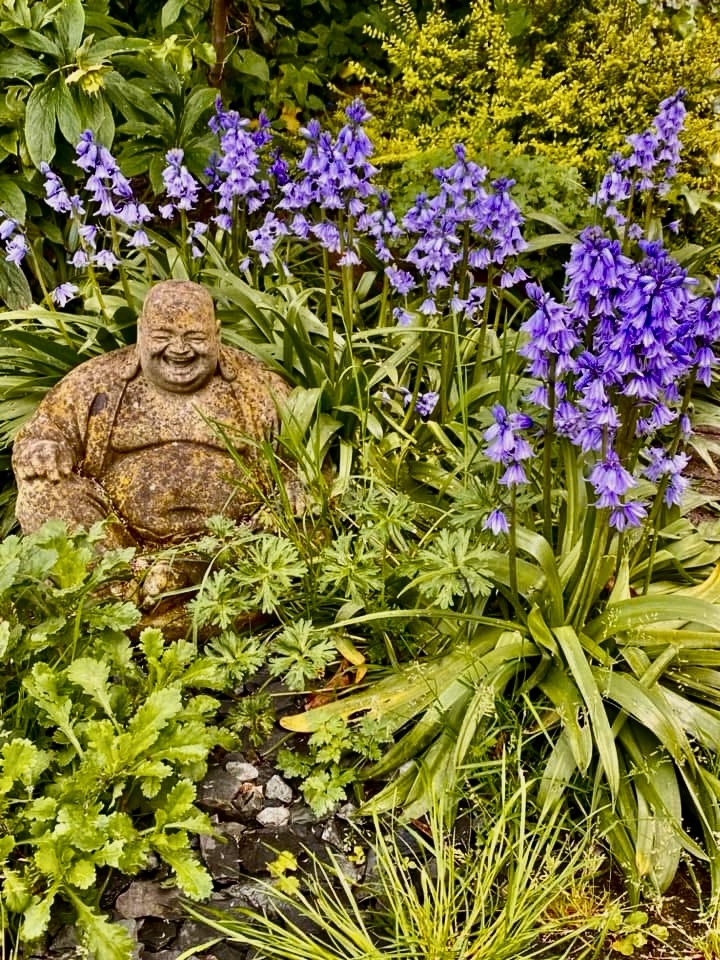
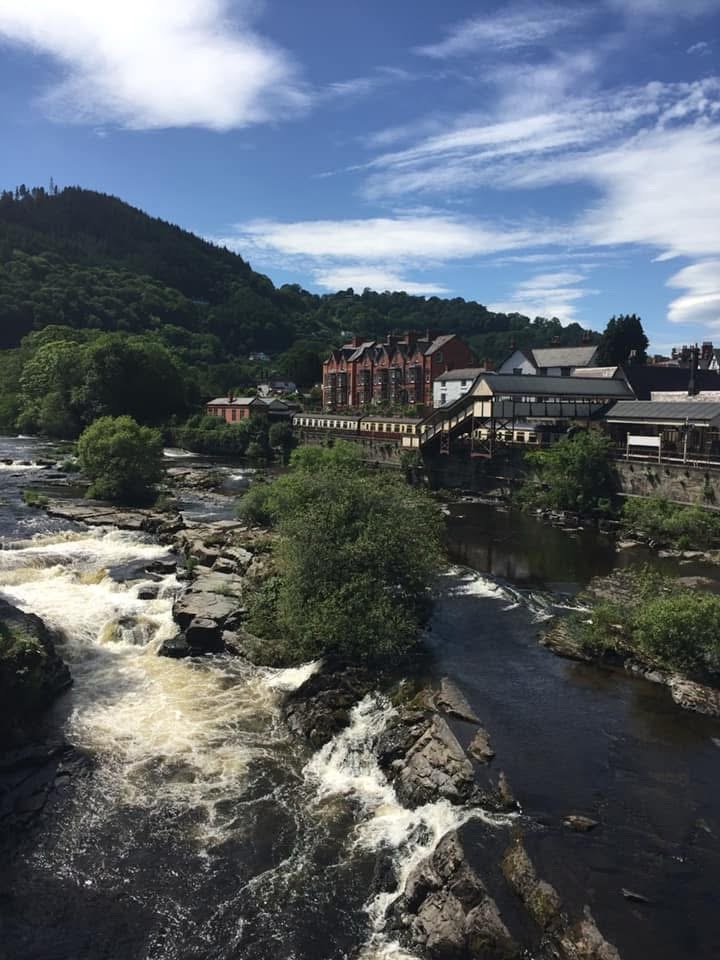
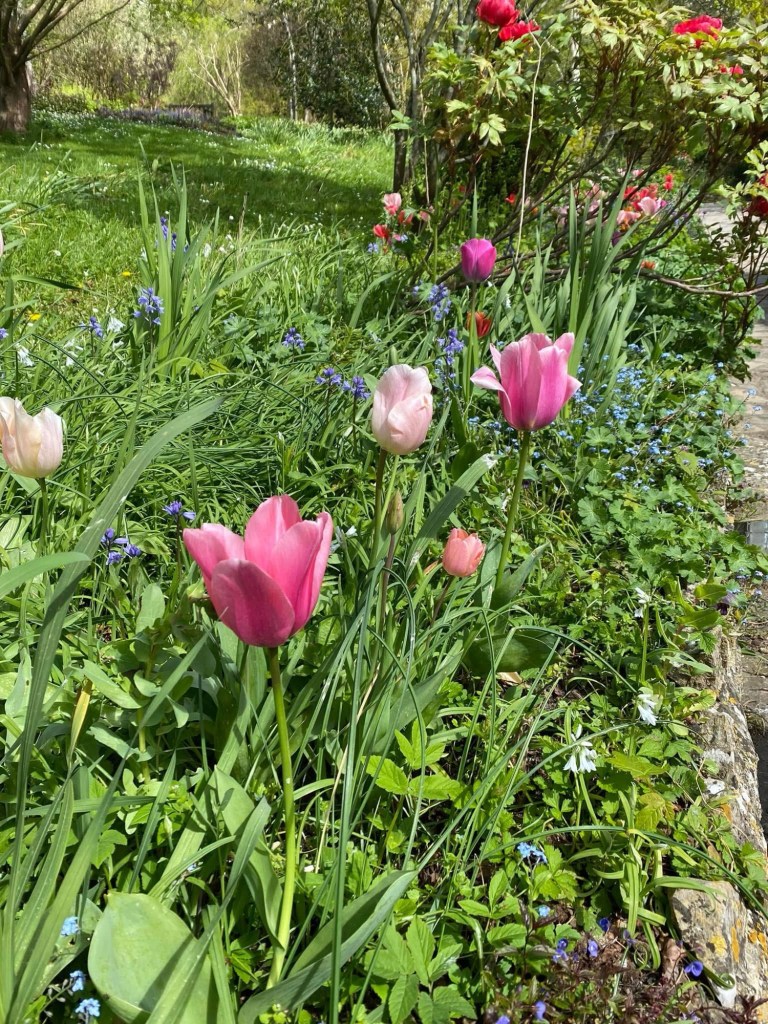
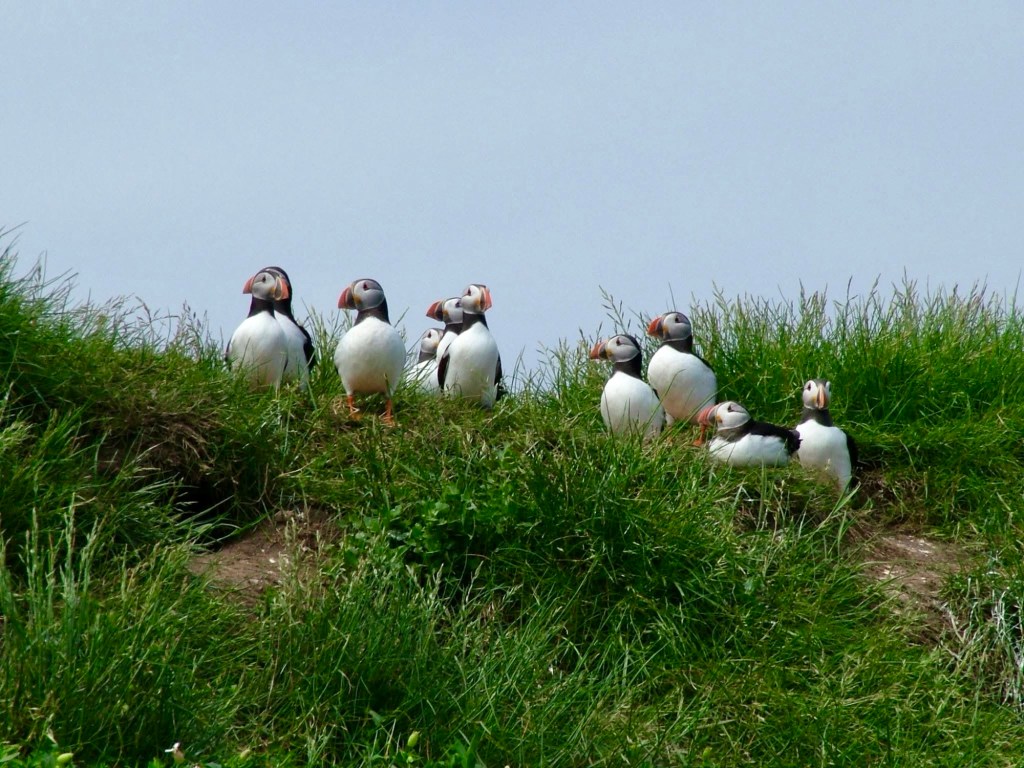
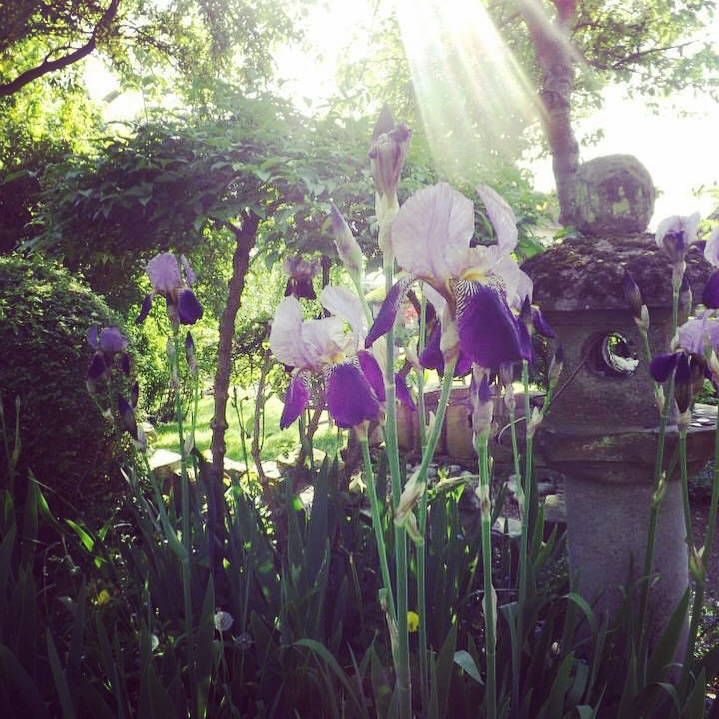
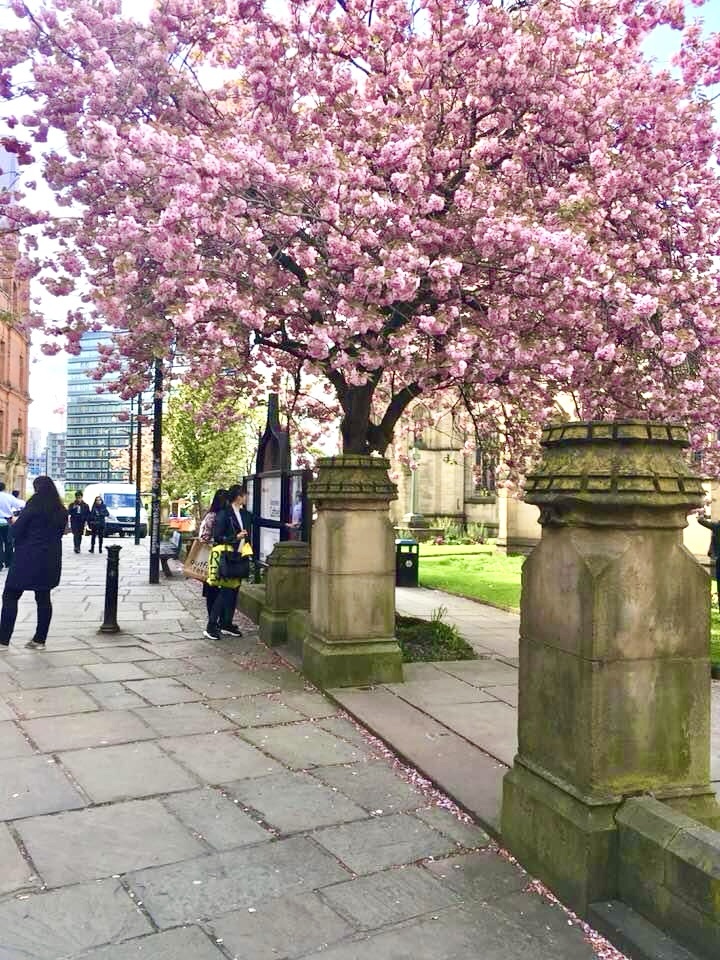
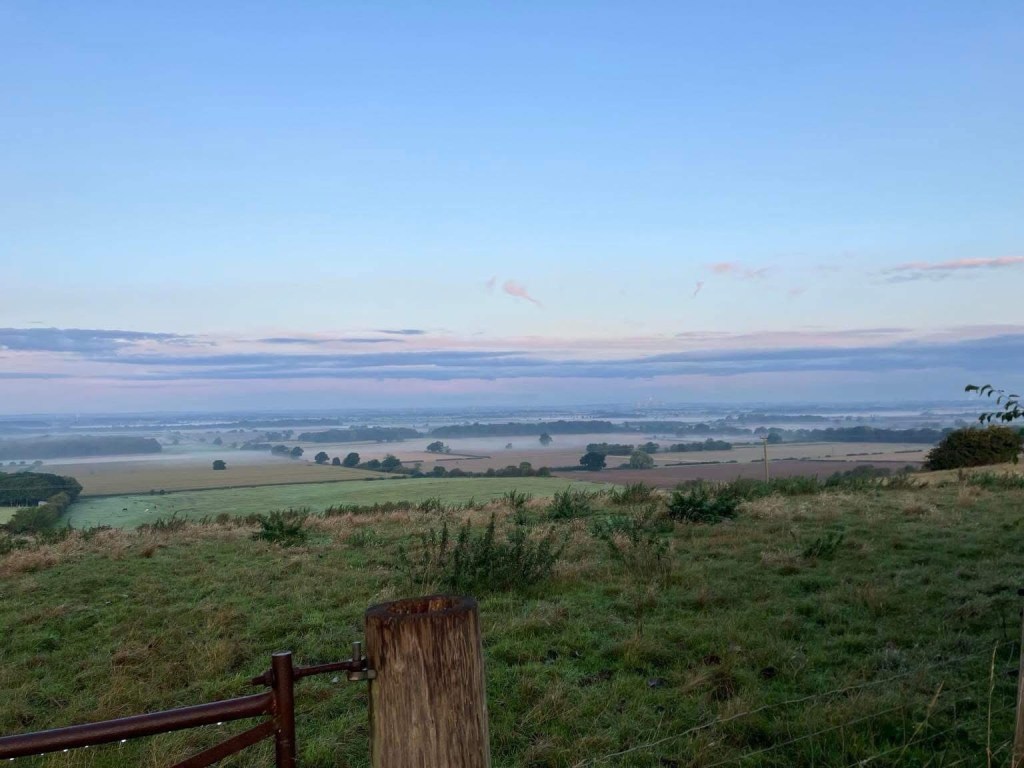
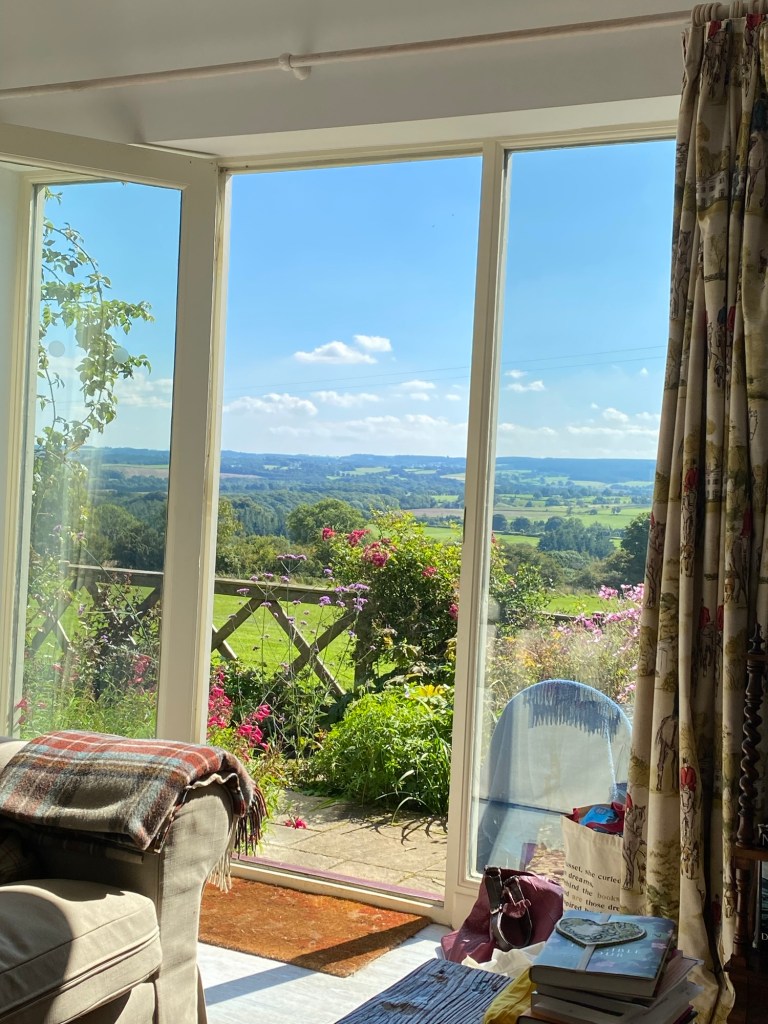
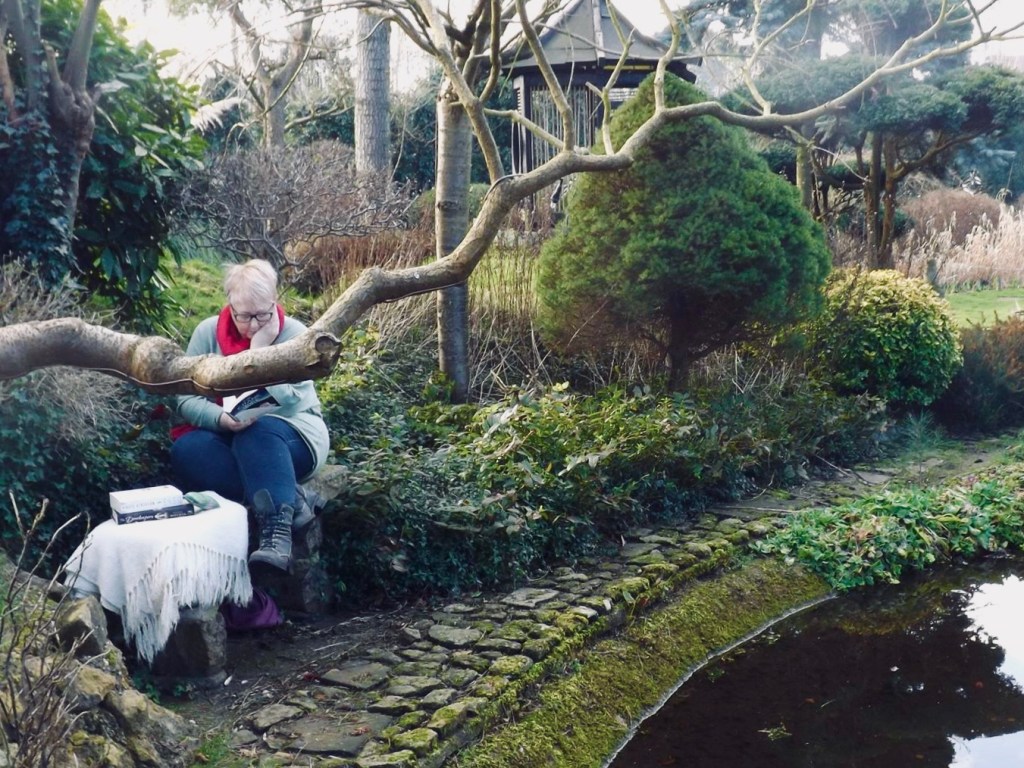
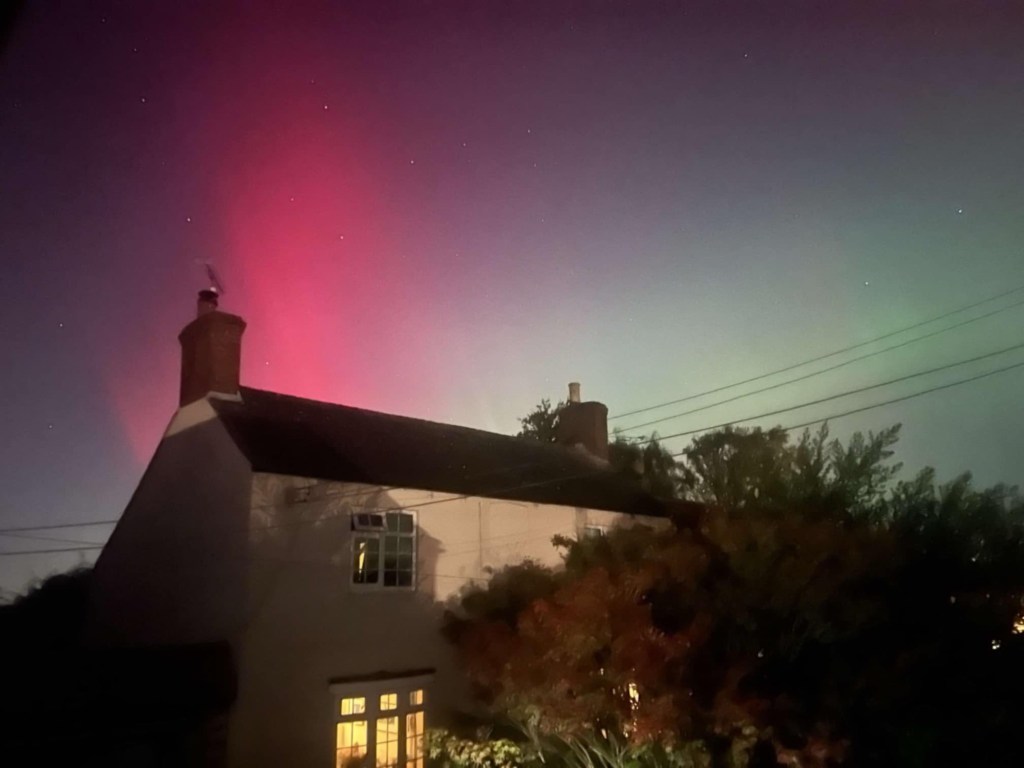
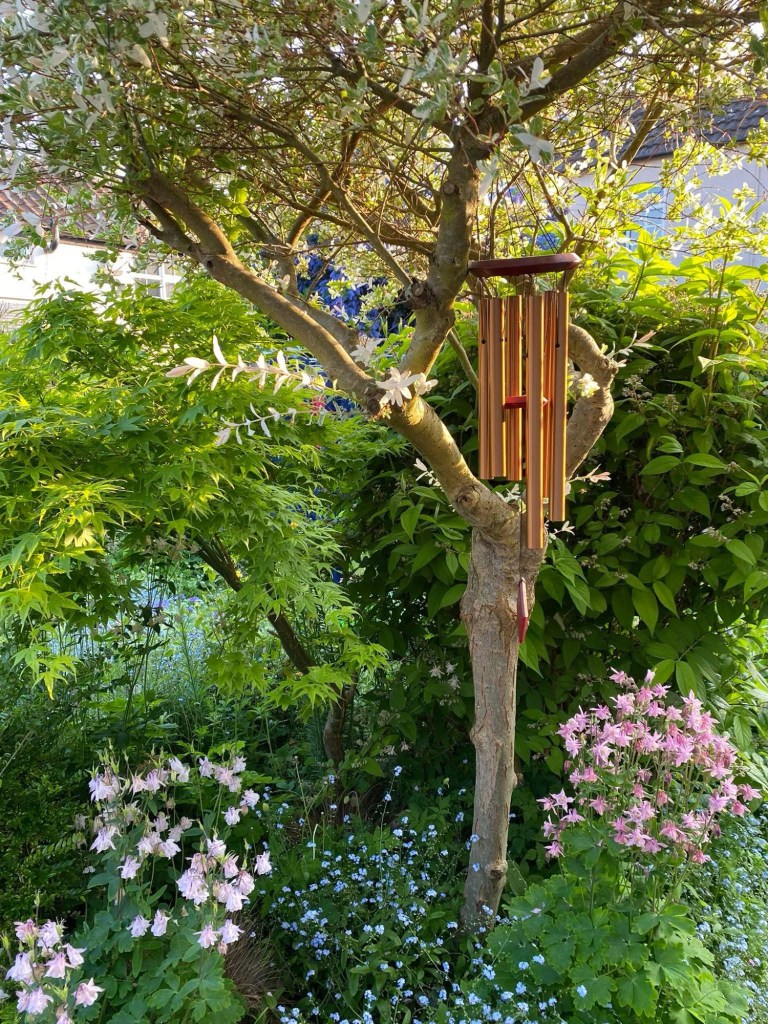
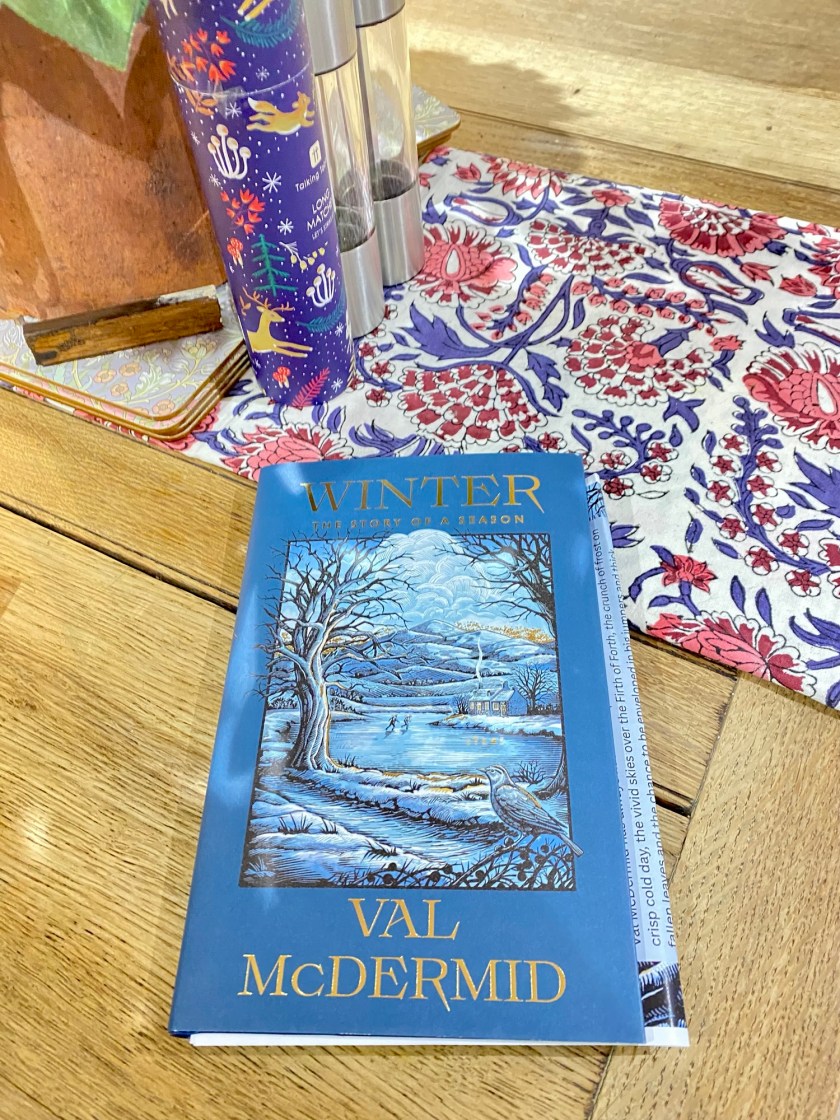


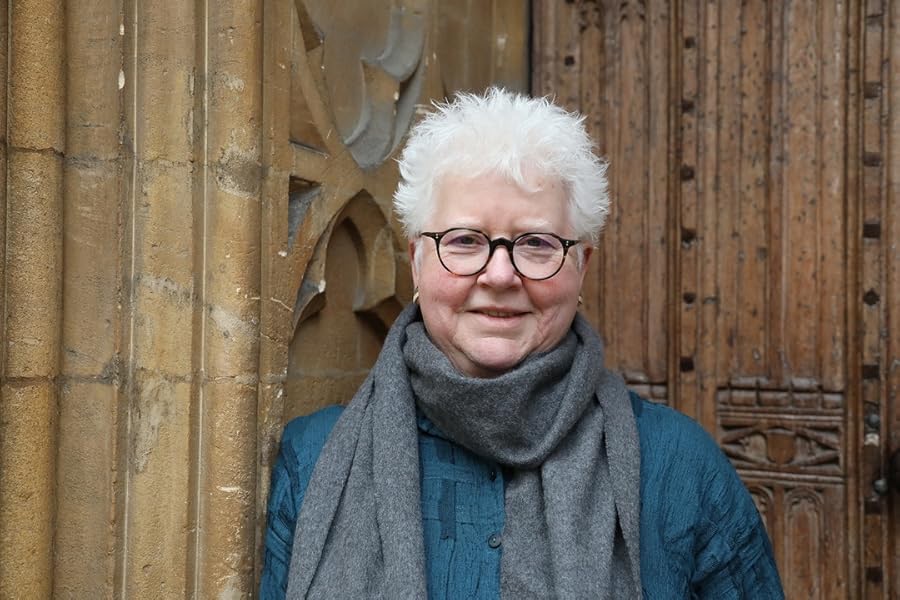
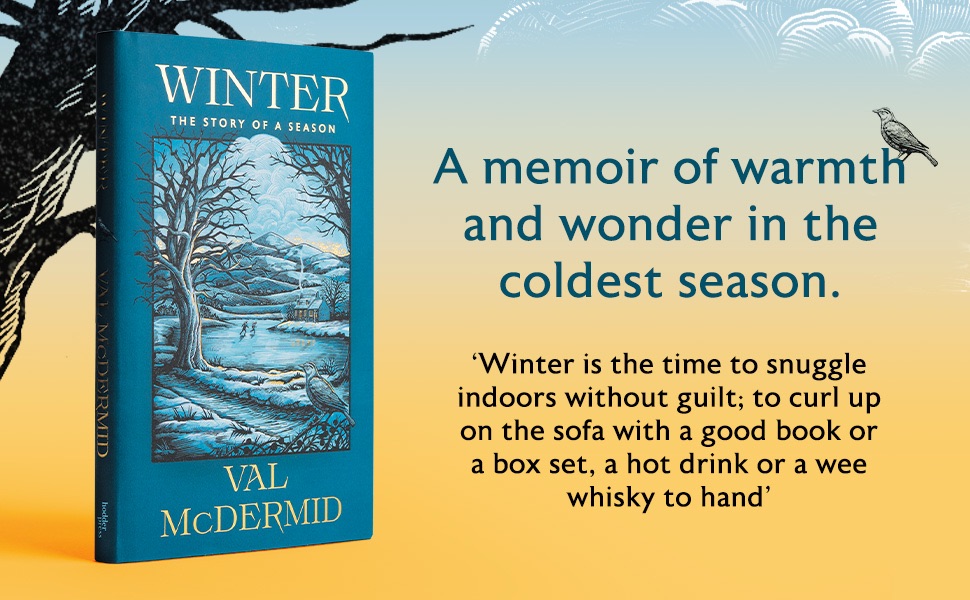
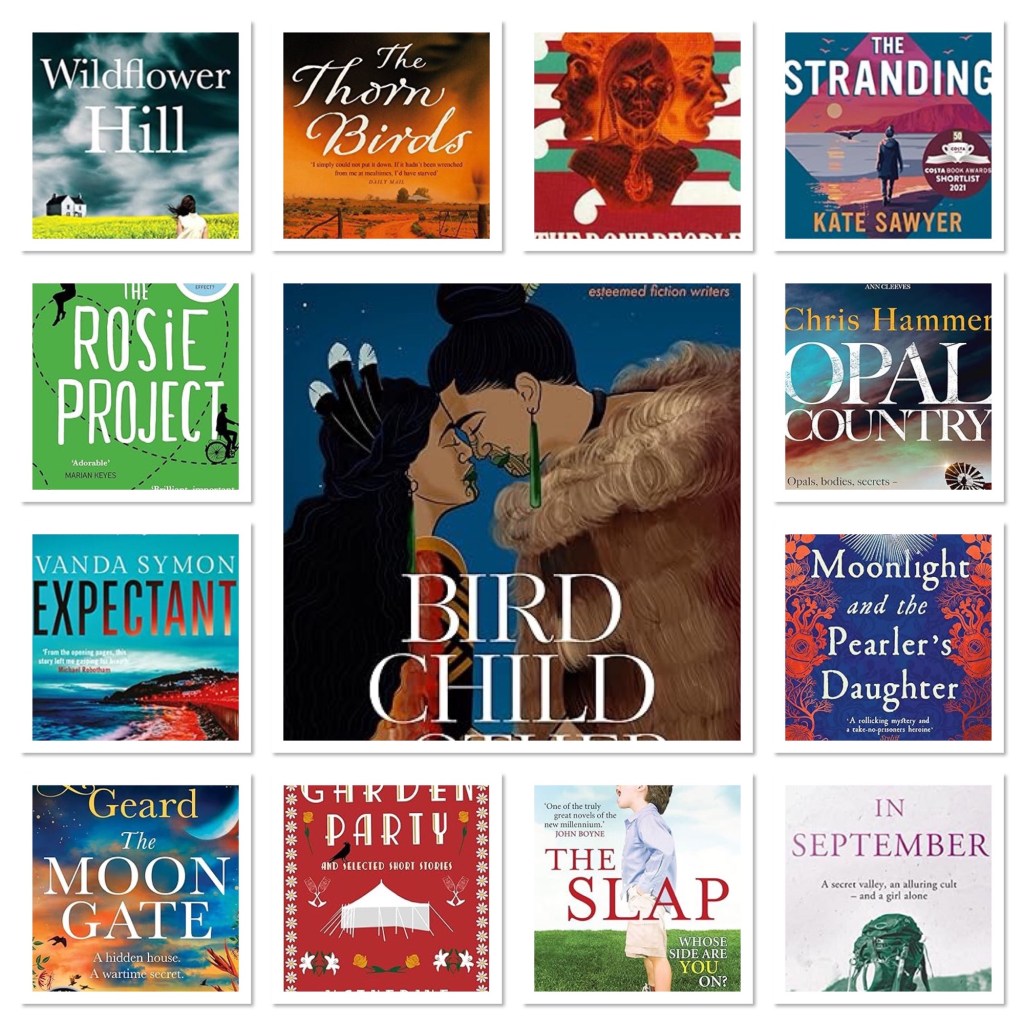
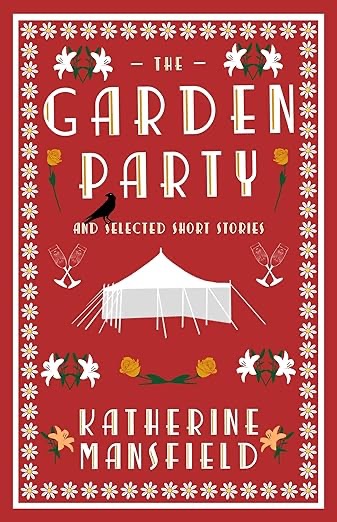
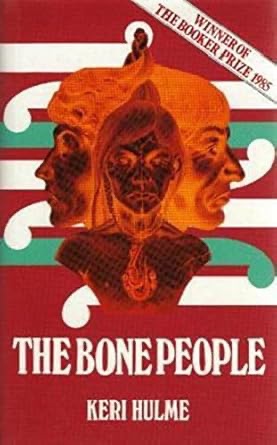
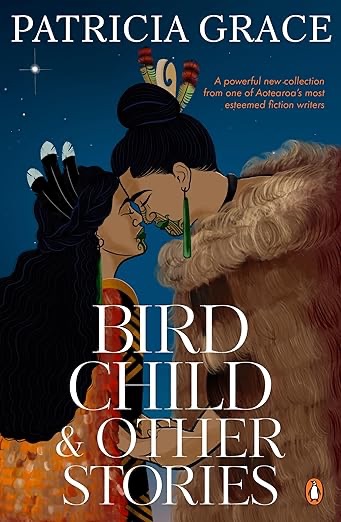
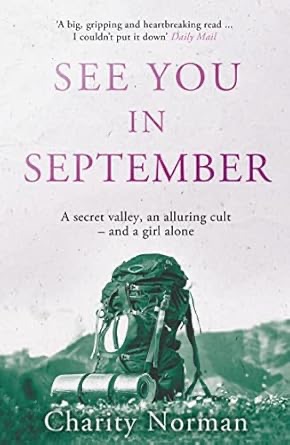
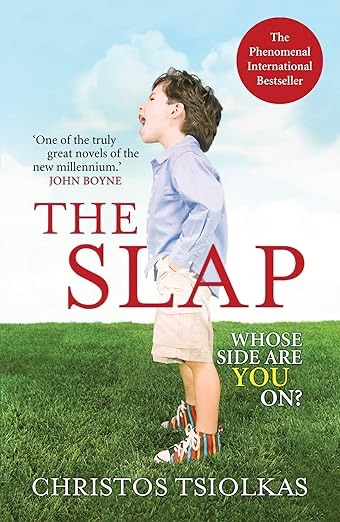
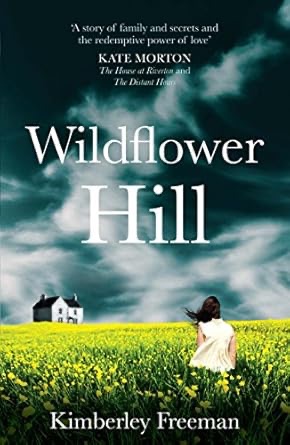
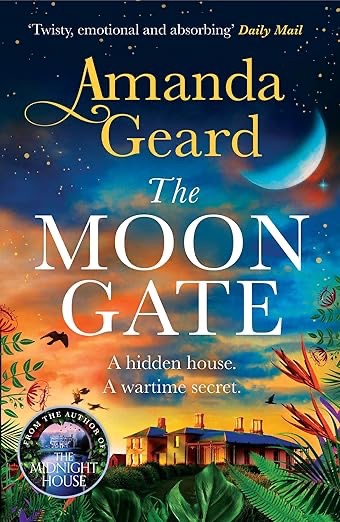
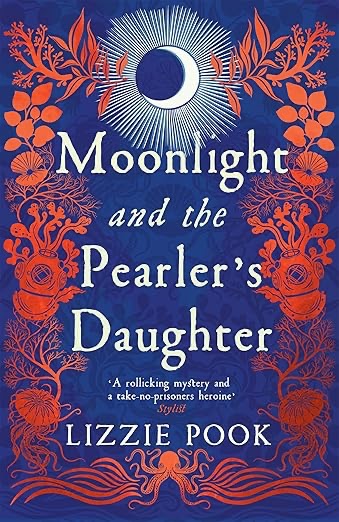
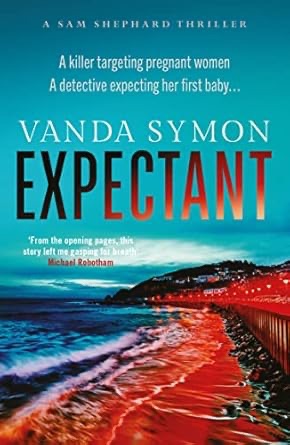
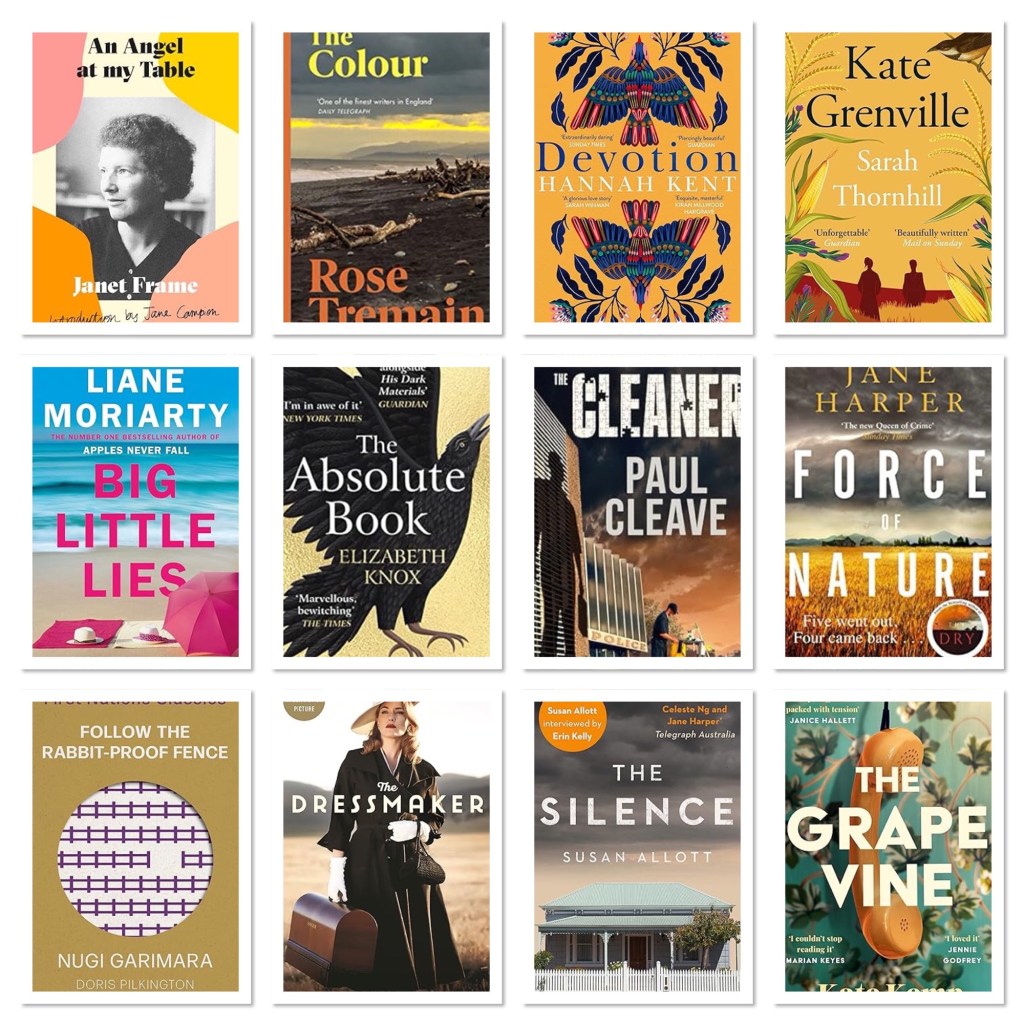
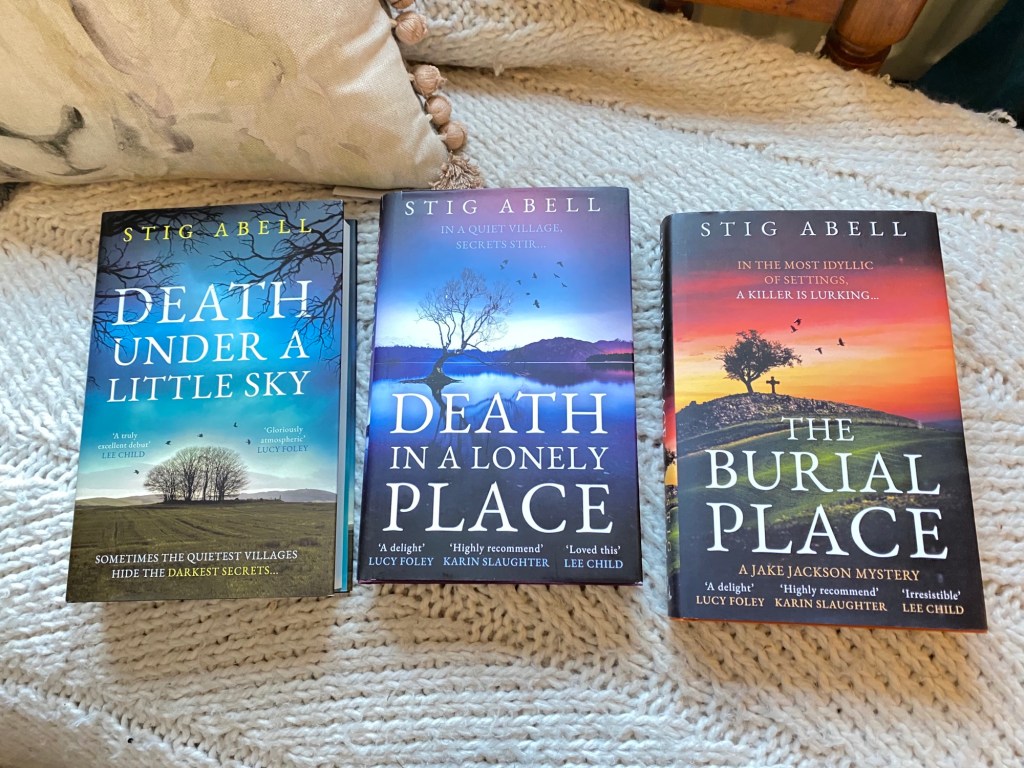


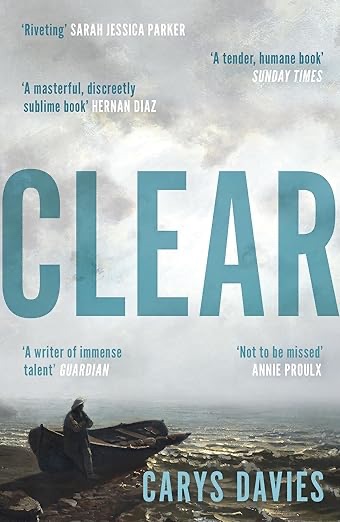

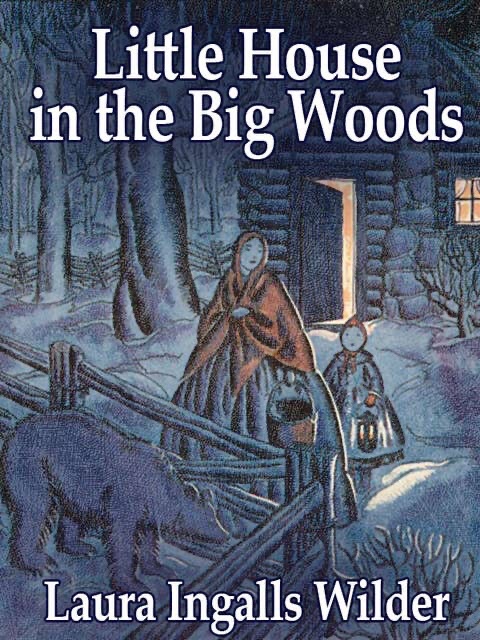


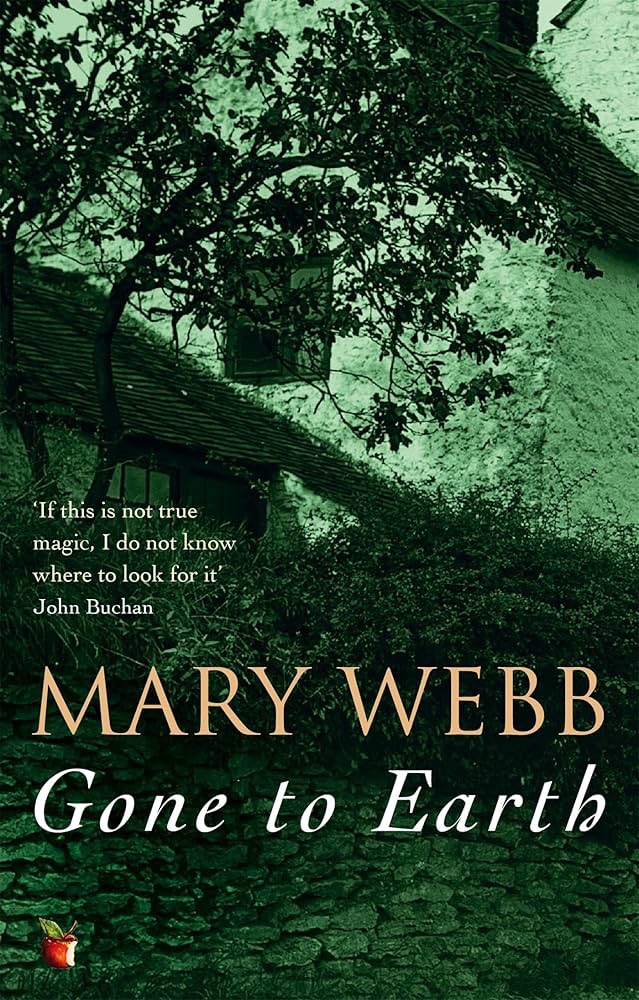
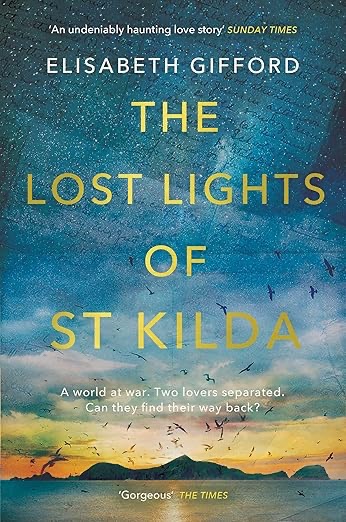


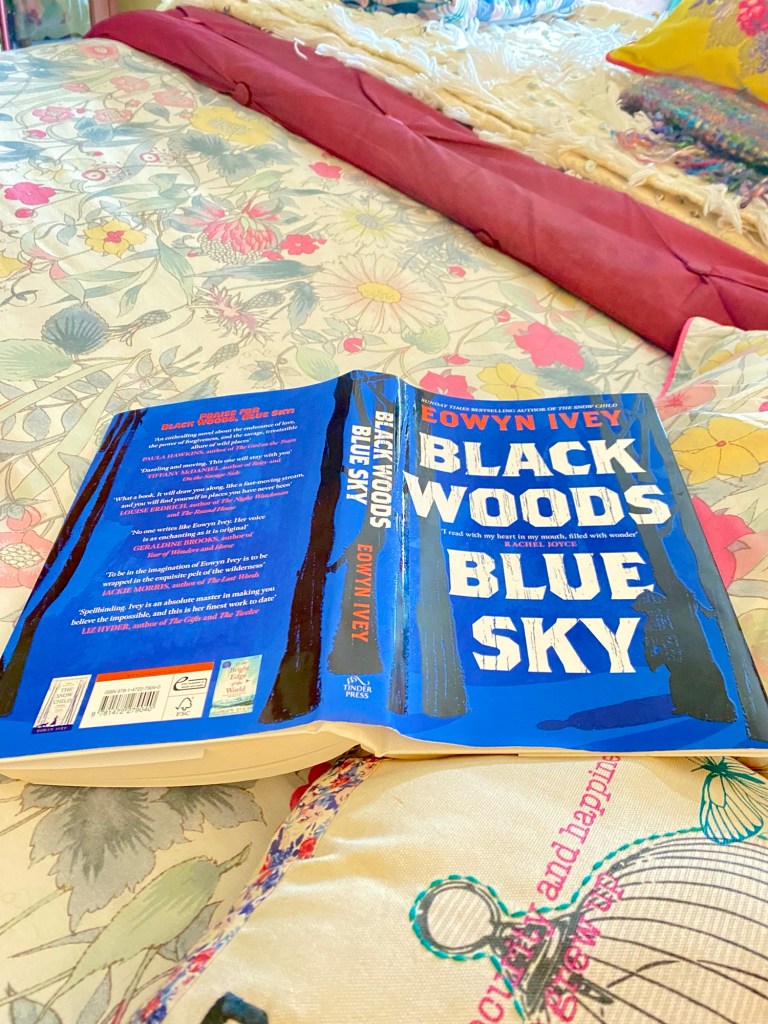
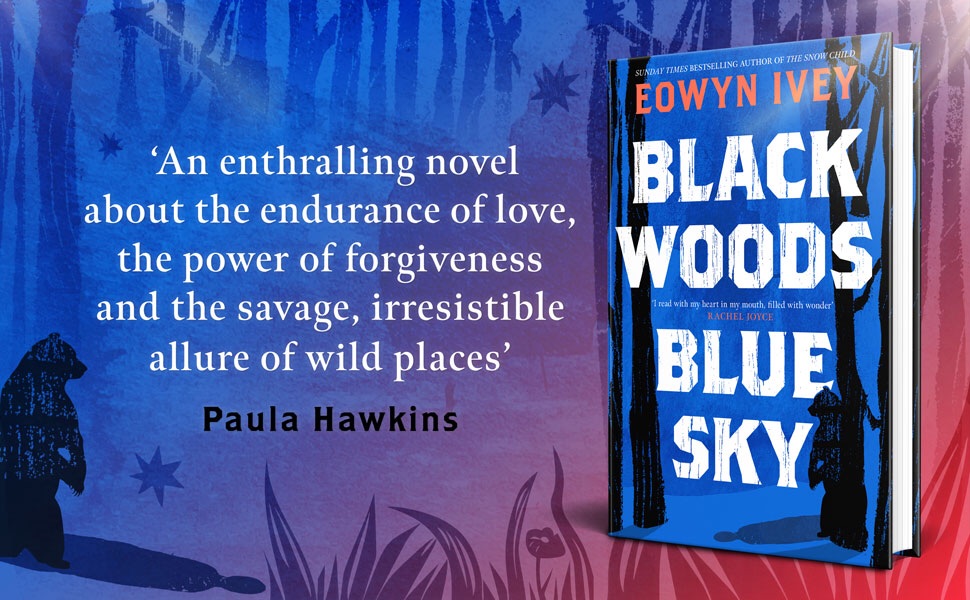
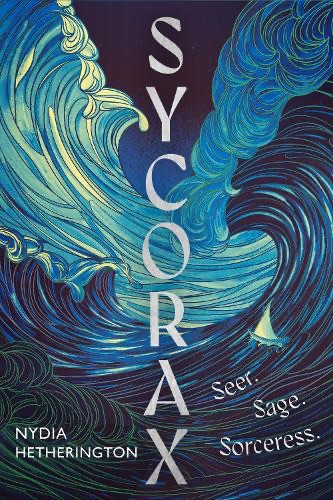

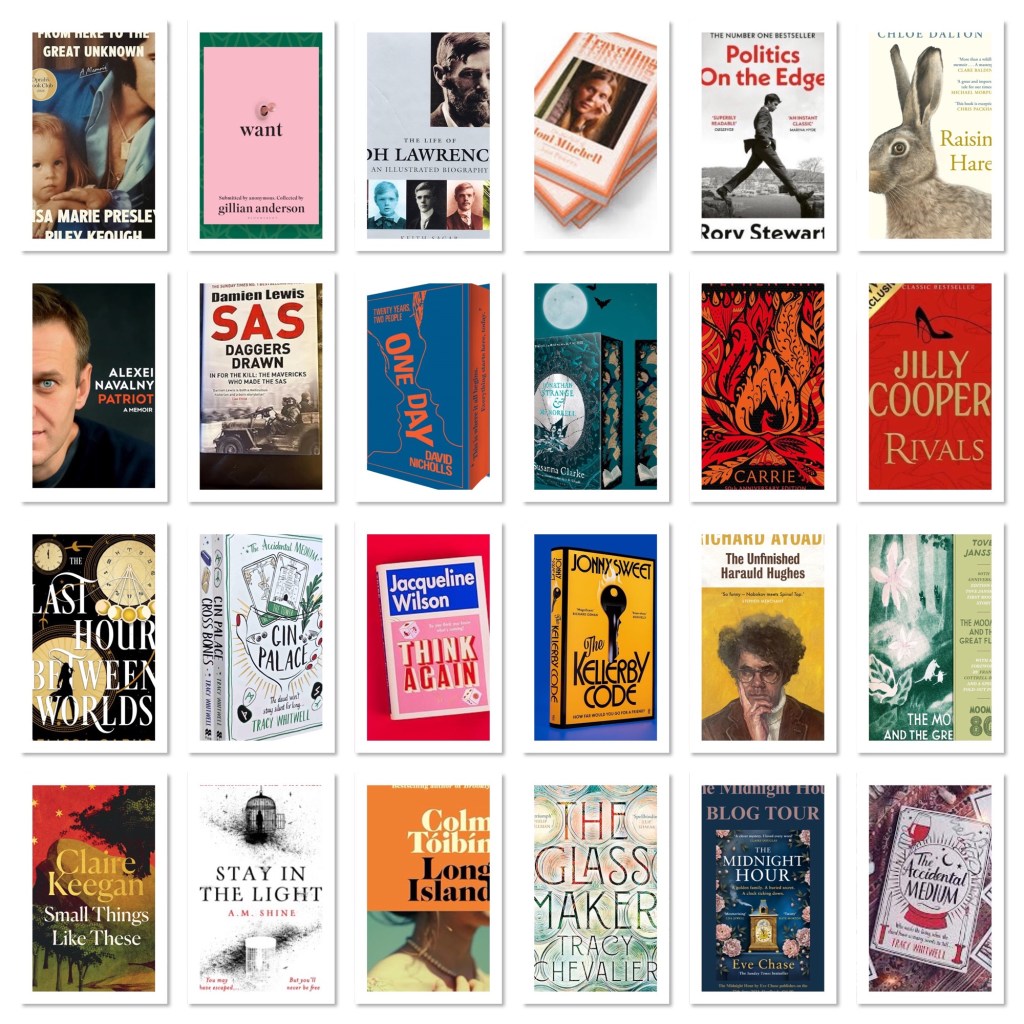

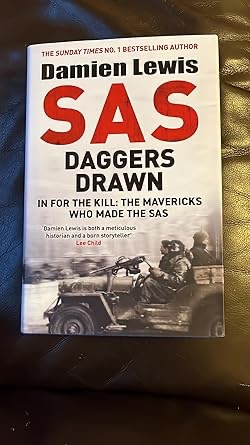
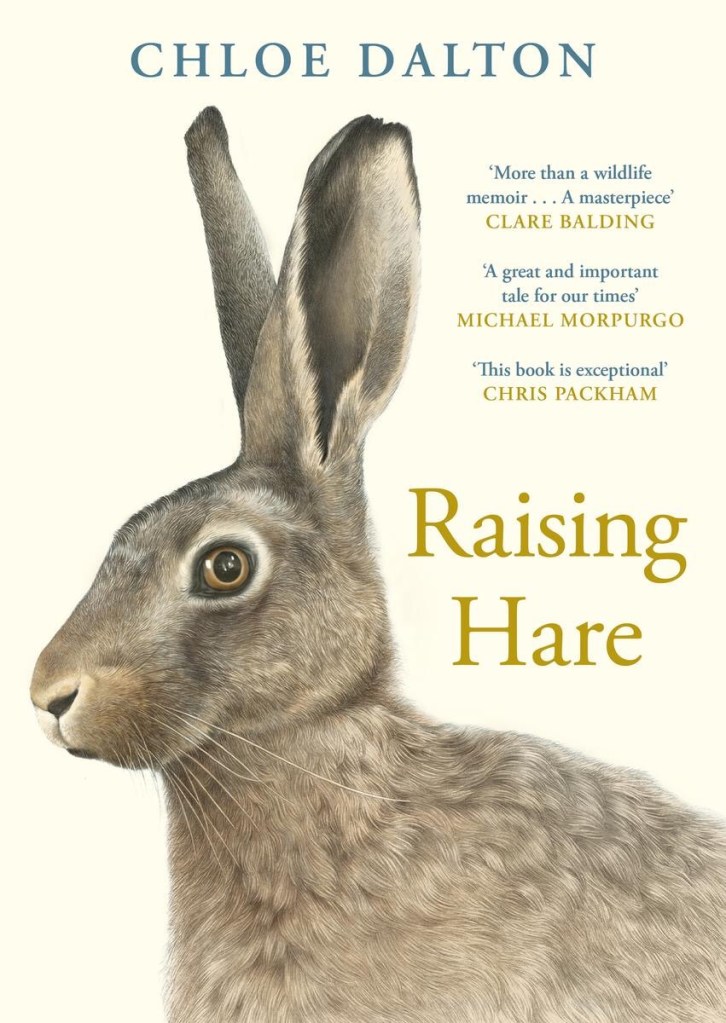

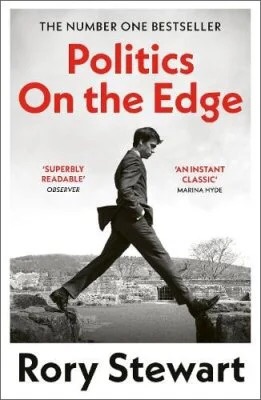
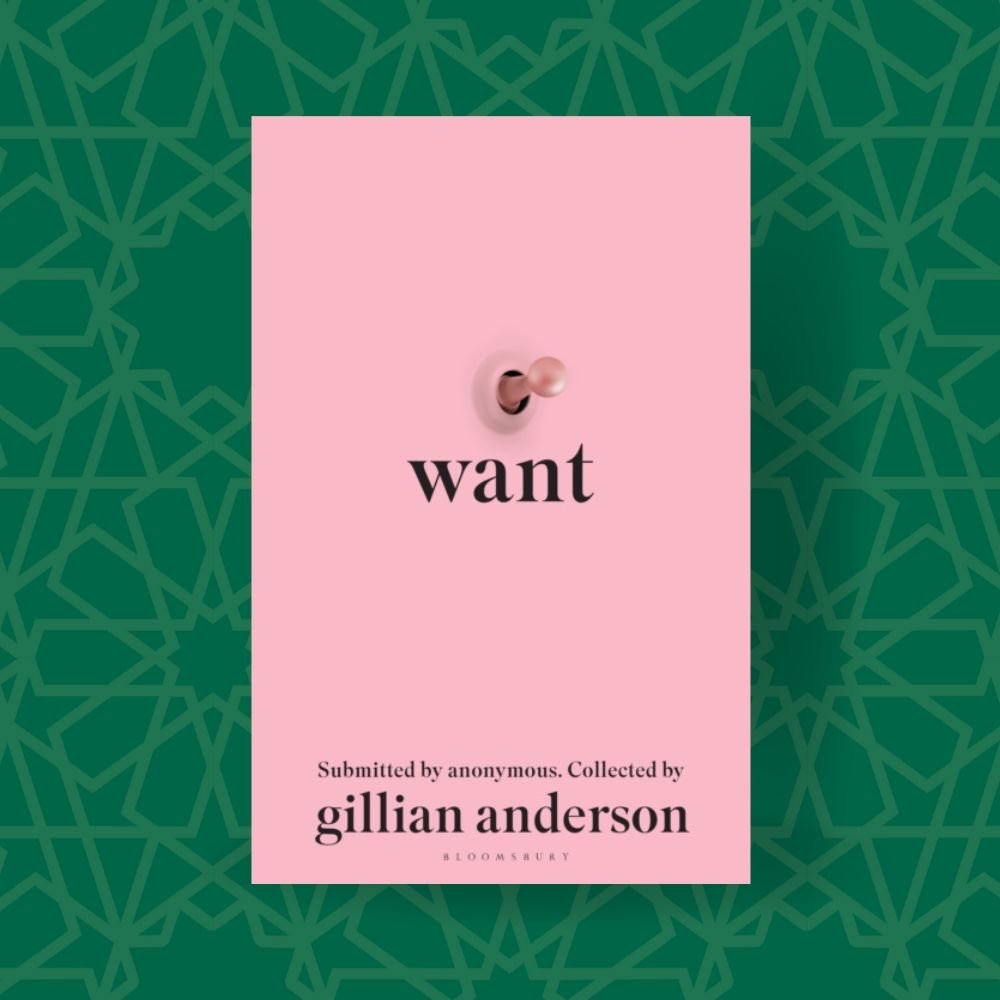
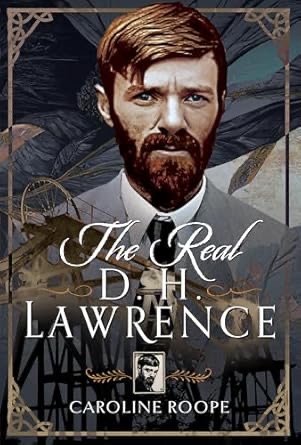
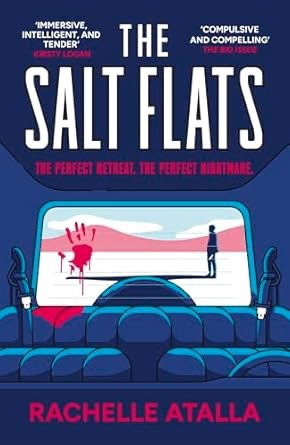

 The Lotus Readers