Posted in Netgalley

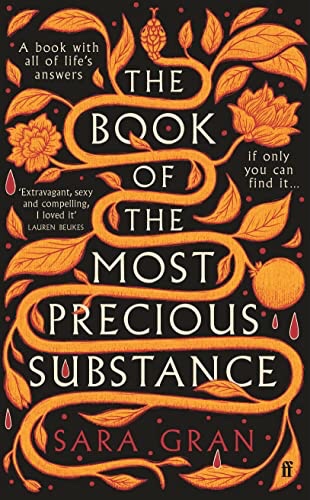
The Book of the Most Precious Substance by Sarah Gran.

This was one of the most unusual books I’ve ever read, with a mix of history, mystery, philosophy, magic and erotica that was most unexpected. Lily Albrecht is a writer turned book dealer who lives in a farmhouse in upstate New York. Several years ago she met husband Abel, the love of her life. Abe was a brilliant man, a writer and professor who inspired others and drew friends and colleagues to their home as guests. Then he started to forget things and after spending a fortune on neurologists, tests and treatments she’d come to accept that Abe was not getting better. It was like a form of dementia. He was now using a wheelchair and was completely mute, and Lily was left grieving for him while he was still alive. With full time nursing care from Awe, Lily is able to travel into NYC to run a stand at a book fair. It’s there she runs into Lucas, a librarian and book dealer friend, and it’s through him that Lily first hears of the book.

They are approached by a third party who knows someone willing to pay upwards of half a million dollars for the book. Some of the most wealthy book collectors in the world tend to covet books about magic or sex. Dissatisfied with the paltry millions they have, they want to look at ancient ways to manipulate and accumulate power. This book has both, something Lily jokingly refers to as ‘sex magic’, but as she listens to how the book works she does feel a stirring. Sex is something she and Abe had to lay aside a long time ago. She’s used to early nights, flannel pyjamas and a bed to herself. She wouldn’t consider herself sexy, but as she sits with Lucas and they talk about the steps to the magic of the book. It contains a symbol, something that’s not quite a circle and not quite a triangle. The first step requires the sweat from a woman’s neck and from there each step requires a bodily fluid elicited during sex. The final step is to anoint the book with the most precious substance – a substance that a woman produces at her most aroused. Once all the steps are complete, the pair will receive the thing they most wish for which is usually money and power beyond their wildest dreams.
Finding this book takes them on an erotic odyssey from New York to LA, the humidity of New Orleans, then on to Munich and Paris. Lily and Lucas will find the book, convince the collector to sell it to their buyer and hopefully make a lot of money. They will also embark on a sexual relationship with no boundaries and no restrictions and neither tells the other what they’re hoping for from the book. Of course the money will be incredible, it would help Abe enormously, but Lily wants something more. She wants Abe back. More than that, she wants Abe to return to himself with all the vitality, intelligence and allure he’s always had. She wants them to spend evenings talking about books and watch him hosting friends at their home. She wants Able to have his life back. In the meantime she’s going to enjoy her first vacation for a long time, staying in five star hotels and experimenting with Lucas while they try to find the elusive book.

This is an incredible, escapist, fantasy and travelogue, that could have been quite shallow and empty without the skill of the author. She has put so much genuine emotion and compassion into the story, along with the gritty realism of living with a loved one who is leaving you piece by piece. Lily’s memories of Abe and their relationship are heartbreaking when you realise he is now a motionless, mute, man unable to do anything but watch TV. Lily emphasises the loss of this man’s intelligence. He looms large in her memory and there’s a little bit of hero worship with the love she has for him. She describes the loss of his voice, their friends slowly disappearing, the loneliness of separating their sleeping arrangements and the torture of Abe being there, but not. It’s heartbreaking and I’ve been through exactly this experience as I slowly lost my husband fifteen years ago. Perhaps this is why I empathised with Lily so strongly and I understood why she was taken in by this adventure and by being desired for the first time in a long time. It’s like watching a flower bloom as she slowly awakens again, but even though I could understand her need I worried that somehow the book was exploiting her vulnerability. I didn’t get to know Lucas as well as Lily, so his motivations were slightly unclear. He mentioned being used to a five star lifestyle, but his money running low. This felt greedy or shallow when compared to Lily’s motivation. I worried that most people wanting to acquire the book were greedy and materialistic and there would be some sort of come-uppance, but I didn’t know if Lily deserved that. Each time they performed a step, the magic felt dark and it seemed to have an addictive quality. A new avenue would open up as if the book was drawing them closer and making their path easier. It wanted to be found, but why?
The pace towards the end really picks up and I was racing through the action with my jaw dropped open. However, it was the chapter after Paris that really hit me emotionally. It emphasised how much we look at the people we’ve lost with rose tinted spectacles. No matter how much we feel nostalgic for a certain place and time in our lives, it can’t be replicated. It reminded me of the saying ‘you can’t wade into the same river twice; because you have changed and so has the river’. I’ve read erotica where it’s all sexual acts with barely any story in between. This was an incredible story that I could have read happily without the sex, but to make the sexual acts an integral part of the story and the search was clever. The author has achieved an intelligent and fantastical book, that succeeds in being both erotic and a fascinating mystery.

Published 30th August 2022 by Faber and Faber

Meet The Author
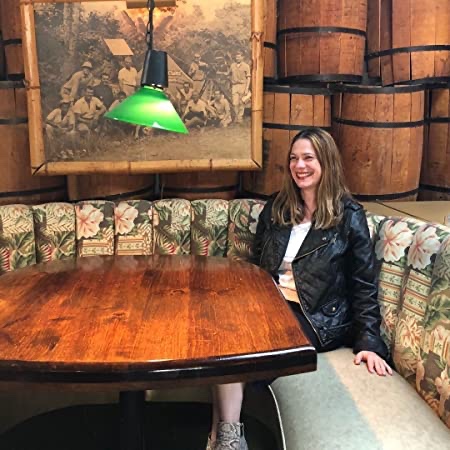
Sara Gran is the author of The Book of The Most Precious Substance. Previous work includes Saturn’s Return to New York, Come Closer, Dope, Marigold, and the Claire DeWitt series. She is the founder of small press Dreamland Books and writes for television and film.
Posted in Romance Rocks, Throwback Thursday

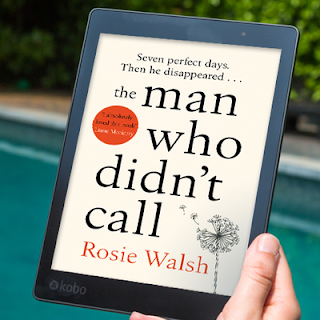
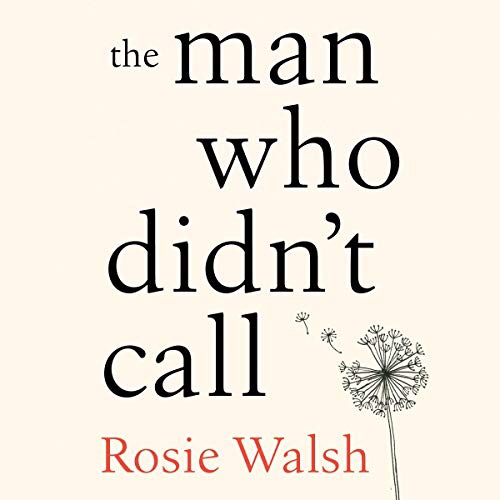
Romance Rocks: The Man Who Didn’t Call by Rosie Walsh

I read this in two long bursts – one of which started at 3am. It’s a book I couldn’t put down because all I wanted was these two people back together. The harsh realities of grief and lifelong family rifts are well drawn by the author and completely believable. All of these people are trying to move forward despite their lives missing a beat one day on a country road, where a split second decision has lifelong consequences. This book explores grief, loss, loyalty, loneliness and the eventual incredible ability the human heart has to heal.

Sarah has a 7 day whirlwind romance with Eddie. They meet by chance on a country road while Sarah is visiting her parents. She thinks Eddie just might be the one. But, Eddie goes away on holiday and she never hears from him again. Is Eddie a heartless playboy who never intended to call? Did Sarah do something wrong? Or has something terrible happened to him? Instead of listening to friends and writing this off as a one night stand, Sarah begins to obsess and is determined to find the answer. Every clue she has comes to a dead end and she is in danger of completely losing her dignity. As her time back home in the UK starts to run out, Sarah looks for clues to track Eddie down. What she hears is confusing her further. His friend doesn’t give the simple answer, that Eddie has moved on, but gives her a warning; if she knows what’s best for her, she needs to stop looking for Eddie. 

Walsh has successfully intertwined a love story with a mystery. I veered between wondering if Sarah was becoming irrational and willing her to succeed. Interspersed with the narrative are beautiful letters of love and loss addressed to the writer’s sister, affectionately nicknamed ‘Hedgehog’. The letter writer’s sister died when they were young, but we don’t know what happened or who the letter writer is. If Sarah is the author of the letters does this loss have something to do with the warning she’s been given? Is her sister the key – not just to Eddie’s disappearance, but to why Eddie was on that particular stretch of road on that day? 

I quickly became invested in Sarah and Eddie’s story. I think we’ve all been subjected to the watched phone that never rings and how crazy it can make us. It could have made me dislike Eddie early on, but for some reason I never did. I’m definitely a hopeless romantic so I seemed to accept Sarah’s hope that this could still work out. The other characters in the novel are also well-written and compelling. I’m a therapist so I was particularly interested in Eddie’s mother and her mental ill health. I think her symptoms and the way she manipulated Eddie showed a streak of narcissism. She finds it impossible to see this situation from his point of view, only how it might  her. Anything that threatens their dynamic as carer and patient is a huge threat to her and she responds with emotional blackmail and hostility. Eddie is as much a prisoner of her mental ill health as she is. I also had empathy for Sarah’s friend Jenny who is struggling to conceive and undergoes IVF treatment to the point of financial ruin. Her character probably leapt out at me because I’m also not able to have children, and know how difficult it can be to come to terms with. Her stoicism and determination to support her friend in the face of her own loss is very moving. 

I stayed up until 2am to finish the book, because I had everything crossed that the mystery would be explained and these two people could move forward together. To different degrees, all the novels characters are imprisoned by the past and losses they can’t accept. My husband died when he was 42 and I was 35. It’s like a chasm opened up and I had to choose between staying on one side forever, with the past and my feelings of loss and fear. Or I could choose to jump over that chasm into a new future. I never forget what happened or the love I have for Jerzy, but twelve years later I have a wonderful partner and two beautiful stepdaughters. Thankfully, I had the bravery to move forward knowing I can’t lose my memories of the past, but I still have a future full of possibilities I never imagined. That’s what the characters in the novel are trying to do. Grief is different for everyone and there are always tensions between those who are trying to heal and those who can’t imagine healing because it feels like a betrayal. Rosie Walsh draws these different threads together beautifully, creating a bittersweet novel that captures the incredible ability the human heart has to heal.

Meet the Author


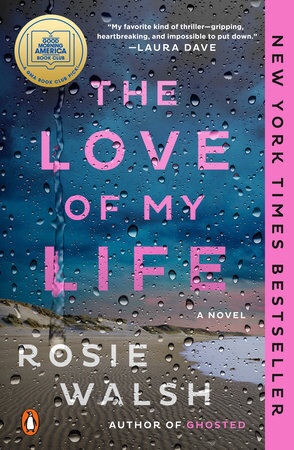
Rosie Walsh is the internationally bestselling author of two novels, the global smash hit THE MAN WHO DIDN’T CALL, and – new for 2022 – THE LOVE OF MY LIFE, a heart-wrenching, keep-you-up-all-night emotional thriller, which was an instant New York Times bestseller and stayed in the German top ten for several weeks. 

Rosie Walsh lives on a medieval farm in Devon, UK, with her partner and two young children, after years living and travelling all over the world as a documentary producer and writer. 

The Man Who Didn’t Call (UK) / Ghosted (US) was her first book under her own name, and was published around the world in 2018, going on to be a multimillion bestseller. 

Prior to writing under her own name she wrote four romantic comedies under the pseudonym Lucy Robinson. When she isn’t parenting or writing, Rosie can be found walking on Dartmoor, growing vegetables and throwing raves for adults and children in leaking barns. 

Author photos © Anna Pumer Photography / Verity Rivers

Rosie’s new novel The Love of my Life is another heartbreaking romance, mixed with an addictive mystery you’ll be begging for one more chapter.

I have held you every night for ten years and I didn’t even know your name. We have a child together. A dog, a house.
Who are you?

Emma loves her husband Leo and their young daughter Ruby: she’d do anything for them. But almost everything she’s told them about herself is a lie. And she might just have got away with it, if it weren’t for her husband’s job. Leo is an obituary writer and Emma is a well-known marine biologist, so, when she suffers a serious illness, Leo copes by doing what he knows best – reading and writing about her life. But as he starts to unravel her past, he discovers the woman he loves doesn’t really exist. Even her name is fictitious.

When the very darkest moments of Emma’s past life finally emerge, she must somehow prove to Leo that she really is the woman he always thought she was . . . But first, she must tell him about the love of her other life.

Available now in hardback and on Kindle, but due out in paperback in July 2023.

Posted in Romance Rocks, Throwback Thursday

Throwback Thursday! Mix-Tape by Jane Sanderson for Romance Rocks!

I love this book. Perhaps it’s because I had a Dan. A musician who started as my best friend and who I fell in love with. I was 18 and he took me to my first prom. His band were playing and it was 1991 so perms were everywhere and we were just adopting grunge. I would turn up for school in jumble sale floral dresses with my ever present oxblood Doc Martens. They played some of my favourite songs that night: some that were contemporary like Blur and others were classics like Wild Thing. I most remember Waterloo Sunset. Then, like a scene in a rom-com we walked across town to his house – me in a polka dot Laura Ashley ball gown and him in his dinner suit with the bow tie undone. He had a ruffled shirt underneath that he’d bought from Oxfam. We crept into the house and into the playroom so we didn’t wake anyone, then watched When Harry Met Sally. I remember a single kiss and then we fell asleep, but the love carried on over the years.

When I think of Elliot I always think of those famous best friend couples, like Harry and Sally or later, Emma and Dex in One Day. Now I can add Dan and Ali to the list. Alison and Dan live in Sheffield in the late 1970s when the city was still a thriving steel manufacturer. Dan is from the more family friendly Nether Edge, while Alison is from the rougher Attercliffe area, in the shadow of a steel factory. They meet while still at school and Dan is transfixed with her dark hair, her edge and her love of music. Their relationship is based on music and Dan makes mix tapes for her to listen to when they’re not together such as ‘The Last Best Two’ – the last two tracks from a series of albums. What he doesn’t know is how much Alison needs that music. To be able to put it on as a wall of sound between her and her family. Dan never sees where she lives and doesn’t push her, he only knows she prefers his home whether she’s doing her homework at the kitchen table, getting her nails painted by his sister or sitting with his Dad in the pigeon loft. Catherine, Alison’s mum, is a drinker. Not even a functioning alcoholic, she comes home battered and dirty with no care for who she lets into their home. Alison’s brother, Pete, is her only consolation and protection at home. Both call their mum by her first name and try to avoid her whenever possible. Even worse is her on-off lover Martin Baxter, who has a threatening manner and his own key. Alison could never let Dan know how they have to live.

In alternate chapters we see what Alison and Dan are doing in the present. Now a music writer, Dan splits his time between a canal boat in London and home with his partner Katelin in Edinburgh. Alison has written a new novel ‘Tell the Story Sing the Song’ set in her adopted home Australia and based round an indigenous singer. It’s a worldwide hit and she finds herself in demand, having to negotiate being interviewed and getting to grips with social media. She has an affluent lifestyle with husband Michael and has two grown up daughters. She has a Twitter account that she’s terrible at using and it’s this that alerts Dan, what could be the harm in following her? The secret at the heart of this book is what happened so long ago back in Sheffield to send a girl to the other side of the world? Especially when she has found her soulmate. She and Dan are meant to be together so what could have driven them apart? Dan sends her a link via Twitter, to Elvis Costelloe’s ‘Pump It Up’, the song she was dancing to at a party when he fell in love with her. How will Alison reply and will Dan ever discover why he lost her back in the 1970s?

I believed in these characters immediately, and I know Sheffield, and loved how it was described with affectionate detail by the writer. The accent, the warmth of people like Dan’s dad, the landmarks and the troubled manufacturing industry are so familiar and captured perfectly. Even the secondary characters, like the couple’s families and friends are well drawn and endearing. Cass over in Australia, as well as Sheila and Dora, are great characters. Equally, Dan’s Edinburgh friend Duncan with his record shop and the hippy couple on the barge next door in London are real and engaging. Special mention also to his dog McCullough who I was desperate to cuddle. Both characters have great lives and happy relationships. Dan loves Katelin, in fact her only fault is that she isn’t Alison. In Australia, Alison has been enveloped by Michael’s huge family and their housekeeper Beatriz who is like a surrogate Mum. It’s easy to see why the safety and security of Michael’s family, their money and lifestyle have appealed to a young Alison, still running away from her dysfunctional upbringing. She clearly wants different for her daughters and wishes them the sort of complacency Dan had, sure his parents are always there where he left them. But is the odd dinner party and most nights sat side by side watching TV enough for her? She also has Sheila, an old friend of Catherine’s, who emigrated in the 1970s and flourished in Australia. Now married to Dora who drives a steam train, they are again like surrogate parents to Alison. So much anchors her in Australia, but are these ties stronger than first love and the sense of belonging she had with Dan all those years before?

About three quarters of the way through the book I started to read gingerly, almost as if it was a bomb that might go off. I’ve never got over the loss of Emma in One Day and I was scared. What if these two soulmates didn’t end up together? Or worse what if one of them is killed off by the author before a happy ending is reached? I won’t ruin it by telling any more of the story. The tension and trauma of Alison’s family life is terrible and I dreaded finding out what had driven her away so dramatically. I think her shame about her mother is so sad, because the support was there for her and she wouldn’t let anyone help. She’s so fragile as a teenager and on edge. Dan’s mum had reservations, she was worried about her youngest son and whether Alison would break his heart. I love the music that goes back and forth between the pair, the meaning in the lyrics and how they choose them. This book is warm, moving and real. I loved it.

And what of my Daniel? Well he’s in Sheffield strangely enough. Happily partnered with three beautiful kids. I’m also happily partnered with two lovely stepdaughters. We’re very happy where we are and with our other halves. It’s nice though, just now and again, to catch up and remember the seventeen year old I was. Laid on his bedroom door, with my head in his lap listening to his latest find on vinyl. Or wandering the streets in my ballgown, high heels in one hand and him with his guitar case. Happy memories that will always make me smile.

Meet the Author

A former BBC Radio 4 producer, Jane Sanderson’s first novel – Netherwood – was published in 2011. She drew on much of her family’s background for this historical novel, which is set in a fictional mining town in the coalfields of Yorkshire. Ravenscliffe and Eden Falls followed in the two subsequent years, then in the early summer of 2017, This Much Is True was published, marking a change in direction for the author. This book is a contemporary tale of dog walks and dark secrets and the lengths a mother will go to protect her family. 

Jane lives in Herefordshire with her husband, the journalist and author Brian Viner. They have three children.

Her book Waiting for Sunshine is published in paperback on 23rd March 2023, with my review coming soon.


‘Who would name a child Sunshine, then give her away?’

Chrissie has always wanted to be a mother. After months of trying to adopt, she and her husband Stuart finally get the news that a little girl named Sunshine is waiting for them.

Abandoned at a young age, the child comes to them without a family history, and it feels like a fresh start for all of them. But when fragments from Sunshine’s previous life start to intrude on her new one, the little girl’s mysterious past quickly becomes Chrissie’s greatest fear …

Posted in Romance Rocks

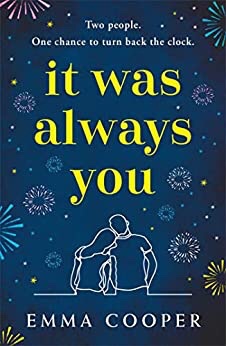
It Was Always You by Emma Cooper

On the last night in October 1999 the clocks went back, and Ella and Will’s love began. A teenage Ella sat around a bonfire drinking with her future husband and her oldest friend Cole. As Ella wandered away from the group, she found herself leaning against a derelict
archway before passing out. The next day, Ella remembered fractured images of a conversation with a woman in a green coat and red scarf but dismissed it as a drunken dream.

Twenty-three years later, with her marriage to Will in trouble, and Cole spiralling out of control, Ella opens a gift which turns her life upside down: a green coat and red scarf. When she looks in the mirror, the woman from the archway is reflected back at her. As the last Sunday in October arrives, Ella is faced with a choice.
Would she choose a different life, if she could do it again?

This was an interesting read from Emma Cooper, looking at how the course of our whole life can change from very small decisions and the effects of these changes on our long term relationships. Ella is married to Will with two children and a big birthday approaching when she has a strange sense of life coming full circle. She opens her birthday presents to find a coat, scarf and brooch combination she recognises. Twenty-three years earlier at a party, she strolled away from the fireside to avoid watching her crush Will kissing another girl and saw a woman wearing exactly these clothes. It was almost as if the woman was on the other side of a mirror, visible but unable to be heard. Even though Ella can’t hear her, she knows that whatever she’s trying to tell her is a warning. Now she knows that woman was definitely her future self and she can’t help but wonder exactly what she was trying to warn her about. Life has definitely changed suddenly, because as their youngest left the family home for university, Will suddenly dropped the bombshell that he was leaving. Ella knows they’ve been drifting, in fact it runs deeper than that, Ella knows that Will would not have chosen the life they’ve had. She can pinpoint every surprise and life event thrown their way that derailed the life Will would have chosen, travelling the world playing guitar in a rock band. Ella has always known that she loved Will more than he loved her, so perhaps he need to spend some time discovering what he wants the rest of his life to look like.

Emma Cooper’s last novel was an absolute tearjerker and I really loved it. She gets that everyday drudgery that is part of being a family and here she portrayed beautifully how romance is hard to maintain when there is illness, two children to look after, family crises and those little curveballs that life likes to throw into the mix every so often. Cooper structures her book around these moments in Will and Ella’s lives together, such as her sudden pregnancy in Paris that she feels derailed Will’s music career. What she forgets is that Will did have a choice too and it was a joint decision to get married and have their baby. The fact that Will was fired from the band as a result was a terrible thing to happen, but wasn’t Ella’s fault. The flashbacks worked well in explaining the present day, from Ella’s perspective but Ella isn’t the only one in the relationship and I wondered if these two had ever properly communicated with each other. The problem with not communicating is that Will is also labouring under a misapprehension; he knows that he’s always loved Ella more than she loved him and now, with both children gone, it’s time for her to think about her choices and perhaps right a wrong. Will has felt in competition with Ella’s best friend Cole for many years, even the first day he met Ella’s family Cole was already there and part of the furniture. When Ella was struggling with depression, Will was just starting his career as a music teacher and simply couldn’t be there as much as he would have liked. Cole was there, burping and changing both babies, bringing chocolate and endless energy and literally propping Ella up. He has loved Ella since they were kids and he’s the first person Ella calls when something’s wrong – like when Will walks out the door 23 years later. Cole knows that Ella loves Will, even in his worst moments dealing with family trauma and his own alcoholism he knows Will and Ella should be together. He knows the power of Will’s charisma, because he’s felt it himself. In fact he and Will have a difficult history; Will’s brother drowned when he was left alone by a river, Will was saving Cole who had jumped in. This past leaves an uneasy feeling between them and has Ella desperately trying to please them both.

I enjoyed the carefree period Will and Ella have in France with the band. Will is offered the chance of playing guitar with a band and the couple rent a small apartment where they can have privacy and live outside of that hotel environment. It takes several mornings of Ella throwing up for a neighbour to point out she might perhaps be pregnant. The thought has never entered her head, but the neighbour is right. They expect their idyllic interlude to carry on, but once they announce their news and intention to get married, Will is summoned by the band manager and sacked. Young girls like to fantasise about their rock stars and married with a baby isn’t the look he wants for the band. So the couple return to Britain and to a life that looks a little more conventional. The author really doesn’t sugar coat the experience of parenthood. I was there in that living room with Ella, dealing with a two year old and a baby. It felt dark, oppressive and a total contrast to the freedom she had in France. With Will having to put in the long hours to support his new family, Ella feels like she’s doing this alone. So when friend Cole steps in to help it feels like a lifeline. He notices that Ella is desperately unwell and it’s his insight into his friend and his willingness to help that did make me waver on whether Will really was the right person for her. I don’t think I ever fully bonded with Will as a character. I didn’t know him in the same way as Cole or Ella and I think this was to some extent about the author’s description of him. He was so good looking and even Cole admits he’s the archetypal romantic leading man – he’s the man the girl should get. I didn’t know whether the author was trying to subvert the genre and have Ella realise that the less than perfect Cole, with all his issues, is the right man for her. In fact I was unsure of what would happen right up to the very end. This is a romantic read with an edge of reality, but maybe that makes it a more contemporary fairytale.

Meet The Author

EMMA COOPER is the author of highly acclaimed book club fiction novels and is known for mixing humour with darker emotional themes. Her debut, The Songs of Us, was snapped up in multiple pre-empts and auctions and was short-listed for the RNA contemporary novel of the year award. Her work has since been translated into seven different languages.

Emma has always wanted to be a writer – ever since childhood, she’s been inventing characters (her favourite being her imaginary friend ‘Boot’) and is thrilled that she now gets to use this imagination to bring to life all of her creations. She is now also an editor for Jericho Writers, where she has worked with traditionally published authors, as well as new aspiring writers. Emma spends her spare time writing novels, drinking wine and watching box-sets with her partner of twenty-eight years, who still makes her smile every day.

Posted in Sunday Spotlight

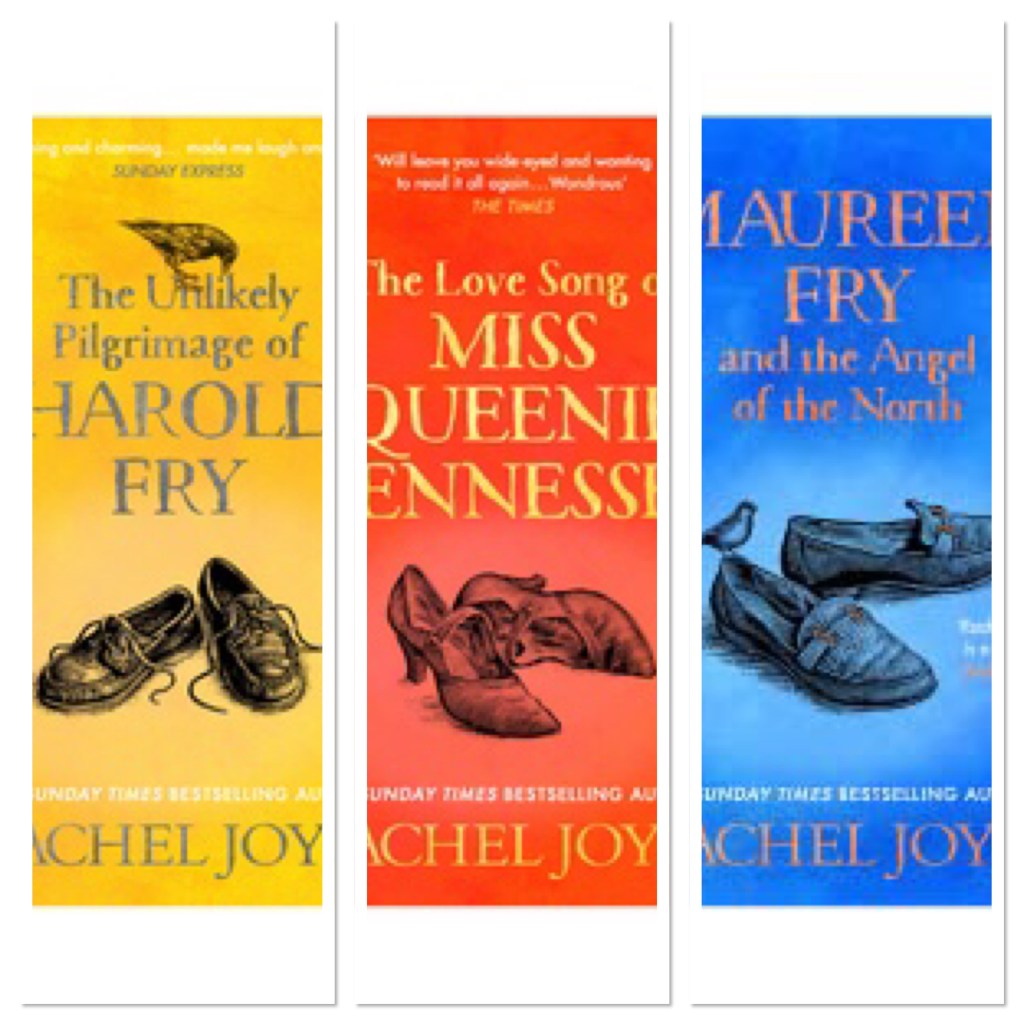
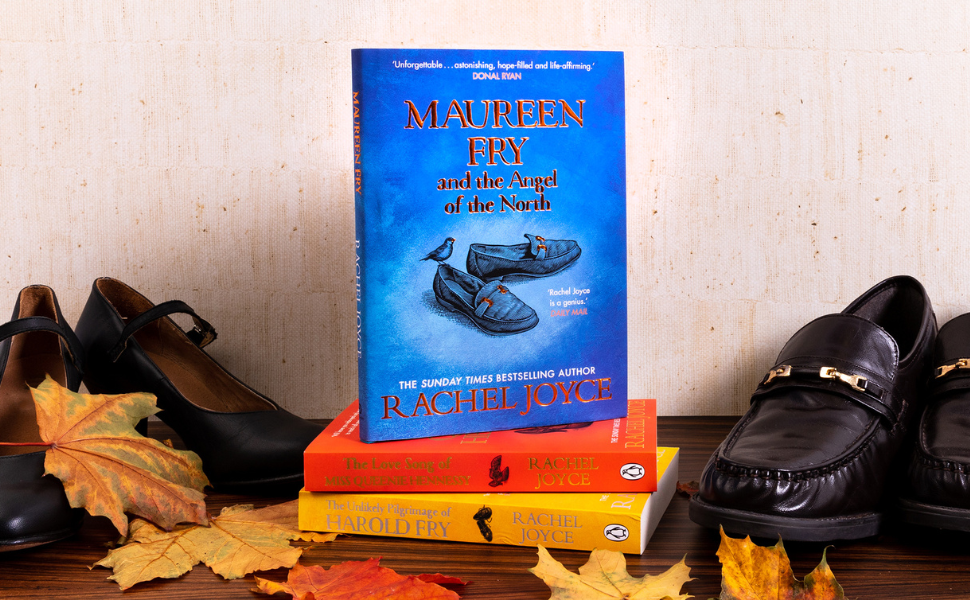
Sunday Spotlight! The Harold Fry Series by Rachel Joyce.

It has been my honour to meet this incredible writer and lovely lady on more than one occasion. The one that really stays with me is her visit to Lindum Books in Lincoln, at a time when caring responsibilities really cut into my ability to have a normal life. Having waited some time for a late carer to arrive I telephoned the book shop to enquire whether Rachel was still there. I was told she would be leaving in a few moments, so I explained what had happened and said I’d rush to get there. When I arrived, she was sat holding her coat and bag, clearly ready to leave, but she had waited for me to arrive because she didn’t want me to miss out. She signed my book and my friend’s book too, chatted about her writing and never showed impatience or a need to rush. I absolutely treasured that thirty minutes, because it showed such kindness and respect for her reader, but also because it was something I managed to do that was just about me. It was about me as a person and something I loved, nothing to do with my caring role. When meeting the NHS or social services about my husband and his care, I often felt overlooked and under appreciated by the powers that be and my personal needs didn’t matter. I often felt that I had lost myself and the things I enjoyed, so this moment mattered and showed an understanding that can be seen in her writing of this trilogy. The latest, Maureen Fry and the Angel of the North, was published late last year and it seems a perfect time to look back on these characters.

The first in the series, The Unlikely Pilgrimage of Harold Fry came out in paperback in 2013. Harold Fry is a retired gentleman living quietly with his wife Maureen. One morning he pops out to post a letter, with no idea he is about to walk the length of the country. If it had entered his head he might have left with better clothing and something more robust than canvas shoes. We know nothing about Harold when he starts his journey, an idea that pops into his brain during a conversation at a petrol station in the time it takes for the microwave to heat a burger. Rachel trusts her reader and her story, she knows the reader will want to read on, to know more about this man and what has happened in his life to create his need to walk. We begin to understand that what looks to outsiders like a ‘little life’ hides a torrent of emotion and experiences, because as Harold walks and runs he processes his life choices and the feelings that have been building up under the surface. We see his memories of meeting Maureen, set against her current, curtained off, attitude to Harold and to life. His difficult relationship with his son David. The closest friend he has ever had. All of this beautiful, painful and un-examined emotion comes out as Harold walks and his canvas shoes fray. We also get to enjoy his outer world, the people he meets and the kindnesses afforded to him on his journey. We gradually get the context of the letter Harold was replying to, a letter from that closest friend, Queenie Hennessy. Queenie was there for Harold when he most needed someone, but twenty years have passed and she is in a hospice in Berwick-Upon- Tweed in her final weeks. So, Harold’s pilgrimage is towards Queenie. He thinks that as long as he keeps walking and running, Queenie will wait for him.

Rachel is telling us to look beyond the surface for the context of things, starting with the assumption that Maureen and Harold are a settled old married couple with little more going on than their housework routine and fetching the paper every morning. Both are people, with a lifetime’s worth of events, emotions, gains and losses, just like you or me. Elderly people don’t cease to have ups and downs and their marriage, once we know what they have faced, is miraculously intact but still needs tending. I was desperately hoping that Harold’s pilgrimage and some time with Queenie might restore their connection in some way and bring Maureen from behind her barricades. That the further apart they become on the map, the closer they can become emotionally. We are taken through a changing landscape too, noticing nature and seasonal change as well as the sheer beauty of the country we live in without being twee or whimsical. Harold’s journey is a reminder that we can get up and change things, we can renew our relationships with others and ourselves and we can find meaning between the lines. Rachel Joyce reminds us that, if we choose to look, there is always something extraordinary in the every day.

For even more context, Rachel then takes us into the life of Queenie Hennessy – moving her from the sidelines as part of Harold’s story, to the centre of her own intersecting narrative. The Love Song of Miss Queenie Hennessy is my favourite in the series, because it shows how someone can seem to have such a small part in your life, while you can be at the absolute centre of theirs. I also love how Queenie’s story unfolds, as she learns that Harold is making his way up the country on foot towards her, she doesn’t know whether she can hang on for him to arrive. When she confides in one of the hospice volunteers, she comes up with a brilliant suggestion and one that makes so much sense from this writing therapist’s perspective. To alleviate her anxiety and be sure that Harold knows the whole story, the volunteer suggests she writes to him. Not like the first letter, these letters should be honest and atone for the past in a way she hasn’t done for twenty years. So, from her hospice bed, Queenie makes a journey into the past with Sister Mary Inconnue at the keyboard. She admits to her love for Harold, a love given freely and without reward for decades. She tells him of her friendship with his son David and how she tried to help him. She tells him about her cottage and the beloved garden she has created by the sea and its meaning to her and those who visit. Again, the author takes us into an experience we could see as depressing and final, but is actually a beginning that’s both vital and life affirming. Harold’s impending visit and her letter rich with memories and context that may help both Harold and Maureen, allow Queenie to live while dying and create even more meaning to her life.

The final part of this trilogy seems like such a slight novel, when it arrived from the publisher I thought I’d been sent an extract rather than the full book. However, it packs a hefty emotional punch and brought a lump to my throat as we explored Maureen Fry’s inner world and her need for healing as a mother. In Maureen Fry and the Angel of the North, it is time for Maureen to take her own pilgrimage, ten years after her husband’s famous 600 mile journey. Again it’s a letter that sparks the change, a postcard from Kate who helped Harold on his journey telling them about Queenie’s garden which has become the Garden of Relics in Embleton Bay, Northumberland. Kate said there was a monument there that Queenie had built for their son David and this niggled away at Maureen as the months passed. Lots of questions and emotions started to buzz around her head: why had Queenie built this monument? Who gave her the right to do that? Why hadn’t Harold known about the friendship between Queenie and David? When she looked up the garden on the internet, Maureen found lots of people who had visited and enjoyed it enough to comment. Why had they seen this monument to David when she hadn’t? She felt angry and displaced somehow. After a terrible nightmare, where she found David lost and alone in the earth, Harold suggests that perhaps Maureen needs to see this garden for herself? She could see Kate and visit with her. Maureen knows that Harold cares about Kate and that she was kind to him on his journey. She’s some sort of activist and Maureen can’t imagine what she would say to someone like that. They wouldn’t get along.

When Maureen resolves to drive up to Northumberland and see the garden, she prepares for her journey in complete contrast to Harold. It shows the differences in their character and as she packs her sandwiches and her thermos flask I realised that Maureen believes everything can be prepared for and organised. This is why those unexpected side swipes that life deals out from time to time have affected her so badly. She tries to work them out, questions what she could have done differently and potentially blames herself. She learns very quickly, as roadworks take her off the A38 and she’s completely lost, that you can’t prepare for everything and sometimes you have to rely on the kindness of strangers. A lesson that’s repeated until Maureen simply has to give in and be wholly dependent on someone else, perhaps the last person she expected. These experiences open her up to the world in a way she hasn’t before. I won’t reveal what Maureen finds in the garden, but I felt it could be taken two different ways. Before her journey there was a void at her centre that she believed could never be filled and she held it close as a symbol of all she had lost. My hope was that after the journey that void would be become an opening, creating room for all the people she could let in. That’s the thing with Rachel Joyce’s writing, it may seem whimsical, charming and light, but it isn’t. While it might not be dramatic, it deals with the biggest themes in life; growing old, love, identity, birth, death, friendship and personal growth. To borrow that phrase again from Shirley Valentine, these are not ordinary ‘little lives’, they are extraordinary.

Meet The Author


Rachel Joyce is the author of the Sunday Times and international bestsellers The Unlikely Pilgrimage of Harold Fry, Perfect, The Love Song of Miss Queenie Hennessy, The Music Shop, and the New York Times bestseller Miss Benson’s Beetle, as well as a collection of interlinked short stories, A Snow Garden & Other Stories. Her books have sold over 5 million copies worldwide, and been translated into thirty-six languages. Two are currently in development for film.

The Unlikely Pilgrimage of Harold Fry was shortlisted for the Commonwealth Book prize and longlisted for the Man Booker Prize. Rachel was awarded the Specsavers National Book Awards ‘New Writer of the Year’ in December 2012 and shortlisted for the ‘UK Author of the Year’ 2014.

Rachel has also written over twenty original afternoon plays and adaptations of the classics for BBC Radio 4, including all the Bronte novels. She lives with her family near Stroud.

You can follow Rachel on Instagram at rachelcjoyce, and find out more news at https://www.rachel-joyce.co.uk

Posted in Netgalley

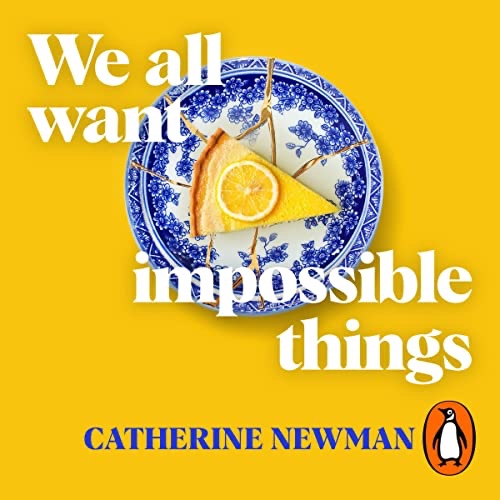
We All Want Impossible Things by Catherine Newman

This book was a joy. That’s going to seem odd when I explain what it’s about, but it is joyful and full of life. Even though at it’s centre there’s a death. Ash and Edi have been friends forever, since childhood in fact. They’ve gone through adolescence together: survived school; other girls; discovering boys and even that awkward phase of starting adult life, when one went to college and the other stayed behind. They’ve both married and been each other’s maids of honour and become mothers. Instead of any of these things pulling them apart they’ve remained platonic partners in life. However, now Edi is unwell and decisions need to be made. After years of struggle with being, treatment, remission and recurrence, Edi now has to decide how she’ll be dying. With all the hospices locally being full, Ash makes an offer – if Edi comes to a hospice near Ash, she can devote time to being with her and Edi’s husband can get on with every day life for her son Dash. There’s a hospice near Ash that’s like a home from home, with everything that’s needed medically, but the informality and personal touch of a family. Now Ash and Edi have to negotiate that strange contradiction; learning how to live, while dying.

This is just the sort of book I enjoy, full of deep emotion but also humour, eccentric characters and situations. It takes us through a process of how someone’s life and death changes those around them, with unexpected behaviours and consequences all round. Firstly the environment the author creates is so wonderfully rich and full of warmth, whether we’re at the hospice or in Ash’s welcoming home. She does this with layers of detail, from the decor to the people and some seriously mouthwatering food. The hospice is an absolute wonderland – this may sound like a very weird description, but having had a loved one become terminally ill from multiple sclerosis and not cancer, it was a horrible wake up call to realise there was nowhere for him to die. I would have loved to be in this incredibly nurturing environment that’s more of a family home, where they’re putting comfort and individuality first, with first class medical care always available in the background to play it’s part. I loved the busy kitchen with a cornucopia of treats in the fridge, because here no one is on a diet. Each room is very individual, but there’s are little links between such as the hospice dogs wandering in and out, the smell of someone else’s favourite food, the wandering guitar player or the ever present soundtrack to Fiddler on the Roof from another room. All of these elements come together and create a warm embrace for Edi, but also for her loved ones who spend a lot of time there.
Ash’s home and family life is so enviable I wanted to be part of it. Her estranged husband Honey is an incredible chef and her daughter seems to have picked up the talent. The author’s descriptions of their meals really did make the mouth water and are their way of contributing and supporting Ash. All of these people are so nurturing, in Honey’s case this is despite he and Ash being separated. Before you think this sounds schmaltzy and sentimental I can assure you that these characters are not perfect. Each has their flaws and their ways of coping, some of which are destructive and possibly difficult for others to understand. Ash particularly has a novel approach to grief, but I understood it. If we look beneath the surface, it’s a way of forging connection with others on the same journey and expressing their love for Edi. It’s also a distraction, a way of leaving all the paraphernalia of death behind and affirming life. That doesn’t mean her behaviour isn’t confusing, especially to her teenage daughter who supplies whip smart commentary, eye rolls and remarkable wisdom. The men in this friendship group seem to understand that their grief is secondary, because Edi is the love of Ash’s life. I enjoyed the little addition of Edi’s other friend – the college friend – who Ash has concerns about. Does Edi like her more than Ash? Do they have a special bond? The author provides us with this loving picture but then undermines it slightly, so it isn’t perfect. We are imperfect beings and no one knows how they will react in a time like this, until we’re there. Catherine Newman shows this with realism, charm, humour and buckets of compassion.

Published by Doubleday 12th Jan 2023

Meet The Author

Catherine Newman is the author of the kids’ how-to books How to Be a Person and What Can I Say?, the memoirs Catastrophic Happiness and Waiting for Birdy, the middle-grade novel One Mixed-Up Night, and the food and parenting blog Ben and Birdy, and she edits the non-profit kids’ cooking magazine ChopChop. She is also the etiquette columnist for Real Simple magazine and a regular contributor to the New York Times, O, The Oprah Magazine, The Boston Globe, and many other publications. She lives in Amherst, Massachusetts, with her family. Visit her website at http://www.catherinenewmanwriter.com

Posted in Throwback Thursday

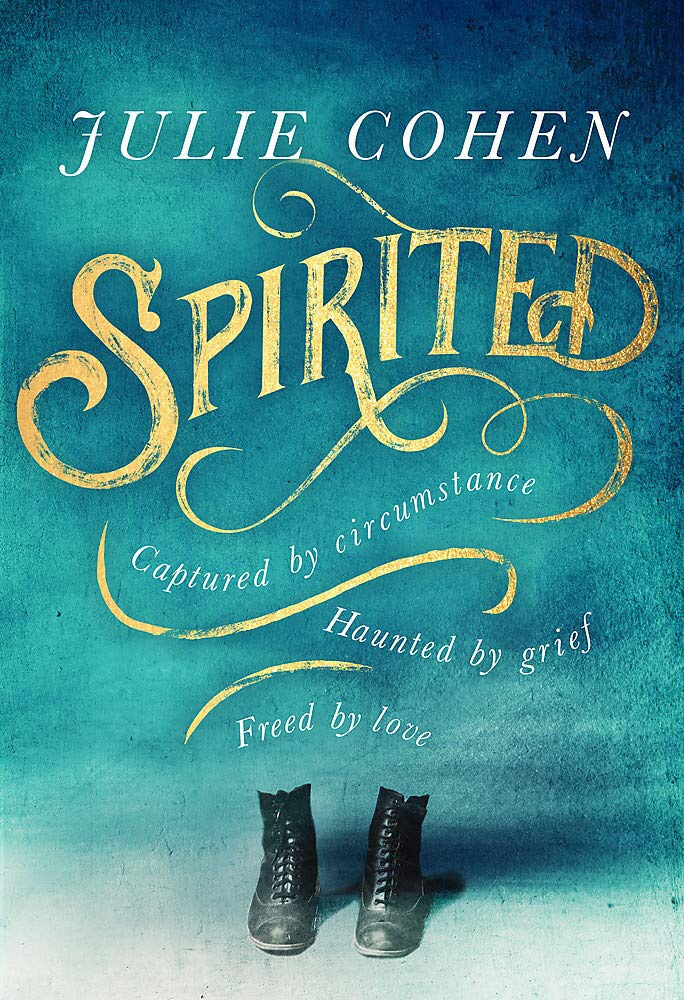
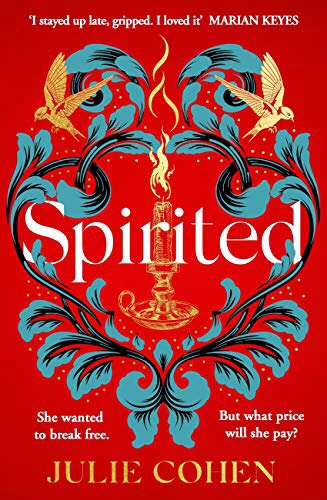
Throwback Thursday! Spirited by Julie Cohen

This week I’ve been writing a Sunday Spotlight post about the Victorian novels of Sarah Waters and while I was thinking about some of the themes of Affinity this book popped into my mind. So I decided to make it this week’s Throwback Thursday. At the time I’d never read Julie Cohen’s work, so I didn’t know what to expect from her writing. Only a few weeks before, on Twitter, I was discussing when a new Sarah Waters novel would be appearing. Spirited by Julie Cohen has definitely filled that gap. It’s also made an impact on me that’s all it’s own. Viola Worth has grown up cared for by her clergyman Father, as well as his ward, a little boy called Jonah. Viola and Jonah are the best of friends, spending their childhoods largely inseparable. As we meet them in adulthood, they are getting married, but in mourning. A lot has happened during the period of their engagement. Jonah had been out to India, staying at his family’s haveli and checking on his financial interests. For Viola, it’s been a tough time nursing, then losing, her father. He encouraged her in his own profession as a photographer and she has become accomplished in her own right. Viola’s father wanted her to marry Jonah, and they are still the best of friends, but the time apart has changed them and neither knows the full extent of the other’s transformation. As they try to settle into married life on the Isle of Wight, Jonah spends his time sketching fossil and bone finds with his scientific a friend. Viola feels cut adrift and without purpose, as we find out later she doesn’t even feel she is fulfilling her role as Jonah’s wife. Through new friends the couple meet a visiting spirit medium, although as daughter of a clergyman, Viola would never normally enjoy this type of entertainment. Little do they know, this woman will change their lives.

The author slips back and forth in time to tell us about Henriette, who worked her way in life from being a servant to a respected spirit medium. She is a woman who started with no advantage in life, and as a young servant models herself on the governess in the house, a French woman known as Madame to the family. Henriette diligently listens to the children’s French lesson and nurses a hope of a future where she doesn’t clean up after other people or have to wish for a roommate so she isn’t sexually assaulted in the night. Her attacker labels her a whore and one early morning, after there’s been a house party, she stumbles on a group of men in the stables betting. They are playing cards for money, but once they see Henriette they become intent on a different sport. It is Madame who interrupts the attackers and she gives Henriette advice from one woman surviving alone in the world to another. The author also takes us back to Jonah’s time in India. We discover that in social circles Jonah is a hero, because during a massacre he rescued a young girl who lived in his haveli after all her family are killed. Viola wonders if it is this experience that has changed Jonah. They live as if they are brother and sister, Jonah spends less time with her than before and at bedtime they still go to their separate bedrooms and sleep apart. Viola knows there is more between husband and wife but doesn’t really know what and has no idea who to talk to. Through Henriette, Viola is asked to take a photograph of a child who has died so the parents have an image to keep. No one is more stunned than Viola when she develops the image and sees a blurred figure standing next to the bed, the likeness to their child shocks and comforts the parents; they feel reassured that their child lives on in spirit. This experience, and her experience of her first proper female friendship, is like a floodgate opening for Viola. She starts to question the limits of her faith, whether there is more in life she would like to try and as time goes on, whether the burgeoning feelings she has for Henriette are friendship or something else.

I loved the feminist threads running through this novel. The central women in the novel are each in liminal spaces, different from the conventional Victorian women we see like Mrs Newham. Henriette is a self-made woman, unmarried and travelling from space to space offering her spiritualist services for enough to survive on. She has moved from bar girl, to servant, to nursing and losing her elderly husband, and now into a semi-respected occupation. She gets to visit the homes of those she might have once waited upon, but isn’t tied by their social rules and conventions. In India we meet Pavan, who has made the exceptional choice within her societal rules to become educated and has made huge sacrifices in order to achieve that. Love was not on her agenda, and when it comes she experiences a painful separation between her intellectual choice and her emotions. Viola may seem the most conventional of these women, but her relationship with her father has set her apart from others of her class. He believed in educating Viola the same way as Jonah, then teaches her the art of photography too, usually considered a male pastime. Viola is respectful of many conventions, but finds herself emboldened by Henriette and the new experiences she brings to her life. She tries bathing in the sea and is bold enough to start accepting her ‘gift’ of capturing spirits. Behind them all is the french governess Madame. The role of Victorian governess is the very definition of a liminal space: she works in the home but is not a servant, educated and unmarried, respectable, but not on the same level as the family she works for. She has power in that she works for herself, has and controls her own money and can choose to leave her position and join another family, in a different place. Her acknowledgment of Henriette’s fate, as a pretty face in the power of men, inspires Henriette to be more. It gives her aspiration, although she may never be a gentlewoman, with careful decision making she could be more like Madame.

It is within the physical liminal spaces where there are beautiful passages of writing from the author. The scene where Henriette and Viola go bathing is absolutely exquisite because I could feel everything. The strangeness of undressing in a darkened box on wheels, the feel of the swimming dress, the rough and tumble of being pulled into the sea by a horse, then opening the door to see nothing but the ocean in front of you. This is a play on conventional baptism for Viola. She fully immerses herself in the water, supported by Henriette, and feels a rebirth. The heaviness in the uncoiling of her hair and letting it float free signifies a freeing from the constraints of Victorian fashion, as is the unlacing of the corsets. As they trundle back up to the sand after their swim, Viola wishes they could stay in this space in the dark for the intimacy with Henriette, and the knowledge of the freedom she will feel as she opens the door and sees nothing but ocean. When the women share Viola’s room the writing is so tender. Viola worries what the servants might think, but Henriette frees her thinking again. Love between women does not exist, she tells her, there are laws and conventions regarding love between a man and a woman, and even the love between men. What they are to each other is beyond the thoughts of most people, the servants will see two friends staying together and nothing more. Pavan and Jonah, don’t meet in the main haveli but in an ancient old temple in its grounds, a space no longer used for its purpose and outside the family structure inside the house. They meet as two people of different cultures and beliefs, but find a connection so powerful that each would put their lives on the line for the other. Jonah wonders whether he could live a different life to the one laid out for him back in England. He’s seen other English men here who have married Indian women and had children. They’re neither totally respectable, but are not shunned either. This is a novel of people, particularly women, learning to live in the spaces between; the places that promise more freedom.

This was an original, emotional and beautifully written novel that weaves a powerful story from a combination of painstaking historical research and imagination. Each character is fully fleshed out and has a rich inner life. Where real events such as the 1857 Siege of Delhi are used in the novel, they are deeply powerful and the author treats them with respect. The elements of spiritualism and spirit photography are well researched and based on a real fascination for the paranormal in Victorian society. Cohen acknowledges that this is a novel about faith: religious faith, faith in the paranormal and that the ties to those we love don’t end in death; faith in romantic love and the promises we make to each other; even the faith she has in herself. In the acknowledgements to this novel Julie Cohen says ‘I wrote the first draft of this book when I thought my writing career was over’. Judging by this book, it’s far from over. However, by allowing herself to think of that possibility, she gave herself the space to write something truly extraordinary.

Meet The Author

Julie Cohen grew up in the western mountains of Maine and studied English at Brown University and Cambridge University before pursuing a research degree in nineteenth century fairies. After a career as a secondary school English teacher, she became a novelist. Her award-winning novels have sold over a million copies worldwide. DEAR THING and TOGETHER were both selected for the Richard and Judy Book Club. Julie runs an oversubscribed literary consultancy which has helped many writers go on to be published. She is a Vice President of the Romantic Novelists’ Association, founder of the RNA Rainbow Chapter for LGBTQ+ authors, and a Patron of literacy charity ABC To Read. You can find Julie on Twitter: @julie_cohen or you can visit her website: http://www.julie-cohen.com

Latest Novel from Julie Cohen

‘Marriages end with a whisper, not a bang. Not an argument, which is after all about passion, waves crashing on a shore, but with the small pockets of coldness that an argument creates. It’s like islands. They don’t sink like Atlantis. They wear away, little by little, until all you’ve got left is a single rock and a light. A warning to safer travellers to stay away’.

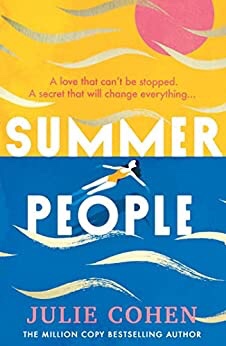
Sitting on my TBR is this latest novel from Julie Cohen, a very different novel to Spirited in that it’s contemporary, but still about love and relationships. The last time Vee left the shores of Unity Island, she thought she’d left forever. But this summer, she’s returning with her charming husband, Mike. Vee’s unexpected arrival, this time as one of the wealthy ‘summer people’, sets the small island community alight with gossip. What’s more, her childhood best friend, Sterling, is furious that she’s come back – Vee abandoned him when he needed her most.

And then Vee meets Rachel, Sterling’s wife, and a spark is ignited within her that she can’t extinguish. And as summer turns to autumn, long-buried secrets emerge that will cause a storm greater than any of them could ever have imagined.

But when autumn comes, who will sail away with the tide and who will choose to stay behind on the island…?

Published by Orion 4th August 2022

Posted in Sunday Spotlight

Sunday Spotlight! Memoirs and Non-Fiction

I’m continuing my look at the books that have had a huge effect on me personally or helped me to make a difference in my life. If I’m facing a difficulty, challenge or setback in life I usually look for something to read about it. My late husband used to say that knowledge can’t be taken away from you and that the more knowledge you have, the more options you have too. I’m looking at four books today, all of them memoirs in different forms, but each quite different in how they communicate to the reader. Each one did make me think and I can honestly say I came out of each book feeling changed a little: whether it was energised and inspired; feeling less alone in the world; learning how to face life’s obstacles or reaching an emotional catharsis.

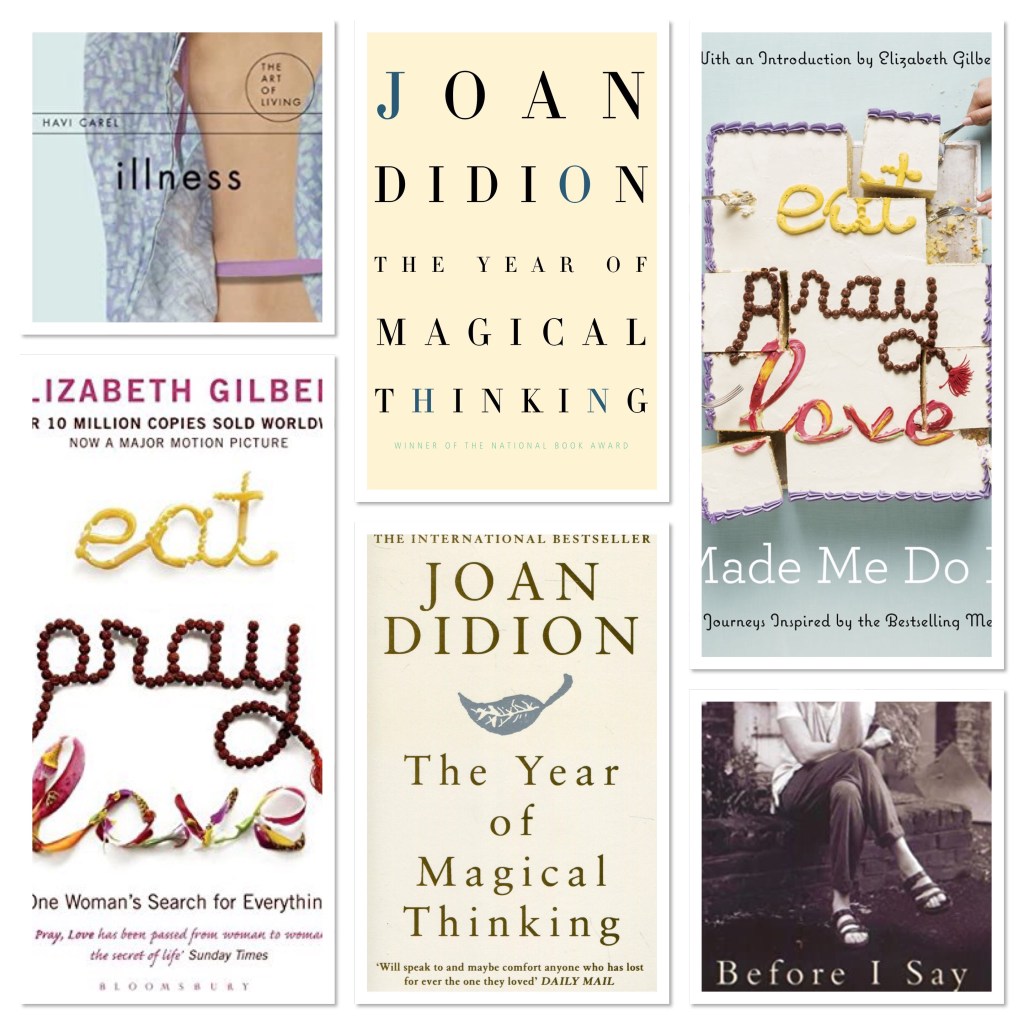
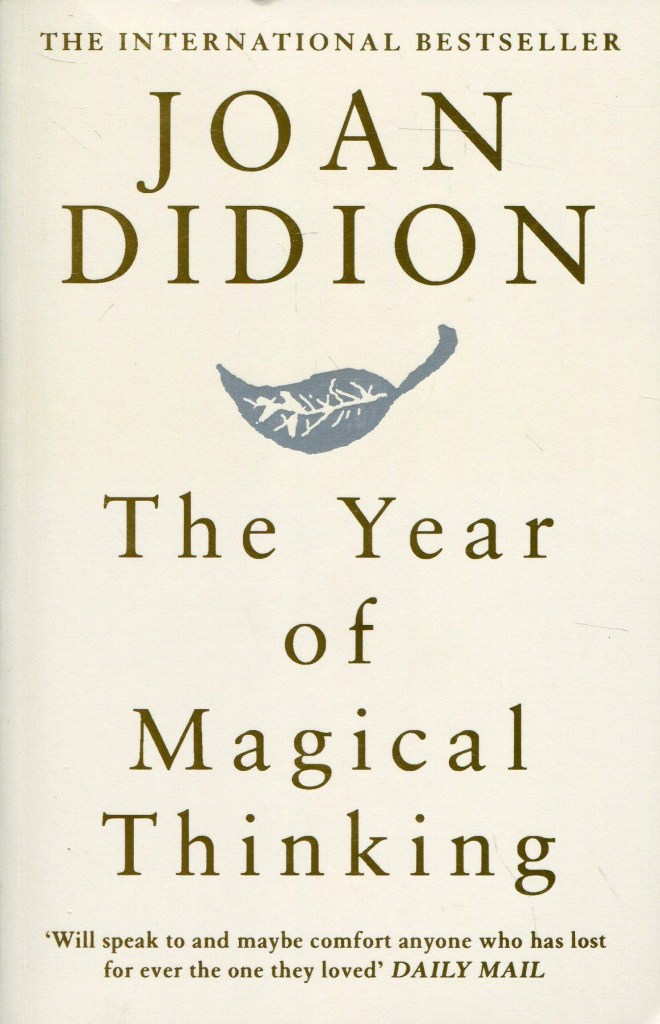
The Year of Magical Thinking by Joan Didion.

Joan Didion’s memoir is award winning for a reason. I found it a dense read in parts, but then my intelligence is probably far below Ms Didion’s level. However, there’s no denying the power of her opening chapter as she and her husband are preparing the table for dinner. Joan and her husband John had already been given the terrible news that their daughter had been placed on life support. Quintana had been suffering with flu symptoms, that became pneumonia and eventually septic shock. In the throes of grief, they are preparing for dinner when with no warning John collapses. John died from a heart attack instantly. In the maelstrom of emotions surrounding his death, Joan writes to make sense of what she’s thinking and feeling.

I found her writing raw and painful. I read this in my own grief and I recognised so much of the past year of my life in her descriptions. The way mind and body become disconnected; one carrying out the duties and routines of everyday life while the other is in another place. I felt like the bit that’s me, my ‘self’ had hunkered down deep inside the shell of my body, unable to cope with the shock of what happened. We were now in a world without my husband, where he didn’t exist. I think my ‘self’ was still in the one where he did. With her beautiful choice of words, Didion articulated a grief I didn’t have words for yet.

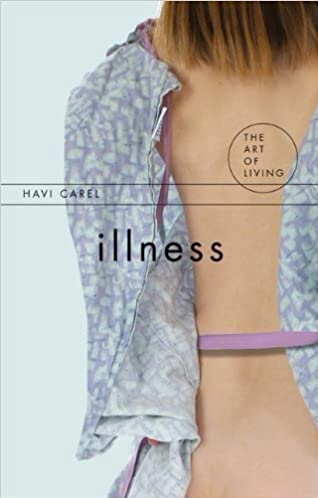
Illness by Havi Carel.

I came across this lesser known book when I was researching for a PhD. I was interested in the gap between a person’s perspective of their illness and the self presented in disability memoirs. My argument being that people write about their disability using certain tropes and archetypes – such as Christopher Reeve still presenting himself as superman. There is often a narrative of redemption or triumph that doesn’t relate to someone whose illness or disability is lifelong. I didn’t know whether these tropes were so ingrained in our society, there was only one acceptable way of writing about disability experience, or whether the truth simply doesn’t sell so publishers pressure writers to frame their disability this way. My supervisor suggested I needed to read Havi Carel’s book, because not only was she a professor in philosophy, she also had a long term illness that affects her lung function. What I was floundering around trying to describe was the phenomenology of illness – the ‘lived experience’ to you and me.

In some ways this is a text book, as Carel looks into what is illness? Is it a physiological dysfunction, a social label, or a way of experiencing the world? How do the physical, social, and emotional worlds of a person change when they become ill? Can there be well-being within illness?Carel explores these questions by weaving together the personal story of her own illness with insights and reflections drawn from her work as a philosopher. Carel’s fresh approach to illness raises some uncomfortable questions about how we all – whether healthcare professionals or not – view the ill, challenging us to become more thoughtful. A scene where Carel is devastated during a test of her lung function, because the result shows a decline, is so much worse because of the cold, unfeeling, practitioner. I had tears in my eyes reading it. Illness unravels the tension between the universality of illness and its intensely private, often lonely, nature. It offers a new way of looking at a matter that affects every one of us, because every one of us can become ill or disabled in our lifetime.

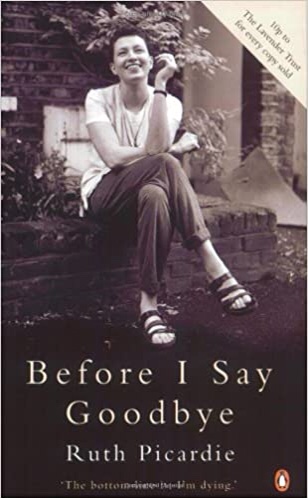
Before I Say Goodbye by Ruth Picardie.

Back in 1998, way before Dame Deborah James and You,Me and the Big C, there was Ruth Picardie. Her column in The Observer was read by millions and it was the cancer experience laid bare. Searingly honest and raw about her illness one minute and the next the day to day routine of being a Mum to two small babies. I loved how Picardie debunked those myths and archetypes of illness. How people still associate being ill with the old Victorian consumptive idea of wasting away. Those who are ill should at least be thin. However, as a result of steroid treatment for a secondary brain tumour, Picardie gains weight and has the characteristic ‘moon face’ that I remember from my own steroid days. She is angry with herself for being shallow, especially when she has to dress up for a wedding and nothing fits. She expected that being faced with death, she might be able to let go of the small stuff that doesn’t matter. It does matter though and she goes to Ghost to buy one of their flowy maxi dresses to make herself feel beautiful. She documents the progress of her cancer without holding back and when she can no longer do so, around two days before she died, her husband and sister Justine conclude.and put a frame around this collection of diary events from The Observer. This is a tough one, because I know the context is needed, but losing her narrative voice and hearing her sister Justine’s still chokes me up today. Ruth died from complications following the misdiagnosis of breast cancer in September 1997, leaving a young husband and two-year-old twins.

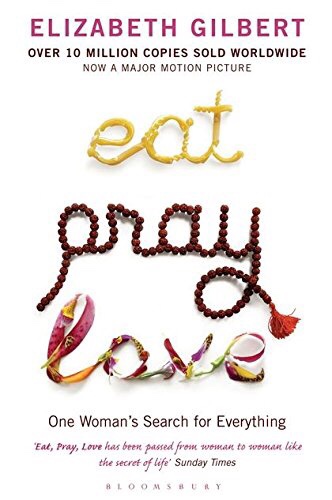
Eat, Pray, Love by Elizabeth Gilbert

I read Gilbert’s book before all the hype and the film version. I’d been on holiday and picked it up as an easy read and I was hooked by page one. Liz Gilbert has a way of writing that makes the reader feel like it’s just you and her, two friends having a catch up after a long time apart. It’s an intimate and honest account of how she found herself again after a marriage breakdown and a long term relationship that wasn’t healthy. She decided to take a long trip and broke it into sections, each one to feed part of her: body, spirit and heart. First she went to Italy for the eating part, then India for spirituality, then Bali which sounds like an absolute paradise and the perfect place to conclude a healing journey. If you read this as a simple travelogue you won’t be disappointed. Her descriptions of the food in Rome and Naples made me want to book a plane and the warmth in the friends she made there were really heartwarming. I found the discipline and struggle of ashram inspiring, it was her time to really go inside and work things out. She needed to confront what had happened in her marriage, forgive her husband and herself, then remember the parts that were good.

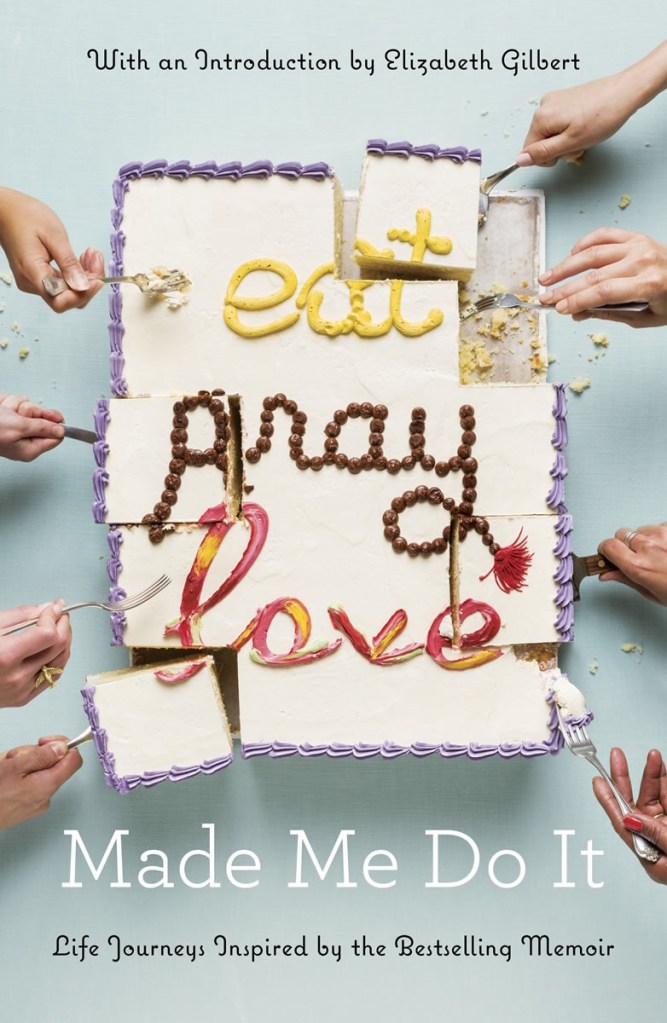
Bali is a like a warm place to land after all that mental work, where the people are welcoming and Liz finds work with a holy man transcribing his prayers and wisdom to make a book. Here she learns to love again and there was something that really chimed with me, when Liz meets a man at a party and they have a connection, she’s absolutely terrified about what it might lead to. She has worked hard and found her equilibrium and now her emotions are stirred up and unpredictable. She felt safe and grounded before, so she doesn’t want to lose it. I’d spent six years on my own, after the death of my husband I’d ended up in an abusive relationship and it had taken me a long time to recover. Then I met my current partner and I remembered back to this book and the wise friend who advised Liz to think of her life as a whole, it could only be balanced if it has periods of imbalance. Sometimes we have to throw ourselves into life. I used meditation a lot to keep grounded and it has changed my life in terms of improving mood and helping me cope with life’s difficulties. However, we can’t avoid life and stay in neutral all the time. When I read this with my book club there were mixed responses, the most negative being ‘it’s okay for some, able to swan off round the old and get paid for it’. It’s a valid point, but I never felt that. I thought she was in need of something drastic to get her life back on track and I didn’t begrudge her a moment of it. You might also like to try Eat, Pray, Love Made Me Do It. A series of stories about women’s journeys inspired by the book.

Posted in Netgalley

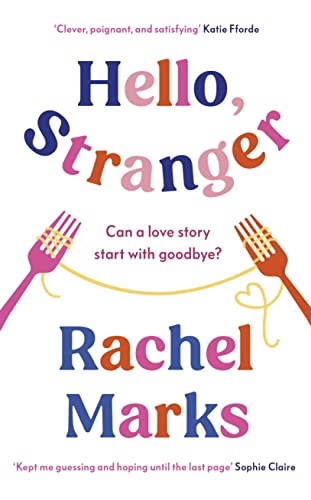
Hello Stranger by Rachel Marks

Rachel Marks writes books that are deceptively simple, they flow well and it’s easy to find yourself six chapters in and fully immersed within the character’s world before you know it. Her novels are probably categorised as Contemporary Romance, but that suggests they follow a formula set down as far back as Shakespeare – from boy meets girl, through obstacles and eventually to the ubiquitous happy ending. I think there’s more to her work than that. Marks specialises in the messiness and complexity of modern relationships, tackling issues like mental health, addiction, divorce, co-parenting and bereavement. She has proved herself to be psychologically astute when it comes to the dynamics of relationships and families, and when I pick up one of her novels I know it’s going to be about relationships, but always with a twist or different perspective. Hello Stranger is no exception as we meet Lucy and Jamie, talking in bed one morning like any other couple. Except Lucy and Jamie are the loves of each other’s life and they are breaking up.

The book splits from this point, into the before of their break-up and the after. We get to see them meet for the first time and take the first tentative steps into their relationship towards the morning we’ve just witnessed. In between are the chapters looking at the aftermath from both points of view. I promise you, you will read this absolutely rooting for this couple just as I did. It’s heartbreaking to find that at the centre of their break-up is the question of whether they want to have children or not; Jamie does, but Lucy doesn’t. Lucy is something of a free spirit, who doesn’t really want the conventional life that she’s seen play out for her sister, who is married with two children. Lucy loves being an aunty more than anything, but has never felt maternal or had a sense of her biological clock ticking. She knows that people think she’ll change her mind one day, but Lucy doesn’t think so. It’s not a flippant choice, it’s something she’s thought a lot about and weighed up the pros and cons endlessly. She knows that her choice makes her unnatural in a lot of people’s eyes and she knows how much it disappoints her mum, who would love more grandchildren. She can’t feel what they want her to feel and it would be wrong to have children just to make others feel comfortable. I really felt for her, especially as she goes into the dating world knowing this about herself. I can’t have children and have an invisible disability so I was always concerned about when to slip this information into conversation. It’s not really a first date type of topic, when you want to be thinking of nothing more than whether there’s a spark between you. Yet, when is the right time to drop a bombshell like this on someone? If you wait till you know it’s a long term relationship haven’t you misled them? The problem is there are some things that society tends to assume about young women; they will be healthy and they will want to have a family.

Jamie is one of life’s good guys, the sort of boyfriend who will pop to the shop to buy some tampons and throw in a bar of chocolate without being asked. He’s thoughtful, open and honest. He does have baggage though. He lost his father at a very young age and still carries some guilt that he was not there when he died suddenly from a heart attack. His family also suffered the loss of a child, when his brother Thomas was stillborn. Children are an emotive subject for Jamie and he’s always known he wants them, to create a family of his own, now that it’s just him and his mum. He finds Lucy a challenge, but in a good way. She pushes him out of his comfort zone by taking him on an activity holiday in Andalusia where they go rafting over rapids. At first he’s nervous, but he finds it exhilarating. In fact Lucy is an exhilarating sort of person, she’s lively, talkative and full of ideas and plans for the future. It’s not long before he’s in love with her and he knows this is different from anything he’s felt before. He wants to be with this girl for life. When they finally discuss children, it’s clear this is something he has assumed she would want in the future. He’s known that travelling the world is important to her and he wants to discover new places and have adventures with her, but knows that realistically parenthood will curb that wanderlust. Despite finding themselves constantly back at this impasse, they don’t break-up. Lucy is as in love with Jamie as he is with her. As their relationship continues to go through milestones the question becomes ever more important, but it is essentially unsolvable. No one can compromise without sacrificing the life they want.

Is Lucy enough for Jamie, or will he come to resent her as the reality of being without children starts to sink in? Lucy can’t imagine having children for Jamie’s sake, wouldn’t she start to resent them for the changes in her life and the loss of the life she wanted. Maybe they just aren’t right for each other, despite the deepening feelings. For Lucy, Jamie is enough and she imagines a great life just the two of them. Lucy is immovable and it is up to Jamie to choose, but he can’t imagine life without Lucy in it. We follow every heart rending discussion that leads us to that morning in bed, but who will make the choice? It will take a catalyst to break the deadlock between them and throughout the book I could feel the tension rising towards that moment. I only know that once the choice was made I was desperately sad and kept hoping they would come back together, because this was a romance after all and don’t they always have happy endings?

I applaud the author for creating a character who has a point of view that many people still find difficult to understand, but making her sympathetic and loveable. She knows all the arguments and insults that people will throw at her for her choice; unnatural, cold, not a real woman, selfish. I have had the selfish argument mentioned to me in a discussion about the different siblings in a family. The childless couple were branded as really selfish, spending all their time playing golf, going on cruises and suiting themselves. I was dumbfounded by this argument that only by having children can we be truly selfless and found myself asking whether her children had wanted to be born? I kept hearing her say ‘we wanted’ children and surely that’s no less selfish than someone wanting to travel the world. People have children because they ‘want’ them, not because they’re doing the world a favour. If we stop using emotive words and assuming there’s one right way of being a woman, the decision to have children is simply a choice.

I have friends on both sides of this life choice: people who can’t have children; people who’ve sacrificed their desire for a family to stay with a partner who didn’t want them; people who thought they didn’t want children then became pregnant accidentally; people who’ve broken up with a partner who didn’t want children. There are also people like me, who lost several pregnancies, haven’t had children, then became a step-mum at 45. It’s never an easy road and I think we need to be more respectful of other people’s choices on this issue. Not everyone wants to be a parent and that’s okay. I felt sad for Lucy, terribly so, but I also felt strangely proud of her for sticking to her gut instinct and not being swayed, even by the person she loved most. To leave such a beautiful and loving relationship takes such courage and I didn’t envy their eventual decision. Marks has once again written such a bittersweet novel. I love the way it delves into the complexities and assumptions around motherhood. She takes two incredibly likeable characters and places them in such an impossible situation. However, what she also does is show that time mellows all experiences, even the painful ones. There is healing there for Lucy and Jamie, whether they eventually stay together or not.

Published on 18th August 2022 by Penguin.

Meet the Author

Rachel’s first two novels, Saturdays at Noon and Until Next Weekend, dealt with issues like addiction, divorce, parenting and re-marriage. Hello, Stranger is her third novel and came out in August. She lives in Gloucestershire with her husband and three children. When she’s not writing, she loves travelling, snowboarding and photography.

If you would like updates on upcoming books, offers etc you can follow Rachel on Twitter @Rache1Marks and Instagram rachelmarksauthor.

Posted in Squad Pod

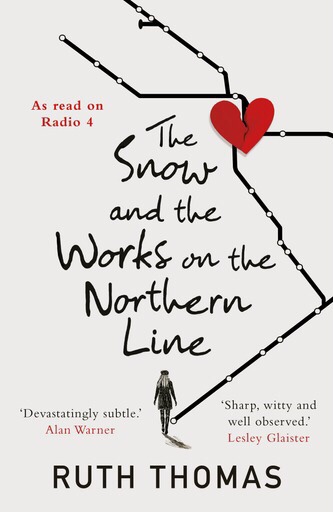
The Snow and the Works on the Northern Line by Ruth Thomas

This novel was a wonderful surprise when Sandstone Press kindly granted me a copy. We were only three weeks into January and I’d fallen immediately in love with a new literary heroine. I absolutely adored Sybil and felt so at home in her company I just kept reading all day. I then finished at 11pm was bereft because I wouldn’t be with Sybil any more. Yes, this is what happens to avid readers. We fall head over heels with a character, can’t put the book down, then suffer from book withdrawal. All day I was grumpy and reluctant to start a new book.

Sybil’s life is puttering along nicely. She has a job she enjoys at a London museum – Royal Institute of Prehistoric Studies (RIPS). There she produces learning materials, proof reads and indexes archaeological publications. She also helps people with research enquiries. She has a great boyfriend, Simon, who is a chef and likes to make her bread with obscure grains. Her quiet, settled life is turned upside down when she, quite literally, bumps into an old nemesis from her university days. Sybil and Simon have gone ice skating, where they spot Helene Hanson, Sybil’s old university lecturer. Sybil doesn’t want to say hello, after all Helene did steal some ideas from Sybil’s dissertation to further her own research into the Beaker people. They try to make their way over, very unsteadily, and end up careering into Helene’s group. In Sybil’s case she’s only stopped by the wall of the rink. She has a nasty bang on the head, and from there her life seems to change path completely. Only weeks later, Helene has stolen Sybil’s boyfriend and in her capacity working for a funding body, she has taken a huge interest in RIPS. Now Sybil’s workplace will be selling Helene’s range of Beakerware (TM) in the gift shop and they even welcome her onto their committee as chair of trustees. Sybil’s mum suggests a mature exchange of views, but Sybil can’t do that. Nothing but all out revenge will satisfy how Sybil feels. She’s just got to think of a way to expose that Helene Hanson as a fraud.

First of all I want to talk about the structure of the novel. As Sybil’s life starts to unravel, so does her narration. A suggestion from a friend leads Sybil to a poetry class at her local library, so prose is broken up with poetry and very minimal notes of what Sybil has seen that she hopes to turn into haiku. Haiku is a Japanese form of poetry with a set structure of thirteen syllables over three lines in the order of 5, then 3, and then 5 syllables. Having lived next to a Japanese meditation garden for several years I started to write and teach haiku as a form of meditation. It’s a form linked to nature and is very much about capturing small moments. So if Sybil sees something that might inspire her, it makes its way into her narration. I loved this, because I enjoy poetry, but also because it broke up the prose and showed those quiet still moments where Sybil was just observing. She works with found objects – most notably a little teacup, left on a wall, that has ‘ a cup of cheer’ written on the side. There’s a very important reason for the fragmentary narration, that I won’t reveal, but I loved it and thought it was so clever. Many of my regular readers will know why I connected with this narrative voice. It could be that this is the only visible symptom of the chaos in Sybil’s mind as she goes through a massive shift – physically from one flat to another – but also a mental shift towards living alone, to coping with her nemesis constantly popping up and to the heartbreak she’s gone through. We’ve all had to start new chapters in life so her situation is easy to relate to.

Helene’s organisation brings much needed funding to the museum, but with it come obligations. As chair of the trustees, she wants to change the very structure of the building and some of the precious display spaces might be sacrificed. Her commercial enterprise, recreating Beakerware (TM) for the museum gift shop, means the shop expanding into other areas. Exhibits that have been on display for years will be moved into storage to make room and Sybil dreads Helene using Simon as the face of the range, imagining giant posters of her ex greeting her every morning at work. To add insult to injury Helene even inserts herself into Sybil’s everyday job by adding a section into her boss Raglan’s upcoming book meaning that Sybil has to index Helene’s writing. Could there be a chance here, for Sybil to gain some satisfaction? However, as Sybil’s mum hints, revenge can be more damaging to the person seeking it. This book is character driven and they’re brilliantly drawn, funny, eccentric and human. Sybil’s boss Raglan Beveridge – who she observes sounds like a cross between a knitted jumper and a hot drink – is such a lovely man, easily swayed but kind and tries to ensure that Sybil is ok. I enjoyed Bill who she meets several times across the book, in different situations. He’s calm, funny, thoughtful and shows himself to be a good friend to Sybil, even while she’s barely noticing him! Helene seems to hang over everything Sybil does, like an intimidating black cloud promising rain to come. She is a glorious villain in that she has very few redeeming features, and tramples all over Sybil’s world at home and at work. The author cleverly represents this in the very structure of RIPS. Sybil likes her slightly fusty, behind the times little museum. There’s a sense in which it is precious, that the spaces within shelter some eccentric and fragile people. They’re like little orchids, who might not thrive anywhere else. They’re introverts, so need familiarity and quiet. How will they survive Helen’s onslaught?

On the whole this was a quiet book. As I was reading it, I was totally. engrossed and the outside world was muffled for a while. It reminded me of those mornings after snowfall, when the outside world is silenced. I felt a deep connection with Sybil. She’s offbeat, quirky and has a dark sense of humour. We meet her at her lowest point and while we’ve all been heartbroken, this was much more than that. I’ve been broken by life just once, but I was a like a vase, smashed into so many pieces I didn’t know if I could pull them all back together. Even if I did, I knew I would never be the same person. This is the process Sybil is working through and her grief is central to the novel. My loss felt so huge that it affected my actions – I left doors unlocked when I went out, forgot to pay bills, and started to make mistakes at work. I had always prided myself on being very ‘together’ and here I was falling apart. I discovered Japanese art that healed me in some way – it’s called Kintsugi and it’s the art of repairing broken ceramics with liquid gold or other contrasting metal. It shows the cracks, the evidence that this piece has been through something, but it’s still whole and it’s still beautiful. I feel this is Sybil’s journey and what she needed to hear was broken things can still be beautiful. This was a thoughtful novel, with serious themes but a lovely hint of humour running through. I still love it now, a couple of years later and my finished copy has pride of place on my bookshelves.

Q & A with Ruth Thomas.

1. The Snow and the Works on the Northern Line is very character driven – did the idea for the story or Sybil come first?

The setting came first, in fact. I wanted to write about a fusty old institute, and that’s how the Royal Institute for Prehistorical Studies (RIPS) began. I also wanted to write about Greenwich Park. It’s an early memory from childhood. I remember it being a beautiful but rather melancholy place.

2. The RIPS is a wonderful setting! Could you tell us a bit about it, and why you set The Snow and the Works on the Northern Line in a museum?

I love museums, especially small old-fashioned ones. They have so much character and lend themselves to description. I also wanted to tell the story of a museum artefact – how it fitted into someone’s life in the 21st century as much as the time when it was made.

3. Sybil’s voice is brilliantly handled – did you do anything in particular to pin that down when you started working on the novel, or to get in the zone each time you sat down to write?

I don’t think too much about voice before I begin – I just start with my own take on things, and after a while a character and voice shapes itself around those observations. I think the mood your character’s in has a big effect on the way they tell their story.

4. Quite early on in the book, Sybil joins ‘Poetry for the Terrified!’ at North Brixton Library – could you tell us a bit about that?

I love poetry but am a bit rubbish at writing it! I thought I’d harness that inability for Sybil too. At school, we were always supposed to find poetry profound. It can be fantastic and moving, of course, but sometimes you have to discover that in your own time.

5. One of the themes that stood out while reading The Snow and the Works on the Northern Line was grief – we’d love to hear about how you explored different aspects of grief.

I wanted Sybil’s grief to be reflected elsewhere in the book too. She thinks she’s alone with her heartbreak, but that’s one of the qualities of grief – you don’t necessarily know others are going through something similar. I also wanted to explore sorrow without writing a very sad book!

6. Was any of the office politics/social etiquette inspired by real life?

I love office politics! It’s one of the things I really missed during lockdown. Small-scale conversations and seemingly trivial things are what make me tick as a writer. At the momentI’m just having to focus a bit more on remembering the details.

Thank you so much to Sandstone Press and the SquadPod Collective for inviting me to share this lovely book with you again and thank you to Ruth Thomas for her contribution to this post.