Posted in Netgalley

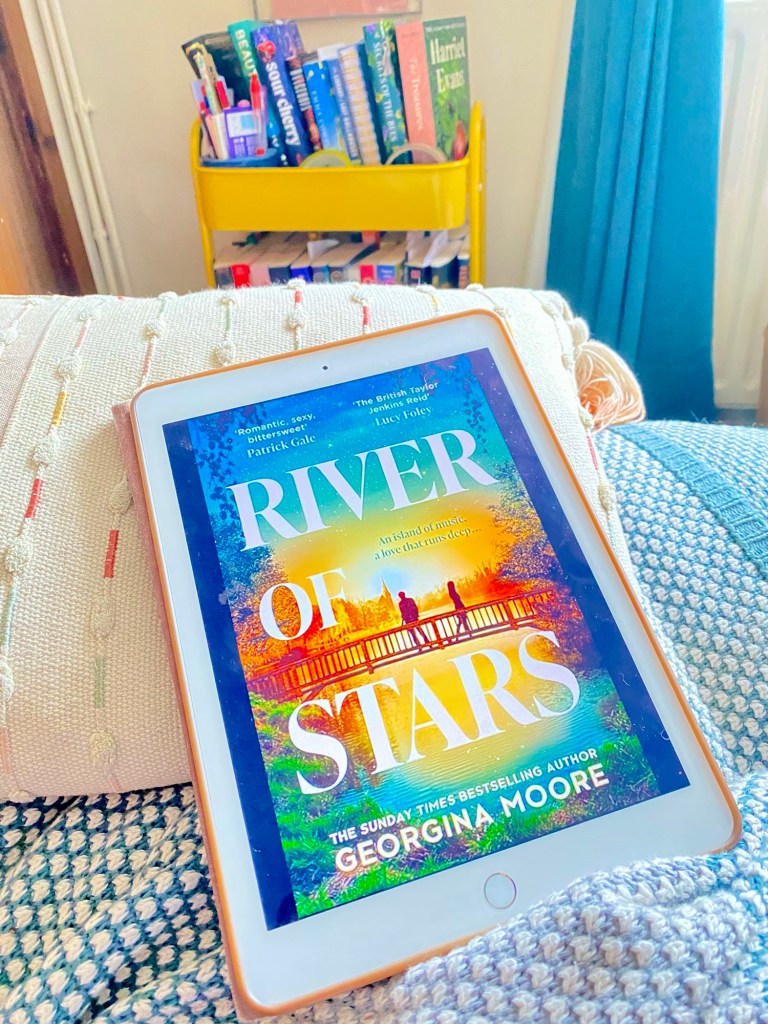
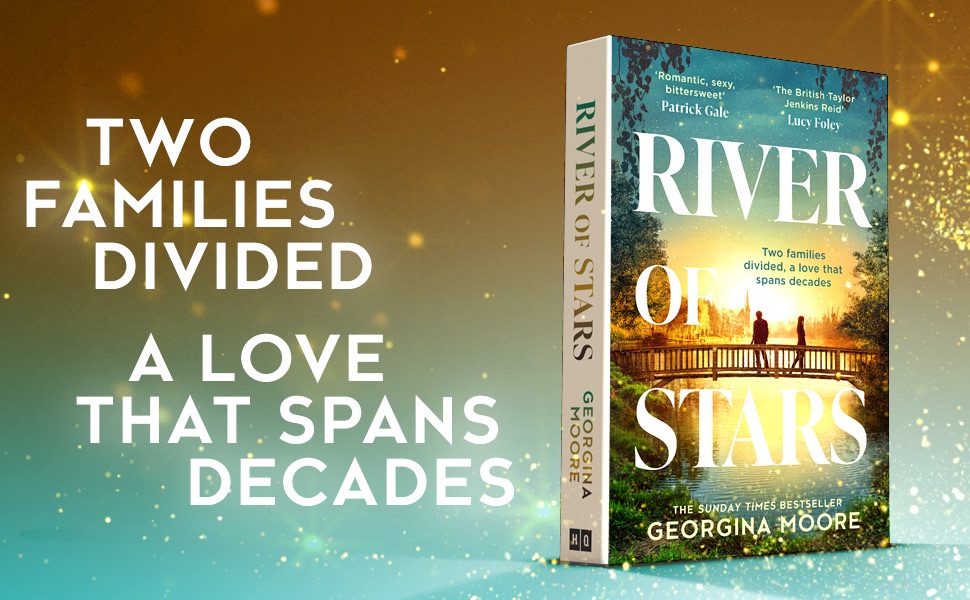
River of Stars by Georgina Moore

This book has the magical ability to captivate the reader. I found myself a fishing widow one night last week so I went to bed early and started reading. When I woke up the next morning I picked it straight back and read through to the end. I hadn’t even removed my glasses to sleep. The author has managed to make this feel like an escape, as well as heart-achingly romantic and with a bohemian setting that appealed to the creative in me. Walnut Tree Island is in a tributary of the Thames and back in the 1960s the owner, George, managed to turn a part derelict hotel into a sought after music venue. Based on Eel Pie Island, Walnut Tree is a harmonious combination of up and coming musicians, artists and picturesque riverboats and in 1965 is a weekly Mecca for young people. One of them is Mary Star, a young girl with a beautiful voice and a head full of dreams. It’s there one night when musician and up and coming front man Ossie Clark notices Mary in the crowd as she’s hoisted up on someone’s shoulders. Ossie is about to hit the big time, but he’s captivated by Mary and when he meets her he encourages her to sing with him. They are so in love and lay down in the grasses by the Wilderness – the most beautiful part of the island. When reality hits Mary knows she has to make a choice for both of them, although Ossie doesn’t reject the idea of becoming a father. He asks her to go to America with him, but the adults in her life, including George, make her realise how difficult that’s going to be. There will be compromises and although Ossie can’t see it now, what if he resents her and their baby? She’s left with her baby Ruby and a broken heart, but also a place to live on the island gifted by George. 

Years later her granddaughter Jo experiences first love on the island. Used to running wild between Mary’s cottage Willows and houseboats, she meets George’s grandson Oliver when he visits the island. He’s the island’s heir, but such things don’t matter to young people and they have a magical summer thinking their love is all they need to sustain them. Now Oliver has returned from NYC as the new owner of Walnut Tree Island which has become a thriving community of musicians and artists all supported by Mary who is the mother of the community. The whispers over what might happen to the island start fairly quickly, not least the ownership of Willows that has always been a verbal agreement with George. Jo now teaches art to children in one of the houseboats. Once an incredible artist she seems to lose her confidence in creating and her career never fully got off the ground. How will she cope with Oliver back on the island, as handsome as ever, but with a touch of New York sophistication. More to the point, how will Oliver feel seeing Jo again? It’s not long before the red-headed firebrand is at his door, fighting on behalf of Mary and the rest of the community. But does she really know what his plans are? Changes are coming to the island, but some things are as constant as the river flows. Could their love be one of them? 

As in her debut novel The Garnett Girls, Georgina has created a family of very strong women and allows them to tell their own tale. We also have the narrative of one of Jo’s closest friends, Sophie, who is another stalwart of the island community along with her husband Dave who runs the boatyard. I found Mary’s story so sad because she doesn’t get to fulfil her dreams of being a singer and loses the love of her life in Ossie. After that she has friends and protectors. Firstly there’s Oliver’s grandfather George who makes sure Mary and her baby have a roof over their head because he feels responsible for her and Ruby. Yet there’s no romance on her part and she still loves Ossie. I thought she made a huge sacrifice not going with him, but she doesn’t want to hold him back and as George points out he needs to be available to his adoring fan base. She never hears from him, until he makes the call no mother wants to receive. Then there’s Gotlibe, whose mixed-race relationship with Mary did raise eyebrows in the 1970s. She can’t remember when their relationship became more friends than lovers. Is now too late to change things? She is the undisputed Mother of the island, the first one called when something goes wrong or a resident needs advice, she’s the chair of the resident’s association and the first to volunteer for any of the island’s celebrations. I loved the island’s sense of community and their shared philosophy of finding joy in the small things and celebrating life whenever they get the opportunity. 

I thought Sophie’s husband Dave was a lovely man, happy with his lot in life and not really needing anything accept his boatyard, friends, a cold beer and Sophie. He was Oliver’s best friend that summer so it’s not long before they’re catching up. Sophie knows that her best friend Jo is struggling with his presence after all this time. She has a city job as a West End Theatres PR, a job that she loves despite it being stressful at times. She’s fascinated with Oliver, who has travelled, lived and worked in Manhattan. So when he calls and asks her for a drink in London after work she is tempted. Dave seems destined to settle even further into island life. Nearing 40 he wants to start a family but Sophie doesn’t want a baby and has secretly continued to take the pill. She’s drawn to Oliver, but is it really him or the sense of freedom he represents? However, it’s Jo you will root for throughout the novel, because despite her tendency to self-sabotage and fly off the handle she’s a truly lovely person and a loyal friend. I think I felt an affinity for her because I have a tendency to self-sabotage my writing. I start full of hope, then read it back and think ‘who would want to read this?’ Jo went to study in Florence, but ended up in a relationship with someone who derided her talent and put doubts in her mind. When they broke up she flew straight home without finishing her course and has never painted again. After Oliver’s return something clicks and she feels an urge to paint, including an abstract of her mother, Ruby. Gotlibe is hoping she’ll exhibit them when they open for the public in the summer. I loved Jo’s return to Italy because it elevated the novel beyond the romance and into the tough part of working on one’s self. Watching characters bloom is my favourite thing and Jo’s eyes are opened to her part in how her life has turned out. The realisation that other people might have had similar setbacks, but stayed and carried on is huge. She chose to believe the criticism and allowed it to affect half of her life. When she meets up with old friend Claudia it encourages her to take some risks, to settle into herself, wear some colour and own it. Is Oliver also a risk worth taking? 

Oliver and Jo originally bonded over a shared trauma, the loss of someone close. I was unsure whether the romance could or even should rekindle. The romantic in me wanted it, but he’s made choices that could derail their reunion. Jo doesn’t know if he’s still the Oliver she knows, or is he just playing at island life? He could turn round and evict them all tomorrow. I felt that Jo needed to see that Oliver knew the value of what he’d inherited, both it’s history and the unique community that now live there. If he commits to the island could they have a future? The island is magical, completely encapsulating the Japanese concept of ‘wabi-sabi’ with the beauty of it’s imperfections. The part derelict hotel was a perfect venue with it’s fairy lights and candles, giving off a nostalgic 1960’s boho that I loved and I know my mum will too. I was thinking of her throughout reading this book because in the early 1970s my mum travelled to London for a Neil Diamond concert with an invitation to meet him beforehand. My Grandad insisted on going with her, but waited outside when she went to meet him backstage. My mum said ‘if I don’t come back he’s asked me to run away with him and I’m going.’ I loved her innocence in thinking this and her guts for saying it to my rather anxious grandad. It was a time that was less cynical, where teenage girls did think dreams might come true and that love would conquer anything and it’s that spirit that this novel evokes. Of course Mum didn’t run off with Neil, affectionately called ‘Dima’ in our family because I couldn’t say his name properly, but they did correspond and she ran his UK fan club too. I hope there’s an alternate universe where my mum did get to run off with Neil. Just as I hope for one where Mary agreed to go on tour with Ossie and their daughter, living happily ever after. This is a gorgeous bitter sweet novel that will remind you of the posters you had on your bedroom wall, of those pangs of first love, of roads not taken. It also made me fall in love with the resilient and rebellious Star women and the community they called home. I’m happy to say this is the perfect summer read.  

Out Now from HQ Stories

Meet the Author

Georgina Moore grew up in London and lives on a houseboat on the River Thames with her partner, two children and Bomber, the Border Terrier.   The Garnett Girls was her debut novel and is set on the Isle of Wight, where Georgina and her family have a holiday houseboat called Sturdy. Georgina’s new novel River of Stars is published on 3rd July and is inspired by the legendary Eel Pie Island and its colourful history as a rock and roll haven in the 1960s, and by her own life on the river.

Posted in Netgalley

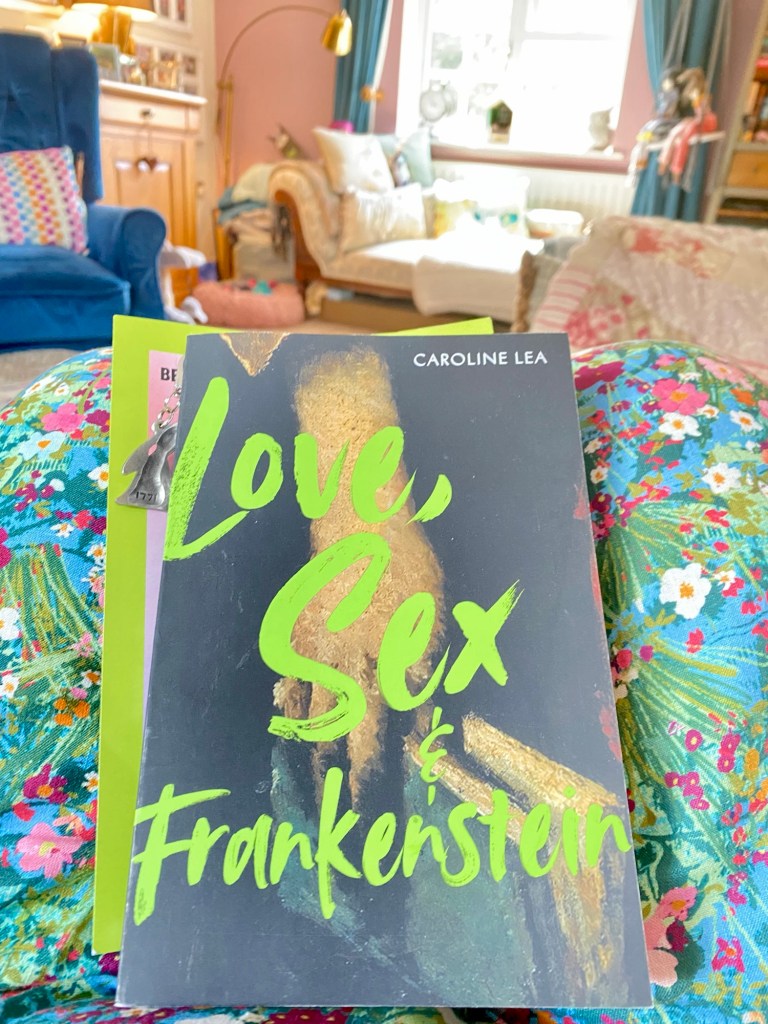
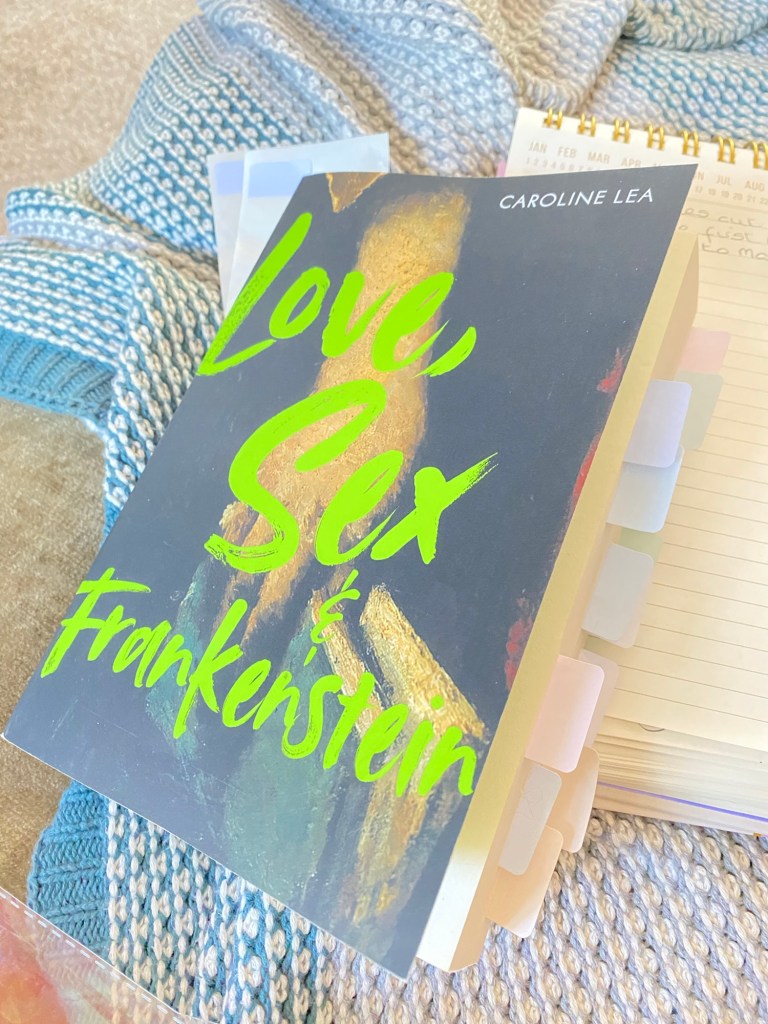
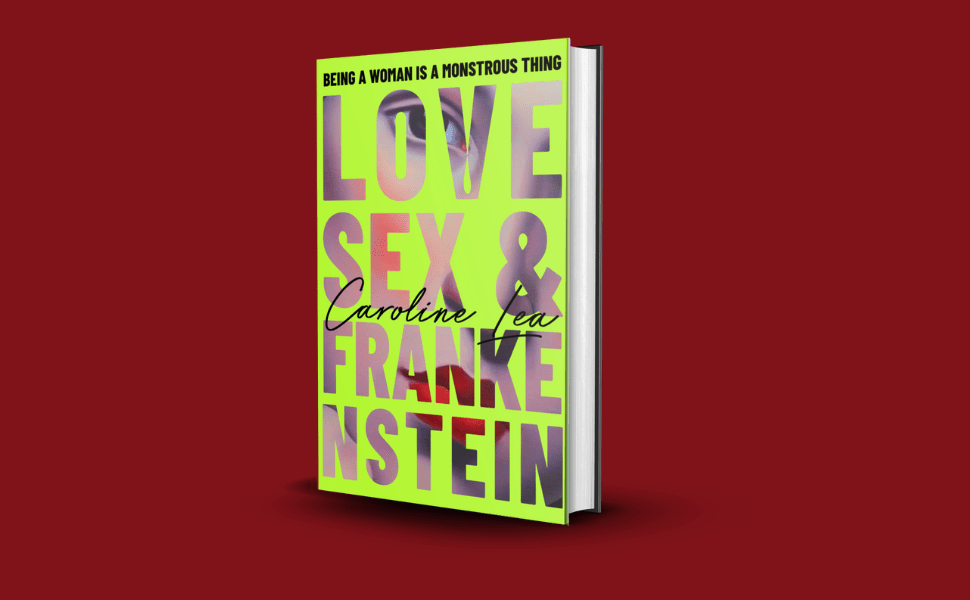
Love, Sex and Frankenstein by Caroline Lea

Mary Shelley, the author of Frankenstein, was born in 1797 to politician and writer William Godwin and his wife and fellow writer, Mary Wollstonecraft who wrote The Vindication of the Rights of Women. In her book she made, possibly the first, claim that women were not naturally inferior to men. It was a feminist manifesto centuries ahead of it’s time. Sadly Mary’s mother died only eleven days after she was born from puerperal fever, leaving Godwin to raise Mary as a single father. However, he remarried in 1801 to a widow with two children of her own, Clare being very near in age to her stepsister Mary. In 1841 Mary became connected to the poet Percy Bysshe Shelley, a well-known writer who was already married with three children. Shelley was 22 and Mary was 16. Facing nothing but criticism and social sanctions in London, the couple decided to escape to the continent along with Mary’s step-sister Clare. They then settled for a time on Lake Geneva, sharing a house with Lord Byron and his doctor Polidori. As the weather changed they become snowed in for a period of time and one of the diversions thought up by Byron was that each of them write a ghost story. Up until this point, Mary has only written in her journal but she can feel something stirring within her and in this strange place, Frankenstein’s monster is born. 

Probably every English Graduate who specialised in Gothic Fiction has fantasised about a stormy night, in a house on the edge of a lake near Geneva. That night was supposedly the genesis of the first vampire story – Polidori’s The Vampyre – and Mary Shelley’s classic horror, Frankenstein. It always seemed strange to me, how two iconic horror legends were conjured up in the same place on the same night. Of course it was a longer period of time and everything these writers experienced in their young lives so far was fuel for their creativity. The setting is definitely strange and unsettling. Caroline Lea paints a picture of the lake becoming monstrous, magical but evil too and no longer a place where children paddle and dive underwater. The sky is dark, trees look like ‘funeral lace’ and ash rains down from above. Local people have noticed that at times the lake throws up strange shadows and clouds, some that look like sky cities floating in the air. When they find a man called Karl Vogel drowned in the lake with his eyes turned from brown to blue – they are shocked, but this is a place of transformation. It’s as if nature is creating the perfect circumstances for monsters to be born. 

This incredible book. is a brilliant combination of historical and horror fiction, with a large side order of feminism – all of my favourite things. Every time I put the book down I would look at my husband and say ‘wow’ then try to write down everything that struck me. I ended up with ten pages of notes that I now need to build into coherent sentences and do this novel justice! Firstly the historical settings were incredible. When we first meet Mary and Clare, they are living in lowly lodgings in London. Mary’s baby is born and they are desperately trying to avoid the bailiffs that seem to follow Shelley wherever he goes. The author really captures 18th Century London with the girl’s filthy lodgings a bleak place to look after a baby. They’re also struggling to sleep, worried that any moment their flimsy door will be kicked down. This is the reality of being the mistress and illegitimate child of a well-known poet who does not pay his debts and has retreated back to his family home. I never imagined that Shelley left her in this position. I’d imagined them living on Lake Geneva complete with servants and all the excesses that Byron was famous for, then travelling around Europe, leaving their troubles behind them. Their relationship would probably be considered abusive now, not just because of their age difference but because of the way Shelley manipulates her. Something that only worsens when Byron and his peculiar brand of chaos are on the scene. When Mary tries to stick up for herself, all the qualities he supposedly loved about her – her independence, her spirit, her intelligence – are thrown back at her, in order to control, manipulate and punish her. He calls her a good mother, but also accuses her of fretting and becoming boring. It is her independent spirit that landed her in Shelley’s arms but he’d rather she didn’t have the independence to question him, refuse him or leave him. His threat is very clear:

‘Women who leave their children, will never see them again’. 

Of course Shelley wouldn’t give up his carefree life to look after his child. He would probably hire a string of nursemaids to seduce then discard, until his only option is to dump his son on his long suffering wife who is pregnant again. Mary starts to realise that although he professes to love her, once she has become a mother she is always expendable. My urge to slap Mary’s step-sister Clare started early in the book and flared up very frequently. She has absolutely no girl code. She had left with Mary in the hope of rekindling a brief liason with Byron. However, it’s clear she’s happy to switch affections if he isn’t there, even onto Shelley. She flirts and simpers, touching his arm and holding his hand to guide her outside. Byron’s treatment of Clare is utterly cruel, he manages to ghost her even when they’re finally face to face. He refuses to acknowledge she exists and then only picks her up again when the weather descends and there are no other prospects. Despite this it is hard to like her, especially when she gains snippets of information from Shelley only to drop them on Mary when they’ll hurt the most. The arrogance of both poets is endless! Byron isn’t just a seducer of women, he drinks and takes laudanum at every opportunity too. He abuses his supposed friend and doctor Polidori, considering him dull and mimicking his stutter in front of the women. His own disability is never mentioned by anyone – the limping stride he’s had since childhood is overlooked or even compensated for as Mary notices some people unconsciously falling into step next to him, slowing their stride to match his. His impulsivity is like that of a toddler, moving mid-week from a hotel to the house on the lake, determined not to pay for the weeklong stay he originally booked. It will cost more for the hotelier to clean up after his bizarre animals, including two eagles, a huge dog and a monkey. He sets his sights on Mary and despite his magnetism she can see what he truly is – a boy throwing mud at windows to detract from his own badness and shortcomings. 

The setting is glorious and it’s clear why frozen mountains, cavernous lakes and the arctic weather feature heavily in Frankenstein. It’s where Mary goes to have time to think, away from the chaos and hedonism indoors. The seemingly magical weather conditions are explicable, even though they feel supernatural. Lake Geneva is known for throwing up mirages called ‘Fata Morgana’. They take the form of distorted boats just above the horizon or even ‘castles in the air’, where a whole city seems projected into the clouds. Named after Morgan Le Fay the mirages are created by rays of light pass through air layers of different temperatures. The sheets of ice on a lake keep the surface air cooler than in the layers above. It’s easy to see why people might by unnerved by something that appears so otherworldly. A more psychological phenomenon that’s clearly takes hold within the house is cognitive dissonance, felt strongly by Mary in particular. The villa is starting to feel like a place she doesn’t belong because her emotions and reactions don’t seem to match anyone else’s in the group. 

‘She feels like a stranger in the foreign land of this room, unable to understand their bright chatter and loud laughter […] every moment takes her further away from these awful people who carry on as if she isn’t there at all’. 

Motherhood and the reality of being Shelley’s mistress has changed Mary and it’s so relatable. She wonders whether all women feel pulled in so many different directions at once. She also wonders if she ever had a true understanding with Shelley. A fire that lit up her heart and her mind is now glimpsed very rarely and she wonders if it ever truly existed. Has she fallen in love with her idea of Shelley – the one who creates the grand illusion of romance in his poems. He doesn’t love her, merely the idea of love itself. In disappointment with all men she turns to the wisdom of women, particularly her mother’s work. Mary Wollstonecraft was the first woman to write a feminist manifesto and she truly understood what needed to change for women – the problem of having to depend on a man. She realised that nurturing women’s learning was the first step: 

‘Strengthen then the female mind by enlarging it and there will be an end to blind obedience’. 

Women could only overcome their dependence on men if they were educated and could earn their own living. In Mary’s dark night of the soul she hears her mother’s voice encouraging and coaching her and the minute she does Mary’s able to breathe again and see a clear way to support herself – by selling her writing. Once she can do that, it no longer matters whether Shelley is inconstant or distant – she does not depend upon him for security and stability. She is ashamed that despite her intellect she has allowed this man to reduce her. Yet she has to tread a fine balance and think these things rather than say them outright. She fears that Polidori’s friendship with the two men, means they have convenient access to a doctor. If she fully expresses what she feels might Shelley think her mad and seek to have her committed? However, she is furious that she might be asked, yet again, to grant forgiveness to a man who is not sorry. She feels that both poets have taken and ruined promising young women, not caring that the consequences of their actions will rest solely on the girl’s shoulders. She wonders what it must be like to take up space in the world, to believe it is your birthright to dictate the temperature of every room they’re in. It is Byron’s arrogance that becomes her blueprint for a future self, allowing herself to be angry and consequences to be damned. She wants to be more like him, true to her emotions and principles and saying exactly what she thinks without worrying about the outcome. In fact it’s a dalliance with Byron where Mary seems to find more strength. It’s an uncomplicated exchange of desire, full of passion, but at no paint does he take anything from her. It gives her the strength to confront Shelley about returning to his wife and leaving both women at the mercy of debt collectors, out of sight and out of mind. She finds her voice and addresses Shelley as a man, rather than the great poet, making her feelings about his infidelity very clear, but also pointing out his cowardice and the times he hasn’t been there for her. 

I loved how the story of Frankenstein’s monster is psychological fragments stitched together, just like the monster himself. Through writing Mary processes her own emotions and thoughts which then feed into the emotions of the abandoned monster. She remembers stories of medical students digging up bodies and stealing them for dissection. Then she gives the creature an internal monologue, ripe with the emotions she has felt, but never expressed. Frankenstein leaves his monster just as Shelley left Mary and their baby in squalor. She’s writing a criticism of men who create with no thought for the thing they’ve created. Victor Frankenstein goes to sleep expecting his creature to die and feels nothing. The creature meanwhile feels a combination of Mary’s grief and abandonment, first losing her mother and then the loss of her father, a man who brought her up to have a rebellious spirit and think for herself, but rejected her when she lives by these principles. Mary is this bewildered and angry creature and that’s perhaps why she gives her monster the equivalent of philosopher John Locke’s tabula rasa – the blank slate of a small child ready to experience nature, love and all that is beautiful. Frankenstein’s monster embodies the nature/nurture debate in that the creature isn’t born evil, it’s other people’s cruel treatment of him that makes him monstrous. Her writing has processed all these feelings and working through them makes her feel hopeful for the first time. She might return to London with her son and instead of being beholden to Shelley or her father, she could keep them both with her own writing. 

Typically, blinded by his own arrogance Shelley doesn’t see himself in Victor Frankenstein at all. At first Mary thinks he’s feigning ignorance, but he genuinely can’t see his own reflection. He sees too much ambiguity in the story, thinking either the creature should make Victor look at his own shortcomings or she should make it so monstrous that no reasonable person would expect Victor to care for it. I loved the way she takes his criticism, because it shows us how much Mary has grown up. She realises that at every stage on the way to publication there will be a man who wants to shout his opinion. It doesn’t matter, because she knows they will all be mistaken. The book, like the creature at it’s centre, will be sent out into the wilderness looking for a creator. She’s fairly sure it will find one, because she knows her book is special. As for Caroline’s book, this is an absolute masterpiece and made me think about Frankenstein from so many different angles. Caroline Lea’s Mary take us through the psychological trauma and brings to life her relationship with Shelley, often told in a rather salacious or romantic way without any thought to the inequality between them. Through this experience she guides the reader through the genesis of this incredible novel. It is stitched together from so many different parts, but here we can see them all and understand the circumstances they come from. What Caroline has written is a Bildungsroman, a novel of Mary’s rebirth from girlhood to womanhood. Frankenstein is the chronicle of that birth, as messy, terrifying, horrific and momentous as it is. This birth being the genesis of Mary Shelley as a woman but also as a writer of one of the most important novels in literature.                                                                                                                                                                                                                                                                    

Meet the Author

Caroline Lea grew up in Jersey and gained a First in English Literature and Creative Writing from the University of Warwick, where she has also taught on the Creative Writing degree. Her fiction and poetry have been longlisted for the BBC Short Story Prize and Sunday Times Short Story Award, and shortlisted for the Bridport Prize, the Fish Short Story Competition and various flash fiction prizes. Her novel, THE GLASS WOMAN, was published to critical acclaim and shortlisted for the HWA Debut Crown. Her next novel, THE METAL HEART, was Scottish Waterstones Book of the Month. Her most recent novel, PRIZE WOMEN was featured and acclaimed on BBC Women’s Hour. Caroline is passionate about helping other writers to grow and succeed: she teaches creative writing both privately and, currently, for Writing West Midlands and is often recruited to give talks at literary festivals and events. She currently lives in Warwick with her partner and children and is working on her next novel about Mary Shelley writing Frankenstein. Her books often feature ordinary women in extraordinary circumstances.

Posted in Random Things Tours

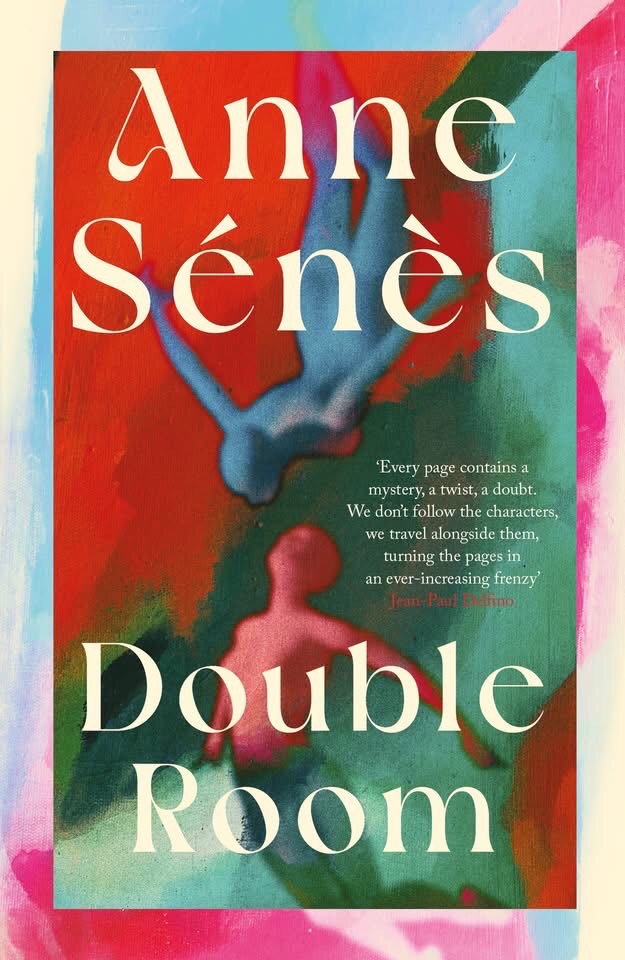
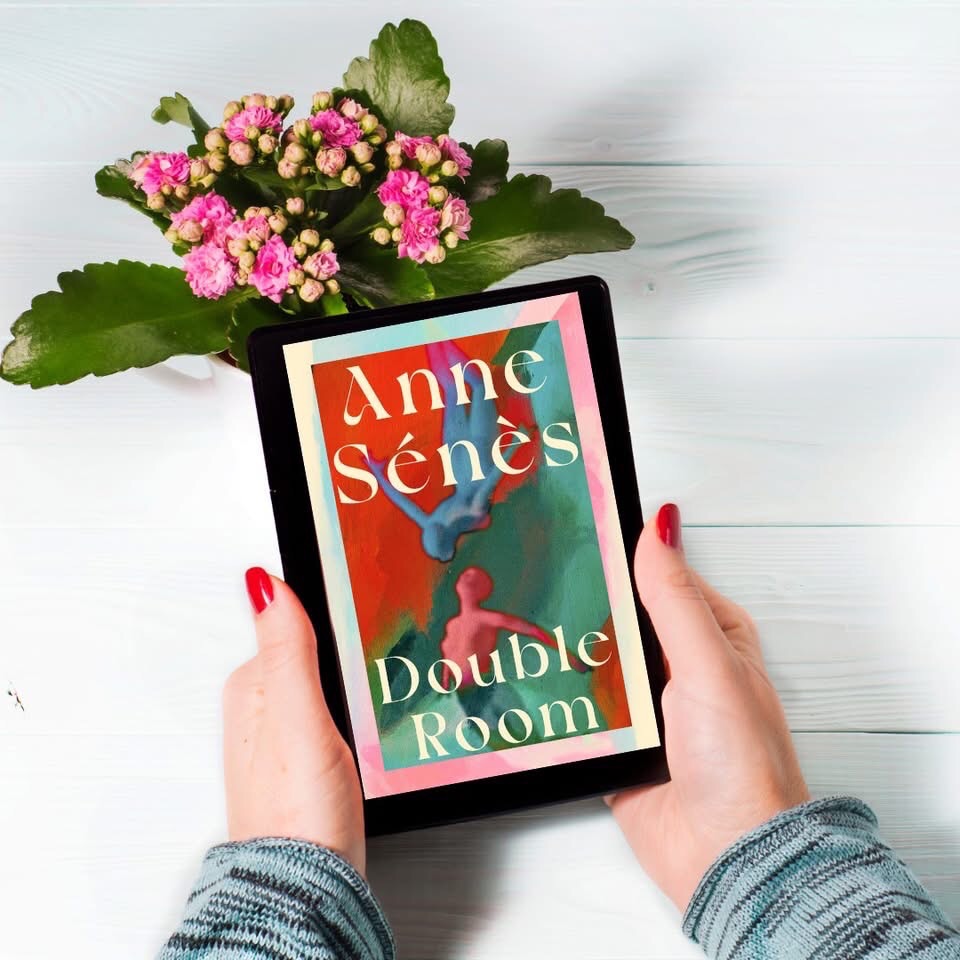
Double Room by Anne Sénès

London 1990s – An up and coming French composer called Stan is invited to arrange music for a stage production of Dorian Gray. Although the play is never staged, he does meet Liv and she becomes the love of his life. They live together, joined by a daughter called Lisa. Their happiness fuels his senses with vibrant colours and melodious music.

Paris, Present Day – Stan lives in France at the Rabbit Hole, a house left to him by his aunt. He now shares his life with Babette, a lifeguard and mother of a teenage boy of Lisa’s age. They also share their home with Laïvely, a machine built by Stan and given Liv’s voice. As Stan becomes more engrossed in his past Laïvely starts to take on a life of her own. His life is about to implode.

This is, at heart, a love story. Told in flashbacks Stan reminisces over a golden period of his life when he and Liv fall in love. It’s no accident that they meet through a production of Dorian Gray because the author does bring it’s style and it’s moral into her novel. The first thing I noticed was the fact that Stan has synaesthesia, a fascinating neurological condition where colours or images evoke tastes or smells. The opening of Dorian Gray is so heady with scent it could conjure a symphony:

“The studio was filled with the rich odour of roses, and when the light summer wind stirred amidst the trees of the garden, there came through the open door the heavy scent of the lilac, or the more delicate perfume of the pink-flowering thorn.”

Some of Stan’s descriptions, as colour turns to scent and then turn to melodies, bring the senses alive in a similar way. For Stan, music is simply an extension of his sensory abilities, like a form of ESP. There is also the doubling aspects of both novels, captured in the book’s title. Dorian Gray’s portrait is the sum of his dissolute lifestyle, freeing him to experience more and more without it showing on his face. Stan presents his life in two narratives, the present in France and the past where he was at his most creative, happy and in love. His relationship with Liv is almost idyllic. They seem to be naturally suited, in total harmony and without a cloud in the sky. Anything he relates of his present can only suffer in comparison. We learn that he and Babette are compatible, but there is none of the life and vivid colour that comes from his reminiscence. We are all nostalgic about the past, but no relationship can be perfect especially when cramped into the average London apartment with a small baby. While it is touching and romantic, the cynic in me wondered was this a true picture? As for Liv, she is in technicolour in Stan’s flashbacks with her vivid red hair. However, all that life is now reduced to a communication device and no matter how Stan cuddles Laïvely to him, she is inanimate, merely a machine. In what way is this a fitting representation of the love of his life? It seems like, in the present, neither Stan or Liv is truly alive. When Stan trips one morning the giggle that comes from the device is strange, a laugh he’s not a encountered before. Could it be there is a hint of malice?

The other book mentioned heavily is of course Alice in Wonderland, inspiration for the name of Stan’s home in France. Another book where there are versions of the self and a blurring between what is real and unreal, something the author has carried into this novel successfully. Stan’s past has all the colour that his present is missing, but there’s something equally unreal about his present. It’s not that there isn’t a fulfilling life to be had. It’s just that Stan isn’t fully engaged. I felt as if the rest of his family had a life, but Stan has started to detach from it. The author’s layers of description evoke the 1990s in a nostalgic way, something I’m apt to do from time to time because it was my era. Laïvely is meant to bring Liv into the here and now, but it feels more like a conduit to the past dragging Stan further and further away from reality. He rarely mentions his or Babette’s child, until he and Téo have a row. He tells us Babette organises everything: celebrations, days out and holidays. Is this a natural division of their lives or is it simply that if Babette didn’t do it their life would run aground? Their relationship seems more about companionship and choice rather than love. It’s as if he has found a calm, steady presence who won’t overpower his senses.

The author cleverly fragments things, very slowly. When I turned a page and realised Stan had been injured by a cupboard door, I had to go back and work out how this had happened. The story continues in past and present chapters but the past starts to feel more coherent and real. Loss is a strange thing, even when you’ve moved on in life because the previous one is still there, haunting you. It becomes a parallel existence where you think about what life would be like now if you hadn’t lost that person. Stan can tell us long detailed passages about what Liv was wearing, the colour of her hair barrettes. He can relate details of their friend Henry’s visits, the eccentric musician has a good relationship with Stan’s daughter Lisa and is there to the end of their relationship. At Rabbit Hole Stan is becoming as inanimate as Laīvely. He’s eating and playing music, often in the same room as his family without hearing a word they say. At times he seems almost catatonic, unable to answer Babette when she knocks at his door. Then she tells him she has booked a holiday without him, choosing to take her son. Stan says nothing, the tension rising. I felt we were building towards something with our past timeline catching us up to why he and Liv are no longer together. I could understand him coming apart a little as he relives his story but this is complete disassociation. I was ready to be heartbroken for him and his daughter, but things are not always as they seem.

The author brings the truth to light brilliantly and I feared Stan’s mind was splitting. He has always remembered his and Liv’s relationship as an ideal. Often when we lose someone the tendency is to rewrite history and paint them as a good person who everyone loved, even glossing over addictions, criminality and all manner of bad behaviour. I’ve occasionally been to a funeral and wondered if the speaker and me knew different people. I can’t see the point of remembering something that isn’t real. Stan seems to imagine that he and Liv would have lived in this harmonious way forever, then as the truth emerges Stan’s perception of himself starts to shatter. Babette finds him catatonic and soaking wet, having to place him in a hot bath and slowly bringing him back to himself. It’s the most nurturing, selfless and loving part of the book and it’s all the more sad that he hasn’t before recognised or rewarded her love and loyalty.

“My partner has behaved like a mother, a loving and devoted wife. She had cared for me, comforted me, given me all the tenderness she could muster”.

He also realises that there were times he was too distant and distracted with Liv, that he stopped paying her attention. It was as if he had imagined them always walking towards a common goal but truthfully, he knows they were out of pace with one another. As the ‘tick, tock’ of the clock at the Rabbit Hole reminds us that the end is approaching we fully comprehend this heartbreaking story. This is no ordinary loss and it’s clear that Stan has never faced the truth of their final days until now. This is an emotional end that has one final twist to impart and it is devastating. It seems that Stan has always held on to Liv’s portrait, but is was a ‘painting turned against the wall’, keeping it’s secrets until that final terrible reveal.

Out Now From Orenda Books.

Meet the Author

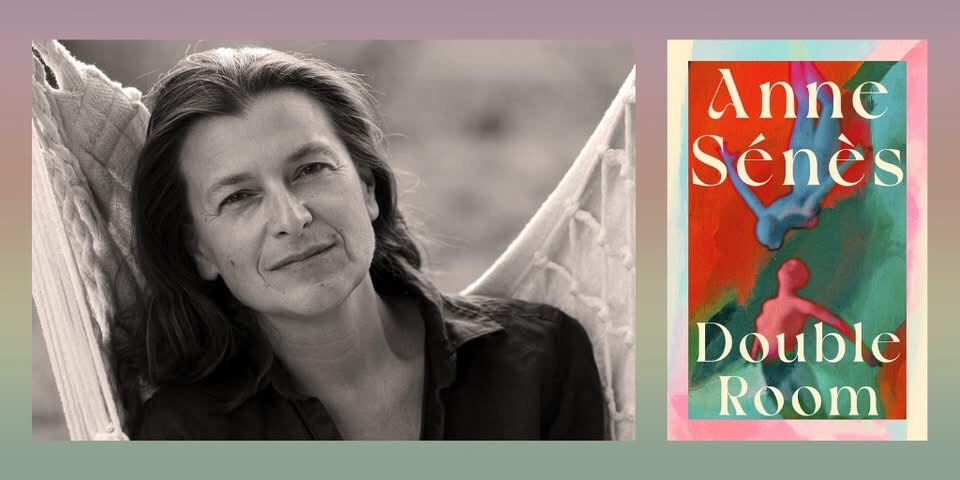
Anne Sénès is a writer, translator and former journalist. She was born in Paris and studied at the Sorbonne, where she obtained a PhD in English studies. Her passion for Anglo-Saxon literature and culture has taken her all over the world, from London to Miami, via the south of France. She is currently based on the French Mediterranean coast. Chambre Double (Double Room) is her first literary novel.

Posted in Travel Fiction

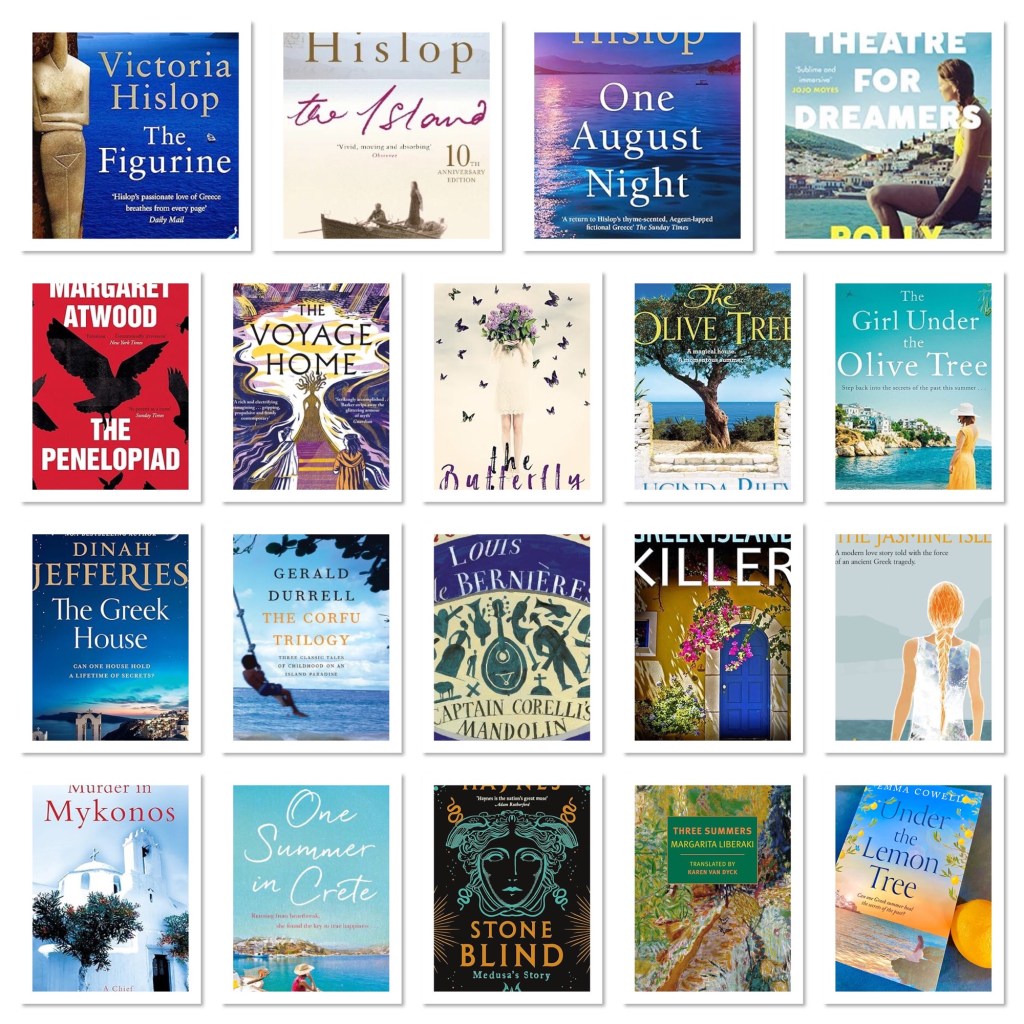
Summer Holiday Reads: The Greek Islands

Classics

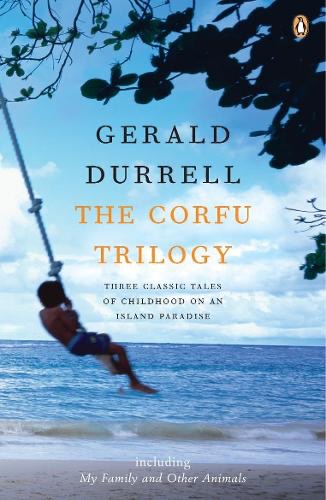
Three classic tales of childhood on an island paradise – My Family and Other Animals, Birds, Beasts and Relatives and The Garden of the Gods by Gerald Durrell – make up The Corfu Trilogy.

Just before the Second World War the Durrell family decamped to the glorious, sun-soaked island of Corfu where the youngest of the four children, ten-year-old Gerald, discovered his passion for animals: toads and tortoises, bats and butterflies, scorpions and octopuses. Through glorious silver-green olive groves and across brilliant-white beaches Gerry pursued his obsession . . . causing hilarity and mayhem in his ever-tolerant family. This book is joyous and has the reputation of being the only book my brother loved. The Durrells are gloriously eccentric and this trilogy transports you to Corfu so well it’s like taking a holiday.

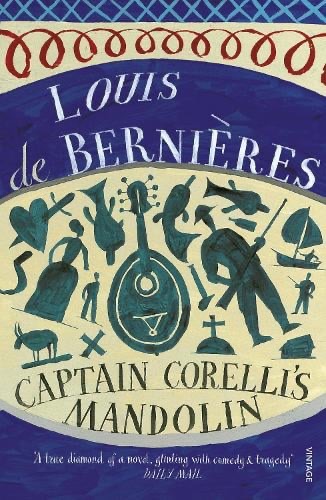
It is 1941 and Captain Antonio Corelli, a young Italian officer, is posted to the Greek island of Cephallonia as part of the occupying forces. At first he is ostracised by the locals but over time he proves himself to be civilised, humorous – and a consummate musician.

When Pelagia, the local doctor’s daughter, finds her letters to her fiancé go unanswered, Antonio and Pelagia draw close and the working of the eternal triangle seems inevitable. But can this fragile love survive as a war of bestial savagery gets closer and the lines are drawn between invader and defender? Forget the awful film, in which barely anyone was Greek, and pick this up if you haven’t already. Not only is it a great chronicle of WW2 in Greece, but it is a touchingly beautiful love story you’ll want to read again.

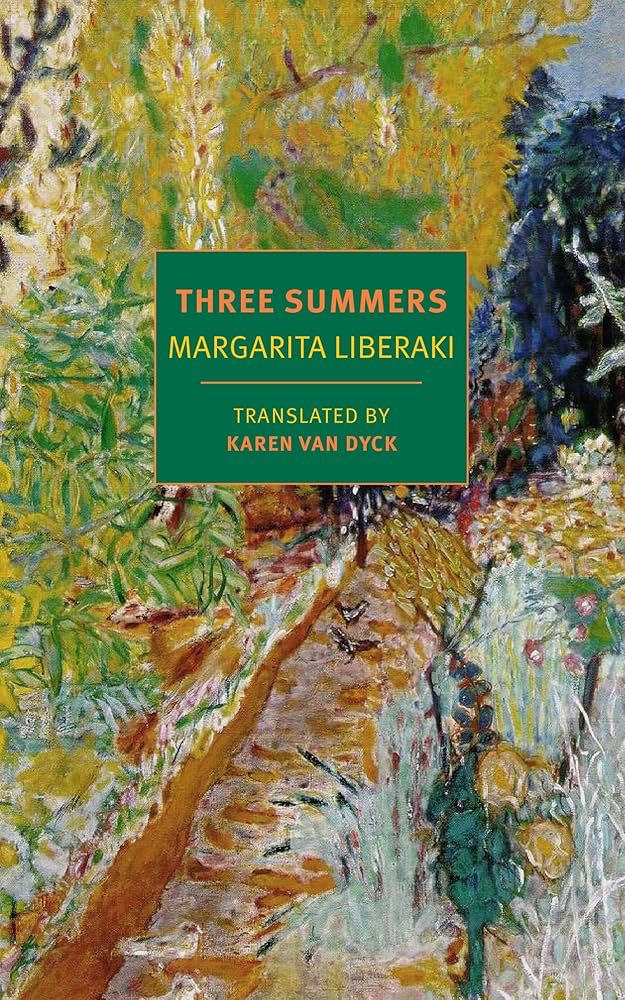
That summer we bought big straw hats. Maria’s had cherries around the rim, Infanta’s had forget-me-nots, and mine had poppies as red as fire. . .’

I read a recent review where Three Summers was touted as a Greek I Capture The Castle and that draws me in straight away. This is a warm and tender tale of three sisters growing up in the countryside near Athens before the Second World War. Living in a ramshackle old house with their divorced mother are flirtatious, hot-headed Maria, beautiful but distant Infanta, and dreamy and rebellious Katerina, through whose eyes the story is mostly observed. Over three summers, the girls share and keep secrets, fall in and out of love, try to understand the strange ways of adults and decide what kind of adults they hope to become. A beautiful story of growing up, sisterhood and first love.

Retold Myths

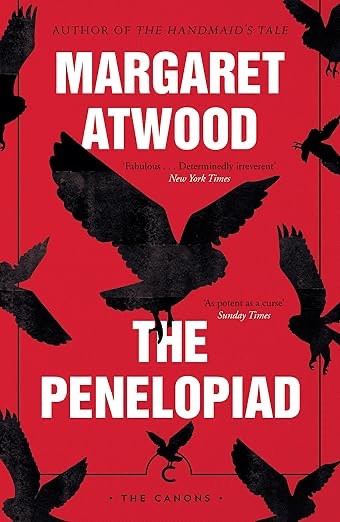
Now that all the others have run out of air, it’s my turn to do a little story-making . . . So I’ll spin my own thread.

Penelope. Immortalised in legend and Greek myth as the devoted wife of the glorious Odysseus, silently weaving and unpicking and weaving again as she waits for her husband’s return from the Trojan war. 

Now Penelope wanders the underworld, spinning a different kind of thread: her own side of the story – a tale of lust, greed and murder. This is one of the first novels to write back to Greek Myth, to tell the story of a sidelined character in the tale of Odysseus. Atwood tells a tale of the Trojan War from a feminist perspective, looking through the eyes of Penelope who has no action or agency in the original myth, only appearing as the dutiful wife.

‘So to mortal men, we are monsters. Because of our flight, our strength. They fear us, so they call us monsters’

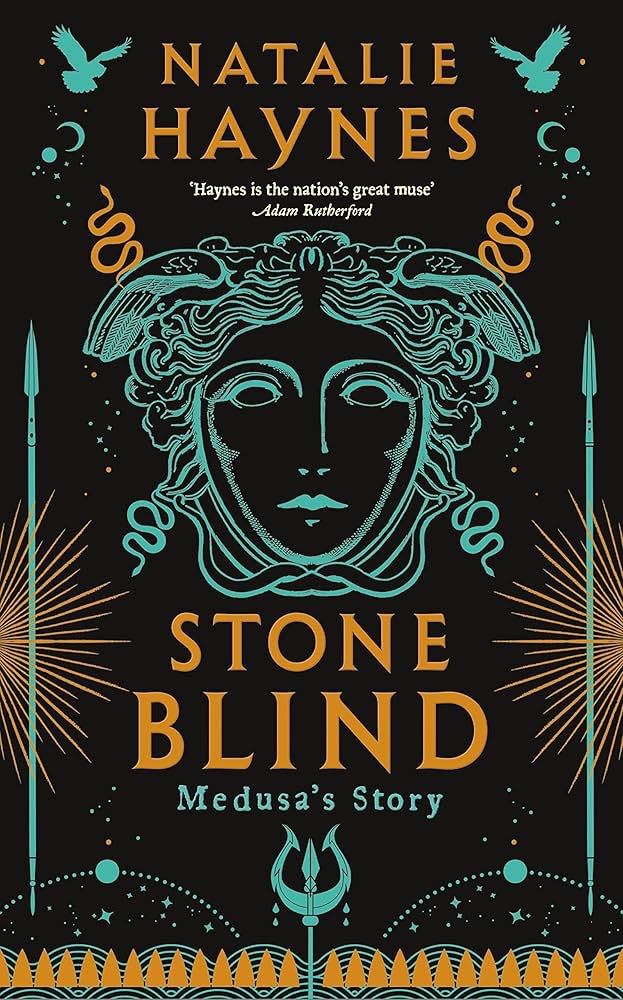
Medusa is so hard done to who acts like a cautionary tale about the meddling Greek gods. Medusa is the sole mortal in a family of gods. Growing up with her Gorgon sisters, she begins to realize that she is the only one who experiences change, the only one who can be hurt.

When Poseidon commits an unforgiveable act against Medusa in the temple of Athene, the goddess takes her revenge where she can: on his victim. Medusa is changed forever – writhing snakes for hair and her gaze now turns any living creature to stone. She can look at nothing without destroying it.

Desperate to protect her beloved sisters, Medusa condemns herself to a life of shadows. Until Perseus embarks upon a quest to fetch the head of a Gorgon . . .

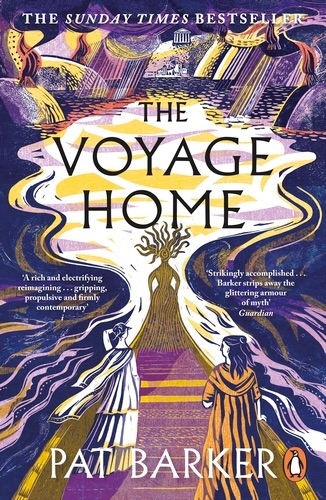
After ten blood-filled years, the war is over. Troy lies in smoking ruins as the victorious Greeks fill their ships with the spoils of battle.

Alongside the treasures looted are the many Trojan women captured by the Greeks – among them the legendary prophetess Cassandra, and her watchful maid, Ritsa. Enslaved as concubine – war-wife – to King Agamemnon, Cassandra is plagued by visions of his death – and her own – while Ritsa is forced to bear witness to both Cassandra’s frenzies and the horrors to come.

Meanwhile, awaiting the fleet’s return is Queen Clytemnestra, vengeful wife of Agamemnon. Heart-shattered by her husband’s choice to sacrifice their eldest daughter to the gods in exchange for a fair wind to Troy, she has spent this long decade plotting retribution, in a palace haunted by child-ghosts.

As one wife journeys toward the other, united by the vision of Agamemnon’s death, one thing is certain: this long-awaited homecoming will change everyone’s fates forever. This is a brilliant retelling of a myth we know so well and the reality of war from a female perspective.

Crime Fiction

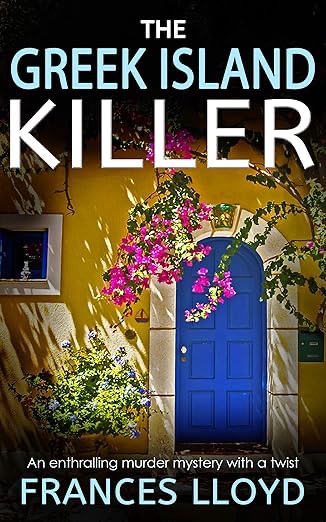
Mykonos had always had a romantic reputation, until the body of a female tourist was found on a pile of bones under the floor of amountain church. The island’s new police chief starts finding bodies, bones and suspects almost everywhere he looks. This thriller has a great atmosphere, is perfect for readers who love a good mystery and also Greek legends, which the author weaves throughout her story. The reader is firmly on the side of the heroine, trying desperately to escape her fate. You will also be rooting for Inspector Kaldis, who was recently demoted from Athens to the isle of Mykonos. He’s trying to avoid the political pitfalls on the island as he pursues the Killer, whose identity is not revealed until the end of the story. This is a fun one for the reader to speculate on as the action builds to a nail-biting climax. Highly enjoyable and addictive.

SOMEONE’S POISONING PARADISE

Detective Inspector Jack Dawes is travelling to a tiny Greek island with wife Corinne, ready for a bit of sun, sea and sand.

However, one of their fellow travellers is a ruthless killer.
When a storm destroys the island’s primitive communications, cutting it off from civilisation, people begin to panic. One victim is poisoned, followed swiftly by another. Then a woman is found in a grotto to St Sophia, the island’s patron saint. She is badly beaten. It feels as if the island’s visitors are being picked off one by one. Can Jack uncover the truth before the killer ups the ante?

Who will return home — and who will be sacrificed to the island?

Historical Fiction

It’s May 1941, when the island of Crete is invaded by paratroopers from the air. After a lengthy fight, thousands of British and Commonwealth soldiers are forced to take to the hills or become escaping PoWs, sheltered by the Cretan villagers.

Sixty years later, Lois West and her young son, Alex, invite feisty Great Aunt Pen to a special eighty-fifth birthday celebration on Crete, knowing she has not been back there since the war. Penelope George – formerly Giorgidiou – is reluctant, but is persuaded by the fact it is the 60th anniversary of the Battle. It is time for her to return and make the journey she never thought she’d dare to. On the outward voyage from Athens, she relives her experiences in the city from her early years as a trainee nurse to those last dark days stranded on the island, the last female foreigner.

When word spreads of her visit, and old Cretan friends and family come to greet her, Lois and Alex are caught up in her epic pilgrimage and the journey which leads her to a reunion with the friend she thought she had lost forever – and the truth behind a secret buried deep in the past…

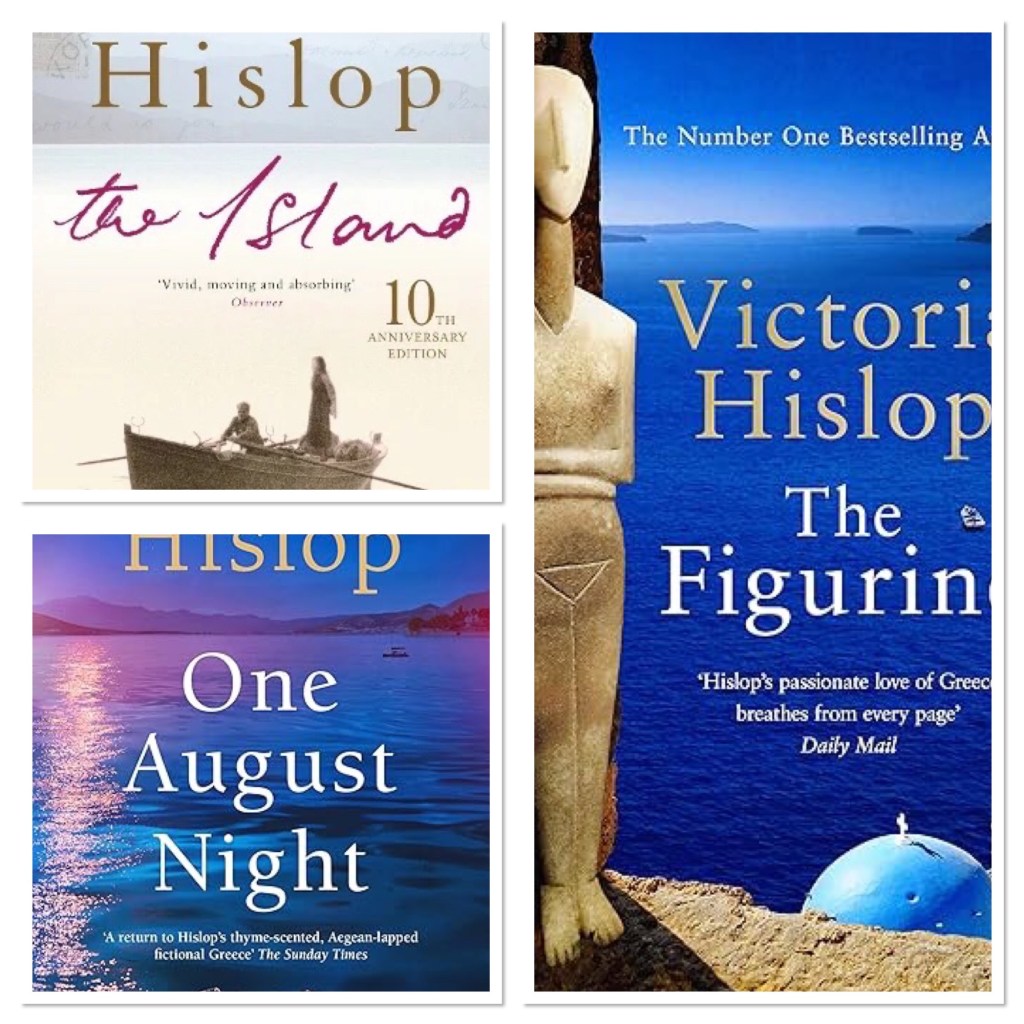
Victoria Hislop is the Queen of fiction set on the Greek Islands, ever since her book The Island

25th August 1957. The island of Spinalonga closes its leper colony. And a moment of violence has devastating consequences.

When time stops dead for Maria Petrakis and her sister, Anna, two families splinter apart and, for the people of Plaka, the closure of Spinalonga is forever coloured with tragedy.

In the aftermath, the question of how to resume life looms large. Stigma and scandal need to be confronted and somehow, for those impacted, a future built from the ruins of the past.

Victoria Hislop returns to the world and characters she created in The Island – the award-winning novel where we first met Anna, Maria, Manolis and Andreas in the weeks leading up to the evacuation of the island… and beyond. Alexis Fielding longs to find out about her mother’s past. But Sofia has never spoken of it. All she admits to is growing up in a small Cretan village before moving to London. When Alexis decides to visit Crete, however, Sofia gives her daughter a letter to take to an old friend, and promises that through her she will learn more. 

Arriving in Plaka, Alexis is astonished to see that it lies a stone’s throw from the tiny, deserted island of Spinalonga – Greece’s former leper colony. Then she finds Fotini, and at last hears the story that Sofia has buried all her life: the tale of her great-grandmother Eleni and her daughters and a family rent by tragedy, war and passion. She discovers how intimately she is connected with the island, and how secrecy holds them all in its powerful grip…

In The Figurine we are taken beneath the dust sheets in the Athens apartment that Helena McCloud has inherited from her grandparents, There she discovers a hidden hoard of rare antiquities, amassed during a dark period in Greek history when the city and its people were gripped by a brutal military dictatorship.

Helena’s fascination for archaeology, ignited by a summer spent on a dig on an Aegean island, tells her that she must return these precious artefacts to their rightful place. Only then will she be able to allay the darkness of the past and find the true meaning of home – for cultural treasures and for herself.

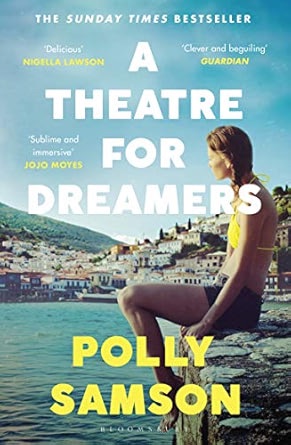
It seems crazy to think of the 1960s as a historical era, but it is now 60 years ago! In this dreamy and bohemian novel, Erica is eighteen and ready for freedom. It’s the summer of 1960 when she lands on the sun-baked Greek island of Hydra and is swept up in a circle of bohemian poets, painters, musicians, writers and artists, living tangled lives. Life on their island paradise is heady, dream-like, a string of seemingly endless summer days. But nothing can last forever.

Romance and Self-Love

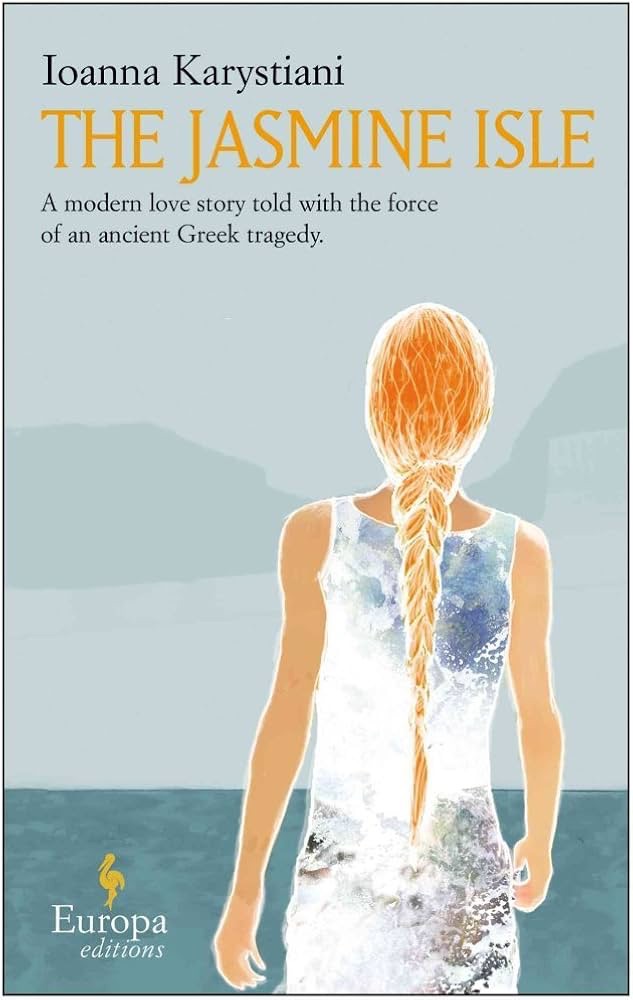
Set on the breathtaking island of Andros, The Jasmine Isle is one of the finest literary achievements in contemporary Greek literature. Mina Saltaferou is the despotic wife of a ship’s captain, Savvas Saltaferos. Her tyrannical influence over her two daughters is unquestionable and unrelenting, like nature itself. Tragedy becomes inevitable when Mina’s beautiful, eldest daughter, Orsa, is sentenced by her mother to marry a man she doesn’t love and watch as the man she does love weds another.

I love a family saga and this one spans half a century in the history of modern Greece, this novel explores the solace and joy women find in each other’s company during the insufferably long absences of their husbands, sons, and lovers. The story alternates between descriptions of domestic life and evocations of the world’s seas and ports, as it follows both the men who embark on voyages lasting months and the lives of the women who remain behind

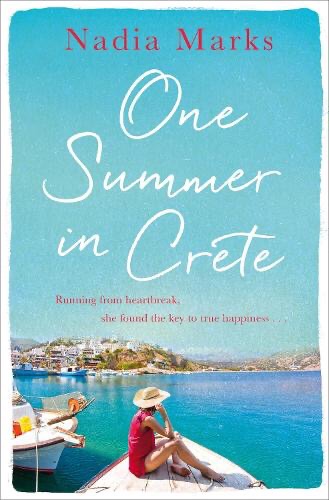
Calli’s world has fallen apart – her relationship is suddenly over and her chances of starting a family are gone. So when she’s sent to write a magazine article about the Greek island of Ikaria, it seems the perfect escape.

Travelling to Crete, where her family is from, Calli soon realizes there is more to discover than paradise beaches and friendly locals. When her aunt Froso begins to share the story of her own teenage heartache, will the love, betrayal and revenge she reveals change Calli’s life forever?

As a young woman, Helena spent a magical holiday at Pandora, a beautiful house in Cyprus – and fell in love for the first time. Now, twenty-four years later and following the loss of her godfather, she has inherited Pandora. And, though it is a crumbling shadow of its former self, Helena returns with her family to spend the summer there.

When, by chance, Helena meets her childhood sweetheart, her past threatens to collide with her present. She knows that the idyllic beauty of Pandora masks a web of secrets that she has kept from her husband and thirteen-year-old son. And that, once its secrets have been revealed, their lives will never be the same . . .

Sophie Keech has it all. A new life in Greece with a handsome man enables Sophie to leave her mundane job and her estranged mum. But four years on, a domineering mother-in-law to be and the reality of living in Greece not being what Sophie imagined, strains her relationship with Alekos. 

When her mum is involved in an accident, Sophie jumps at the chance to escape. Time to reassess her life and make amends is sorely needed. Yet an attraction to a good looking and newly divorced man, and a shock discovery, complicates things.

Can Sophie and Alekos’ love survive the distance?

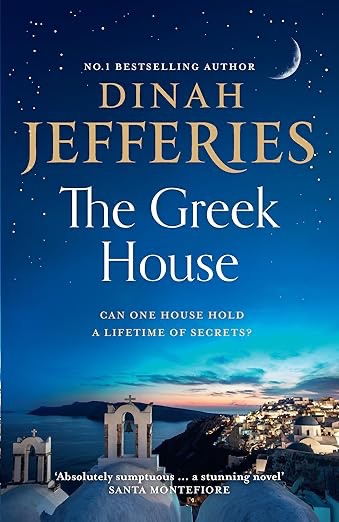
Can one house hold a lifetime of secrets?

Corfu, 1930, the moment Thirza Caruthers sets foot on Corfu, memories flood back: the scent of jasmine, the green shutters of her family’s home ― and her brother Billy’s tragic disappearance years before. Returning to the Greek house, high above clear blue waters, Thirza tries to escape by immersing herself in painting ― and a passionate affair. But as webs of love, envy, and betrayal tighten around the family, buried secrets surface, is it finally time to uncover the truth about Billy’s vanishing?

New To Look Forward To.

Could discovering a family secret encourage Kat to follow her heart?

Shattered by the sudden loss of her twin, Nik, Kat is lost in grief. The comfort of family feels both soothing and suffocating, but everything changes when she inherits a house on the breathtaking Greek island of Agistri from a mysterious uncle she’s never met.

Arriving on Agistri, Kat is mesmerized by its crystalline waters, lush pine forests, and the citrus-scented air. Among the white-washed houses and warm, welcoming locals, she begins to feel her heart heal. The island offers more than solace, sparking courage in Kat to face her loss — and maybe even embrace the spark of unexpected love…

But as she unearths her family’s buried past, Kat must also confront her own fears of belonging, forgiveness — and the possibility of rediscovering happiness in the shadow of heartbreak…

Posted in Netgalley

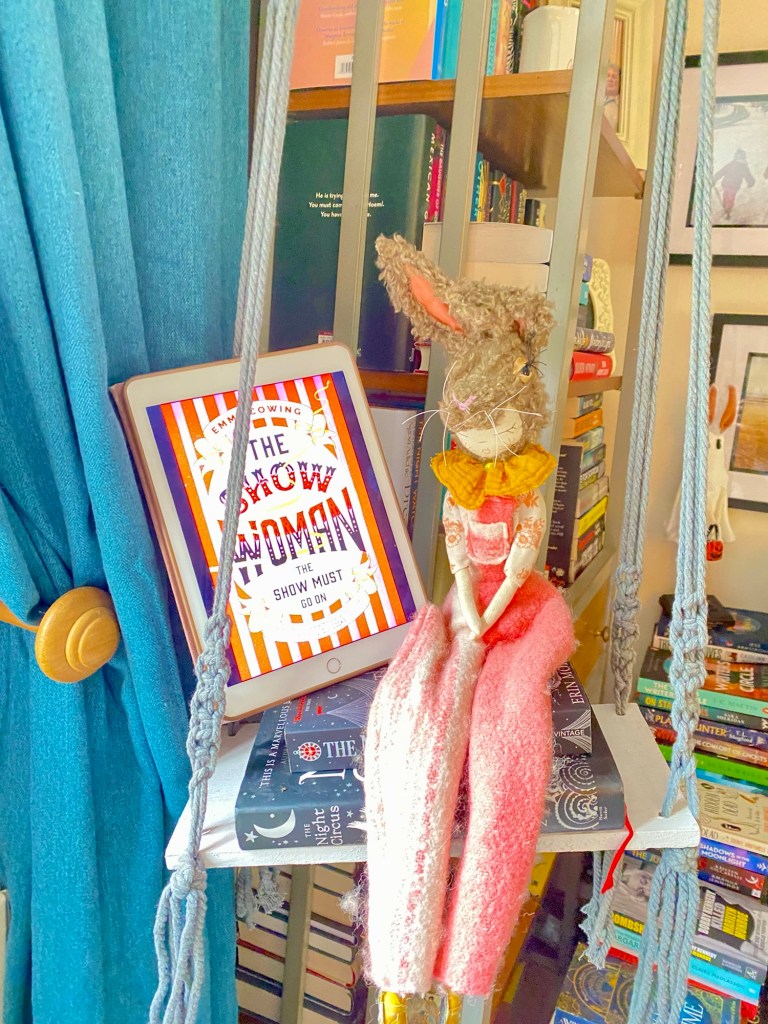
The Show Woman by Emma Cowing 

I loved this book about four women brought together creating an all female mini circus. Lena is the show woman of the title and as well as managing all their finances and planning, she is the ring mistress. Violet escapes another circus to become their trapeze artist. Rosie is their bareback rider, while Carmen can be a musician, acrobat and dancer whose costume is a swirling rainbow of ribbons. Set in 1910, we meet the Grand Dame of the show circuit in Scotland – Serena Linden. Serena is the show woman behind Linden’s Circus renowned throughout Scotland and the only circus to perform at Balmoral for Queen Victoria and the royal family. Serena is the old guard who has inherited her circus from her father. She is old, arthritic, bitter and quite capable of settling scores with trickery and violence. She particularly likes to thwart those who flee her employ and move to other shows or even worse,start their own. 

Lena has always been at the background of the circus and fair ground scene she has lived in all her life. Her mother disappeared a long time ago and she doesn’t remember her. Now her father has died and has left just their caravan and his carousel. She is told she’d better it sell it if she wants to have a life, because her only other options are to find a husband or a factory job. That’s until Violet arrives with a proposition. Violet is known for her flame red hair and her talent on the trapeze, she is known by fairground people as the greatest trapeze artist that’s ever lived, but also for being outspoken and a bit of a loner. What if they started their own show? They’re both outcasts and have nothing to lose. When they start to look for performers they find two more women on the run. Rosie has practiced her bareback riding with her pony Tommy for years. In fact she never imagined escaping her abusive father, but couldn’t stand it any longer. Finally there’s Carmen, a beautiful Spanish girl with luscious black hair and a lot of secrets. She dances and performs acrobatics in her rainbow ribbons. With Lena as ringmaster and an old but serviceable tent can they last the season? 

I loved spending time with these wonderful women. I wanted to mother Rosie who desperately needs to let the truth out about her father and the after dark fumbling in the laundry cupboard. Her relationship with Tommy the pony is so beautiful because of the trust they have in each other, so when he fell ill I was so worried. Her burgeoning feelings for Violet are so pure and totally separate from the shame she’s holding onto. Violet is brilliantly herself and never tries to be anything else. She has a preference for women and has years of experience in this world, knowing how careful she must be. She knows that leaving Linden’s was risky so when their show is sabotaged she wonders if it might be Serena’s goons. Especially when they wreak the ultimate revenge on her specifically. Violet doesn’t know how she’ll cope if she ever can’t fly. Carmen keeps her cards close to her chest but somehow finds a home with the other women. She holds a lot of shame, for the years she spent on the streets, destitute and selling the only thing she has left. It’s this past that threatens her place in the show, when a misunderstanding comes between her and Lena. 

I really enjoyed Lena, who’s strong and old, perfectly capable of organising three women and travelling from place to place iin season. It’s Lena who gets up early, has a dip in the river or stream then sets up the camp fire and cooks breakfast for the others. I could imagine her in her usual ‘ringmaster’ outfit, with the combination of the masculine clothes her long hair and red lipstick bringing a sass and sexiness to her role. Love is her undoing. It’s an instant attraction between her and Violet’s brother Harry, who no longer works on the shows but has become a music hall singer. He offers advice on the show and protection when a couple of men lurk around the caravan, seeing four women as sitting ducks. When the women’s luck changes and Violet is angry and frustrated she lets slip a secret that breaks Lena’s heart. The women come apart. Can Lena find out about the sabotage and her family history by visiting Serena Linden? 

Lena is determined to understand her past , uncovering a kinship between her and one of the others that has been hidden for years. She is also determined to find out who committed the act of sabotage against Violet. Was it about the show or was it more personal? She becomes the head of this family, determined to bring them all back together. A community that fully supports each other, who listen and understand the circumstances and pain that has brought them here. I was rooting for all of these women and not just the show, but their new found independence and friendships. It was those evenings where they were talking in the caravan after a show, too full of adrenaline to sleep. Or the warm and sunny days when they got chance to swim in a local lake or river, to wash their hair. Then there were the joint efforts to save Rosie’s pony. It’s these moments that are just as magical for these women as the seconds before Violet lets go and flies through the air. 

Out May 1st 2025

Meet the Author

Emma Cowing is a journalist and author. She was shortlisted for the 2023 Cheshire Novel Prize, and longlisted for the 2023 Bath Novel Award and Blue Pencil First Novel Award. She lives in Glasgow with her husband Jonathan and their cat, Moses. The Show Woman is her first novel.

Posted in Publisher Proof

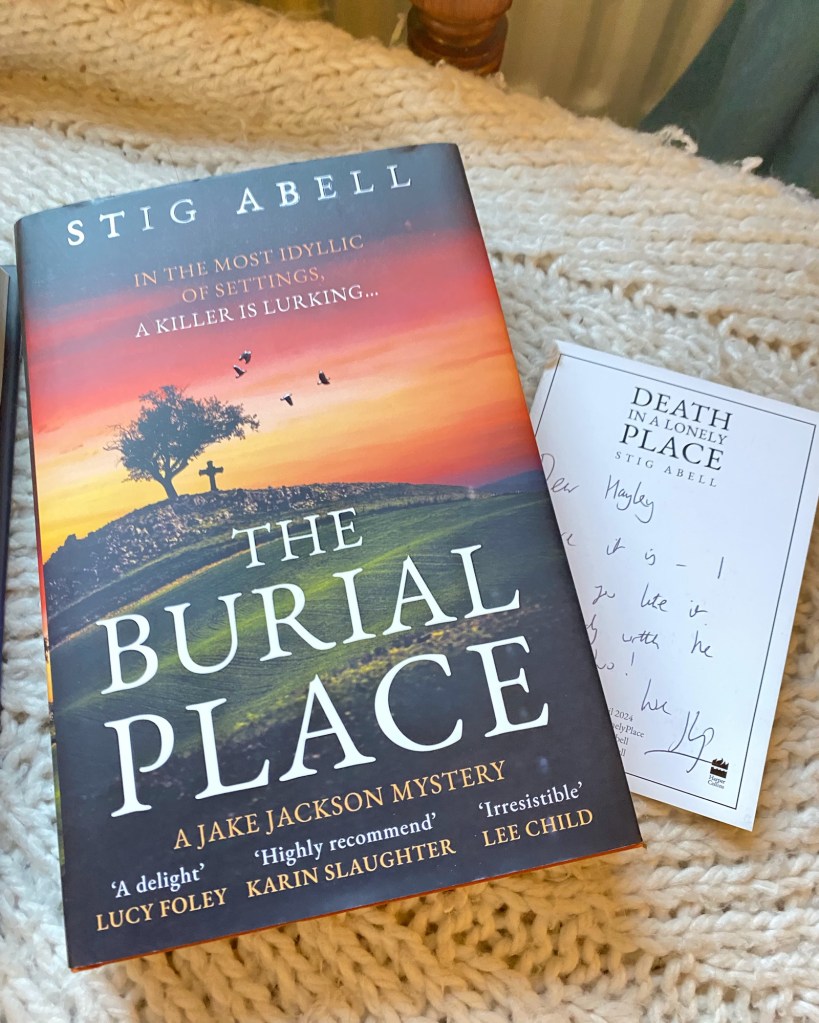
The Burial Place by Stig Abell

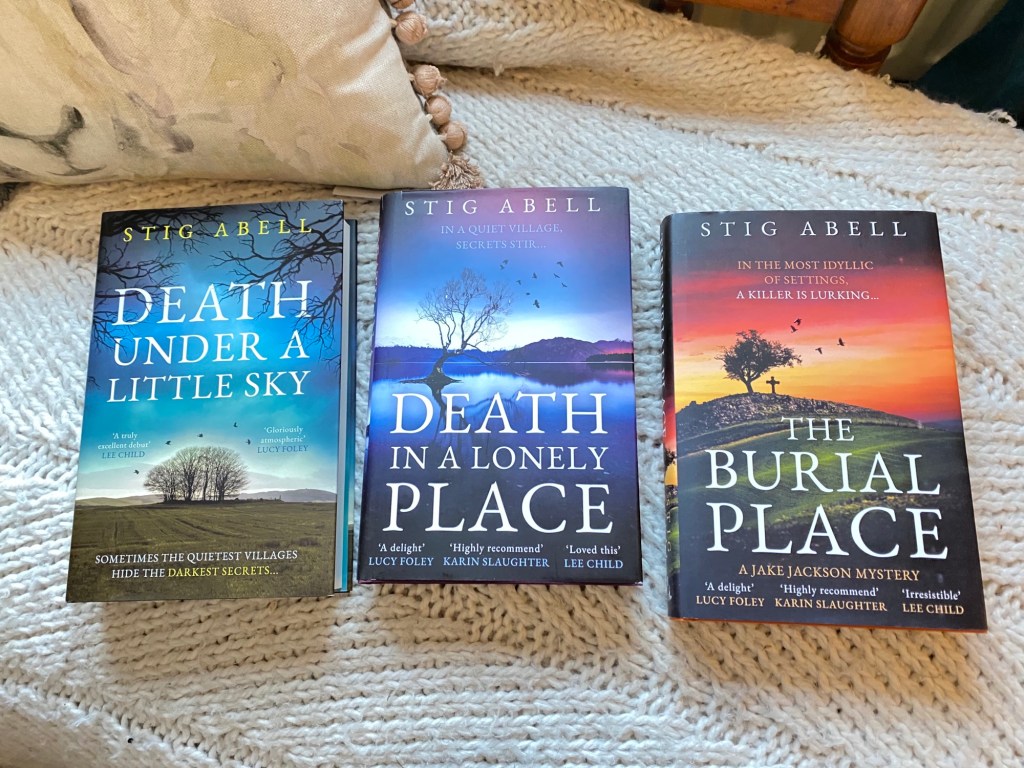
I was so lucky to be sent a copy of this new book in the Jake Jackson series, based on a conversation about my love of Martha – an abrupt but super intelligent analyst and crime writer. I love a no nonsense woman and Martha is one of the best bits of this series. After Jake and his ‘team’ tangled with an international criminal gang in the last book, this is more of a home grown mystery but just as dangerous. There has been an archaeological dig close to Little Sky and a recent hoard of treasure found close by. The ownership of this treasure is in dispute because it’s unclear who owns the land it was found in. Meanwhile, work carries on for the archaeologists, academics and local enthusiasts who have been working on the site, but when a body is found it must shut down. It’s hard for new DCI McAllister to understand the motive and being new to the area he enlists Jake’s help, both for his investigative skills and his local knowledge. The community are aware that several nuisance letters have been sent to the dig office and various people who’ve worked on the site. They’re a strange mix of threats, Bible verses and ancient prophecies signed off by Wulfnoth – an ancient Briton purportedly from the area. The writer promises a terrible end for the dig and whoever benefits from the treasure found. Can Jake find the killer before anyone else is hurt? 

Again it’s mainly the brilliant characters that attract me in this novel. Although it’s also interesting to see Jake working with his team, I noticed that Livia is fully committed this time and has definitely earned a chair at the table with Jake, Martha and Aletheia. They are definitely growing closer, since the finale of the last case ended with Livia driving through the wall of her own front room to save their lives. She and her daughter have relocated to Little Sky while the house is being repaired. I must admit I didn’t fully take on board all the dig characters, but the dig itself and the history behind it was really interesting. I’ve often wondered how digs are run and they’re every bit as complex as I thought, with a real mix of motivations and different pressures. Some people have their jobs and reputations on the line, while others seem to have more personal reasons for taking part. What’s difficult for Jake to understand is the gap between letters written when the first dig started and those that came when the second dig site and treasure were discovered. It’s as if Wulfnoth comes out of retirement for some reason, possibly the treasure or could it be more complex than that?

One of the other interesting aspects of the story is the importance of belonging and the sacredness of land. The fact that the burial place of the title holds both ancient and recent burials shows an interesting continuation of the land’s purpose. Jake hears one of the academics talking about different layers or strata of soil, but it all looks like mud to him. The same can be said of the ancient remains, having newly buried bodies on top, as if years of history is mimicking the layers of soil. We live upon years and years of history, something I think about regularly having never moved far away from the River Trent. I have ancestors who are Dutch and arrived in the area with engineer Vermuyden in the 14th Century, designing and creating a system of drainage that would create much of Lincolnshire’s farmland. The fact that my father has spent more than thirty years of his life working as a land drainage engineer, without knowing this history, feels like an echo but also a sense of belonging to that particular land. If I’m ever feeling a bit lost I go the river, take off my shoes and stand barefoot on the bank. Then I know I’m home and on the bank of the same river where I took my first steps. Jake talks about how human spirituality is linked to water, from sacred springs to floating lanterns and wishing wells. Humans have cast their prayers and wishes on water for generations. Livia brings up belonging in one of their case discussions. She doesn’t understand how anyone could feel so connected to ‘patches of ground’. Aletheia points out that Livia has a rare ability to belong, to fit exactly where she is. Her own family roots are in Ghana, but points out that she is now where she is because her ancestors were uprooted. People who are removed or separated from land that belonged to their ancestors for generations can struggle to belong. It’s Livia’s ability to belong, as another woman of colour that she’s really commenting on, because Aletheia does understand that if someone is cheated out of their birthright it can become an obsession. 

Across the book, new relationships are being built and I love that, in what could have been a very lonely place, Jake’s has a healthy support system around him. I did worry a little for Martha though, even though the author writes her with great affection I did feel her ‘aloneness’ in this novel, something I’m describing carefully because there’s a difference between alone and lonely. I feel he writes about her disability with great understanding. Martha lost both her legs in a shoot out when working as a detective and he describes her as suffering constant pain. I’ve suffered chronic pain for many years, particularly nerve pain so I know how strange and maddening it can be. I have had referred pain, very similar to phantom limb pain, where the site of pain bears no relation to the actual problem. Without my medication I have constant burning sensation outside my body – for those of you who are a certain age I often describe this as my ‘Ready Brek’ feeling. The author refers to Martha’ ability to function on drugs that are prescription and those that aren’t. Her skill is a sad one, known to most pain patients, where she copes with a certain level of pain and can still function but there are also days where functioning is impossible. There’s a real sense of sadness that while she can numb the pain it is ever present. I found this portrayal so authentic and possibly researched through lived experience. 

Jake is already an introspective man but he has a lot to think about in this book. He and Livia have decided to start a family together, much to Diana’s disgust. It almost seems like fate when his ex-wife Faye needs to see him. He’s just starting to have concerns about infertility, because he and Faye split up after a traumatic time trying to have a family. He’s worried that it’s taking a while for him and Livia. What if he’s the problem? It’s immediately obvious when they meet that Faye is pregnant and they have a lovely heart to heart in the park. It’s clear that Faye is in a good place and Jake is so happy for her, but nagging doubts are creeping in. If Faye can get pregnant without him, what does it mean for him and Livia’s chances? I still find many male detectives and investigators who don’t have this complex inner life and I love that Jake does. He might seem like a moody loner at times, someone who keeps his feelings hidden even from himself, but he’s just a deep thinker and so empathic. Even when he finds a body, his response is different. He is appalled by the body of one murdered woman who has been left exposed and was potentially murdered during sex. He feels for her dignity and has an urge to cover her up, even though he knows he can’t and must preserve the crime scene as is. It’s as if he takes on the shame this woman might have felt at being left exposed and perhaps taken for a fool by her lover. He has such a strongly developed feminine side and this helps enormously when dealing with Diana. She is clashing with Livia about potentially having a new baby around. Jake is the one who manages to calm her down and show her the positives. I’m so glad Jake has Little Sky and all it offers to balance out these tumultuous feelings. I think his Uncle Arthur knew him very well. 

Posted in Sunday Spotlight

Sunday Spotlight: Uplifting and Comforting Recent and Upcoming Reads

Today I’m talking about the recent reads that I found uplifting or comforting, followed by a reminder of some reads I’m looking forward to this year. These are books I couldn’t put down, not because they were twisty or thrillers but because I loved the characters so much I had to know if they were going to change, to overcome their obstacles or have that breakthrough they needed to make life better.These are books of friendship, life changes, finding ourselves, romance, getting older and communicating with an octopus. I promise you’ll be getting all the feels.

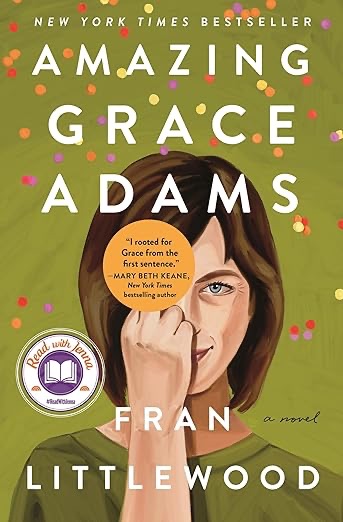
Grace is one of those characters that you fantasise about having cocktails with and you already know you’d have the best time. Grace is stuck in traffic, it’s a boiling hot day and she’s melting. All she wants to do is get to the bakery and pick up the cake for her daughter’s birthday. This is one hell of a birthday cake, not only is it a Love Island cake; it has to say that Grace cares, that she’s sorry, that will show Lotte she loves her and hasn’t given up on their relationship. It’s shaping up to be the day from hell and as Grace sits in a tin can on boiling hot tarmac, something snaps. She decides to get out of the car and walk, leaving her vehicle stranded and pissing off everyone now blocked by a car parked in the middle of a busy road. So, despite the fact her trainers aren’t broken in, she sets off walking towards the bakery and a reunion with Lotte. There are just a few obstacles in the way, but Grace can see the cake and Lotte’s face when she opens the box. As she walks she recounts everything that has happened to bring her to where she is now. 

As Grace closes in on Lotte’s party, sweaty, dirty and brandishing her tiny squashed cake, it doesn’t seem enough to overturn everything that’s happened, but of course it isn’t about the cake. This is about everything Grace has done to be here, including the illegal bits. In a day that’s highlighted to Grace how much she has changed, physically and emotionally, her determination to get to Lotte has shown those who love her best that she is still the same kick-ass woman who threw caution to the wind and waded into the sea to save a man she didn’t know from drowning. That tiny glimpse of how amazing Grace Adams is, might just save everything. 


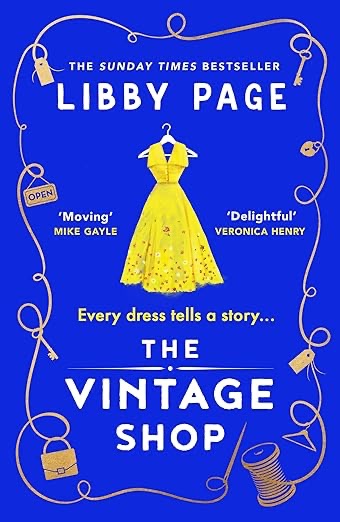
Our heroine is Lou, who moved to a small market town to care for her mother who was terminally ill. Since her death Lou has worked hard, selling the family home and buying a shop with flat above in the town centre. With builder Pete upstairs creating her living space, Lou has opened the shop and is looking at ways to save money and boost business. Pete puts her in touch with Maggie, another lady who has gone through a big change. Maggie’s a grandmother and often looks after her grandchildren in the house that was the family home. Maggie’s husband recently left her for a younger woman and she is rattling round in the big house. So, when Pete suggests that she rents a room to Lou until her flat is ready it turns out to be a lifeline for both of them. Finally, we have Donna, who works at her family’s hotel in the US. When her mother suffers a sudden mini-stroke, her conscience causes her to disclose a family secret – they are not Donna’s birth parents, her mother was a woman from a small market town in England. The thing that links these disparate women is a vintage dress. 1950’s in style and a stunning buttercup yellow this dress has a full circle skirt just made for dancing. Embroidered with meadow flowers, the dress hangs above the counter in Lou’s vintage shop and is the only item that isn’t for sale. It’s flanked by a picture of her mother Dorothy, the owner of the beautiful dress. I love vintage clothes and the descriptions of her shop really did draw me in. This story is about women supporting and inspiring each other and being their best selves. I liked the emphasis on self- care, from the clothing to taking control and finding our passion in life, instead of being the care givers we’re often expected to be. I felt like I’d been given a warm hug and I came away from the story smiling. There were strong female characters, forging friendships and achieving long held dreams. There are deep emotional aspects bringing flavour and depth to her story, but also enough icing and sprinkles to lift the spirits. Here the sprinkles were one of my favourite things, vintage clothing.

Allegra Bird’s arms are scattered with freckles, a gift from her beloved father. But despite her nickname, Freckles has never been able to join all the dots. So when a stranger tells her that everyone is the average of the five people they spend the most time with, it opens up something deep inside. The trouble is, Freckles doesn’t know if she has five people. And if not, what does that say about her? She’s left her unconventional father and her friends behind for a bold new life in Dublin, but she’s still an outsider. Now, in a quest to understand, she must find not one but five people who shape her – and who will determine her future.

Told in Allegra’s unique and vivid voice, this book is so heartwarming and full of humour. It’s about finding your own authentic self and being proud of where you’re from. The author contrasts genuine, warm and accepting people with the false, Instagram brigade who are more interested in how life looks than how it is. I loved the contrast between the city streets of Dublin and the wild Atlantic island Allegra calls home. She has to make a decision about where her home is, which place truly suits the person she is instead of the woman she thought she had to be. All through the novel I found myself smiling and that was exactly what I needed at this moment.

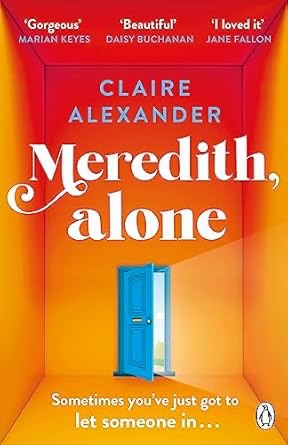
This was one of those books where it only took a couple of pages for me to be ‘in’ the author’s world and completely convinced by her main character. Meredith hasn’t left her house for more than a thousand days, but her inner world is so rich and full. She was absolutely real to me and I could easily imagine having a coffee and a catch up with her. We meet her at a crossroads in life. She’s trying to make changes. Her daily life is quite full, she works from home as a writer and between work she bakes, exercises by running up and down the stairs, reads and fills in jigsaws of amazing places from all over the world. The jigsaws are the key. Meredith doesn’t stay inside from choice, just standing outside her front door gives her a wave of rising panic. Meredith feels a terrible fear, her heart starts hammering out of her chest, her throat begins to close and she feels like she’s going to die. However, as she looks at yet another jigsaw of something she’d love to travel and see in person, she becomes determined to live a fuller life. Meredith has sessions with an online counsellor and a new addition to her weekly calendar is a visit from Tom, who is a volunteer with a befriending society. With this support and that of her long time best friend Sadie, can Meredith overcome her fear and come to terms with the events behind her phobia?

The gradual upsurge of positivity in Meredith’s life is exhilarating to read, but it’s also necessary because I knew that I was also getting closer to finding out what had brought Meredith home one day, close her door and not go out again. Claire Alexander balances this beautifully and where many authors might have gone for the schmaltzy ending, she doesn’t. She keeps it realistic and in doing so made me aware of everything that Meredith has had going for her all along. She’s so self-aware, independent and knows who she is. Above all, even as she starts to overcome her demons she’s determined to do it on her own two feet. She appreciates support, but gives it as well. She doesn’t want to become dependent on an emotional crutch. Meredith is perfectly ok. Alone. 

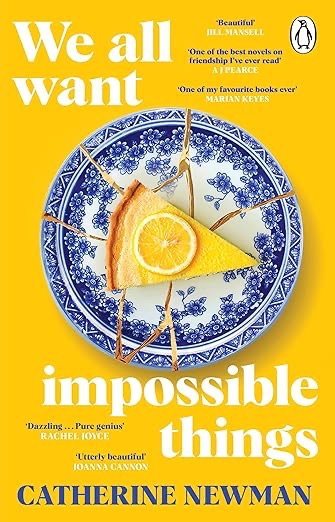
This book was a joy. That’s going to seem odd when I explain what it’s about, but it is joyful and full of life. Even though at it’s centre there’s a death. Ash and Edi have been friends forever, since childhood in fact. They’ve gone through adolescence together: survived school; other girls; discovering boys and even that awkward phase of starting adult life, when one went to college and the other stayed behind. They’ve both married and been each other’s maids of honour and become mothers. Instead of any of these things pulling them apart they’ve remained platonic partners in life. However, now Edi is unwell and decisions need to be made. After years of struggle with being, treatment, remission and recurrence, Edi now has to decide how she’ll be dying. With all the hospices locally being full, Ash makes an offer – if Edi comes to a hospice near Ash, she can devote time to being with her and Edi’s husband can get on with every day life for her son Dash. There’s a hospice near Ash that’s like a home from home, with everything that’s needed medically, but the informality and personal touch of a family. Now Ash and Edi have to negotiate that strange contradiction; learning how to live, while dying.

This is just the sort of book I enjoy, full of deep emotion but also humour, eccentric characters and situations. It takes us through a process of how someone’s life and death changes those around them, with unexpected behaviours and consequences all round. Before you think this sounds schmaltzy and sentimental I can assure you that these characters are not perfect. The author provides us with this loving picture but then undermines it slightly, so it isn’t perfect. We are imperfect beings and no one knows how they will react in a time like this, until we’re there. Catherine Newman shows this with realism, charm, humour and buckets of compassion.

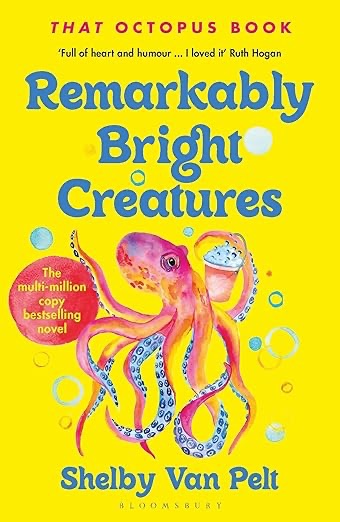
I bought a second hand copy of this book with absolutely no knowledge of what I was getting, but when the first page is narrated by an octopus I’m there. After Tova Sullivan’s husband died, she began working the night cleaner shift at the Sowell Bay Aquarium. Ever since her eighteen-year-old son, Erik, mysteriously vanished on a boat over thirty years ago keeping busy has helped her cope. One night she meets Marcellus, a giant Pacific octopus living at the aquarium who sees everything, but wouldn’t dream of lifting one of his eight arms for his human captors – until he forms a remarkable friendship with Tova. Ever the detective, Marcellus deduces what happened the night Tova’s son disappeared. And now Marcellus must use every trick his old body can muster to unearth the truth for her before it’s too late…

This is a thoroughly charming and unusual story that I happily spent a weekend reading. Our central characters Tova and a man called Cameron are so believable with interesting quirks. There’s a lovely humour to the story and it’s highly original, especially Marcellus who I’ll admit, I did fall in love with. His presence is surreal but adds so much to the story. Backed up by a cast of family and friends who really care for our characters, Cameron and Tova take us through grief, loss and regret towards new opportunities. This is a thoughtful story and Marcellus is worth the read alone.

Upcoming Novels For Your Wishlist

The Women at Ocean’s End by Faith Hogan 5th June 2025 Aria

The Light a Candle Society by Ruth Hogan 26th June 2025 Corvus

The Forest Hideaway by Sharon Gosling 28th August 2025 Simon & Schuster

The View from Lake Como by Adriana Trigiani 17th July 2025 Penguin

Dear Mrs Lake by AJ Pearce 3rd July 2025 Picador

Births Deaths & Marriages Laura Barnett 3rd June 2025 Doubleday

Table for One by Emma Gannon 24th April Harper Collins

One Night at the Chateau by Veronica Henry Out Now Orion

Posted in Squad Pod

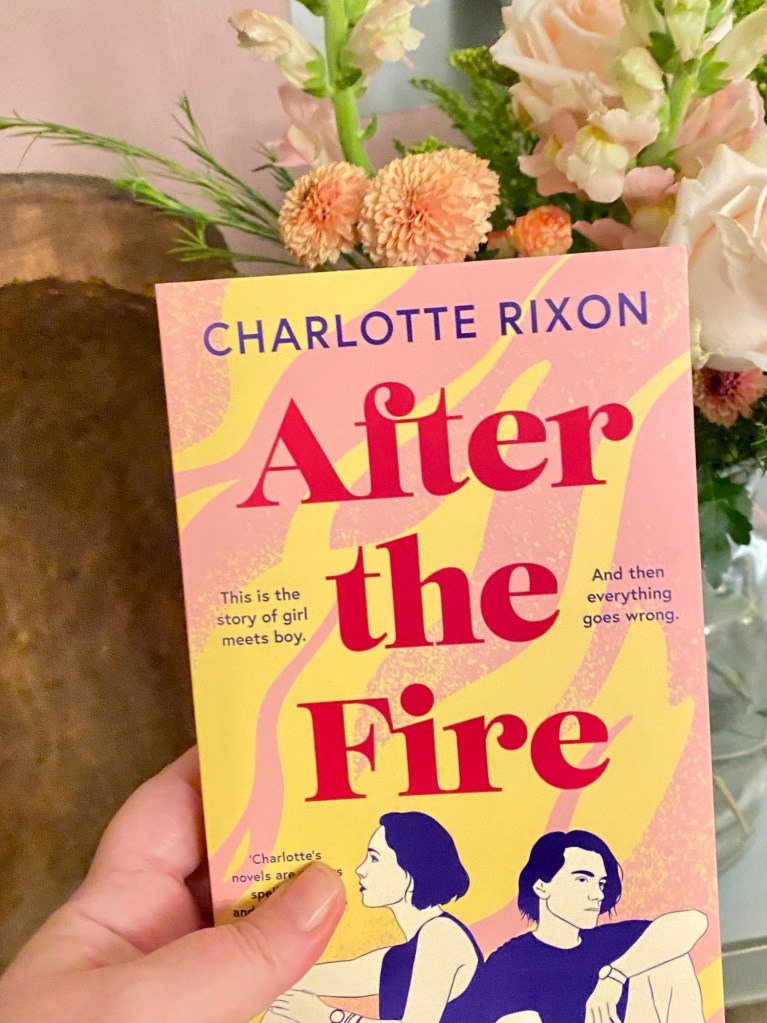
After the Fire by Charlotte Rixon 

This is the story of girl meets boy.

And then everything goes wrong . . .

Ever since they first met at university, Beth and Nick have circled in and out of one another’s lives: supporting each other through grief, marriage, divorce, career crises and family dramas.
Fourteen years ago, when they were on the cusp of adulthood, they both survived a devastating fire that sent their lives in different directions. And they’ve been running ever since: from the pain, from the memories, and most devastatingly of all, from the guilt.

But no matter how hard they try, there’s something else they can’t run from. The inescapable, terrifying truth: they’re in love with each other.

But how can they move forward, when neither of them can stop looking back?

I always say I don’t like romance, then a book like this comes along and I’m all in. Maybe it’s being over 50, but stories of first love grab me in the feels. Especially tragic first love. The thing is we’ve all had the experience of love that’s come at the wrong place or the wrong time, so reading a love story like Beth and Nick’s brings up memories and feelings of nostalgia. Our first love experiences are so intense and when feeling are unrequited or interrupted they can stay with us for the rest of our lives. Beth and Nick have a brilliant first meeting. They’re placed in the same flat at university and Beth walks into the shared bathroom and gets an eyeful! Beth is the last person to join the flat because she’s been ill so relationships have already been established. The other two girls, Rosa and Anna, were best friends before university and Nick is already in a relationship with Anna. Beth senses some chemistry between her and Nick, but she tries hard to ignore it. Nobody wants to be the girl who steals their flatmate’s boyfriend in the first weeks of the first term. When he turns up to watch her in drama club she thinks he must feel the same. 

It’s Nick who takes action. He breaks up with Anna and invites Beth on a late night walk. As they walk there’s just so much anticipation. The author builds to their first kiss with all that yearning and tension around who will make the first move. When they spot the fire in their building it’s already well ablaze and Anna is killed. 

Wracked with survivor’s guilt, Nick leaves university. Beth struggles to cope, feeling like Nick has abandoned her. She decides to stay and finish her drama course. Lives move on. Yet feelings for each other and about the tragic start to their time at university, still linger. The author tells the story through both characters and over 15 years as they build careers and relationships. They both think of each other. They try to keep in touch as friends and their paths do meet from time to time, but they’re always held back by the past. They do try to support each other, so when Beth’s long-term relationship breaks down, she finds herself wanting to talk to Nick. I really felt their longing for that first love and their thoughts that maybe it could have worked. Then reality crashes in and those feelings of guilt cloud their hopes. Yet the novel isn’t schmaltzy. There are meaty issues here like domestic violence and mental health, not to mention those trauma related feelings they’ve never really shared with each other.  

If there was ever a book to emphasise the importance of counselling or simply talking to each other, it’s this one. Until Nick and Beth talk through what happened and how it’s affected them since, they will always be haunted by Anna’s death. When trauma is left unresolved people find unhealthy ways to deal with those hidden emotions. Nick has a rescuer personality, developed because he never again wants to feel like he did back then as the cause of Anna’s sadness in her final hours. I love that Beth writes about what happened and her feelings for Nick because at least she’s processing the trauma, because the more we talk about it the less power it has. The tension in the novel comes from wondering if this pair will ever come together at the right time and place. Will they get the chance to put things right? Can they ever find their way back to each other? I was deeply invested and filled with hope for them. The author has written a beautiful love story, but it has impact because it isn’t a fairy tale and these two characters feel absolutely real. At the end I felt like comparisons to One Day, the archetypal friends to lovers classic, are entirely justified. 

Out now in paperback from Aria.

Meet the Author


Charlotte Rixon is the pen name of Charlotte Duckworth, USA Today-bestselling author of suspense fiction published by Quercus. Charlotte studied Classics at Leeds University and went on to gain a PGDip in Screenwriting. She worked for many years as a magazine journalist, and is a graduate of the Faber Academy ‘Writing A Novel’ course. You can find out more about her on her website: charlotterixon.com.

Posted in Random Things Tours

Black Woods Blue Sky by Eowyn Ivey

“Now are the woods all black, but still the sky is blue. May you always see a blue sky overhead.”  Proust. 

I was utterly mesmerised by this unusual grown-up fairy tale. Having read the author’s work before I was expecting a certain strangeness and this story definitely delivered. It’s hard to write about without revealing anything and you need to go into this book without spoilers. The story is told through the eyes of Birdie and her little girl Emmaleen. Birdie is a young, single mum. She’s living in a cabin out behind the bar where she works for Della. Birdie is just getting by. She has a wild spirit and although she loves Emmaleen, she’s not the most consistent parent. We meet her on a beautiful morning where she has woken up from the night before relatively unscathed. Yes, she’s a bit hungover and she knows Della is going to have words for her when she goes into work. For now though, the woods and creek are calling her, so she takes her fishing rod and leaving Emmaleen asleep and alone she walks through the trees and down to the water. She rationalises that she won’t be long and Emmaleen will sleep for a while yet. She catches a rainbow trout, guts and cleans it in the creek, before setting off back to the cabin. When she gets there, Emmaleen is gone. Birdie goes into panic mode, desperate to find her daughter but terrified to admit to Della that she’s left her alone. It’s a man called Arthur who eventually emerges from the woods with Birdie’s daughter on his shoulders and she’s never been more relieved. She knows Della will have something to say about this, but for now she’s just happy that Emmaleen is safe. When Della moves her onto the day shift, it’s a comment on her partying and parenting lifestyle. She has to bring Emmaleen into the lodge with her, but she sits colouring and doesn’t pester while she’s trying to work. 

Arthur comes in most mornings, he sits through the bar side of the lodge alone and orders toast. She’s fascinated by this strange, wild man. He has scarring and only the remains of an ear one side of his face. Birdie thinks he smells of wild places, never artificial scent. He smells mossy and like earth. From time to time she brushes his shoulder and if Della is out getting supplies, she might take a moment and sit with him. He’s so natural and gentle with Emmaleen too. He’s quiet and when he does say something it’s strangely, always in the present. She asks him why and he tells her that for him the world is like that. He’s always in the here and now. He understands the wildness in Birdie and her yearning to be out in the mountains. His parents have had a cabin in the woods since before he was born and it’s become his more or less. For several months of the year he takes himself up into the mountains and lives off the land and whatever supplies his dad flies in. It’s total isolation, off grid and without comforts. When he asks Birdie if she and Emmaleen would like to make a home out there in the mountains, there is only one answer. Yes.
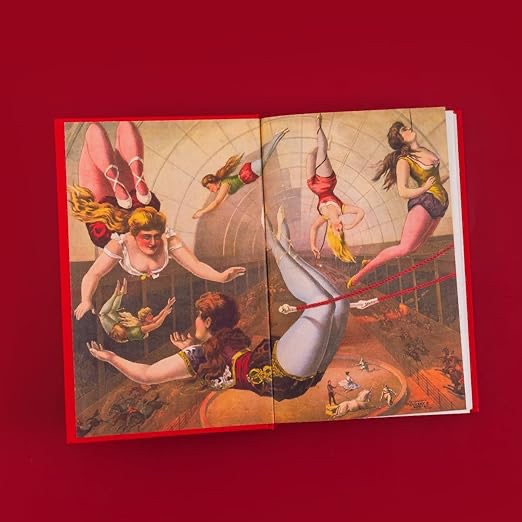
“That’s how it was with Arthur. Getting close to him, feeling his eyes on her – like touching something dark and wild, then watching it dart away.’

Between the pages of this book I was totally lost in the wildness of Alaska. The author’s descriptions are vividly beautiful and I found myself wondering about a place I’d imagined as being full of snow. All of my senses were engaged and I became entranced by Emmaleen’s discovery of nature as Arthur shows her the forest floor with it’s springy moss and tiny wildflowers. There’s a strangeness and even a danger to being so far away from civilisation. Arthur’s cabin has been needing a woman’s touch for a long time. The floor is covered with leaves and dirt from the forest and mosquitoes are squeezing through the gaps round the windows. Birdie sets about cleaning the cabin and Emmaleen gets used to her environment, playing with her gnome friends and tasting bluebell flowers. The days are harsh, but Birdie’s enjoying the challenge of cooking and laundry out here without heating or electricity. She likes not knowing what time it is and working to her own body clock. She feels like part of the place. Yet underneath these drowsy and idyllic warm days, there’s a sneaky sense of unease. Arthur’s father Warren seems reluctant to leave the woman and her daughter alone in such a secluded place with Arthur. He’s never seen his son  be so tender as he is with this little girl. He even flies over 48 hours later and sees all three of them hiking up one of the mountains and they wave to him. Maybe he’s worrying about nothing. Yet Arthur does disappear and reappear without warning and sleeps on the floor. He seems curiously unsure when it comes to sex. There’s a mound near the cabin where Arthur yells at Emmaleen, telling her not to play there.
There’s a hidden animal pelt under the earth and caribou bones under the bed. How long before Birdie and Emaleen learn the terrifying truth about Arthur? 

This incredible story fits it’s unusual background perfectly. I loved how accepting Birdie was, despite the fact that she’s making risky decisions she doesn’t doubt Arthur for a moment. She accepts his unusual and seemingly inexperienced caresses without question. I didn’t know what to expect from the sections where we’re in Emmaleen’s world, but they are really strong, with bags of imagination and inventiveness. She’s so innocent and precious. I’ve lived in rural Lincolnshire as a child, mainly on farms so her wanderings and imaginary games reminded me of being small. I used to draw flowers and bark patterns or lie in a willow tree that hung over the water and read all day while my brother fished. I was fascinated with wild flowers so the details of plants and berries, which to eat and which were poisonous are so familiar. I also grew a strong stomach, having sat and watched my Dad gut rabbits and pheasants. I loved that Birdie could do these things, she has basic survival skills but that’s for expected dangers. I had a feeling that the potential threat would be out of the ordinary. Even though she makes mistakes I had a real maternal fondness for this young woman and her acceptance of this taciturn young man. Love comes in so many different forms and even though I could feel something looming on the horizon for this new little family I was hoping against hope for the transformative power of love. 

Out Now from Tinder Press

Meet the Author

Eowyn Ivey’s debut novel, THE SNOW CHILD, was published in twenty-six languages, and became an international bestseller. It was a finalist for the Pulitzer Prize 2013, and Eowyn won the International Author of the Year category at the 2012 National Book Awards. A former bookseller, Eowyn lives in Palmer, Alaska, with her family.

Posted in Sunday Spotlight

Sunday Spotlight: Romances That Stole My Heart.

This week I celebrated an important anniversary. Not a personal one, but a writing one. I was informed on JetPack that I’d been book blogging for five years. As many of you probably know, rom coms are rarely my thing. I need a love story to have lots of different aspects to it, because I don’t want to read about dating. What I do like to read is real love: everyday married love; second time love; inconvenient love; love that triumphs over terrible odds and love that’s been lost. All of these books have something extra that made me want to shout about them. It might be something weird – husband turns into a shark. It could be something forbidden or secret – two women in love in 19th Century England. It could be first love, but interrupted by murder. It could be two middle-aged people who get very grumpy with each other walking from the Lancashire to Yorkshire coast. Maybe there’s a magical element, like a girl who receives anonymous notes that tell her when her relationships will end. I fell in love with the love story in all of these books over the last five years of my blog. Hope you enjoy them.
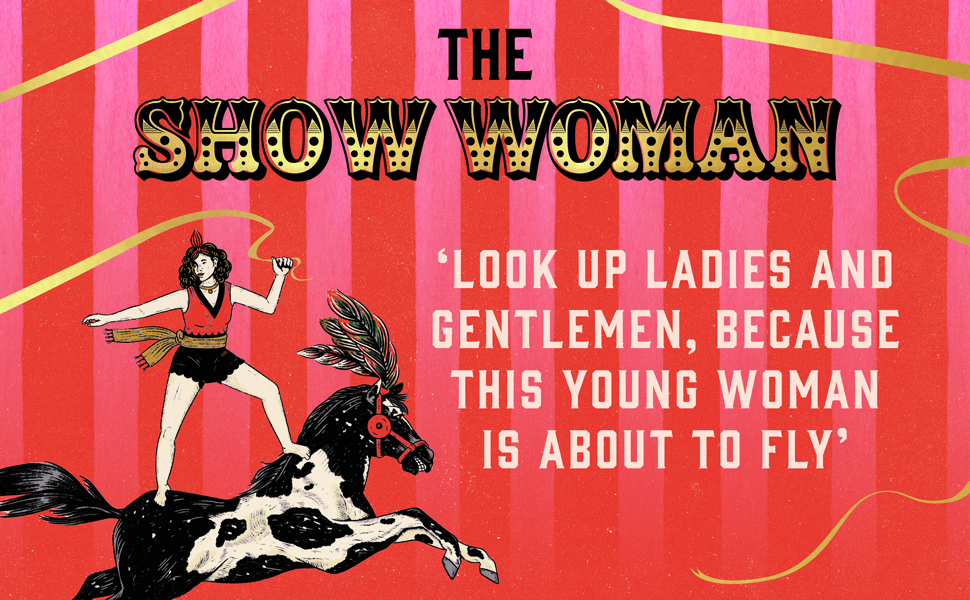

Leaving by Roxana Robinson

 Leaving was the last book that absolutely tore my heart out. Sarah sees Warren, who she dated for a while in their college years. She had ended it, unsure whether they were a good fit. Yet they never stopped thinking about each other. Sarah is divorced now and lives alone in her country home with her dog Bella for company. Warren lives just outside Boston and is married to Janet, exactly the sort of wife he has needed: attractive, a good hostess and great mum to their daughter Kattie who is an older teenager. However, Janet is very aware of who should be in their social circle and how things should be done. They don’t talk about current affairs together, listen to an opera or read the same books. Perhaps their marriage has always been like this, but it feels empty since he saw Sarah again. Can he spend the rest of his life in this marriage as he promised or can he be with Sarah? If he leaves what price will he have to pay? Once an affair starts turning into something more, so many decisions have to be made and the sacrifices those choices will create become stark and very real. Sarah has imagined living with Warren, but she’s always thought of them at her home. This is where she rebuilt herself after her divorce. It’s a place she loves and doesn’t think she can give up. Arguably, Warren’s choices are even more difficult. He knows if he does this, his relationship and happiness with Sarah will come at the cost of someone else’s feelings. On the scales does one happiness outweigh another? Or are some costs simply too great? I simply loved this book and although it’s only January I have no doubt this will be in my best books list come the end of the year. On the strength of this novel I would happily read everything else the author’s ever written.

The Midnight Hour by Eve Chase

Maggie is an author, living in Paris and struggling with writer’s block. Something from her shared past with brother Kit keeps coming into her mind. Her mother Dee Dee died from cancer recently, but Maggie’s mind is drawn back to her late teenage years when Dee Dee was a famous model, living close to the Portobello Road. Maggie took Kit out with his skateboard and he has a fall, breaking one of the wheels. A stranger comes to their aid, introducing himself as Wolf. When his eyes lock with Maggie’s they’re the clearest blue she’s ever seen, there’s also a spark between them and for Maggie it’s instantaneous. First time and first sight love. He recognises the connection too. It’s what makes him take the skateboard back to his uncle’s antique shop and use his tools to properly fix it, just so he has an excuse to go back. I fell in love with Maggie. I was a similar age when I first fell I love and reading about her summer with Wolf brought back all those feelings. The wonderment when someone suddenly becomes your absolute world. The beautiful surprise when they feel exactly the same. The discovery of sexual chemistry, totally losing yourself in another person, being vulnerable physically and emotionally, it’s all here. In very delicate strokes Eve sketches a teenage girl who is emotional and intelligent. Little hints about her physical appearance makes us aware that she is a curvy girl, she wears glasses and is a little lacking in confidence. She’s astonished that Wolf loves these things about her and Eve captures that self-consciousness, the apprehension about revealing her body to this young man totally swept away by his obvious desire for her. She and Wolf never had a proper ending and I found myself longing for that closure to happen when she comes back to England. This was a wonderful read, deeply emotional but also a compelling mystery. I honestly think this is Eve’s best novel yet!

The Moon Gate by Amanda Geard

1939 – Grace Grey lives in Grosvenor Place in London, with her mother Edeline who is a friend of the notorious Mosleys and wears the uniform of the Blackshirts. As war comes ever closer, Edeline makes the decision to send Grace and the housekeeper’s daughter Rose Munro to stay with her brother Marcus and his wife Olive on the north west coast of Tasmania. After an eight week voyage the girls are welcomed to Towerhurst, an unusual house with a whole tower where Uncle Marcus writes his poetry. Olive immediately takes to the beautiful Rose, but Marcus forms a bond with Grace over the poems of Banjo Patterson, an Australian ballad poet. Grace is reserved and shy, but is slowly coaxed out of her shell by Daniel McGillycuddy an Irish lad working at his aunt and uncle’s sawmill. As war creeps ever nearer to their part of the Pacific there are dangerous emotional games at play between these young people with fall out that will extend over the rest of the century. The main love story is so touching as the slightly awkward Grace is lured down to the beach by neighbour Daniel where he tries to kiss her. Sadly though it’s for a five shilling bet and as his mates turn up in a boat to witness her humiliation she runs away into the sea. Daniel regrets his actions deeply, apologising the very next day and asking if Grace would perhaps share the book of ballads she’d been telling him about. They pass through the Moon Gate, a perfectly round doorway made of Atlantisite that leads to the waterfall and a small freshwater pool. Uncle Marcus claims that to pass through the gate is to become a new person and that certainly seems the case with Grace who not only forgives Daniel, but shares the ballad poems and agrees that he can teach her to swim. It’s so beautiful to watch them become close friends. As we passed through the three timelines in this book I was hoping with everything I had that eventually these two would end up together.

Spirited by Julie Cohen

Viola Worth has grown up cared for by her clergyman Father, as well as his ward, a little boy called Jonah. Viola and Jonah are the best of friends, spending their childhoods largely inseparable. As we meet them in adulthood, they are getting married, but in mourning. A lot has happened during the period of their engagement. Jonah had been out to India, staying at his family’s haveli and checking on his financial interests. For Viola, it’s been a tough time nursing, then losing, her father. He encouraged her in his own profession as a photographer and she has become accomplished in her own right. Viola’s father wanted her to marry Jonah, and they are still the best of friends, but the time apart has changed them and neither knows the full extent of the other’s transformation. Through new friends the couple meet a visiting spirit medium called Henriette, although as daughter of a clergyman, Viola would never normally enjoy this type of entertainment. Little do they know, this woman will change their lives. Jonah spends less time with Viola than before and at bedtime they still go to their separate bedrooms. Viola knows there is more between husband and wife but doesn’t really know what and has no idea who to talk to. Yet between her and Henriette, a beautiful connection is blossoming and it’s so beautifully written. It is Henriette who opens up the world for Viola and this extends to sharing a bed. Viola worries what the servants might think, but Henriette frees her thinking again. Love between women does not exist, she tells her, there are laws and conventions regarding love between a man and a woman, and even the love between men. What they are to each other is beyond the thoughts of most people, the servants will see two friends staying together and nothing more.They’re neither totally respectable, but are not shunned either. This is a novel of people, particularly women, learning to live in the spaces between; the places that promise more freedom.

You Are Here by David Nicholls

A group of friends travel from London to the Lake District to walk some of Wainwright’s routes through Cumbria towards the Pennines. Cleo has invited four single friends; Conrad is meant for copy editor Marnie and Tessa is intended to get on with geography teacher and dedicated walker Michael who is extending his trip to walk the entire coast to coast, ending in Robin Hood’s Bay. Michael is still getting over separating from his wife so finds these social occasions difficult, much preferring solitude. Marnie spends much of her time alone too, so this will be a step out of their comfort zone for both of them. When the others bail out after a day of endless rain, Marnie and Michael are left to walk together. Can they both strike up a friendship? David Nicholls has this amazing ability to articulate the minutiae of conversation and communication between the opposite sexes. He’s also brilliant with those tiny moments of shared humour, stolen glimpses and the body language of love. It may seem strange that a whole book is about two people walking across the country, but everything happens within that time spent together. After a couple of days Michael can see that Marnie is an inexperienced walker but determined, intelligent and well-read. She has been in relationships that eroded her confidence, has a keen sense of humour but tends to lose it a little when tired and hungry. Marnie is surprised by Michael. Although she knows little about geography she can appreciate how passionate he is about his subject, he wears his beard as a mask so that people keep their distance, is perfectly comfortable in his own company and is hurt very badly by the break-down of his marriage. This isn’t two young people swept up in the blind passions of love at first sight. This is a slow burn. It’s a potential romance that grows slowly and unexpectedly for both of them. It’s lovely to read a ‘real’ love story about people who are older and have been kicked about a bit by love in the past.

By the end my heart was breaking for these fledglings. I so wanted them both to be happy, even if they simply ended as friends. David Nicholls throws in one last obstacle that takes us by surprise, even while my heart was racing I could see how much it was needed for that character to have a final epiphany. He’s brilliant at creating that bittersweet feeling that comes as we’re older and have romantic baggage. At first when we lose someone the shock and pain is everything, then after time and doing a little bit of work on ourselves a day hopefully comes where we can look back and it not hurt. We can acknowledge the pain but not let it overwhelm us. In fact, eventually, we can look back and smile about the good times, the love that was shared and how glad we are that we experienced it. That we’re able to move forward and enjoy new adventures. I really understand this from my own life and I genuinely closed the book with a smile on my face, knowing that both Marnie and Michael have so much life to look forward to whether together or apart on their journey.

Shark Heart by Emily Habeck

Lewis and Wren have fallen in love. They’ve no idea that their first year of marriage will also be their last. It’s only weeks after their wedding when Lewis receives a rare and shocking diagnosis. He has an unusual mutation. Although he might retain some of his consciousness, his memories and possibly his intellect, his body will become that of a Great White Shark. Lewis is complicated, an artist at heart he has always wanted to write the great American play for his generation. How will his liberal and loving heart beat on within the body of one of the earth’s most ruthless predators? He also has to come to terms with never fulfilling his dreams, but expressing that anger with shark DNA in his system has huge repercussions. He has to come to terms with leaving Wren behind, for her own safety. Wren wants to fight on. To find a way of living and loving each other as Lewis changes. She is told that there will come a point when this will be too dangerous. Lewis will then have to live in a state run facility or free in the ocean. It’s when she sees a glimpse of his developing carnivorous nature that a memory from her past is triggered. Wren has to make a terrible, heart-wrenching decision. I felt emotionally devastated by this beautiful novel that uses a fantastical premise to unleash experiences of grief, love, loss and potentially, healing.

In a beautifully unusual way and in an almost poetic prose, this beautiful debut is about life. It’s ups and downs, the horrendous losses and the gains: the naivety of first love, becoming a mother, our love and care for an elderly parent, friendships and realising that a special little girl sees you as her dad. Life is constant adaptation, evolving and developing all the time. Every end is a beginning. This is such a special novel, an incredible debut with such a keen grasp of what being human is all about. I can see this becoming an all-time favourite for me. It quite simply took my breath away.

The Mix Tape by Jane Sanderson

Alison and Dan live in Sheffield in the late 1970s when the city was still a thriving steel manufacturer. Dan is from the more family friendly Nether Edge, while Alison is from the rougher Attercliffe area, in the shadow of a steel factory. They meet while still at school and Dan is transfixed with her dark hair, her edge and her love of music. Their relationship is based on music and Dan makes mix tapes for her to listen to when they’re not together such as ‘The Last Best Two’ – the last two tracks from a series of albums. What he doesn’t know is how much Alison needs that music. To be able to put it on as a wall of sound between her and her family. Dan never sees where she lives and doesn’t push her, he only knows she prefers his home whether she’s doing her homework at the kitchen table, getting her nails painted by his sister or sitting with his Dad in the pigeon loft. Catherine, Alison’s mum, is a drinker. Not even a functioning alcoholic, she comes home battered and dirty with no care for who she lets into their home. Alison’s brother, Pete, is her only consolation and protection at home. Both call their mum by her first name and try to avoid her whenever possible. Even worse is her on-off lover Martin Baxter, who has a threatening manner and his own key. Alison could never let Dan know how they have to live.

About three quarters of the way through the book I started to read gingerly, almost as if it was a bomb that might go off. I’ve never got over the loss of Emma in One Day and I was scared. What if these two soulmates didn’t end up together? Or worse what if one of them is killed off by the author before a happy ending is reached? I won’t ruin it by telling any more of the story. The tension and trauma of Alison’s family life is terrible and I dreaded finding out what had driven her away so dramatically. I think her shame about her mother is so sad, because the support was there for her and she wouldn’t let anyone help. She’s so fragile as a teenager and on edge. Dan’s mum had reservations, she was worried about her youngest son and whether Alison would break his heart. I love the music that goes back and forth between the pair, the meaning in the lyrics and how they choose them. This book is warm, moving and real. I loved it.

Flamingo by Rachel Elliot

In split time frames and across the characters of Eve and Daniel we hear the story of two families who live next door to each other. Eve and Daniel move in next door to Leslie and Sherry who have two daughters Rae and Pauline, and some ornamental flamingoes on their front lawn. Eve isn’t used to making friends as she and her son Daniel move around a lot, but there’s something about Sherry. So Eve goes to a specialist off-licence to find just the right bottle of Sherry to take to her new neighbour. Sherry is delighted and immediately welcomes the wandering pair into her home. That summer is the happiest summer mother and son have ever had, as they are enveloped by this wild, eccentric and loud family – Eve uses the word rambunctious. Then Eve and Daniel leave. All the colours seem to bleach out of the world. We then meet Daniel as an adult, wandering and broken. Deeply affected by some kind words and affection from a woman in the library, he decides to return to where he was happiest. He turns up at Sherry’s door and it feels like coming home, but where is Eve and what is the story underneath the one Daniel knows. It’s so hard to express how much I loved this book. This is a slow burn novel, told in fragments like half forgotten memories and with such beauty it could be a poem. The writer conveys beautifully how certain people can heal wounds and hold space for each other. In light of recent times it’s important to remember that to live fully we must connect with each other. It shows humans in their best light and at their most powerful, when showing love and accepting others for who they are. Just like the flamingo is pink through his diet, we too are shaped by what is put into us. Through Daniel, and Rae to an extent, there’s an acknowledgment of how painful life can be, but that healing and change is possible. I was enchanted by this story and it will keep a special place in my heart.

Expiration Dates by Rebecca Serle

It’s been a while since a romantic novel has made me shed tears but I reached just over half way through Rebecca Searle’s new novel and I felt a lump forming in my throat. My reaction was possibly more emotional than the average, because I felt seen. Rebecca has this habit of taking what seems like a simple romance and adding an element that immediately elevates it to something more. Daphne lives in L.A. and works as an assistant to a film maker, outside of work she is a busy bee flitting between visiting her parents, spending time with her dog Murphy and roaming flea markets for quirky household items. However, her favourite weekend mornings are those she spend with her ex-boyfriend Hugo: he wakes her early, they get to an early farmer’s market for the best choices such as the sunflowers that are always gone by ten am. Daphne is single, at a point in life where people she knows are staying together, having babies and getting married. She tends to have short term relationships, but she is starting to wonder about all these things. Are they something she’ll ever find? Her friends can’t understand it, she’s a great girl, and have started to offer to their friends and work colleagues as potential dates. What they don’t know is that Daphne keeps a box under her bed and in it are post-it notes, drinks coasters and theatre tickets all which have the name of a boyfriend and a length of time, an expiration date.These cards enter her life around the same time as a new man so she knows the finite amount of time they have together. This bit of magic from the universe is amazing in some ways, but in other ways she’s starting to think they hold her back. Are they starting to become a self fulfilling prophecy? Then her friend Kendra sets her up with Jake and Daphne waits for her expiration date to arrive. This time though, it’s just a name; no date. Does this mean Jake is the one?

Jake couldn’t be more perfect. He’s attractive and intelligent. More importantly he’s kind and considerate. At first, Daphne isn’t sure but for once they have all the time in the world for her to explore and see where the relationship and her feelings go. Jake has emotional depth and a willingness to put those emotions on the line. Jake was married once and his wife died. Daphne marvels at his ability to be vulnerable when he has lost so much. It also worries her, because she holds a secret that has the ability to shatter this fragile and tentative relationship they’ve built. She has a perfect man who wants to live together, to marry and build a future. Everyone says he’s perfect, but is he perfect for Daphne? I couldn’t help but keep thinking back to Hugo, who seems like the one who got away. He knows everything about Daphne, the secret and the expiration dates, but he’s still here. If they’d had the chance of an open ended relationship, might they have been perfect for each other? For Daphne, falling in love has never been simple and I really related to that. I think a lot of other readers will too.

Remember Me by Charity Norman

Emily is a children’s illustrator, who spent her childhood in Hawke’s Bay but now lives in London. One evening she receives a call from her father’s neighbour, Raewynn, letting her know that his Alzheimer’s has progressed and he needs a little help. Despite both her brother and sister still living in New Zealand, Raewynn thinks Emily is the one best disposed to make the right decision. Emily’s father is well known in the area and is still known as Dr. Fitzgerald despite his retirement. He still lives on the family’s homestead with his two dogs and next door Raewynn and her son Ira who rents and farms the Arapito land. Until now they’ve managed to look after Dr. Fitzgerald, but trusting Raewynn’s opinion Emily decides to travel and check on her father. When she arrives she knows all is not well, her father has become very adept at seeming okay, he’s rather like a magician, creating a Dr Fitzgerald who everyone knows and recognises, while underneath feeling confused, bewildered and frightened. As Emily spends more time in her childhood home, memories rise to the surface: the unhappiness of her mother; her father’s distraction and avoidance of his family; the disappearance of Raewynn’s daughter Leah, who was lost on their range of mountains and has never been found. Emily was the last one to see Leah alive and the loss of this vibrant and beautiful girl still haunts the whole valley including, it seems. As his memory fades and his guard slips, she begins to understand him for the first time – and to glimpse shattering truths about his past. Oh how unbelievably emotional I felt at the end of this book, not just a lump in my throat, but actual tears. Yet I also felt such a feeling of ‘rightness’ that it ended the way it should.

Happy Valentine’s Day and here’s to a few more years of loving books ❤️📚