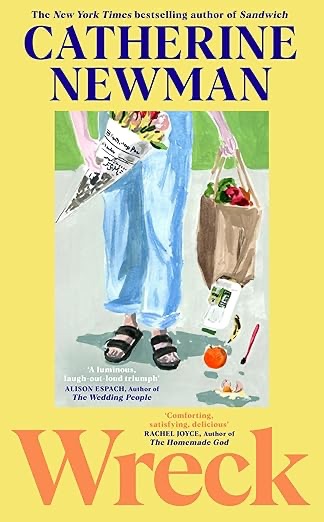
Rachel (Rocky) is seemingly living her best life as the irreverent, funny beating heart of her family. Her ageing father is his unique, adorable self; daughter Willa is prone to bouts of existential angst whilst berating the fact that her mother has zero filter; husband Nick is steady, logical, sometimes infuriating.
They are messy, they are flawed, they are completely, ridiculously normal.
And like most normal people, Rocky worries about what might happen next. So when a former classmate of her son Jamie dies in a seemingly random accident, Rocky becomes obsessed.
For if accidents can happen – and they do – is it truly safe to love anyone?
Fresh, honest, laugh out loud funny and genuinely relatable, WRECK follows Rocky and her family through one rollercoaster year as they negotiate the unpredictable and beautiful messiness of life.
I don’t know how Catherine Newman does it, but I feel so at home with Rocky as if she’s a really close friend who you can tell anything to. After Sandwich, we meet the family at home, getting over Grandma’s death and getting back into the swing of life. Rocky’s dad has been living in their outside shed since his wife died and daughter Willa is also at home. Newman lets us live alongside these characters as part of the family and I adore their humour and their warm, chaotic household – not to mention their food always sounds incredible. Rocky is a freelance writer and doesn’t have regular work coming in, so when a young man is killed in his car on the nearby railway crossing she becomes fixated on what happened. If anything Rocky is over empathetic, she can’t stop thinking about how devastated his family must be and trying to work out how it happened. Meanwhile, a strange rash appears on her shoulder and while she’s having a check on sun damage her dermatologist suggests they look into it. This turns out to be a good call as it begins to appear elsewhere on her body. A biopsy of the skin and some bloods should solve the mystery but it becomes a deep rabbit hole with many frightening possibilities.
I am not overstating when I say this book could save my life! As Rocky’s symptoms started to mount I kept reading bits out to my husband and looking up the terms, wondering if somehow the author had magical access to my medical records. I identified so strongly with this story of living while unwell because this has been the last eighteen months of my life. I had two breaks in my spine as a child causing issues with pain and the use of my right arm and shoulder. I was also diagnosed with multiple sclerosis at 21. However I have always had a collection of symptoms that didn’t fit with that diagnosis. With increasing arthritis in my lumbar and sacral spine my pain management consultant asked for a full body MRI. I couldn’t have prepared myself for the list of problems that unfolded. Not only did I have arthritis and impingement of peripheral nerves, I also had a narrowed spinal canal in places, potentially causing issues with my spinal cord. However, I also had a lesion in my spine, one in my spleen and several growths on my thyroid. All of these things are being dealt with by separate specialists, but Rocky’s story popped a little light bulb over my head. Surely I had to ask the question – what if all these issues are connected? I’ve already been told it’s likely I have Hashimoto’s disease and it’s being treated, but I’m having biopsies and I’ve asked to see an endocrinologist to flush out whether it’s one of diagnoses that Rocky is facing. I recognised the sudden feeling that your body is falling apart and is even working against you. I’ve felt that terrible fear that there’s a ticking time bomb somewhere in your body and almost becoming divorced from it. I could see that Rocky felt better when she did something physical such as going to a dance group or plunging into an icy lake, because her body works for her and becomes part of her again.
This author knows how it feels to be going through all the volatile changes of menopause, while simultaneously supporting young adult or teenage children and elderly parents. It’s a hell of a balancing act while getting used to a body that puts on weight where it never has before, thins all the things you want to be lustrous and thick and thickens all the bits that used to be slender. She captures what it’s like to feel invisible to most of the world, but the absolute beating heart of the home. The generation gap is also brilliantly portrayed when Rocky and Willa try to take grandad to a juice bar, his grumpiness giving the perfect edge this warm and nurturing family. While Rocky’s husband is like a little moon, constantly orbiting his wife and tending to those little things like cheesy nachos in bed. It’s interesting when this very liberal family have to cope with family members whose views are not like their own. Jamie and his wife Maya visit from New York for Thanksgiving and it’s clear their values are different, especially when Rocky makes a discovery about her son. He works for a company that consults for businesses, finding ways to make them more profitable and openly says to his mum that he just loves money. Even though she doesn’t agree, Rocky is never happier than when all her children are under her roof.
‘“Yayy, I say. All the kids back under my roof! When I send out my ESP stealth probe in the night to check on everybody, they’ll be in their proper beds”.
Mostly I love the emotion and atmosphere of this author’s novels. I live for a messy pile of books by the couch, usually with a pint mug of tea within reach and the dog and cats all quietly snoozing in their own places. That’s exactly what this family has, an untidy but welcoming house with cats everywhere and always gorgeous food on the go. It feels very conscious of the seasons too as summer turns to autumn and winter, with festivals like Halloween playing their part – I loved the moment when Rocky tries to do the trick or treat routine on the porch not realising the young woman is Willa’s date. Every festival is marked with excellent food, followed by a long tramp through the nearby woods and foraging for things. I always want to be part of their world and feel like I’ve lived with them for a while once the story ends. As my story continues I’m going to take a bit of Rocky’s dermatologist’s wisdom with me. When he gives his diagnosis Rocky is taken aback and he acknowledges her feelings but tempers it with some advice:
“Yikes, I said, and he said, ‘a little bit of yikes. You can visit with the fear but don’t hire a van and move there.”
Out Now from Doubleday
Meet the Author
Catherine Newman is the New York Times bestselling author of Sandwich and We All Want Impossible Things, which was also chosen for the Richard & Judy Book Club. She is also the author of the memoirs Catastrophic Happiness and Waiting for Birdy, and the bestselling children’s book How to be a Person. She is a regular contributor to the New York Times, O, The Oprah Magazine, Cup of Jo, and many other publications. She writes the Substack newsletter Crone Sandwich and lives in Amherst, Massachusetts, with her family.
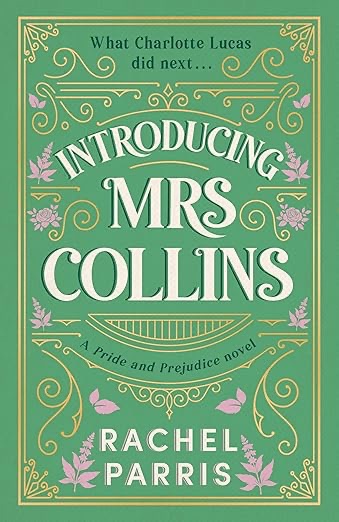
Charlotte Lucas has never been a romantic. Practical to a fault, she accepted Mr Collins’s proposal with clear eyes and a steady heart, trading passion for security. Life at Hunsford Parsonage may be quiet and predictable, but it is hers to manage – and she’s determined to make the best of it, whatever Elizabeth Bennet may think.
That is, until an unexpected guest at Rosings Park turns Charlotte’s careful world on its head. He sees her, challenges her – and a spark is lit. But true contentment is not only about who you choose to love, but who you choose to be. For the first time, she wonders: has playing by the rules kept her on the sidelines of her own life?
It is a truth, universally acknowledged that a sick woman in bad humour will be revived in the company of a witty novel…
This is the Pride and Prejudice inspired novel I’ve been waiting for and it came at the perfect time, when I’ve been feeling very unwell and was stuck in bed. I read for two days between sleeping and I swear it kept me sane. I always felt that Lizzie Bennett underestimated her friend Charlotte and I wondered what happened to her and Mr Collins in the future. It’s a great reminder that we only see a novel’s events through the gaze of our narrator and central character. The same events, viewed from a different perspective, bring a more balanced and multi-faceted view of what happened in the novel and its characters. The events of Parris’s novel take place during and after Pride and Prejudice, from the point that Lizzie rejects Mr Collins proposal. A decision that pleases her father but sends her mother into conniptions! Lizzie’s choice means that once Mr Bennett dies, Mrs Bennett and all of her daughters are at the mercy of Mr Collins, the male heir. Whoever he chooses to marry will become mistress of the Bennett’s home Longbourne. Charlotte Lucas is our focus, Lizzie’s best friend and now the recipient of Mr Collins’s attentions. The author has added inserts from the past, adding depth and insight to both Charlotte and Mr Collins’s characters as adults. We see events that we have only imagined, like the Darcy’s wedding at Pemberley and its ensuing drama. However we also see Charlotte settle into the everyday of married life, with all its strangeness and frustrations. I left Pride and Prejudice a little worried about Charlotte, even though the way she does talk about life at the parsonage with humour and optimism when Lizzie visits. So this story of her growing relationships, her new home and her dissatisfactions with her new life is so welcome. What she misses most is passion, but if it arose would she be able to resist it?
Charlotte is viewed with pity by the Bennetts, apart from Mrs Bennett who is wailing that she will be the mistress of their beloved home. I felt like Charlotte knows her prospects are few. She’s witty and fun, but she knows she doesn’t have the charm and looks of Lizzie. She is someone who people get to know slowly and hasn’t reached her full potential yet. Mr Collins was always a pragmatic choice, but here I could also see it as a mature and confident choice. The Bennetts may see Mr Collins as ridiculous and in some ways he is, but Charlotte doesn’t see her worth as solely defined by the man she chooses to marry. He may be thought of as silly, but that doesn’t mean she is. Also, as Mrs Collins she has a beautiful home and garden, a steady income and a benefactor in Lady Catherine de Bourgh. As a married woman she has status and purpose, going out to visit sick parishioners and keeping the home running smoothly. While Mr Collins is busy Charlotte spends her hours in her library continuing to educate herself, she tends her garden and she practises her piano at Rosings. Charlotte is able to be happy and content in her own company, separate from Mr Collins’s anxieties and emotions. In this light we also see Lizzie differently, perhaps even as a little spoiled. As we see in this book, Mr and Mrs Bennett are the architects of their daughter’s misfortunes and their attitudes are clear in two crucial letters they send to the parsonage. Darcy’s assessment of the family, unwisely passed on to Lizzie during his first proposal, is absolutely correct. Mr and Mrs Bennett’s leniency with their younger daughter’s behaviour allows a window for Mr Wickham to connect with the foolish Lydia. It’s their behaviour that prompts both Darcy and Caroline Bingley to warn Mr Bingley away from his attachment to Jane. In letters to both Charlotte and Mrs Collins, the Bennett parents show they are both fierce in the defence of their daughters but spiteful towards the recipients. Mr Bennett calls Lydia unwise, but at least not judgmental – a criticism that Mr Collins perhaps deserves. However, in a letter to Charlotte Mrs Bennett shows awful spite in an unnecessary postscript:
“I saw your Maria this week at church and she is become such a beauty! What a pleasant girl – always with a smile and a manner that puts one at ease. You would not think you were sisters.”
However, I did come away with some forgiveness for Mrs Bennett’s view that Lizzie might have thought of her mother and sisters when she refused Mr Collins, because now they would surely lose their home. It’s clear that Mr Bennett has little respect for his wife and for good reason on some occasions. However, he does favour Lizzie and perhaps his treatment of her has led to Lizzie thinking she has better prospects than she does. Luckily fate brings her Darcy but I did understand Charlotte for thinking that luck just seems to fall into her friend’s lap.
I felt like Charlotte blossomed in her new environment and that sometimes it is because of Mr Collins not despite him. If nothing else he shows kindness and understanding. The vignettes of his childhood show a sad history that goes some way to understanding his character better. However, it is a connection that she never expected that seems to bring out a new side to Charlotte. An unexpected visitor to Rosings Park brings her friendship and an affinity she never expected, not to mention a passionate spark. I loved the point in the novel when Mr Collins has both a revelation about his wife and is genuinely awe inspired by her. As she plays a piece on the piano for a gathering at Rosings, Mr Collins sees his wife anew:
“This poised assertive woman was a vision, undaunted by entertaining a room of high-born people in a house such as this with the talent he had no idea she possessed […] she was splendid and her splendour shook the foundation of his peace of mind. Whereas another man might have felt only pride in his wife, for Collins, this feeling was mixed with something much more disquieting. She is beyond me: what he felt was I will not be able to keep her.”
This is a worry born of never being enough for his father, who tried to change him by whatever means necessary. I felt the author didn’t excuse all of his failings, but explained what was behind them. The narrative voice is so incredibly good that this didn’t feel like a stranger telling me about these characters I knew very well. It felt like a continuation; a meeting with old friends. Of course the author does bring some of our modern thinking to the story, otherwise we wouldn’t be hearing about Mr Collins’s childhood – a psychological aspect to character we wouldn’t perhaps expect in a book pre-Freud. I won’t touch on Charlotte’s eventual fate but I will say that Mr Collins definitely has a part in it. Maybe not in the most romantic sense, but sometimes there’s a kind of love in duty and honour. I love Rachel Parris’s humour and there’s plenty of that here, with the tone and the wit feeling positively Austen-esque. I could tell by how well each character was drawn that the author loved her books and wanted to do them justice. I think she has.
Meet the Author
Rachel Parris is a BAFTA-nominated comedian, musician, actor and improvisor, best known for her viral segments on The Mash Report and Late Night Mash, which have garnered over 100 million views. Her TV appearances include Live at the Apollo, Would I Lie to You?, QI and Mock the Week, and she is a regular guest on Radio 4’s The Now Show and I’m Sorry I Haven’t a Clue. She co-hosts the popular podcast How Was It for You? with her husband Marcus Brigstocke. Rachel also wrote and presented a Jane Austen comedy programme, Austensibly Feminist, about how to view Jane Austen as modern feminists. Rachel is a founding member of the critically acclaimed improv comedy group Austentatious, in which the all-star cast invent a play based on a title suggestion from the audience. As a touring comedian she has performed her award-winning musical comedy to sell-out audiences across the UK.
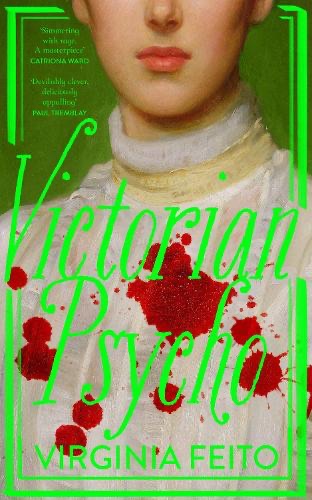
Winifred Notty arrives at Ensor House prepared to play the perfect Victorian governess. She’ll dutifully tutor her charges, Drusilla and Andrew, tell them bedtime stories, and only joke about eating children. But the longer Winifred spends within the estate’s dreary confines and the more she learns of the perversions and pathetic preoccupations of the Pounds family, the more trouble she has sticking to her plan.
Whether creeping across the moonlit lawns in her undergarments or gently tormenting the house staff, Winifred struggles at every turn to stifle the horrid compulsions of her past until her chillingly dark imagination breaches the feeble boundary of reality on Christmas morning.
Having seen this billed as a Victorian horror comedy and having a taste for the macabre I thought this would be my perfect read and it definitely was. If you ever wondered whether the governess was the psychopath in The Turn of the Screw, then this is the book for you. Here our young governess Winifred arrives at Ensor House to take charge of Drusilla and Andrew Pound, however she isn’t just teaching them French, instilling a Christian faith and charitable nature, along with their etiquette. Winifred has instead set herself a very different and unexpected agenda.
“It is early fall, the cold is beginning to descend, and in three months everyone in this house will be dead.”
So, alongside her everyday duties to the children she slinks around the house unnoticed by the rest of the family – cutting the eyes out of the ancestral portraits, stealing the children and bloodthirstily stalking the servants. Miss Natty is the perfect killer because of her position. I love reading about governesses in fiction because of their liminal position in a household, not as elevated as the family of the house and certainly not in the ranks of the servants. Too educated to fit in downstairs but as someone who earns a living, she’s definitely below the family. In one sense this could make her lonely at Ensor, but it also gives her an incredible amount of freedom. Governesses have bedrooms near the children, but the nanny will be on night duty. She’s free to roam with impunity, carrying out her horrible deeds. By day she’s teaching good manners and Christian values but by night she’s free to follow her darkest obsessions.
“It fascinates me, the fact that humans have the capacity to mortally wound one another at will, but for the most part, choose not to.”
Disturbingly I found this character rather amusing, there’s a certain quirkiness about her that’s appealing and in places I found myself laughing. She is our narrator so we have her inner monologue as well as the havoc she creates. Miss Natty notices everything in the house with the skill of a psychotherapist: observing the servants, the family and their visitors closely to decide who will be murdered next. She’s weighing up their behaviour and those who are unkind and treat others badly will be in the firing line first. As she becomes increasingly murderous, with plenty of gore flying around, she is most definitely enjoying herself and so are we. What has turned this young woman into a potential psychopath? The author has written this book with the staid politeness of a Victorian novel, contrasting sharply with the mayhem being described. It added to the humour and my enjoyment. Of course there’s a feminist slant to this, the men in the house know it all, explaining away any anger and displeasure from their wives as hysteria. Meanwhile their particular shortcomings go unacknowledged. I think we’re still told a lot about how to behave as women and books like these with a female protagonist who commits terrible acts with total abandon and enjoyment is like a release valve. Her tongue can be as sharp as her scalpel, bringing them rapidly down to size. She is breaking every convention, particularly that of the Victorian ‘angel in the house.’ I felt like the author had taken the two Mrs Rochesters from Thornfield Hall and put them in one woman; the quiet and unassuming governess and the murderous madwoman in the attic. She is so incredibly clever and likes her revenge to come, not cold, but sharply, precisely and decorated with liberal amounts of blood.
Out now from Fourth Estate Books
Meet the Author
A native of Spain, Virginia Feito was raised in Madrid and Paris, and studied English and drama at Queen Mary University of London. She lives in Madrid, where she writes her fiction in English. Victorian Psycho is being adapted for a feature film.
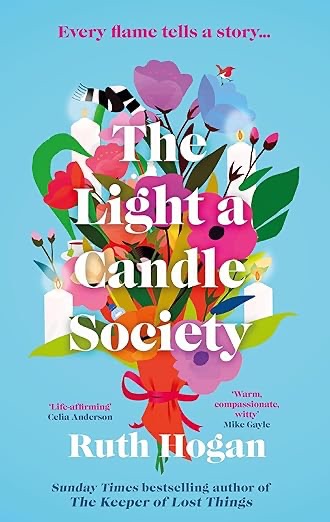
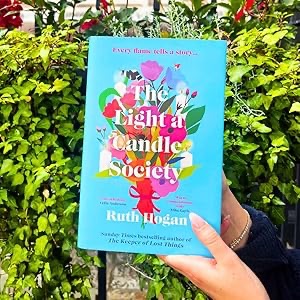
Ruth Hogan is one of my cozy authors. These are books I read when I need comfort and boy did I need it last week. I’m having the kitchen renovated, not just new units but ripping out the floor and ceiling, putting in new joists and laying a floor that’s been so wonky I’ve tripped over it a couple of times. We’ve taken out an island that was hogging all the space and finally new units are slowly going in. I’ve been without a kitchen sink for a fortnight and my other half has wired the oven up in the garage so everything we cook has to be oven or microwave only and I keep meeting neighbours as I’m walking past with oven gloves and a tray of chicken kievs. I’m washing up in the bath tub (not while I’m in it) so this time last week I lost my marbles and we’ve been staying in a holiday cottage nearby for some quiet. So I’ve spent a lovely week being mostly unreachable, laying back in a huge bubble bath with a view, and reading my cozy books.
So let’s talk about the book which was a lovely oasis of calm in my personal chaos. It covered a subject close to my heart. My first job in mental health was as a support worker and since I lived in a small town I would often see clients I worked with on days off and even for years after I left. These were usually single people, living alone and only just managing to function with the basics. They were so isolated and when I stopped working I would volunteer at a local community centre twice a week to have a drop-in place for people struggling or feeling isolated. Sometimes though I would find out someone had died and if I wasn’t too late I would go to the funeral. However if someone is estranged from their family due to their mental health history and lived alone I wouldn’t always be able to find out when and where it was. I hated the idea of no one being there, so I immediately understood our main character George and where he was coming from. He has lost his wife Audrey and takes her flowers every week down at the cemetery. It’s there he meets Edwin, a local undertaker who appears to be lurking by the bins. He explains that he’s watching the new council worker responsible for the funerals of those who had died without family or funds of their own. Edwin is making sure that new recruit Niall knows what he’s doing and giving the person the reverence and dignity they can. George hates the idea of such a lonely send off with no one to witness your journey beyond this life. He muses about it and talks to his friends at the Dog and Duck pub where he goes to the quiz night. He would like to mark these funerals in some way so he invites Edwin to join his group at the pub for a chat. From a simple wish to be there for these send offs the Light a Candle Society is born.
Like all Ruth’s books this has a wonderful cast of interesting and quirky characters, many of whom do live alone. There’s Roxy, George’s friend and colleague from the library where he works part-time. She has an alternative look, with tattoos and piercings and is probably not the person you’d expect to be so close with an older widower. Slowly we’re drawn into their circle. There’s Elena from the florist who does George’s flowers for Audrey every week and would like to make a contribution to the funerals. There’s Captain and his dog Sailor, one of the library regulars who comes in and reads most days. He talks very little about himself, only seeming to warm up when people pet his canine companion. Then there’s Briony who works for the local paper and decided to write a piece about the funerals, something she can take to her rather dismissive and sneaky boss and show him she can write more than a few words about someone’s giant vegetable. Her downstairs neighbour Allegra is an absolute riot and I would have loved to be friends with her. She has led a rather colourful life and acts like a mentor to Briony, pushing her to trust her own instincts and talent. Briony needs her combination of feminism, cocktails and a kindly kick up the behind.
The funerals grow when Edwin tips George off about a house clearance firm, who log all the deceased belongings, sorting through them for valuables and taking them away to sell. He agrees to tip George off if he’s doing the house of someone who has no relatives or friends, allowing him to come to the house and get more of a sense of who they were. From there he can write a eulogy that matters and resonates with anyone who does come along unexpectedly. The author has created short chapters that take us back in that person’s life in between the main narrative, showing us a moment from their life and the sometimes devastating circumstances of their death. It’s a reminder that no matter who it is or how their lives have ended, we can’t judge because we haven’t lived their life or experienced the unique and sometimes traumatic circumstances they find themselves in. This resonated strongly with me having had clients with addictions and mental illnesses that have driven family away. I was so touched by one young man who had the dream and potential of become a professional footballer. I was also touched by Captain who slowly builds a relationship with Roxy for a very particular purpose. When we’re taken back into his life it explains completely why a man called Captain lived so far from the sea. I may have shed a tear or two there.
As the society grows it takes in people who would have otherwise been alone. There are younger people like Briony or Niall who have often moved to start a career they’ve longed for, but have to then make a life far away from home where they don’t know anyone. There are older people who have retired and perhaps lost their partner who have the time and the enthusiasm for the society. However the society is also a lifesaver for them, getting them out of the house and making new connections. They’ve needed to make friends and have a home from home like the Dog and Duck to meet new people and of course, come to quiz night. There are potential romances but they’re kept quite low key because they’re not the story’s focus. The focus is one friendship and how the society isn’t just honouring those who have died, it’s making sure that lonely people who might easily have become one of the statistics, are looked after. It made me think of people I’ve let go off in life. Those I’ve lost touch with when one of us has moved or has had a partner who isn’t keen on me or vice versa. It reminded me that when someone pushes you away, it might be the time when they need you the most.
Meet the Author
My new novel – THE LIGHT A CANDLE SOCIETY – is out in NOW! It’s about a man called George McGlory – recent widower, part-time librarian, pub quiz enthusiast and lover of loud shirts – who witnesses a public health funeral and is deeply moved by the sight of the lonely coffin with no flowers and no mourners in attendance. George believes that everyone deserves a decent send-off and decides to do something about what he calls these ‘lonely funerals’ – and so THE LIGHT A CANDLE SOCIETY is formed. The book contains a number of short stories which give a glimpse into the lives of those whom George and his friends take it upon themselves to honour and remember in their own unique way. Despite it being a story about funerals, it’s full of life, love, humour, community and human connections. And, of course, there is a very special dog!
THE PHOENIX BALLROOM, MADAME BUROVA, THE KEEPER OF LOST THINGS, THE WISDOM OF SALLY RED SHOES and QUEENIE MALONE’S PARADISE HOTEL – are out now in all formats.
I was brought up in a house full of books, and grew up with an unsurprising passion for reading and writing. I also loved (and still do) dogs and ponies, seaside piers (particularly the Palace Pier in Brighton) snow globes and cemeteries. And potatoes. So of course, I was going to be a vet, show jumper, or gravedigger. Or potato farmer.
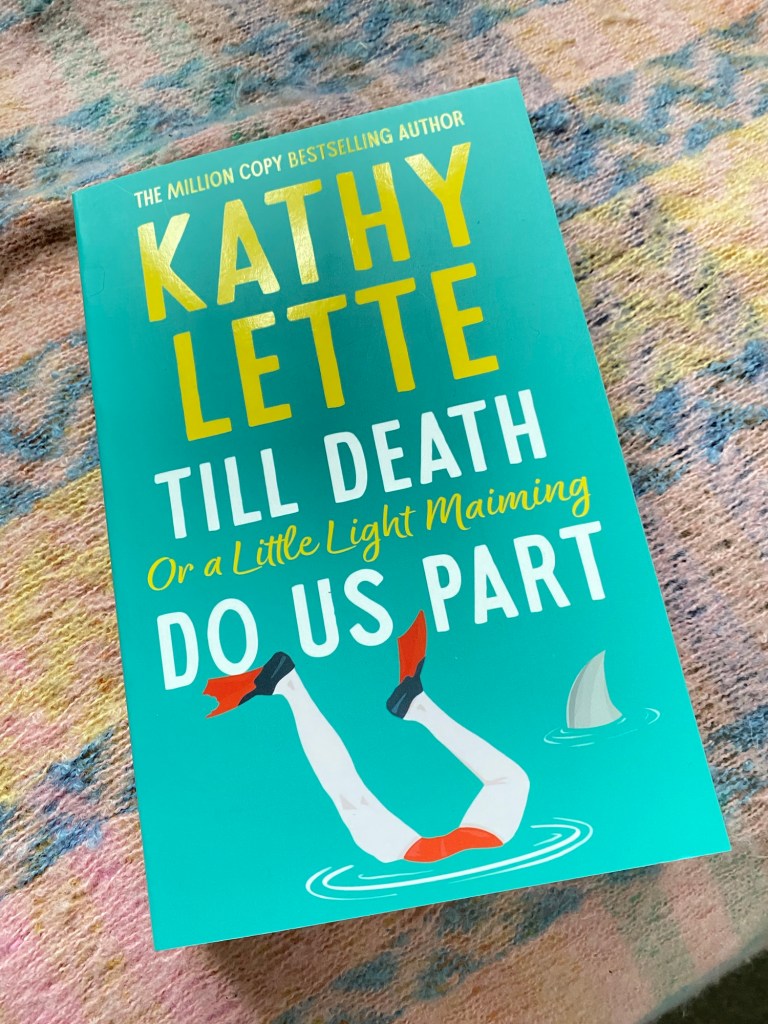
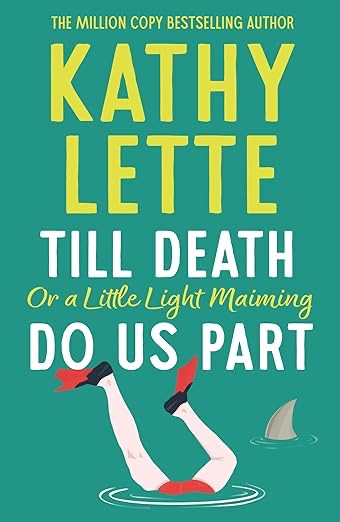
When she hears a man has been killed by a Great White shark, Gwen races to the beach only to find that all that remains of her husband is his swimming cap and a piece of torn, blood-stained wetsuit. Her grief is soon interrupted by Tish, screaming for information about the accident. When Gwen reassures her that it’s her husband, Jason Riley, who’s perished, Tish’s response is earth-shattering for them both: Jason was her husband too.
The women’s mutual animosity is not assuaged when they learn that Jason recently sent all his – make that their – money to a mysterious ‘business partner’ in Egypt called Skye. But when they fly to Cairo to confront her, they find another grieving widow whose life-savings have gone missing…
As this double-crossed threesome cross continents in their search for truth and retribution, they start to realise they’re embarking on a journey of self-discovery, renewal and friendship too.
I’ve read Kathy Lette before so I was expecting ballsy women, lots of wit, perhaps some raunchy behaviour and definitely laughter. I wasn’t disappointed. I’ve seen this described as a revenge caper and that is the perfect description. Gwen has a happy life with her children and second husband Jason, who’s a real hottie. He is a big blonde surfer type with a sprinkling of grey, but a body honed to perfection by Iron Man training. She sometimes wonders how they got together. She sees herself as a rather ordinary widow nearing her sixties, while he’s a lot younger and so fit. However, tragedy comes along when Jason is training. Gwen hears on the radio that there’s been a shark attack in the bay and she makes her way there immediately. When she arrives, she knows by the scrap of wetsuit on the sand that the lost man is Jason. She hardly has time to breathe before a leather clad ball of fury catapults herself into the situation. Tish is there because she thinks her husband is missing too, she’s married to a tall, blonde hunk called Jason. Surely they can’t both be married to the same man?
Gwen wants to quietly go home and cope with the double shock of Jason’s death and the news that he’s a bigamist. Tish has the grip of a small terrier and has about a million questions that Gwen is incapable of answering. She’s totally gobsmacked by Tish’s biker girl style, they couldn’t be more different so why was he attracted to both of them? It seems that when Gwen thought he was working or training, he was with Tish and vice versa. They’ve been together a similar amount of time. They make a very uncomfortable trip to Jason’s lawyer, Tish is adamant there should be a will and she wants to see it. She invested a large amount of money in a business start-up he was working on. Gwen is keeping her cards close to her chest but she too has invested some of her widow’s inheritance in his endeavours. Where has it gone? They soon find out. His lawyer tells them that Jason signed a document that transfers their joint investment to a woman in Cairo. Tish wants to be on the next plane and wants Gwen to go with her. Can they find this woman, solve the mystery of her connection to Jason and retrieve their money?
I found the novel intriguing and funny at first. Tish is an absolute ball of energy and her power as a character did overpower everyone else slightly. I wonder if Kathy based Tish on her most extrovert side. I felt a little bit like the momentum of the story was lost in long verbal exchanges between the two women that seemed more about the jokes than developing characters or their relationships. Some are admittedly very funny, but when they come thick and fast the humour sometimes misses the mark. It’s also difficult to change the tone and I think the novel could have done with some light and shade. However, it’s a madcap caper that takes on an escapist feel as we travel all over the world with the women and try to work out if Jason faked his own death and whether they’ll be able to retrieve their money. Cairo brings even bigger surprises, leading to Tanzania, the Maldives and throughout Europe. It’s an absurd plot, but it is fun and a great escape read. I read this in one afternoon and had some laugh out loud moments. There’s also some lovely female camaraderie as these women start to come together, overcoming their differences to bond and keep chasing their love rat husband. I really enjoyed the suggestion that there’s a re-evaluation of life as women reach middle-age. A realisation that if we are going to do the things we’ve always wanted we need to start planning now. It’s the chance to throw off things that no longer suit us – not just in our wardrobes! In amongst the action and the laughs is the very profound idea that just when you learn to make the most of your life, it is almost over.
For more information on Kathy Lette and her books visit
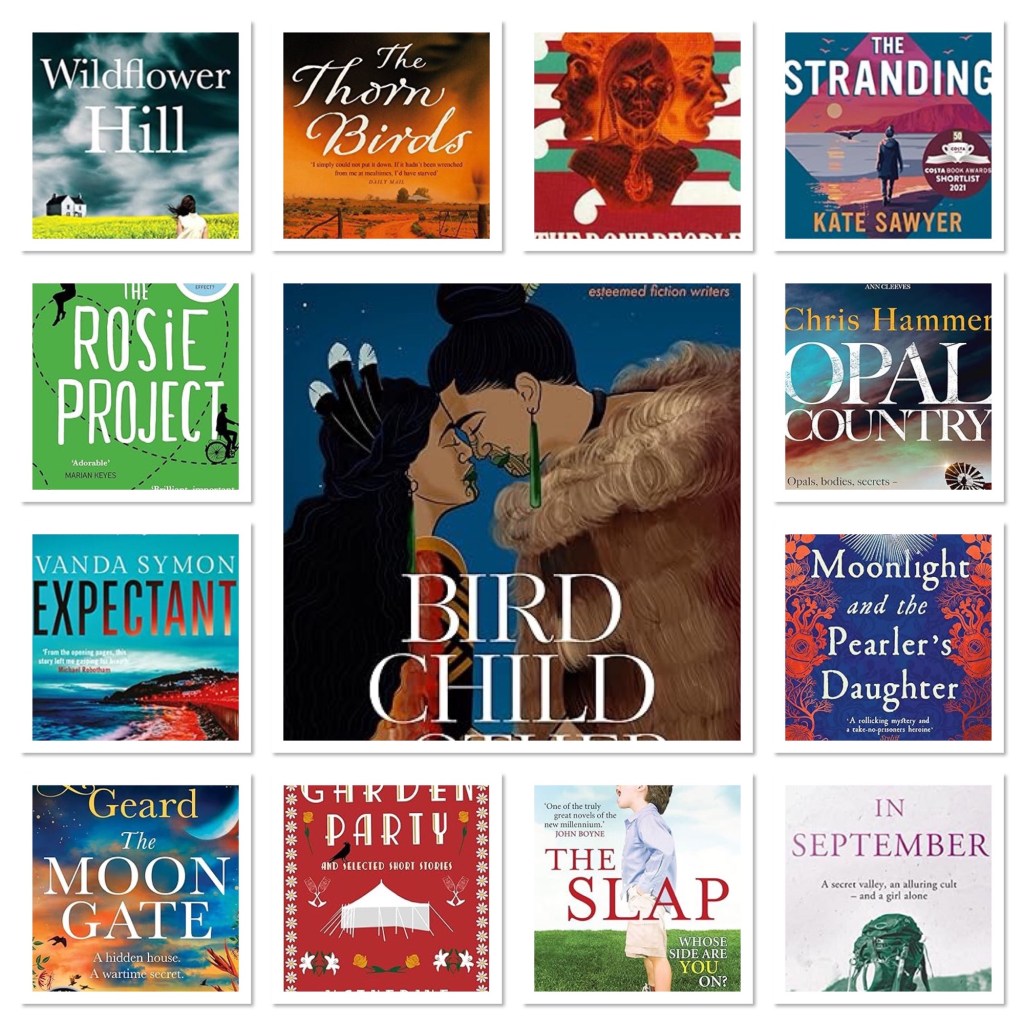
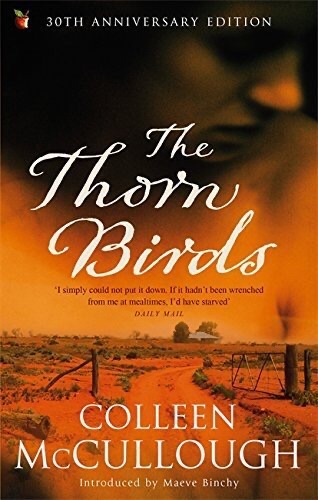
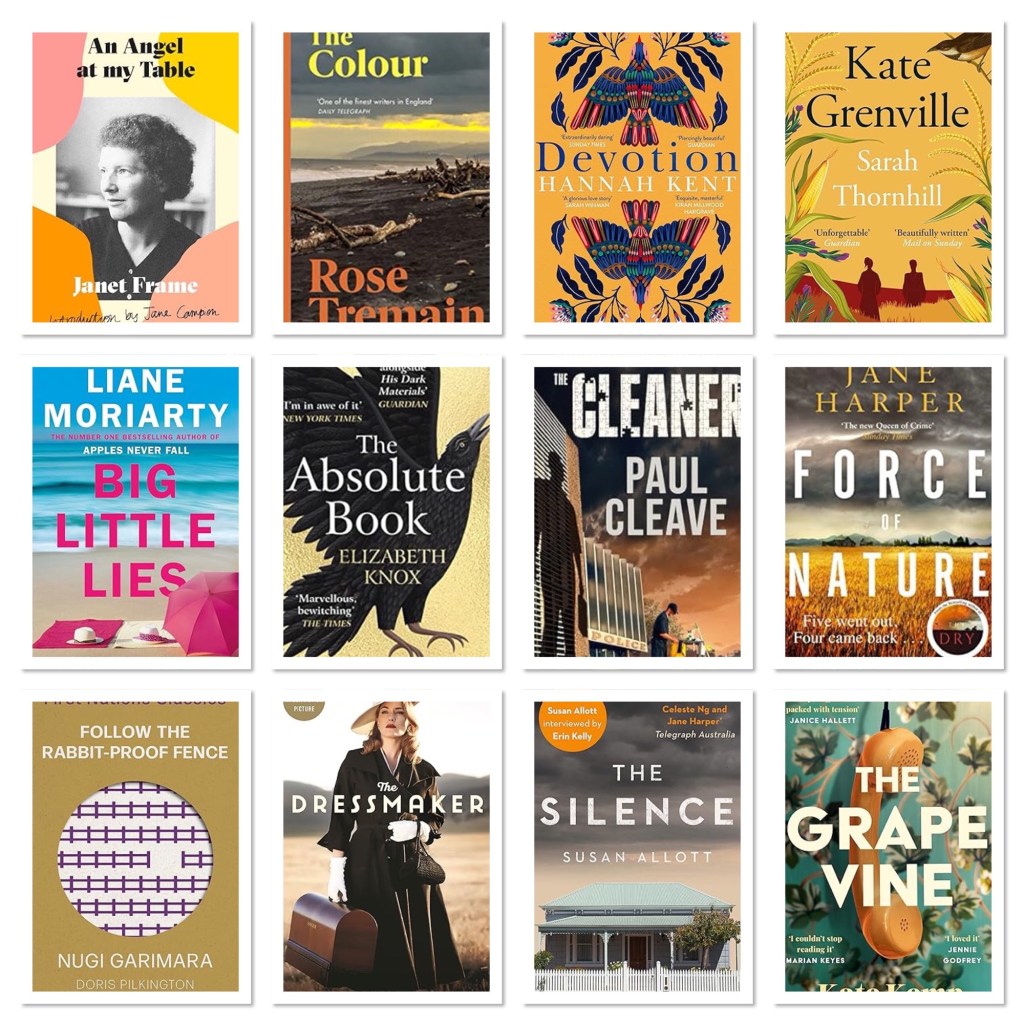
I’ve always been unconsciously drawn to books set in Australia and New Zealand, perhaps because I have family in both countries and want to familiarise myself with their lives. My mum lived there as a ten pound Pom in the 1960’s, leaving Liverpool behind and living in hostels meat Sydney. My grandad loved it out there and would tell us about nature, mostly horrific stories of people having spider’s nest in their ears or brains. My brother-in-law went out to New Zealand to work as a tree surgeon on a huge farm. He met the love of his life out there, Jenny, and although Jan died a few years after my husband I’m still in touch with Jenny and my two nephews. I was also hugely influenced by mum who was an enormous fan of The Thorn Birds – although hated Rachel award as Meggie in the TV mini-series. I’ve always thought that people down under are resilient, rather sweary and very straightforward. They say what they think – something I admire even where I don’t agree. I love the diversity of the cities and fascinated by Aboriginal and Māori. Some of my choices were read on my post-colonial literature course at university, a module that I found so inspiring and forced me to read writers I’d never have picked up as a casual reader. Here are just a few of the books and authors that can take you on a trip round both countries.
Classics
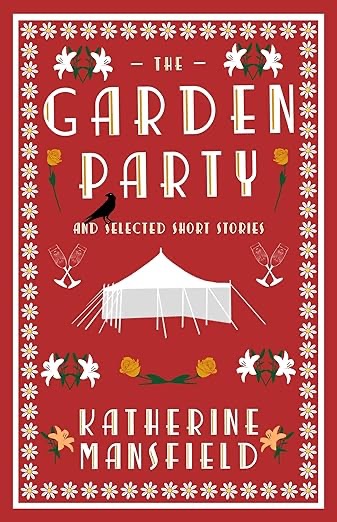
When her wealthy family prepares to host a lavish summer party, the young, hitherto sheltered Laura Sheridan suddenly feels a kinship with the staff and the helpers hired to set up the venue for the festivities. As she learns of the death of one of their working-class neighbours, this burgeoning sense of class consciousness is heightened by a realization of her own mortality. Published in 1922, at the height of literary modernism, ‘The Garden Party’ is now considered one of the key texts of that movement. This volume, which also includes all of Katherine Mansfield’s other published short stories, is an invaluable resource for anyone wishing to discover one of the early twentieth century’s finest writers. I first read this collection at university and I still have it today because it stands up against any short story collection from that period.
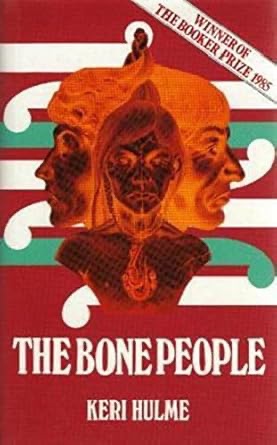
Integrating both Maori myth and New Zealand reality, The Bone People became the most successful novel in New Zealand publishing history when it appeared in 1984. Set on the South Island beaches of New Zealand, a harsh environment, the novel chronicles the complicated relationships between three emotional outcasts of mixed European and Maori heritage. Kerewin Holmes is a painter and a loner, convinced that “to care for anything is to invite disaster.” Her isolation is disrupted one day when a six-year-old mute boy, Simon, breaks into her house. The sole survivor of a mysterious shipwreck, Simon has been adopted by a widower Maori factory worker, Joe Gillayley, who is both tender and horribly brutal toward the boy. Through shifting points of view, the novel reveals each character’s thoughts and feelings as they struggle with the desire to connect and the fear of attachment.
Compared to the works of James Joyce in its use of indigenous language and portrayal of consciousness, The Bone People captures the soul of New Zealand. After twenty years, it continues to astonish and enrich readers around the world.
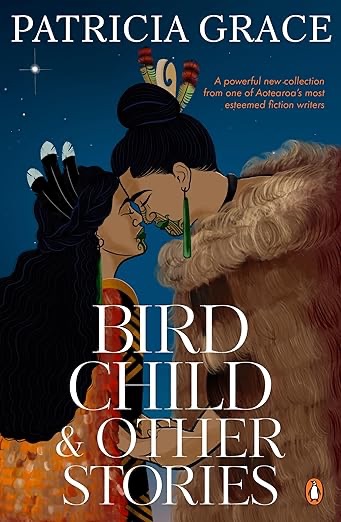
Mythology and contemporary Māori life are woven together seamlessly in this spectacular collection by Aotearoa’s foremost short story writer.
The titular story ‘Bird Child’ plunges you deep into Te Kore, an ancient time before time. In another, the formidable goddess Mahuika, Keeper of Fire, becomes a doting mother and friend. Later, Grace’s own childhood vividly shapes the world of the young character Mereana; and a widower’s hilariously human struggle to parent his seven daughters is told with trademark wit and crackling dialogue.
Moving artfully across decades, landscapes, time and space, with tenderness and charm, Bird Child and Other Stories shows an author as adept and stimulating as ever. This isn’t an easy read but fascinating and the comparison between Māori and other creation myths from around the world was fascinating.
Contemporary Fiction
Cassy smiled, blew them a kiss.
‘See you in September,’ she said.
It was a throwaway line. Just words uttered casually by a young woman in a hurry. And then she’d gone.
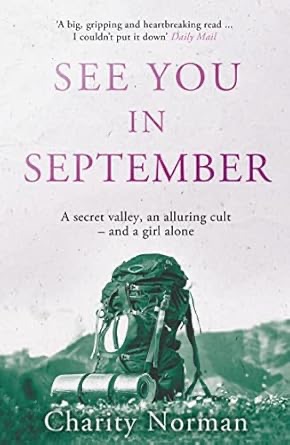
It was supposed to be a short trip – a break in New Zealand before her best friend’s wedding. But when Cassy waved goodbye to her parents, they never dreamed that it would be years before they’d see her again. Having broken up with her boyfriend, Cassy accepts an invitation to stay in an idyllic farming collective. Overcome by the peace and beauty of the valley and swept up in the charisma of Justin, the community’s leader, Cassy becomes convinced that she has to stay.
As Cassy becomes more and more entrenched in the group’s rituals and beliefs, her frantic parents fight to bring her home – before Justin’s prophesied Last Day can come to pass. I love Charity Norman’s writing because she gets to the heart of family relationships and shows how families can fracture when placed under stress. I’d recommend any of her books but this one is set in New Zealand. I highly recommend Remember Me and Home Truths.
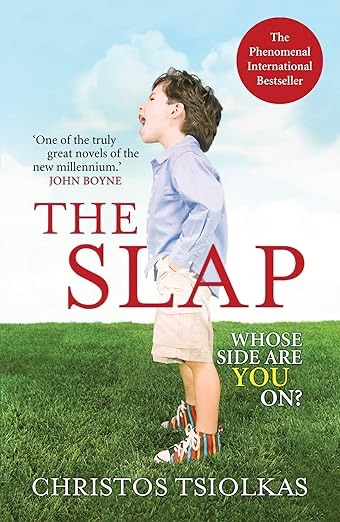
At a suburban barbecue one afternoon, a man slaps an unruly boy.
The boy is not his son.
It is a single act of violence, but the slap reverberates through the lives of everyone who witnesses it happen.
Christos Tsiolkas presents the impact of this apparently minor domestic incident through the eyes of eight of those who witness it. It’s honestly hard to find someone to like here, but it is a fascinating look at contemporary Aussie relationships. It’s an unflinching interrogation of the life of the modern family, a deeply thought-provoking novel about boundaries and their limits…
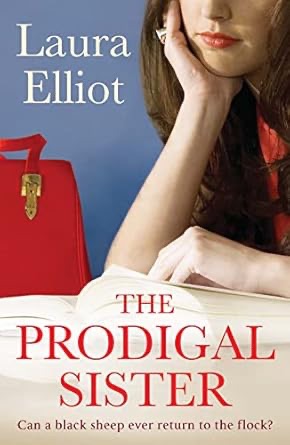
The Lambert sisters have secrets…
When 15-year-old Cathy Lambert runs away from her Dublin home, she is scared and pregnant. Settled in New Zealand with her new son Conor she believes the secret she carries will never be revealed…
Rebecca Lambert was eighteen when her parents died and she took responsibility for her younger sisters. Years later, she is haunted by fears she hoped she’d conquered.
Freed from family duties, mother of three Julie Chambers is determined to recapture the dreams of her youth.
Married to a possessive older man, Lauren Moran embarks on a frantic love affair that threatens to destabilise her fragile world.
Anxious to make peace with her three sisters, Cathy invites them to her wedding.
But as the women journey together through New Zealand towards their reunion, they are forced to confront the past as the secret shared histories of the Lambert sisters are revealed. I couldn’t put this book down as it’s a great mix of emotions, adventure, secrets and a lot of humour.
EVERY ENDING IS A NEW BEGINNING…
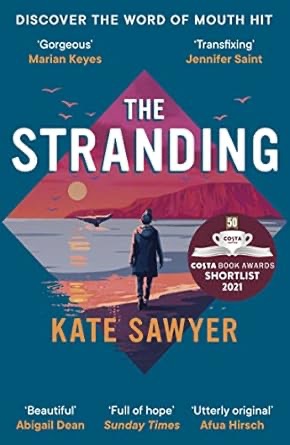
Ruth is ignoring the news. Like most people, she has relationship problems, job stress, friends and family who need her. Ruth has a life.
But the news is about to catch up with Ruth, and her problems are going to be swept away…along with the rest of the world. While on a plane to New Zealand, something starts to happen to the world. Arriving, Ruth makes her way to her coastal destination but never expected to be sharing the inside of a dead whale with a stranger as a world ending event happens. It takes this to change Ruth’s outlook completely. Only when the comforts and complications of her old existence are gone, does she finally realise how she might be able to live to the fullest. This was a mesmerising debut from Kate and I still recommend it constantly. It made me think about something drastic like this happening in my lifetime, but also question why we fall in love with the people we do and how commitments to others are nurtured and lad
Romantic Fiction
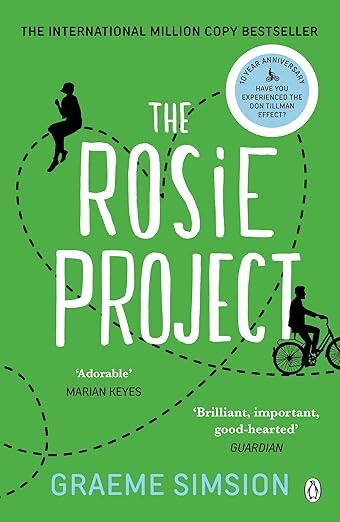
Love isn’t an exact science – but no one told Don Tillman.
A thirty-nine-year-old geneticist, Don’s never had a second date. So he devises the Wife Project, a scientific test to find the perfect partner. Don has a regimented life of work
Enter Rosie – ‘the world’s most incompatible woman’ – throwing Don’s safe, ordered life into chaos.
But what is this unsettling, alien emotion he’s feeling? . . .
This is a deeply funny, but emotional and fascinating in terms of Don’s neuro-divergence. He eats the same meal on the same night every week as part of his rotation of menus. His life felt like a never-ending to-do lust and I knew that he would drive me up the wall. Rosie is a woman of great patience! However, I also knew that my lack of systems and routine would have an equally detrimental effect on his mental health. Watching how these two people try, fail and try again to communicate their needs and feelings within the relationship is a lesson for every couple. It’s also brilliantly funny. There is a trilogy now so treat yourself to all of them.
In the rugged Australian Outback, three generations of Clearys live through joy and sadness, bitter defeat and magnificent triumph, driven by their dreams, sustained by remarkable strength of character… and torn by dark passions, violence and a scandalous family legacy of forbidden love.
The Thorn Birds is a poignant love story, a powerful epic of struggle and sacrifice, a celebration of individuality and spirit. Most of all, it is the story of the Clearys’ only daughter, Meggie, who can never possess Ralph de Bricassart, the man she so desperately adores. Ralph will rise from parish priest to the inner circles of the Vatican… but his passion for Meggie will follow him all the days of his life.
What a saga this is and I have to say the book is ten times better than the series, mainly because we get more of the family dynamic and get to know Meggie as a little girl. Her story of slowly growing up with such a harsh mother really builds and we understand more her bond to the young priest who befriends her, noticing that in a family of many sons she is largely ignored. He is her knight in shining armour and the only one, after her eldest brother is gone, who will hug and comfort this lonely girl. Catholic readers will recognise how powerful the religion is for Irish families and the schooling that nuns provide. The book is an epic and covers Father Ralph’s lifetime, but it has an incredible sense of place and time and really is worth a read for that alone.
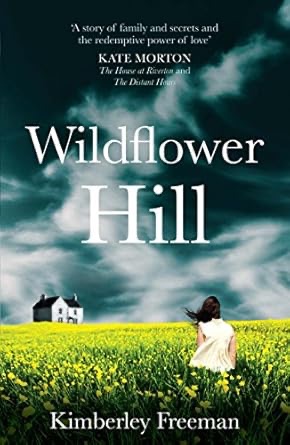
n 1929, Beattie Blaxland had dreams. Big dreams. She dreamed of a life of fashion and fabrics. One thing she never dreamed was that she would find herself pregnant to her married lover, just before her nineteenth birthday.
In 2009, Emma Blaxland-Hunter was living her dream. A prima ballerina with the London Ballet, she had everything… Until the moment she lost it all.
Separated by decades, both women must find the strength to rebuild their lives. A legacy from one to the other will lead to Wildflower Hill, a place where a woman can learn to stand alone long enough to realise what she really wants.
I’d never read this author before so it came as a complete surprise when I enjoyed it so much. It is historical fiction too, but I loved that this was a ballsy woman who was determined to succeed at Wildflower Hill and her love story with an aboriginal worker would have been so transgressive at the time. It’s an unashamedly romantic story and if you enjoy love with a side order of feminism, family secrets and a dual-timeline this is for you.
Historical Fiction
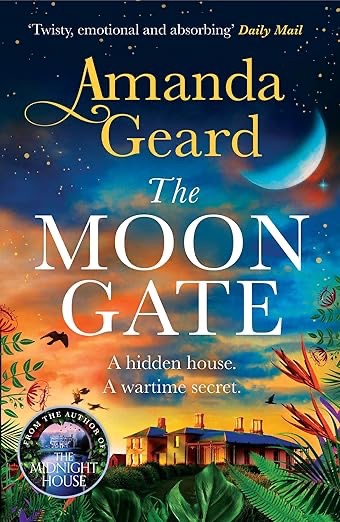
A faded photograph. An abandoned house. A wartime mystery. . .
1939: On the eve of war, young English heiress Grace Grey travels from London to the wilderness of Tasmania. Coaxed out of her shell by the attentions of her Irish neighbour, Daniel – Grace finally learns to live. But when Australian forces are called to the frontline, and Daniel with them, he leaves behind a devastating secret which will forever bind them together.
1975: Artist Willow Hawkins, and her new husband, Ben, can’t believe their luck when an anonymous benefactor leaves them a house on the remote Tasmanian coast. Confused and delighted, they set out to unmask Towerhurst’s previous owner – unwittingly altering the course of their lives.
2004: Libby Andrews has always been sheltered from the truth behind her father Ben’s death. When she travels to London and discovers a faded photograph, a long-buried memory is unlocked, and she begins to follow an investigation that Ben could never complete. But will she realise that some secrets are best left buried . . .?
This gorgeous story that spans the twentieth century was one of my books of the year last year. The mystery of how all these timelines added up, the beautiful setting of Tasmania and the historical context around WW2 drew me in. The love story is simply gorgeous and potentially heart-breaking. I know this is a story I’ll want to read again.
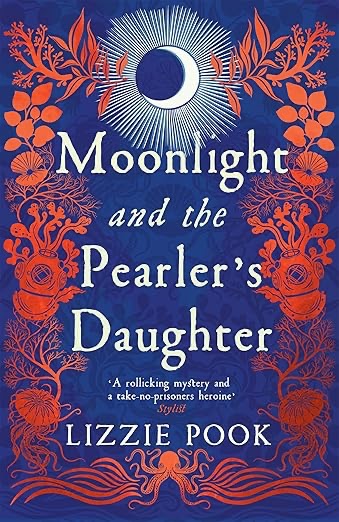
1896, Bannin Bay, Australia. When British pearl-boat captain Charles Brightwell goes missing out at sea, rumours of mutiny and murder swell within the bay’s dens and back alleys. Only his headstrong daughter, Eliza, refuses to believe her father is dead, and sets out on a dangerous journey to uncover the truth.
But in a town teeming with corruption, prejudice, and blackmail, Eliza soon learns that the answers she seeks might cost more than pearls. How much is she willing to sacrifice to find them?
This incredible debut is richly atmospheric from the get go, throwing us straight into the strangeness of 19th Century Western Australia as if it is an alien landscape. In fact that’s exactly what it is for the Brightwell family, particularly Eliza whose childhood eyes we see it through for the the first time. The adult Eliza has to negotiate her way through the community’s corruption, violence, blackmail and the criminal elements of the pearling business. All the while reading her father’s diary for clues and guiding us to some fascinating characters, some of which are based on historical figures. You’ll love Eliza’s early feminist stance and sense of adventure. The twists and turns her journey takes are gripping and pull you deep into the story. It’s a fantastic debut, full of life and death, just like it’s setting.
Crime Fiction
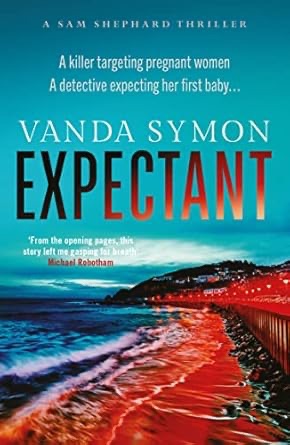
A killer targeting pregnant women.
A detective expecting her first baby…
The shocking murder of a heavily pregnant woman throws the New Zealand city of Dunedin into a tailspin, and the devastating crime feels uncomfortably close to home for Detective Sam Shephard as she counts down the days to her own maternity leave.
Confined to a desk job in the department, Sam must find the missing link between this brutal crime and a string of cases involving mothers and children in the past. As the pieces start to come together and the realisation dawns that the killer’s actions are escalating, drastic measures must be taken to prevent more tragedy.
For Sam, the case becomes personal, when it becomes increasingly clear that no one is safe, and the clock is ticking…
There’s something about Aussie and NZ crime fiction. It’s gritty and immediate. This is the fifth in Vanda’s Sam Shepherd series and I can honestly say they’re all brilliant but this one …. I was on the edge of my seat! It feels like Sam has just let her guard down and accepted what’s next in her life, when everything could be ripped away from her. Even though she’s the one who most understood the killer’s motivations, will she still be shocked by their identity? Sam’s vulnerability is terrifying and I was praying that she would be okay, as if she’s a living and breathing human being. That’s the power of Vanda Symon’s writing and how much of that magic she’s poured into this brilliant character.
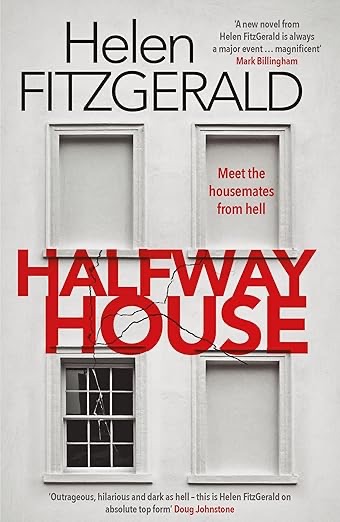
Lou O’Dowd travels across the world from Australia to Edinburgh for a job with the organisation SASOL. Her new life will be living with her cousin and working shifts at a halfway house for high risk offenders including two killers, a celebrity paedophile, and a paranoid coke dealer. After orientation, Lou will be on shift alone dealing with these offenders with little more than her own instinct to guide her. What could possibly go wrong?
Lou is a controversial character, living off a sugar daddy for a while she’s had no need to work, but when the relationship ends disastrously she has no choice but to leave. On her first day in Edinburgh she meets a man at a play who has a similar attitude to risk, enjoying mainly outdoor sex. He comes from a rich family, so maybe he could be more than a fling? I loved how the mundane domesticity of the job was mixed with genuine fear and horror of what could happen if residents flare up. There’s an evening ritual of cocoa for each resident, but it has to be to perfectly timed in order to interrupt one resident’s suicide ritual. These are the extremes a job like this entails, but it’s only the beginning….
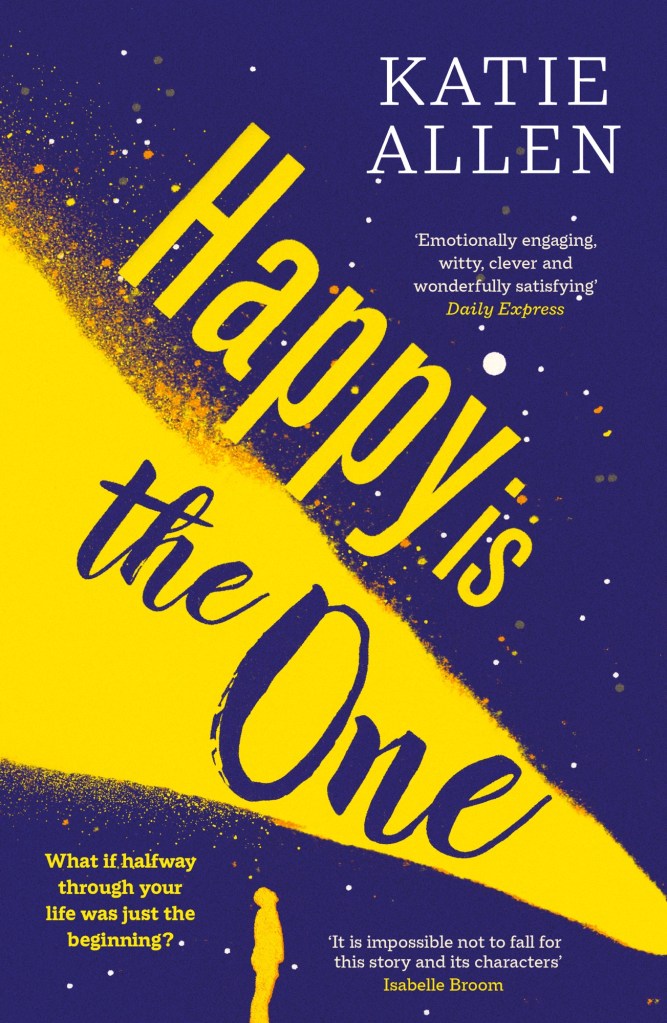
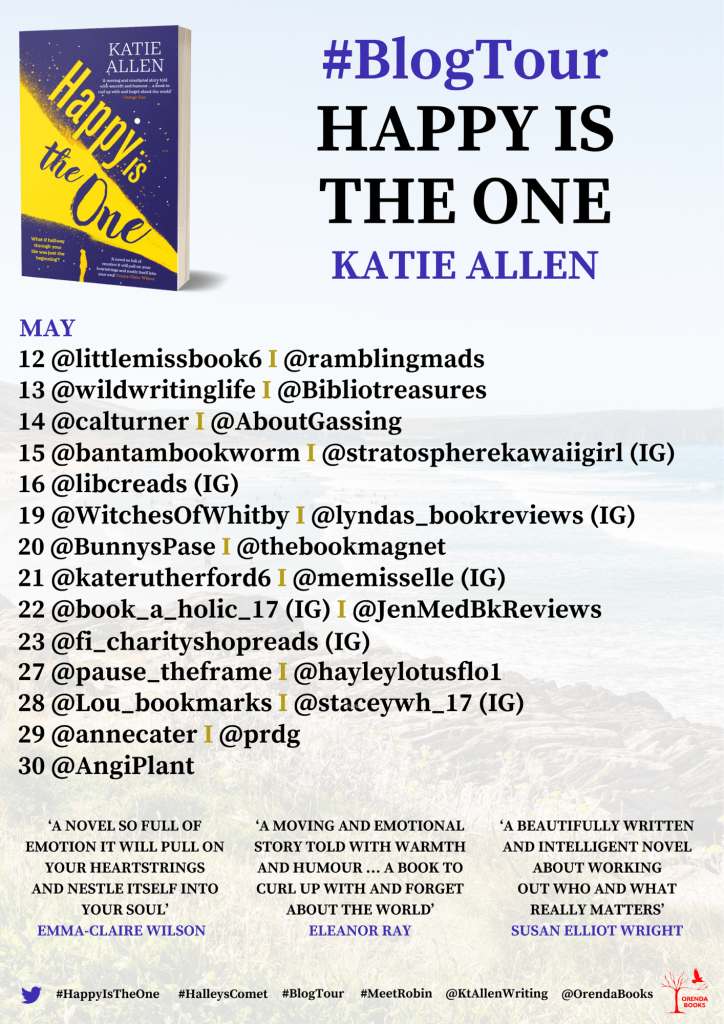
Robin is exactly half way through his life. Like Mark Twain before him, Robin came into the world with Halley’s Comet in 1986 and fully expects to go out again when it returns in 2061. Recently he’s had a huge life change. He’s moved back to his home town of Eastgate to care for his sick father, who due to a disability has had one accident too many. Robin had a well-regimented life in London with girlfriend Gemma. He also had a boring well-paid job as an accountant. Now everything has been thrown up in the air and he’s living in a tiny bedroom surrounded by boxes he hasn’t unpacked. He’s trying to forge a relationship with a father who can’t communicate and who he never connected with as a child. There are childhood ghosts to face and a new connection with Astrid, fellow outsider and professor at a nearby university. She’s brutally straightforward and Robin has never met anyone like her. She’s also hiding something, but he’s hiding even more from her. Can Robin make friends, help his father and accept this is the next chapter of his life?
This was a great book that’s simply joyful to read, even while addressing some really difficult themes. Robin is a great character to spend time with. I found myself feeling quite protective of him, despite his rather pernickety ways. I could honestly feel his anxiety and he copes by planning for eventualities that might never happen. He ekes out money, setting a daily amount for a minimal food plan and then bulk shopping at Costco. He’s worked out how long his savings will last, trying to keep Dad’s care to a minimum so he can afford it for longer. He seems at odds with everyone; not communicating with his father, bickering with Jackie who is his father’s man carer, and not even trying to find old friends. I’ve been a carer and I felt how overwhelmed he is by everything when he climbs up on the roof for some peace. He has to connect in order to get this new chapter of life started. However, to do that he has to accept that this is his life for now. The daytime telly shows, the sorting of meds and lifting his dad off the loo is life. He doesn’t seem to realise that while he fights it, he remains standing still. If he accepts Astrid’s friendship, unpacks the boxes and breathes, life will get better.
My two favourite characters are the forthright Astrid and Jackie. Astrid is a strong character and has a lot to say, but enough quirks to humour Robin and push him just a little into enjoying life. She embraces and accepts where he is in life, happily trawling Costco for savings. His relationship with her little boy is lovely too. No one can go through life as an island though and Eastgate is a small place. It’s almost inevitable that these new relationships are uncomfortably entangled with others he’s been trying to avoid. Jackie is wise and more of an asset than Robin realises as he spends weeks trying everything to avoid her – even climbing onto the roof. She’s brilliantly written because I’ve met carers like this and they’re worth their weight in gold. Nothing phases her and she is soon onto Robin’s ways. She reminded me of an incredible carer called Barbara who worked in a pair looking after my late husband. She was wider than she was tall and smoked like a chimney between calls. She was also matter of fact, never allowing him to be embarrassed about any aspect of his care. Barbara had seen it all and her stories had him in fits of laughter. I knew he was in safe hands with her, an incredible weight off my mind when I had to go in to University. Barbara passed out one day at work and died only a few days later, from a brain tumour she didn’t know she had. She was caring for people at the end of their lives, not knowing she was close to her own.
The wonderful relationship between Robin and old friend Danny felt so genuine and the way they talked to each other felt exactly like people who’ve known each other from childhood. There’s a shorthand and we start to realise some of Robin’s quirks have been there a while. You get the sense that if they were going on a bike ride Robin would spend so long getting prepped with wet weather gear and a puncture repair kit that they’d run out of time. Danny on the other hand would set off as is and get soaking wet, then tell everyone the story for years. Danny is full of life and has a great business idea to run past Robin, but can he be tempted to take the risk? Robin is eking out an existence that goes way off into the distant future, but our futures change all the time and one day he’ll start living yet another chapter. Living is right now! It’s not when we have money, or have lost weight, or when we have better health. It’s now, when we’re skint, fat and feeling ill. Whatever life looks like right now, we absolutely must live. Many people don’t get the time to waste. Of course, when we find out why Robin is so adamant about his comet theory – while being forced to evaluate his choices by a strident Astrid – it all becomes clear. A heart-breaking tale emerges, just as Robin is faced with yet another loss. He’s forced to admit why he jumped off a cliff into the water when he was a child. He thinks he can’t die, because once he survived something and can’t make sense of it. In fact immortality is the only explanation that does make sense to him. He’s doing what humans do, we subscribe meaning to events that have none. It’s just messy, terrifying, random and heart-breaking life. Katie infuses this difficult truth with beauty, humour and hope because life is beautiful and joyous too, if you let it be.
Out 22nd May from Orenda Books
Meet the Author
Katie Allen was a journalist and columnist at Guardian and Observer, starting her career as a Reuters correspondent in Berlin and London. Her warmly funny, immensely moving literary debut novel, Everything Happens for a Reason, was based on her own devastating experience of stillbirth and was a number-one digital bestseller, with wide critical acclaim. Katie grew up in Warwickshire and now lives in South London with her family.
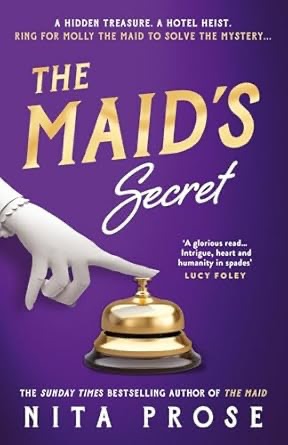
It was a joy to be back in Molly the Maid’s company again. It always takes just a couple of sentences for me to feel like I never left her world. In some ways her life could be seen as unchanged. She’s still Molly, as wholly herself as ever, living in her late grandmother’s flat with her fiancé Juan, chef at the Regency Grand. In other ways things have changed, Molly manages the maids and has become ‘Events Manager’ so she’s definitely gone up in the world at work. Two important events loom in the near future – Molly and Juan’s wedding at City Hall is on the horizon – but today the two darlings of the antique world are filming an episode of their TV show Hidden Treasures in the tearoom of the hotel. Beagle and Brown are known jointly as the Bees. They wear a lot of velvet, bow ties and smoking jackets and are the married presenters of the show that runs like our own Antiques Roadshow. People queue to have their valuables appraised in the hope of either owning a secret masterpiece or appearing on the TV. At the last moment, before they leave the flat that morning, Juan suggests Molly takes her grandmother’s box of treasures, including a highly decorated egg that came to her from the Grimsthorpe estate. When the Bees see this particular treasure their eyes light up. They seem to know immediately that this is very special and they must get it on camera. As the cameras roll they tell Molly that this looks like a lost Russian imperial egg, possibly the prototype for all the ones that followed. It’s one of a kind, decorated with rubies and emeralds by Fabergé himself. It’s worth could be several million dollars. Molly doesn’t seem to take the news in and wants to carry on as normal, but as the clip is shared online it becomes impossible and Mr Preston has to take them home. The couple sit in their flat utterly shell shocked. Will life ever be the same again?
Things go from bad to worse when Molly agrees to auction the egg at the hotel, again run by Brown and Beagle. It might be the only way to return things to normal. She can’t imagine being wealthy and so far has only committed to a slightly larger wedding. As the auction reaches fever pitch, all eyes are on the egg in it’s glass case on the podium. As the hammer goes down at ten million dollars there are celebrations across the room and no one notices, until the Bees draw attention back to the egg, that there’s just an empty case. The author follows this story as the police are called in and an investigations get underway, but between this narrative are chapters from the past. It isn’t long after the auction when Mr Preston reunites Molly with a different relic from the past – her late grandmother’s diary. The ornate key to open it has always been in her grandmother’s cabinet but Molly has never known what it was for and she isn’t ready to open it just yet. We still get the tale though, written directly to Molly in a series of letters. We might learn about her past with Mr Preston, but also why she was estranged from her whole family. We also might find out what might her give up her daughter, Molly’s mother Maggie.
Molly is the heart and soul of the book though and she doesn’t disappoint. She is genuinely flummoxed by people’s reaction after the valuation. As guests and even fellow staff start to photograph her working, Molly just wants to get on. In the main people just want to congratulate her but Cheryl is her usual self, taking and selling pictures of NYC’s newest potential millionaire. Molly doesn’t understand what’s changed because she’s the same person with exactly the same values as before. When the egg is stolen, all she wants to do is help the police to recover it, although she isn’t necessarily happy about the chaos it’s brought to her life. Molly is a great detective though and admired by Police Detective Stark for her ability to notice patterns and follow the logic of a case. She also has an encyclopaedic knowledge of the hotel, which might be invaluable when working out how someone could steal something in plain sight. I did feel sorry for Molly, especially when she’s talked into trying on wedding dresses in a high end store by her protégée Lily. The pair are horrified to find out it is a publicity stunt for the TV cameras. Molly truly believes she has everything she could want – her job, Juan, Mr Preston, their home. She’s almost given up on her mother who does make an appearance here. A child never loses that tiny bit of hope when it comes to a parent and it’s so heartbreaking to see Molly taking this chance. I was desperately hoping Maggie was there for the right reasons.
Molly’s grandmother’s narrative reads like a fairy tale. A young girl with wealthy but distant parents, becomes a pawn in their game when fortunes are running low. They know that their business is going to fail and a rival is trying to buy it up. As the money dries up their daughter might be the only way they can revive their fortunes. Unfortunately Molly’s grandmother is more interested in her education than making an advantageous marriage. She’s fallen in love already although she’s fighting it. John is the nephew of their housekeeper, has a scholarship at the same school and has been given access to family’s library for his studies. They have an instant spark with lots of banter and academic competition, but her head is turned when she has the chance to date the fabulously handsome and wealthy son of the man who’s buying their company. If she pleases him, maybe their fortunes will be saved. He’s certainly charming, but is that all surface? The dairy feels like a cautionary tale for young women and men do not come out of it very well. Molly doesn’t really need to read it as she’s always listened to her grandmother’s advice. However, it might just give her a clue…
This is a charming and heart-warming read that brings Molly full circle in terms of her background and having her life exactly where she wants it. There is a special joy in a character like this who you can absolutely root for. Her modest wants in life are refreshing and old fashioned in a way. As many point out, it’s rare to see one of the little people, rewarded by a quirk of fate. I knew there were so many obstacles to overcome, not just the theft but the question of ownership and provenance if it was returned. I knew that it would be a great read either way because Molly is the sort of character who will find her happiness with or without the golden egg.
Meet the Author
Nita Prose is the author of the Molly the Maid series, including THE MISTLETOE MYSTERY, THE MYSTERY GUEST, and THE MAID, which has sold more than 2 million copies worldwide and was published in over forty countries. A #1 NEW YORK TIMES bestseller and a GOOD MORNING AMERICA Book Club Pick, THE MAID won the Ned Kelly Award for International Crime Fiction, the Fingerprint Award for Debut Novel of the Year, the Anthony Award for Best First Novel, and the Barry Award for Best First Mystery. THE MAID was also an Edgar Award finalist for Best Novel. Nita lives in Toronto, Canada, in a house that is moderately clean.
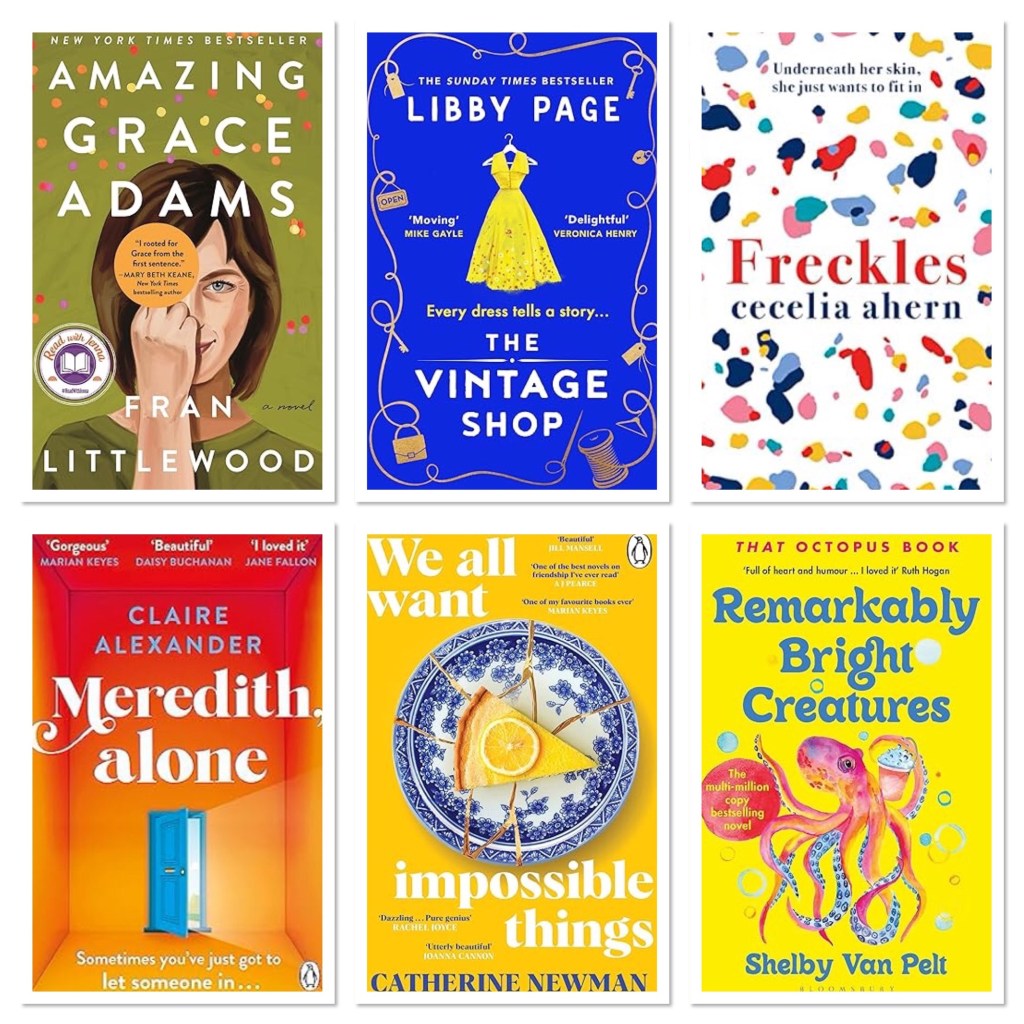
Today I’m talking about the recent reads that I found uplifting or comforting, followed by a reminder of some reads I’m looking forward to this year. These are books I couldn’t put down, not because they were twisty or thrillers but because I loved the characters so much I had to know if they were going to change, to overcome their obstacles or have that breakthrough they needed to make life better.These are books of friendship, life changes, finding ourselves, romance, getting older and communicating with an octopus. I promise you’ll be getting all the feels.
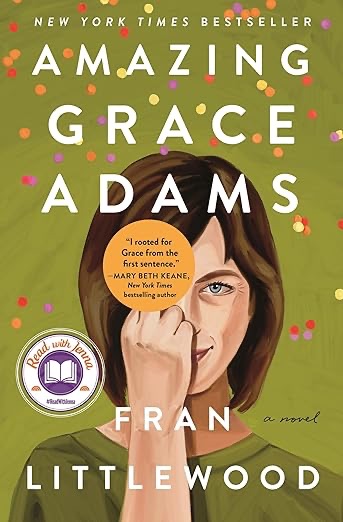
Grace is one of those characters that you fantasise about having cocktails with and you already know you’d have the best time. Grace is stuck in traffic, it’s a boiling hot day and she’s melting. All she wants to do is get to the bakery and pick up the cake for her daughter’s birthday. This is one hell of a birthday cake, not only is it a Love Island cake; it has to say that Grace cares, that she’s sorry, that will show Lotte she loves her and hasn’t given up on their relationship. It’s shaping up to be the day from hell and as Grace sits in a tin can on boiling hot tarmac, something snaps. She decides to get out of the car and walk, leaving her vehicle stranded and pissing off everyone now blocked by a car parked in the middle of a busy road. So, despite the fact her trainers aren’t broken in, she sets off walking towards the bakery and a reunion with Lotte. There are just a few obstacles in the way, but Grace can see the cake and Lotte’s face when she opens the box. As she walks she recounts everything that has happened to bring her to where she is now.
As Grace closes in on Lotte’s party, sweaty, dirty and brandishing her tiny squashed cake, it doesn’t seem enough to overturn everything that’s happened, but of course it isn’t about the cake. This is about everything Grace has done to be here, including the illegal bits. In a day that’s highlighted to Grace how much she has changed, physically and emotionally, her determination to get to Lotte has shown those who love her best that she is still the same kick-ass woman who threw caution to the wind and waded into the sea to save a man she didn’t know from drowning. That tiny glimpse of how amazing Grace Adams is, might just save everything.
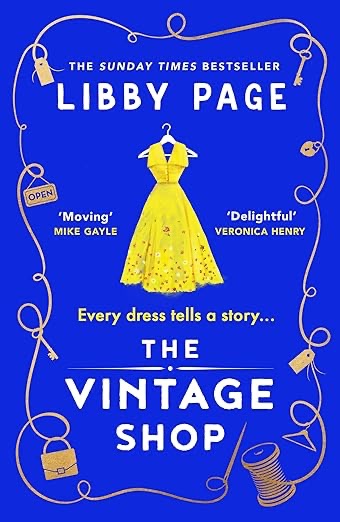
Our heroine is Lou, who moved to a small market town to care for her mother who was terminally ill. Since her death Lou has worked hard, selling the family home and buying a shop with flat above in the town centre. With builder Pete upstairs creating her living space, Lou has opened the shop and is looking at ways to save money and boost business. Pete puts her in touch with Maggie, another lady who has gone through a big change. Maggie’s a grandmother and often looks after her grandchildren in the house that was the family home. Maggie’s husband recently left her for a younger woman and she is rattling round in the big house. So, when Pete suggests that she rents a room to Lou until her flat is ready it turns out to be a lifeline for both of them. Finally, we have Donna, who works at her family’s hotel in the US. When her mother suffers a sudden mini-stroke, her conscience causes her to disclose a family secret – they are not Donna’s birth parents, her mother was a woman from a small market town in England. The thing that links these disparate women is a vintage dress. 1950’s in style and a stunning buttercup yellow this dress has a full circle skirt just made for dancing. Embroidered with meadow flowers, the dress hangs above the counter in Lou’s vintage shop and is the only item that isn’t for sale. It’s flanked by a picture of her mother Dorothy, the owner of the beautiful dress. I love vintage clothes and the descriptions of her shop really did draw me in. This story is about women supporting and inspiring each other and being their best selves. I liked the emphasis on self- care, from the clothing to taking control and finding our passion in life, instead of being the care givers we’re often expected to be. I felt like I’d been given a warm hug and I came away from the story smiling. There were strong female characters, forging friendships and achieving long held dreams. There are deep emotional aspects bringing flavour and depth to her story, but also enough icing and sprinkles to lift the spirits. Here the sprinkles were one of my favourite things, vintage clothing.
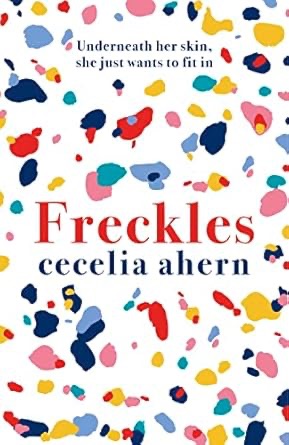
Allegra Bird’s arms are scattered with freckles, a gift from her beloved father. But despite her nickname, Freckles has never been able to join all the dots. So when a stranger tells her that everyone is the average of the five people they spend the most time with, it opens up something deep inside. The trouble is, Freckles doesn’t know if she has five people. And if not, what does that say about her? She’s left her unconventional father and her friends behind for a bold new life in Dublin, but she’s still an outsider. Now, in a quest to understand, she must find not one but five people who shape her – and who will determine her future.
Told in Allegra’s unique and vivid voice, this book is so heartwarming and full of humour. It’s about finding your own authentic self and being proud of where you’re from. The author contrasts genuine, warm and accepting people with the false, Instagram brigade who are more interested in how life looks than how it is. I loved the contrast between the city streets of Dublin and the wild Atlantic island Allegra calls home. She has to make a decision about where her home is, which place truly suits the person she is instead of the woman she thought she had to be. All through the novel I found myself smiling and that was exactly what I needed at this moment.
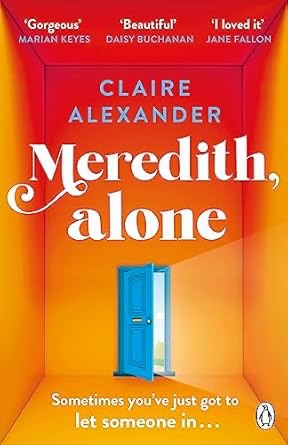
This was one of those books where it only took a couple of pages for me to be ‘in’ the author’s world and completely convinced by her main character. Meredith hasn’t left her house for more than a thousand days, but her inner world is so rich and full. She was absolutely real to me and I could easily imagine having a coffee and a catch up with her. We meet her at a crossroads in life. She’s trying to make changes. Her daily life is quite full, she works from home as a writer and between work she bakes, exercises by running up and down the stairs, reads and fills in jigsaws of amazing places from all over the world. The jigsaws are the key. Meredith doesn’t stay inside from choice, just standing outside her front door gives her a wave of rising panic. Meredith feels a terrible fear, her heart starts hammering out of her chest, her throat begins to close and she feels like she’s going to die. However, as she looks at yet another jigsaw of something she’d love to travel and see in person, she becomes determined to live a fuller life. Meredith has sessions with an online counsellor and a new addition to her weekly calendar is a visit from Tom, who is a volunteer with a befriending society. With this support and that of her long time best friend Sadie, can Meredith overcome her fear and come to terms with the events behind her phobia?
The gradual upsurge of positivity in Meredith’s life is exhilarating to read, but it’s also necessary because I knew that I was also getting closer to finding out what had brought Meredith home one day, close her door and not go out again. Claire Alexander balances this beautifully and where many authors might have gone for the schmaltzy ending, she doesn’t. She keeps it realistic and in doing so made me aware of everything that Meredith has had going for her all along. She’s so self-aware, independent and knows who she is. Above all, even as she starts to overcome her demons she’s determined to do it on her own two feet. She appreciates support, but gives it as well. She doesn’t want to become dependent on an emotional crutch. Meredith is perfectly ok. Alone.
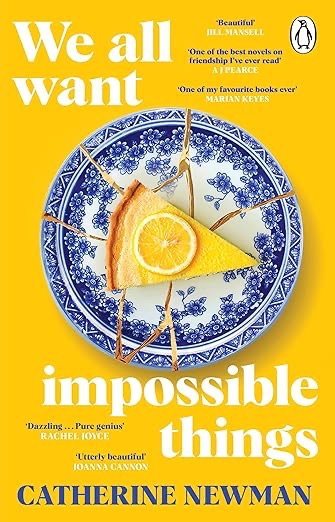
This book was a joy. That’s going to seem odd when I explain what it’s about, but it is joyful and full of life. Even though at it’s centre there’s a death. Ash and Edi have been friends forever, since childhood in fact. They’ve gone through adolescence together: survived school; other girls; discovering boys and even that awkward phase of starting adult life, when one went to college and the other stayed behind. They’ve both married and been each other’s maids of honour and become mothers. Instead of any of these things pulling them apart they’ve remained platonic partners in life. However, now Edi is unwell and decisions need to be made. After years of struggle with being, treatment, remission and recurrence, Edi now has to decide how she’ll be dying. With all the hospices locally being full, Ash makes an offer – if Edi comes to a hospice near Ash, she can devote time to being with her and Edi’s husband can get on with every day life for her son Dash. There’s a hospice near Ash that’s like a home from home, with everything that’s needed medically, but the informality and personal touch of a family. Now Ash and Edi have to negotiate that strange contradiction; learning how to live, while dying.
This is just the sort of book I enjoy, full of deep emotion but also humour, eccentric characters and situations. It takes us through a process of how someone’s life and death changes those around them, with unexpected behaviours and consequences all round. Before you think this sounds schmaltzy and sentimental I can assure you that these characters are not perfect. The author provides us with this loving picture but then undermines it slightly, so it isn’t perfect. We are imperfect beings and no one knows how they will react in a time like this, until we’re there. Catherine Newman shows this with realism, charm, humour and buckets of compassion.
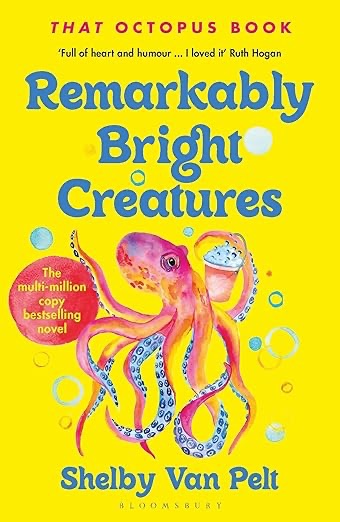
I bought a second hand copy of this book with absolutely no knowledge of what I was getting, but when the first page is narrated by an octopus I’m there. After Tova Sullivan’s husband died, she began working the night cleaner shift at the Sowell Bay Aquarium. Ever since her eighteen-year-old son, Erik, mysteriously vanished on a boat over thirty years ago keeping busy has helped her cope. One night she meets Marcellus, a giant Pacific octopus living at the aquarium who sees everything, but wouldn’t dream of lifting one of his eight arms for his human captors – until he forms a remarkable friendship with Tova. Ever the detective, Marcellus deduces what happened the night Tova’s son disappeared. And now Marcellus must use every trick his old body can muster to unearth the truth for her before it’s too late…
This is a thoroughly charming and unusual story that I happily spent a weekend reading. Our central characters Tova and a man called Cameron are so believable with interesting quirks. There’s a lovely humour to the story and it’s highly original, especially Marcellus who I’ll admit, I did fall in love with. His presence is surreal but adds so much to the story. Backed up by a cast of family and friends who really care for our characters, Cameron and Tova take us through grief, loss and regret towards new opportunities. This is a thoughtful story and Marcellus is worth the read alone.
Upcoming Novels For Your Wishlist
The Women at Ocean’s End by Faith Hogan 5th June 2025 Aria
The Light a Candle Society by Ruth Hogan 26th June 2025 Corvus
The Forest Hideaway by Sharon Gosling 28th August 2025 Simon & Schuster
The View from Lake Como by Adriana Trigiani 17th July 2025 Penguin
Dear Mrs Lake by AJ Pearce 3rd July 2025 Picador
Births Deaths & Marriages Laura Barnett 3rd June 2025 Doubleday
Table for One by Emma Gannon 24th April Harper Collins
One Night at the Chateau by Veronica Henry Out Now Orion
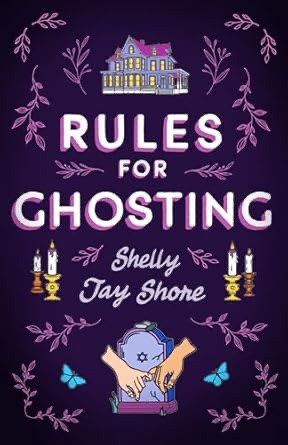
There are three rules about ghosts. Rule #1: They can’t speak. | Rule #2: They can’t move. | Rule #3: They can’t hurt you.
Ezra Friedman grew up in the family funeral home which is complicated for someone who can see ghosts. Worst of all was his grandfather’s ghost and his disapproving looks at every choice Ezra made, from his taste in boys to his HRT-induced second puberty. It’s no wonder that since moving out, he’s stayed as far away from the family business as possible.
However, when his dream job doesn’t work out, his mother invites him to Passover Seder and announces she’s running away with the rabbi’s wife! Now Ezra finds himself back at the funeral home to help out and is soon in the thick of it. He has to deal with his loved ones and his crush on Jonathon, one of their volunteers. Jonathon is their neighbour so Ezra is trying to keep the crush under wraps while also dealing with Jonathon’s relative, a spectre who’s keen on breaking all the rules. Ezra must keep his family together and avoid heartbreak, but is starting to realise there’s more than one way to be haunted.
This book came totally out of left field and I didn’t know what to expect at all, but I fell in love with it. I do connect to books about grief and loss as it’s something I’ve gone through but I also loved it’s emphasis on family, culture and tradition. Yes the book is about grief, but it’s also about love. Ezra is a Jewish trans man so it’s also firmly based in the queer community and I enjoyed that too. The romance is quiet and more of a slow burn than the heat of passion, tempered by Jonathon’s recent loss of his father. It depicts the chaos and disruption of death beautifully, especially in how it affects family members differently and can come between them. Ezra and the funeral staff treat deceased persons with respect; they’re both gentle and caring in their work with them and their grieving families. The author takes us deeply into the customs and rituals surrounding a death in a Jewish family and I find this so interesting because we can all learn from each other’s ceremonies and traditions. I felt that their attention to detail and the respect they had for the people brought to their funeral home was ultimately life affirming. Their deference shows how precious life is and that our relationships with family are the most important thing of all.
I also loved the author’s focus on something that I think is the secret to a happy and contented life – being your authentic self. We can see how Ezra’s connection to his communities – family, religion and the queer community – grounds him and reminds him of who he is. When we’re not true to who we are we start to feel dislocated and uncomfortable. Through Ezra’s story we explore how to find yourself again and hopefully be your authentic self. The book felt so much more than a romance, because it’s really a family story too. With a delicate touch the author also brings a light humour to the story, softening the grief and loss without being disrespectful which is a difficult balance to find. It surprised me that this was a debut novel because she’s managed that balance perfectly. My only criticism is that I was hoping for more ghosts. They were more of a background feature than relevant to the plot and from the blurb and title I expected more. Having said that it’s still a great story and I’d love to read more from this writer.
Published Aug 2024 from Trapeze.
Meet the Author
Shelly Jay Shore (she/they) is a writer, digital strategist, and nonprofit fundraiser. She writes for anxious queer millennials, sufferers of Eldest Daughter Syndrome, recovering summer camp counselors, and anyone struggling with the enormity of being a person trying to make the world kinder, softer, and more tender. Her work on queer Jewish identity has been published by Autostraddle, Hey Alma, and the Bisexual Resource Center.








 The Lotus Readers