Posted in Sunday Spotlight

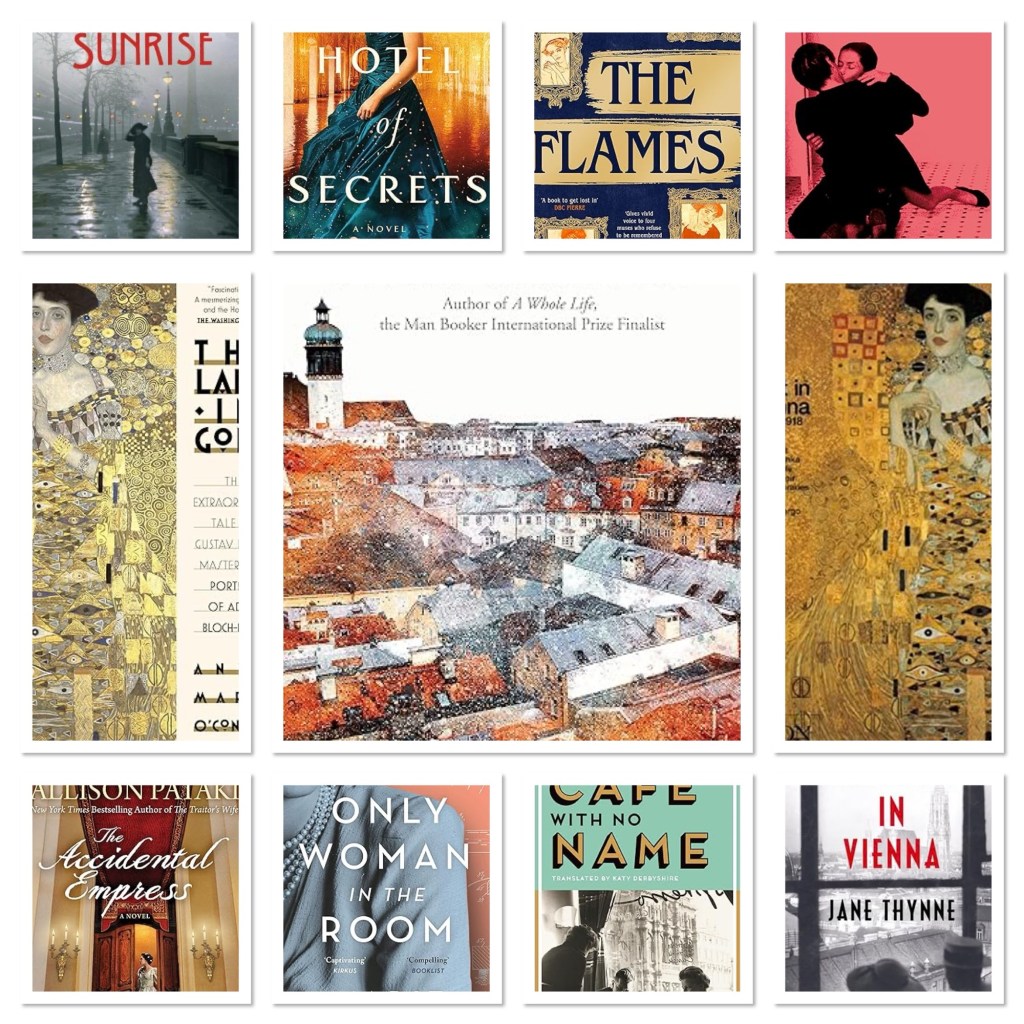
City Break in a Book: Vienna

I’ve never been to Vienna but it’s very firmly on my list of places I’d like to visit. Firstly I love Klimt with a passion and have been to any and every exhibition of his work, but never in his homeland. I’m also interested in Freud, for obvious reasons. I’d like to eat a piece of Sachertorte there too. For now I’ll have to keep reading books set in the city.
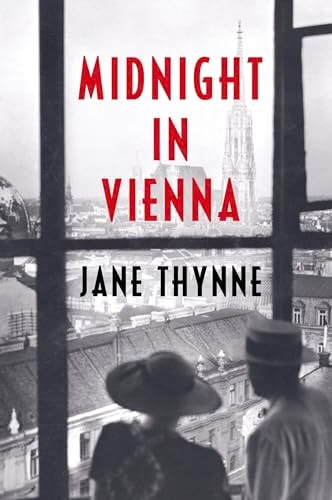
Set in 1938 in London and Vienna, this is a tense and atmospheric thriller told from within a climate of uncertainty and fear as World War Two threatens. As war looms over Britain and there is talk of gas masks and blackout, people are understandably jumpy and anxious. Stella Fry, has been working in Vienna for a Jewish family and returns home with no job and a broken heart. She answers an advertisement from a famous mystery writer, Hubert Newman, who needs a manuscript typed. She takes on the job and is shocked the next day to learn of the writer’s sudden, unexplained death. She is even more surprised when, twenty-four hours later, she receives Newman’s manuscript and reads the Dedication: To Stella, spotter of mistakes. Harry Fox, formerly of Special Branch and brilliant at surveillance, has been suspended for some undisclosed misdemeanor. He has his own reasons for being interested in Hubert Newman. He approaches Stella Fry to share his belief that the writer’s death was no accident. What’s more, since she was the last person to see Newman, she could be in danger herself.
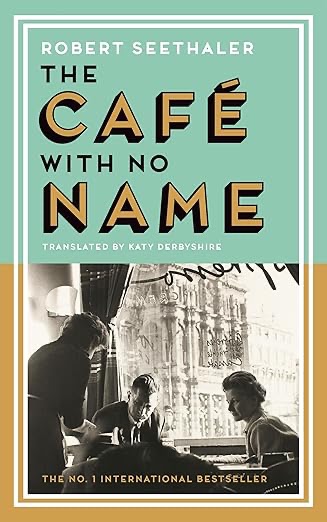
It is 1966, and Robert Simon has just fulfilled his dream by taking over a café on the corner of a bustling Vienna market. He recruits a barmaid, Mila, and soon the customers flock in. Factory workers, market traders, elderly ladies, a wrestler, a painter, an unemployed seamstress in search of a job, each bring their stories and their plans for the future. As Robert listens and Mila refills their glasses, romances bloom, friendships are made and fortunes change. And change is coming to the city around them, to the little café, and to Robert’s dream. 

A story of the hopes, kindnesses and everyday heroism of one community, The Café with No Name has charmed millions of European readers. It is an unforgettable novel about how we carry each other through good and bad times, and how even the most ordinary life is, in its own way, quite extraordinary.
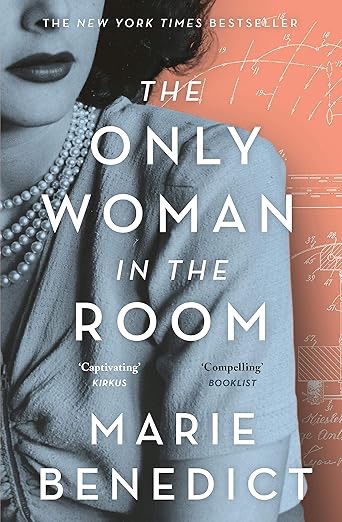
Hedy Lamarr possessed a stunning beauty. She also possessed a stunning mind. Could the world handle both?

Her beauty almost certainly saved her from the rising Nazi party and led to marriage with an Austrian arms dealer. Underestimated in everything else, she overheard the Third Reich’s plans while at her husband’s side, understanding more than anyone would guess. She devised a plan to flee in disguise from their castle, and the whirlwind escape landed her in Hollywood. She became Hedy Lamarr, screen star.

But she kept a secret more shocking than her heritage or her marriage: she was a scientist. And she knew a few secrets about the enemy. She had an idea that might help the country fight the Nazis…if anyone would listen to her.

A powerful novel based on the incredible true story of the glamour icon and scientist whose groundbreaking invention revolutionised modern communication, The Only Woman in the Room is a masterpiece.
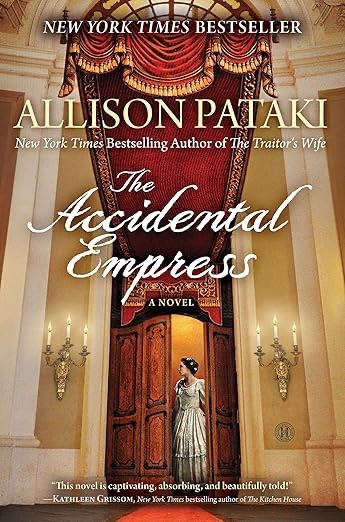
The year is 1853, and the Habsburgs are Europe’s most powerful ruling family. With his empire stretching from Austria to Russia, from Germany to Italy, Emperor Franz Joseph is young, rich, and ready to marry.

Fifteen-year-old Elisabeth, “Sisi,” Duchess of Bavaria, travels to the Habsburg Court with her older sister, who is betrothed to the young emperor. But shortly after her arrival at court, Sisi finds herself in an unexpected dilemma: she has inadvertently fallen for and won the heart of her sister’s groom. Franz Joseph reneges on his earlier proposal and declares his intention to marry Sisi instead.

Thrust onto the throne of Europe’s most treacherous imperial court, Sisi upsets political and familial loyalties in her quest to win, and keep, the love of her emperor, her people, and of the world.

With Pataki’s rich period detail and cast of complex, bewitching characters, The Accidental Empress offers a glimpse into one of history’s most intriguing royal families, shedding new light on the glittering Hapsburg Empire and its most mesmerizing, most beloved “Fairy Queen.”
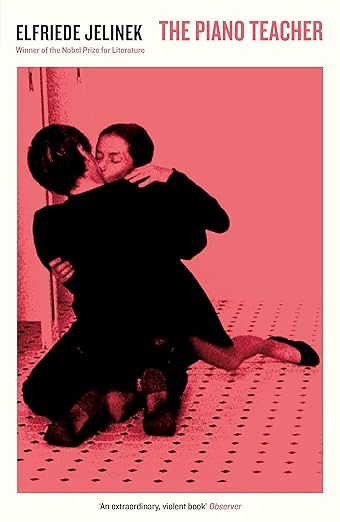
Erika Kohut teaches piano at the Vienna Conservatory by day. By night she trawls the city’s porn shows while her mother, whom she loves and hates in equal measure, waits up for her. Into this emotional pressure-cooker bounds music student and ladies’ man Walter Klemmer.

With Walter as her student, Erika spirals out of control, consumed by the ecstasy of self-destruction. A haunting tale of morbid voyeurism and masochism, The Piano Teacher, first published in 1983, is Elfreide Jelinek’s Masterpiece.

Jelinek was awarded the Nobel Prize For Literature in 2004 for her ‘musical flow of voices and counter-voices in novels and plays that, with extraordinary linguistic zeal, reveal the absurdity of society’s clichés and their subjugating power.

The Piano Teacher was adapted into an internationally successful film by Michael Haneke, which won three major prizes at Cannes, including the Grand Prize and Best Actress for Isabelle Huppert.
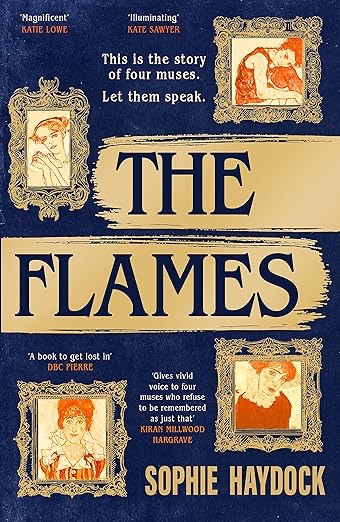
Vienna at the dawn of the 20th century. An opulent, extravagant city teeming with art, music and radical ideas. A place where the social elite attend glamorous balls in the city’s palaces whilst young intellectuals decry the empire across the tables of crowded cafes. It is a city where anything seems possible – if you are a man. 

Edith and Adele are sisters, the daughters of a wealthy bourgeois industrialist. They are expected to follow the rules, to marry well, and produce children. Gertrude is in thrall to her flamboyant older brother. Marked by a traumatic childhood, she envies the freedom he so readily commands. Vally was born into poverty but is making her way in the world as a model for the eminent artist Gustav Klimt. 

None of these women is quite what they seem. Fierce, passionate and determined, they want to defy convention and forge their own path. But their lives are set on a collision course when they become entangled with the controversial young artist Egon Schiele whose work – and private life – are sending shockwaves through Vienna’s elite. All it will take is a single act of betrayal to change everything for them all. Because just as a flame has the power to mesmerize, it can also destroy everything in its path…
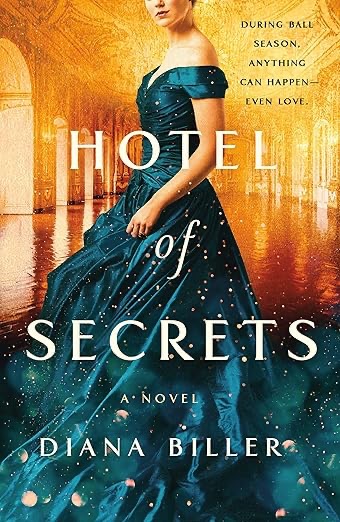
It’s Ball Season in Vienna, and Maria Wallner only wants one thing: to restore her family’s hotel, the Hotel Wallner, to its former glory. She’s not going to let anything get in her way – not her parents’ three-decade-long affair; not seemingly-random attacks by masked assassins; and especially not the broad-shouldered American foreign agent who’s saved her life two times already. No matter how luscious his mouth is. Eli Whittaker also only wants one thing: to find out who is selling American secret codes across Europe, arrest them, and go home to his sensible life in Washington, DC. He has one lead – a letter the culprit sent from a Viennese hotel. But when he arrives in Vienna, he is immediately swept up into a chaotic whirlwind of balls, spies, waltzes, and beautiful hotelkeepers who seem to constantly find themselves in danger. He disapproves of all of it! But his disapproval is tested as he slowly falls deeper into the chaos – and as his attraction to said hotelkeeper grows. Diana Biller’s The Hotel of Secrets is chock full of banter-filled shenanigans, must-have-you kisses, and romance certain to light a fire in the hearts of readers everywhere.
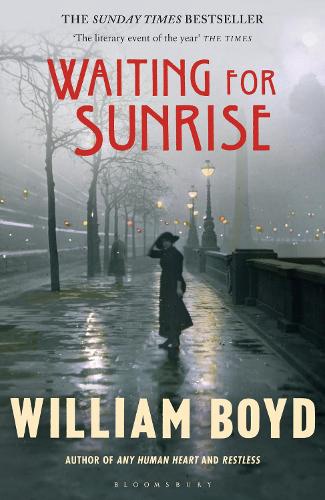
Vienna, 1913. It is a fine day in August when Lysander Rief, a young English actor, walks through the city to his first appointment with the eminent psychiatrist Dr Bensimon. Sitting in the waiting room he is anxiously pondering the particularly intimate nature of his neurosis when a young woman enters. She is clearly in distress, but Lysander is immediately drawn to her strange, hazel eyes and her unusual, intense beauty. Her name is Hettie Bull. They begin a passionate love affair and life in Vienna becomes tinged with a powerful frisson of excitement for Lysander. He meets Sigmund Freud in a café, begins to write a journal, enjoys secret trysts with Hettie and appears – miraculously – to have been cured. Back in London, 1914. War is imminent, and events in Vienna have caught up with Lysander in the most damaging way. Unable to live an ordinary life, he is plunged into the dangerous theatre of wartime intelligence – a world of sex, scandal and spies, where lines of truth and deception blur with every waking day. Lysander must now discover the key to a secret code which is threatening Britain’s safety, and use all his skills to keep the murky world of suspicion and betrayal from invading every corner of his life. Moving from Vienna to London’s West End, from the battlefields of France to hotel rooms in Geneva, Waiting for Sunrise is a feverish and mesmerising journey into the human psyche, a beautifully observed portrait of wartime Europe, a plot-twisting thriller and a literary tour de force from the bestselling author of Any Human Heart, Restless and Ordinary Thunderstorms.
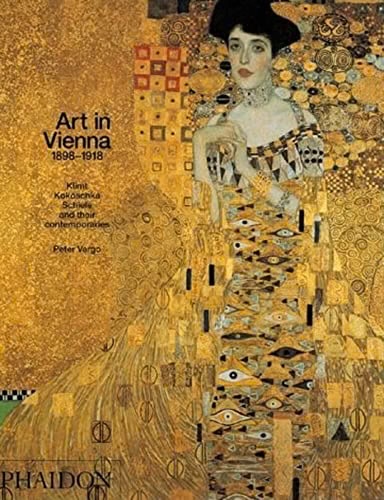
The artistic stagnation of Vienna at the end of the nineteenth century was rudely shaken by the artists of the Secession. Their works at first shocked a conservative public, but their successive exhibitions, their magazine Ver Sacrum and their dedication to the applied arts and architecture soon brought them an enthusiastic following and wealthy patronage. With 60 new colour illustrations, this classic book, now in its third edition, brilliantly traces the course of this development, of the Wiener Werkstätte that followed, and the individual works of the artists concerned. The result is a fascinating documentary study of the successes and failures, hopes and fears of the members of an artistic movement that is so much admired today.
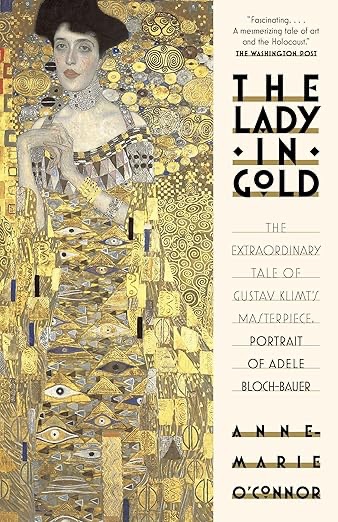
This is the true story that inspired the movie “Woman in Gold” starring Helen Mirren and Ryan Reynolds. Anne-Marie O Connor brilliantly regales us with the galvanizing story of Gustav Klimt’s 1907 masterpiece, the breathtaking portrait of a Viennese Jewish socialite, Adele Bloch-Bauer. The celebrated painting, stolen by Nazis during World War II, subsequently became the subject of a decade-long dispute between her heirs and the Austrian government.When the U.S. Supreme Court became involved in the case, its decision had profound ramifications in the art world. Expertly researched, masterfully told, “The Lady in Gold” is at once a stunning depiction of fin-de siecle Vienna, a riveting tale of Nazi war crimes, and a fascinating glimpse into the high-stakes workings of the contemporary art world.

Seventeen-year-old Franz Huchel journeys to Vienna to apprentice at a tobacco shop. There he meets Sigmund Freud, a regular customer, and over time the two very different men form a singular friendship. When Franz falls desperately in love with the music hall dancer Anezka, he seeks advice from the renowned psychoanalyst, who admits that the female sex is as big a mystery to him as it is to Franz.

As political and social conditions in Austria dramatically worsen with the Nazis’ arrival in Vienna, Franz, Freud, and Anezka are swept into the maelstrom of events. Each has a big decision to make: to stay or to flee?

Posted in Sunday Spotlight

Sunday Spotlight – The Perfect Society: Novels About Eugenics

Eugenics is described by National Human Genome Research Institute as

“an immoral and pseudoscientific theory that claims it is possible to perfect people and groups through genetics and the scientific laws of inheritance”.

It’s a word that’s been floating around social media for some time, mainly in connection to those behind the new US administration. There are concerns that people with physical disabilities, those of different ethnic origins and those with mental ill health or learning disabilities, might be considered less desirable in society. There are people with disabilities fighting against the introduction of assisted dying, because it could be interpreted to mean disabled lives have less value. We’ve all probably asked at one time or another, how could ordinary German citizens sleep walk into the Final Solution? The answer is slowly. There is evidence that children with disabilities were being removed and institutionalised as early as 1933. We like to think the Holocaust couldn’t happen again, but there is evidence of eugenic policies affecting the lives of ordinary Americans until the 1970s. Of course the Nazis are the ultimate and extreme example of eugenic policies being enacted, but both European countries and the US were using eugenicist policies on their own citizens across the 20th Century. This is what happens when we demonise the disabled, the poor and the destitute. The rise of the far right across the world is driven by eugenicist thinking, that some people are inherently better than others. This is why eugenicist policies affected those with learning difficulties, Native Americans, African Americans and people with long term disabilities. I try not to be political on the blog, but here I’m not advocating particular political parties. All I want to do is share novels that show how eugenics affected real communities and individuals.

From the outside, Eleanor and Edward Hamilton have the perfect life, but they’re harbouring a secret that threatens to fracture their entire world. 


London, 1929. 
Eleanor Hamilton is a dutiful mother, a caring sister and an adoring wife to a celebrated war hero. Her husband, Edward, is a pioneer in the eugenics movement. The Hamiltons are on the social rise, and it looks as though their future is bright. When Mabel, their young daughter, begins to develop debilitating seizures, they have to face an uncomfortable truth: Mabel has epilepsy – one of the ‘undesirable’ conditions that Edward campaigns against. Forced to hide their daughter away so as to not jeopardise Edward’s life’s work, the couple must confront the truth of their past – and the secrets that have been buried. Will Eleanor and Edward be able to fight for their family? Or will the truth destroy them? 

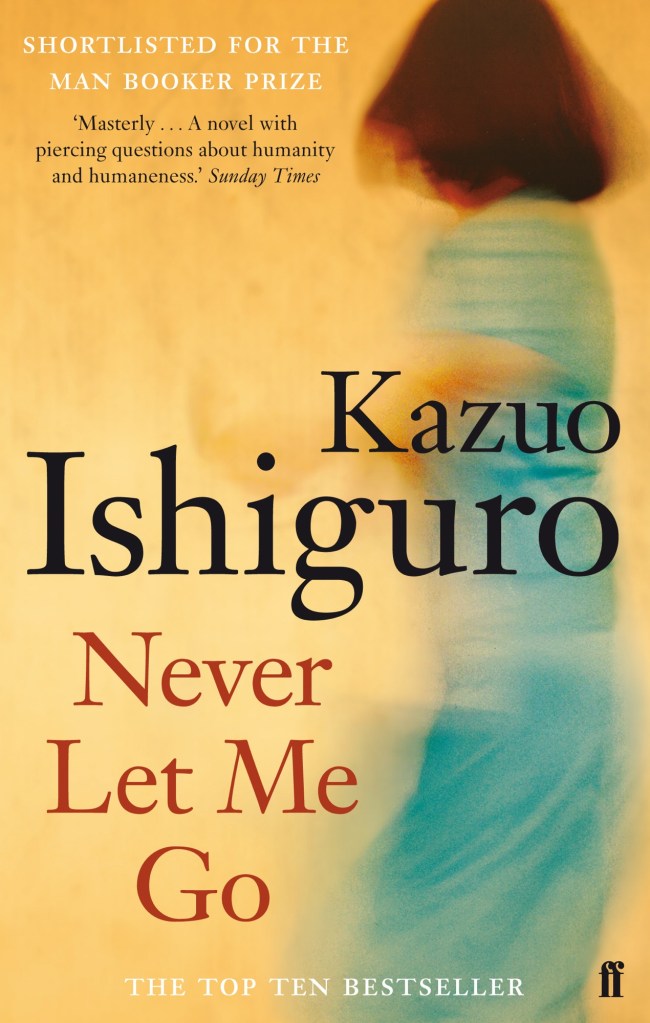
Many will have read this heart-rending novel or seen the film, beautifully performed by Andrew Garfield, Carey Mulligan and Keira Knightly. This perfectly encapsulates that head in the sand mindset humans are so good at. We can ignore terrible injustices when they’re not happening to us, or people like us. We can always think it doesn’t apply to us. Until it does. Kazuo Ishiguro imagines the lives of a group of students growing up in a darkly skewed version of contemporary England. Narrated by Kathy, now thirty-one, Never Let Me Go dramatises her attempts to come to terms with her childhood at the seemingly idyllic Hailsham School and with the fate that has always awaited her and her closest friends in the wider world. A story of love, friendship and memory, Never Let Me Go is charged throughout with a sense of the fragility of life and is utterly terrifying.

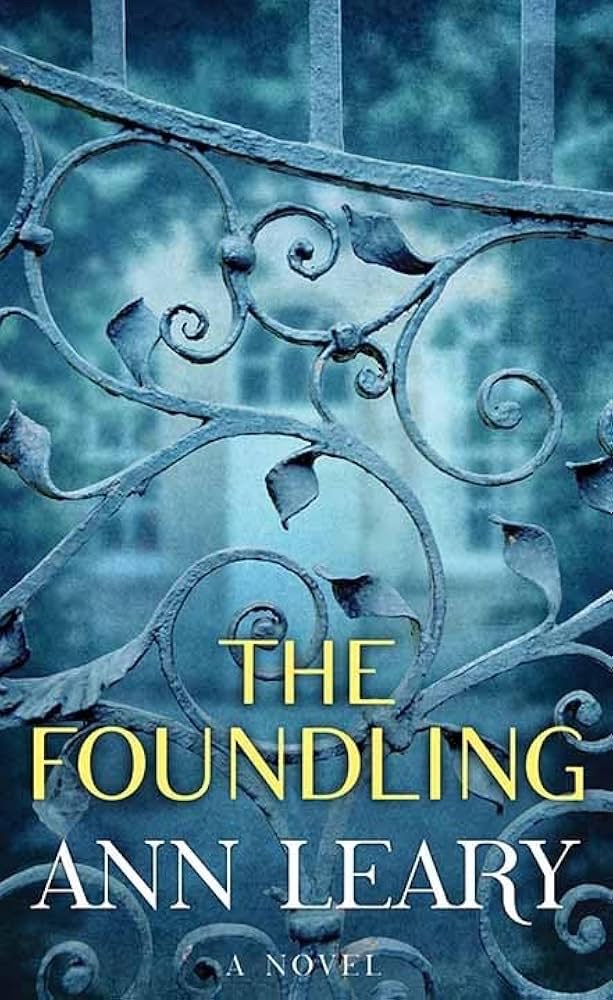
From the New York Times bestselling author of The Good House, the story of two friends, raised in the same orphanage, whose loyalty is put to the ultimate test when they meet years later at a controversial institution—one as an employee; the other, an inmate.

It’s 1927 and eighteen-year-old Mary Engle is hired to work as a secretary at a remote but scenic institution for mentally disabled women called the Nettleton State Village for Feebleminded Women of Childbearing Age. She’s immediately in awe of her employer—brilliant, genteel Dr. Agnes Vogel. Dr. Vogel had been the only woman in her class in medical school. As a young psychiatrist she was an outspoken crusader for women’s suffrage. Now, at age forty, Dr. Vogel runs one of the largest and most self-sufficient public asylums for women in the country. Mary deeply admires how dedicated the doctor is to the poor and vulnerable women under her care. 

Soon after she’s hired, Mary learns that a girl from her childhood orphanage is one of the inmates. Mary remembers Lillian as a beautiful free spirit with a sometimes-tempestuous side. Could she be mentally disabled? When Lillian begs Mary to help her escape, alleging the asylum is not what it seems, Mary is faced with a terrible choice. Should she trust her troubled friend with whom she shares a dark childhood secret? Mary’s decision triggers a hair-raising sequence of events with life-altering consequences for all. Inspired by a true story about the author’s grandmother, The Foundling offers a rare look at a shocking chapter of American history. This gripping page-turner will have readers on the edge of their seats right up to the stunning last page…asking themselves, “Did this really happen here?”

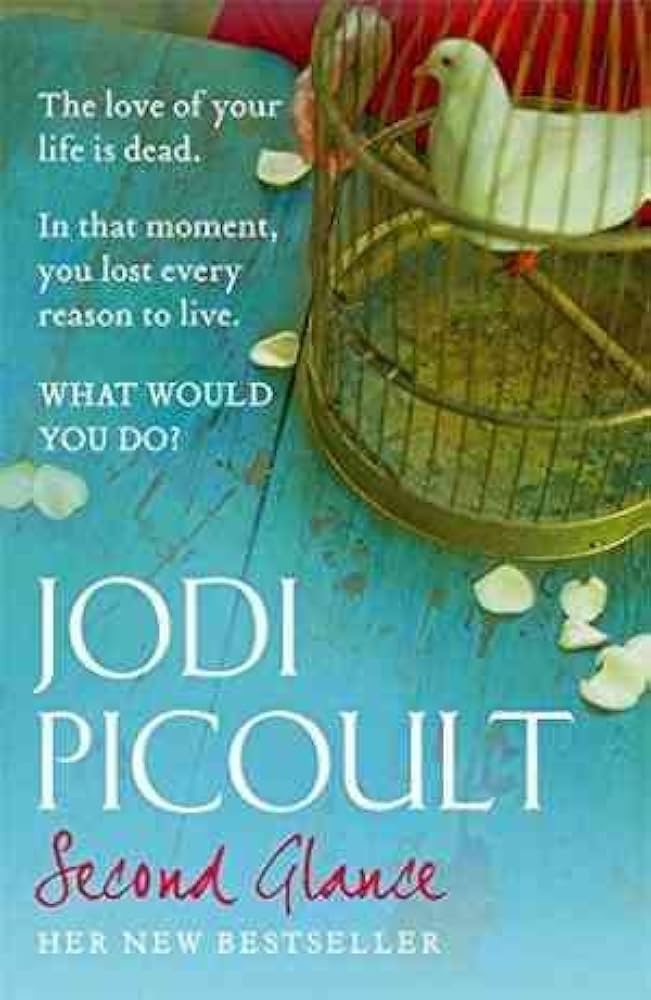
Since the death of his fiancée Aimee, Ross Wakeman has been unable to fill the hole she has left in his life. Seeking to end his pain, he becomes a ghost hunter, despite never having seen a ghost.

However, when his job leads him to the town of Comtosook, it becomes apparent that Ross isn’t the only one haunted by the past. When he meets the mysterious Lia, who brings him to life for the first time in years, redemption seems around the corner. But the discoveries that await him are beyond anything he could dream of – in this world or the next. Second Glance takes a look at how American eugenicist policies affected the lives of Native Americans with a programme of sterilisation. It’s not her usual court based drama, but still has her themes of injustice, identity and a lesser known part of American history.

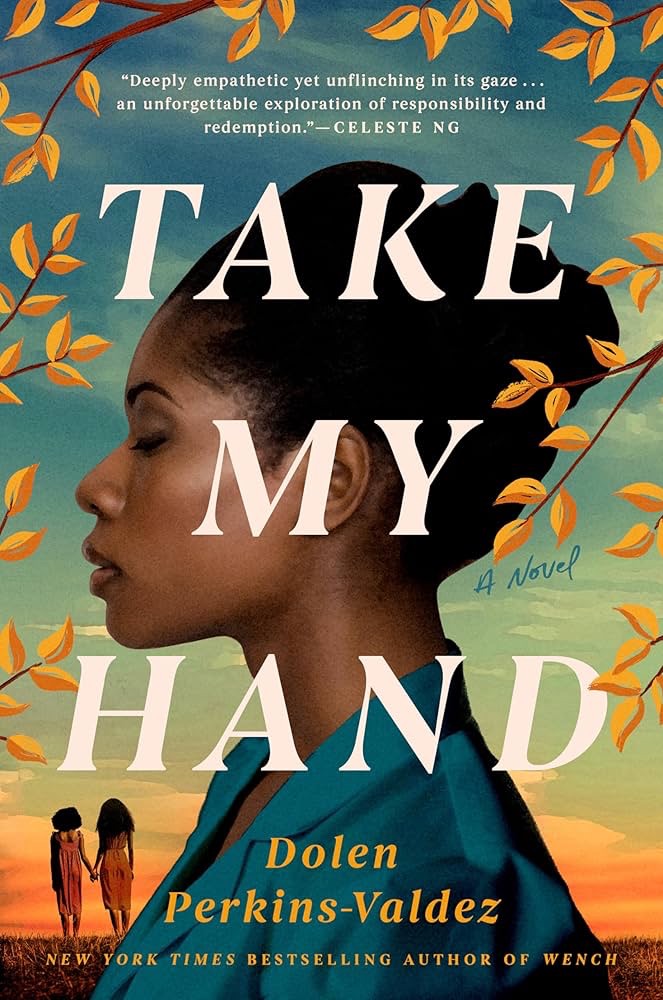
Montgomery, Alabama. 1973. Fresh out of nursing school, Civil Townsend has big plans to make a difference in her community. She wants to help women make their own choices for their lives and bodies.

But when her first week on the job takes her down a dusty country road to a tumbledown cabin and into the heart of the Williams family, Civil learns there is more to her new role than she bargained for. Neither of the two young sisters has even kissed a boy, but they are poor and Black, and for those handling their welfare benefits, that’s reason enough to have them on birth control. When Civil discovers a terrible injustice, she must choose between carrying out instructions or following her heart and decides to risk everything to stand up for what is right.

Inspired by true events and a shocking chapter of recent history, Take My Hand is a novel that will open your eyes and break your heart. An unforgettable story about love and courage, it is also a timely and uplifting reminder that one person can change the world.


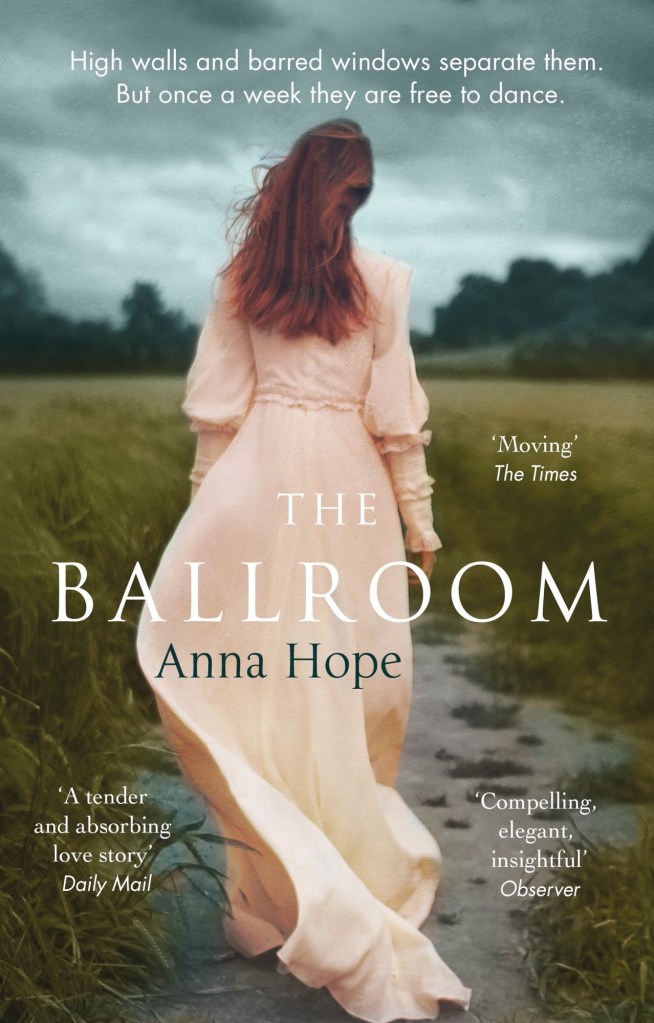
1911: Inside an asylum at the edge of the Yorkshire moors, where men and women are kept apart by high walls and barred windows, there is a ballroom vast and beautiful. For one bright evening every week they come together and dance. When John and Ella meet it is a dance that will change two lives forever.

Set over the heatwave summer of 1911, the end of the Edwardian era, THE BALLROOM tells a rivetting tale of dangerous obsession, of madness and sanity, and of who gets to decide which is which. It is a love story like no other, showing how eugenics affected those deemed mentally ill.

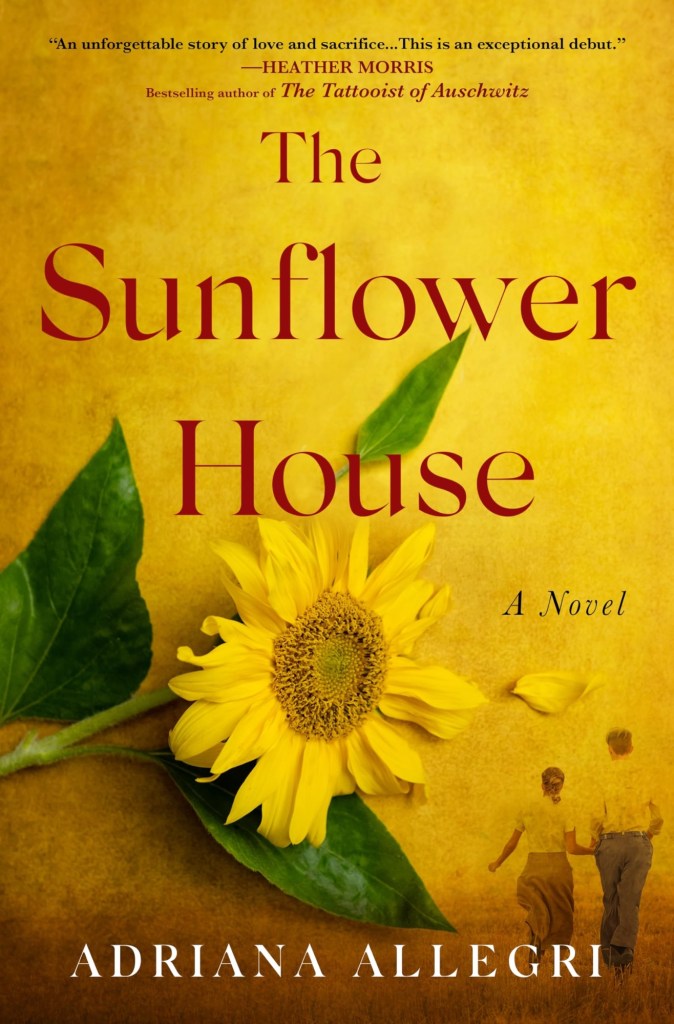
In a sleepy German village, Allina Strauss’s life seems idyllic: she works at her uncle’s bookshop, makes strudel with her aunt, and spends weekends with her friends and fiancé. But it’s 1939, Adolf Hitler is Chancellor, and Allina’s family hides a terrifying secret—her birth mother was Jewish, making her a Mischling. 

One fateful night after losing everyone she loves, Allina is forced into service as a nurse at a state-run baby factory called Hochland Home. There, she becomes both witness and participant to the horrors of Heinrich Himmler’s ruthless eugenics program. 

The Sunflower House is a meticulously-researched debut historical novel from Adriana Allegri that uncovers the notorious Lebensborn Program of Nazi Germany. Women of “pure” blood stayed in Lebensborn homes for the sole purpose of perpetuating the Aryan population, giving birth to thousands of babies who were adopted out to “good” Nazi families. Allina must keep her Jewish identity a secret in order to survive, but when she discovers the neglect occurring within the home, she’s determined not only to save herself, but also the children in her care. 

A tale of one woman’s determination to resist and survive, The Sunflower House is also a love story. When Allina meets Karl, a high-ranking SS officer with secrets of his own, the two must decide how much they are willing to share with each other—and how much they can stand to risk as they join forces to save as many children as they can. The threads of this poignant and heartrending novel weave a tale of loss and love, friendship and betrayal, and the secrets we bury in order to save ourselves.

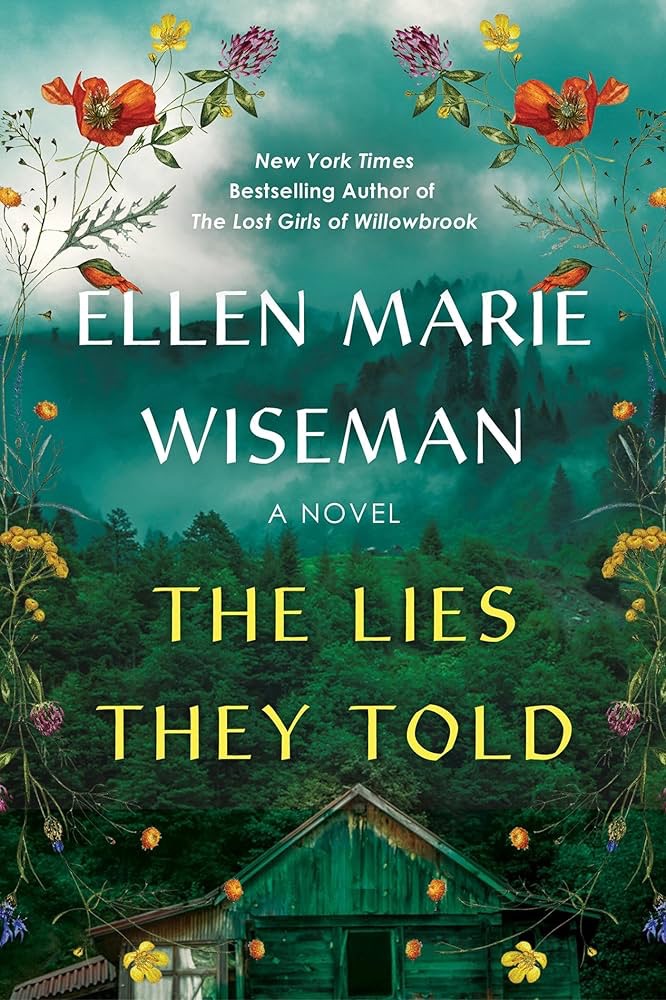
In rural 1930s Virginia, a young immigrant mother fights for her dignity and those she loves against America’s rising eugenics movement – when widespread support for policies of prejudice drove imprisonment and forced sterilizations based on class, race, disability, education, and country of origin – in this tragic and uplifting novel of social injustice, survival, and hope.

When Lena Conti—a young, unwed mother—sees immigrant families being forcibly separated on Ellis Island, she vows not to let the officers take her two-year old daughter. But the inspection process is more rigorous than she imagined, and she is separated from her mother and teenage brother, who are labeled burdens to society, denied entry, and deported back to Germany. Now, alone but determined to give her daughter a better life after years of living in poverty and near starvation, she finds herself facing a future unlike anything she had envisioned.

Silas Wolfe, a widowed family relative, reluctantly brings Lena and her daughter to his weathered cabin in Virginia’s Blue Ridge Mountains to care for his home and children. Though the hills around Wolfe Hollow remind Lena of her homeland, she struggles to adjust. Worse, she is stunned to learn the children in her care have been taught to hide when the sheriff comes around. As Lena meets their neighbors, she realizes the community is vibrant and tight knit, but also senses growing unease. The State of Virginia is scheming to paint them as ignorant, immoral, and backwards so they can evict them from their land, seize children from parents, and deal with those possessing “inferior genes.”

After a social worker from the Eugenics Office accuses Lena of promiscuity and feeblemindedness, her own worst fears come true. Sent to the Virginia State Colony for the Feebleminded and Epileptics, Lena face impossible choices in hopes of reuniting with her daughter—and protecting the people, and the land, she has grown to love.

If you want to read more background on eugenics here are a few links:

https://www.genome.gov/about-genomics/educational-resources/timelines/eugenics

https://www.english-heritage.org.uk/visit/blue-plaques/blue-plaque-stories/eugenics/

https://www.nytimes.com/2022/06/08/magazine/eugenics-movement-america.html

Posted in Netgalley

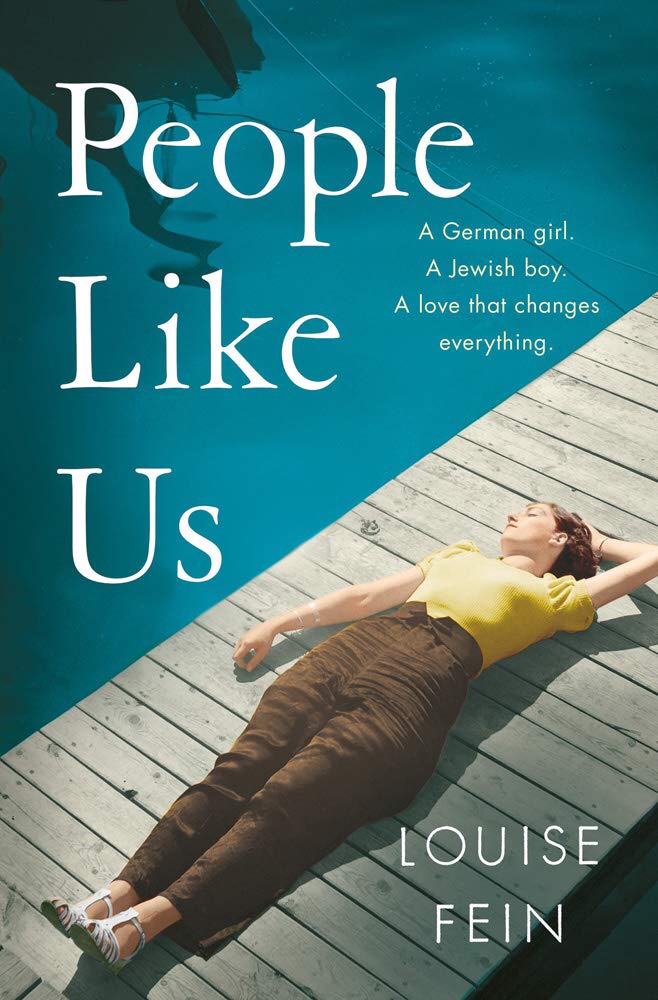
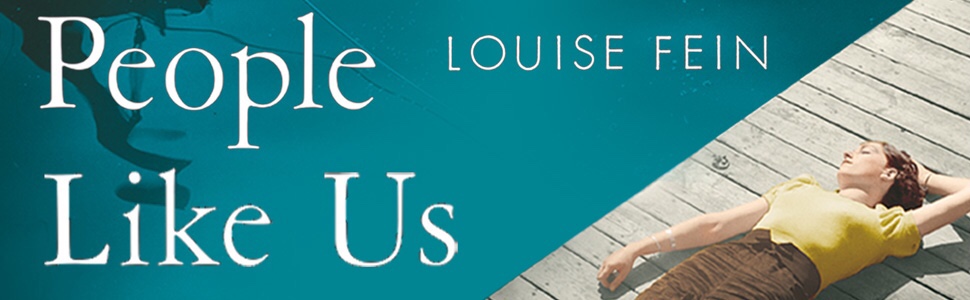
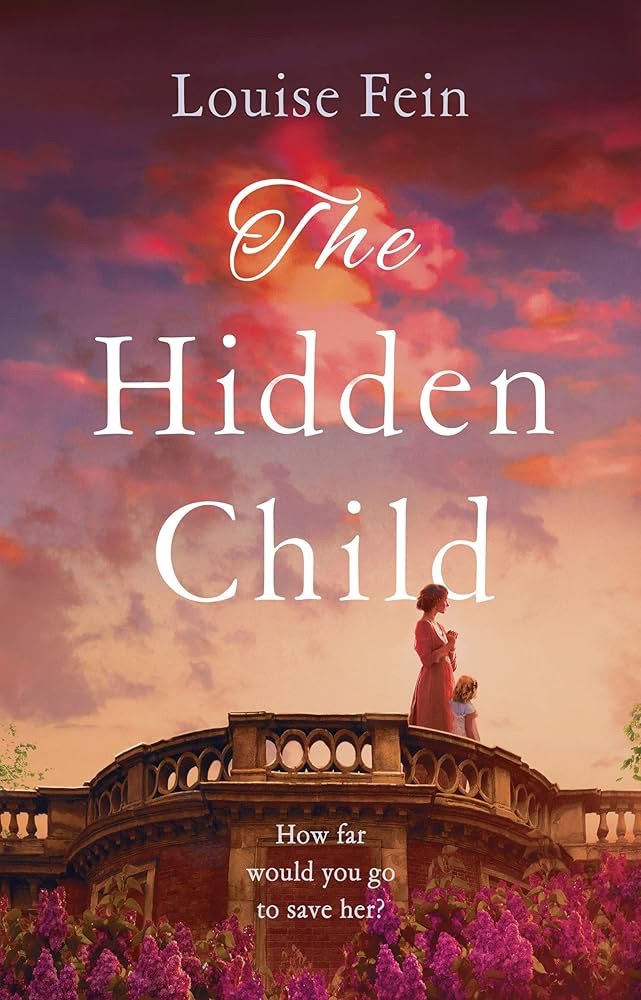
People Like Us by Louise Fein.

I was deeply affected by this novel about the rise of the Nazi Party in 1930s Germany, told from the perspective of a young girl living in Leipzig. The story opens as a young Herta is rescued from drowning by her brother Karl’s friend, Walter. It’s a powerful opener and a metaphor for the coming years, as Herta is slowly drowned by the tidal wave of nationalism, and fascism that overwhelms her country and changes her life altogether. Fein was inspired to write the novel after researching her family’s Jewish roots and eventual flight to London. During her research, she started to wonder how a country and it’s people could go from being a reasonable and tolerant society, to committing such atrocities against their fellow human beings. So, to explore that idea, she decided to write her novel from the perspective of an ordinary German child, slowly becoming brainwashed by the evil ideology. It’s the childhood innocence of Herta that makes this book work so well and allows us to have empathy, despite her allegiances.

Herta’s father has recently taken control of the city newspaper and his reward is their beautiful new family home, their servants and improved status in Leipzig society. He came from humble beginnings to marry Herta’s elegant French mother, but is now quickly rising through the SS ranks. Her elder brother Karl is in the Hitler-Jugend and she really wants to do her bit to make for Vati and Mutti proud of her too. So she pledges her life to the Fuhrer, to serve him and his purpose, totally unaware of its evil extent. Fein slowly shows us his plans, and along with some of our characters we’re like the proverbial frog in tepid water. Without our luxury of hindsight, we too wouldn’t have recognised how much danger we were in, until it was far too late and we boiled to death. There are those characters who truly embrace Hitler’s philosophy and purpose like Herta’s Vati, and below that are various levels of denial, collaboration and fear. Even Vati, has a jumbled mix of motivations: feelings of inferiority from his background and in his marriage; relishing the status and power; a certain amount of brainwashing.

Hitler’s propaganda machine was in full swing within Germany, aided by the country’s financial struggle since the Great War. The Weimar Republic, the post WWI government, signed the Treaty of Versailles in 1919. The treaty stated that Germany would take responsibility for the war, relinquish parts of its territory and pay reparations to the Allies. These policies caused huge social and economic hardship, a situation that the Nazis blamed on Jewish people and communists. A myth was even started that blamed the Jews for the signing of the treaty. Called the ‘stab-in-the-back’ legend, this story blamed Jewish infiltrators in government for the difficulties the German people were facing, despite the fact that many German Jews had served faithfully in the war. Now, the German people were worn down by hardship and poverty and were looking for someone to blame. Hitler exploited these conditions to devastating effect and ordinary Germans were taken in by it. So, when Jewish neighbours and friends started being restricted or sent to work camps, only very rare, brave individuals stood up for them.

The scene when Herta first realises something is very wrong is at school, and her teachers call on Jewish children to stand up in assembly. The shock is seeing her brother’s childhood friend Walter, singled out for abuse and ridicule. Walter can’t be a Jew. He’s the Aryan ideal, blonde and blue-eyed. Besides which, when she was very small Walter saved her from drowning. He had been a constant presence at the house when they were younger. Now here he was being called terrible names and sneered at by their new teacher. Herta is terribly confused, she has been told that Jews look a certain way, and act in a different way to her, but she feels that she and Walter are both the same. Bravely, she runs after him when he is expelled from school and triggers a friendship of her own. A friendship that as she grows-up, develops into love. What possible future can this relationship have under Nazi rule? Then, as it becomes ever clearer that Hitler will not rest until Germany is cleared of Jews, both Herta and Walter will have to make sacrifices and the legacy of these decisions will last until they are both very old.

I don’t want to say any more for fear of ruining the story, but there were many points where I was moved to tears by the situation these childhood friends and young lovers, found themselves in. The displacement of families during WW2 was extensive and with no way of tracing each other, there would have been people who never saw each other again. I married into a Polish family, my husband died several years ago and my father and brother-in-law more recently. My mother-in-law got out of Warsaw as a little girl, escaping through the sewers. Her mother stayed. Her father ended up in America. The family never reunited fully, with Hana finding out her father had ended up in the Boston area of the USA. He had searched but never found either of them. He assumed they had died and later remarried, never knowing that his wife and child did survive and were now in England together. Luckily when Hana found her other family, she embraced them and they in turn remained close to their English family. I felt that the author had really done her background research, possibly with families like mine. I believed in her world and characters immediately.

The background of Leipzig felt homely and friendly, but then developed into this menacing place where you didn’t speak or even spat at the old couple across the street. The night where Herta looks for Walter, knowing that violent confrontations will be taking place in the Jewish quarter, is so frightening and made me feel physically sick. It’s where the threats and rhetoric become real and deadly. Herta is only ever truly free in nature, walking her dog on a Sunday morning and sometimes seeing Walter. It’s harder for someone to conceal anything themselves in open fields and usually Herta can walk freely, enjoying the air and the birdsong. This place represents normality whereas the city is madness, chaos and murder. The ending broke my heart, as we contemplate with Herta on what the world will be like to a new generation. Will it be peaceful with the effects of war far behind, or will the ripples of this hatred and violence be felt for several generations more? I was so moved by this and the epilogue. Some books stay with you for life and I think this will be one of mine.

Published by Head of Zeus 7th May 2020.

Posted in Uncategorized

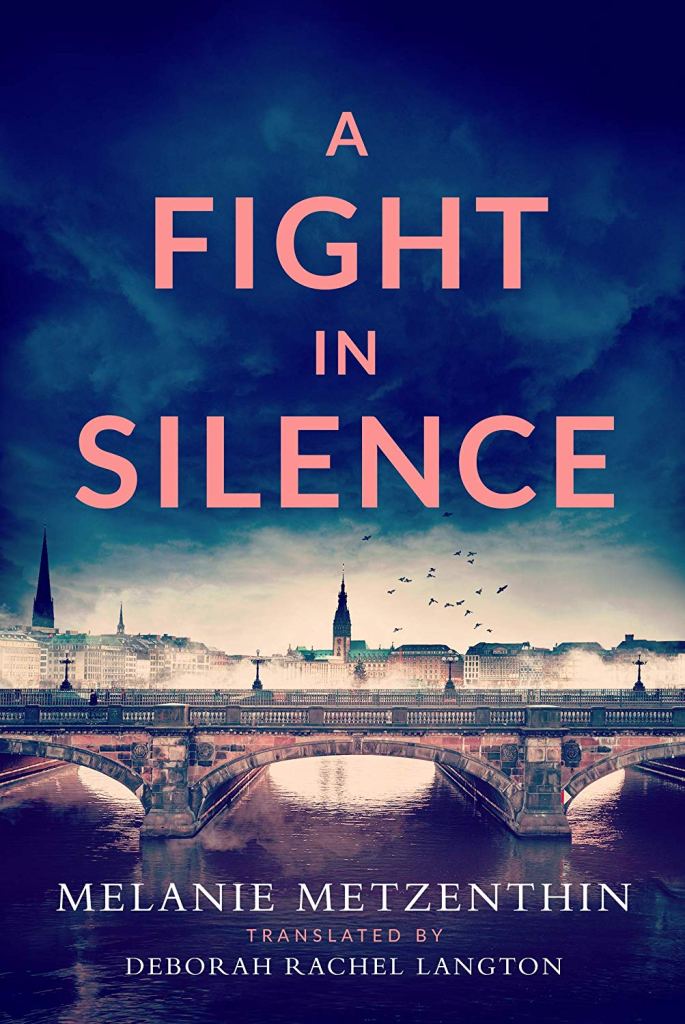
A Fight in Silence by Melanie Metzenthin

The subject matter of this book is very close to my heart, so despite the WW2 novel market feeling a bit saturated at the moment, I decided to give it a try. I have a disability and have studied disability and literature to post-grad level so Hitler’s treatment of disabled people and eugenics in general are subjects I’ve read about widely. I’ve encountered novels exploring the issue of eugenics in 20th Century North America. However, I have never seen it in a novel based in WW2.

The novel starts in Hamburg in 1926 when our two main characters, Richard and Paula, meet and fall in love. Soon after they marry, Paula becomes pregnant with twins. She gives birth to a boy and girl and this is the happiest time in their lives, with only one problem; their son Georg has been born deaf. They vow to protect him and have optimism that with his family’s help, all will be well. However, as I was reading, I was aware of the time period tucked in the back of my mind. I knew that the rise of Nazism was just around the corner and everything will change. This was uppermost in my mind as it had recently been depicted in the BBC series World On Fire. As the Nazis seize power, they begin to round up adults and children with disabilities for euthanising. Richard is a doctor and finds himself falsifying documents to help his patients. On a personal level he is hiding the disability of his own son. Will they be able to remain hidden, or even stay together?

What makes this book unusual is that we are reading about WW2 from the perspective of German citizens. Ordinary Germans suffered hardship through bombings and loss of both loved ones and their homes and livelihoods. In 2014 a memorial was unveiled in Berlin to commemorate the 300,000 German people killed by the Nazis. That’s without counting those in Poland, Austria and other occupied countries. The book ends Post-war and describes how the Germans were treated in the years following. I think the fact that this a German author accounts for the incredible detail and historical fact woven into the story. Where it lacked occasionally was in the emotions. This could be a realistic depiction of a culture shell shocked by war or it could just as easily be an issue with finding the right words in translation. I felt the book was well researched and characterised. It shows the other side of a war that we’re used to hearing about from the victor’s standpoint, I really enjoyed this different.

Translation Deborah Rachel Langton #NetGalley