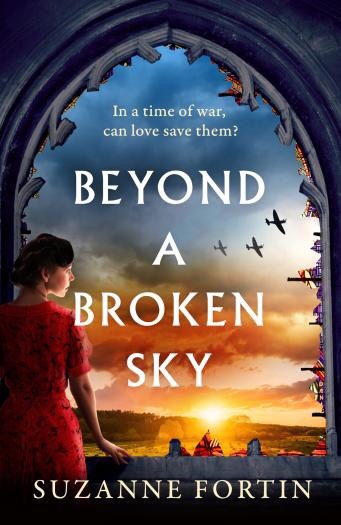
Ever since I had the good fortune to fall upon a blog tour for The Secret Life of Arthur Pettigrew I have looked out for other works by Suzanne Fortin. It was such a well researched and emotional piece of historical fiction, it became one of my books of that year. Since then she has published two more novels, All That We Have Lost and now this novel, another piece of history from WW2 with an emotive dual-timeline story woven throughout. In 2022 we meet Rhoda Sullivan who works as a stained glass expert, called in by museums to value, then oversee and conserve important works in glass. She”s tasked to go to Telton Hall and assess a stained glass window that dates to WW2 and was designed by an Italian POW. There she end up at an impasse when the gates are blocked by an elderly man in a tractor, Jack is the hall’s last inhabitant and he’s lived there all his life. He’s making a final protest about the development at the hall, but his son Nate arrives to help Rhoda gain access. With Nate, Rhoda makes a terrible discovery – a body under the chapel’s flagstones. It has a huge effect on Rhoda who imagines someone missing this person, just as she still misses her twin brother who disappeared before their 18th birthday. A decade on she still looks for him everywhere,
In 1945 we are taken to Somerset and a young woman called Alice Renshaw. Alice is alone and pregnant. Shes been sent to a farm in Somerset where Louise Hartwell is running things with the help of POW’s. As well as the farm work, Louise helps young pregnant women. Alice soon starts to make friends, but not everyone at the hall is happy about this. As peace is declared, the war at Telton Hall is just beginning.
I’ve just started the book and I’m already hooked by Alice’s story and I love how the author pulls us straight back into the 1940’s with only a few lines. I am also fascinated by Rhoda’s job and the making and restoration of stained glass. I heartily recommend this author, even though I’ve only read a few chapters I know I’m in safe hands. If you love historical fiction and haven’t already encountered her work, go grab her first novel. You won’t regret it.
Meet The Author
Suzanne writes historical fiction, predominantly dual timeline and set in France. Her books feature courageous women in extraordinary circumstances with love and family at the heart of all the stories.
Suzanne also writes mystery and suspense as Sue Fortin where she is a USA Today bestseller and Amazon UK #1 and Amazon US #3 bestseller. She has sold over a million copies of her books and been translated into multiple languages.
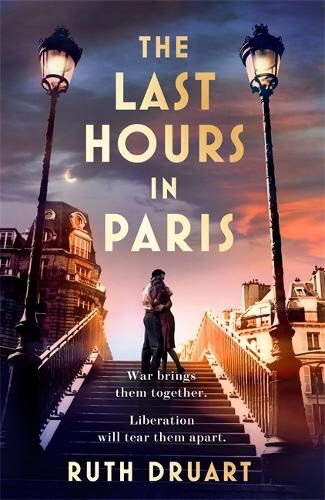
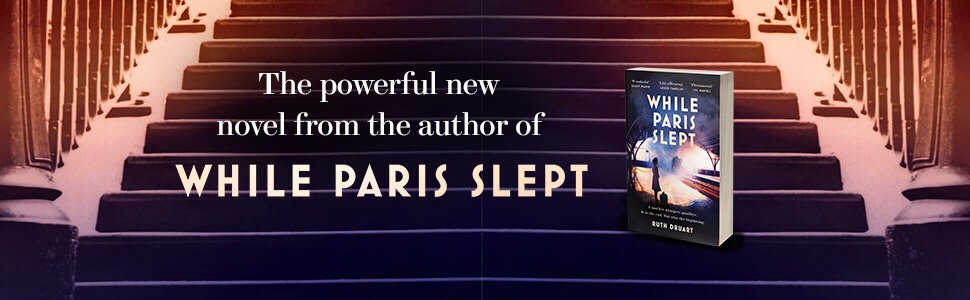
After Ruth Druart’s previous WW2 novel While Paris Slept I’d been so embedded in the story that I felt emotionally drained from the terror and trauma experienced by her characters. While that novel gave us WW2 from the perspective of a French police officer and a Jewish mother, her latest novel comes from a very interesting and possibly less explored voice of the conflict. Our novel centres around young French woman and a German soldier who cross each other’s paths due to a love of books. We roam from Paris to Brittany and to England, hearing the stories of our main characters from both points of view at different times in their lives. However, the novel starts several years later with Joséphine, a young woman who has just finished her baccalaureate and is looking forward to summer. She wants to visit England because it’s where the Beatles are from, but her mum Élise and the woman they lodge with, Soizcic seem very resistant. It’s the usual teenage argument, made all the more dramatic because the women are carrying a huge secret. One that will be uncovered if Joséphine keeps to her plan to find her birth certificate, so she can obtain a passport. She intends to go with or without her mother’s permission. Élise had always promised herself to tell Joséphine the truth she’s been hiding, but the time never seemed right and besides it was easier to keep the illusion. Élise has always told her daughter that her father’s name was Fredéric and he died in the war. The truth is more complex and shrouded in the secrecy and shame of another time. If Joséphine finds out, will she ever forgive her mother?
Our story moves back in time to the 1940’s when Élise is living in an apartment in occupied Paris with her Mum and younger sister Isabelle. She hates ‘the Boche’ who have taken over her beautiful city and filled it with fear and hatred. Jewish families have disappeared and just as hated as the German occupiers are people who collaborate with the enemy, whether they’re bar owners whose tills ring with German money or the women who serve as their mistresses. Élise has noticed them walking with officers in the gardens, wearing perfume and sporting real stockings rather than a painted and often wobbly line drawn down the back of the legs. Élise has a secret, she has been working at an orphanage and helping Jewish children escape across the border. I loved the bravery of this young woman and her ability to see most people as human beings, at a time when the hatred of others due to their race or religion was at it’s devastating worst. She meets a young German soldier in her friend Monsieur Le Bolzec’s bookshop and at first is horrified that the elderly bookseller is finding sympathy for him. Sébastian may sound German, but his mother was French and his fluency in the language means he’s working in an office translating letters. Élise is cool towards him at first, but then he warns her that she’s in danger. She has been helping Jewish children pass from an orphanage and over the boarder. Sébastian translates a letter denouncing the orphanage, he keeps it and warns Élise, even organising a car to remove the remaining children. This act of service and his willingness to put himself in grave danger brings them closer together, but will anyone accept their feelings for each other.
Ironically it’s the danger of war that brings these two characters together, but the liberation of Paris that will tear them apart. The author’s research is impeccable and I learned things I hadn’t realised about the war and particularly it’s aftermath. I had some idea of the treatment meted out by the French on women thought to be collaborators, but Ruth Druart’s vivid description brought out a huge sense of injustice in me. These women made choices due to their situation: if a German soldier approached me to be his mistress, I might do it if my children were starving or I’d lost my home. There was no mercy or insight into why such a choice might be made. I was also surprised at how long the British kept prisoners of war beyond the ceasing of hostilities. The Geneva Convention states that they should be released immediately, but here we see men kept for three years beyond the war ending. I think the author really captured the chaos of an occupying force retreating and how people have become displaced from their homes, their families and their lovers, especially where the relationship is controversial. People lost each other for decades – my mother-in-law was taken out of the Warsaw Ghetto when she was a child and was taken to England, separated from both parents. Her father looked for her and his wife straight after the war with no luck and eventually settled in America and moved on with his life, coming to terms with the fact they had probably been killed. They were still alive though and his wife was finally reunited with their daughter in England and her father’s other family in America. Druart shows how our links to each other can be lost, but for Élise there are particular betrayals that have kept her apart from Sébastian . Betrayals that are hard to forgive. I found this part of the book so poignant and I loved how Paris needed time to heal, both it’s buildings and it’s people. They had adjusted to occupation and now must rebuild their city, bringing back it’s joi de vive. As Élise observes the difference war has made to her beloved city I could almost hear the oppressive sound of jackboots echoing off the buildings and reminding every citizen they are no longer free.
I was drawn to Sébastian and truly understood his feelings of oppression. He was no more free than Élise, forced to join the Hitler Youth, he was trained as a soldier so had no choice but to serve. It was so moving to see him post-war in an English cinema watching film of what the Allies found when they liberated Auschwitz. He his horrified and is filled with guilt for serving a leader who could do this to others. He knows he is different, but to a Frenchman or an Englishman there is no difference between him and the SS; they are all Nazis and are all responsible. He carries that shame with him into all he does. I also felt for Élise and her loneliness, because despite having Joséphine and their friend Soizcic she has a solitary existence. I hoped for a happy ending for her, but I won’t spoil your reading pleasure by revealing what does happen in Joséphine’s timeline. I urge you to read it, because it has real impact. Hearing the voice of the enemy is unusual and impresses upon us that no matter what side we’re compelled to be on we’re all human. We don’t choose who we fall in love with and that love never dies, no matter how much time has passed or how far apart we are.
Published by Headline 7th June 2022.
Meet the Author
Living in Paris for the last thirty years inspired me to write, and my debut novel, While Paris Slept, came out in 2021, followed by The Last Hours in Paris, to be released in July 2022. Both books are set during the occupation of World War II, a time which intrigued me as I imagined the French having to live and work alongside the occupiers.
I love the power of story, and believe that sharing stories from different perspectives and different backgrounds can help us understand the world better. Having studied psychology at Leicester University, I have always been interested in the workings of the mind, and especially in what motivates people. I find people fascinating and love creating my own characters, each one flawed and touching in their own way.
I don’t believe in the single story, and in my books I like to present different perspectives, leaving the reader to make up their own mind as the characters face moral dilemmas and difficult choices. I hope you enjoy reading them.
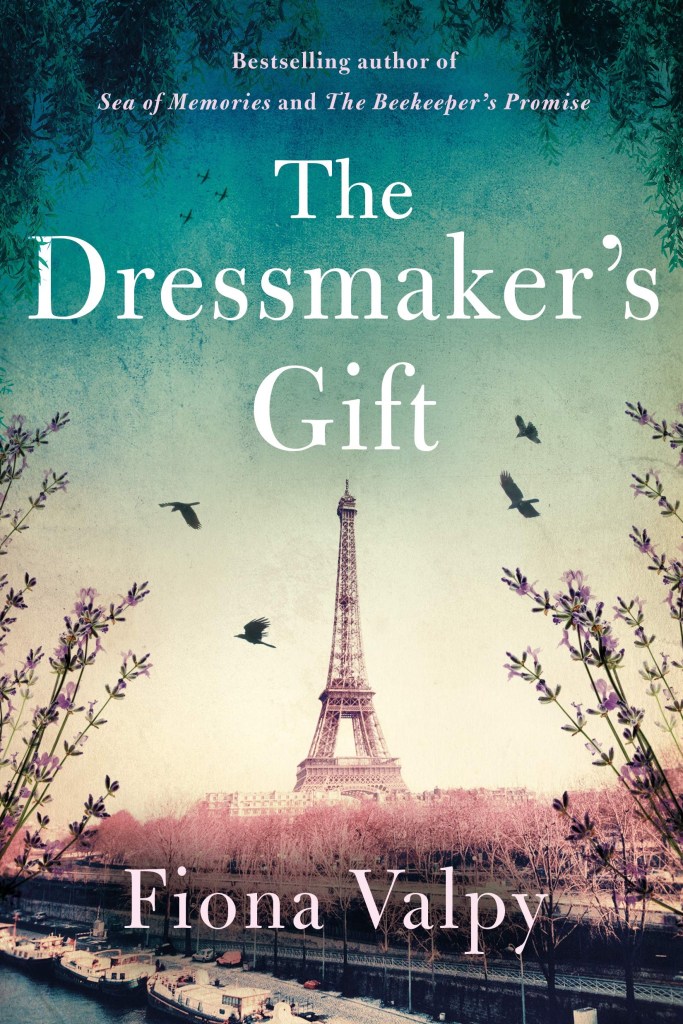
This book was a real hidden gem. I love fashion, so the idea of a dress that can transform the wearer’s through the years – the midnight blue satin, made of many pieces but with such tiny stitches it appears as if one piece of fabric – really appealed to me. Added to this, my in-laws history of escaping the Warsaw ghetto – at 8 years old in one case, and being sent to Siberia in the other – means I am interested in the threads of family history at a time of turmoil. My late husband’s family has its own incredible story with repercussions that echo down the generation , so I understand that lives can be displaced and changed beyond recognition, with the results of that still being felt two generations later,
It is Harriet’s love for fashion and an old photograph that leads her to the door of a Paris fashion PR for a year long internship. She is loaned a room in the apartment above the office alongside another girl. Harriet knows this is the very apartment where her grandmother Clare lived in the 1940s. She has left behind a difficult situation!. Having finished university Harriet has been living with her father and stepmother, where she has never felt welcome. Her father sent Harriet to boarding school when he first lived with her stepmom, following her mums death. Her father seemed to find it difficult to cope with a grieving daughter and a burgeoning relationship. One of Harriet’s most treasured possessions is the photo she has of her grandmother Claire and her two best friends in Paris, Mirreile and Vivi. She also has a charm bracelet given by her grandmother and it’s charms show Harriet a story of who her grandmother was. When we are taken back into the past we learn more about these three women. All work in an atelier for the Paris fashion houses. We find out that Claire and Mirreille lived upstairs first, but are later joined by Vivi. All three are great seamstresses and are quick to become friends.
When the Germans arrive in Paris at first is it easy to carry on as normal. Yes, there are more German voices in the cafes and bars, more German vehicles in the streets, but people still order couture clothes. However, as the war really starts to bite things begin to change. The girls friendship survives Claire’s disastrous dalliance with a German officer, but afterwards she notices a difference in her friends. What mysterious work is Vivi doing in the atelier after hours? Who is the gentleman Mirreille is seen with and why is she often missing after curfew? The girls are about to be involved in the war in ways they didn’t imagined; ways that could mean paying the ultimate price.
Just like the stitches in a beautiful garments the threads of history are so beautifully intertwined with the fictional story of the girls. I read Alice Hoffman’s new novel in the last few weeks and it is also set in 1940s Paris so it was interesting to see the same historic events from a different viewpoint. I could see how much research the author had done and her skill in mentioning actual events without them feeling tacked on to the girls story was brilliant, I slowly came to care about each of the girls and although Vivi seems less accessible than the other two at first, it was interesting to see how central to Harriet’s history she becomes.
The detail is often harrowing to read and the idea that trauma can be passed through generations is one I’m familiar with because I’m a therapist and have read the same research as the author. She uses this beautifully in the novel, illustrating that the German’s horrendous acts of cruelty were on such a scale that it echoes down to the next generation. It is only when someone identifies the trauma in their family and gets professional help to let go of it’s effects, that someone can start to heal. I think I expected this book to be lighter and more focused on fashion from the blurb, but what I got was far superior: an incredible story of friendship and survival. I would definitely recommend it to friends.
Meet The Author
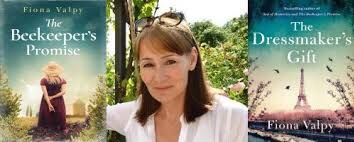
Fiona is an acclaimed number 1 bestselling author, whose books have been translated into more than twenty different languages worldwide.She draws inspiration from the stories of strong women, especially during the years of World War II. Her meticulous historical research enriches her writing with an evocative sense of time and place.
She spent seven years living in France, having moved there from the UK in 2007, before returning to live in Scotland. Her love for both of these countries, their people and their histories, has found its way into the books she’s written. Fiona says, “To be the first to hear about my NEW releases, please visit my website at http://www.fionavalpy.com and subscribe to the mailing list. I promise not to share your e-mail and I’ll only contact you when a new book is out.”
This book really was fun with a capital F! If you enjoy Jane Austen or Bridgerton then this is a book you’ll love. It has that clever ability to be frothy and witty, while actually bringing up some important issues, especially about the woman’s role in Regency society. It takes a look at class and what is really expected of those in the very highest society, or the ‘ton’ as they are dubbed here – I’ll be honest and say I’ve watched two whole series of Bridgerton and wondered what ‘ton’ meant, now I’ve finally looked it up! This brilliant debut rackets along at a fantastic pace, with glorious balls and luxurious fashions one minute, then adventurous rescues the next. Our heroine is Kitty Talbot, eldest of five girls who live in the Dorset countryside. As the book opens Kitty is responsible for her sisters, since both of their parents have died. Mr and Mrs Talbot were ostracised from high society before the girls were even born and the family have lived a relatively quiet life. Unfortunately, Mr Talbot had kept a taste for the gaming tables and while his debt grew he also turned to drink. On their death Kitty was left in charge of four sisters, a badly trained dog, a leaking roof and a threat from the debt collectors that payment must be made soon. Luckily, four years ago Kitty secured a proposal of marriage from Mr Linfield, a local squire with a reasonable fortune. Horrifyingly though, a few months before their debt is due, Mr Linfield withdraws his offer of marriage, leaving Kitty solely responsible for her sister’s home and their future. There is only one solution; Kitty needs a fortune and she needs it fast. So, she pawns the last of their mother’s jewellery for costs and decides that she and her sister Cecily will visit their Aunt Dorothy in London where they may be able to gain introductions into society. The season has begun and every eligible bachelor with a fortune will be in attendance. Can Kitty find her fortune before her time runs out, or the secrets about their parent’s departure from London are made known?
As with Austen, there are serious issues and themes underneath the glamour and witty repartee. There’s an absolute honesty in what Kitty is trying to do, both with her family and herself, if not with her potential suitor. She soul searches about whether she can live with the decision to marry purely for financial protection, but when she thinks of her sisters she finds she can live with it quite comfortably. She knows each of them so well, that she can imagine their future needs – the one who wants to learn, the one who needs to marry for love and the one who might never marry. She’s happy as long as her sacrifice means they can have what they need and I found that an admirable quality. Yet, polite society and certainly those of the ‘ton’ find this deceitful and vulgar. The author is highlighting the double-standard here, it’s only Kitty’s gender and class that make her actions vulgar. Men in high society can pick the most eligible woman based on her looks, her age, her child-bearing possibilities and even her fortune, should his be lacking. Should a society gentleman, even a Duke, chooses a young woman of a lower class to him then his actions are accepted. There may be gossip, but whether it’s for love, lust, money or breeding ability no one truly cares as long as she is of good character and virtue. Kitty is simply doing the same, there’s a commodity she needs and marriage is her only means of achieving it. In the ballrooms and salons of London, all young women in the act of finding a match are sparing with the truth. They are making the best of their looks, inventing accomplishments and laughing at awful jokes. They make themselves less: less intelligent, less witty, less feisty. They have to flatter, make the man seem superior in all these things. So, why is Kitty’s plan any different? Her class is the deciding factor, breeding being all important for men of the peerage particularly, it is desirable to meet a woman of a similar class and not marry down. It is Kitty’s dishonesty about her class and lack of money that condemn her.
Once settled at her Aunt’s house, they ‘accidentally’ meet the de Lacey family, one of the most respected families here for the London season. It is the younger son Archie that Kitty thinks might be a suitable candidate and since Cecily went to school with his younger sister Amelia they have a connection. However, it’s with Archie’s elder brother that Kitty can be truly open and honest. James is now Lord Radcliffe after the death of his father but has spent most time at their country seat in Devon. He is in hiding, alongside fellow officer Captain Hinsley, with whom he shared the experience of fighting at Waterloo. He’s superior, intelligent and doesn’t suffer fools, but he’s also holding a lot of emotions in check and felt he wasn’t ready to be the head of his family. Once alerted to the possibility of an alliance between Archie and a young woman who appears to have no breeding or family fortune, he rides back to London determined to sever the connection. He and Kitty’s exchanges are probably the most honest and equal in the book, as well as making me laugh. He can see her ability to charm and once they’ve been honest with each other they seem to relax in each other’s company and Kitty grows in confidence. She makes it clear that no matter what he may see her as – a fortune hunter – her only other choice is to let the family home go and for the sisters to look for paid work that will separate them. I admired her honesty and her ability to see the objections to fortune hunters as hypocrisy. The whole London season is about making matches, sometimes for very similar reasons to Kitty’s own.
I thoroughly enjoyed the ups and downs of her mission and her determination to become an integral part of the season. The setting is beautifully described, especially the culture shock of a dirty and sooty London as compared to the country. I loved the image of higgledy-piggledy buildings that are bowed or look ‘haphazardly drawn as if by a child’. The detailed description of the latest fashions and how the girls have to craftily accessorise so they look like they’re wearing something new. Even so, Kitty is outed in the mind of Lady Radcliffe who notices a shoe with a wooden button that marks them out as from Cheapside. There are also other plot lines that feed into the central premise that work very well too: the story of Kitty and Cecily’s parents and why they were unwelcome in polite society; the identity of Aunt Dorothy and her reluctance to follow Kitty’s forays into high society; Kitty’s insistence that Cecy isn’t looking for a husband while her sister has her own plans; Archie’s discovery of gambling clubs and the predatory lords who frequent the clubs looking for young, inexperienced men who are about to come into their fortunes. I felt the author had the balance just right between humour and frivolity and the darker sides of the story. It gallops along at a jolly pace and it’s very easy to keep on reading into the night. The excitement peaks one evening as two very different rescue missions are undertaken; one to save a reputation and the other to save a fortune. These missions are taken at a breakneck pace and it’s impossible to put the book down once you’ve reached this point – you will simply have to keep reading to the end. The author has written a wonderfully satirical and deceptively light novel, with plenty of intrigue and some darker undertones. I enjoyed the Talbot sisters and wondered whether we’d be seeing more of them in the future, if so they’ll definitely be on my wishlist.
Published by Harper Collins 12th May 2022
Meet The Author
Sophie has spent years immersed in the study of historical fiction, from a dissertation on why Georgette Heyer helped win World War Two, to time spent in dusty stacks and old tomes doing detailed period research when writing this book. Her love and passion for historical fiction bring a breath of fresh air and a contemporary energy to the genre. Sophie hopes to transport readers to Regency London, where ballrooms are more like battlegrounds.
A Lady’s Guide to Fortune-Hunting is Sophie’s debut novel and it has already sold in twenty territories worldwide.
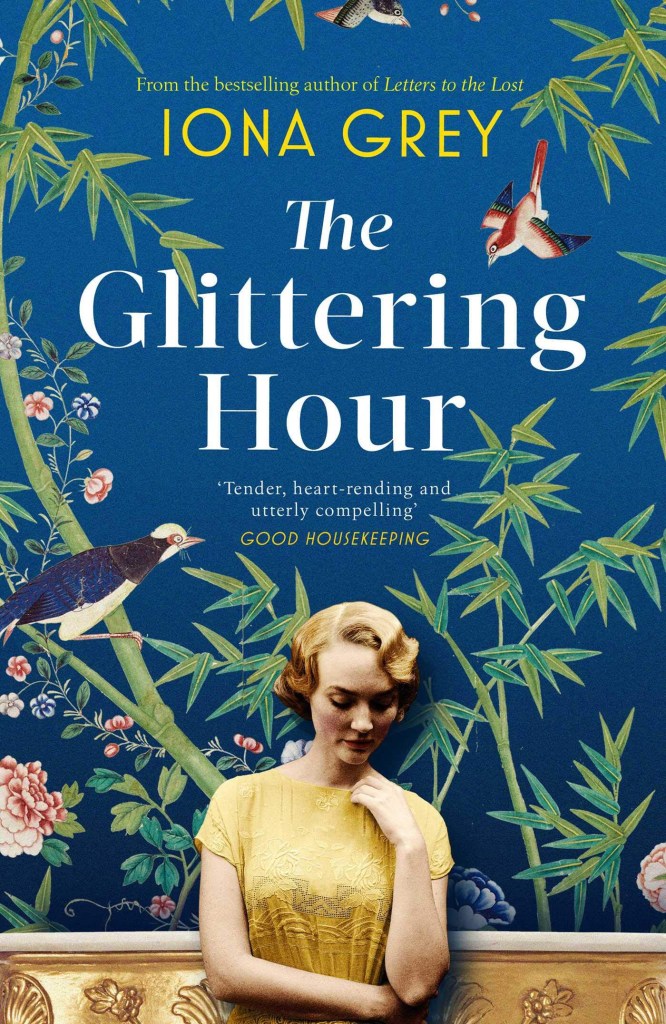
This week’s reading took me back into the world of the Bright Young Things, the young generations of aristocrats in 1920s Britain intent on living it up and shaking off the aftermath of WWI. The Mitford sisters were part of this scene and it was while reading about Nancy Mitford’s exploits in 1920’s London that my mind was drawn back to this beautiful book depicting that new generation. A book I read originally for the blog tour back in 2019. Iona Grey shows young people coping with a legacy of loss and parents that are still stuck in the hierarchical society of the Edwardian period. Our heroine, Selina Lennox, is one of those ‘Bright Young Things’ who were followed by the press from party to party, determined to the live the full life that their parents, and especially older siblings, have missed out on. Her family are part of an ailing aristocracy that still has its property, but is running short on money. Her elder sister is making an advantageous marriage and since the death of their brother in the war they have the pressure of producing a male heir. Selina is being steered towards the heir of a ruby mining business situated in Burma. Rupert is a war veteran, and it is possibly active service that has made him so stiff and taciturn. Selina finds him too serious and prefers the company of her friends and the social whirl of extravagant parties thrown during the season. One night, while careering through London on a treasure hunt, the car she is travelling in hits a cat. Selina can’t leave the poor creature and is horrified to see her friends disappearing into the night, leaving her in a garden square somewhere in Bloomsbury.
Young, struggling artist Lawrence Weston chances upon Selina and offers his help. They climb into the locked garden square and give the cat a proper burial. Selina is drawn to this dark haired young man but also knows she is taking a huge risk disappearing at night with a stranger who isn’t from within her social circle. Lawrence is transfixed by Selina’s golden beauty and feels an instant connection. He knows she is far above him and her family would be horrified. He lives in a shared house and rents a studio where he paints portraits of the aristocracy’s lost sons of war in all their military splendour. This pays the bills, but he would really love to be a photographer and as yet no one sees this as art. Realistically, he has no chance with Selina but can’t seem to stay away despite receiving warnings from most of his friends.
Interspersed with this is the story of Selina’s daughter Alice in the years before WW2. Alice lives on the family estate and is looked after by Polly who was Selina’s maid. Alice’s grandparents are still in residence, still living the values of a bygone age. Miranda has now given birth to Archie, the all important heir for the estate. Selina is in Burma with her husband and we see their journey in a series of letters she writes to Alice. They clearly have a very loving relationship, so it seems strange that Alice is hidden away in the cold nursery corridor? I kept wondering why, if she loves her daughter as much as she seems to, would Selina leave her with a family who show her no affection? Alice has been sent a treasure hunt from her mother and Polly gives her the clues to follow. Solving the clues takes her to different parts of the estate and her mother explains their significance, they’re part of Alice’s origin story. The clues help Alice come to know and love the gardens, especially the deserted Chinese House with its old gramophone. What exactly is their link to Selina’s past and Alice’s future?
Iona Grey has created a beautiful novel here, filled with moments of joy and sadness. For me, the meaning of the title is so poignant encompassing both the historical period and the love story at the heart of the novel. The 1920’s is a decade that stands alone. A moment of extravagance, partying and glamour, between two world wars – a glittering hour. This glittering generation defied the death that had stalked their fathers and elder brothers in the trenches and were determined to enjoy life while they could. It has a romantic meaning too – for Lawrence, Selina is his glittering hour, they share a moment of pure love and beauty that burns bright but can’t burn forever. Grey shows what happens when we dare to break away from the boundaries and societal rules of our class and how the reverberations from this can last for several generations. The love may not last, but the memories can sustain us for a lifetime.
Thanks to Simon and Schuster UK and Random Things Book Tours for the chance to read this novel and join the blog tour. See below for the next stops.
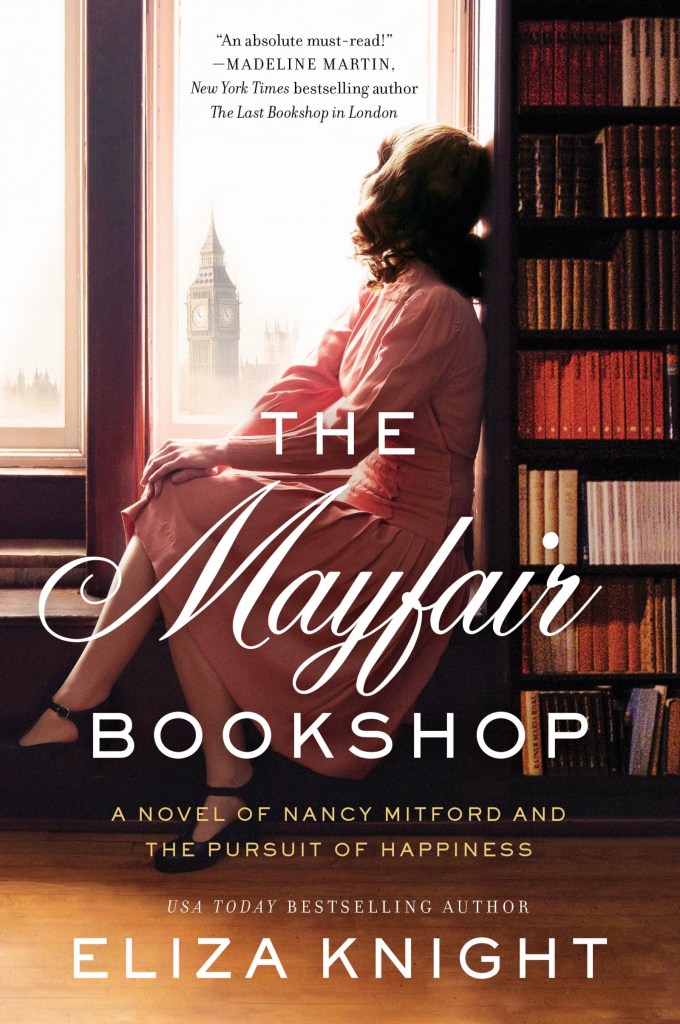
1938: She was one of the six sparkling Mitford sisters, known for her stinging quips, stylish dress, and bright green eyes. But Nancy Mitford’s seemingly dazzling life was really one of turmoil: with a perpetually unfaithful and broke husband, two Nazi sympathizer sisters, and her hopes of motherhood dashed forever. With war imminent, Nancy finds respite by taking a job at the Heywood Hill Bookshop in Mayfair, hoping to make ends meet, and discovers a new life.
Present Day: When book curator Lucy St. Clair lands a gig working at Heywood Hill she can’t get on the plane fast enough. Not only can she start the healing process from the loss of her mother, it’s a dream come true to set foot in the legendary store. Doubly exciting: she brings with her a first edition of Nancy’s work, one with a somewhat mysterious inscription from the author. Soon, she discovers her life and Nancy’s are intertwined, and it all comes back to the little London bookshop—a place that changes the lives of two women from different eras in the most surprising ways.
I have always held a fascination for the Mitford sisters, sparked mainly by childhood visits to Chatsworth when Deborah Mitford was the Duchess of Devonshire. Over the years I read more about these fascinating sisters, and I saw Debo (as she was known) as a formidable woman with great ideas for diversifying the estate. I acquired several books about Chatsworth and it’s resident women over the years, then several years ago I purchased a copy of the Mitford sister’s letters and met the then Dowager Duchess at a book signing. She was gracious, but there was a fierce intelligence there and a barely disguised lack of patience for fools. I had never been sure what the phrase ‘gimlet eyed’ actually meant until I observed her that day. More recently, the appearance of the glamorous, but dangerous Diana Mitford in the final series of Peaky Blinders seemed to open a few people’s eyes to the rise of fascism in Britain and turned the spotlight once again on this extraordinary family. While it probably wasn’t a realistic portrayal of her, it was certainly compelling. So I jumped at the chance to delve into the Mitford’s world once more in this book, perfect for a bibliophile as we spend time with both book curators, sellers and writers.
Nancy is a witty companion and rather poignant too, which is a very endearing combination. We meet her as one of the Bright Young Things, careering round London drinking cocktails and following treasure hunts, all the while looking absolutely fabulous. She is in love with a young man called Hamish who she fully expects to marry. However, when the story returns to her, she’s been disappointed in love and is married to someone else altogether, who she nicknames Prod. She and her husband have a rather sad marriage and underneath the sparkle I felt we were seeing something of Nancy’s more vulnerable side. The author skilfully weaves fact and fiction, thoroughly researching Nancy’s writings and letters, then creating a full inner world for her character. Of course we can’t know for sure how Nancy was truly feeling and to me she seemed one of those people who didn’t let them show easily. However, it rang true for her to be disappointed in her marriage, to resent Prod’s quite visible affairs and to be sad at her lack of a baby, especially as her younger sisters became mums before her. The journey she took as a woman was moving, especially the acceptance of things she would never be – a happily married woman and a mother. She also struggles with a bad case of imposter syndrome, common in writers, calling herself a bad novelist when all her work needs is experience, maturity and honesty of feeling.
Her WWII friend, the Iris that our modern heroine Lucy is searching for, helps her a great deal. With this friend she doesn’t have to be entertaining, witty Nancy, always ready to solve a problem and keep a brave face on things. She allows herself to be vulnerable in someone else’s presence and it feels like a huge psychological breakthrough. She can just be herself. On a bookish note, Lucy was fascinating because I had no idea there was such a profession as a book curator – where do I train and when I can start? I found her research really interesting, because I’ve always wanted to go into the library in Chatsworth and finding out they have a secret staircase was rather thrilling. Her research is inspired by the book her family acquired, inscribed to a friend called Iris from Nancy. Left for Iris at the Heywood Hill Bookshop, it was clearly never collected. Though there is no other mention of Iris that Lucy can find, it’s clear she had a huge effect on Nancy from the inscription alone. While working from this very bookshop, the same place Nancy worked during WWII, she hopes to find more references to Iris and her role in Nancy’s life. I wanted to Lucy to have an adventure of her own while in London and perhaps be inspired by some of Nancy’s spirit. As the book moves along we can see the women are on a similar journey, in terms of making the life they want to have, instead of waiting for it to happen.
Through their letters, it’s clear that the Mitford sisters had a rather awkward and contrary relationship. Despite often being completely at odds with each other, they continue to write, use terms of endearment and their family’s own language and share their news. Despite the scandalous relationship between Diana and Mosley, for whom she left a husband and two children, and Unity’s transformation into a Hitler fan girl, the other sisters continue to write to them. It has to be said that many in the aristocracy had fascist views, but Nancy didn’t share her sister’s politics. As WWII really took hold, Nancy’s huge social circle and fluent French meant she was useful to the government, but would this stretch to discussing her own family? I was fascinated to see this dynamic play out and wondered whether the women could repair their connections afterwards, remembering they are sisters first and foremost. The period detail was brilliant and the complete change between the London of the partying 1920’s and the more somber run up to WWII was done so well. I loved the nostalgic feel of the novel and those lovely little bits only bibliophiles like me can appreciate, such as a part library part menagerie with bird cages and tree branches. If you love bookish chat and the idea of working in a bookshop or have a similar fascination with the Mitfords you’ll love this one. Even if you’ve not come across the family before, there’s so much to love here and it won’t take many pages for Nancy’s wit and engaging narrative will draw you in. However, underneath the charm of the novel is a gripping story of a woman growing into herself, learning what makes her content and realising that she can, as a woman, make choices to pursue her own happiness.
Meet The Author
Eliza Knight is an award-winning and USA Today bestselling author. Her love of history began as a young girl when she traipsed the halls of Versailles. She is a member of the Historical Novel Society and Novelists, Inc., and the creator of the popular historical blog, History Undressed. Knight lives in Maryland with her husband, three daughters, two dogs and a turtle
I thoroughly enjoyed Fiona Graph’s first novel Things That Bounded because of the wonderfully detailed historical context she wove around her story. Here she does the same for her characters Theo and Zac, who meet during WWII and survive Dunkirk together. After this experience they become lovers. Theo works at Bletchley Park with Alan Turing, then goes to work in the Foreign Office after the war, while Zac works for MI6. They have a good life. However, this is a time where the love they’ve found with each other, isn’t accepted in the way it is now. Homosexuality is a crime and it’s not hard to imagine how stressful it must be to hide your true self as soon as you leave your front door. The pressure of being an outcast takes it toll on their mental health, with Zac becoming so severely depressed he has to go away. Can this beautiful relationship survive?
I love how Fiona Graph creates her characters, then uses them to drive the story forward. There’s a quiet bravery in their choice to be together in a society doesn’t accept them. The fact that they’re establishment figures is interesting too, both working as civil servants for a system of government that actively persecuted them. The fear of being outed, particularly at work, must have been incredible. Add to that the very real fear of being assaulted, arrested and ultimately being jailed for nothing more than loving each other. There’s the loneliness too, where straight couples can be open and make connections with their neighbours or work colleagues, these men can’t. They can’t invite anyone into their lives and be honest about their love for each other. This means avoiding friendships and relying solely on each other, placing further strain on the couple; they have to be everything to each other. This intensity is hard to maintain and I was so invested in their love for each other, that I was genuinely upset when the pressure became too much.
The author presents the mundane everyday things that happen when two people live together, because of course the men live just like any other couple, gay or straight. She does this by showing their routine, the domestic detail of everyday life is touching. This is all Zac and Theo want, the ability to live like anyone else. It makes us realise how brave men of this generation had to be, just to have what a straight couple probably takes for granted. It drives home the sense of injustice they must have felt. It seems galling that they fought side by side like every other man in WWII, but back in the ordinary world they have to live with a terrible fear of betrayal and prosecution. I kept reading as I was longing for their love to triumph over everything. However unrealistic that might be. The author’s setting was beautifully evoked and I felt firmly in the mid – 20th Century. I felt the most important thing Graph succeeds in doing is to show us, through these characters, the experience of so many men who were vilified and criminalised for loving the ‘wrong’ person. Yet we never feel that Theo and Zac are just ciphers created for this purpose. They feel wholly real and I was so involved with their emotional journey that I almost expected to look up from my book and see them there. Also, this could have been relentlessly miserable, but it isn’t. There’s something hopeful and uplifting about their courage and their enduring love for each other. I truly wanted them to triumph over the obstacles that faced them and for their love, despite the challenges it brings, to remain undimmed.
Meet The Author
Fiona Graph lives in London.
Her first novel, ‘Things That Bounded‘, was published in October 2020.
It’s been an odd month here, because I went into the month full of energy and looking forward to a busy blog month. Then I felt very unwell and sadly had to let blog tour organisers and publishers which I hate. Thankfully I’d written this ahead of time as I read each novel, so all I had to do was write this little intro. My favourite books this month were mainly dual narrative novels, a structure I really enjoy especially when it’s done as well as these authors. I hope you all have a lovely Jubilee weekend, whether you are a royalist or are just looking forward to a long weekend off work. My carer and other half are helping me with a stall at our village jubilee celebrations. I’m at our book exchange with a box full of old proofs to swap, book suggestions and a tombola with books from the Jubilee Big Read as prizes. All the books are from Commonwealth writers so I’m looking forward to introducing people to a different perspective on our Queen’s long reign. Photos to follow!
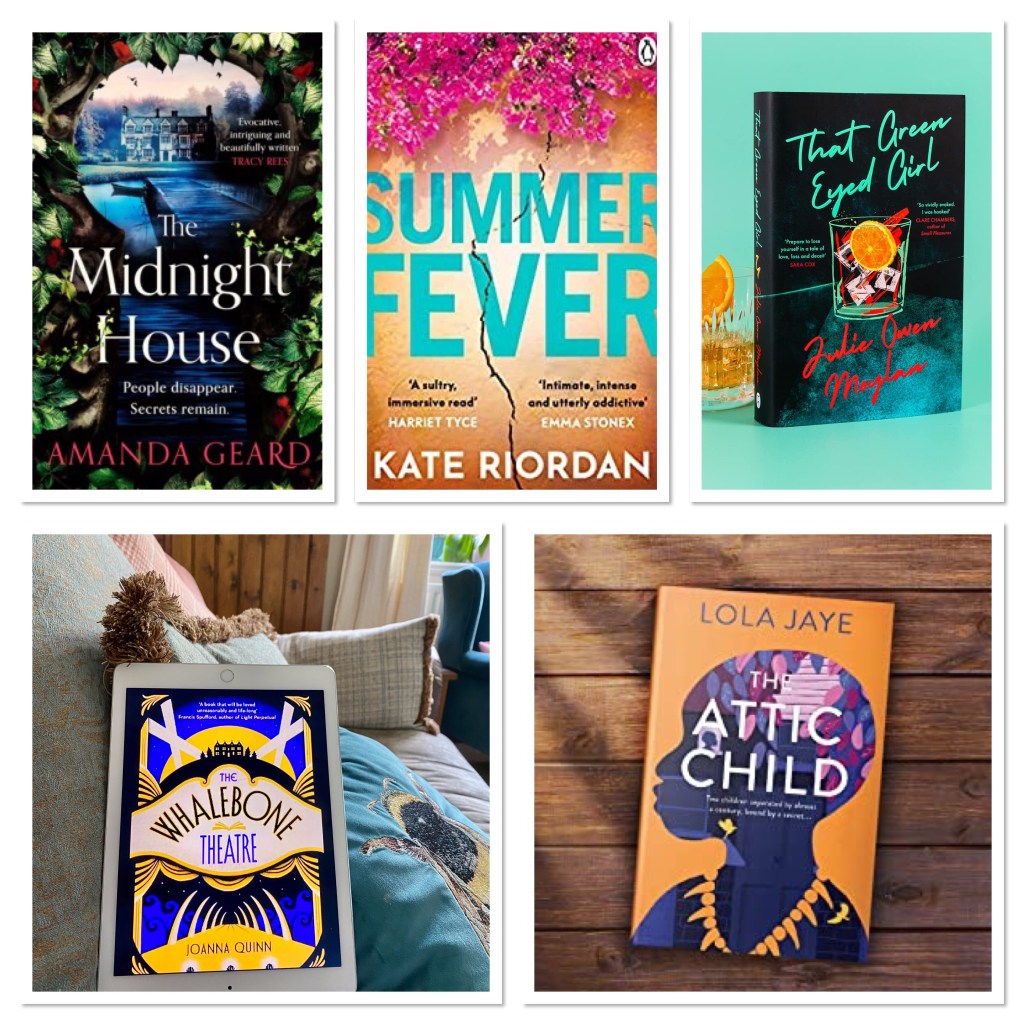
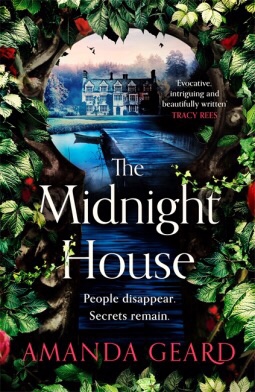
I enjoyed this book much more than I’d expected to. It’s not that there was anything wrong with the blurb or the cover, but I thought it might be just another ‘stately home + mystery’ novel with no huge surprises. However, the depth of characterisation and complexity of the story drew me in and kept me reading for two straight days. Ellie is our present day narrator and she’s having to take leave from work as an investigative journalist after trying to expose an important businessman ended badly. So she returns to her family home in County Kerry, Ireland to spend time with her mother. Trying to keep a low profile is a lost cause in a small Irish village. It’s only because she’s desperate for reading material that she braves the charity shop to collect a box of books that have come from the large stately home nearby, Blackwater Hall. Ellie is grateful to see a few Agatha Christie novels on the top and takes the whole box. Inside is a mysterious letter, addressed only to ‘T’ but clearly belonging to the Rathmore family. It ignites a spark in Ellie and she tries to do the right thing and return it, but is bitten by the mystery surrounding the family. Charlotte Rathmore disappeared during the early part of WWII leaving a broken string of pearls by the lake. The official version is that Charlotte killed herself, but Ellie senses a story and starts to seek out other remaining members of the family. Can she solve the mystery of Charlotte’s disappearance and what changes will the truth bring to Blackwater Hall and the Rathmore family? Despite wanting all the answers, I didn’t want this book to end and there’s no better compliment than that.
Another dual timeline novel here, with another mysterious set of letters. This was our Squad Pod read for May and as usual my review is late, but it’s no secret that I LOVED this book. I even made Chocolate Mojito cupcakes to celebrate the fact. I was unsure where this book was going to go, considering the rather modern looking cocktail cover. However, it’s story was deeper and more moving than I expected. In the 1970’s Ava Winters lives in a New York apartment with her mother and a father who seems to wander in and out. Her mother shows signs of mental illness and seems haunted by something in her past. With both parents AWOL Ava is lonely and becomes fascinated by a box sent to her apartment addressed to a woman called Gillian. It’s from Paris and holds letters as well as a butterfly necklace and a photo with LIAR scrawled across it. In the same apartment, but twenty years earlier, teachers Dovie and Gillian are roommates. However, they’re very private and guard their home lives fiercely until one unguarded moment exposes the wrong person to the truth. This novel showed me a side of life I knew nothing about. A time where ‘unnatural activities’ and desires could lead to a loss of everything from your job to your liberty. I will save the rest for my review, but don’t miss this one. It’s an incredible debut from a very talented writer.
This beautiful novel covers the early Twentieth Century in the lives of one family, from WWI to WWII. This book feels like an epic. A whale washes up on the beach of the Chilcombe Estate and is claimed for the Seagrave family by Cristabel who is the orphan cousin and doesn’t really fit anywhere. She loves adventure, activity, and endeavours, conquering the Seagrave estate rather than being the lady her stepmother would expect. The Seagrave children are an odd bunch, brought up by staff and each other, while their parents stay in bed late, are never without houseguests and like to drink as early as it is socially acceptable to do so. This is the story of the heir and the spare. Jasper Seagrave brings his new wife home to the Chilcombe Estate and Rosalind is thrown into being mistress of the house and stepmother to his daughter Cristabel. Rosalind is happy to have bagged an aristocratic husband, considering they’re in very short supply since the war. That is until the ‘spare’ arrives. Willoughby is everything his elder brother isn’t; a dashing war hero fascinated by speed whether it’s a new car or learning to fly. There’s an immediate attraction, deepening when Rosalind is on bed rest in the last stages of pregnancy and Willoughby keeps her company. Is the Chilcombe estate about to lapse into scandal and what will become of Cristabel? As the family grows to include a half-sister and brother for Cristabel we follow them towards WWII. The author shows what a toll both wars took on people and the rapid changes they forced on society. I won’t reveal whether any of our characters survive, but Cristabel remembers a saying, that war can bring out the best in people. There are those who shine through difficult days and in their own ways I think the Seagrave children all stepped up to the mark. This is a beautiful piece of historical fiction and I would happily read it all over again.
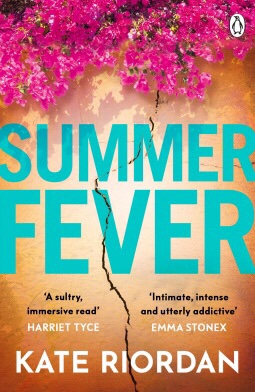
This book is my only thriller this month and it’s a cracker. This is perfect summer holiday reading whether you’re somewhere exotic or lounging in your own back garden. Hot in every sense of the world and set in picturesque Italy with a sense of growing menace all the way through. I read this one in the garden, with a Pimms in hand and with every chapter became more convinced of the old saying; the grass is never greener on the other side. Laura and Nick have been through a lot. Back in London they were struggling with infertility and Laura hadn’t felt like herself for a long time, the fertility drugs pumping her full of hormones and the grief of miscarriage left her feeling broken. When she discovers a betrayal, after Nick accidentally leaves his phone at home, she’s angry and resentful too. In his eagerness to make it up to her, Nick suggests they do what Laura has always wanted, move to Italy and create a holiday hideaway for couples. They discovered Luna Rossa on a visit to Italy several months ago, after which Laura suffered a third miscarriage. It is in the Marche region, a largely unknown area of Italy next to Tuscany but less expensive. Luna Rossa is isolated, includes a pool, a small cottage and beautiful grounds that fall away steeply gifting the house with incredible views across the countryside. Only a few months later they are preparing to welcome their first couple for a three week stay. It seems idyllic, but they’re taking a risk in welcoming complete strangers into their home. Laura has stalked her guest Madison on social media and she seems very outgoing and glamorous. Laura and Nick could be underestimating how disruptive it can be to have strangers living in your home, especially these strangers…. This is a real sizzler of a novel! My full review is coming next week.
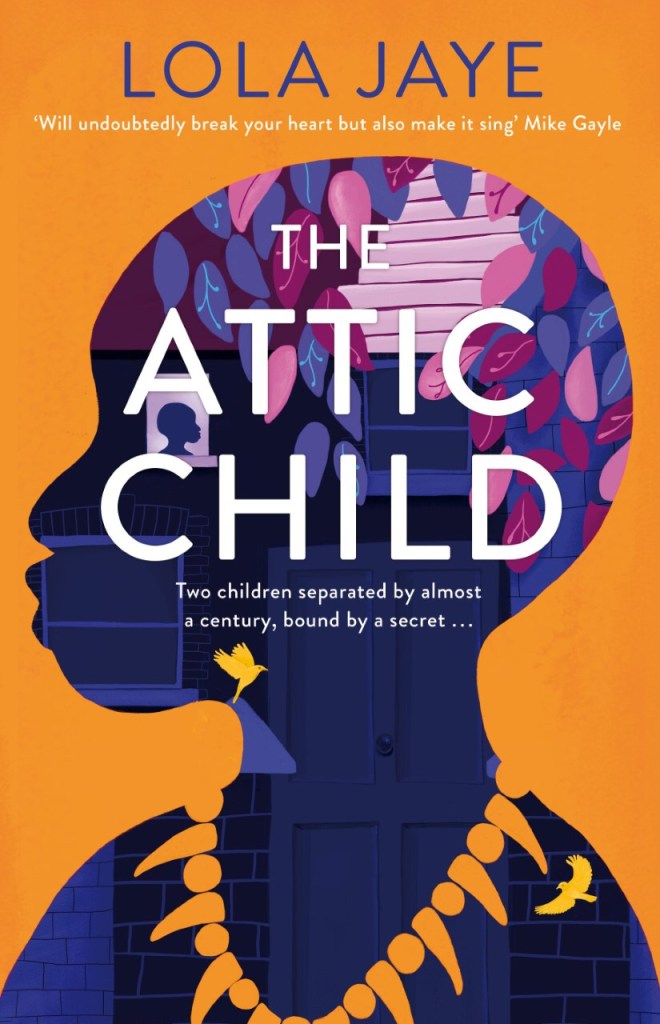
This book is a beautiful example of writing back in history to give a voice to someone who was silenced. Celestine Babbington is recorded for history in a silent form, photographed wearing clothes he didn’t choose and posing with a man whose relationship to him is very problematic. The man, Richard Babbington, is a rich explorer who has a love for Africa and a large mansion house in England. Yet by 1907, Celestine is being kept in the attic of the house, only allowed out to work as a domestic slave. Years later, a young girl called Lowra is suffering the same fate. Locked in the attic as punishment for any transgression, when her fate has been left in the hands of her resentful stepmother. While locked in the attic she finds an unusual necklace with clawed hands, unlike anything she’s seen before. There’s also an old-fashioned porcelain doll and a sentence on the wall, written in an unfamiliar language. These are her only comfort, because she feels as if the person that owned them is with her in some way. As an adult, her stepmother’s abuse still affects her and she’s conflicted when she inherits Babbington’s house. People seem to think she’s lucky and the town is proud of this intrepid explorer. Looking into the house’s history leads her to an exhibition of Babbington’s life, where she sees photographs of Babbington and a young black boy wearing an African wrap and what looks like her necklace, the one from the attic. However, the thing that keeps Lowra transfixed, is the young boy’s eyes. Lowra sees someone filled with sorrow, a fellow sufferer of the darkness inside that house. His name is Celestine Babbington. Lowra wants to find out more about this boy, how he came to be in England and what happened to him after Babbington’s death. This book was moving and had me in it’s grip straight away. It takes me back full circle to the beginning of my post and hearing voices from the Commonwealth countries and from Black British writers. I’ll be taking a copy of this book to my stall at the weekend and I’m looking forward to sharing it with new readers.
I enjoyed this book much more than I’d expected to. It’s not that there was anything wrong with the blurb or the cover, but I thought it might be just another ‘stately home + mystery’ novel with no huge surprises. However, the depth of characterisation and complexity of the story drew me in and kept me reading for two straight days. Ellie is our present day narrator and she’s having to take leave from work as an investigative journalist after trying to expose an important businessman ended badly. So she returns to her family home in County Kerry, Ireland to spend time with her mother. Trying to keep a low profile and prevent all and sundry from knowing about her return, is a lost cause in a small Irish village. It’s only because she’s desperate for reading material that she braves the charity shop and her mother’s chatty friend Tabby Ryan. Tabby has set aside a box of books that have come from the large stately home nearby, Blackwater Hall. Ellie is grateful to see a few Agatha Christie novels on the top and takes the whole box. Inside is a mysterious letter, addressed only to ‘T’ but clearly belonging to the Rathmore family. It ignites a spark in Ellie, but she tries to do the right thing and return it. At the hall she meets Albert, the lone member of the Rathmore family left behind, but he seems confused about who Ellie is and keeps asking for his mother. Her concern for Albert leads her to his son Milo, but also the mystery surrounding the family. Charlotte Rathmore disappeared during the early part of WWII leaving a broken string of pearls by the lake. The official version is that Charlotte killed herself, but Ellie senses a story and starts to seek out other remaining members of the family. Can she solve the mystery of Charlotte’s disappearance and what changes will the truth bring to Blackwater Hall and the Rathmore family?
The author tells the story across three timelines. We travel back to Blackwater Hall and Nancy’s first visit to meet her boyfriend Teddy Rathmore’s family. This timelines really establishes the characters within the Rathmore family and the beginning of a friendship between Nancy and Teddy’s sister Charlotte. This is before WWII and the aristocratic family are thriving, but there are little hints of a change on the horizon. Charlotte has rebellion and adventure in her soul, while Teddy is ready and somewhat relieved to strike out into a new life with Nancy, since elder brother Hugo carries the pressure of being the heir apparent. The present day timeline with Ellie shows she is an interesting character in her own right. There’s some resistance to becoming comfortable back home, even though she’s finding it suits her in some respects. She may be uprooting other people’s secrets, but theres a sense she has some of her own lurking under the surface; a possible broken relationship and a reluctance to talk about it that intrigued me and made me want to know more. In these split timeline narratives there’s often a lack of character or strong storyline in the present day, leaving the reader more intrigued with the past and creating an imbalance to the story. The reader can find themselves racing through the present bits to get to the ‘real’ story. The author doesn’t fall into that trap here, Ellie is interesting in her own right and her journey feels important too. The third timeline is something of a surprise as we follow a little girl called Hattie at Blackwater House and her emerging friendship with gardener and handyman Tomas. She is interested in how he makes things grow and starts to help him planting the potato crop in the garden. There’s a connection between these two that’s immediate and I was touched by them, possibly remembering days in the garden shed with my Grandad, tying onions up and hanging them from the ceiling and chitting potatoes. Tomas isn’t always the calm and shy man he is with Hattie and if he hears a bang, particularly a gunshot, he is back at war in an instant. His solitary and quiet work is clearly important in managing his PTSD. I was immediately drawn to this character and intrigued by his possible importance to the Rathmore’s story.
There are other flashbacks too, a section from the Blitz in London is particularly tense and heartbreaking. The author describes the air raids from the Lufwaffe so clearly I felt I was there with the characters. I thought the sense of foreboding was incredible and the slow realisation of the danger the characters were in was beautifully written. She captures the terrifying sense that the help needed, the help that’s usually there, is out of reach and something terrible might happen. The damage wrought in these streets and the fortitude of the people caught up there was powerfully portrayed and really gripped my emotions. I felt the author balanced those moments of terrible tension and drama beautifully with the lightness of rural Ireland and the people Ellie meets in her old neighbourhood. This is a place where only those in the big house were able to keep their secrets and everyone knows everyone. The people are strong, community minded and often Ellie’s interactions with them have a light humour about them, while avoiding caricature. I enjoyed her growing friendship with Milo Rathmore – another returnee to the village, now the village GP and carer for his father Albert. He is from Ellie’s world and the pair can look at the place with a critical eye, but also a good humoured and fond heart. I was interested in whether Ellie’s more recent personal issues would come to light. Could she finally confide in her mother and accept someone’s comfort and care, despite that solid streak of independence? I also wondered whether her career would ever be restored and if she could return, would she want to? Mostly though I was interested in what had happened to Charlotte, this beautiful, rebellious girl with so much spirit. I couldn’t believe she would kill herself, but feared that her true end was even more heartbreaking. That extra timeline post WWII also held surprises I really didn’t expect. Despite wanting all the answers I was sorry when this novel ended and there’s no better compliment than that.
Meet the Author
The inspiration for The Midnight House appeared in the rafters of our home, a two-hundred-year-old stone building perched on the edge of the Atlantic. Hidden there was a message, scratched into wood: ‘When this comes down, pray for me. Tim O’Shea 1911’. As I held that piece of timber in my hands, dust clinging to my paint-stained clothes, I was humbled that a person’s fingerprint could, in a thousand ways, transcend time, and I wanted nothing more than to capture that feeling of discovery on the page. I have always loved dual-timeline novels, where stories from the past weave with those of the present day. I want to write books that transport you to another time and place, where secrets lie just beneath the surface if only the characters know where to look.
Before all this, I was a geologist exploring the world’s remote places. Luckily for me, writing novels provides a similar sense of wonder and discovery; but the warm office, fresh food and a shower in the evening make the conditions rather more comfortable! The wild weather of County Kerry, where I live with my husband and two red setters, gives me the perfect excuse to regularly curl up by a fire with a great novel. I treasure my reading time, and I know you do too, so thank you for taking a chance on my books.
Come over to Instagram and Twitter (@amandageard) where I share plenty of photos of the wild settings in The Midnight House. You can also find me on Facebook (@amandageardauthor).
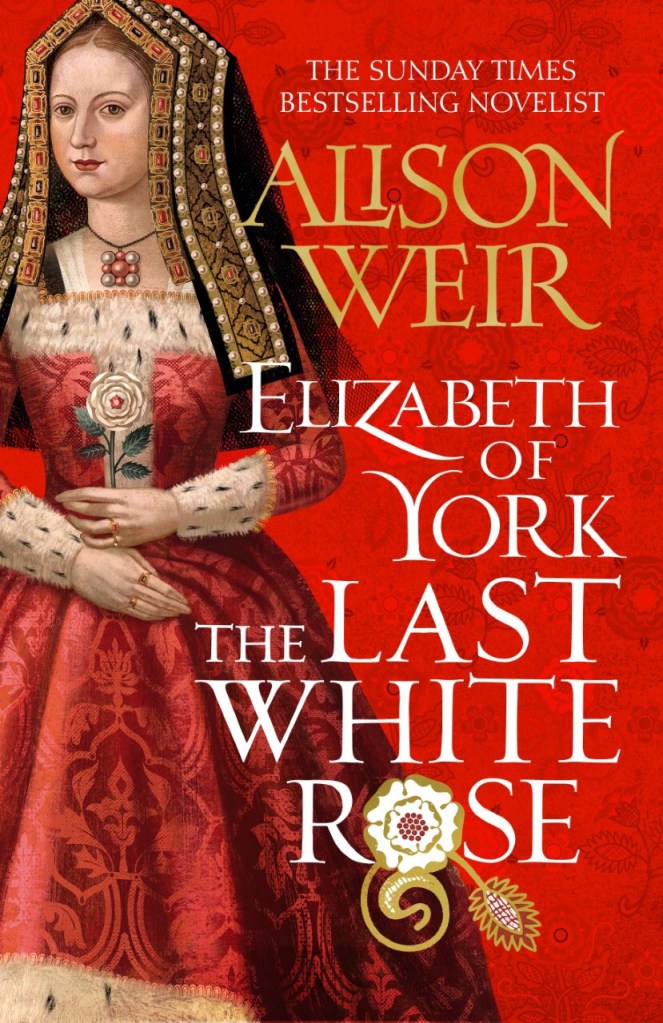
I love novels of courtly intrigue, in fact at my previous home I had shelves placed in the alcoves either side of the fireplace and one whole side was devoted to books on the Tudors and the Wars of the Roses. So the story of Elizabeth of York is familiar to me, but I love Alison Weir’s books and I was interested to see her take on this incredibly important Queen. As Alison Weir states in her afterword, Elizabeth is at the juncture of several important events in England’s royal history. There’s the instability caused by the Wars of the Roses or Cousin’s War, with battles, changes of allegiance and her family’s fortunes rising and falling with every intrigue. There are parts of her life shrouded in mystery and with differing viewpoints from historical researchers and novelists. I have always wondered how her relationship with Richard III changed from niece and uncle, to prospective wife. I have read accounts that suggest an affair between the two, one that took place in front of Richard’s sick wife Anne Neville and was branded scandalous in the court. I wanted to read Alison Weir’s take on this strangely incestuous relationship, whether Elizabeth was complicit and desired the match or whether this was a political match – suggested by Richard who wished to legitimise his rule, above the claim to the crown held by Elizabeth’s brothers and sons of Edward IV. Did Elizabeth, and her mother Katherine Woodville, see this as the only way to secure their family’s safety under Richard’s rule? The other mystery is that of the missing princes in the tower, a subject Alison Weir has looked at closely before. Some accounts suggest a conspiracy drawn up by Henry VII’s mother Margaret Stanley, to advance her son’s claim to the throne and label Richard III forever as guilty of regicide and killing his own nephews. Others lay the blame squarely at Richard’s door, for arranging their murder then forever hiding their remains so they couldn’t even have a proper burial. I was interested in how Elizabeth coped with potential marriages to the very two men who had most to gain from her brother’s killing.
The novel begins at one of life’s terrible downturns for the family, as Edward IV’s wife Katherine is forced to flee to sanctuary with her children, Elizabeth being the eldest. This time shut off from the world and all the comforts they were used to had a huge impression on Elizabeth and could have been enough of a trauma to be an underlying cause of the choices she made in later life. The fear of having nothing, facing poverty and being barred from courtly life is ever present and the privilege of her royal blood, her claim to the crown and her importance to England is drummed into her from a young age. I often think that it was Mary Boleyn who had the right idea, a generation or so later, of leaving court and all it’s intrigues behind and becoming the wife of a farmer. If you are always told you are destined to be a Queen though, does that sort of thought ever enter your head? Court is really the only life that Elizabeth knows. The author really puts across the drama of courtly life, especially during Henry VII’s reign when any whiff of a usurper seems to have him running to her rooms in a panic. The stress seems constant and I did wonder how many of these people died purely from lifestyle.
The feasting was incredible, with weird mixes of courses confusing the eater’s tastebuds and stomach, taking them from brawn, fish in jelly, custard then to peacock. These snippets of courtly life set the scene so well and almost dazzle the reader with such a sense of spectacle. I would find myself distracted from all the stress, and the grief, by the descriptions of week long revels and Christmas celebrations. Just a description of the costumes for a masque or the clothes of the time gave that sumptuous and luxurious feel to the court. I was rather reminded of another Queen Elizabeth and the lavish celebrations planned for the end of this month. Weir captures that element of disguise and distraction that’s still apparent between the royal family’s private and public arenas today. I am largely disinterested in our current royals, but a wedding will dazzle me and I end up watching the whole thing. If told how much it’s cost I get incensed, but then I get sucked in by the whole spectacle. So, in a time when supporting a royal household could mean getting caught up in a costly and dangerous war I could see how the ceremony would have to be even more lavish to gain the public’s attention. Men in the novel don’t have the luxury of choice, so if you were a tenant of the local landowner you were compelled to fight for their cause, no matter whether you agreed or not. Thank goodness that today, royal rivals only parade their discord round the chat shows and not on the battlefield.
Ultimately though, I felt some sympathy for this young woman who was borne of a King who won his crown on the battlefield, then promised in marriage to a man who won his crown in the same way. Like most women of her time, her fate is decided for her, albeit it in a more dramatic way than most. Here she seems to love Henry and the older they get, they mellow and the closer they become. I did wonder whether other novels strayed nearer the truth, that fed up with being constantly touted as the most eligible lady in England, her relationship with Richard was something she was complicit with, a type of rebellion where she was willing to ruin herself just to have some agency in her own life. What I love most about this book was how well written it is, obviously meticulously researched and gave me a slightly different perspective to events I knew well. For example, Margaret Stanley the King’s mother, is described as kind and almost sweet in character for the small ways she tries to look after those around her. I thought that Elizabeth’s relationship with Lord Stanley was interesting and probably gives us the biggest clue to this young woman’s real character and motivations. Stanley is known for changing allegiances when he’s sure which way the battle is turning. At the Battle of Bosworth he rode out with Richard III, only to turn to his stepson’s cause and actually strike down the King, taking his crown and placing it on Henry VII’s head. He and Elizabeth are made of similar stuff, each one watches the way wind blows before committing in order to survive. We can see her as blown about by that prevailing wind or as a politically astute young woman who knows how to secure her children’s future.
Meet The Author
Alison Weir lives and works in Surrey. Her books include Britain’s Royal Families, The Six Wives of Henry VIII, Children of England, Eleanor of Aquitaine, Henry VIII: King and Court, Mary, Queen of Scots and Isabella: She-Wolf of France.















 The Lotus Readers